78 items
4.3/5 based on 193 reviews collected online and in stores

SURF PADDLE BOARDS FAQS

What structural elements differentiate specific surf paddle boards from multi-purpose shapes?

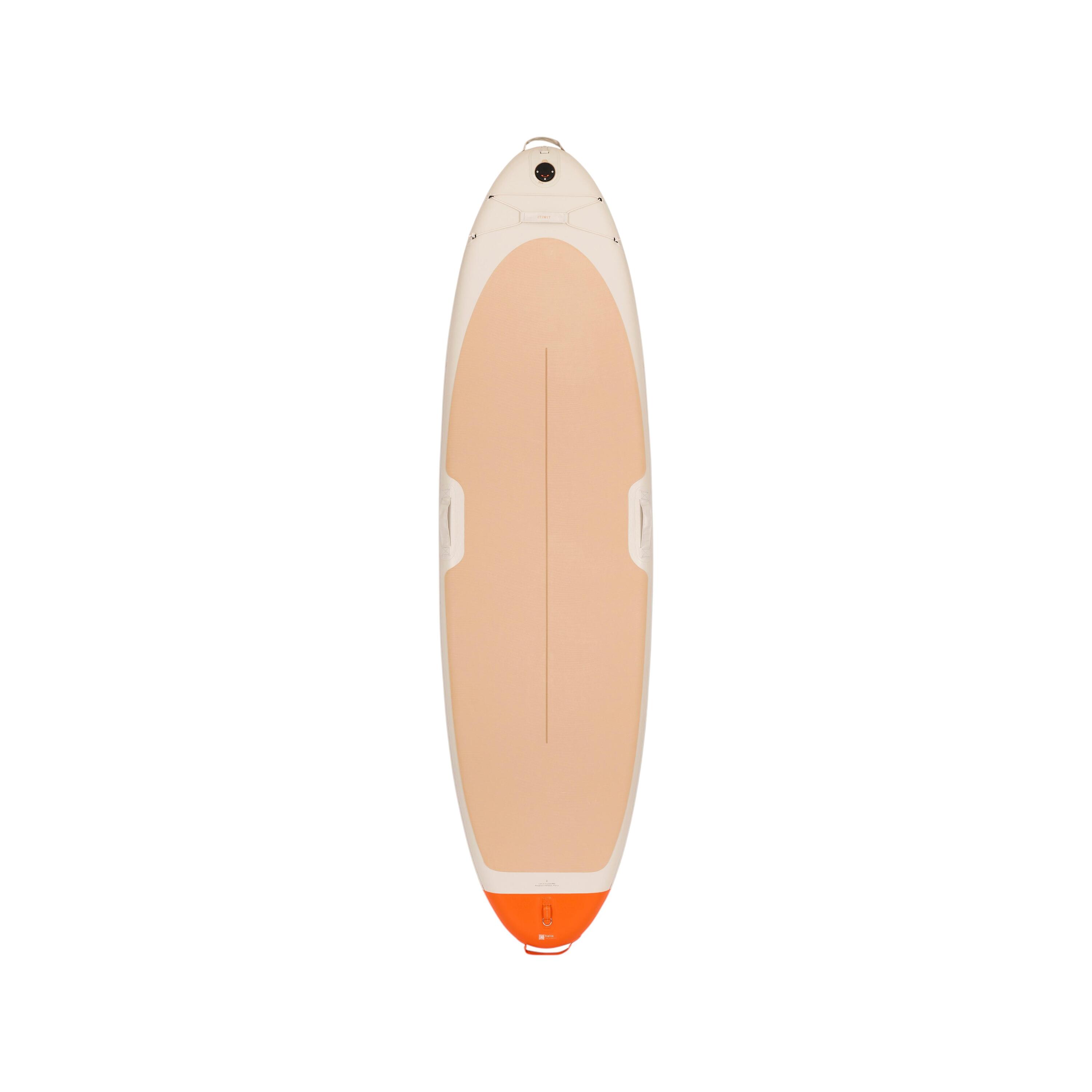
Navigating breaking waves requires a highly responsive craft that turns instantly on a lifting wave face. Unlike standard inflatable stand-up paddle boards built for stable flat-water tracking, wave-focused shapes use a distinct rocker profile and curved rail lines. This specific construction prevents the nose from plunging underwater during steep drop-ins. Advanced inflatable surf paddle boards incorporate high-density drop-stitch cores and thin three-inch rails, providing riders with maximum leverage and clean edge-holding performance. The narrow, pulled-in tail allows immediate pivoting adjustments when carving through quick beach breaks.

How does hull volume affect performance when entering coastal breaks?

Selecting the proper deck thickness dictates how easily an individual can paddle past the foaming whitewater. Traditional Stand-up Paddle Board Surfers look for tapered profiles that cut cleanly through oncoming chop without catching strong offshore wind currents. While long touring stand up paddle boards feature massive displacement volume for carrying cargo over long distances, ocean shapes compromise on straight-line tracking to maximise agility. A lower-volume tail sinks slightly under pressure, allowing for quick foot-steering adjustments when drop-ins become steep and critical.

Which fin configurations work best for navigating powerful ocean swells?

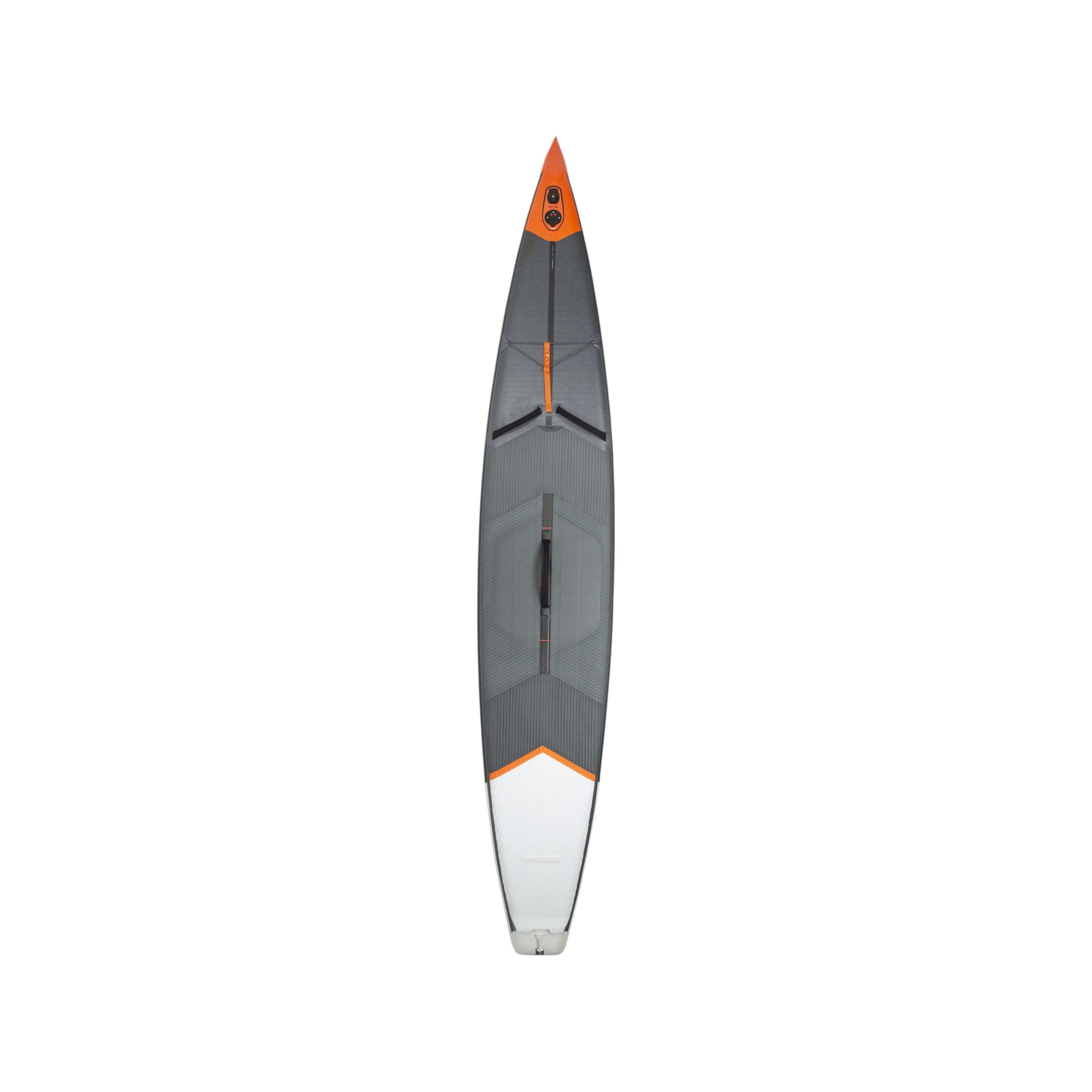
Controlling a wide deck inside shifting water channels depends heavily on beneath-the-surface tracking hardware. Using technical race stand-up paddle boards requires a singular, deep fin setup designed exclusively for straightforward propulsion. On the contrary, wave-riding craft benefit from a thruster set, which employs two smaller side fins alongside a central foil. Premium aquadesign surf paddle boards utilise this triple arrangement to deliver exceptional lateral hold, ensuring the rider can grip the steep wall of a wave securely without sliding out sideways.

Can static fitness models handle unexpected breaking beach waves?

Venturing away from sheltered estuaries into unpredictable coastal sectors requires specialised equipment built for sudden impact. Stable yoga stand-up paddle boards possess blunt, square outlines that struggle immensely inside moving rollers because the wide nose catches whitewater easily. For those moving between fitness sessions and open-water swell-riding, touring inflatable surf paddle boards offer a reliable middle ground. The reason for their unique pulled-in silhouette is to balance static stability with enough speed to escape a tumbling lip safely.

What environmental factors determine the choice between wind-sails and motorised assist?

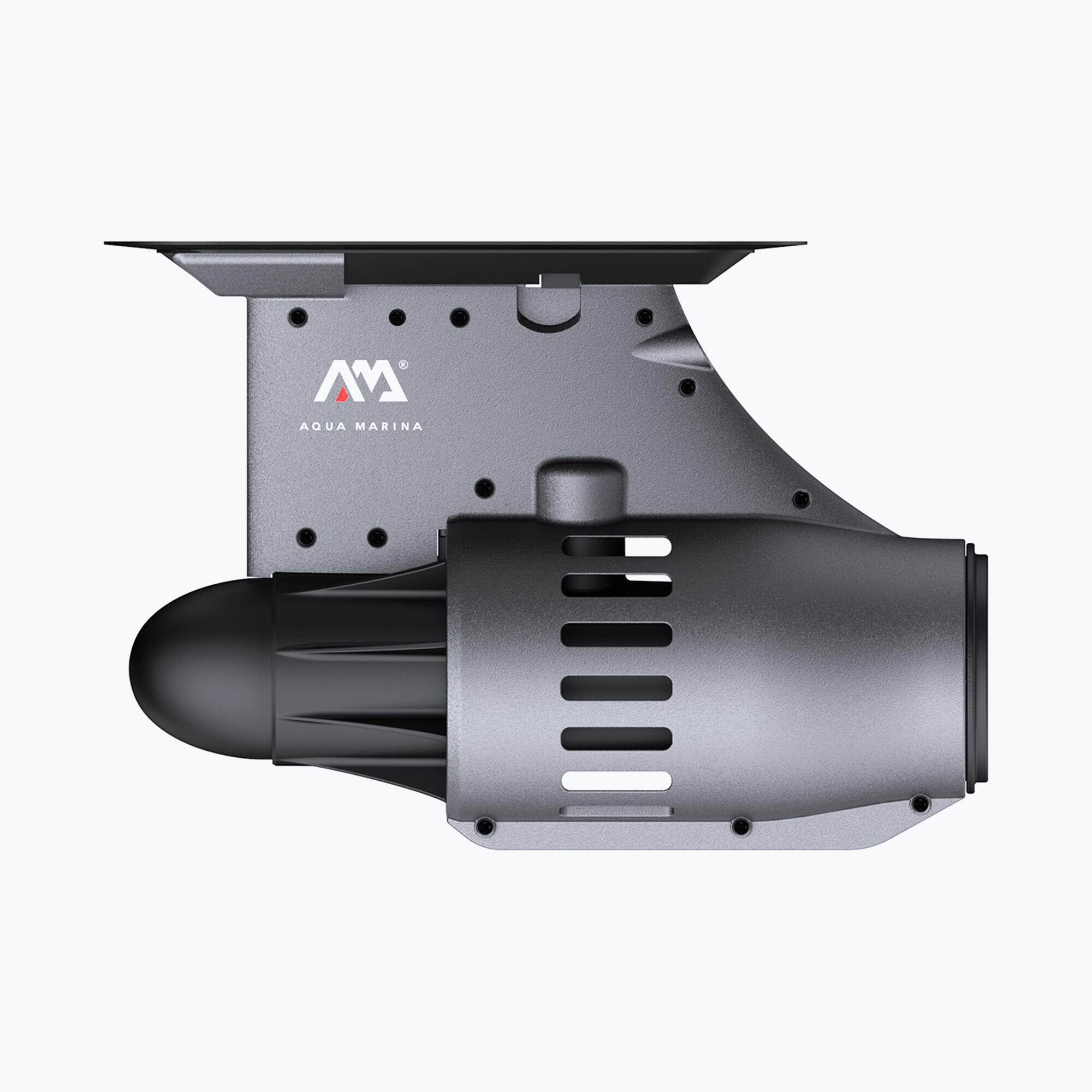
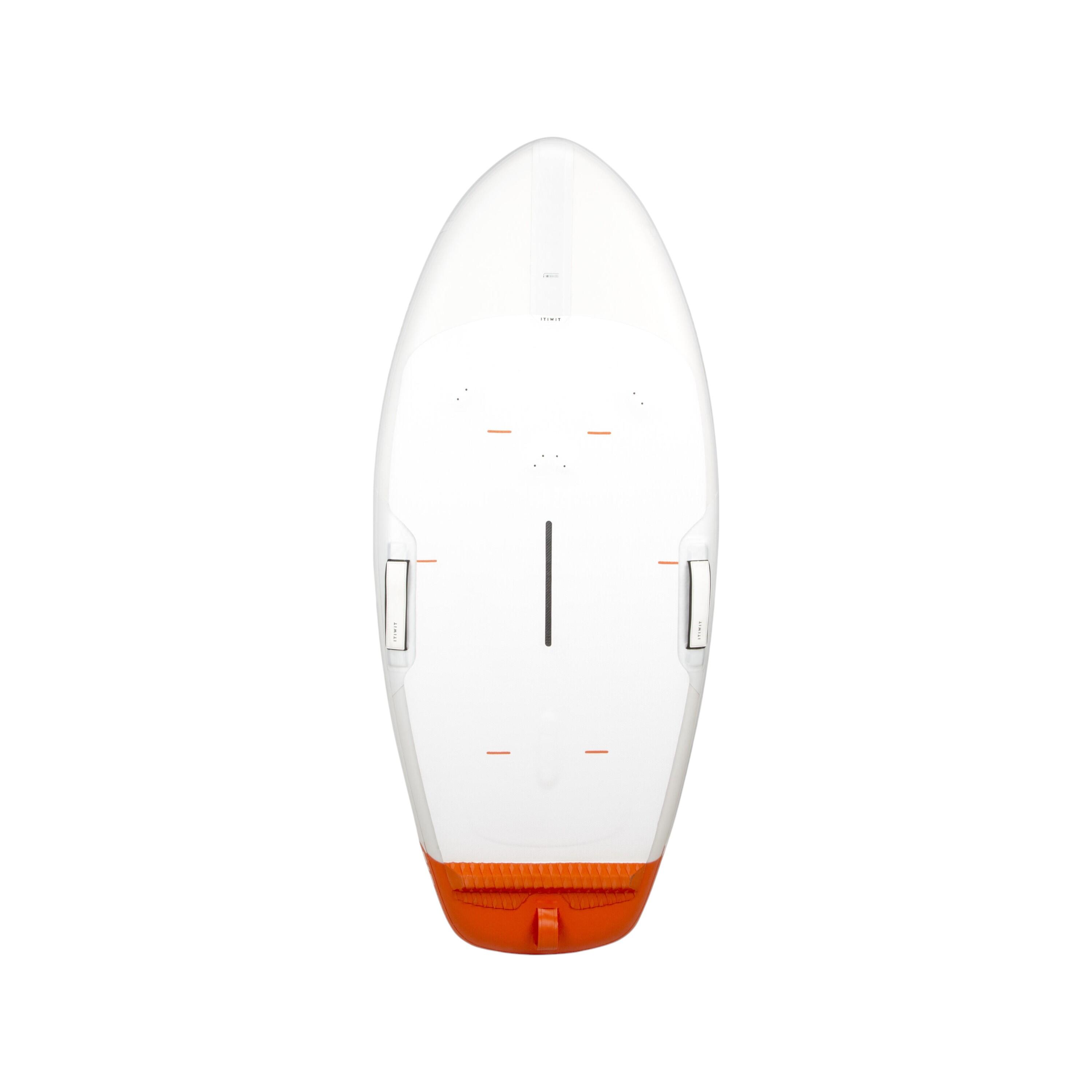
Changing weather patterns along the coast dictate how much external assistance an ocean excursion requires. Modern wing foil stand-up paddle boards utilise strong gusts to lift the entire hull clear above messy chop, providing immense speed via hydrofoils. Conversely, integrating electric surf paddle boards into an outfit offers reliable mechanical thrust when the breeze dies completely. Understanding tidal flows and localised sandbar formations remains crucial, as wind-powered setups require deep channels, whereas motorised gear allows navigating shallower coastal margins comfortably.