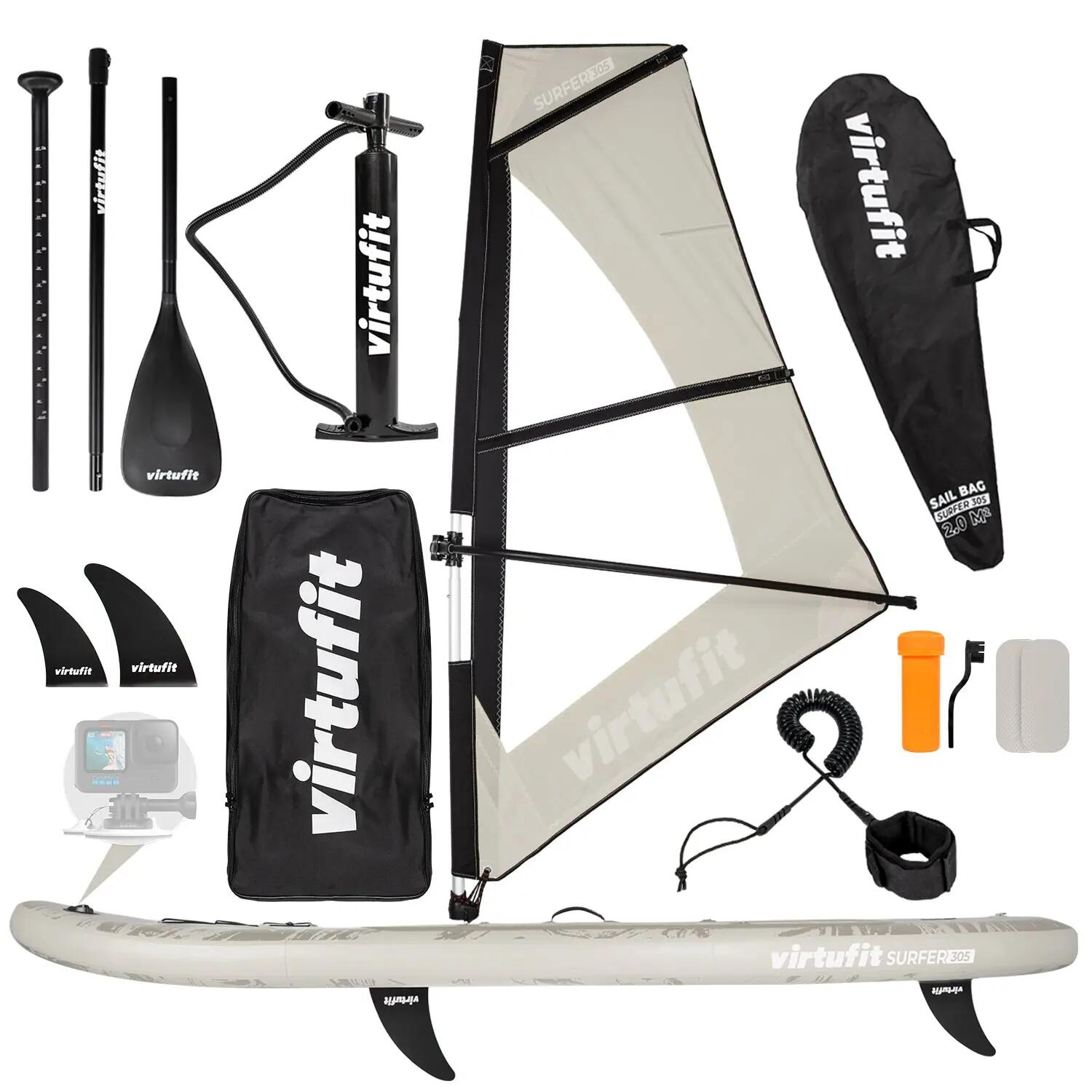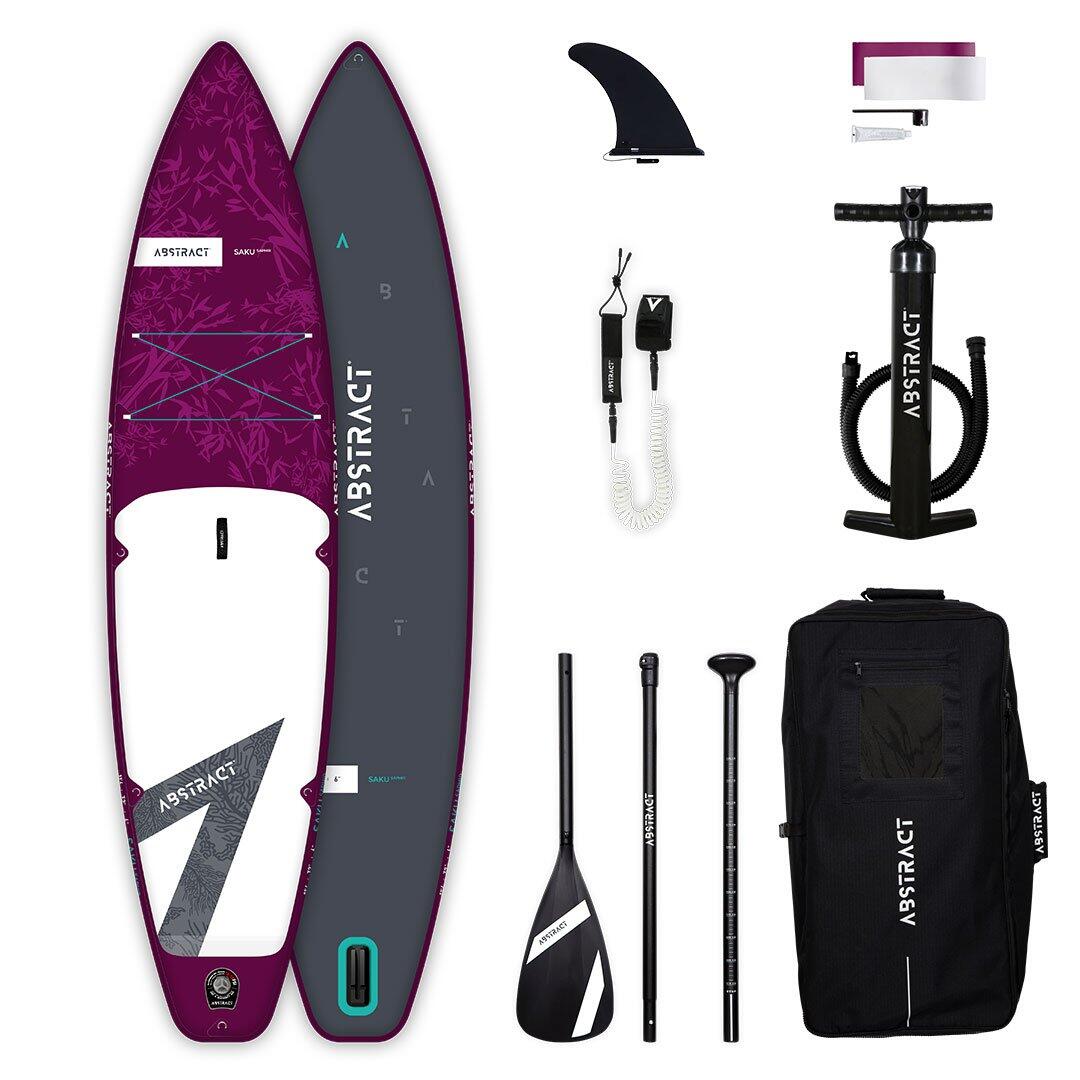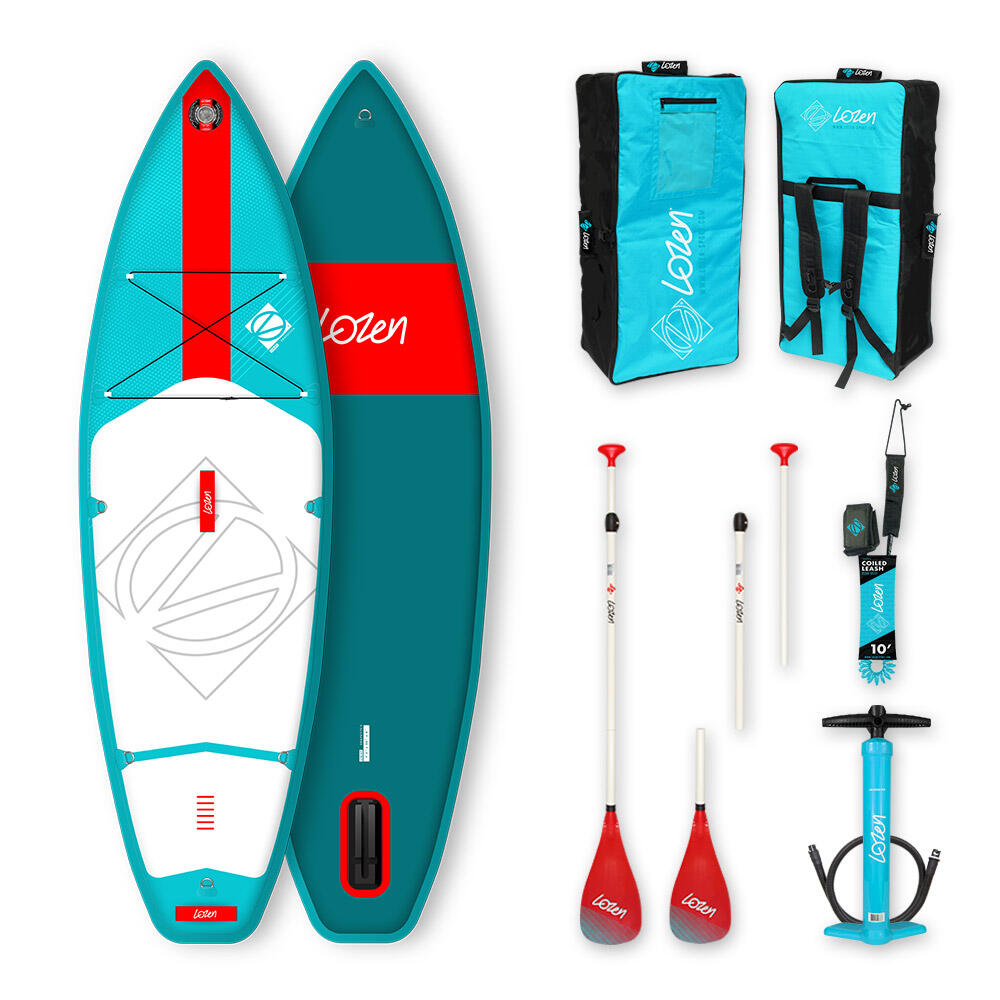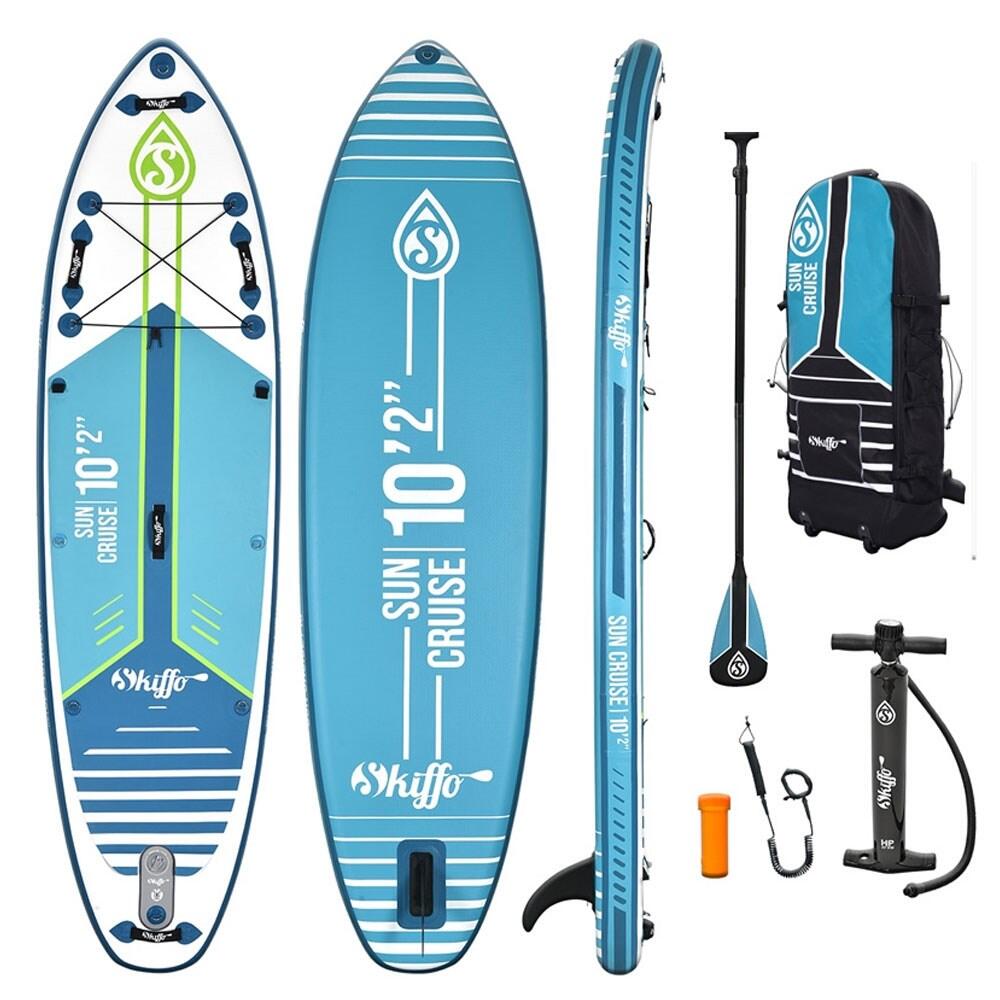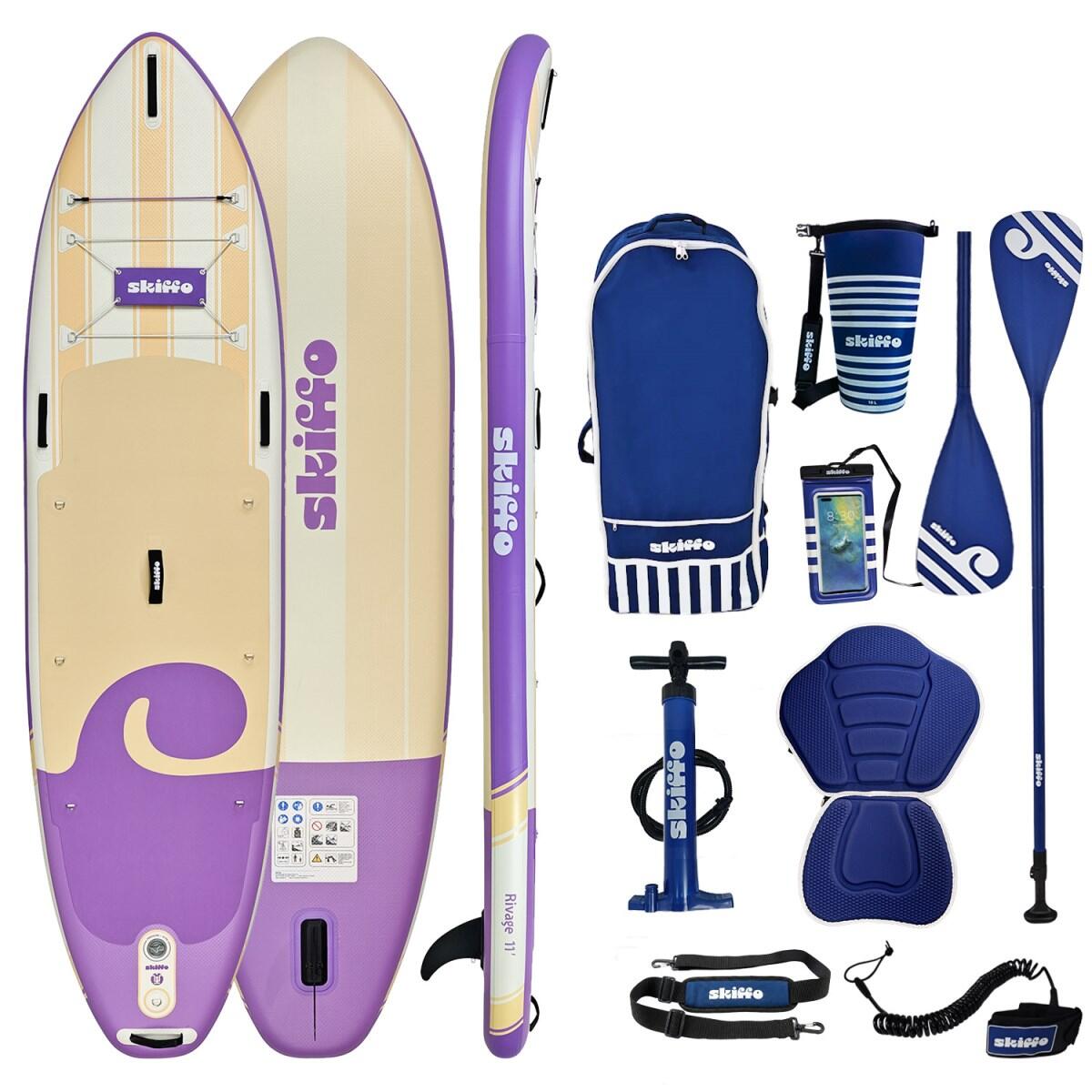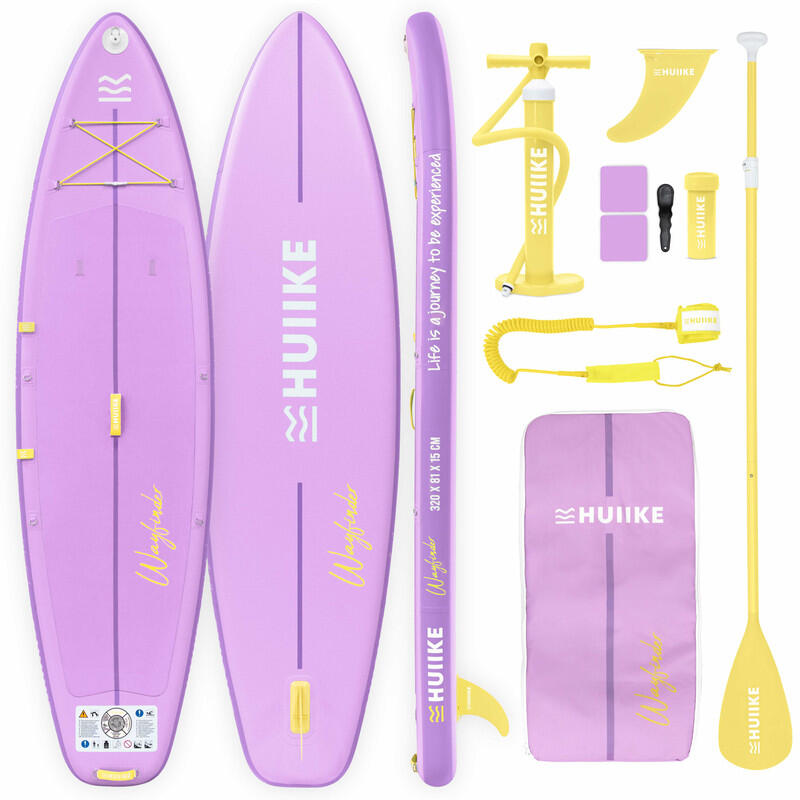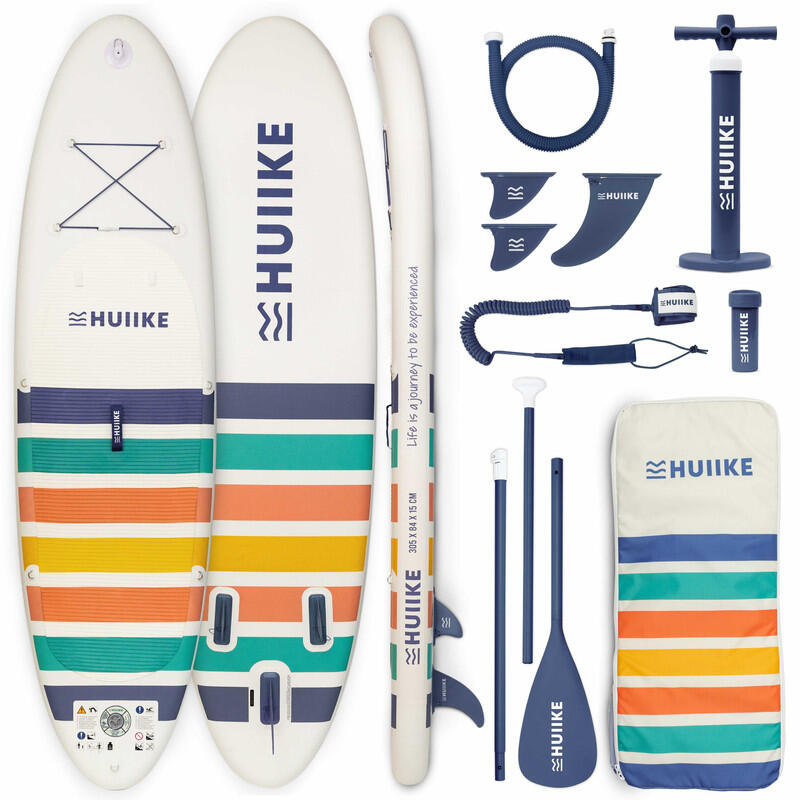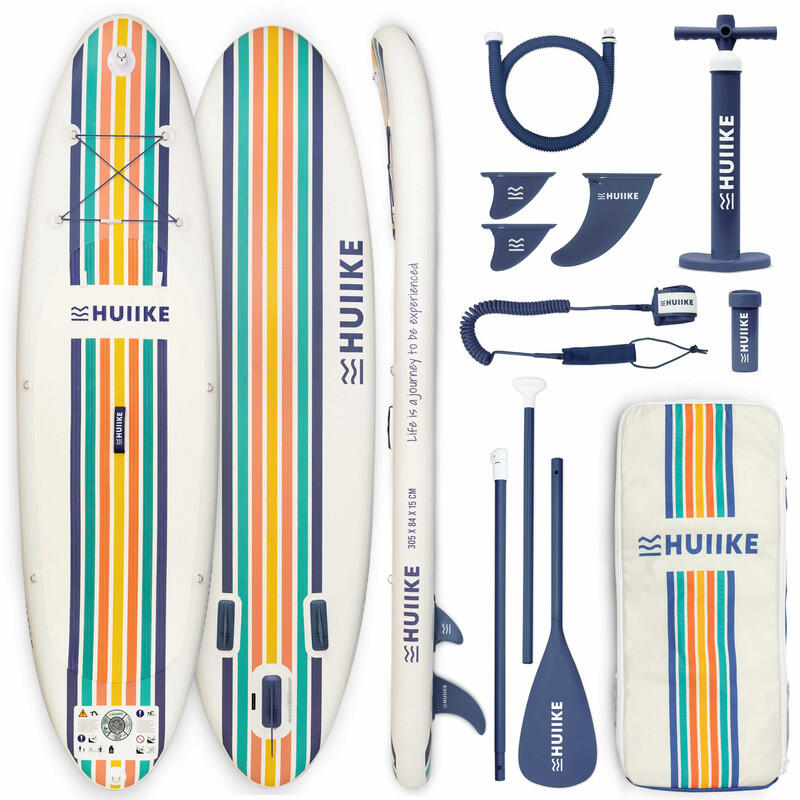
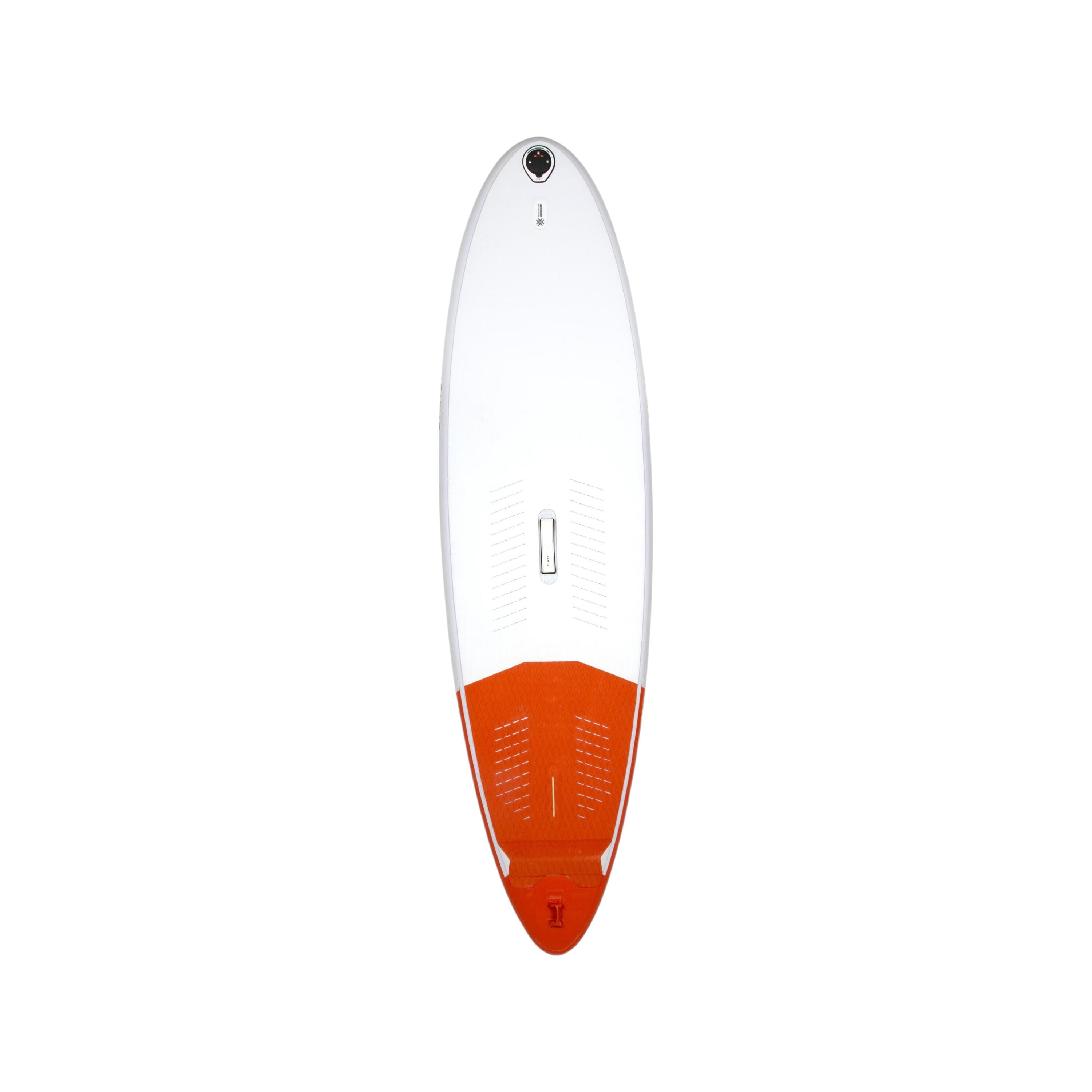
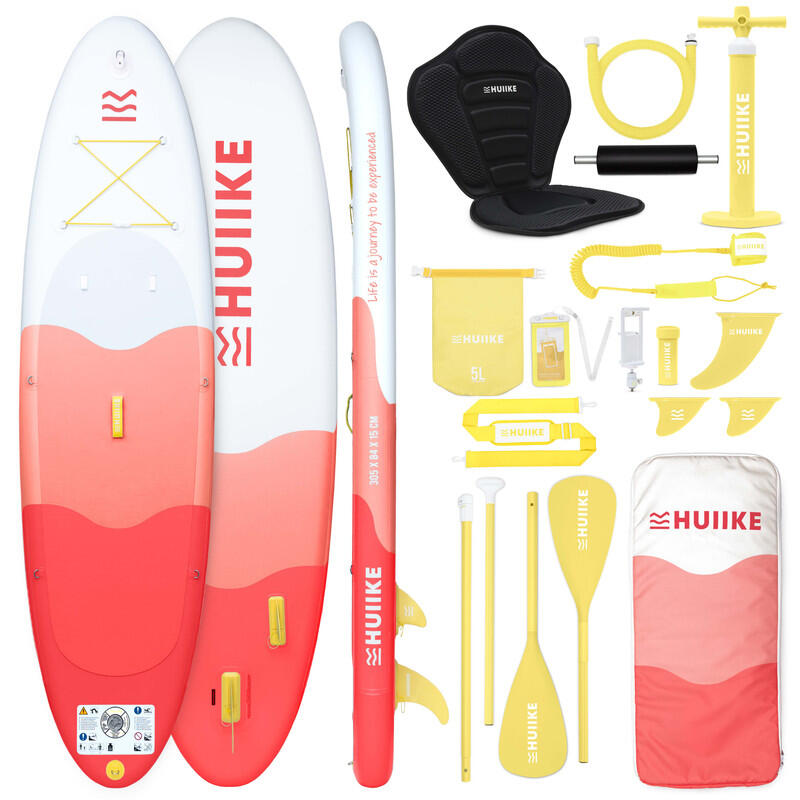
207 items
4.3/5 based on 3568 reviews collected online and in stores

TOURING STAND UP PADDLE BOARDS FAQS

What structural attributes define high-performance touring stand-up paddle boards?

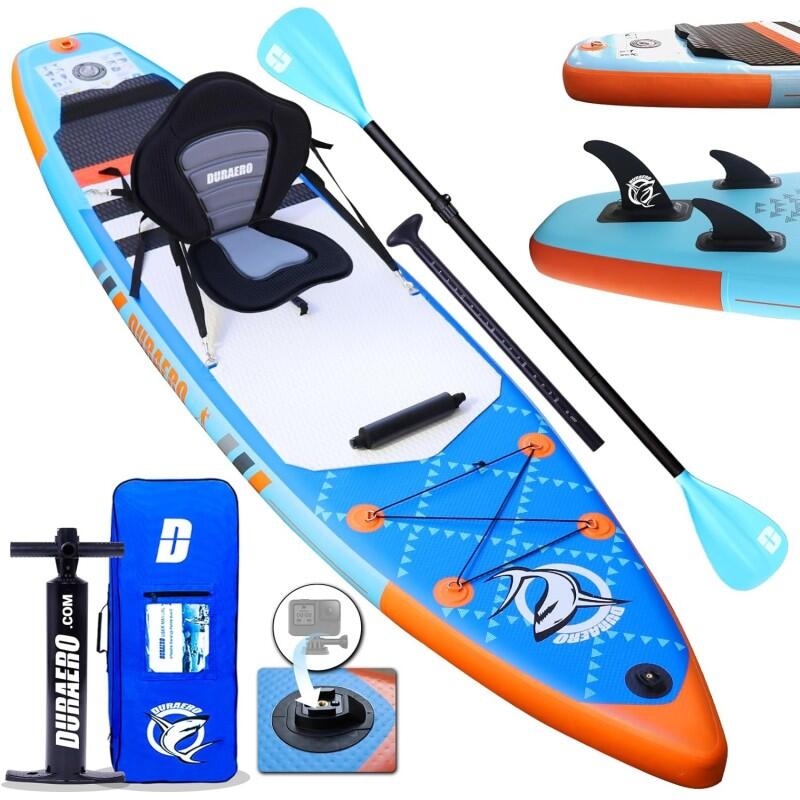
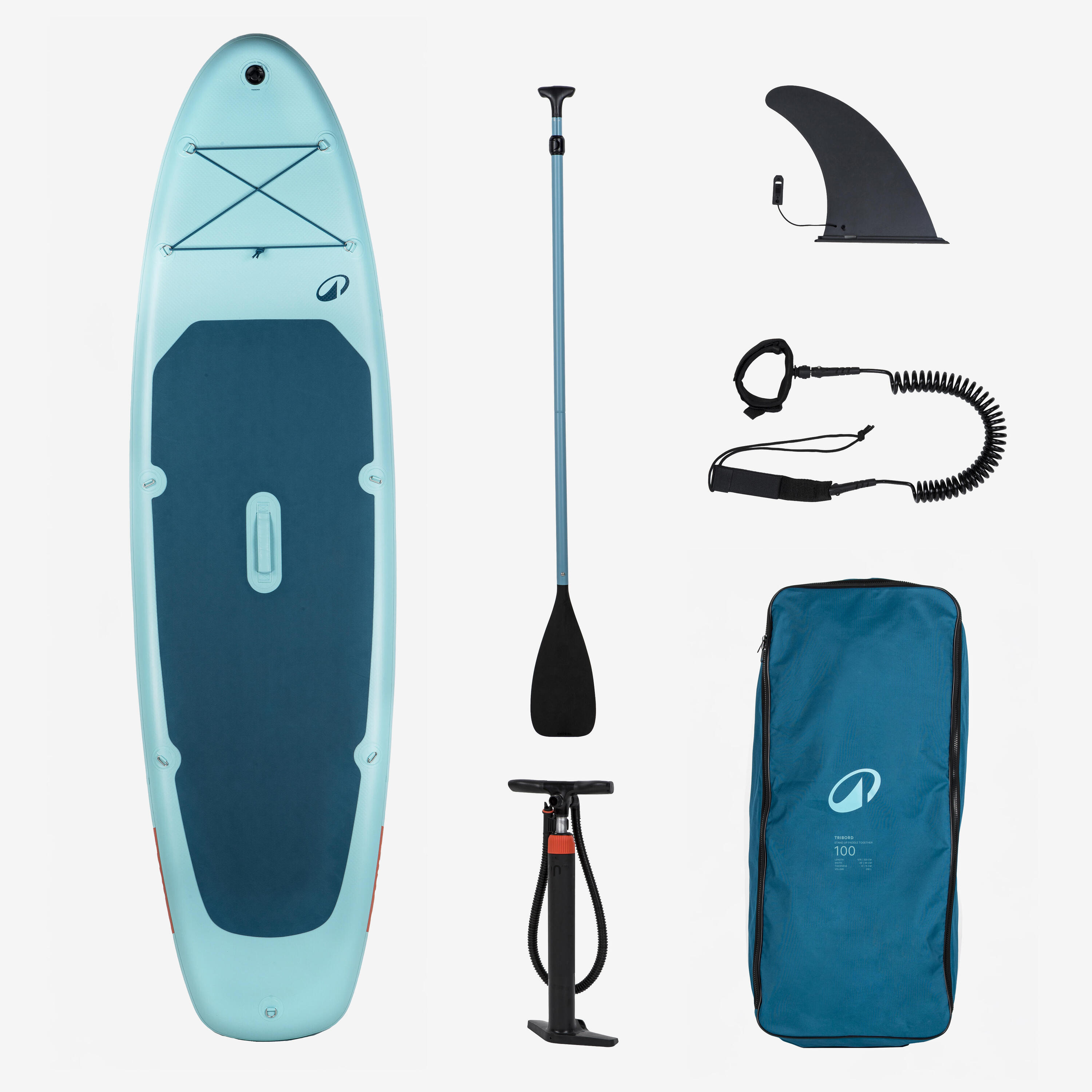
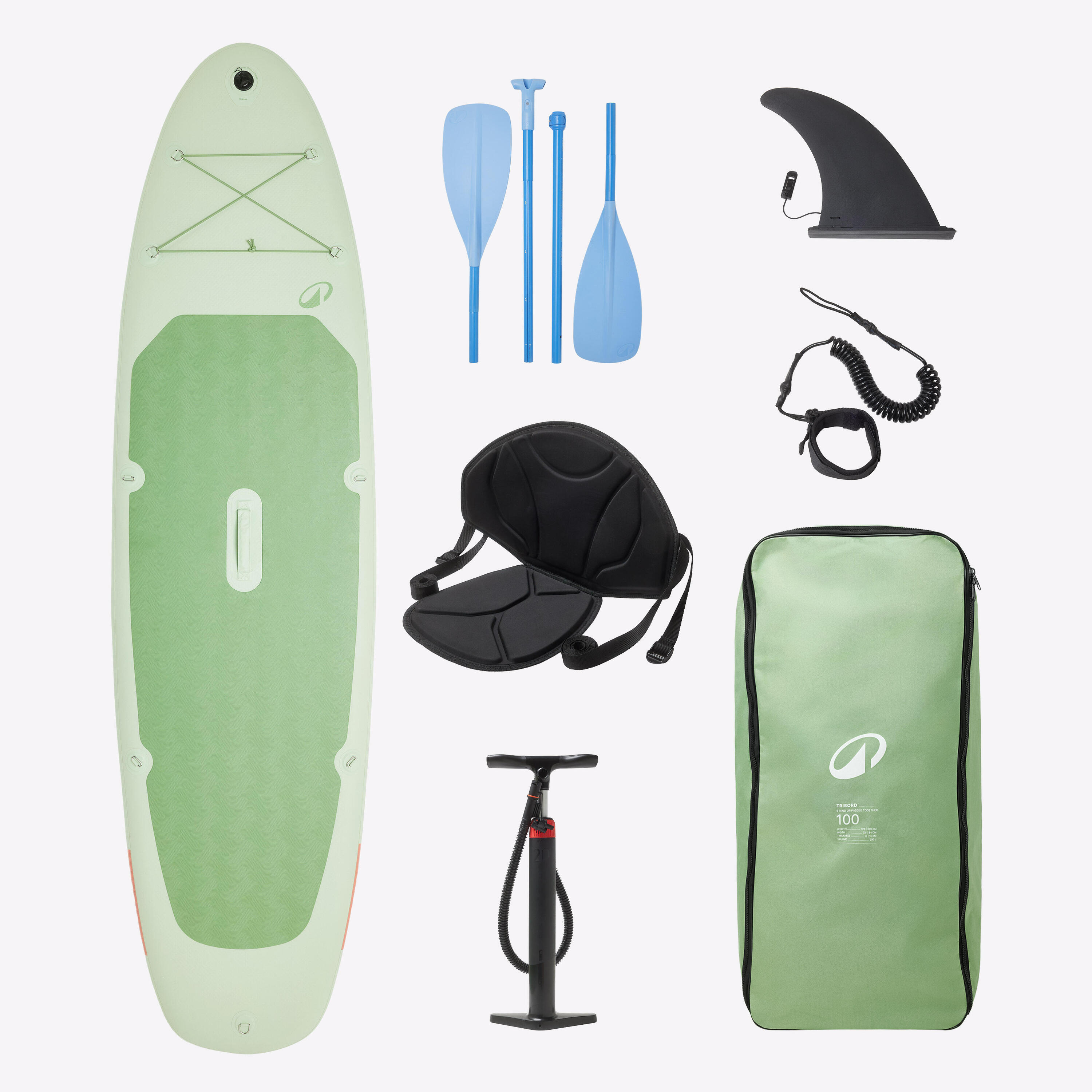
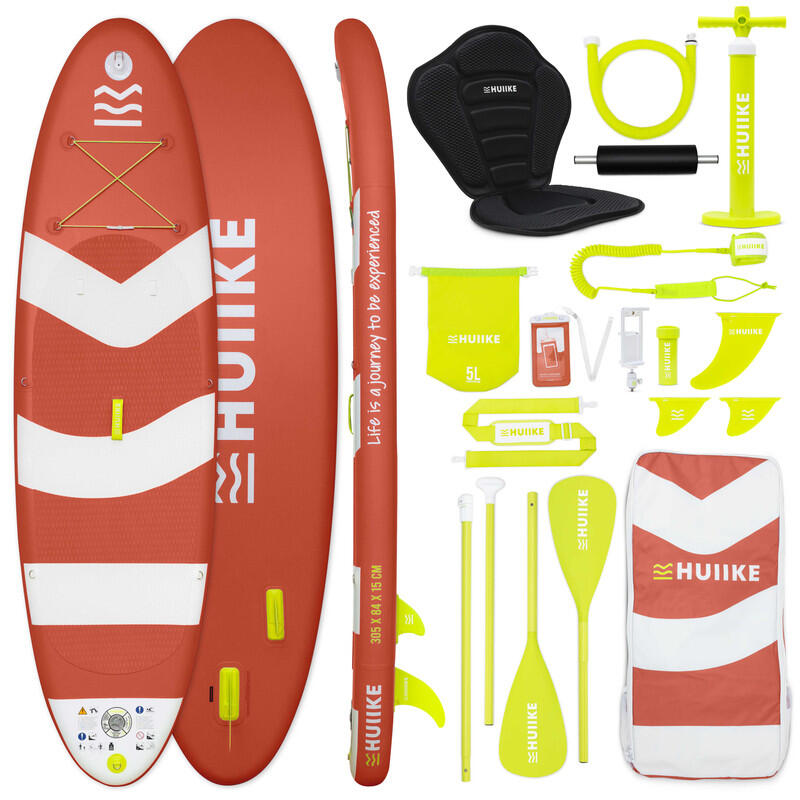
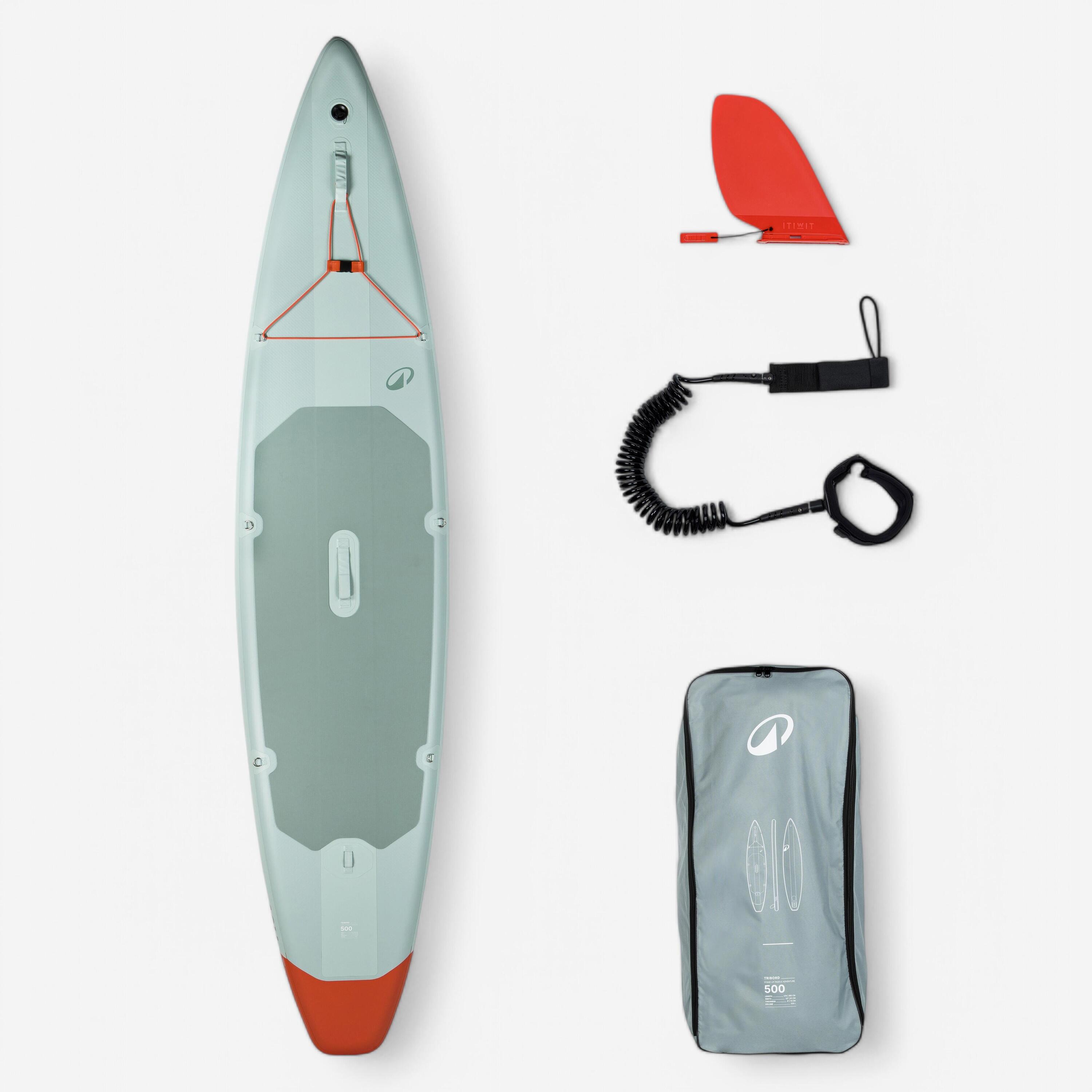
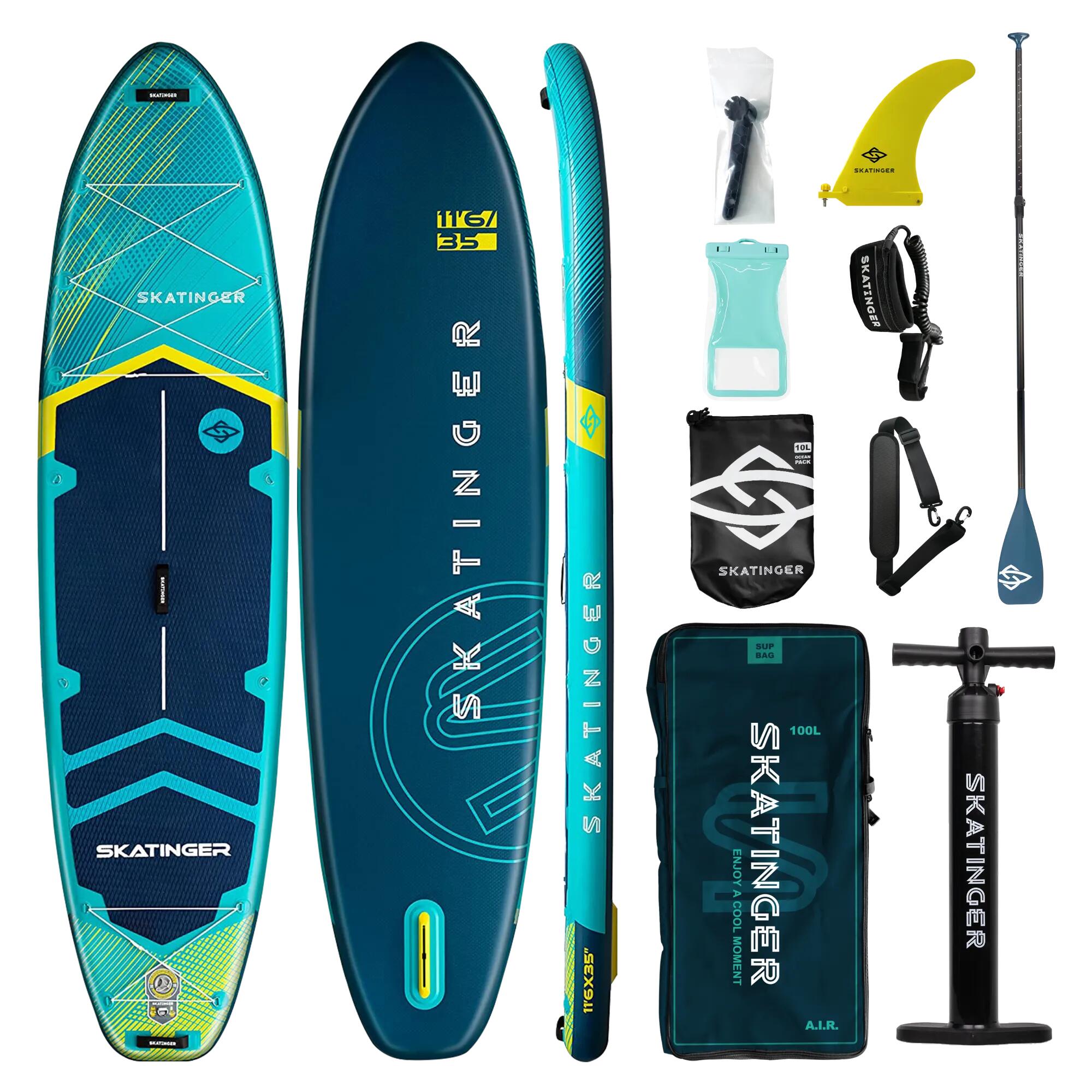
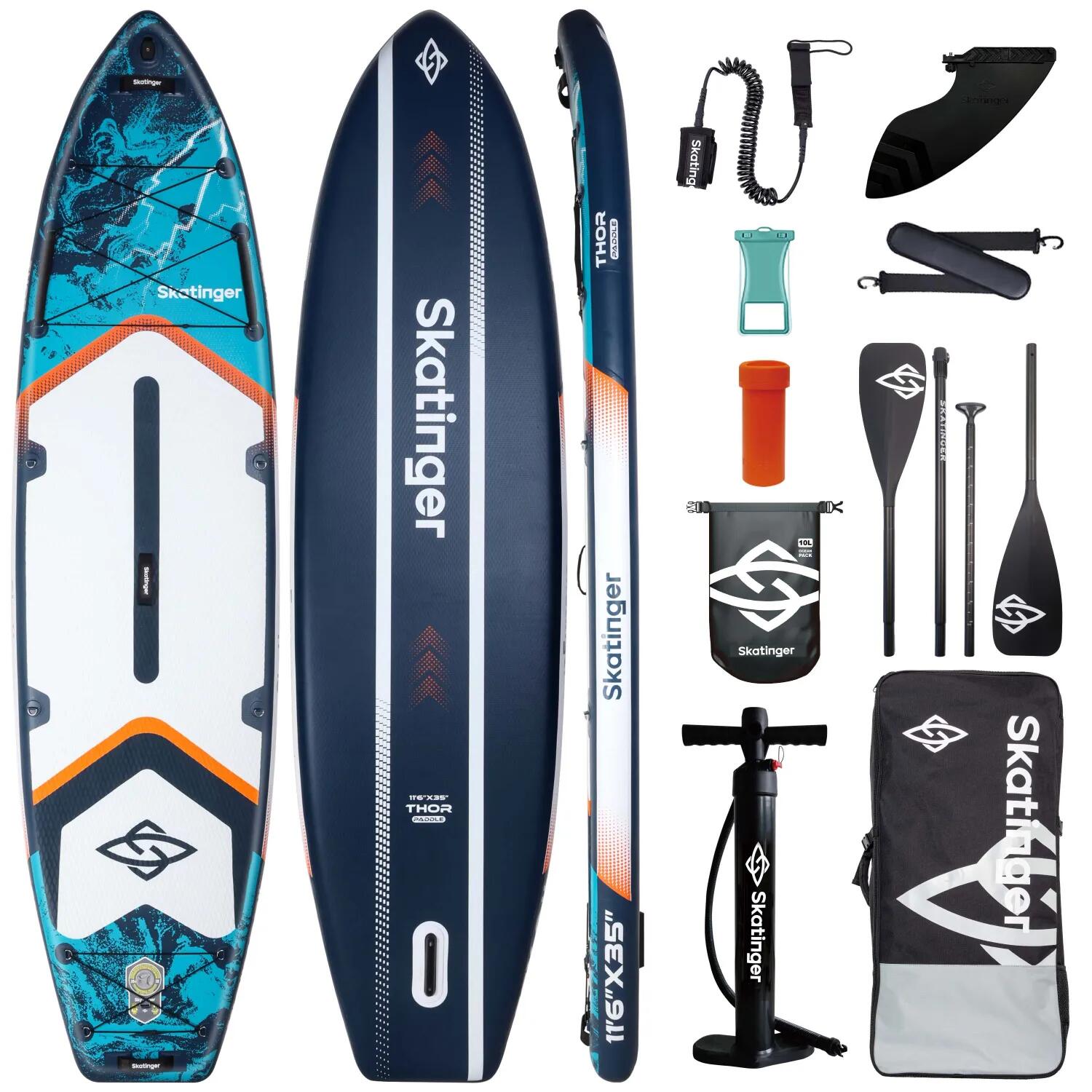
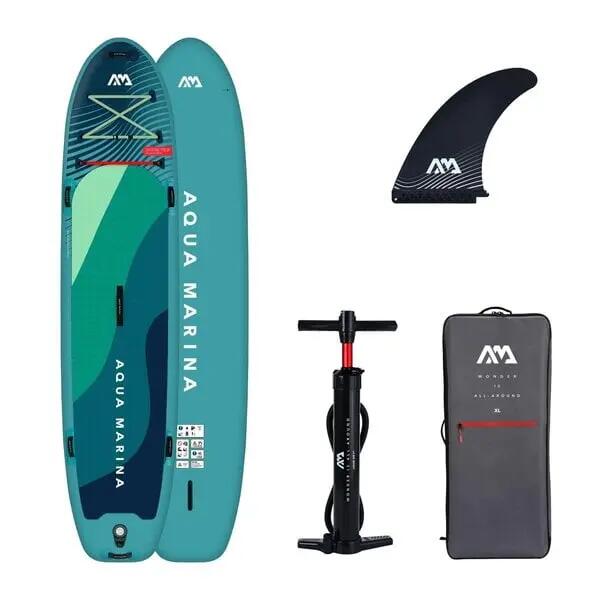
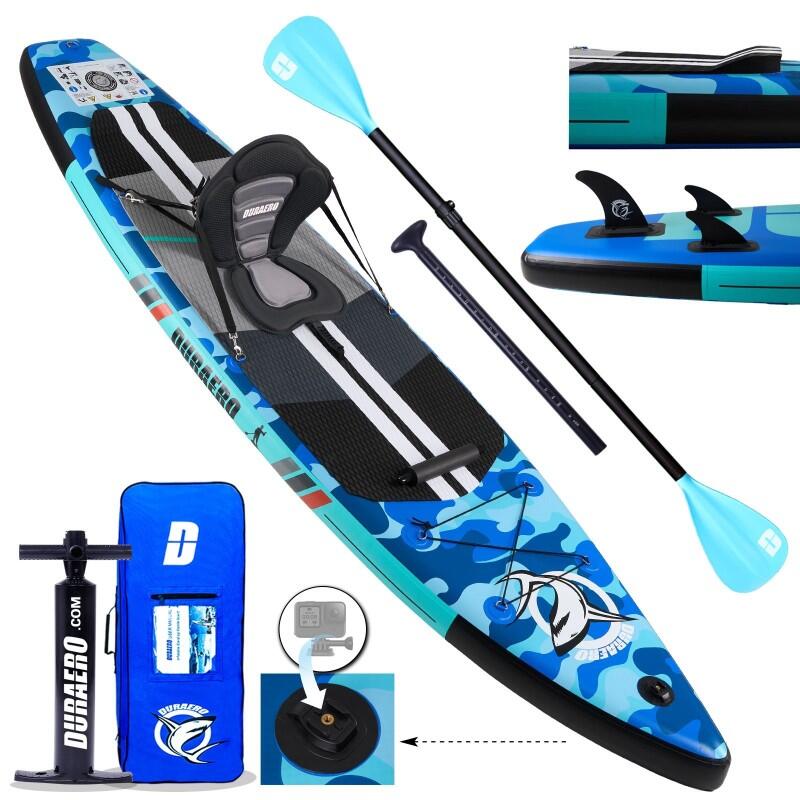
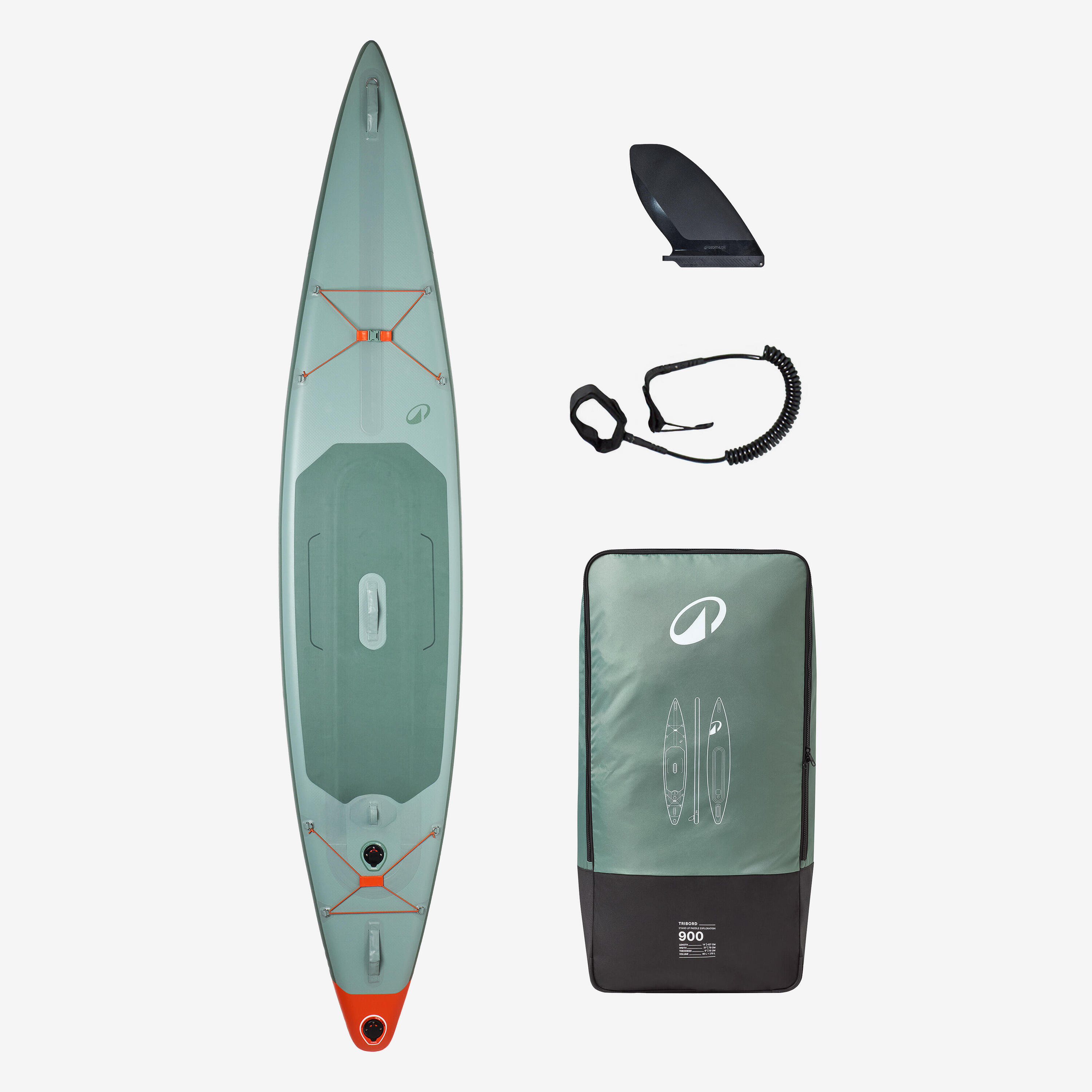
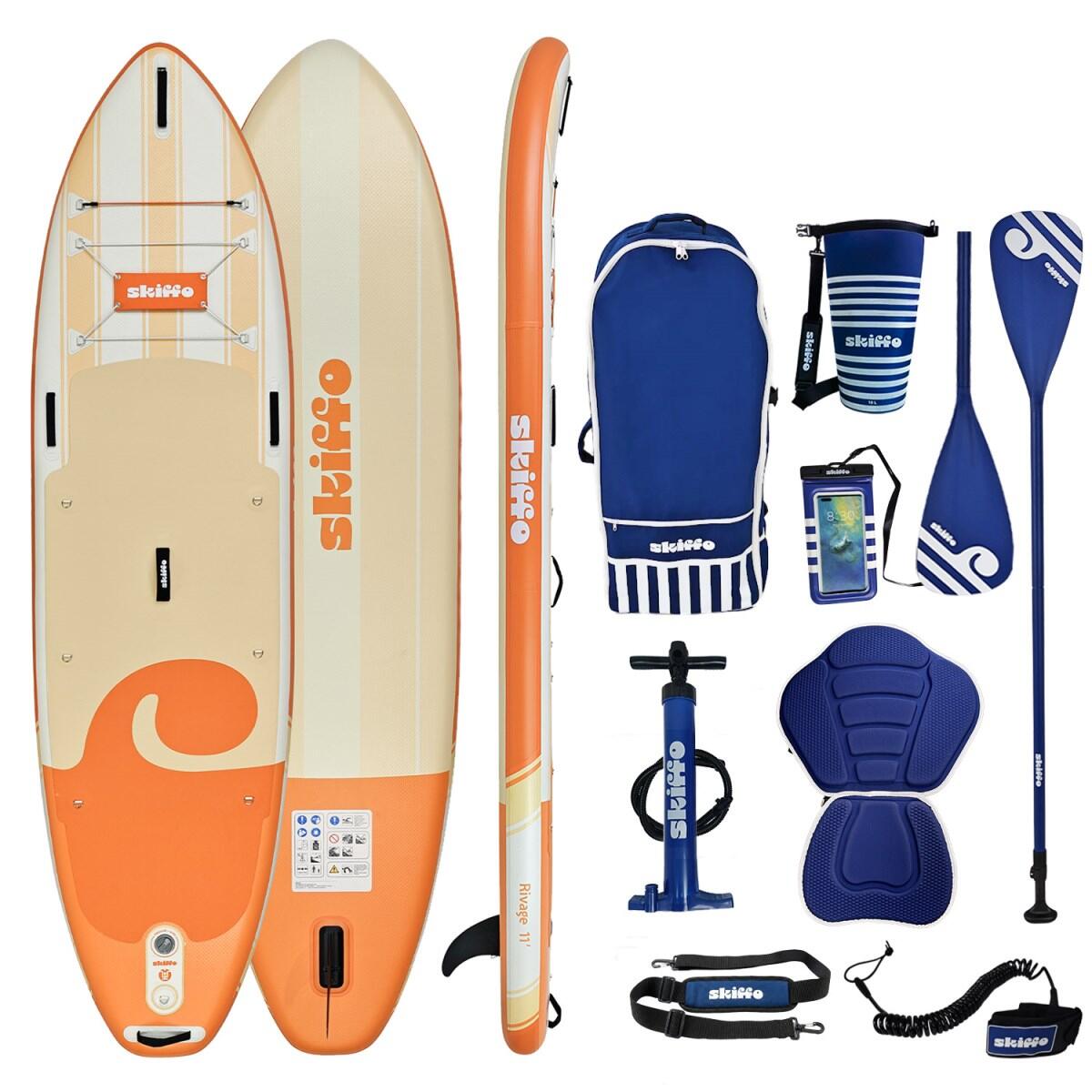
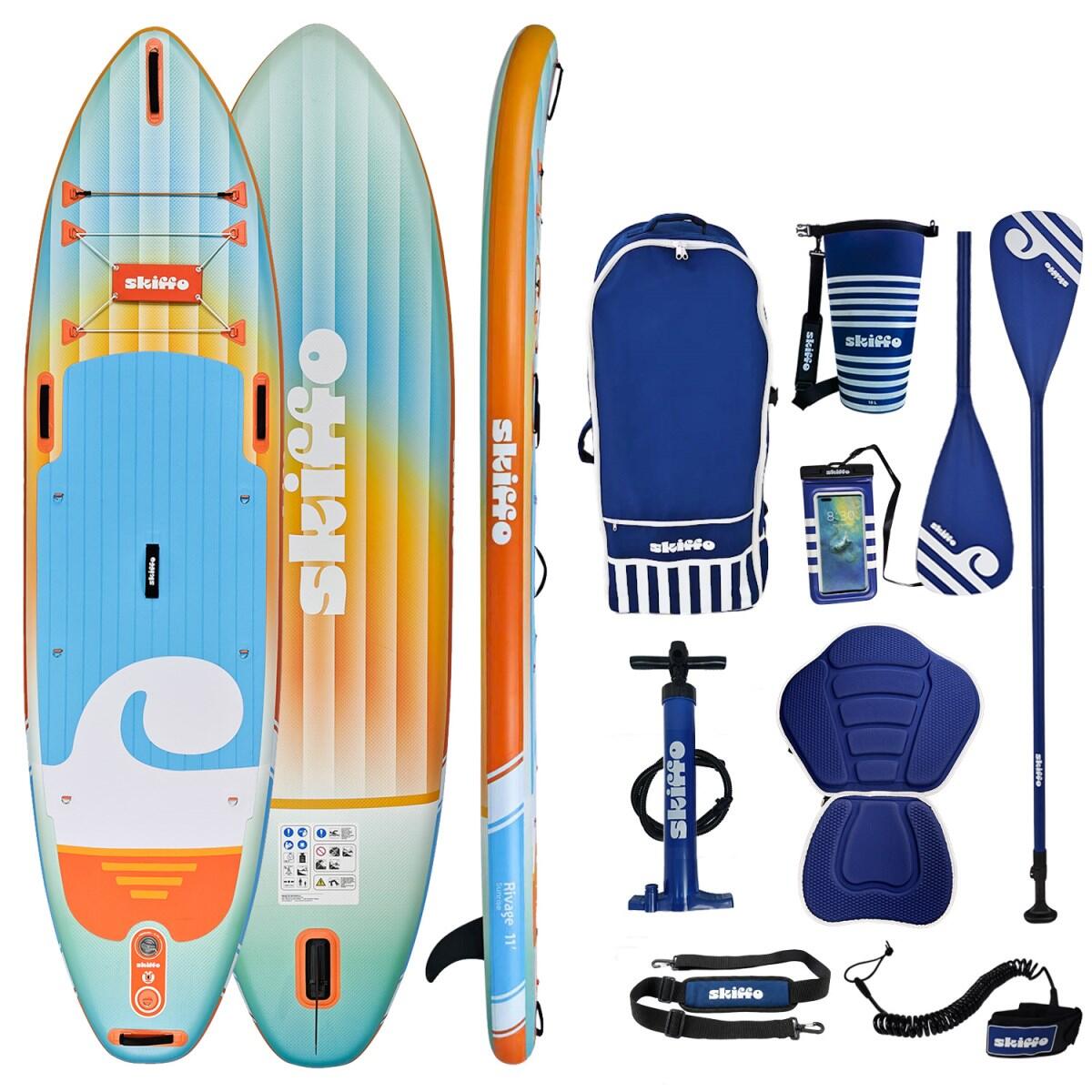
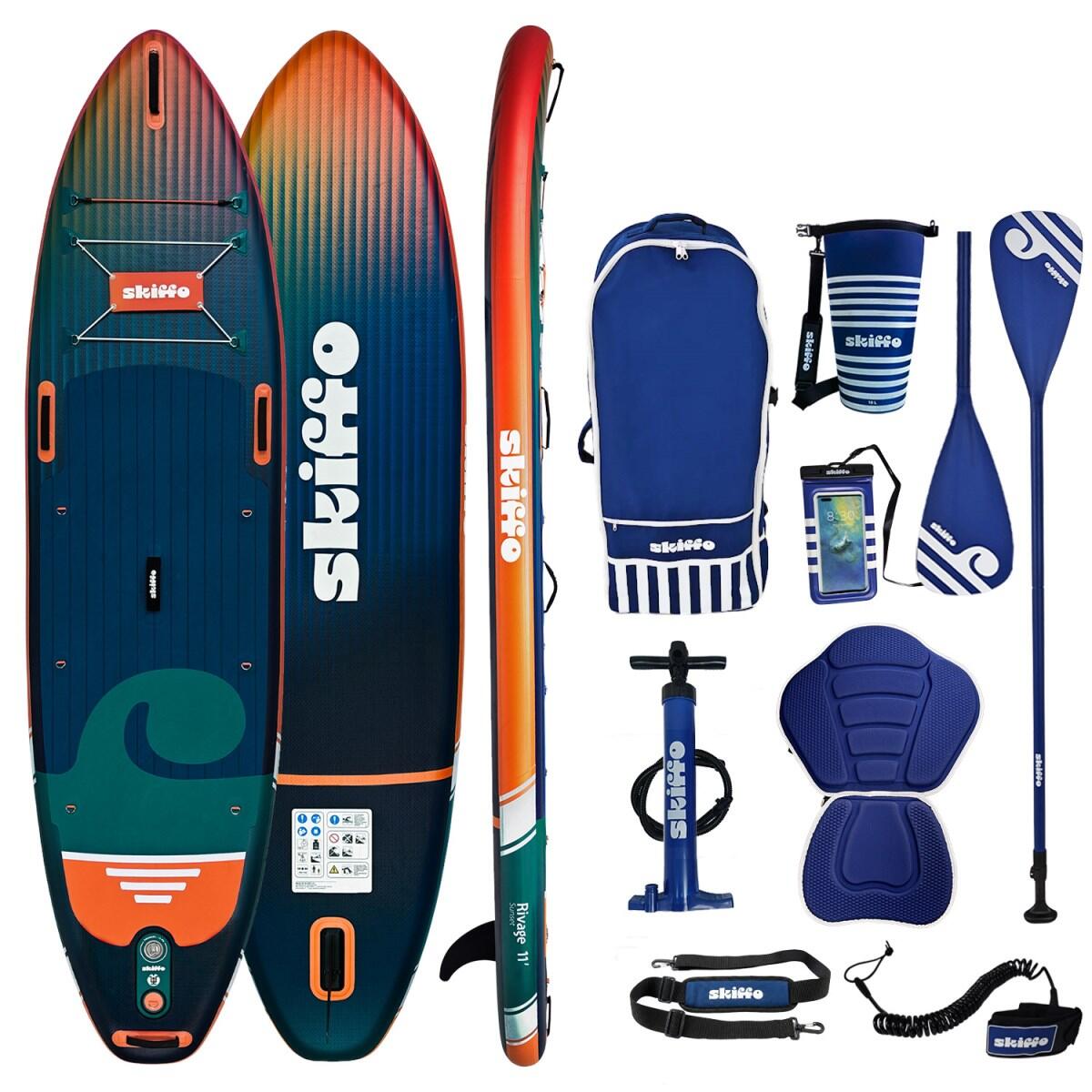
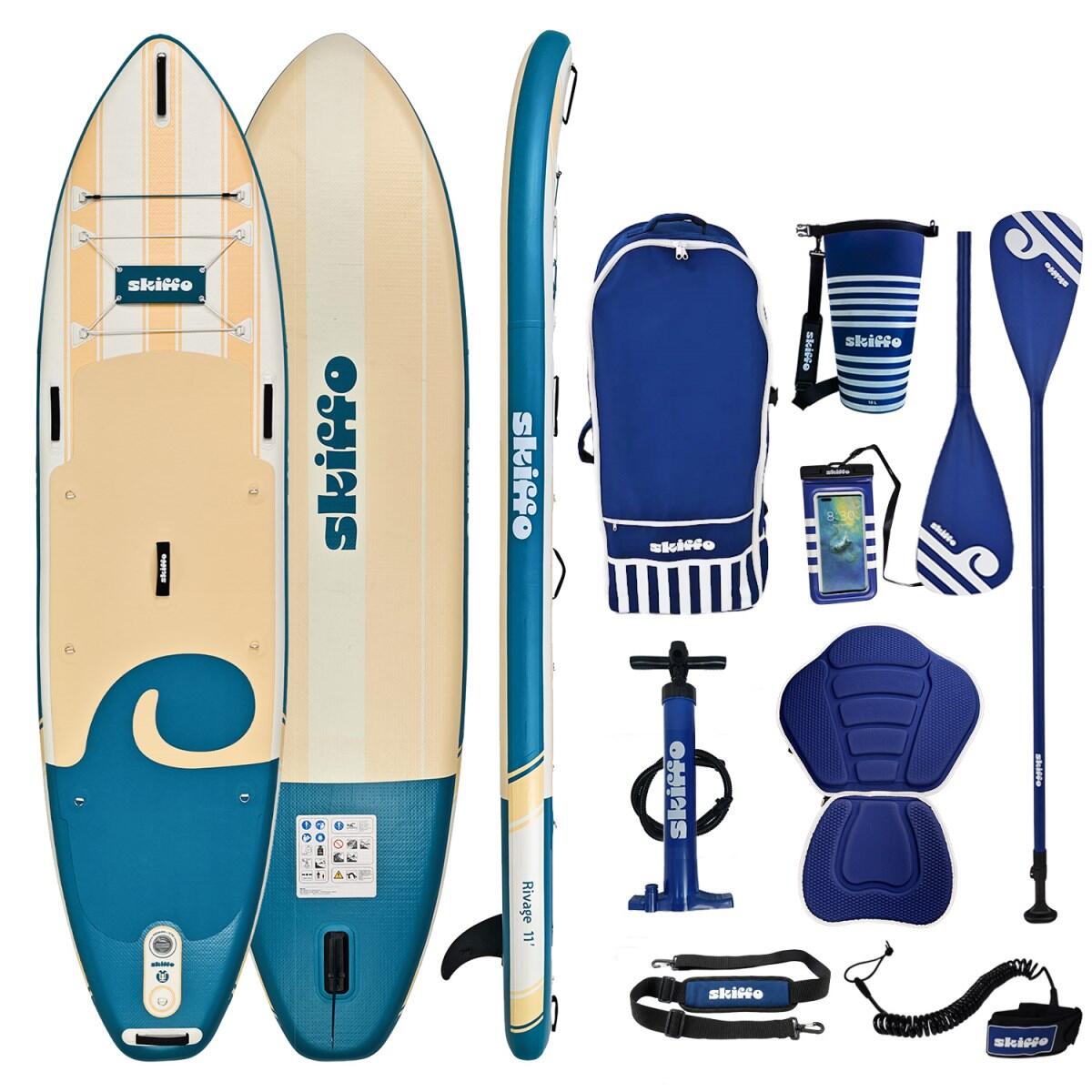
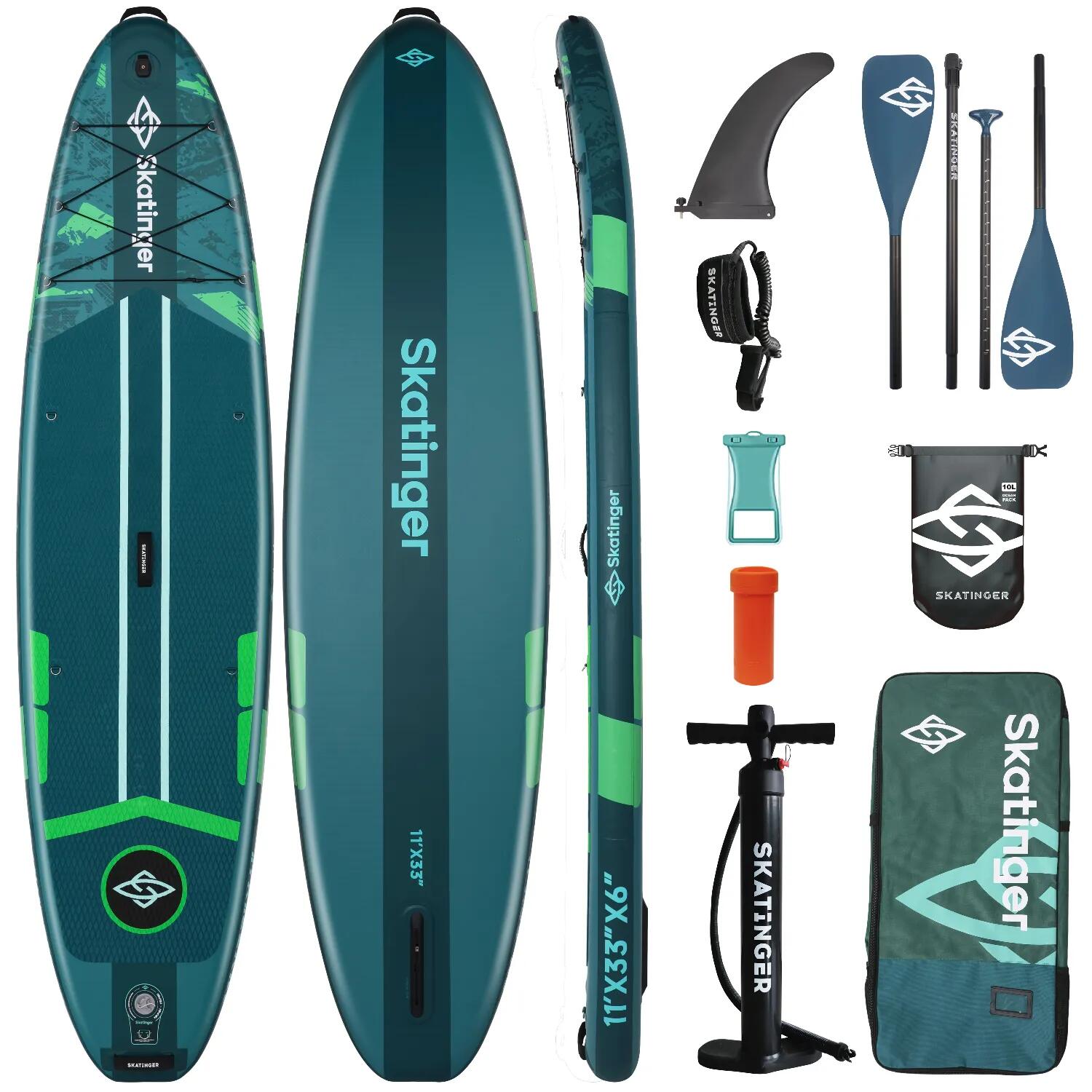
Long-distance watercraft require specific shaping to cut through heavy chop efficiently while carrying gear on extended excursions. Standard inflatable stand-up paddle boards offer brilliant utility, but models optimised for tracking utilise a displacement nose and a parallel rail outline. This specific geometry minimises rolling resistance, meaning the platform travels further with each stroke. Choosing a comprehensive Touring Inflatable SUP Package guarantees a rigid dual-layer drop-stitch construction that mimics a hard shell, ensuring the platform remains deflection-free when loaded with dry bags. Thick six-inch profiles prevent the deck from submerging under heavy cargo loads.
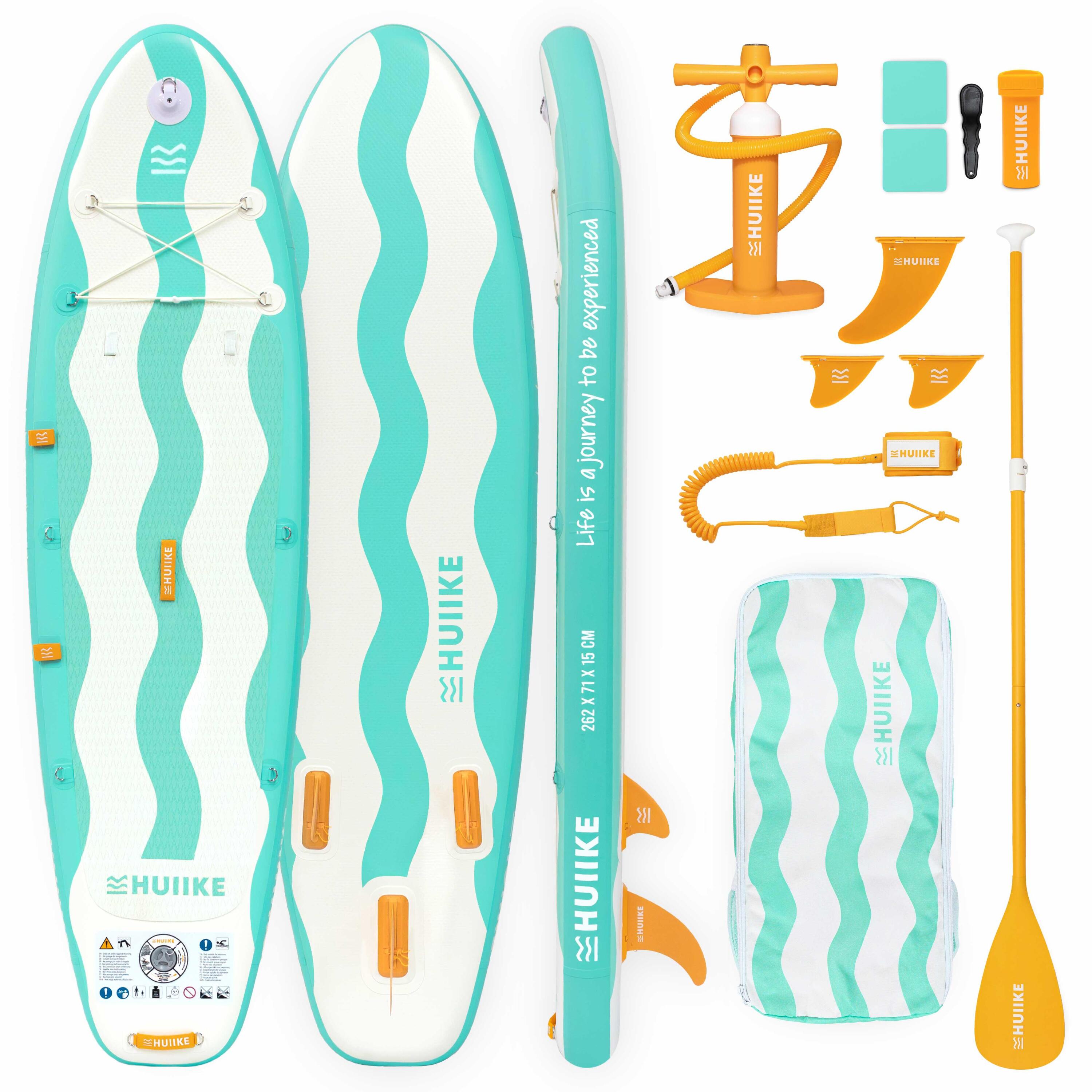
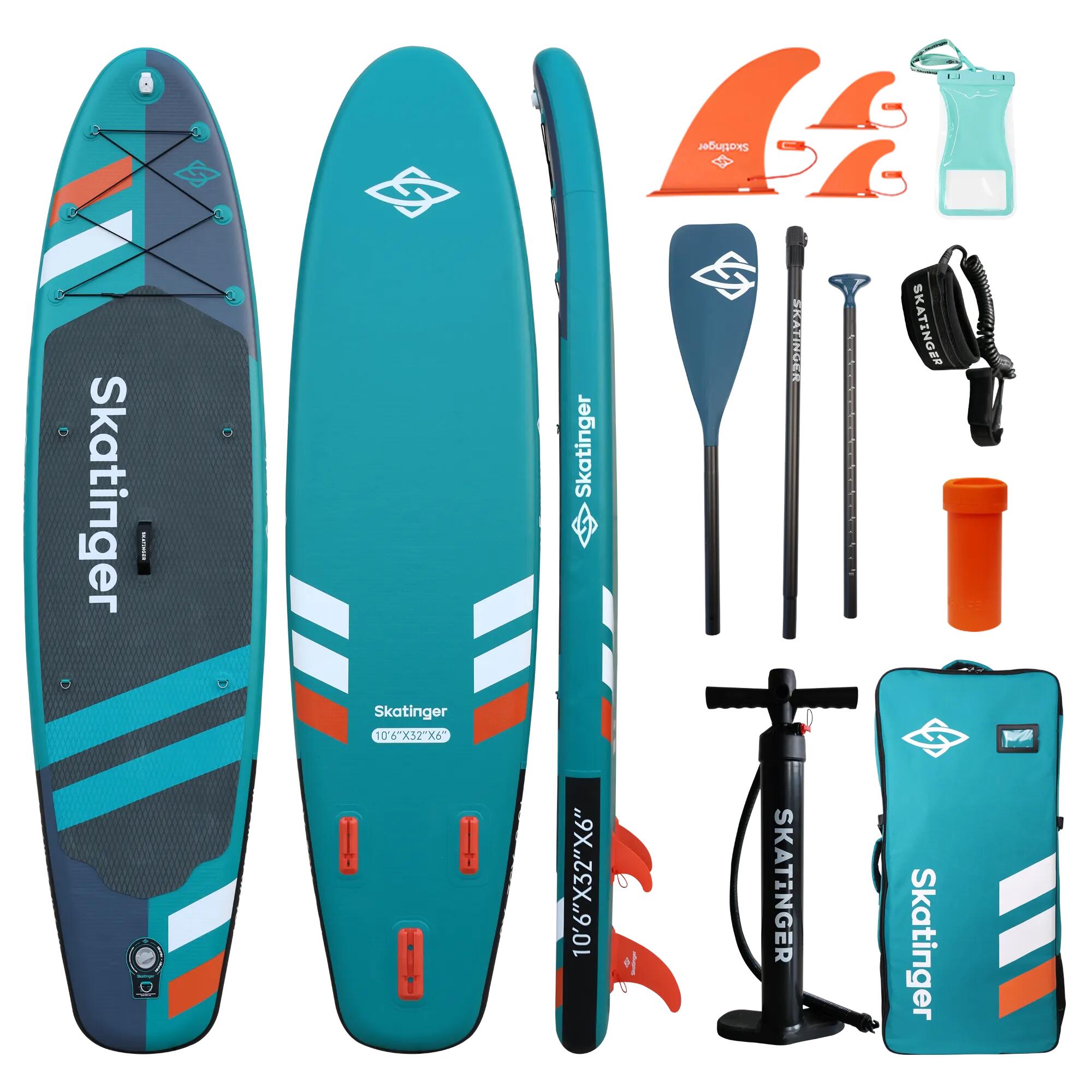
How do specific rail lines handle offshore coastal conditions?

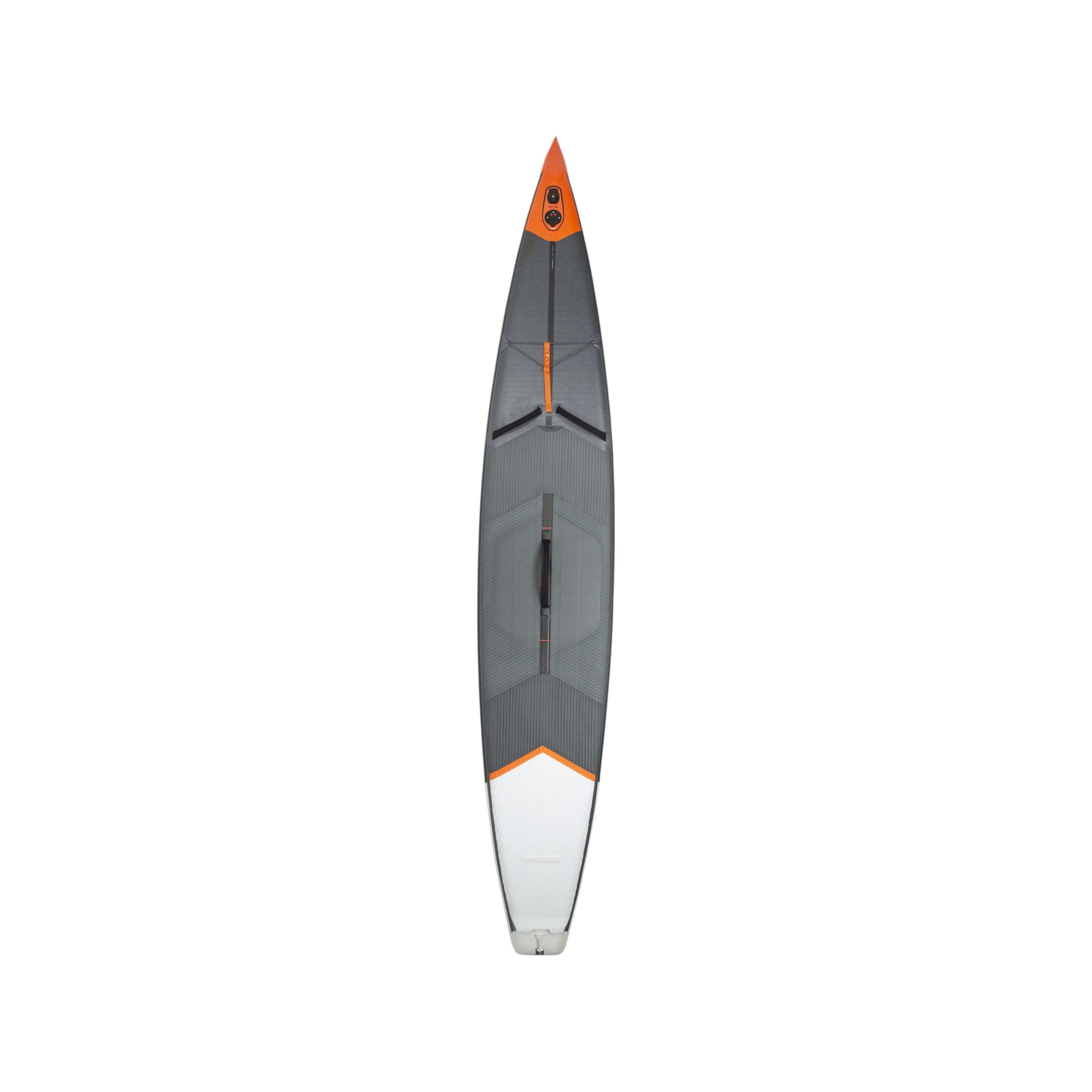
Navigating rolling swells along open coastlines requires a template that maintains linear momentum without getting pushed sideways by crosswinds. Selecting specialised race stand-up paddle boards provides a narrow hull that pierces water cleanly, reducing friction for maximum acceleration. For typical long-distance journeys, a wider tail outline is preferred because it boosts stability when shifting stance to deal with sudden waves. Incorporating a touring set inflatable sup boards arrangement with a long central fin ensures the craft holds its position, preventing constant side-to-side paddle adjustments in breezy conditions.

Which deck features are essential for multi-hour water excursions?

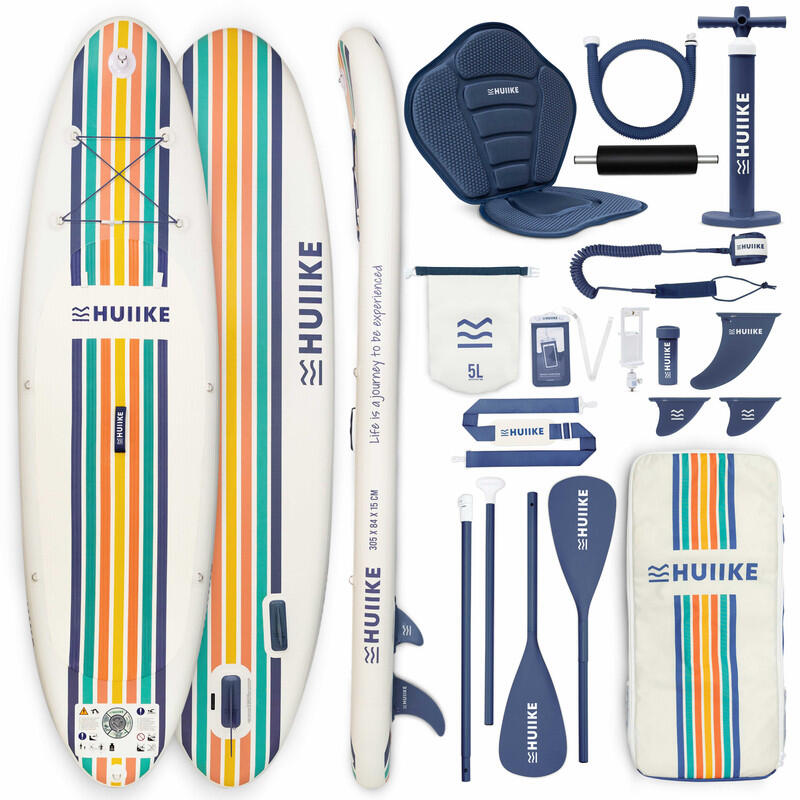
Spending a full afternoon on the water requires a deck pad layout focused entirely on joint comfort and cargo security. Integrated elastic bungees across the front section let you lash down critical dry storage bags, keeping weight low and centred. Some enthusiasts prefer transitioning to wide yoga stand-up paddle boards for pure stability, but dedicated distance models feature textured EVA foam traction zones that reduce foot fatigue during hours of standing. Lightweight compact touring sup boards offer an optimised pack-down volume, rolling into a neat backpack that fits easily inside car boots.

What template variations assist when transitioning into surf zones?

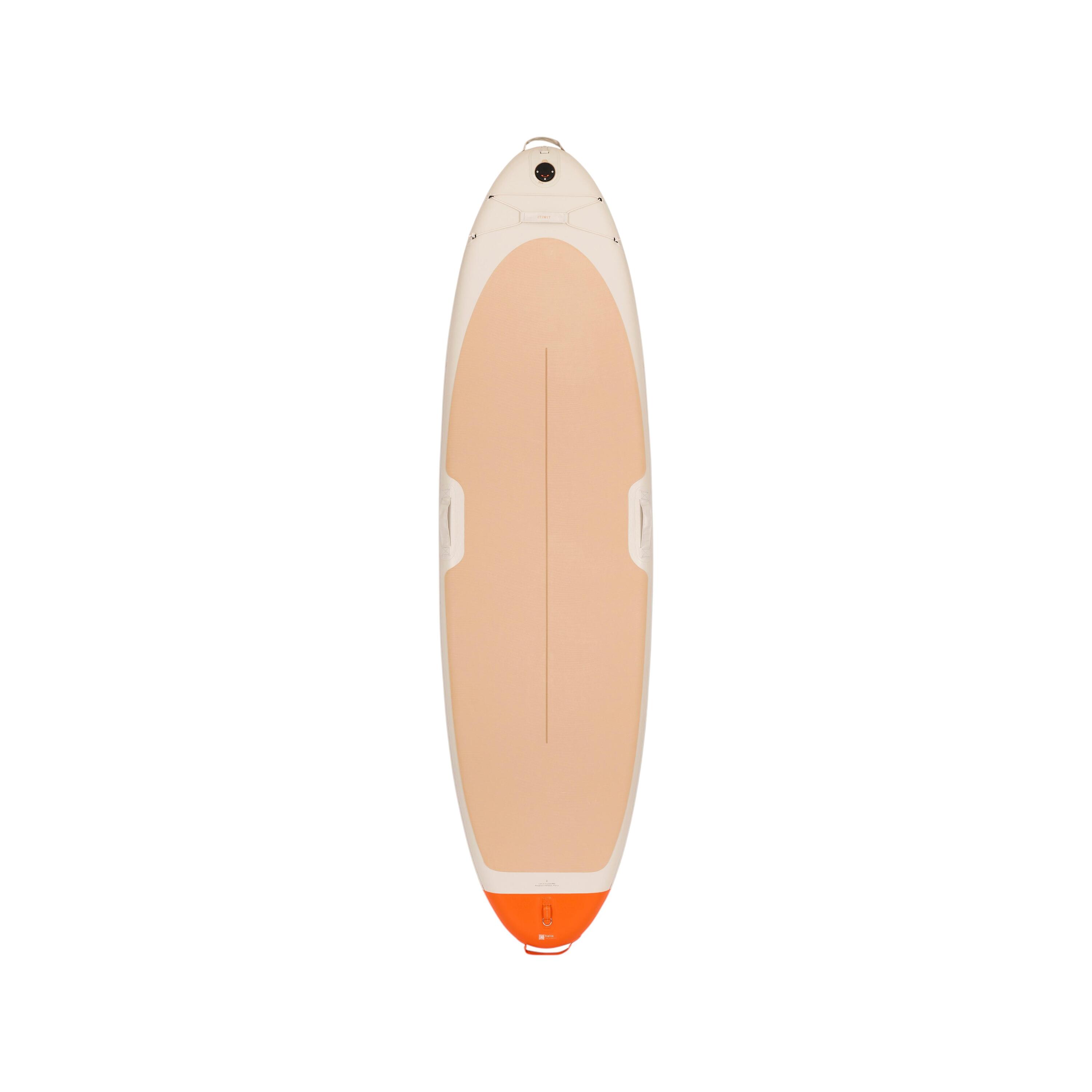
Standard distance hulls struggle when waves begin to lift the tail, as the straight rails cannot carve responsive arcs. Moving toward highly manoeuverable surf paddle boards remedies this by incorporating a rockered profile and pulled-in tails that bite into rolling faces. Traditional stand-up paddleboard surfers seek out these short templates to gain instantaneous pivoting capability. For cruisers who primarily encounter flat water but want a single craft to tackle occasional beach breakers, a hybrid distance shape with moderate nose lift offers the perfect compromise.

How do modern propulsion options counter strong headwinds?

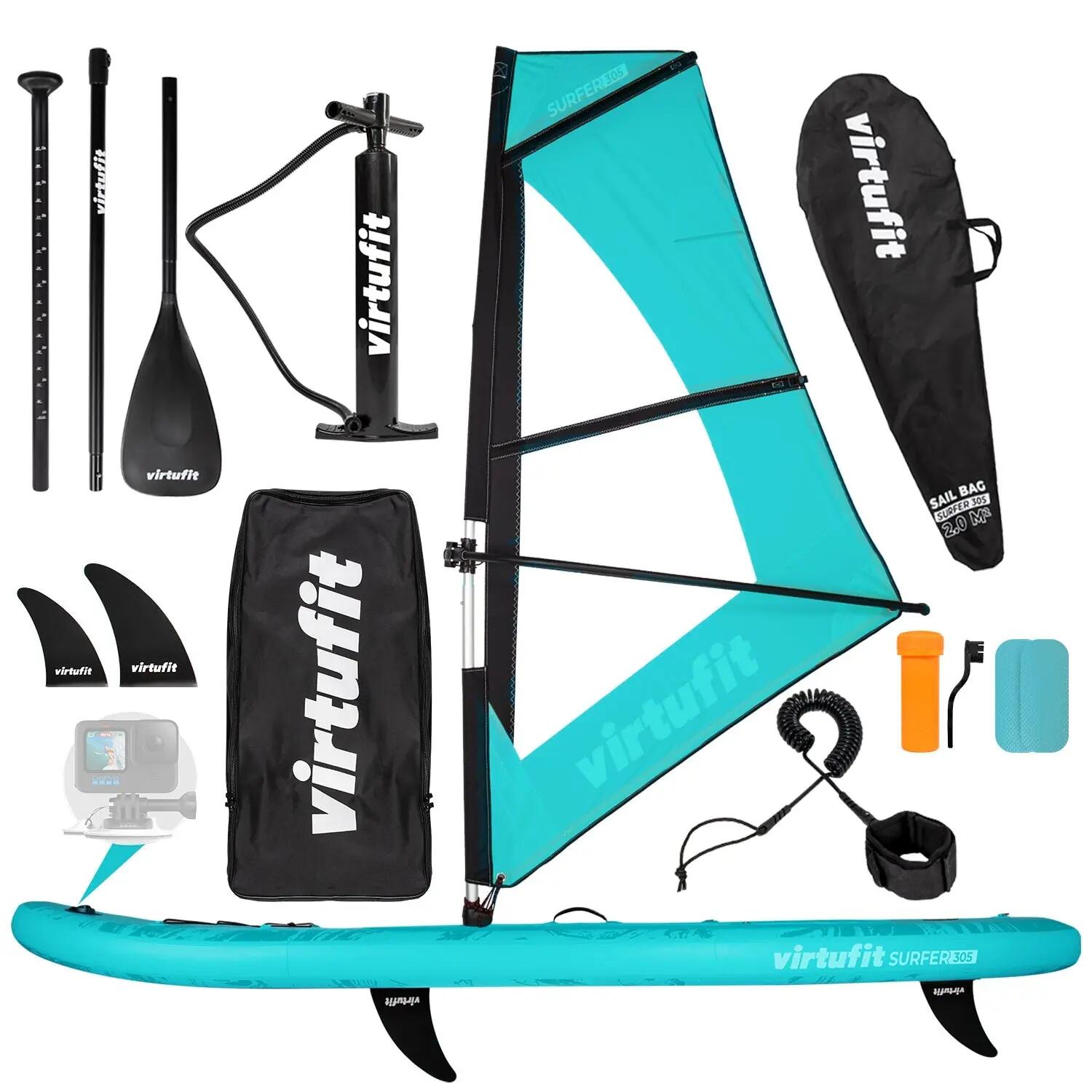
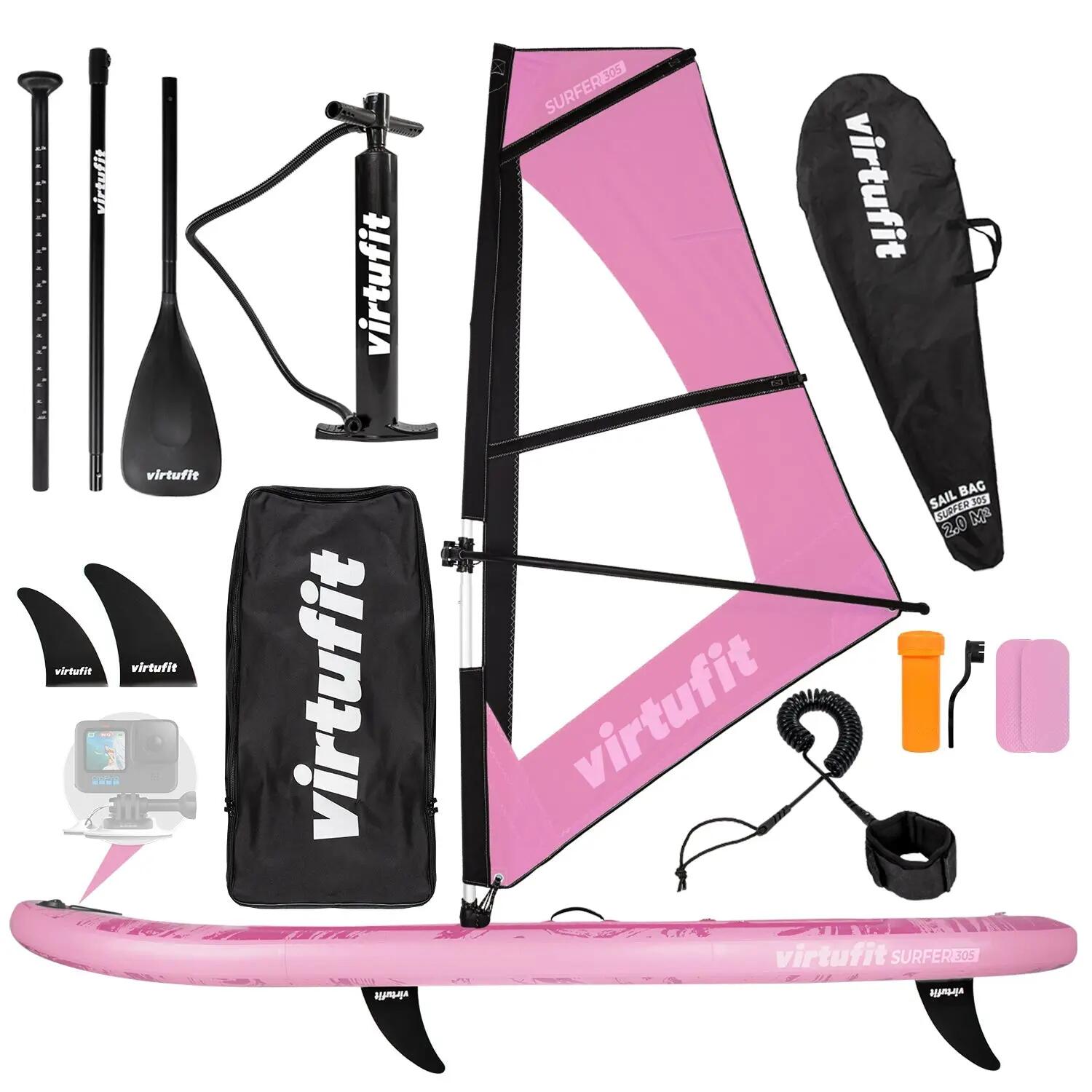
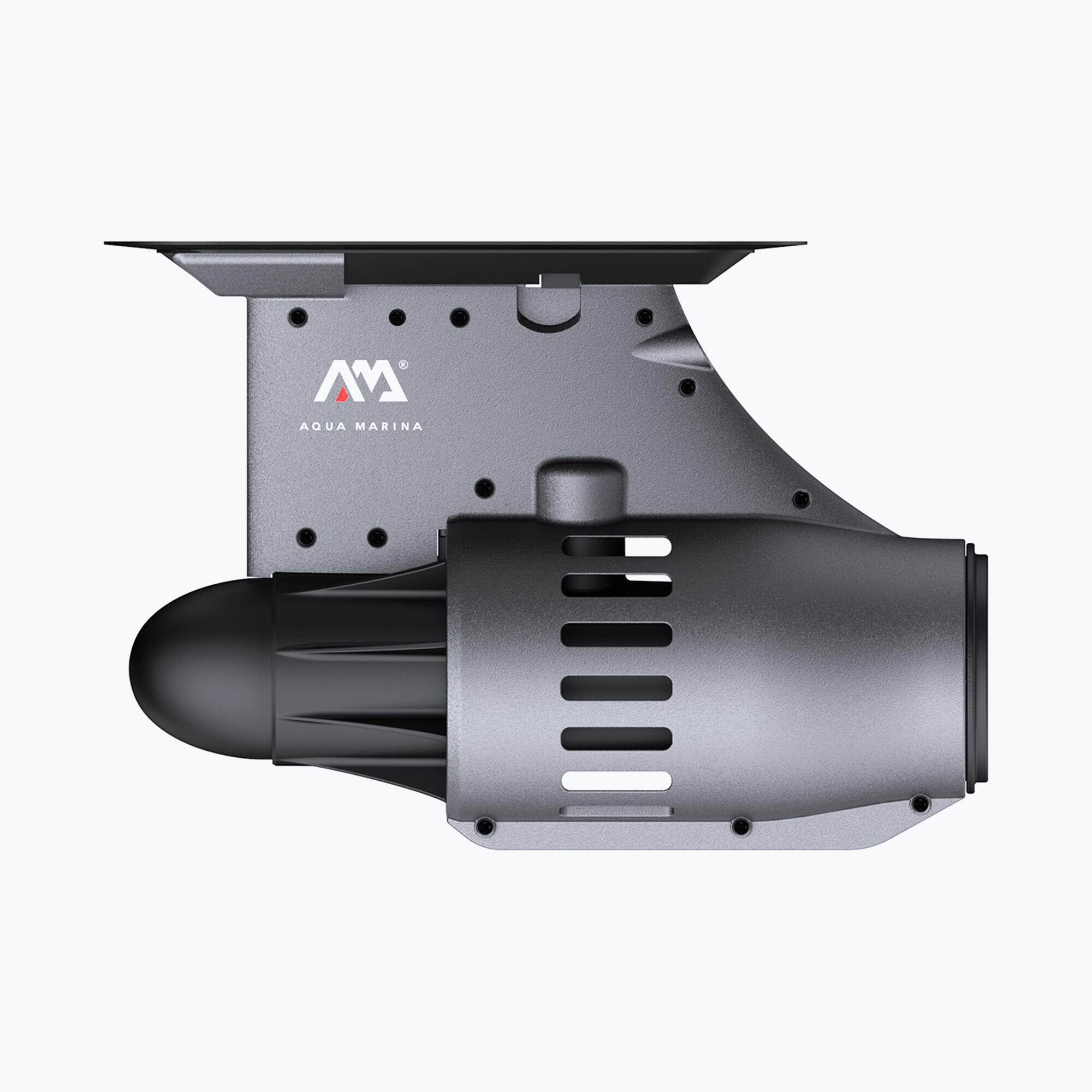
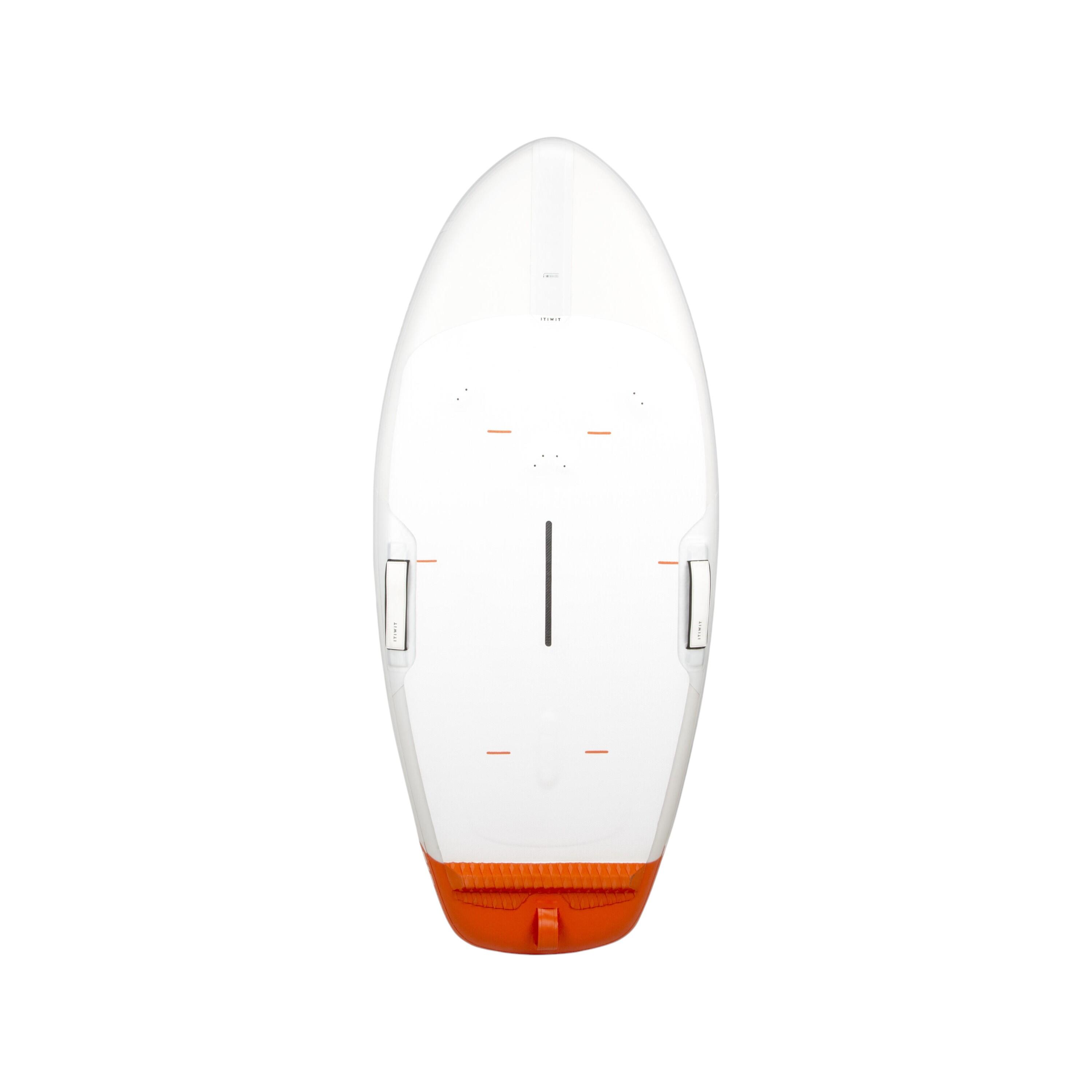
Encountering an unexpected breeze on the return leg of a long point-to-point journey can lead to severe exhaustion. Advanced wing foil stand-up paddle boards solve this dilemma by using handheld sails to capture breeze energy, lifting the entire platform clear above heavy surface friction. Alternatively, deploying inflatable electric stand-up paddle boards with integrated motor assistance provides continuous mechanical propulsion to cut straight through tough currents. Having an auxiliary power source ensures safety margins are maintained when physical paddling becomes ineffective against changing tidal flows across large lakes or open marine channels.