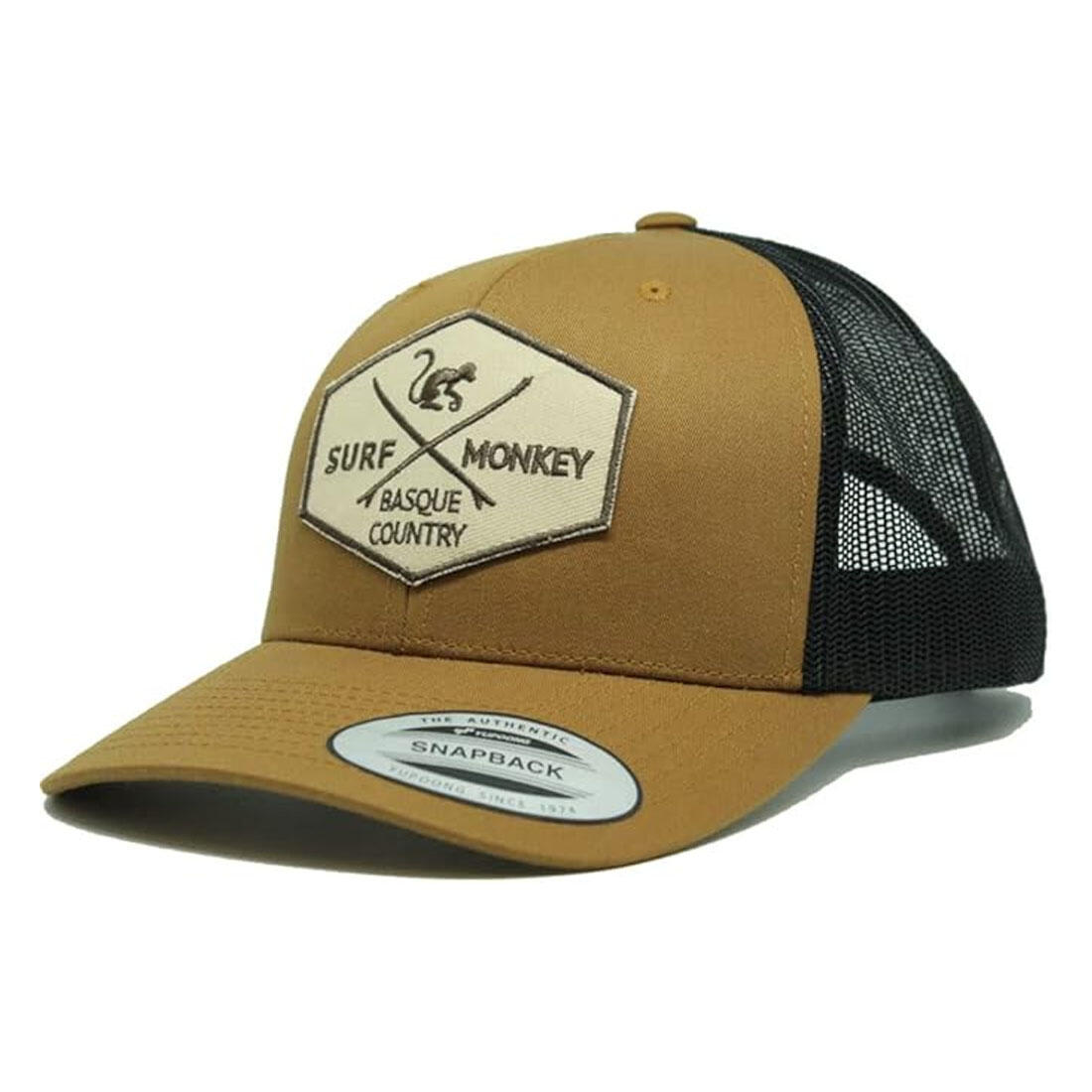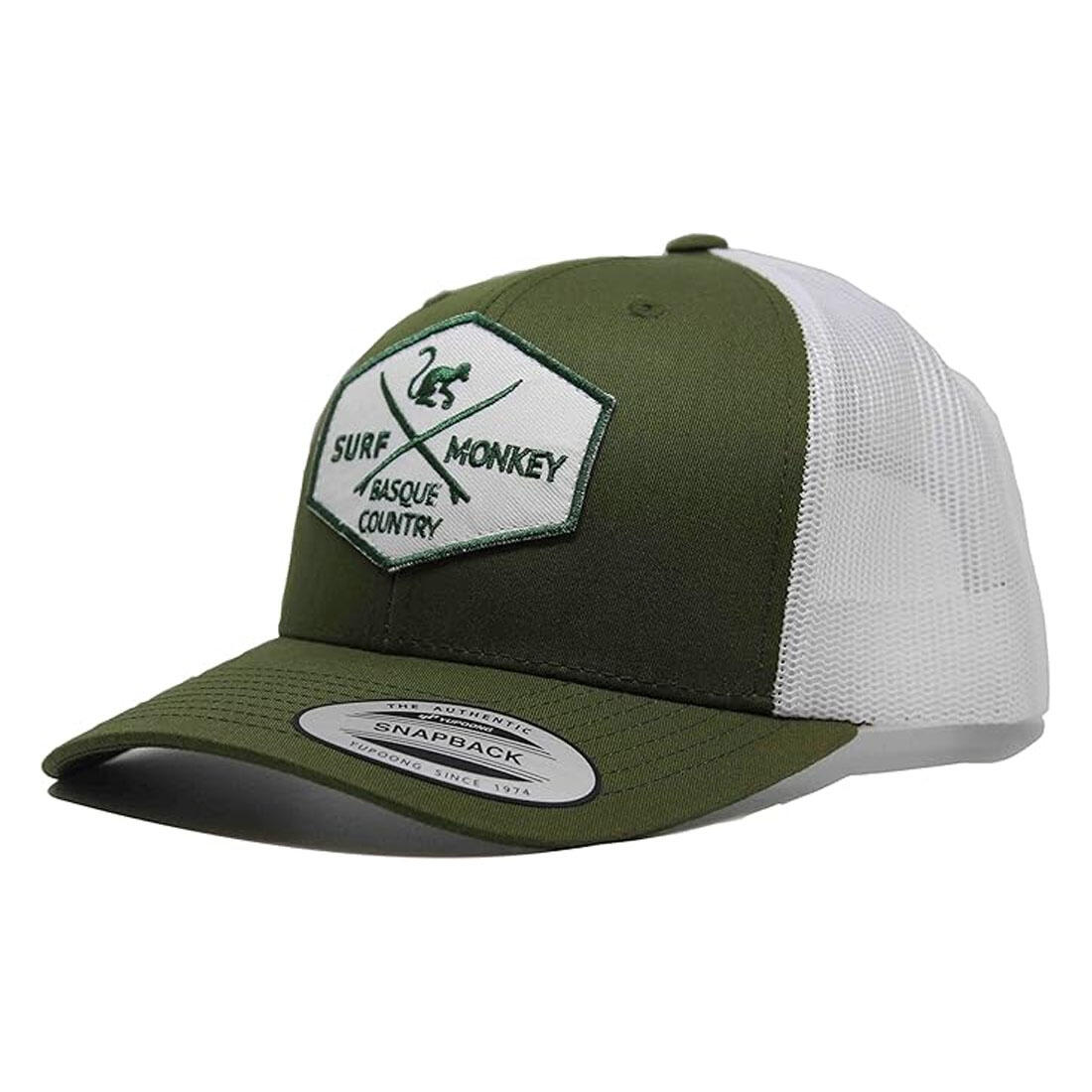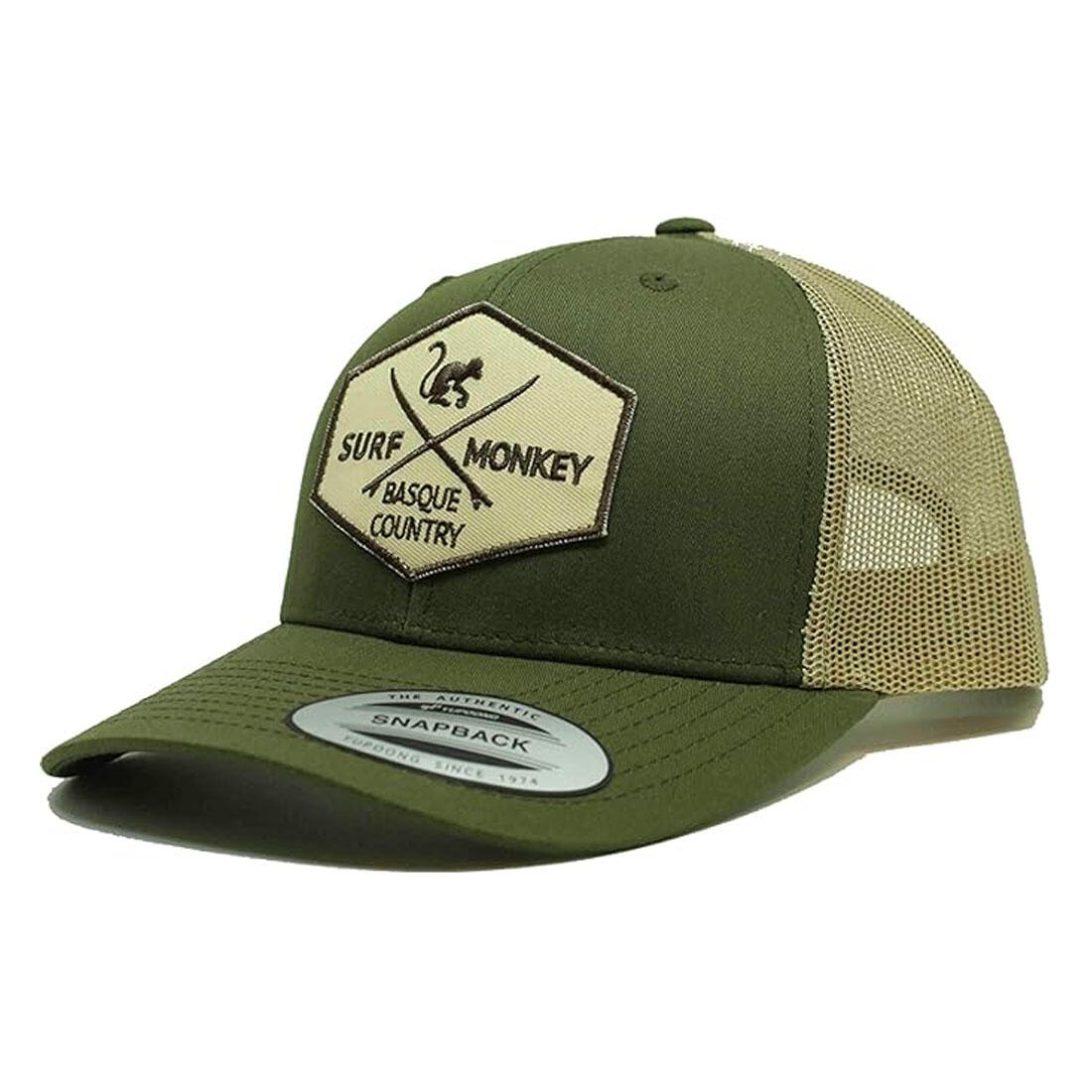
303 items
4.8/5 based on 31797 reviews collected online and in stores

Caps and Hats FAQs

What features make a surf cap stay on during wipeouts and duck-dives?

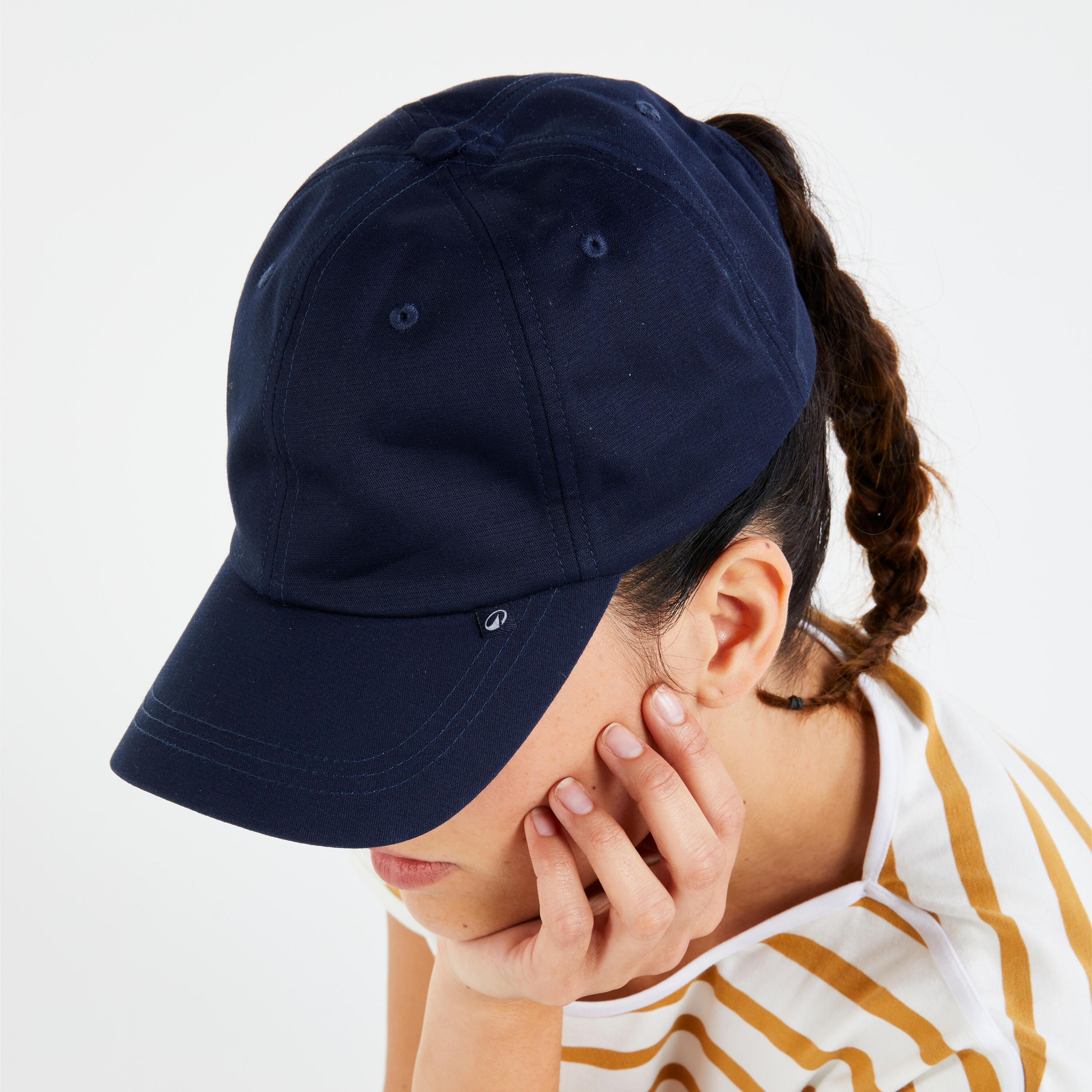
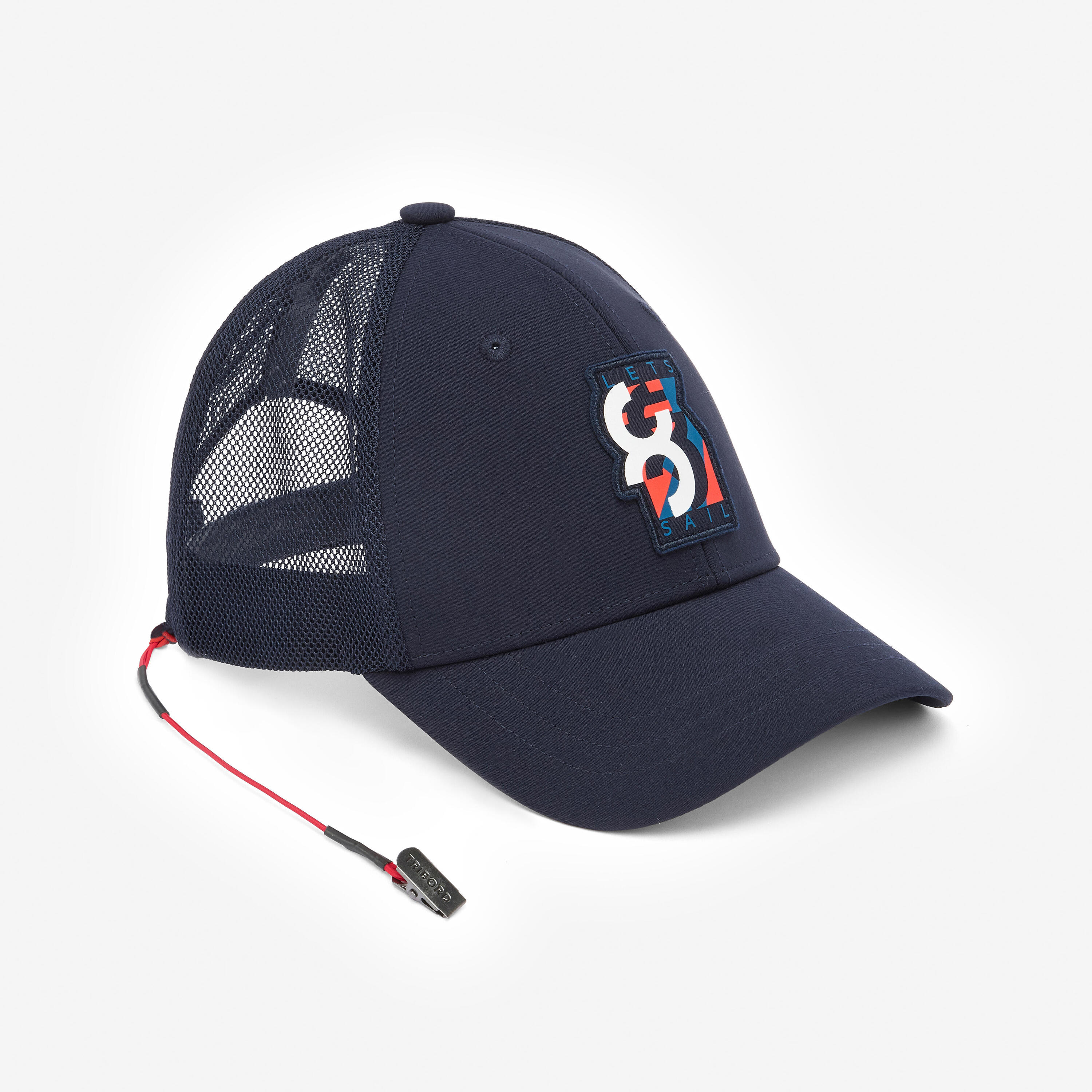
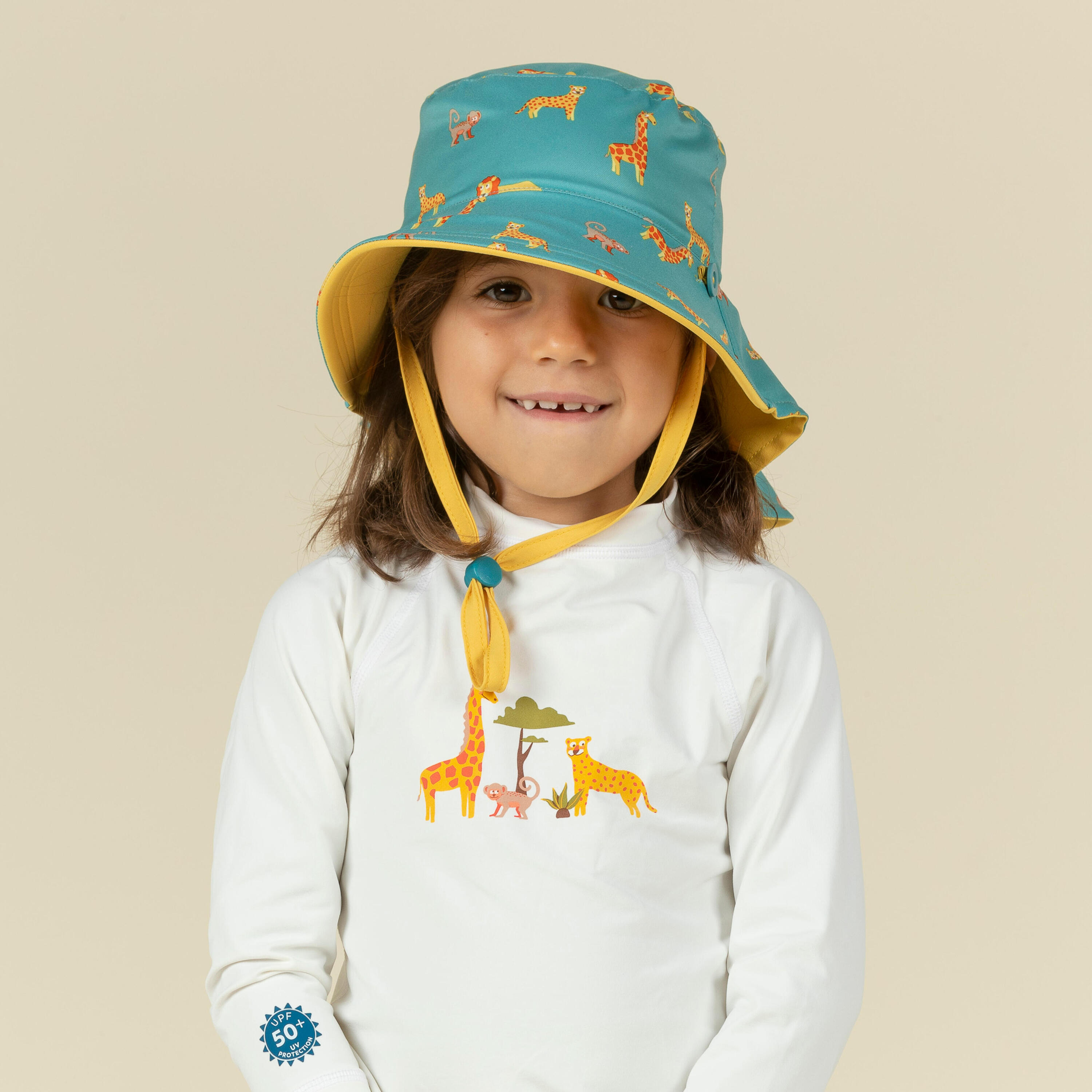
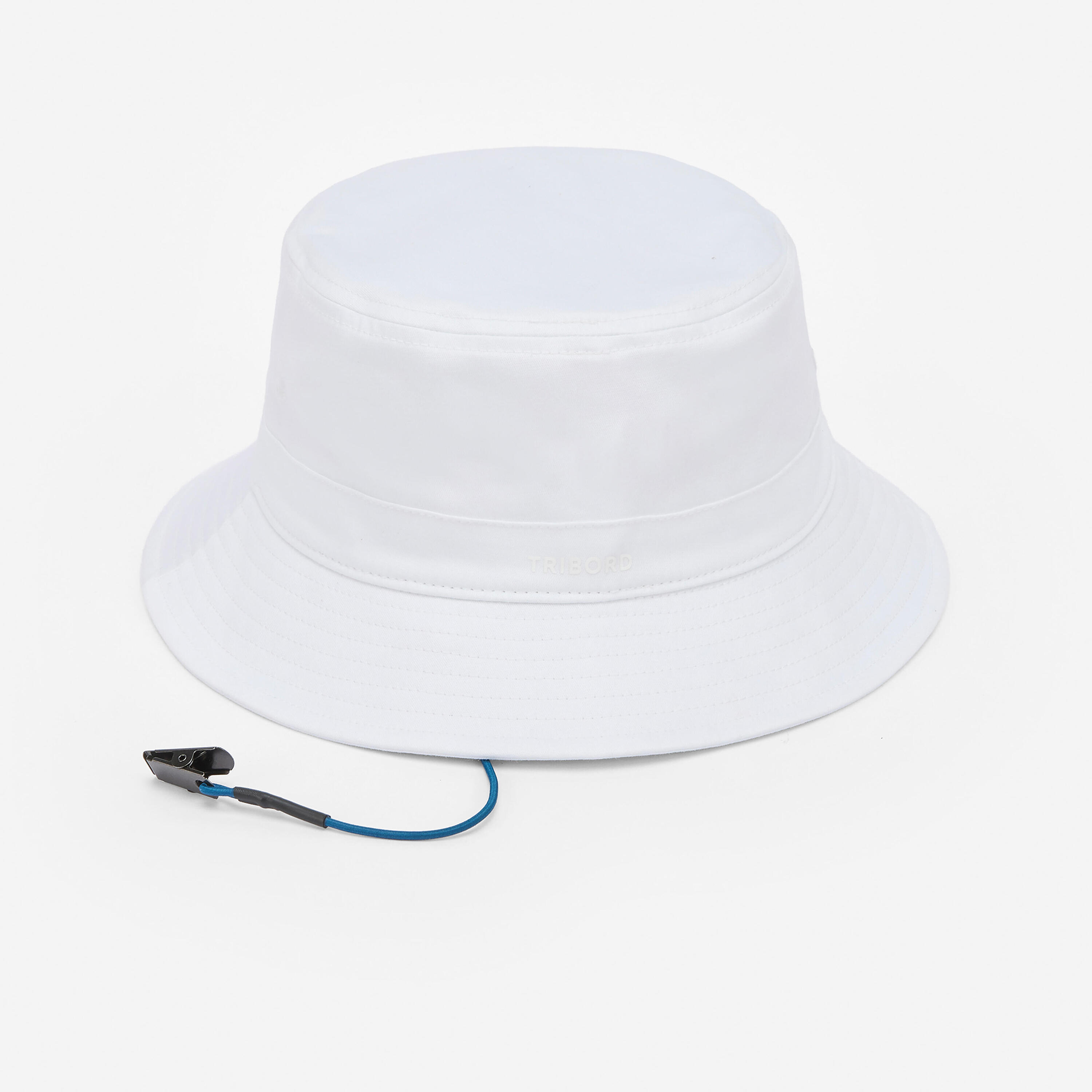
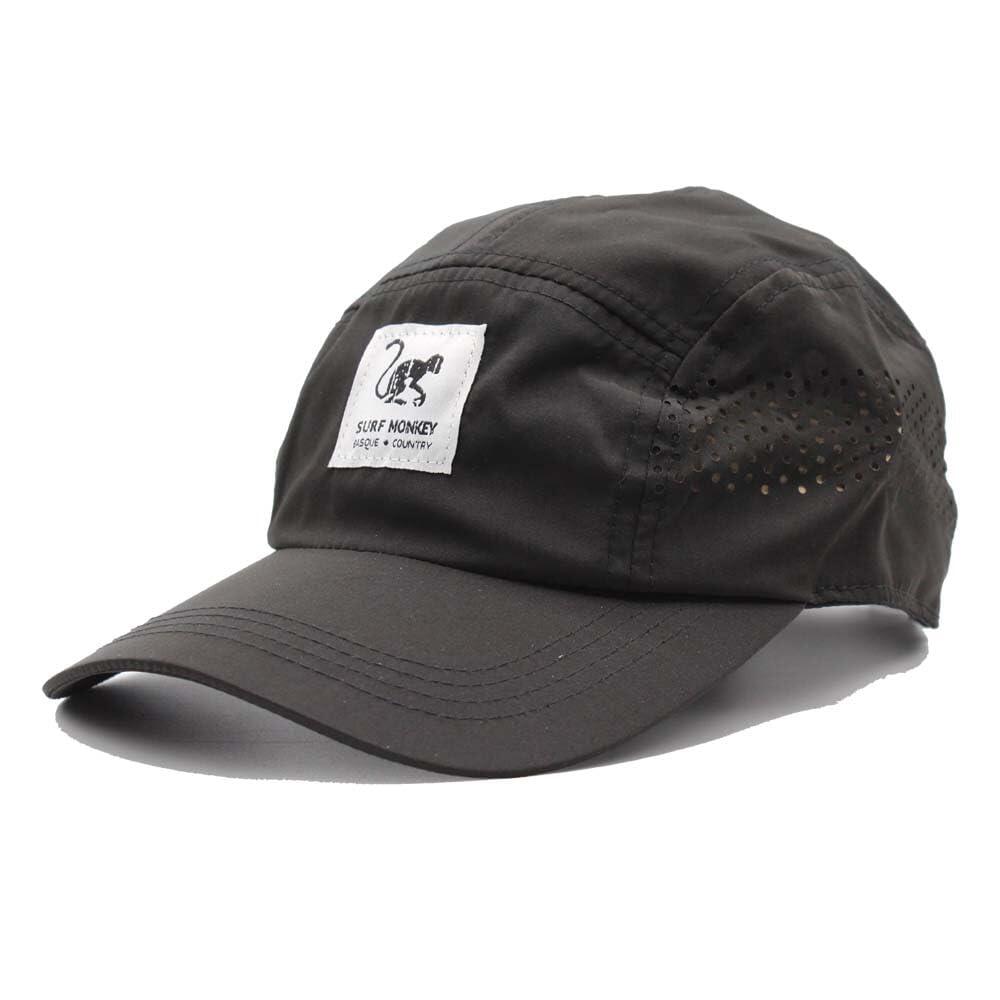
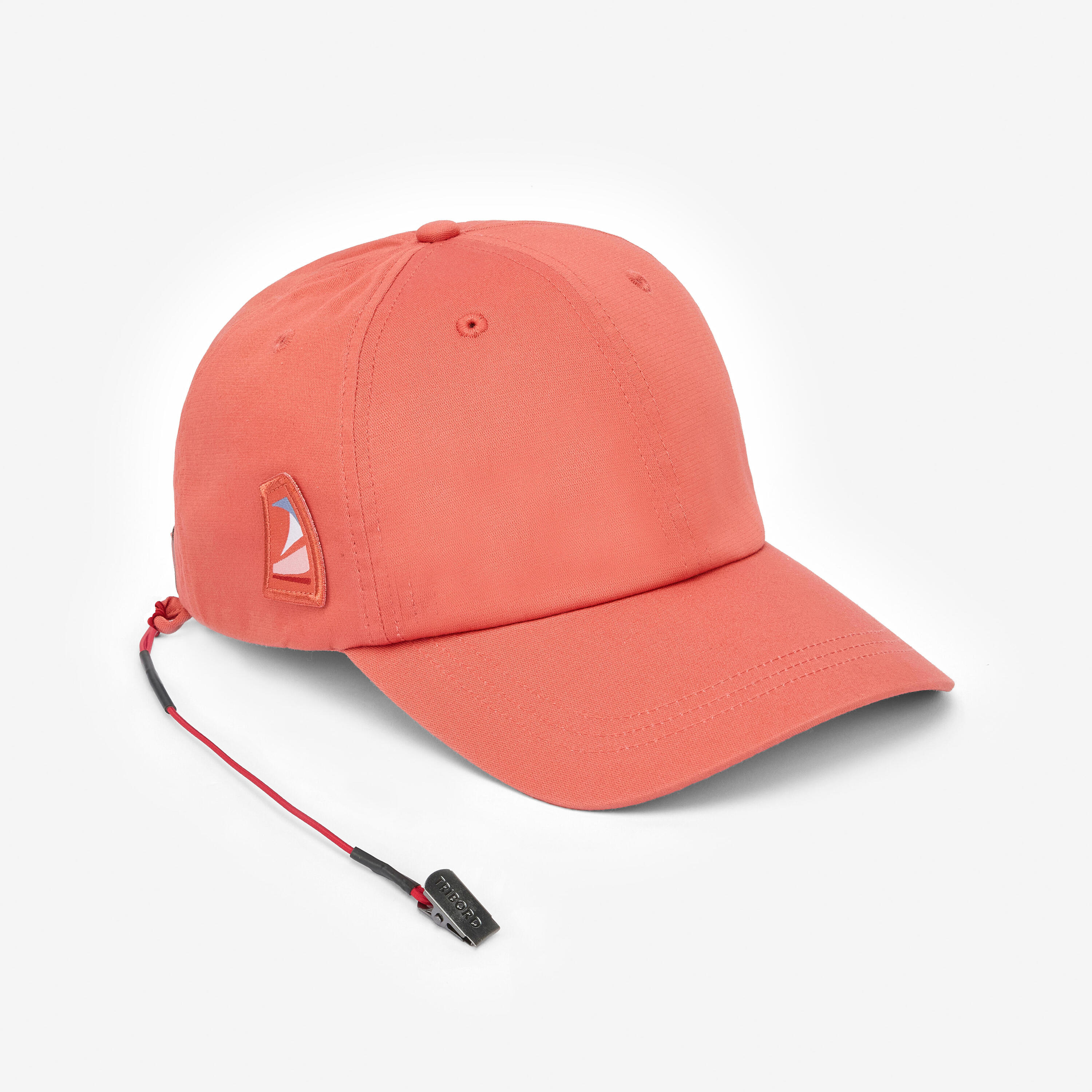
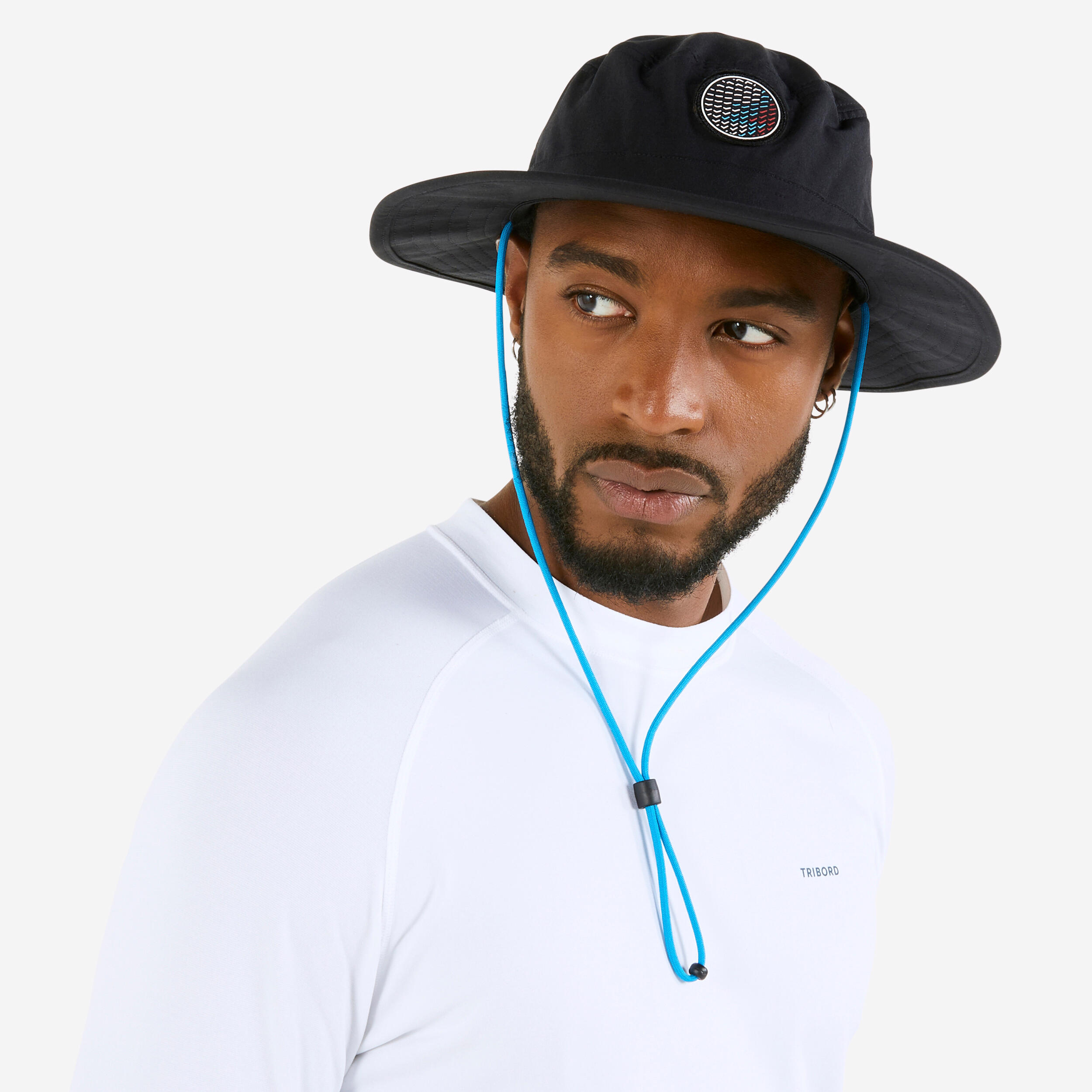
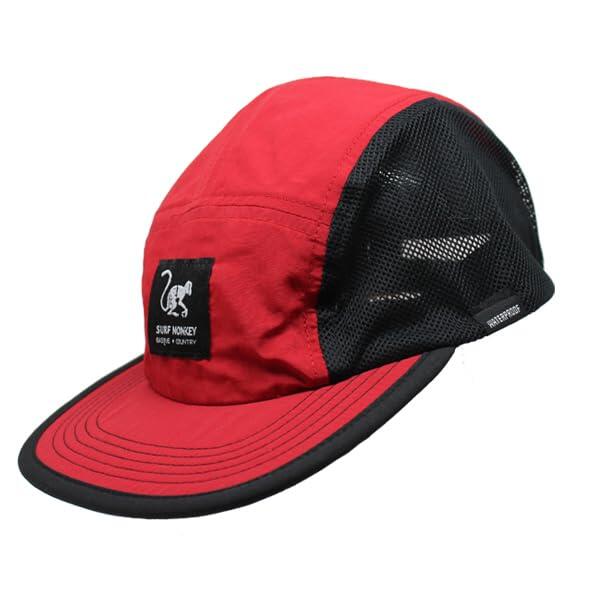
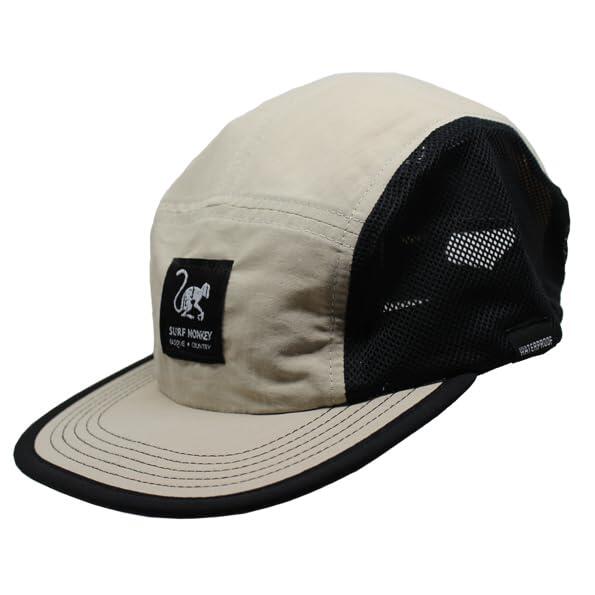
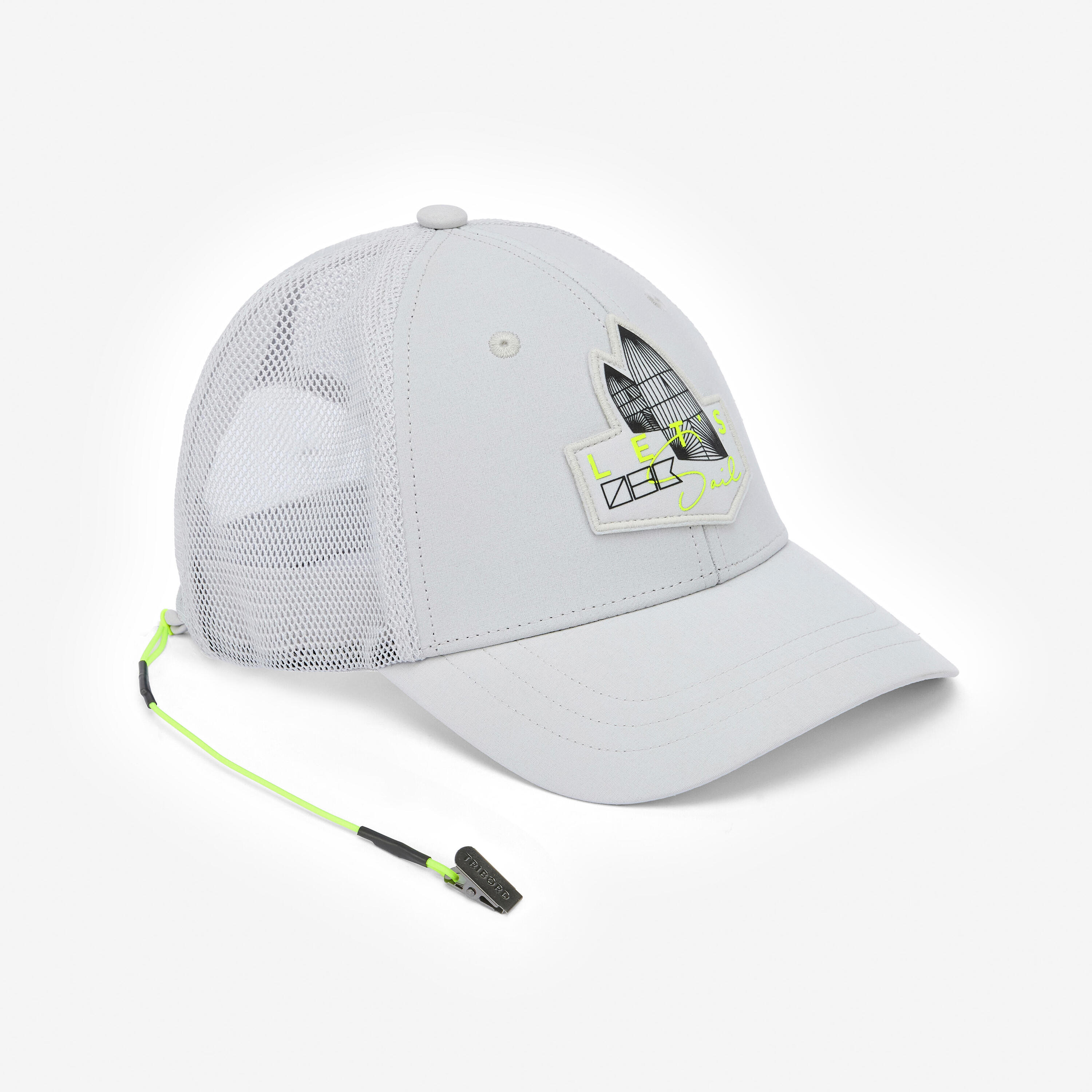
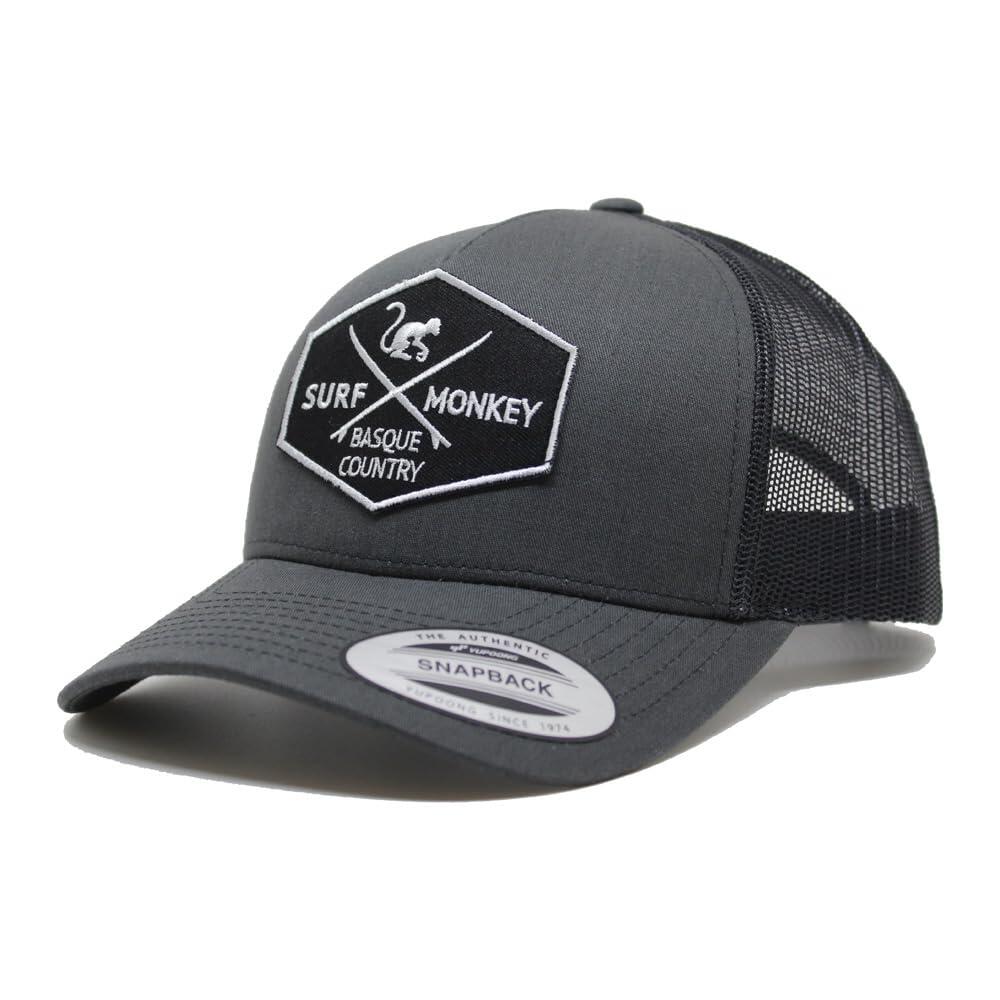
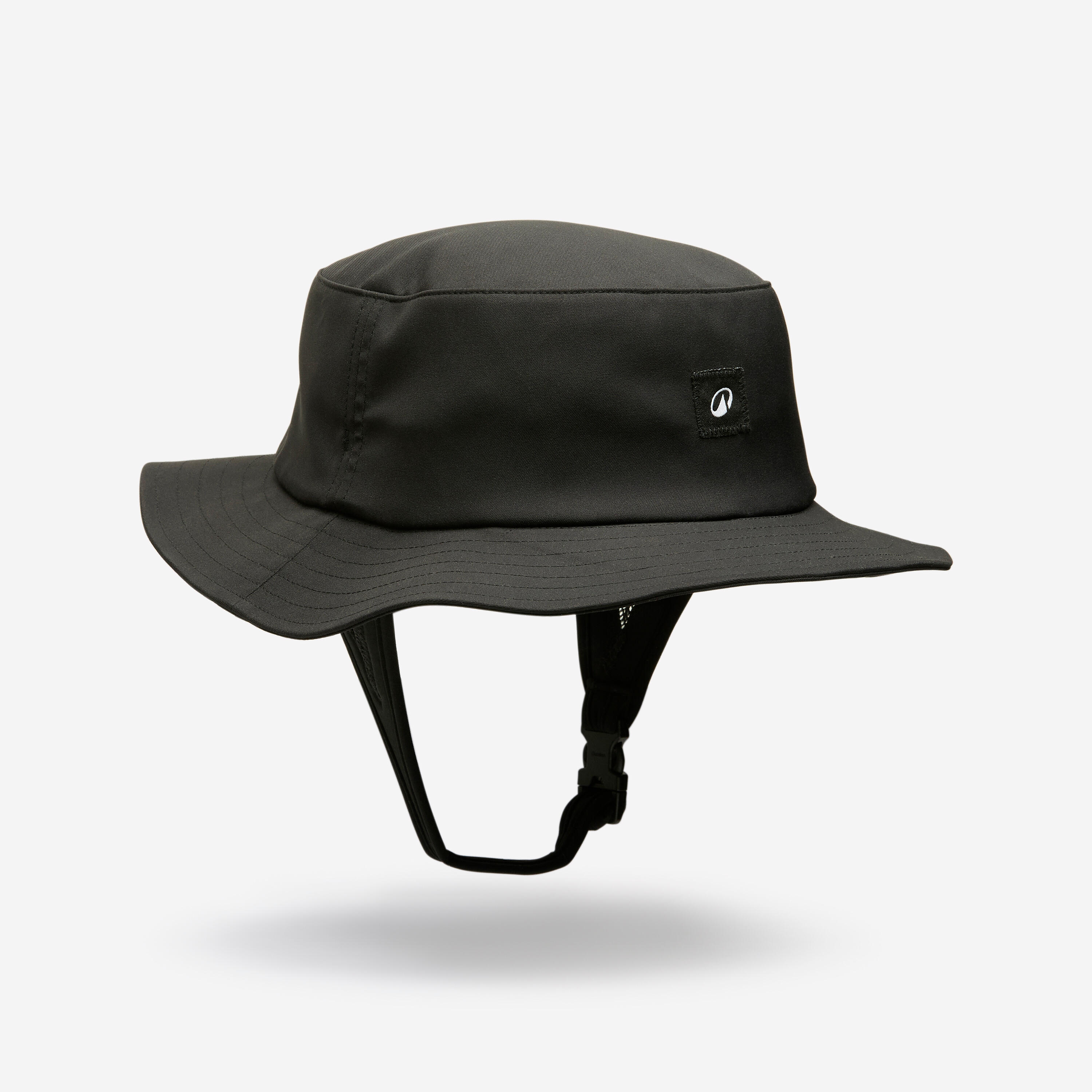
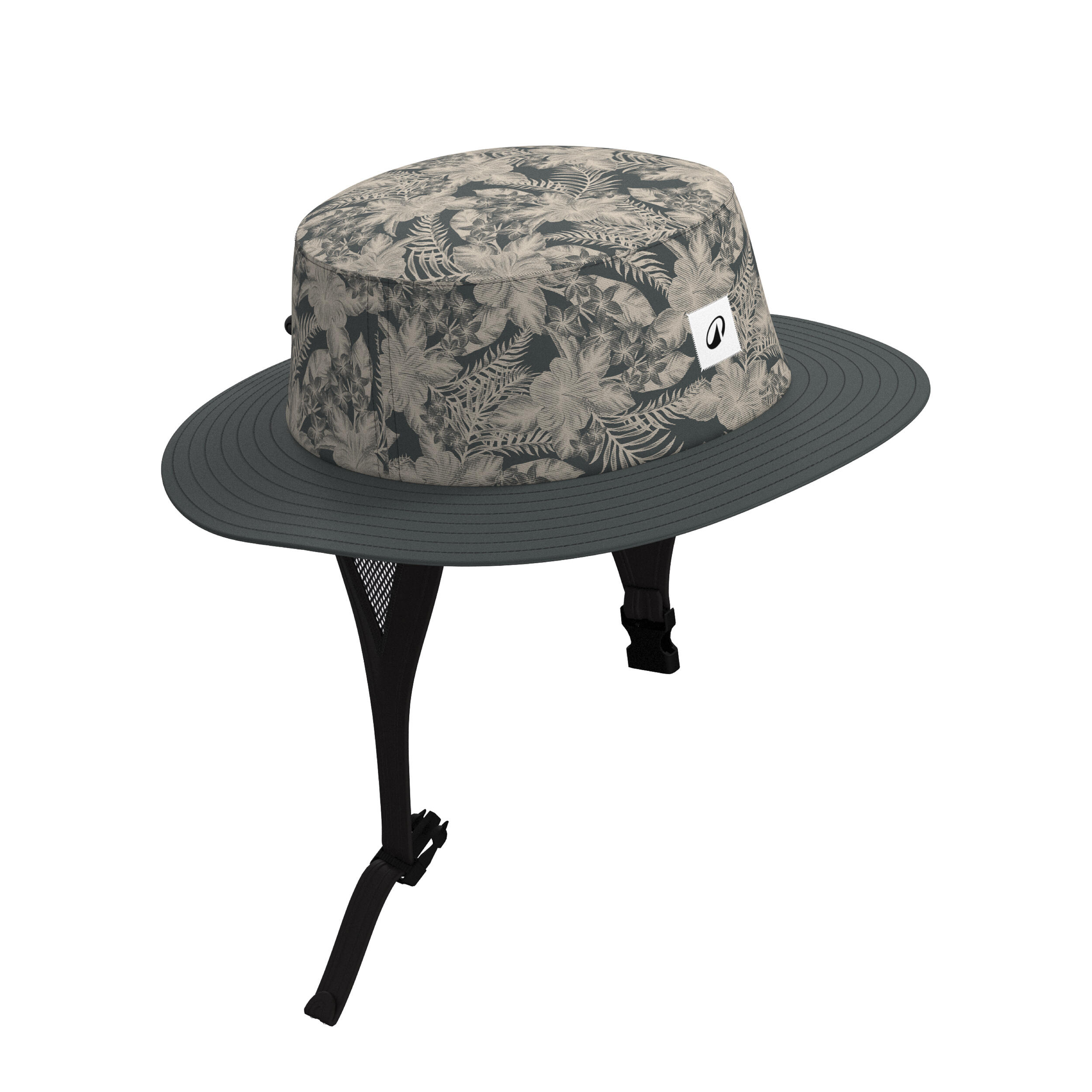
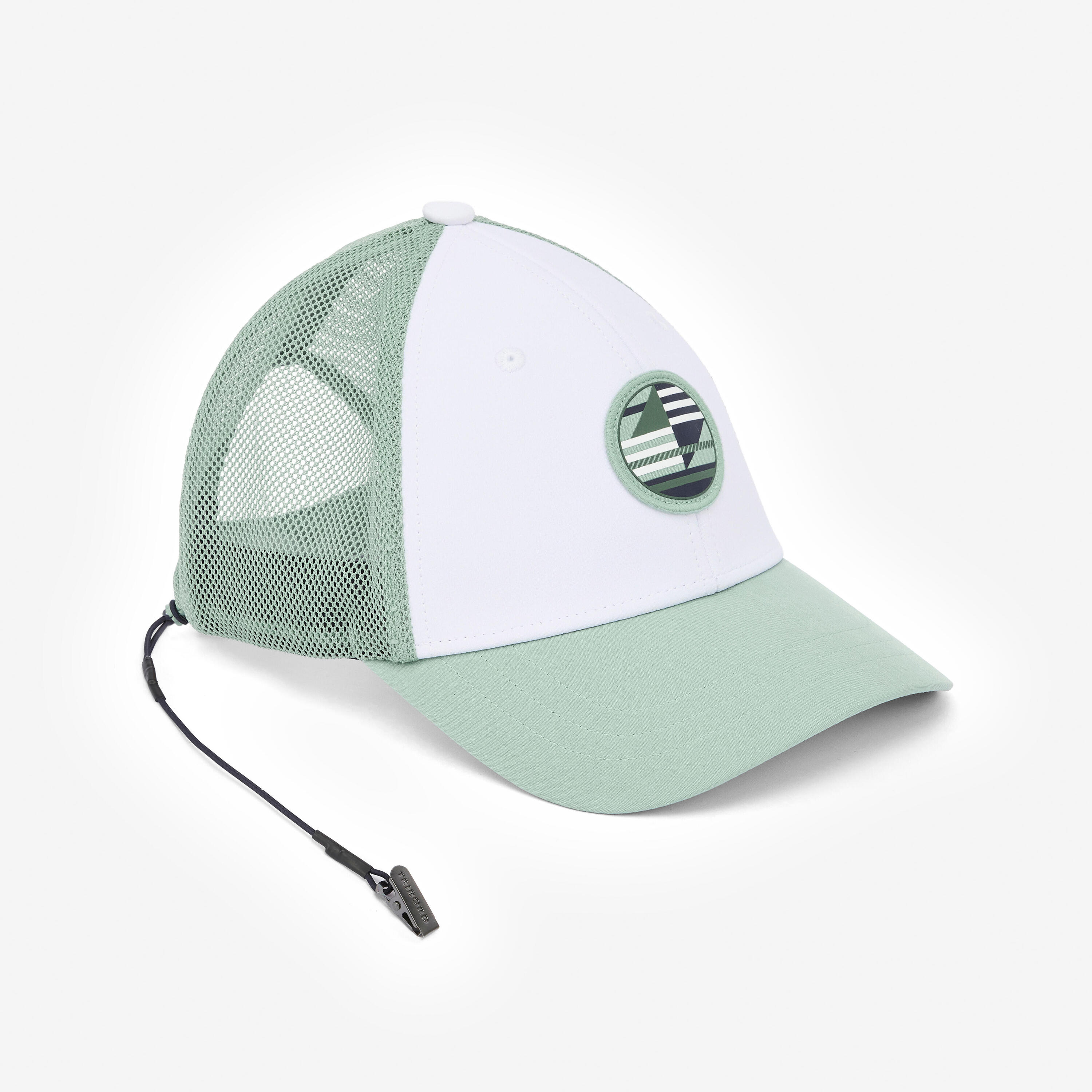
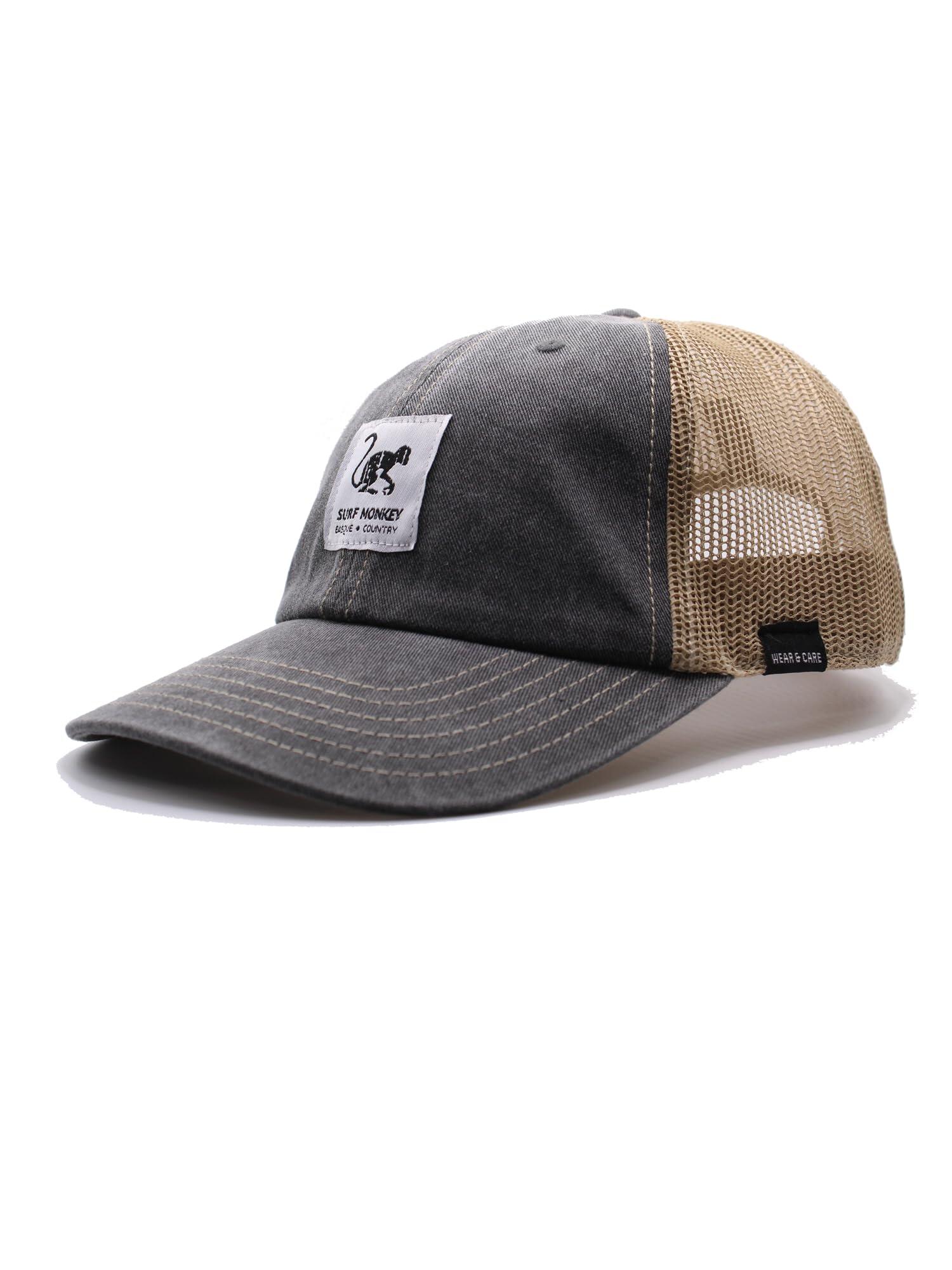
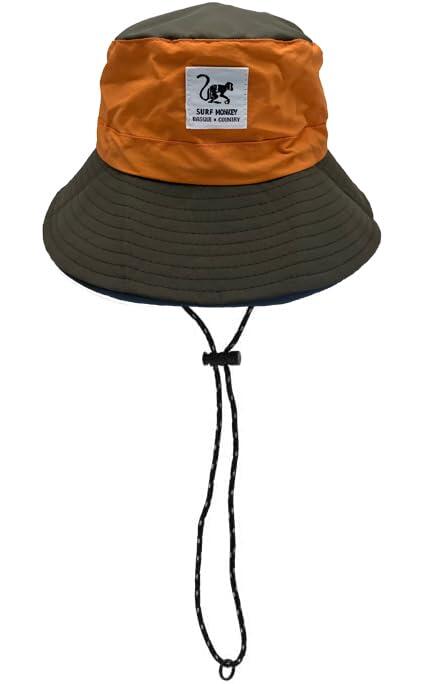
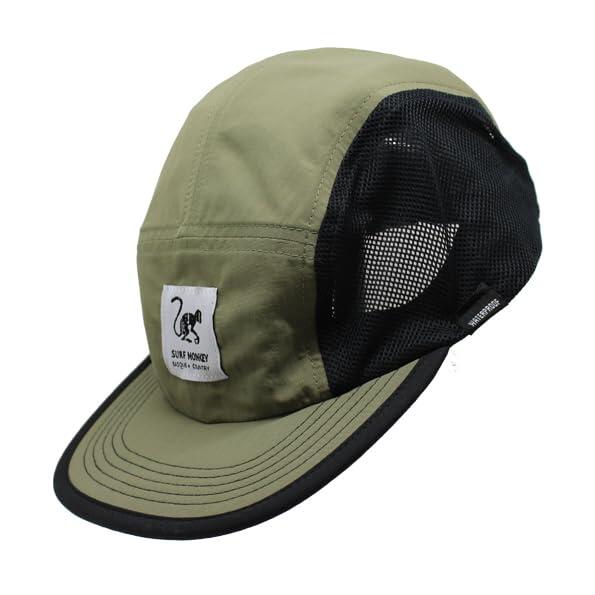
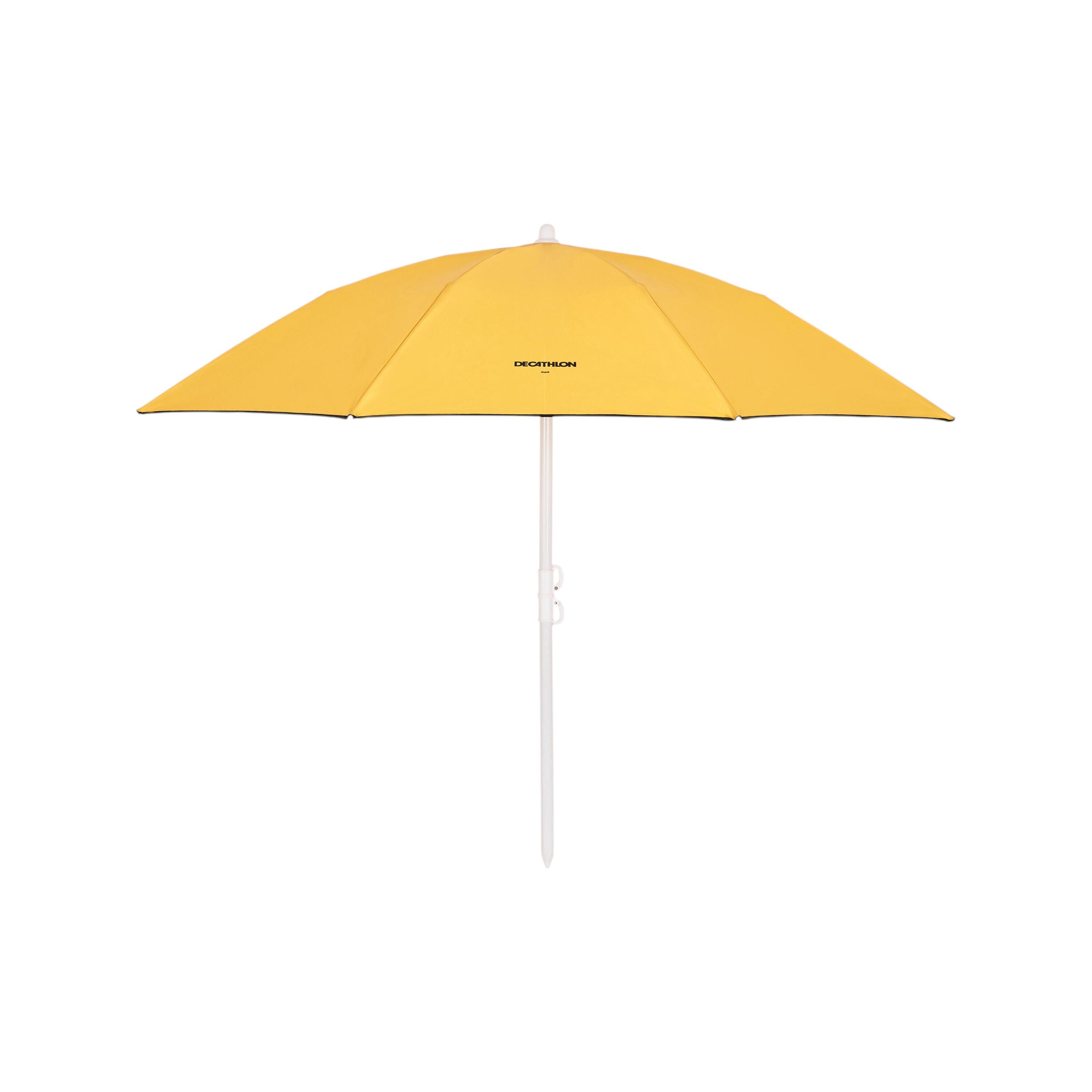
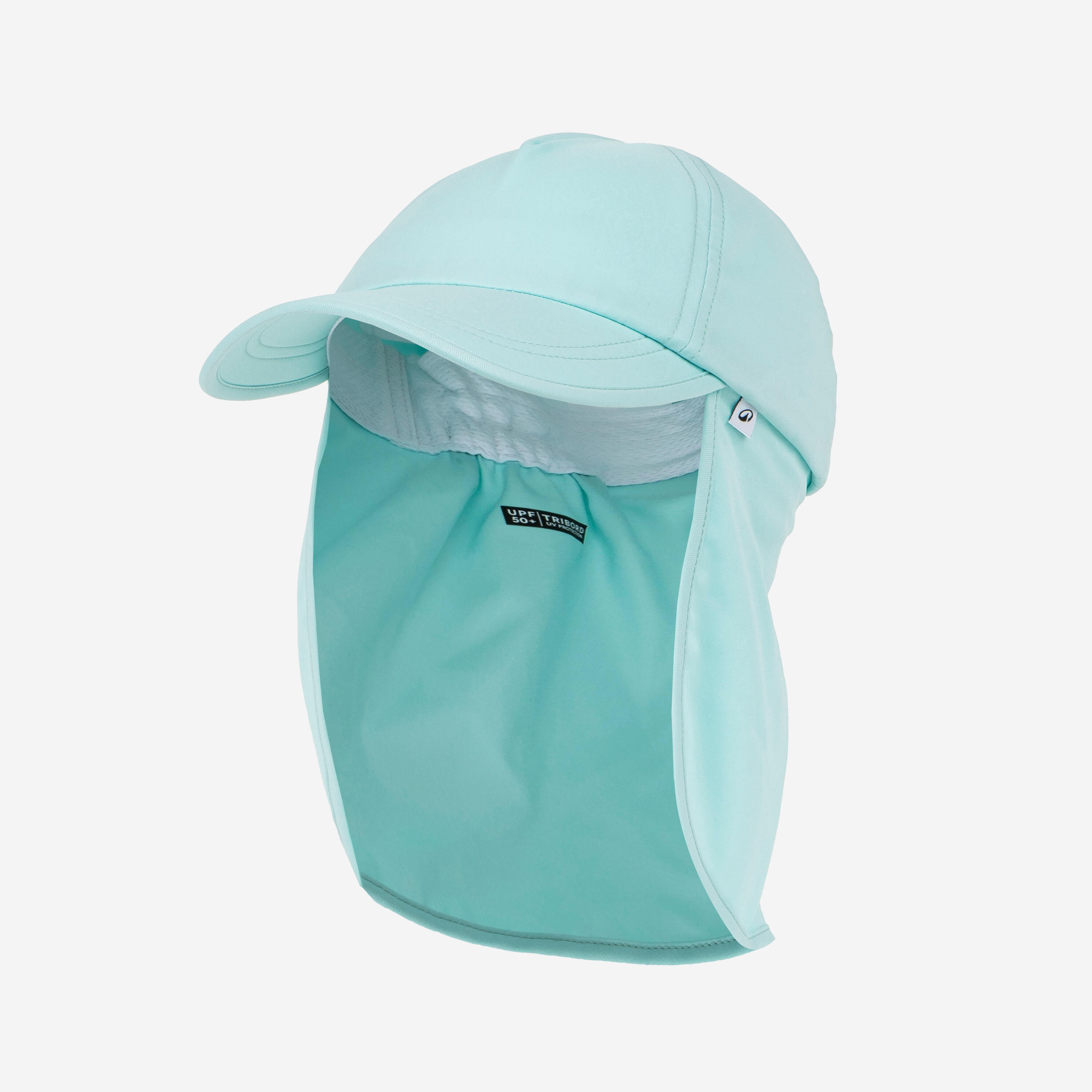
A surf cap that comes off on the first duck-dive is useless for sun protection in the water, so retention system construction is the primary specification that separates a purpose-built surf cap from a standard baseball cap worn at the beach. A chin cord attached at both temple points keeps the cap flush against the head when the wearer punches through a wave face; without it, water resistance alone is enough to strip the cap on entry. Adjustable velcro or drawcord closures at the rear panel allow a snug fit across different head circumferences without the cap feeling constrictive between waves. Floating fabric construction, typically a tightly woven polyester or nylon blend, allows the cap to be retrieved from the surface if it does come off rather than sinking. A wide brim on a surf hat extends face and neck coverage beyond what a standard cap peak provides, which is the practical trade-off for slightly less security in heavy surf. Surfers spending long days on exposed beaches between sessions will find that pairing a surf cap with a well-pegged beach tent provides shade for the hours when hat coverage alone is insufficient, particularly for children whose skin burns faster at midday. Surfing tip: wet the cap before paddling out in warm conditions; a damp fabric cap cools the scalp through evaporation and reduces heat build-up during a long paddle.
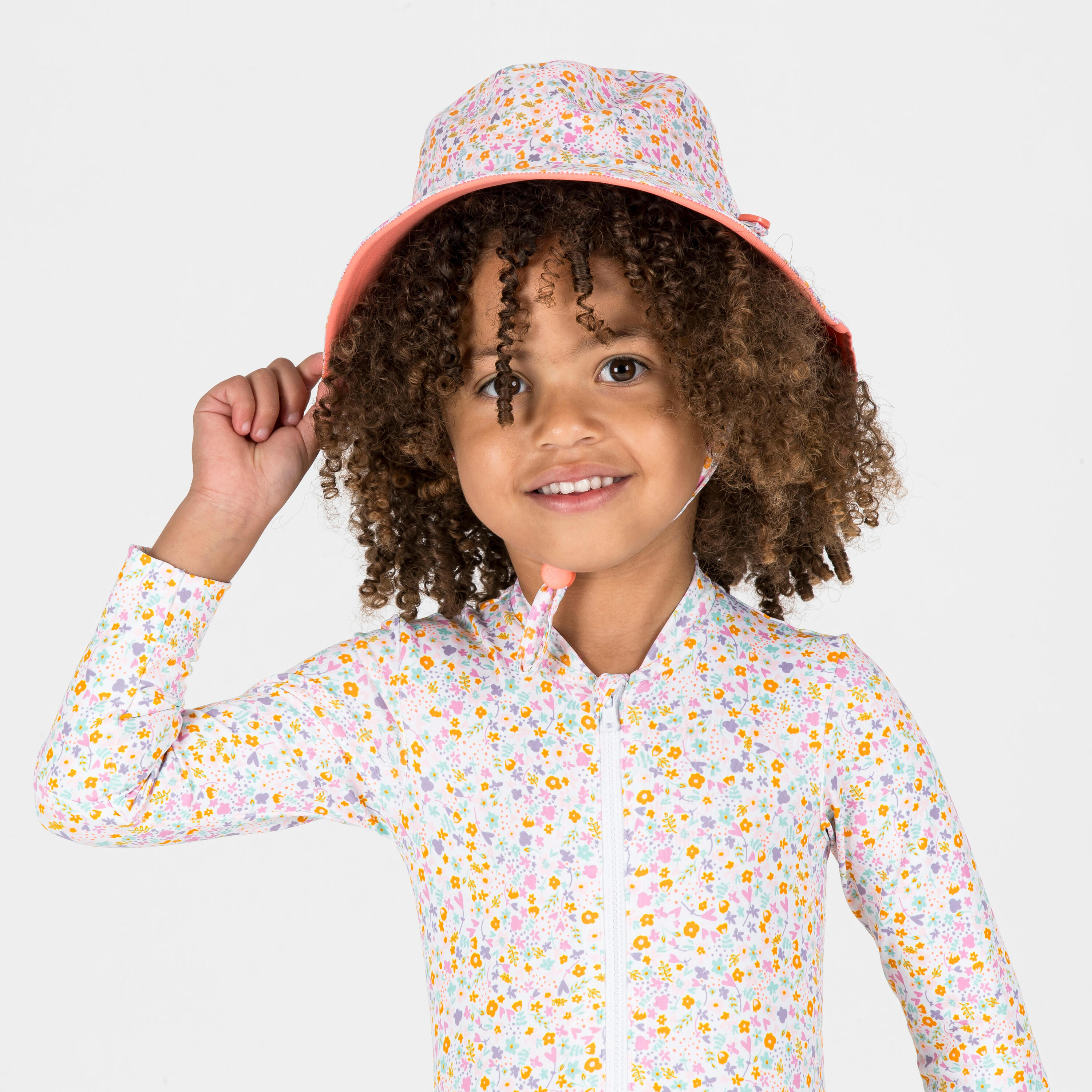
What UPF rating should a surf hat carry, and how does it affect fabric choice?

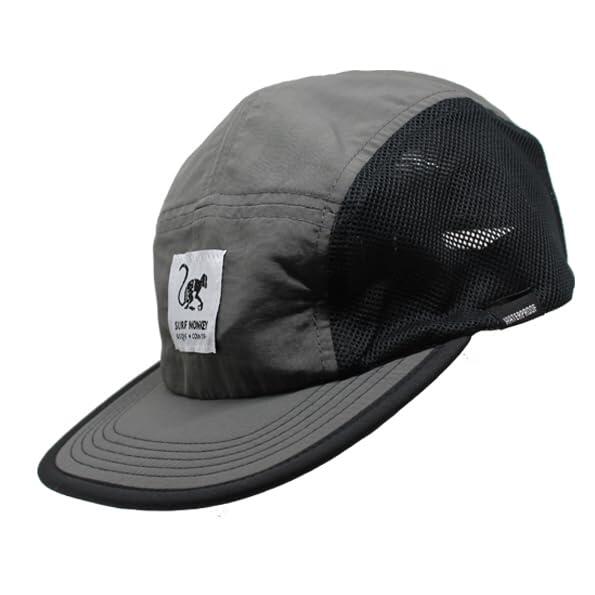
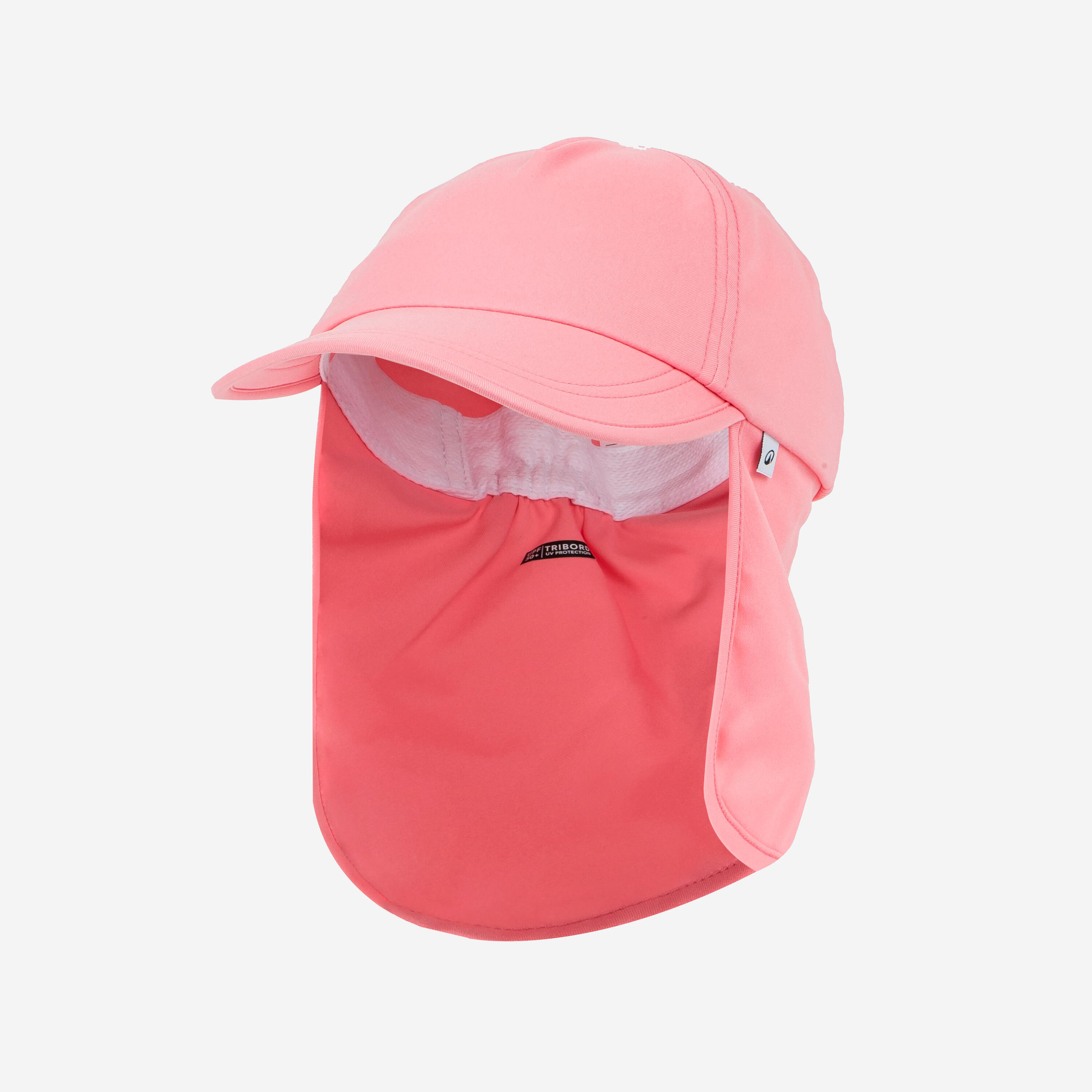
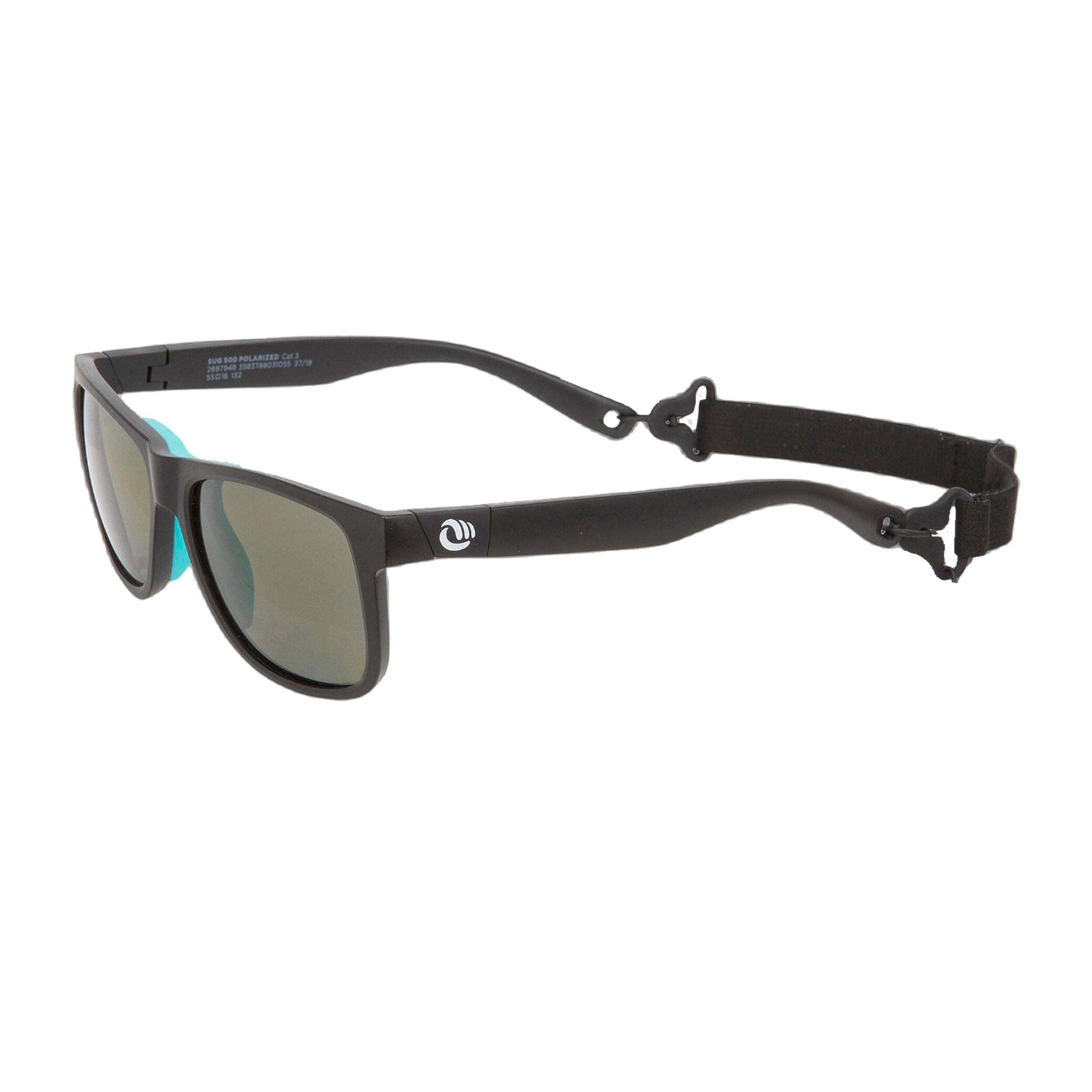
A UPF rating of fifty or above means the fabric blocks more than ninety-eight per cent of UV radiation reaching the skin beneath it, which is the standard to look for in any hat worn during extended outdoor water use. The tightness of the fabric weave determines the UPF rating; a looser weave allows more UV transmission regardless of the fabric's colour or thickness, which is why a dark, unrated canvas hat may offer less protection than a lighter-weight, rated technical fabric. Mesh panels, often used at the crown of surf caps for ventilation, reduce the UPF in that zone to near zero, so a hat with mesh crown panels relies on overall brim coverage rather than fabric-through-protection for the top of the head. Surfing sunglasses with polarised lenses help reduce the horizontal sea-surface glare that a hat brim cannot block, making them an important part of a complete head and eye protection setup for long sessions.

How does a surf cap differ from a surf hat in terms of coverage and conditions they suit?

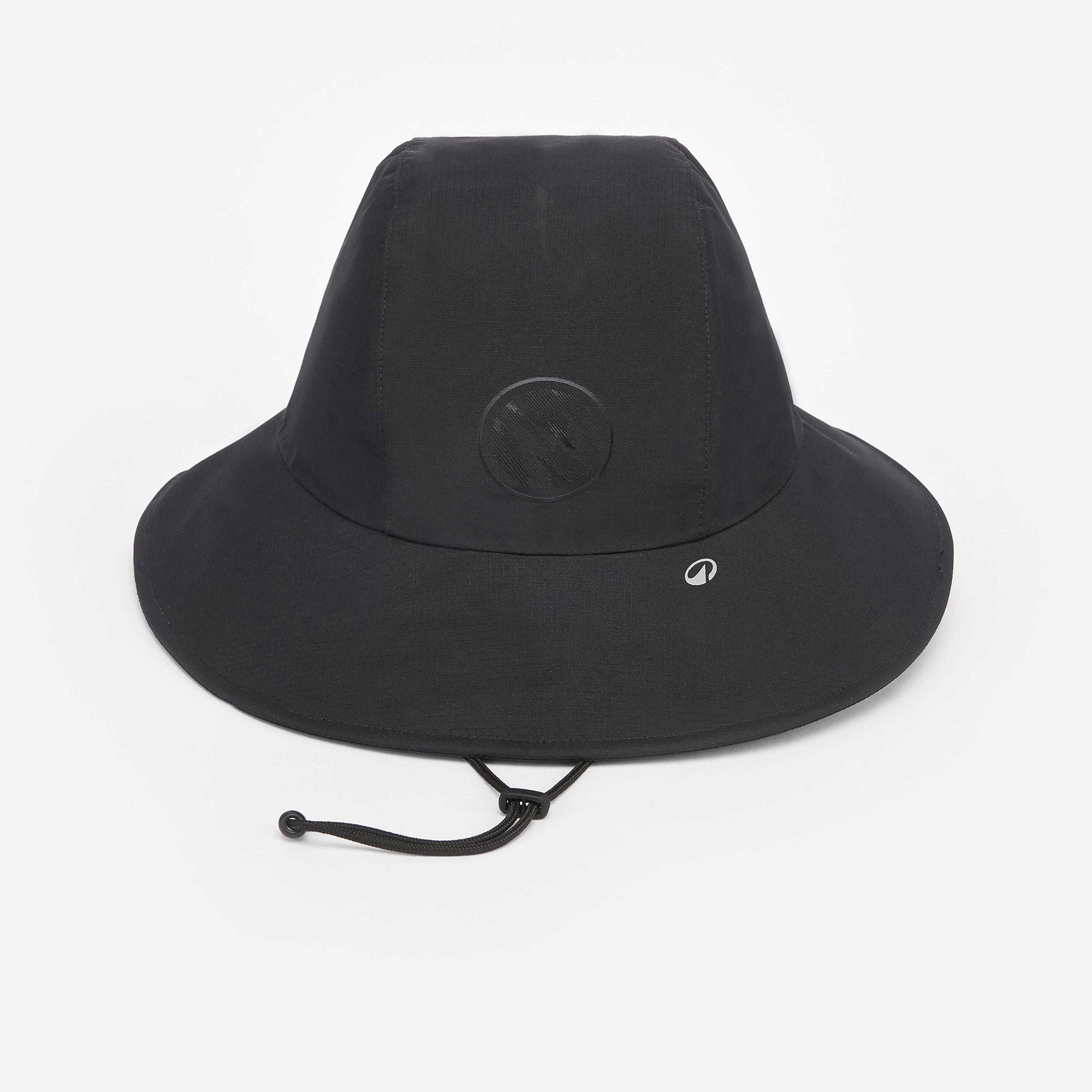
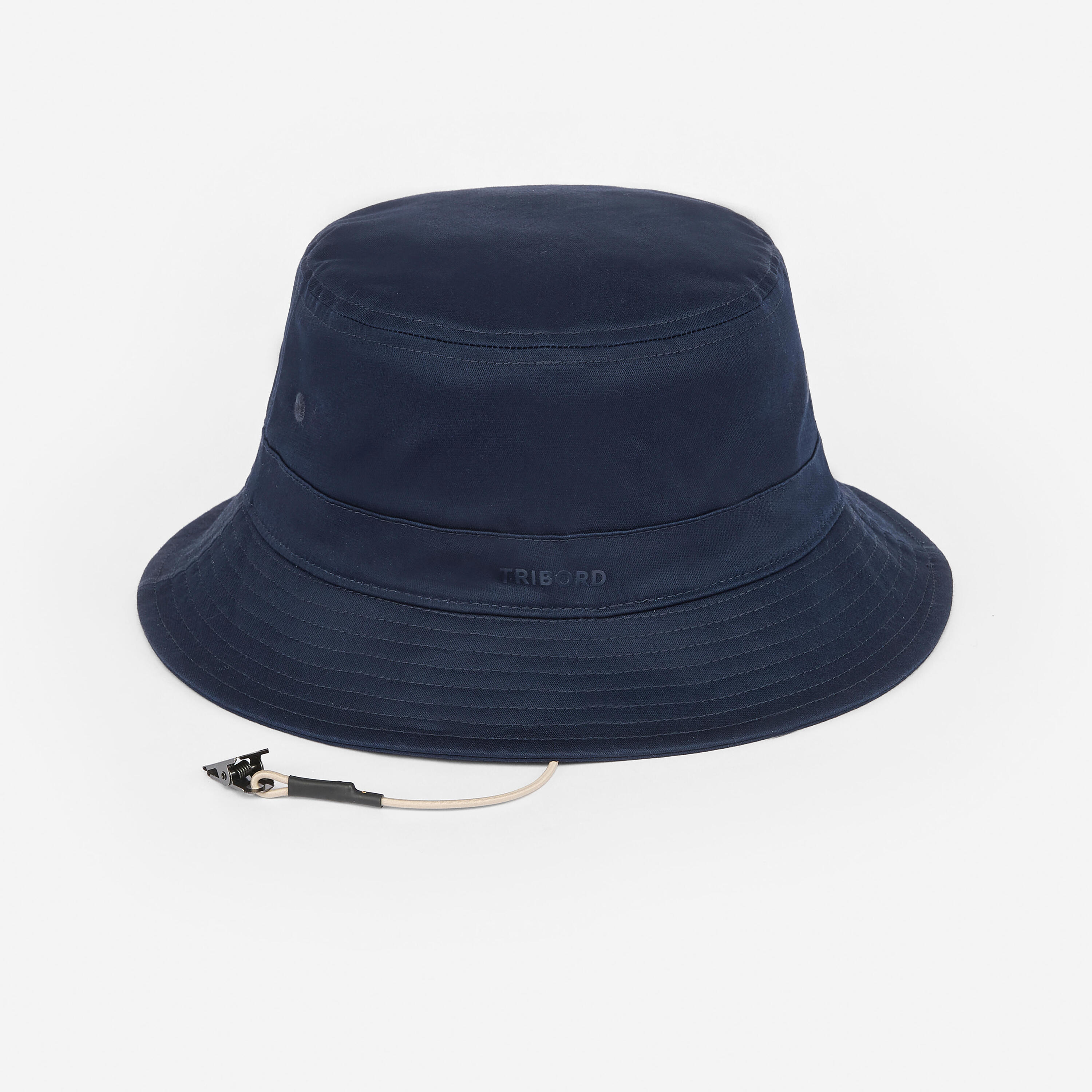
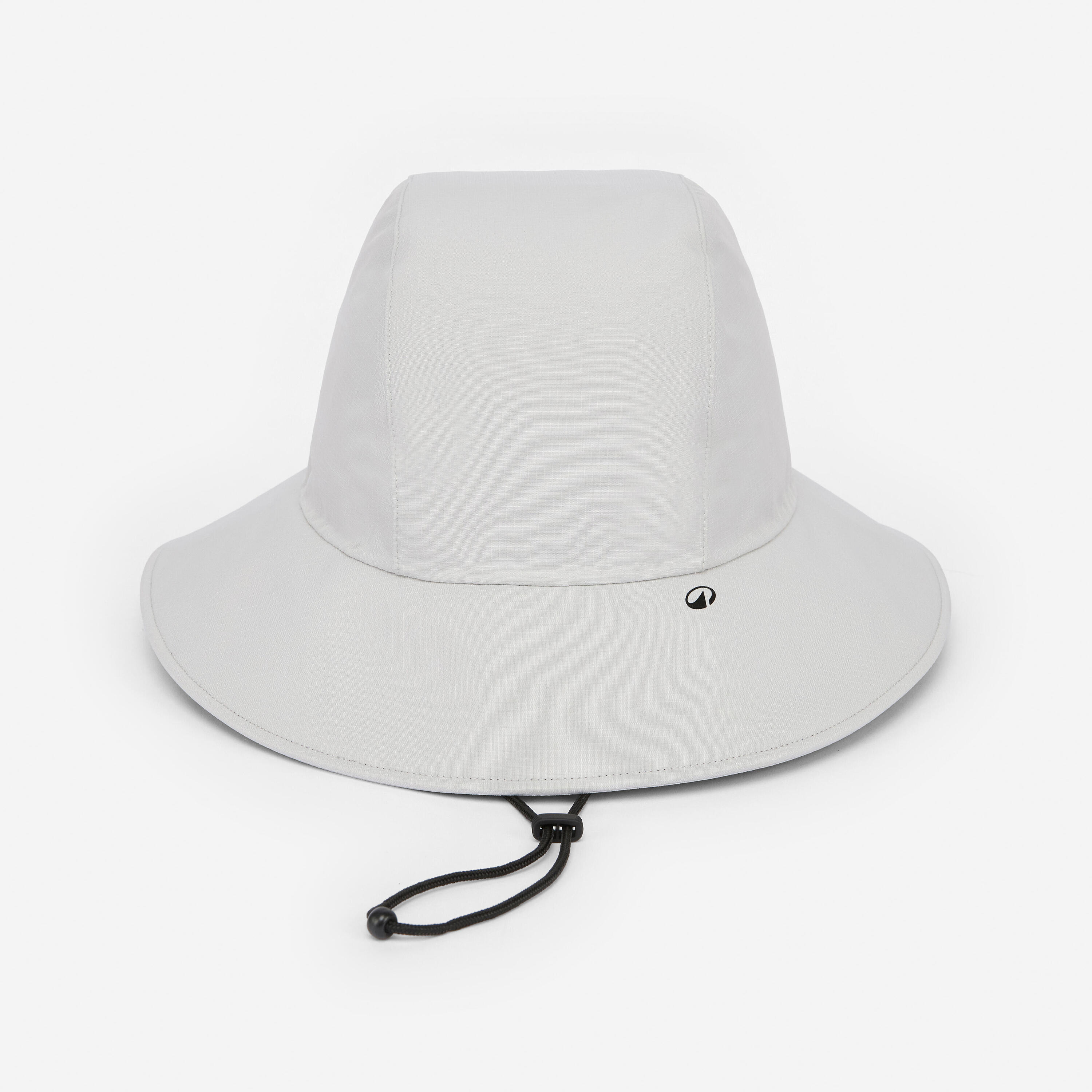
A surf cap with a forward-facing peak protects the forehead and shades the eyes during paddling, which reduces squinting into the sun on a dawn session and limits UV exposure to the facial skin directly above the eyebrows. A full-brim surf hat extends that coverage to the ears, the sides of the face, and the back of the neck, which are the areas that a forward peak leaves fully exposed. The trade-off is that a wider brim creates more wind resistance and is more likely to be displaced in choppy conditions unless secured by a chin cord. For lighter summer conditions where wind is less of a factor, a wide-brim hat suits longer beach sessions, whereas a more secure cap construction suits active time in the water. A surfer's top priority is face coverage, but those who want additional protection for skin beyond the hat's reach often apply sun cream rated at SPF 50 with a high water-resistance rating to the ears, neck, and nose before paddling out.

What additional sun protection works alongside a surf hat for full-body coverage?

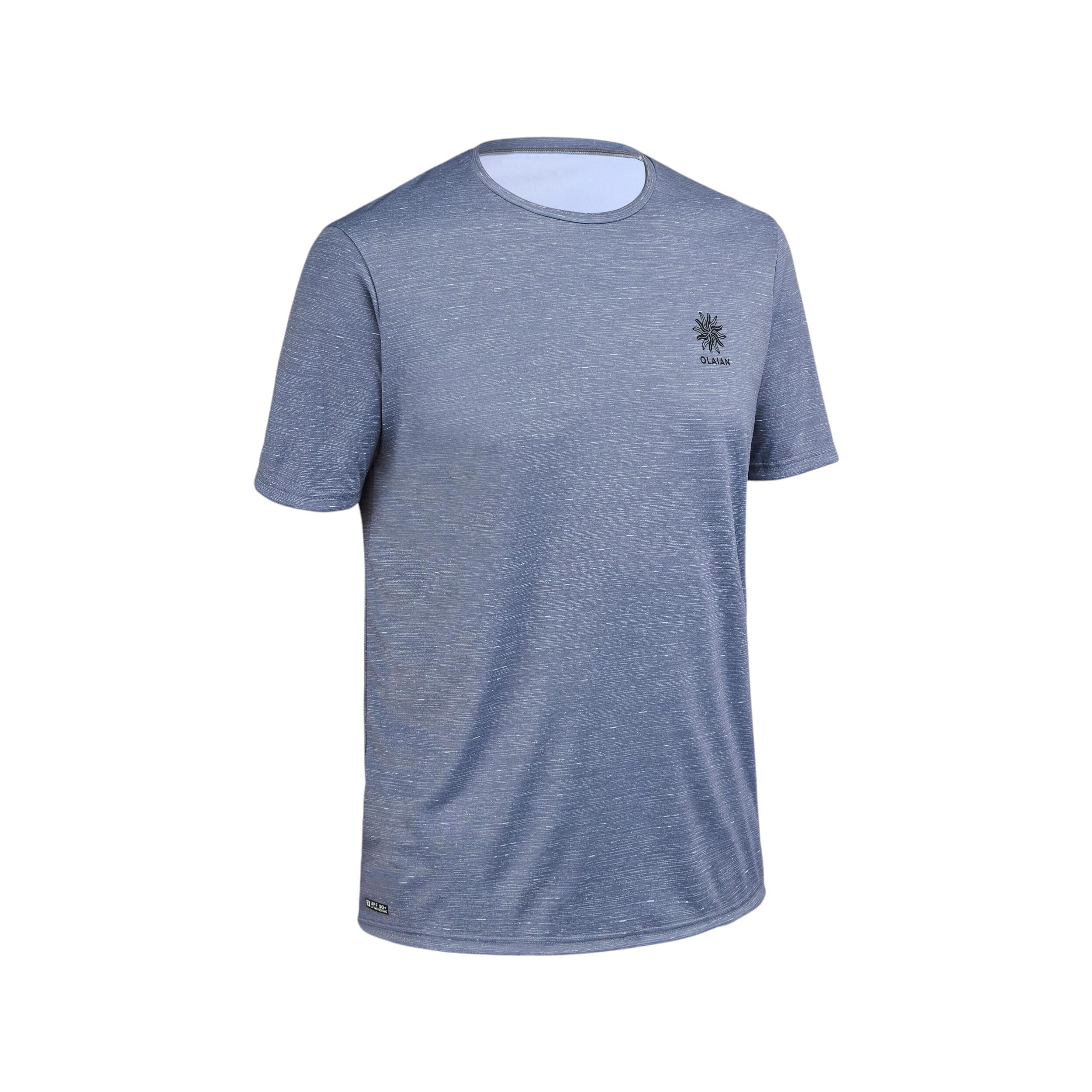
A surf hat covers the head but leaves the arms, shoulders, torso, and legs exposed during time in and out of the water. A UV rash vest worn over or under a wetsuit extends fabric-based protection to the chest, back, and arms without requiring repeated sunscreen application to those areas, which is particularly practical during long sessions where cream wears off through repeated wave contact. Flatlock-seamed rash vests in a UPF 50-rated fabric provide consistent coverage that does not degrade as quickly as sunscreen when wet. Anyone logging long hours lying on the board will find that a UV rash vest with a longer back hem protects the lower back from both sun and board contact during paddling, a zone the hat cannot address.

How does surf headwear fit into a complete layered sun protection strategy for the water?

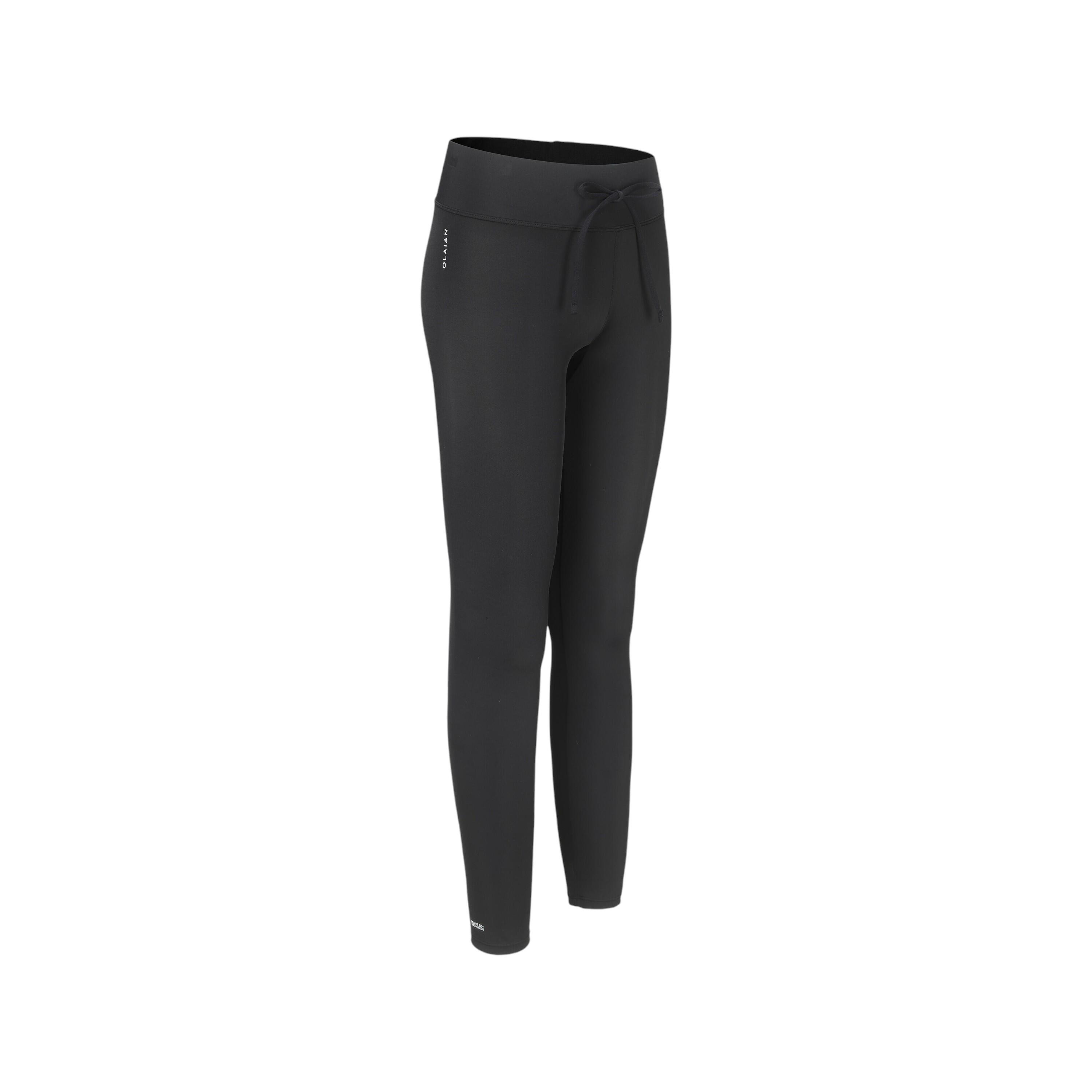
A complete sun protection approach for surfing treats each body zone as a separate decision rather than relying on any single item to cover everything. The head and face are addressed by a cap or hat with a chin cord for security in the water. The torso and arms are covered by a rash vest or long-sleeve rashguard rated at UPF 50. The legs present the most variable exposure; surfers who spend long periods sitting on their boards between sets receive sustained UV on the thighs and shins, which fabric coverage addresses more reliably than cream on wet skin. For consistent lower-body protection without a full wetsuit, surfers will find that UV protection leggings in a quick-dry fabric provide UPF-rated coverage across the legs while allowing full paddle movement from the hips, making them a practical addition to any warm-water surf session.