71 items
4.5/5 based on 2924 reviews collected online and in stores

Sun Cream FAQs

What SPF level should I use for outdoor sports and beach activities?

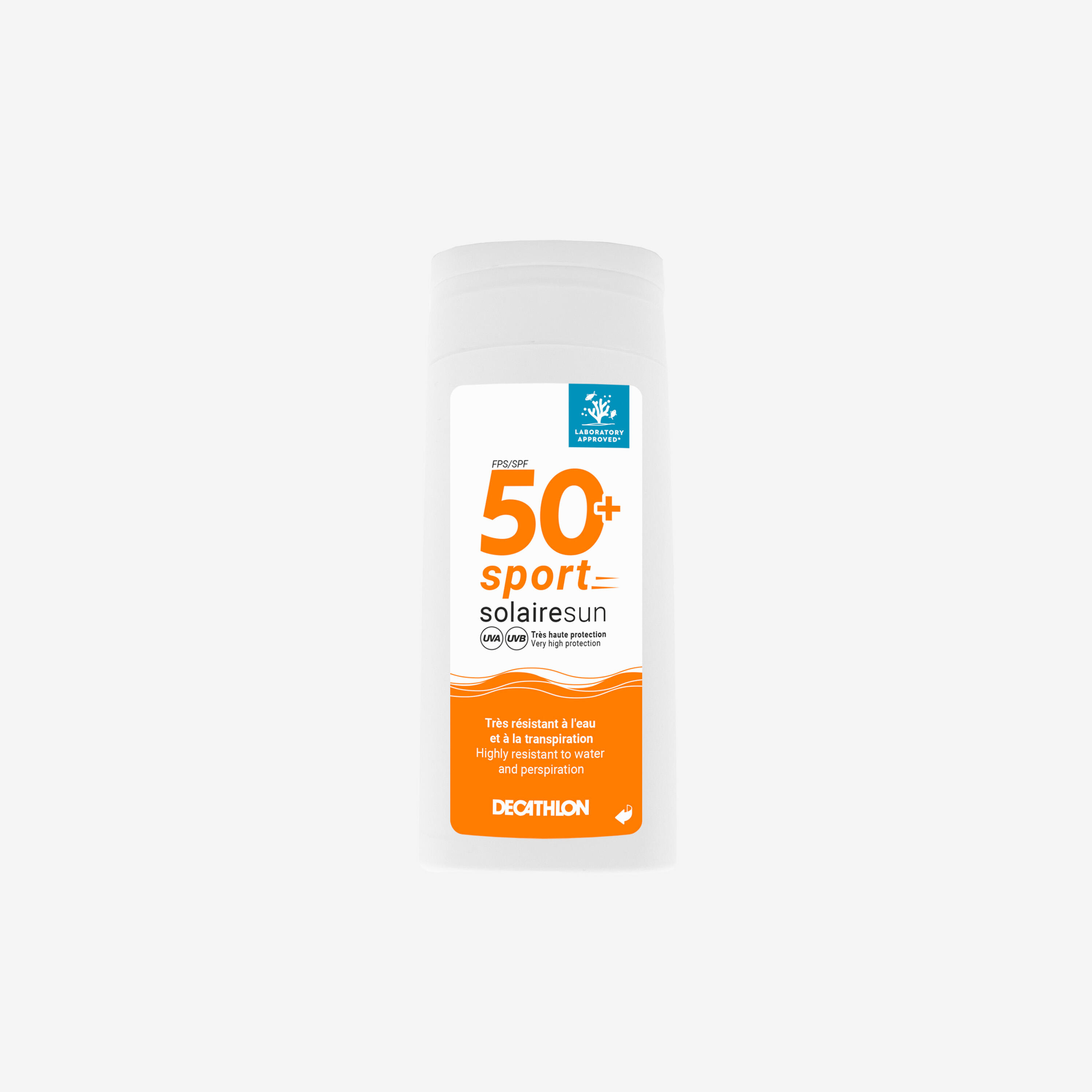
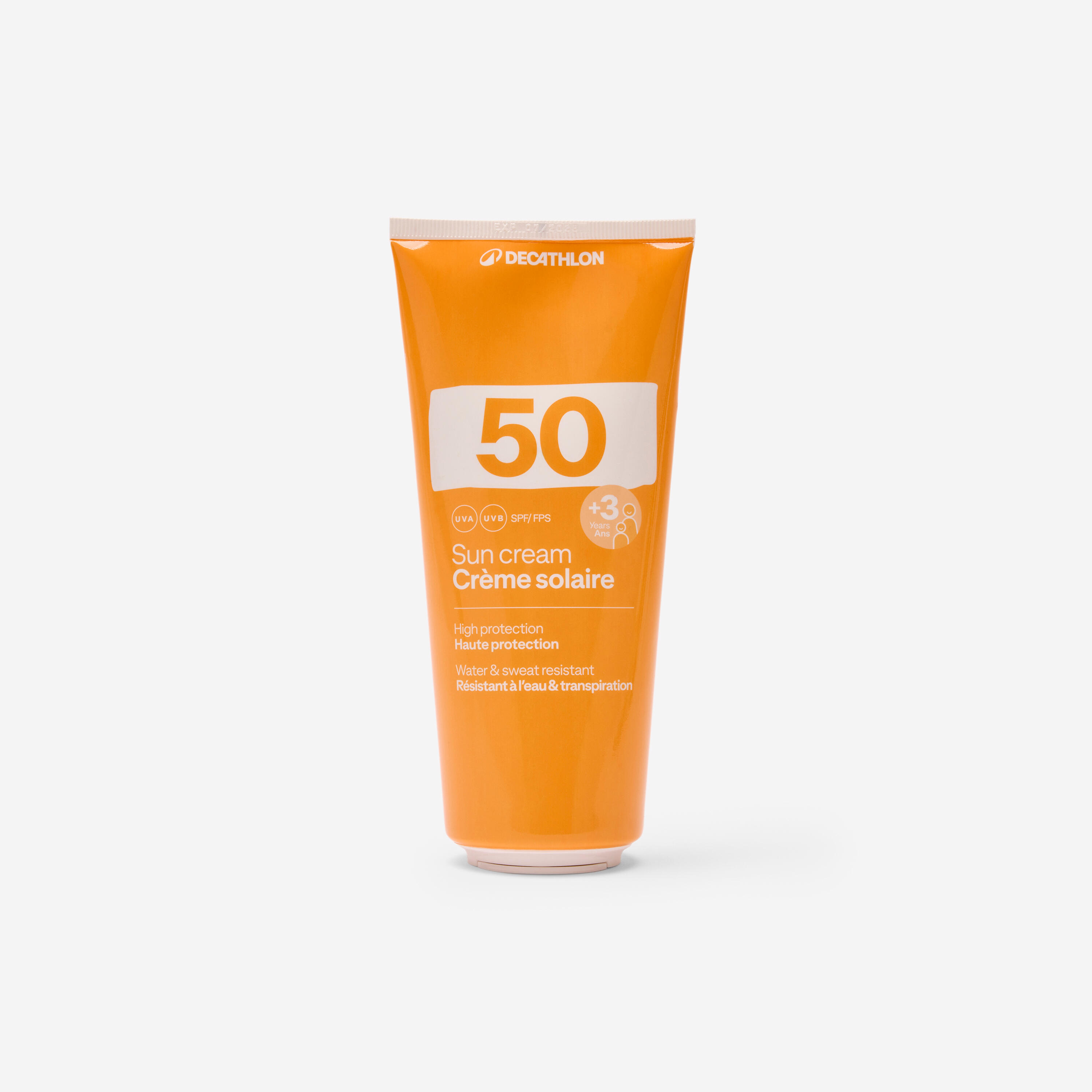
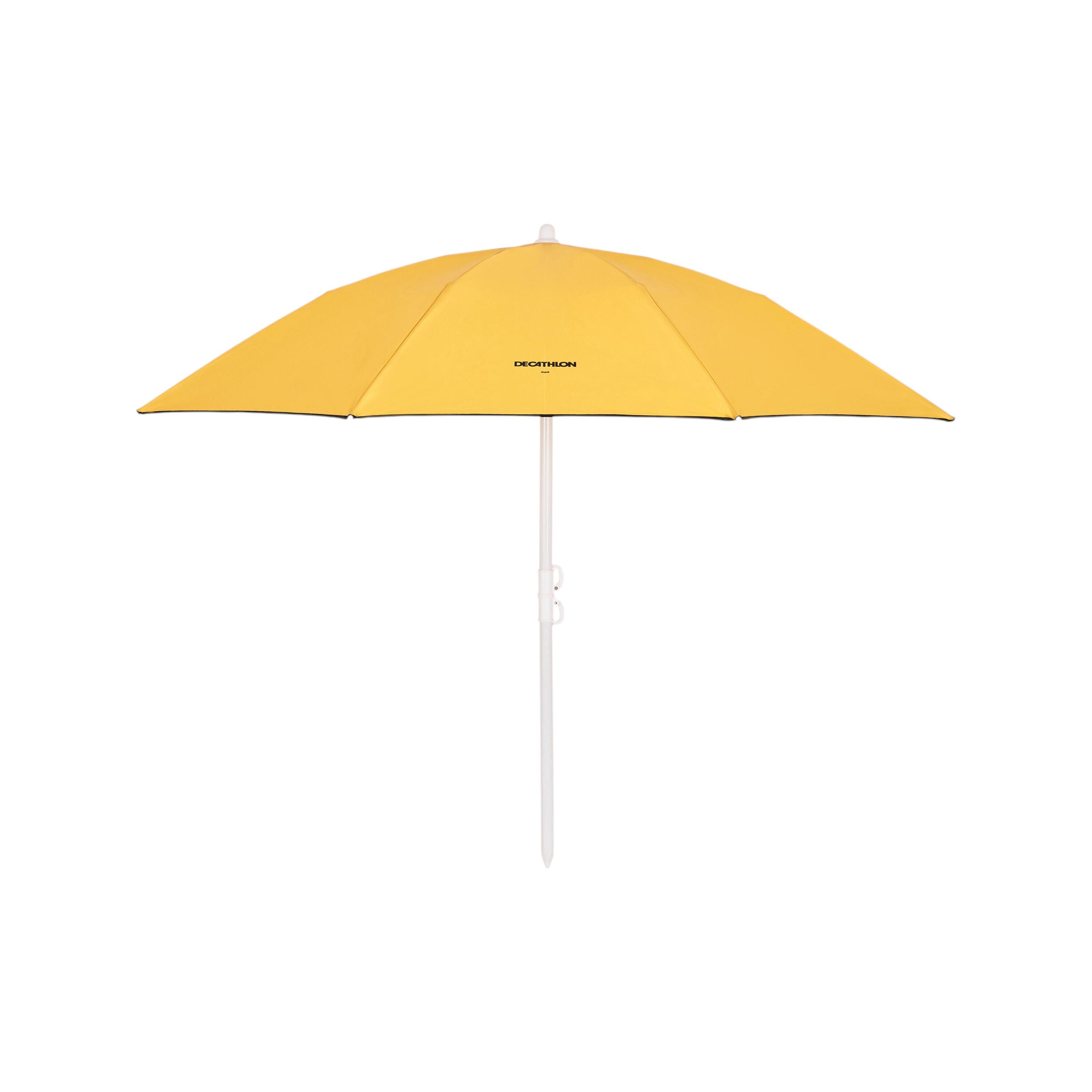
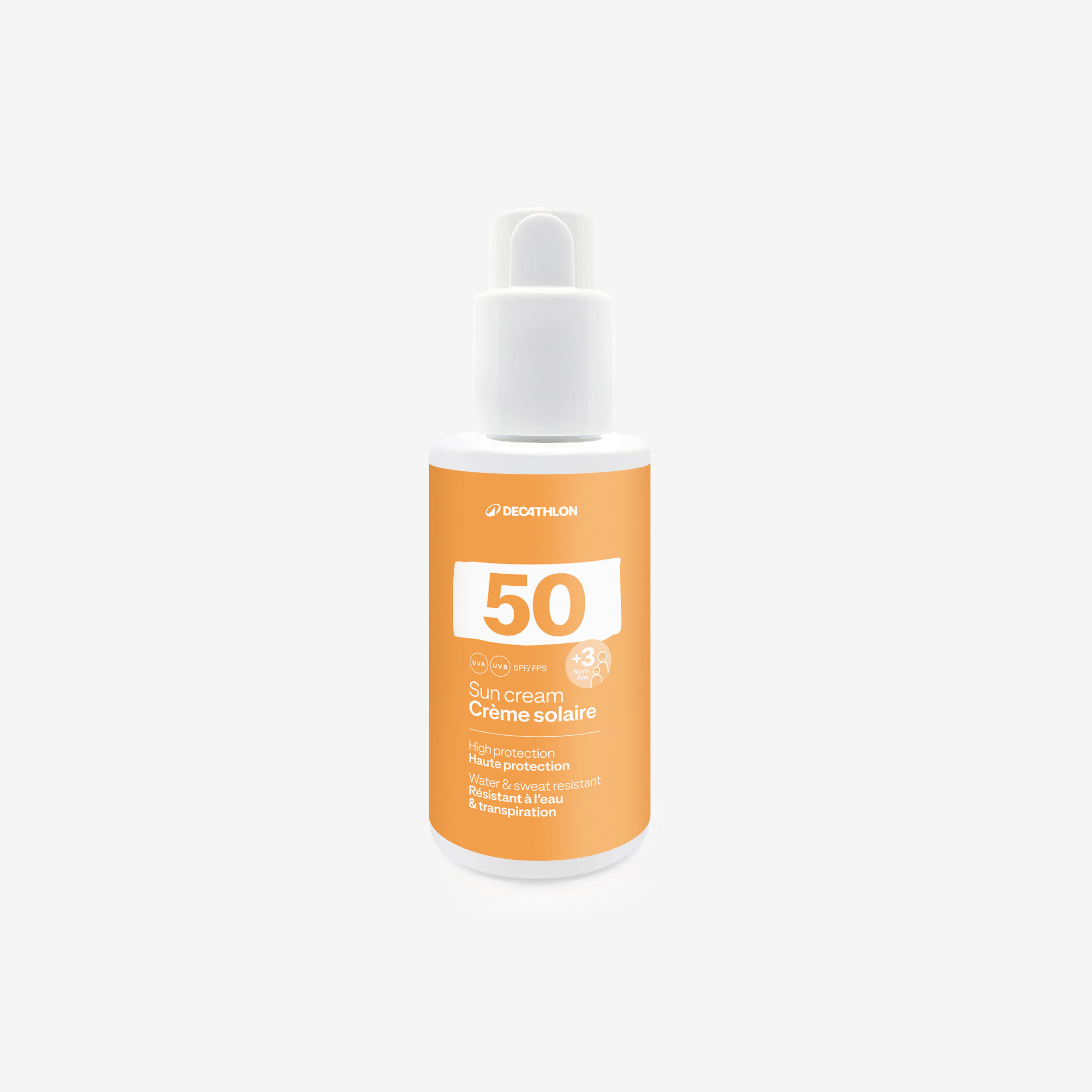
For any prolonged time outdoors, whether surfing, beach volleyball, or a long coastal walk, an SPF 50 or SPF 50+ sun cream is the practical minimum. The difference between SPF 30 and SPF 50 comes down to how much UV radiation reaches the skin: SPF 30 filters roughly 97% of UVB rays, while SPF 50 pushes that closer to 98%. That 1% gap sounds small, but across a four-hour session with repeated water exposure, it adds up. It bonds to wet skin rather than sliding off after the first wave, which standard cosmetic SPF products frequently do. A well-anchored beach tent earns its place on strong-sun days, cutting direct UV exposure between sessions and meaning the covered parts of your body need far less frequent cream reapplication.

Which sun cream format works best for children?

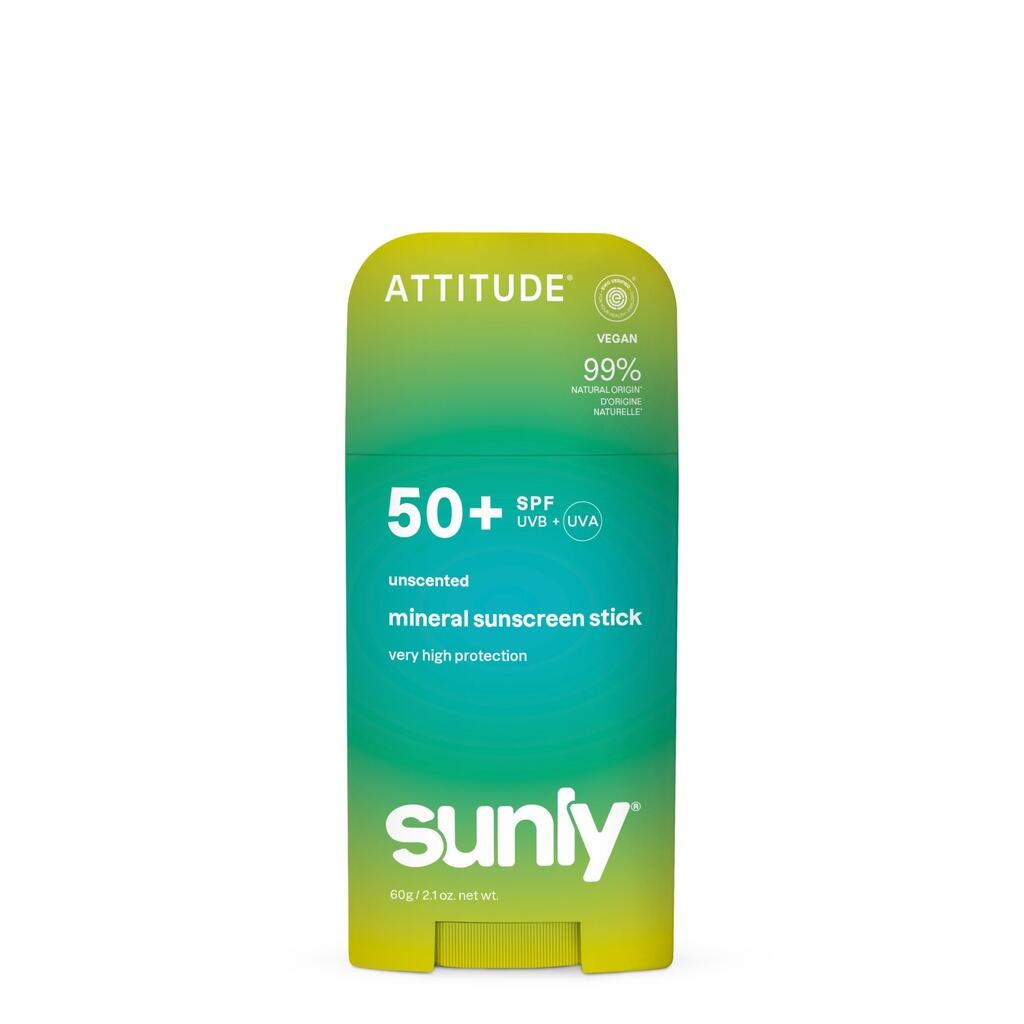
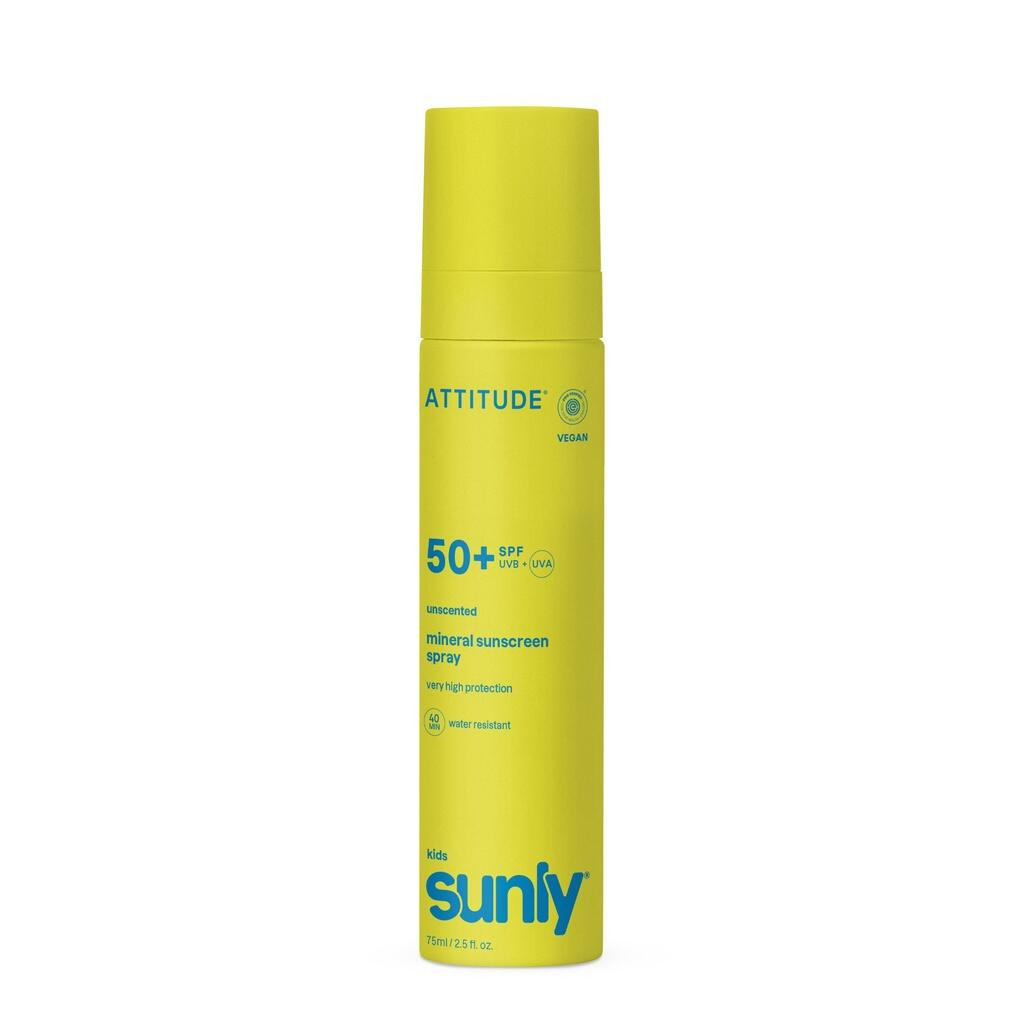
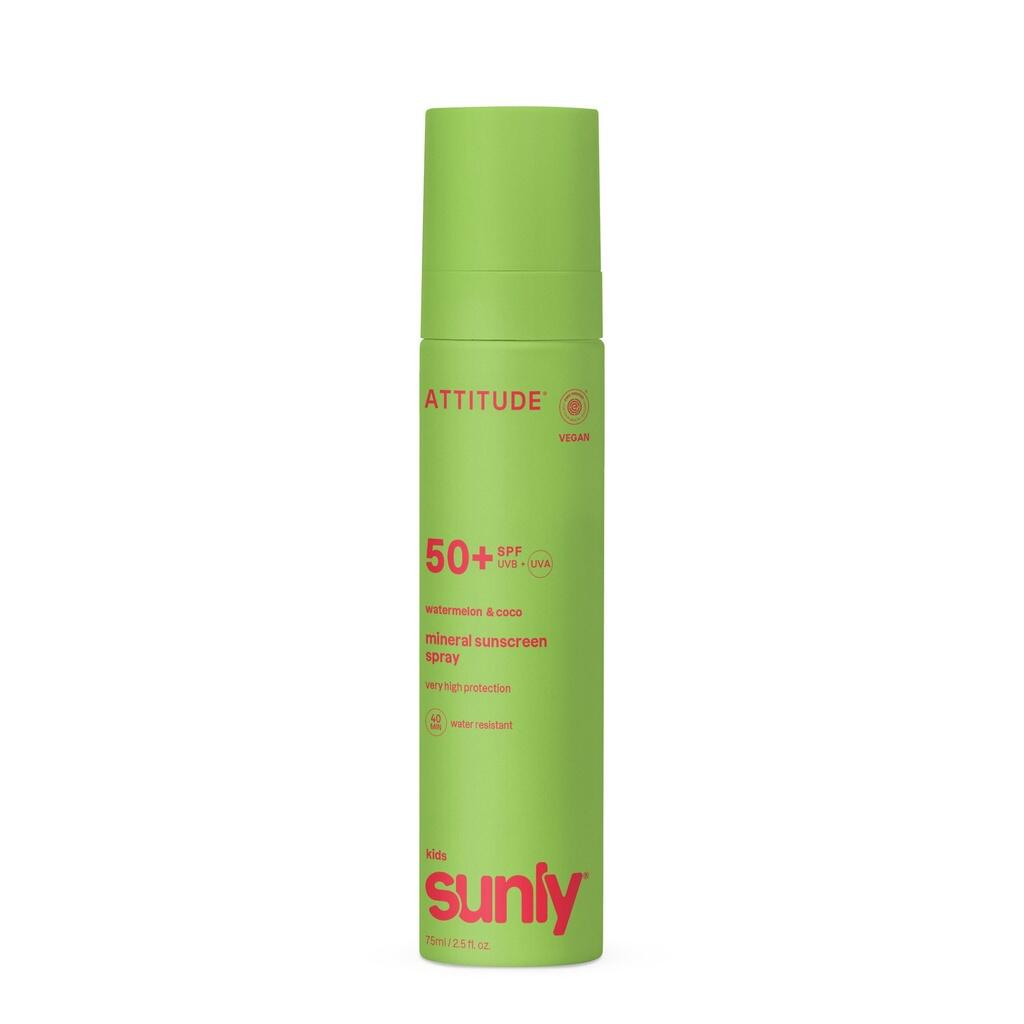
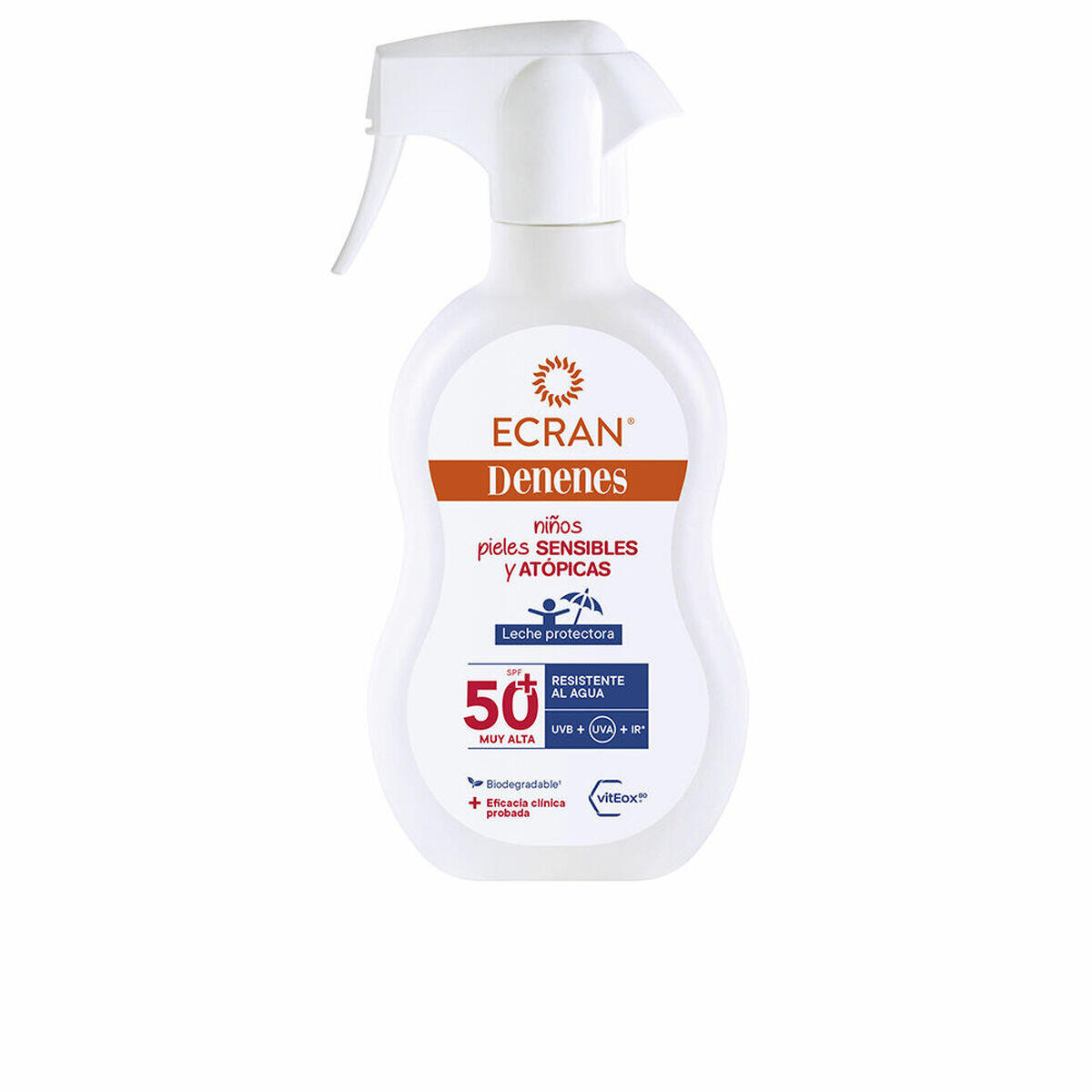
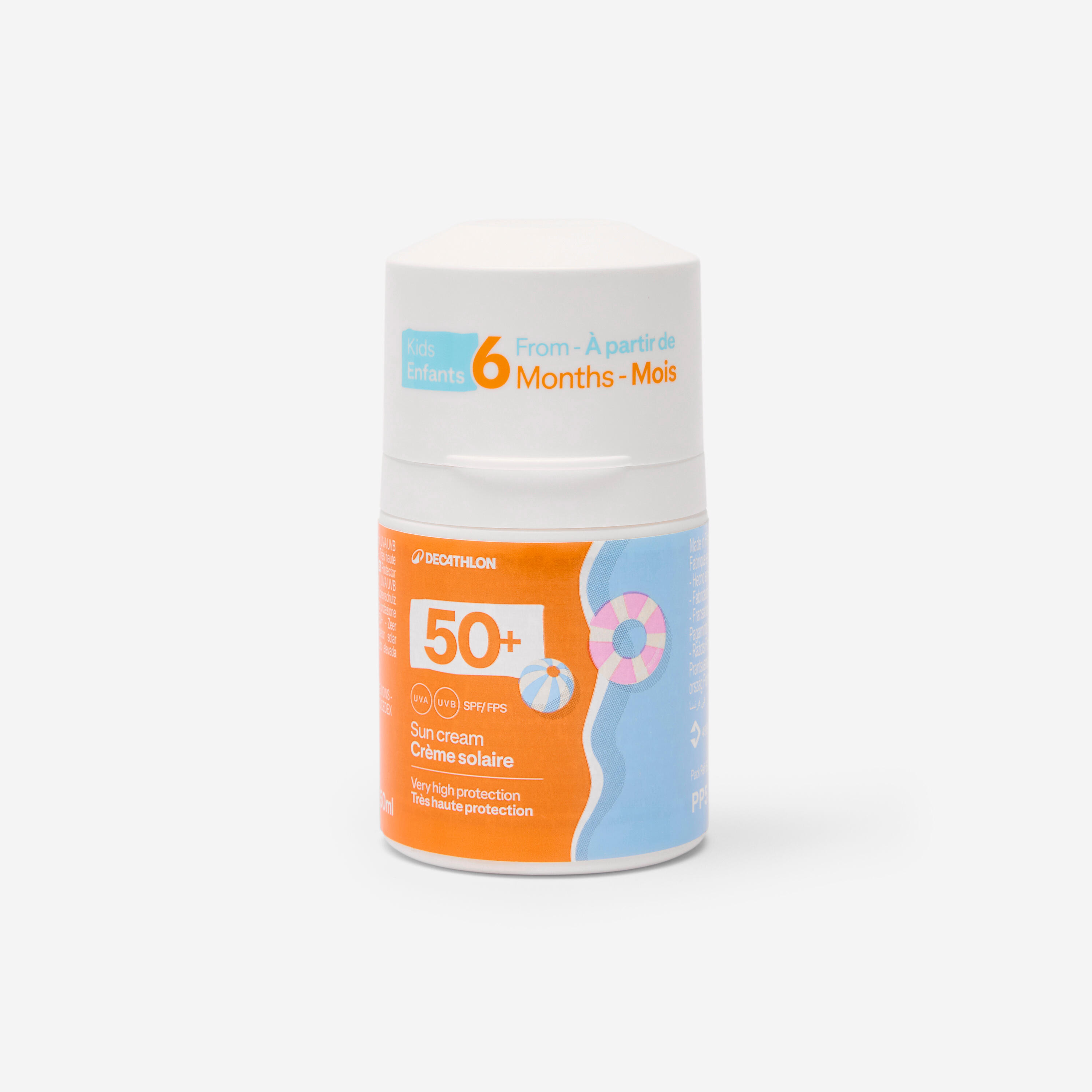
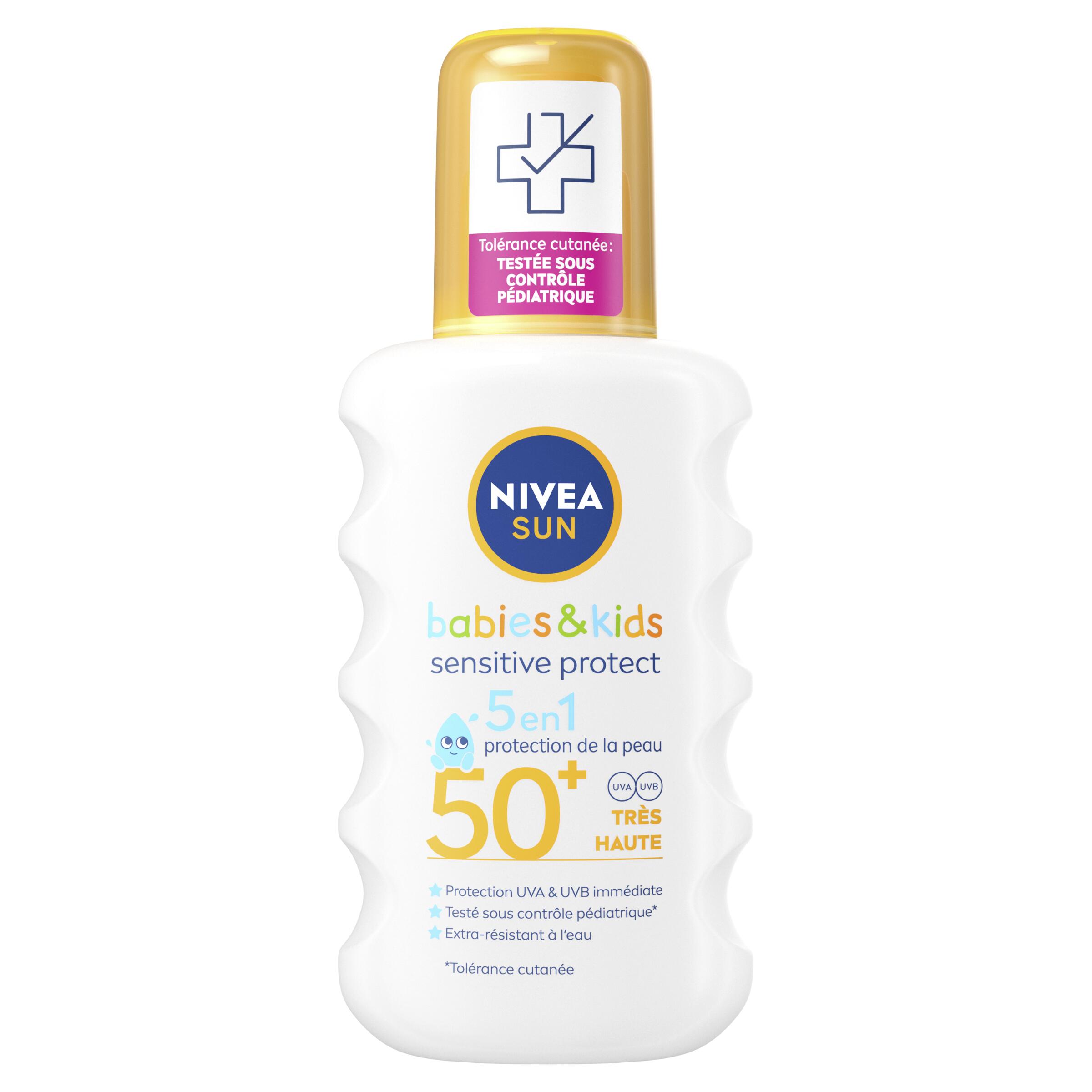
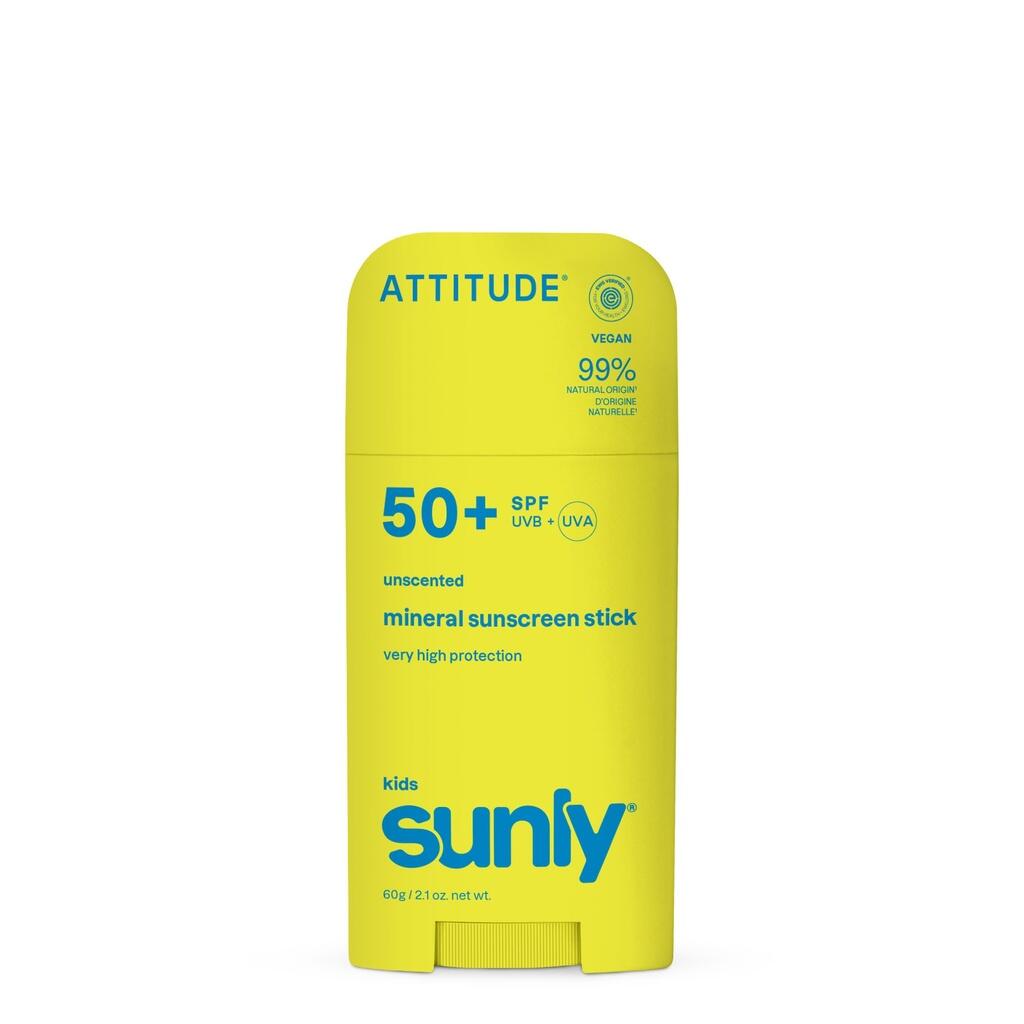
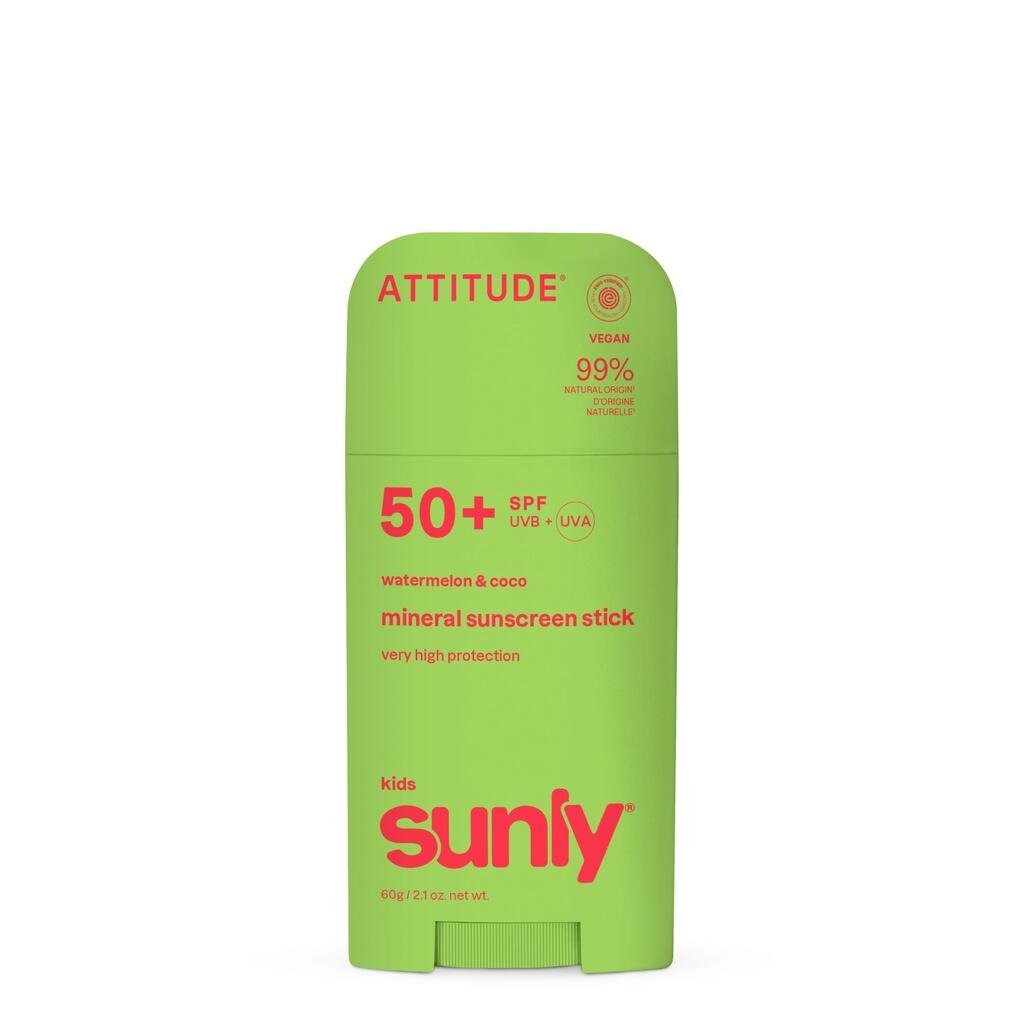
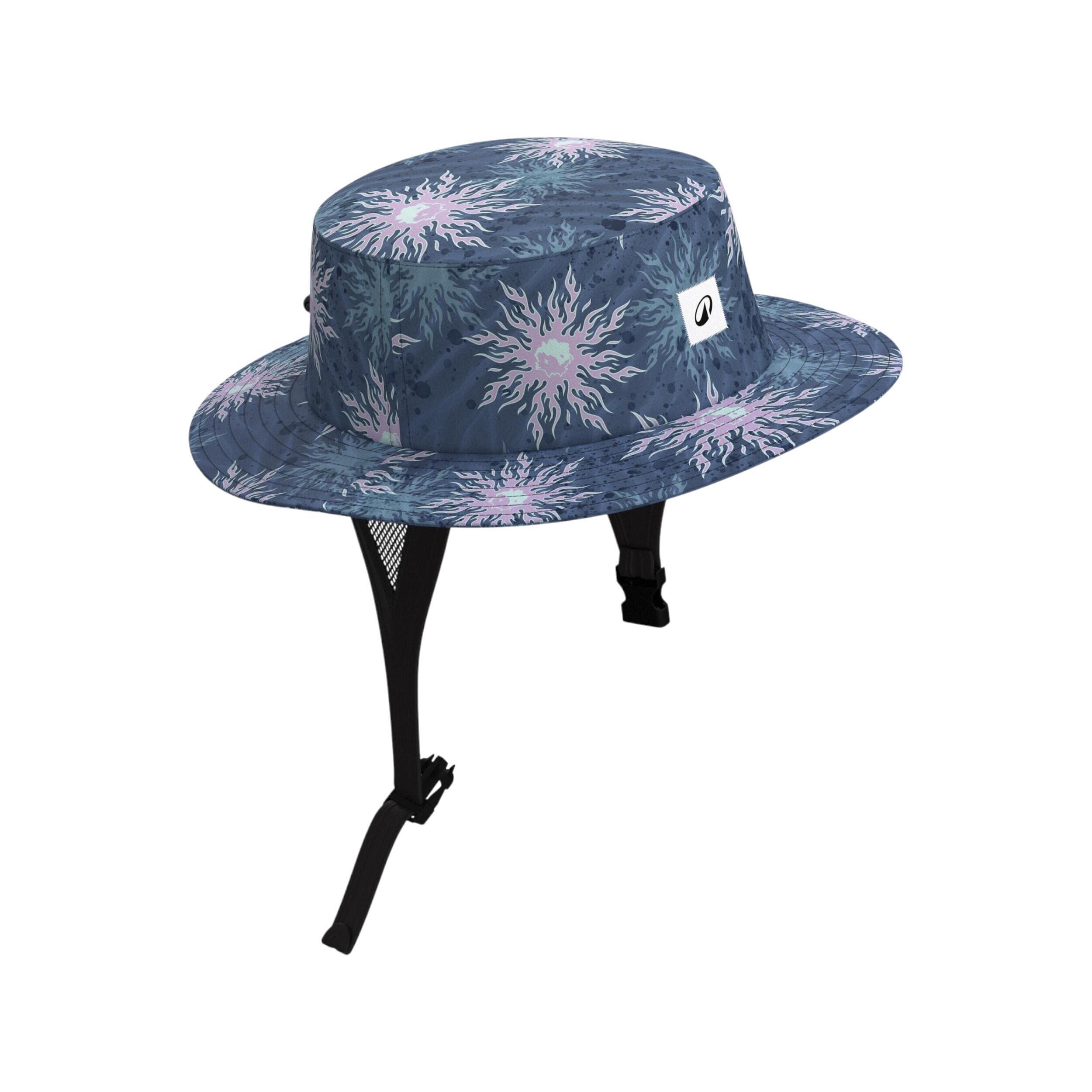
Children's sun cream spray and roll-on formats are both genuinely more practical than lotion when you are trying to apply sun protection to a moving target on a busy beach. The roll-on kid's SPF 50+ at 50 ml fits neatly into a bag and applies precisely to the face, ears, and neck without requiring hands; it is useful when a child refuses to stand still. The Nivea Babies' and Children's Sun Cream Spray SPF 50+ at 200 ml covers larger body areas quickly and is formulated for sensitive skin, avoiding the fragrances and alcohol-based carriers that can sting around the eyes. Practical tip: apply children's sun cream 20 minutes before heading outside, not at the water's edge; the film needs time to bond with the skin before UV exposure begins. On bright days, pairing sun cream with a wide-brimmed option from caps & hats protects the scalp and face where application is often incomplete.
What should I look for in a facial sun cream for sport?

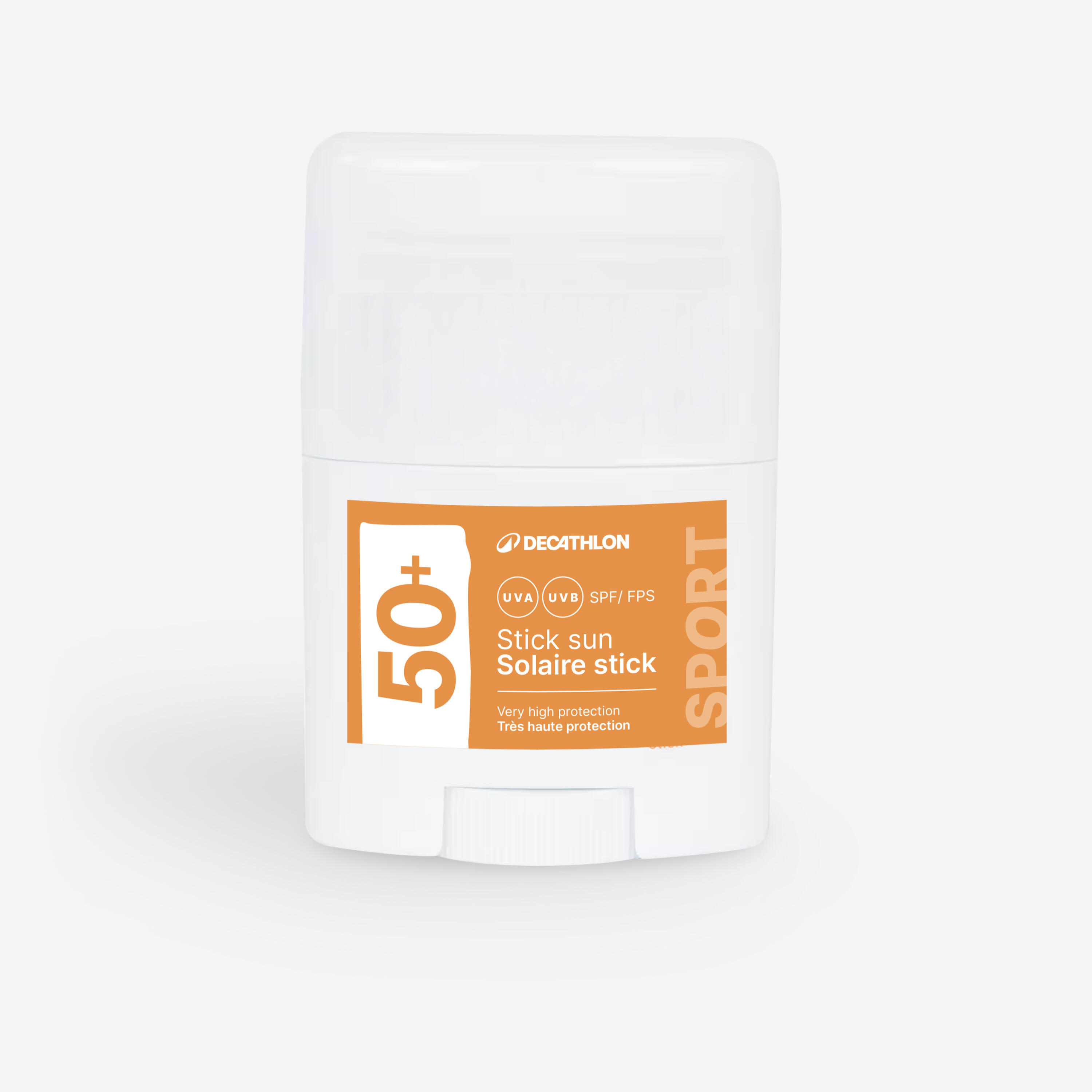
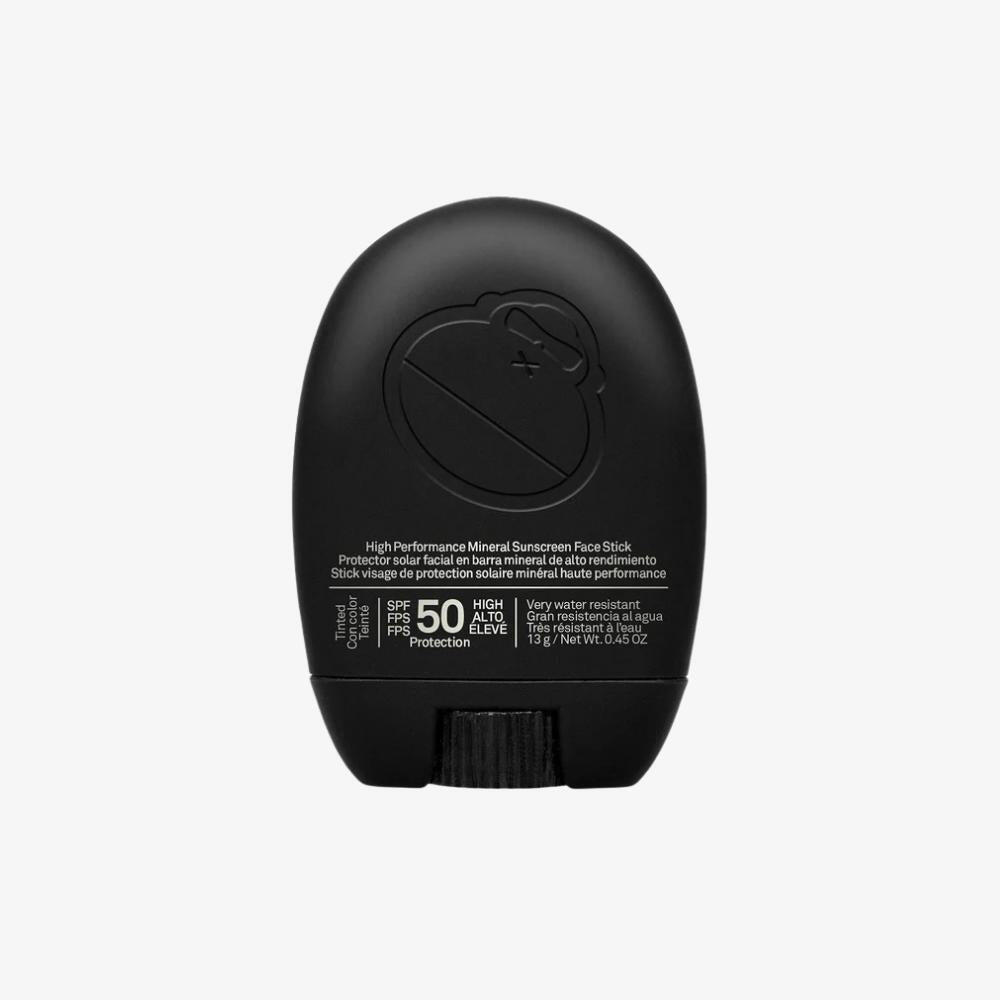
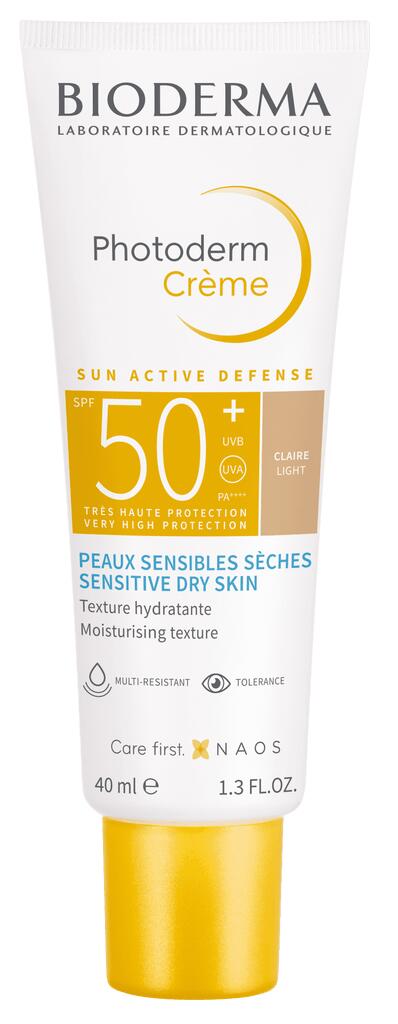
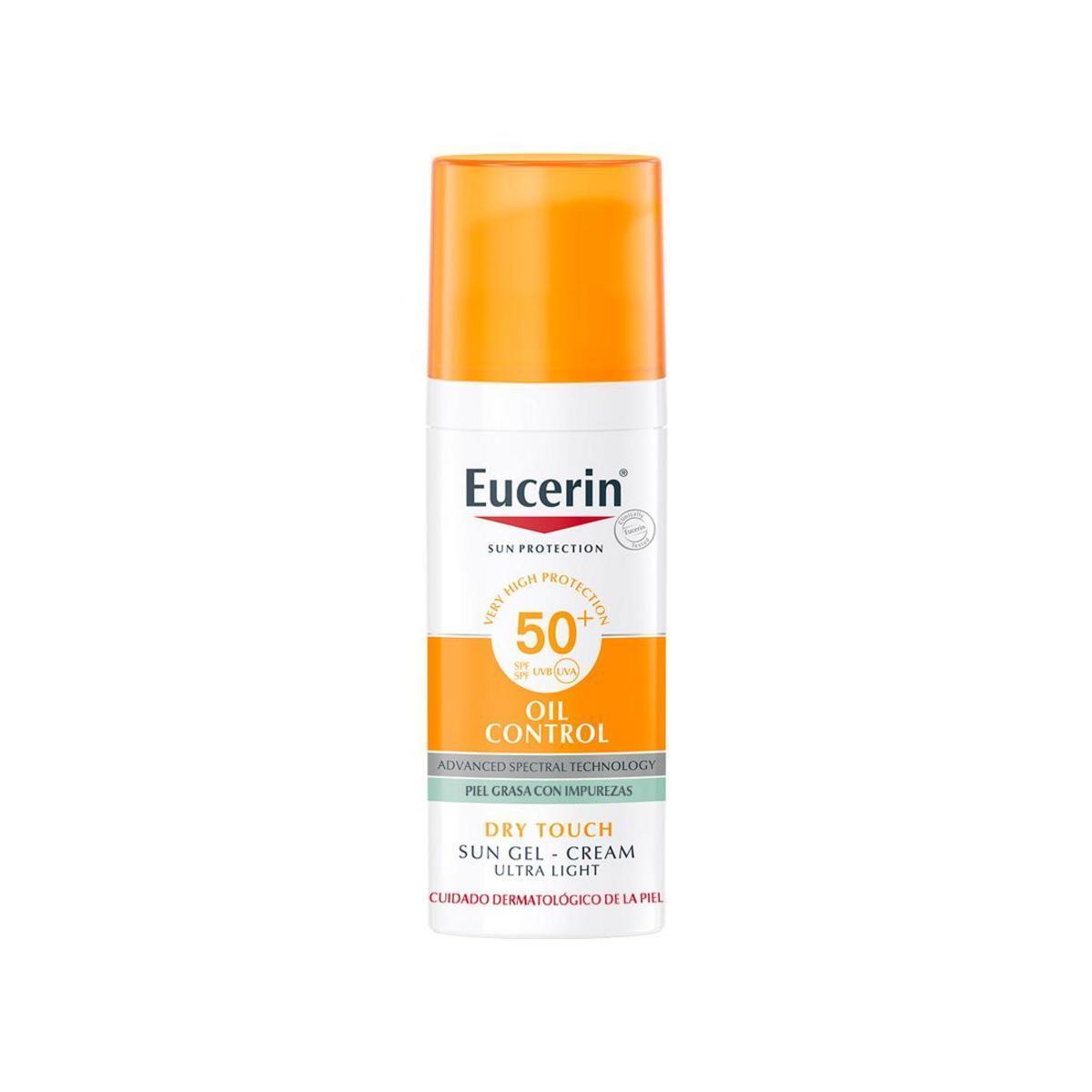
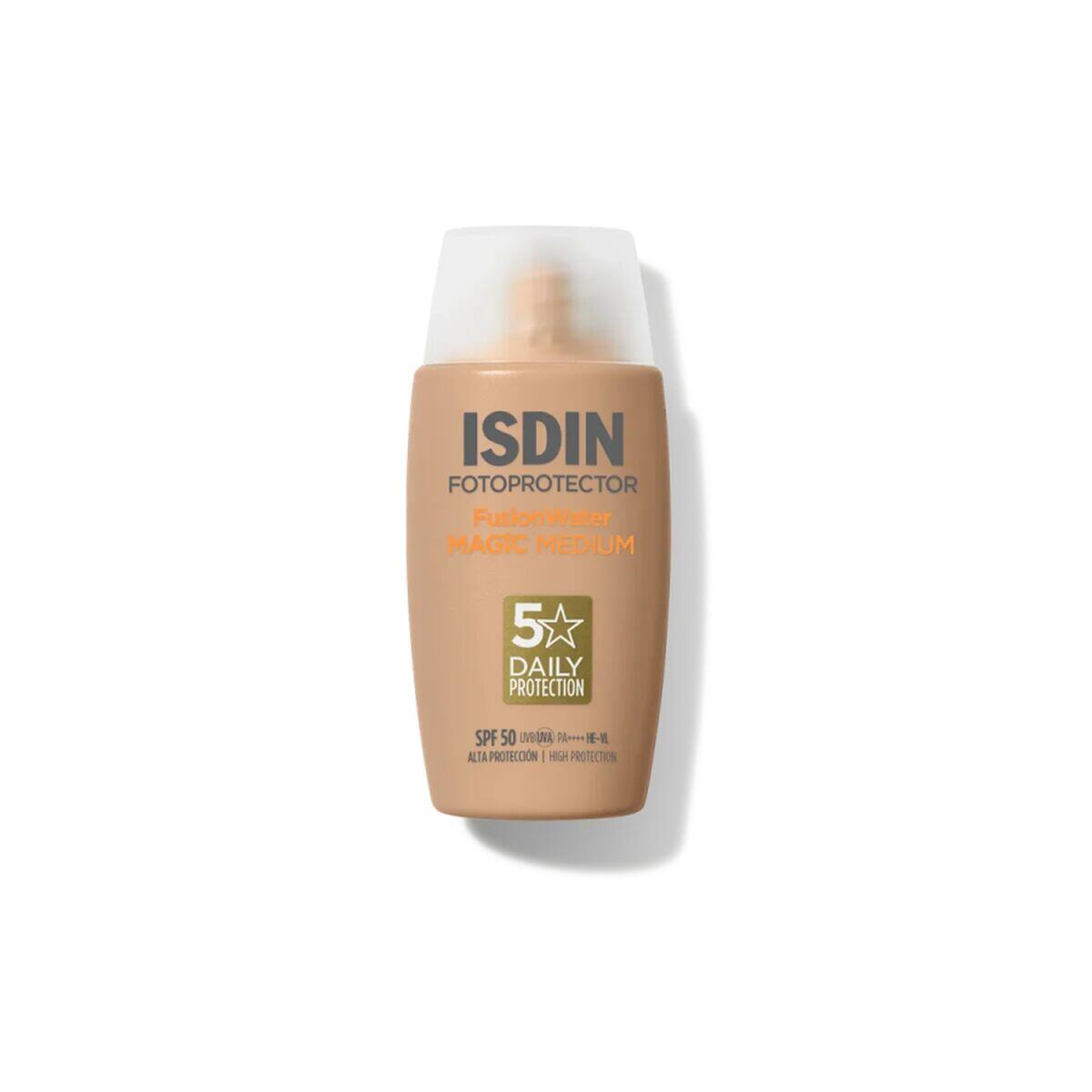
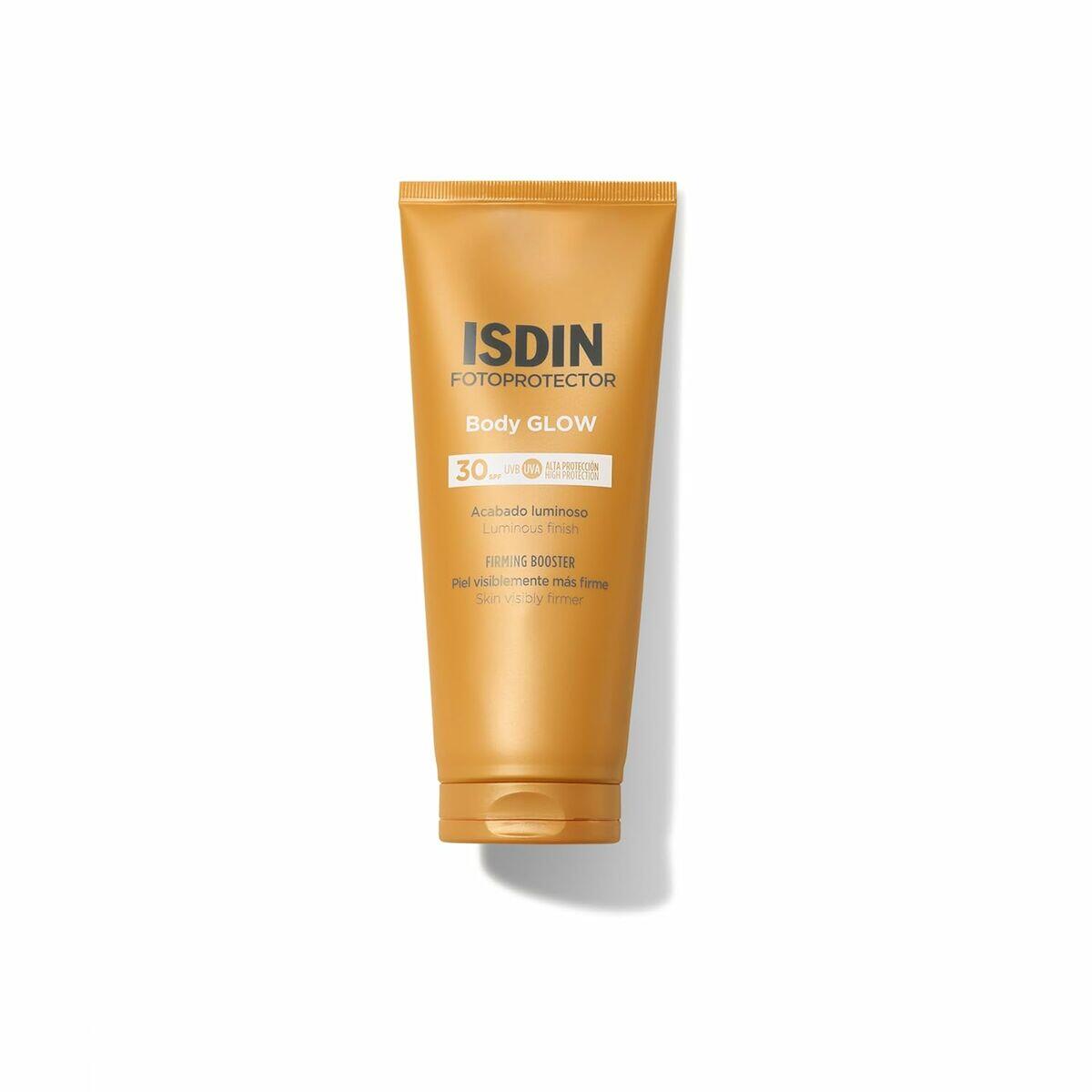
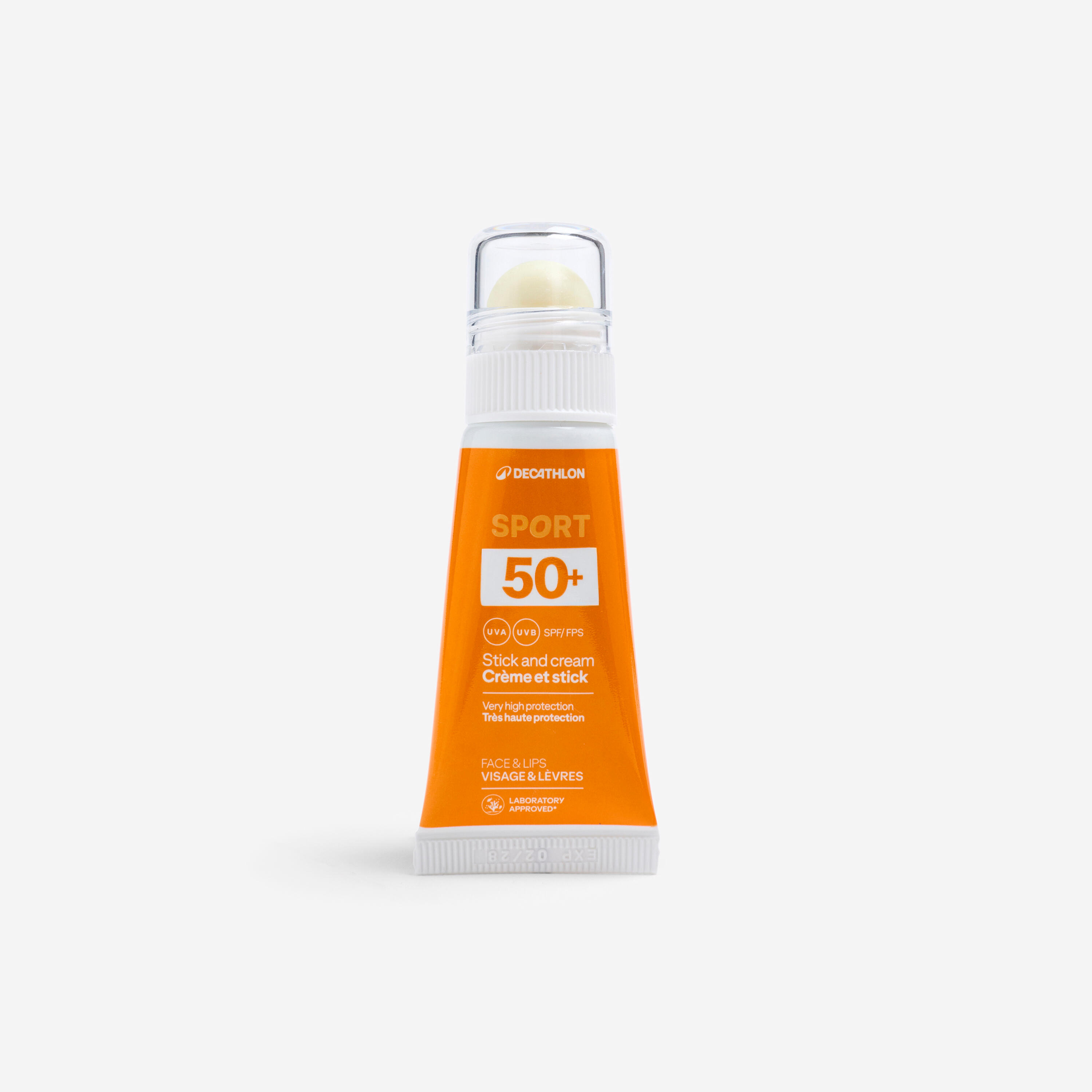
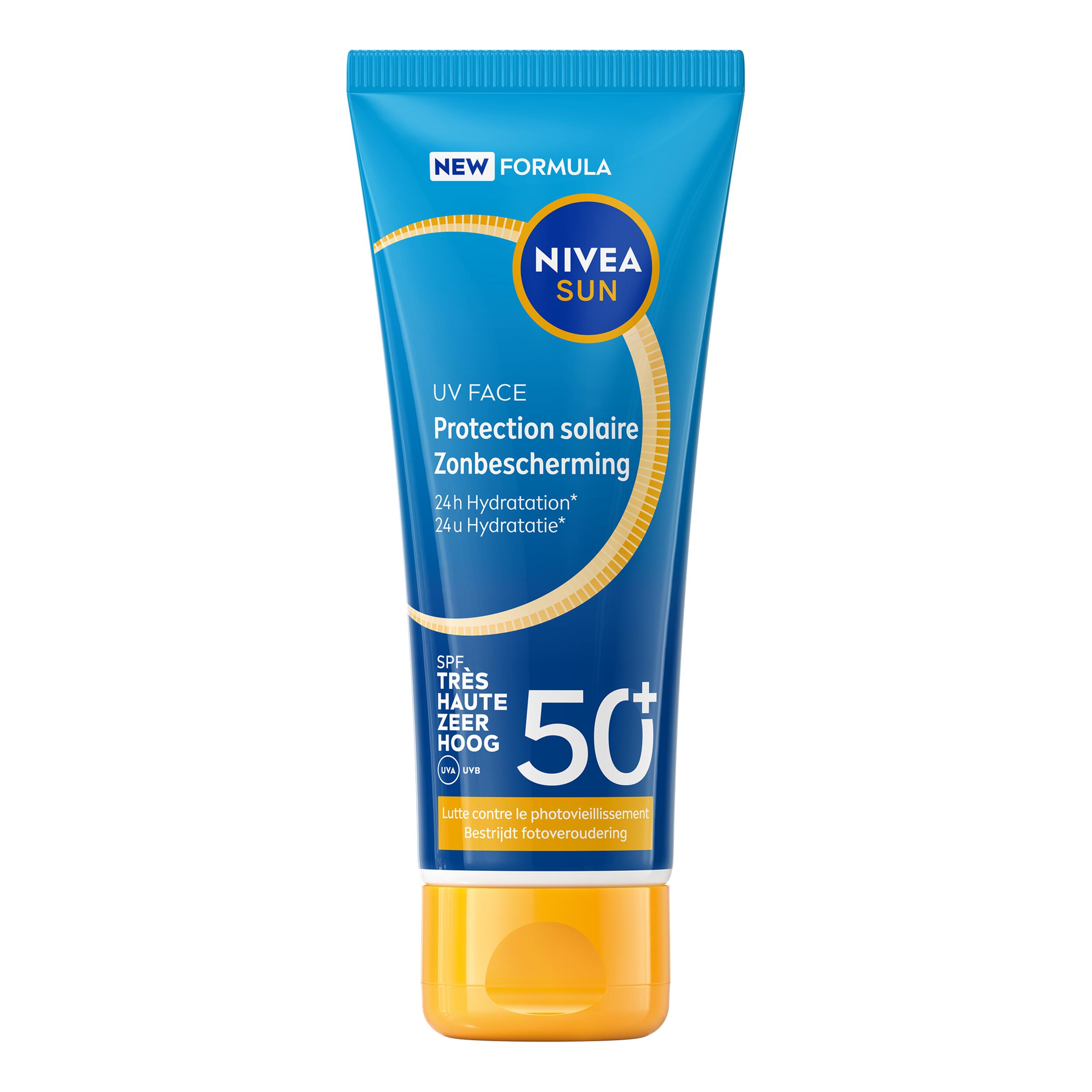
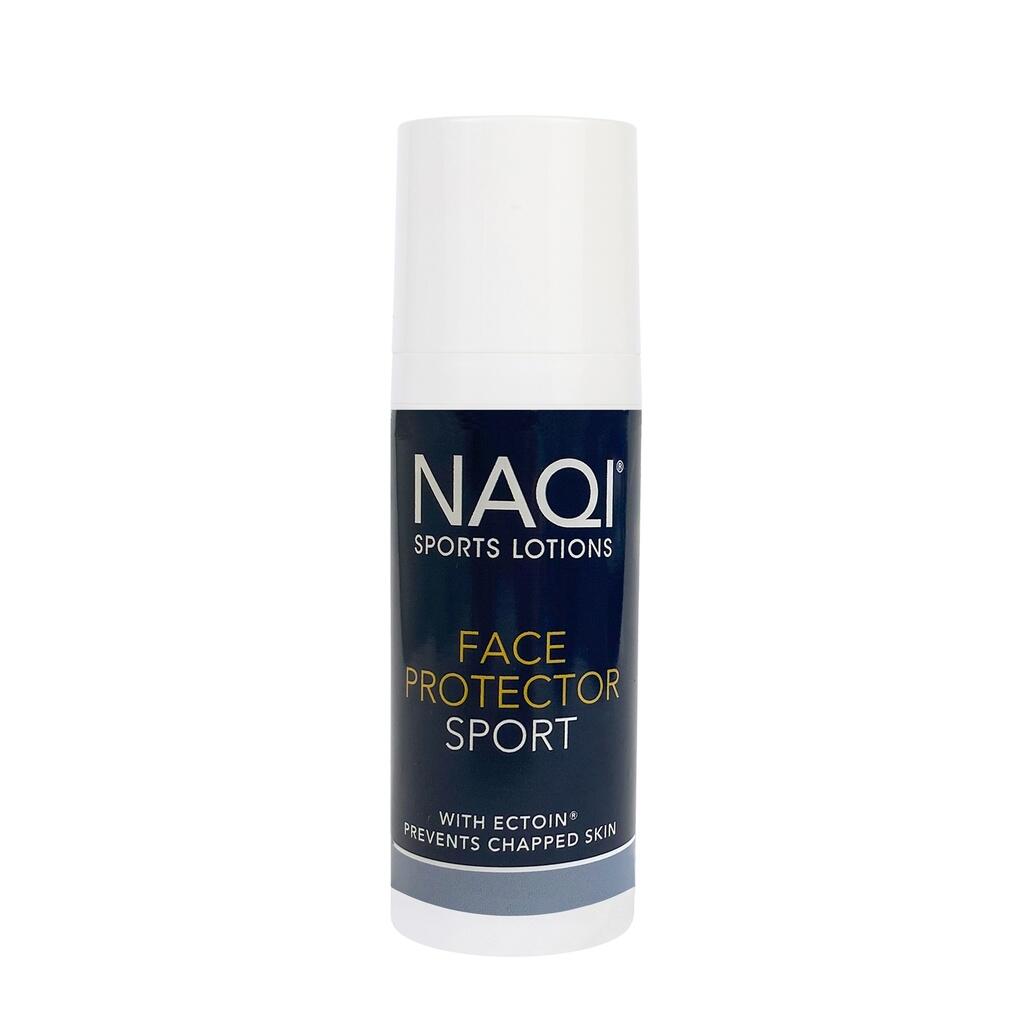
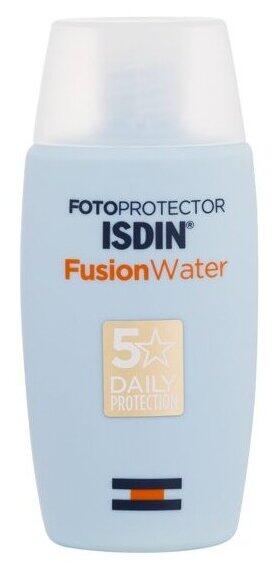
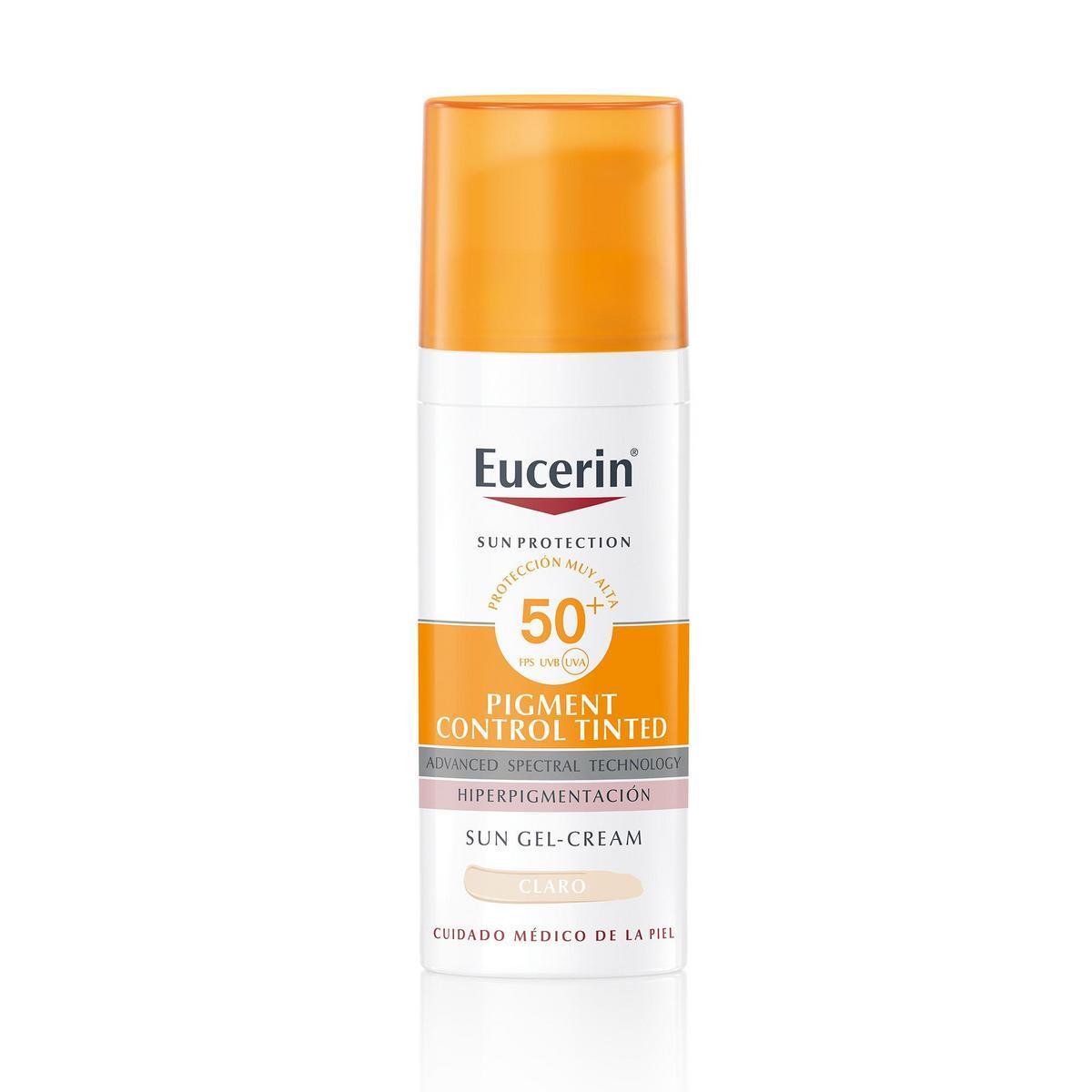
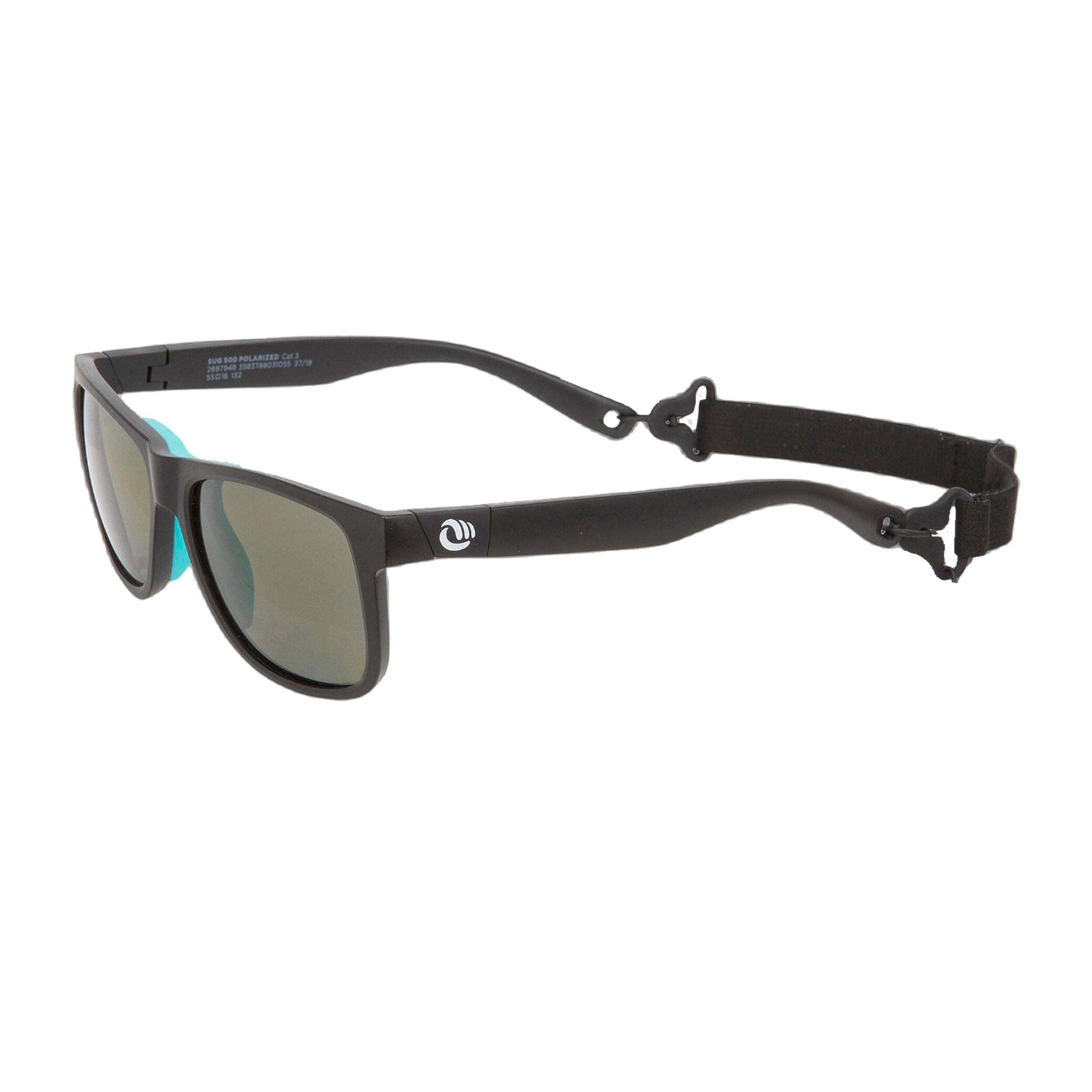
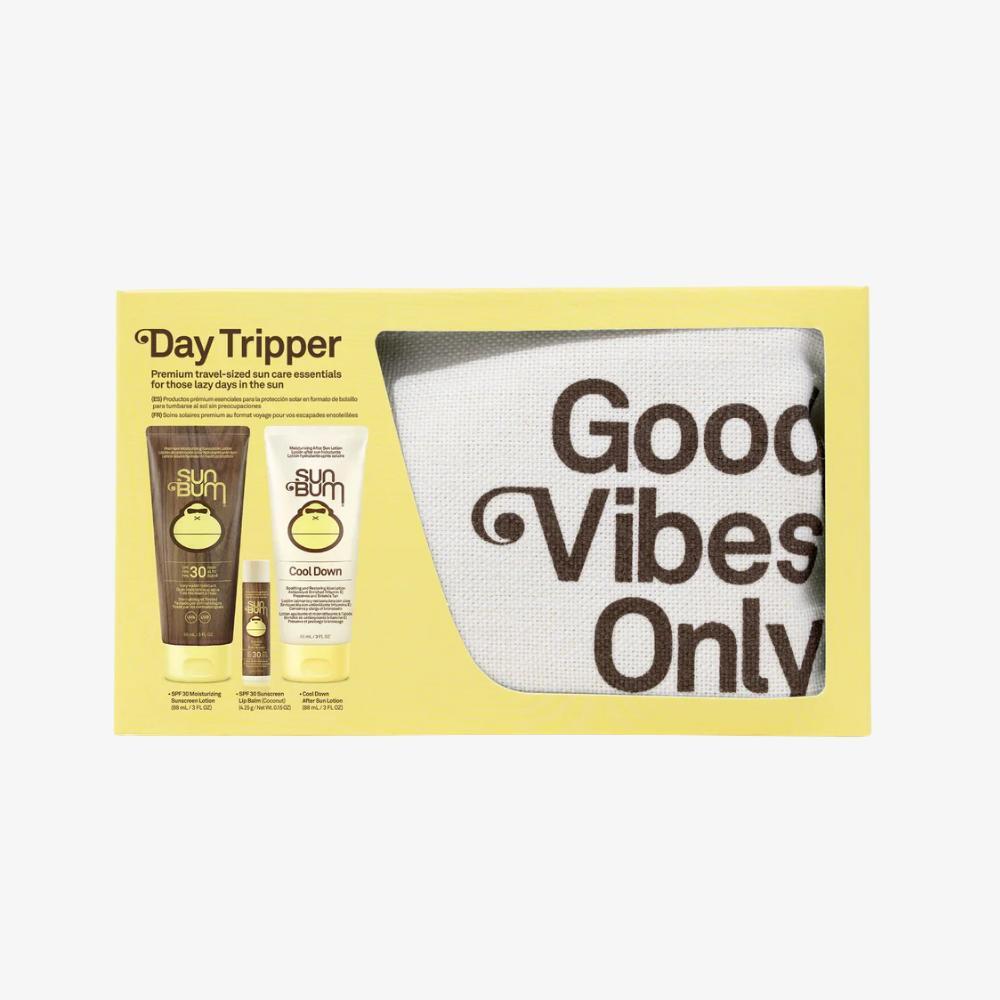
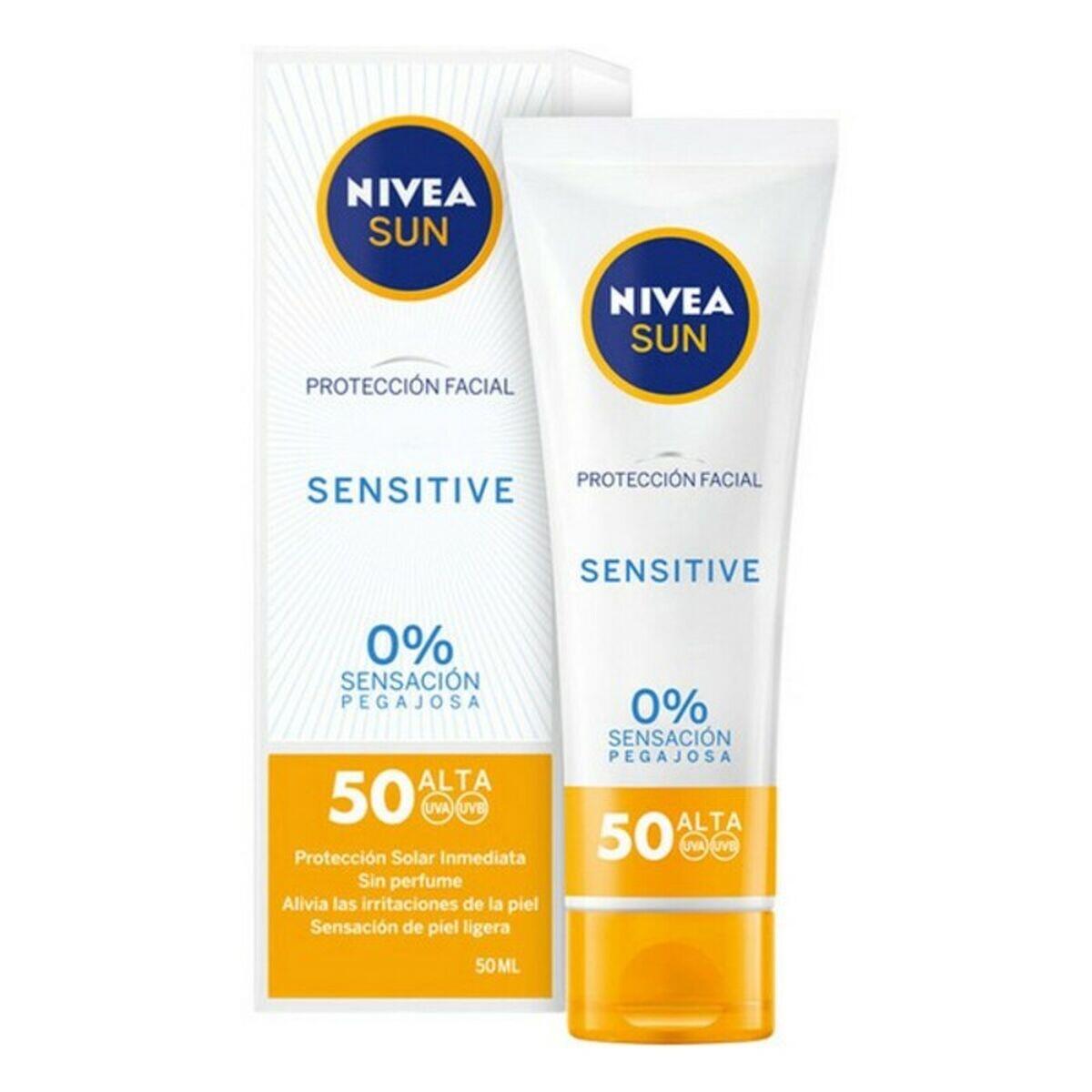
Facial sun cream for sport needs to stay put during sweating without blocking pores or leaving a white cast that interferes with vision. The key specs to look for are: non-comedogenic labelling (won't clog pores), a fluid or gel texture rather than a heavy cream base, and broad-spectrum UVA/UVB protection. The ISDIN Fotoprotector SPF 50 and Bioderma Photoderm Aquafluide SPF 50 both use ultra-light fluid formulas that absorb within a minute of application, as it is important for surfers and runners who need to move immediately after applying. The Sun Bum SPF 50 Clear Face Lotion and Tinted Face Stick offer an alternative for those who want a slight cosmetic finish alongside protection. Wearing wrap-around surfing sunglasses alongside facial sun cream gives the eye area proper UV protection during water sports, which cream rarely covers fully.
When is a sun protection spray more practical than a cream?

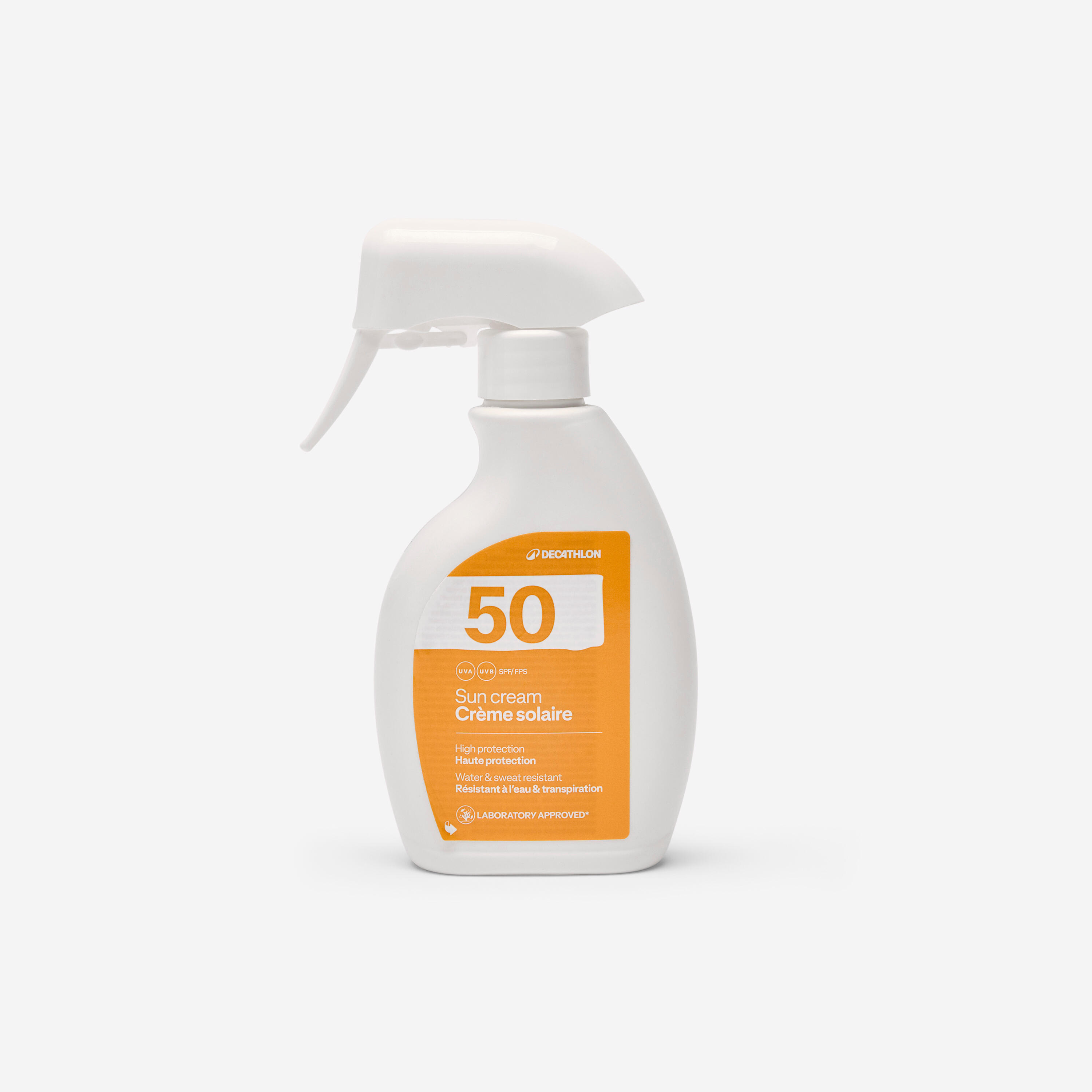
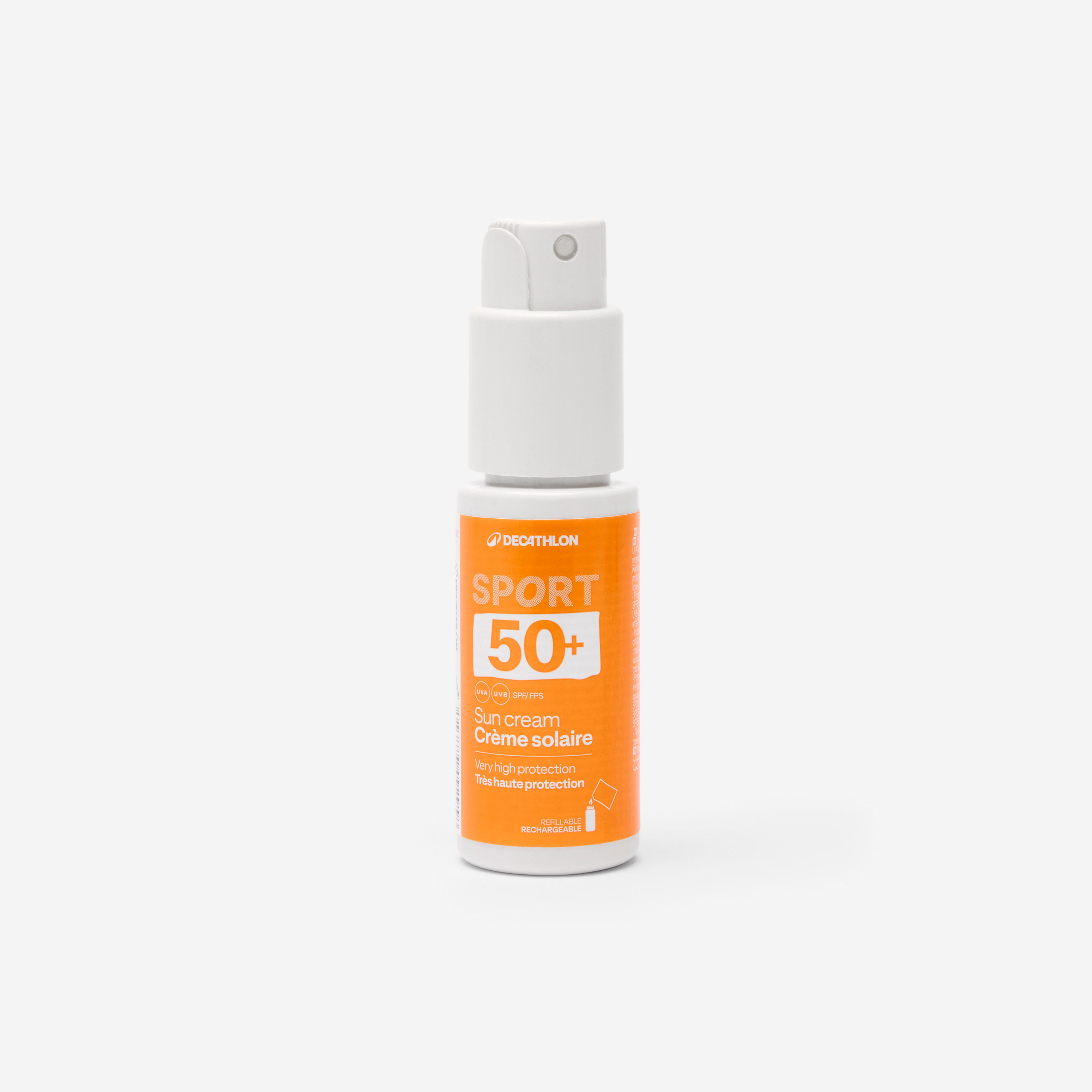
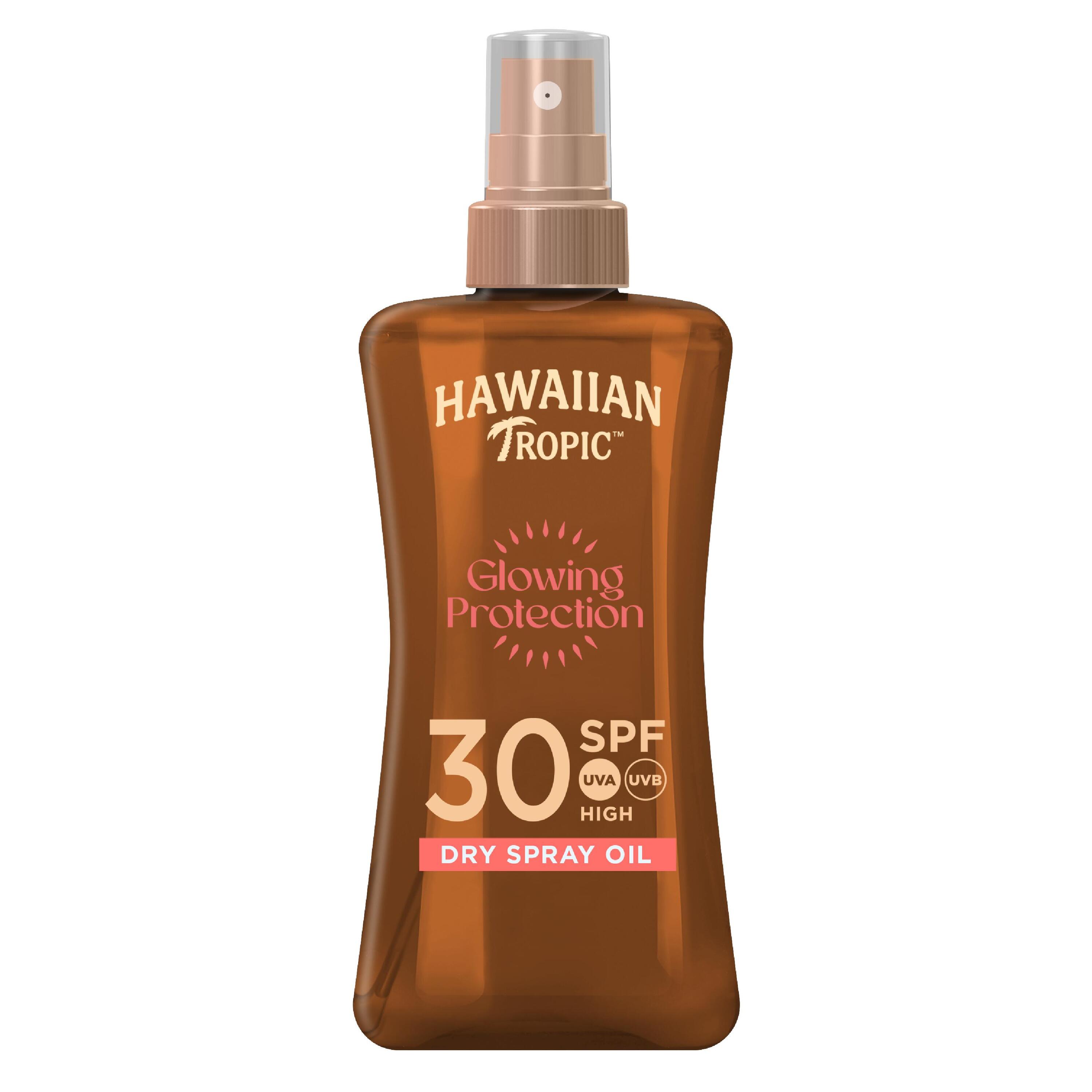
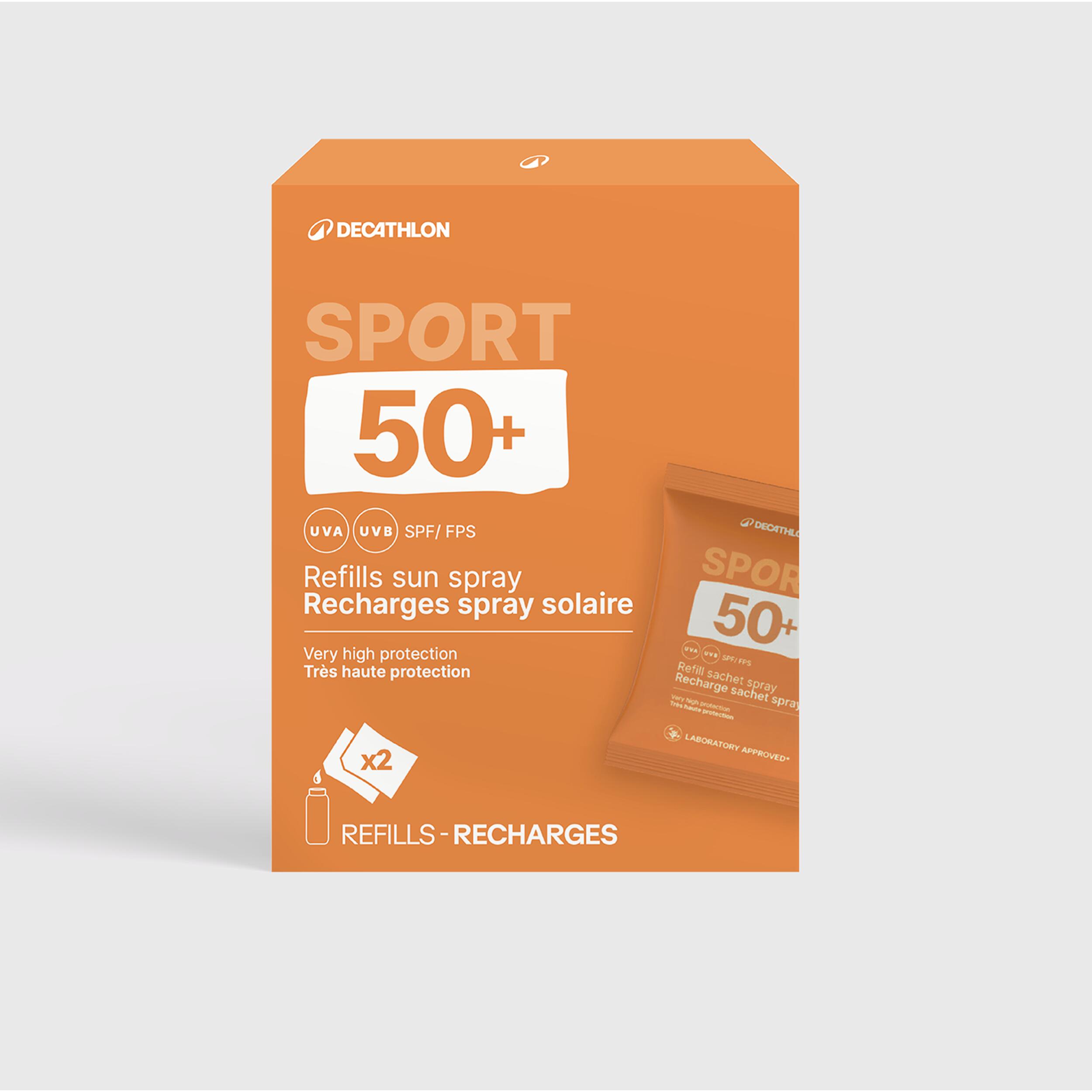
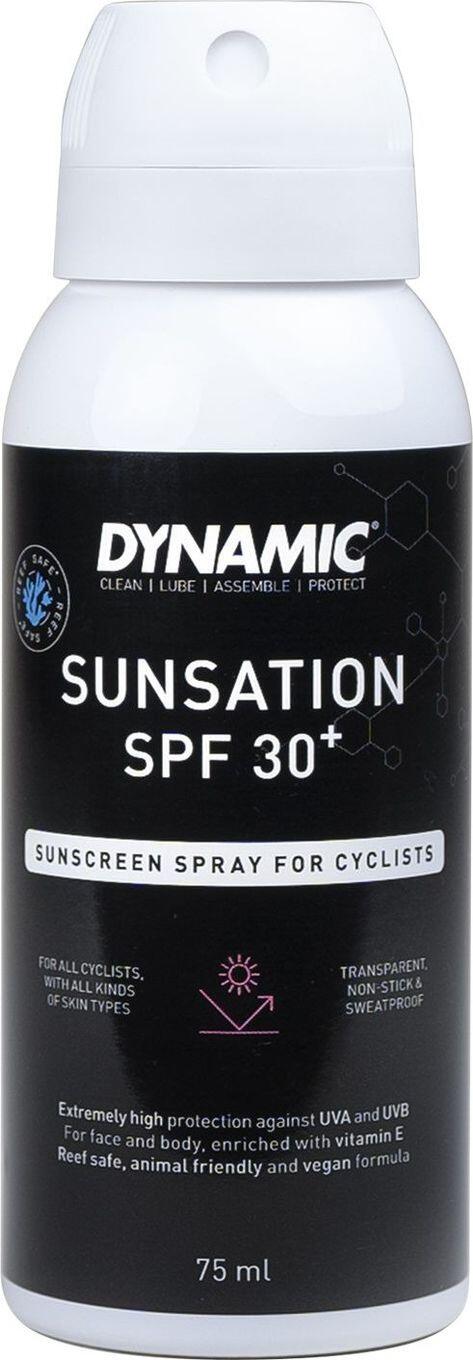
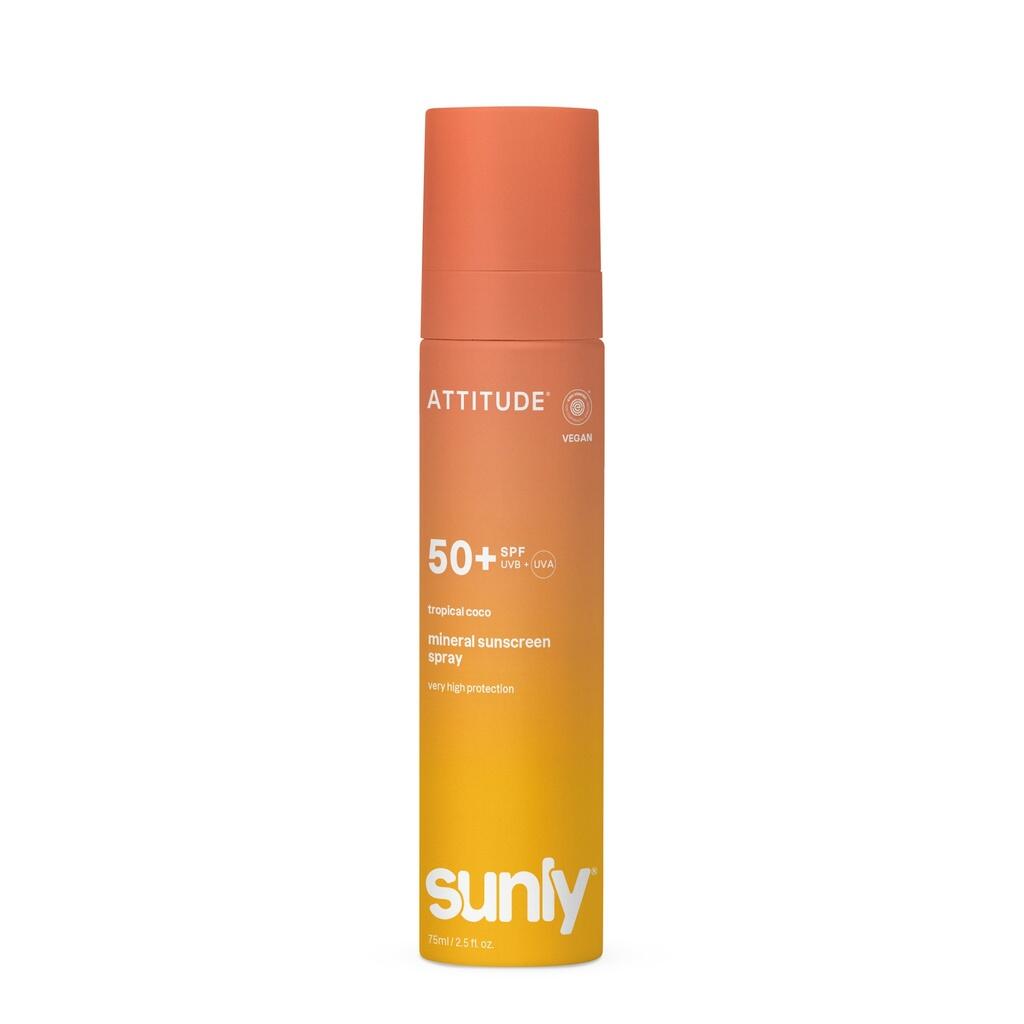
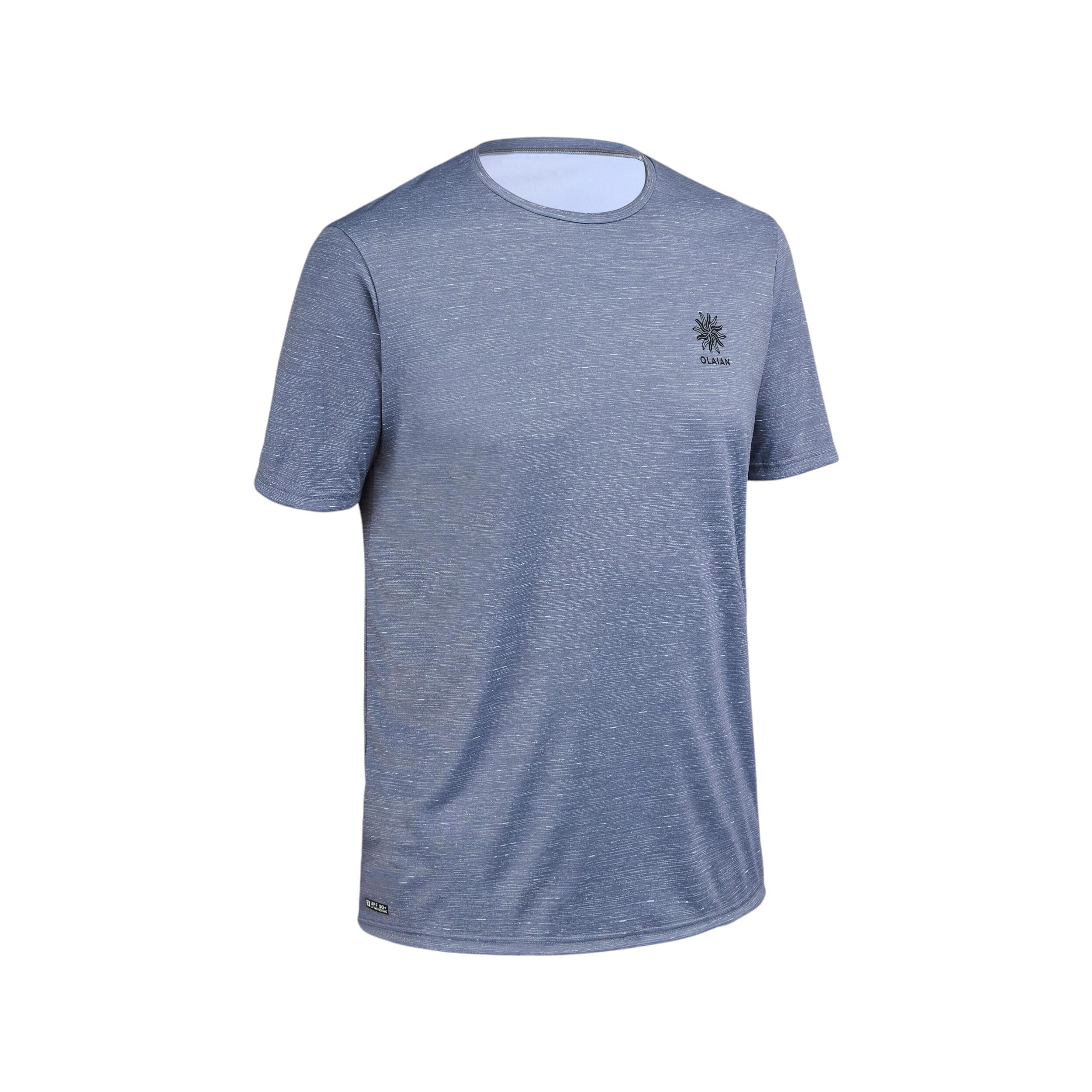
A sun protection spray is faster to apply over large body areas, easier to reapply without rubbing (which disrupts already-applied layers), and more convenient to carry in a small bag. Our collection of sun protection sprays includes compact options for a jersey pocket or wetsuit bag, while the 250 ml version suits family days where multiple people need protection. Incomplete coverage is the main reason why sprays can underperform creams, as sprays can provide incomplete coverage, and the aerosol disperses unevenly if held too far from the skin or applied in the wind. The correct technique is to hold the nozzle within 10 cm of the surface and smooth the product in by hand immediately after spraying. Layering is the practical answer when torso and leg exposure can't be avoided in water sports: a spray combined with UV rash vests shrinks the total area that depends on chemical protection.

Does sun cream alone give full UV protection during water sports?

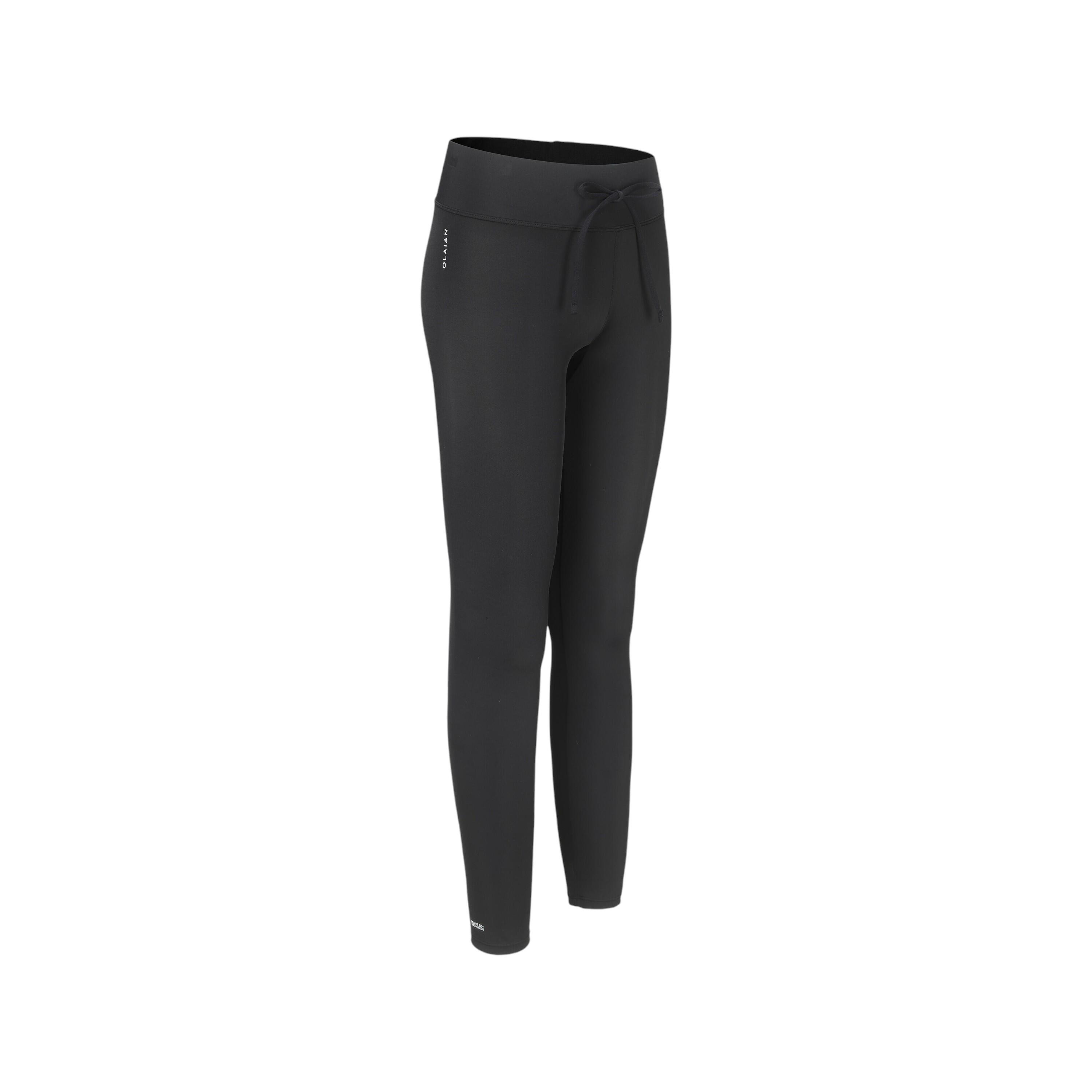
No, sun cream is one layer of a broader protection strategy, not a complete solution on its own. Water reflects UV radiation, meaning exposure to the water is often higher than on land. Reapplication every two hours, or immediately after towelling off, is the minimum requirement for maintaining rated SPF protection, as most people apply far less than the 2 mg per cm² used in laboratory SPF testing, which means real-world protection is lower than the number on the label. Sun cream also provides no protection to areas it does not cover: scalp, shoulders under straps, and the backs of the knees are commonly missed zones. Fabric doesn't wash off, UV protection leggings give surfers, paddlers, and open-water swimmers a UPF-rated physical barrier across the legs that keeps its protection rating no matter how long the session runs, cutting down the surface area that ever needs reapplying.