711 items
4.7/5 based on 145876 reviews collected online and in stores

Surfing Sun Protection FAQs

What UV protection rating should a beach shelter provide for extended family sessions?

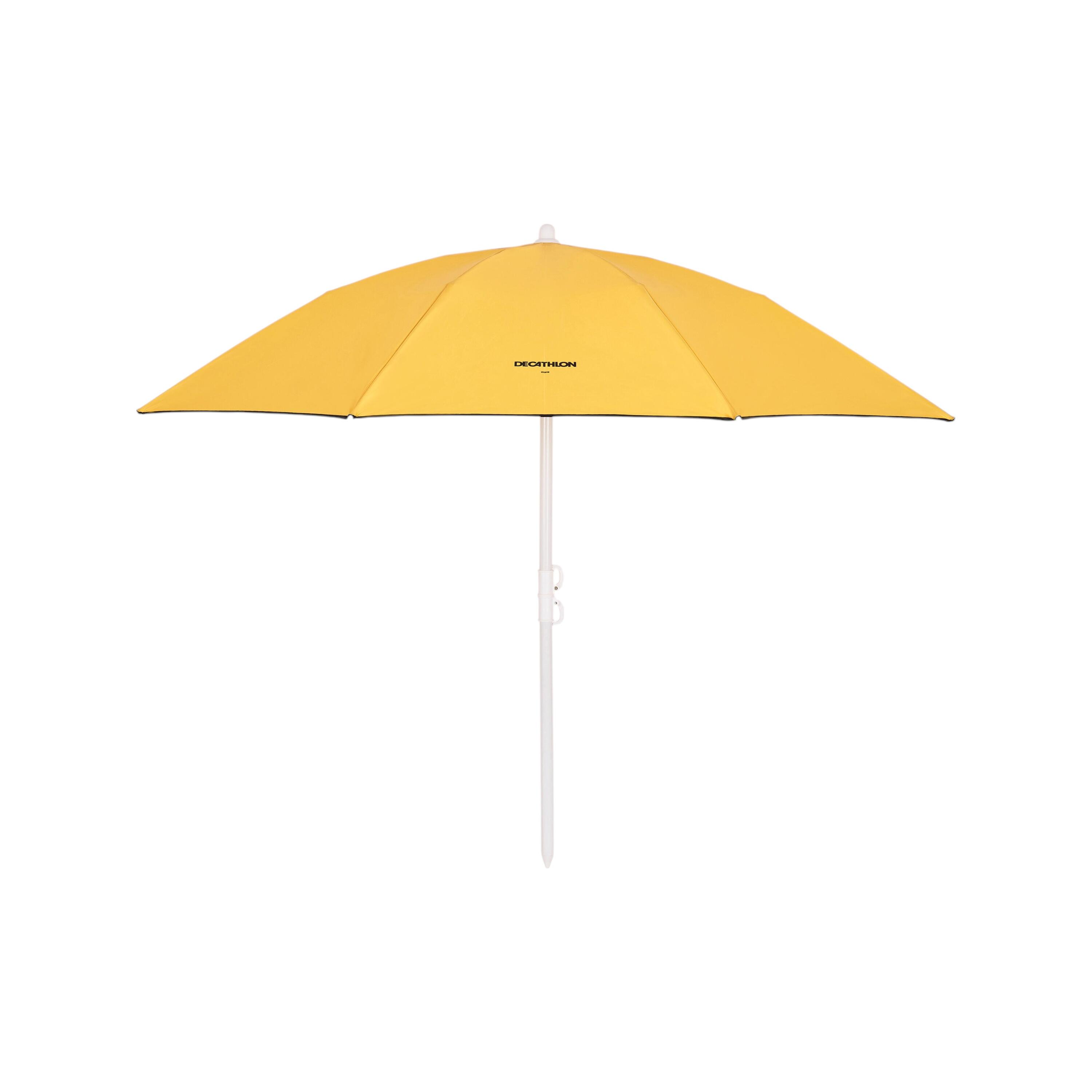
A beach shelter's UV protection is measured by its UPF rating, which indicates how much ultraviolet radiation the fabric transmits to the skin beneath it. A UPF 50 rating means the fabric blocks over ninety-eight percent of UV radiation, which is the standard benchmark for sun-protective textiles. Standard canvas or polyester beach shelters without a UPF rating can transmit a significant proportion of UV through the fabric, particularly when the material is thin or stretched tightly, which creates a false sense of protection for children sitting underneath during peak hours. Shelter design also affects UV exposure; a tent with closed side panels protects against low-angle morning and late afternoon sun that a simple canopy without sides allows straight in. Sand-anchoring systems that prevent the shelter from shifting or collapsing under Atlantic coastal winds are equally important; a tent that blows over repeatedly provides no protection at all. Families spending full days on exposed west coast beaches where wind and sun combine will find that a purpose-built beach tent with a high UPF rating and a wind-resistant pegging system addresses both hazards rather than treating them separately. Small tip: pitch facing away from the predominant wind direction and use all peg points, not just the corners; a partially pegged tent generates more wind resistance than one anchored fully at every point.

What lens specification matters most in surfing sunglasses for sea glare conditions?

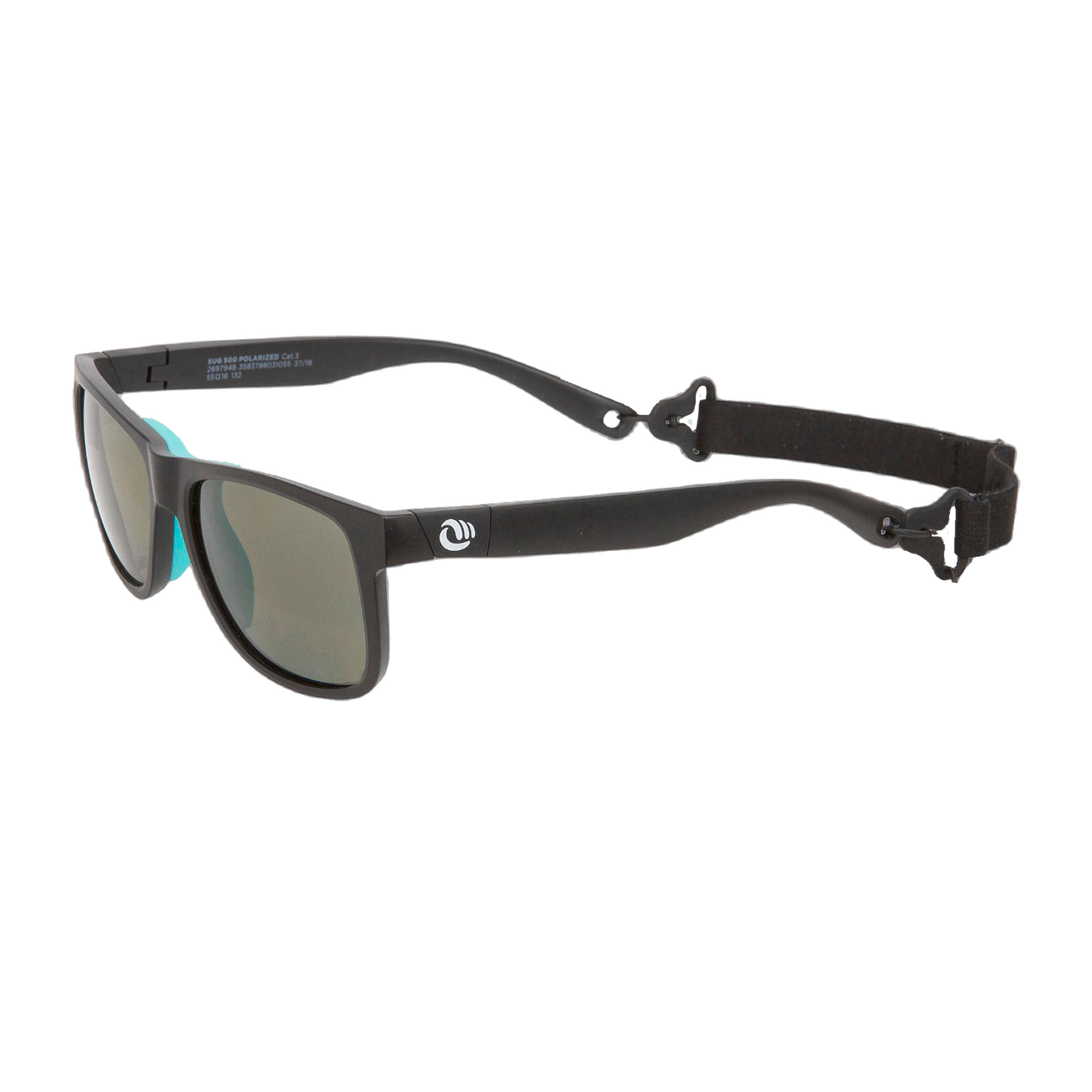
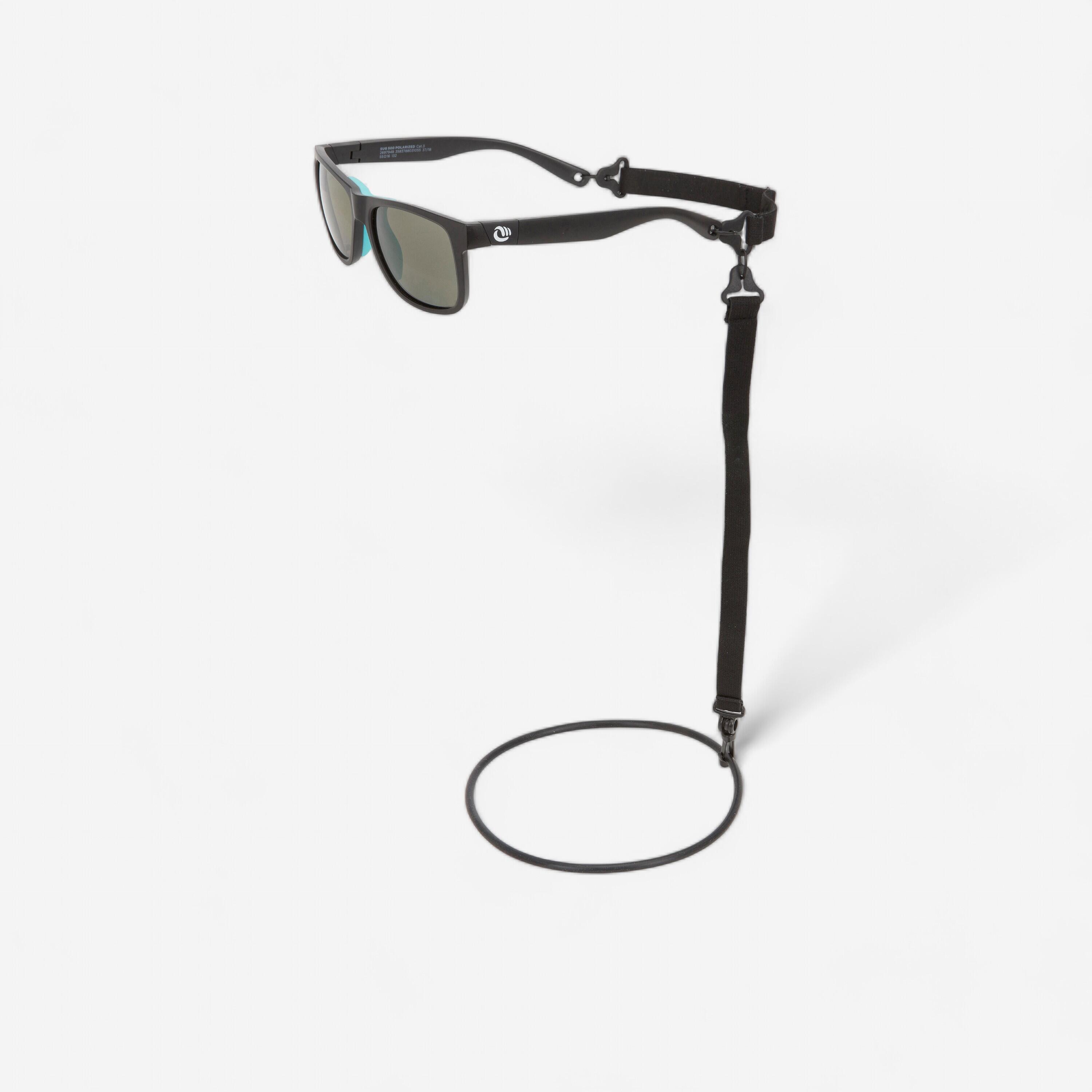
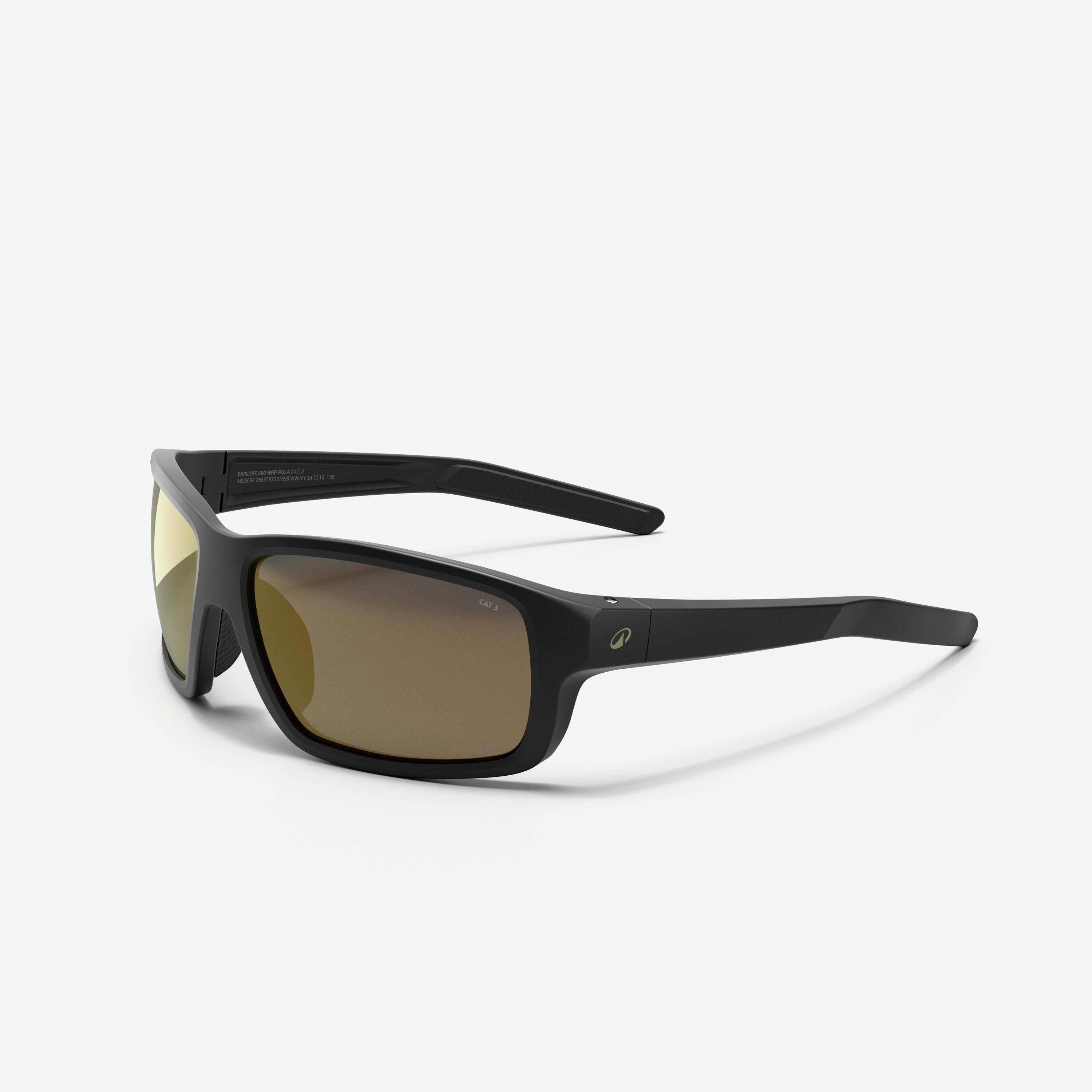
Sea surface glare is horizontally polarised light reflected off the water at low angles, and it is far more intense than the general brightness that standard tinted lenses address. A polarised lens contains a chemical filter oriented perpendicular to that horizontal polarisation, which blocks glare almost entirely while preserving colour contrast and depth perception around the break. This makes reading incoming sets and tracking wave faces significantly clearer than squinting through standard tinted lenses that reduce overall brightness without addressing the directional nature of sea glare. Wraparound frames prevent wind-induced watering that impairs vision during a longer session on an exposed headland or point break. The lens tint colour also affects how clearly the water surface is read; brown and amber tints enhance contrast in mixed light conditions, making them more versatile across overcast and bright days than a pure grey tint. Surfers who experience eye fatigue during long sessions in bright onshore conditions will find that surfing sunglasses with polarised lenses and wrap frames make a measurable difference to how long they can spend in the water before eye strain affects their reading of the waves.

What SPF level is appropriate for surfers spending extended time in and out of the water?

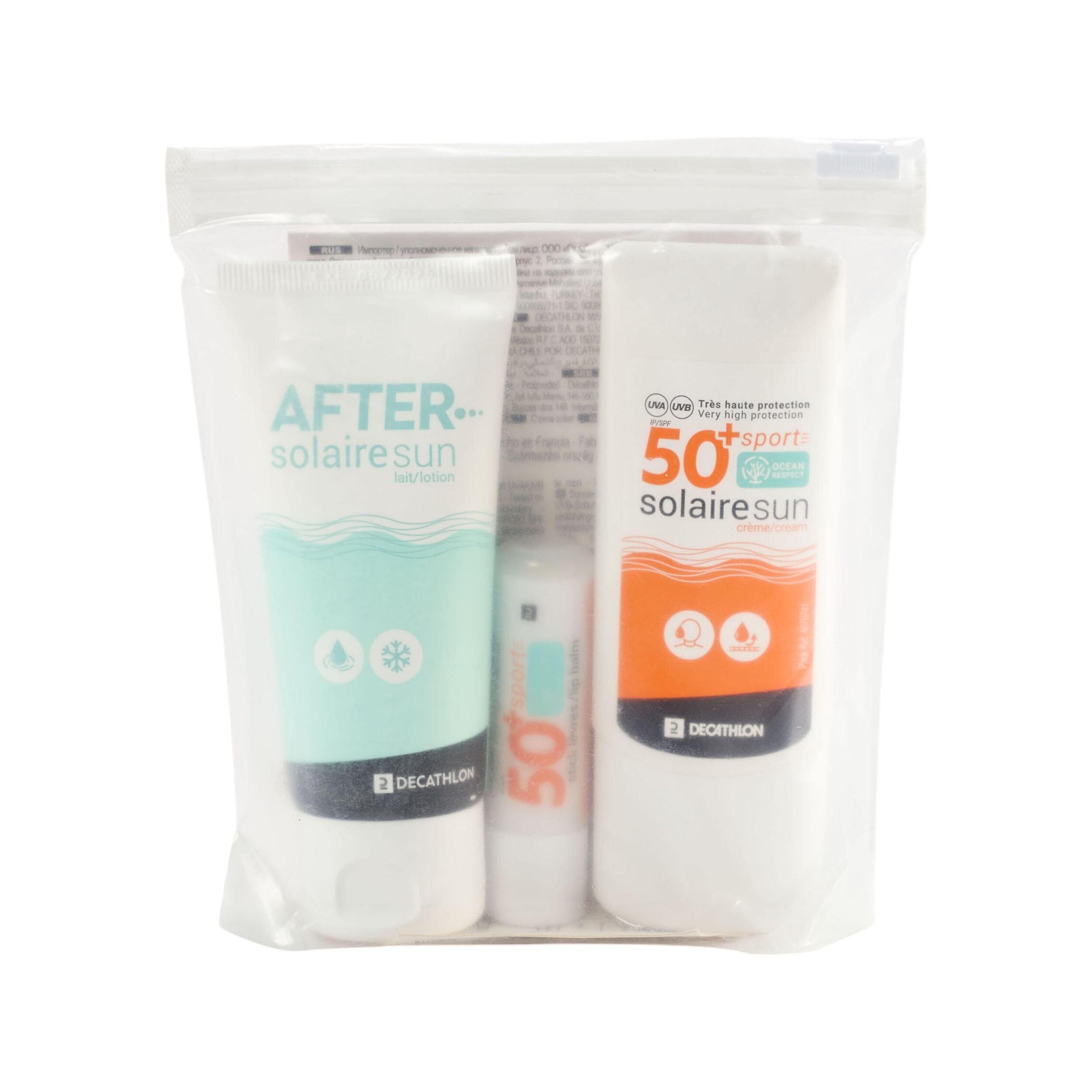
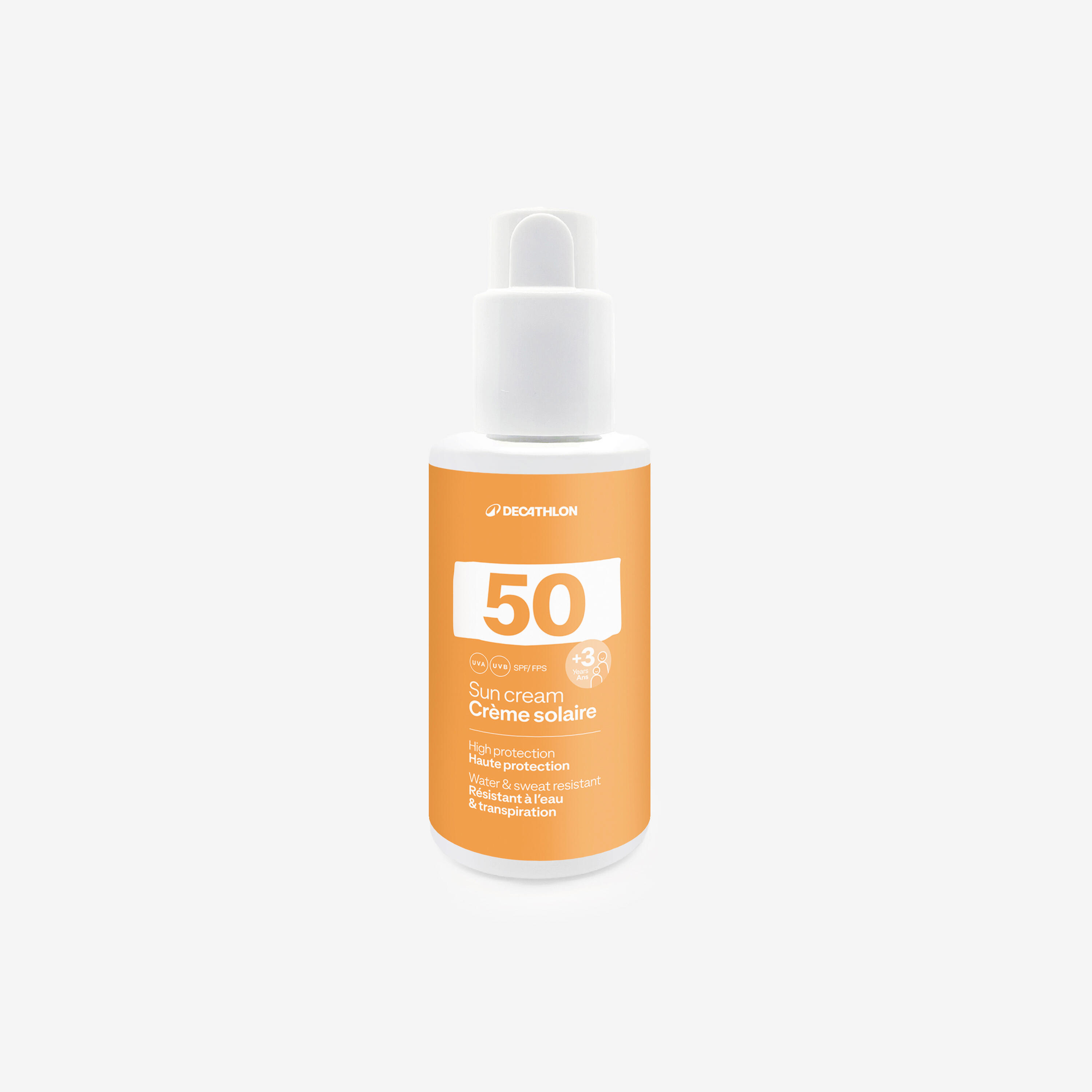
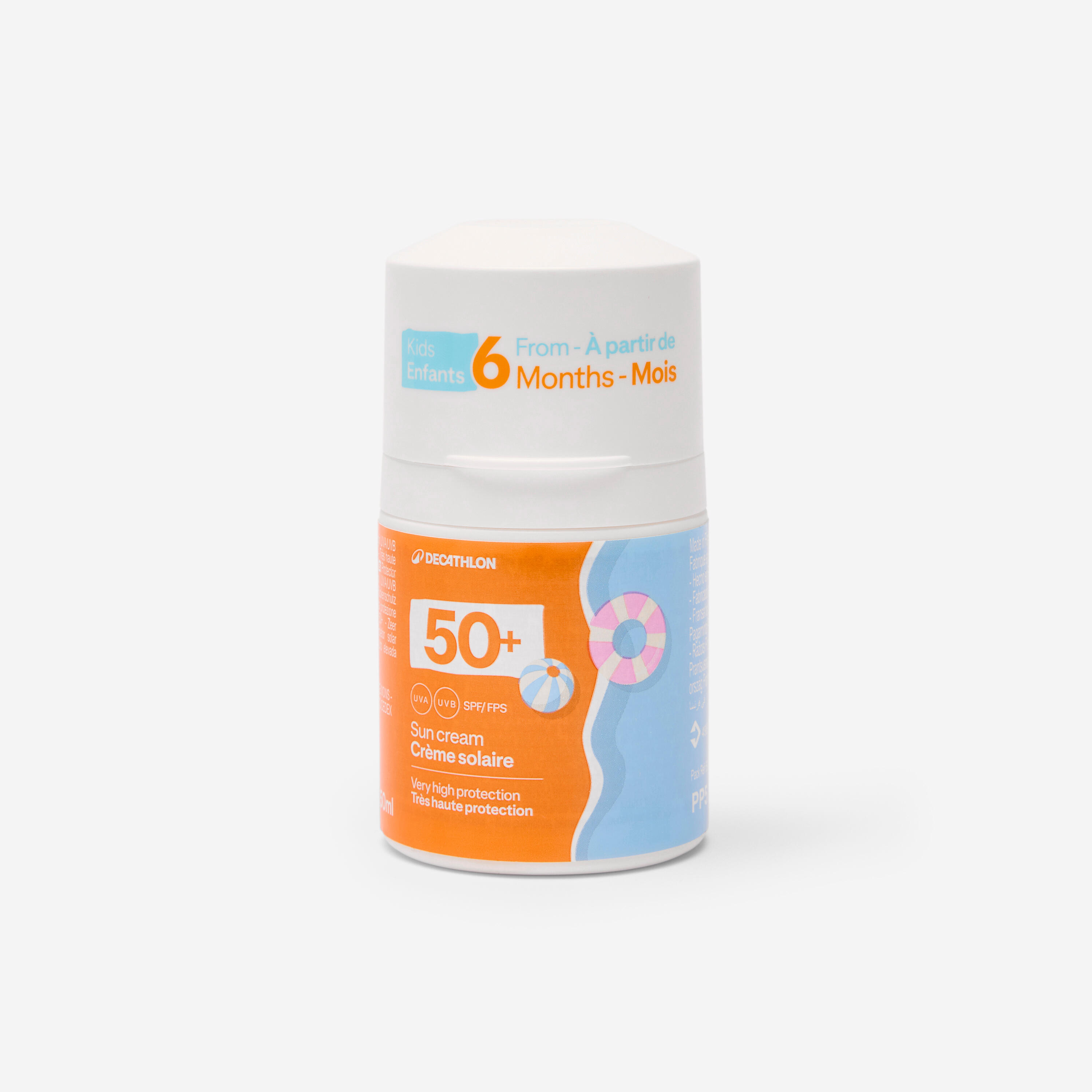
Water reflects UV radiation back onto the skin from below, which means surfers receive UV exposure from two directions simultaneously: directly from above and reflected upward from the sea surface. A standard SPF 30 sunscreen blocks about ninety-seven percent of UVB radiation, and SPF 50 blocks approximately ninety-eight percent, a difference that becomes meaningful over a three to four-hour surf session when the skin is repeatedly wetted and dried. Water resistance rating matters as much as SPF; a cream rated for forty minutes of water resistance needs reapplication after every paddle-out, while an eighty-minute rated product holds through multiple sessions without the same frequency of reapplication. Formulation also affects performance on the face; a mineral-based cream using zinc oxide sits on the skin surface rather than absorbing into it, which makes it more resistant to being washed off during repeated submersion. People choosing between mineral and chemical formulations for a full day session will find that sun cream with a high water-resistance rating combined with SPF 50 provides the most consistent protection without requiring constant reapplication between waves.

What construction features make a UV rash vest suitable for sustained surfing rather than general beach wear?

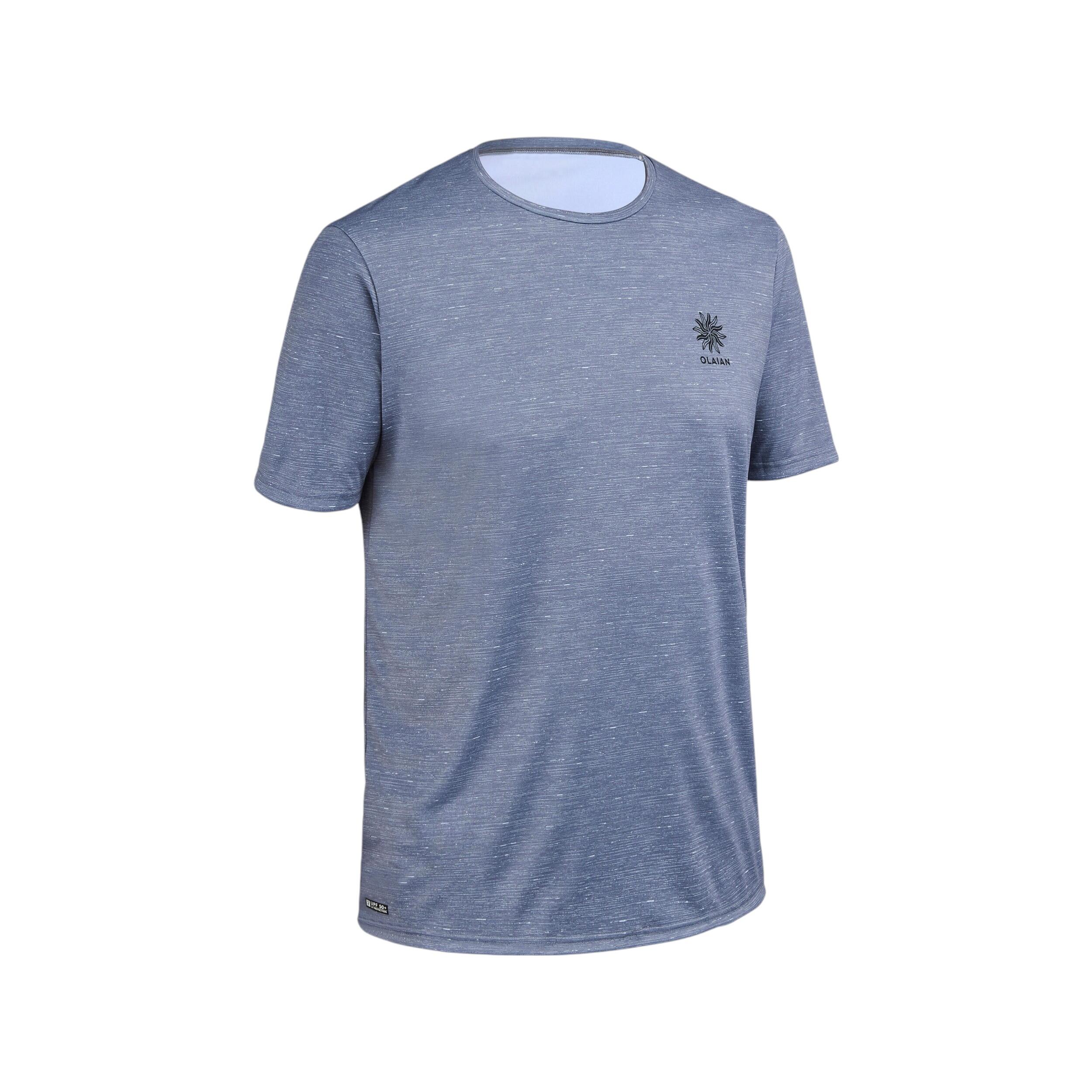
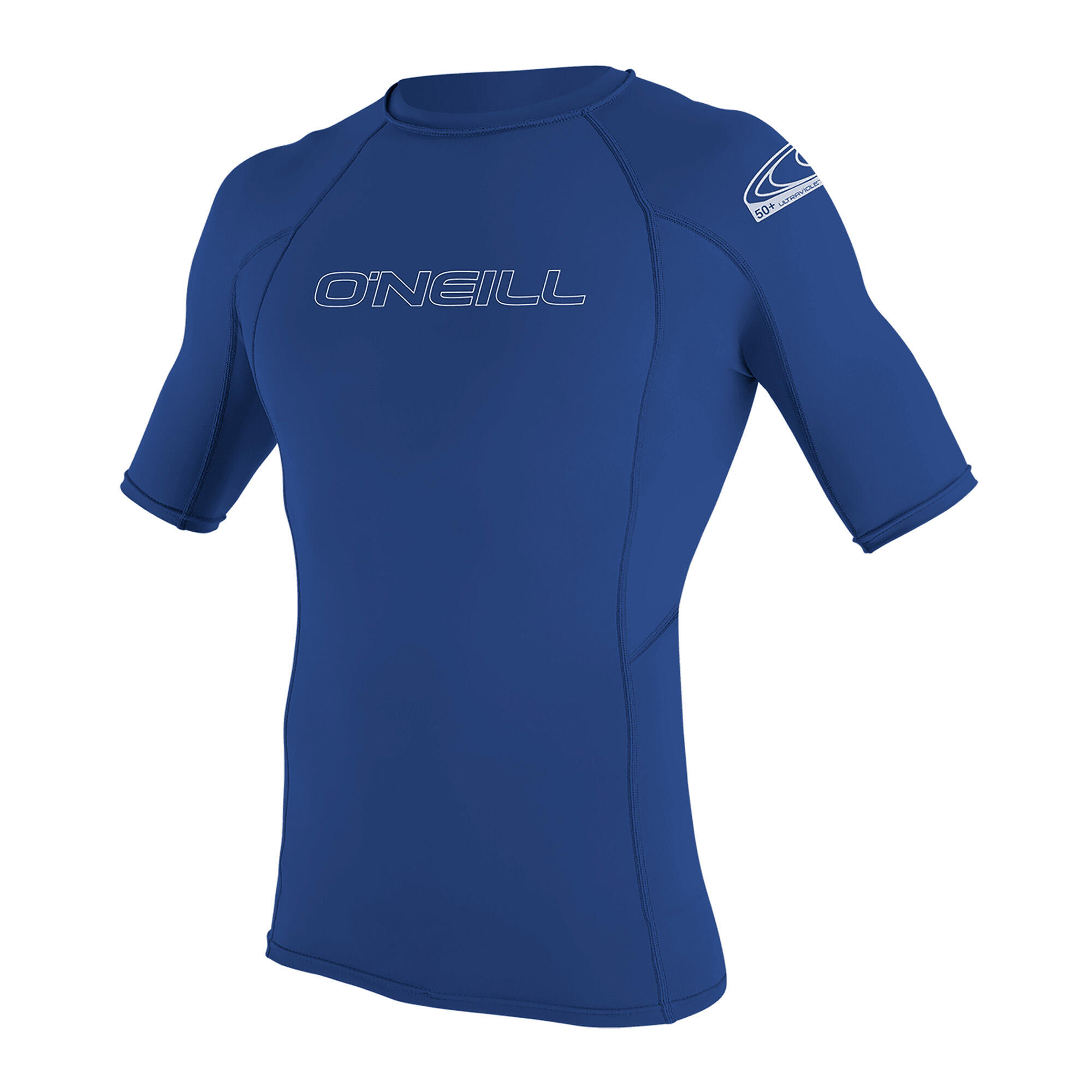
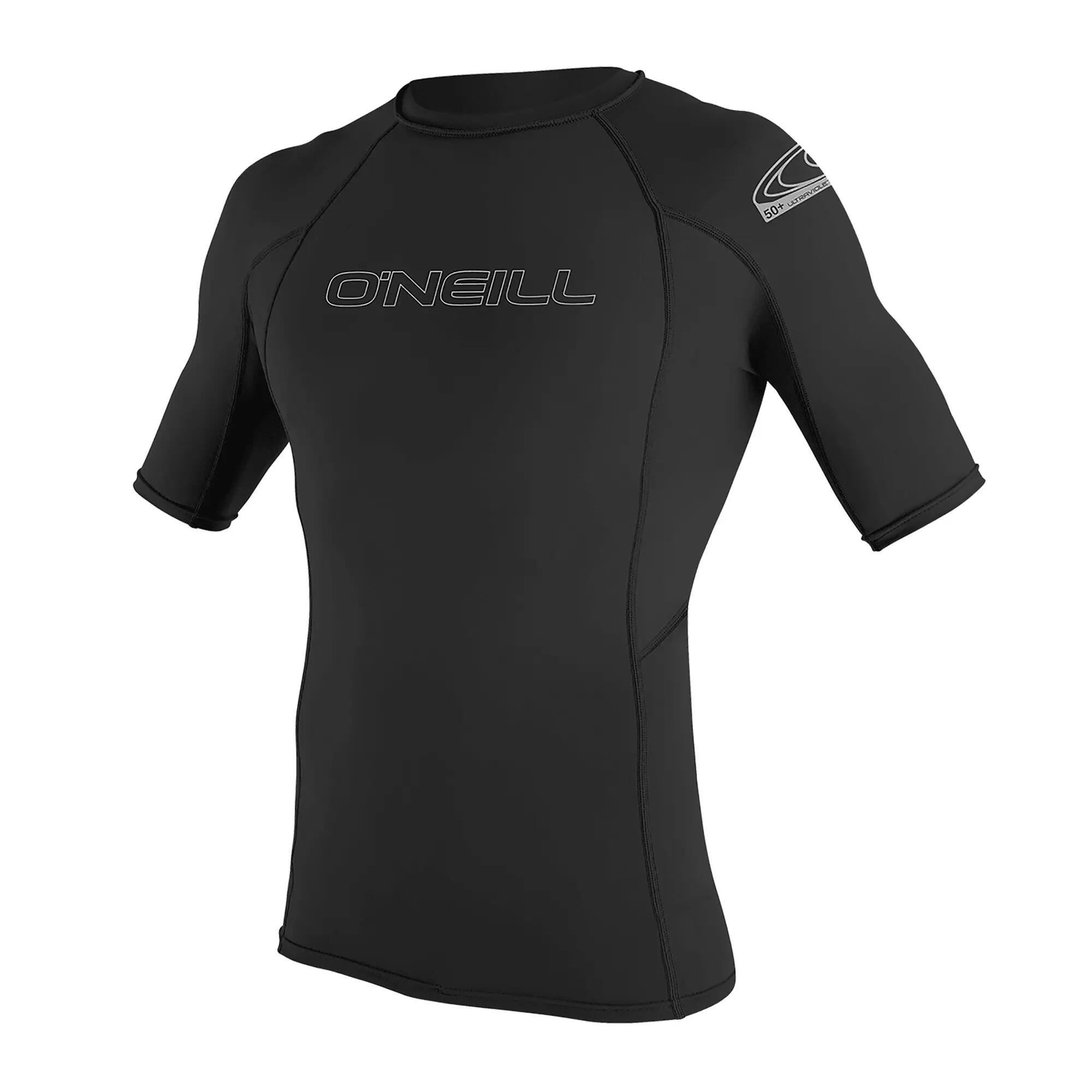
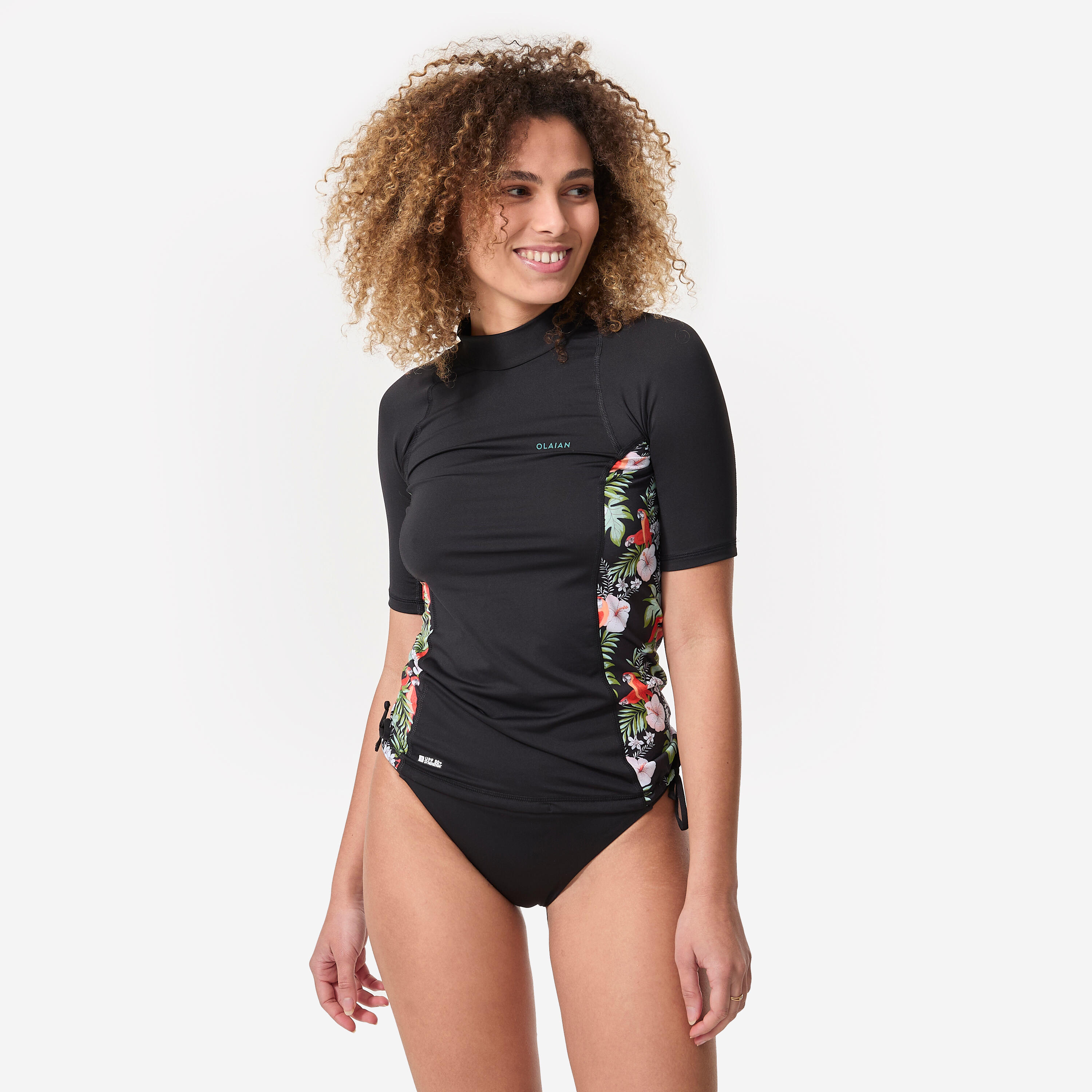
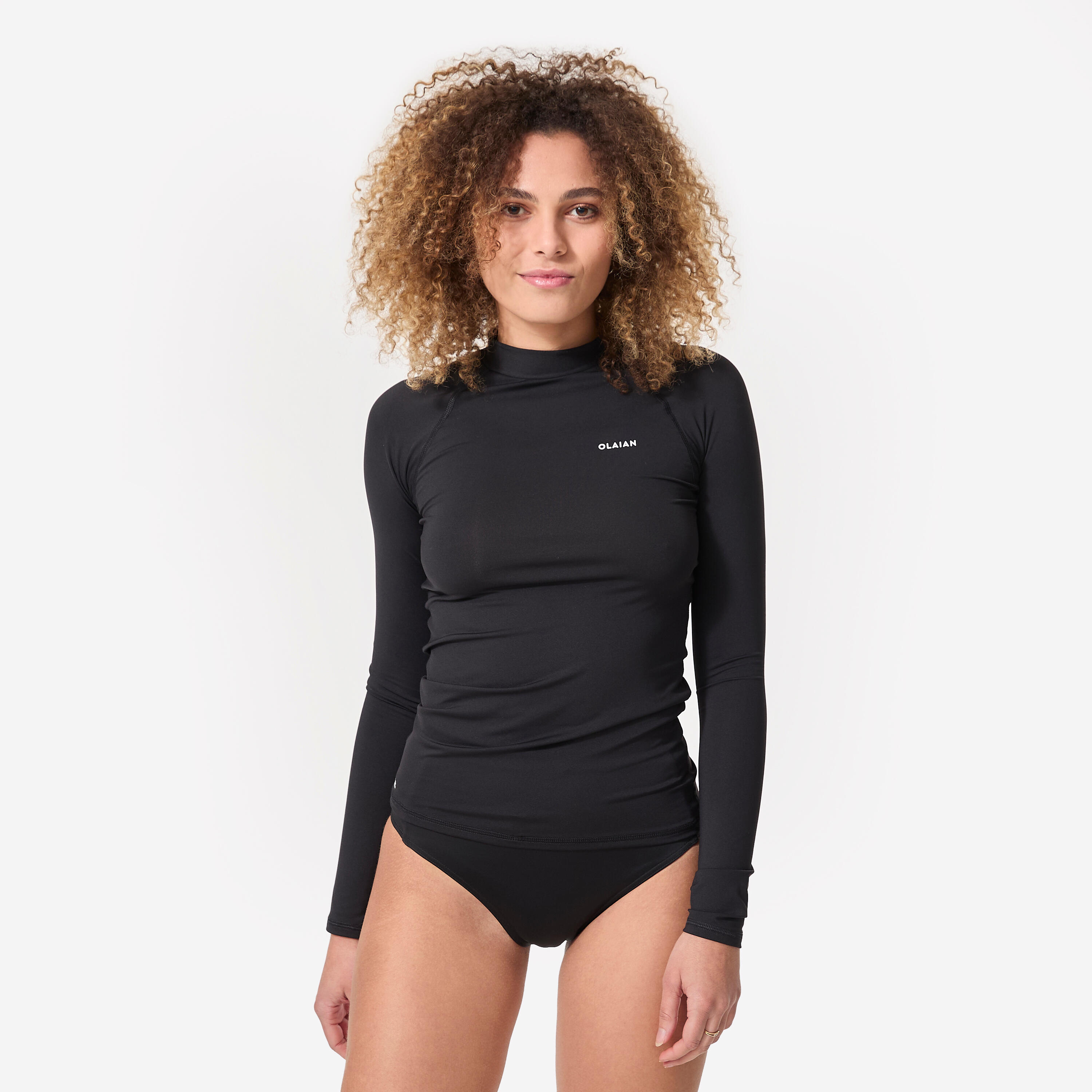
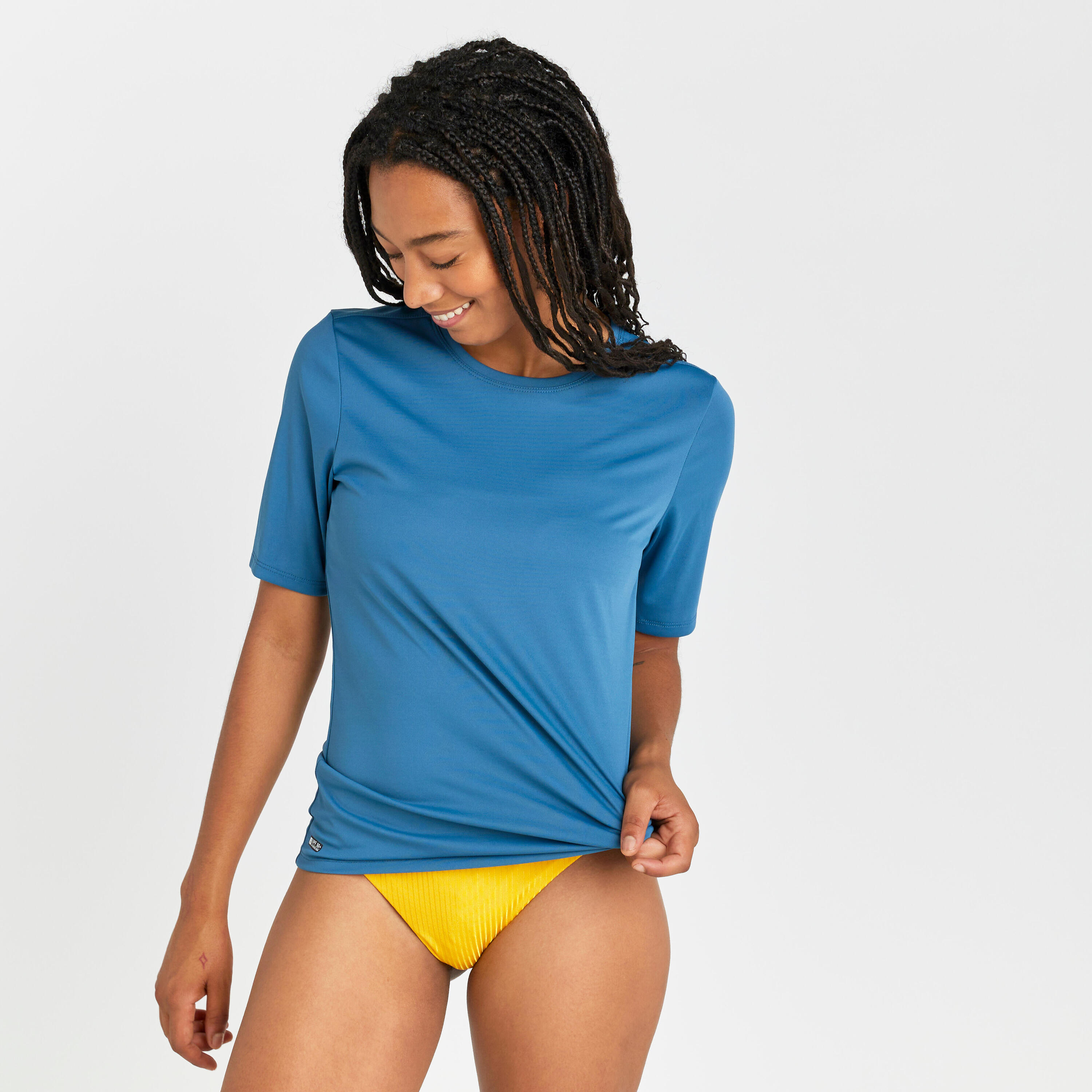
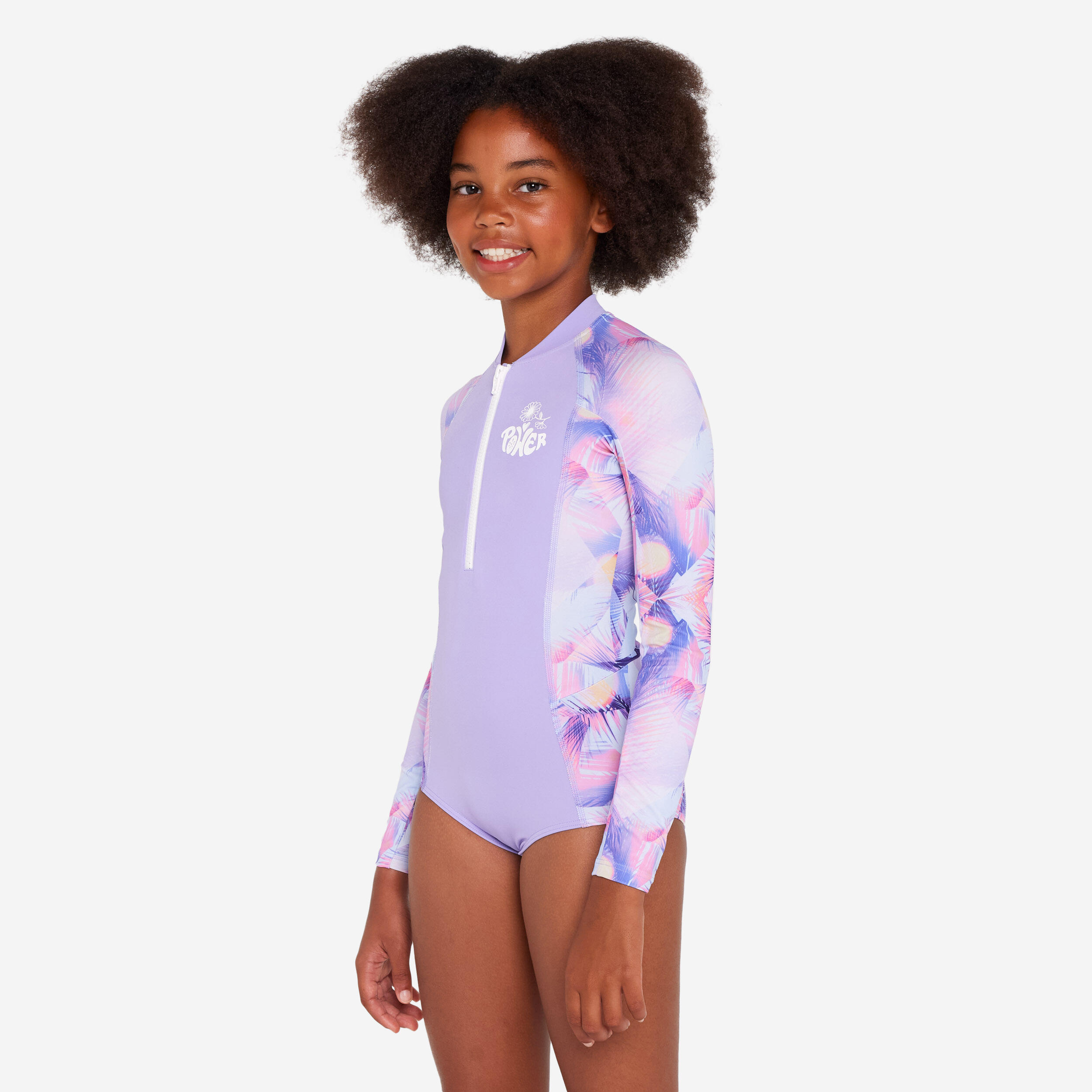
A rash vest worn during surfing needs to address both UV protection and the mechanical friction that occurs between the chest, arms, and the waxed board deck during pop-ups and paddling. The fabric must stretch with full arm extension during the catch phase of each paddle stroke without pulling the hem out of the boardshort waistband, which exposes the lower back to both board contact and direct sun. A long back hem that sits several centimetres below the trouser waistband stays tucked regardless of upper body movement. Flatlock seaming at the underarm and collar prevents the friction burns that overlocked seams cause during prolonged prone paddling, where the same seam contact point is repeated hundreds of times across a single session. A lycra or elastane-nylon blend rated at UPF 50 or above provides both the stretch and the UV protection that a basic polyester fabric cannot achieve simultaneously. When surfers spend multiple sessions per week in the water, they will find that UV rash vests with flatlock construction and a longer back hem outlast general beach versions significantly across a full summer season.

How does UV protection clothing work alongside sunscreen as part of a complete sun strategy for surfers?

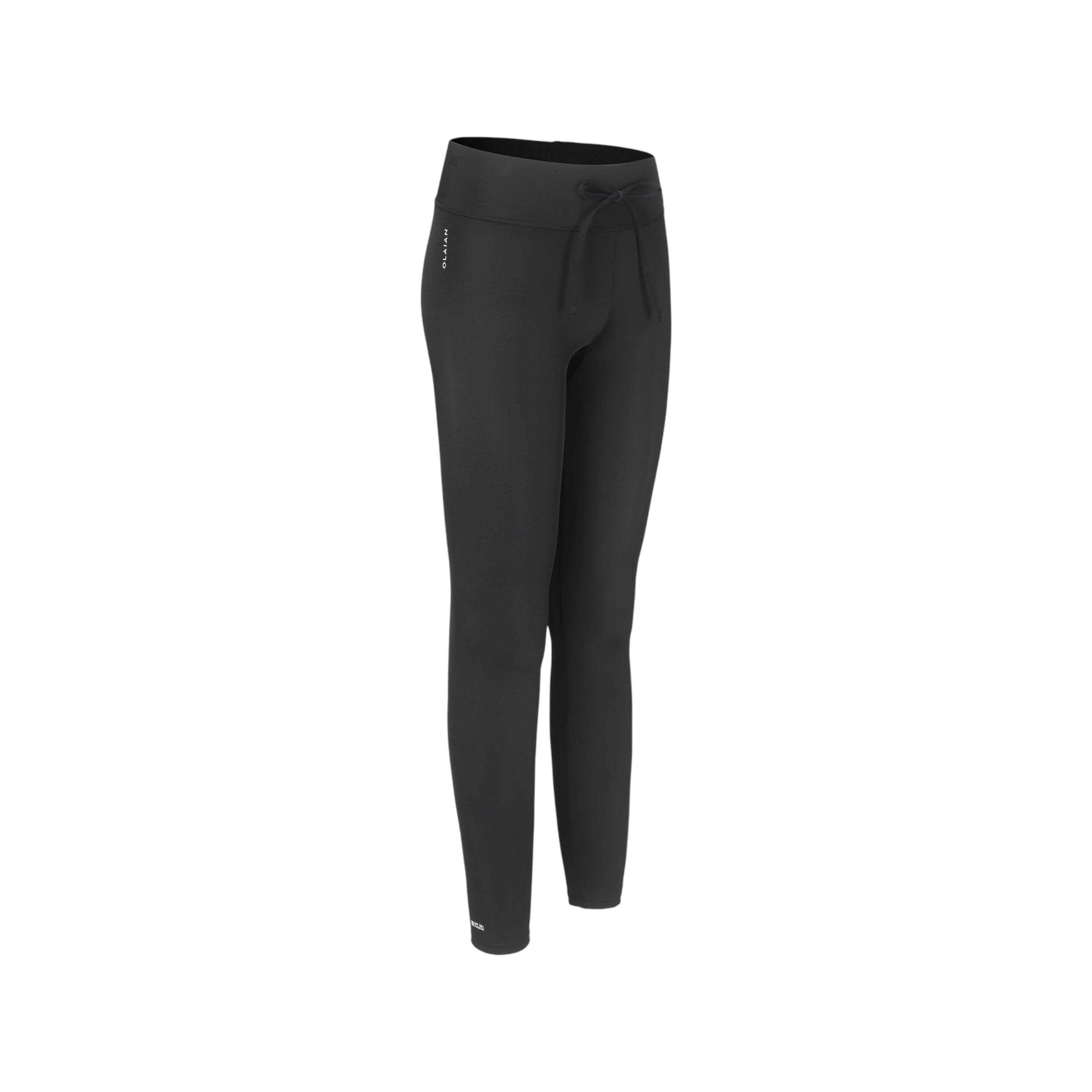
UV clothing and sunscreen address different aspects of the same problem and work most effectively when used together rather than as alternatives. A rash vest covers the torso and arms but leaves the face, neck, hands and legs exposed, which is where sunscreen fills the gap. UV leggings extend fabric coverage to the lower body during longer sessions or for surfers who are particularly UV-sensitive, reducing the total skin area that sunscreen needs to protect. This matters practically because sunscreen application on moving, wet skin is inconsistent; fabric coverage is reliable regardless of how much time has passed or how many waves have been caught. The combination approach also reduces the total volume of sunscreen needed across a day, which is relevant for reef environments where high concentrations of chemical sunscreen compounds have documented effects on marine ecosystems. A combination of UV protection leggings and a rash vest provides reliable fabric-based protection for the main body, meaning sunscreen is only required on the smaller exposed areas rather than full-body coverage.