23 items
4.4/5 based on 114 reviews collected online and in stores

Hard Surfboards FAQs

What construction differences separate fibreglass, epoxy, and hybrid resin hard surfboards?

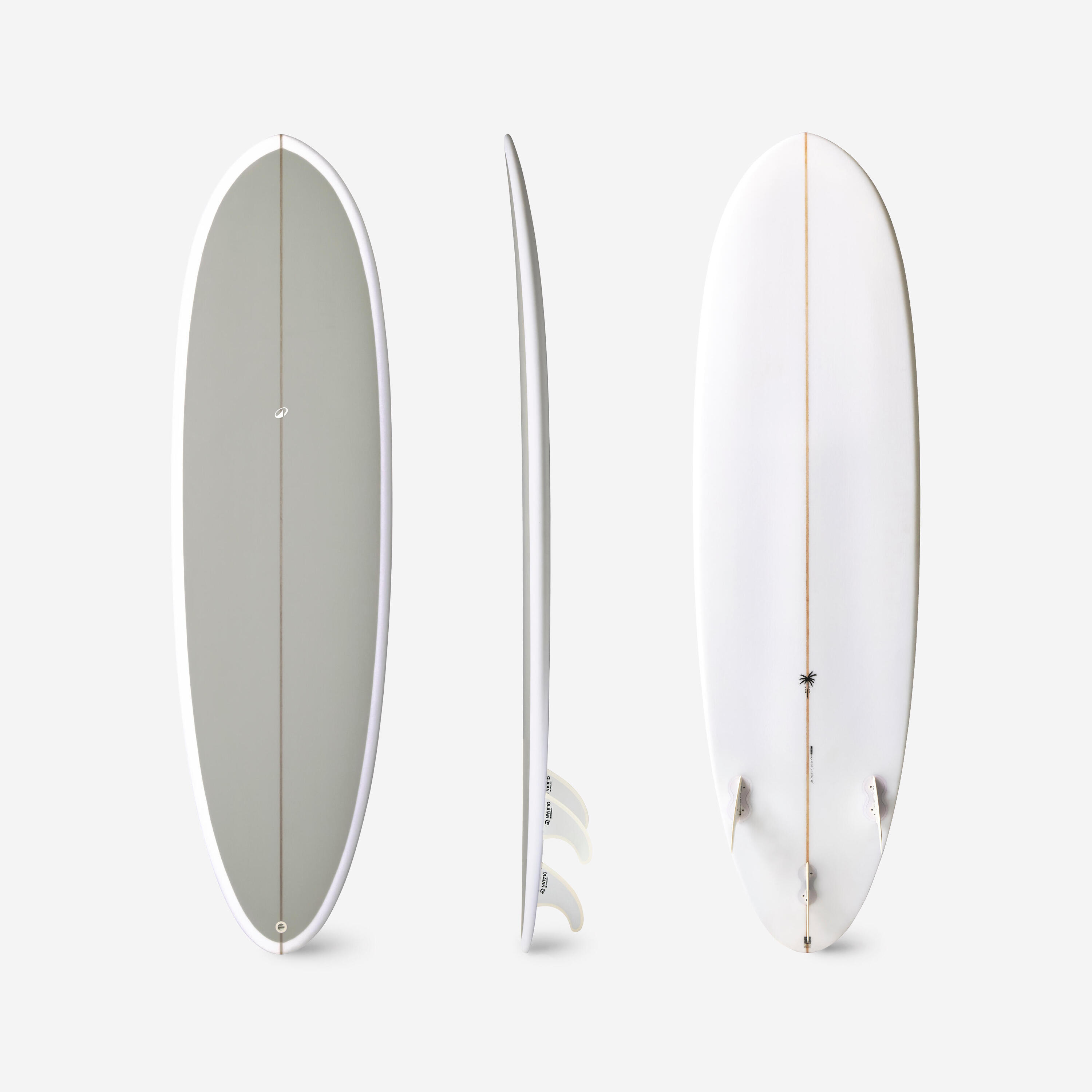
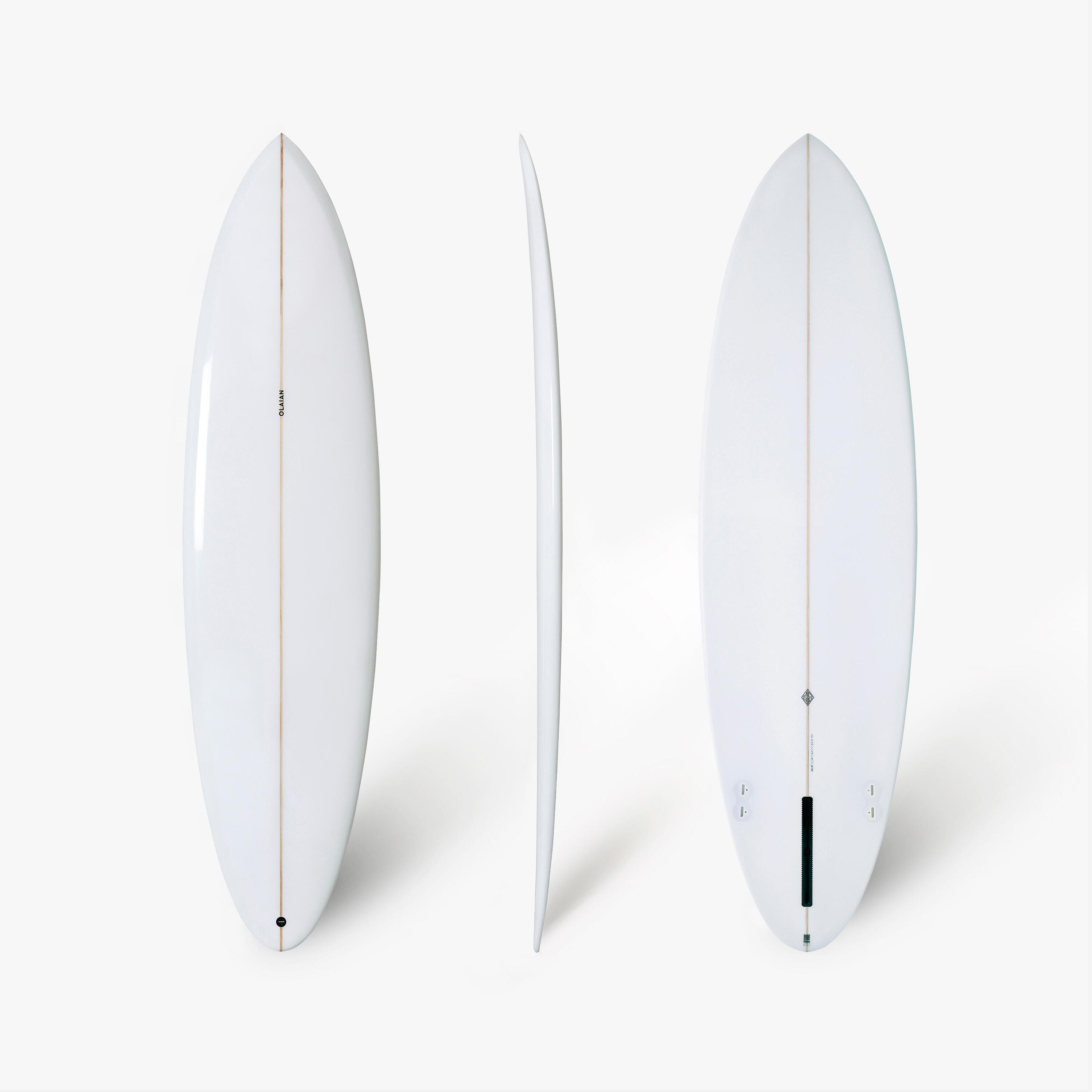
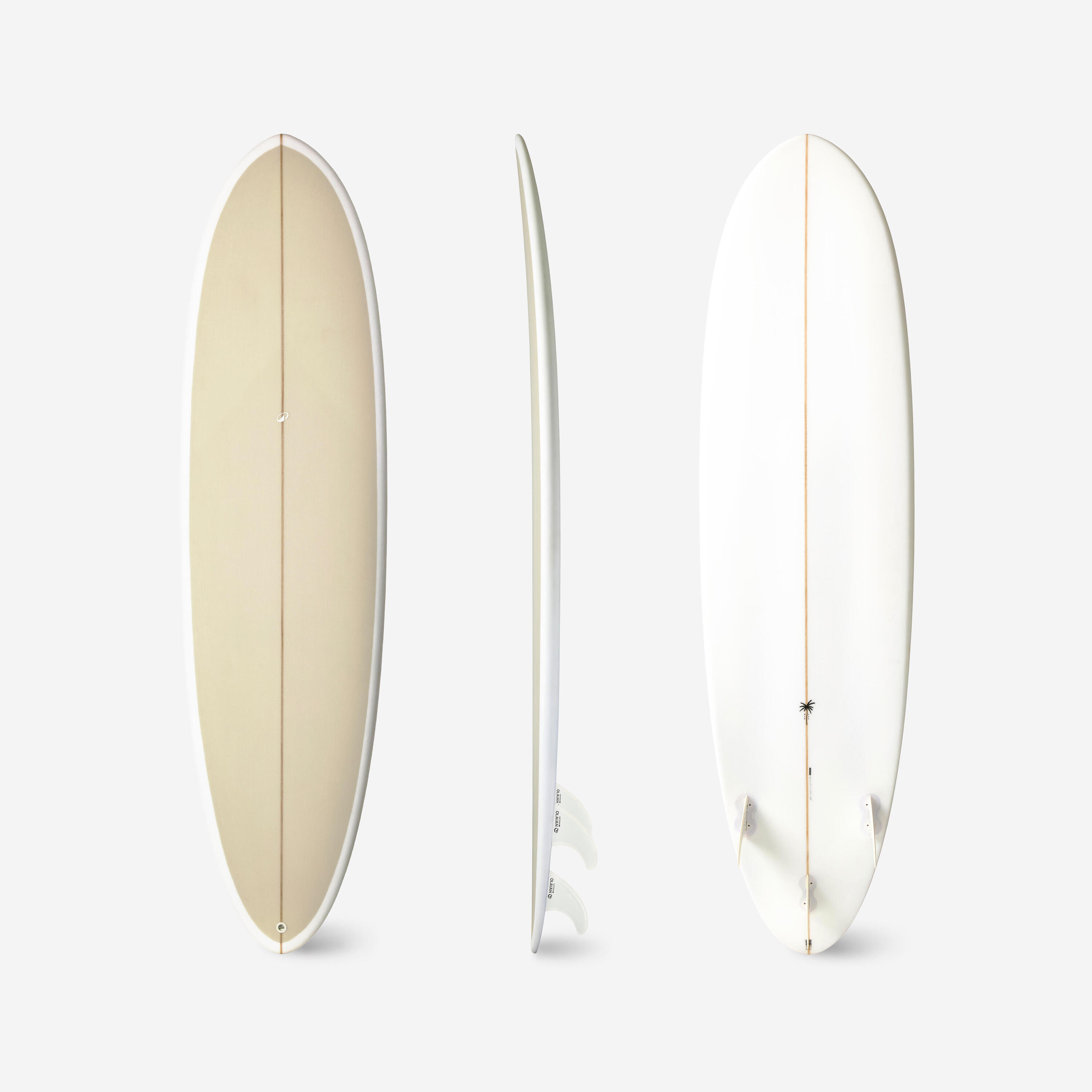
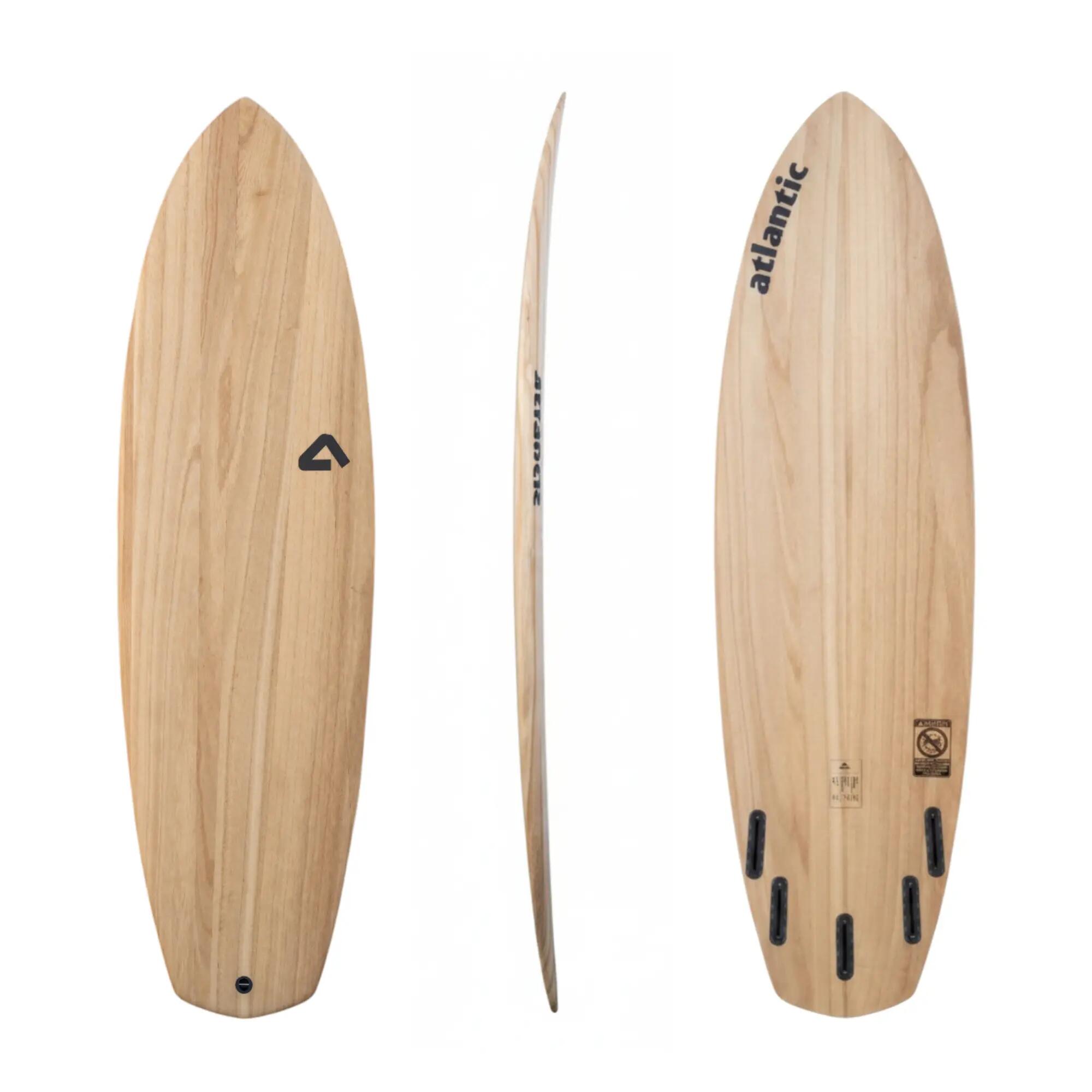
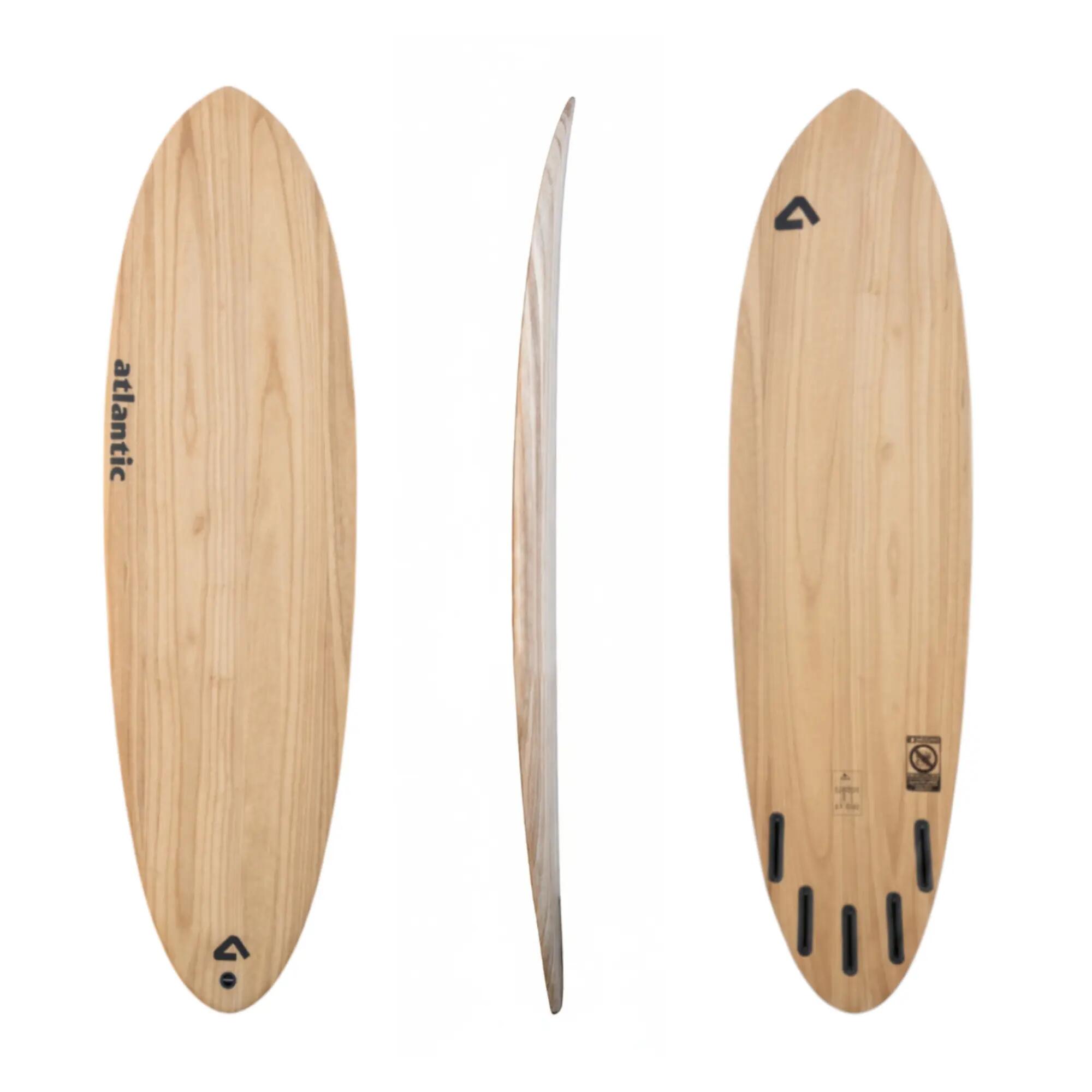
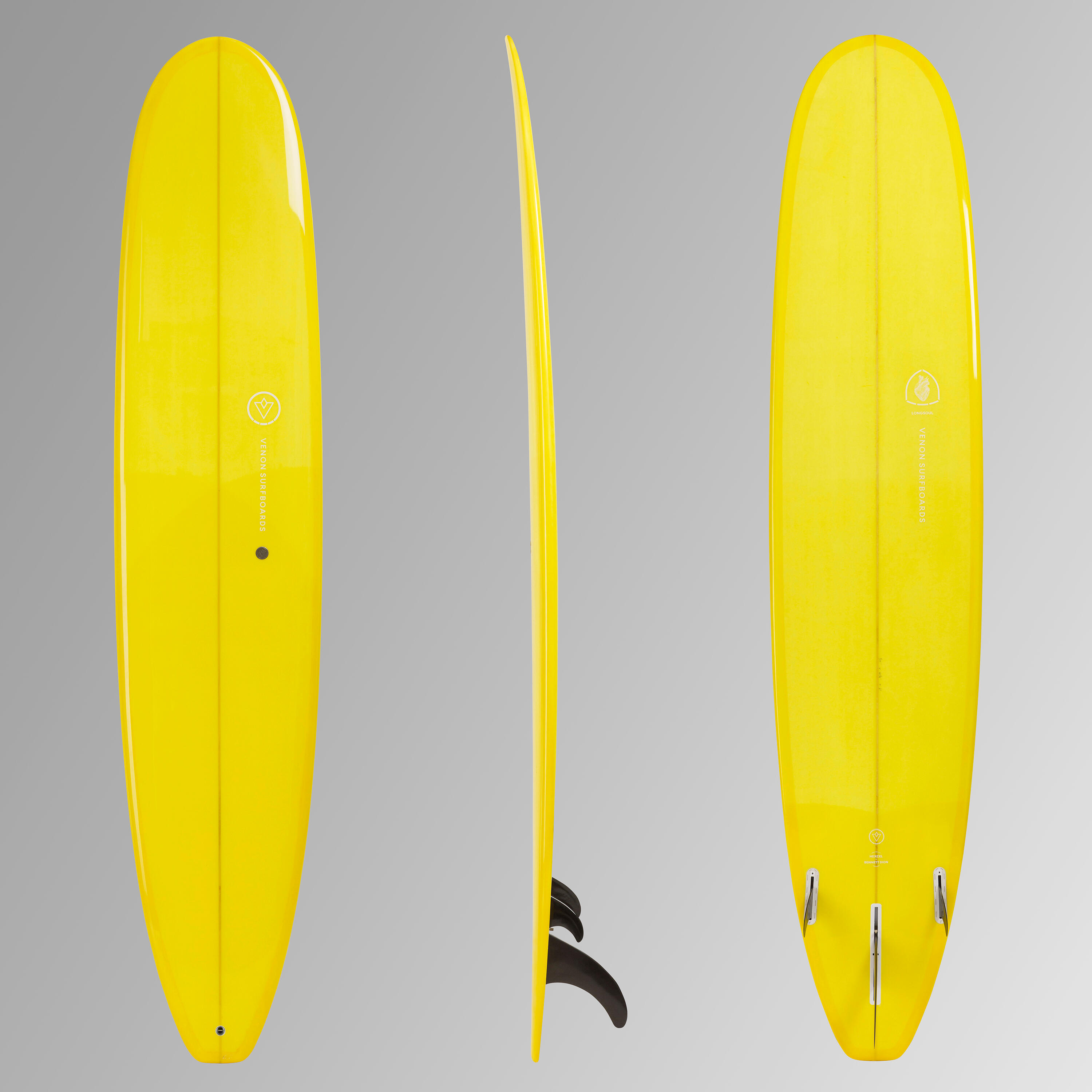
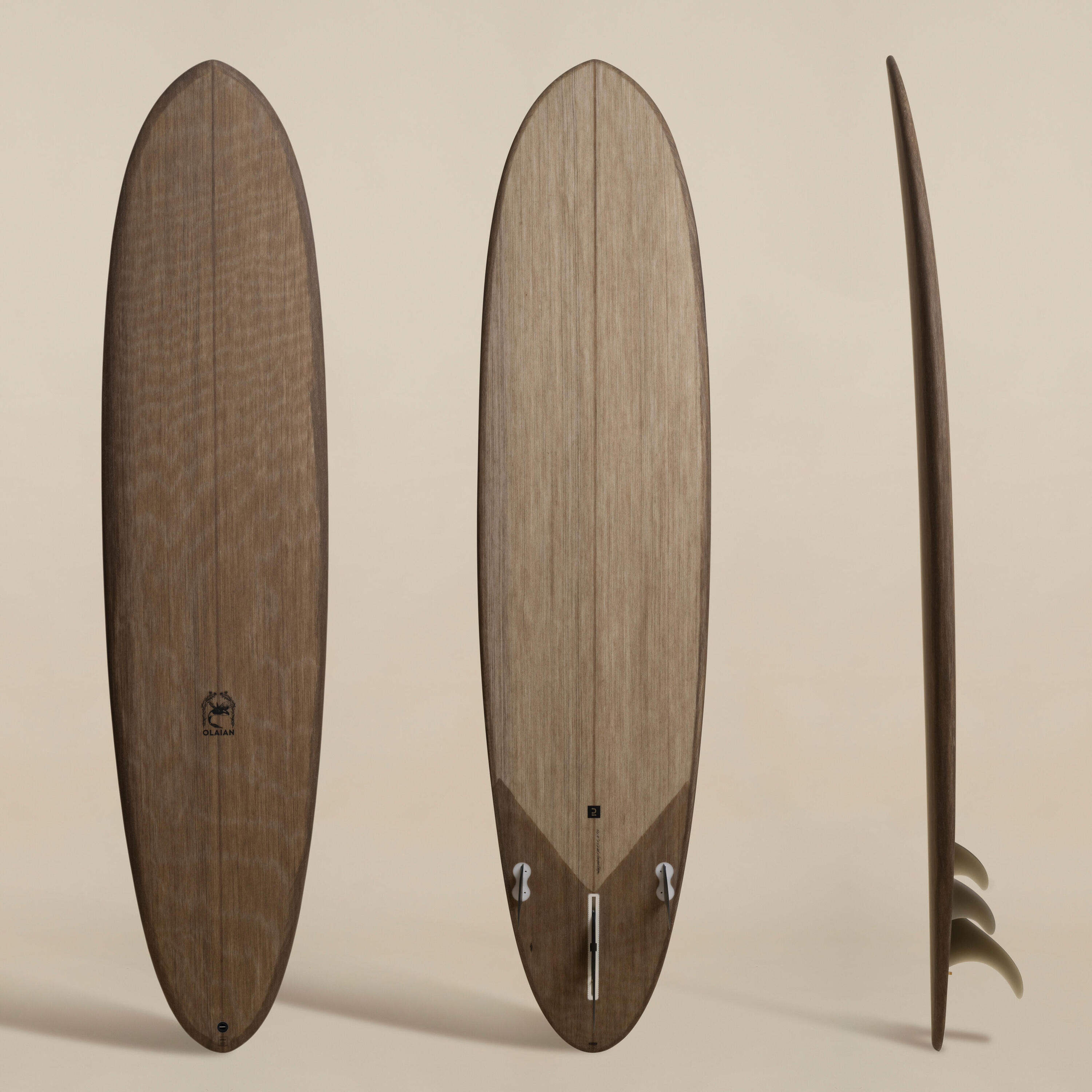
The core material and outer skin of a hard surfboard determine its weight, flex pattern, durability, and how it responds to rail pressure during turns. Traditional polyurethane foam cores with a polyester resin fibreglass skin produce a denser, heavier board with a flex pattern that many experienced surfers describe as livelier through turns, but the construction is more susceptible to pressure dings and water absorption if the skin is breached. Epoxy resin over an EPS foam core produces a lighter, more buoyant board that is considerably more resistant to impact damage and does not absorb water through minor cracks in the same way. Hybrid resin construction combines elements of both, typically using an EPS core with a resin formulation designed to replicate some of the flex feel of polyester while retaining the durability and buoyancy benefits of epoxy. The practical difference for surfers is that epoxy and hybrid boards suit a wider range of wave conditions due to their added float, while traditional polyester boards are most at home in powerful, punchy surf where their denser feel becomes an advantage. If your local break involves reefs or rocky entries, reliable surf shoes help protect both your footing and your board during launch and exit. Smart tip: store hard boards away from direct UV exposure; prolonged sunlight yellows and degrades polyester resin significantly faster than epoxy.

How does a fish surfboard shape perform differently from a longboard in small waves?

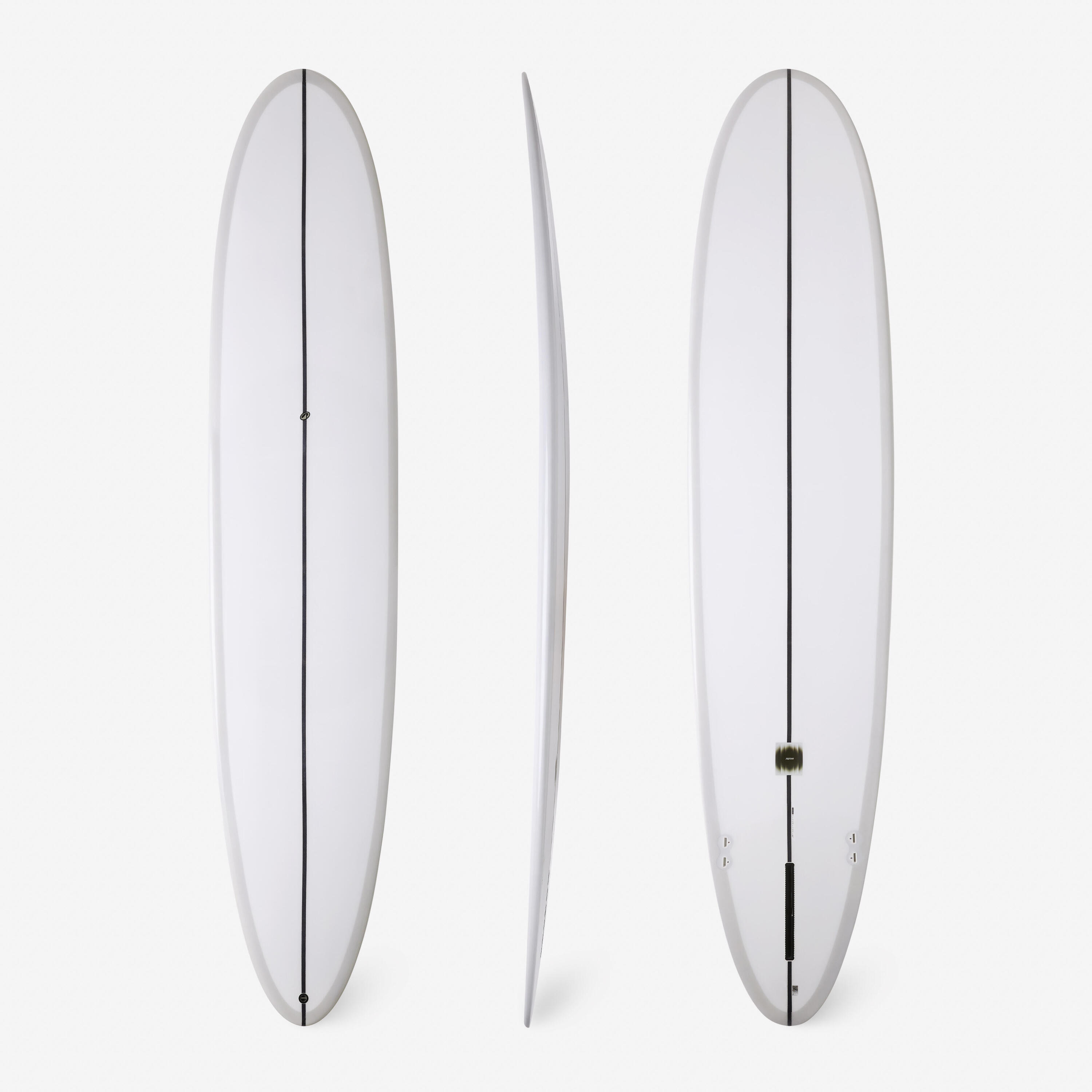
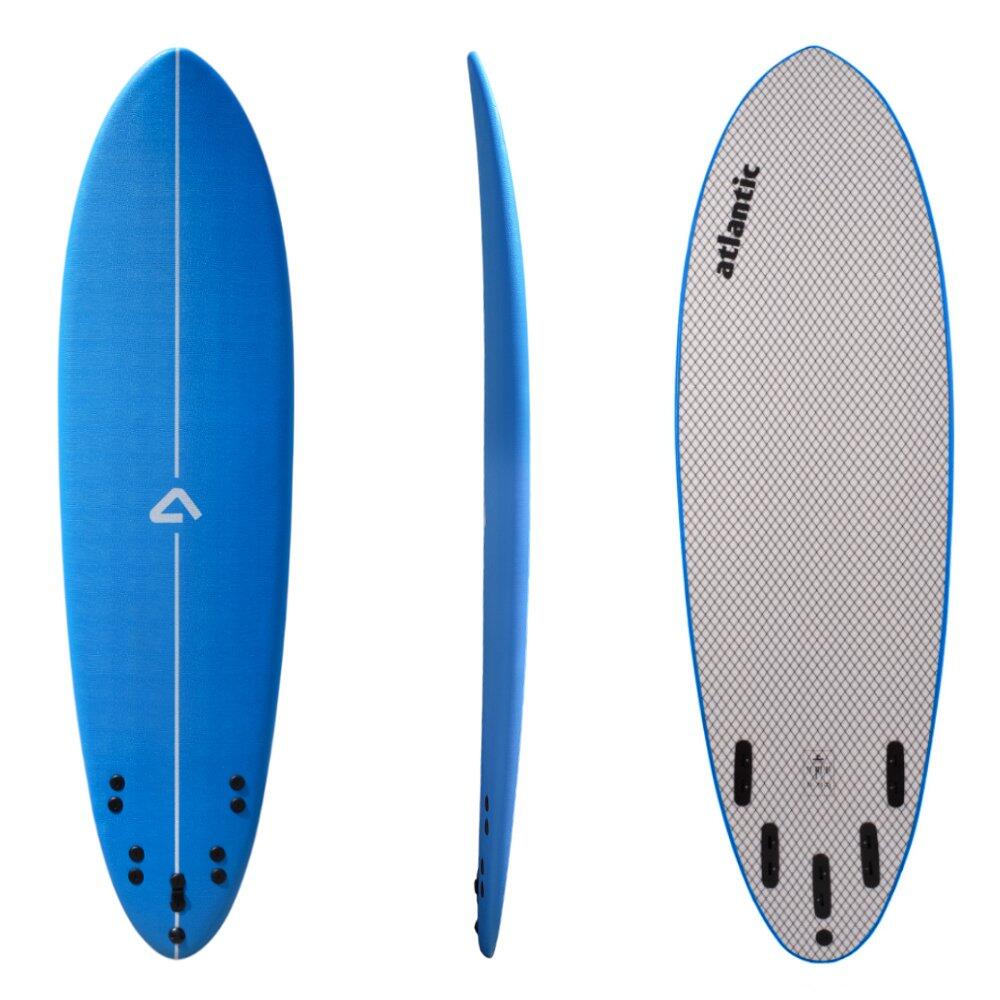
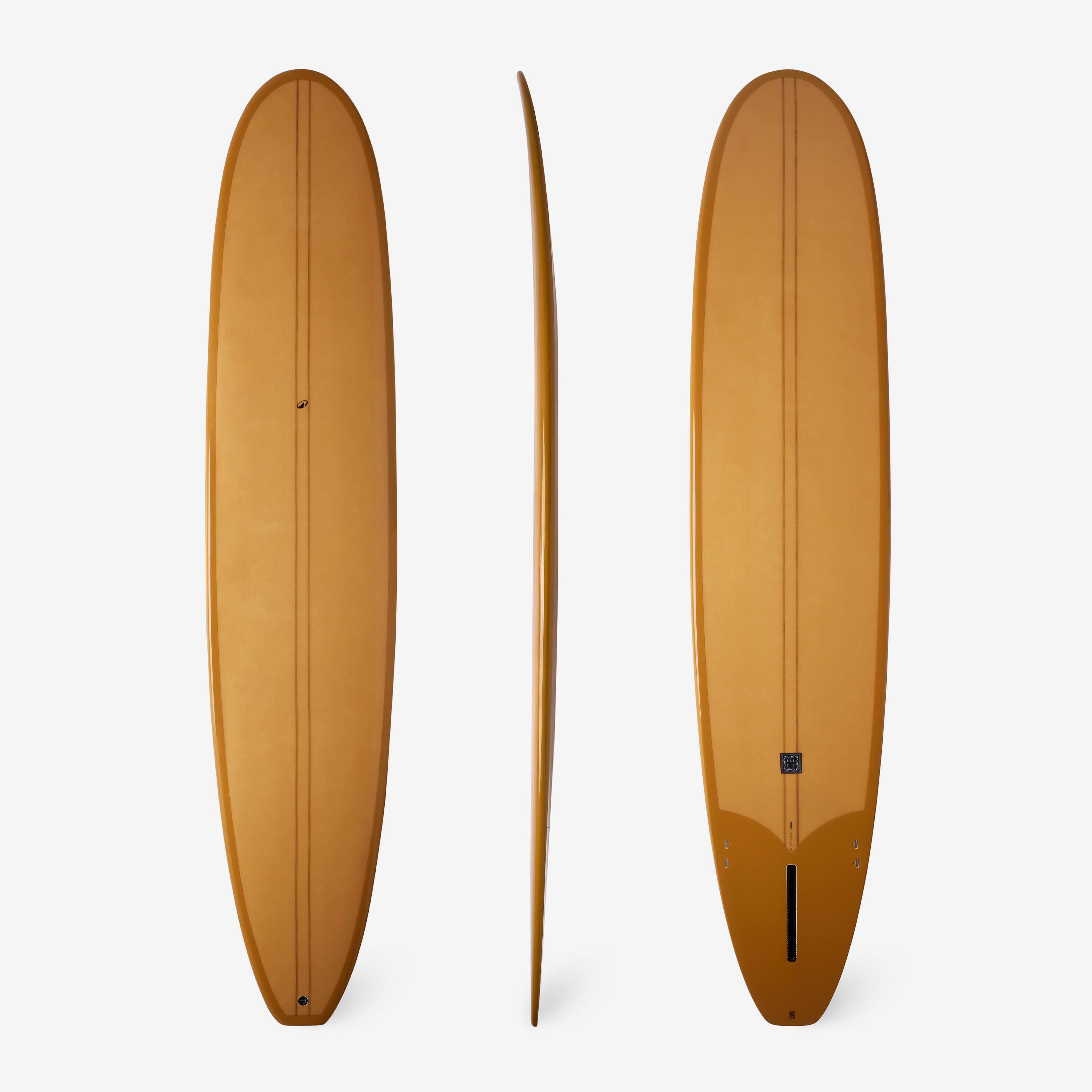
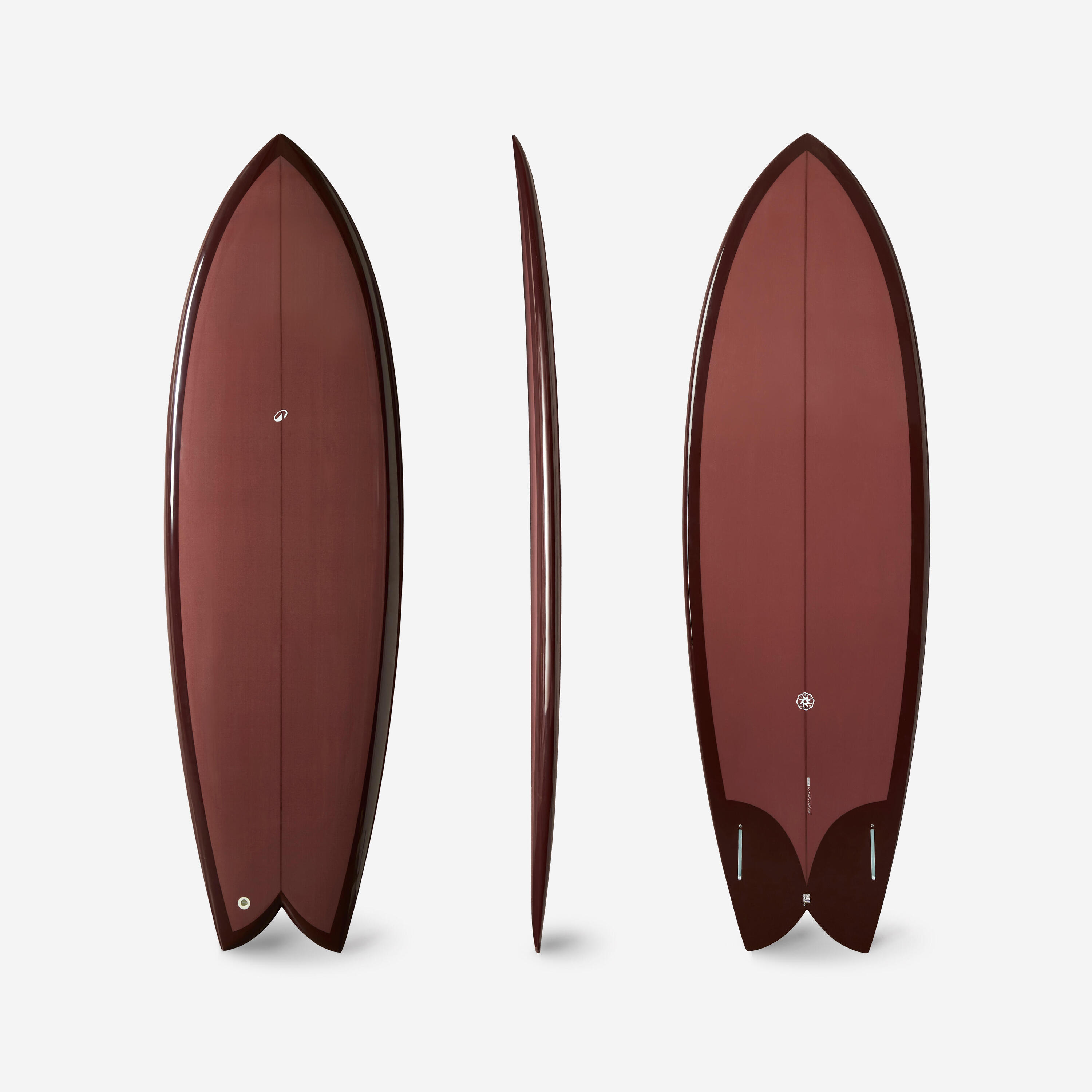
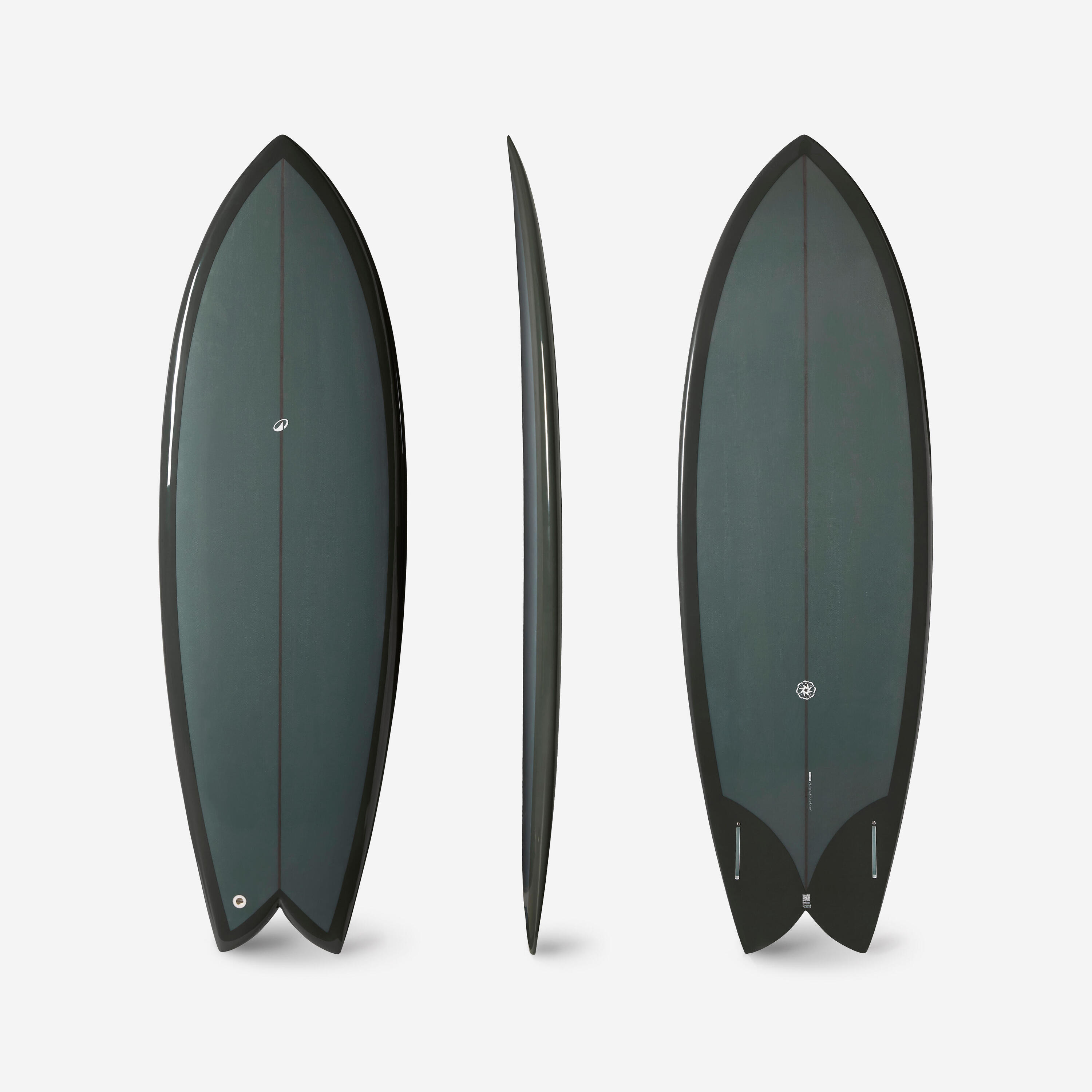
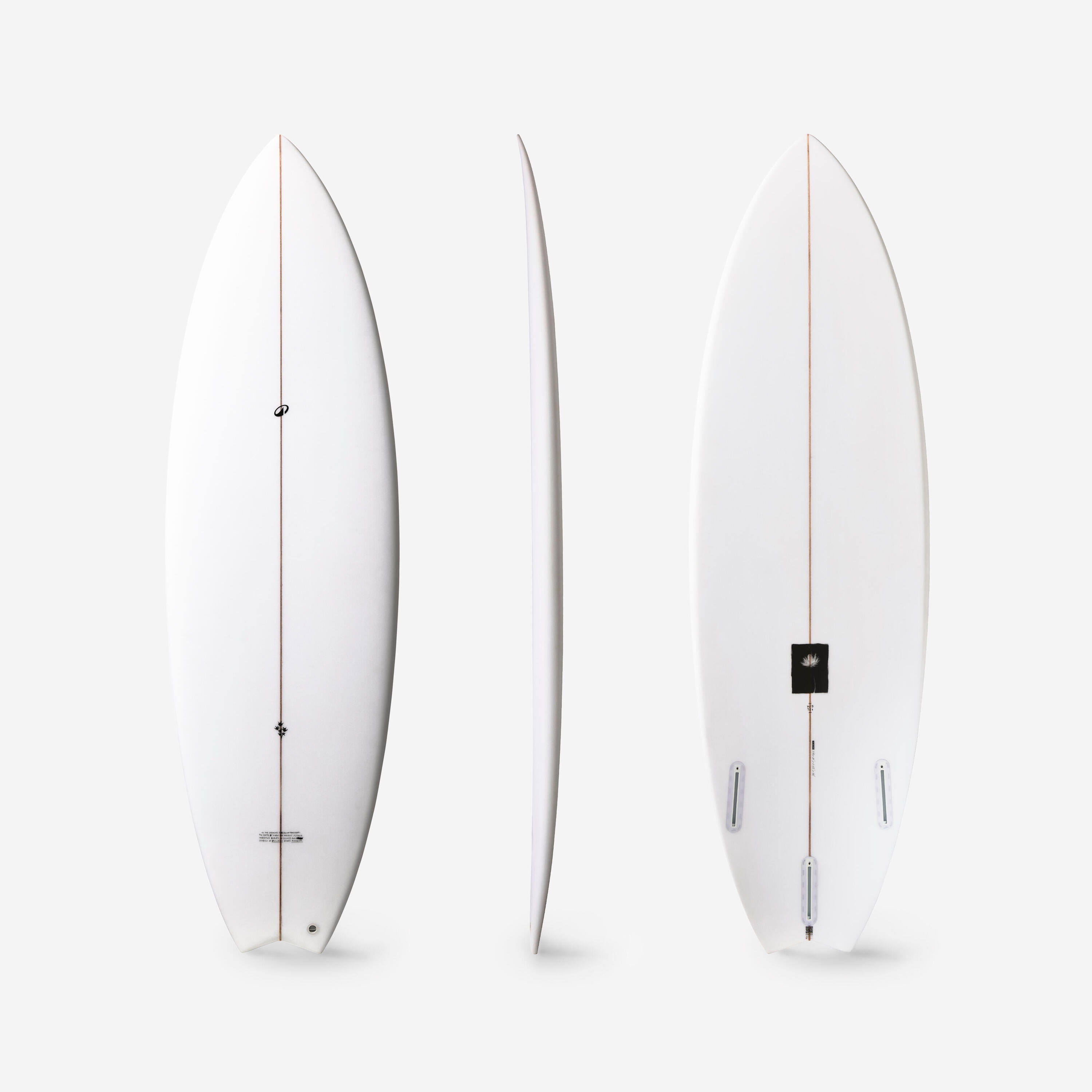
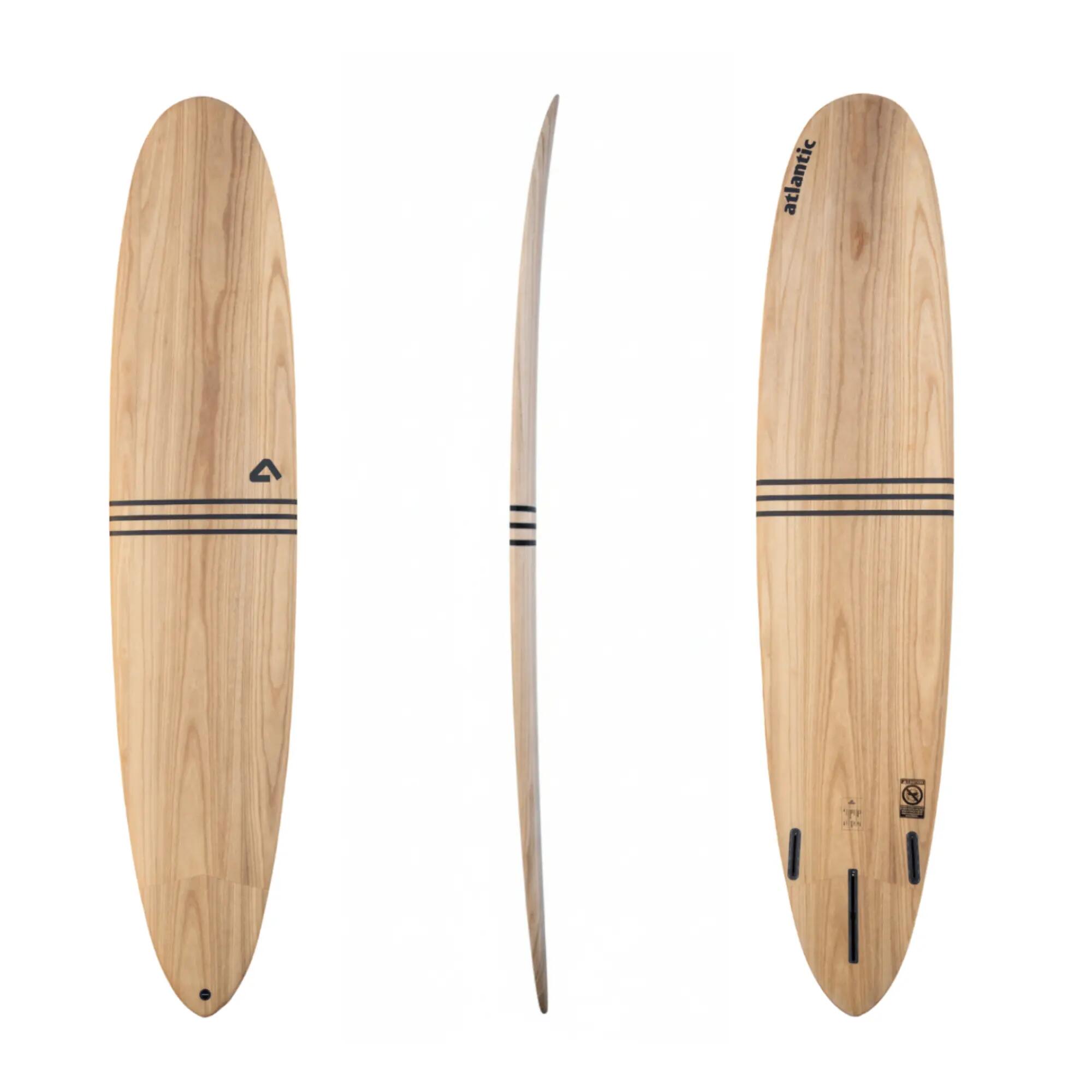
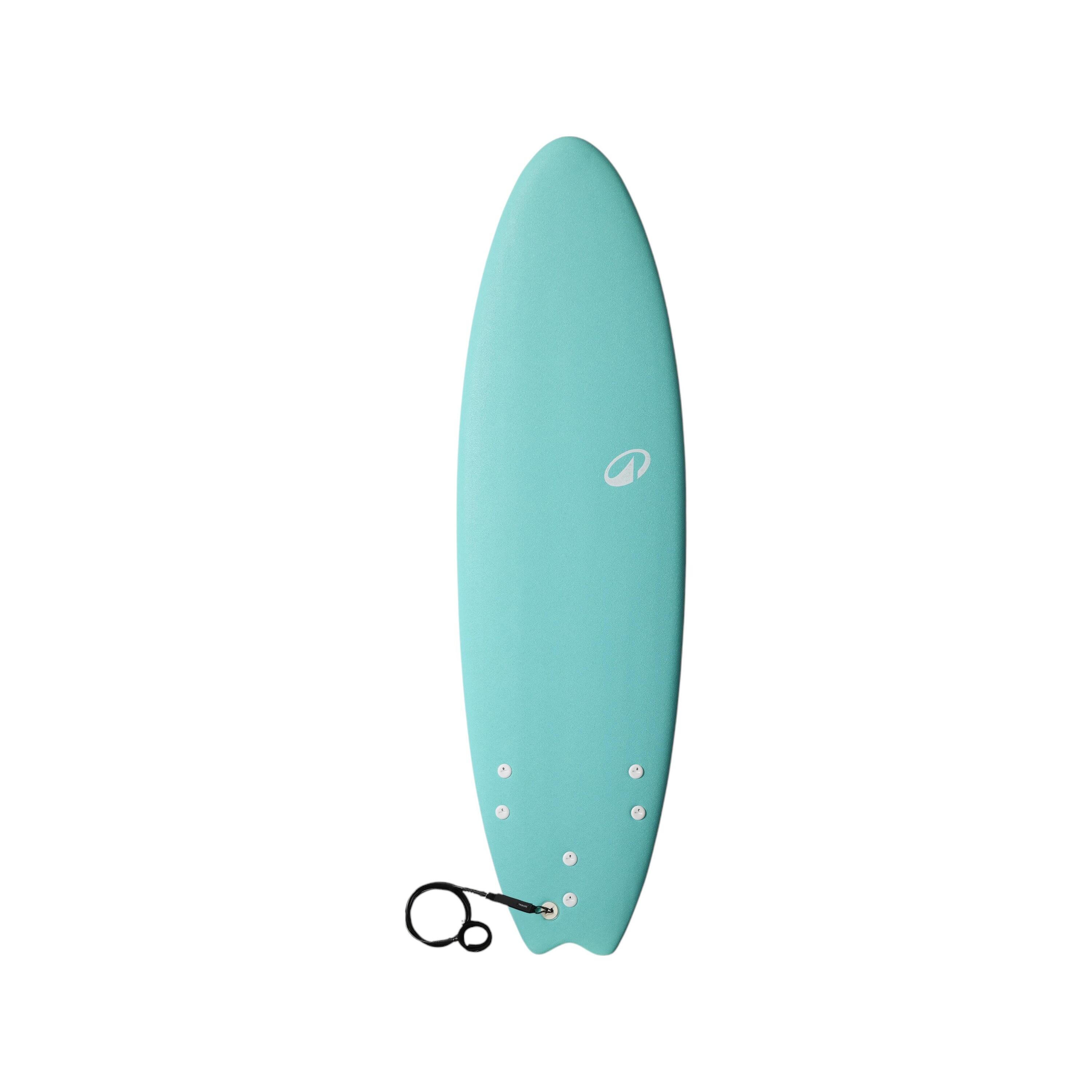
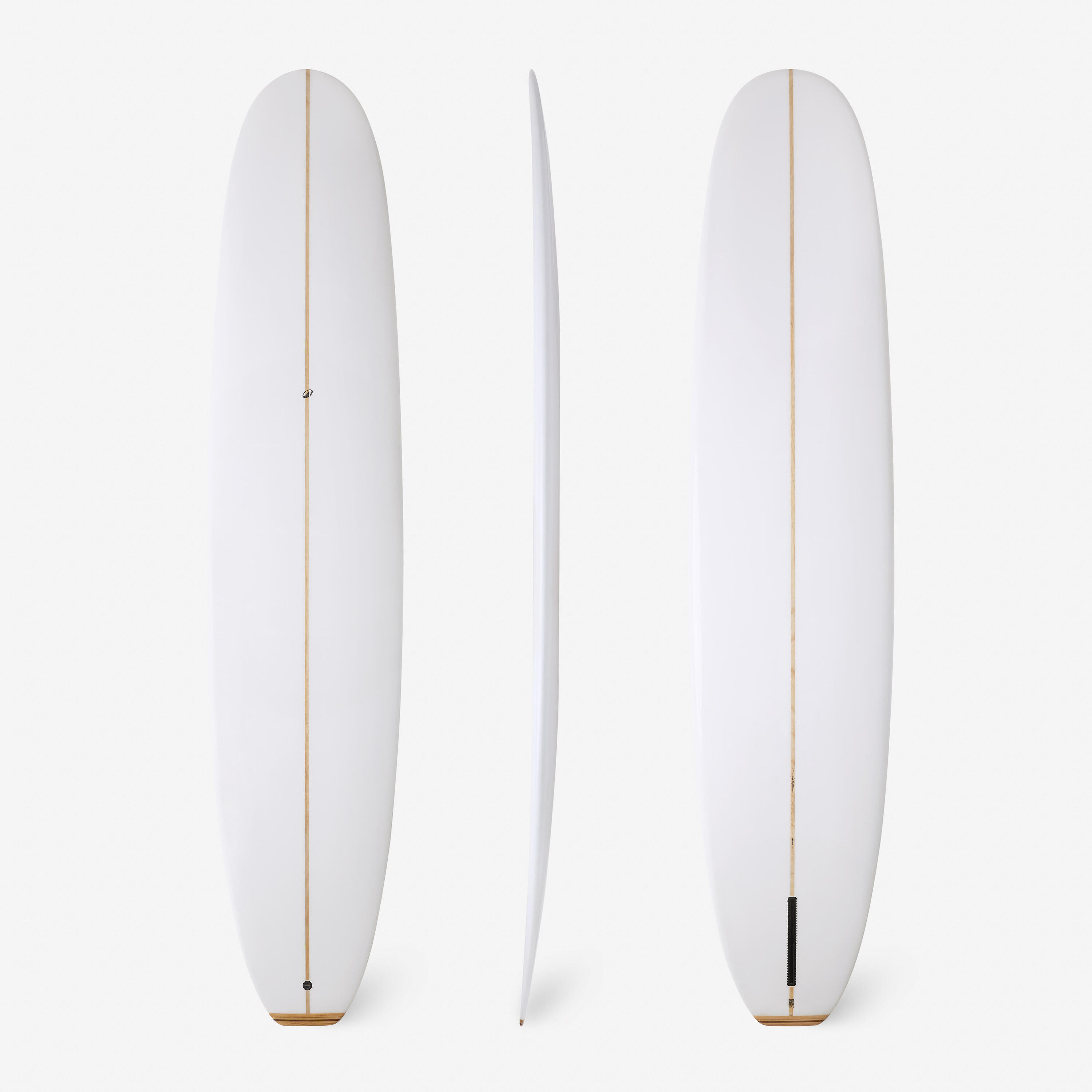
A fish shape uses a wide, flat outline with a swallow-tail and significant volume distributed through the nose and mid-section, which generates speed in weak, slow surf where a narrower shortboard would stall between sections. The wide tail provides early release and a loose, skatey turning feel that rewards surfers who generate speed through pumping and rail-to-rail transitions rather than waiting for the wave to provide it naturally. A longboard, by contrast, generates speed through its length and weight rather than its outline, using cross-stepping and nose-riding techniques that are only possible on a platform long enough to walk. The choice between the two depends on whether the surfer wants a single-fin nose-riding experience or a twin-fin or quad-fin drive-and-release approach. Surfers who are new to hard boards and want volume without committing to longboard technique often find that a foam surfboard mid-length provides a comparable experience with lower consequences for mistakes.

What volume range suits an intermediate surfer transitioning from a foam board to a hard shortboard?

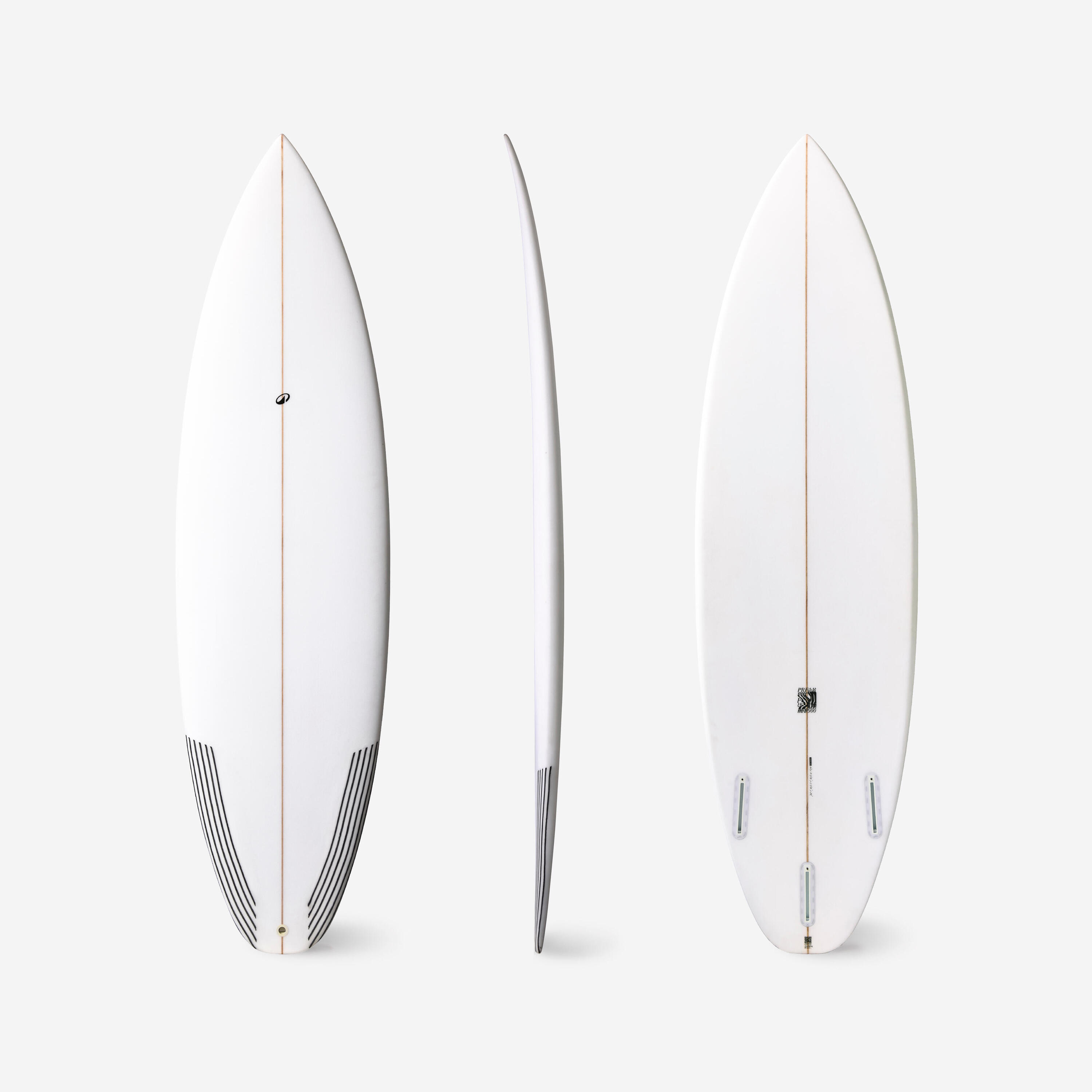
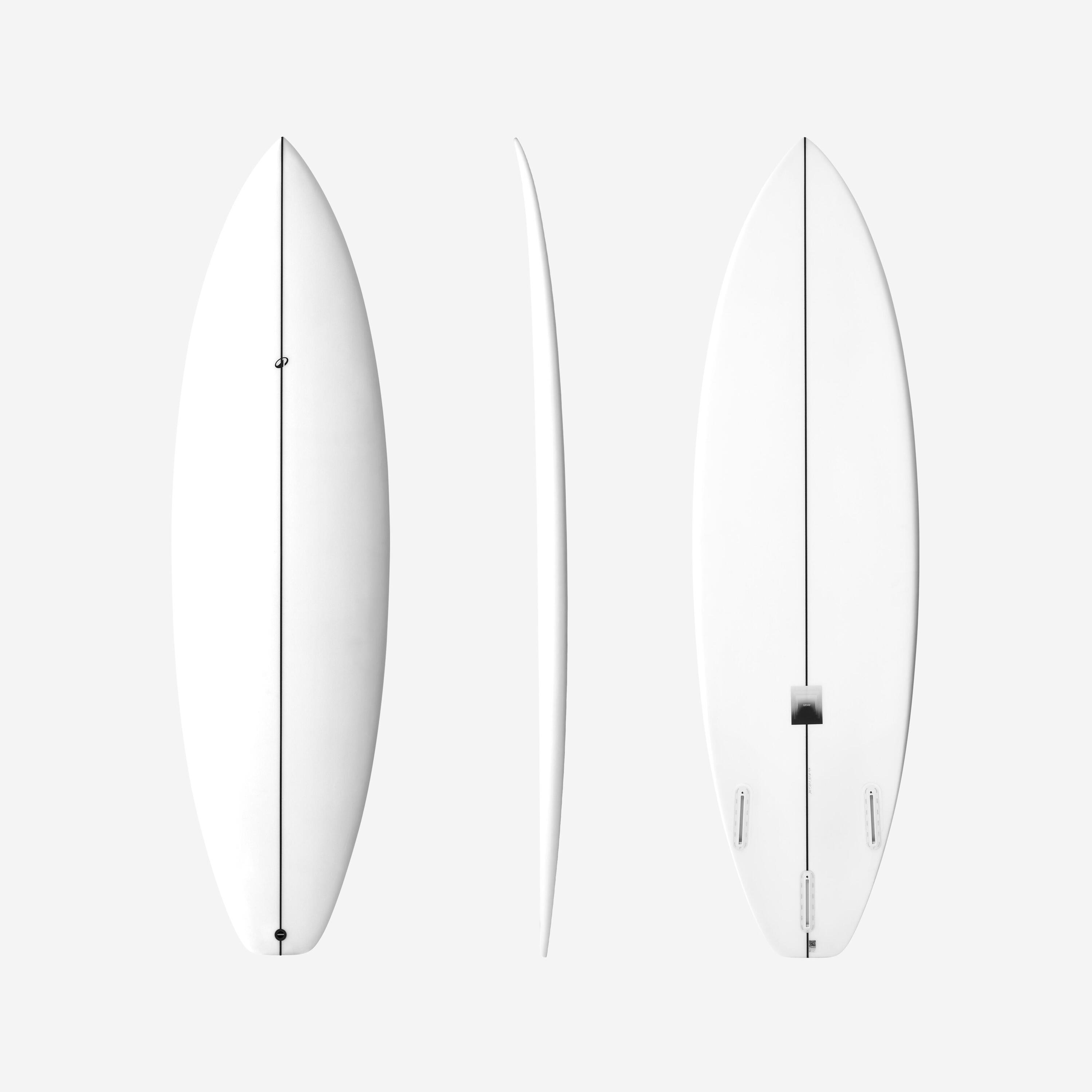
Volume is the single most useful specification when selecting a first hard shortboard, as it determines how much paddle power and stability the board provides before the surfer's technique fully compensates. A general starting point is matching the litre volume to body weight in kilograms, then adding ten to fifteen litres above that figure to account for the reduced float of a hard construction compared to a foam board of equivalent length. A 70 kg surfer moving from a high-volume foam board to a hard shortboard usually suits 45-55 L, depending on paddle fitness and wave-catching consistency. An inflatable surfboard in the same length range is worth considering for surfers who travel frequently, as the packed size removes the logistical barrier of transport while providing similar volume and stability to a hard mid-length.

When is a hard surfboard the right choice before progressing to a foil surfboard?

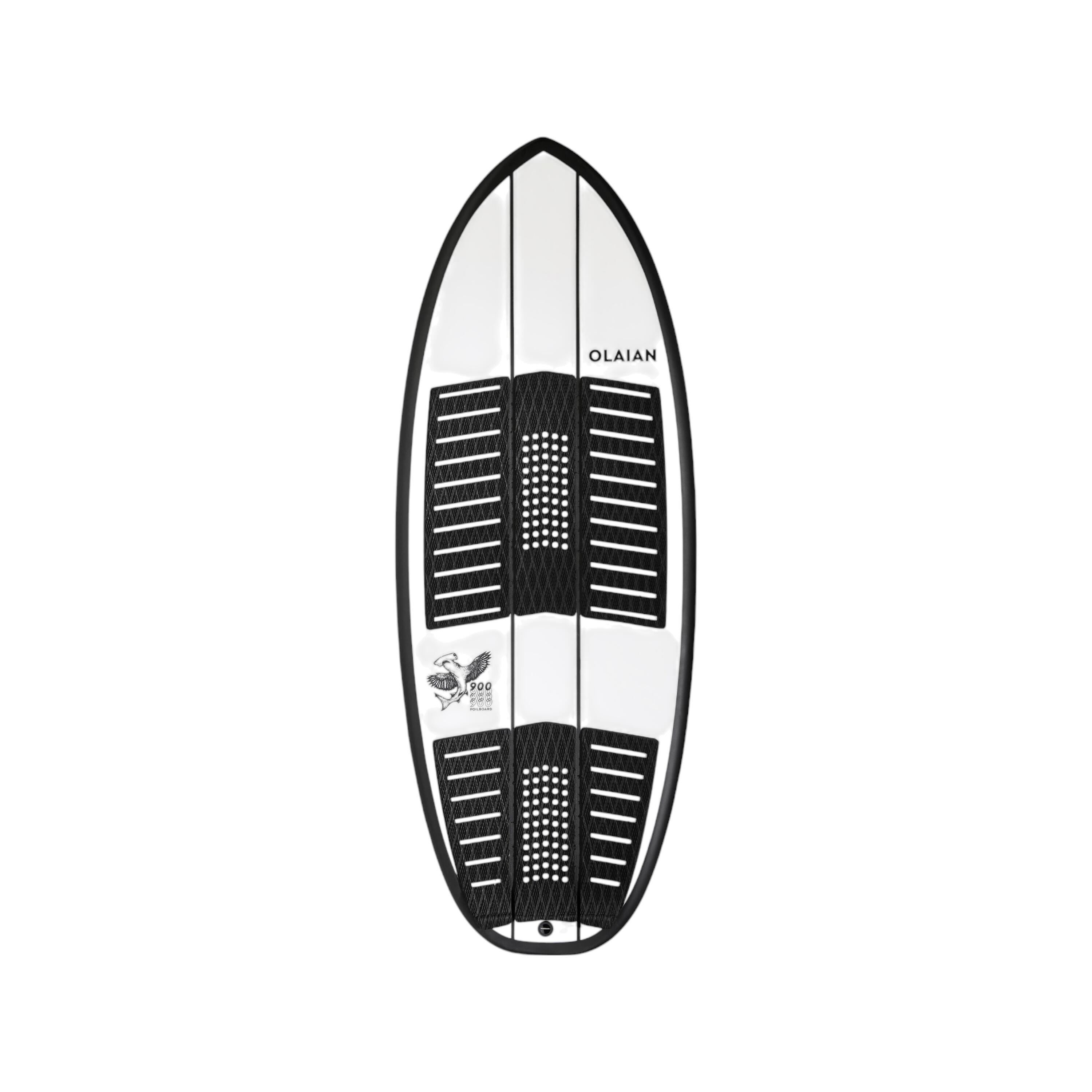
A hard surfboard remains the best choice for developing wave reading, paddling technique and confident turning across a wide range of surf conditions. As your skills progress and you're comfortable riding conventional surfboards, you may want to explore a foil surfboard to access smaller, slower swells and experience a different style of riding. While both require balance and wave knowledge, foil surfing introduces new techniques that are typically better suited to experienced surfers.

What accessories are essential for hard surfboard use that differ from foam board requirements?

Hard surfboards require a board bag for transport and storage, as the fibreglass or epoxy skin scratches and chips more readily than foam under contact with other boards, car boots, and rough surfaces. A day bag or sock provides minimal protection for short trips, while a padded travel bag with foam insert panels is necessary for air travel. Deck traction pads are applied to the tail section of hard boards to replace the wax grip in the rear foot placement zone, which reduces the need to rewax the tail after every session. Wax is still applied to the chest and front foot areas. Fin selections vary by discipline; a thruster setup suits all-around surfing while a twin or quad setup alters the board's release characteristics. All of these items, from bags and pads to leashes and fin sets, are available in the surf accessories section.