47 items
4.5/5 based on 491 reviews collected online and in stores

Surfboards FAQs

What type of surfboard suits a beginner learning to catch their first waves?

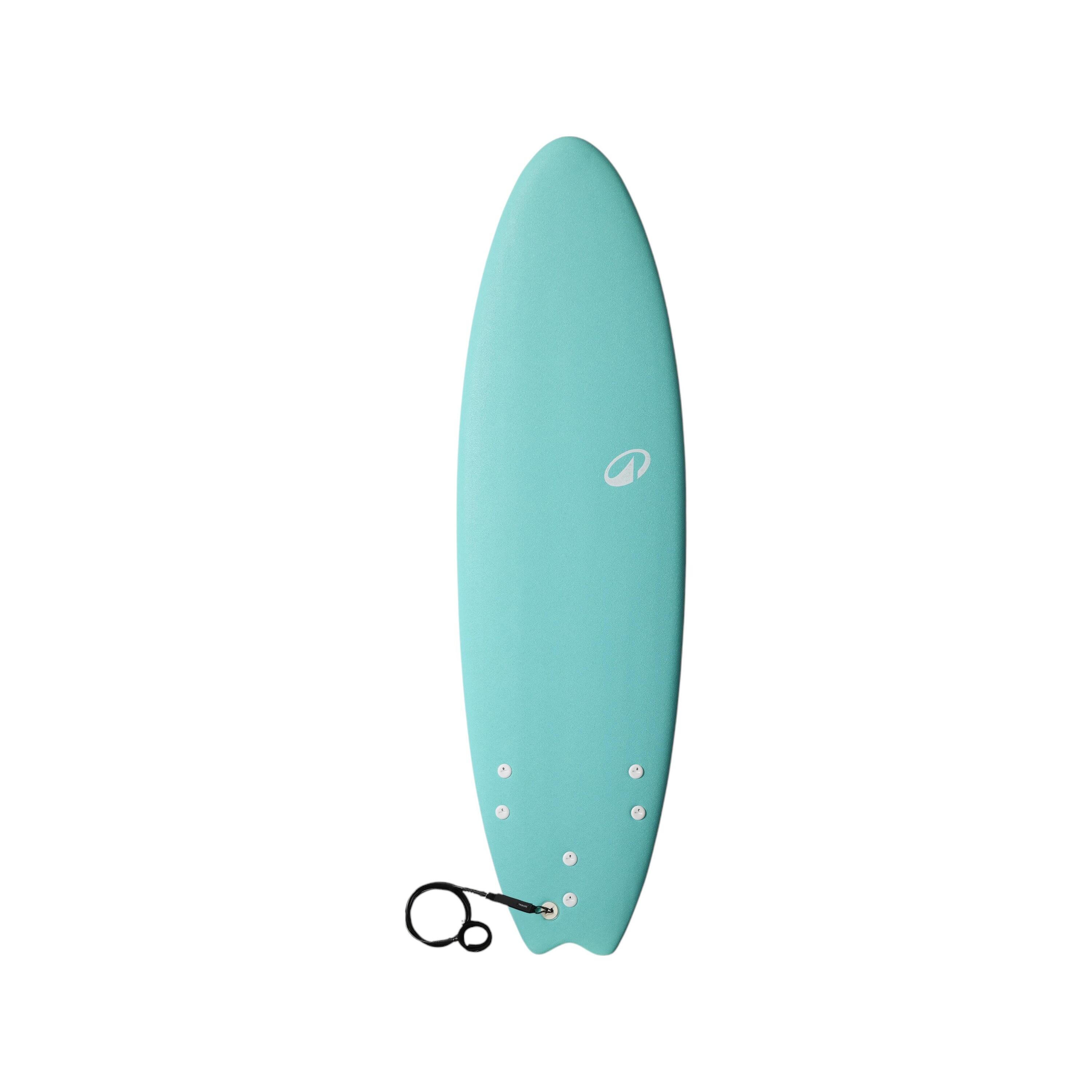
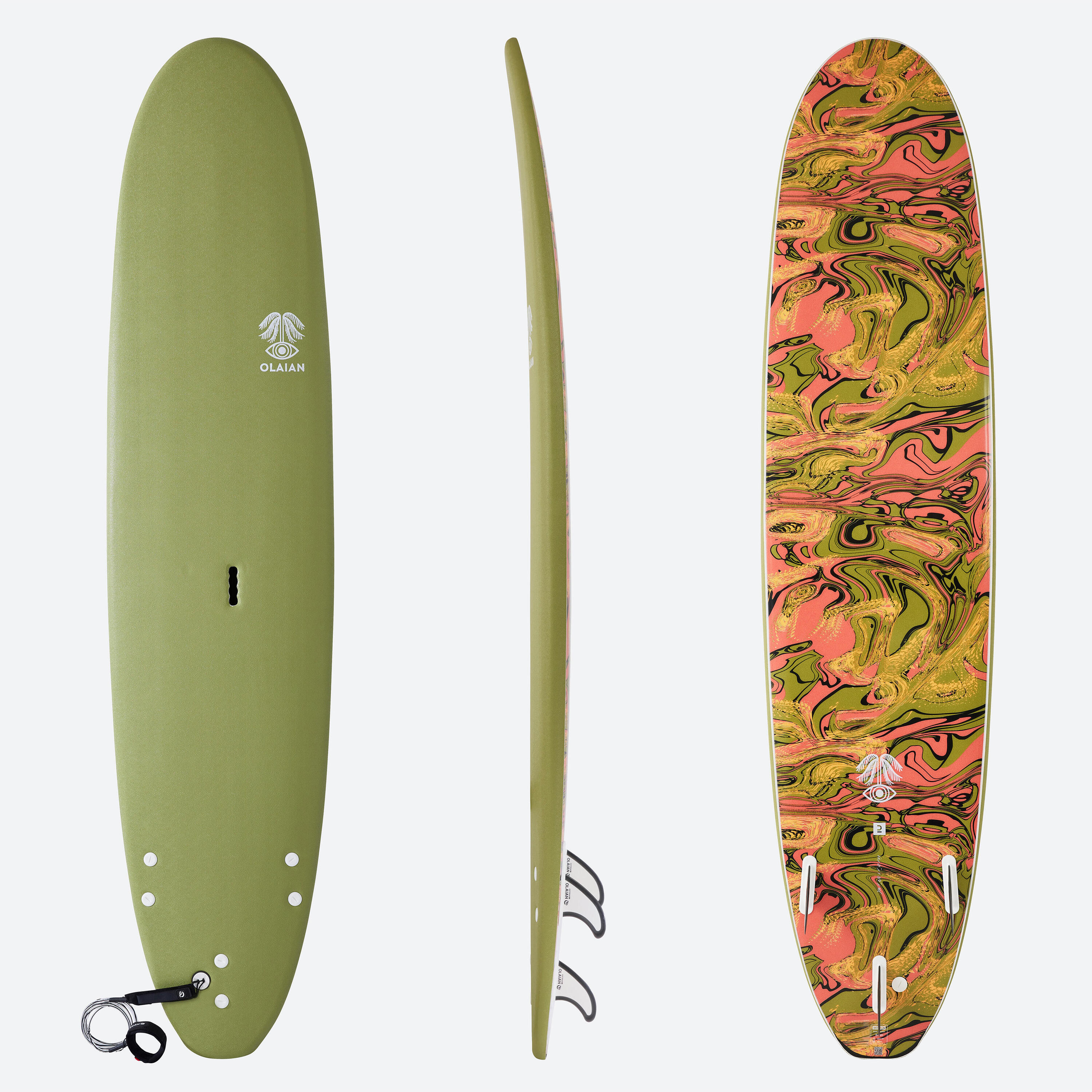
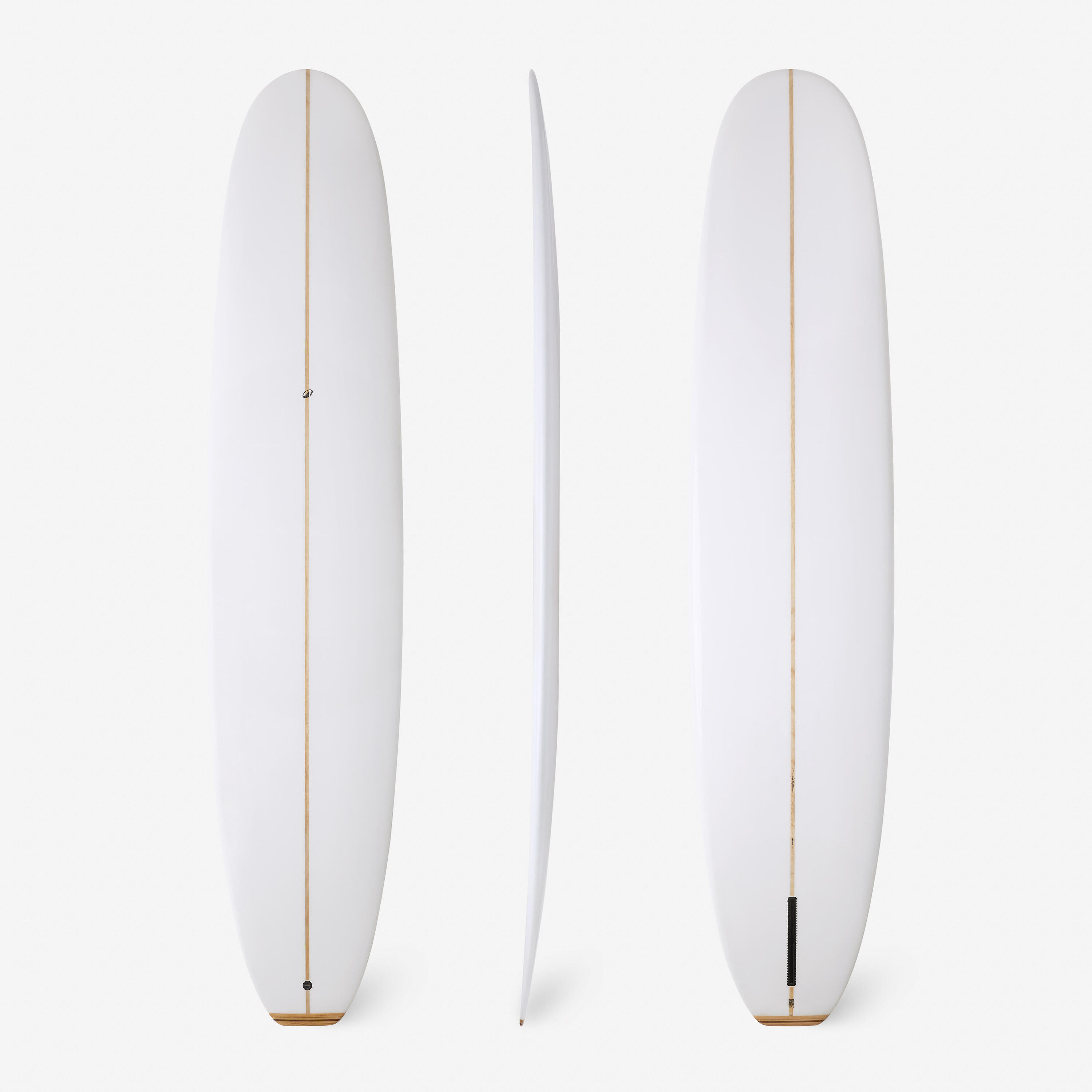
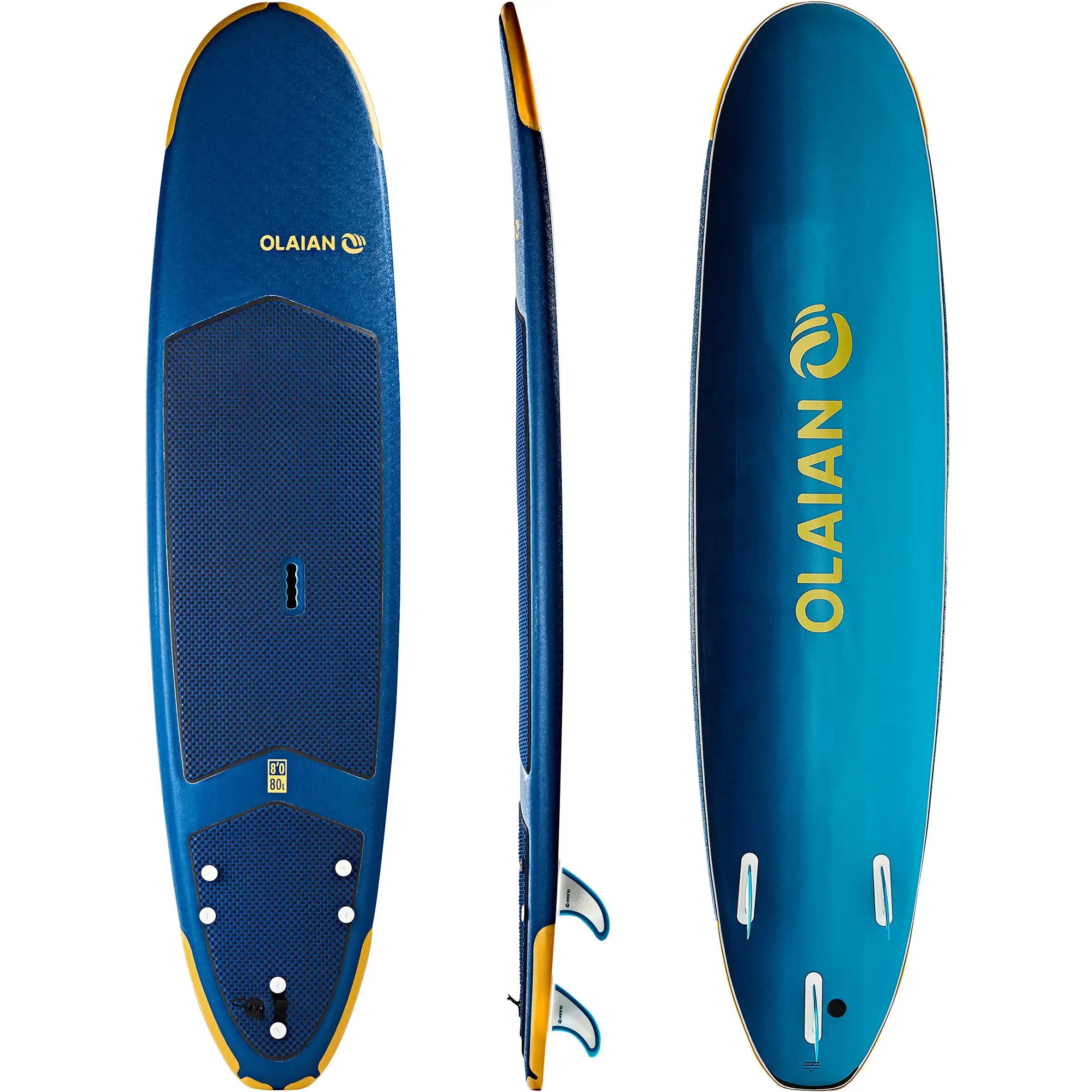
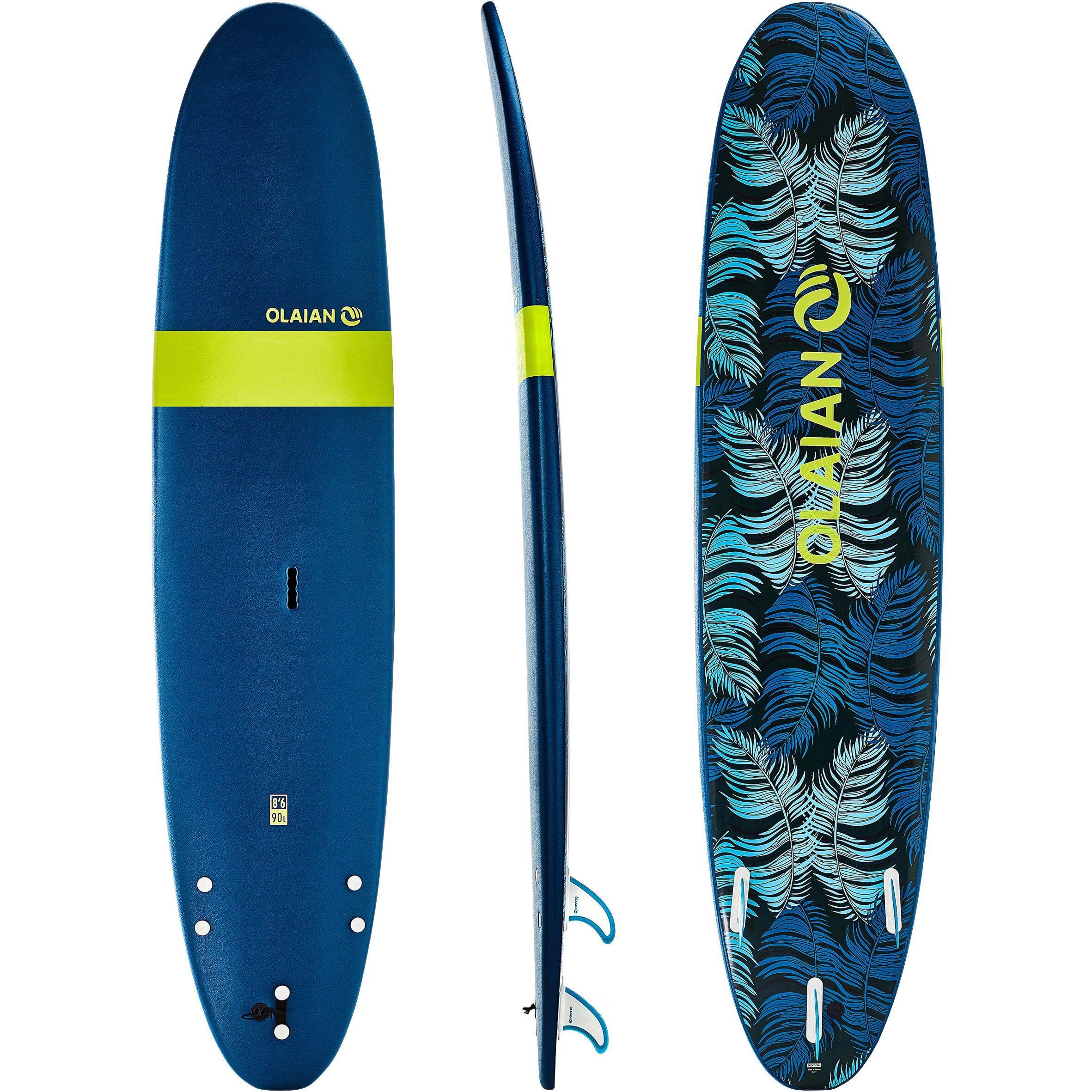
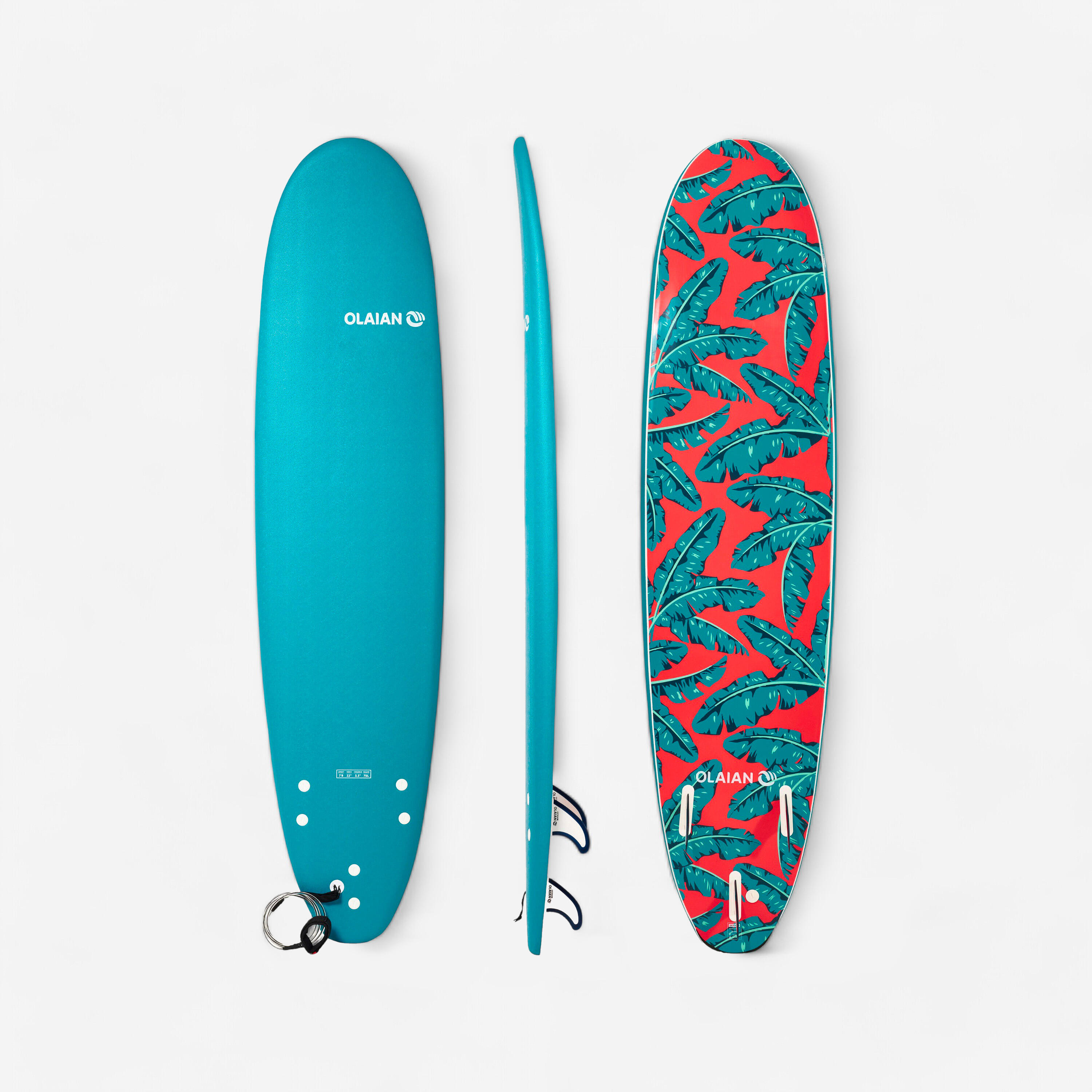
Volume is the most important specification for a beginner, because a board with more foam displacement floats higher in the water, paddles faster into a wave, and gives more time to stand up before the wave outpaces the rider. A longboard or mid-length shape in the 8-9 ft range gives the stability needed to practise pop-up technique without the board washing out from beneath you on smaller, crumbly beach-break waves. Choosing a user-friendly soft-top construction means a foam surfboard makes the entire learning curve safer, absorbing impact when falls happen while remaining highly manageable in the heavy shore break. Top tip: opt for a model with at least 30 L more volume than your body weight in kilograms to ensure effortless tracking through the whitewater.

When should a surfer move from a foam board to a hard surfboard?

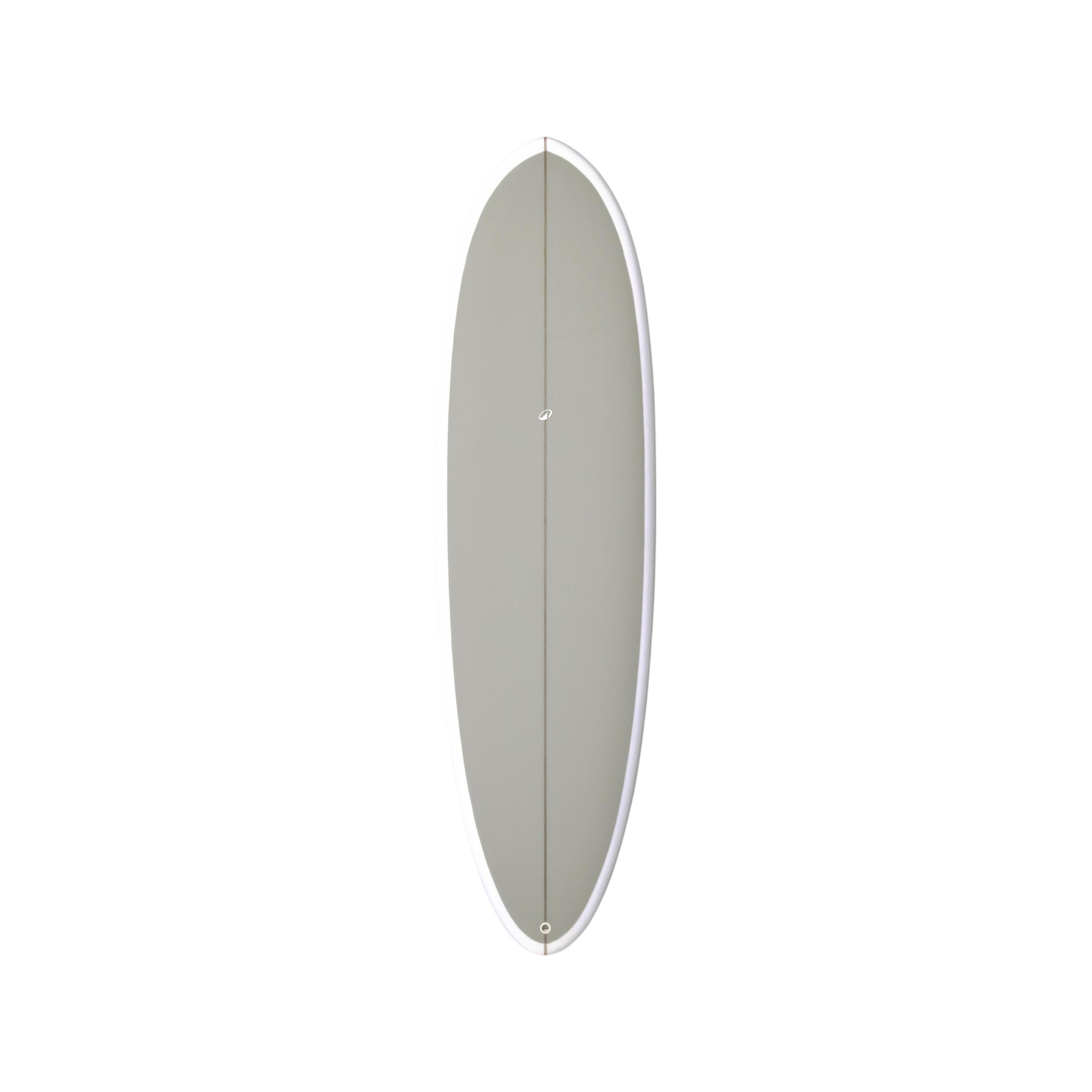
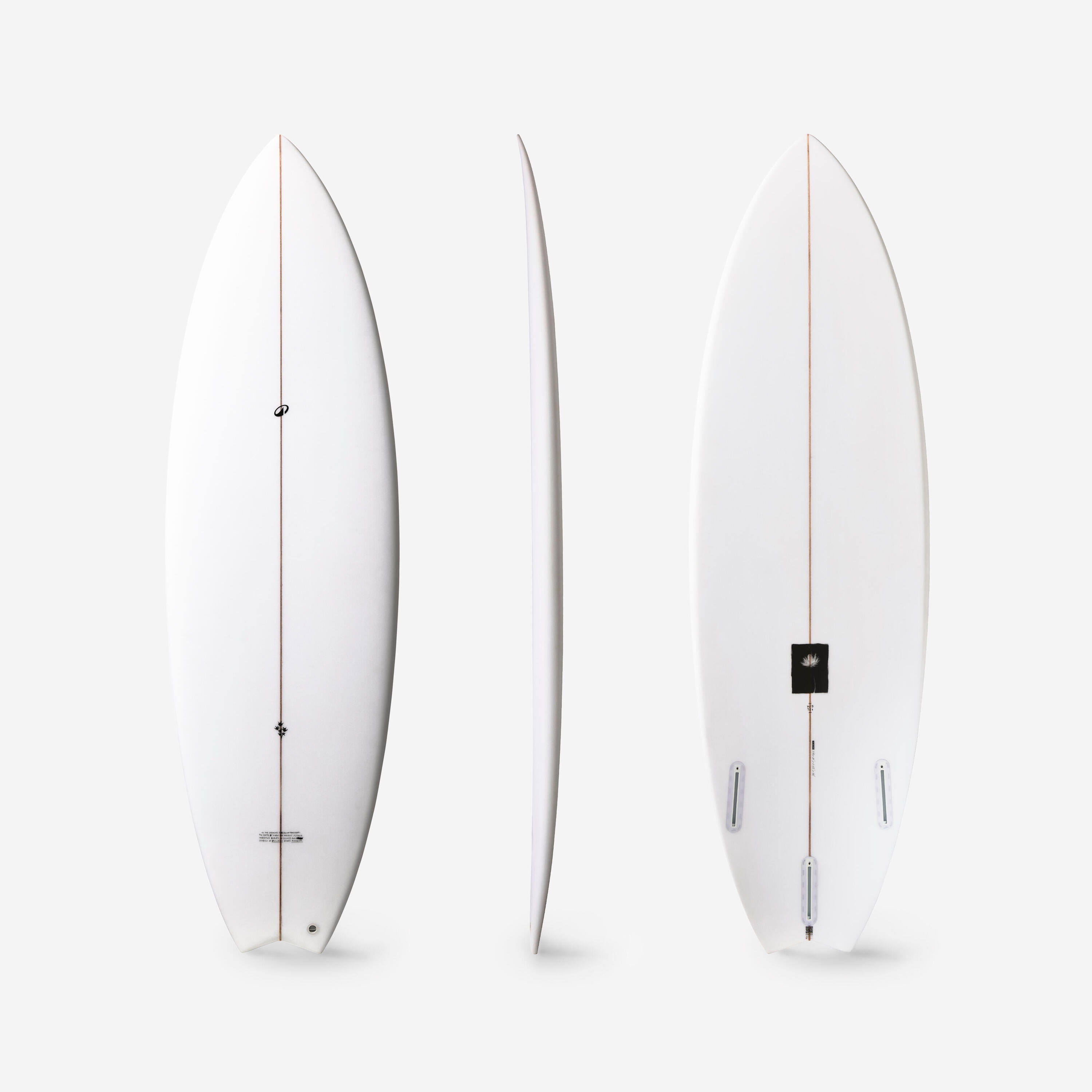
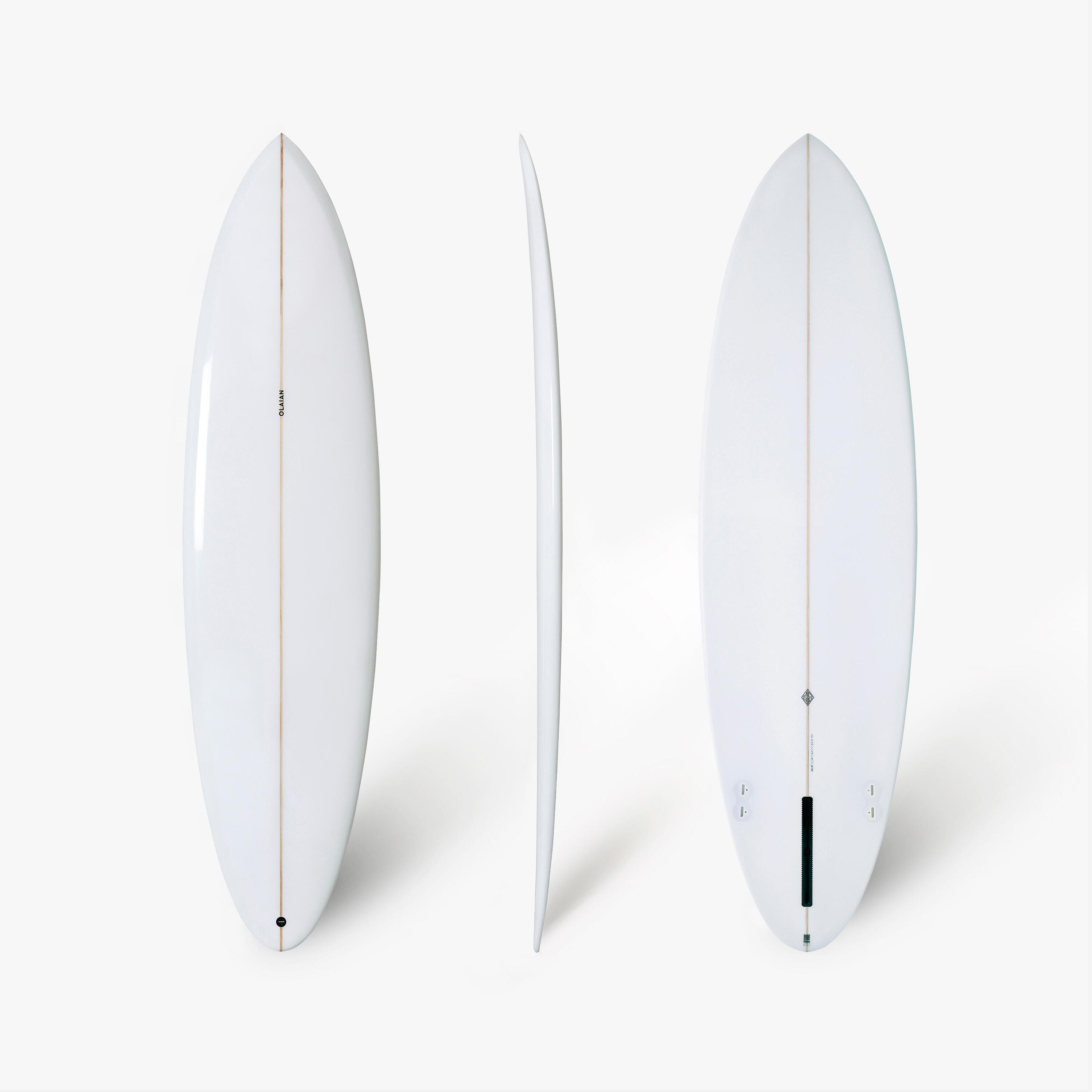
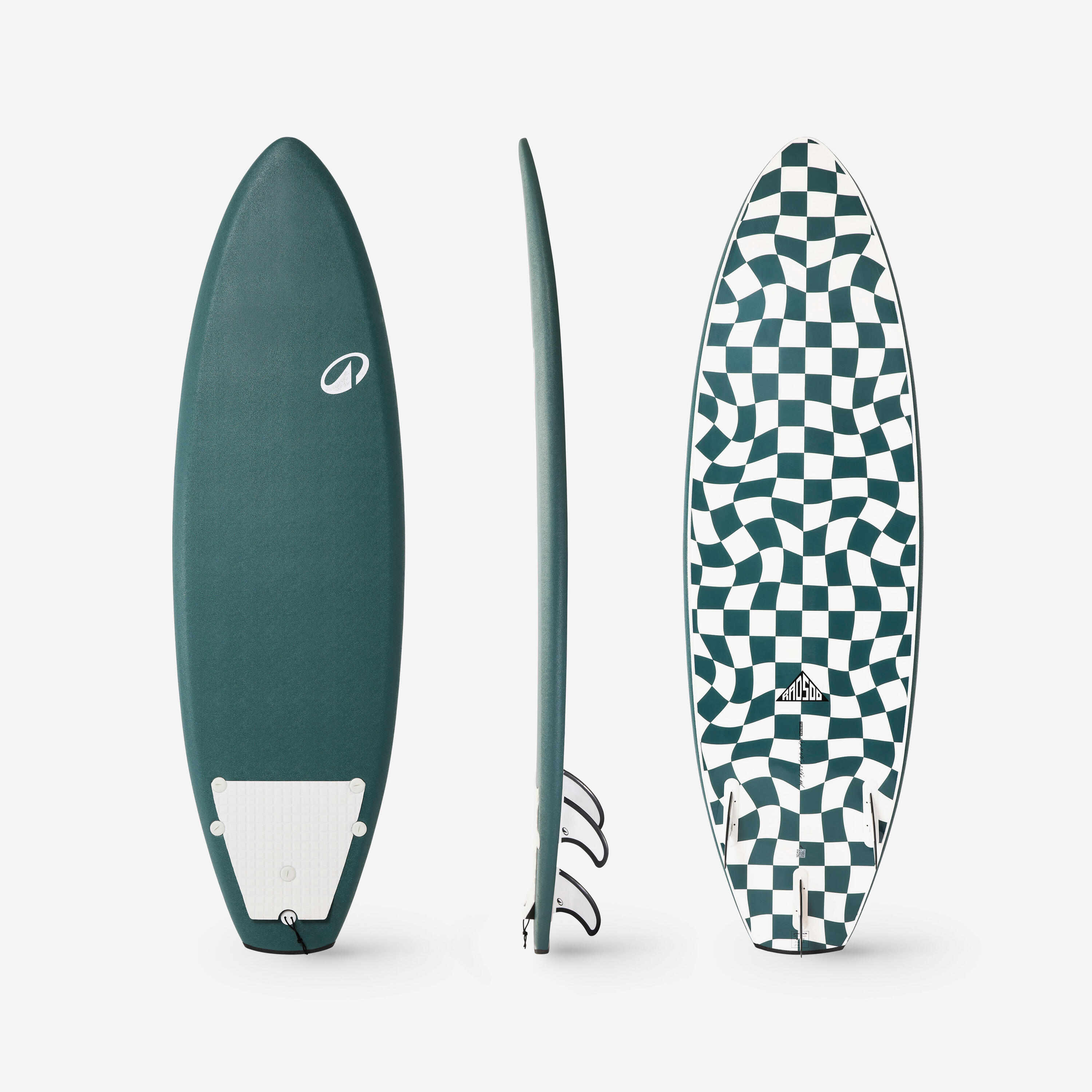
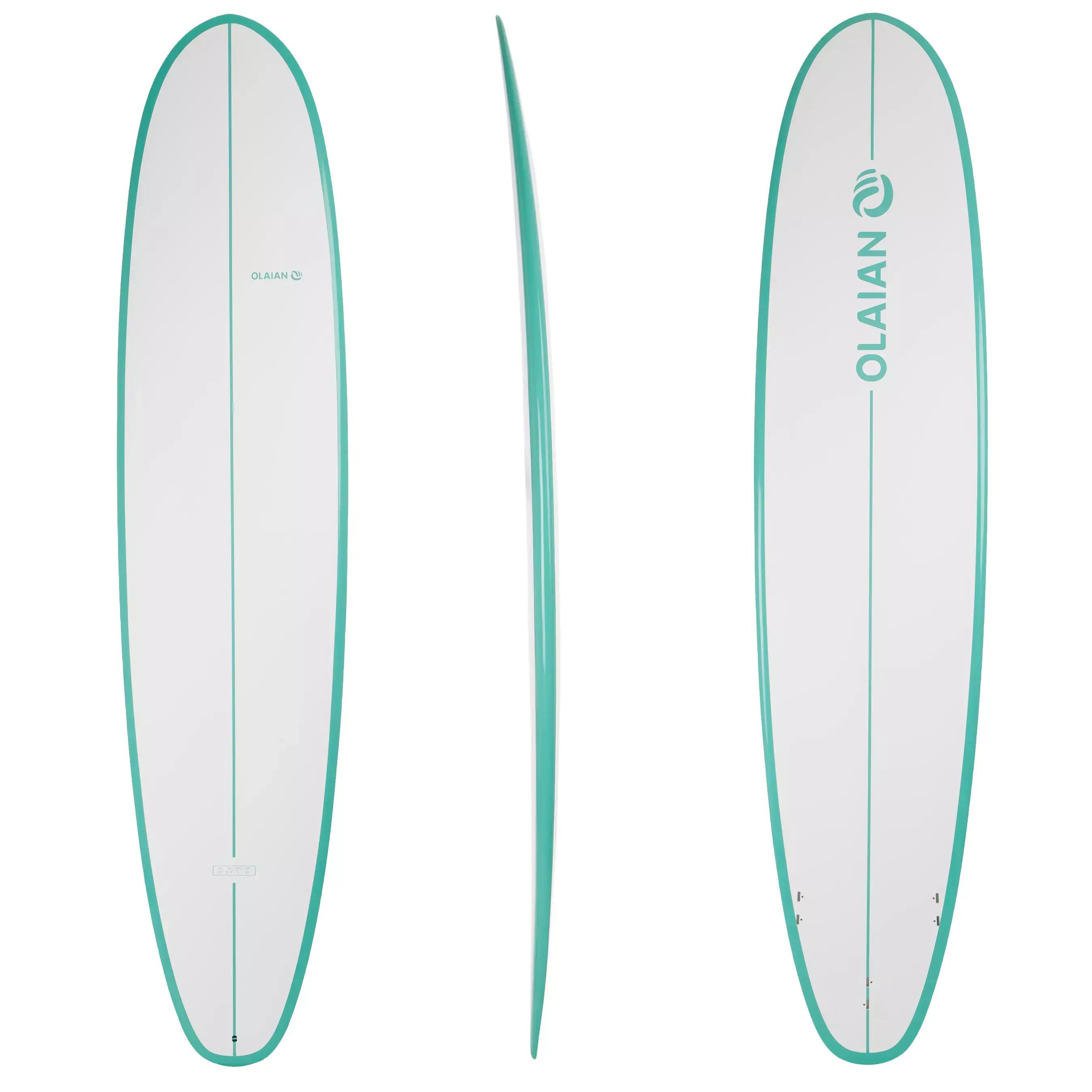
Stepping up to a fibreglass or epoxy setup makes perfect sense once you can consistently track along unbroken green waves, rather than just riding straight toward the beach. A rigid rail profile responds with brilliant precision to minor shifts in body weight, allowing riders to pump for speed along the pocket. While these models are less forgiving during clumsy pop-ups, opting for a wider fish or mid-length shape in a hard surfboard build provides intermediate surfers with incredible performance feedback without completely sacrificing the paddled volume needed to catch waves easily.

What are the practical advantages of an inflatable surfboard for travelling surfers?

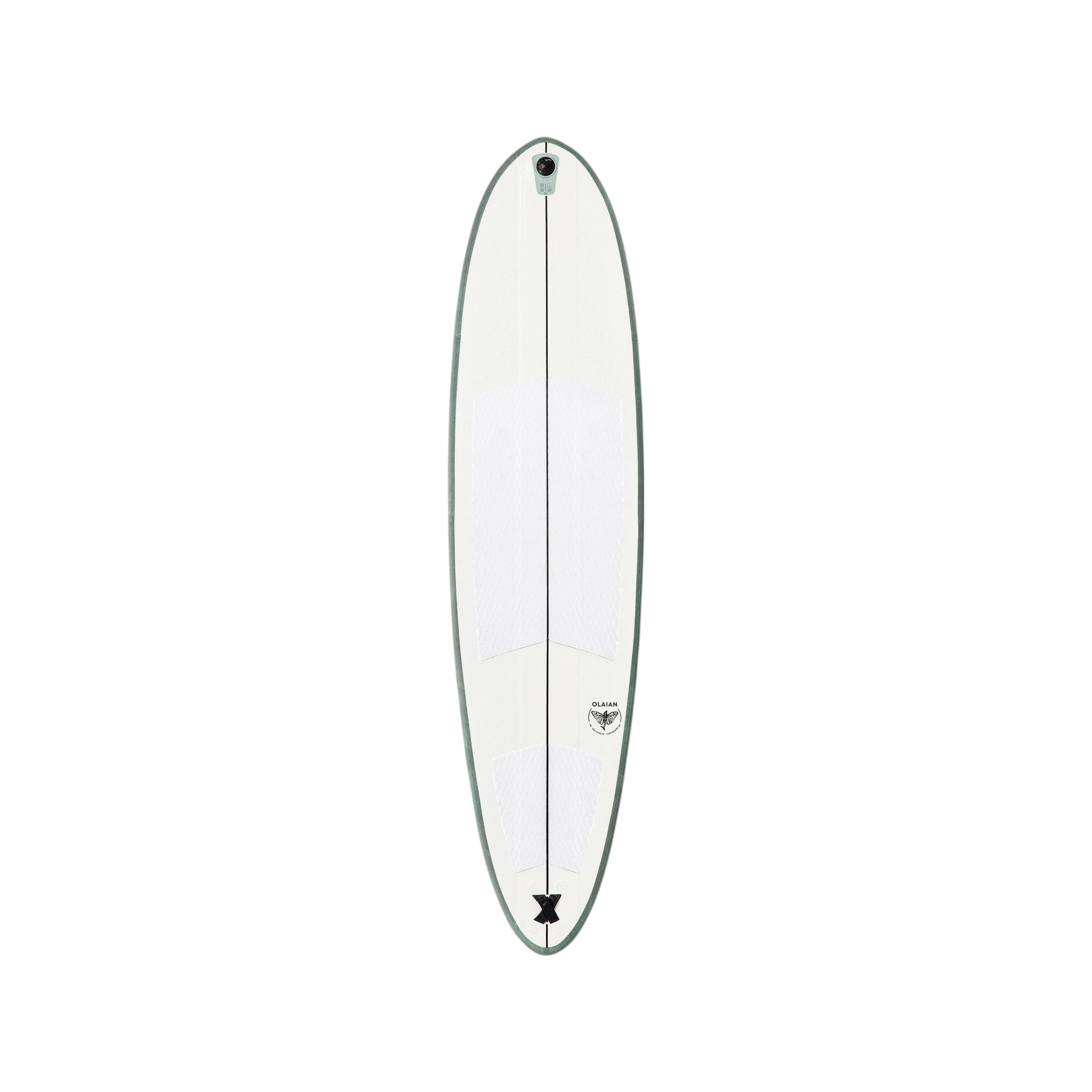
Stashing your gear into a neat backpack completely avoids hefty airline oversize fees and simplifies train journeys down to the coast. These multi-layer drop-stitch options pump up to impressive pressures, ensuring the platform stays completely rigid without flexing or lagging on clean faces. Because the high-traction deck grip comes pre-bonded straight onto the top skin, you will not have to worry about peeling corners. Picking an inflatable surfboard takes the hassle out of transport and storage, making it a great option for spontaneous weekend trips or anyone with limited space at home.
What is a foil surfboard and who is it suited to?

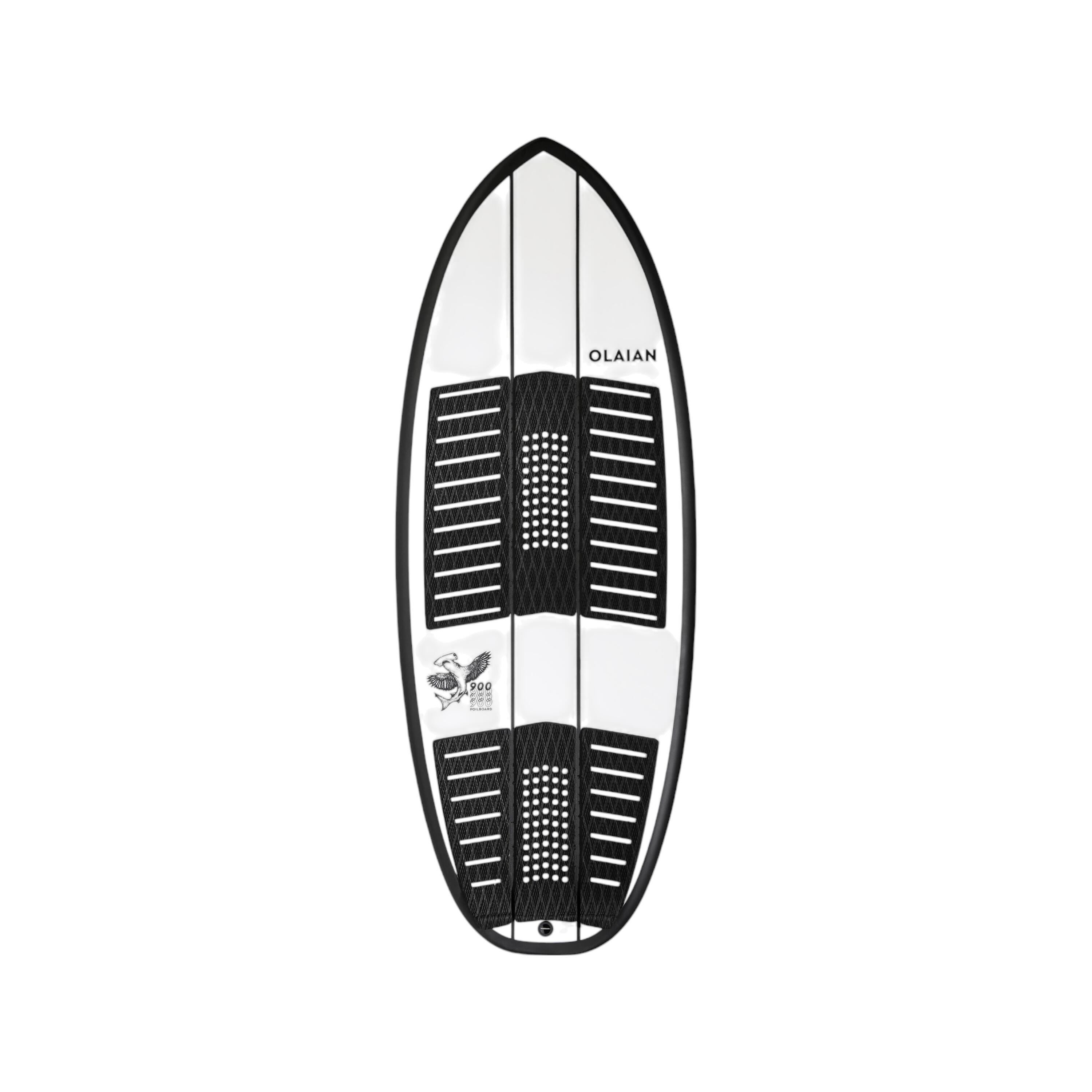
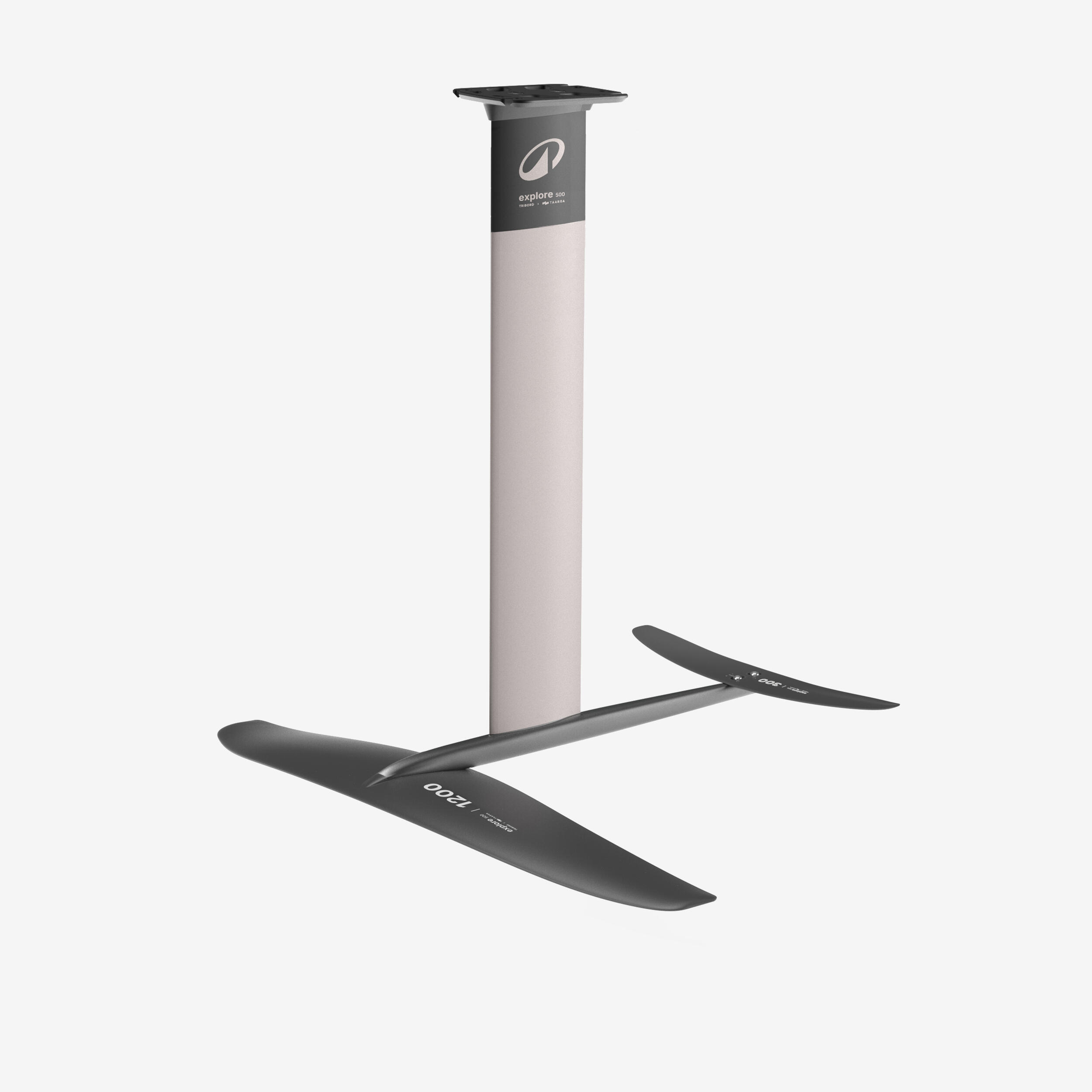
Featuring a specialised hydrofoil mast and wing bolted underneath, this hardware elevates the entire deck completely clear of the surface once you gain enough momentum. By flying over the chop rather than gliding on the face, you can ride tiny, rolling bumps that standard shapes cannot catch. Steering relies entirely on subtle front-and-back foot pressure rather than digging your rails into turns. Because the setup accelerates quickly and demands a measured, calm style, riding a foil surfboard is best reserved for seasoned experienced surfers who possess top-tier ocean awareness and impeccable balance skills.
What accessories does a surfer need alongside a new board?

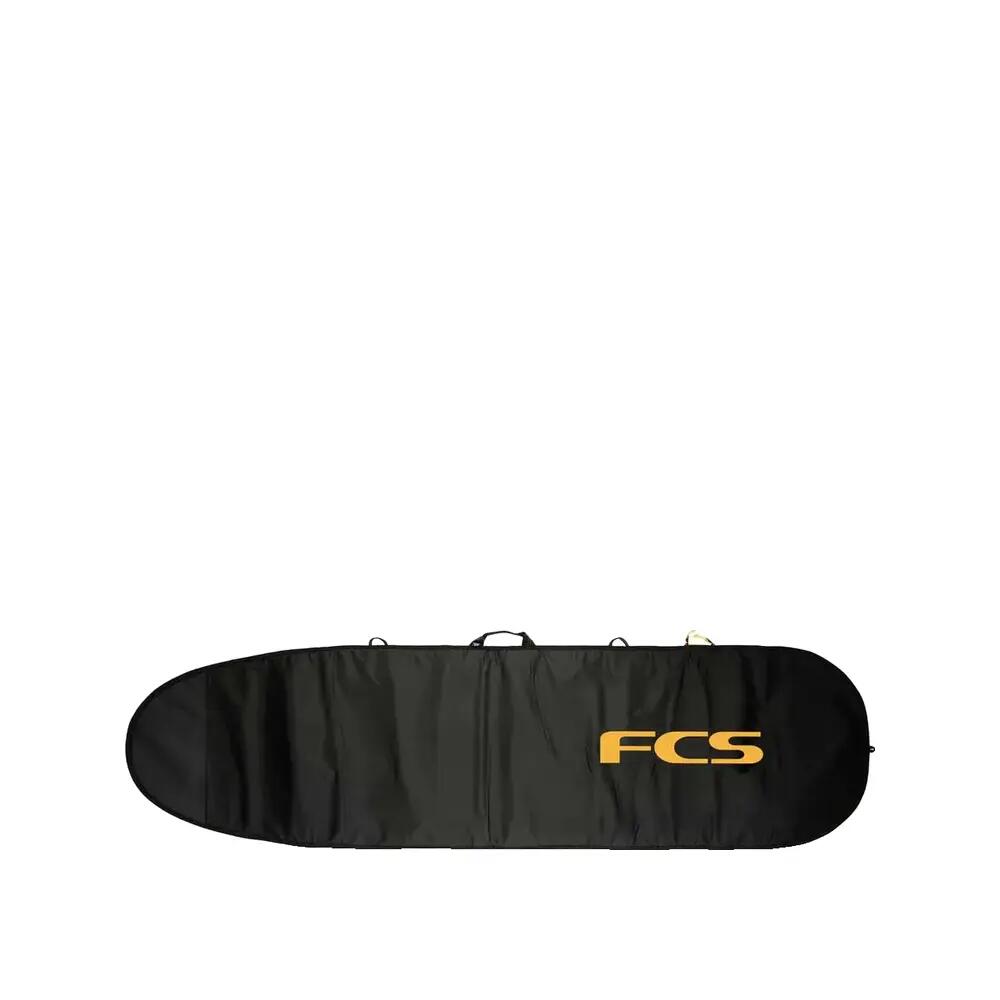
An ankle cord is non-negotiable for safety, keeping your setup within arm's reach after a heavy wipeout. Match the cord length to your deck size so it never snaps back dangerously close to your head. Colder reefs require sticky basecoats for reliable foot traction, which can be paired with thick neoprene boots, a robust wetsuit, and sleek fins. Gathering quality surf accessories ensures you stay warm, comfortable, and completely secure every single time you paddle out into the swell.