
201 items
4.4/5 based on 2646 reviews collected online and in stores

Surf Accessories FAQs

How does fin configuration affect surfboard performance in different wave types?

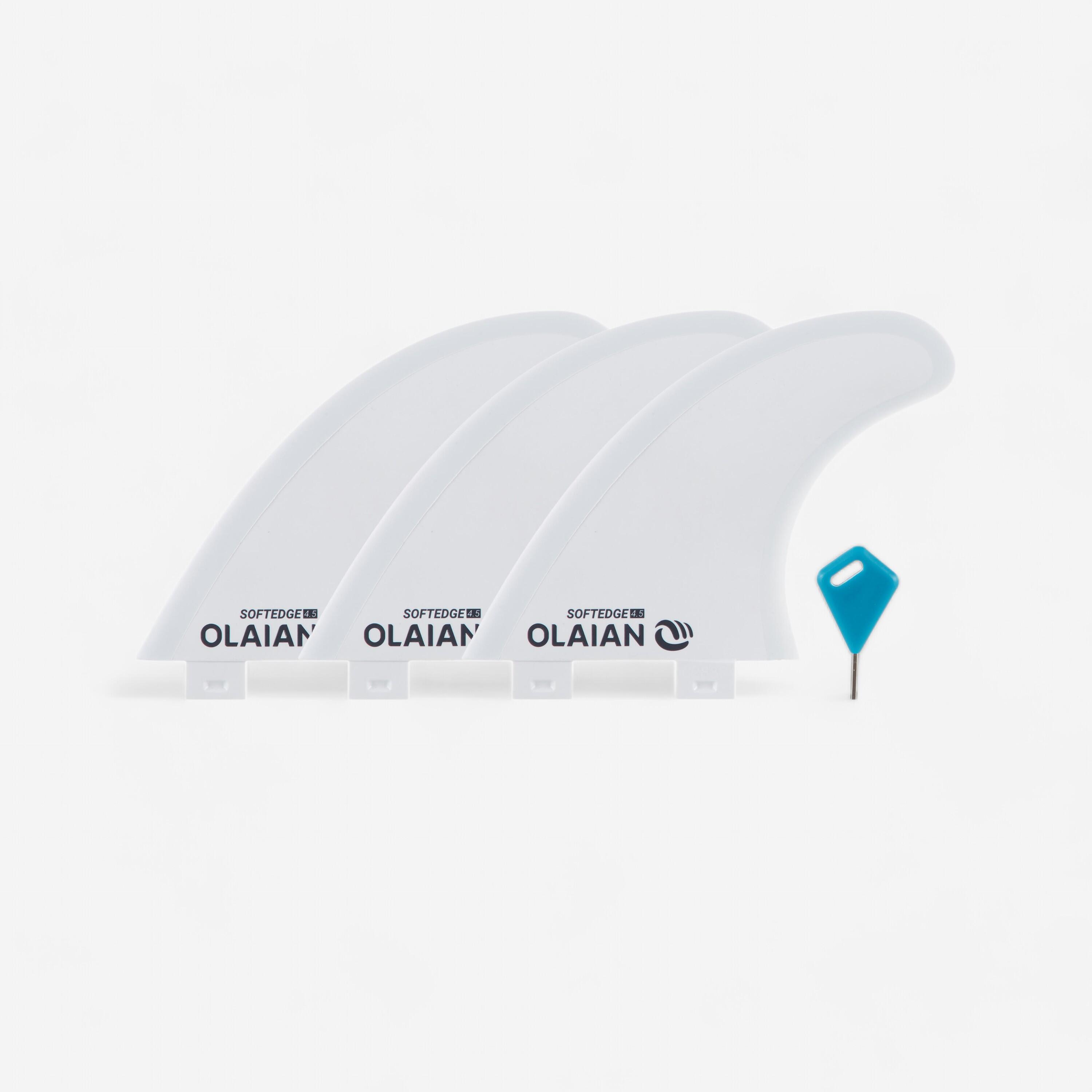
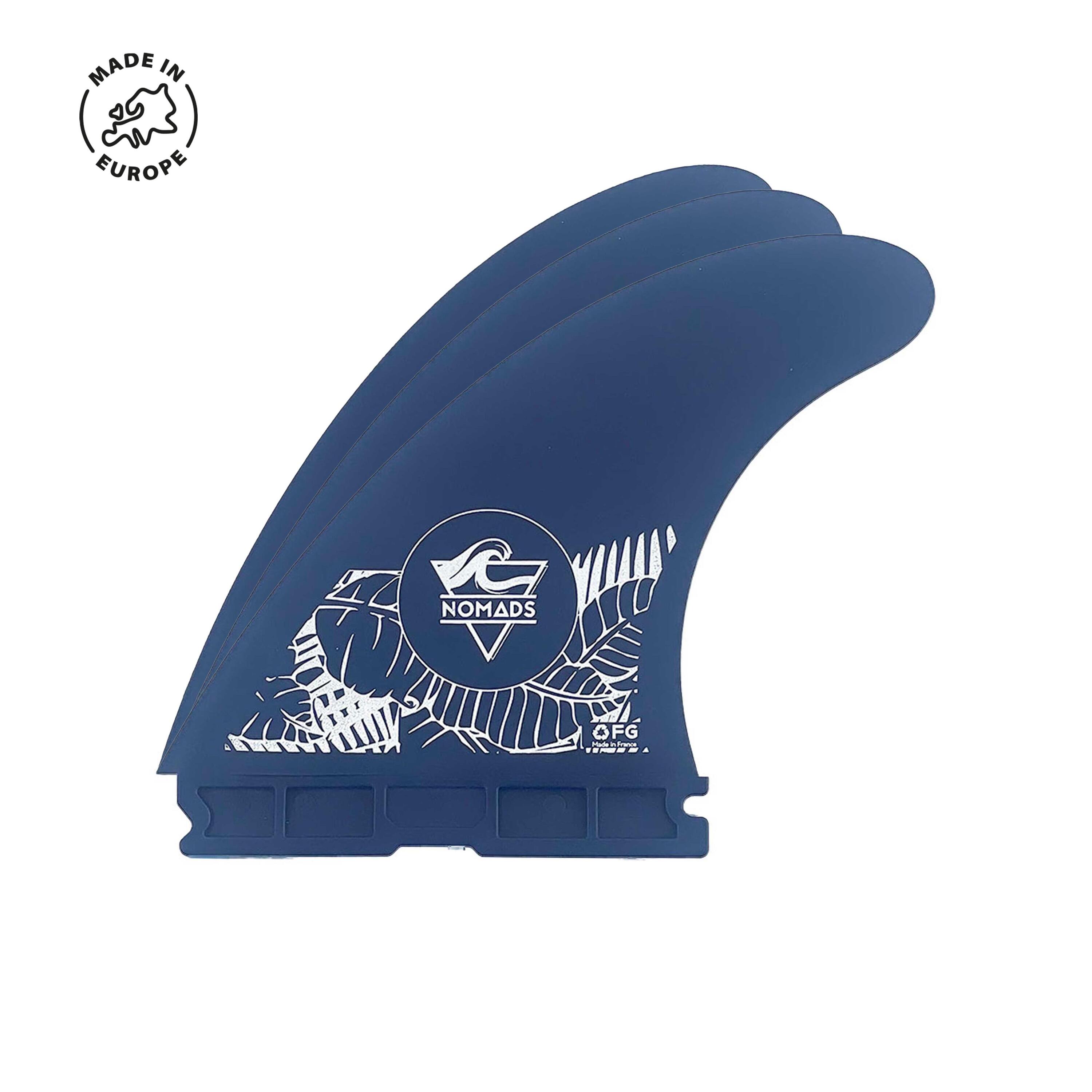
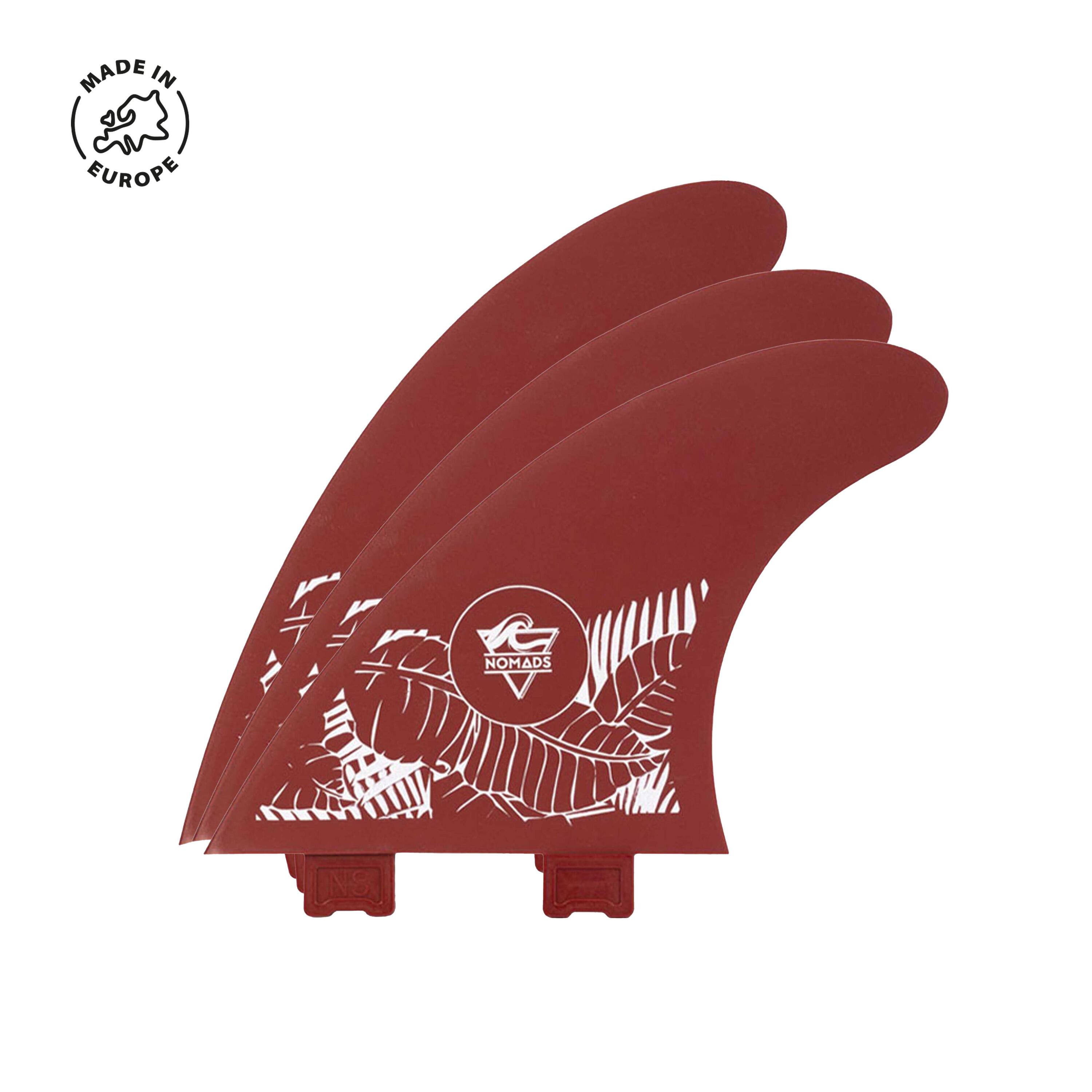
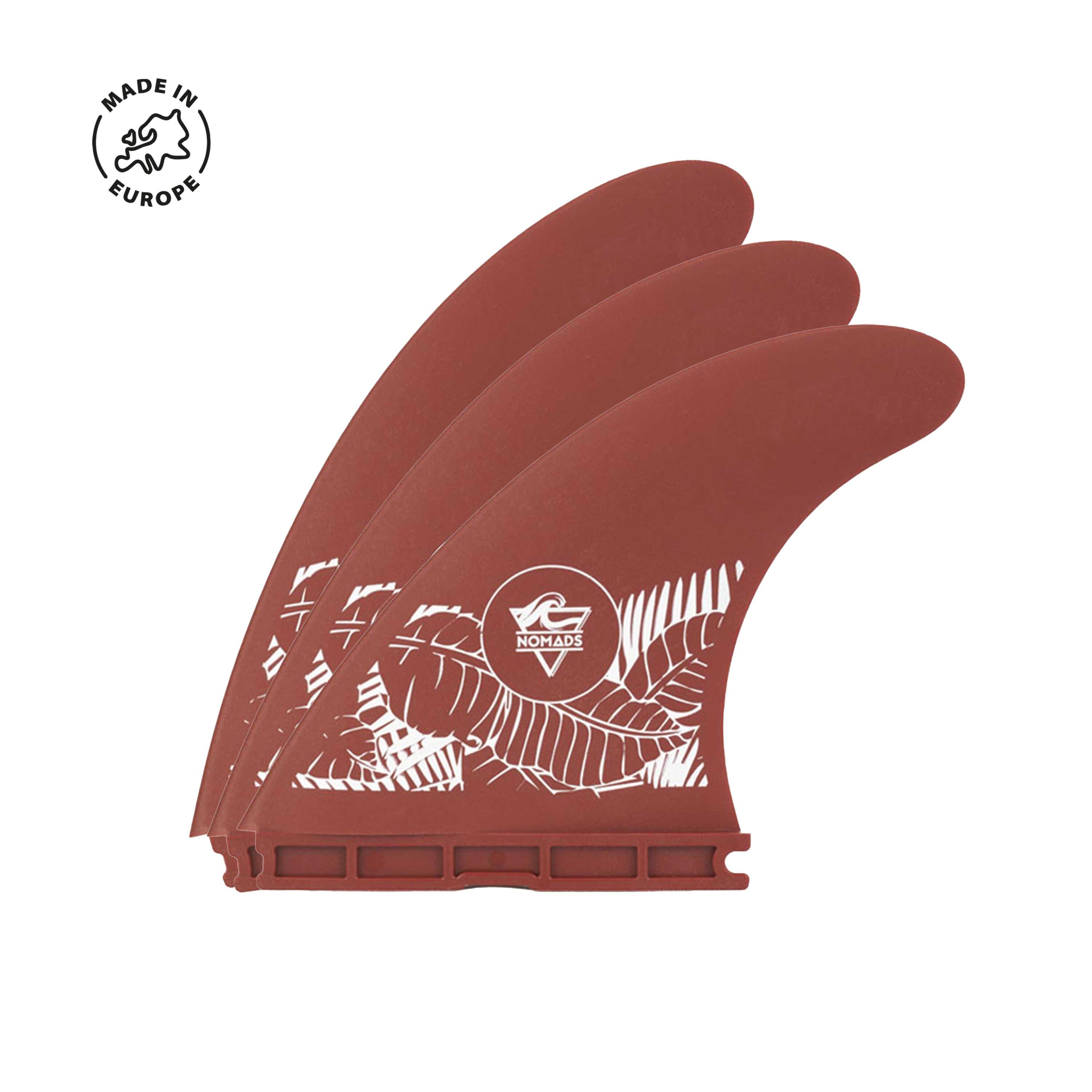
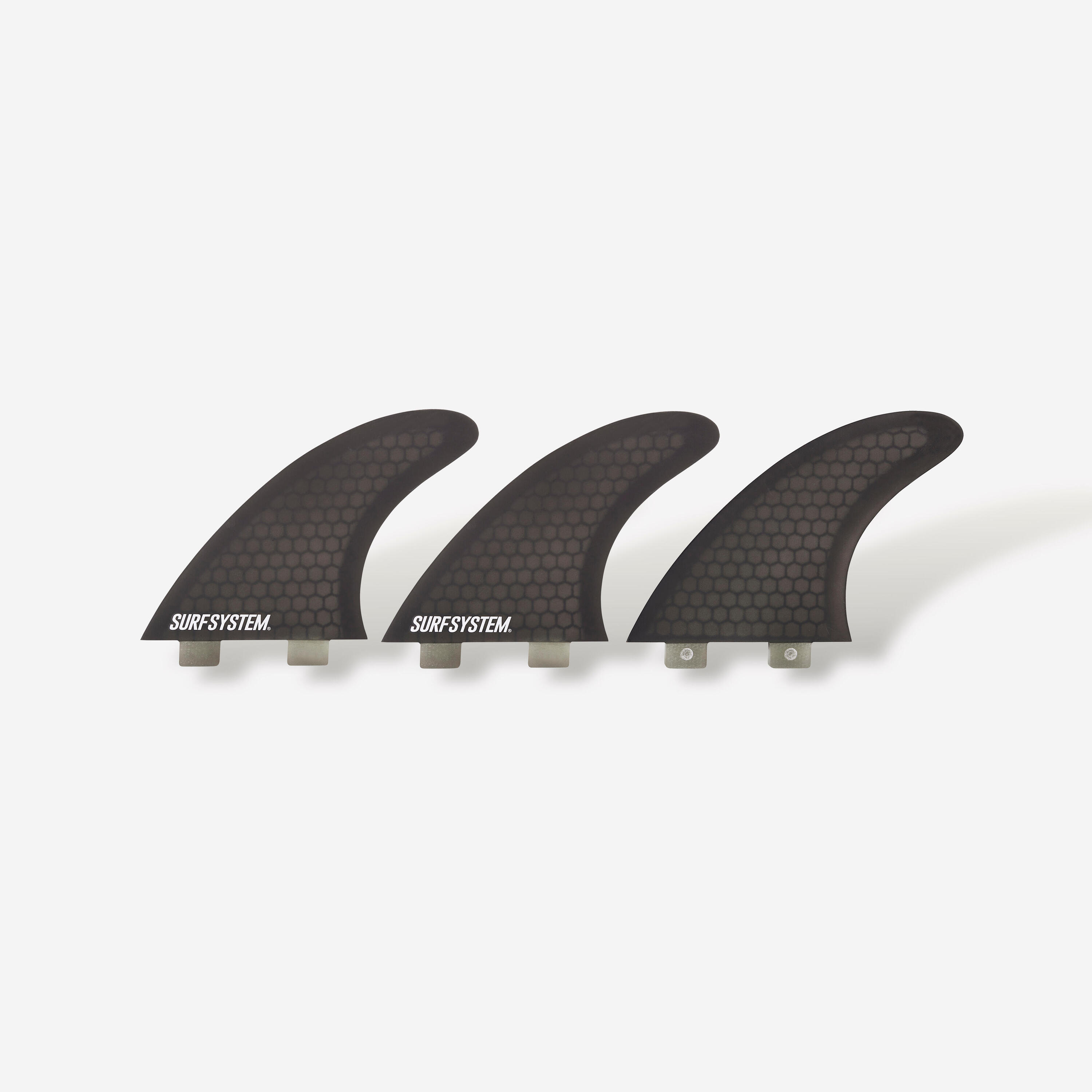
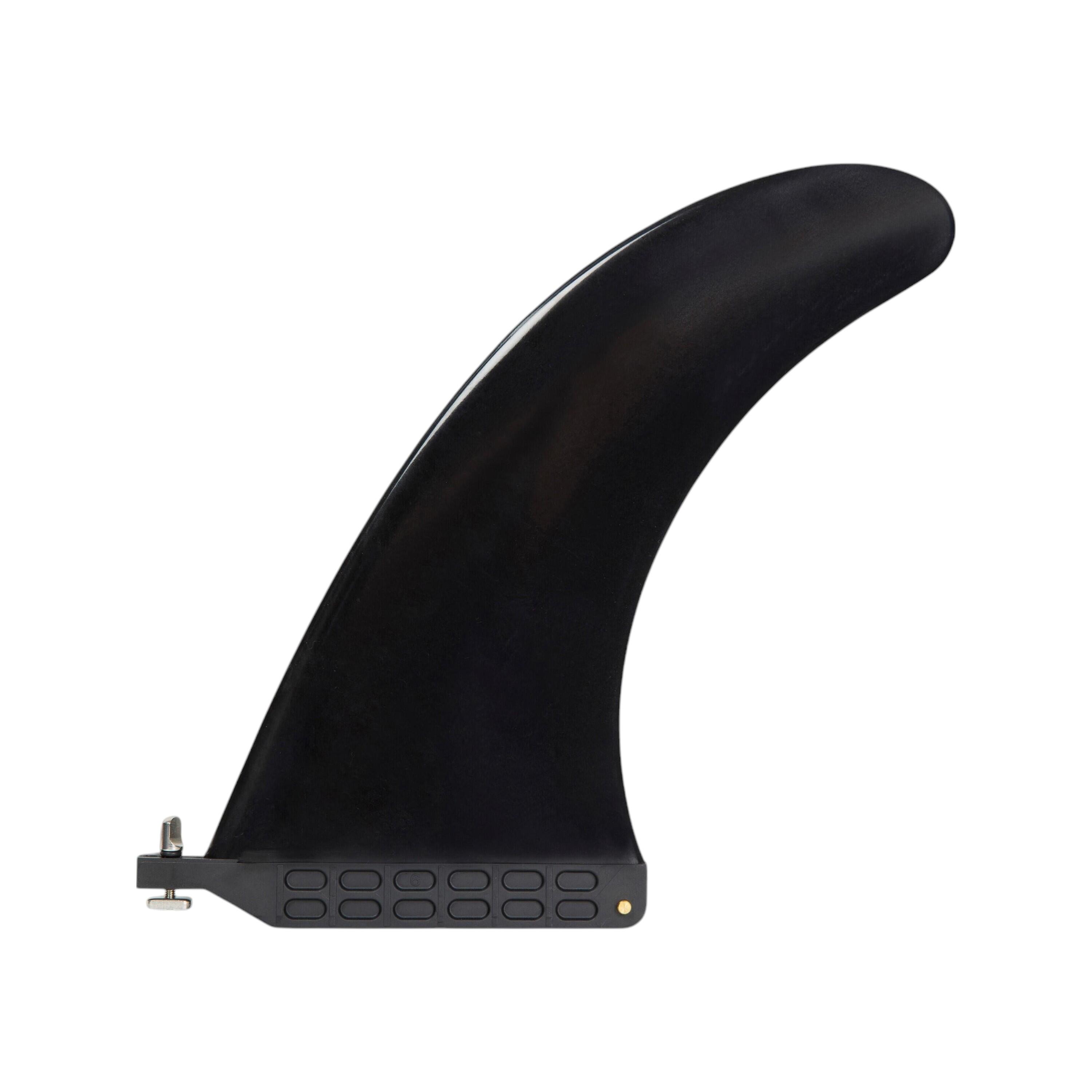
Fin setup is one of the most practical variables a surfer can adjust without changing boards, and the difference between a thruster, twin, and quad configuration is significant enough to make the same board feel like a different shape in different conditions. A thruster, using three fins of similar size, provides a balanced combination of drive and pivot that suits a wide range of wave types and is the most widely used setup for both learners and experienced surfers. The centre fin in a thruster acts as a brake that slows the tail's release through turns, which adds control but reduces the loose, skatey feel that twin and quad setups produce. A twin fin removes the centre fin entirely, allowing the tail to release freely through turns and generating a flowing, drawn-out arc that suits weaker, smaller waves well but can feel unstable in powerful surf where the tail breaks loose unexpectedly. A quad setup uses four fins without a centre fin, combining the drive of a thruster with some of the looseness of a twin by placing two fins on each rail. Choosing the right surfboard fins for the conditions, rather than defaulting to the stock setup, can meaningfully improve performance without any other equipment change. Smart tip: fin size also matters; larger fins add drive and hold in powerful surf while smaller fins increase sensitivity and release in weaker conditions.

What protection do surfboard storage bags provide during transport and between sessions?

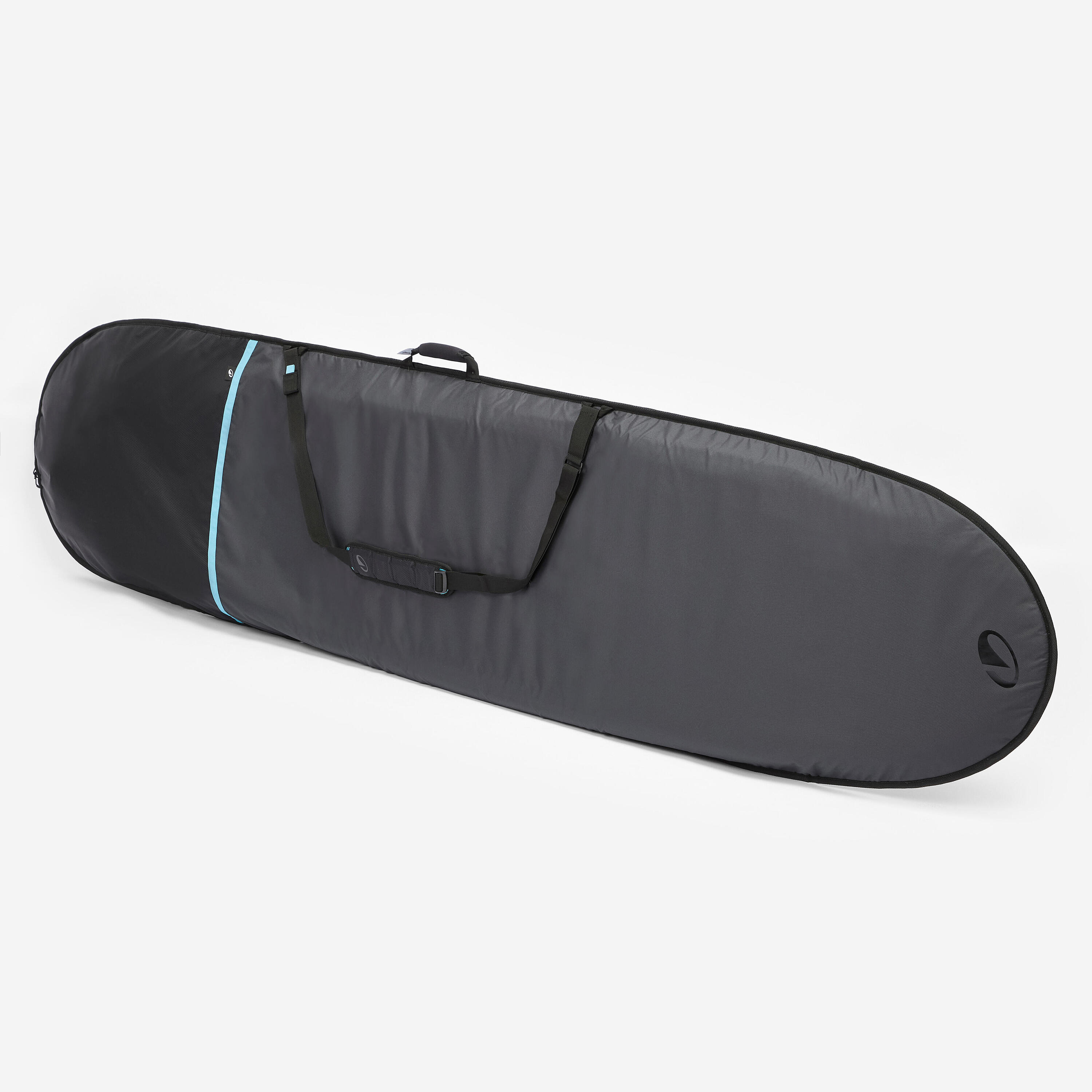
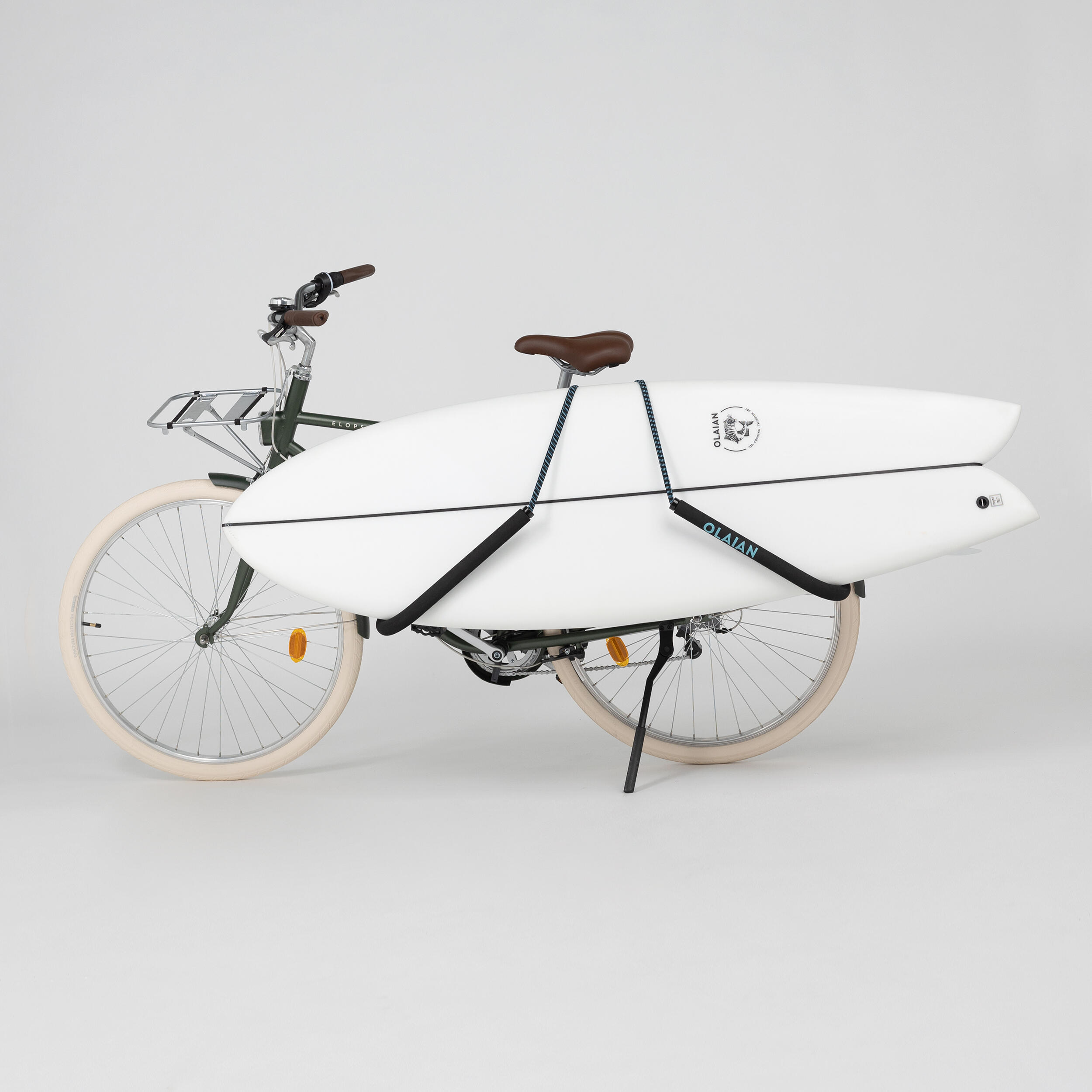
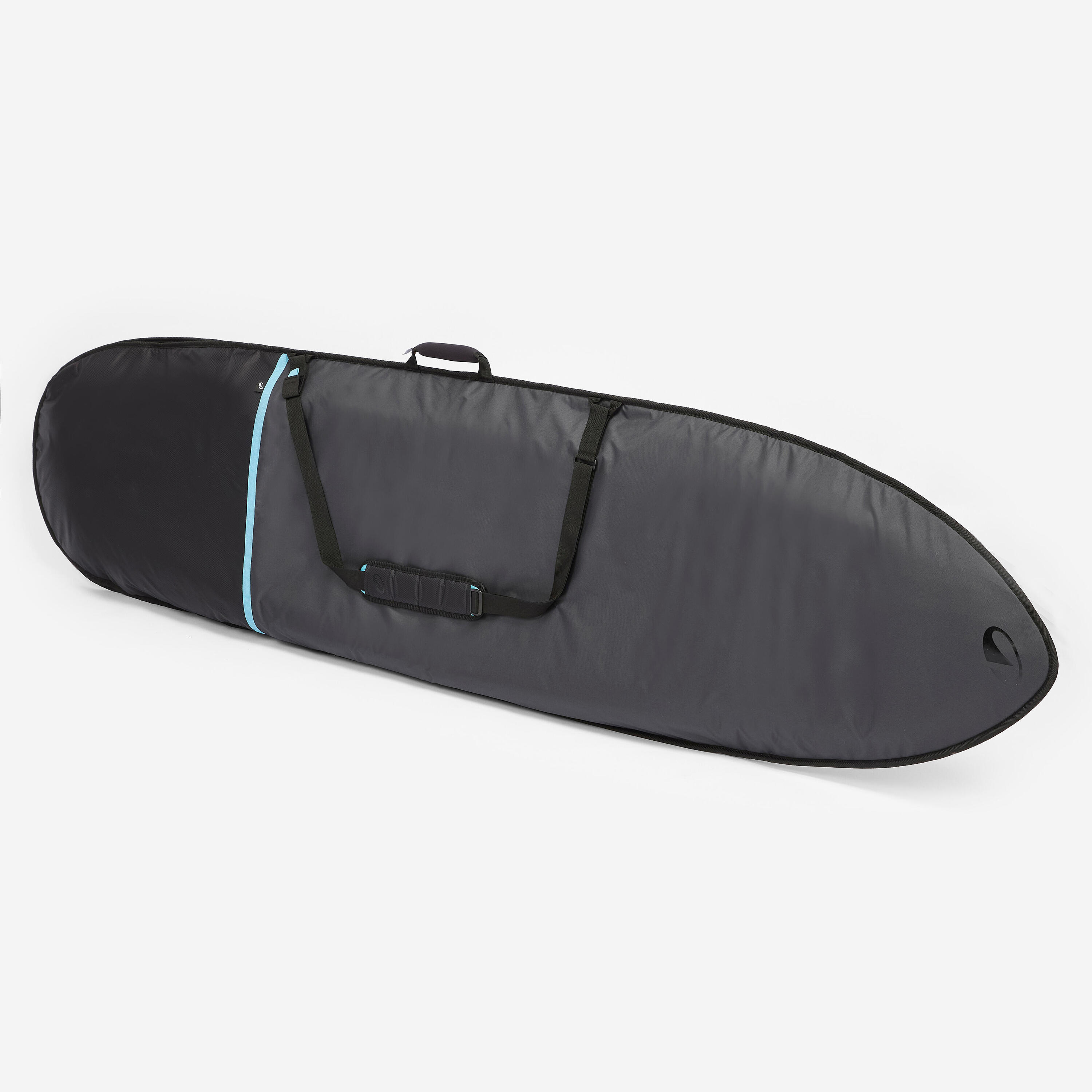
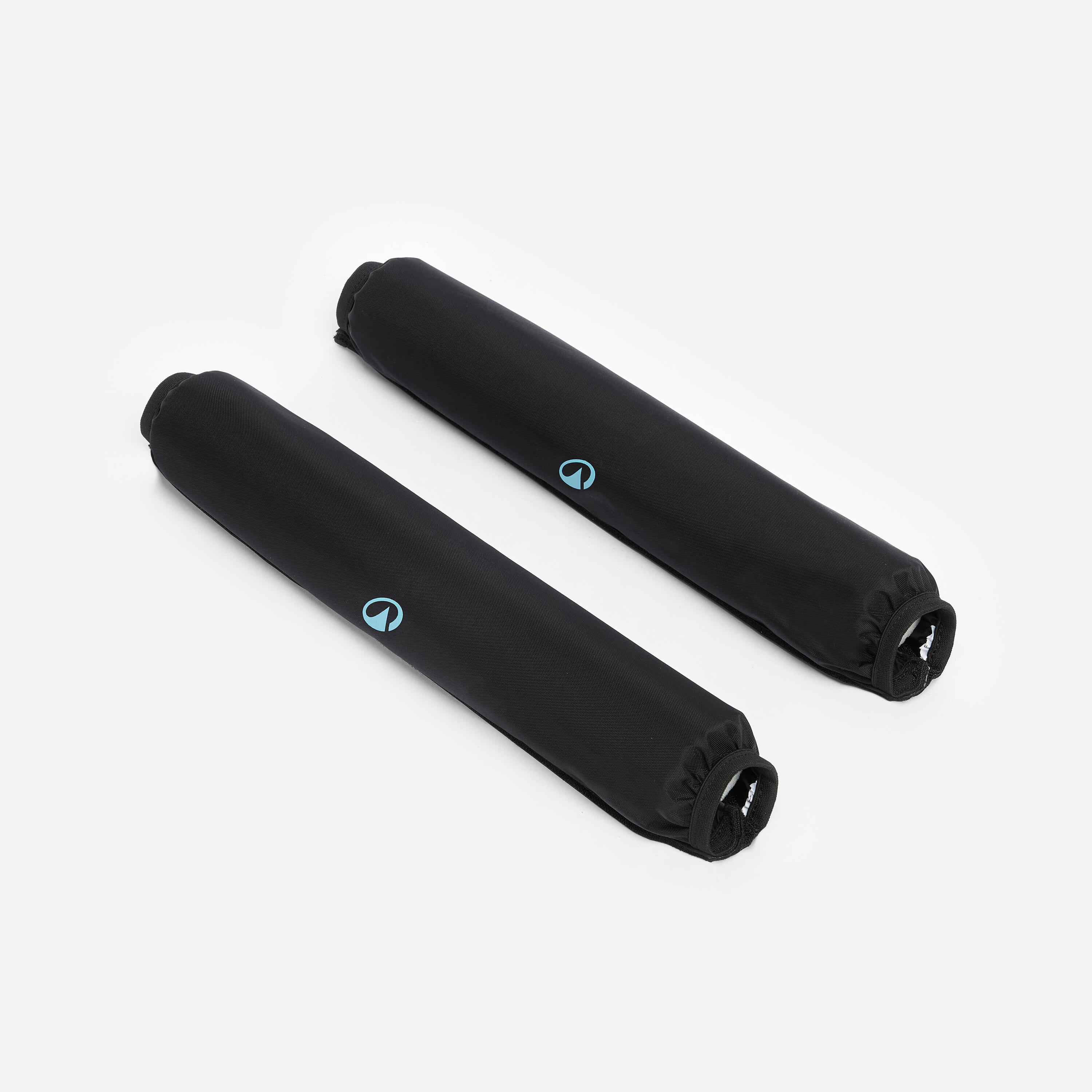
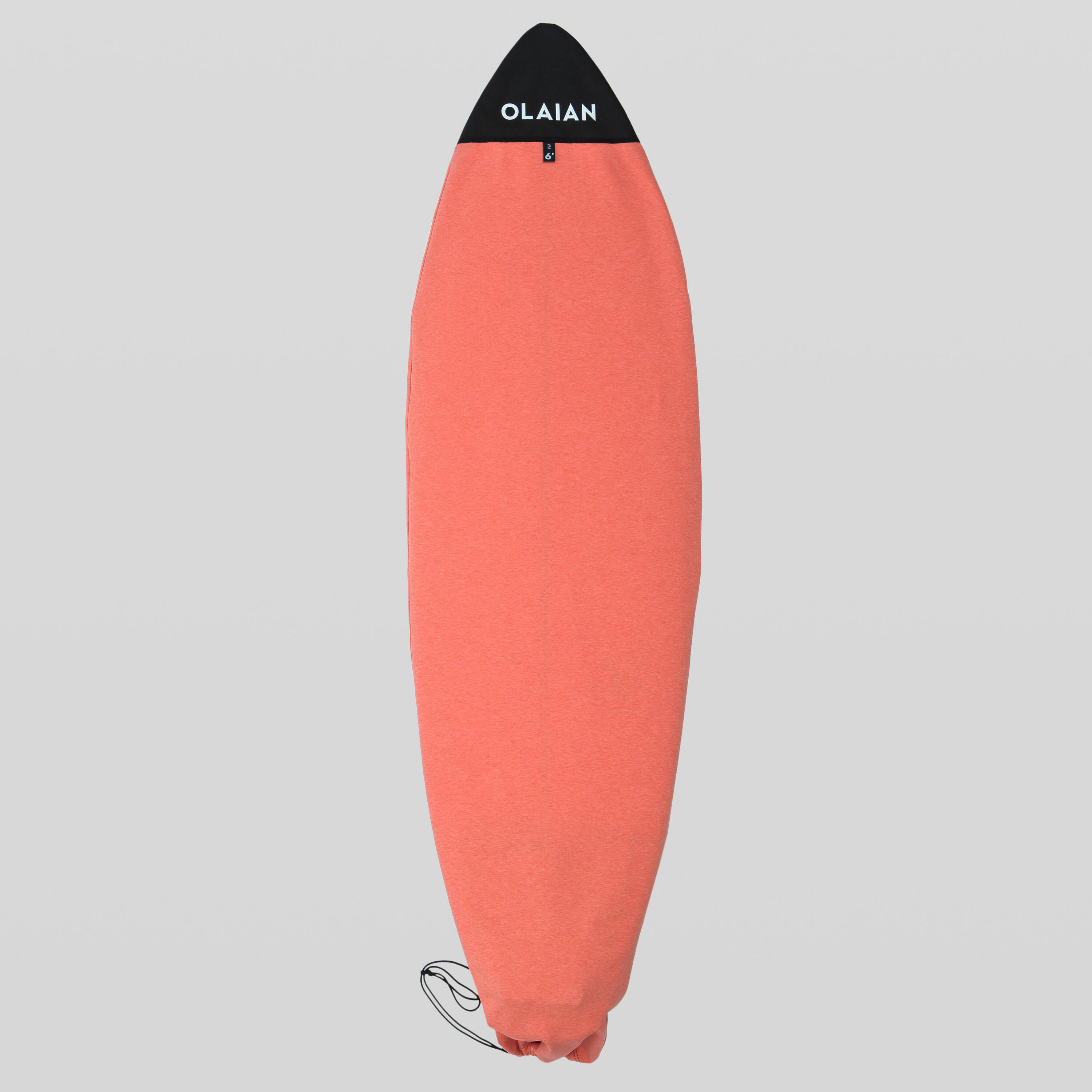
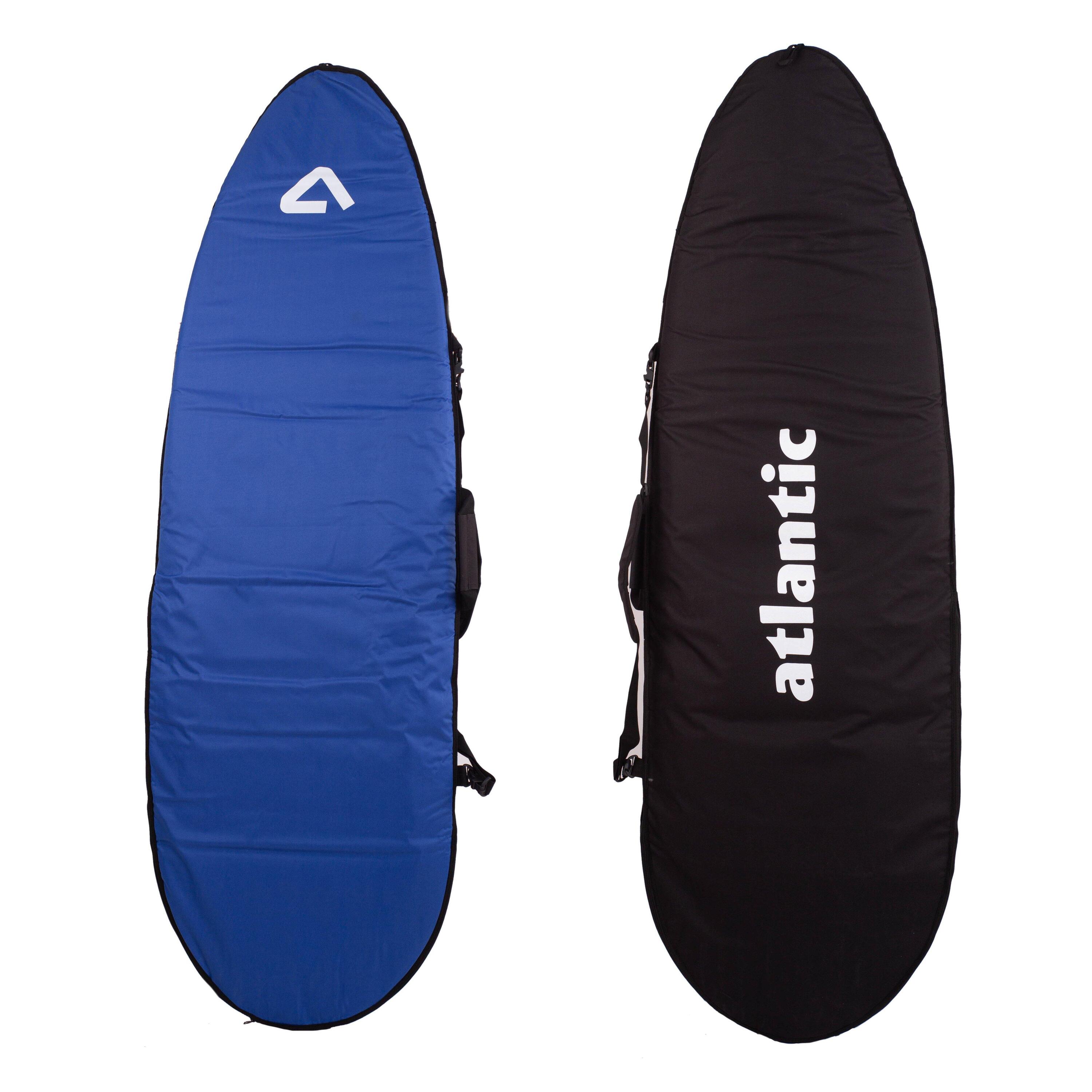
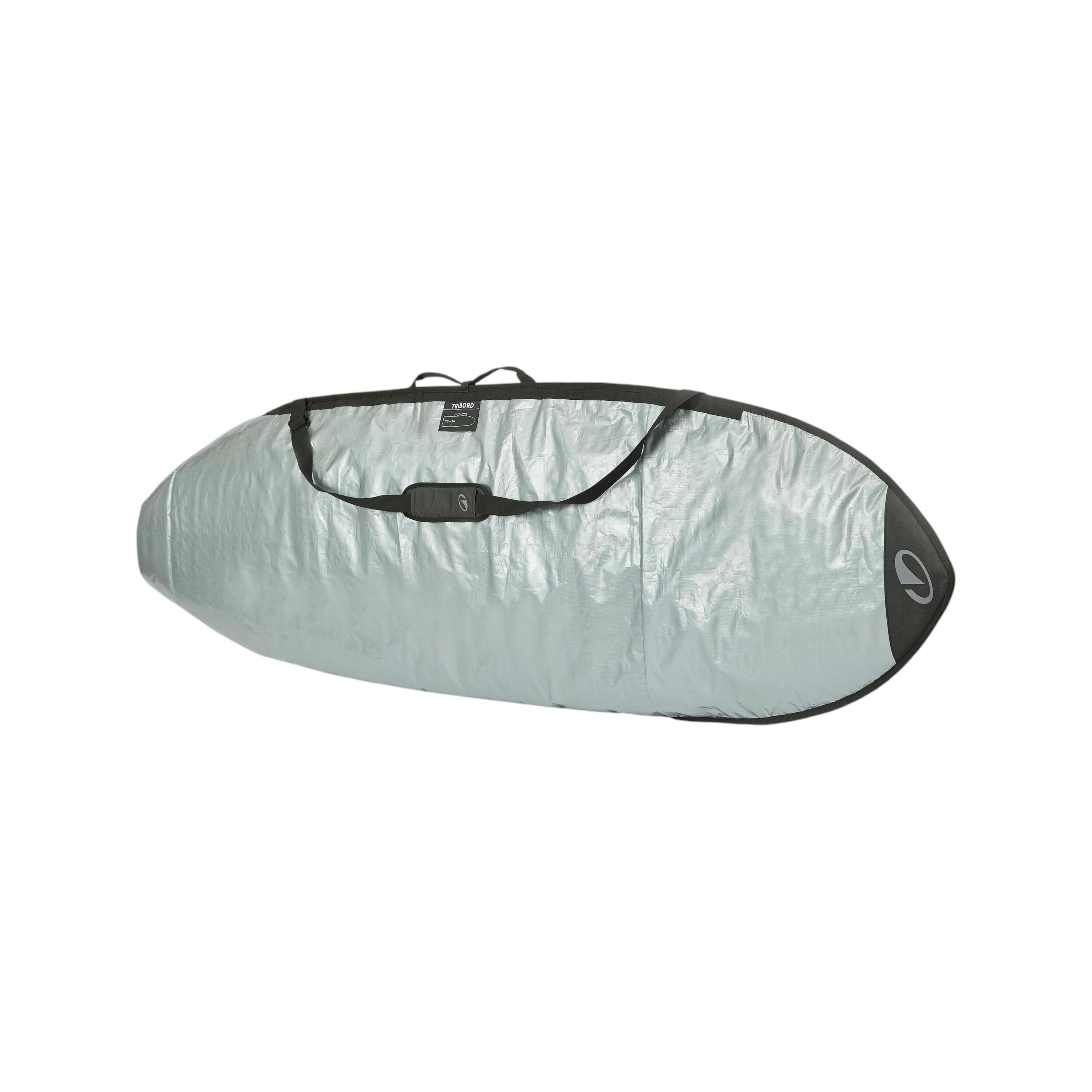
A board bag serves two distinct functions: protecting the board from physical impact during transit and insulating it from heat during storage or transport in a car boot. Fibreglass and epoxy skins chip and crack under contact with hard surfaces, and a single unprotected trip in a car with other equipment can cause cosmetic and structural damage that would have been entirely preventable. A day bag or board sock provides a lightweight layer of scratch protection for short journeys, while a padded travel bag with foam insert panels rated to a specific thickness absorbs the shock from baggage handling during air travel. The foam insulation in a padded bag also limits the temperature build-up that causes delamination when a board is left in a hot vehicle, which is a common cause of bubbling in epoxy constructions. Matching your board length to the right surfboard storage bag helps prevent internal movement, which is where much transport damage occurs.

When is a surf helmet worth using and what construction should it have?

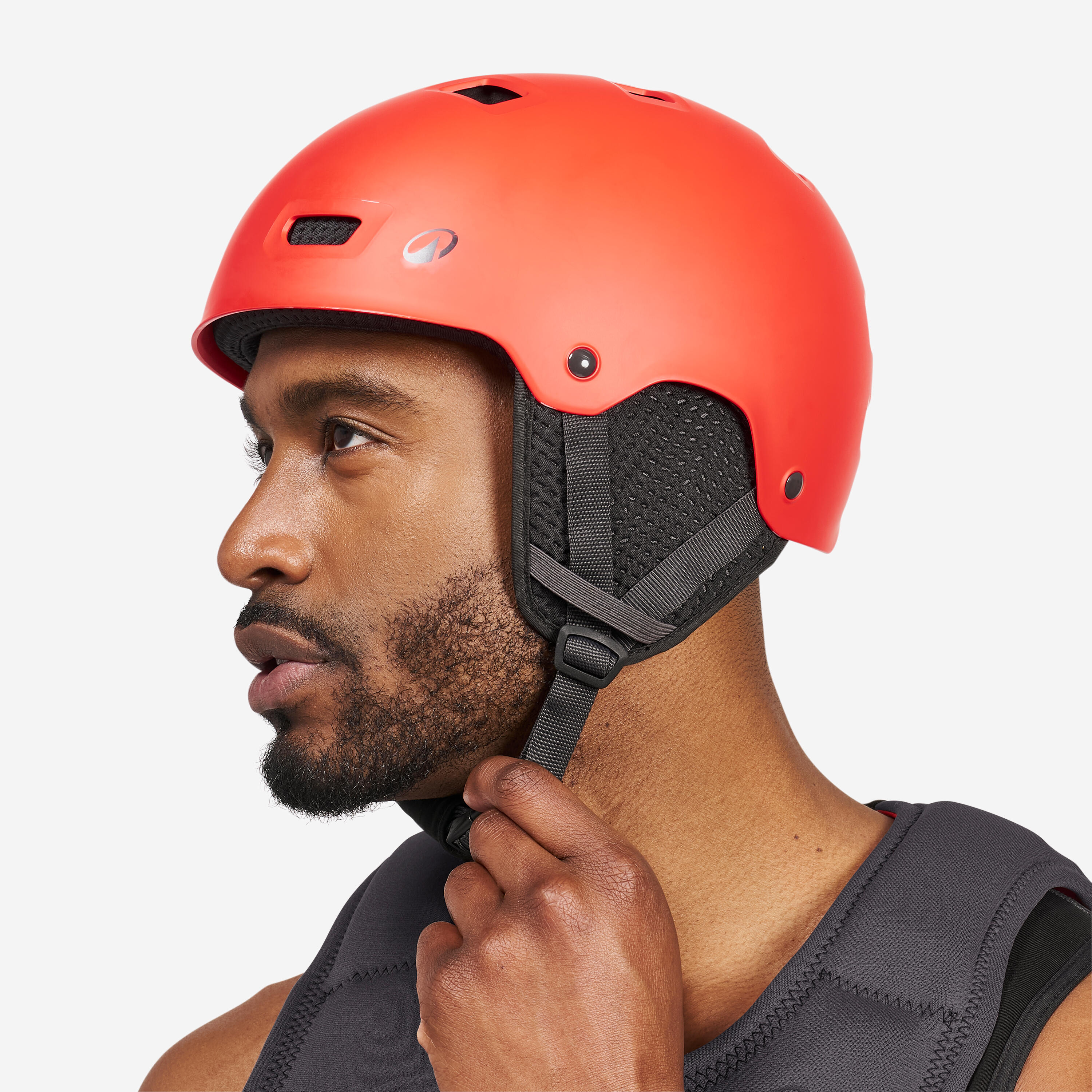
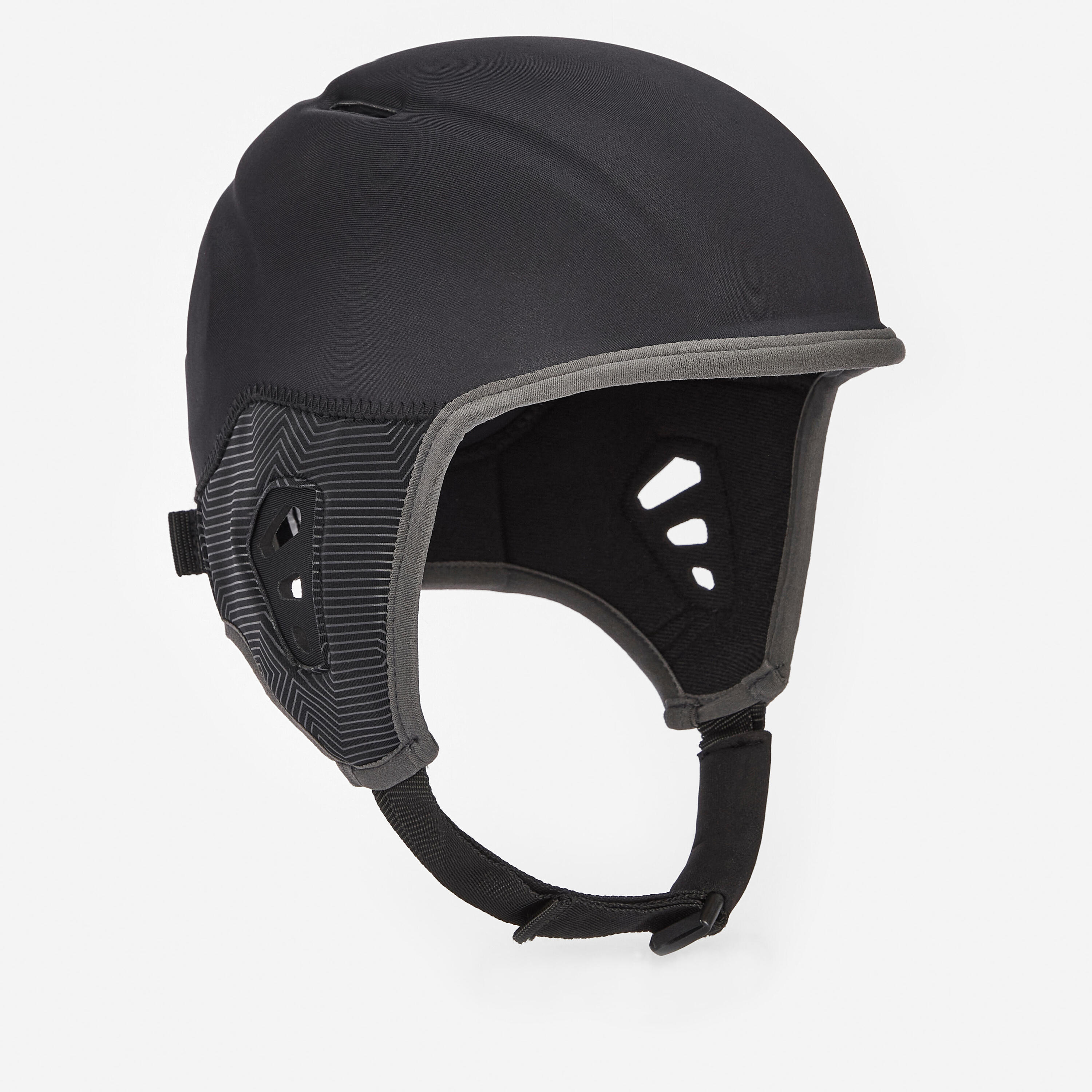
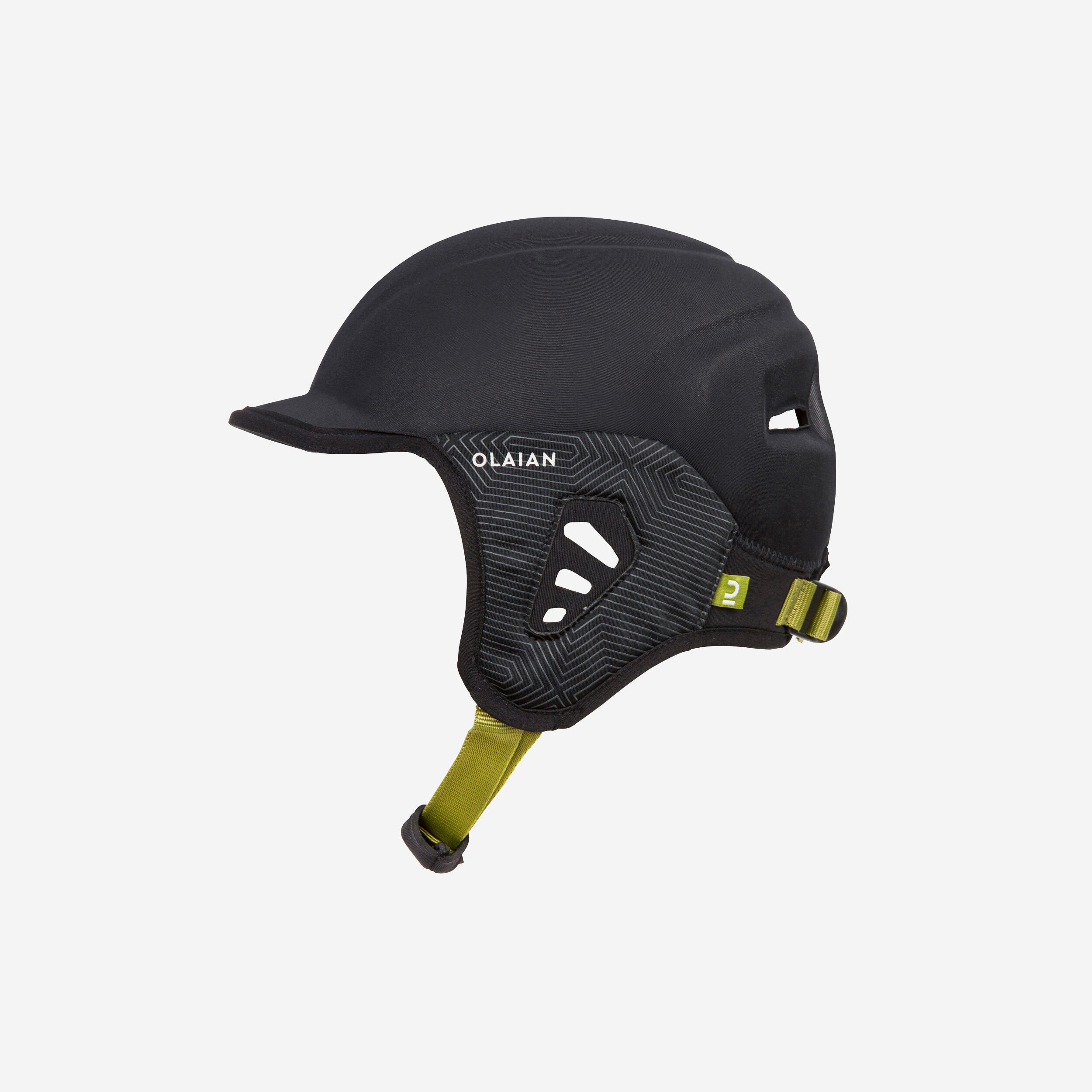
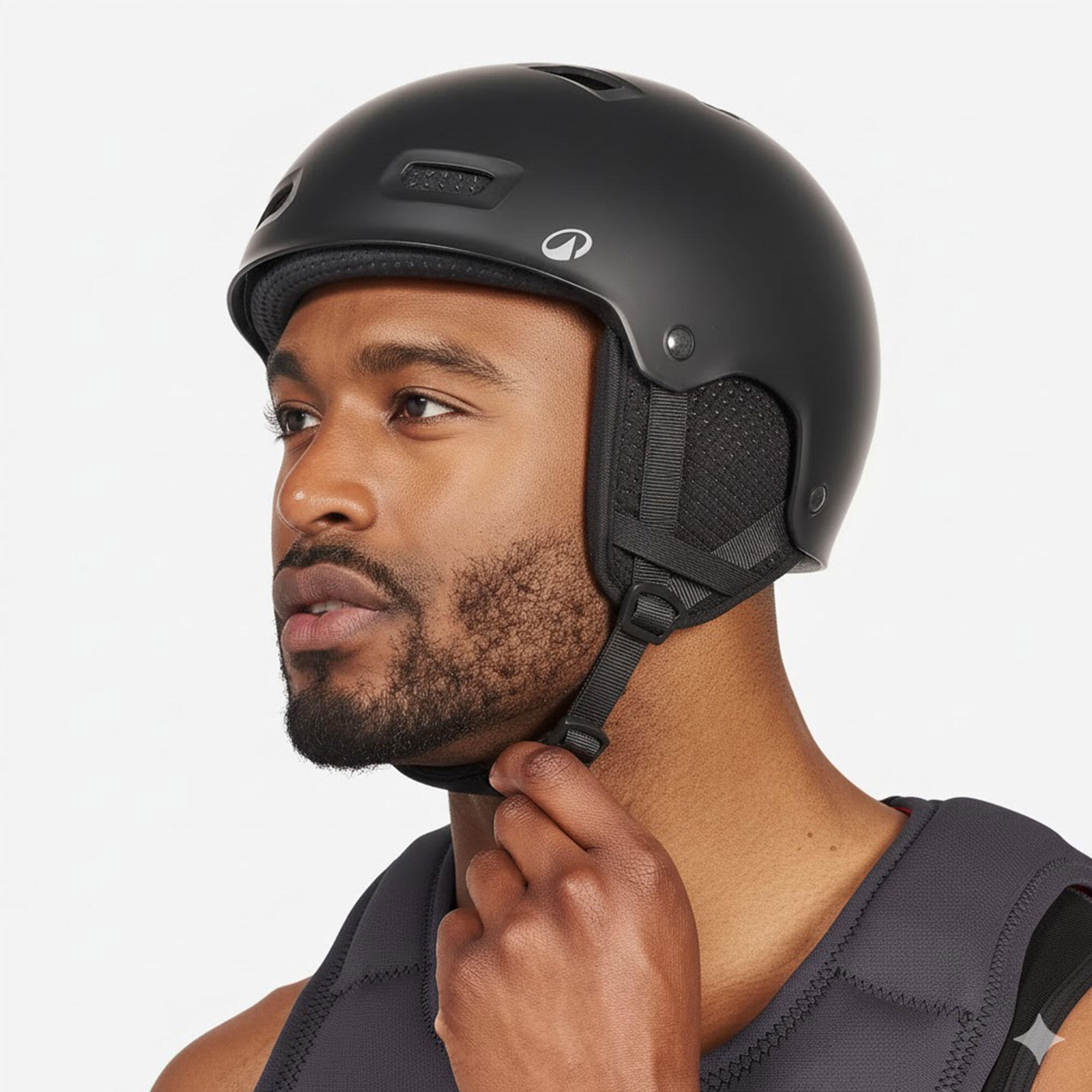
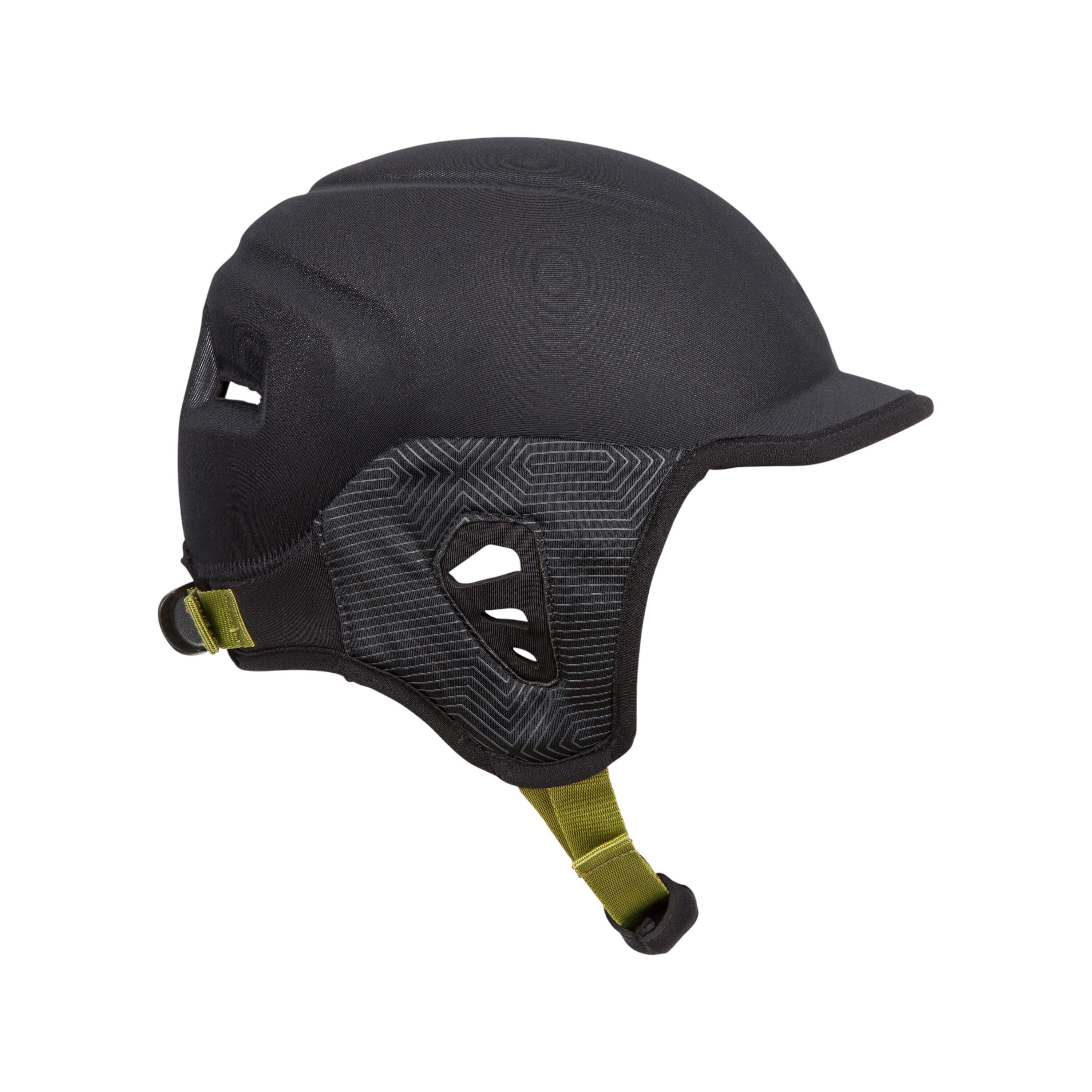
A surf helmet becomes relevant in conditions where the consequence of a head impact with the board, the reef, or another surfer is significant: hollow beach breaks, reef breaks, crowded lineups, and bodyboarding in shallow shore breaks. The most common head injury in surfing is from contact with the surfer's own board after a wipeout, particularly on waves large enough to drive the board down with force. A well-fitted surf helmet uses an impact-absorbing foam liner inside a hard outer shell, similar in principle to a cycling helmet, with drainage ports that allow water to pass through rather than trapping it and adding weight during a hold-down. Practical advice: a helmet should sit level on the head with the front edge two finger widths above the eyebrows; a helmet that tilts back exposes the forehead, which is where contact injuries most commonly occur.

What role do surfboard pads play, and where should they be positioned on the board?

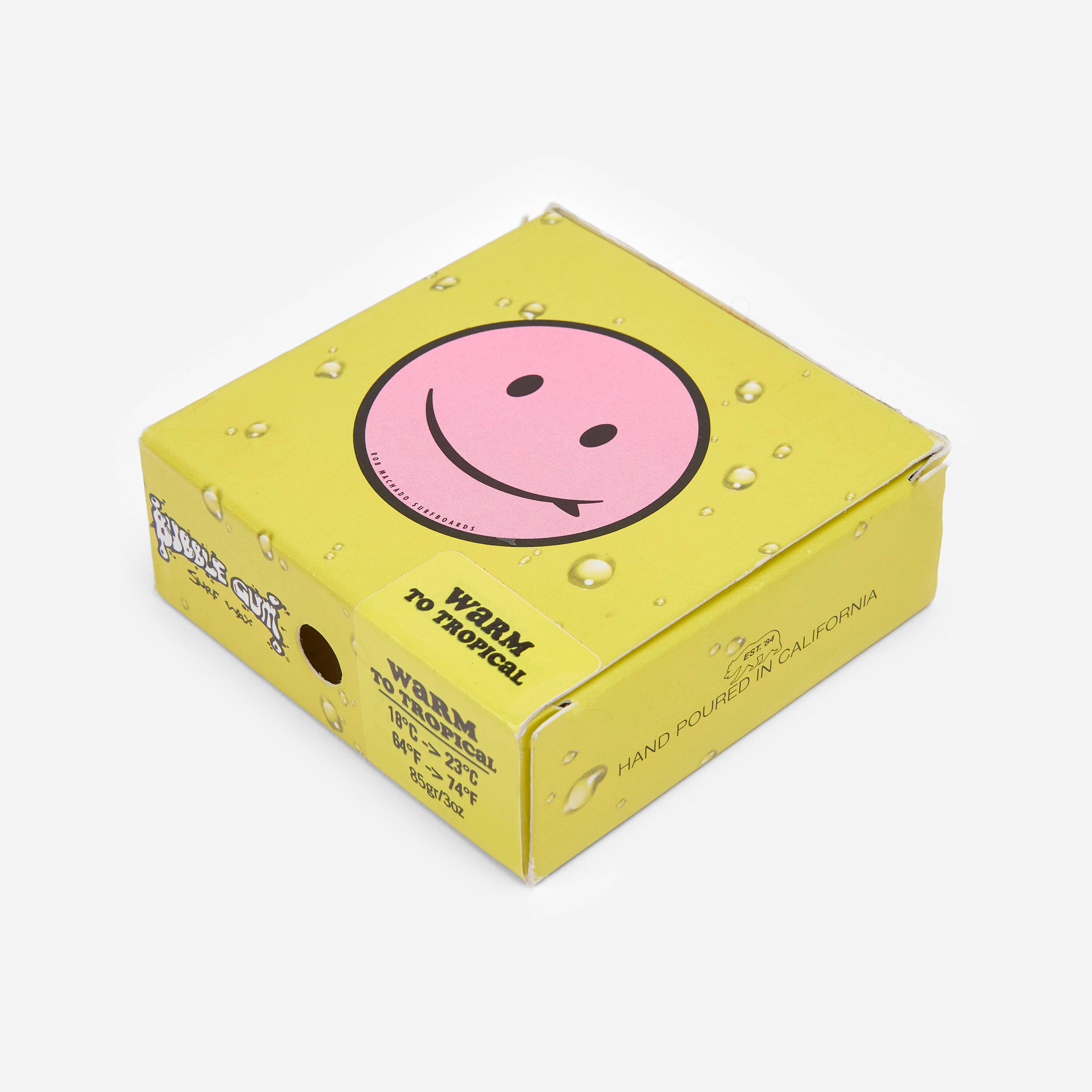
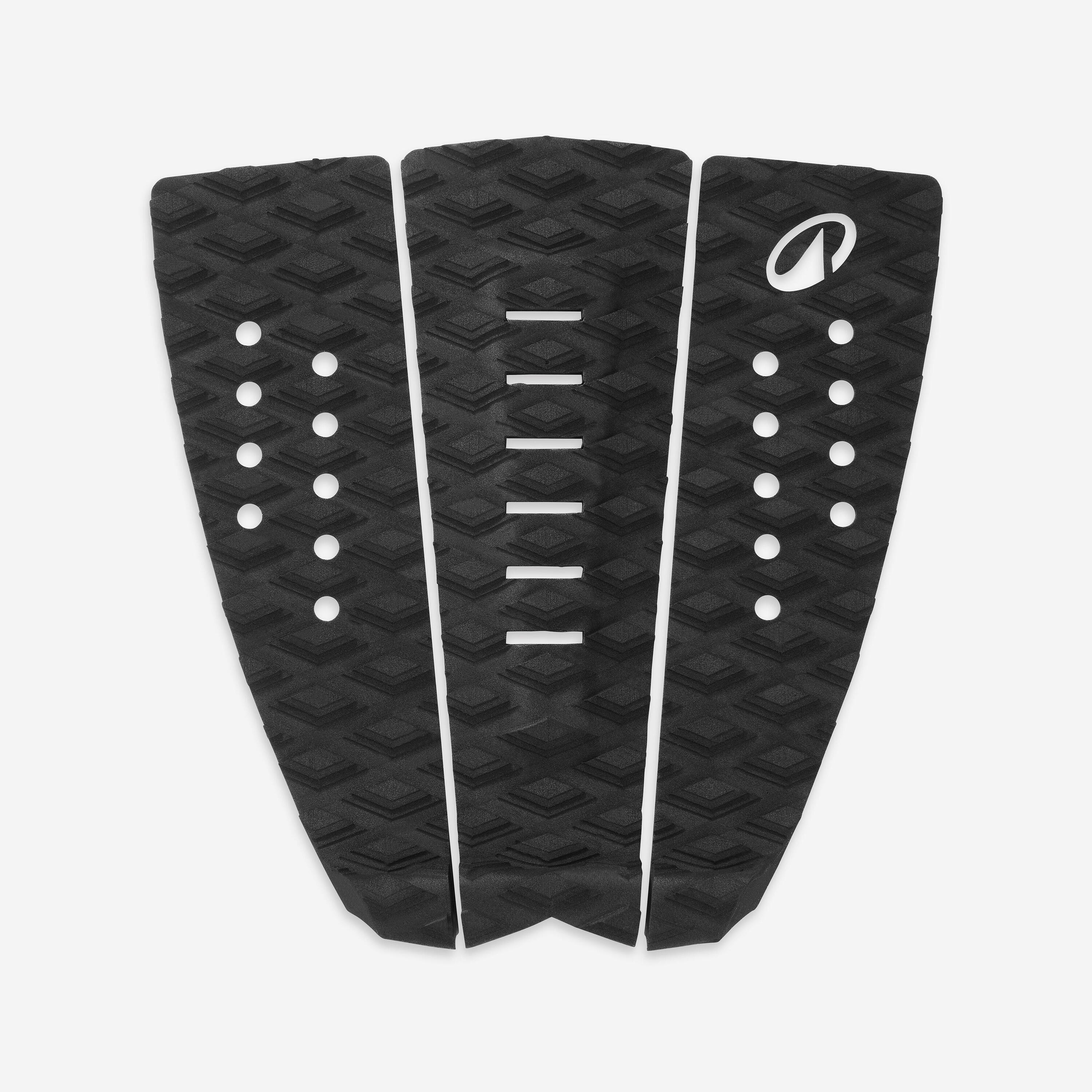
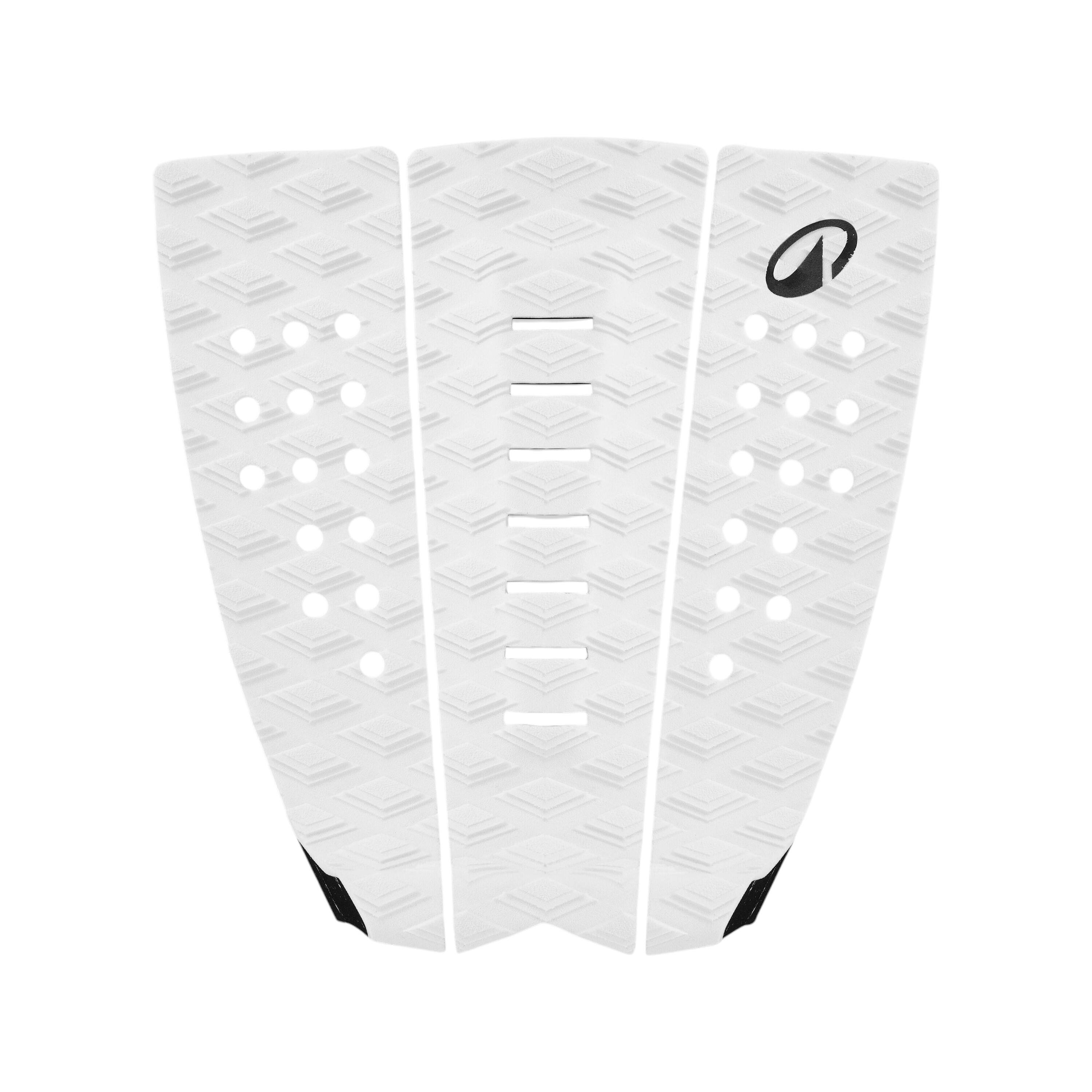
A traction pad, also called a deck pad, replaces wax on the tail section of a hard surfboard and provides a textured grip surface for the rear foot that does not wash off, melt in heat, or require reapplication between sessions. The pad's position relative to the fins is the key fitting decision; the rear edge of the pad should align with the front edge of the fin boxes, placing the raised kick tail at the surfer's heel when the back foot is in its natural surfing position. A correctly positioned surfboard pad reduces foot slippage during critical turns and bottom turns in powerful surf, where a sudden shift in foot position can cause a wipeout. Most pads use a multi-piece construction that allows the surfer to adjust the width and curvature to match the tail width of their specific board.

How do leash length and thickness affect safety and performance in surfing?

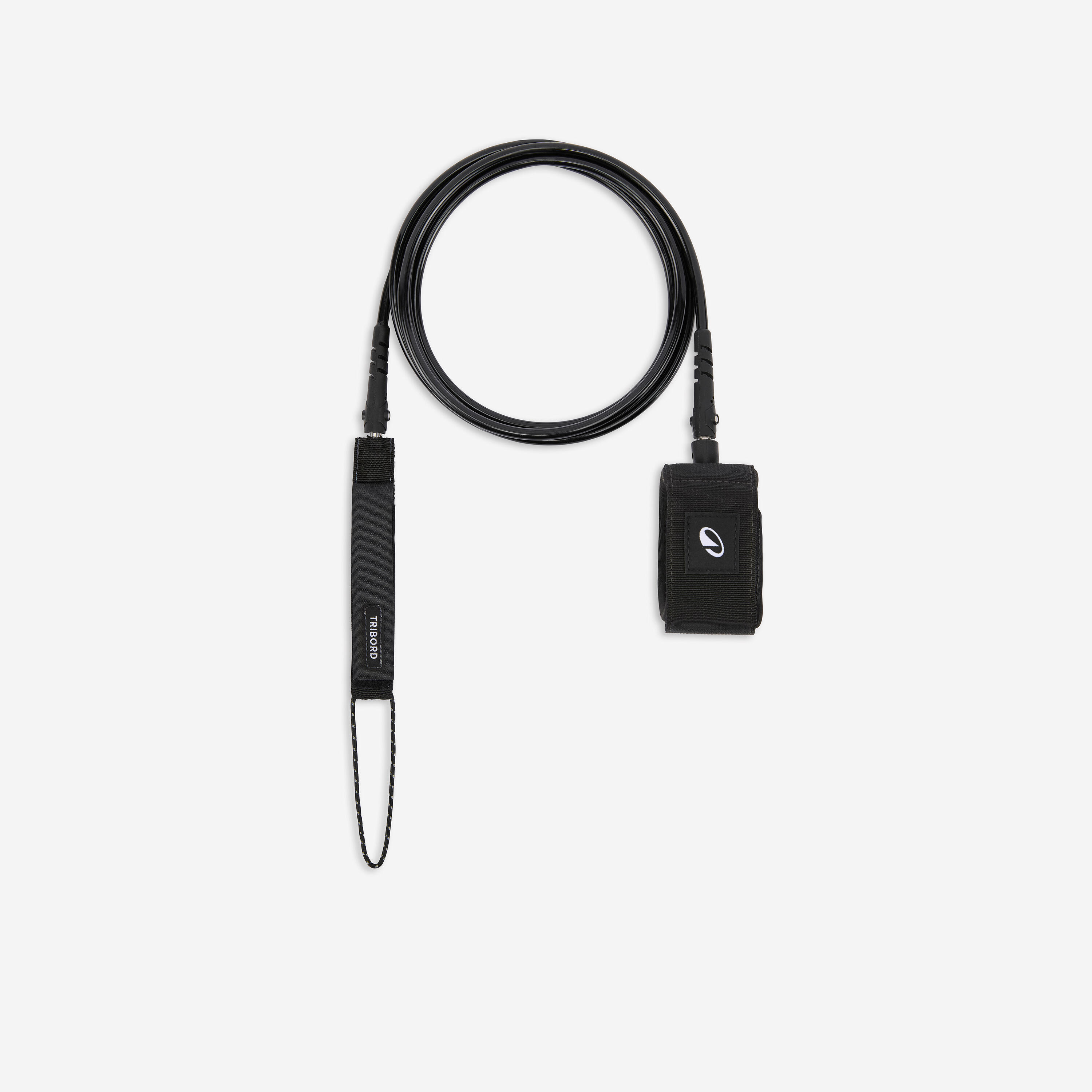
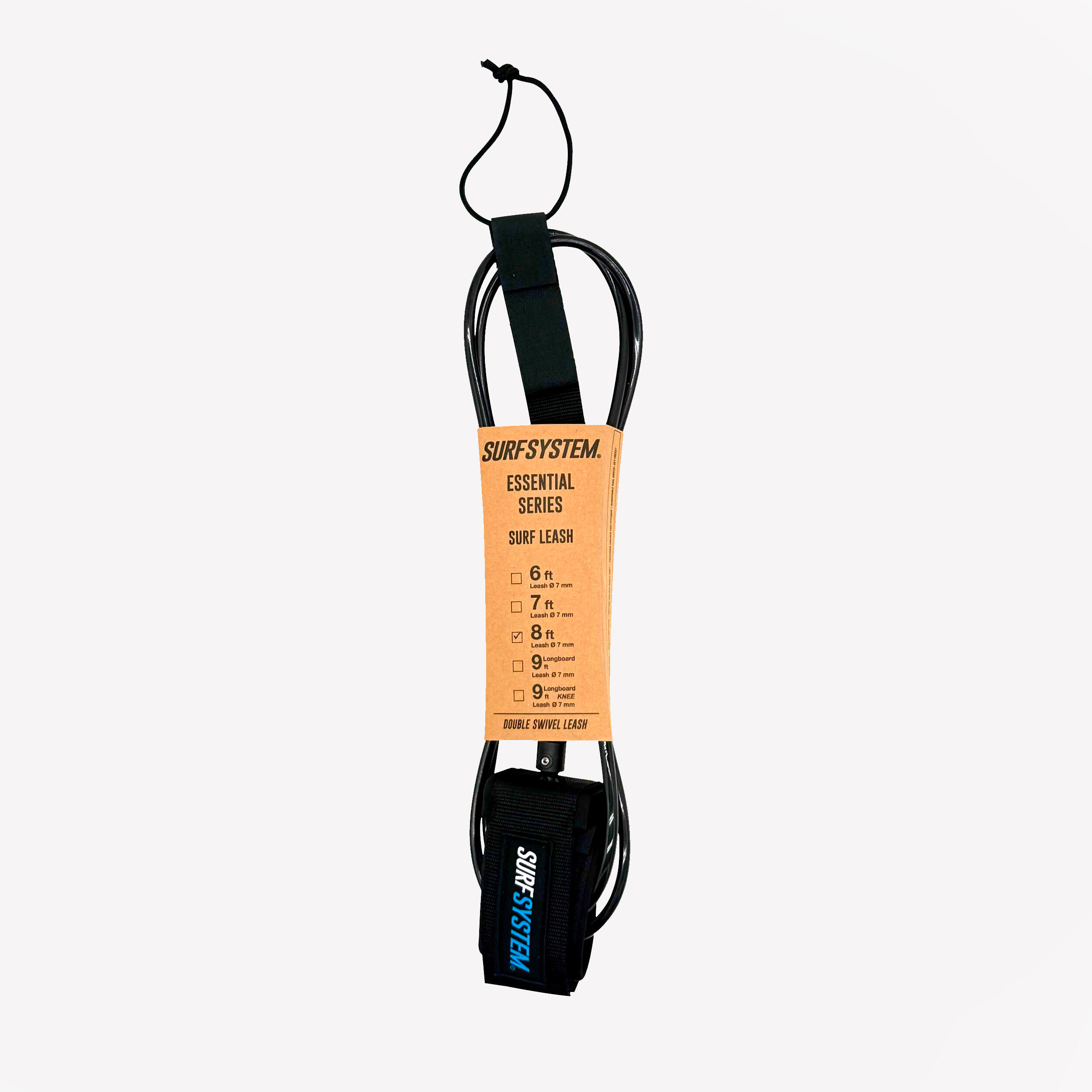
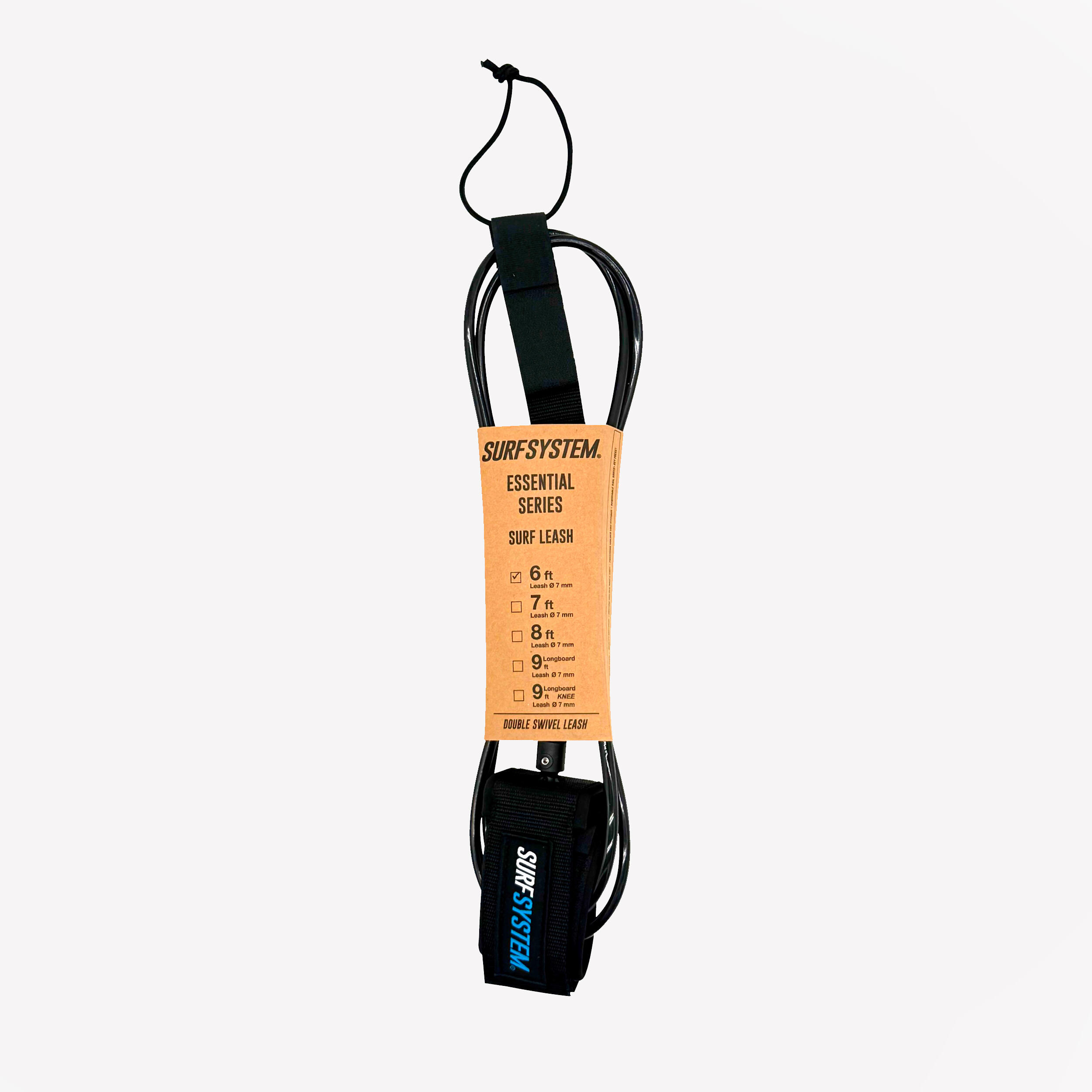
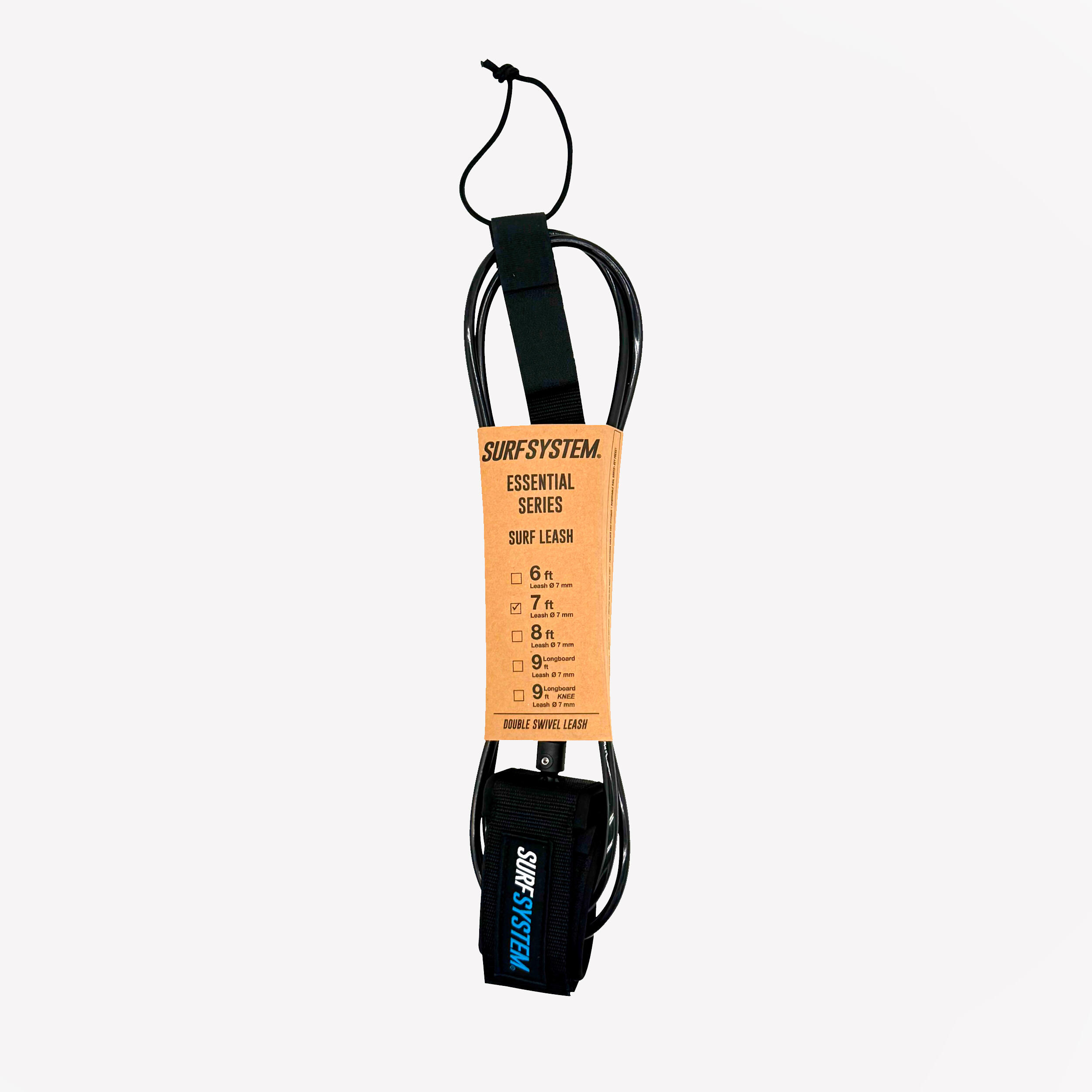
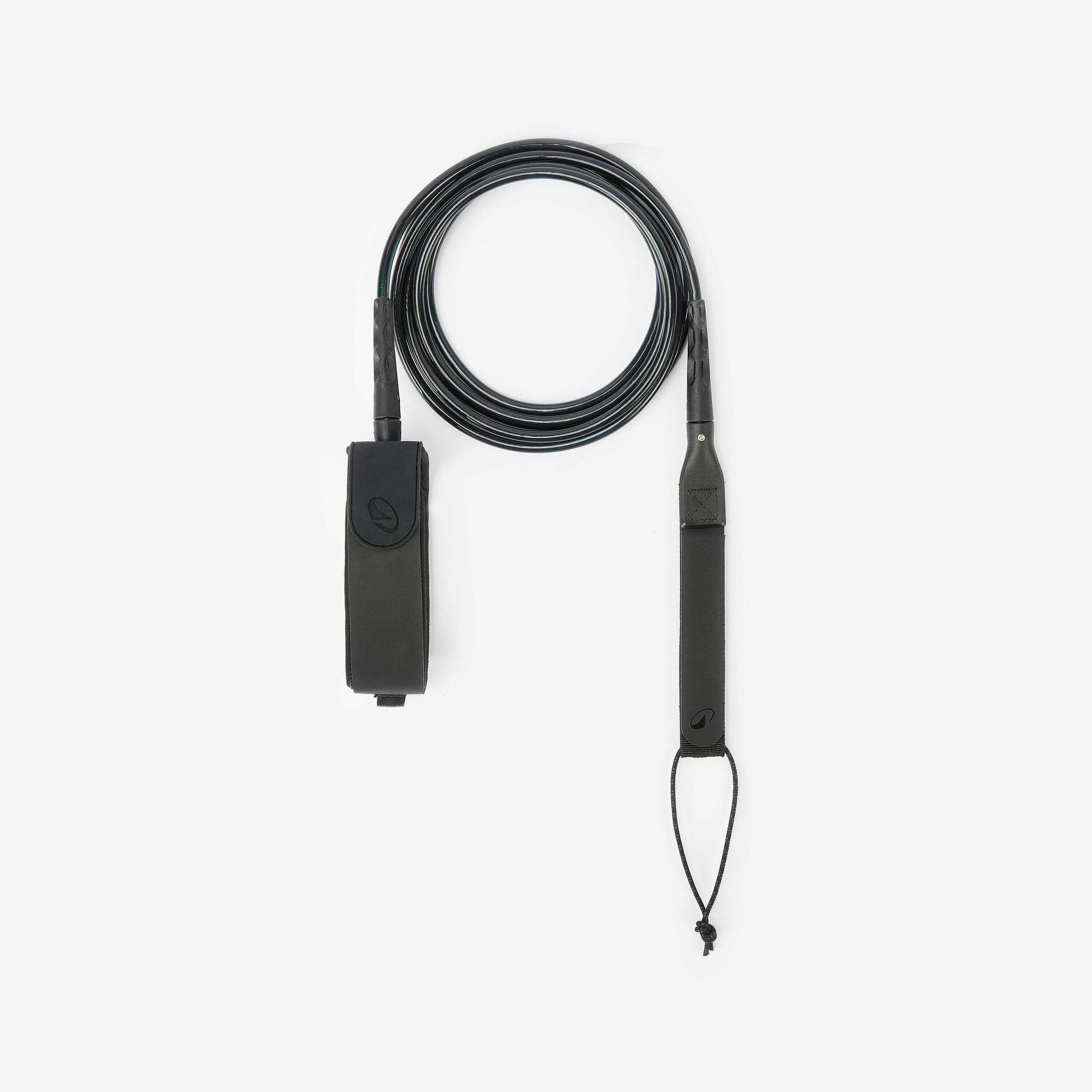
A surfboard leash connects the board to the surfer's ankle, preventing the board from travelling toward other water users after a wipeout and ensuring the board remains available as a flotation device in the event of a hold-down. Leash length should be matched to board length; a longer board requires a longer leash to prevent the board from snapping back close enough to cause injury, while a leash that is too long creates excess drag and allows the board to travel far enough to gain dangerous speed before reaching the end of its tether. Leash thickness determines strength and drag; a thicker leash withstands more force in powerful surf but creates more resistance in the water. Different wave sizes and board types call for different leash specifications, all available within the surfboard leashes range.