
5,800 items
4.5/5 based on 806103 reviews collected online and in stores

Weather and Seasonal Trail Running Gear FAQs

How should you adapt trail running gear to the season?

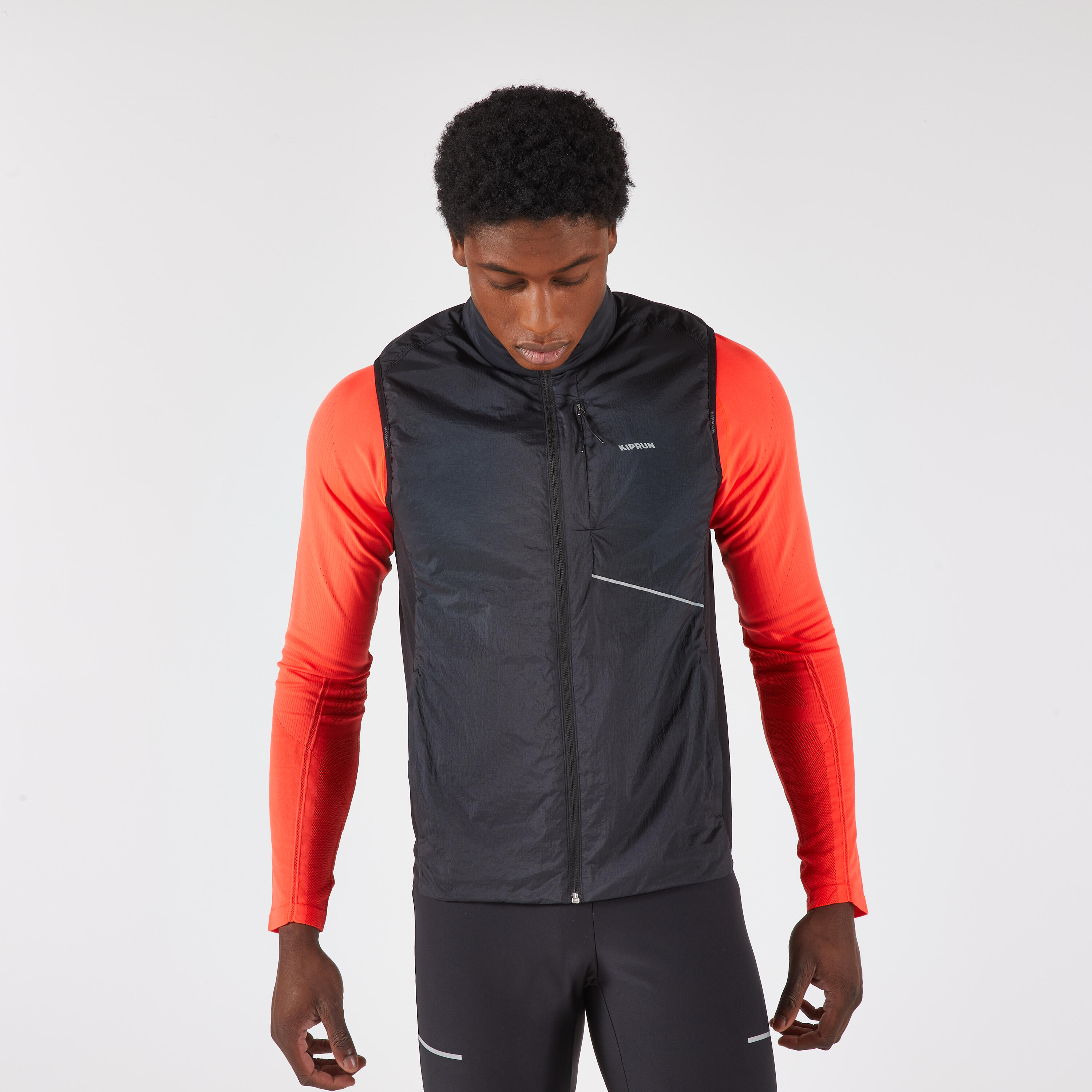
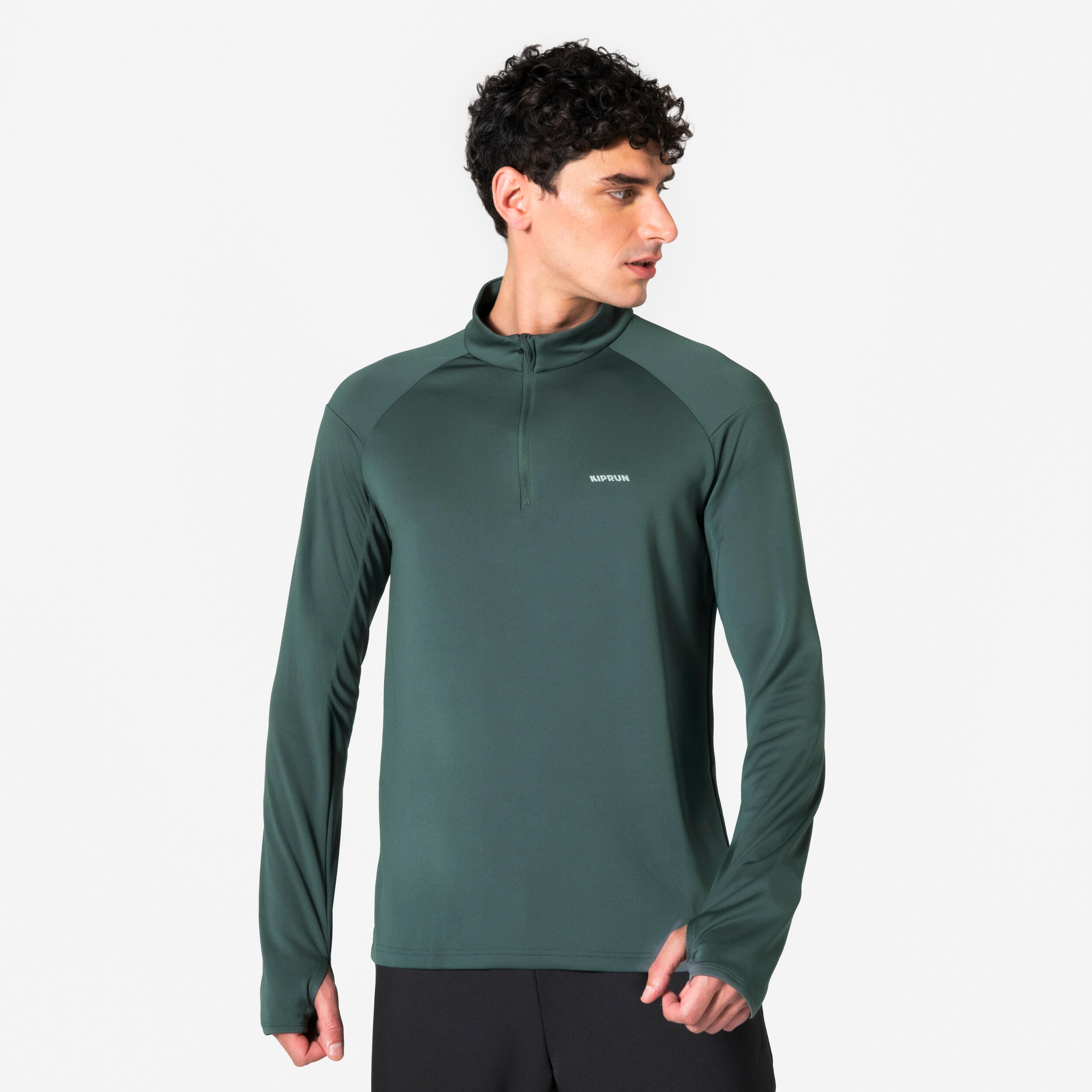
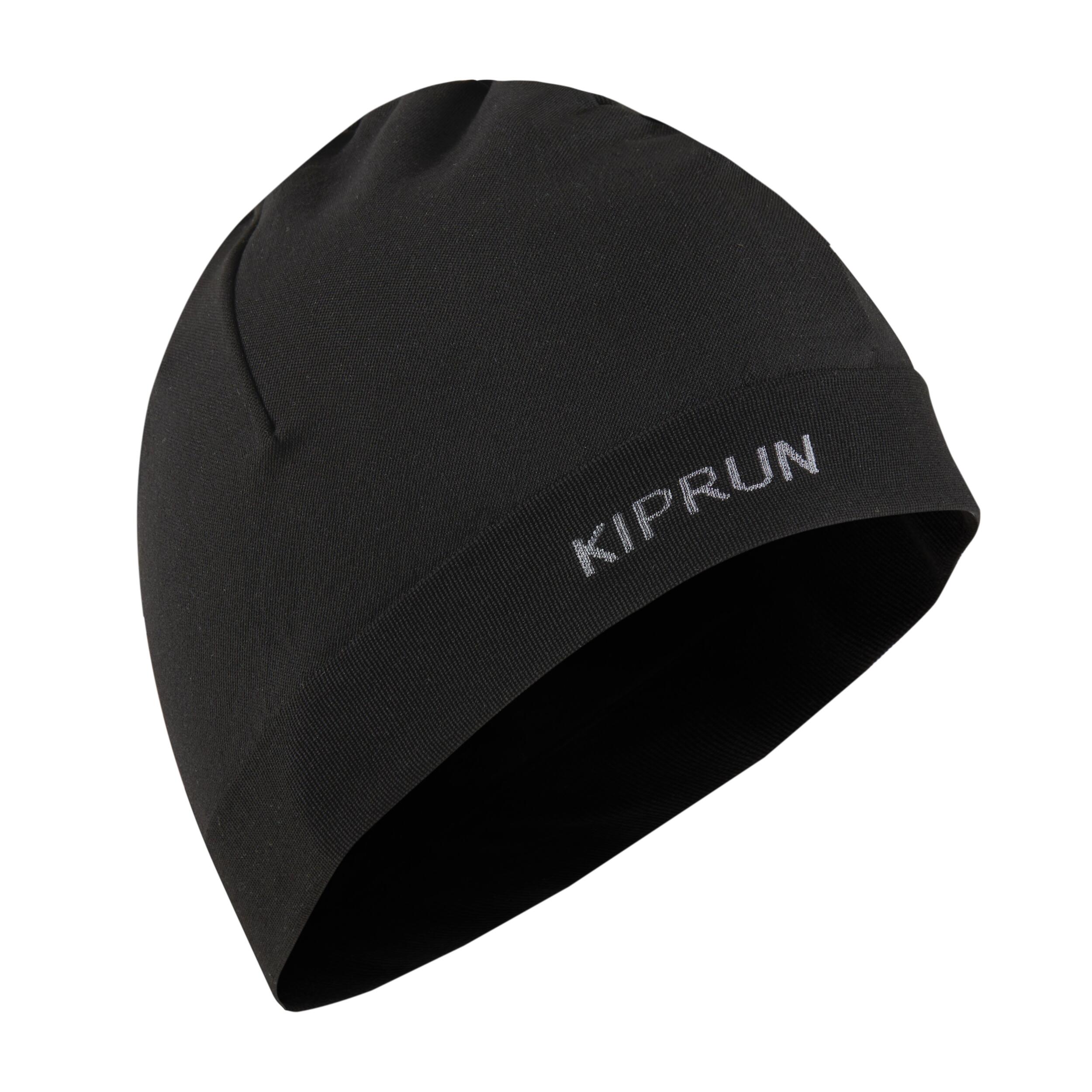
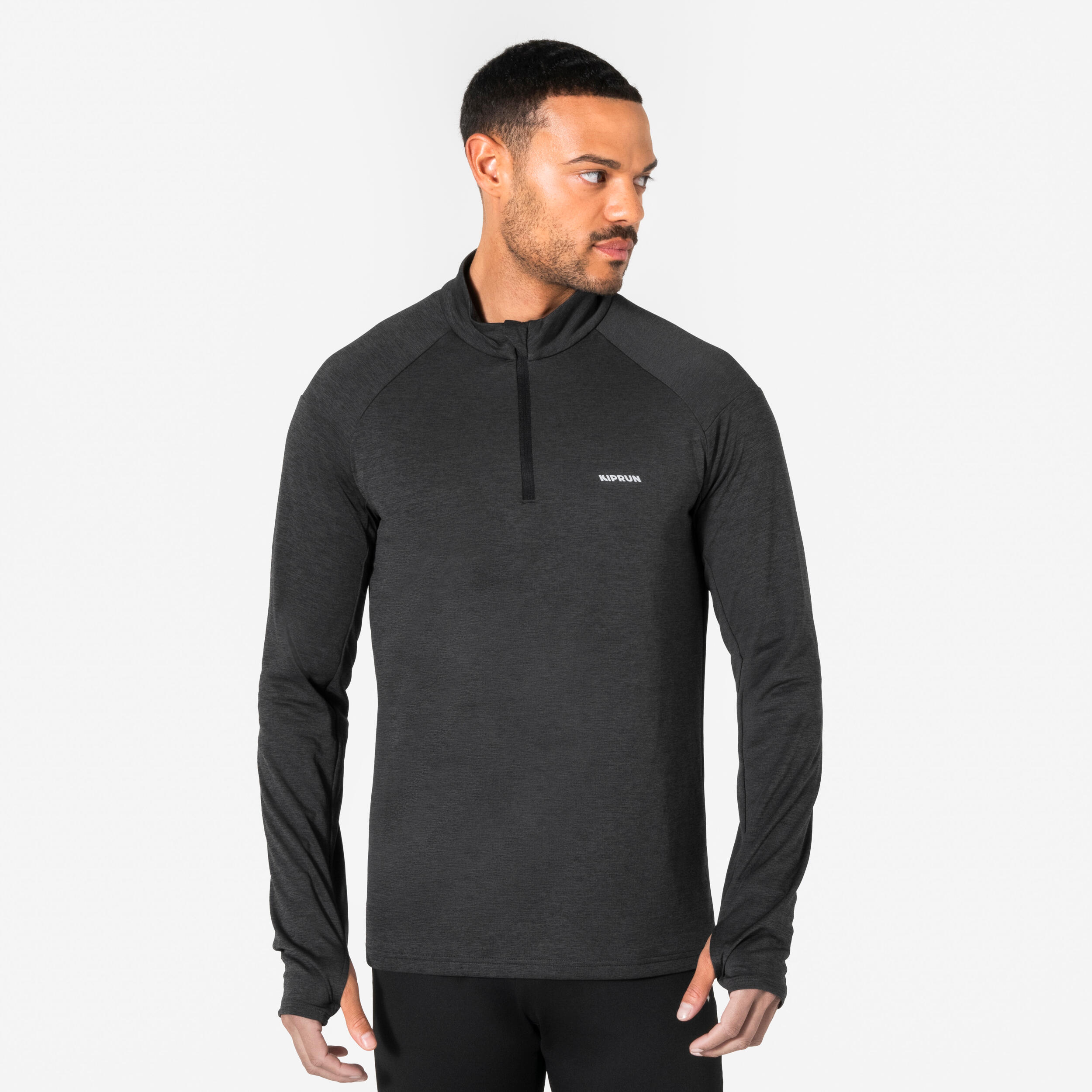
Build your trail setup around temperature, wind, rain, daylight and route exposure rather than relying on one outfit throughout the year. Warm-weather runs call for fast-drying clothing, ventilation and enough hydration, while colder outings require controlled insulation without trapping excessive perspiration. KIPRUN seasonal trail running gear progresses from lightweight shorts and perforated tops to warm layers, waterproof shells and accessories for changing conditions. Start with winter trail running gear when low temperatures, exposed ground or strong winds increase heat loss. Pro tip: dress for how you will feel after ten minutes of climbing, then carry a compact layer for stops, descents or sudden weather changes.

What trail running gear helps in hot weather?

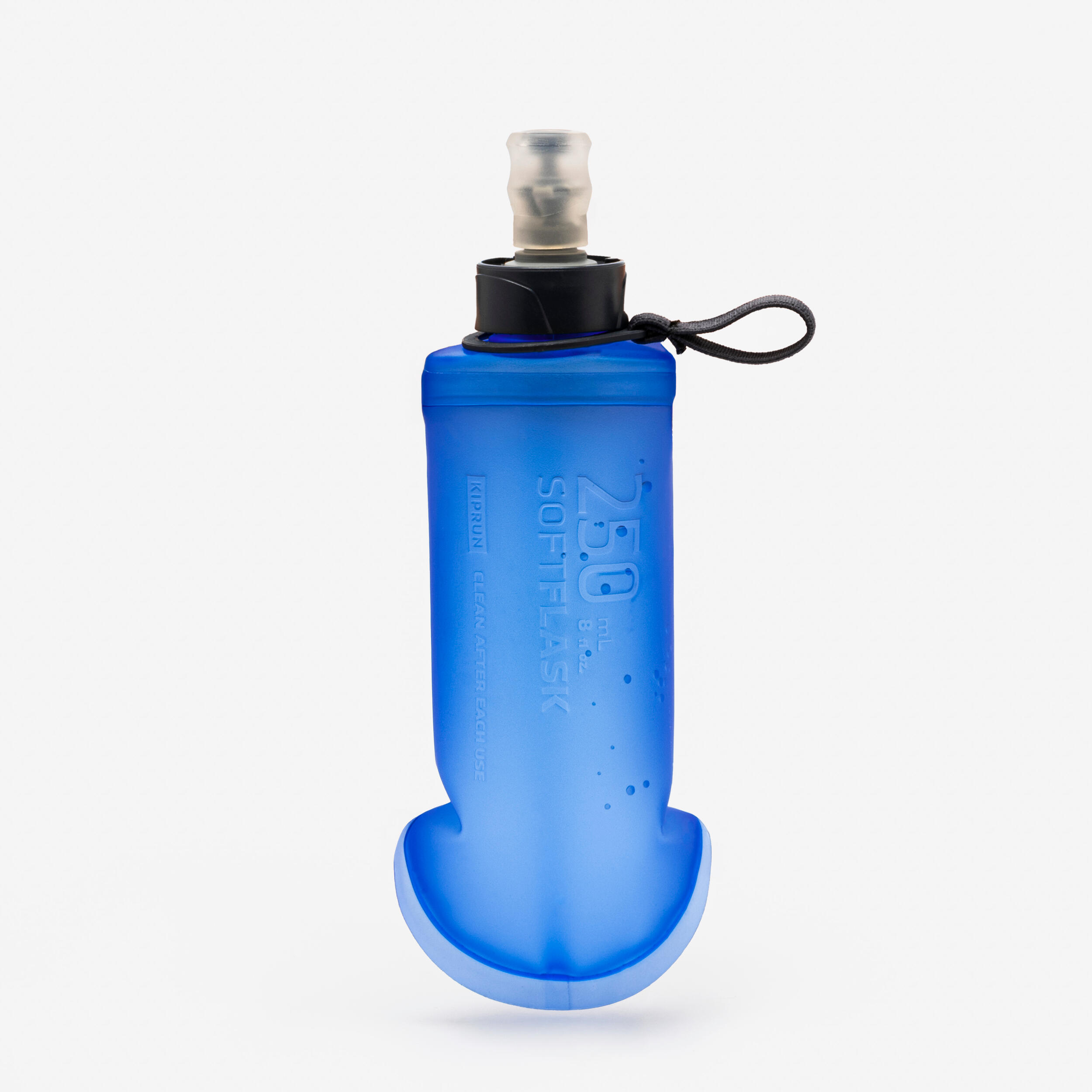
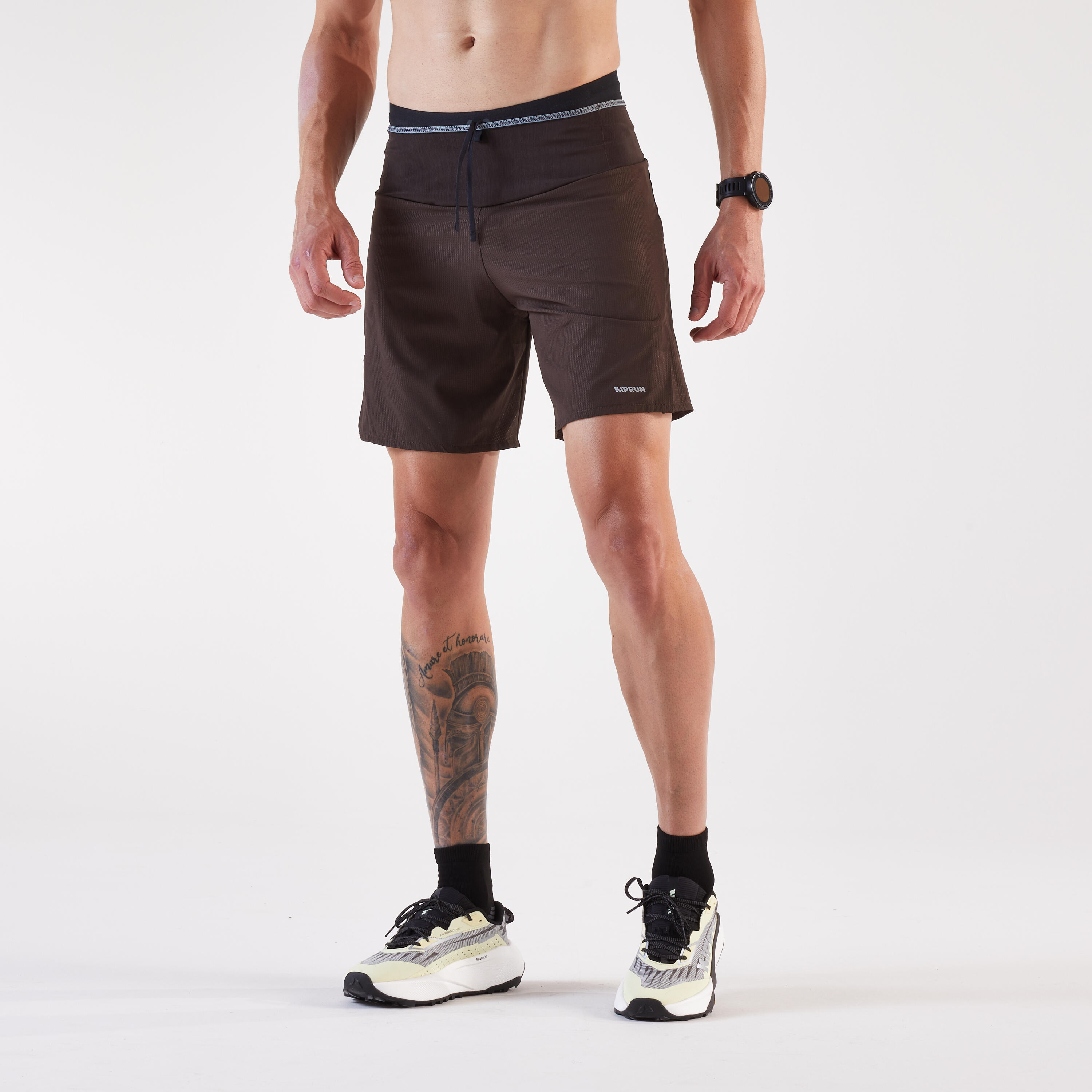
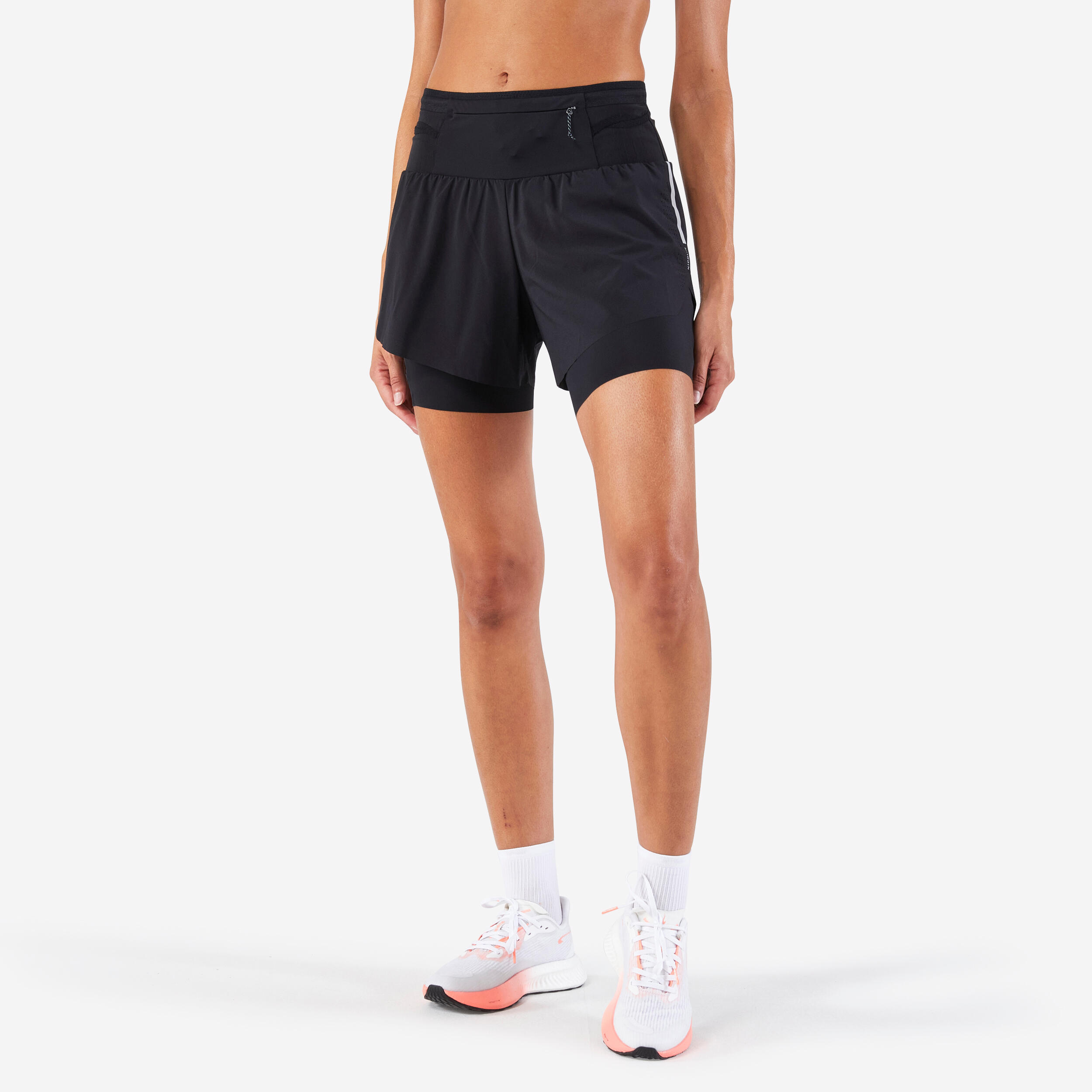
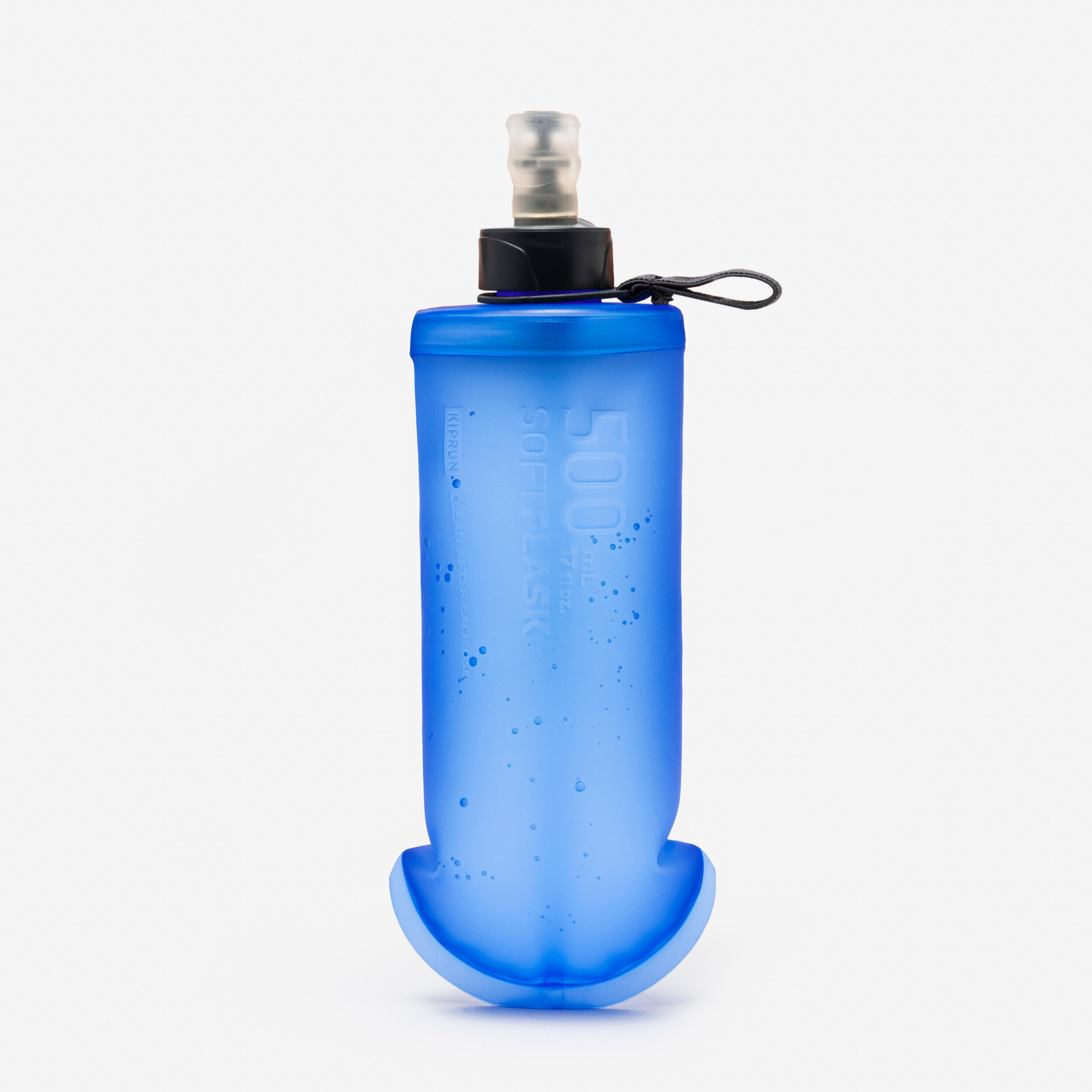
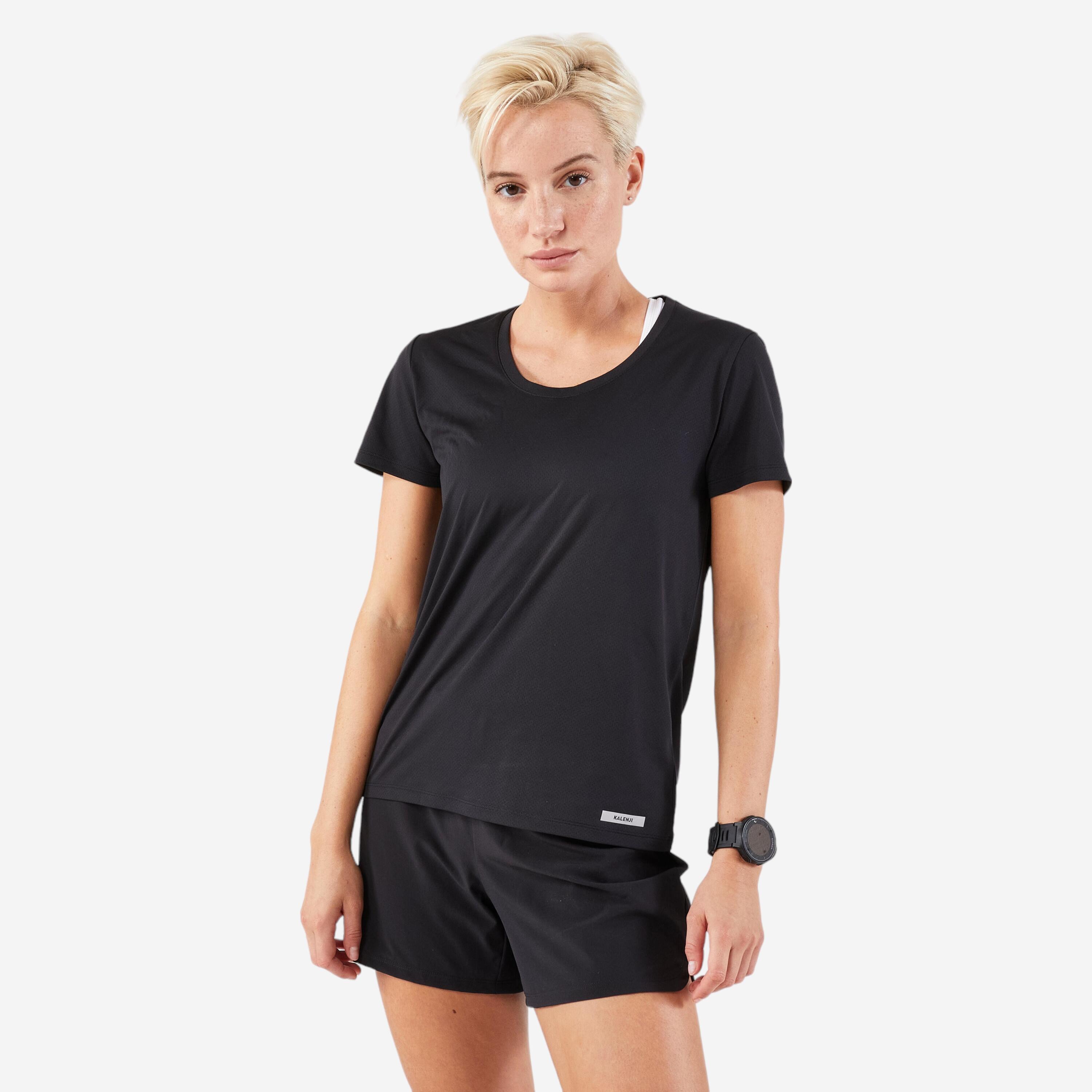
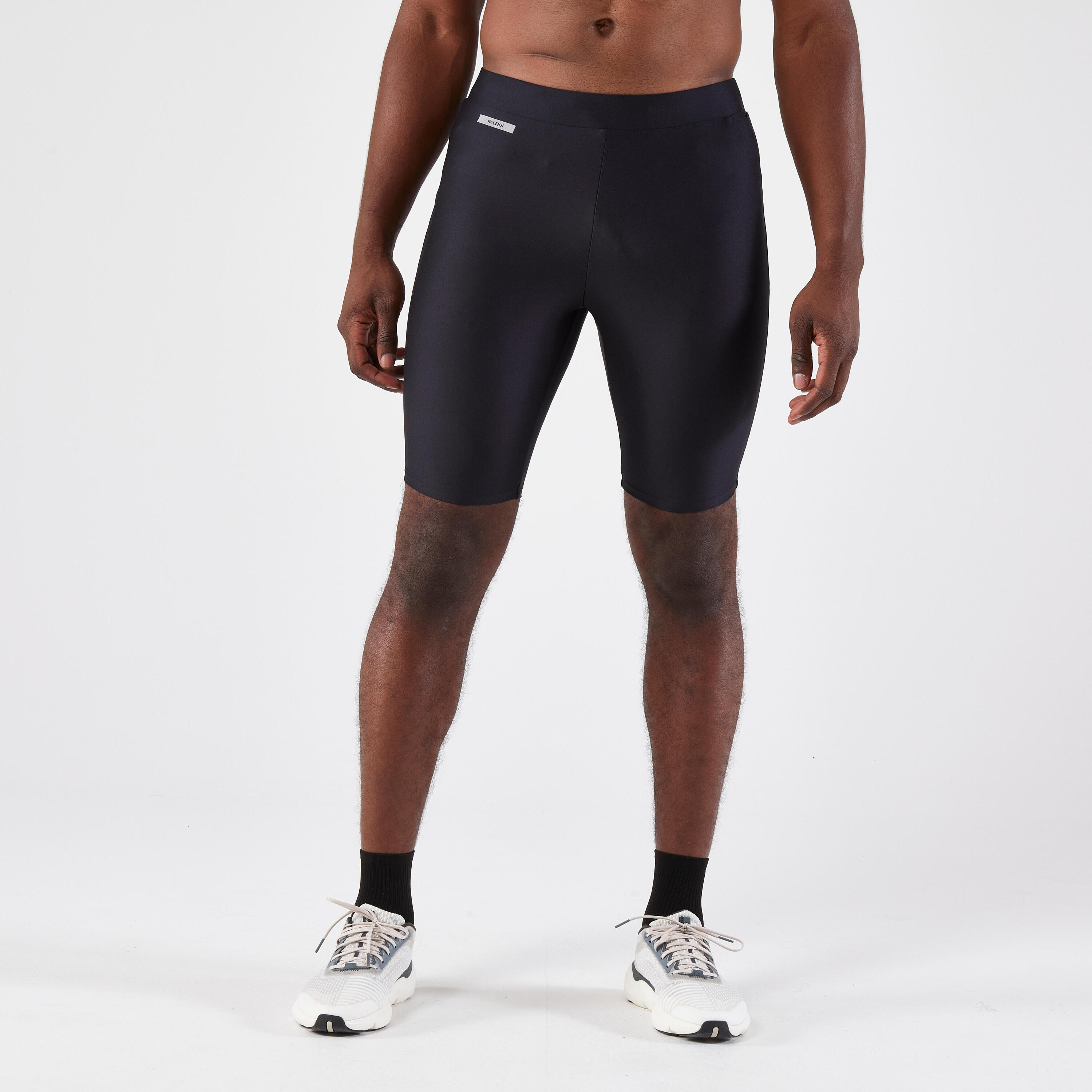
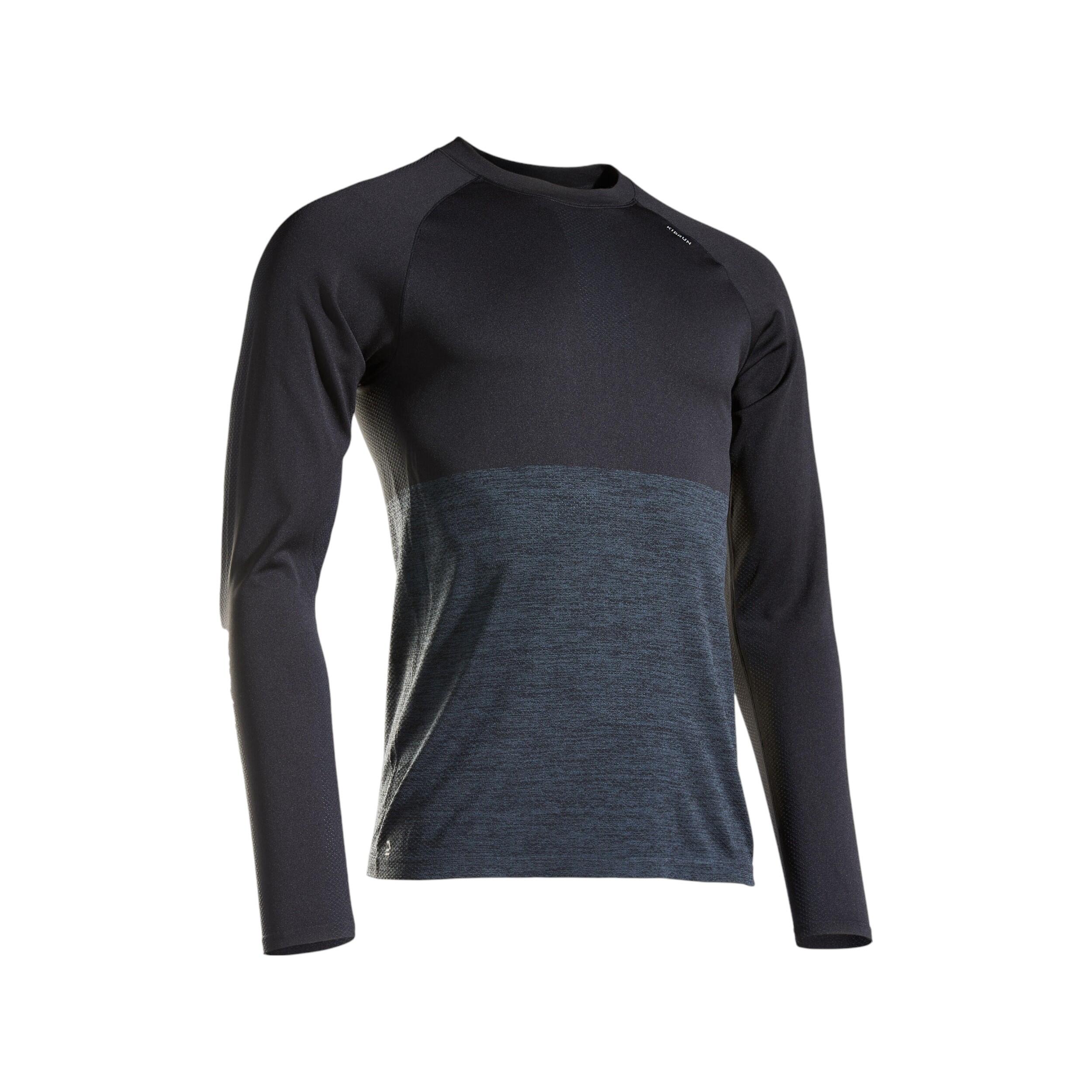
Choose lightweight synthetic clothing that moves perspiration through the fabric and dries faster than everyday cotton. Micro-perforated panels can release heat from the back and other high-sweat areas, while loose or split shorts allow greater airflow around the thighs. Two-in-one shorts add fitted inner fabric to reduce sweat-related rubbing during longer sessions. Flexible 250 ml and 500 ml flasks also let you adjust the amount carried according to heat and refill access. Explore summer trail running gear for breathable clothing, hydration and sun protection. A long-sleeved technical top may provide useful skin coverage without the weight of a cold-weather layer, but check each garment's stated protection rather than assuming every fabric has a specific UPF rating.

What should you wear for trail running in the rain?

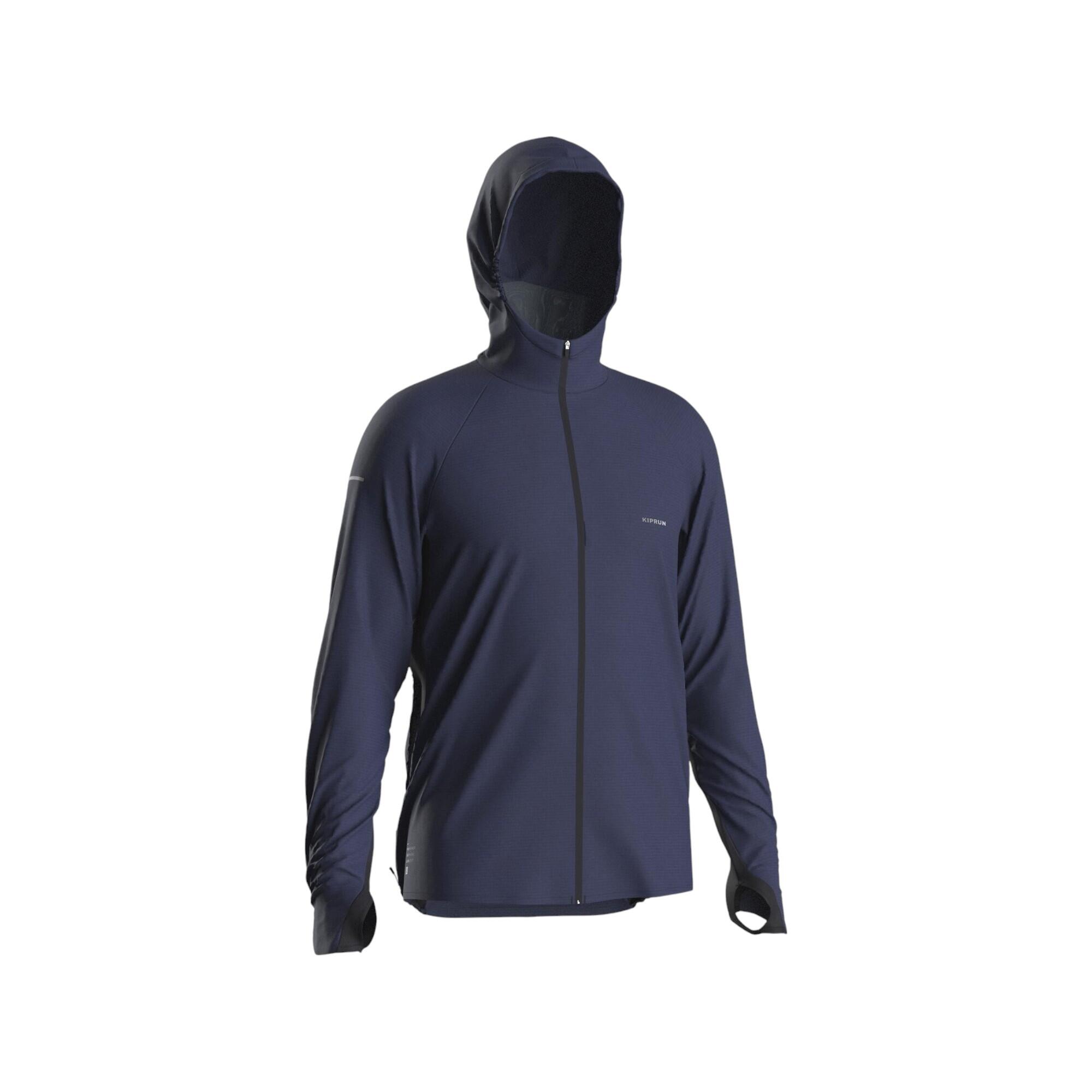
A waterproof jacket should protect the complete garment, not only use waterproof fabric. Look for taped seams, protected zips, a secure hood and enough ventilation to release heat during climbs. KIPRUN trail shells offer different protection levels, including packable jackets for regular wet-weather running and higher-rated options that can fit over a small trail bag. Mechanical openings across the back or beneath the arms help manage moisture when the main zip must remain closed. Add a trail running gear for rainy weather to compare jackets, footwear and other protective layers. Pro tip: test the jacket over your full carrying system and confirm that the hood, sleeves and pockets remain secure while running into wind.

Which equipment is important for trail running after dark?

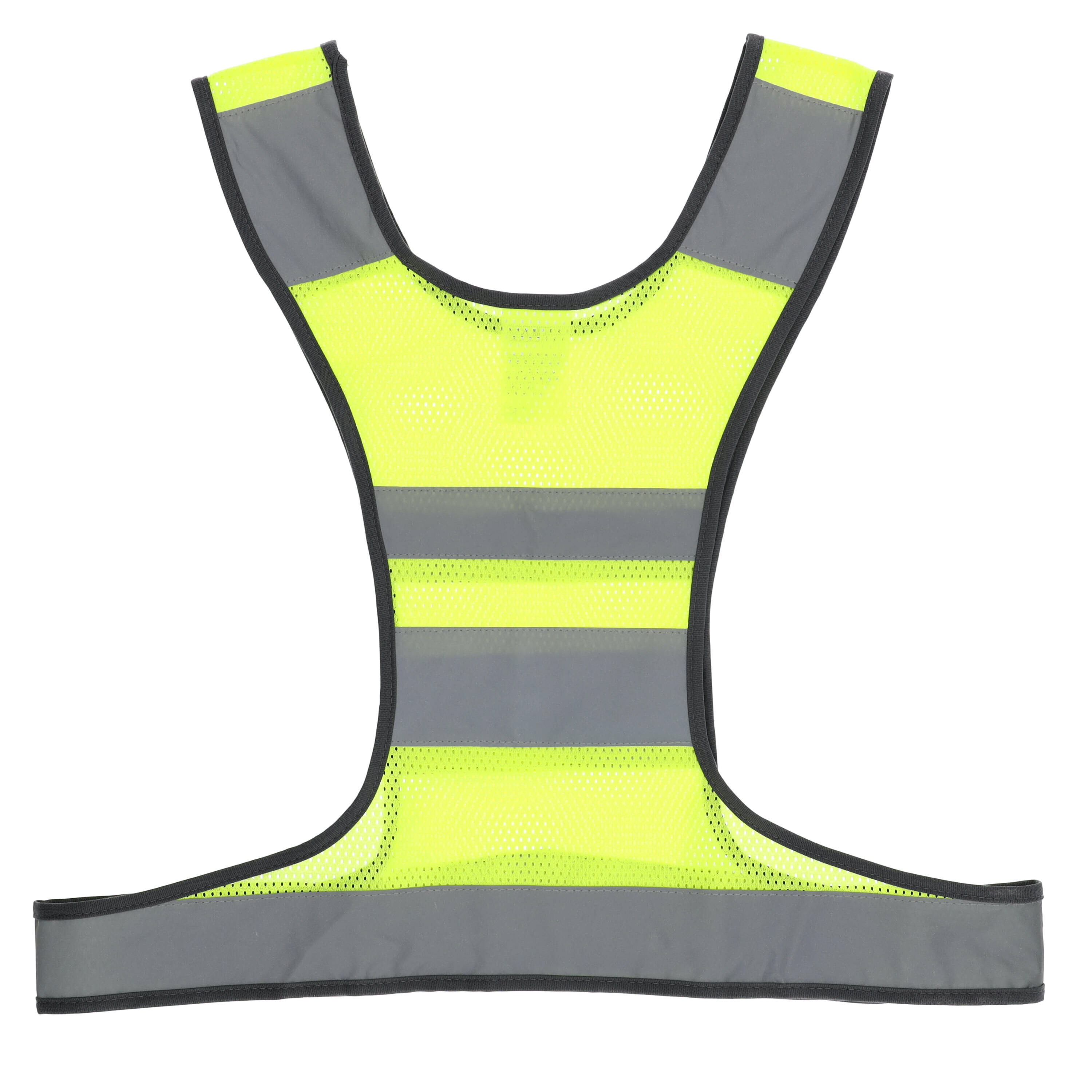
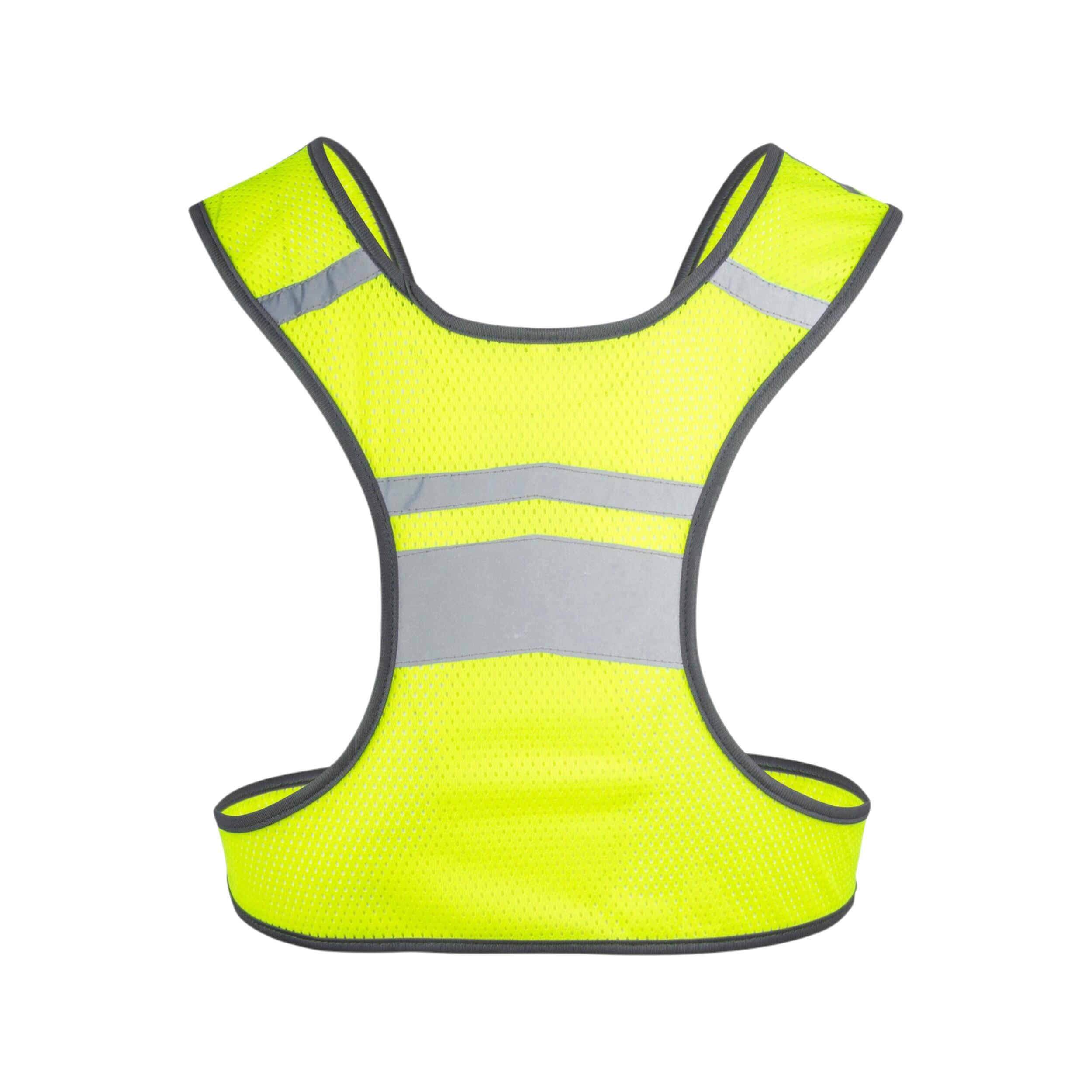
Low-light routes require more than reflective clothing. Use a suitable headlamp with enough output and battery life for the terrain, plus a backup light when the route is remote or the session could run longer than expected. Reflective details help other people notice you, but they do not illuminate stones, roots or changes in the path. Choose night trail running gear that stays stable without bouncing or shifting as your pace changes. Place spare batteries or charging equipment inside a dry compartment, and practise changing light settings while wearing gloves. Tell someone your route and expected return time, as familiar trails can become harder to navigate when visibility is reduced.

How should you pack for unpredictable trail weather?

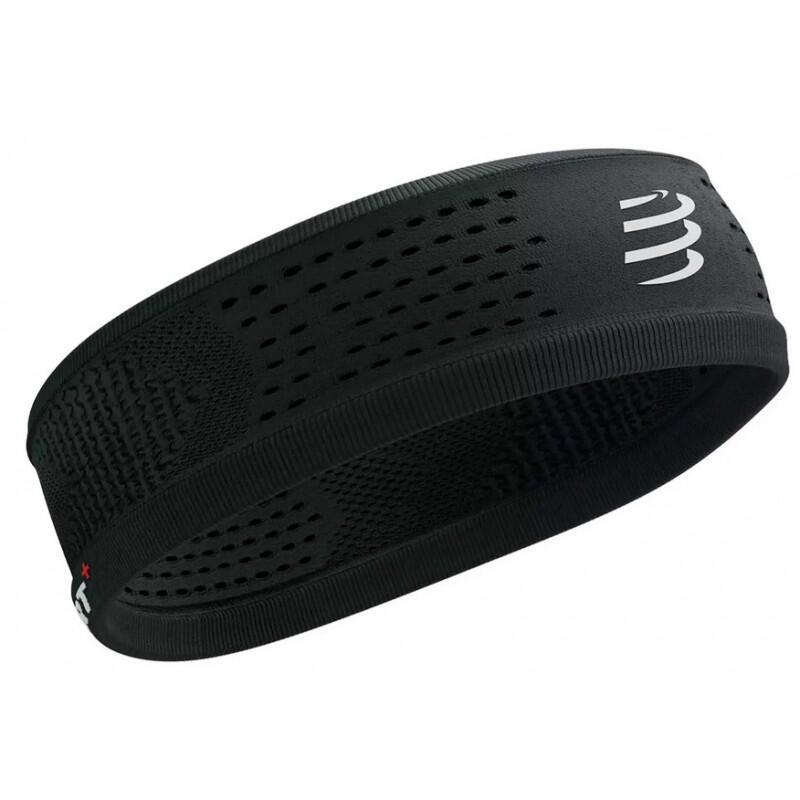
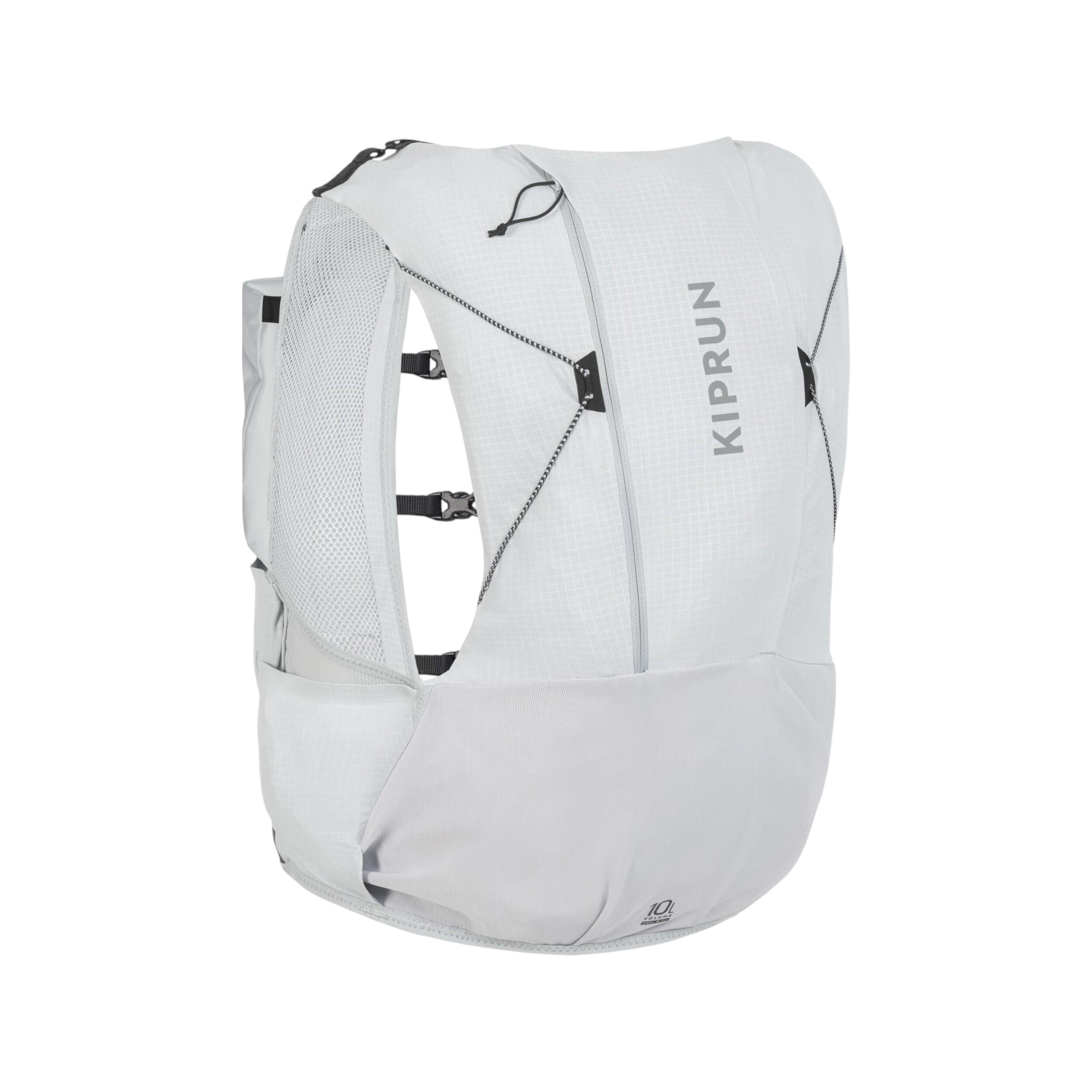
Carry equipment for the most exposed section of the route rather than only the sheltered starting point. A compact waterproof layer, removable arm warmers, gloves or seasonal trail running headwear may be useful when elevation and wind alter the temperature. Flexible flasks can increase hydration capacity in heat, while secure pockets or a trail vest keep spare clothing accessible without excessive movement. Review trail running accessories according to route length, mandatory kit and weather risk. Keep electronics and dry layers inside protected compartments, and avoid packing several items that serve the same purpose. Follow each product's care instructions because breathable fabric, waterproof membranes and insulated clothing may require different washing, drying and storage methods.