5,583 items
4.5/5 based on 1592422 reviews collected online and in stores

Women's Trail Running Clothes FAQs

What women's trail running clothes do you need?

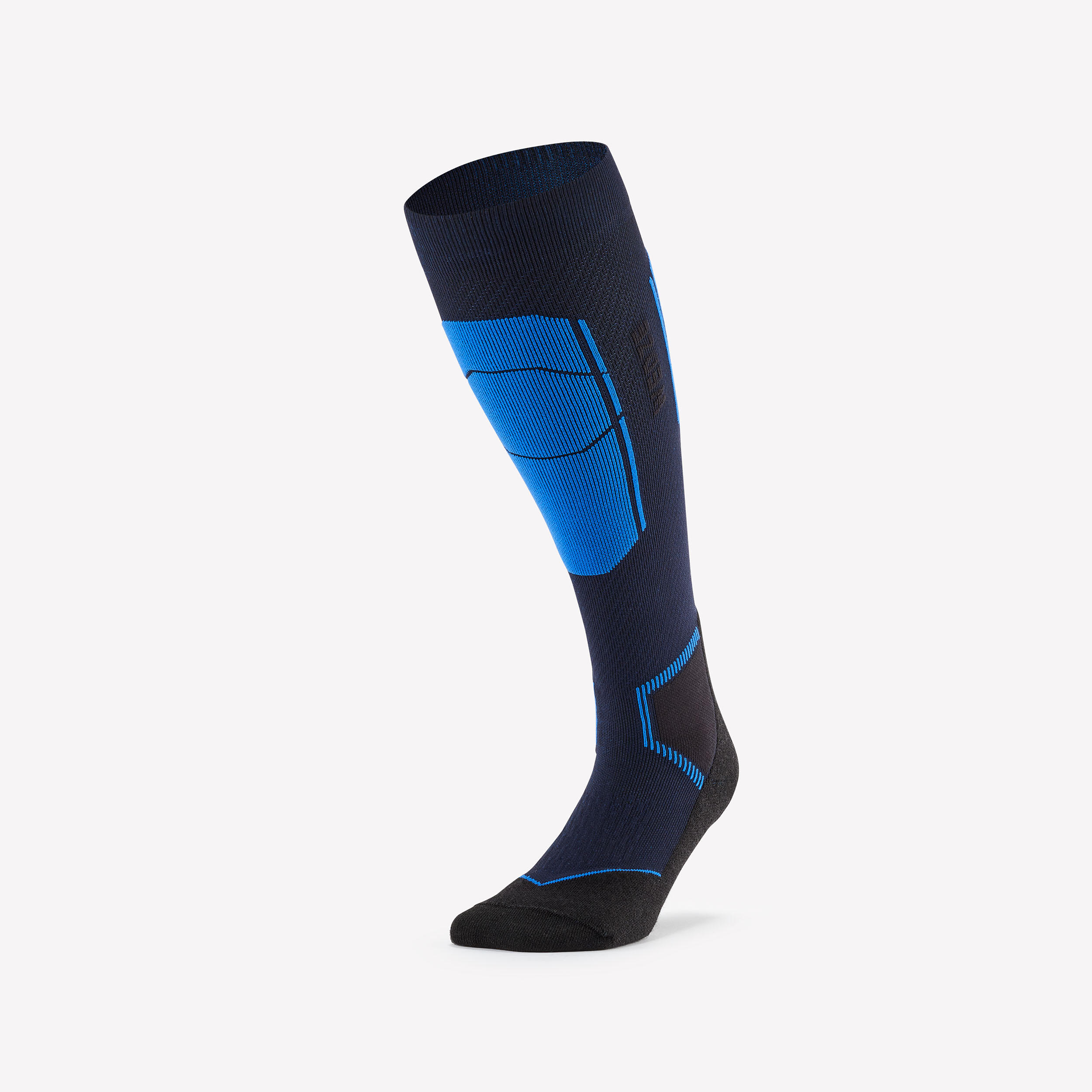
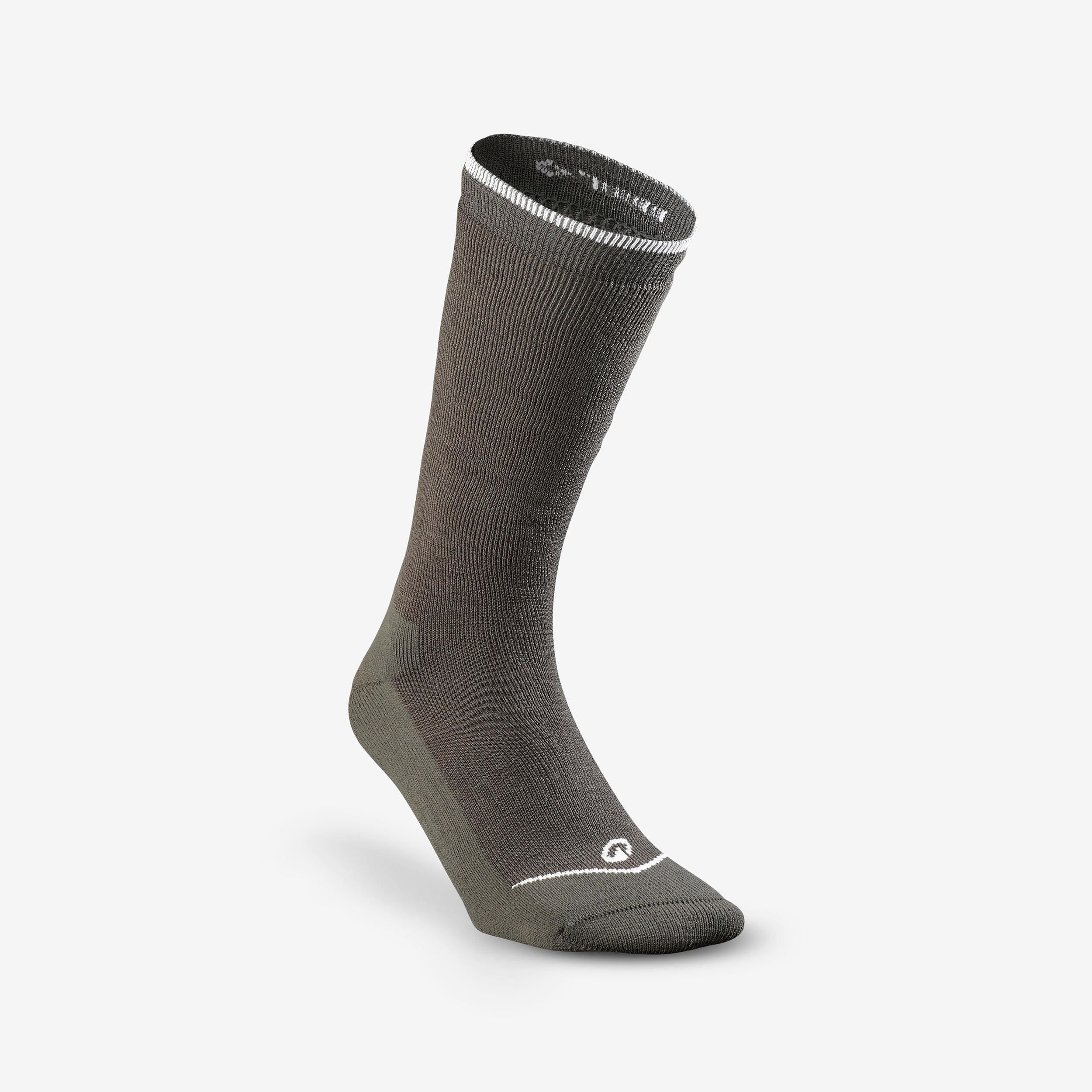
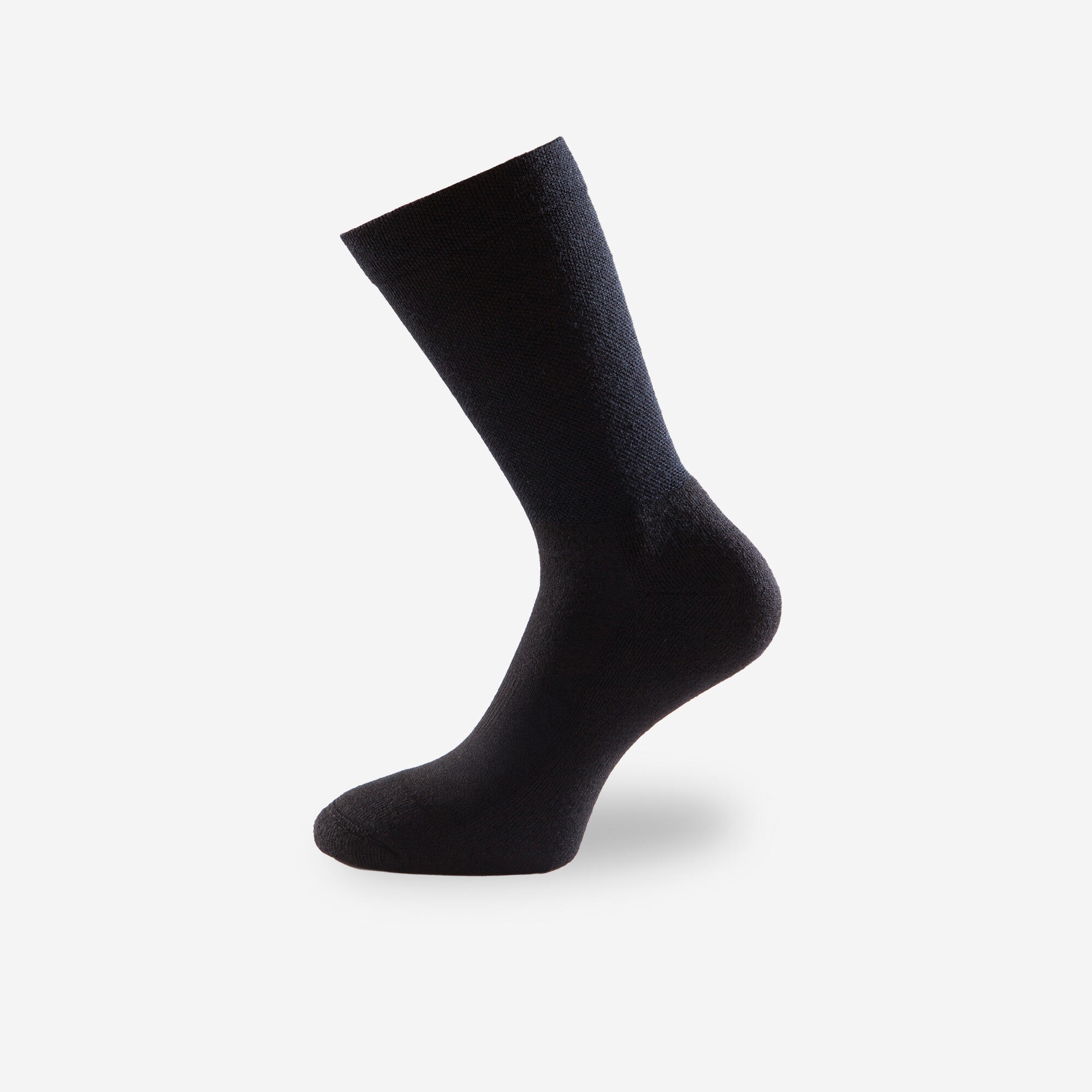
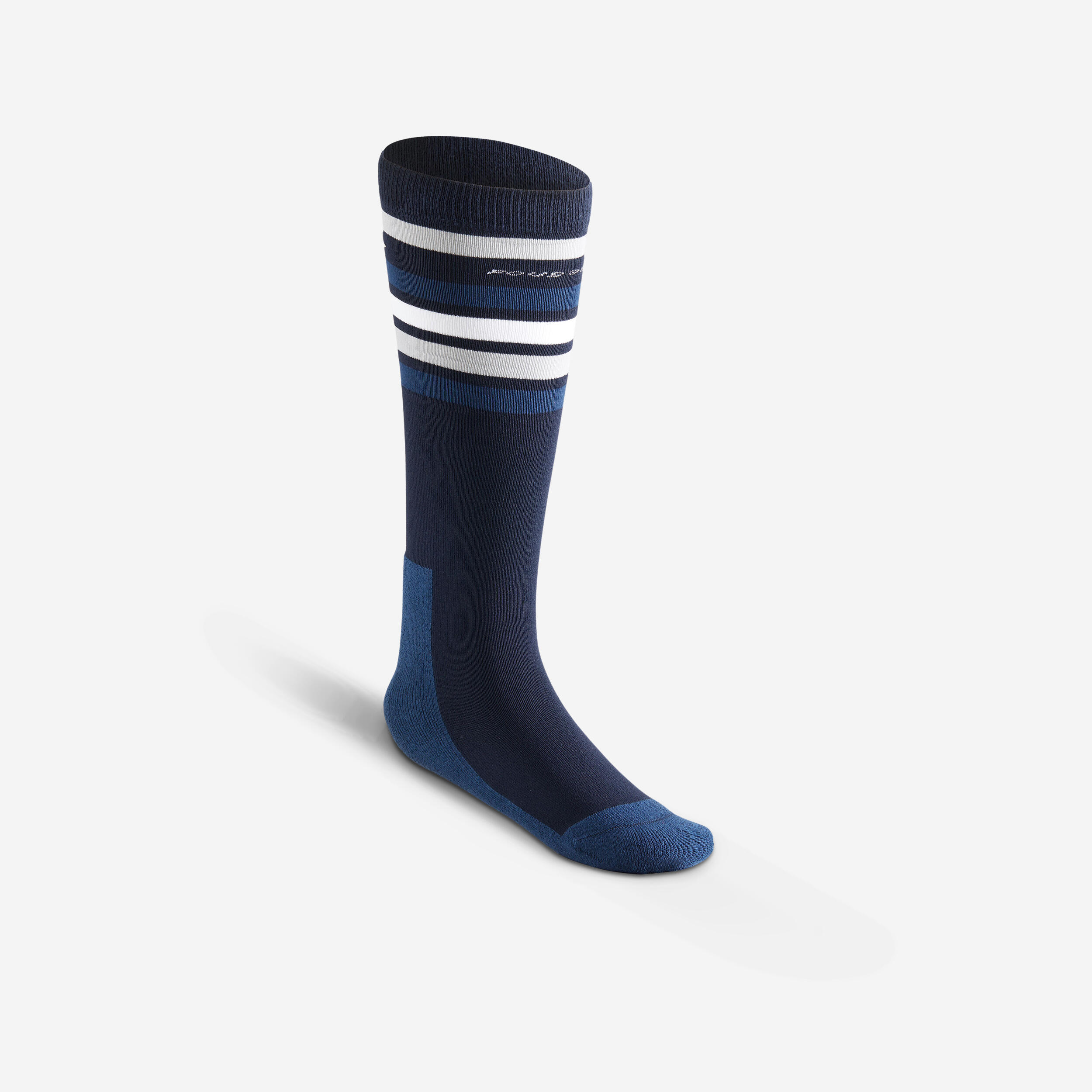
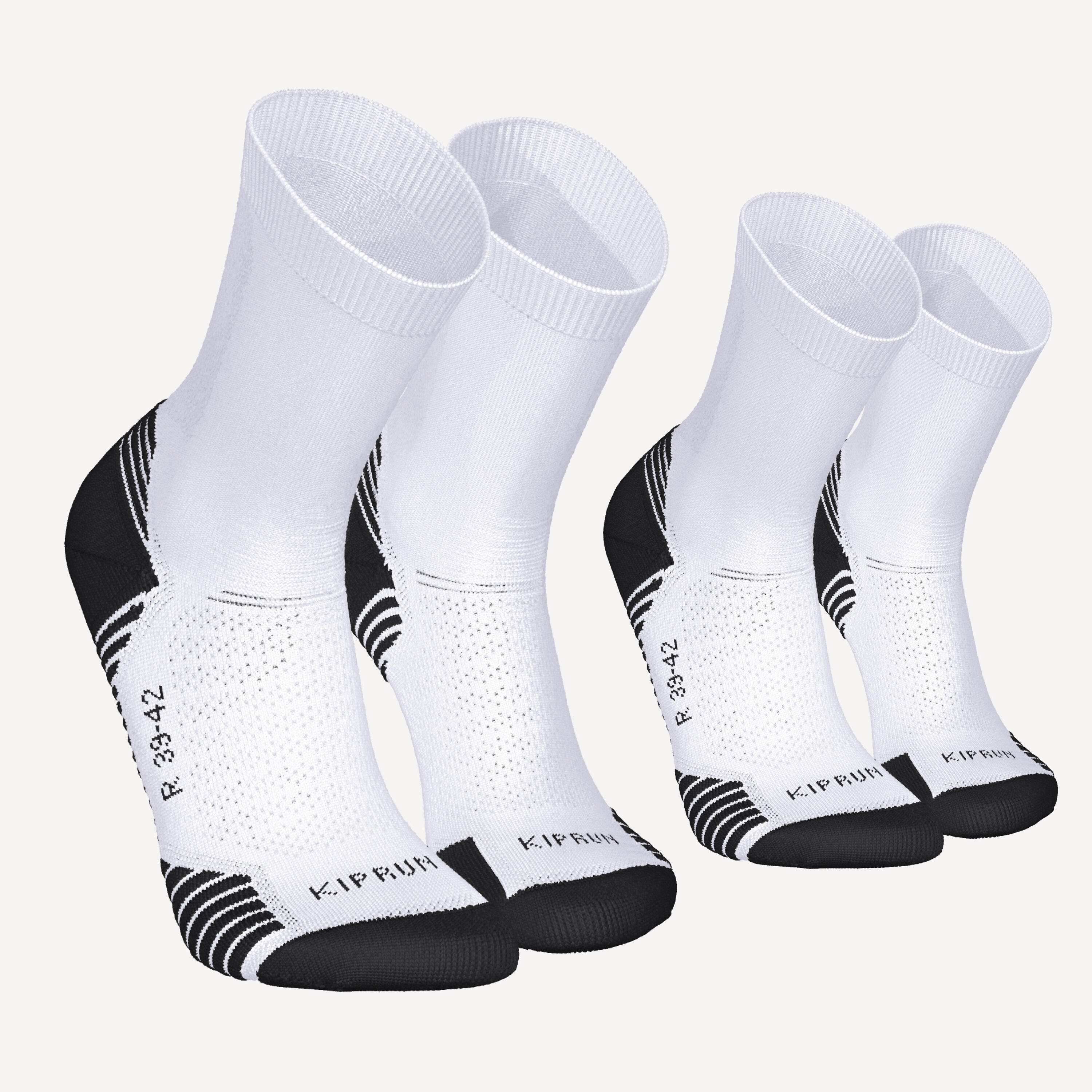
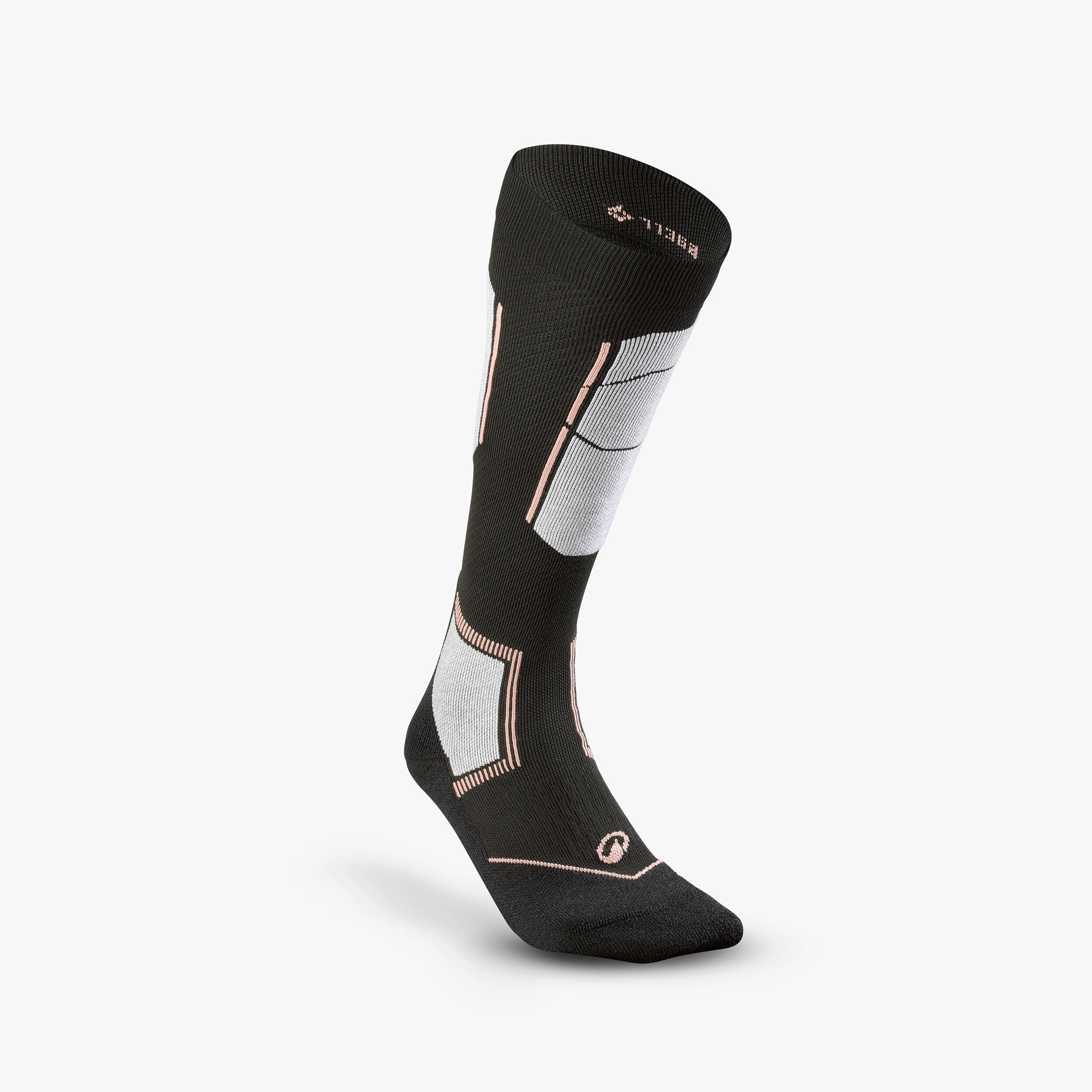
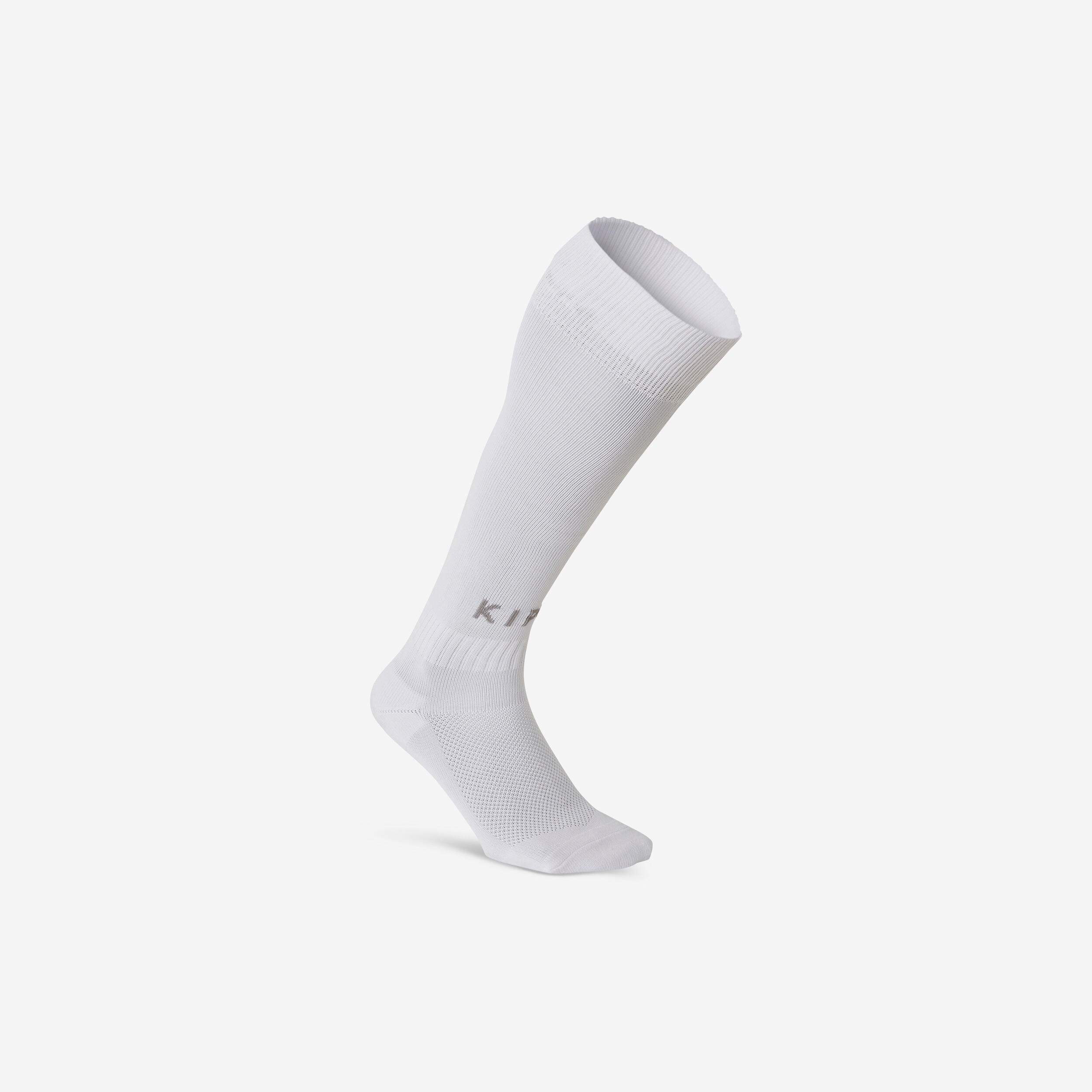
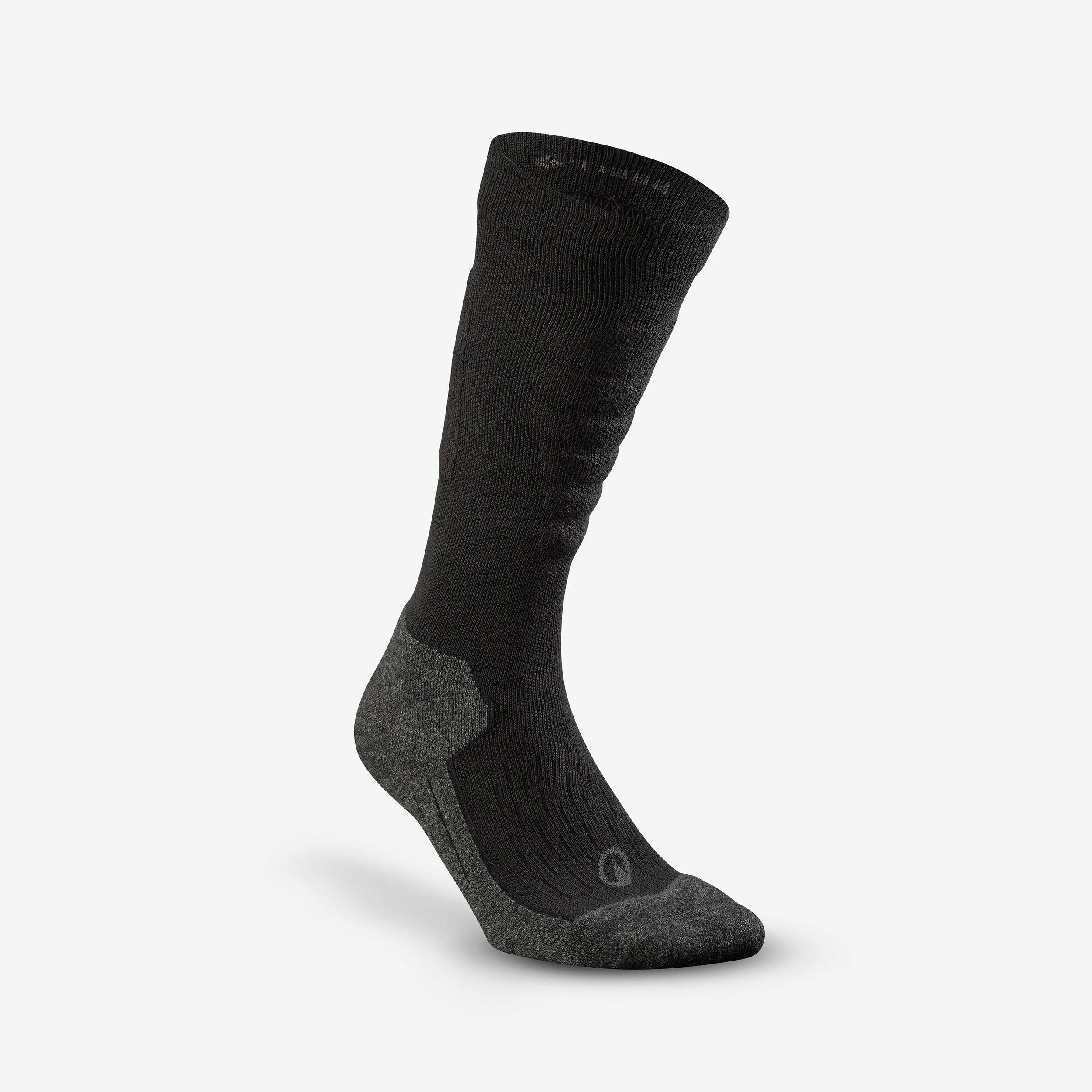
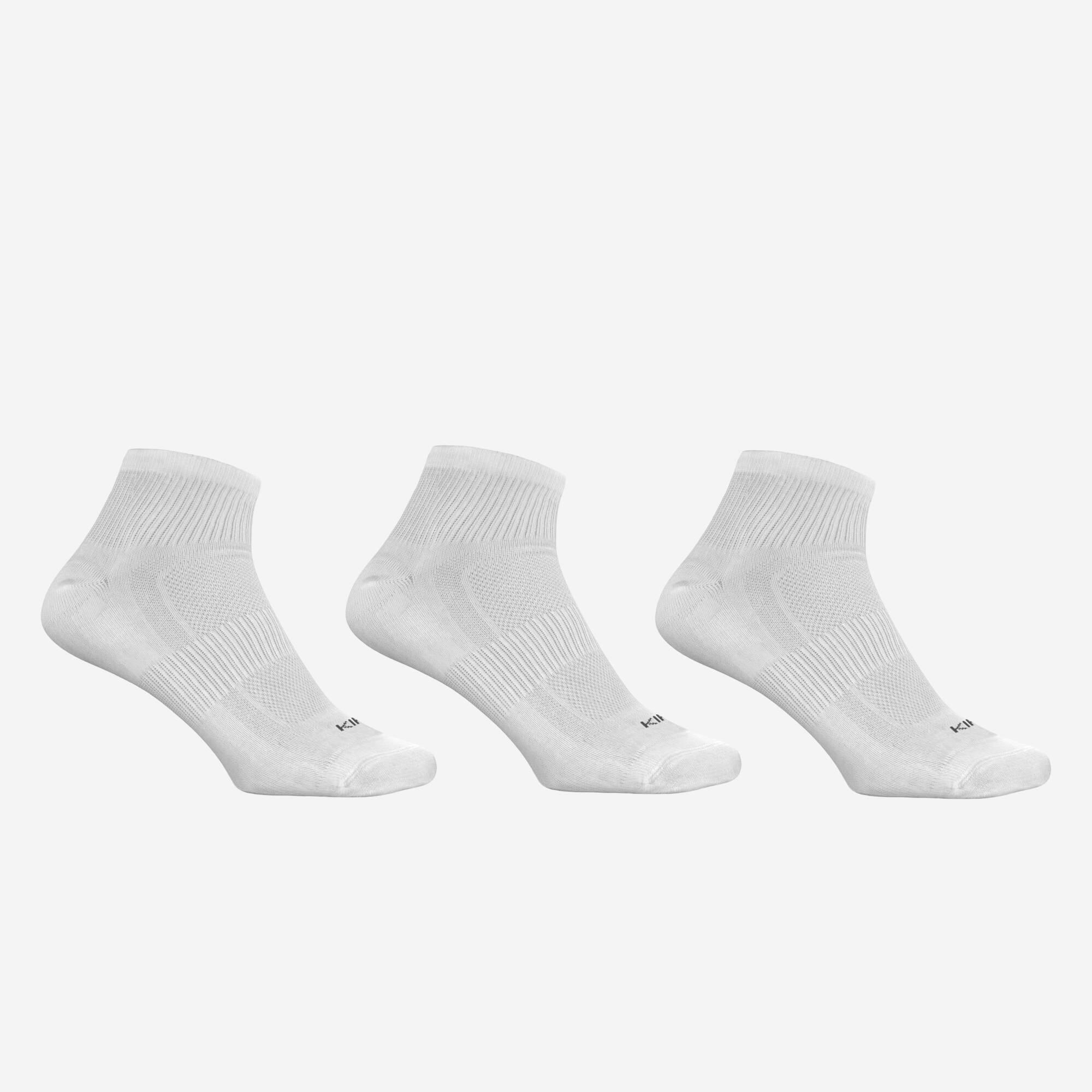
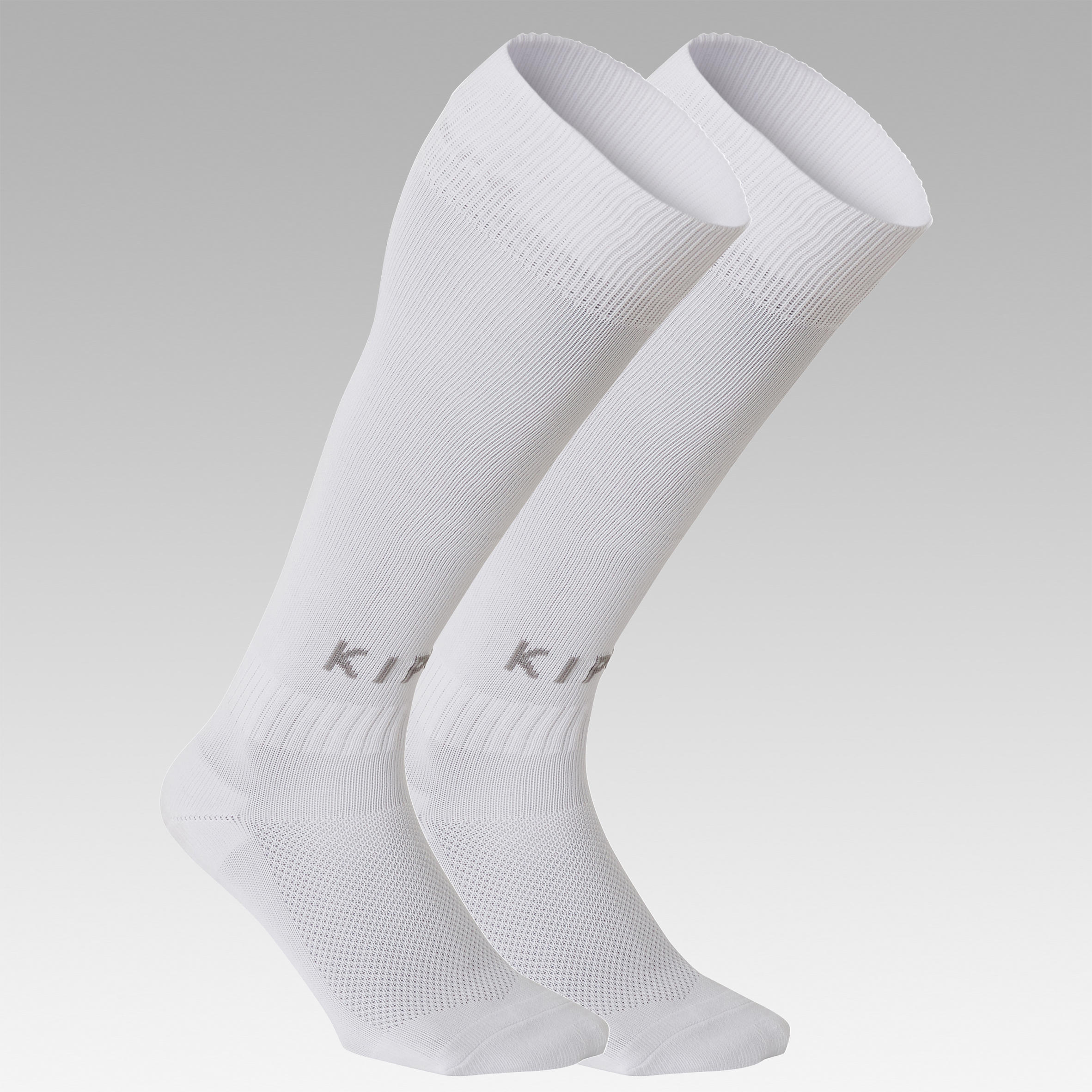
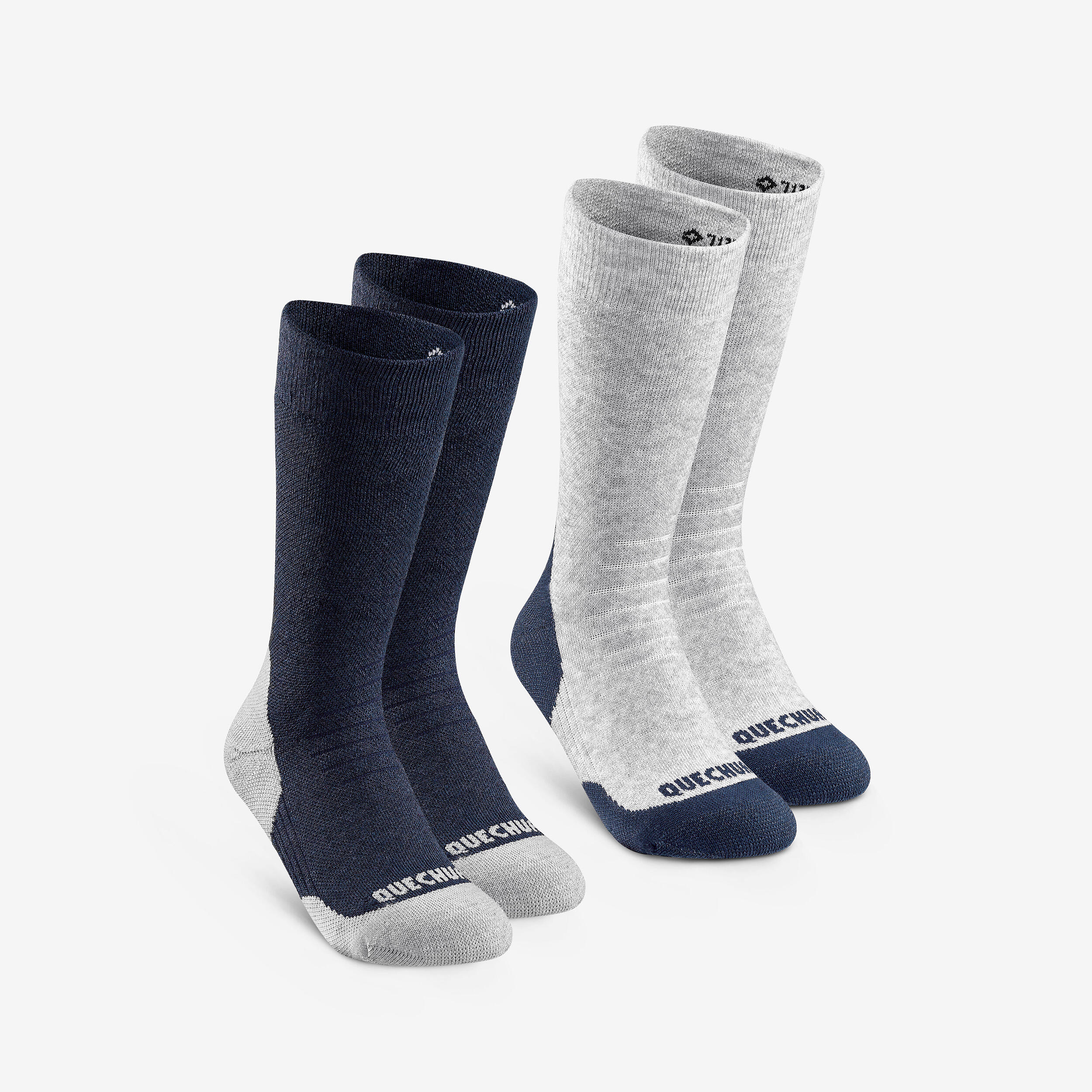
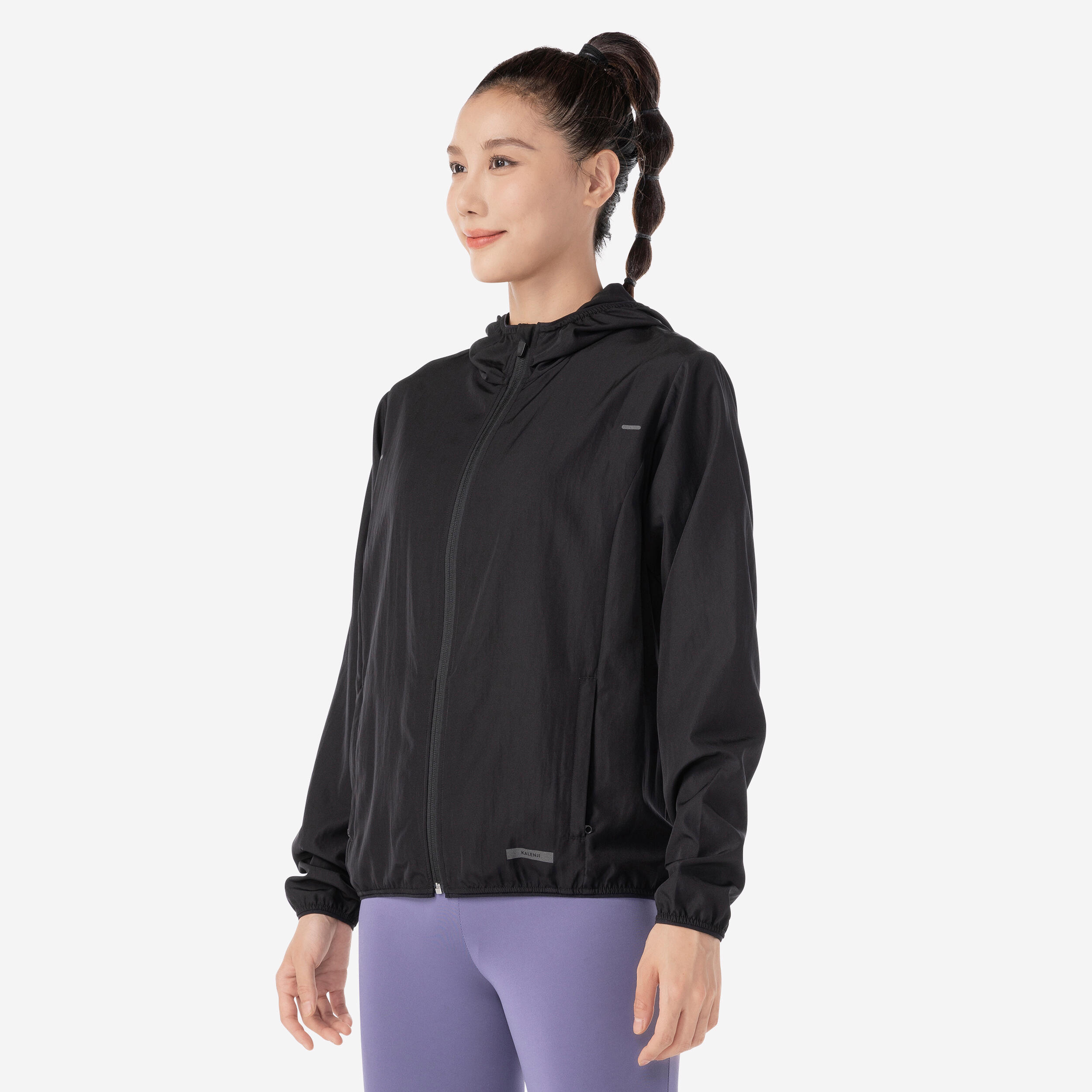
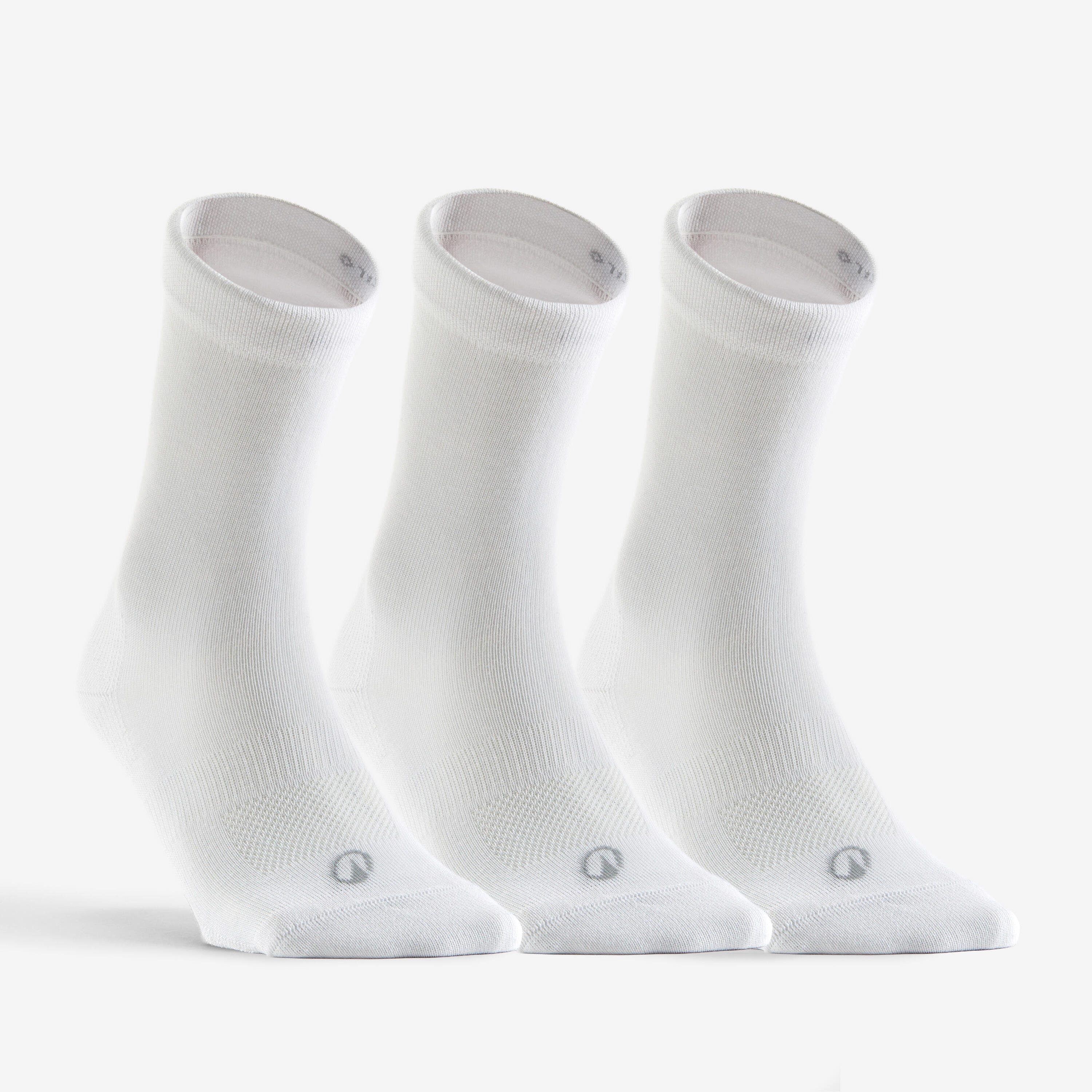
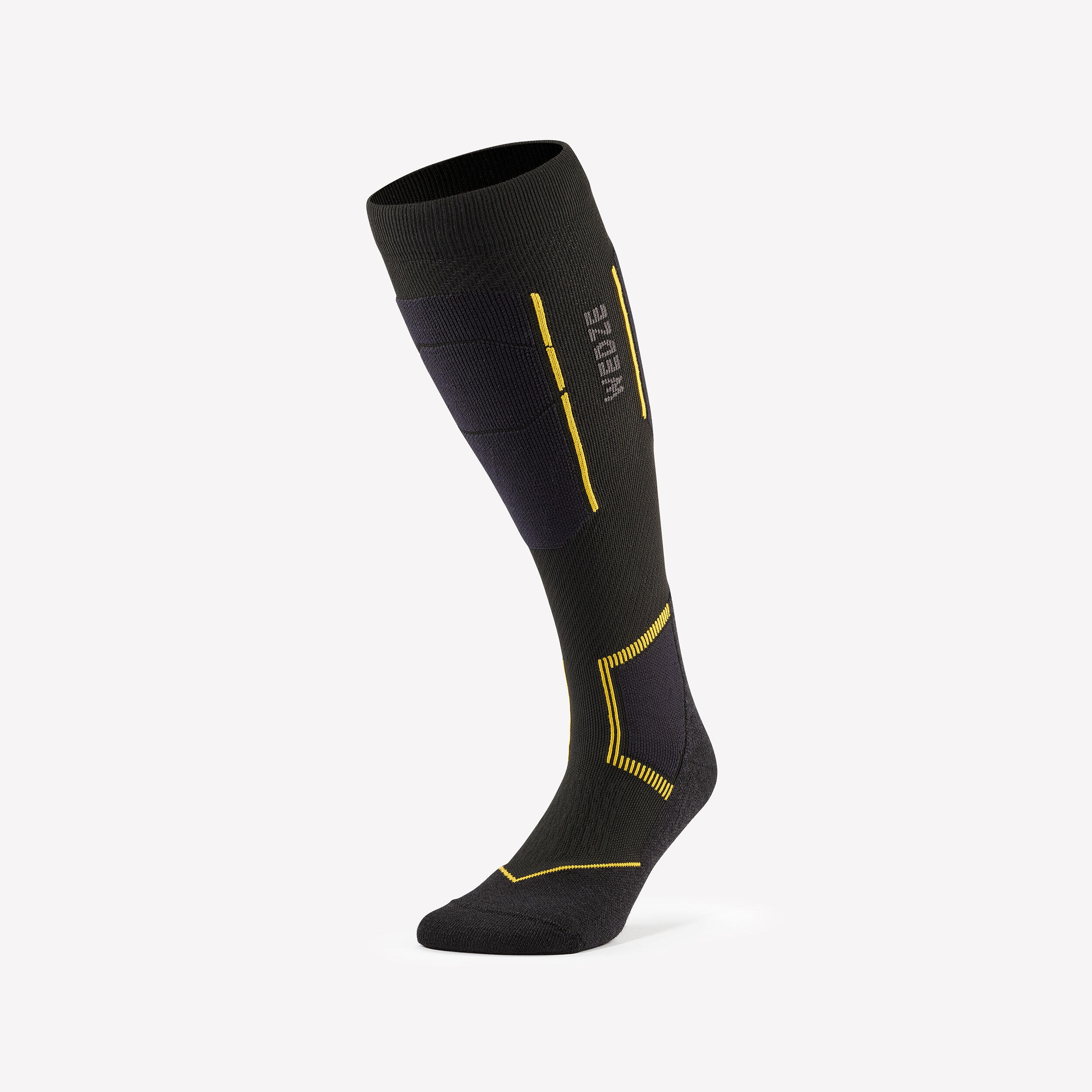
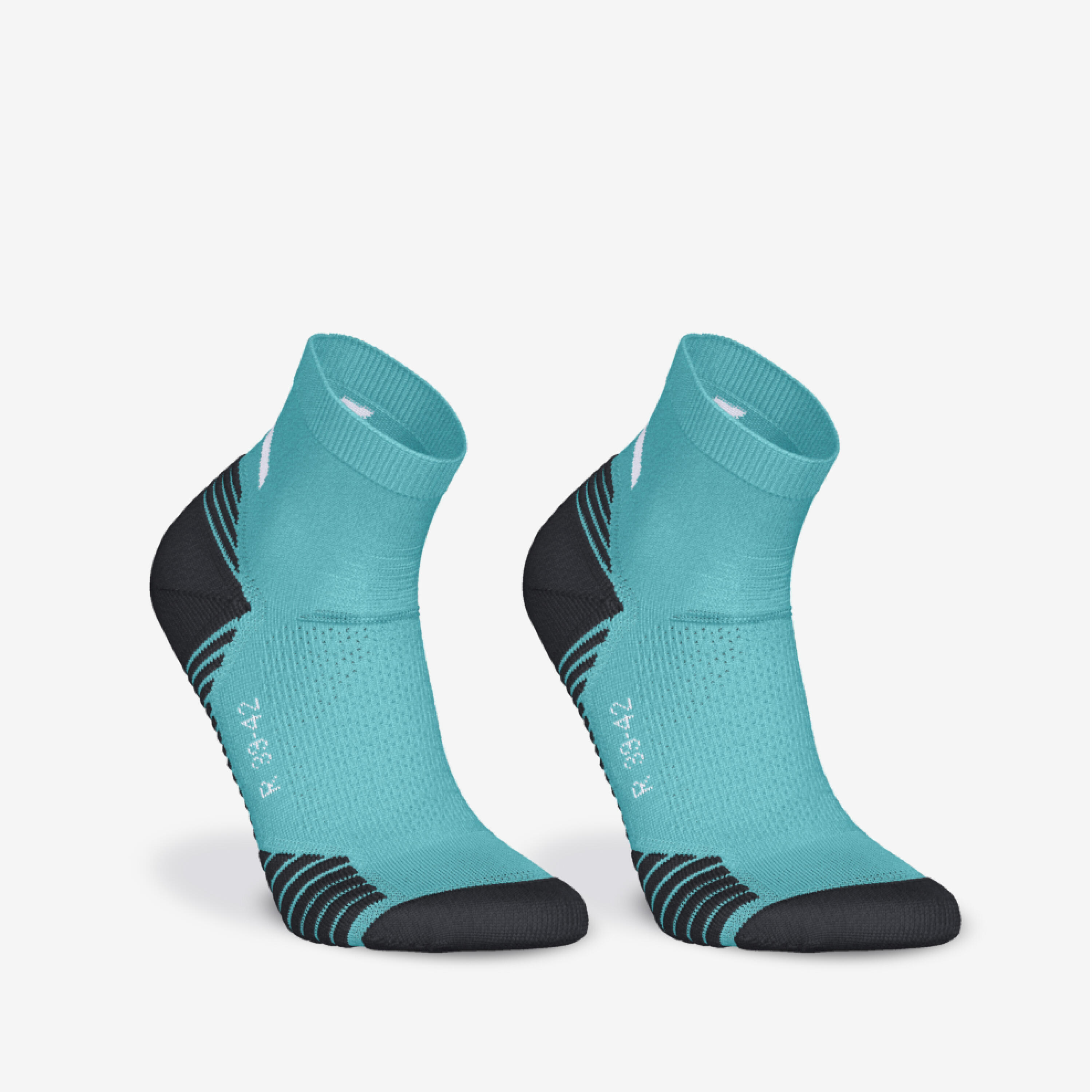
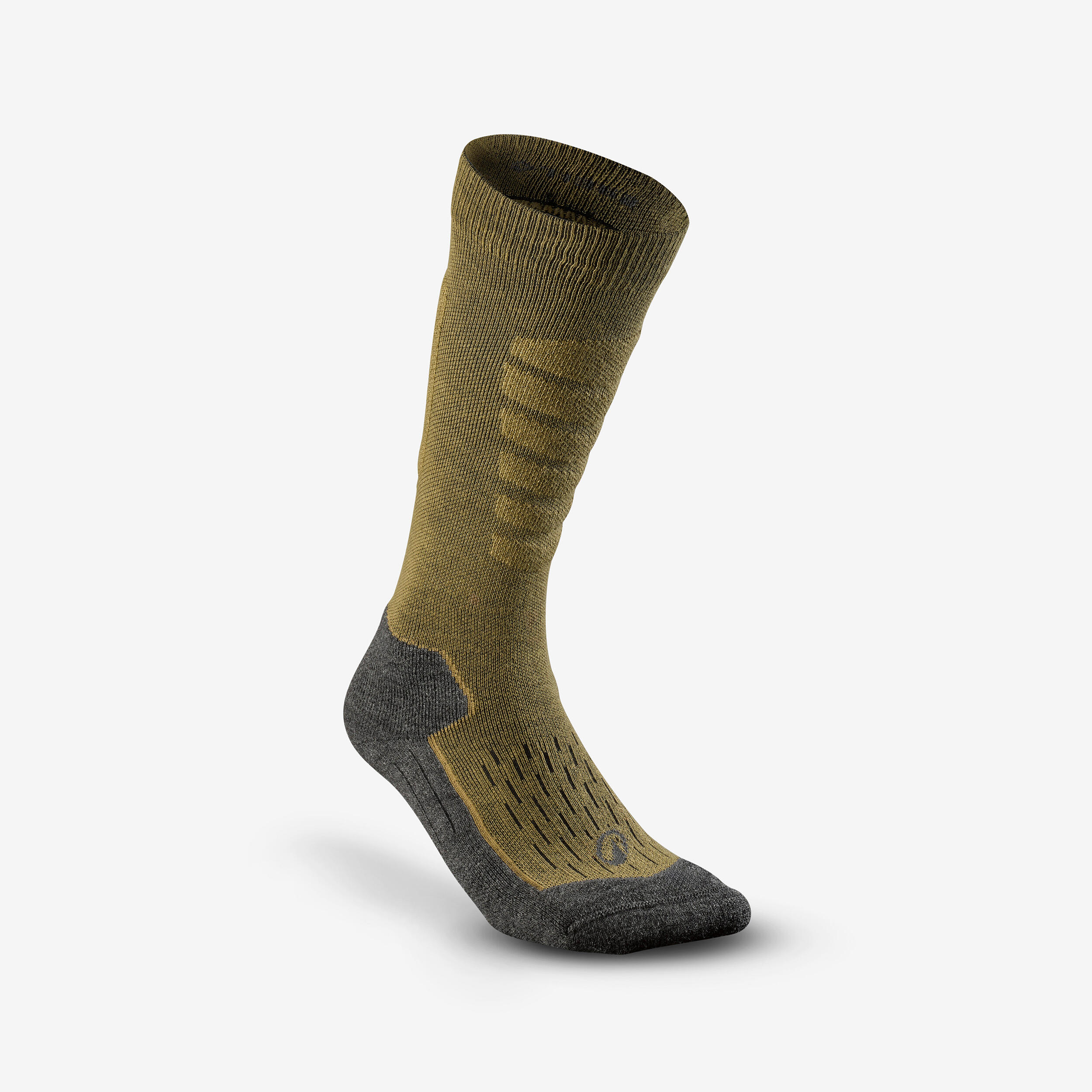
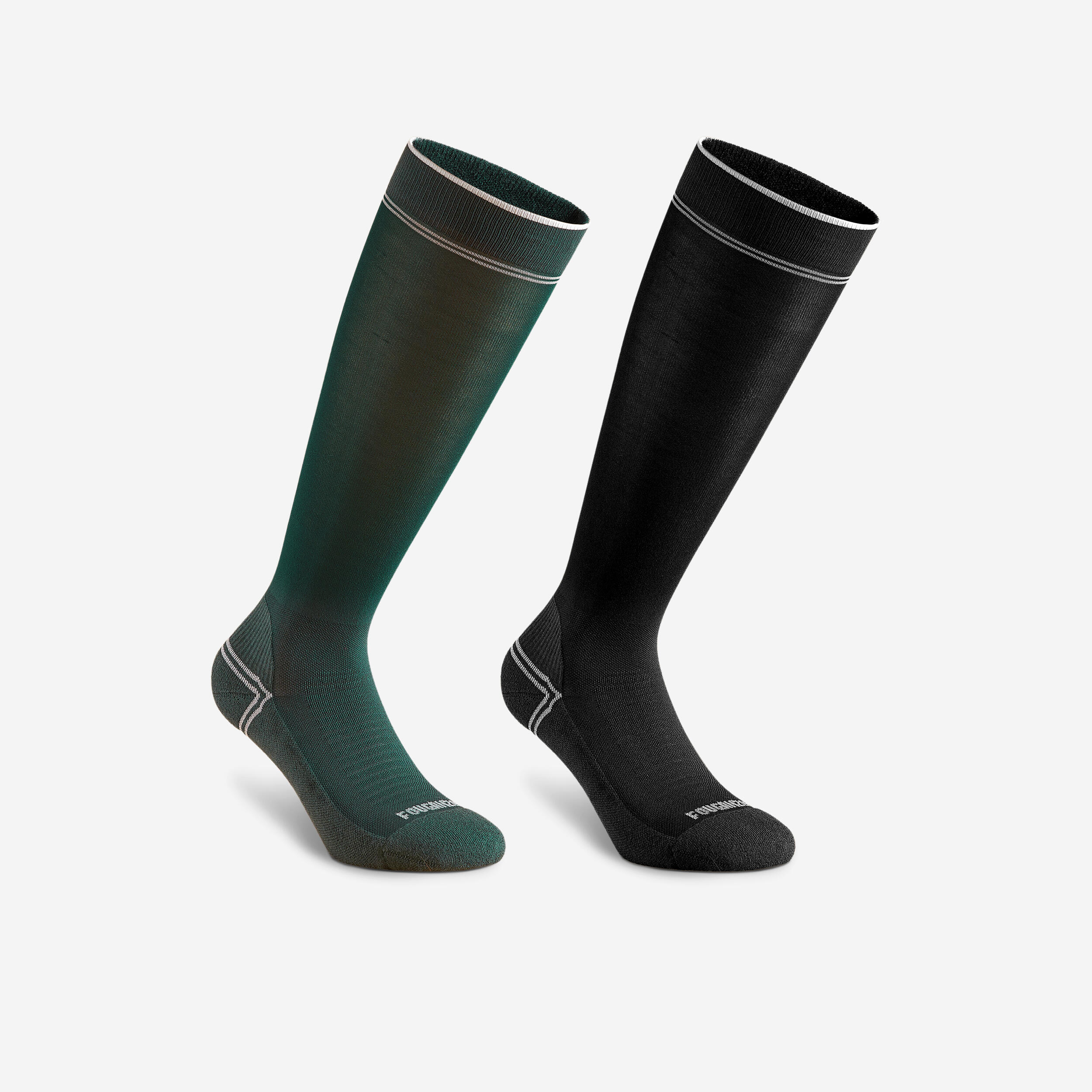
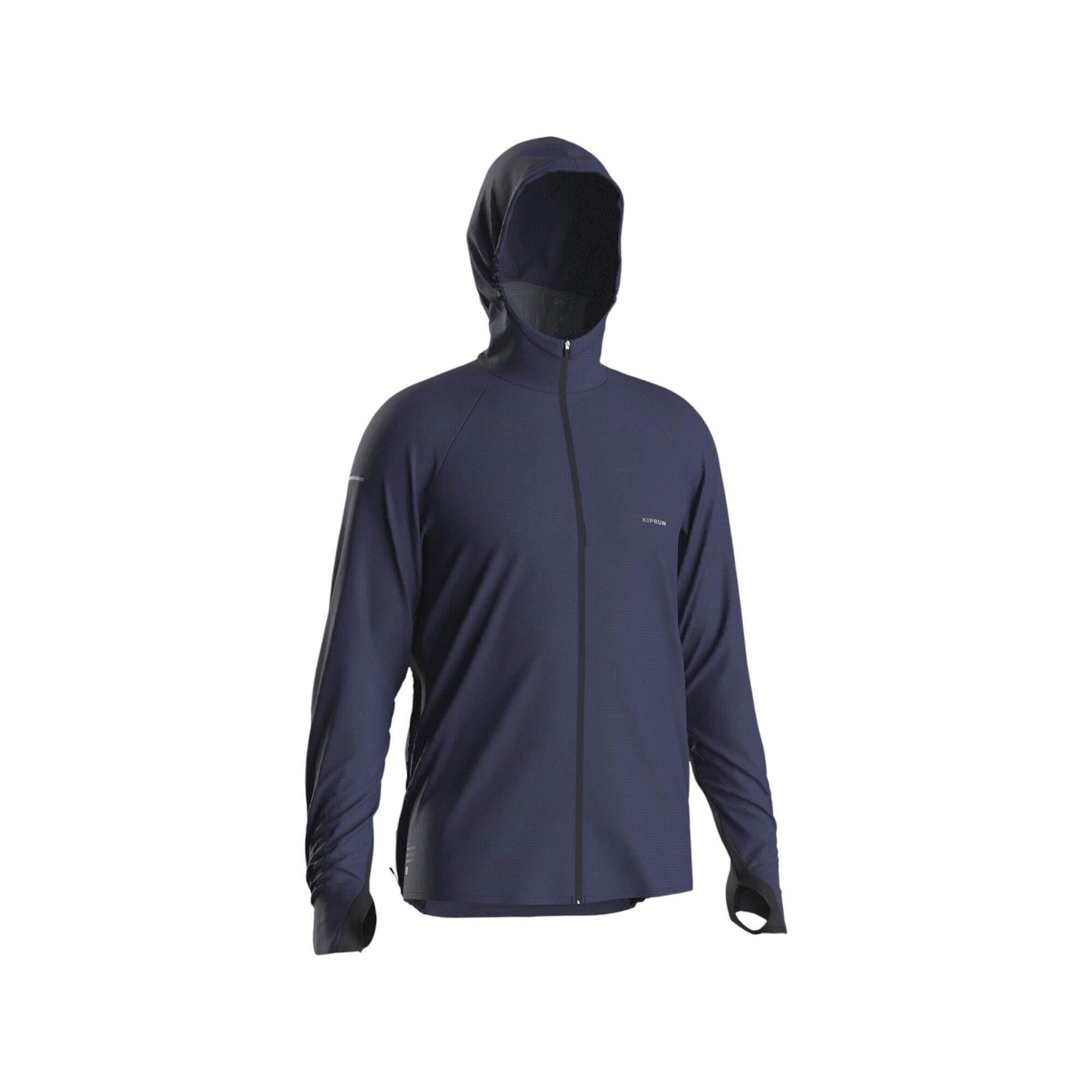
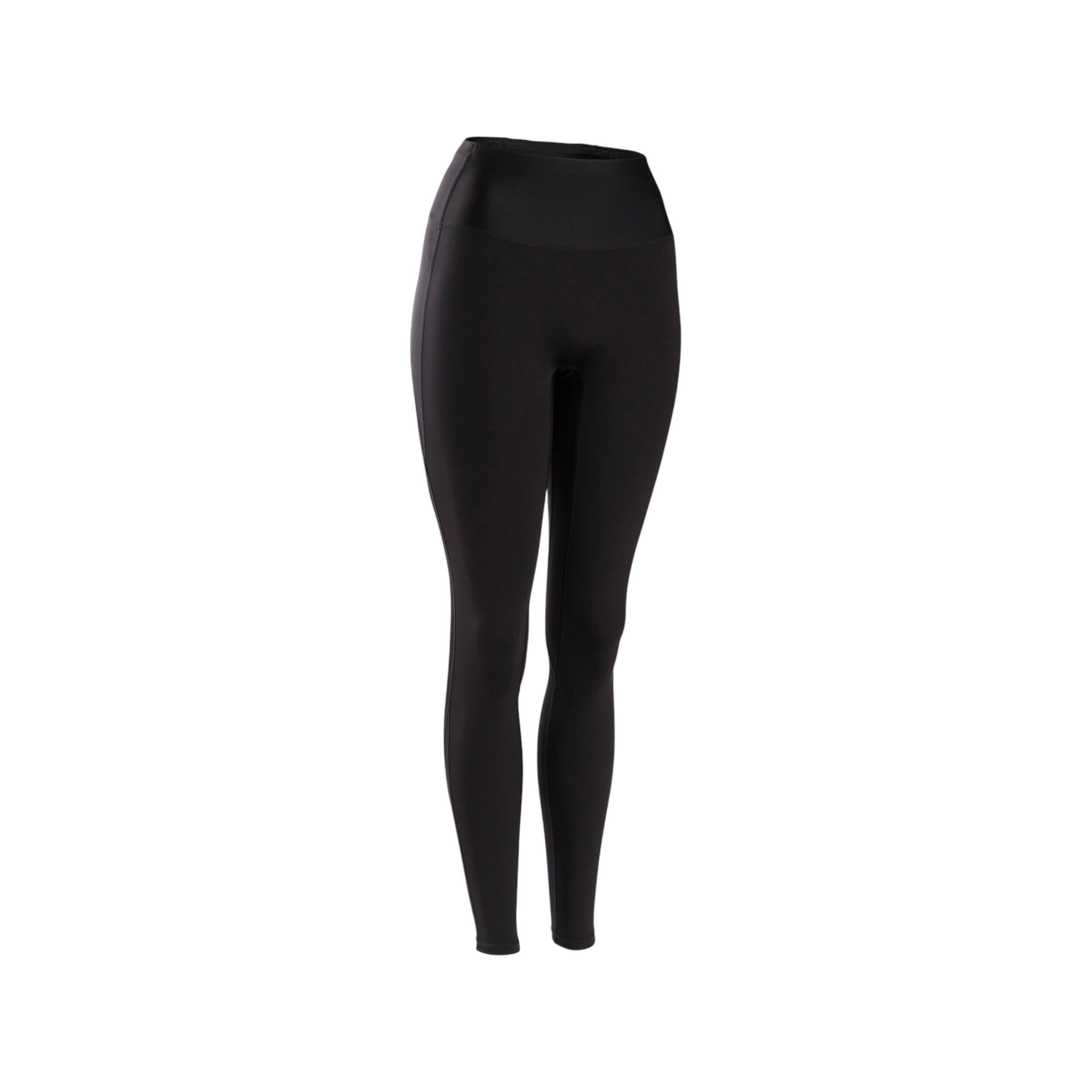
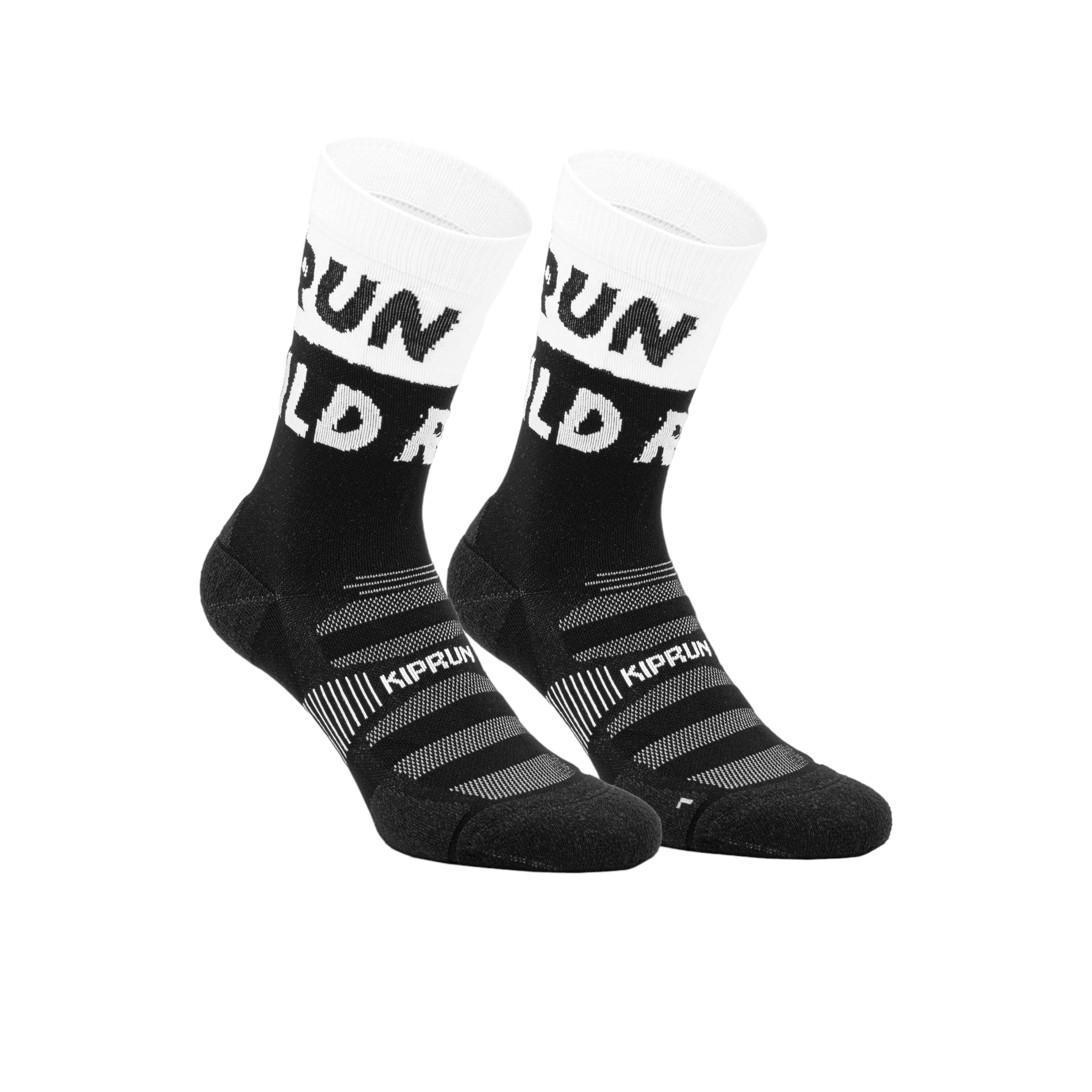
Build your trail outfit around the weather, route, session length and amount of equipment you plan to carry. A practical setup normally includes moisture-managing underwear, a breathable top and shorts, tights or trousers that allow unrestricted climbing and descending. Add a protective outer layer when wind or rain is expected. Suitable women's trail running jackets can provide wind or waterproof protection without requiring a heavy insulated layer in mild conditions. Socks should remain smooth inside your shoes, while every waistband and pocket should stay stable once loaded. A useful pro tip is to test the complete outfit with your hydration vest, phone and nutrition, as added weight can change where fabric and seams contact your body.

How do women's trail running tops fit?

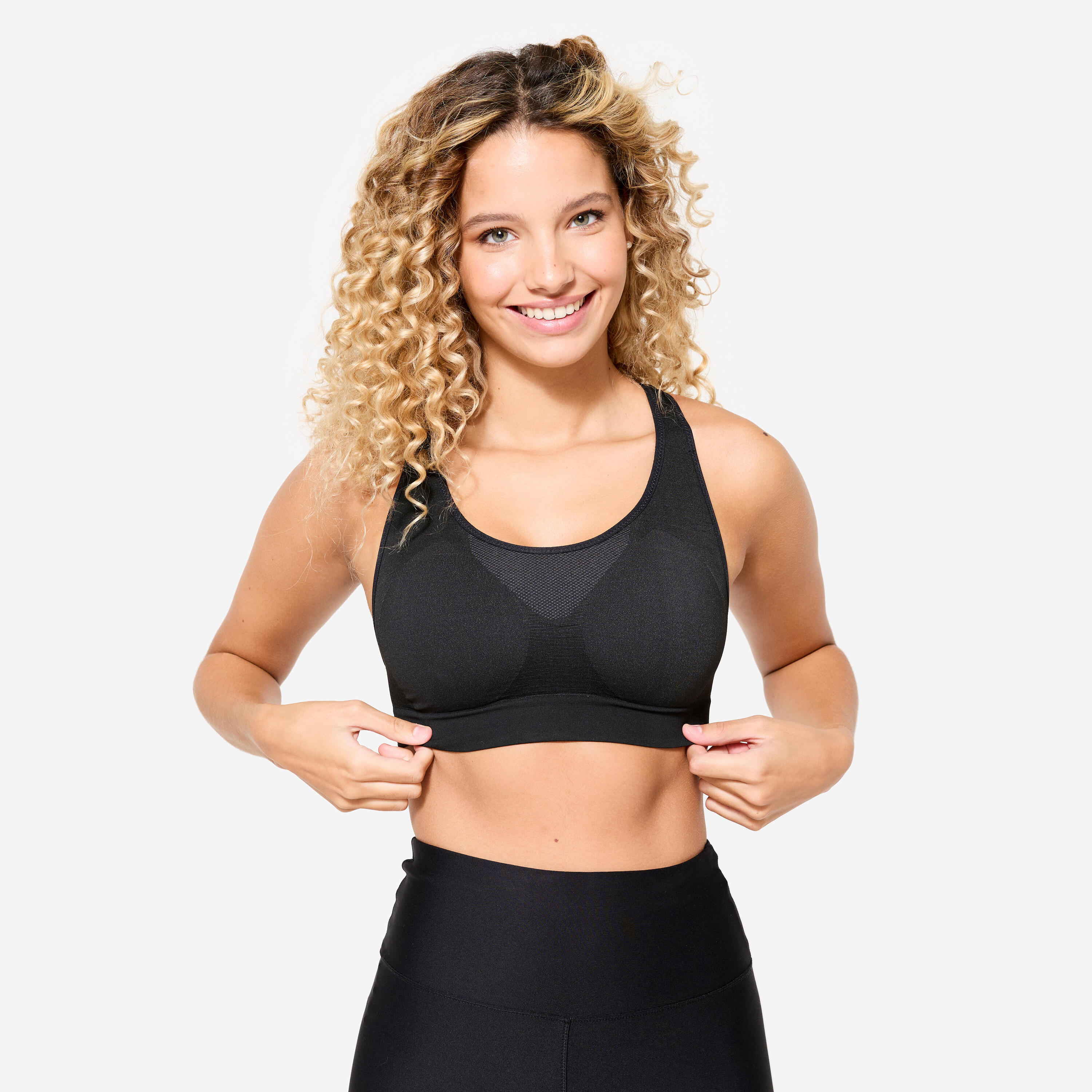
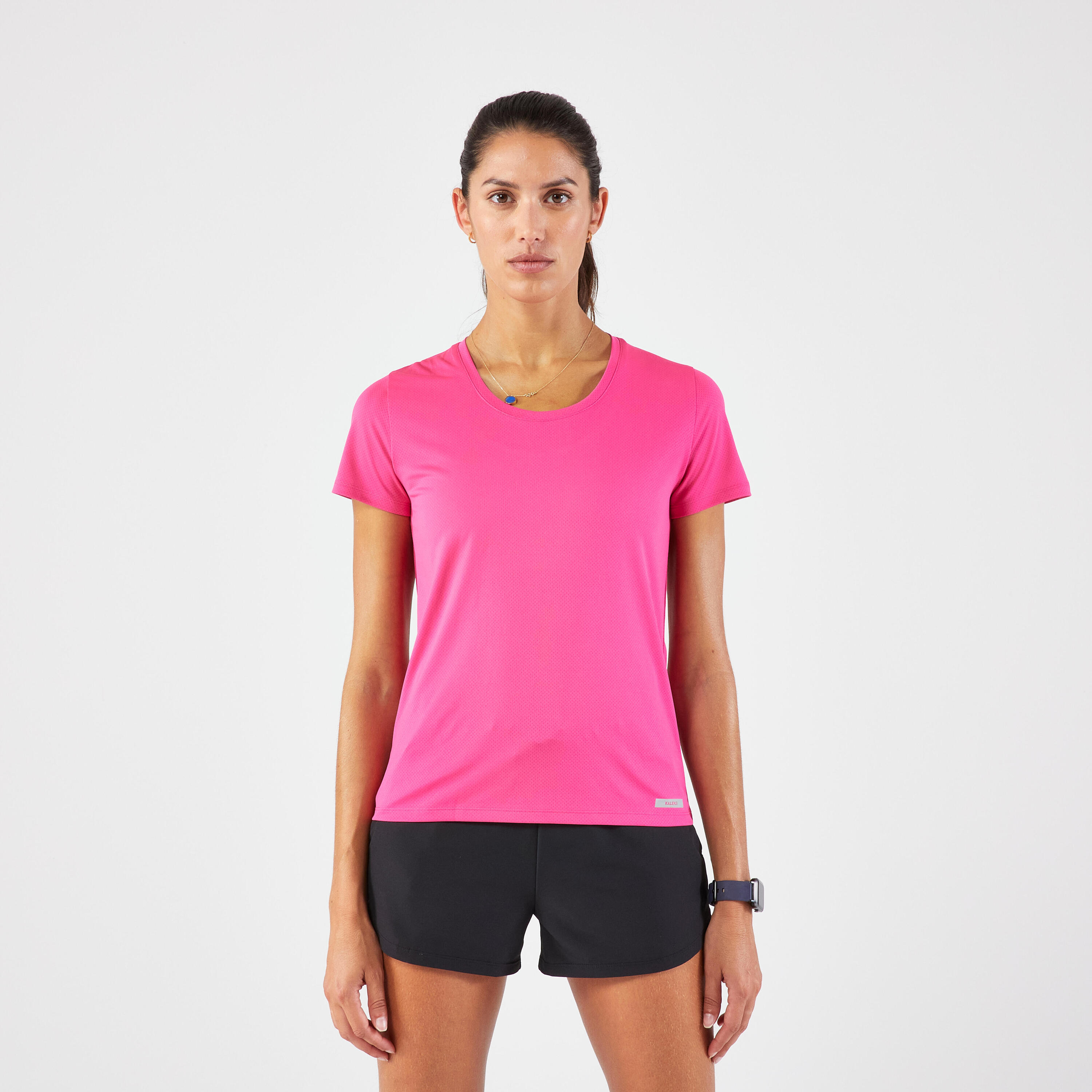
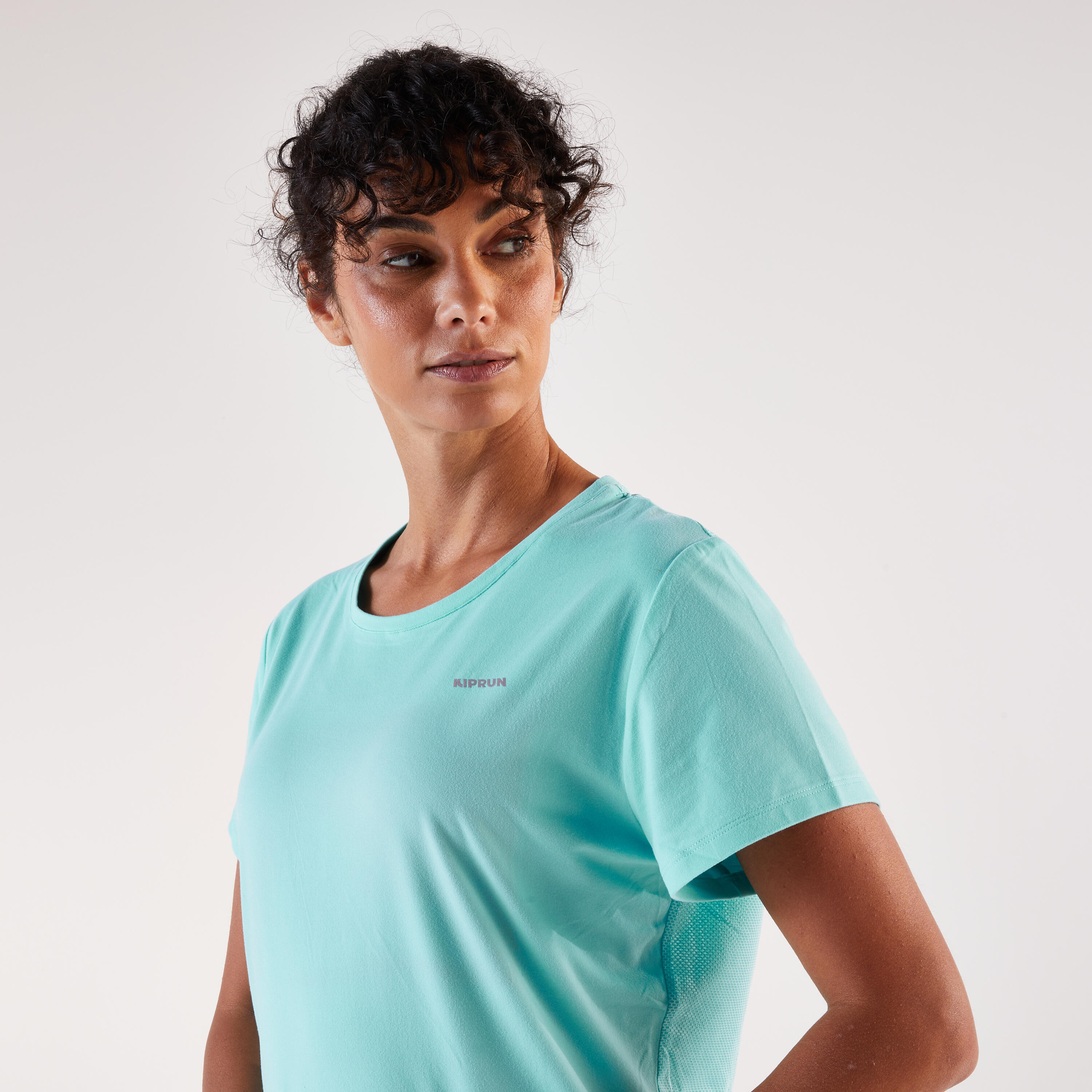
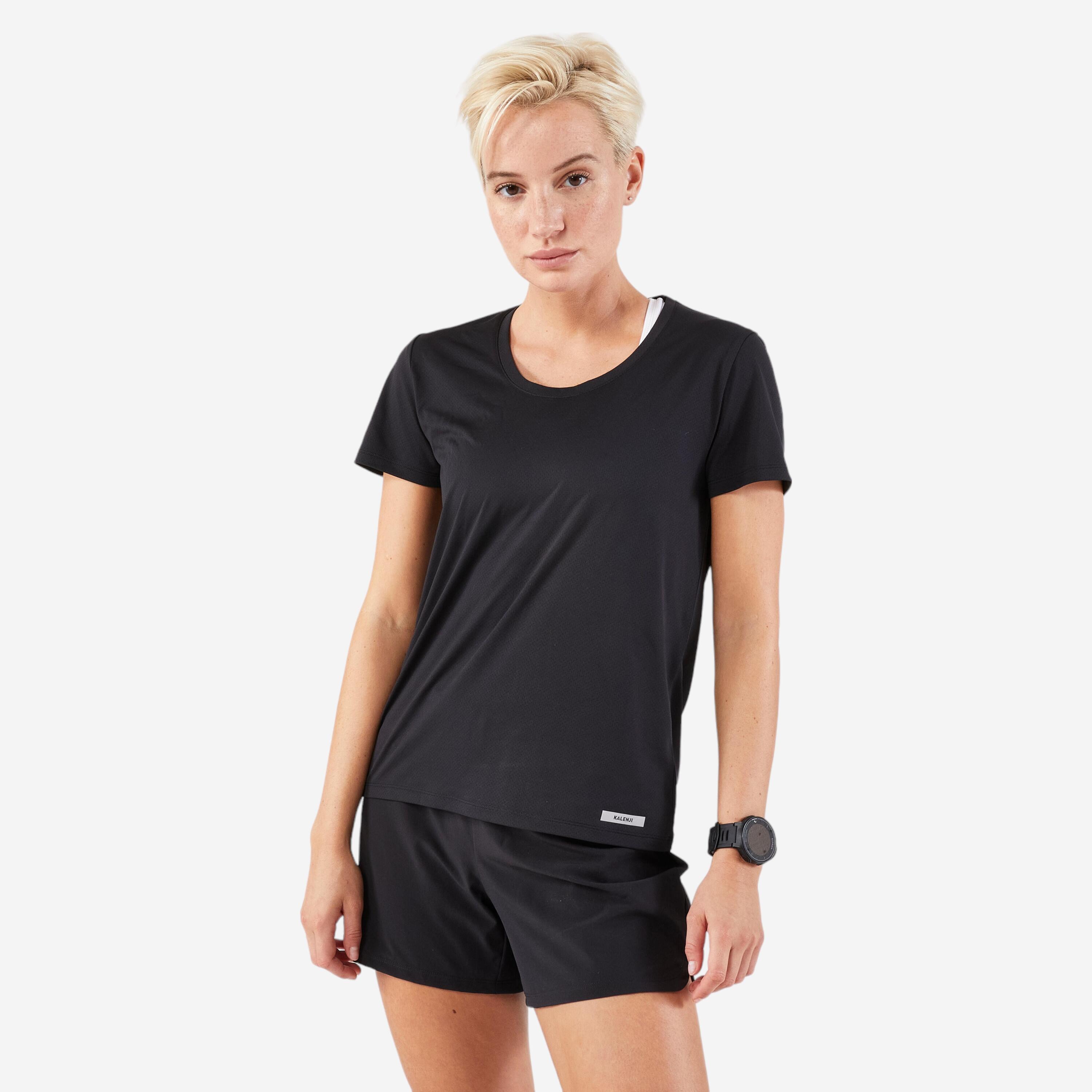
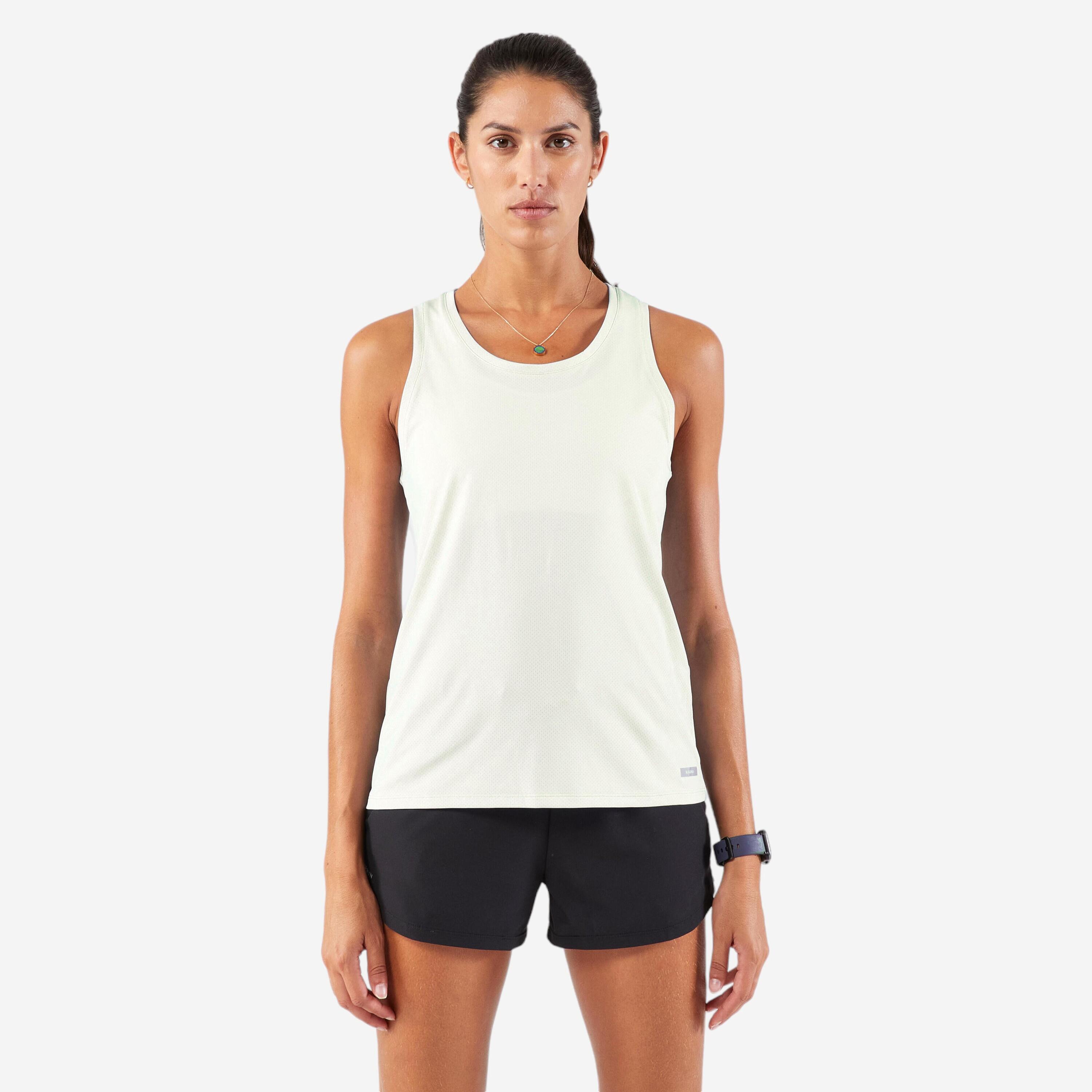
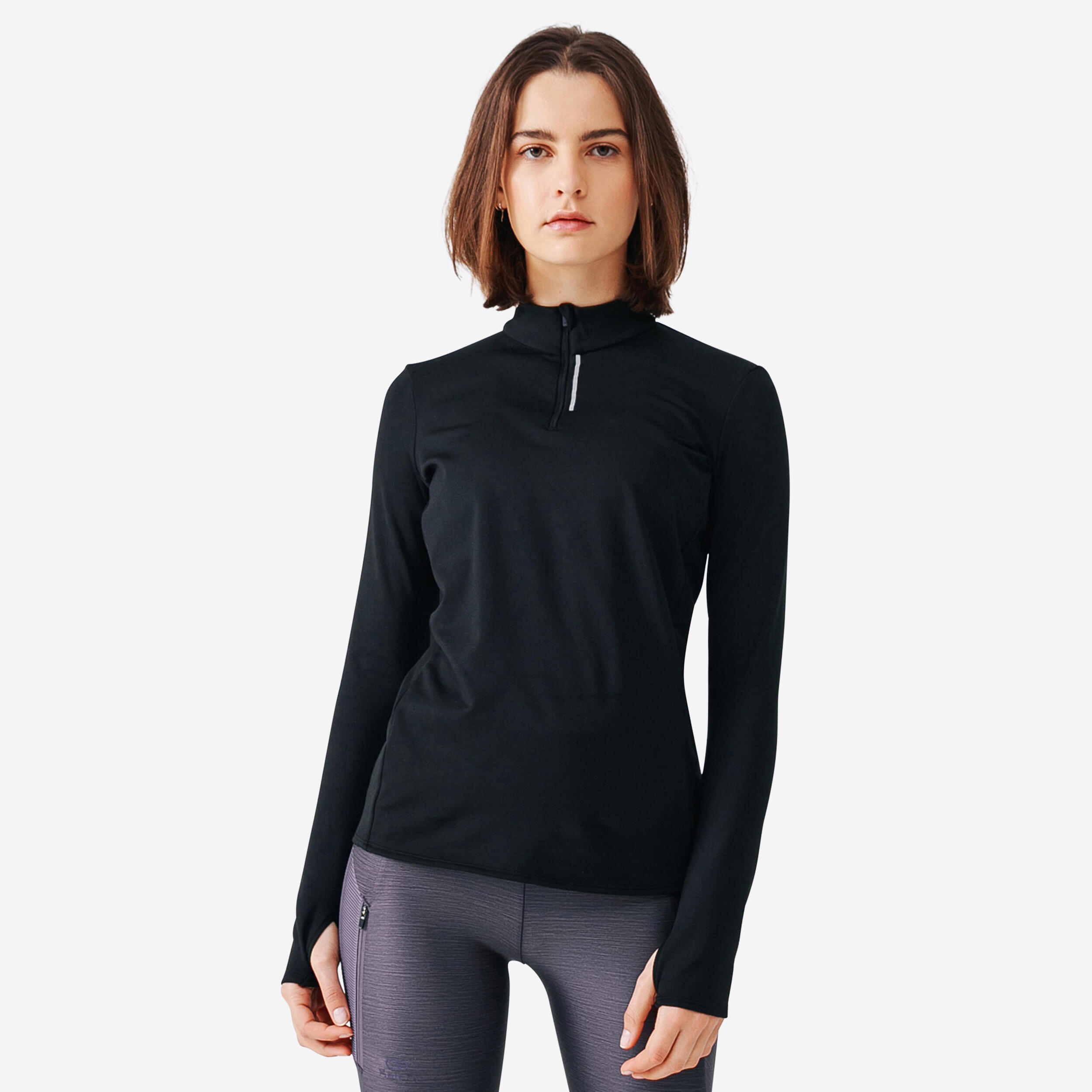
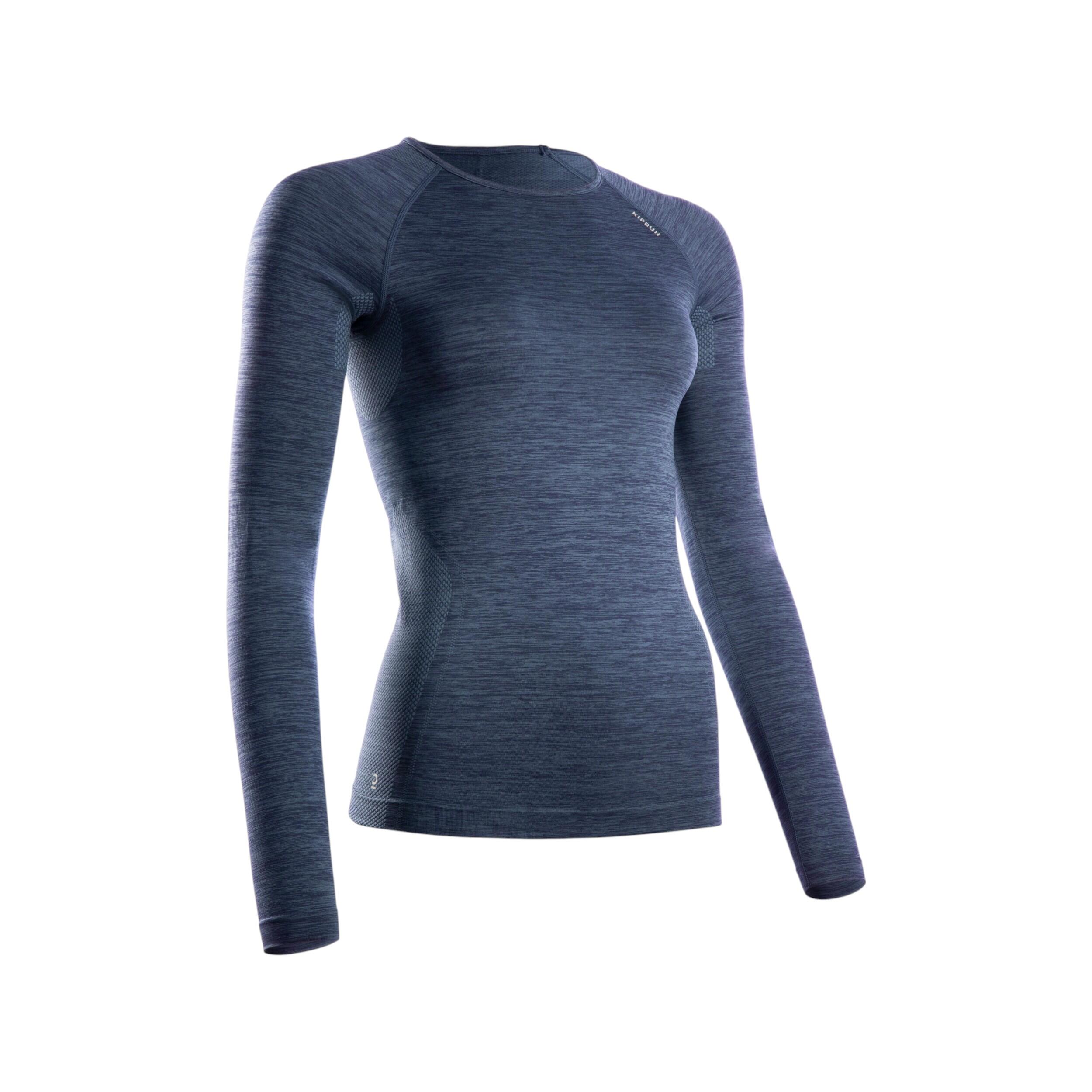
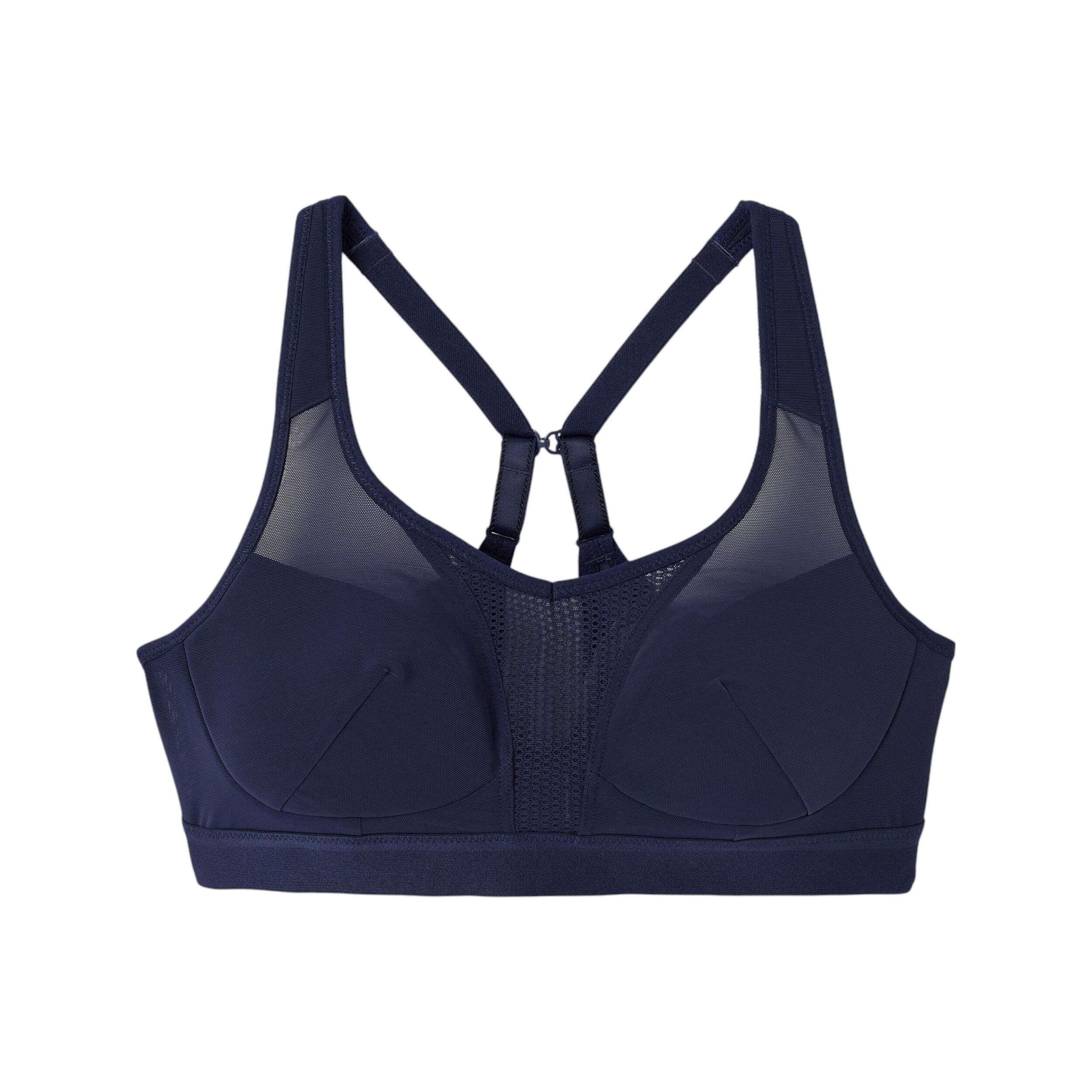
Trail running tops should allow free shoulder and arm movement without leaving excess fabric that twists beneath pack straps. Raise your arms, rotate your torso and lean forwards when checking the fit. The neckline and armholes should remain smooth, while the hem should provide enough coverage without catching around the hips. Moisture-managing synthetic fabrics are commonly used across women's trail running tops, while selected KIPRUN constructions add micro-perforated or body-mapped ventilation around high-perspiration areas. Loose cuts can improve airflow, but they should not flap excessively in exposed conditions. Test the top with the sports bra and hydration vest you normally use because overlapping edges can create pressure or rubbing over longer distances.

Which trail and weather conditions suit running trousers?

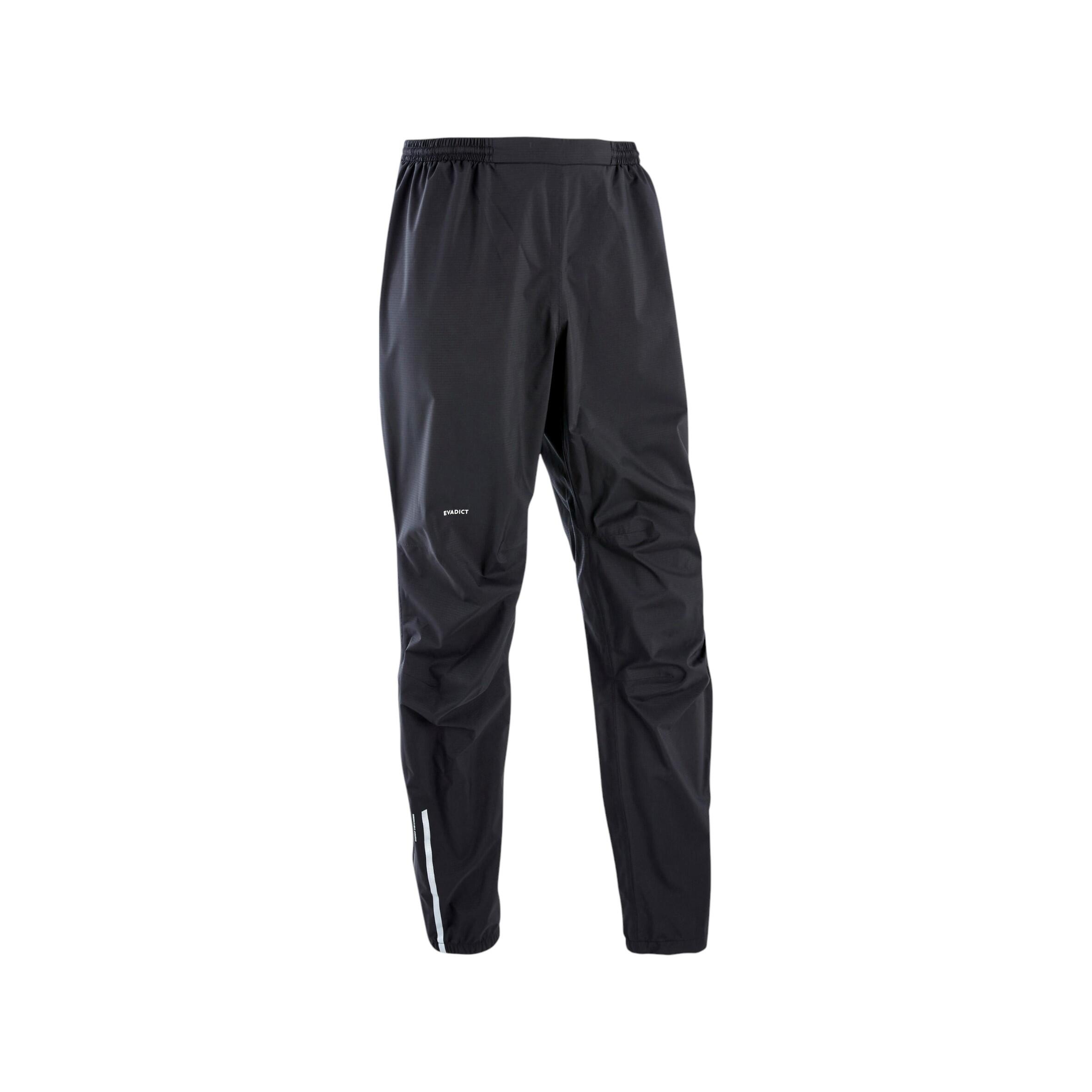
Trousers can provide useful lower-leg coverage during cool weather, overgrown routes, muddy outings or trails where vegetation may brush against your skin. Choose a lightweight construction that bends freely around the hips and knees without pulling during steep climbs. A secure waistband and a cut that does not gather above the shoes are important features in women's trail running trousers. Wind or light weather protection may be helpful, but check the individual product details rather than assuming every pair is waterproof. Wear the fewest layers needed for the conditions so heat and perspiration do not build unnecessarily. Before a longer run, practise stepping over obstacles and climbing stairs to check that the cut does not restrict your stride.
Which features matter most in women's trail running shorts?

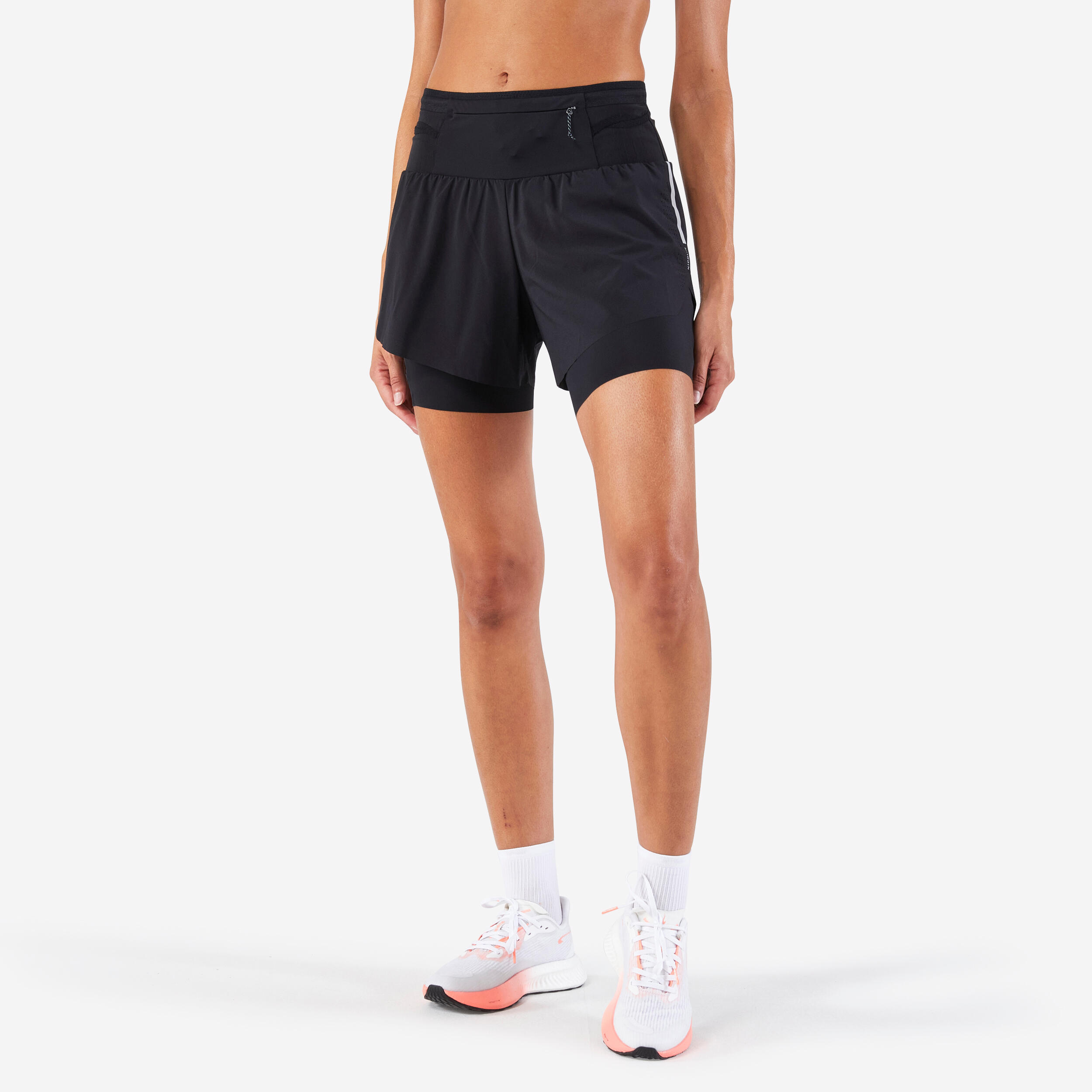
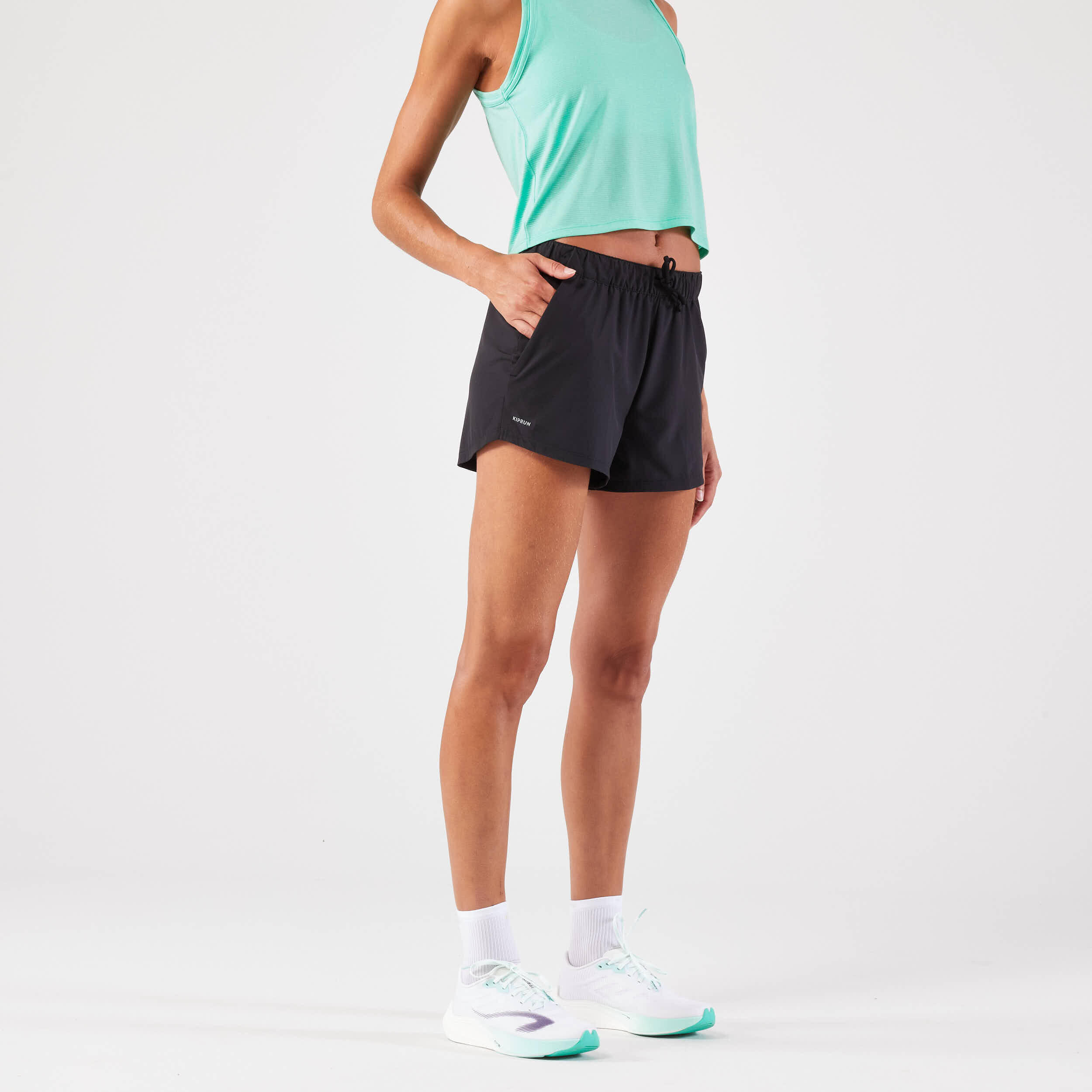
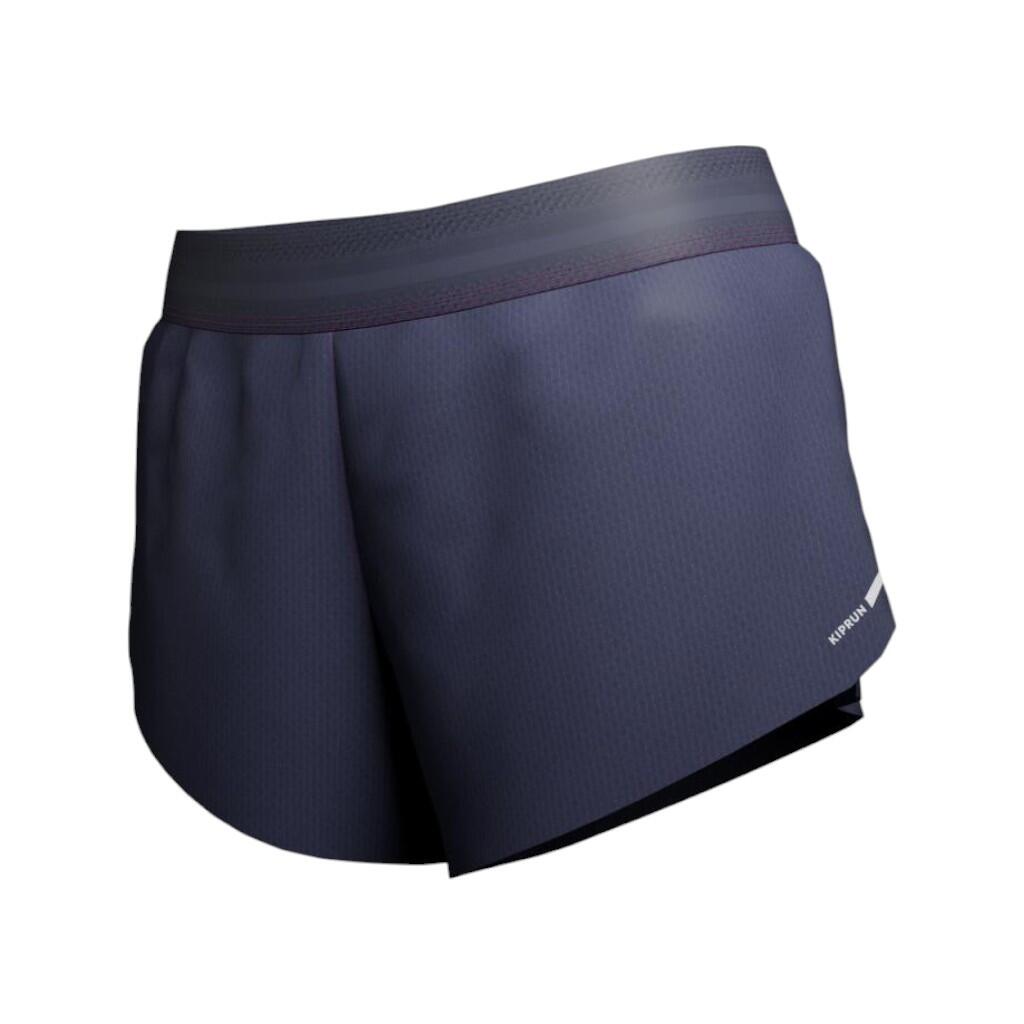
Prioritise freedom of movement, stable storage and a waistband that stays comfortable when pockets are loaded. Loose shorts can improve airflow, while fitted inner layers may help limit thigh rubbing when the construction includes them. KIPRUN models within women's trail running shorts may use several pockets for a phone, keys or nutrition, allowing smaller essentials to remain close to the body. Spread carried weight around the waistband rather than filling one pocket heavily. Check that the fabric does not ride upwards and that pocket contents do not strike your legs during descents. If the shorts include an inner liner, test them before adding separate briefs because overlapping layers can create extra seams, warmth and moisture retention.
How do runners choose suitable underwear and look after it after each run?

Choose close-fitting underwear that remains smooth beneath your shorts, tights or trousers. Reduced-seam constructions can limit raised contact points, while polyamide-rich fabric helps transfer perspiration away from the skin. Coverage, waistband position and compatibility with your outer layer are important considerations when selecting women's trail running underwear, rather than appearance alone. Wash technical underwear and most trail clothing at no more than 30 degrees Celsius unless the individual label states otherwise. Avoid fabric softener where it may affect moisture management, and do not tumble-dry, iron, bleach or dry-clean technical garments. Close exposed zips or use a laundry bag to protect fine fabrics, then air-dry everything fully before storing it. Inspect high-friction areas regularly for rough fibres, thinning or stretched elastic.