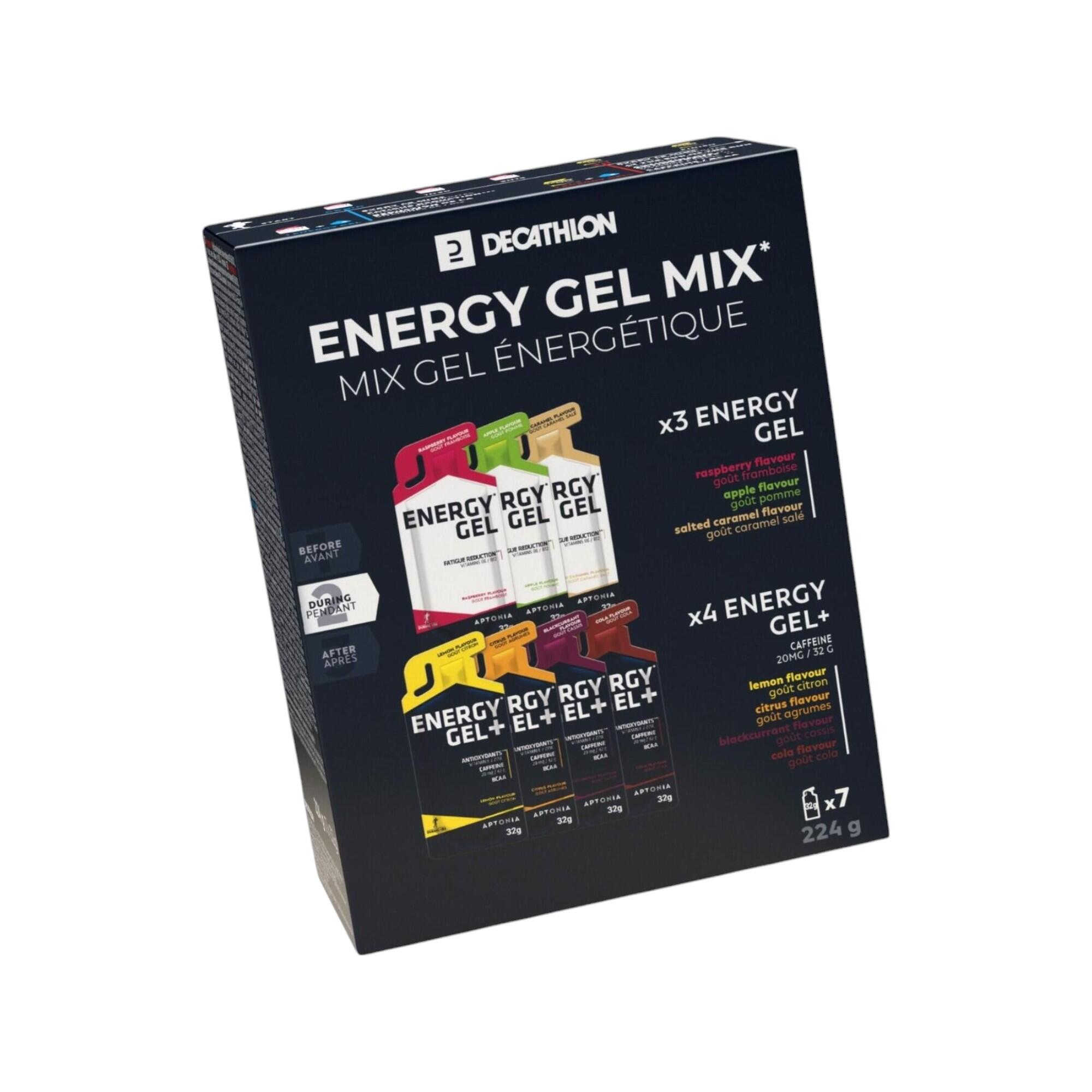
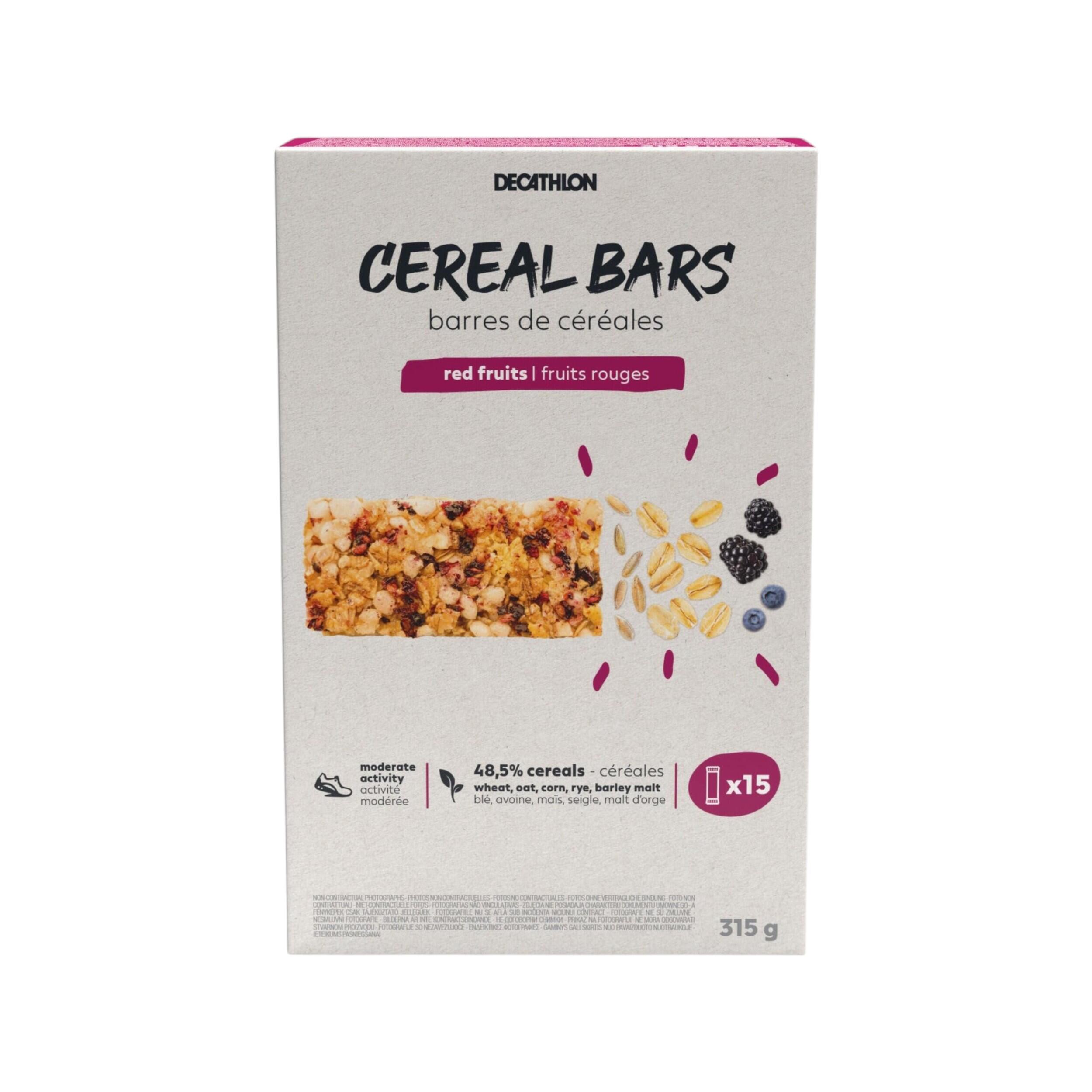
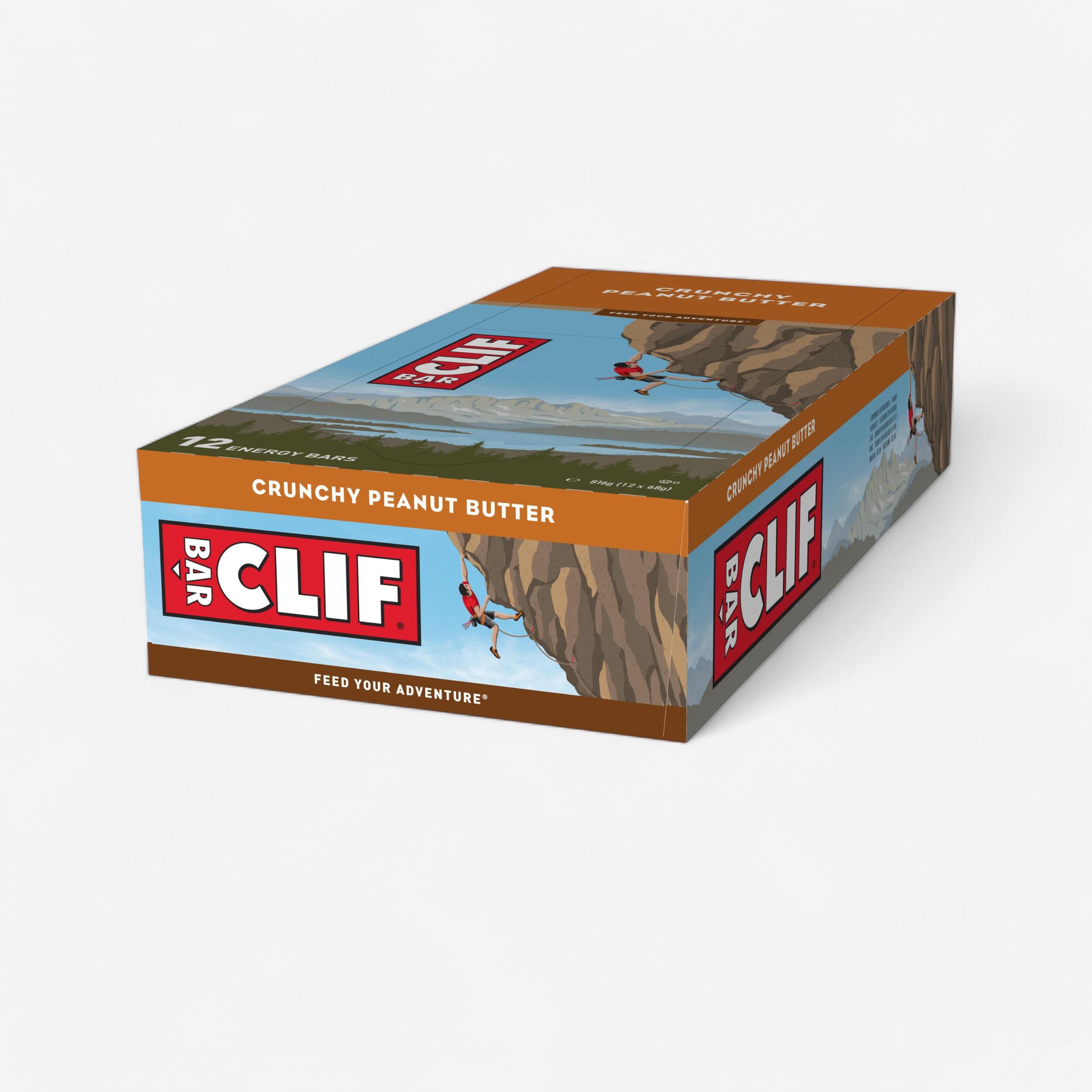
48 items
4.7/5 based on 3218 reviews collected online and in stores

Before My Trail FAQs

What should you eat before a trail run?

Choose familiar carbohydrate-rich food that suits the time available before you start. Carbohydrate helps top up muscle glycogen, which is the stored fuel your body draws on during sustained running. A normal meal can work several hours before a trail session, while compact breakfast bars or energy cake may be easier before an early event. Avoid suddenly adding large amounts of fat, fibre or unfamiliar ingredients, as these can take longer to digest and may feel uncomfortable once you begin climbing. The wider trail running nutrition and hydration selection can help you coordinate pre-run food with the drinks and energy portions needed during longer outings.

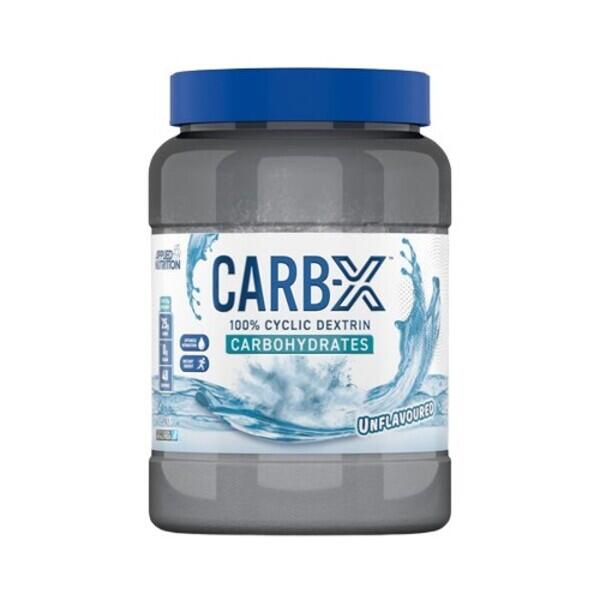
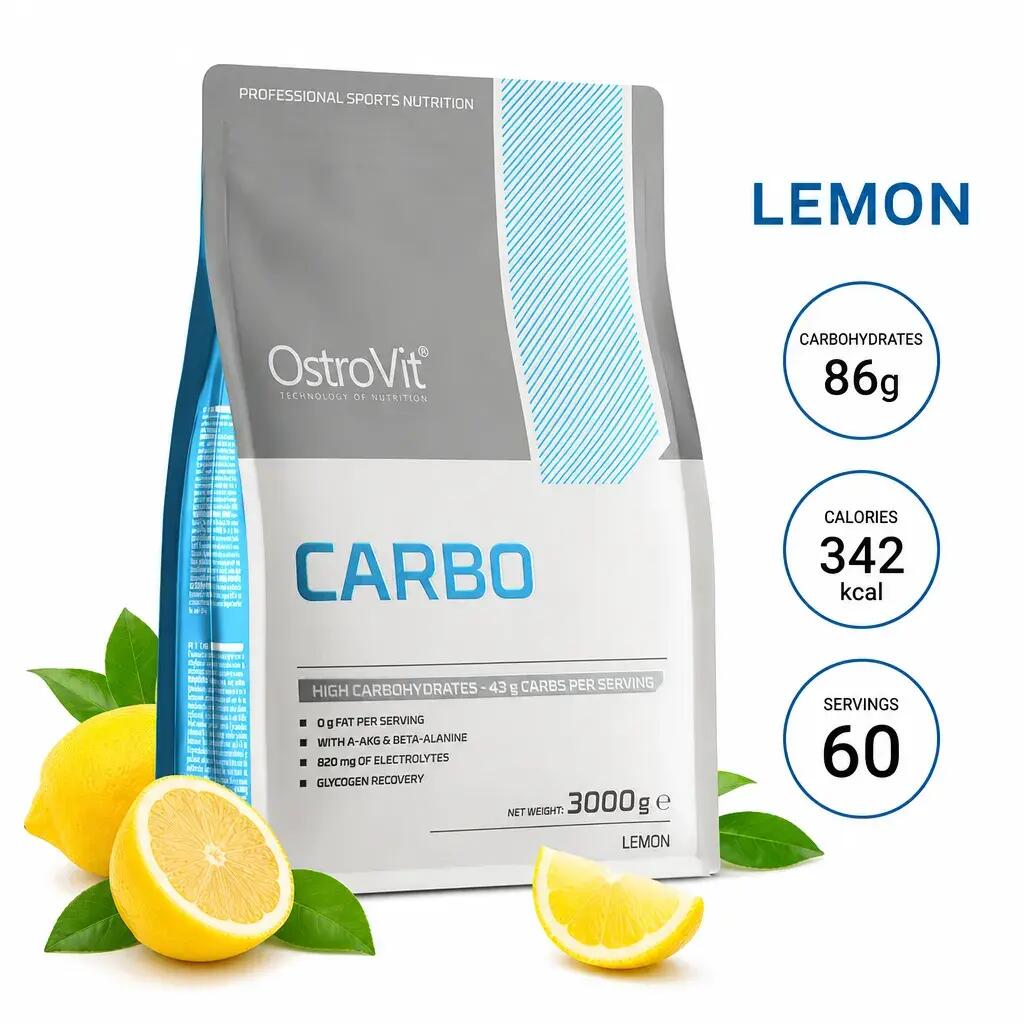
When should you use a lemon powdered maltodextrin drink?

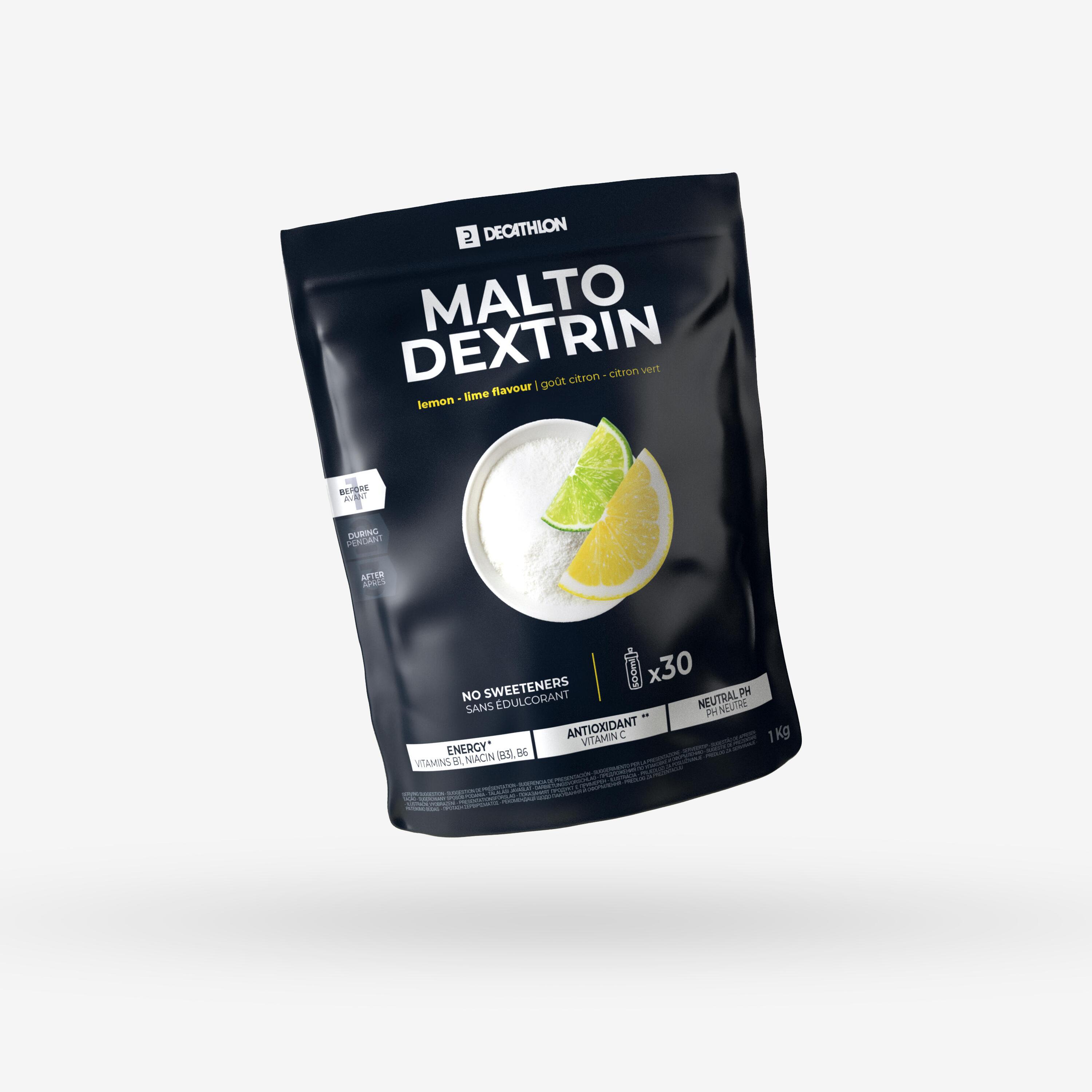
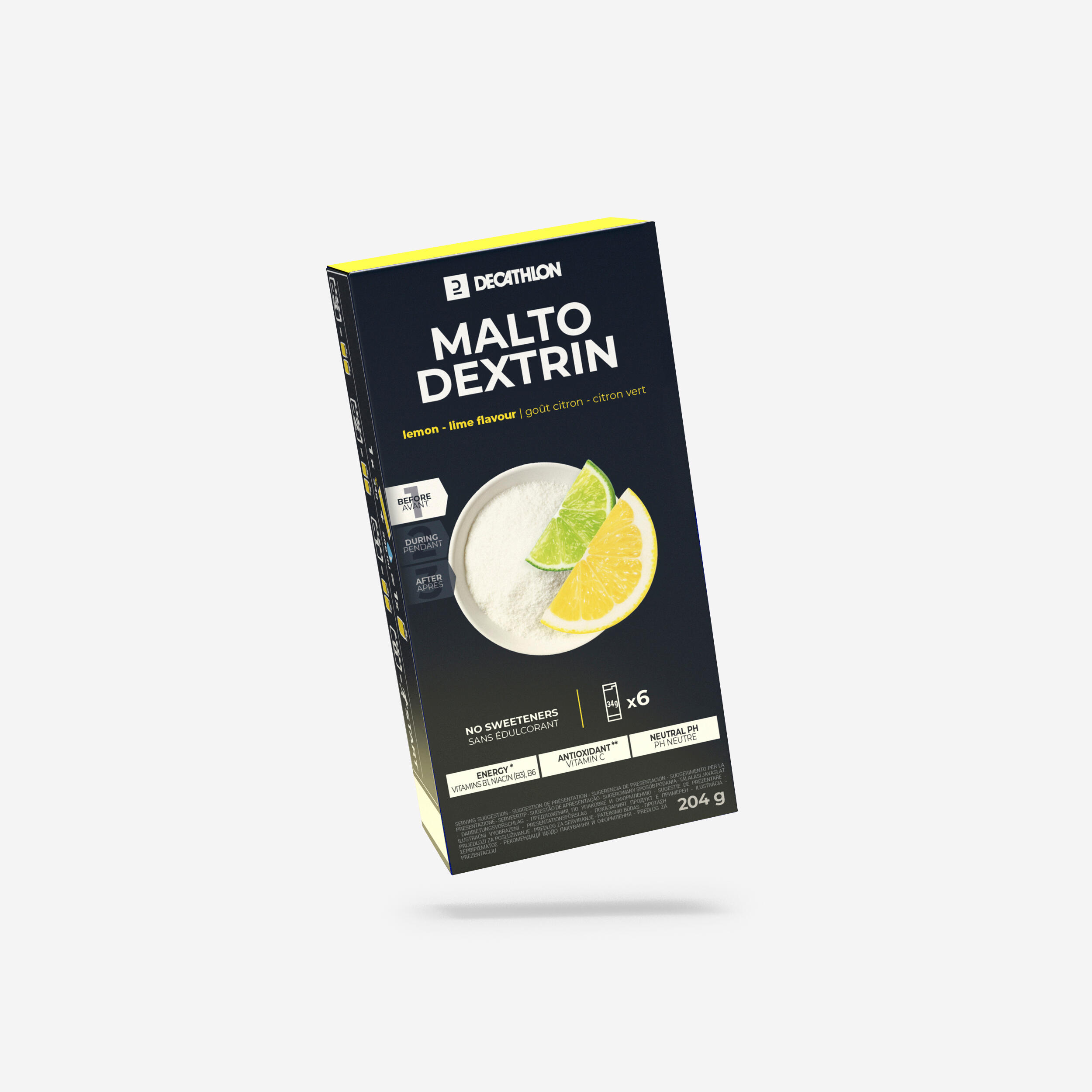
A maltodextrin drink is mainly relevant before an endurance event expected to last more than three hours, rather than for every short trail run. Decathlon recommends mixing a 34 g portion into 500 ml of water and drinking two bottles per day during the three days before the event. The carbohydrate helps increase glycogen reserves, while the low-sweetness lemon flavour can be easier to consume repeatedly than a strongly flavoured drink. The lemon powdered maltodextrin drink should complement normal meals instead of replacing them. Pro tip: test one serving before committing to the full three-day plan, and consume each prepared bottle by the end of the day.
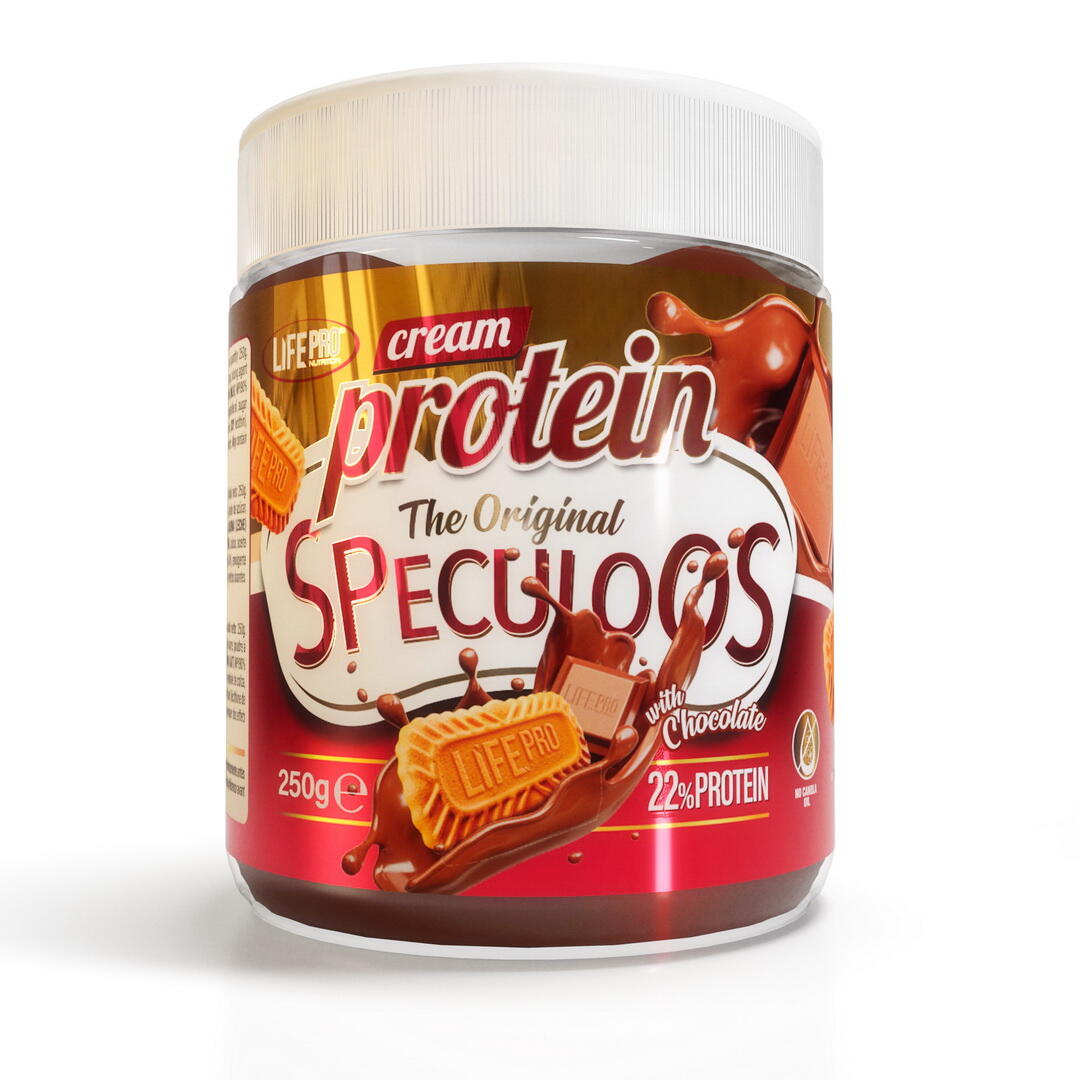
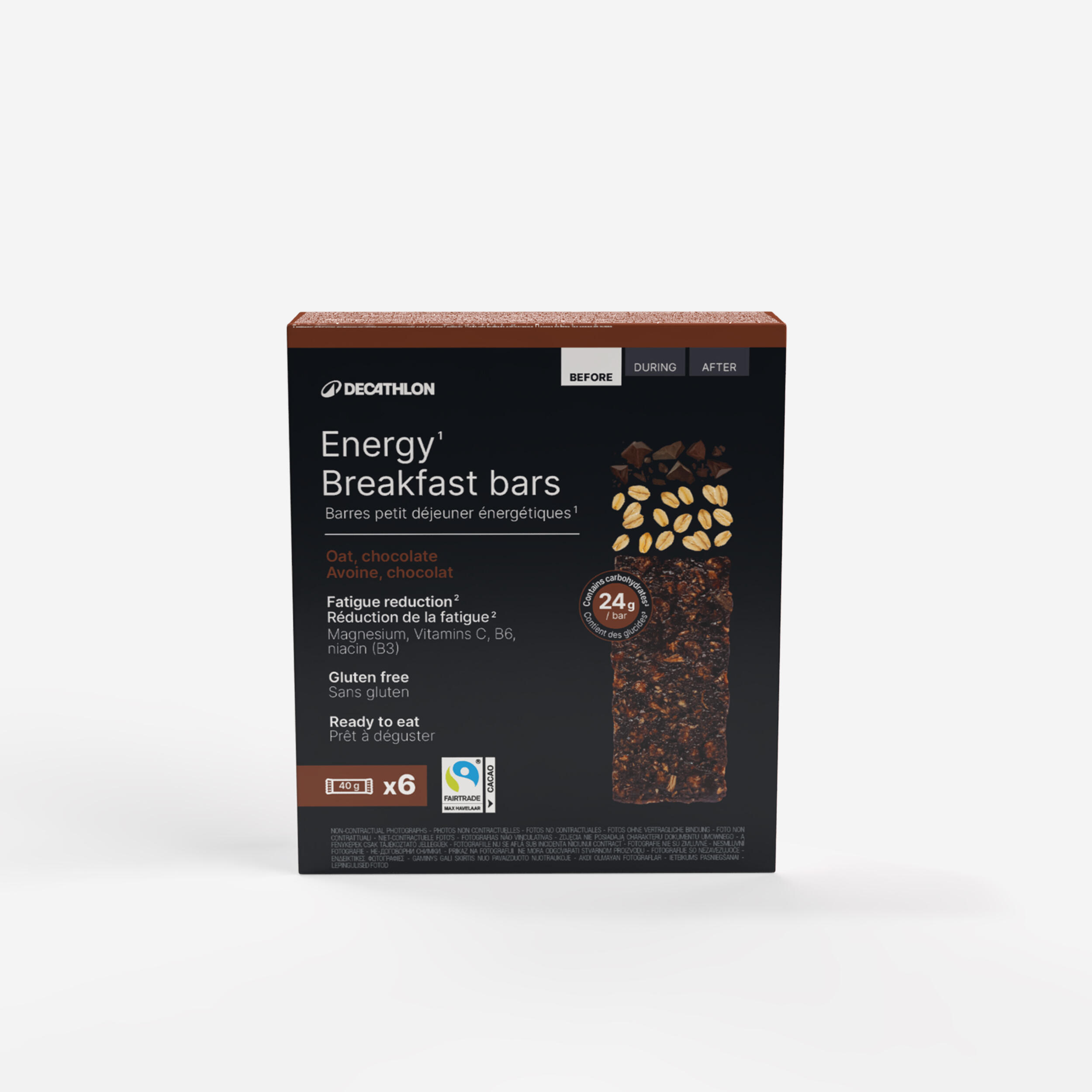
Are gluten-free trail running breakfast bars useful before an early start?

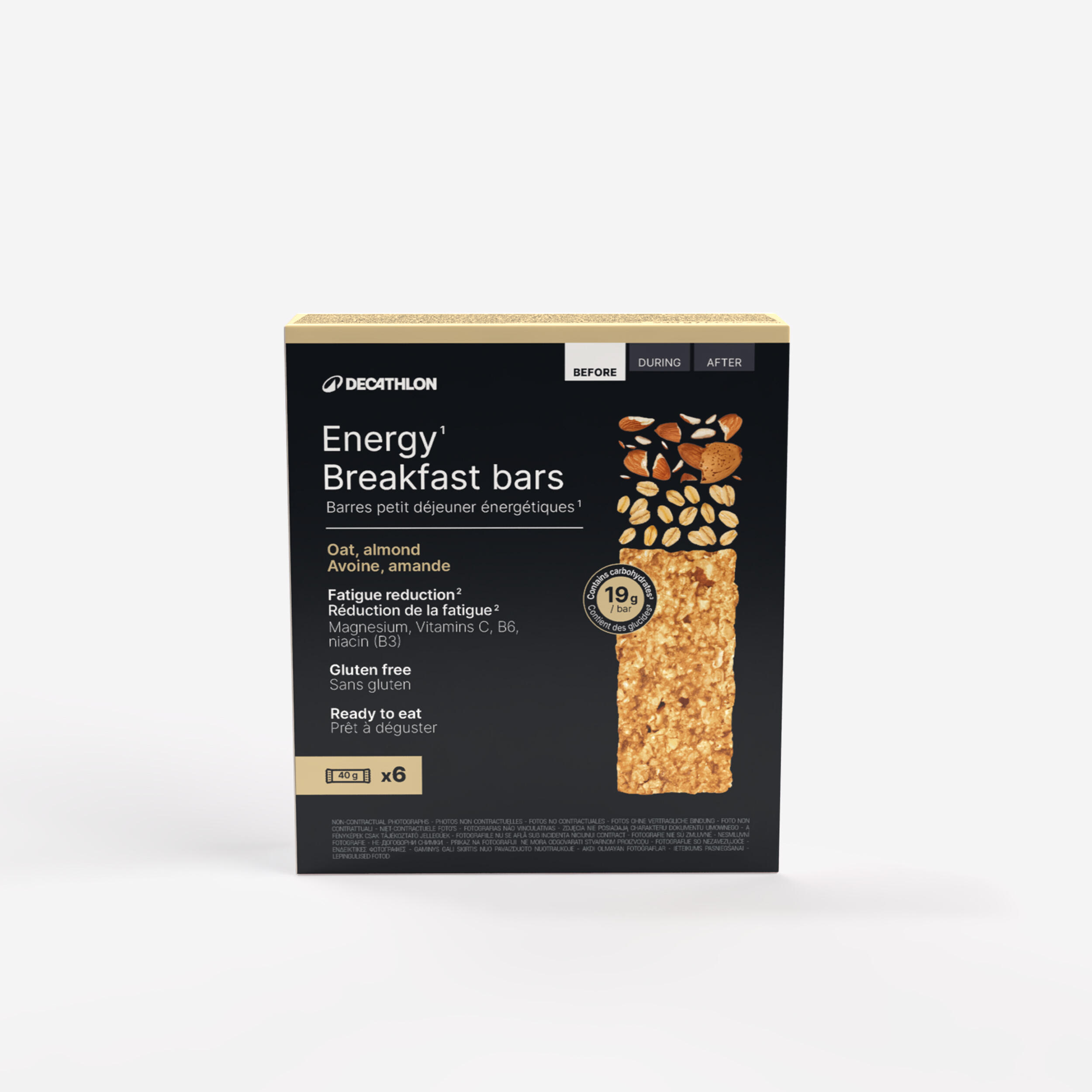
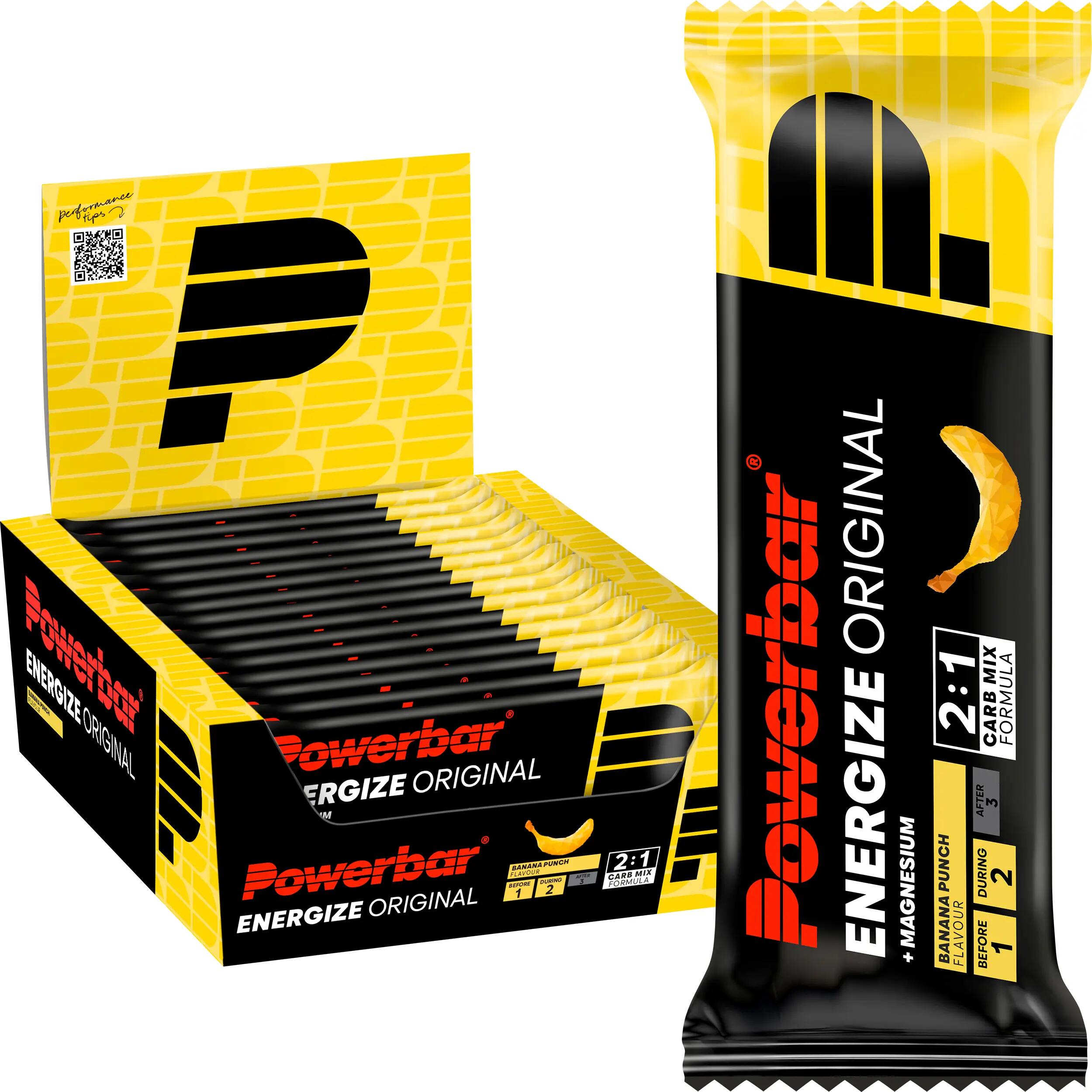
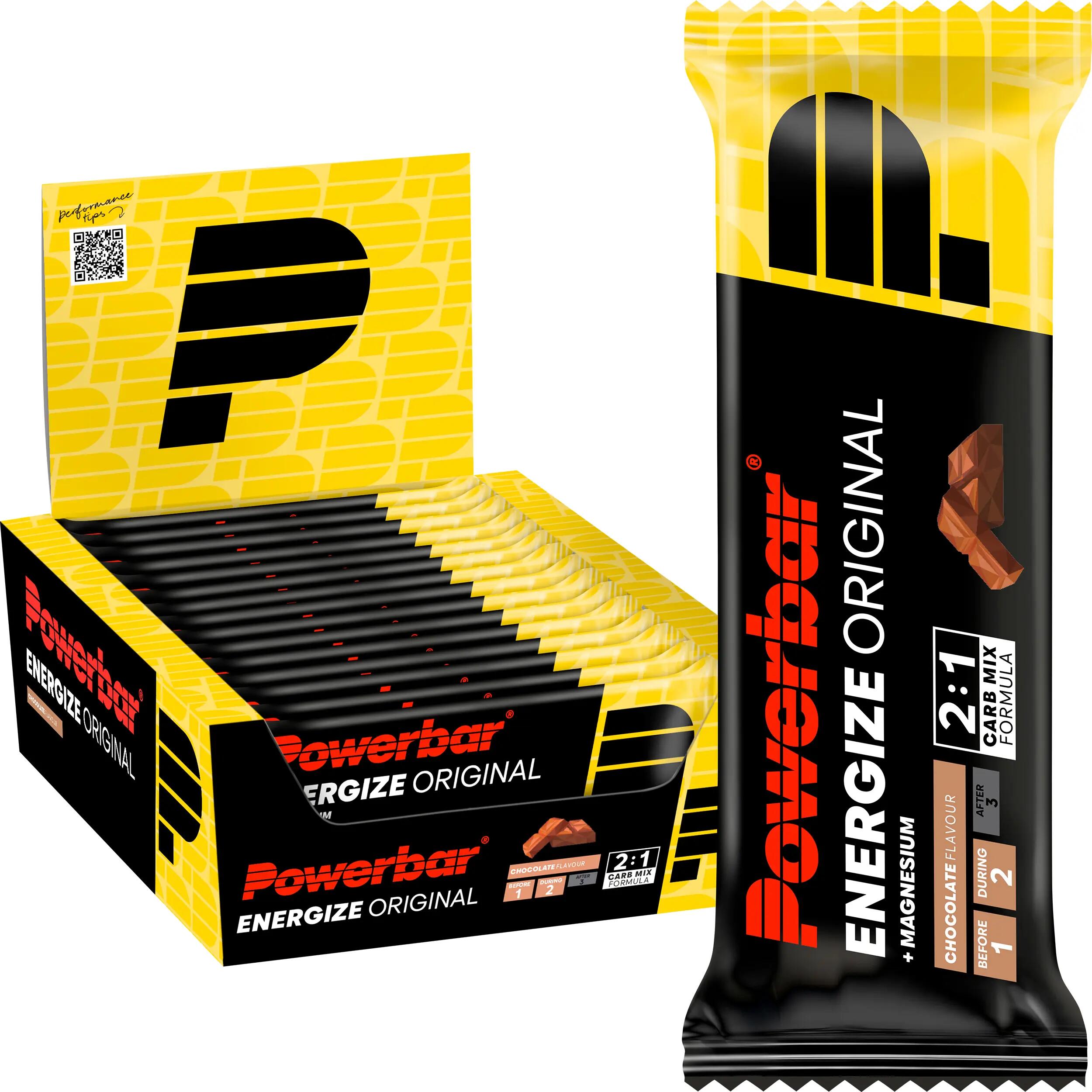
A gluten-free energy bar for runners can be practical when an early race start, travel schedule or nervous appetite makes a cooked breakfast difficult. Decathlon's breakfast format uses two individually wrapped 40 g bars as a complete portion, allowing you to eat them together or split them according to your appetite. Each chocolate bar provides carbohydrate and protein from ingredients including gluten-free oats, pea protein and honey. The gluten-free chocolate breakfast bar is intended for consumption around 90 minutes before endurance exercise. Chew it thoroughly and drink normally, because saliva begins breaking down food before it reaches the stomach. Check the full ingredient list when managing allergies or medically diagnosed dietary restrictions.

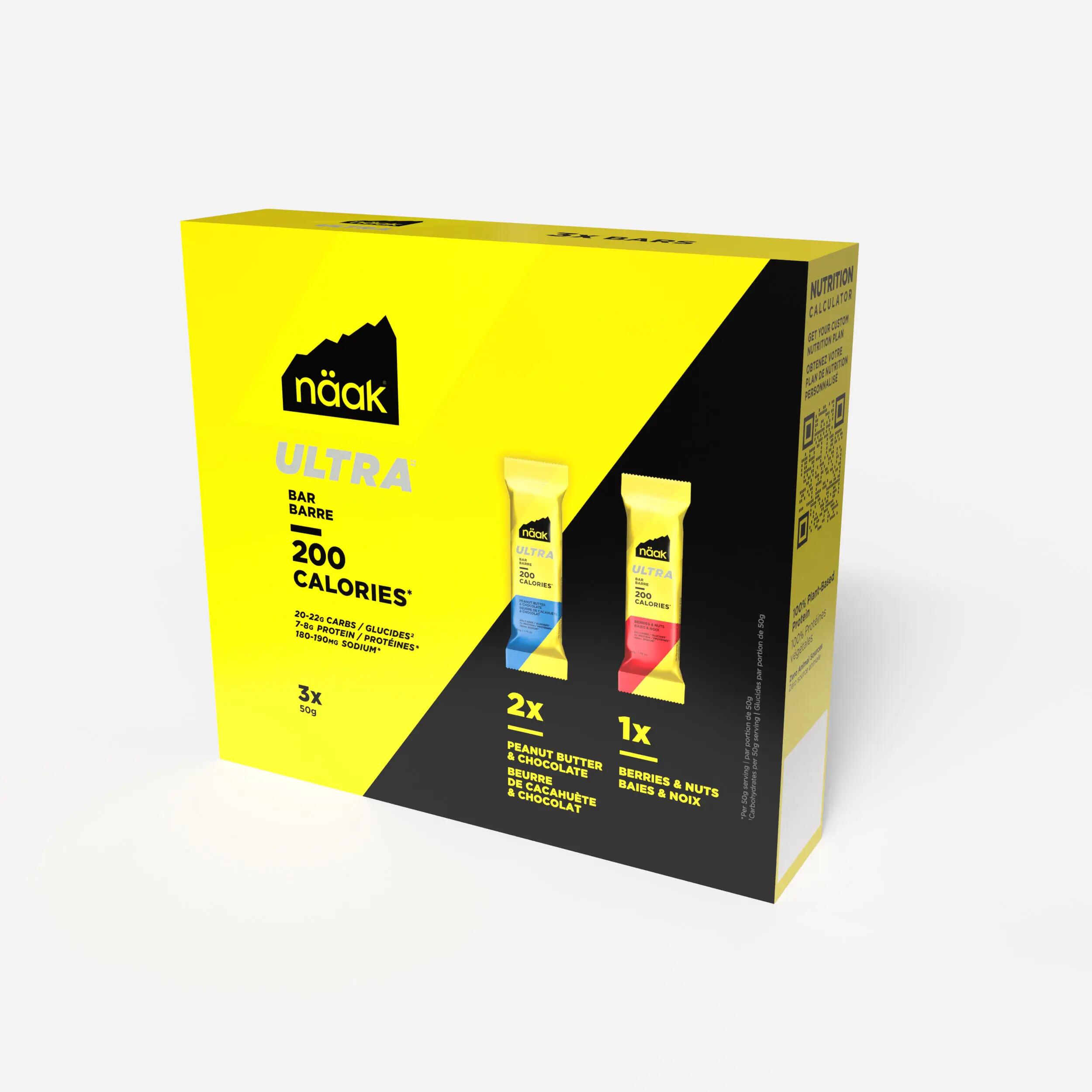
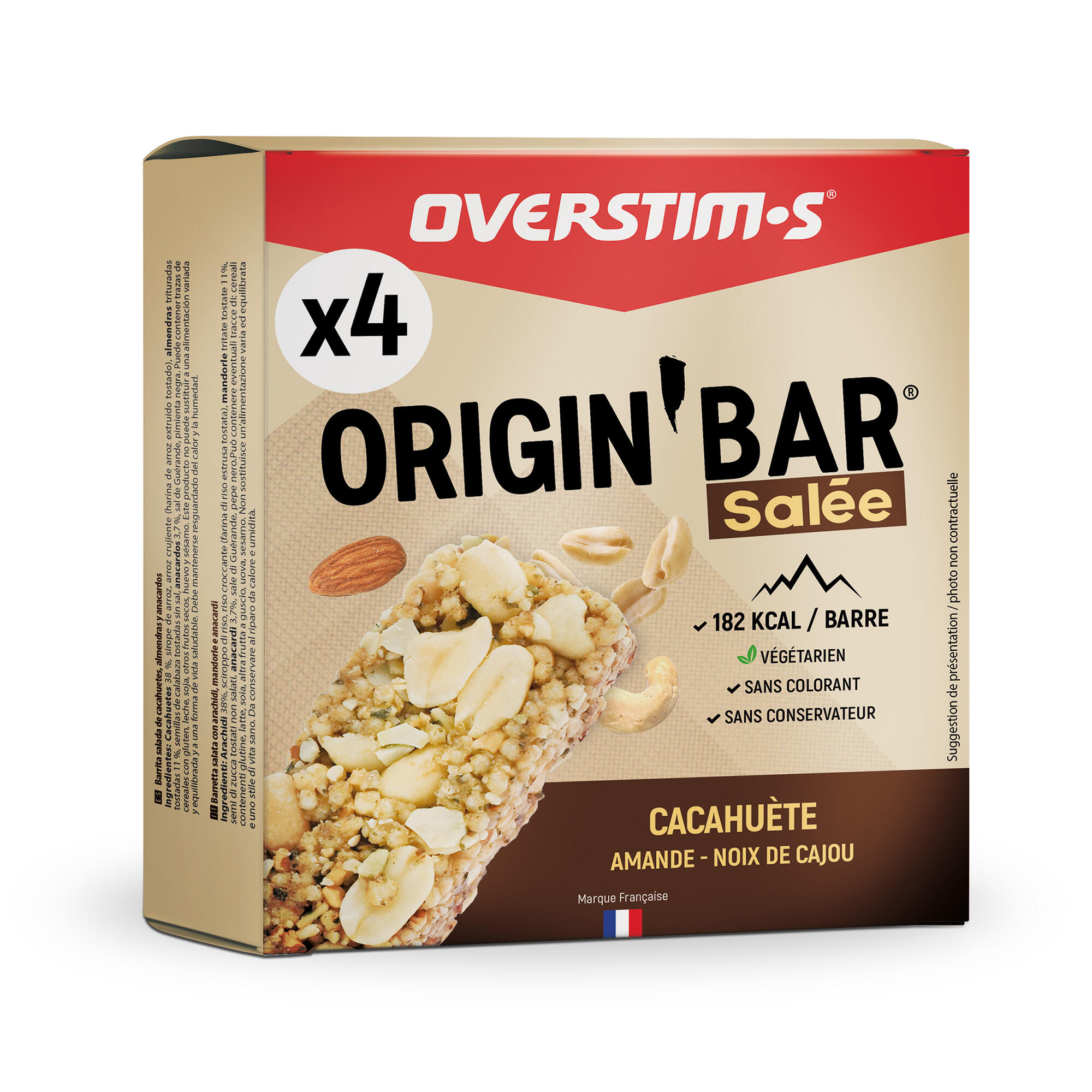
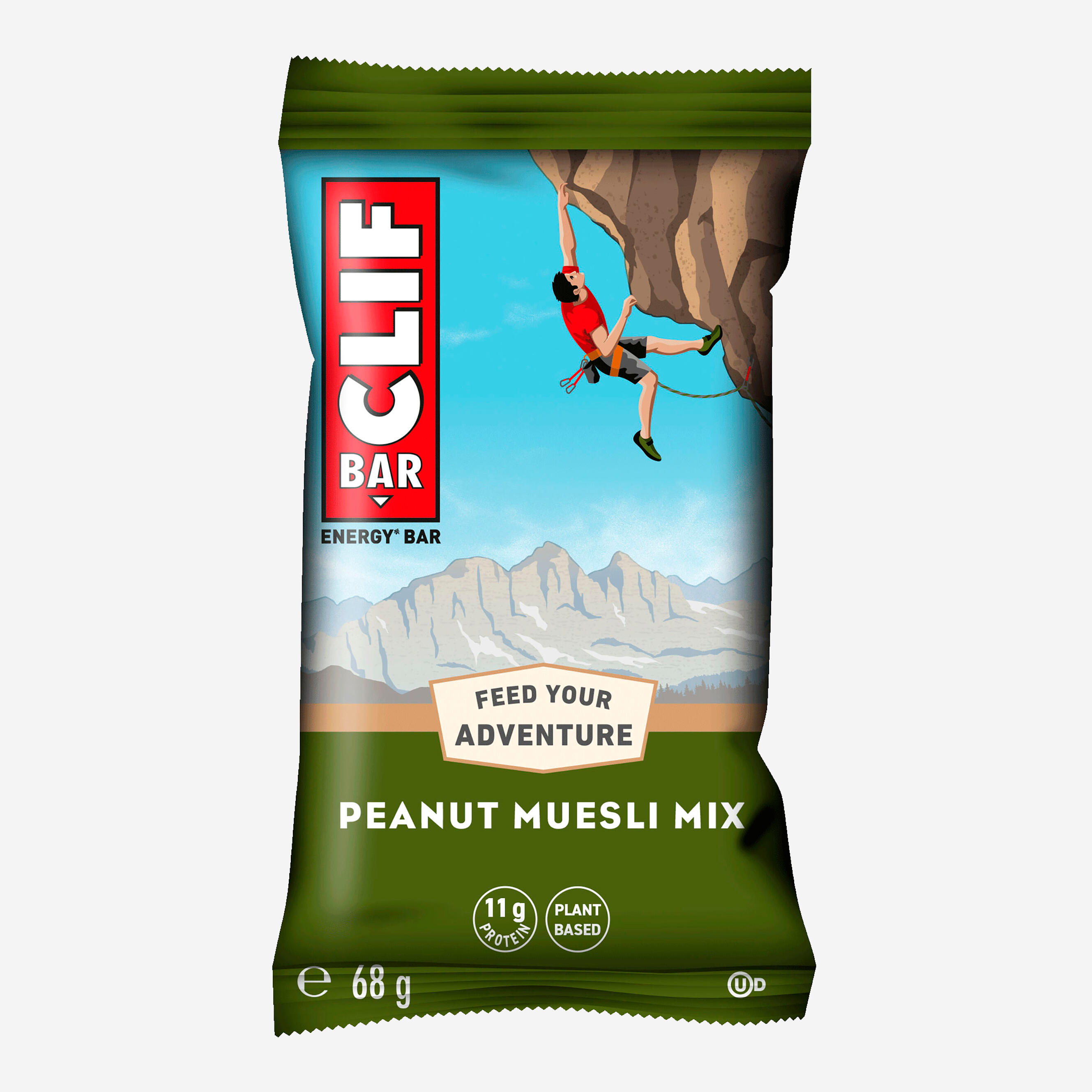
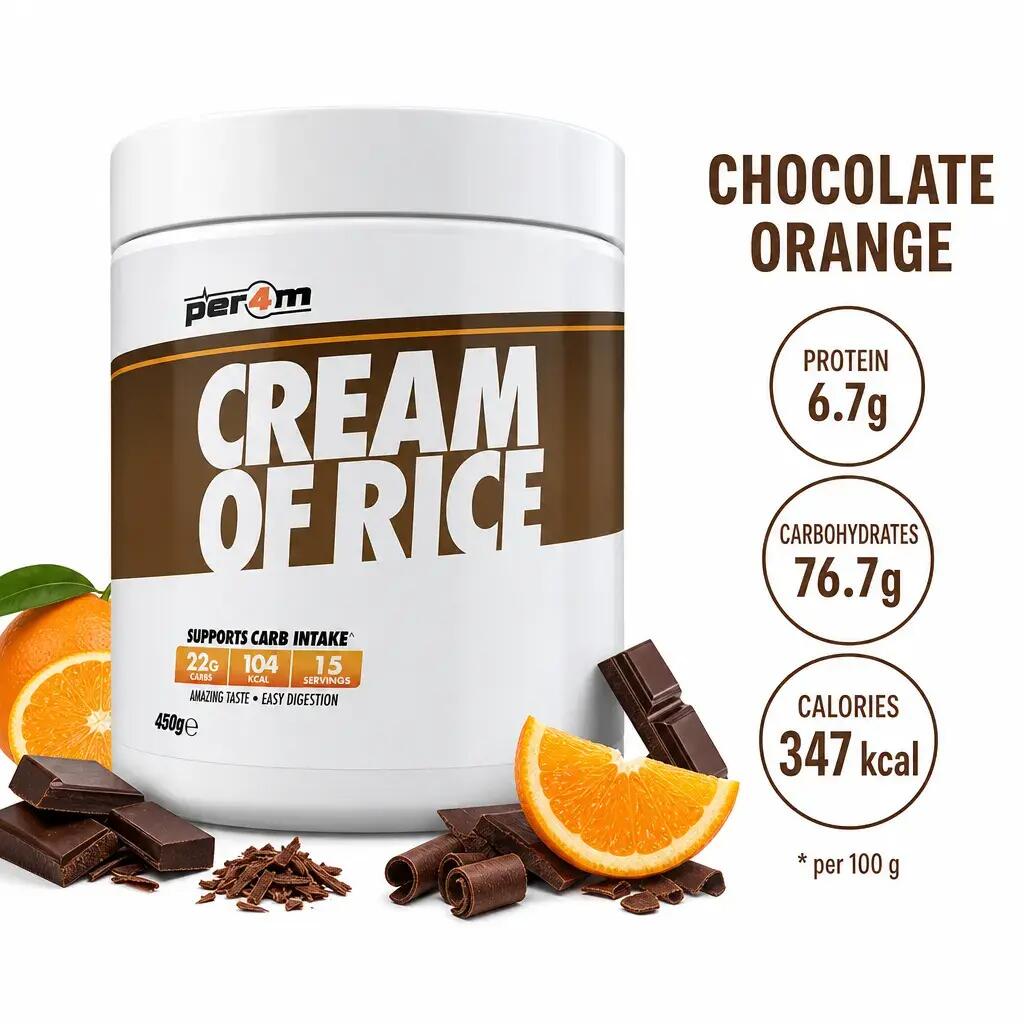
Should you choose energy cakes or peanut butter energy bars before running?

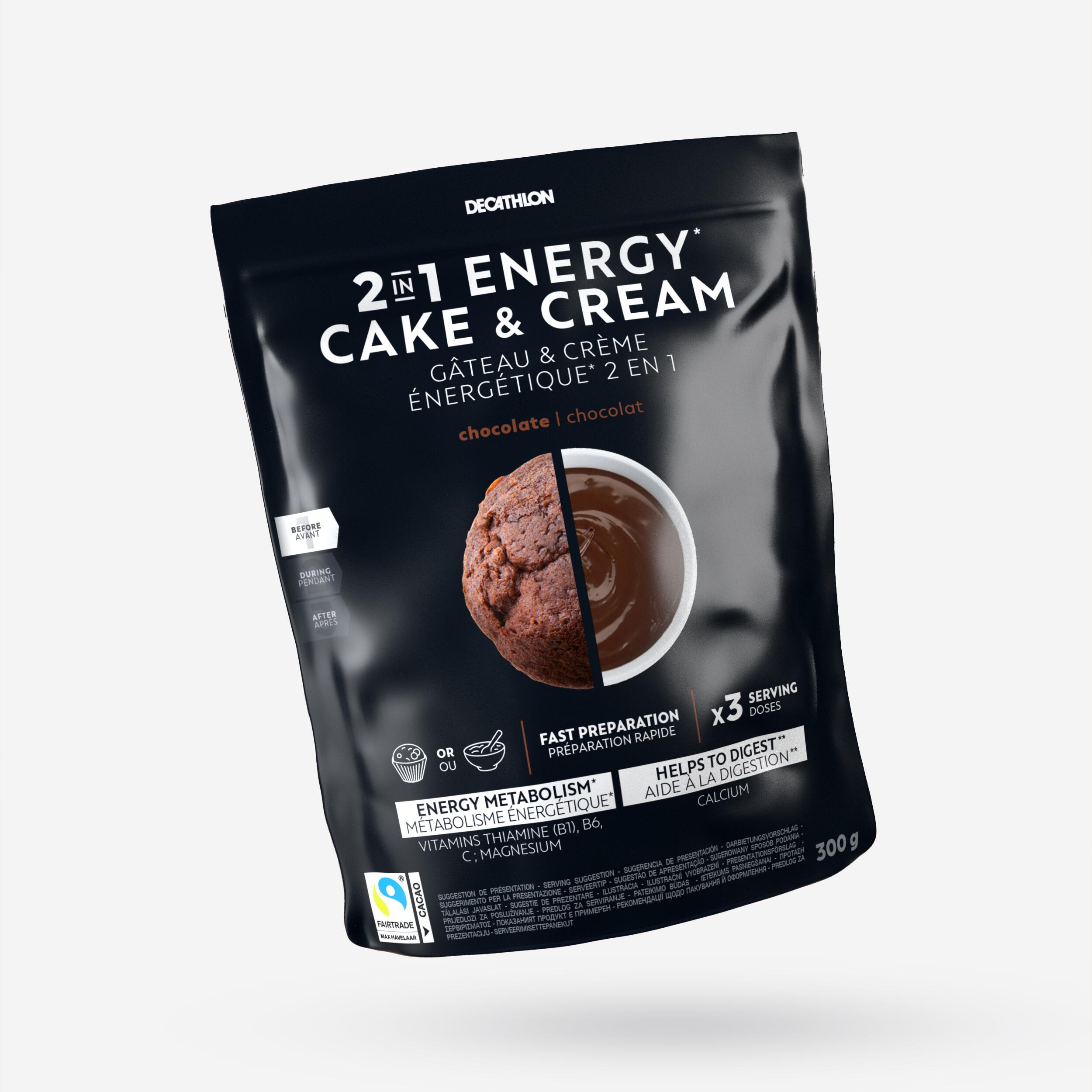
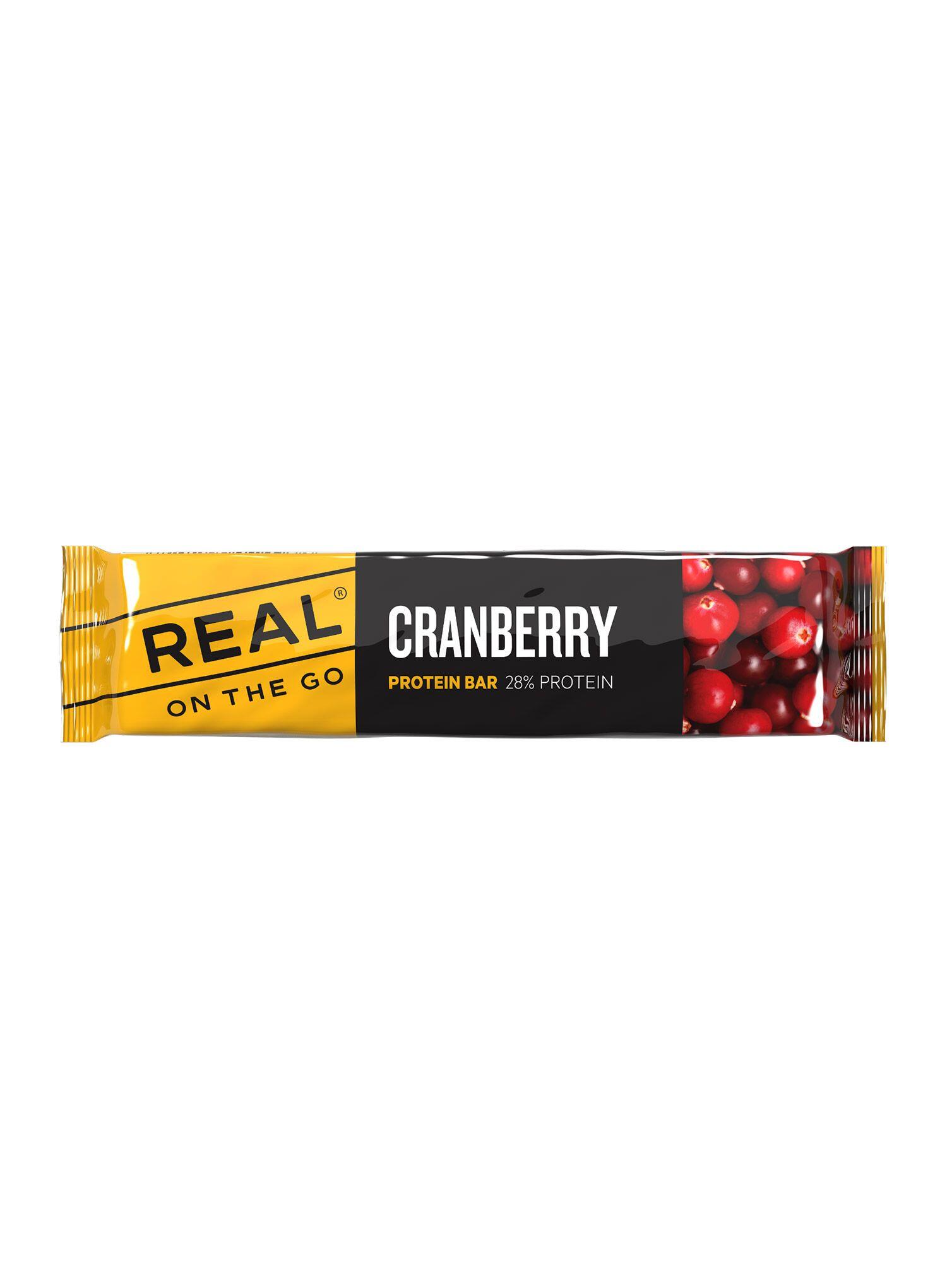
Energy cakes for runners provide a high-carbohydrate breakfast-style option, while peanut butter energy bars often contain more fat and protein. Carbohydrate is generally quicker to use before hard endurance exercise, whereas fat takes longer to leave the stomach. This means a peanut butter bar may suit an earlier snack or a steady outing, but it can feel heavy if eaten close to a fast start. The 2-in-1 energy cake and cream chocolate can be prepared as a cake using 100 g of powder, 80 ml of water and approximately two minutes in an 800 W microwave. A softer cream can be made with 60 ml of water and should be eaten within one hour of preparation.

How do you build a reliable pre-trail fuelling plan?

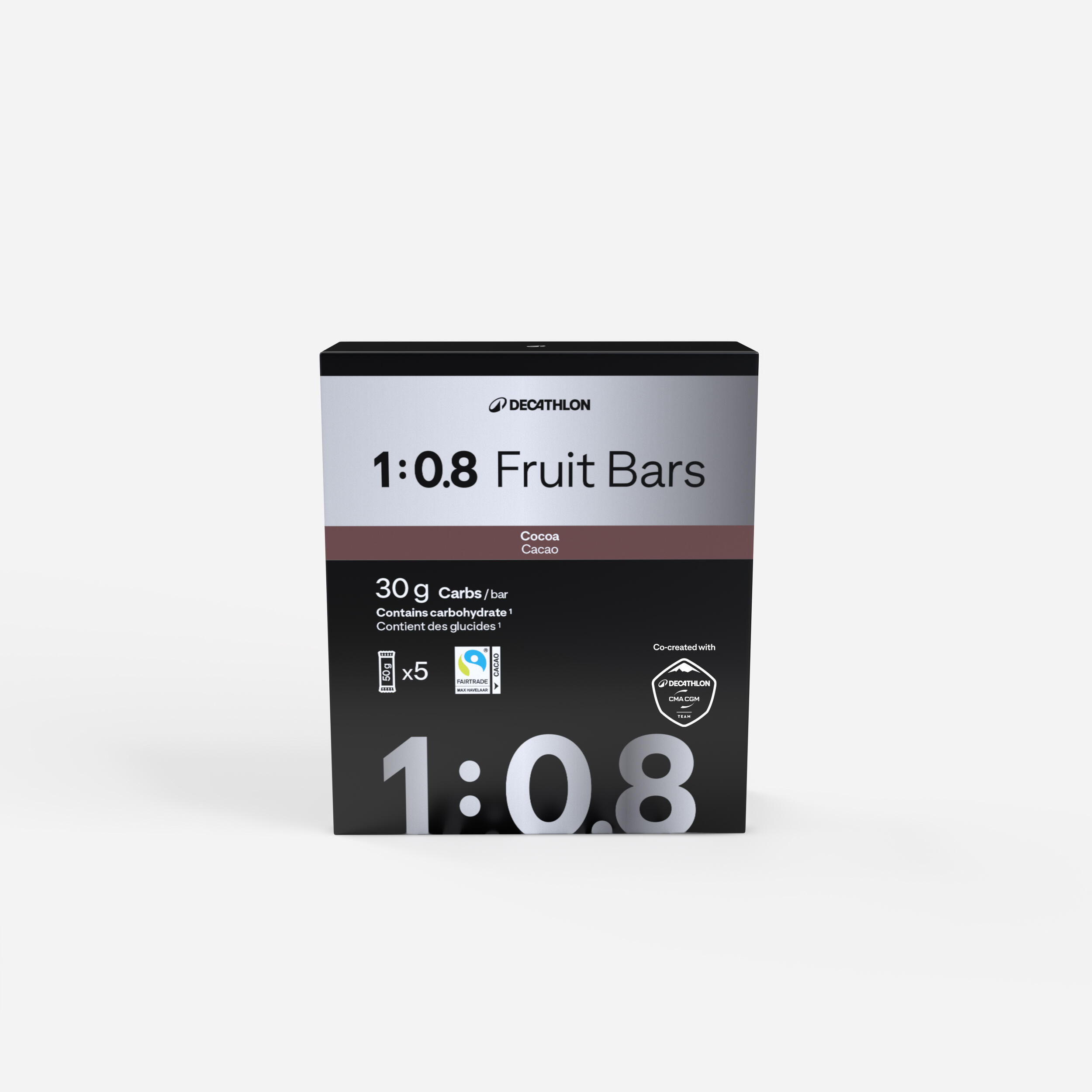
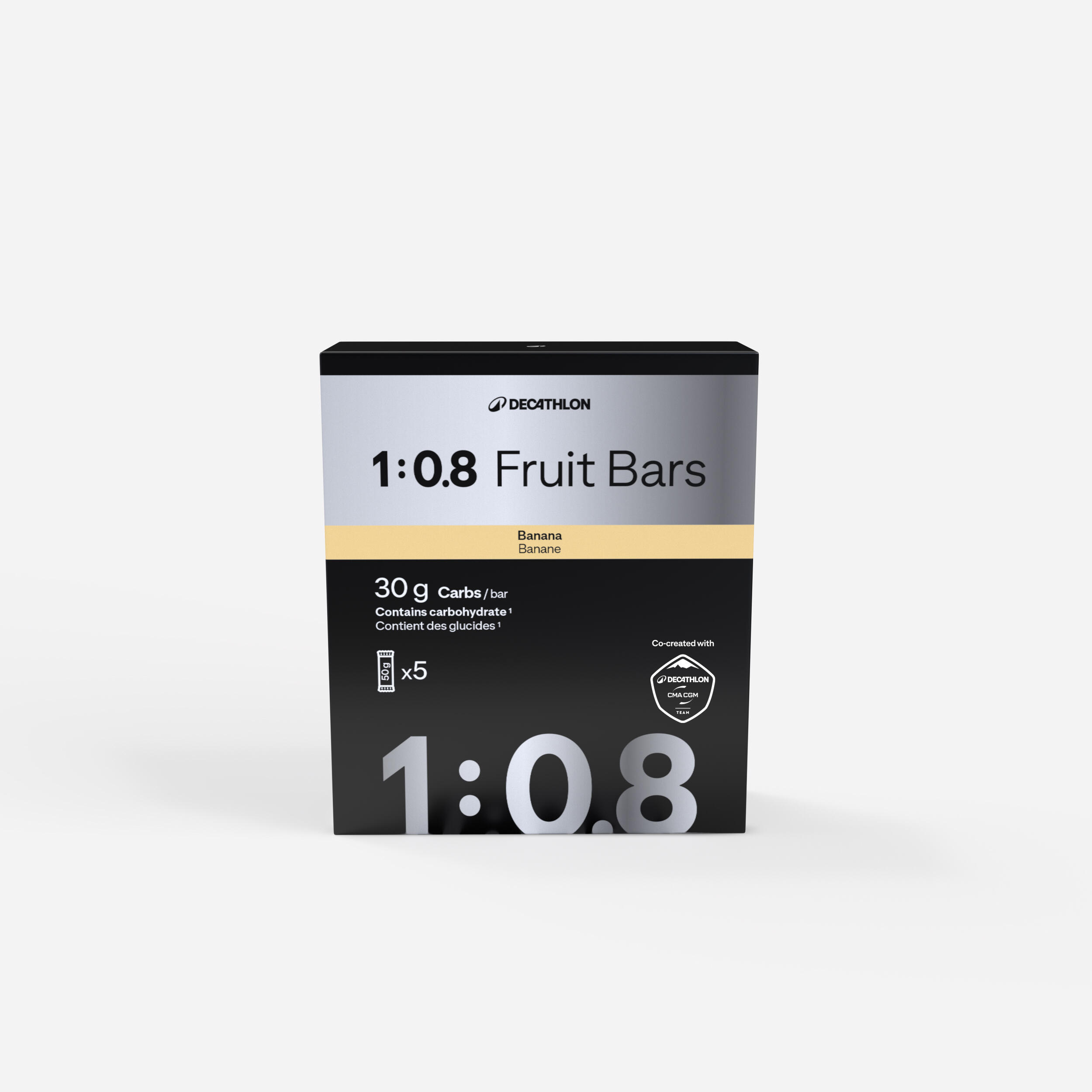
Work backwards from your start time and match each product to its intended consumption window. Use normal carbohydrate-rich meals during the preceding days, then choose a breakfast or snack you have already tolerated before running. Allow more digestion time for dense bars, larger portions and foods containing more fat or fibre. Pack the fuel needed during the run separately, as pre-event food cannot cover several hours of continued energy use. Choose from gels, jellies, bars and fruit preparations in trail running energy intakes to suit your trail nutrition plan. Record the timing, portion and how your stomach felt during training. A simple written note is more reliable than trying to remember which combination worked on a previous long run.