108 items
4.7/5 based on 35056 reviews collected online and in stores

During My Trail FAQs

How should you fuel during a trail run?

Start eating before your energy drops rather than waiting until your legs feel empty. Trail running energy foods supply carbohydrates that working muscles can use during prolonged exercise, but the right amount depends on your run duration, intensity and usual tolerance. Gels, fruit jellies and soft fruit preparations are easy to swallow while moving, while bars provide a more substantial texture for slower sections. Begin with small, regular portions and drink alongside them because food does not replace hydration. The wider Evadict trail running nutrition and hydration category can help you plan both energy and fluid rather than treating them as separate decisions. Test the complete plan during training before relying on it at an event.

What makes the best energy gels for trail running?

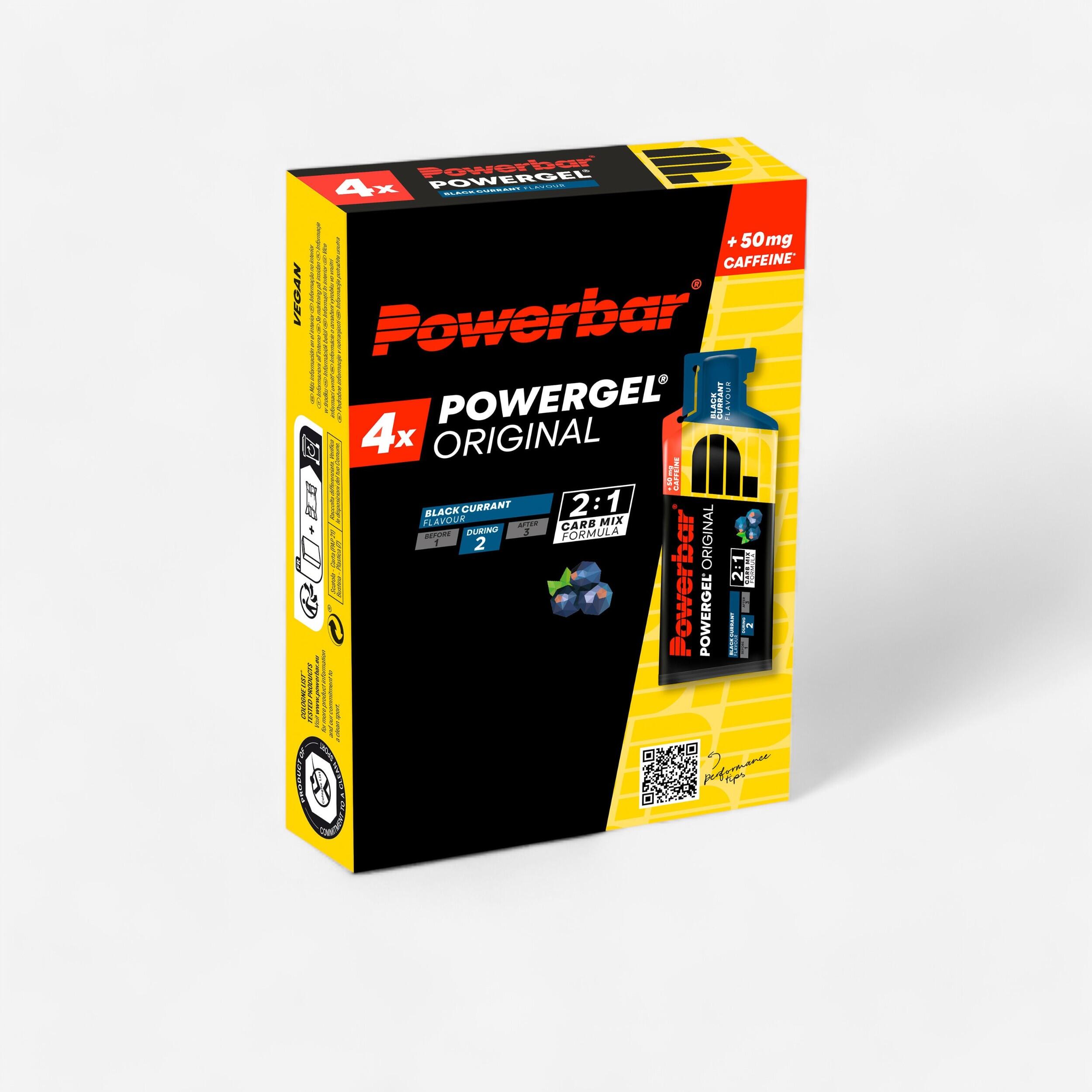
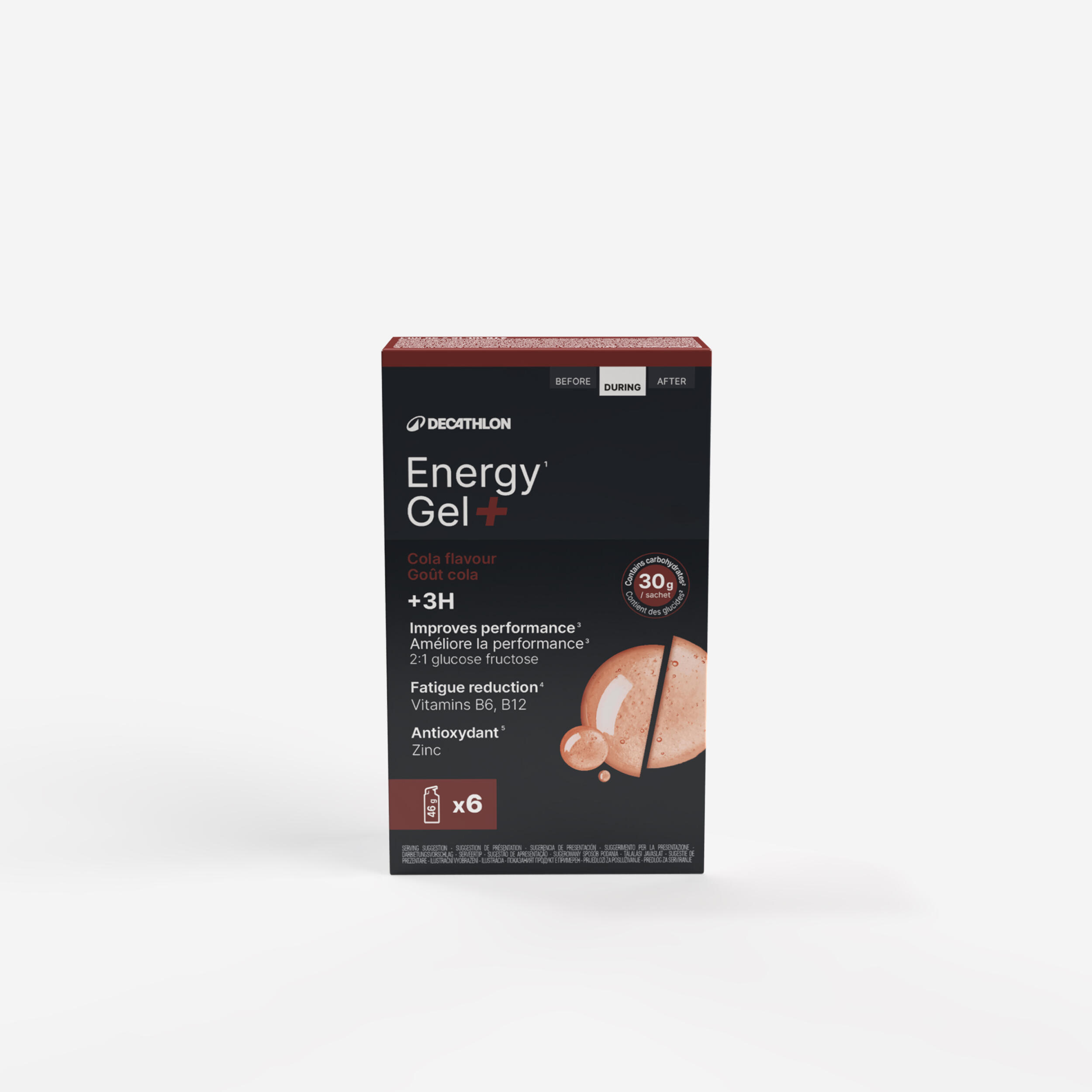
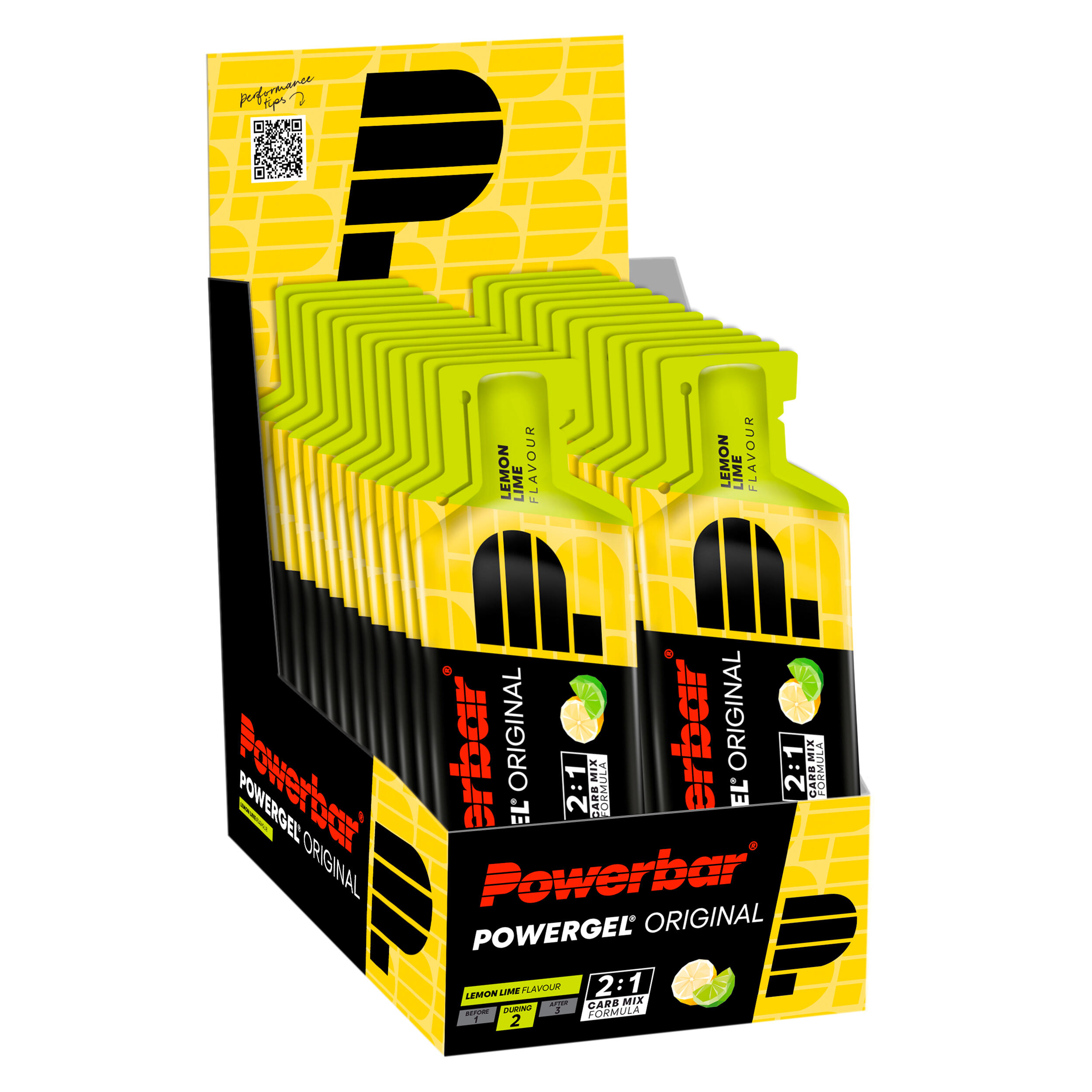
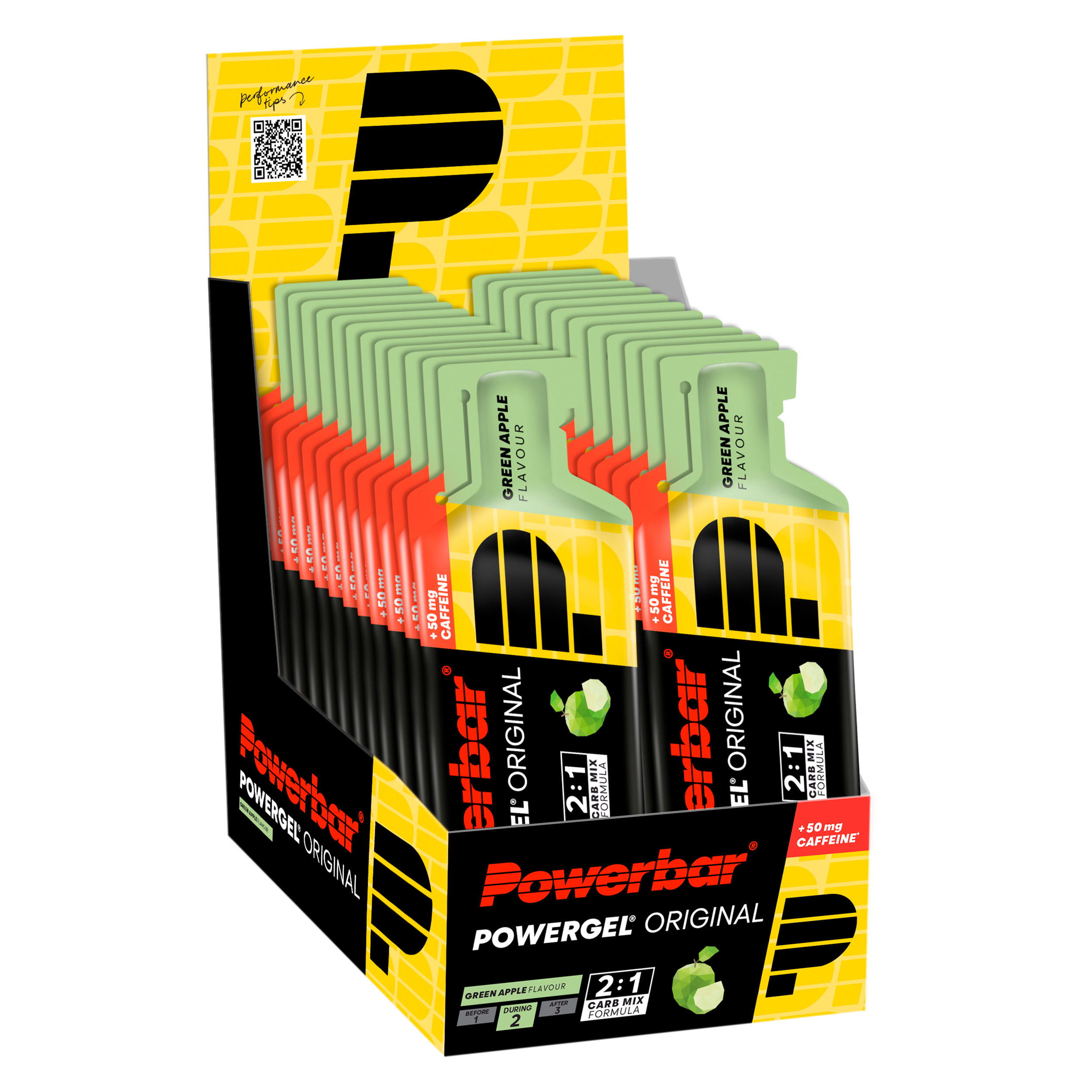
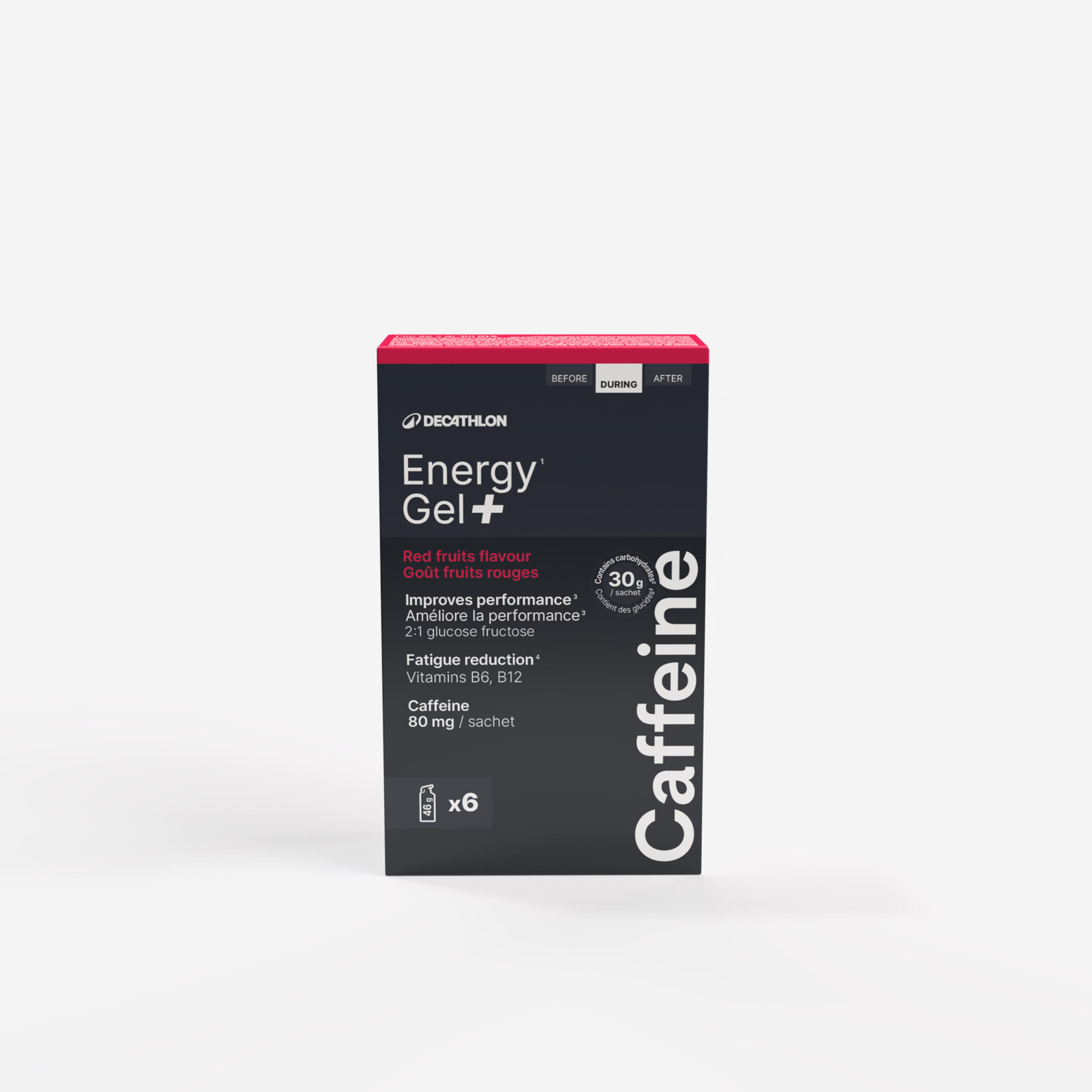
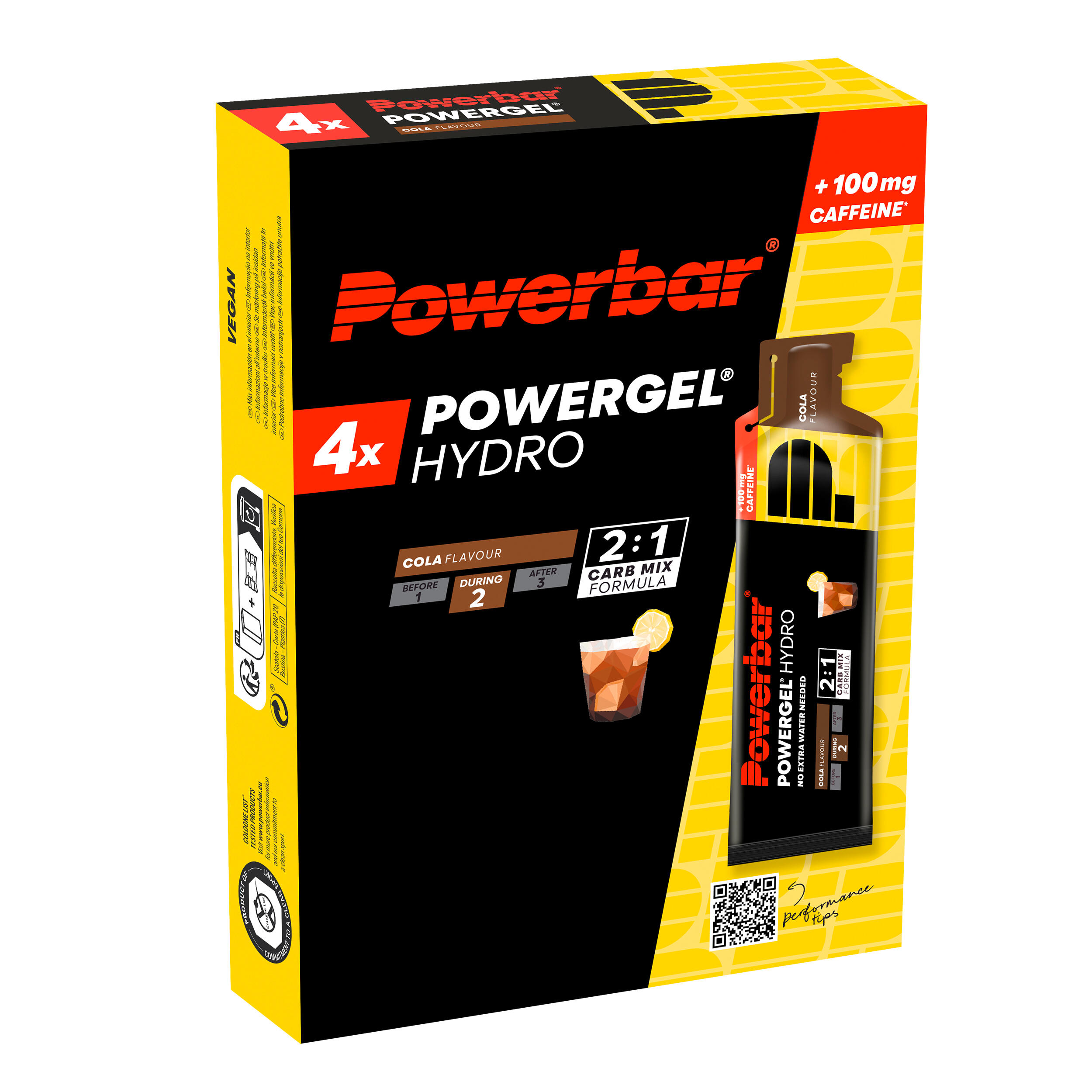
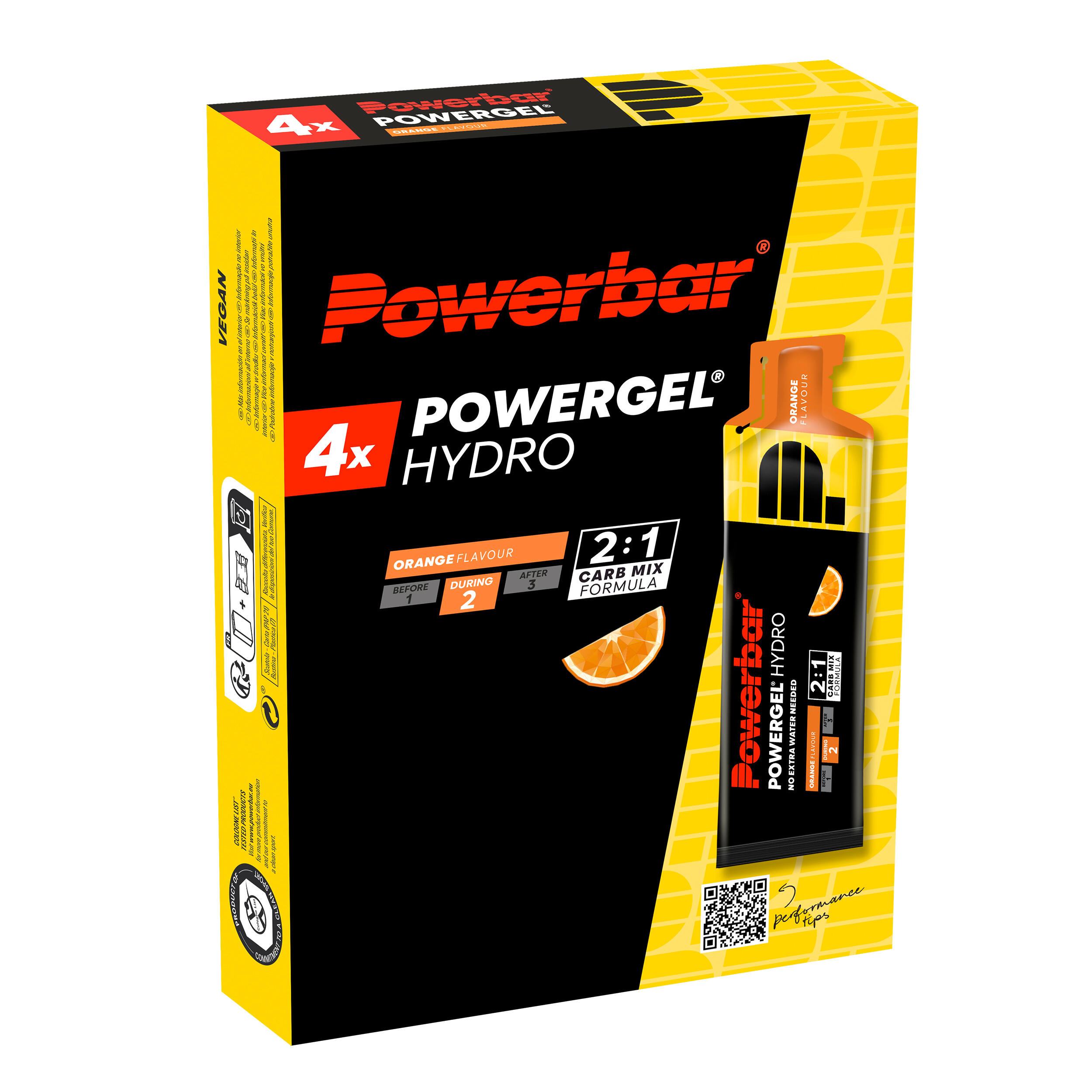
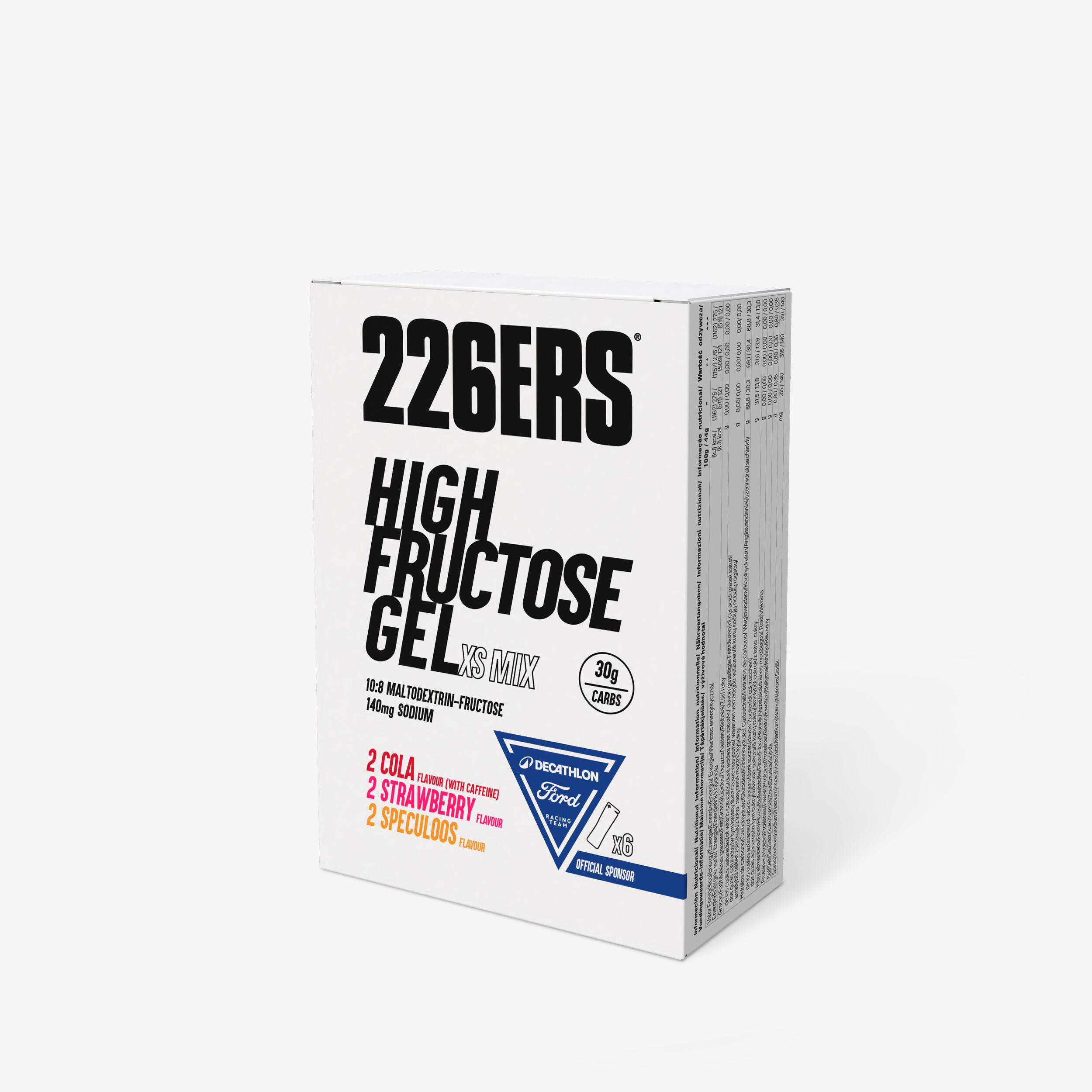
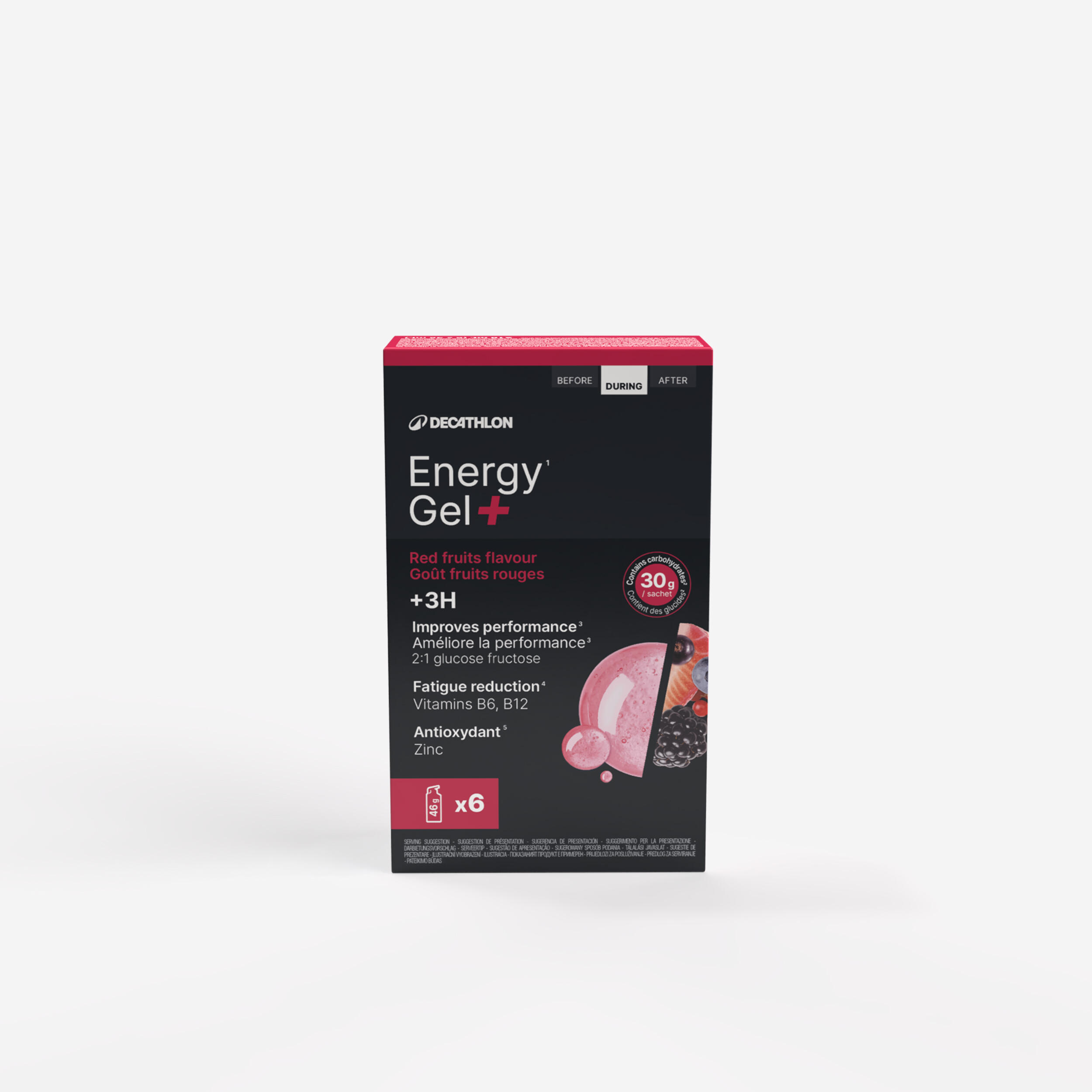
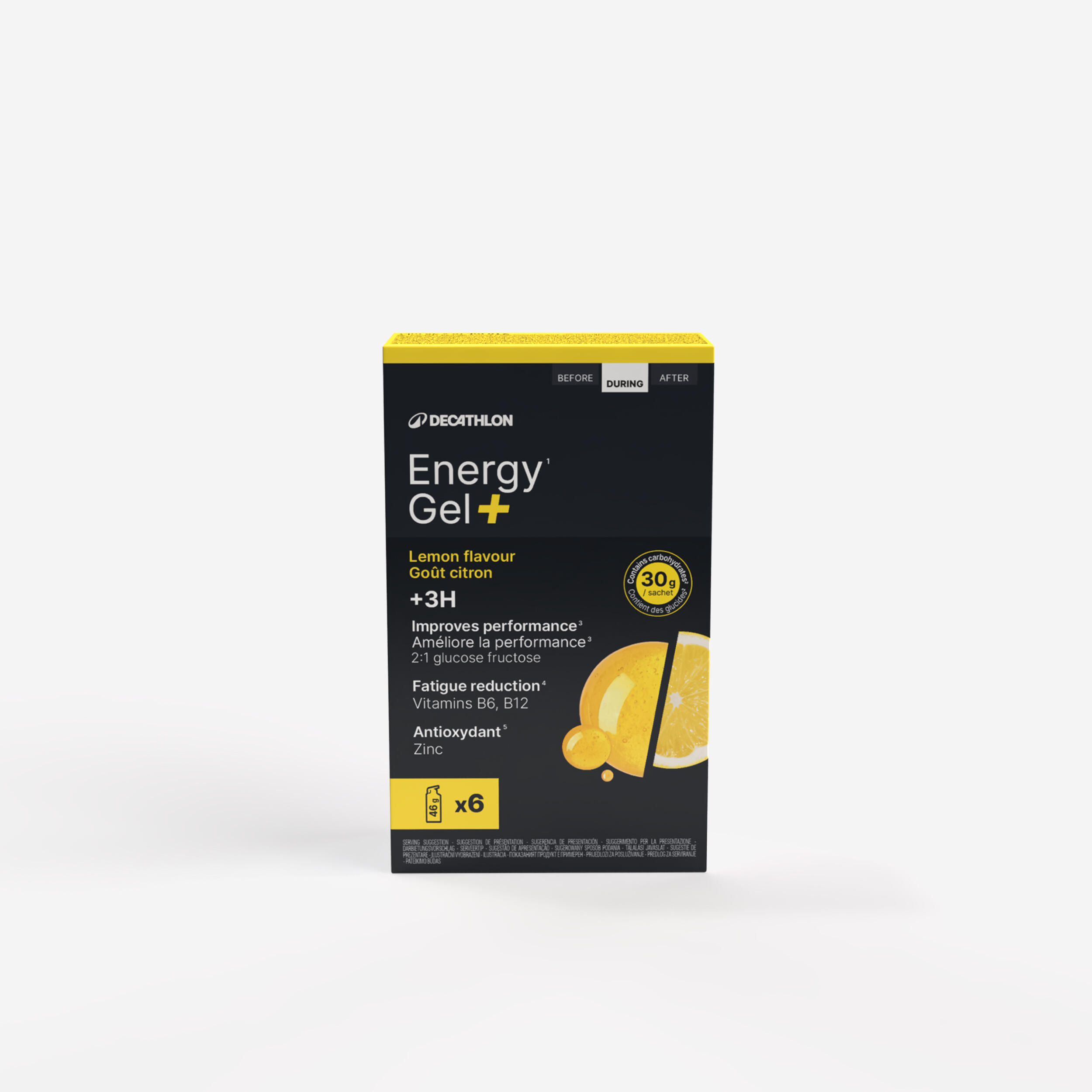
The most useful trail energy gel is one you can open, swallow and digest comfortably while running. Check the carbohydrate amount per serving, texture, flavour and whether it contains caffeine. Hydrogel formats have a softer, more fluid consistency that some runners prefer when thick gels become difficult to take. The energy hydrogel with caffeine and cola provides a caffeinated option for demanding sessions. Caffeine may improve alertness, but it should not be used automatically throughout every run. Check your normal caffeine intake, avoid trying it for the first time during a race and take care when running late in the day. Pro tip: carry one familiar spare portion in case the route takes longer than planned.

When are energy bars during running more useful than gels?

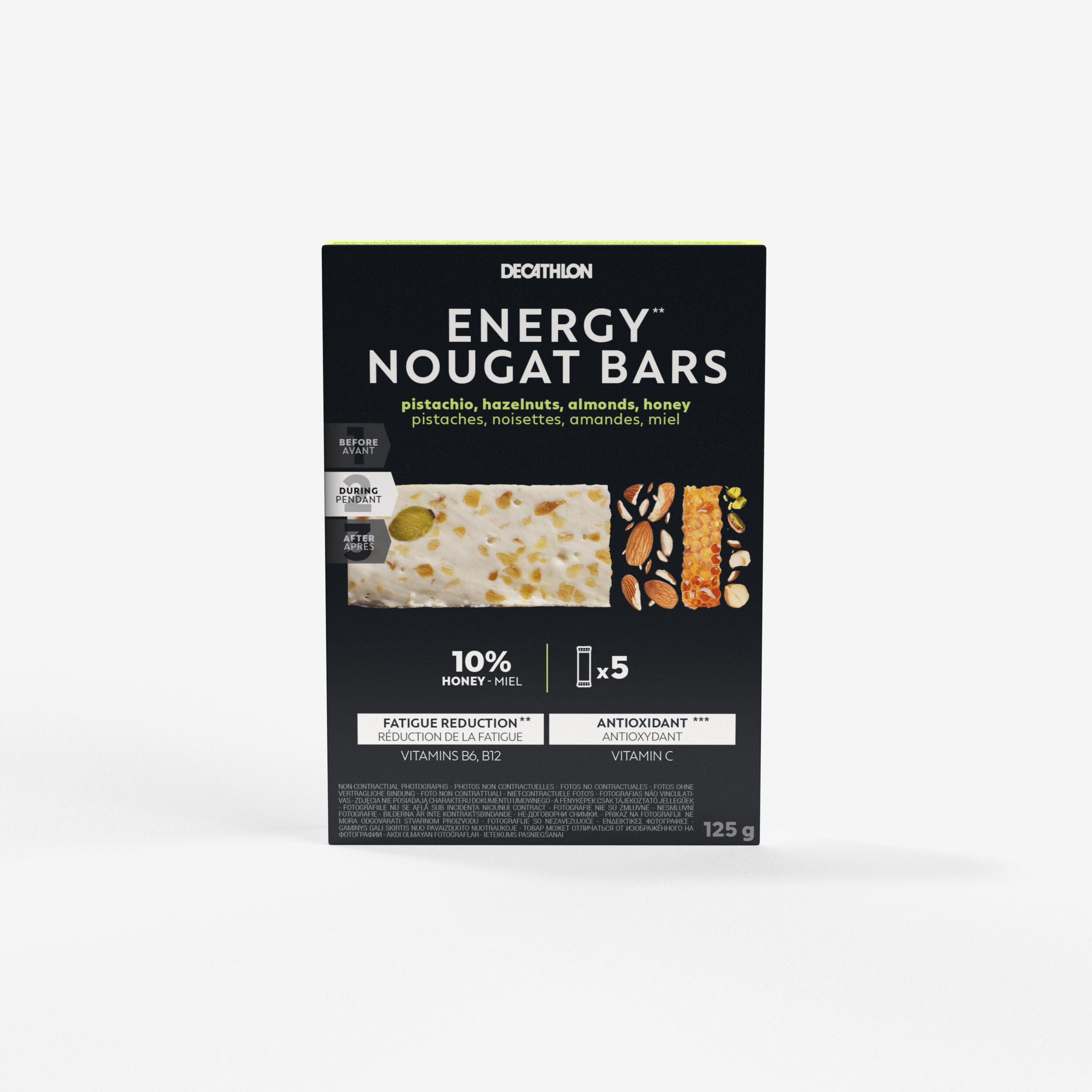
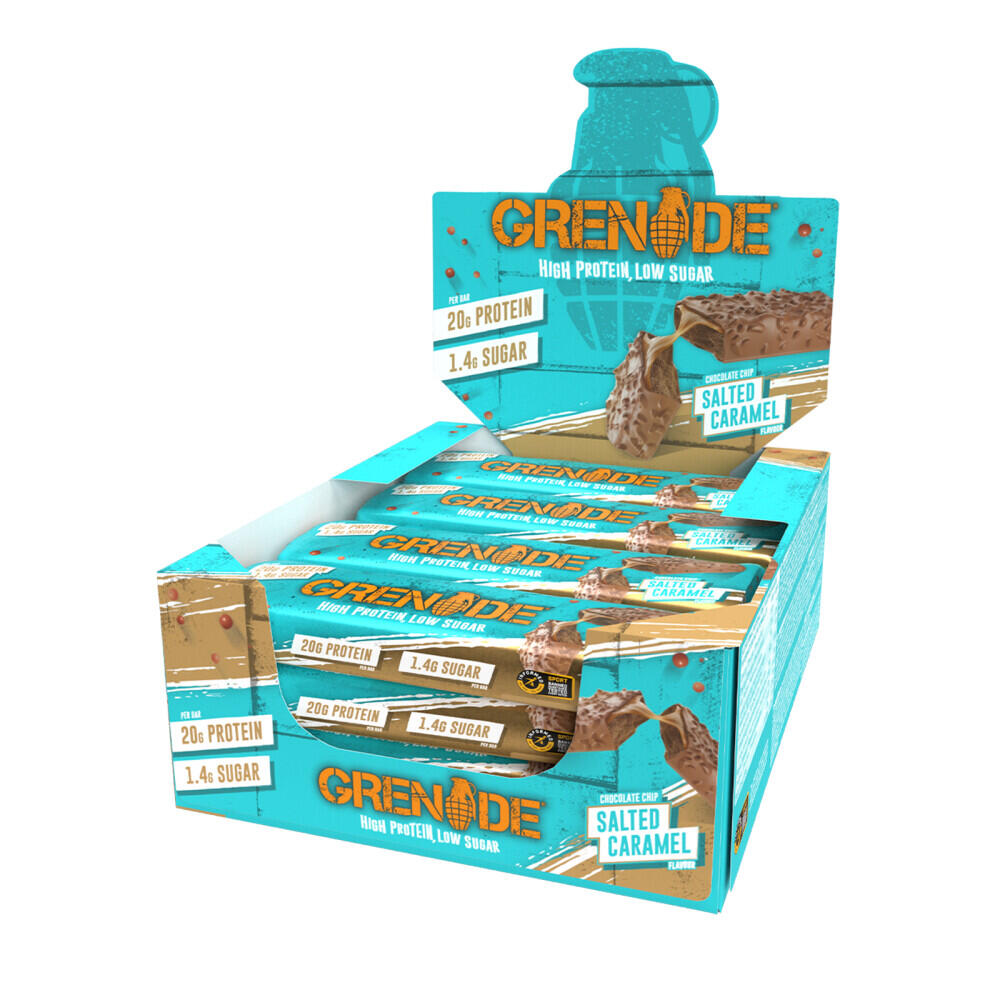
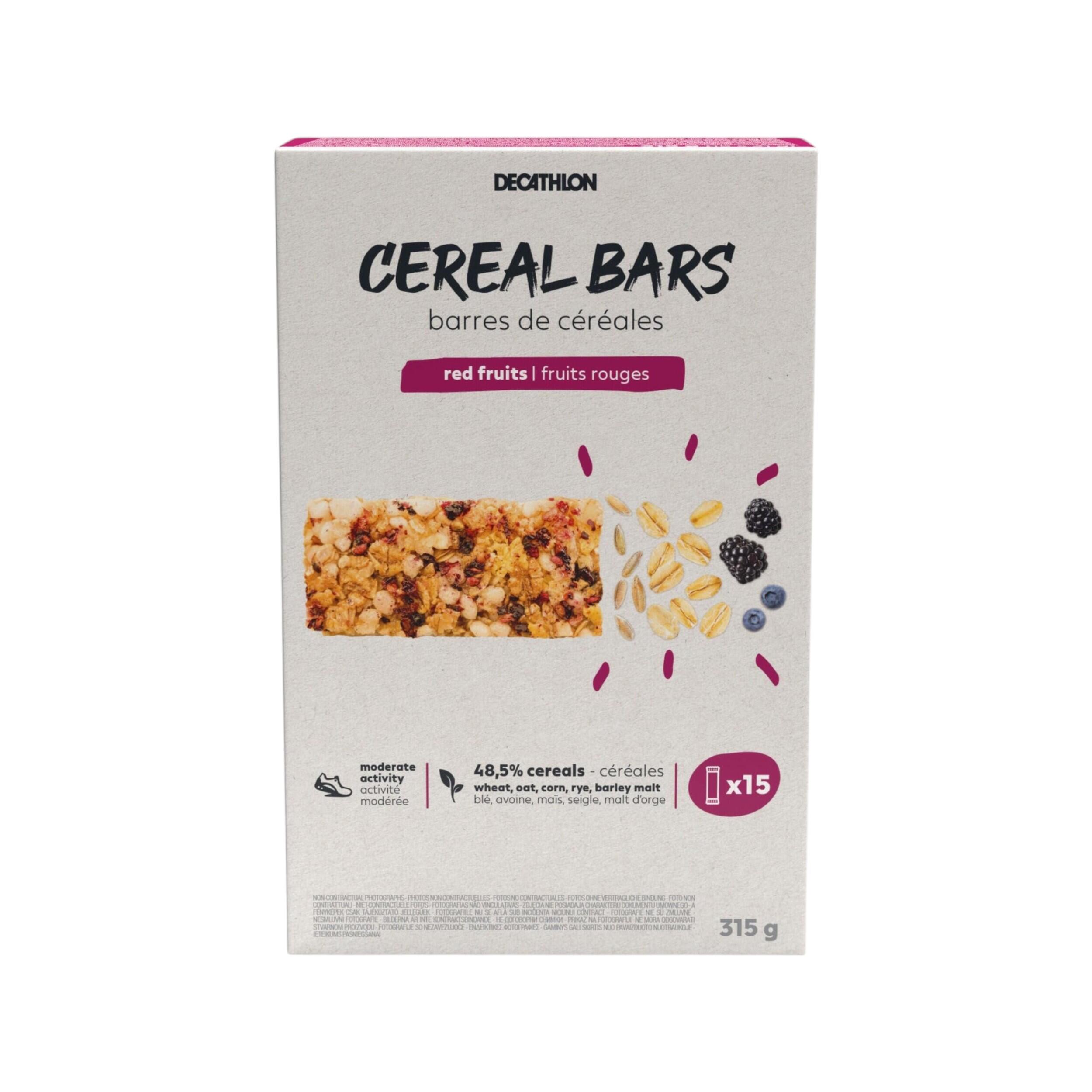
Energy bars can work well during long, lower-intensity sections where you have time to chew and breathe steadily. They offer a food-like texture that may feel more satisfying than taking gel after gel, particularly during ultra-distance outings. Soft bars are usually easier to manage than dense or crumbly products while moving. Decathlon's nougat energy bars provide 18 g of carbohydrate per bar and combine honey with almonds, hazelnuts and pistachios. Their compact wrappers can be handled with one hand. Take small bites on flatter terrain rather than attempting to chew during a hard climb. Follow each portion with fluid, and confirm the ingredients beforehand if you have allergies or dietary restrictions.

How can trail running snacks help prevent flavour and texture fatigue?

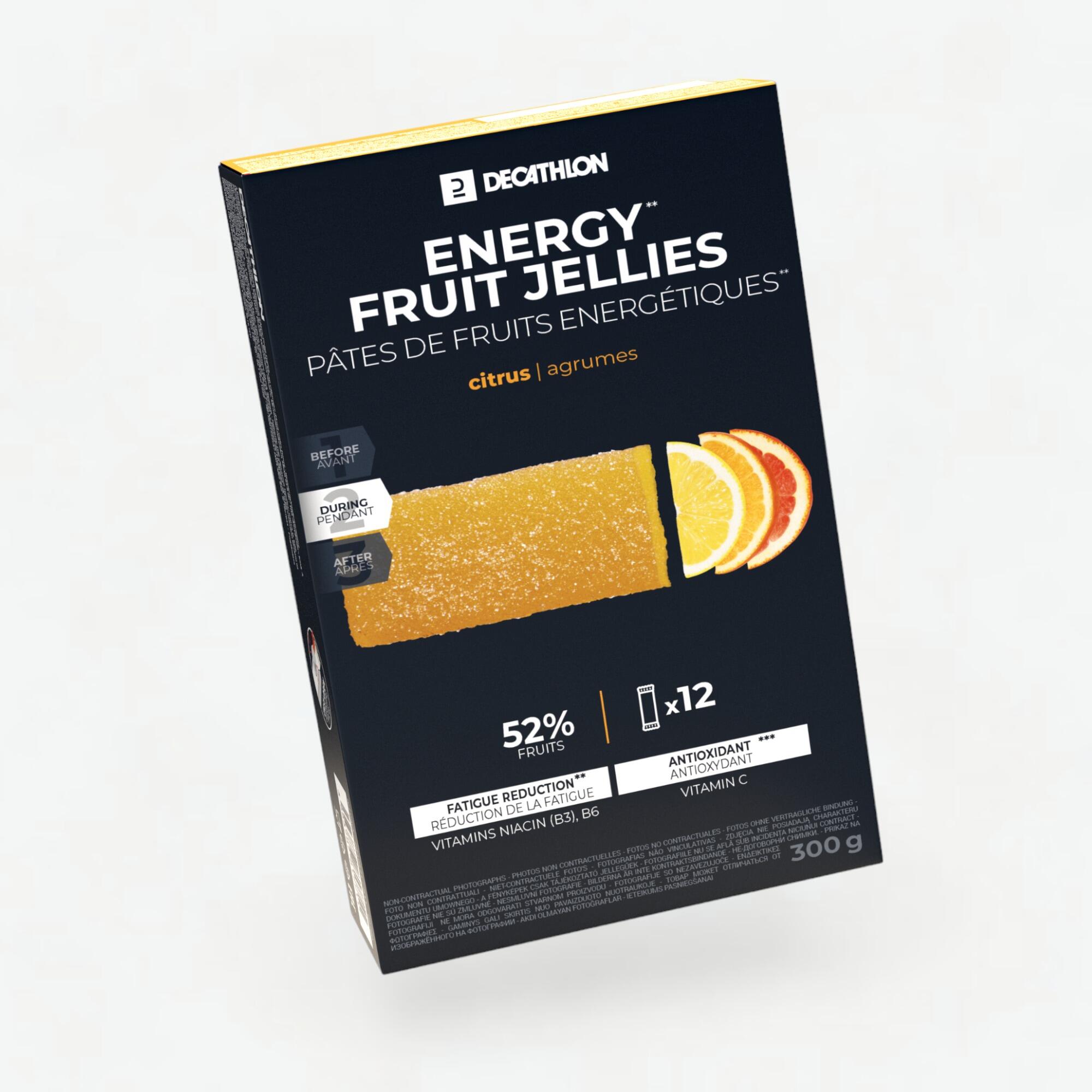
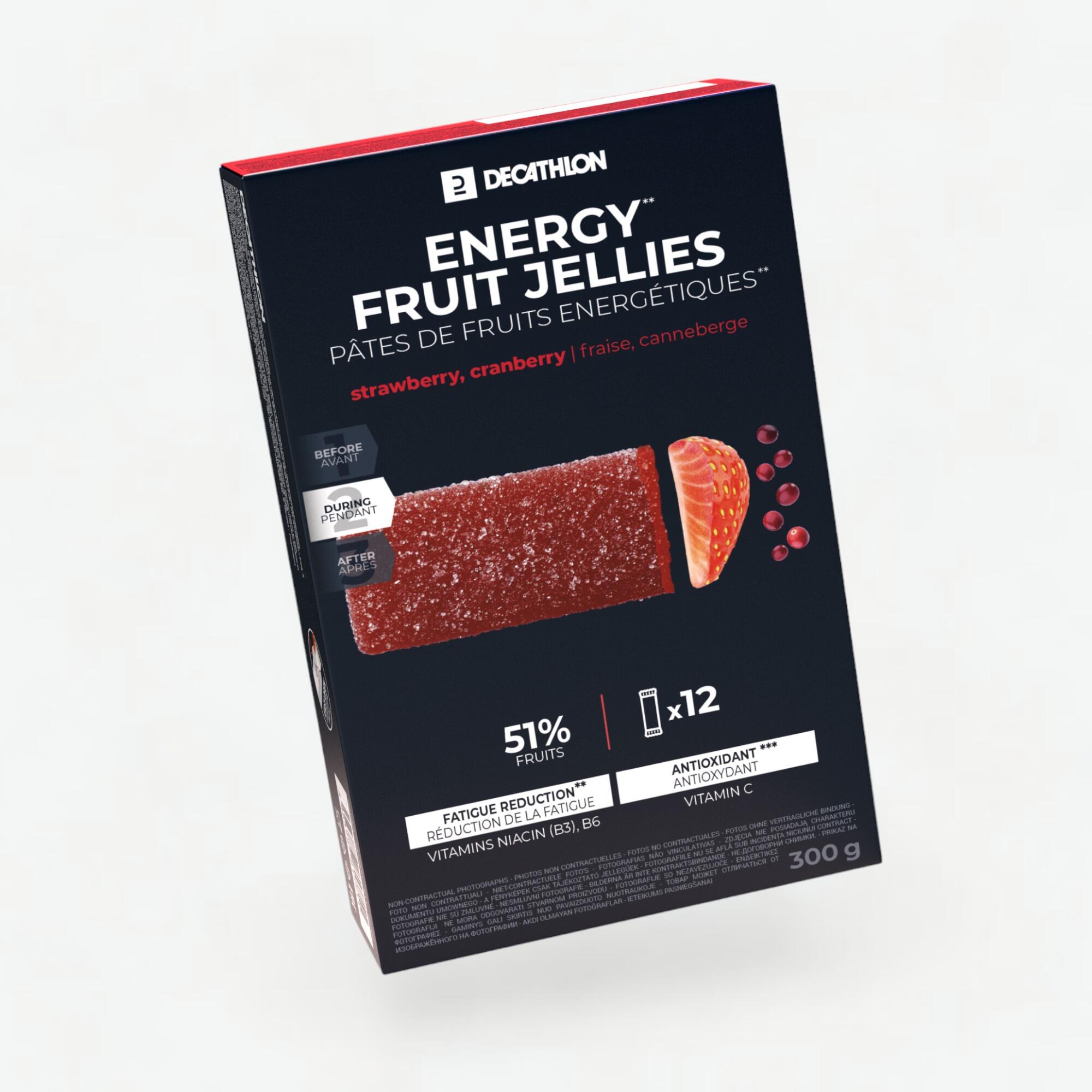
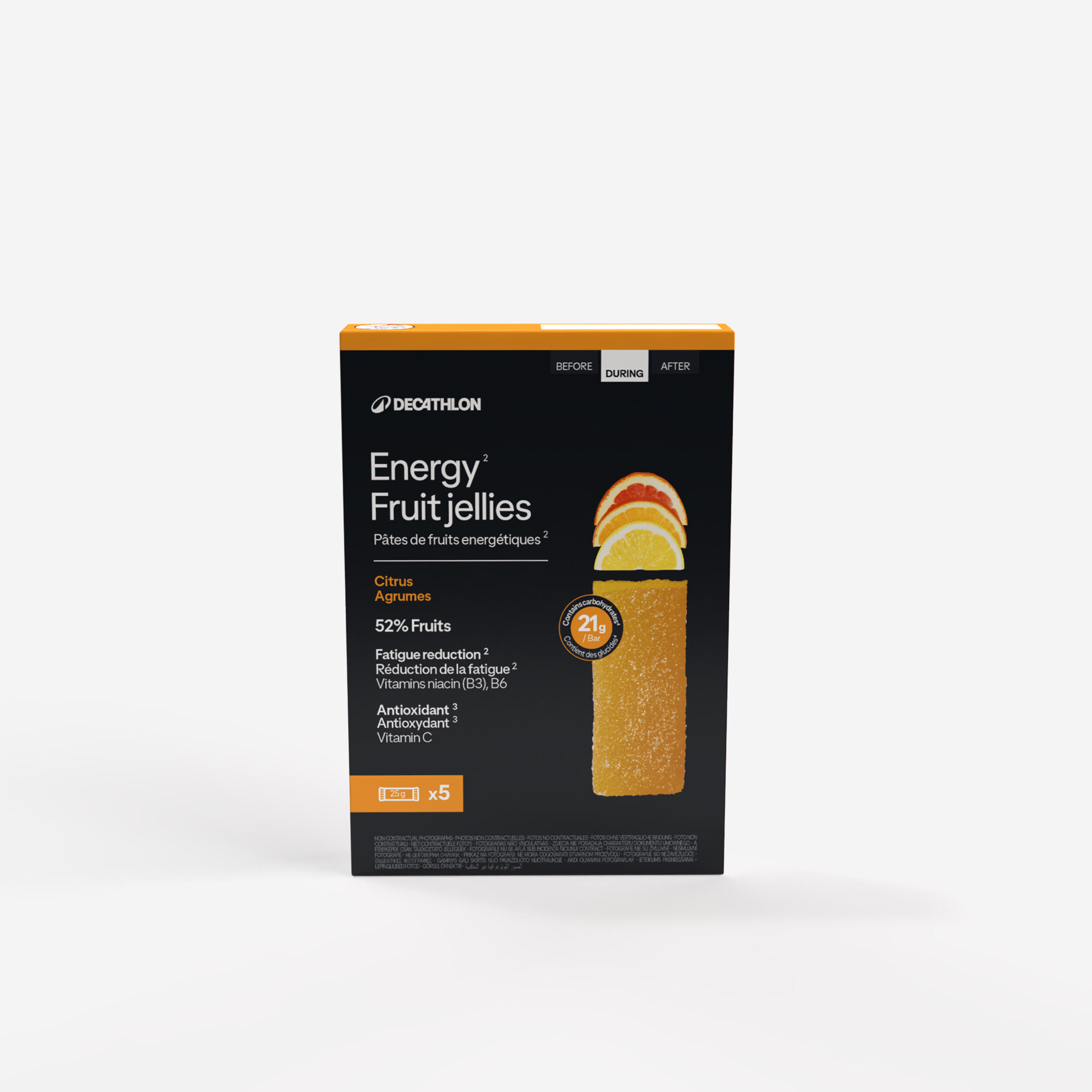
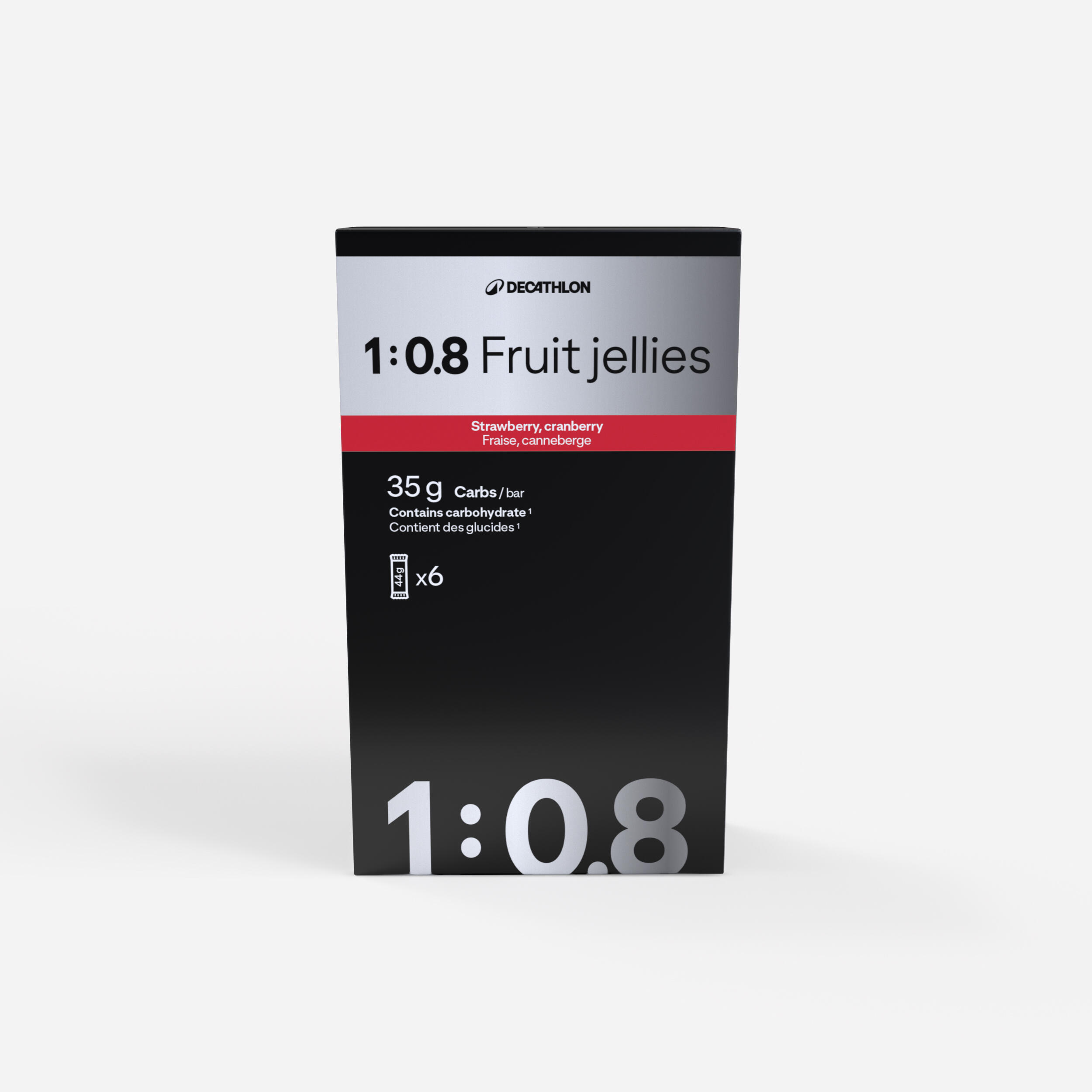
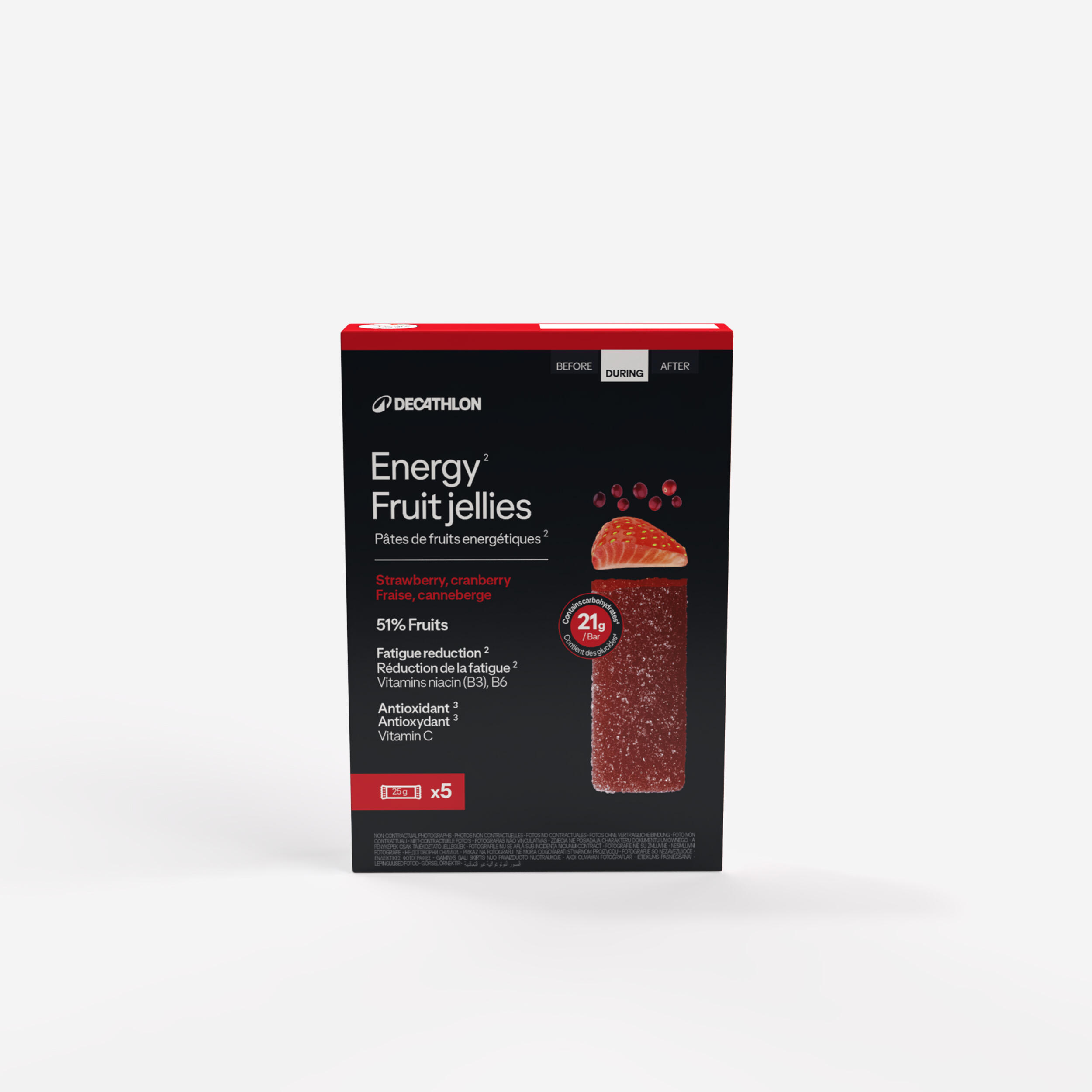
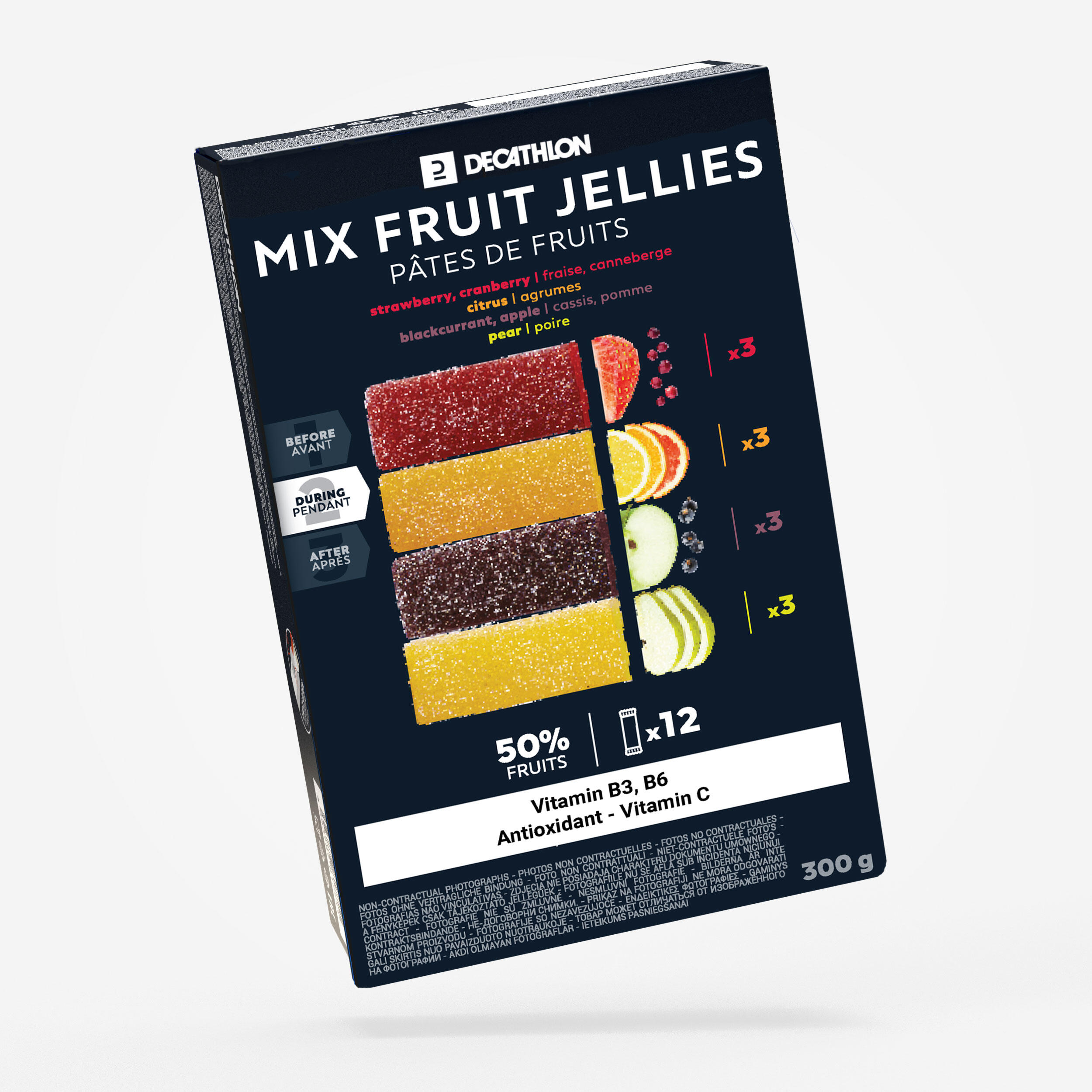
Eating the same sweet gel repeatedly can become unappealing during a long trail run, even when your stomach still tolerates carbohydrate. Alternating formats gives your mouth and appetite a change without abandoning your fuelling plan. Fruit jellies provide a chewable option, nougat offers a firmer food texture and fruit preparations sit between a gel and a soft snack. The energy fruit jelly mix contains individually portioned flavours, helping you vary taste while keeping intake measurable. Each 25 g jelly provides about 21 g of carbohydrate. Store used wrappers in a zipped vest pocket, and never leave tear strips or packaging on the trail. Practise opening each format with cold or wet hands before event day.

How often should you eat trail running energy food?

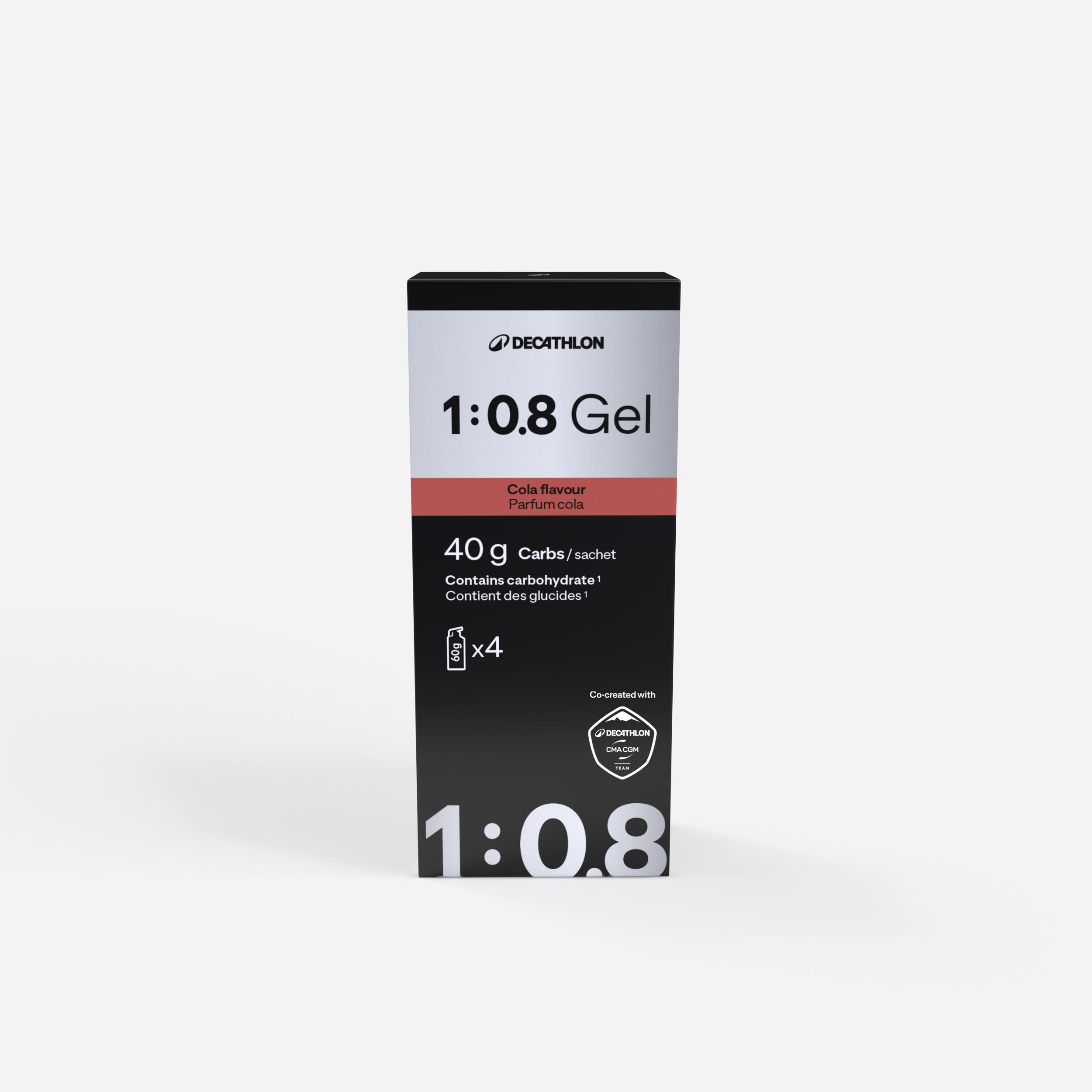
Use a regular schedule based on time rather than waiting for hunger, since appetite can fall during hard exercise. Decathlon commonly advises taking certain gels or fruit preparations every 45 minutes to one hour, while individual jellies may be combined with bars, gels or isotonic drinks during efforts lasting more than three hours. These are starting points rather than fixed rules because body size, pace, temperature and stomach tolerance all affect fuelling needs. Review the different formats within trail running energy intakes and note the carbohydrate supplied by each portion. Keep a simple record during training so you know what you consumed and how you felt. Store products in a cool, dry place and check wrappers for damage before packing them.