400 items
4.7/5 based on 644869 reviews collected online and in stores

KIPRUN Trail Running Gear FAQs

What KIPRUN gear helps runners prepare for the trail?

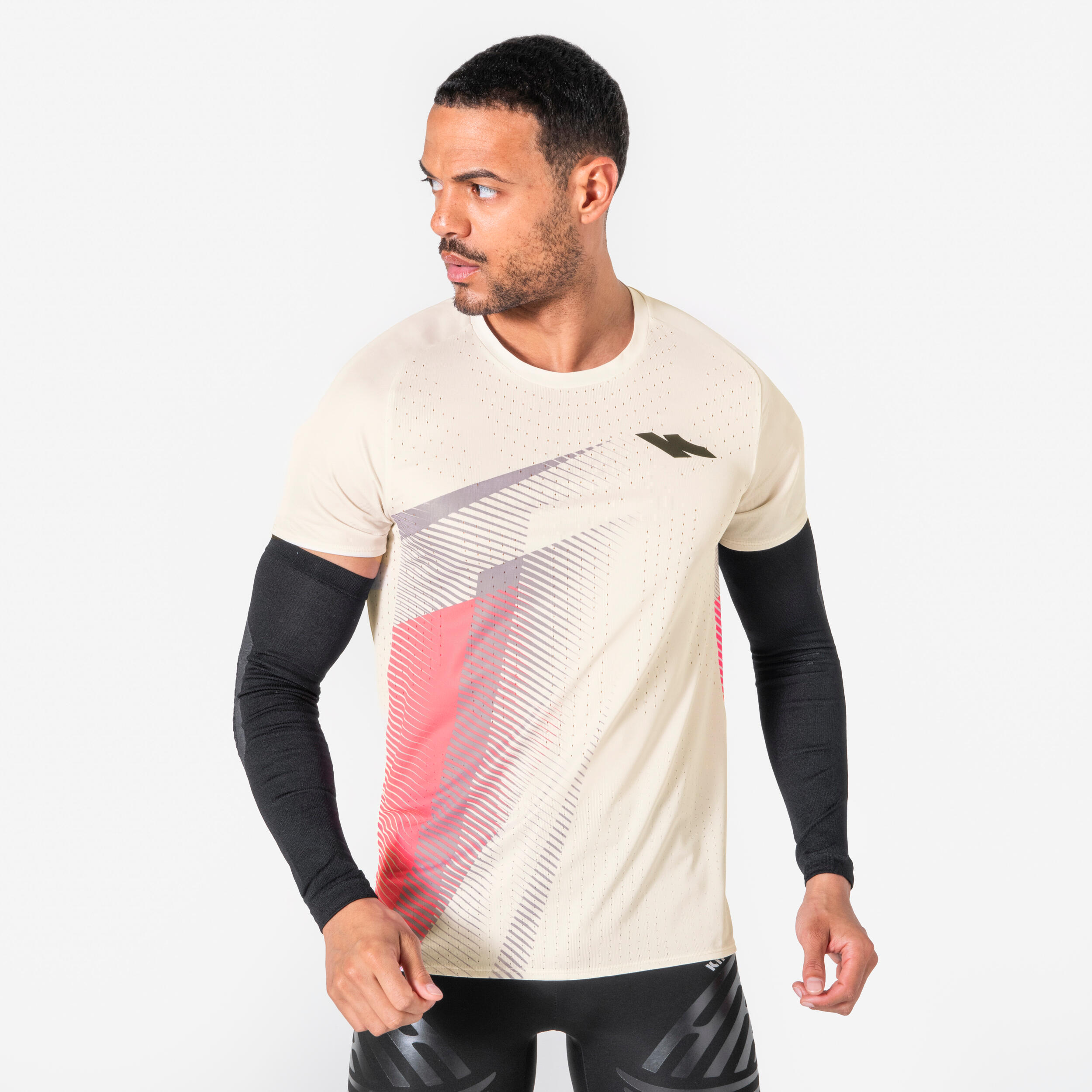
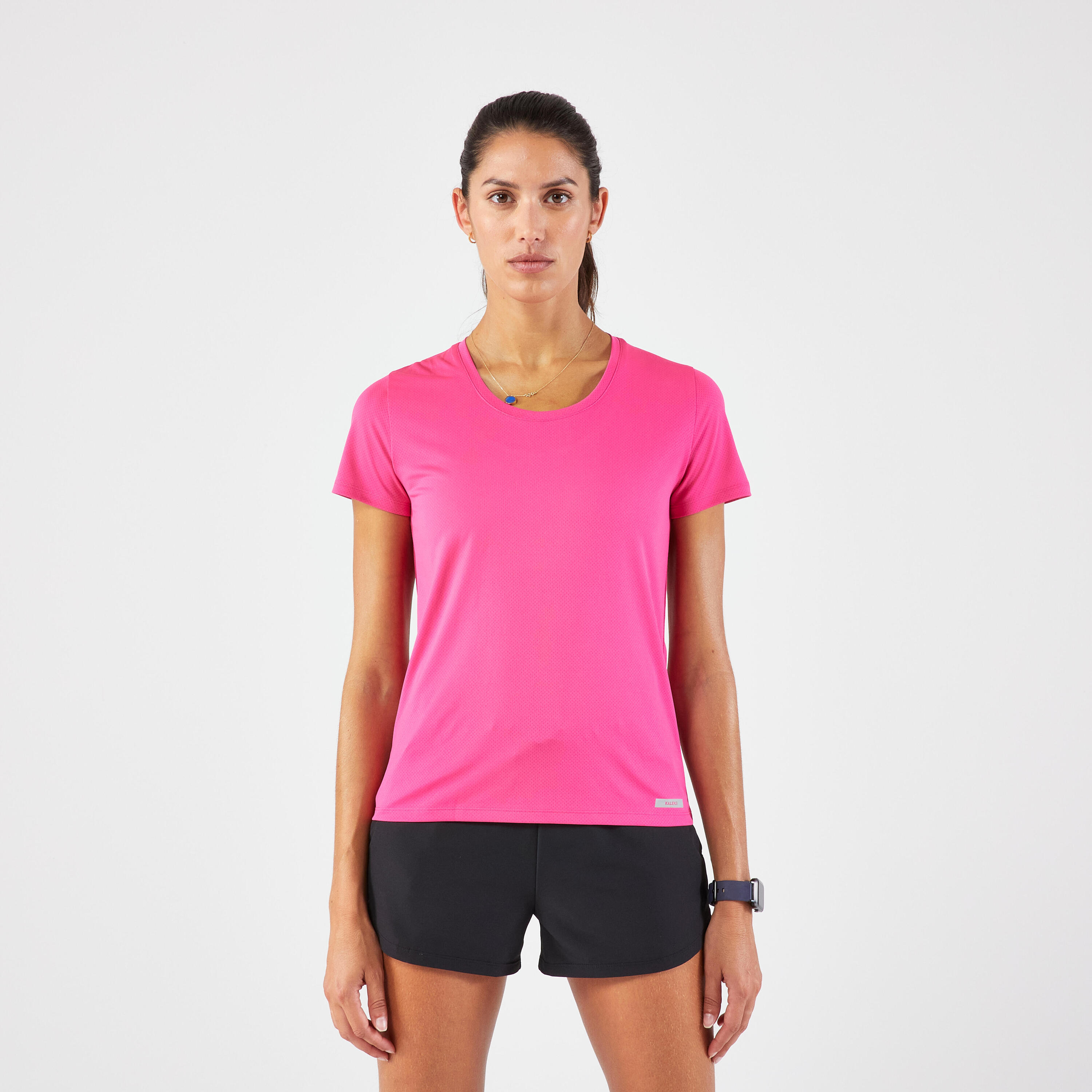
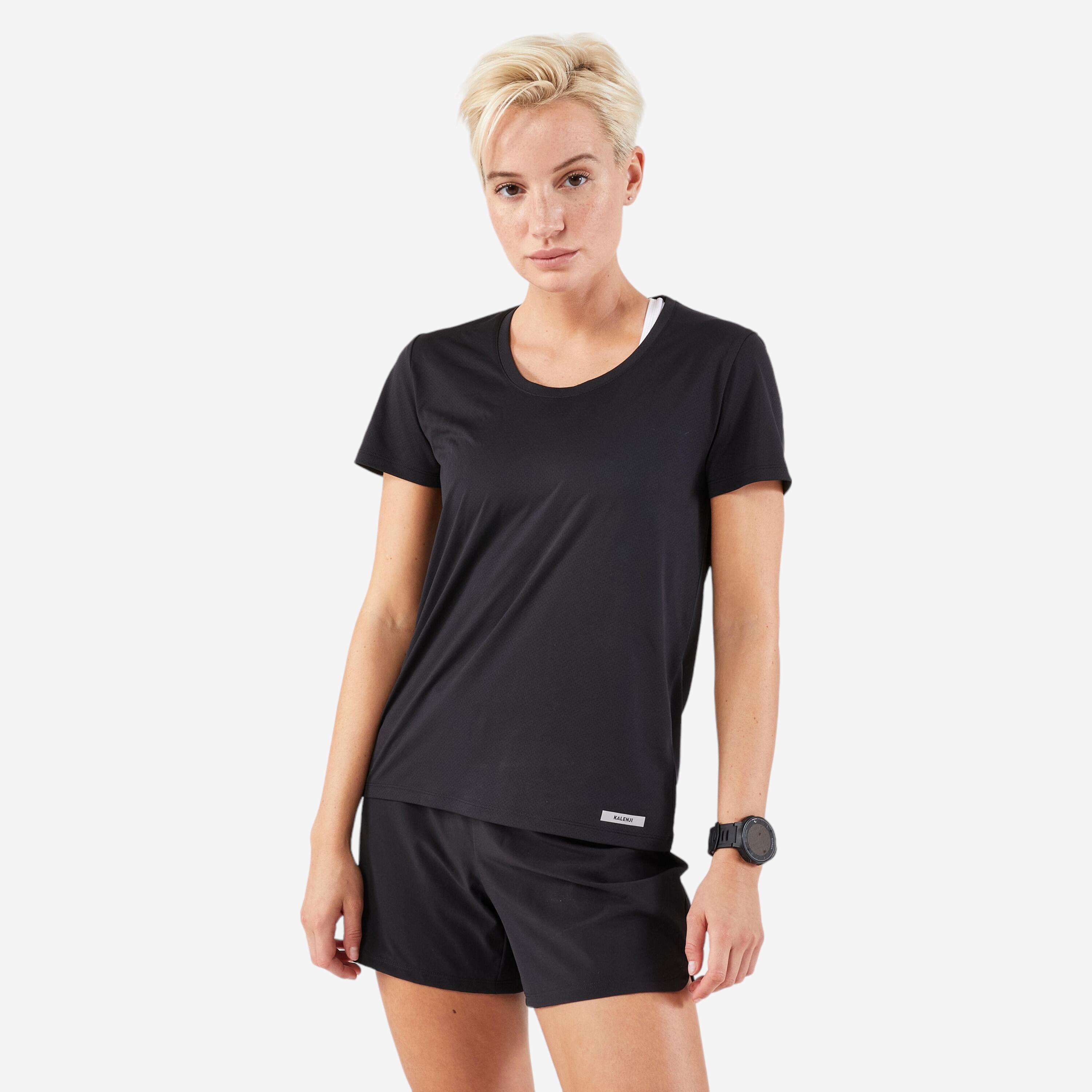
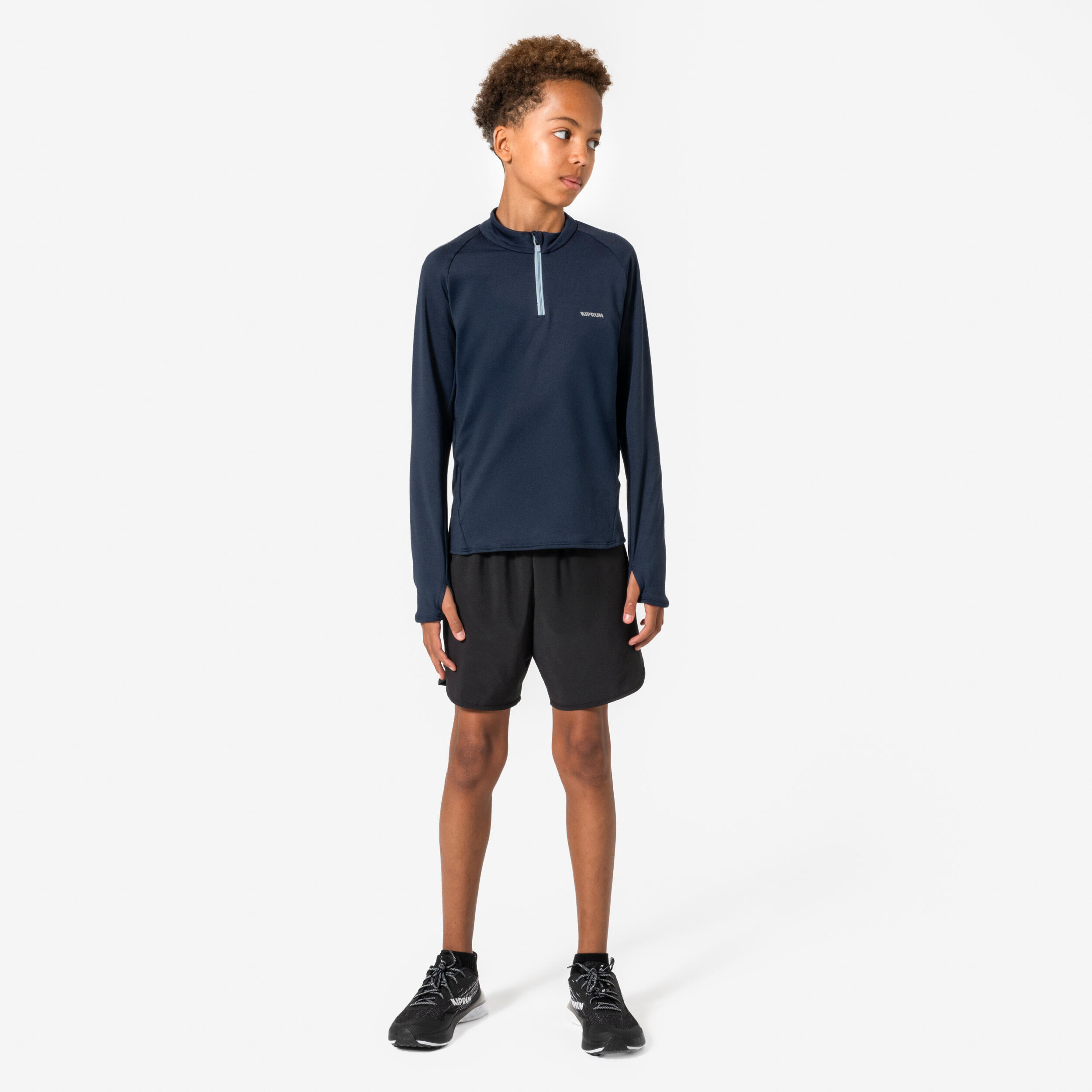
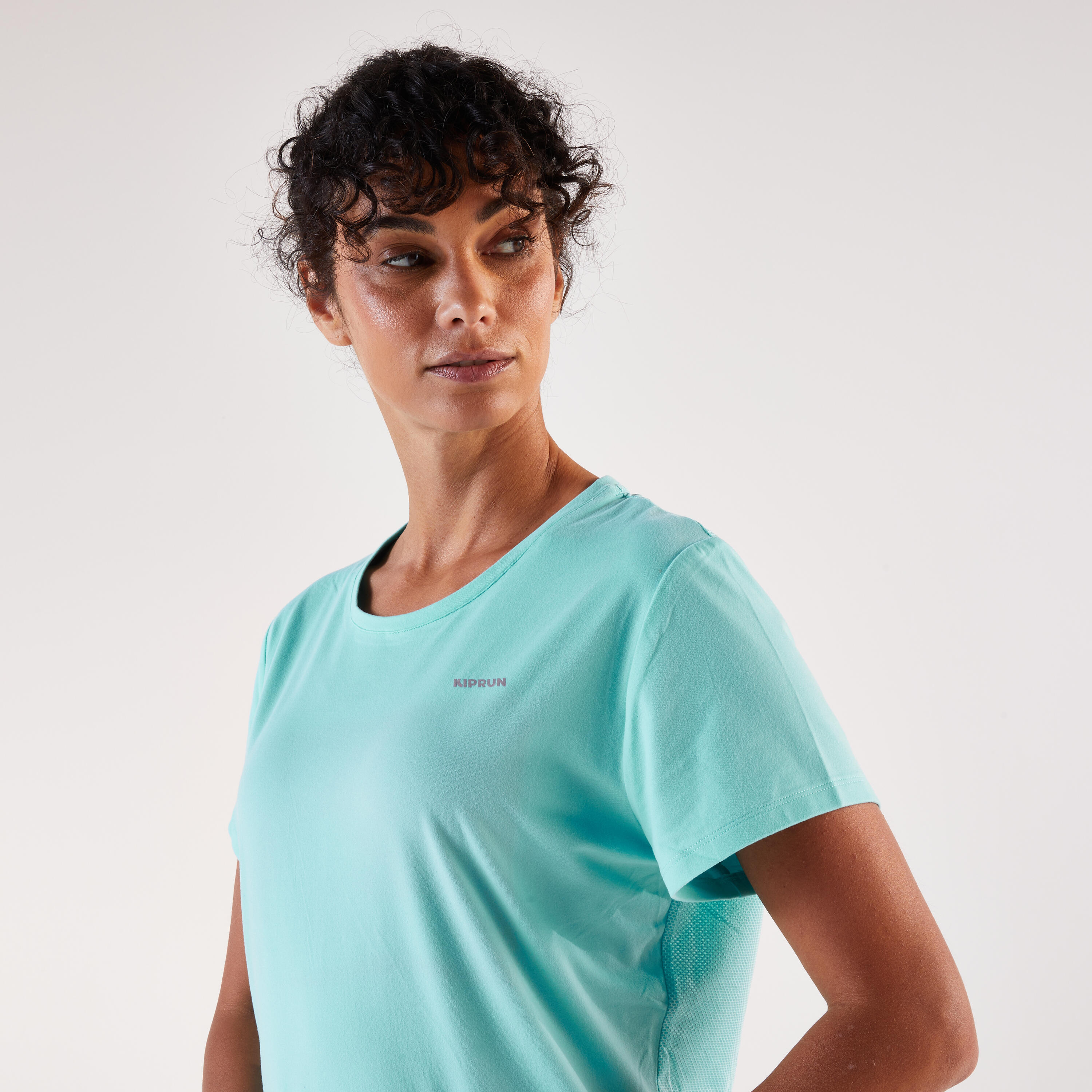
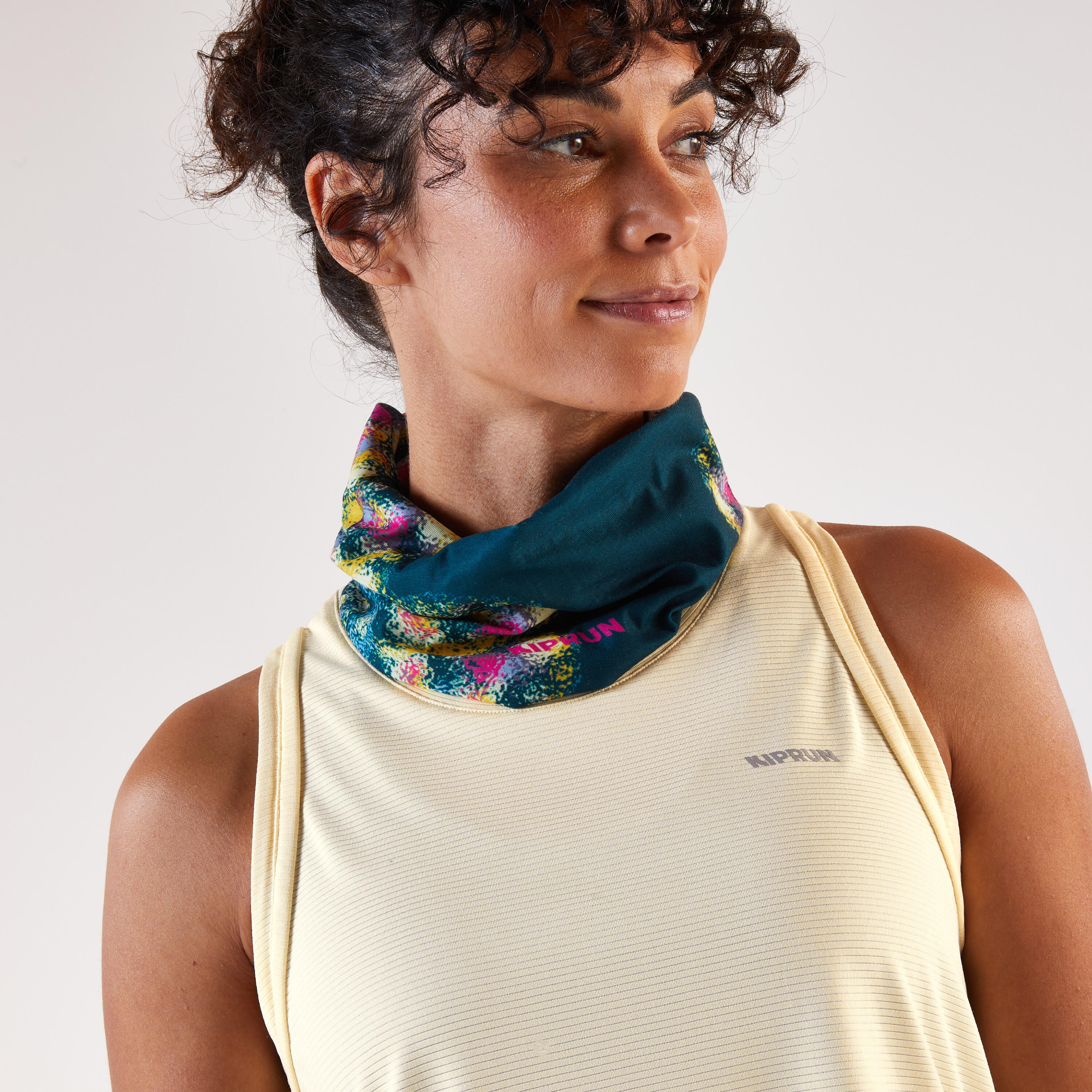
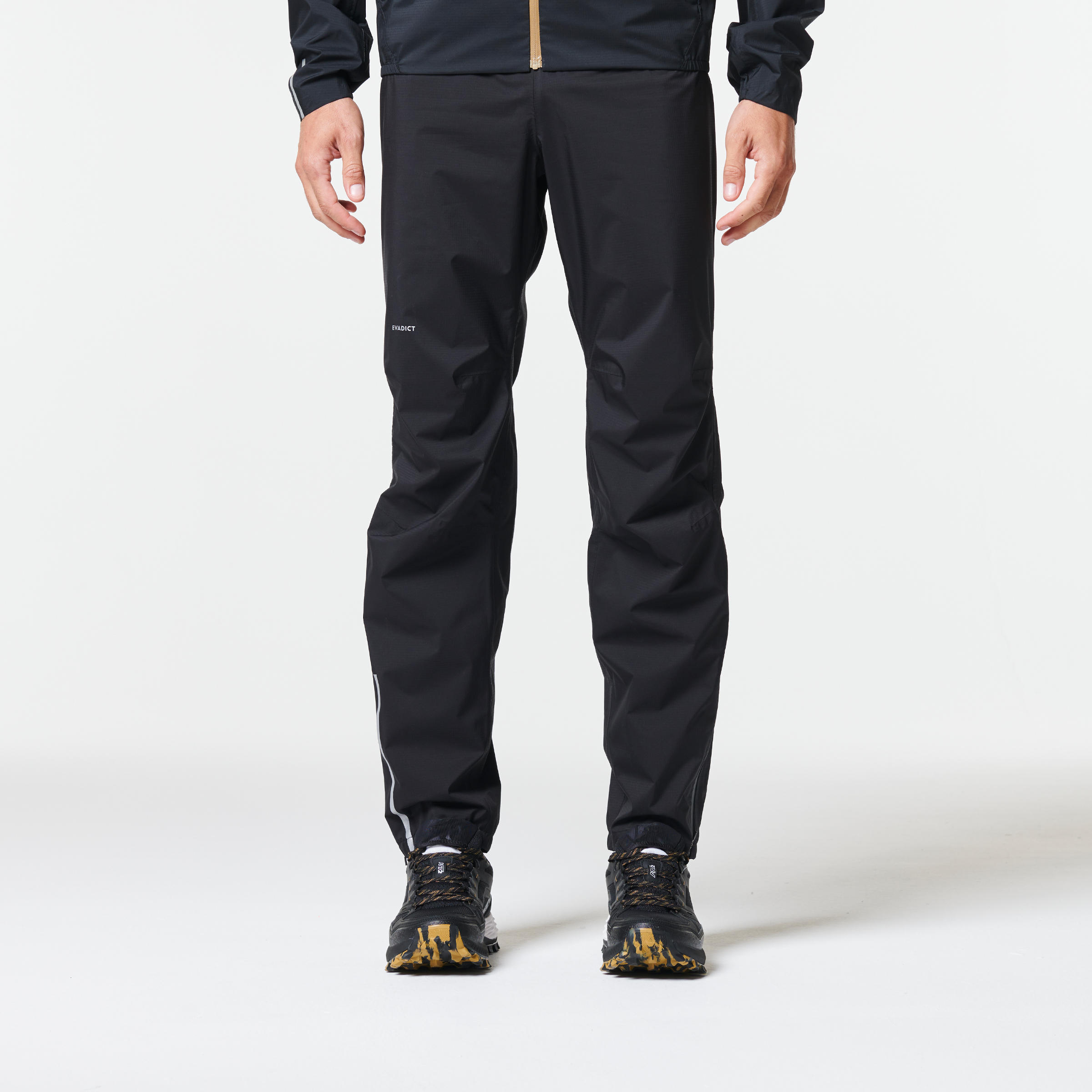
Build your kit around the terrain, weather, distance and amount of water or nutrition you expect to carry. A practical setup can include trail shoes, breathable clothing, suitable socks, headwear and hydration equipment. Some products on the page were developed for general road running as well as trails, so check each item's stated purpose rather than assuming every KIPRUN product is trail-specific. A breathable KIPRUN running T-shirt can suit warm training through moisture-managing fabric and a micro-perforated back panel. A useful pro tip is to test your complete outfit with a loaded vest, as pack straps and full pockets can change where fabric sits against your shoulders and waist.
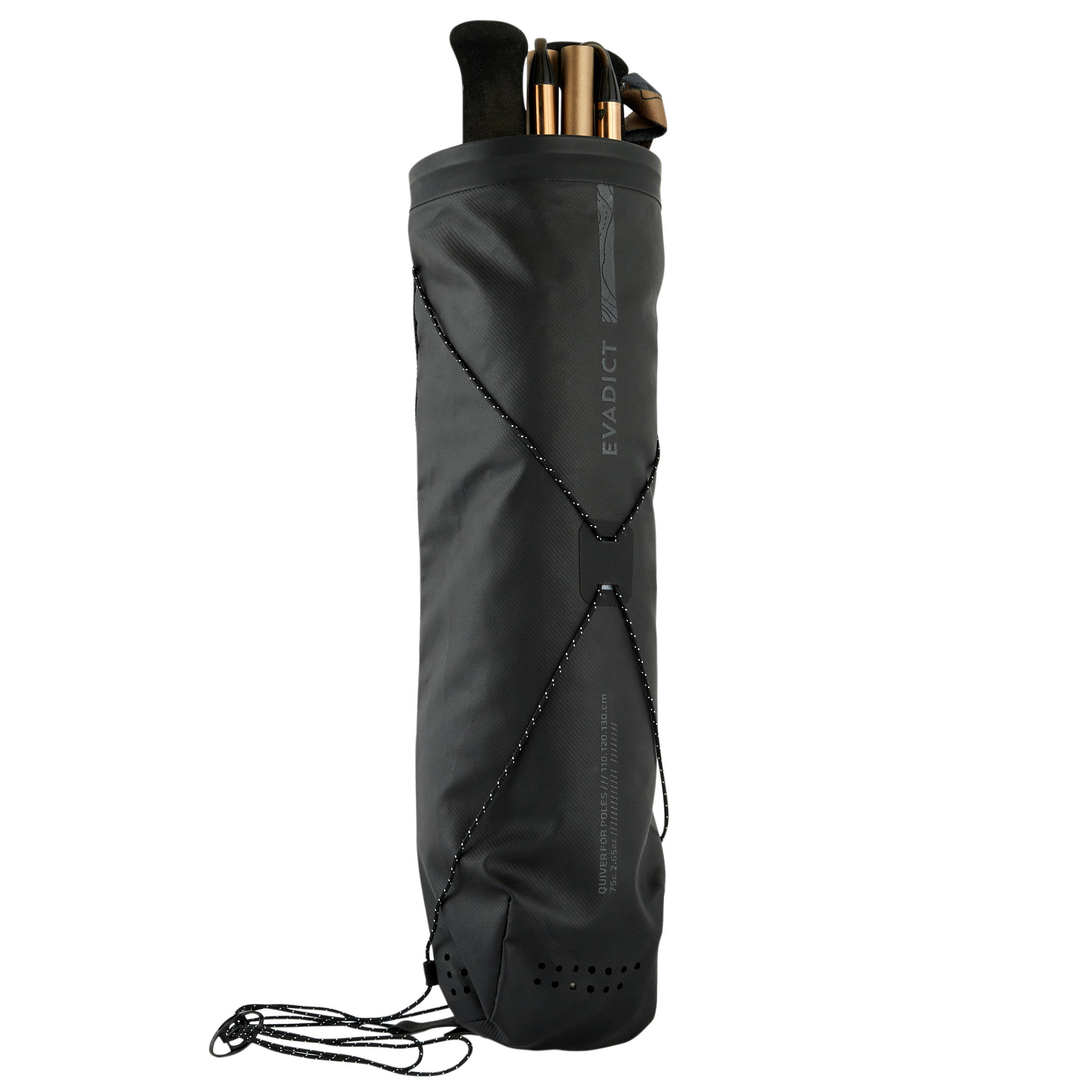
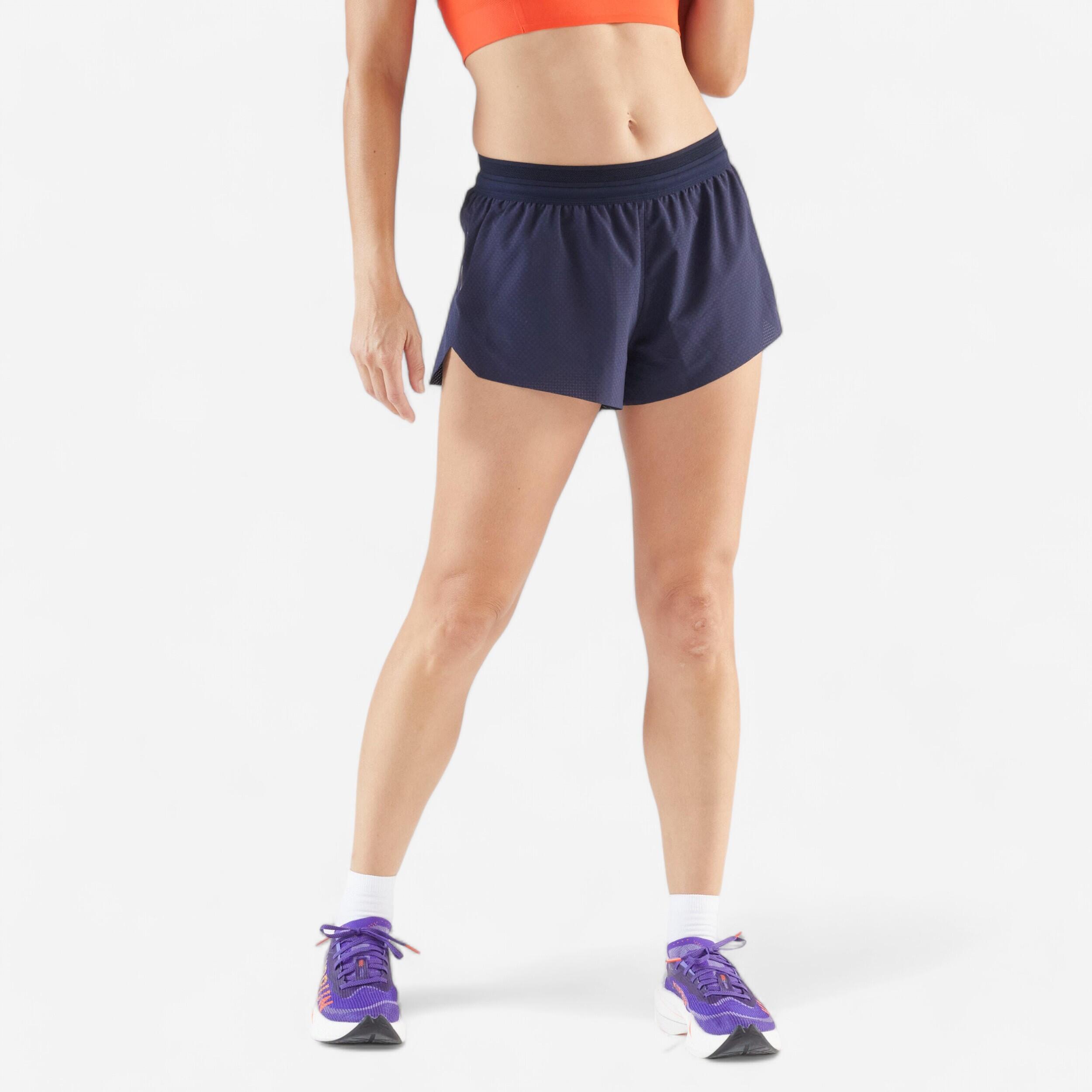
How do KIPRUN trail running shoes fit around the heel and forefoot?

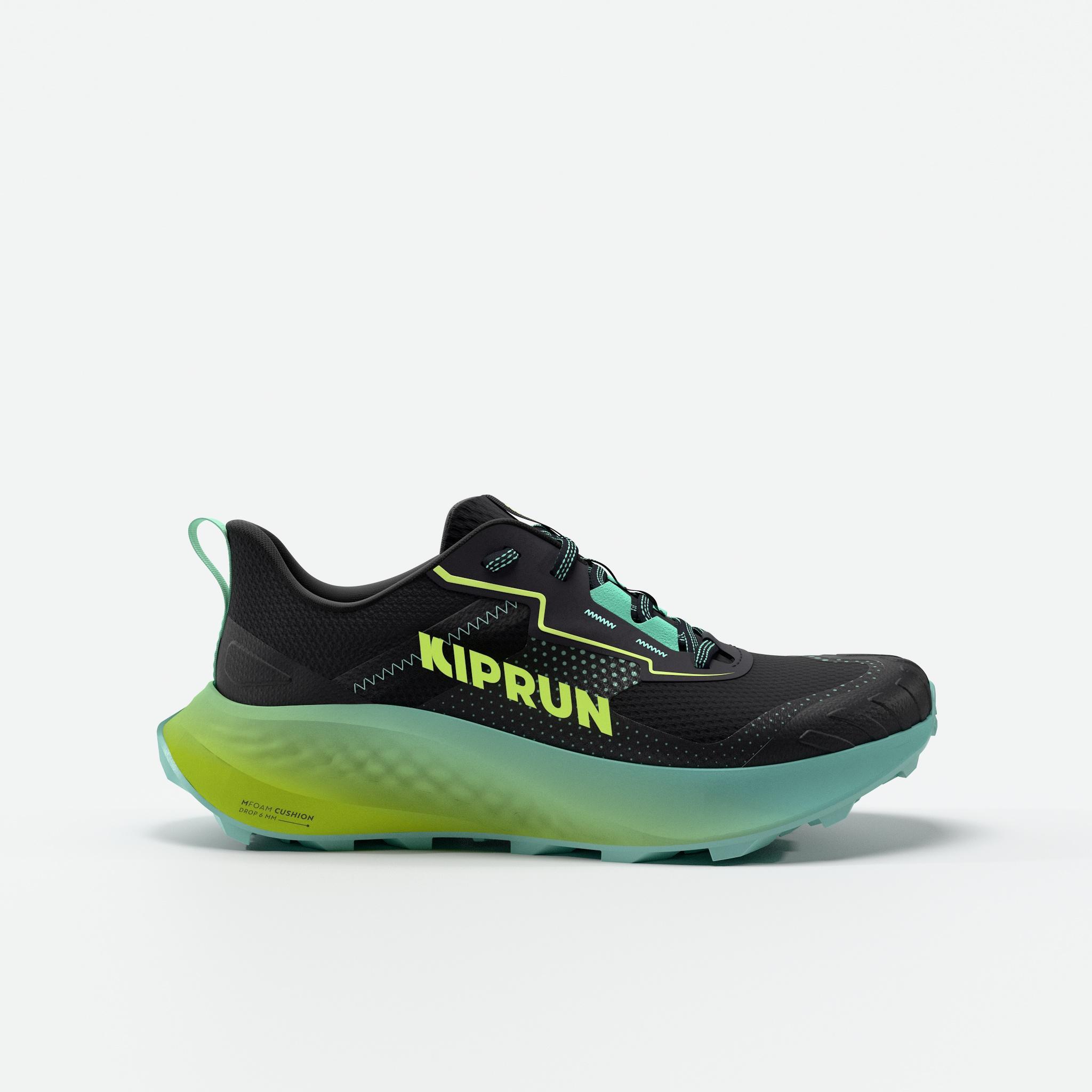
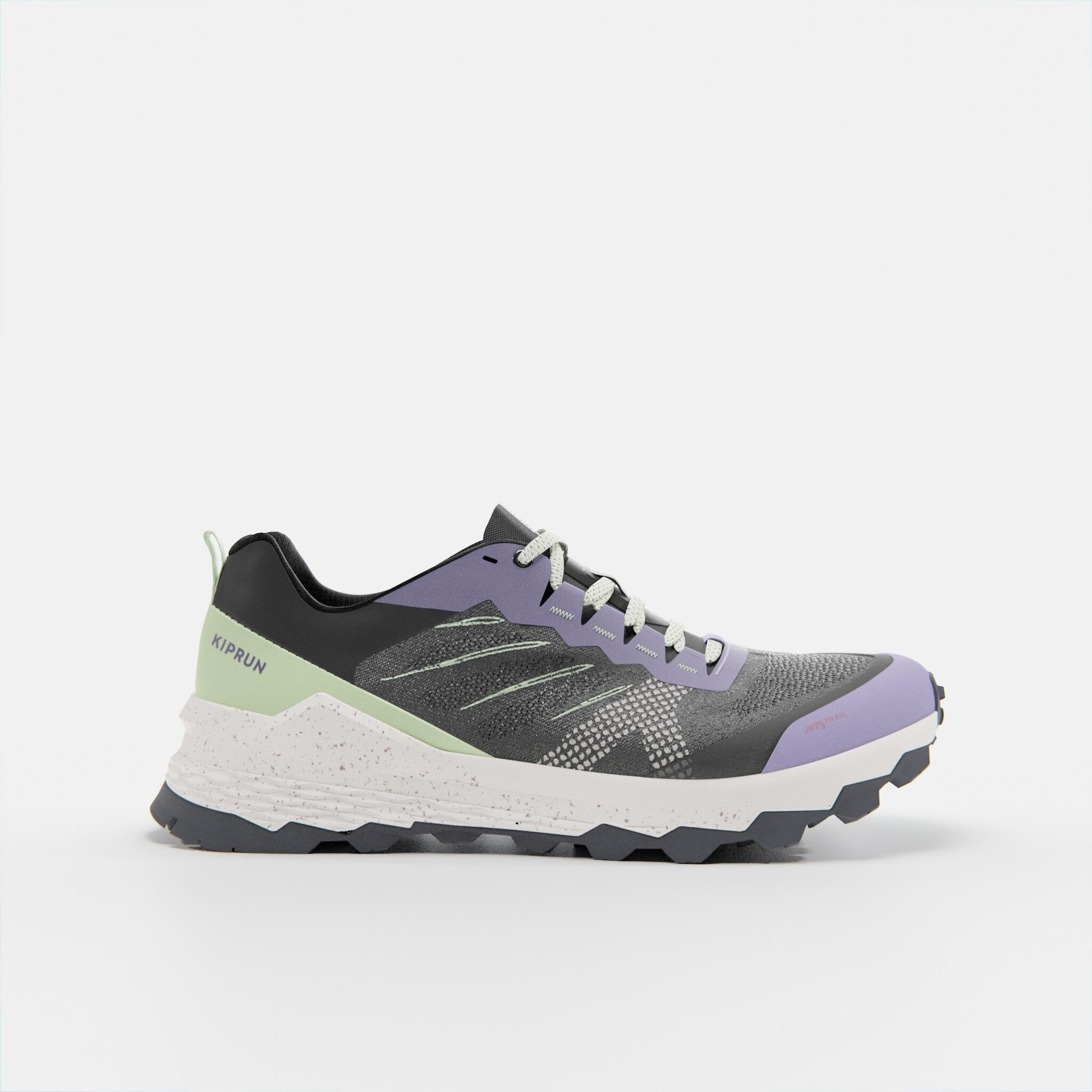
Trail shoes should hold your heel securely while leaving enough space around the toes for natural movement and the slight foot expansion that can occur on longer outings. Check the fit on slopes rather than standing only on flat ground. Your toes should not strike the front during descents, and your heel should not lift excessively during climbs. Models such as the KIPRUN Kipsummit Max men's trail running shoes should be matched to your foot shape, route and preferred level of cushioning rather than selected by appearance alone. Wear your normal running socks during fitting, tighten the laces evenly and test the shoes on familiar terrain before taking them onto a long or technical route.

Which KIPRUN socks work for trail running?

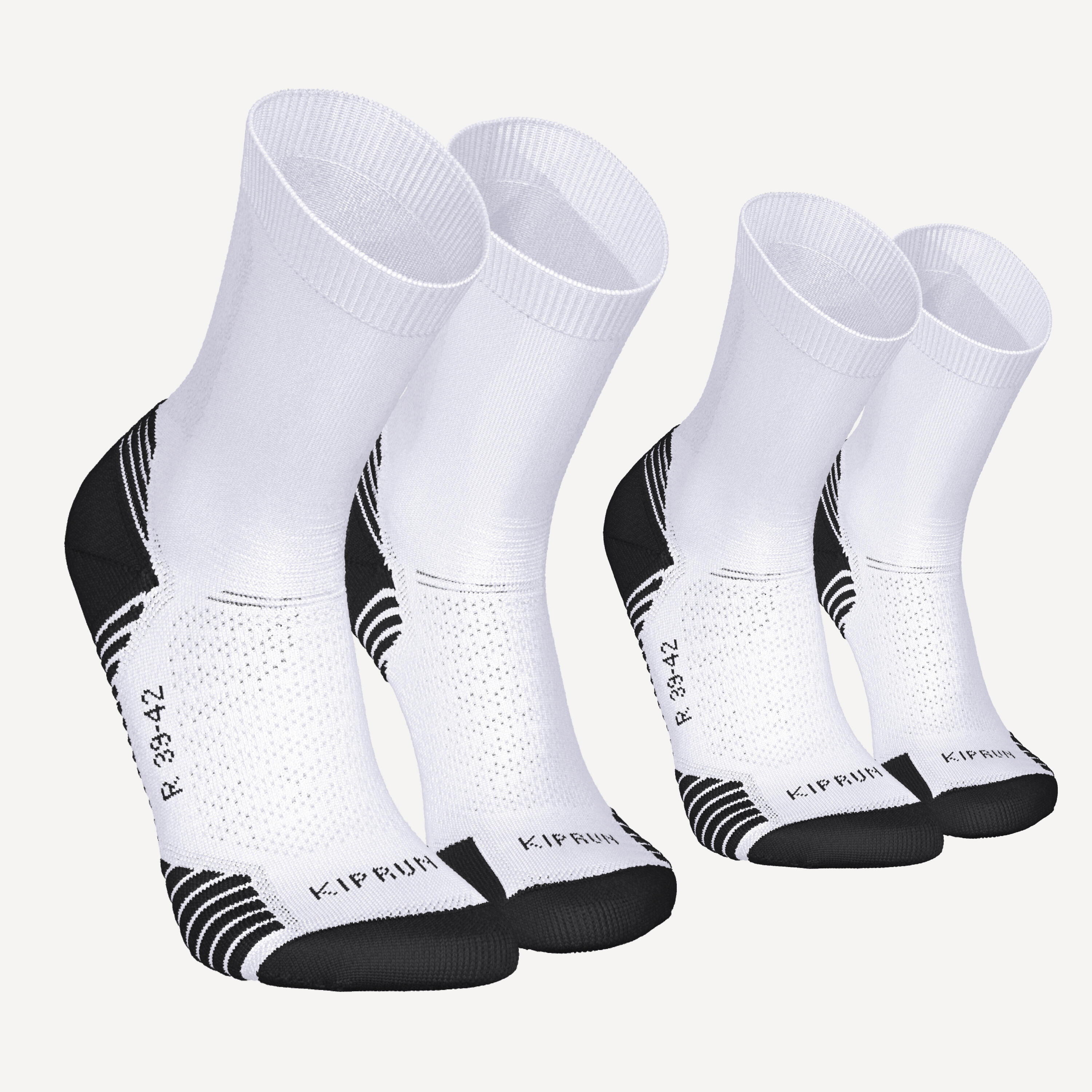
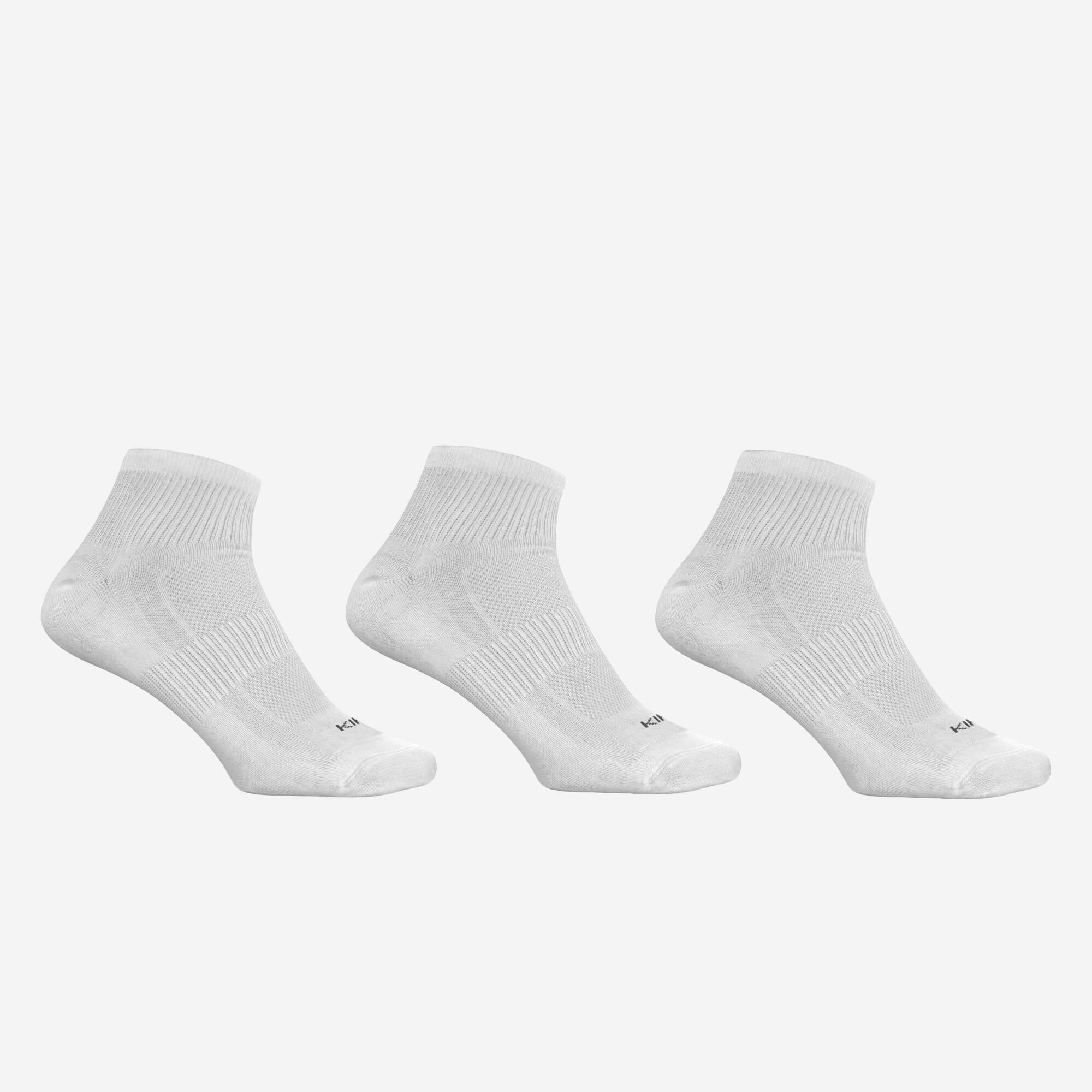
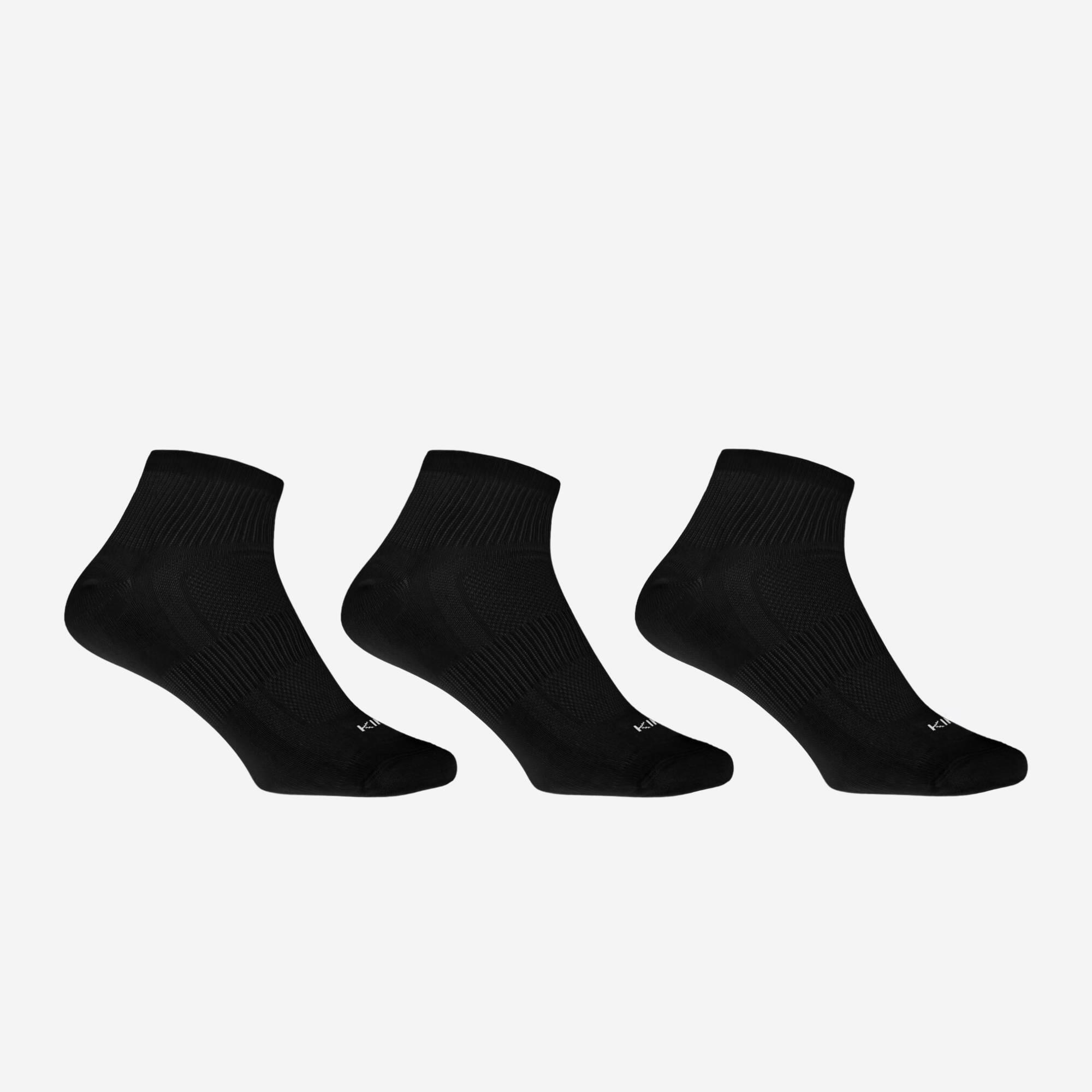
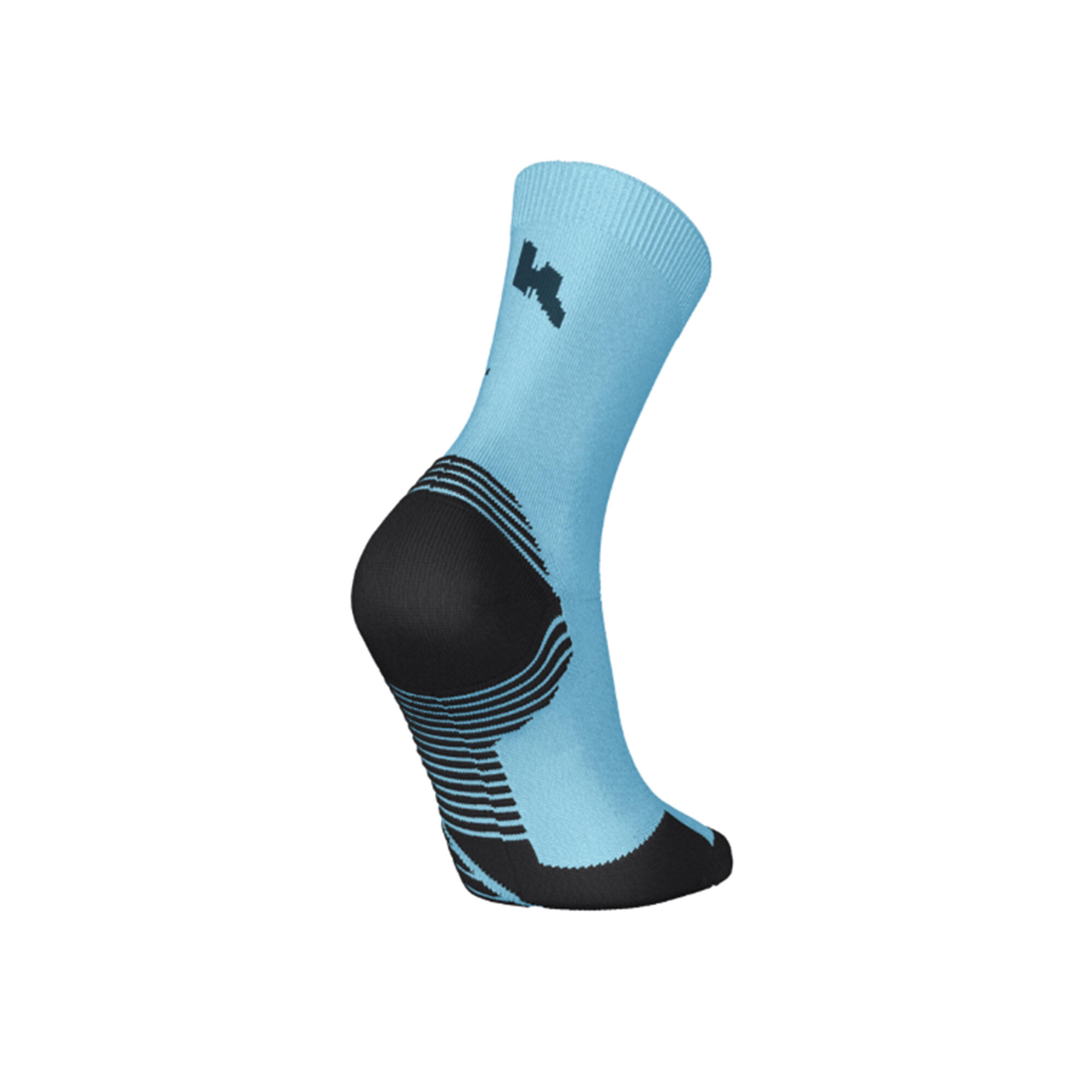
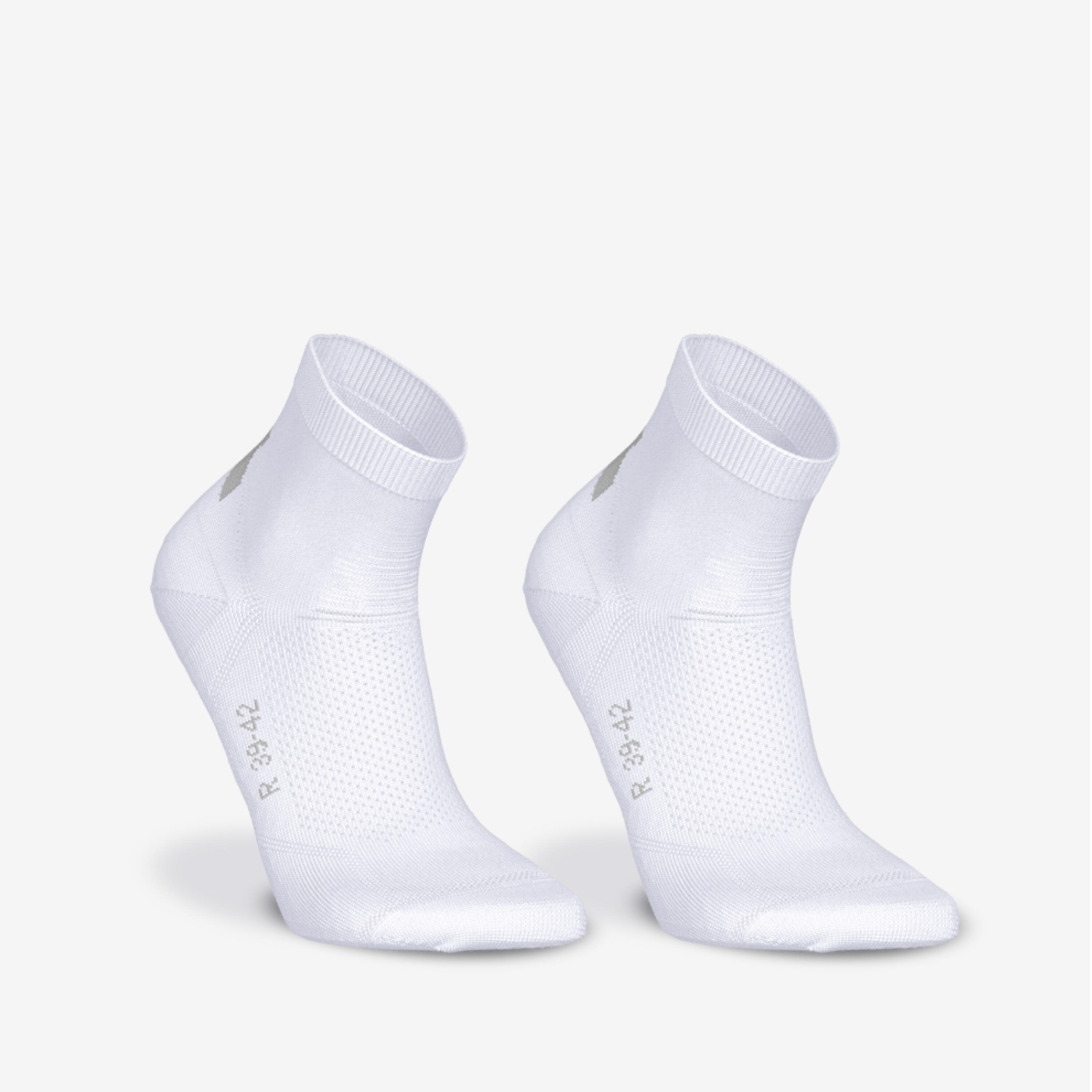
Choose sock thickness according to shoe volume, weather and personal comfort. Fine synthetic socks can reduce weight and improve ventilation during warm runs, while cushioned constructions place additional material around pressure areas such as the heel and toes. Beginner-focused white Run 100 running socks use a cotton-rich knit for softness, an elastic strip across the arch for stability and ventilation over the upper foot. They suit shorter introductory sessions rather than representing a specialist technical trail sock. For longer routes, check whether the sock offers suitable moisture transfer and friction control. Wash and test any new pair before competition, then smooth out folds immediately if grit or movement causes the fabric to gather.

When do you wear KIPRUN trail running headwear?

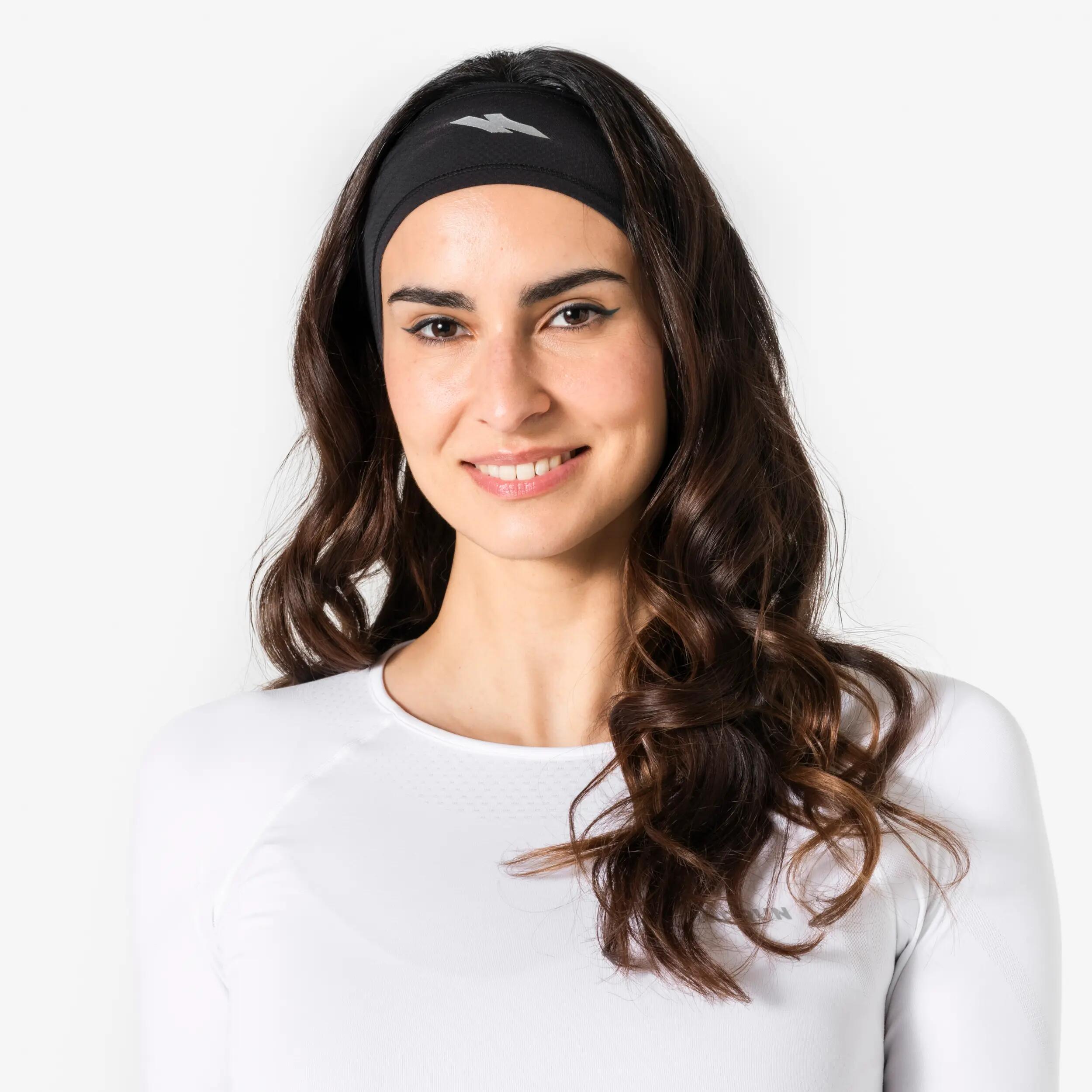
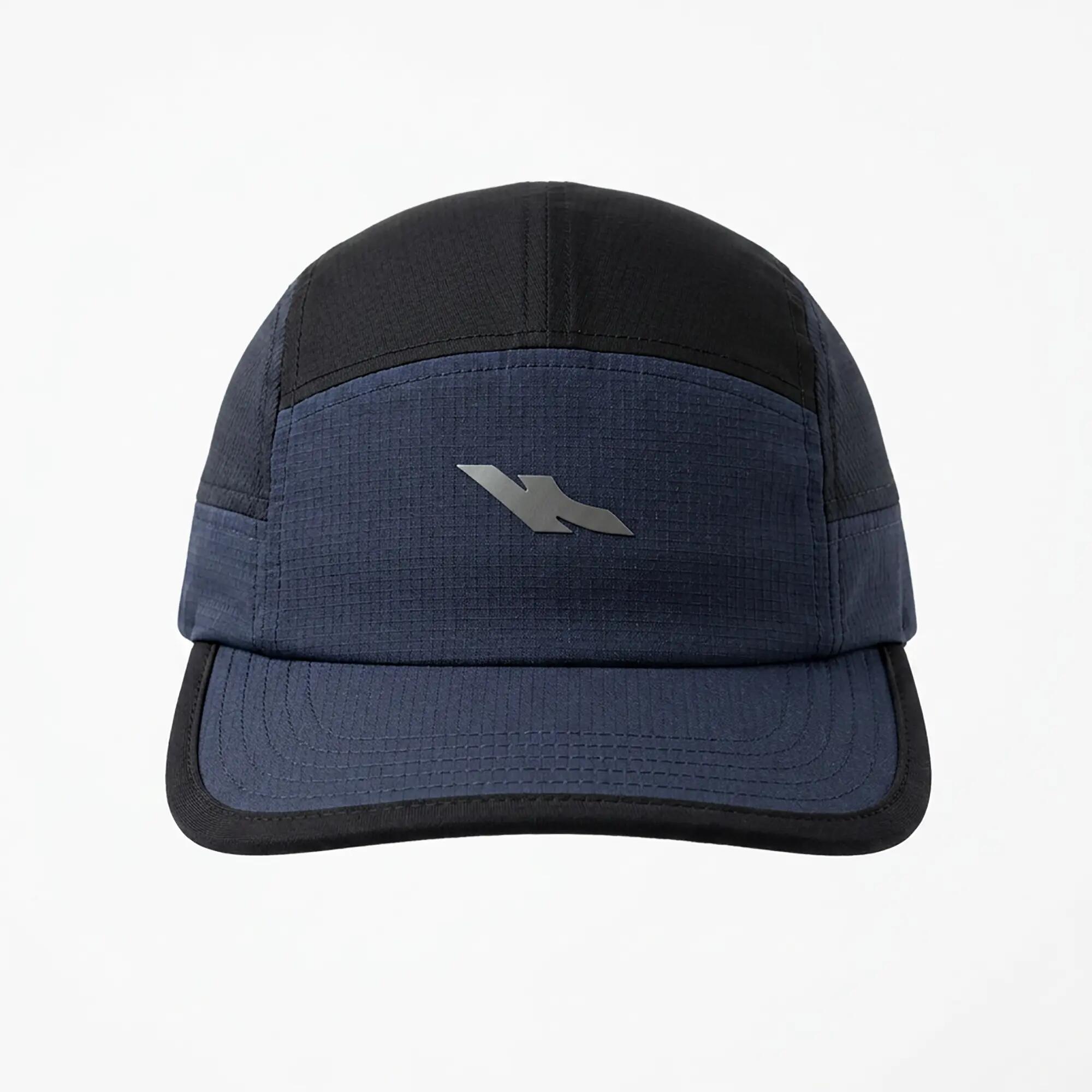
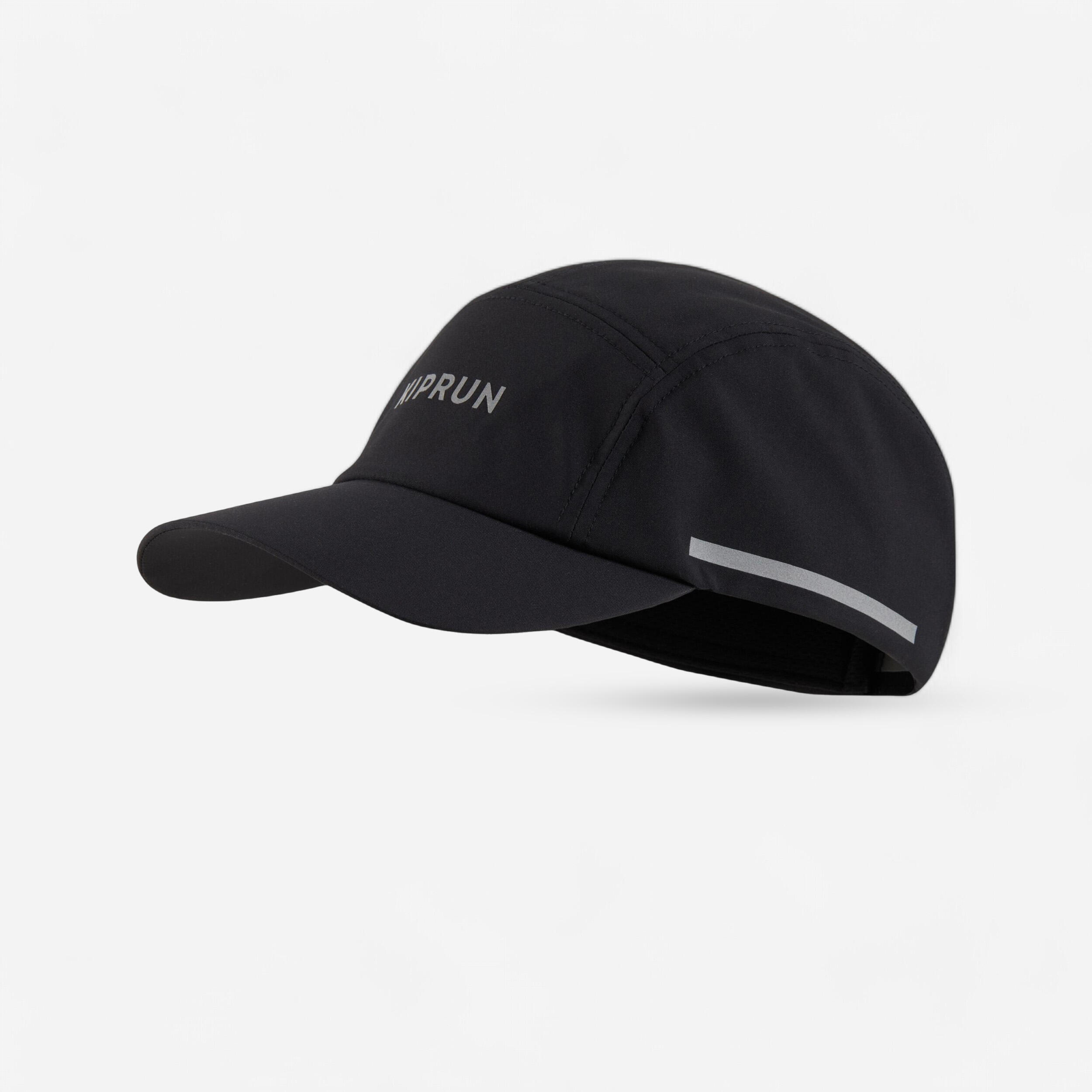
Running headwear can help manage sunlight, light rain and perspiration, but it should remain secure without trapping excessive heat. A KIPRUN five-panel unisex running cap provides lightweight head coverage for outdoor sessions and can be tested in real running conditions before a longer trail event. Adjust the fit so the cap stays positioned in wind without pressing painfully around your forehead. Check that the peak does not obstruct your view when looking down at uneven ground and that it works comfortably with sunglasses or a head torch. Headwear does not replace sunscreen or sensible exposure management. Wash perspiration from the cap according to its care instructions and reshape it before allowing it to air-dry.

Which KIPRUN trail running accessories are useful?

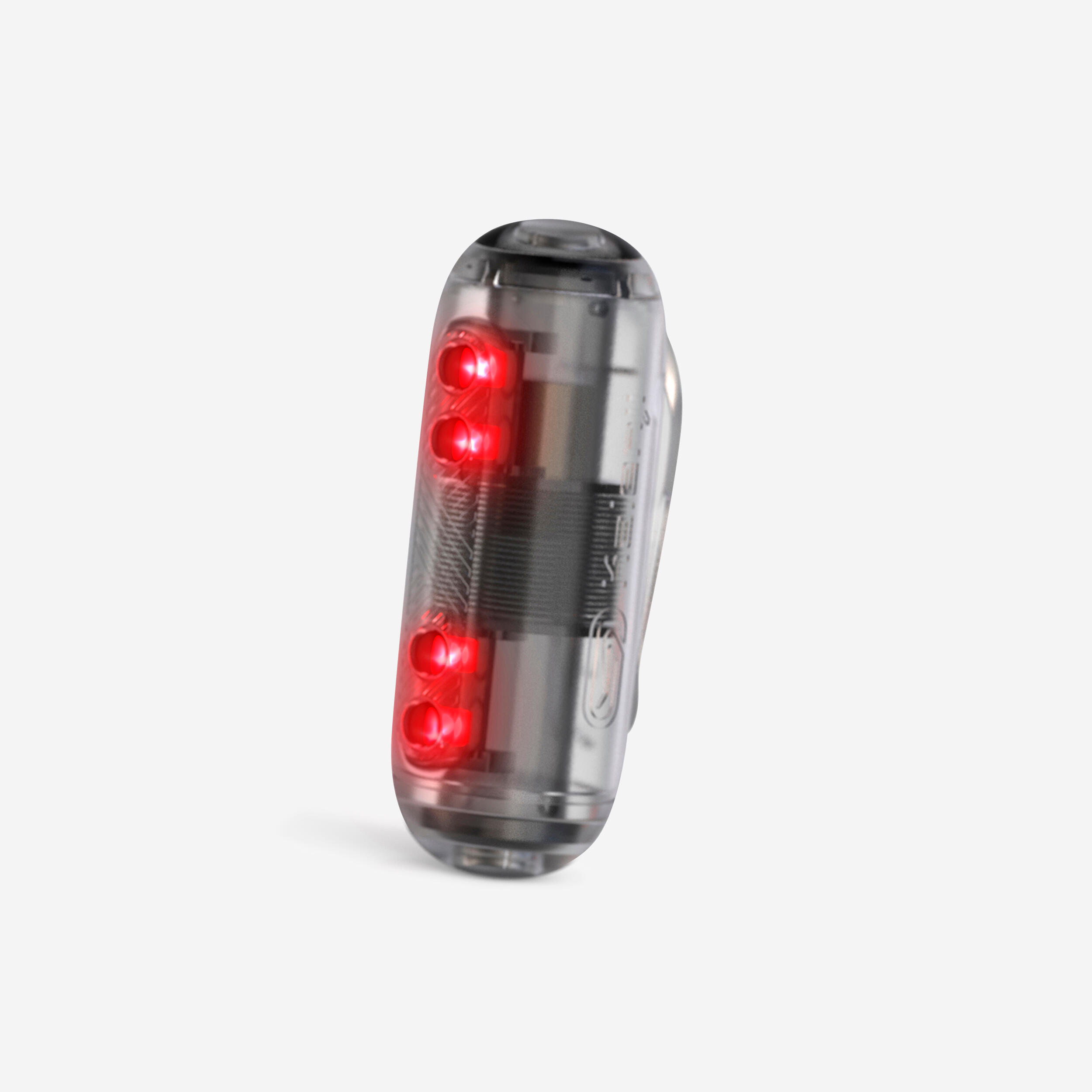
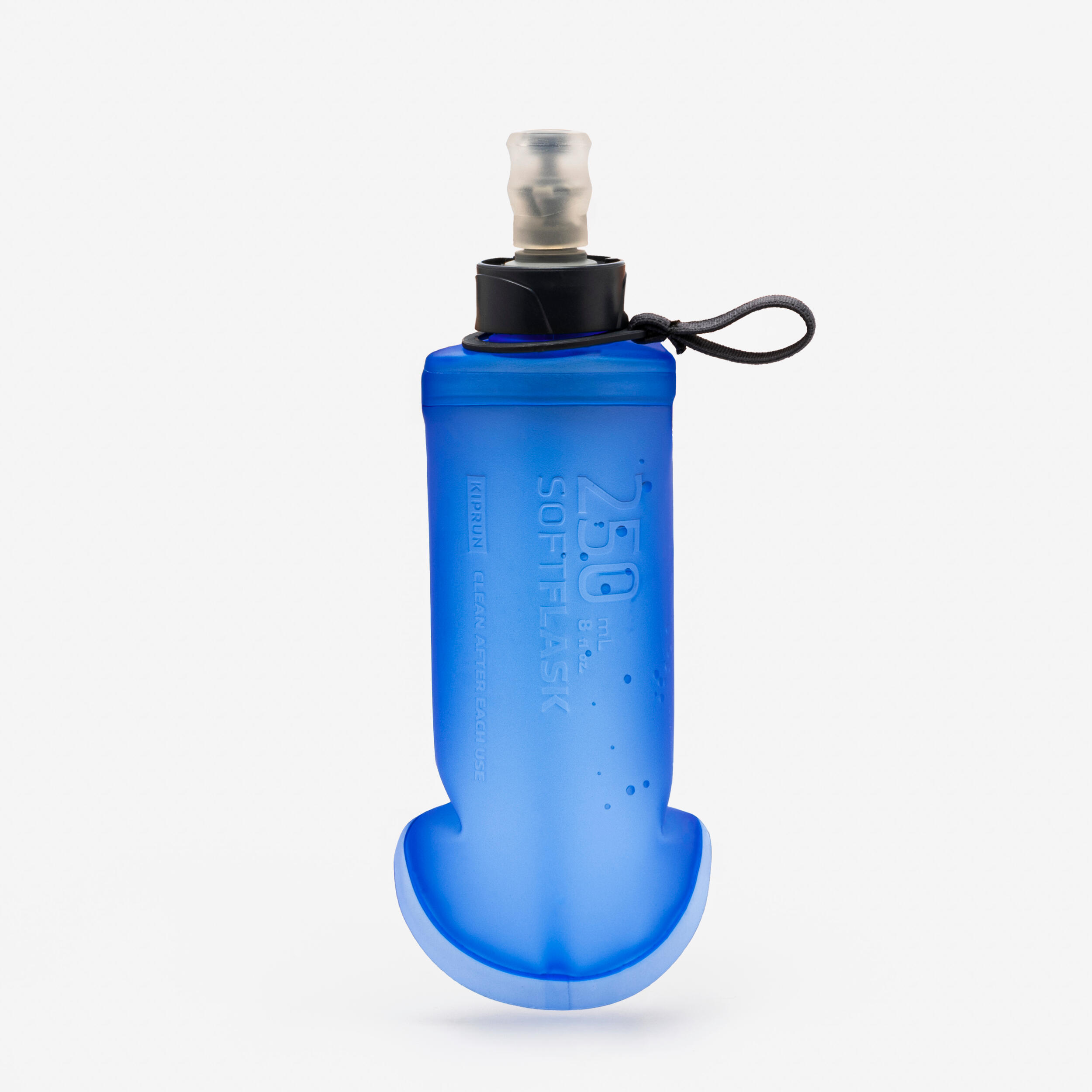
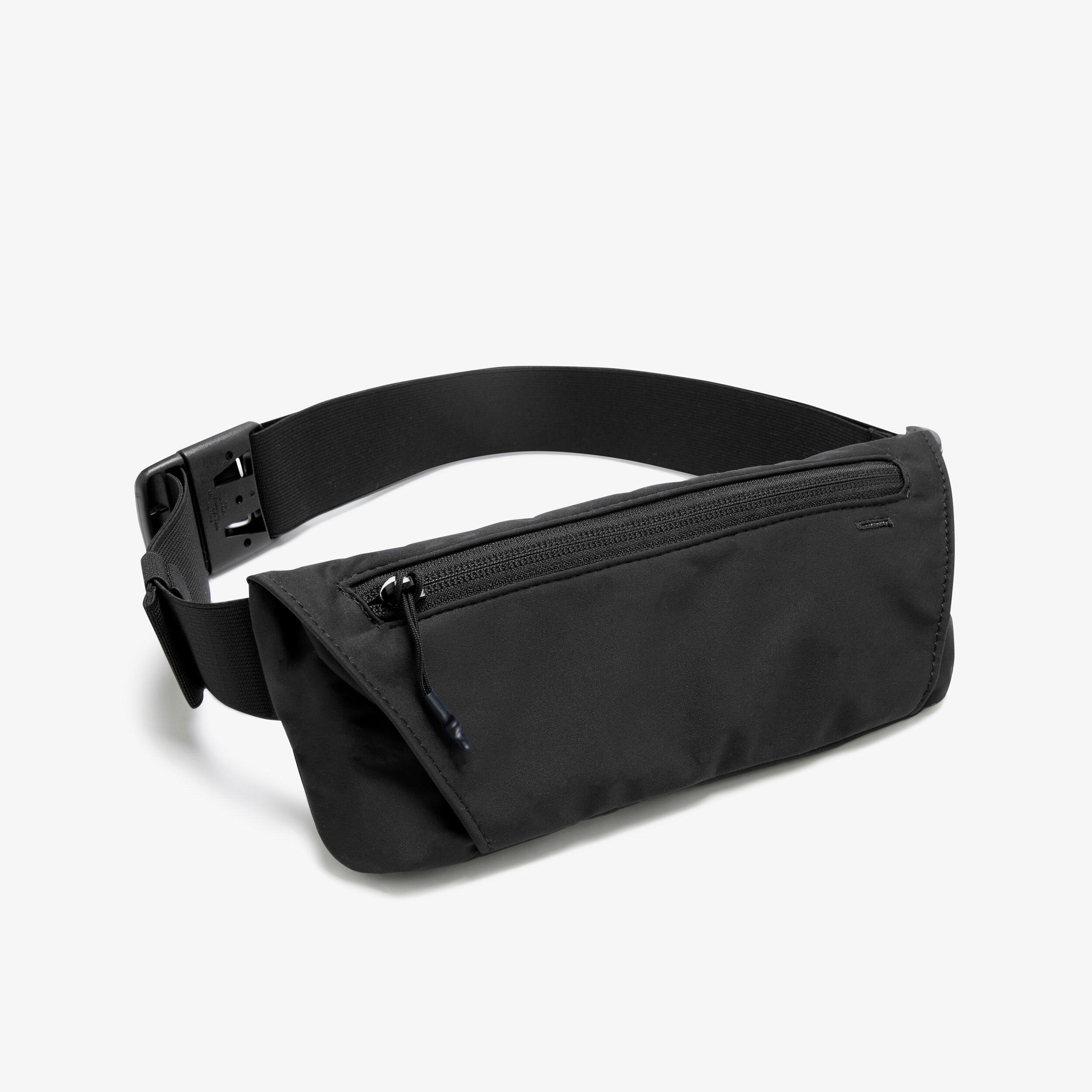
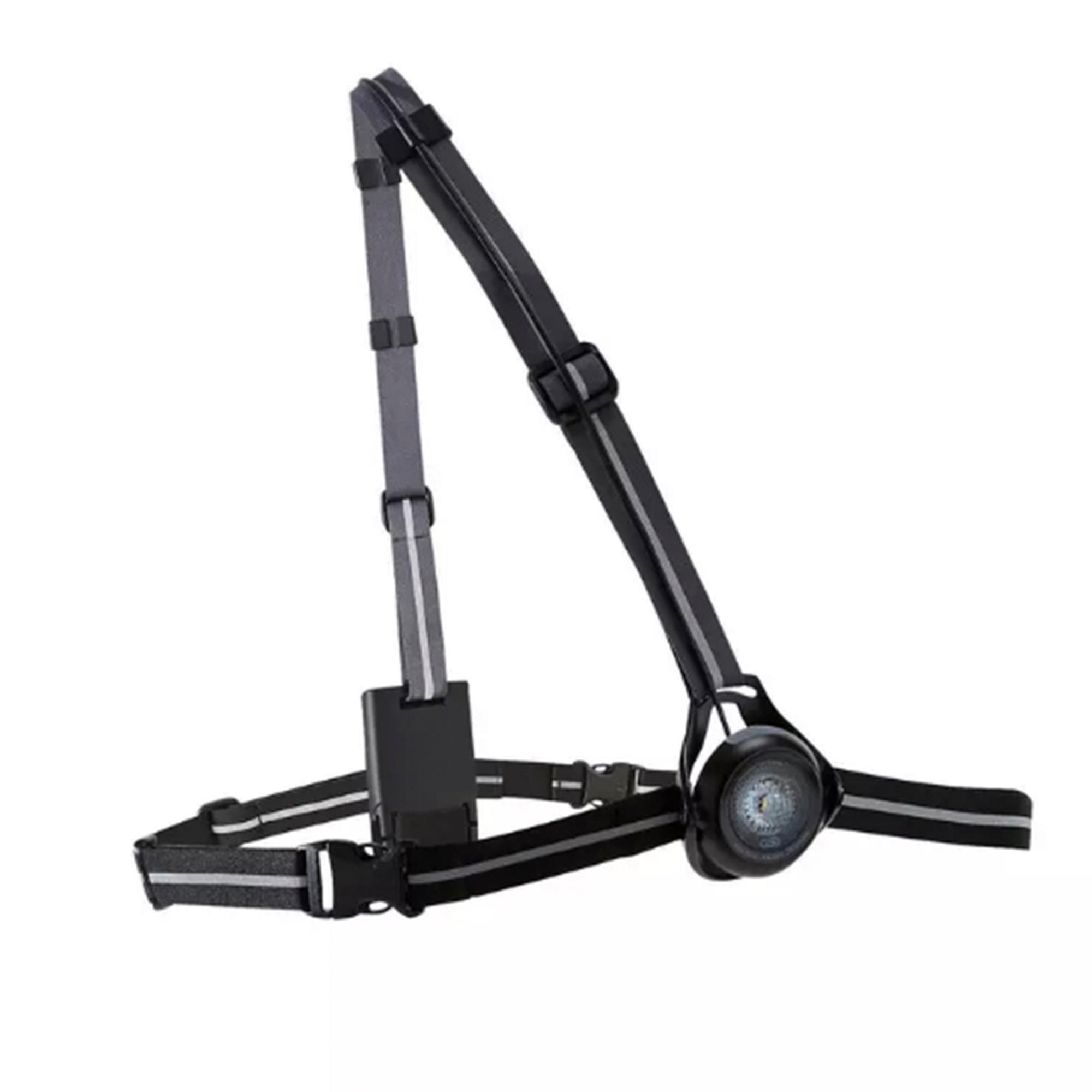
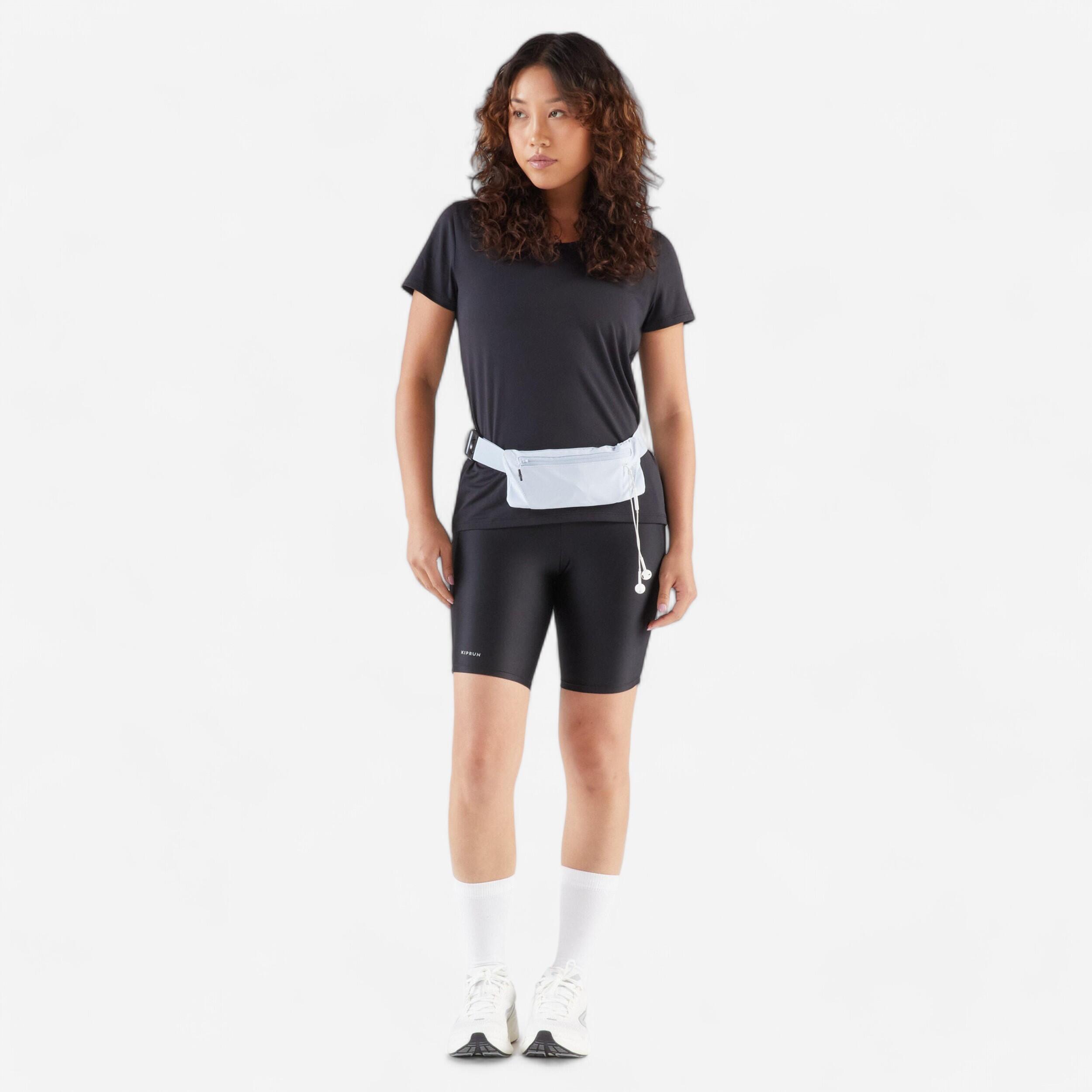
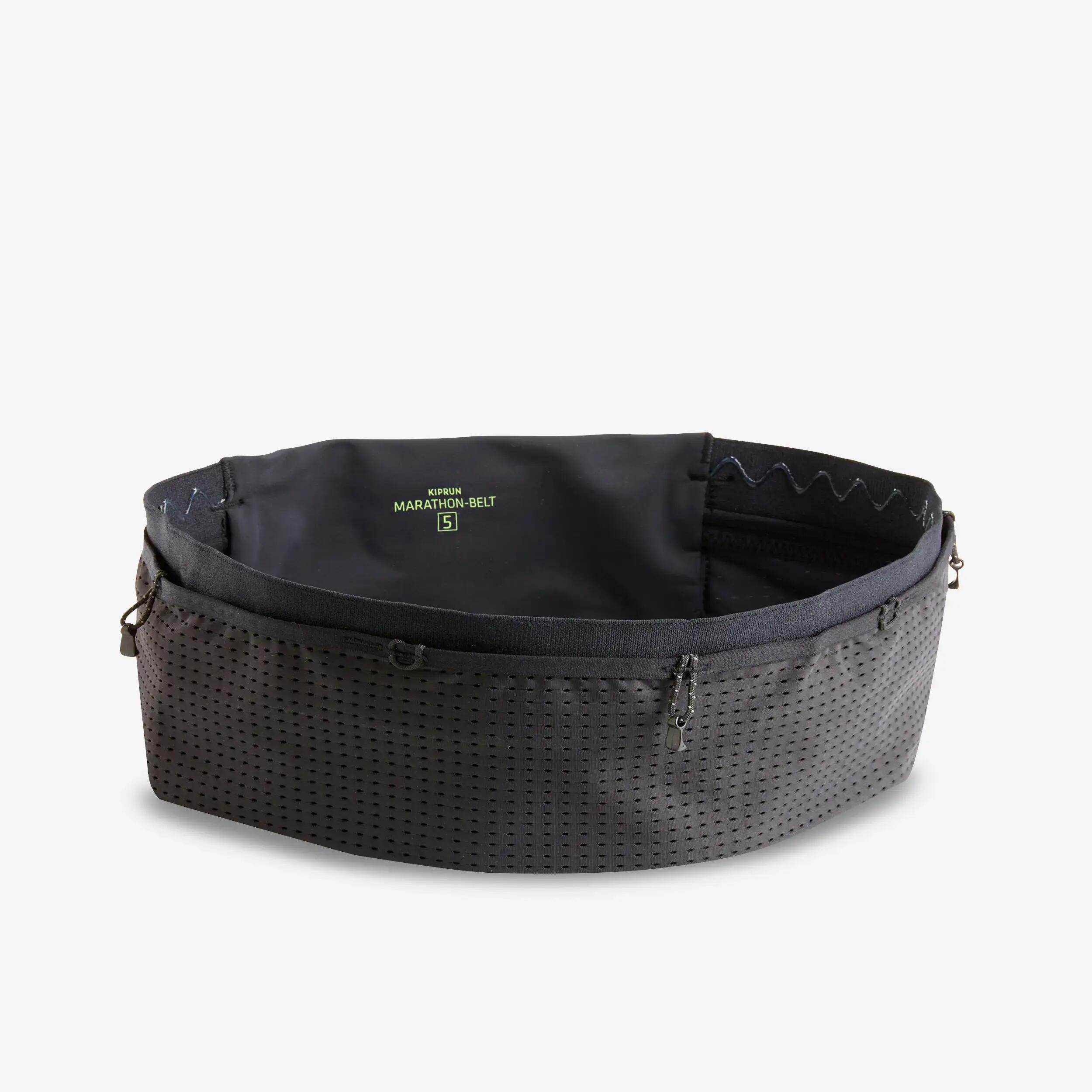
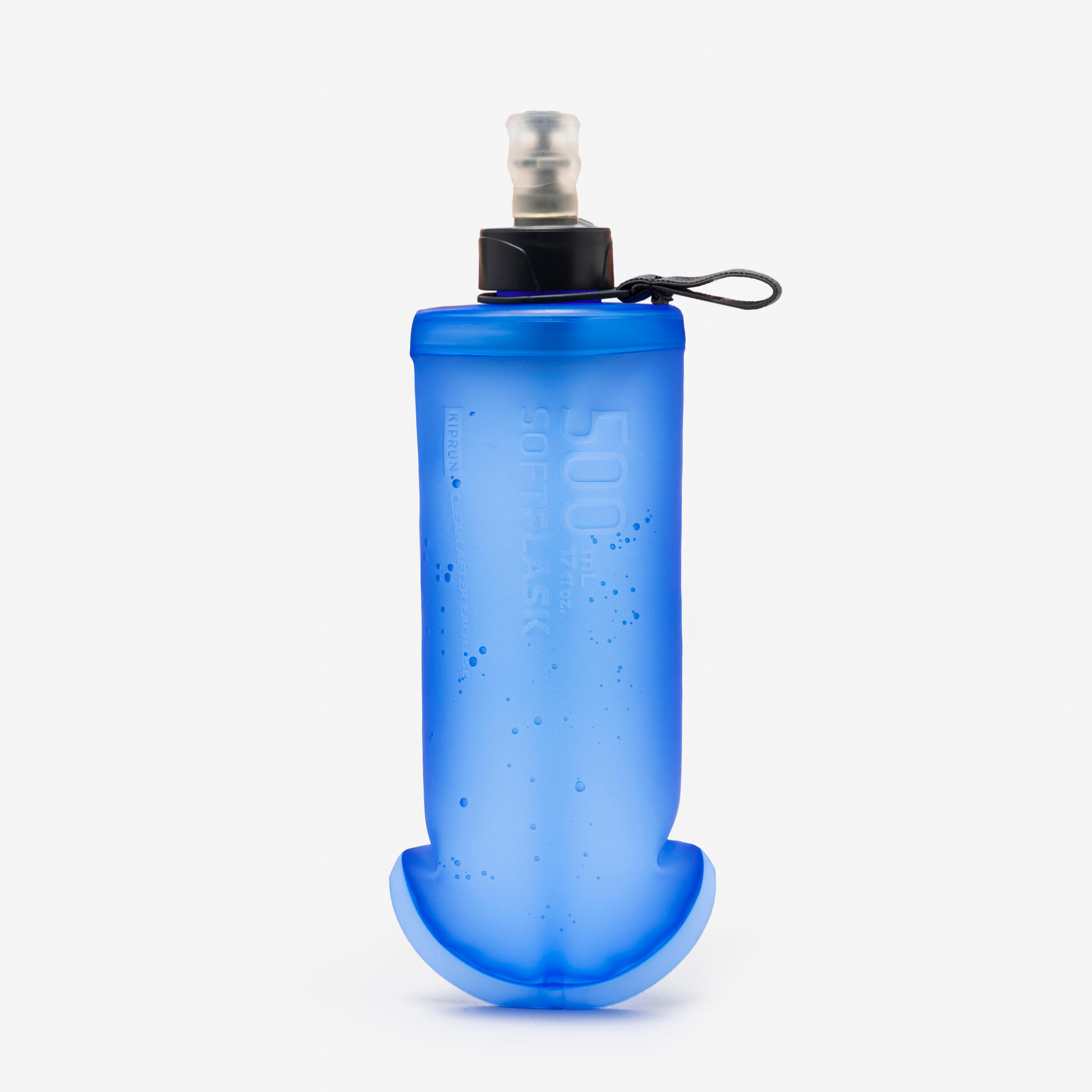
Carry only the equipment that supports a genuine hydration, storage, navigation or safety need. Useful trail running accessories can include flexible flasks, hydration belts, packs, lighting and race-number holders. A soft flask compresses as you drink, reducing packed volume and movement compared with a rigid bottle. Remove trapped air before closing the valve to limit sloshing, and select a capacity that matches the distance and available refill points. After using sugary drinks, remove the mouthpiece, clean every section carefully and let the flask dry completely before storage. Test all accessories while moving over similar terrain, as a bottle, phone or piece of nutrition that remains stable on pavement may bounce or become difficult to reach on steeper trails.