




24 items
4.6/5 based on 387 reviews collected online and in stores

New Balance Trail Running Gear FAQs

What is New Balance known for on the trail?

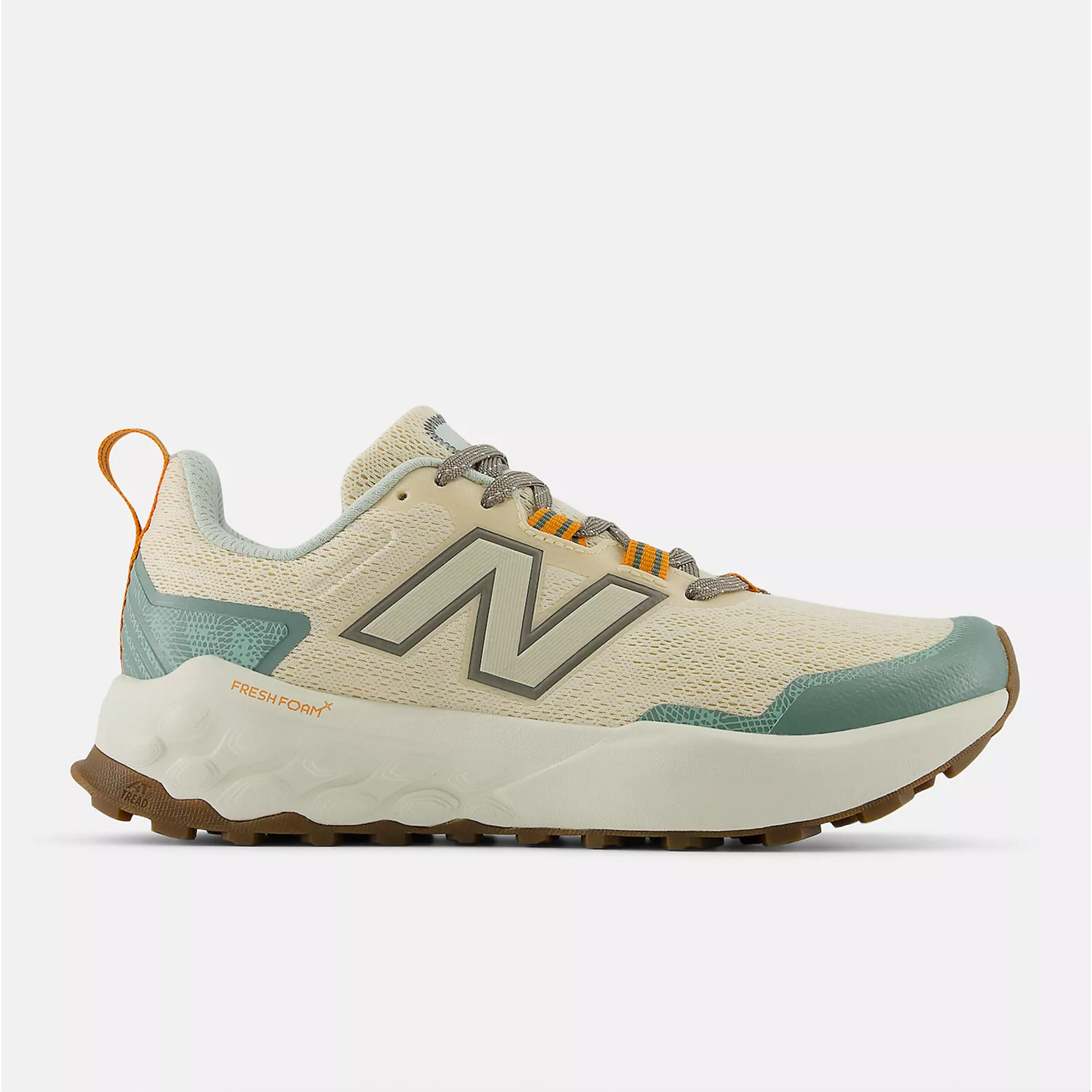
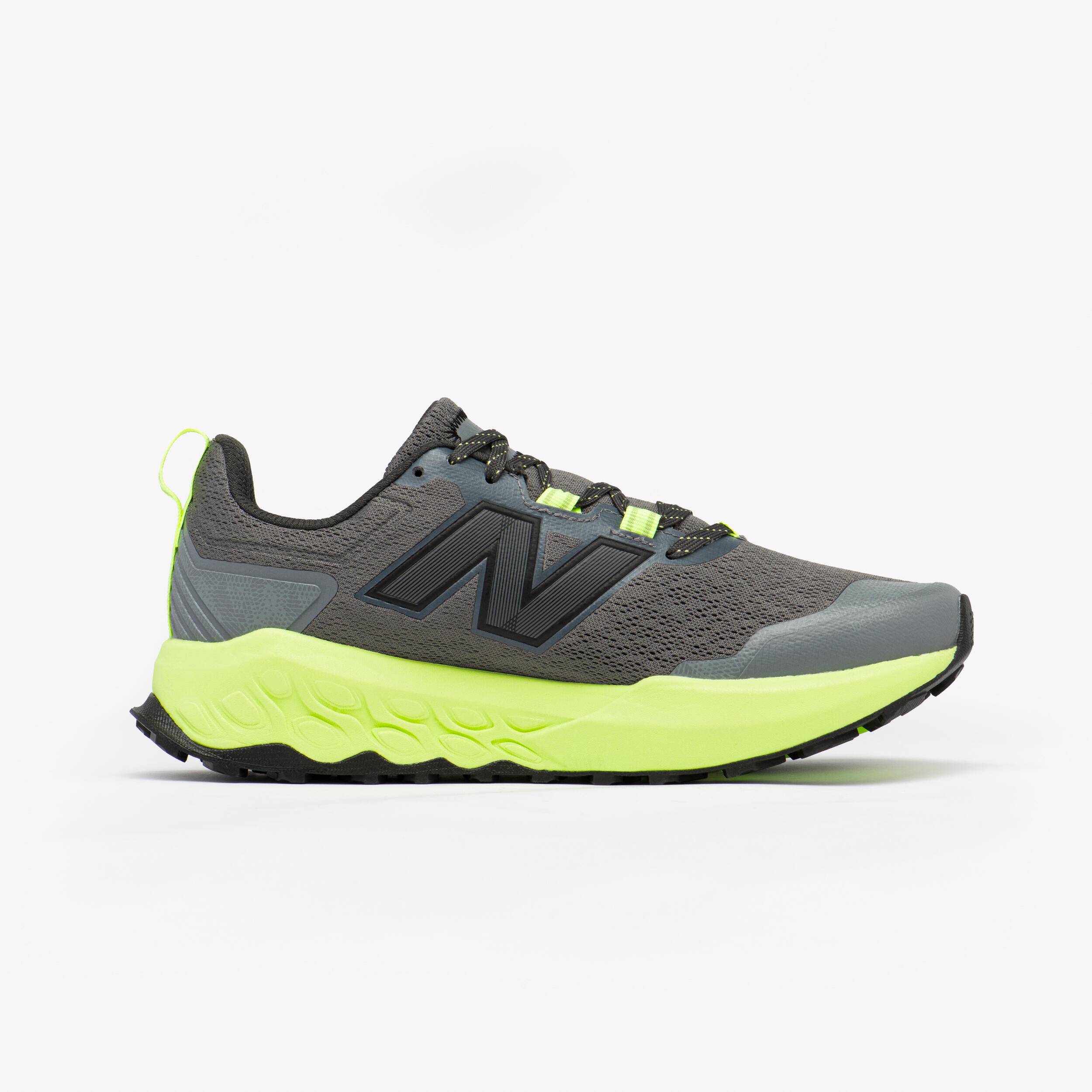
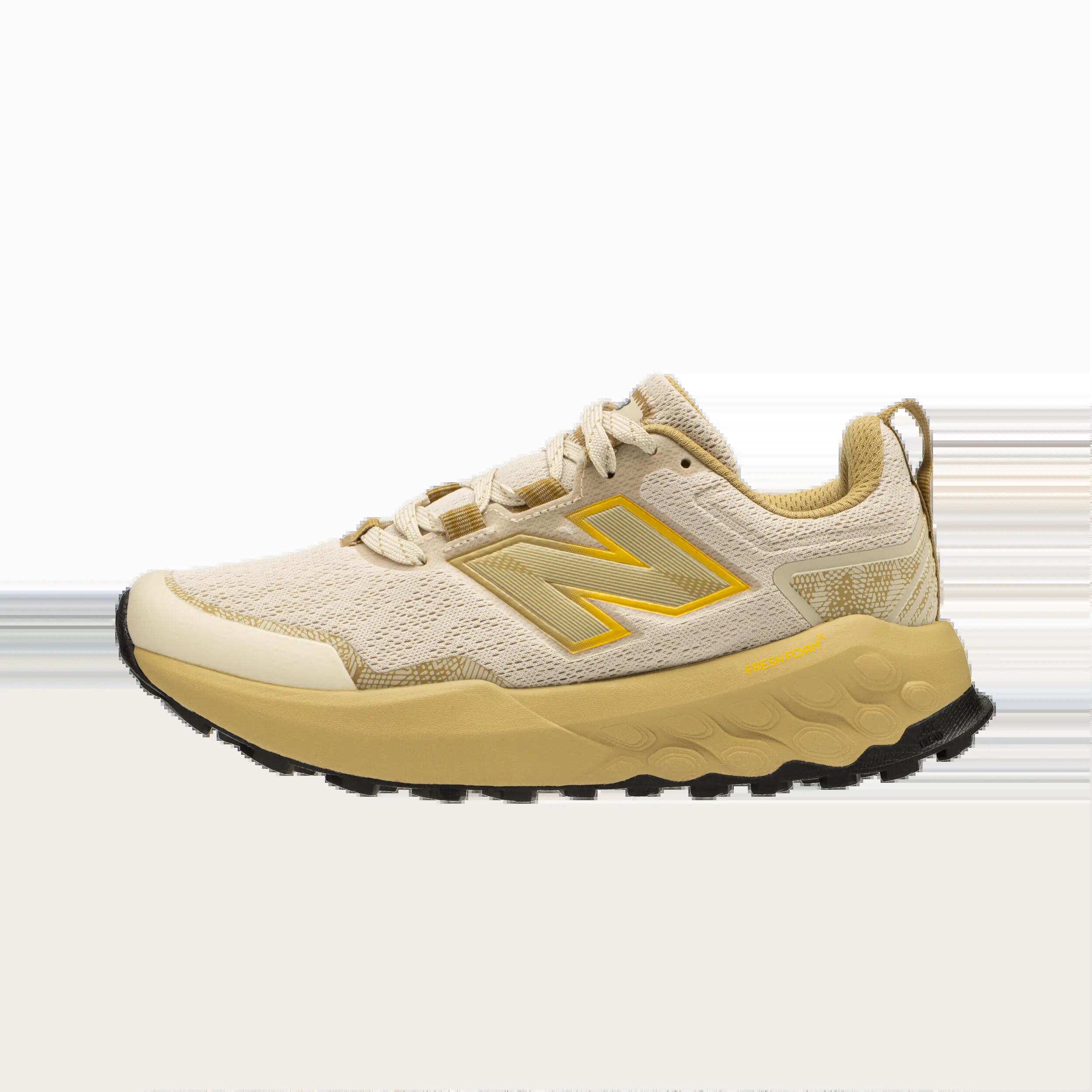
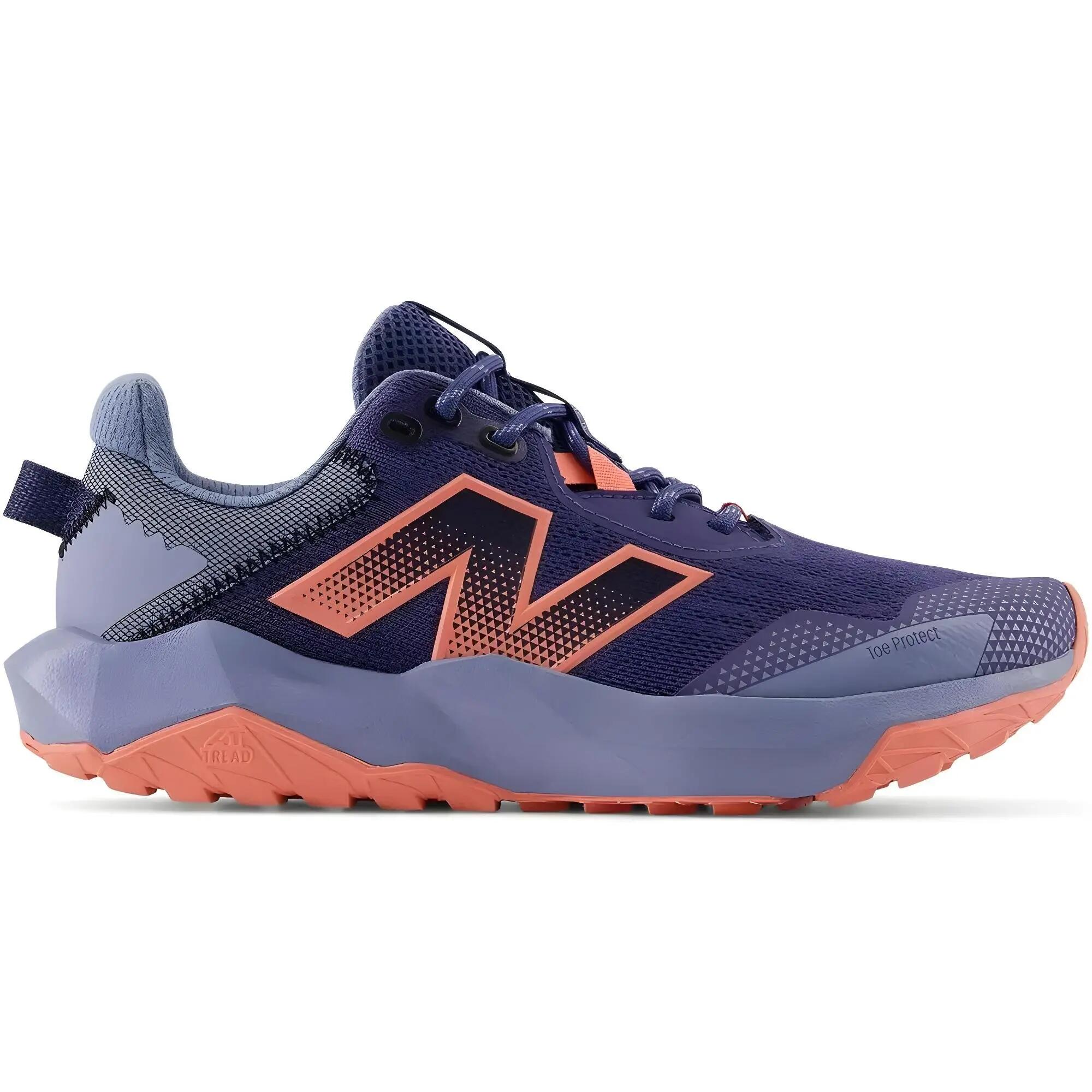
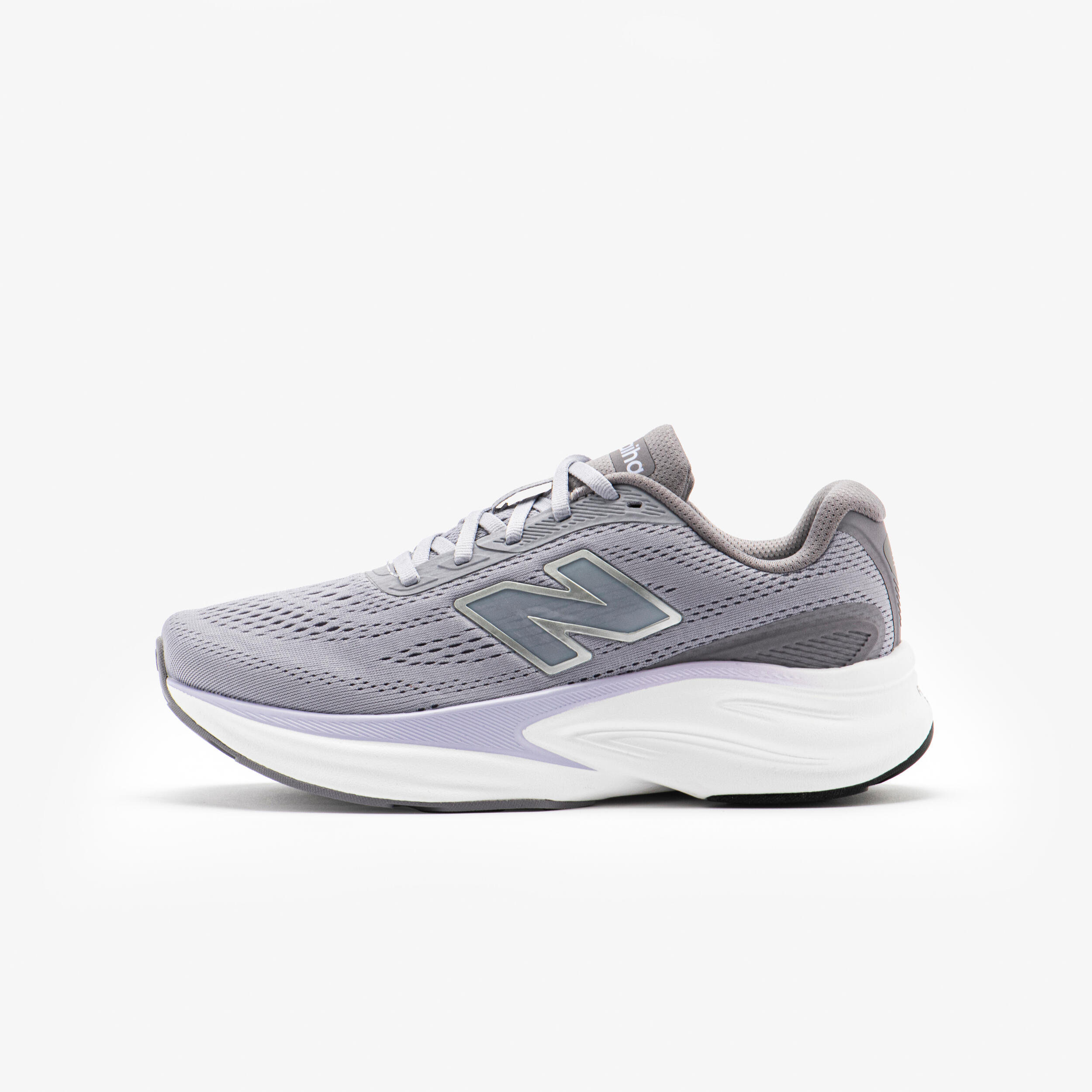
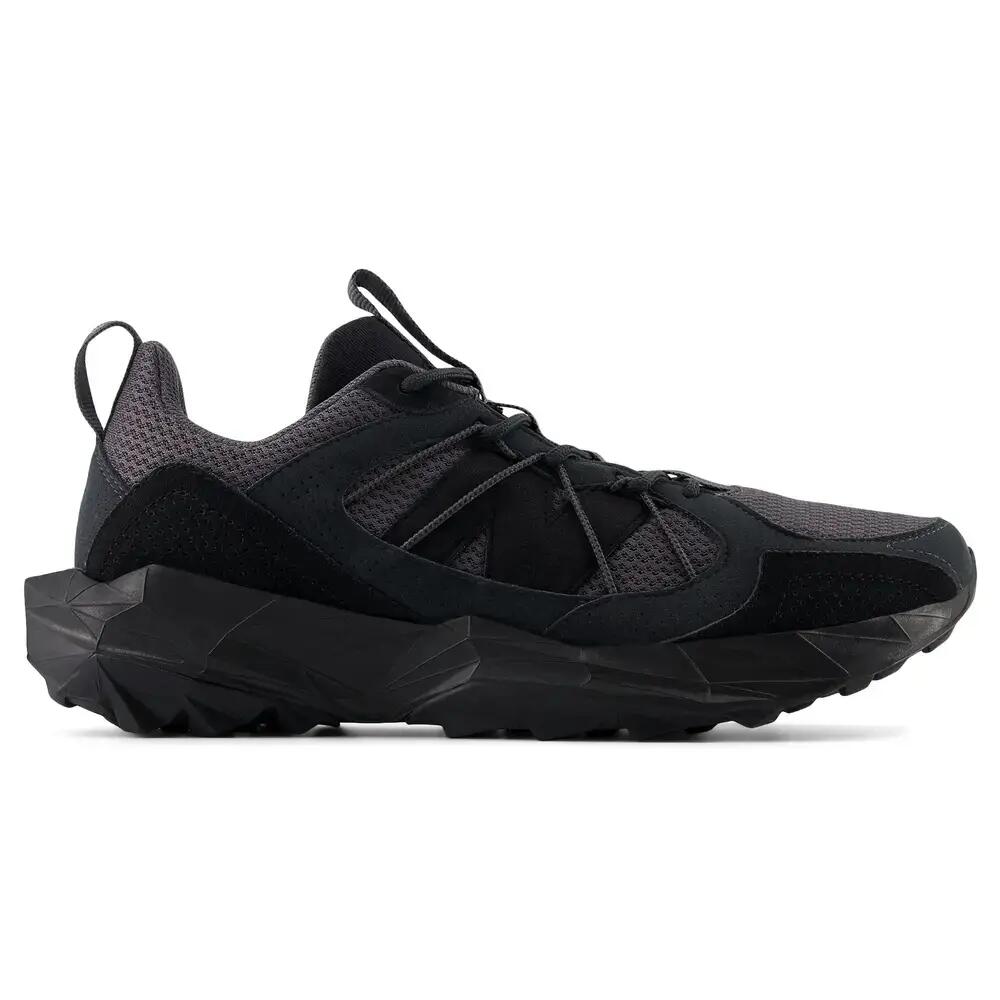
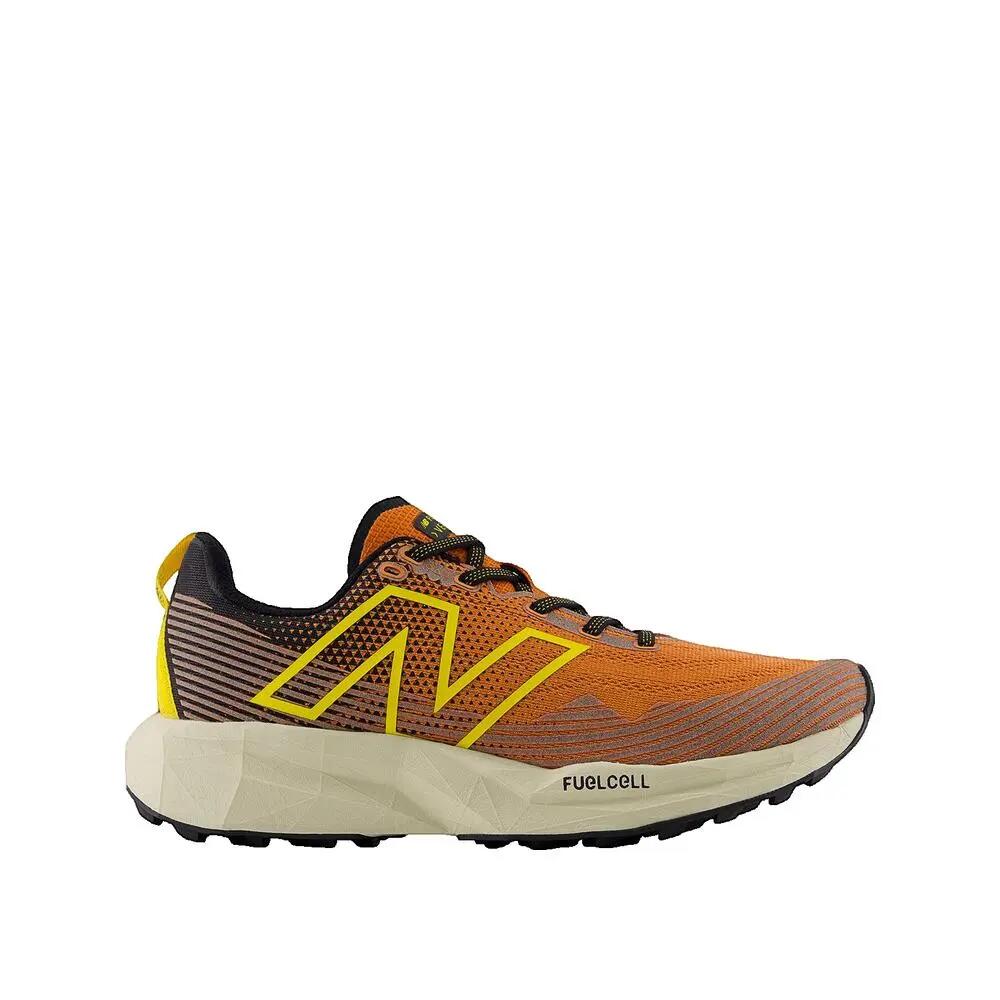
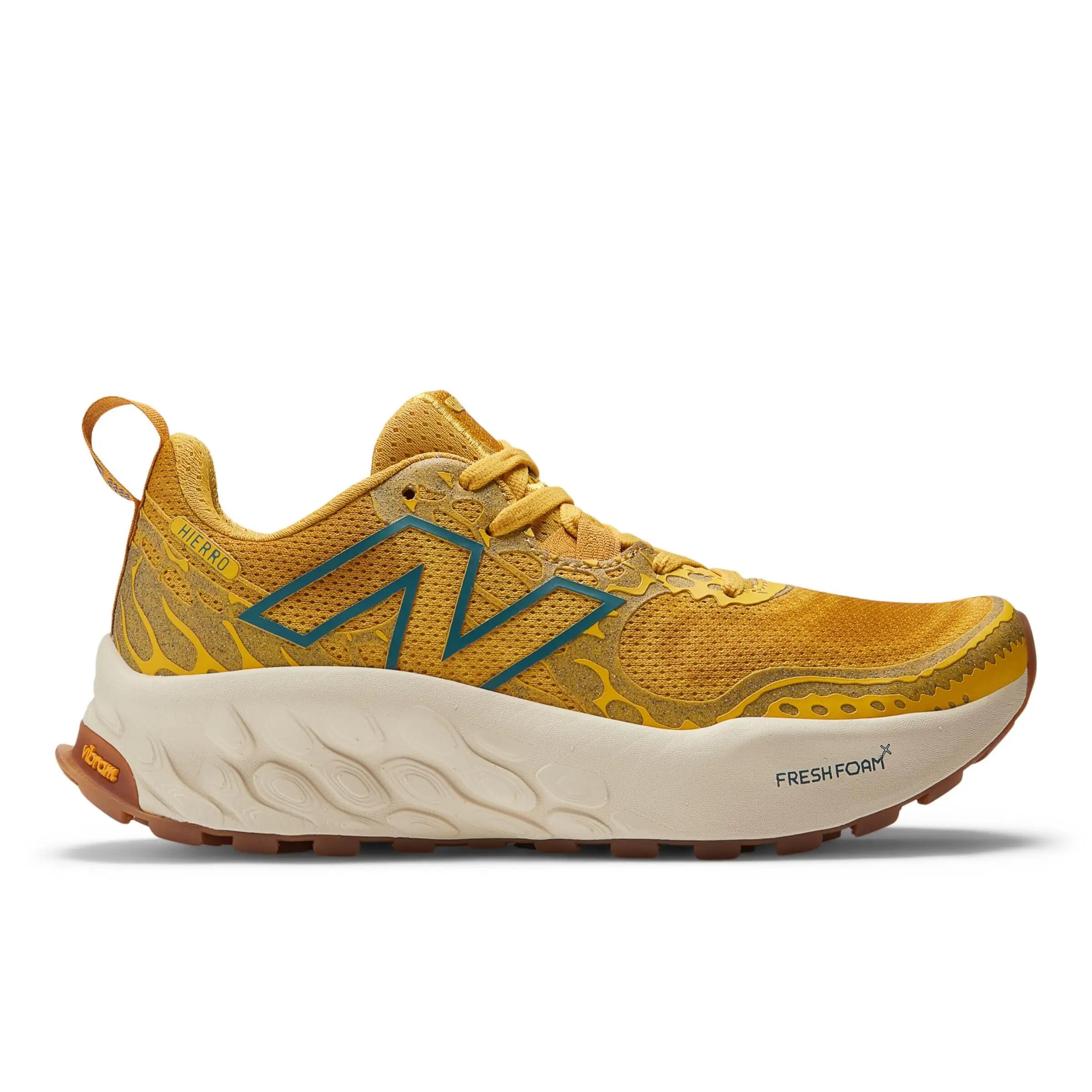
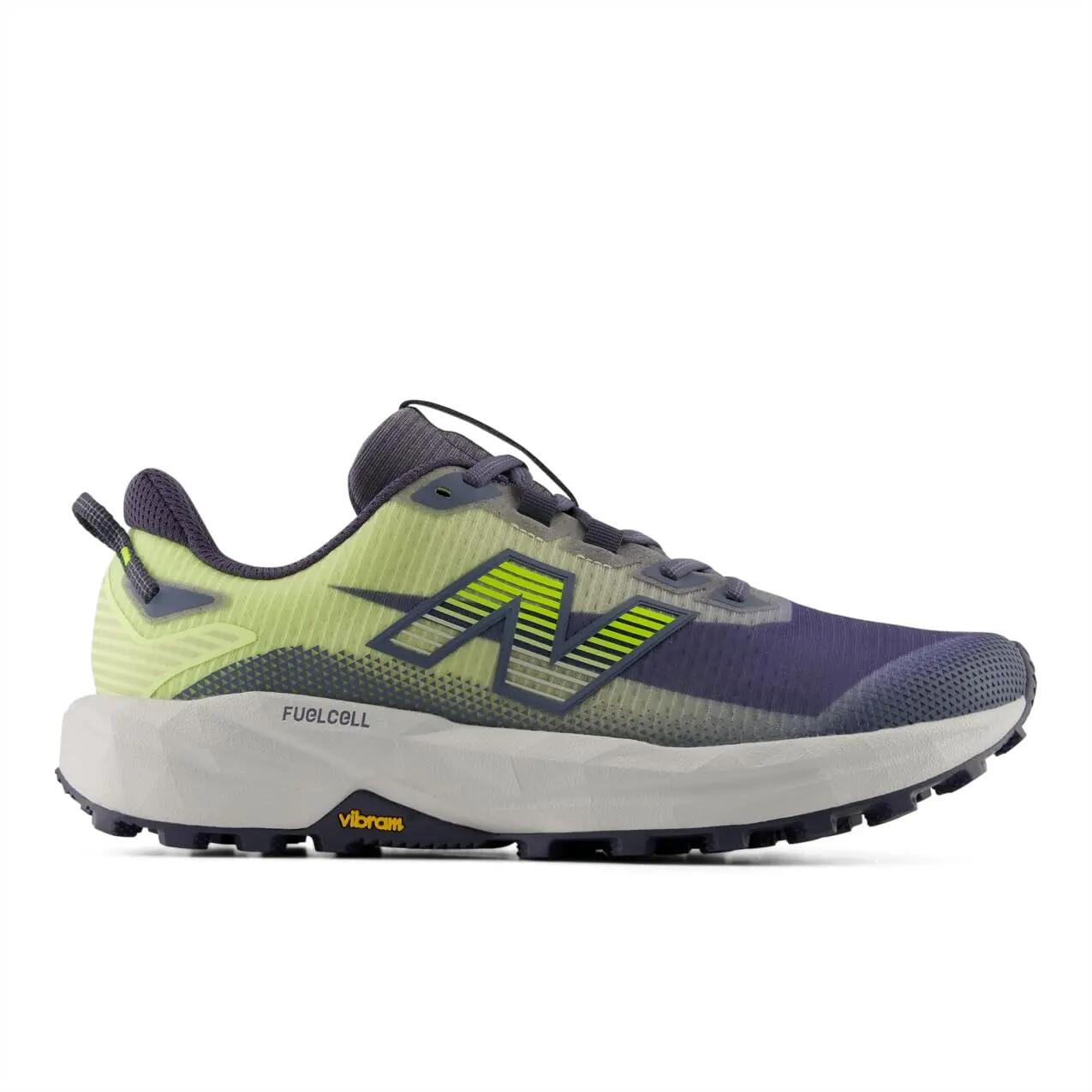
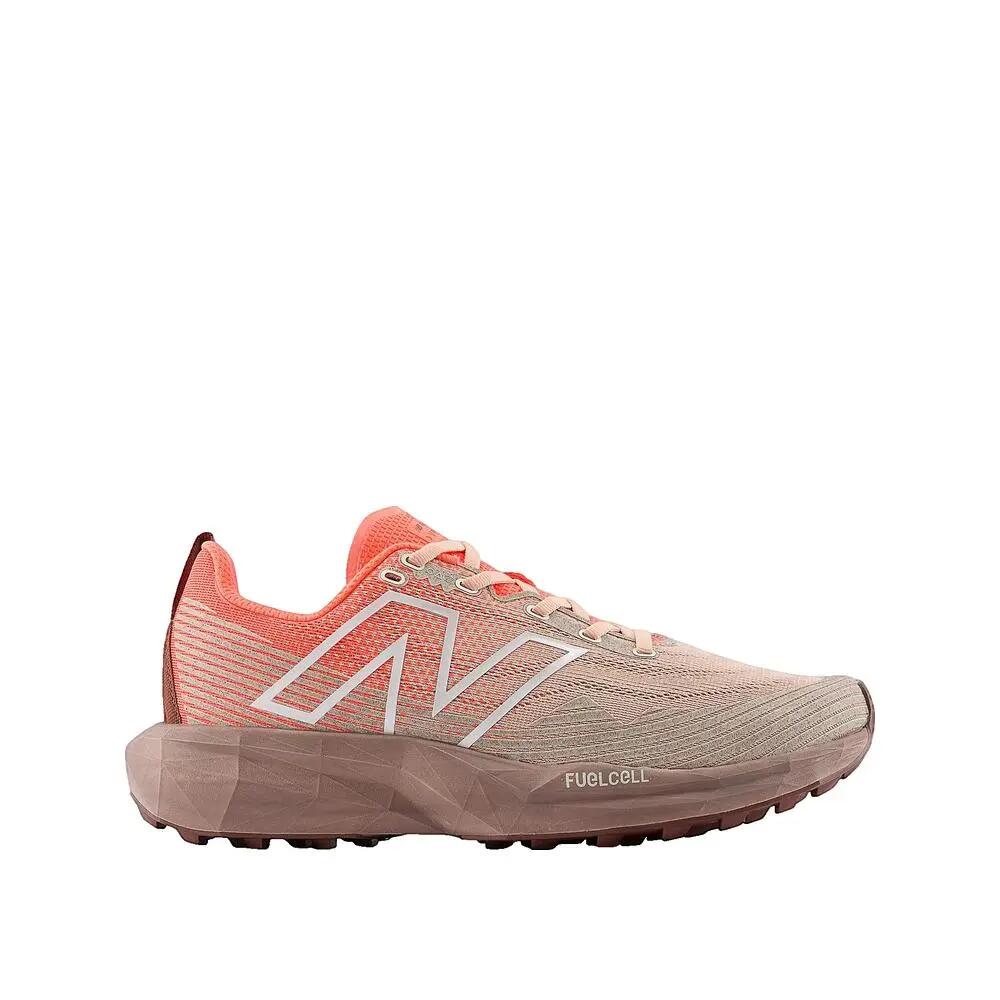
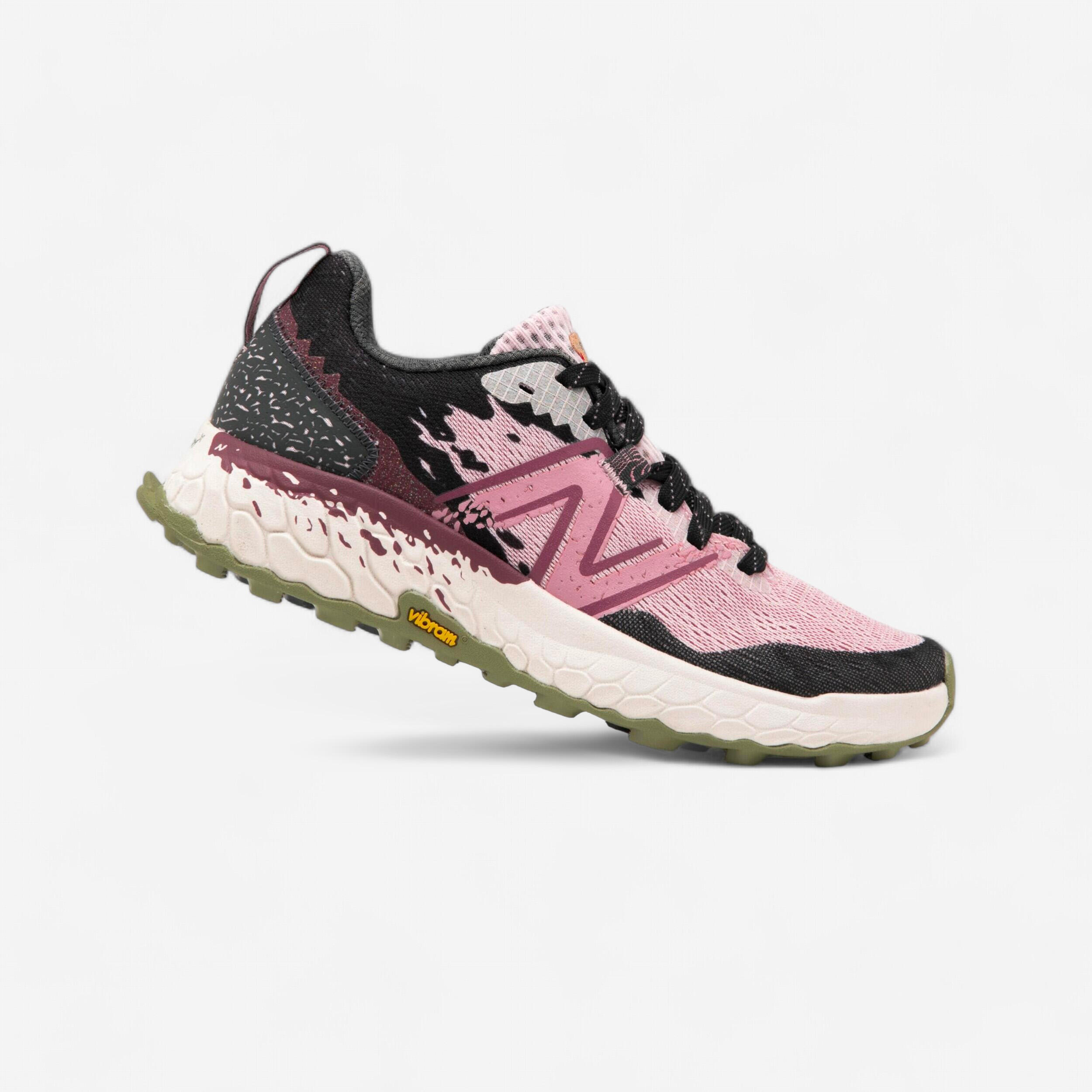
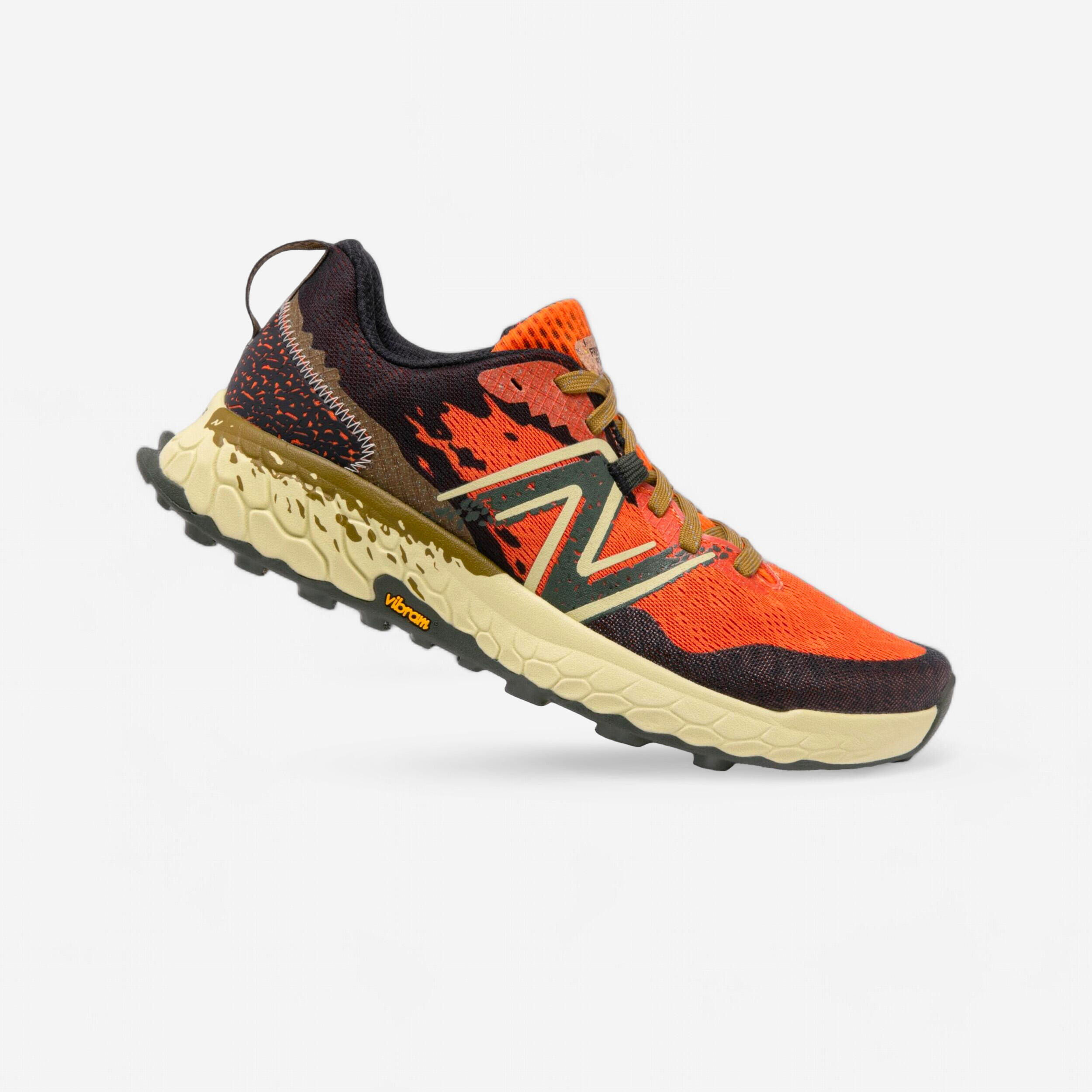
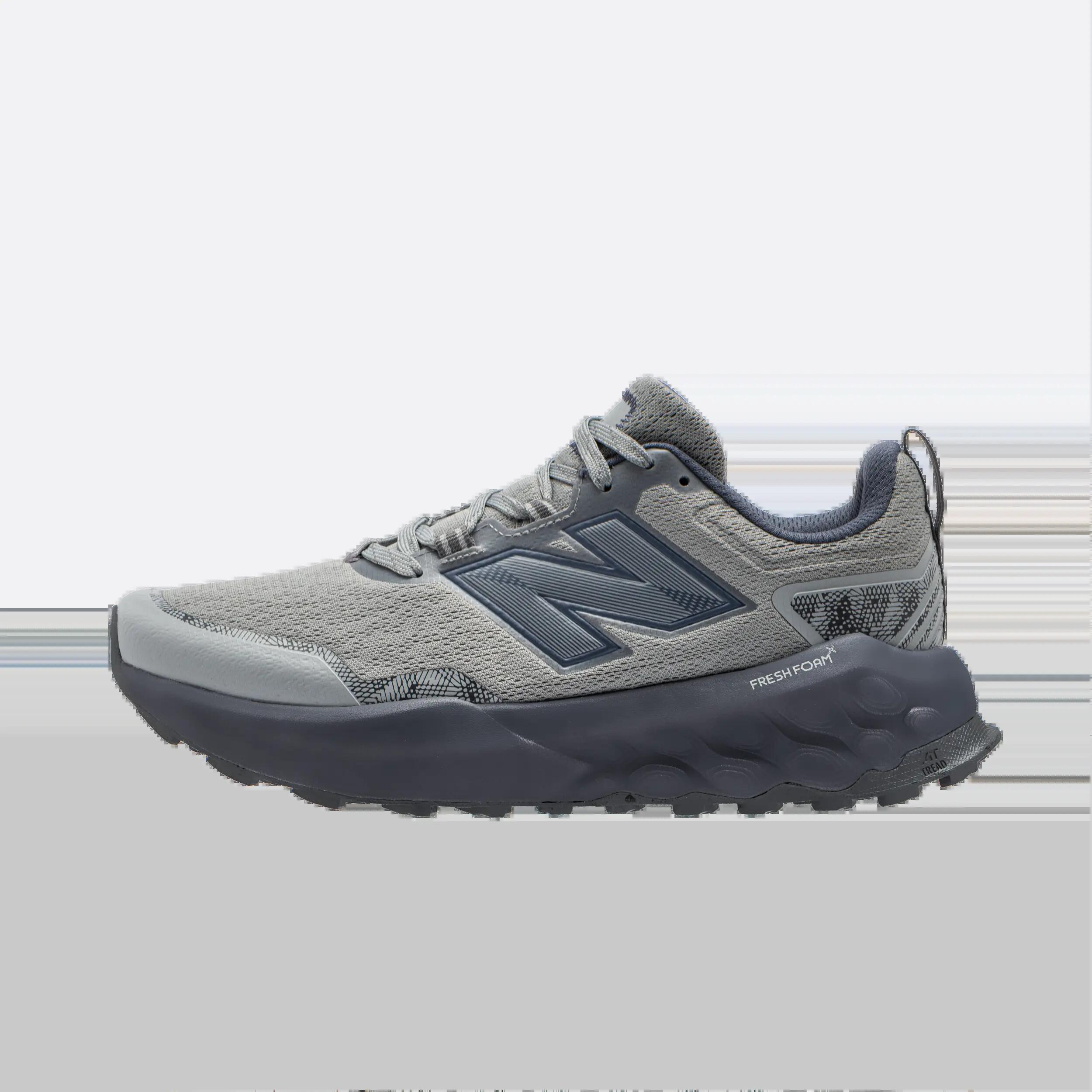
New Balance trail footwear is known for combining cushioned midsoles with off-road grip, giving runners a familiar underfoot feel when moving from road training onto trails. Models such as the Fresh Foam X Hierro use substantial cushioning for longer outings, while trail-specific outsoles add traction on compact dirt, loose gravel and moderate rocky sections. Fit and tread vary by model, so check heel security, toe room, lug depth and underfoot protection against your usual terrain. A secure upper should limit sideways movement on cambers without compressing the toes as the feet swell over distance. Grippy footwear anchors the trail running shoes range.

How do you choose trail gear for the season?

Choose trail gear according to temperature, rainfall, wind exposure and how quickly conditions may change along the route. Lightweight technical clothing helps perspiration evaporate during warm runs, while cold-weather outings may require a wicking base layer, insulating mid-layer and windproof or waterproof shell. In winter, outsole lug depth becomes especially important on mud and wet grass, whereas shallower tread may feel smoother on dry, compact paths. Carry removable layers on exposed or remote routes rather than relying on one heavy garment. Seasonal layers make up the weather/seasonal trail running gear.

What accessories do trail runners need?

The right accessories depend on the route length, elevation, daylight and distance from assistance. A hydration vest or belt carries fluid, food, a phone and spare layers without filling clothing pockets, while poles can transfer part of the climbing workload to the upper body on steep ground. A head torch needs enough output and battery life for the planned route, and a compact first-aid kit should cover blisters, small cuts and basic emergencies. Gaiters can also reduce grit entering the shoes on loose or sandy trails. Poles, gaiters and bottles are available within trail-running accessories.

What other trail brands can you choose from?

Compare trail brands through equivalent shoe types rather than assuming every model from one label has the same fit or ride. Check heel hold, forefoot width, cushioning firmness, outsole compound, lug spacing and protection beneath the foot. Closely spaced lugs can feel smoother on firm paths, while deeper, widely spaced lugs usually clear soft mud more effectively. Some models prioritise long-distance cushioning, whereas others use a lower, firmer platform for greater ground feel on technical terrain. The full choice sits in the trail-running brands.

What should beginners look for in trail gear?

Beginners should start with footwear that grips the usual terrain and holds the heel securely without restricting the toes. A breathable top, technical socks and a light weather layer cover many short local runs, while storage and hydration become more important as distance and remoteness increase. Test new shoes on uncomplicated trails before tackling steep descents or technical ground, as trail footwear can load the ankles and calves differently from road shoes. Add equipment when the route creates a clear need rather than carrying unnecessary weight. Home-grown value lives in the Kiprun trail running gear.