710 items
4.5/5 based on 25988 reviews collected online and in stores

Men's Trail Running Jackets FAQs

Which features matter in a men's trail running jacket?

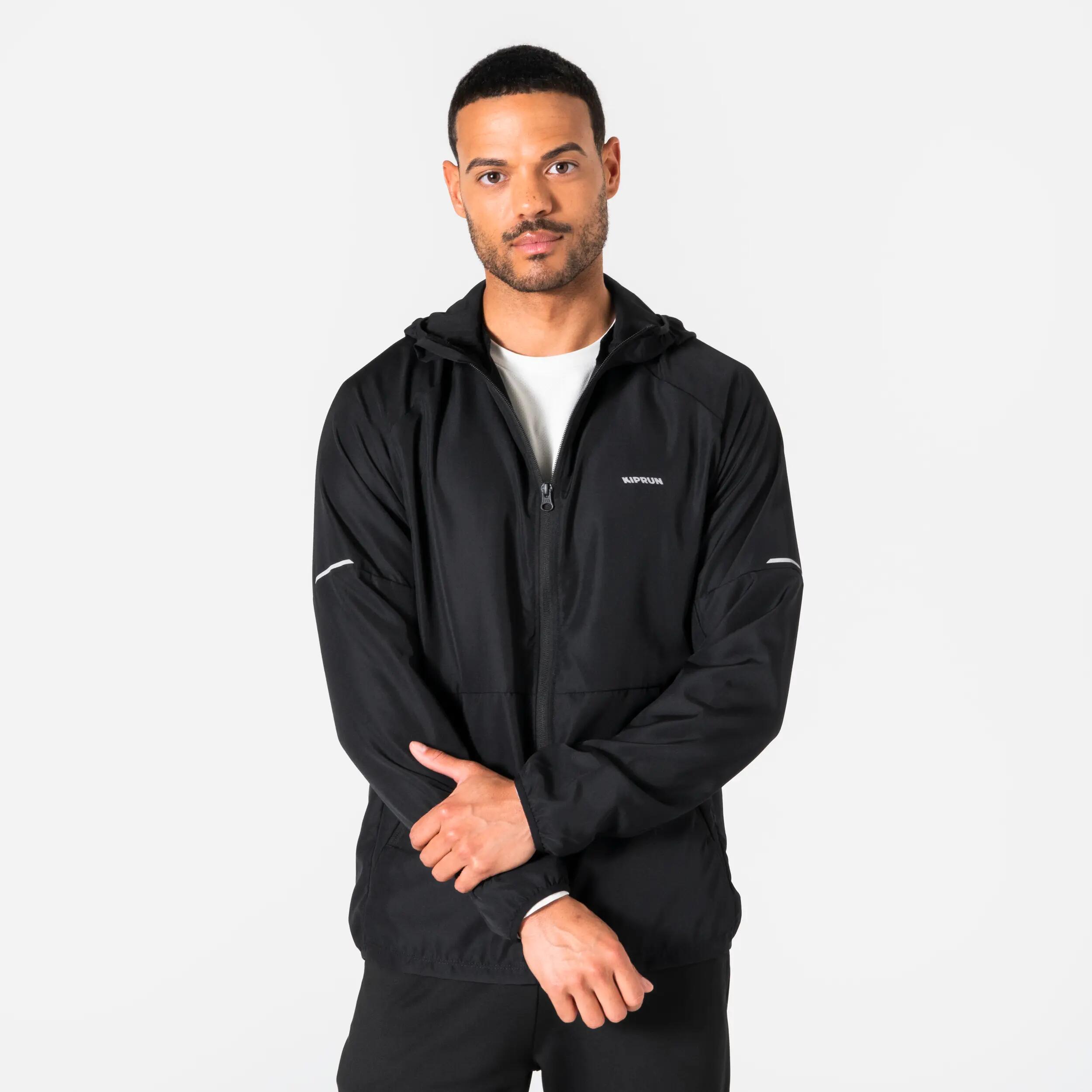
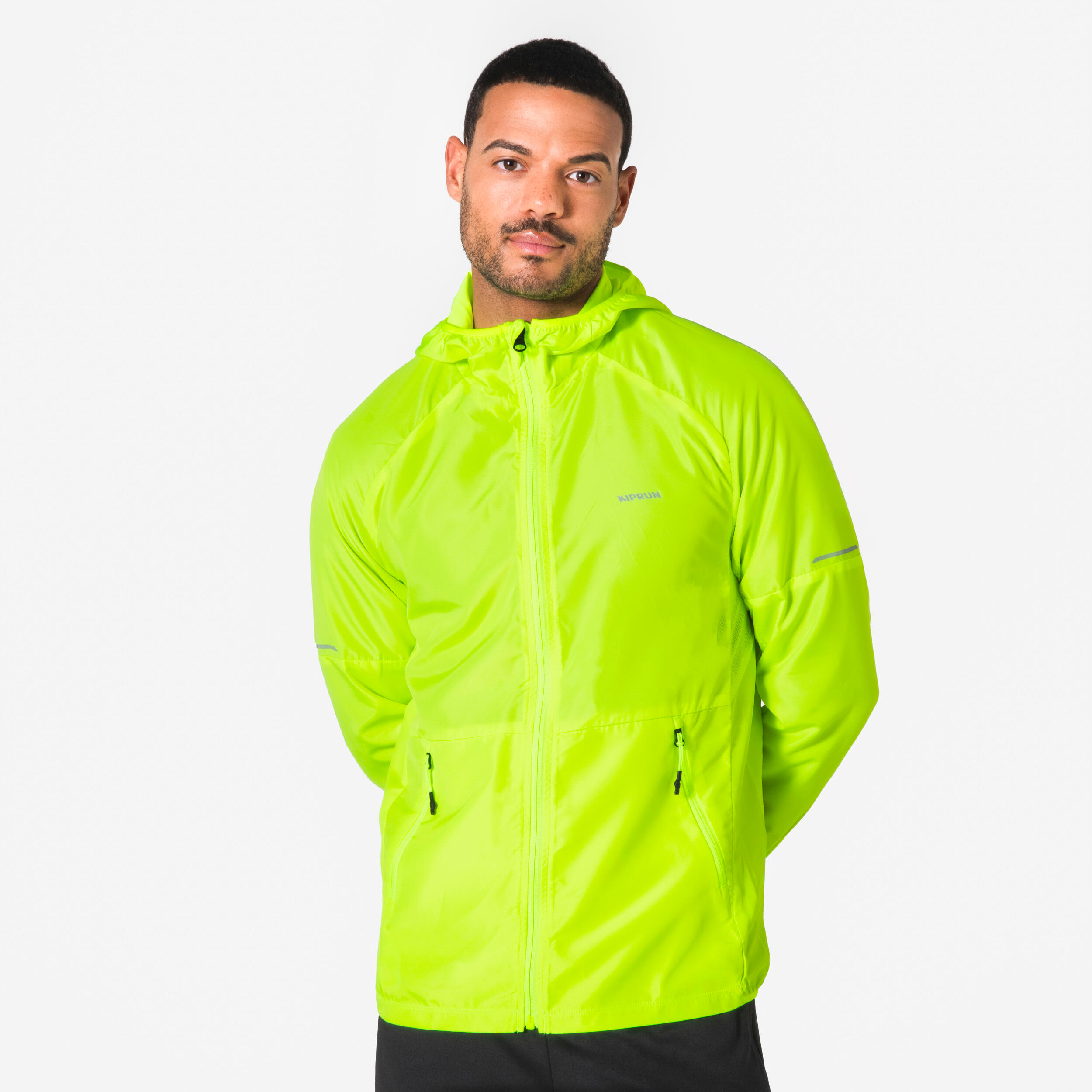
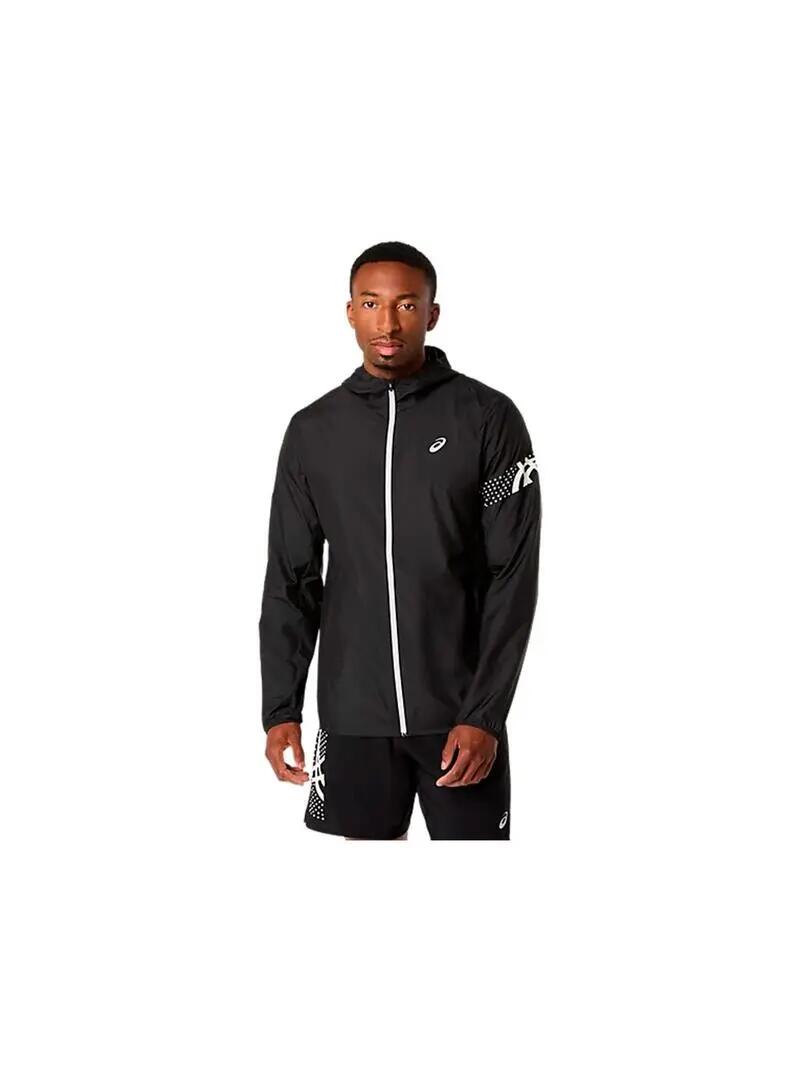
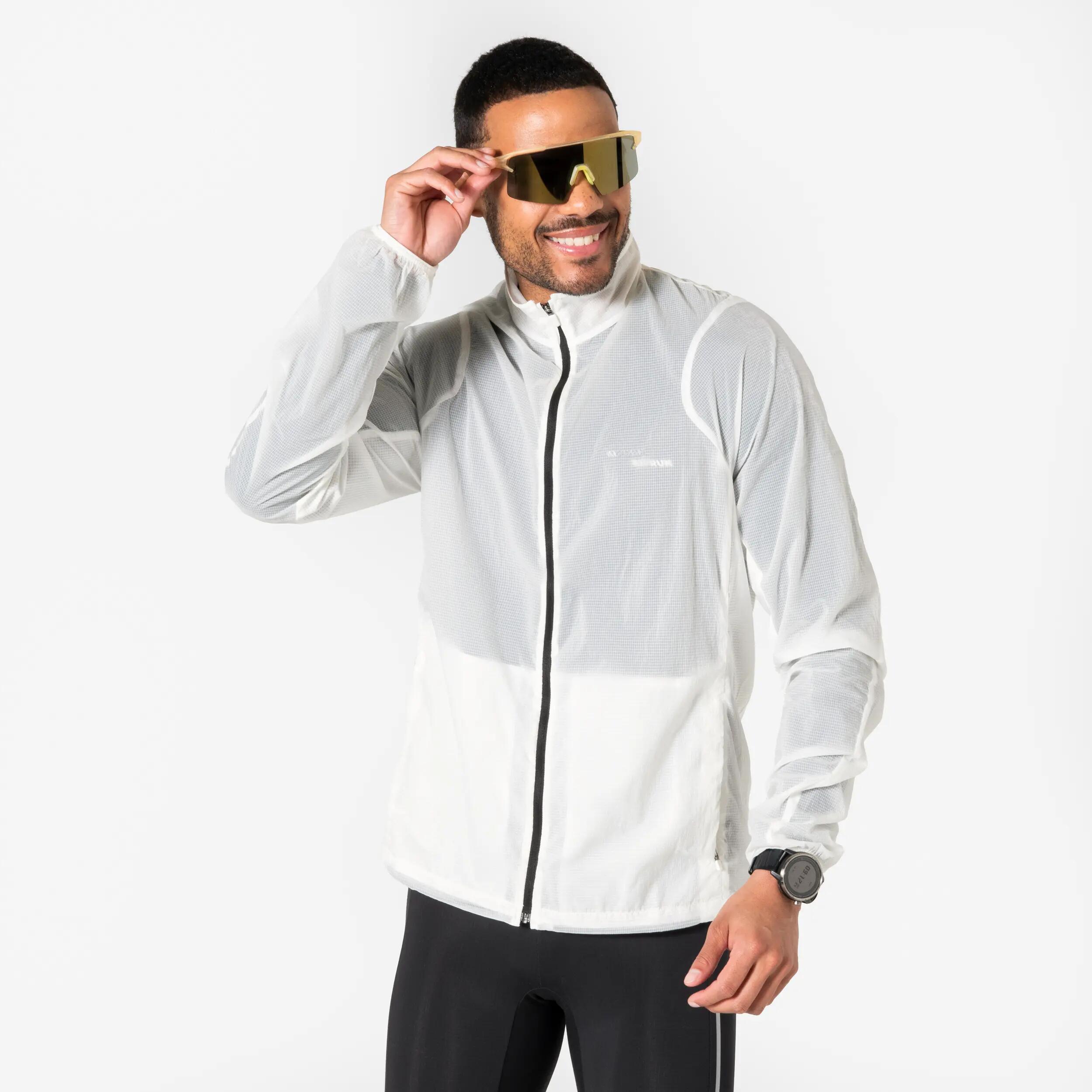
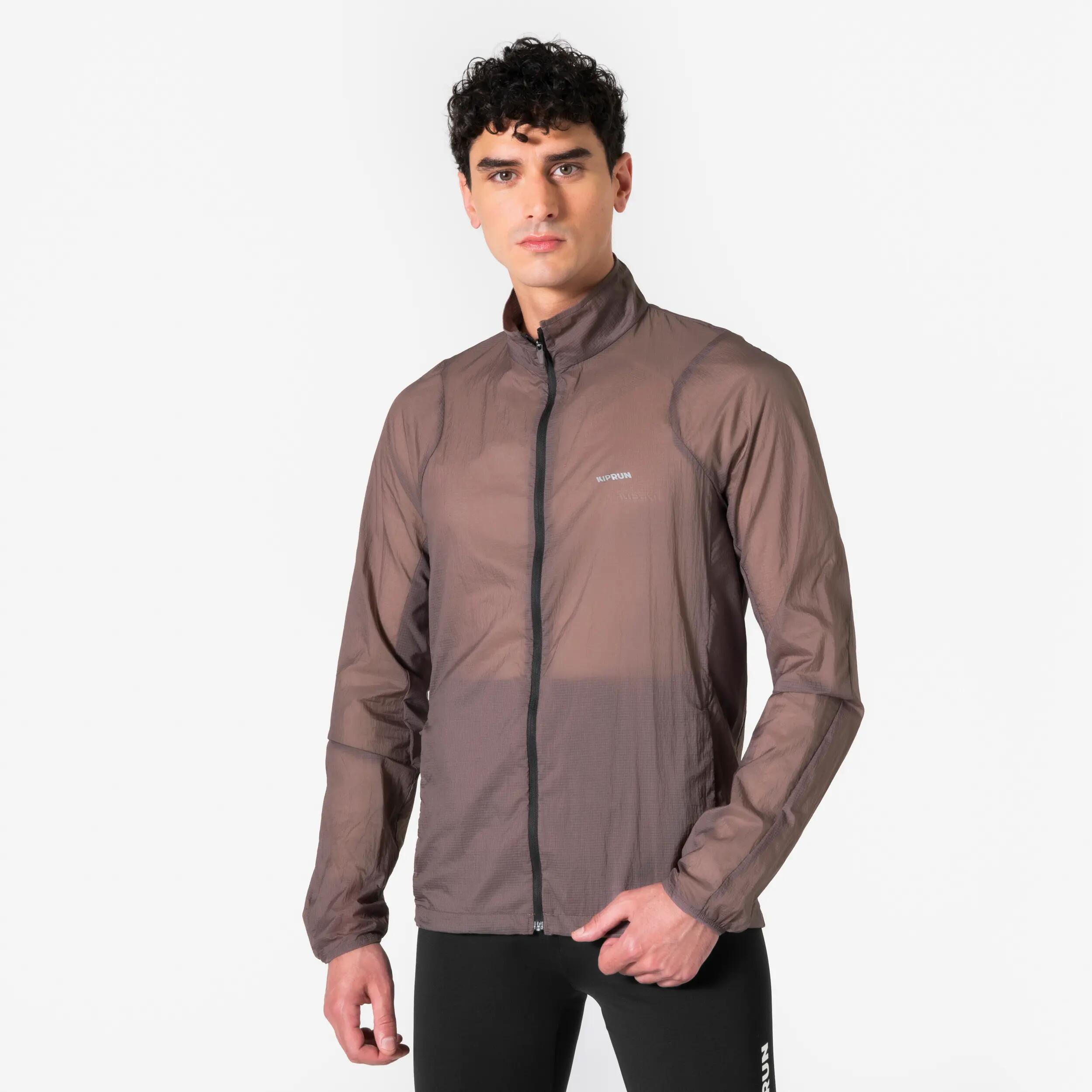
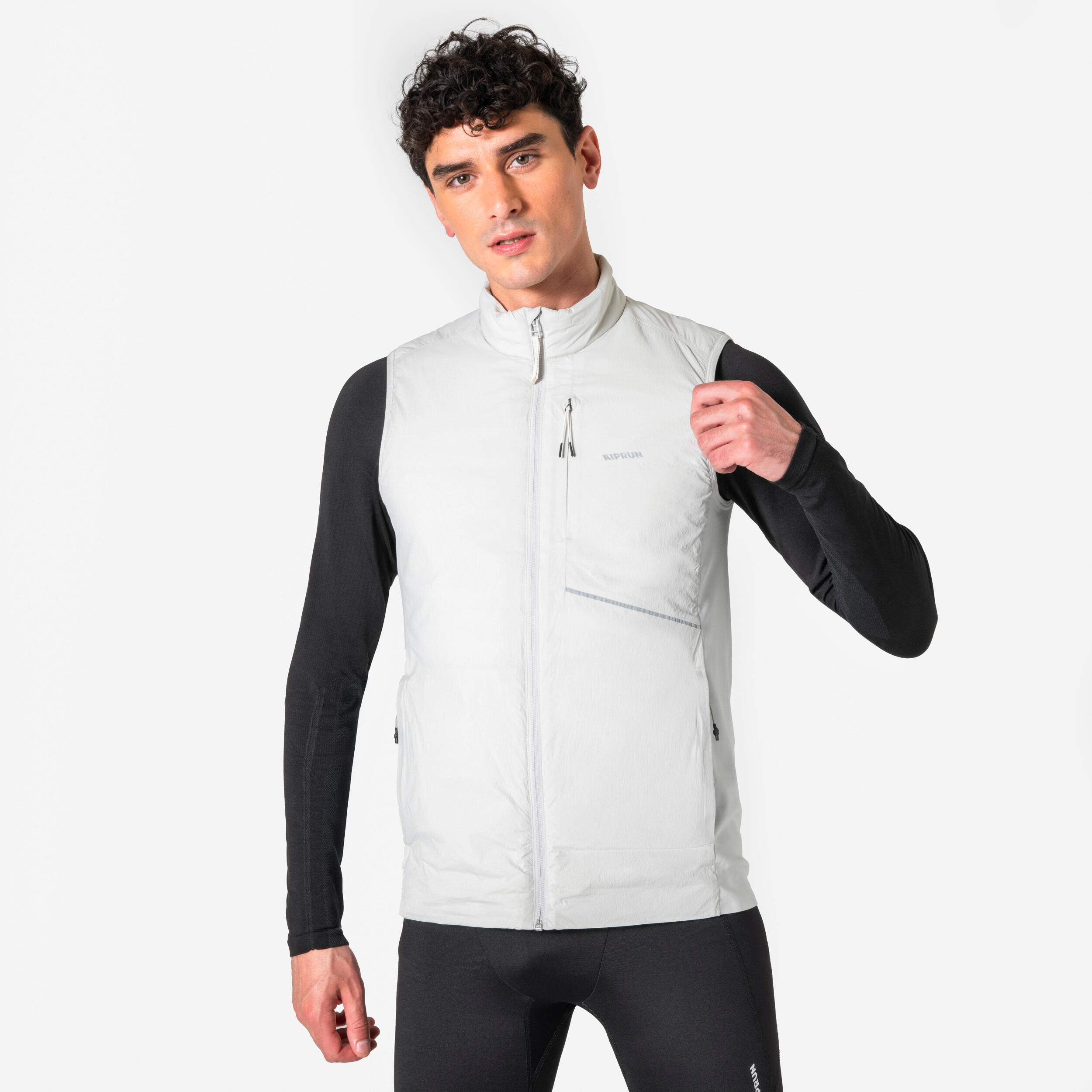
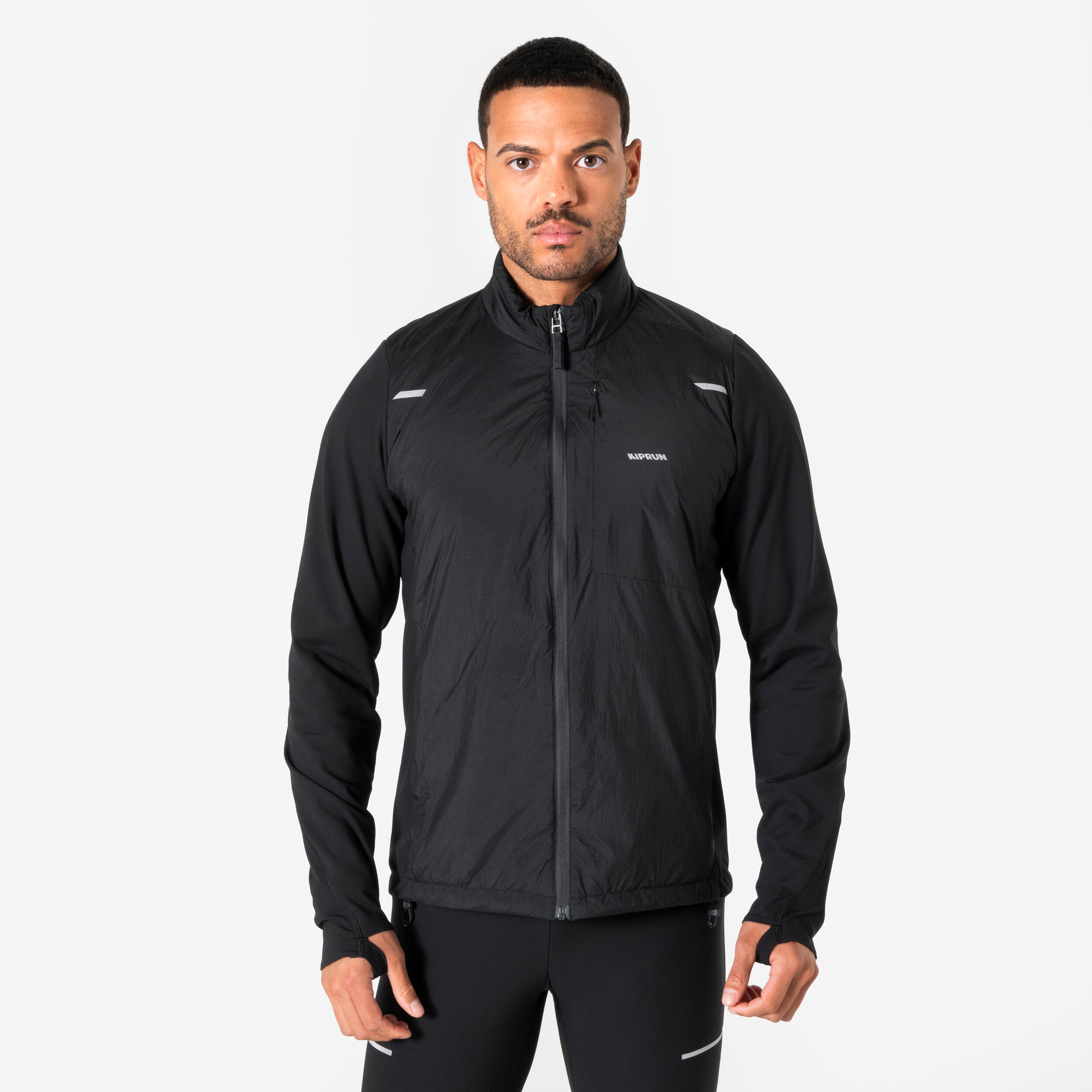
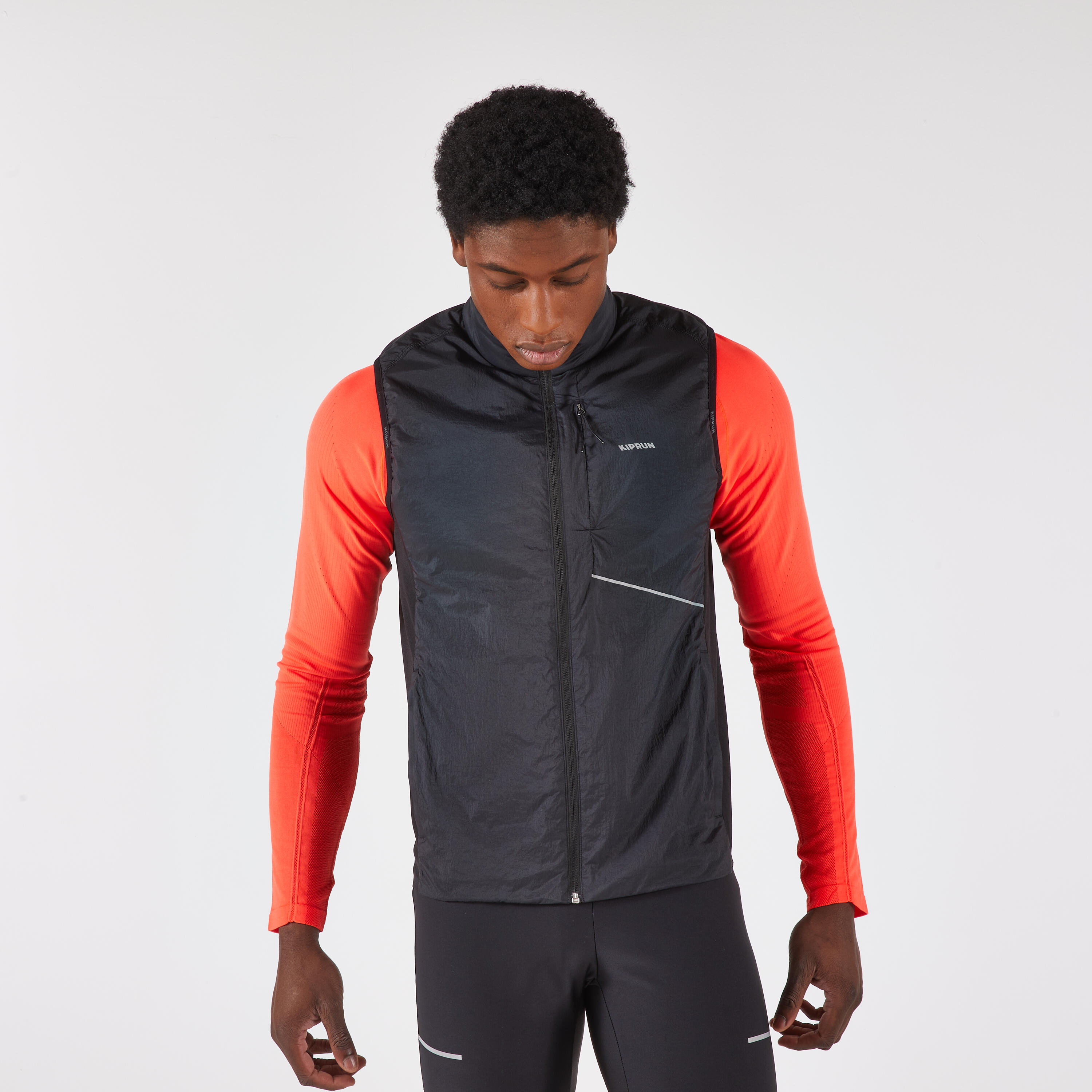
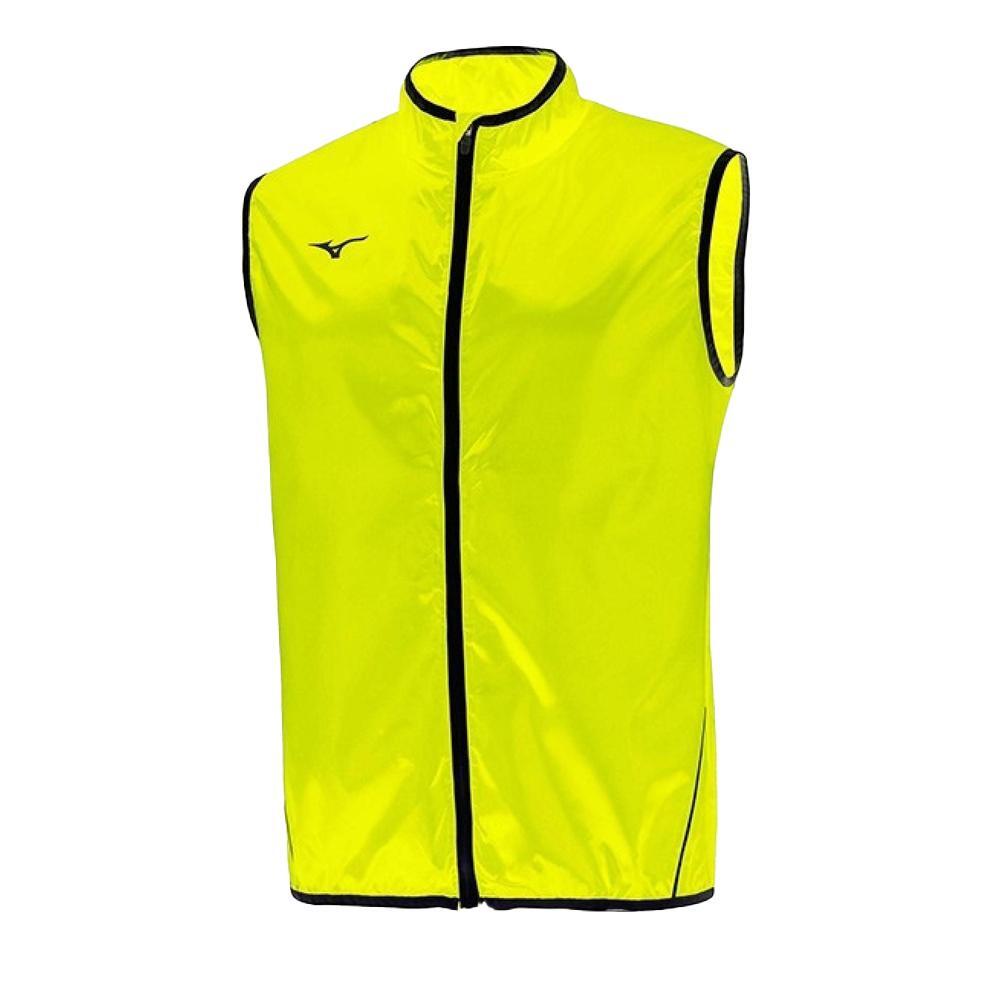
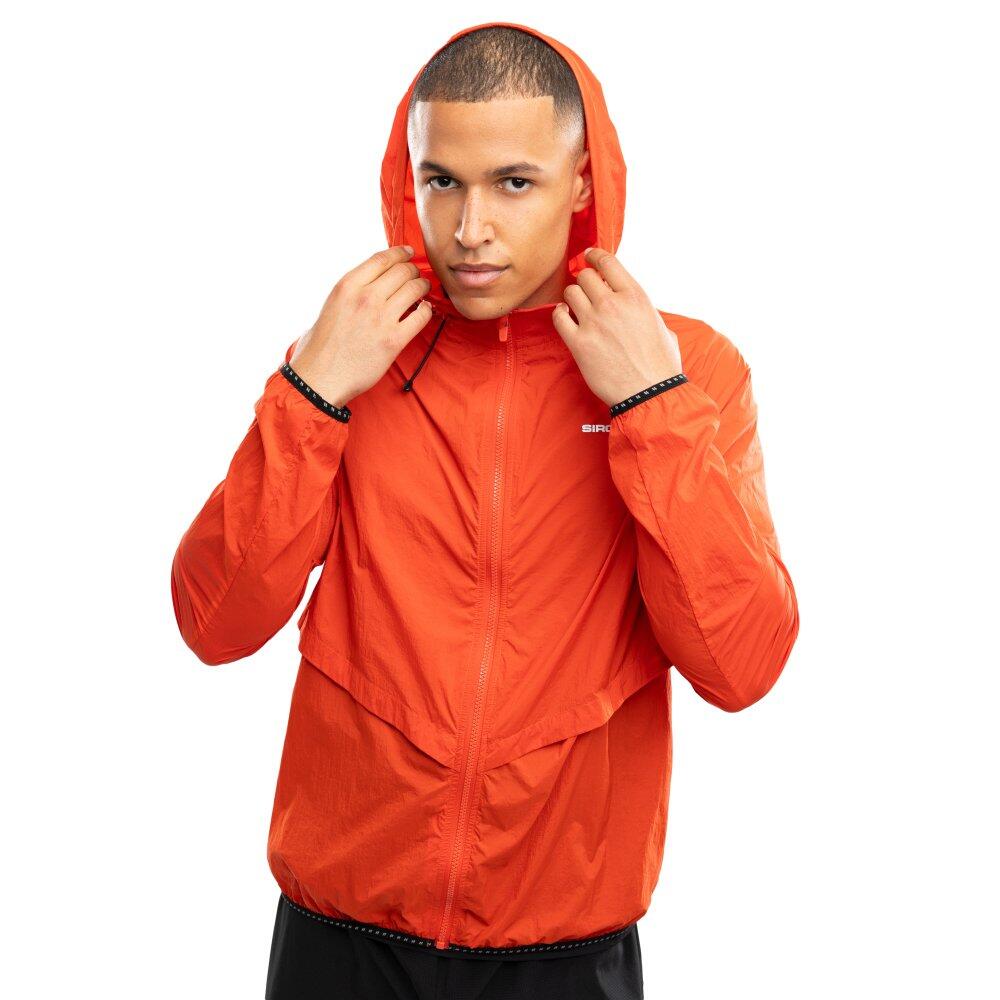
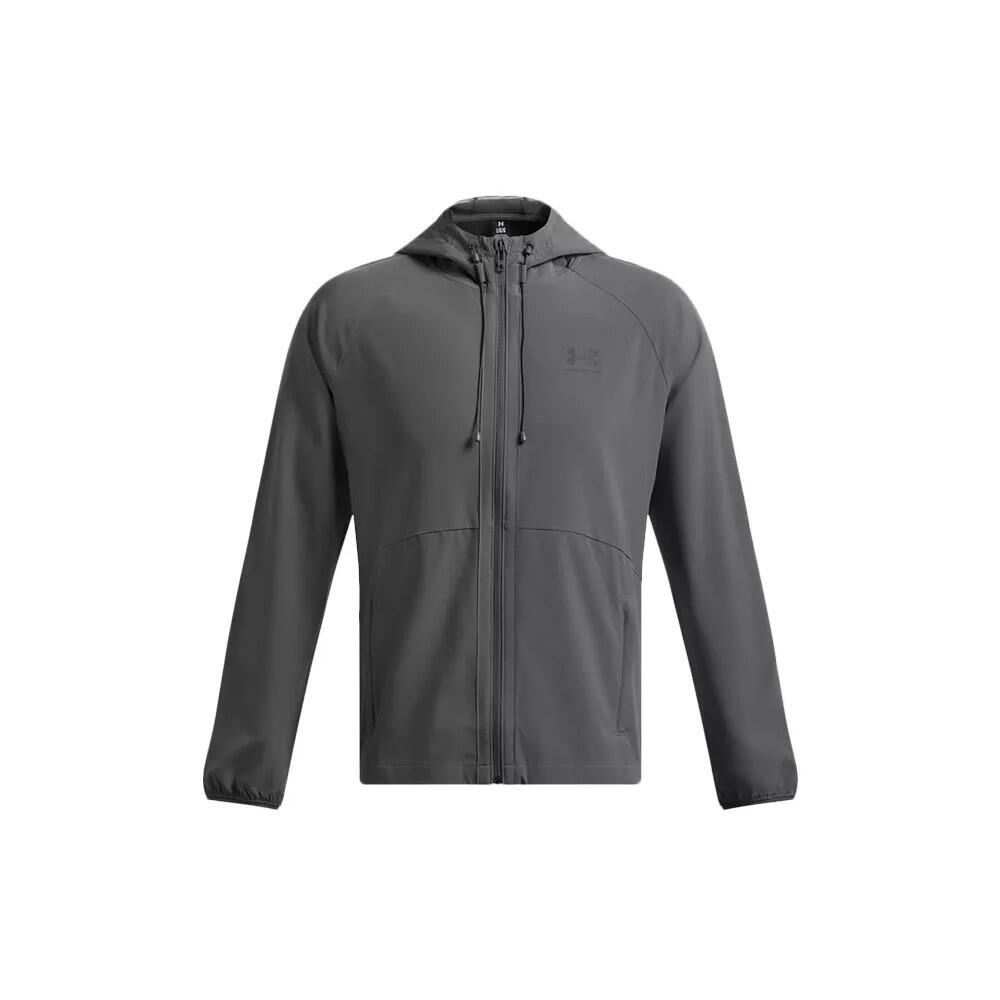
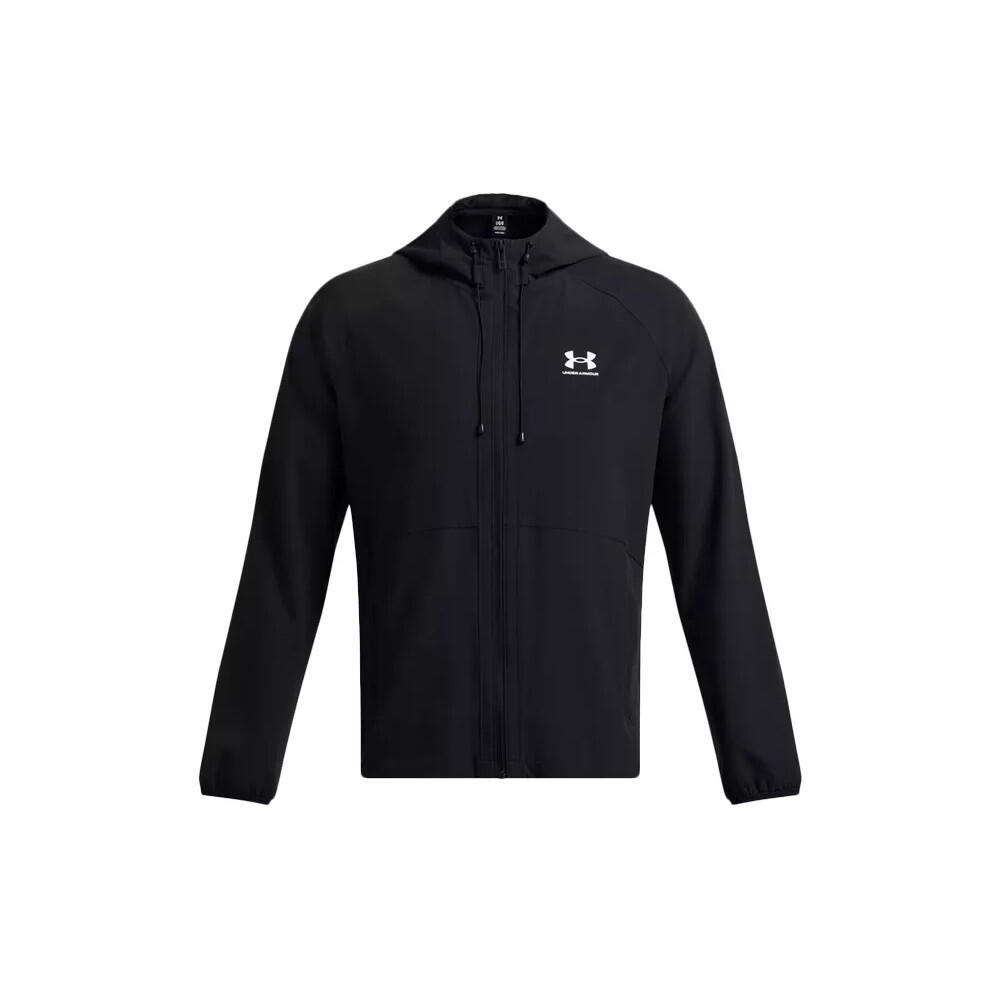
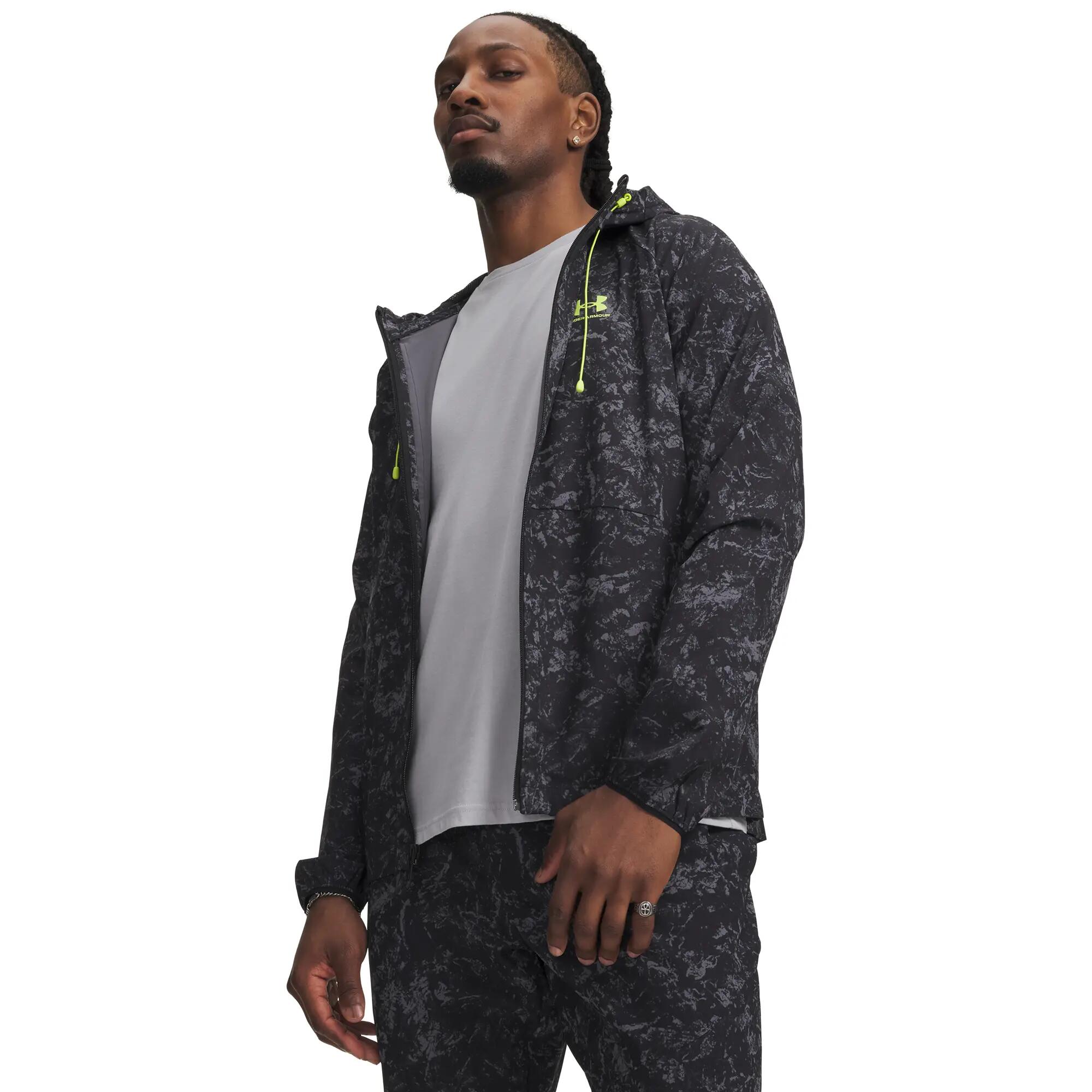
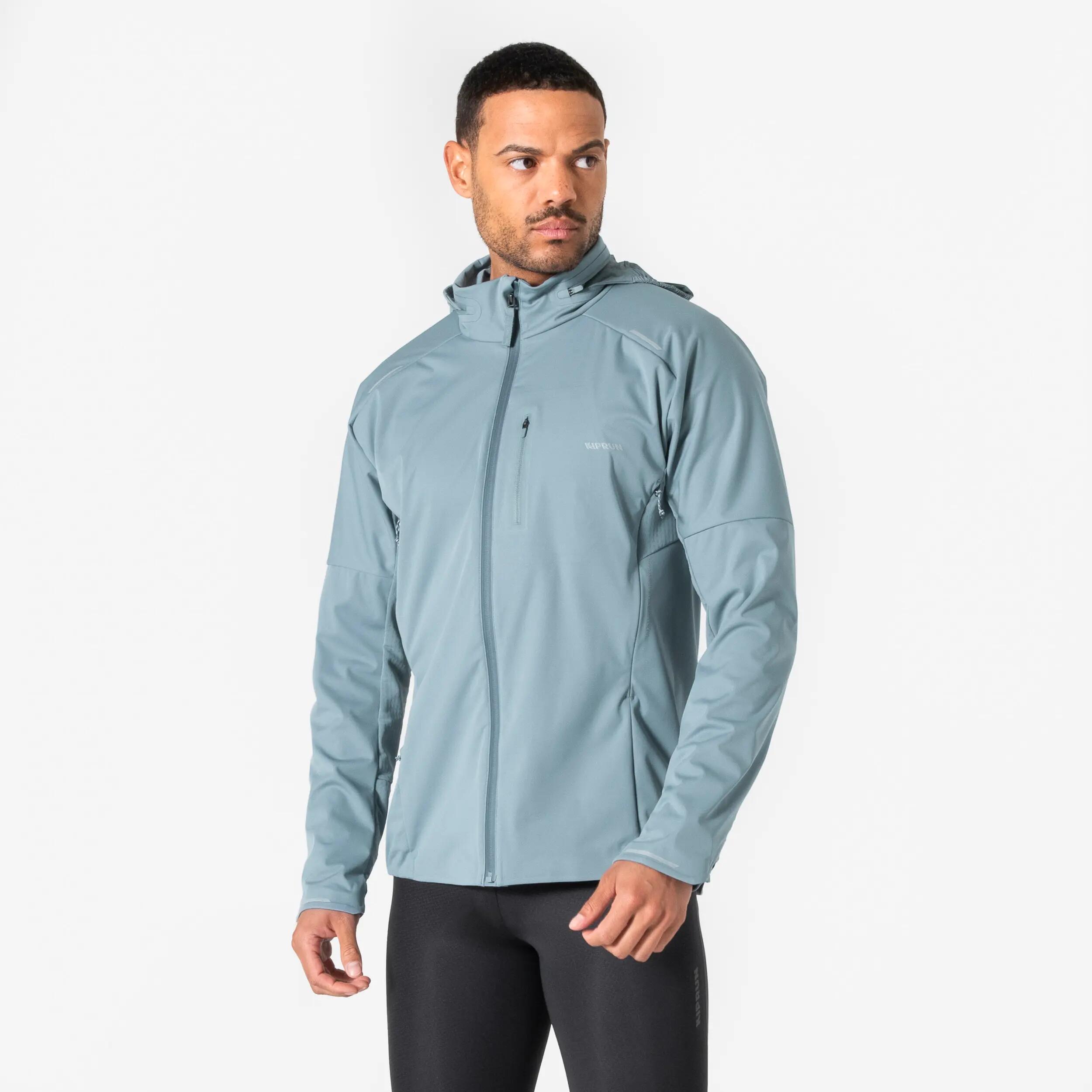
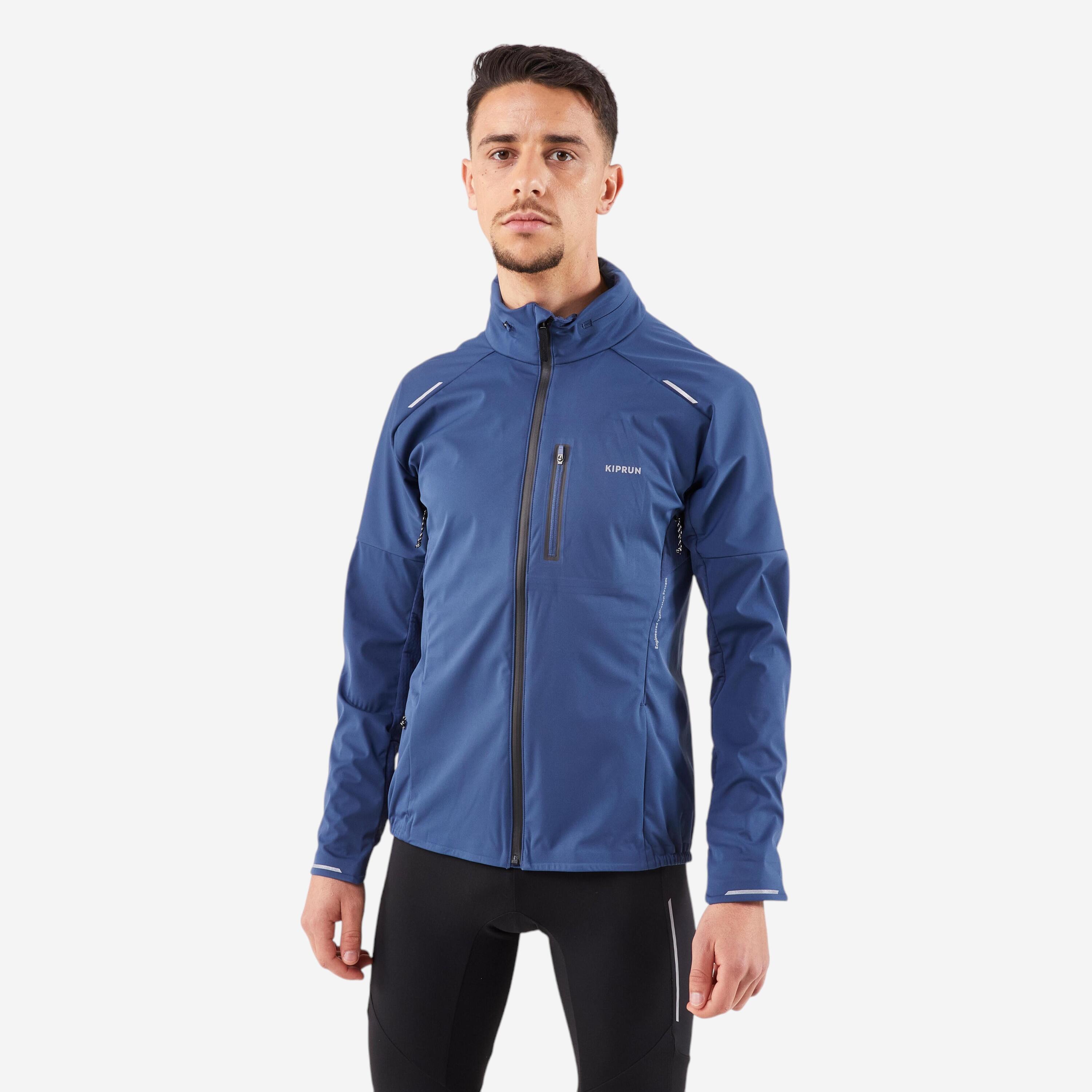
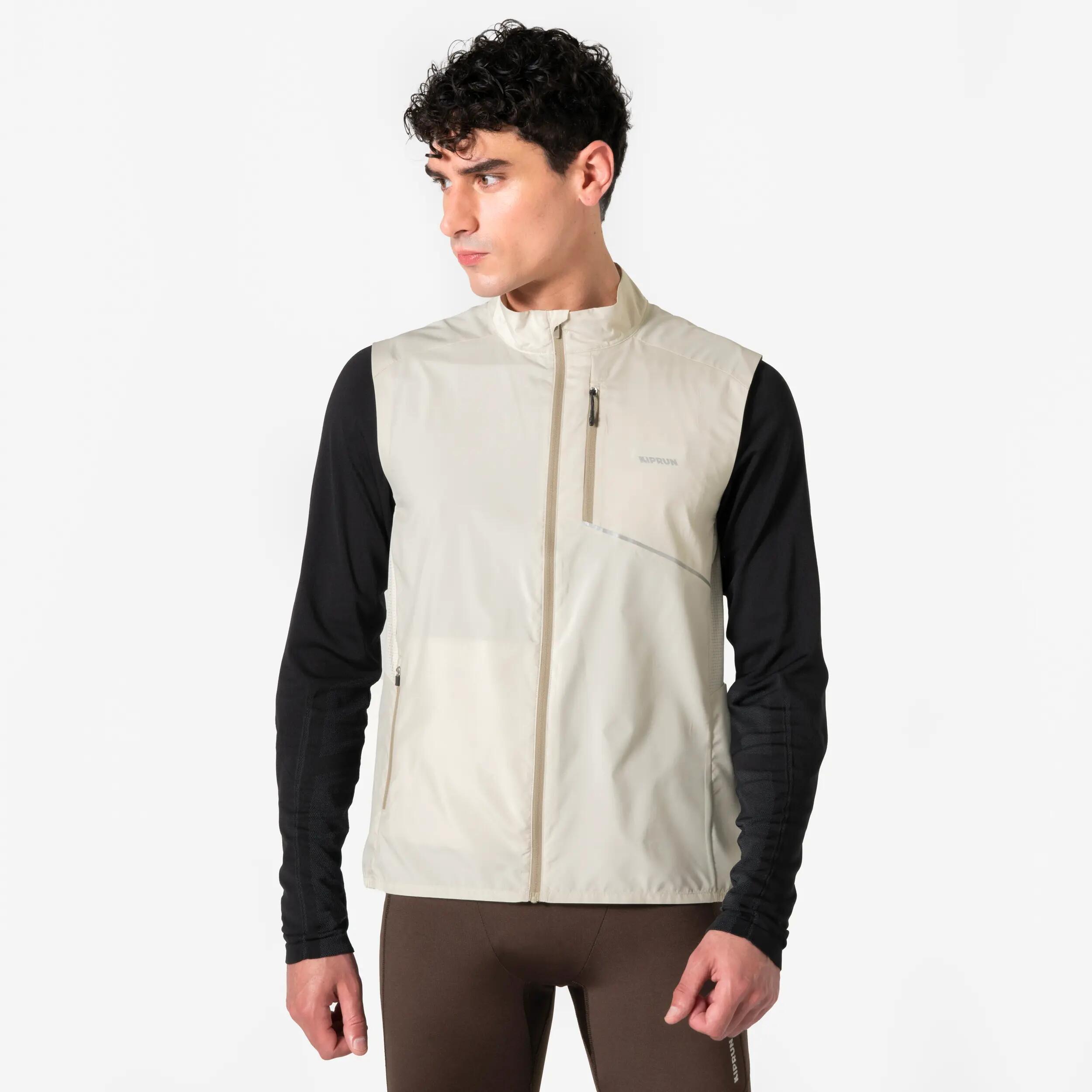
A good men's trail running jacket should feel light, packable and breathable, giving protection without slowing you down. Look for a secure hood, adjustable cuffs, easy-access pockets and enough stretch for climbing, descending and arm drive. A jacket that folds into a pocket or running vest is useful when the weather changes mid-route. On breezy days, a men's trail running windbreaker packs away neatly.
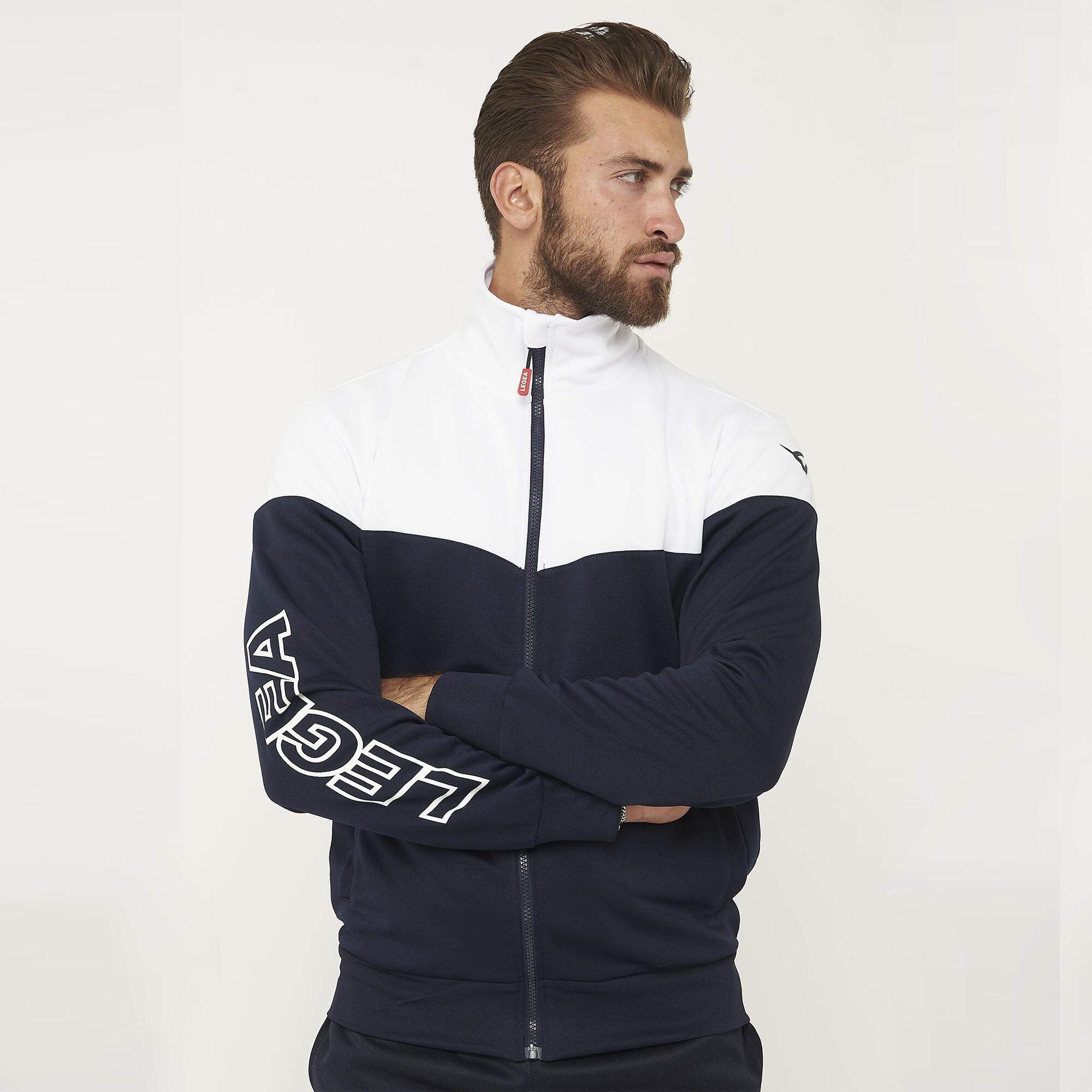
What type of trail jacket works best in heavy rain?

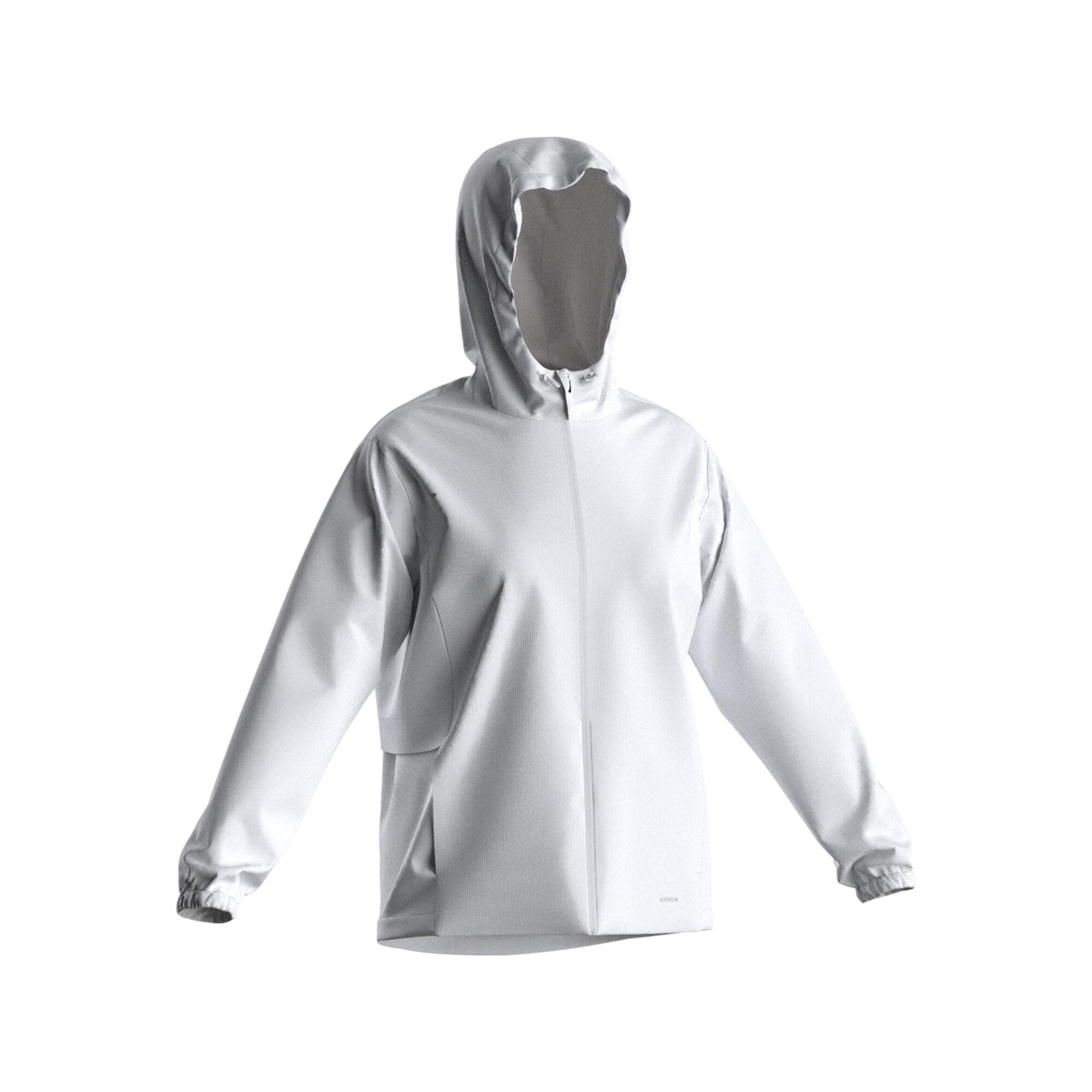
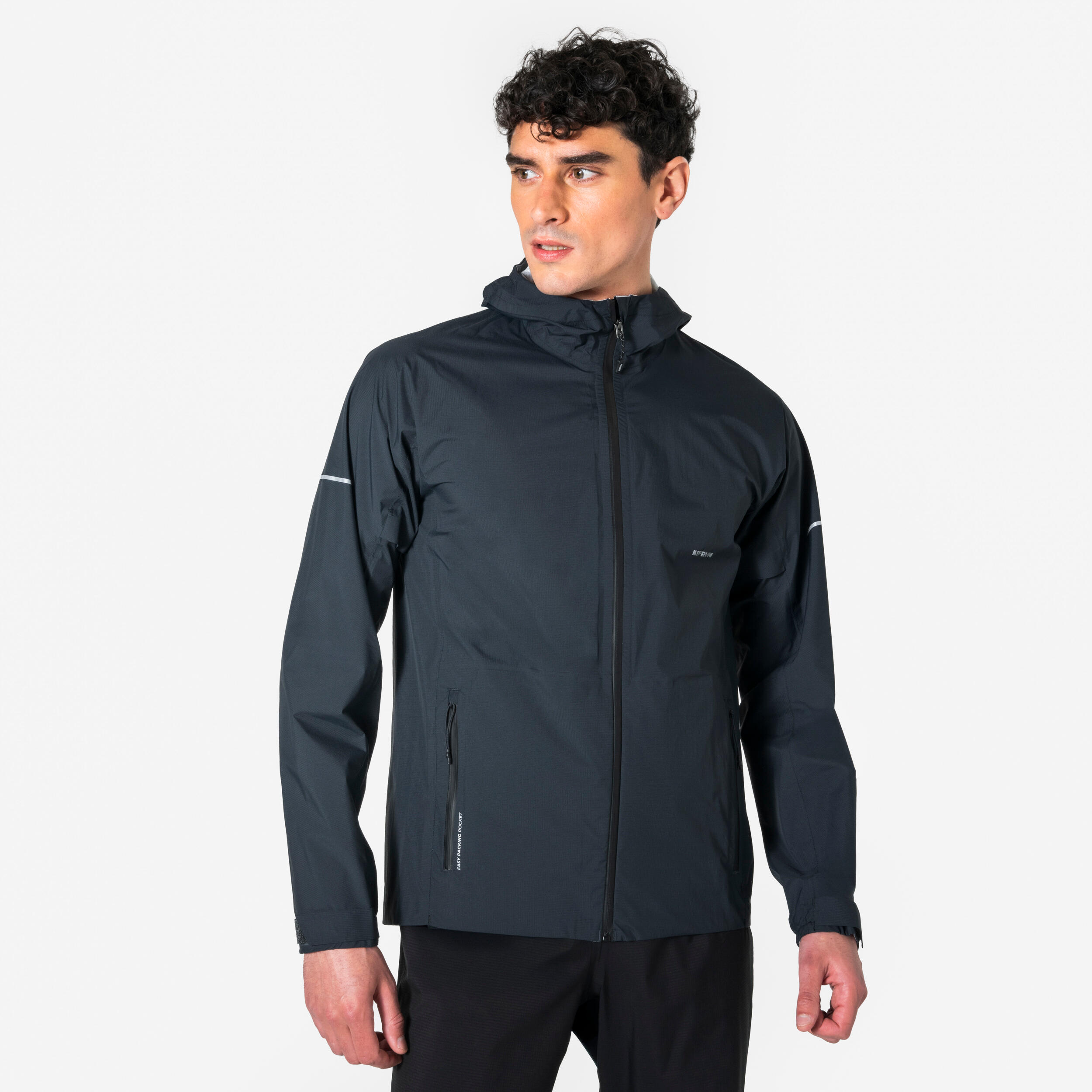
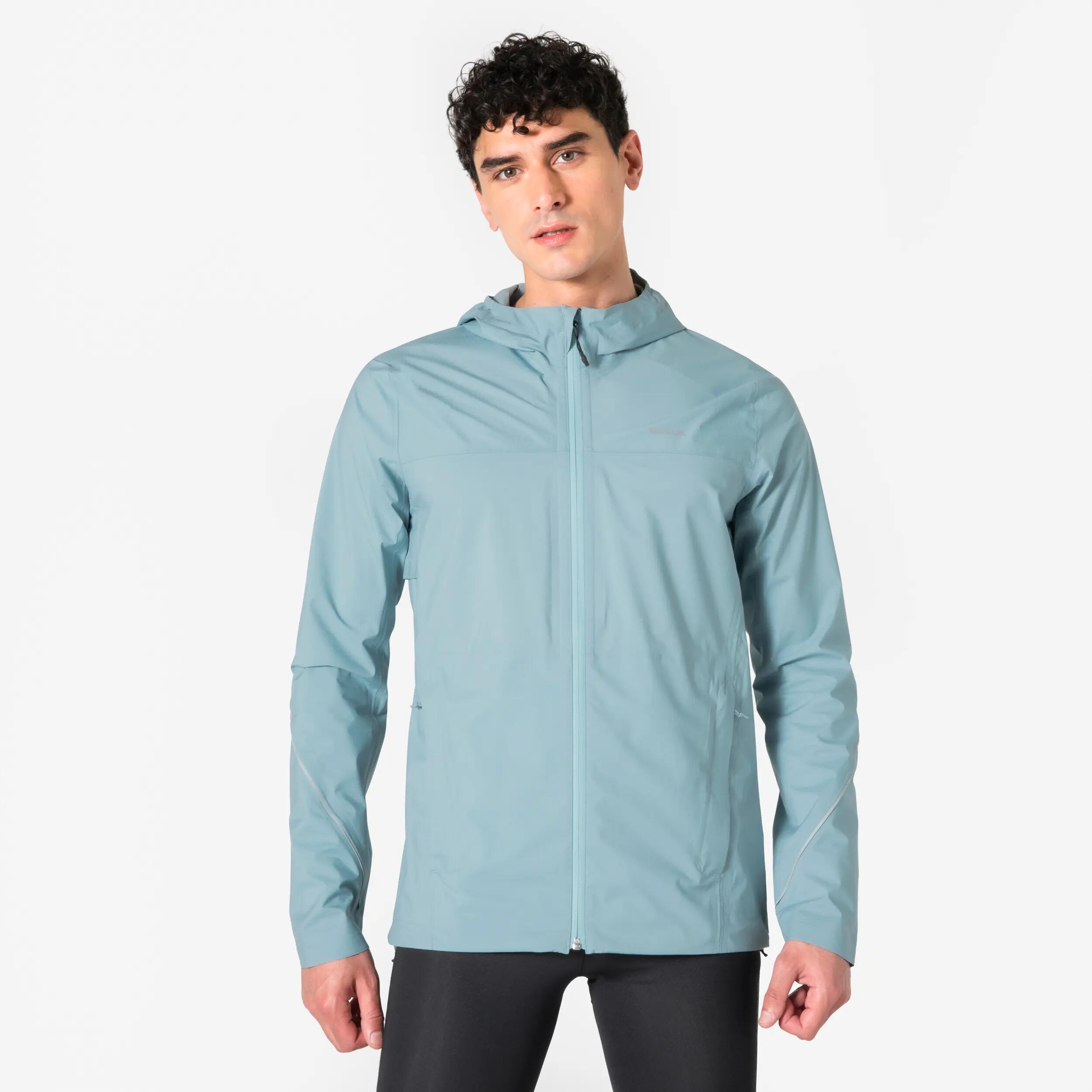
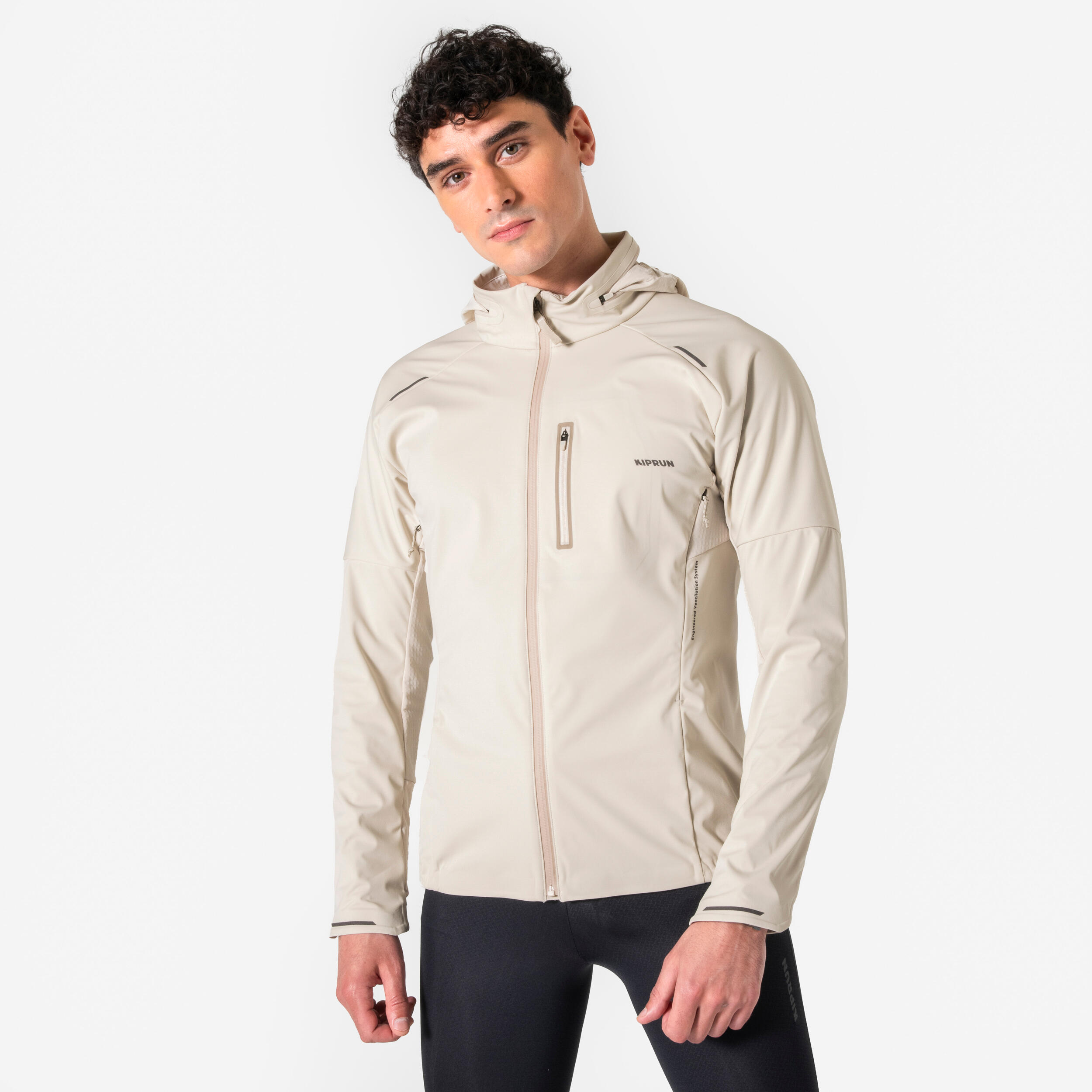
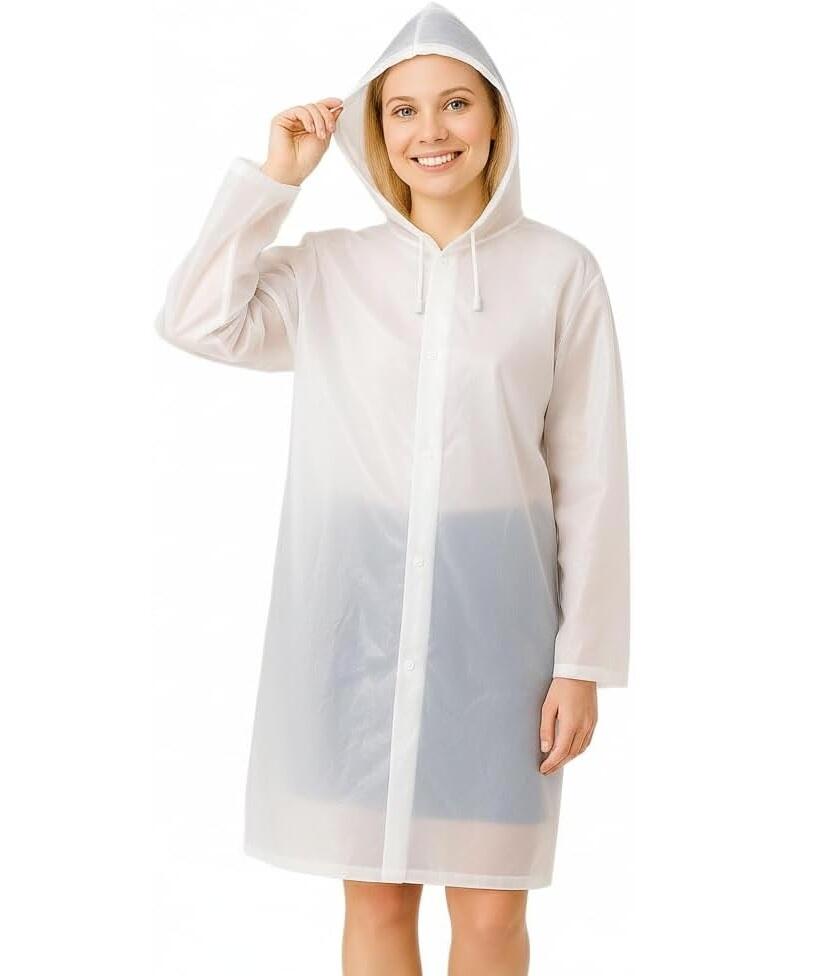
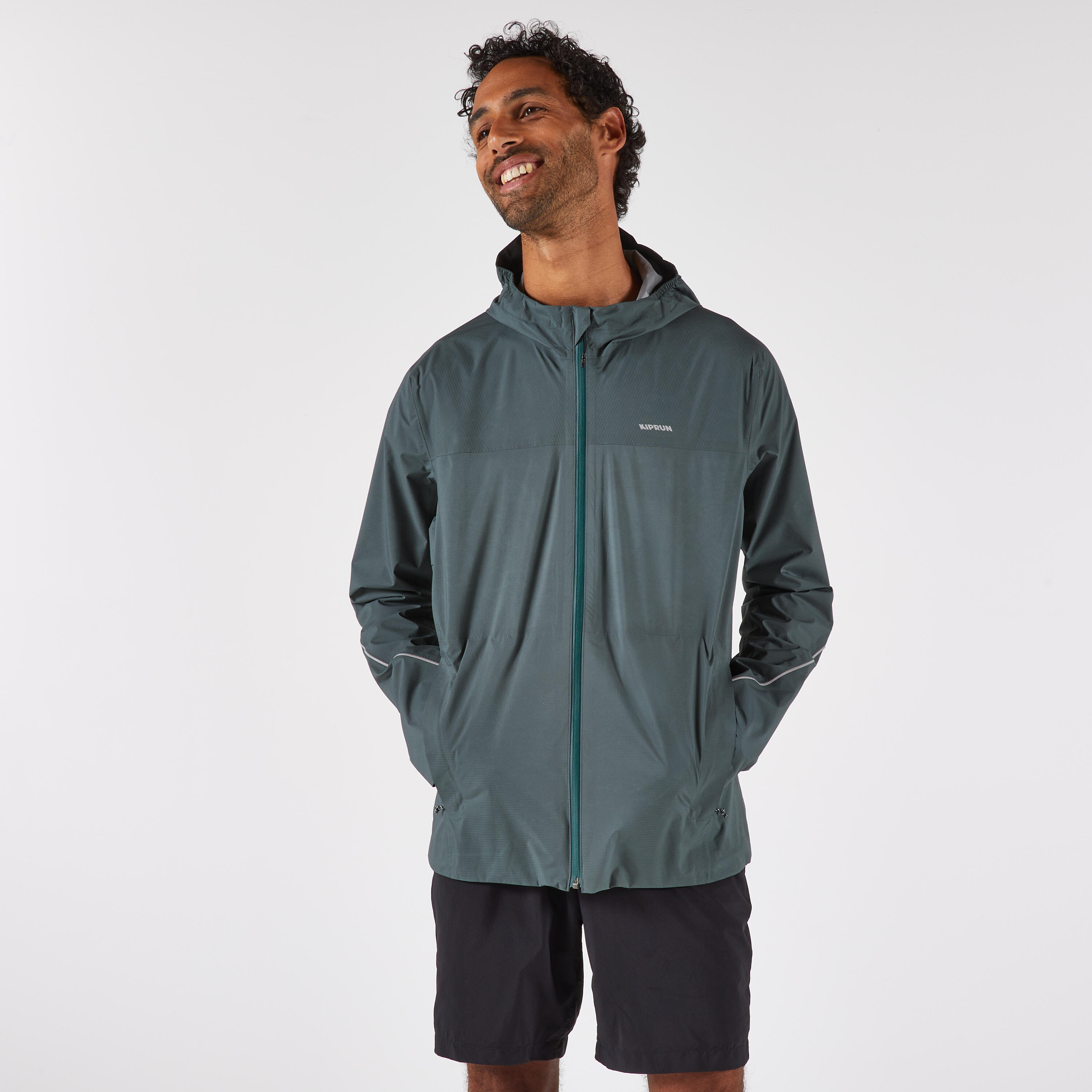
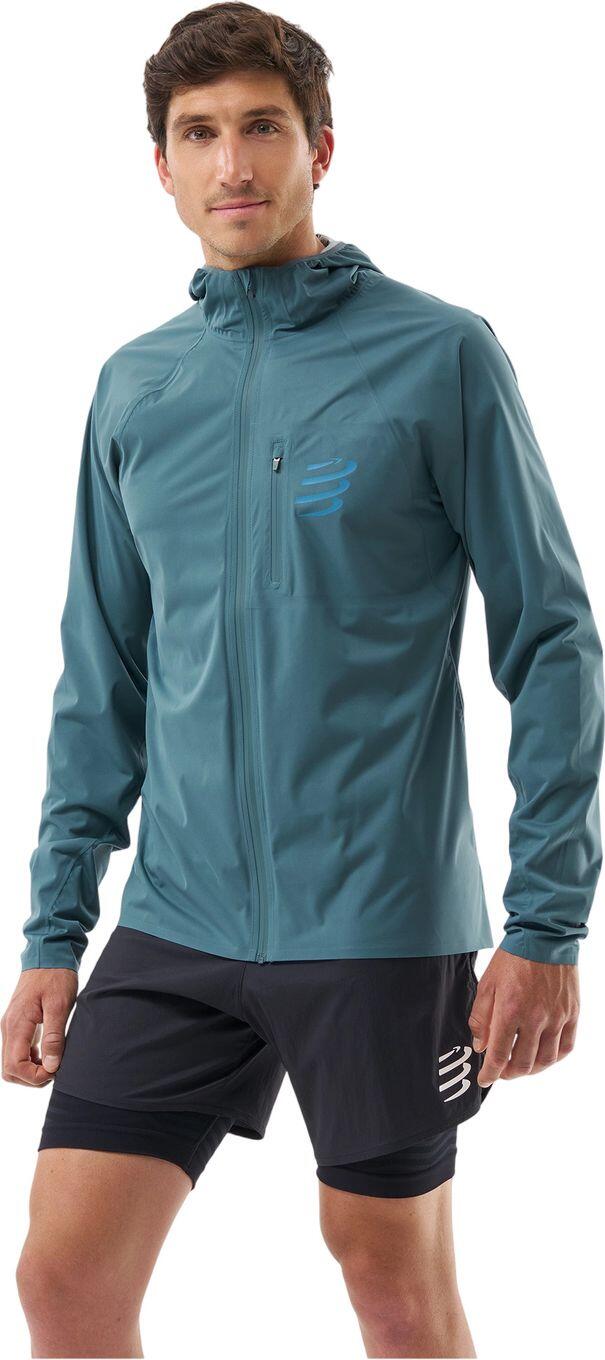
For wet trail runs, choose a waterproof jacket with taped seams, a protective hood and a breathable membrane so rain stays out while sweat can escape. A drop hem, adjustable cuffs and reflective details can also help when showers turn heavier or visibility drops. Pack it before the sky closes in, not after you are already soaked. If you want stronger rain protection, use men's trail running waterproof jackets.

Which jacket helps on cold trail runs?

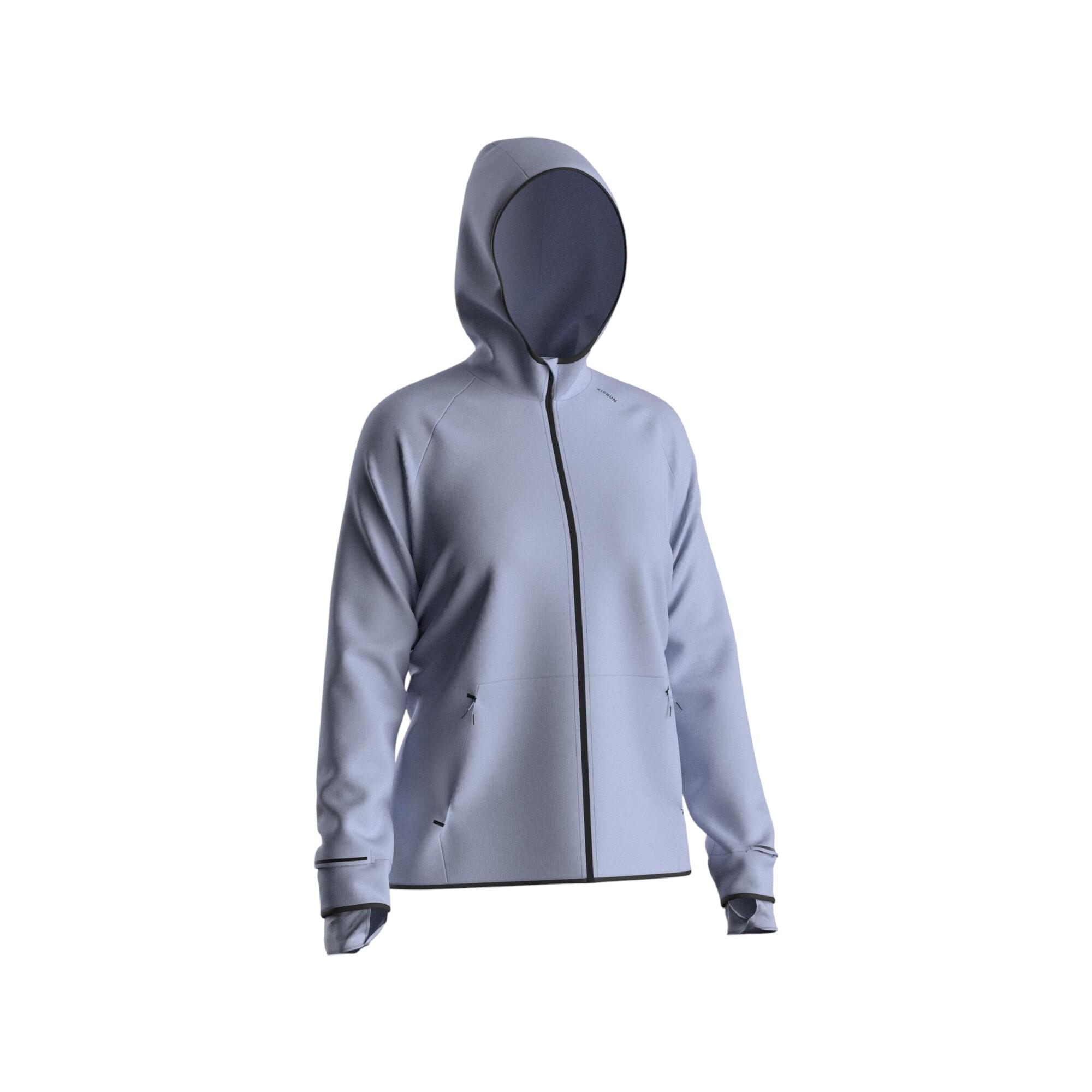
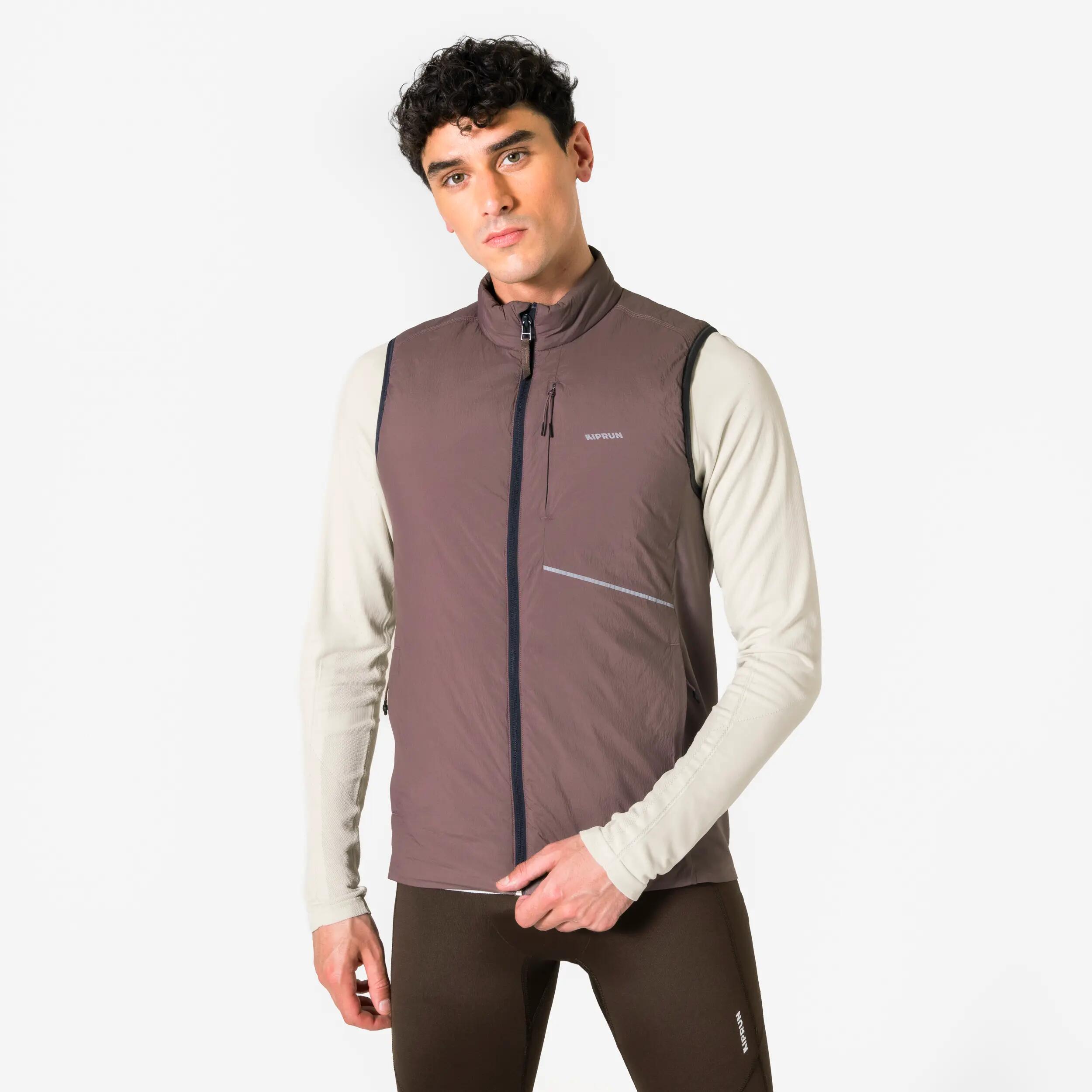
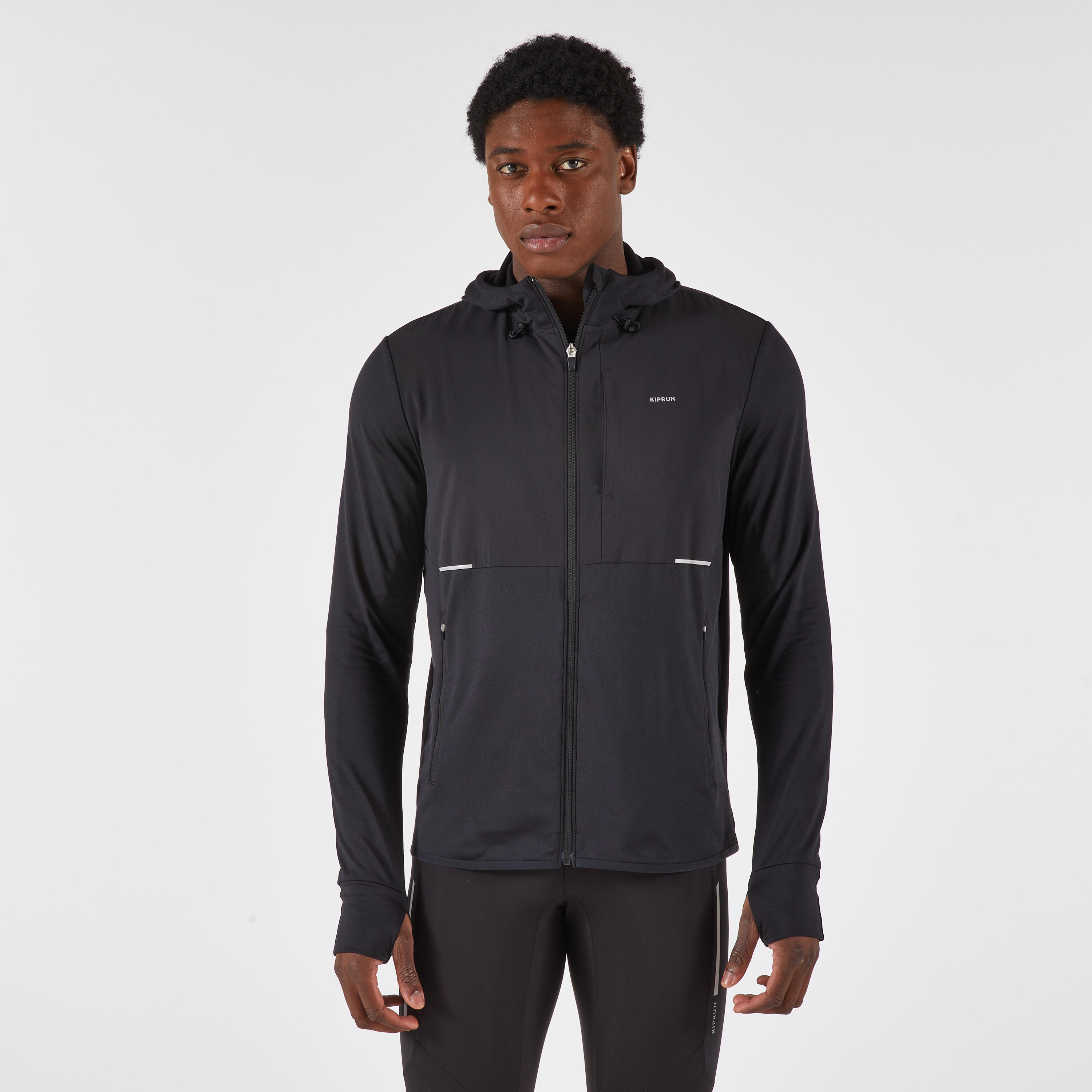
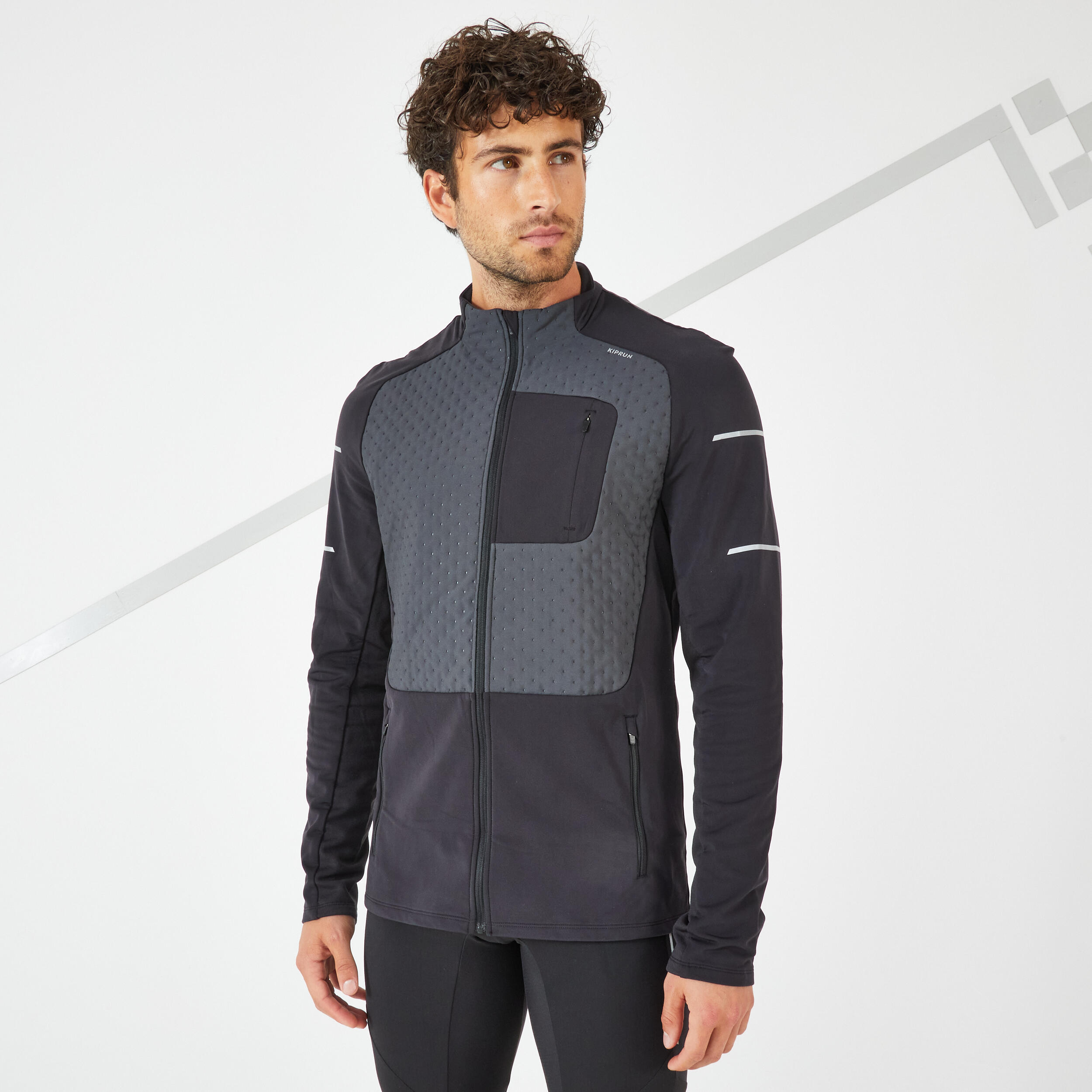
Cold trail runs need warmth without heavy bulk. A fleece-lined jacket or warm mid-layer can help trap heat, while breathable panels or zip vents stop you from overheating on climbs. A high collar and snug cuffs add comfort when the wind picks up on exposed paths. On colder routes, build warmth with men's trail warm jackets and sweatshirts.

How should a men's trail-running jacket fit over layers?

A men's trail running jacket should leave enough room for a base layer and light mid-layer but not so much that loose fabric flaps in the wind. The sleeves should move naturally with your arms, and the hem should stay in place when you climb, bend or wear a pack. Try it over your usual kit before longer outings. Leave space underneath for men's trail running tops.

When is a lightweight trail jacket worth carrying?

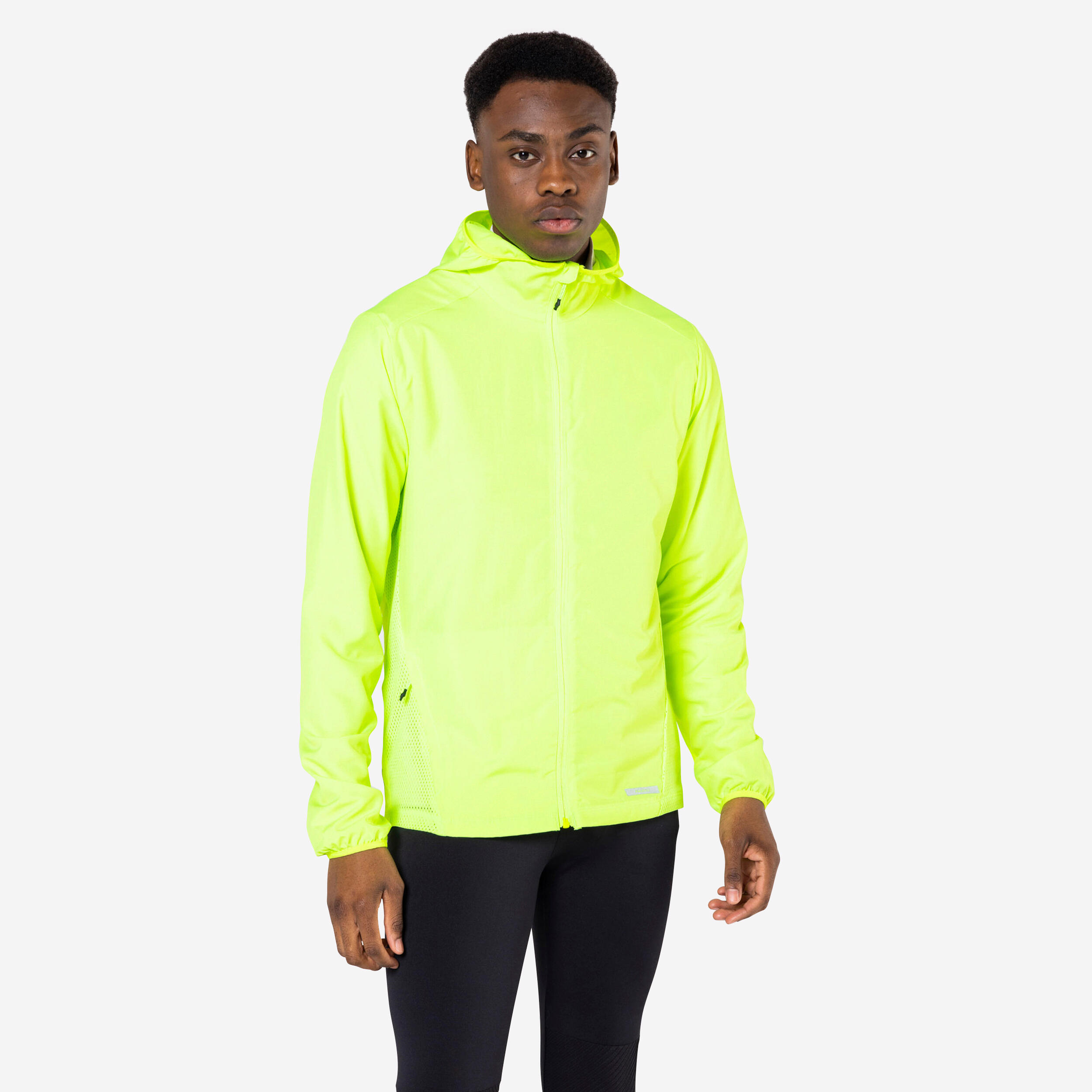
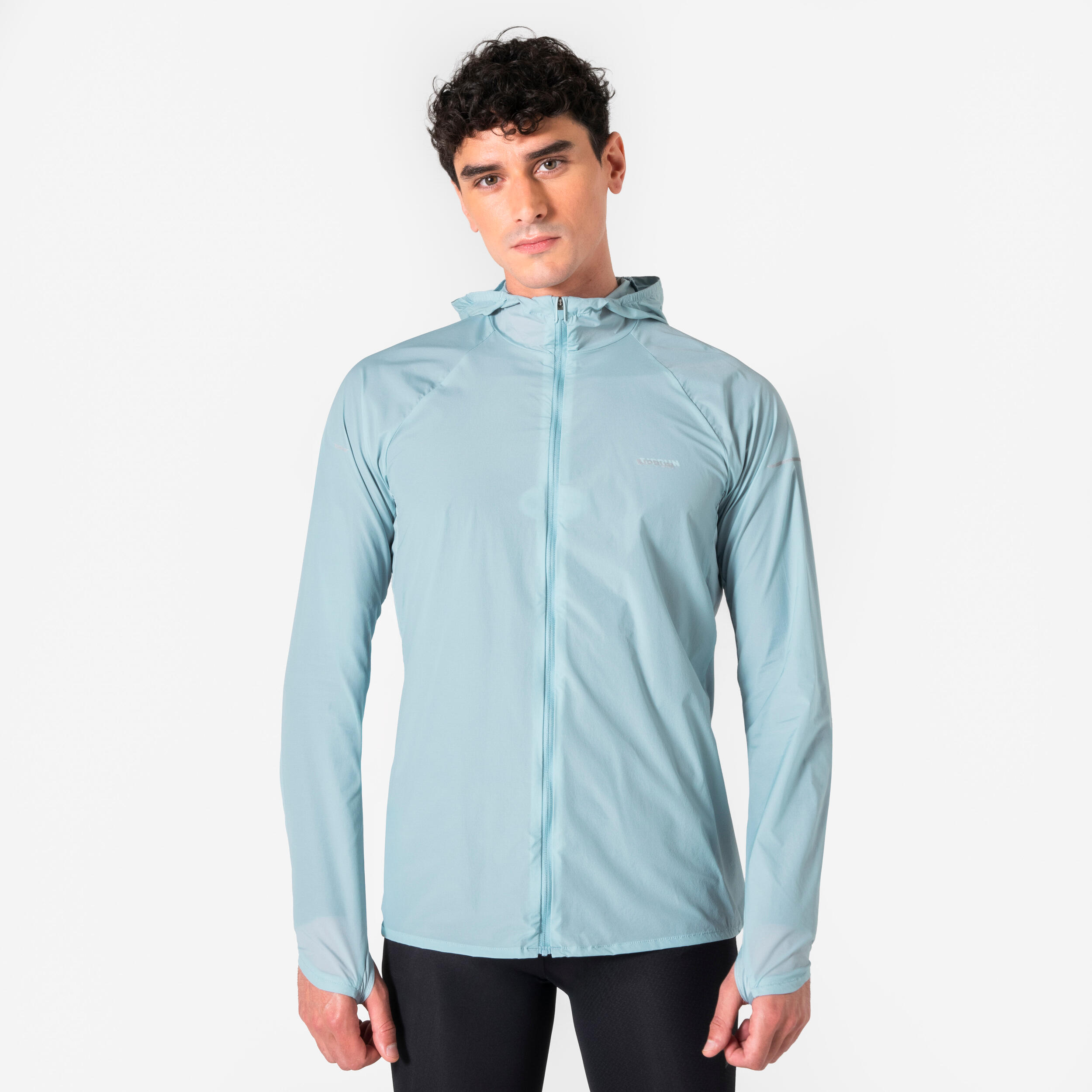
A lightweight trail jacket is useful for mild days, cool starts and routes where wind or showers may appear later. Thin, packable fabric makes it easy to carry in a vest or belt, while ventilation helps prevent clamminess once your effort rises. It gives just enough cover without turning the run into a heavy-layer session. On milder outings, pair it with men's trail running shorts.