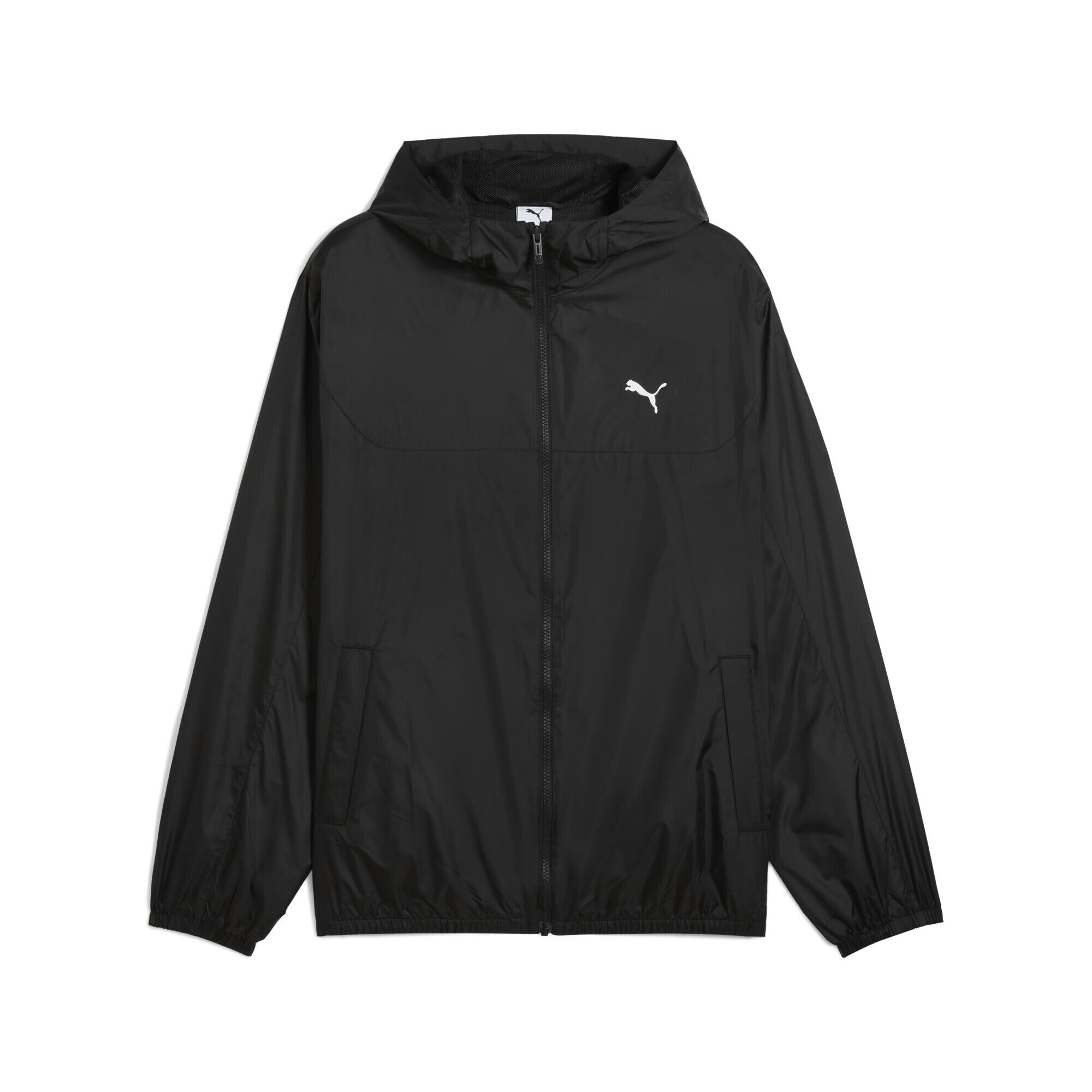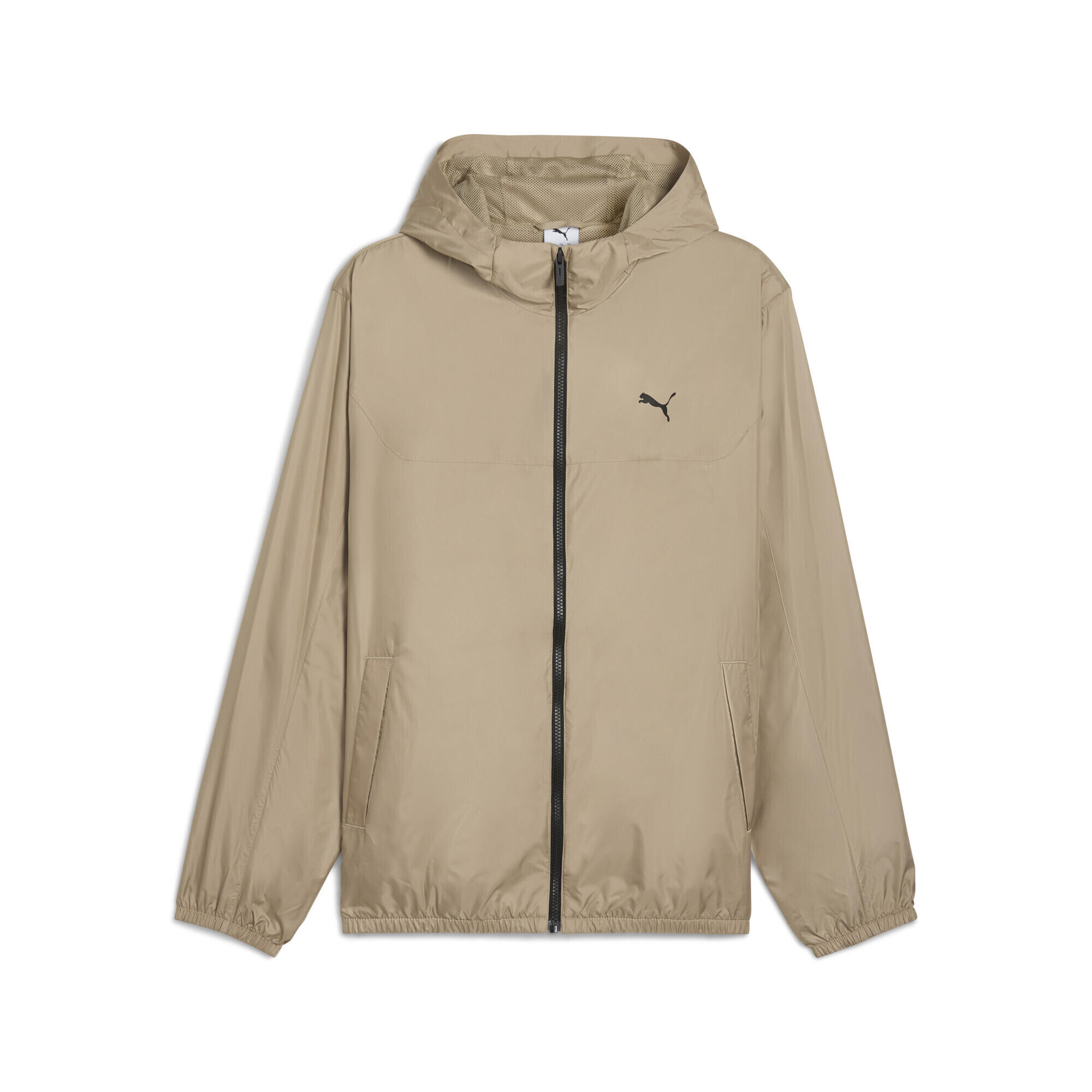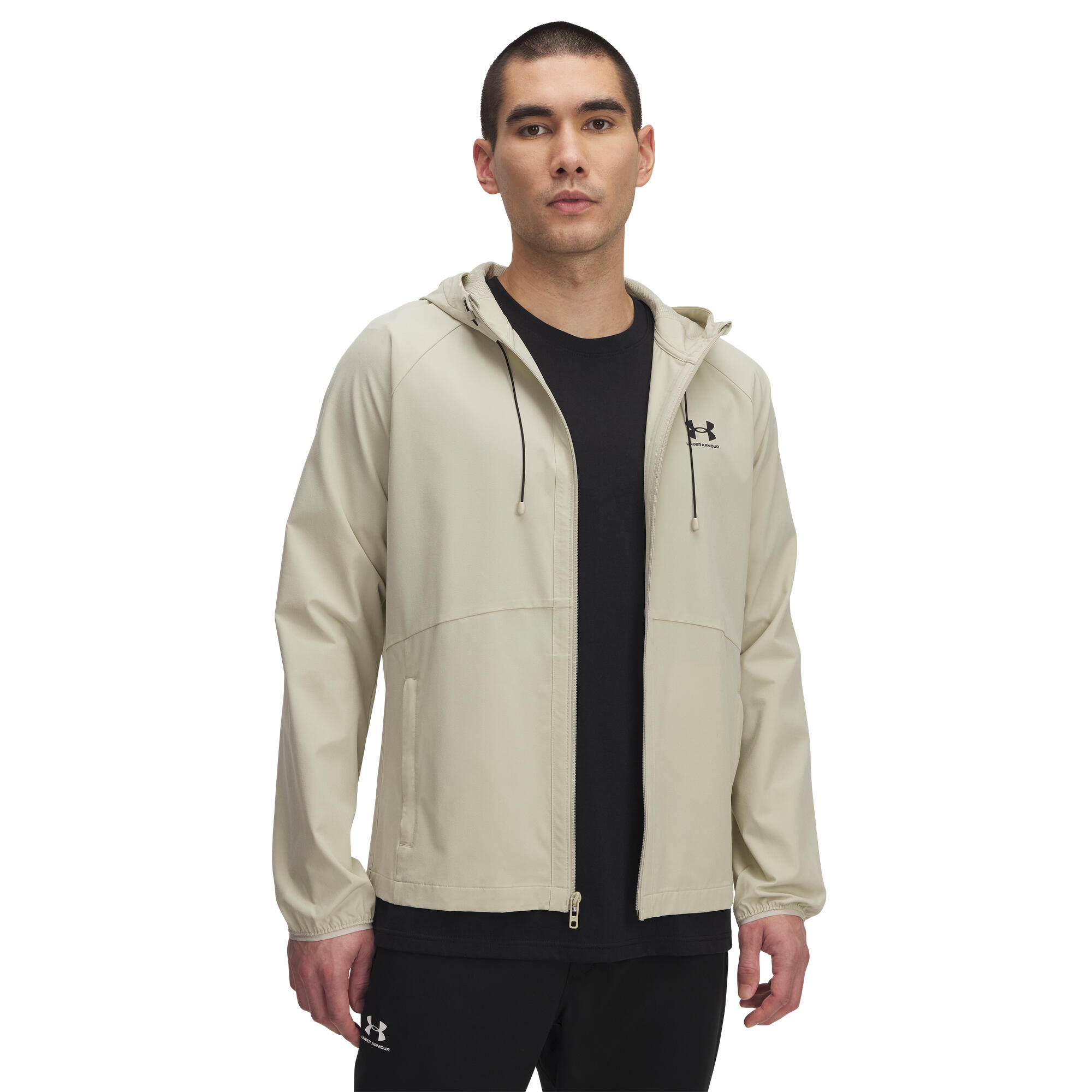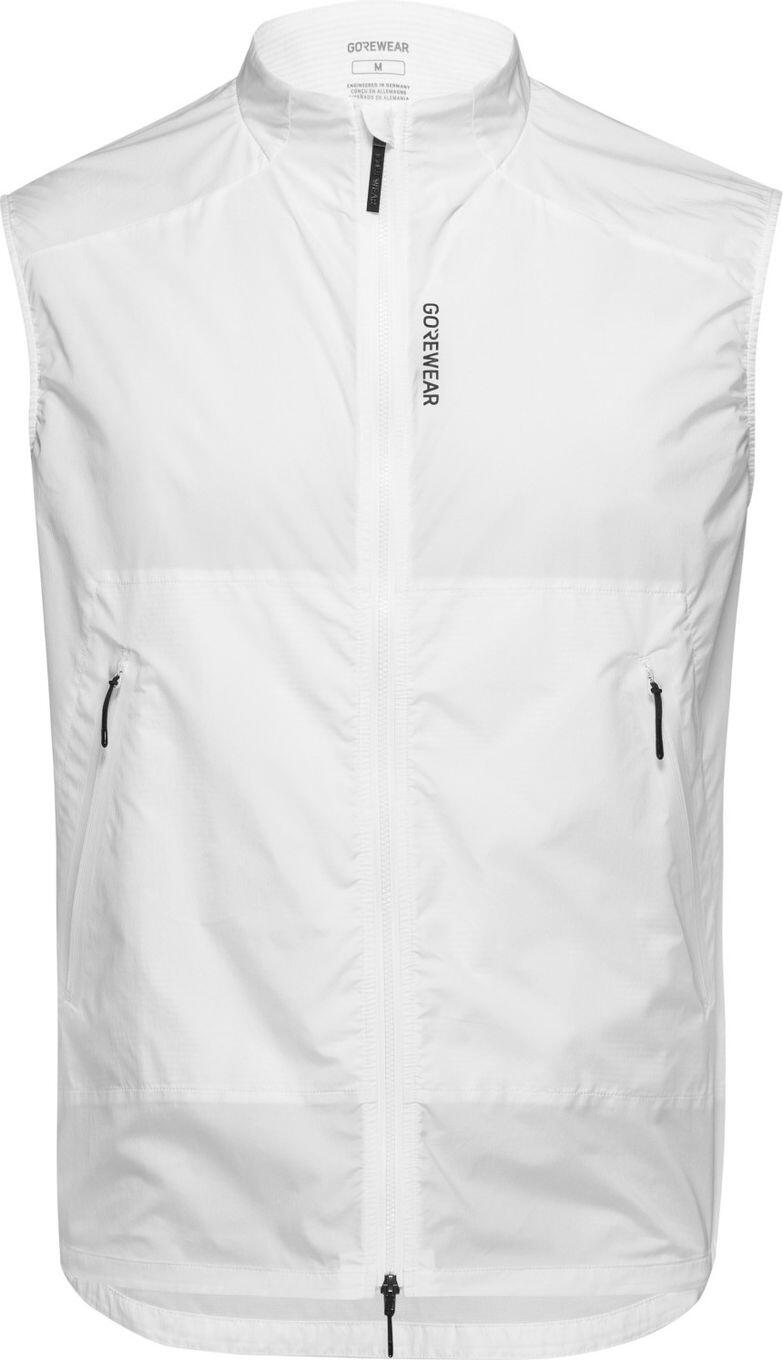
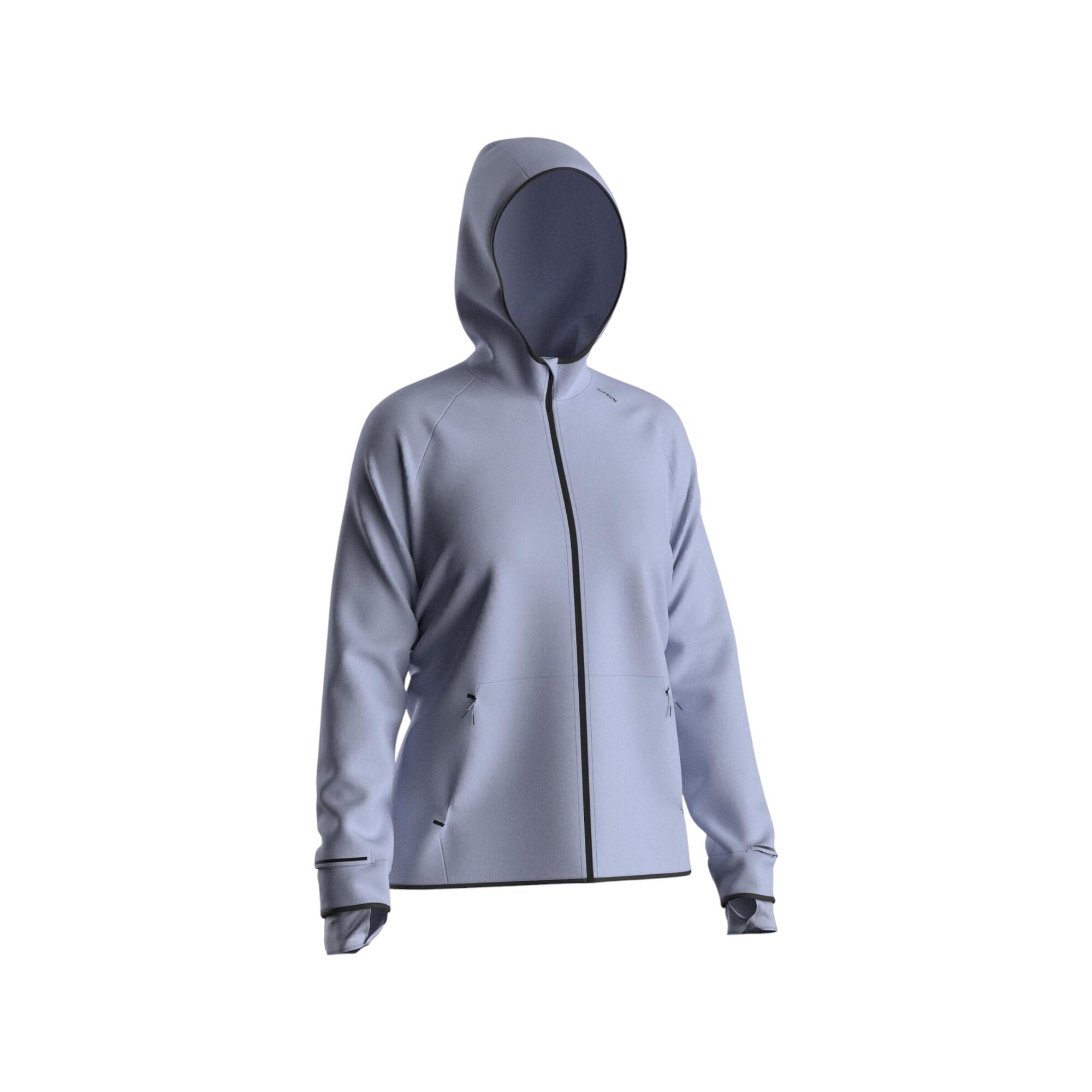
81 items
4.6/5 based on 10469 reviews collected online and in stores

Men's Trail Running Windbreaker FAQs

What indicates a comfortable fit in a men's trail running windbreaker?

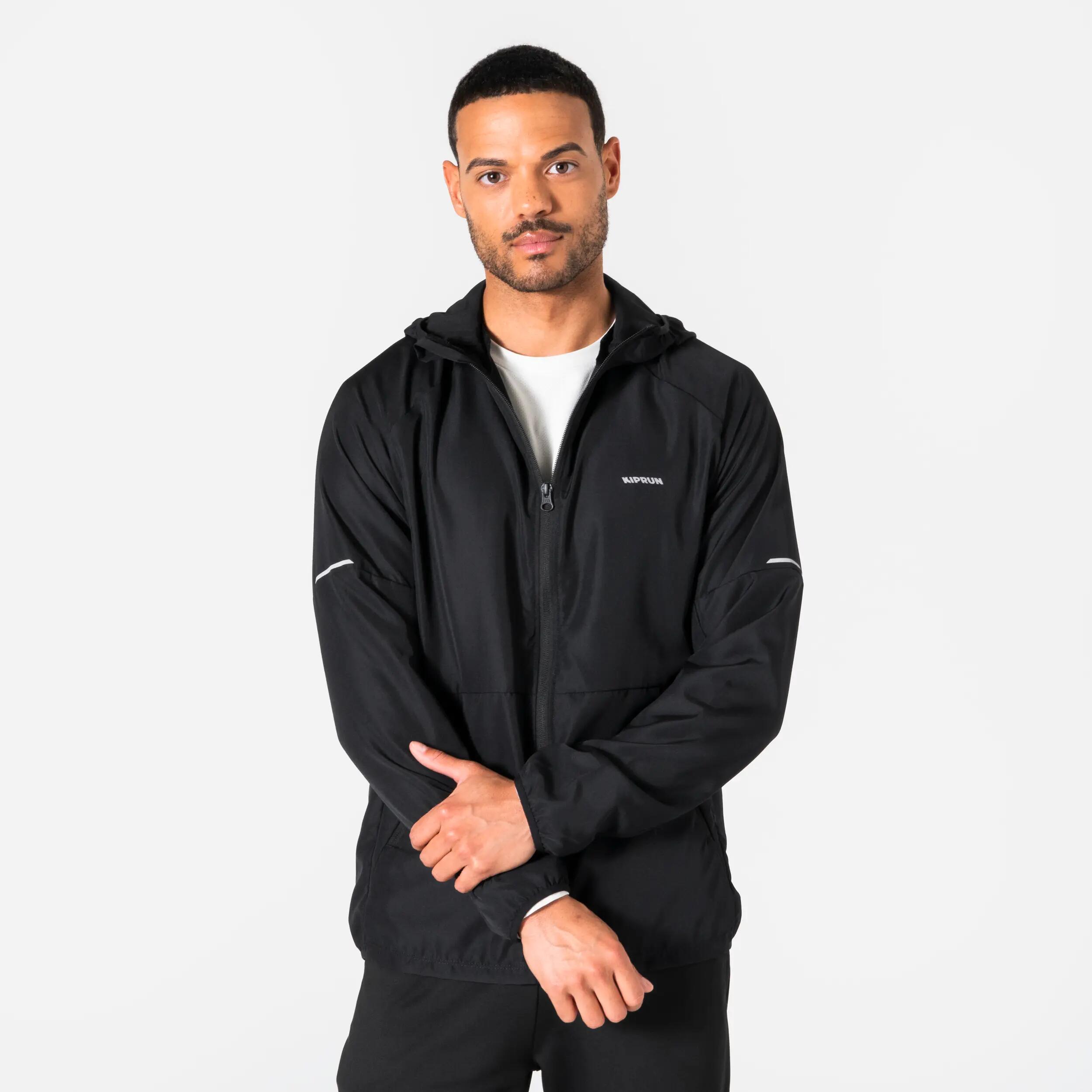
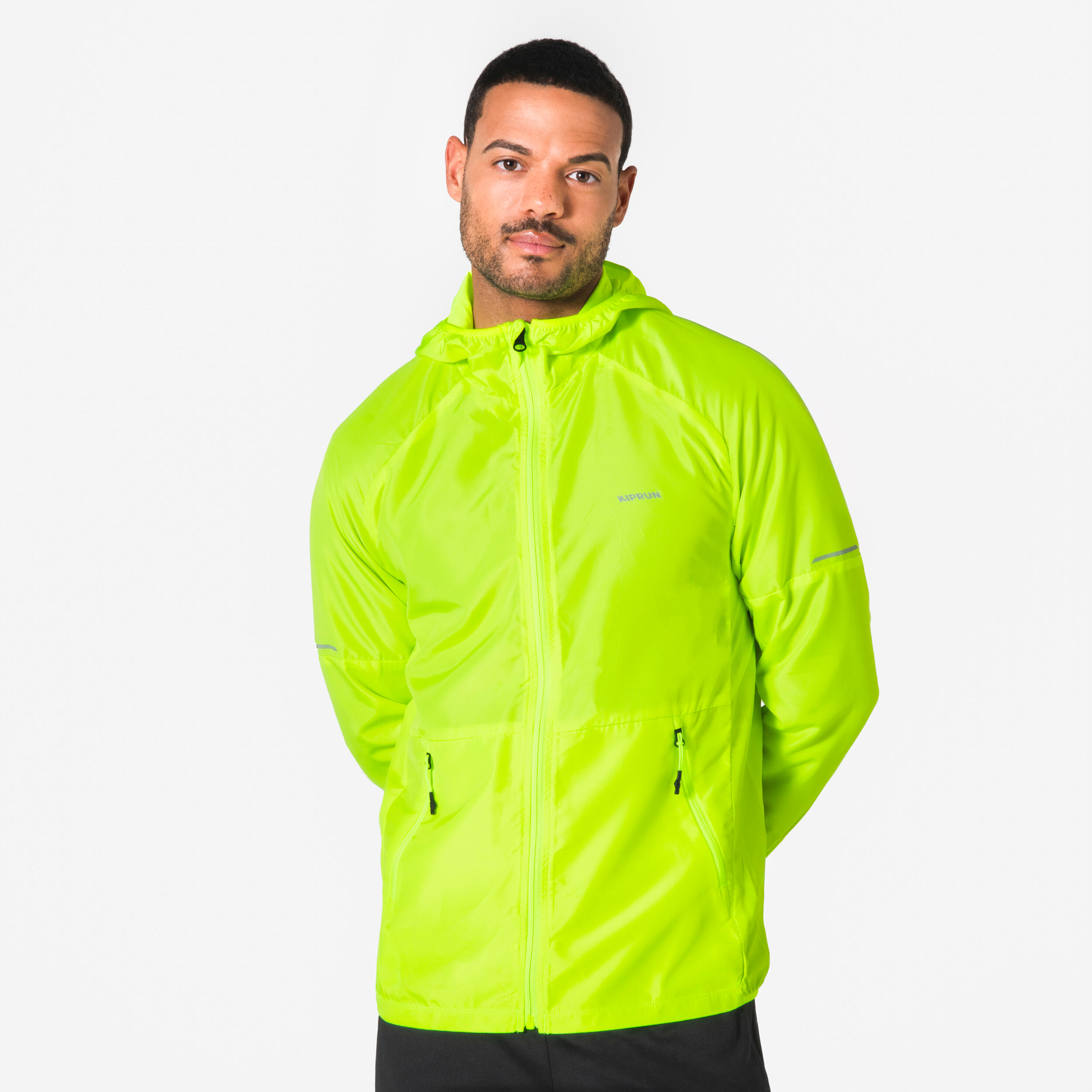
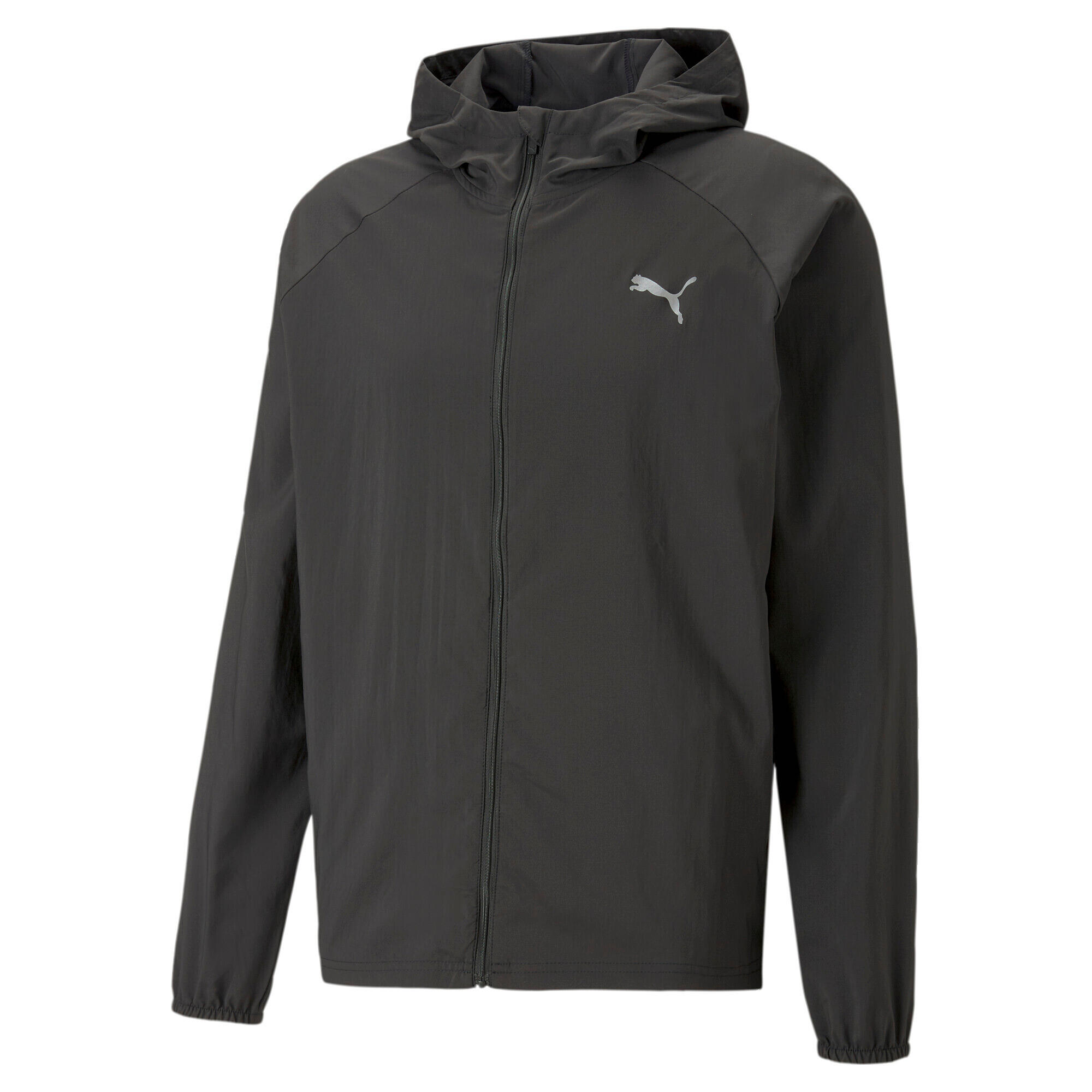
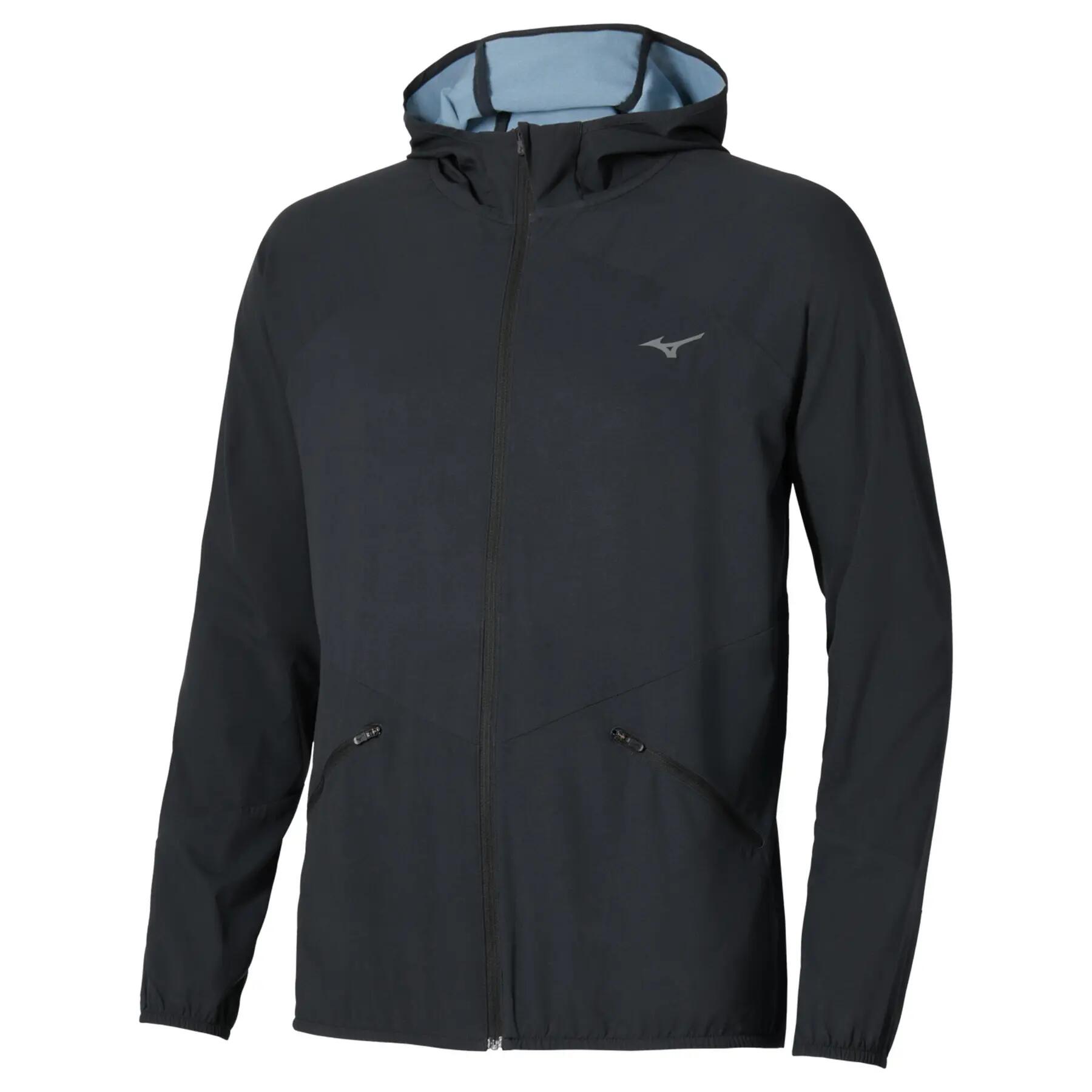
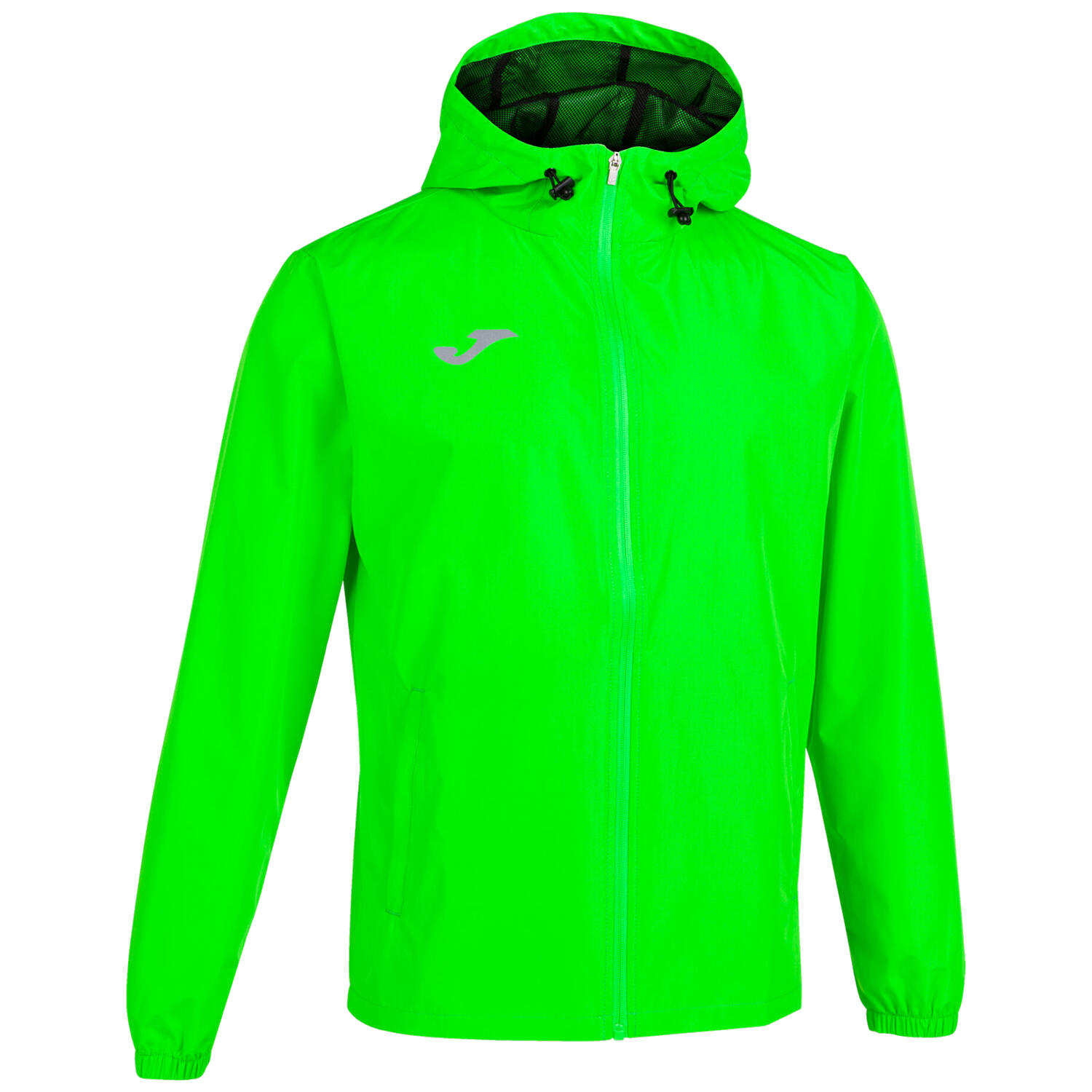
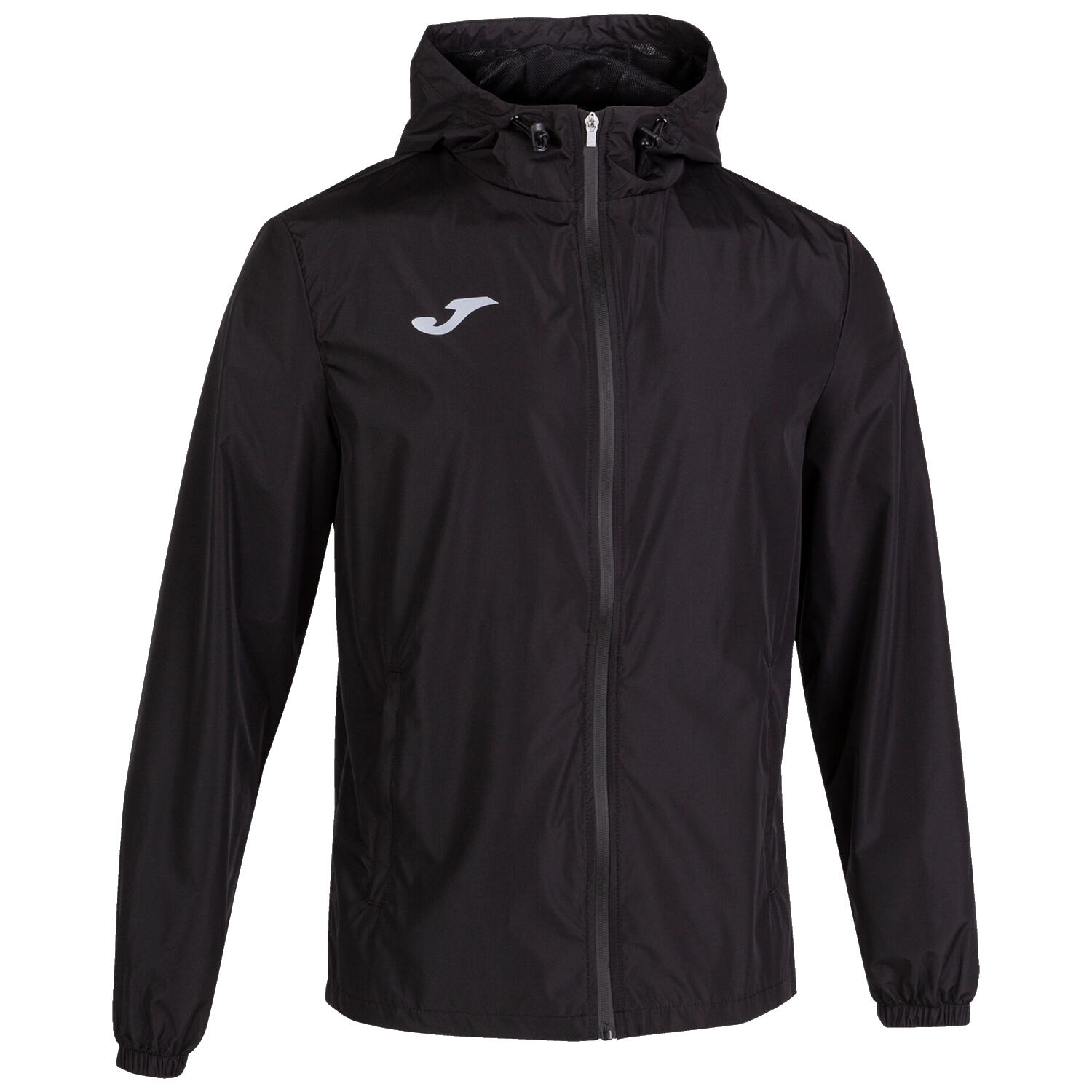
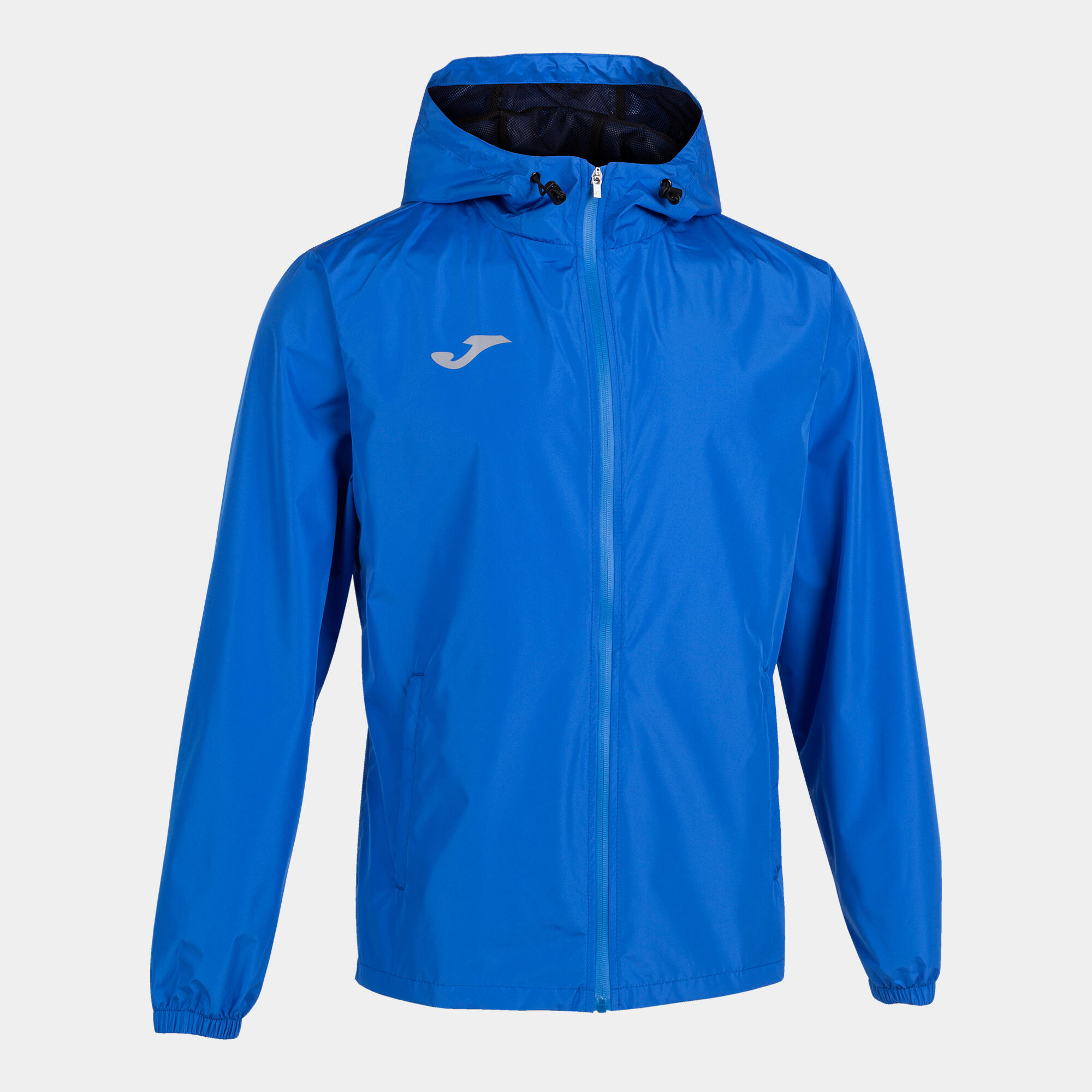
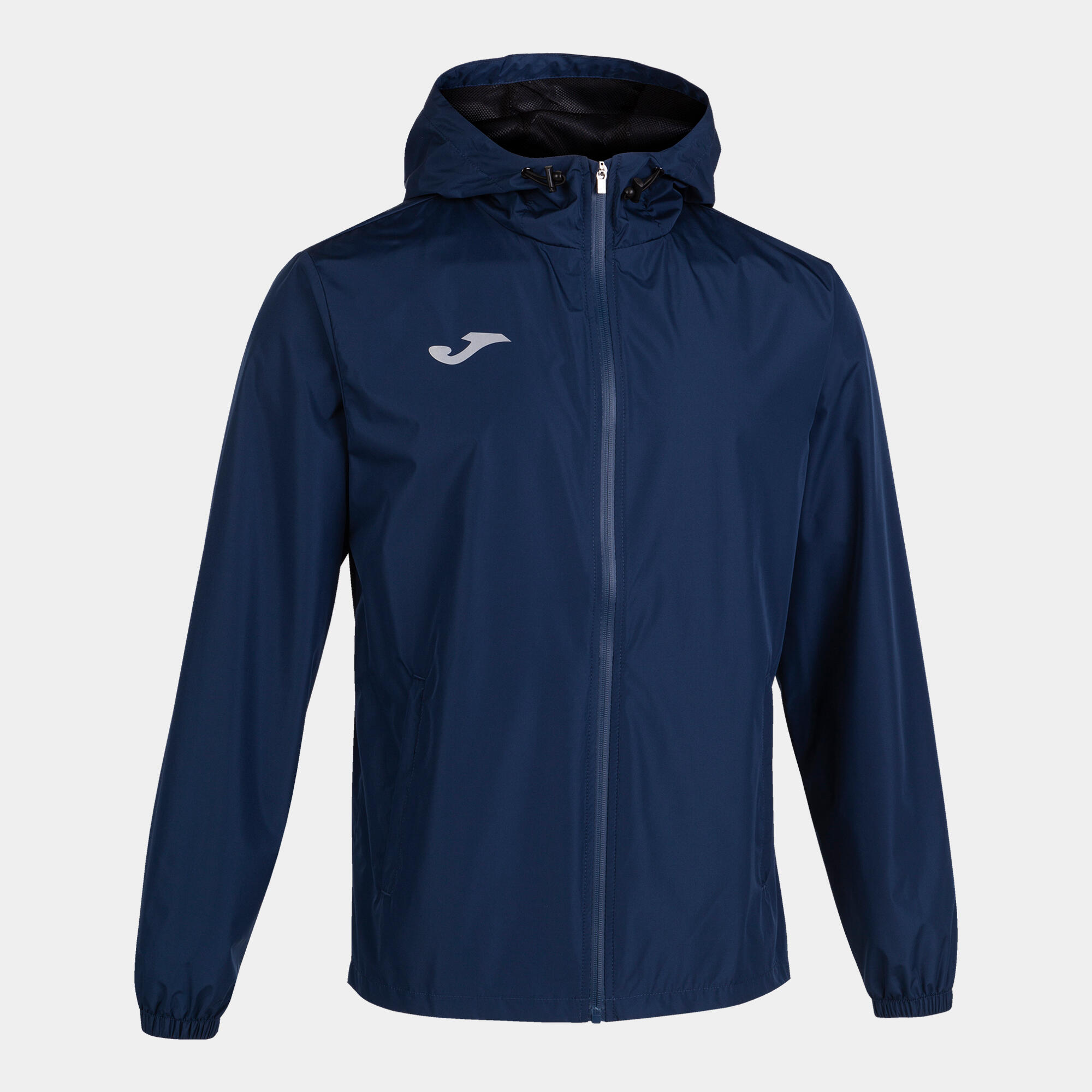
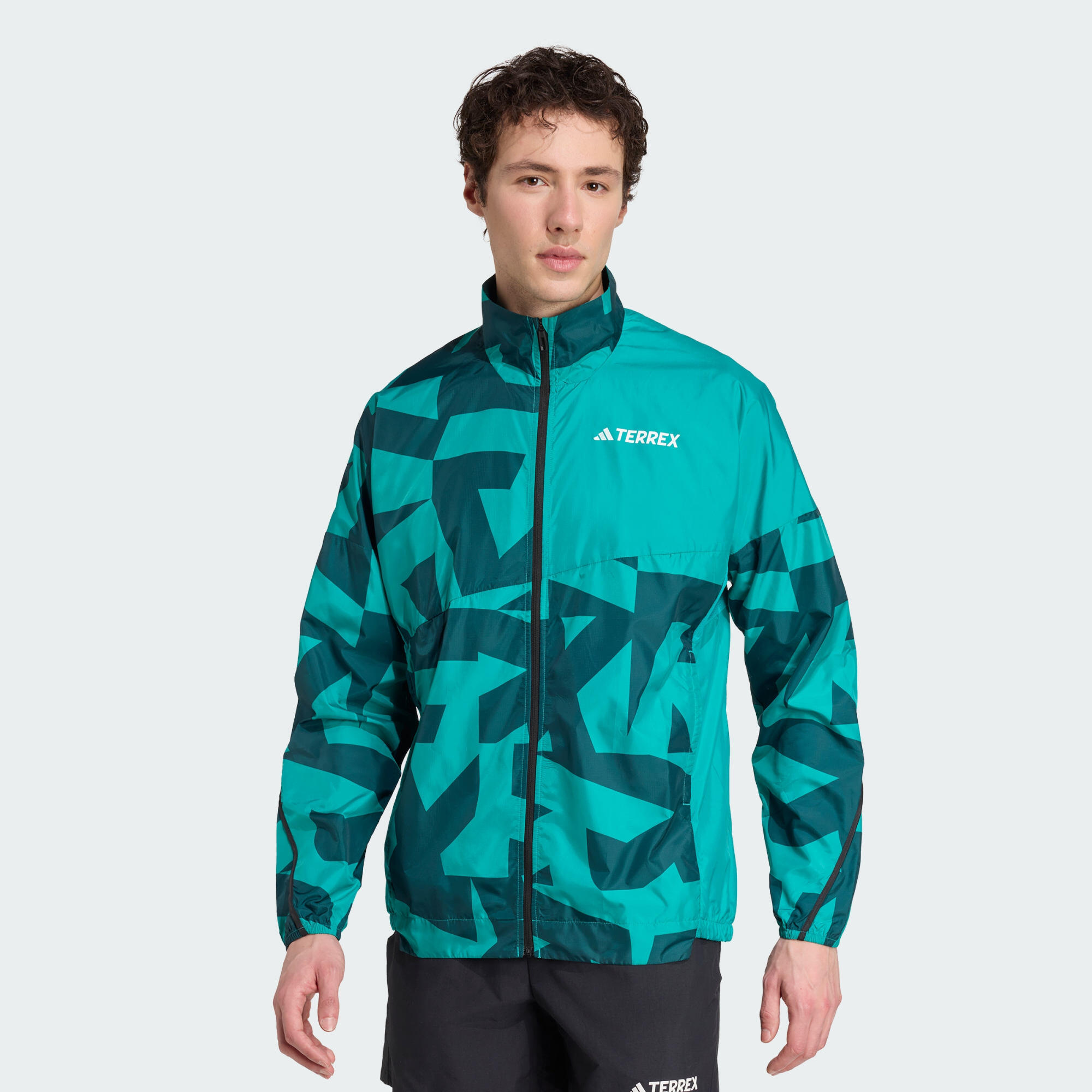
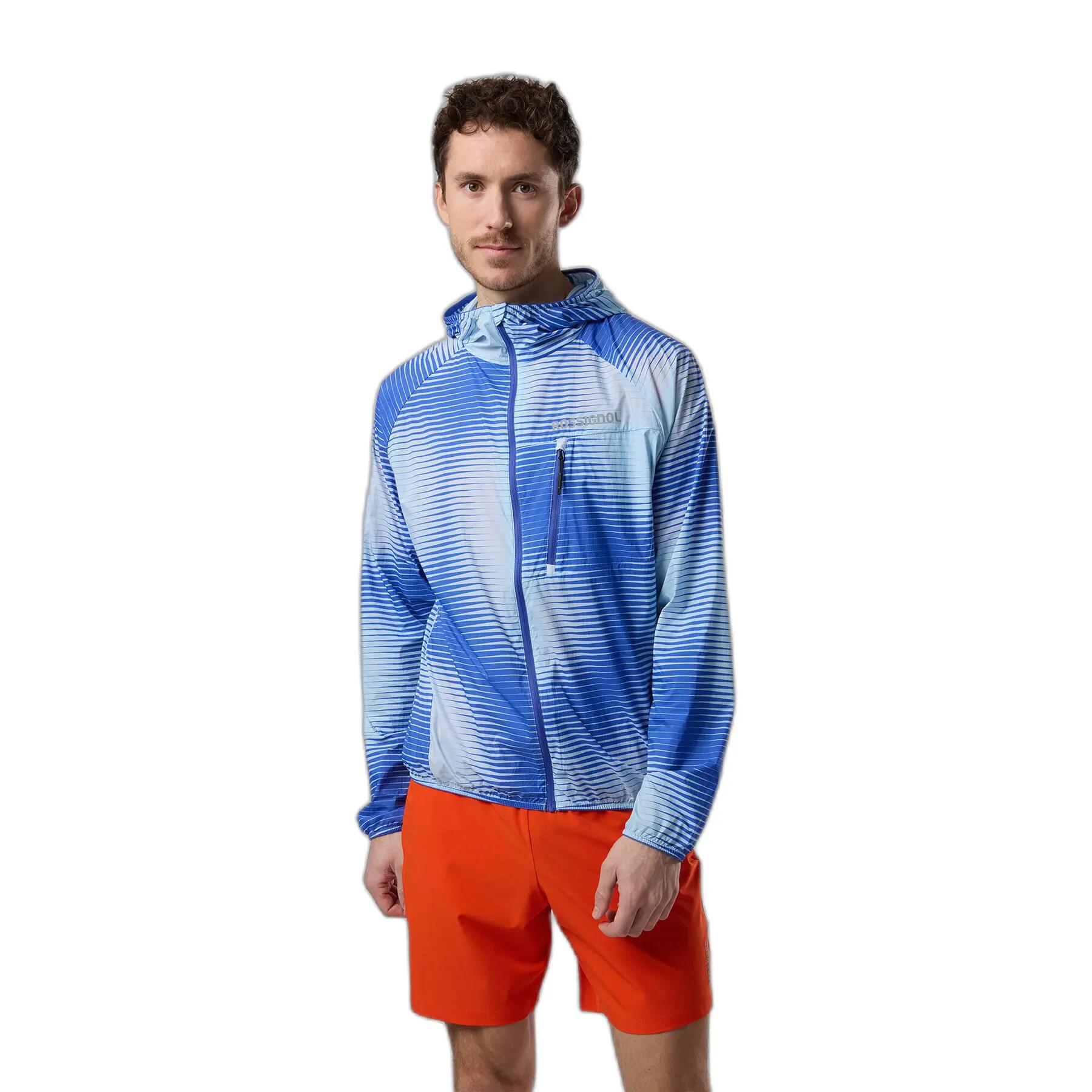
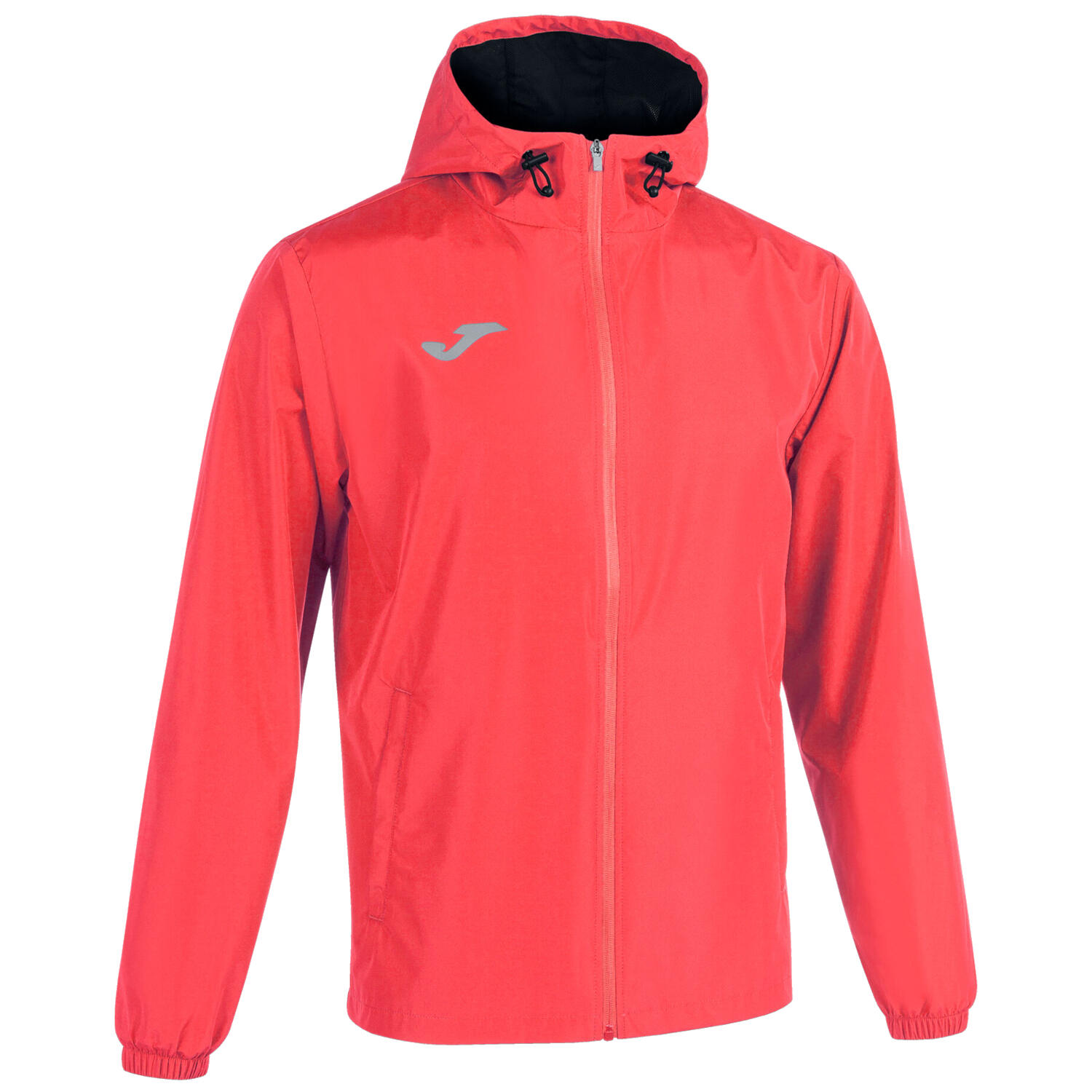
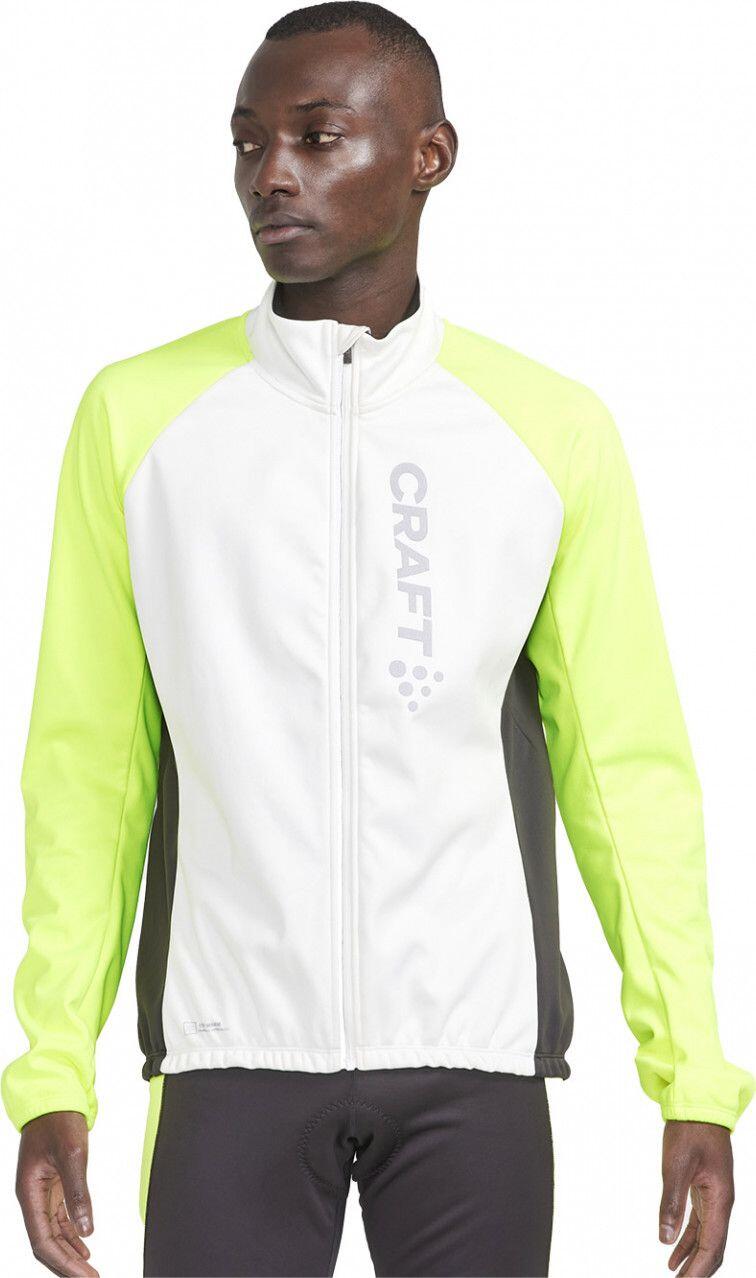
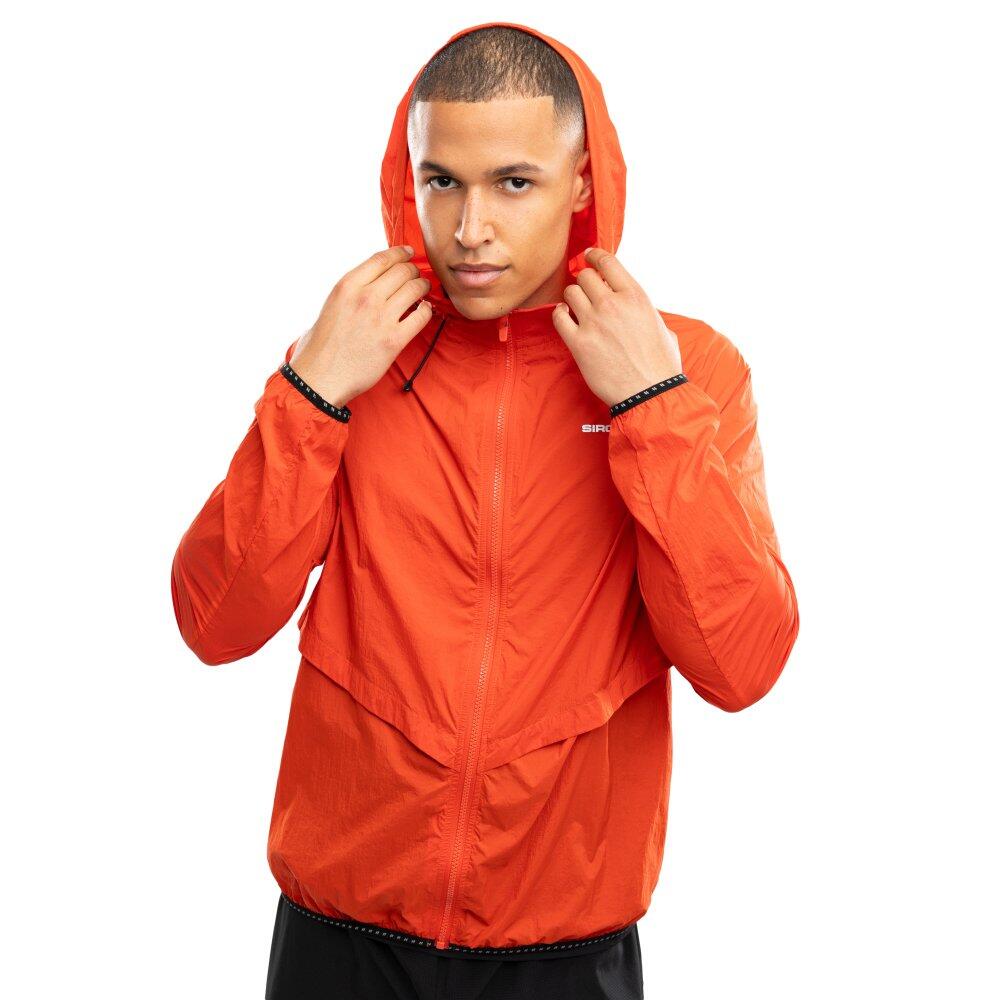
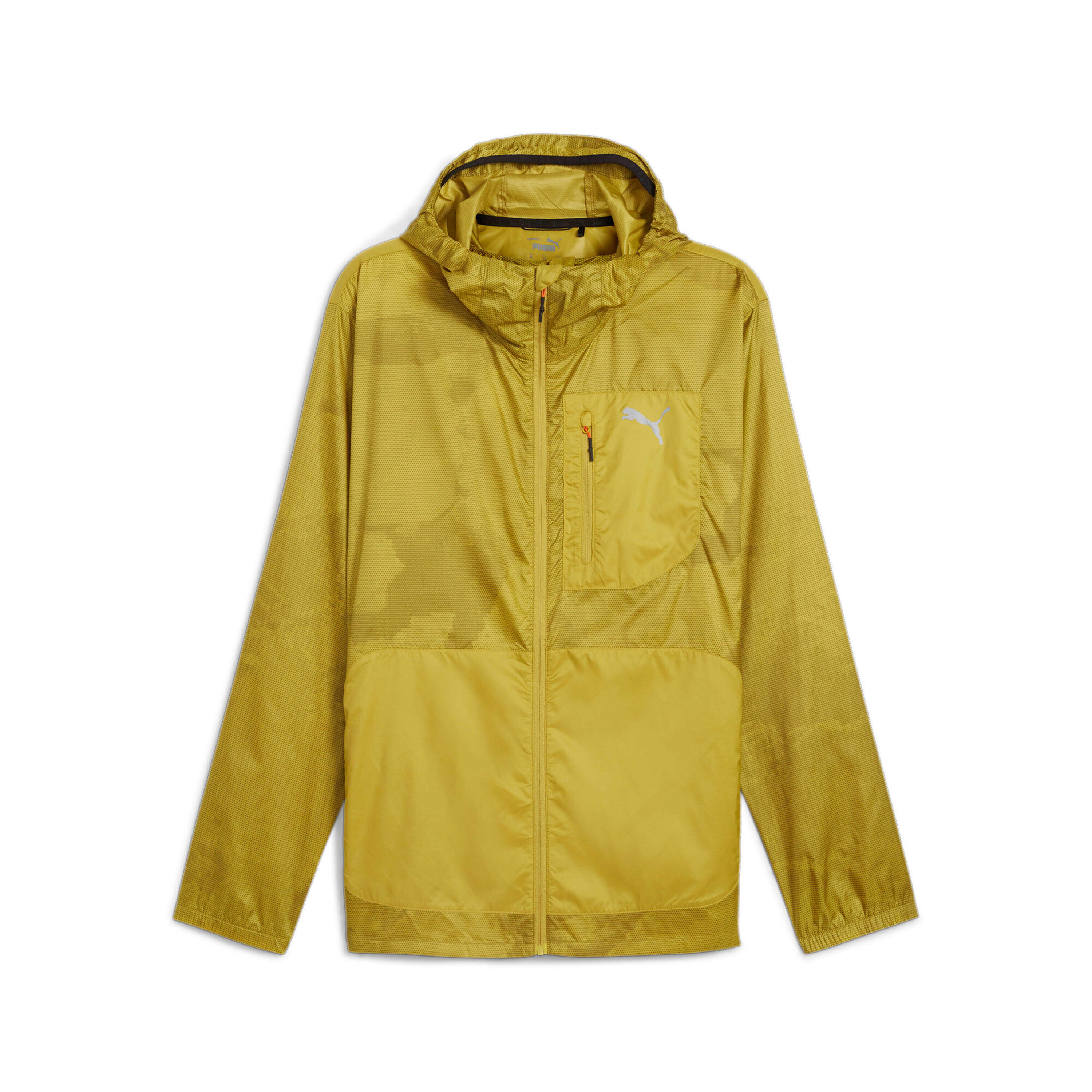
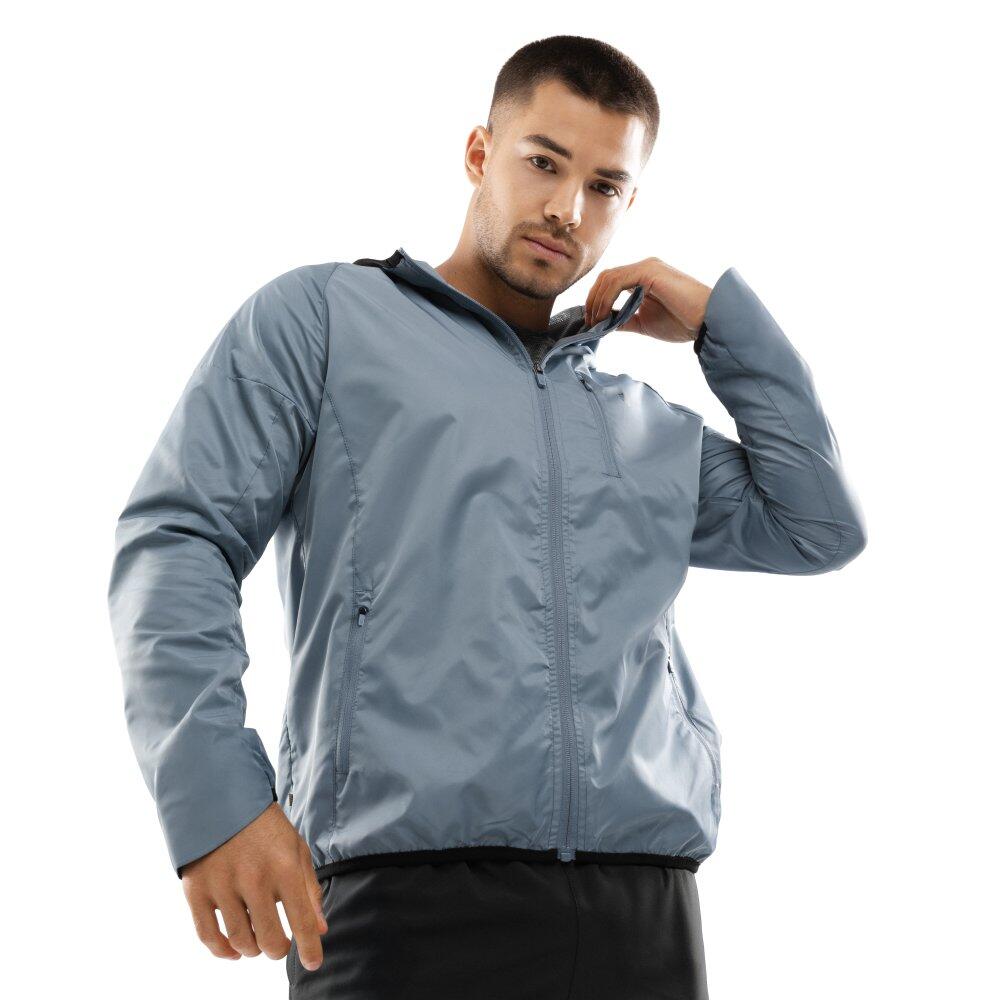
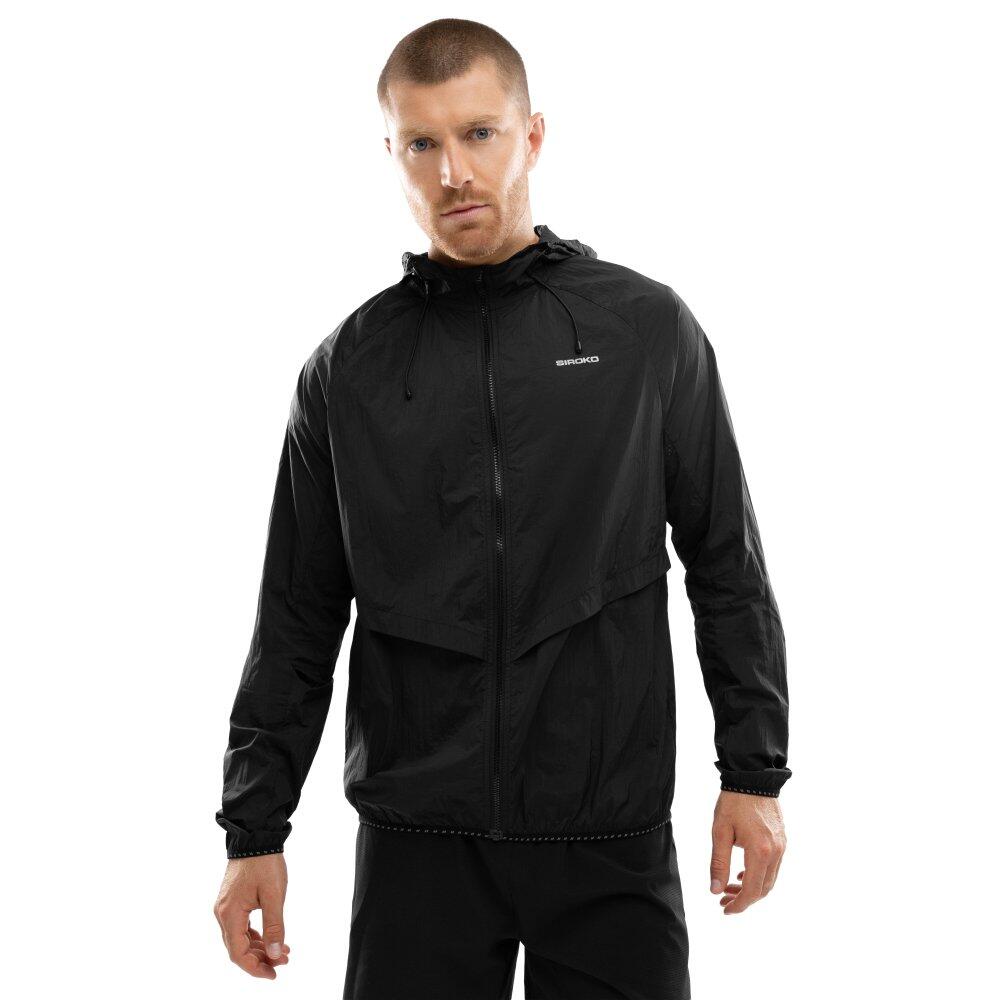
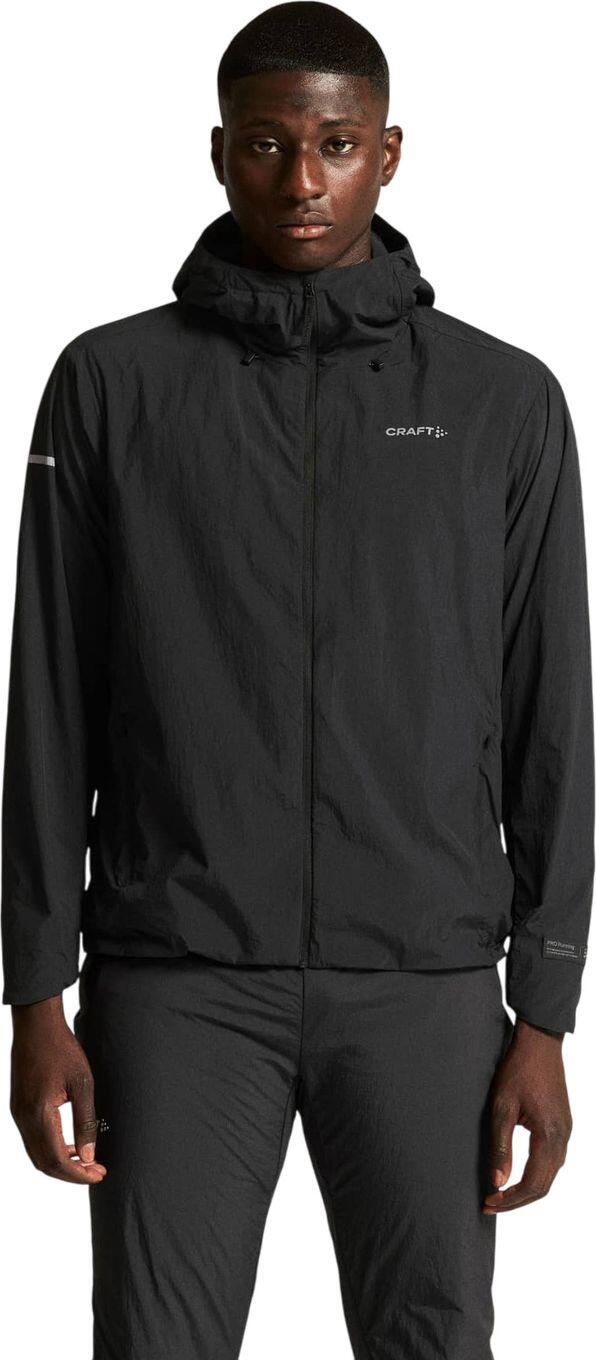
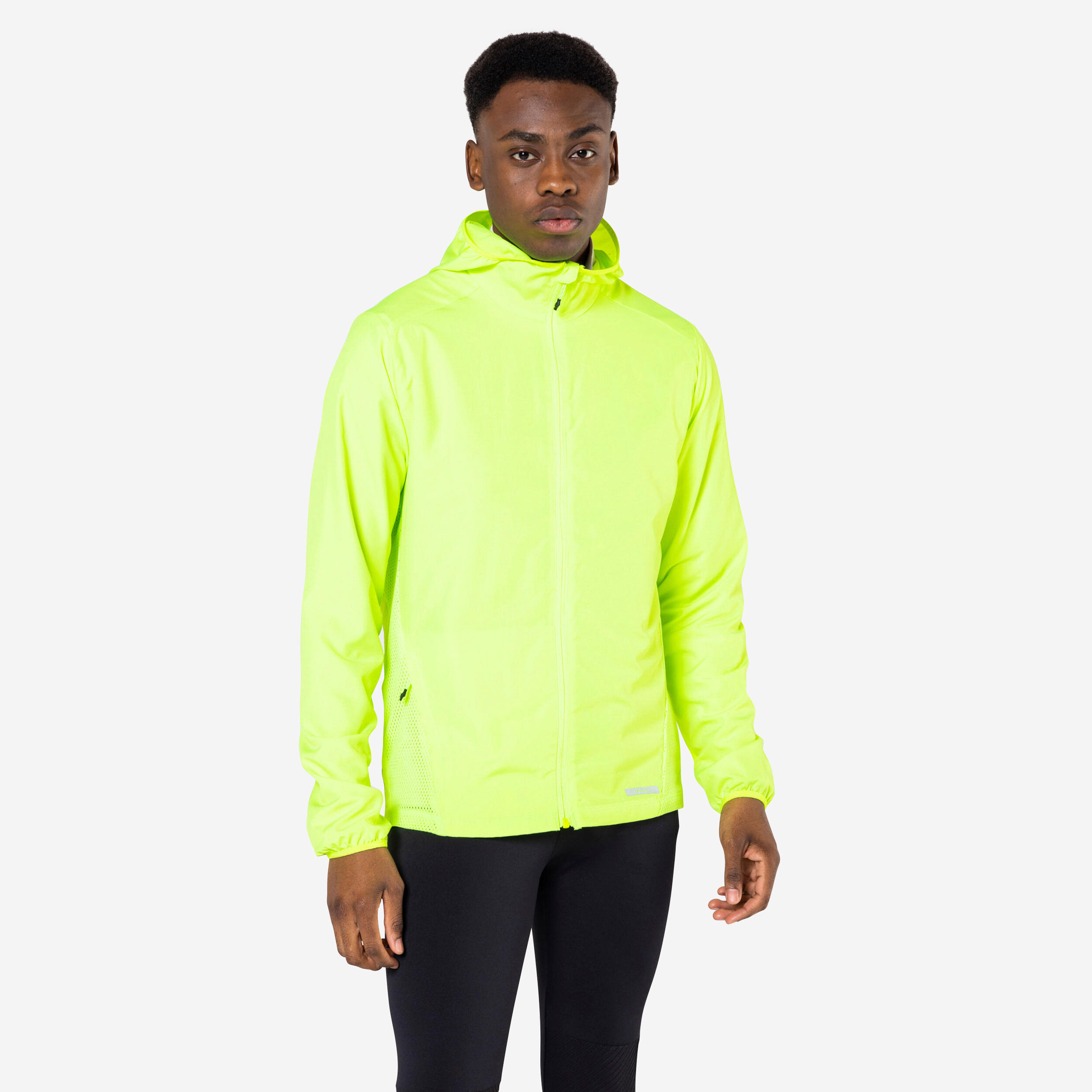
A trail running windbreaker should leave enough space for a breathable base layer while remaining close enough to avoid excessive flapping on exposed routes. Raise your arms, rotate your shoulders and lean forwards as you would during a climb. The sleeves and back should not pull, while the hem should stay positioned without restricting your stride. An elasticated hood should follow your head movement without blocking side vision. The men's high-visibility windproof jacket provides lightweight wind protection with a hood and one zipped pocket. Its fluorescent colour has daytime visibility certification, but this should not be treated as a complete night-safety guarantee. A practical pro tip is to test the jacket with your usual pack because shoulder straps can change how the fabric sits.

Are men's trail running windbreakers waterproof?

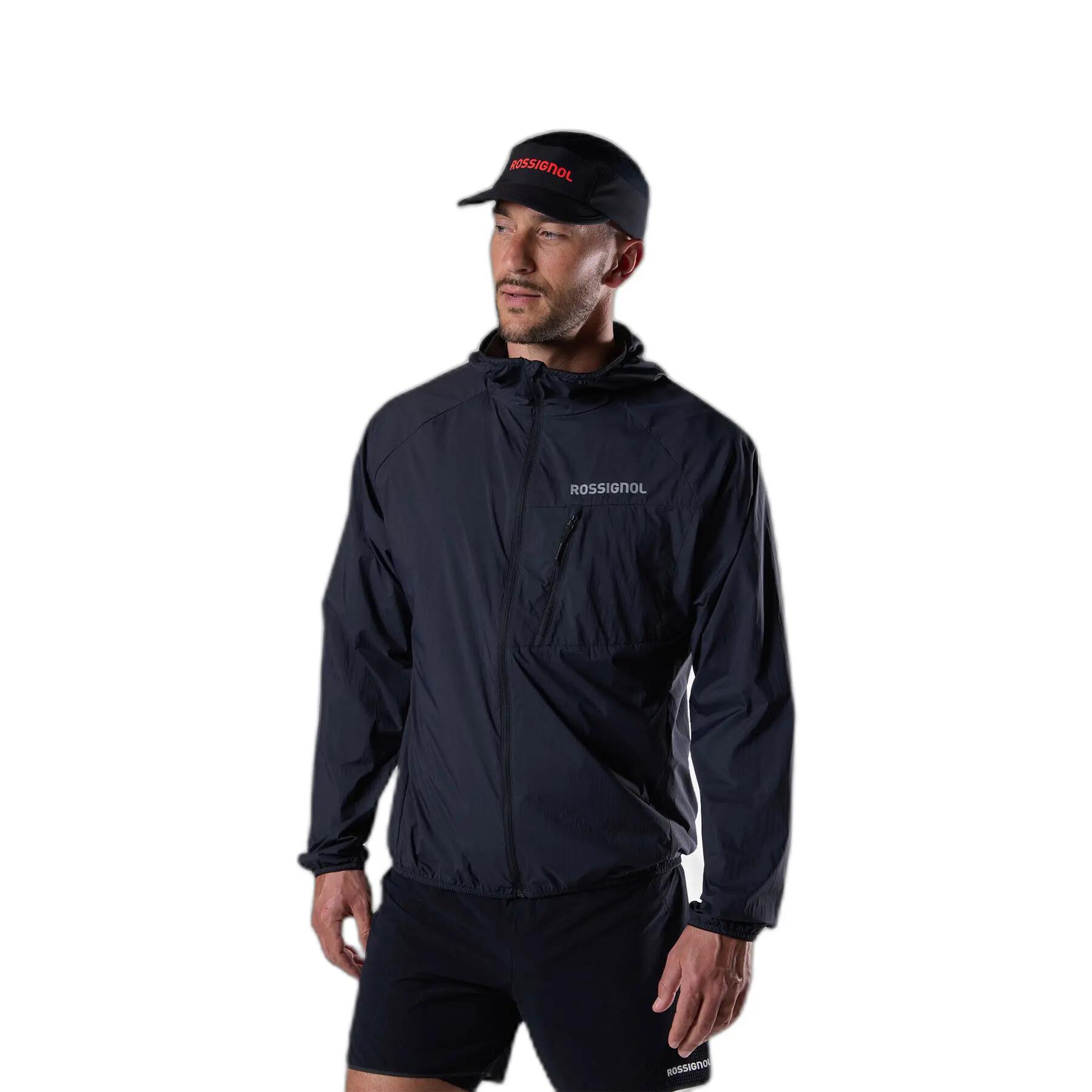
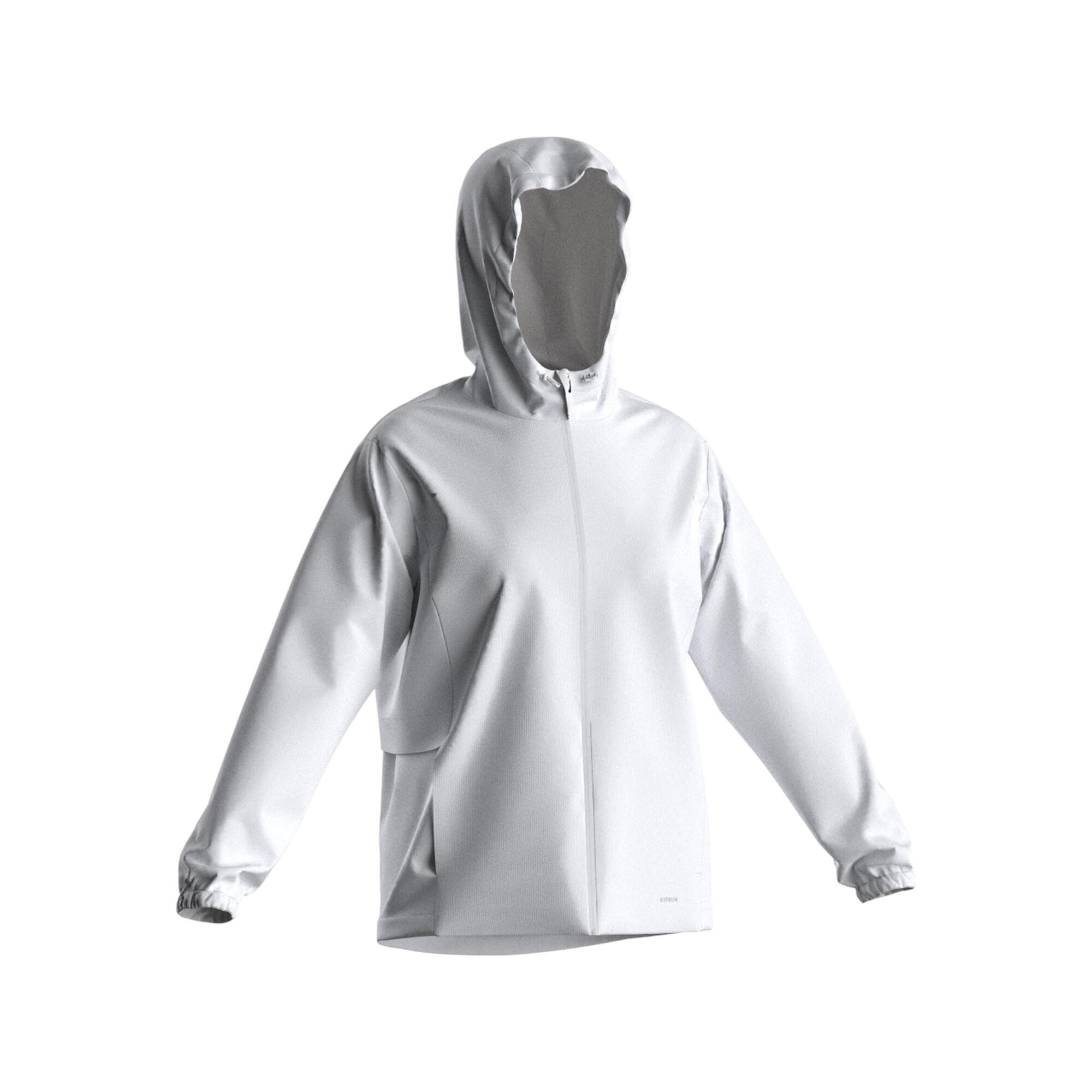
No. Windproof and waterproof jackets serve different weather needs. A windbreaker reduces the cooling effect of moving air while remaining light and breathable, but the two reviewed Decathlon models do not publish waterproof or water-repellent protection. The men's KIPRUN trail running windproof jacket should therefore not replace a waterproof shell during sustained rain or when event rules require certified wet-weather protection. Check the forecast, route exposure and expected running time before choosing your outer layer. Carry a waterproof jacket separately when rain is likely rather than relying on the hood or tightly woven fabric of a windbreaker to keep you dry.
When is a trail running windbreaker useful?

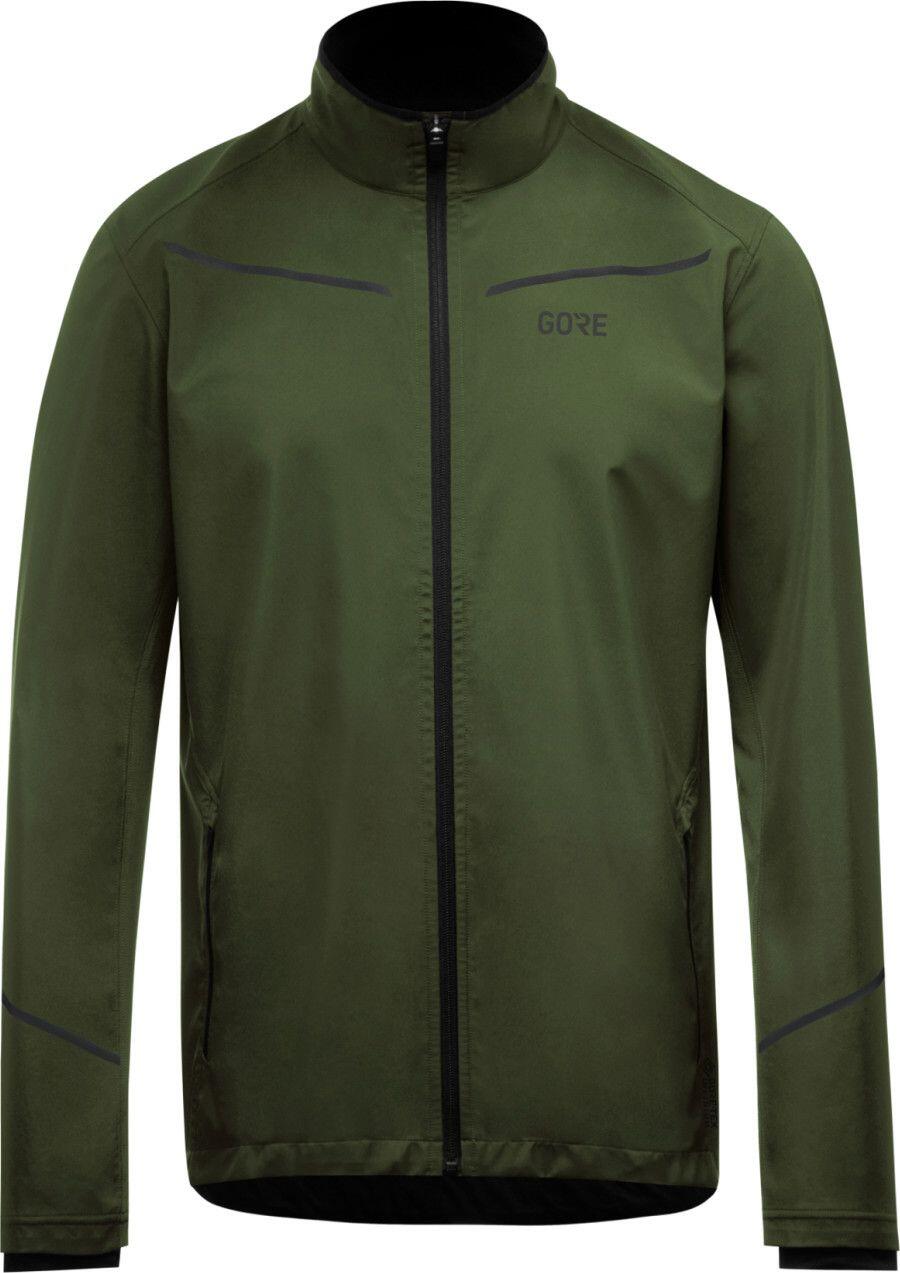
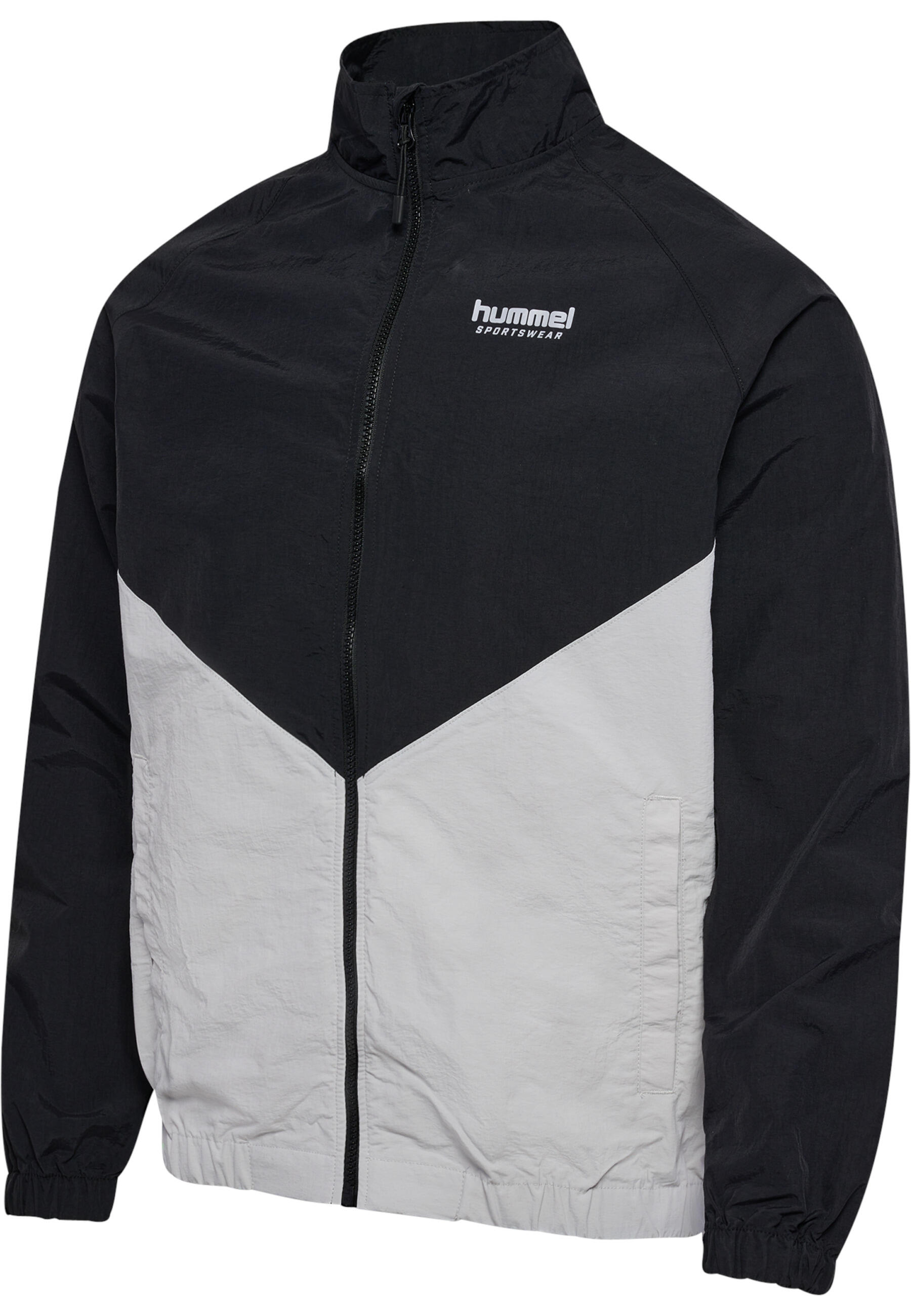
A windbreaker is useful during cool starts, exposed ridges, breezy descents and changeable sessions where an ordinary running top does not provide enough protection. It can also reduce wind chill during slower sections or stops without adding the weight of an insulated coat. Compare the available men's trail running jackets when you need warmth, waterproofing or a more technical outer shell. Remove or open the windbreaker before overheating causes your base layer to become heavily damp. During longer runs, pack it where you can reach it quickly rather than at the bottom of your bag. Put it on before entering an exposed section instead of waiting until your body has already cooled.
How do men's windbreakers remain breathable while blocking wind?

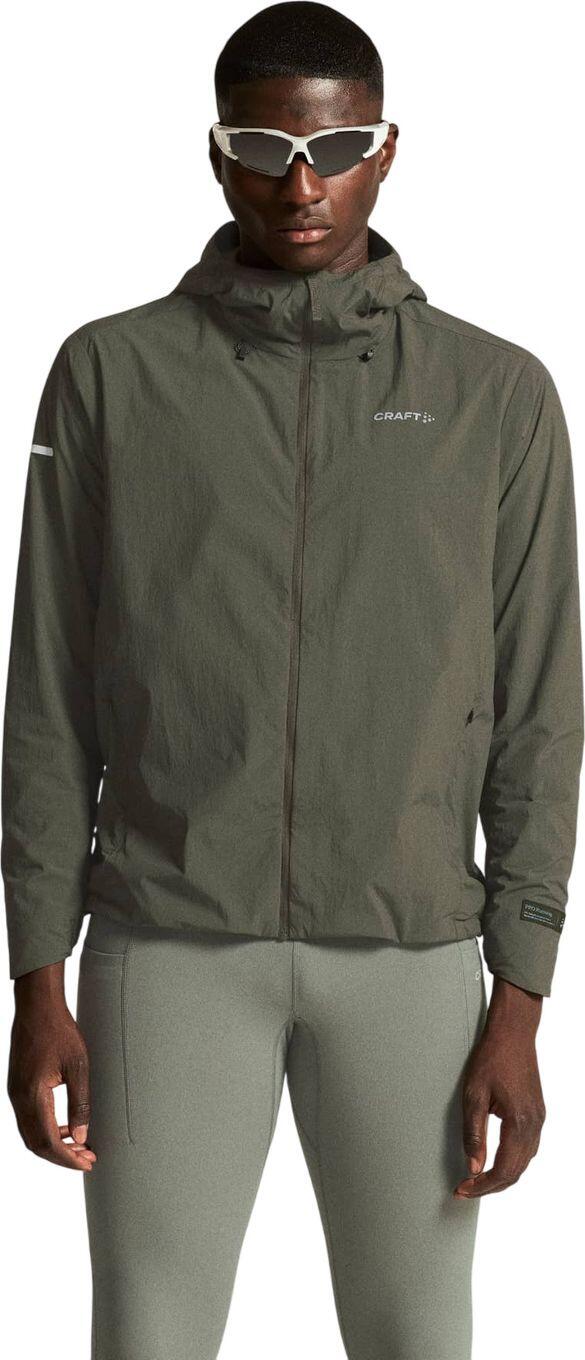
Wind-resistant outer fabric slows cold airflow, while ventilation panels allow heat and water vapour to escape from areas where perspiration builds. The KIPRUN Run 100 uses mesh beneath the arms and a lower construction that helps release warm air during movement. Its underarm fabric also contains elastane, supporting repeated arm swing without making the complete jacket heavily stretch-based. Wear it over moisture-managing men's trail running clothes rather than cotton layers that hold perspiration. Use the front zip to regulate airflow as intensity changes. Even a breathable windbreaker can feel clammy when worn over too many layers, so begin with the lightest practical combination and add insulation only when conditions require it.

Which carrying and washing methods suit a men's trail running windbreaker?

Fold the jacket loosely inside a clean compartment rather than forcing it beside sharp equipment or leaving it compressed while damp. Keep keys, gels and other small trail running accessories inside secure pockets so they do not bounce or damage the fabric. Neither reviewed Decathlon jacket publishes a packed-volume measurement or integrated storage pocket, so check how much space your chosen size occupies before a race. Wash the jacket at no more than 30 degrees Celsius and avoid tumble drying, ironing, bleaching or dry cleaning. Close the zip, empty every pocket and follow the individual care label. Air-dry it fully, then inspect the hood, underarm mesh, cuffs and pack-contact areas for pulled threads or thinning fabric.