364 items
4.8/5 based on 626280 reviews collected online and in stores

Mid-Distance Trail Outfits FAQs

What is appropriate attire for a trail run that is mid-distance?

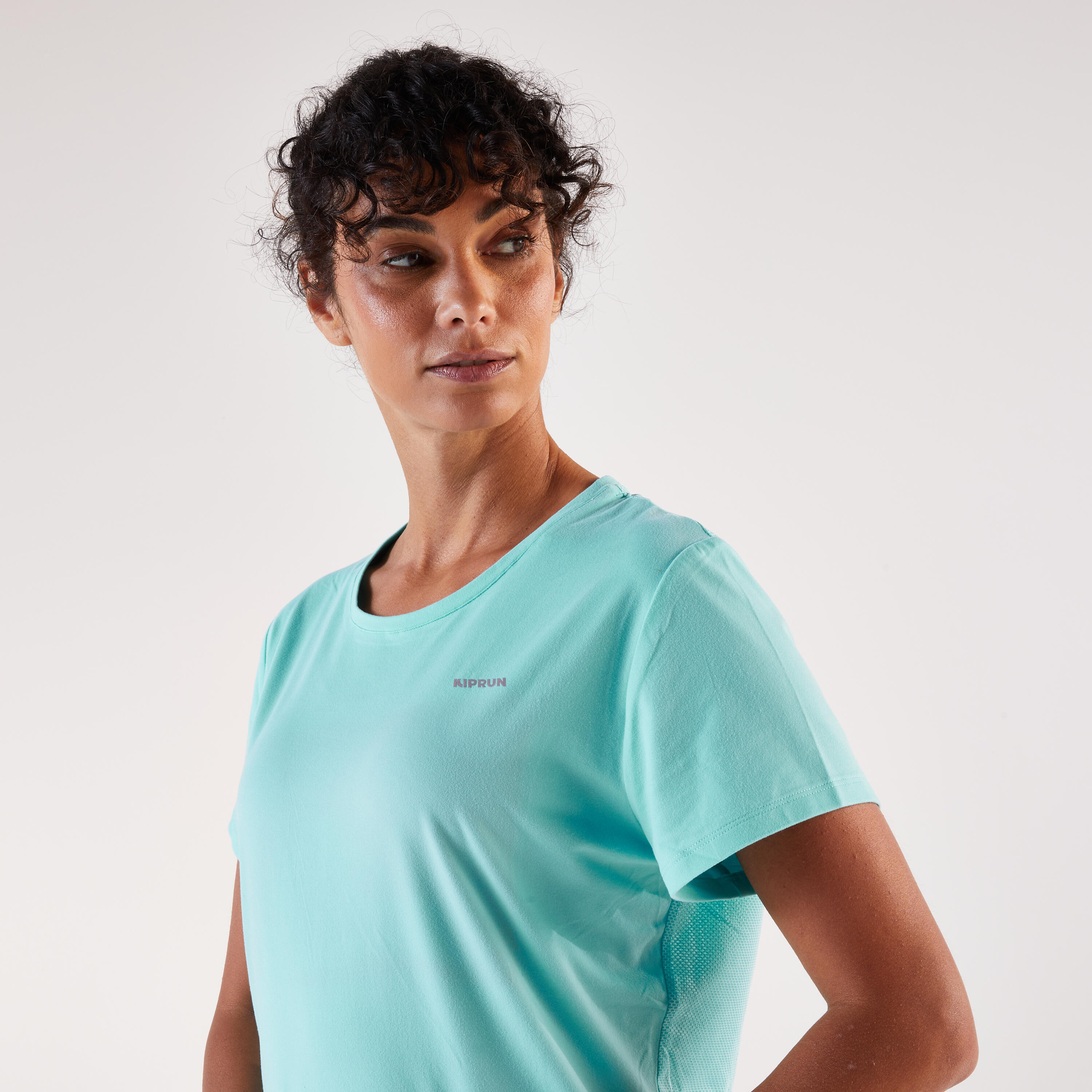
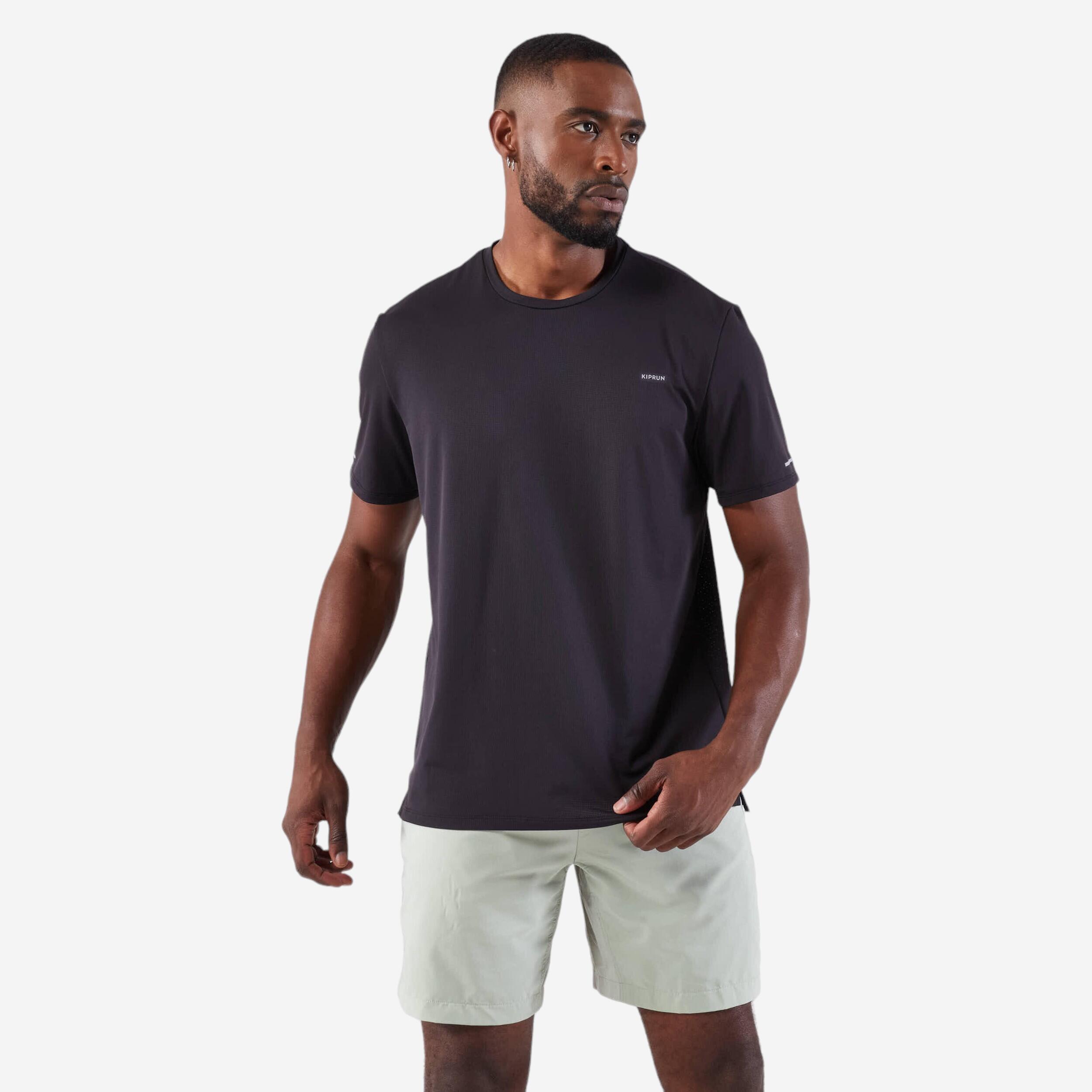
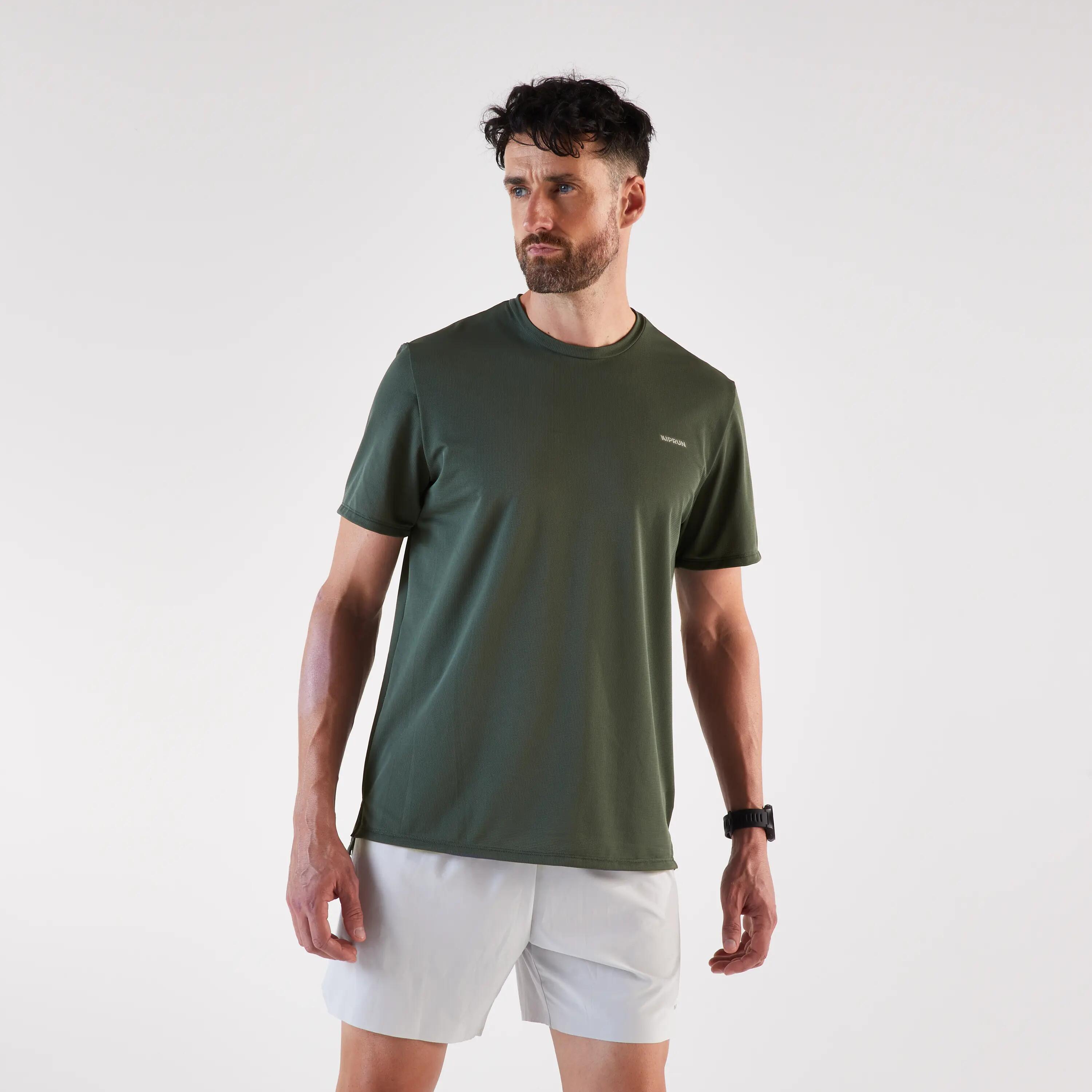
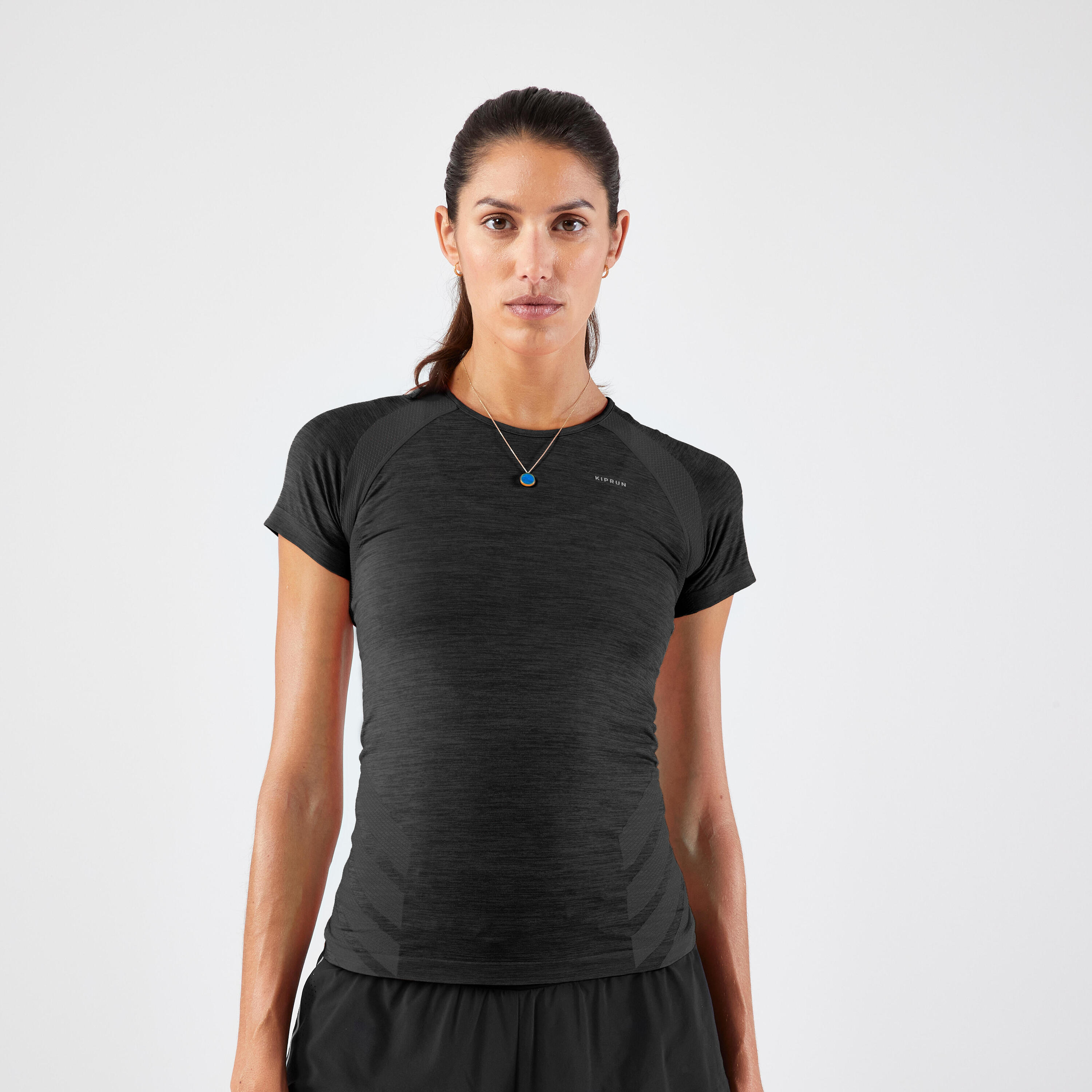
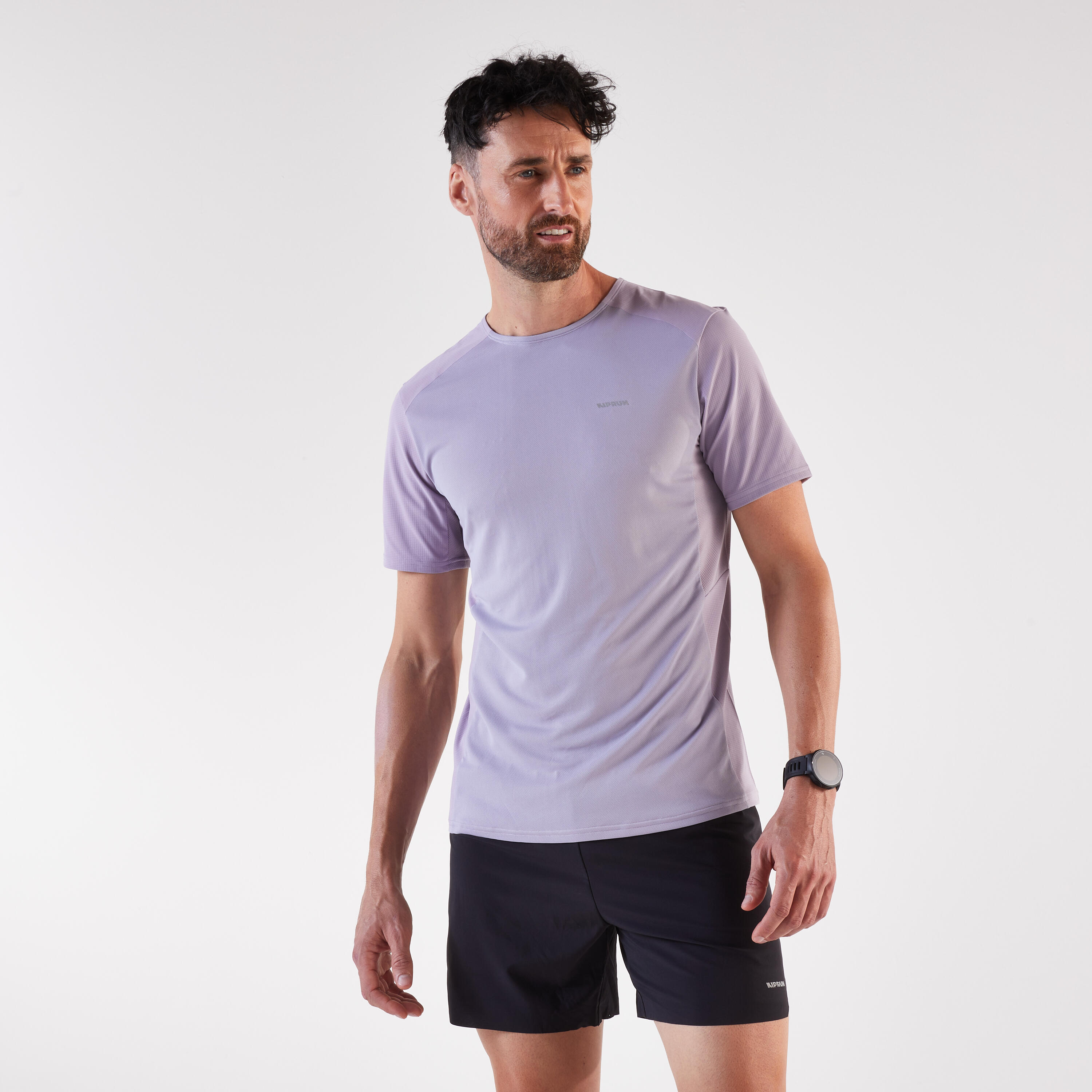
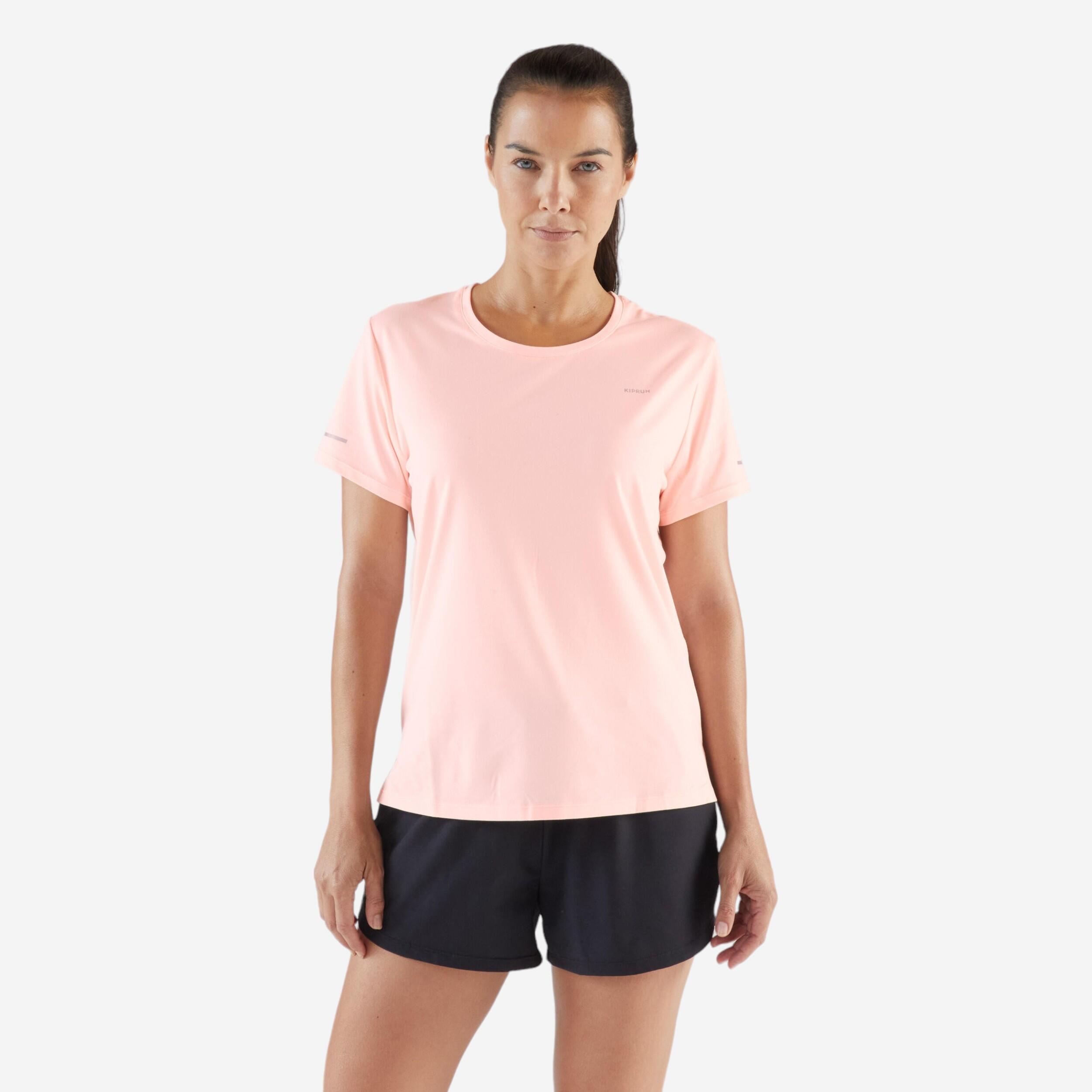
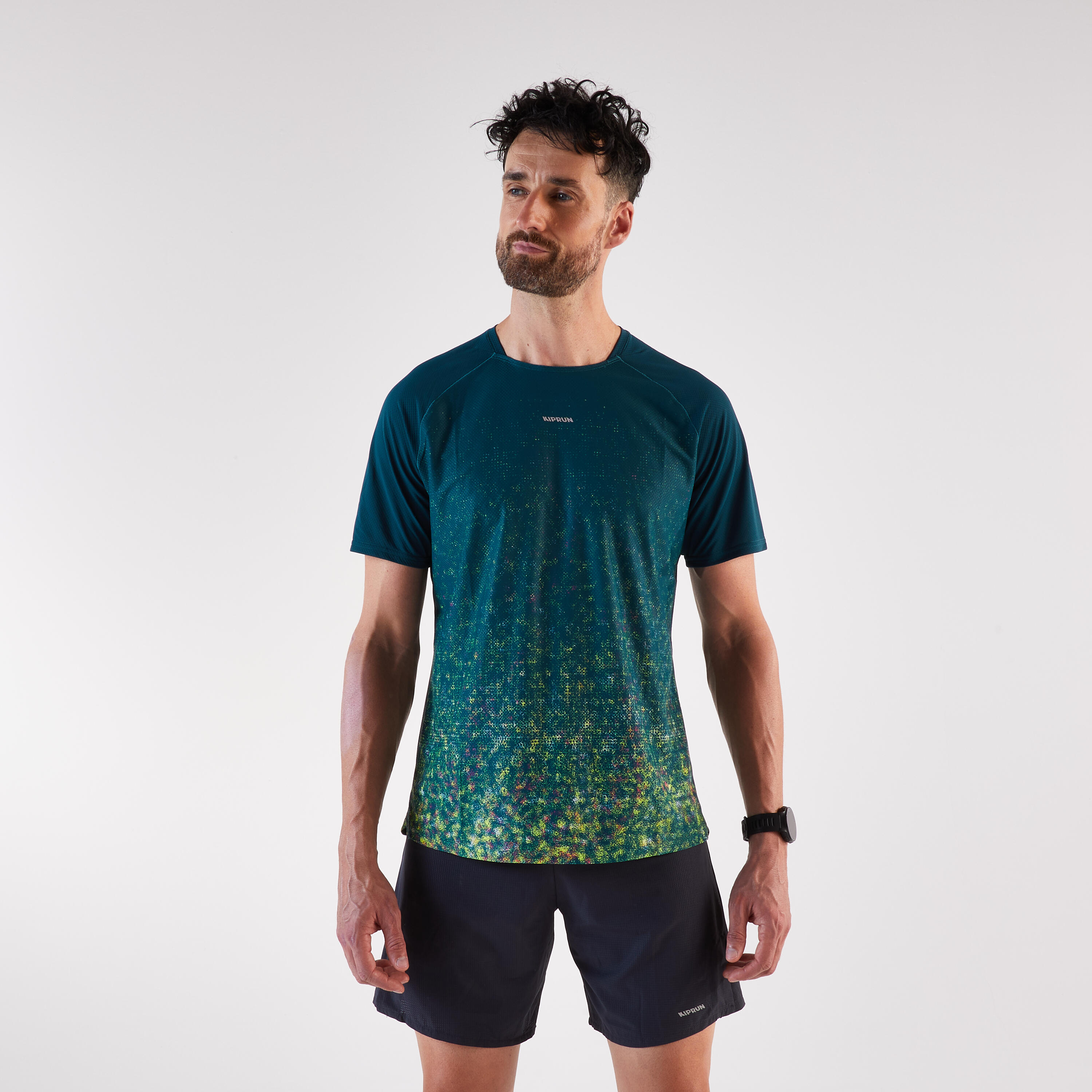
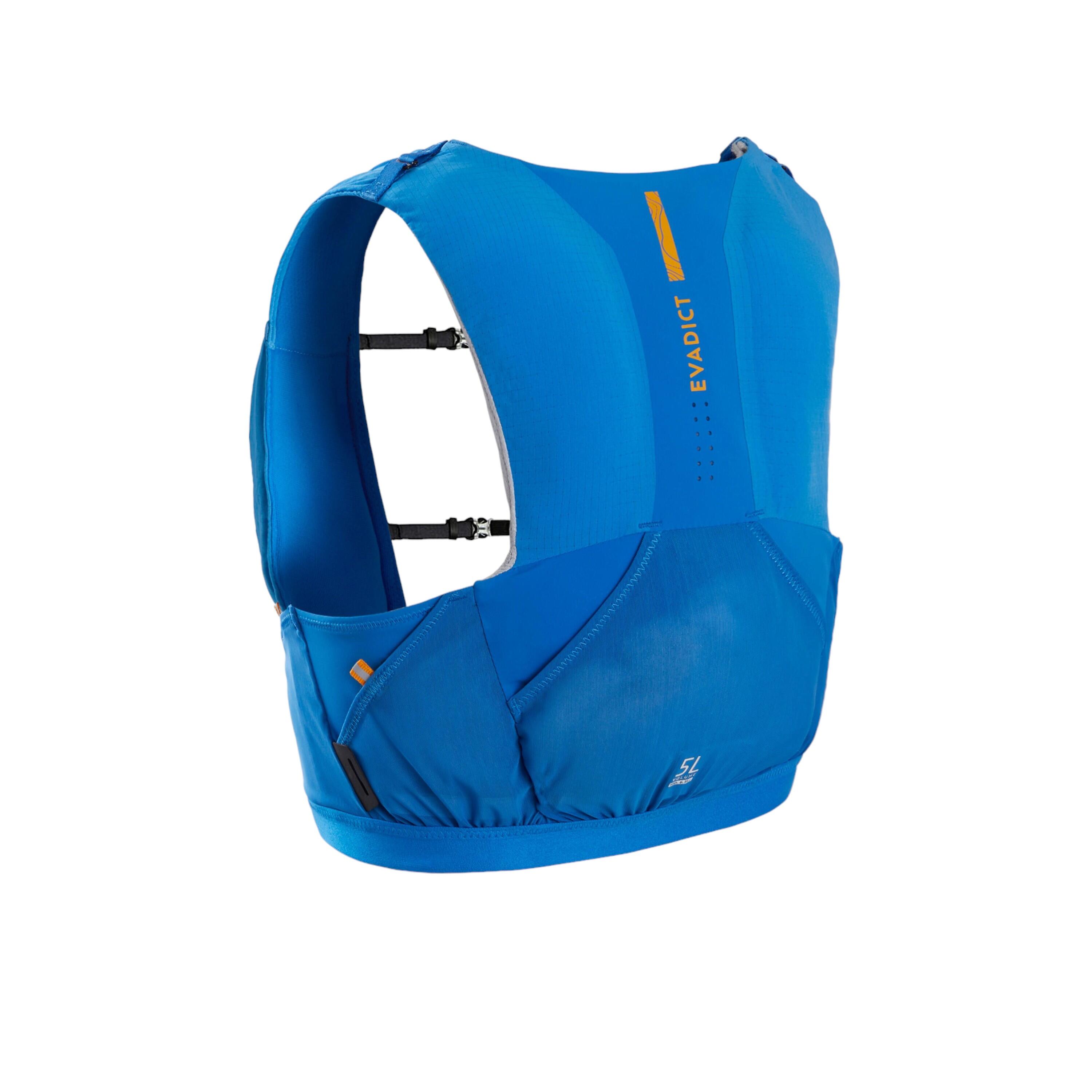
Build your outfit around the weather, terrain, expected finishing time and equipment you need to carry. For a 20-40K trail, breathable clothing should remain comfortable through several hours of climbing, descending and changing pace. Synthetic fabric moves perspiration through the material and dries faster than cotton, helping prevent damp clothing becoming heavy or cold when your effort drops. A women's breathable running T-shirt can provide light shoulder coverage while releasing heat through ventilated fabric. Pro tip: test the complete outfit with your hydration vest or loaded pockets, as straps and stored items can alter the fit and create new friction points.
Which shorts work well for mid-distance trail running?

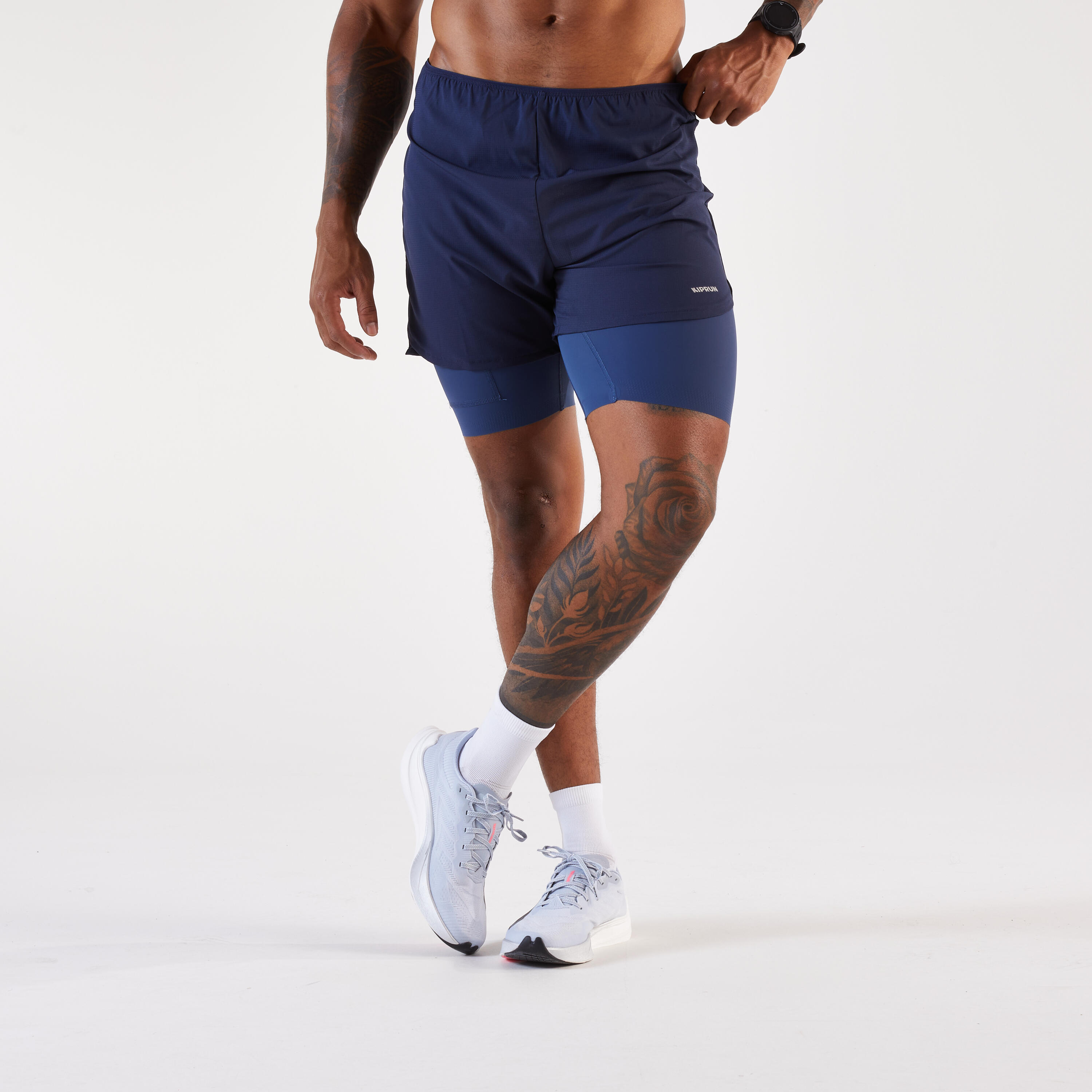
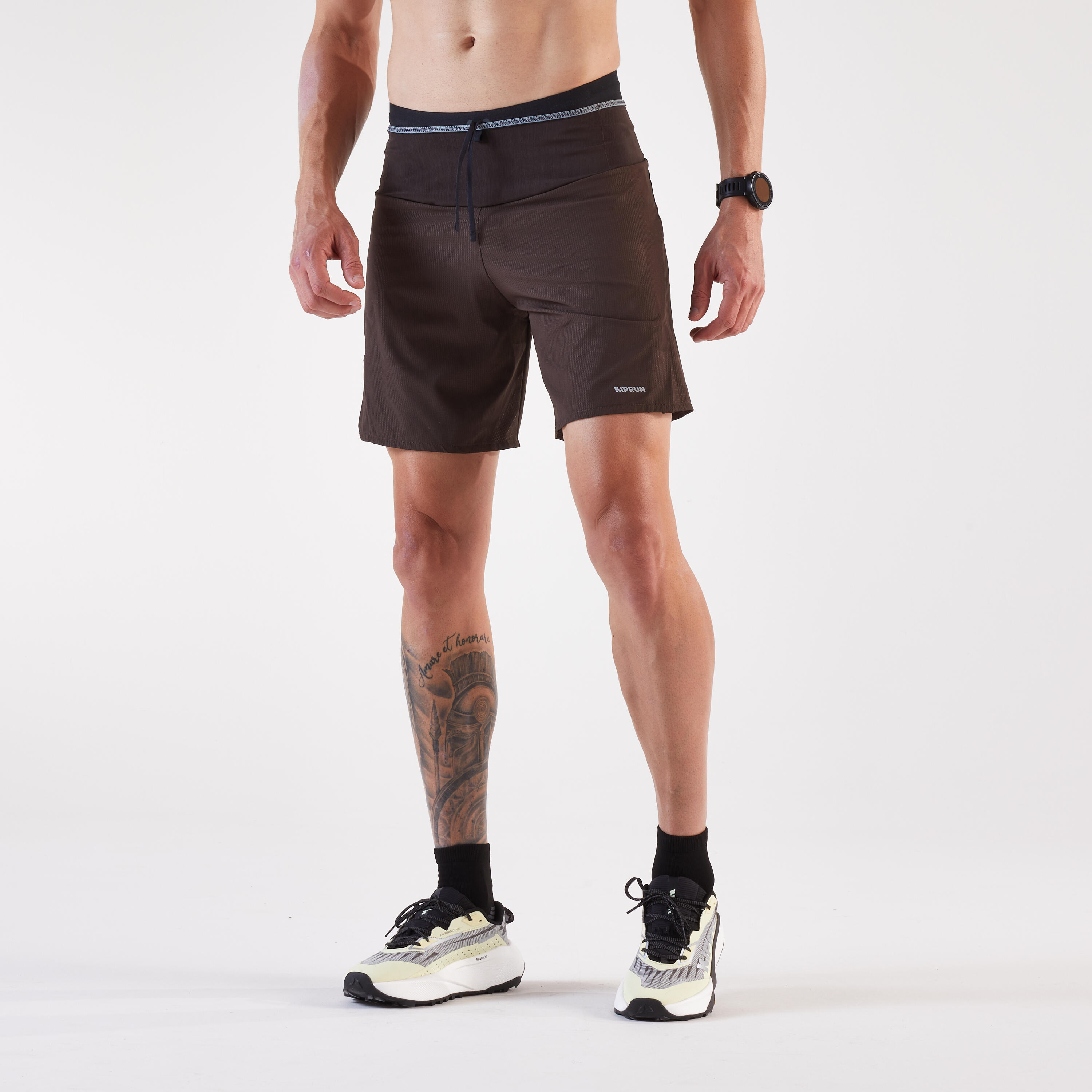
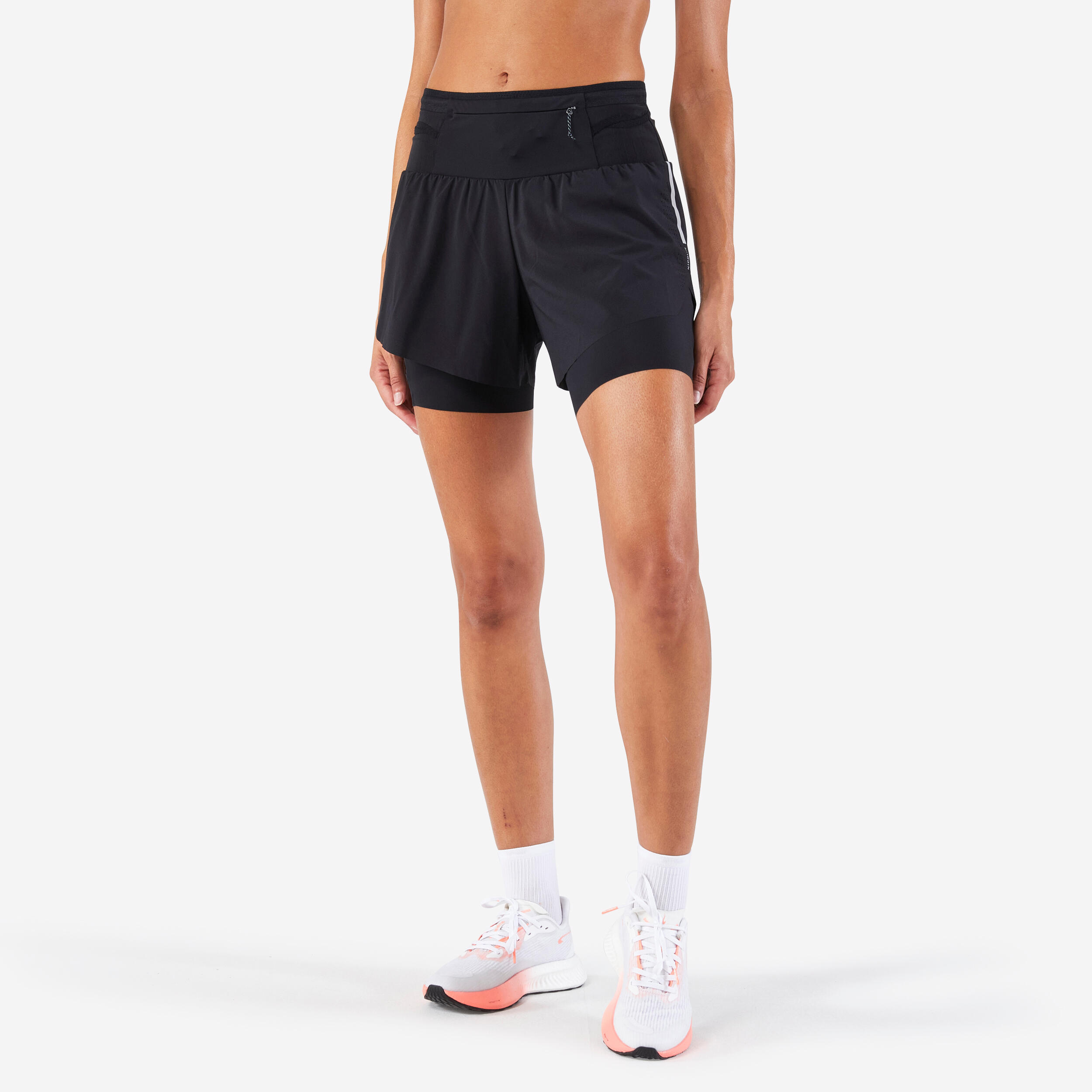
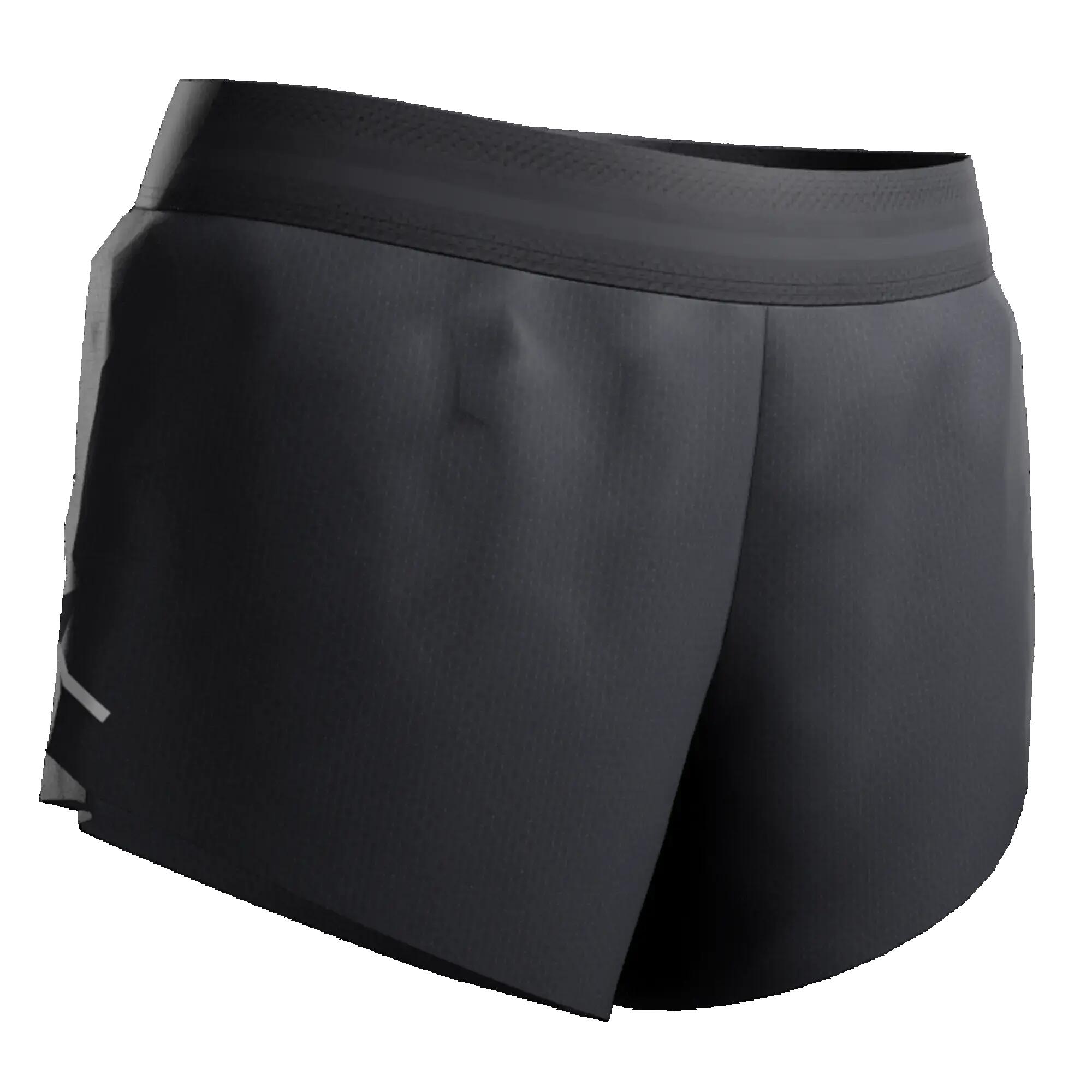
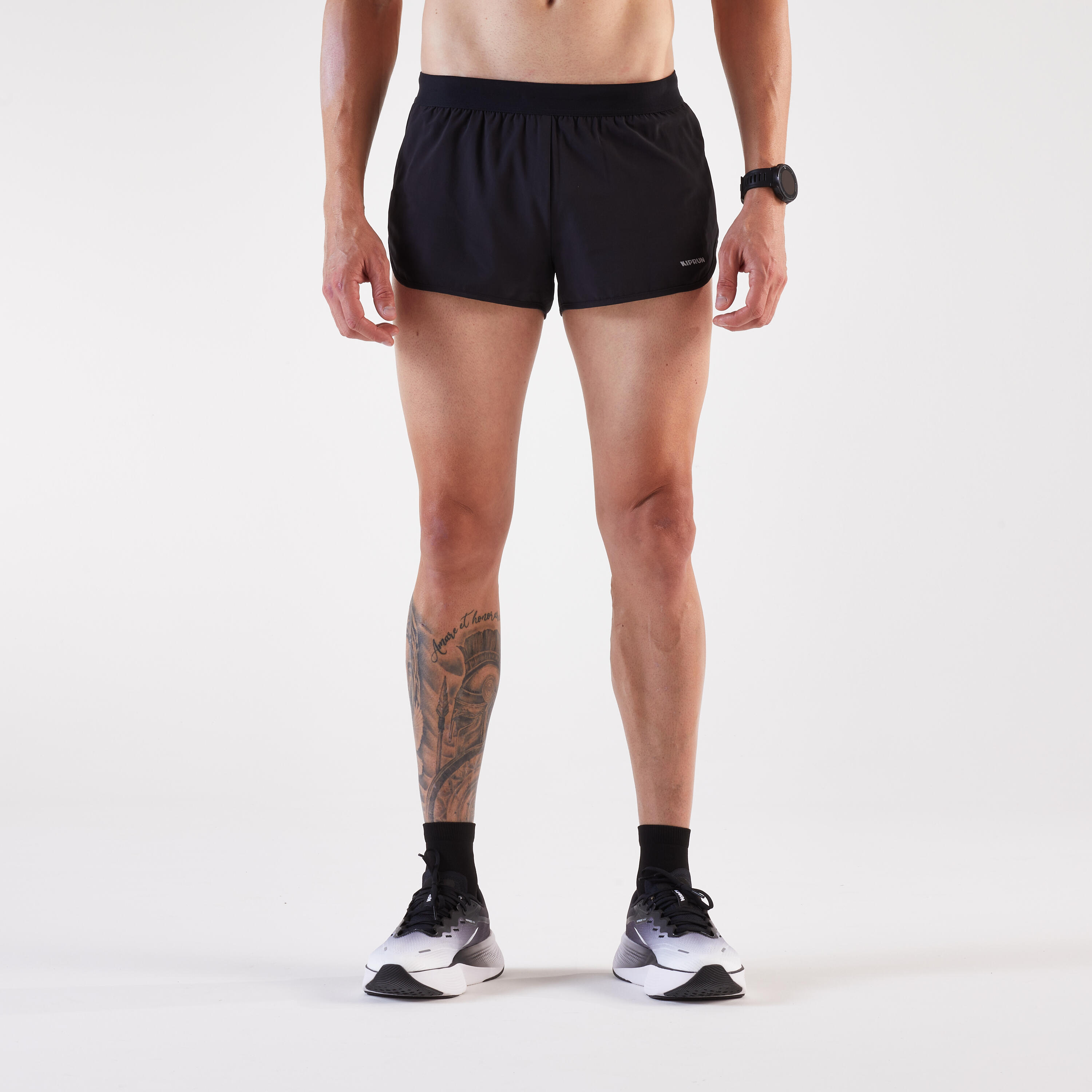
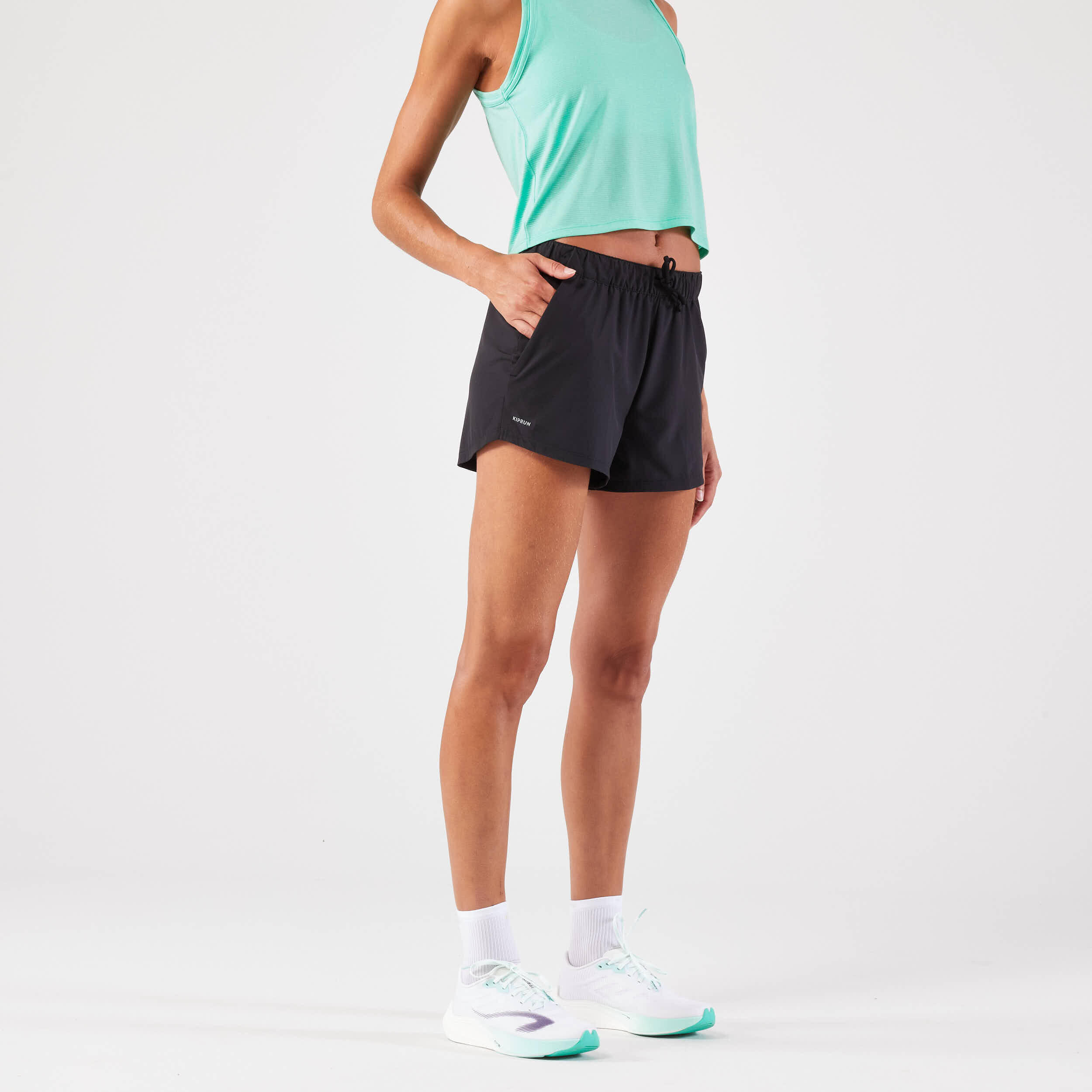
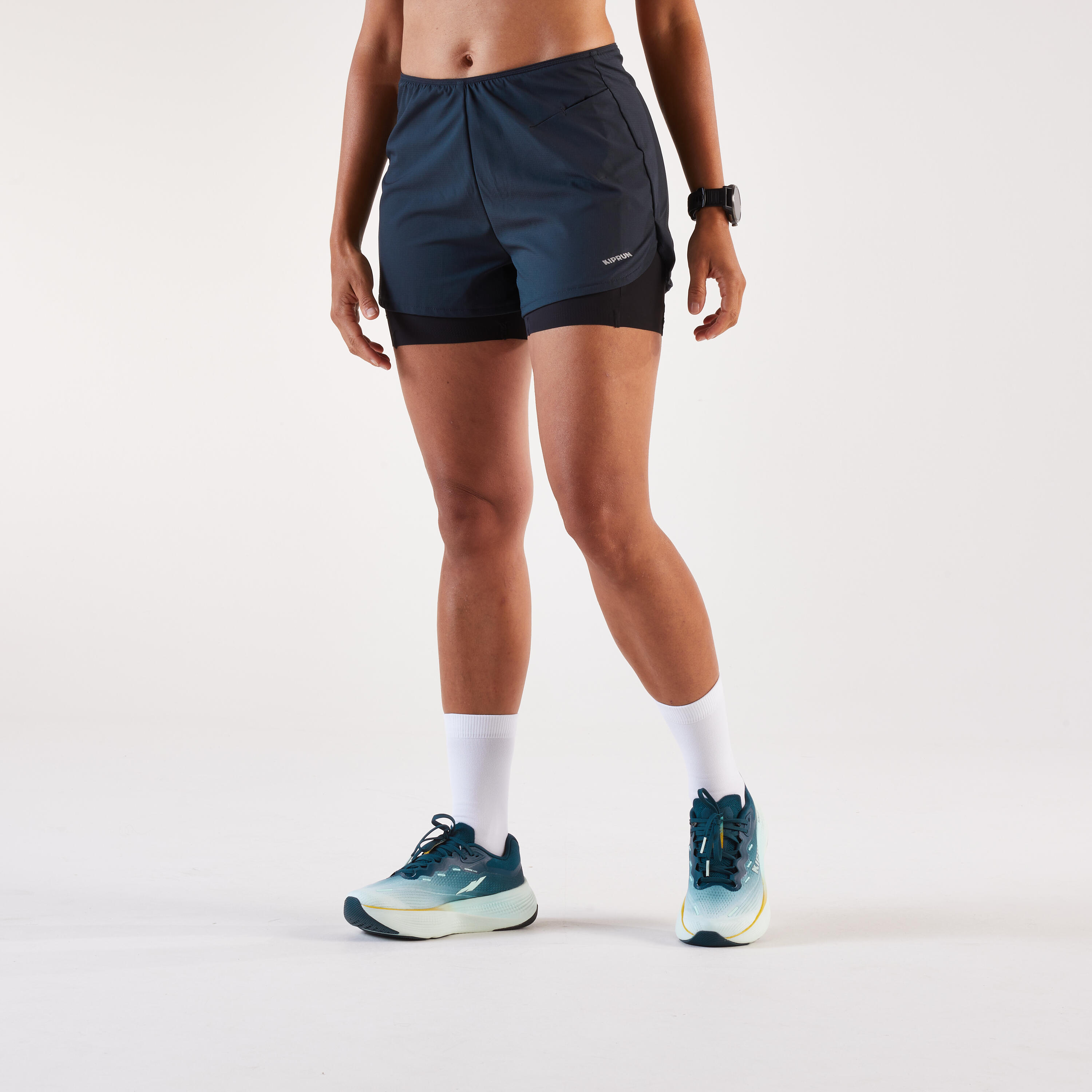
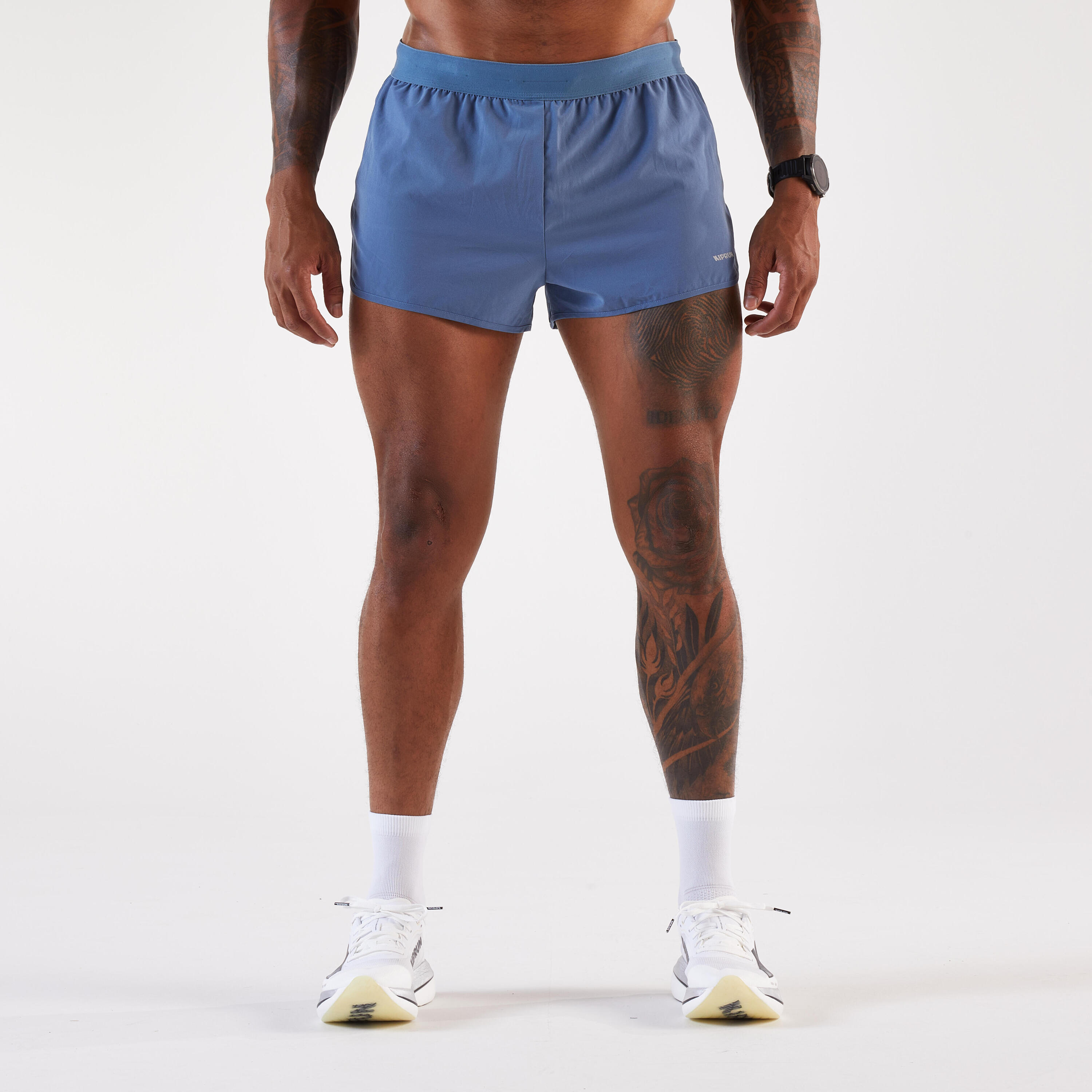
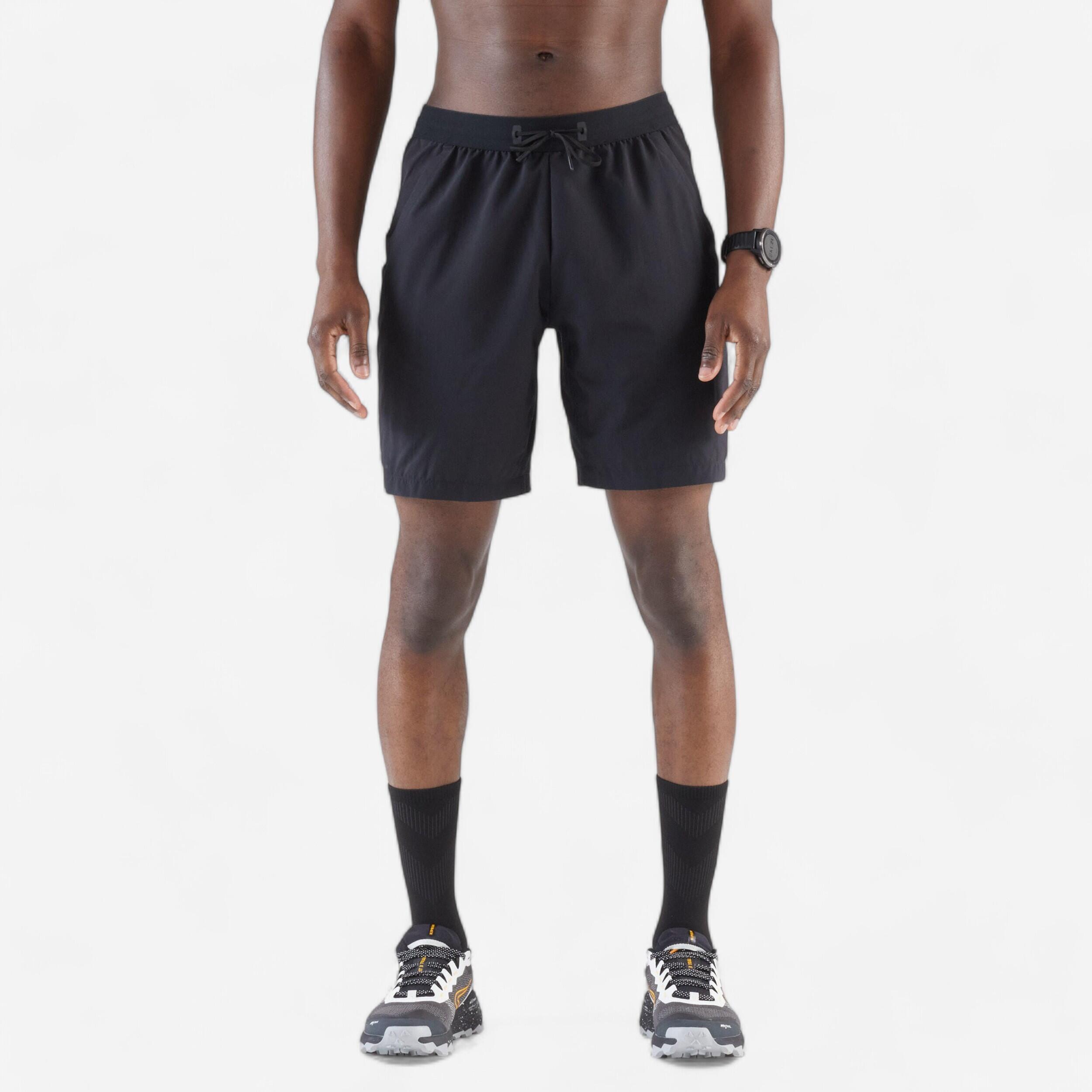
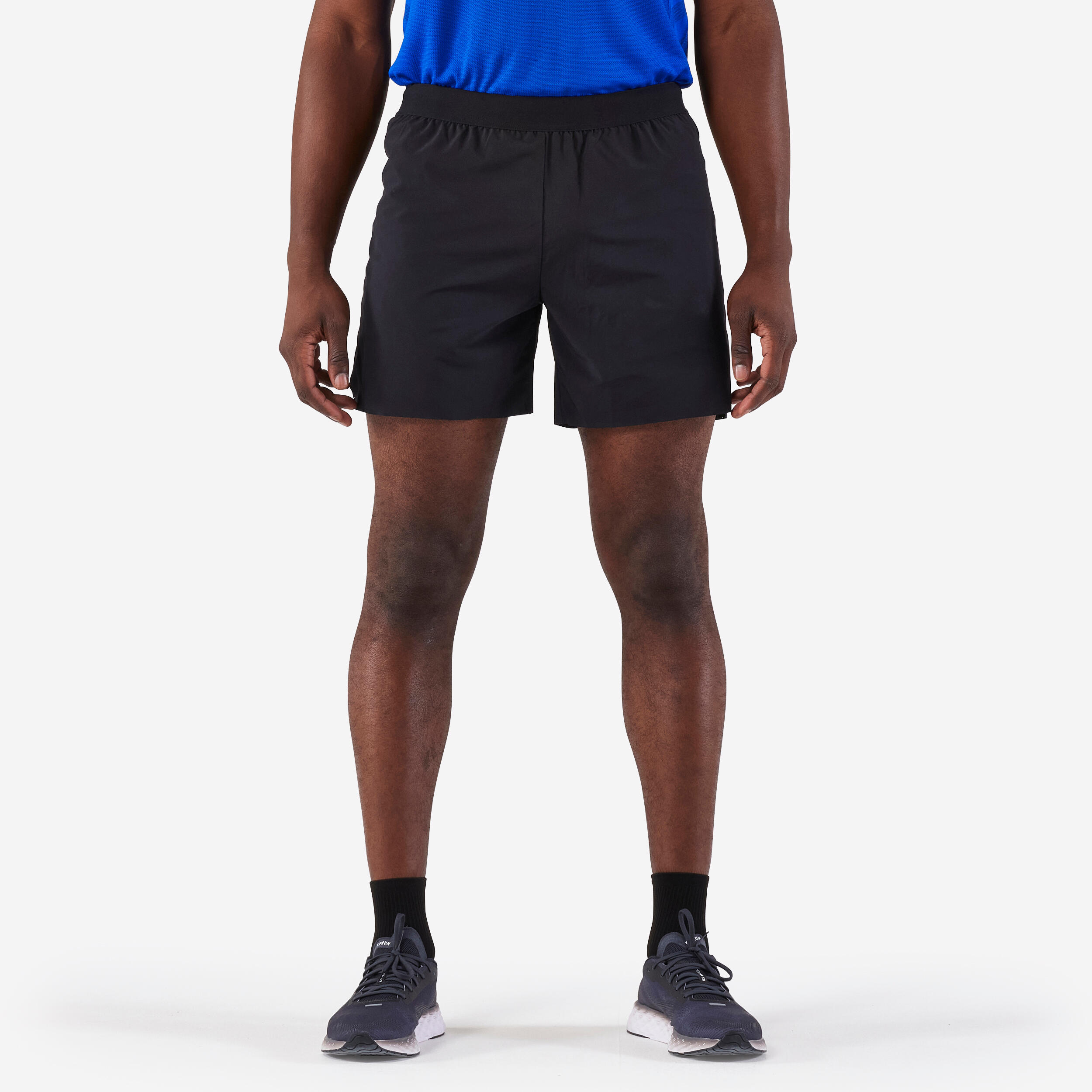
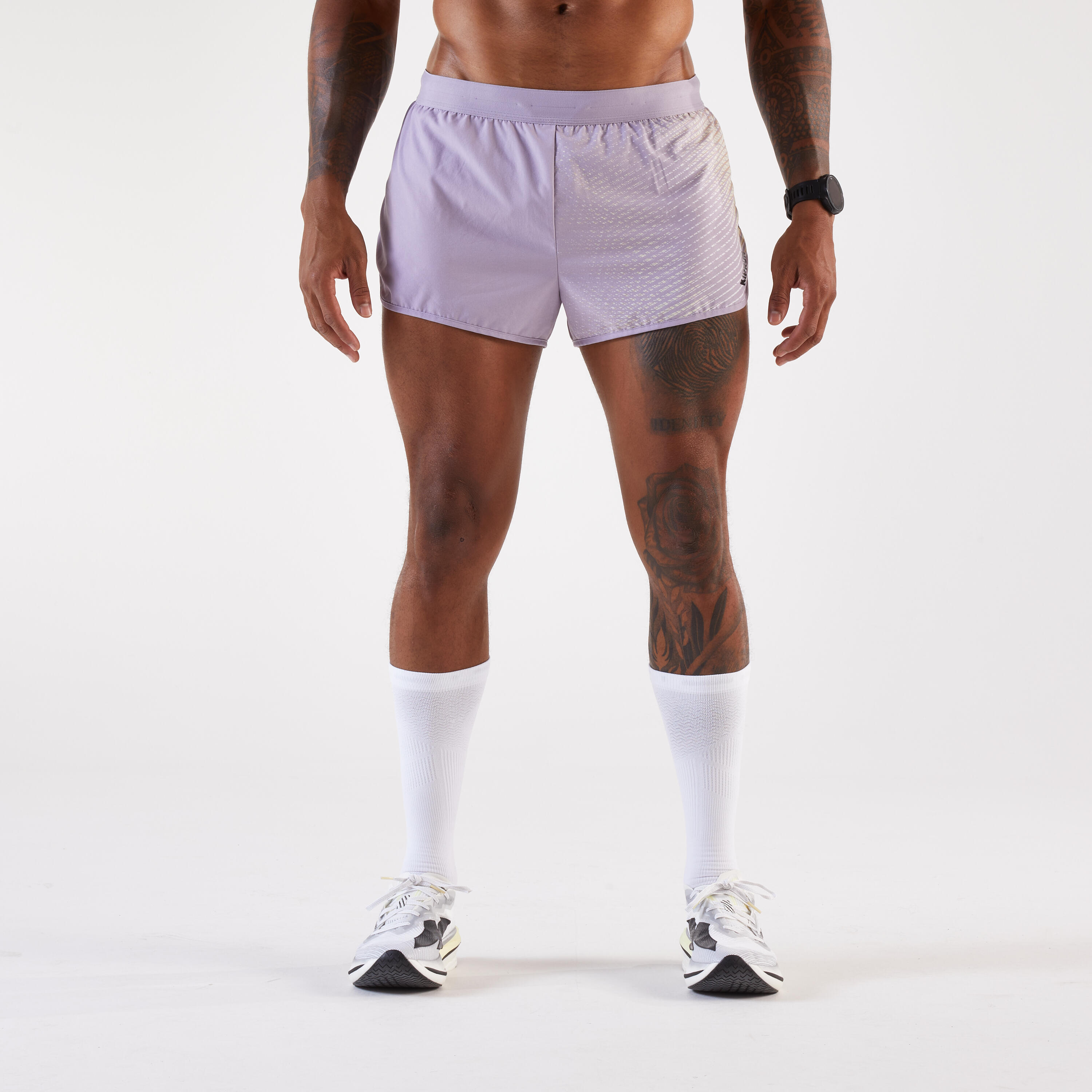
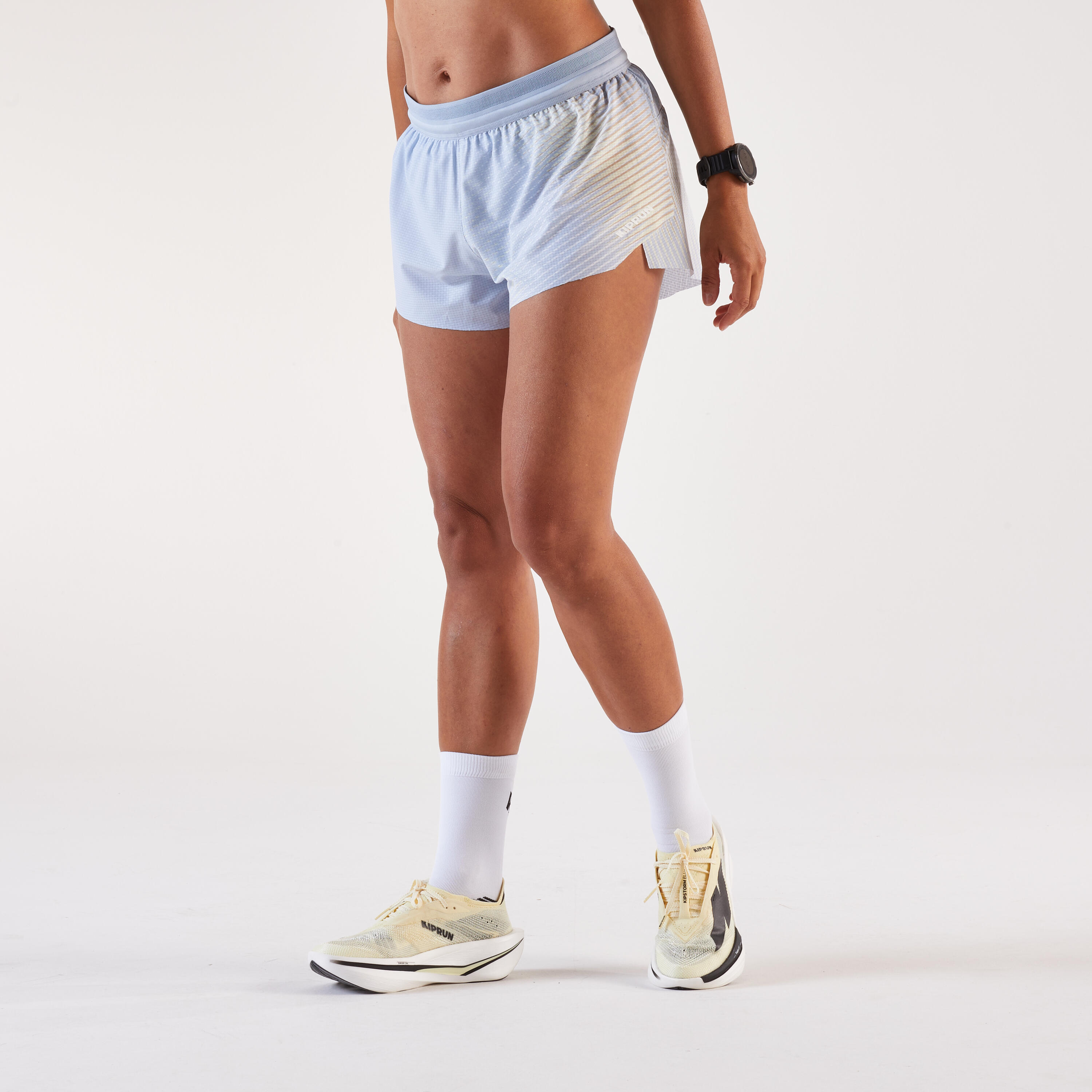
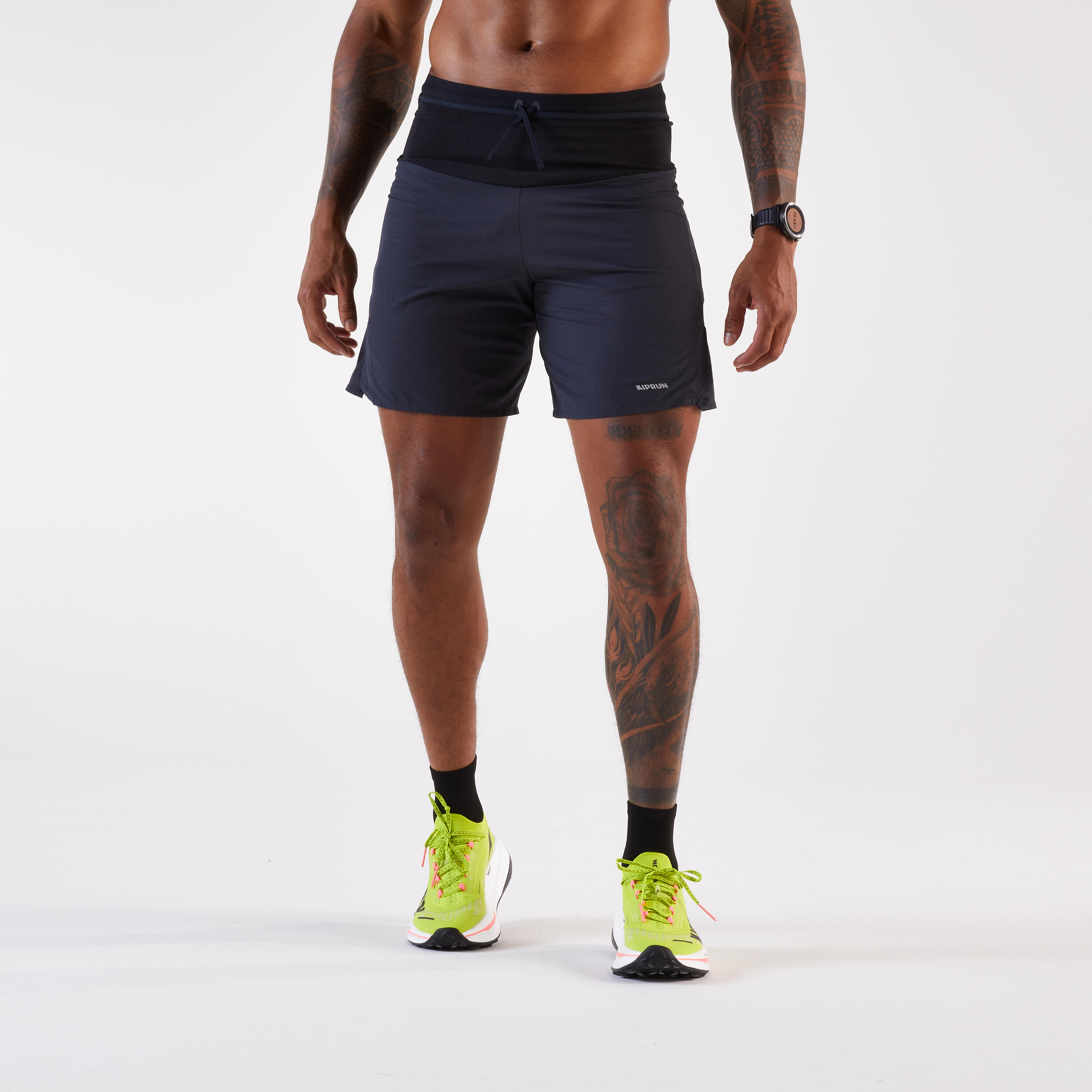
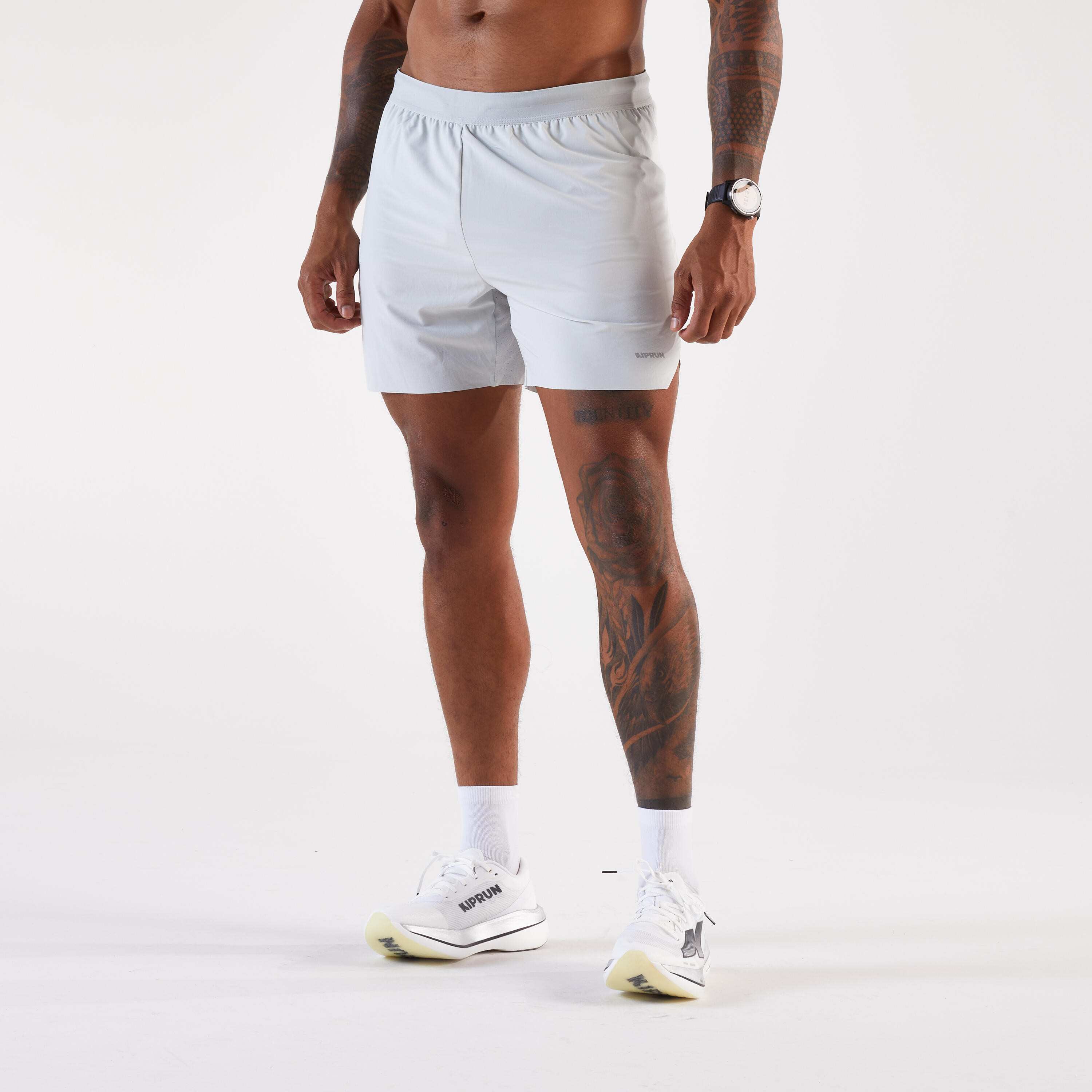
Choose shorts that control chafing, allow a full stride and provide enough storage for your route. Two-in-one constructions place fitted fabric beneath loose outer shorts, reducing skin-on-skin friction as perspiration increases. Trail shorts with stable waistbands can also carry nutrition, a phone, keys and a small flask without requiring a separate belt. For a lighter setup, women's trail running breathable shorts provide quick-drying fabric and practical storage for regular training. Load every pocket before your longest preparation run and tighten the drawcord only enough to stop movement. Excessive pressure around the stomach can become uncomfortable when eating and drinking during a longer effort.

Should you wear thin or cushioned socks on a 20-40K trail?

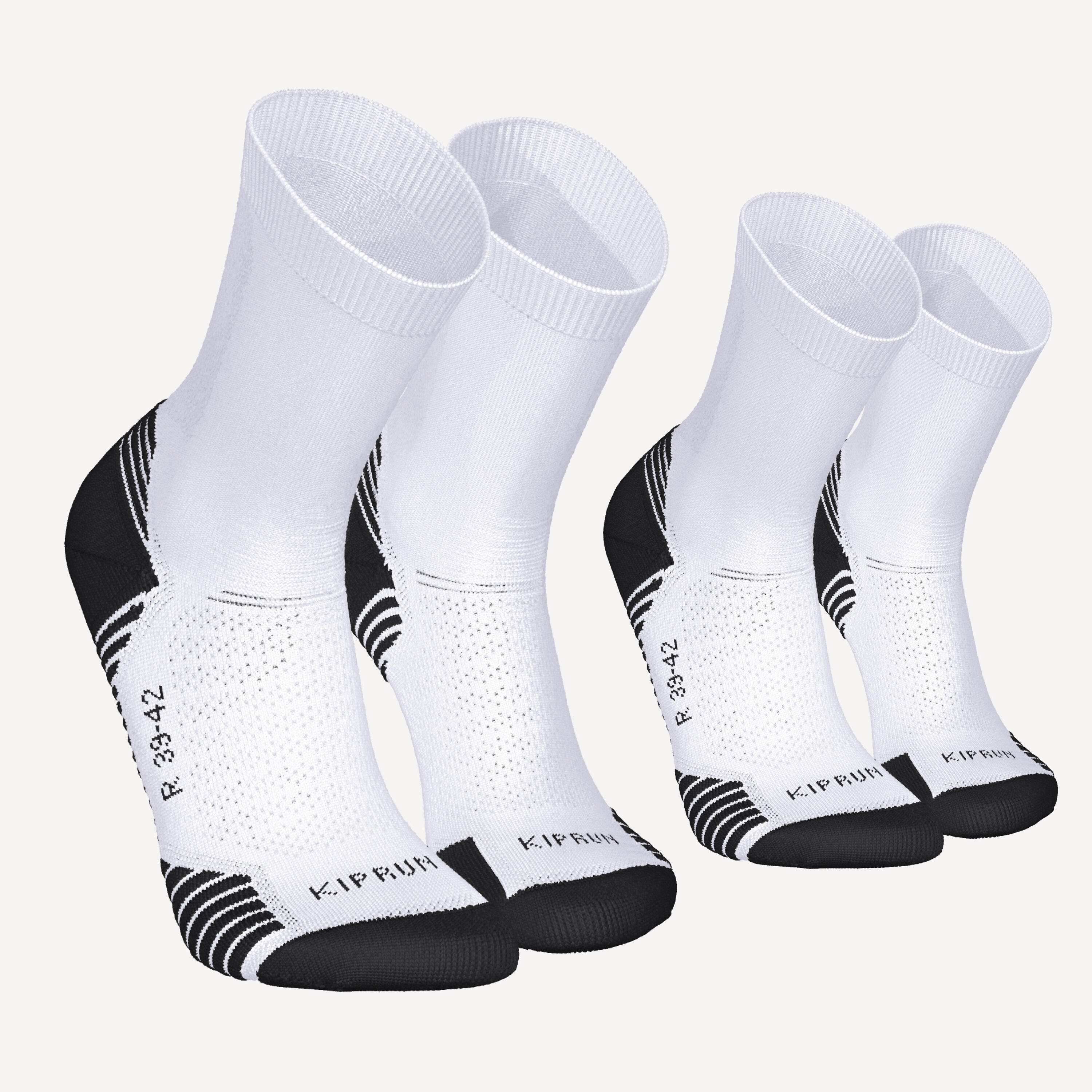
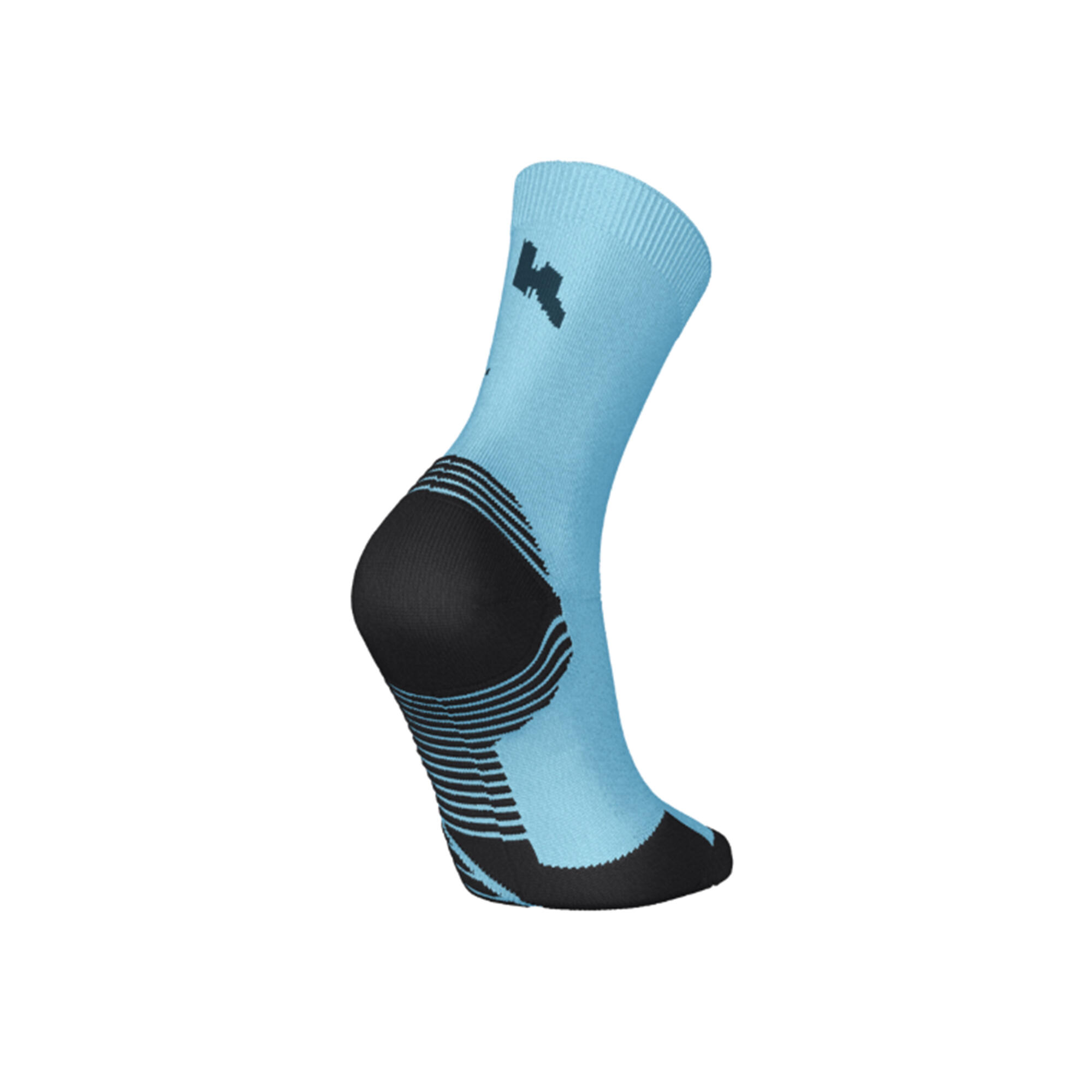
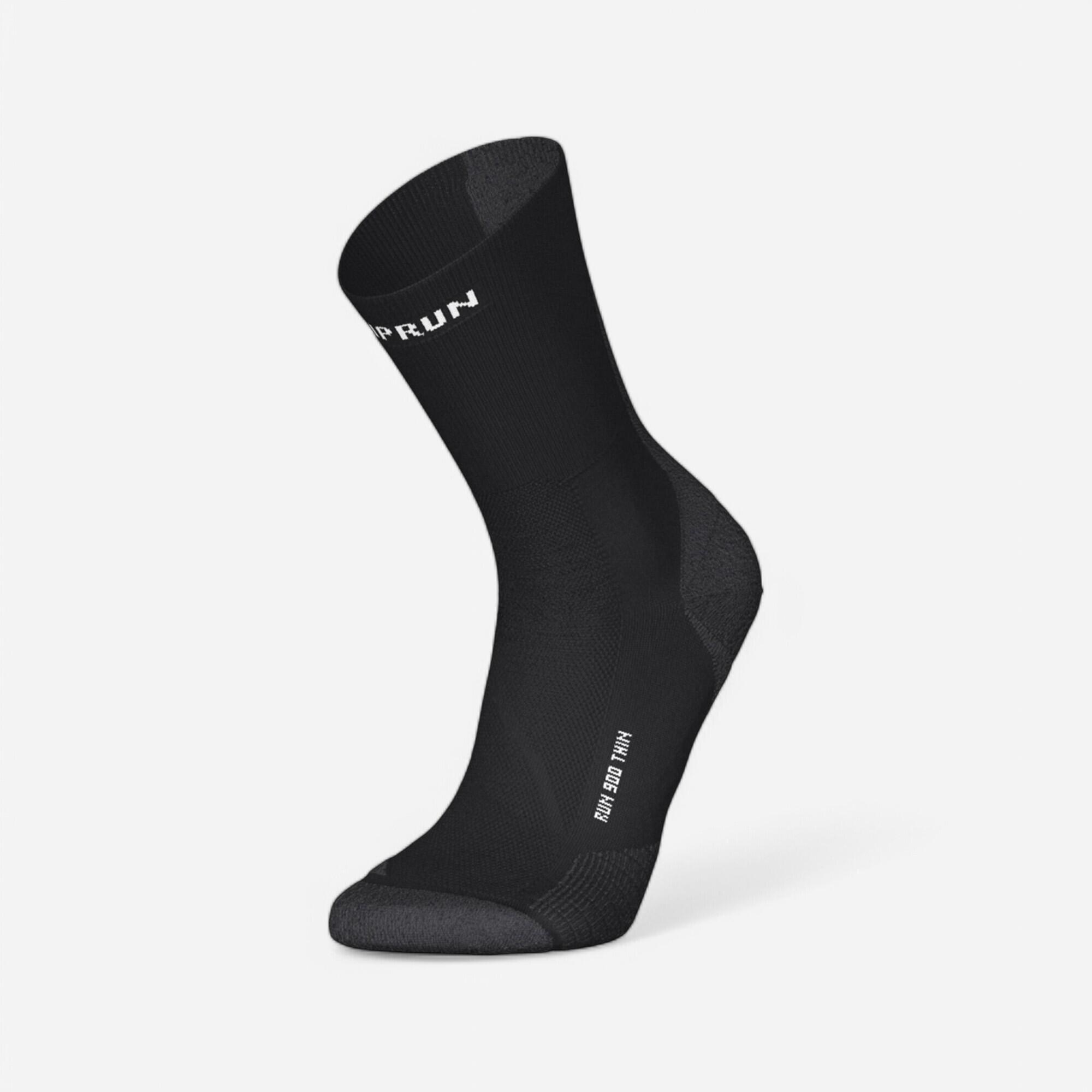
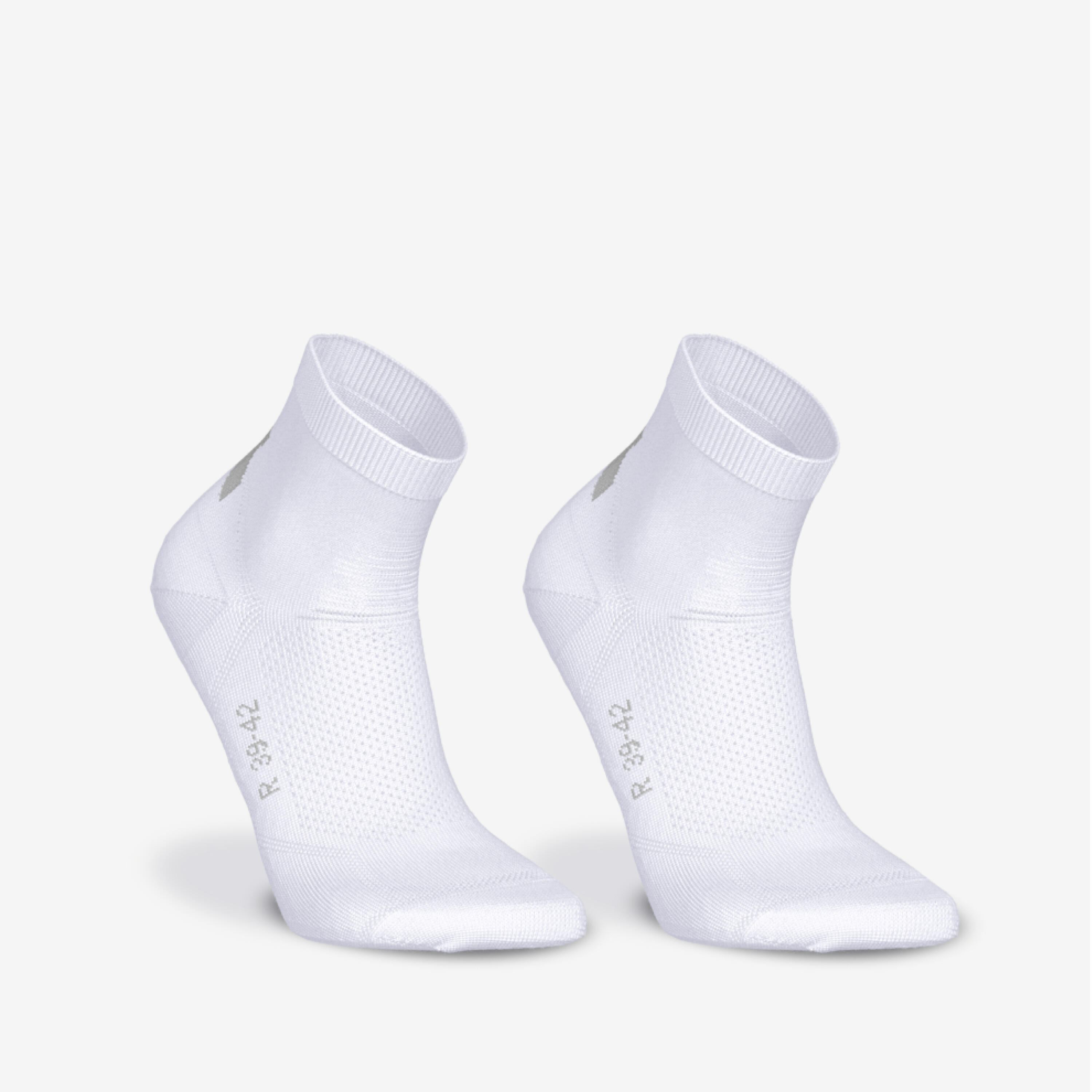
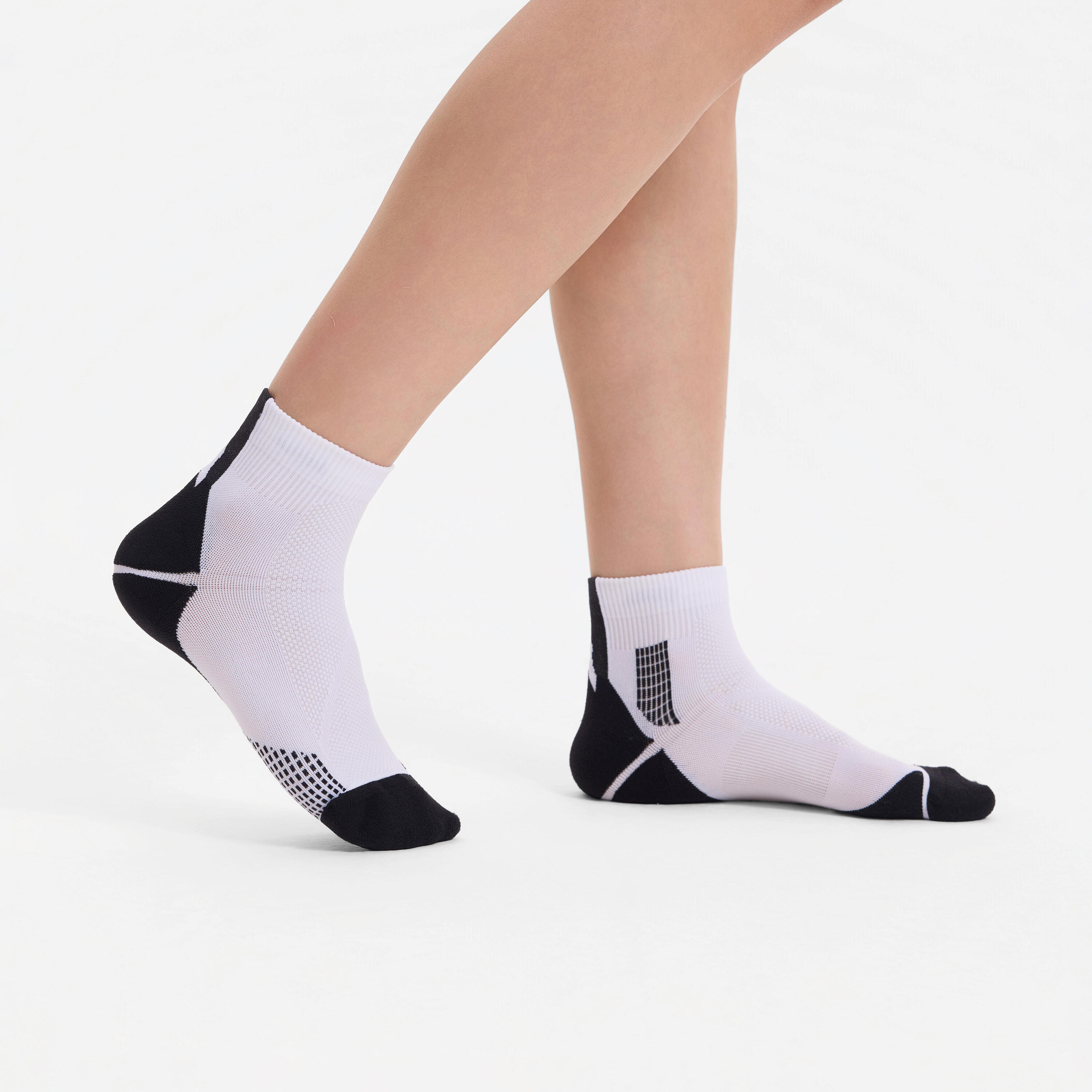
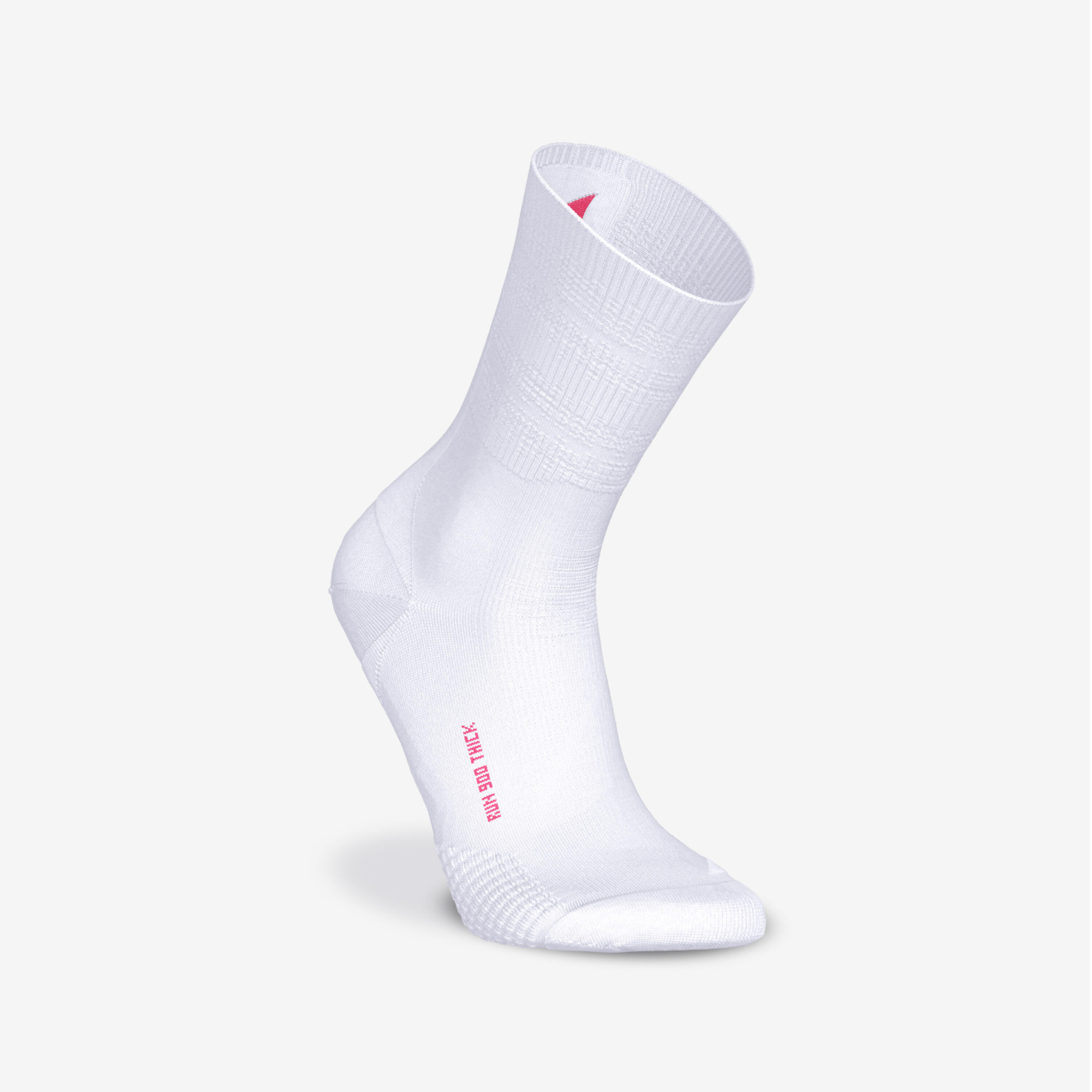
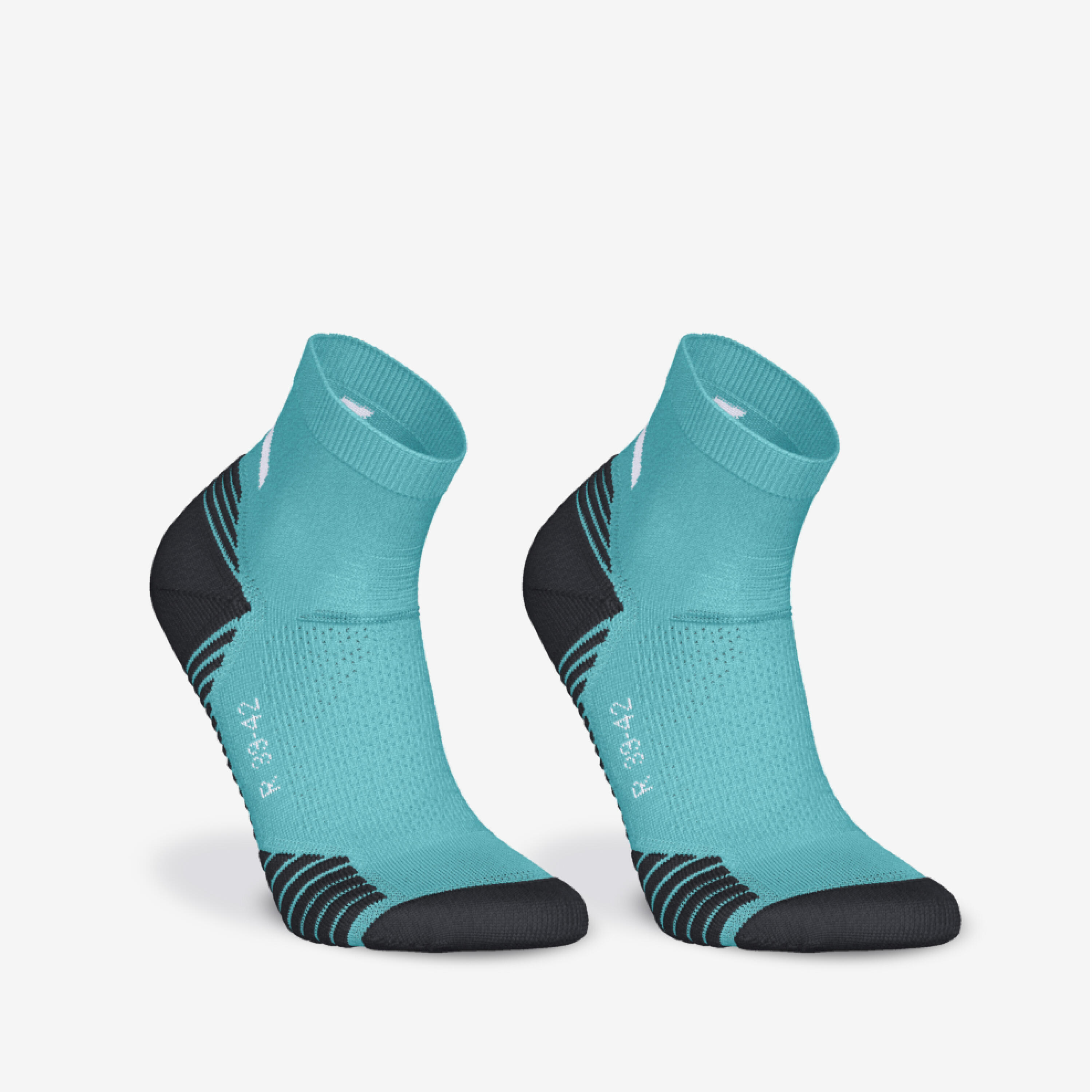
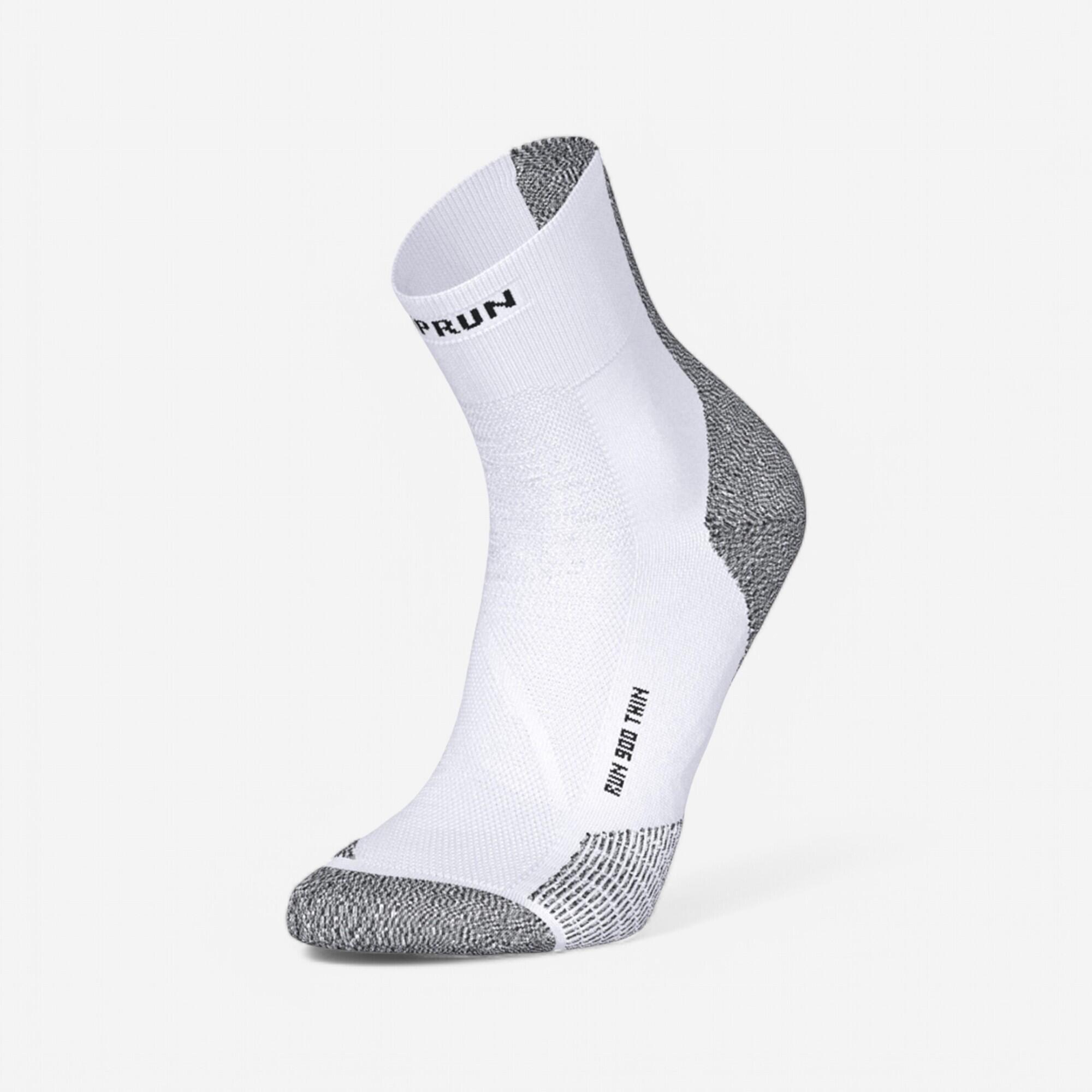
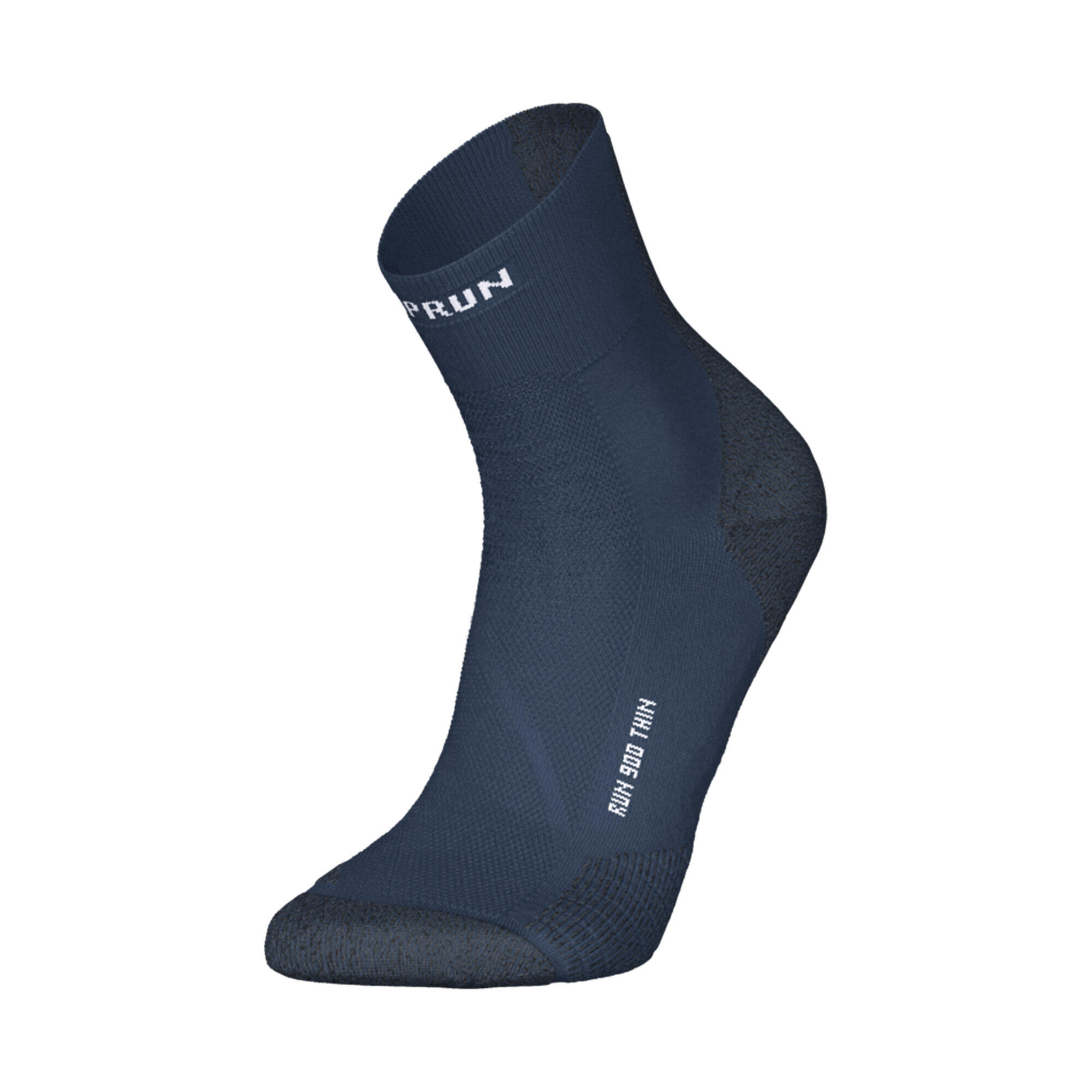
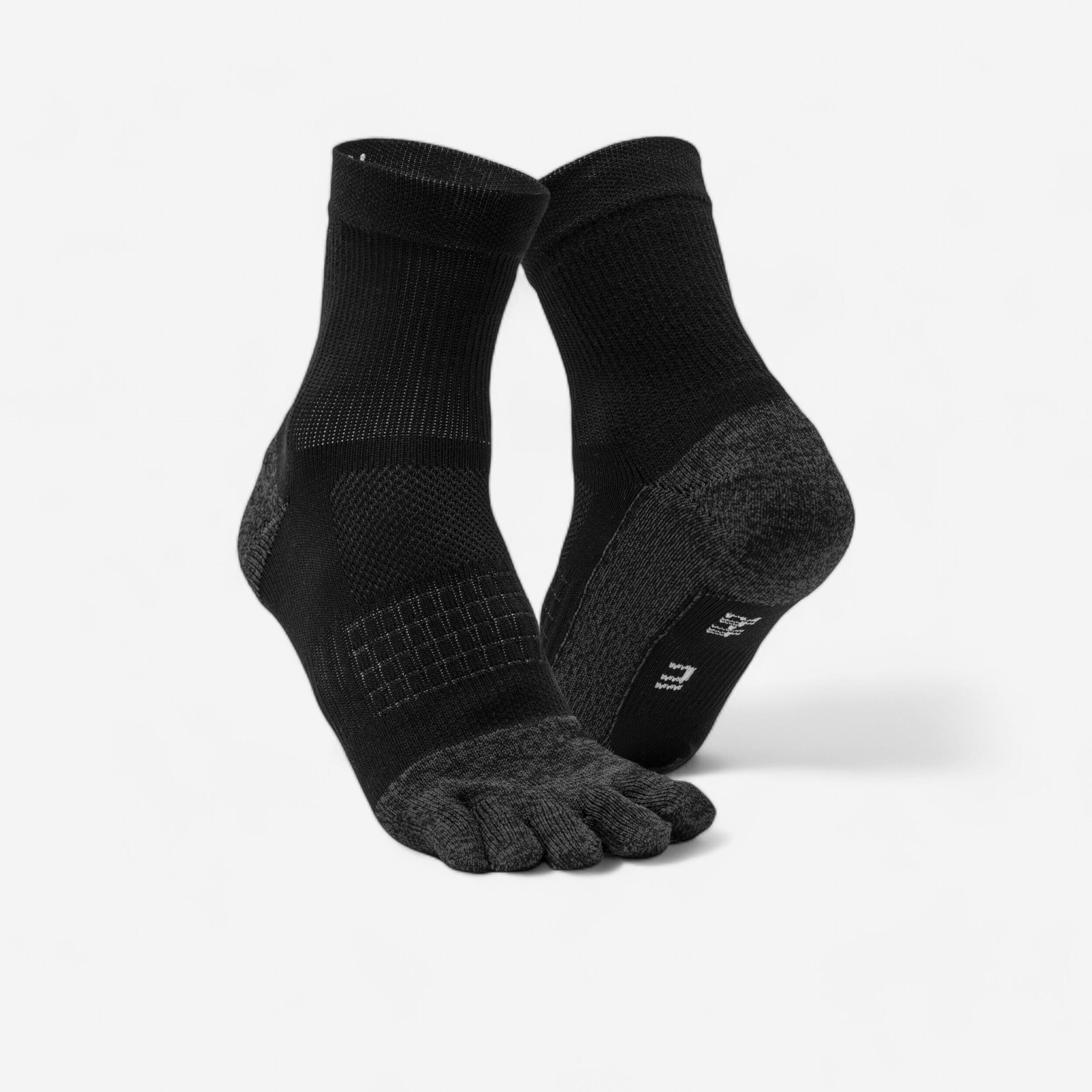
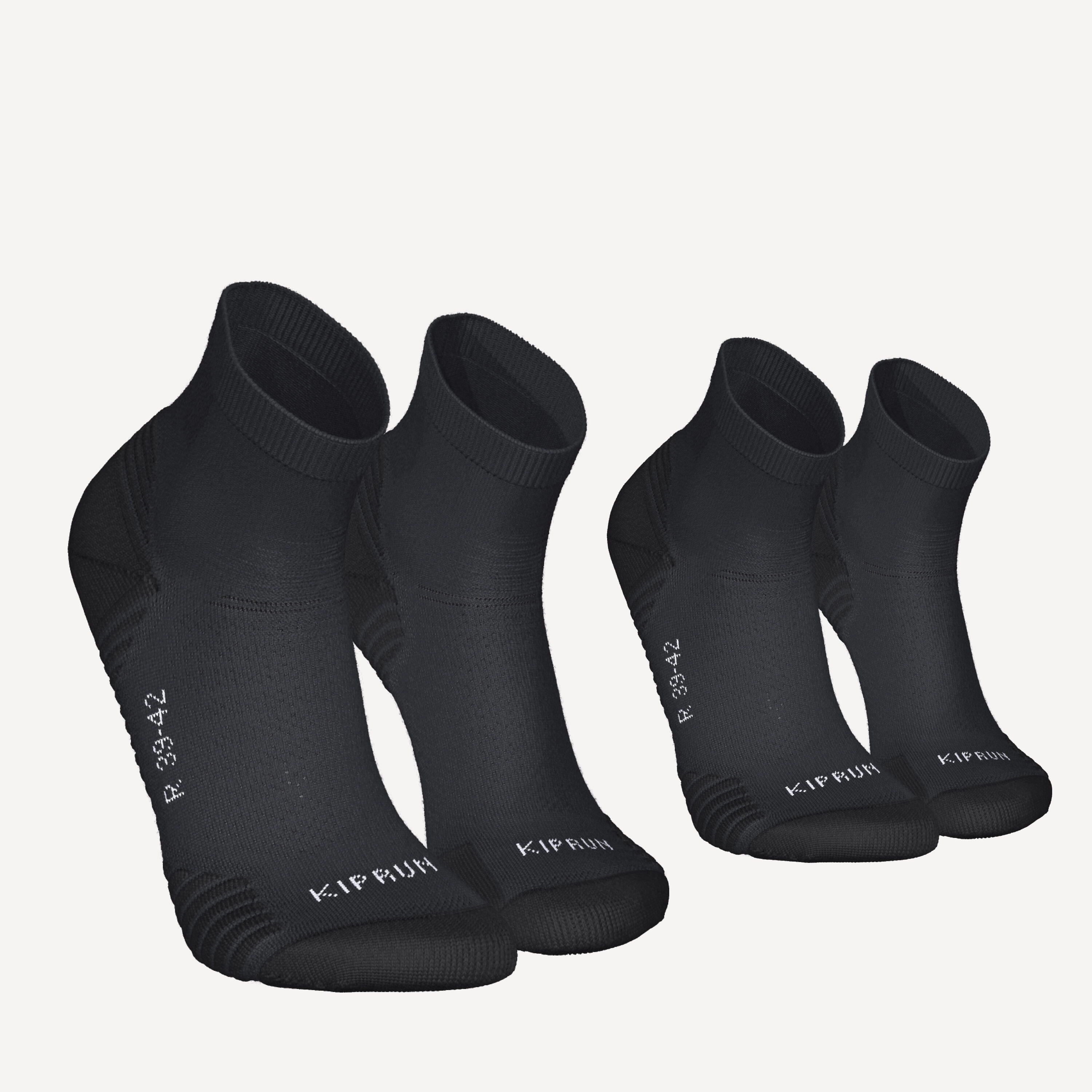
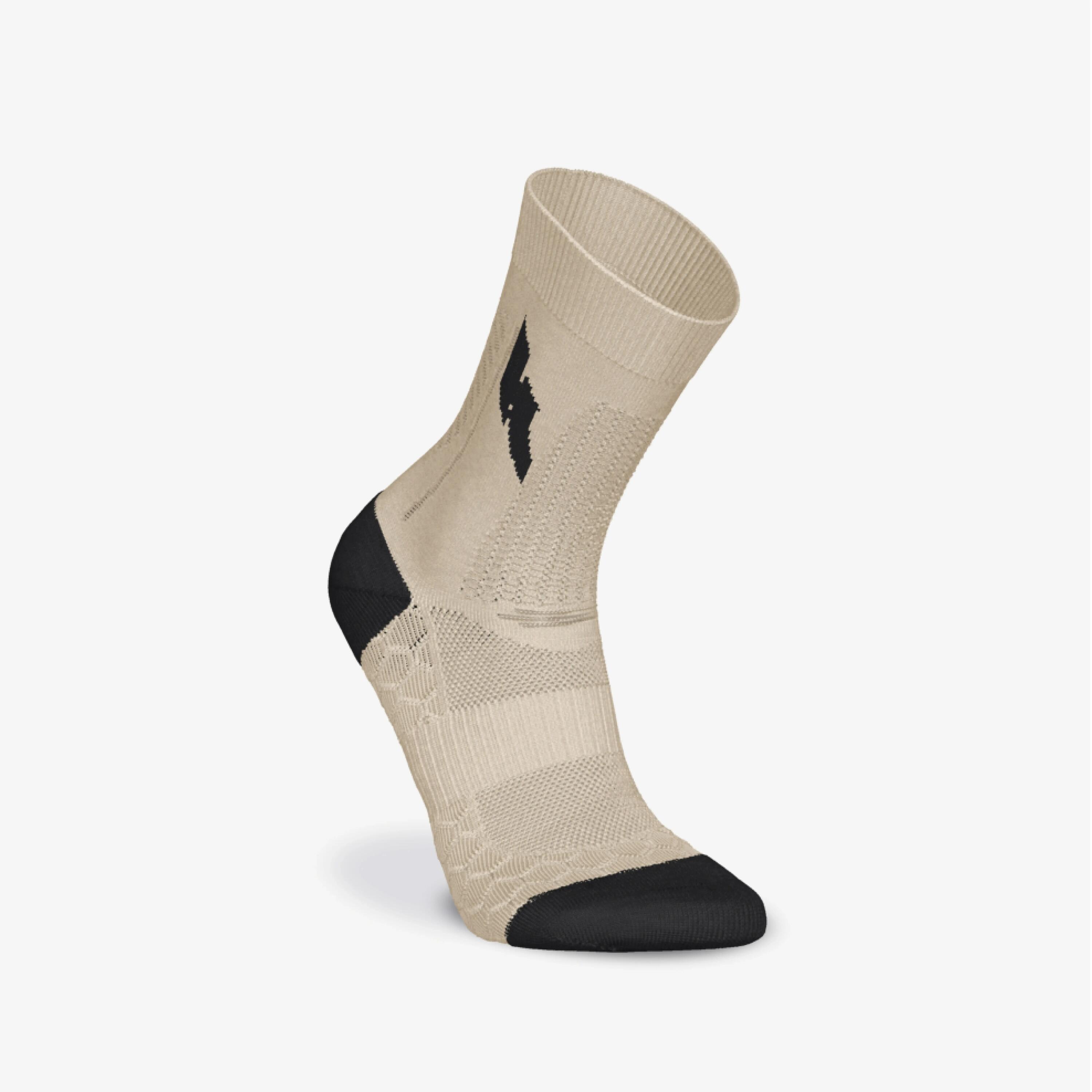
Your sock choice should match the shoe fit, temperature and areas where you normally feel pressure. Thin socks provide closer ground feel, lower bulk and greater ventilation, while cushioned socks use knitted loops around the heel and toes to soften repeated contact. Extra thickness takes up more room inside the shoe, so check that your toes can still spread and that the upper does not become tight. A pair of thick mid-calf running socks may suit runners who prefer more cushioning and leg coverage. Wash new socks before an important event and test them on long trail sessions, as moisture, swelling and downhill movement can reveal friction that is not noticeable during a short fitting.

How can a mid-distance trail outfit reduce chafing?

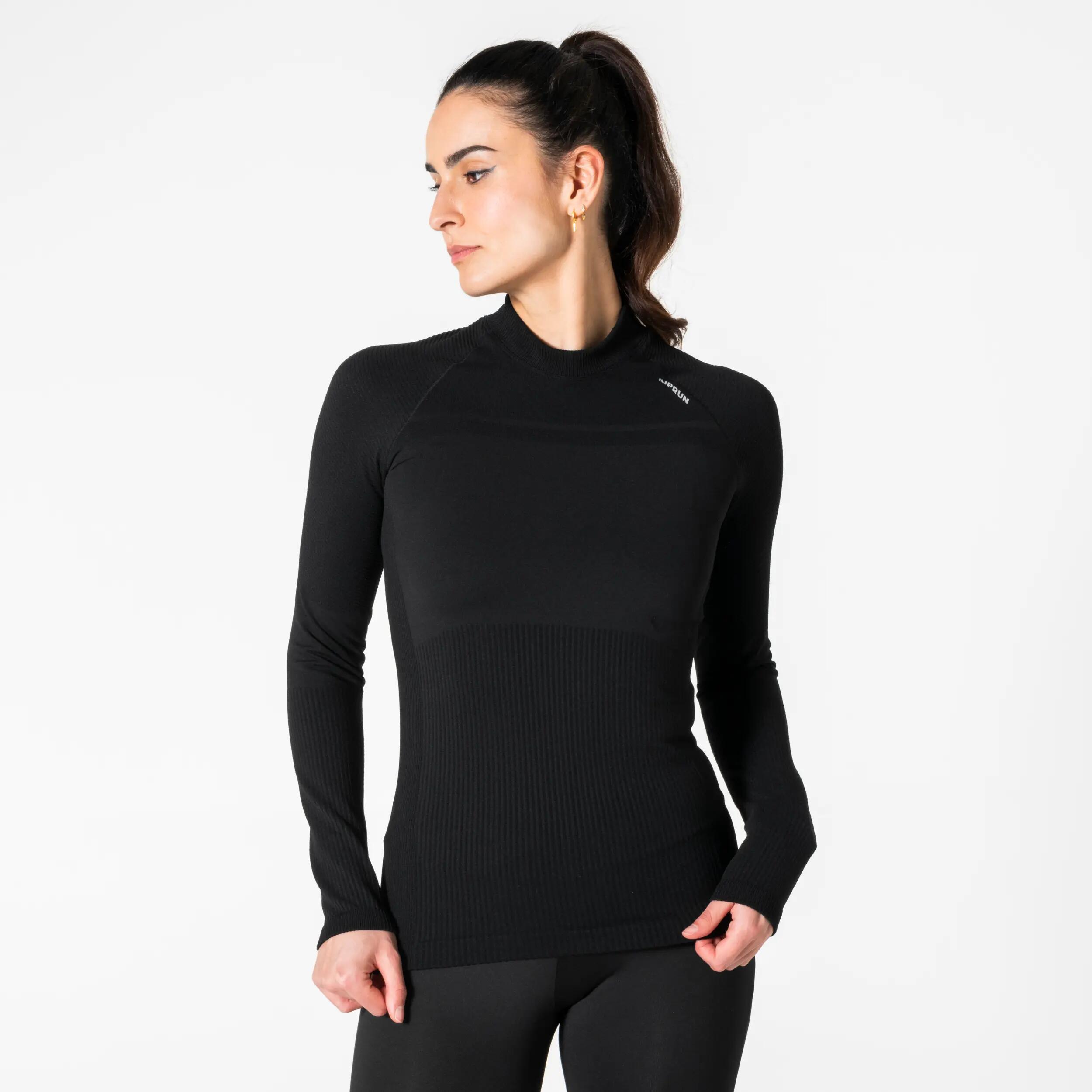
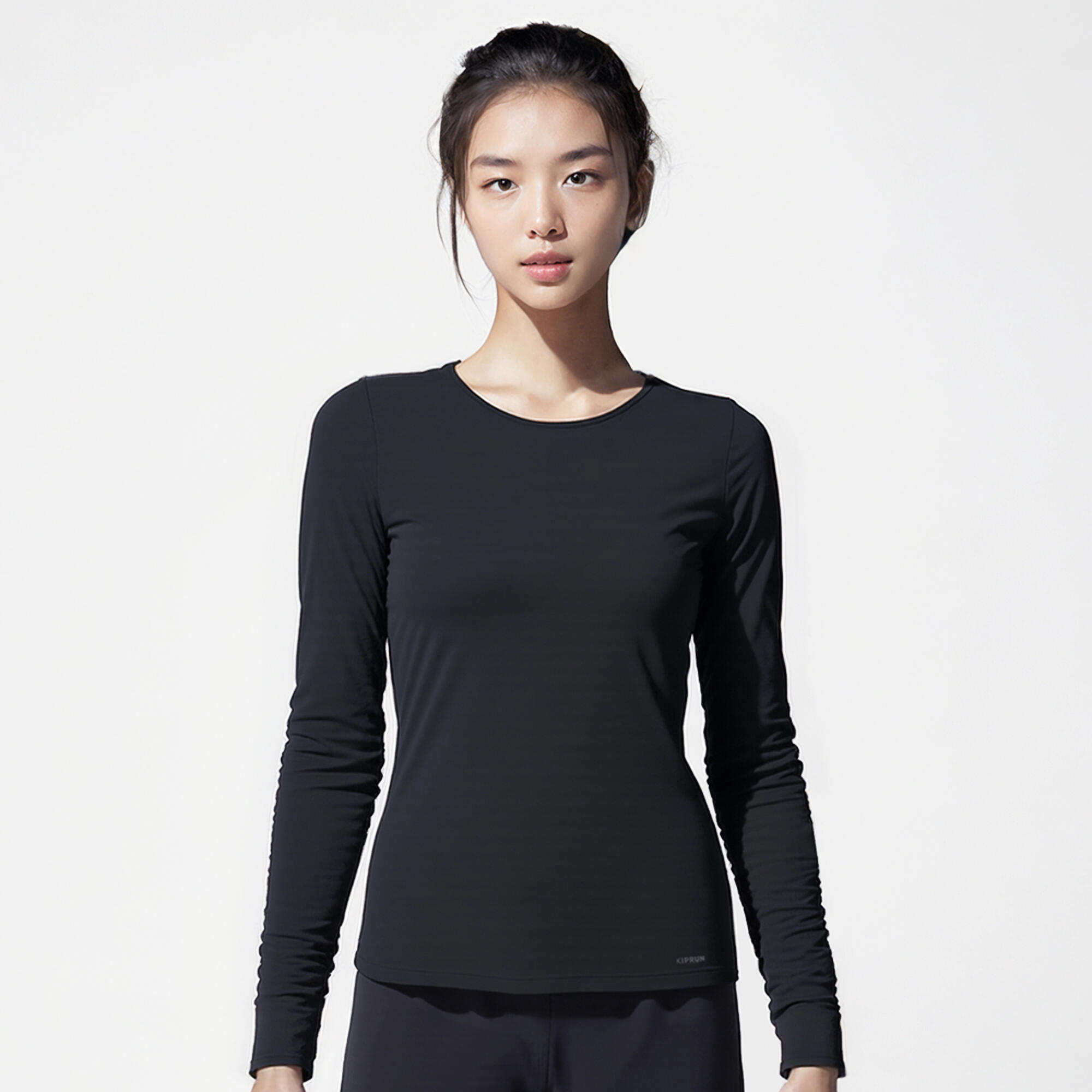
Chafing develops when moisture, pressure and repeated movement affect the same area. Use close-fitting underwear, smooth technical fabrics and reduced seams around the underarms, waist and inner thighs. Seamless tops remove conventional side seams, which can help when your arms move repeatedly or a running pack presses against the torso. A comfort running tank top with no side seams can reduce raised contact points while keeping the shoulders free in warm conditions. Make sure pack straps do not sit directly over thick seams or neckline edges. Pro tip: inspect your skin after long training runs and adjust clothing, pocket loads or strap tension when you notice early redness rather than waiting for painful rubbing.

How should you prepare clothing for changing trail conditions?

Start with lightweight trail running clothing, then add protection for the coldest, wettest or most exposed part of the route. A breathable base outfit may be enough in sheltered conditions, but high ground can require a windproof or waterproof layer even when the start feels mild. Store removable clothing where you can reach it without unpacking every item. Use mid-distance trail accessories to organise hydration, weather layers and other route essentials without overloading your waistband. Check that your jacket fits over the top beneath it and that all pockets remain accessible. Wash technical garments according to their labels, close zips before cleaning and avoid high heat that can damage stretch fibres, bonded details or moisture-managing finishes.