1,231 items
4.6/5 based on 826479 reviews collected online and in stores

Running a Mid-Distance Trail FAQs

What gear do you need for running a mid-distance trail?

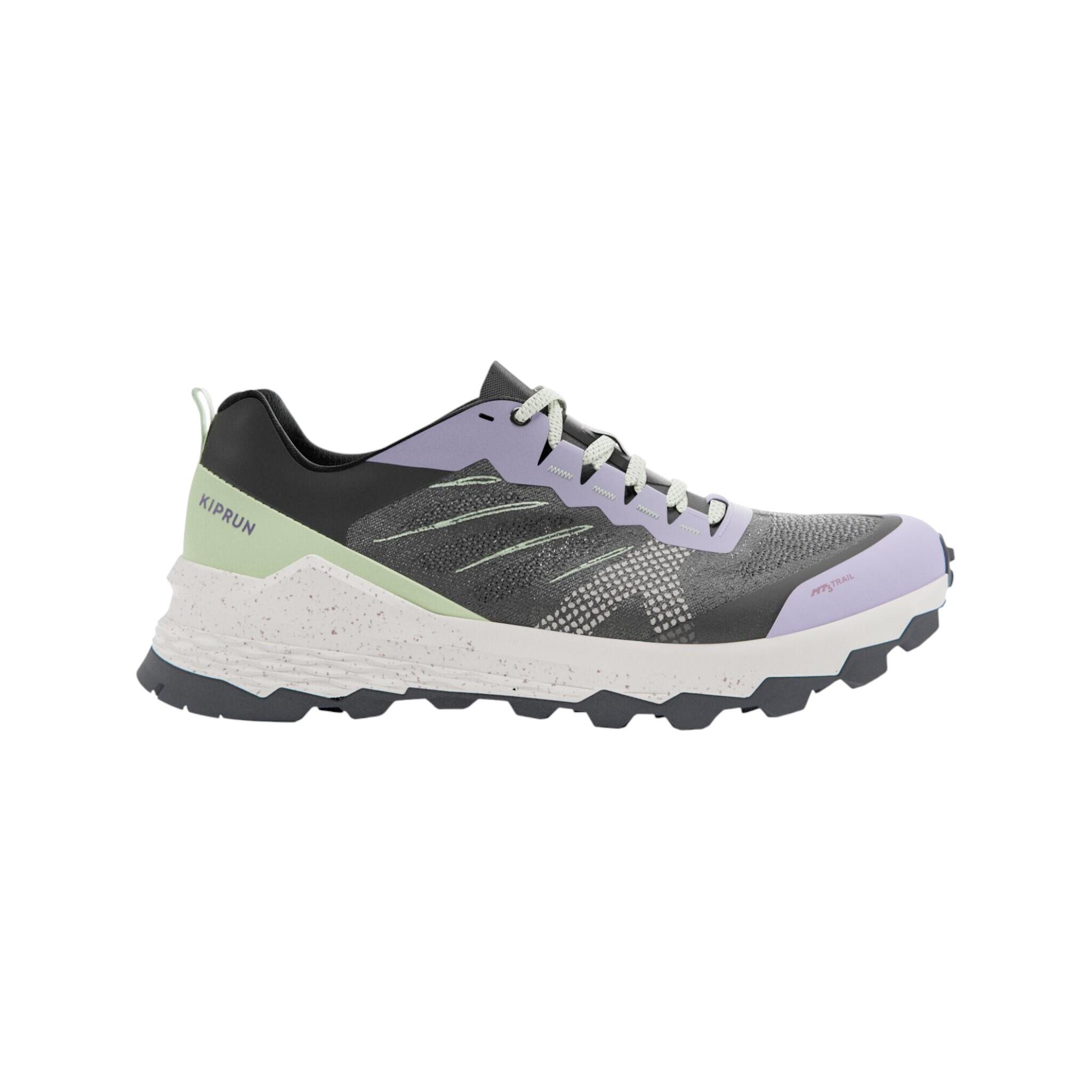
Your 20-40K setup should reflect the route surface, elevation, weather, expected finishing time and distance between support points. Start with secure footwear, fast-drying clothing, accessible hydration and enough storage for food and safety items. The longer distance increases the importance of controlling friction, fluid movement and equipment bounce. Choose mid-distance trail shoes with grip suited to mud, loose stone or firm paths, plus enough cushioning for several hours of repeated impact. Pro tip: complete a long training run with every loaded pocket and flask in place, then adjust anything that shifts, presses into your body or becomes difficult to reach.
What should you wear for a 20-40K trail run?

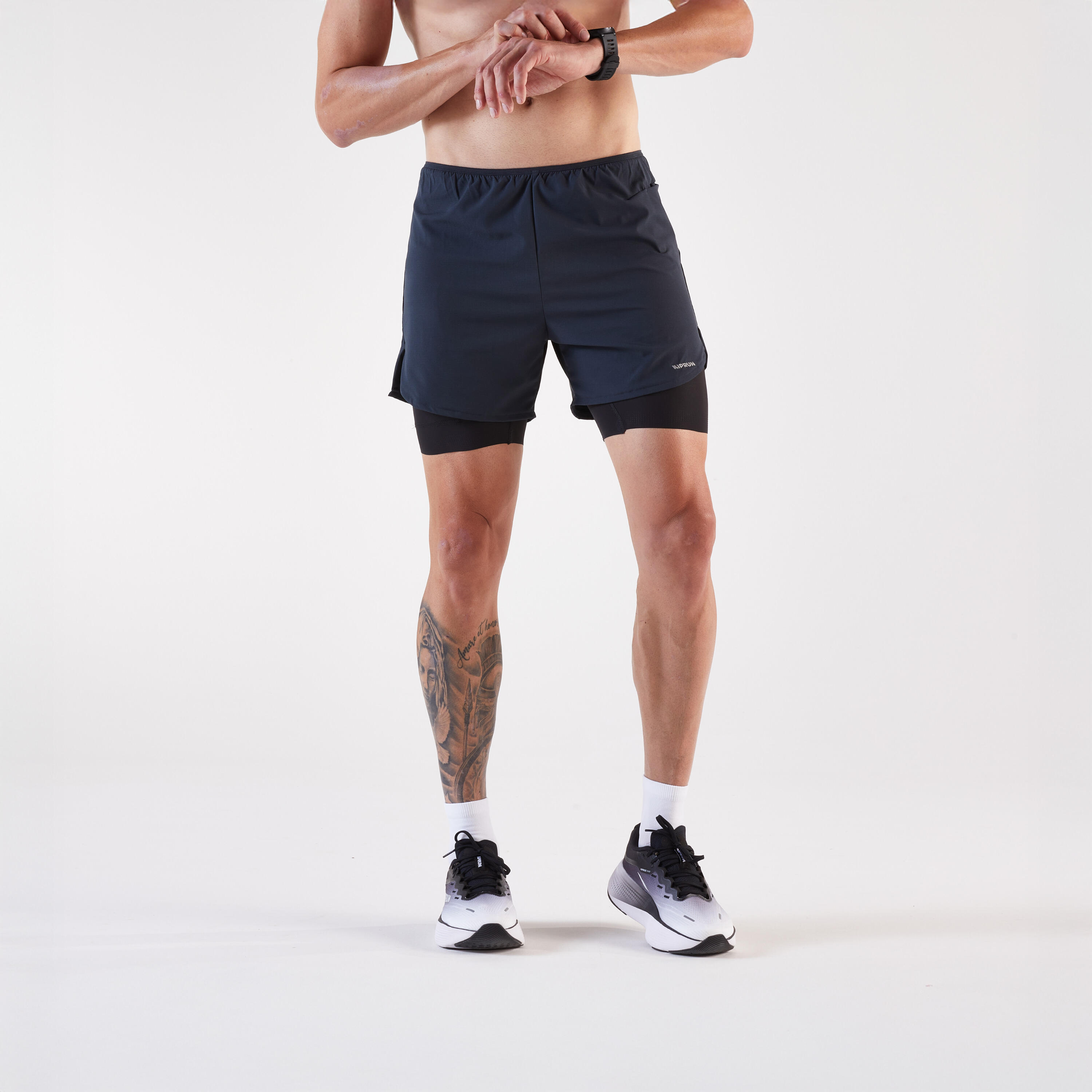
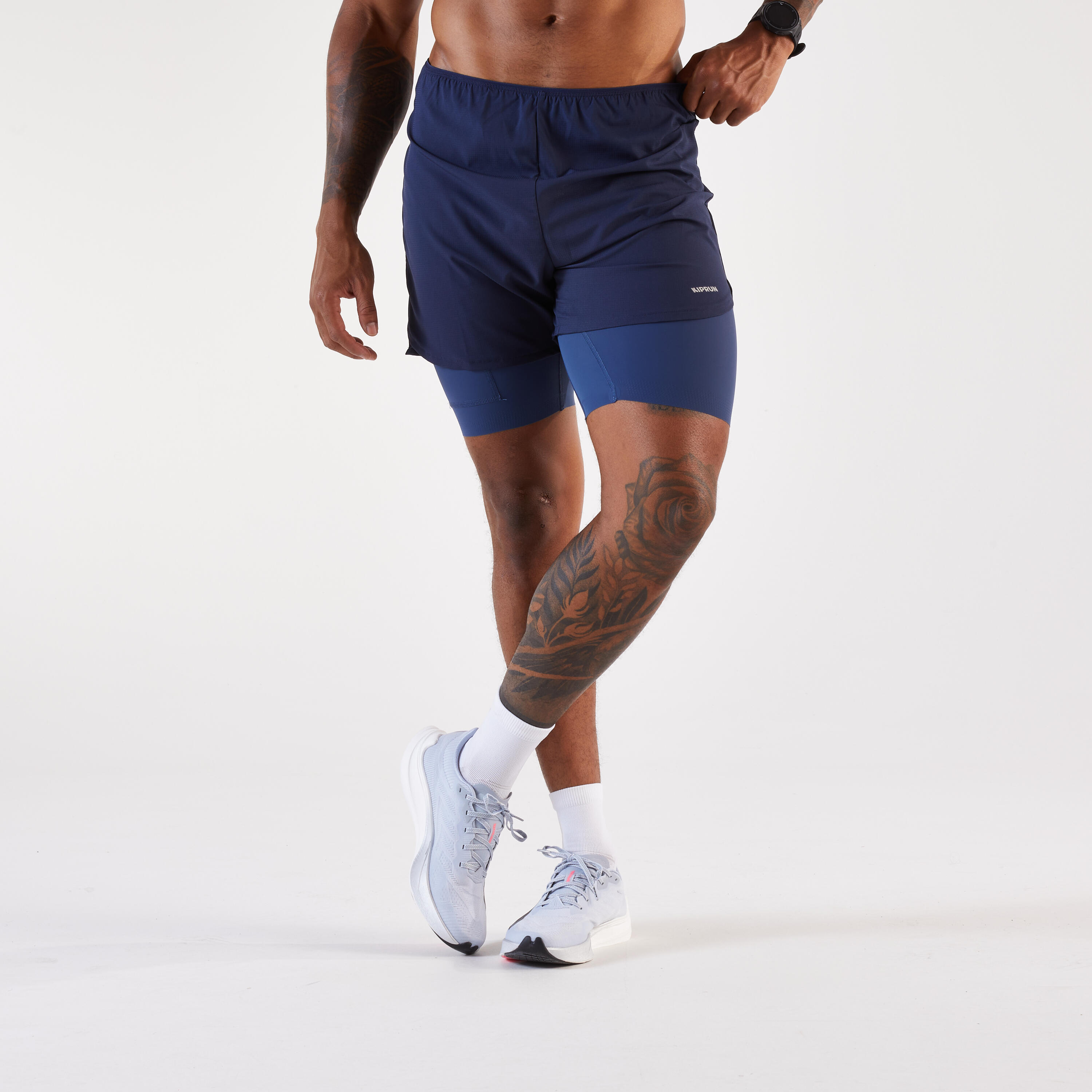
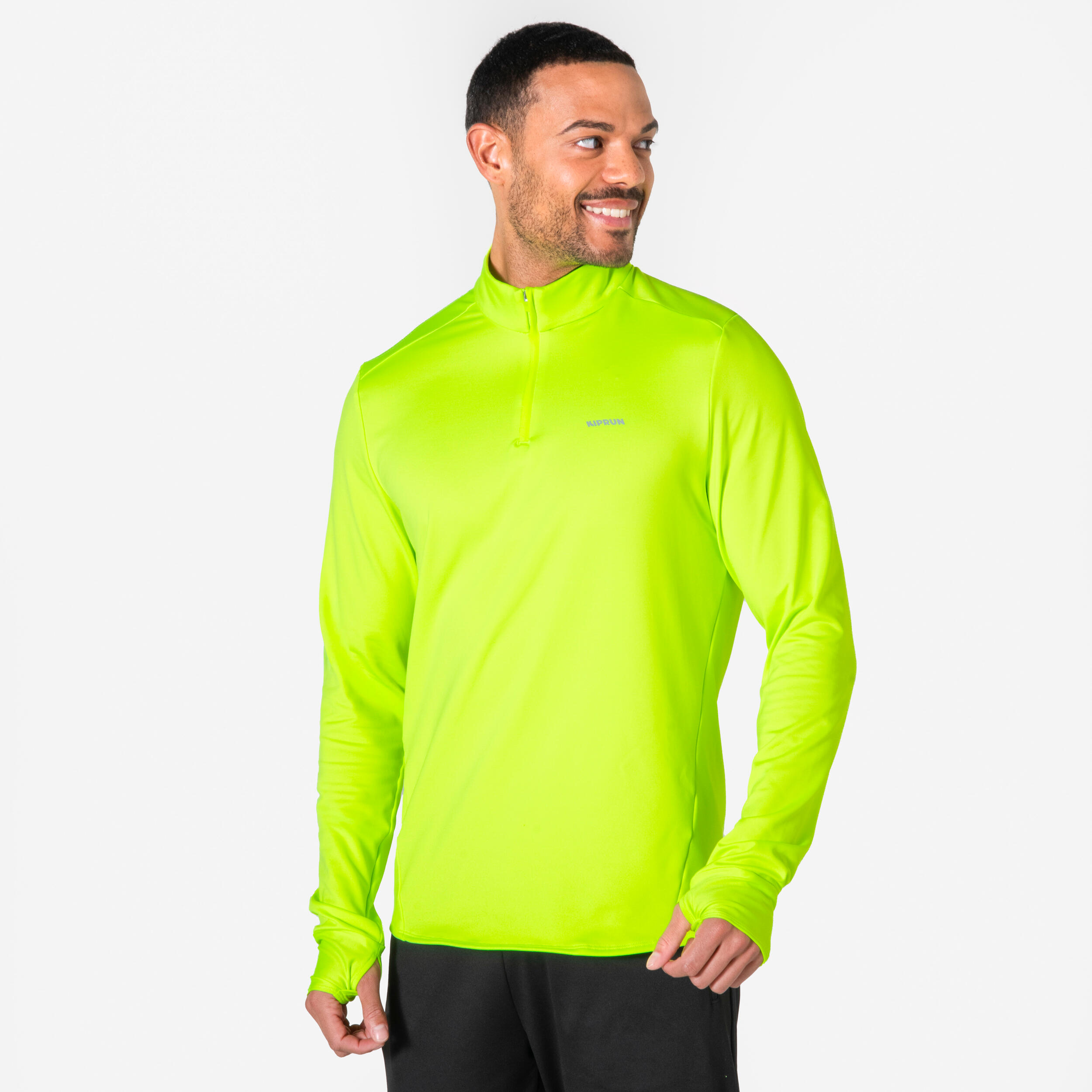
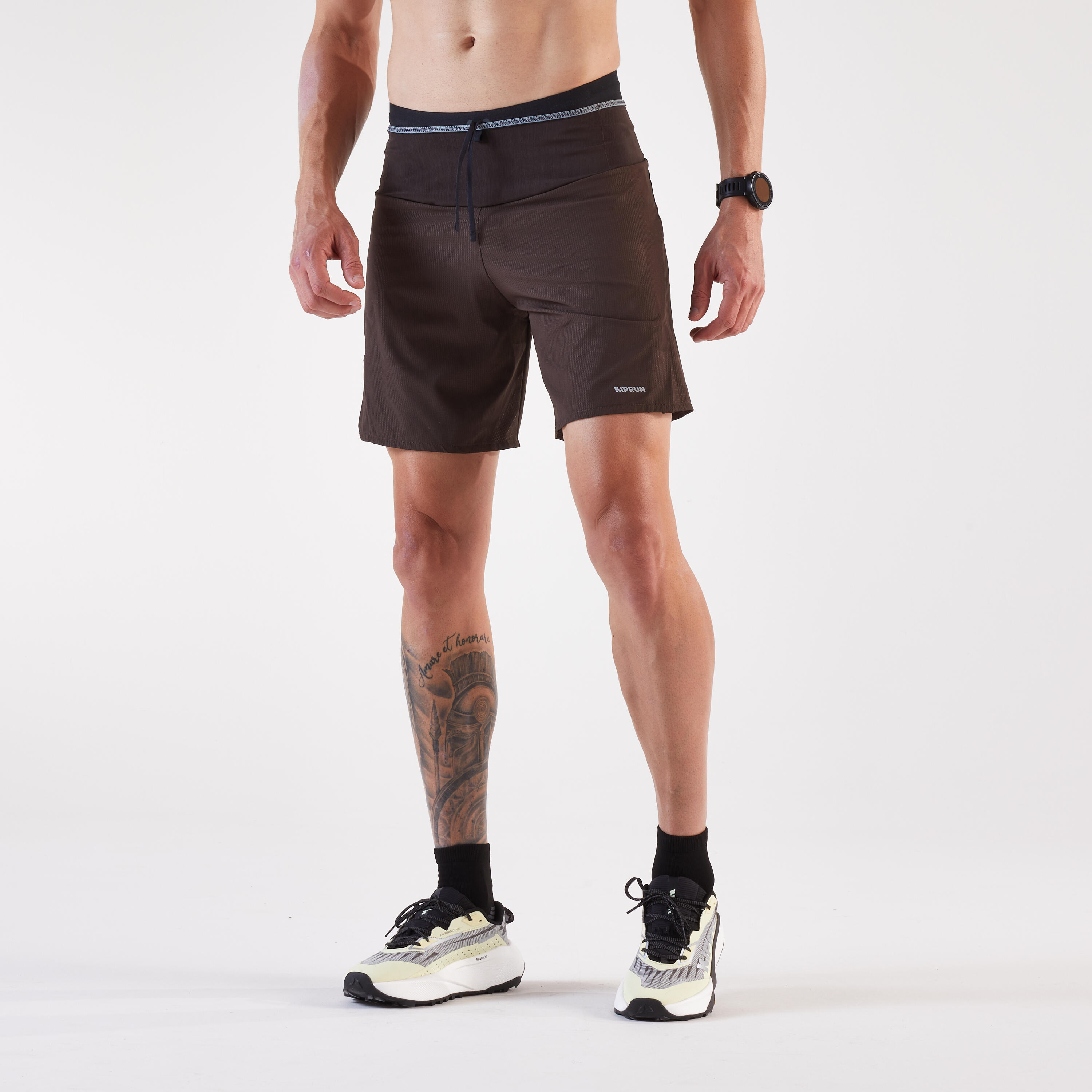
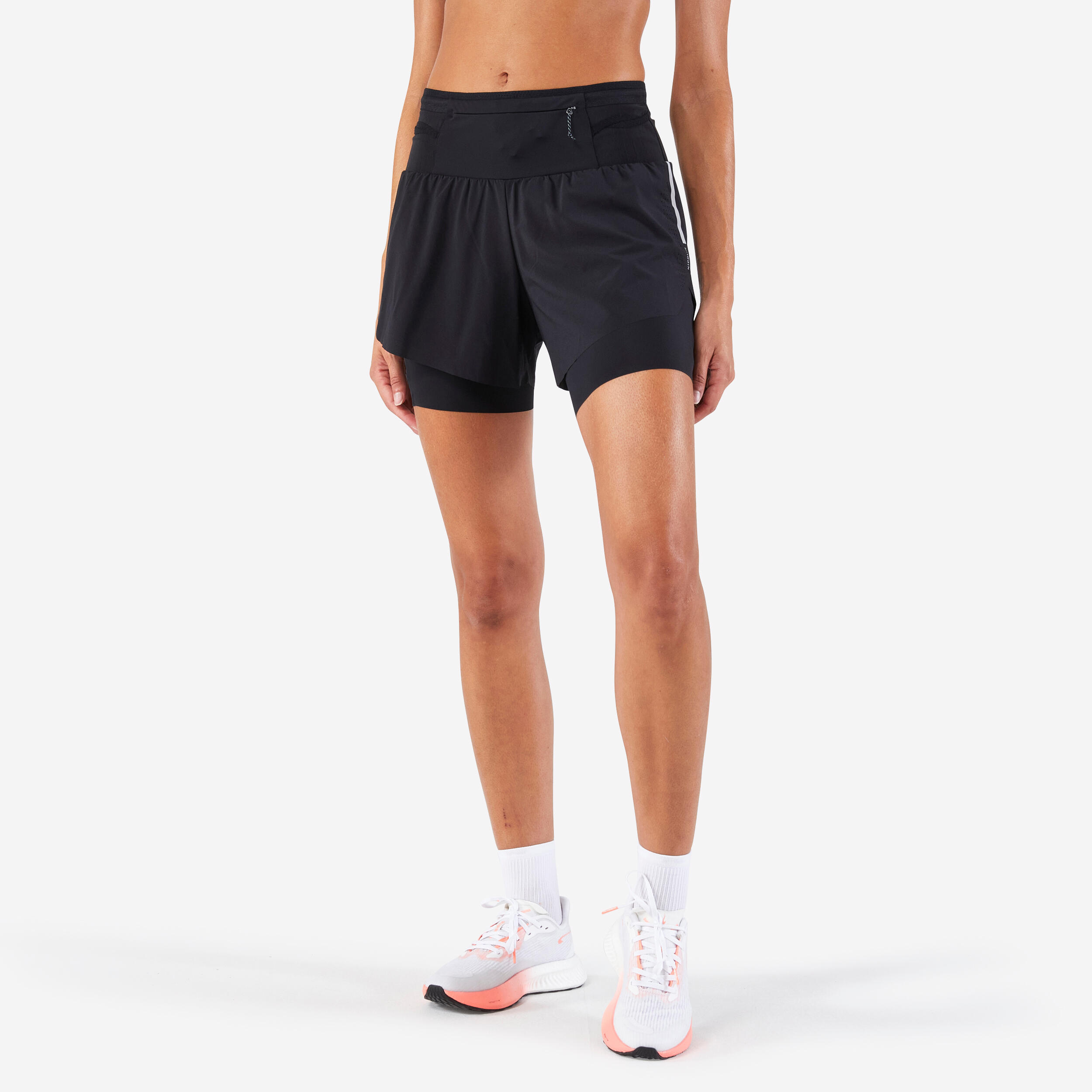
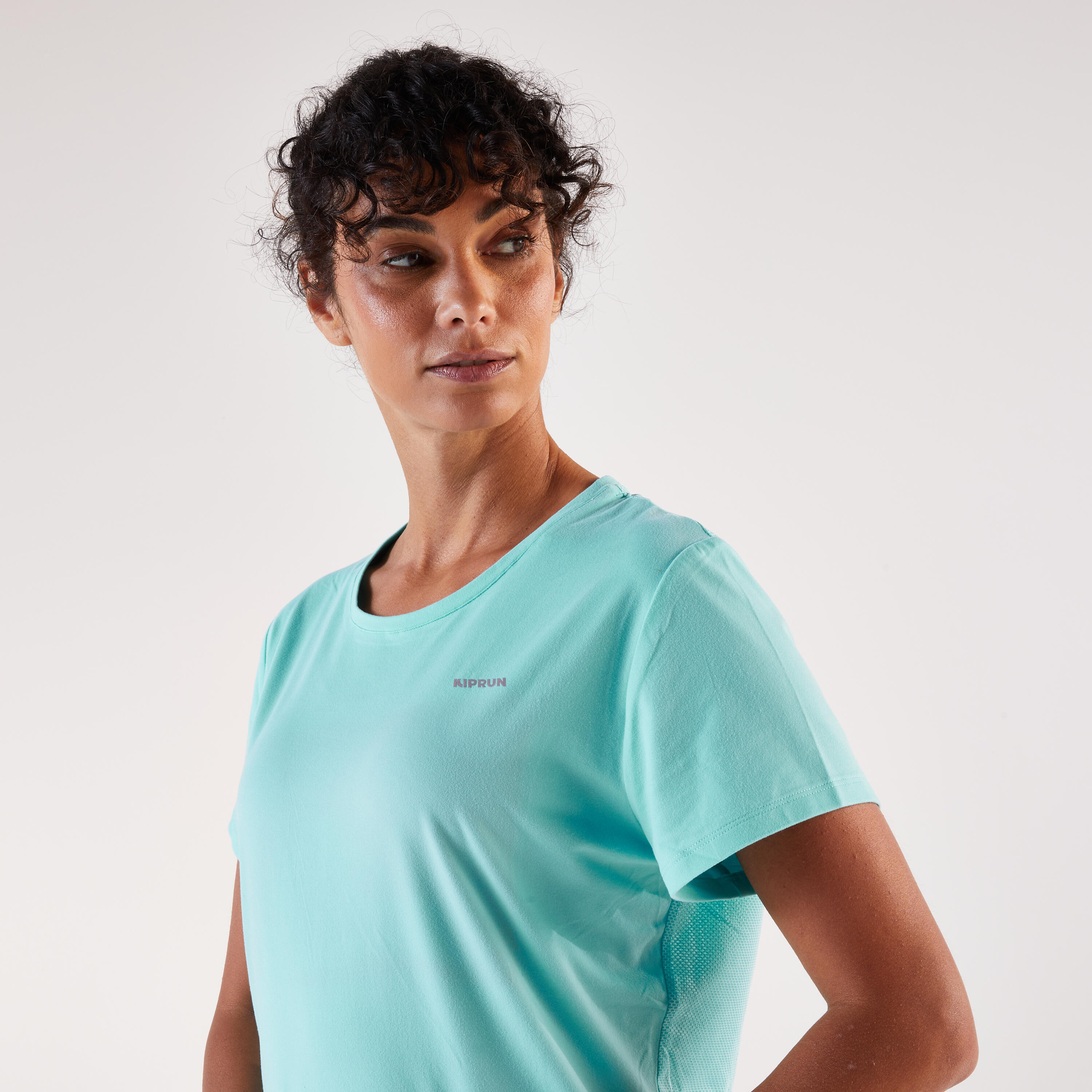
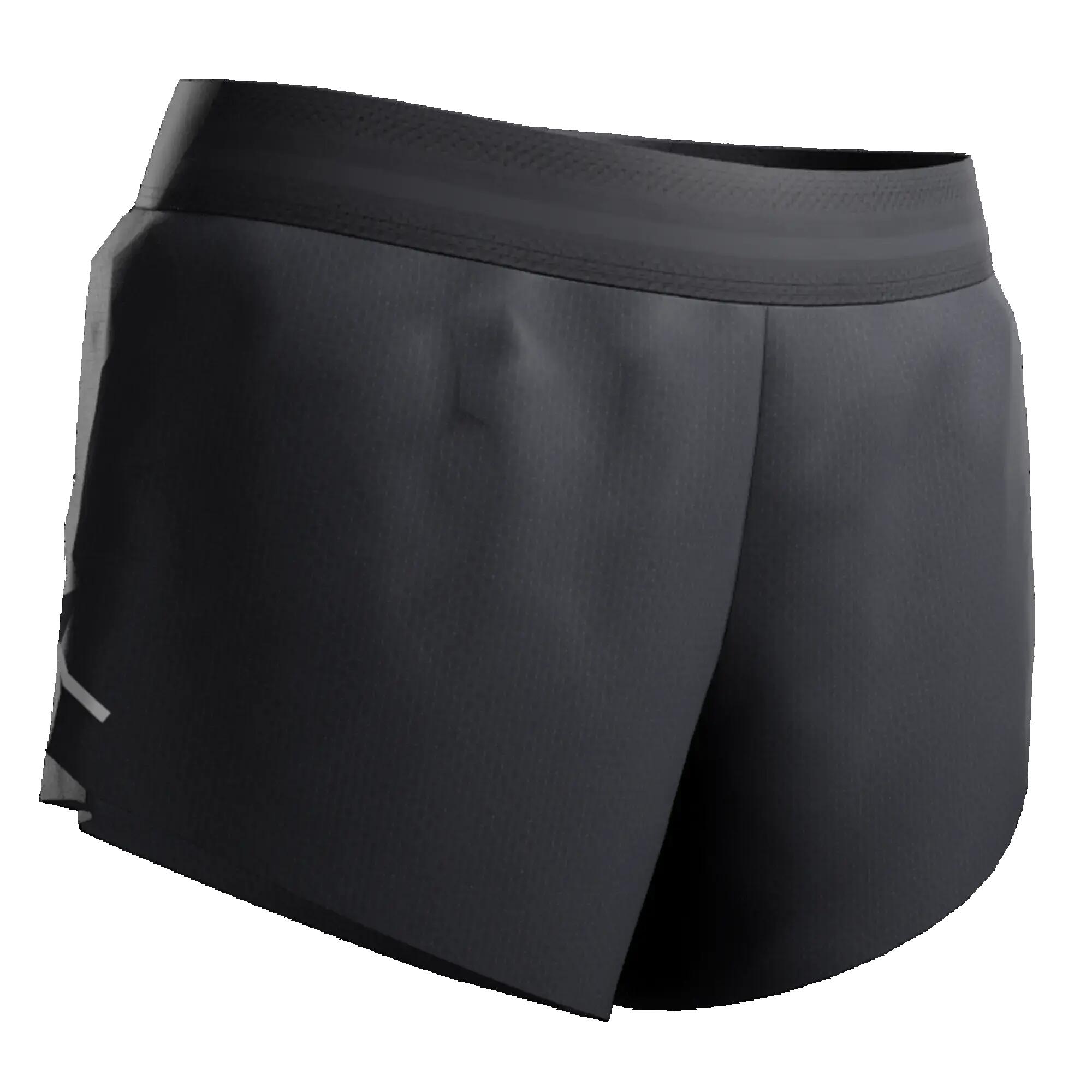
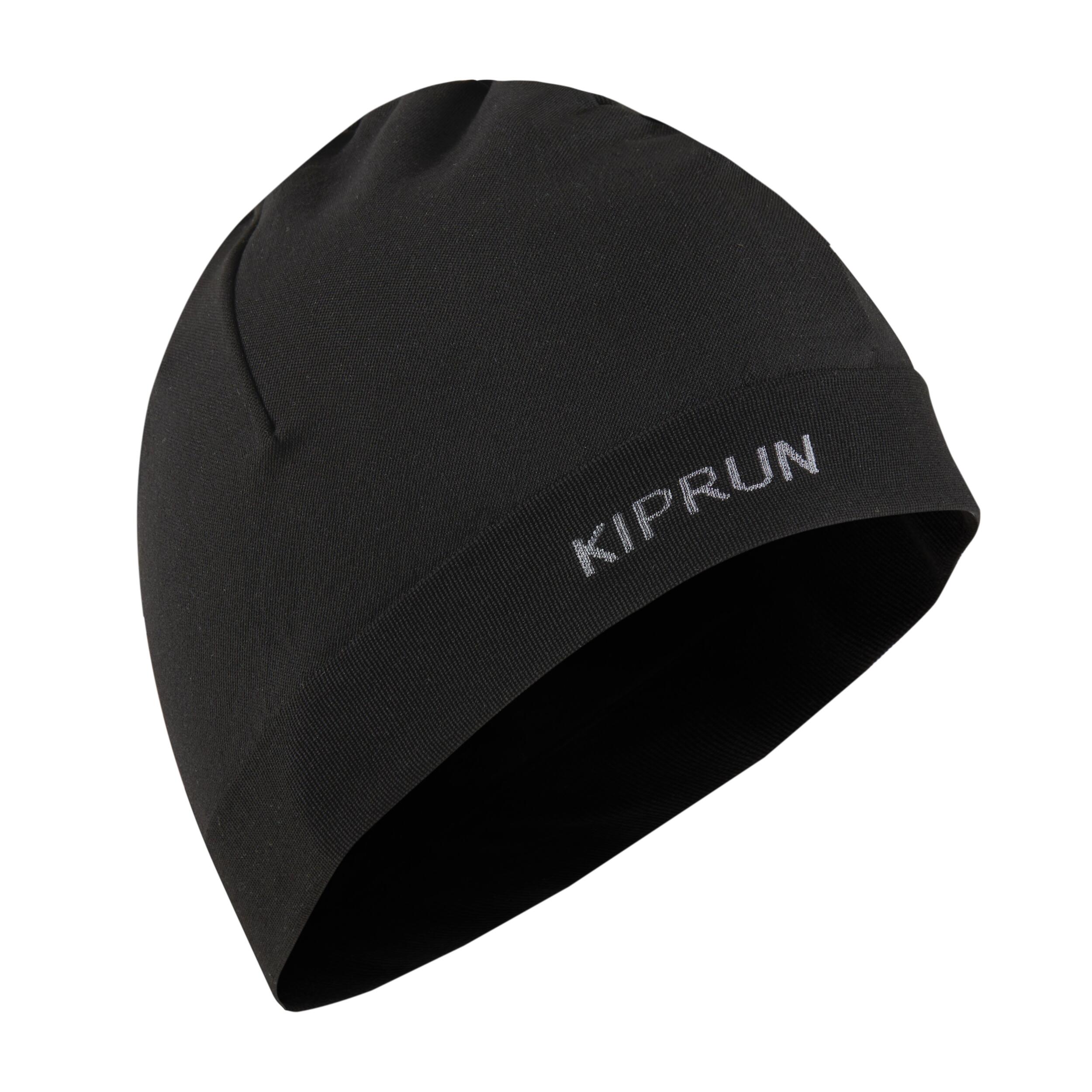
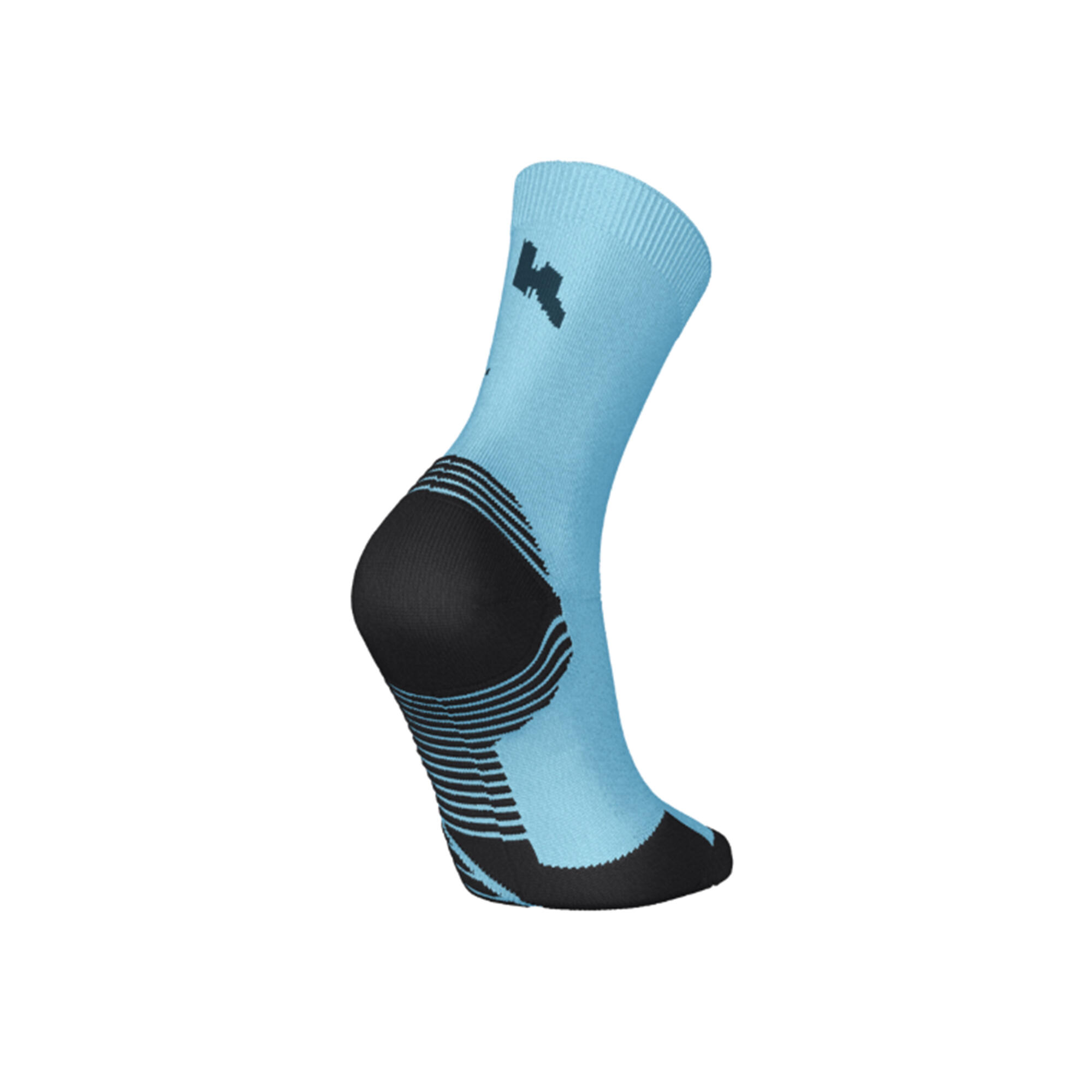
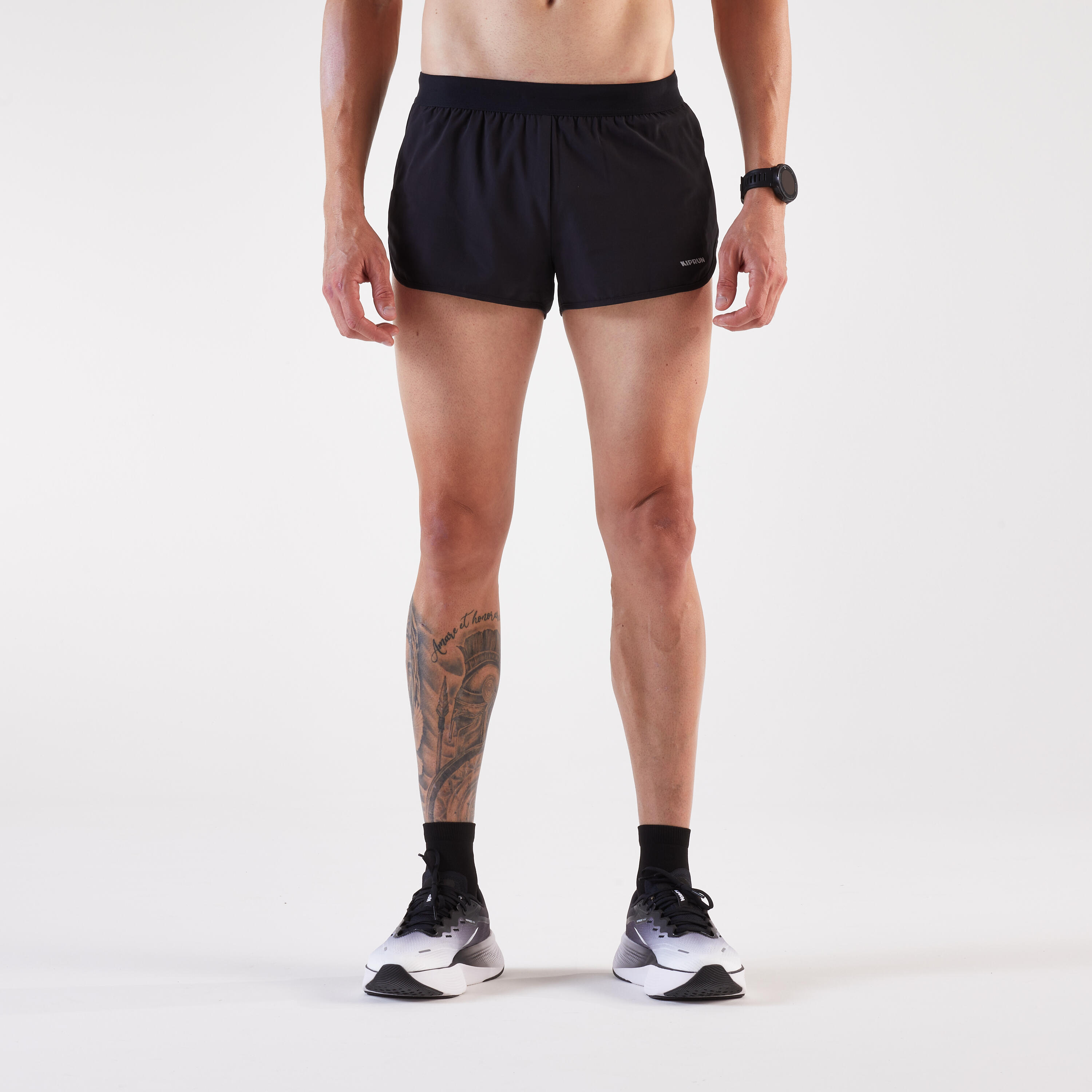
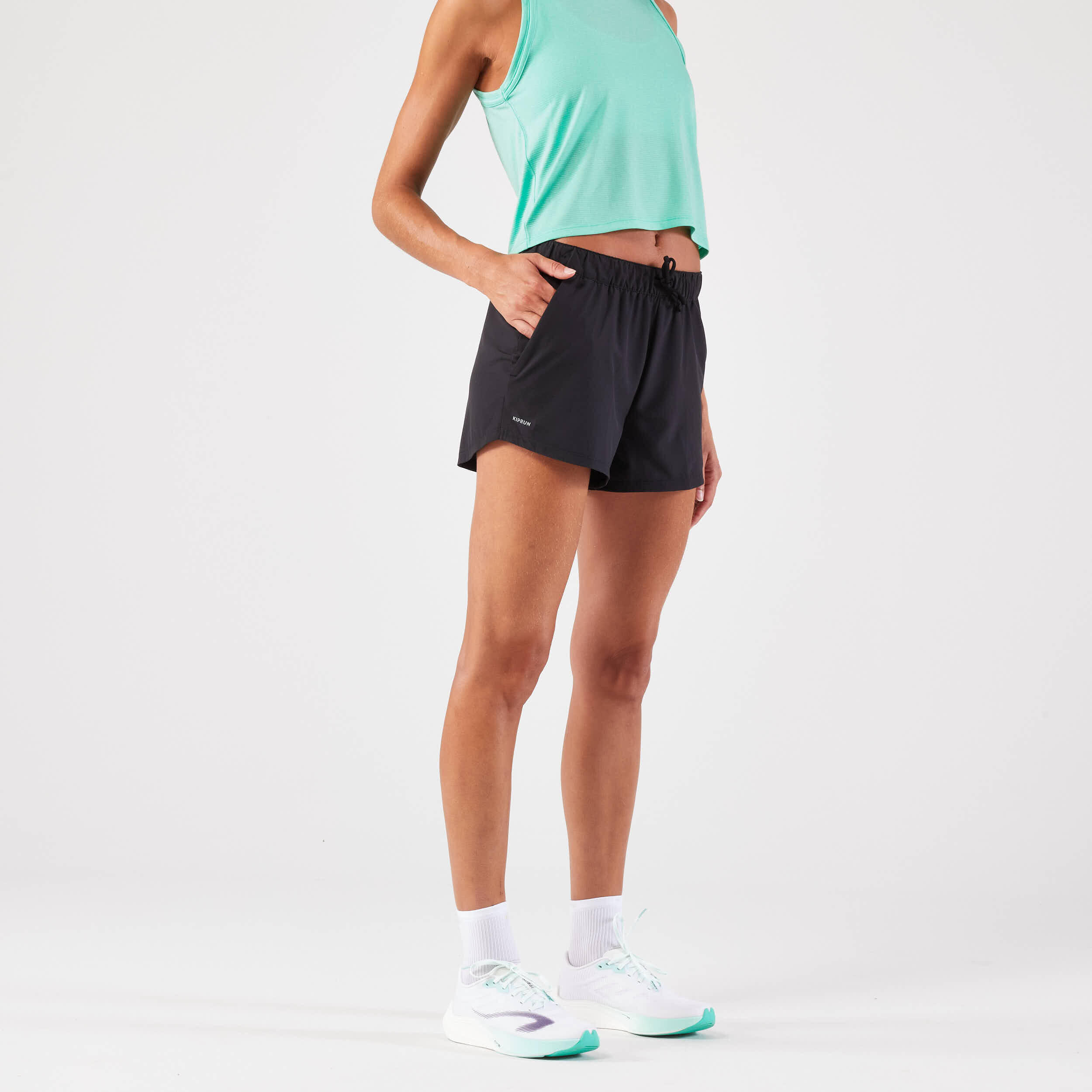
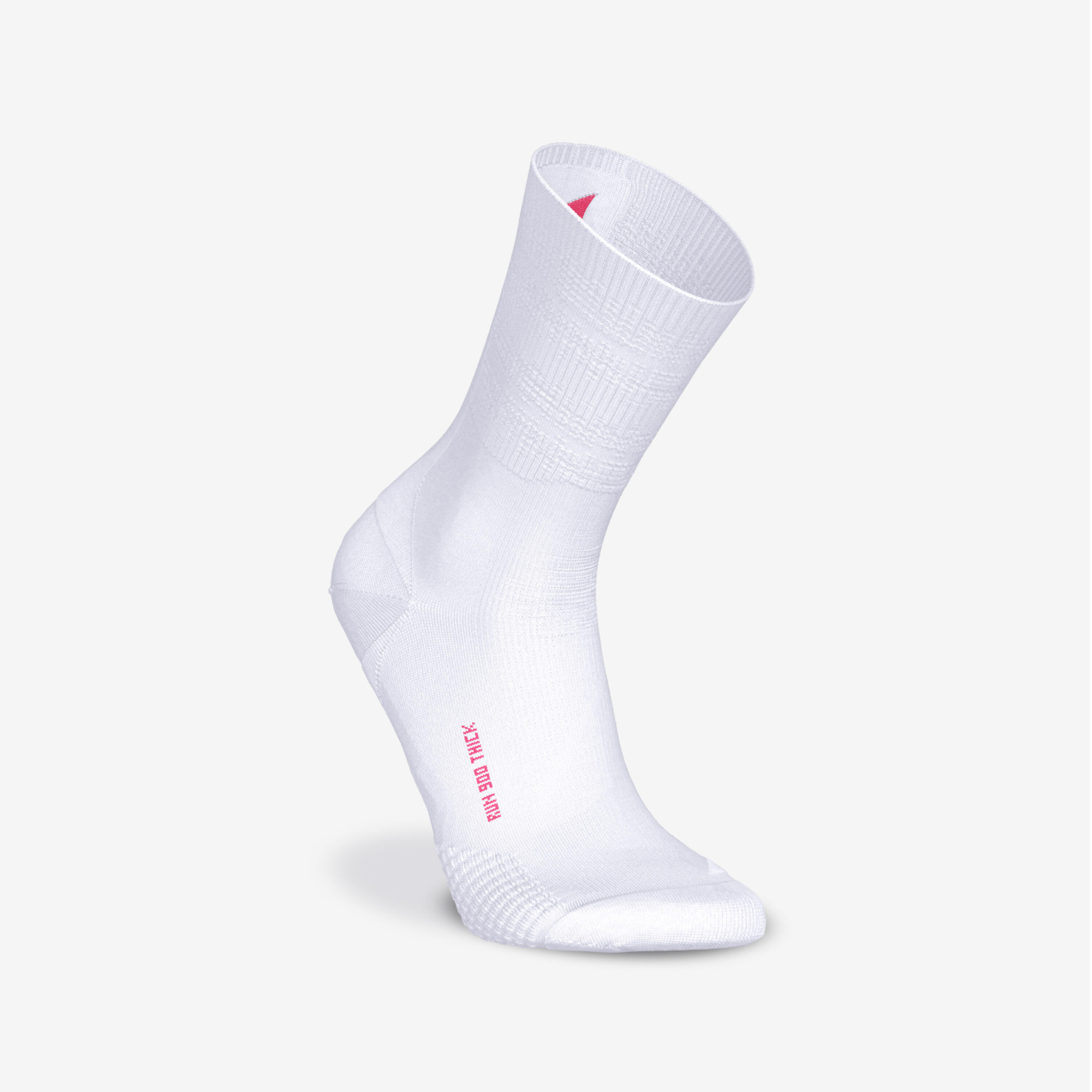
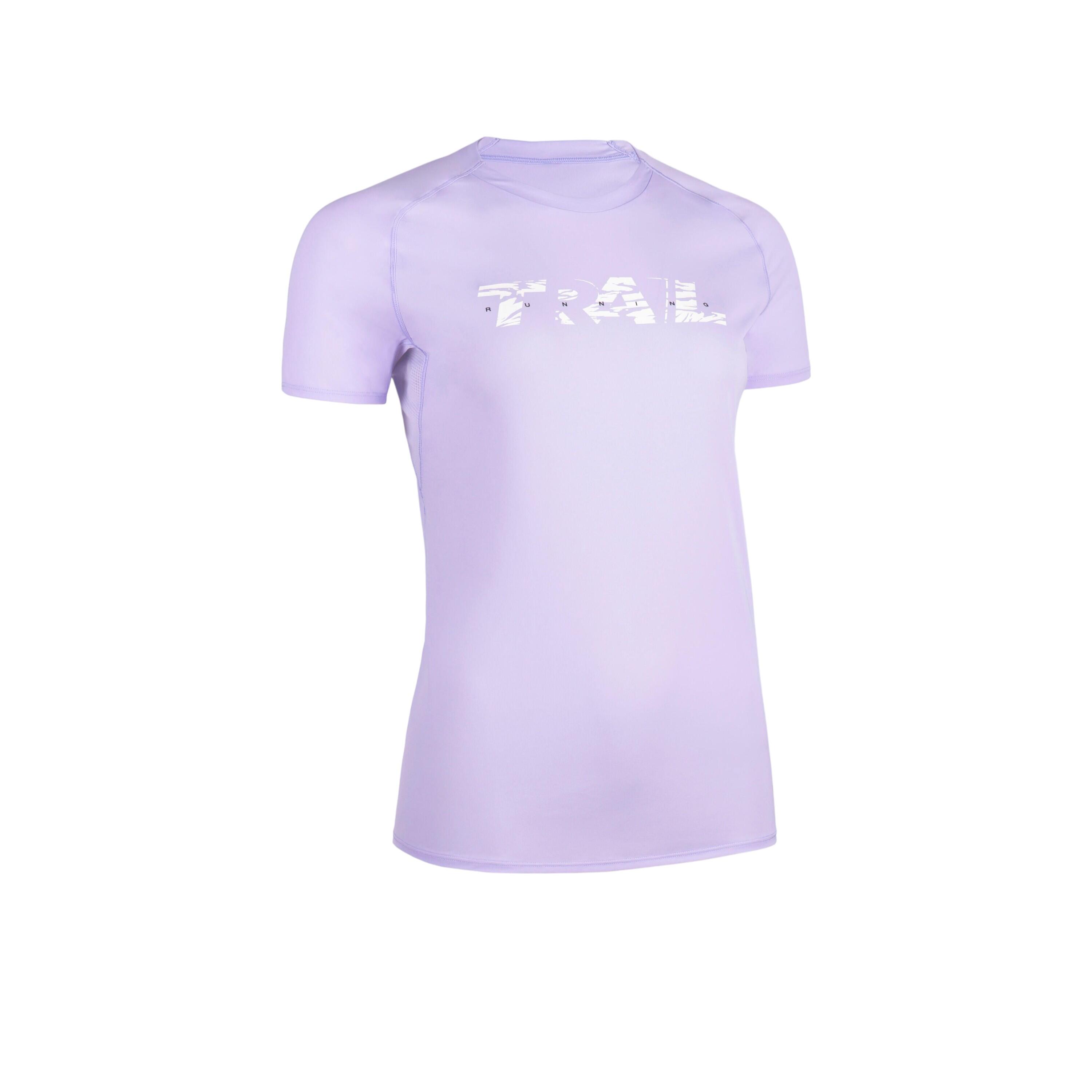
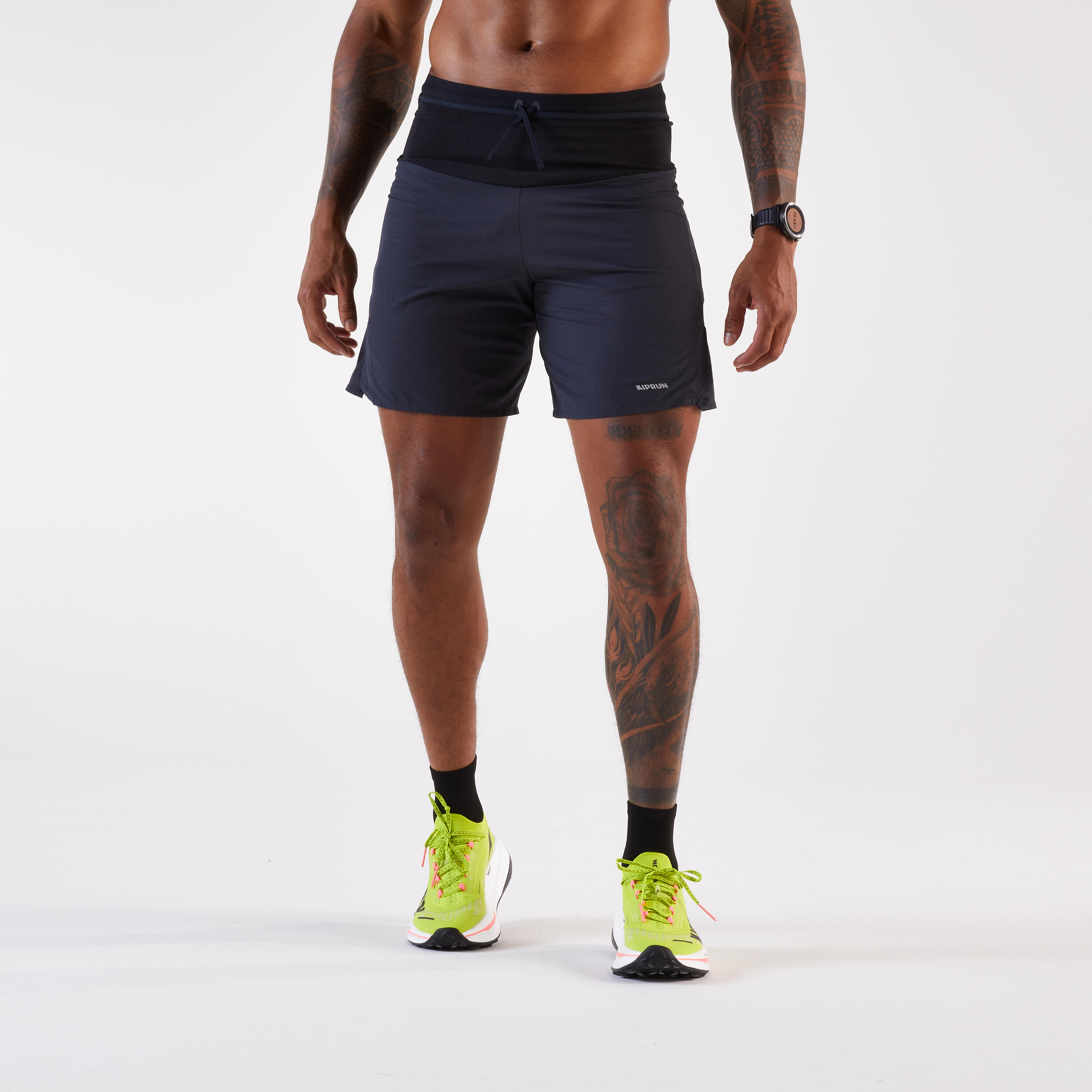
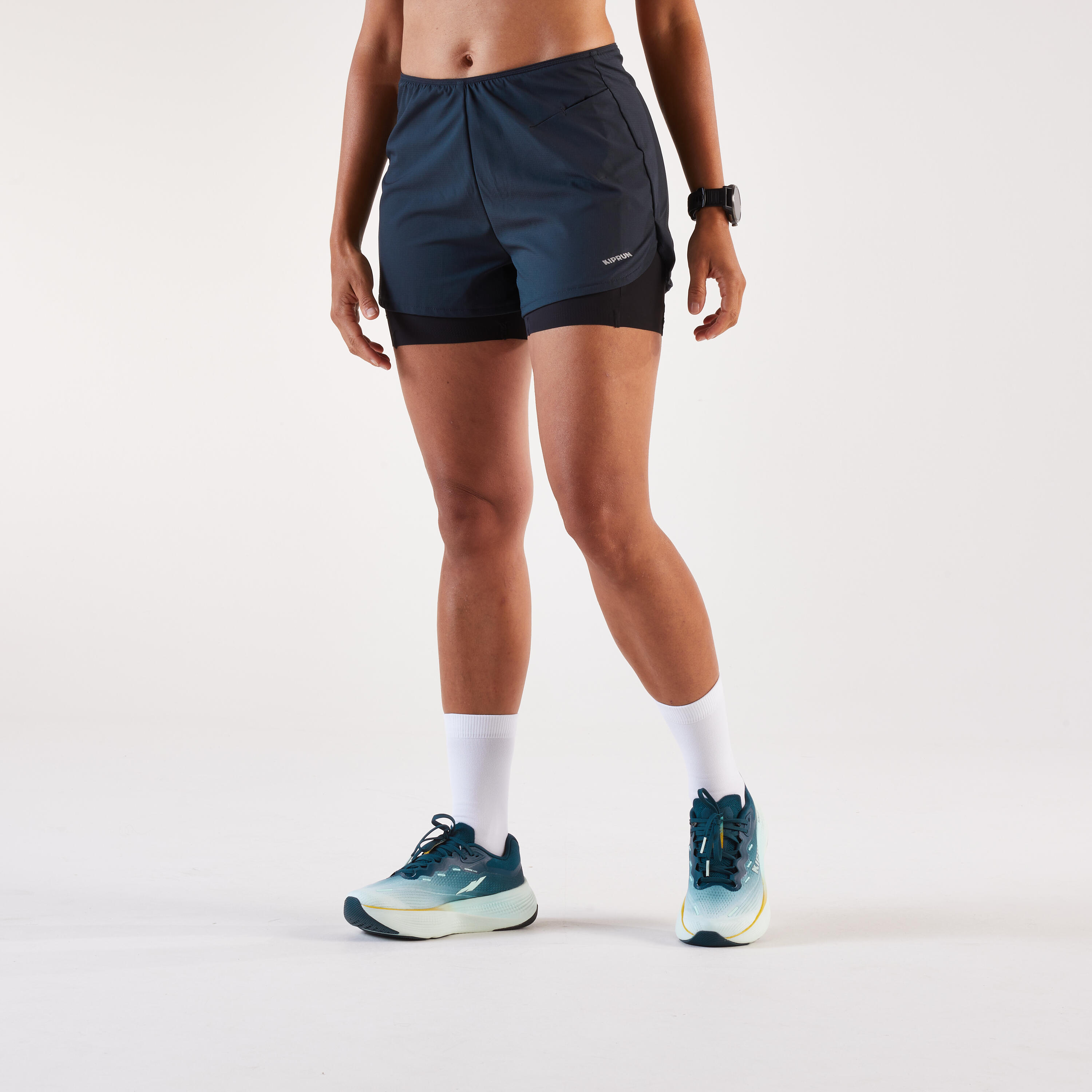
Wear technical layers that move perspiration and remain comfortable through sustained climbing, descending and changes in pace. Two-in-one shorts can reduce thigh chafing by placing fitted fabric beneath a loose outer layer, while silicone grippers help stop the inner legs riding upwards. KIPRUN Run 900 Ultra shorts add several carrying spaces for flasks, nutrition, a phone and small essentials, which may reduce the need for a separate belt. Build your clothing system from suitable mid-distance trail outfits, then add lightweight UV, wind or rain protection according to route exposure. Avoid cotton because retained sweat can become heavy and leave you cold when your effort drops.

How much nutrition should you carry for a mid-distance trail?

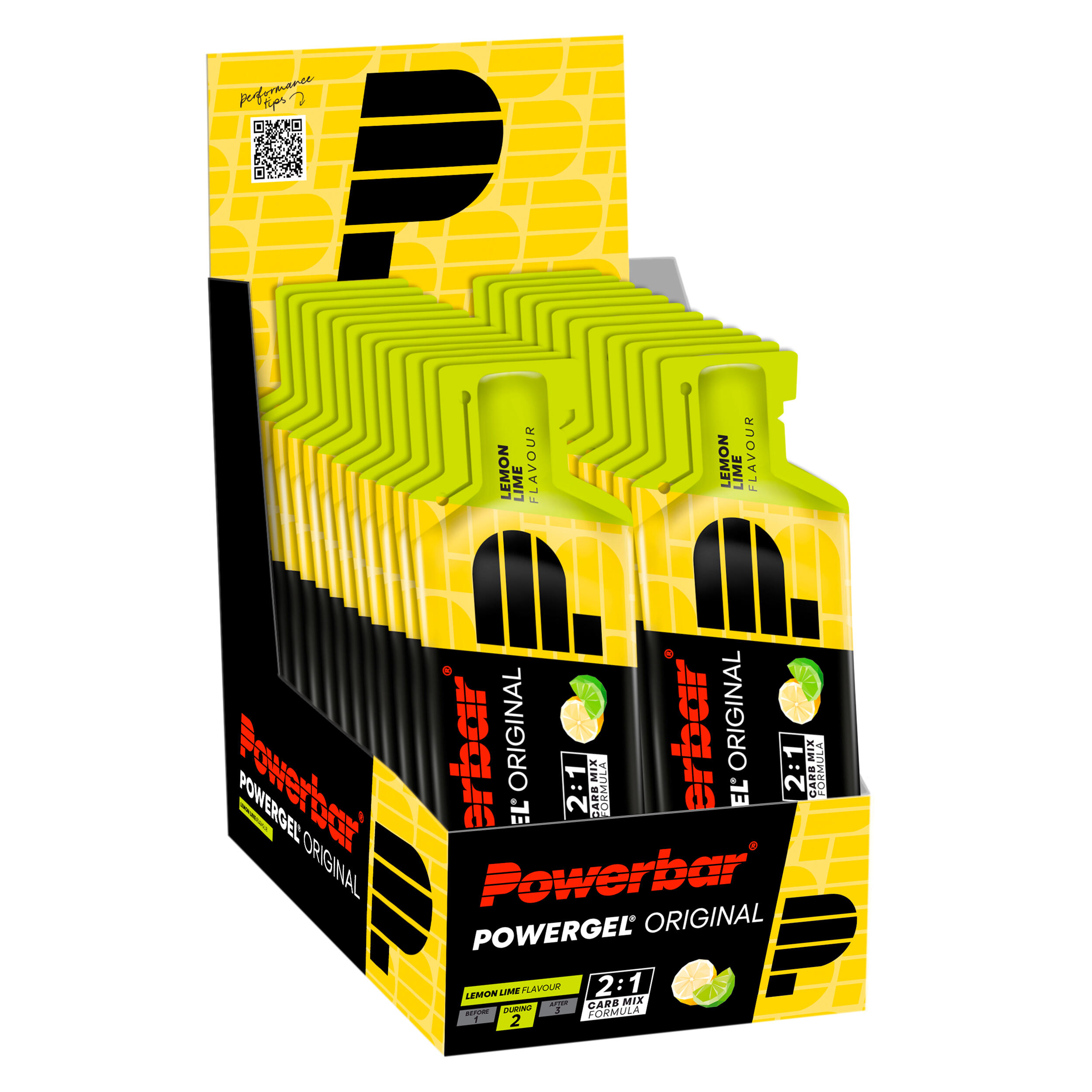
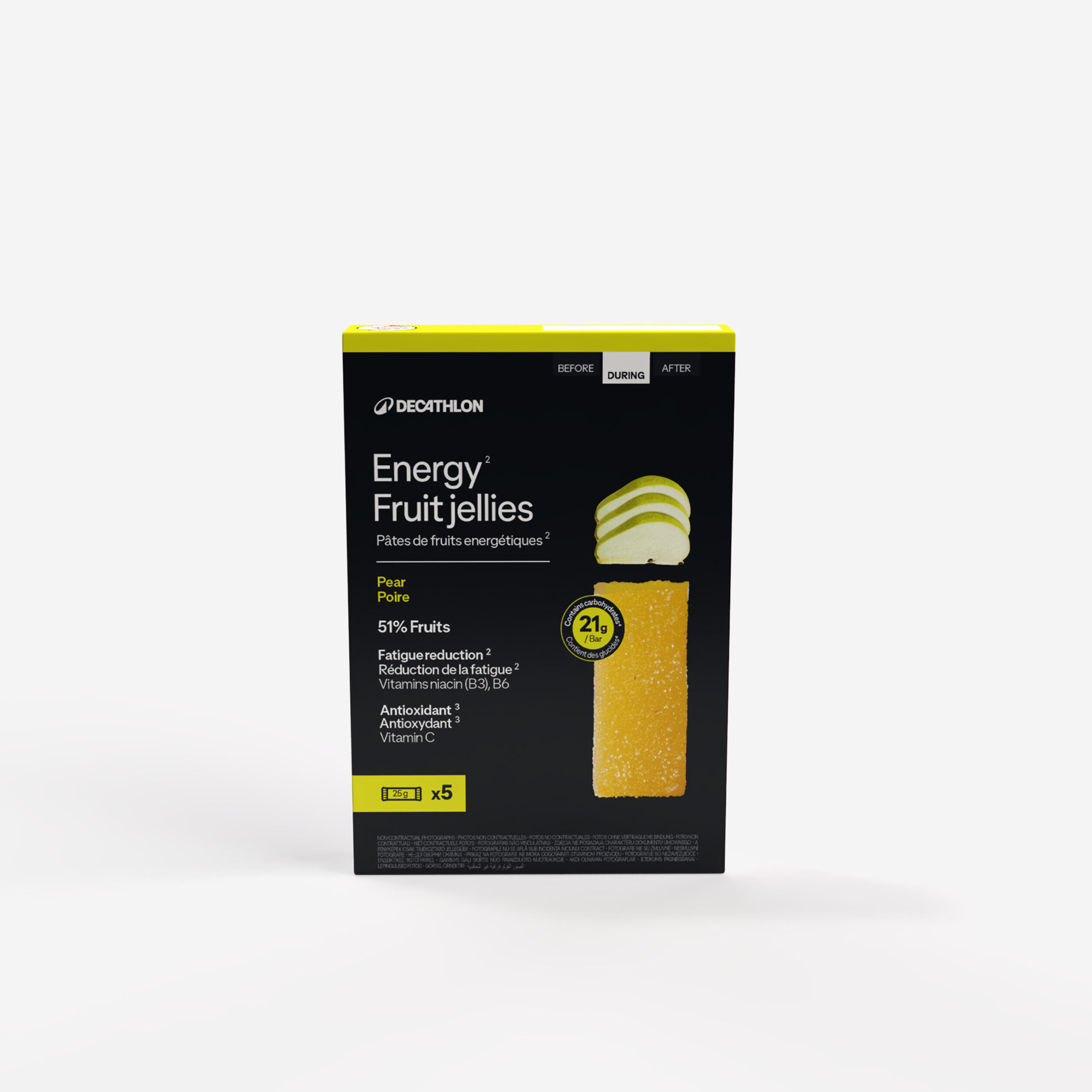
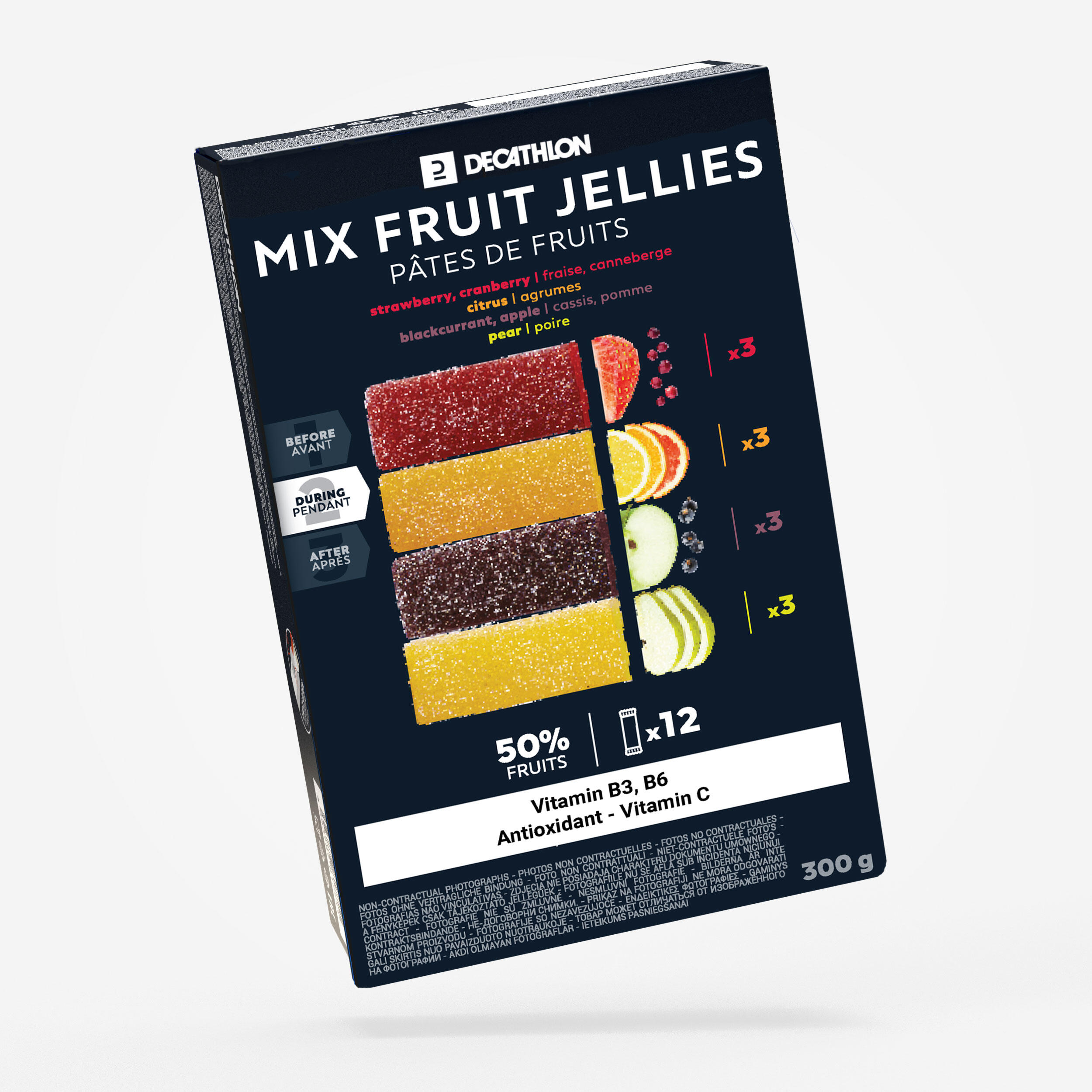
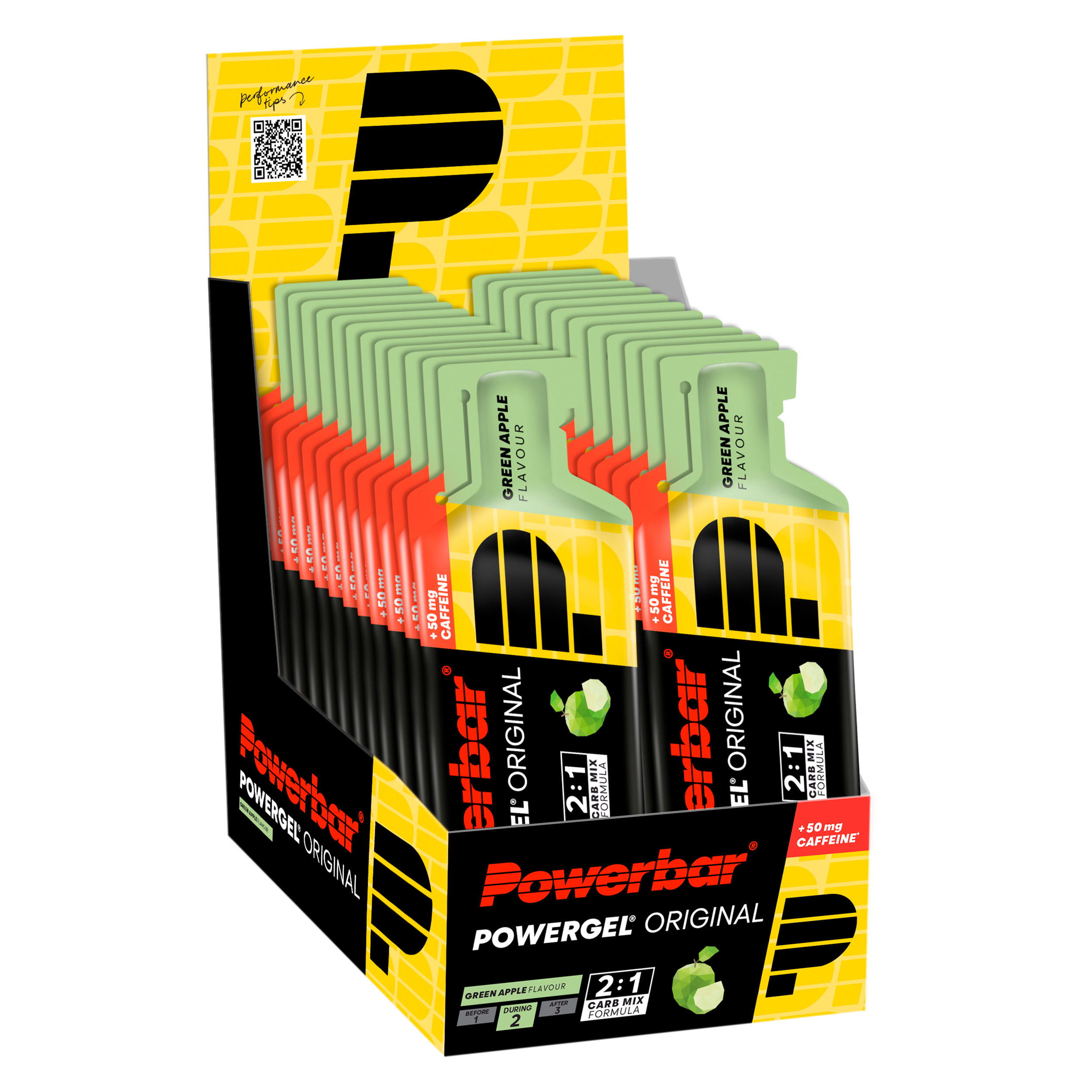
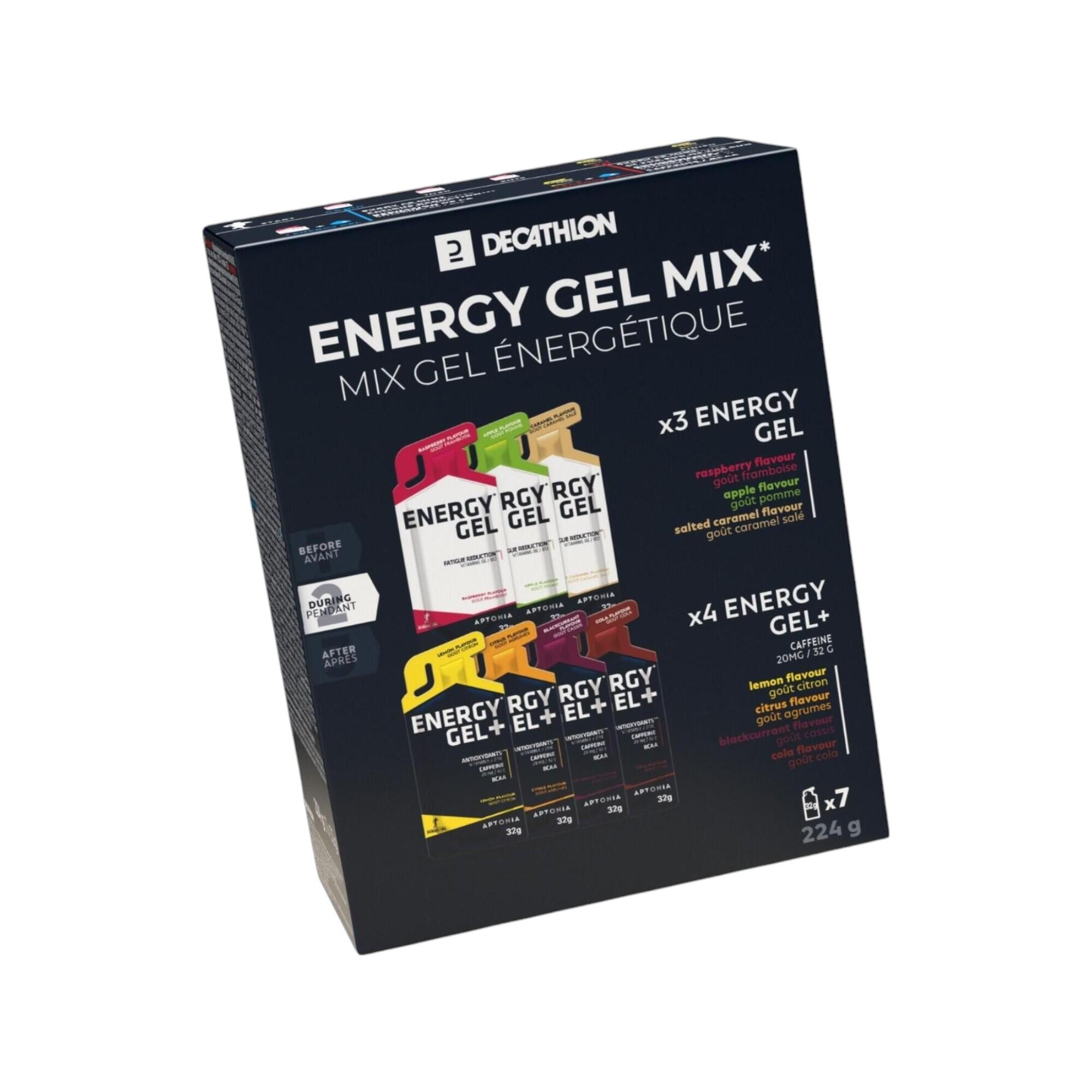
Base your nutrition plan on expected running time rather than distance alone. A hilly 20K route may take longer than a flatter 30K course, so estimate your duration using similar training runs. Carry familiar carbohydrate portions that you can open, chew and digest while moving, such as jellies, gels or compact bars. Use mid-distance trail nutrition to standard formats, serving sizes and carbohydrate content. Begin eating before your energy falls sharply, and take fluids where the product instructions recommend them. Pro tip: keep different flavours or textures available on longer outings, as repeatedly consuming one sweet product can become difficult even when your stomach tolerates it.

How should you carry water and equipment over 20-40K?

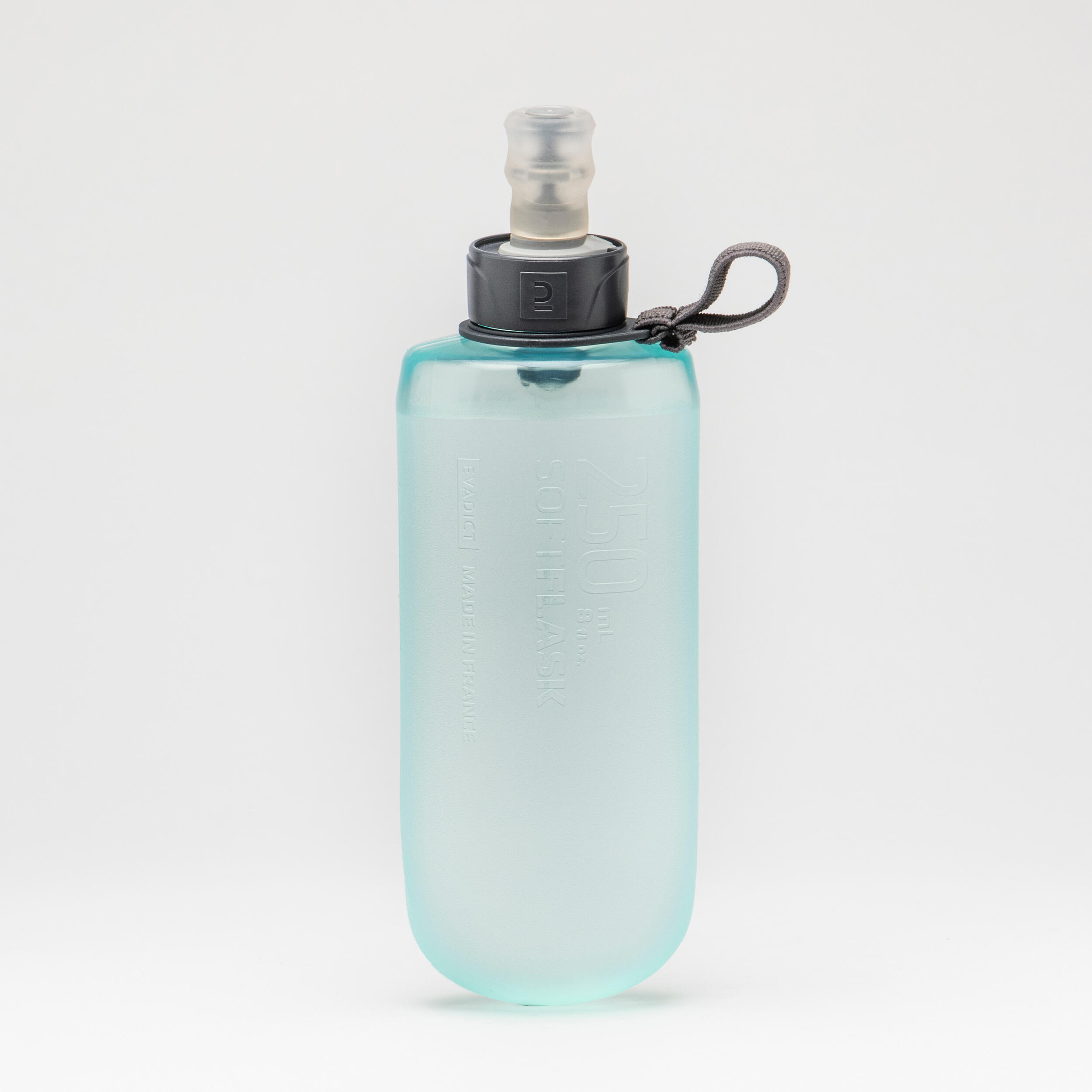
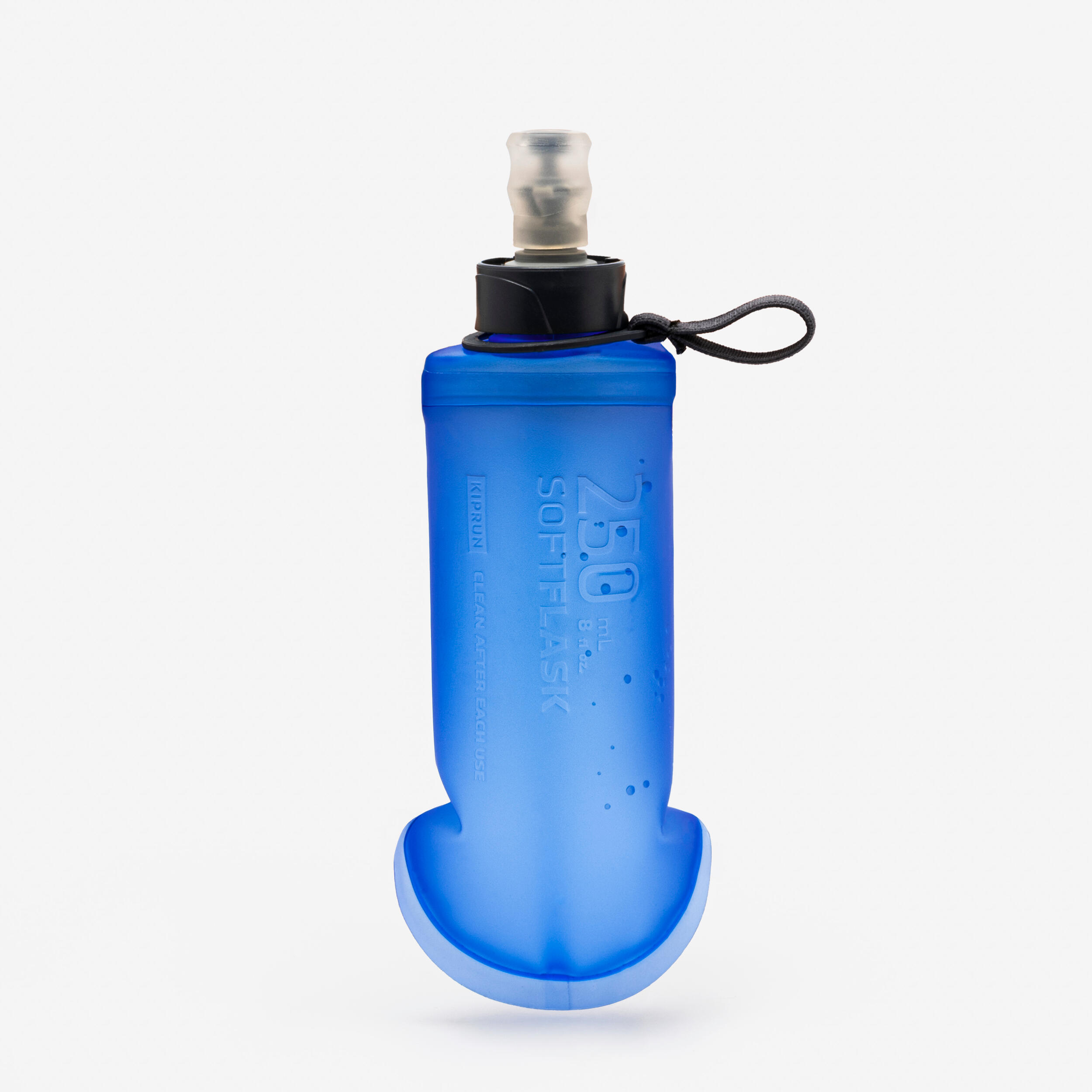
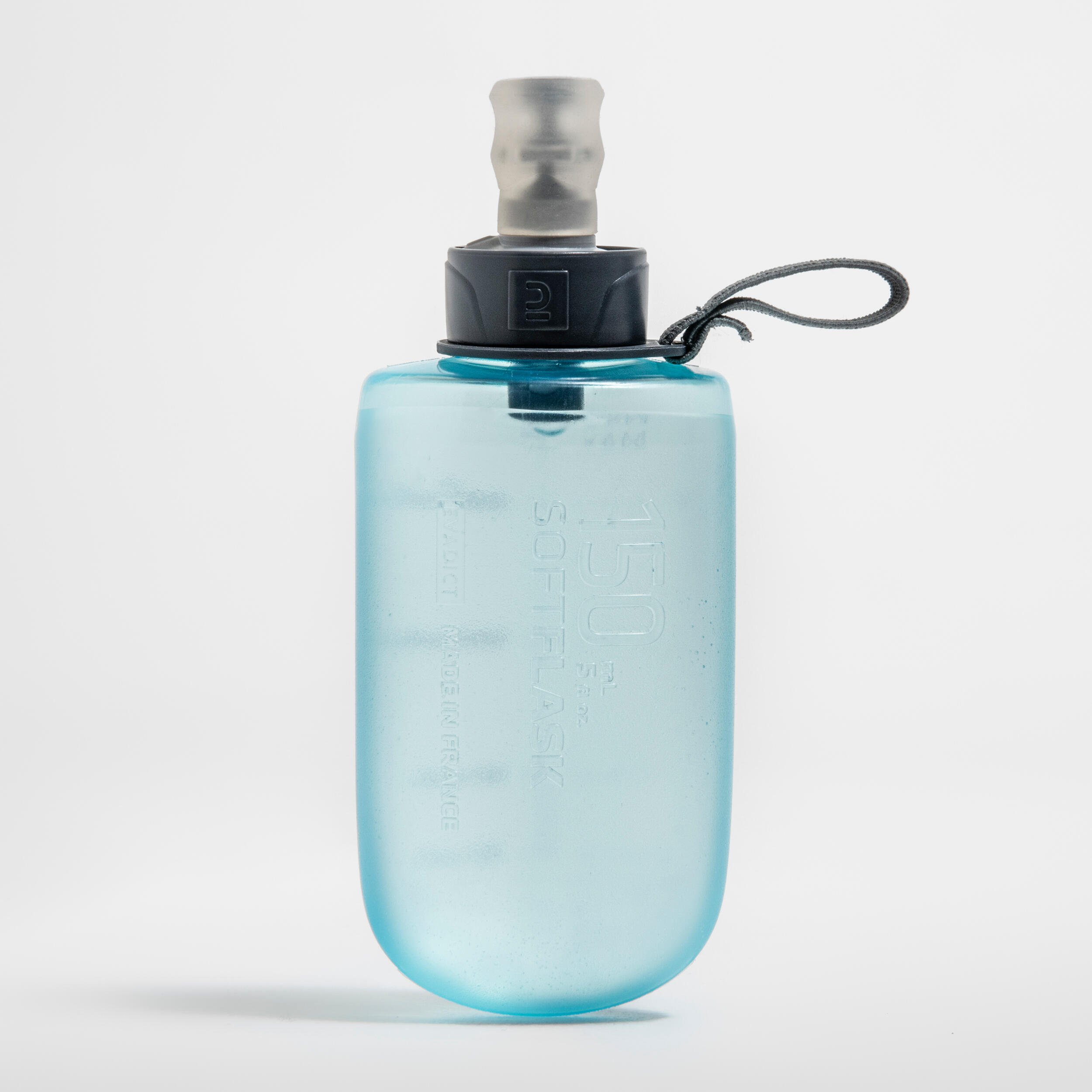
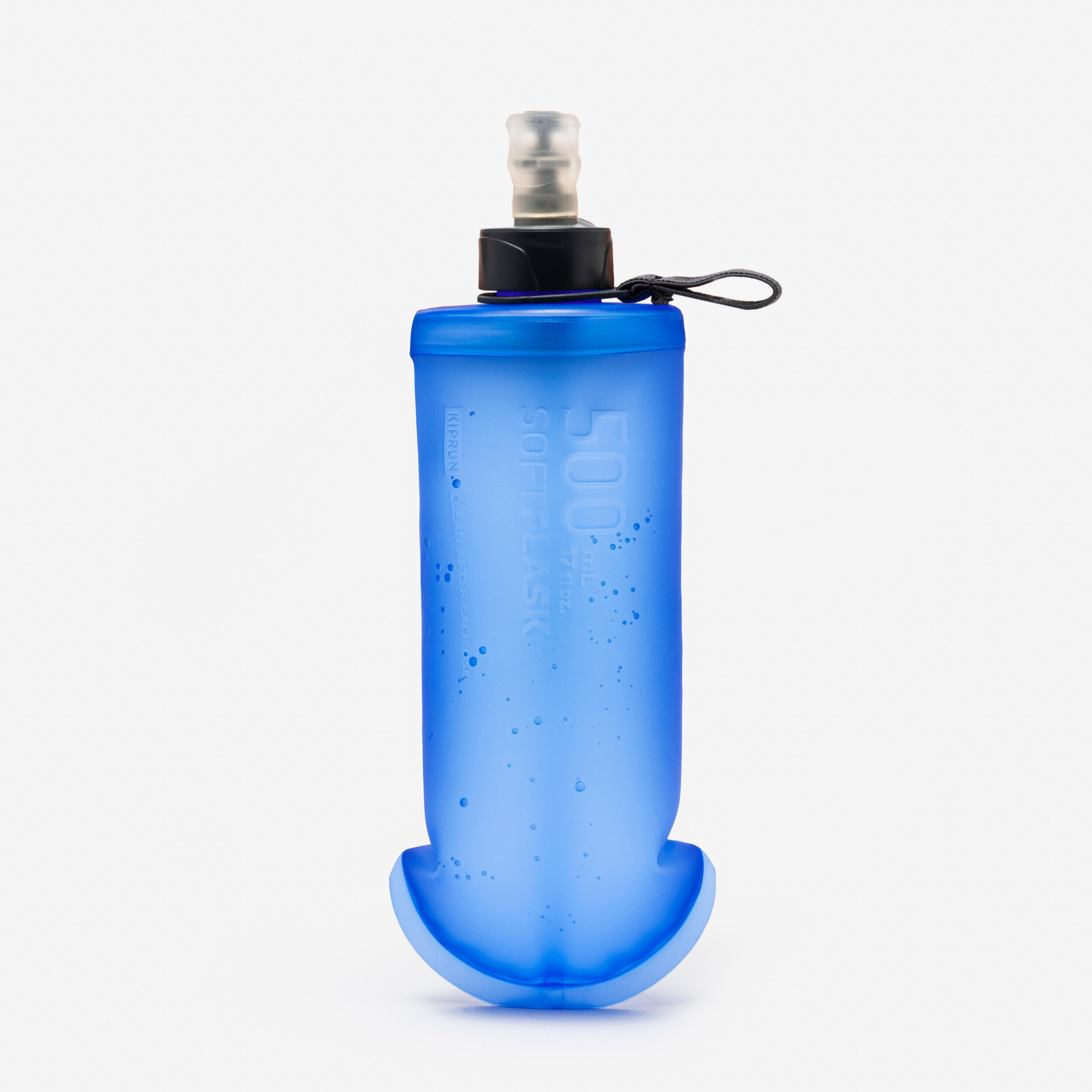
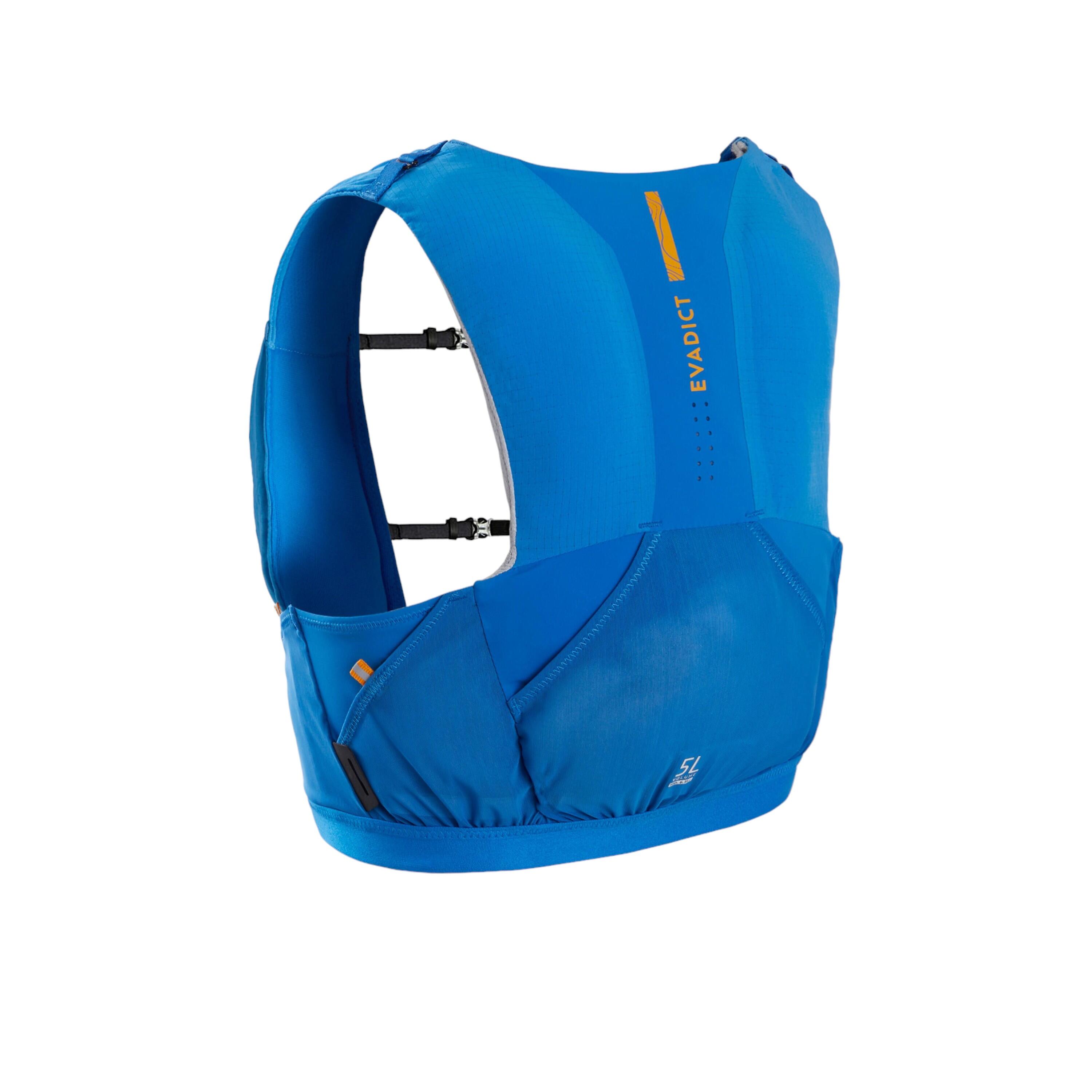
Choose carrying capacity according to refill access, weather and mandatory kit rather than filling every available pocket. Flexible 250 ml and 500 ml flasks compress as they empty, reducing bulk and limiting the sloshing caused by trapped air. Integrated clothing storage can hold smaller flasks, gels and a phone, while a belt or hydration vest may be more practical when you need extra water, a jacket or emergency equipment. Prioritise mid-distance trail accessories by stability, accessibility and compatibility with your clothing. Keep keys away from soft flasks, lock each valve before packing and place frequently used items where you can reach them without removing your full carrying system.

How should you prepare for your first 20-40K trail?

Increase time on your feet gradually and train on terrain that resembles the planned route. Practise climbing at a controlled effort, taking shorter steps on steep sections and descending without overstriding. Check the route profile, weather, cut-off times and permitted equipment before selecting your kit. Test footwear from the wider trail running shoes category across wet, dry and uneven surfaces rather than wearing new shoes for the event. Charge electronic equipment, inspect flask valves and pack a backup layer when exposed conditions could change. Tell someone your route when running independently, carry emergency contact details and avoid relying on GPS alone where signal, battery life or navigation errors could become a problem.