3,236 items
4.6/5 based on 543136 reviews collected online and in stores

Summer Trail Running Gear FAQs

What should you wear for summer trail running?

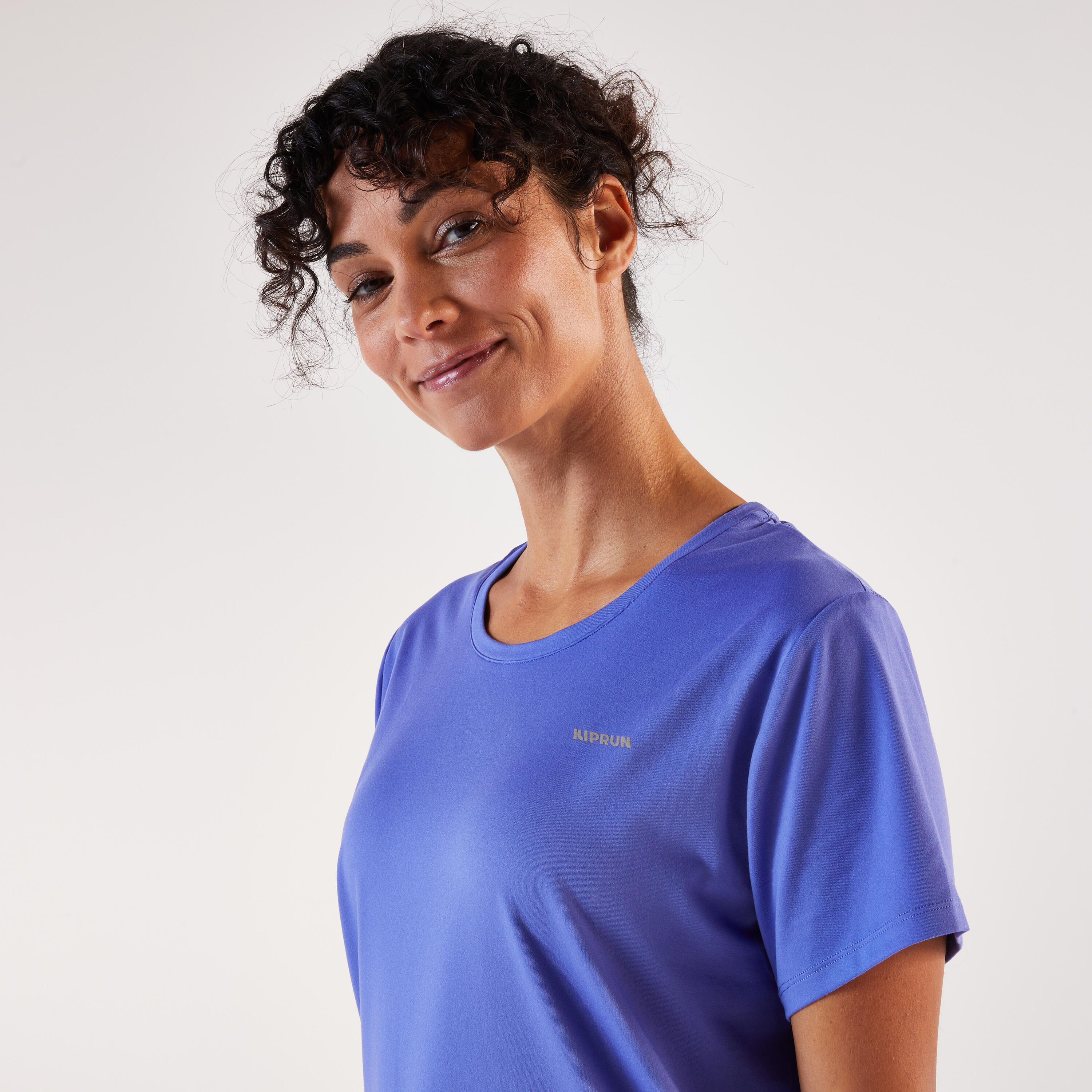
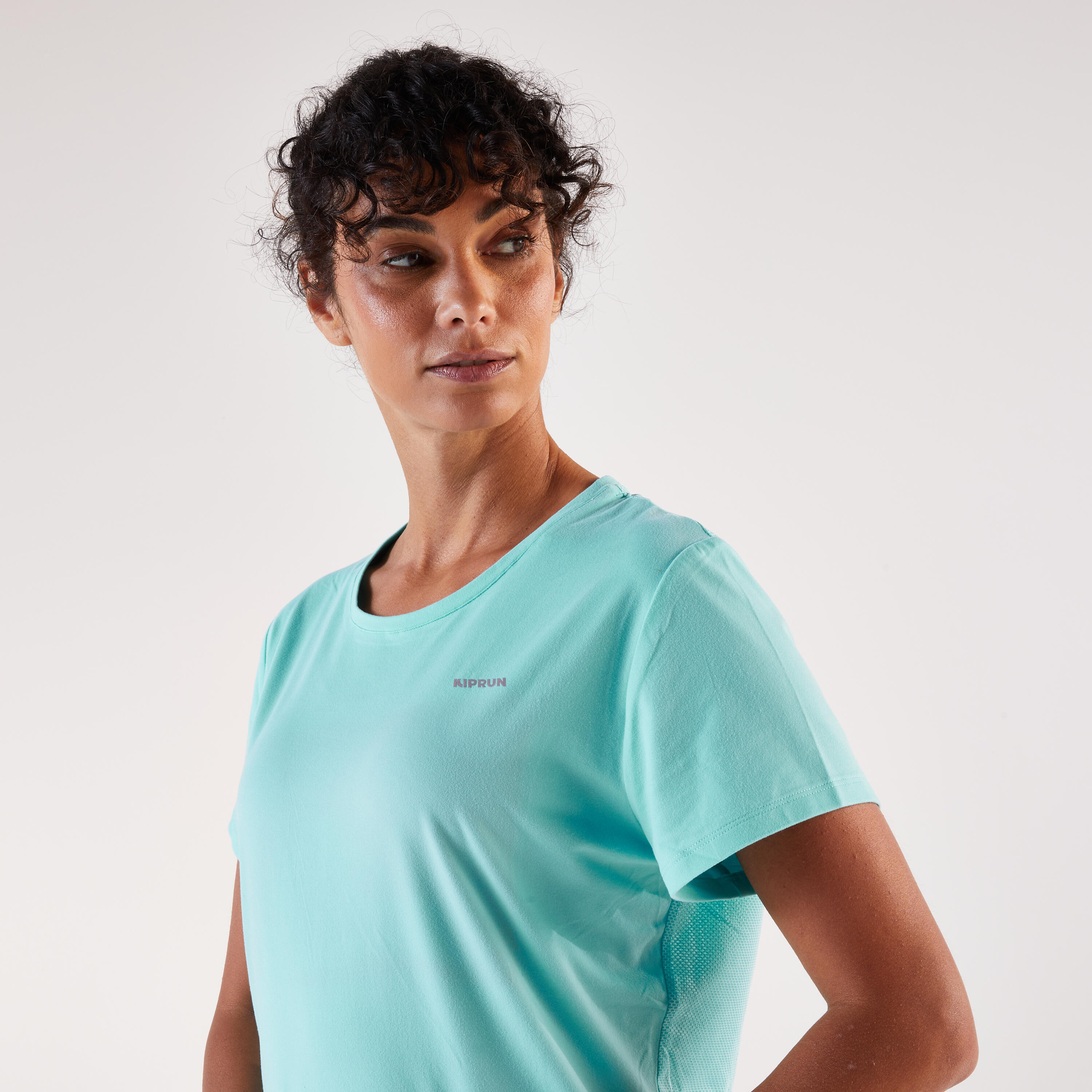
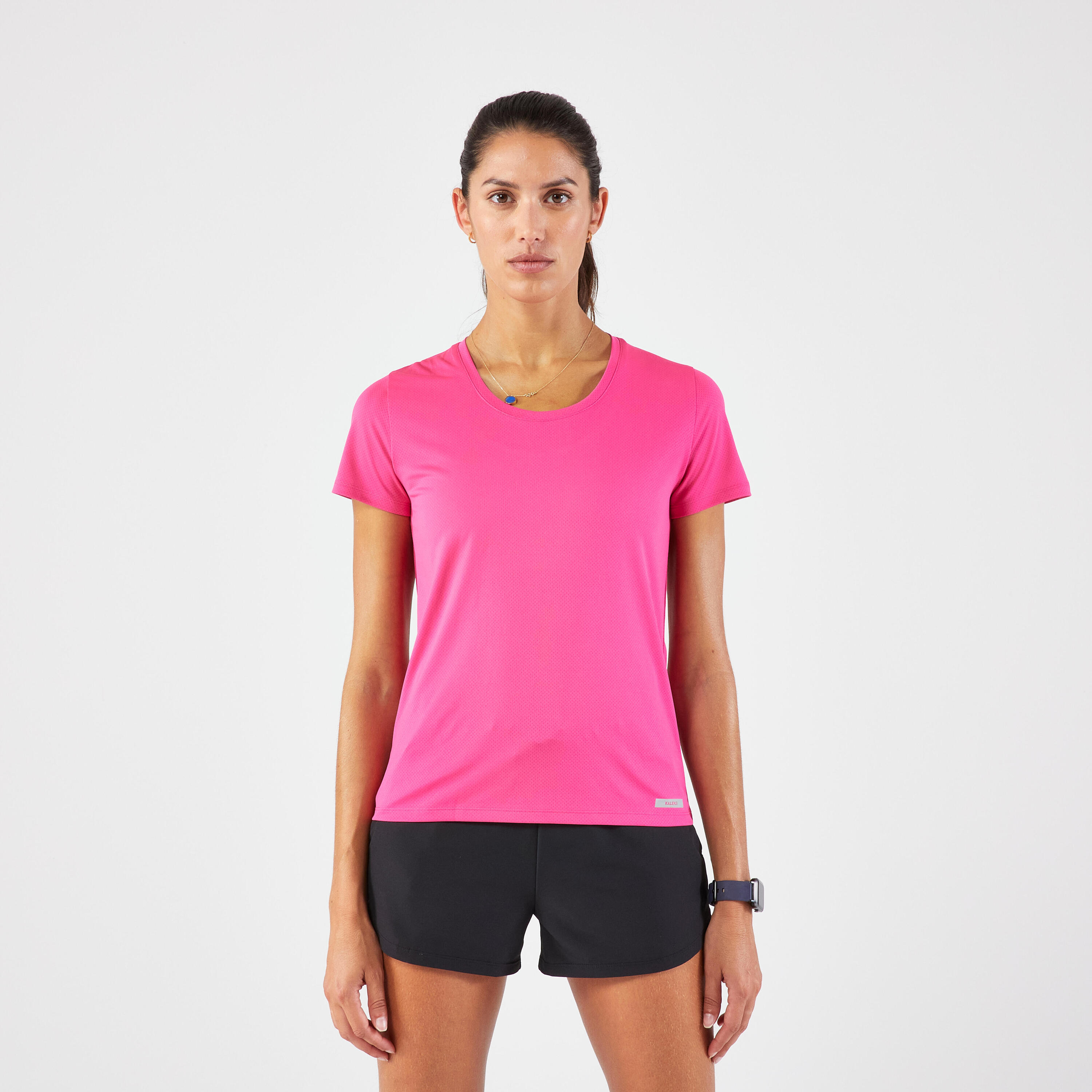
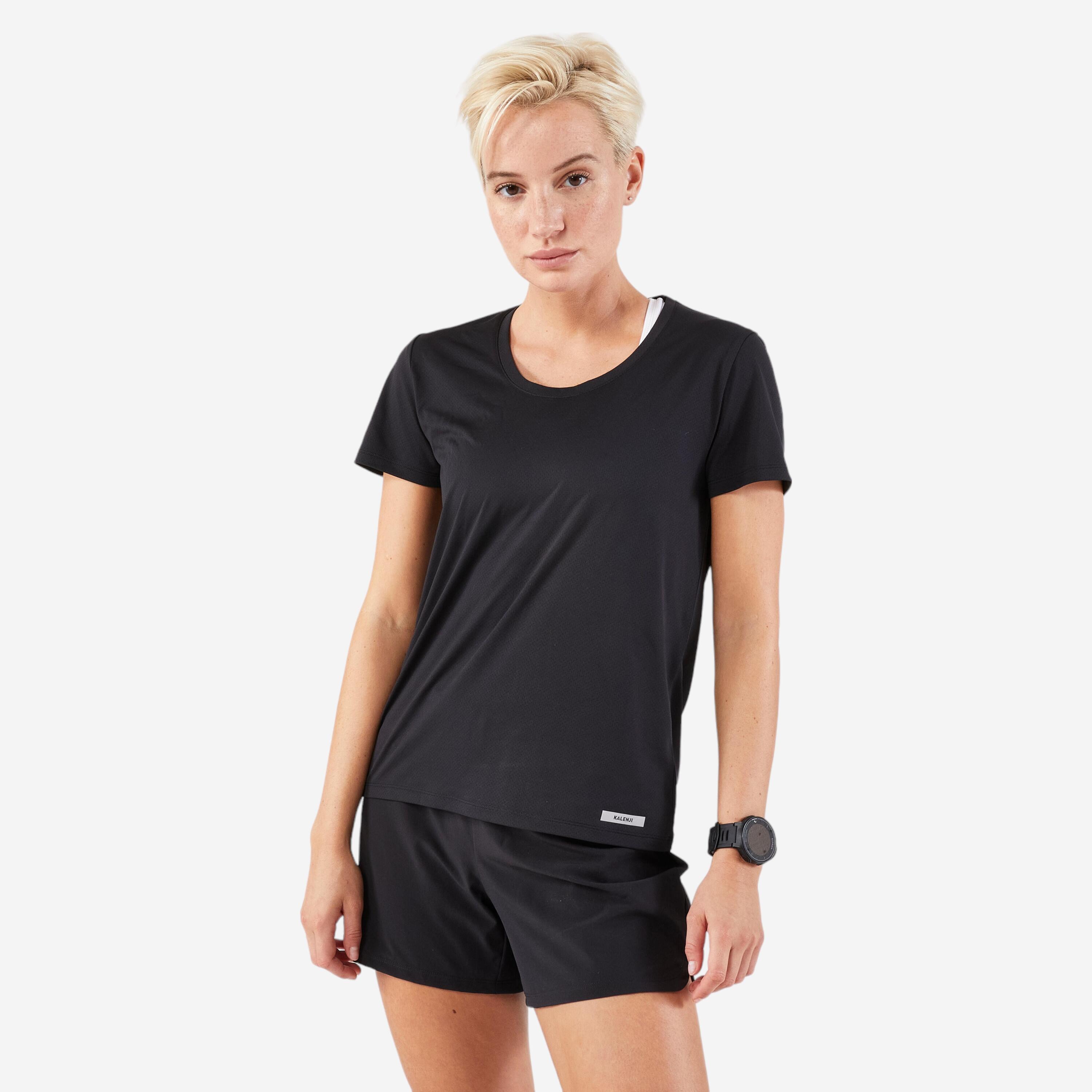
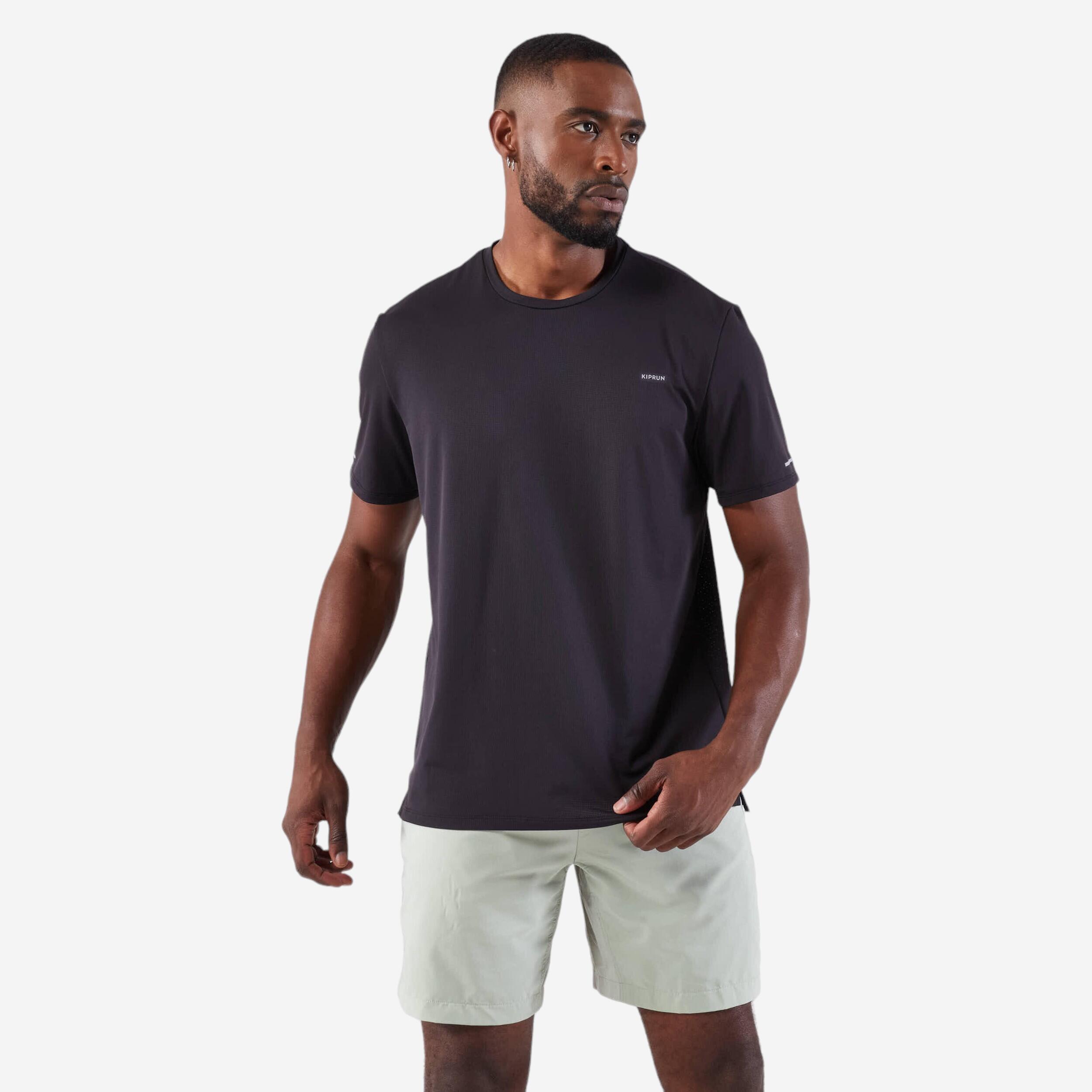
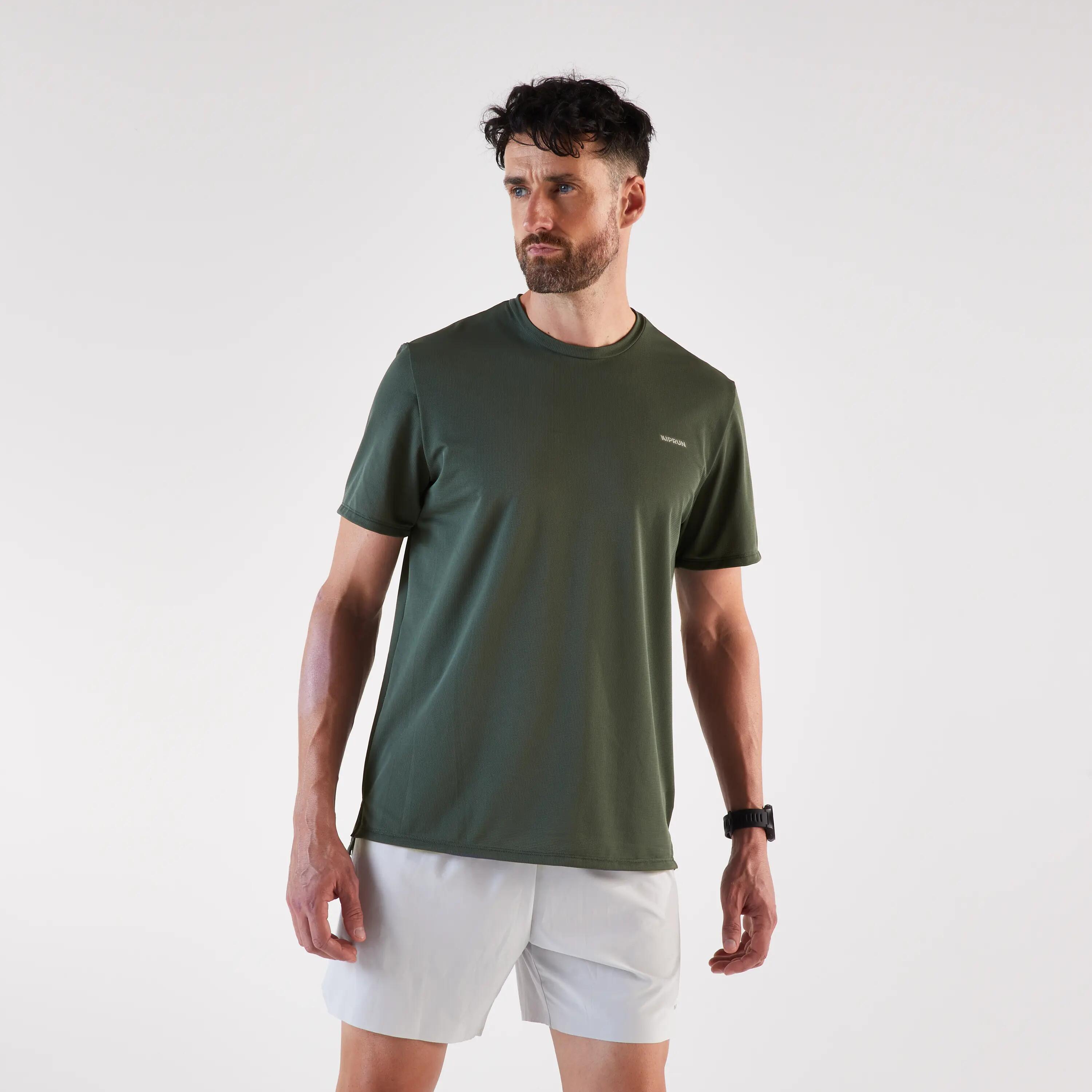
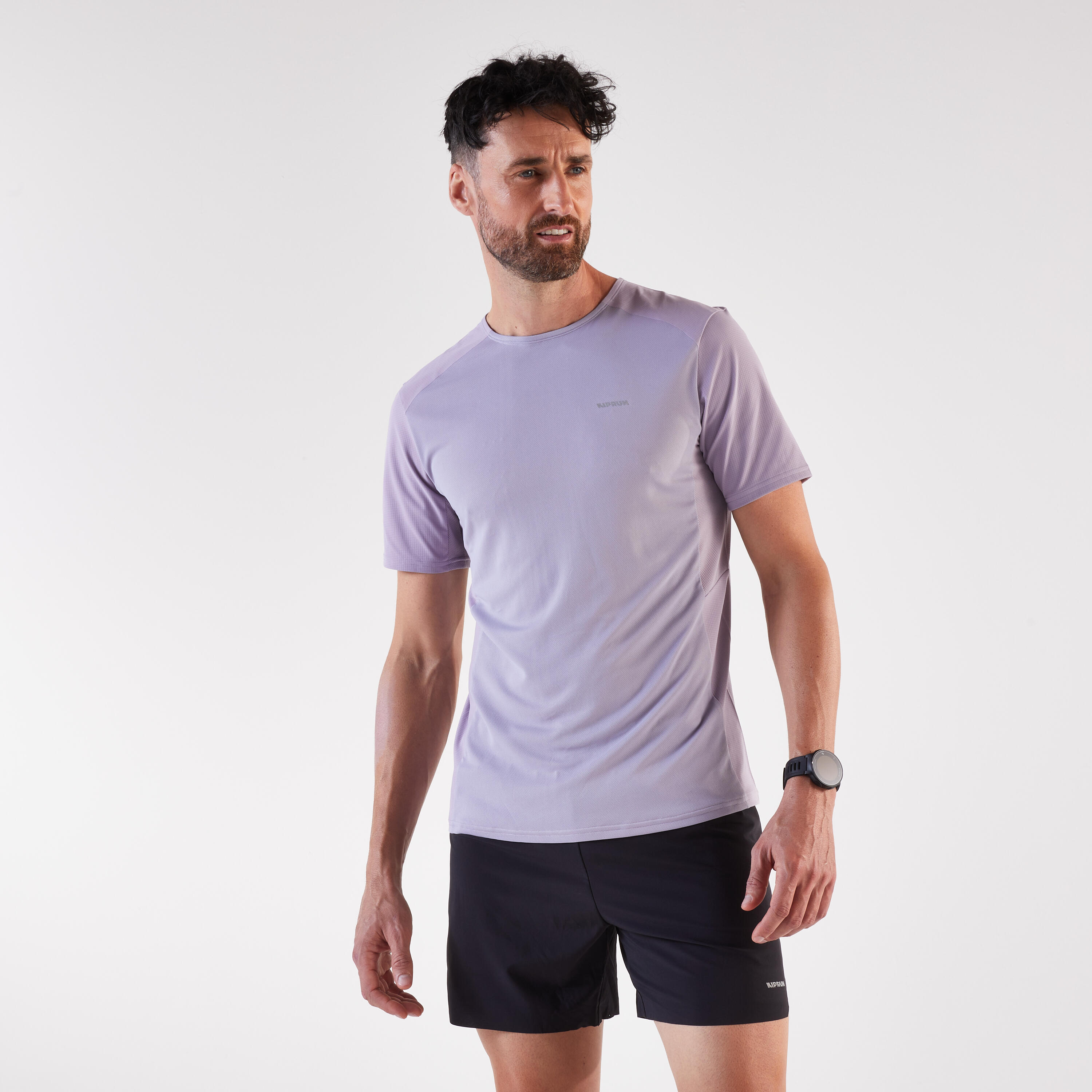
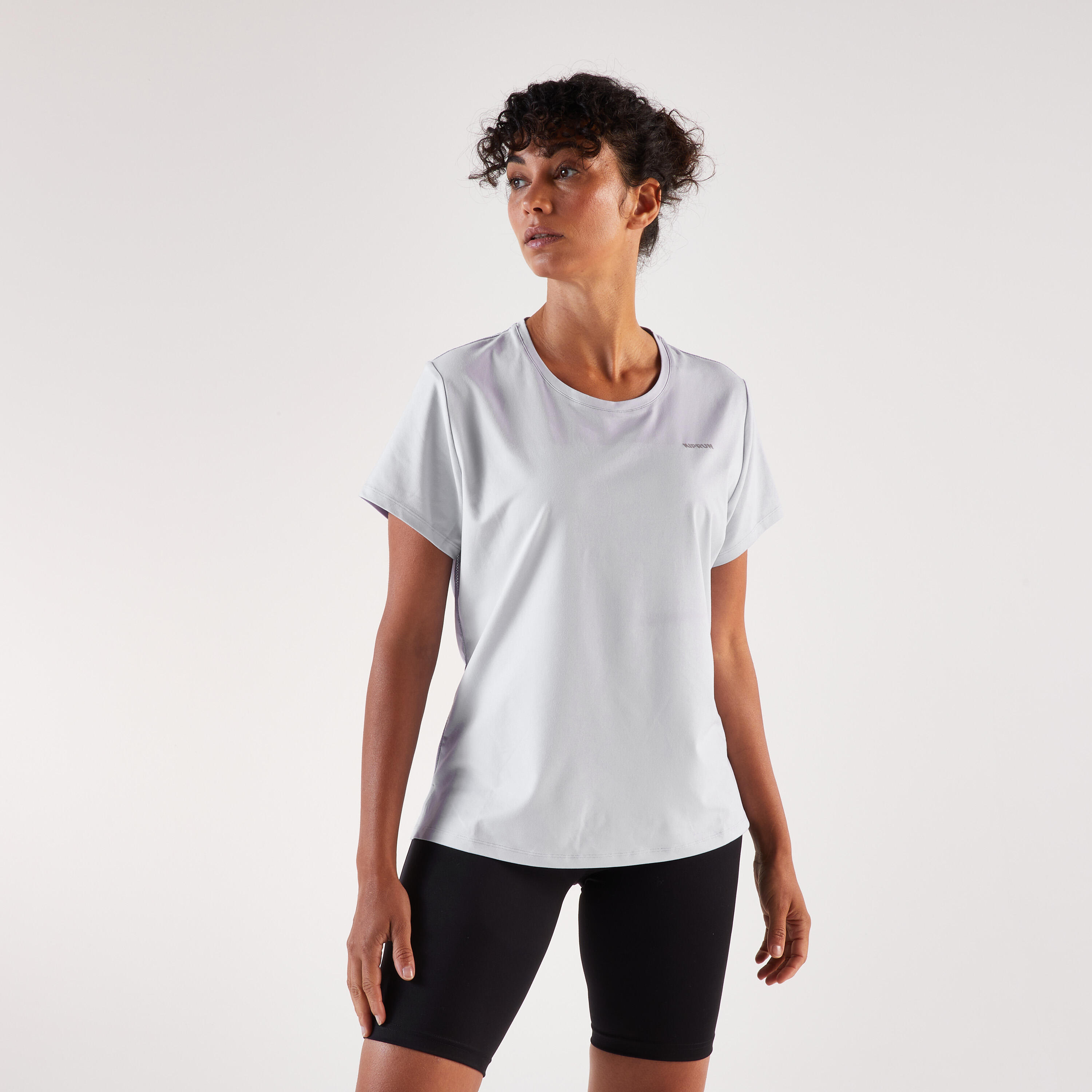
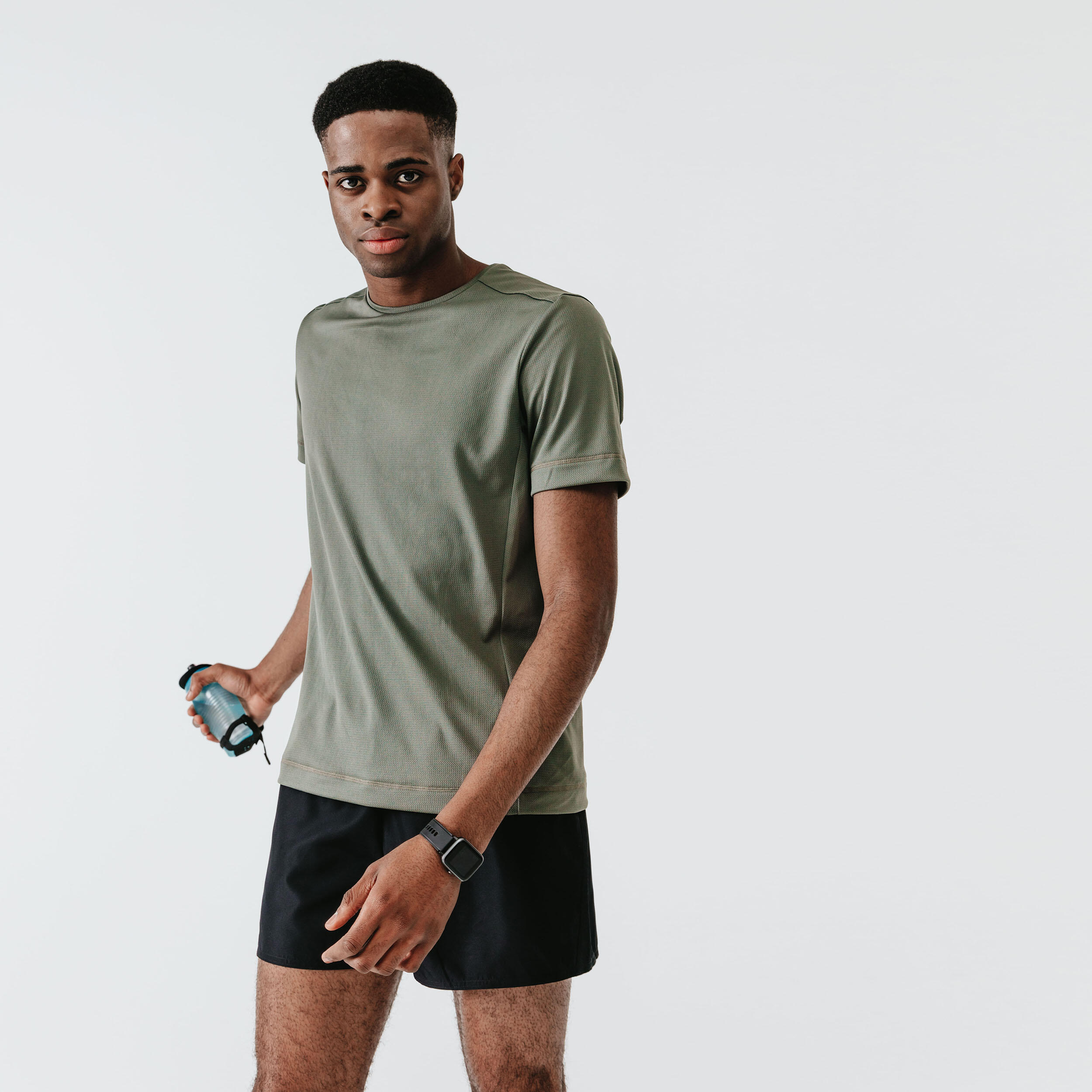
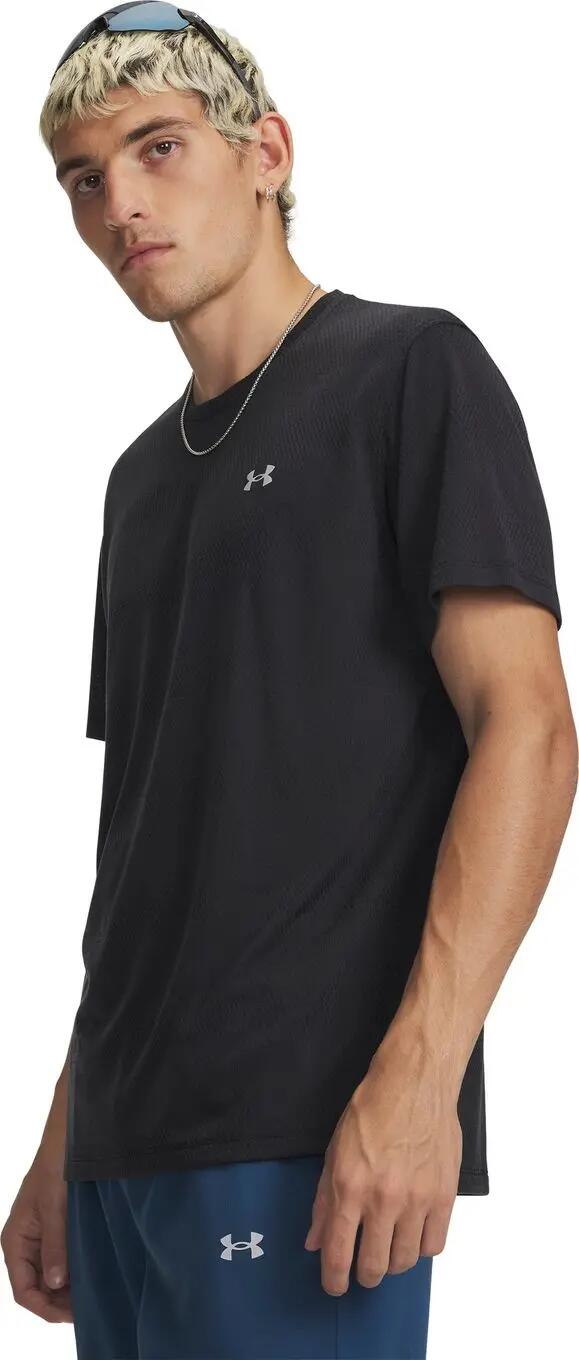
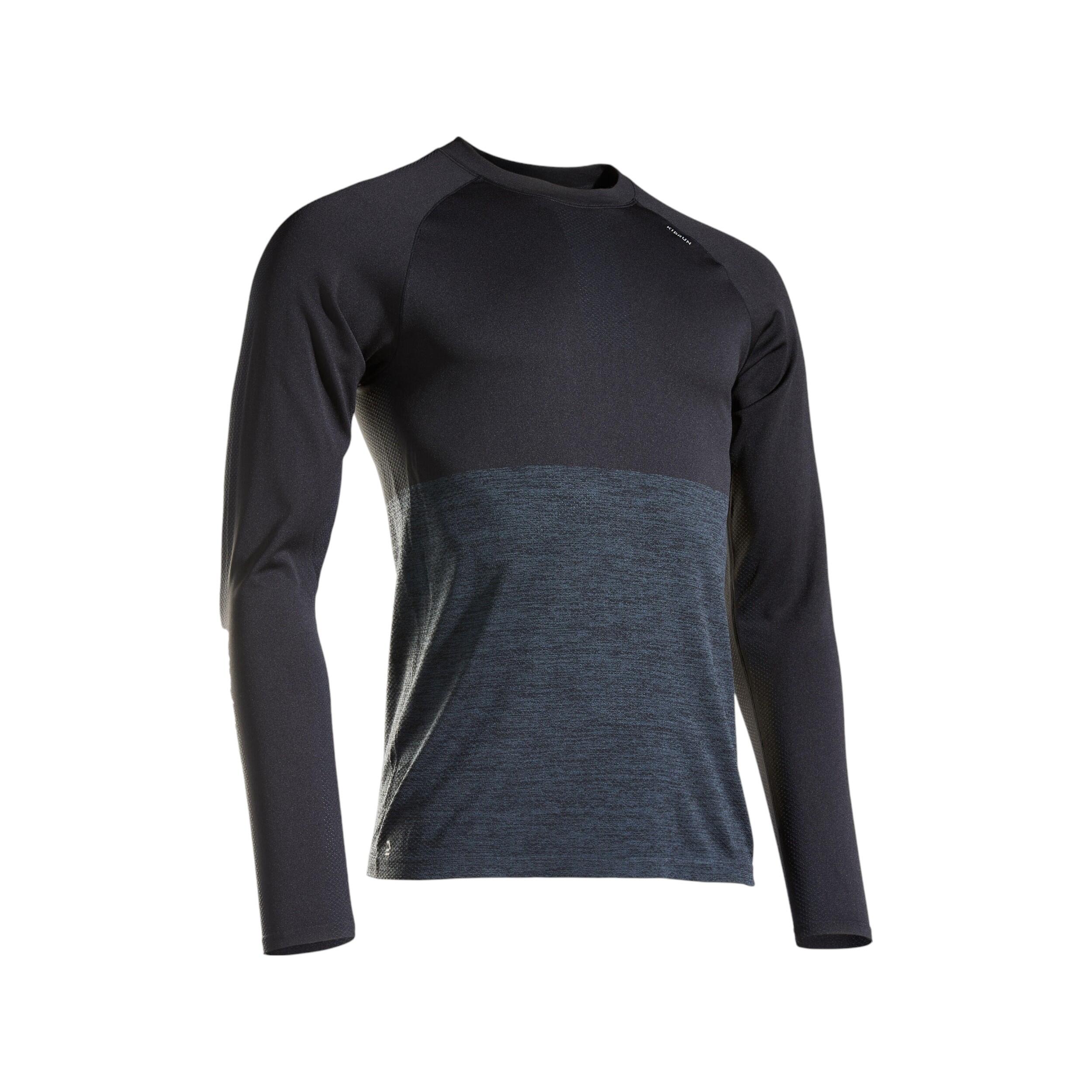
Choose light technical clothing that moves perspiration away from the skin and gives your legs and arms enough freedom for climbing, descending and uneven ground. Ordinary cotton can retain sweat, becoming heavy and uncomfortable as the temperature rises. A breathable T-shirt or tank top with lightweight shorts can form the base of a summer trail running outfit. KIPRUN synthetic fabrics spread moisture through the material so it can dry more quickly during active sessions. A KIPRUN running T-shirt offers a simple warm-weather layer for straightforward trails and regular training. Pro tip: test the full outfit with your belt or hydration vest because pack straps can alter the fit and create friction around the shoulders or waist.
Which shorts suit hot-weather trail running?

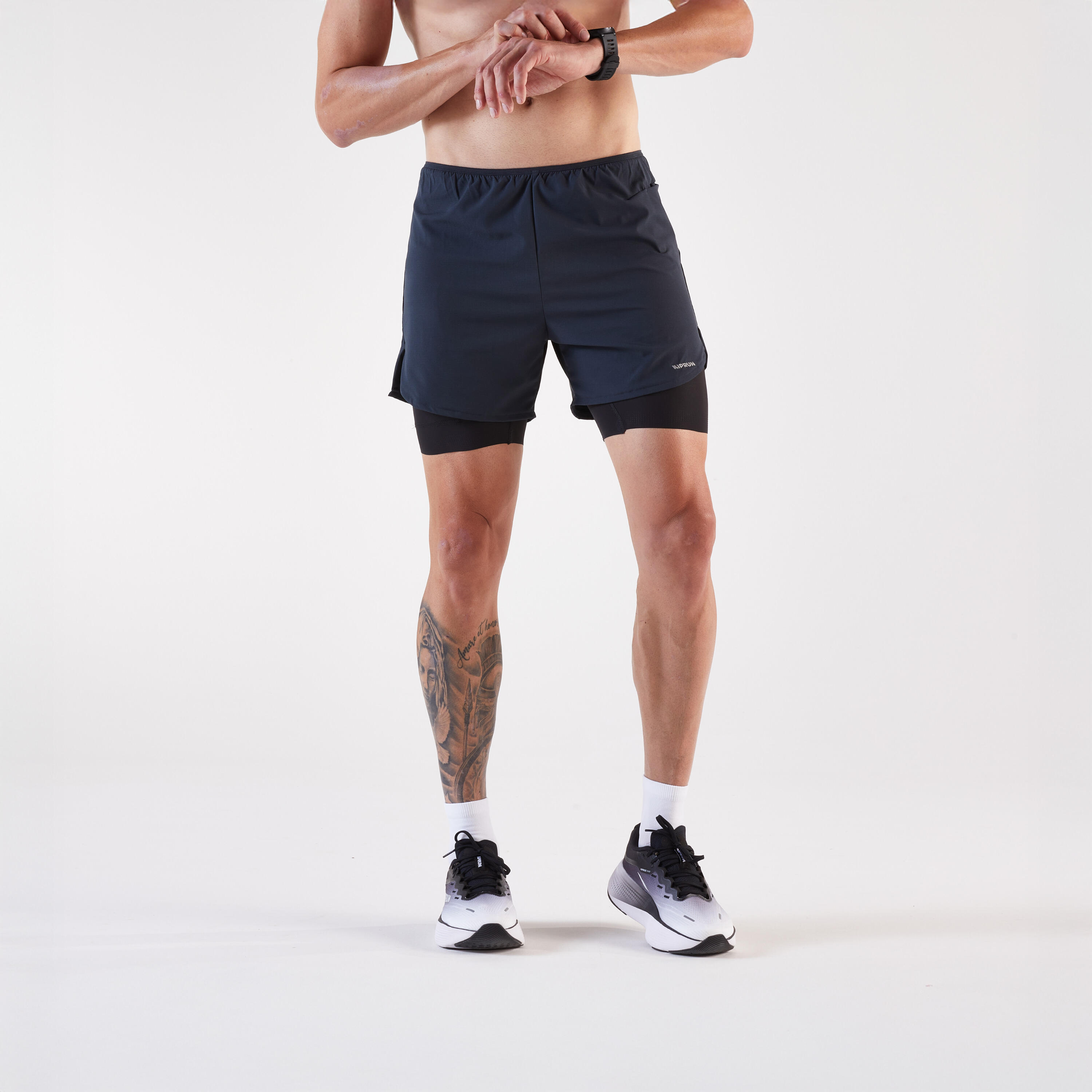
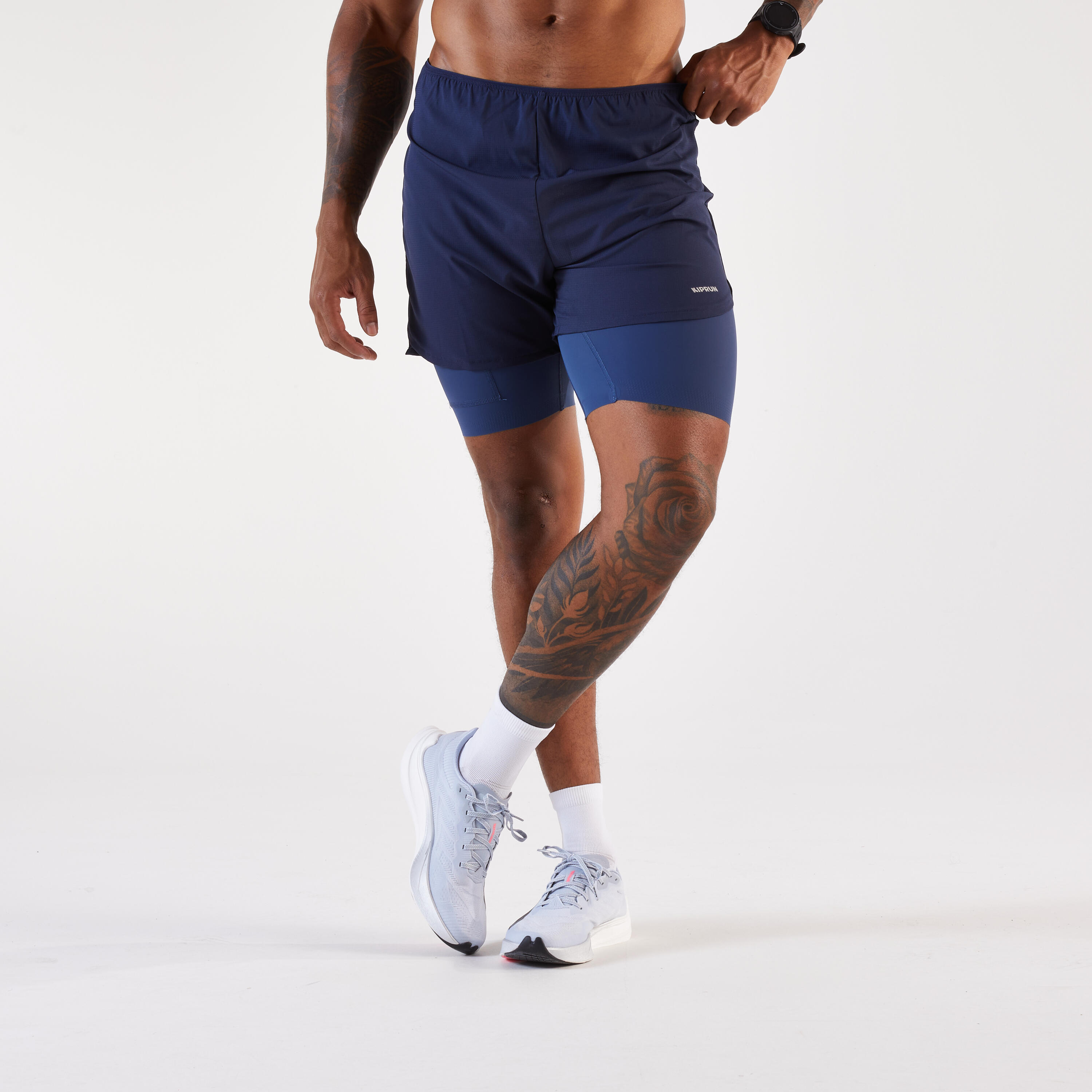
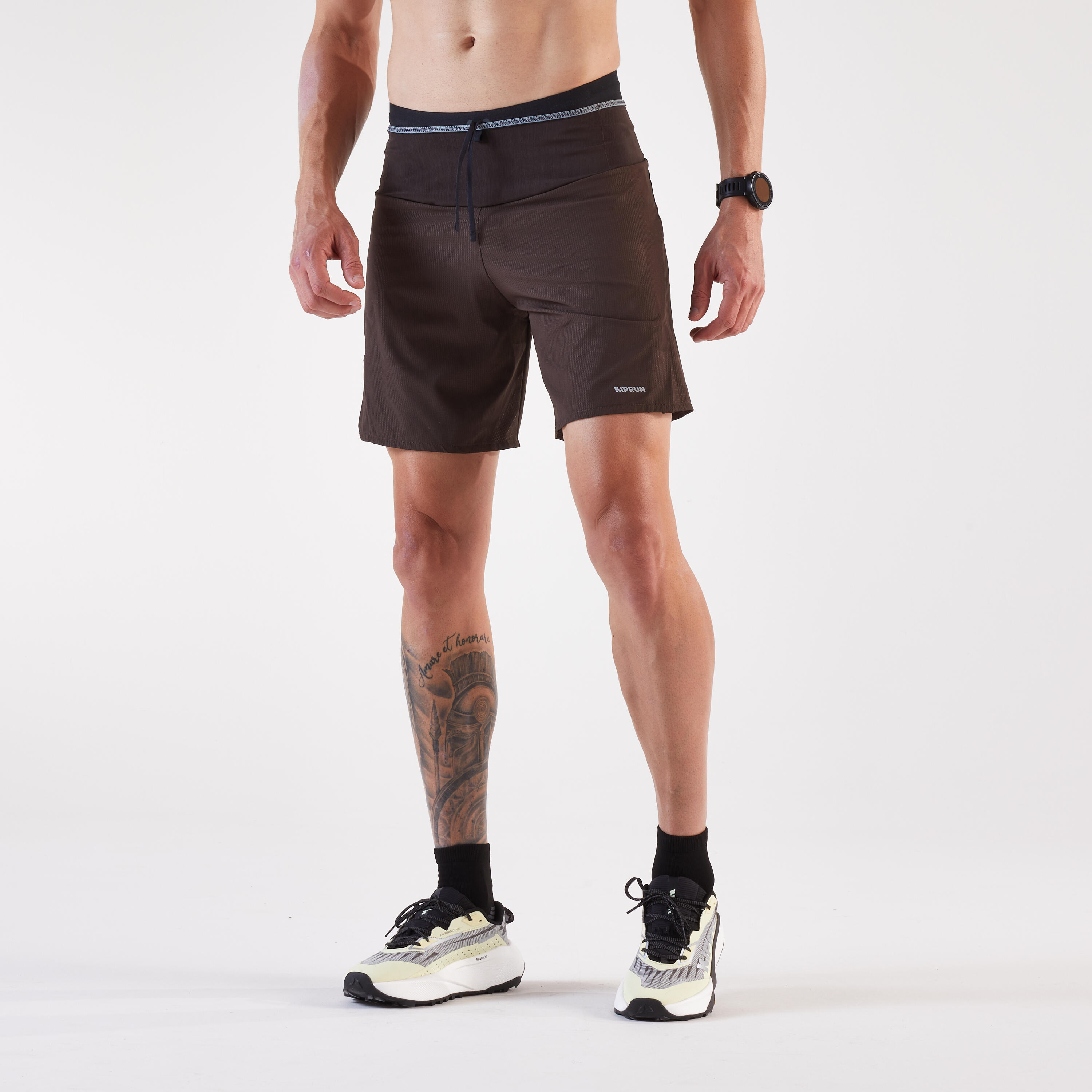
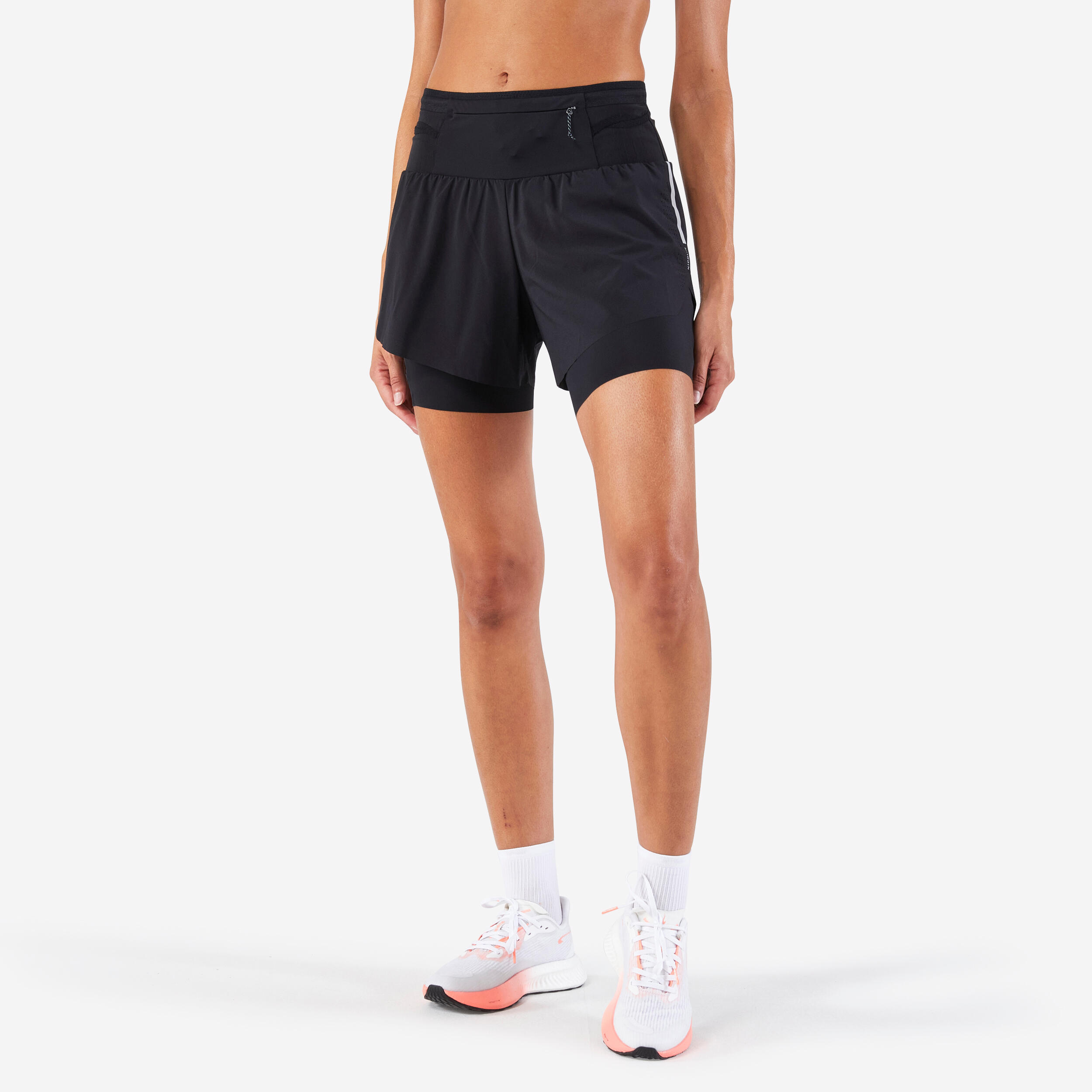
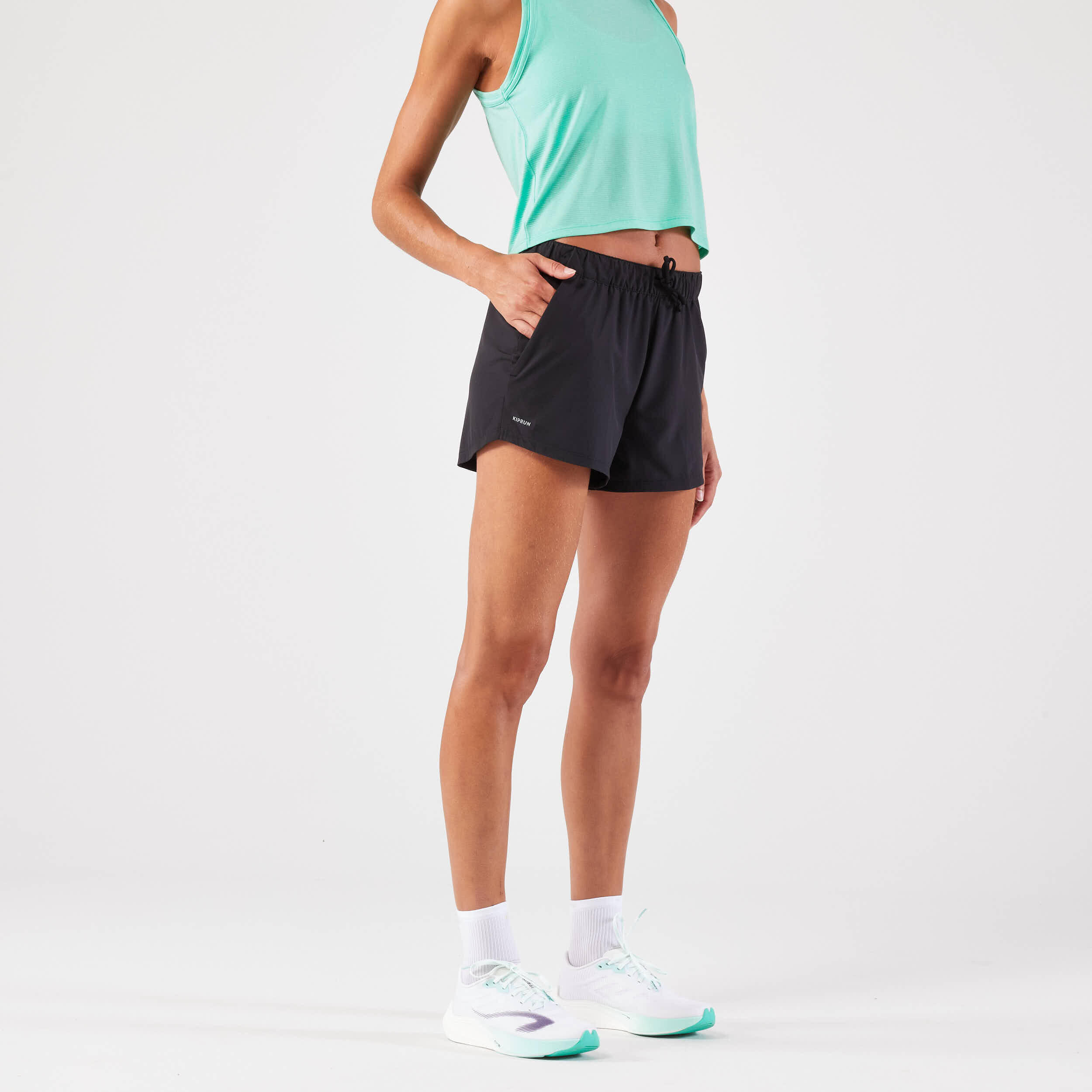
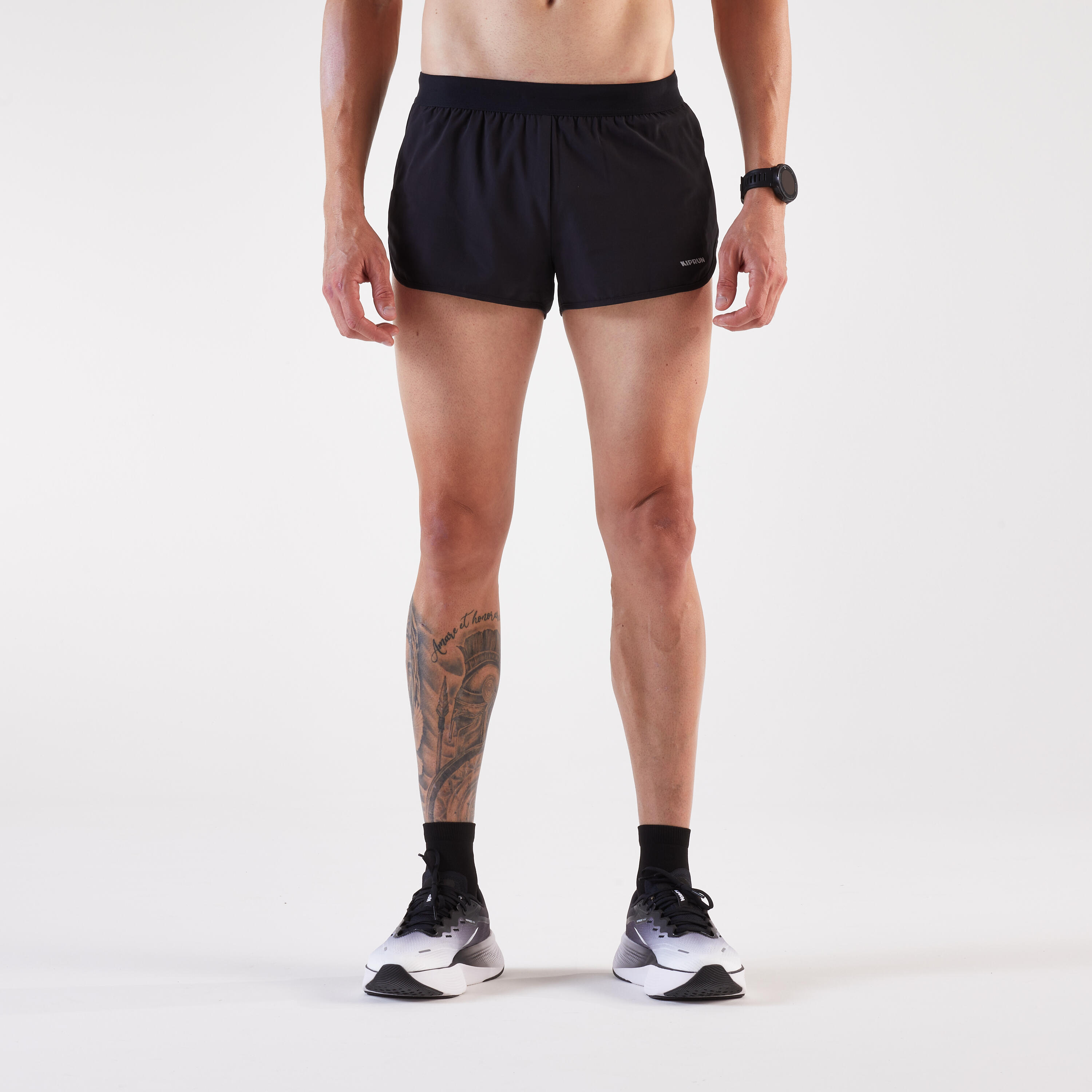
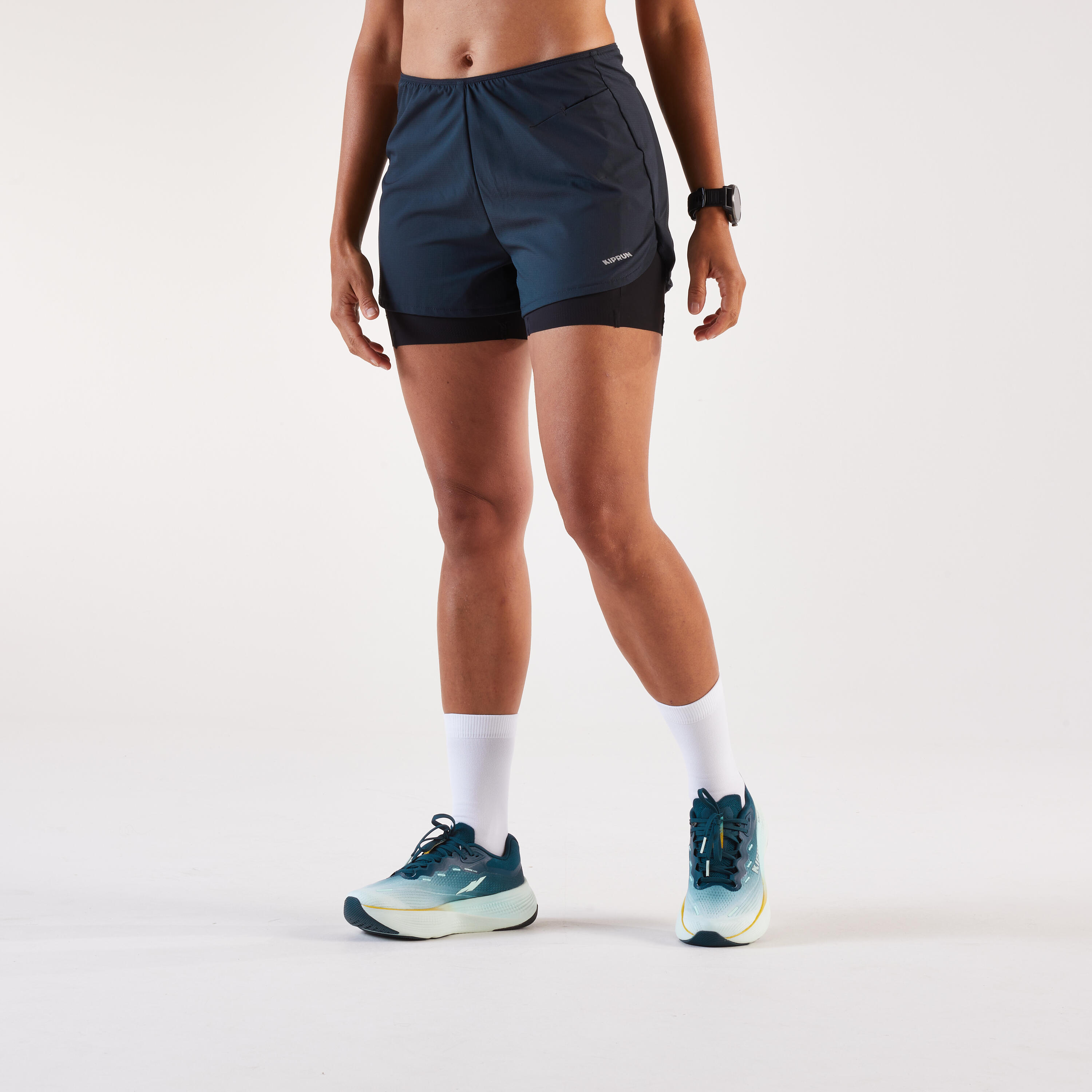
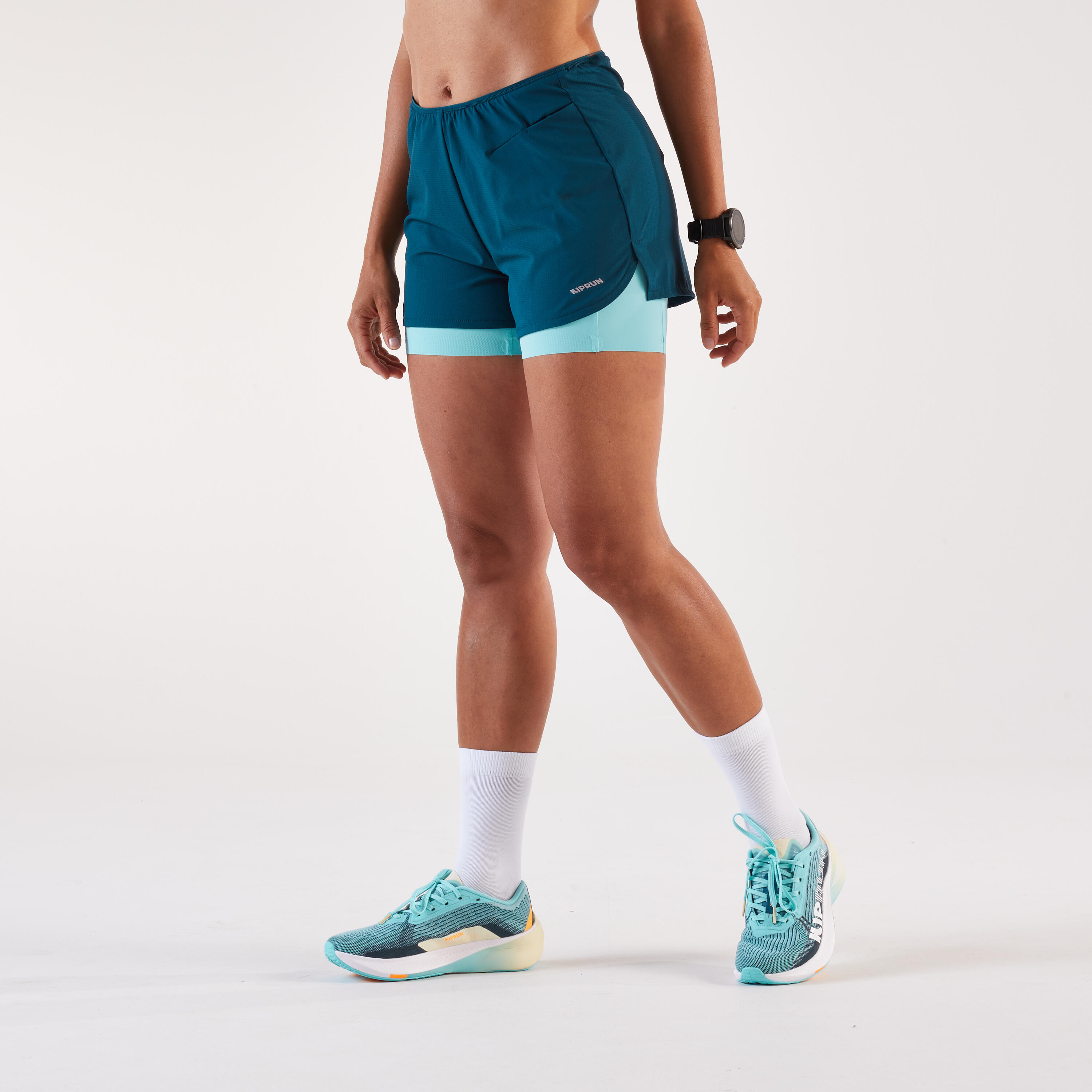
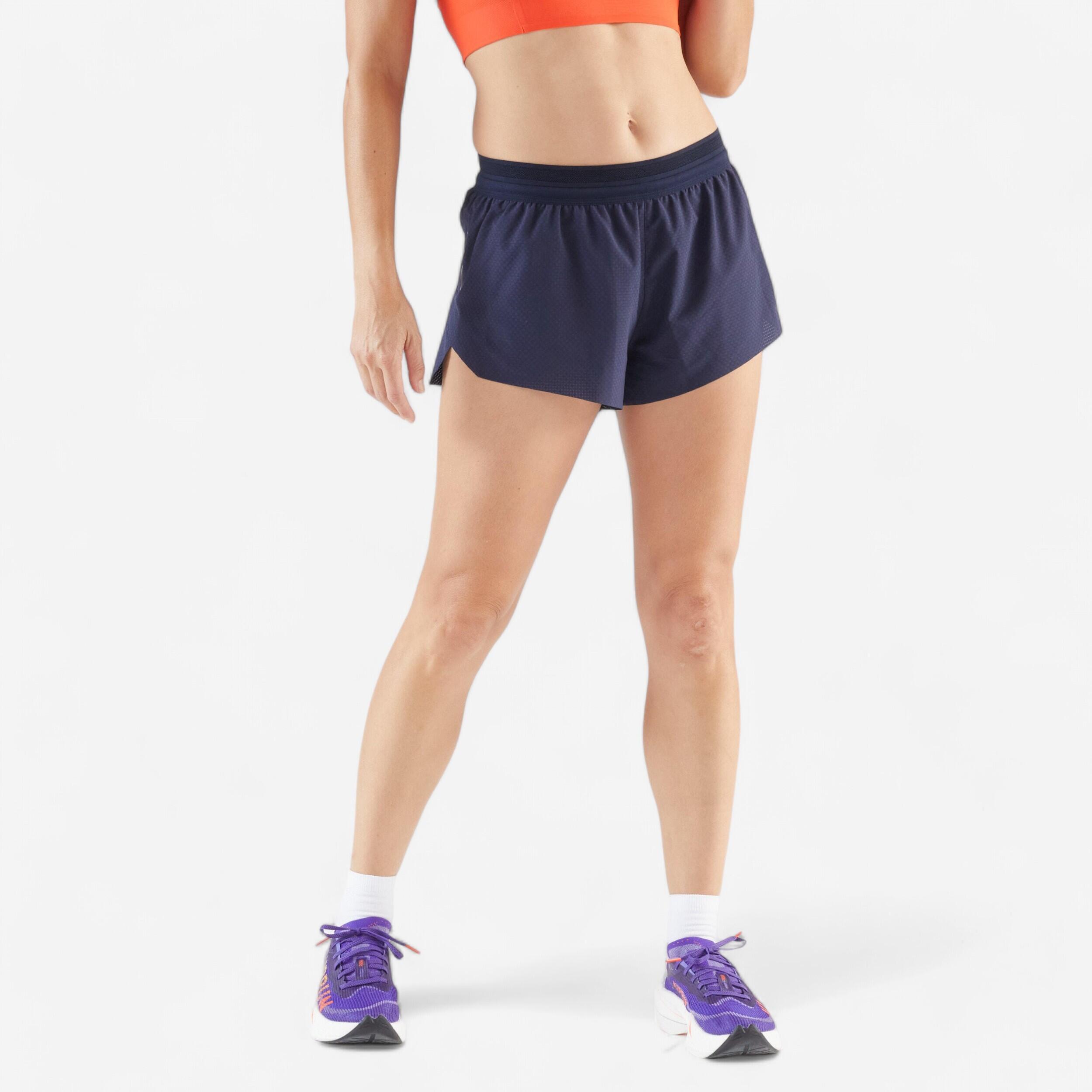
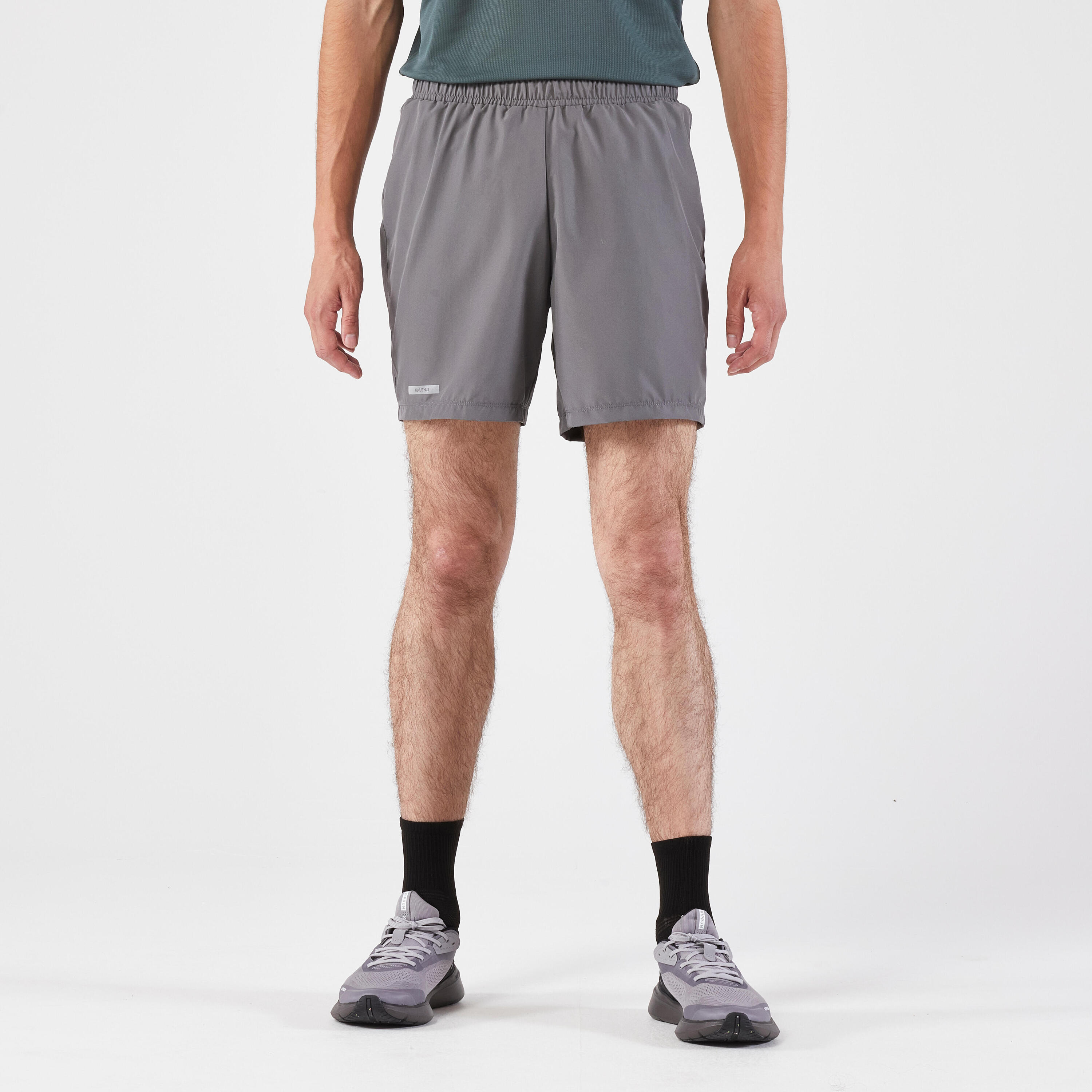
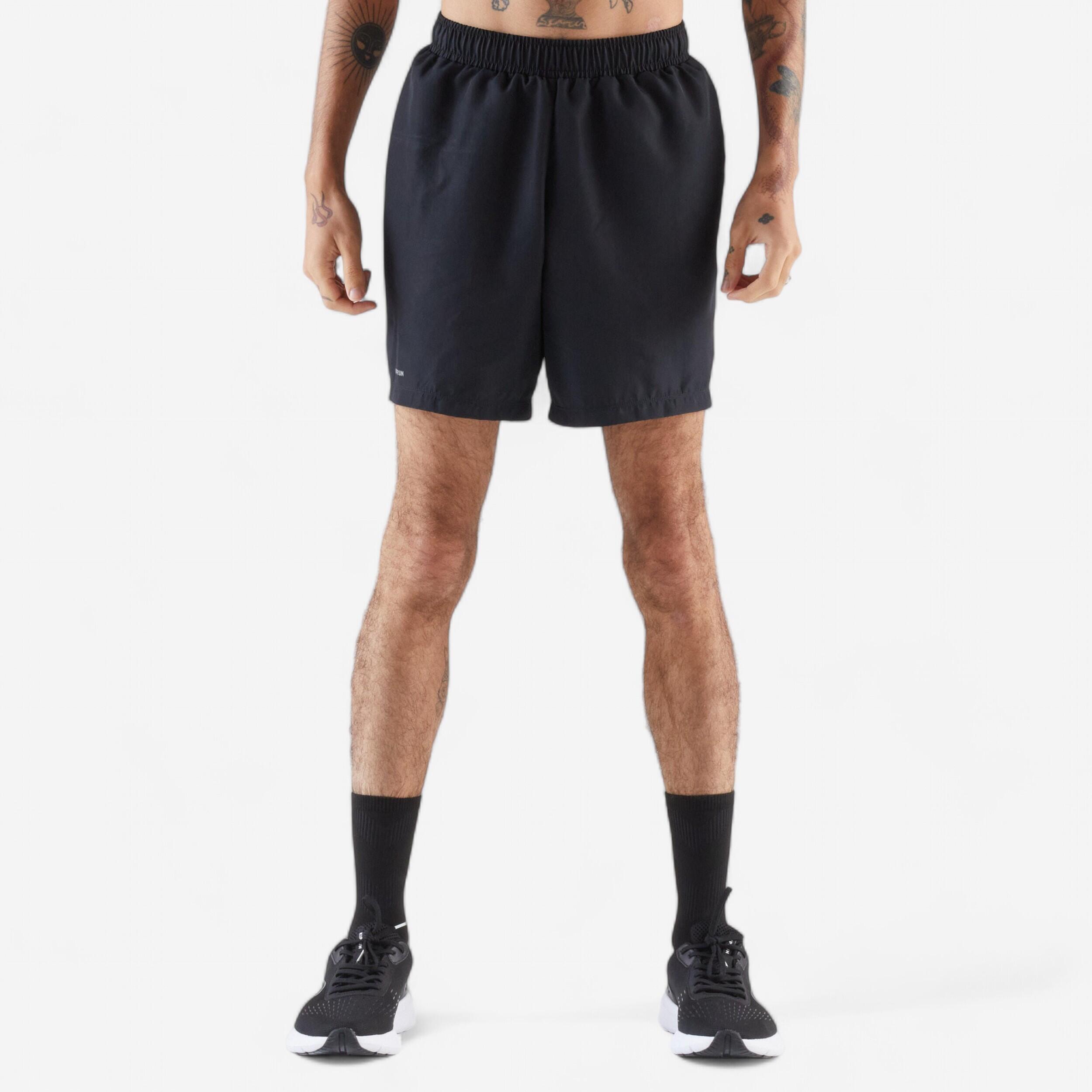
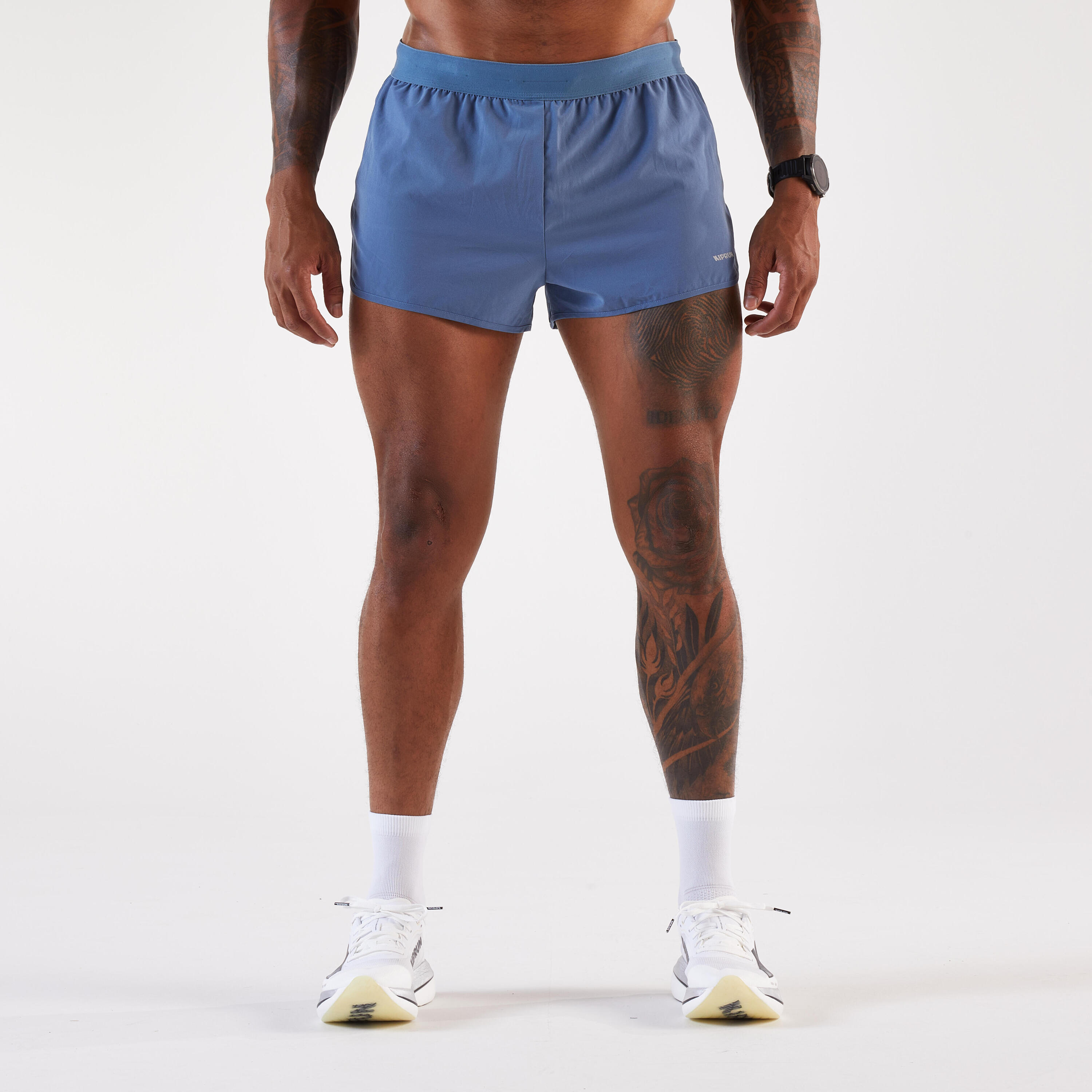
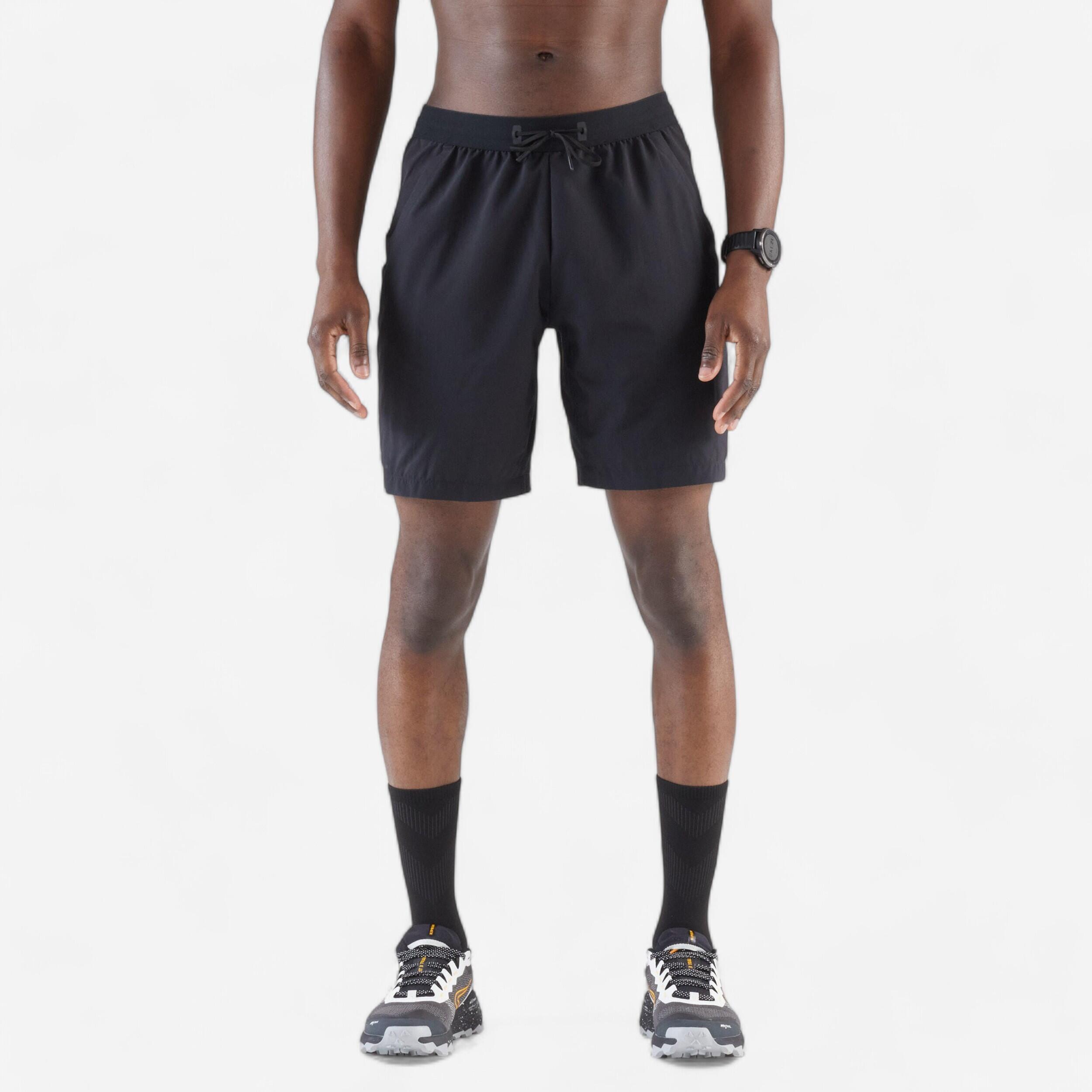
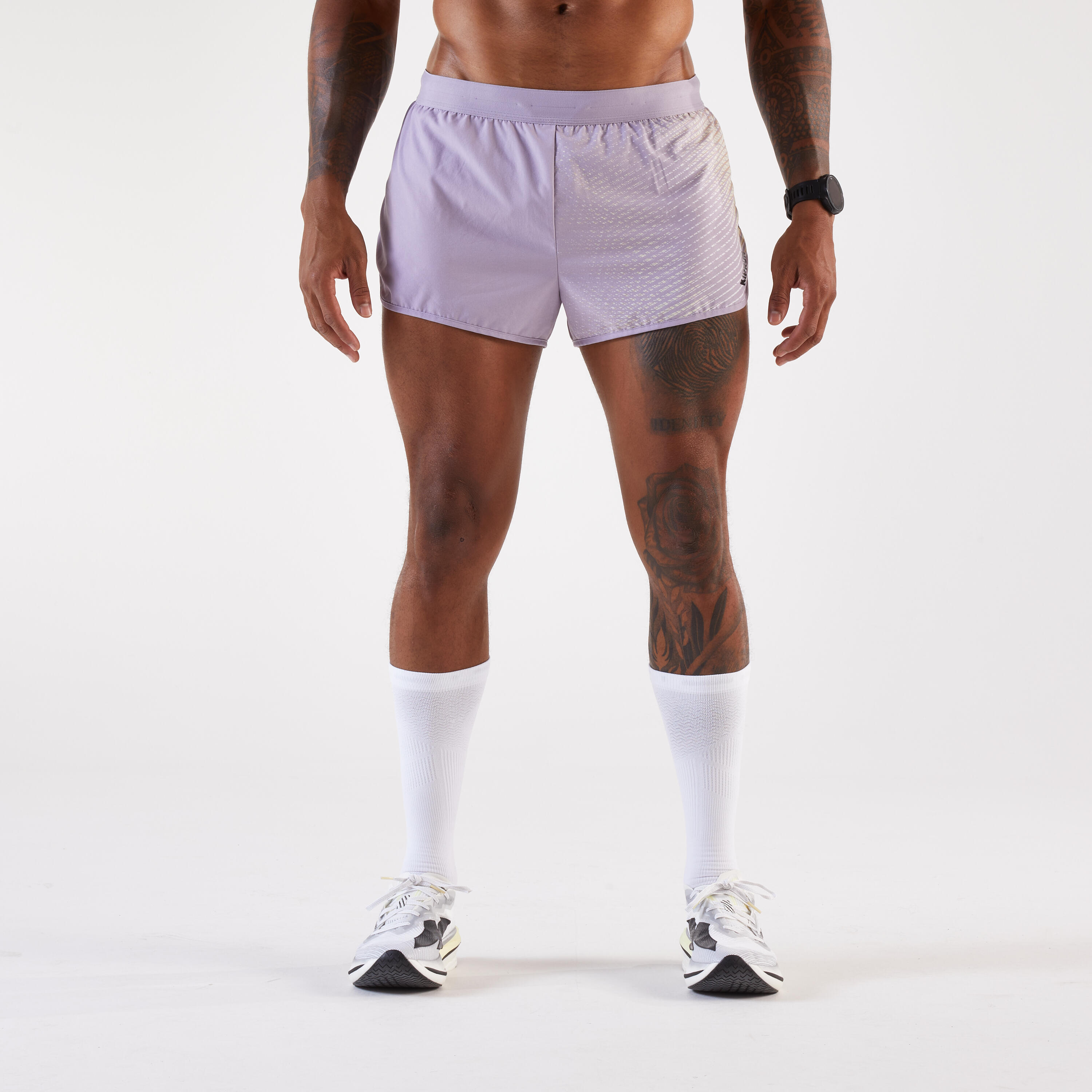
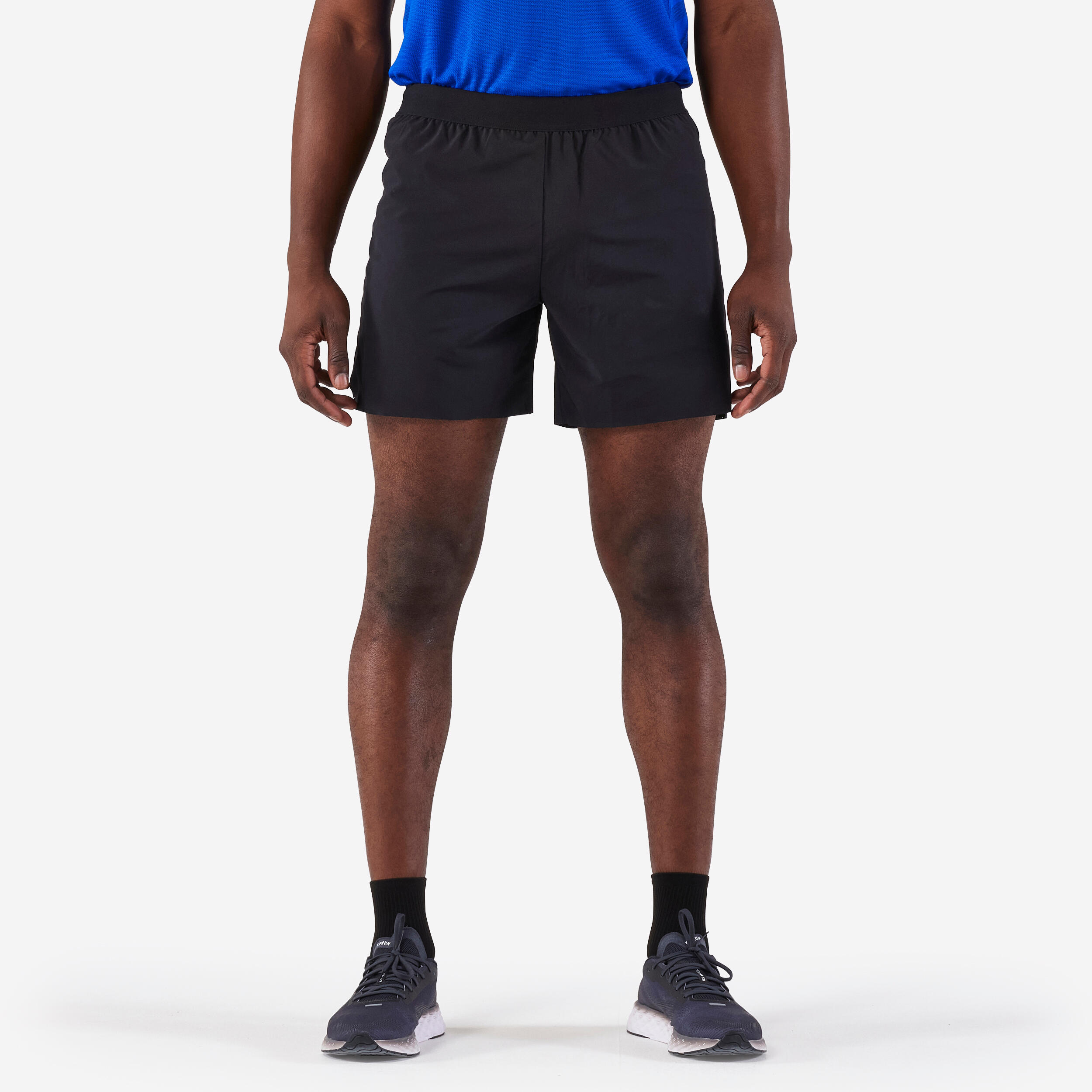
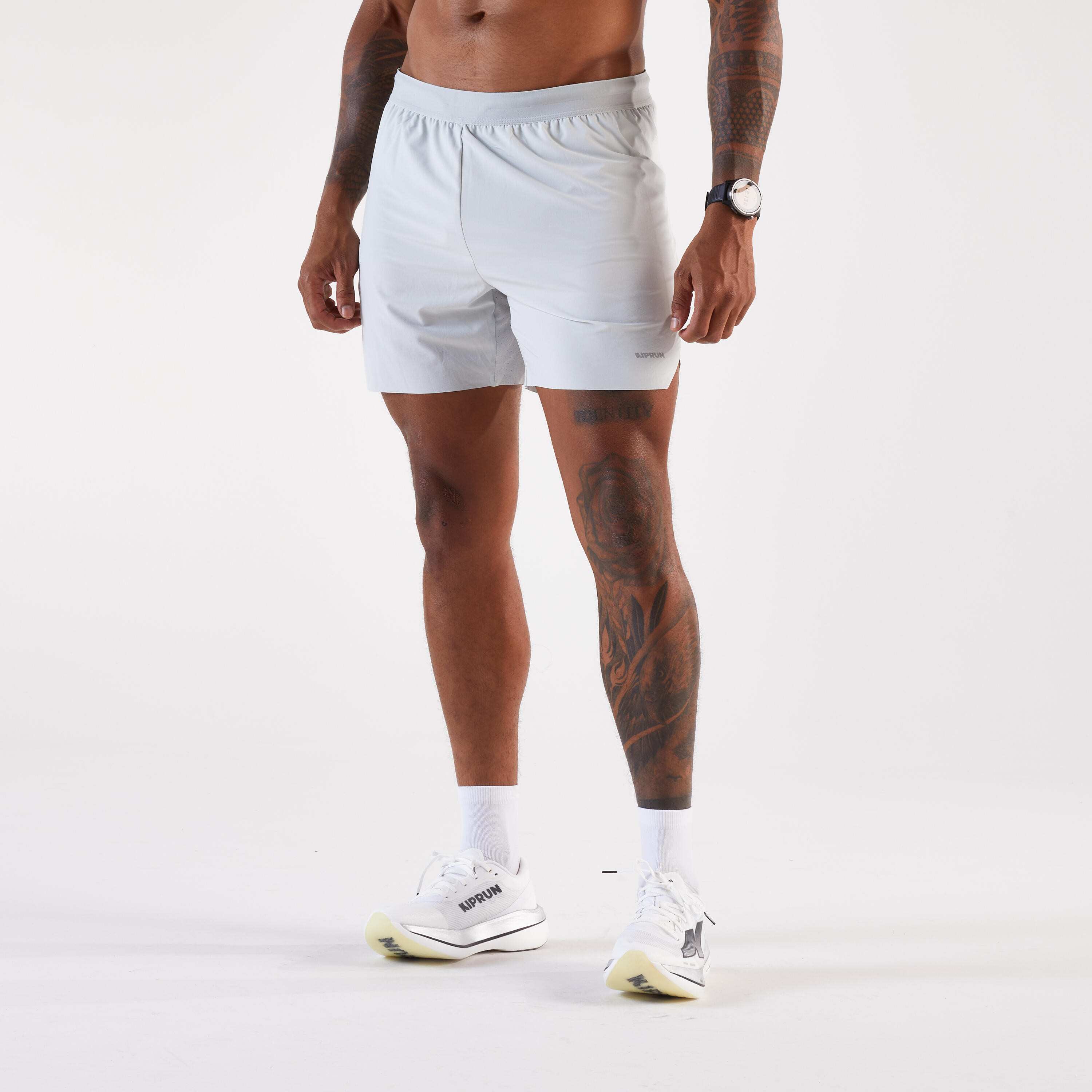
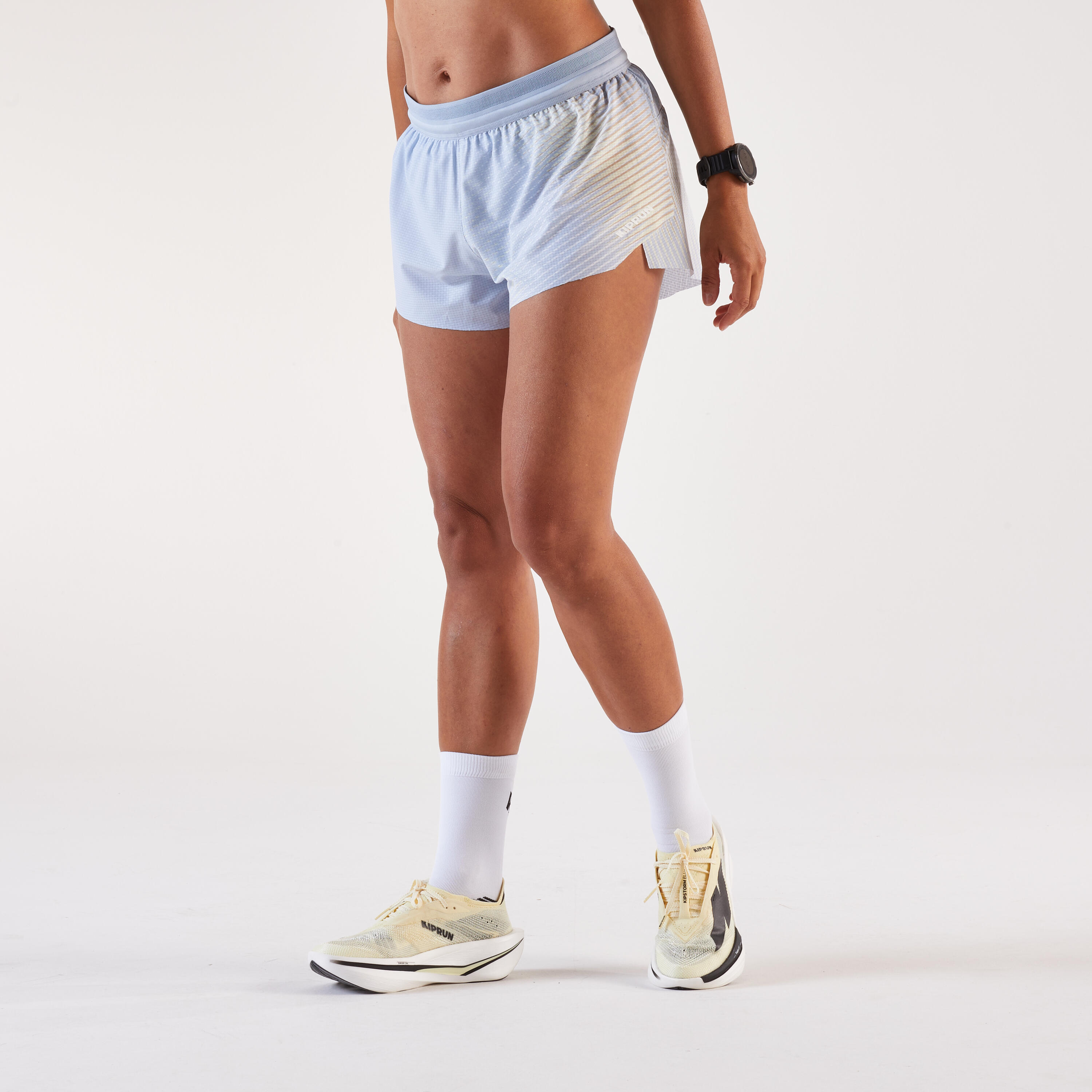
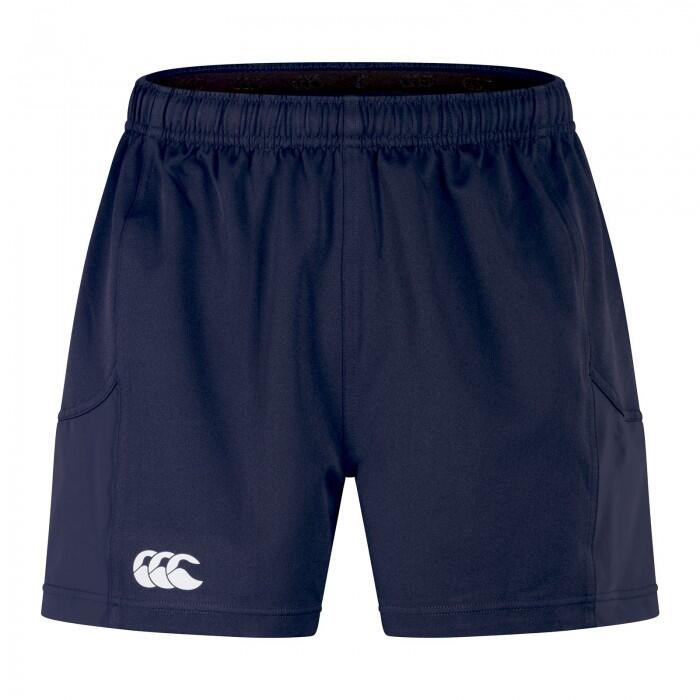
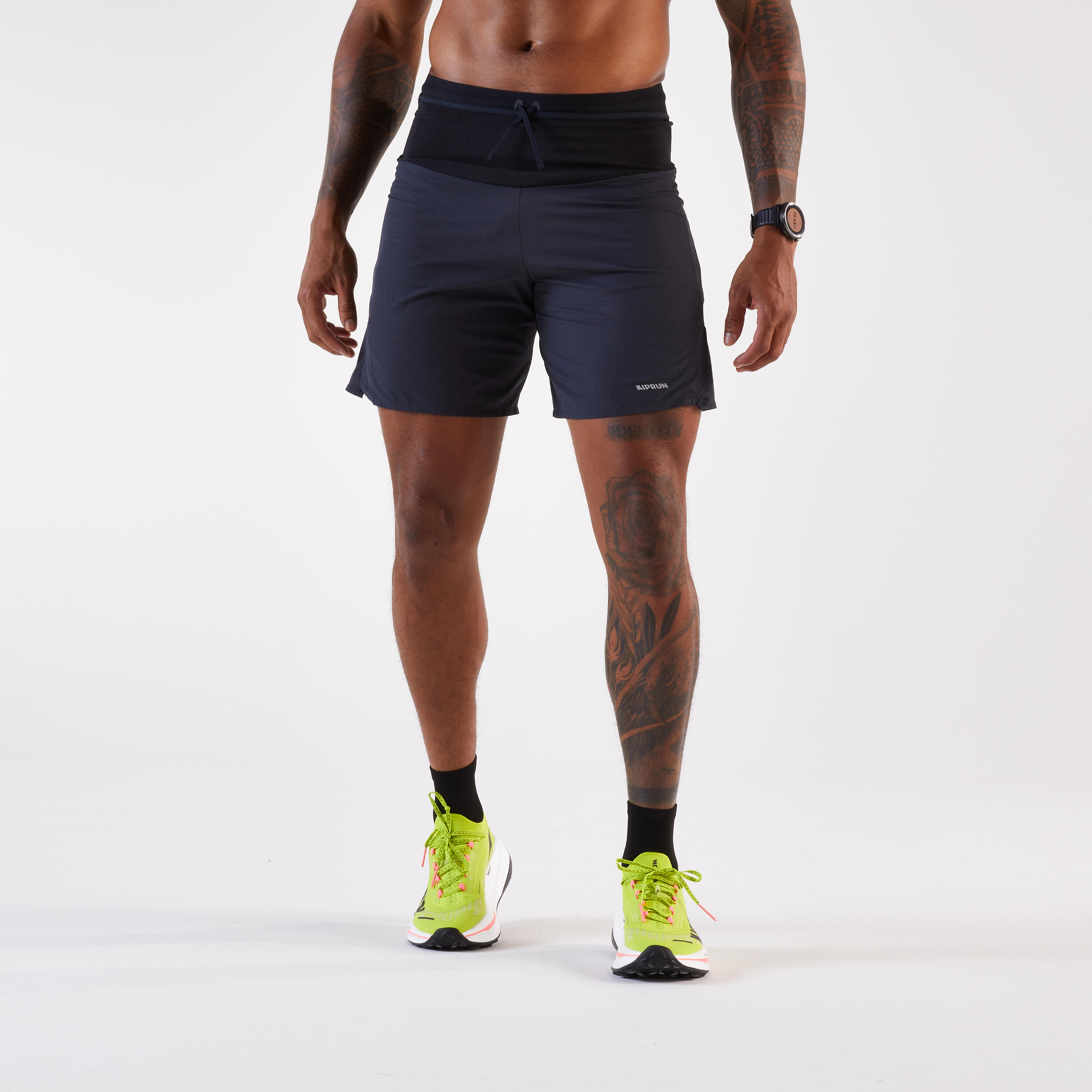
Summer trail shorts should balance ventilation, storage and protection from repeated rubbing. Loose shorts allow more airflow around the thighs, while two-in-one models place fitted fabric beneath the outer layer to reduce skin-on-skin chafing. Close-fitting shorts can feel stable when moving quickly and prevent loose material catching on vegetation. The women's lightweight running trail shorts combine low-bulk fabric with storage suited to carrying small trail essentials. Check that loaded pockets do not pull the waistband down or bounce during descents. A soft waist lining can also reduce pressure marks when heat and perspiration make the skin more sensitive.

Are tight shorts comfortable for summer trails?

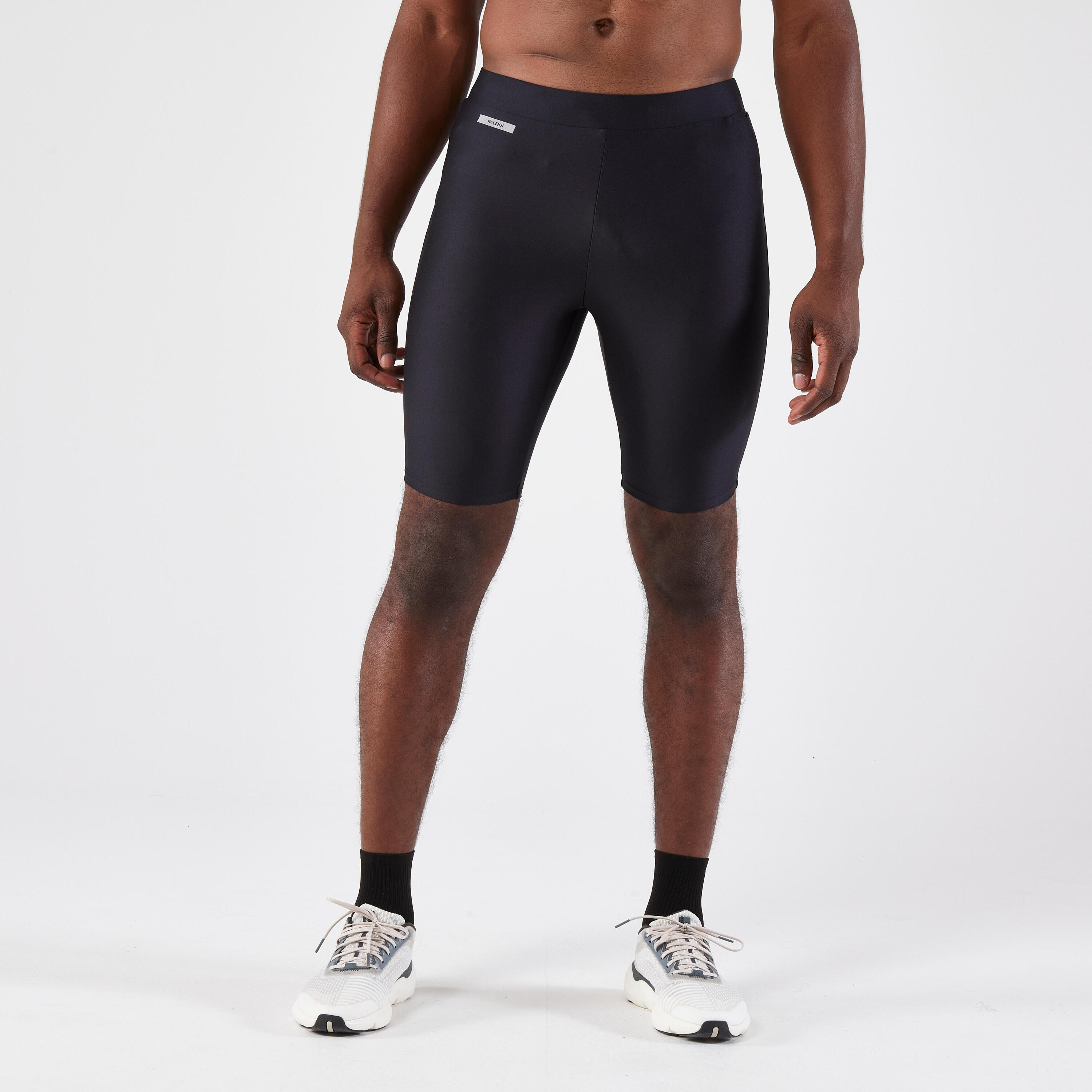
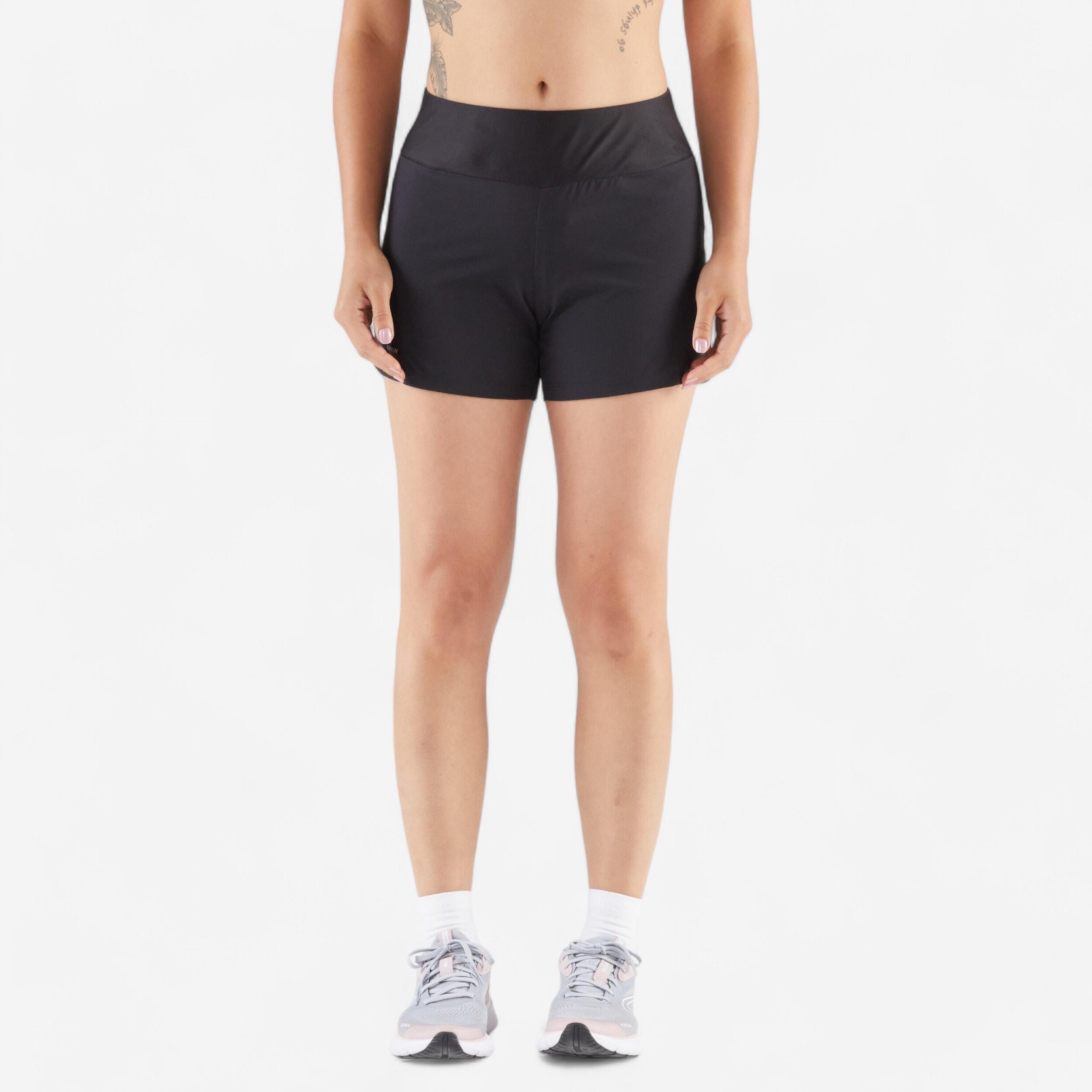
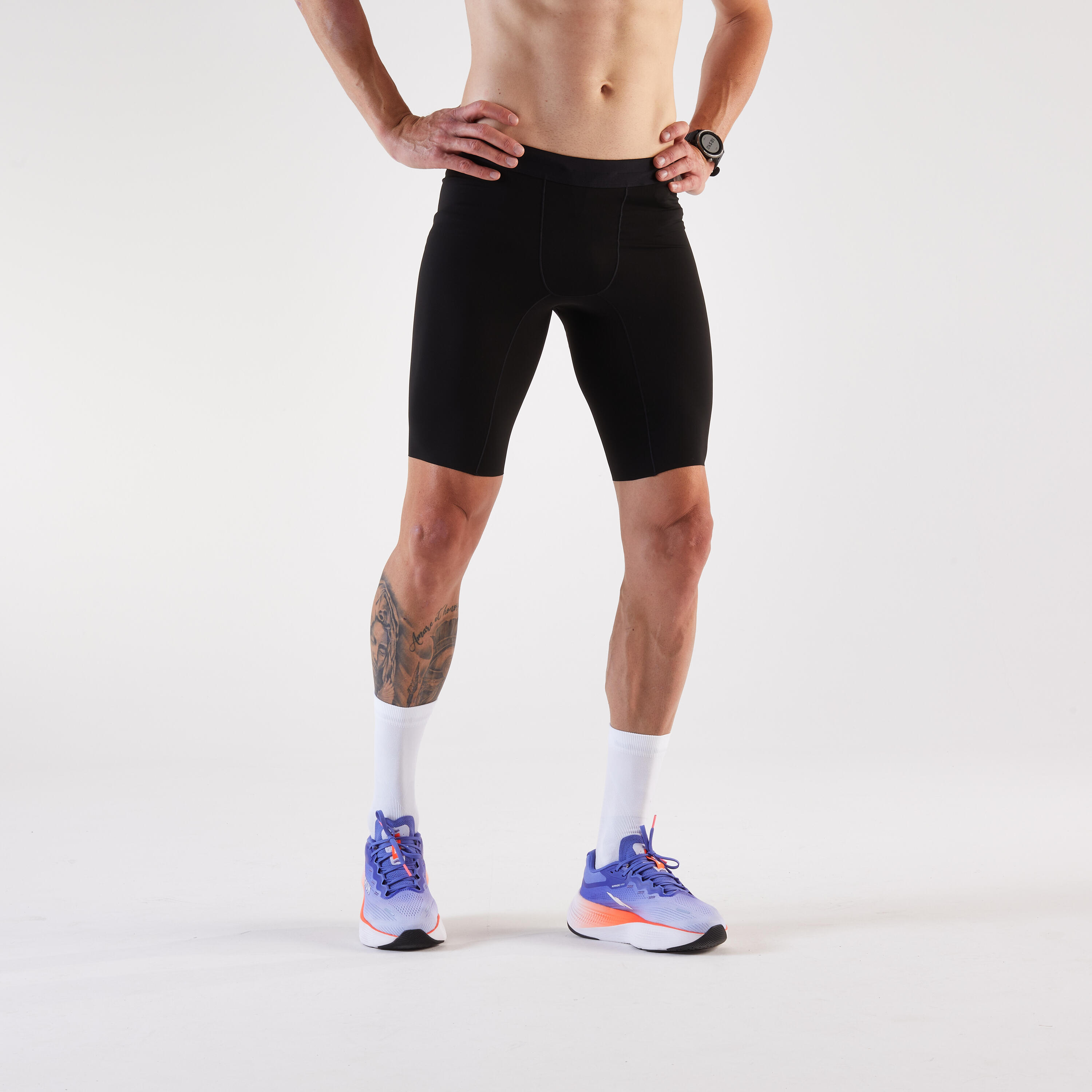
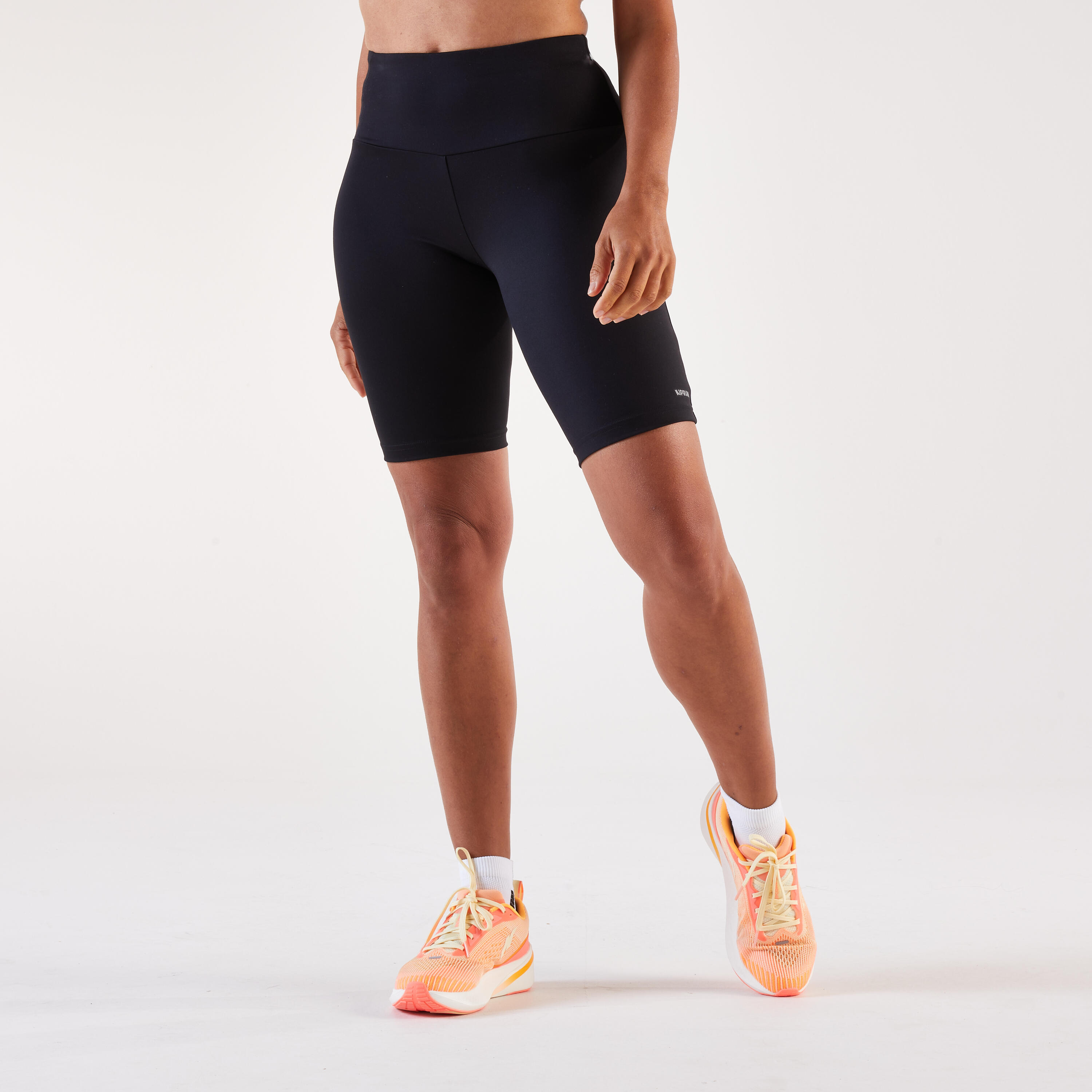
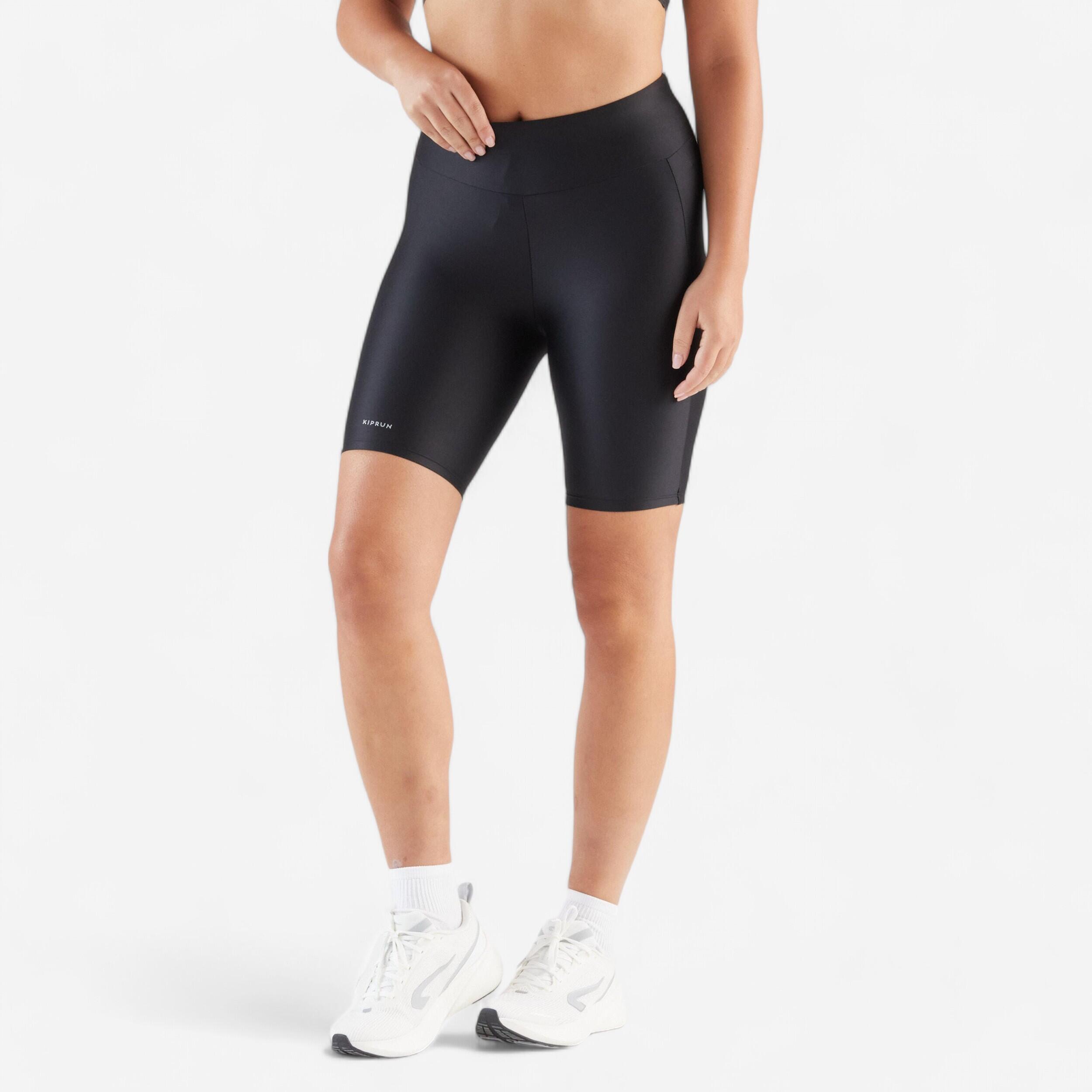
Running tight shorts can work well in warm conditions when you prefer a secure fit and greater thigh coverage. Stretch fabric follows the legs without loose material moving around, while a close construction can reduce friction between the thighs. The fit should remain supportive without restricting hip movement, circulation or breathing around the waist. Women's running tight shorts can suit runners who want stable coverage during faster sessions or uneven descents. Complete several squats, high knees and short accelerations when checking the fit. Pro tip: inspect the leg openings after a longer run, as hems that feel comfortable initially may begin to press or ride upwards once the fabric becomes damp.

How should your summer trail outfit work with your footwear?

Your clothing should complement your footwear without restricting movement or trapping excessive heat. Choose shorts that allow a full stride and socks that sit smoothly around the ankle without bunching inside the shoe. Secure waist storage also prevents bottles or phones altering your balance on uneven ground. Compare trail running shoes alongside your complete summer outfit so the cushioning, grip and fit suit the route. Pro tip: test your shorts, socks and shoes together on similar terrain, as comfortable items can still create rubbing or pressure when combined during a longer run.

How should you manage heat and hydration on summer trails?

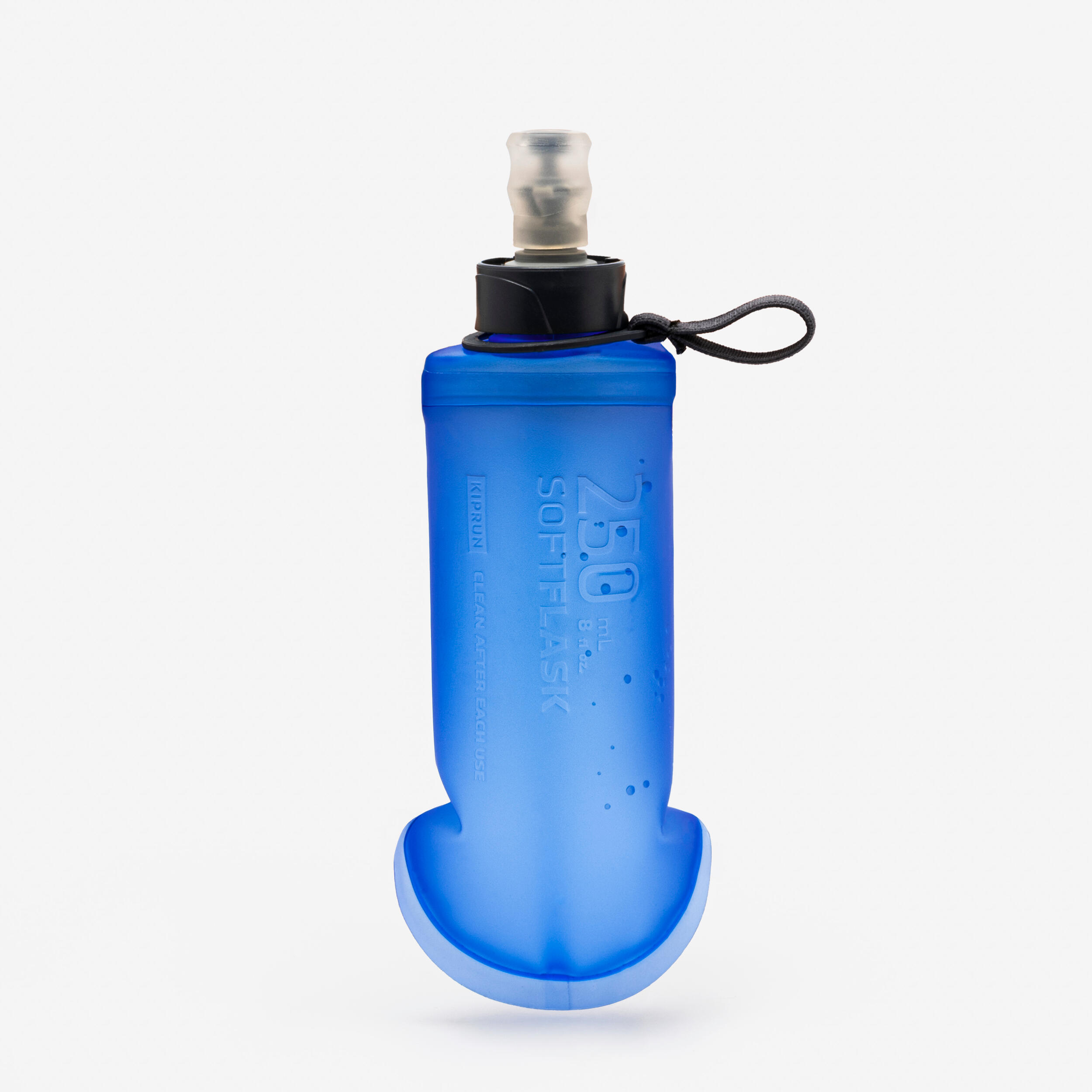
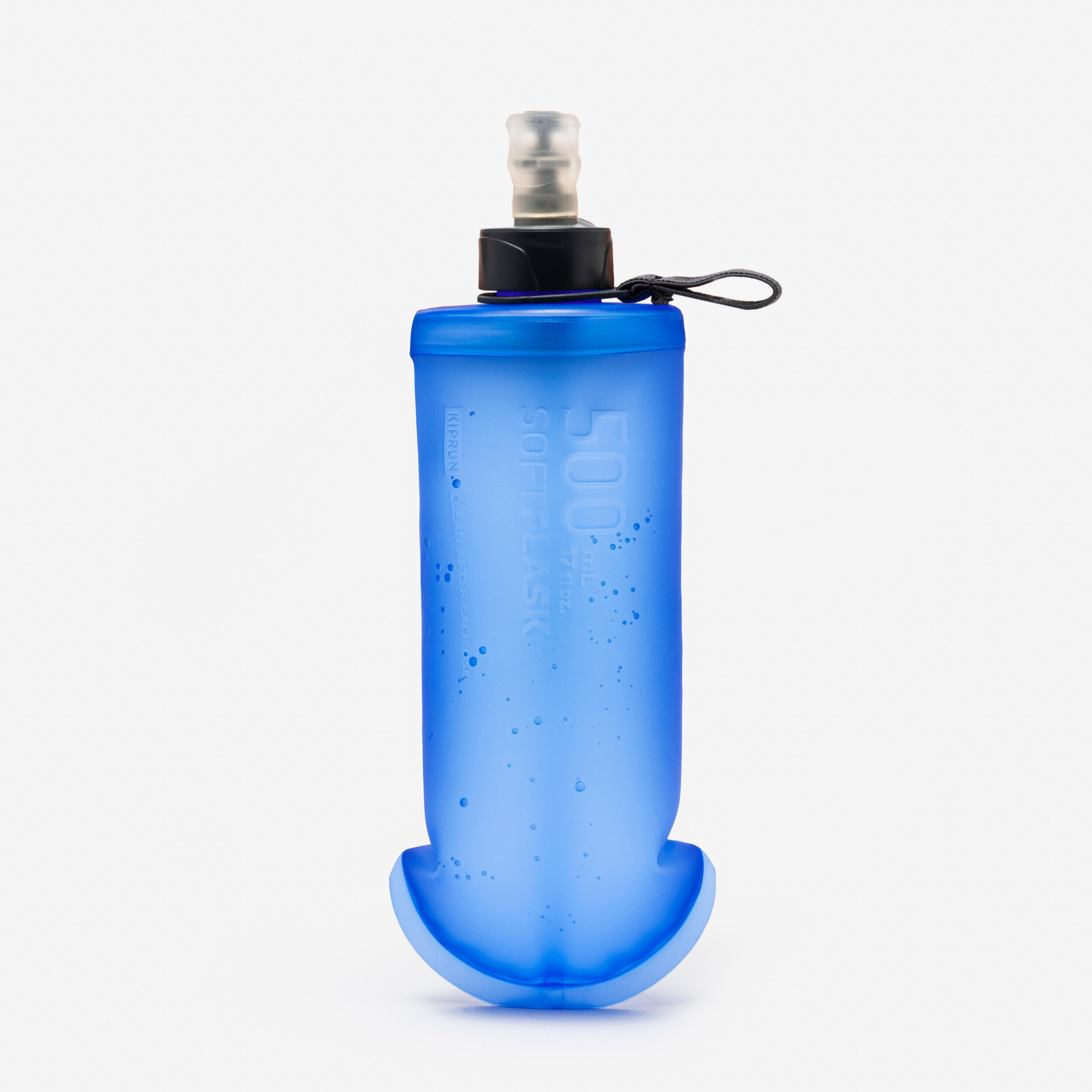
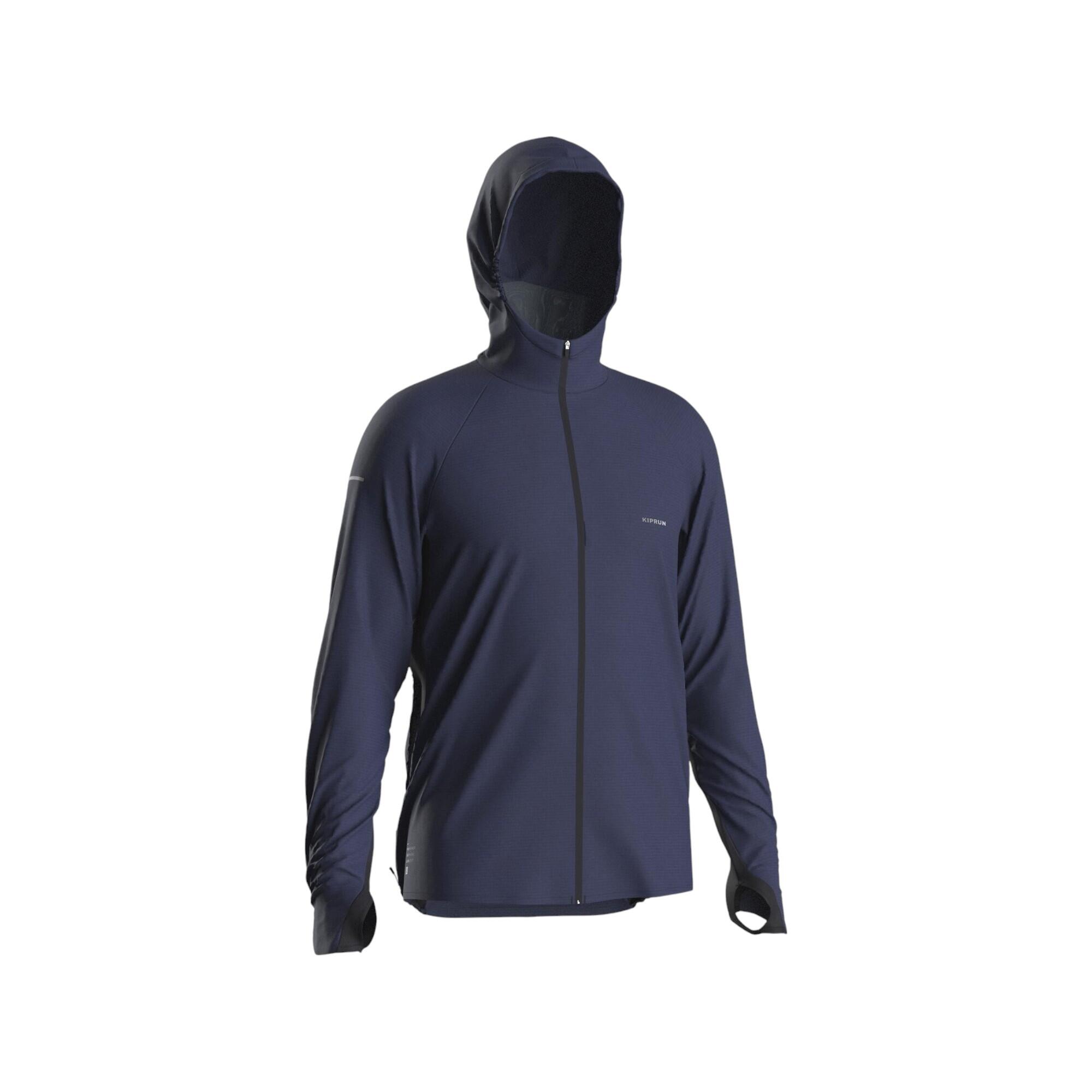
Carry fluid according to the temperature, route length, sweat rate and availability of reliable refill points. Soft flasks can reduce bulk as they empty, while removing excess air before closing helps limit sloshing inside a pocket or vest. Clothing with built-in storage may hold small flasks and nutrition without requiring a separate waist belt. Review seasonal trail running gear when preparing for sunshine, sudden rain or exposed terrain. Start early when possible, use shaded routes during high heat and avoid relying on thirst alone during longer sessions. Wash lightweight summer trail running clothing at the temperature shown on its care label and avoid tumble drying or ironing when these treatments could damage stretch fibres.