72 items
4.5/5 based on 21389 reviews collected online and in stores

Trail Running Care & Recovery FAQs

What should a trail running care and recovery kit include?

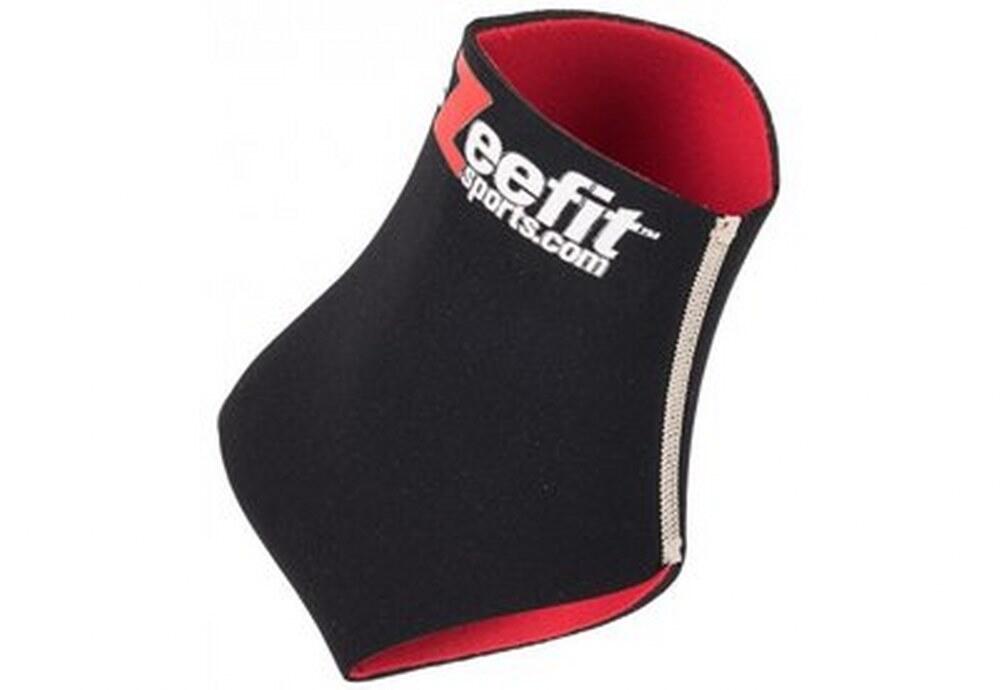
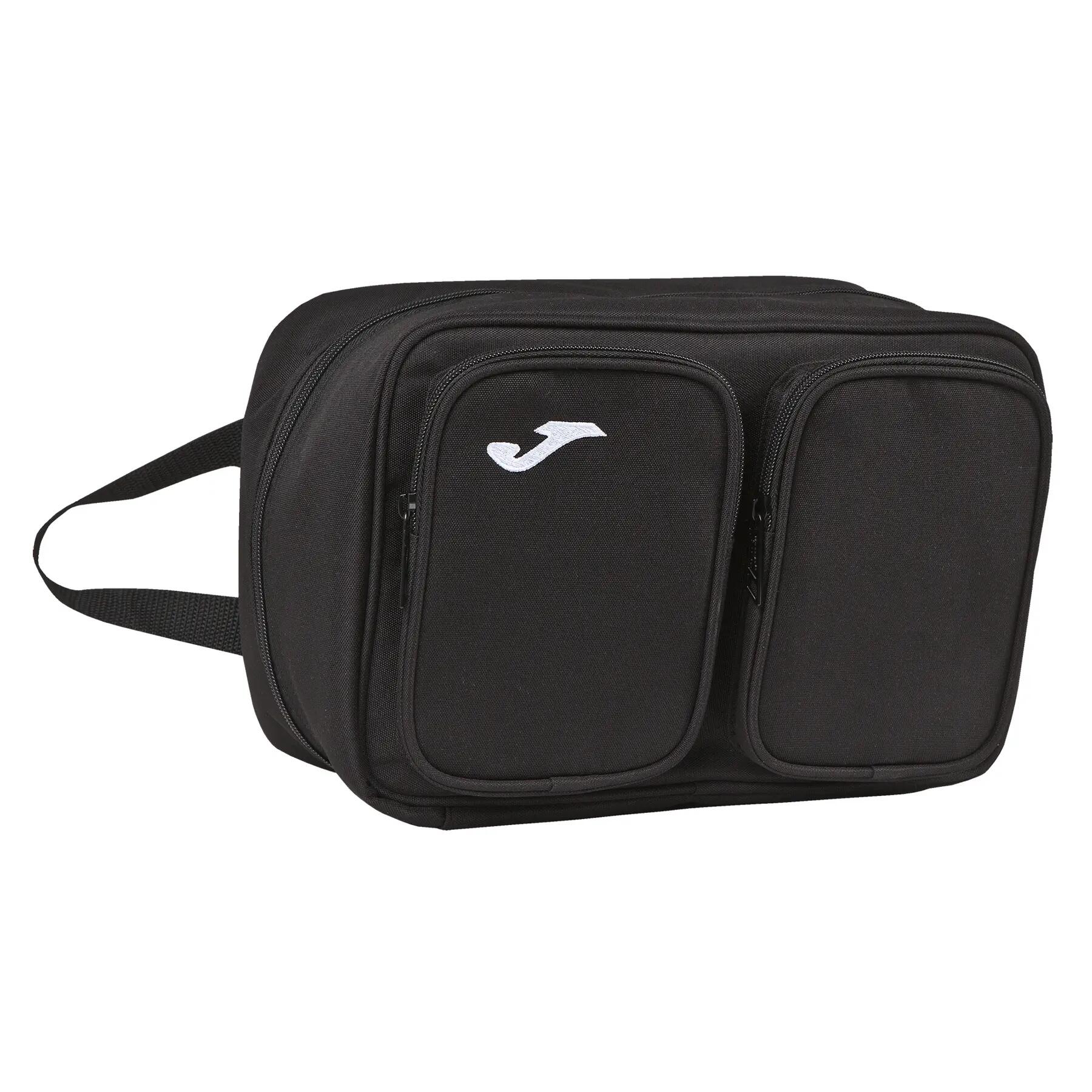
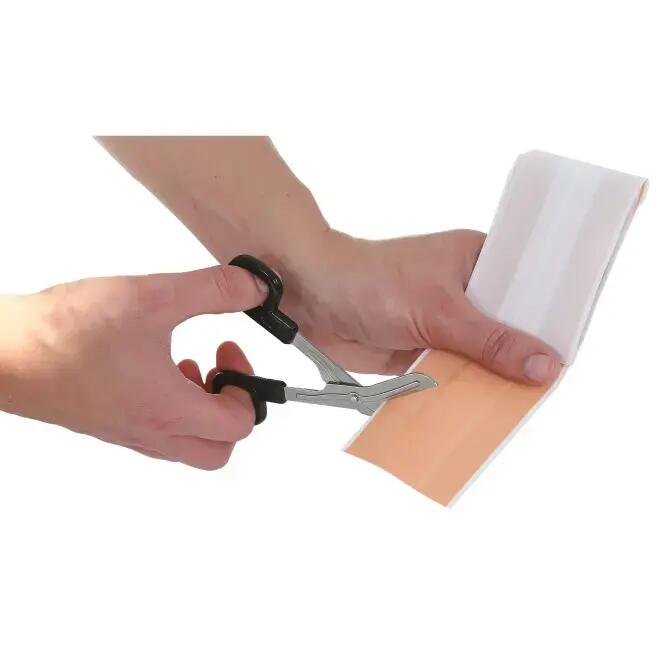
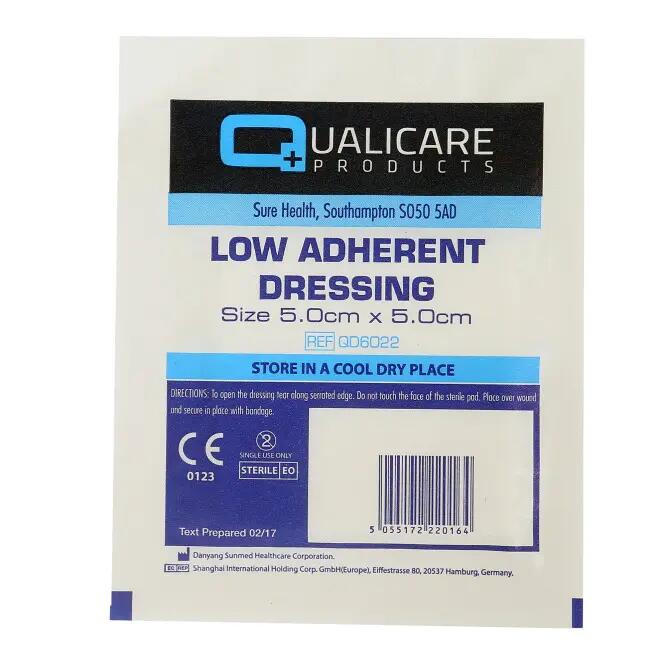
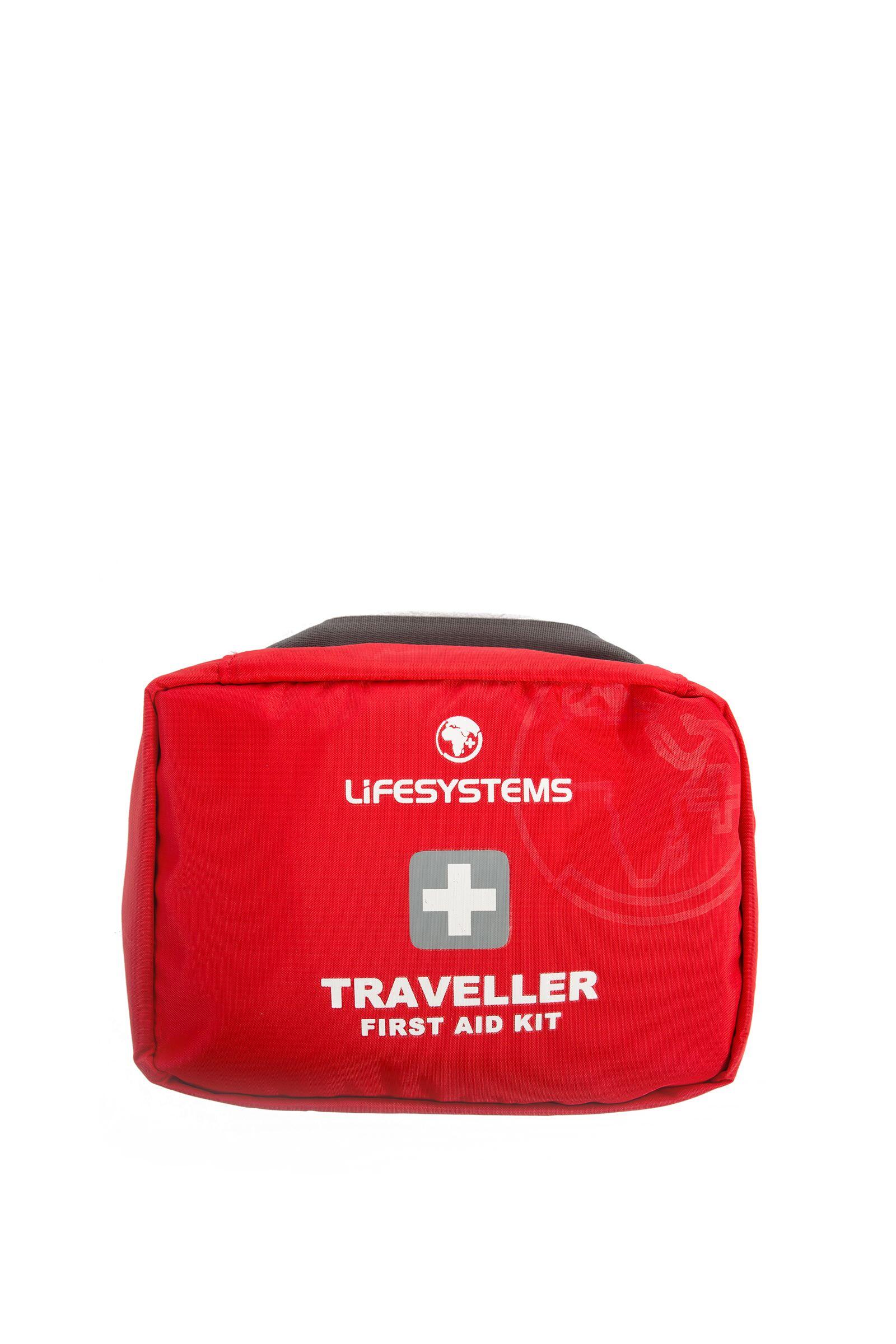
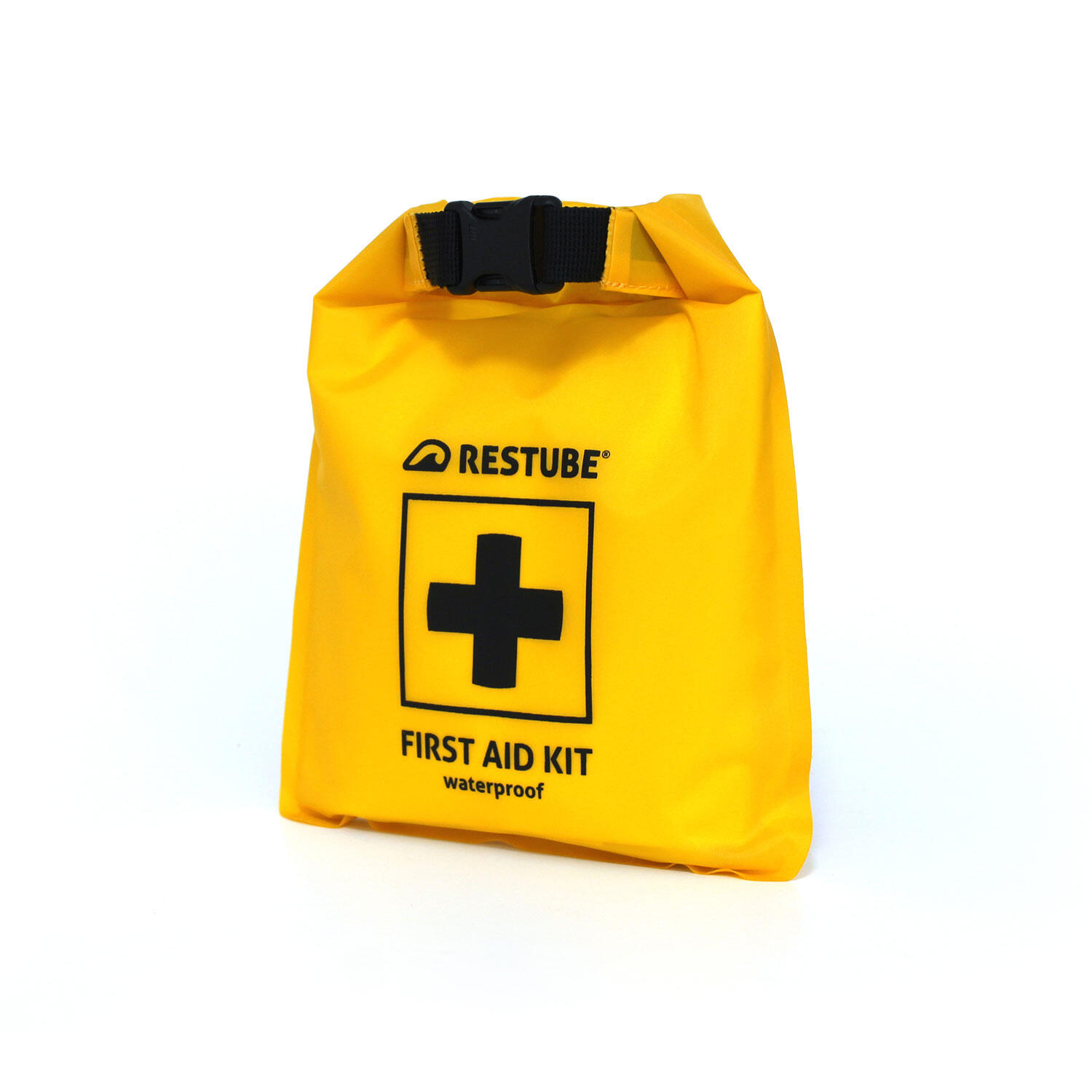
Build your kit around the route distance, terrain, weather and support available. Useful basics include blister dressings, cleaning wipes, sunscreen, a compact massage tool and any personal medication you normally carry. Longer or remote outings may justify sterile dressings, an emergency blanket and additional protection from the conditions. Prevention also starts before the run, so check that your trail running shoes provide suitable grip, cushioning and fit for the ground ahead. Poor heel security or cramped toes can increase rubbing over long distances. Pro tip: keep care items inside a sealed, clearly marked pouch so rain, sweat or a leaking drink cannot damage the contents.

Which massage tool is useful after trail running?

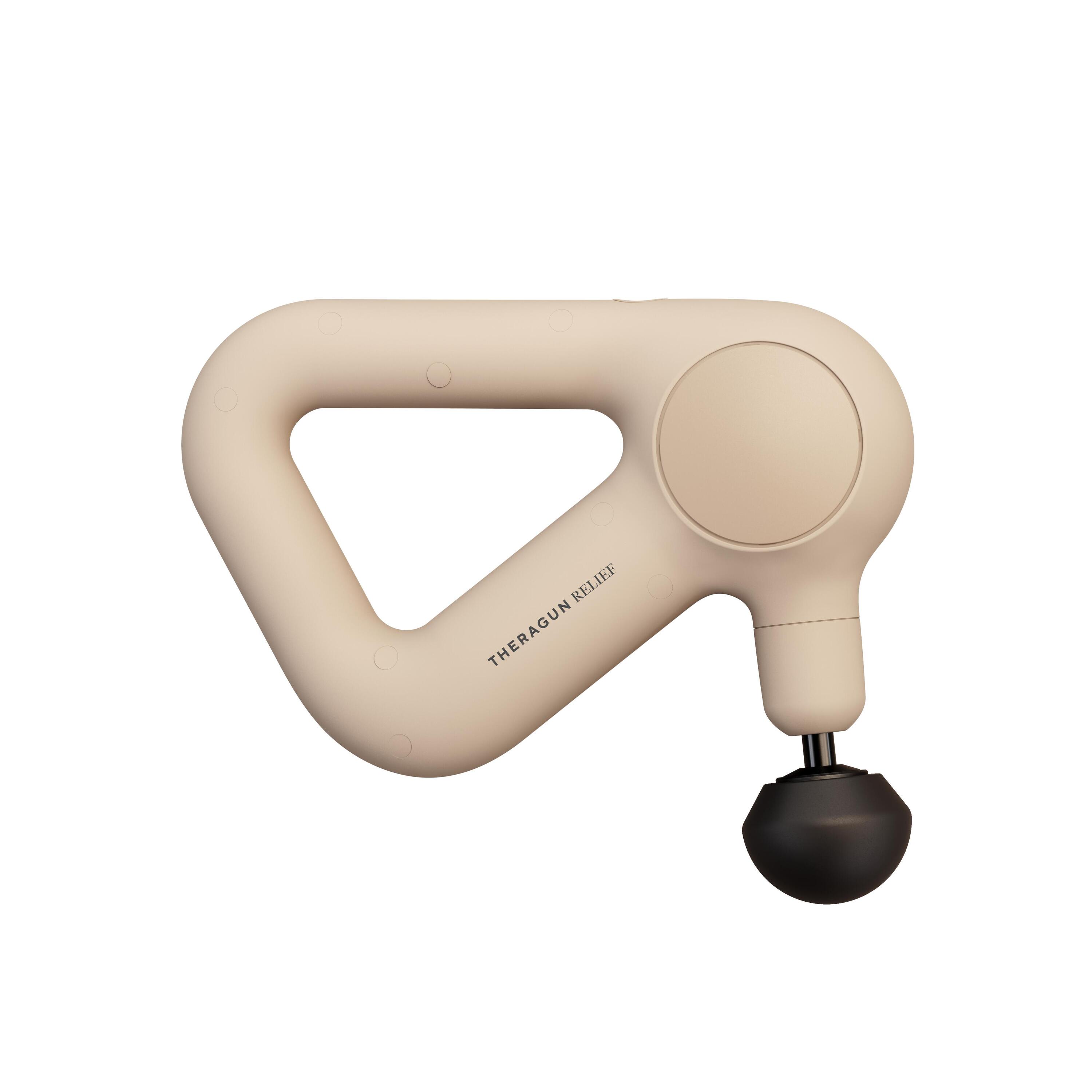
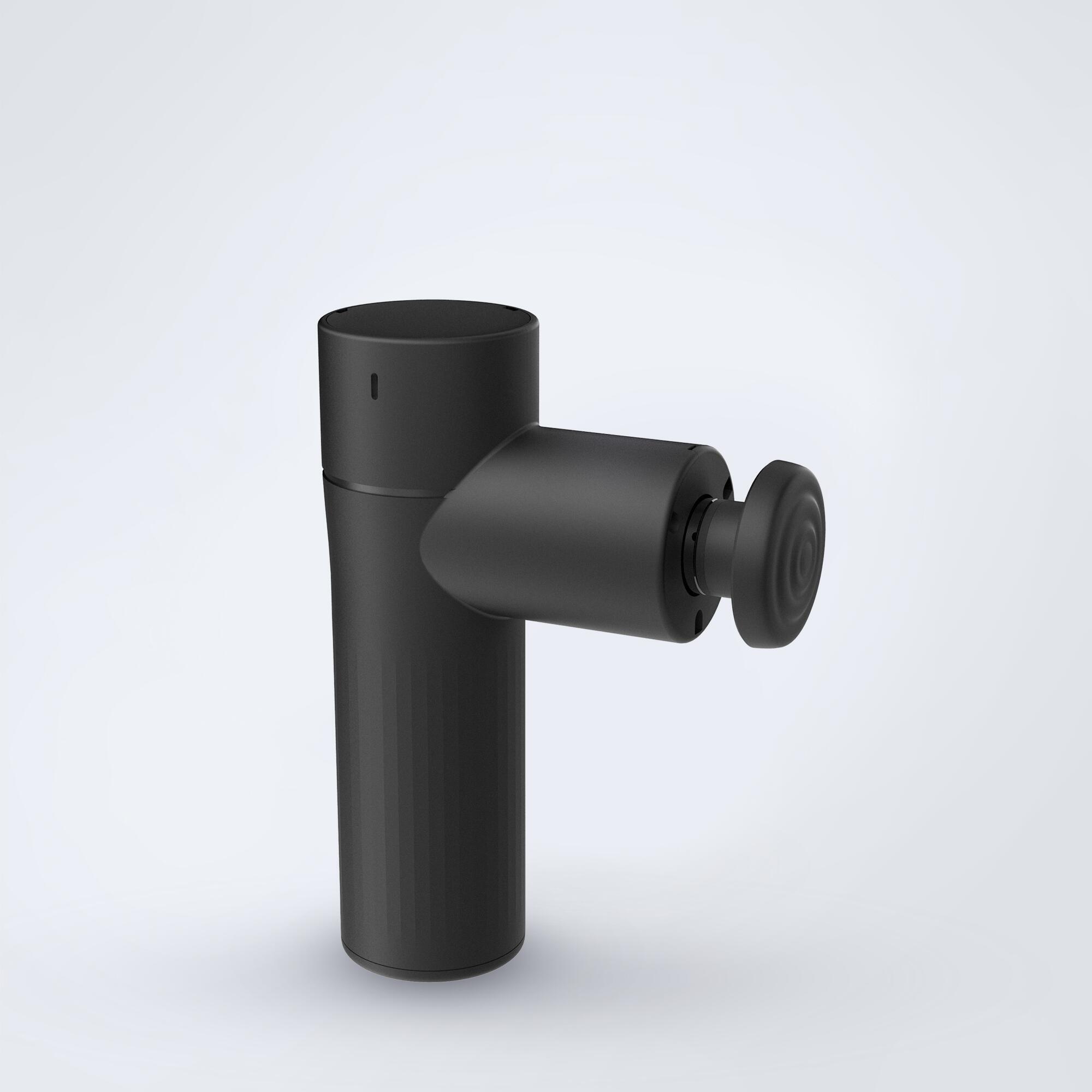
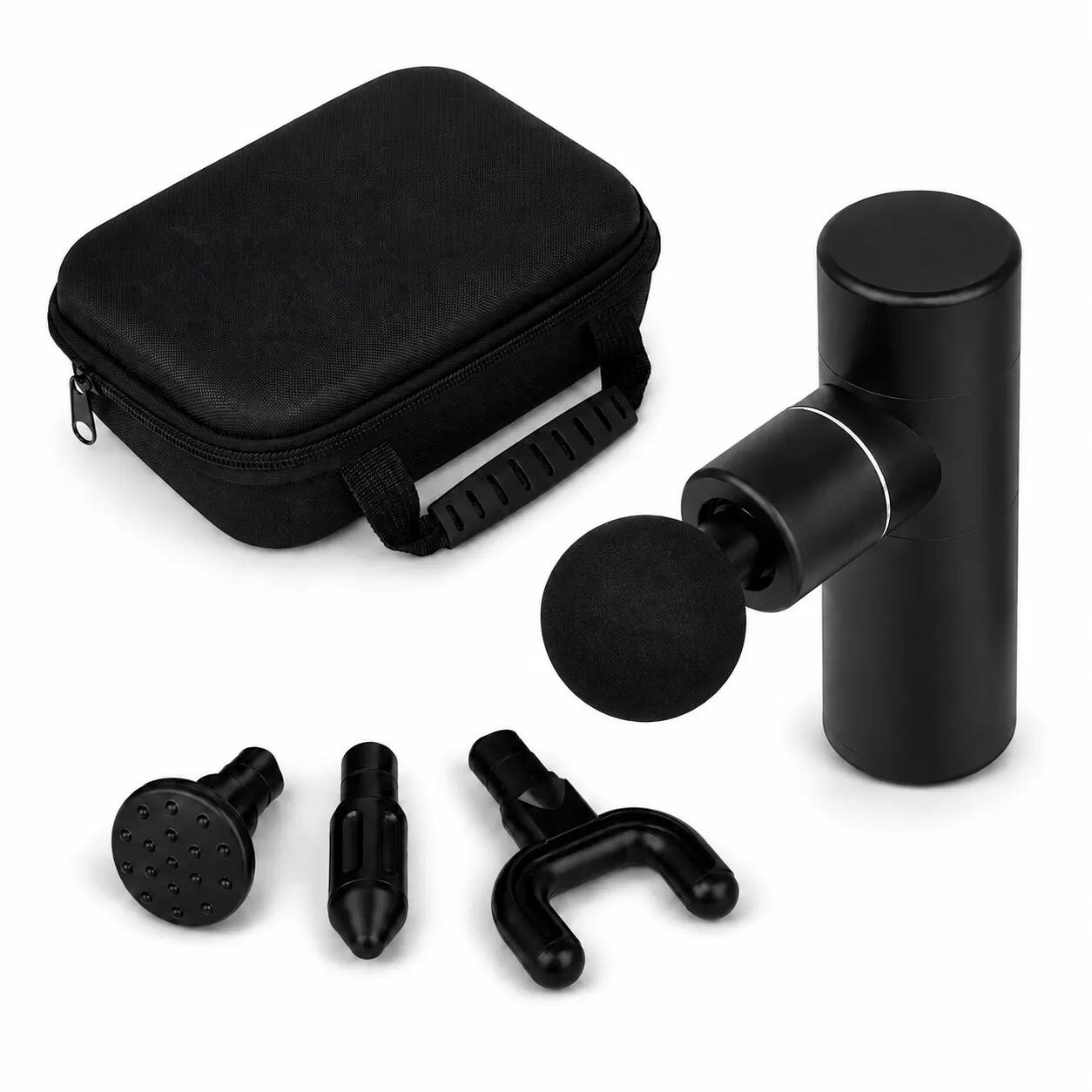
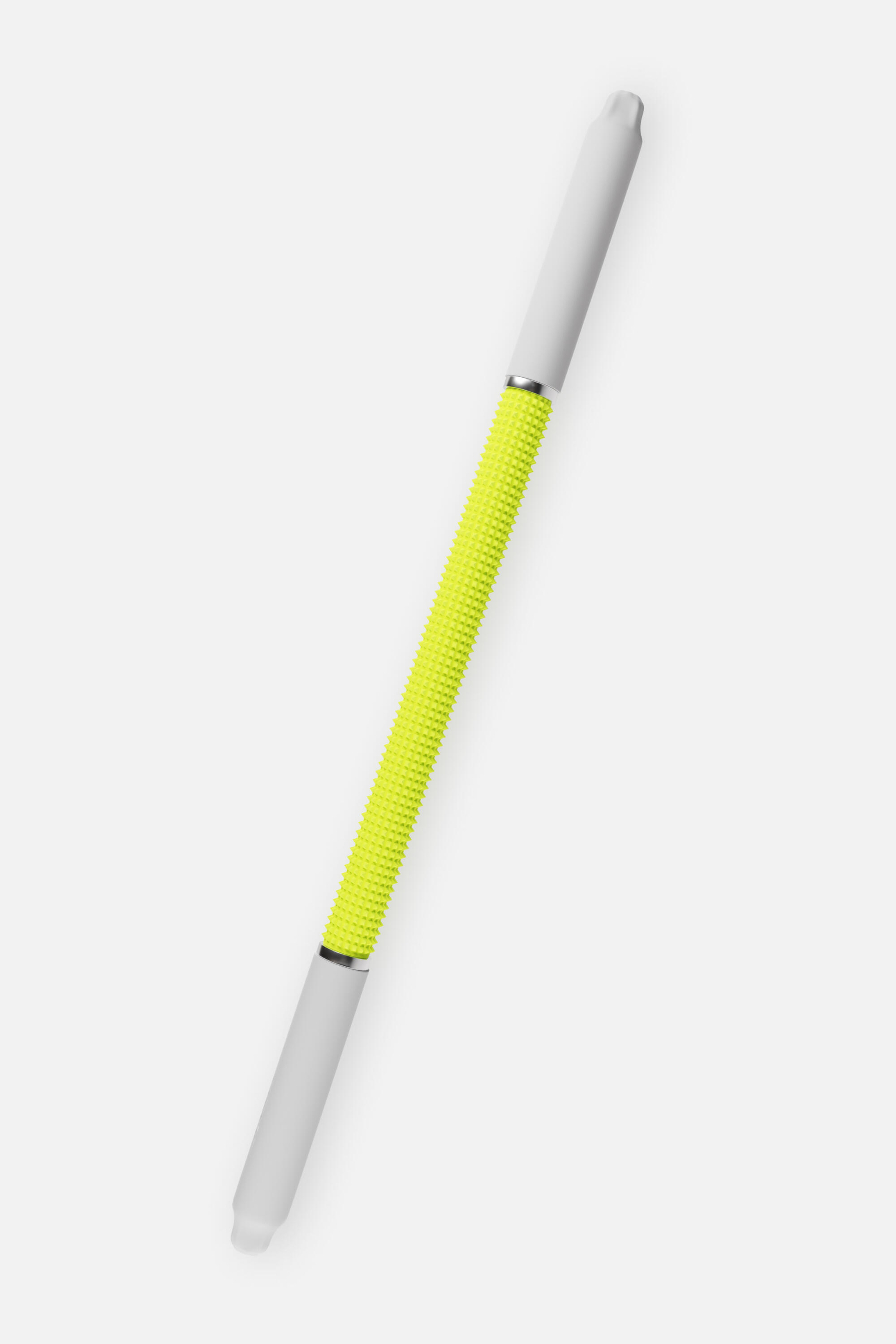
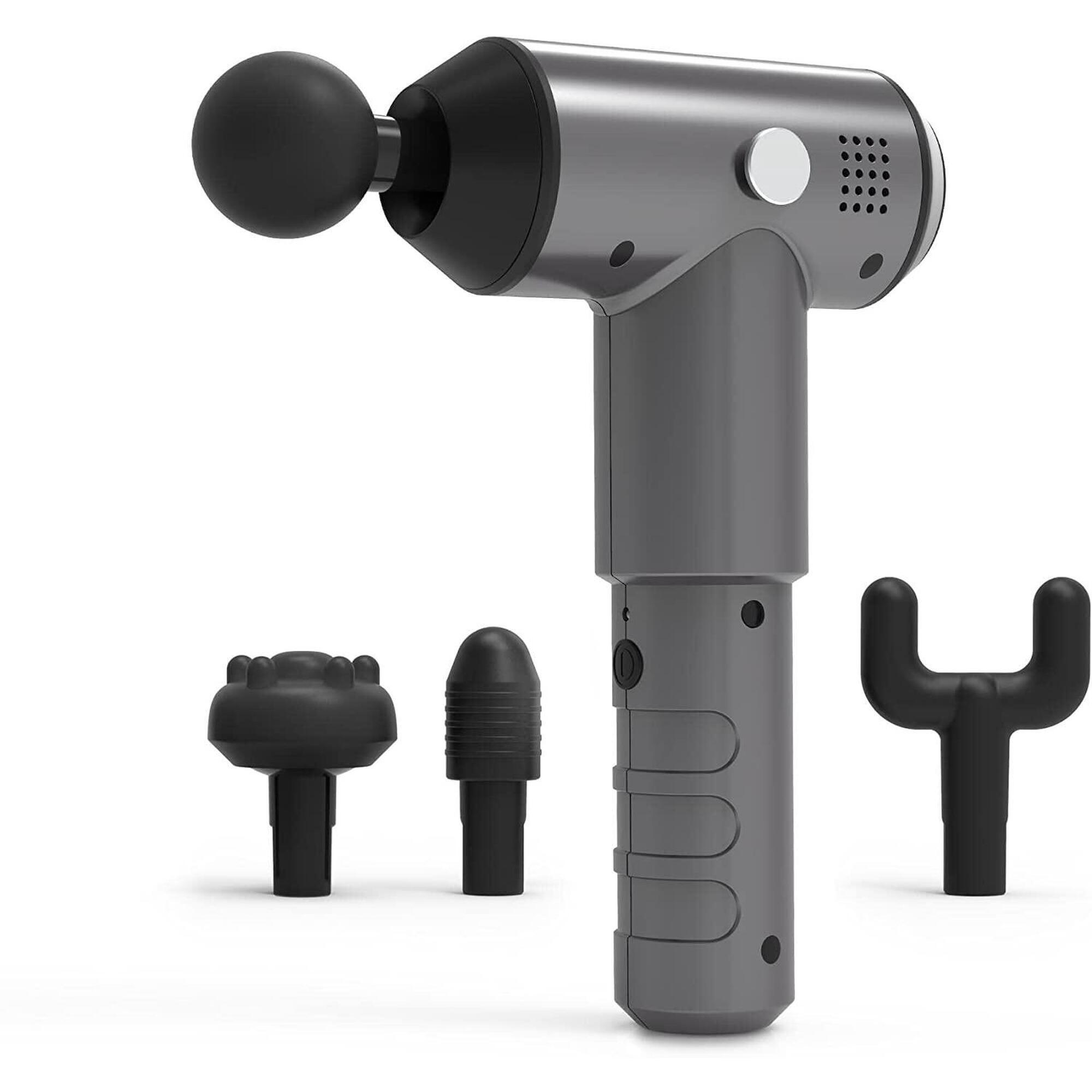
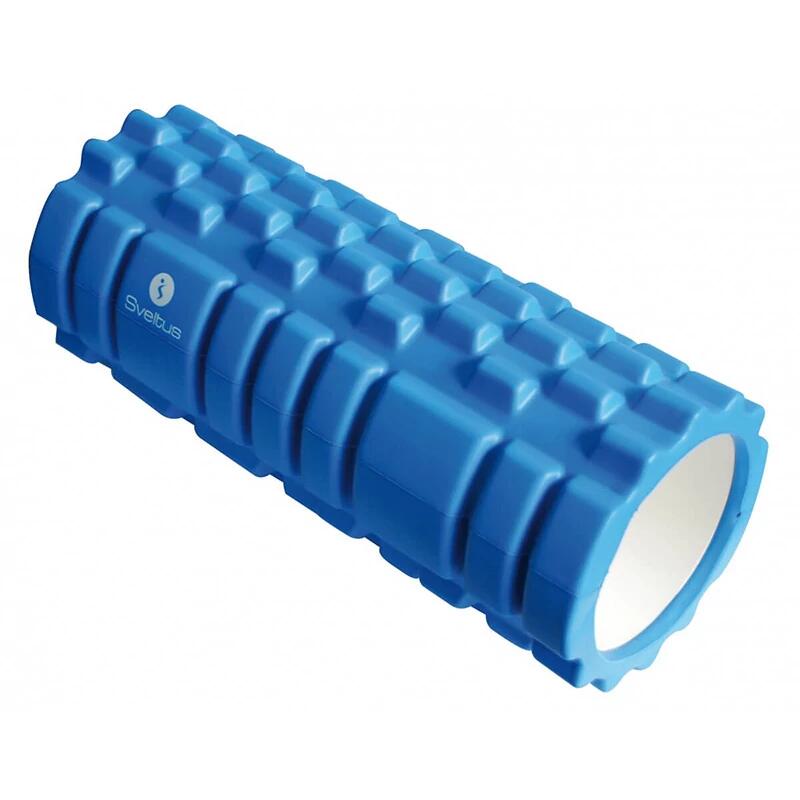
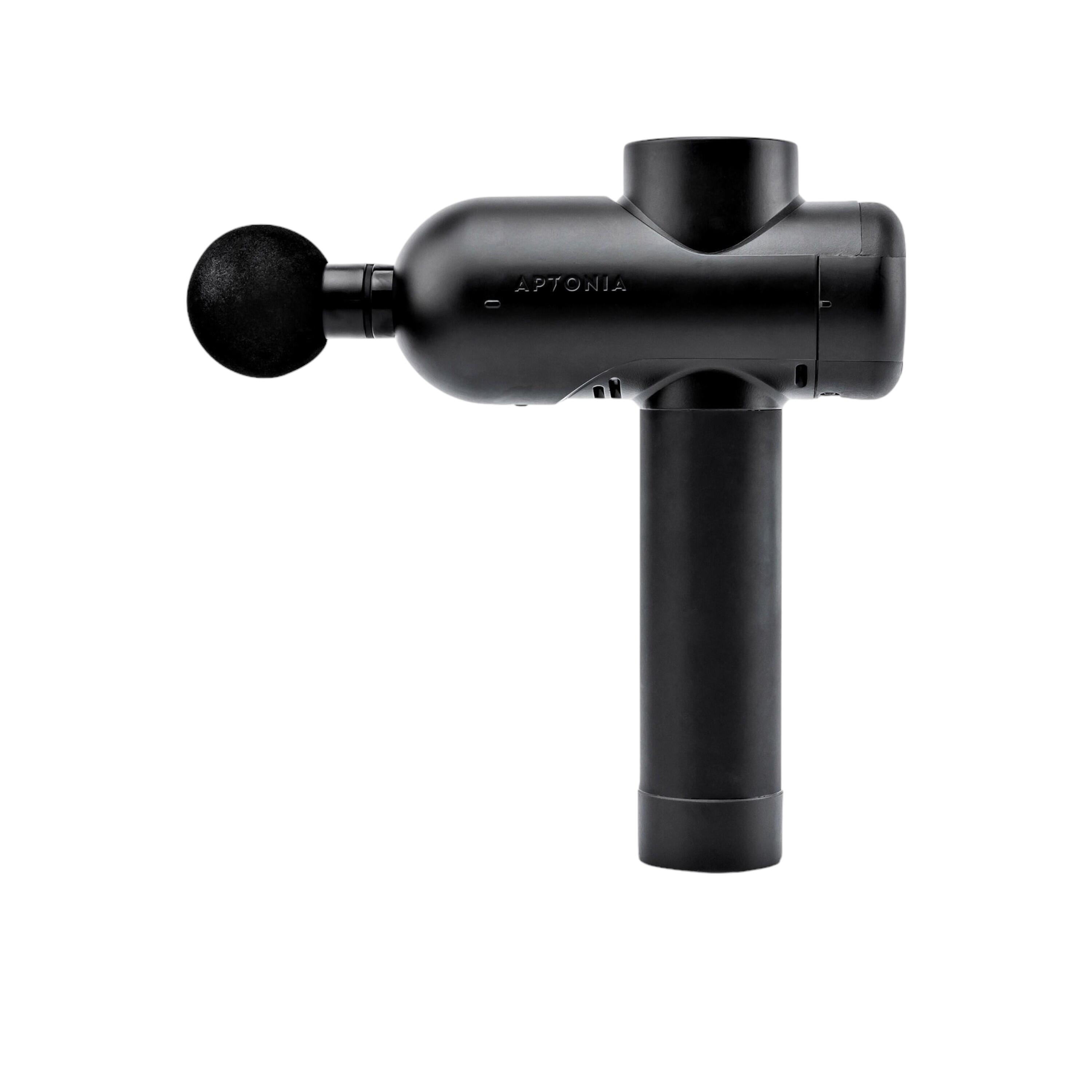
Choose a tool that suits the muscle area and the amount of pressure you can control comfortably. A structured roller uses body weight across larger areas such as the calves, thighs and glutes, while a small ball can target the foot arch or a precise tight spot. A massage stick lets you control pressure without placing your full weight on the muscle. Compact percussion tools provide repeated mechanical pressure and can be easier to transport to an event. Compare trail running massage devices by size, attachment type and intensity settings. Start gently on relaxed muscle and avoid bones, joints, swelling or sudden pain.

What first-aid items should trail runners carry?

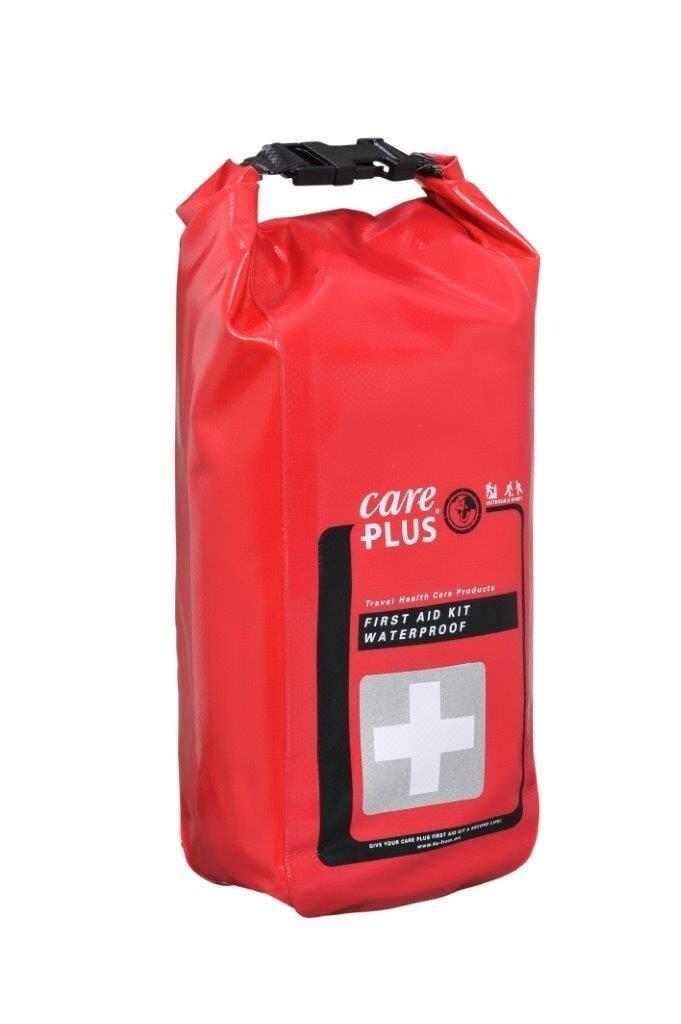
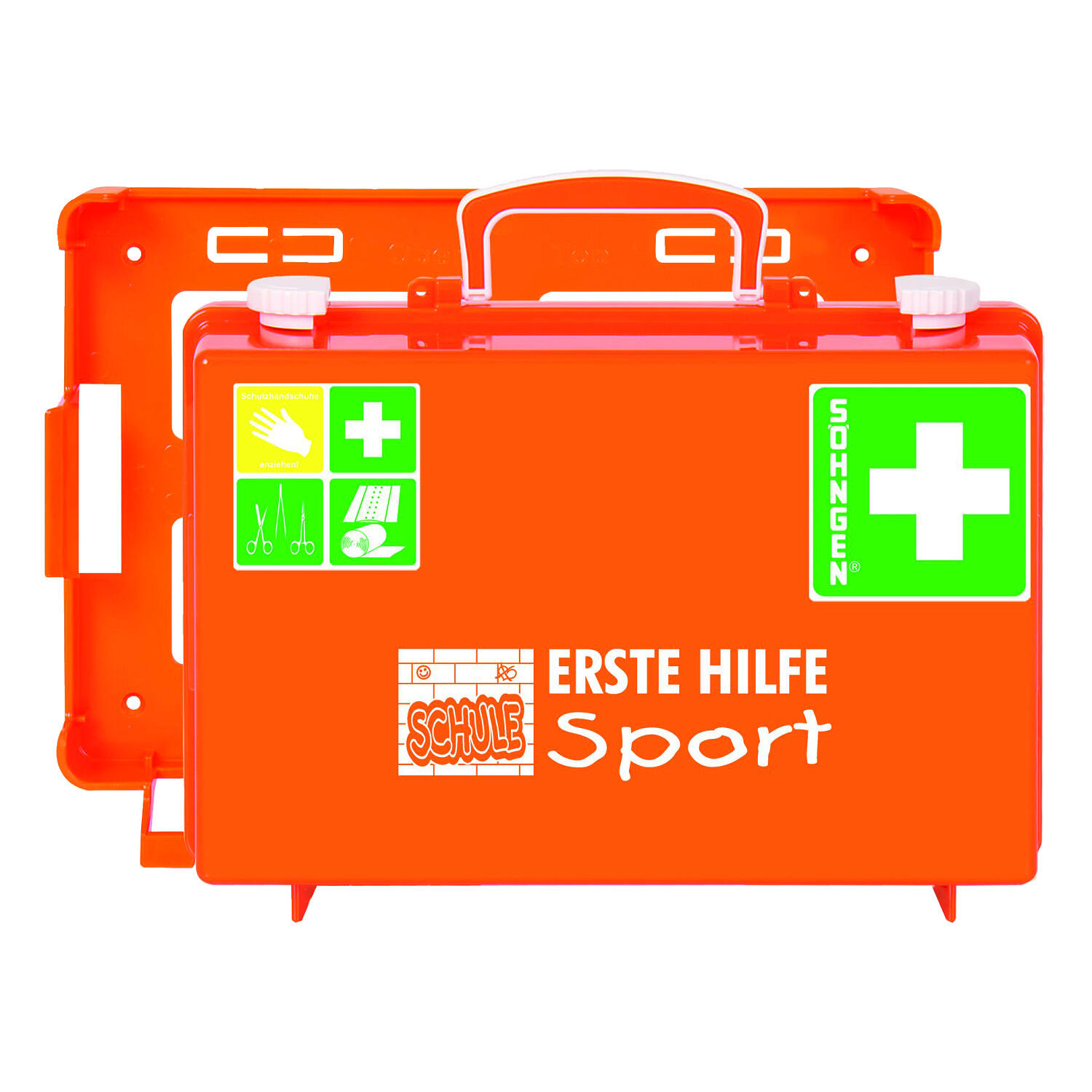
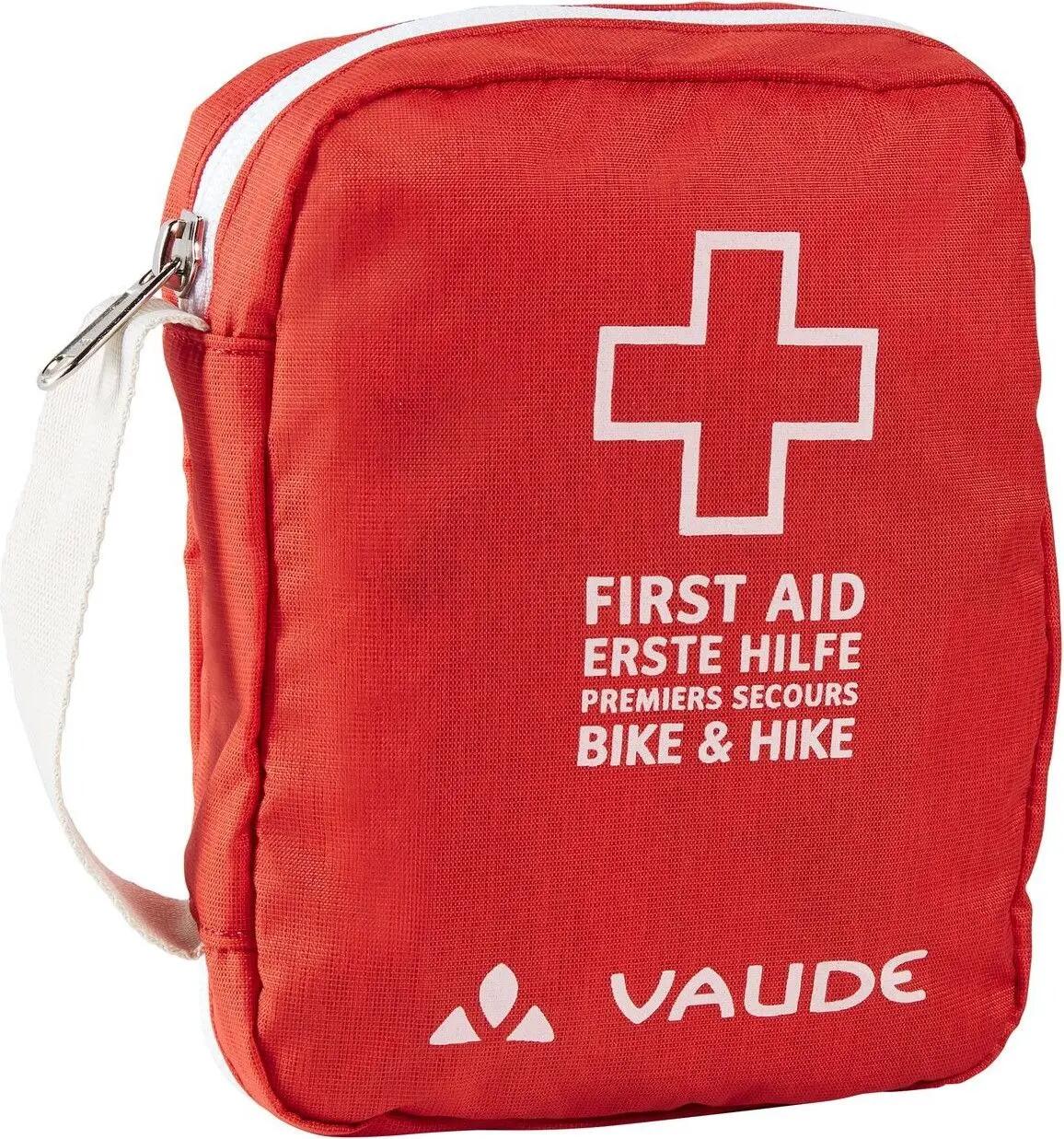
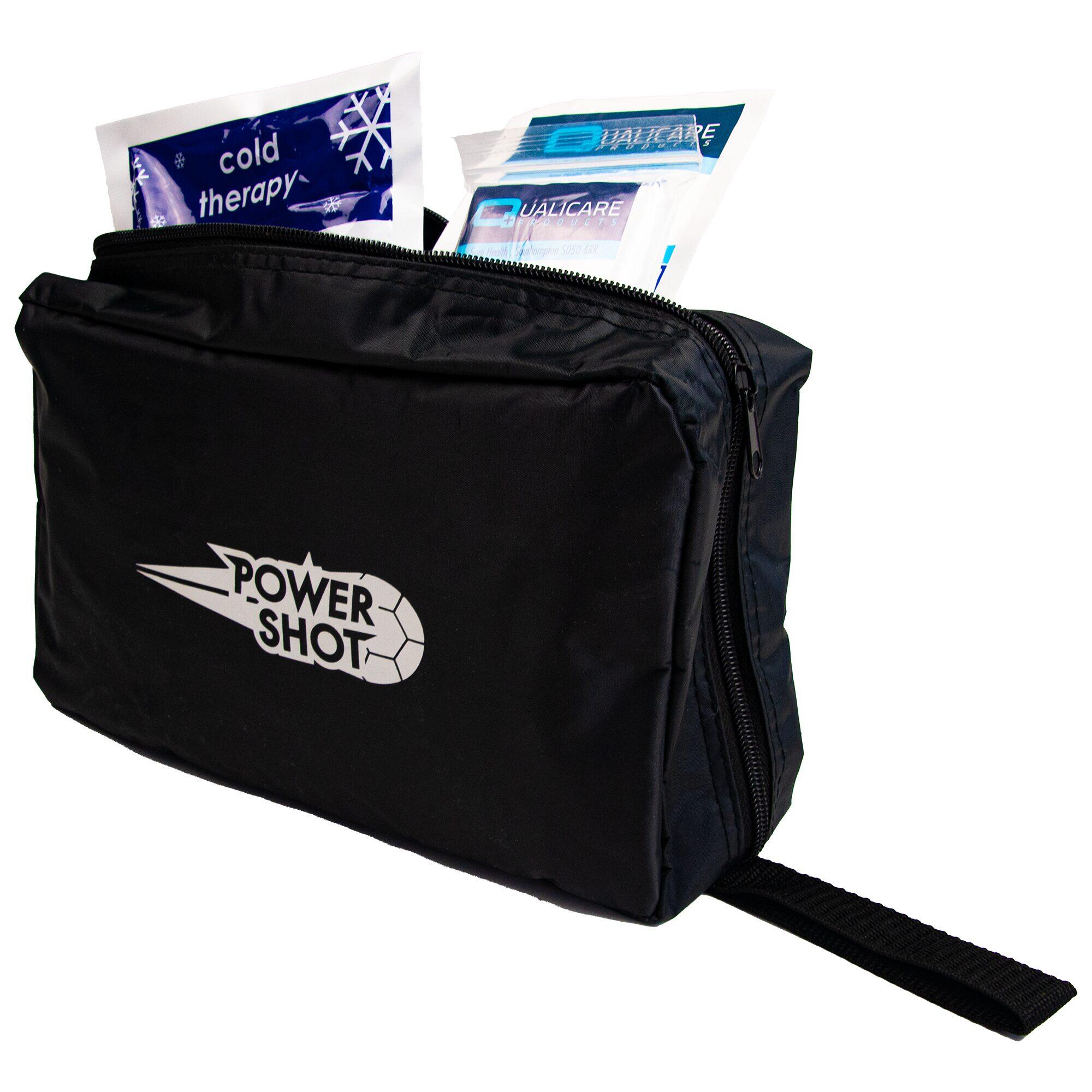
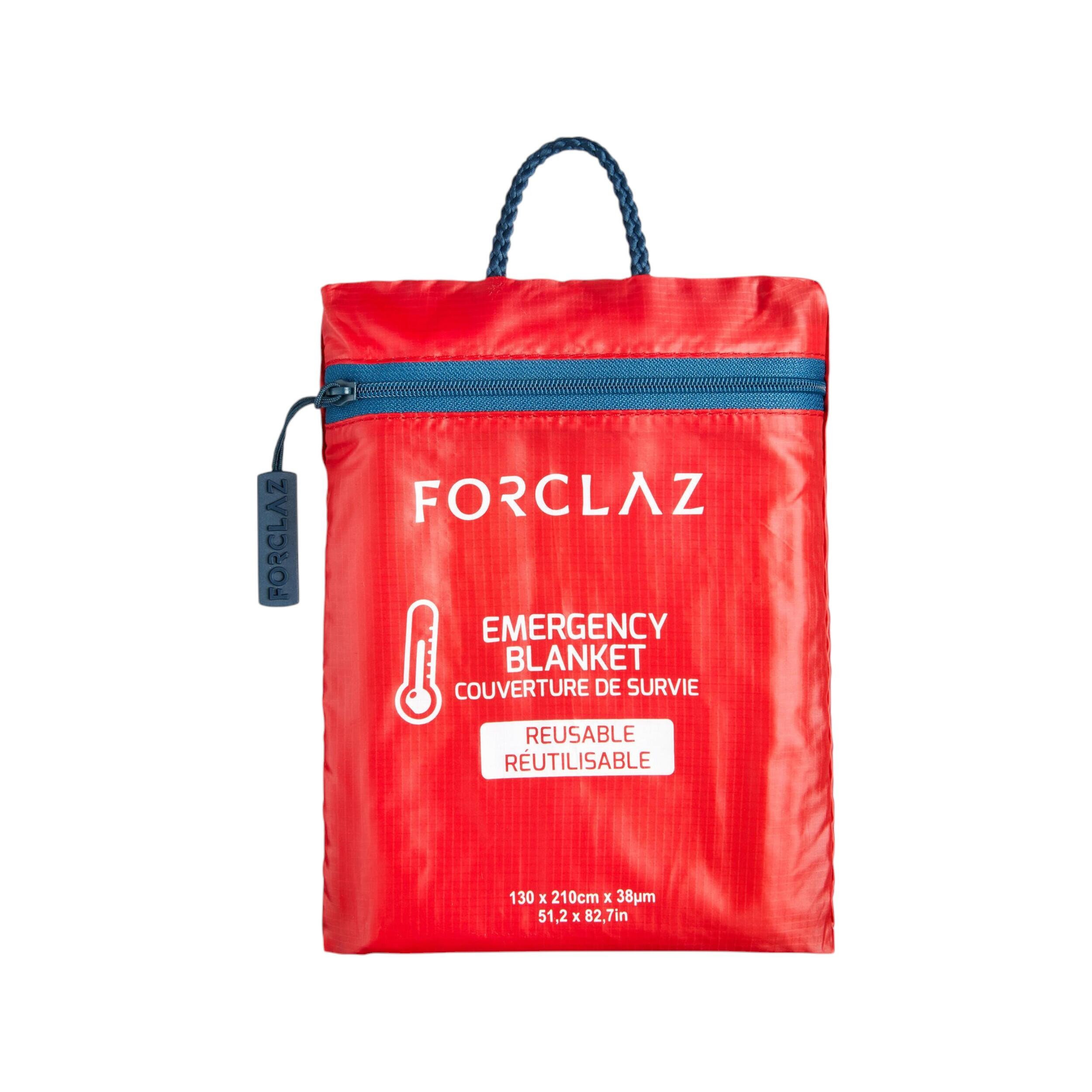
Carry enough to manage common minor problems until you can reach proper help. A practical kit may include blister dressings, sterile pads, tape, cleaning wipes, disposable gloves and an emergency blanket, adjusted to the length and remoteness of your route. Knowing how to use each item matters more than packing a large pouch you have never opened. Keep trail running first aids somewhere accessible instead of burying them beneath clothing or food. Check expiry dates regularly and replace opened, dirty or damp supplies. Heavy bleeding, suspected fractures, severe pain or worsening symptoms require professional medical attention rather than an attempt to continue running.

How should you use massage cream after a trail run?

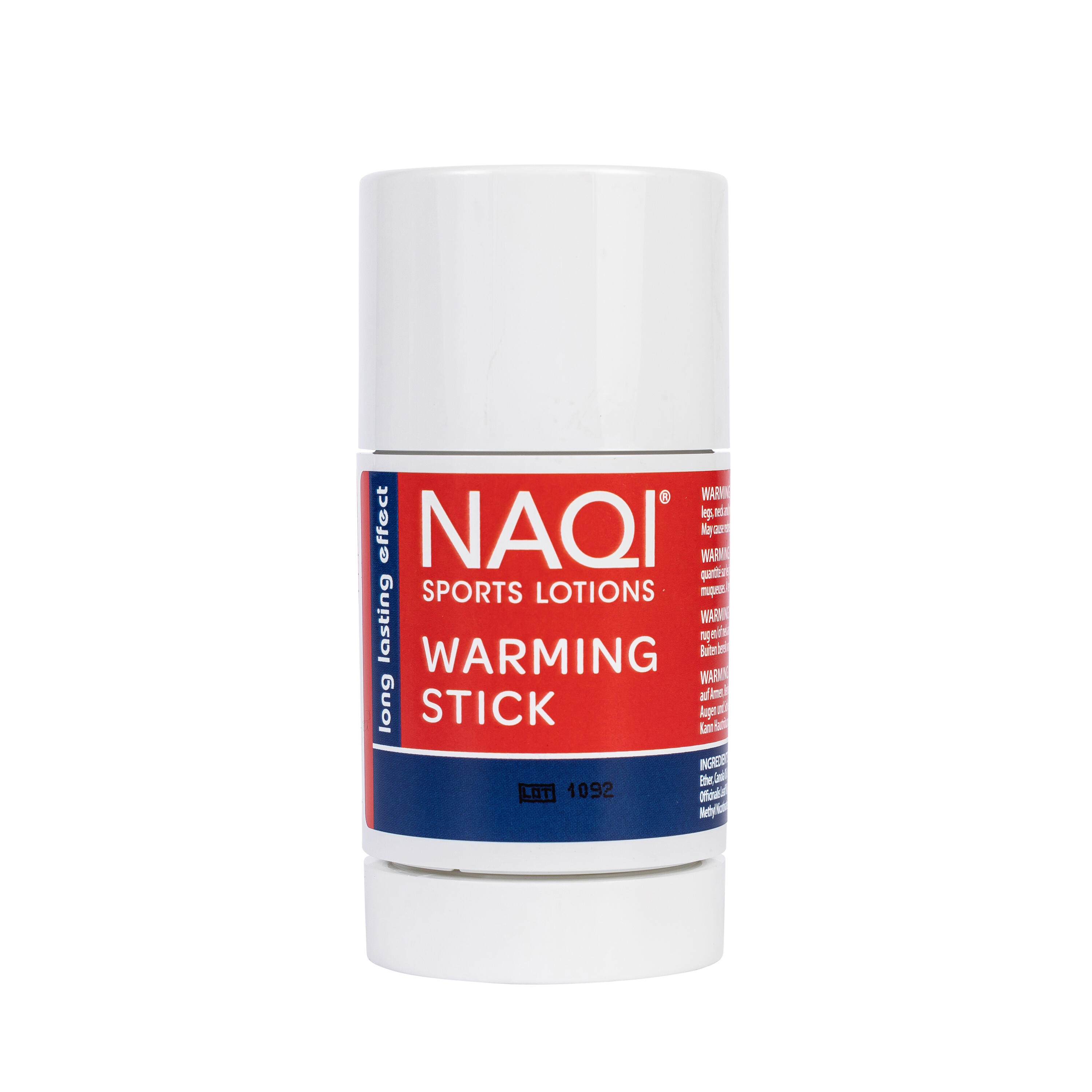
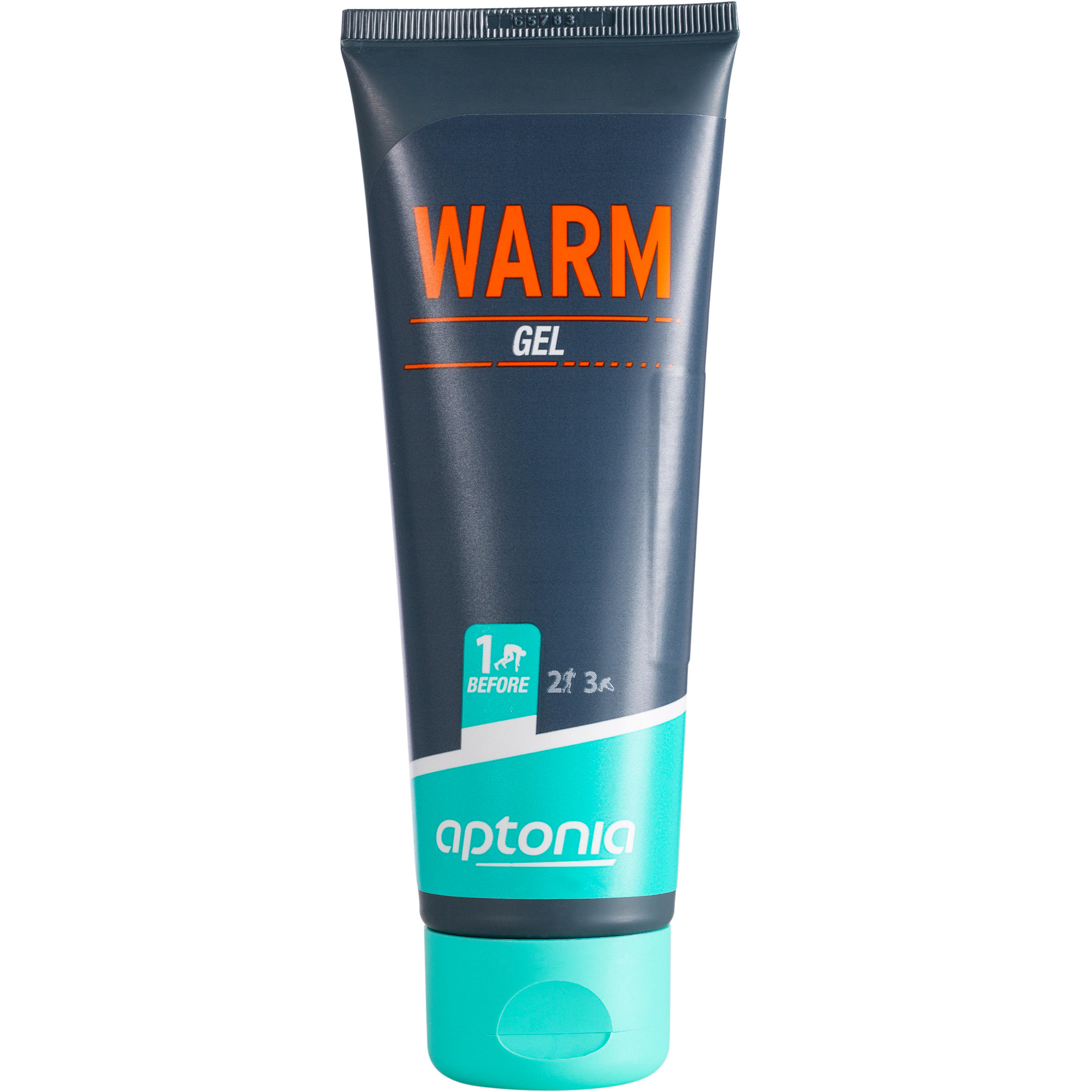
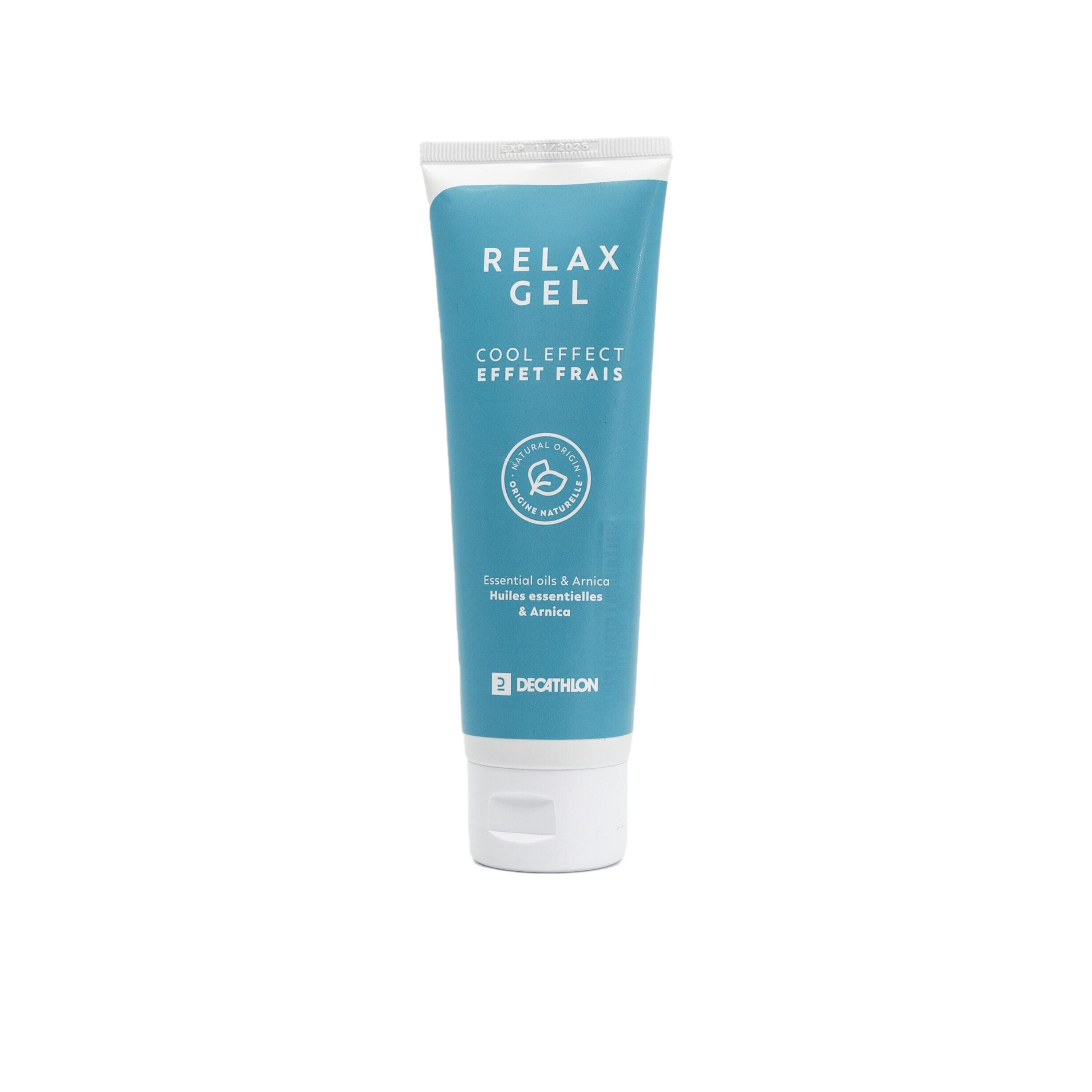
Massage cream reduces friction between your hands and skin, making controlled strokes easier across tired calves, thighs or feet. Apply a small amount to intact skin and massage slowly for several minutes rather than pressing aggressively into a sore area. Some formulas contain arnica, essential oils or other botanical ingredients, so read the label and patch-test the product before broader use. Follow all warnings relating to allergies, sensitive skin, pregnancy or breastfeeding. Trail running massage creams should not be applied to cuts, grazes, blisters, the face or mucous membranes. Wash your hands afterwards and stop using the cream if irritation occurs.

When should you apply sunscreen for trail running?

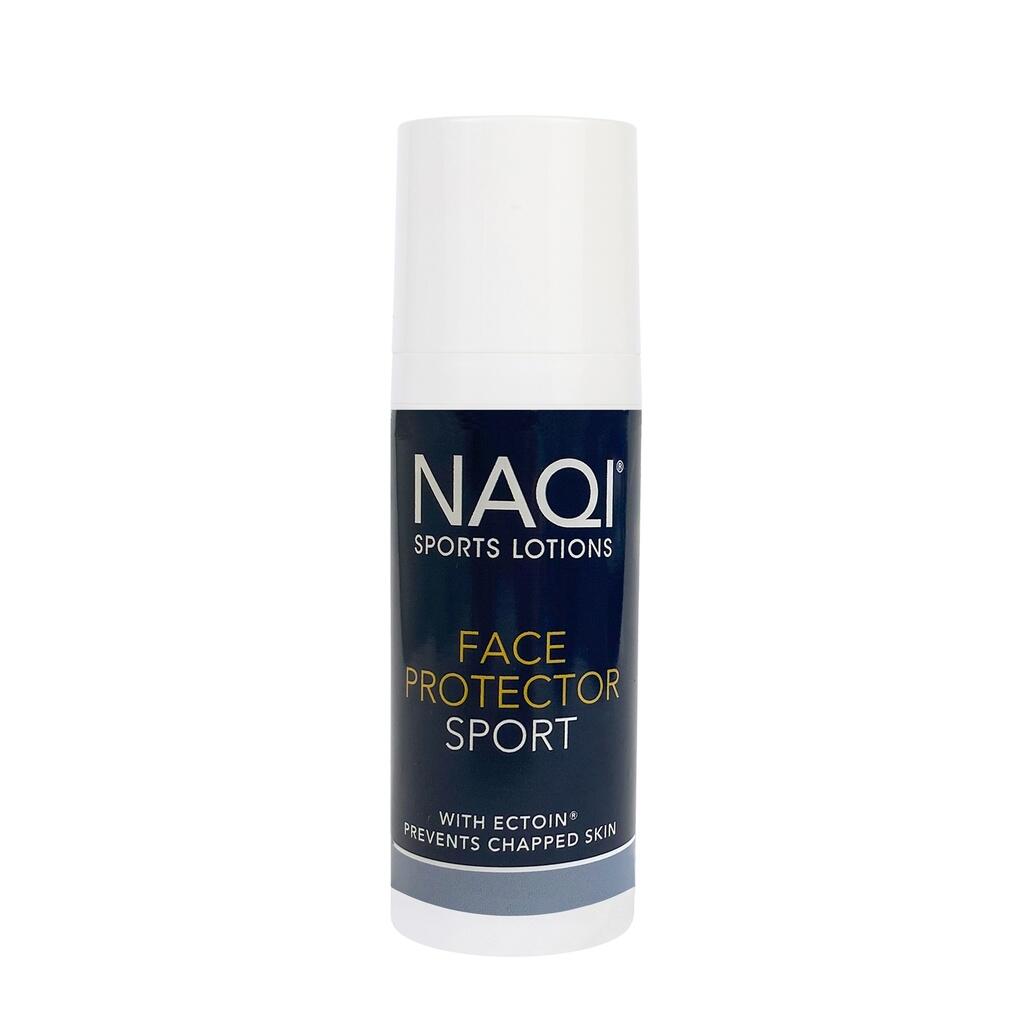
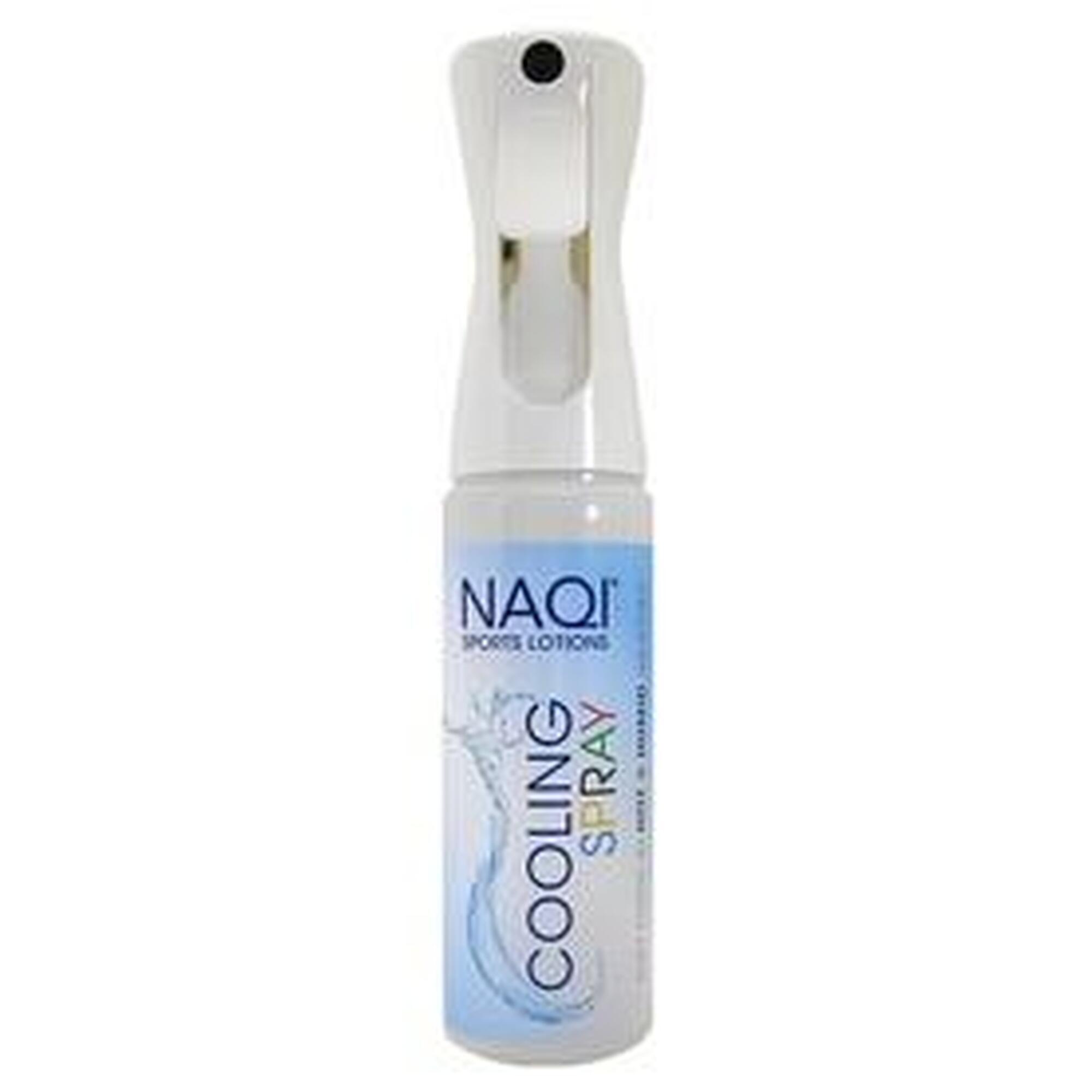
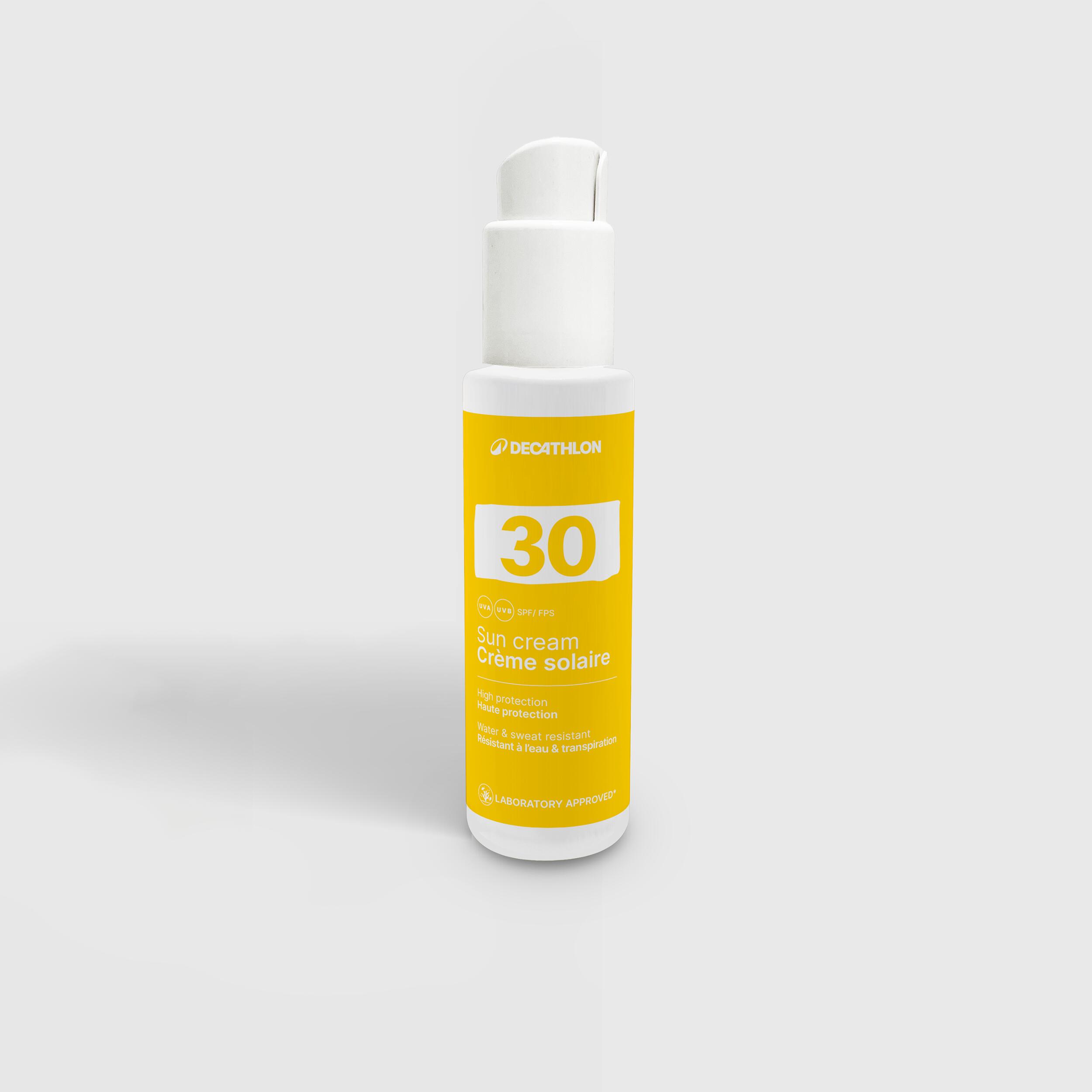
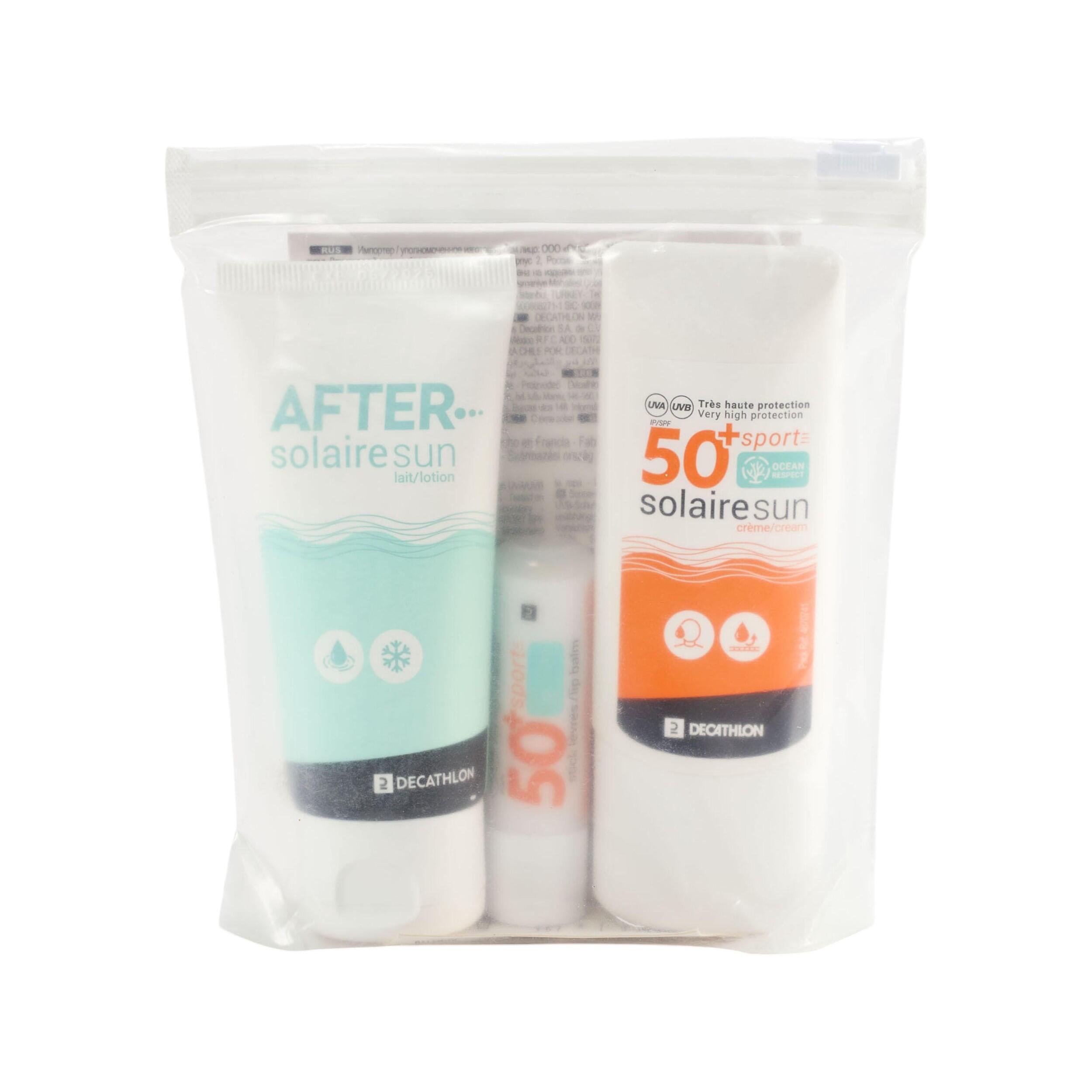
Apply sunscreen before setting off, including on exposed areas that are easy to miss such as your ears, neck, shoulders and the backs of your hands. A water- and perspiration-resistant formula suits active outdoor use, but it still needs reapplication because sweating, wiping and long exposure reduce coverage. Apply trail running sunscreen generously around 20 minutes before sun exposure and reapply at least every two hours, or more often when directed by the product label. Cloud cover does not remove ultraviolet exposure, particularly on open ridges and higher ground. Pro tip: carry a small bottle where you can reach it without unpacking your entire trail bag.