1,313 items
4.6/5 based on 312508 reviews collected online and in stores

Sailing FAQs

What chandlery and on-board safety equipment is essential before leaving a berth?

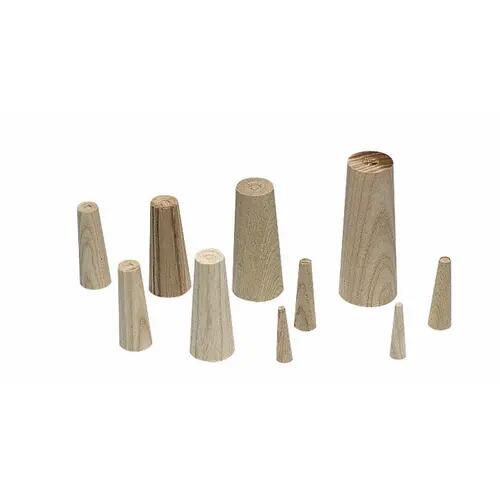
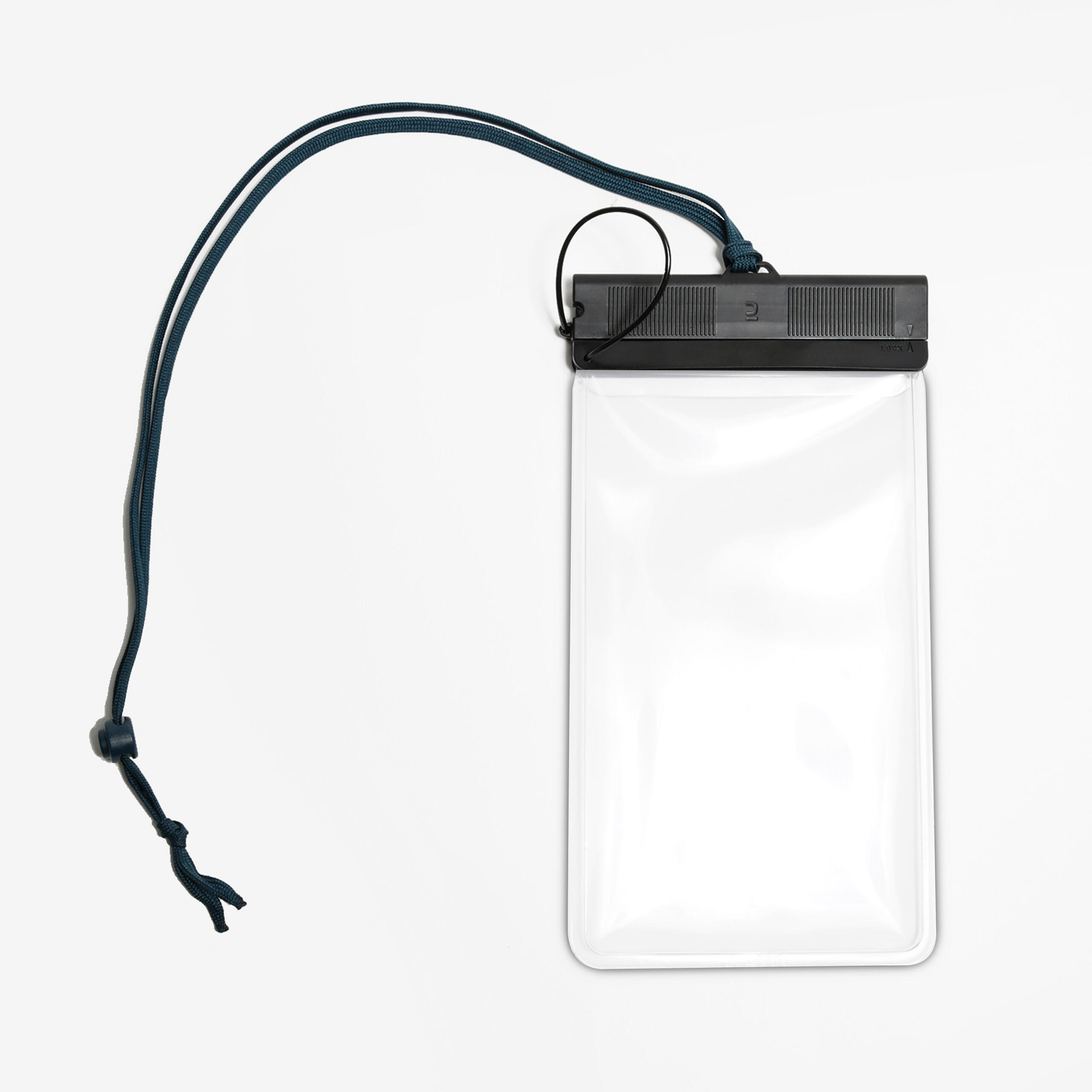
Every vessel leaving a marina berth needs a baseline set of safety and navigation equipment that goes beyond the boat itself. Flares with a valid expiry date, a functioning VHF radio, a working compass, and a first aid kit rated for marine environments are the starting point for any passage, whether a short coastal hop or an overnight crossing. The Irish coastline's weather patterns change quickly, and conditions that were benign at departure can deteriorate within hours, making redundant safety items a practical necessity rather than a precaution. A manual bilge pump, a sea anchor, and a drogue for heavy weather situations are items that many day sailors overlook until they encounter conditions that require them. Boat horns, navigation lights, and anchor systems each require periodic inspection to confirm they function correctly, as a failed navigation light or a seized anchor windlass creates a genuine hazard in a busy estuary at night. The dedicated chandlery and security equipment range supports sailors assembling or updating their on-board kit. Smart tip: check flare expiry dates at the start of each season; expired flares are not only unreliable but also legally non-compliant under Marine Notice requirements for recreational vessels in coastal waters.
What type of life jacket suits recreational sailing versus racing?

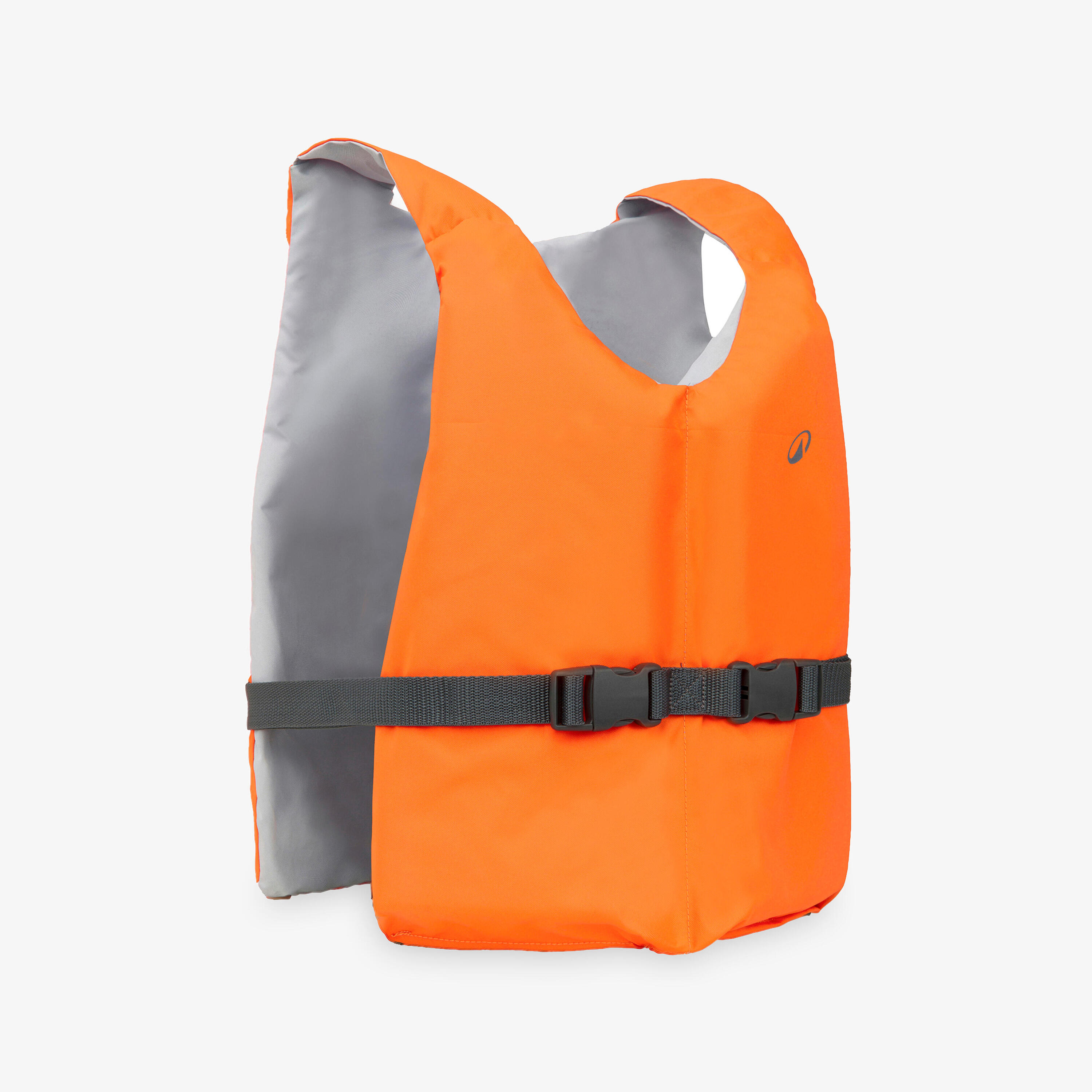
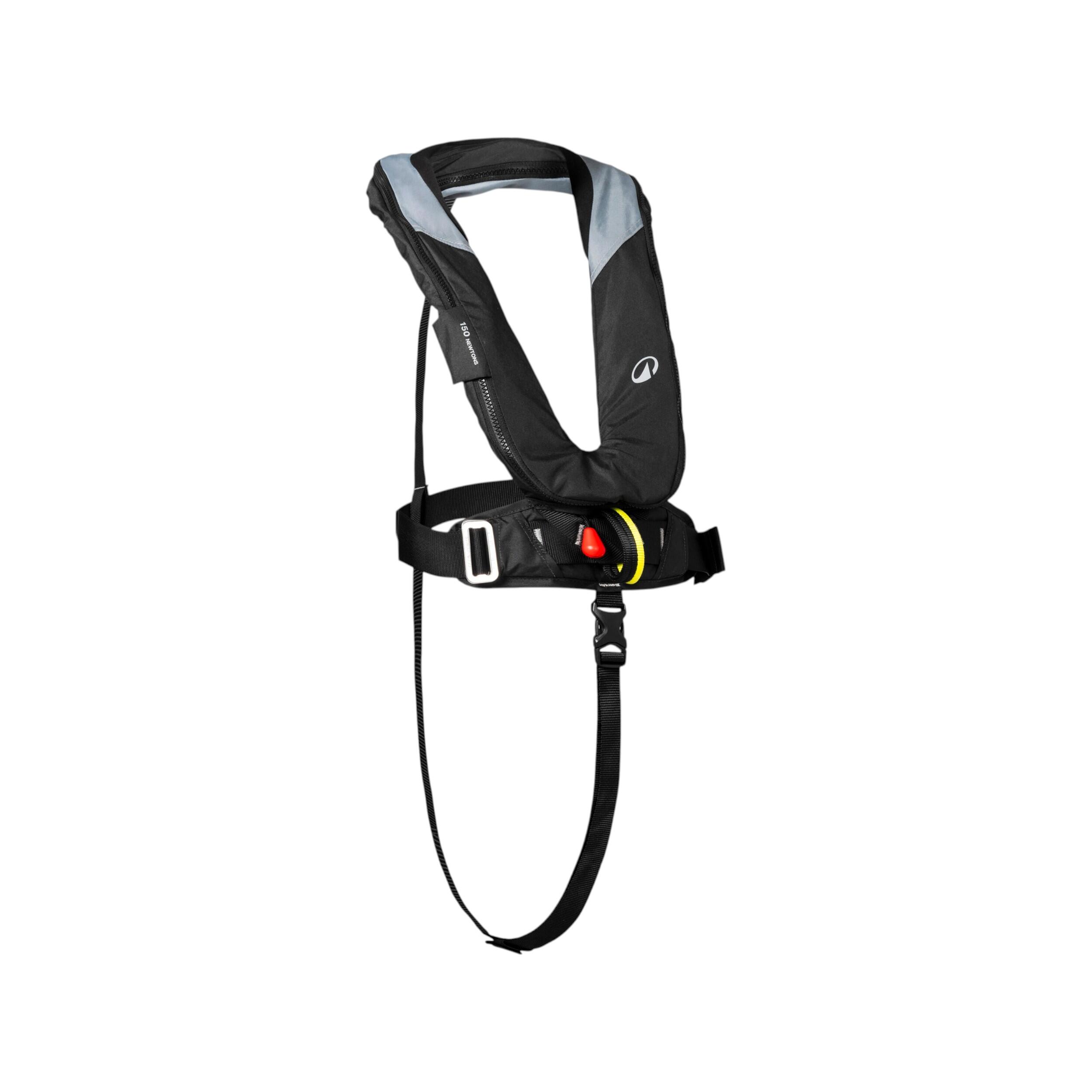
The buoyancy rating of a life jacket determines how it performs in the water and who it is suited to. A 100 Newton jacket provides enough buoyancy to keep an average adult afloat in calm, sheltered water, but does not guarantee a face-up position in open water or when unconscious. A 150 Newton jacket is the standard for coastal and offshore sailing, providing sufficient buoyancy to turn most adults face-up within a few seconds, even when unconscious and wearing heavy kit. A 275 Newton jacket is recommended for offshore racing, single-handed sailing, or any passage where time to rescue may be extended. Automatic inflation, which triggers on water contact via a soluble bobbin, is more reliable than manual inflation in an unexpected capsize where there may be no time to pull a cord. Sailors looking for accessories, including safety lines, harnesses, and personal AIS beacons, will find the relevant items within the life jacket and sailor accessories range, where products are grouped by safety function.
What technical features matter in men's sailing clothing for Atlantic coastal conditions?

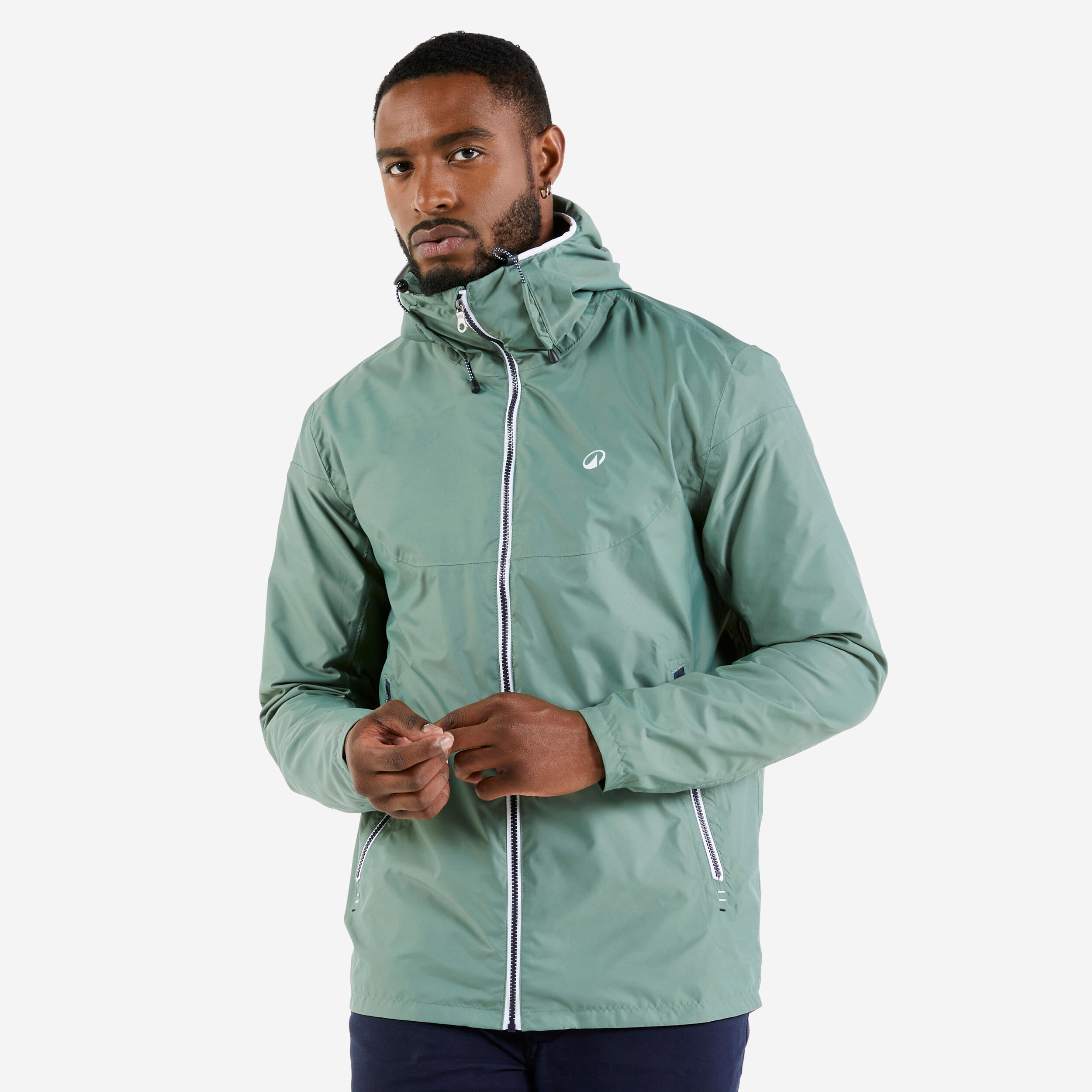
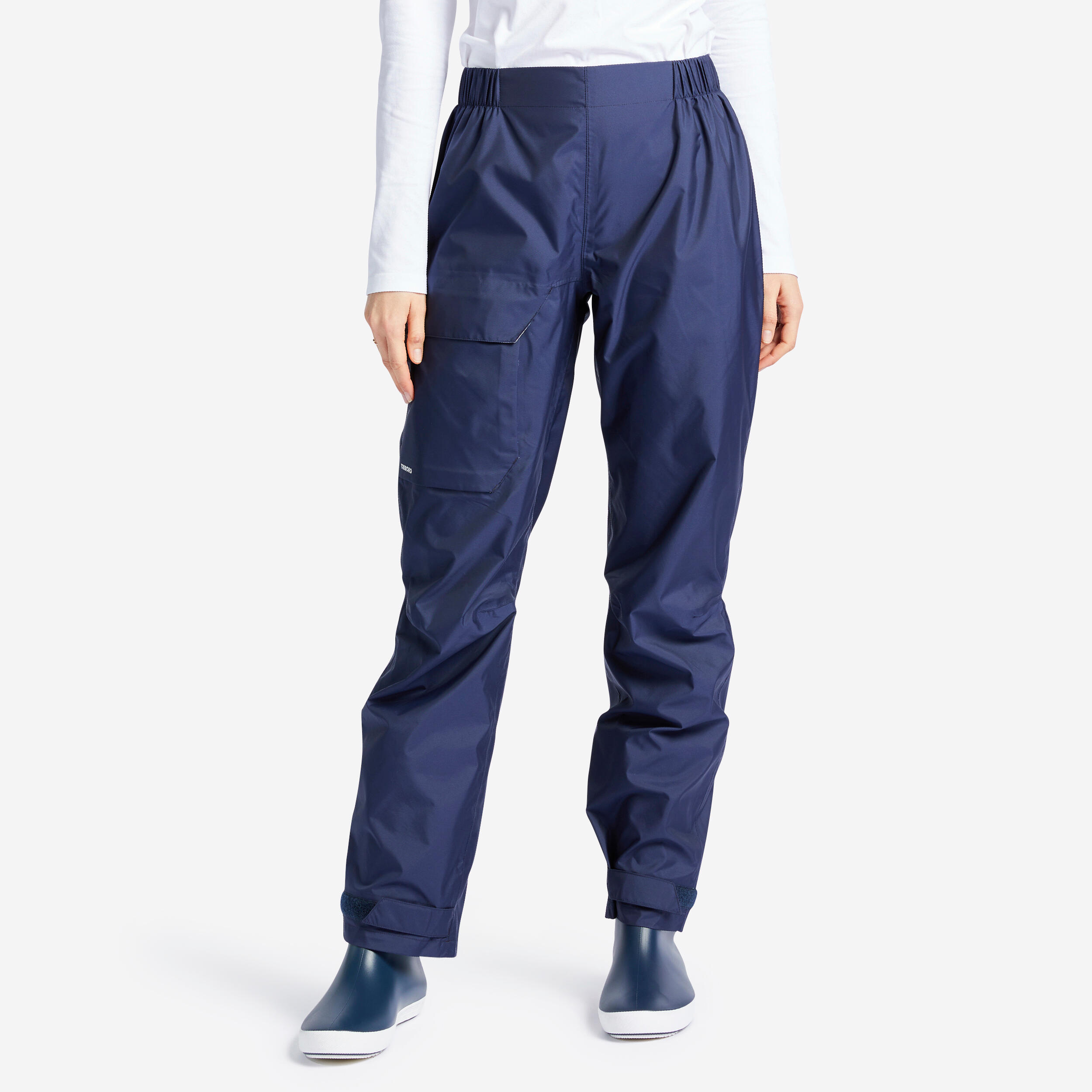
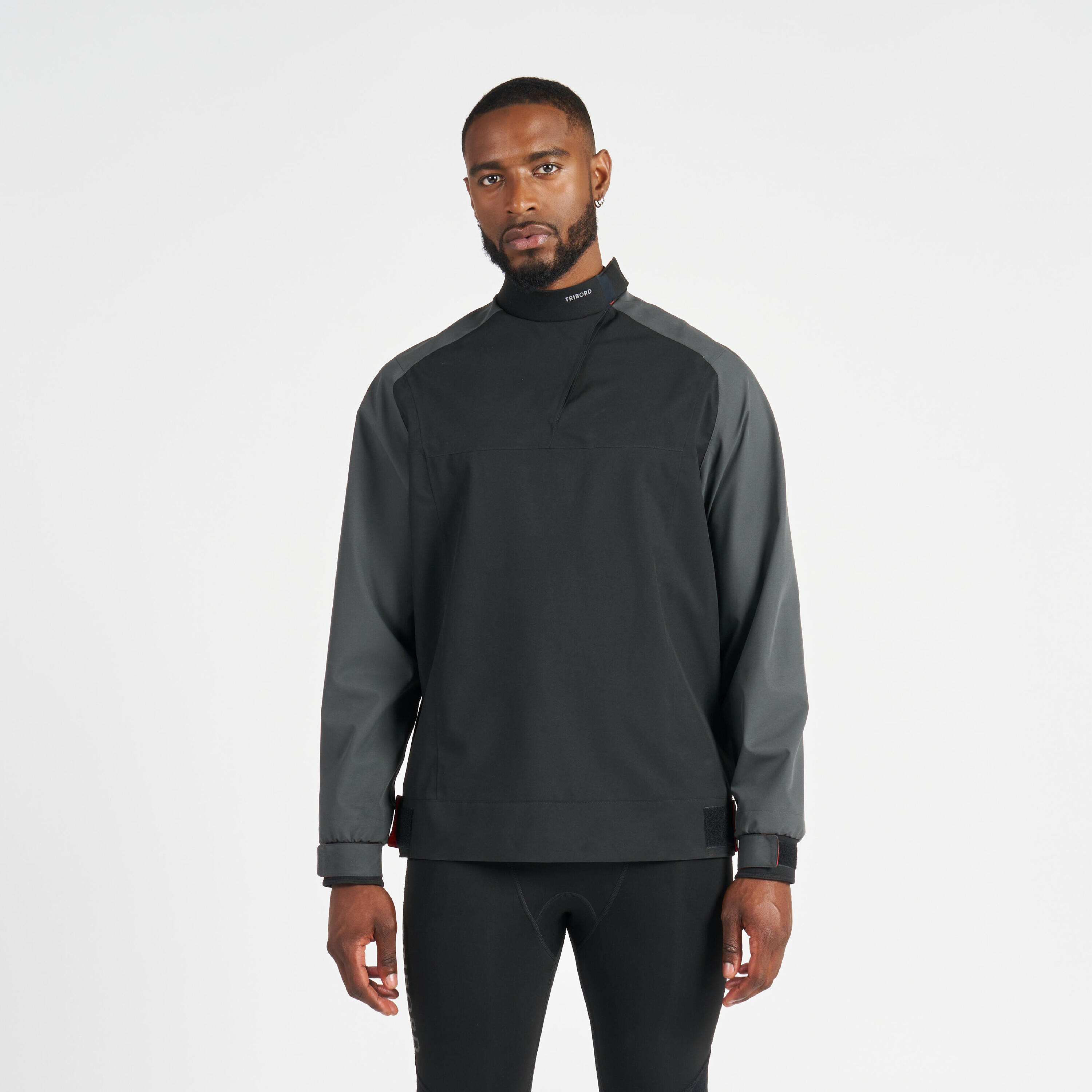
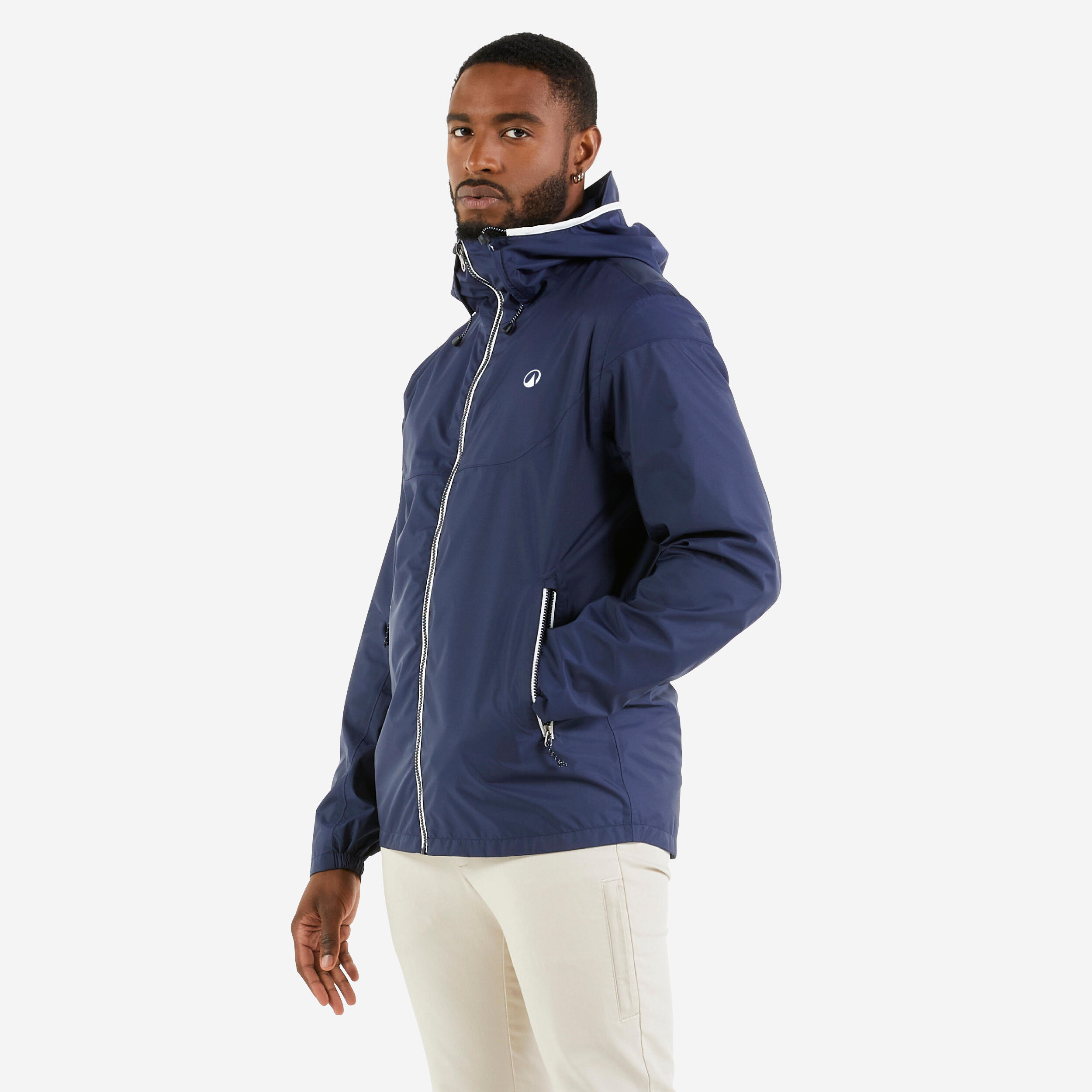
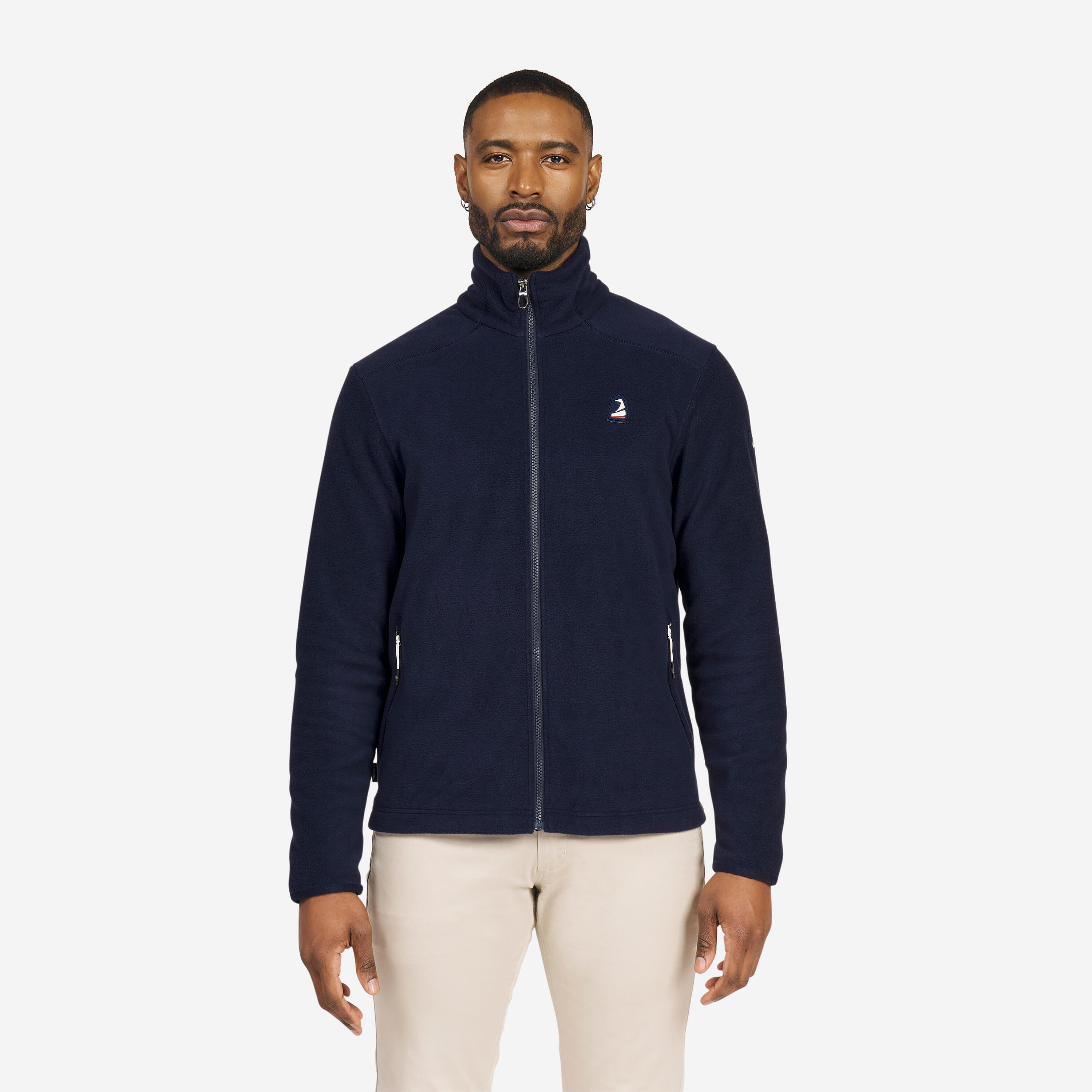
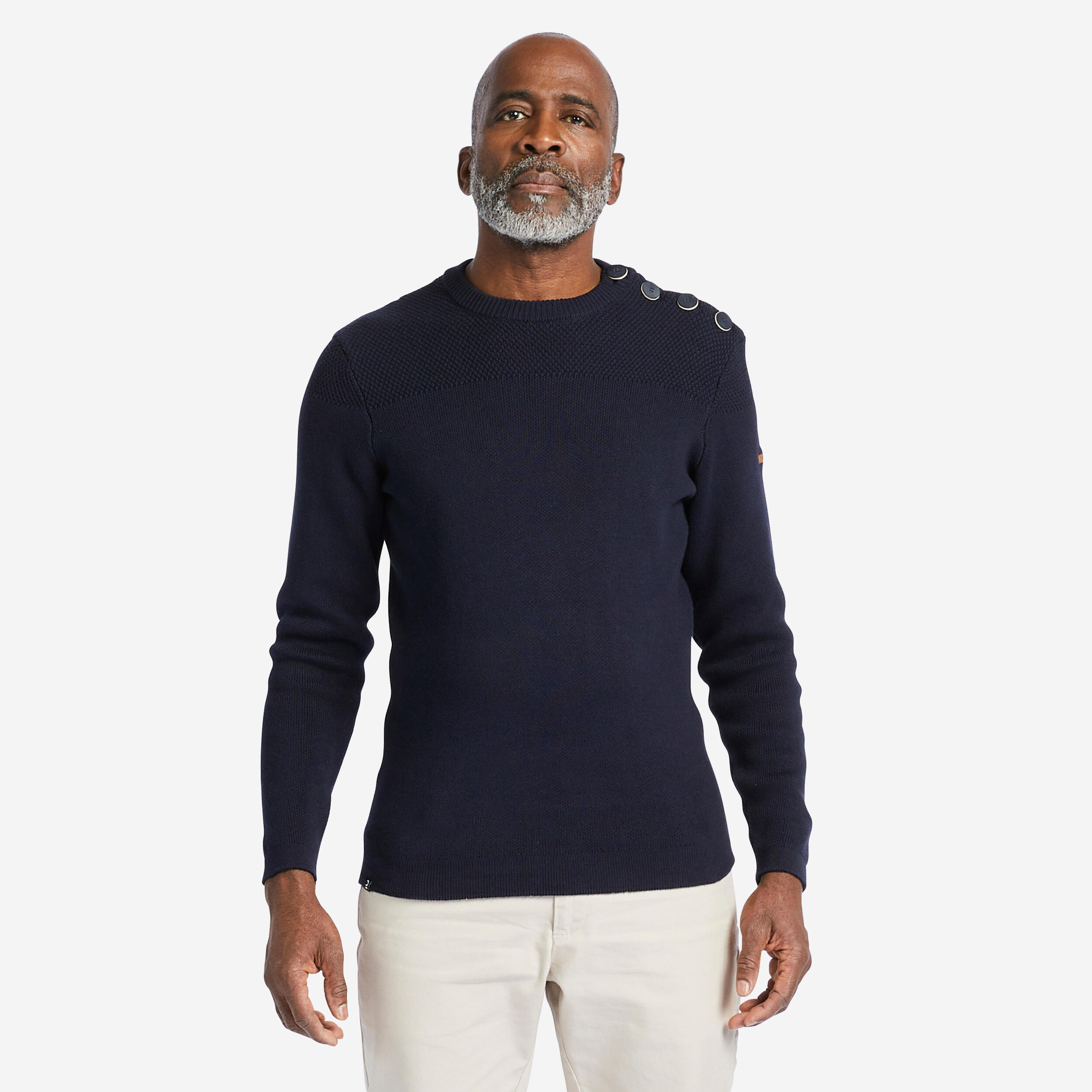
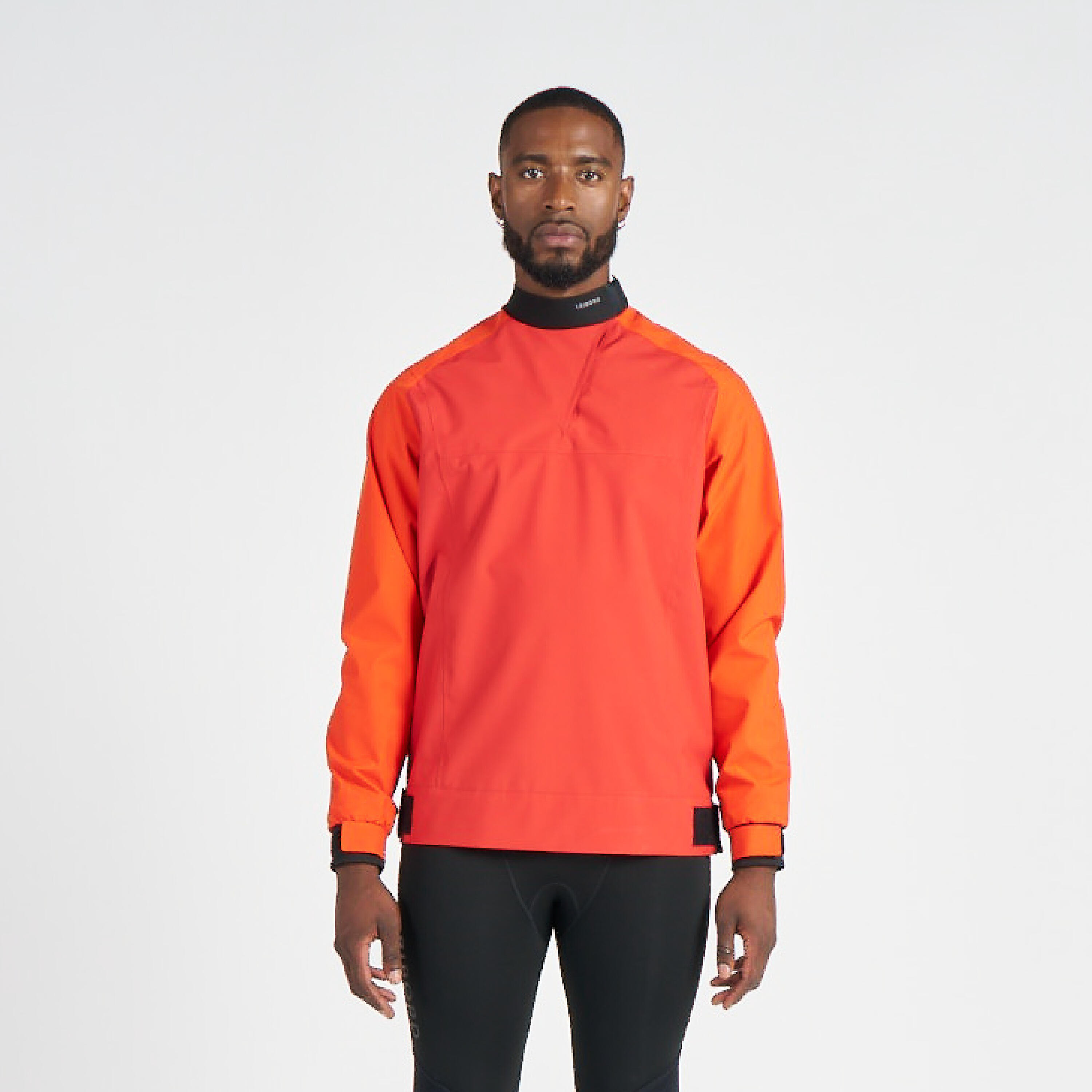
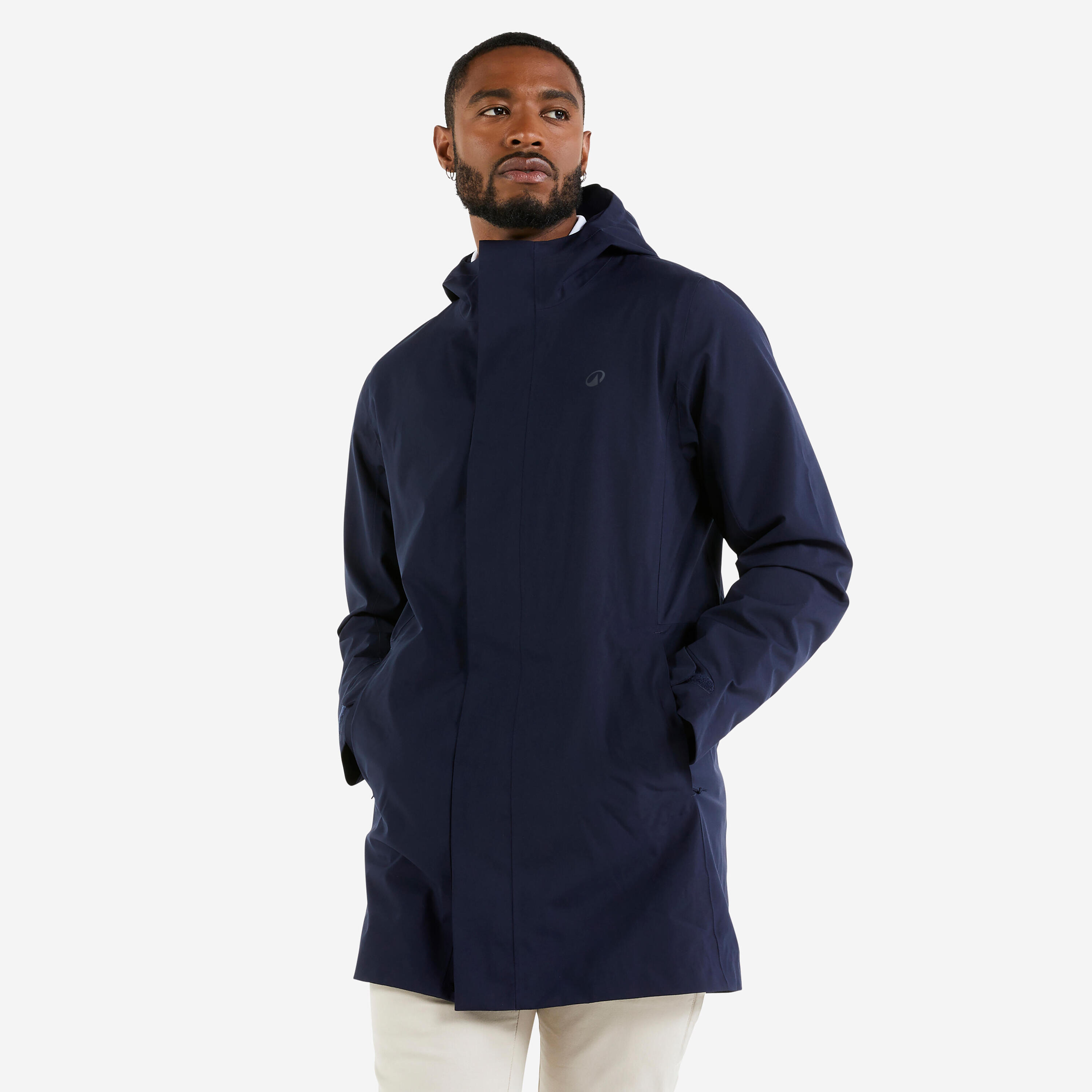
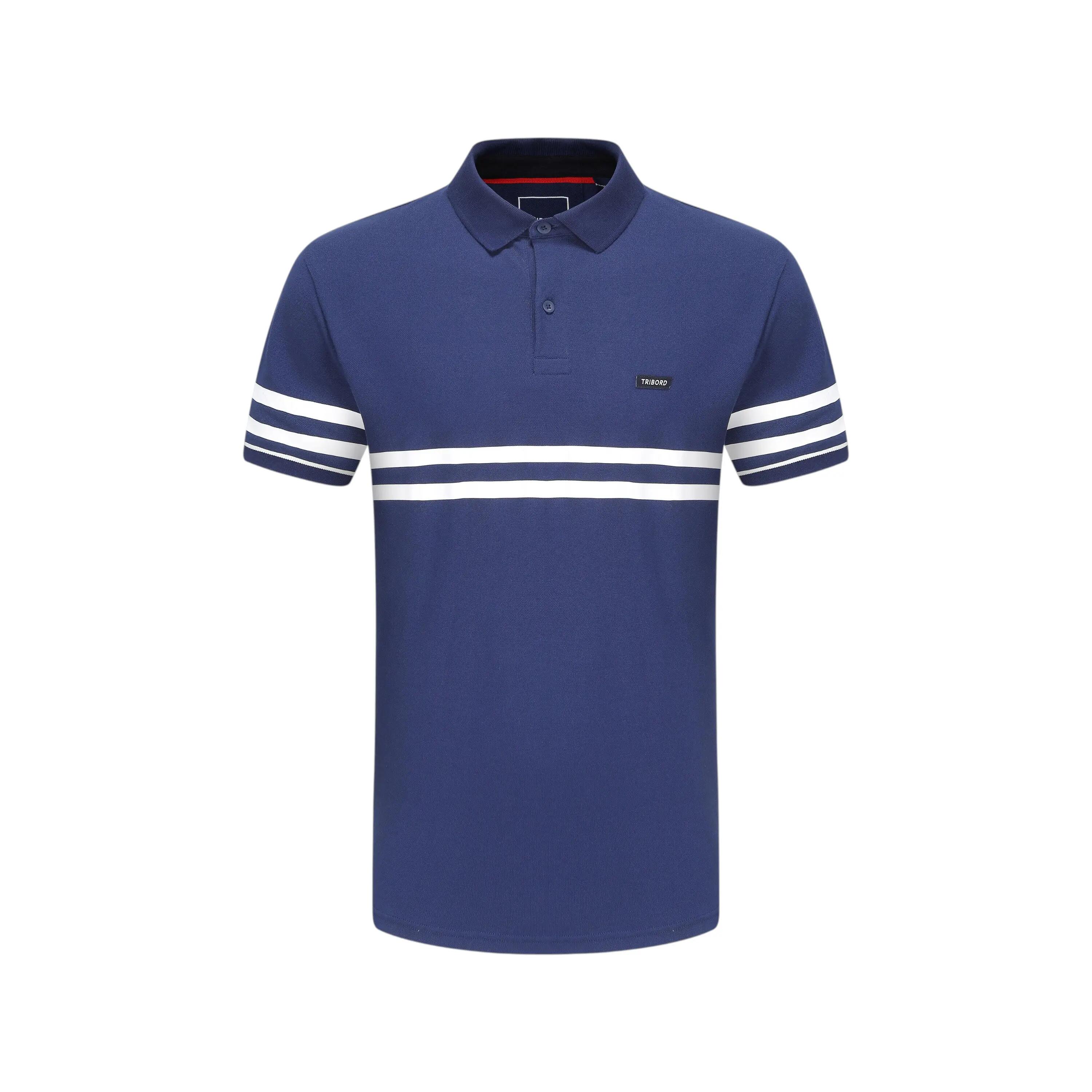
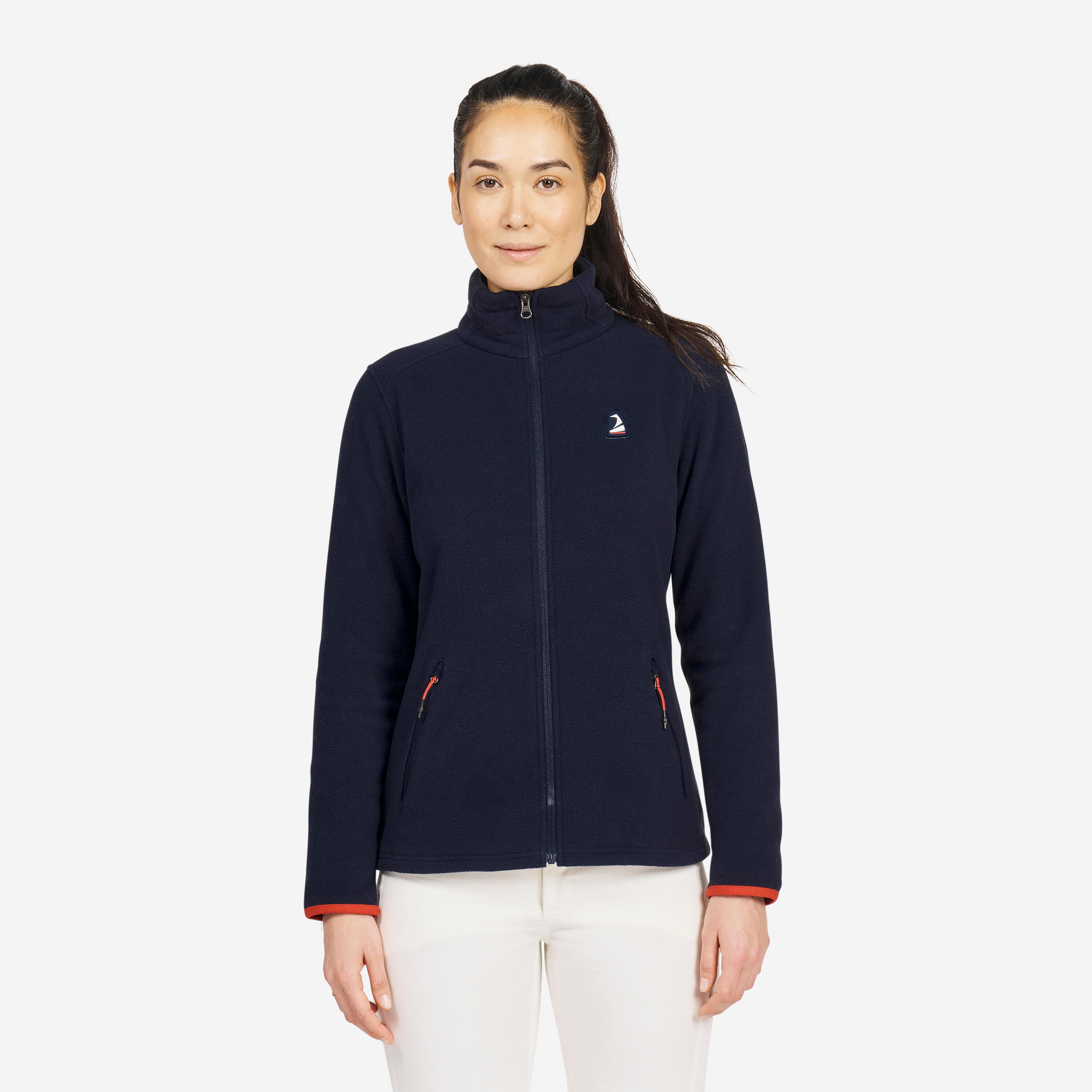
Sailing clothing for Atlantic coastal conditions needs to address wind chill, spray, and sustained dampness simultaneously, which is a more demanding brief than simply being waterproof. An offshore jacket rated to a recognised standard, such as ISO 15027, uses sealed seams rather than taped seams, and a storm collar that closes fully at the neck to prevent water ingress at speed. Fleece-lined cuffs inside neoprene outer cuffs prevent the gap that forms when a bare wrist moves above the jacket hem during a tack or a grind on a winch. Salopettes with adjustable braces and a wide bib panel keep the lower back covered during the low-crouching work of working sheets and halyards in a seaway. Men building a full offshore kit across base layer, mid layer, and outer shell will find the full technical clothing collection in the men's sailing clothes section, where items are filterable by offshore rating and layering function.

What sailing clothing features suit women who crew regularly on keelboats?

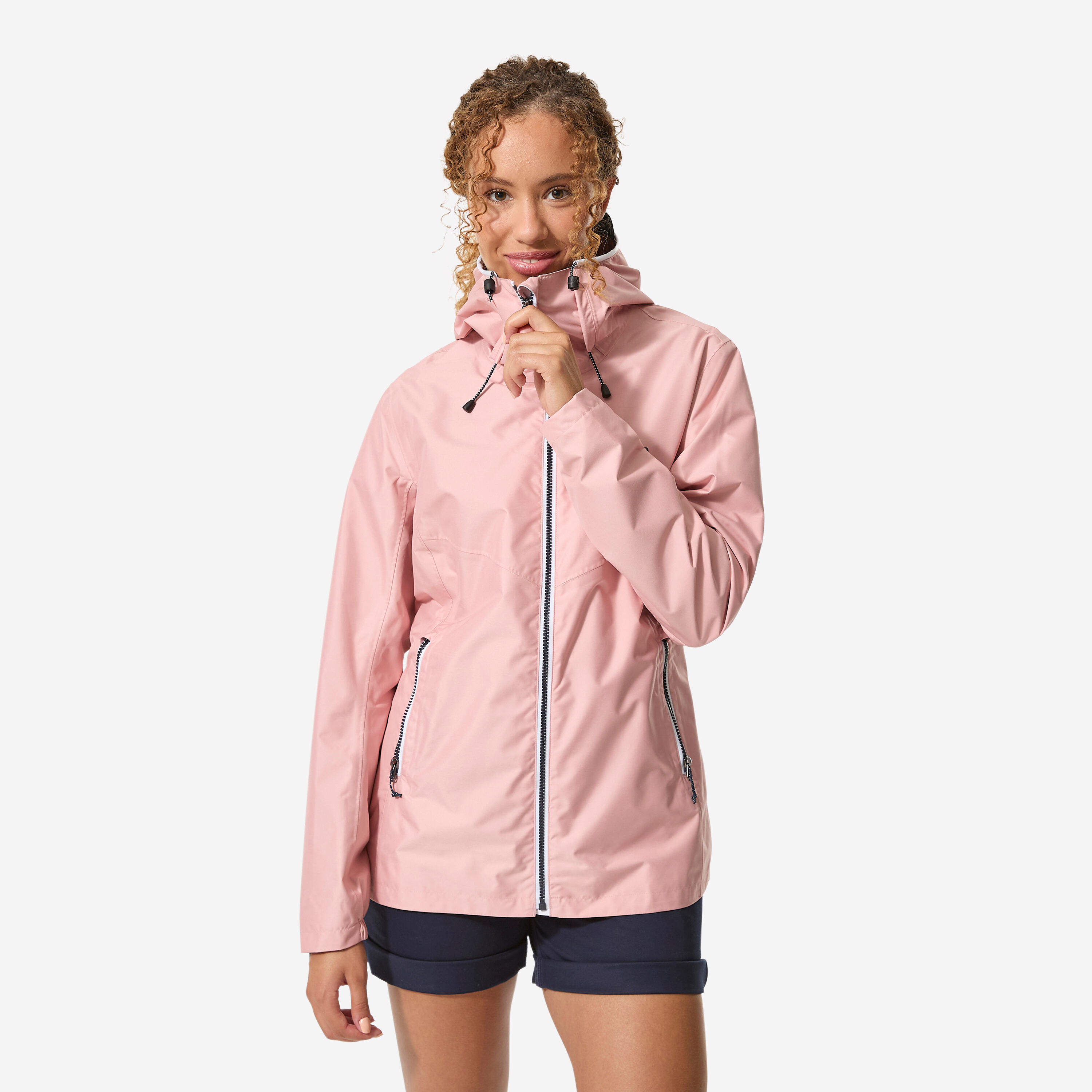
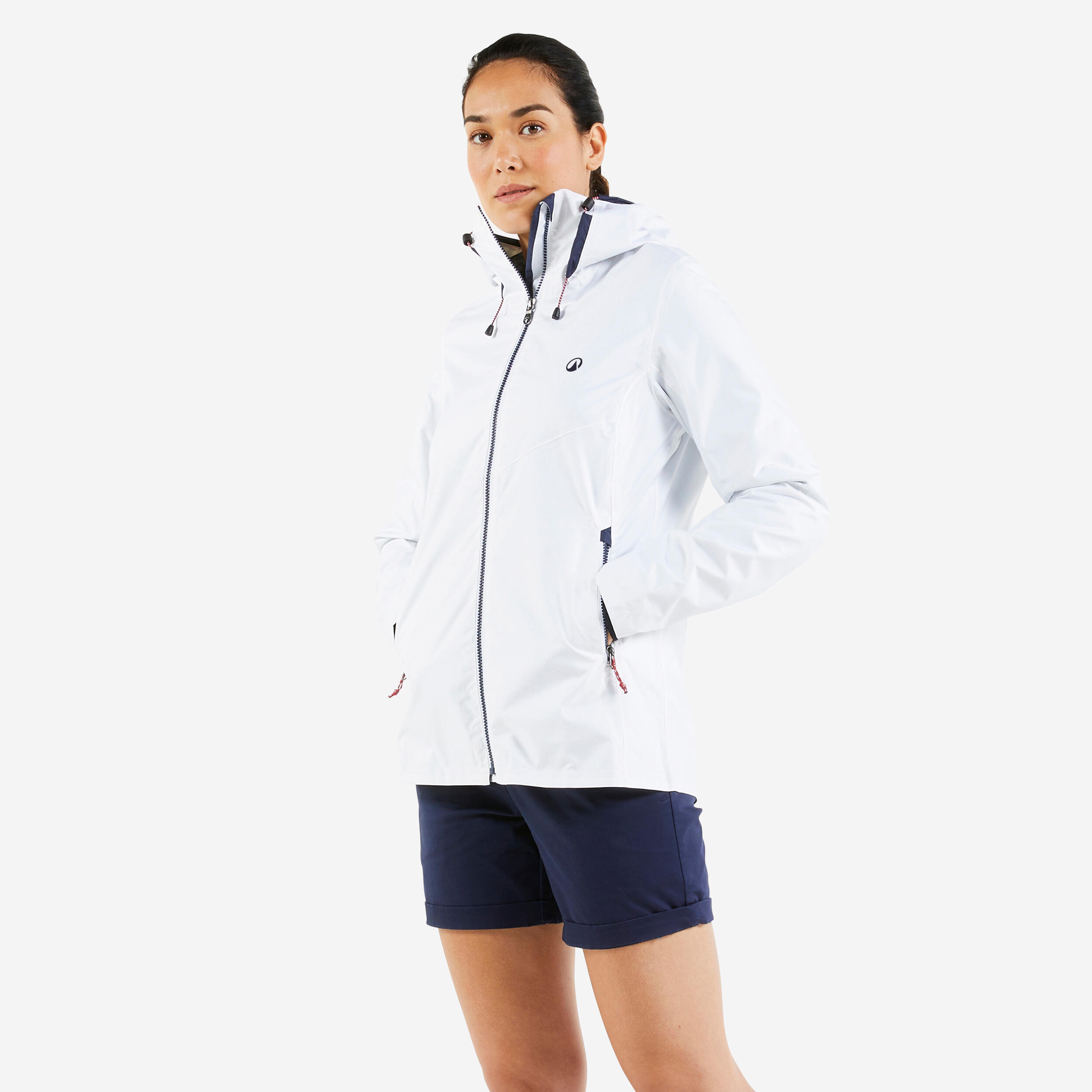
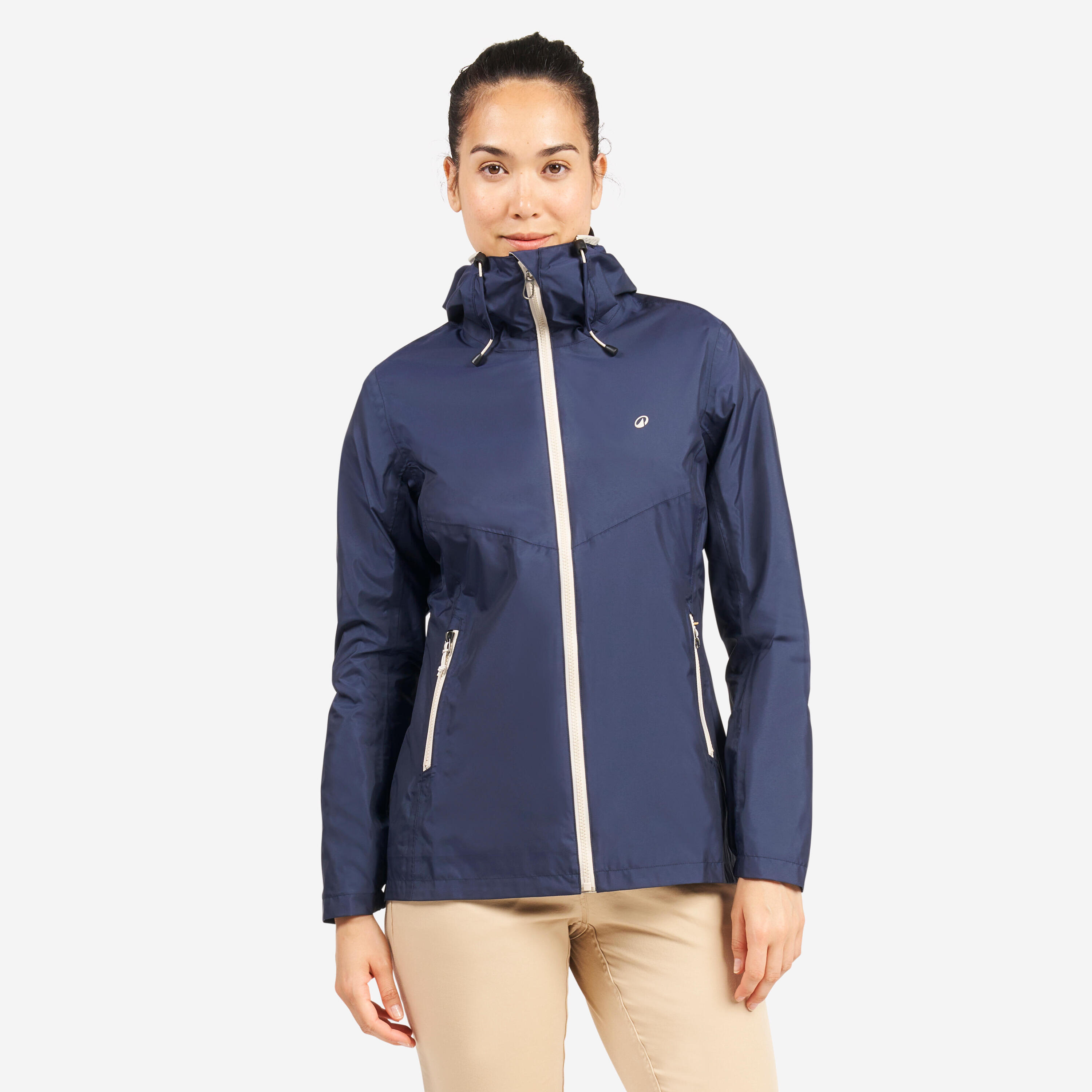
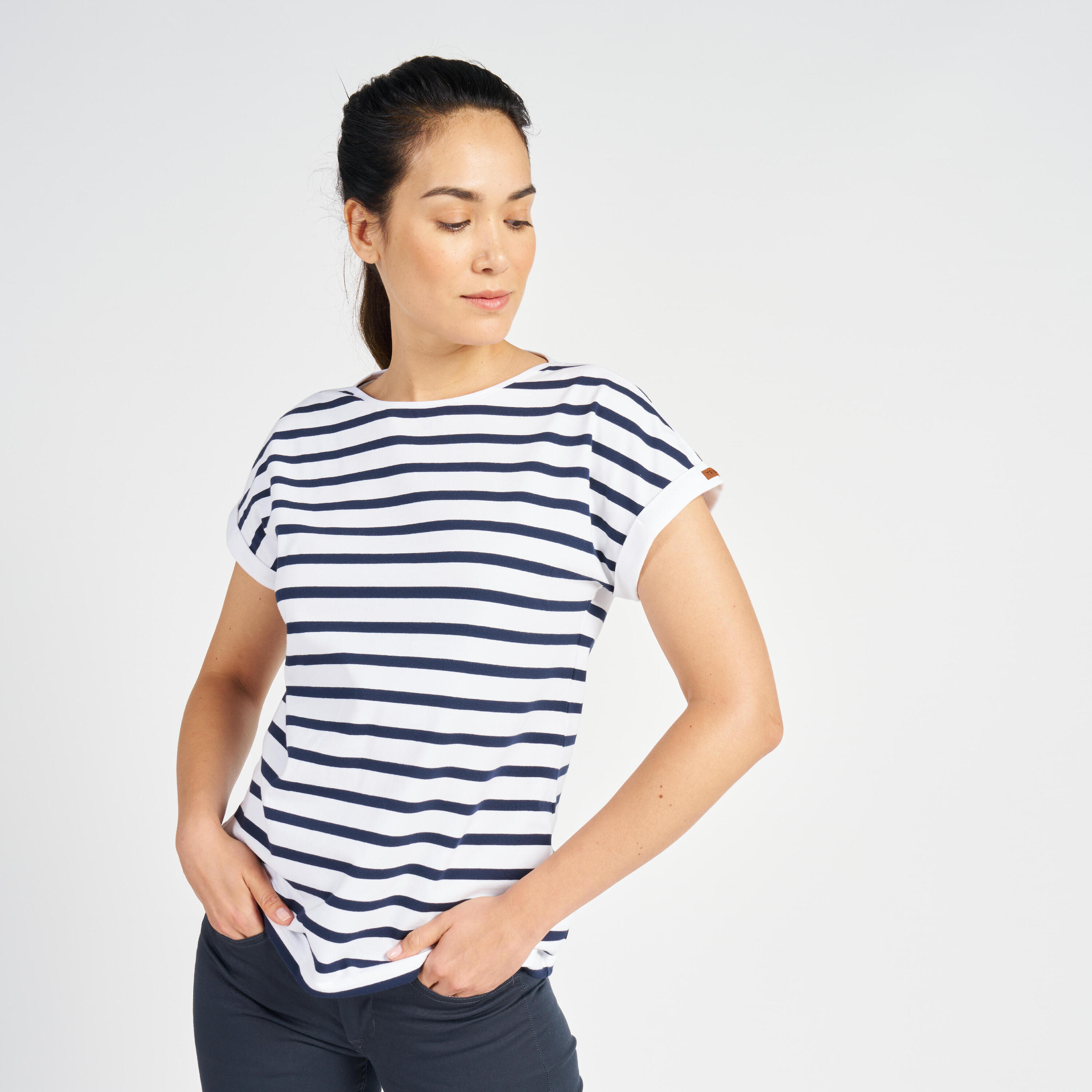
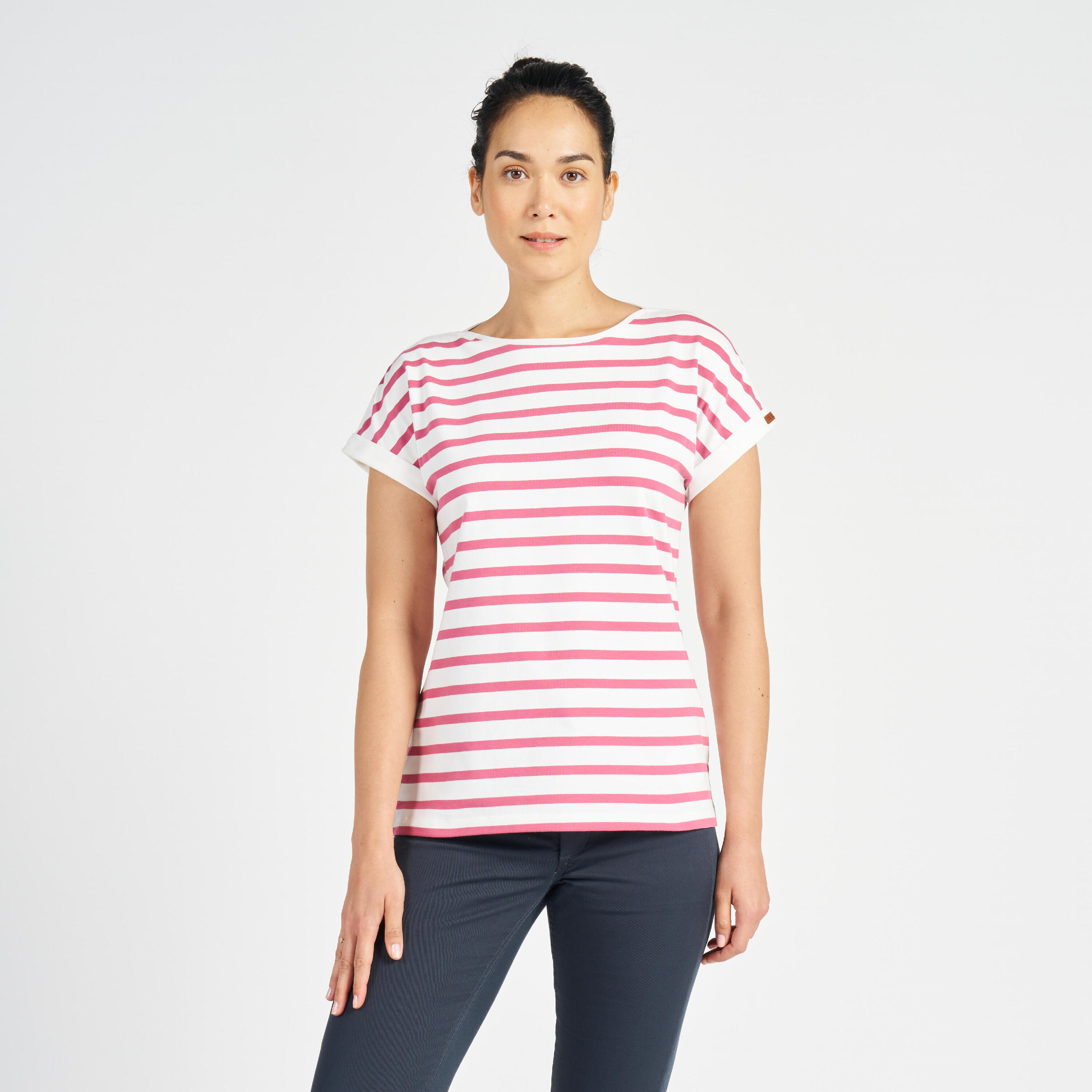
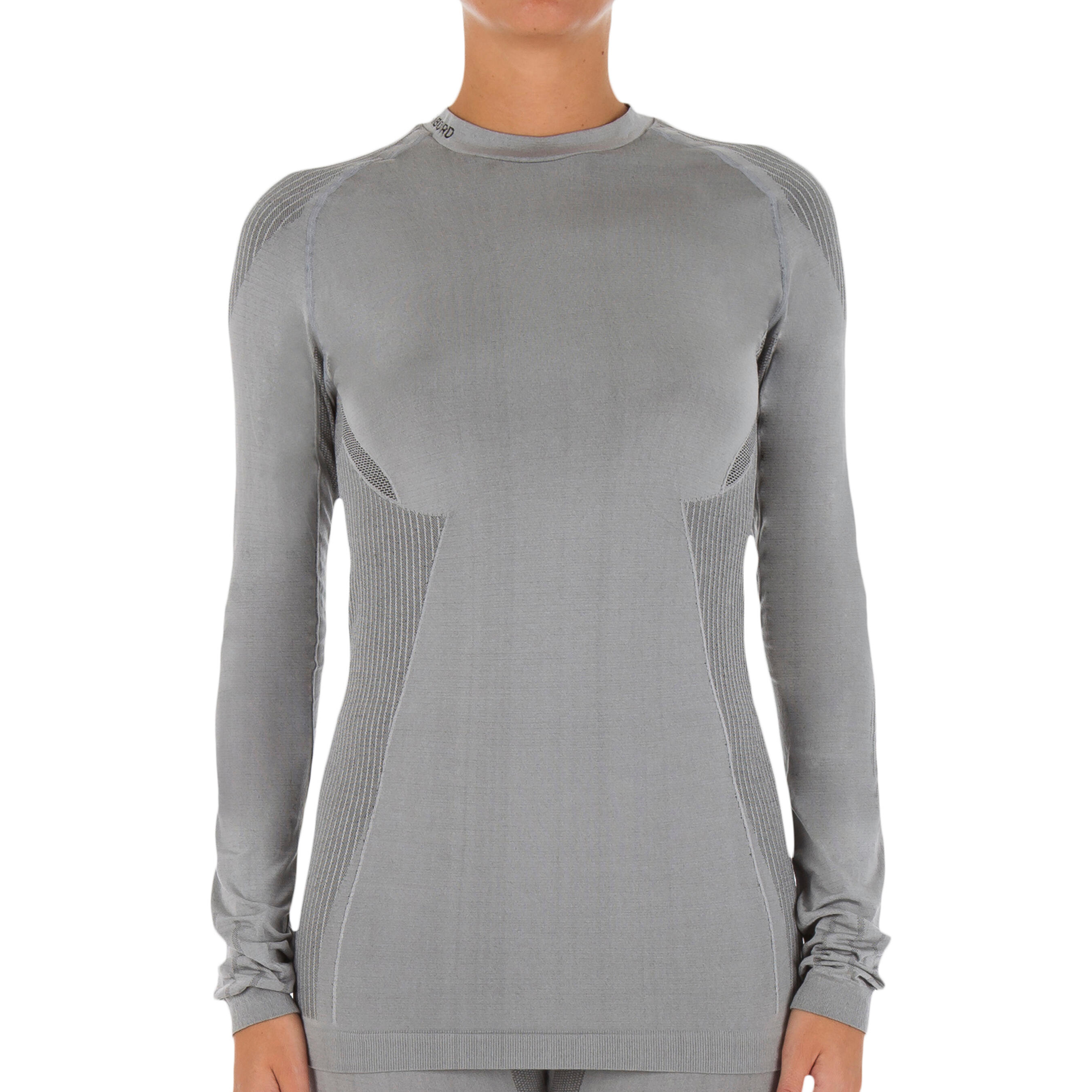
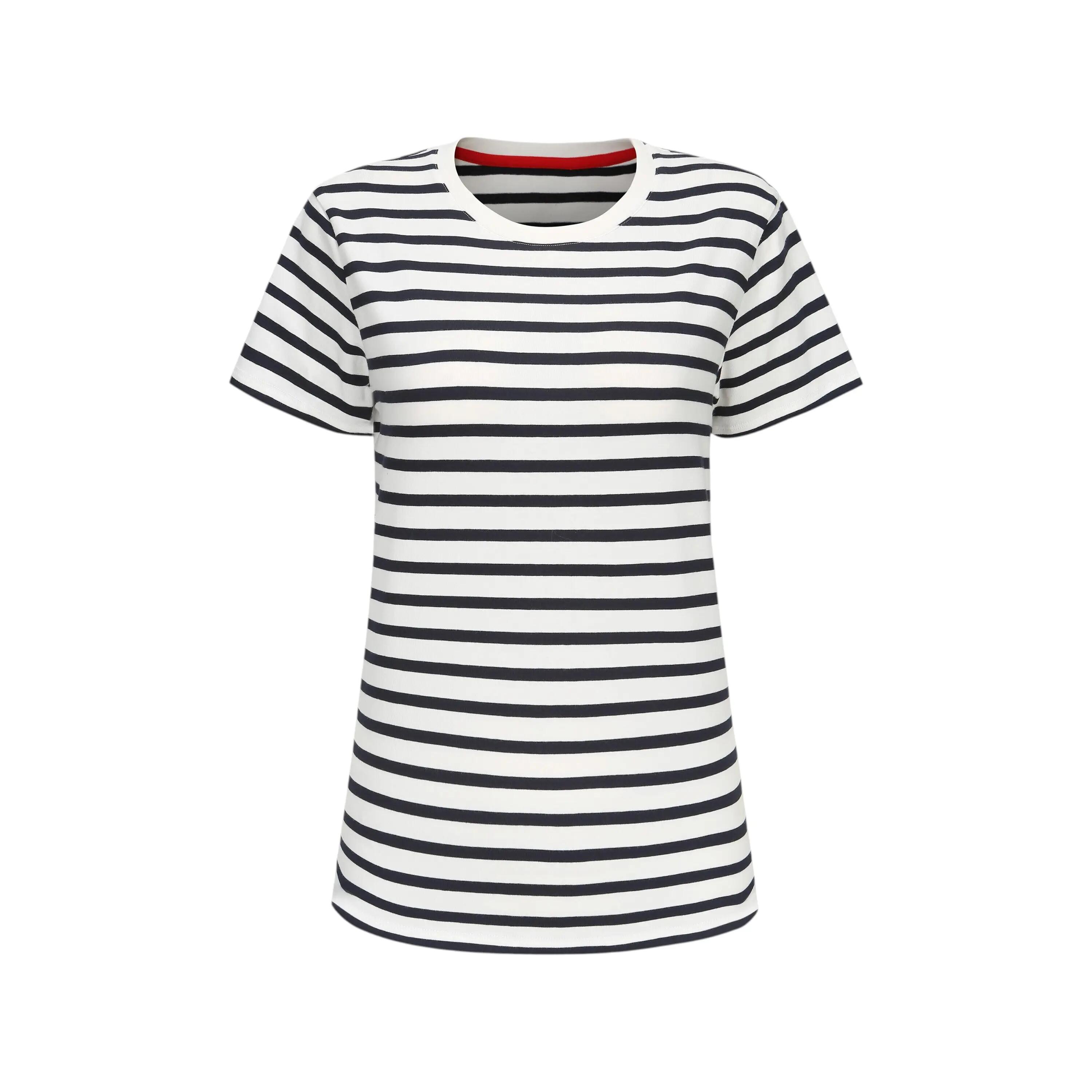
Women's sailing clothing follows the same layering logic as men's kit but needs to account for a narrower shoulder-to-hip ratio and shorter torso length in jacket and salopette sizing, both of which affect how well the collar seals at the neck and how the bib panel sits during movement. A jacket cut for a female torso prevents the excess fabric bunching at the shoulders that occurs when women wear unisex sizing, which directly affects freedom of movement during sail handling. Salopettes with a drop-seat rear panel allow onboard comfort without fully removing the outer layer in cold or wet conditions, which is a practical feature on longer watches. The dedicated women's sailing gear range offers gender-specific cuts across base layers, mid layers, and offshore jackets rated for the same conditions as the equivalent men's versions, making it a practical choice for racing and cruising in mixed conditions.

How does sailing kit for children differ from adult equipment in construction and safety standards?

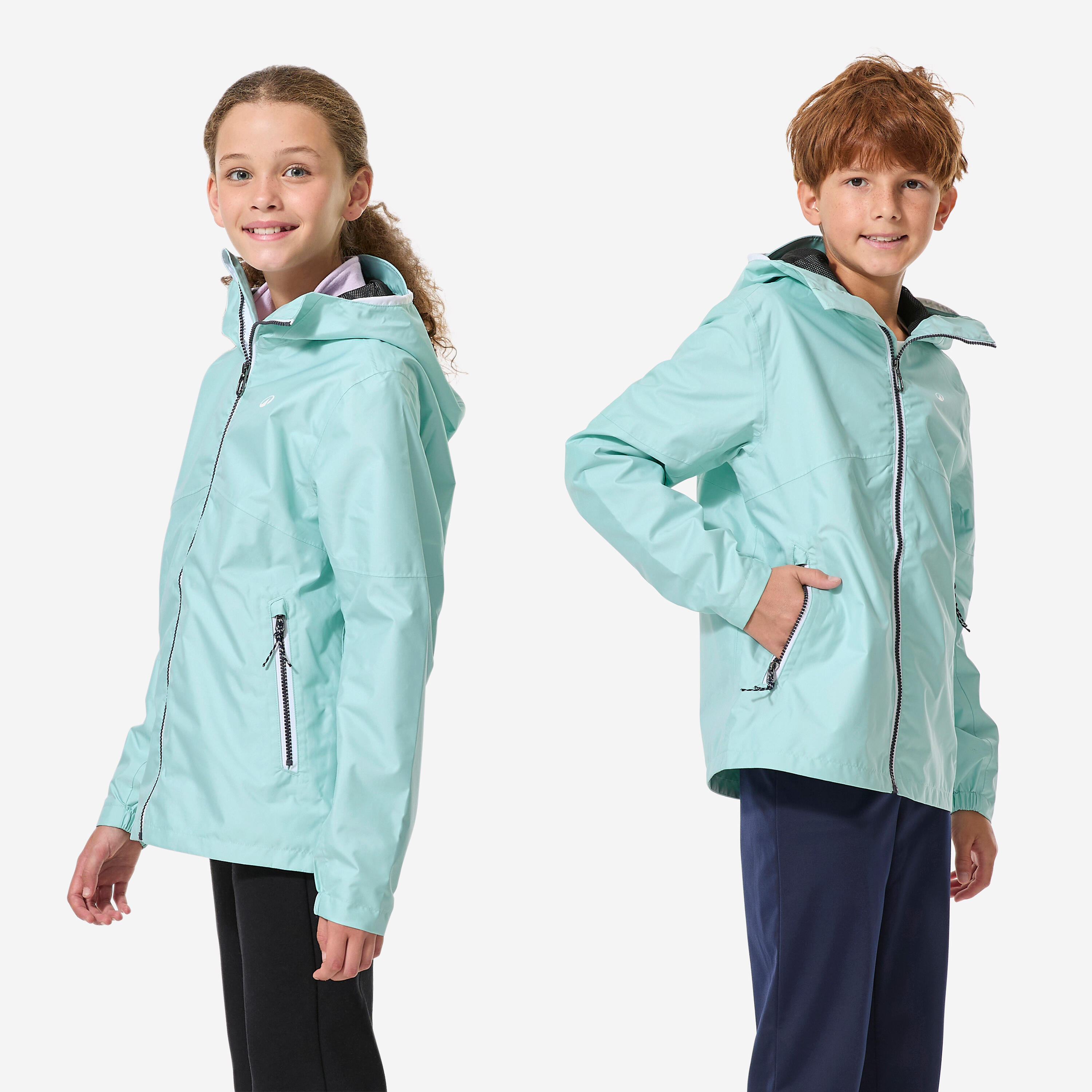
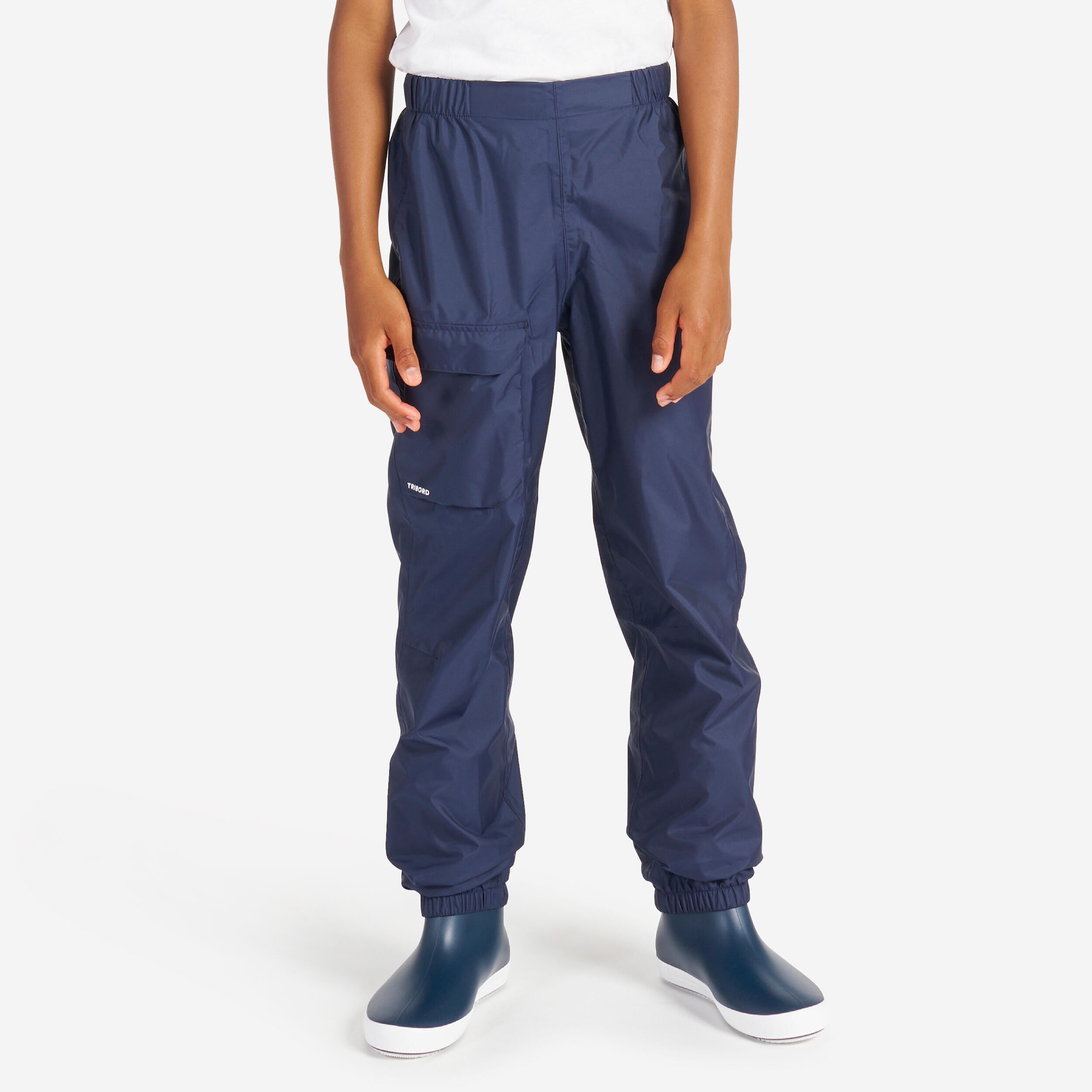
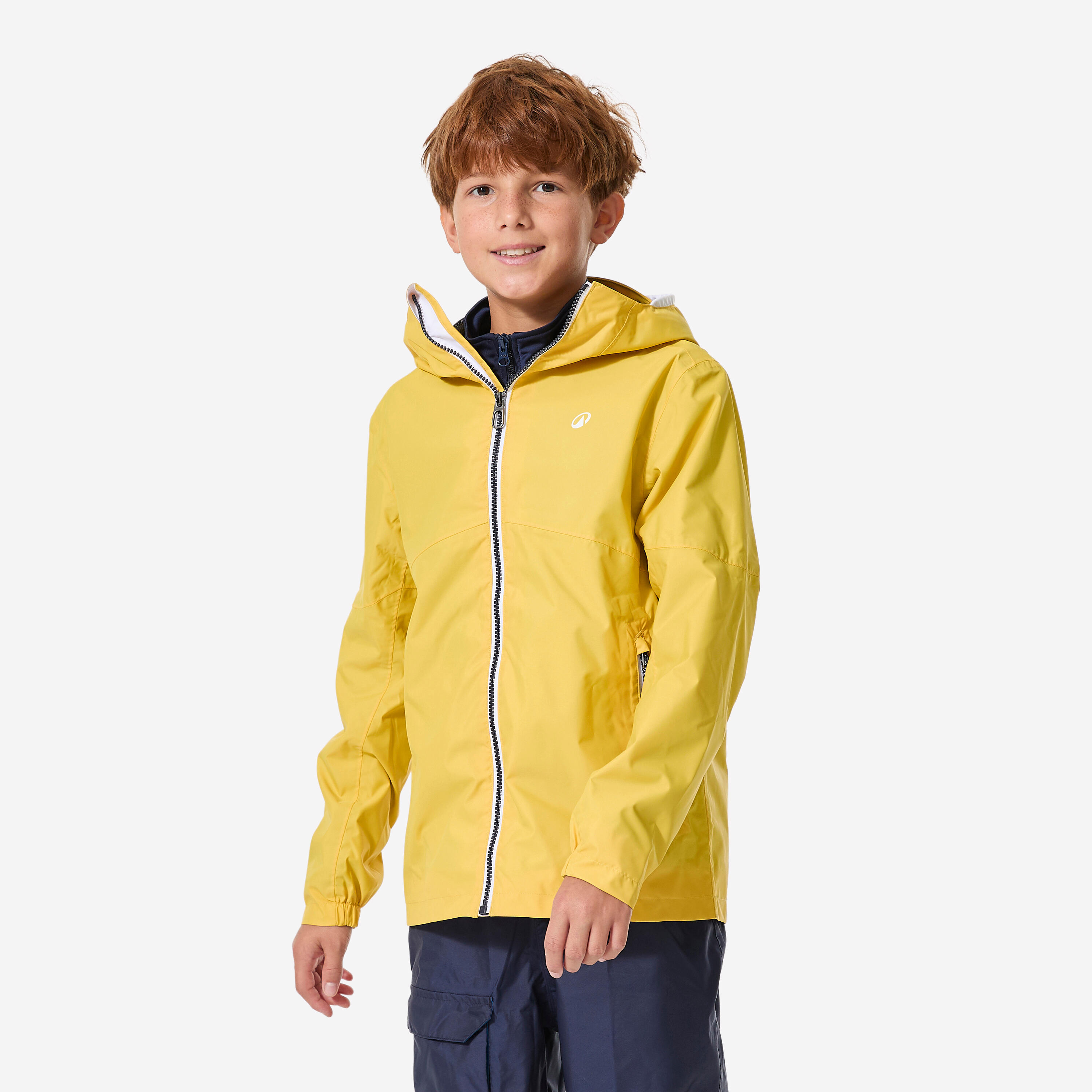
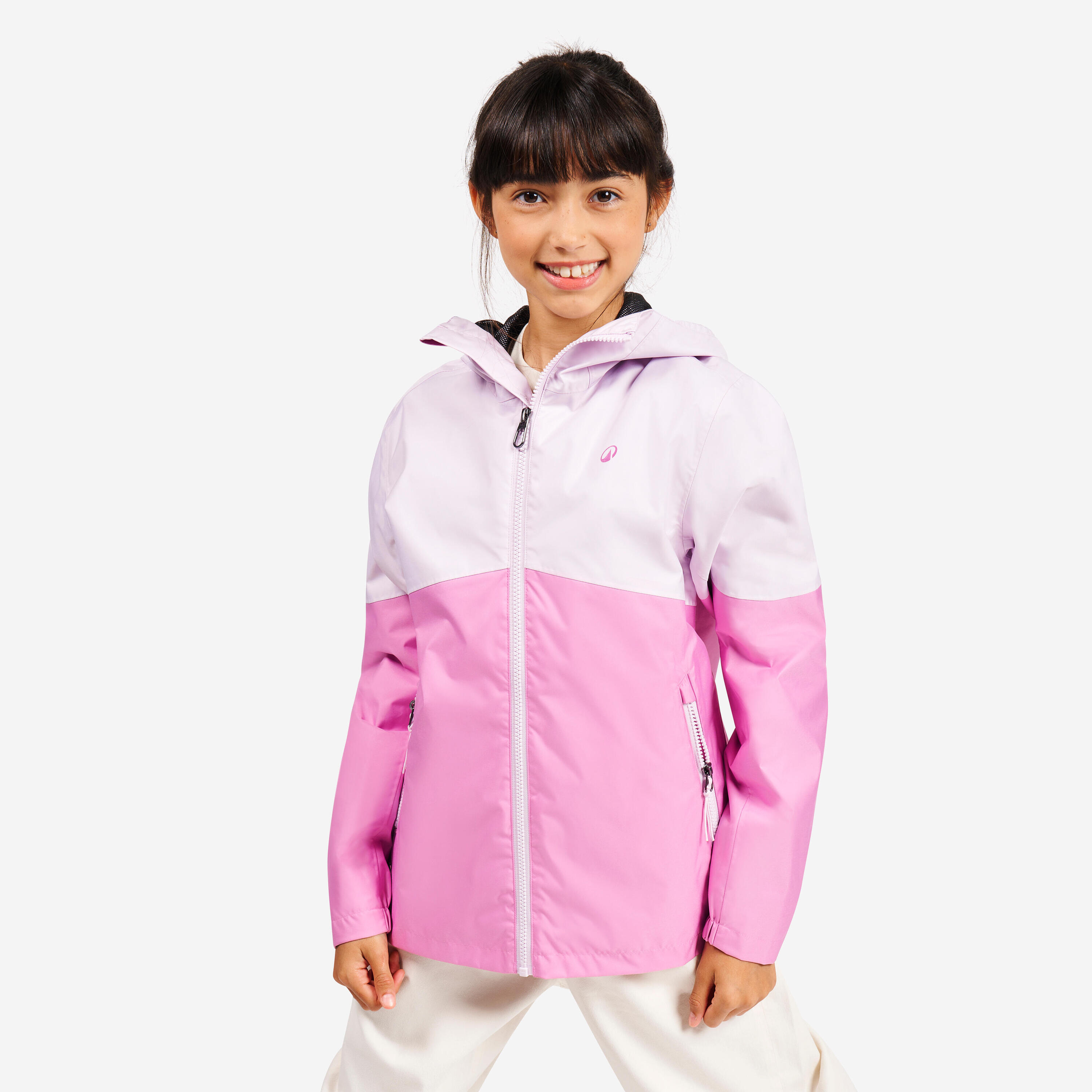
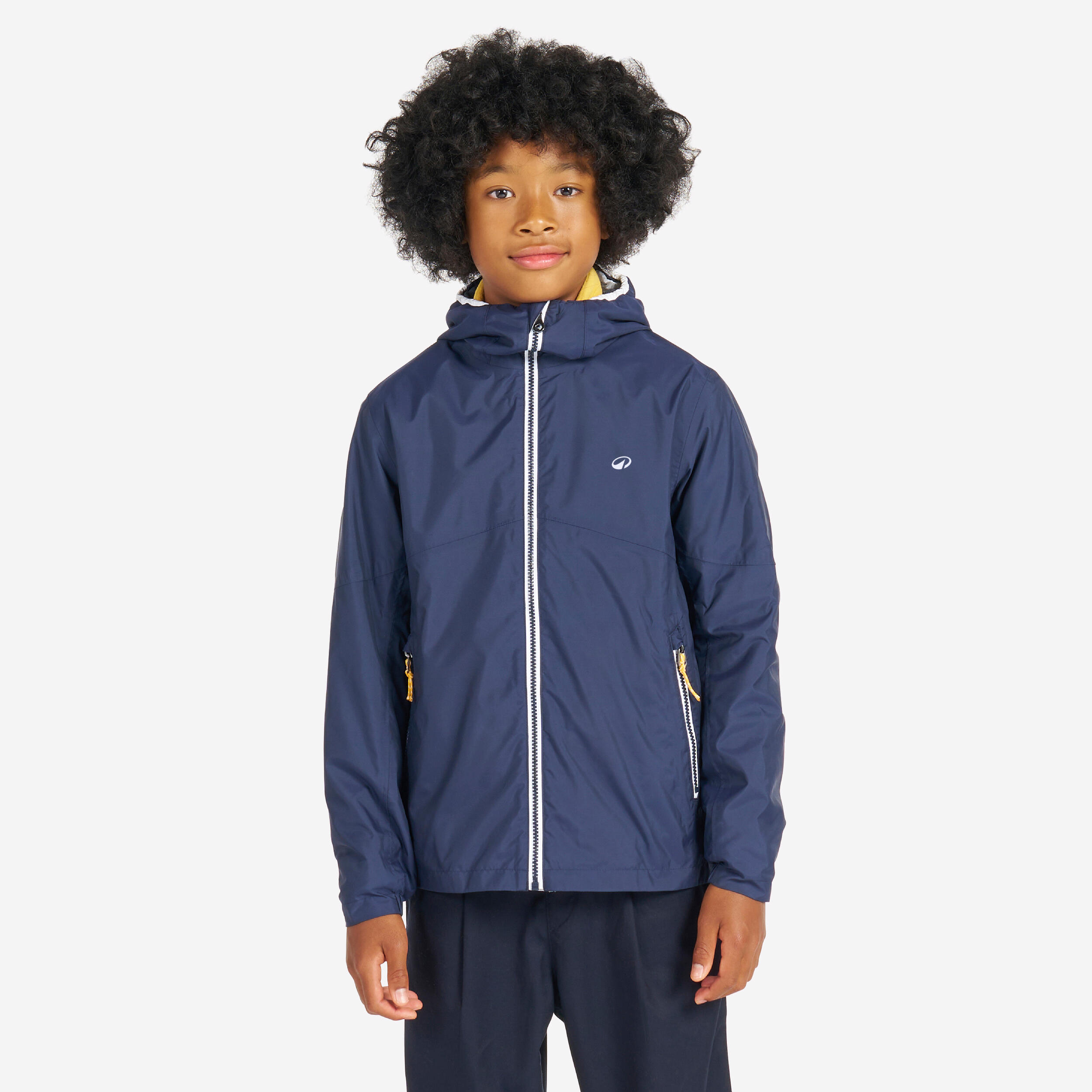
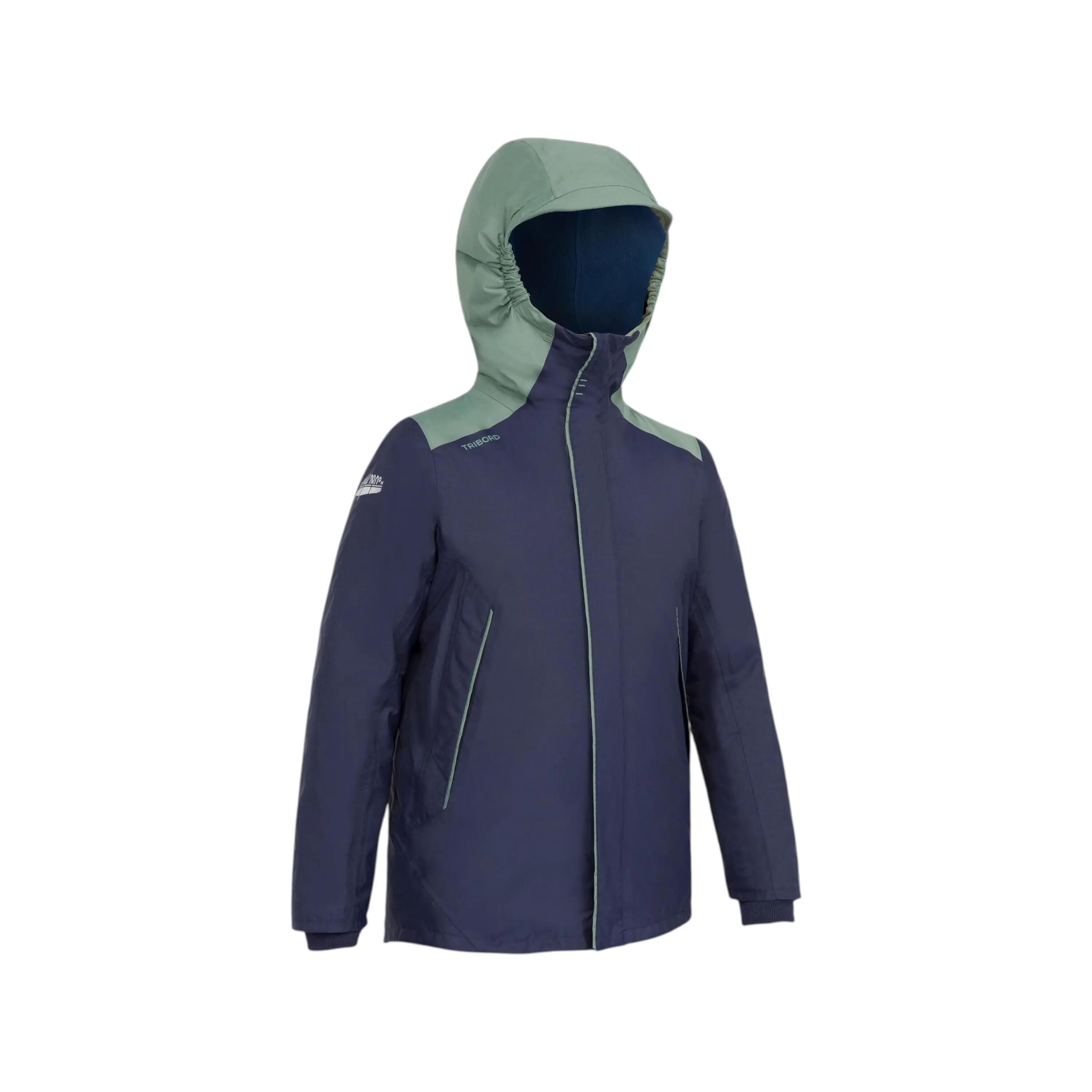
Children's sailing clothing is sized and proportioned differently from adult gear but must meet the same functional requirements for buoyancy aid fit, waterproofing, and thermal protection. A buoyancy aid for a child learning to sail in an Optimist or a Laser Pico needs to fit correctly without riding up when the child is in the water; adjustable chest and waist straps that allow a snug fit across the chest without restricting arm movement are the key specification. Growth allowance is a common mistake in children's sailing kit; a jacket or buoyancy aid that is bought a size too large to allow for growth creates dangerous slack at critical contact points and reduces both safety and the child's confidence in the boat. Families setting up a child's sailing kit for a season of youth racing or club sailing on an inland lake will find age and weight-appropriate sizing across the kids sailing clothing range, where items cover everything from thermal base layers through to buoyancy aids rated for sheltered water sailing.