328 items
4.8/5 based on 91976 reviews collected online and in stores

Women's Sailing Gear FAQs

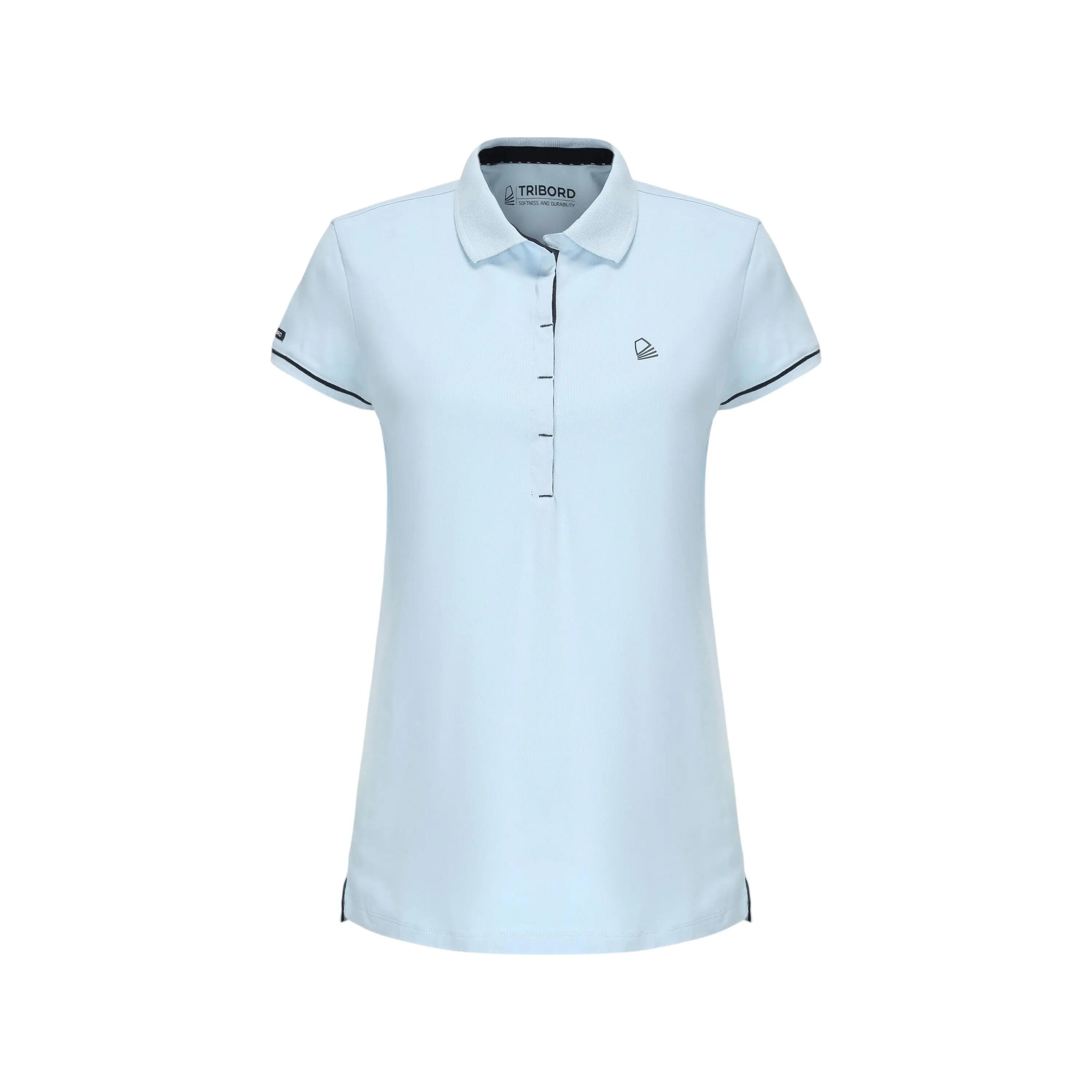
What fabric technology makes a women's sailing polo shirt suitable for active on-deck use?

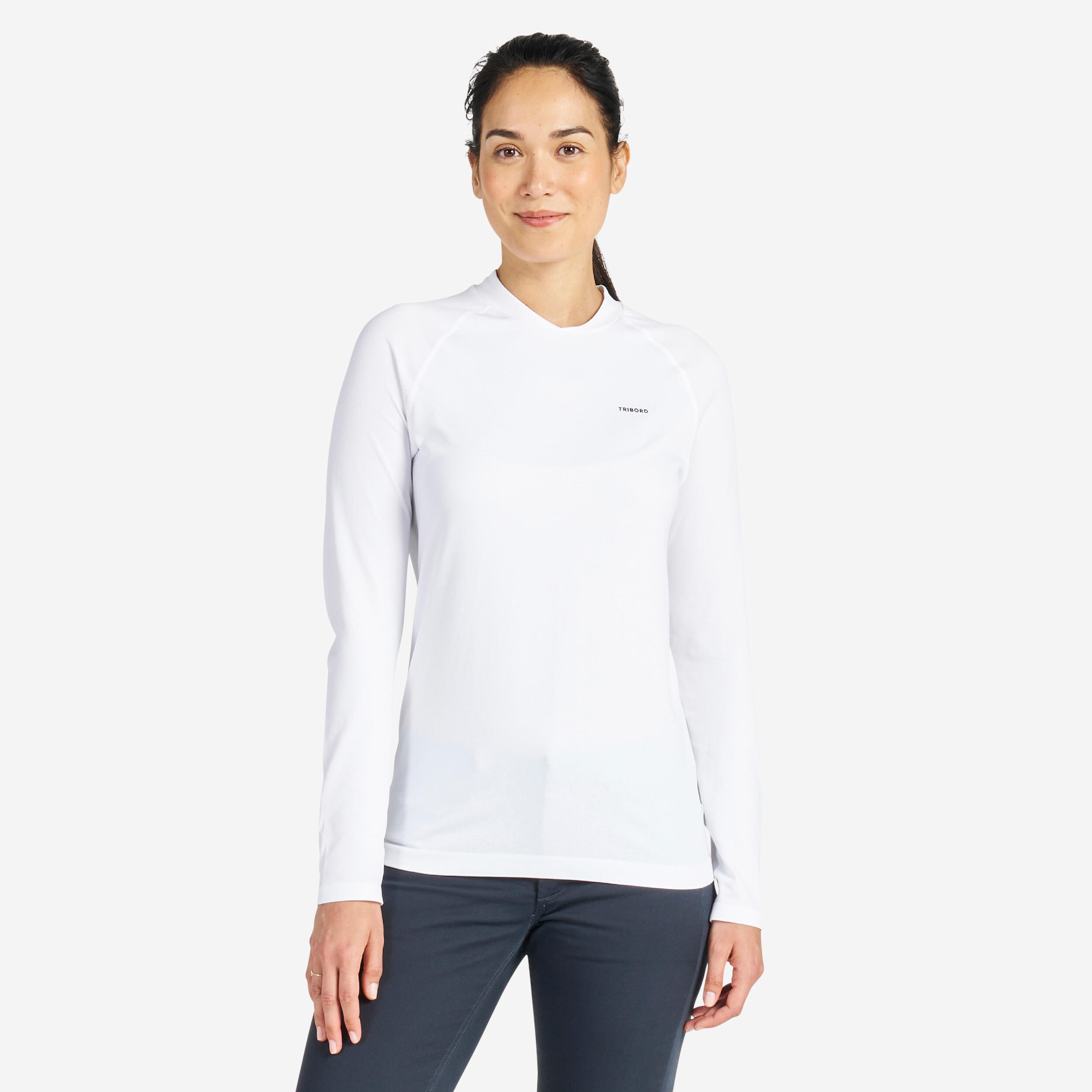
A sailing polo shirt needs to handle UV exposure, salt spray and sustained physical effort simultaneously, which rules out standard cotton construction that absorbs moisture, stays wet, and degrades rapidly under prolonged sun exposure. Technical sailing polo shirts use quick-dry polyester or polyester-elastane blends that wick moisture away from the skin and dry rapidly between tacks, keeping body temperature regulated during physically demanding conditions. A UPF rating of 50 or above blocks more than 9-8 per cent of UV radiation, which matters across a full racing season or extended cruising passage where sun exposure builds up significantly faster than on shore. Flatlock seaming prevents the chafing that standard overlocked seams cause at shoulder and underarm contact points during repeated arm movement on sheets and halyards. A longer back hem that stays tucked into salopettes during forward-lean positions prevents the lower back from being exposed to wind chill in cooler months. Sailors who prefer to race in mixed offshore conditions or crew on larger keelboats will find that a technical women's sailing polo shirt with four-way stretch fabric maintains full shoulder rotation during overhead sail work without the restriction created by a rigid woven collar. Expert advice: size up one in polo shirts if wearing a base layer beneath; the correct fit over a thermal layer is snug but not tight across the shoulders, where extra width matters most for overhead movement.

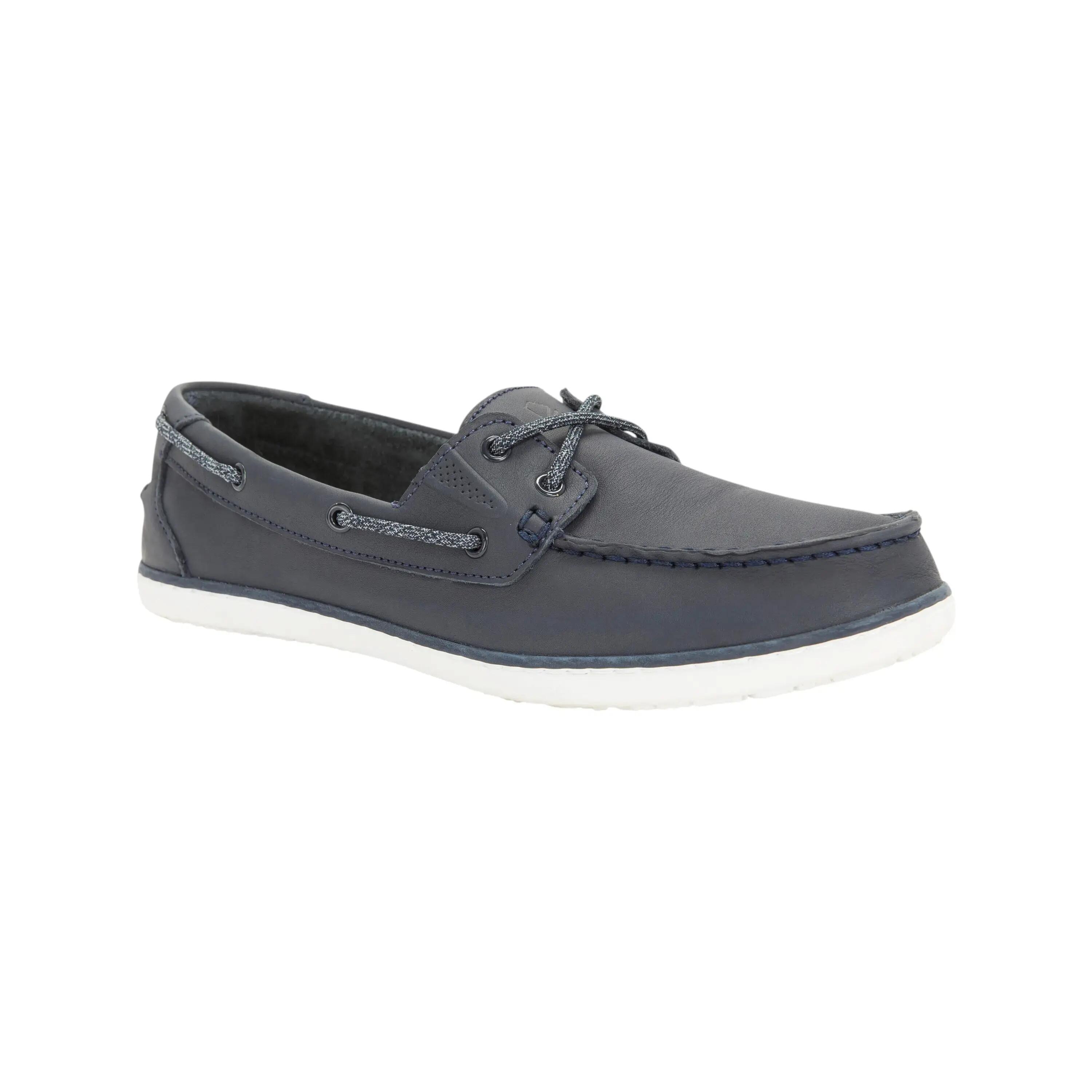
What sole construction matters most in sailing shoes for wet deck conditions?

Deck grip on a wet fibreglass or teak surface is the primary function of a sailing shoe, and the outsole compound determines how well it performs in the specific conditions that differ from other watersports footwear. Non-marking white rubber soles are standard on sailing footwear, but the compound hardness and tread pattern are the specifications that determine grip. Siping, the fine cuts across the sole surface, creates additional edges that bite into wet surfaces by channelling water outward from beneath the sole, similar in principle to a rain tyre on wet tarmac. A drainage port at the toe box allows water that enters the shoe during boarding or spray to exit quickly rather than pooling at the heel. While crewing on boats with teak or composite non-slip deck surfaces will find that a sole compound rated specifically for wet deck use in women's sailing shoes provides significantly more grip than a standard trail shoe adapted for occasional water use.

When do women's sailing boots become more appropriate than deck shoes for offshore passages?

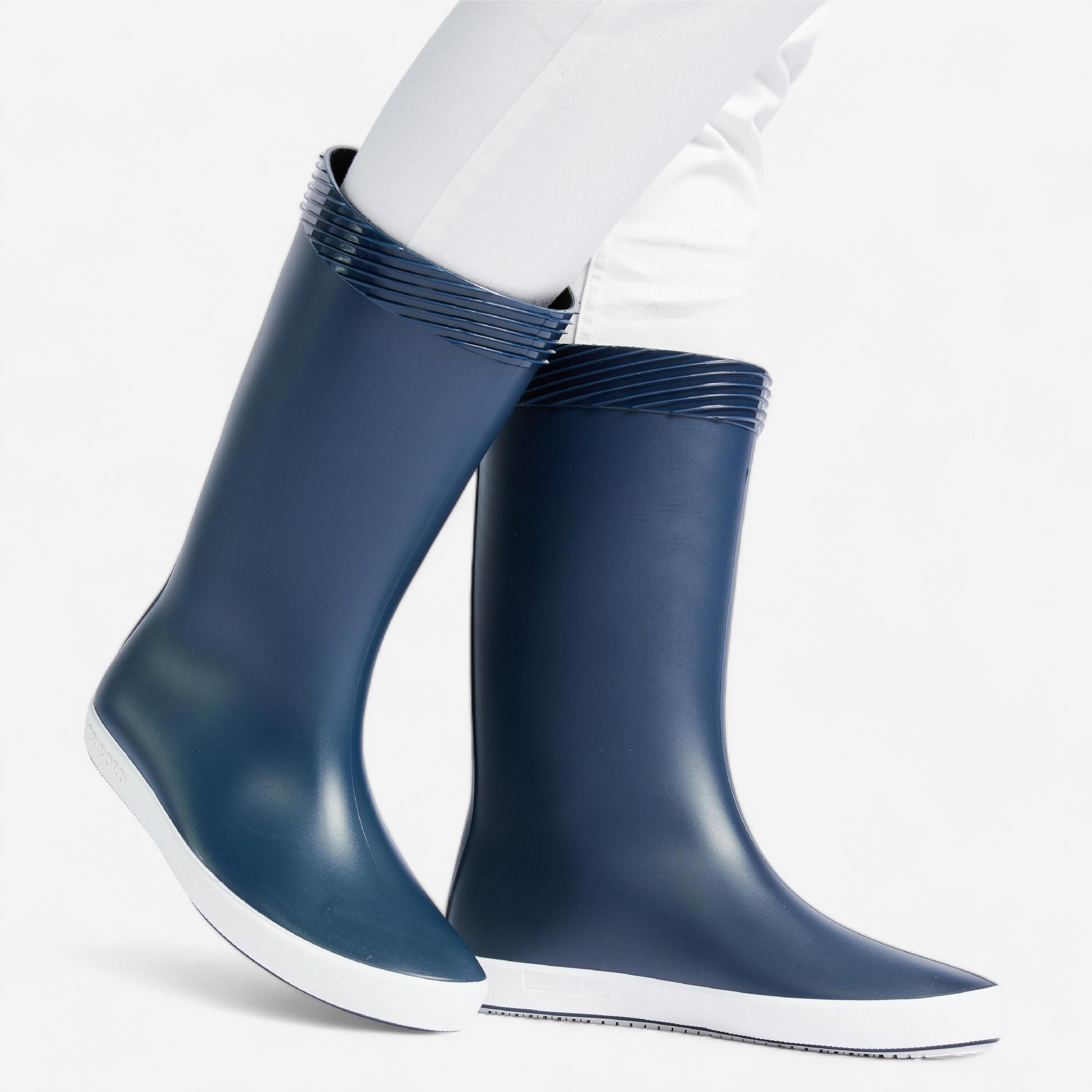
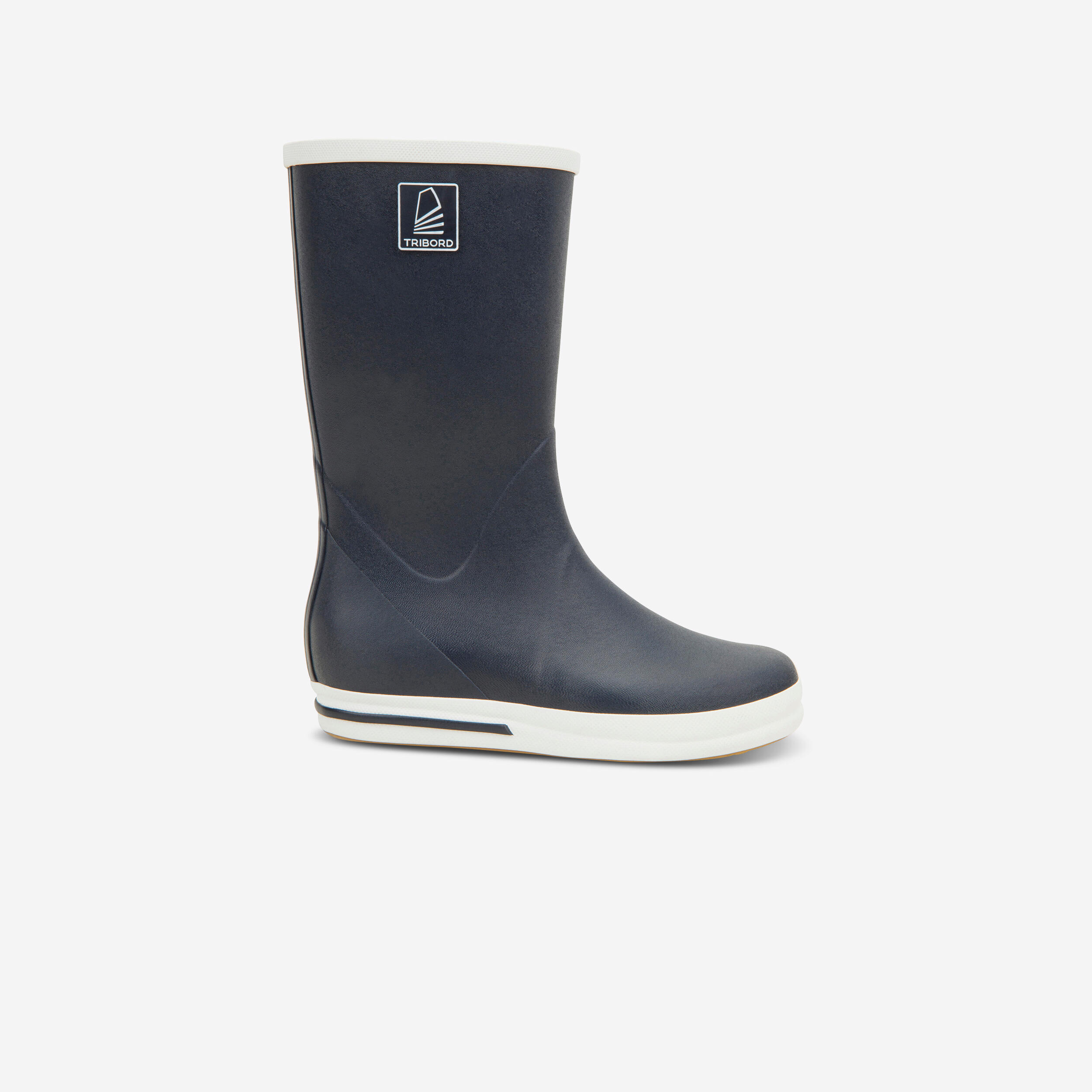
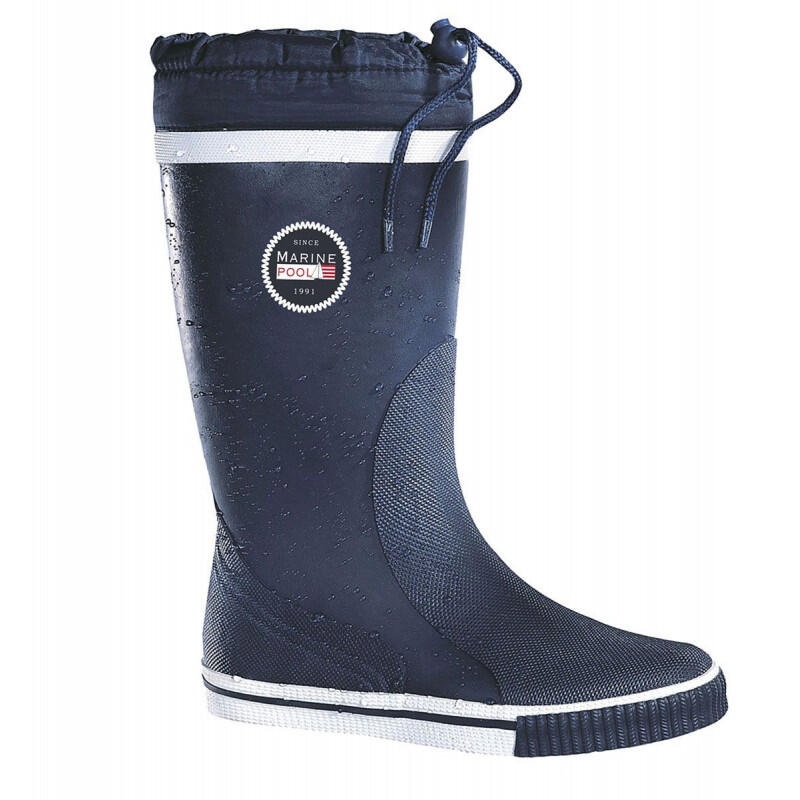
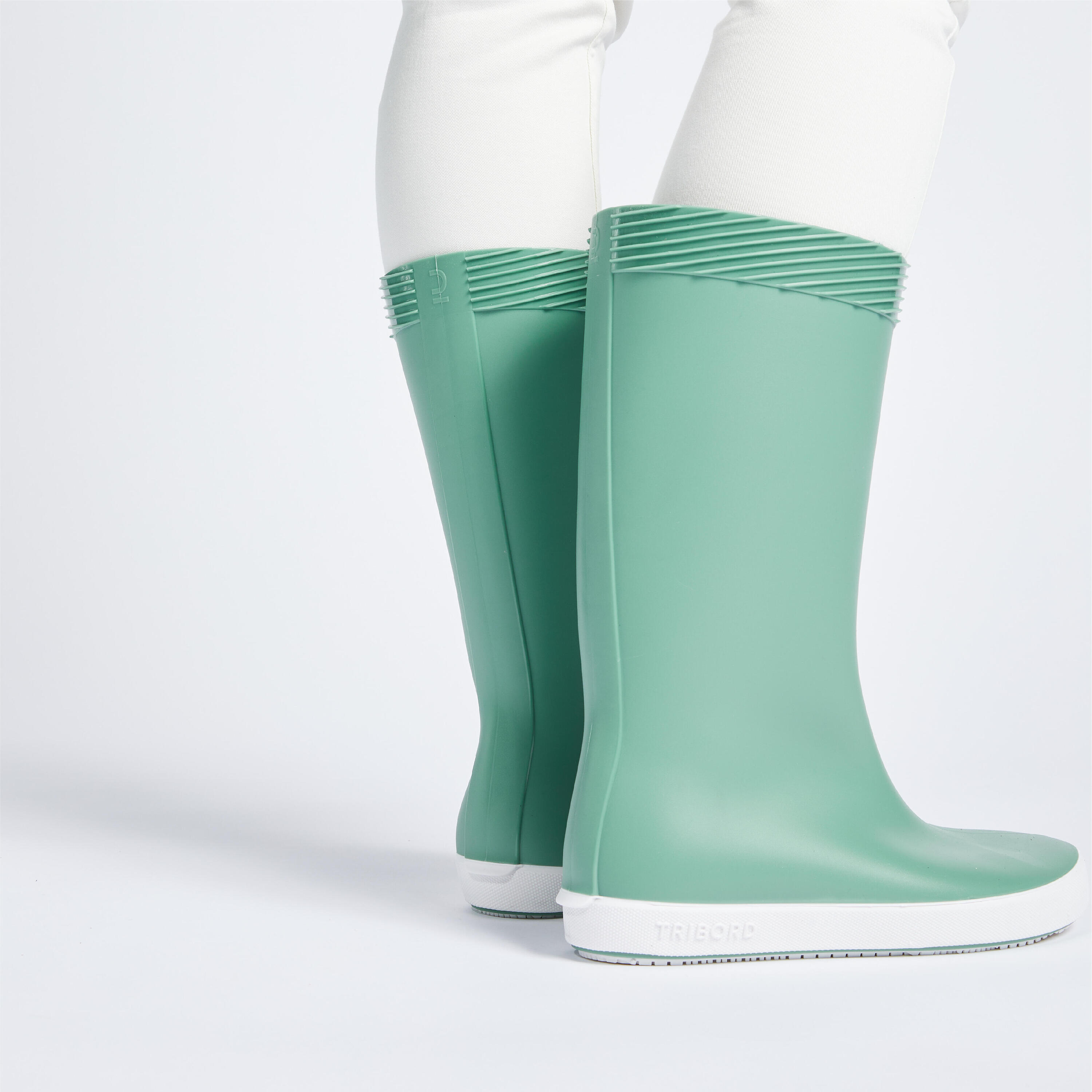
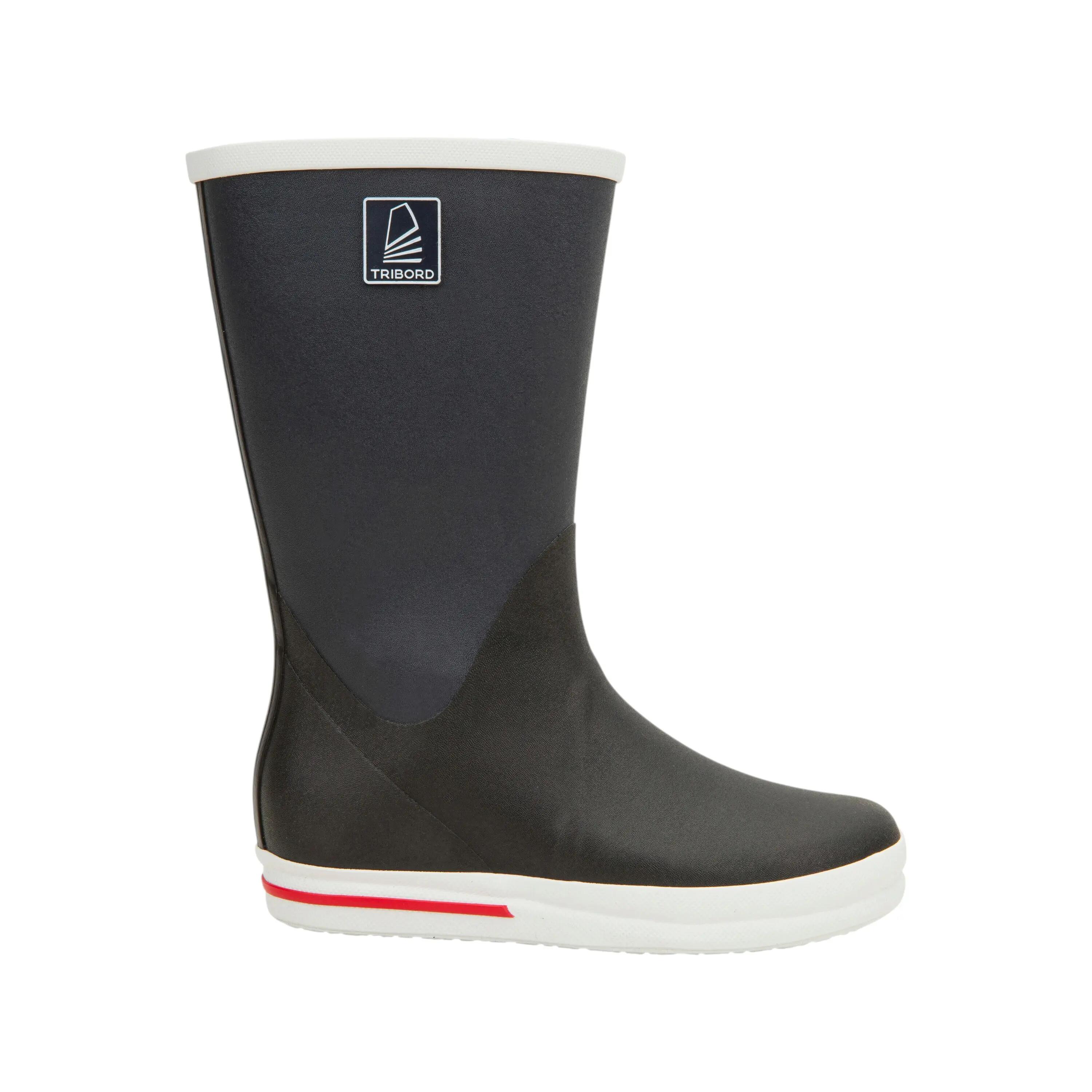
Deck shoes suit inshore and day sailing, where feet are unlikely to be submerged for extended periods, but offshore passages in Atlantic conditions present a different set of challenges. Waves breaking over the bow, boarding seas, and sustained spray while beating into the wind all result in the foot being repeatedly soaked and wetted, and a low shoe allows water to enter at the ankle cuff and pool inside the sole. A calf-height neoprene boot with a sealed ankle cuff keeps the foot dry during sustained deck washing while retaining enough ankle flexibility for the constant weight-shifting that helming and sail trimming require. The neoprene lining also provides thermal insulation against the cold water that comes aboard during Atlantic crossings and coastal passages in spring and autumn. Women sailing offshore or spending long watches in exposed conditions will find that women's sailing boots with a reinforced toe cap provide impact protection that a soft deck shoe cannot offer when working around cleats and deck hardware in a seaway.
What wetsuit thickness suits women crew members racing on keelboats in temperate water?

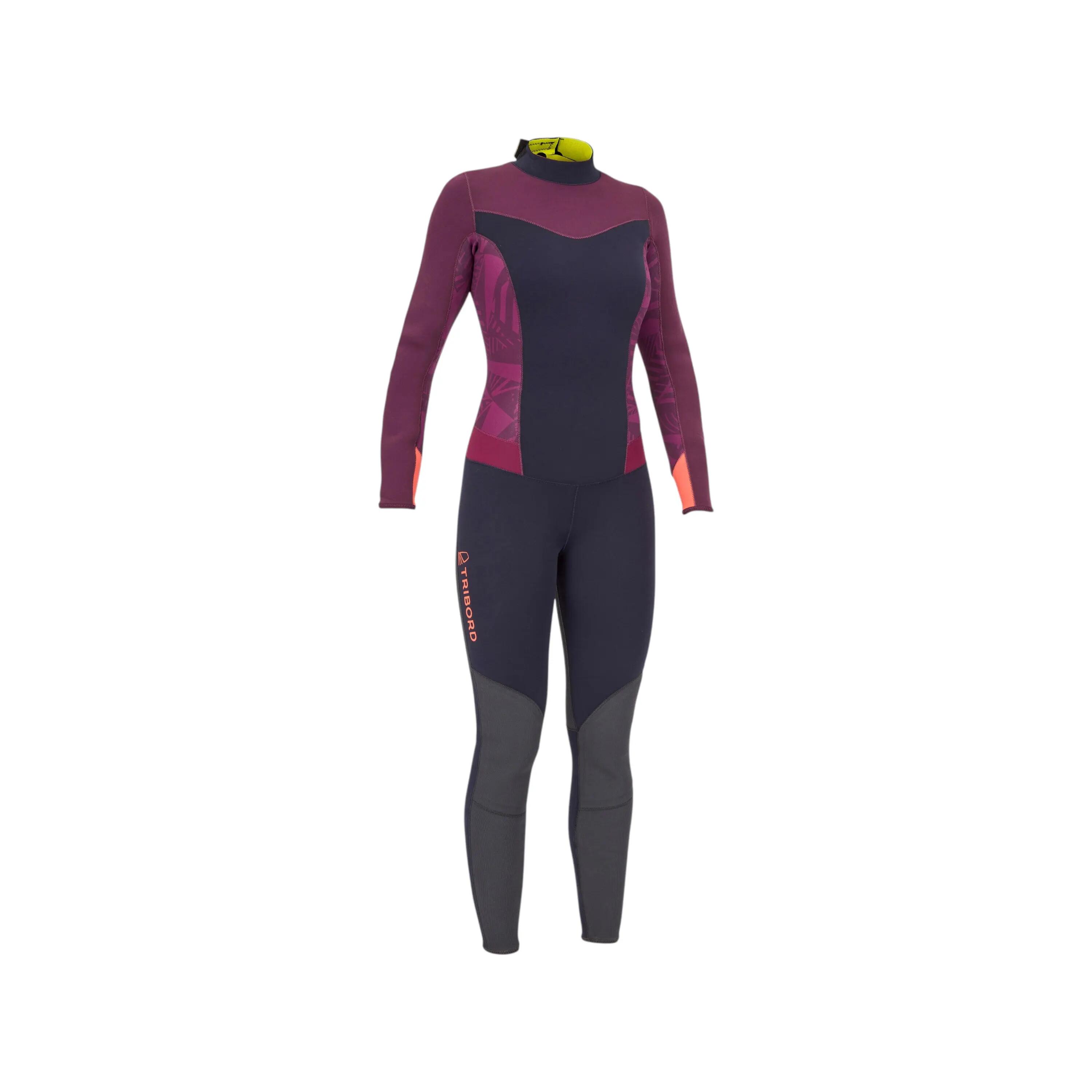
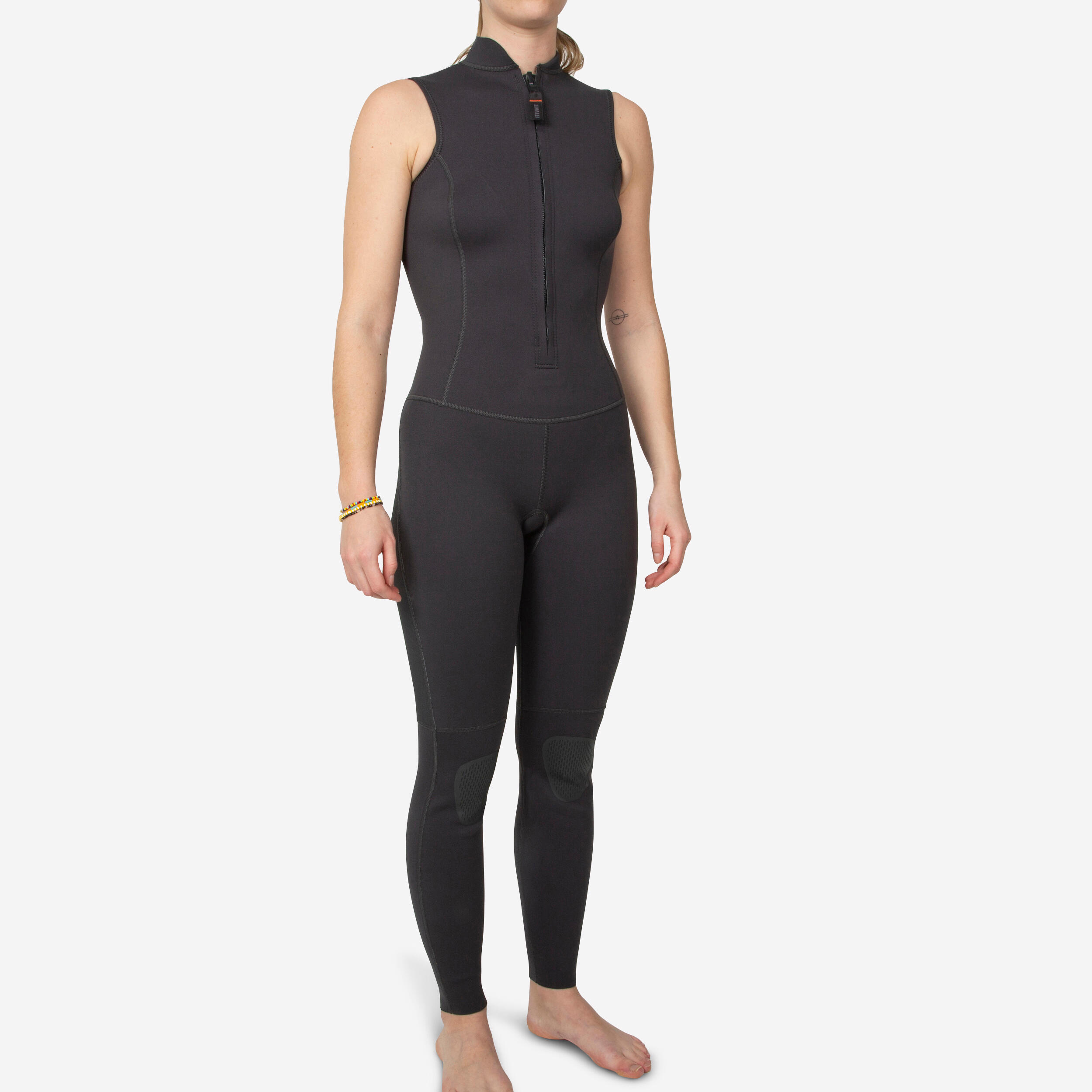
Keelboat racing in Atlantic coastal waters typically takes place in water temperatures between ten and seventeen degrees across the main racing season from April through October, and a crew member who goes overboard in those temperatures without a wetsuit faces rapid cold incapacitation within minutes. A 3/2 mm shorty wetsuit provides adequate thermal protection for warmer summer months while retaining the freedom of movement that tailing sheets and grinding winches require. A three-two full-length suit extends the usable season into spring and autumn without the bulk of a thicker winter suit. The suit should fit snugly at the neck and wrists with no water-trapping gaps that allow cold water to flush through the suit during a capsize. For regular racers looking to stay comfortable across changing conditions without stepping up to winter-weight neoprene, women's sailing wetsuits with a flexible 3 mm build provide dependable warmth and freedom of movement on deck.
What should I look for in a women's sailing jacket?

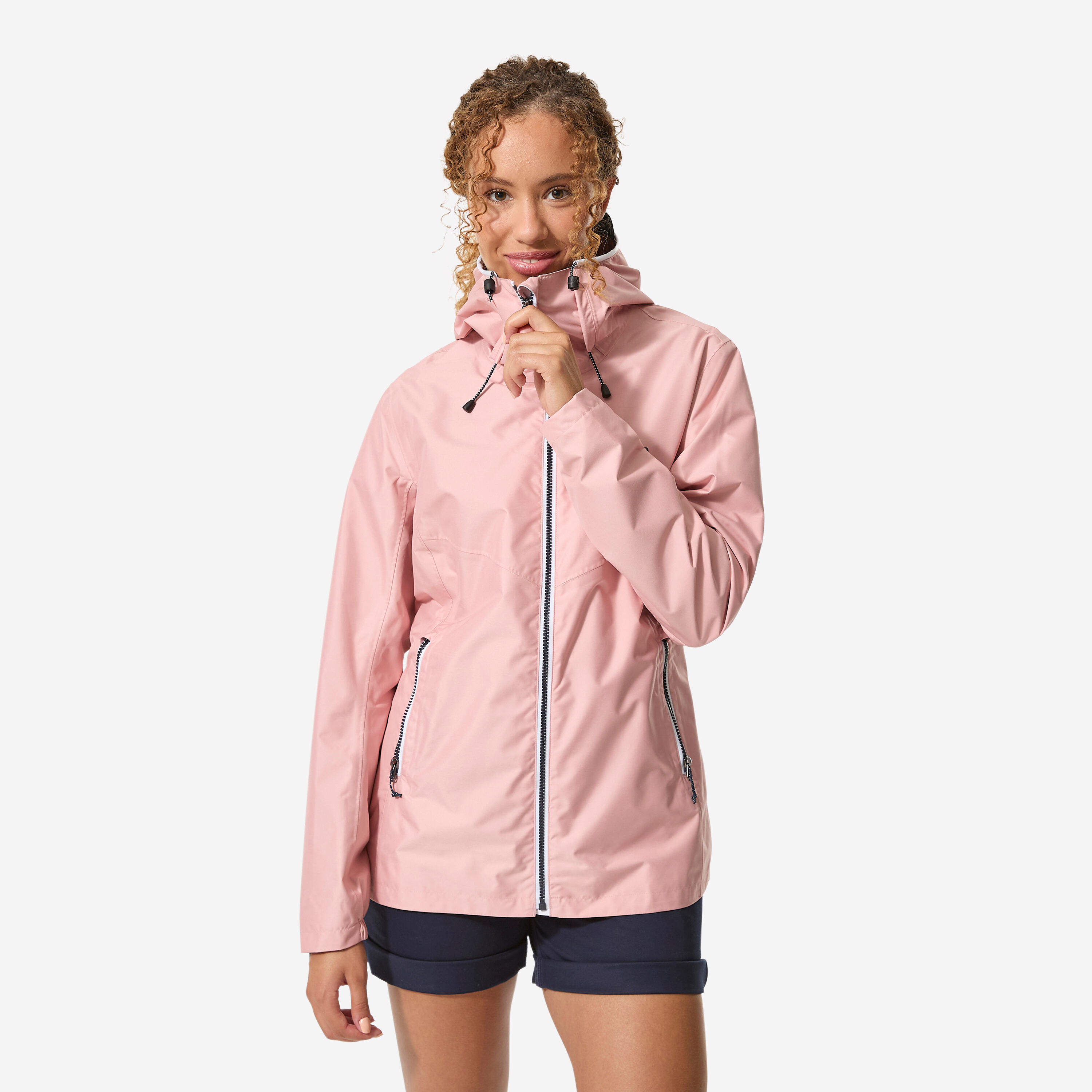
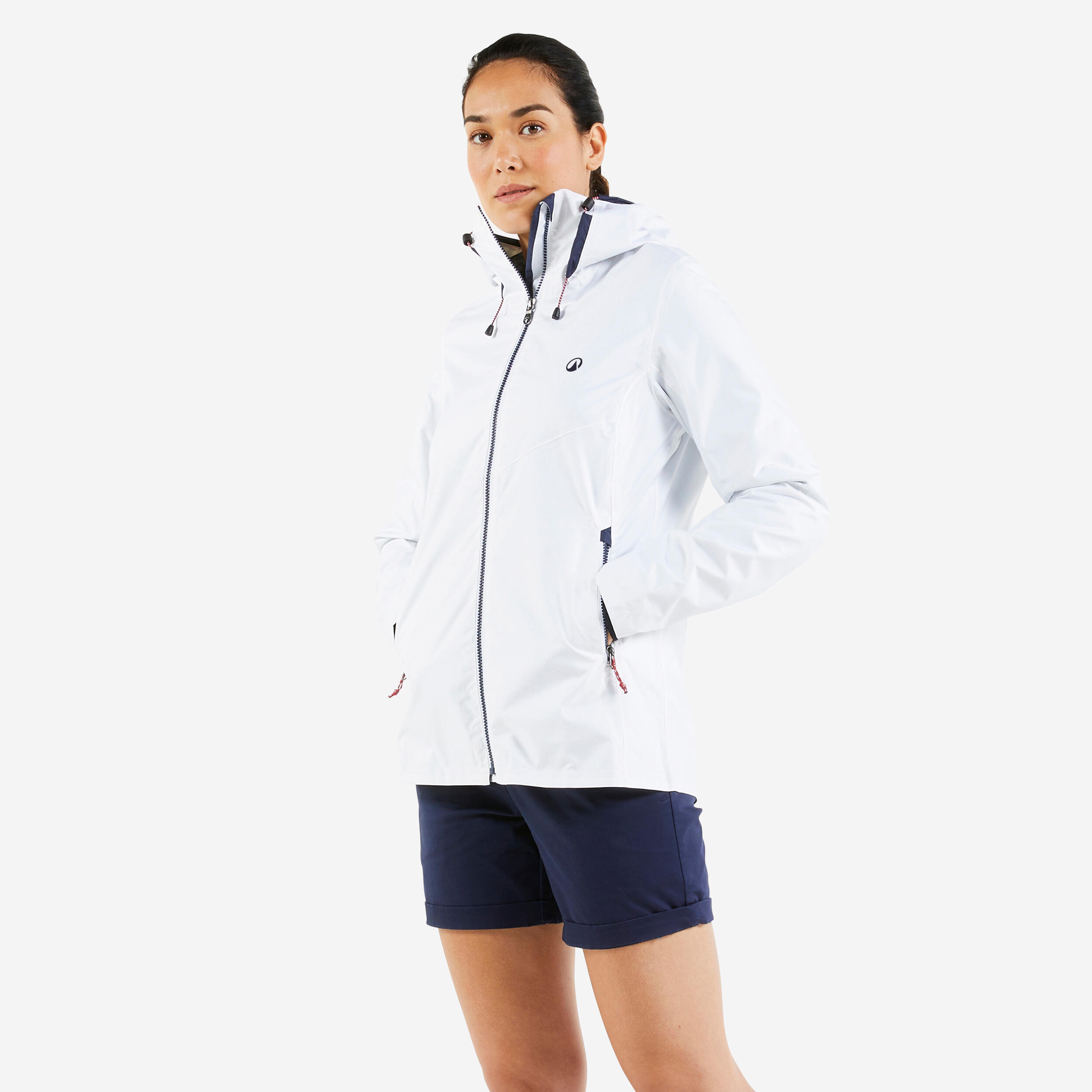
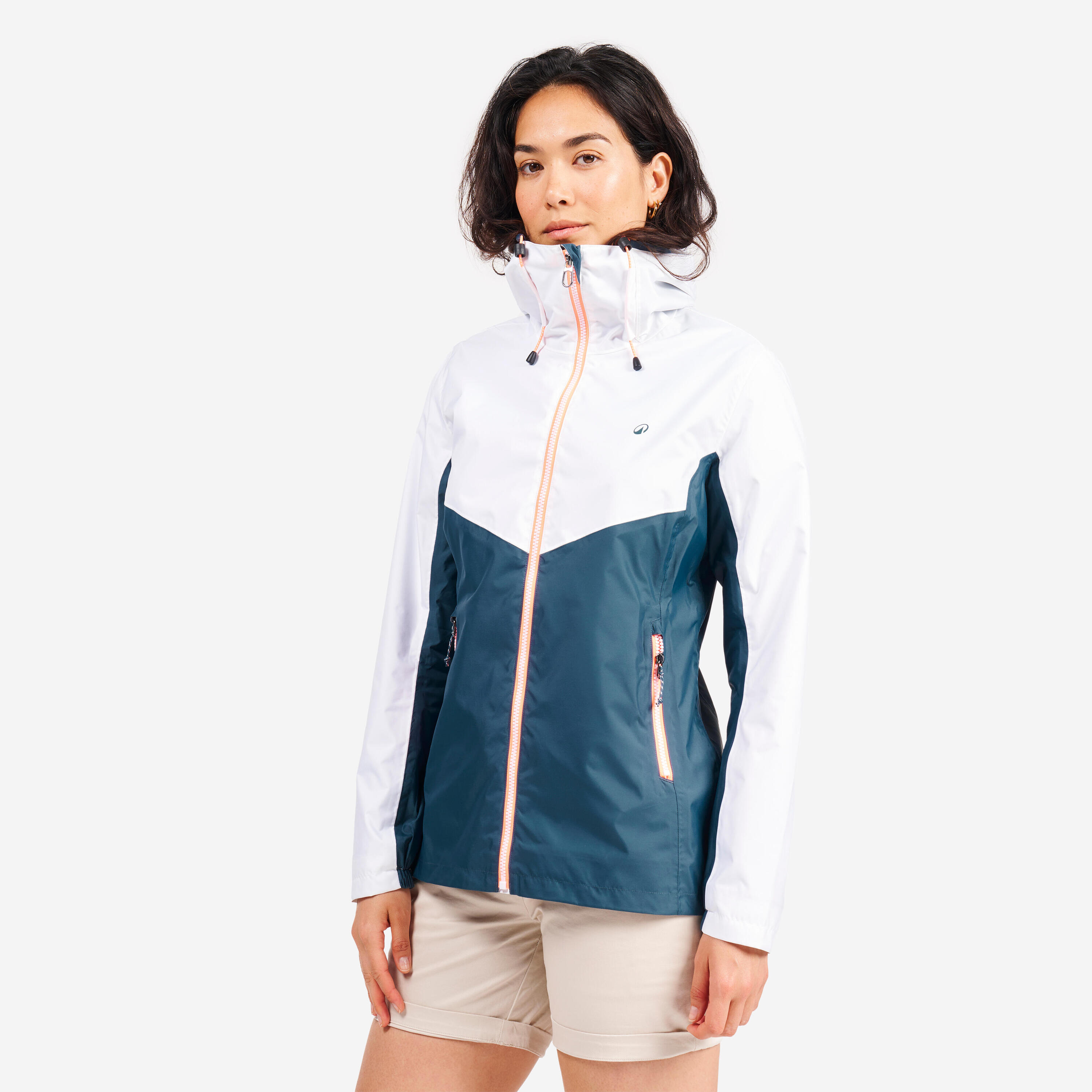
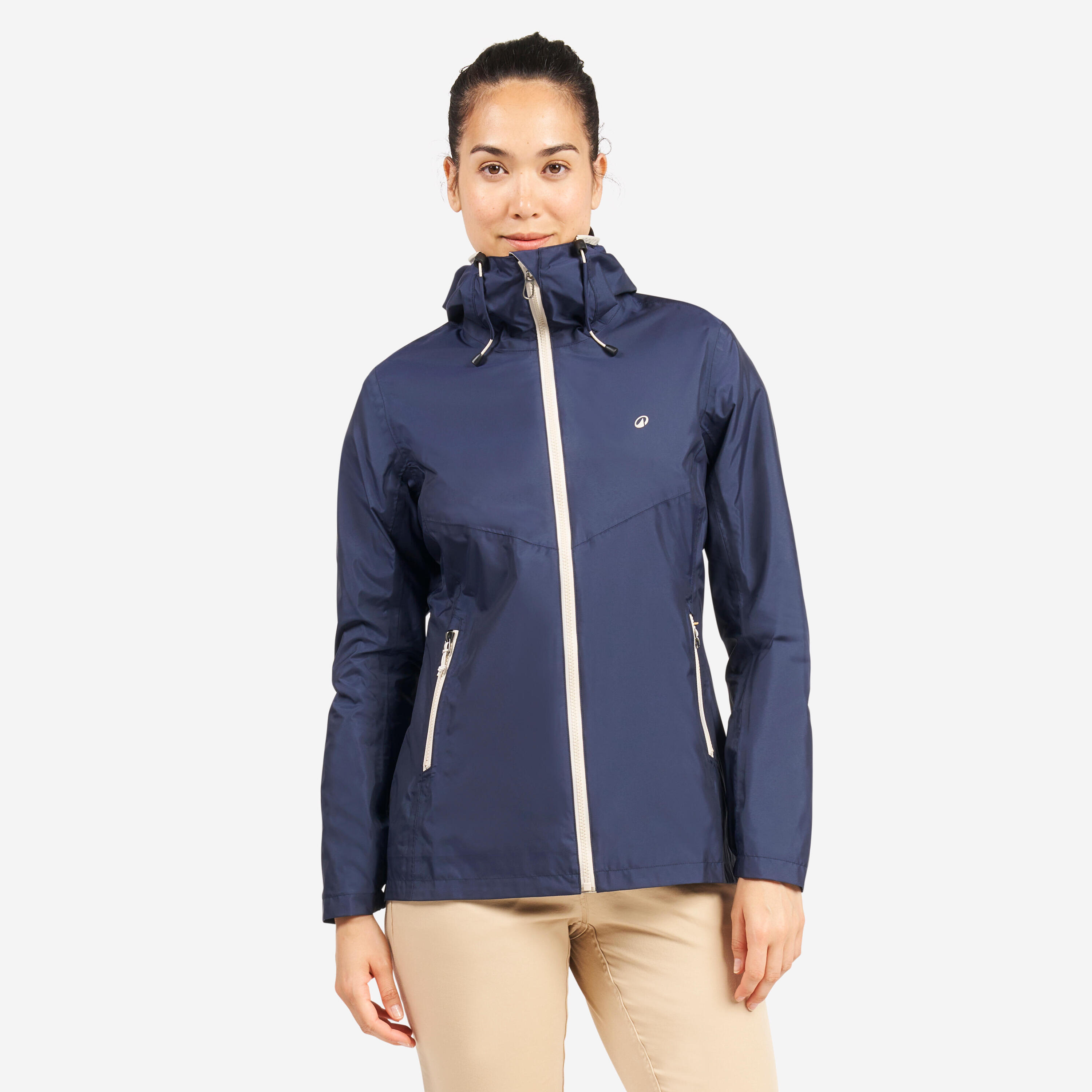
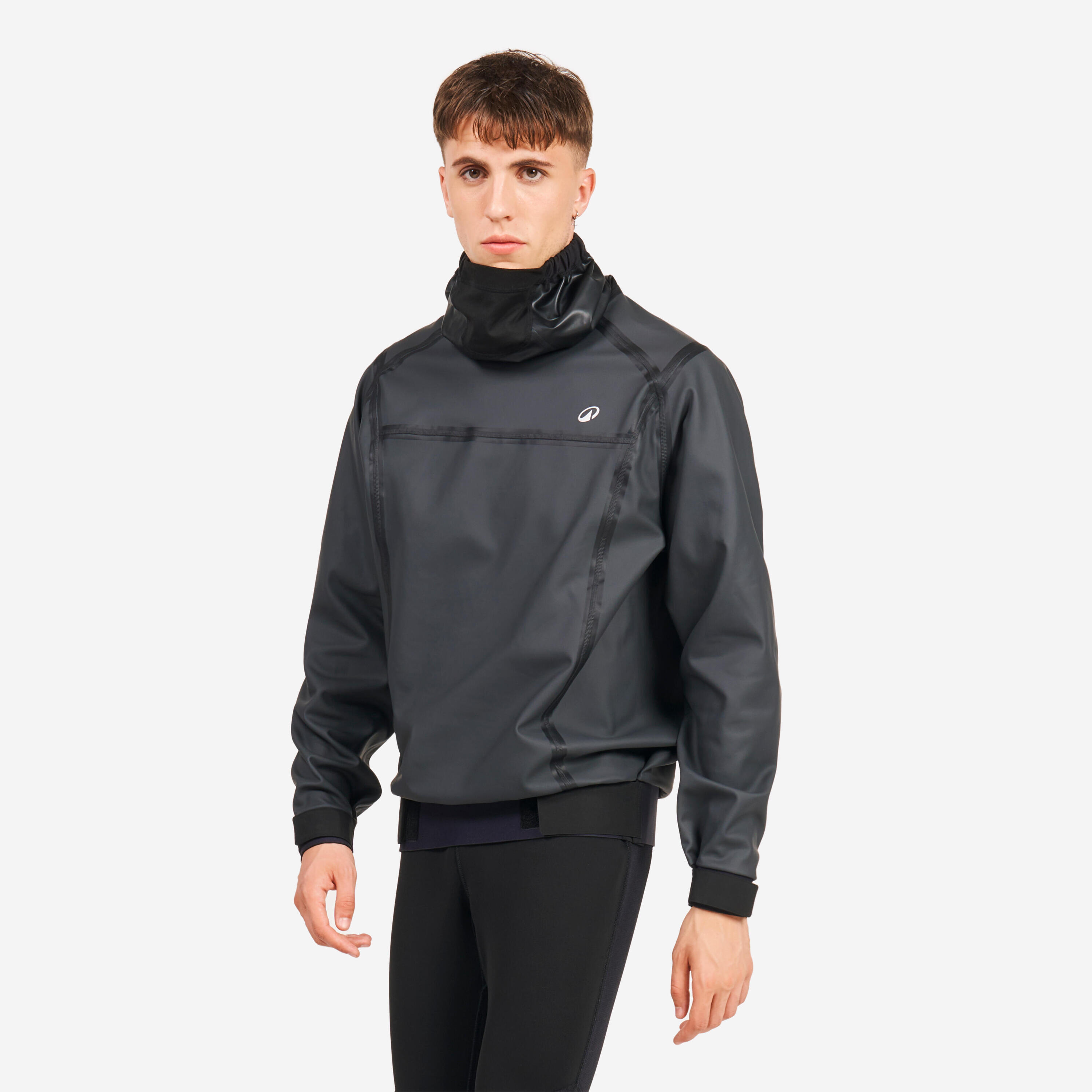
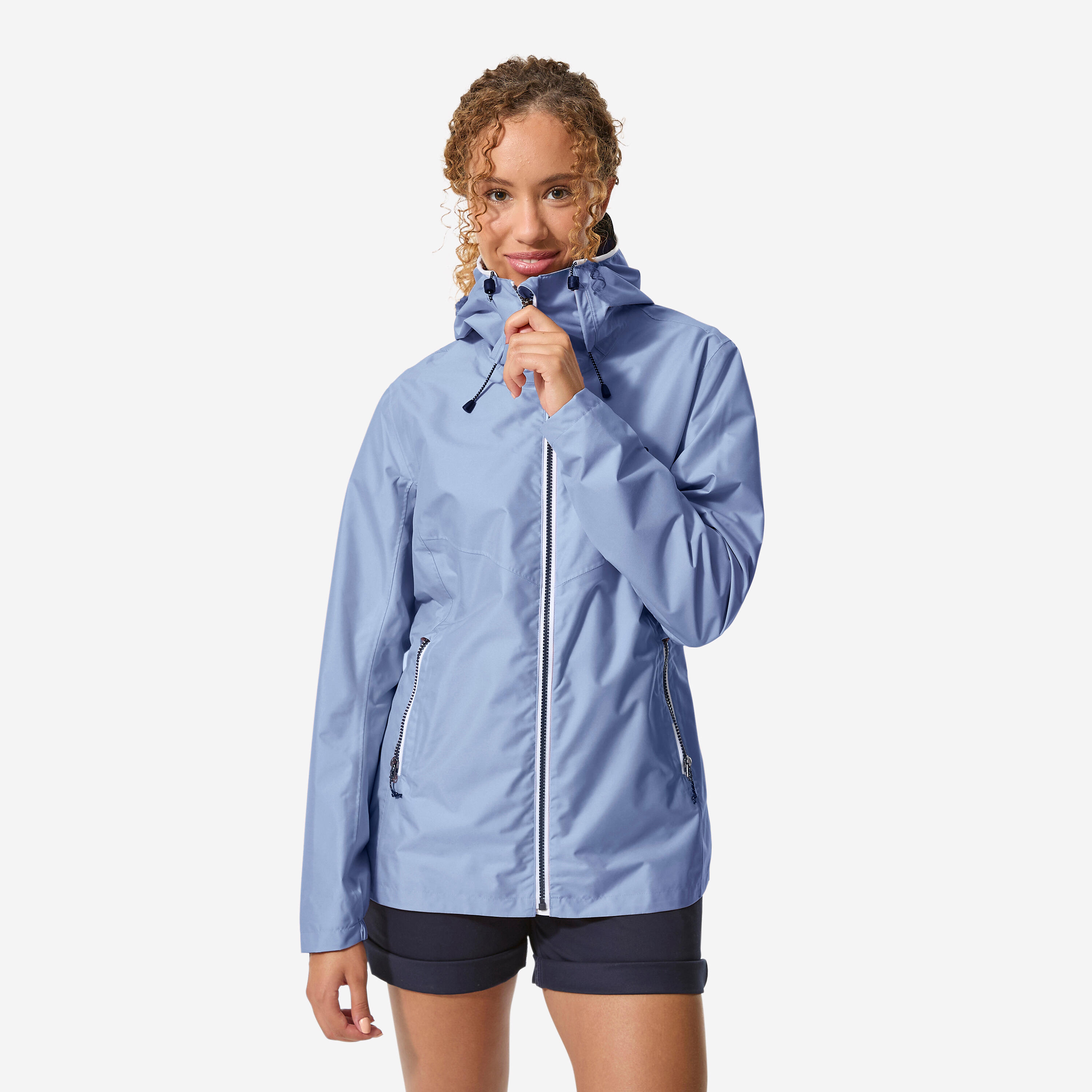
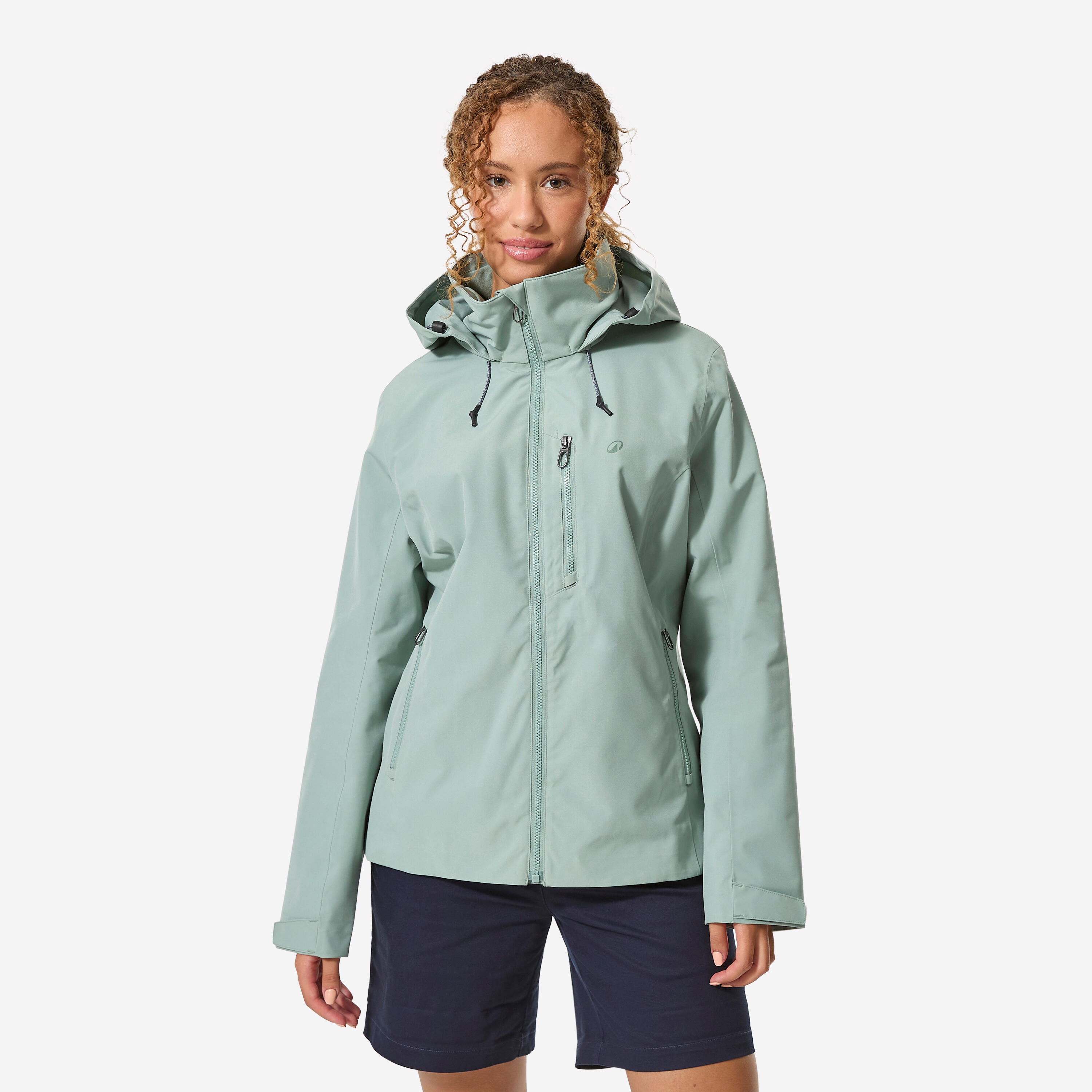
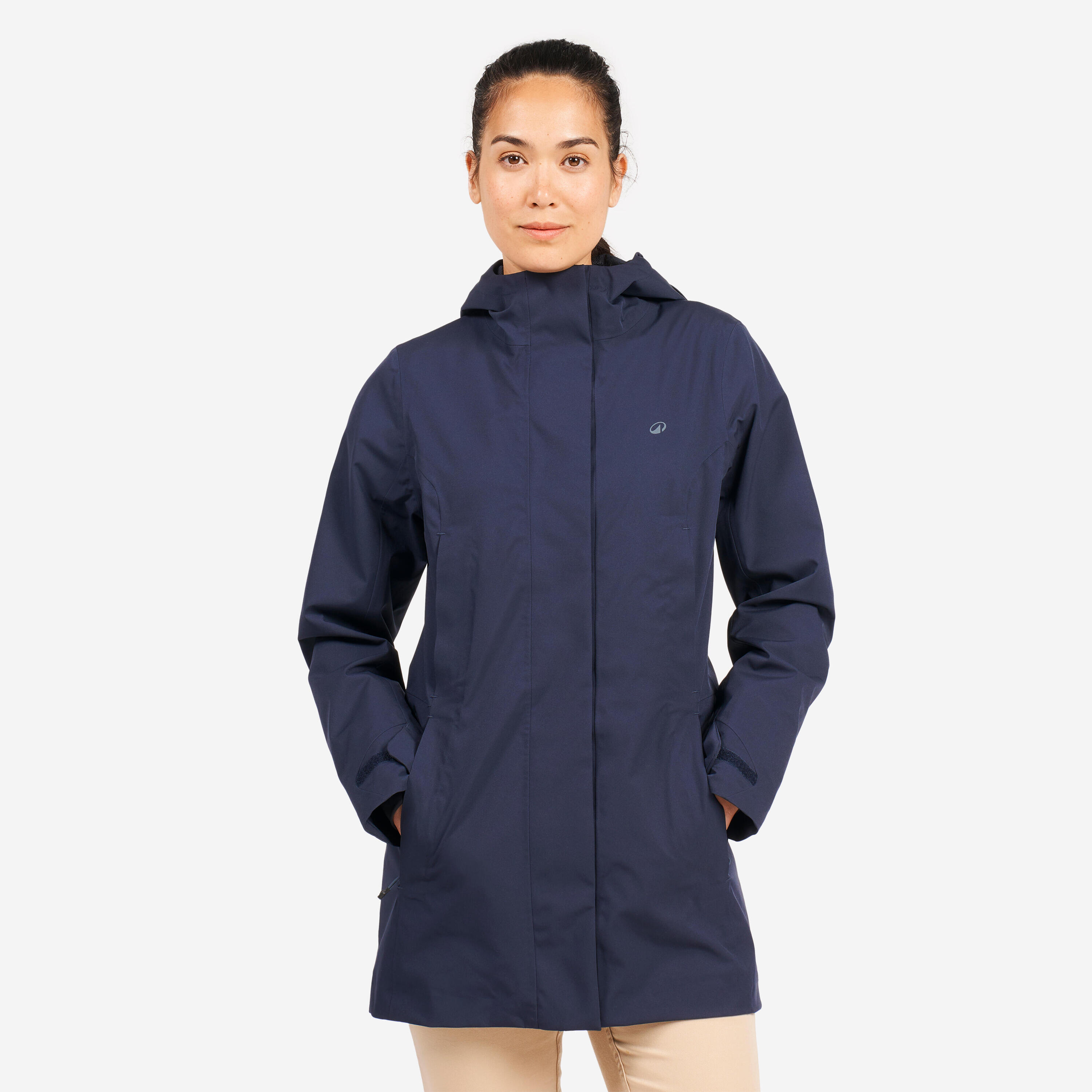
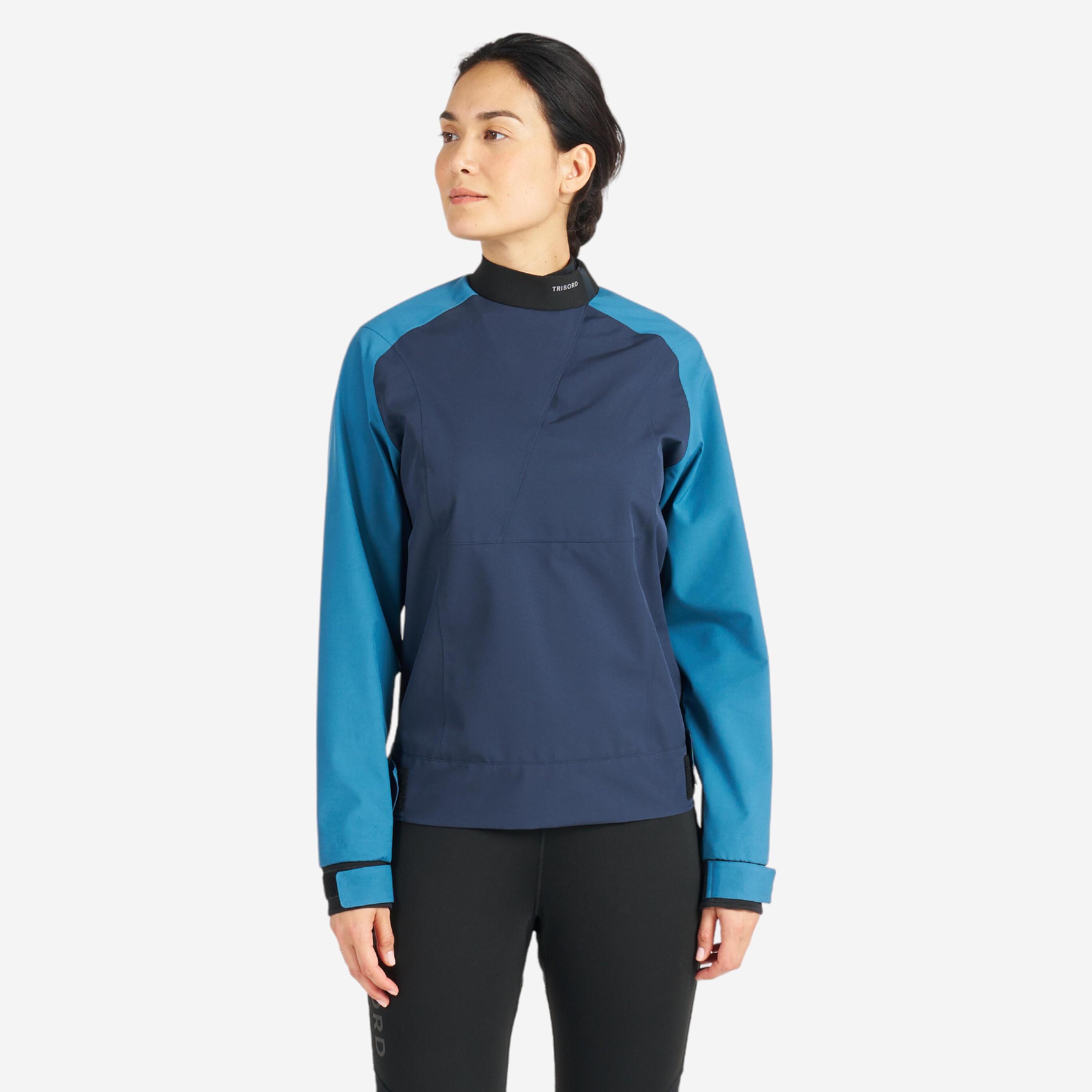
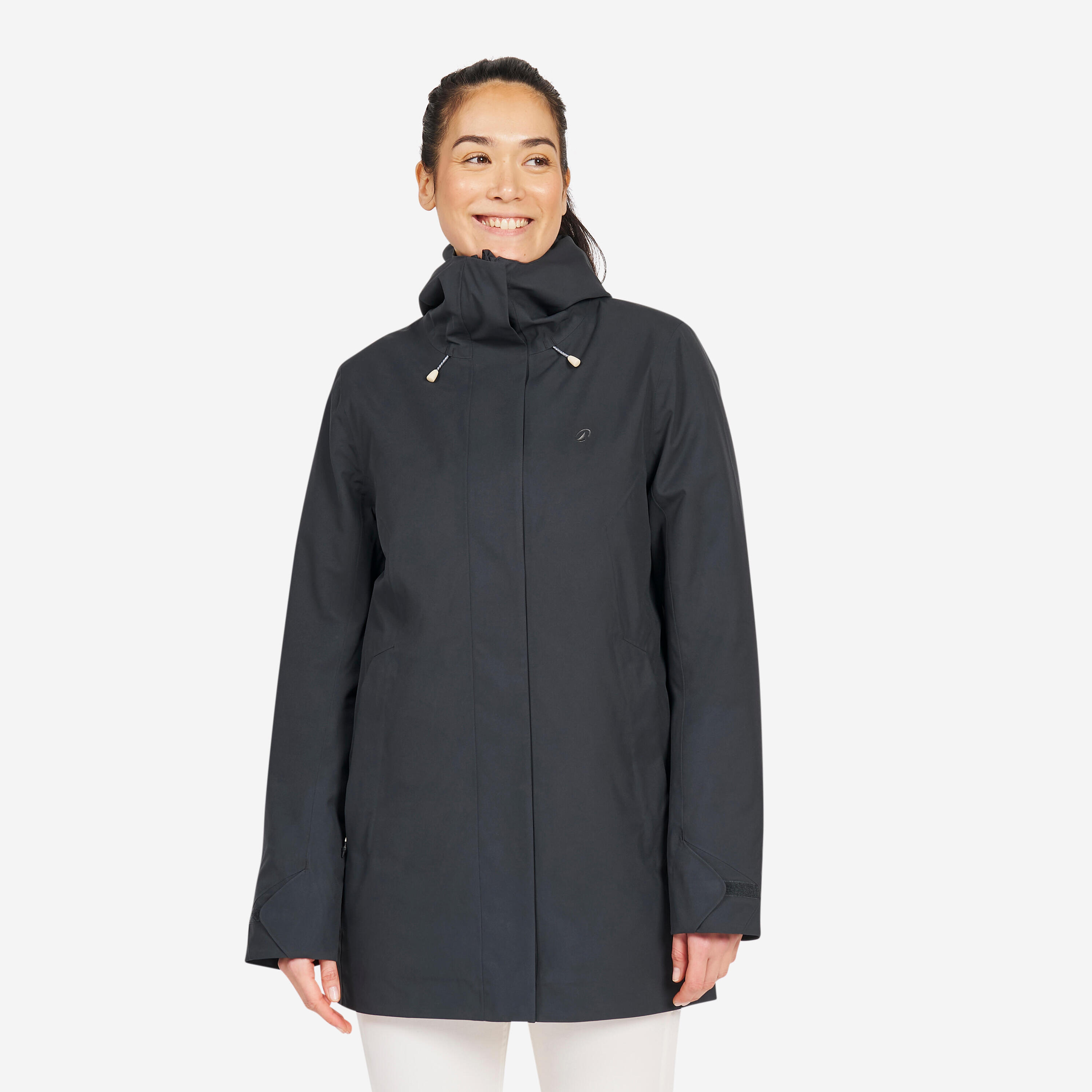
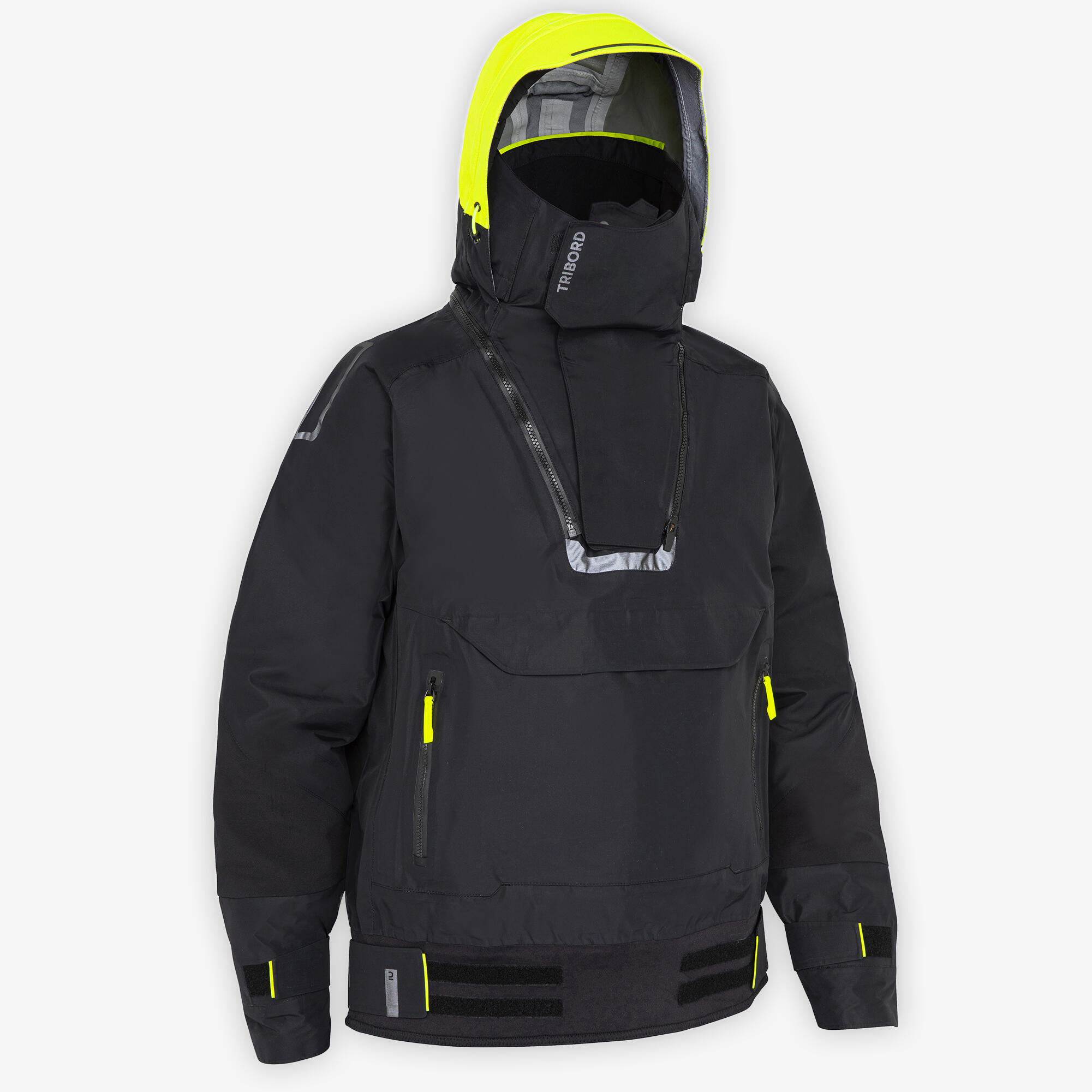
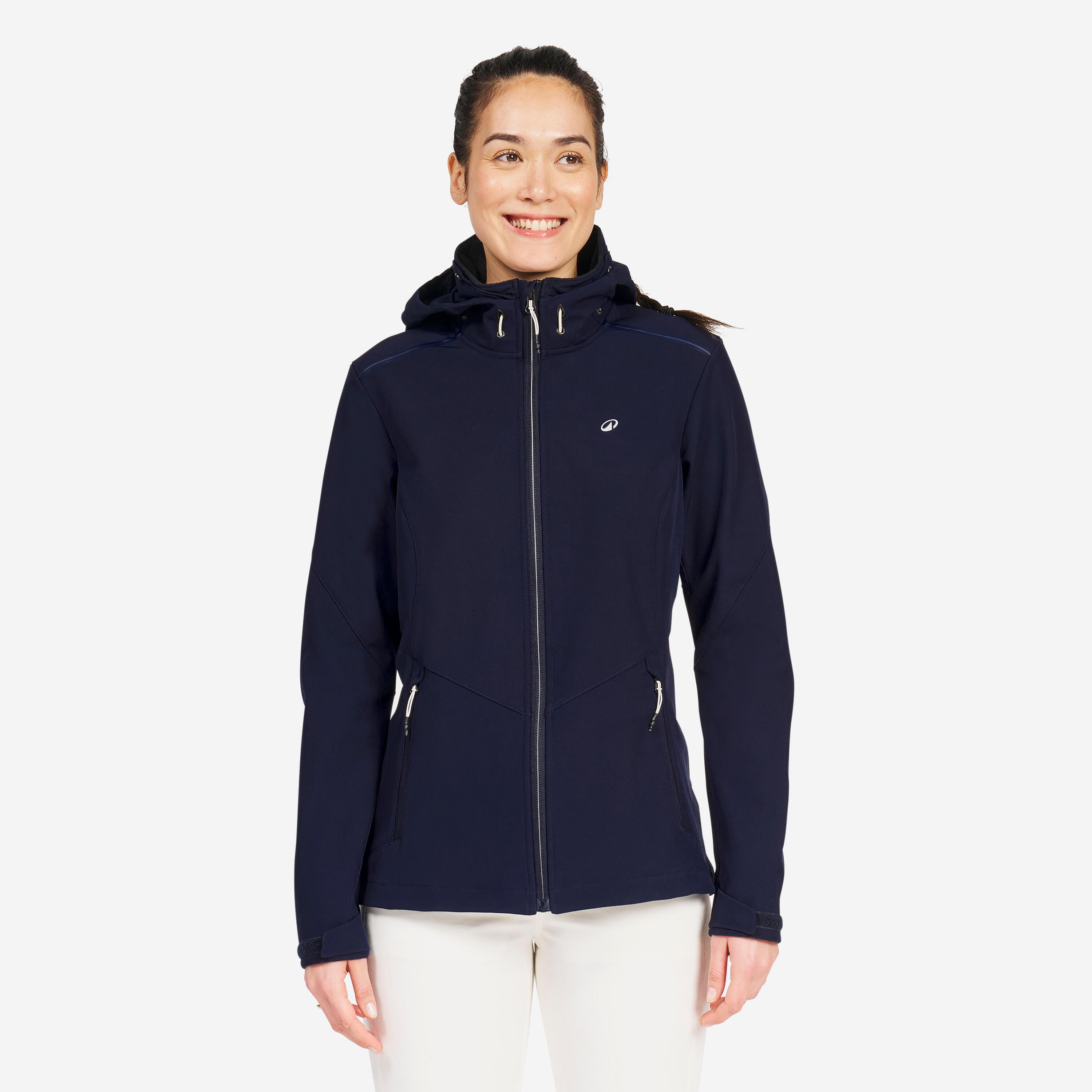
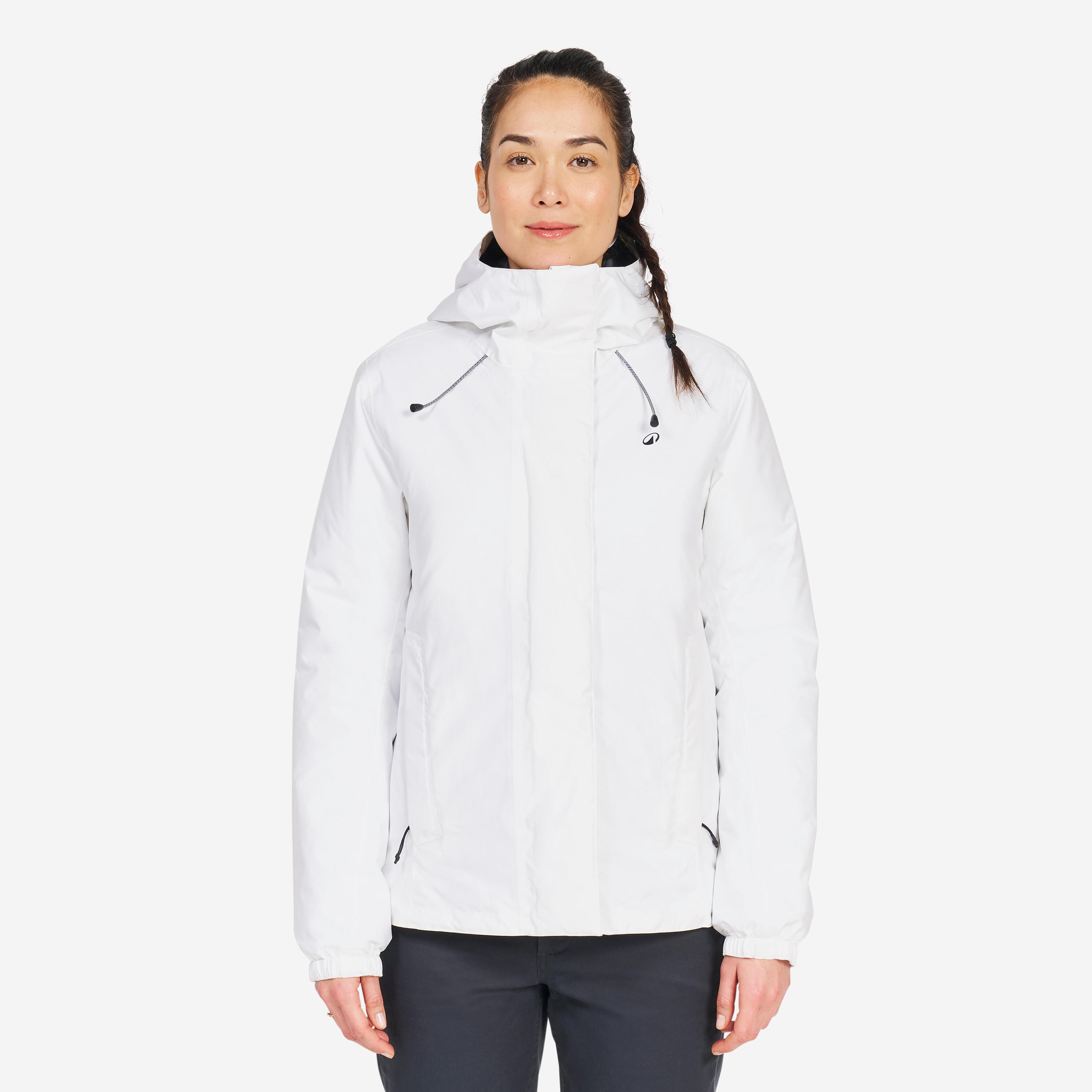
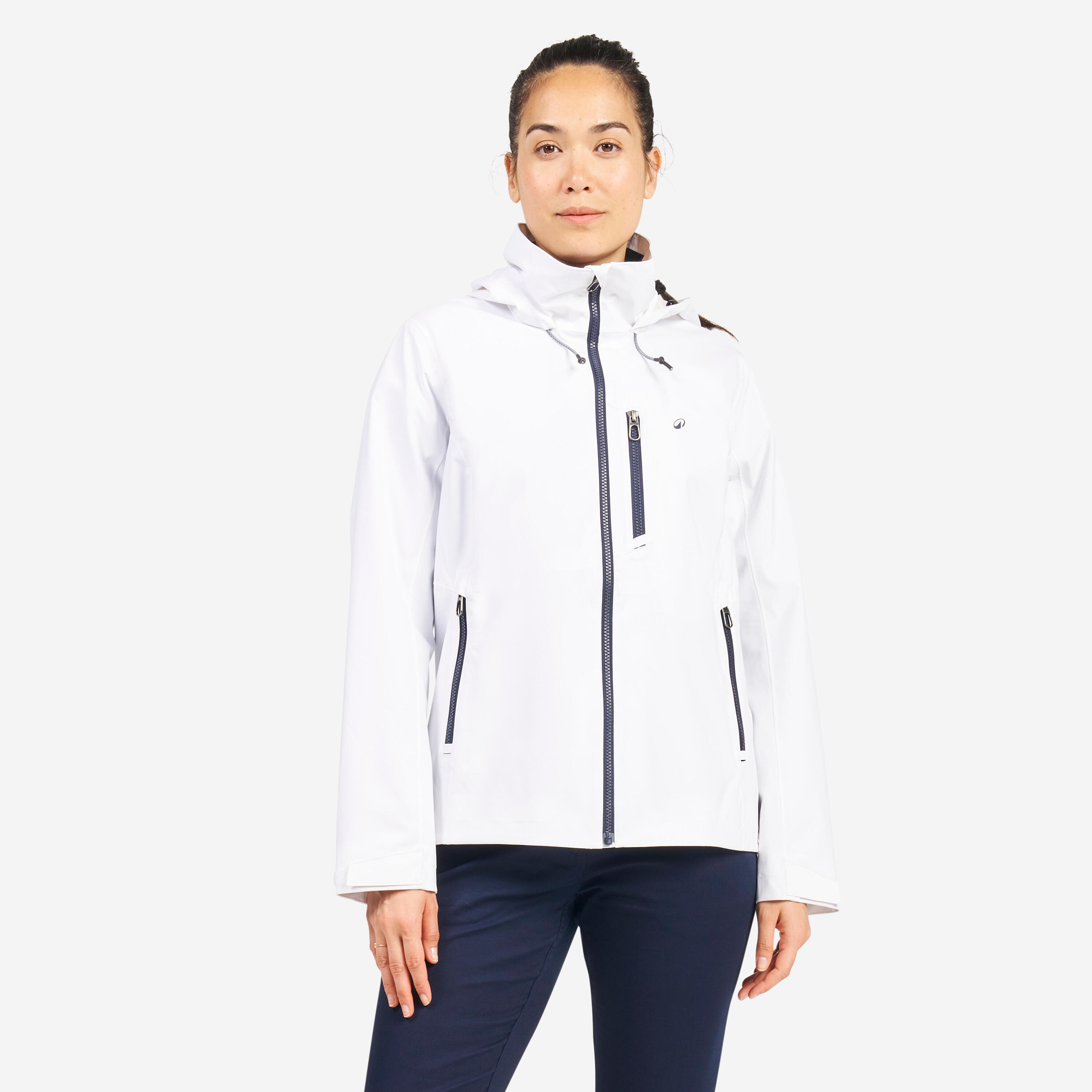
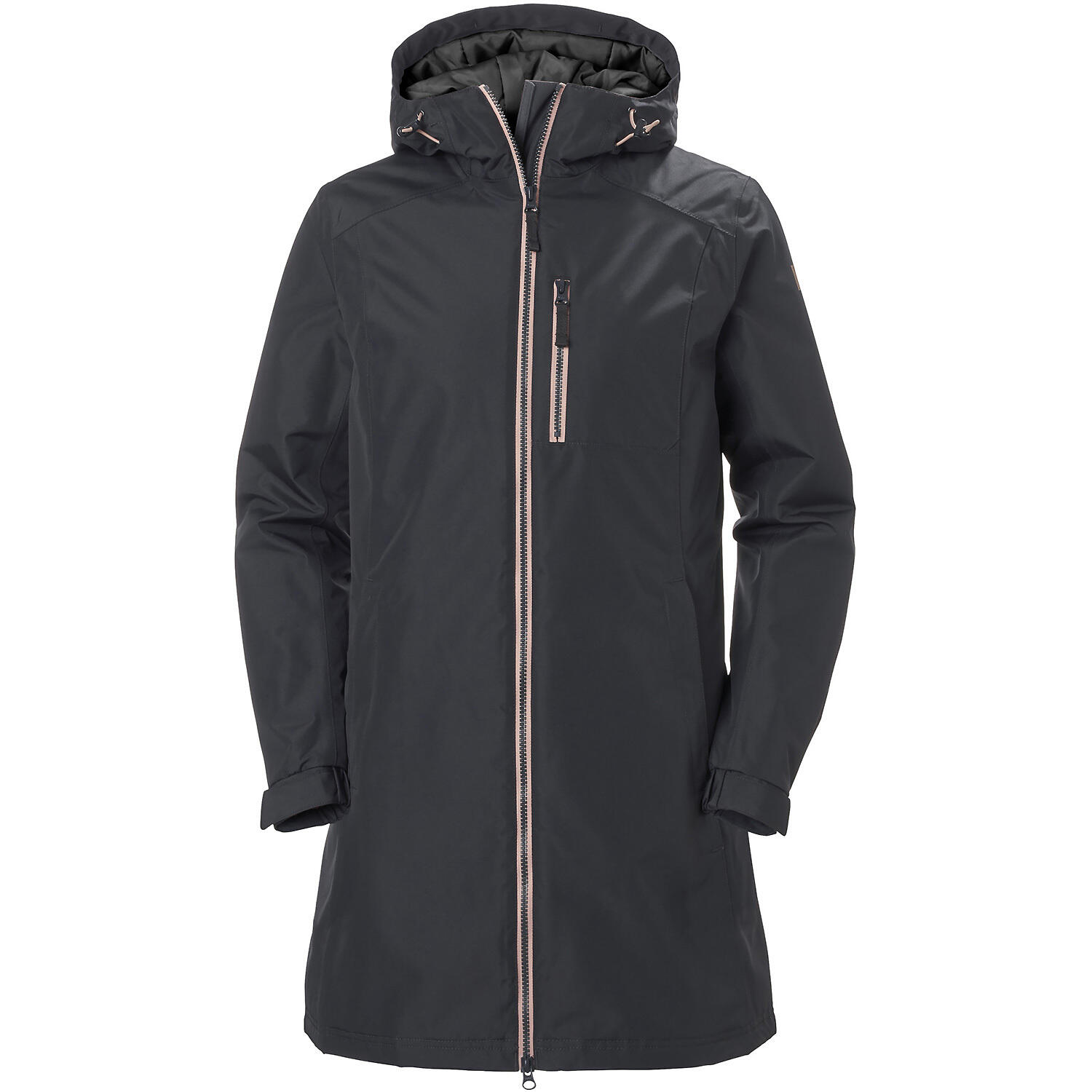
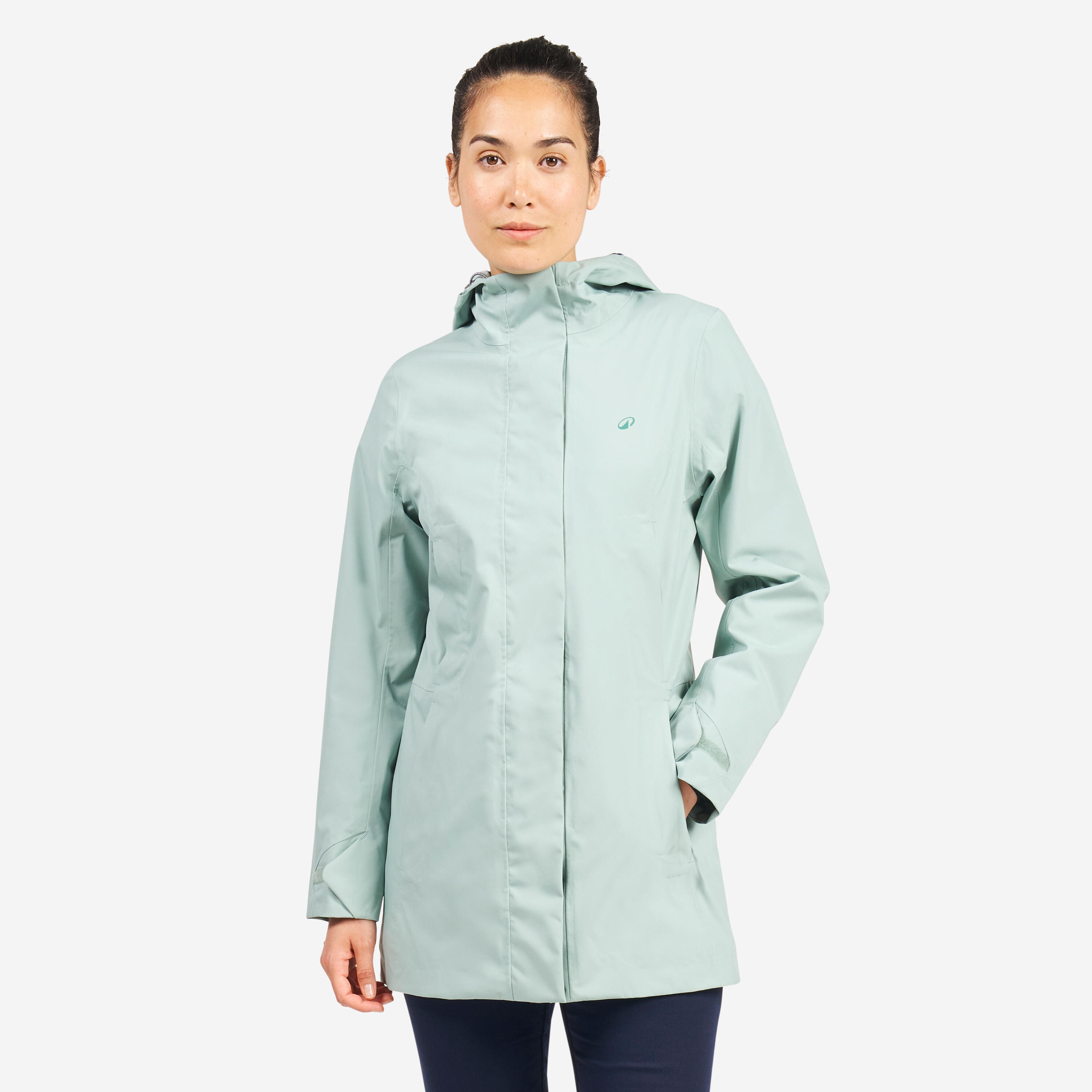
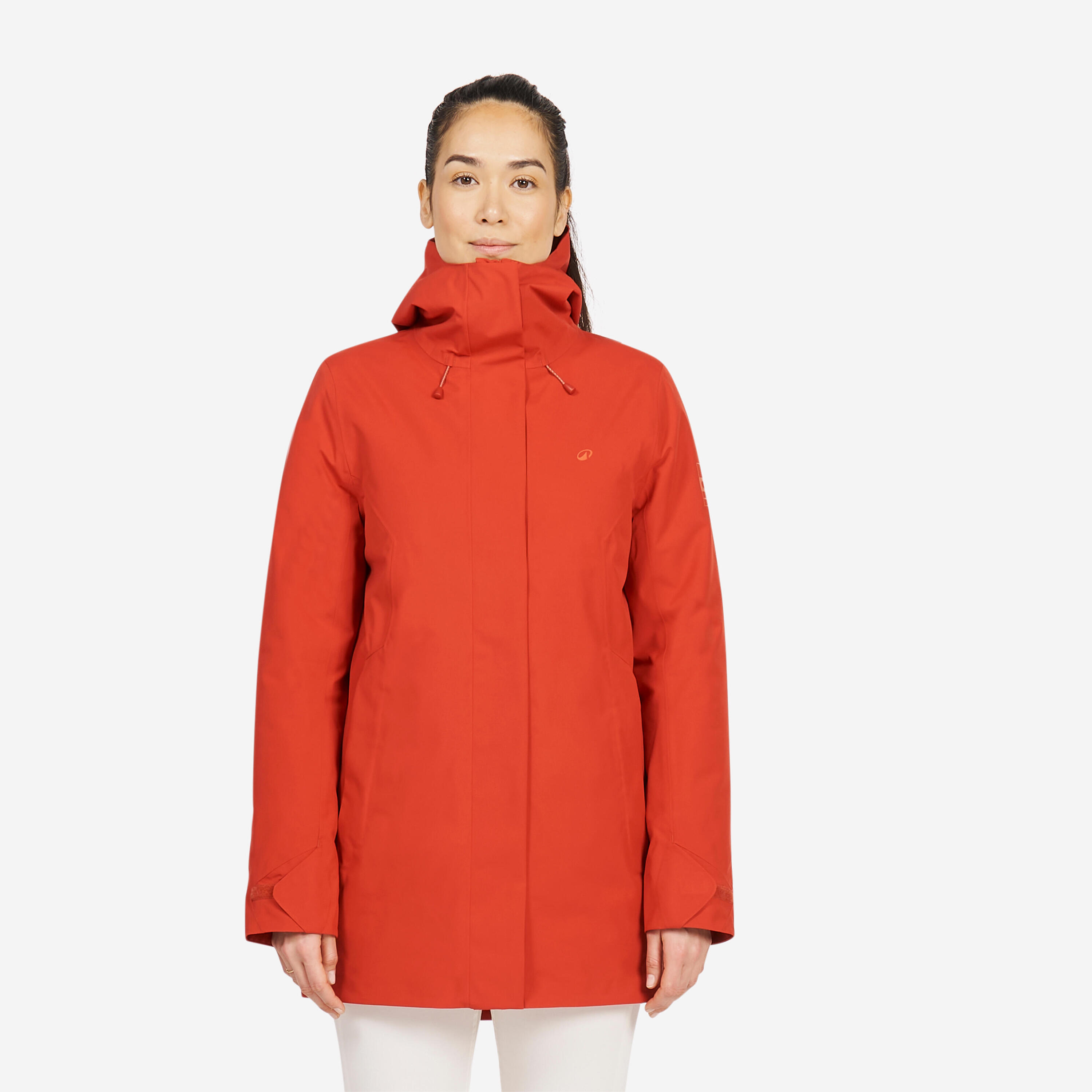
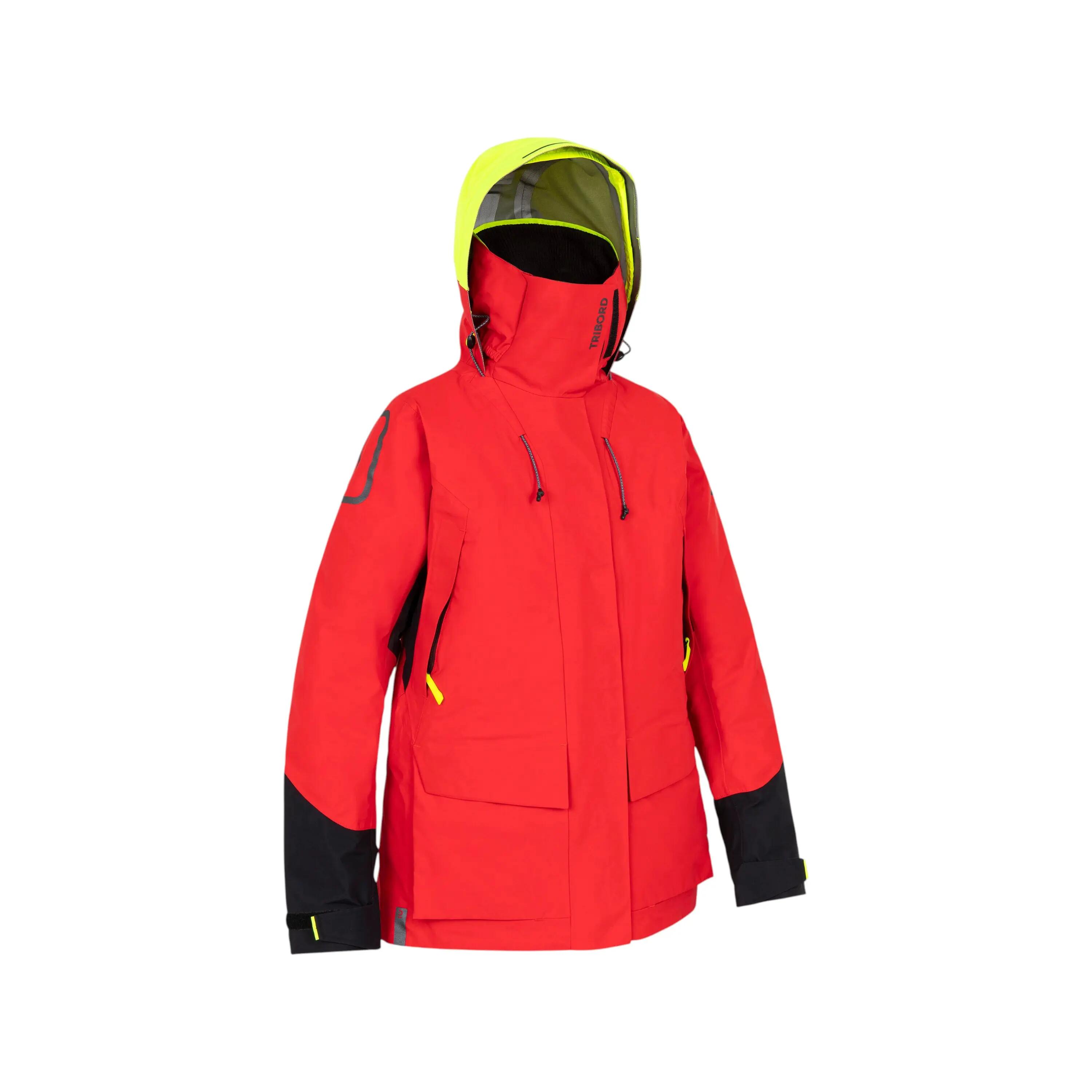
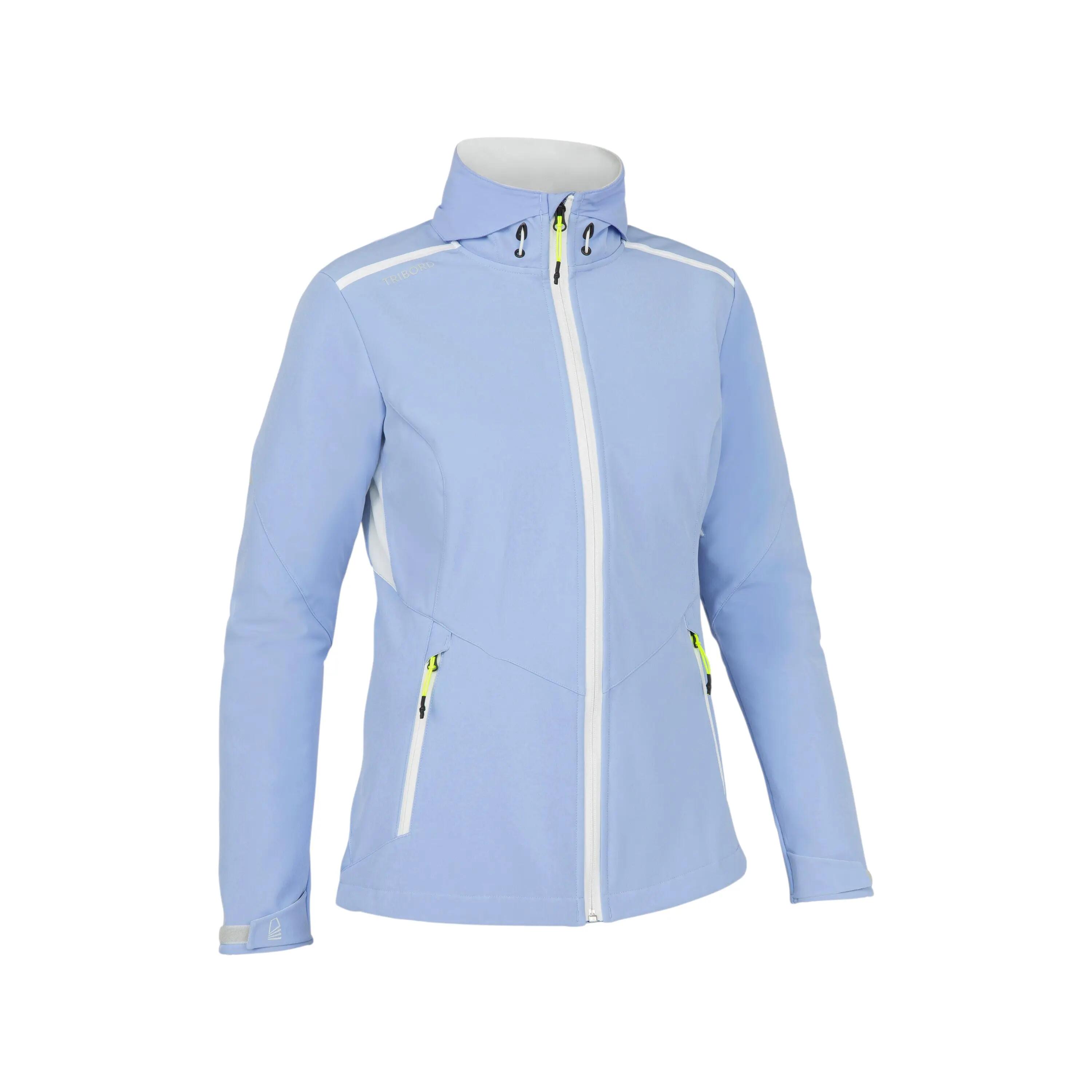
Standard waterproof jackets are made mainly for walking and everyday outdoor use, while sailing jackets cope with constant spray, strong winds and repeated movement on deck. Sailors regularly crouch, lean, reach overhead, and brace against the boat, so sailing jackets use a cut that allows unrestricted movement while keeping water out. Seam placement avoids pressure points beneath harnesses, and the raised collar helps block spray around the neck. Extended cuffs with inner neoprene seals fit over gloves to stop water from running up the sleeves during rough conditions. Anyone spending long periods afloat will appreciate how the features found in women's sailing jackets and smocks provide better protection and comfort than a standard waterproof jacket.