64 items
4.7/5 based on 34590 reviews collected online and in stores

Kids' Sailing Clothes FAQs

Which types of kids' sailing clothing suit warm, cold or wet conditions?

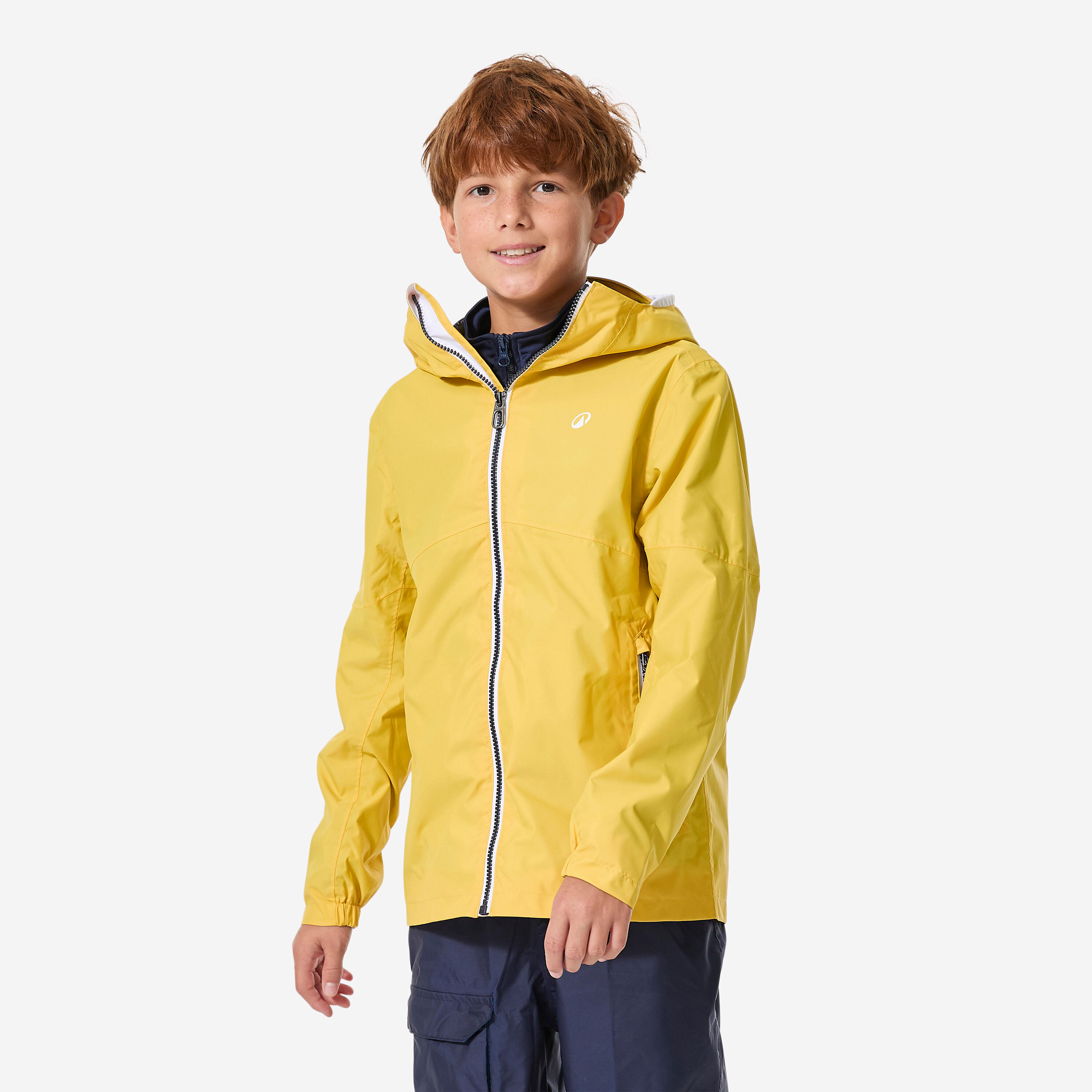
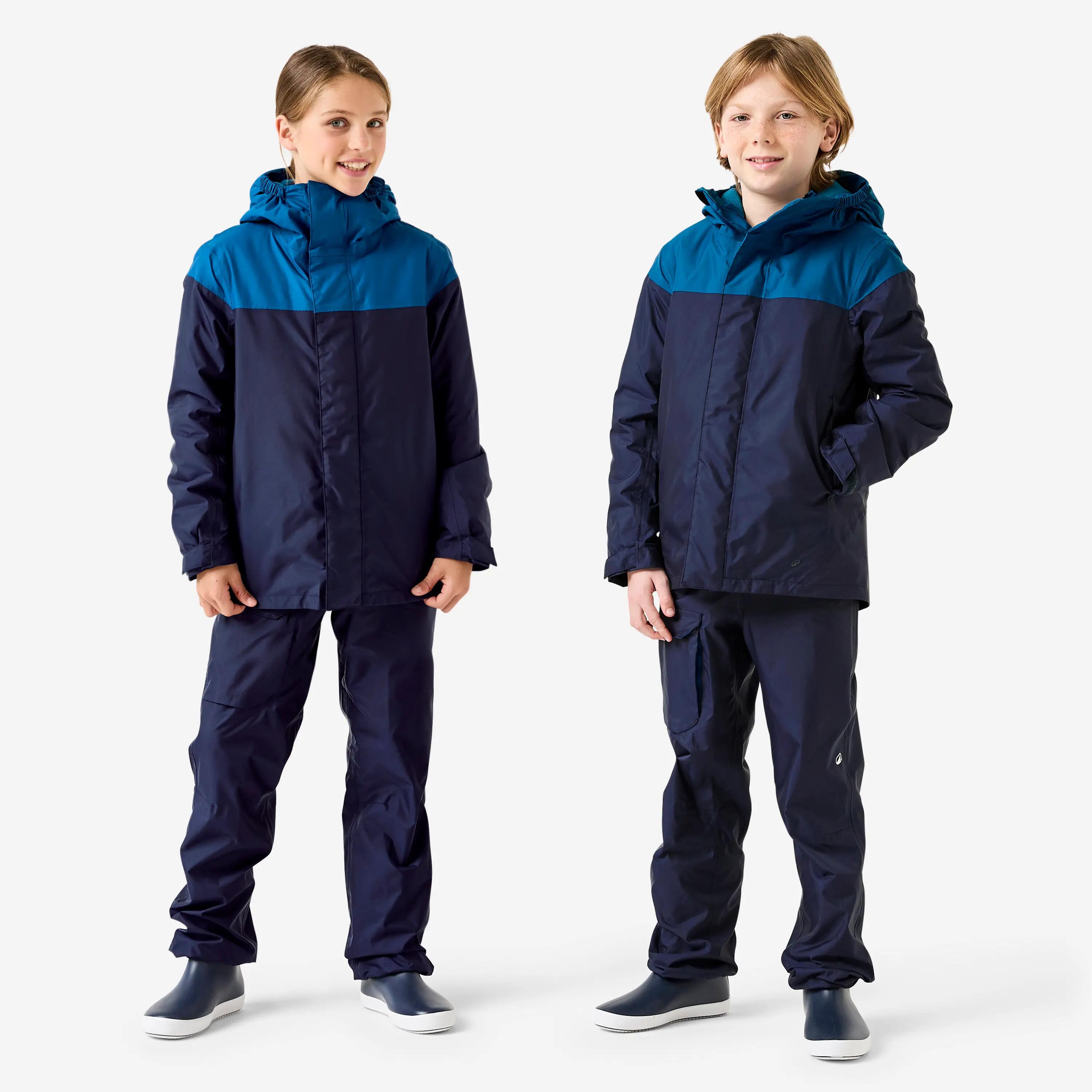
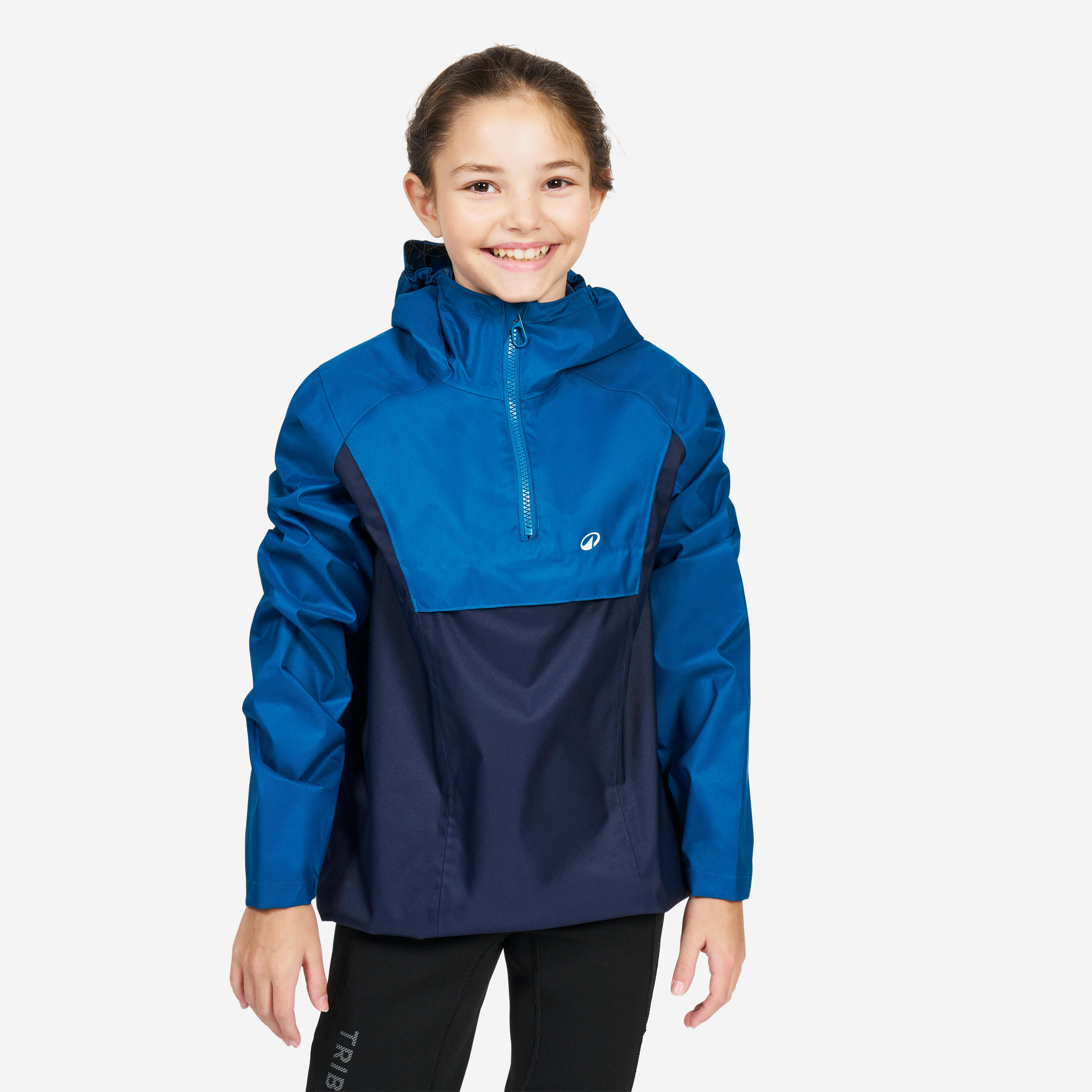
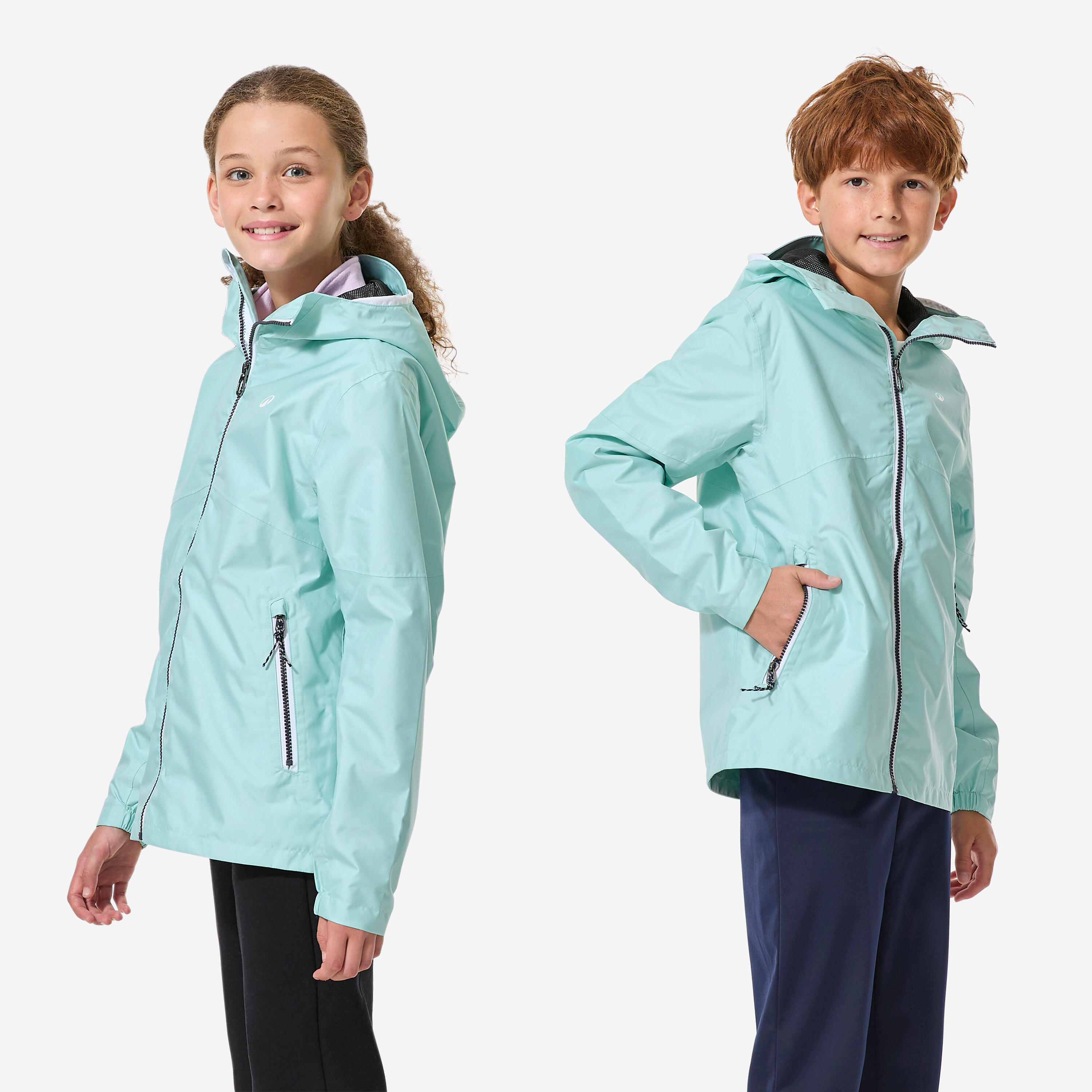
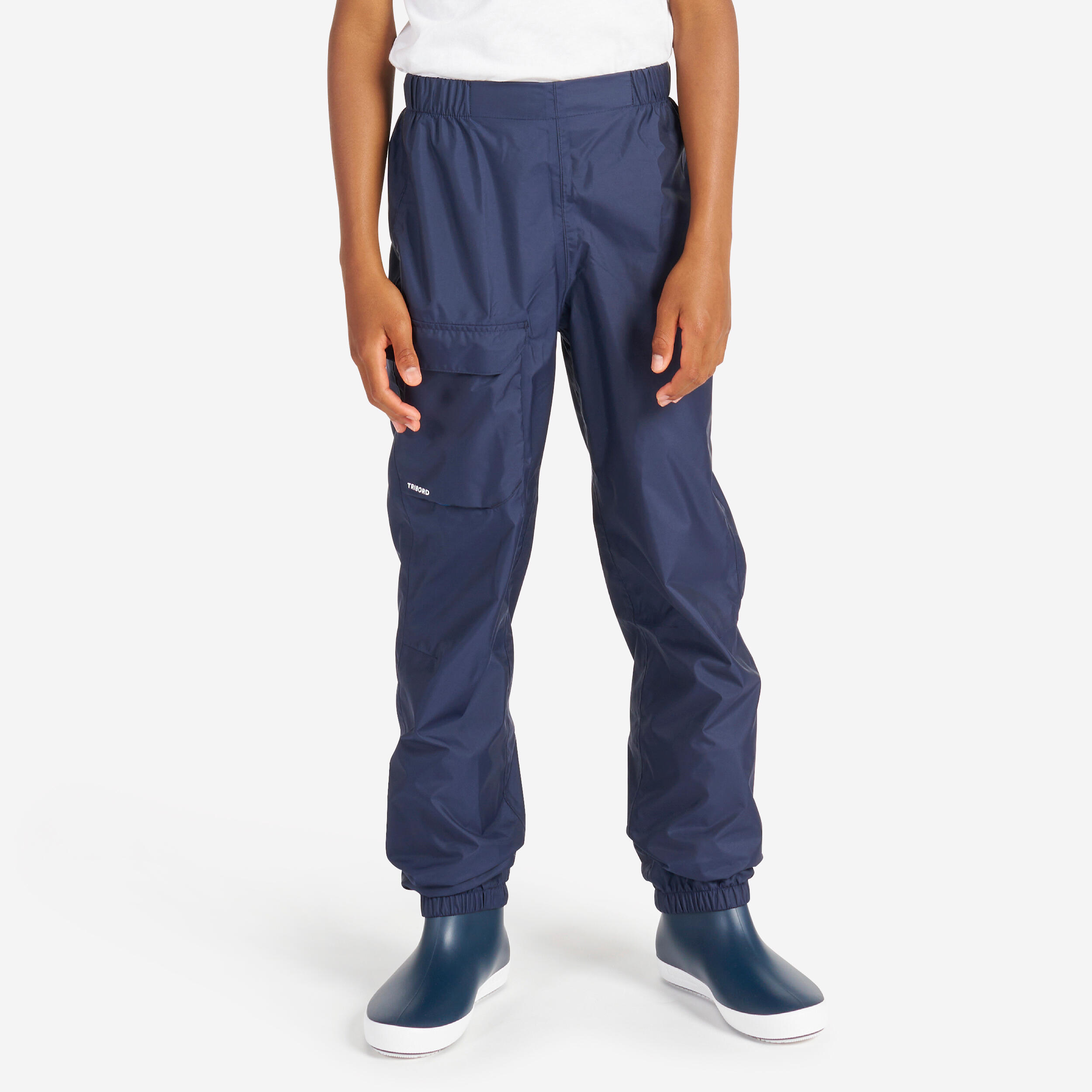
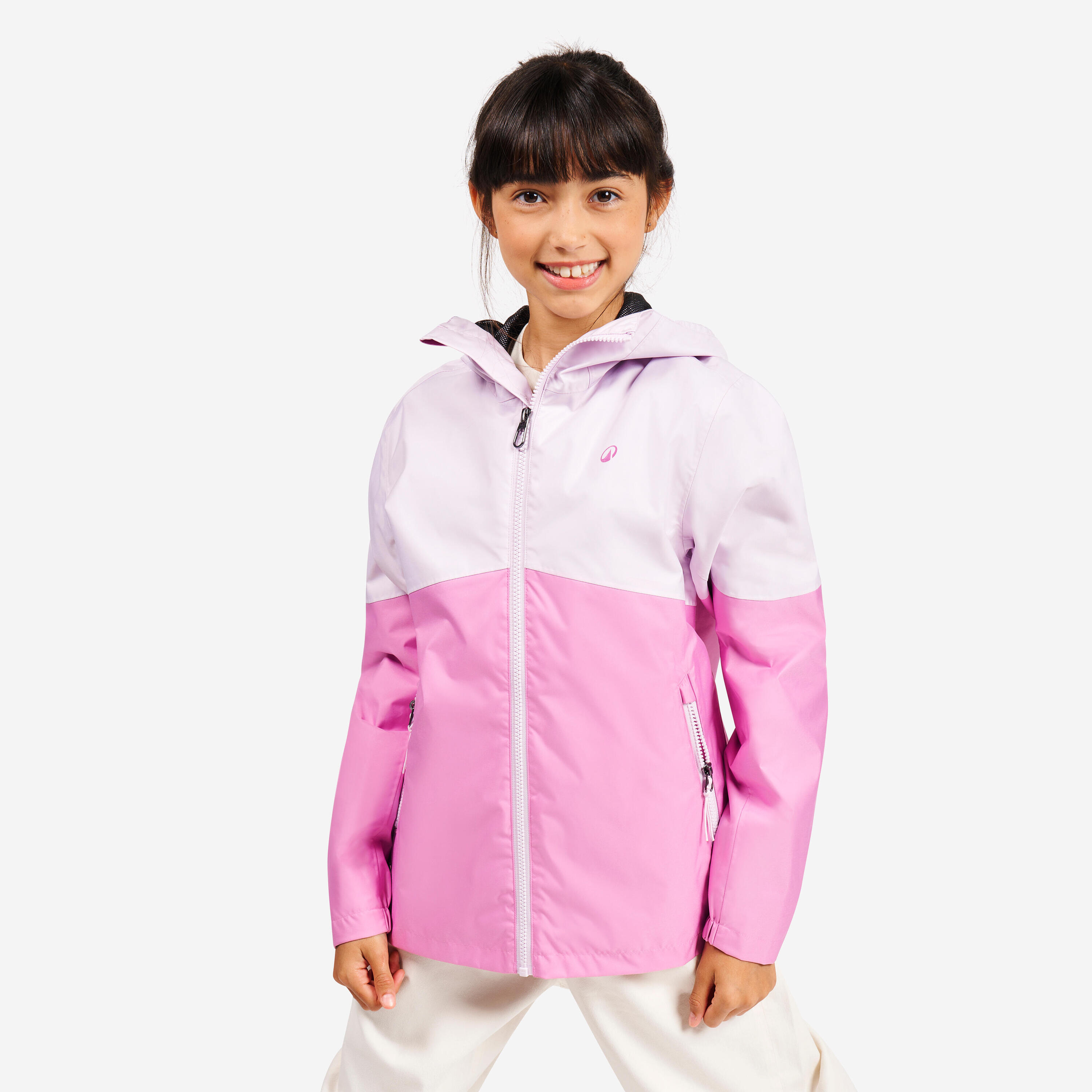
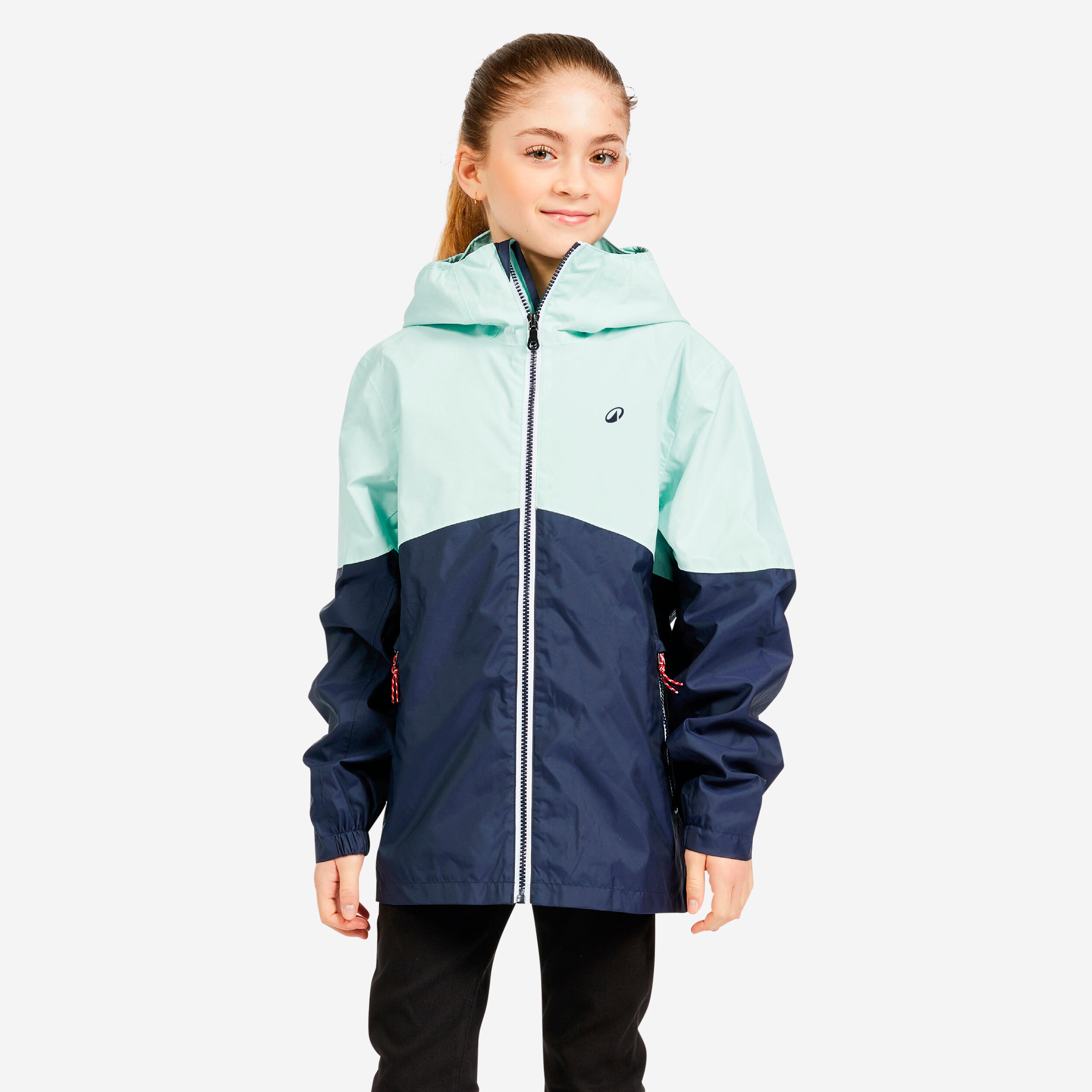
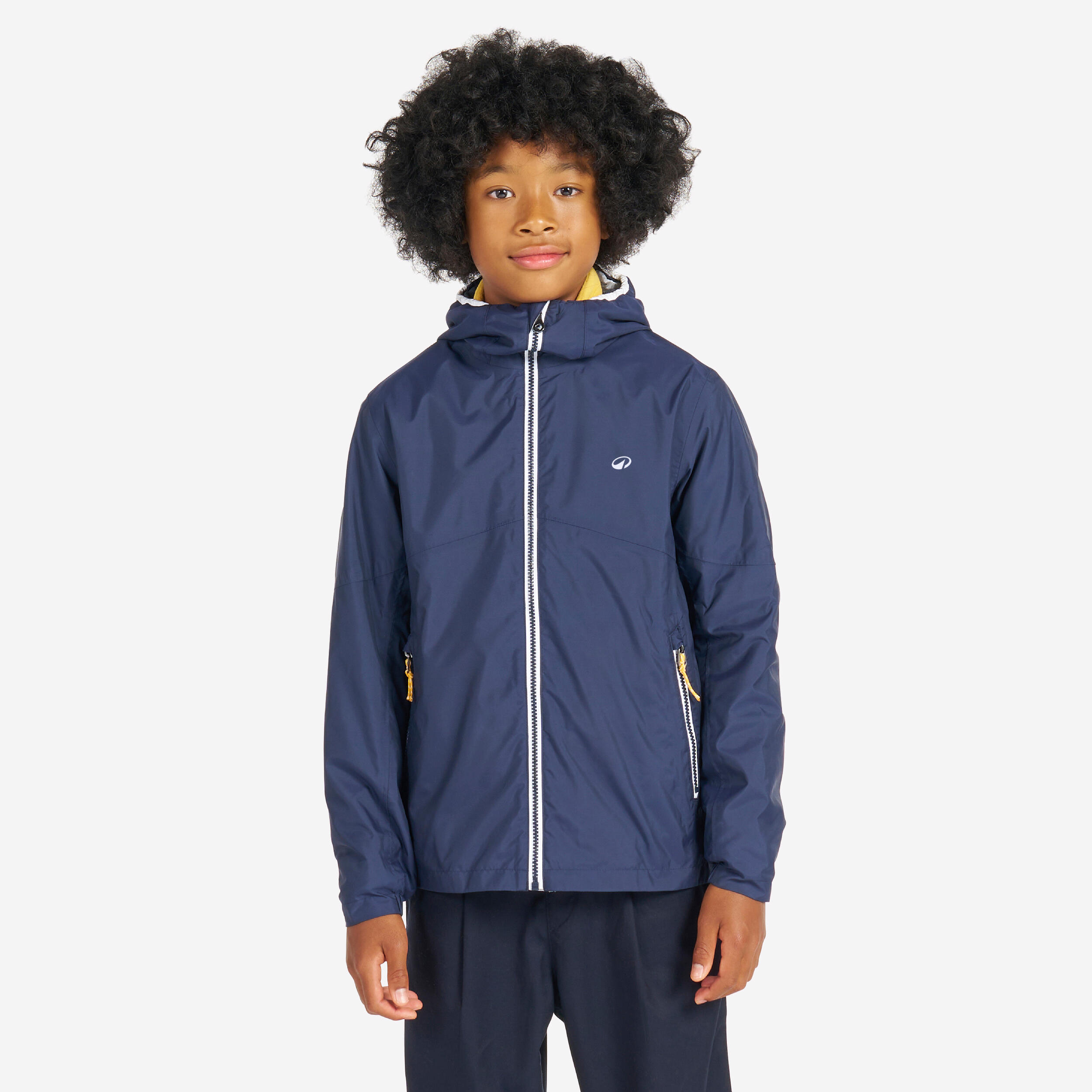
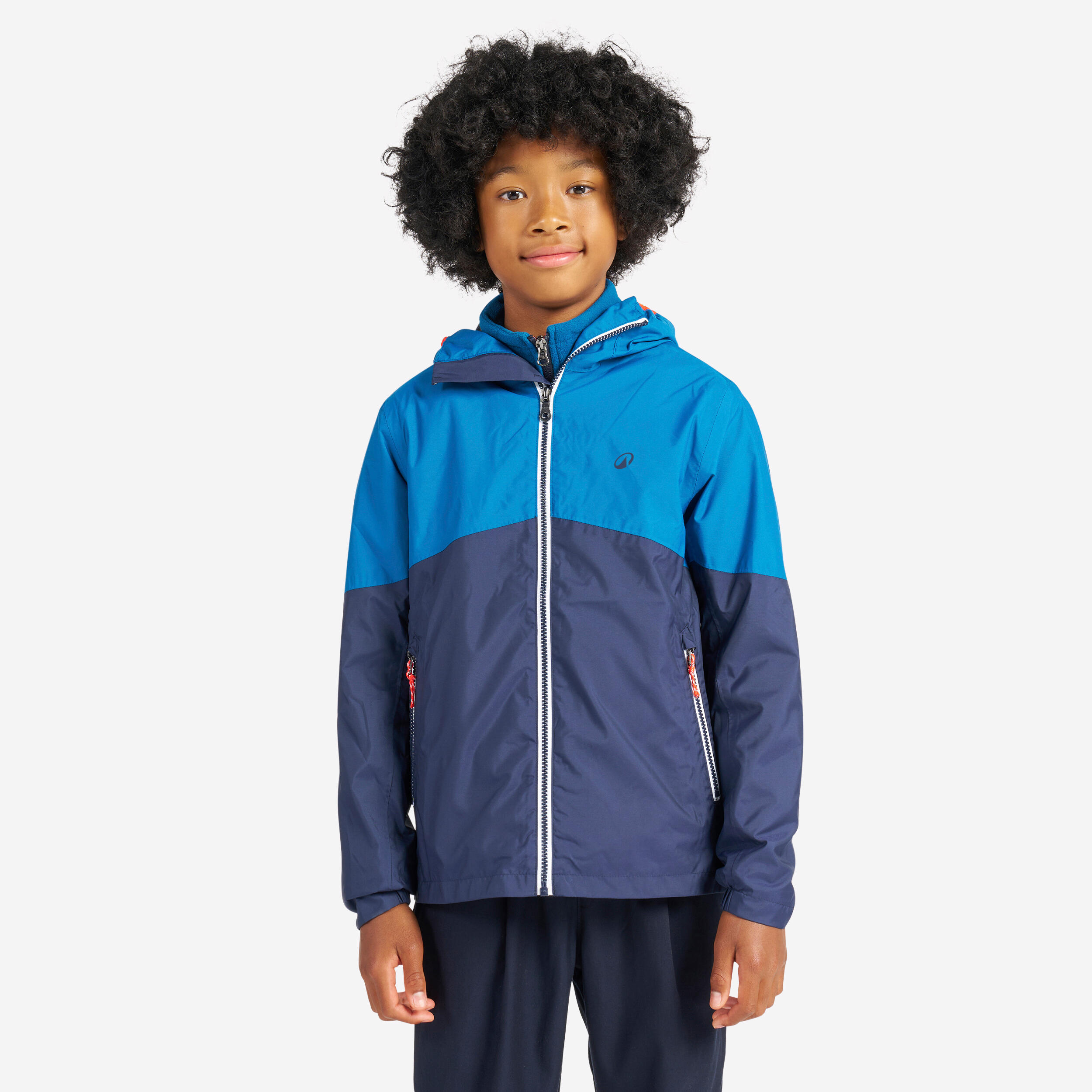
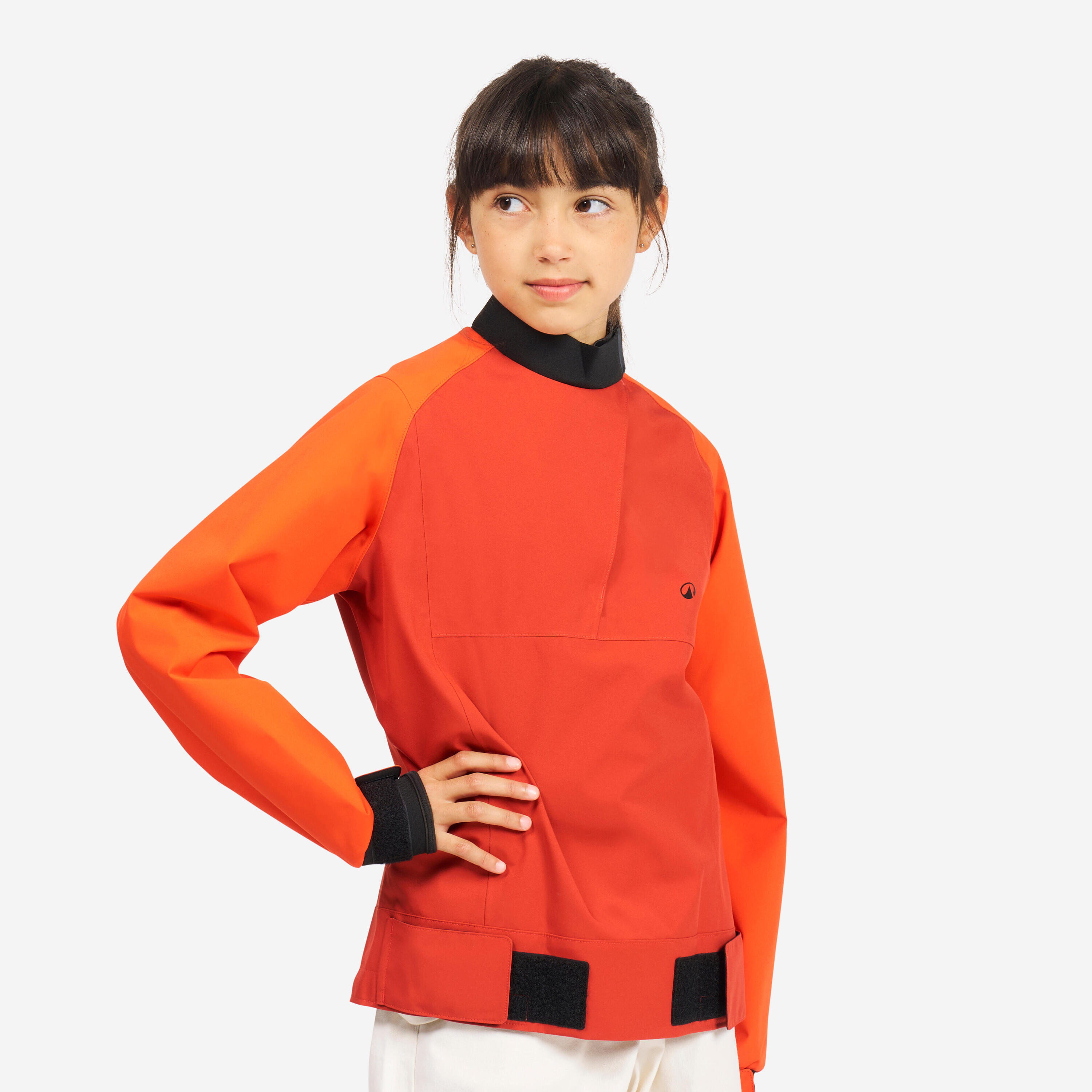
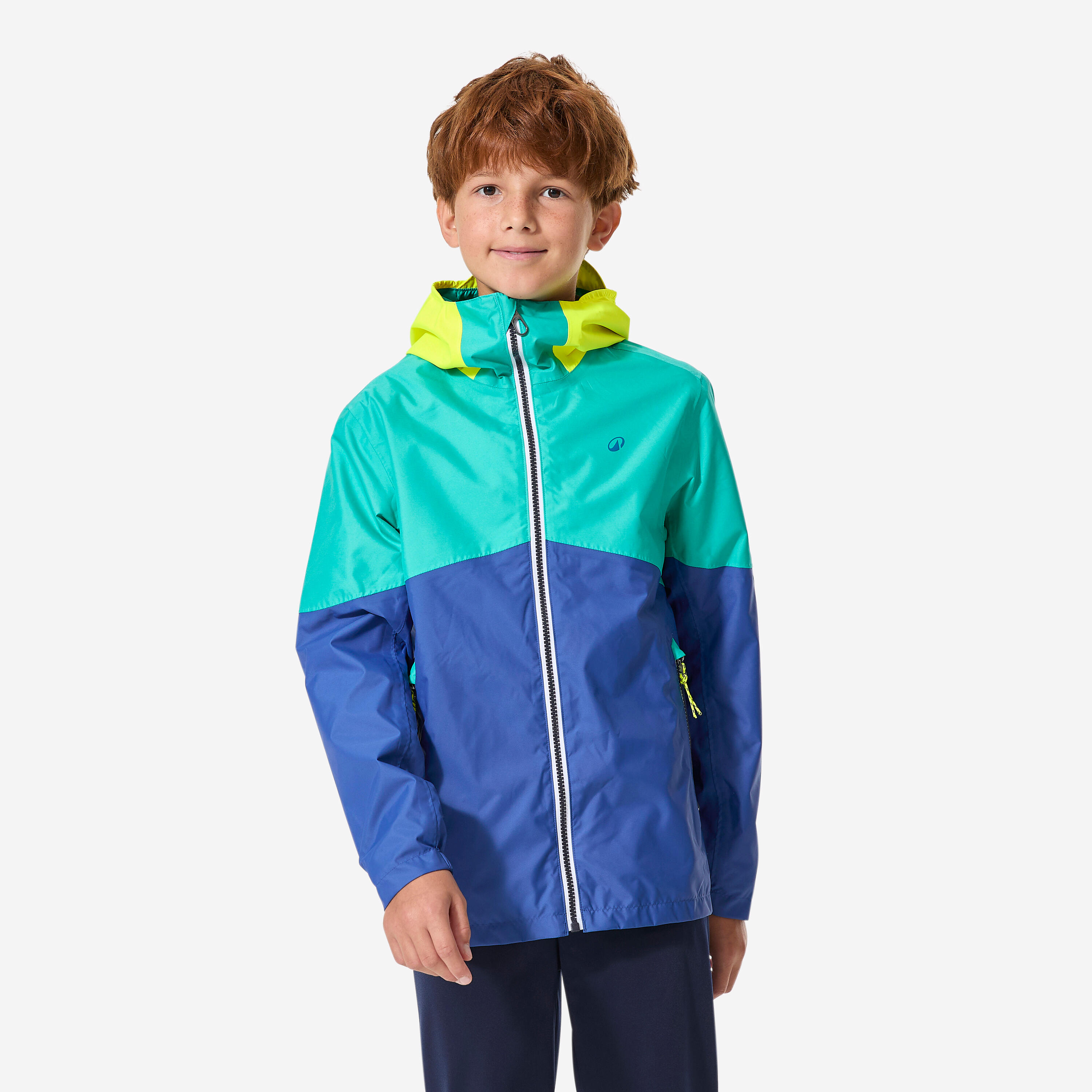
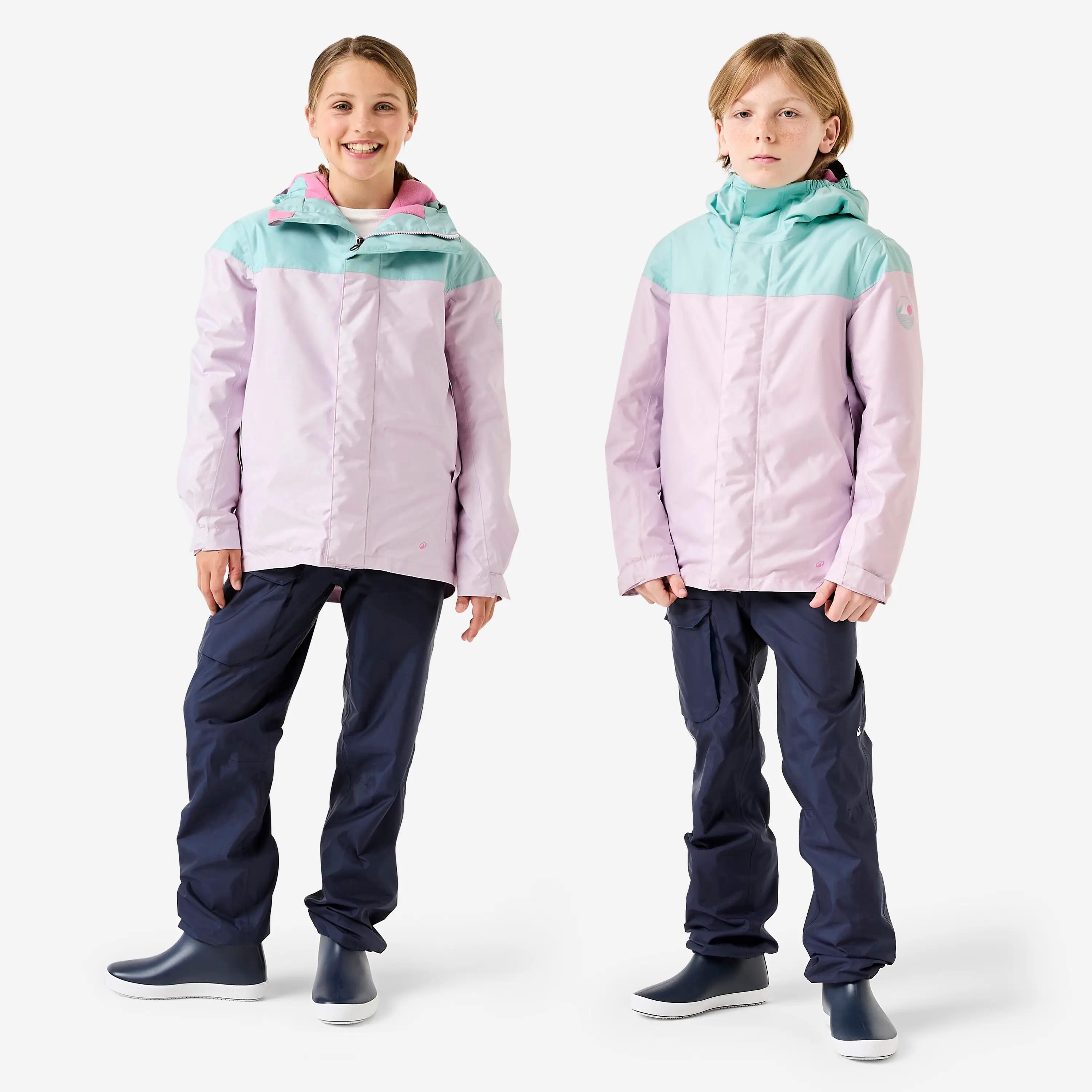
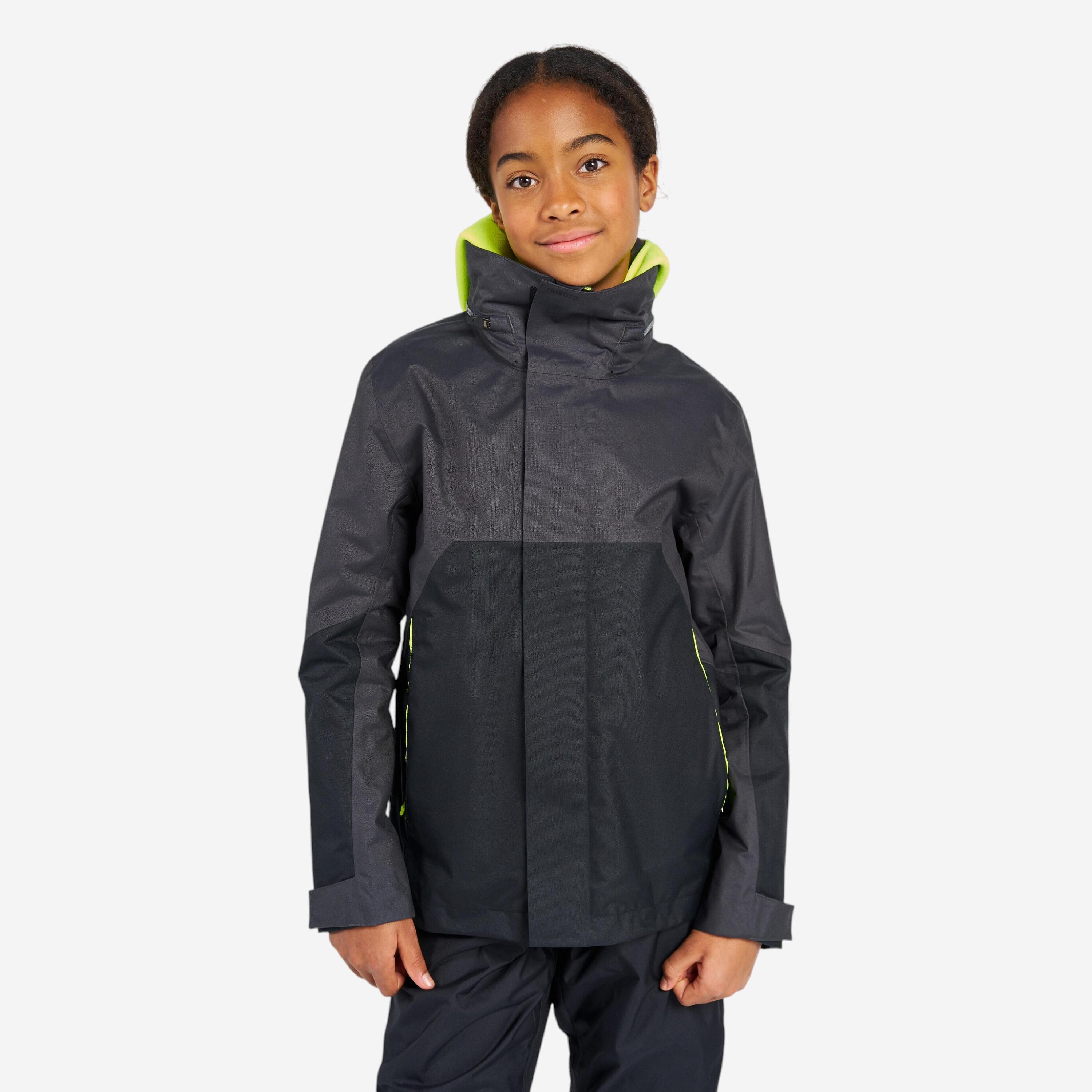
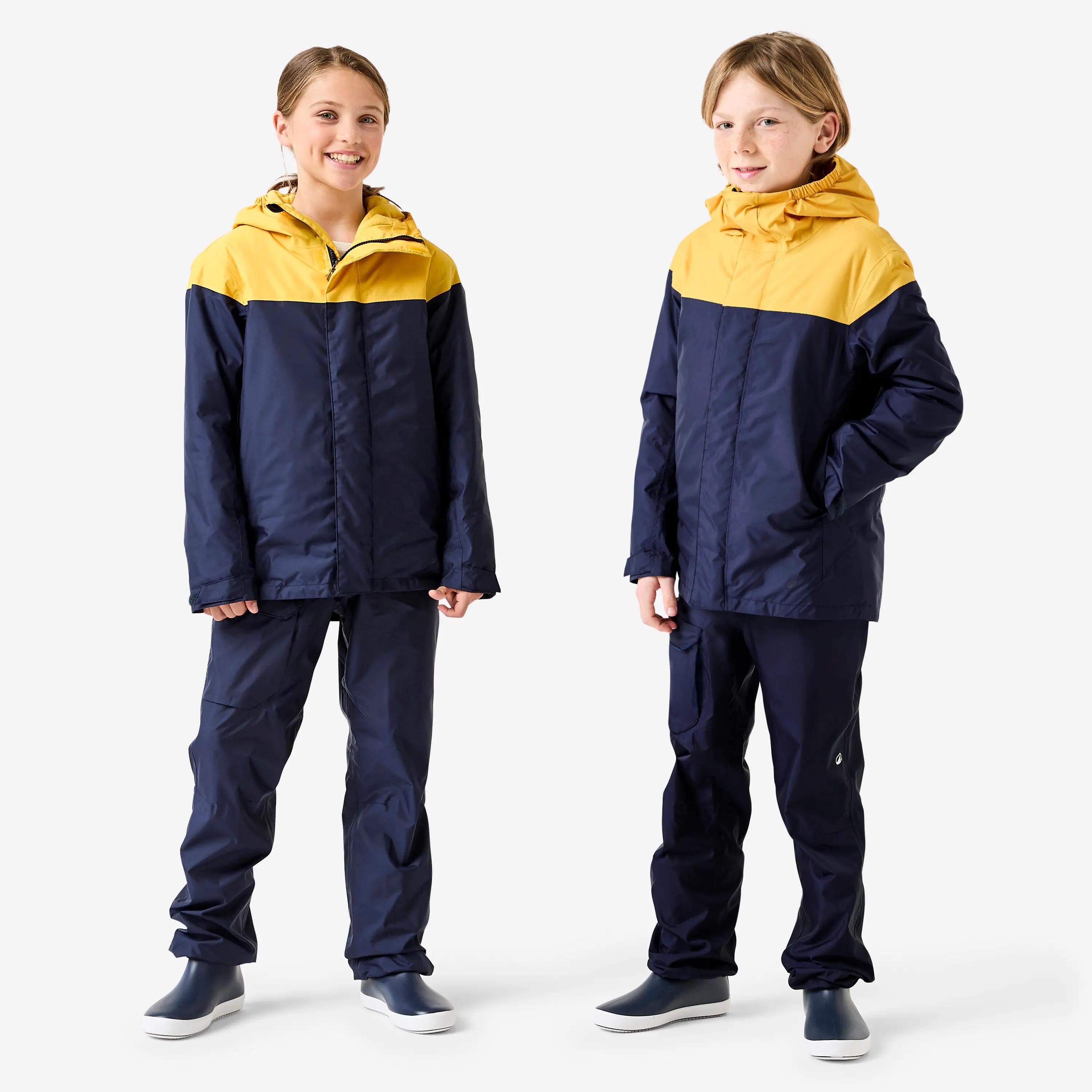
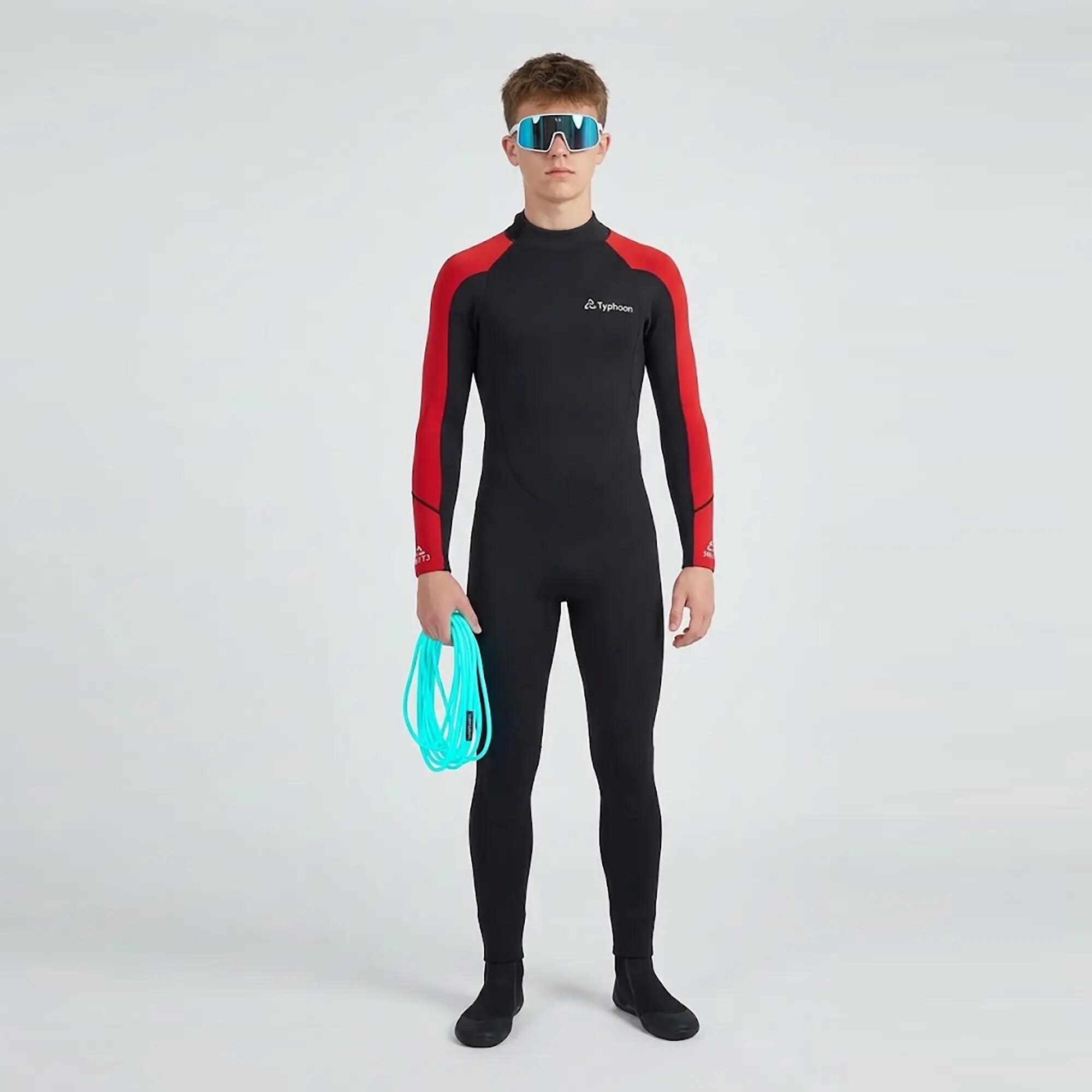
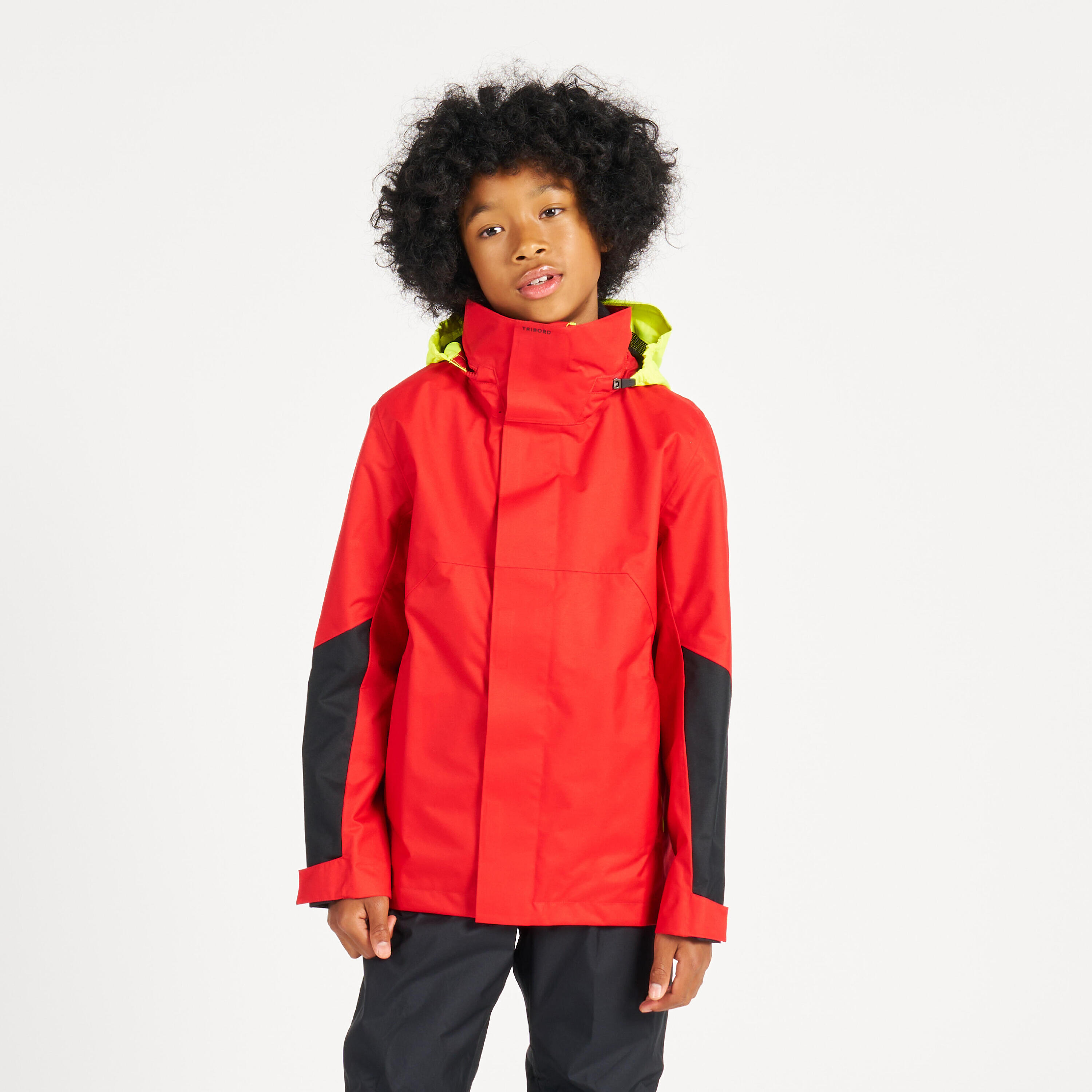
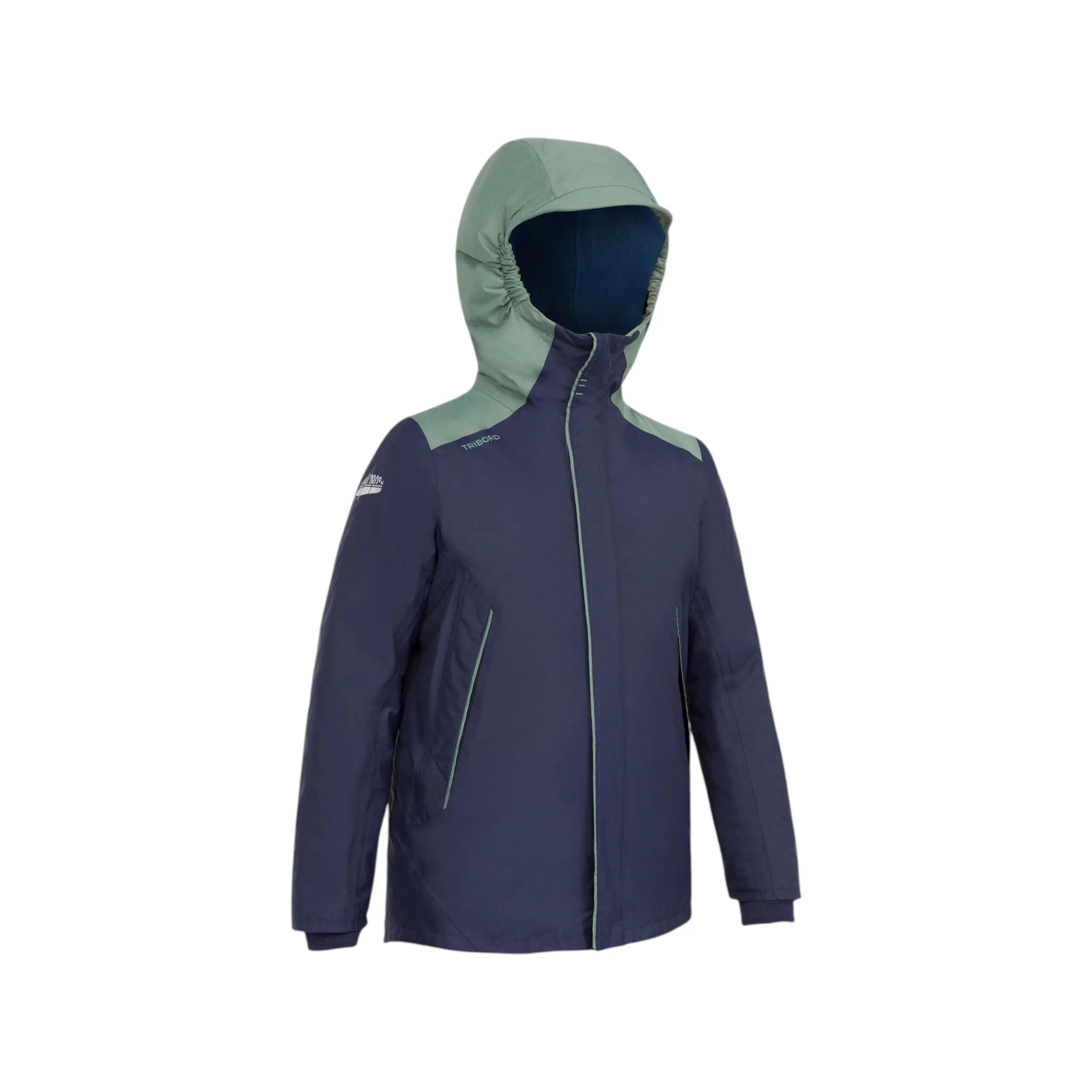
Build the outfit in layers so your child can adjust warmth and weather protection as conditions change on the water. A breathable T-shirt can work as the base, a fleece can add insulation and waterproof outerwear can protect against wind, spray and rain. Wetter conditions may call for the kids' sailing jacket, smock & overtrousers range as the protective outer layer. Decathlon develops children's sailing clothing around boat movement, with features such as taped seams, measured waterproofing, breathable fabrics and abrasion-resistant areas for repeated contact with decks. Pro tip: dress for the wind as well as the air temperature. A cool breeze over wet clothing can make a child feel colder quickly, even when the forecast does not seem particularly cold.
When are kids' sailing shorts a practical choice?

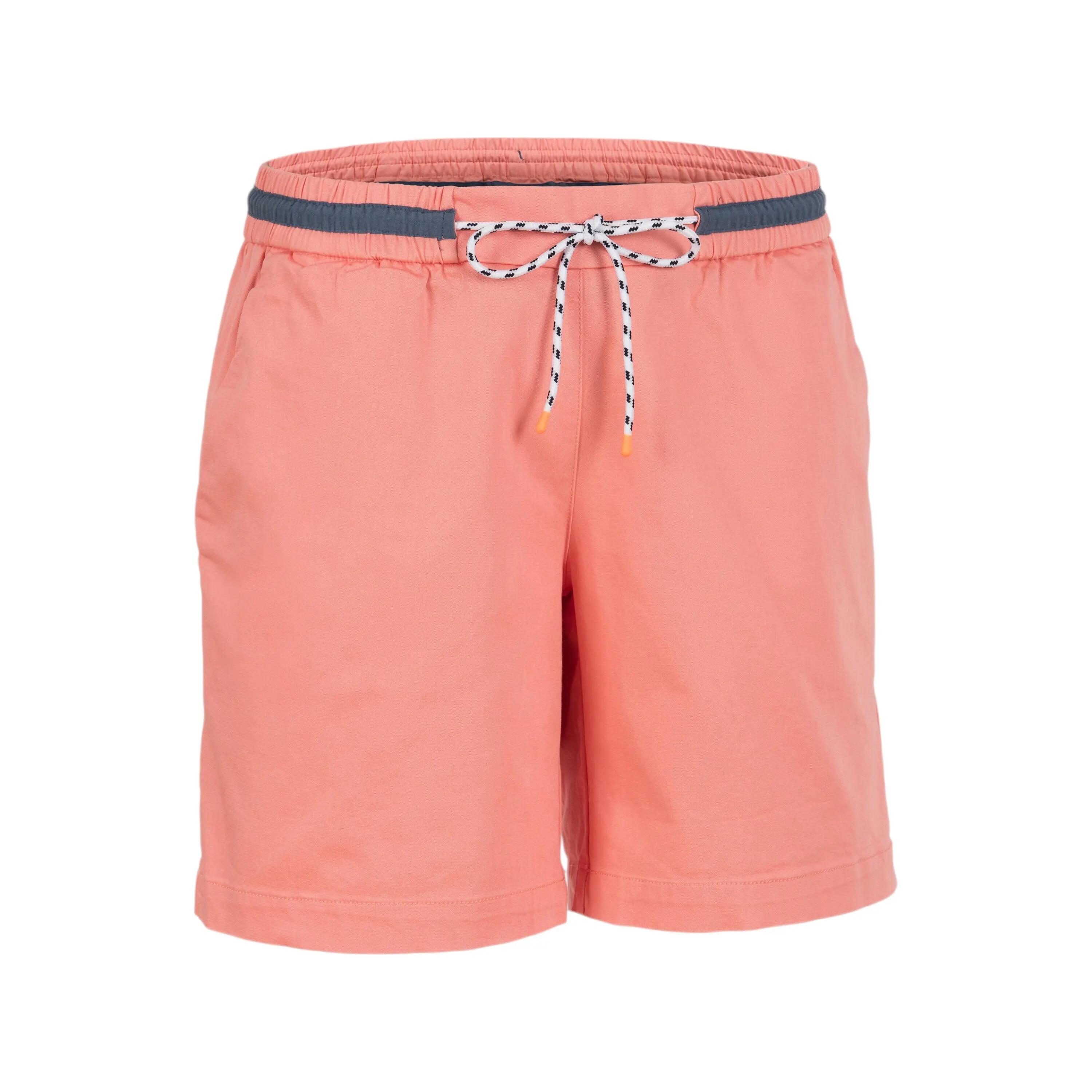
Shorts can work well for warmer sailing days when freedom around the knees and lower legs is useful and heavy weather protection is not needed. The right pair should allow comfortable sitting, crouching and moving across the boat without pulling tightly through the hips. Warmer sessions can suit kids' sailing shorts paired with suitable footwear and a lightweight upper layer. Pro tip: consider where your child will be sitting and kneeling as well as the temperature. Sailing often involves contact with hard or damp surfaces, so a comfortable waistband, practical fabric and enough freedom of movement can matter more than choosing the lightest pair available.

What makes a good kids' sailing T-shirt?

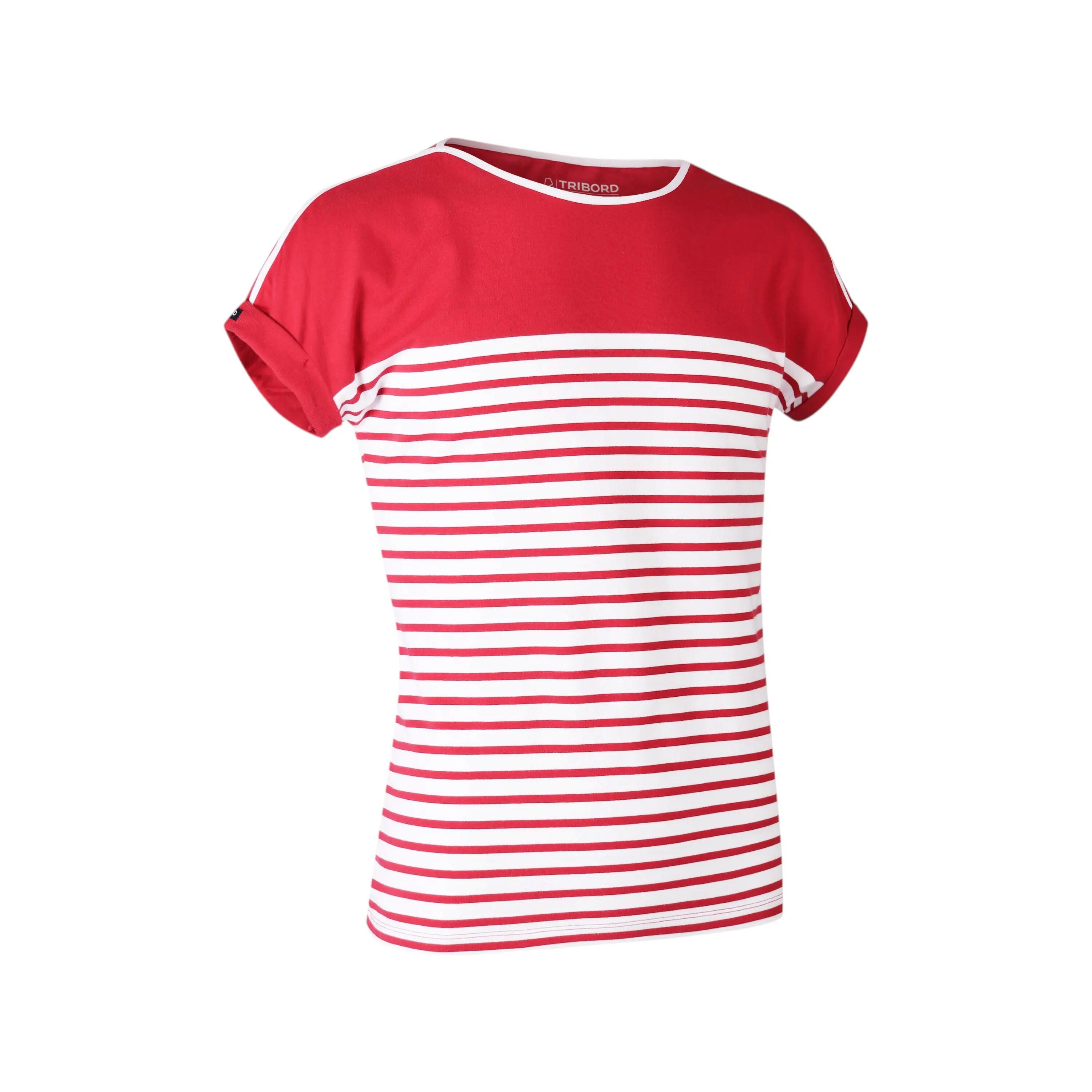
A sailing T-shirt should feel comfortable under additional layers and allow the shoulders and arms to move freely during steering, trimming and other manoeuvres. Depending on the conditions, breathable fabrics can help manage perspiration while a comfortable cut prevents bunching beneath a fleece or waterproof jacket. The kids' sailing T-shirts range can form the first layer of a flexible sailing outfit. Pro tip: choose a fit that leaves enough room for movement without creating excess fabric under outer layers. After sailing, change out of damp clothing promptly, especially on cooler days, because staying in wet fabric can make a child lose warmth much faster once activity slows down.

When should children wear a sailing fleece?

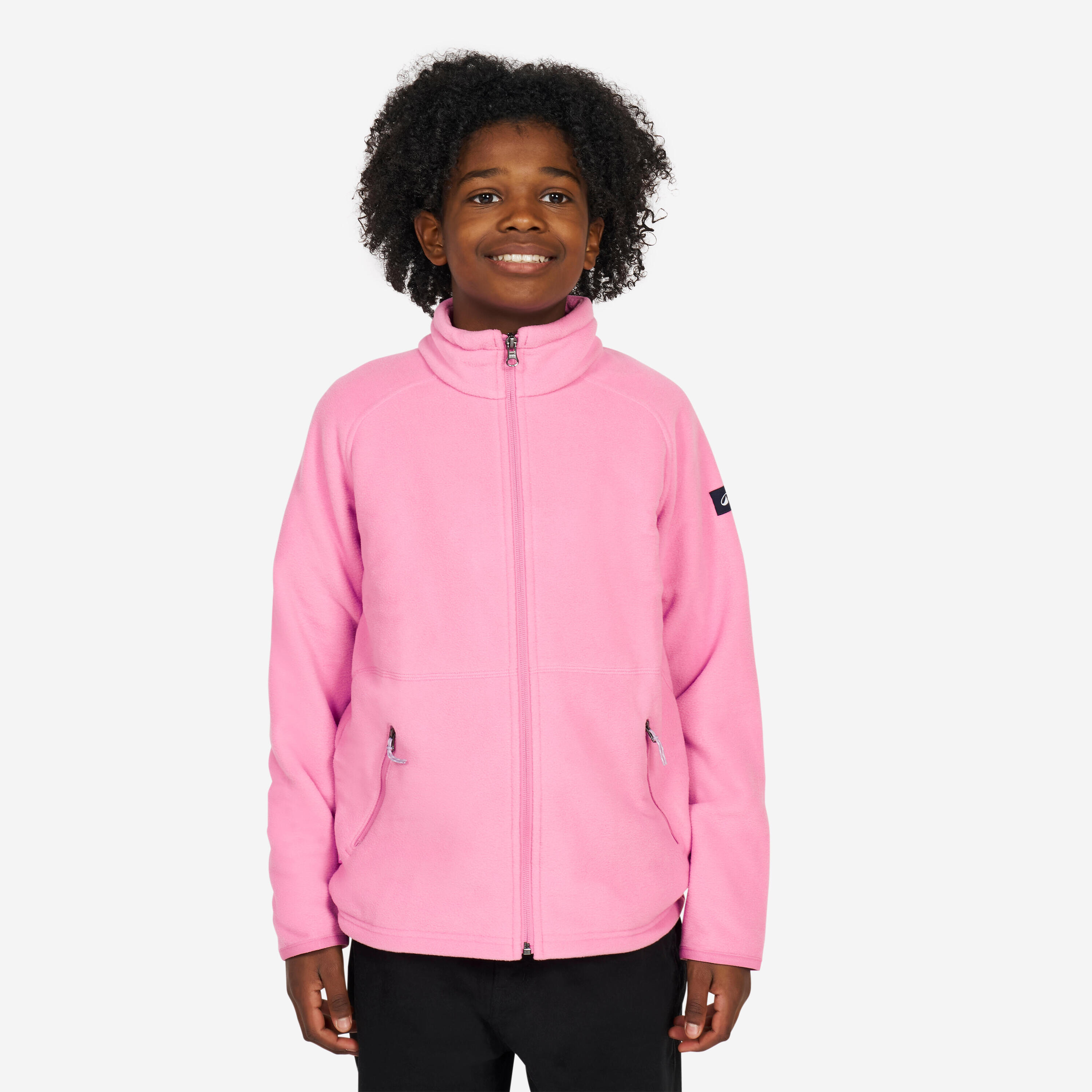
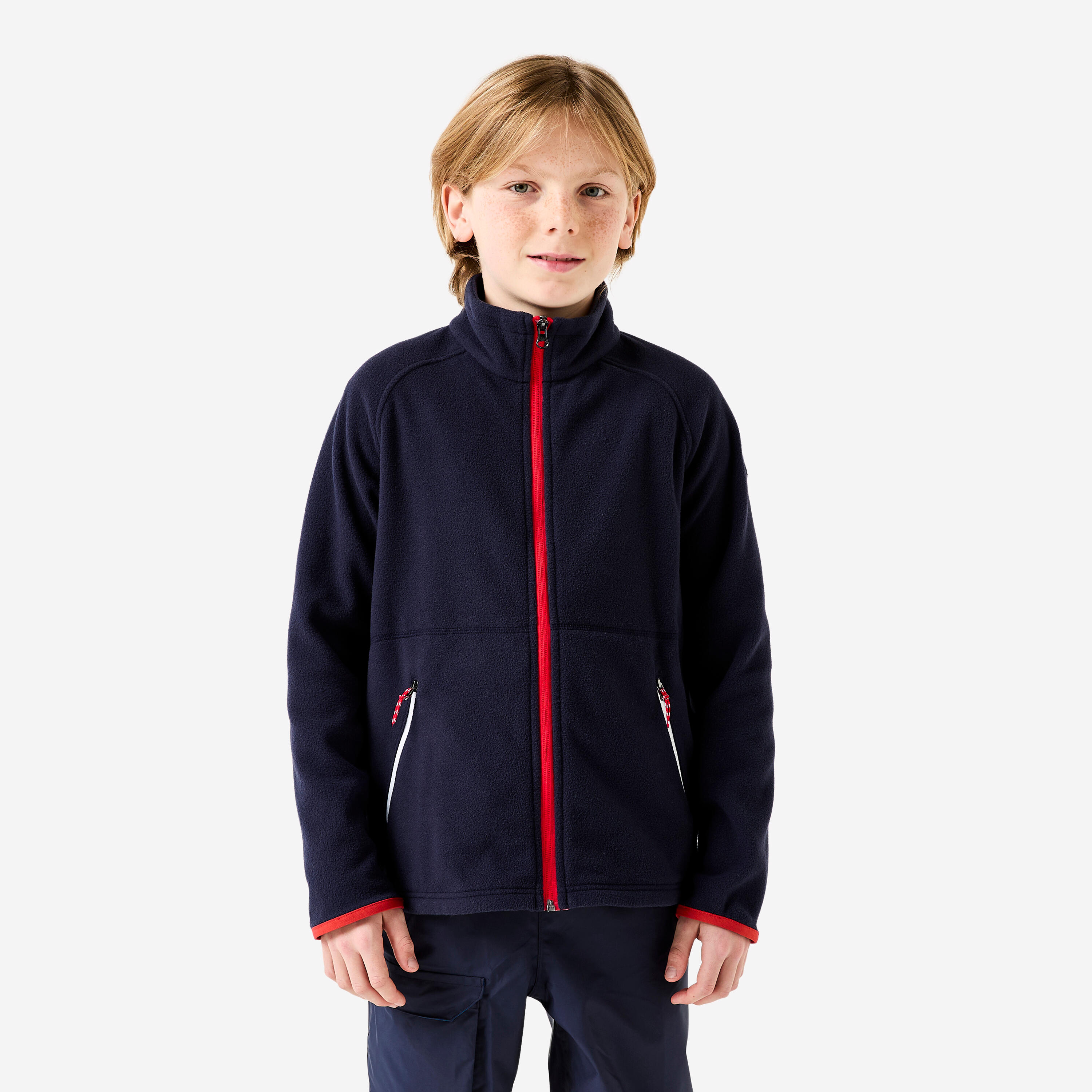
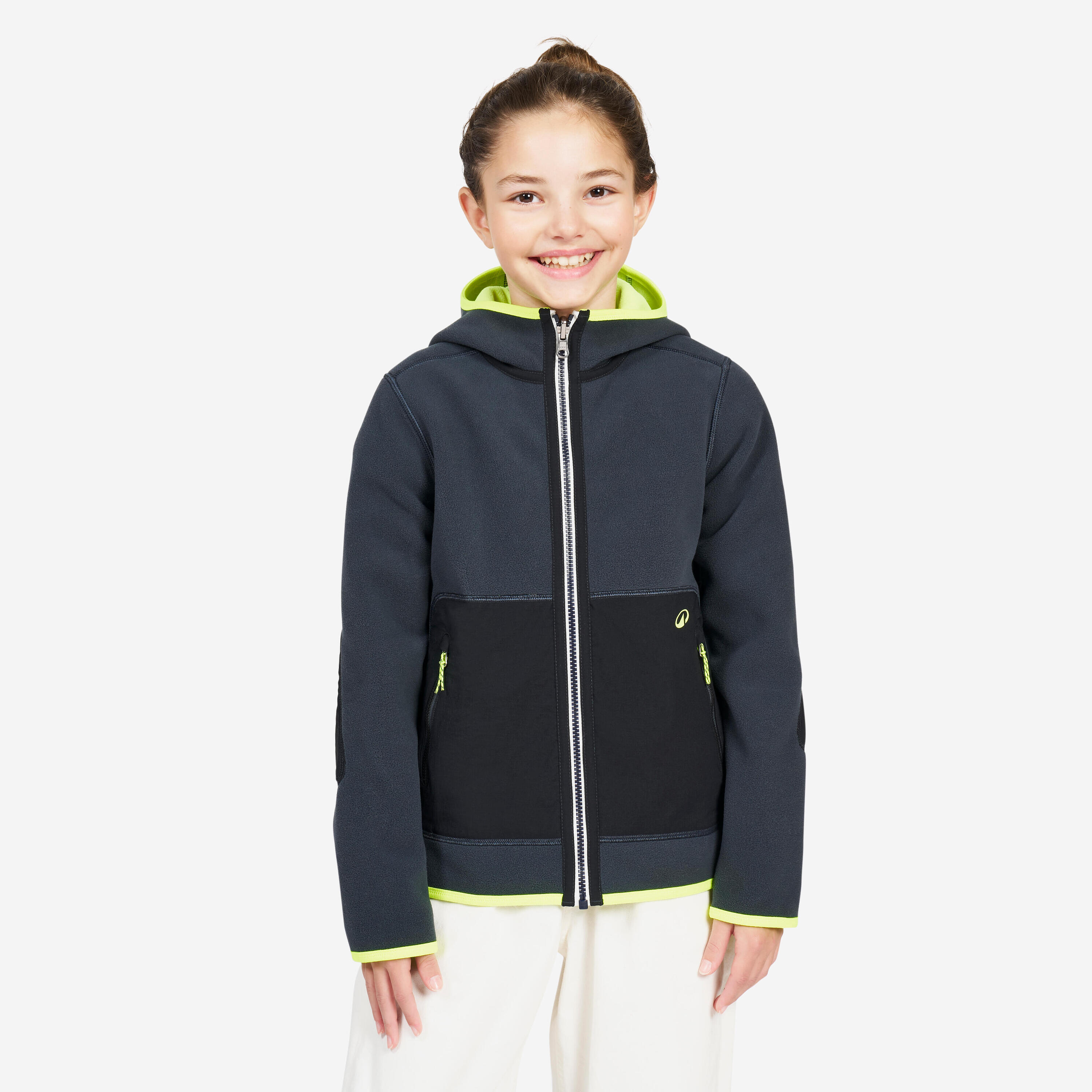
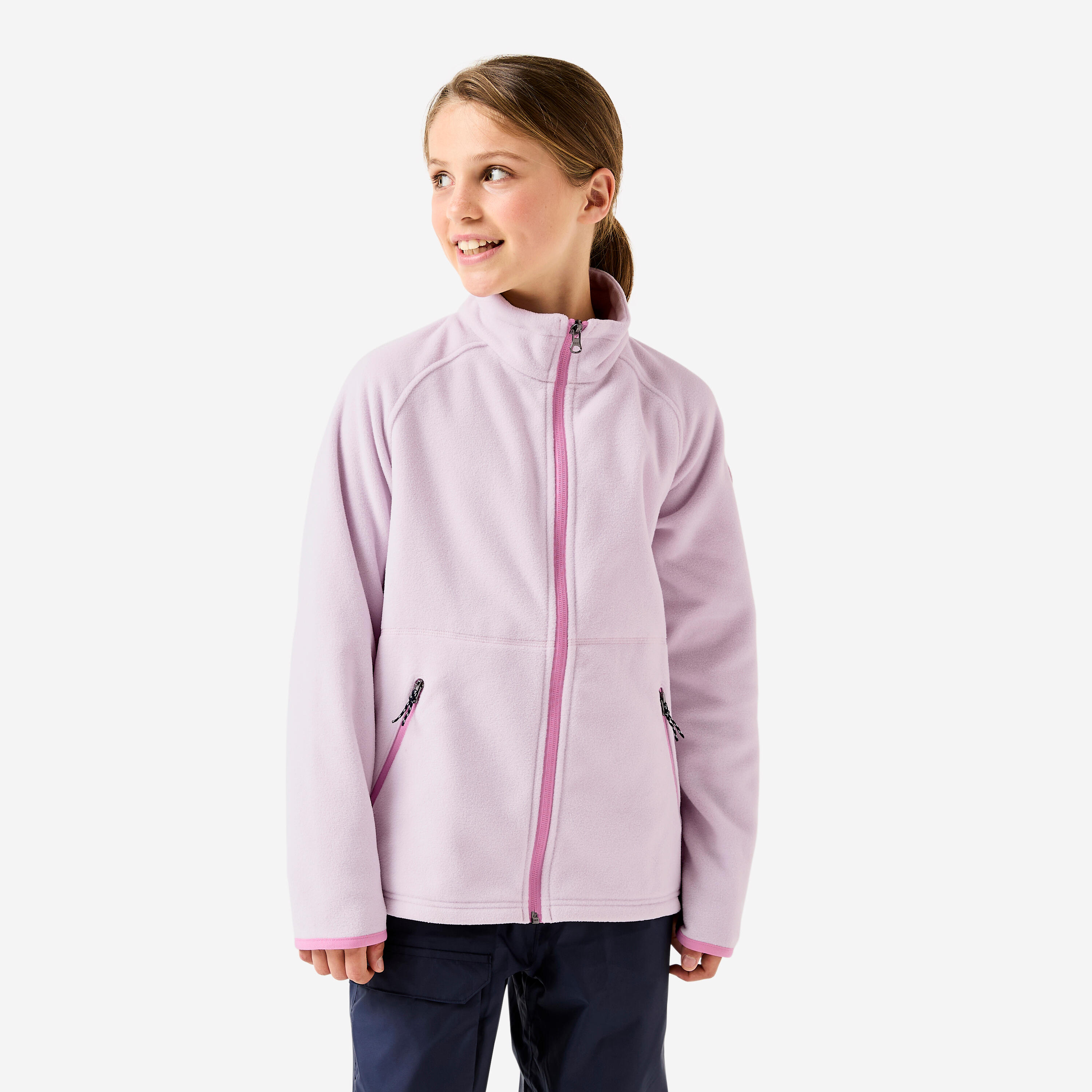
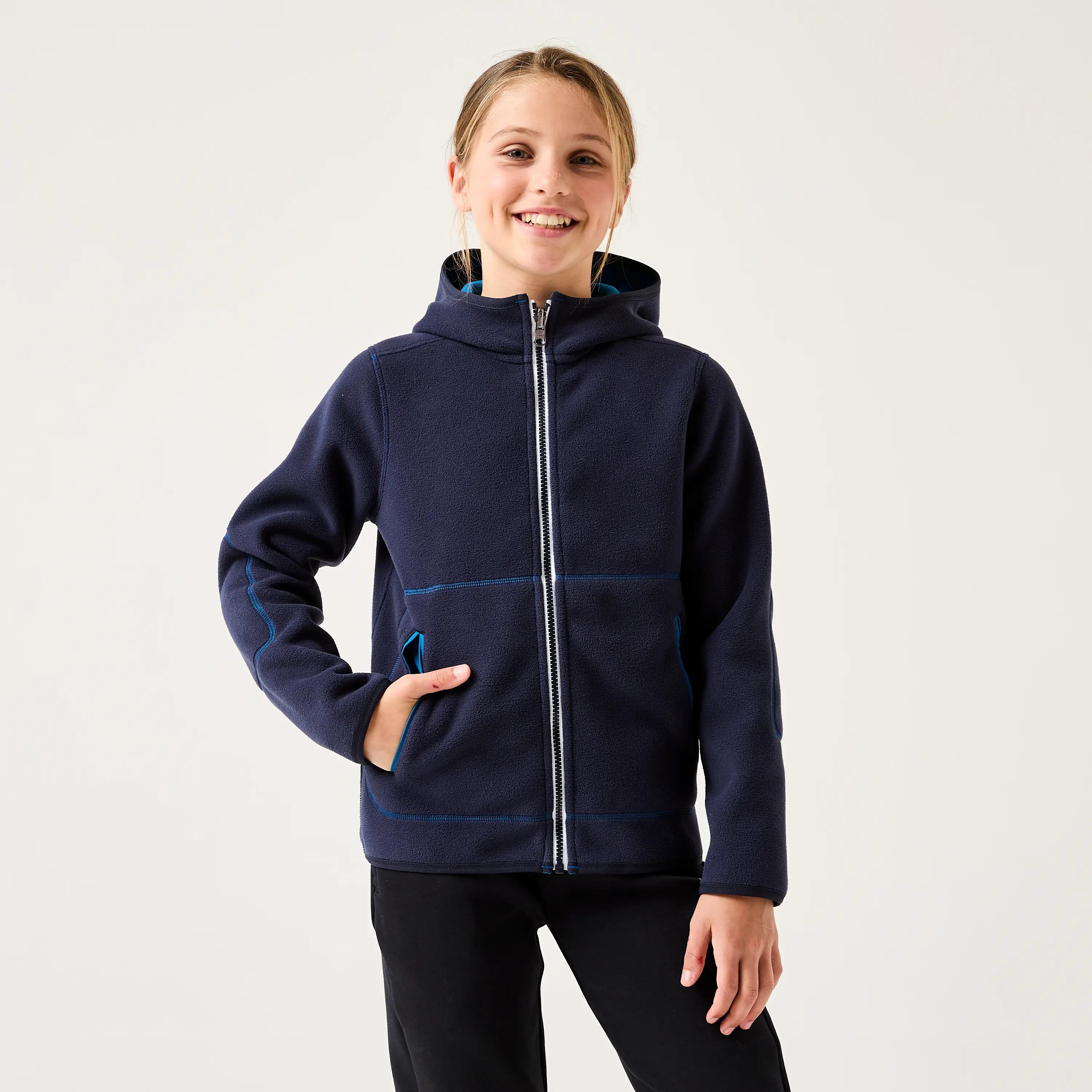
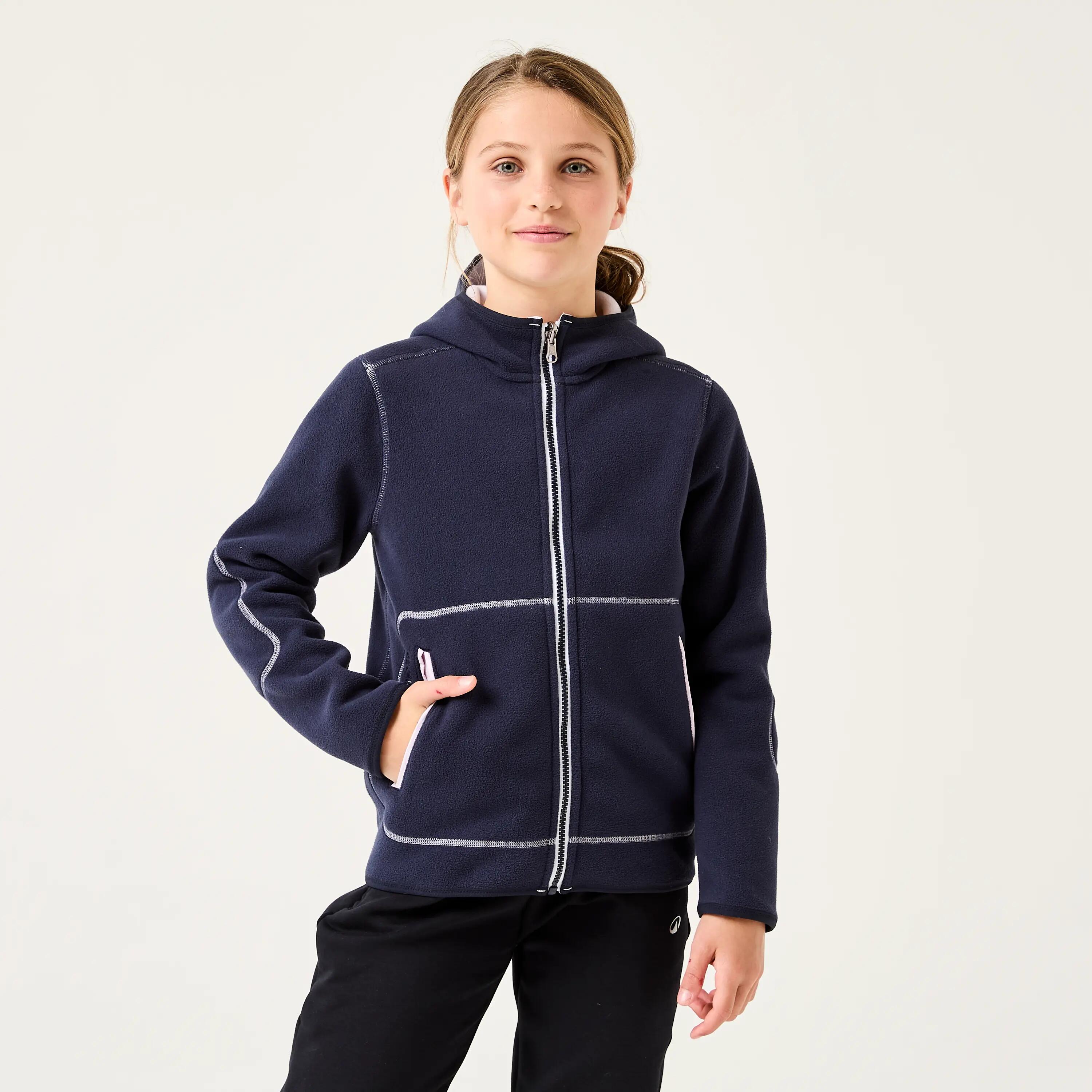
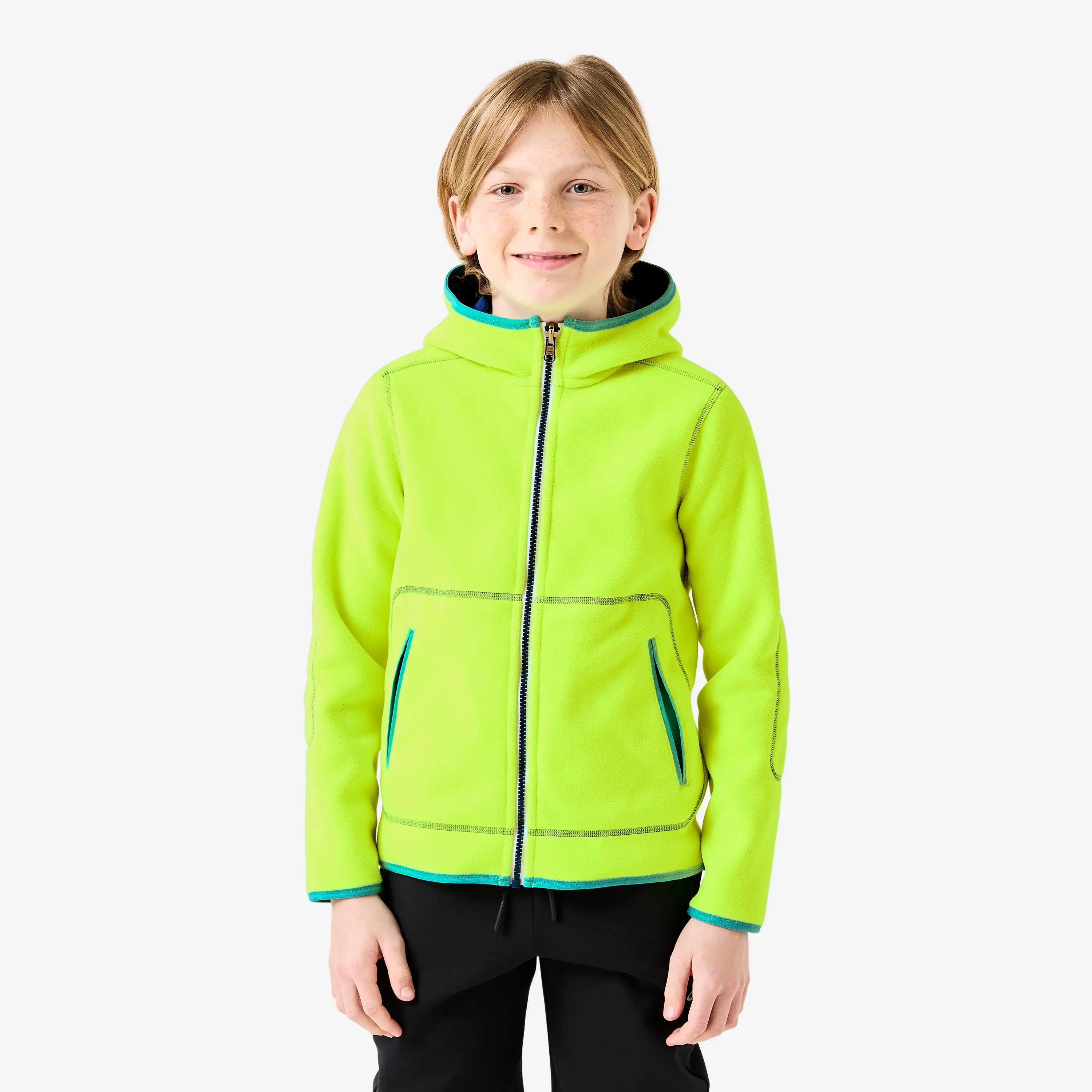
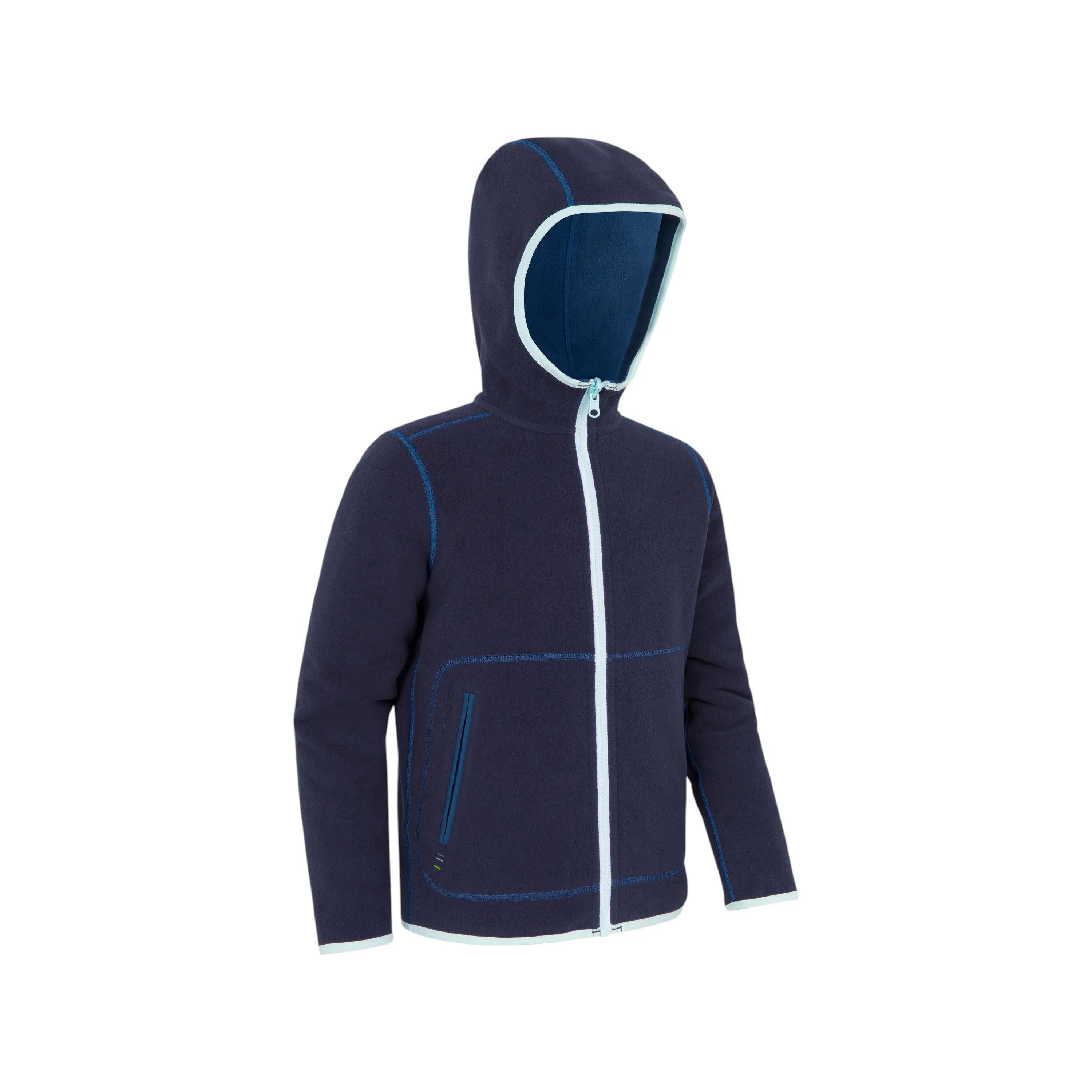
A fleece is useful as a middle layer when the air is cool but your child still needs enough mobility for active sailing. Decathlon's Sailing 100 fleece uses brushed fabric for warmth and is developed for cool, damp marine conditions, while its fit leaves room for reaching and moving around the boat. On colder days, adding one of the kids' sailing fleeces beneath a waterproof outer layer can create a more adaptable setup. Pro tip: avoid using insulation that is so bulky it restricts the shoulders. Layering a breathable fleece under a windproof or waterproof shell usually gives you more flexibility than relying on one very thick garment.

How will you care for kids' sailing clothes after a day on the water?

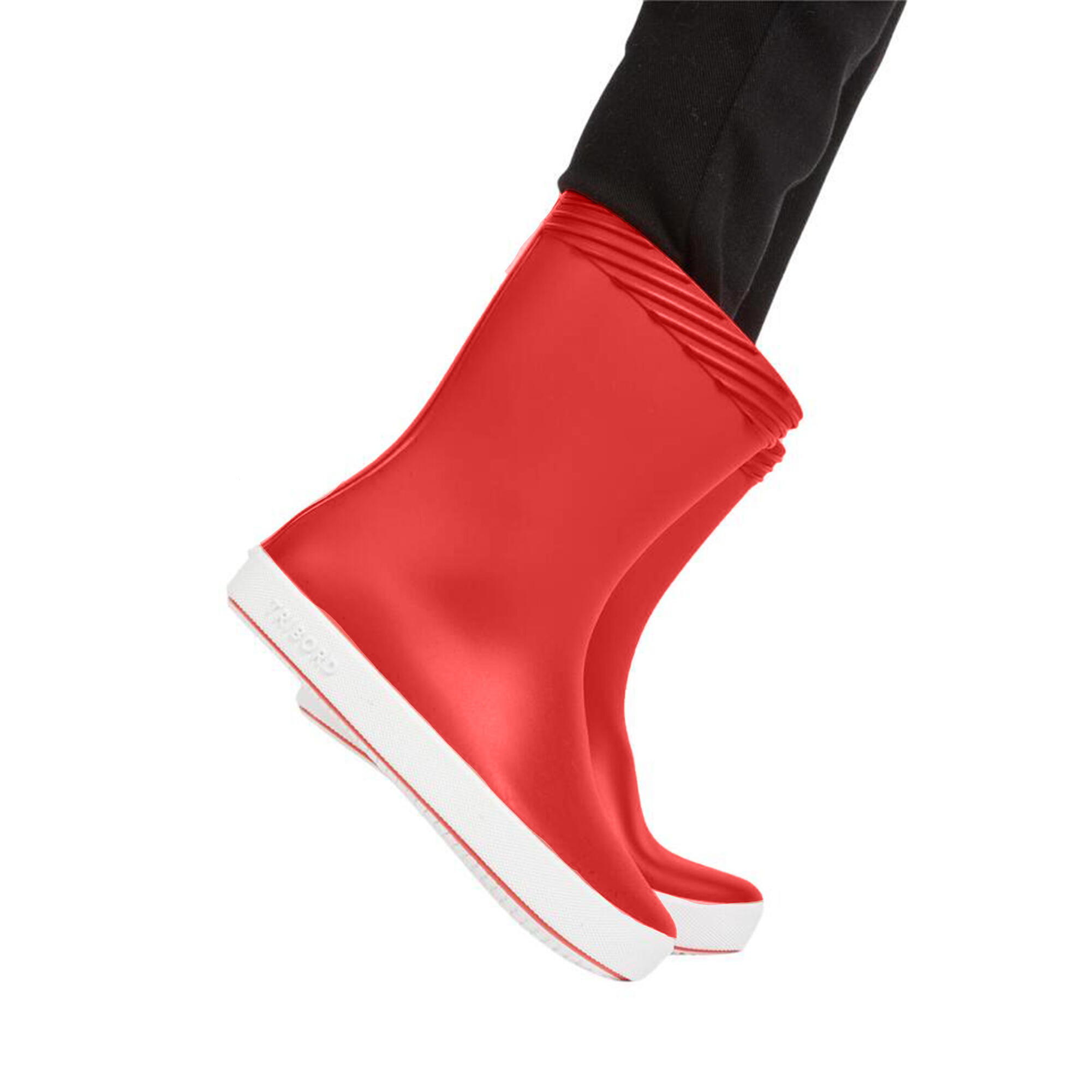
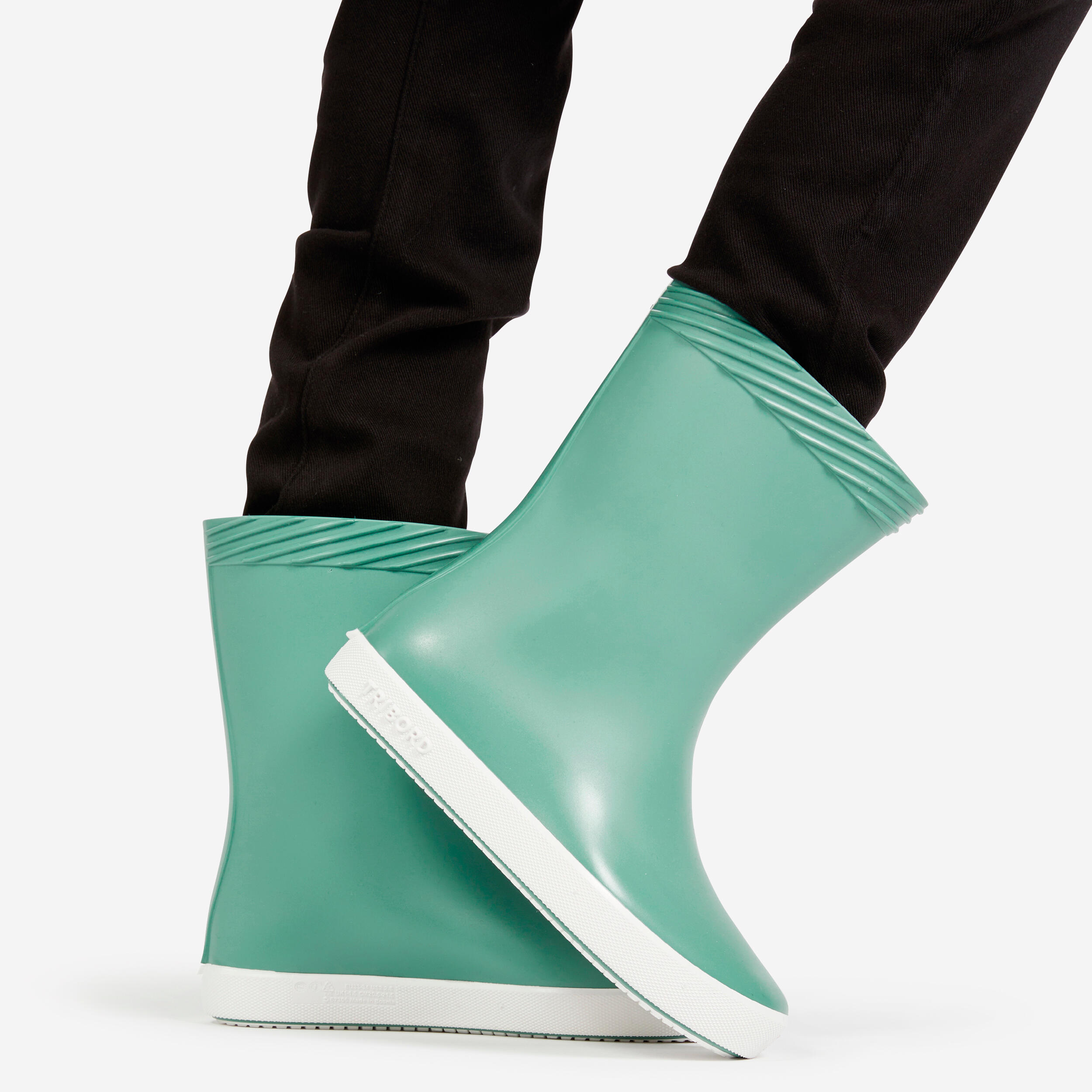
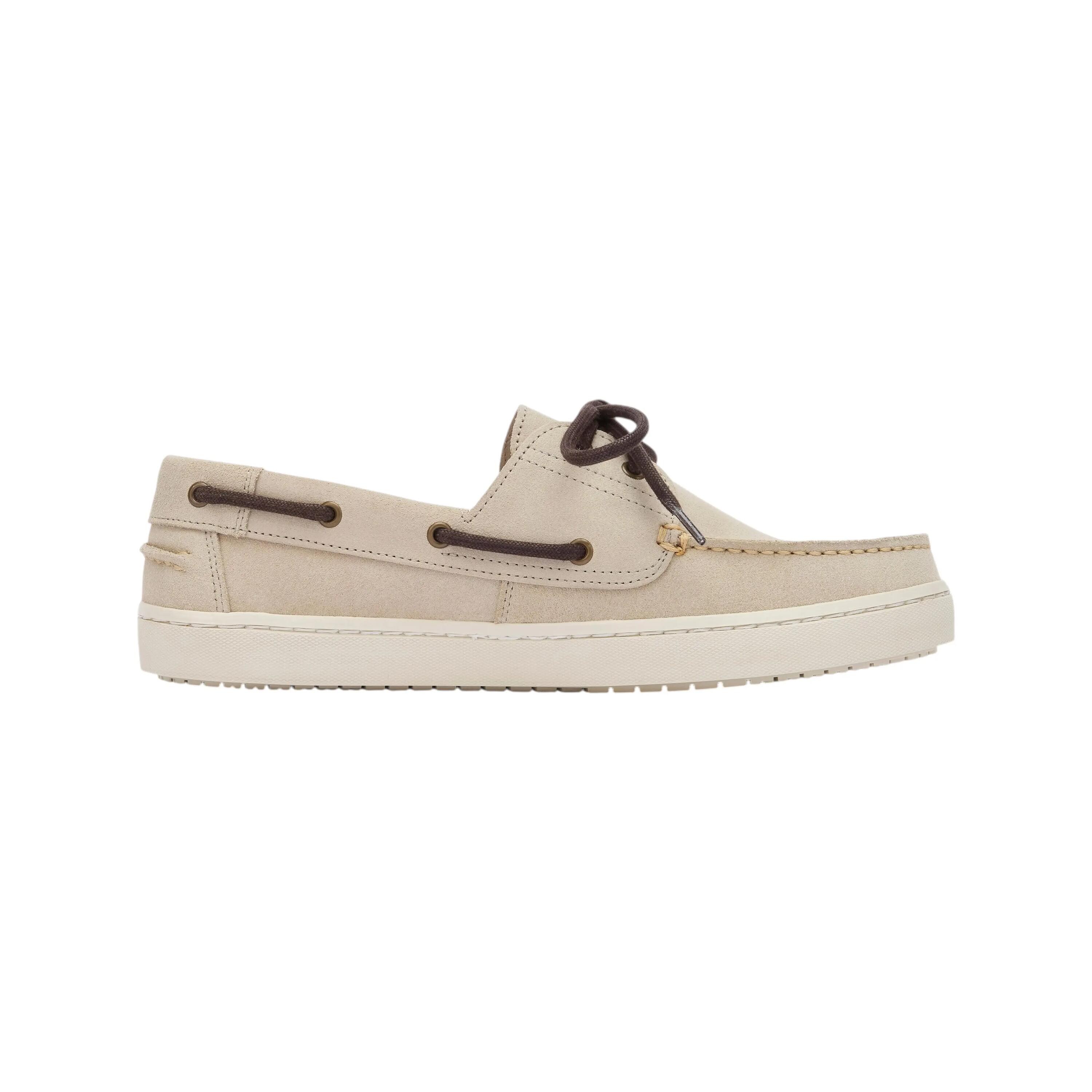
Salt, moisture and repeated washing can affect technical fabrics, so simple aftercare helps maintain performance. Once your child finishes sailing, rinse salt-exposed equipment where recommended and let every layer dry fully before storage. Waterproof clothing should generally be washed only when necessary, and fabric conditioner should be avoided because it can interfere with technical performance. Footwear should also dry naturally away from strong heat. Pro tip: empty pockets, open zips and separate damp layers as soon as possible after the session. Storing wet sailing wear inside a closed bag can encourage odour and make technical fabrics take much longer to dry properly.