22 items
4.7/5 based on 349 reviews collected online and in stores

Foam Surfboards FAQs

What construction features distinguish a premium foam surfboard from a basic learner model?

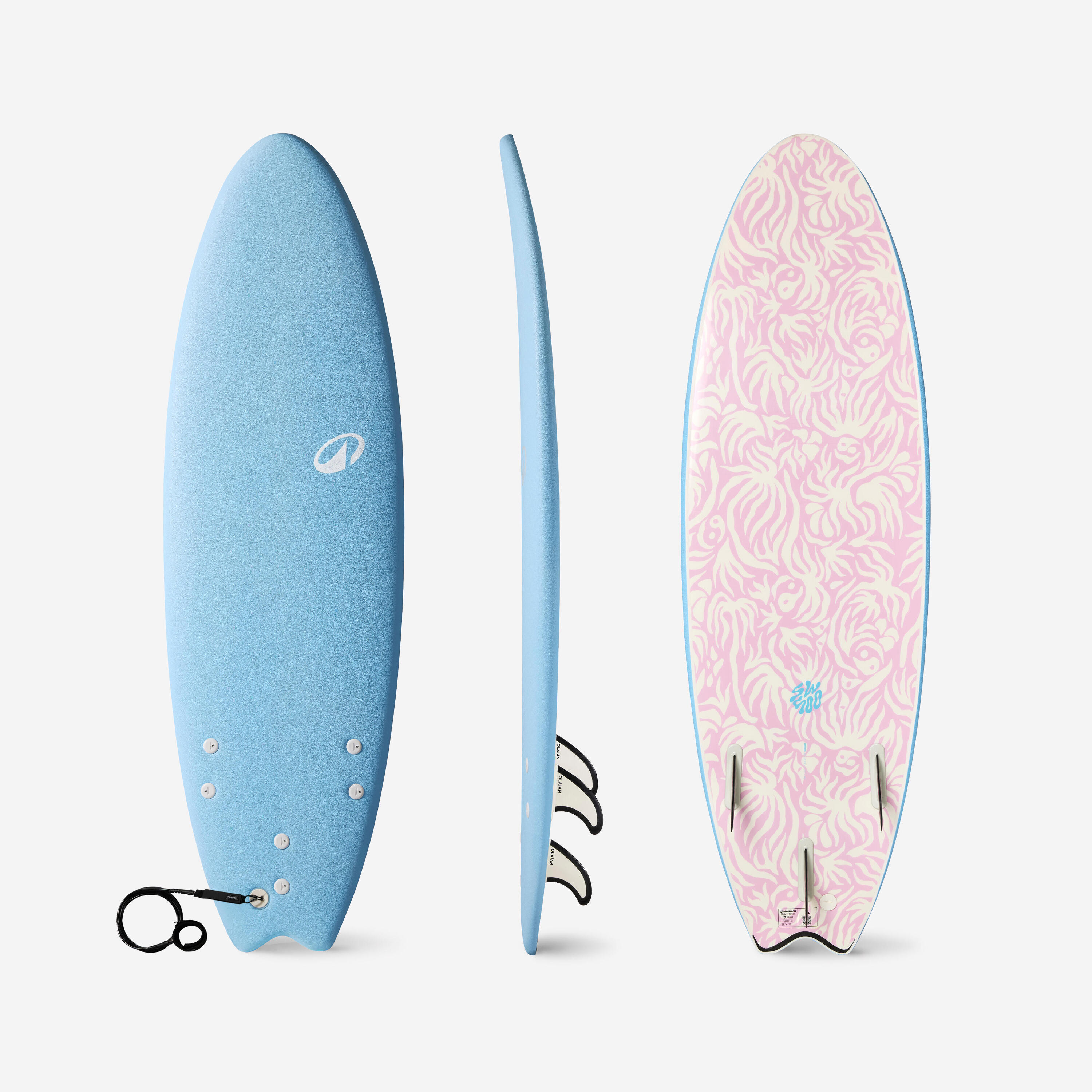
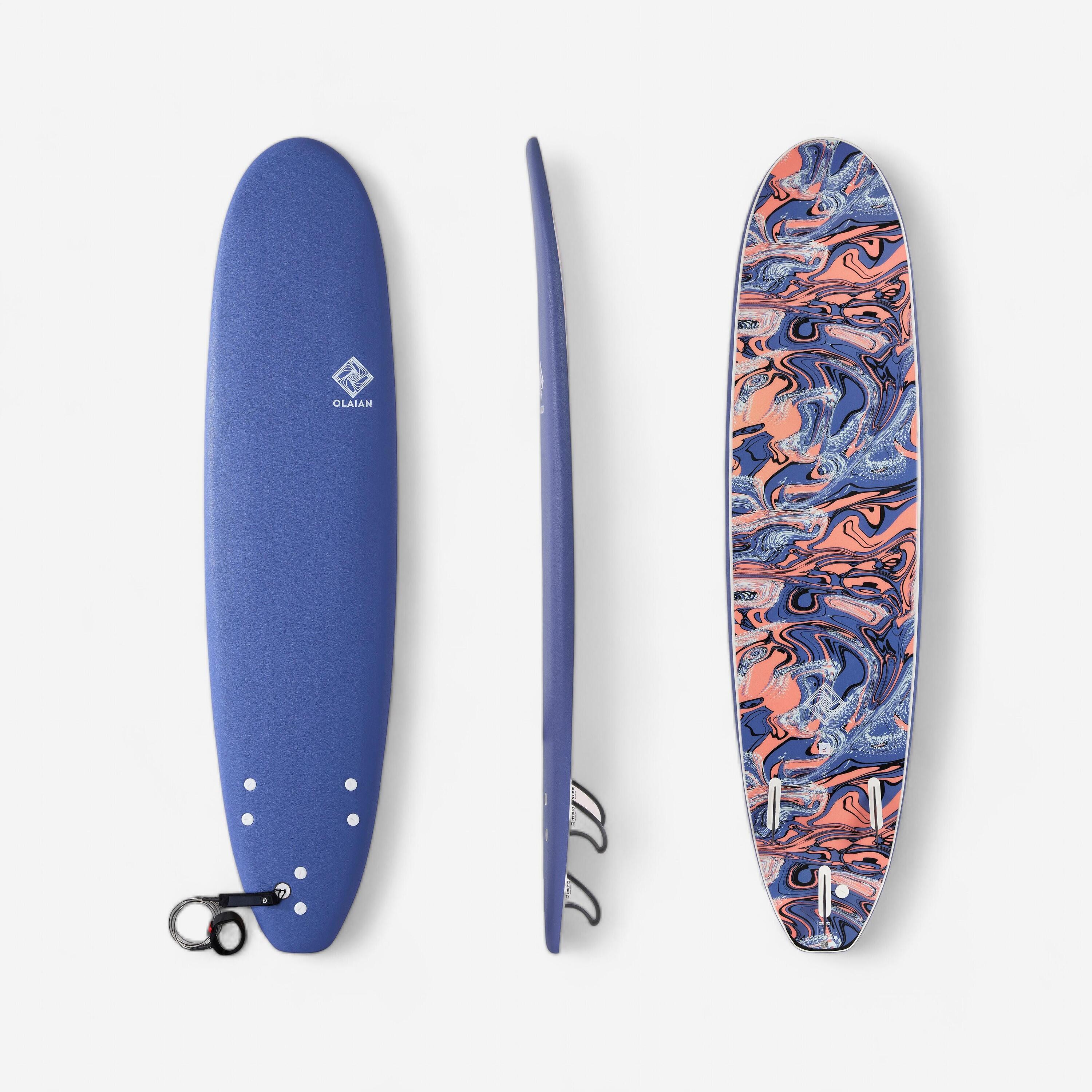
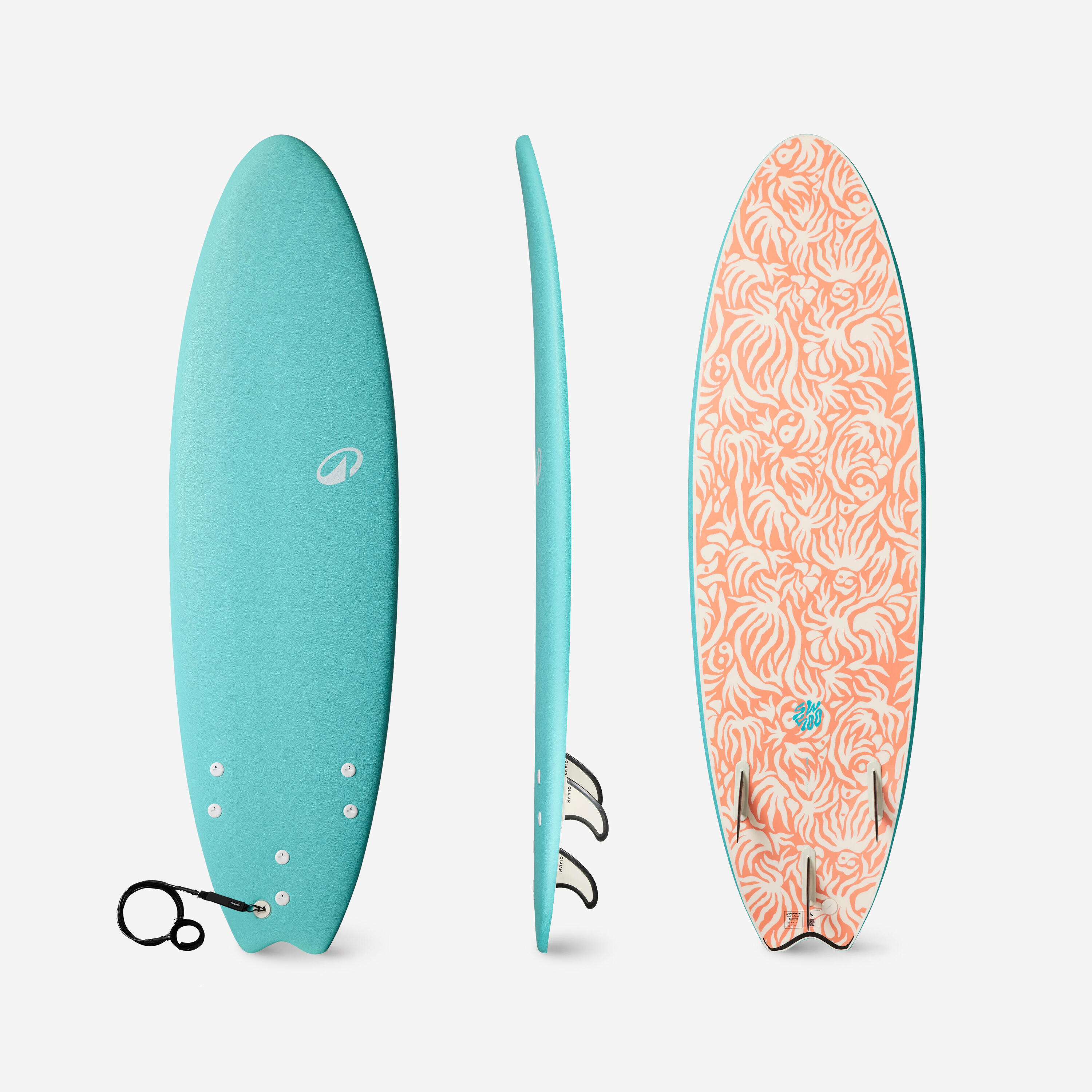
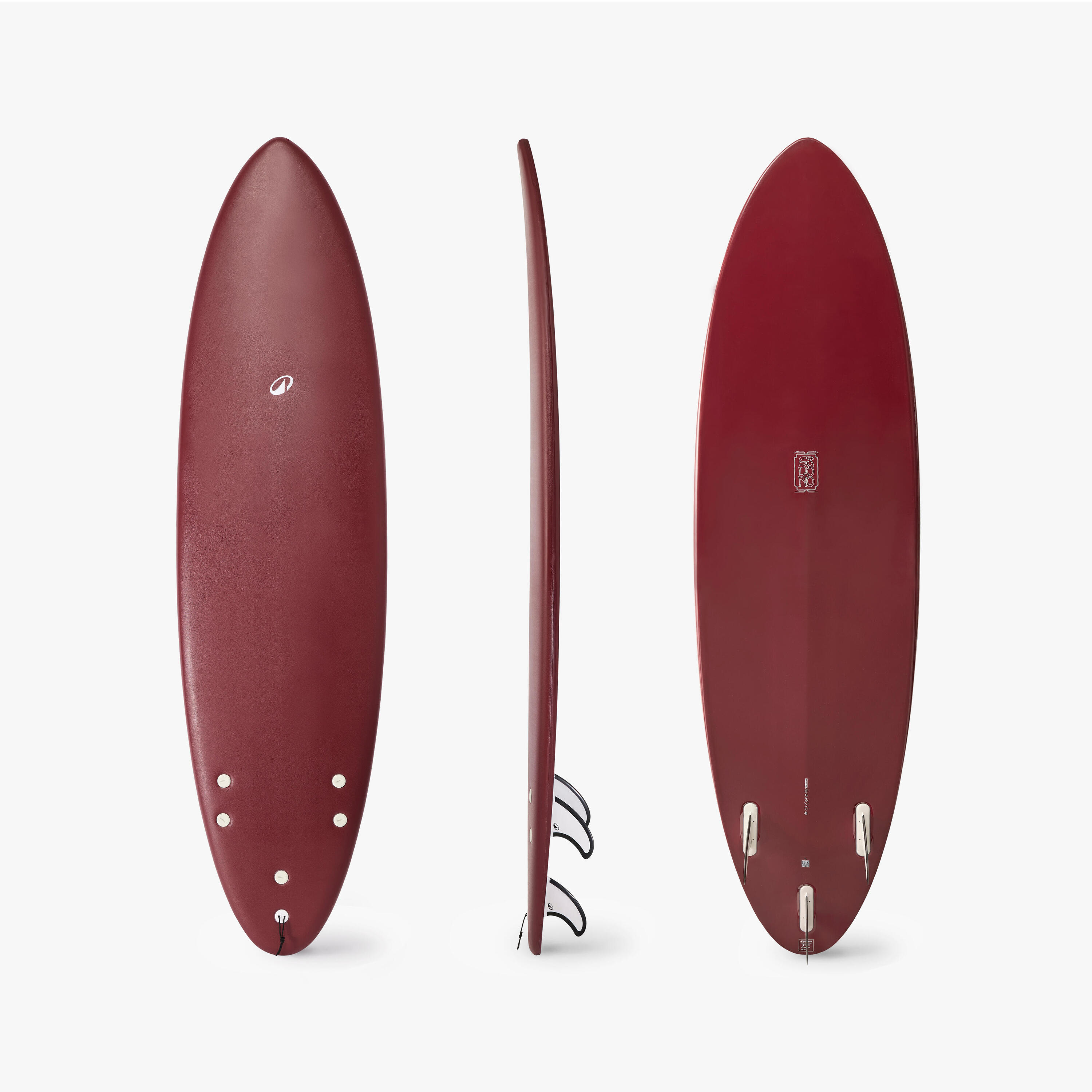
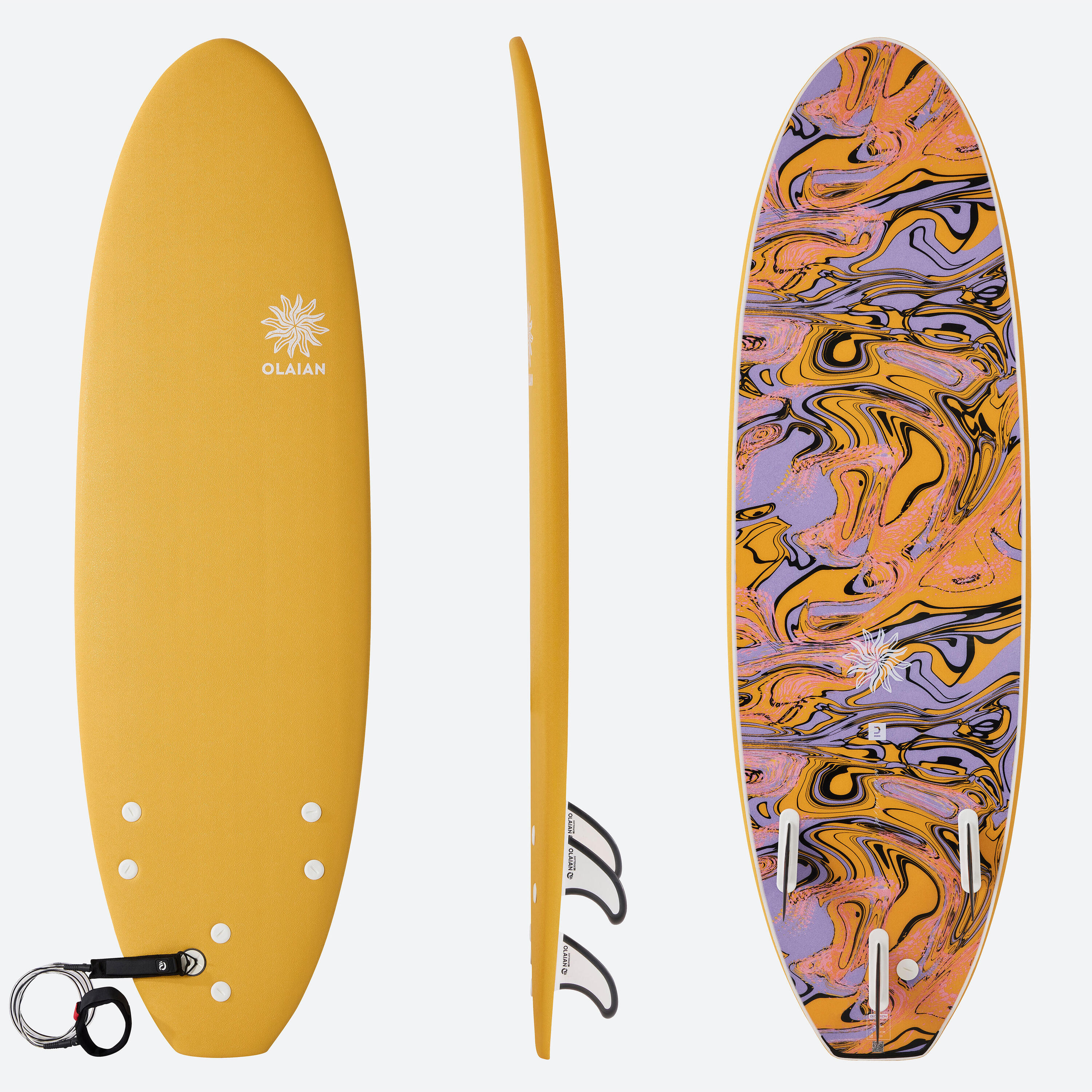
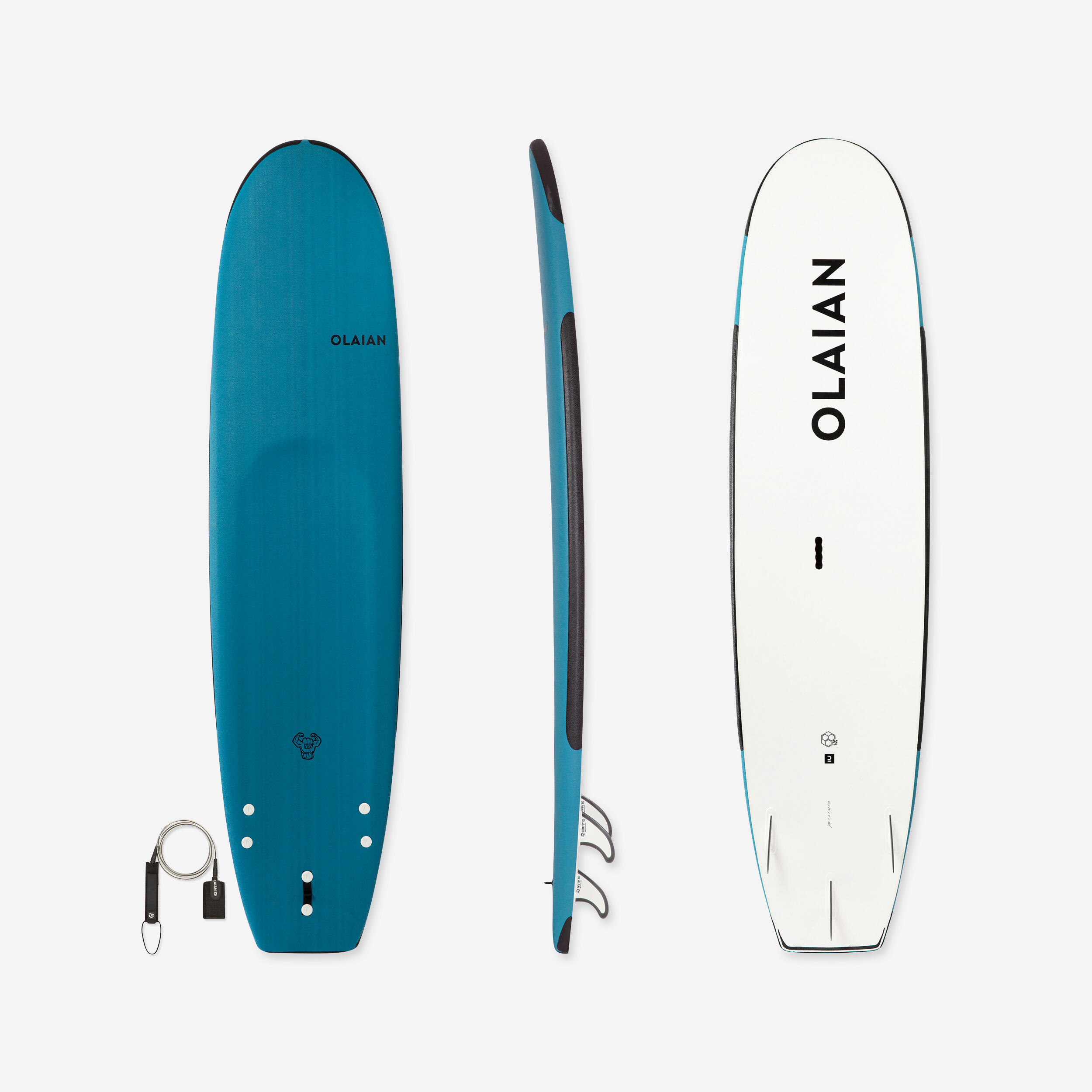
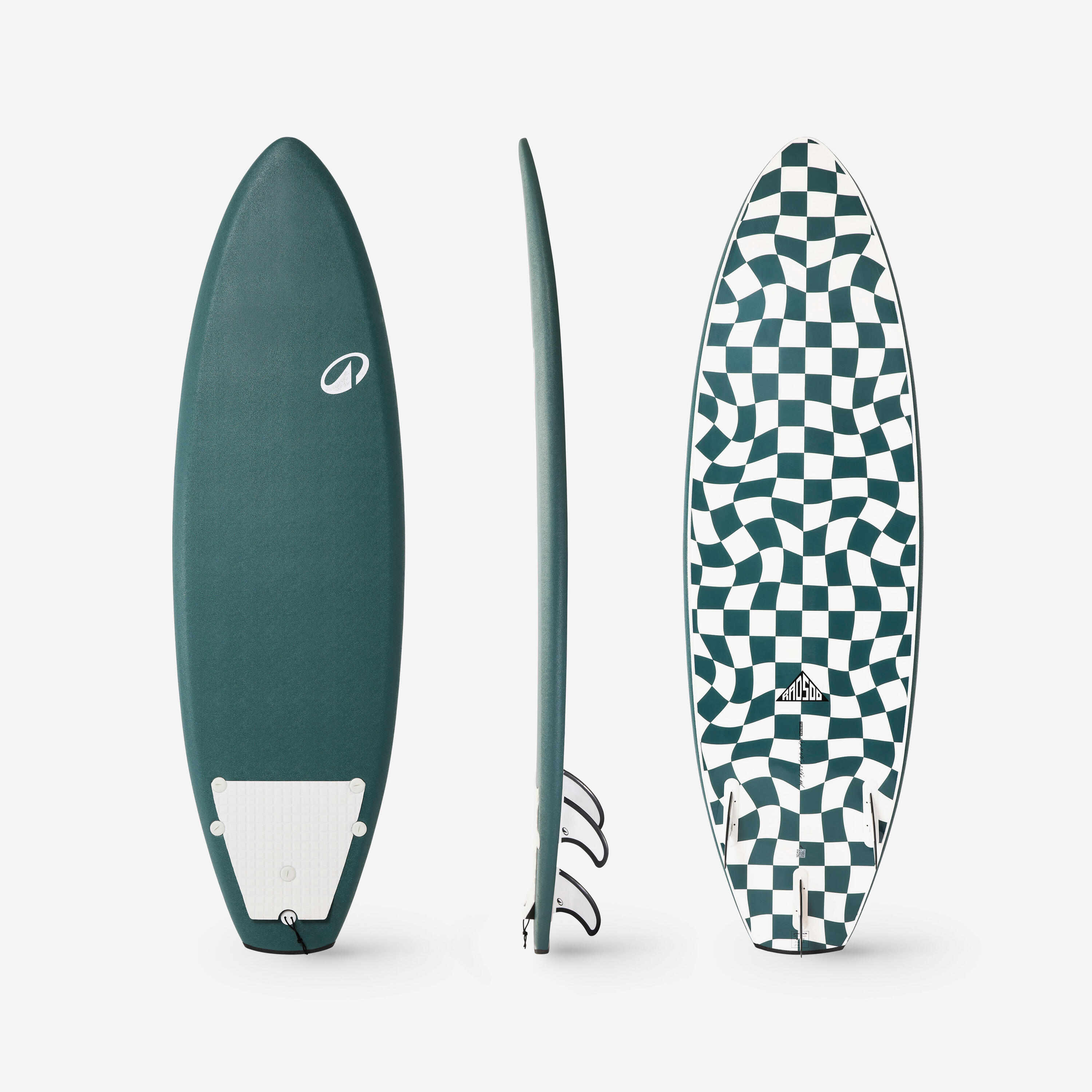
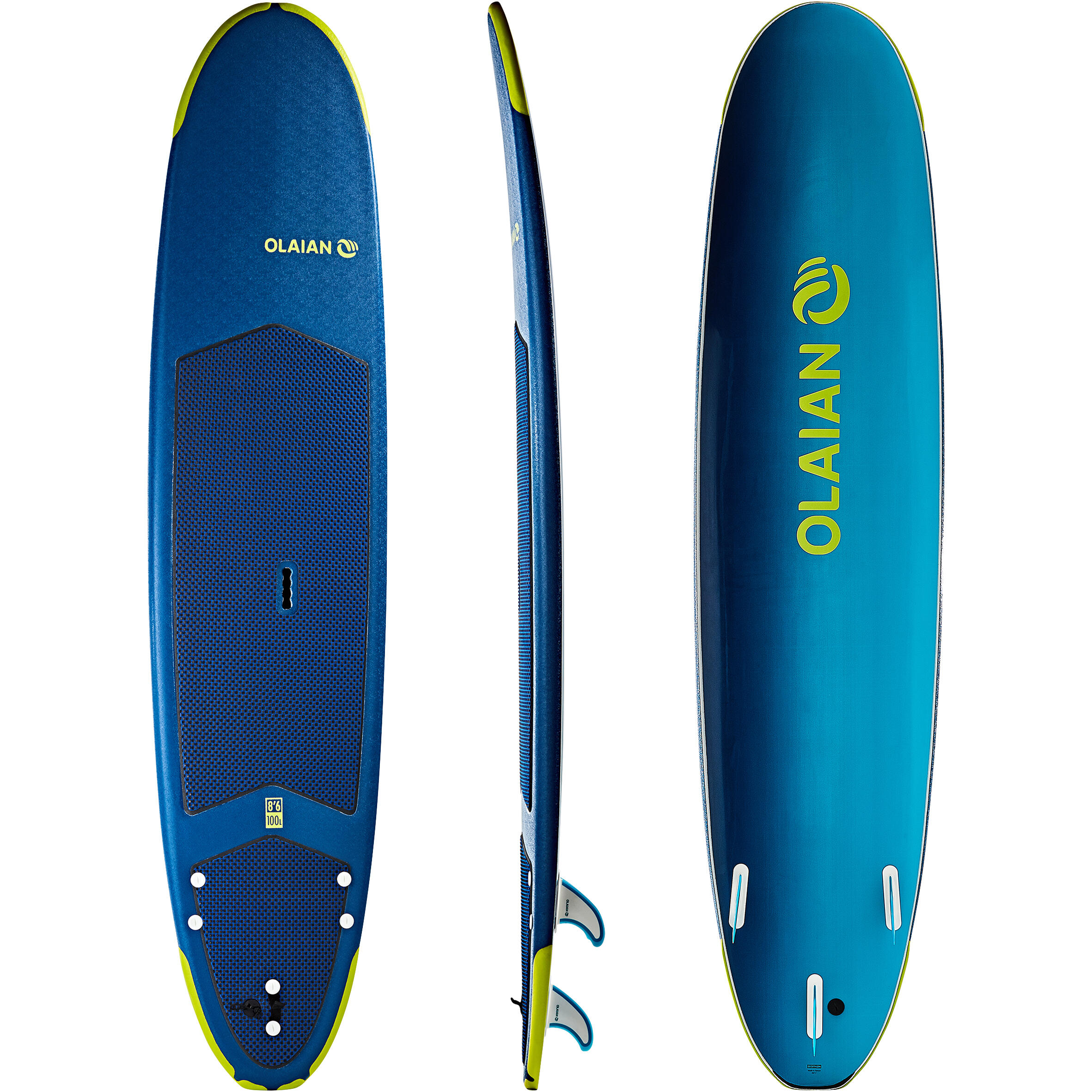
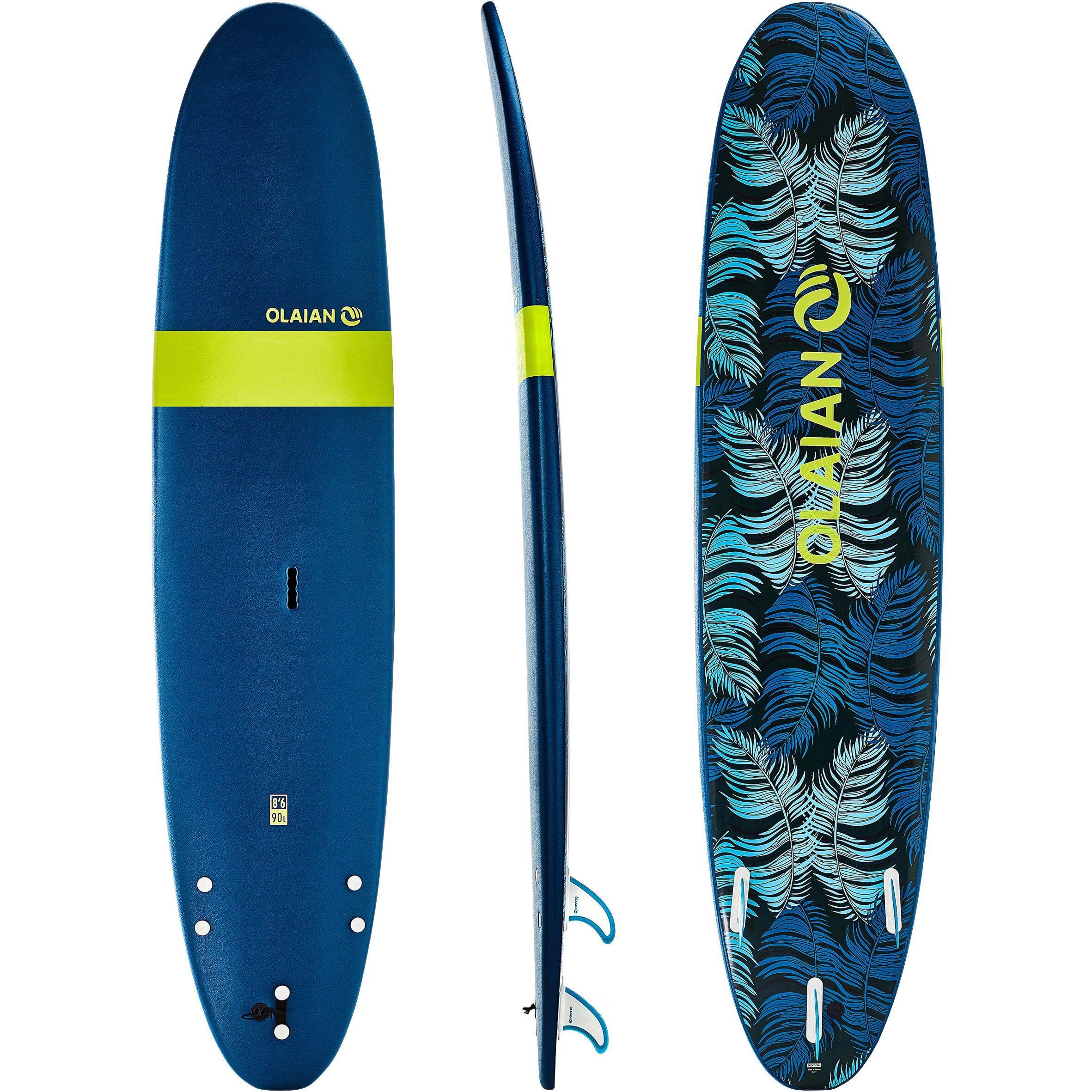
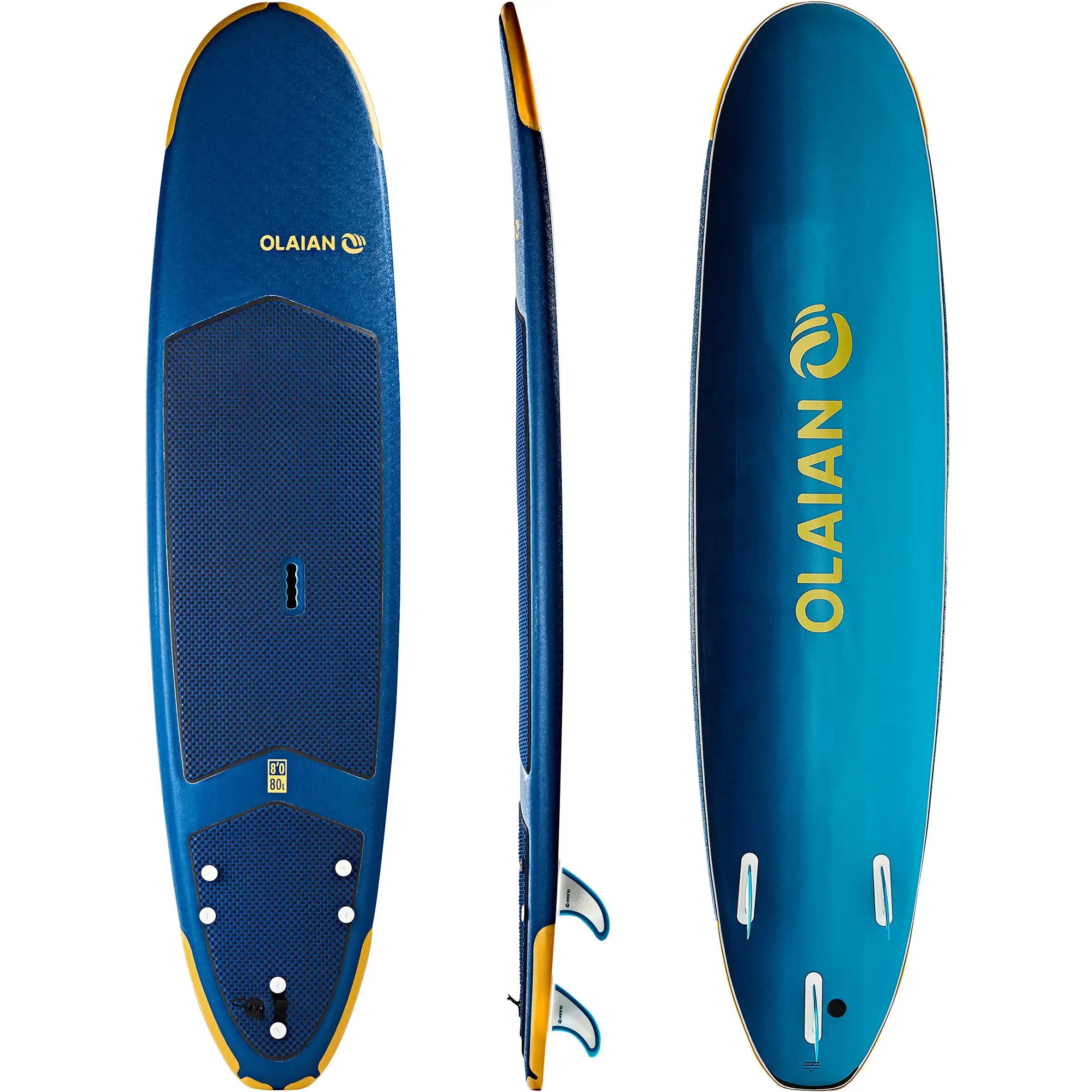
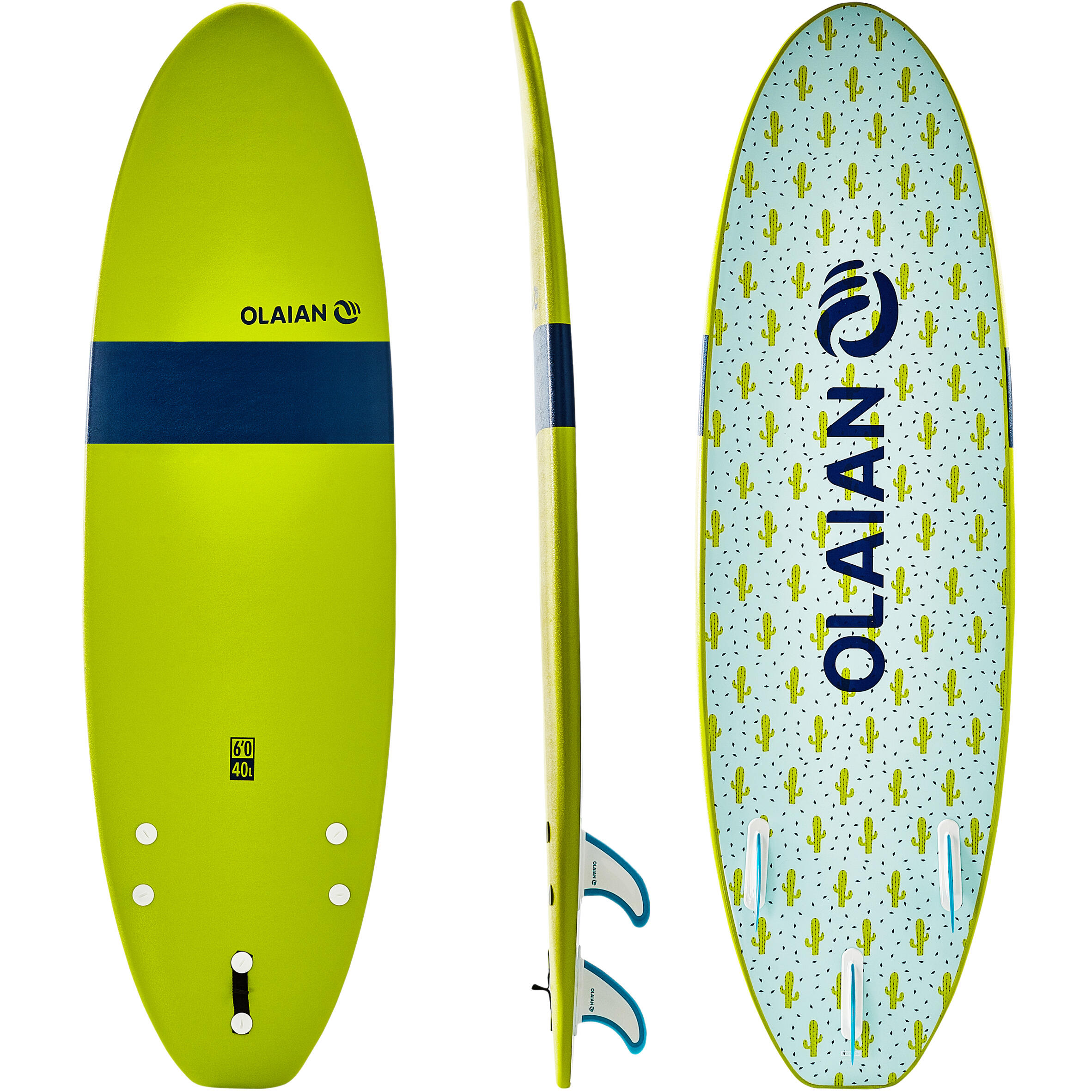
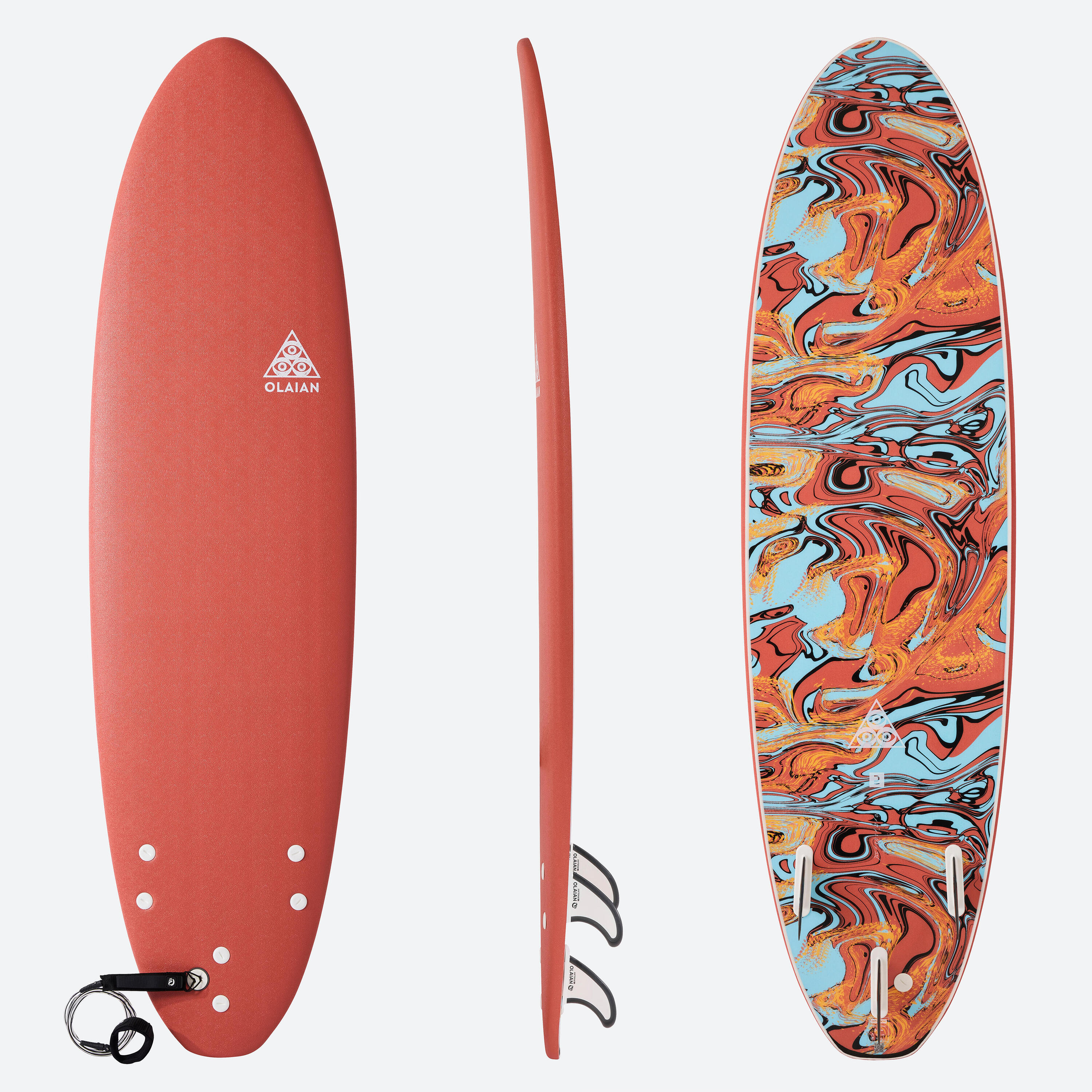
Entry-level softboards feature a single-density EPS core wrapped in a basic polyethene skin, which helps beginners start out but easily dents under heavy foot pressure. Upgraded premium alternatives solve these durability issues by implementing advanced composite stringers wrapped in high-density foam alongside rigid composite layers that keep the deck stiff. This robust core construction prevents performance-sapping twists while moving through bumpy water, ensuring smooth acceleration. Premium bases utilise thick slick plates that reduce friction against the water, making them noticeably faster when gliding down the line. Tail outlines also differ; basic shapes stick to square tails for straight-line tracking, whereas advanced models provide swallow-tails for rapid direction changes. Throwing on high-traction surf shoes before traversing barnacle-covered rocks shields your feet while protecting the soft exterior skin from deep cuts. Buying tip: Count the interior wood stringers, as a triple-stringer configuration maintains its structure far longer than cheap single-rod setups.

At what skill level does a foam surfboard become a limiting factor compared to a hard board?

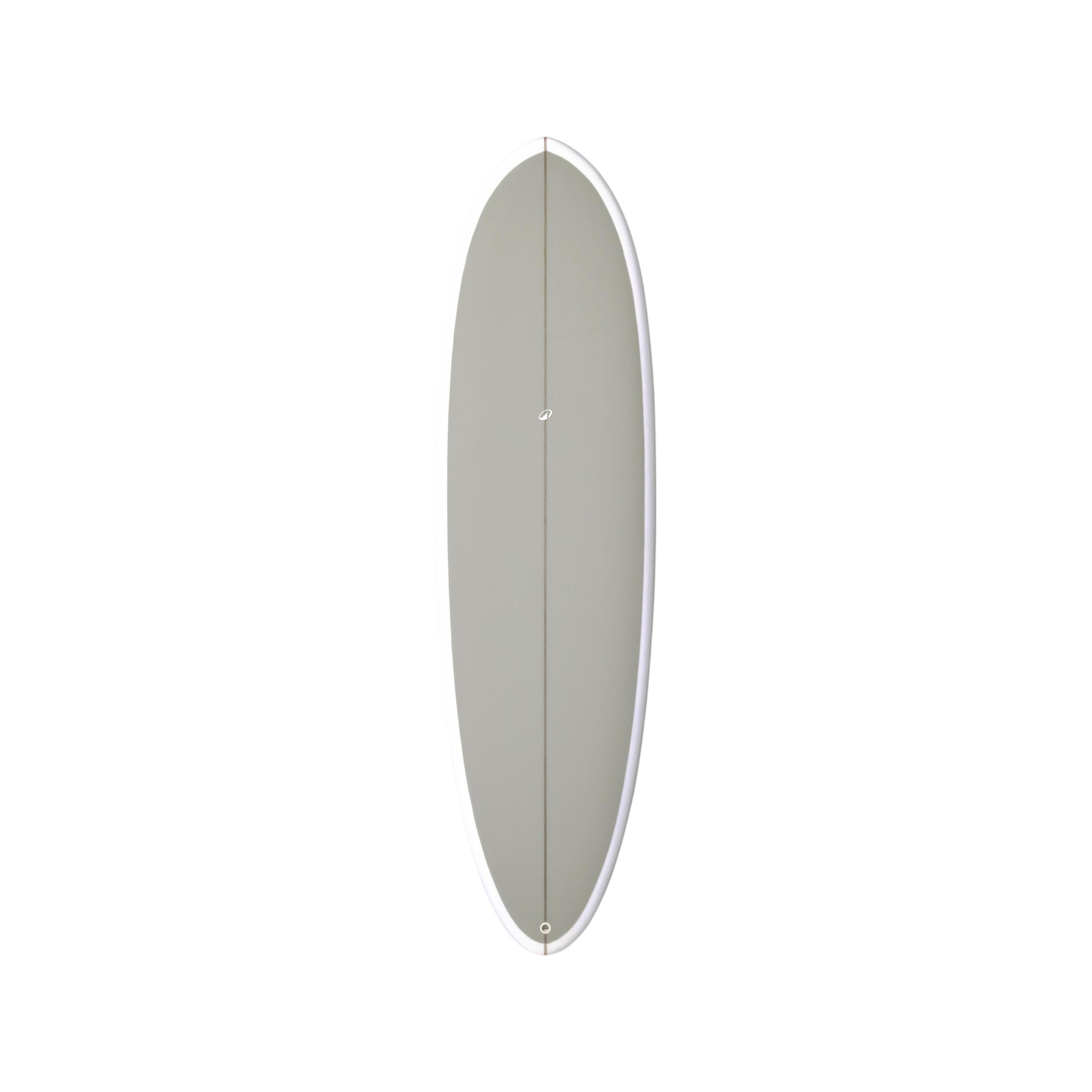
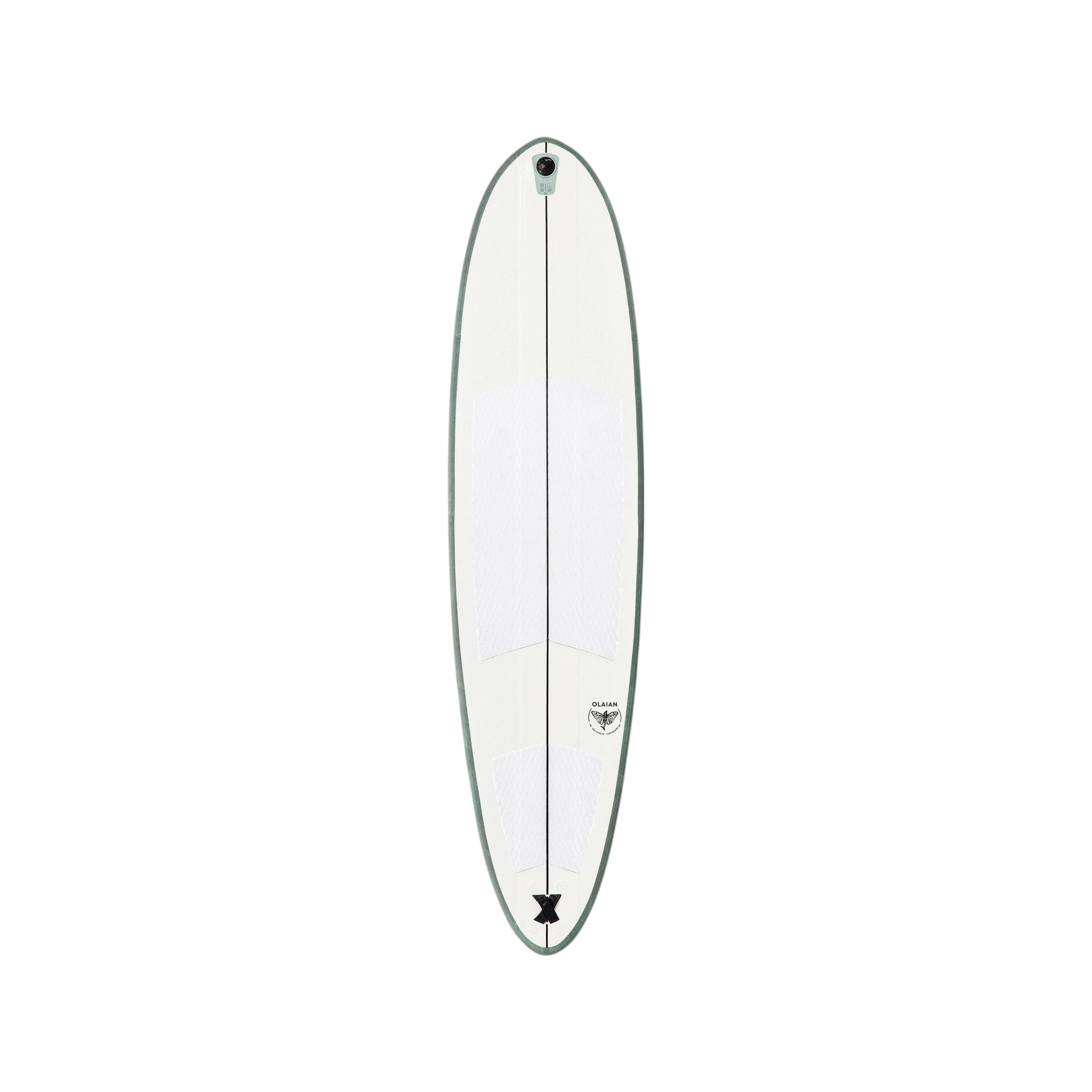
Soft decks begin limiting your progression the moment you can easily slice along clean, unbroken green faces instead of riding straight toward the dry sand. The slightly flexible nature of foam absorbs a lot of raw energy that a traditional fibreglass or epoxy shell transfers straight into your rails, meaning responses feel slightly laggy during critical carves. Progressing onto a wider hard surfboard like a retro fish or a high-volume mid-length delivers immediate response on the face without demanding the flawless foot placement required by ultra-thin shortboards.

How does a swallow-tail foam surfboard perform differently from a rounded or squash tail?

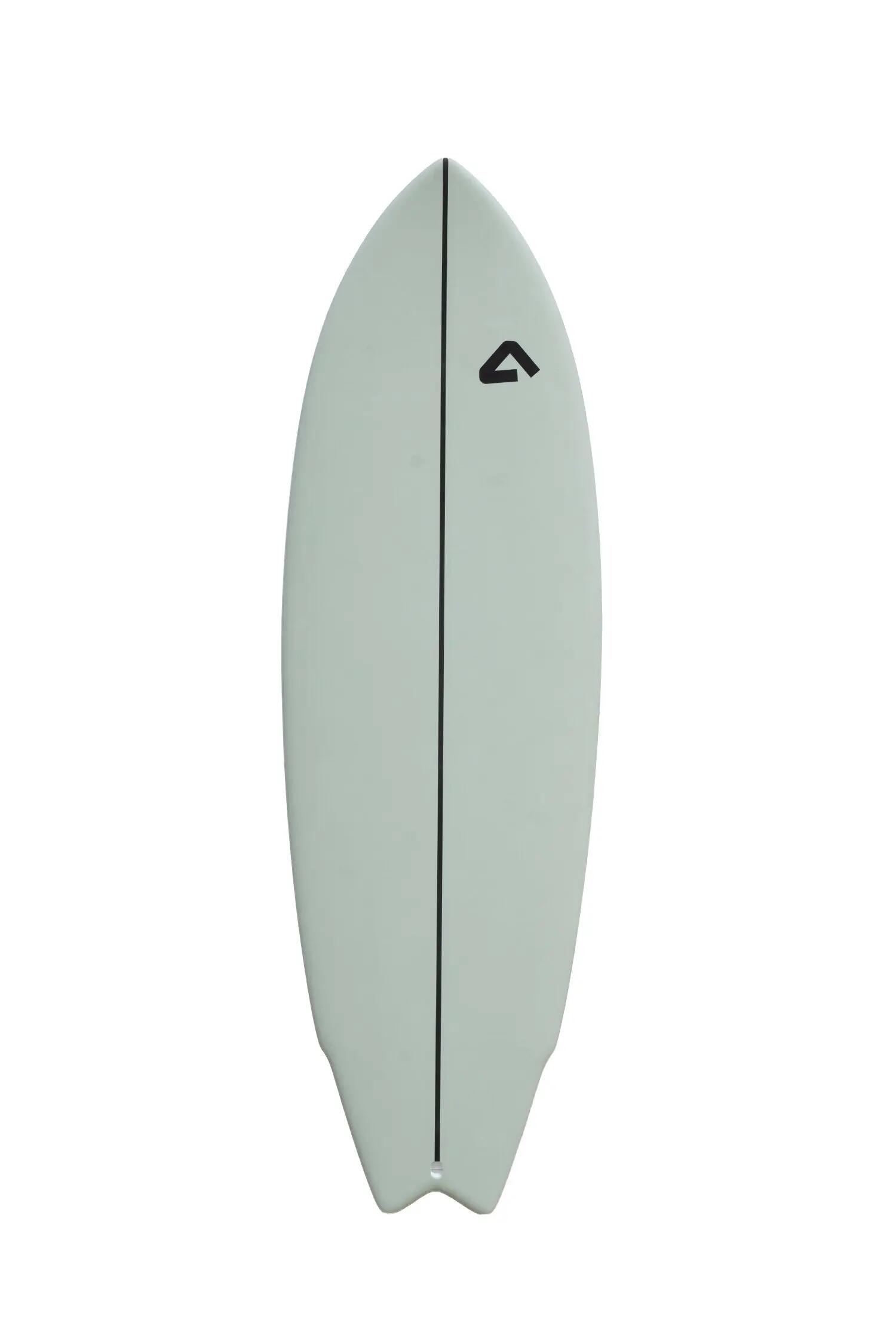
Swallow-tails cut a deep V into the tail, reducing back-end surface area while keeping your outside rail line nice and long for maximum grip. This shape allows the tail to release cleanly from the lip during turns, delivering a loose, skatey feeling that wide squash tails cannot match. Squash options focus on maximising lift and planing speed, which helps keep your momentum going through flat, slow sections where waves lack punch. For softboards, this split-tail engineering is ideal for intermediate riders wanting a more playful feel before committing to fibreglass. Surfers comparing this reaction to an inflatable surfboard will find that while both focus on heavy durability, air-filled shapes lack the rigid rail control found in solid foam cores.

What role does foil surfing play in the broader surfboard category?

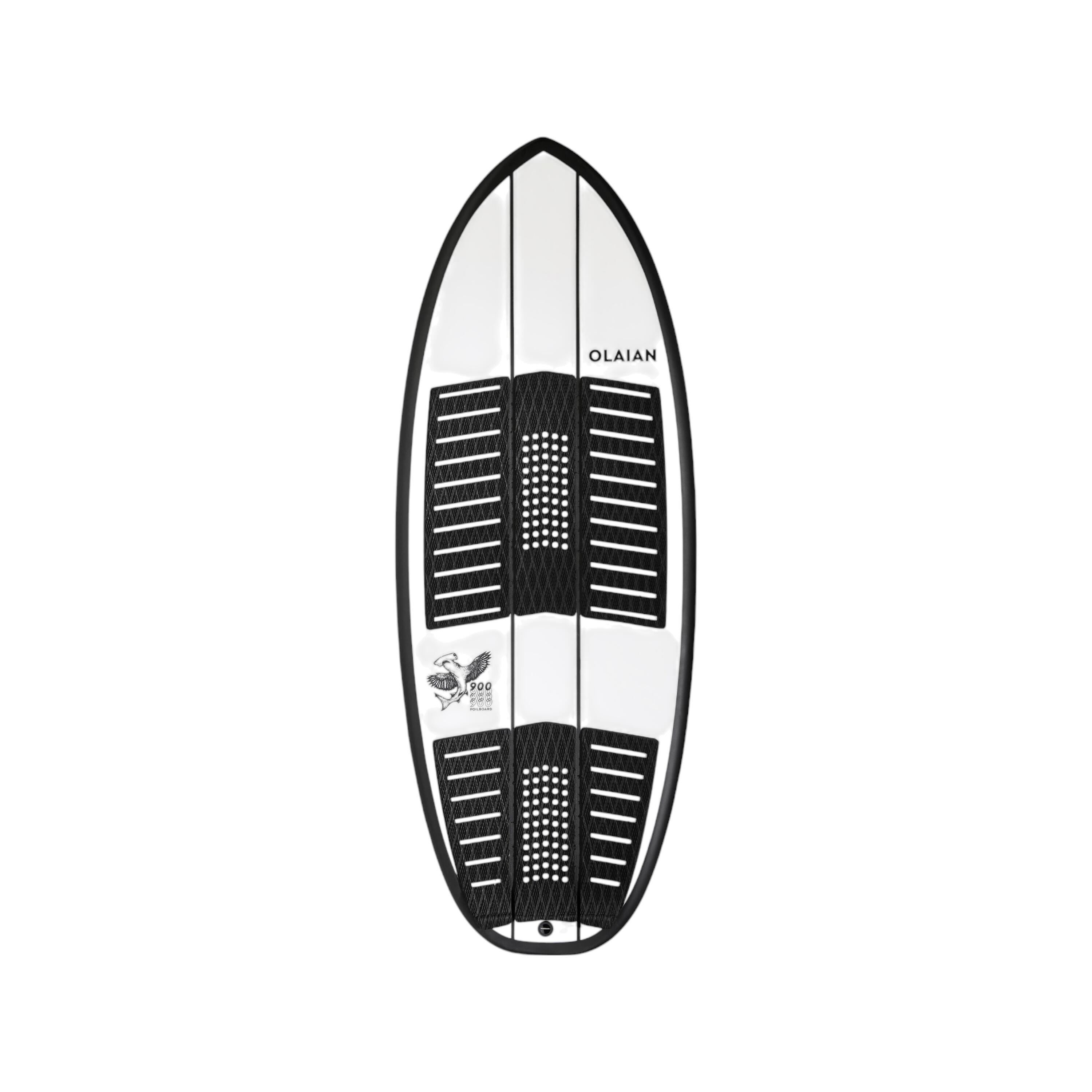
Hydrofoil hardware sits in a totally independent lane, utilising an underground aircraft-style mast and wing setup to lift your entire body out of the water once you capture enough speed. Flying high above the surface chop means you can catch rolling energy completely undetected by traditional shapes, gliding across deep ocean swells with minimal effort. Because the wing generates internal lift rather than sliding along the peeling lip, a specialised foil surfboard keeps moving through flat dead-zones that would sink a standard foamie. Mastering this setup requires pristine balance and solid wave-reading skills to manage the intense speed safely.

What accessories are needed to complete a foam surfboard setup?

A heavy-duty ankle leash is the main priority for any waterman, keeping your kit securely anchored close by when a heavy set catches you off guard. Because softboards boast high volume and massive buoyancy, a loose board floats away incredibly fast in a crowded lineup if left unattached. Soft decks offer native traction underfoot, but adding a light layer of cold-water wax across your stance zones guarantees maximum grip during aggressive pop-ups. Refreshing your quiver with high-grade surf accessories like heavy-duty cords, dynamic fin sets, and thick UV covers will keep your hardware performing at its absolute peak all year round.