766 items
4.1/5 based on 10387 reviews collected online and in stores

BIKE MUDGUARDS FAQS

What do bike mudguards do?

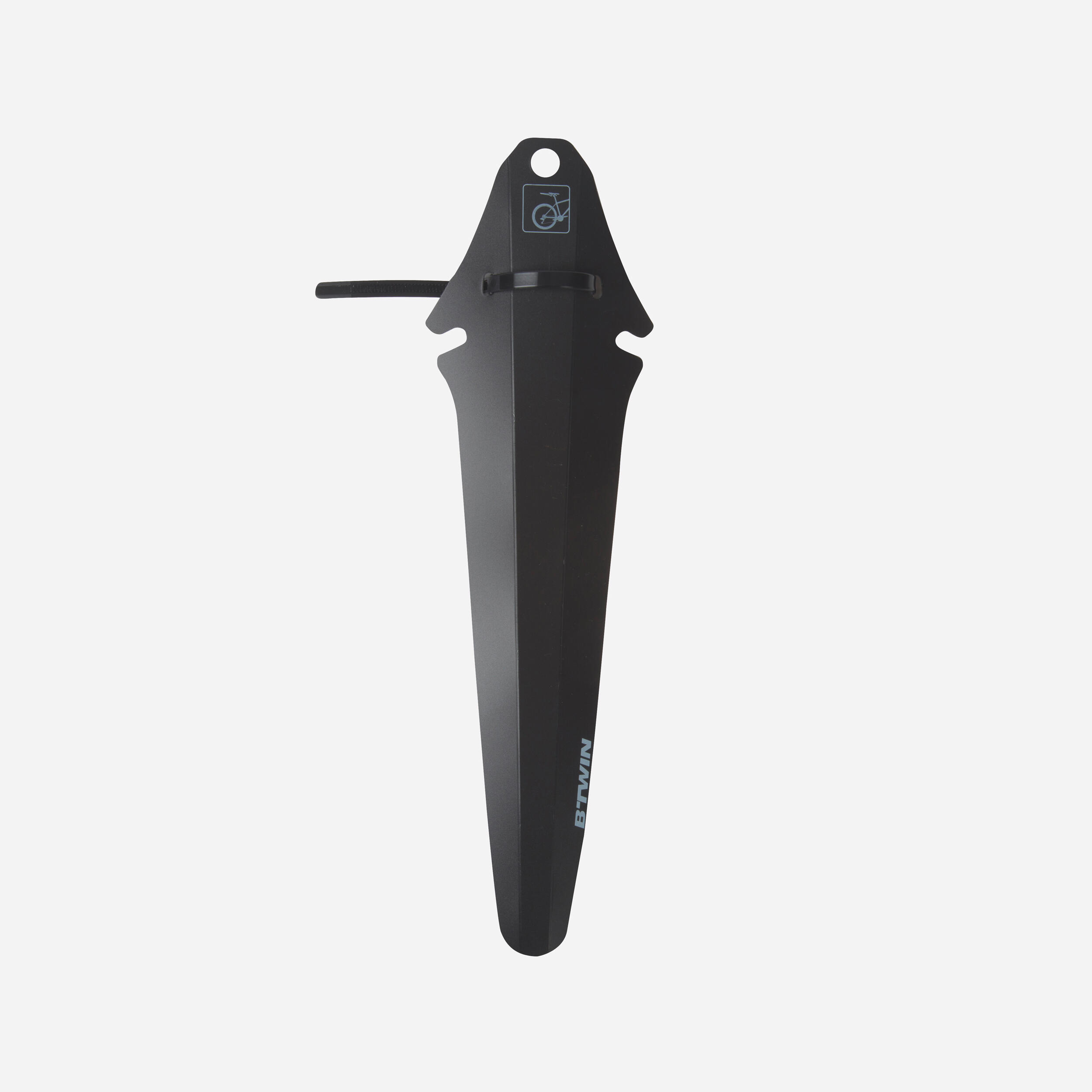
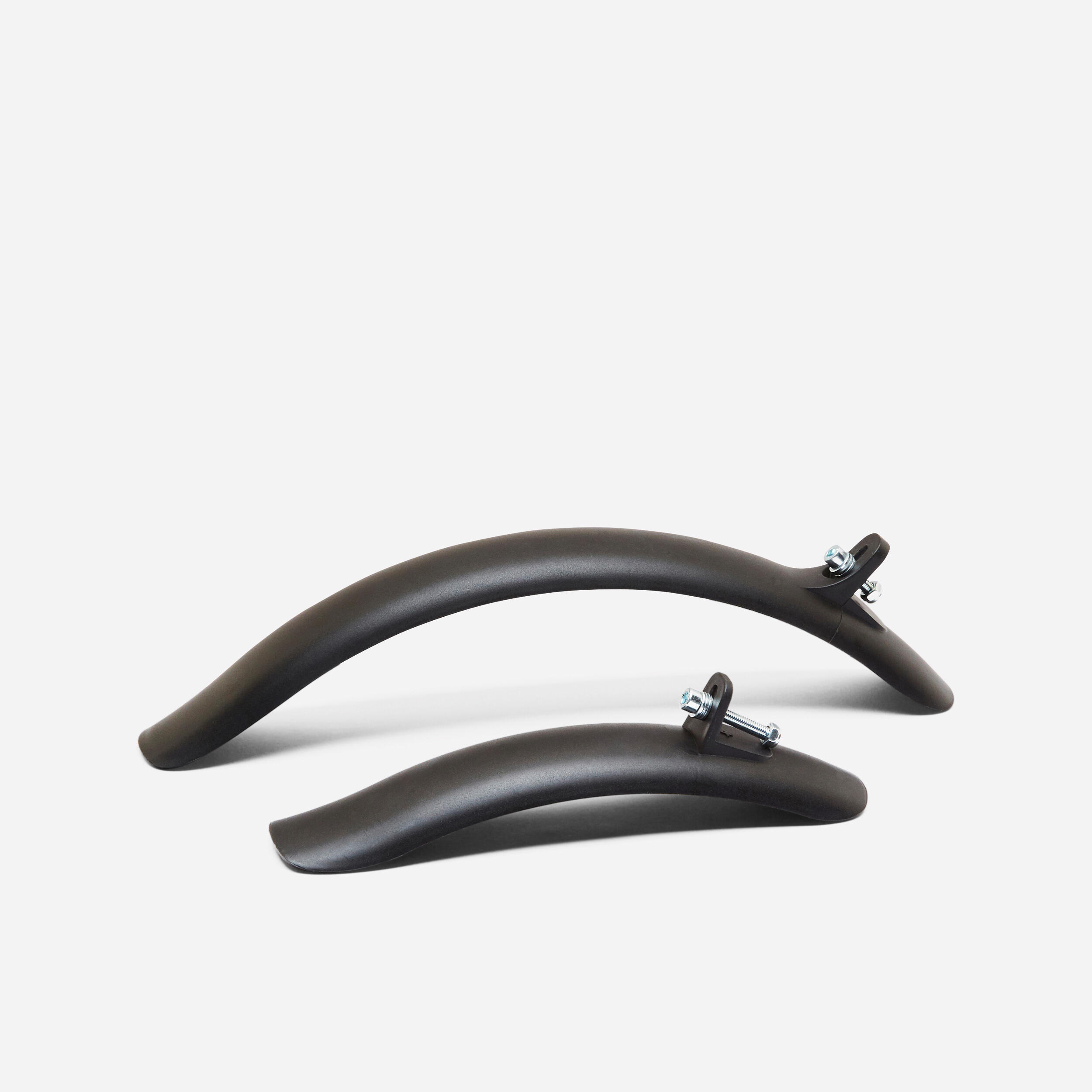
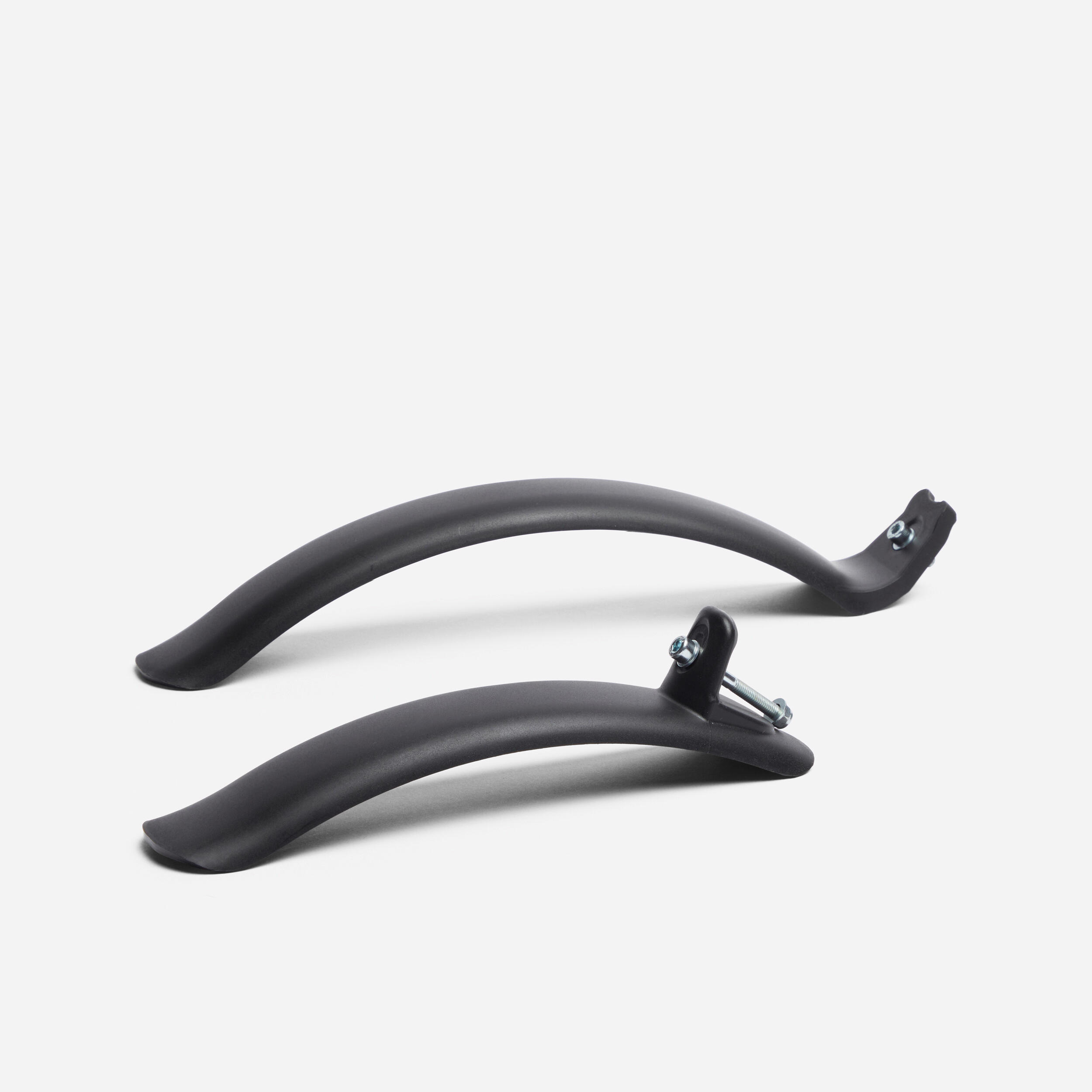
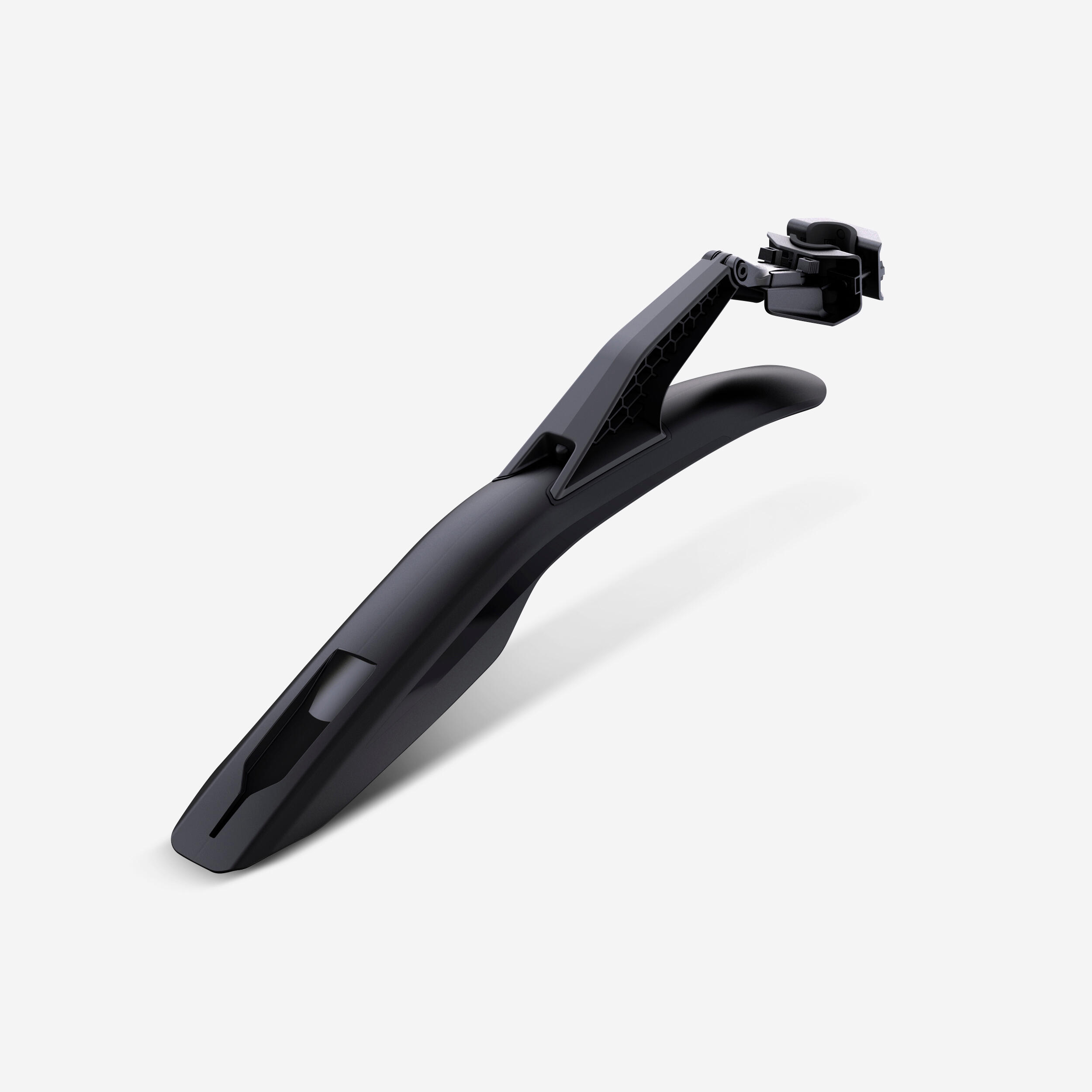
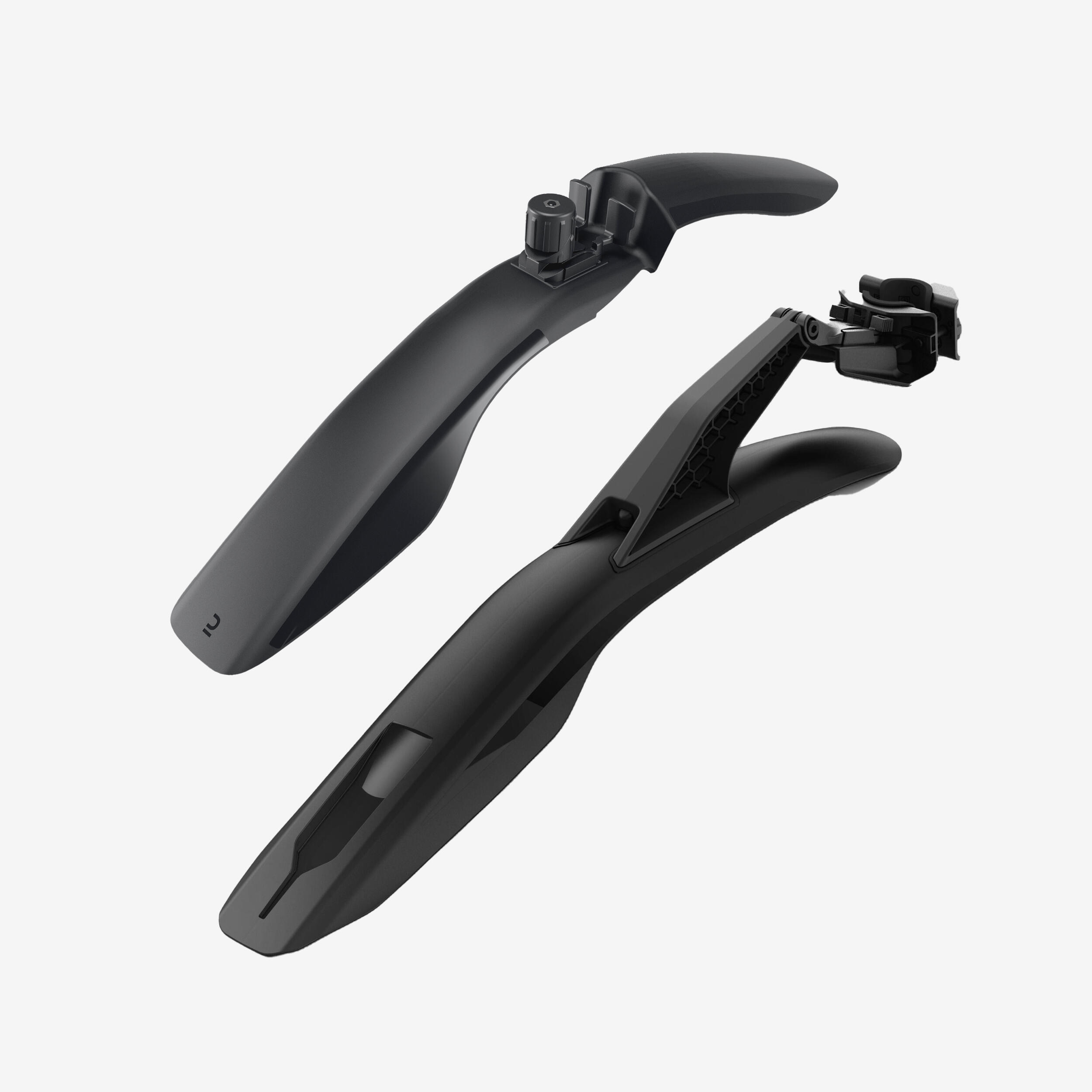
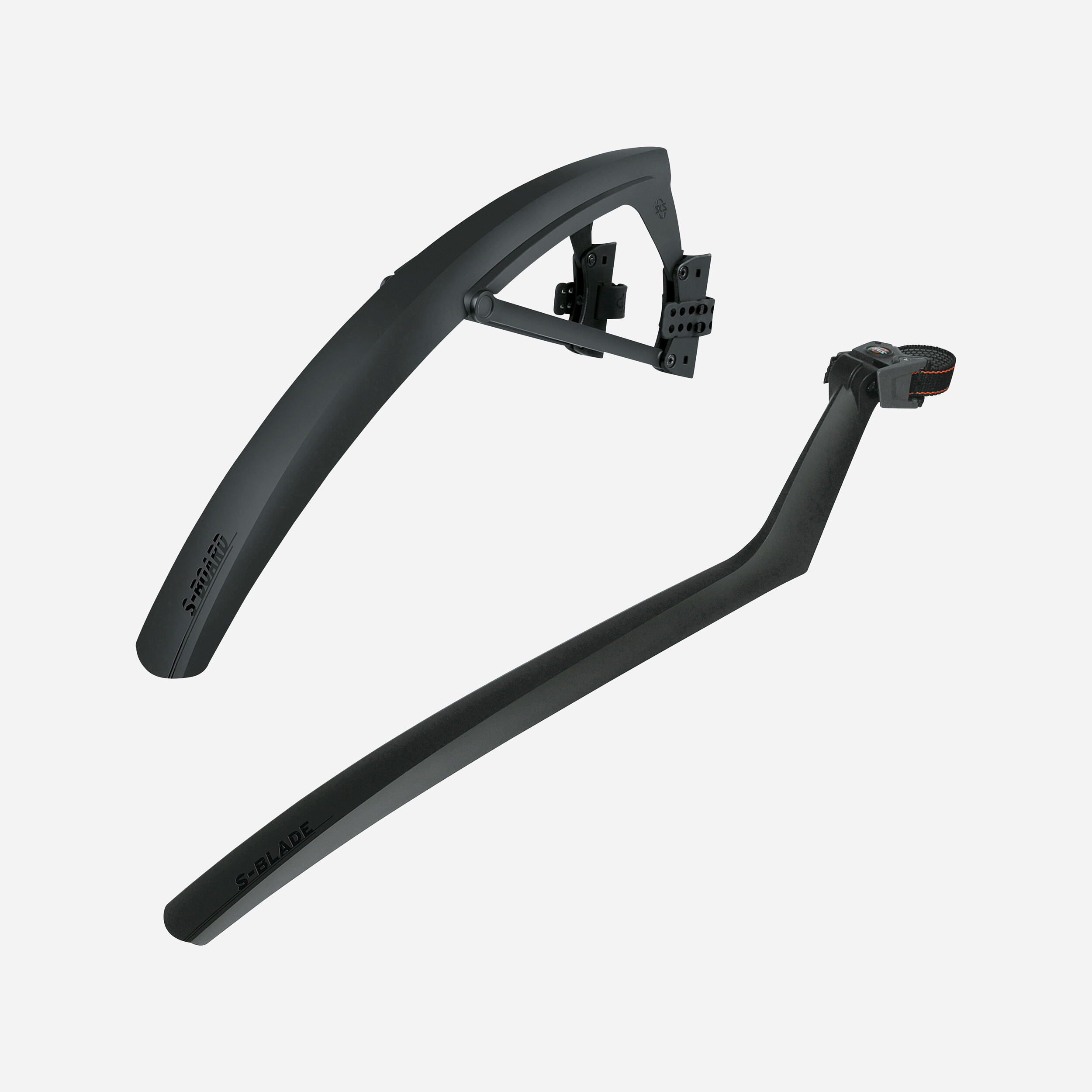
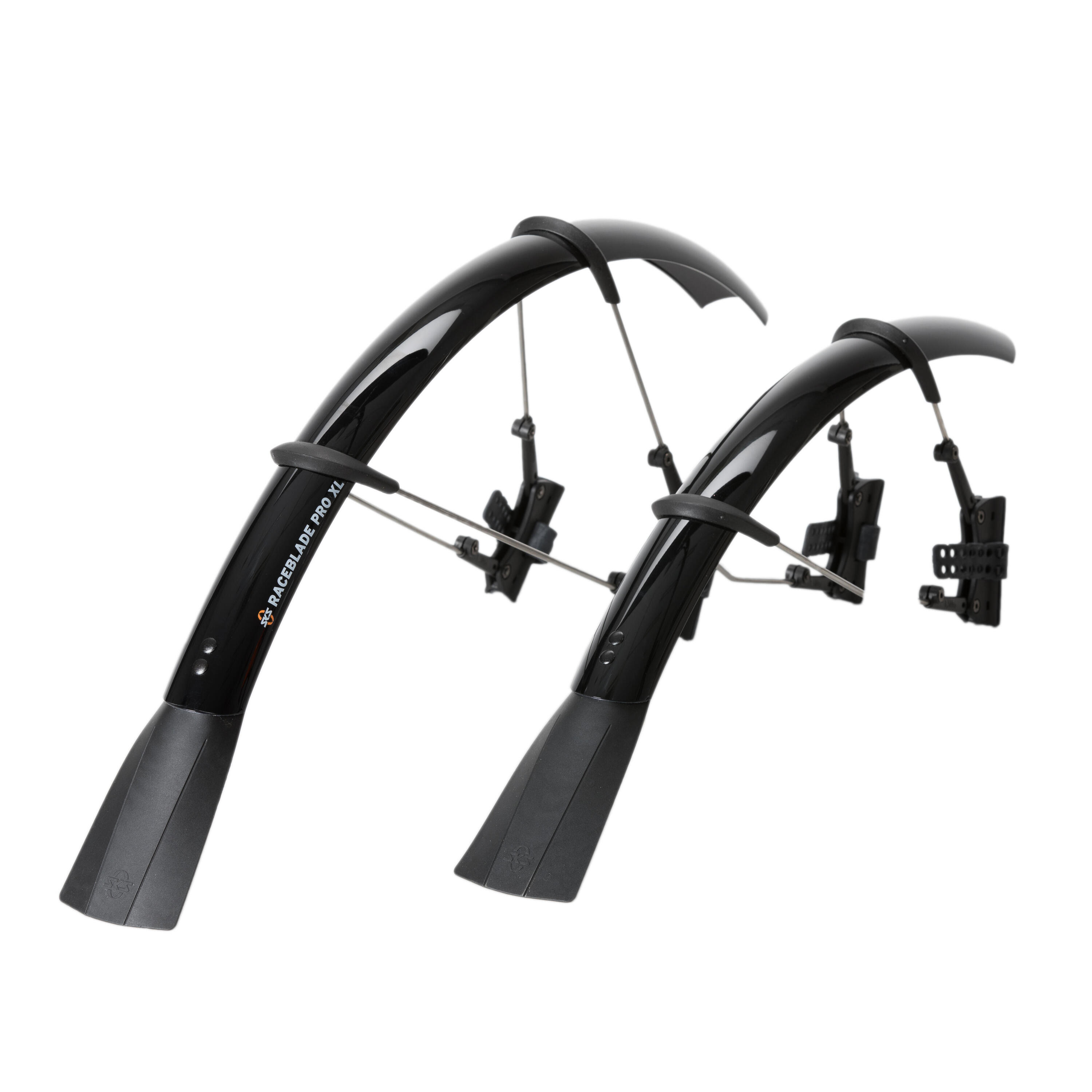
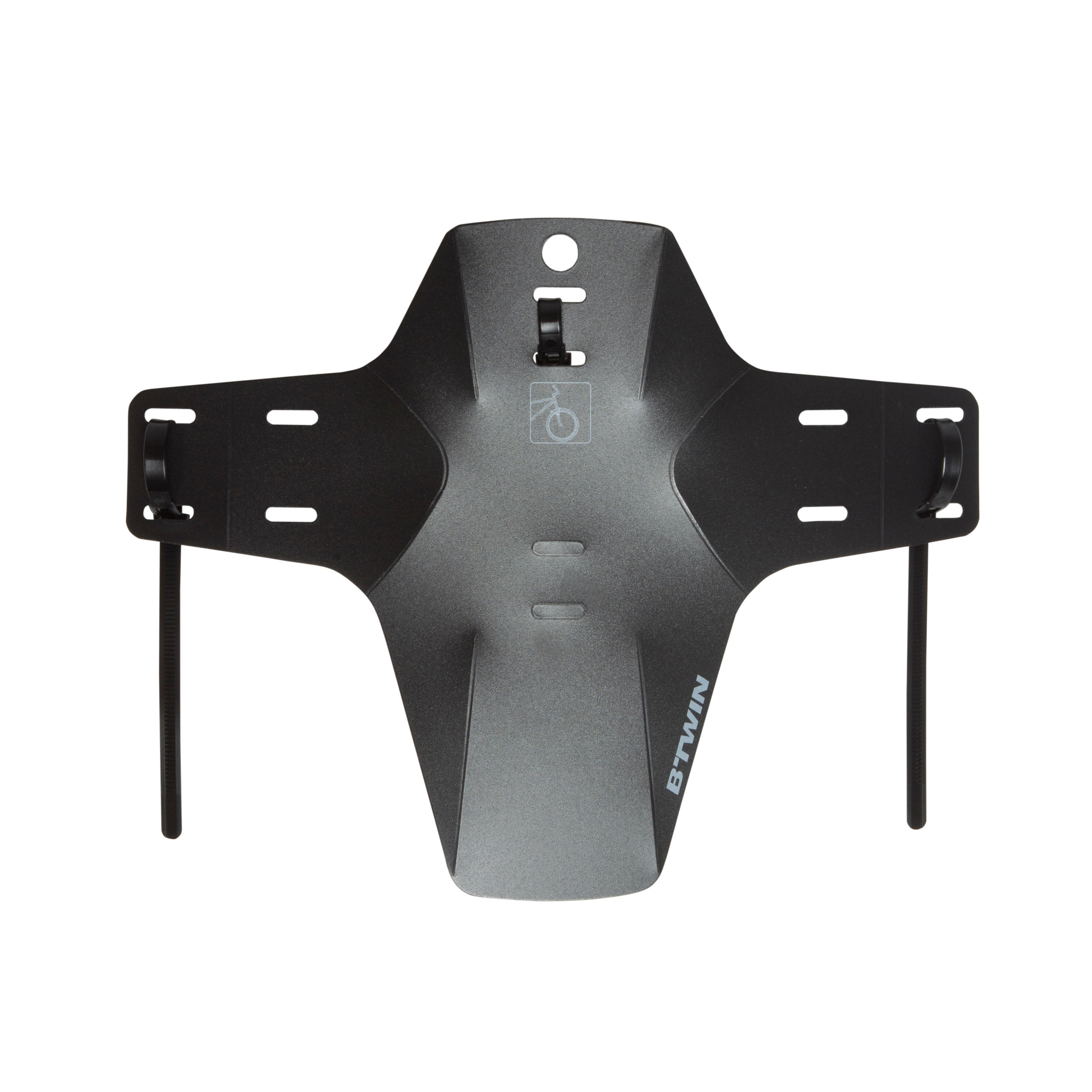
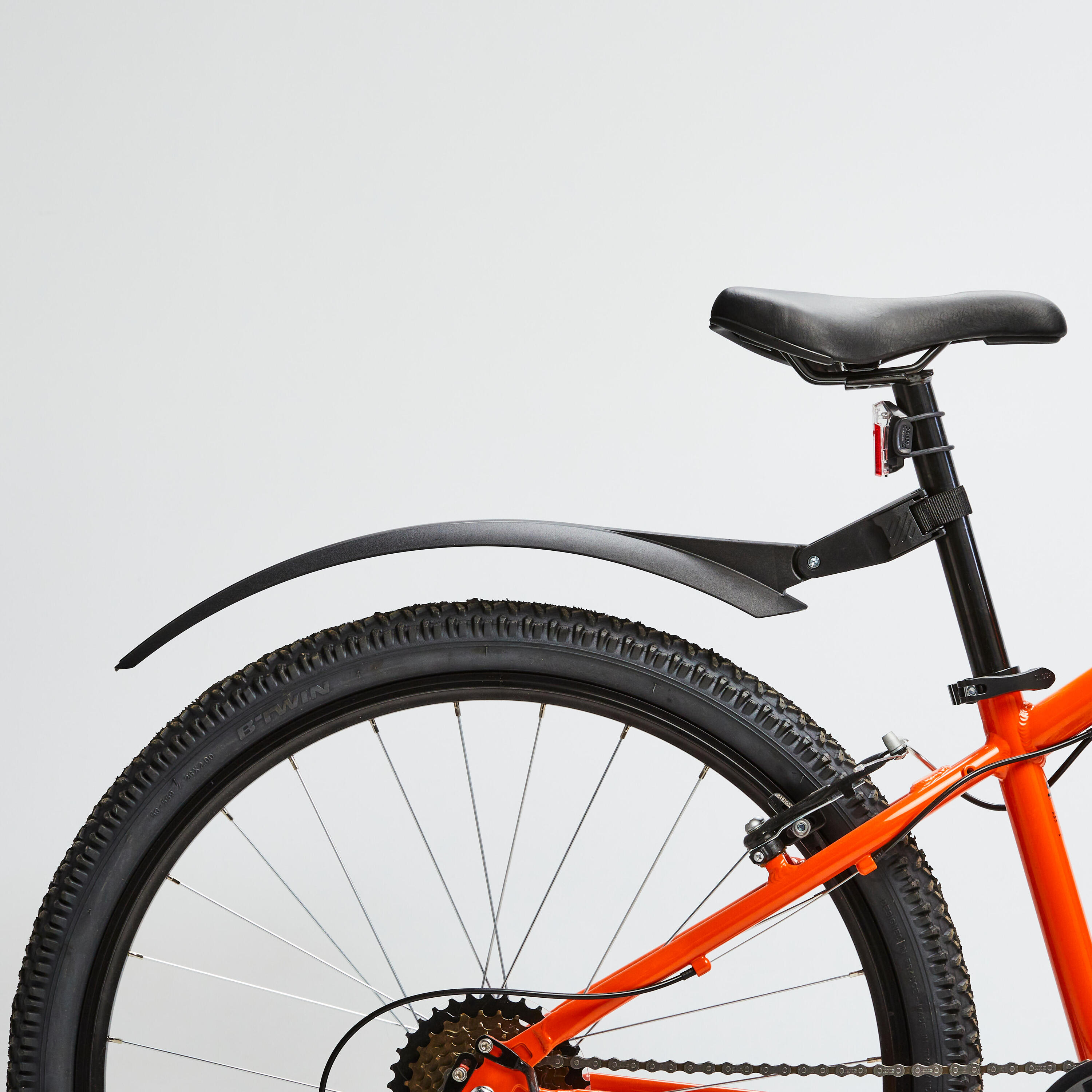
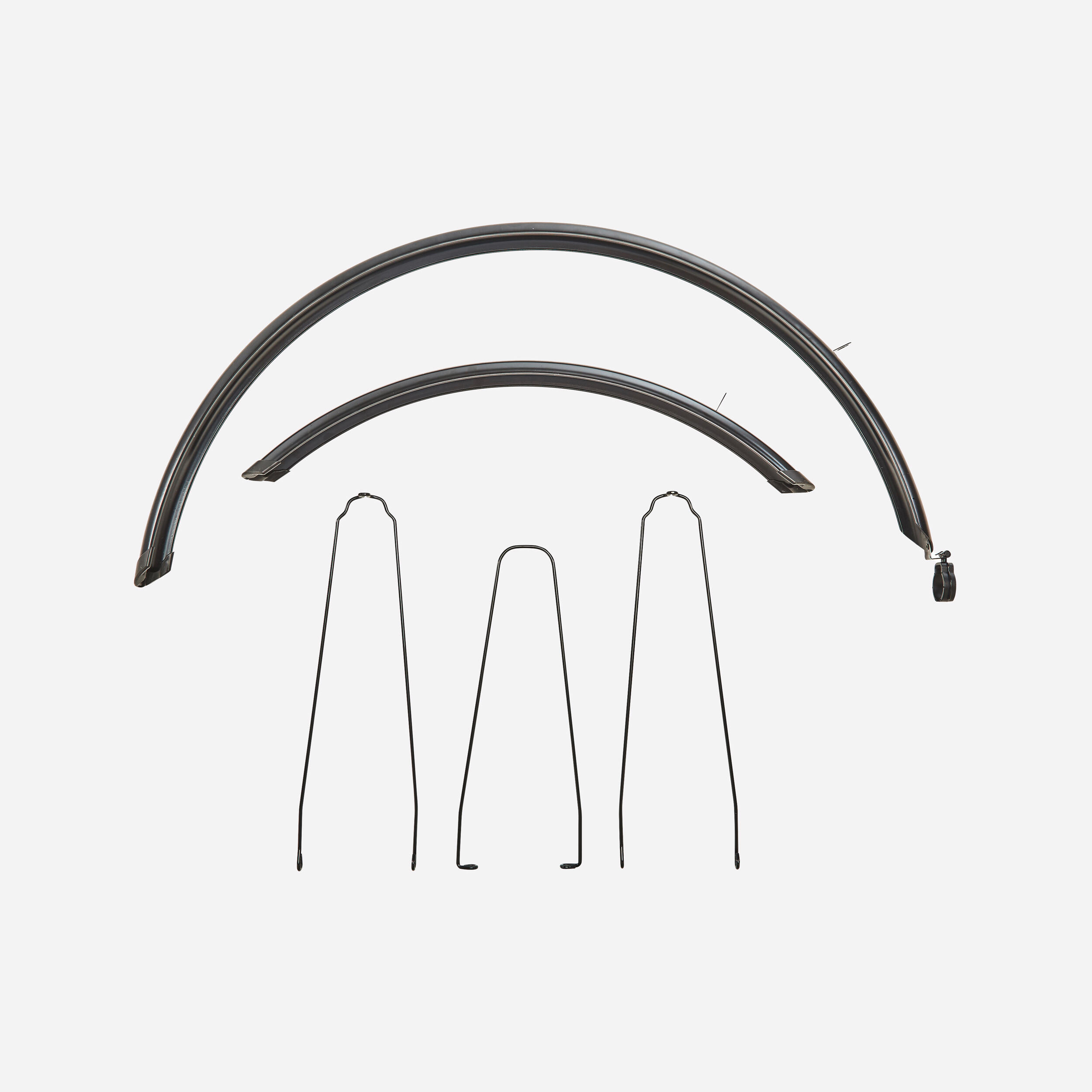
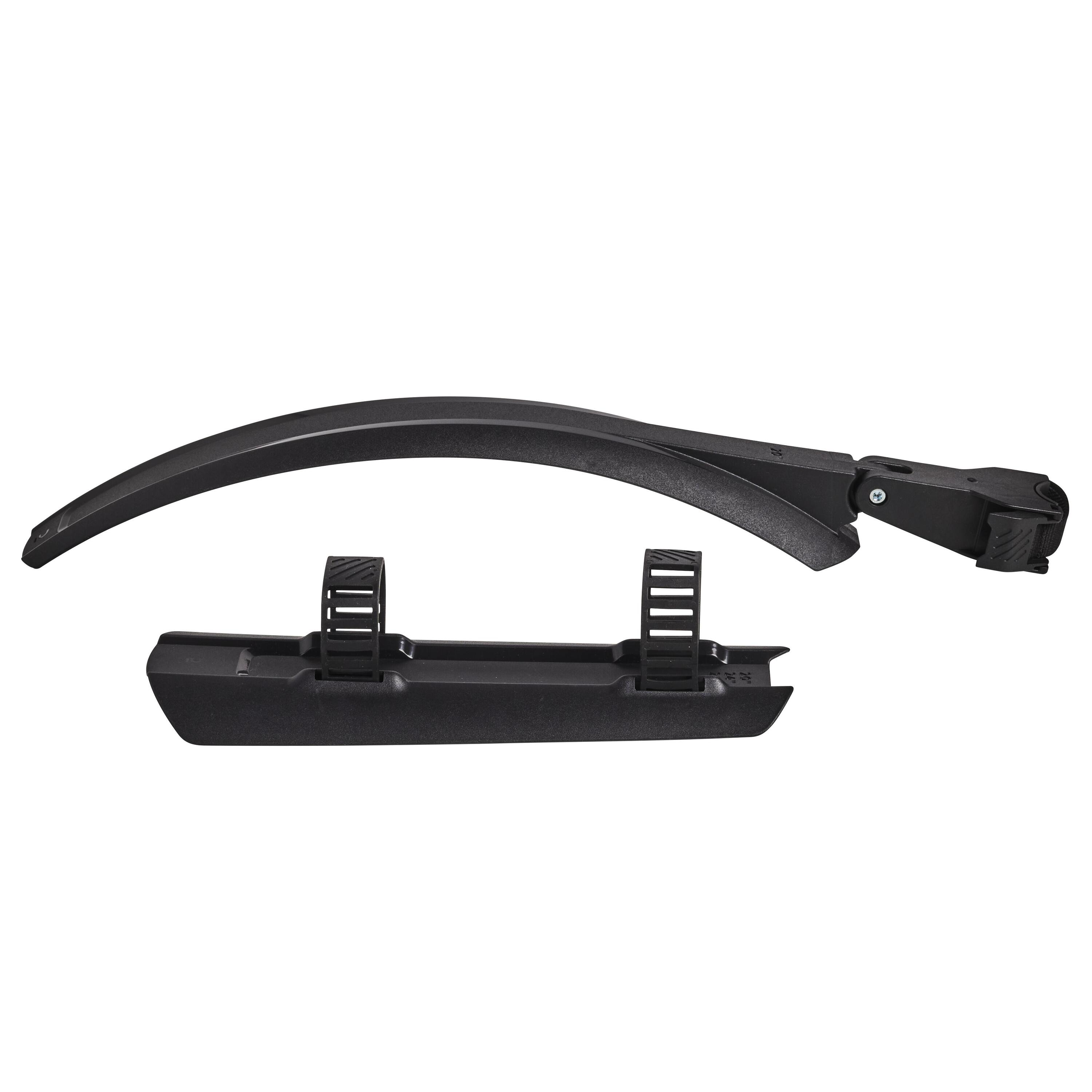
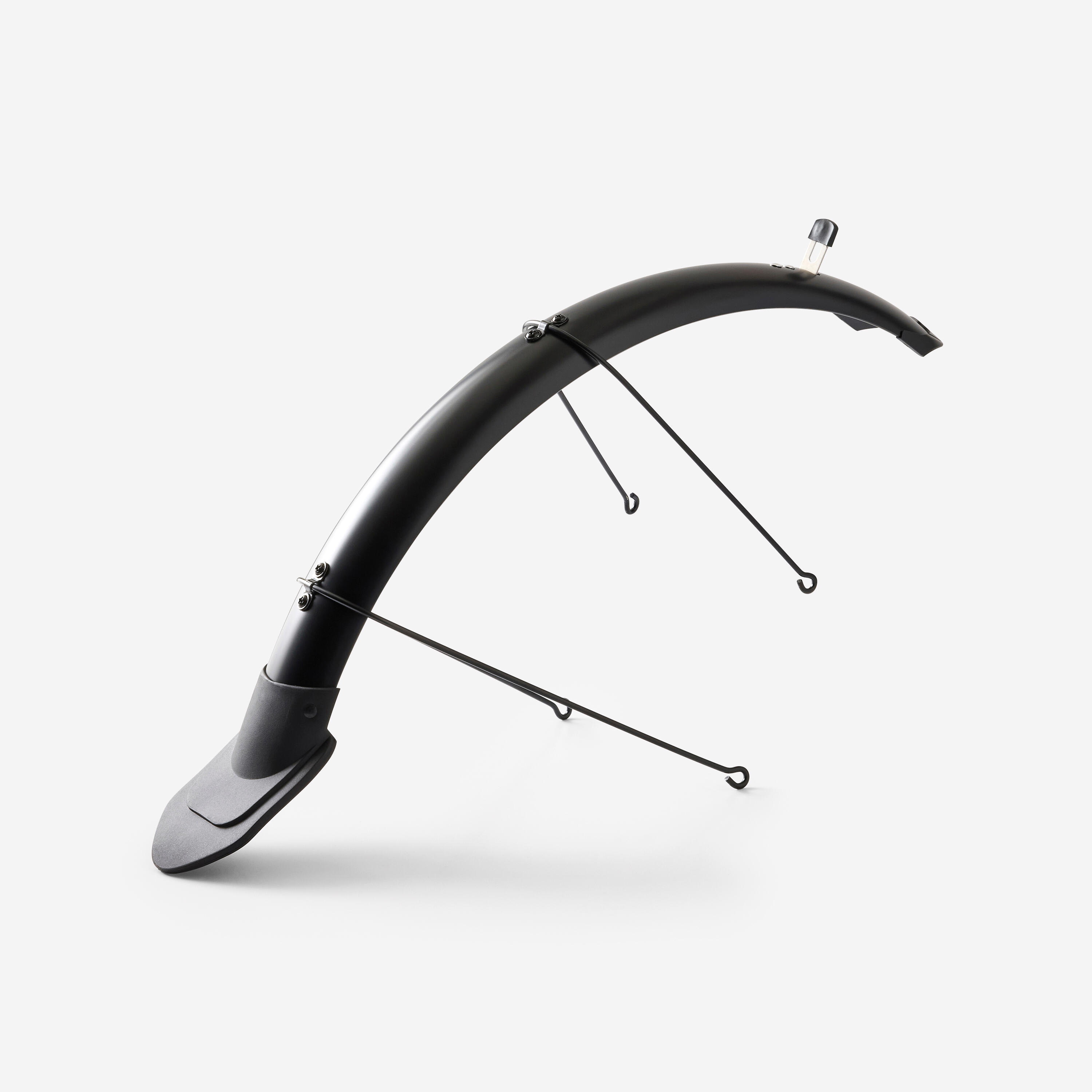
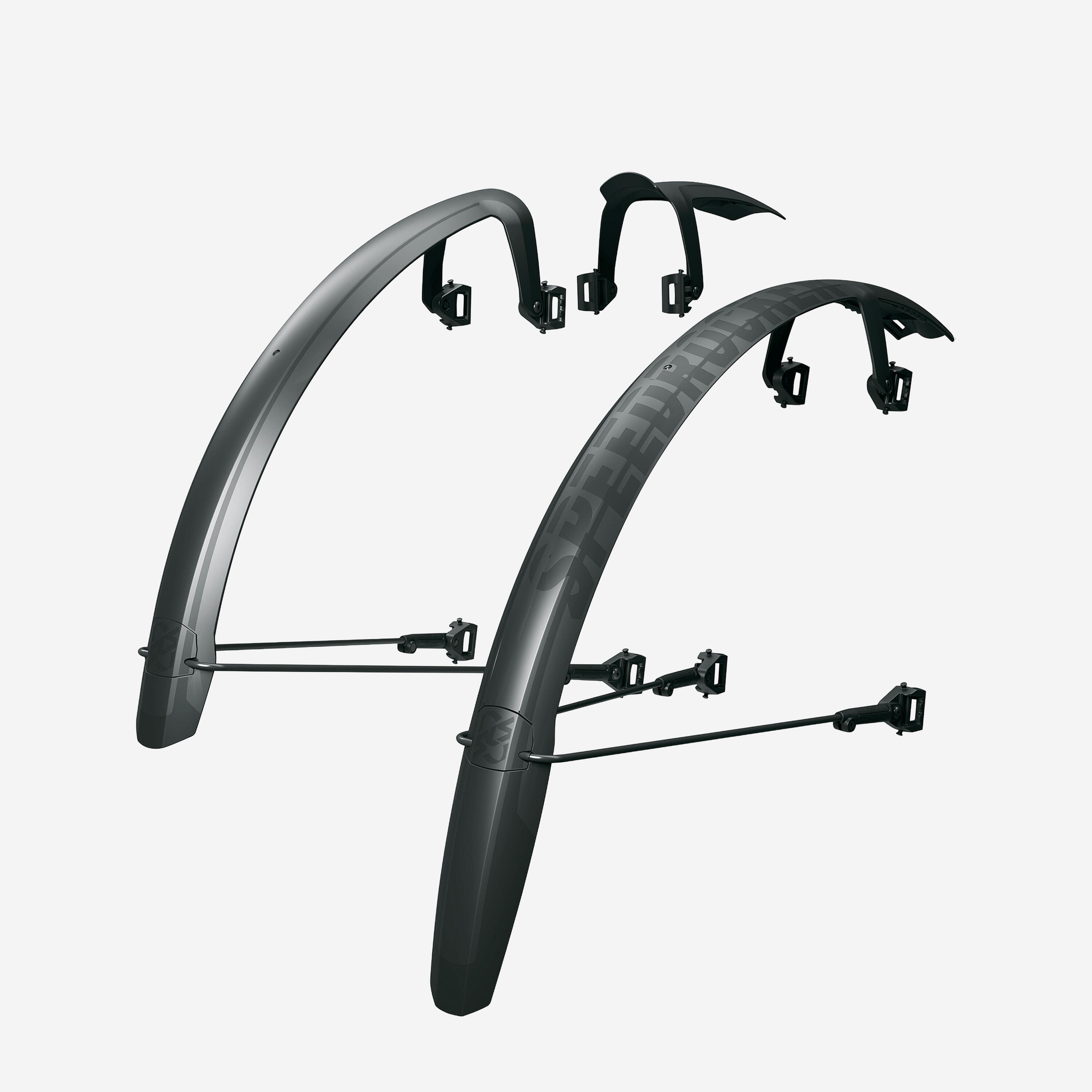
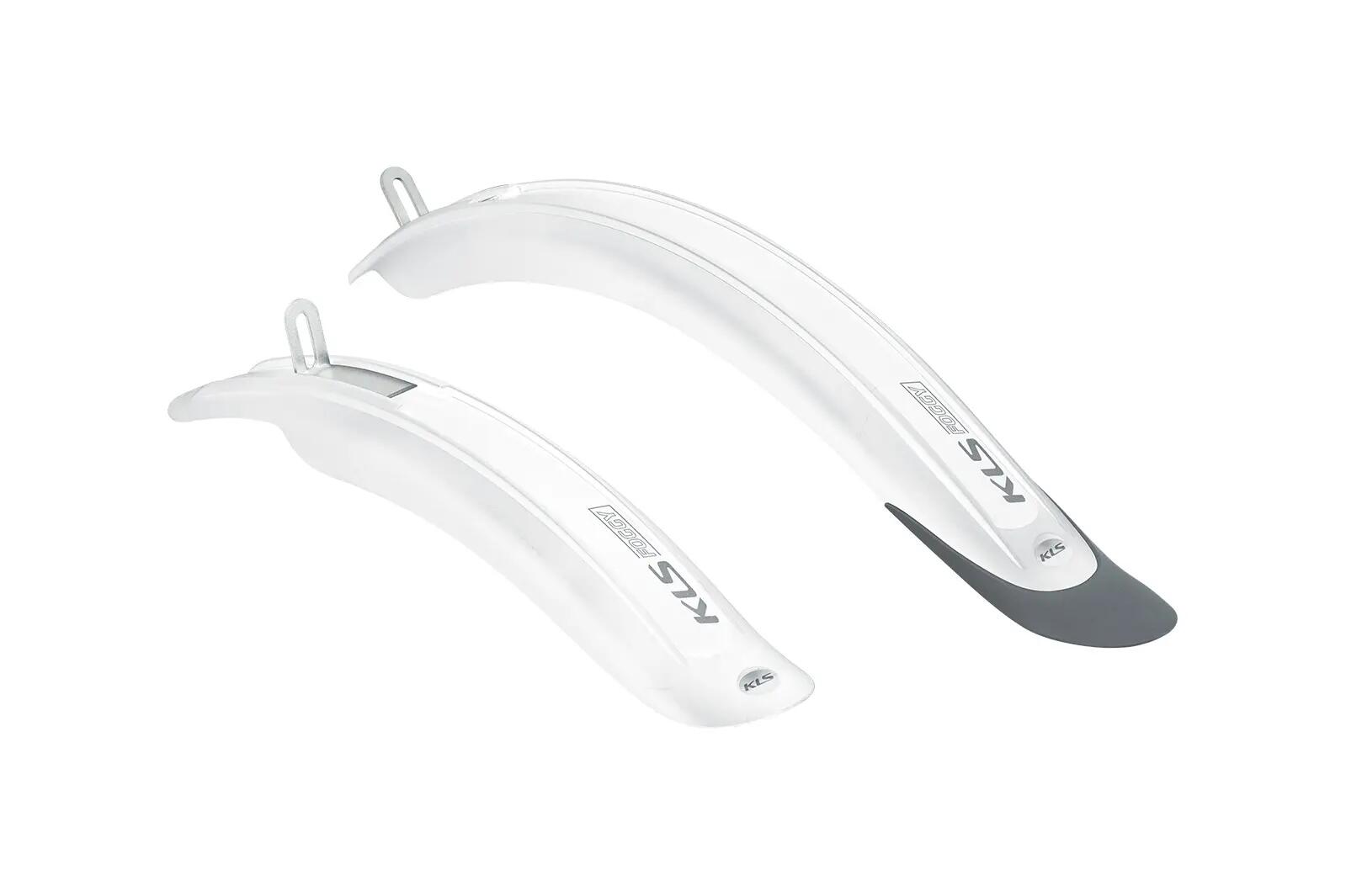
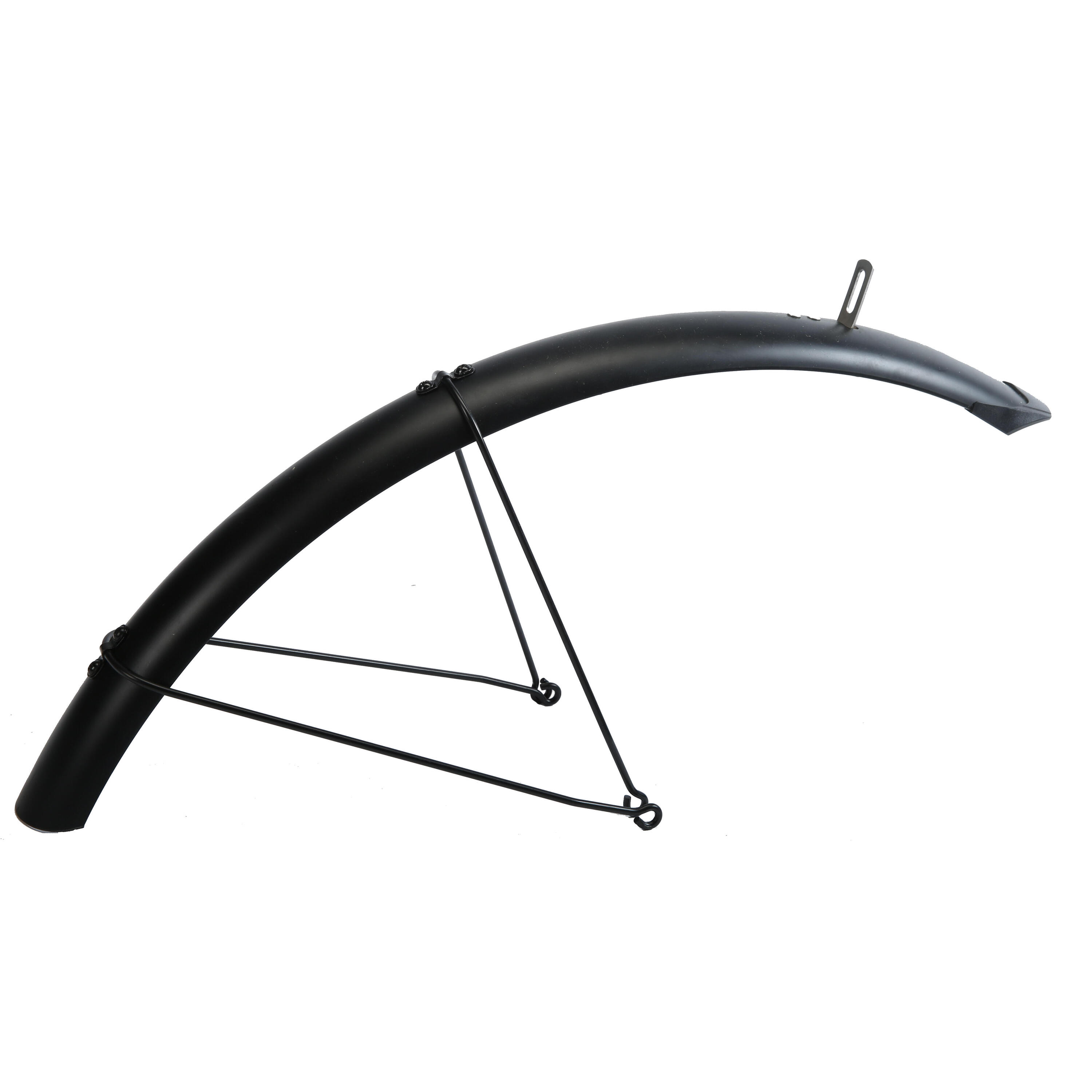
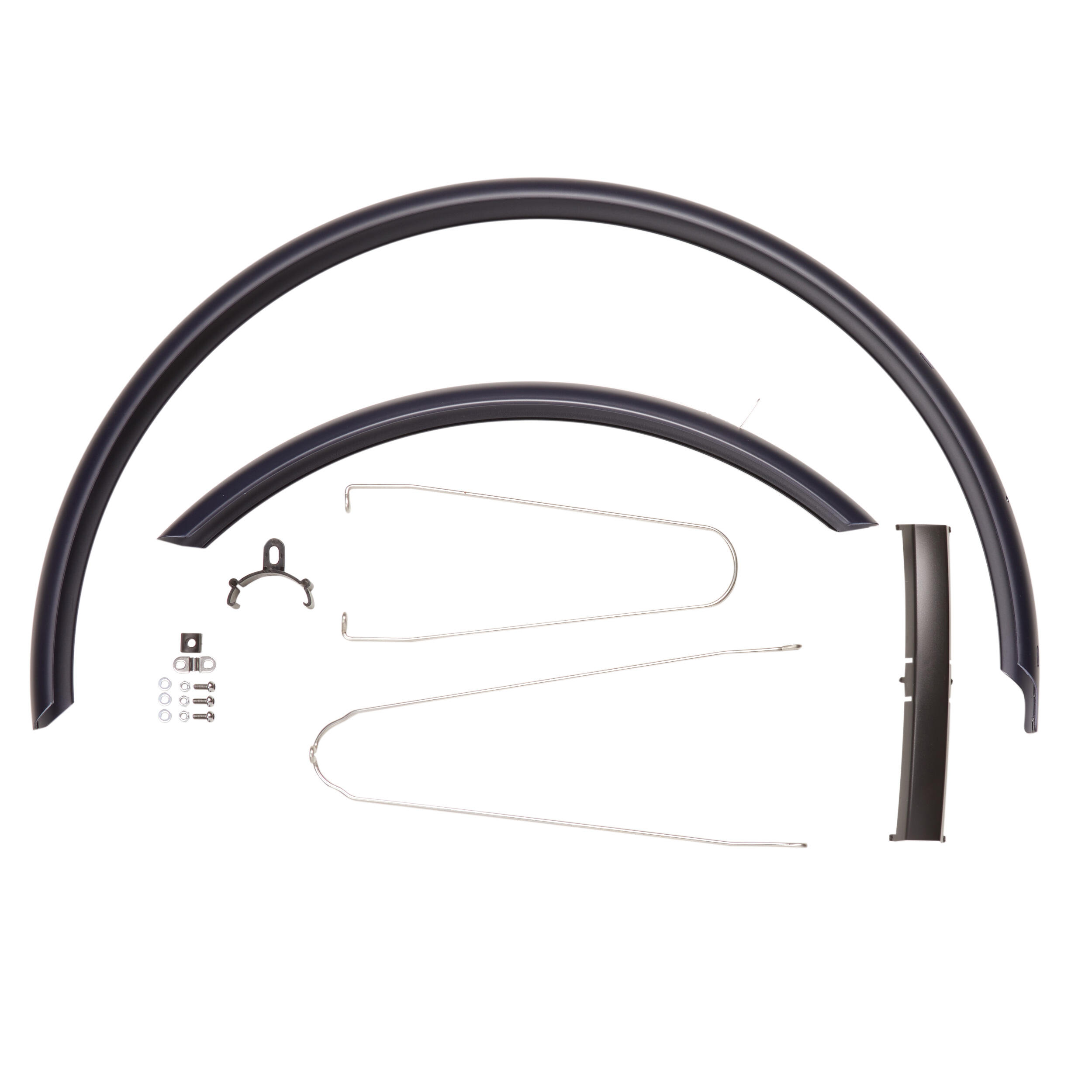
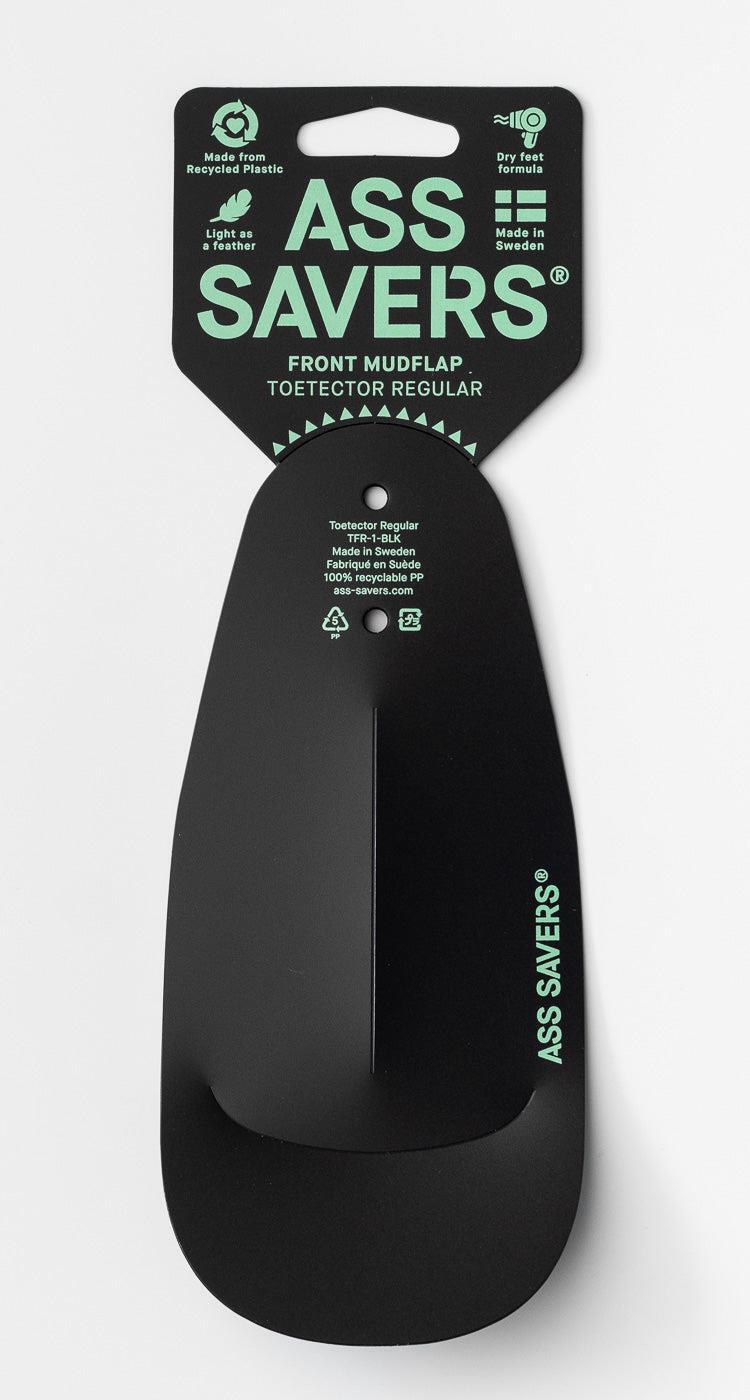
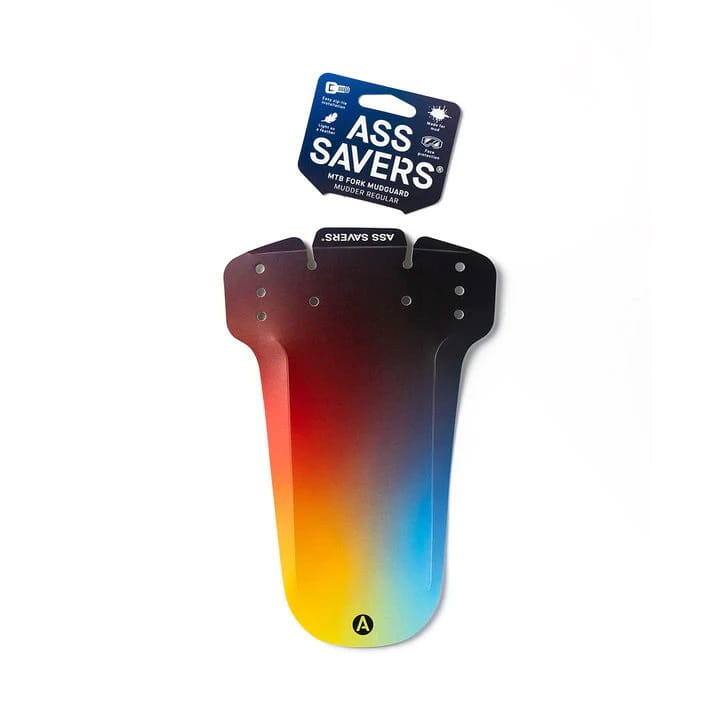
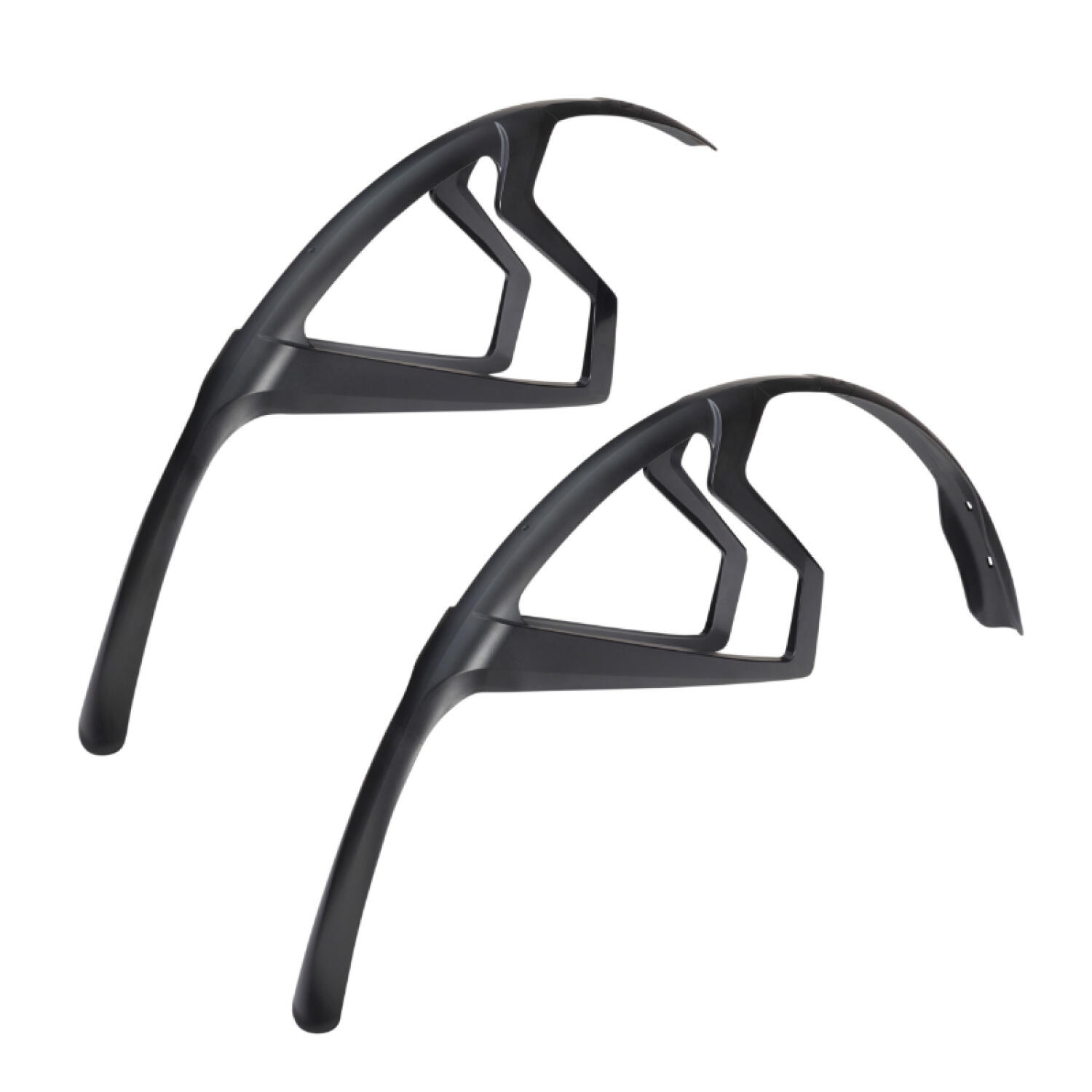
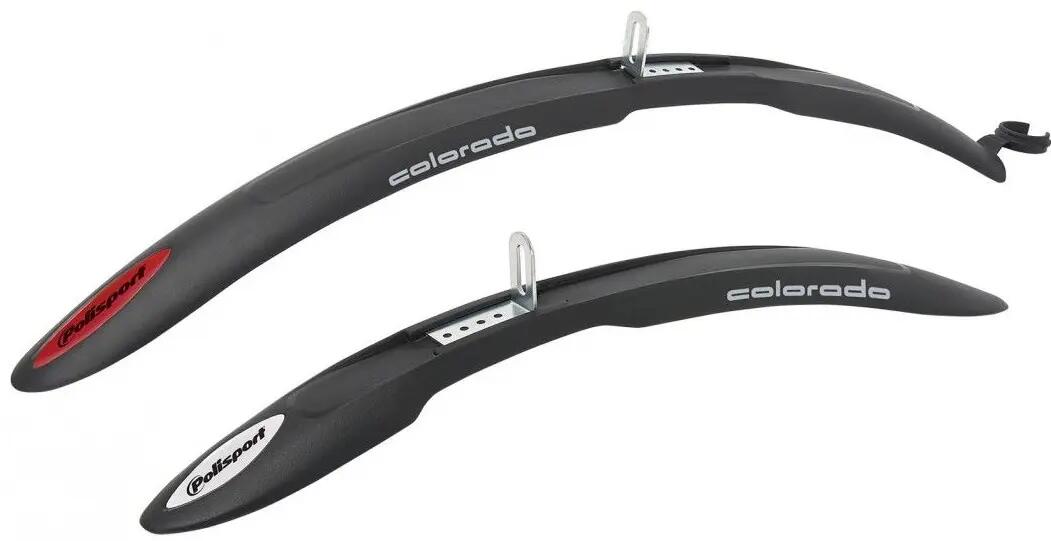
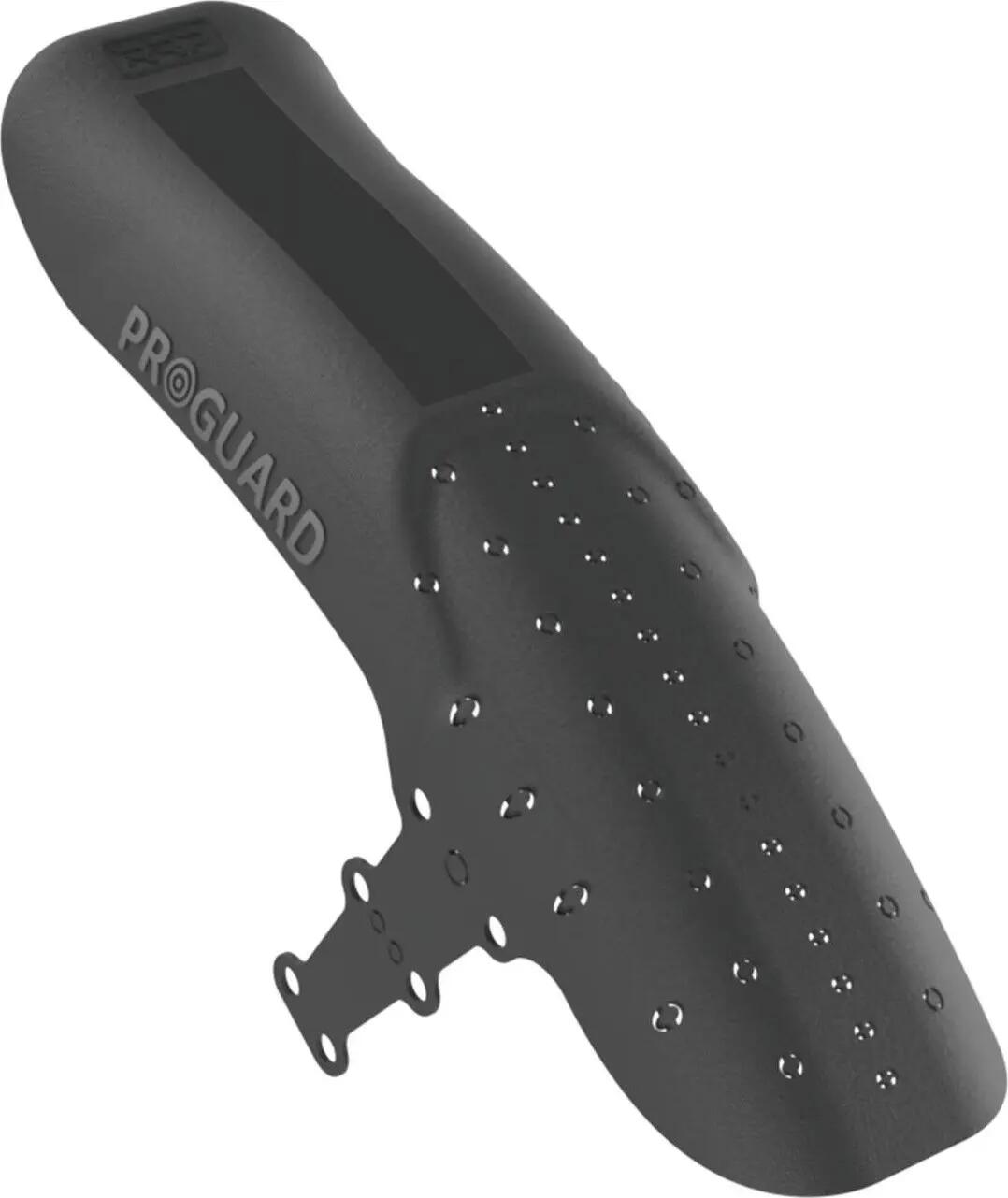
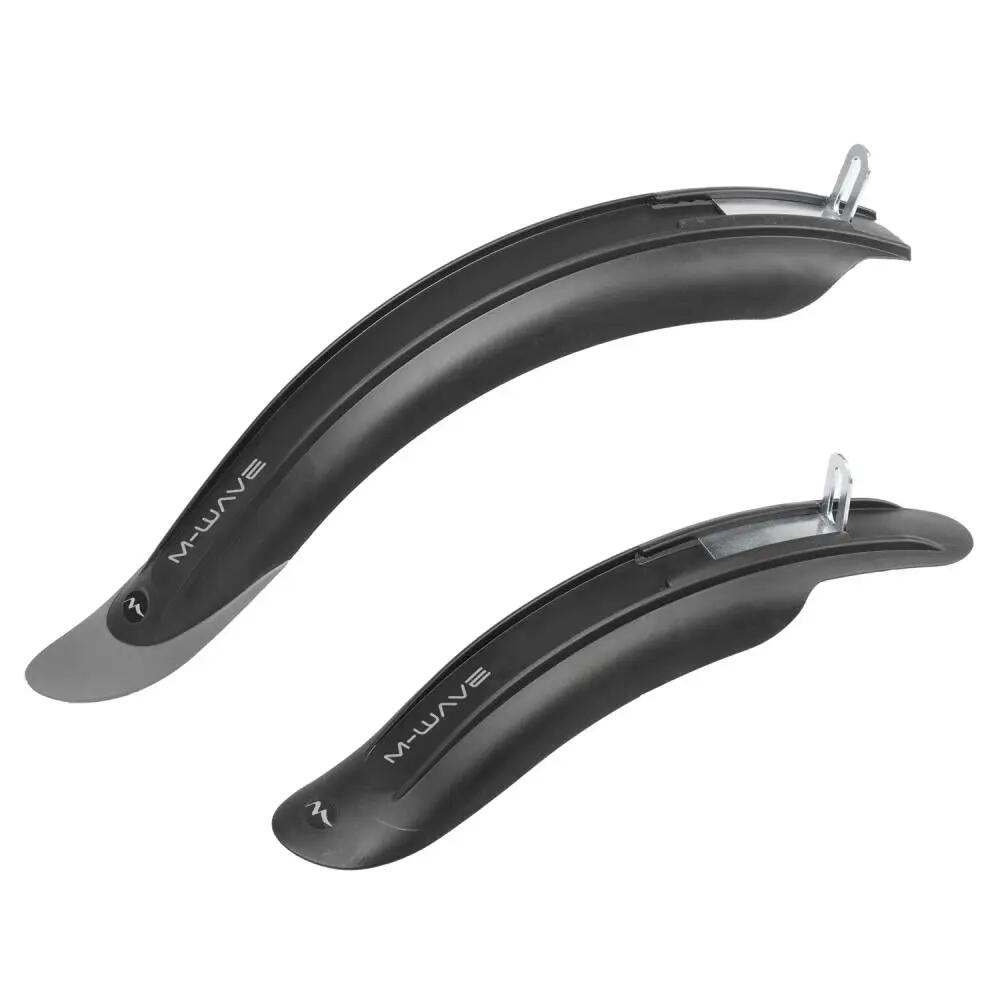
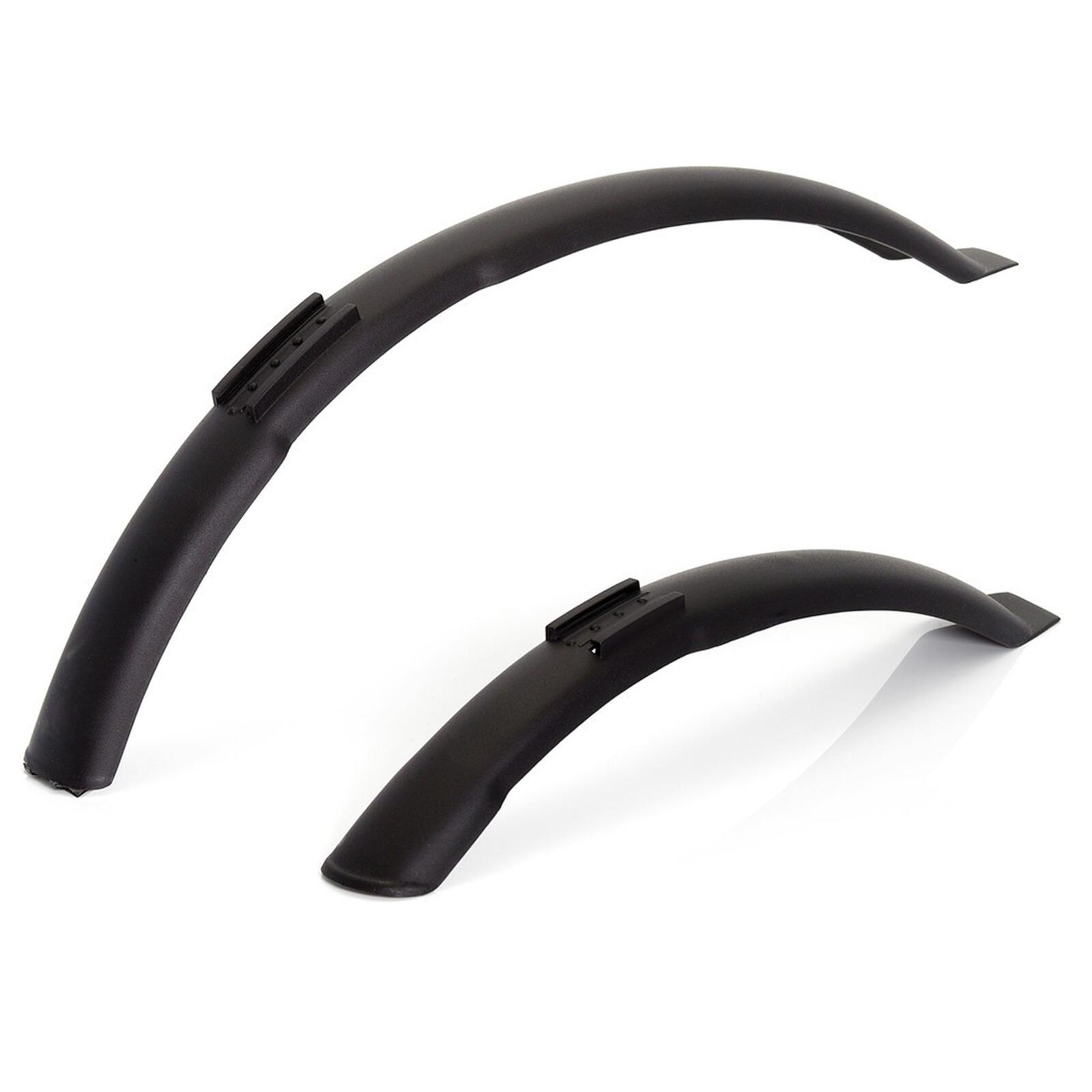
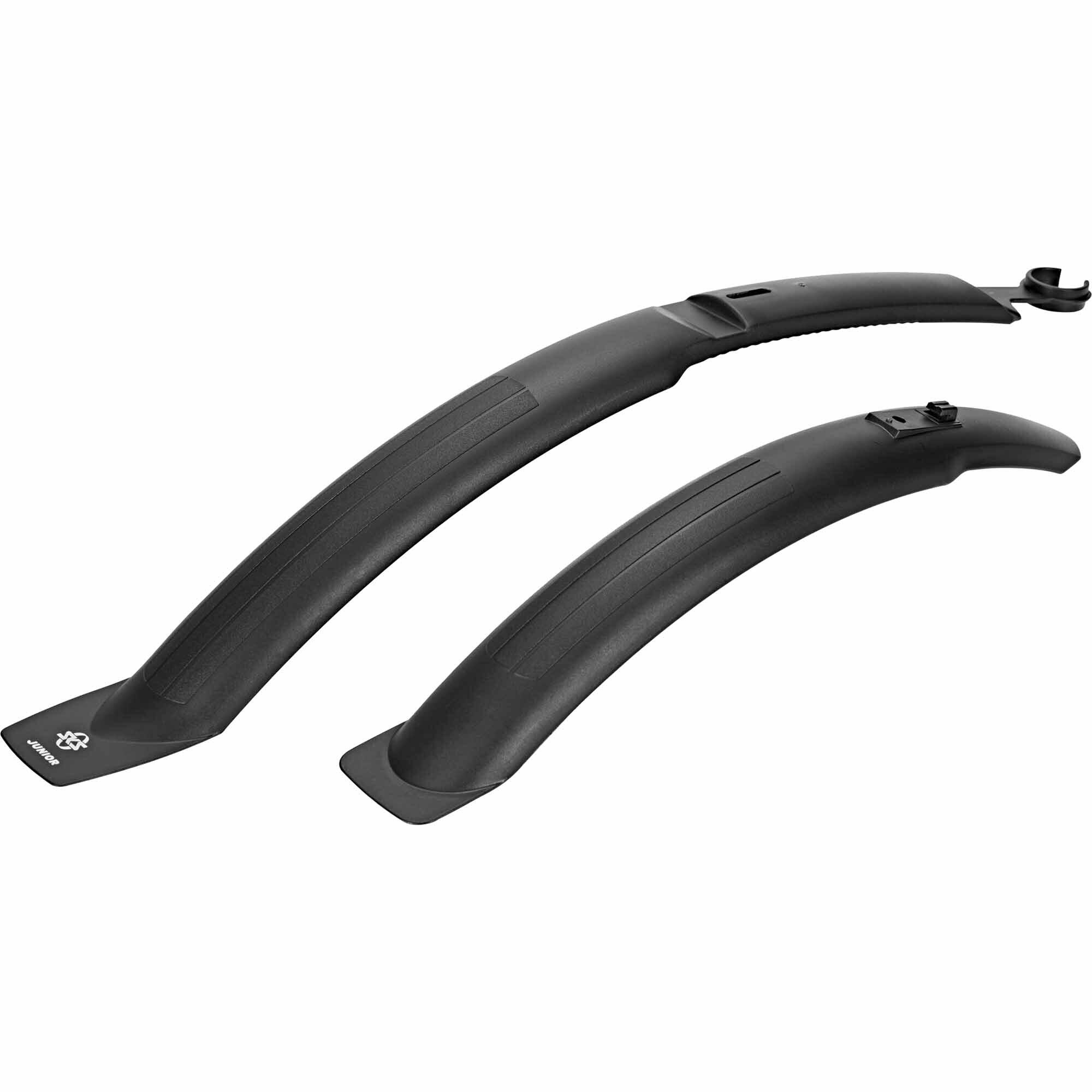
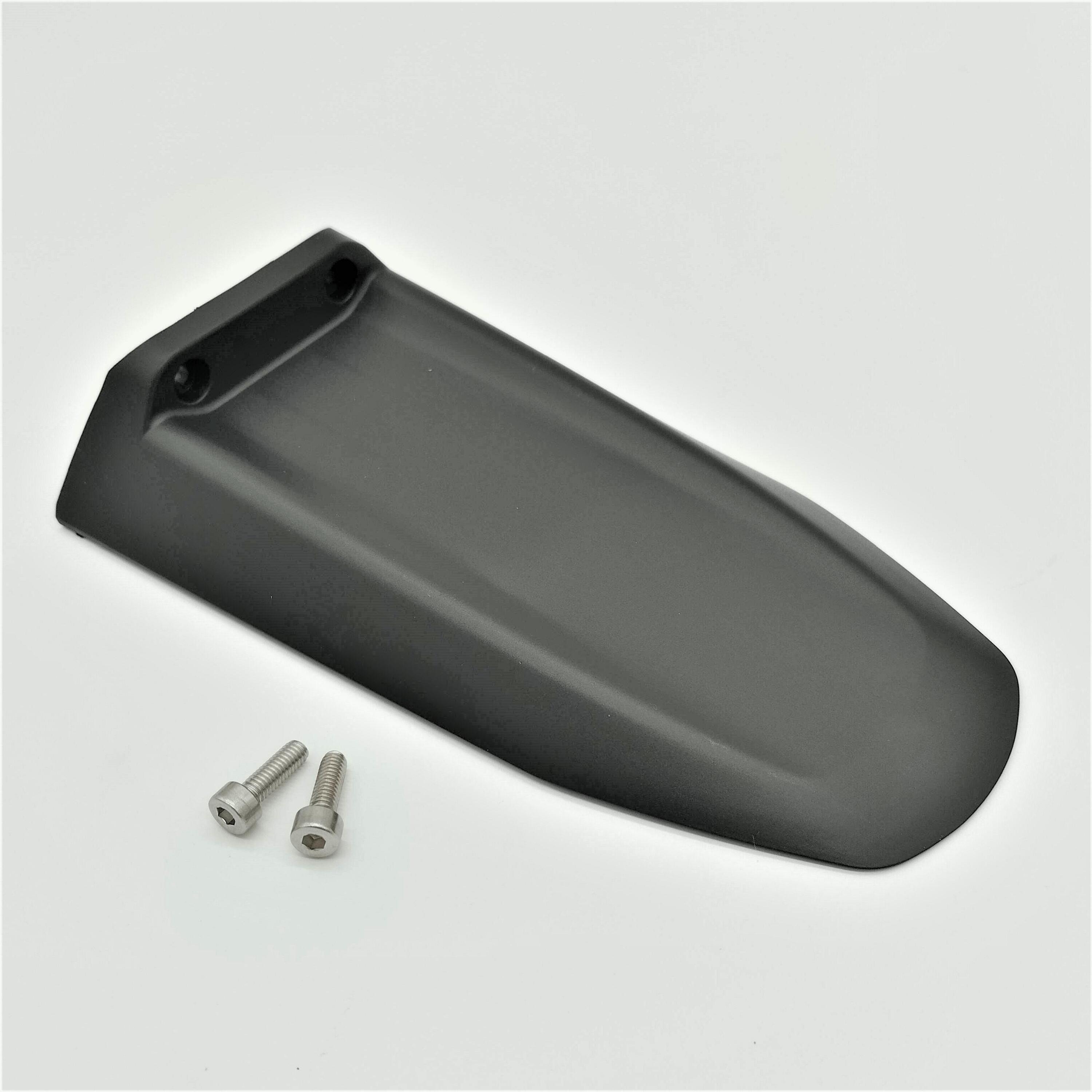
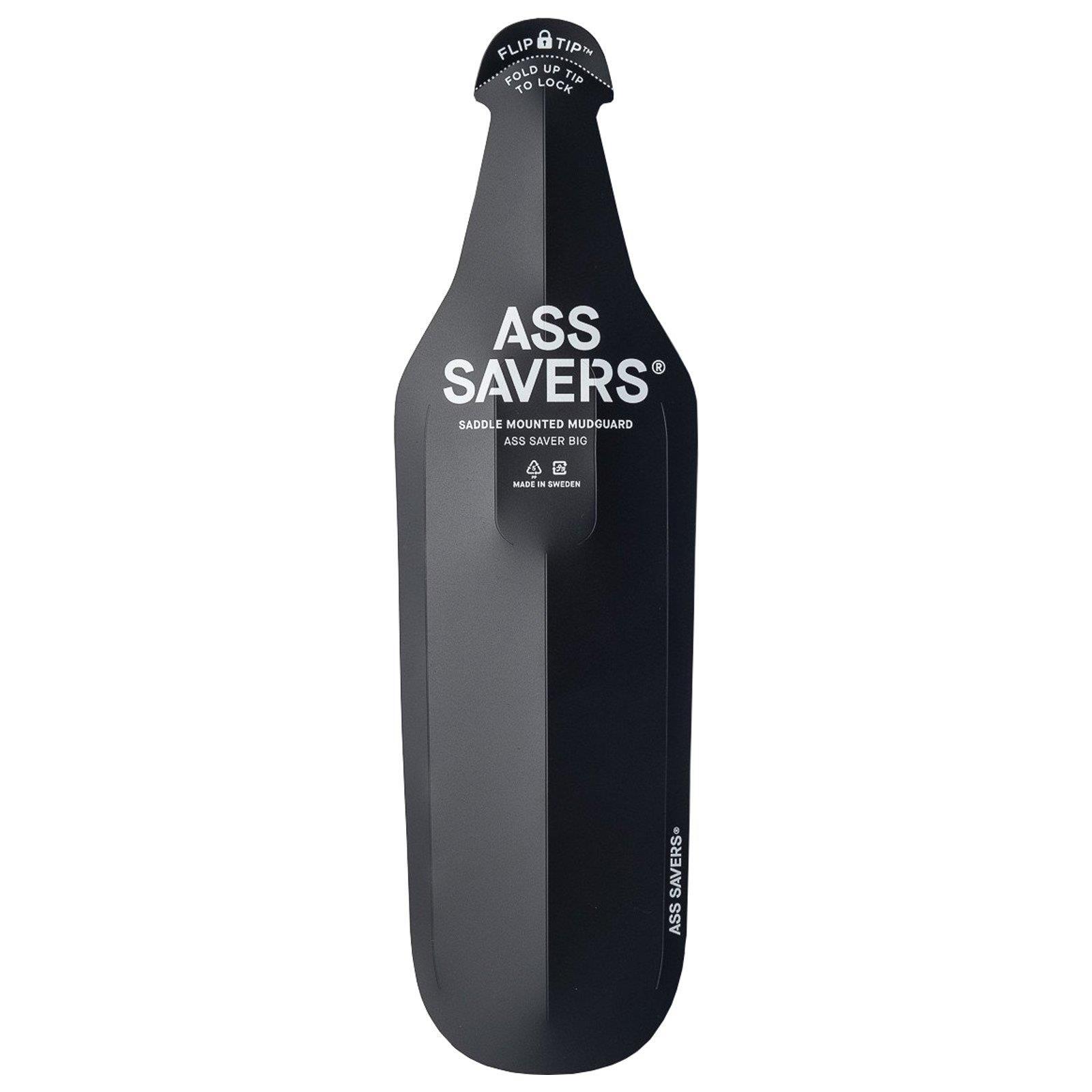
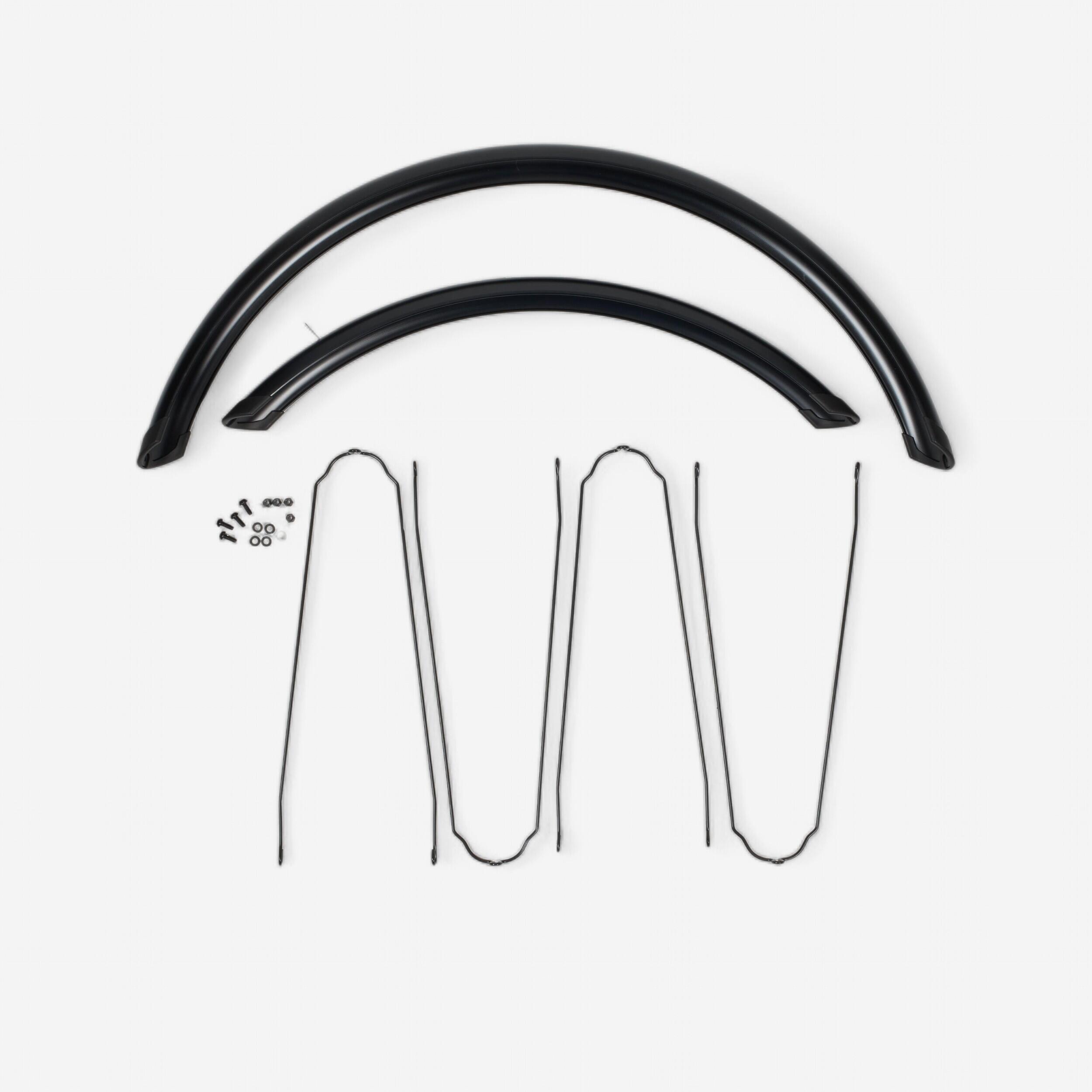
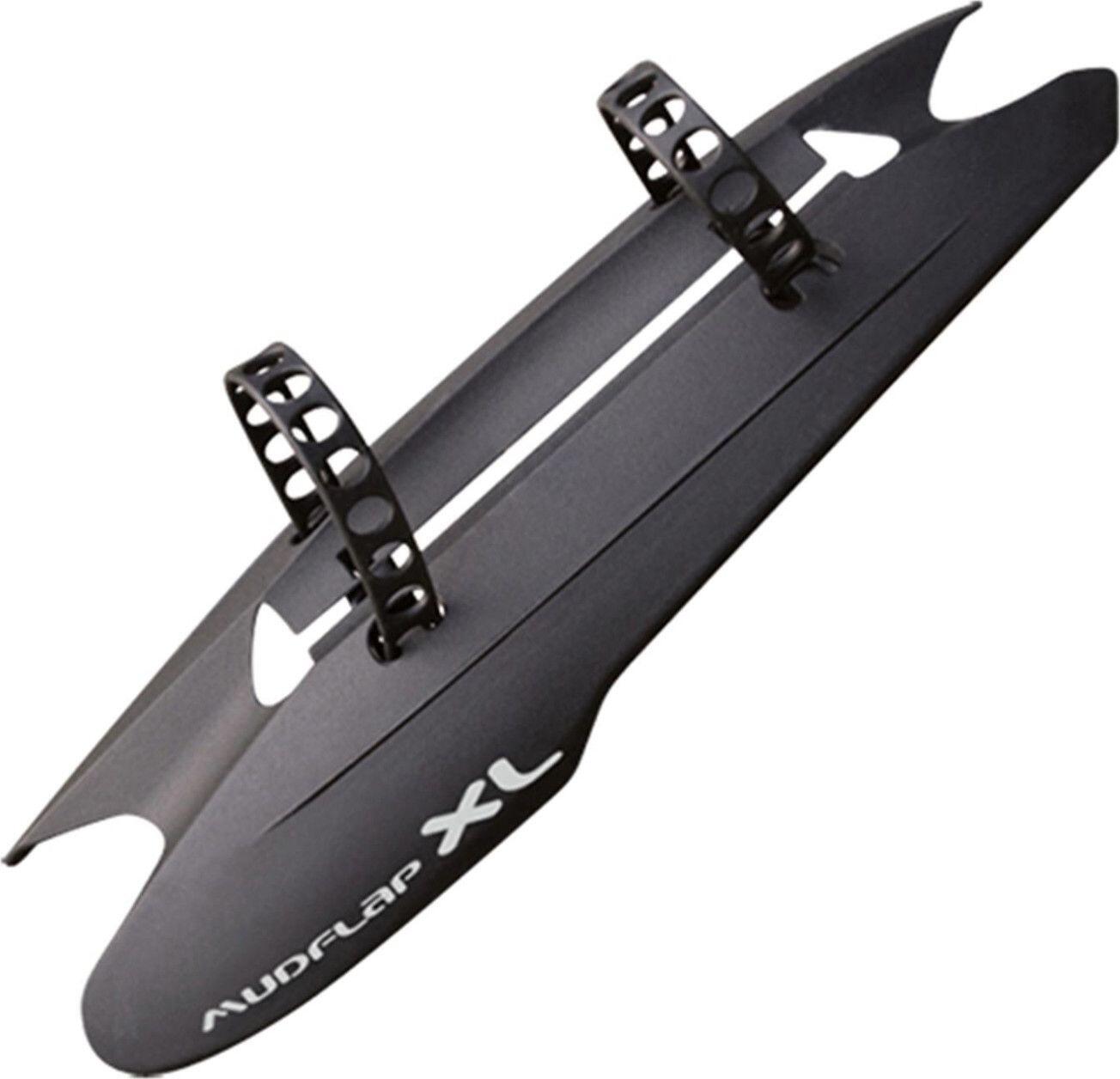
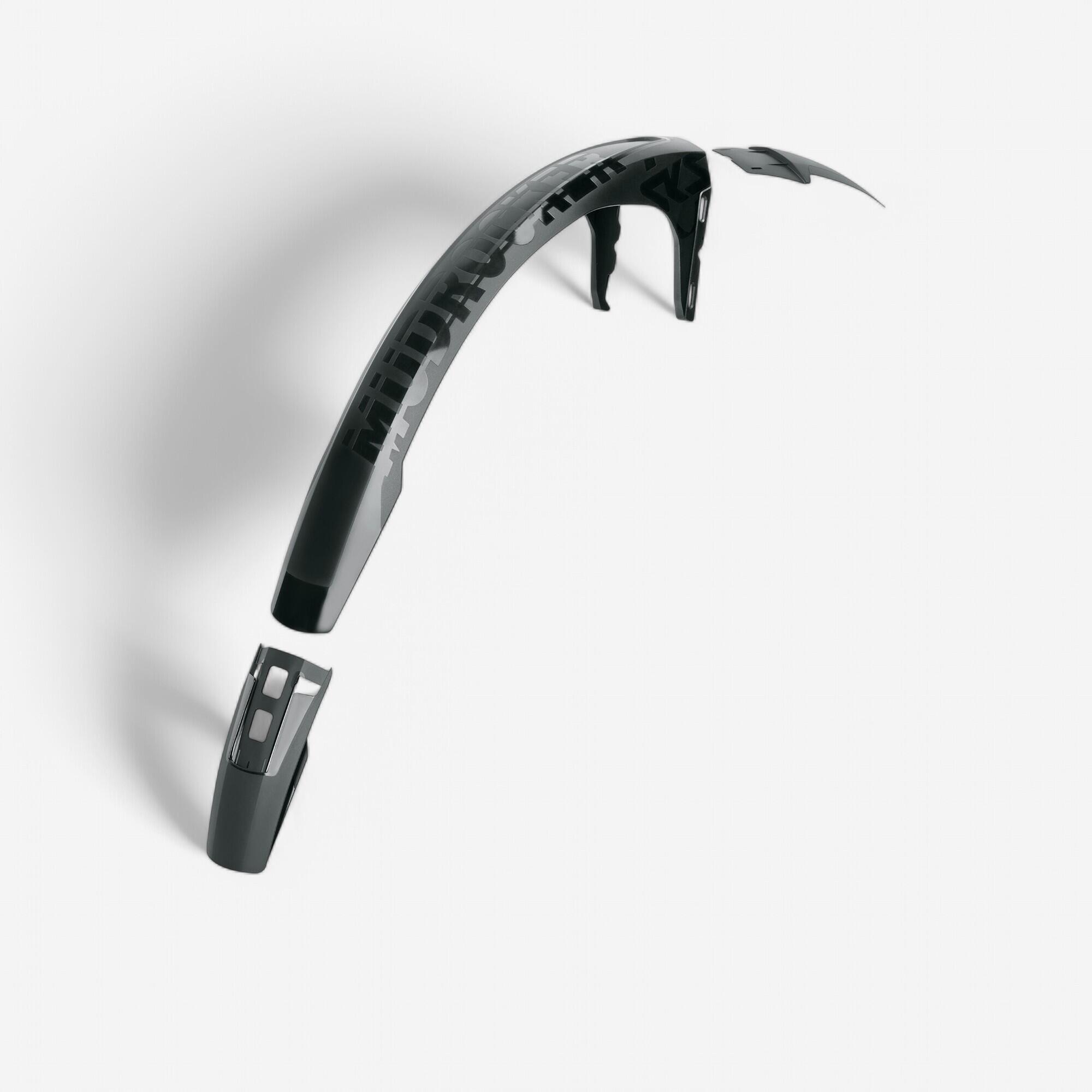
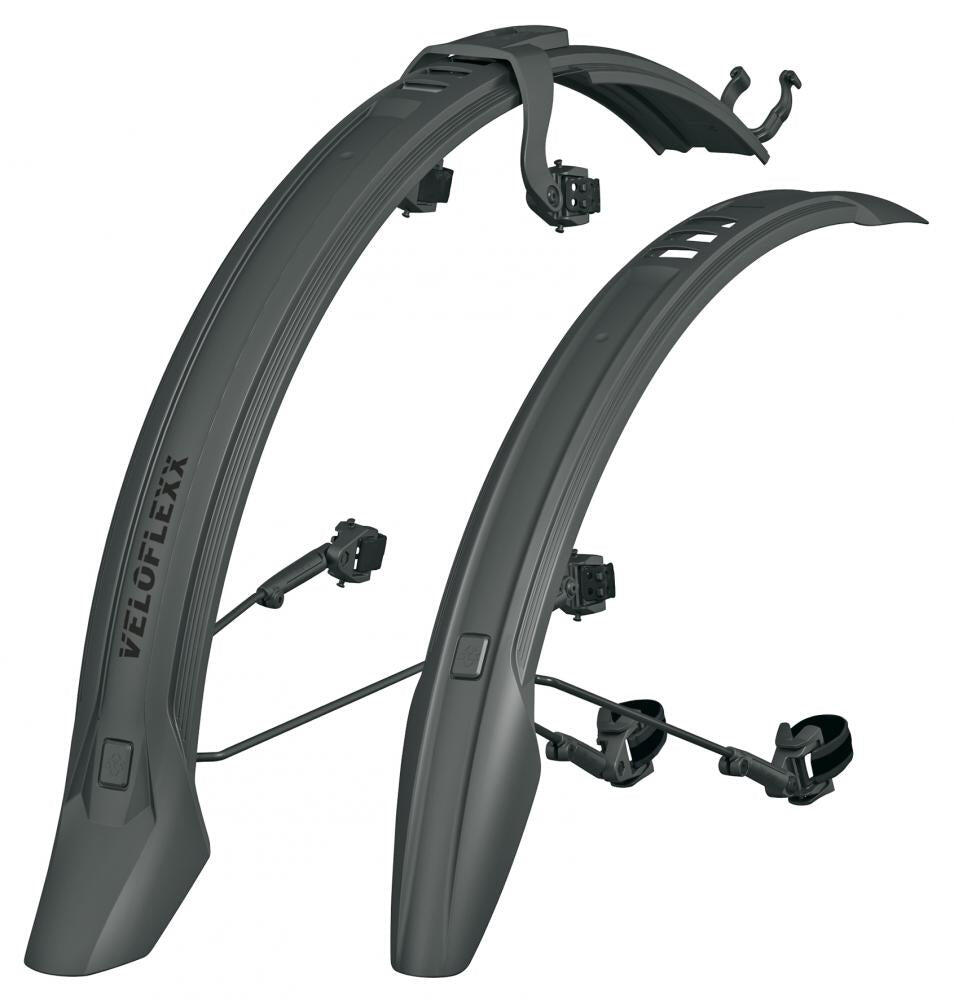
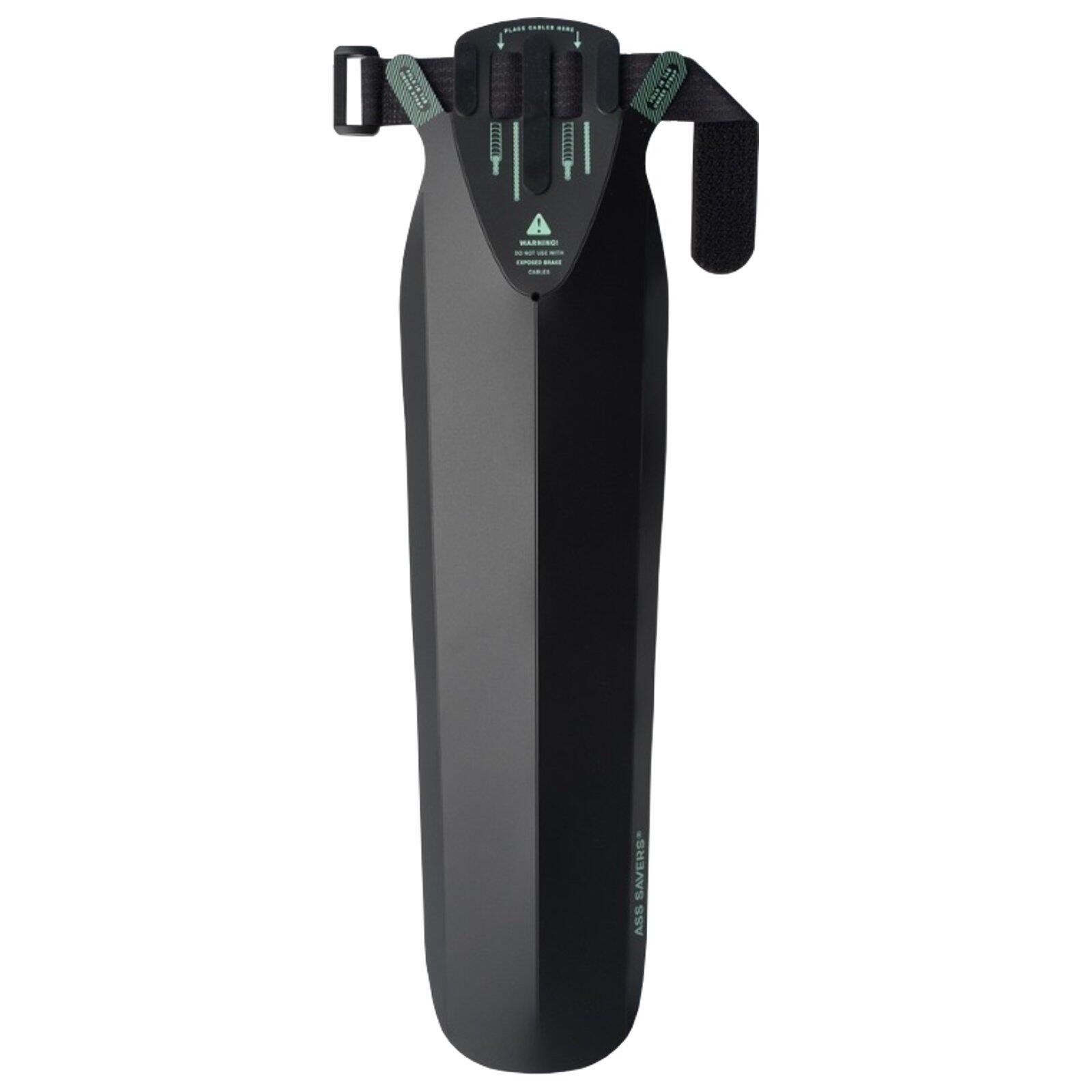
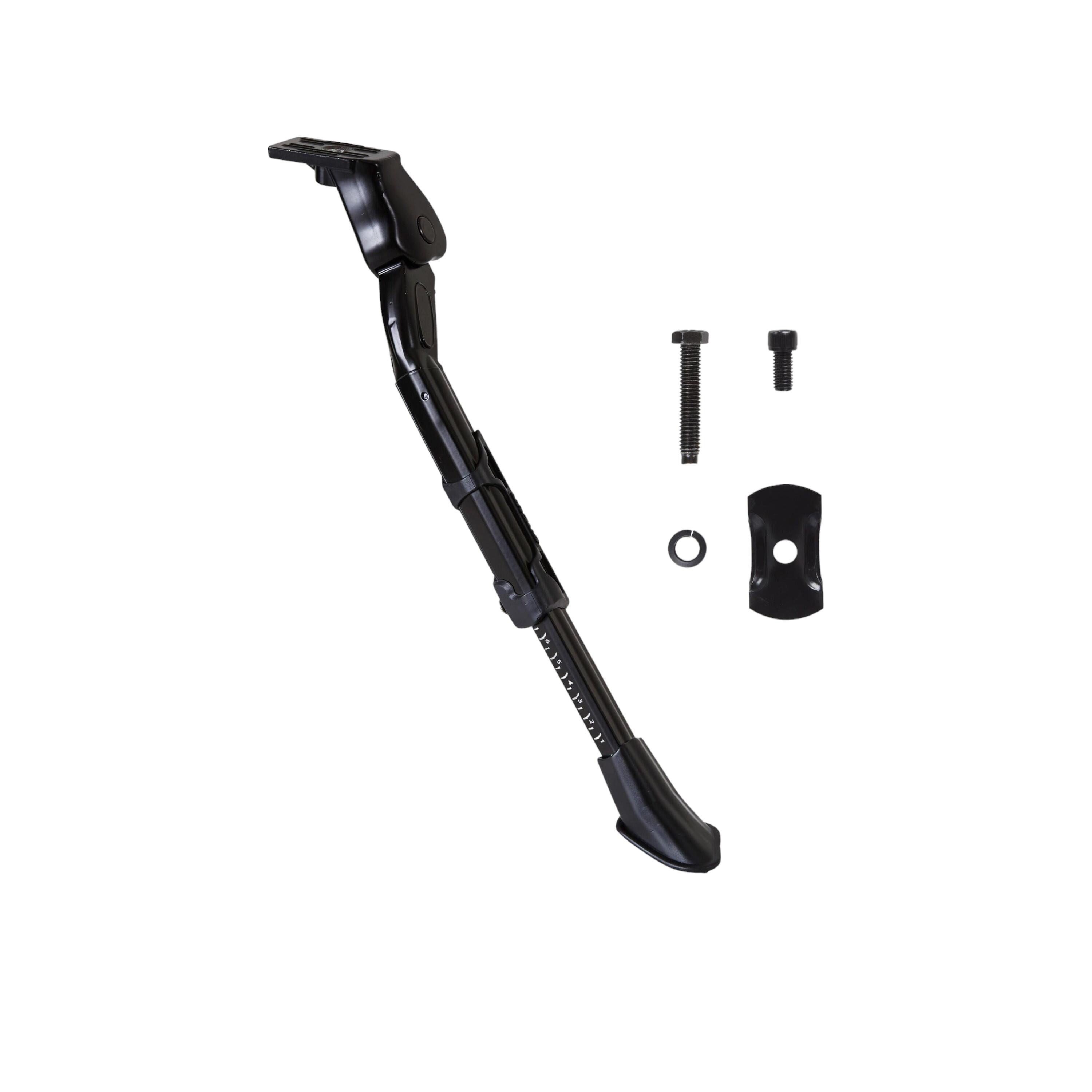
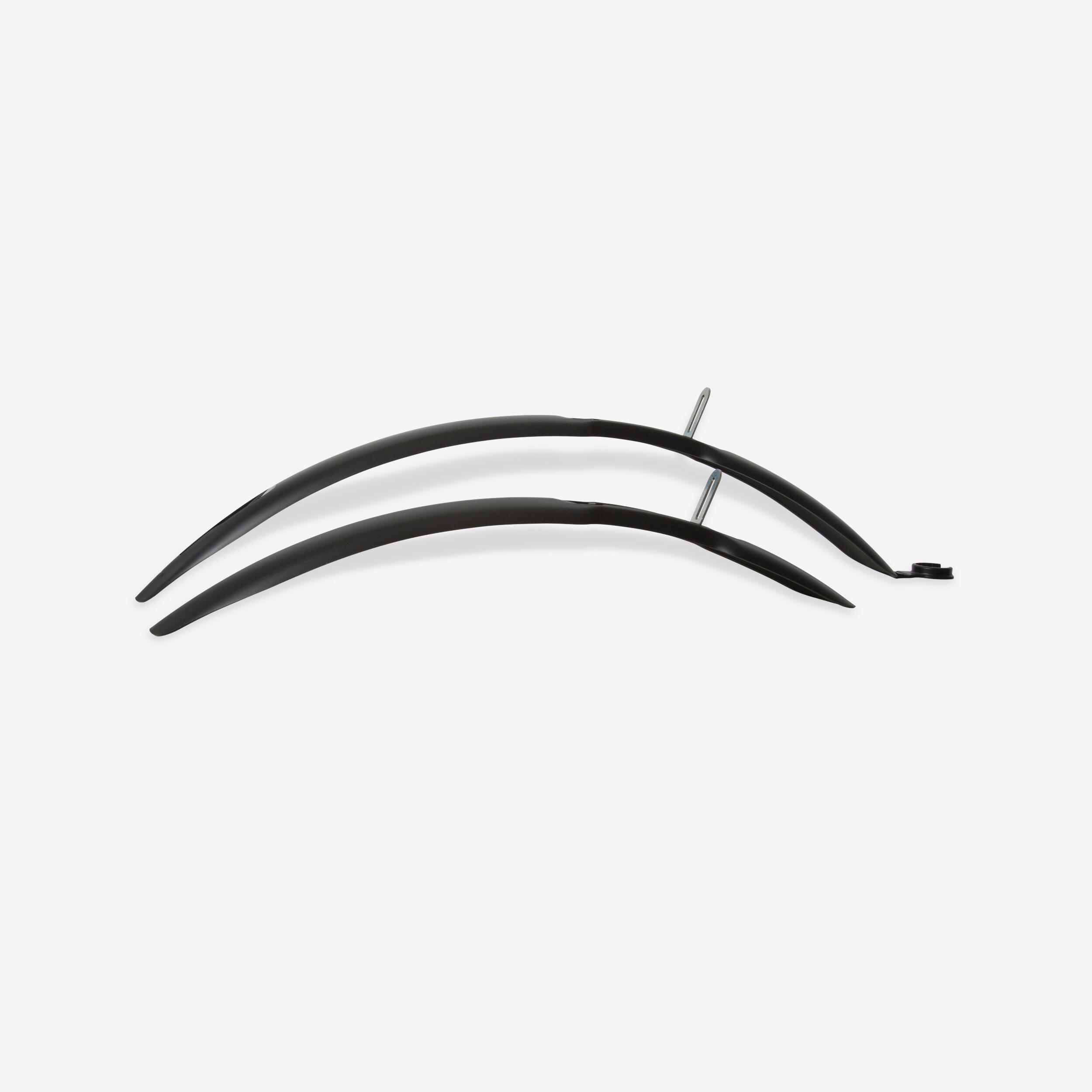
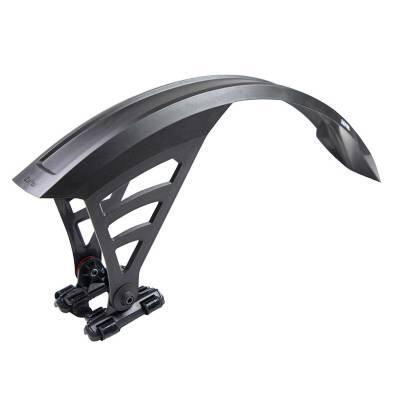
Bike mudguards help keep you and your bike clean by stopping mud, water, and road debris from splashing up as you ride. Whether you are commuting, road cycling, or tackling muddy trails, bike mudguards protect you from mud, water, and debris. Technical features in models like Rockrider or SKS ensure good coverage for wheel sizes from 26" to 29". The primary purpose of a mudguard is to keep the spray generated by rotating tyres away from your drivetrain and back wheel. While keeping your clothes clean is a major benefit, these accessories also preserve your bike components by reducing the amount of grit that reaches sensitive bearings and seals. For cyclists who often stop during city rides, pairing your setup with sturdy bike kickstands ensures your bicycle remains upright and stable when parked on uneven surfaces. By managing moisture and dirt, you effectively extend the lifespan of your mechanical parts and ensure a much drier experience during wet winter training sessions.

How often do you need to replace bike mudguards?

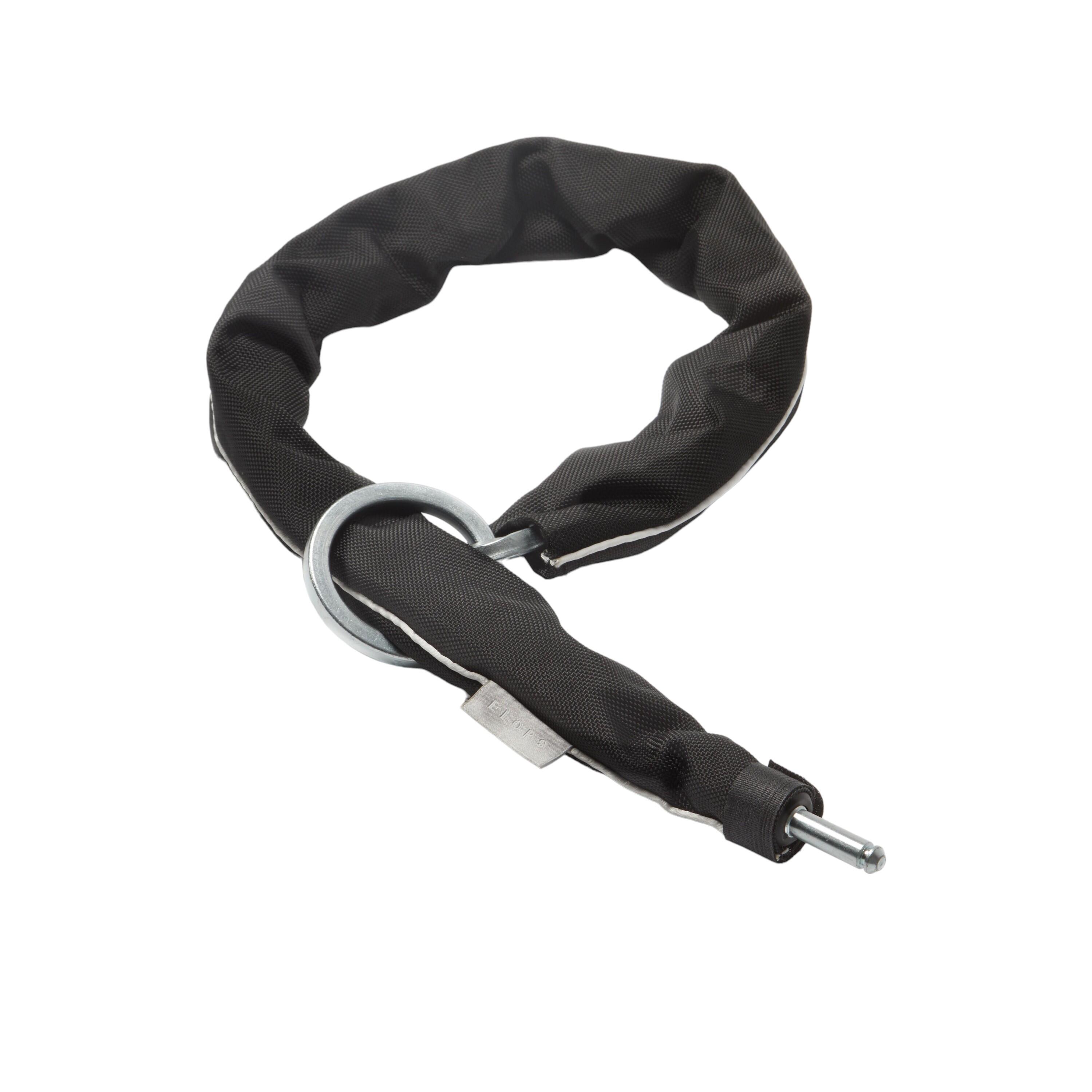
Bike mudguards do not need frequent replacement unless they are physically damaged, warped, or lose their stability. High-quality mountain bike mudguards are designed to withstand significant vibration and impact, but you should still check the mounting points and brackets for signs of fatigue or cracking. If you regularly leave your bike outdoors in the sun, UV exposure can gradually make plastic blades brittle, increasing the risk of snapping on impact. For commuters who park their bikes in public areas, it’s worth investing in more durable, heavy-duty bike locks which are essential to protect both your bicycle and its valuable accessories from theft. As long as the clearance between the tyre and the guard remains consistent and the fittings are tight, your guards will continue to function effectively. A replacement is usually only necessary if the guard can no longer be aligned correctly or if you upgrade to a different tyre width that requires a wider blade for adequate spray protection.

What’s the difference between road bike mudguards and mountain bike mudguards?

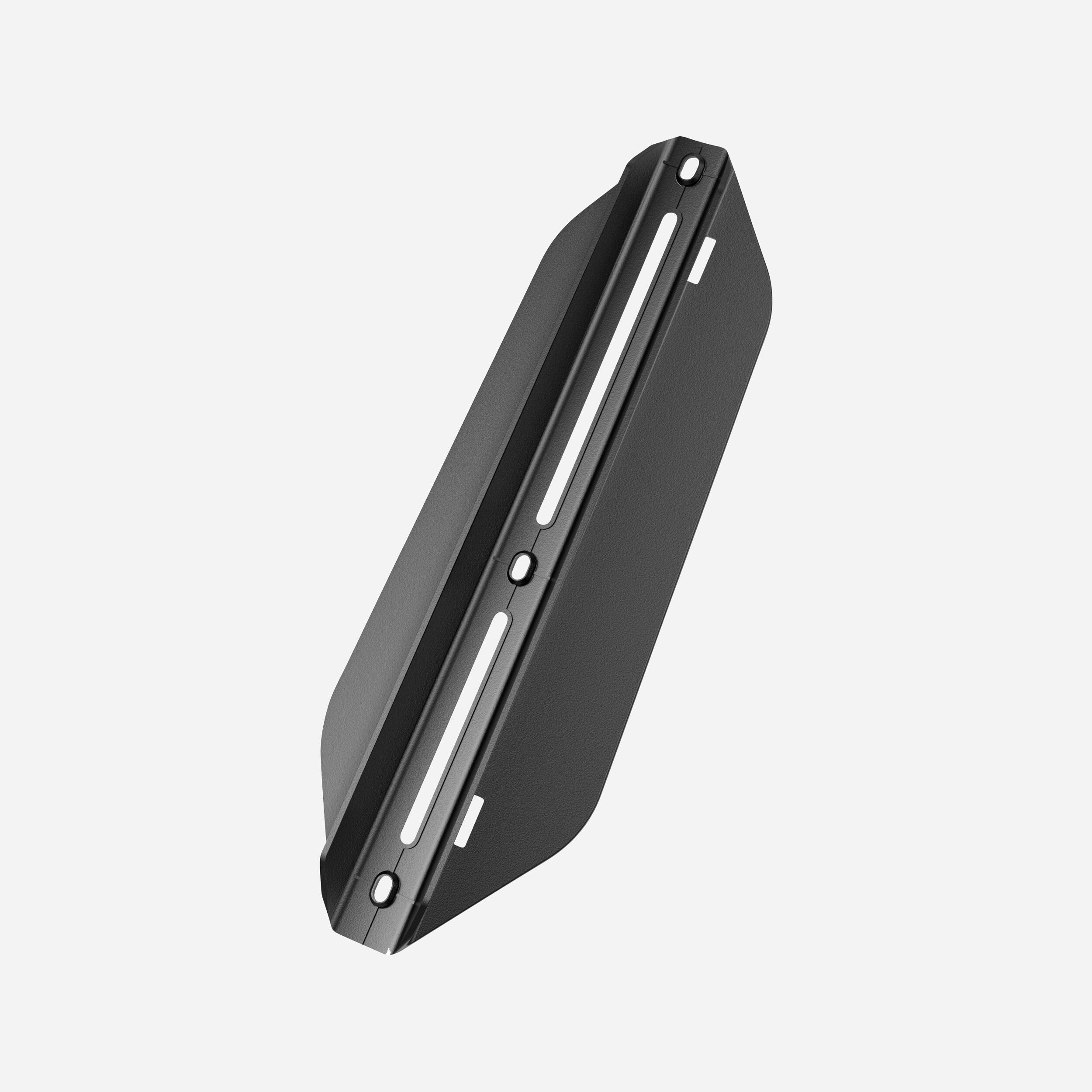
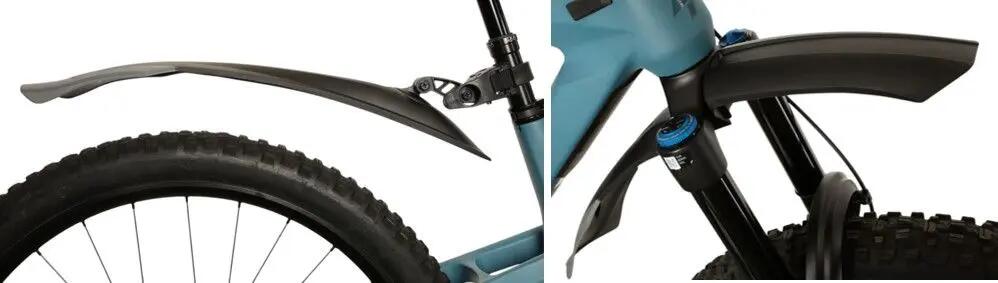
Selecting the right gear depends on how intense your workout is and whether you’re focusing on holding positions or moving quickly. Road bike mudguards are typically sleek and narrow to match high-pressure tyres, focusing on aerodynamics and weight reduction while blocking fine water spray. In contrast, MTB mudguards are wider and sit further from the tyre to prevent mud from clogging the gap and stopping the wheel. Many mountain bikers use "marsh guards" that attach directly to the fork bridge to protect the face and suspension seals from direct hits. If you are navigating busy traffic, adding bike mirrors to your handlebars alongside your guards can significantly improve your awareness of approaching vehicles. The technical reason behind the difference is clearance management: road guards offer a tight fit for maximum spray capture, while off-road models prioritize the ejection of thick debris to maintain wheel rotation on technical, boggy trails.

How do I ensure visibility when using full-length mudguards?

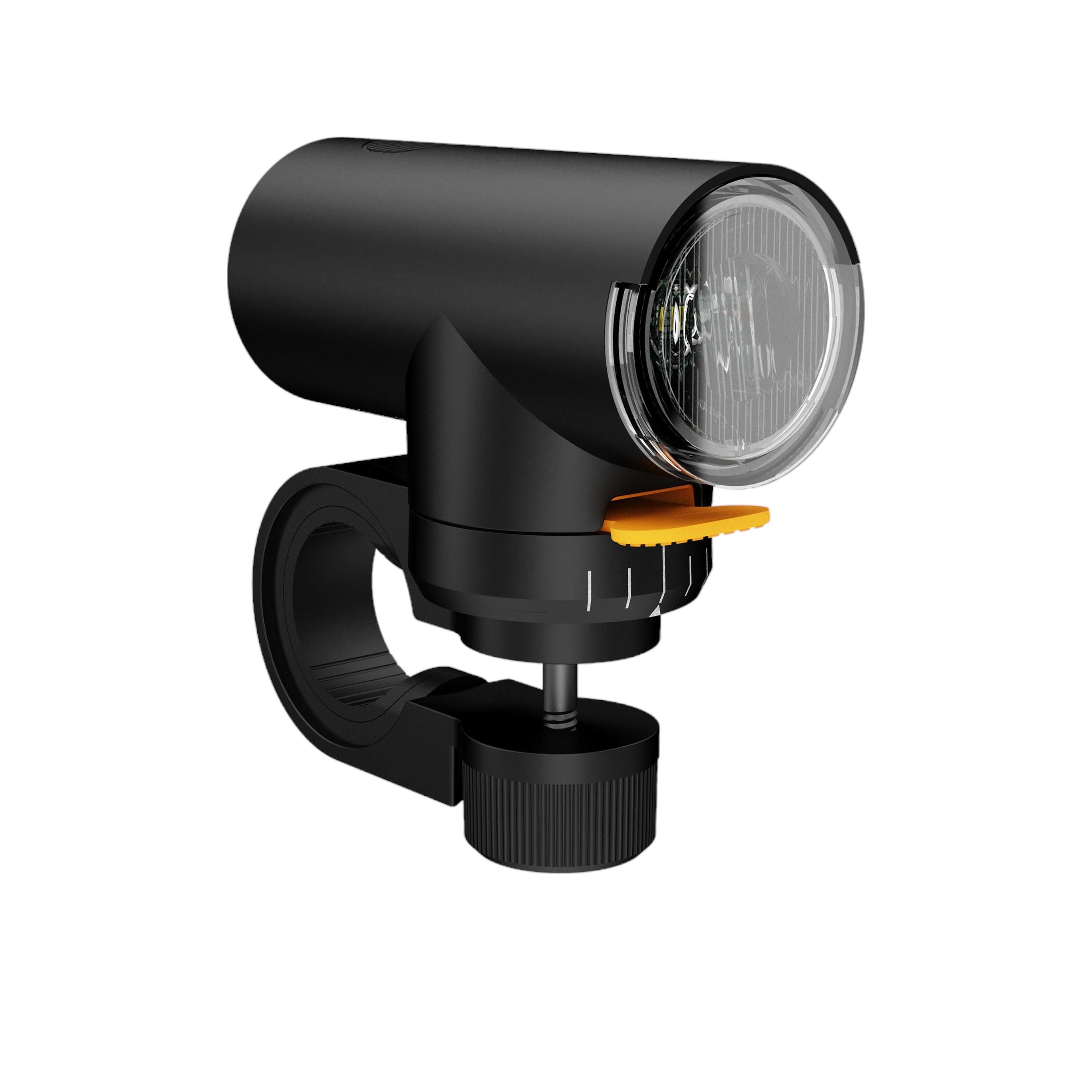
Full-length mudguards can sometimes obscure the mounting points for traditional seatpost accessories, so choosing models with integrated features is a smart technical decision. Some modern rear guards feature dedicated clips or internal routing specifically for bike lights, ensuring you remain visible to motorists from behind even in heavy rain. The reason for this integration is to keep the light high and clear of the mud spray that accumulates on the guard's surface. Proper lighting is a safety requirement for any wet-weather riding where visibility is naturally reduced. Keep athis small point in mind: when fitting a rear light to a mudguard, ensure it is angled horizontally rather than pointing down at the road to maximize its effective range. This setup creates a complete weather-ready system that handles both the physical debris of the road and the safety requirements of low-light cycling environments.
Can I use mudguards while training on a turbo trainer?

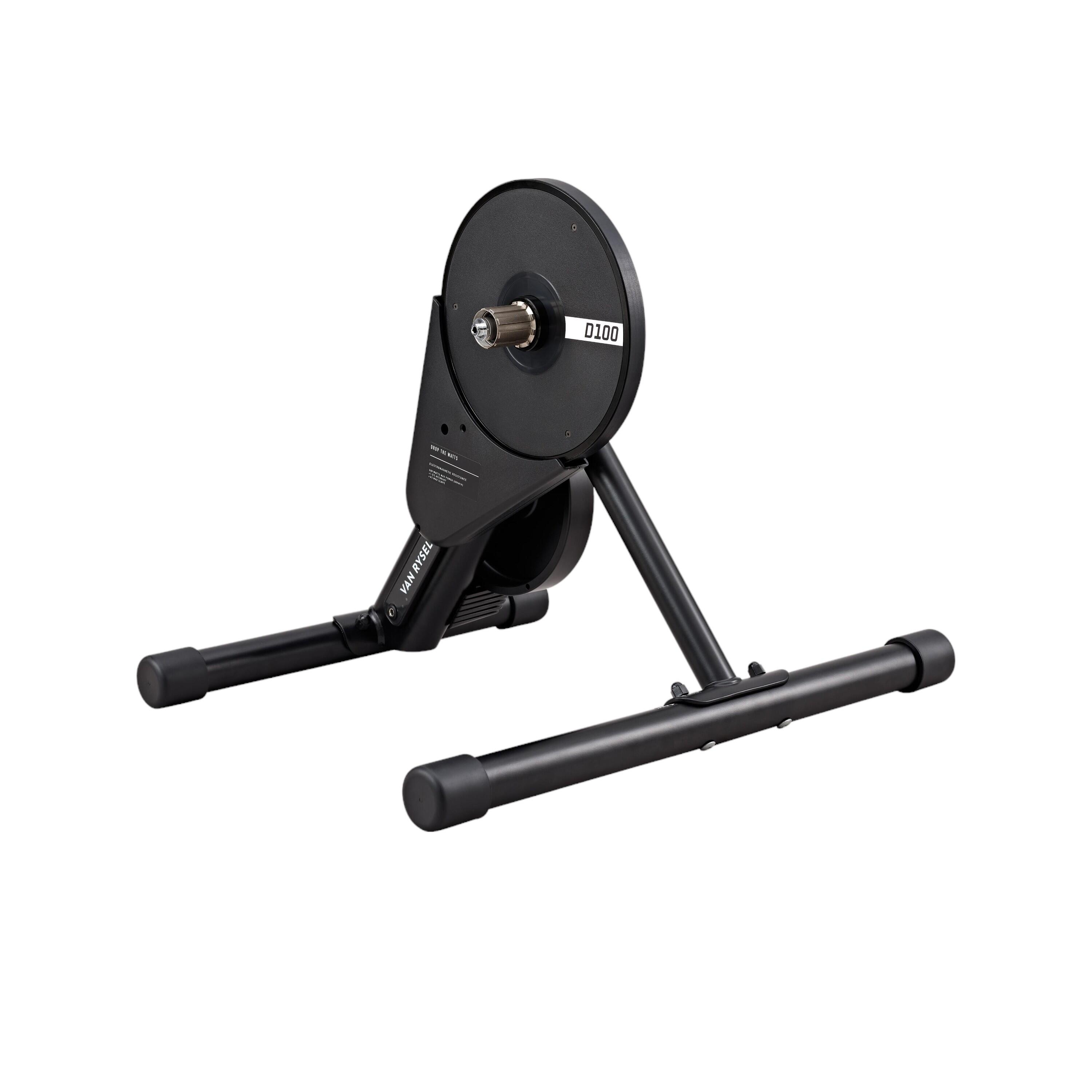
Most standard mudguards should be removed before setting up your bicycle on an indoor trainer, because the rear mounting hardware and the guard blade itself often block the axle or clamping mechanism of typical bike turbo trainers. Indoor cycling environments are entirely dry, so mud protection is not required. It is a best practice to detach these accessories to ensure your bike is securely locked into the trainer frame without any interference, providing the stability needed for high-intensity power intervals or long endurance efforts in your home gym setup.

What are the benefits of using bike mudguards with touring luggage?

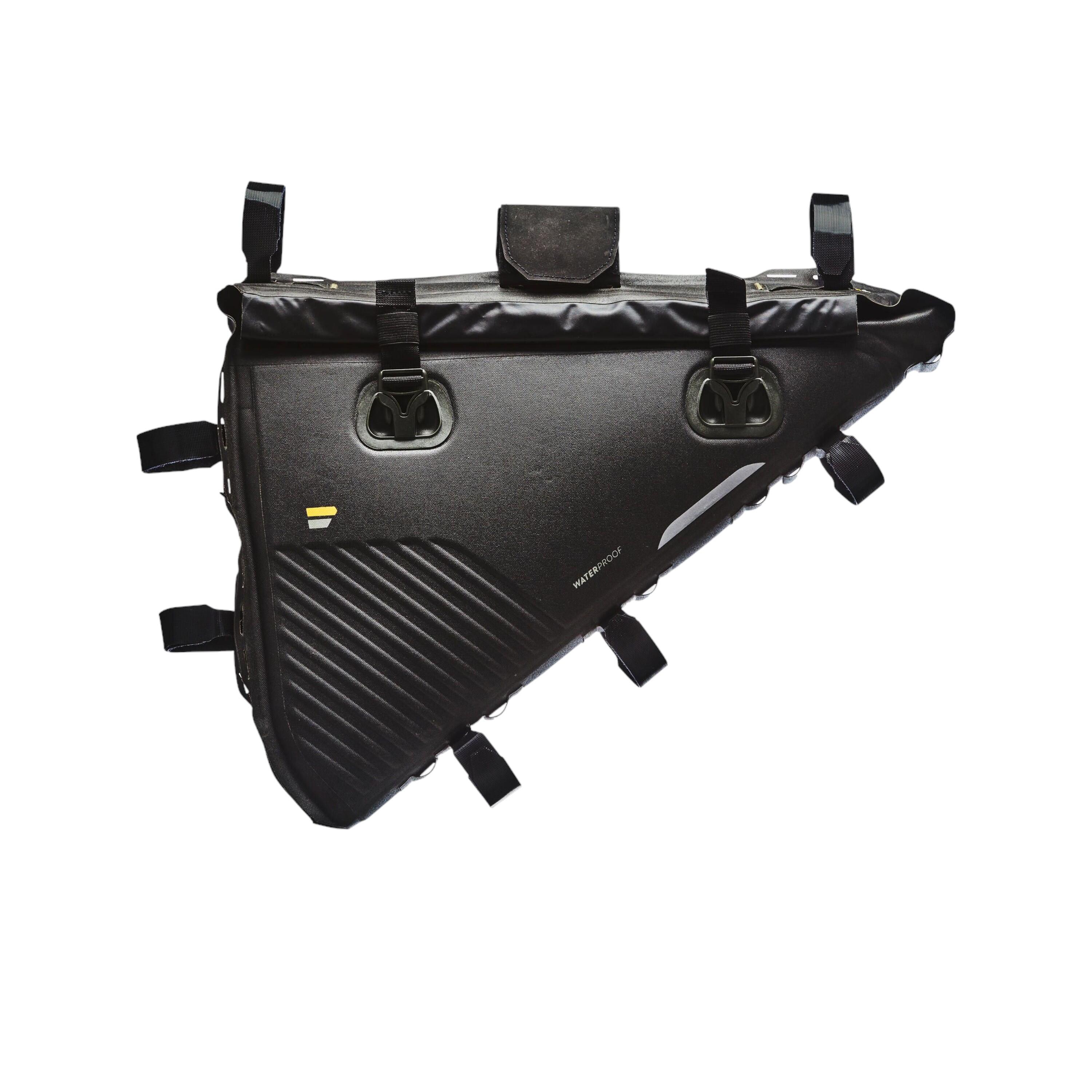
When you are going on long-distance tours, keeping your gear dry and clean is a logistical priority. A set of full-coverage mudguards acts as a primary shield for your bike luggage, preventing road spray from soaking into fabric panniers or saddlebags. This protection is essential for keeping spare clothing, electronics, and food supplies free from dirt and moisture throughout the duration of your trip. The technical advantage of combining guards with rack-mounted bags is that it minimizes the amount of grit forced into zippers and seams, significantly extending the functional life of your luggage while ensuring the integrity of your belongings.