99 items
4.5/5 based on 128 reviews collected online and in stores

Junior Golf Kits & Clubs FAQs

Which junior golf kit matches a child's height?

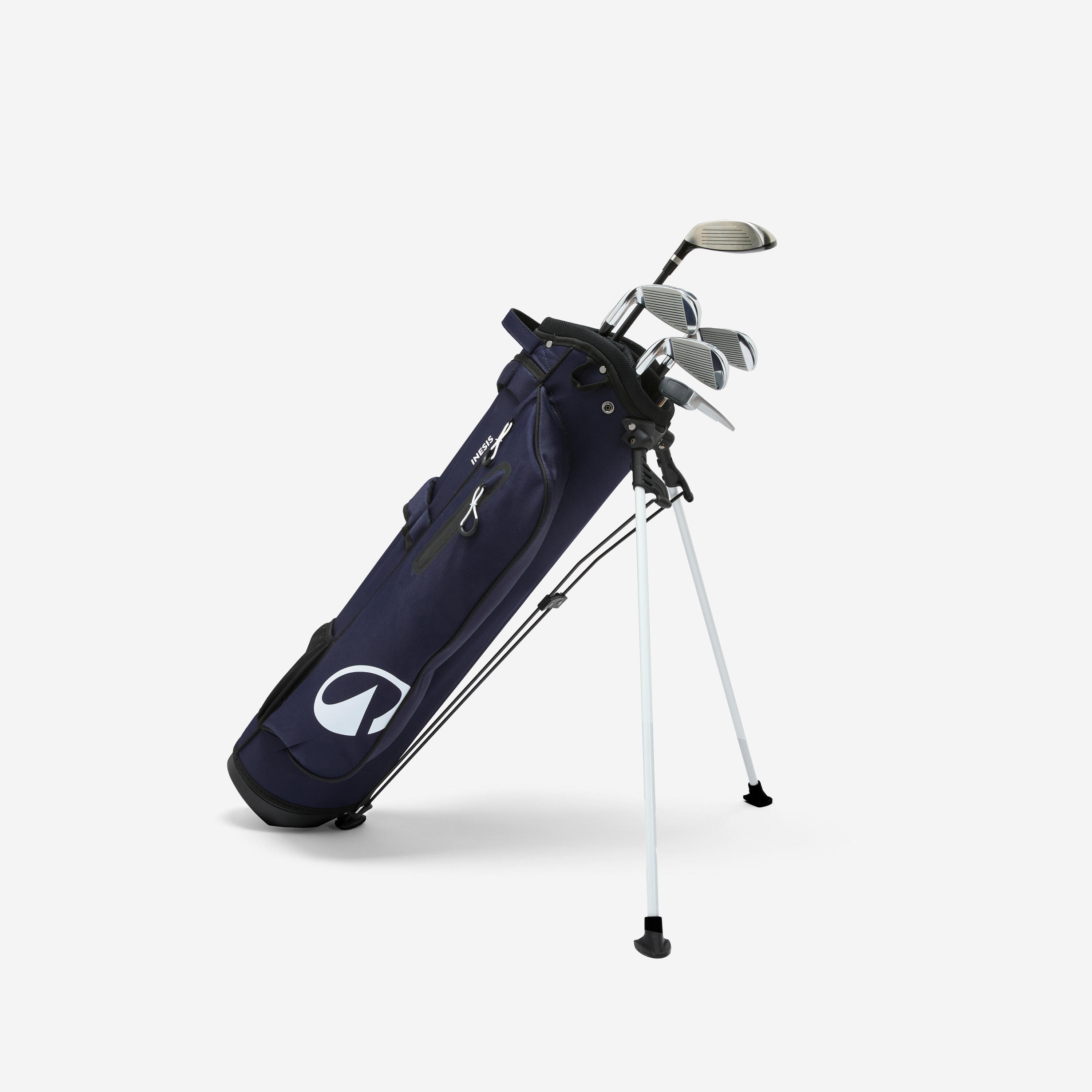
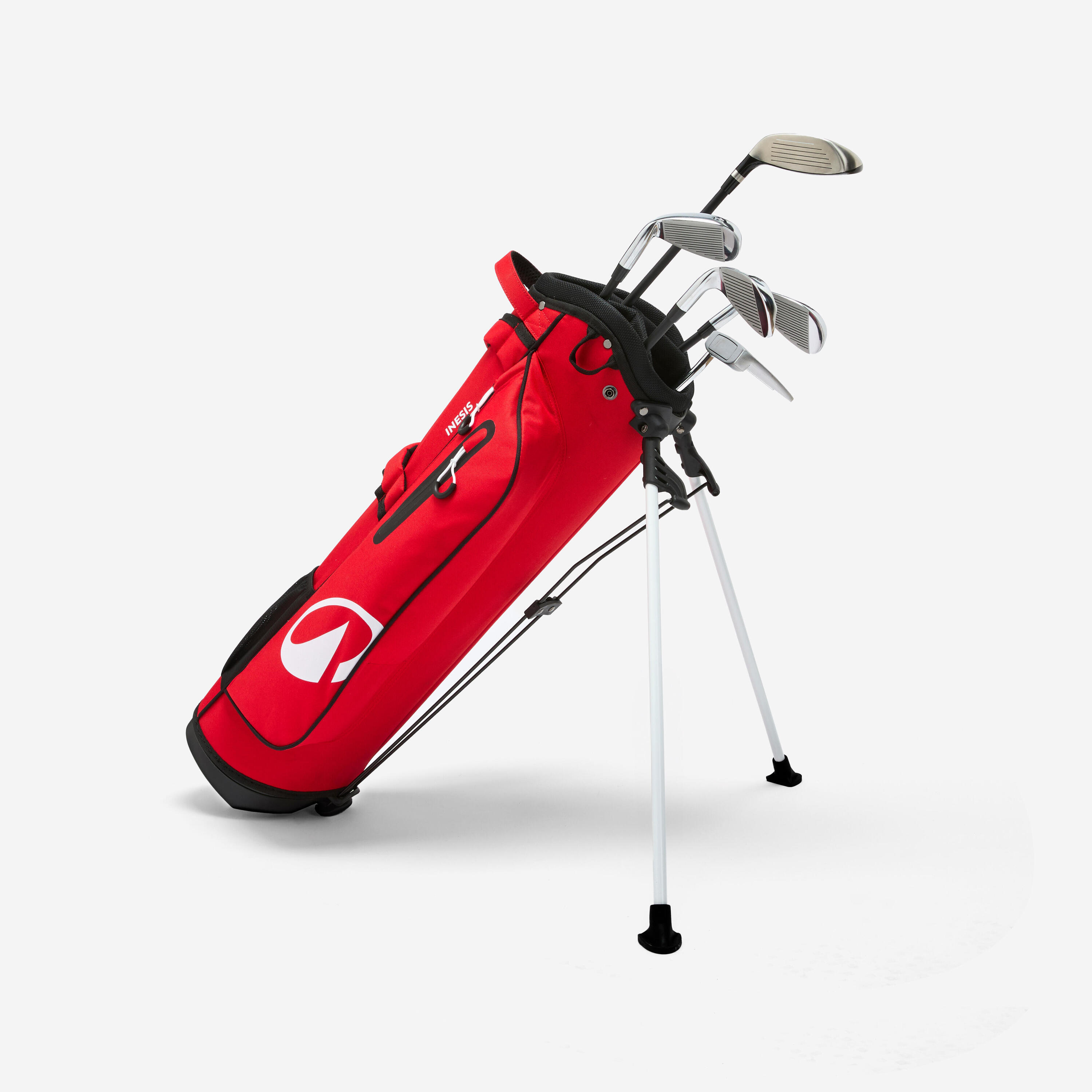
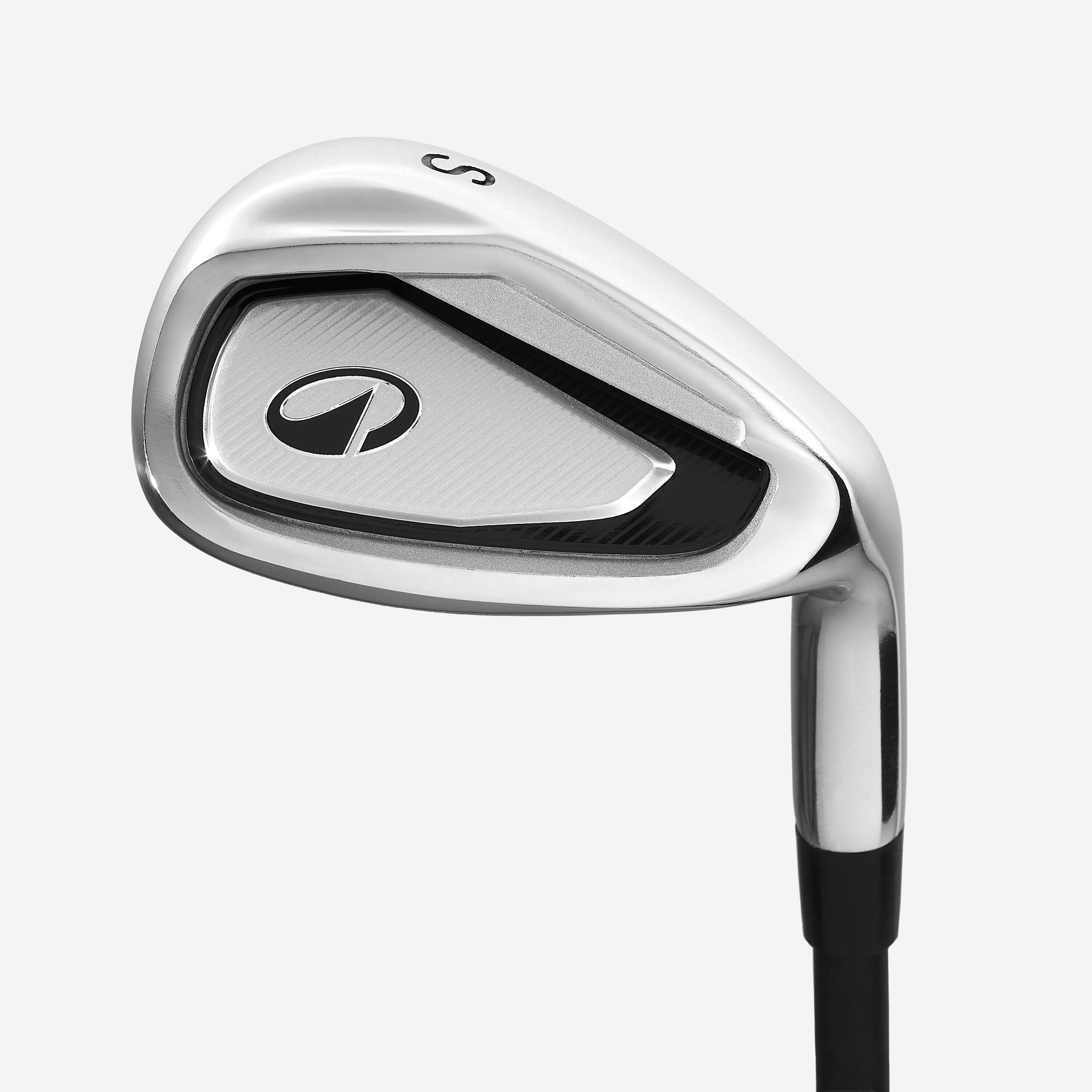
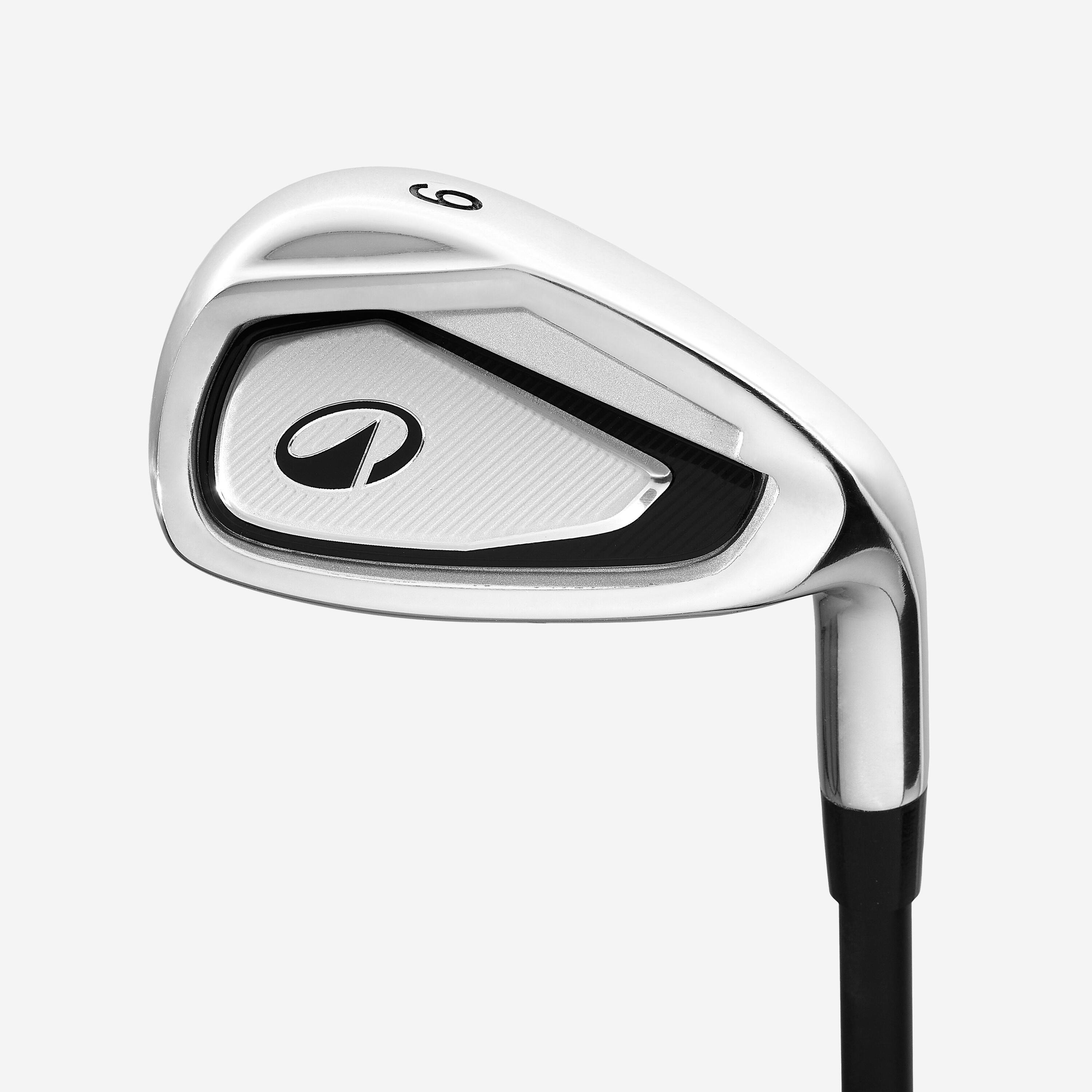
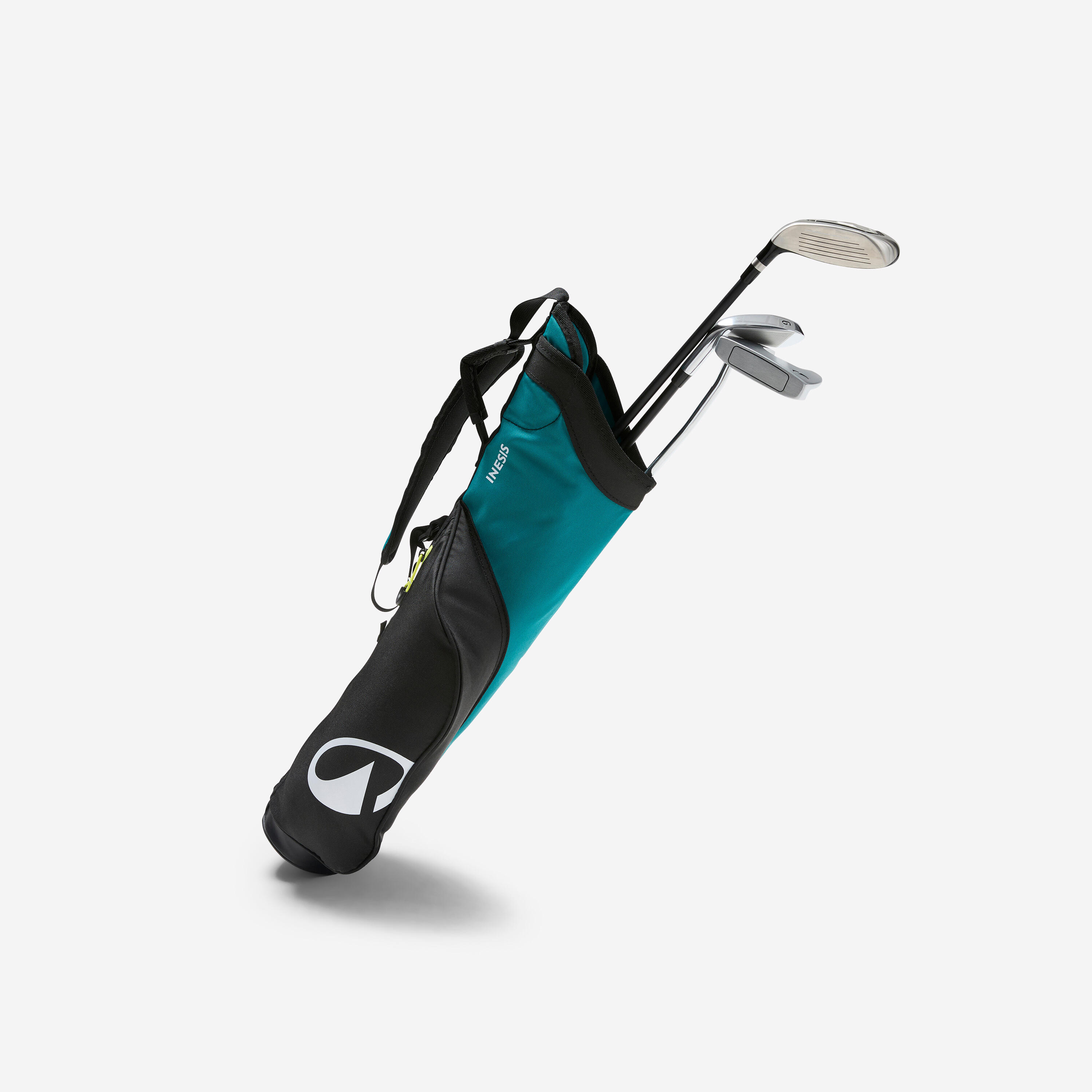
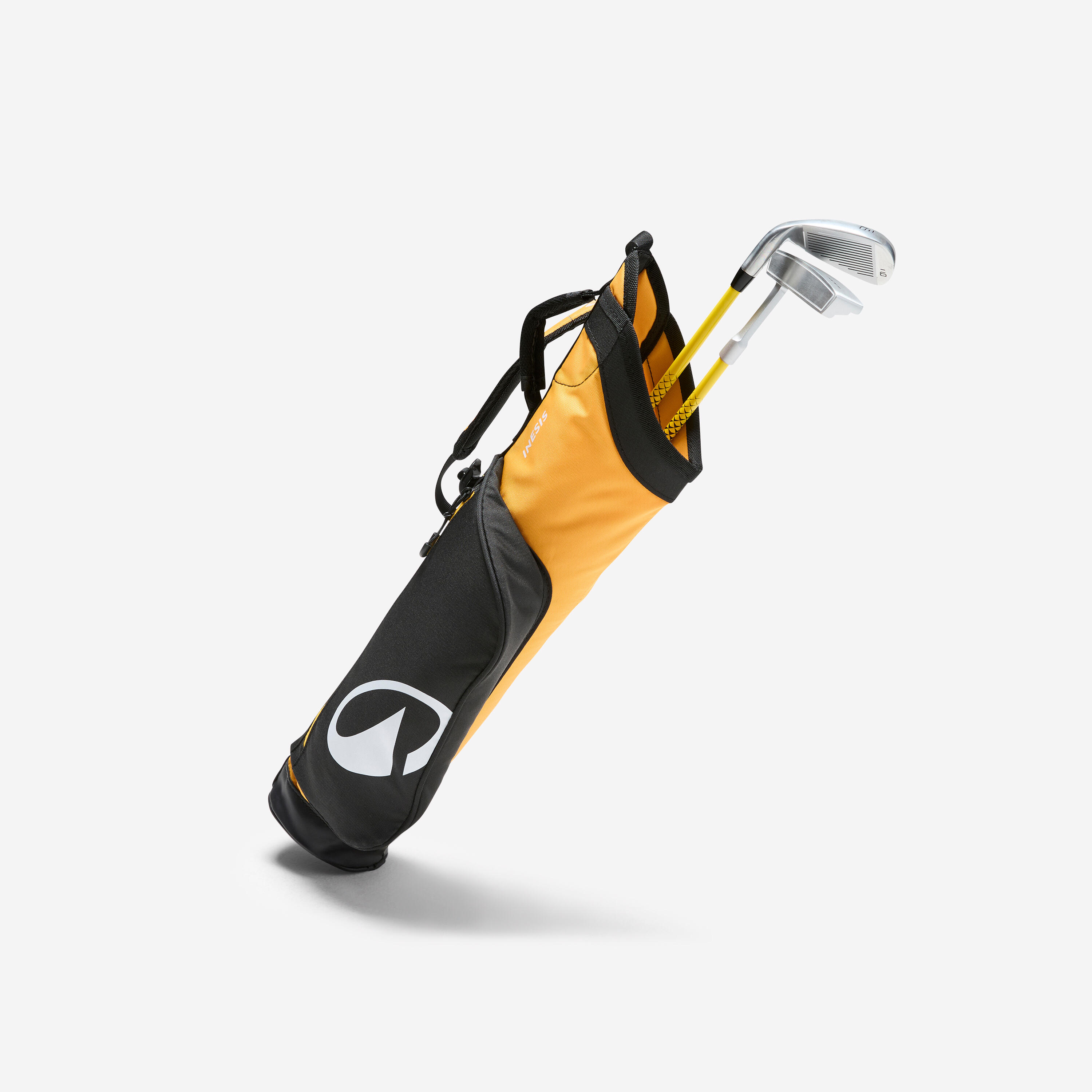
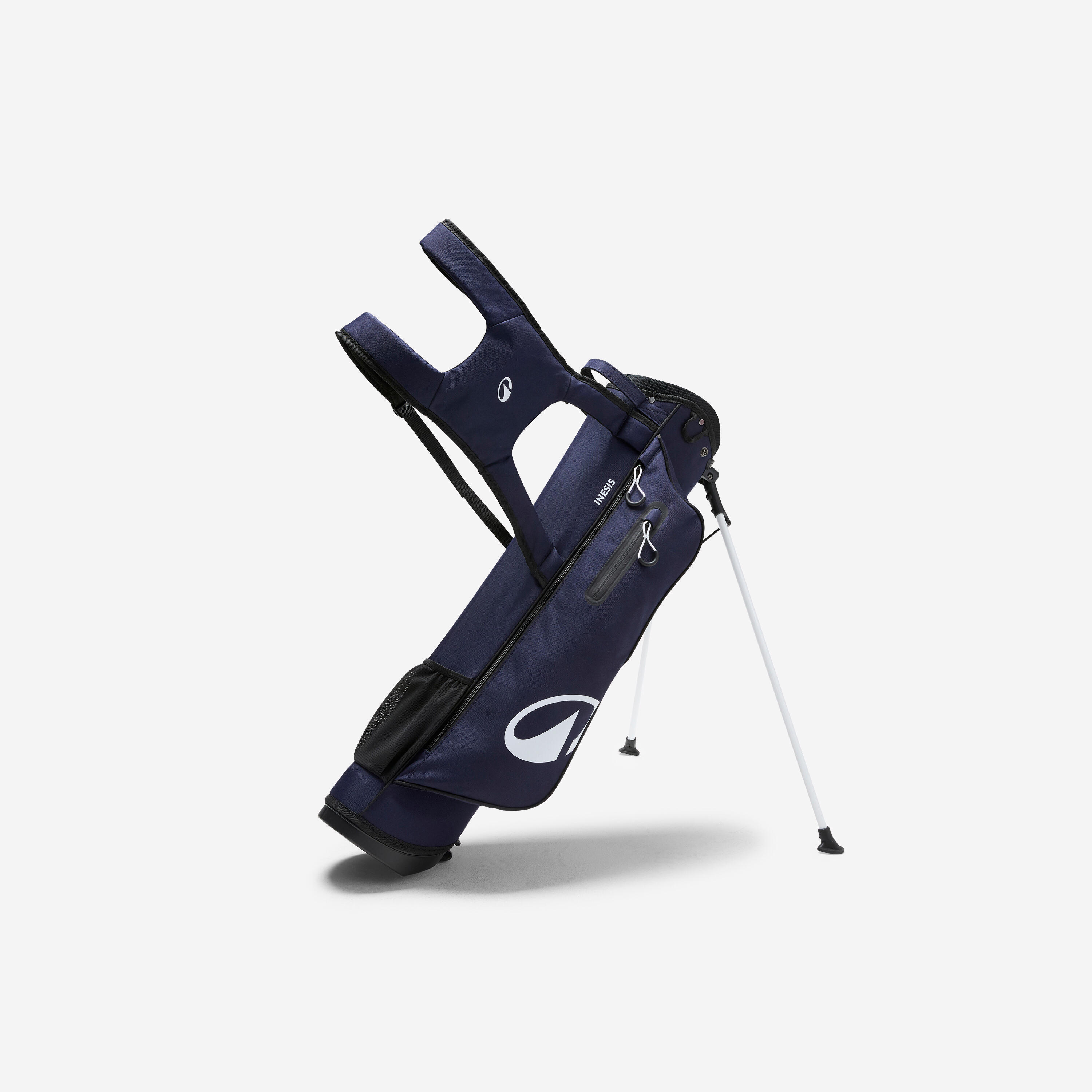
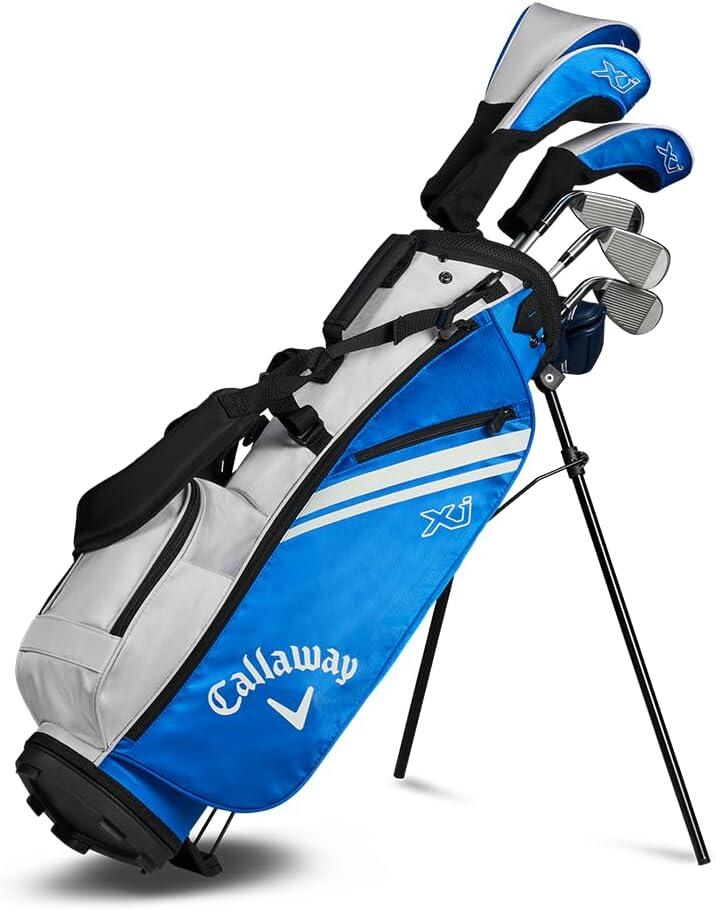
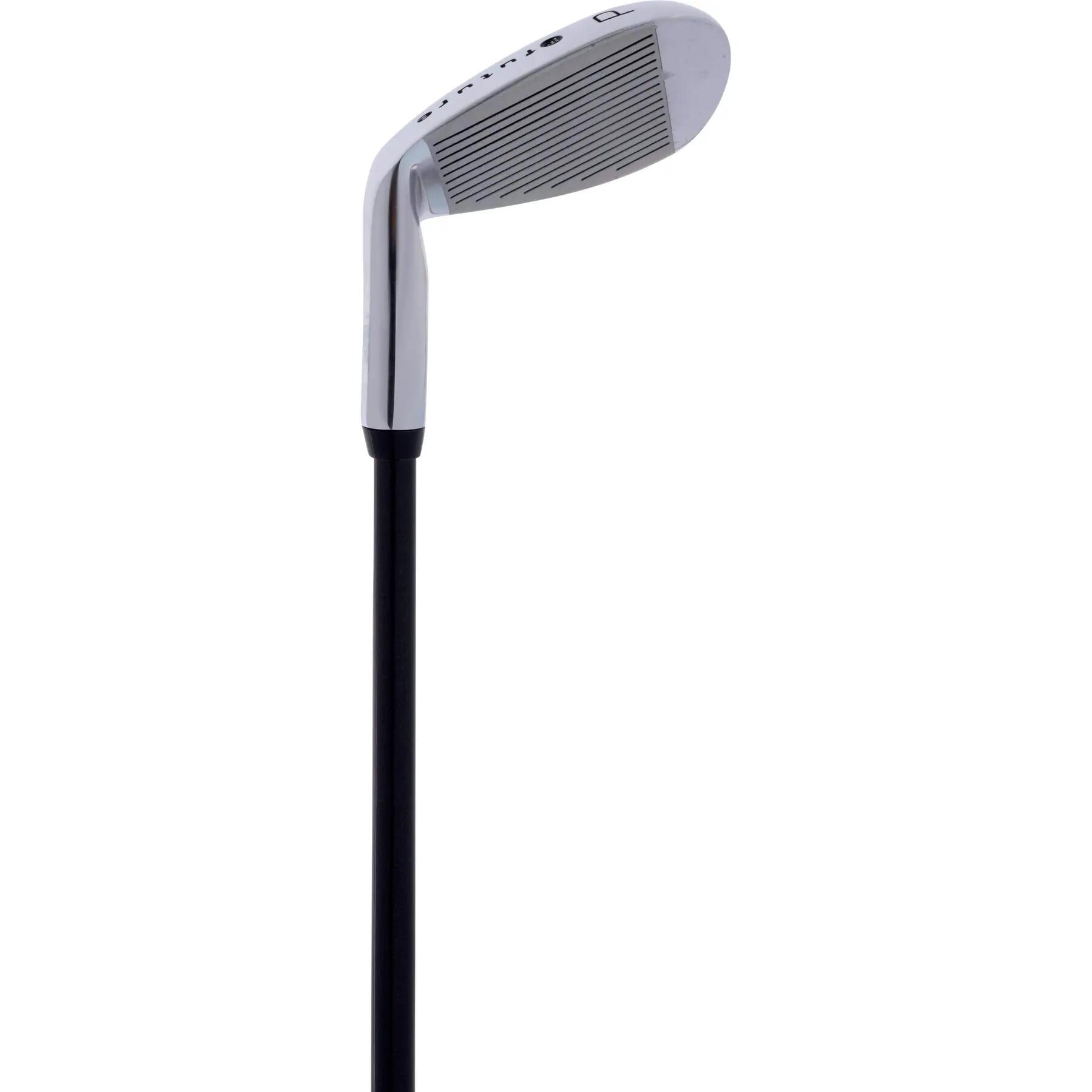
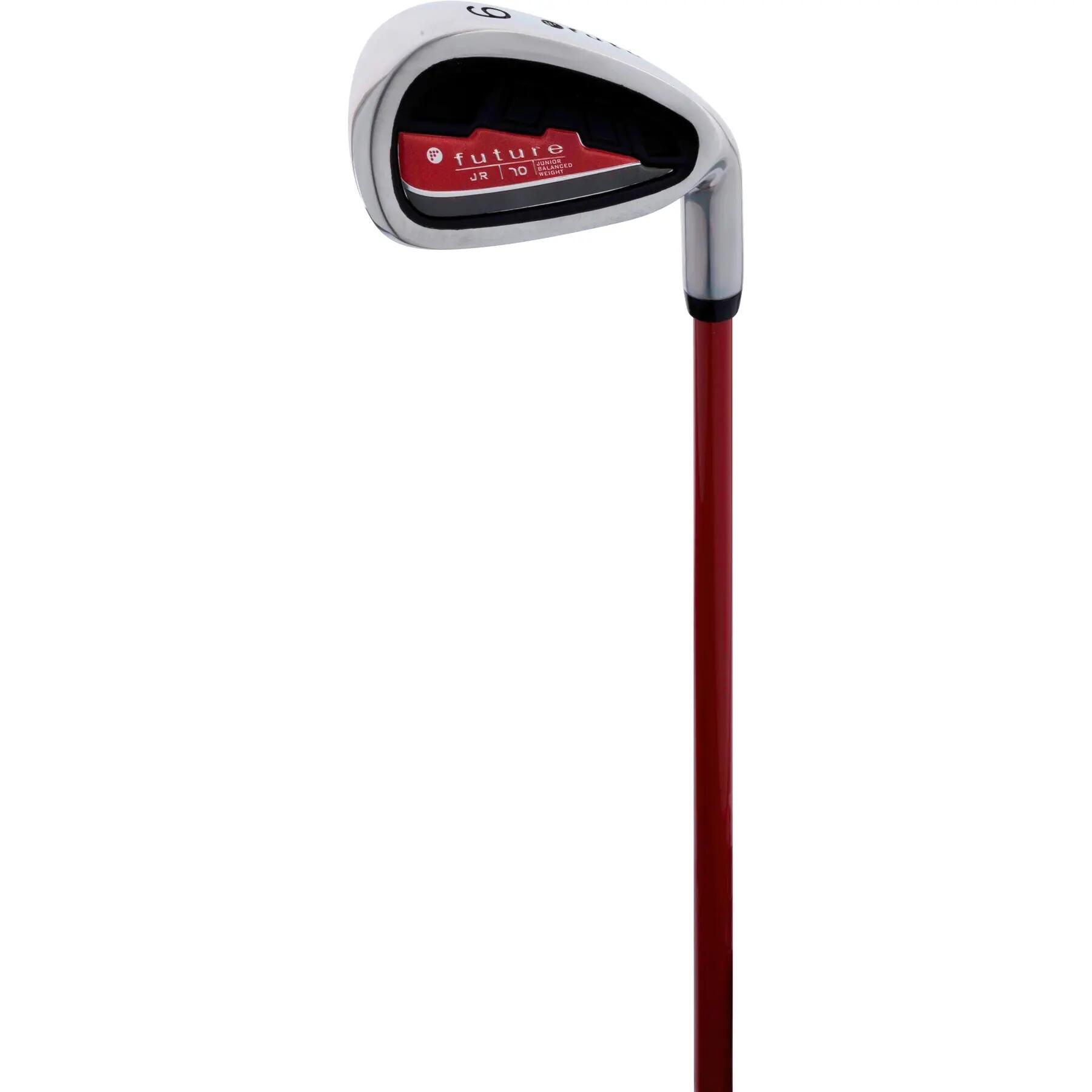
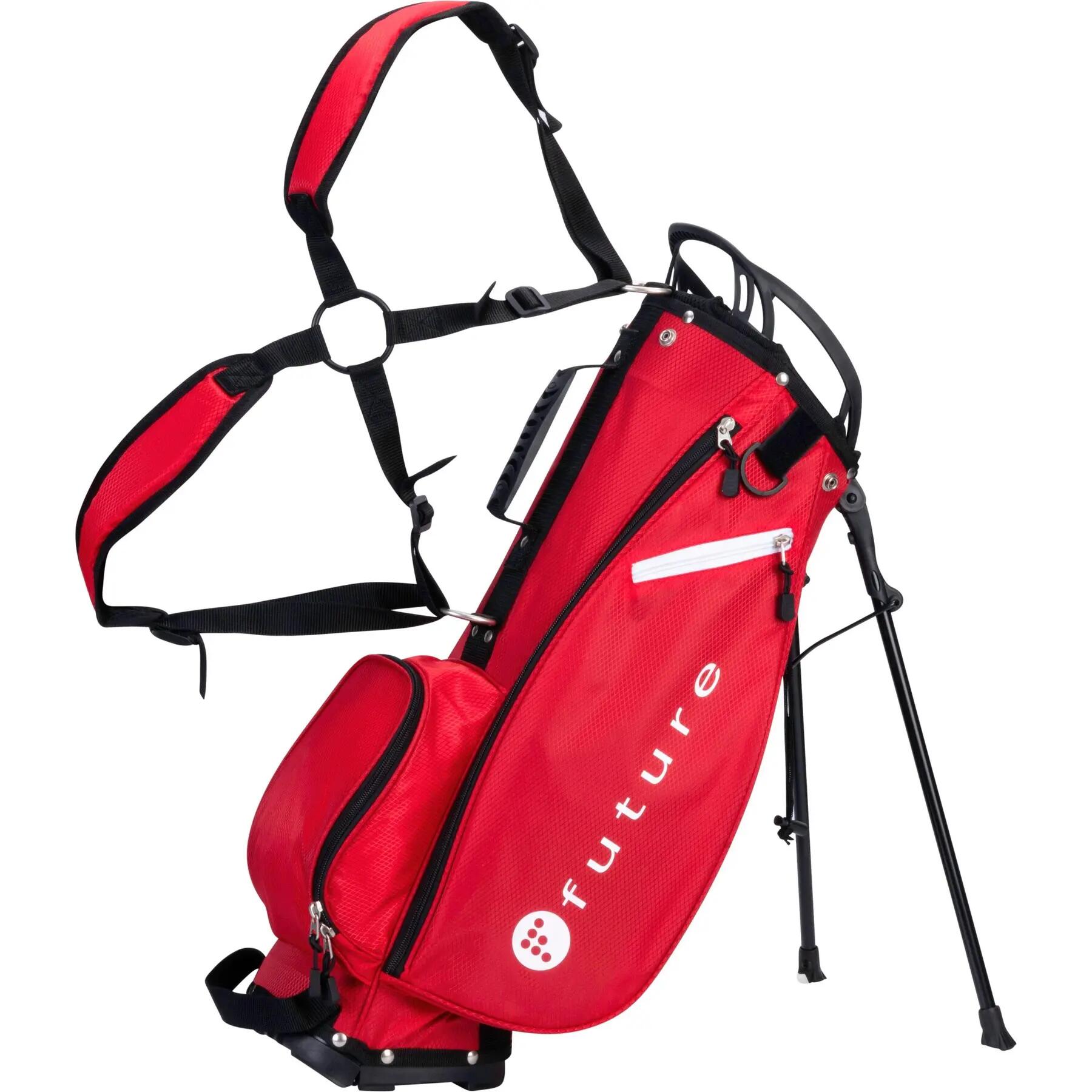
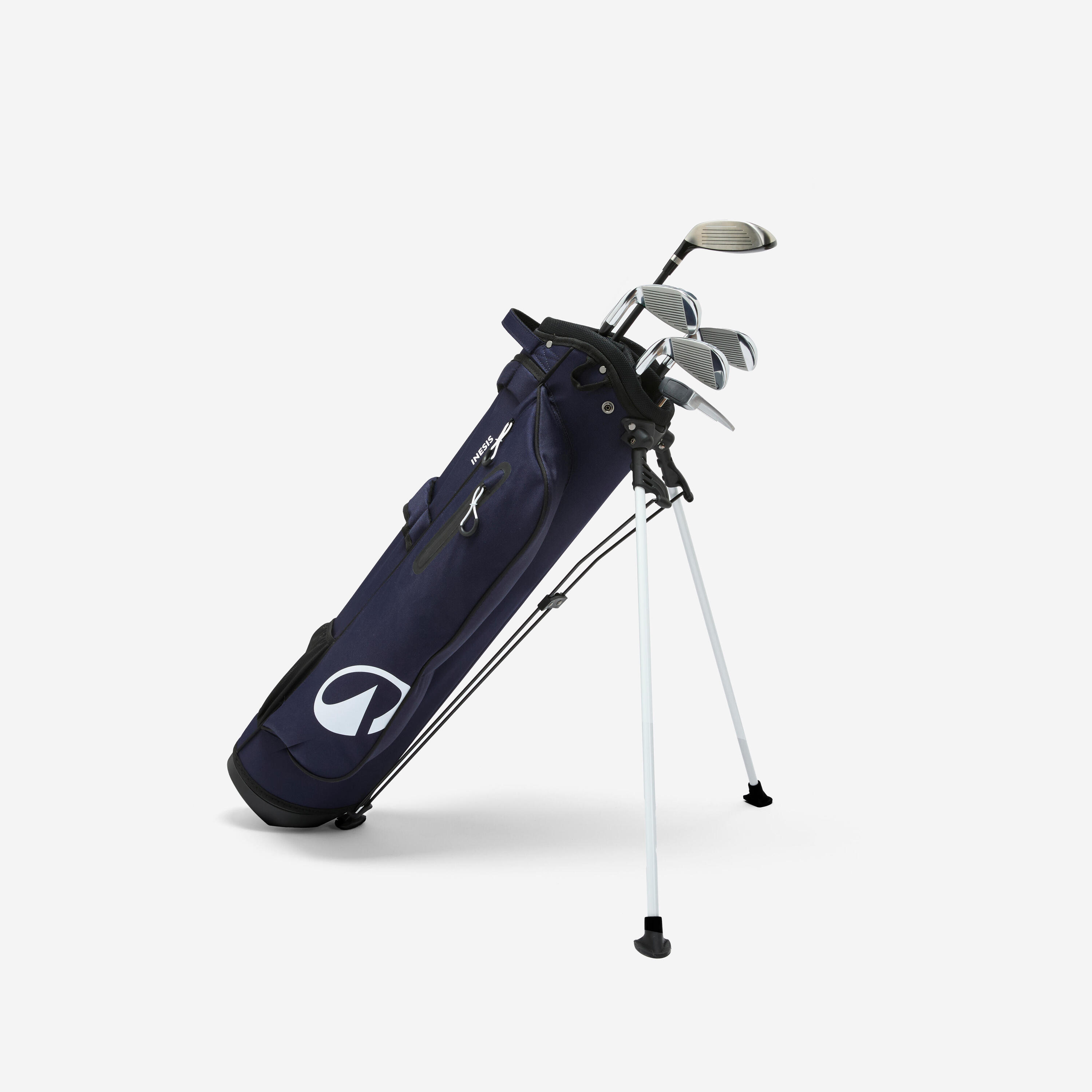
Height gives a more reliable starting point than age when selecting junior clubs. The available sizes broadly cover children measuring 95 to 110 cm, 110 to 130 cm, 130 to 145 cm and 145 to 160 cm. Each group receives suitable differences in shaft length, club weight, flexibility and grip size. A compact kids' golf set for players around 95 to 110 cm contains a 9-iron, putter and small carrying bag, giving beginners two clear shot types without unnecessary equipment. Ask the child to stand naturally with the club behind the ball. The grip needs to sit comfortably in the hands without forcing an upright posture or excessive bending.

What should a junior golf set include?

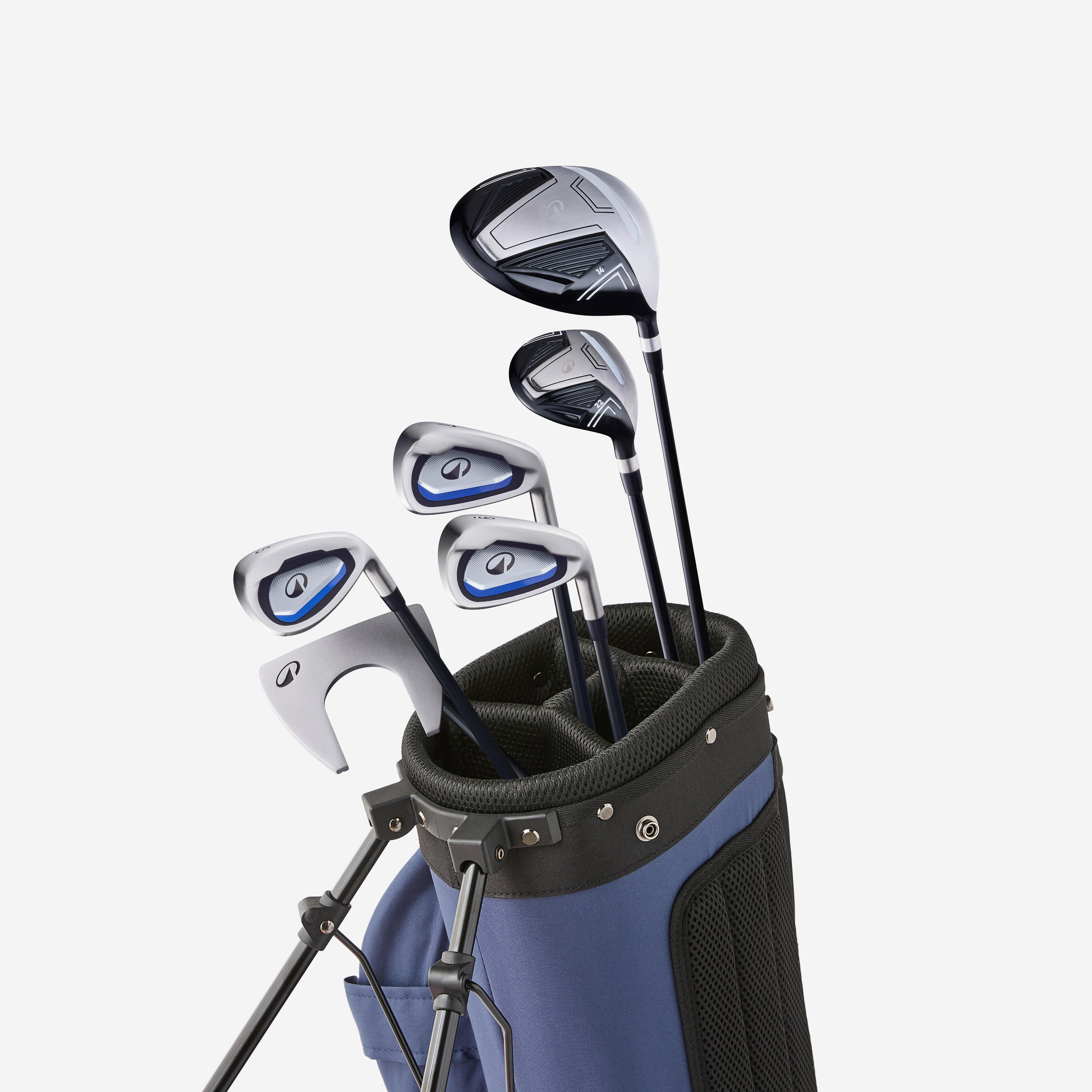
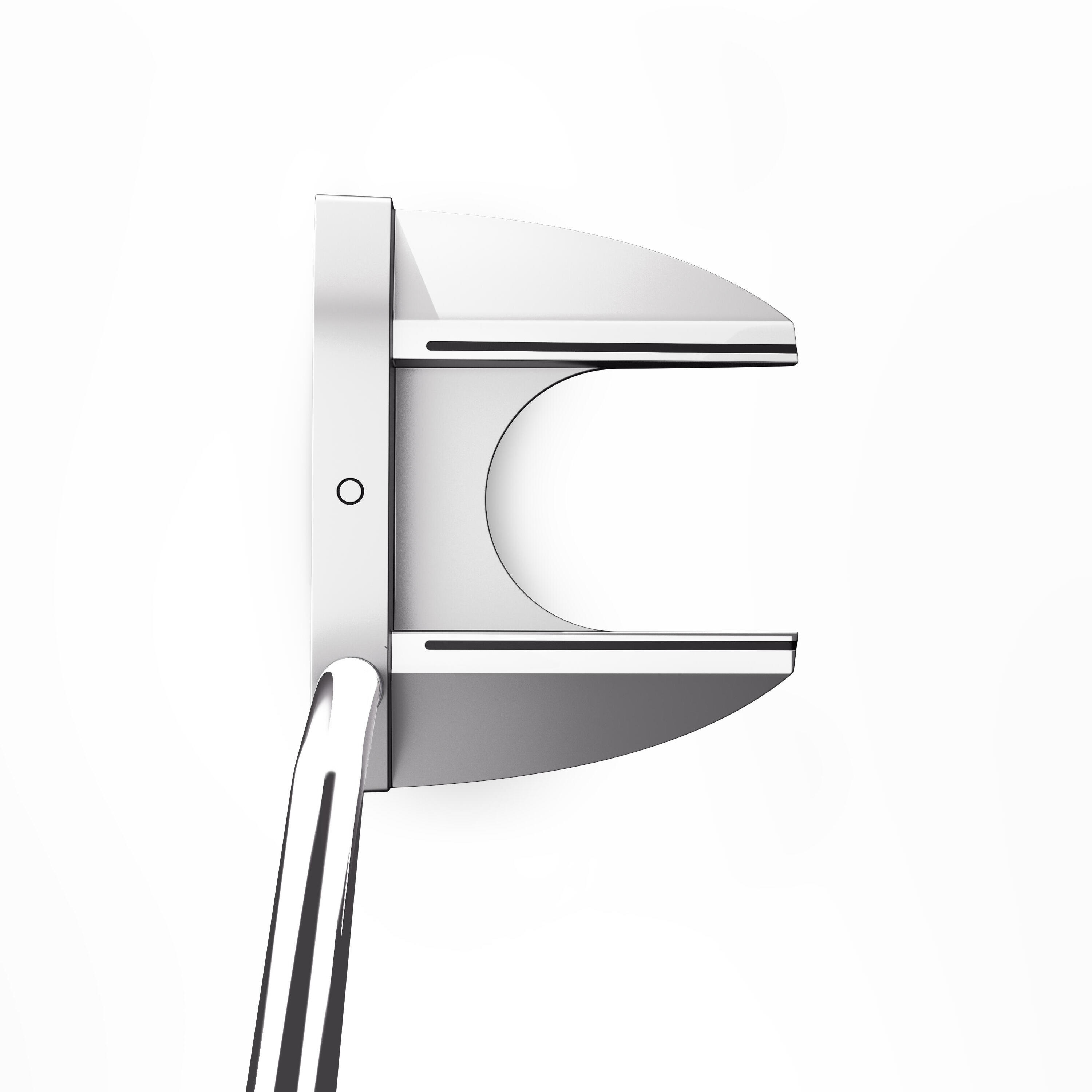
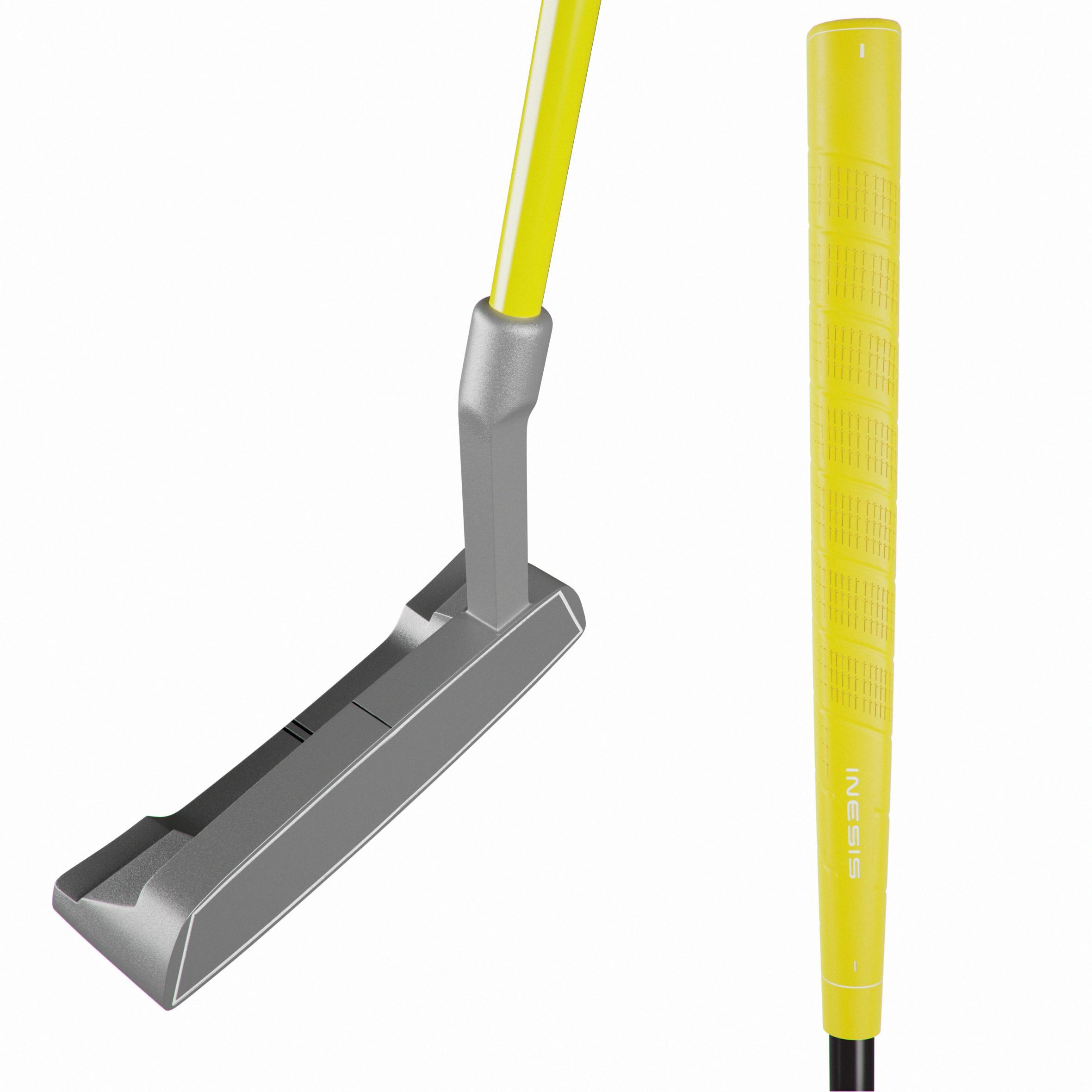
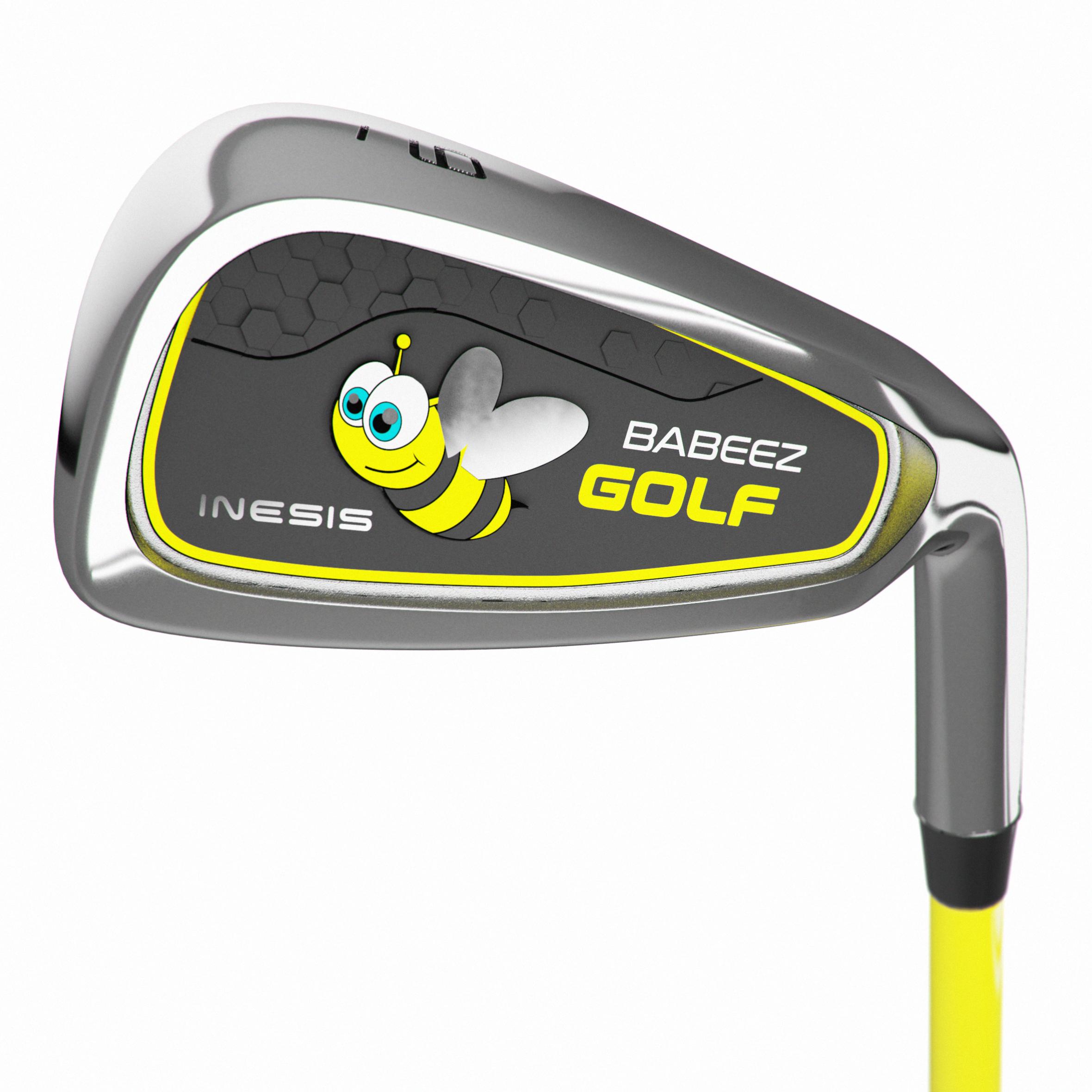
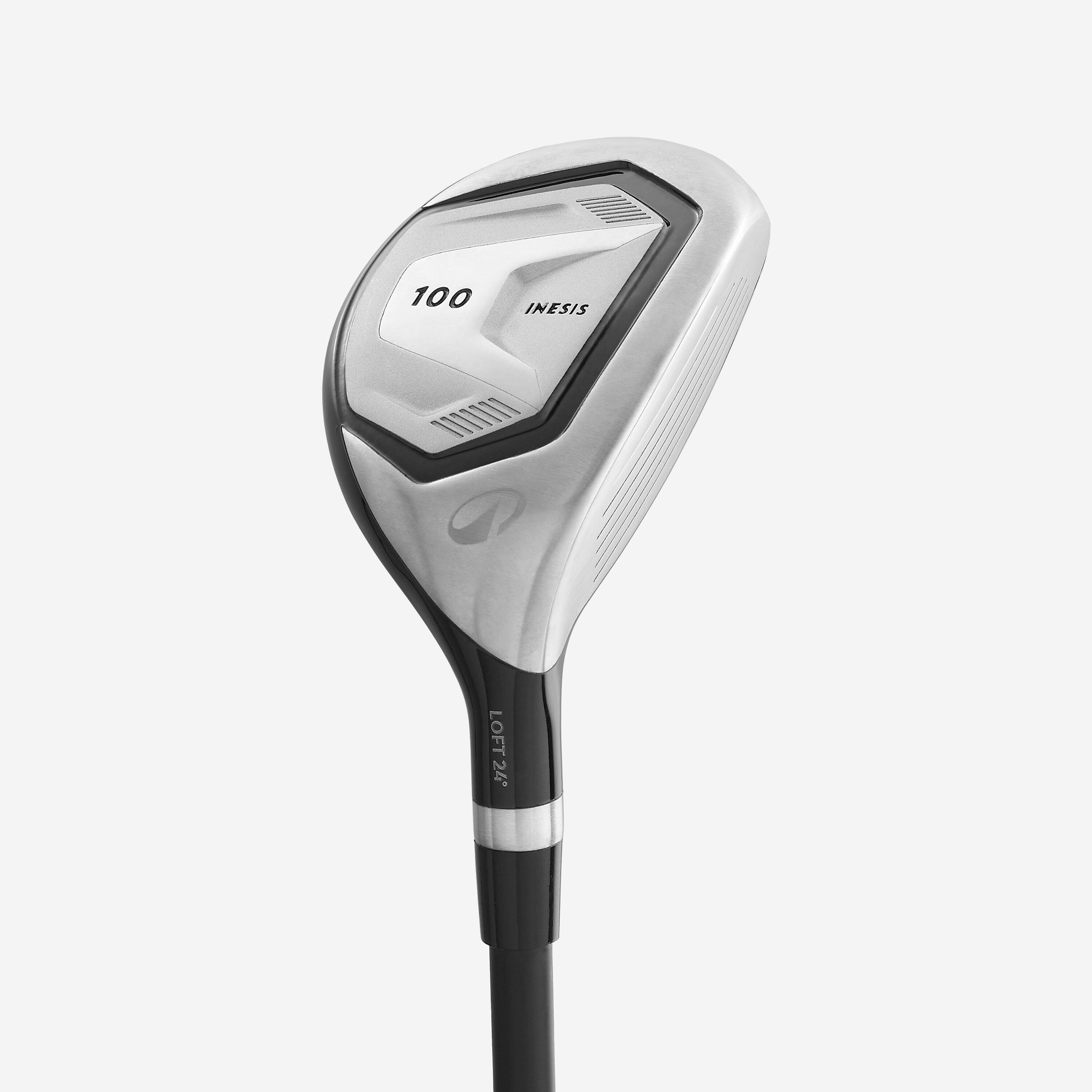
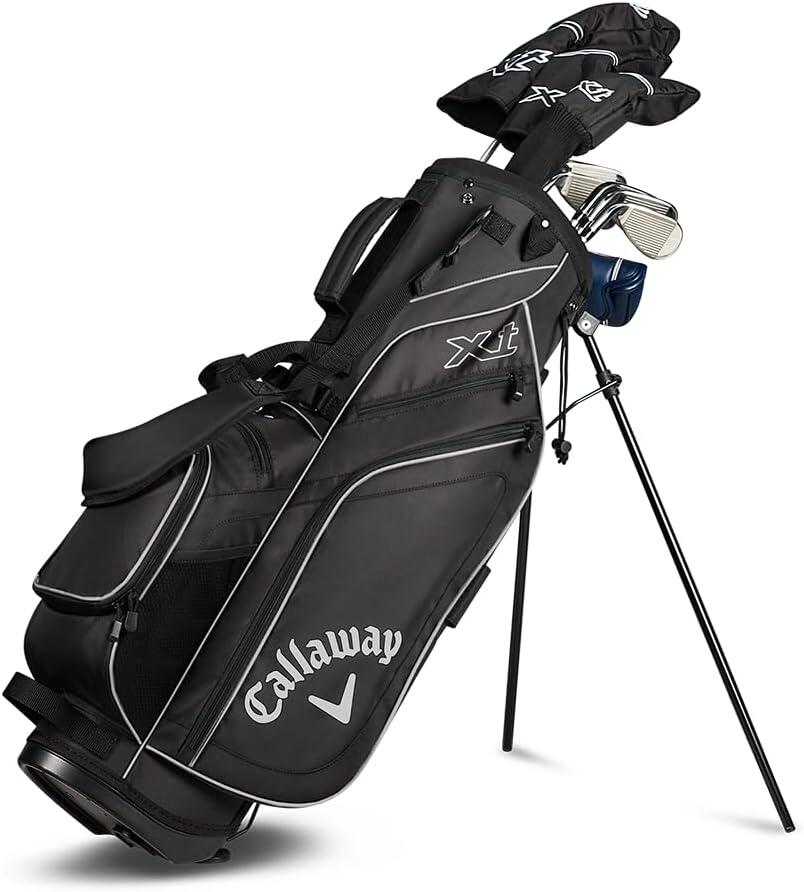
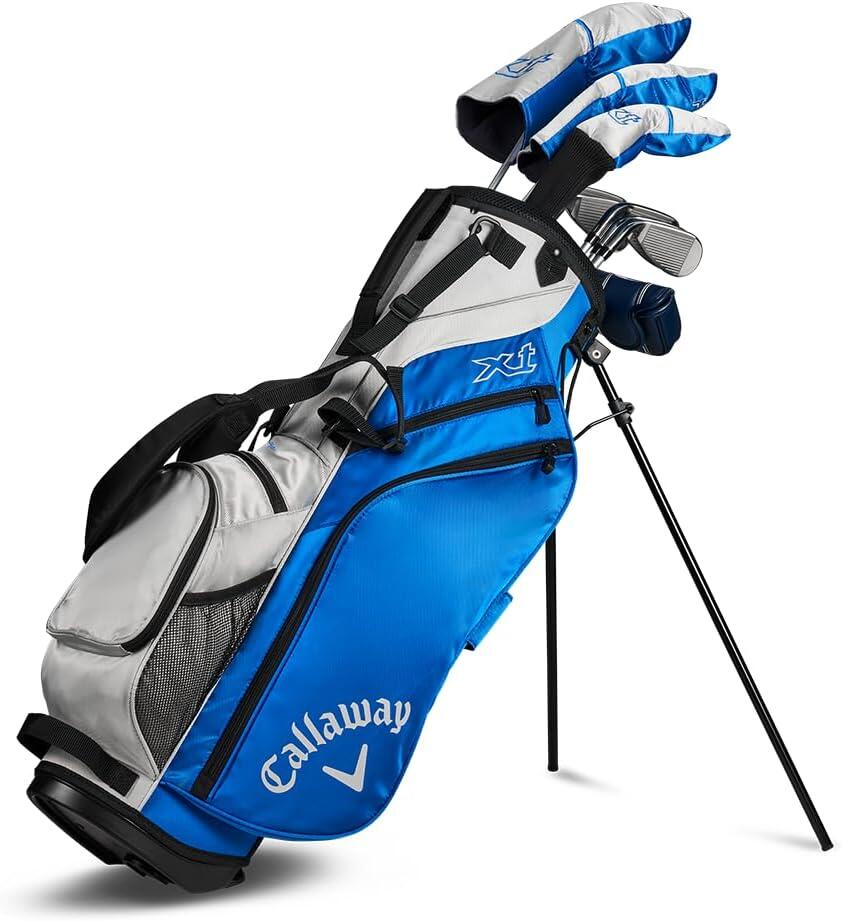
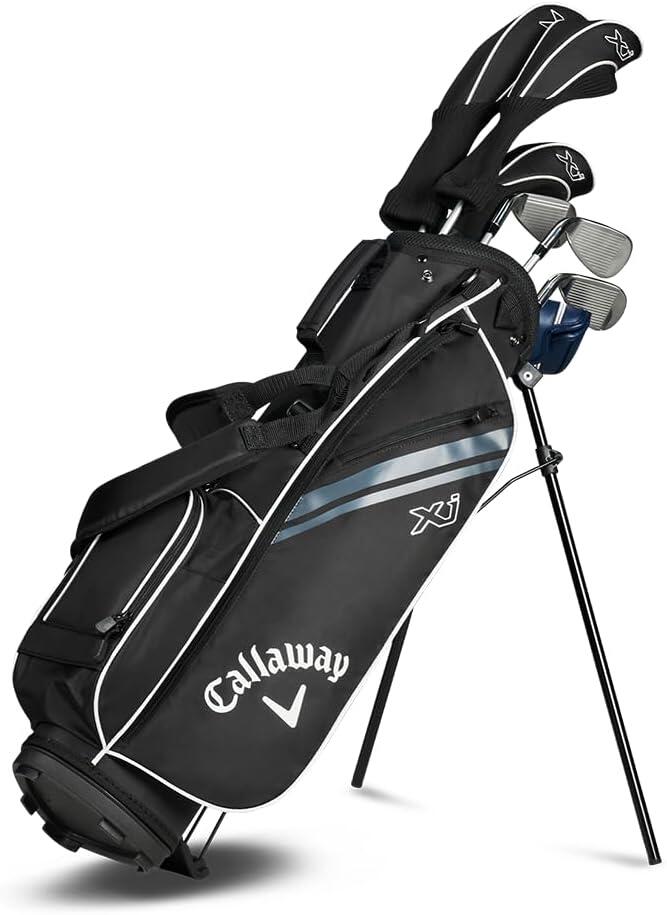
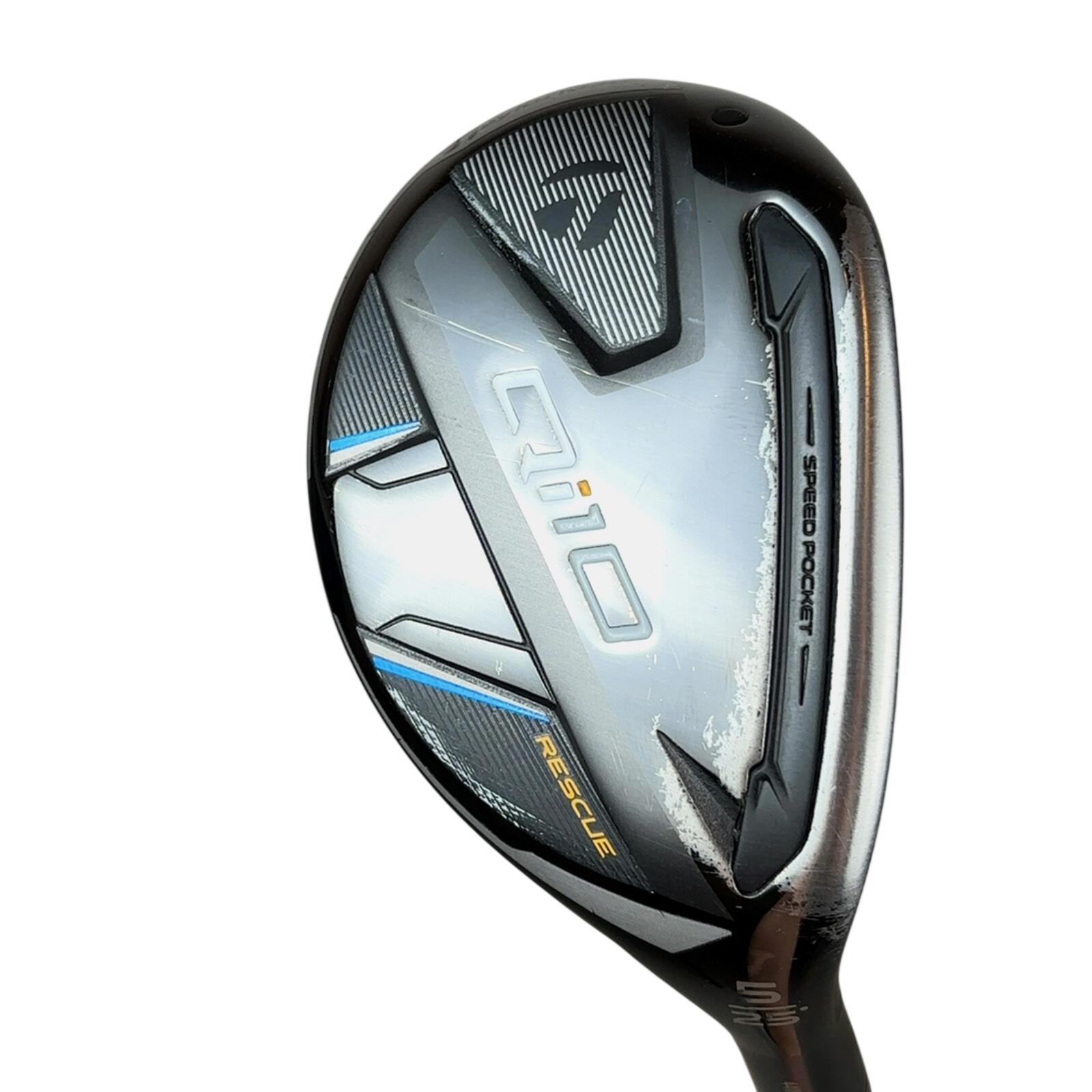
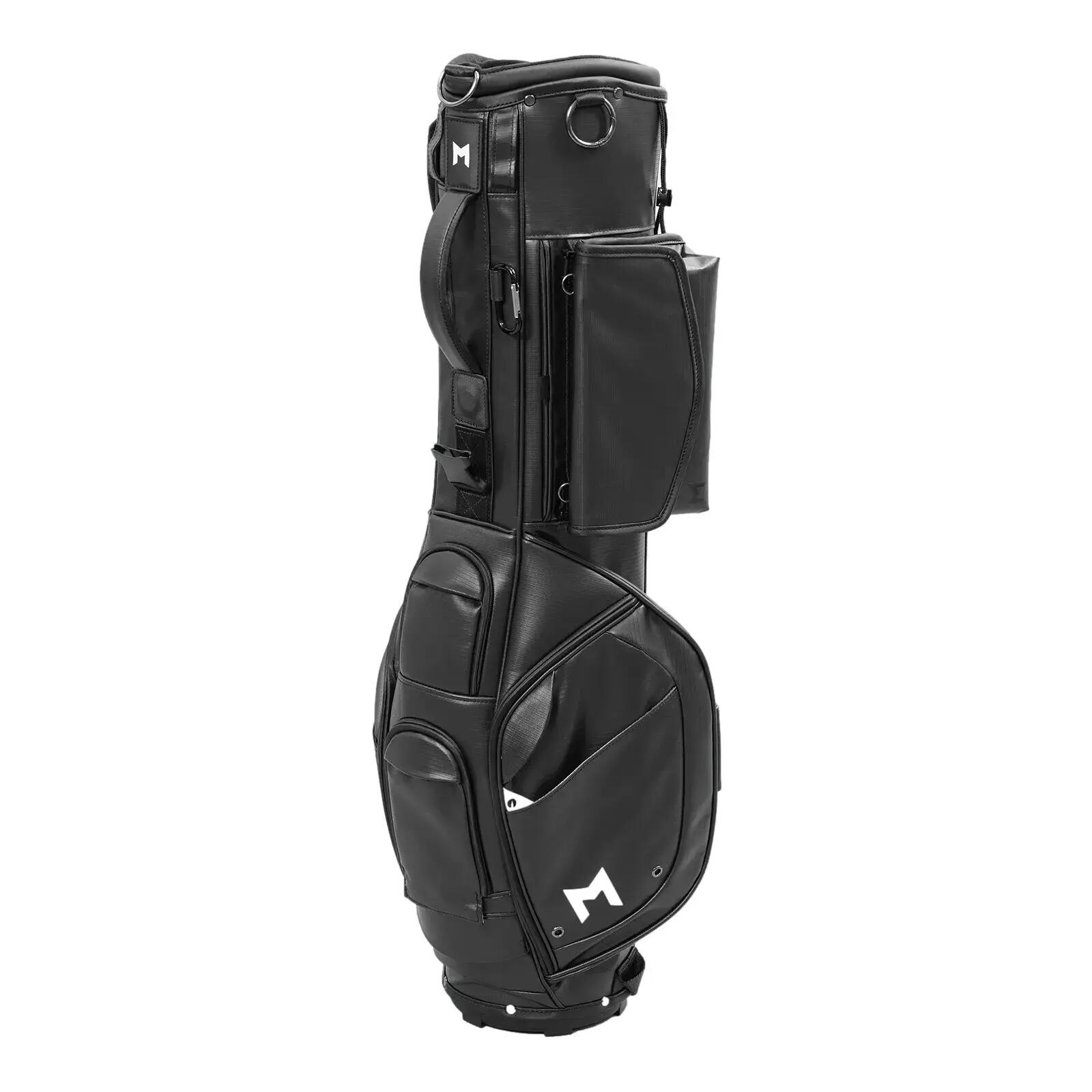
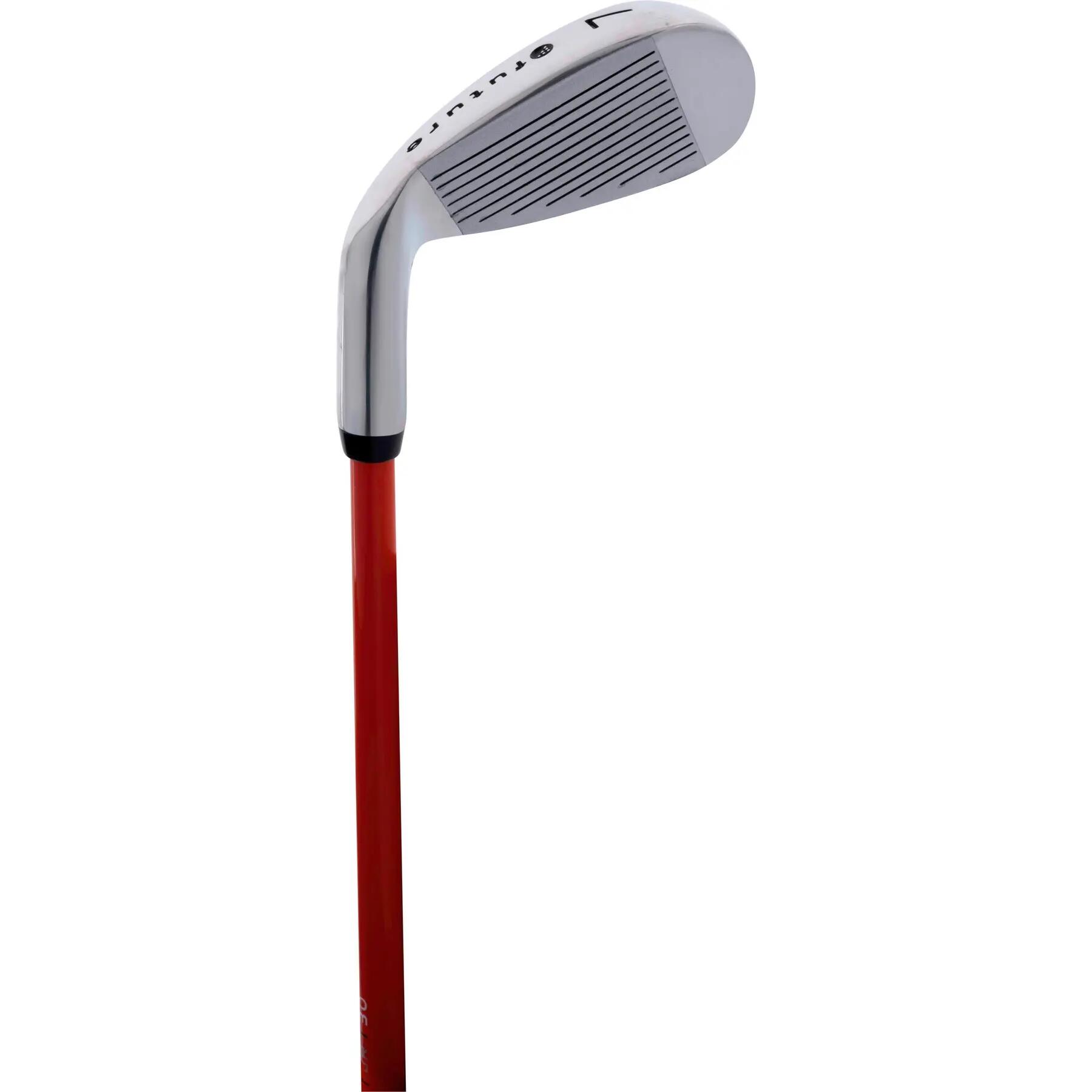
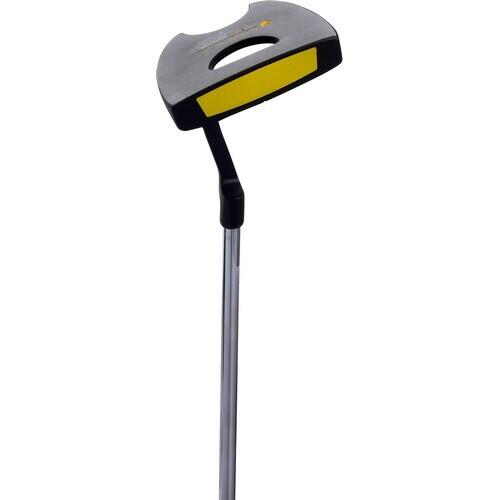
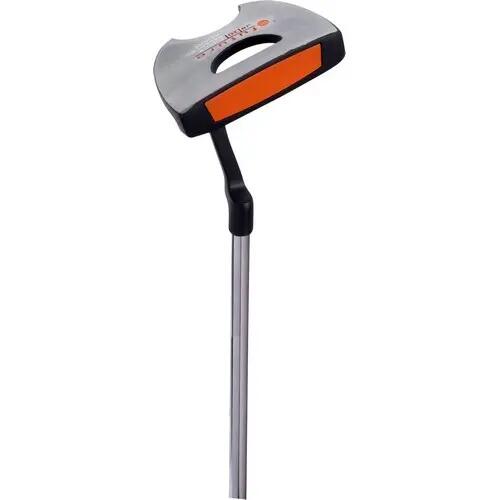
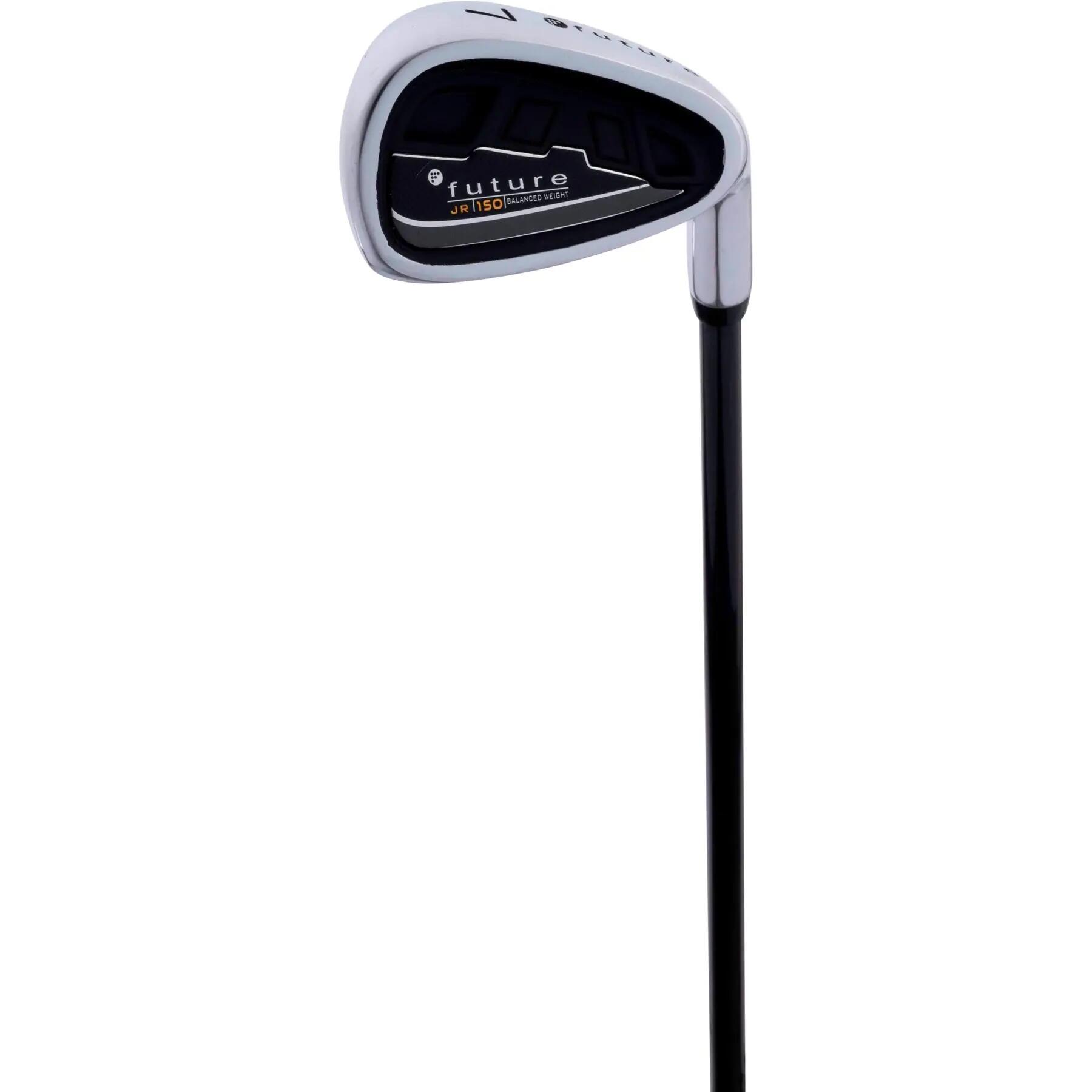
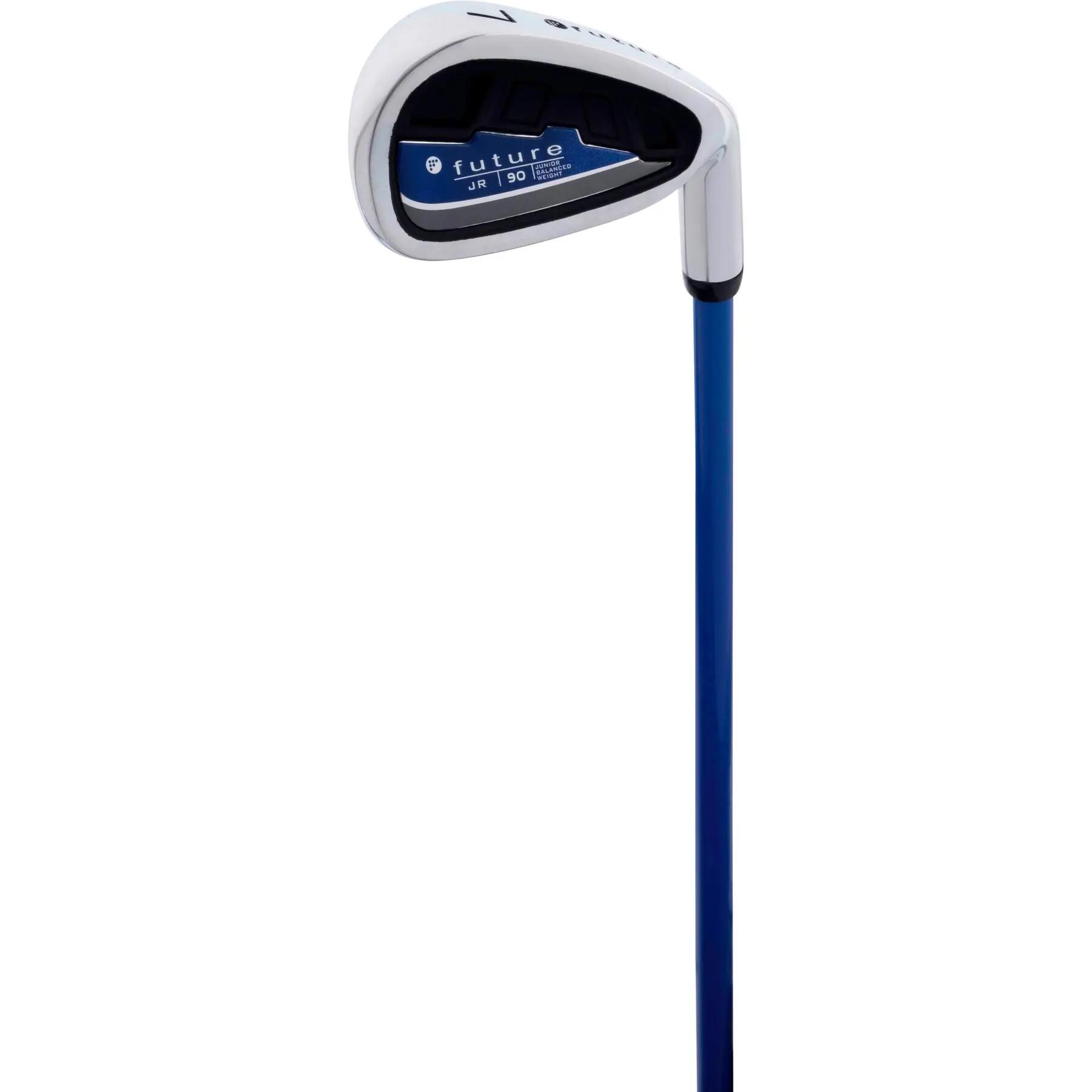
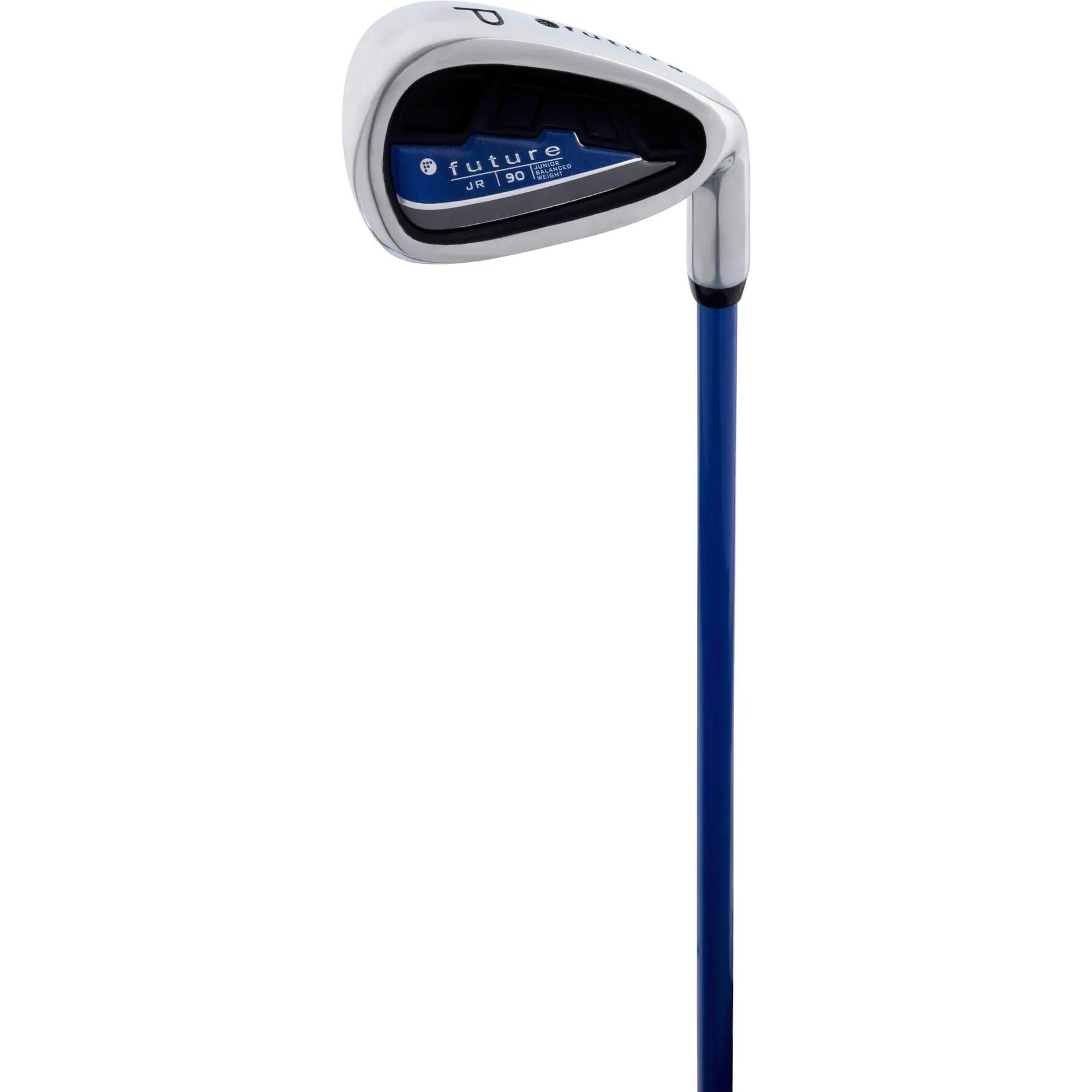
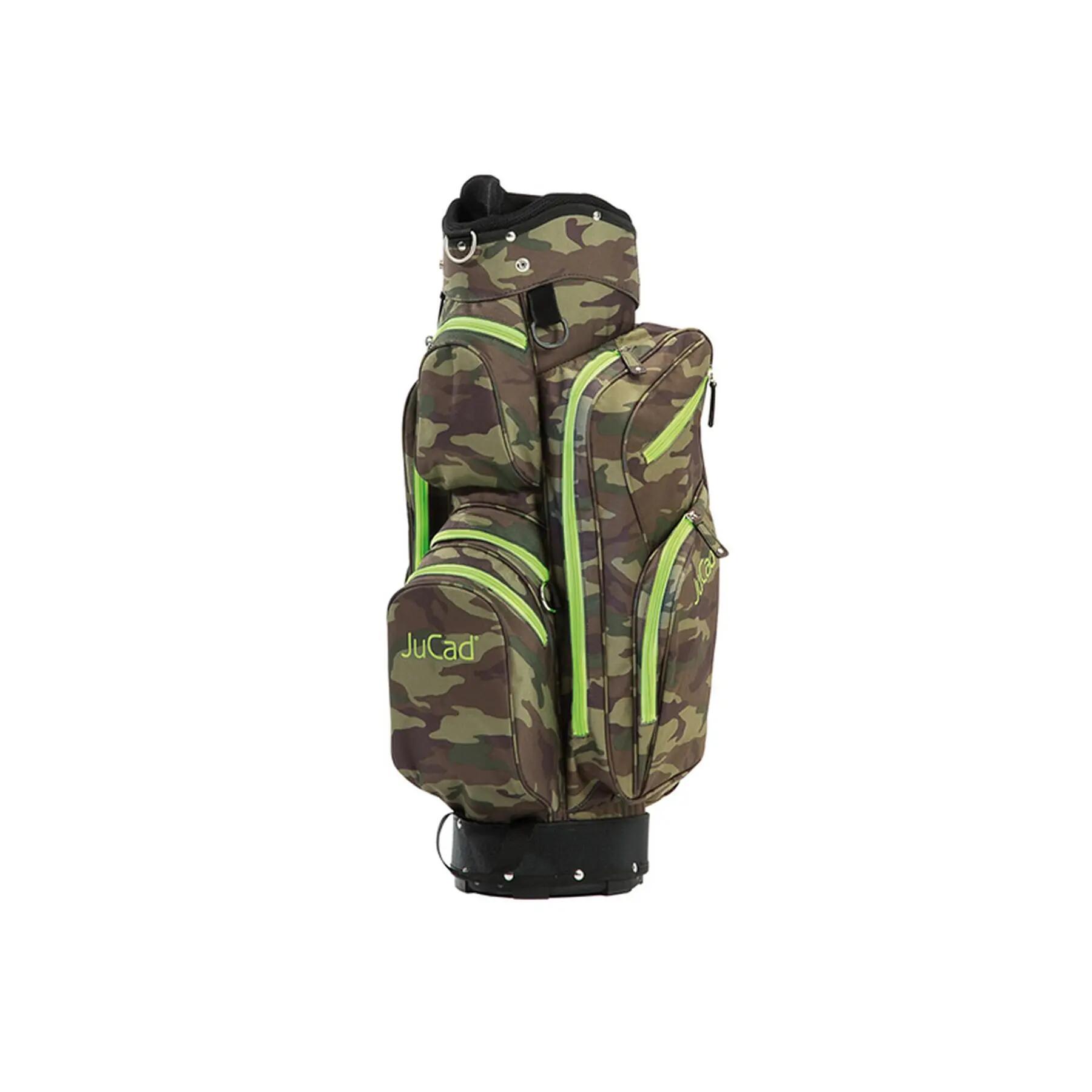
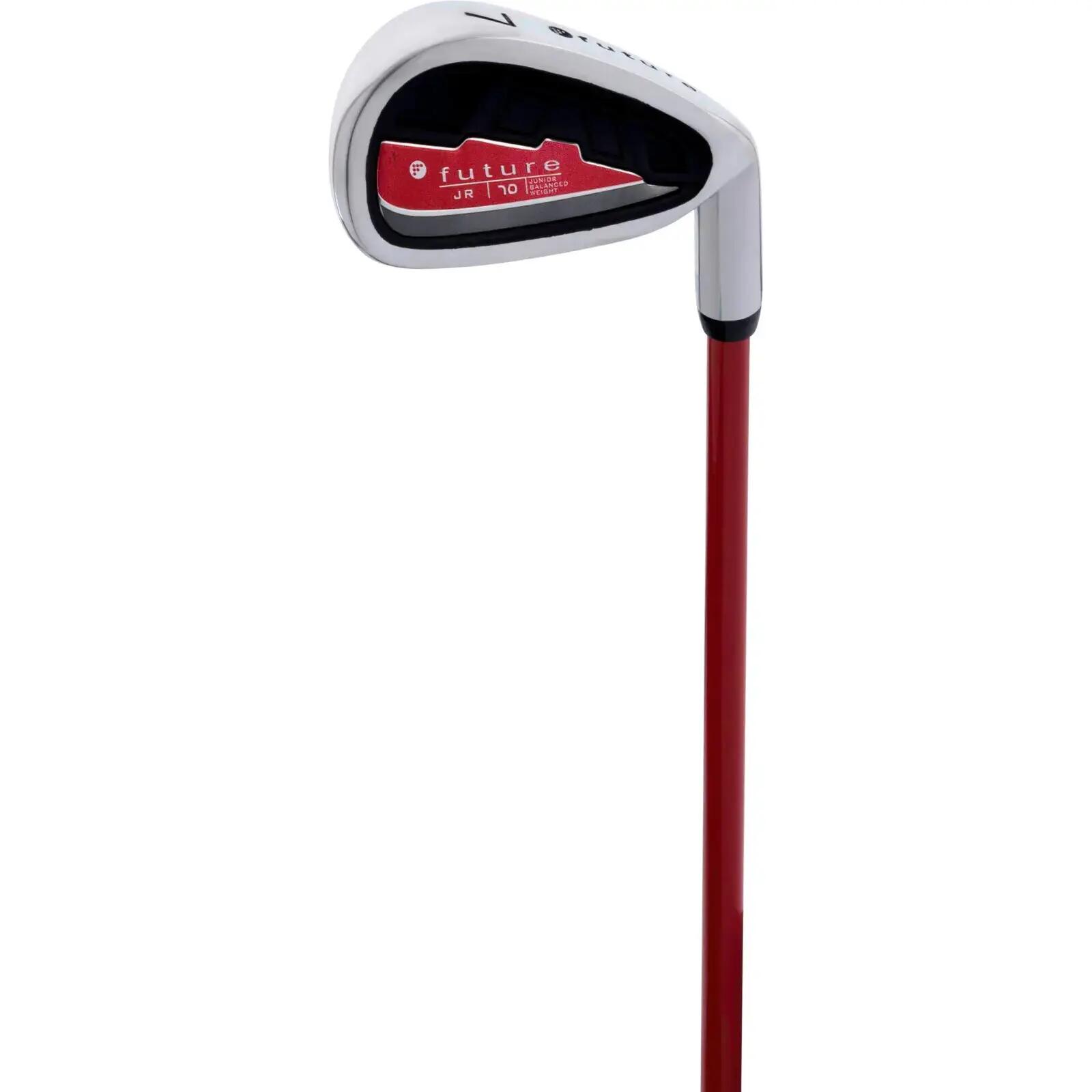
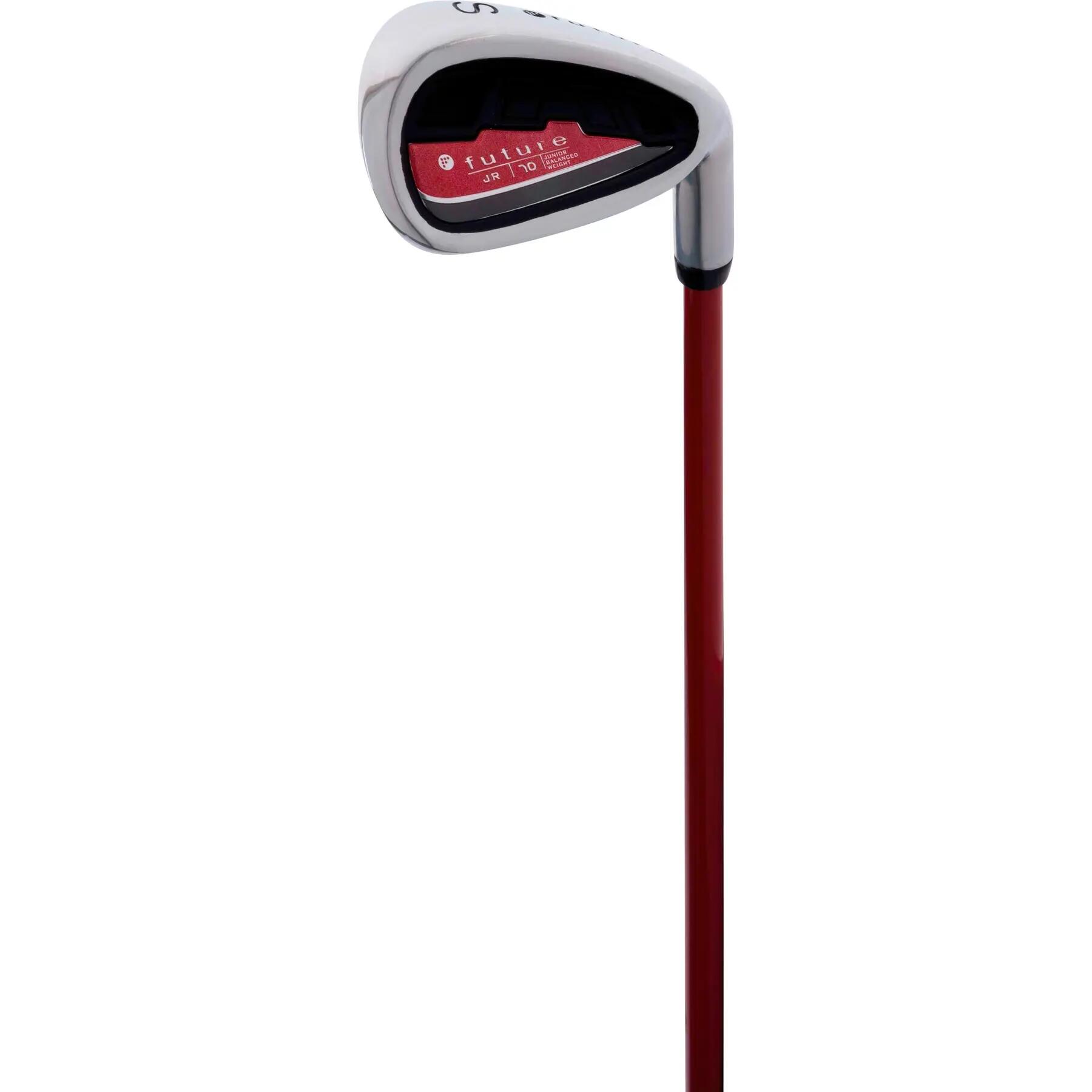
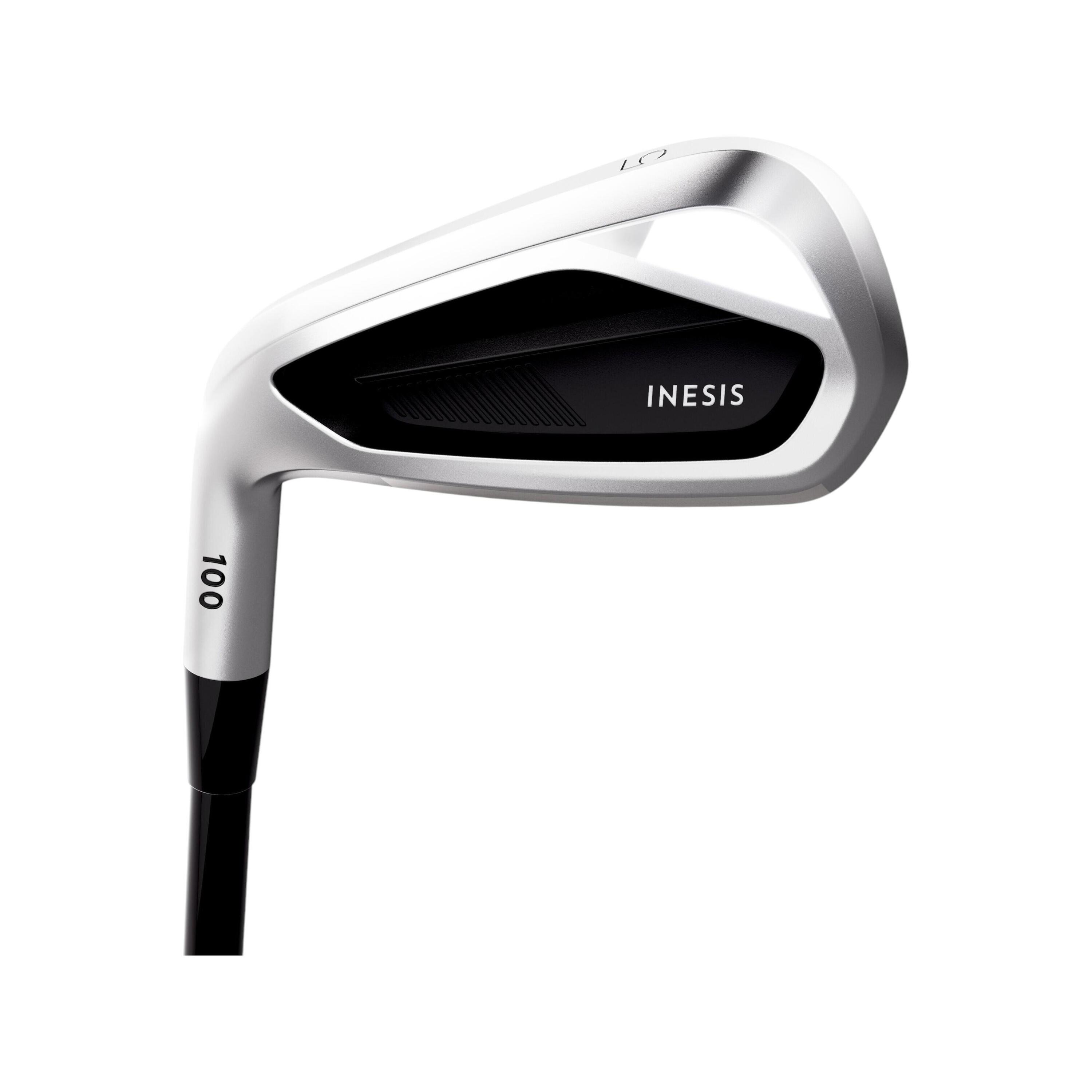
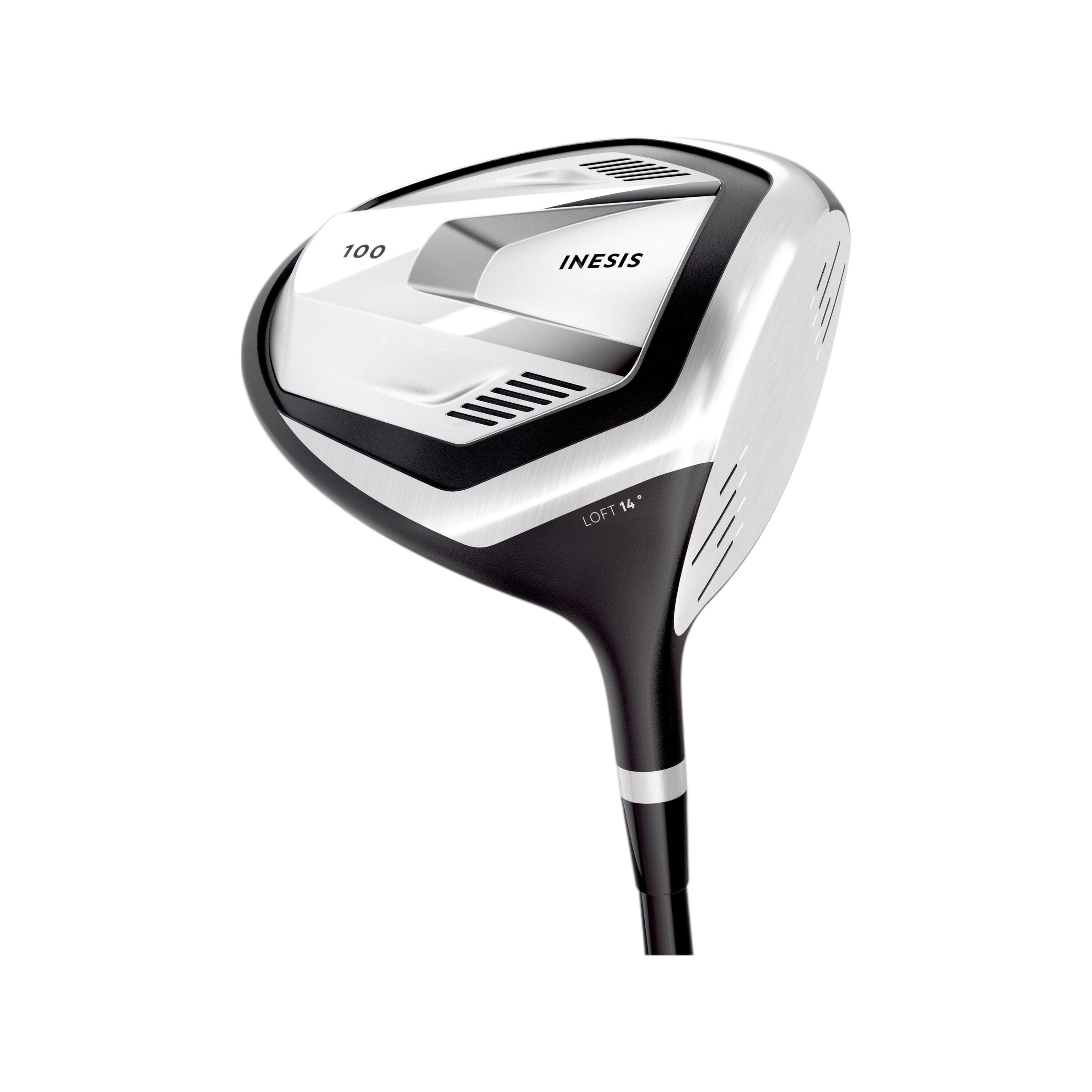
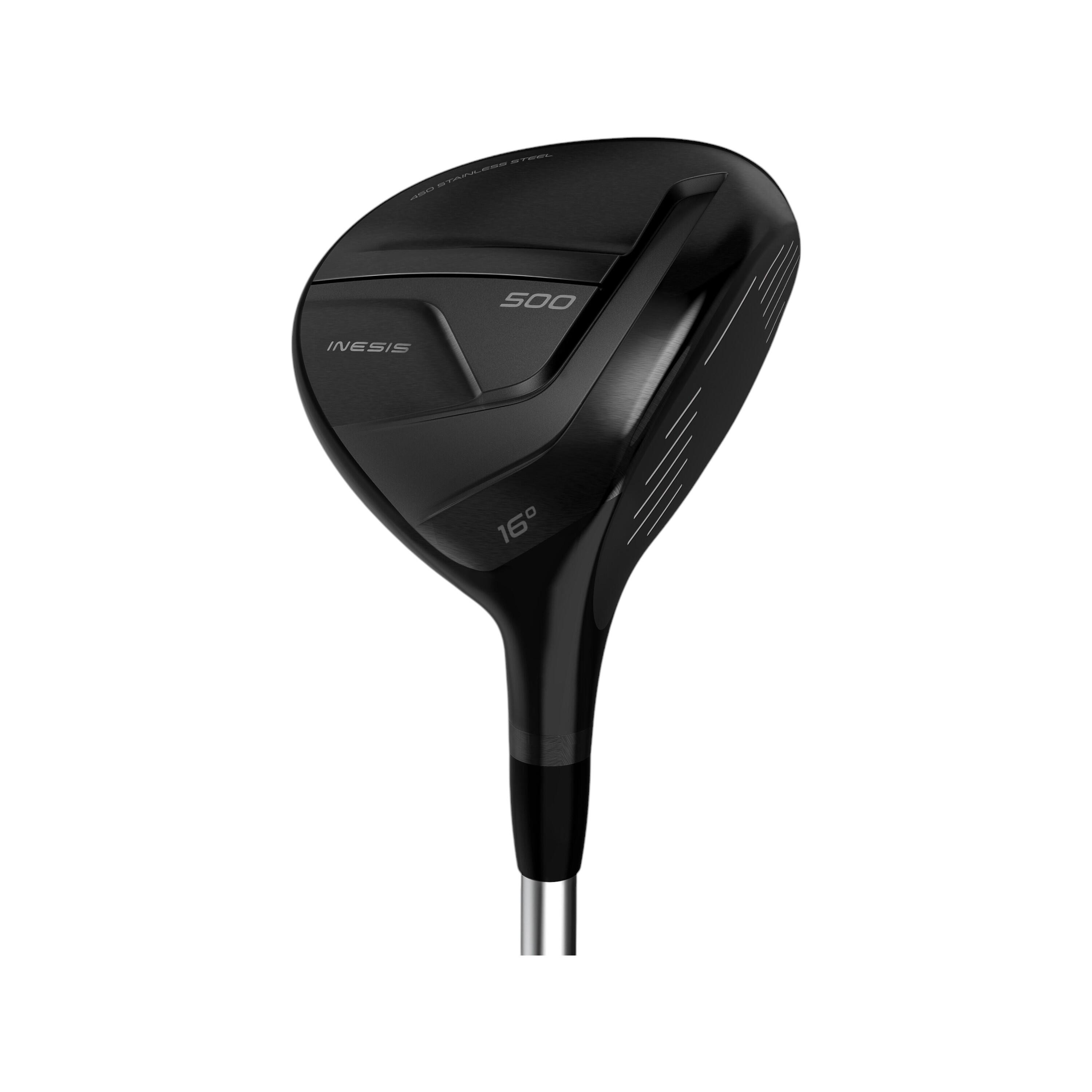
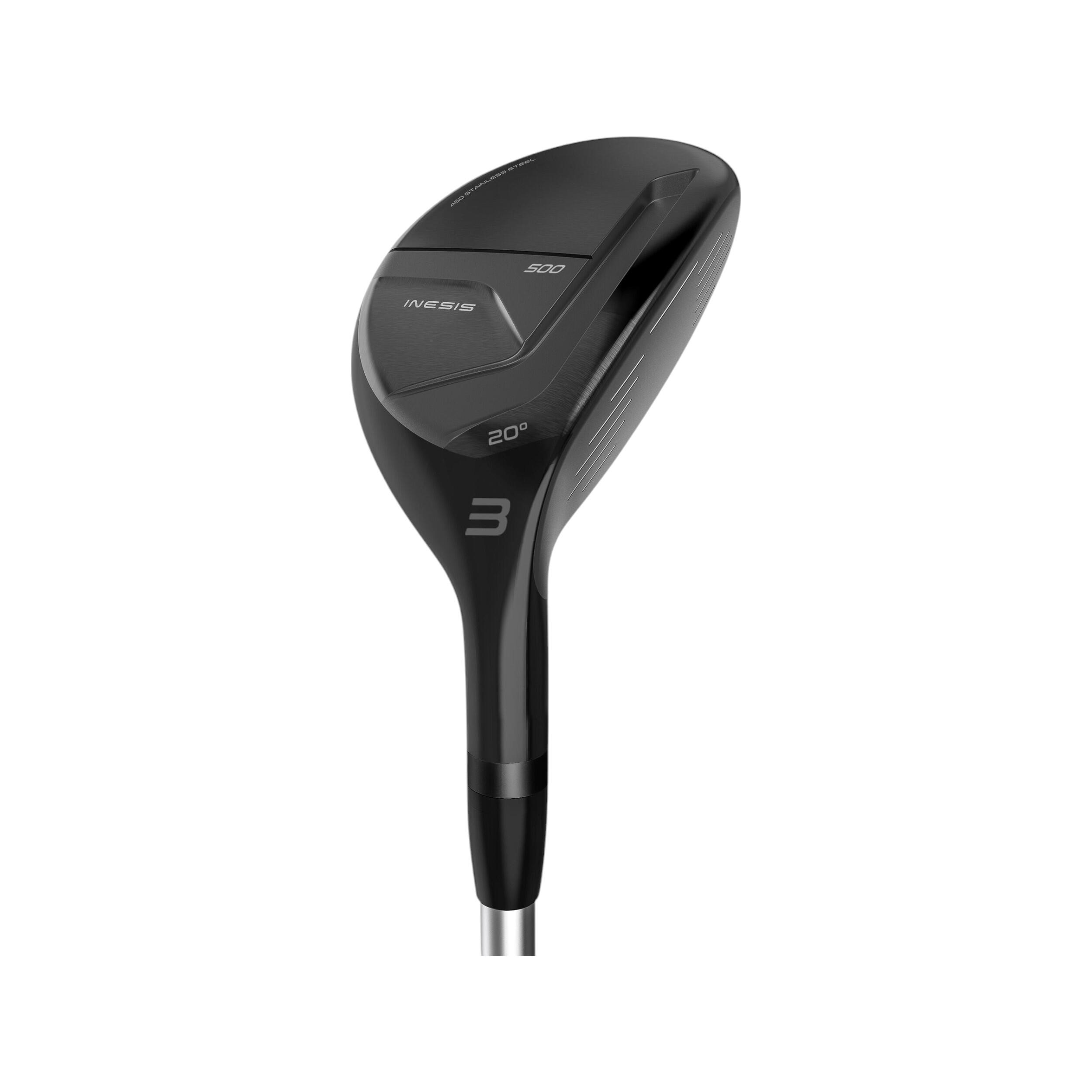
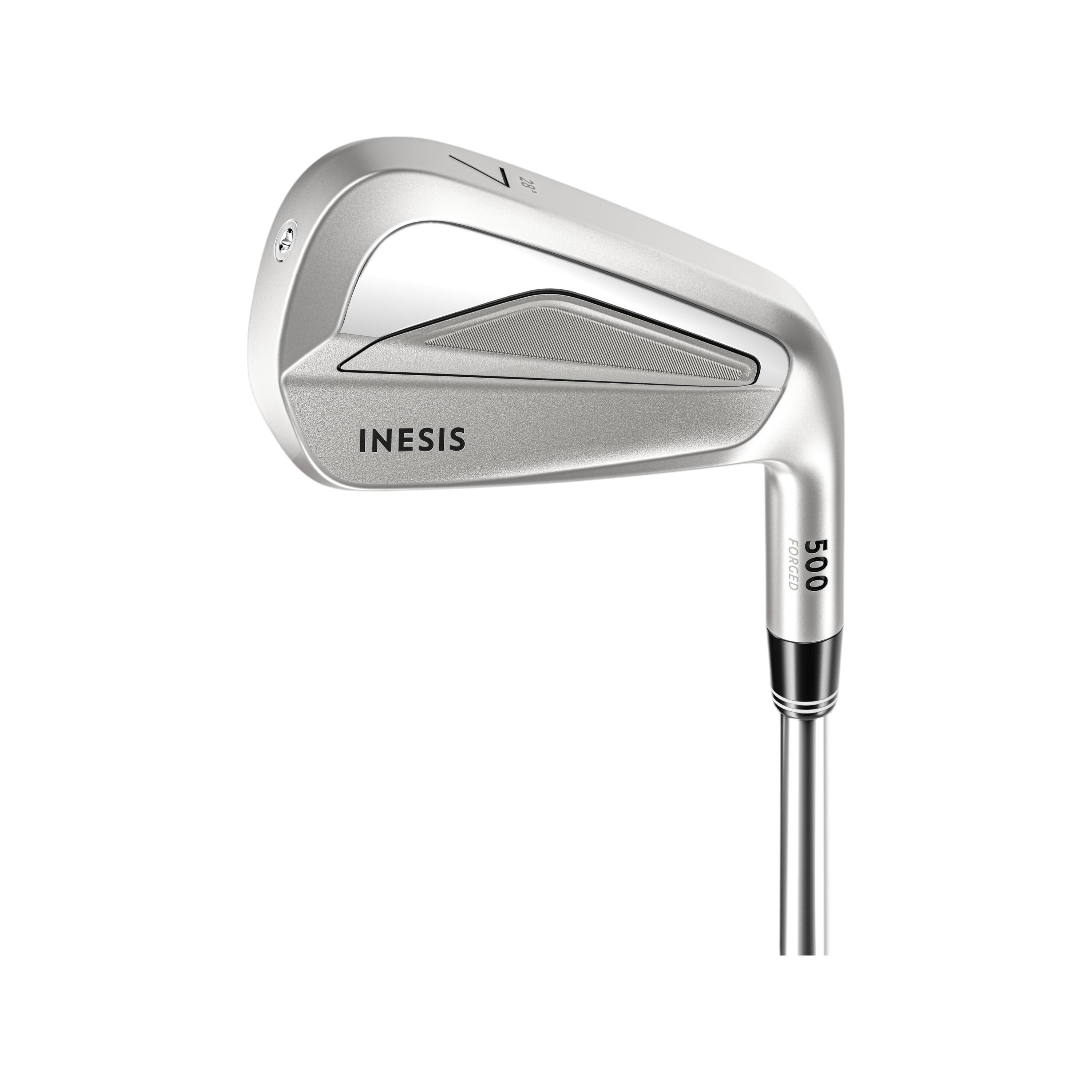
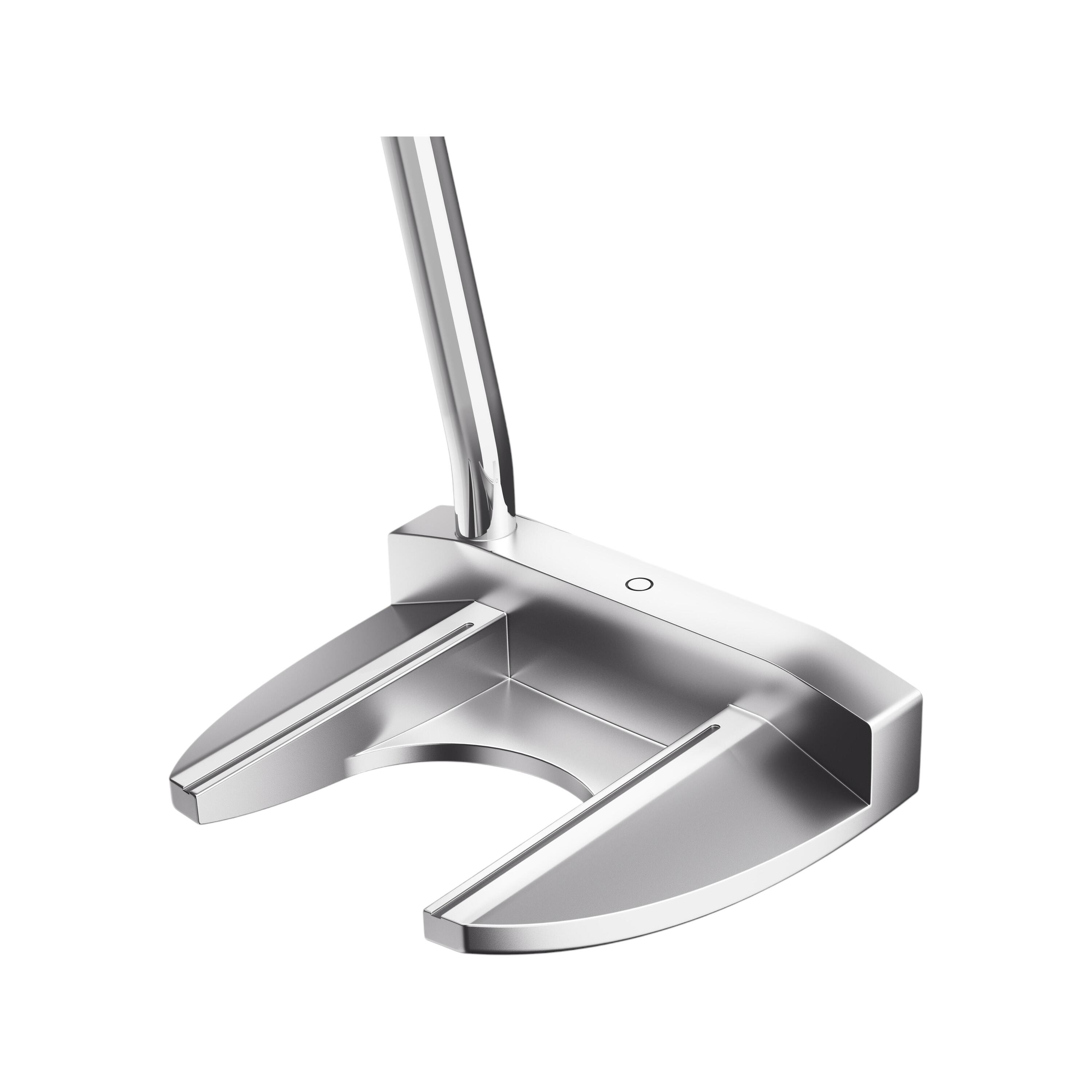
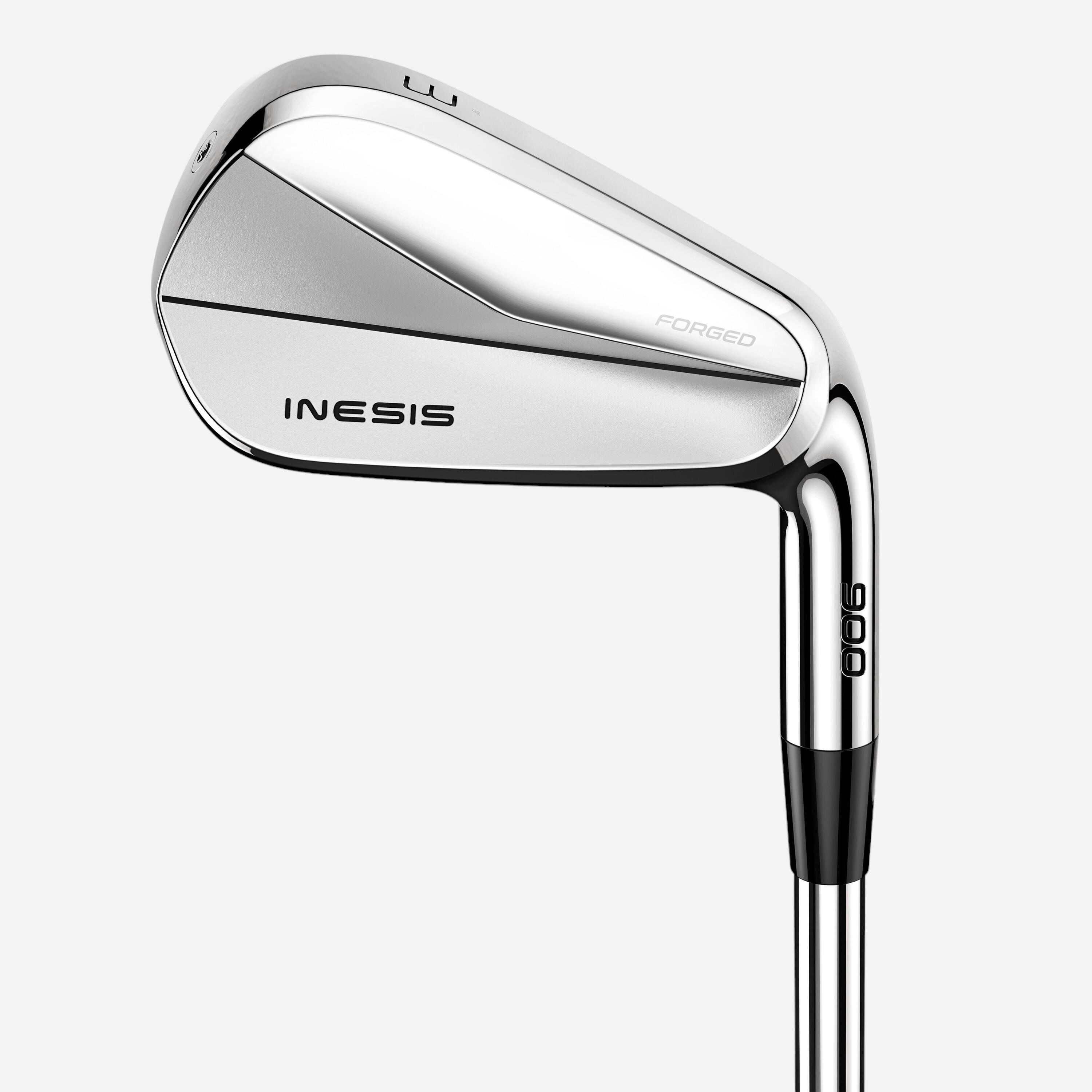
A first set only needs enough clubs to introduce long shots, shorter approaches and putting. Larger kits for older or taller children may contain a hybrid, 7-iron, 9-iron, sand wedge and putter. The hybrid uses rearward weighting and a 24-degree loft to help launch the ball, while enlarged iron heads make club placement and off-centre contact more manageable. Highly visible putter markings support aim towards the hole. Keep the equipment organised inside appropriately sized kids' golf bags rather than using an oversized adult bag. A manageable load makes walking easier and helps the child reach each club without struggling with deep compartments or excessive bag height.

When would a junior golf club with adjustable length be handy?

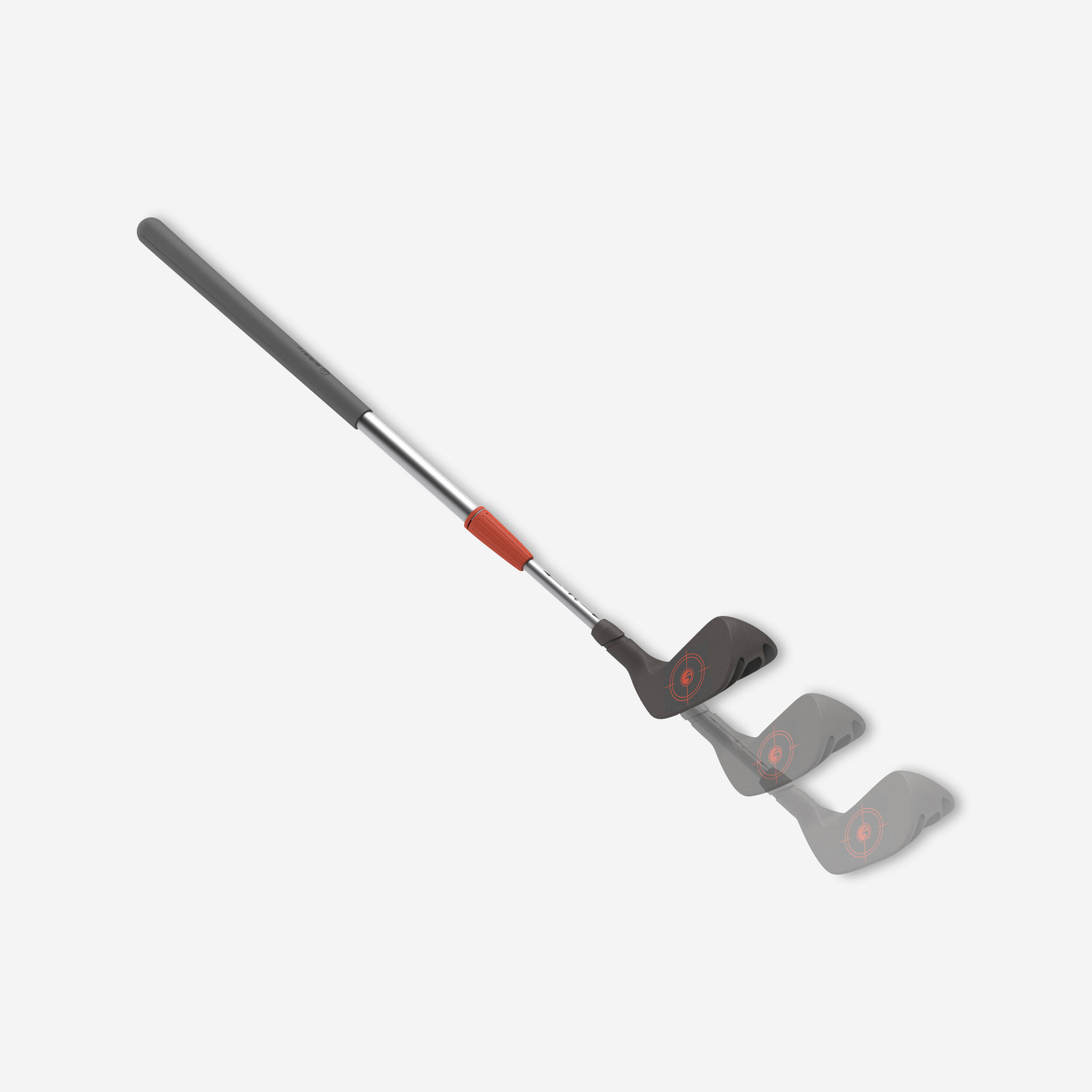
An adjustable model can introduce golf before a child is ready for a conventional set. The telescopic shaft on the kids' adjustable golf club extends from 52 to 83 cm, covering children from approximately 2 to 13 years old and under 1.55 m. Its clubhead works for both right-handed and left-handed use, so a young beginner does not need to establish a preferred side immediately. This club is intended only for lightweight foam or inflatable balls, not standard golf balls. Adult supervision remains essential, and every practice area needs a clear hitting direction with nobody standing in front of the player.

Why are junior clubs lighter and more flexible?

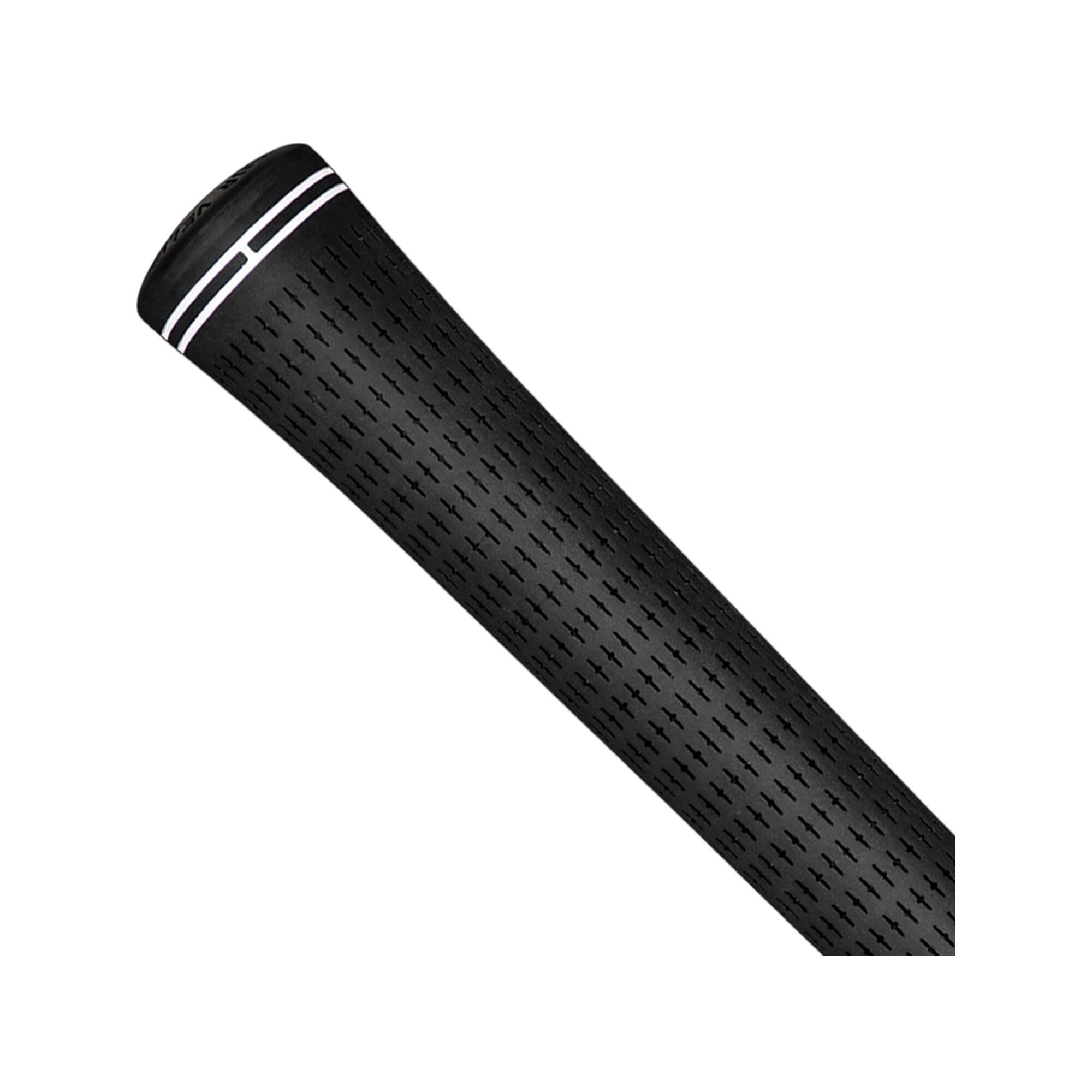
Children generally create less clubhead speed and have smaller hands than adults, so heavy shafts and large grips can make the swing difficult to control. Junior models use lighter, more supple shafts that allow the club to move without requiring excessive effort. Enlarged heads also provide more forgiveness when impact misses the centre. Shaft length, grip diameter and overall weight need to work together rather than being considered separately. Replacement covers and suitable golf club accessories can help protect clubheads during transport and storage. Avoid shortening an adult club as a simple substitute, because reducing length alone does not correct its head weight, shaft stiffness or grip size for a child.

How can you create a safe golf practice setup for your child?

Start by giving your child a clear target, a short hitting distance and a lightweight ball instead of encouraging them to swing with maximum force. Foam balls limit flight distance and work well with an adjustable first club, while putting cups, alignment tools and practice nets can make each activity easier to understand. Suitable golf training accessories also let you create simple games based on direction, clean contact or points scored. Make sure your child has enough room to complete the full swing and keep people, windows and breakable objects away from the hitting line. After practice, store the clubs in a dry place and use any supplied head covers. Recheck your child's posture and club length as they grow, since equipment that fitted comfortably last season may now be too short.