3,477 items
4.6/5 based on 2002 reviews collected online and in stores

GOLF CLUBS FAQS

How do I select the right golf clubs for my skill level?

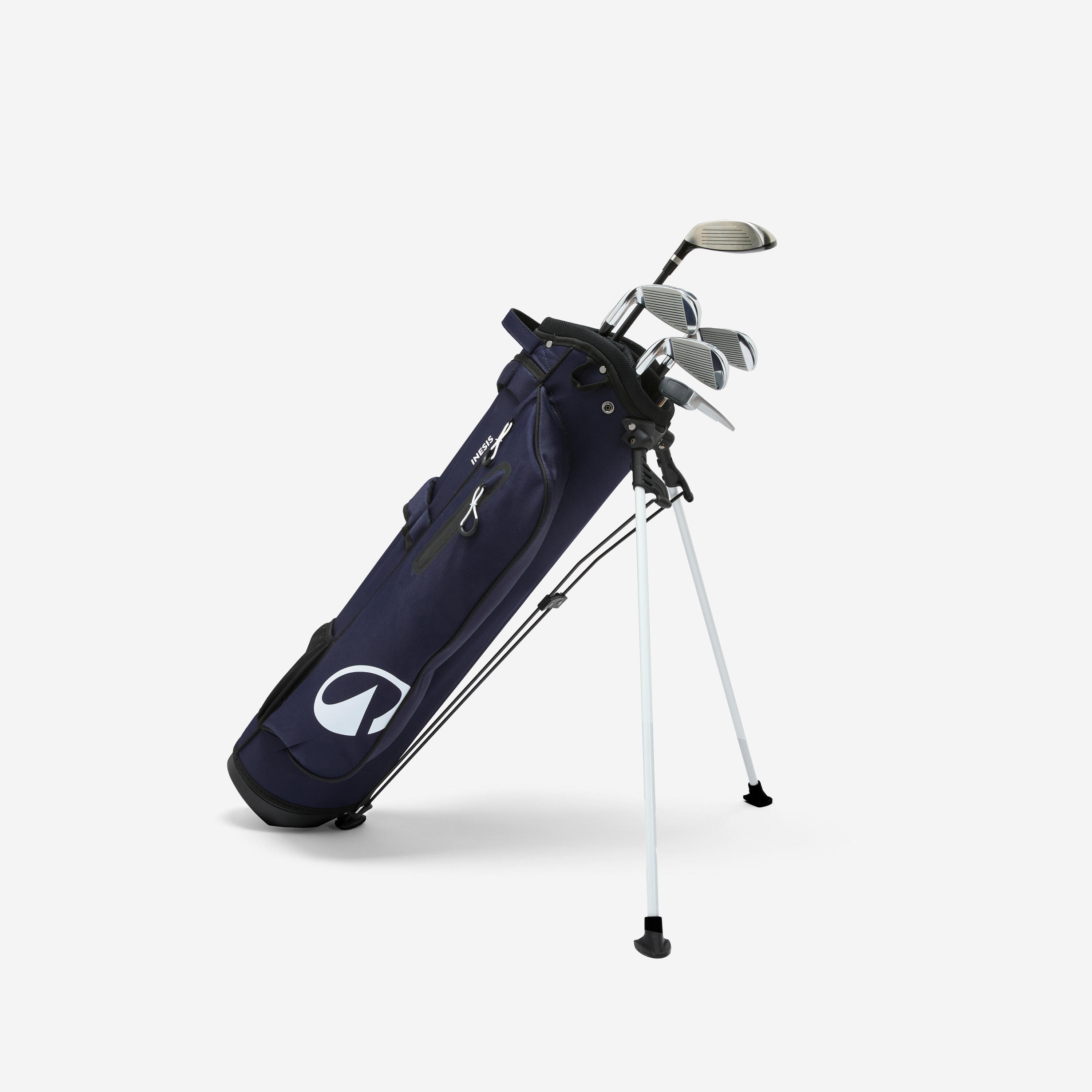
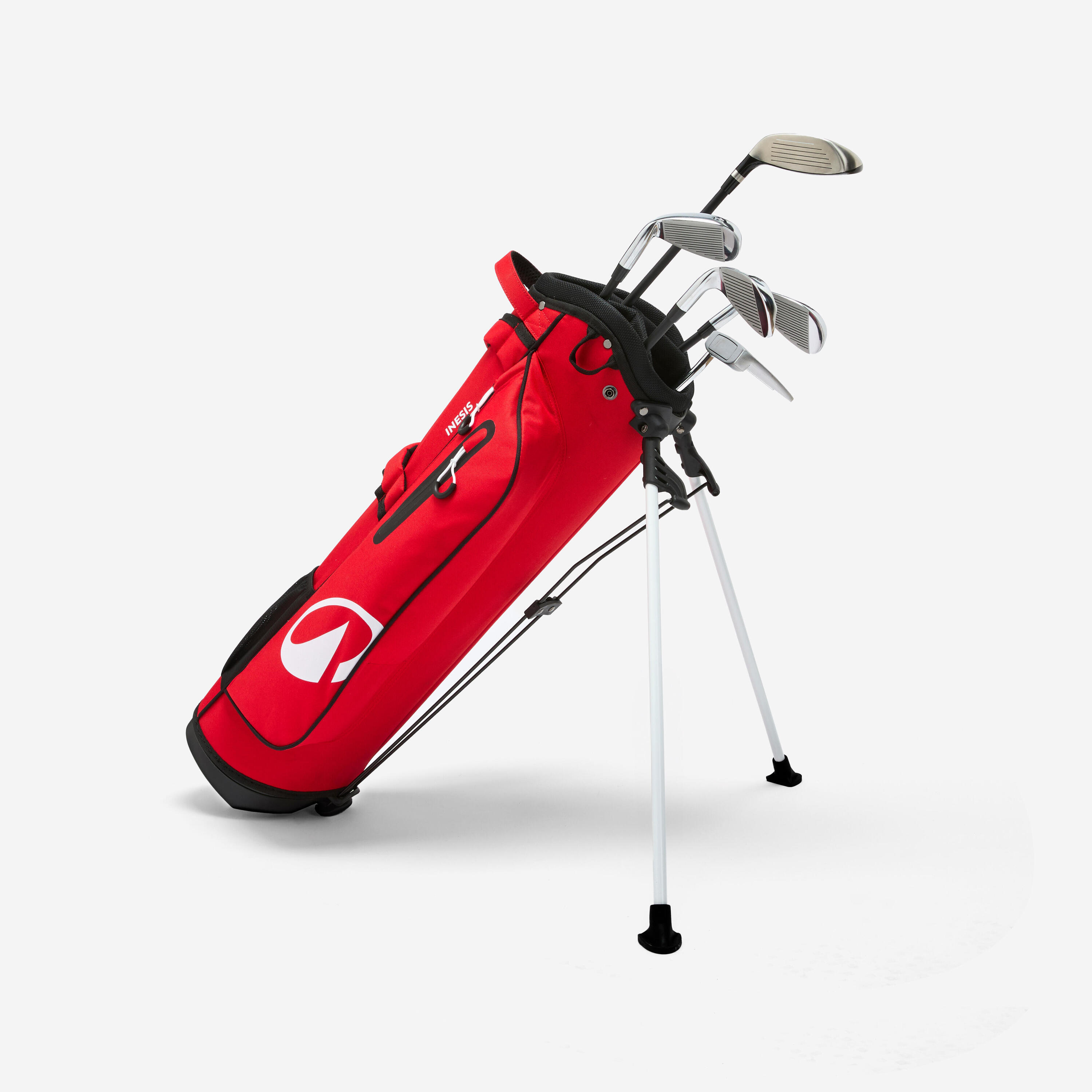
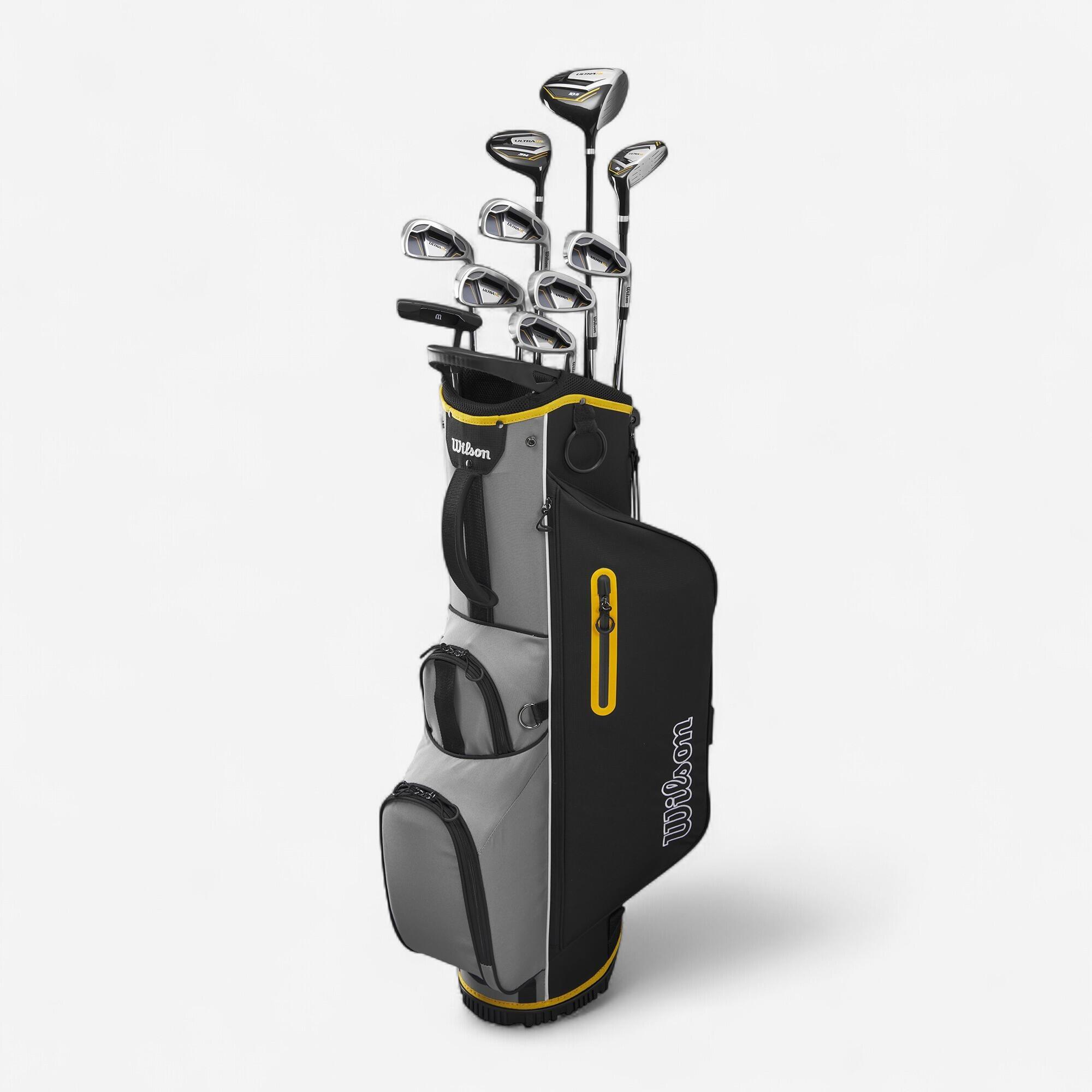
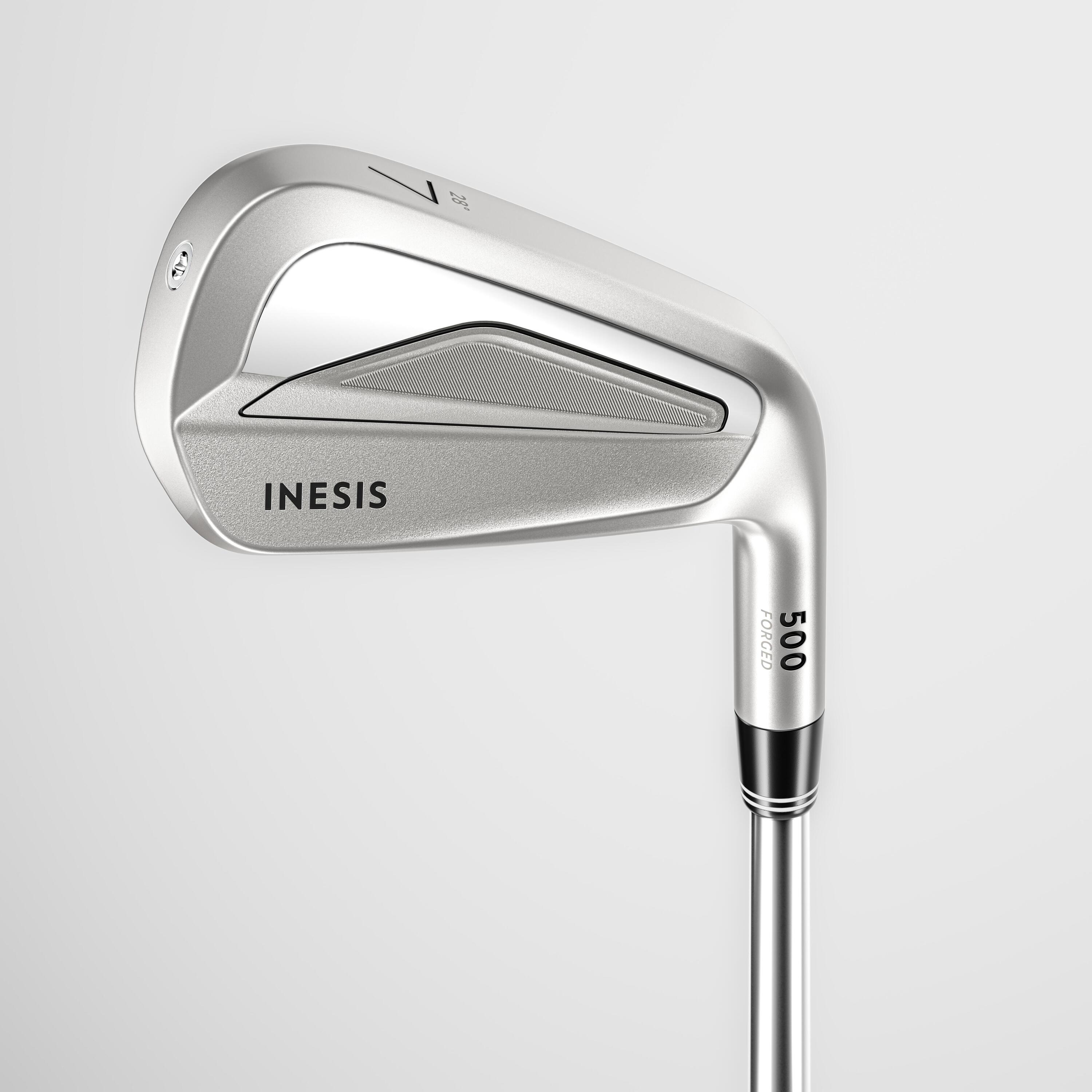
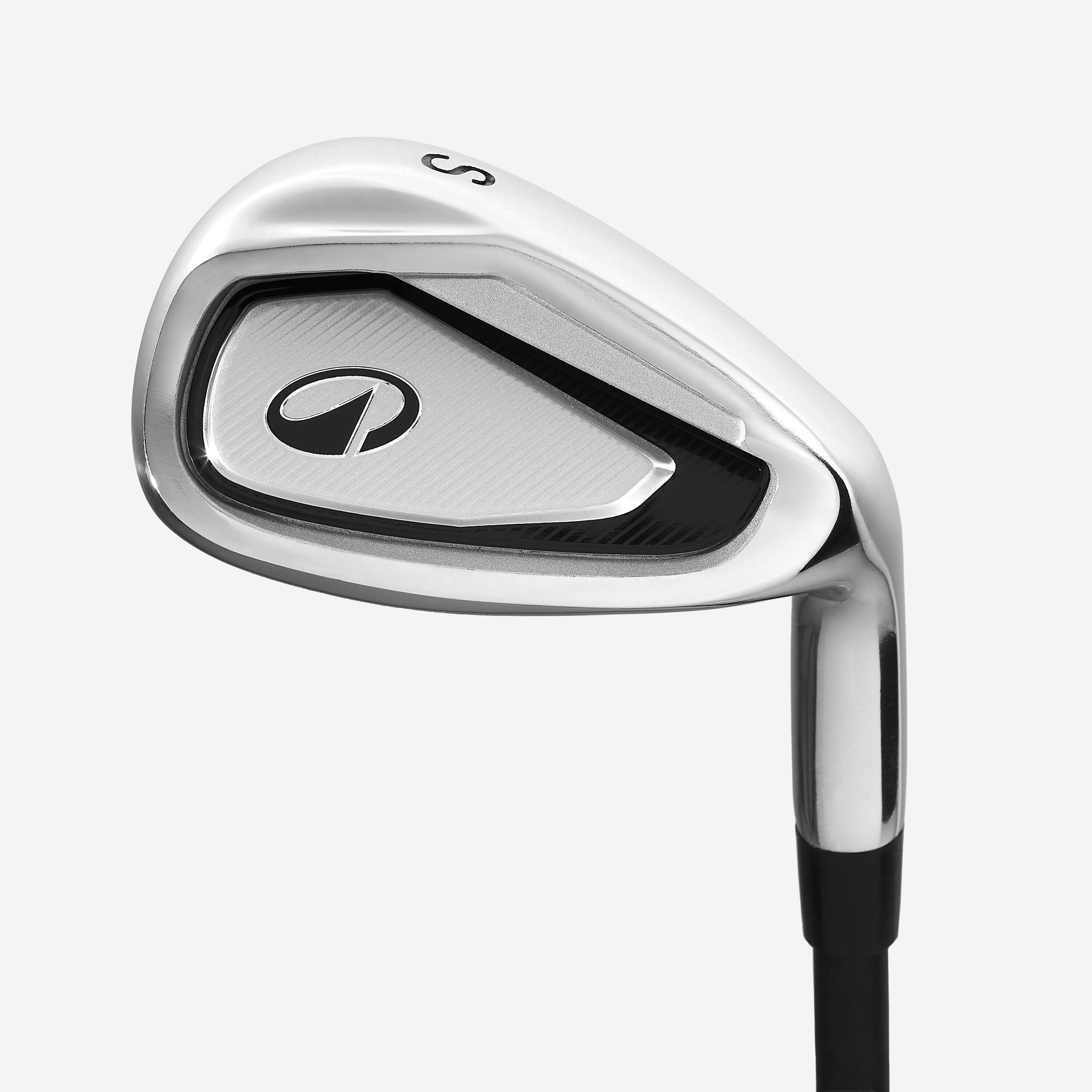
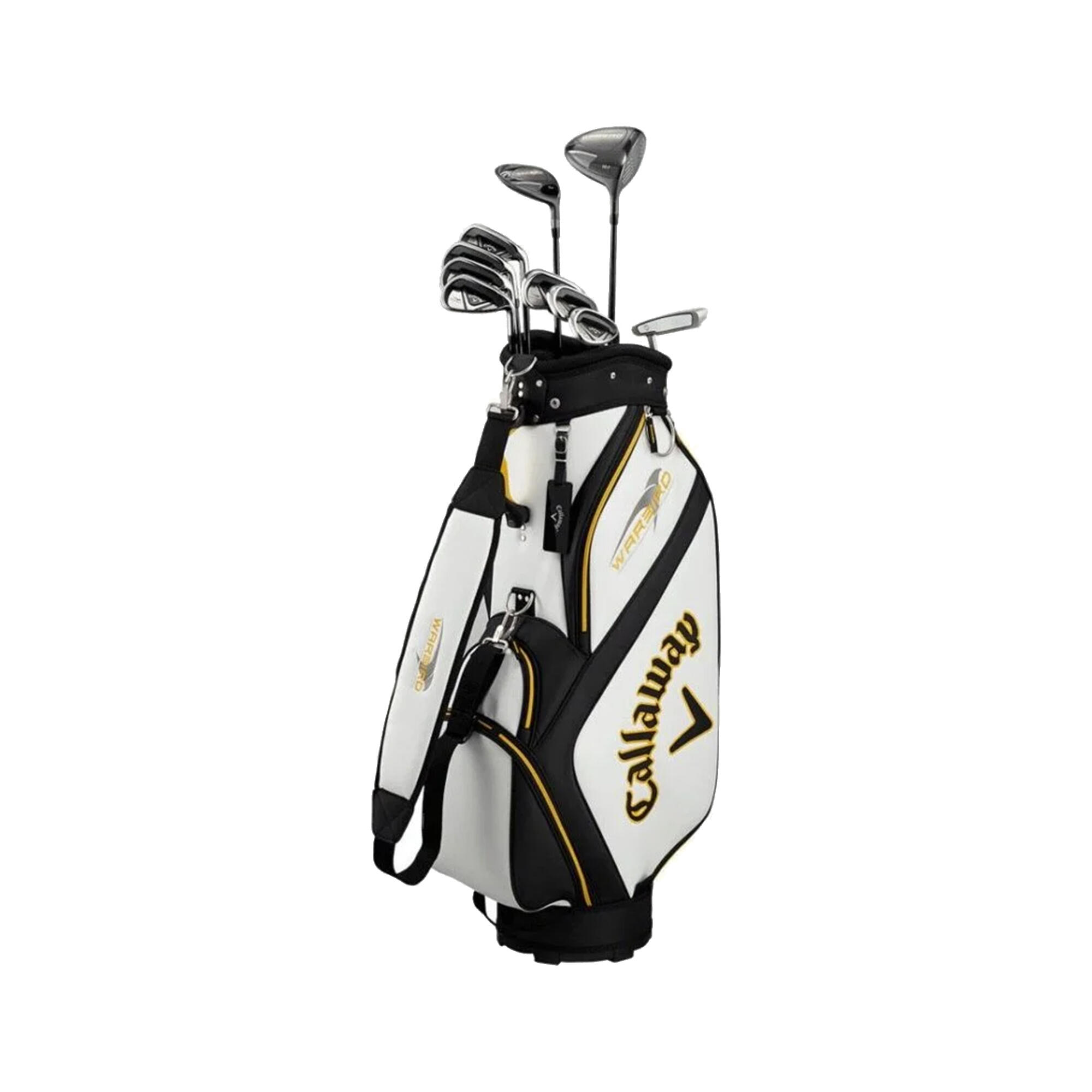
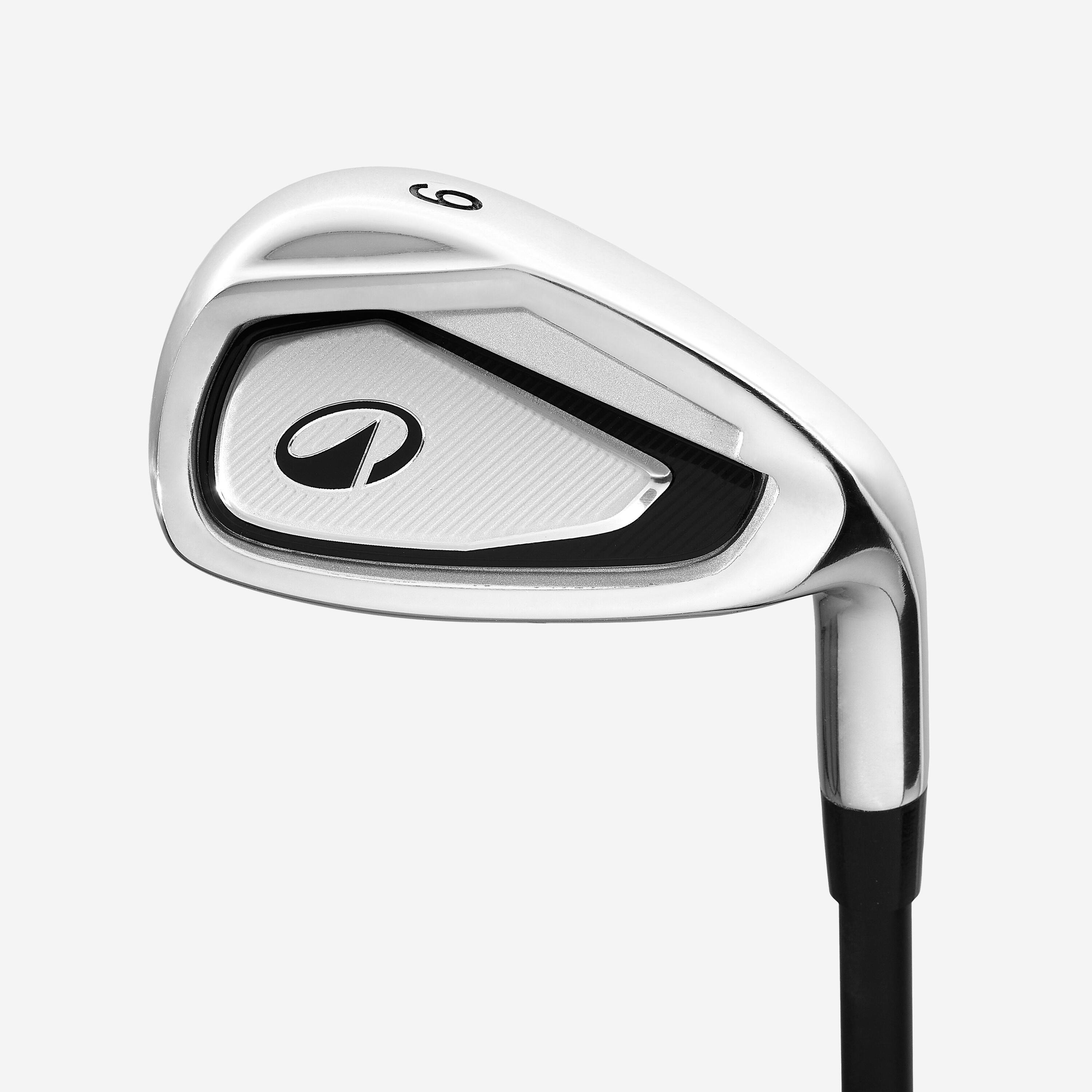
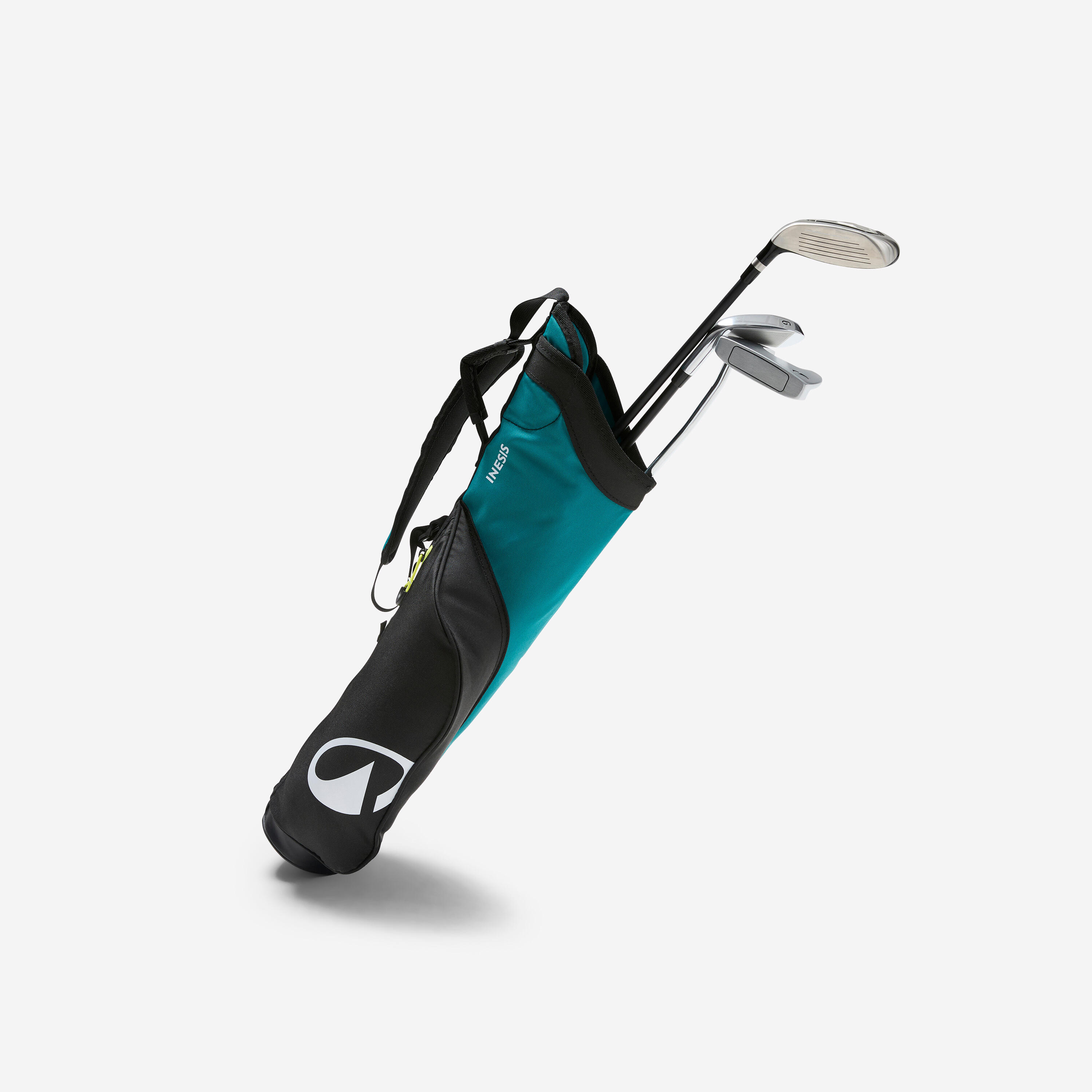
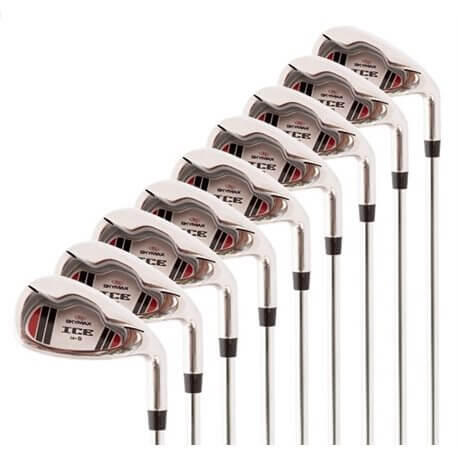
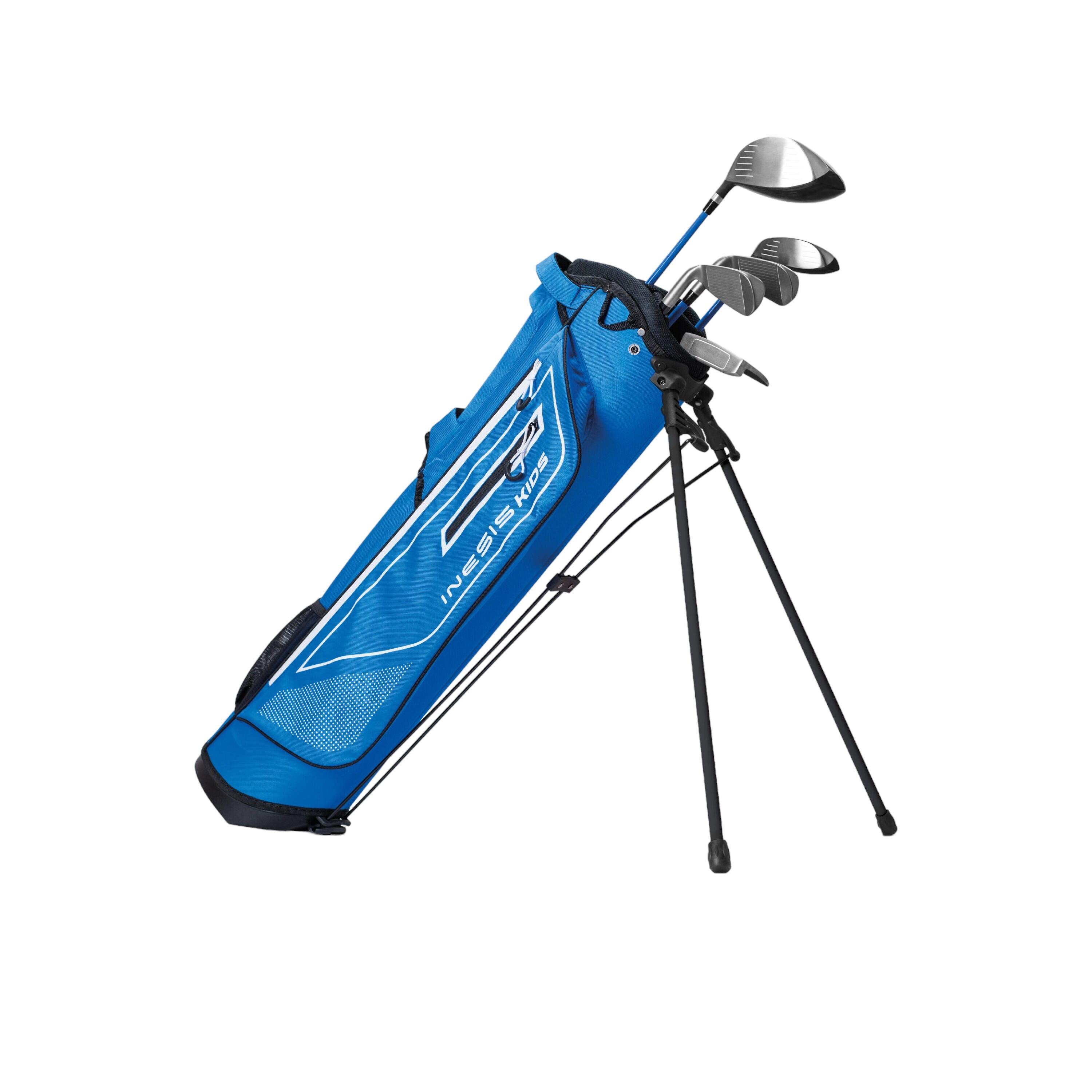
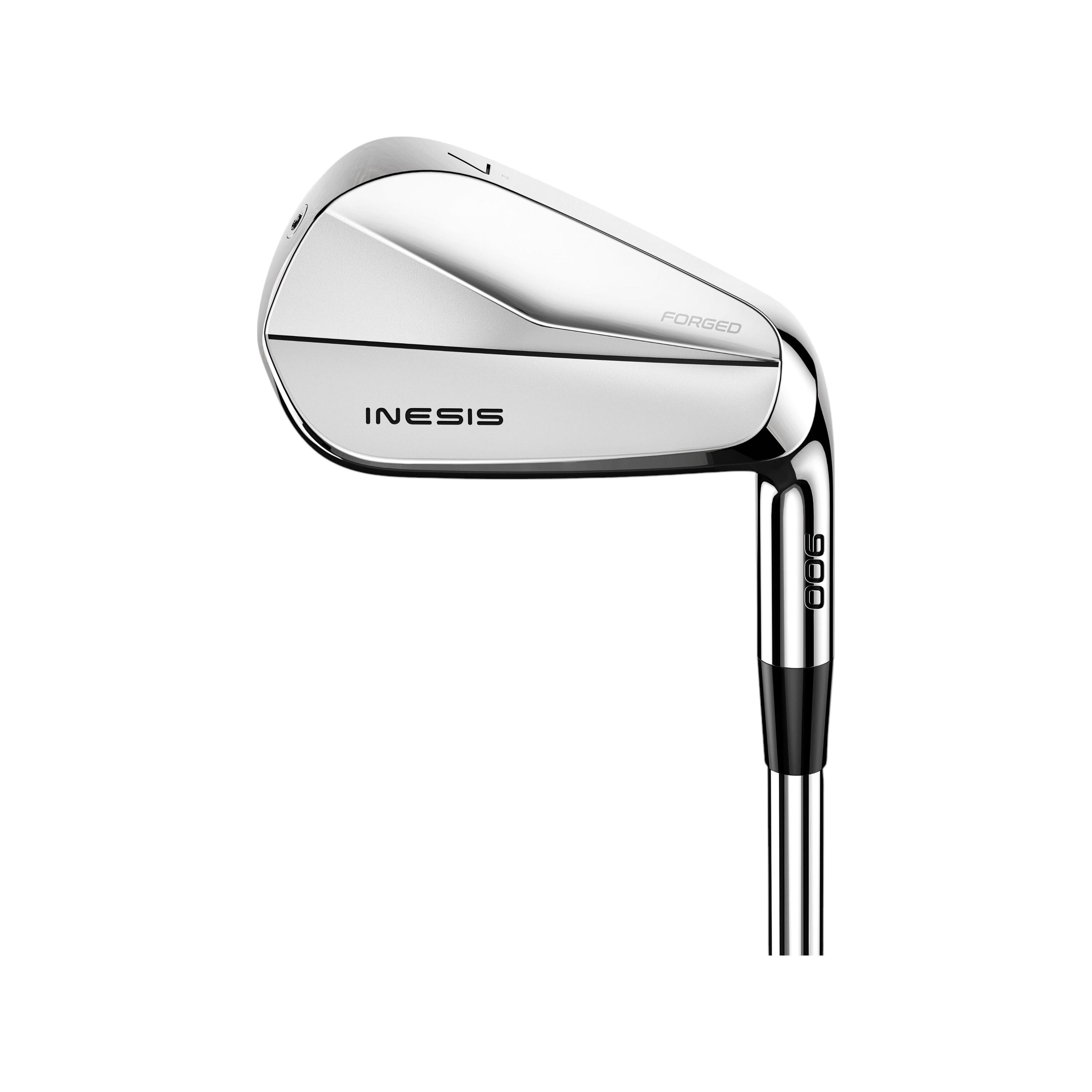
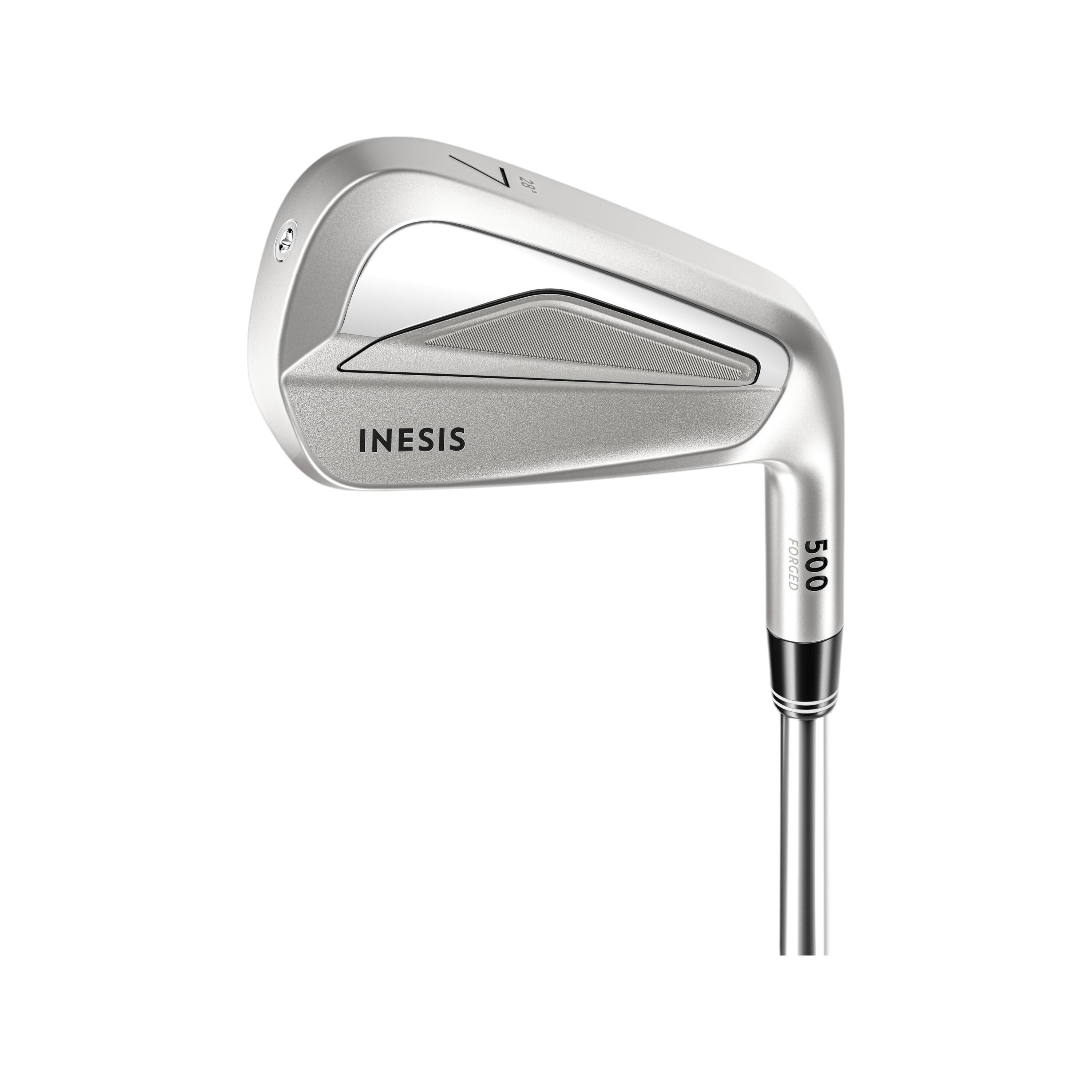
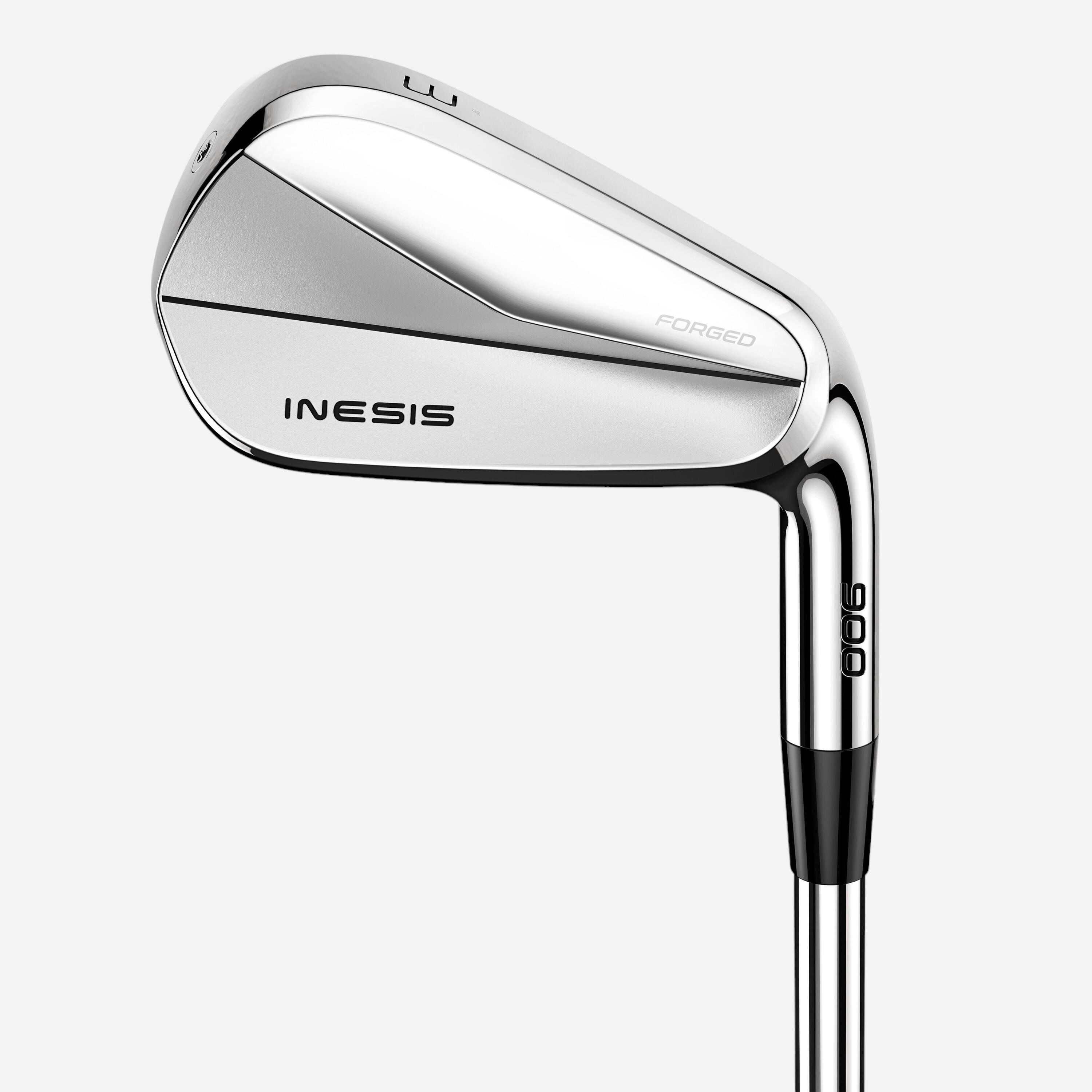
Selecting the appropriate equipment depends on your swing speed, physical height, and current handicap. Beginners often benefit from high-loft irons and forgiving woods that help launch the ball into the air with minimal effort. As your game develops, the technical specifications of your equipment become more critical to ensure consistency across every cup. For those just starting their journey, purchasing complete golf sets is a practical way to ensure you have every necessary loft covered, from the long woods to the short wedges. These collections are specifically engineered to provide a balanced weight distribution, making it easier to maintain a smooth tempo. Pro tip: Pay close attention to shaft flex; a shaft that is too stiff for your swing speed will result in a loss of distance and a tendency to slice the ball to the right. Correct equipment choice provides the foundation for a reliable and repeatable swing.

What is the technical purpose of different golf sticks in the bag?

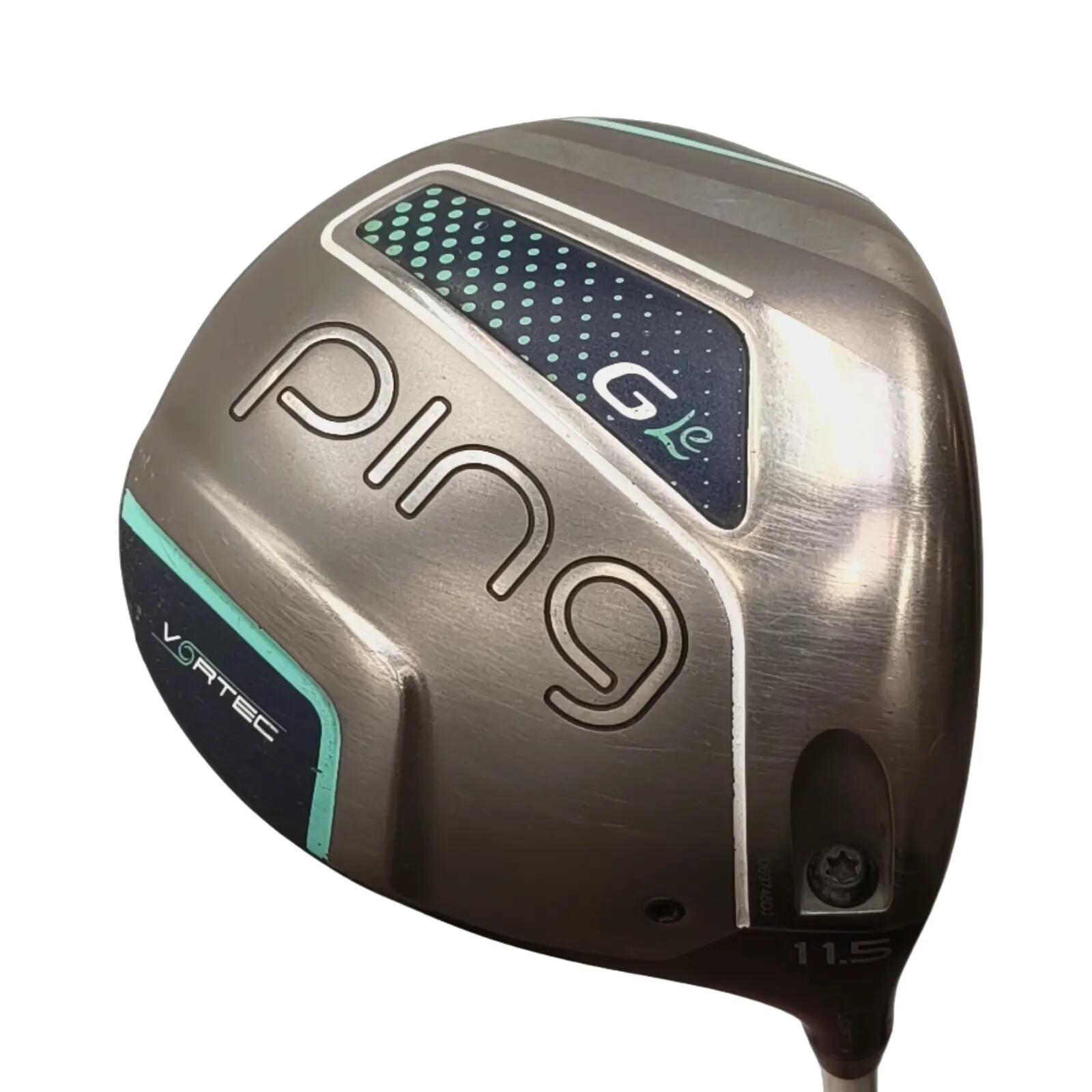
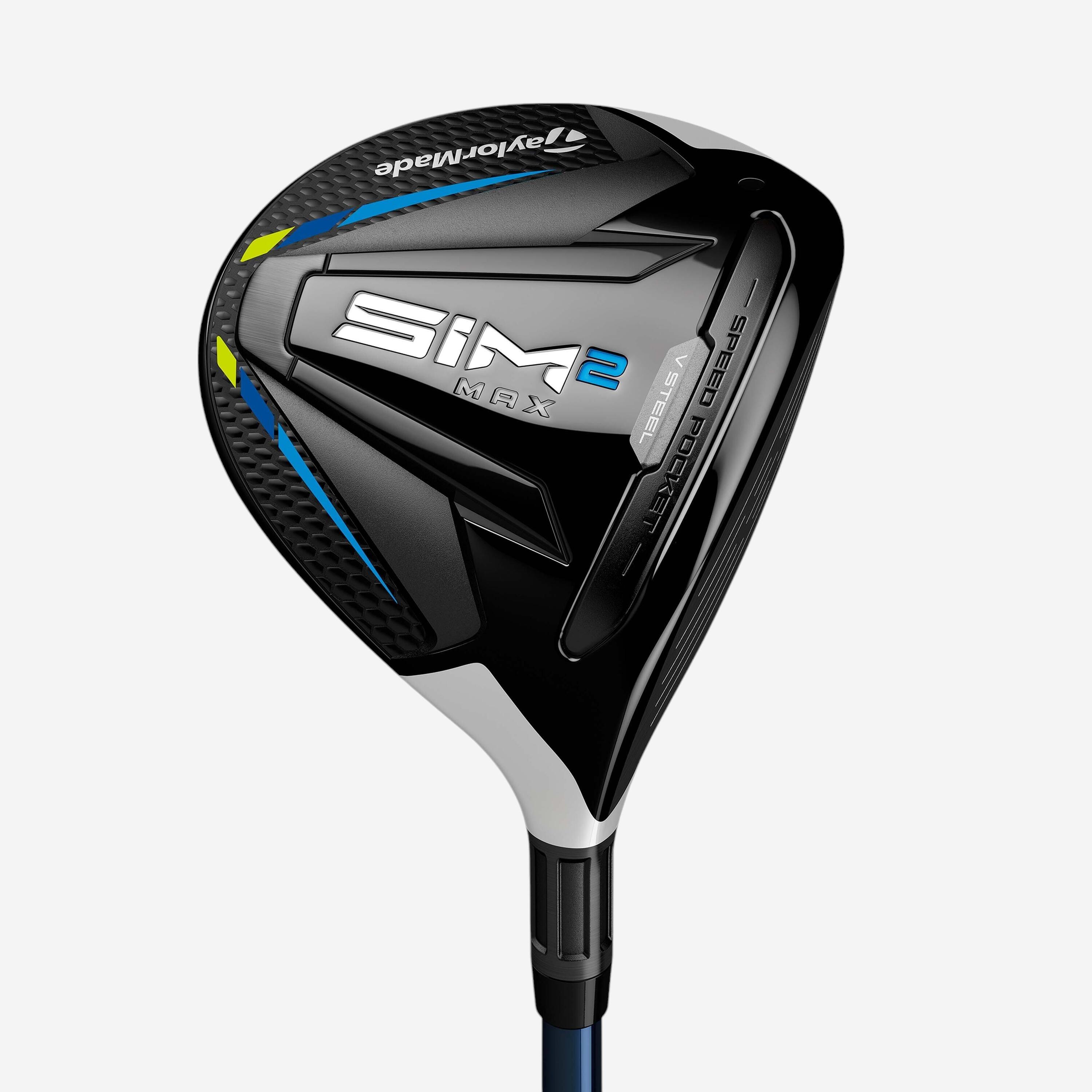
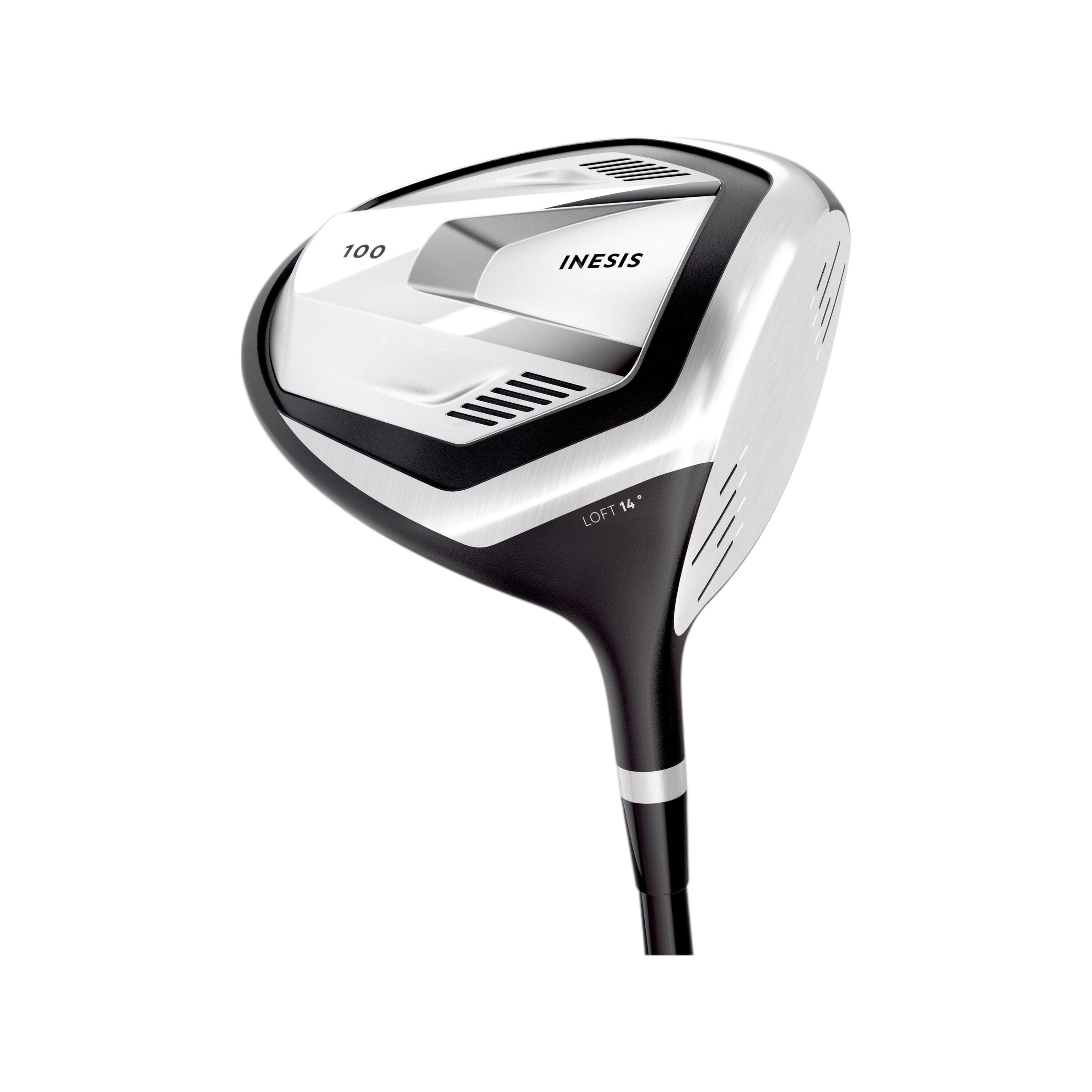
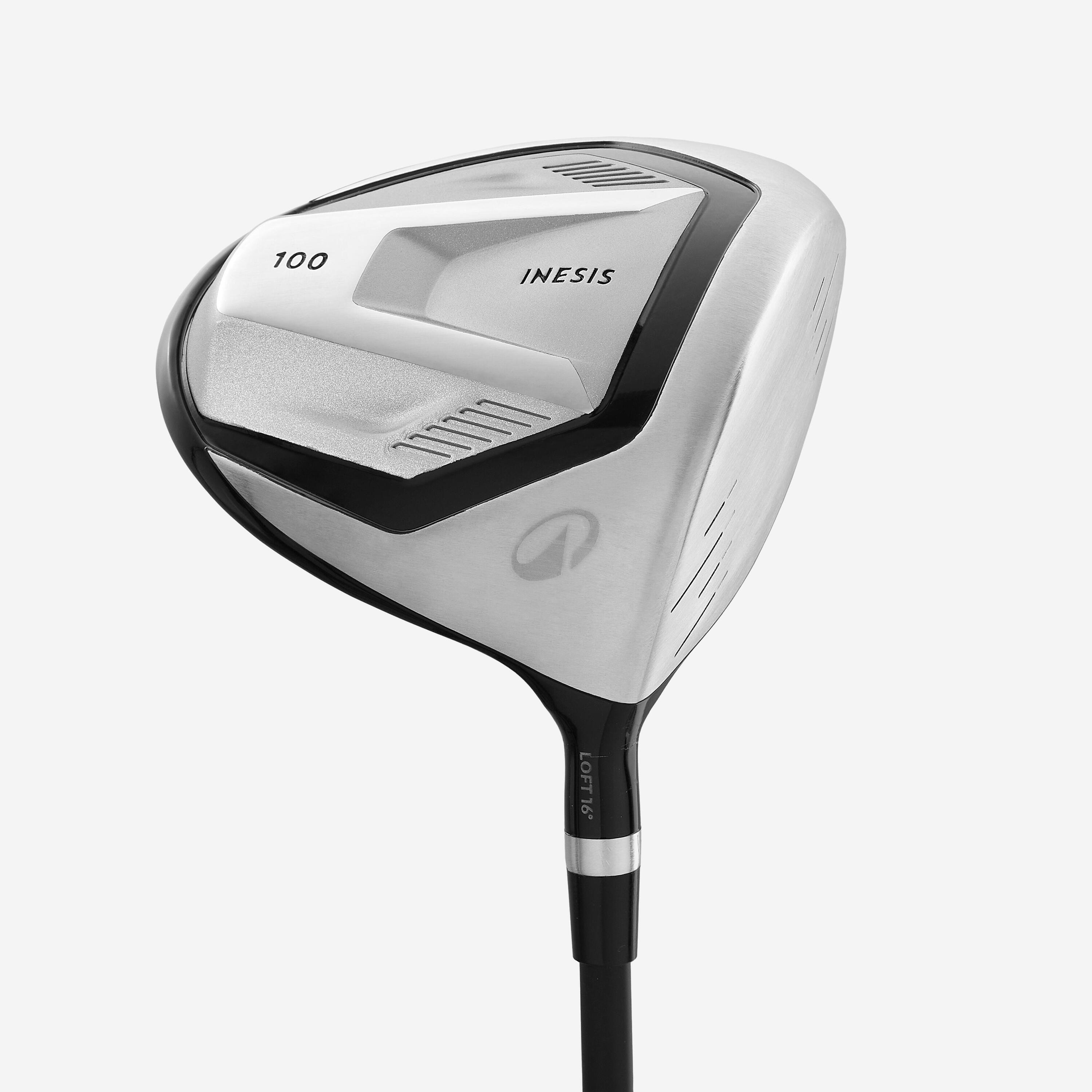
Each club in your bag serves a specific purpose defined by its loft and shaft length. The longest clubs are designed for maximum distance from the tee box, while the shorter irons focus on approach accuracy and spin control. Utilizing high-performance golf drivers allows players to maximize ball speed through aerodynamic head designs and lightweight graphite shafts. The reason for the large 460cc head size in modern equipment is to increase the Moment of Inertia (MOI), which prevents the face from twisting on off-centre hits. This technical "why" ensures that even when you do not strike the exact centre of the face, the ball maintains a relatively straight flight path. Understanding how each loft interacts with the turf will help you make better tactical decisions during your round.

Why is putter selection critical for lowering your scores?

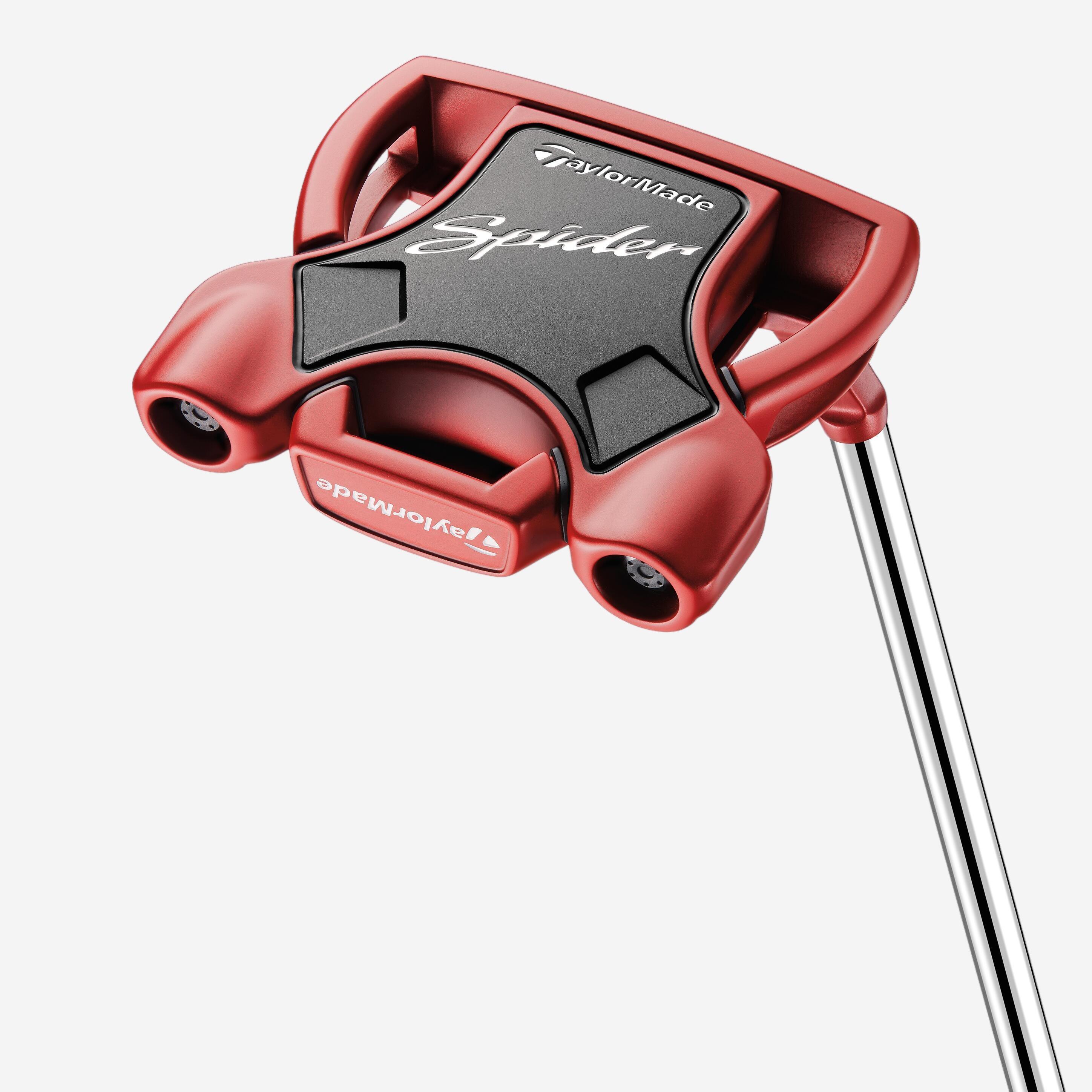
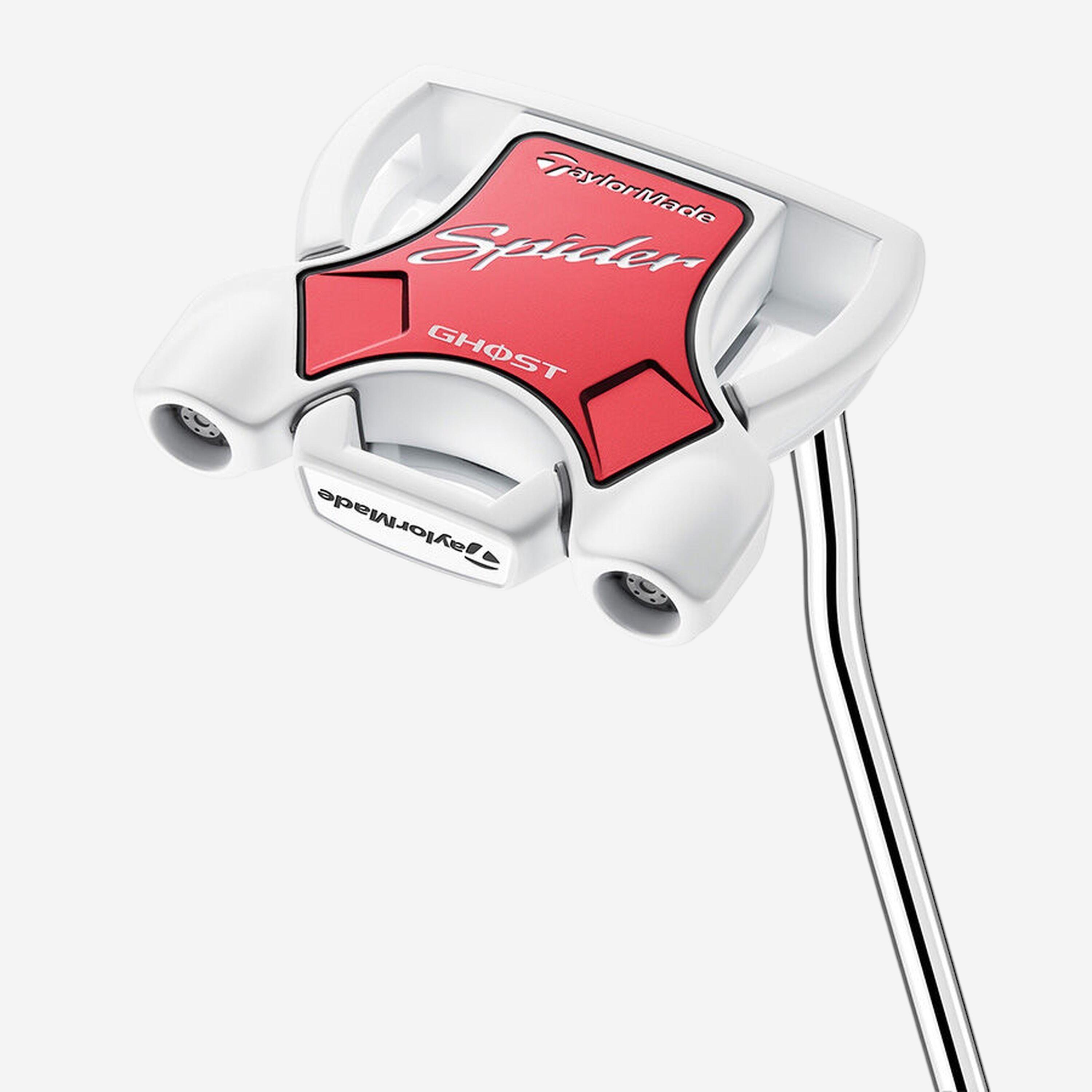
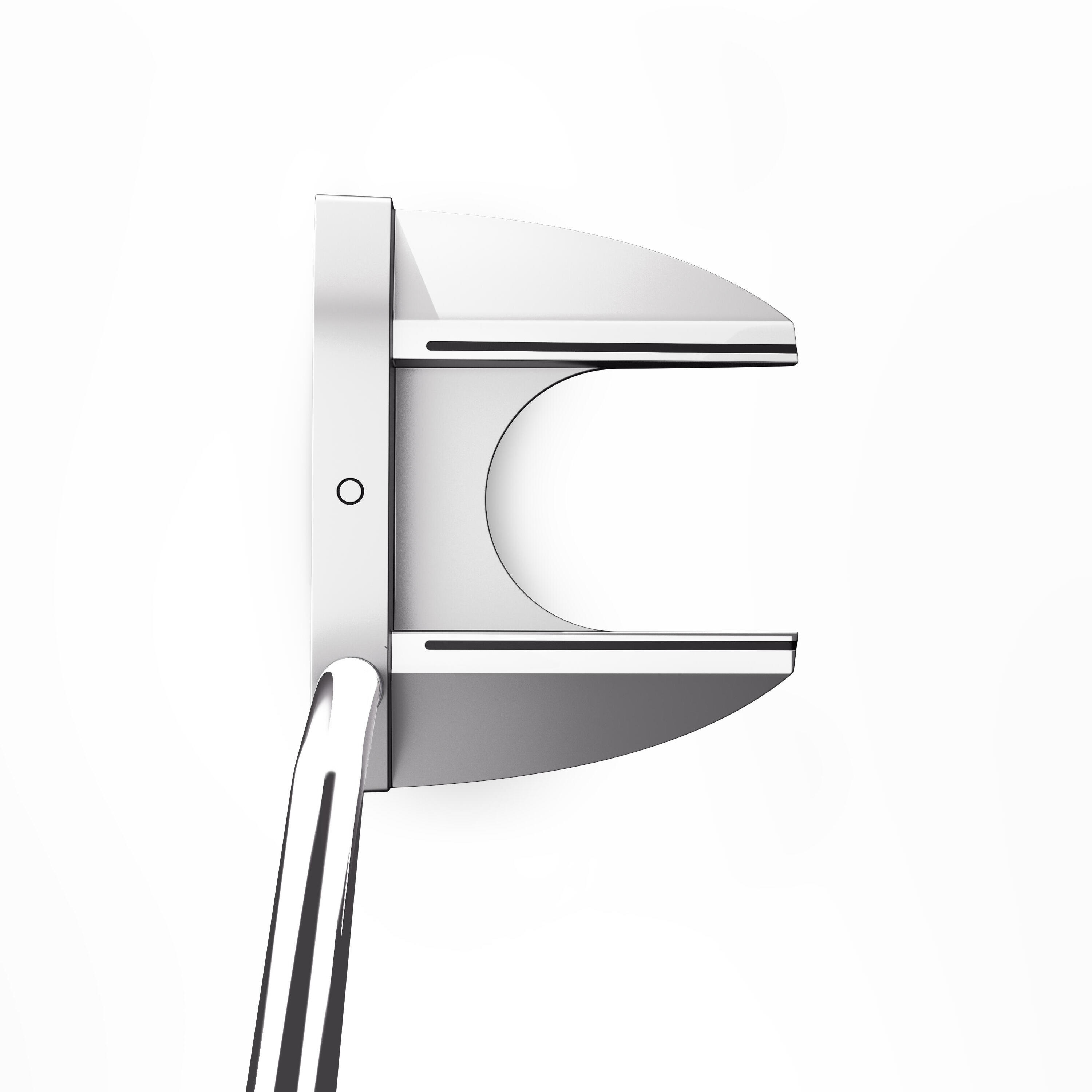
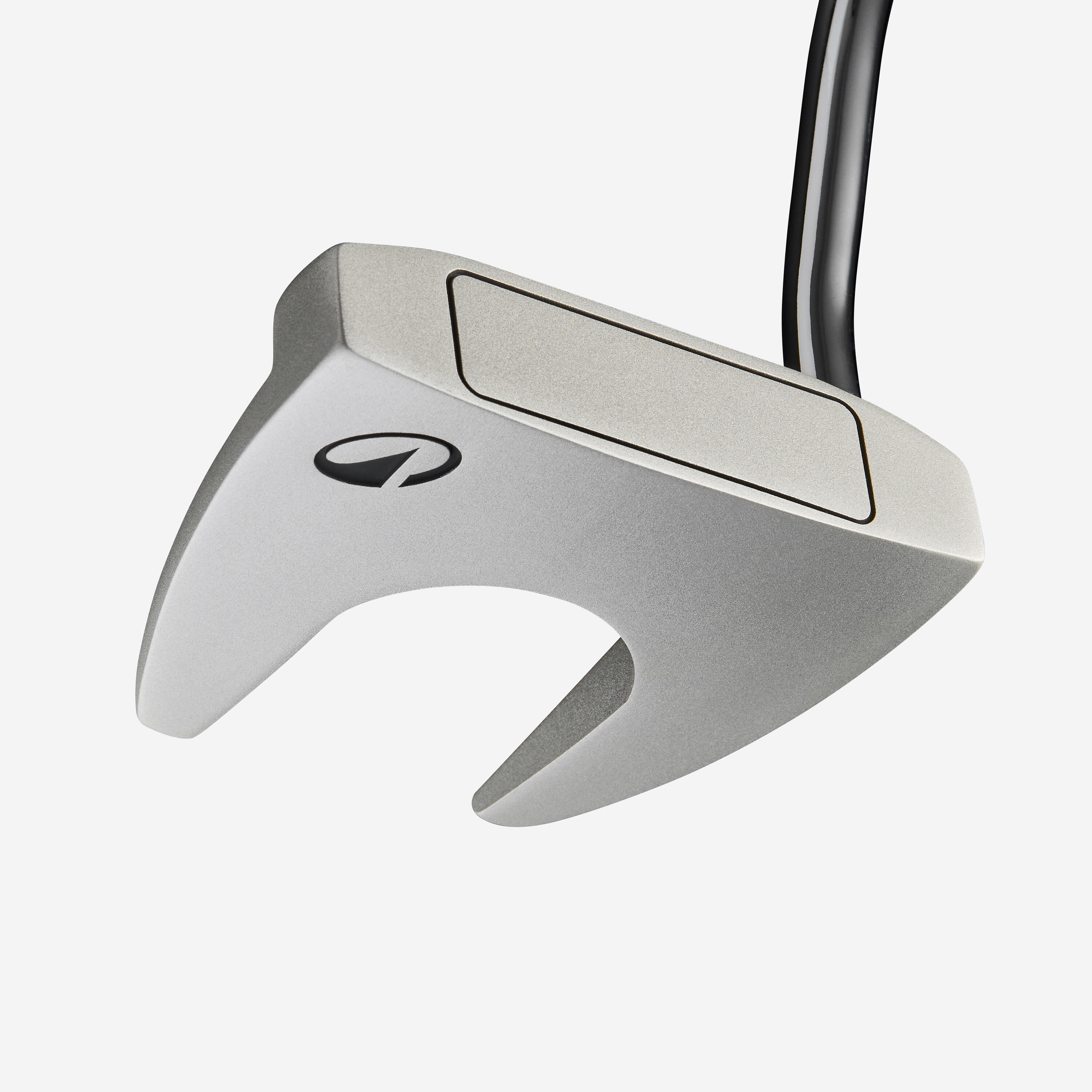
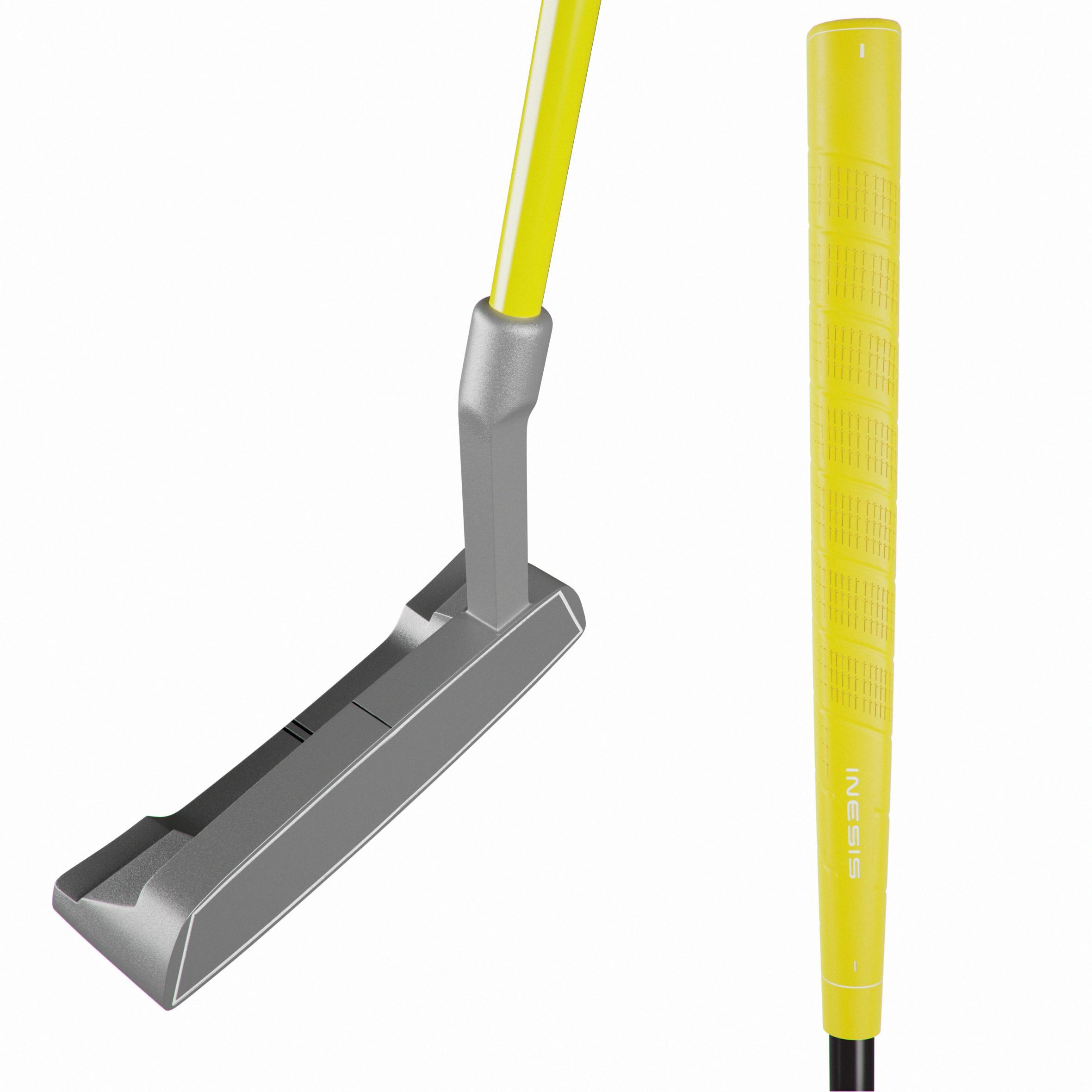
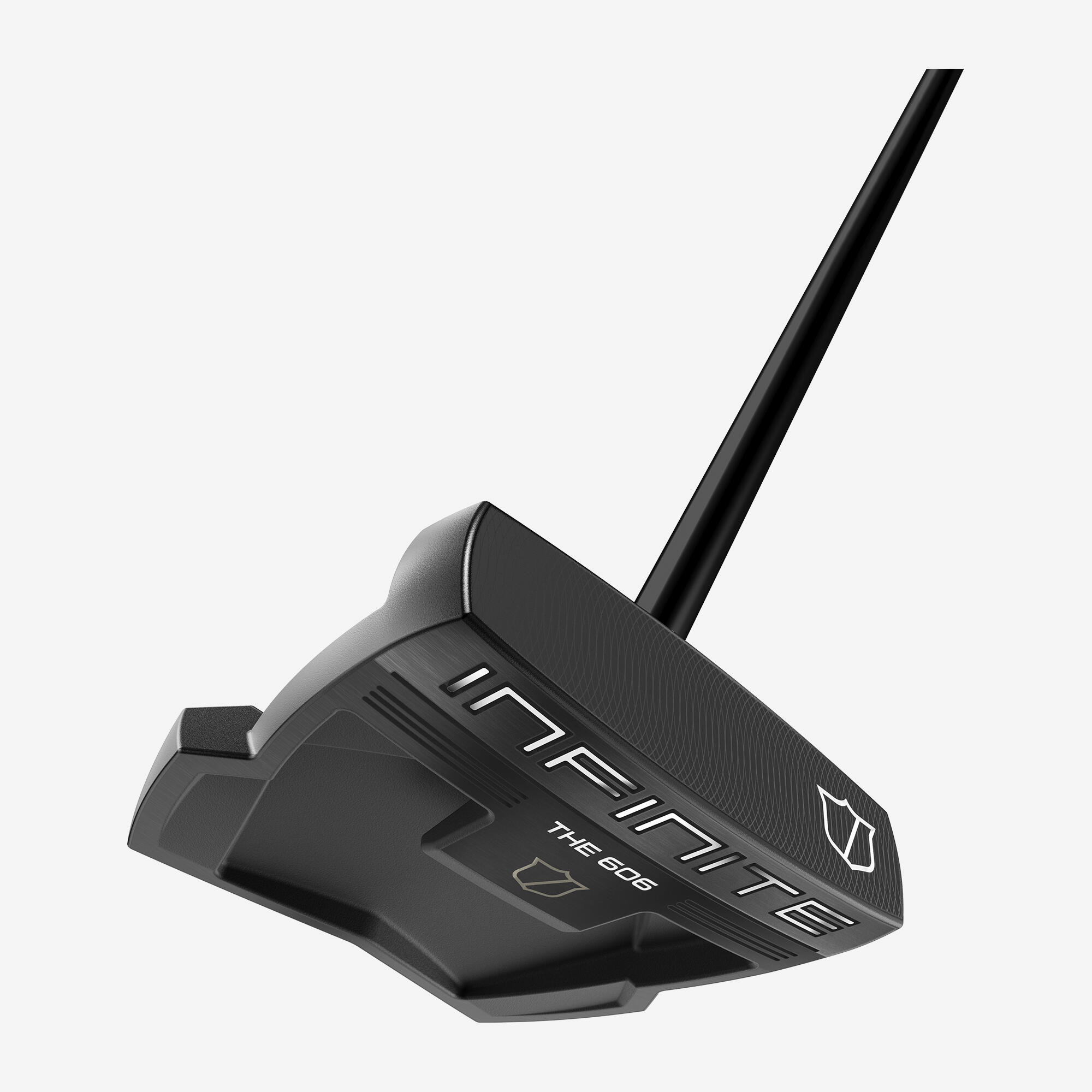
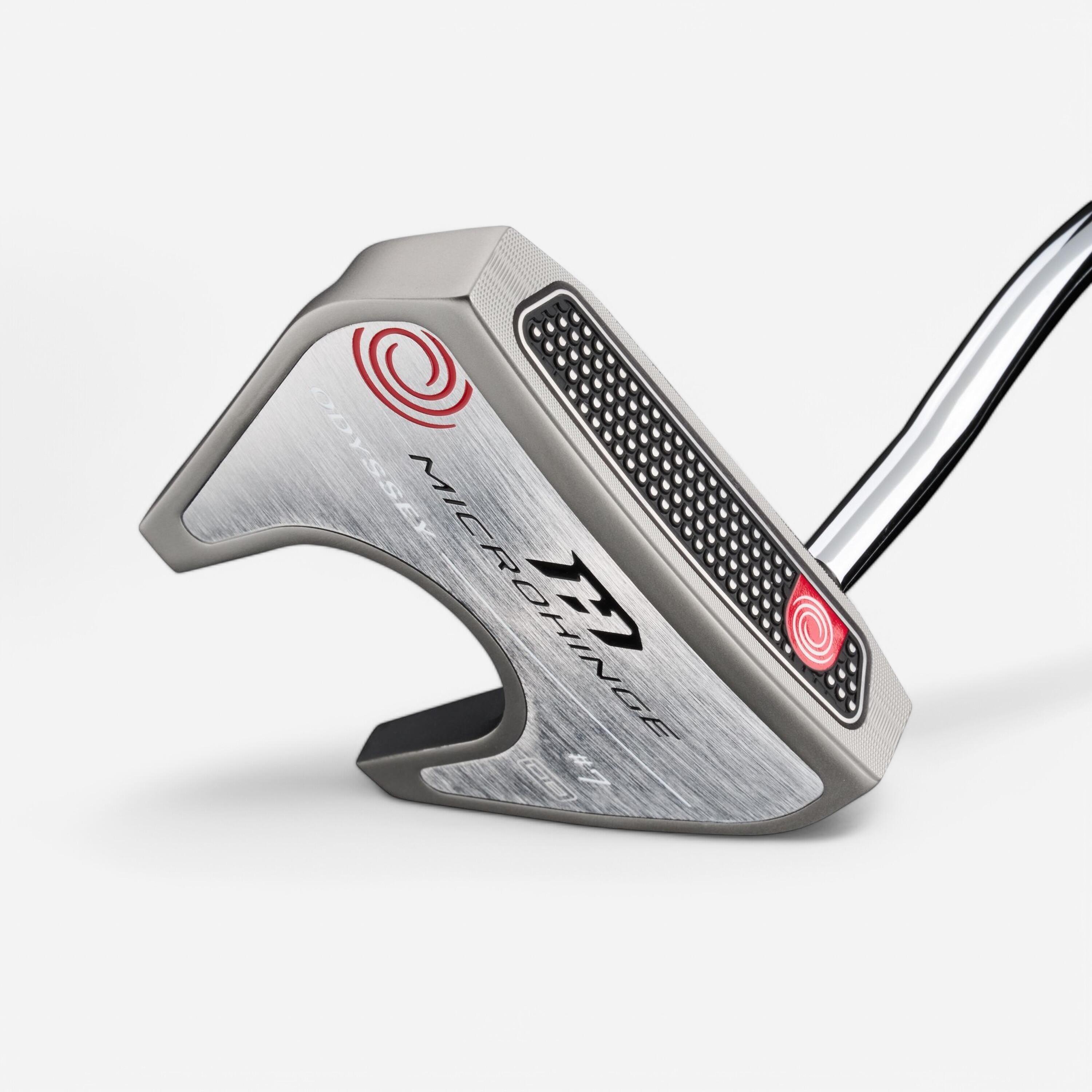
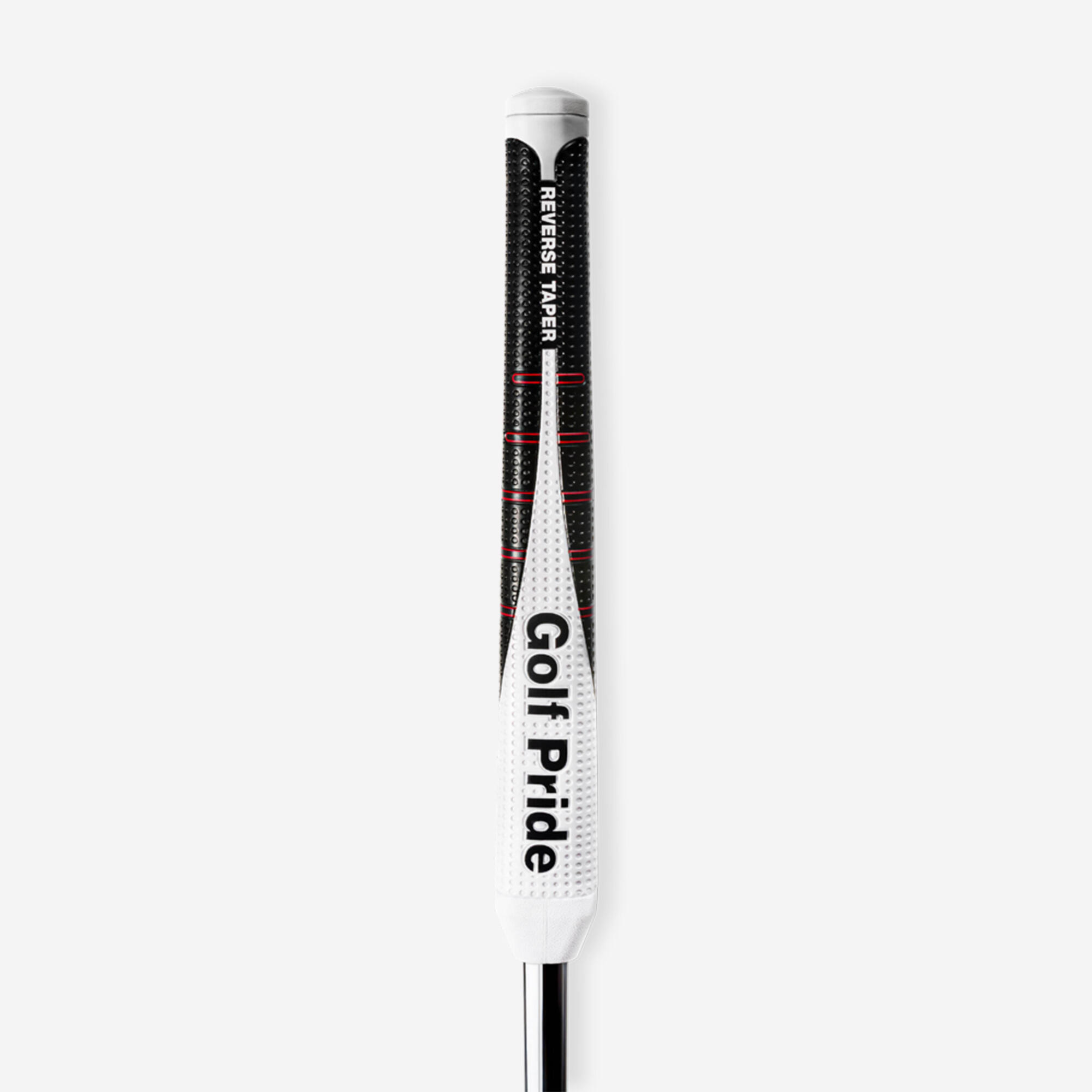
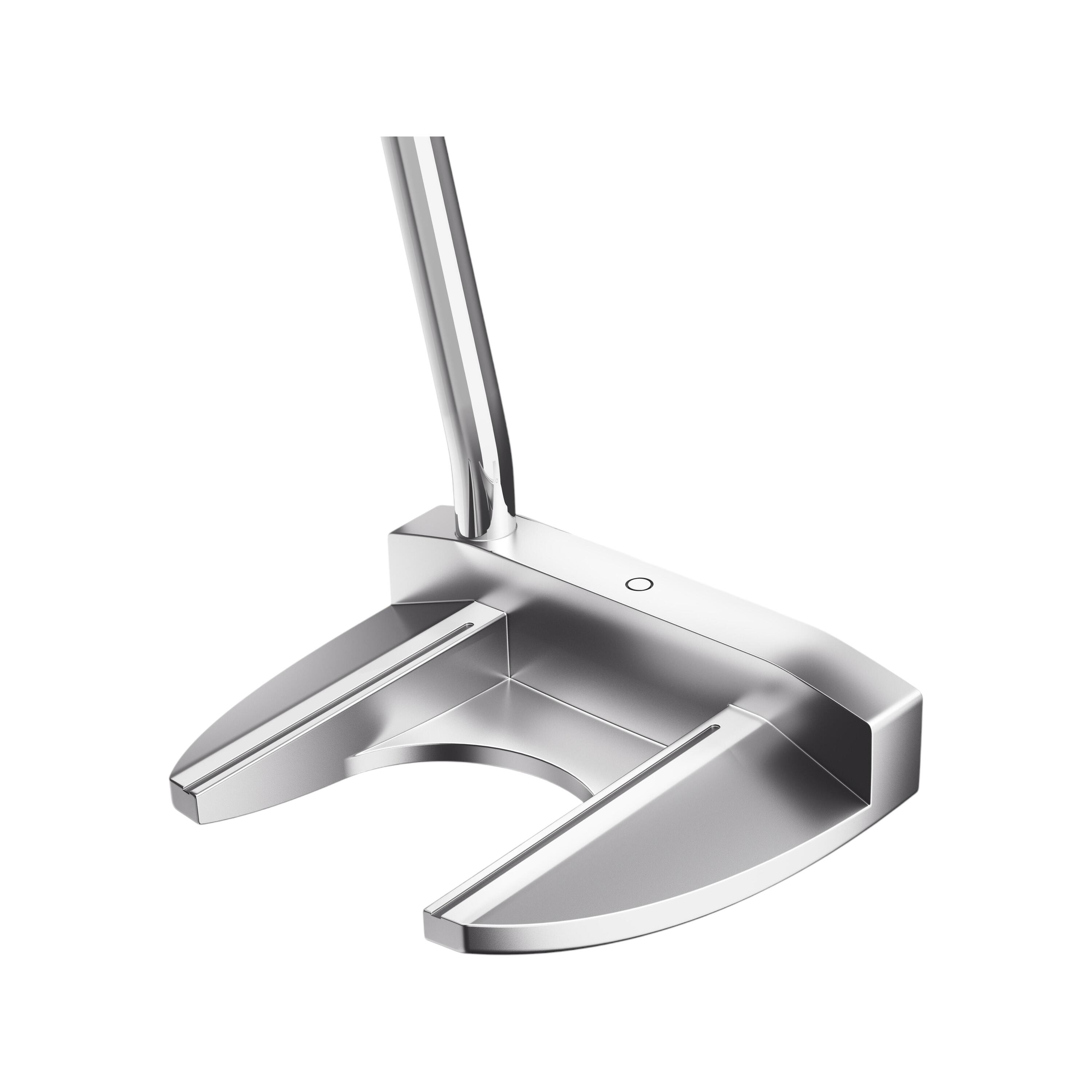
The short game accounts for nearly forty percent of all strokes during a round, making the choice of flat-stick incredibly important. Precision golf putters come in various shapes, primarily blades and mallets, each offering different levels of stability. Mallet putters feature a larger footprint to help golfers who struggle with an inconsistent stroke path, providing a higher level of forgiveness. The alignment lines on the top of the head are not just for show; they are technically positioned to help your eyes square the face to the target line. Pro tip: Ensure the length of your putter allows your arms to hang naturally under your shoulders. If the club is too long, it can force your eyes inside the line, making it difficult to visualize the correct break of the green.

What are the specific features of ladies golf clubs?

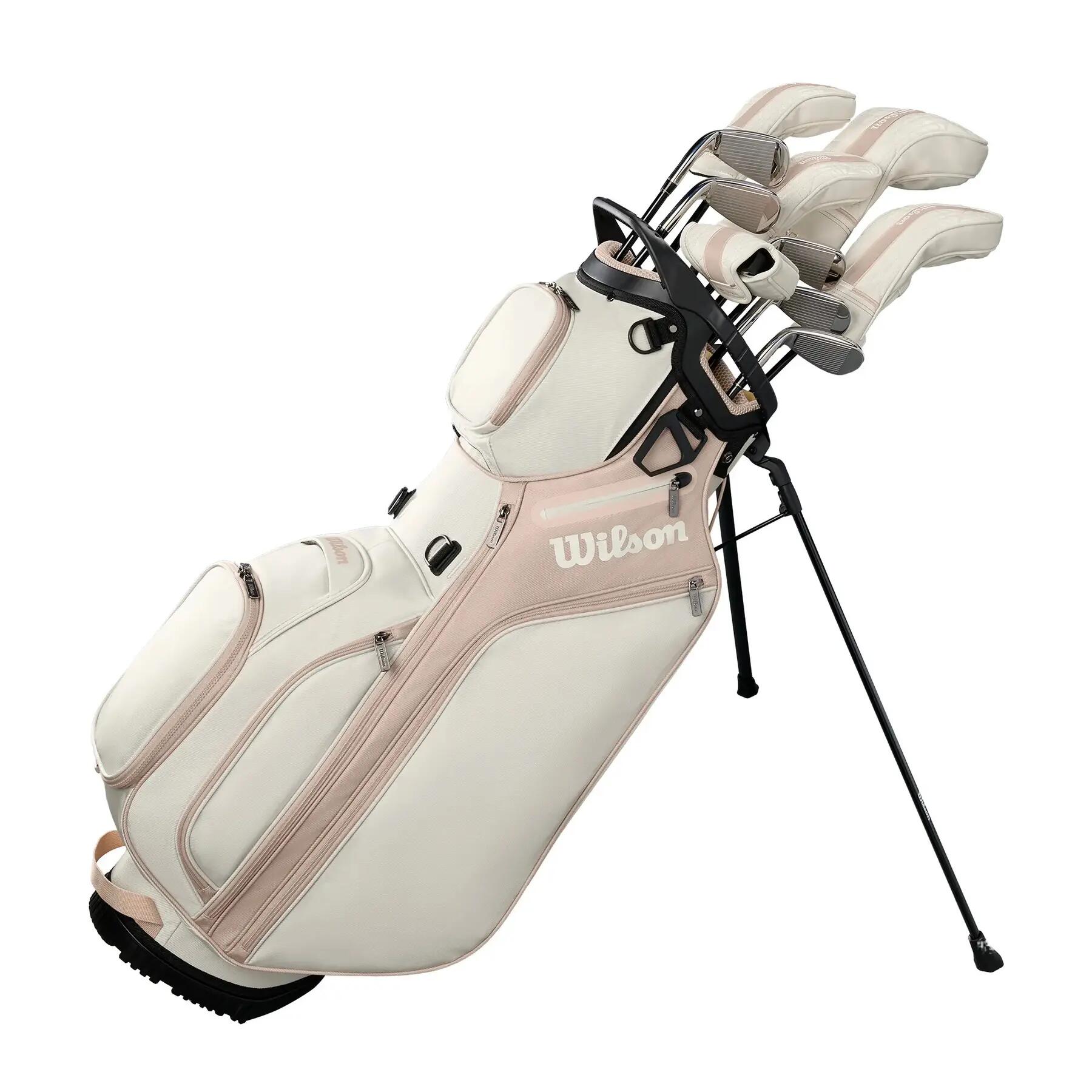
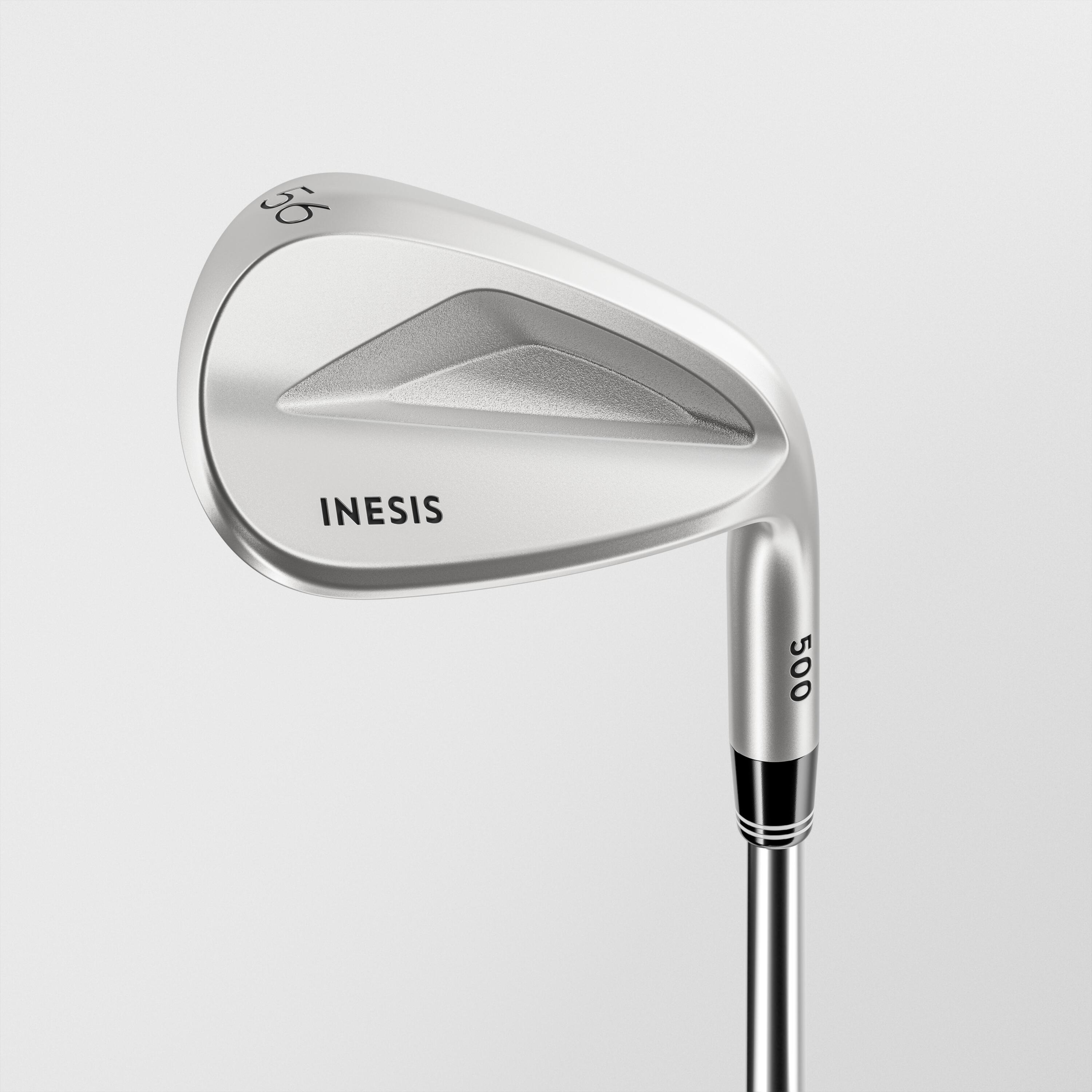
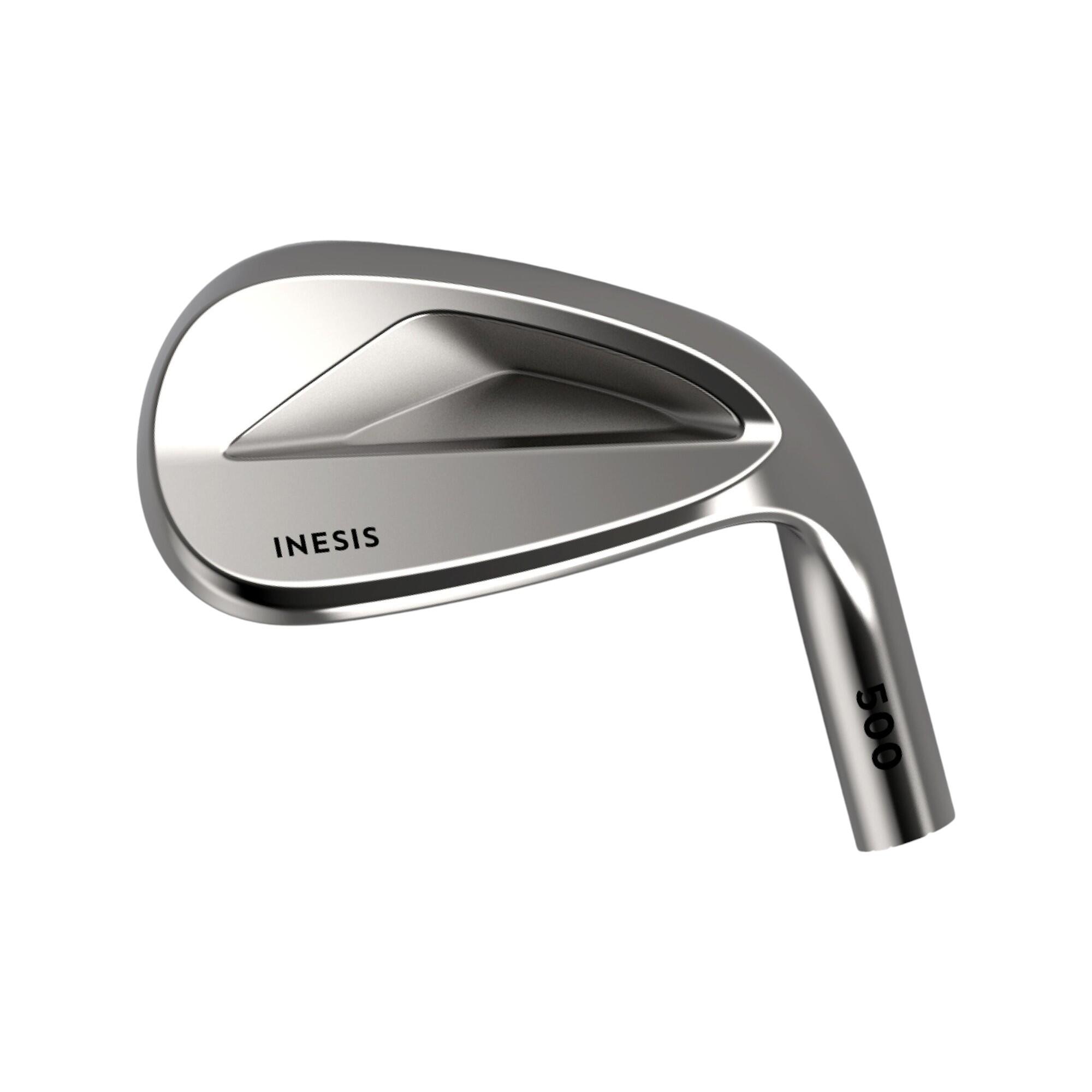
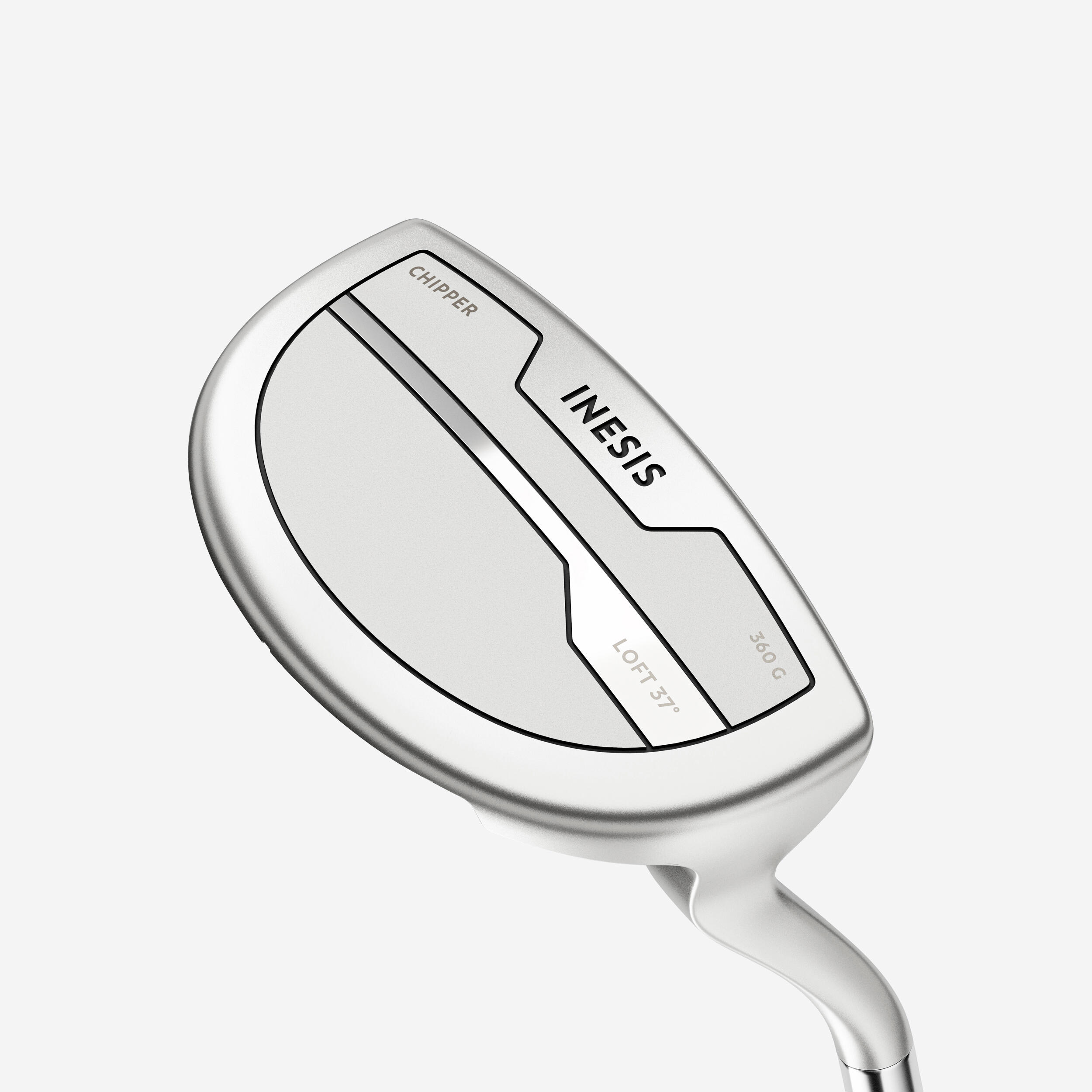
Equipment designed for female golfers typically accounts for differences in height and average swing speeds compared to unisex models. These clubs often feature lighter overall weights and more flexible graphite shafts, which help generate higher clubhead speed for increased distance. For short-game precision around the greens, many players complement their set with specialized golf wedges that offer improved control, spin, and stopping power on approach shots. The centre of gravity is usually positioned lower and further back in the clubhead to assist in achieving a higher launch angle. This is particularly helpful on long par fours where carry distance over hazards is essential. Many women find that these technical adjustments lead to better contact and improved feel throughout the swing. By using gear that matches your physical profile, you reduce the risk of fatigue during the final holes of a long round, ensuring your technique remains sharp until the final putt is dropped.

How do I maintain my golf equipment for long-term performance?

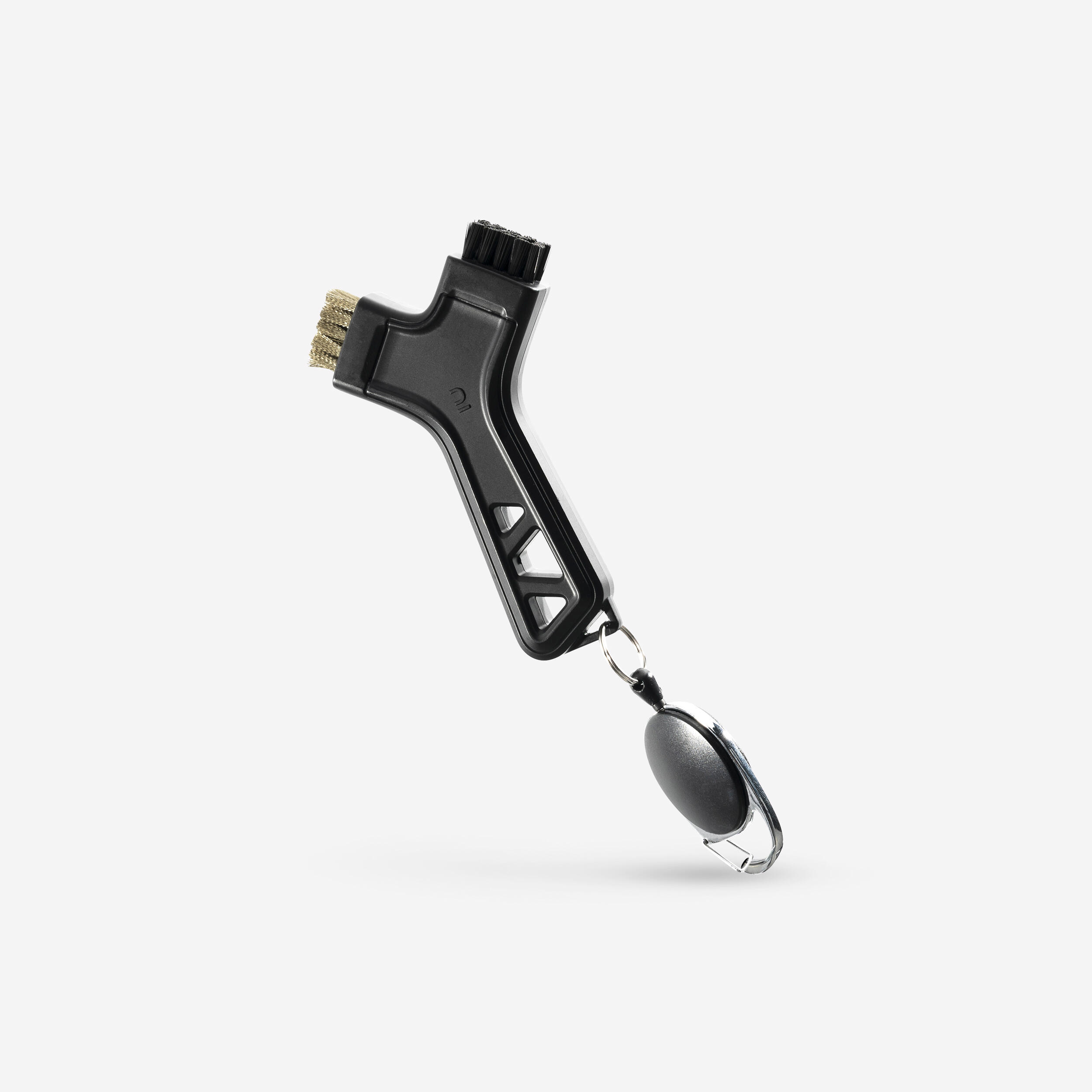
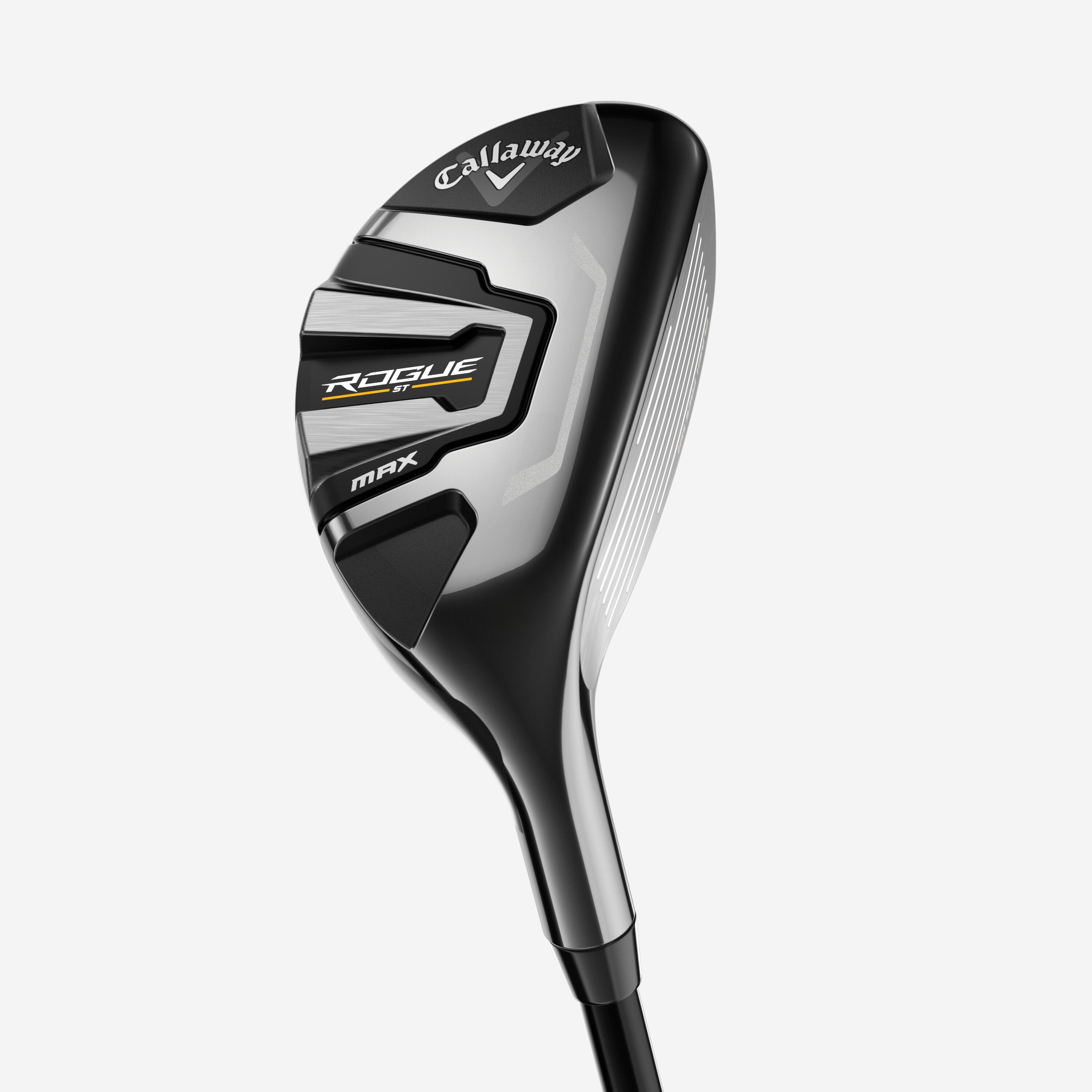
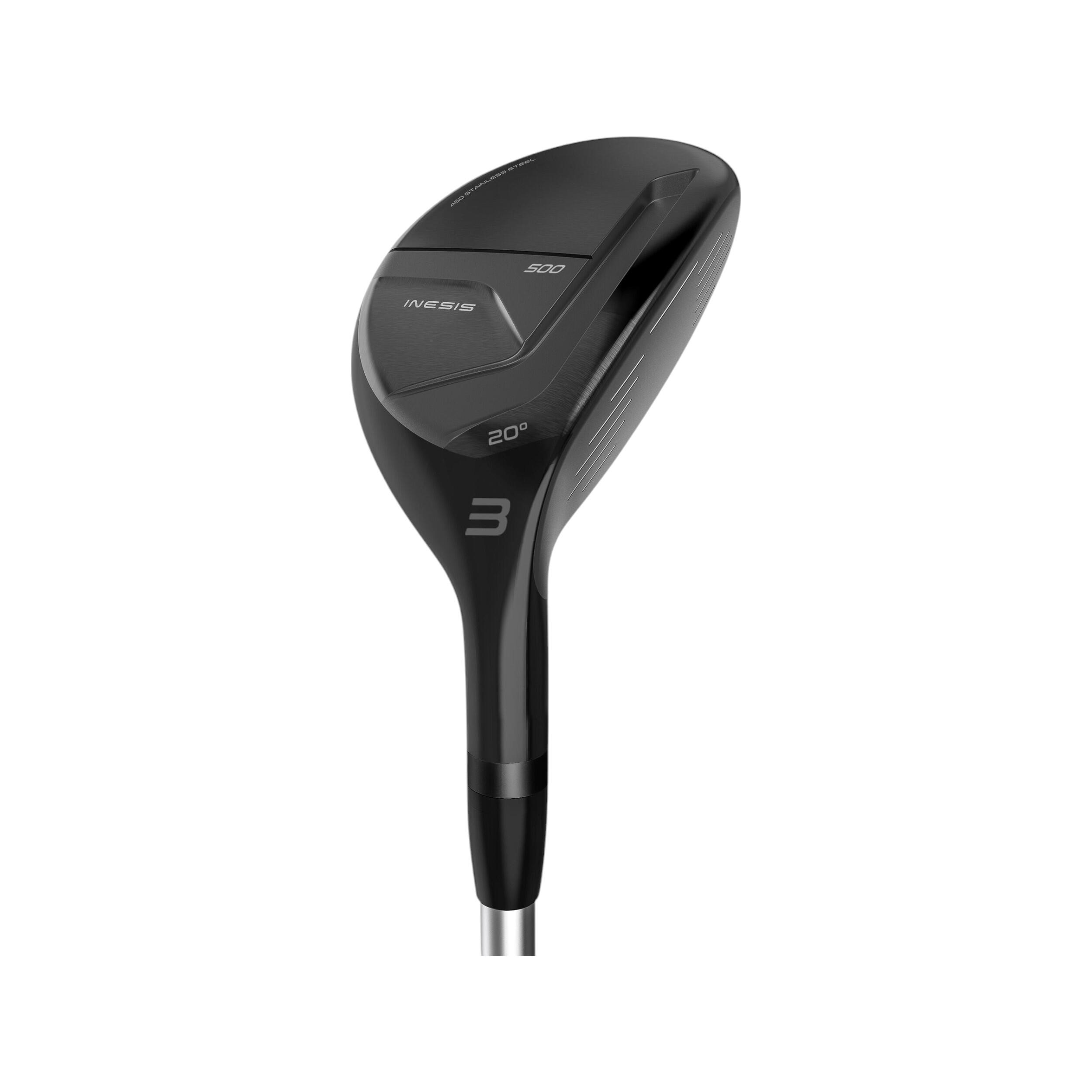
After every round, use a soft brush and lukewarm water to remove dirt and sand from the face of your irons and wedges. Players who frequently use versatile clubs like a golf hybrids should pay extra attention to keeping the clubface clean, as consistent contact depends heavily on clear grooves and a well-maintained surface. Clean grooves are technically necessary to generate the friction required for backspin, which allows the ball to stop quickly on the greens. Never use harsh chemicals or wire brushes on woods, as this can damage the protective finish. Pro-tip: Check your grips every six months; if they feel smooth or "shiny," they have lost their tackiness. Replacing grips is a cost-effective way to make older equipment feel brand new again. Storing your gear in a temperature-controlled environment prevents the epoxy in the clubheads from becoming brittle, ensuring your sticks remain durable for years of use on the fairways.