67 items
4.7/5 based on 275 reviews collected online and in stores

Golf Wedges FAQs

Which golf wedge loft fits each short-game shot?

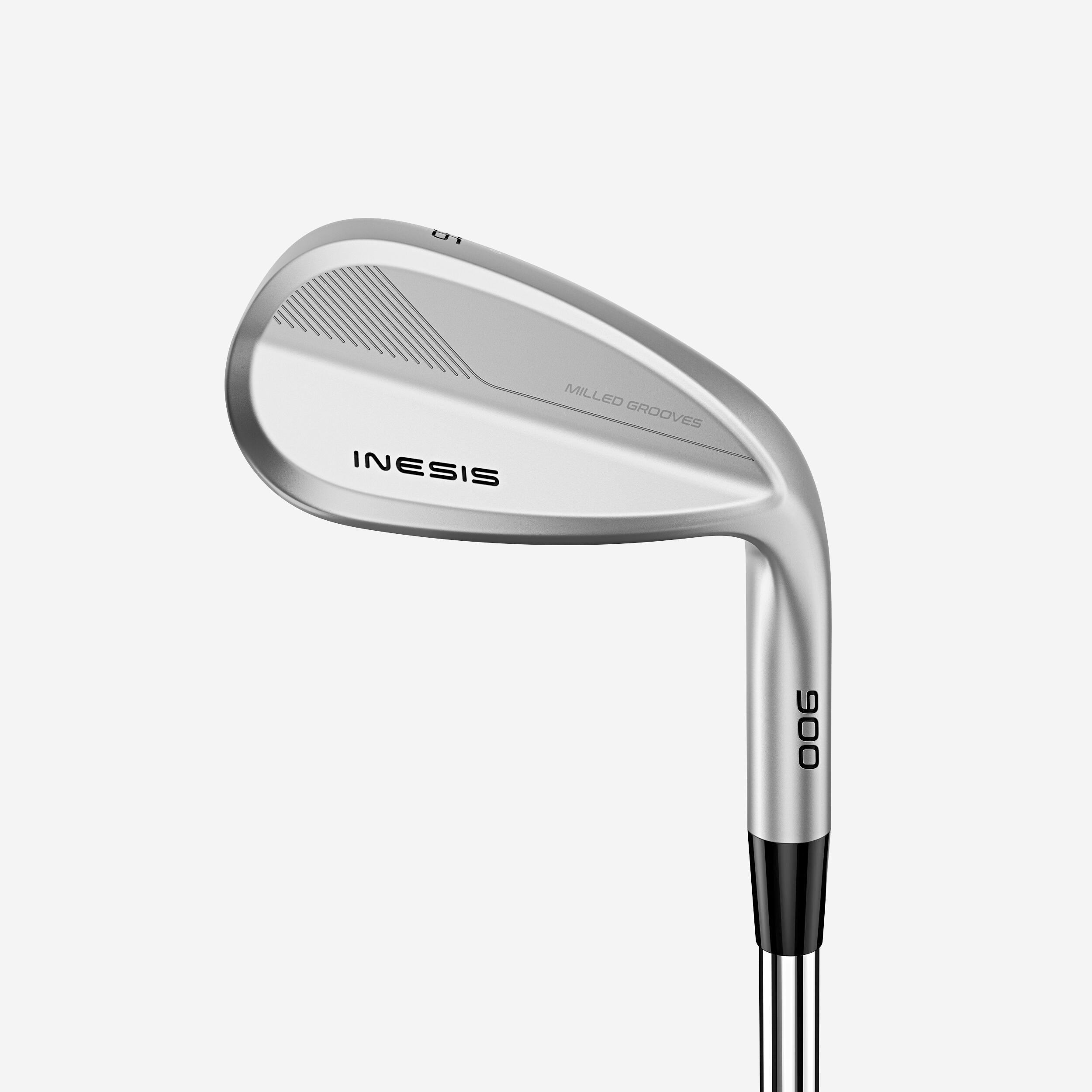
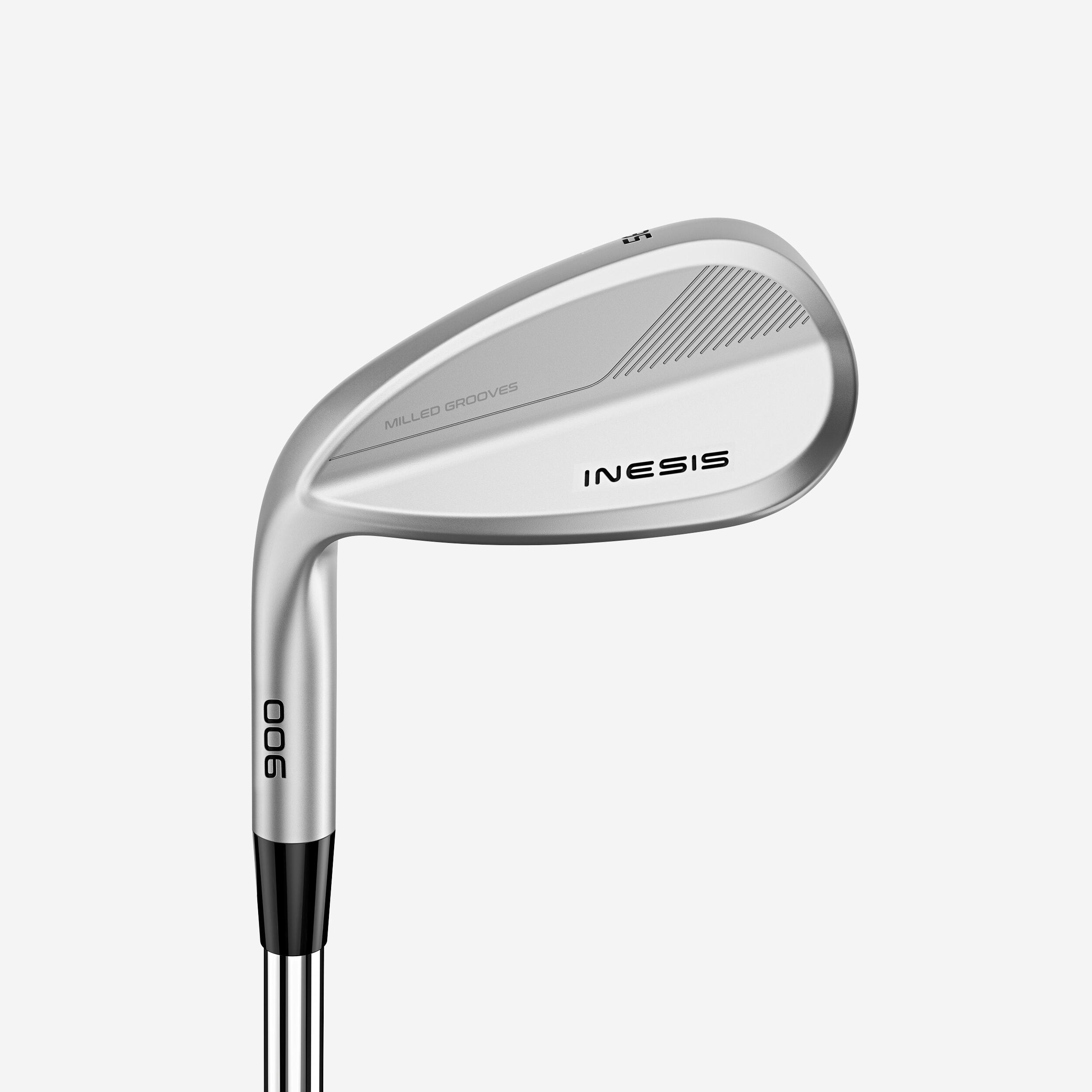
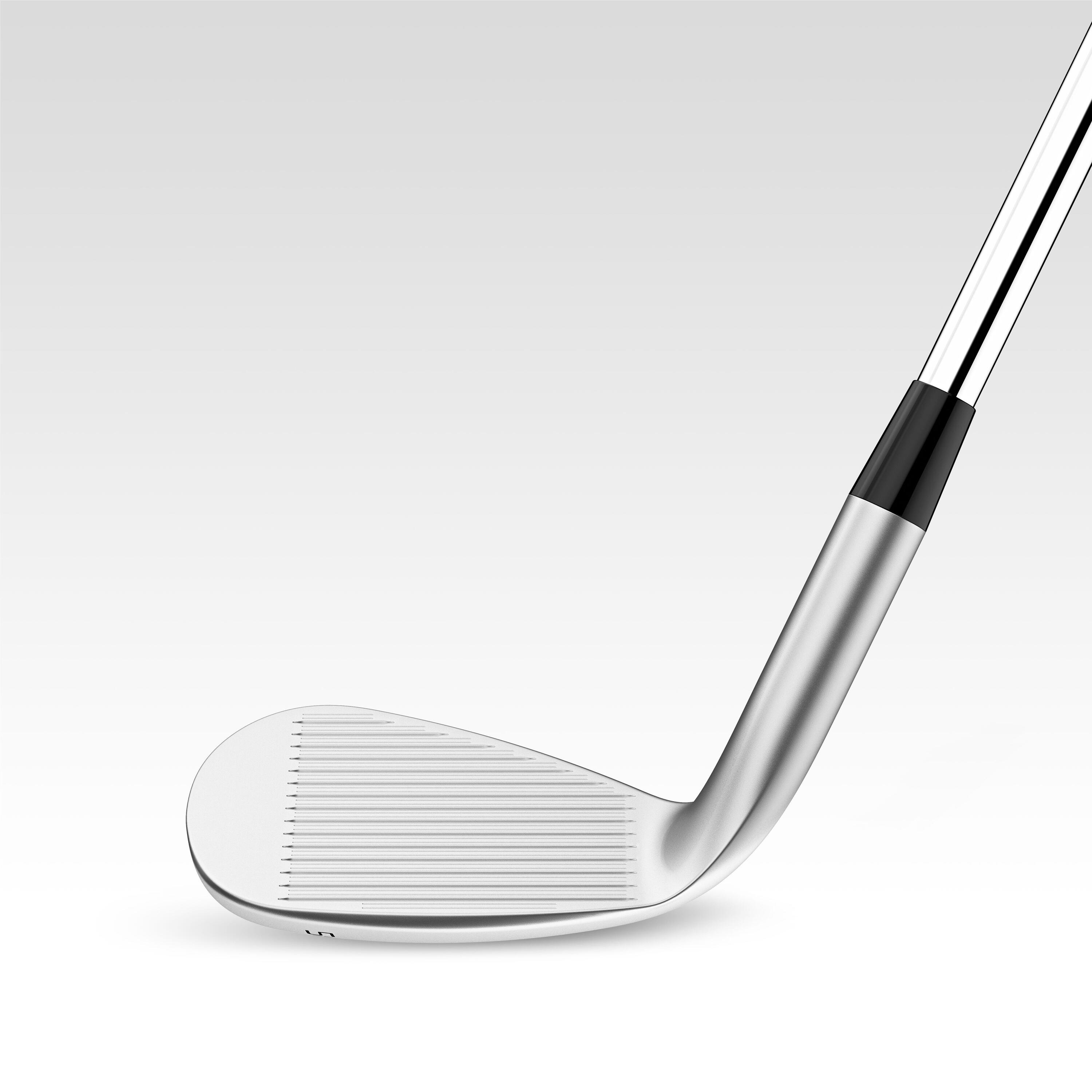
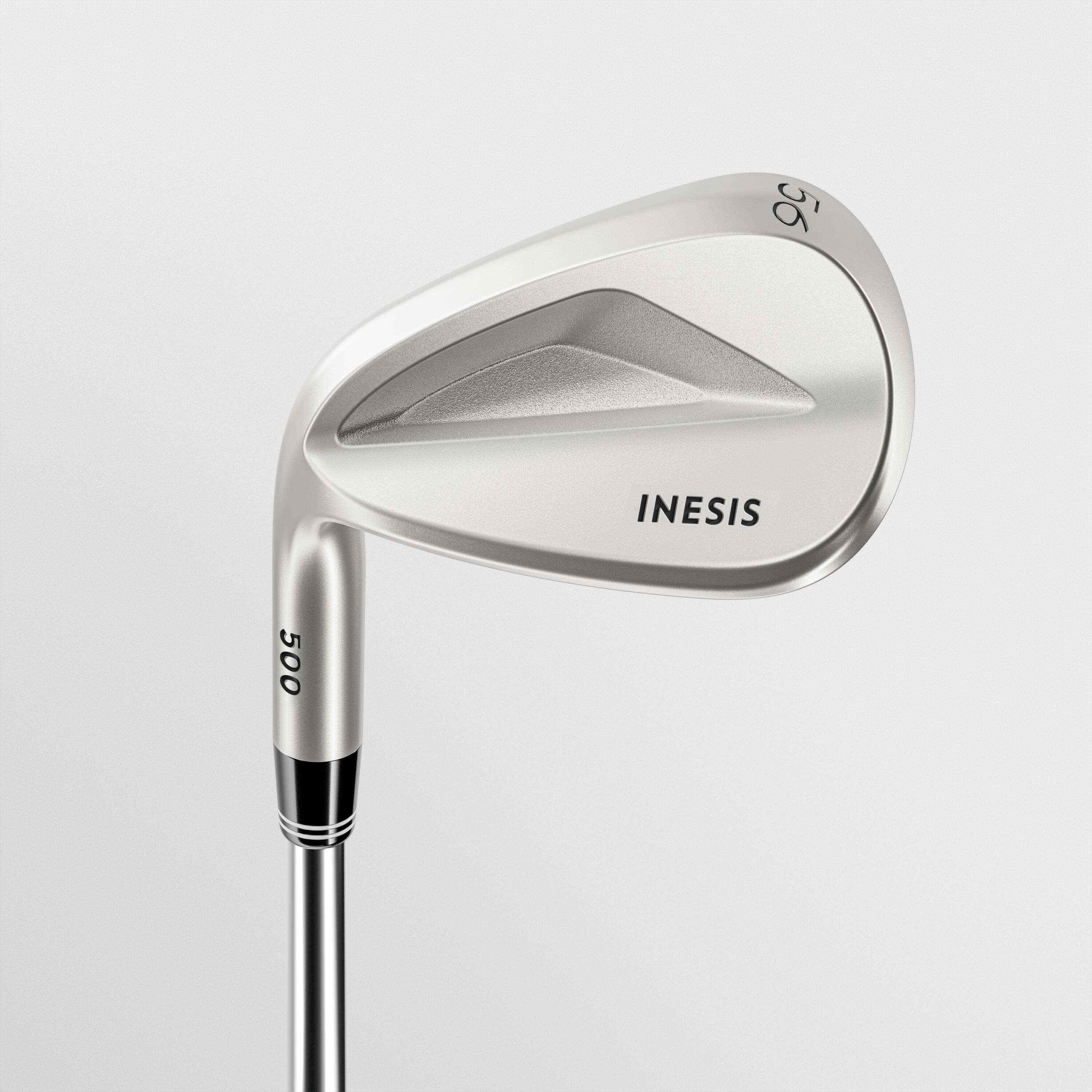
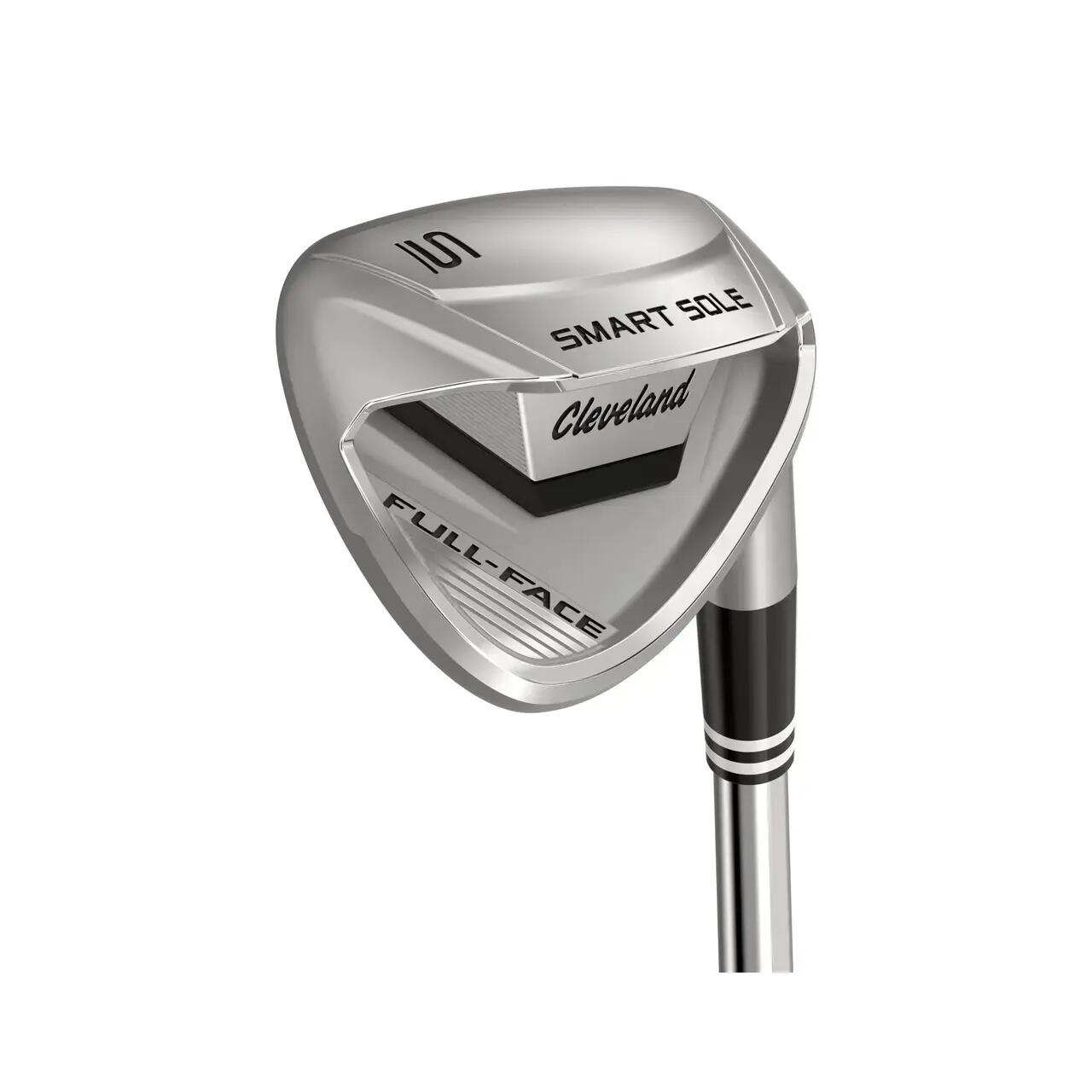
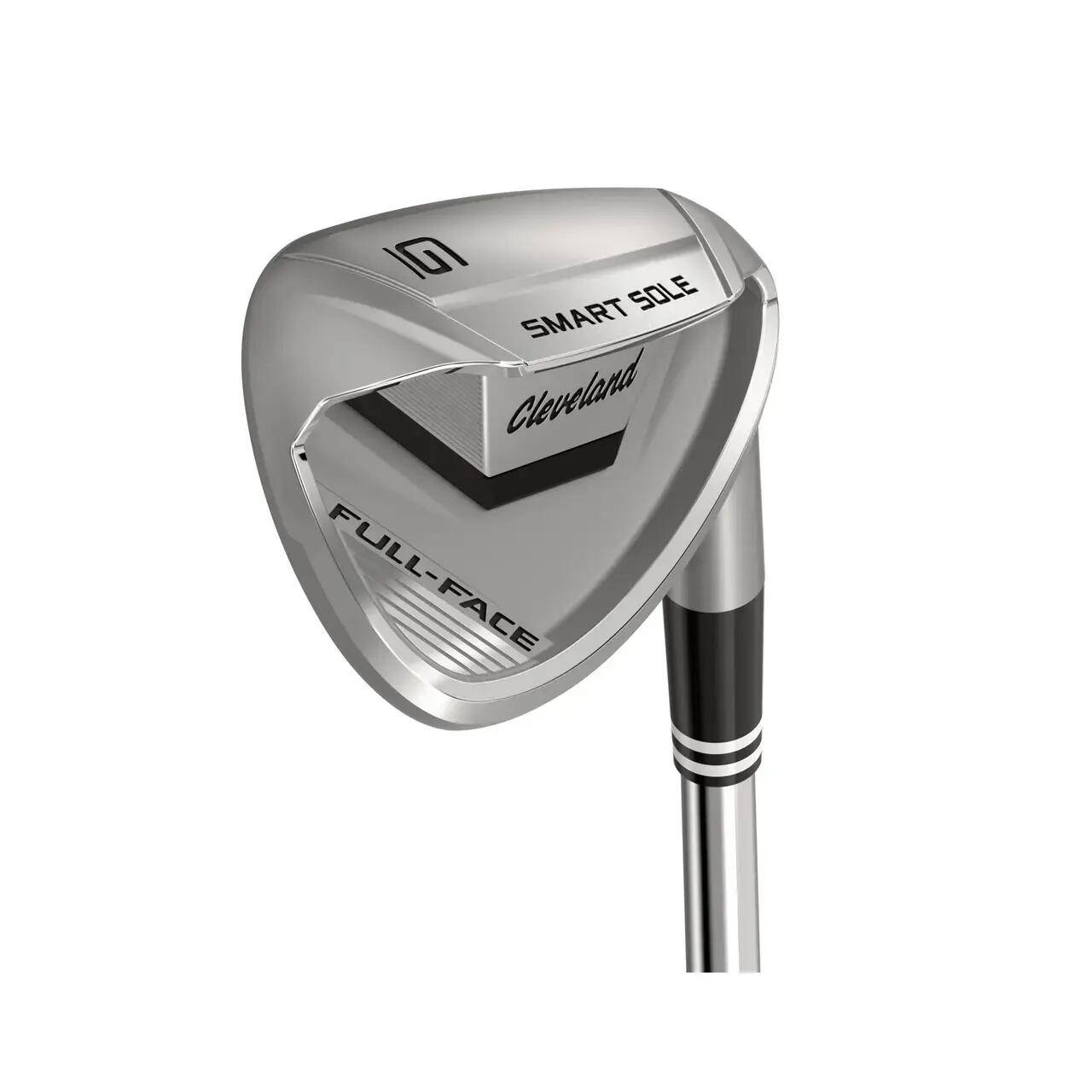
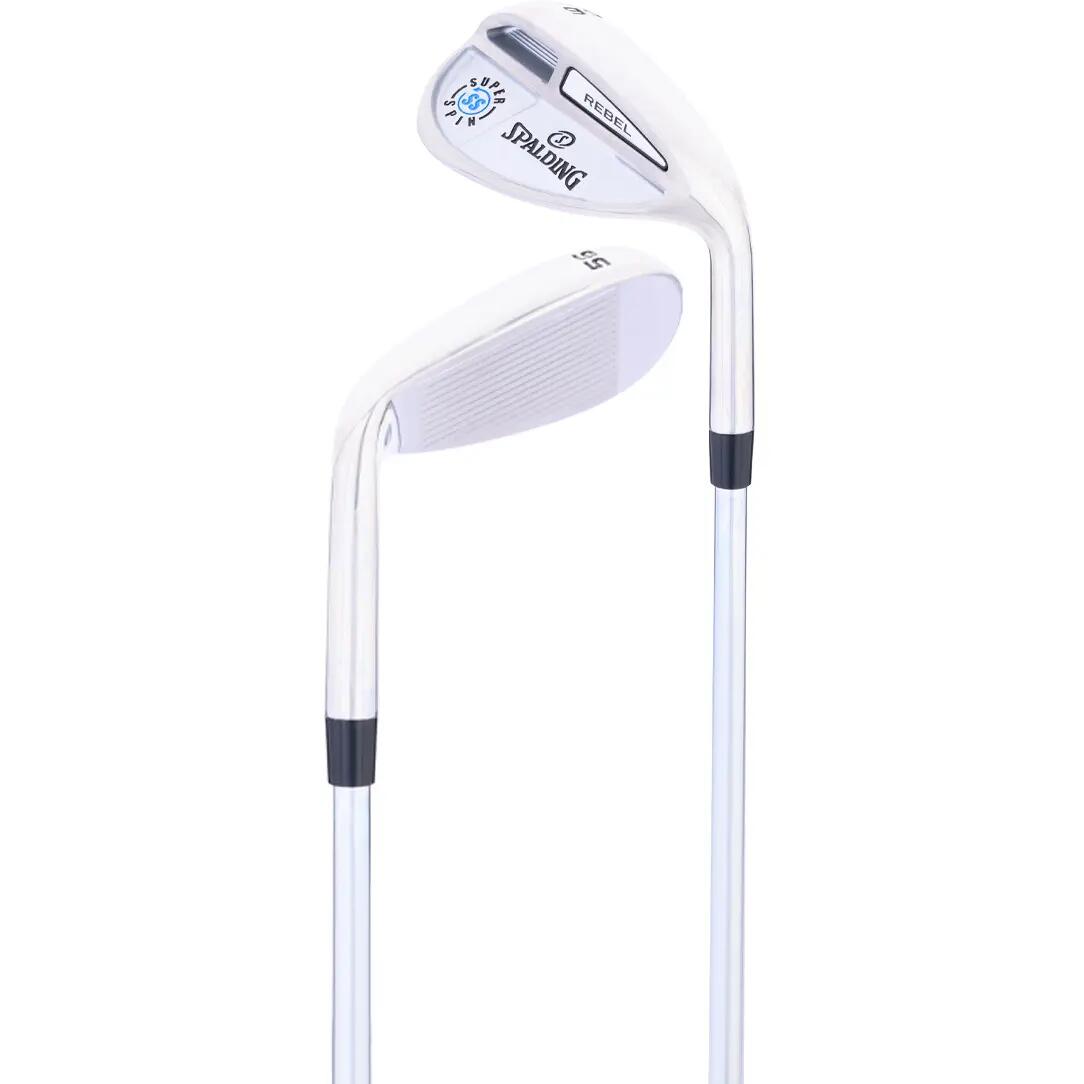
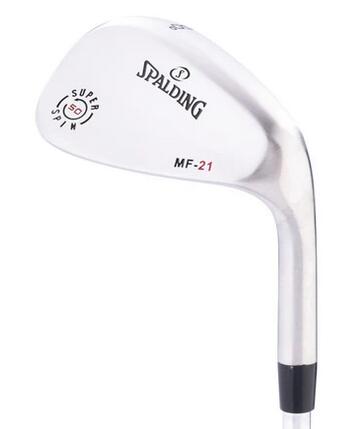
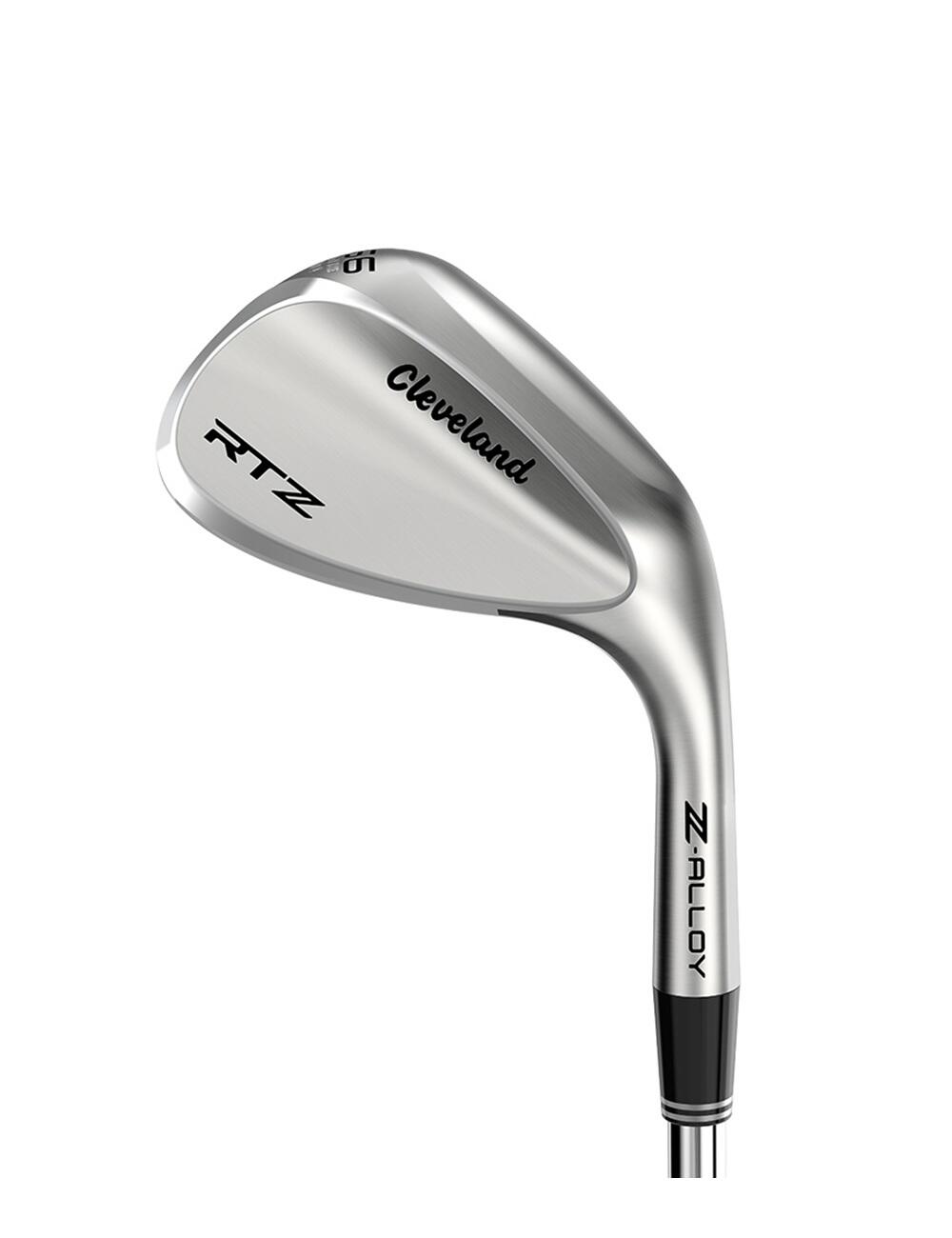
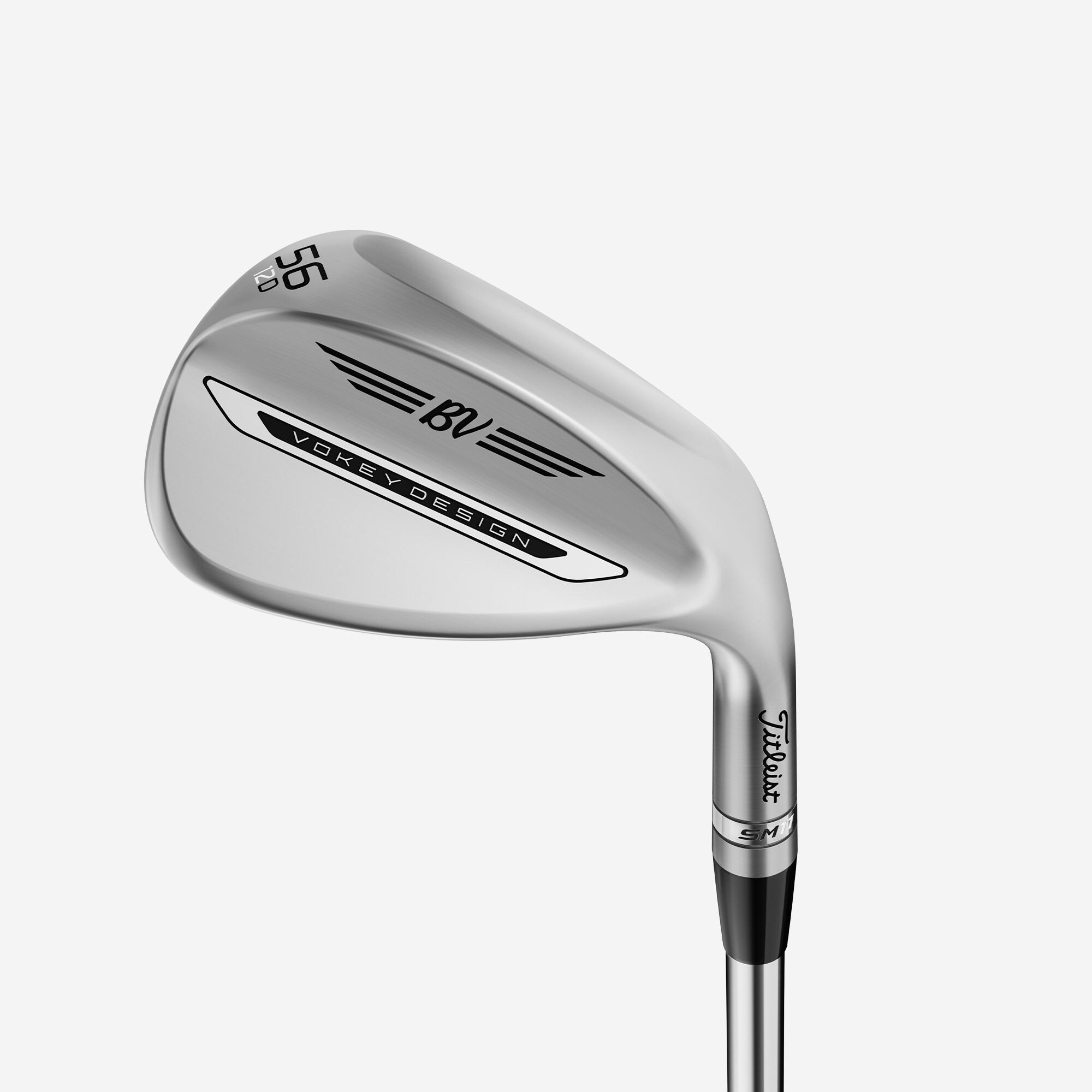
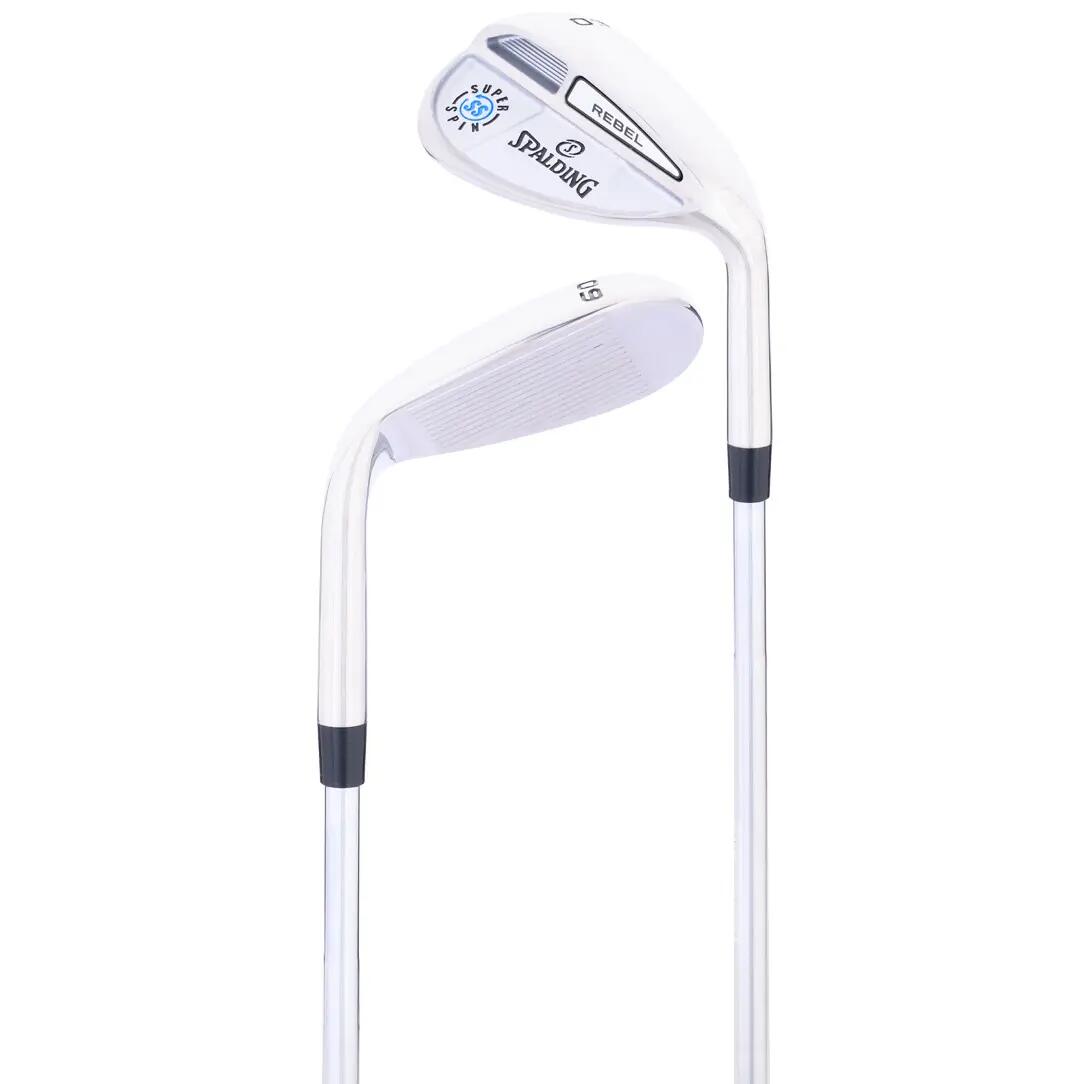
Loft affects launch height, carry distance and how quickly the ball may stop after landing. A 47-degree gap wedge can bridge the space between a pitching wedge and more lofted clubs, while 52-degree and 56-degree options cover approach shots, bunker play and many greenside situations. A 60-degree lob wedge produces a higher flight but usually demands more precise contact. The linked regular steel golf wedge belongs to a series with broad faces, machined M-shaped grooves and wider soles. Start by checking the loft of your pitching wedge, then build consistent gaps rather than adding several wedges that produce similar distances.

When can a graphite wedge feel more manageable?

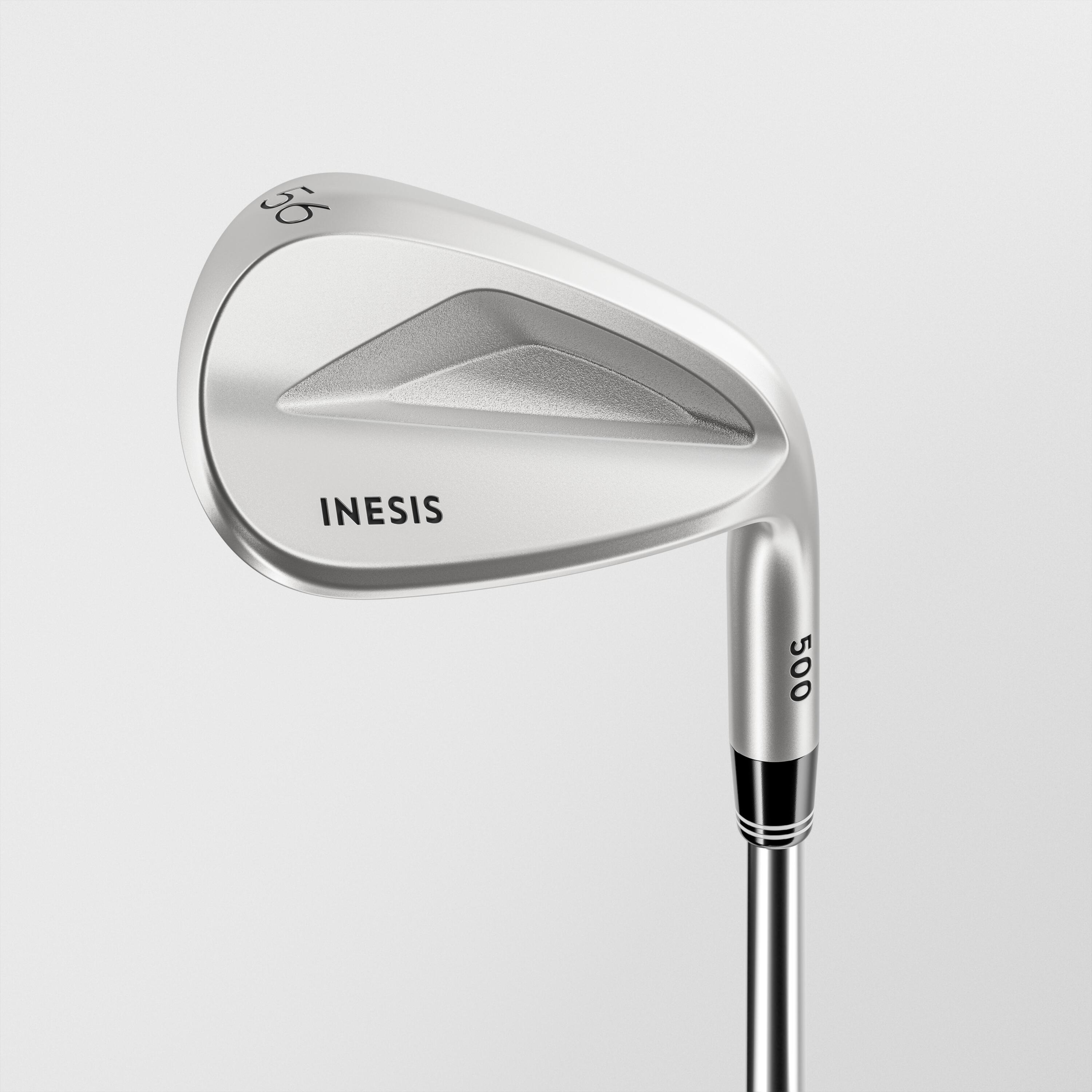
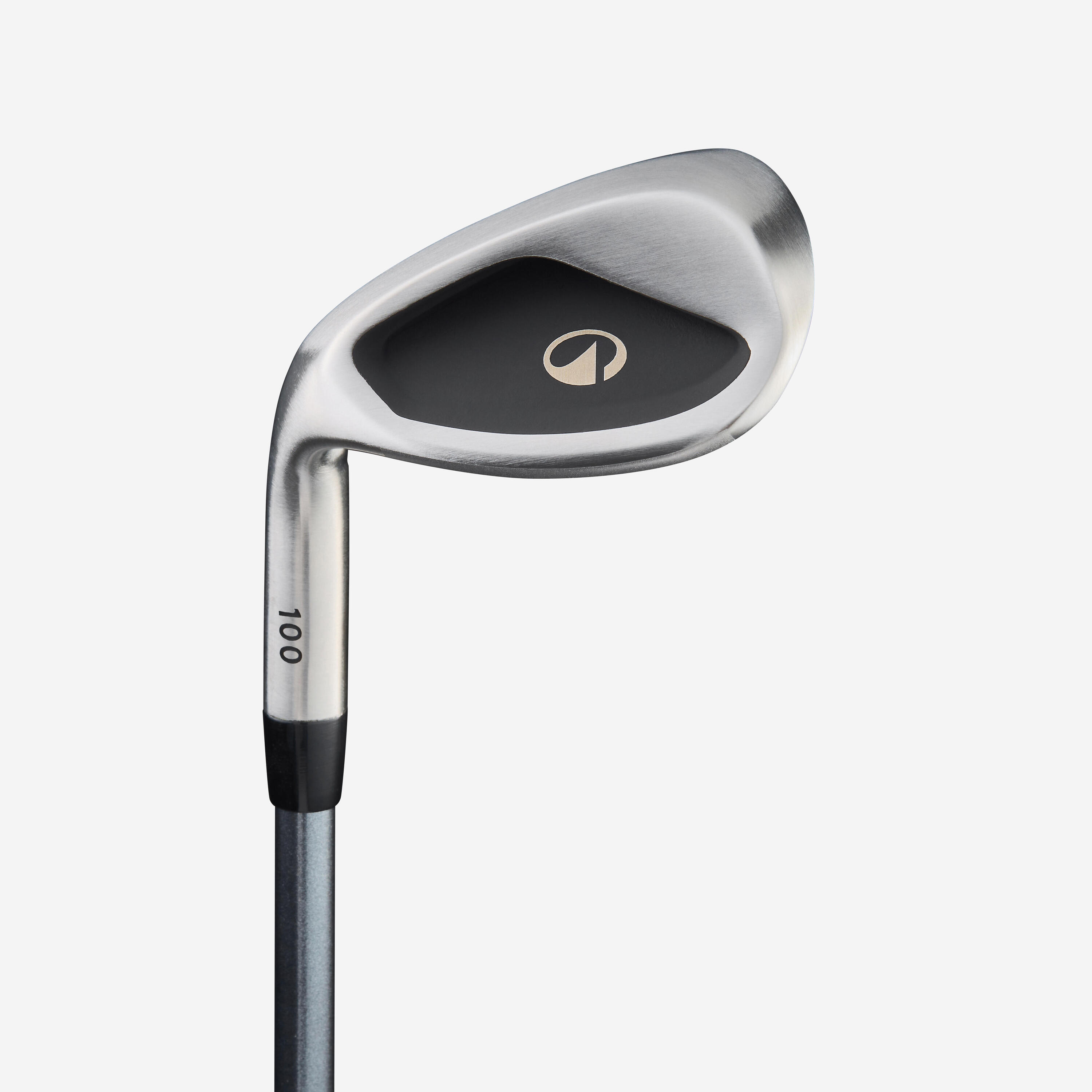
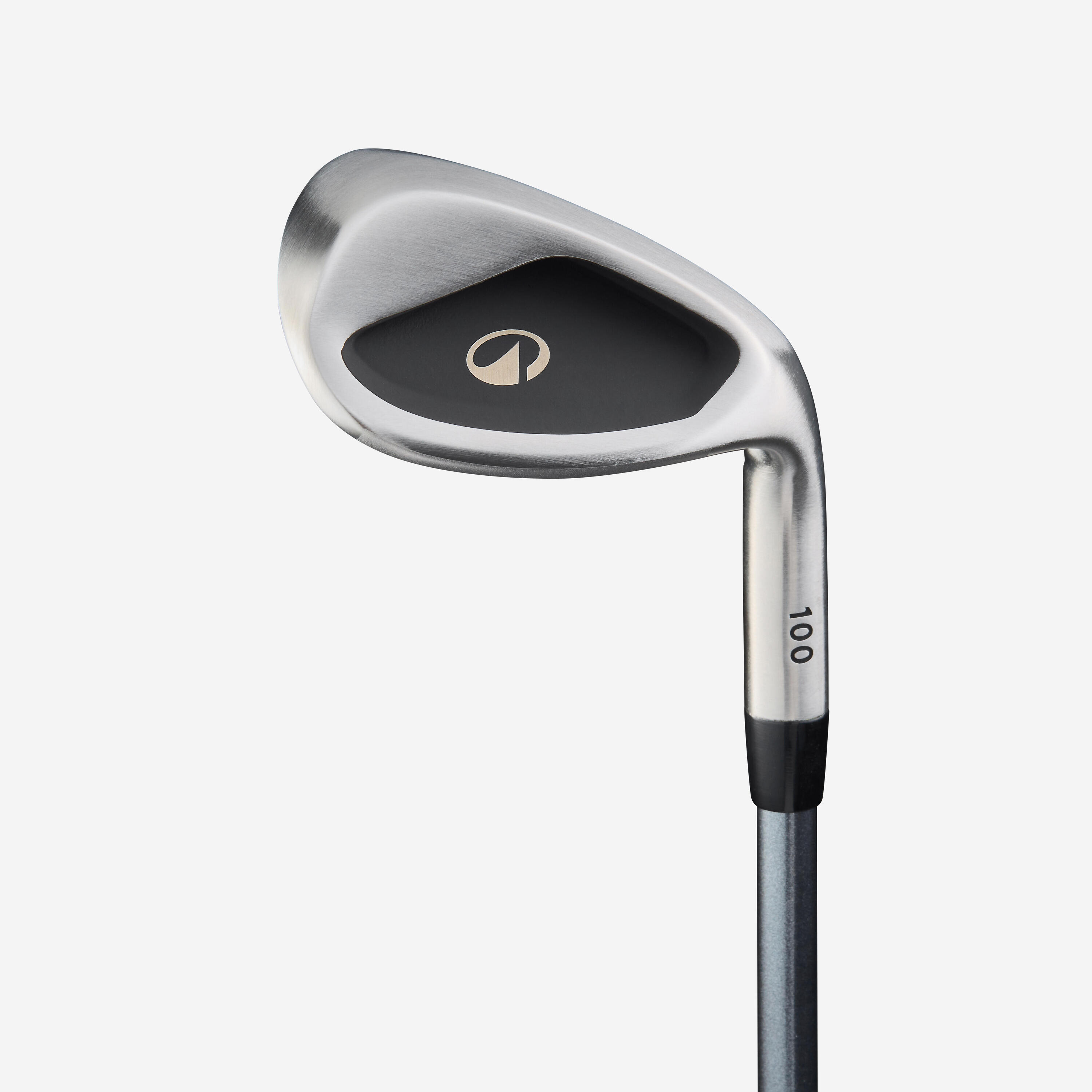
A lighter shaft can reduce the effort required to move the club and may suit golfers who prefer a softer, more comfortable feel. The 500 graphite golf wedge uses a 65 g shaft, compared with the 105 g steel option from the same series. Lower weight does not automatically produce better contact, so assess whether the club remains stable through shorter swings, full shots and bunker play. Golfers who already use graphite irons may value a similar transition into their wedges. Those who prefer more head awareness or firmer feedback may feel more confident with steel. Test direction, strike quality and distance control rather than selecting by shaft material alone.

Why do bounce and sole width matter around the green?

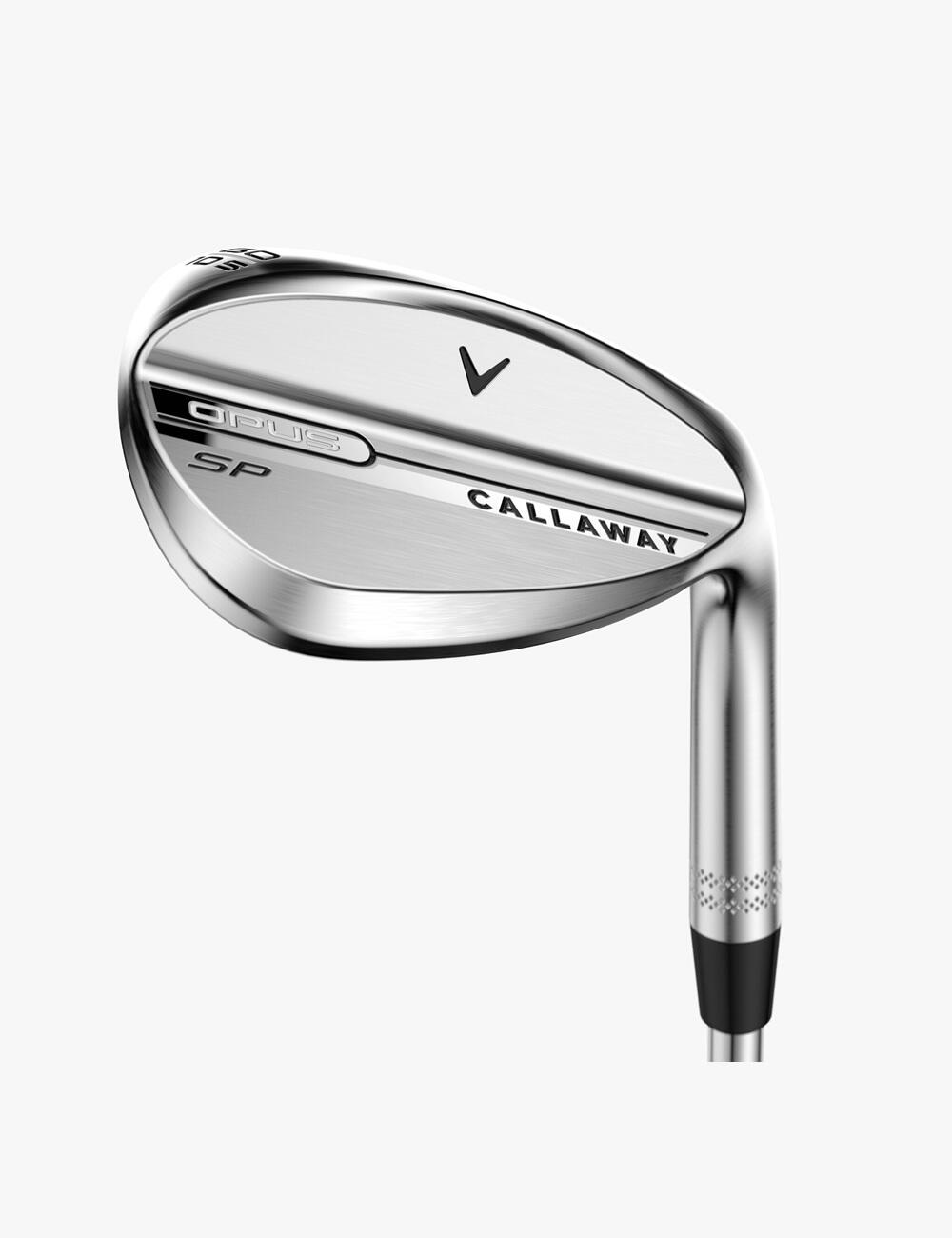
Bounce is the angle between the leading edge and the lowest part of the sole. More bounce can help the club move through soft turf or sand instead of digging sharply into the ground. The 500 series uses 12 degrees of bounce on its 52-degree and 56-degree wedges, while its 60-degree model has 10 degrees. Advanced clubs use narrower sole profiles that make opening the face easier for varied shots. A steel stiff golf wedge can suit a stronger swing, but shaft flex and sole design solve different fitting needs. Consider your usual ground conditions and strike pattern before focusing on one specification.

Which fitting measurements help with wedge length?

Ground-to-wrist distance provides a more useful guide than height or gender alone. Size 1 is defined as a measurement less than 78.5 cm, and size 2 is defined as a measurement greater than 78.5 cm. Grip weight and diameter also change between sizes so the complete club remains proportionate. Measure while standing naturally in flat footwear with your arms relaxed. When building a set from the wider golf clubs category, keep wedge length and grip feel consistent with your irons where practical. An unsuitable length can alter posture, sole contact and strike location. Recheck the fitting if you regularly stand too upright, crouch excessively or find that the heel or toe contacts the ground first.

Can a chipper replace a conventional wedge?

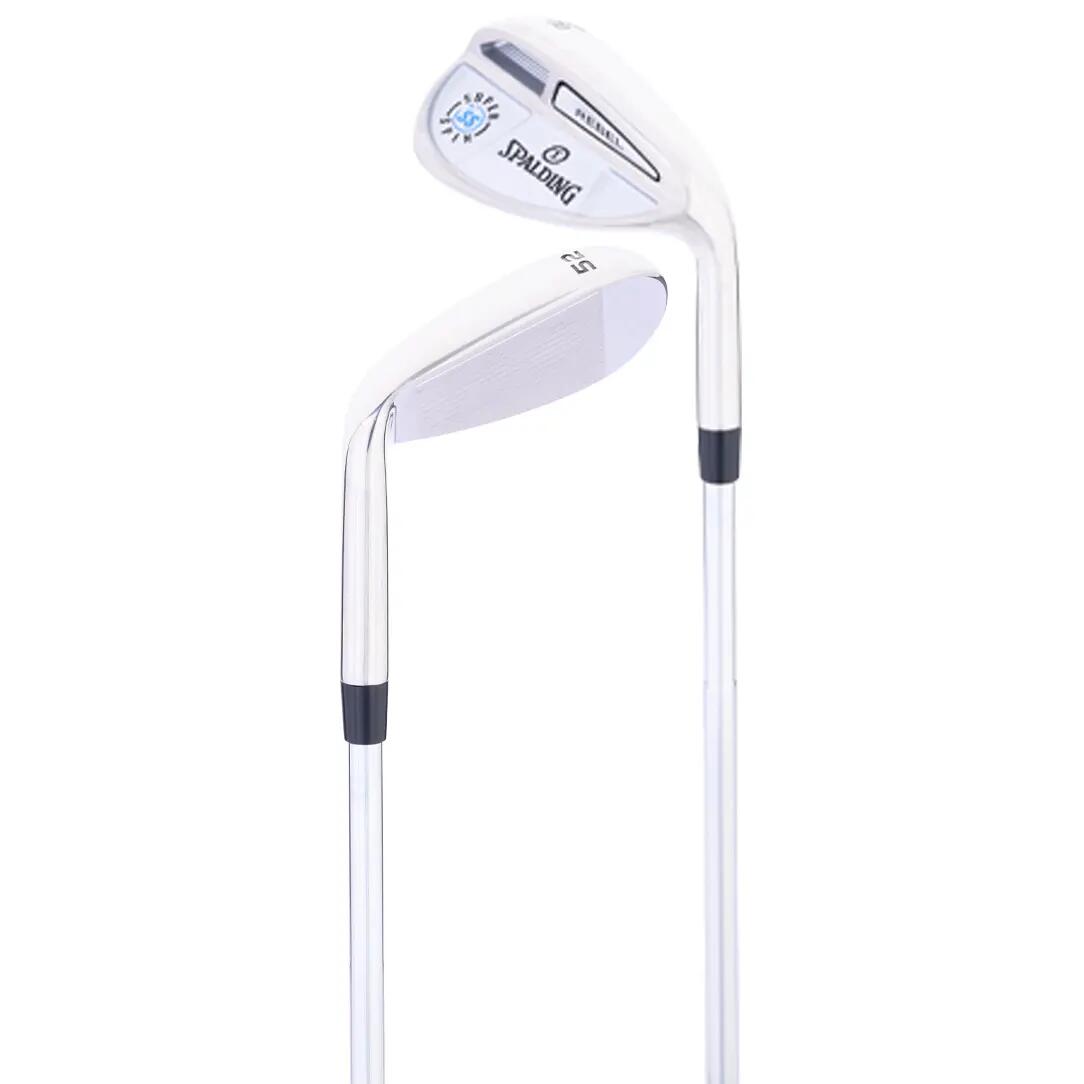
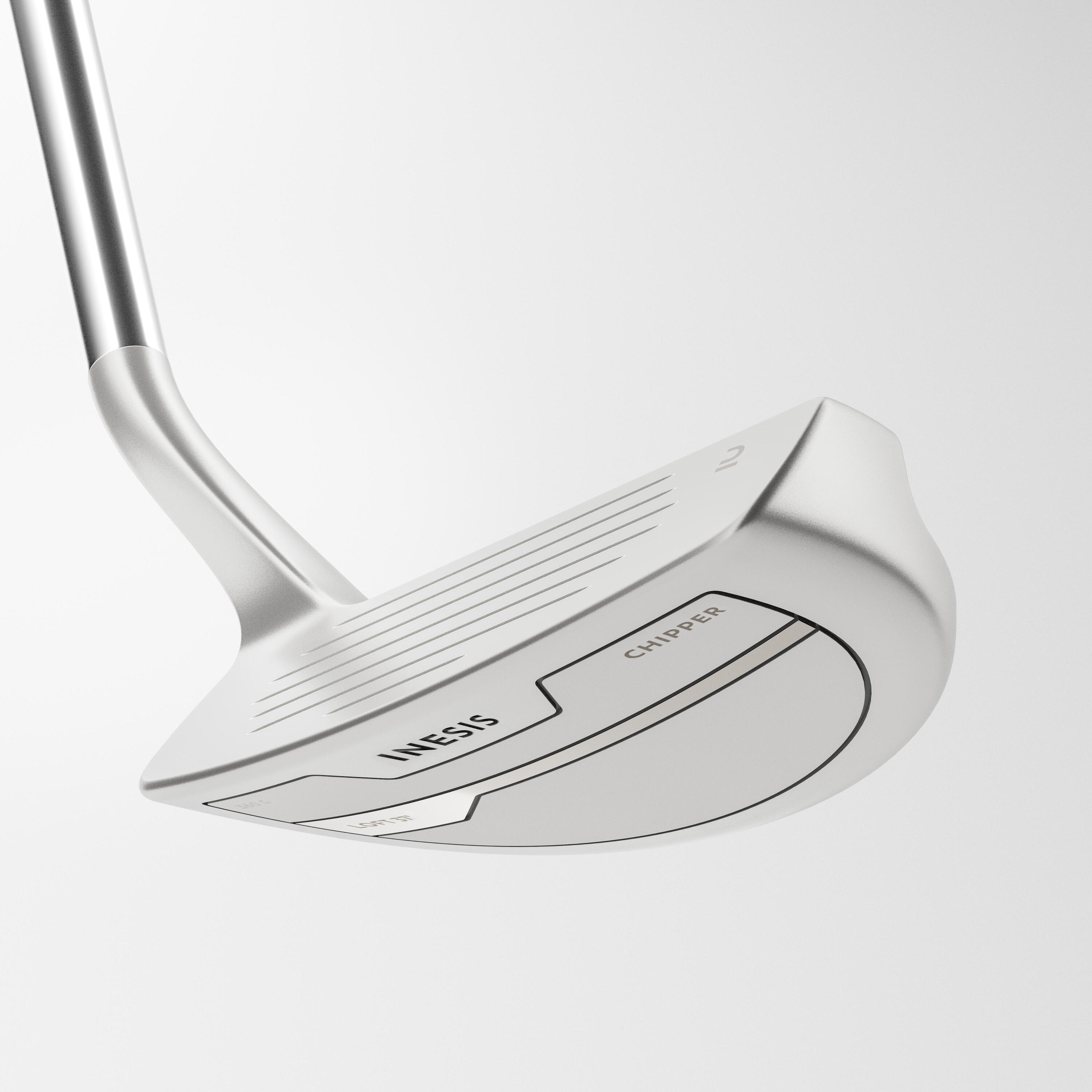
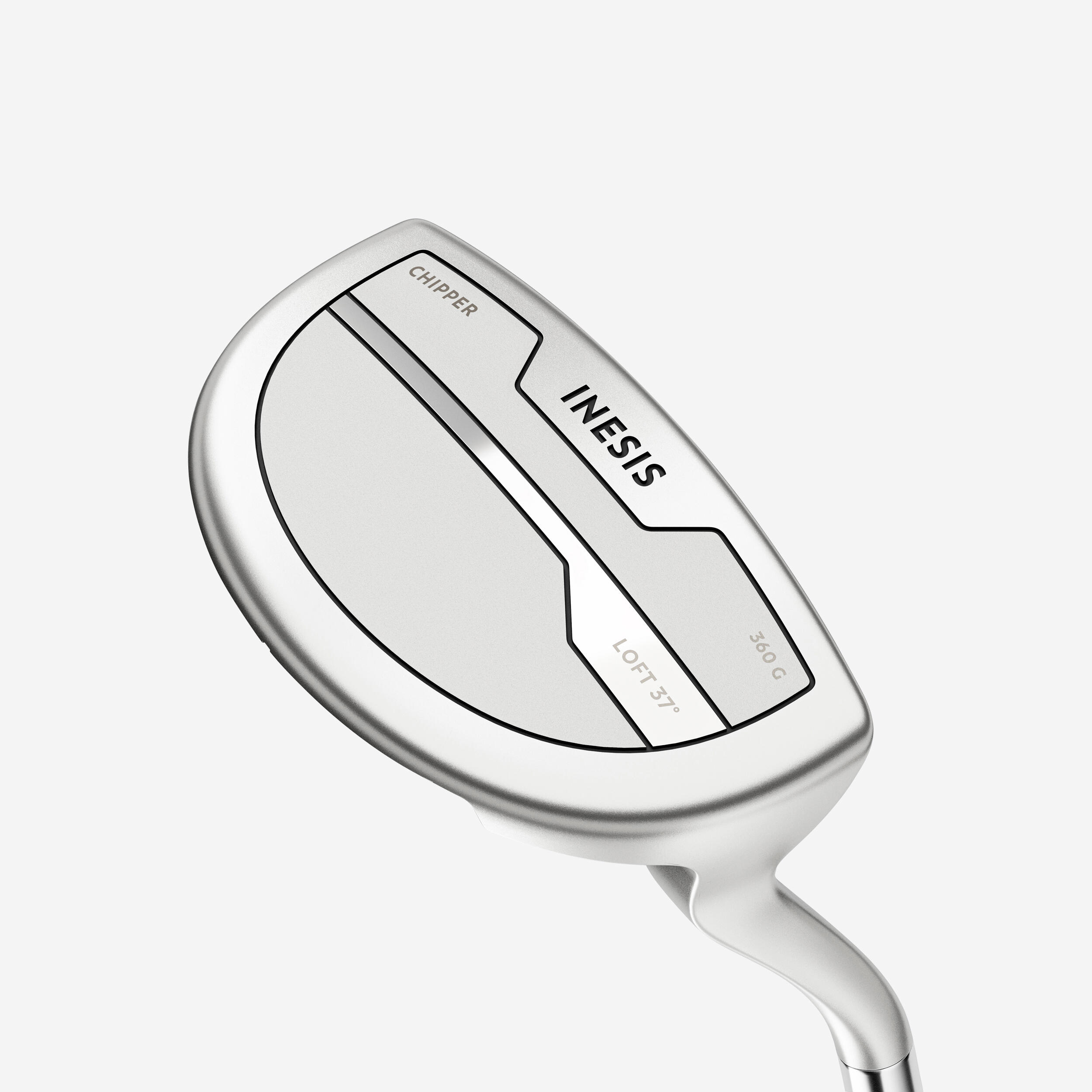
A chipper provides an alternative for golfers who struggle with delicate greenside wedge shots, but it does not cover every short-game situation. Its 37-degree loft is closer to an 8-iron, while the long rounded sole helps the head move across fairway grass and semi-rough. A larger cylindrical grip reduces wrist movement, and the alignment line supports a putter-like setup. Conventional wedges remain more versatile for bunkers, high shots and situations requiring extra spin. Suitable golf accessories such as cleaning brushes can help maintain the grooves without soaking the club. Store wedges in a dry bag and inspect the face, shaft and grip regularly for wear or damage.