313 items
4.3/5 based on 49 reviews collected online and in stores

Left Handed Golf Clubs FAQs

Does a left-handed golfer need dedicated clubs?

Yes, because the clubhead, face angle and hosel orientation need to match a left-handed address and swing. A mirrored construction lets you stand with your right side nearer the target and swing naturally without adapting to a right-handed club. Left-handed equipment follows the same fitting principles as other clubs, including shaft flex, grip size, club length and playing level. A regular steel left handed golf club set may suit a controlled, medium-speed swing, but handedness alone does not confirm the correct specification. Assess strike consistency, balance and comfort before selecting a complete setup.

Which shaft material suits a left-handed swing?

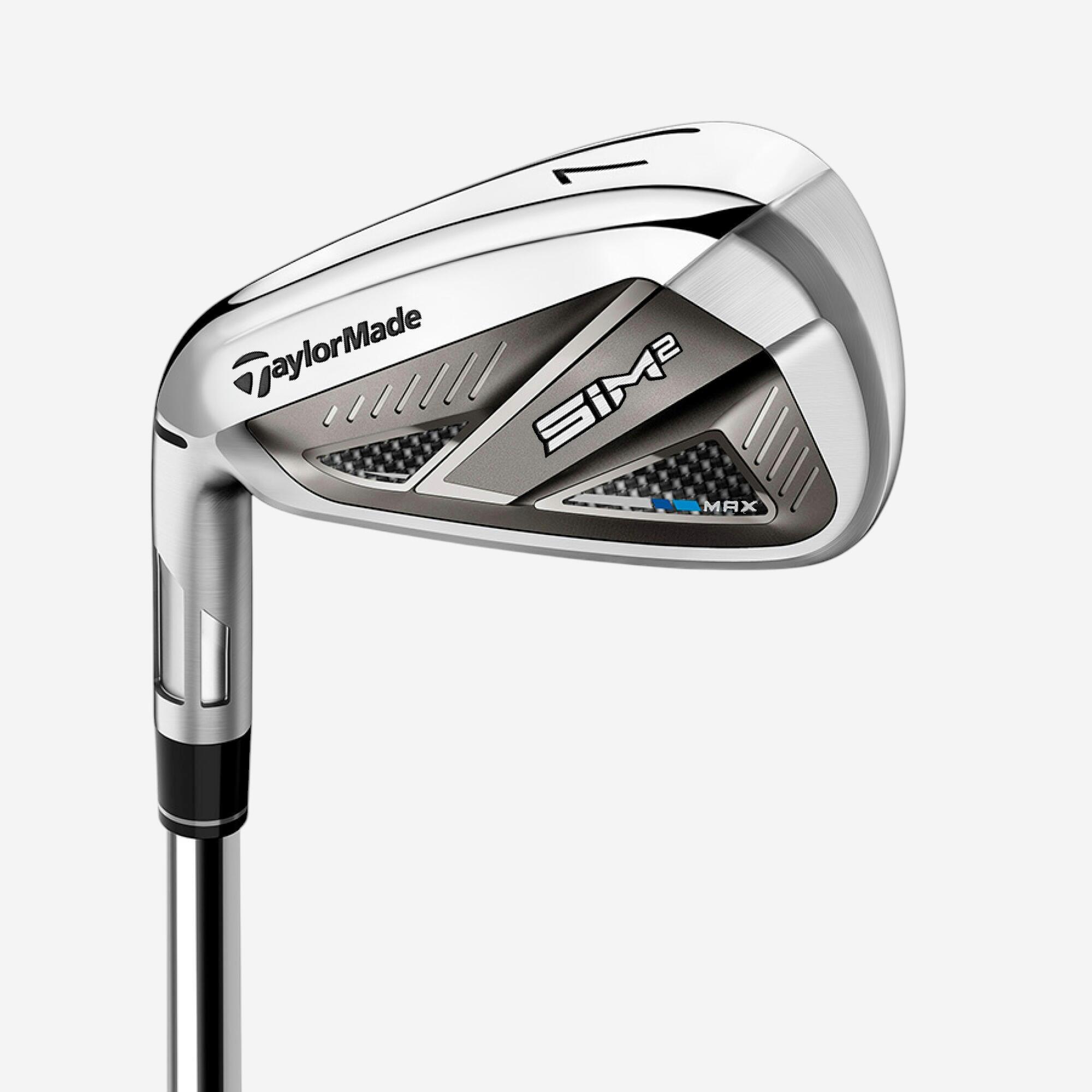
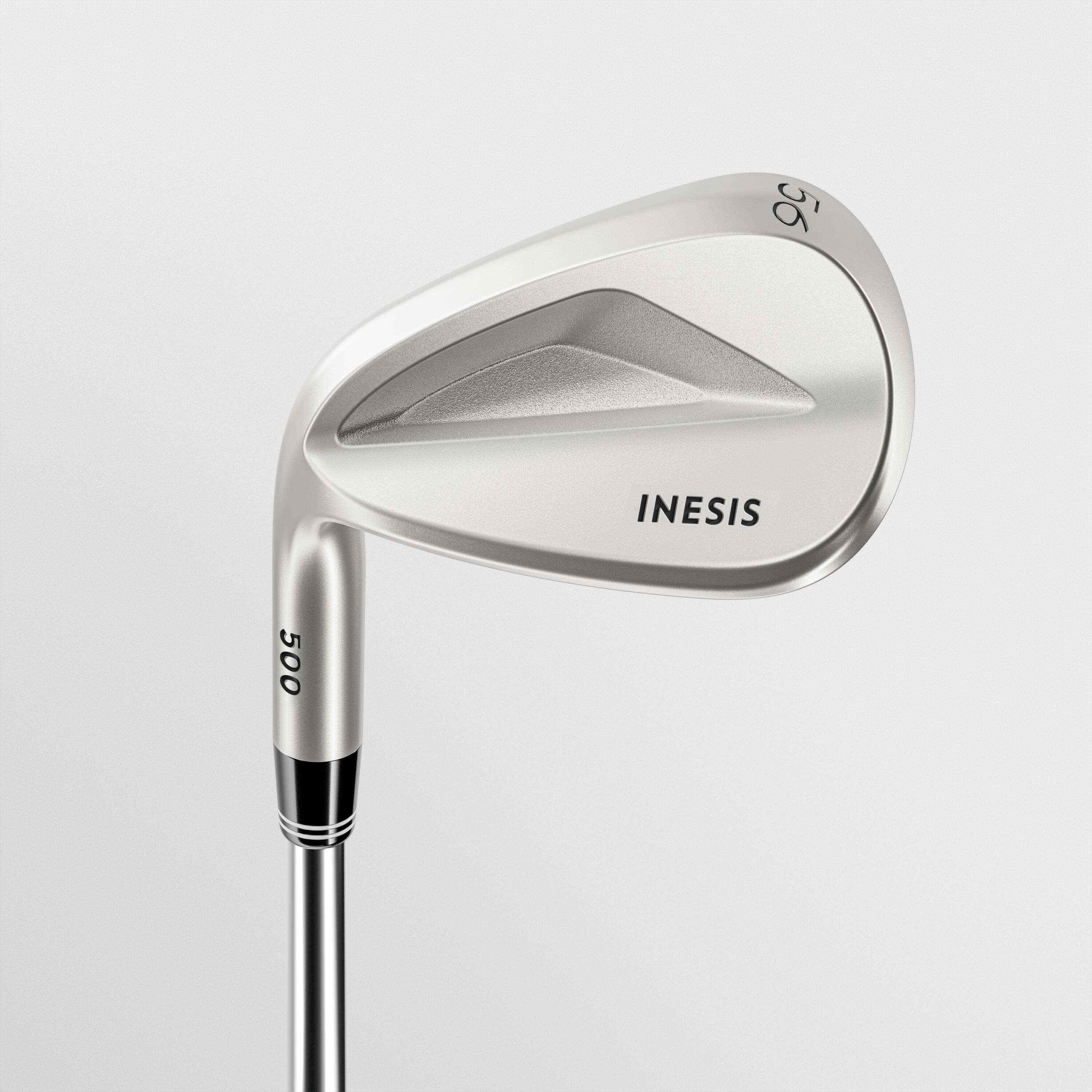
Steel shafts generally provide a firmer feel and greater head awareness, while graphite reduces overall weight and may feel easier to move. A graphite left handed golf club can suit golfers who prefer lighter handling during approach shots and shorter swings. The 500 wedge construction uses a 65 g graphite shaft, compared with a 105 g steel option. Lower weight does not guarantee improved control, so consider how steadily the club returns through impact. Golfers using graphite irons may value a similar transition into their wedges, while those seeking firmer feedback may prefer steel through the shorter clubs.

When does a high-speed left-handed club make sense?

High-speed specifications suit golfers who generate stronger clubhead speed and need a shaft that remains stable throughout the swing. A high speed left handed golf club normally combines a stiffer profile with weight and balance suited to faster movement. A practical guide is the club used from just under 135 metres: an 8-iron or 9-iron can indicate a higher-speed category, while longer clubs may suggest a slower group. Treat this only as a starting point. A shaft that feels too demanding can reduce centred contact, while one that feels unstable may make direction and strike timing less consistent.

Why does ground-to-wrist measurement matter?

Golfers of the same height can have different arm lengths, so height alone does not determine suitable club length. Measure from the ground to the wrist while standing naturally in flat footwear with your arms relaxed. A result below 78.5 cm corresponds to Size 1, while 78.5 cm or more corresponds to Size 2. This fitting method applies across several golf clubs, including putters and wedges. Grip dimensions and club balance may also change between sizes, keeping the complete setup proportionate. An unsuitable length can alter posture, sole contact and strike location, even when the club has the correct left-handed orientation.

Which care habits protect left-handed golf clubs?

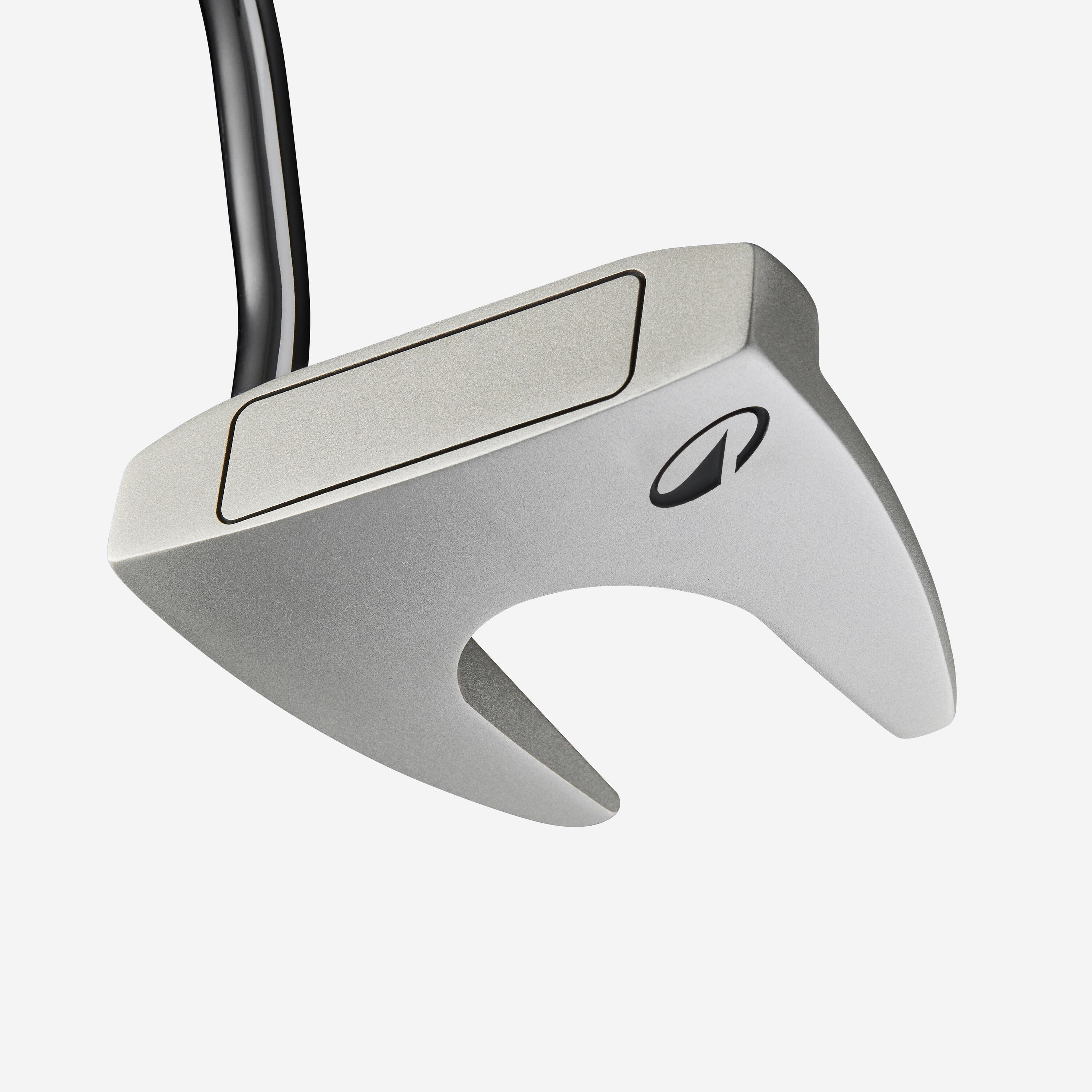
Remove grass, sand and soil after play with a soft brush or dry cloth, paying close attention to wedge grooves and putter faces. The clubs are marked as not washable, so avoid soaking heads, shafts, ferrules or grips. Dry every component before returning it to the bag, particularly after wet rounds. Cleaning tools and protective items from the golf club accessories category can support gentle maintenance and help protect clubheads during transport. Store clubs in a dry place and use the supplied cover where one is included. Inspect shafts for dents or cracks, grips for smooth areas and clubheads for movement. Stop using any club that feels loose or visibly damaged.