7 items
4.5/5 based on 461 reviews collected online and in stores

Detergents FAQs

Why use a special detergent for camping gear?

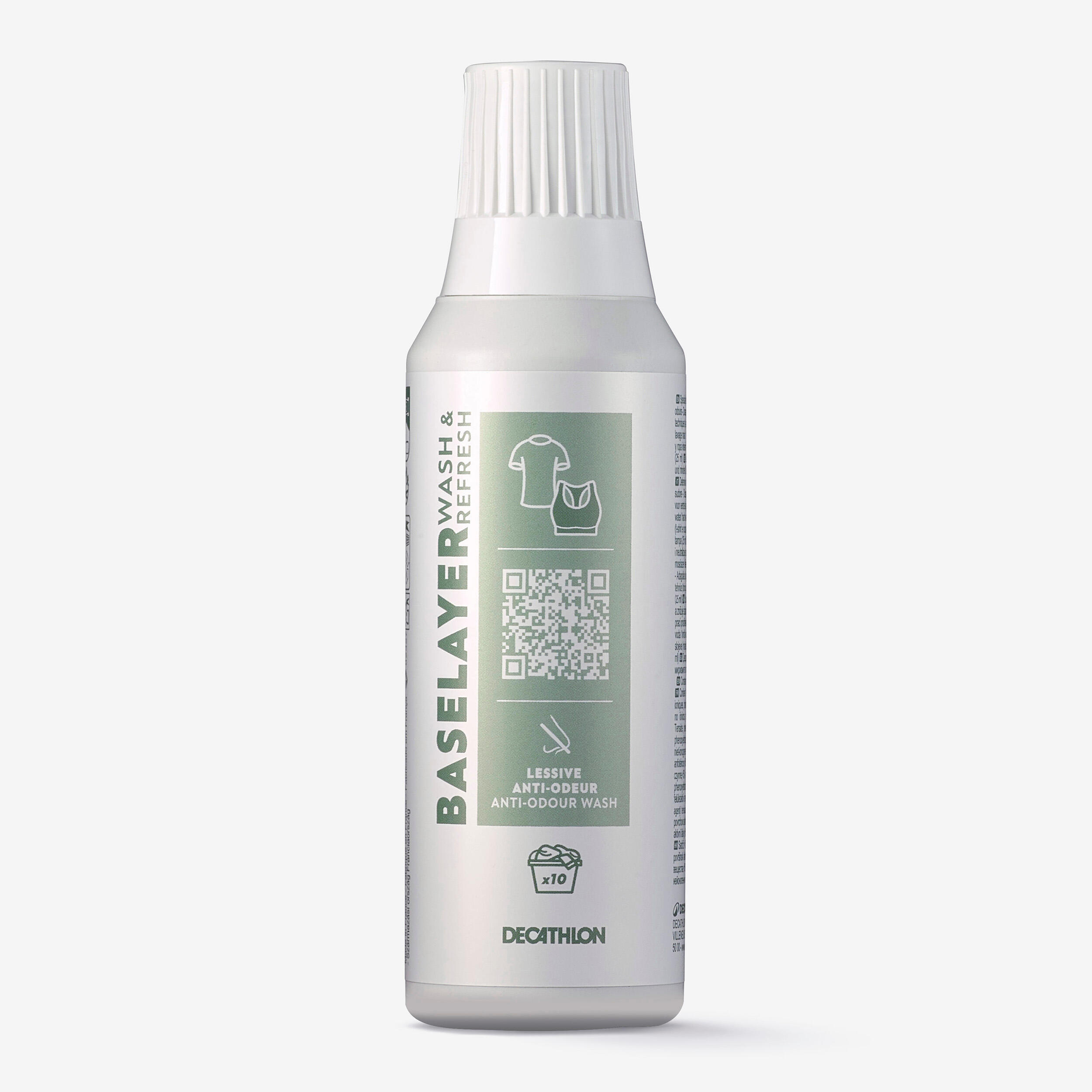
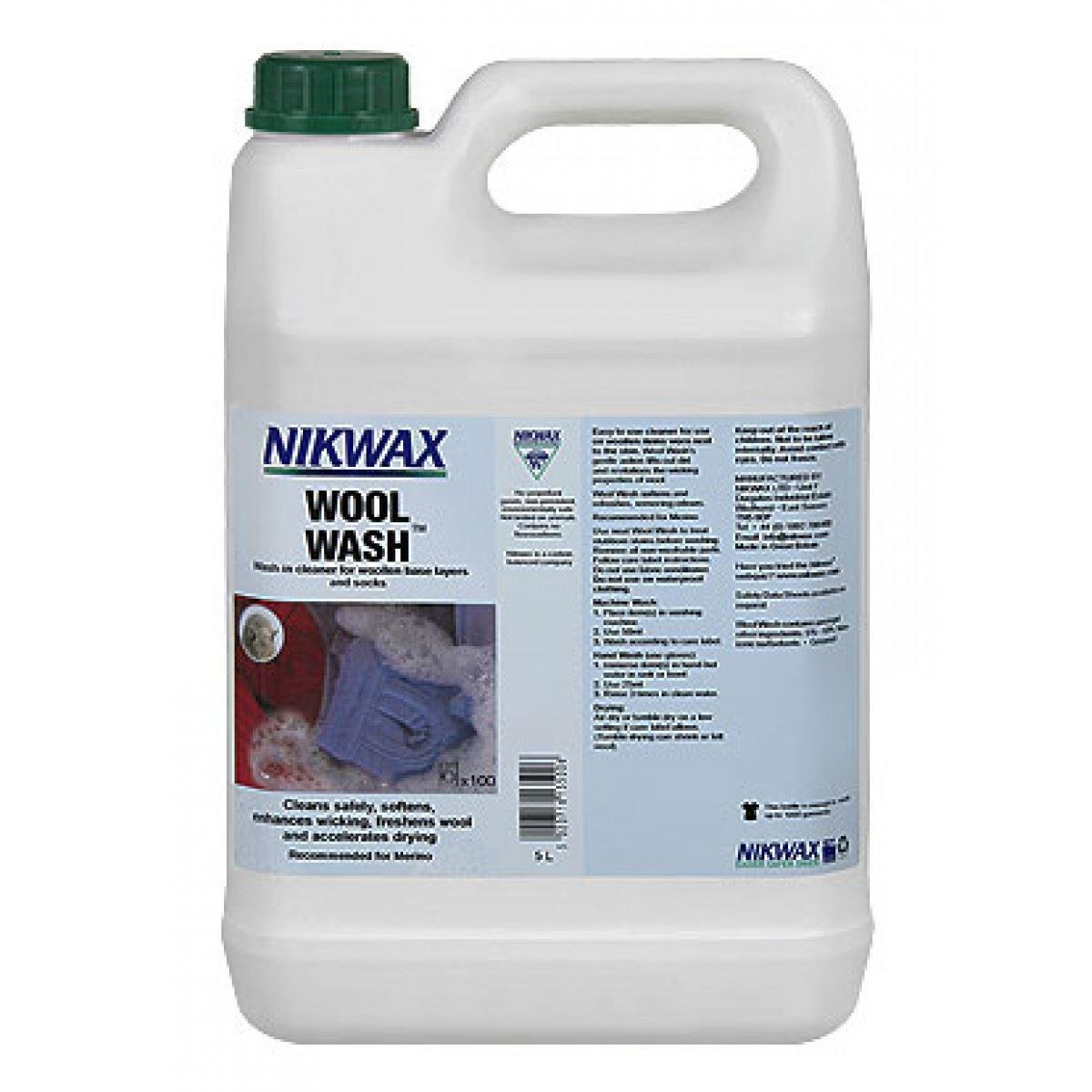
Ordinary household washing powders leave behind water-attracting residues that make technical fabric wet out, so a tent or jacket cleaned with them sheds water less well afterwards. A dedicated camping cleaner is ph-neutral and residue-free, lifting dirt, oils and campfire smoke without harming the proofing. Clean fabric is also the right base for re-treating, so a wash comes first, before any tent waterproofing spray. Use the cleaner neat or diluted as directed on the label, and rinse until the water runs clear.

What's the proper method for washing a tent with detergent?

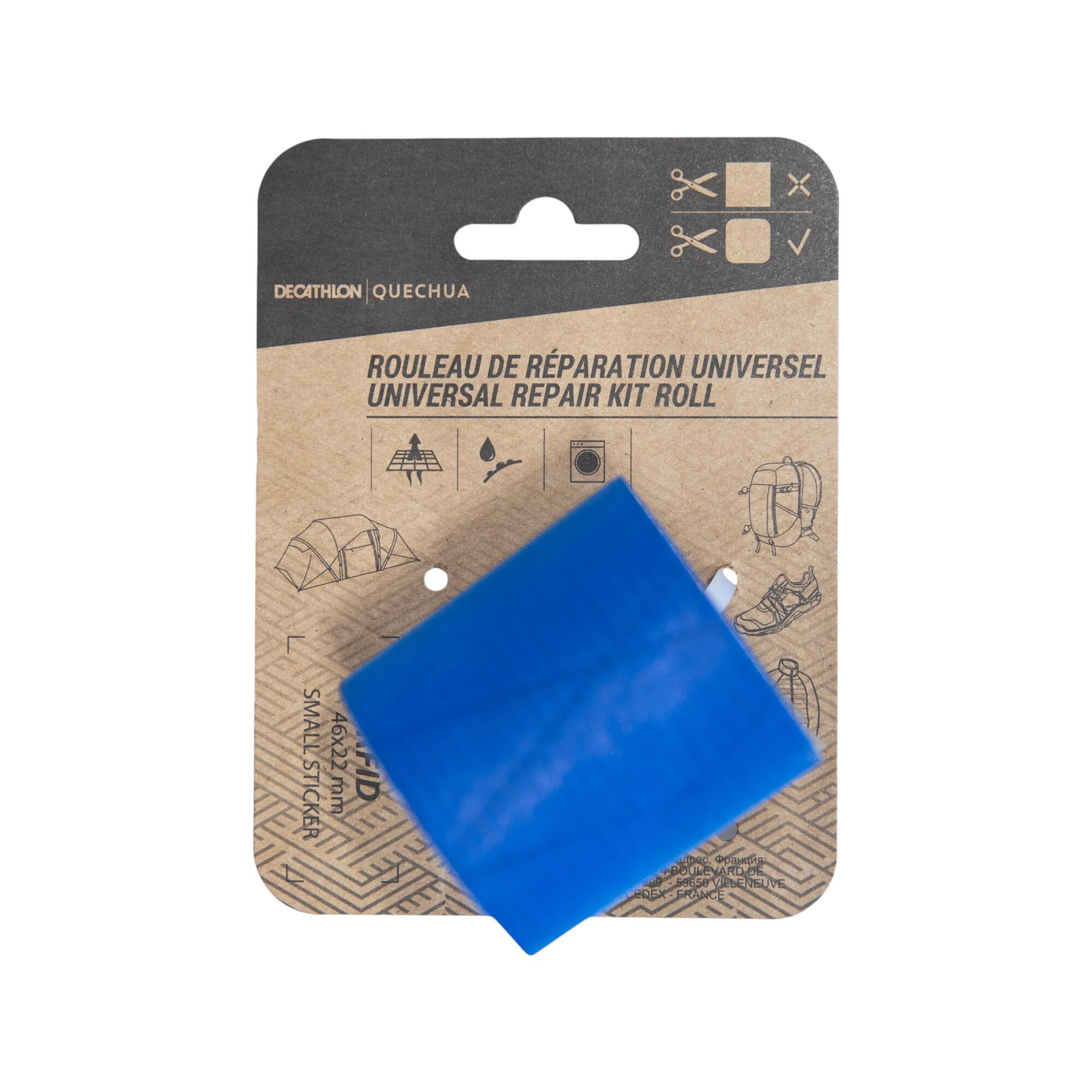
By hand, never in the machine, since the agitator can tear seams and strip coatings. Pitch or hang the tent, brush off loose dirt, then sponge it gently with the diluted cleaner and lukewarm water. Rinse thoroughly until the water runs clear, as leftover soap attracts dirt, and air-dry it fully in the shade. Tackle any small holes you spot with a strip of adhesive tape while the fabric is clean.

Can you use detergent on sleeping bags and clothing?

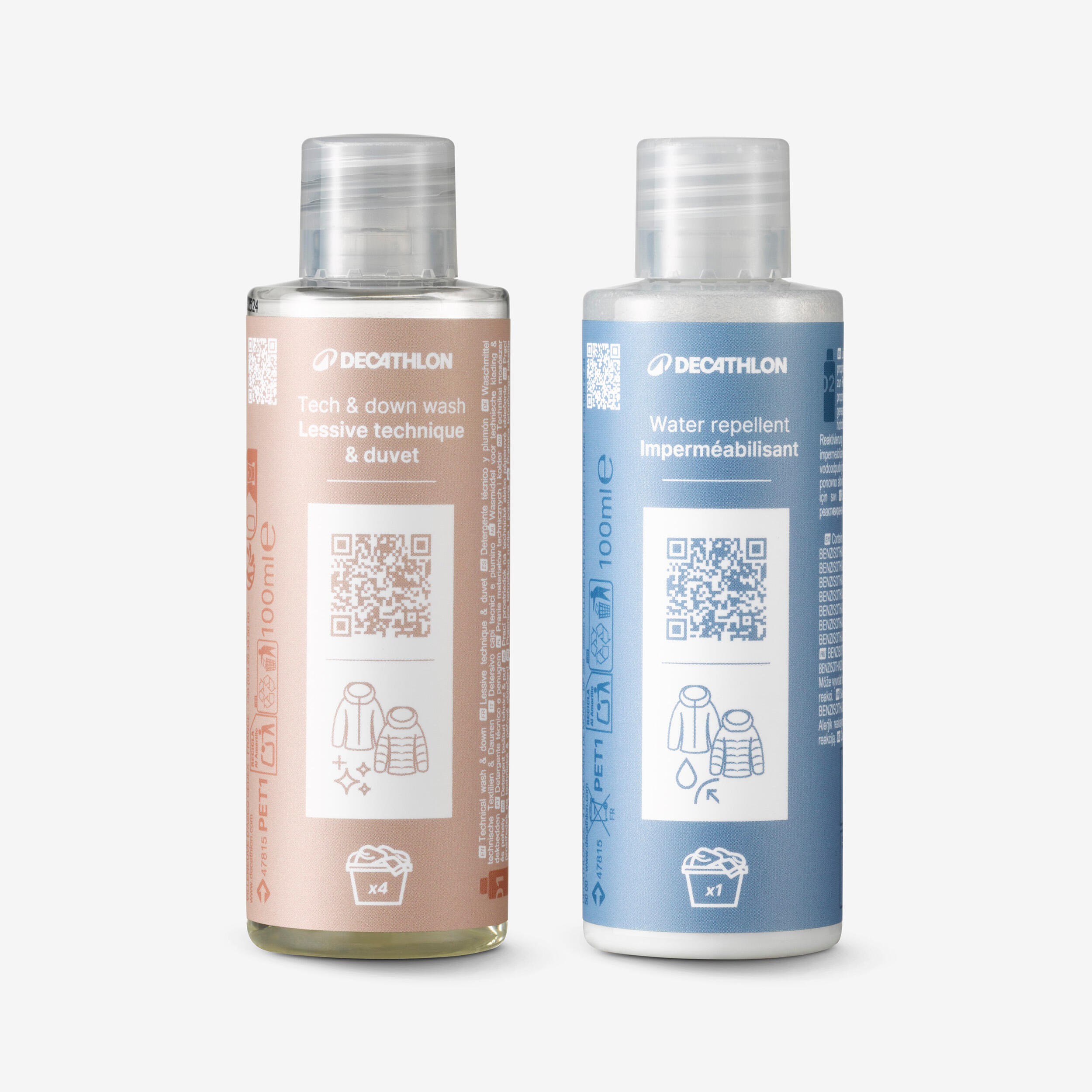
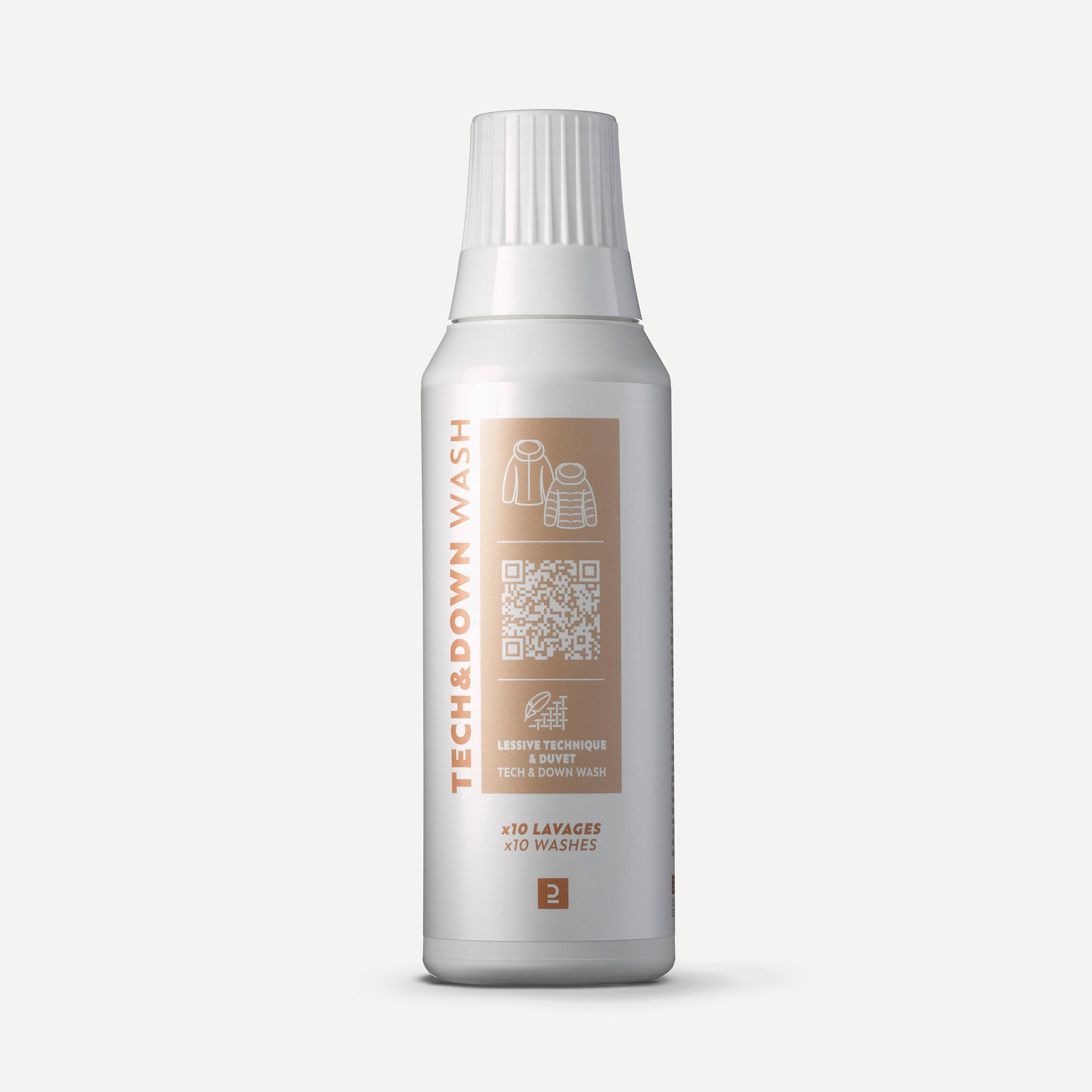
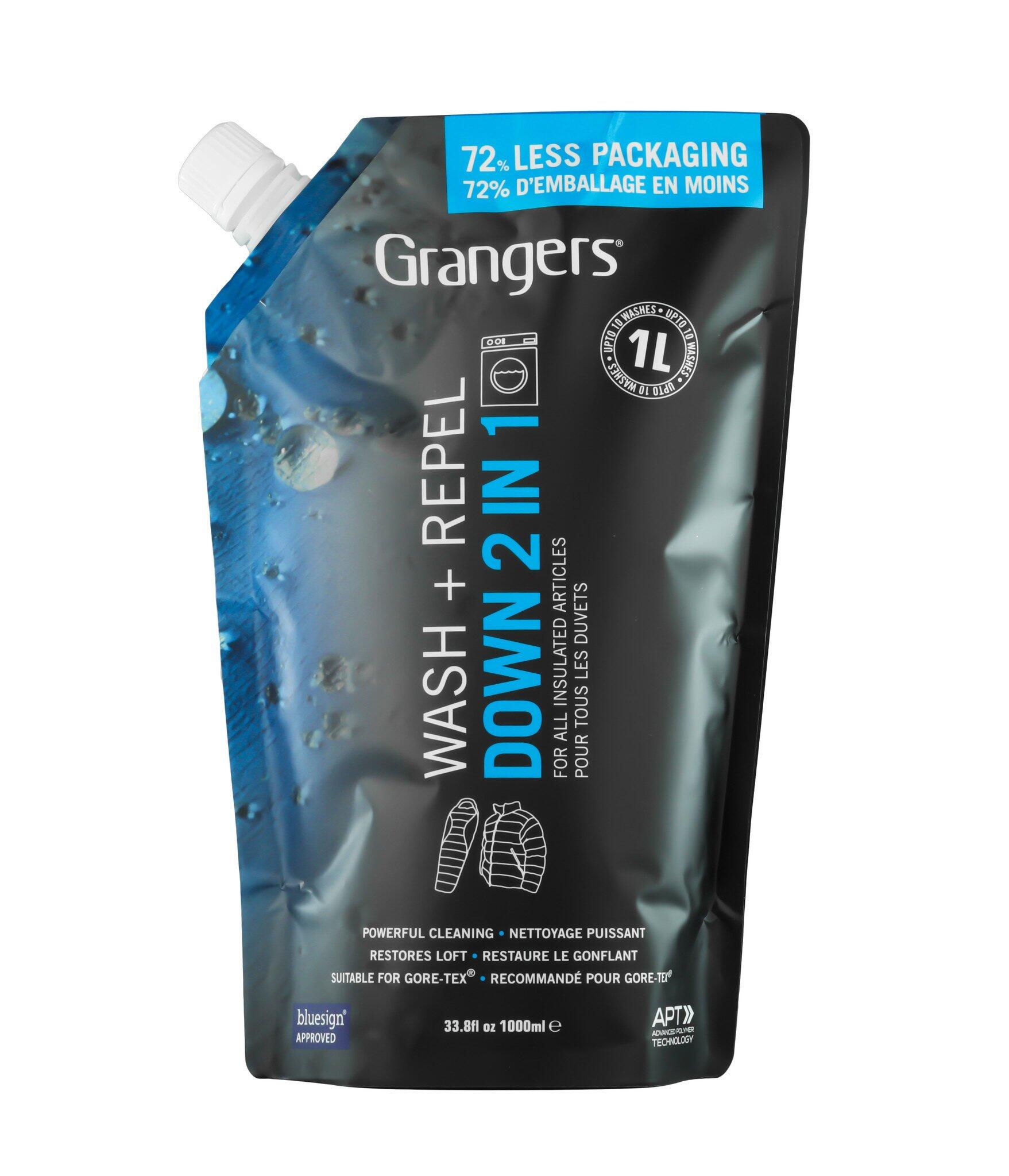
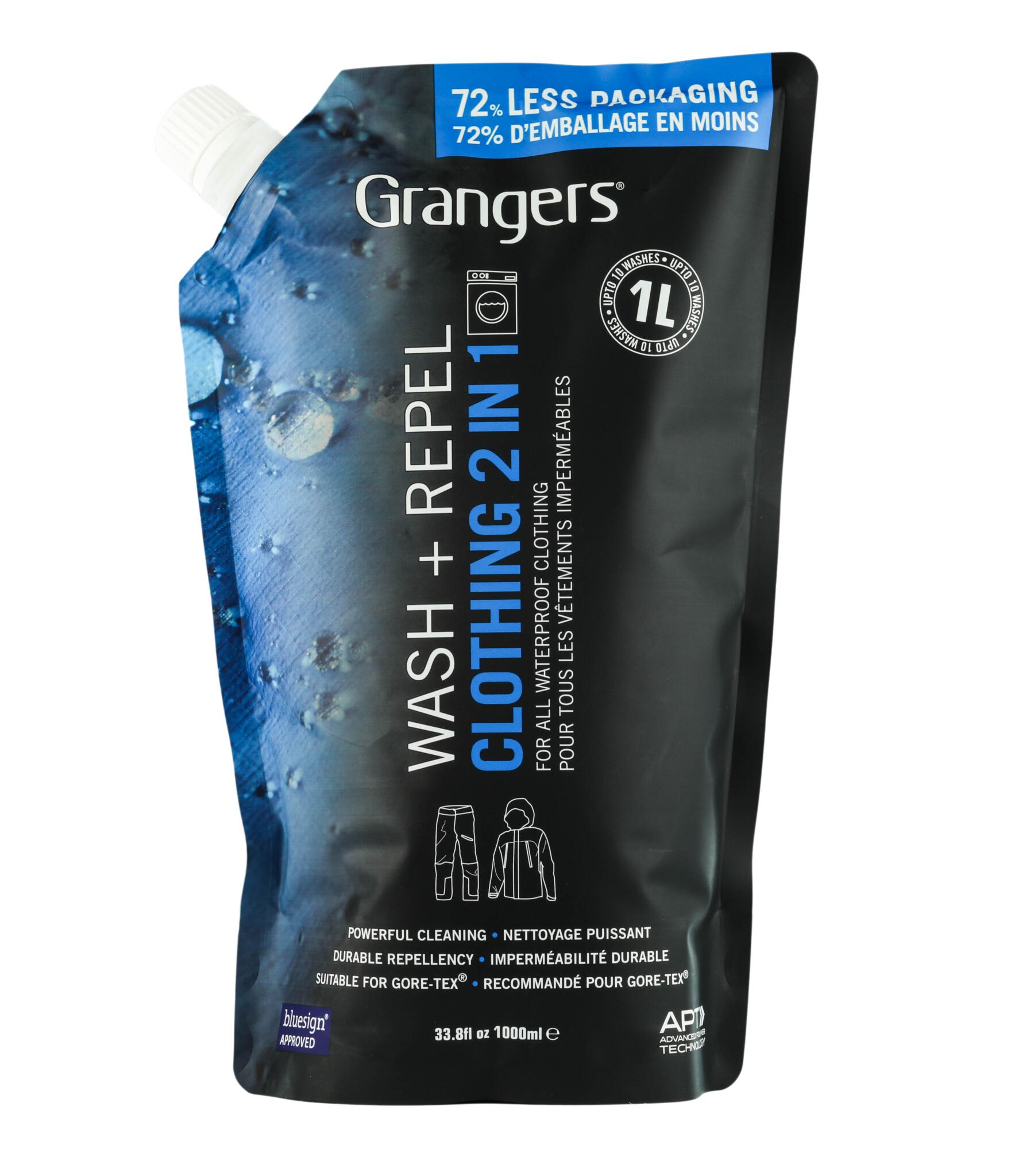
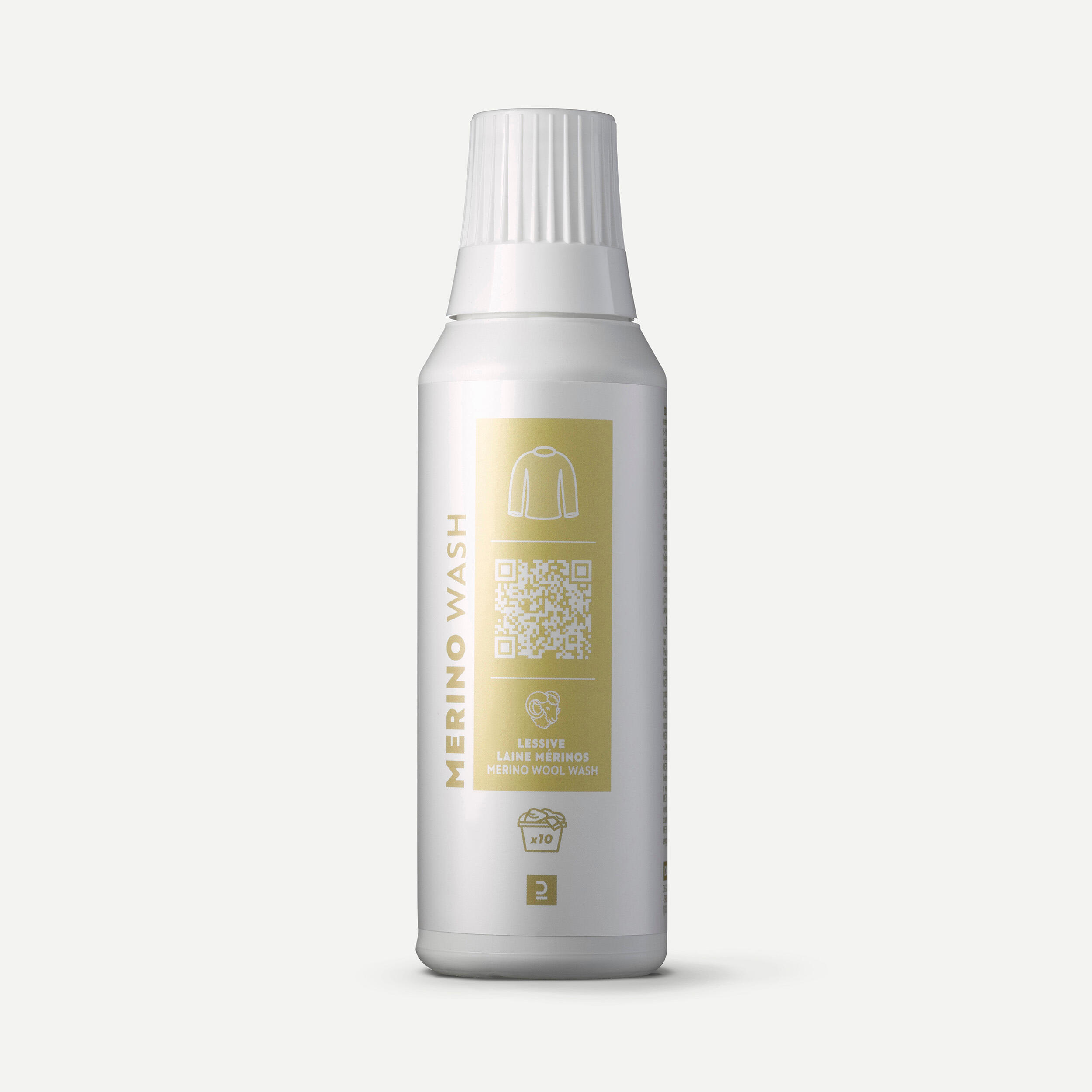
Yes, with the right type. There are specific cleaners for down, for synthetic insulation and for waterproof outer layers, each formulated to clean without crushing loft or clogging the breathable membrane. Always follow the garment label and rinse well. Caring for these items gently is part of the wider camping maintenance and care routine that keeps insulation lofty and shells breathing.

Will washing remove my gear's waterproofing?

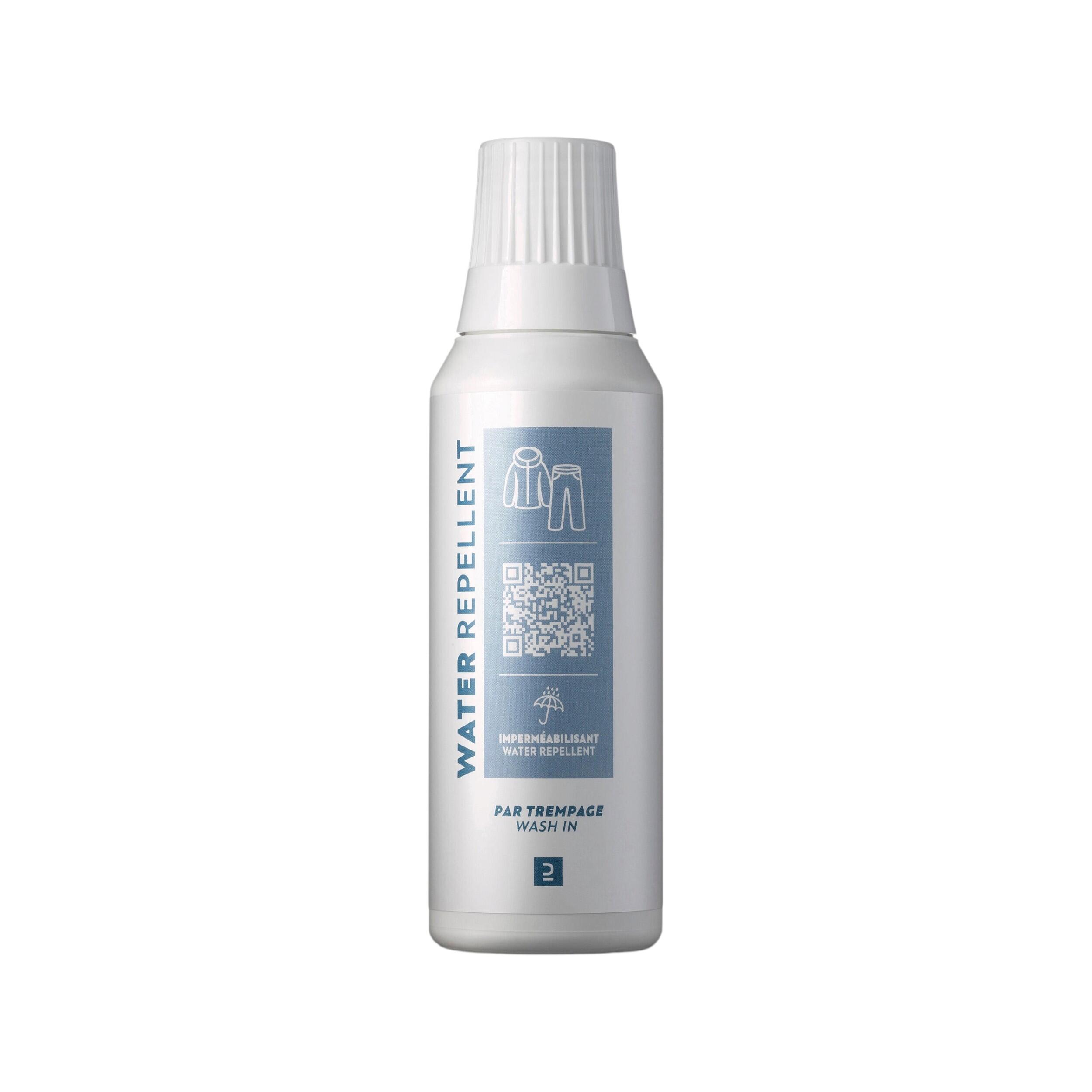
A proper technical cleaner won't; it's designed to clean without stripping the water-repellent finish, and some wash-in products even refresh it. Harsh household detergents and fabric softeners are the culprits that damage proofing. After washing, a fabric may still need re-treating to restore full beading. Camping spare parts and repair essentials close to hand make it easy to combine cleaning, proofing and minor repairs.

How does cleaning extend the life of a tent?

Grit, sap, salt and smoke quietly degrade fabric and coatings and dirt left on a packed-away tent traps damp that breeds mould. A regular, gentle cleaning removes these before they cause harm, and fully drying before storage prevents mildew from taking hold. Done routinely, it's the cheapest way to keep your tents and shelters weatherproof and sound for far longer. A few minutes of care after each trip saves a great deal of fabric over the years.