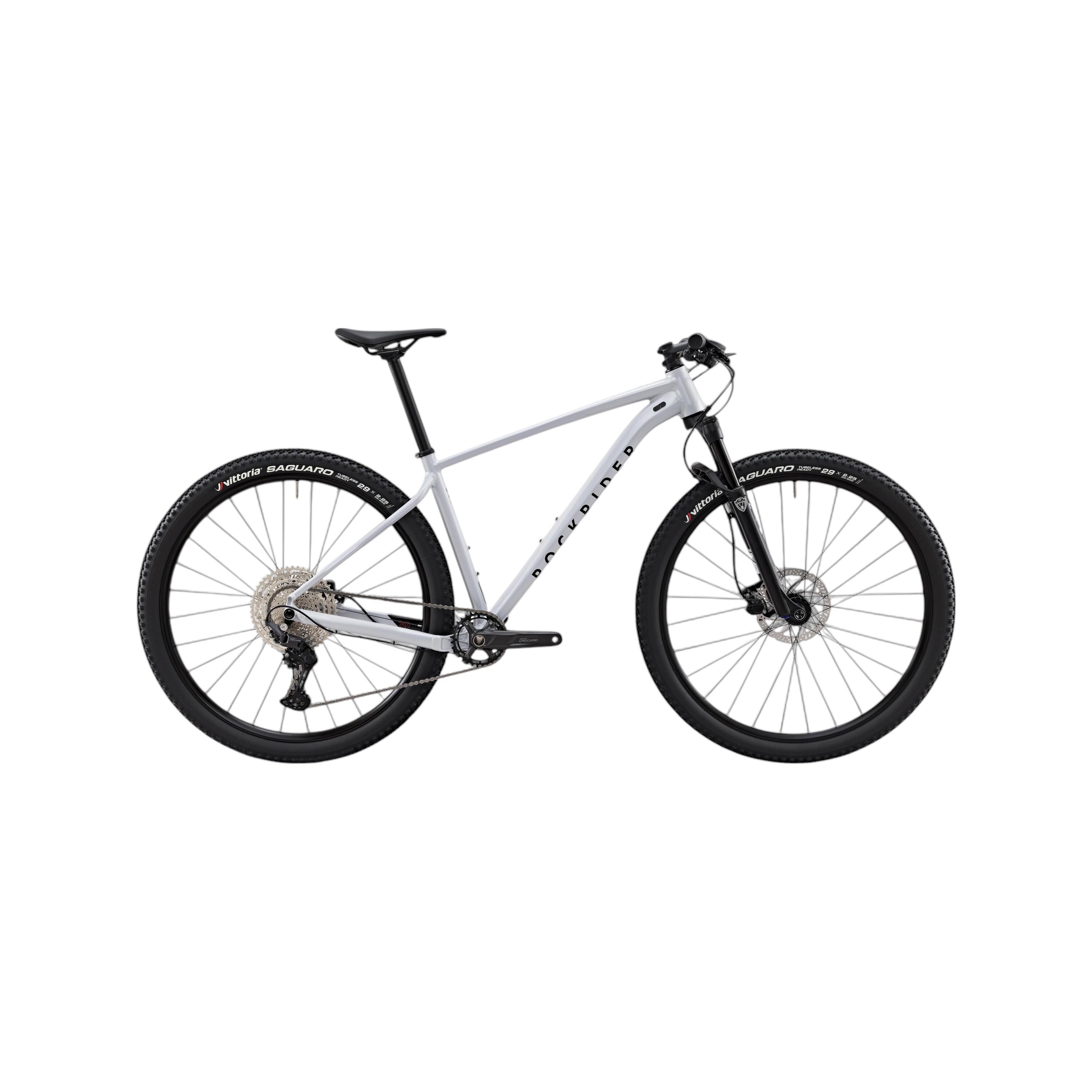
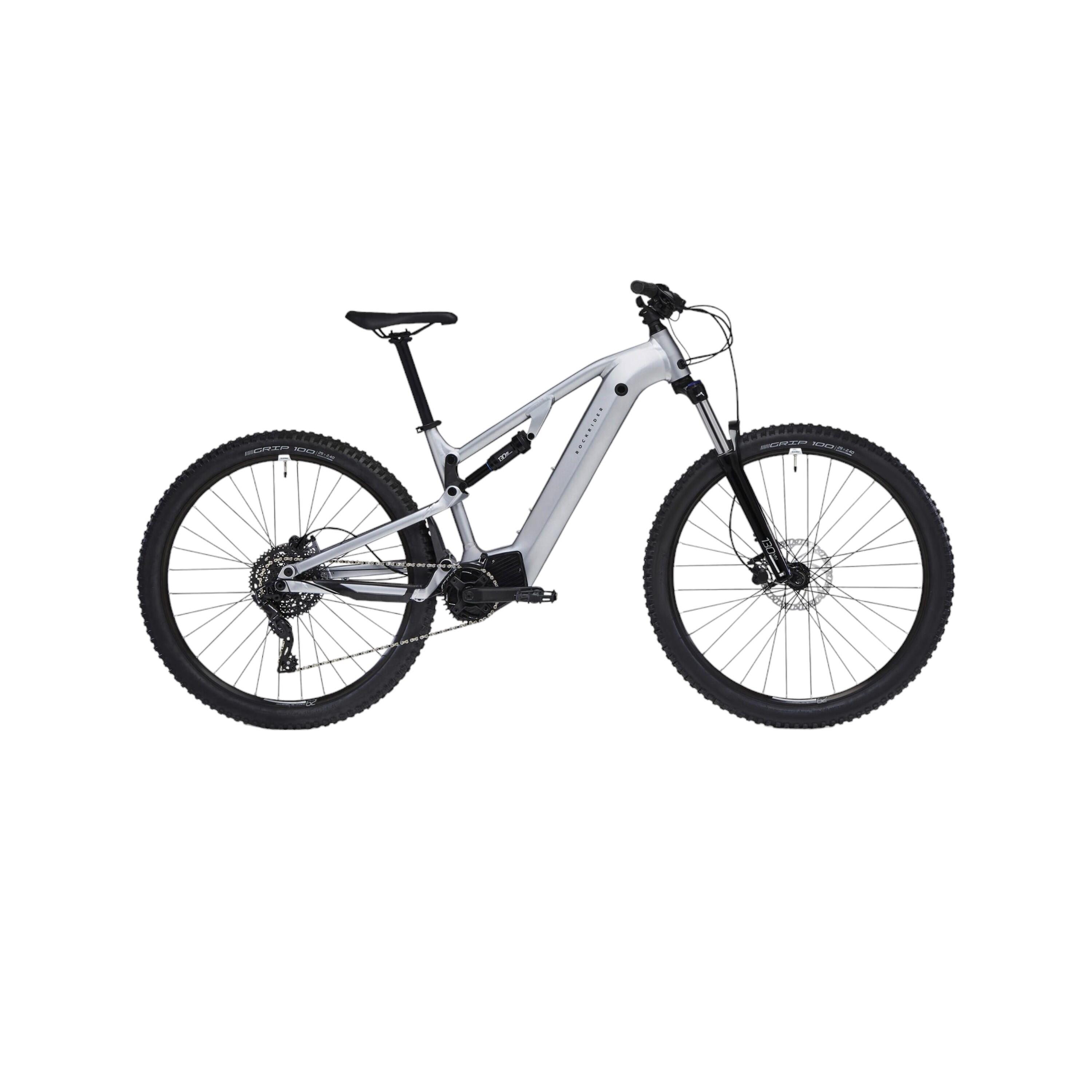
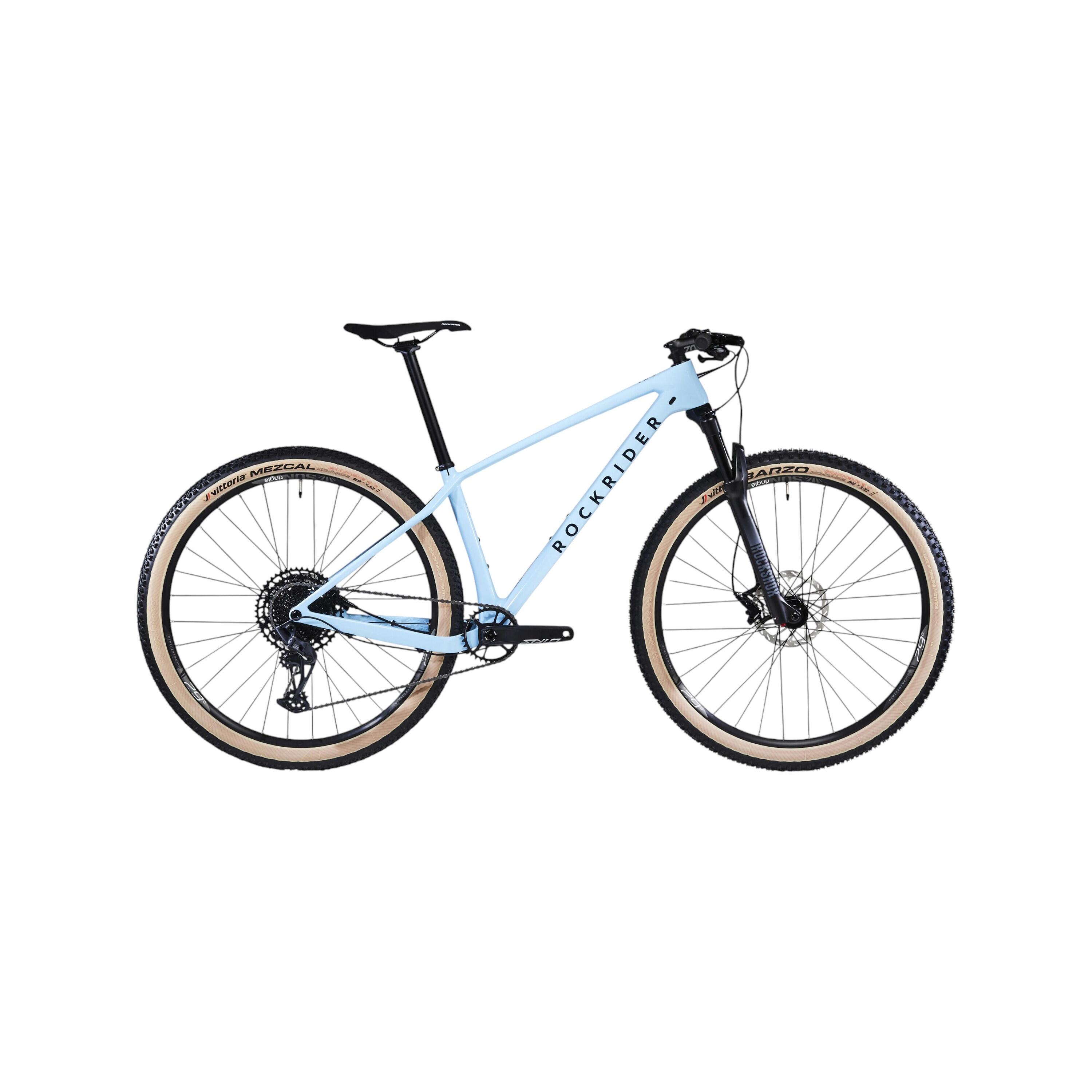
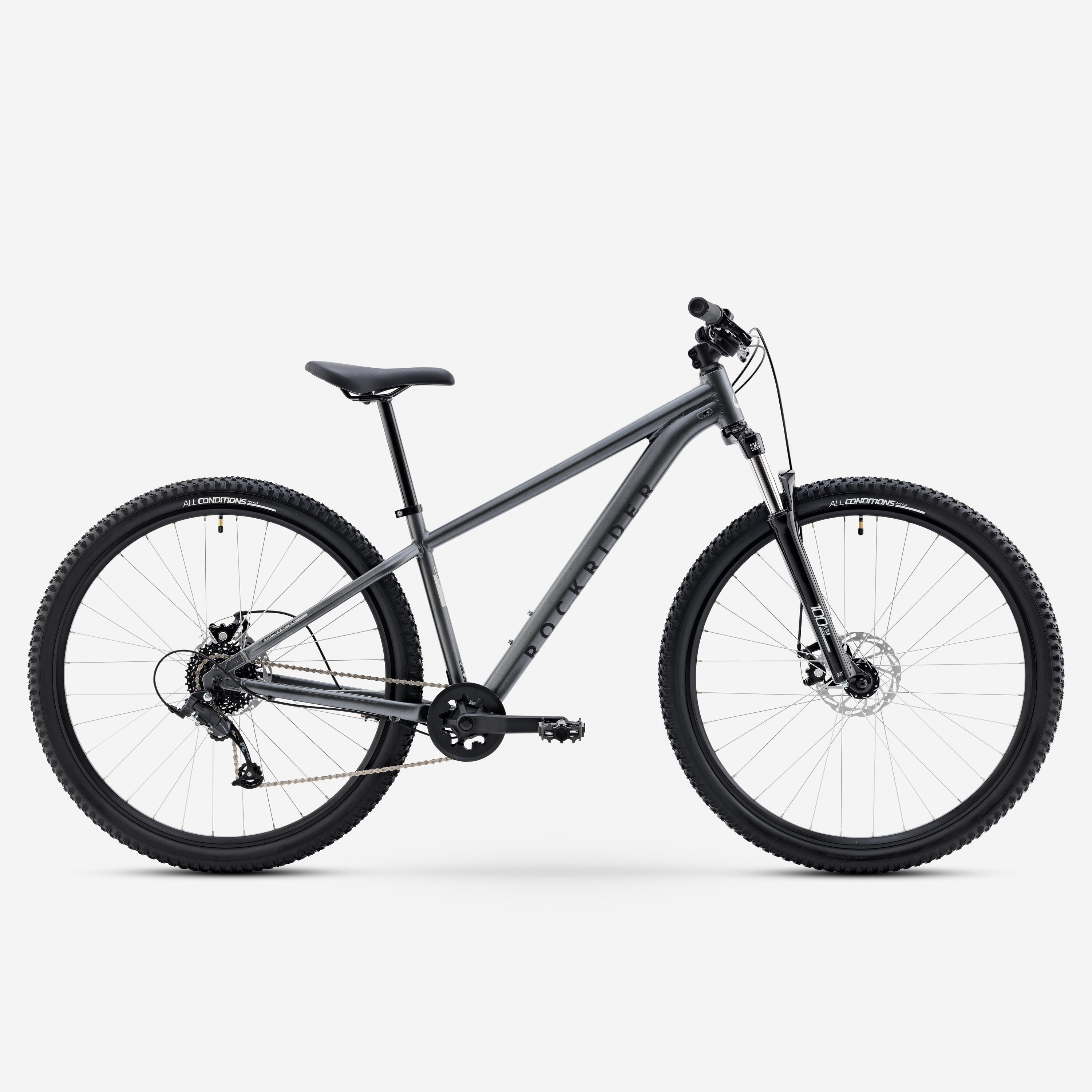
314 items
4.5/5 based on 11316 reviews collected online and in stores

29" Mountain Bikes FAQs

What are the benefits of 29-inch wheels on a mountain bike?

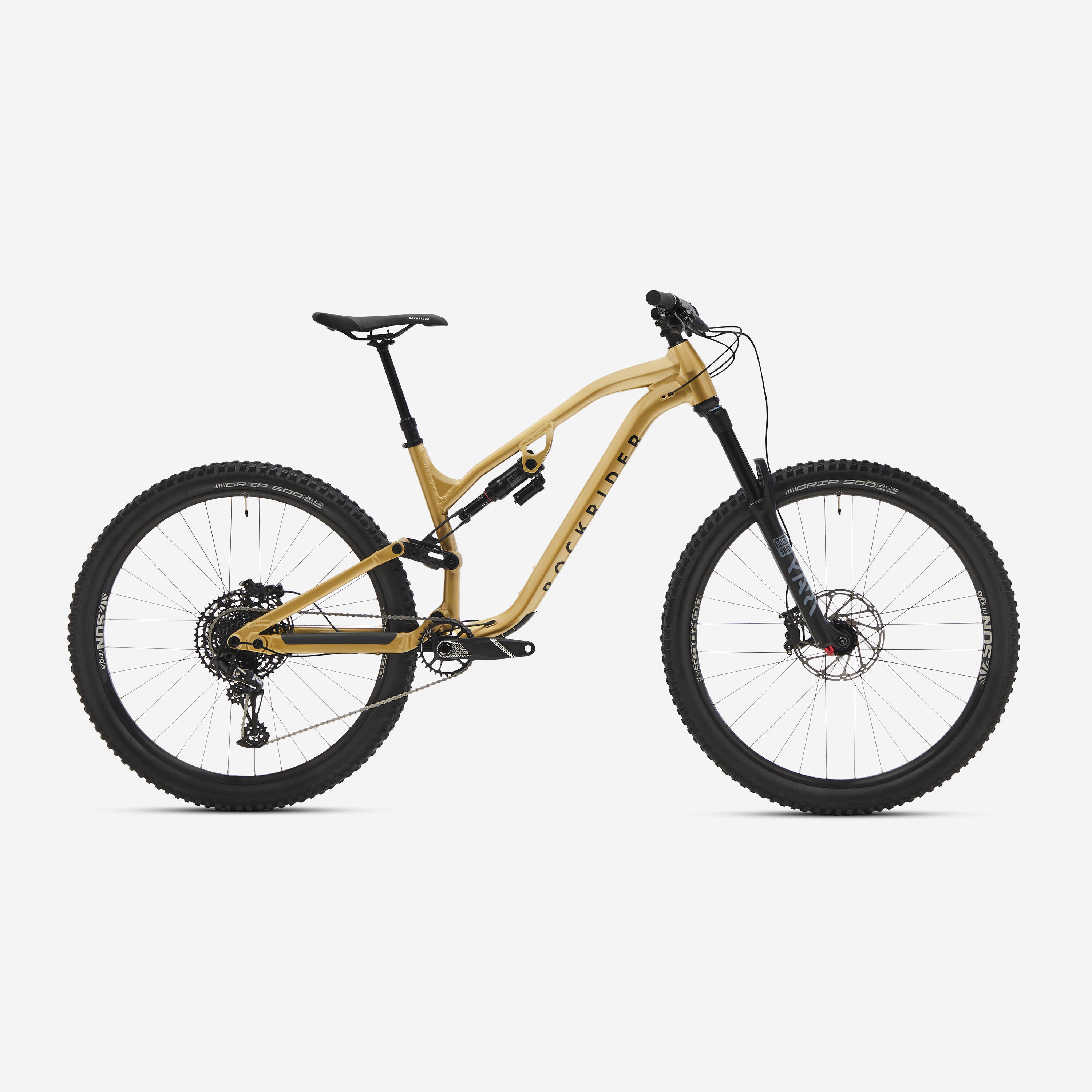
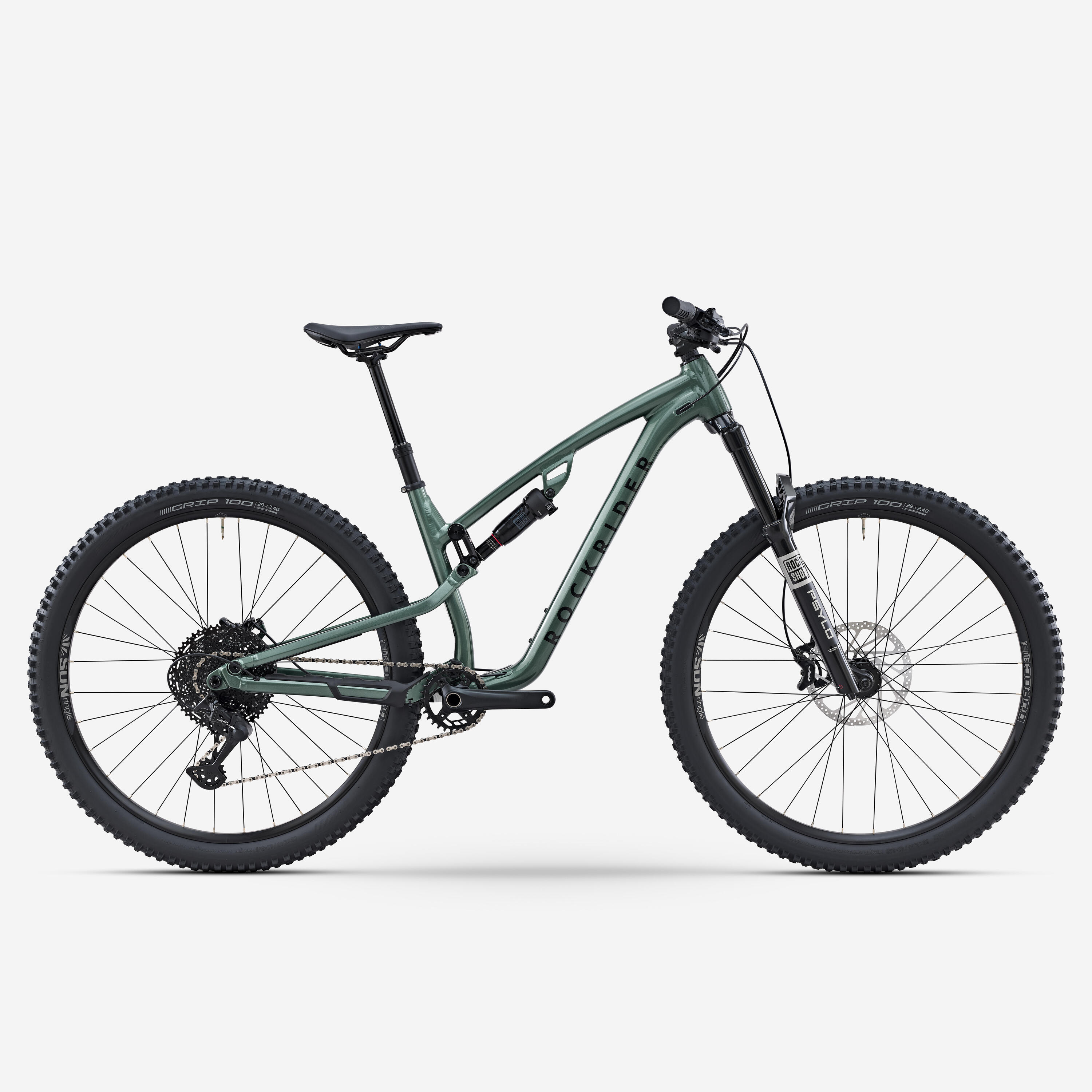
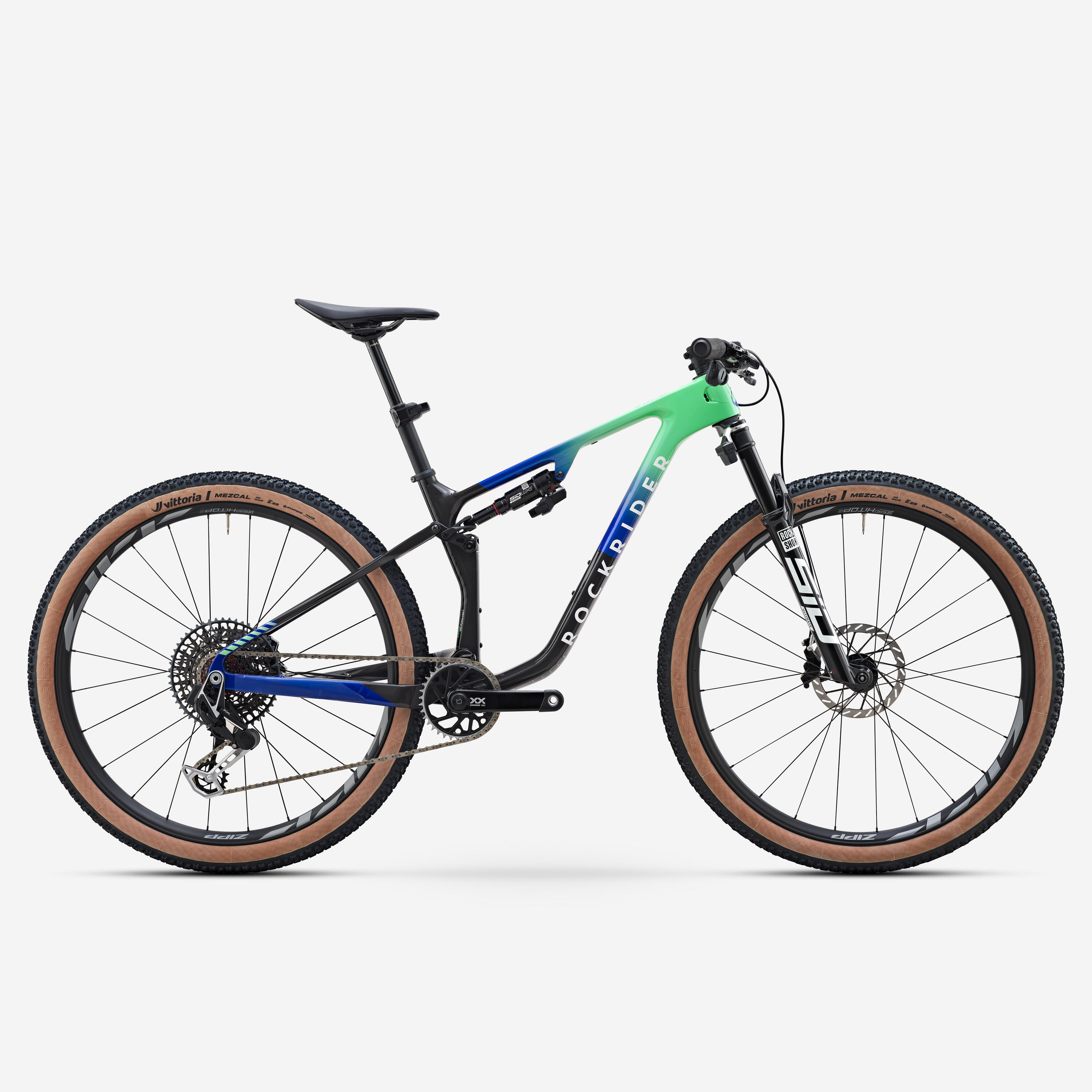
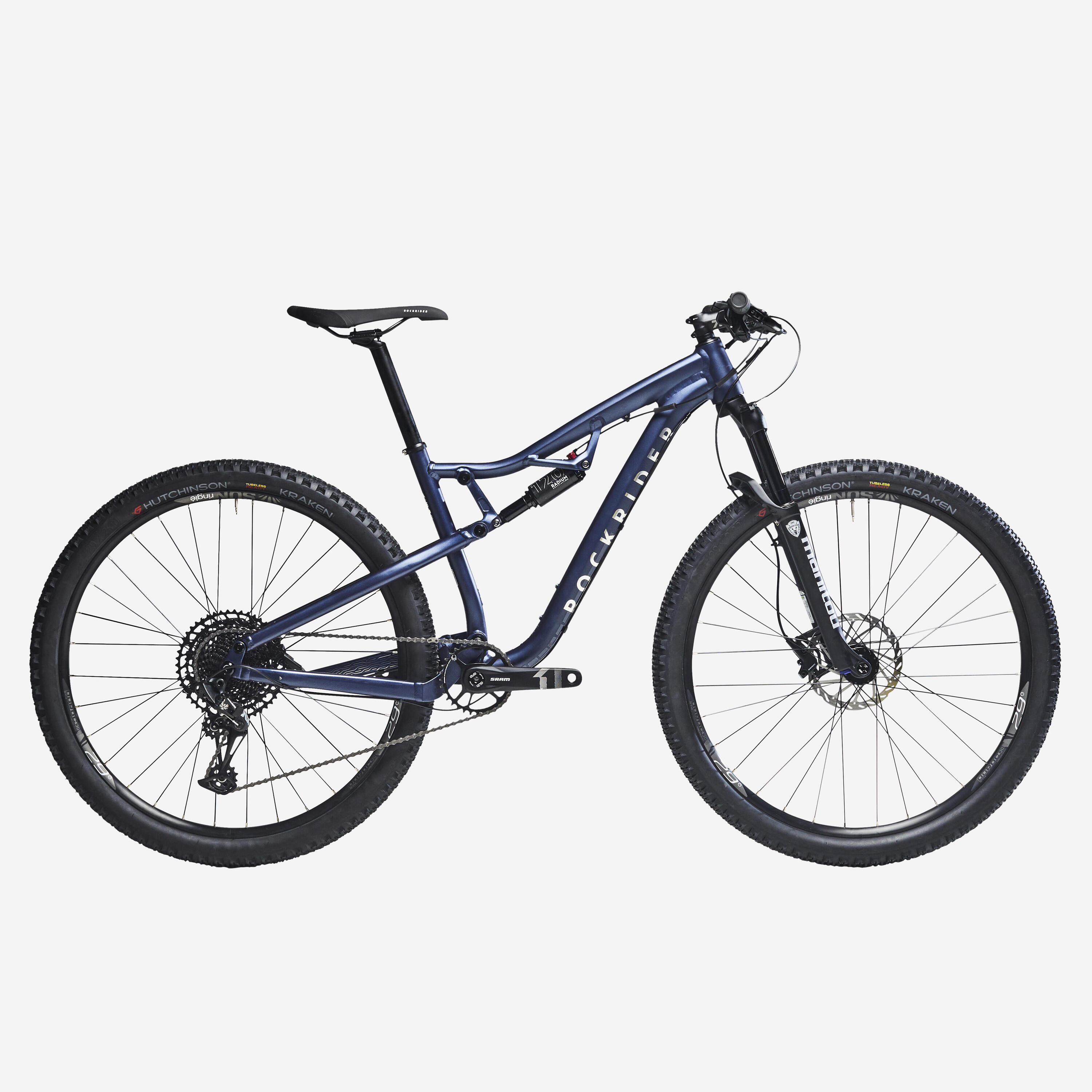
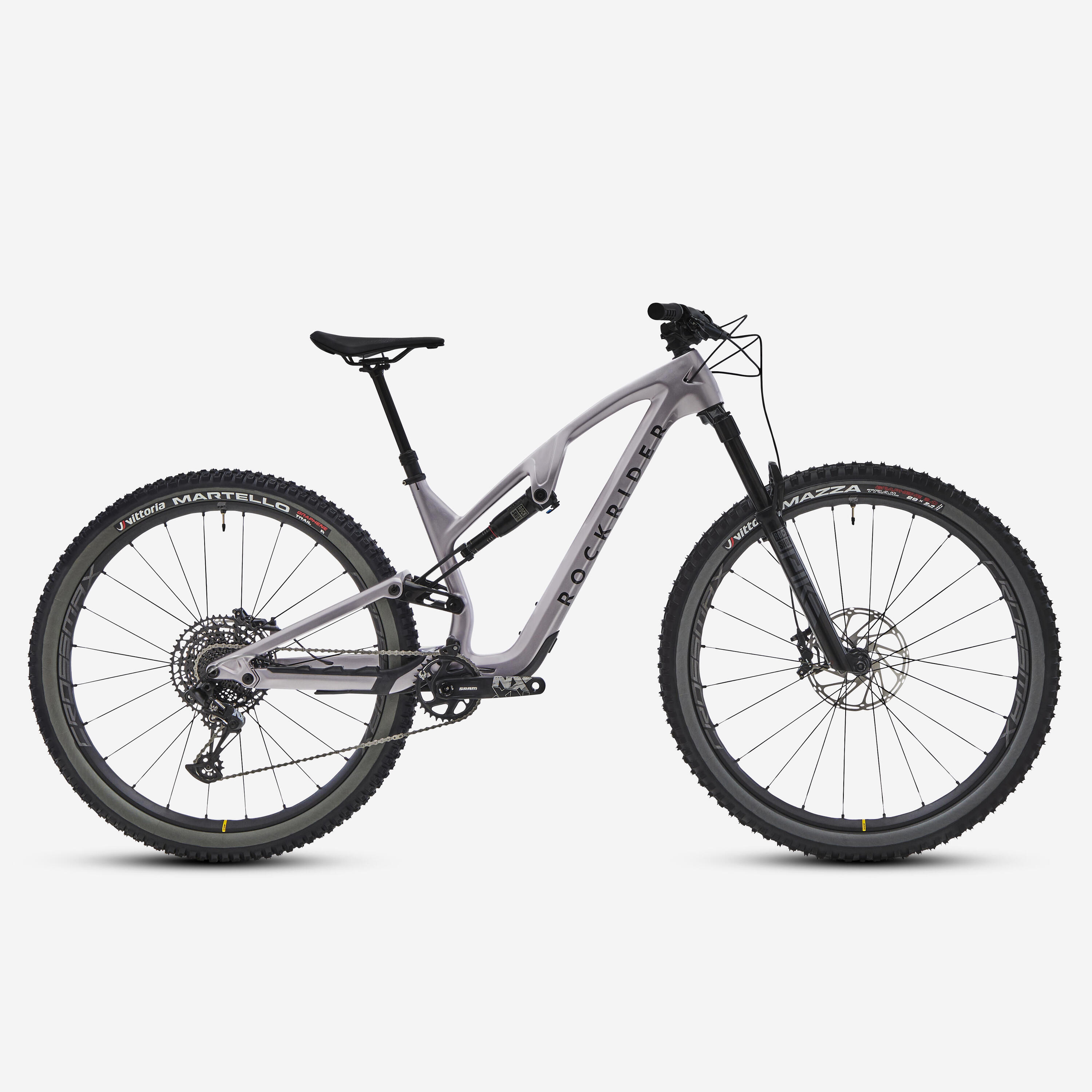
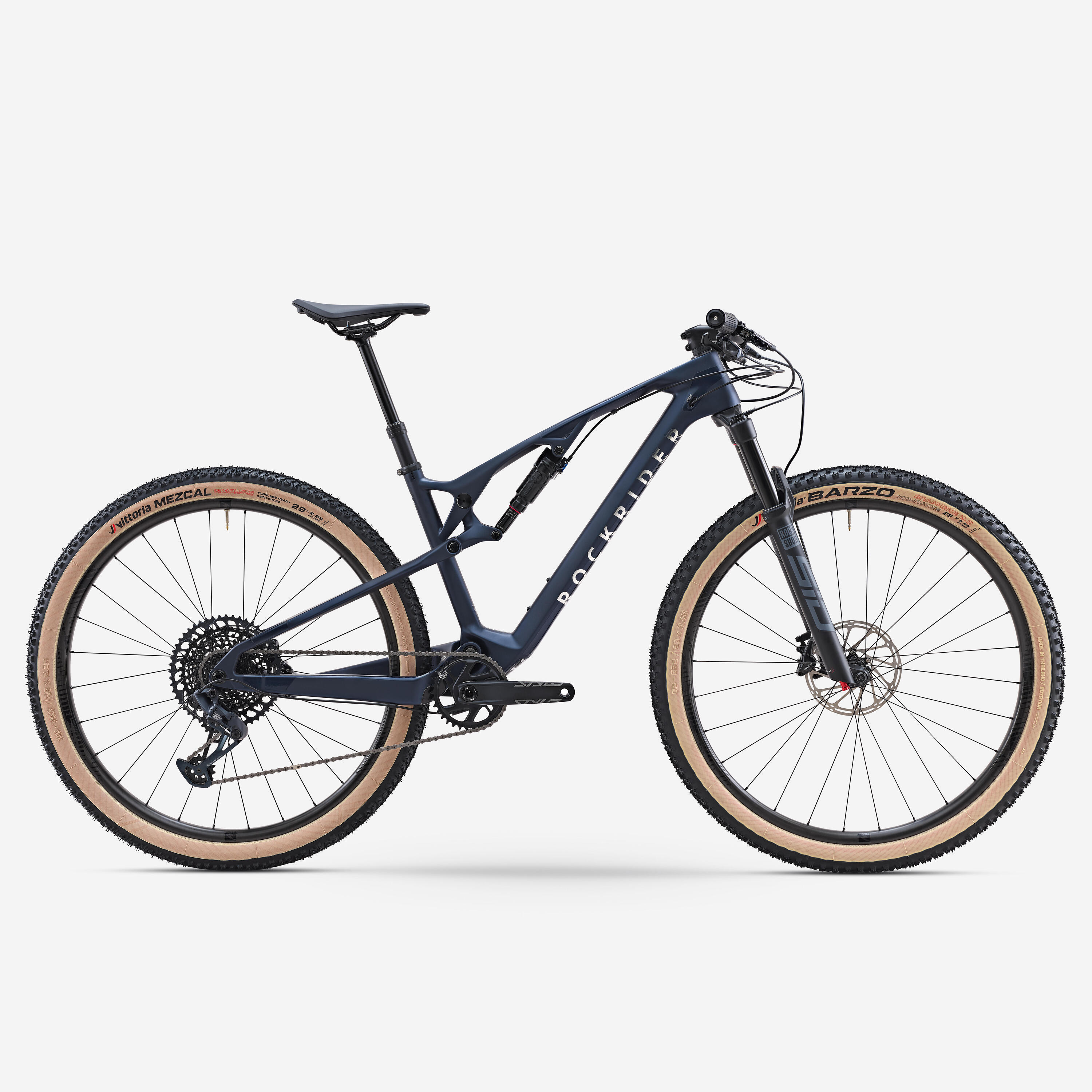
Larger 29-inch wheels can help a mountain bike maintain momentum and roll more smoothly over roots, stones and uneven trail surfaces. Their larger diameter creates a shallower approach angle when the tyre meets an obstacle, which can make rough ground feel easier to cross than on a smaller wheel. That does not mean every rider automatically needs 29-inch wheels, as frame size and handling still matter. Decathlon even adapts wheel diameter on some Rockrider models for smaller frame sizes to keep the bike proportional. Exploring different wheel formats across the broader mountain bikes selection can help you compare geometry and find an option suited to your height and riding style. Pro tip: prioritise correct frame fit first, then consider wheel diameter, suspension and tyres together rather than treating 29-inch wheels as the only measure of trail capability.
When should you choose a 29-inch full-suspension electric mountain bike?

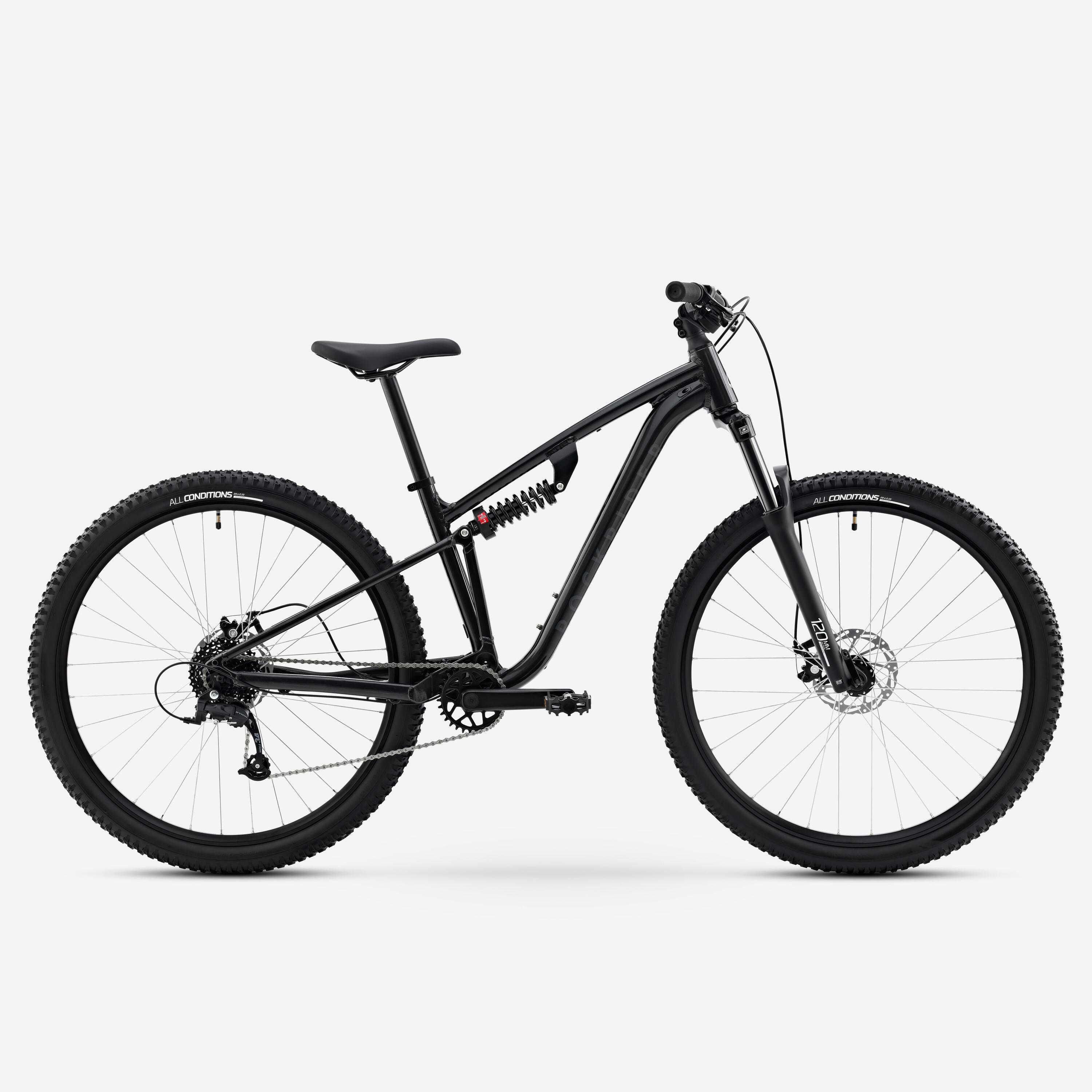
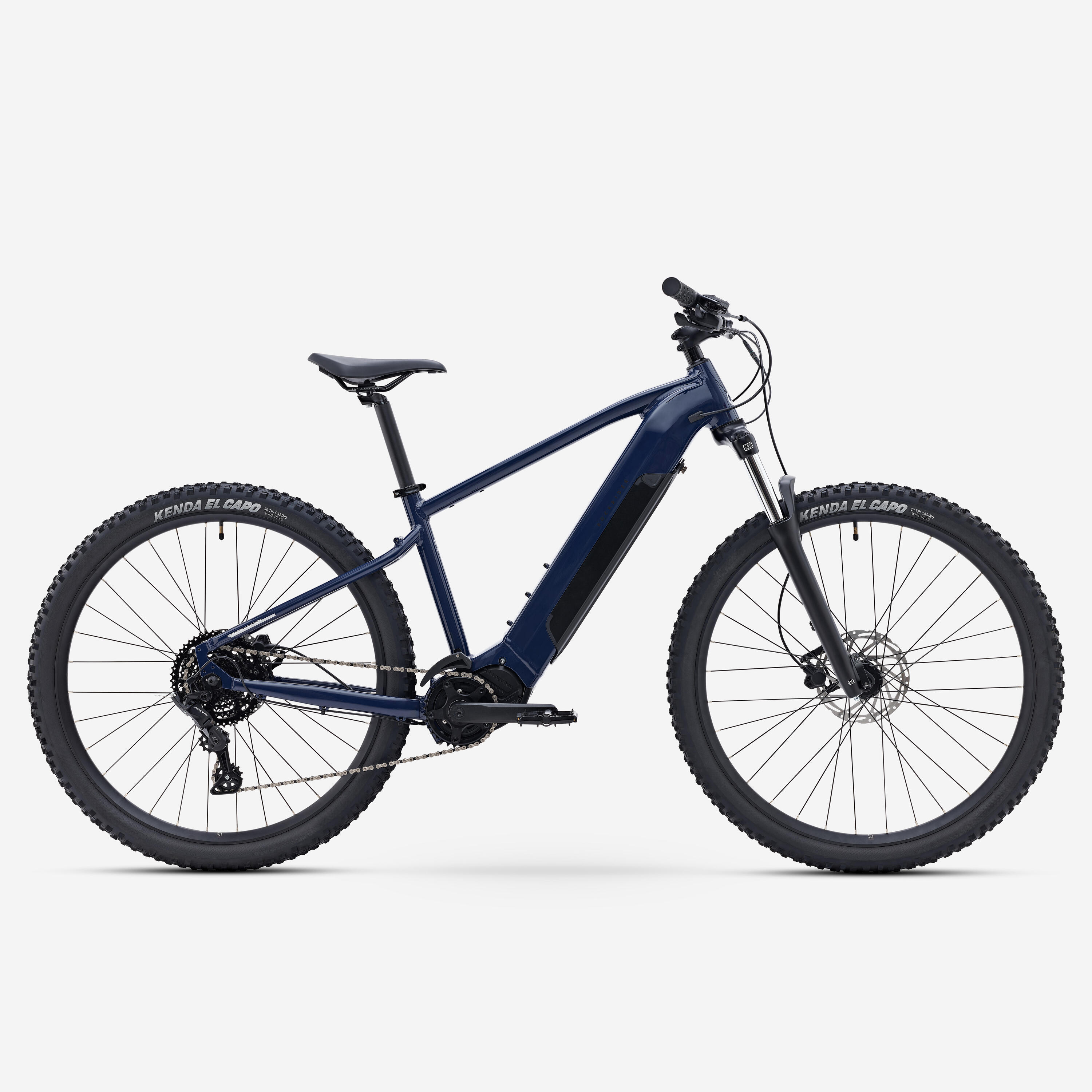
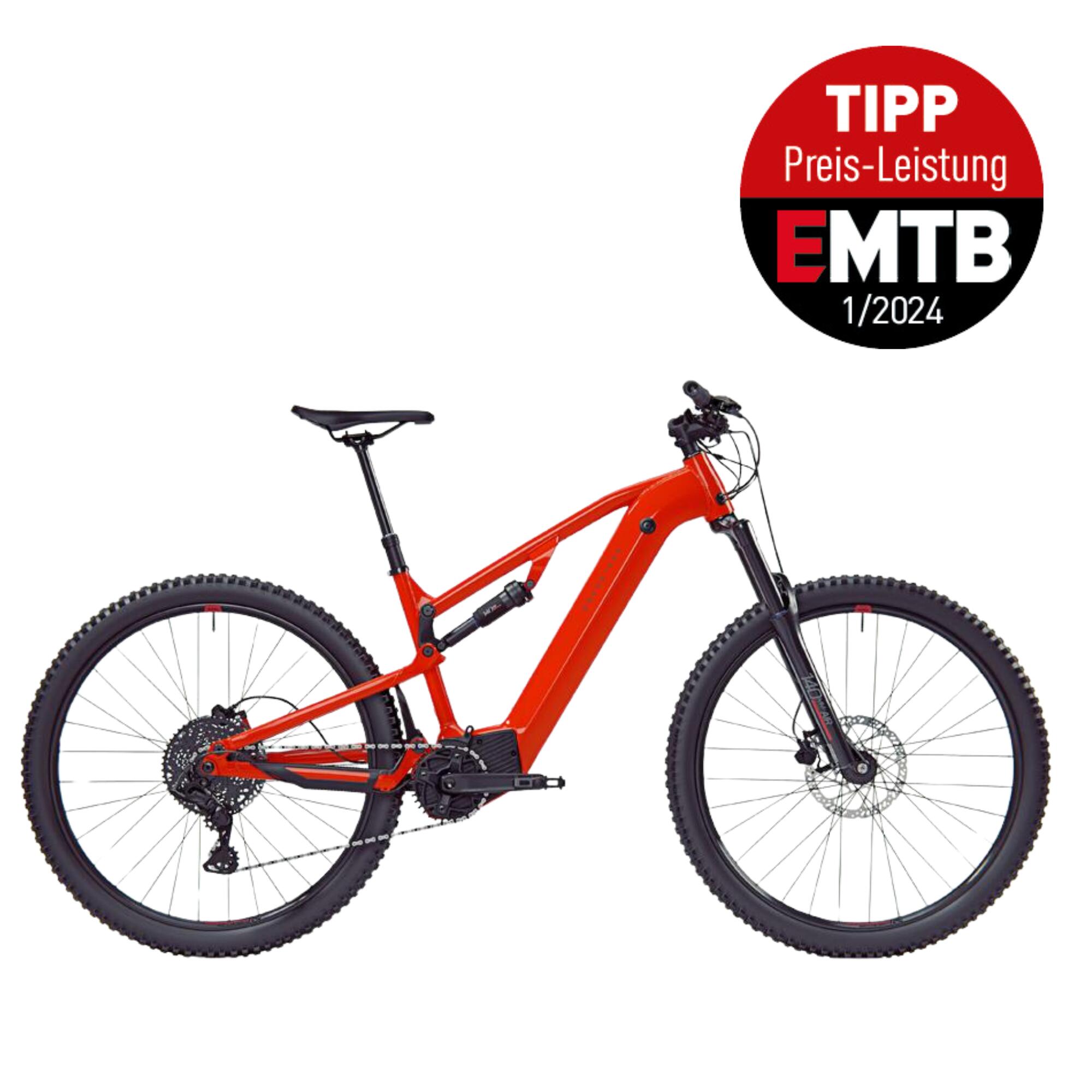
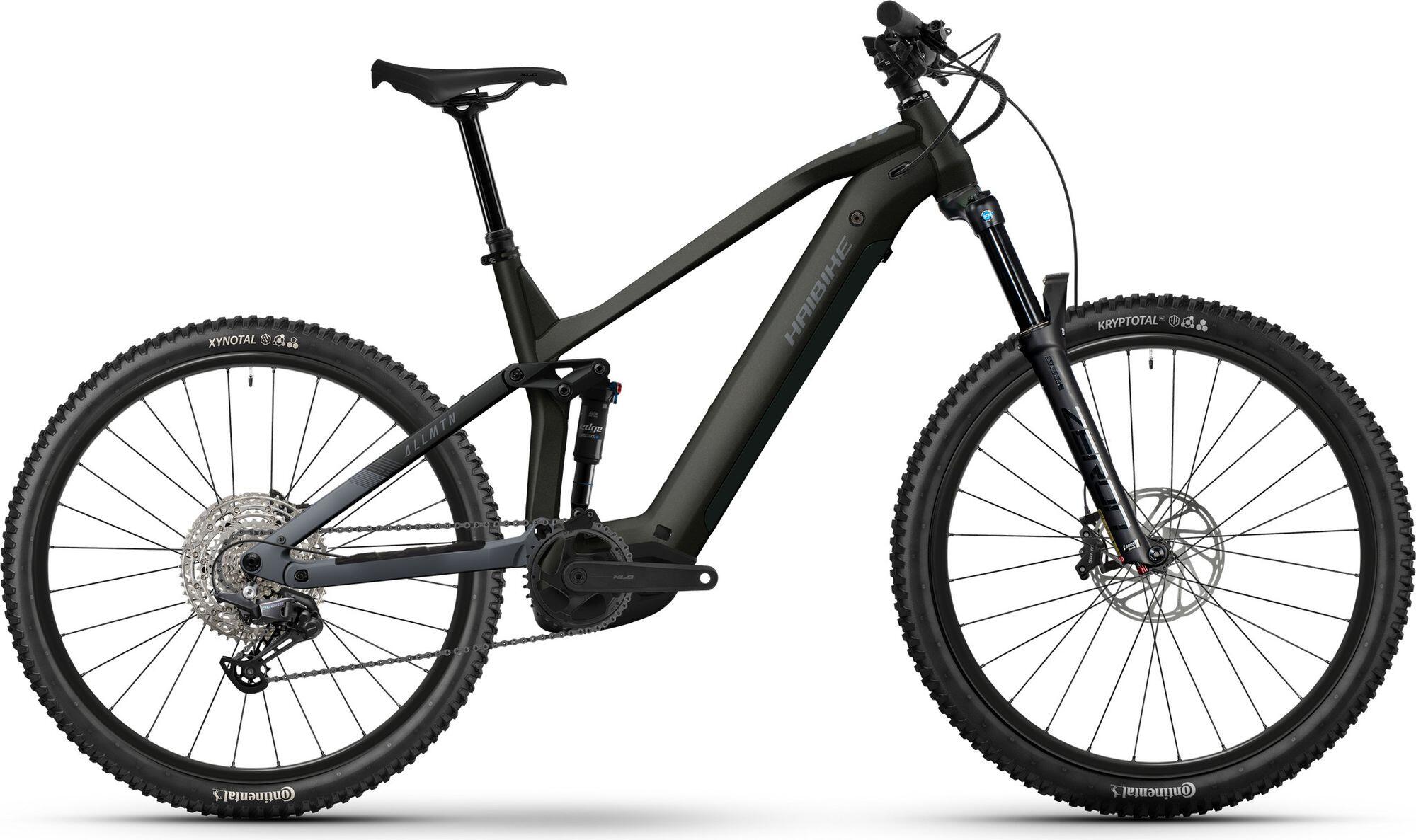
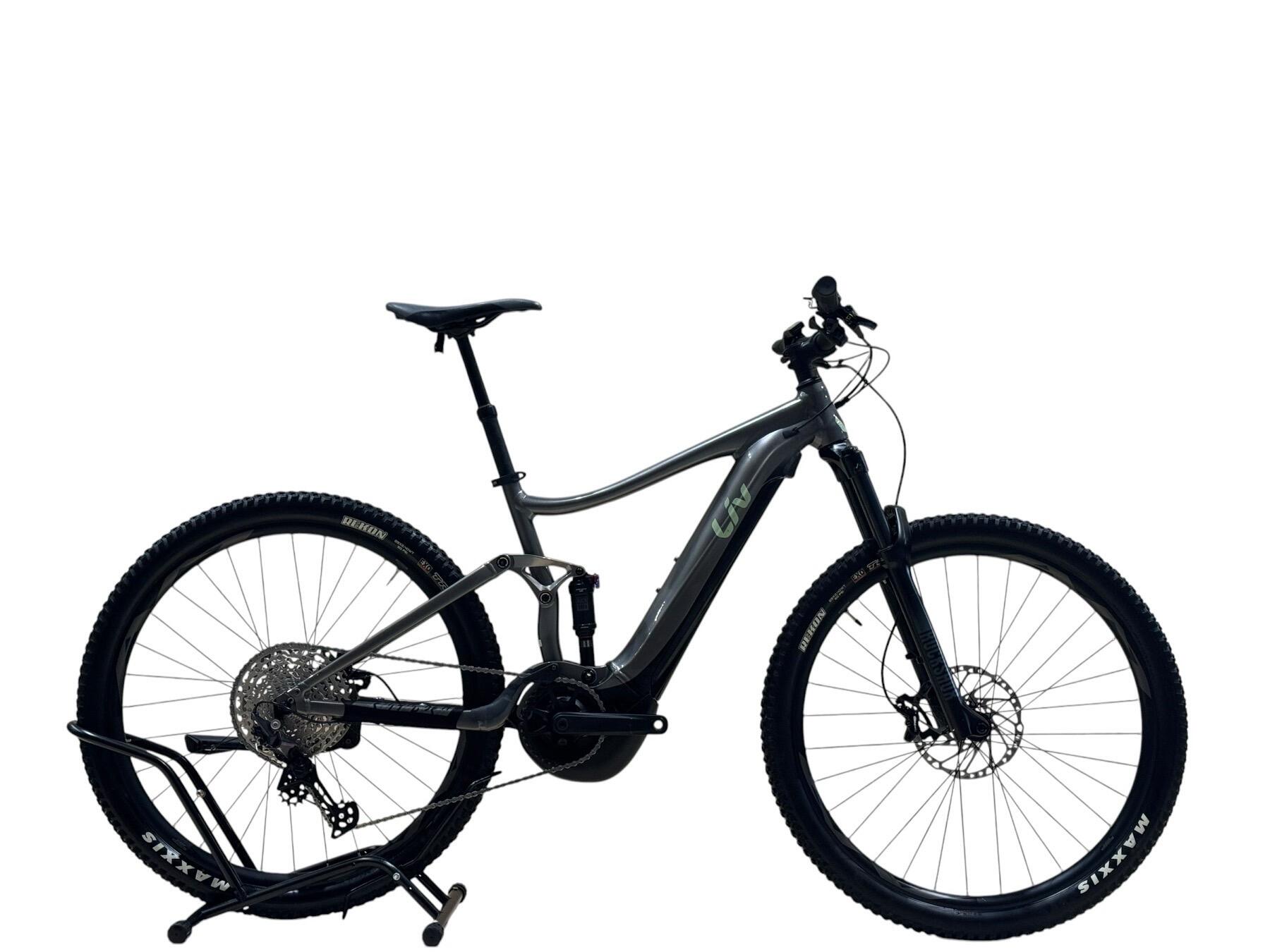
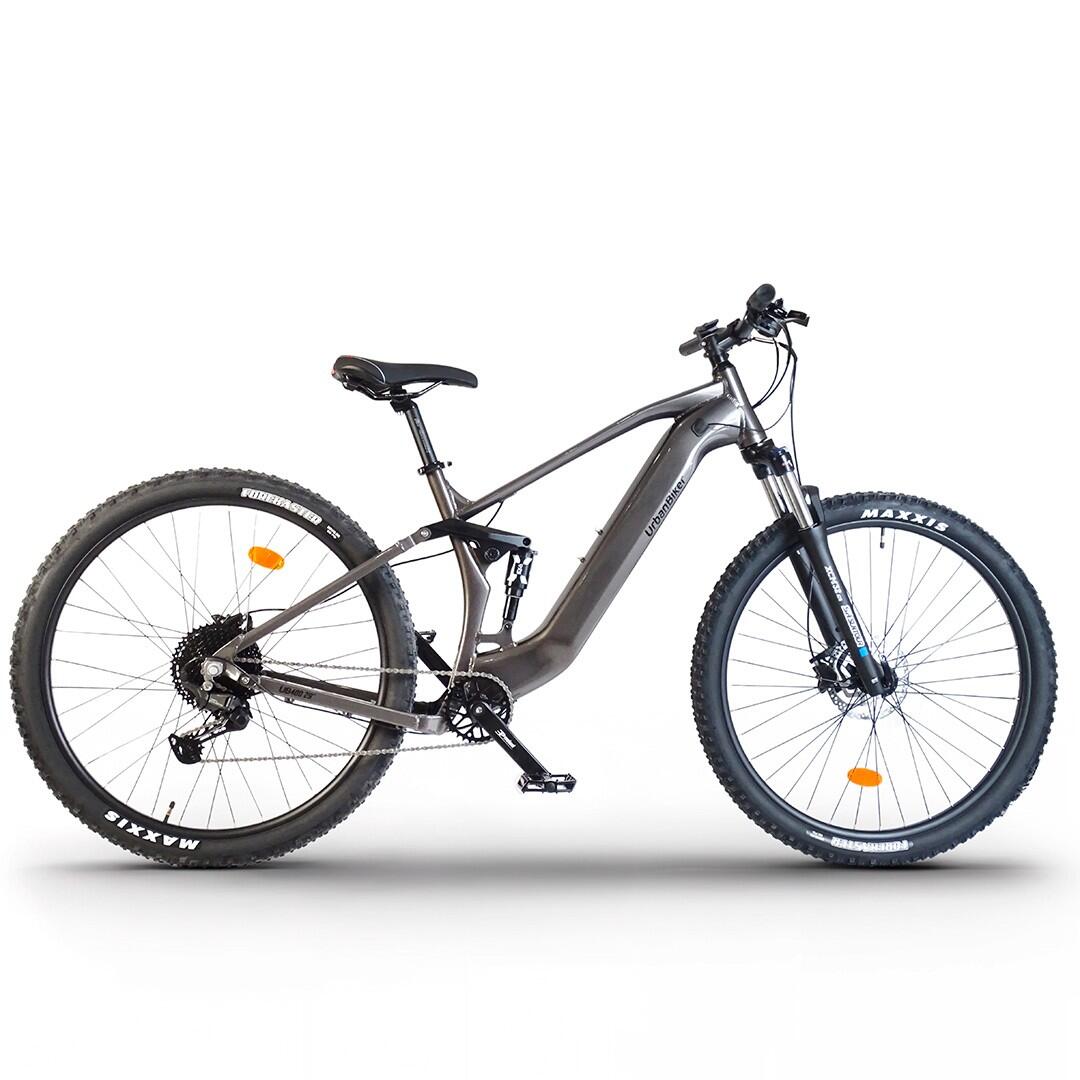
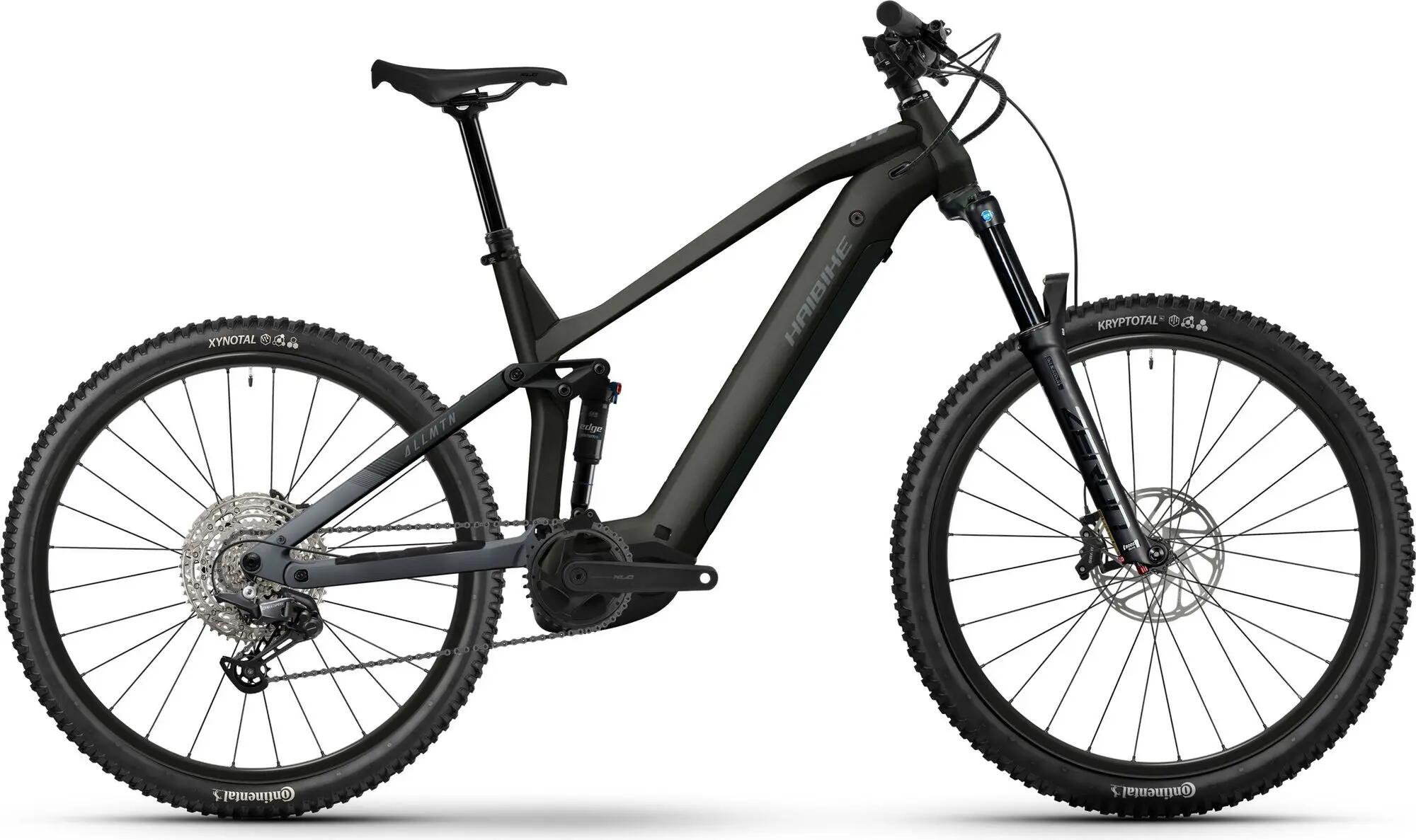
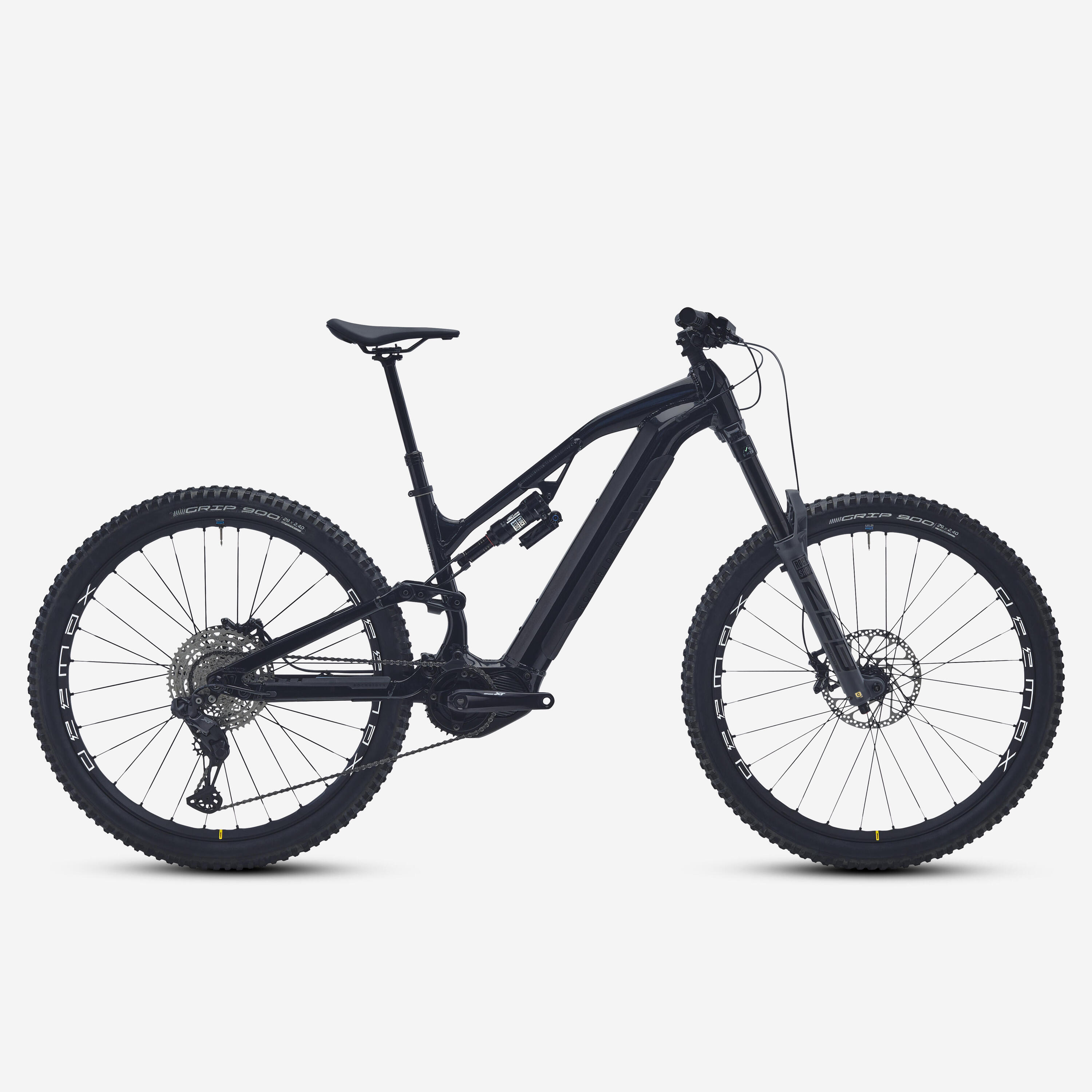
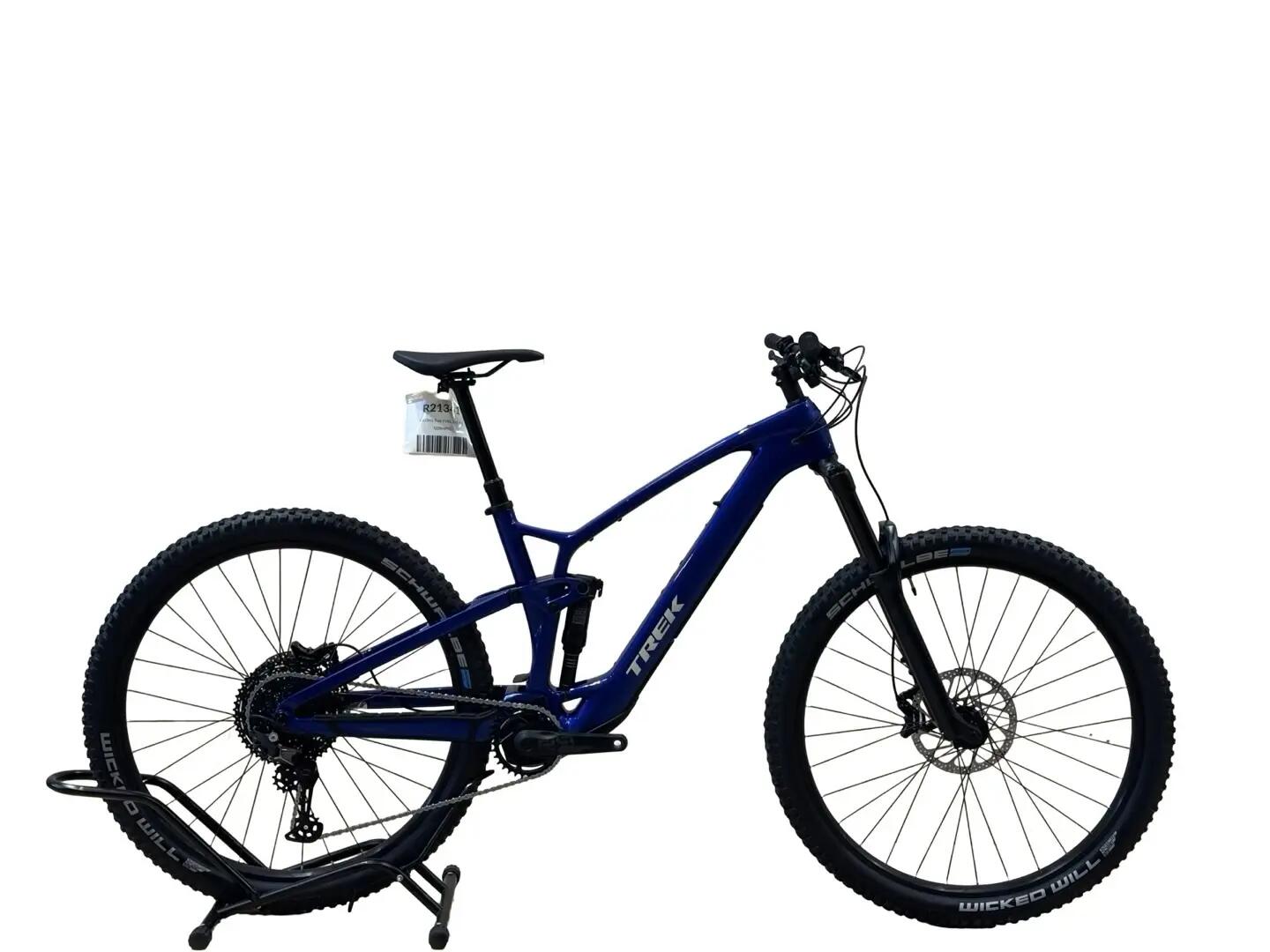
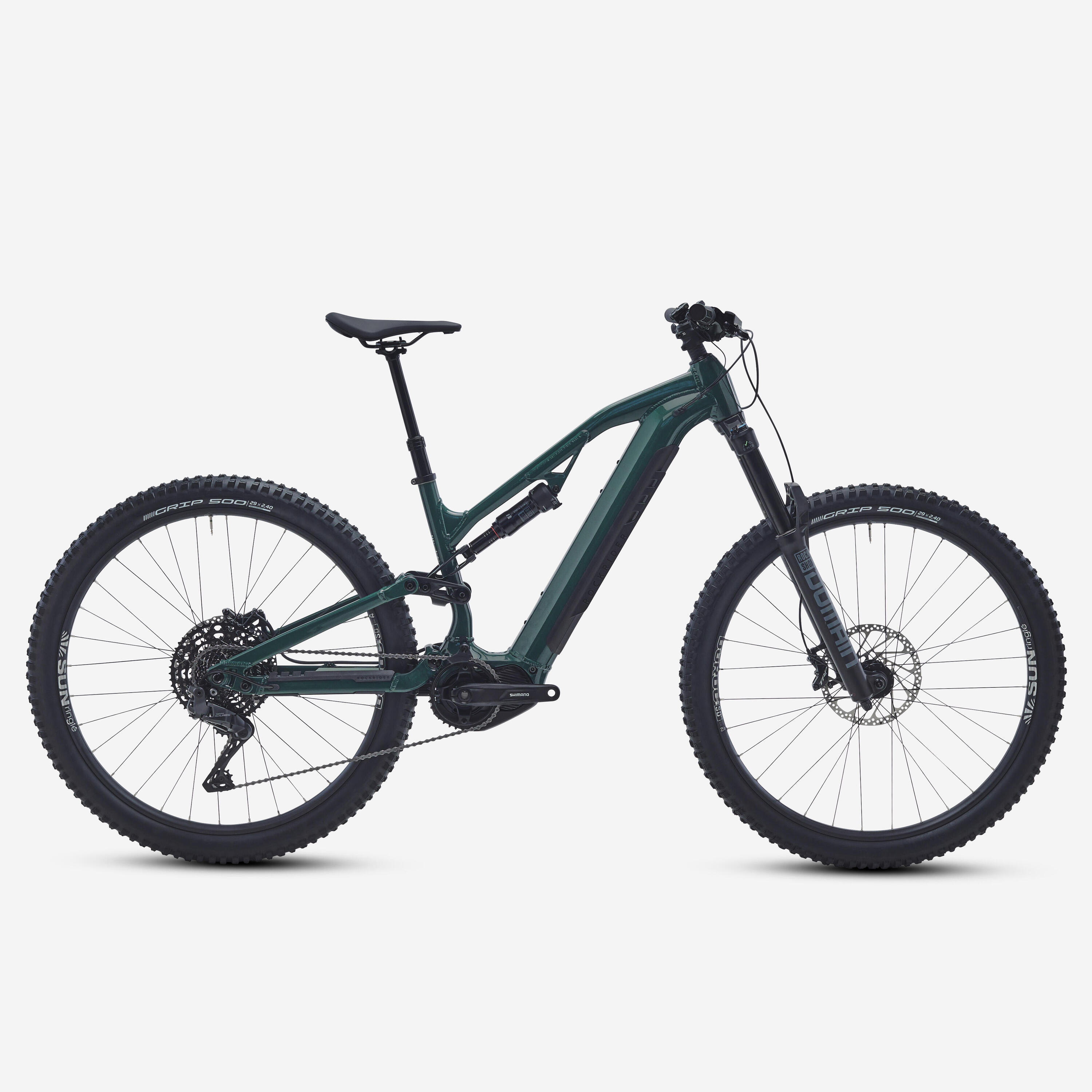
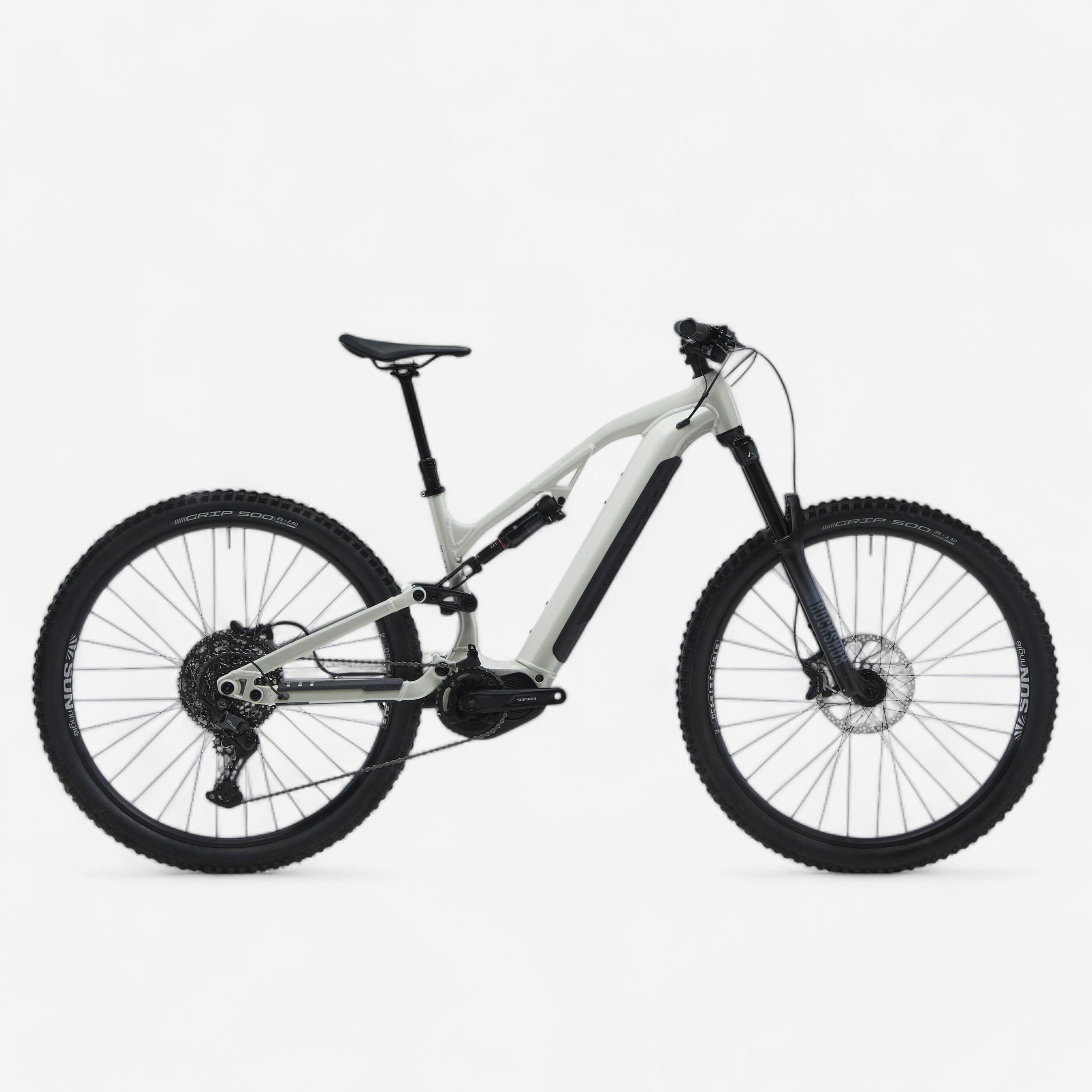
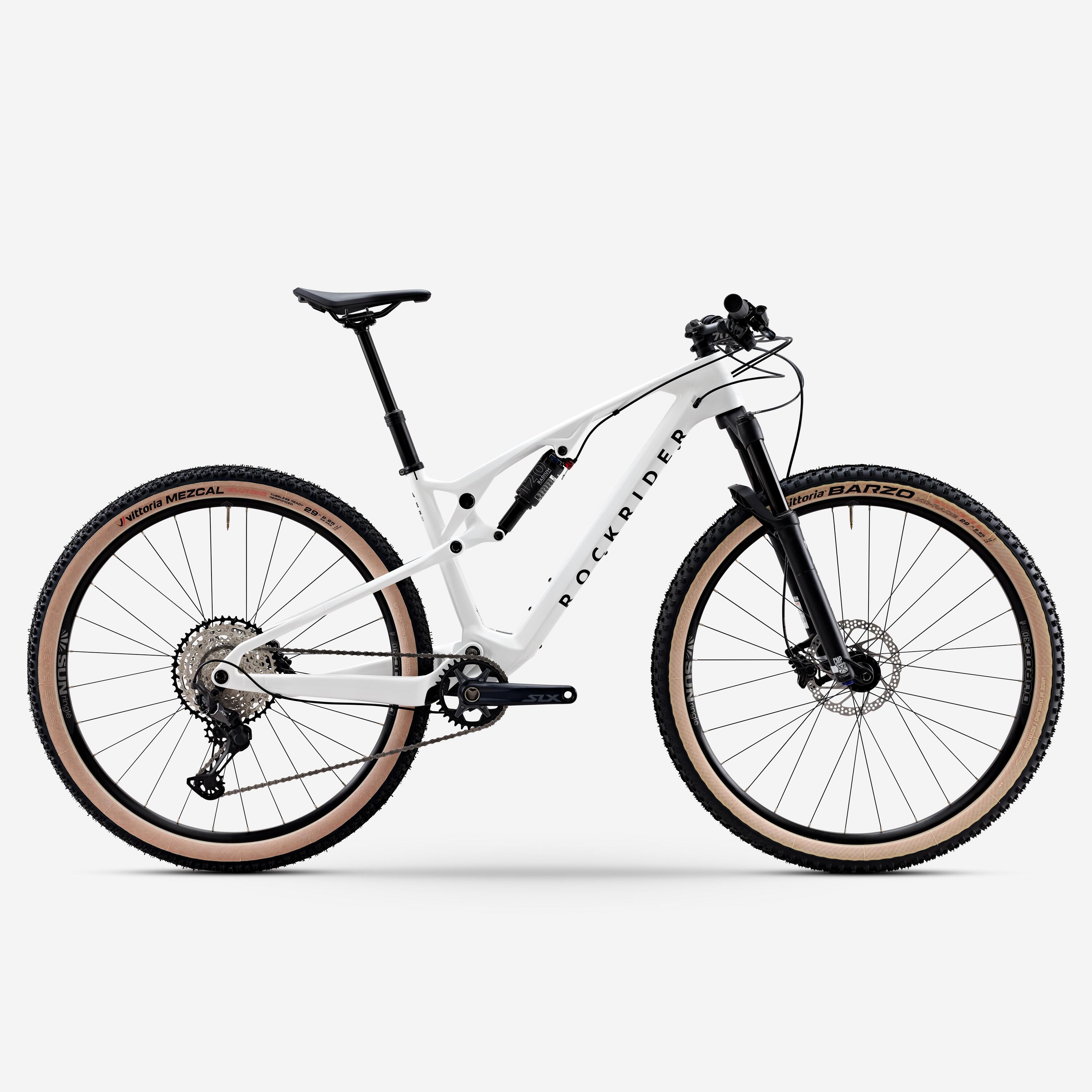
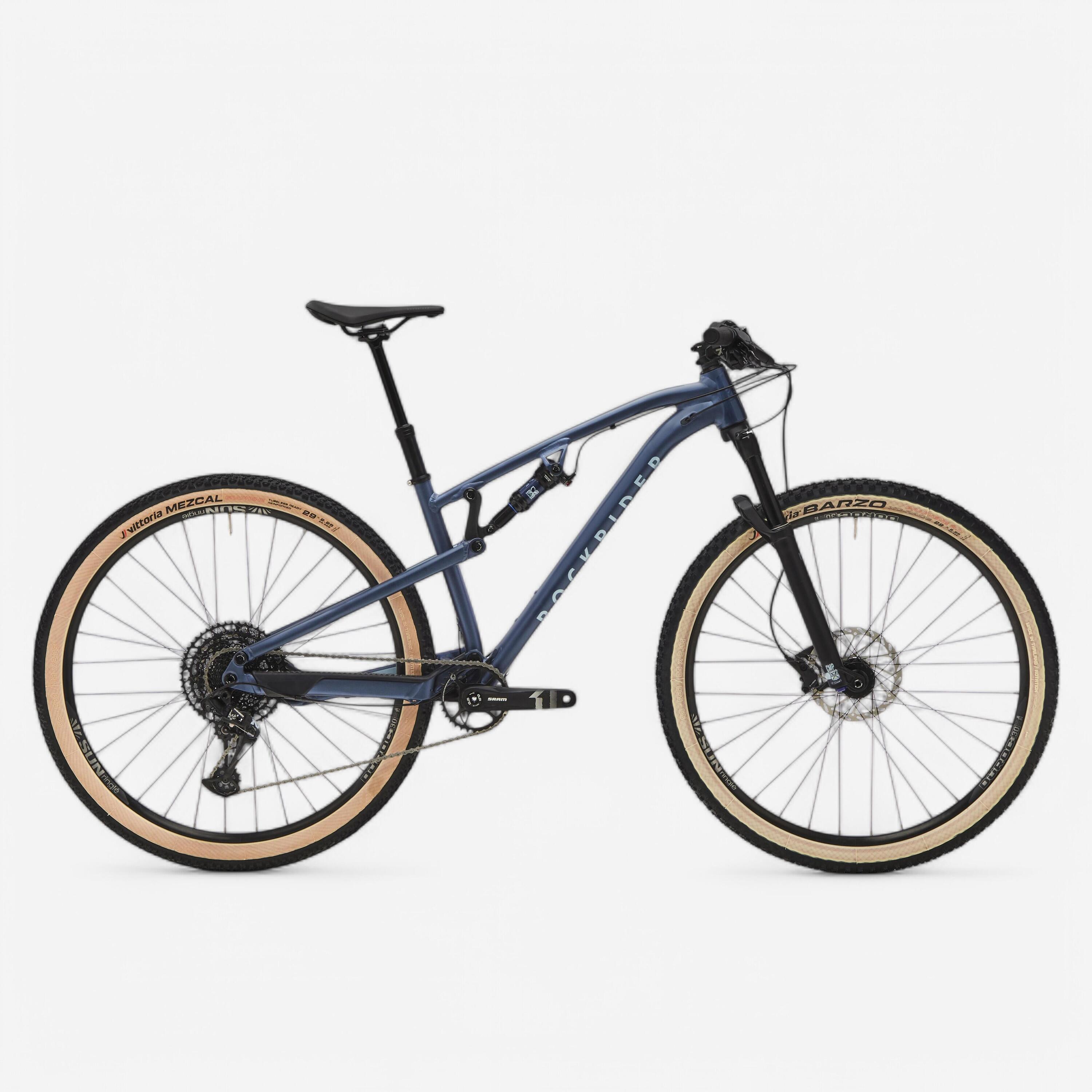
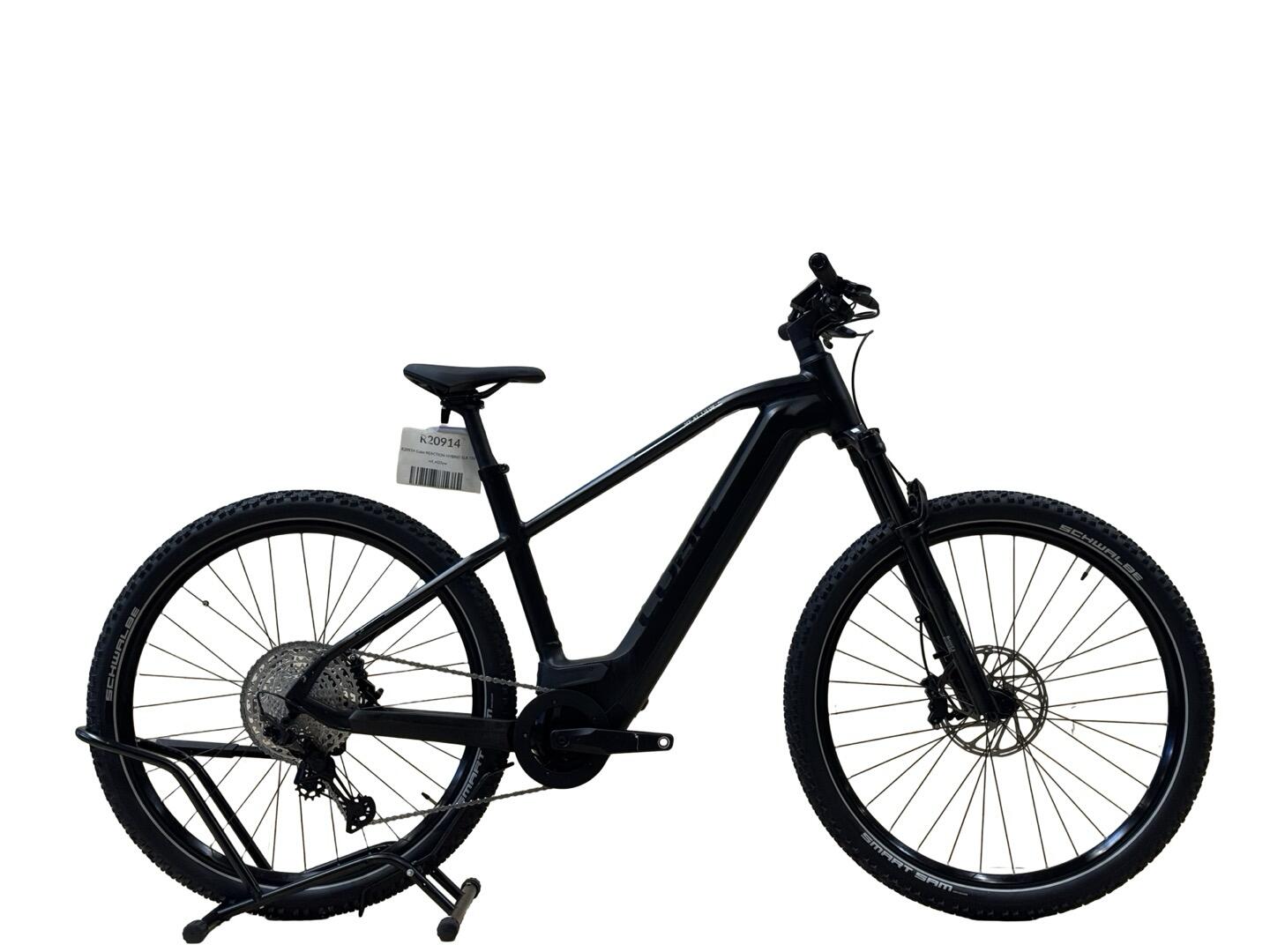
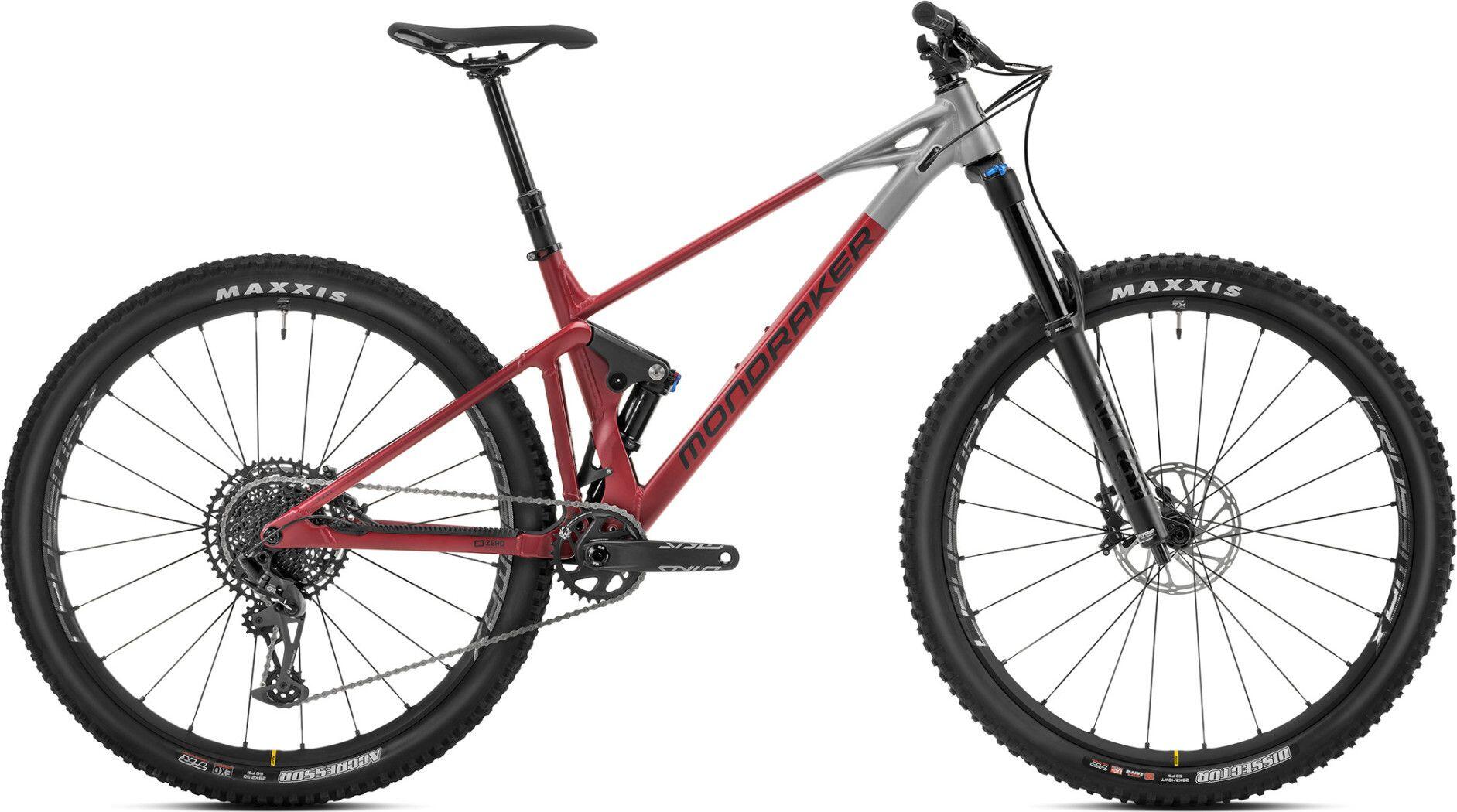
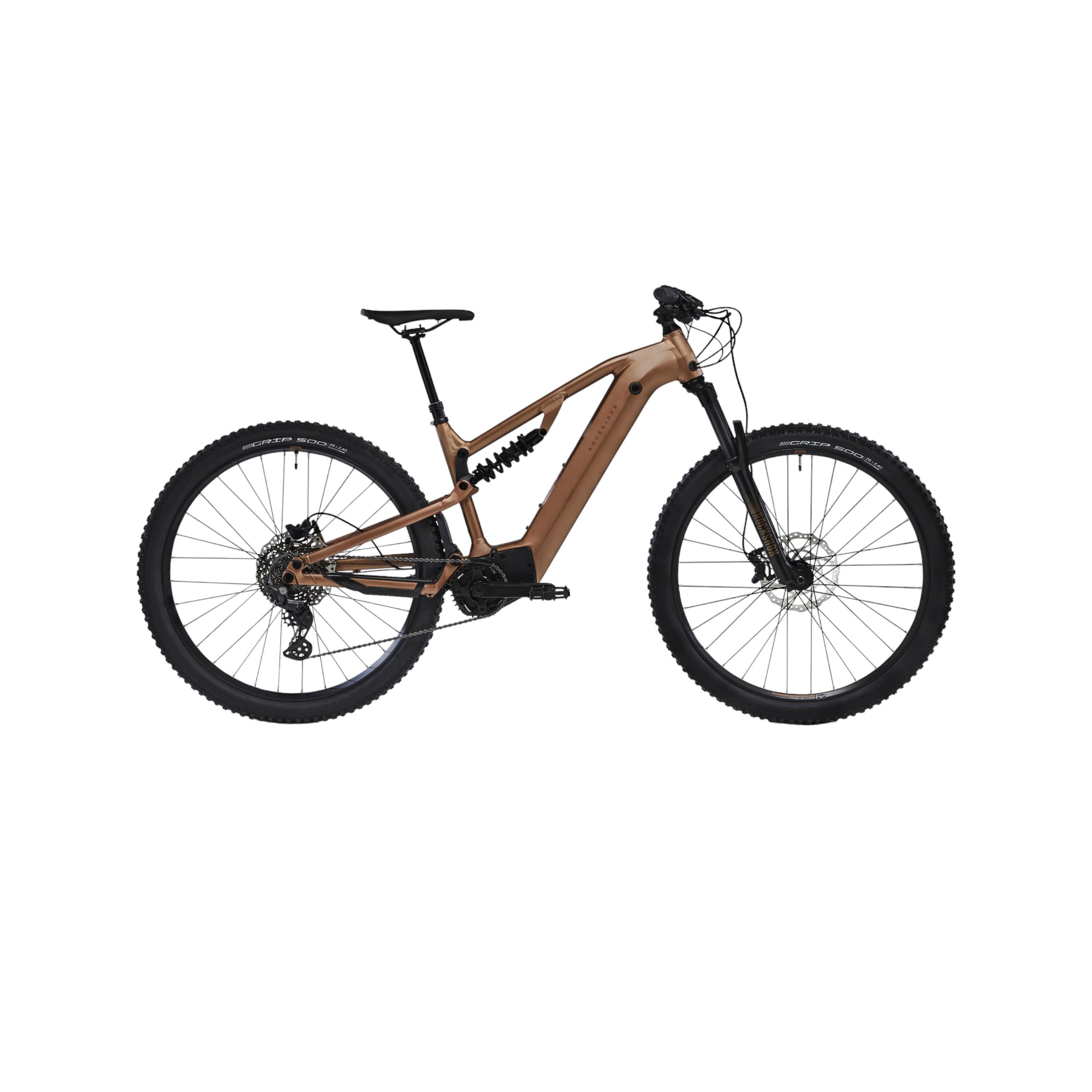
Riders tackling repeated climbs, technical trails and rough descents may benefit from a 29" full suspension electric mountain bike, which combines motor assistance with front and rear suspension. Full suspension helps both wheels track uneven ground, while mid-drive electric assistance can reduce the effort needed on steeper climbs. Torque-sensing systems respond to how hard you pedal, making assistance feel more progressive than a simple on-off motor response. Battery range will still change with assistance mode, gradients, rider weight, temperature and trail conditions. Pro tip: use stronger assistance where the climb genuinely requires it and reduce support on easier sections to preserve battery capacity. Also consider overall bike weight, because an electric full-suspension MTB is noticeably heavier to lift or push than a conventional hardtail.

Who is a 29-inch hardtail mountain bike best suited to?

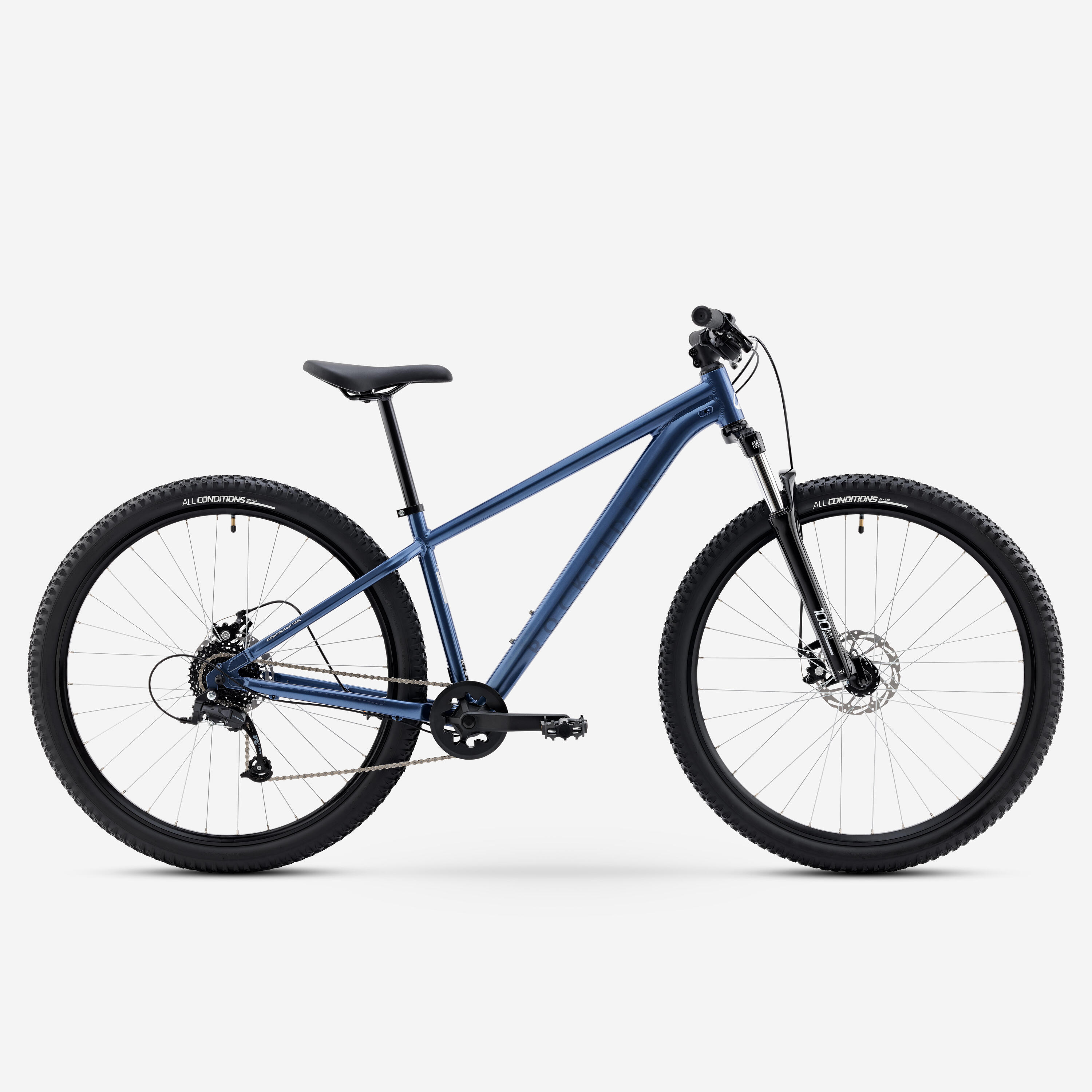
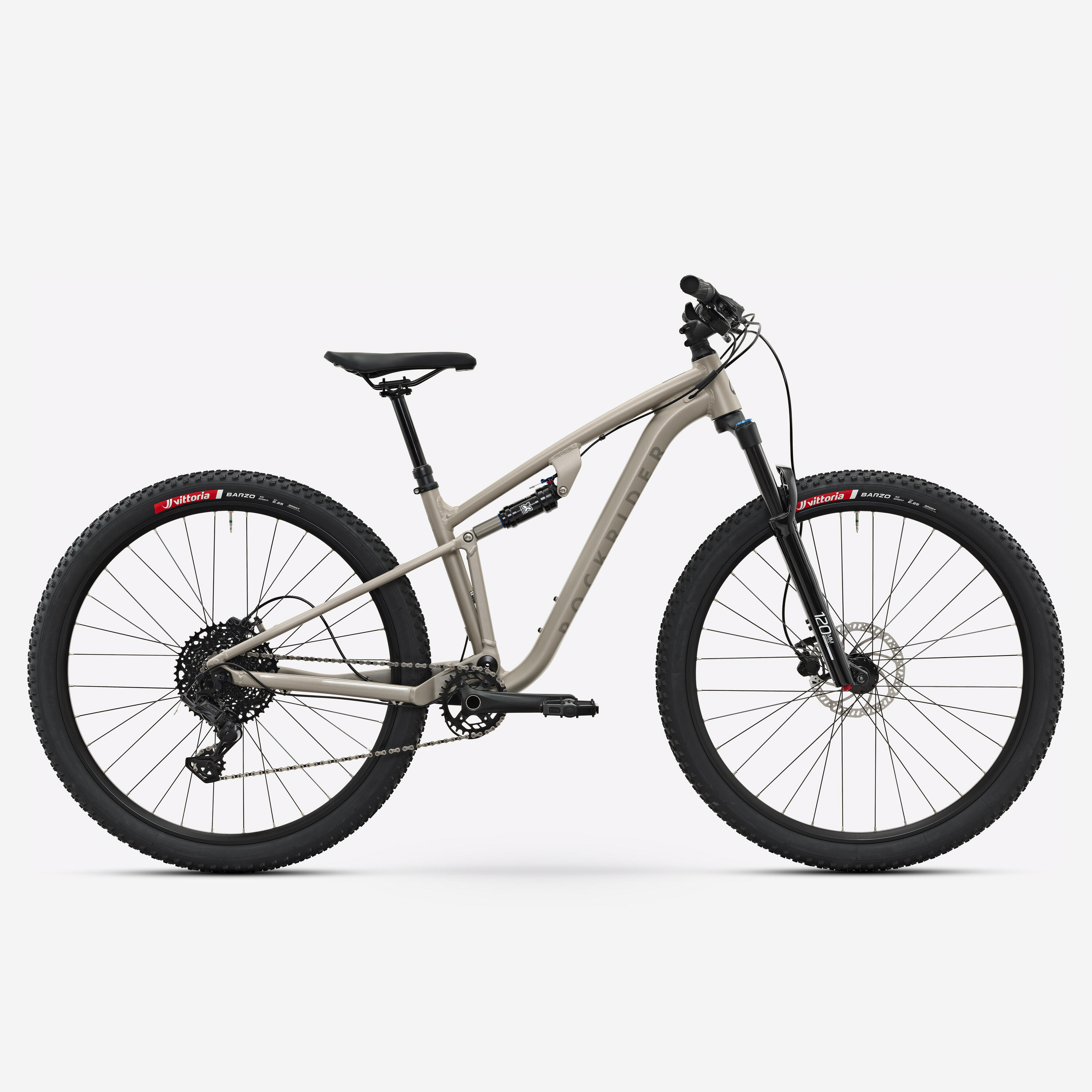
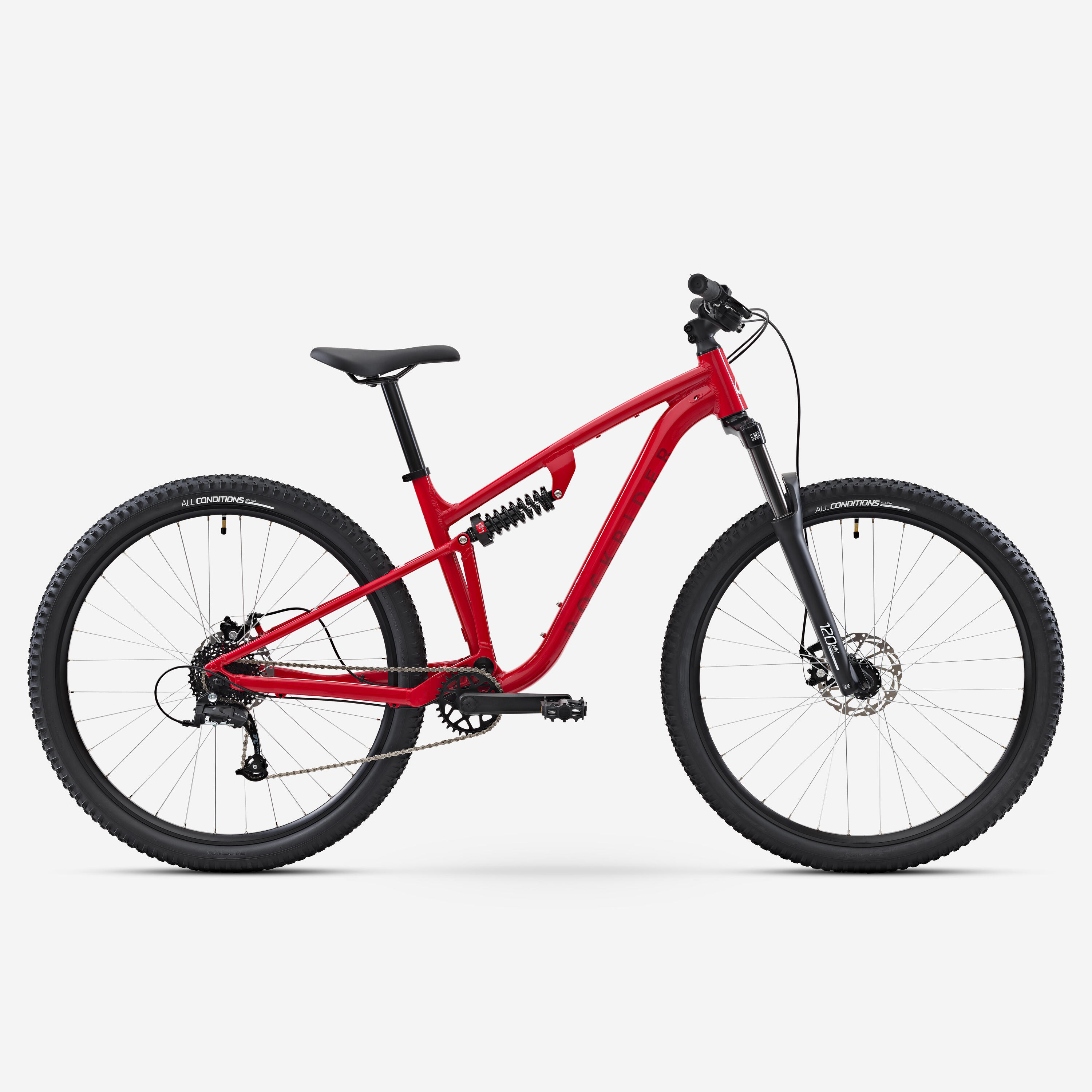
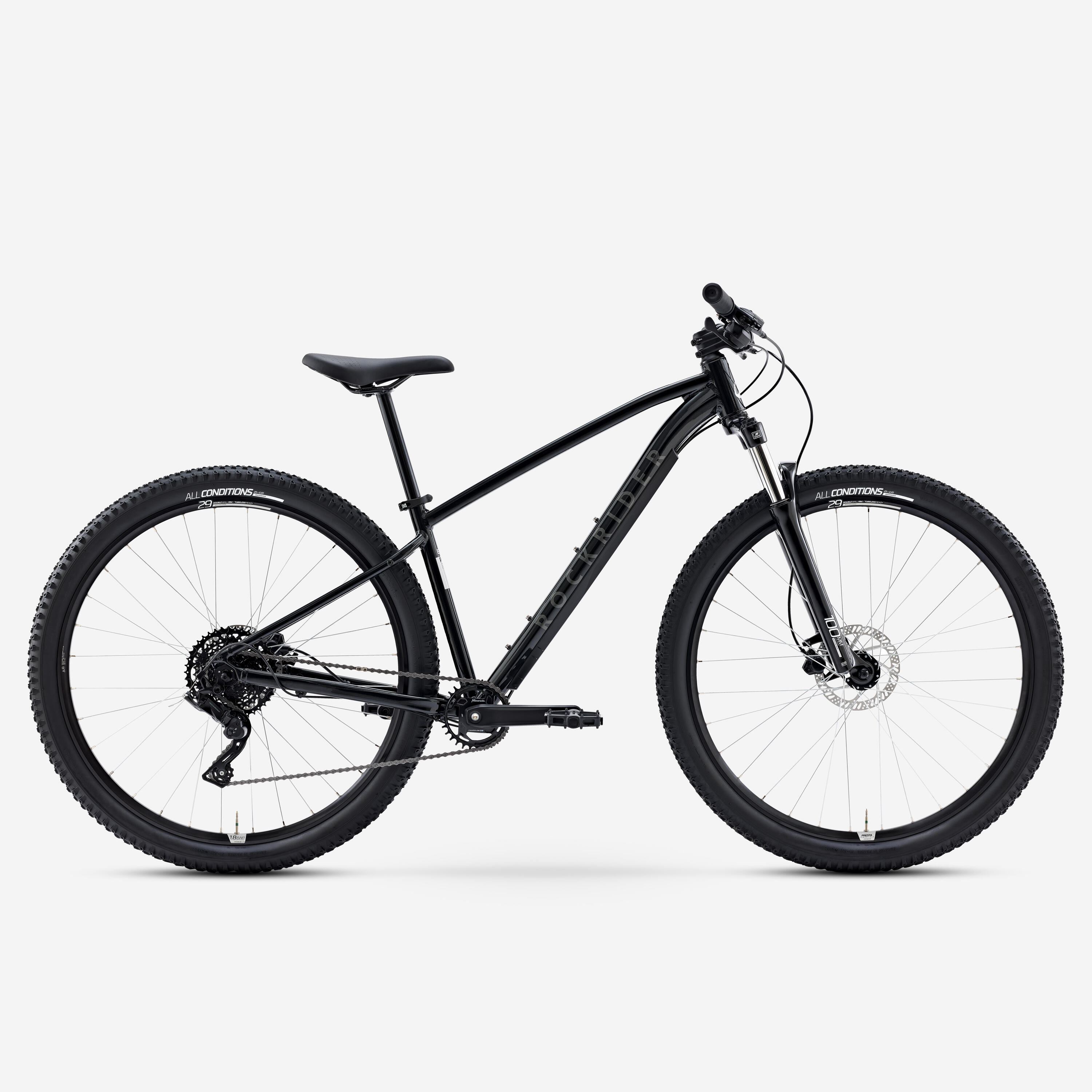
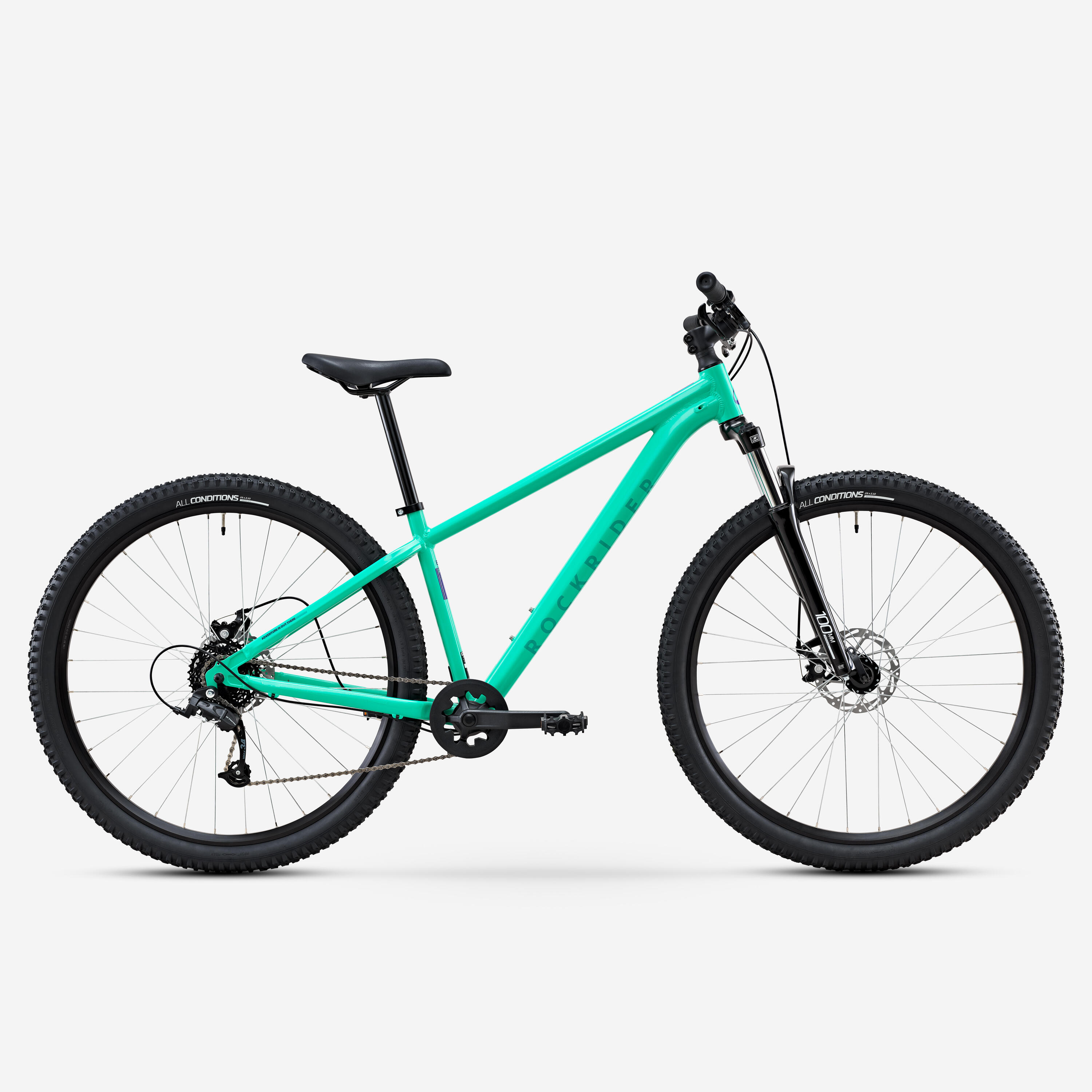
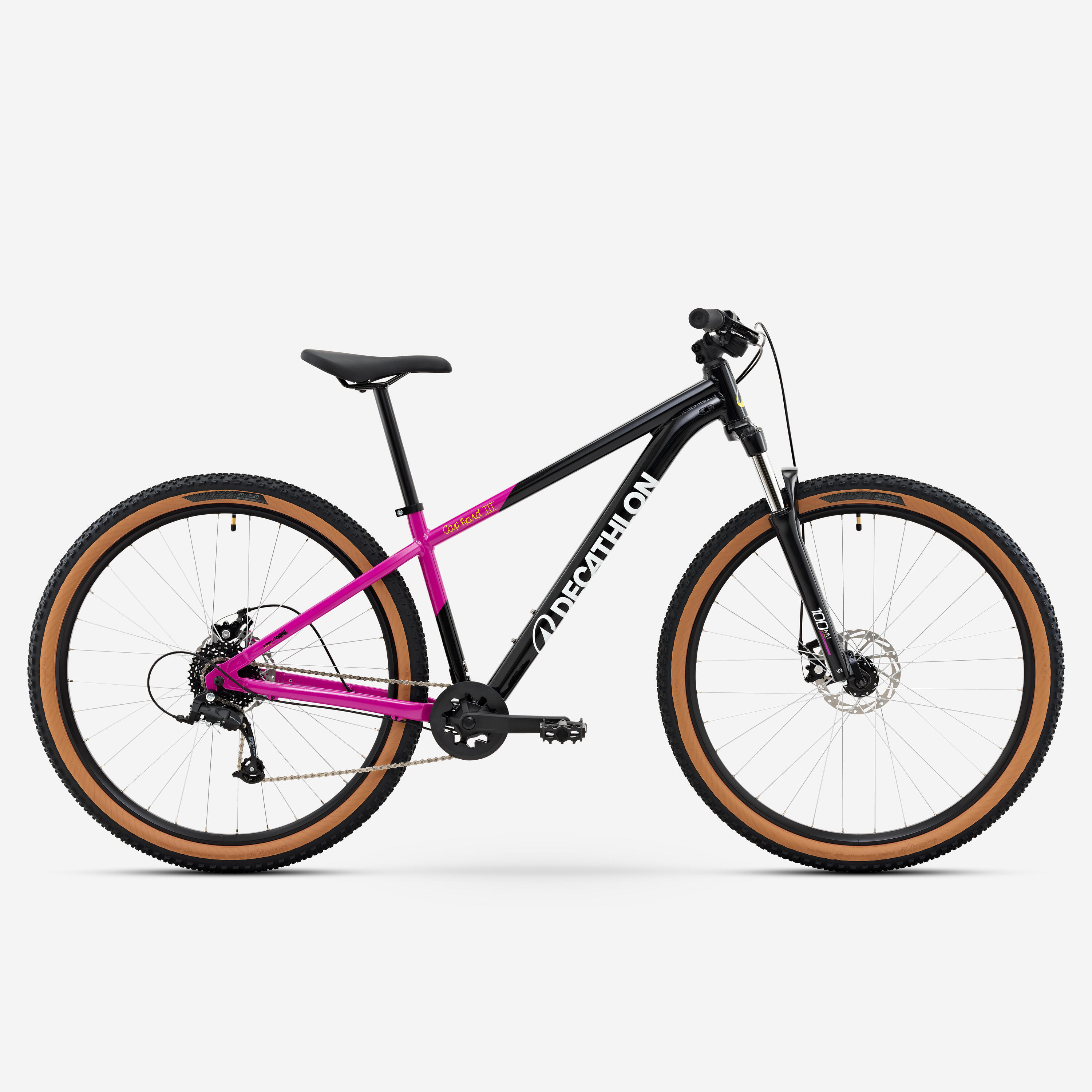
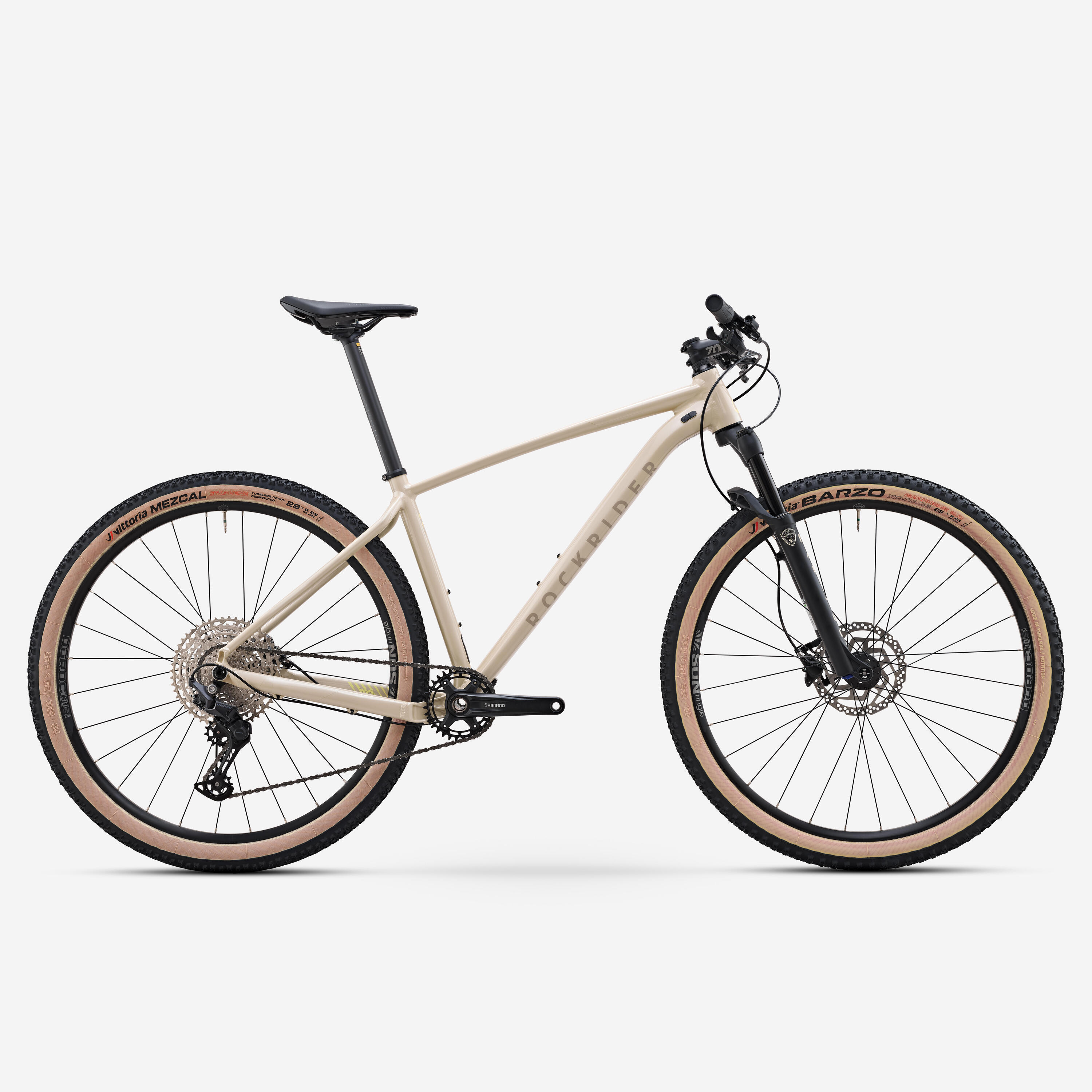
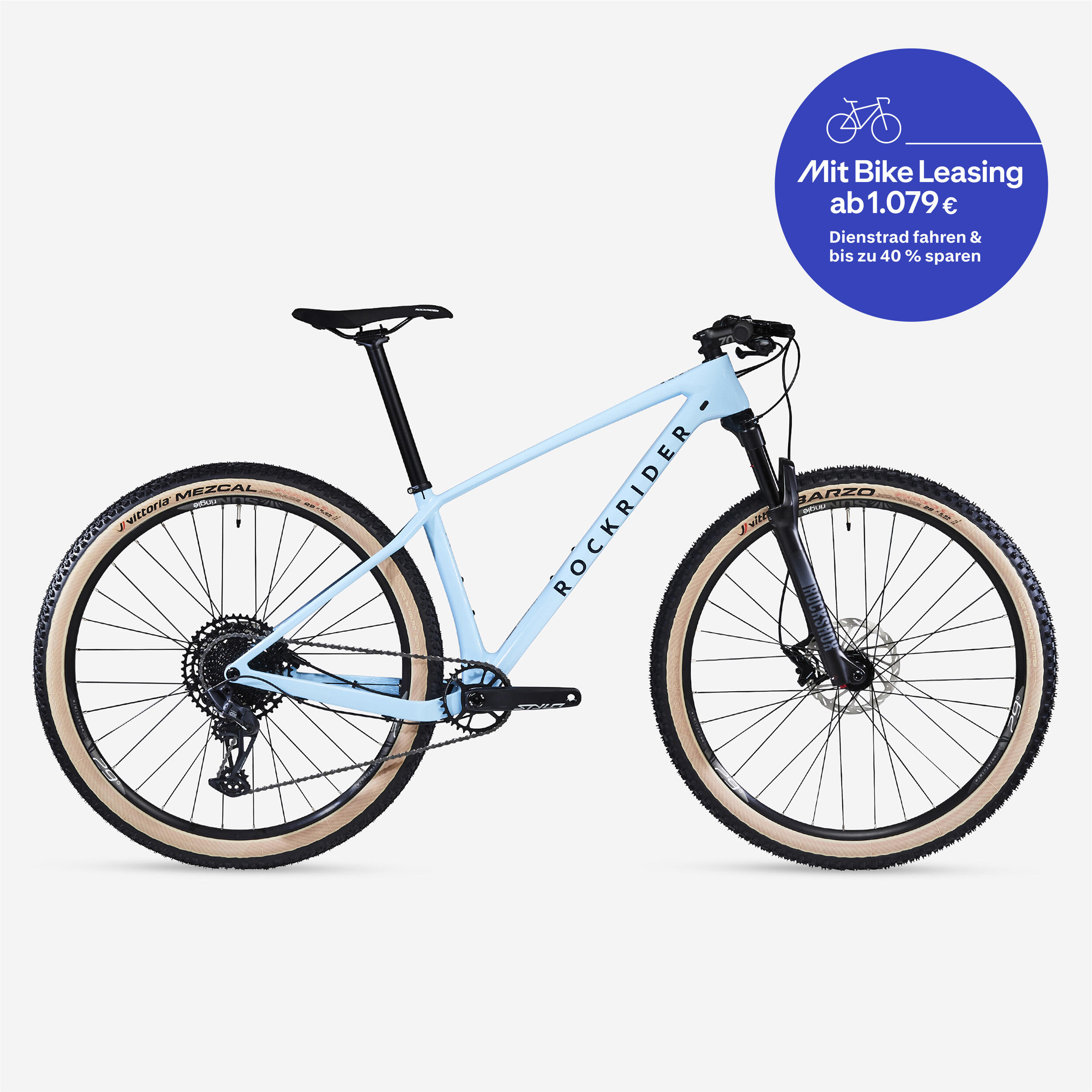
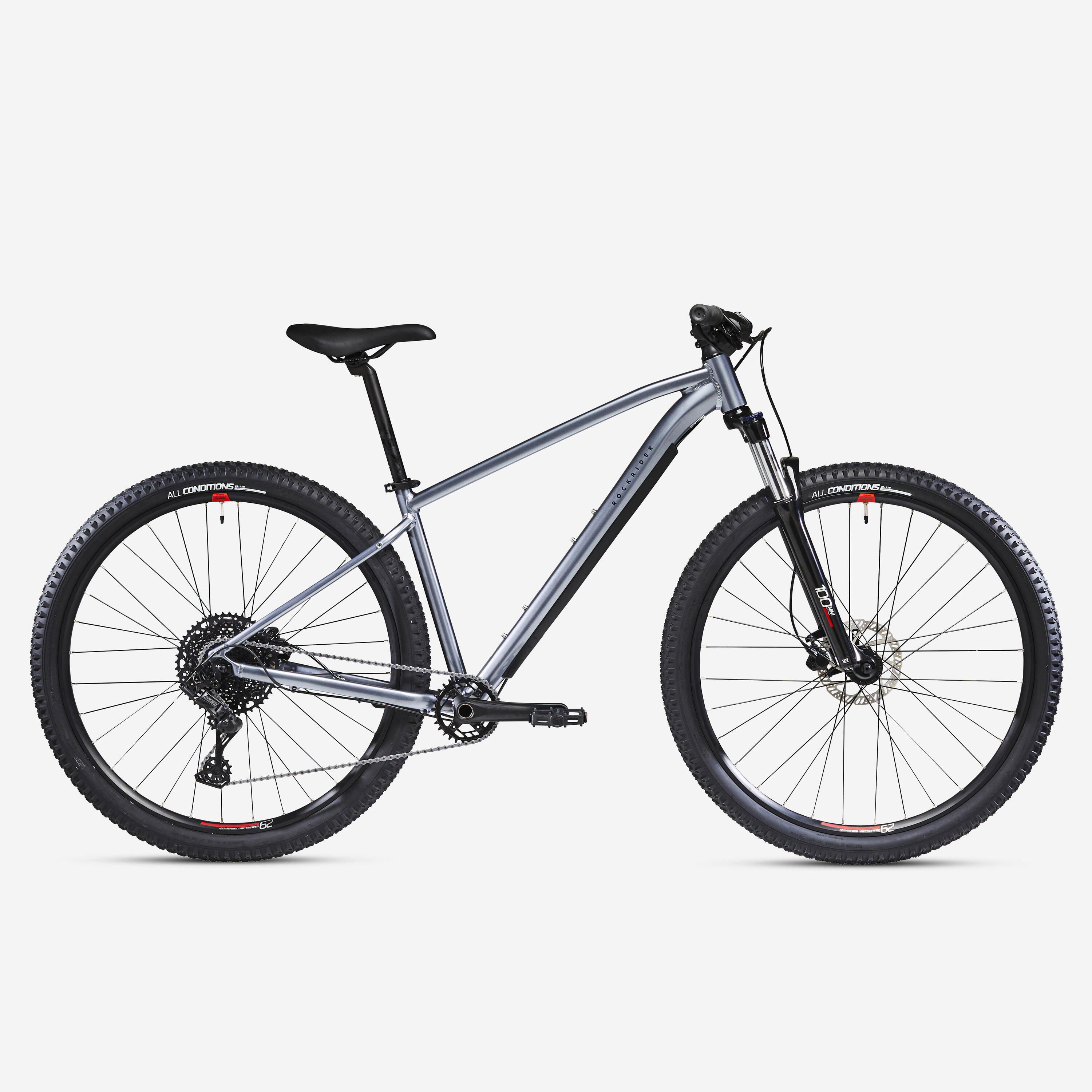
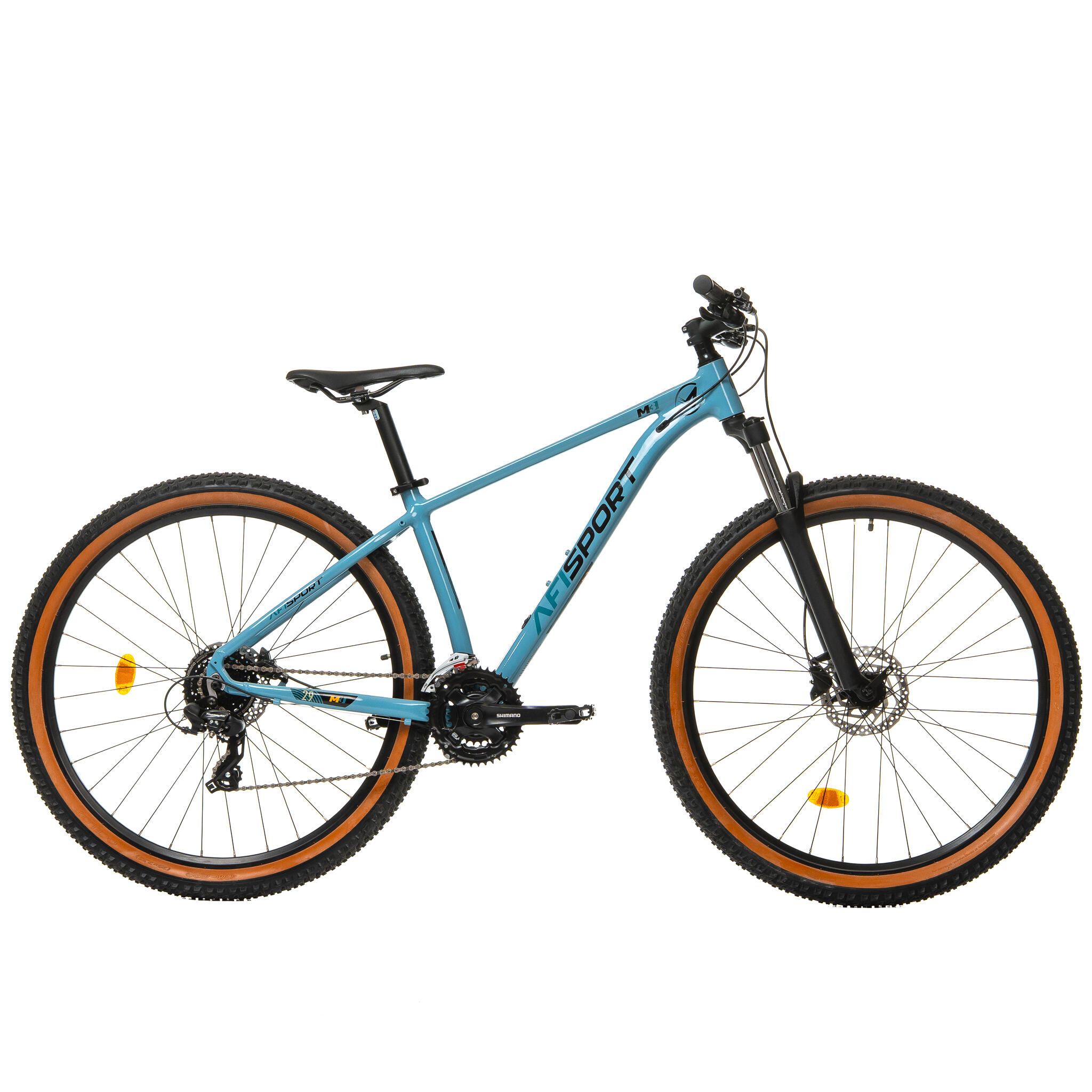
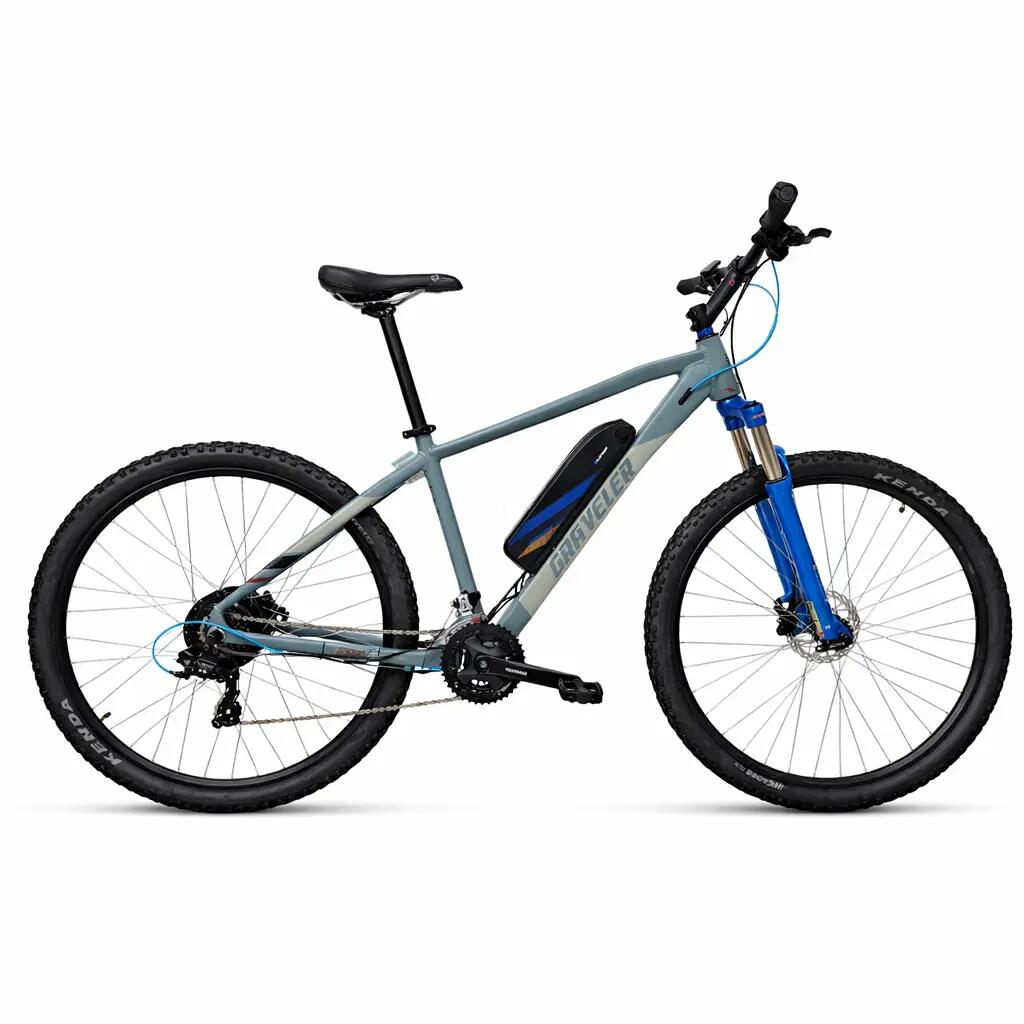
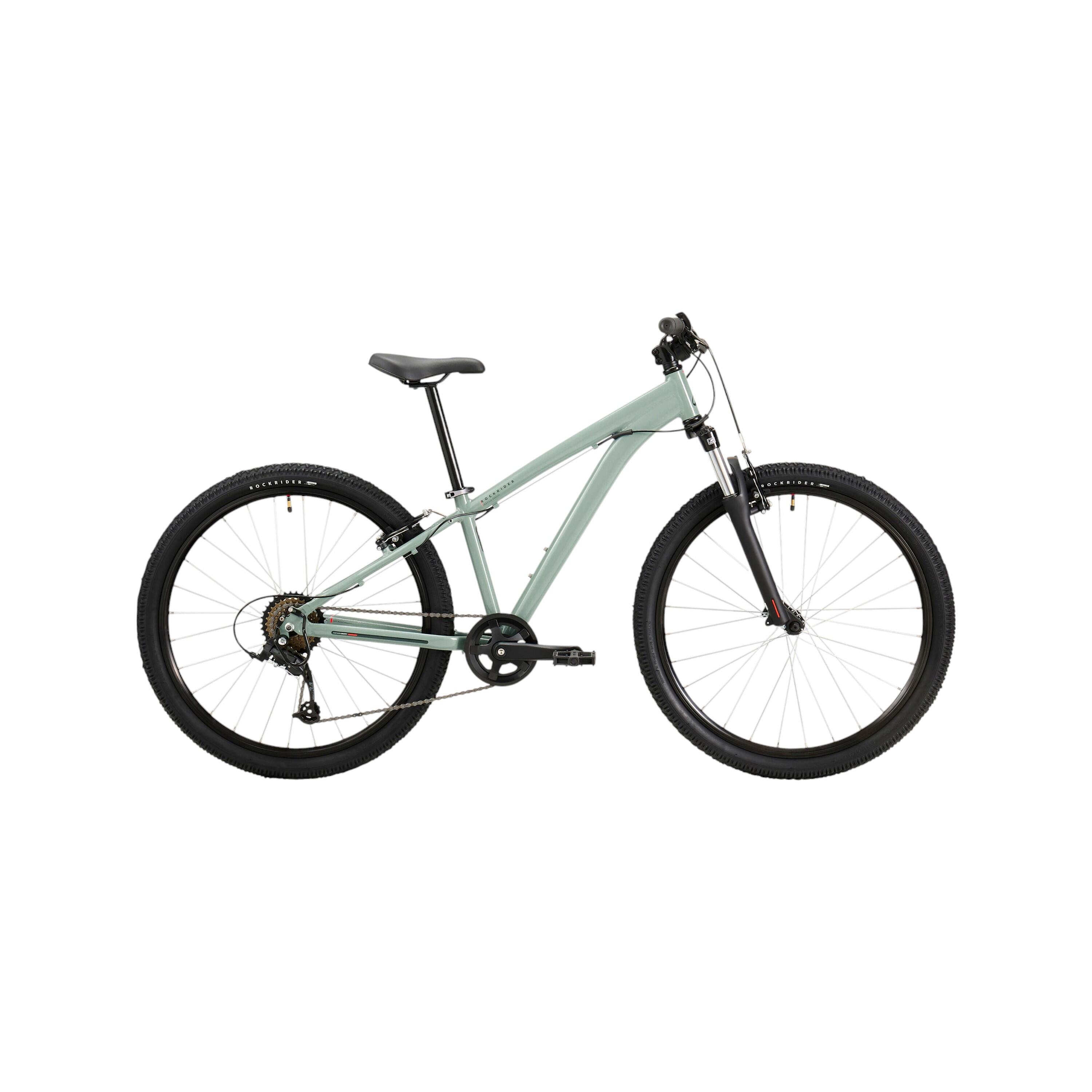
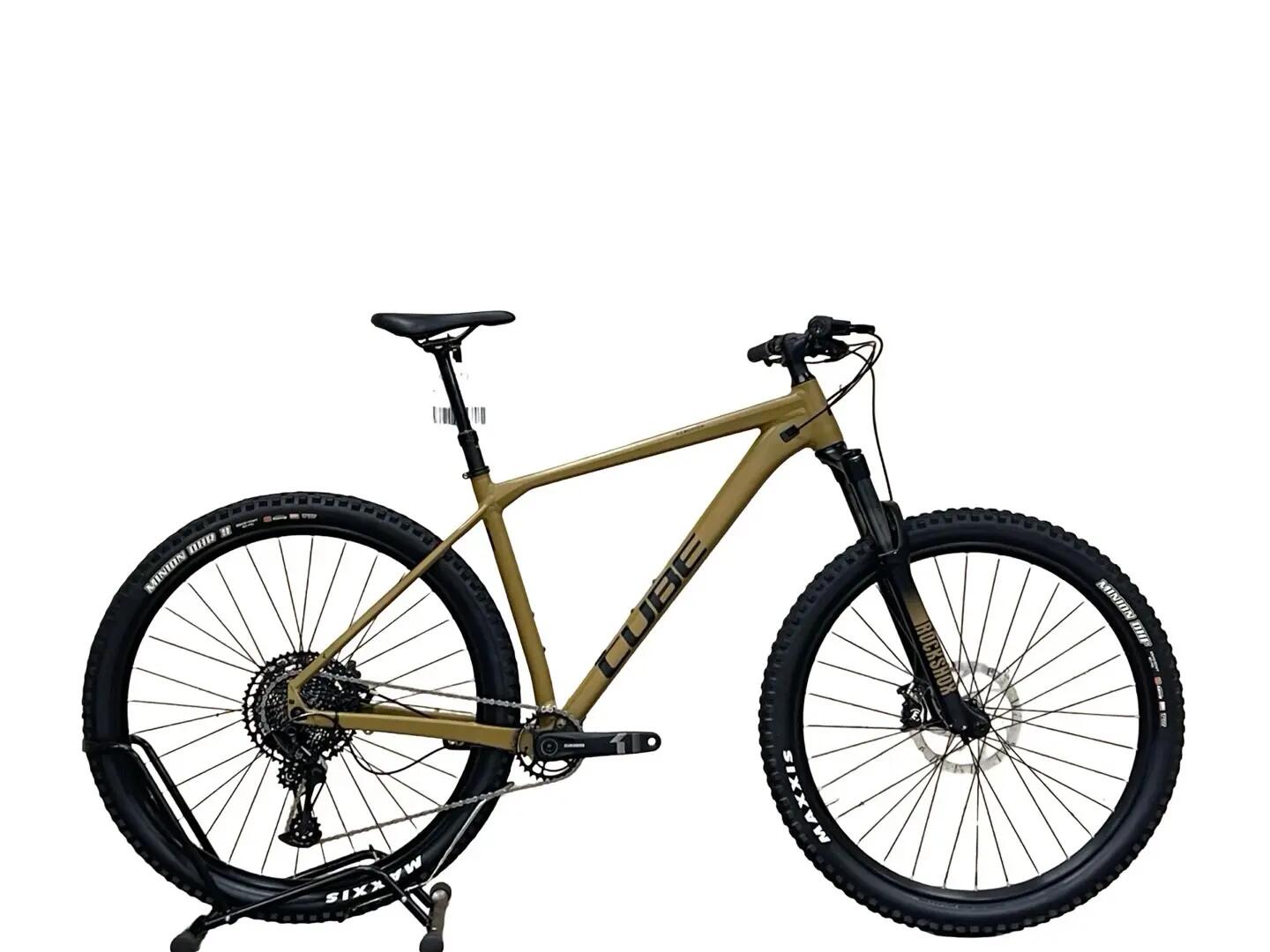
A hardtail keeps rear-frame construction simpler by using suspension at the front but not at the rear. This can make it a practical choice for recreational trail riding, forest tracks and riders who value efficient pedalling on smoother climbs. When looking at a 29" hardtail aluminium frame touring MTB, check fork travel, gearing, tyre width and whether the frame supports future upgrades such as a dropper seatpost. Aluminium offers a useful balance of strength and manageable weight, while a single-chainring drivetrain can simplify shifting by keeping gear changes on one control. Pro tip: do not assume a hardtail is less capable simply because it lacks rear suspension. For moderate trails, good tyre pressure, correct body position and suitable front suspension can provide plenty of control without the added complexity of a full-suspension system.

What size 29-inch mountain bike is right for your height?

Start with the manufacturer's rider-height guidance, then consider reach, stand-over clearance and how you want the bike to handle. A larger frame generally creates a more stretched position, while a smaller suitable frame can feel easier to manoeuvre. Looking across different bikes also shows why wheel size cannot replace proper frame sizing: two bikes with 29-inch wheels can have very different reach, head angles and riding positions. Decathlon sometimes uses 27.5-inch wheels on the smallest frame of a model otherwise described as a 29-inch MTB so handling remains proportional to the rider. Pro tip: when between sizes, think about your priority. Choose within the recommended sizing range and favour manoeuvrability for tighter trail control or a more extended position if you prefer greater stability and a roomier cockpit.

What equipment should you add to a 29-inch mountain bike for trail riding?

Set the bike up around your trail conditions and ride duration rather than adding equipment simply because mounting points are available. Suitable bike cycling gear and accessories can include a helmet, gloves, hydration, repair equipment and extra protection when the terrain becomes more technical. Before riding, check tyre pressure, brake response, wheel security and suspension settings. Lower tyre pressure can improve grip and comfort on rough ground, but going too low increases the chance of rim strikes or tyre damage. Some Rockrider models also offer tubeless-ready wheels or dropper-post compatibility, so the setup can evolve as your trail riding progresses. Pro tip: upgrade only when it solves a specific problem. A dropper post can improve body movement on descents, while tubeless conversion can allow lower pressures and reduce certain puncture risks when you use compatible tyres and rims.