68 items
4.5/5 based on 45911 reviews collected online and in stores

Short Trail Shoes FAQs

How do you choose short trail shoes for your route?

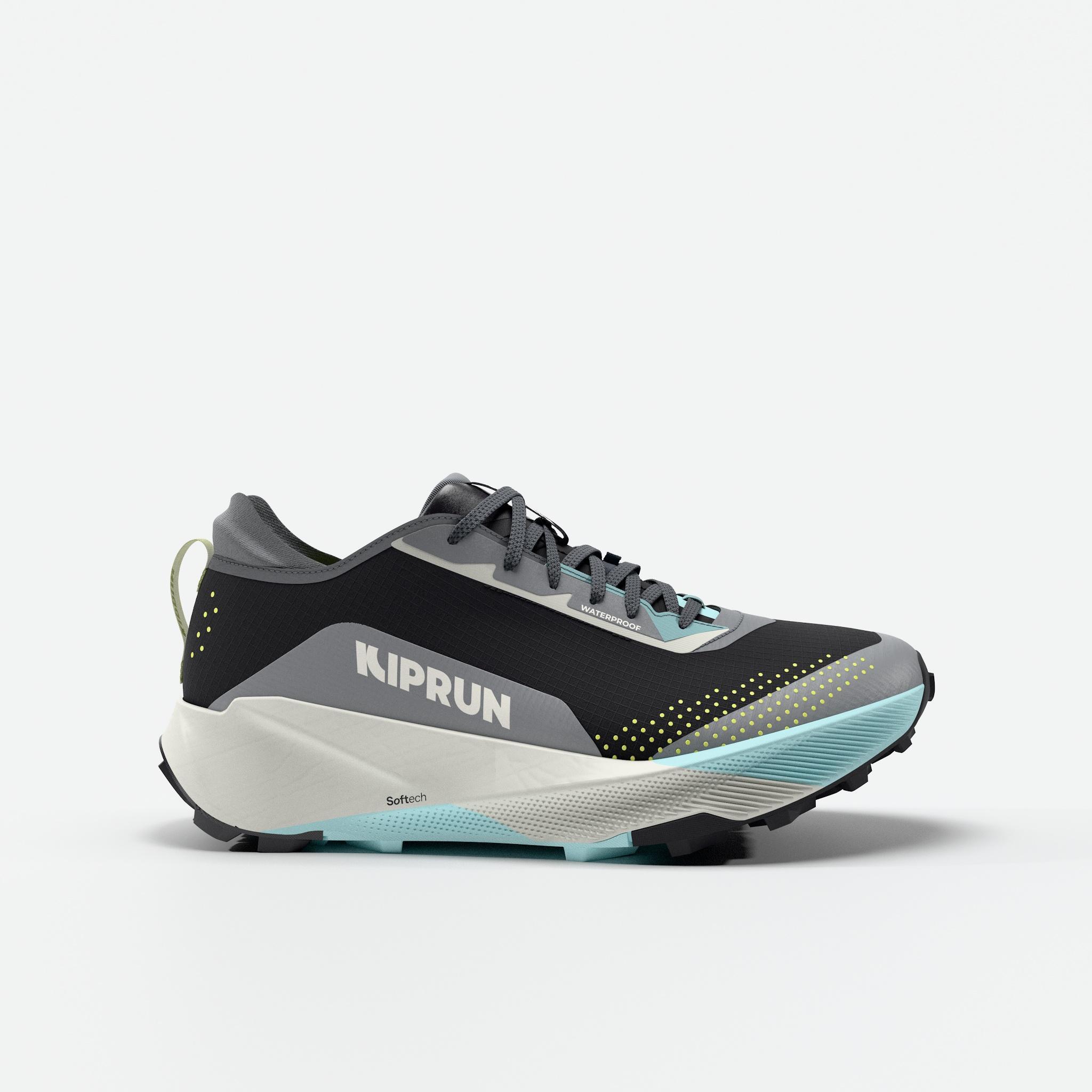
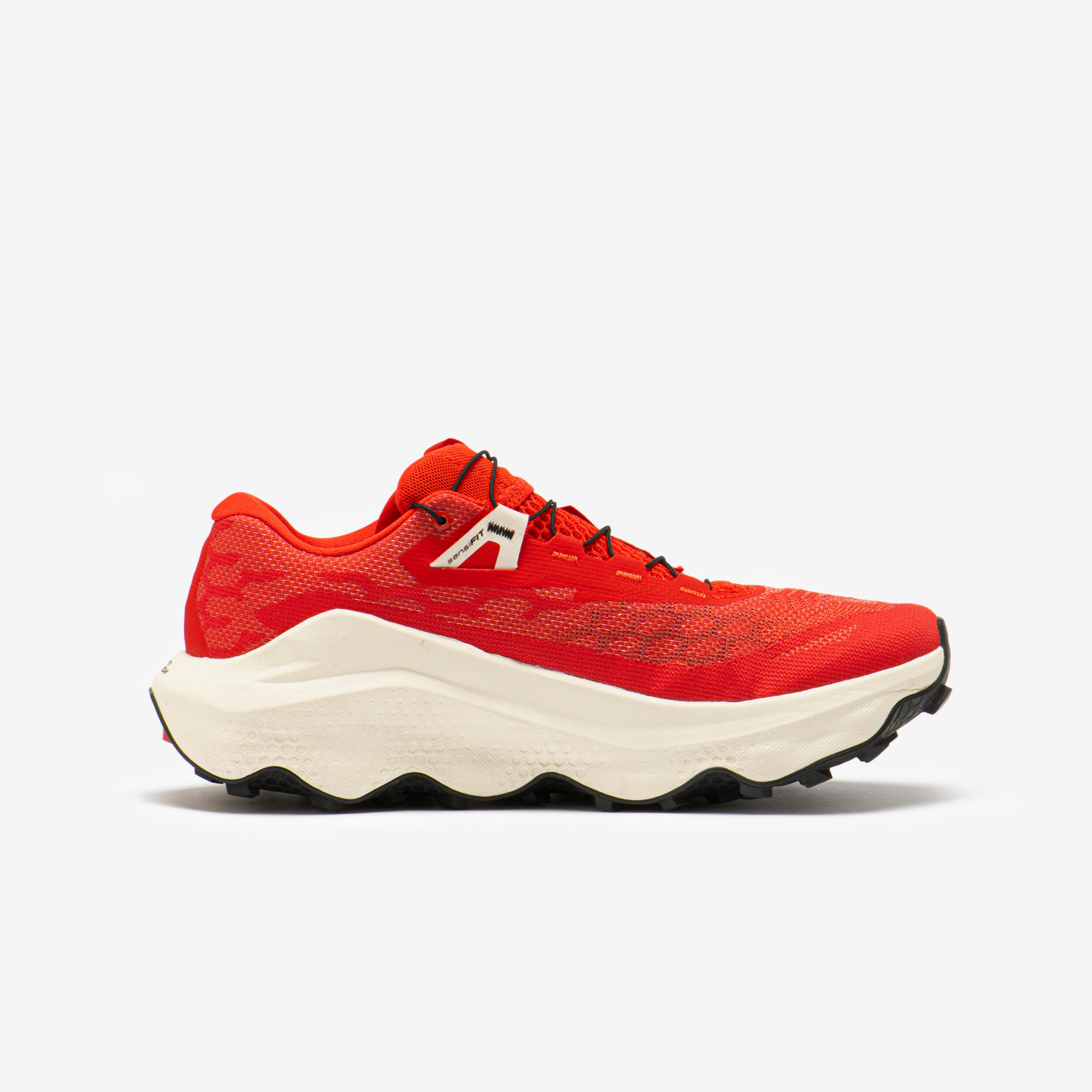
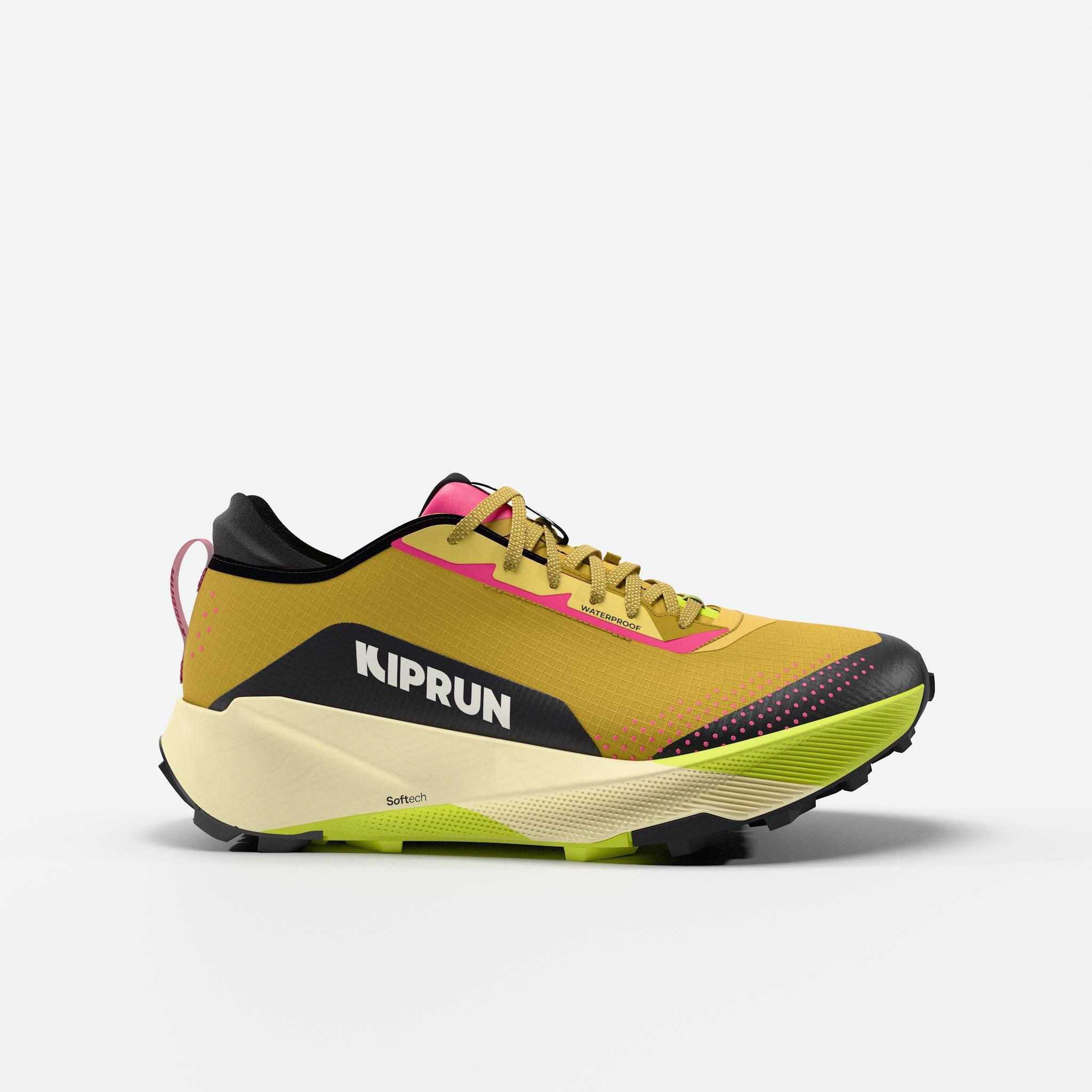
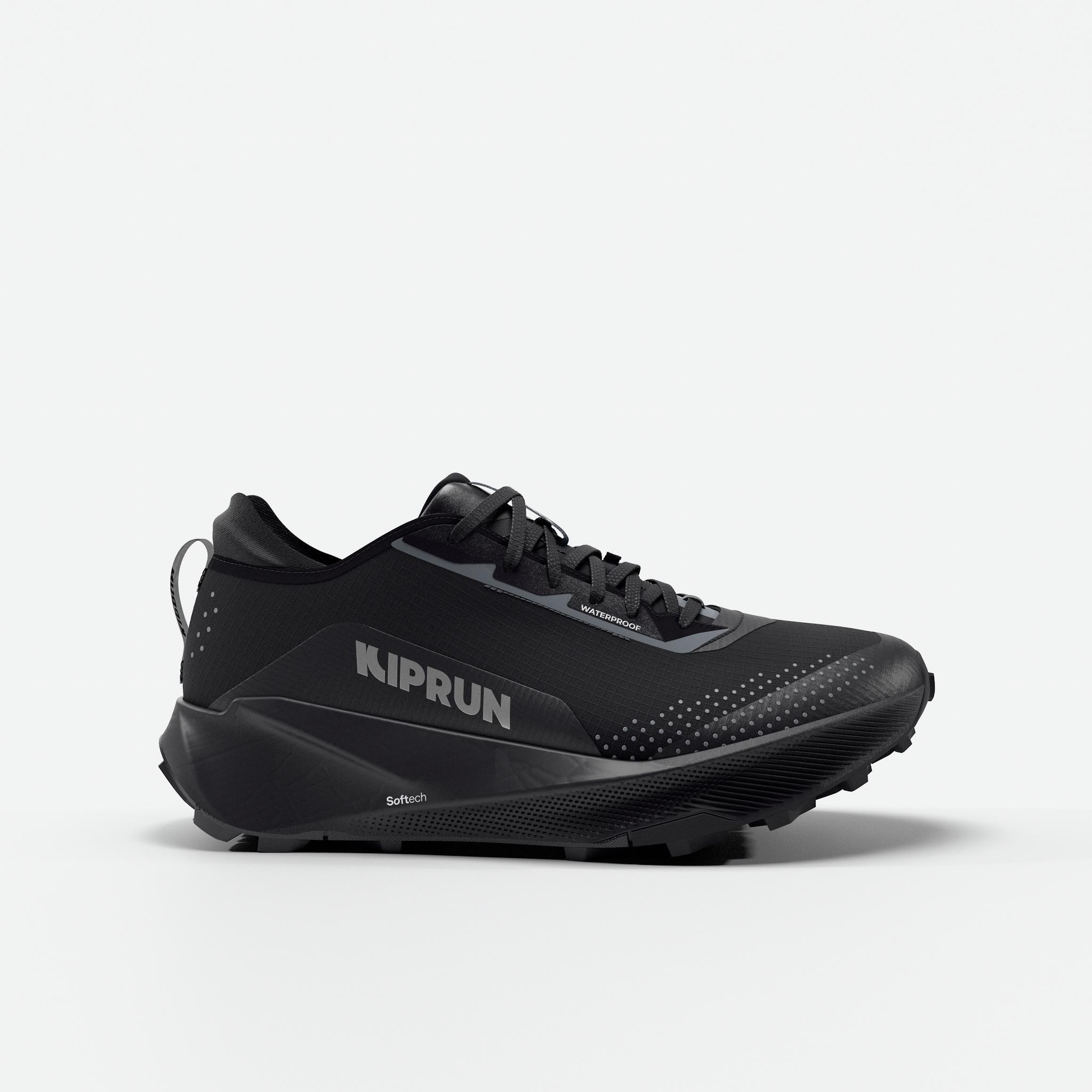
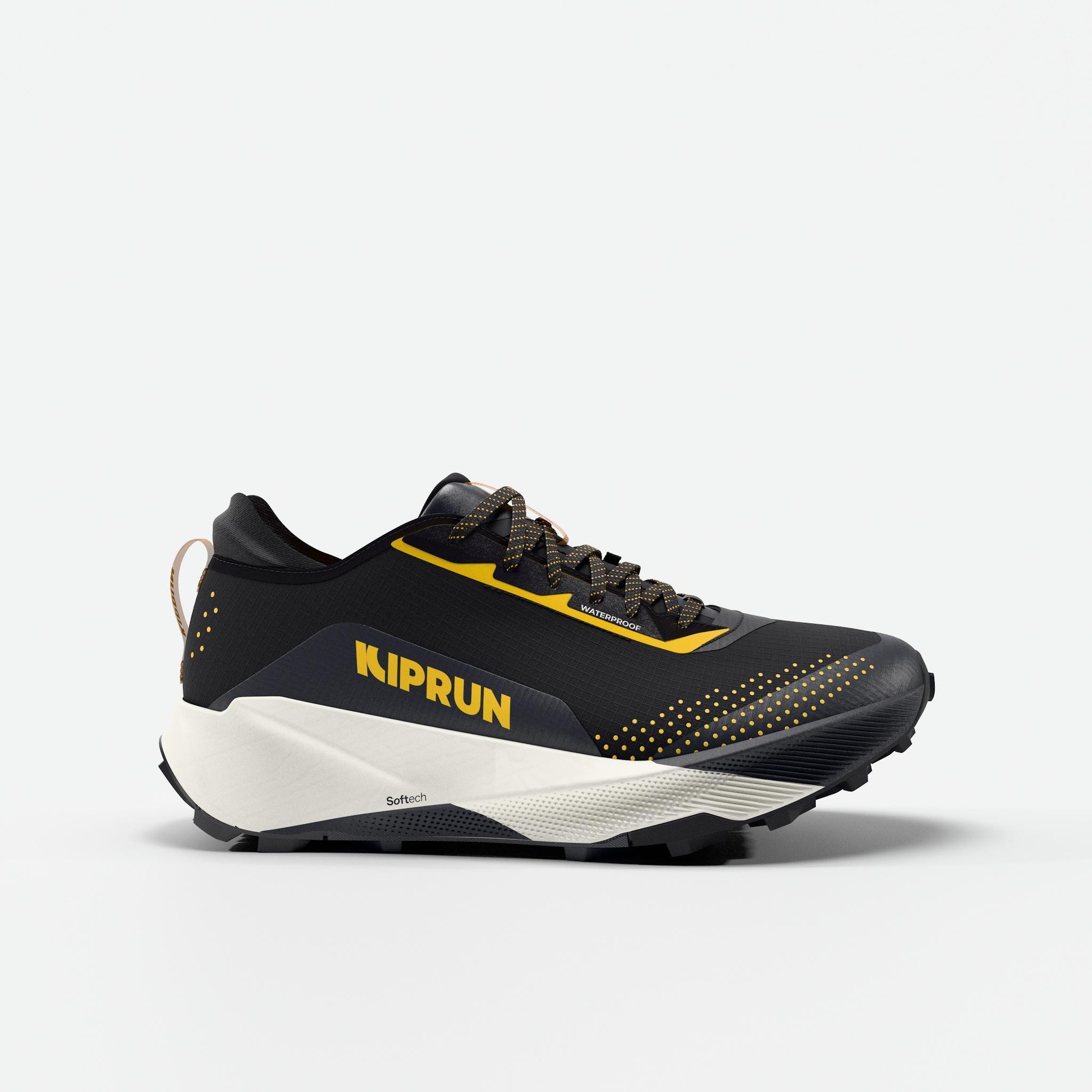
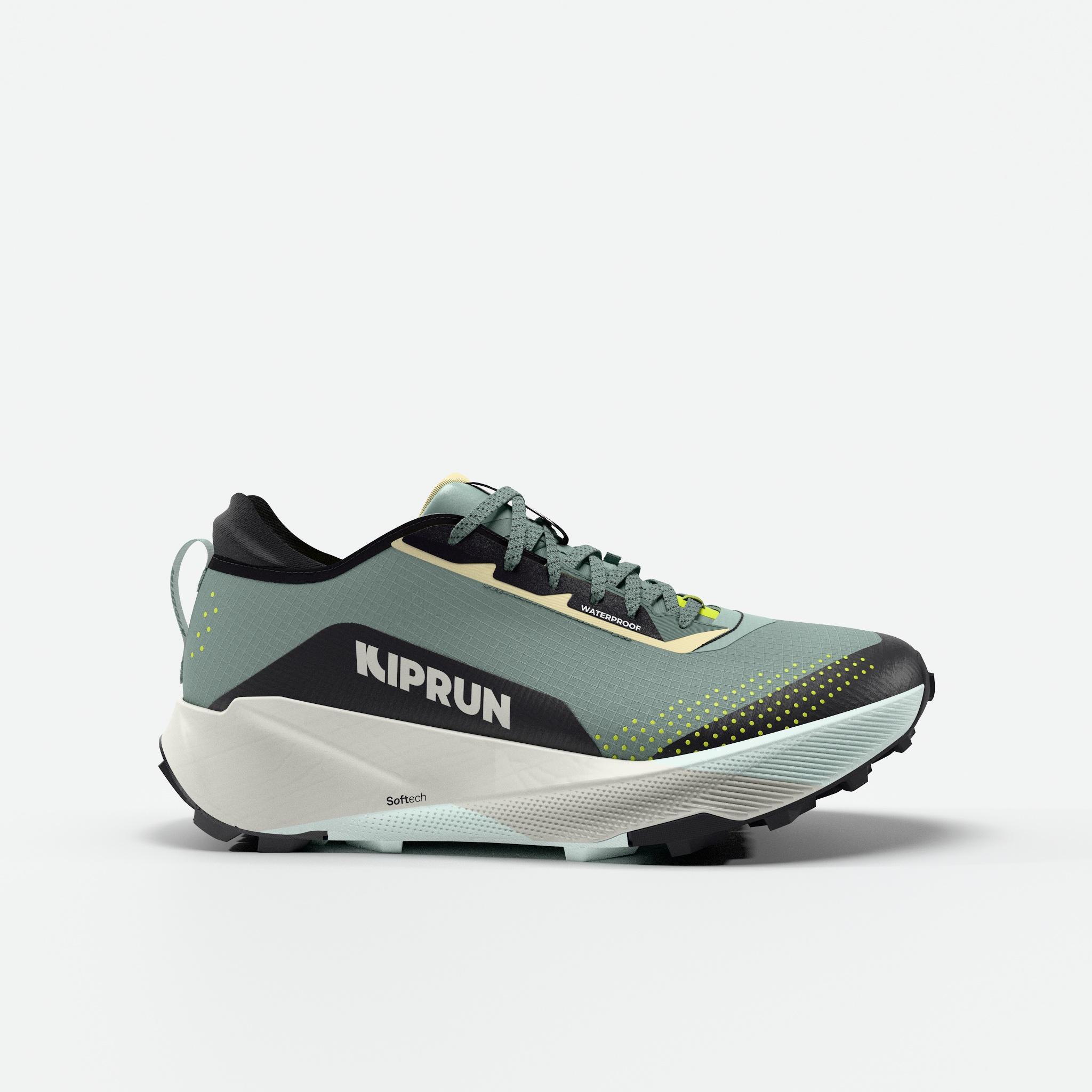
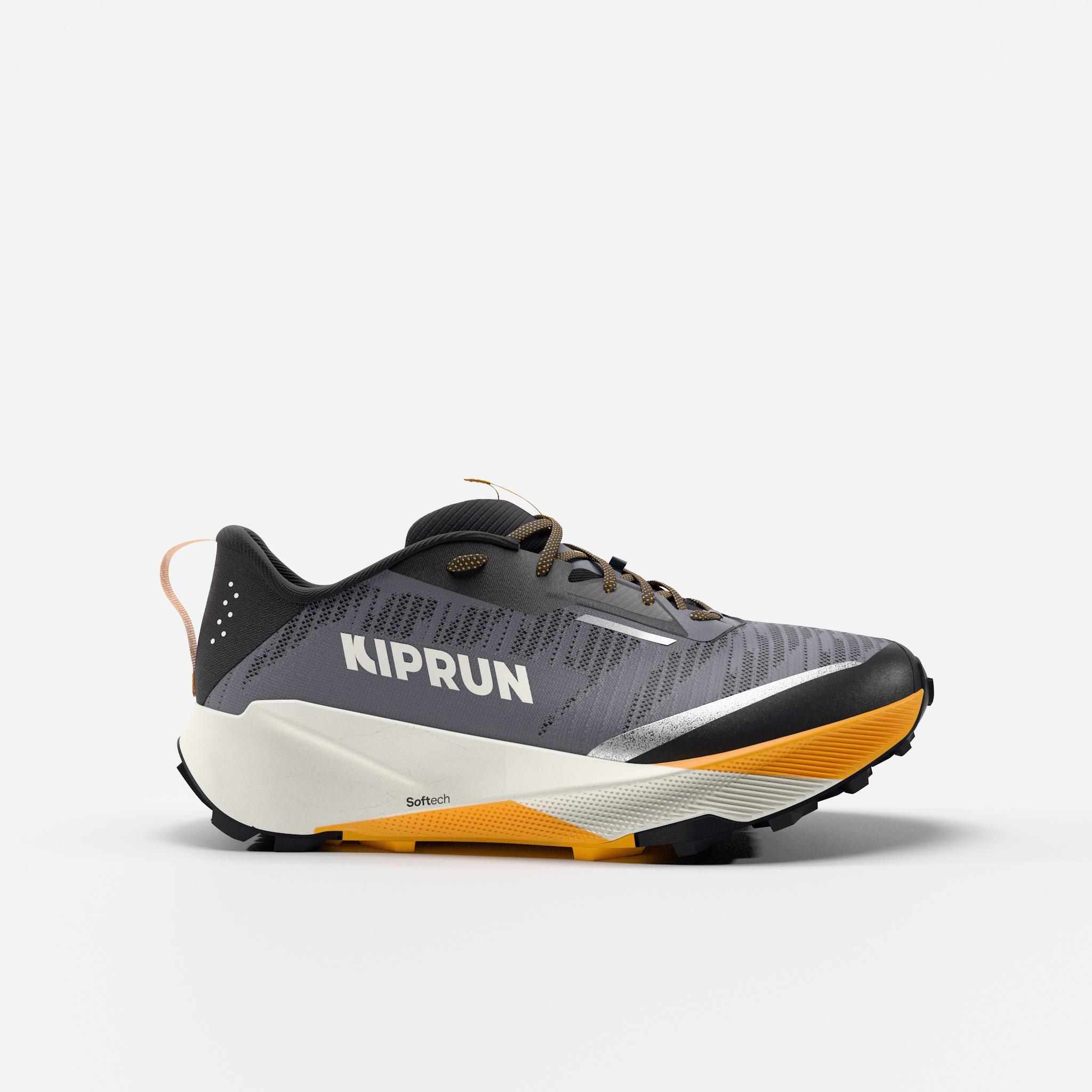
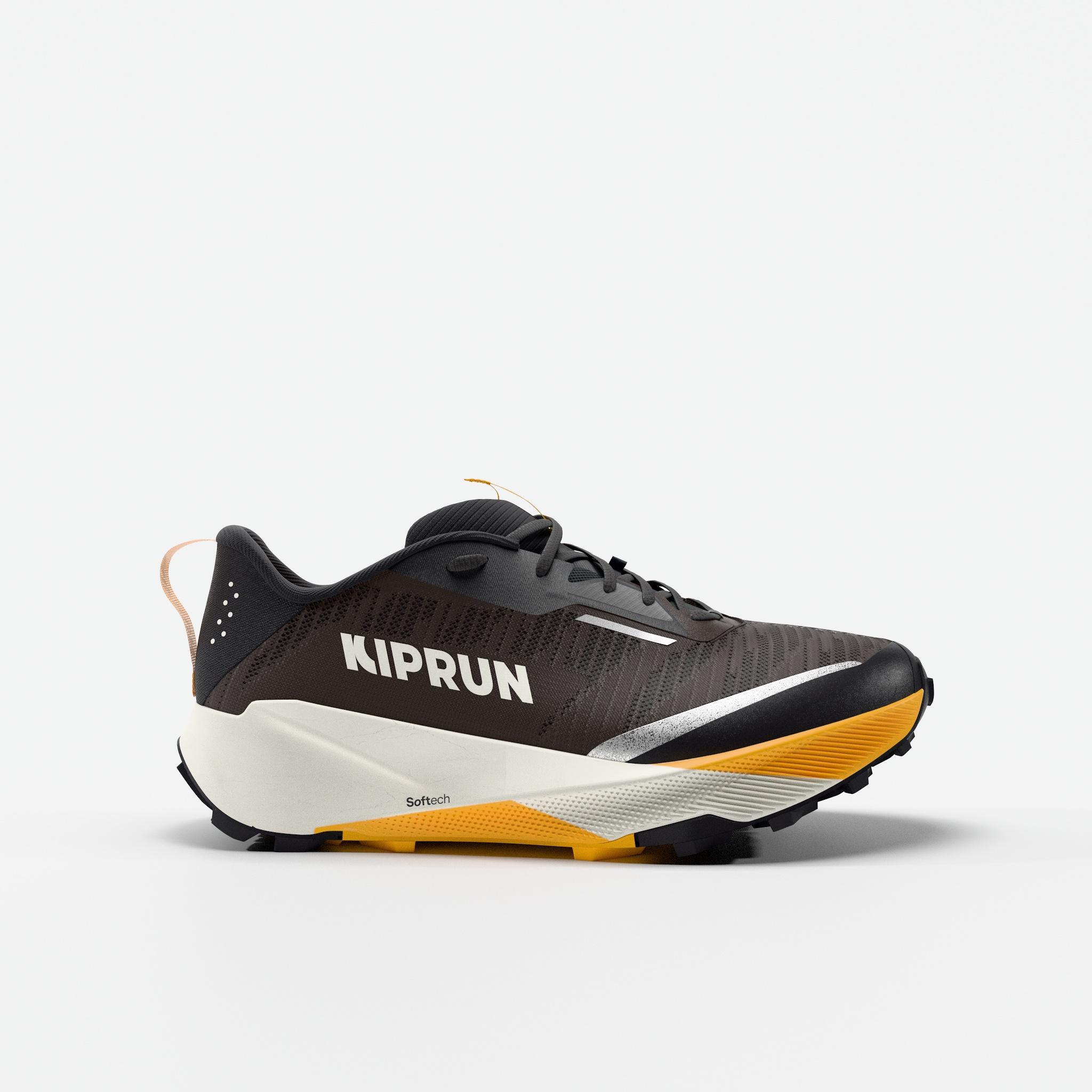
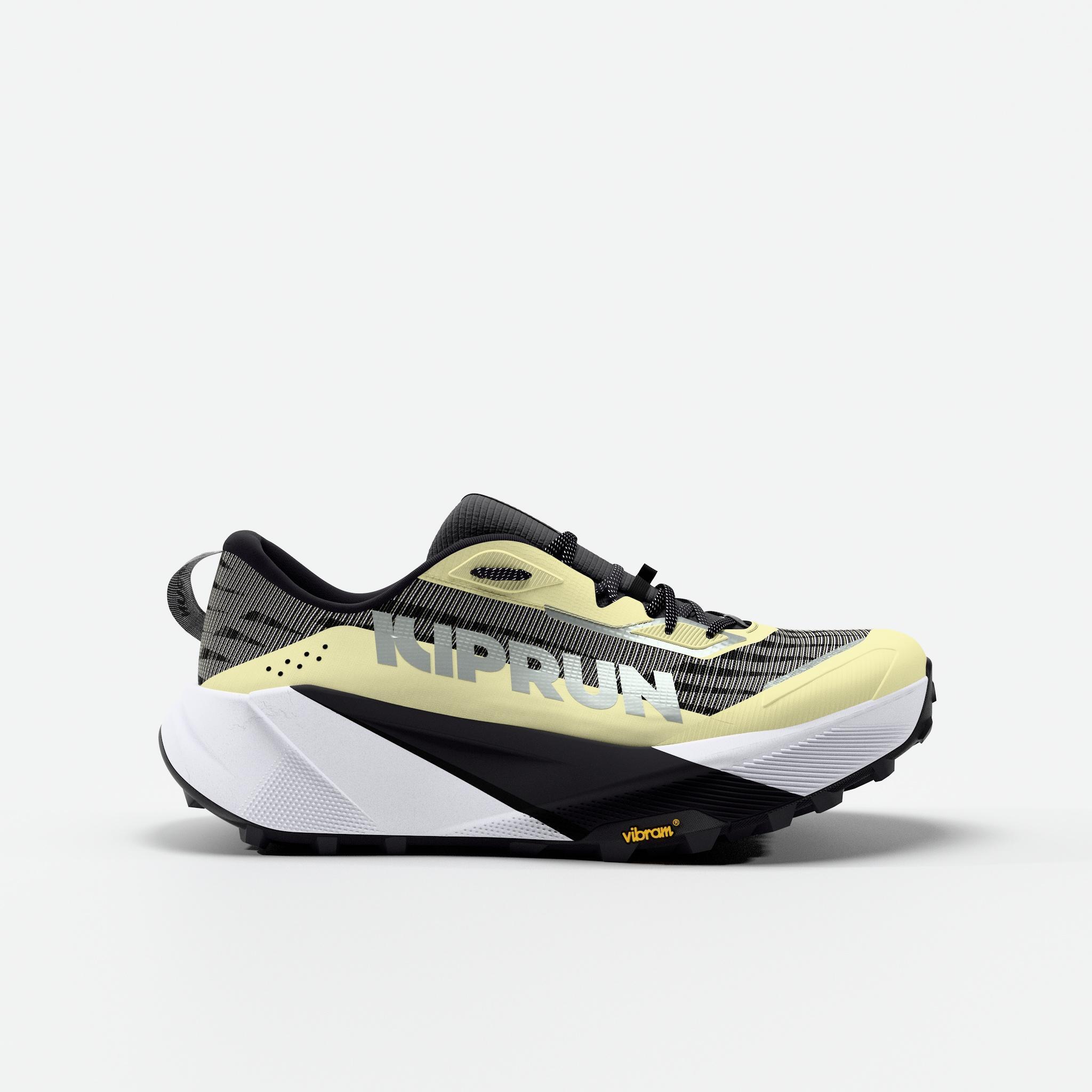
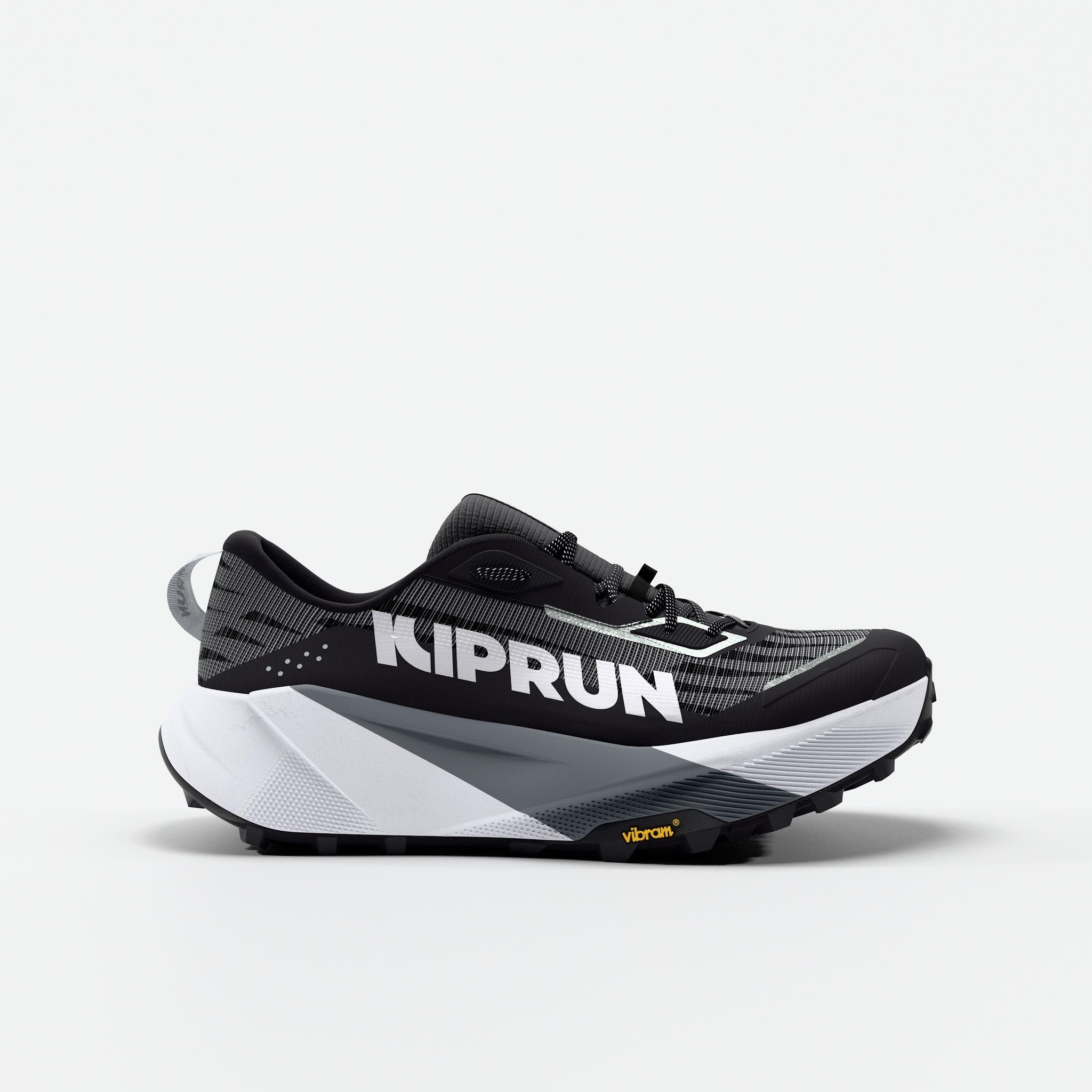
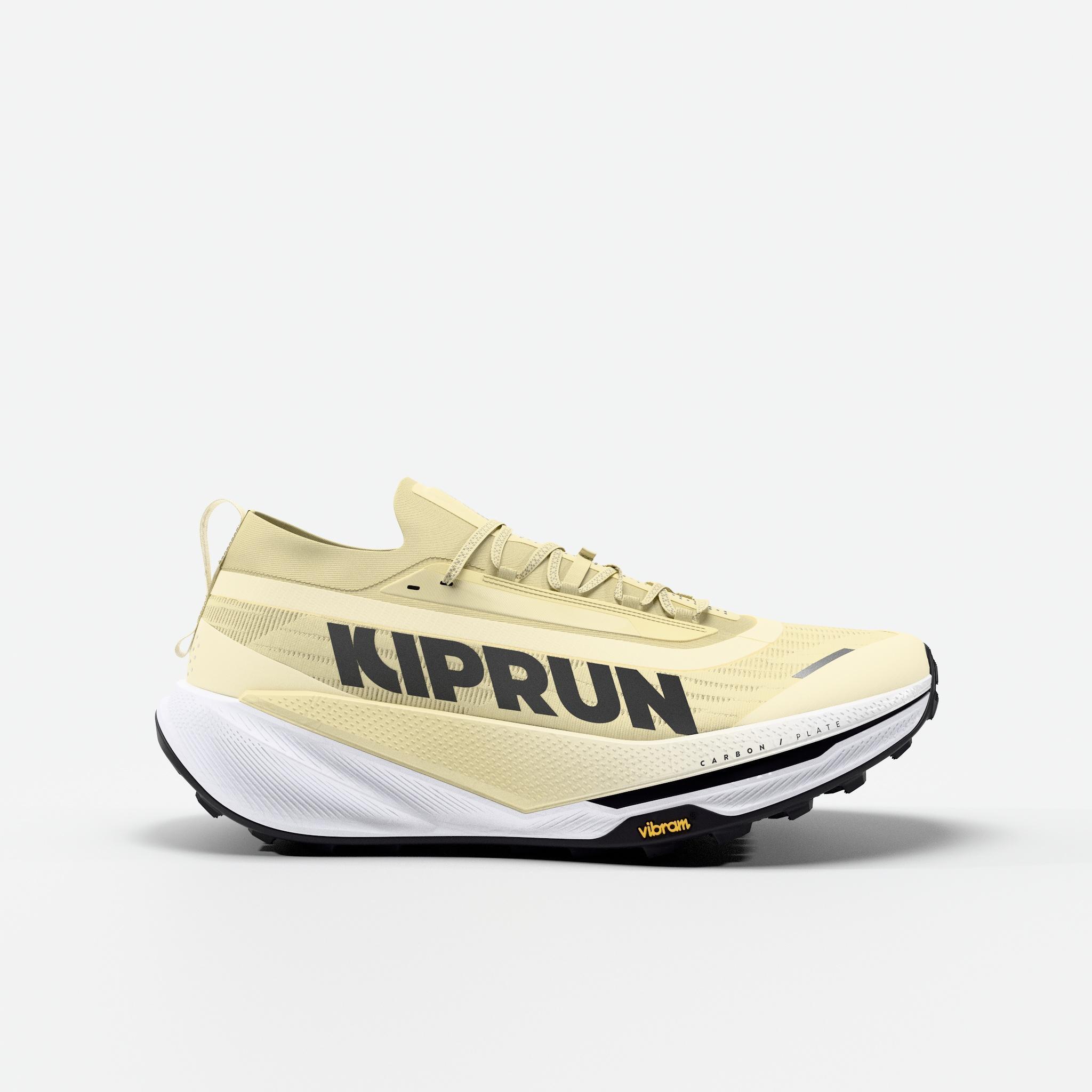
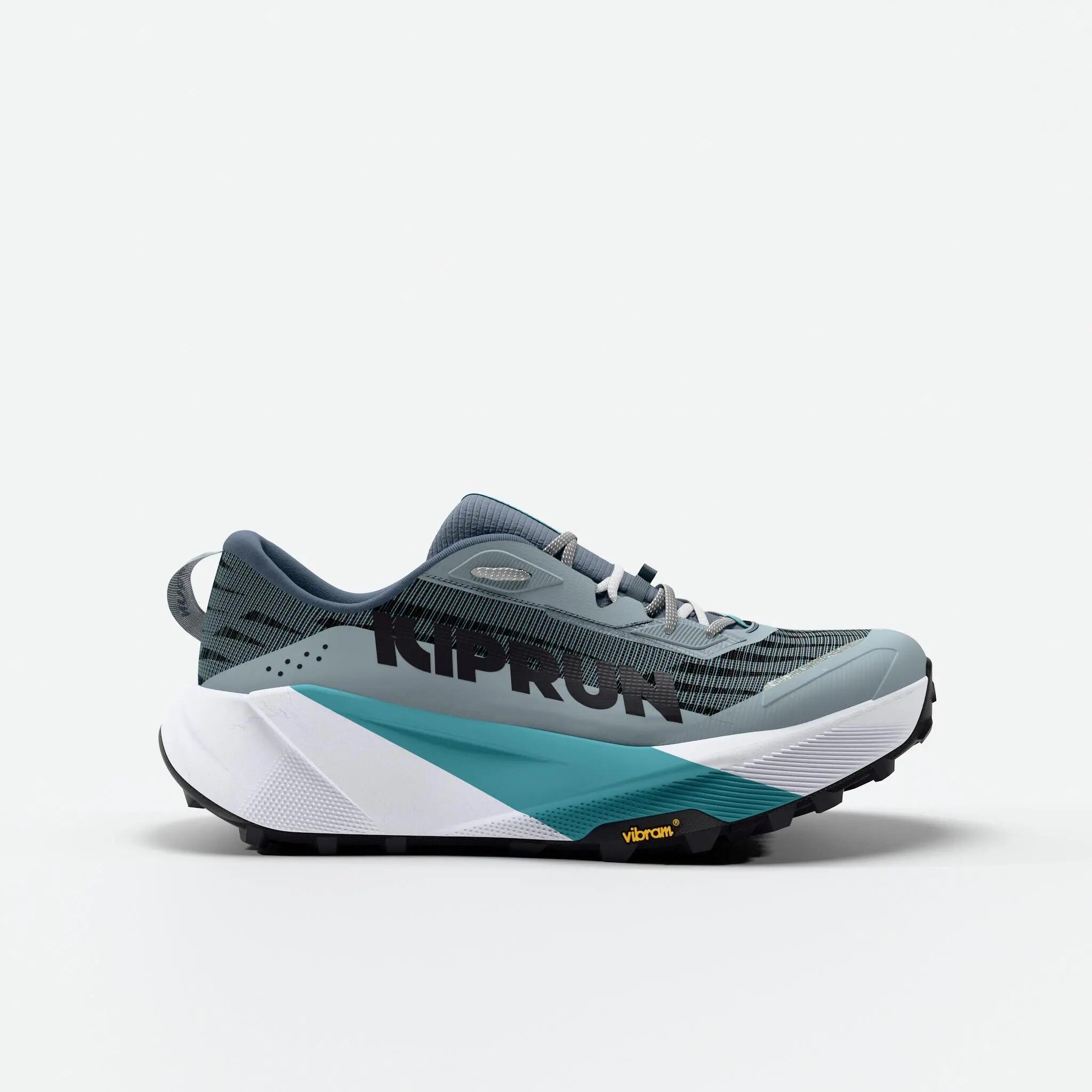
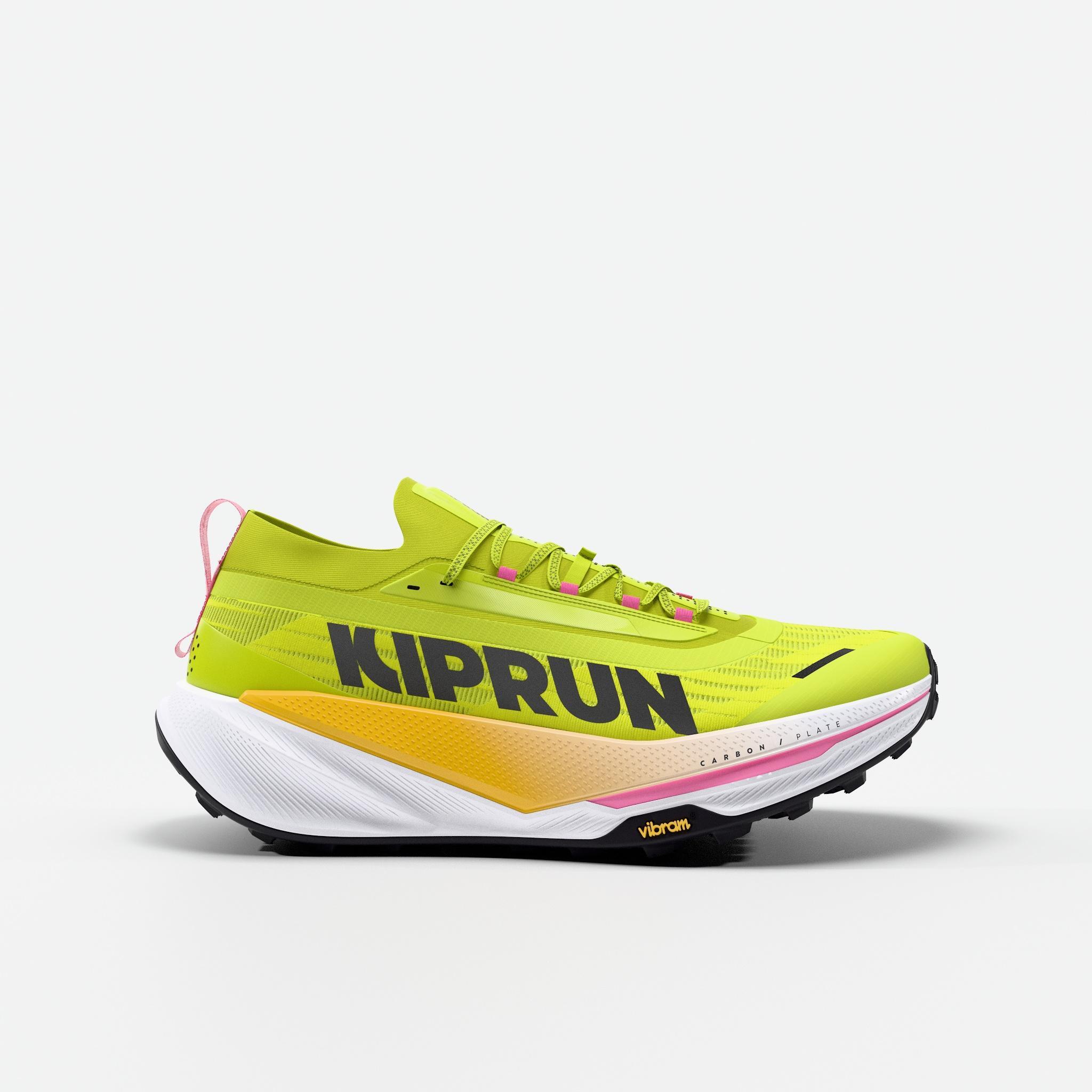
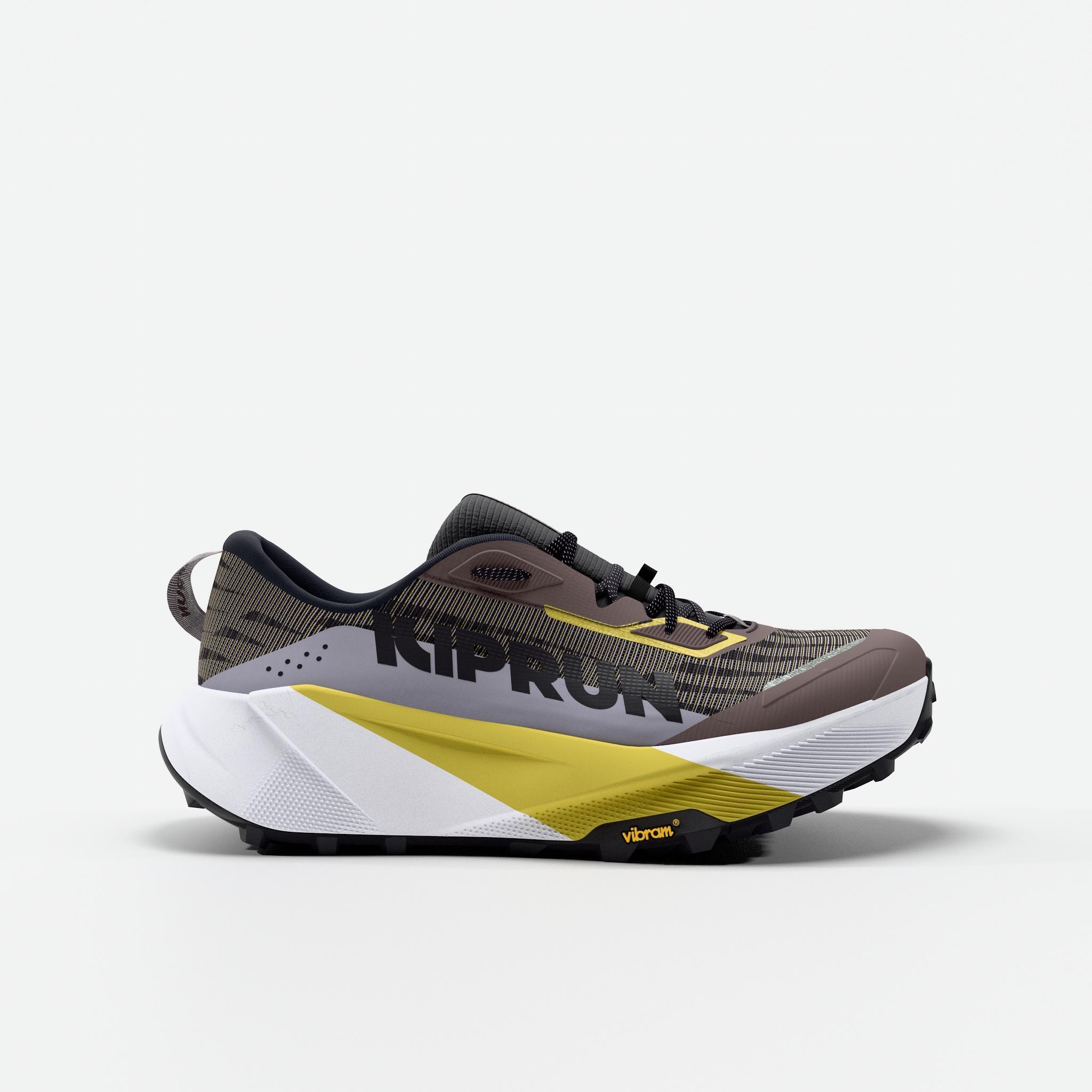
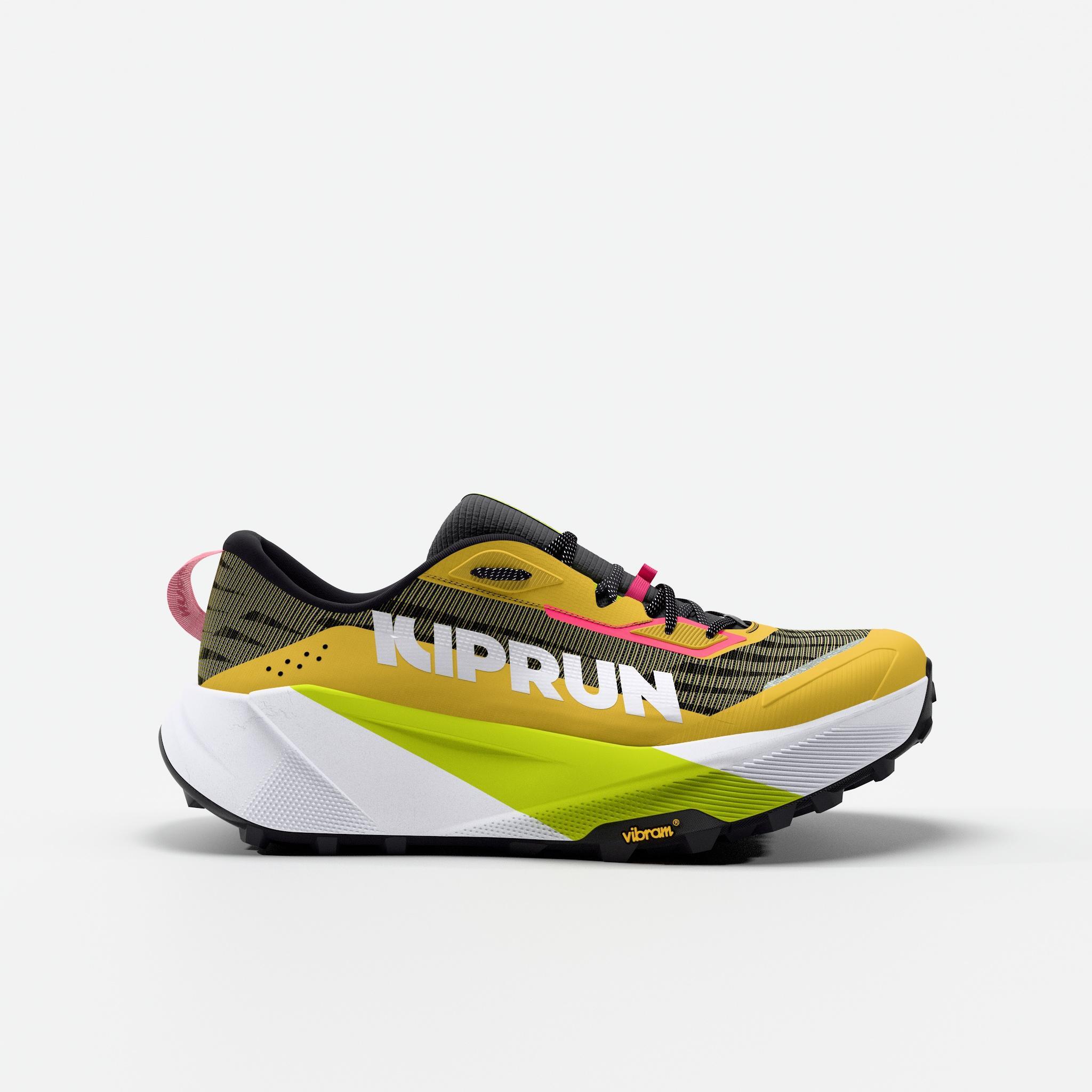
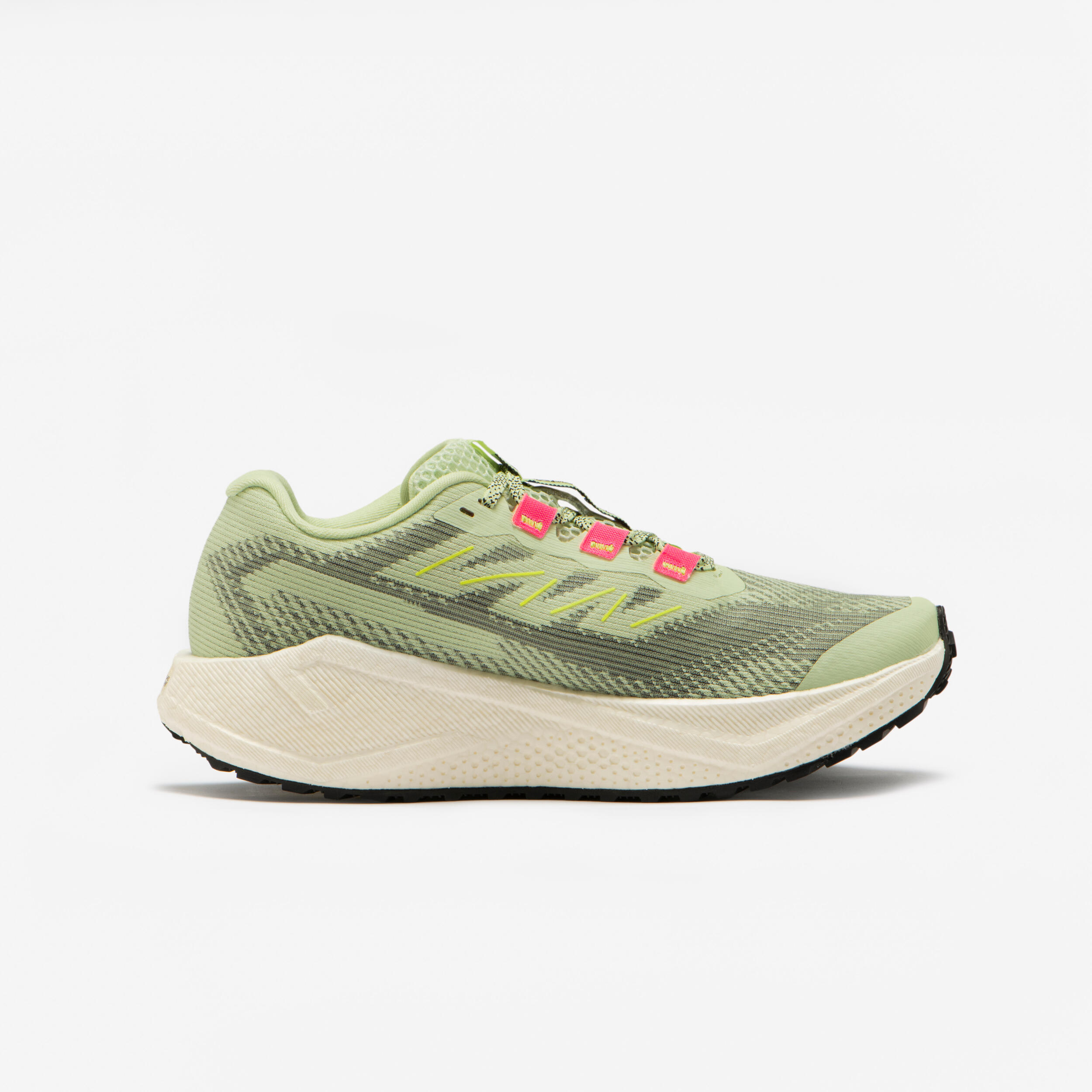
Choose by terrain, gradient and expected running time rather than distance alone. Short routes can still include steep climbs, wet rock and loose descents that demand secure grip. For compact paths mixed with road, shallower lugs and a flexible sole usually feel smoother. Rougher trails need deeper tread, stronger foot support and more protection around the upper. KIPRUN KIPSUMMIT men's trail running shoes use 4 mm lugs, a sturdy sole and soft SOFTECH cushioning for hilly routes up to about 26 miles. Their 6 mm drop creates a lower trail-focused platform, while an elastic tongue band secures the laces so they are less likely to catch on vegetation.
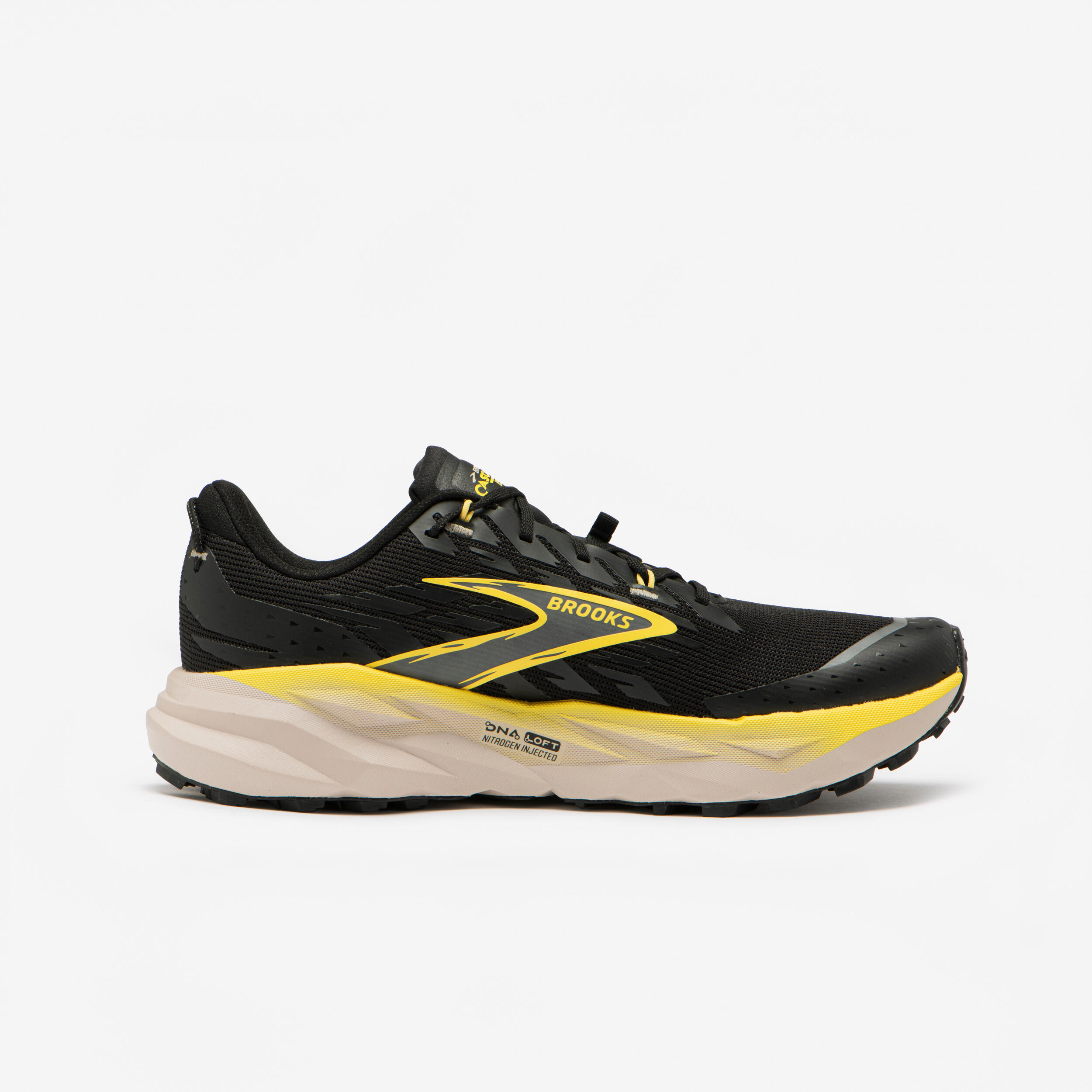
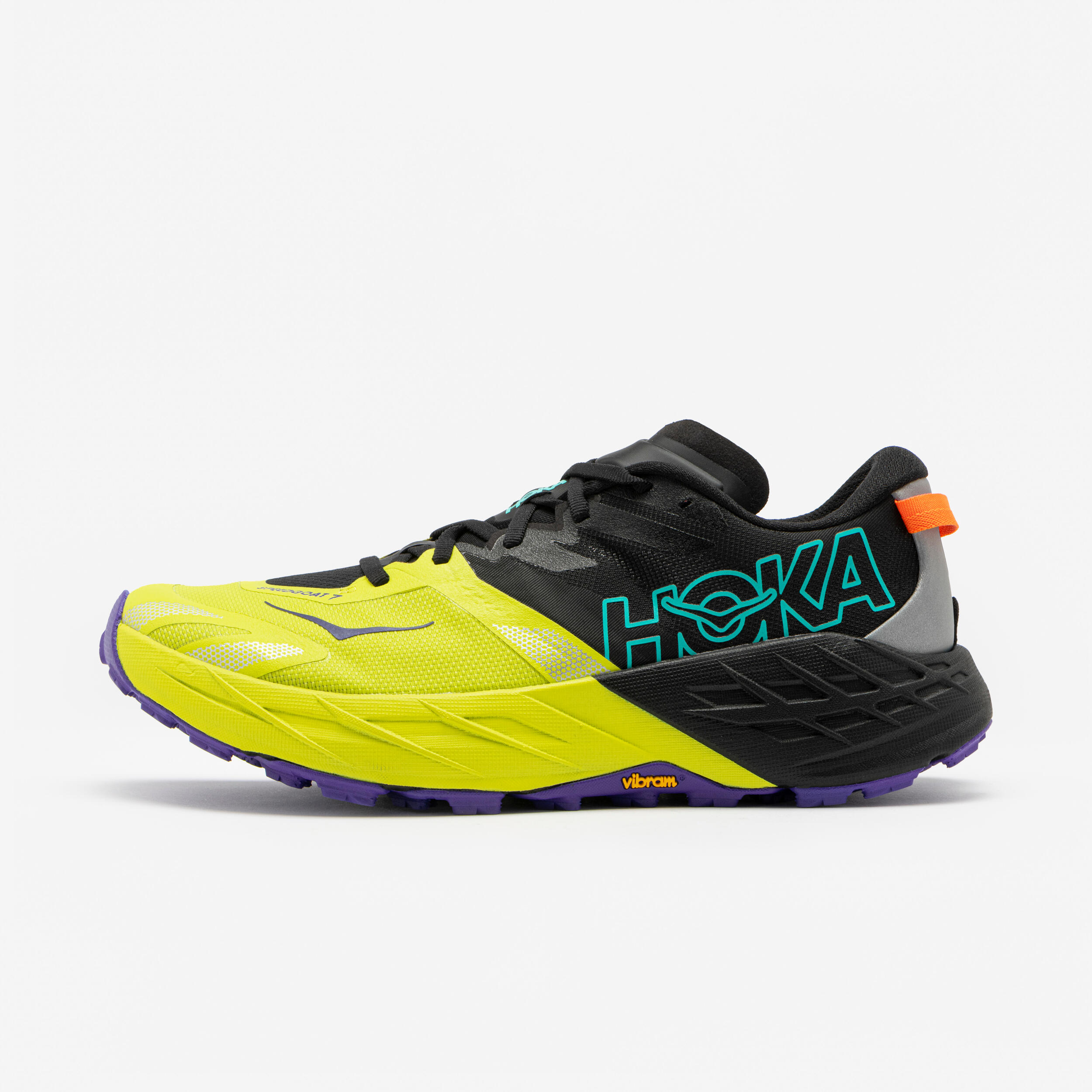
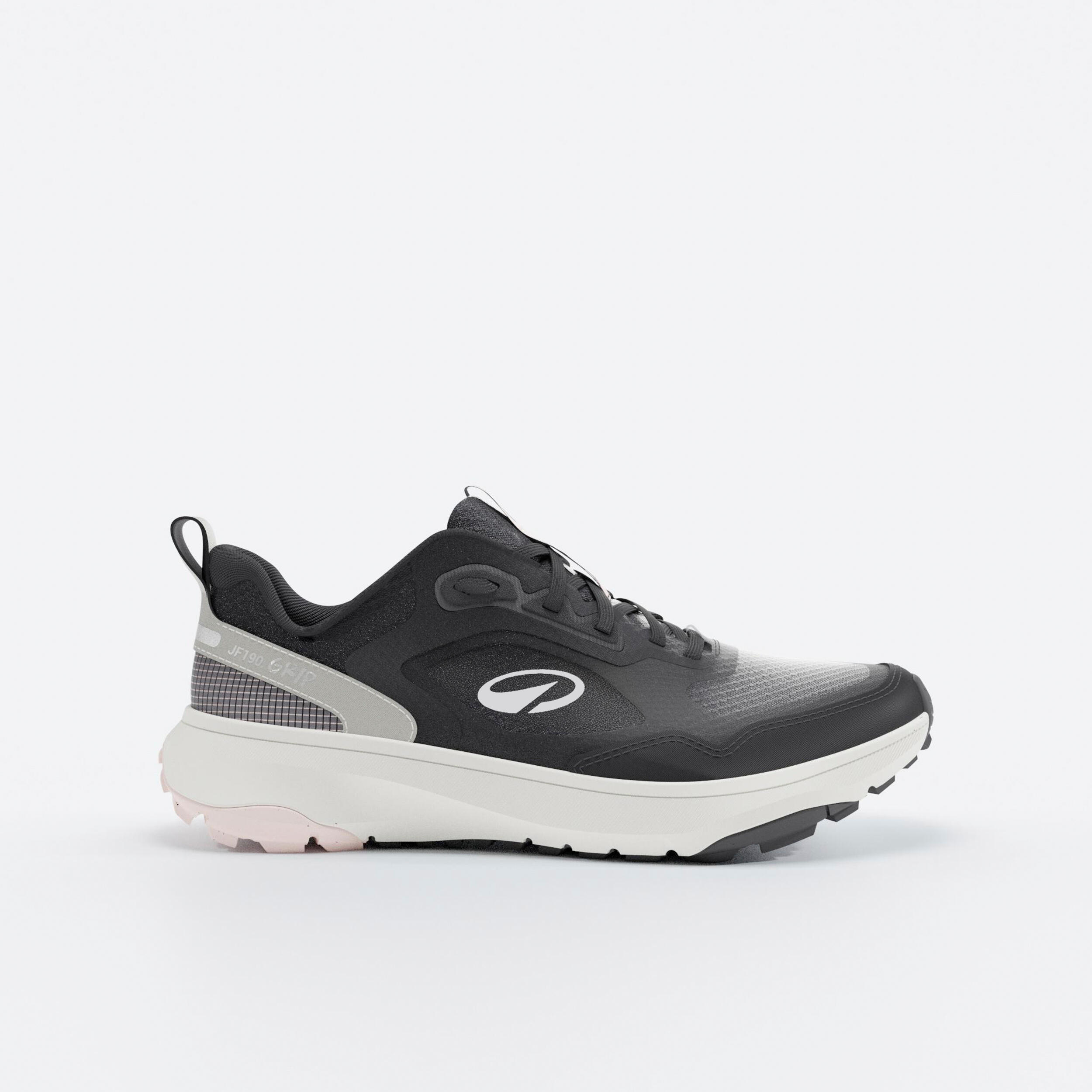
What is the difference between JF190 Grip and KIPRUN KIPSUMMIT shoes?

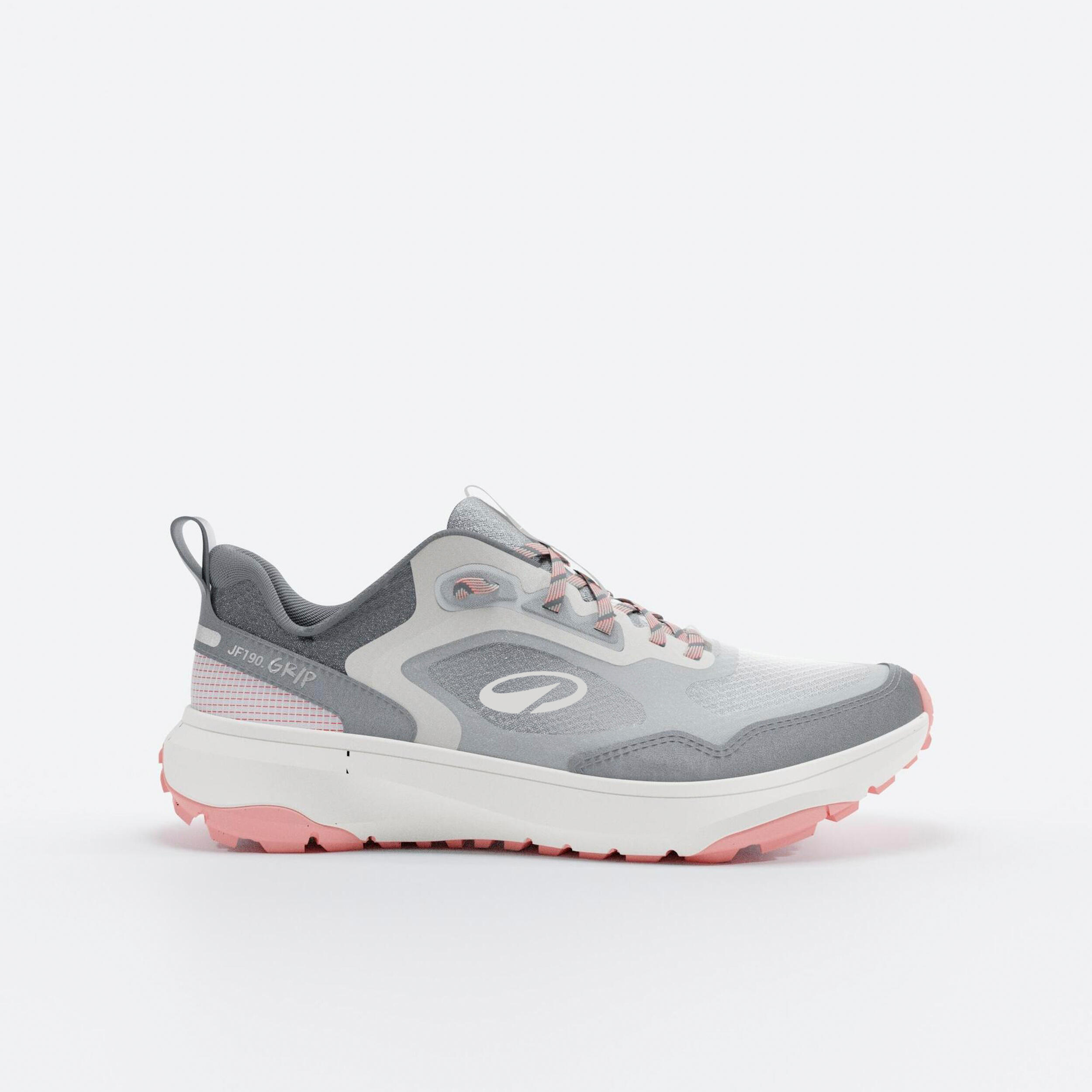
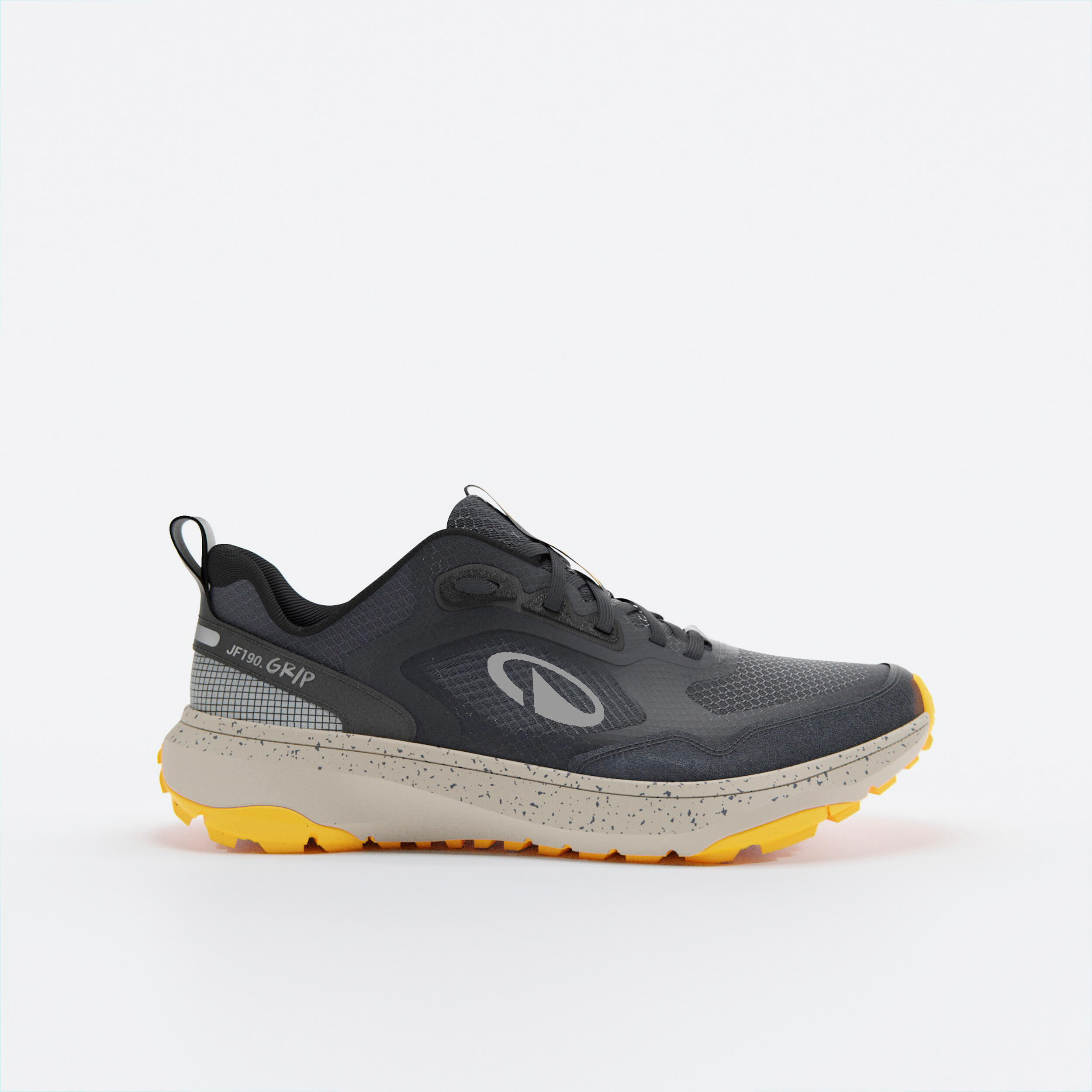
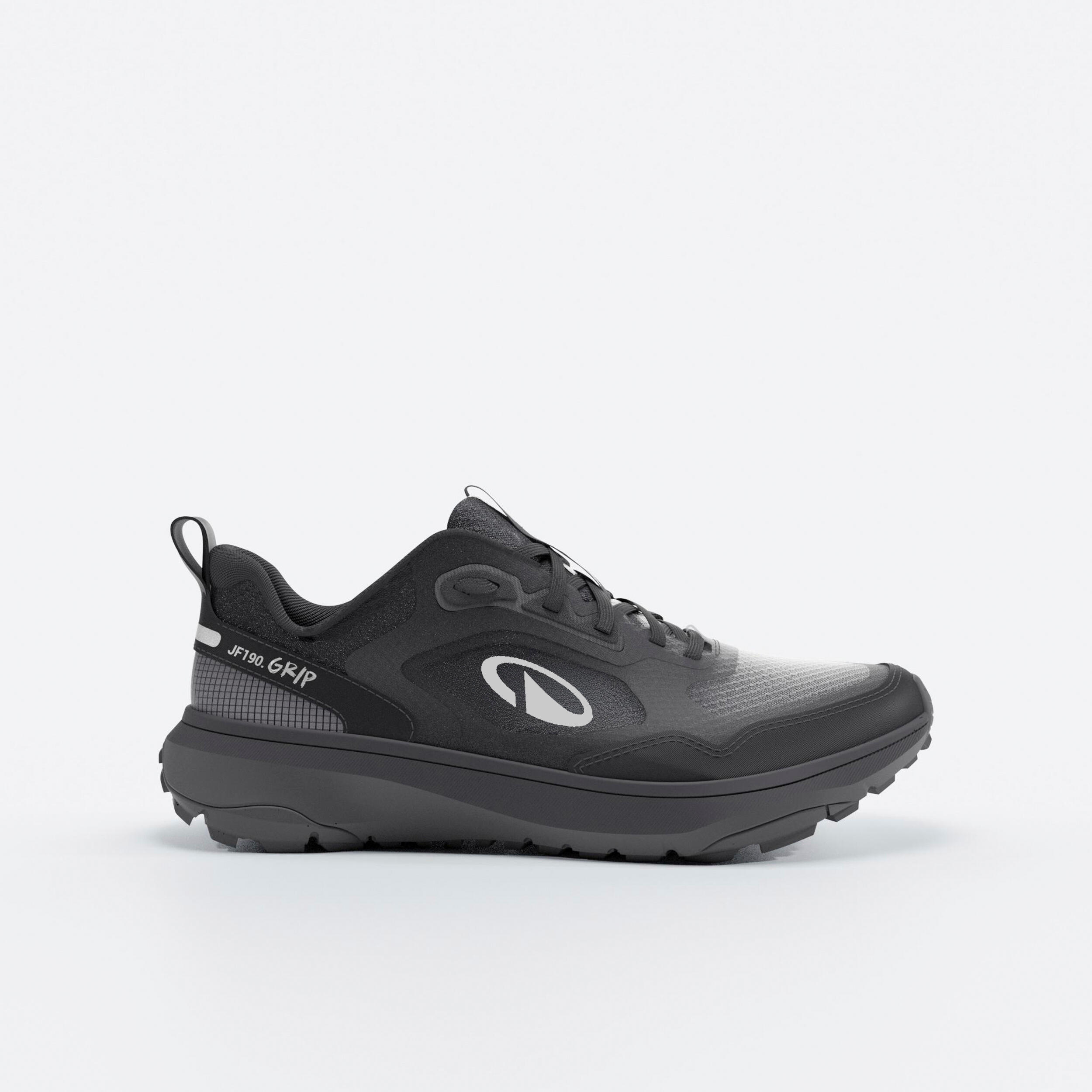
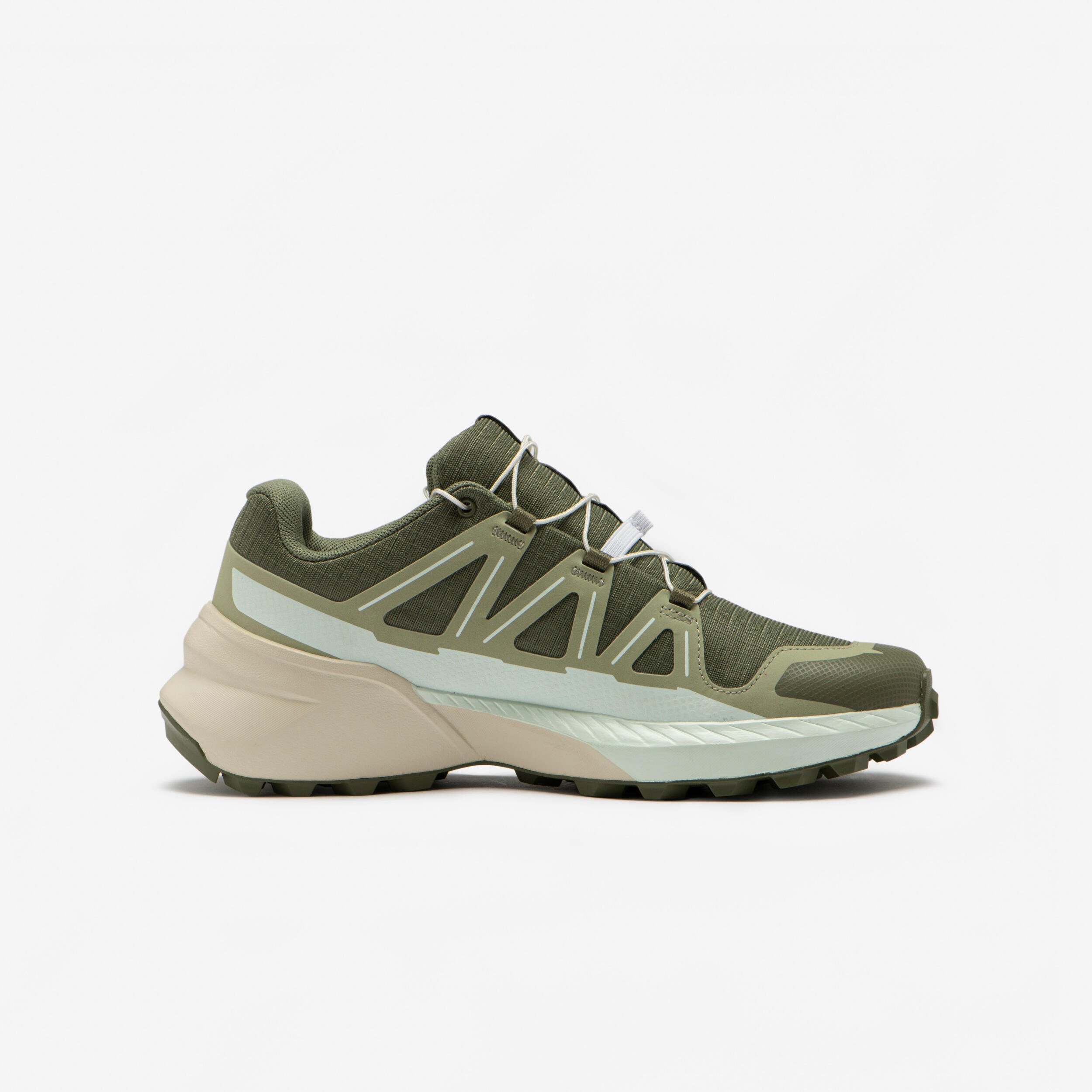
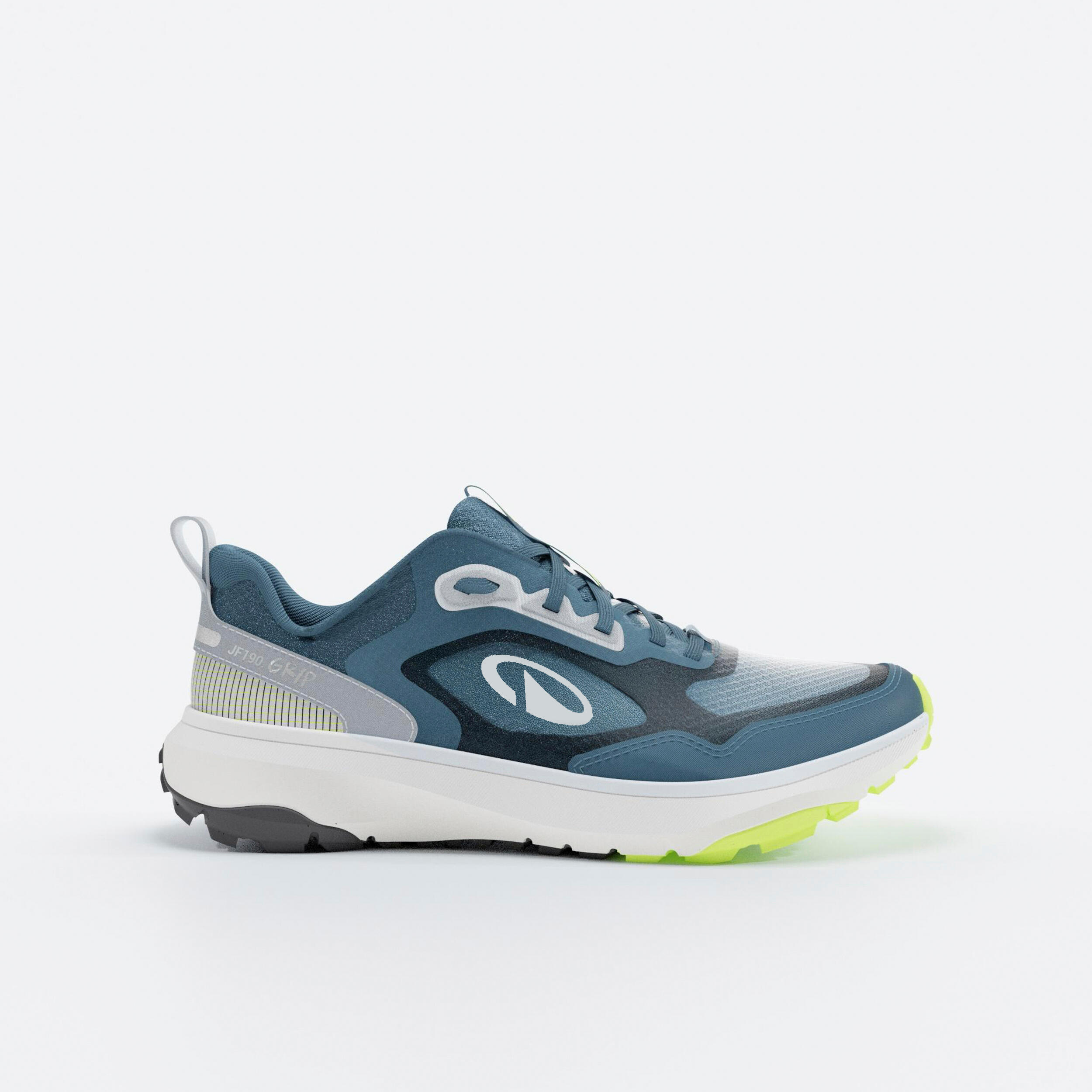
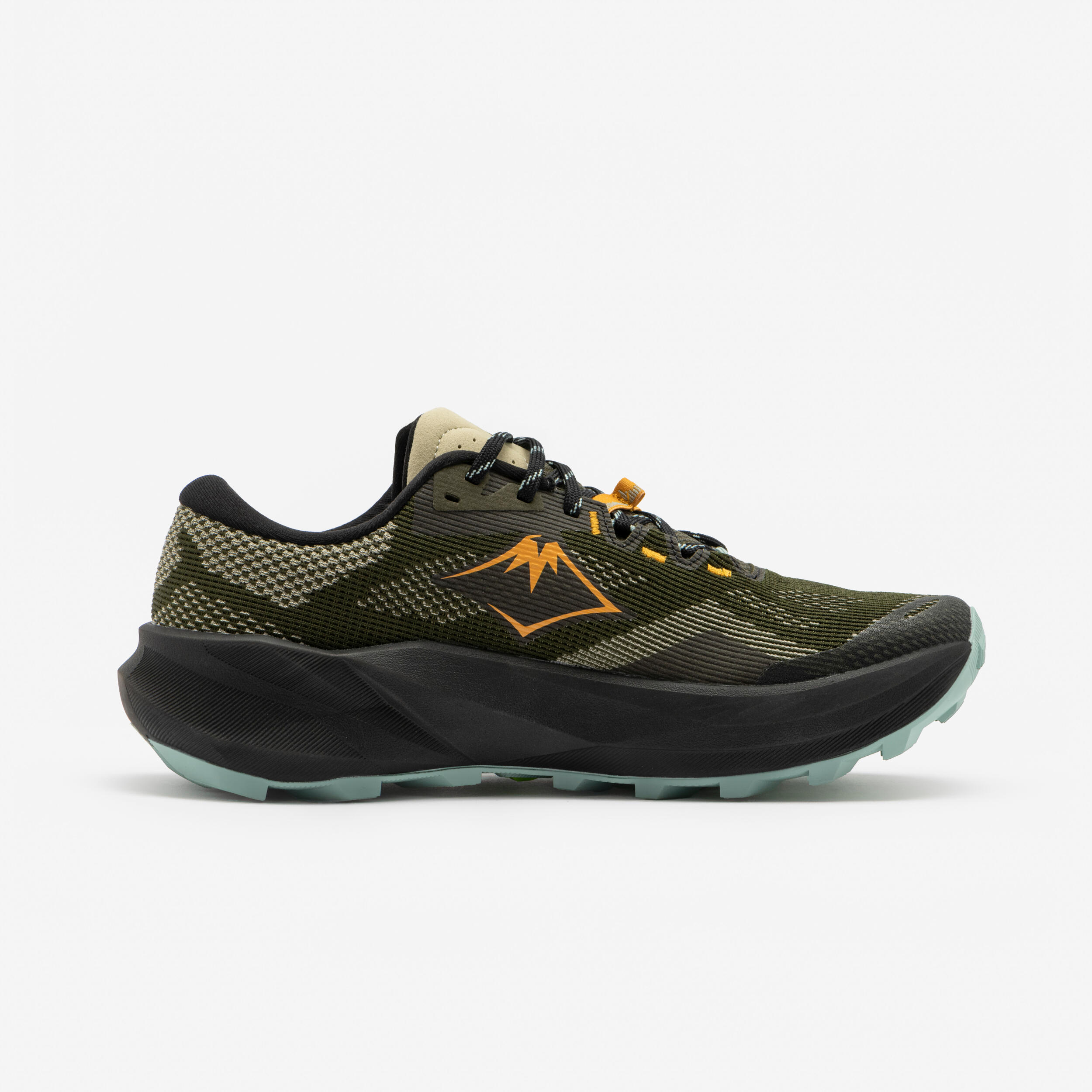
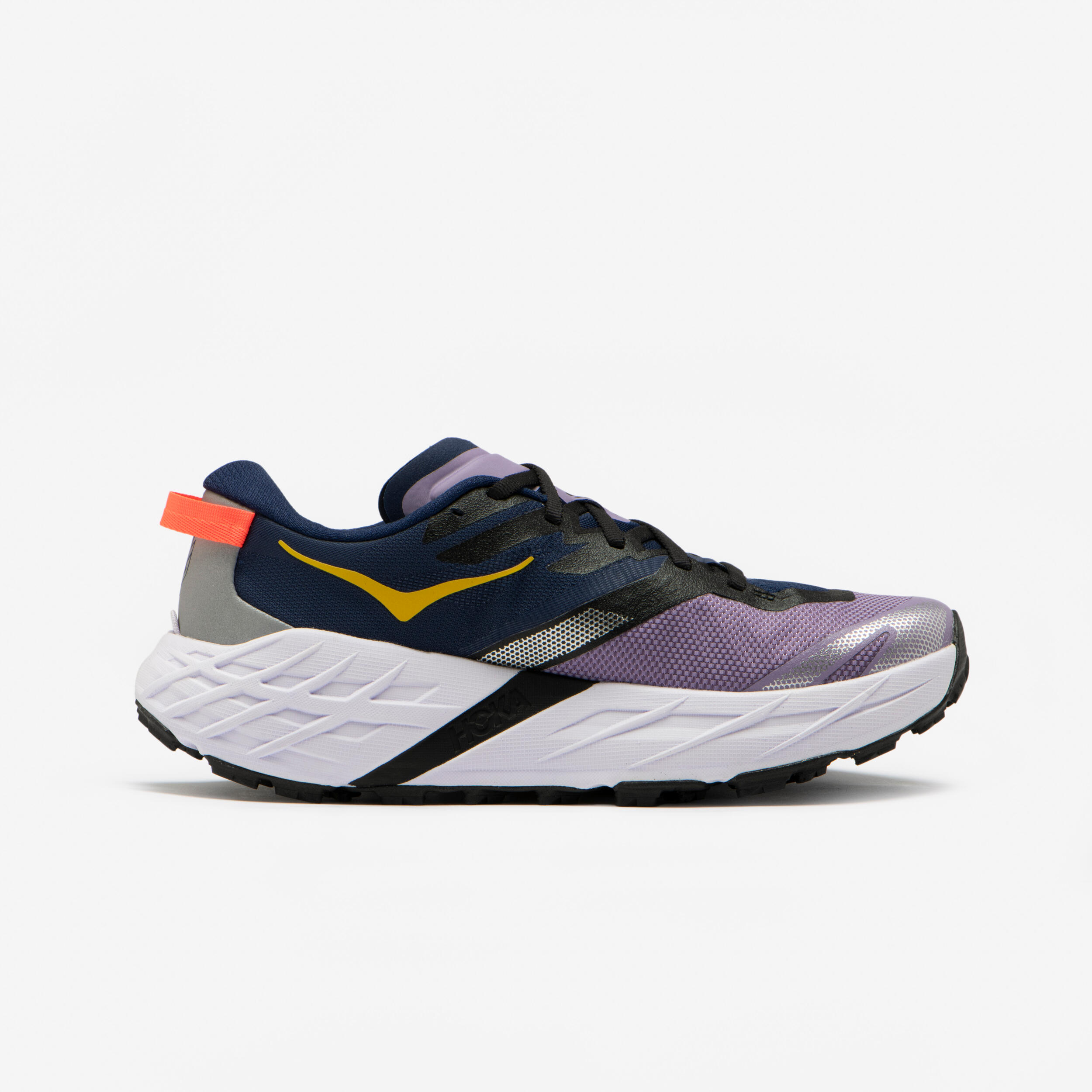
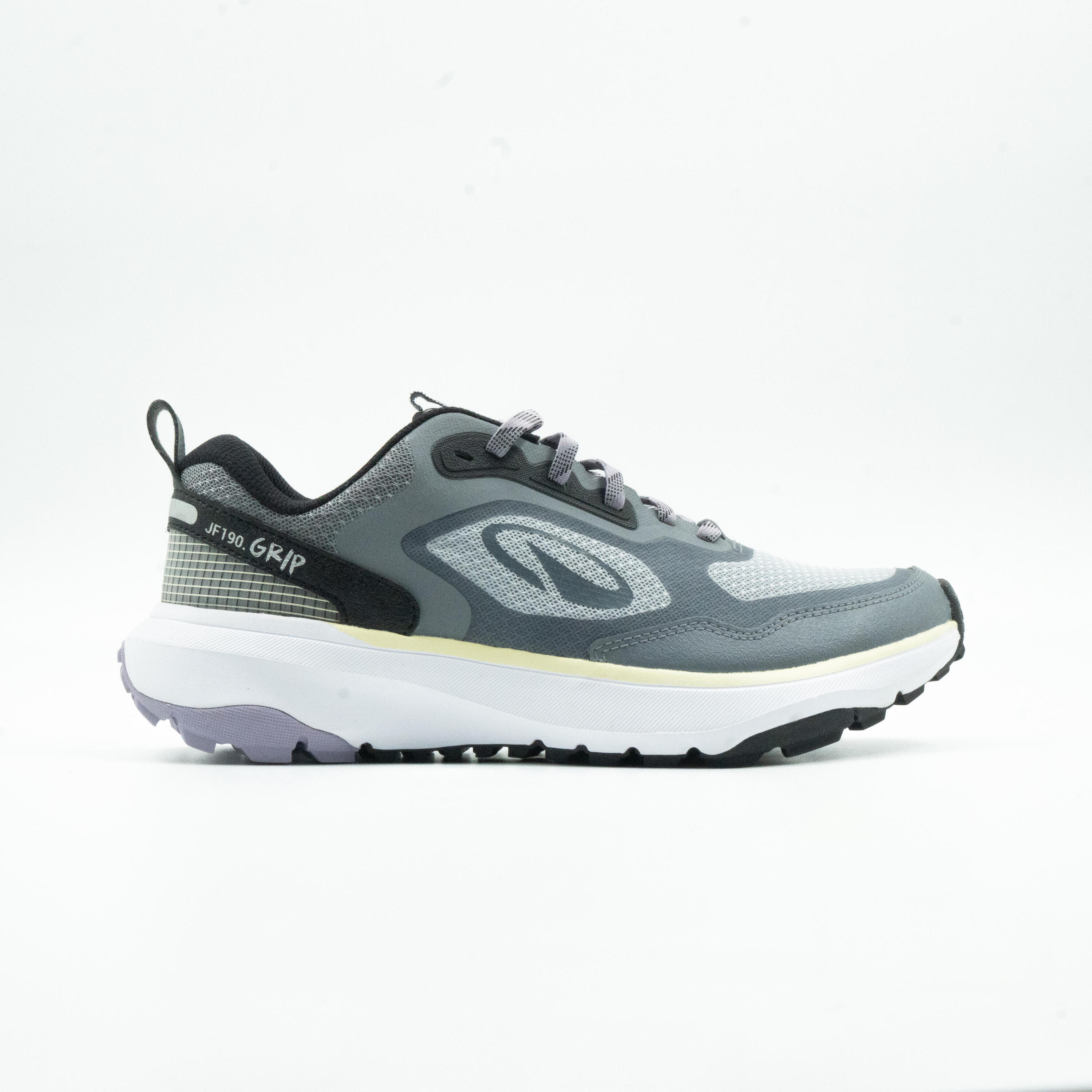
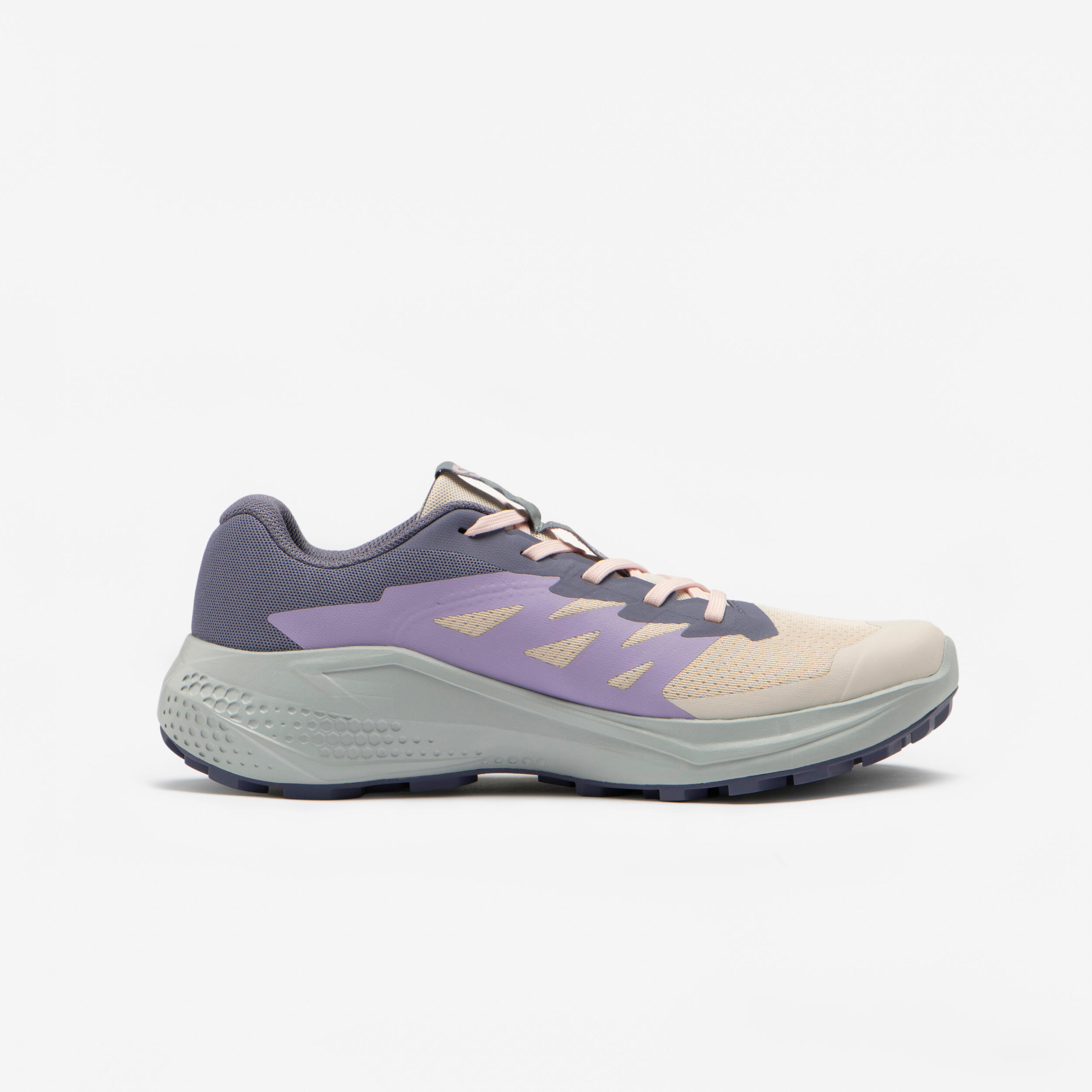
The JF190 Grip is a road-to-trail option for accessible tracks, park paths and routes that include tarmac. Its 3.5 mm lugs add traction without making the outsole overly aggressive on firm ground. IMEVA foam absorbs impact and is 17.5% softer than the previous version, while an 8 mm drop gives a familiar transition for runners moving from road footwear. The women's grip trail shoes weigh about 245 g in size 5.5 and received 8.2 out of 10 for comfort during fitting tests. KIPSUMMIT footwear steps up to 4 mm lugs, a sturdier platform and a 6 mm drop for steeper, rougher trails.

Is there a difference between the fit of men's and women's short trail shoes?

Short trail shoes for men and women should follow the same core rule: the heel must stay secure while the toes retain room to spread. Shape and sizing may differ between models, so use the individual size chart rather than assuming the same numbered size will fit across every shoe. Leave roughly a thumb's width ahead of the longest toe because feet move forwards on descents and can swell during running. Test the shoes with your usual socks, then walk down a slope and make several turns. Once you have chosen the right footwear, short trail accessories can help with hydration, carrying, and weather protection without adding unnecessary weight.

Are breathable short trail shoes better than waterproof models?

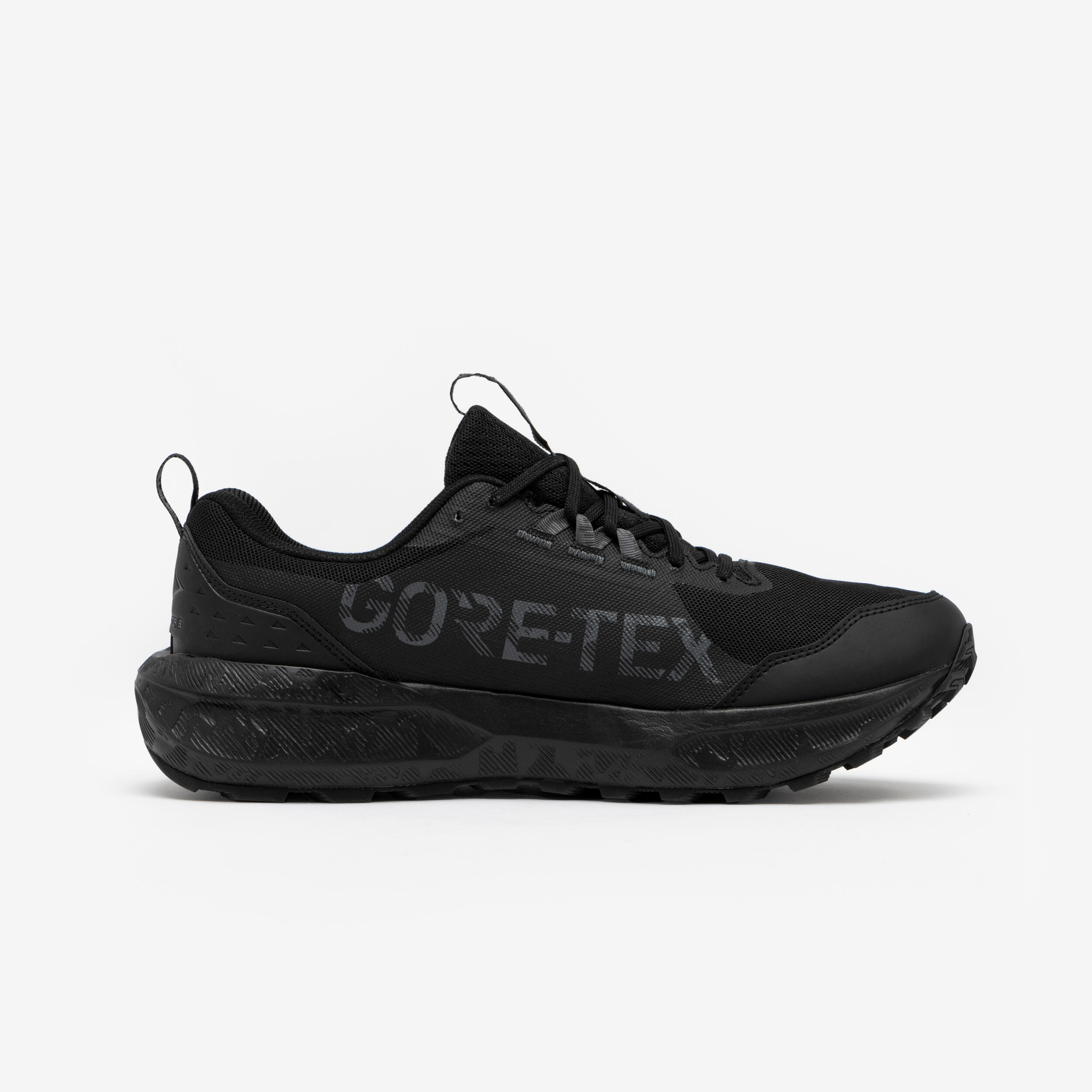
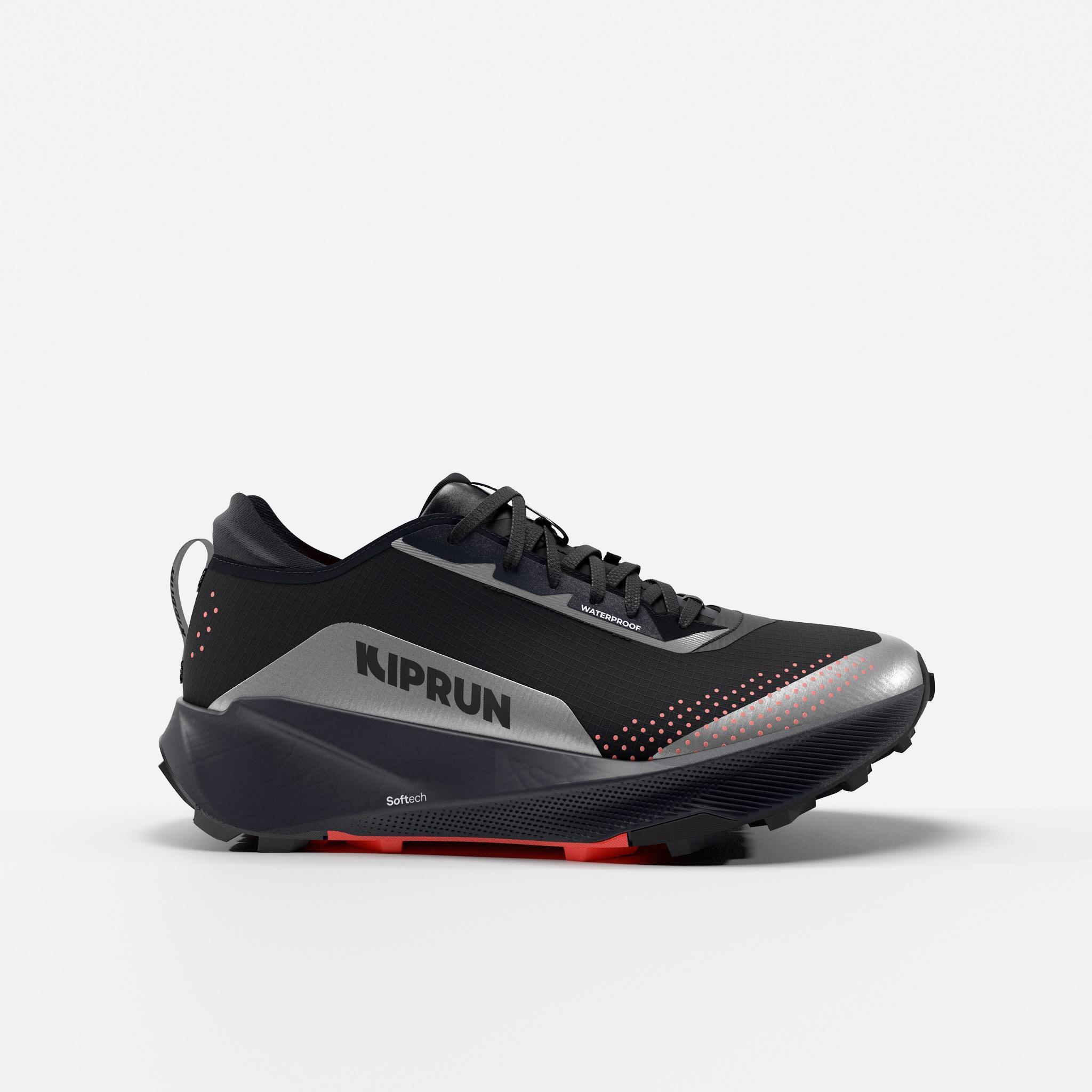
Breathable short trail shoes usually suit mild weather, dry paths and faster sessions because mesh releases heat and moisture more readily. A waterproof membrane helps block rain, wet grass and shallow mud, but it can retain more warmth and water may still enter around the ankle. Men's waterproof trail running shoes from the KIPSUMMIT line combine a hydrophobic membrane and upper with 4 mm lugs and SOFTECH cushioning. Choose them for cold, persistently wet conditions rather than every run. In warm weather or on routes with stream crossings, a non-waterproof upper may feel cooler and can release trapped water faster after the shoe becomes wet.

What else do you need for a short trail run?

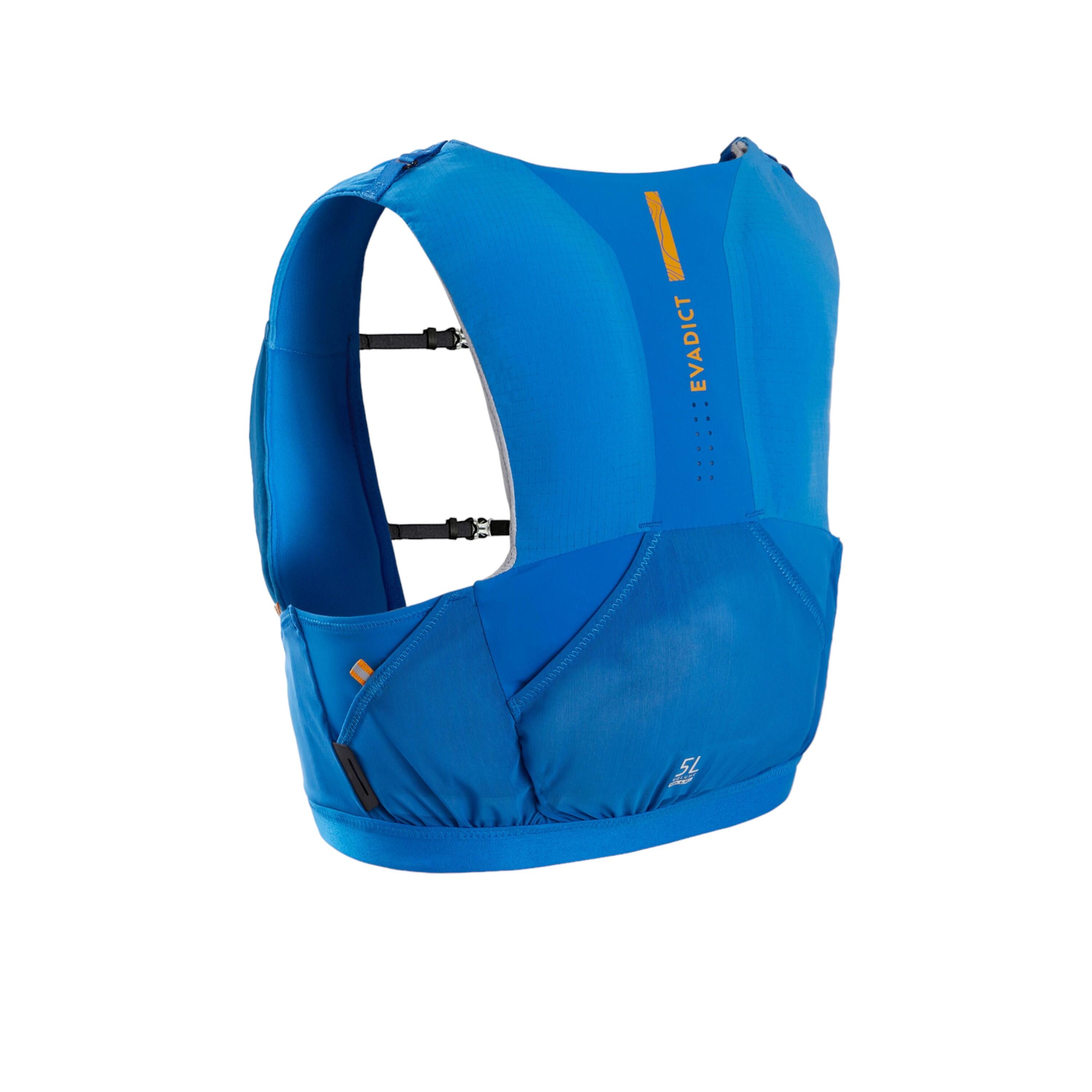
Carry only what the route, weather and local rules require. For a familiar 10K path near facilities, a phone, weather layer and small drink may be enough. More isolated or technical routes can require a soft flask, compact vest, charged light, whistle, basic first-aid supplies and extra food. Trail running accessories should sit close to the body so they do not bounce or affect balance on descents. After running, remove the insoles, brush off dried mud and let the footwear air dry away from radiators and direct sunlight. Do not machine wash or tumble dry KIPRUN trail shoes, as heat and prolonged soaking can damage foam, bonded sections and upper materials.