1,109 items
4.6/5 based on 810643 reviews collected online and in stores

Running a Short Trail FAQs

What do you need for running a short trail?

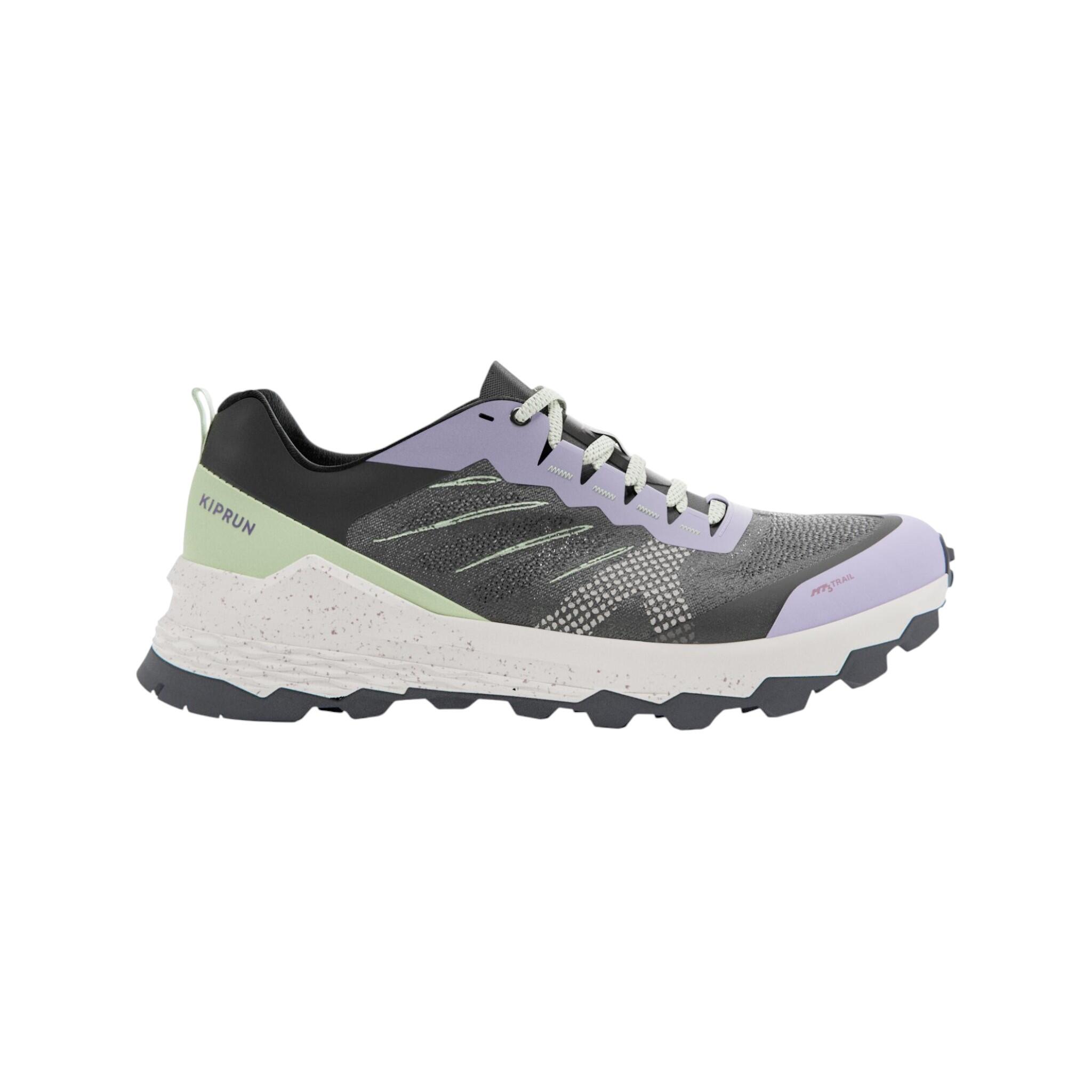
Your setup for a 10-20K trail should match the terrain, weather, expected finishing time and distance from support. Start with secure footwear, breathable clothing and a practical way to carry water or small essentials. Road-running clothing can work on straightforward routes, but your shoes need enough grip and foot hold for loose ground, wet grass or uneven descents. Choose short trail shoes by checking lug depth, cushioning, fit and the surfaces they are intended to handle. Pro tip: complete a training run in the full setup before race day, as even lightweight equipment can rub or bounce once sweat, climbing and repeated movement are involved.

What should you wear for a 10-20K short trail?

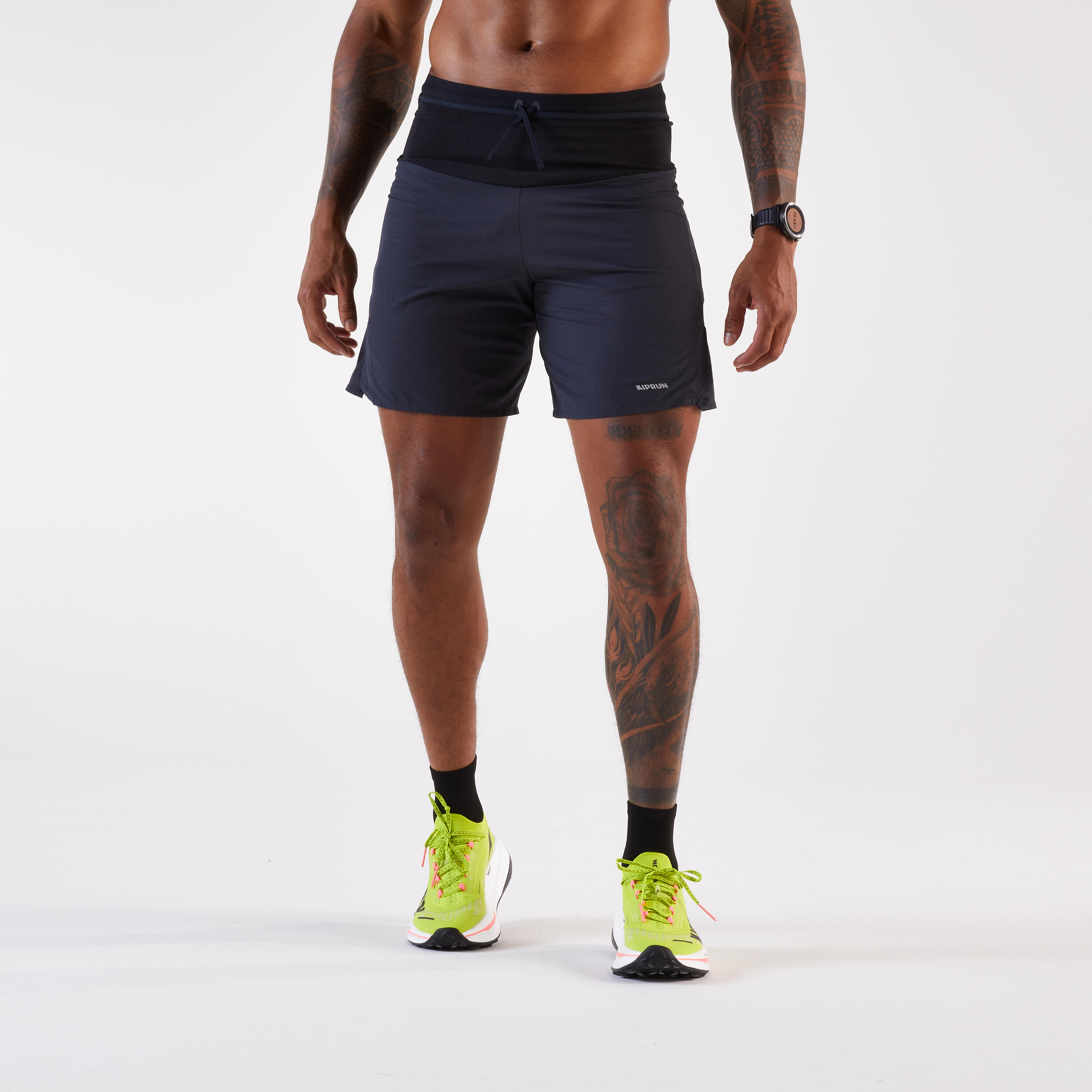
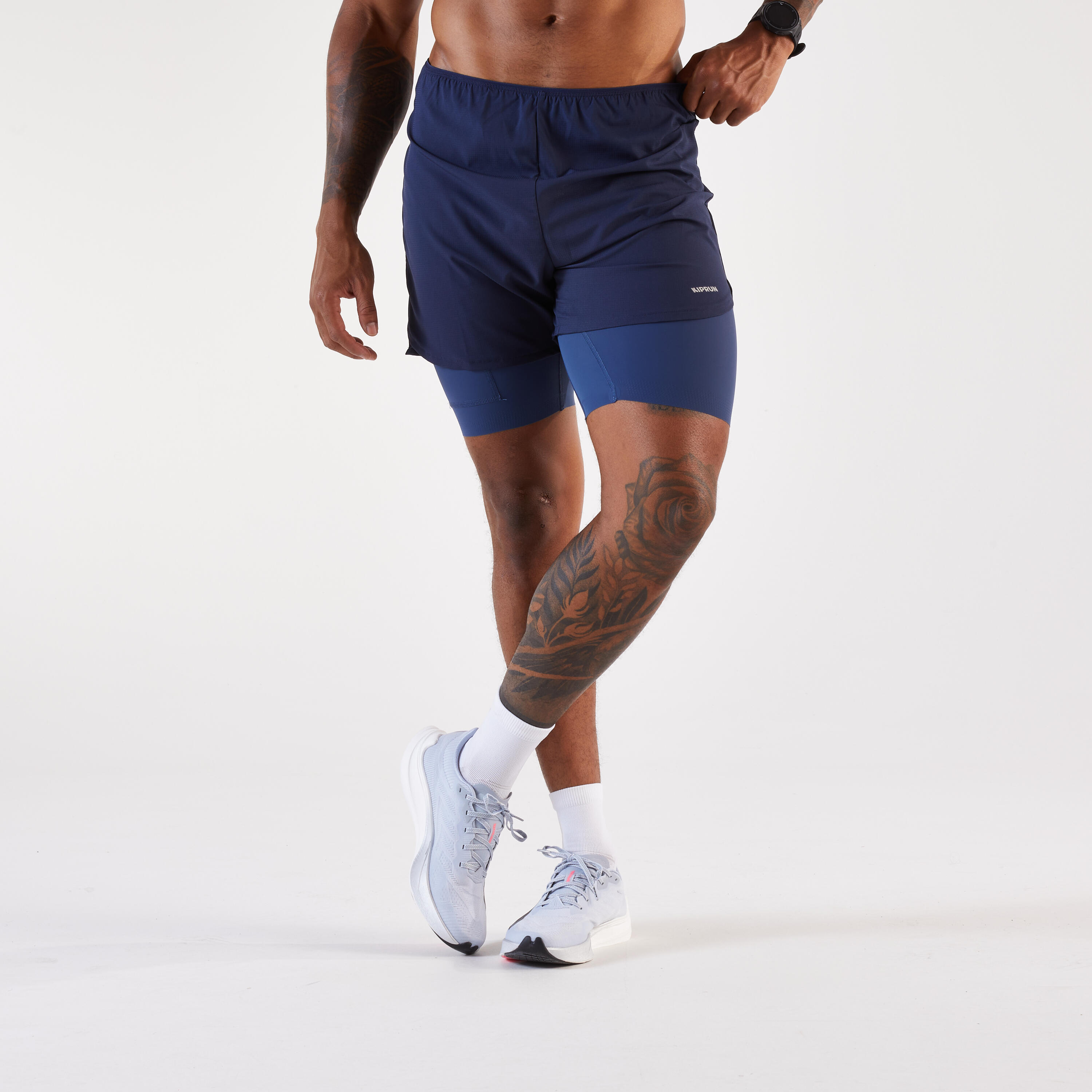
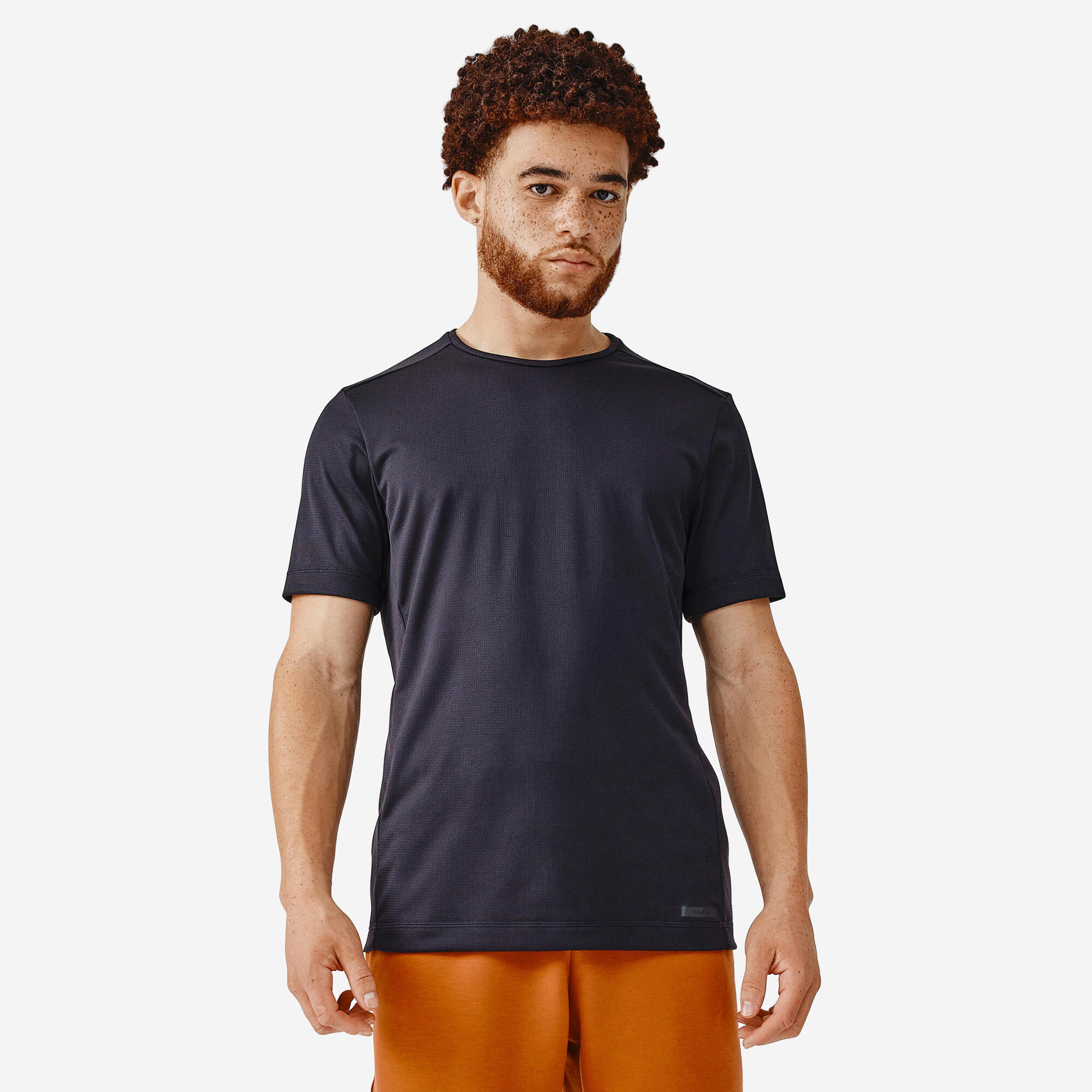
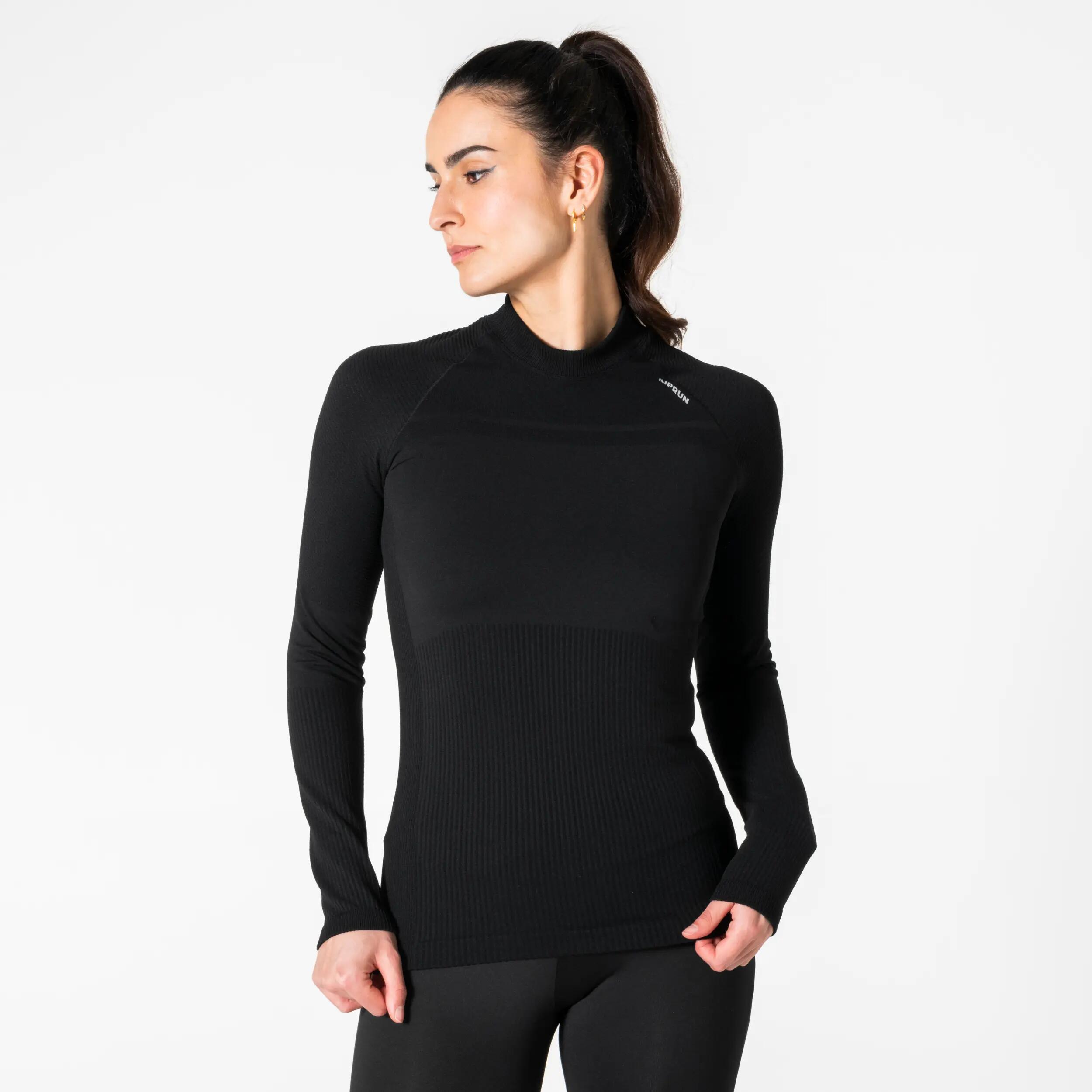
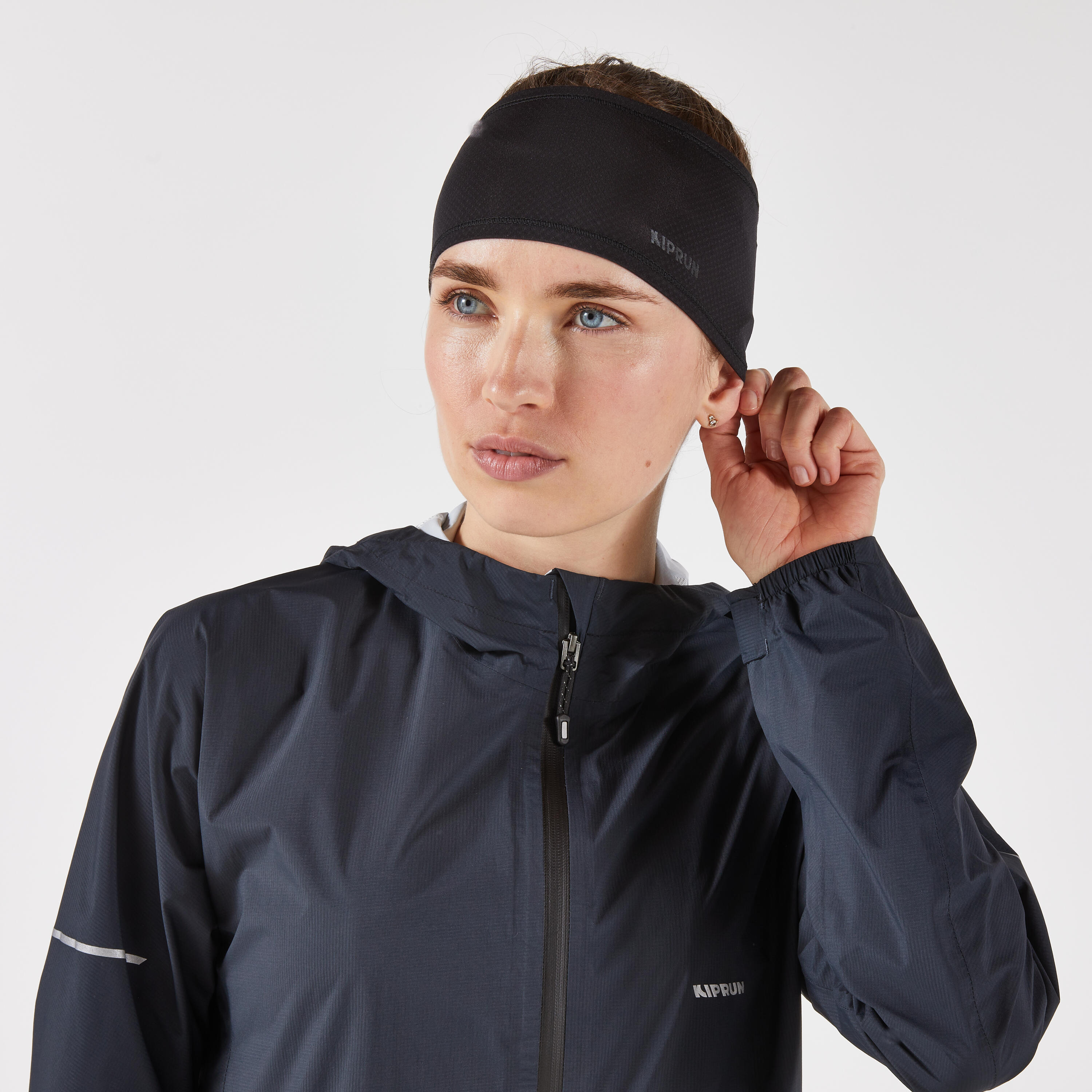
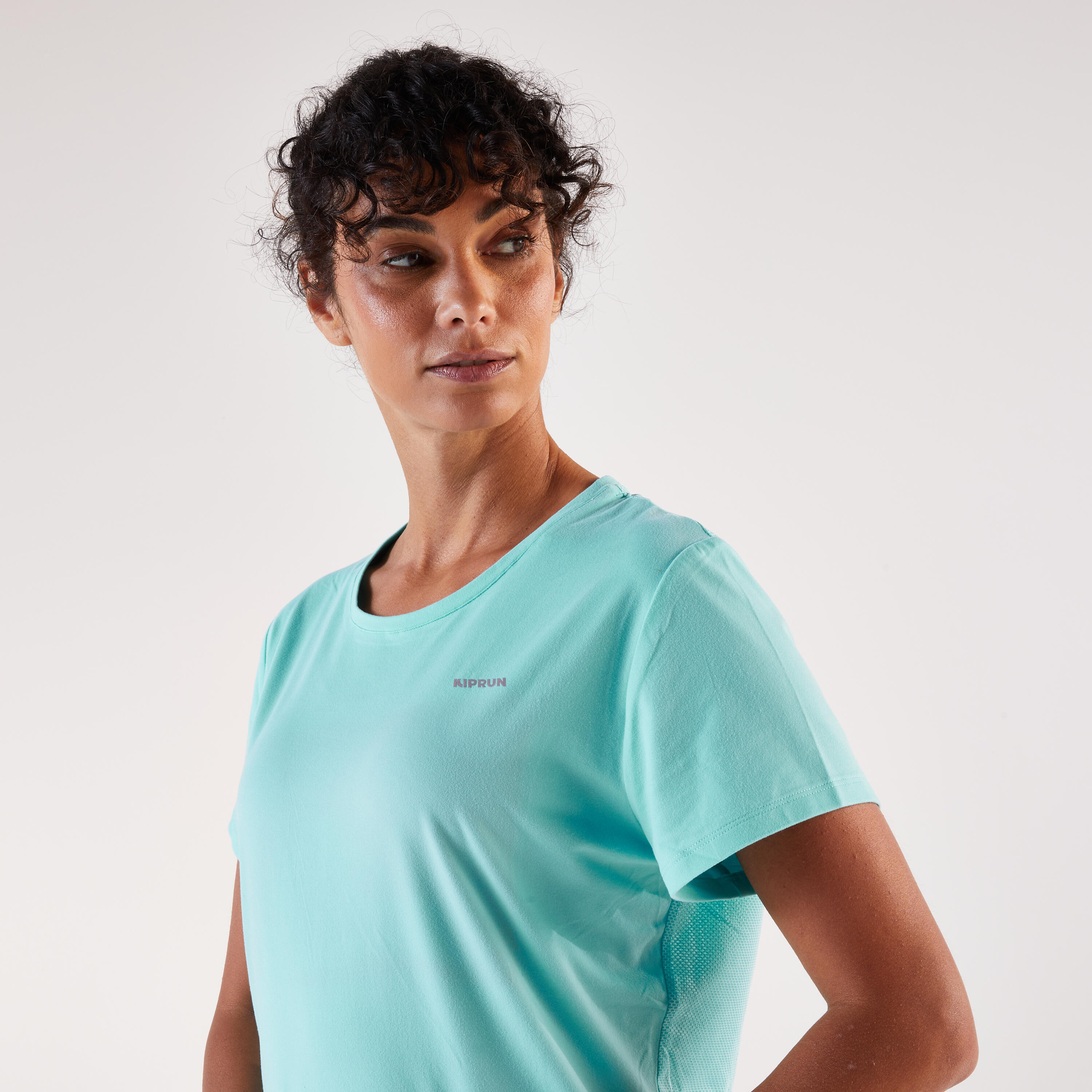
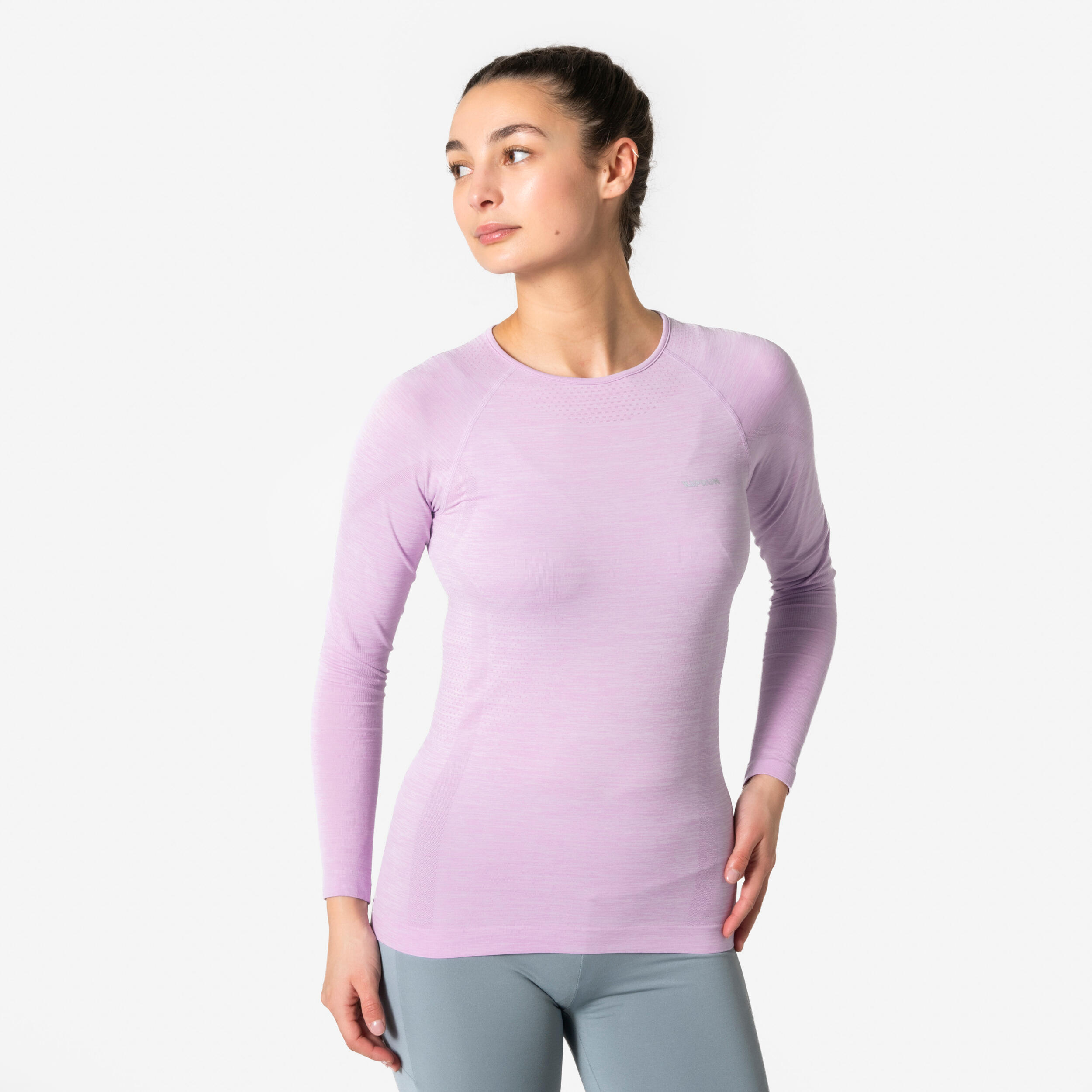
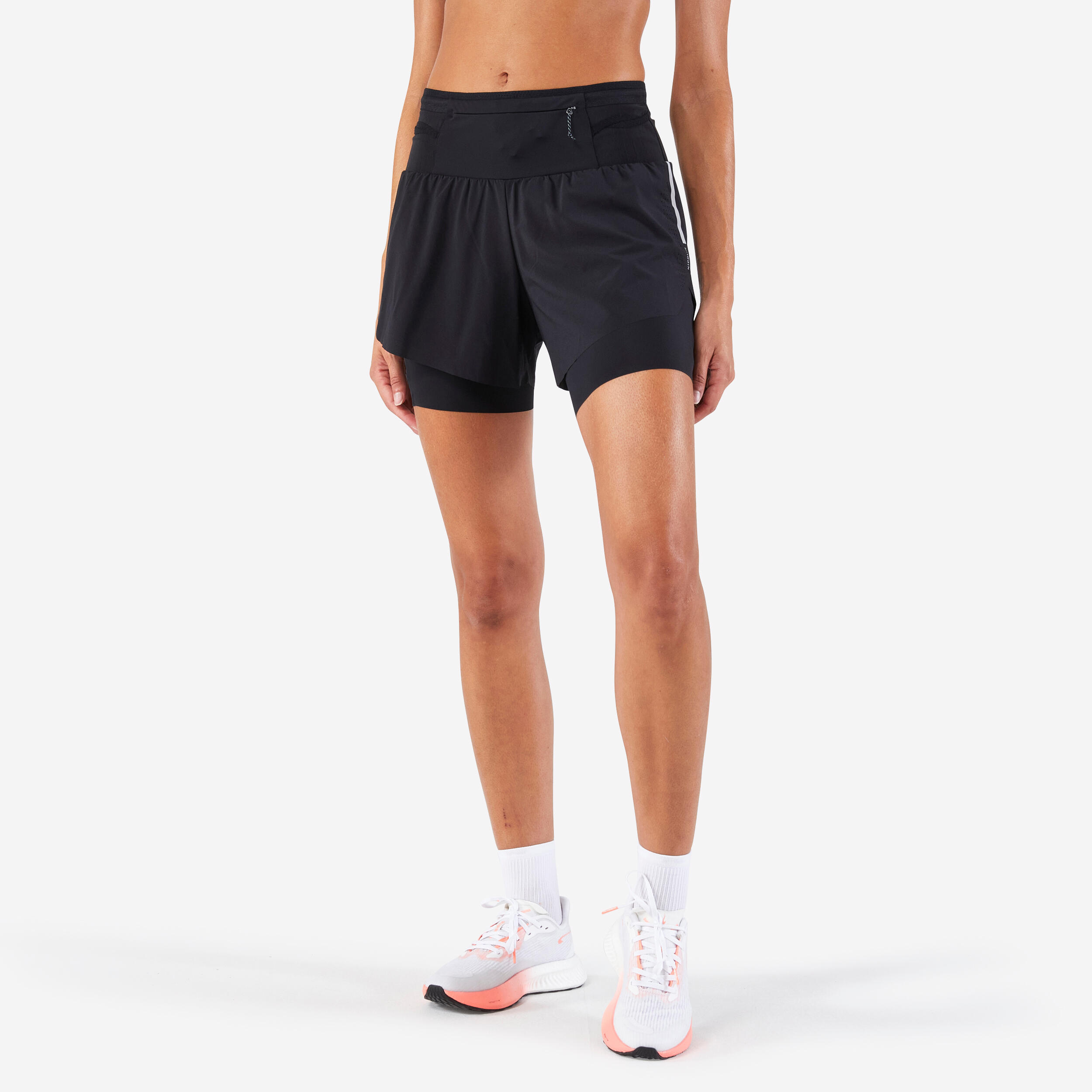
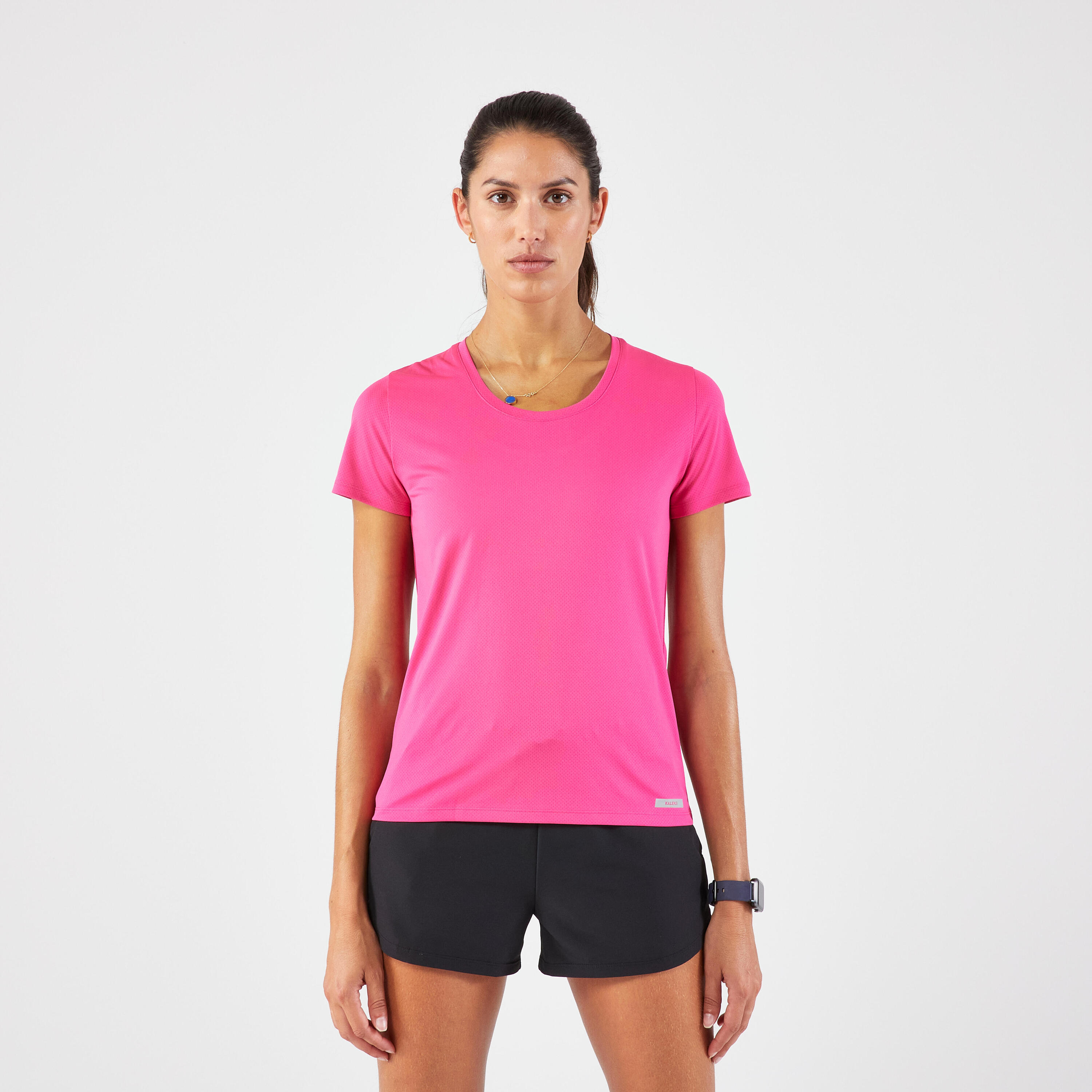
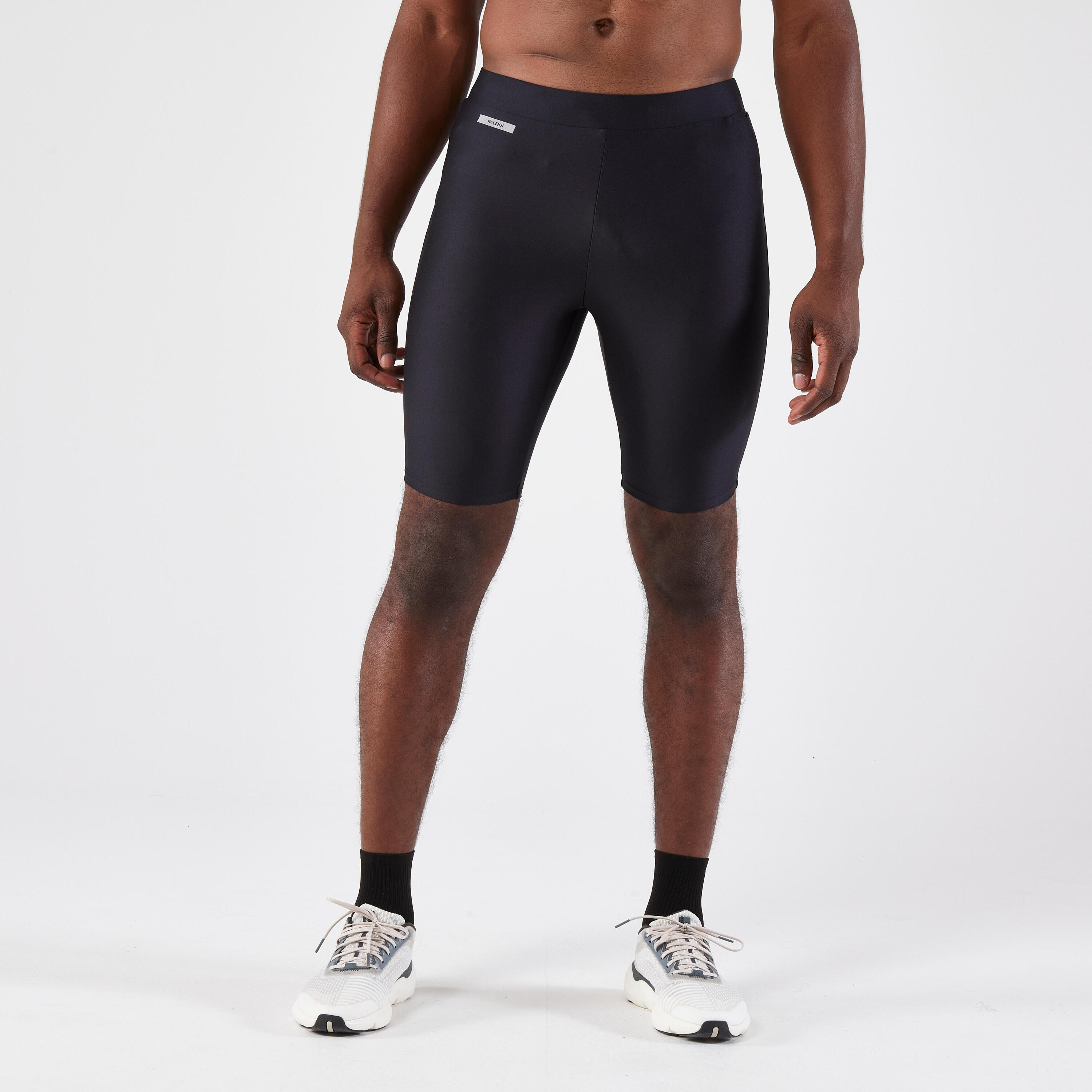
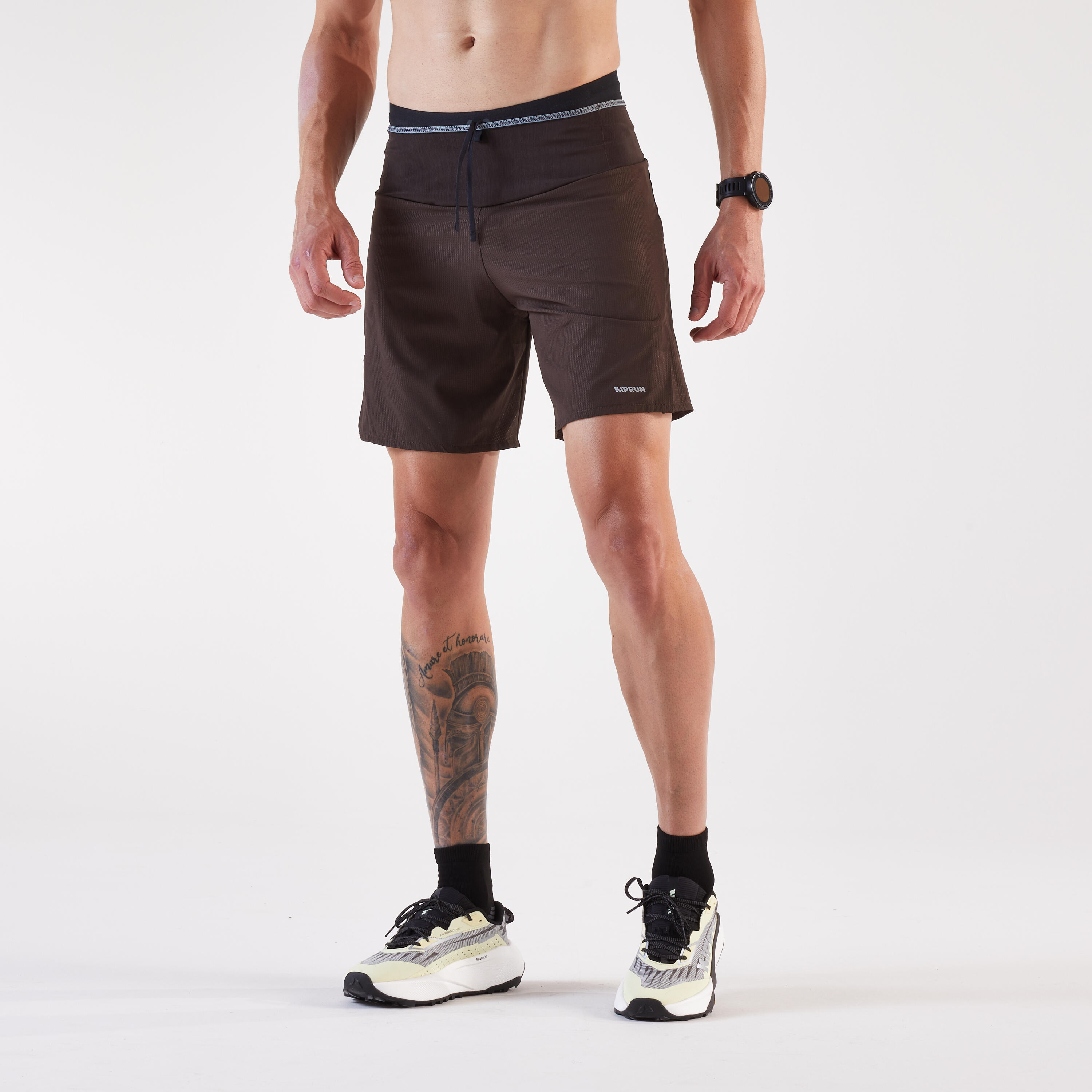
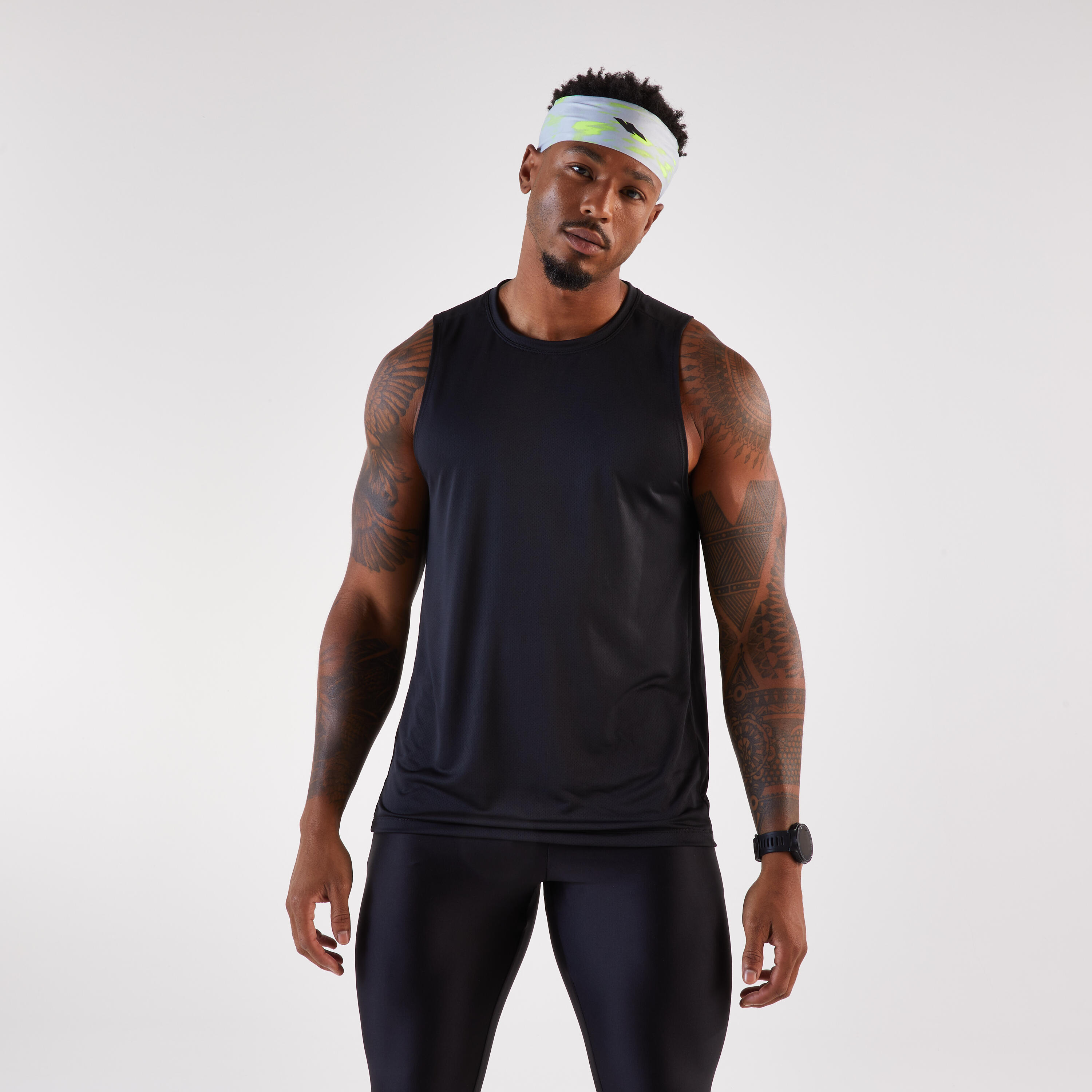
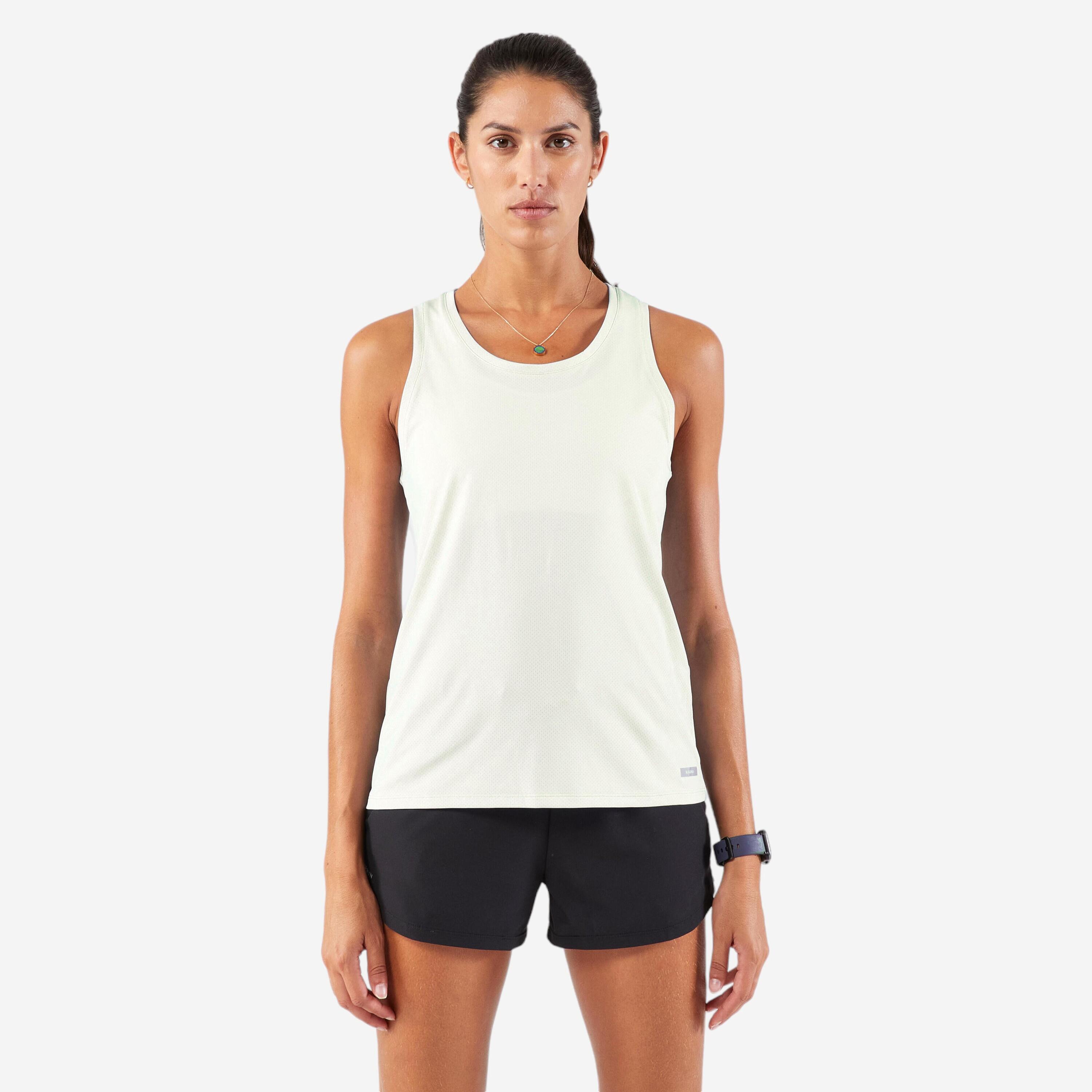
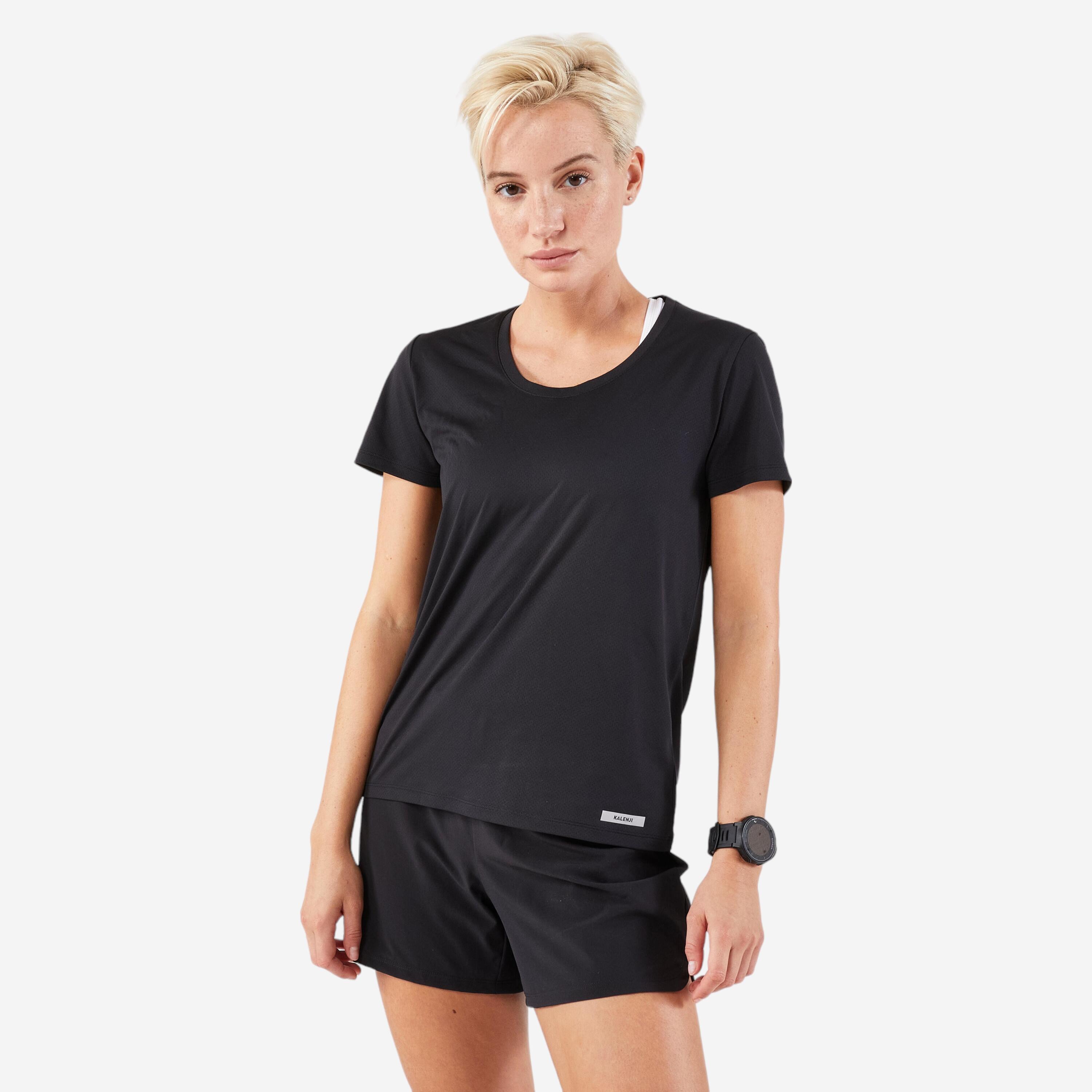
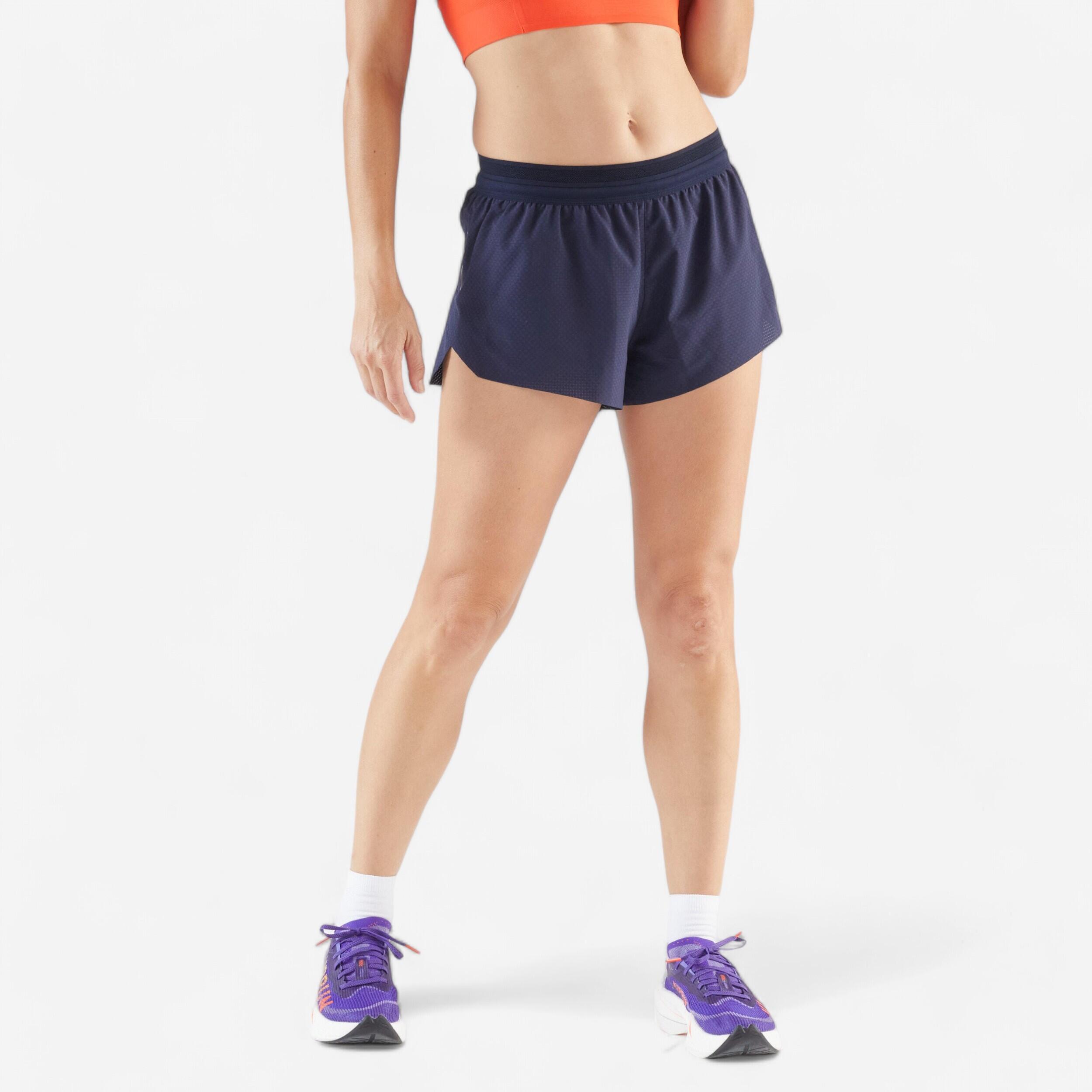
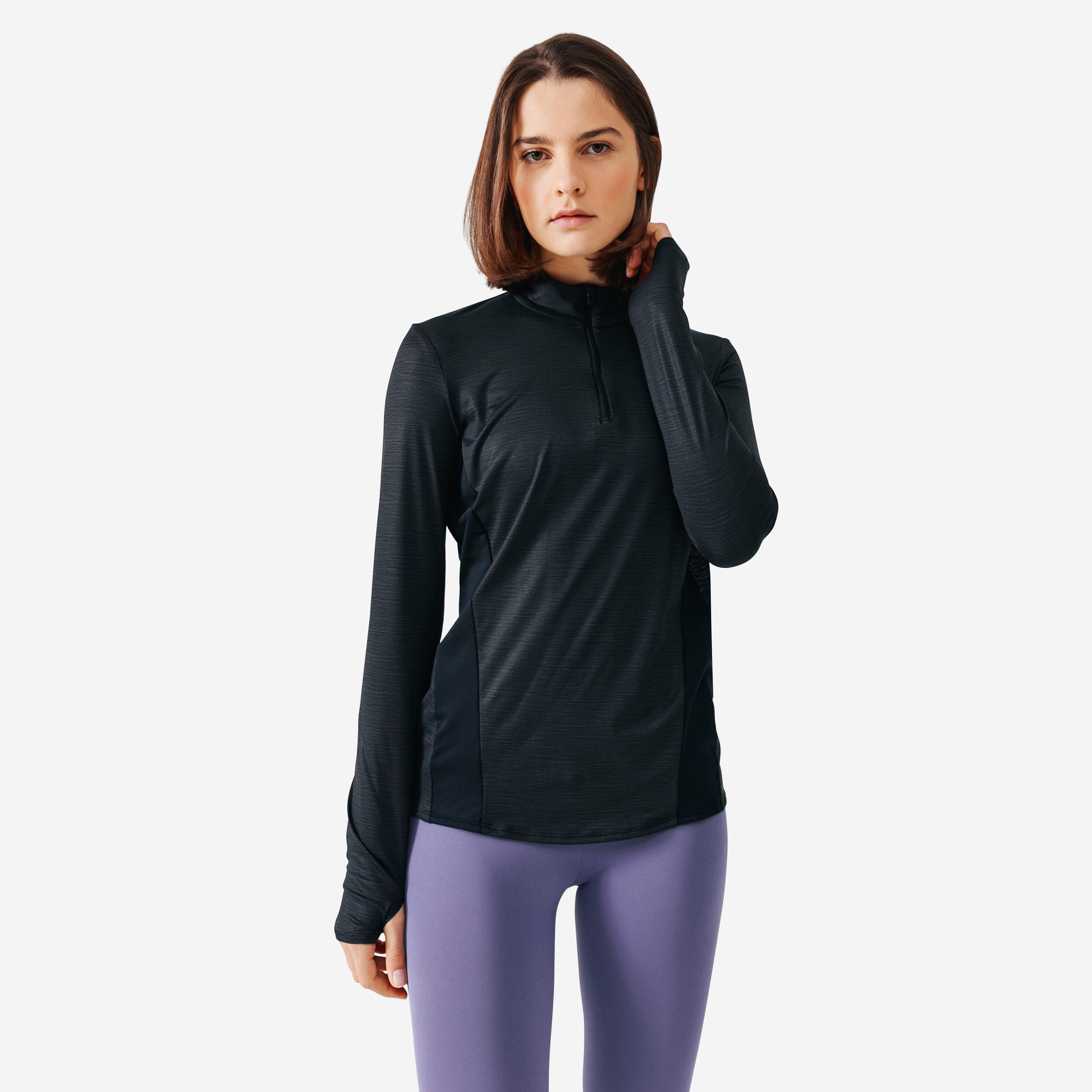
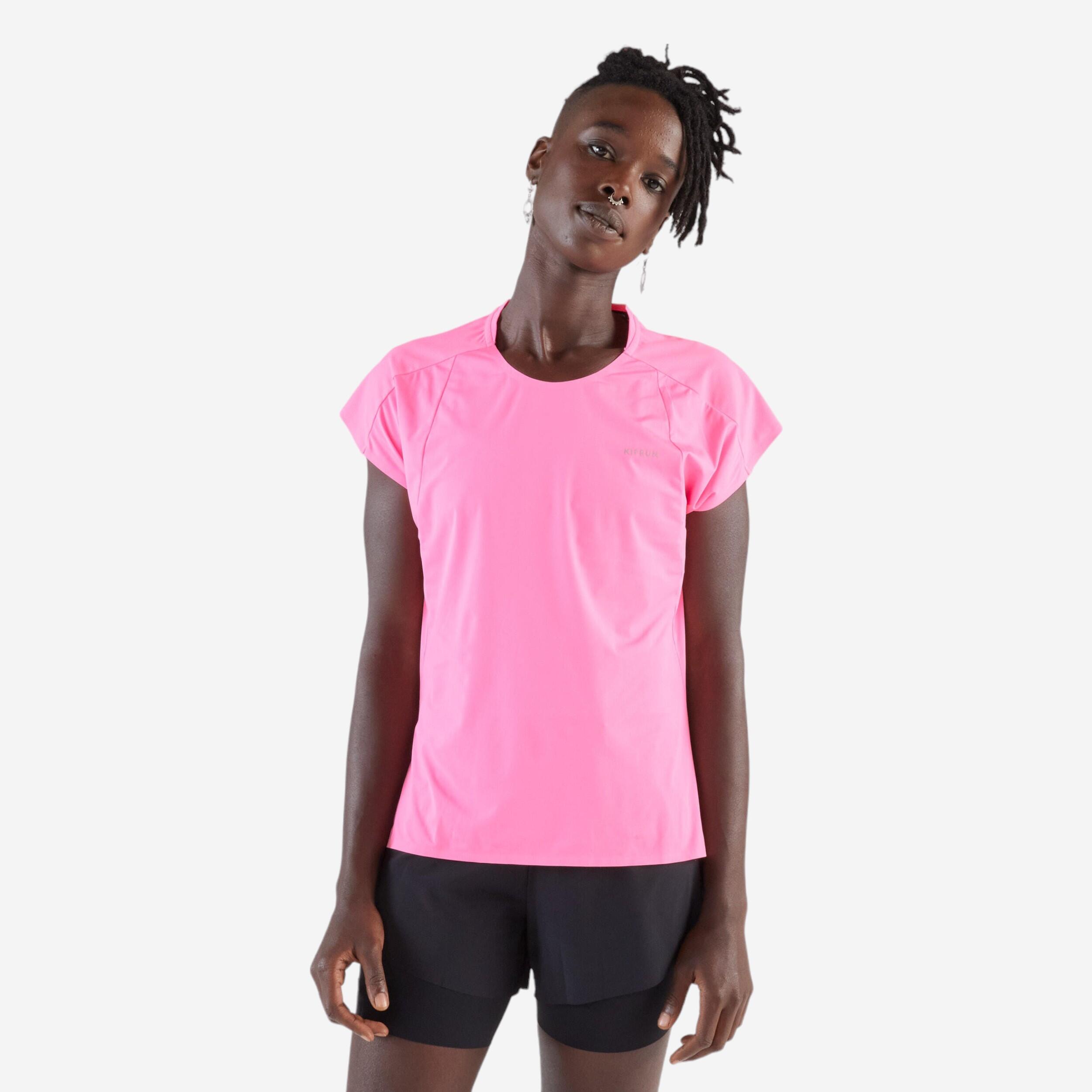
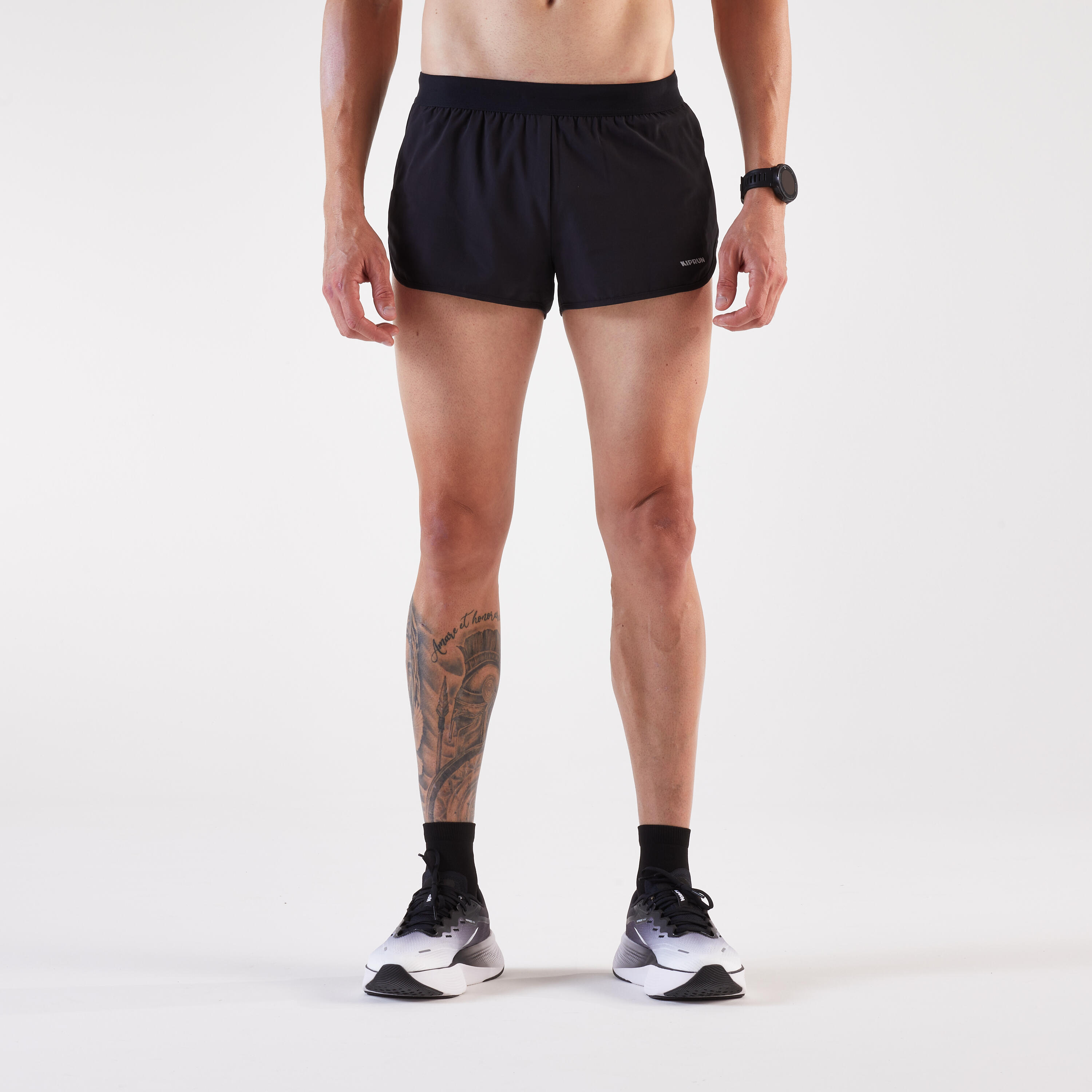
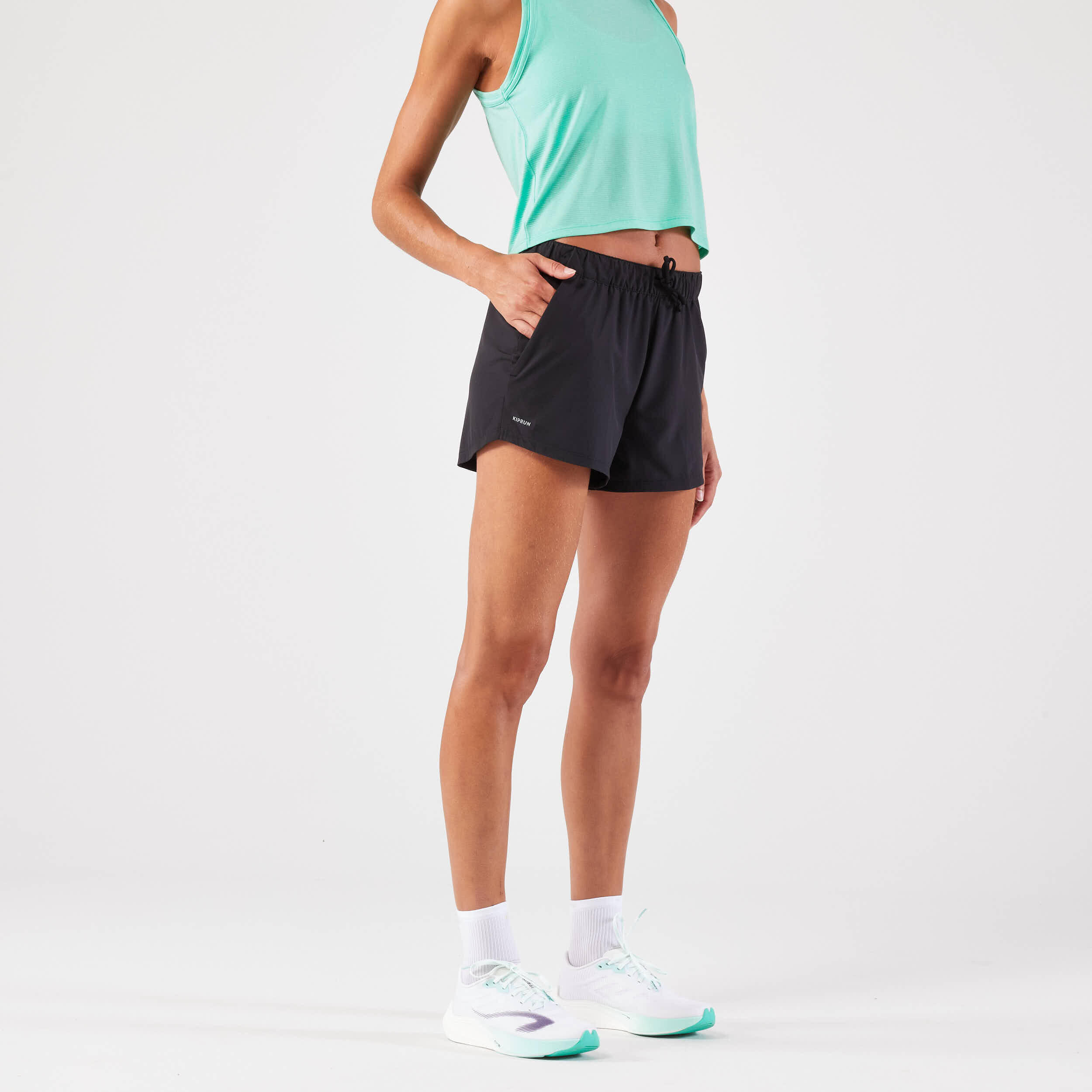
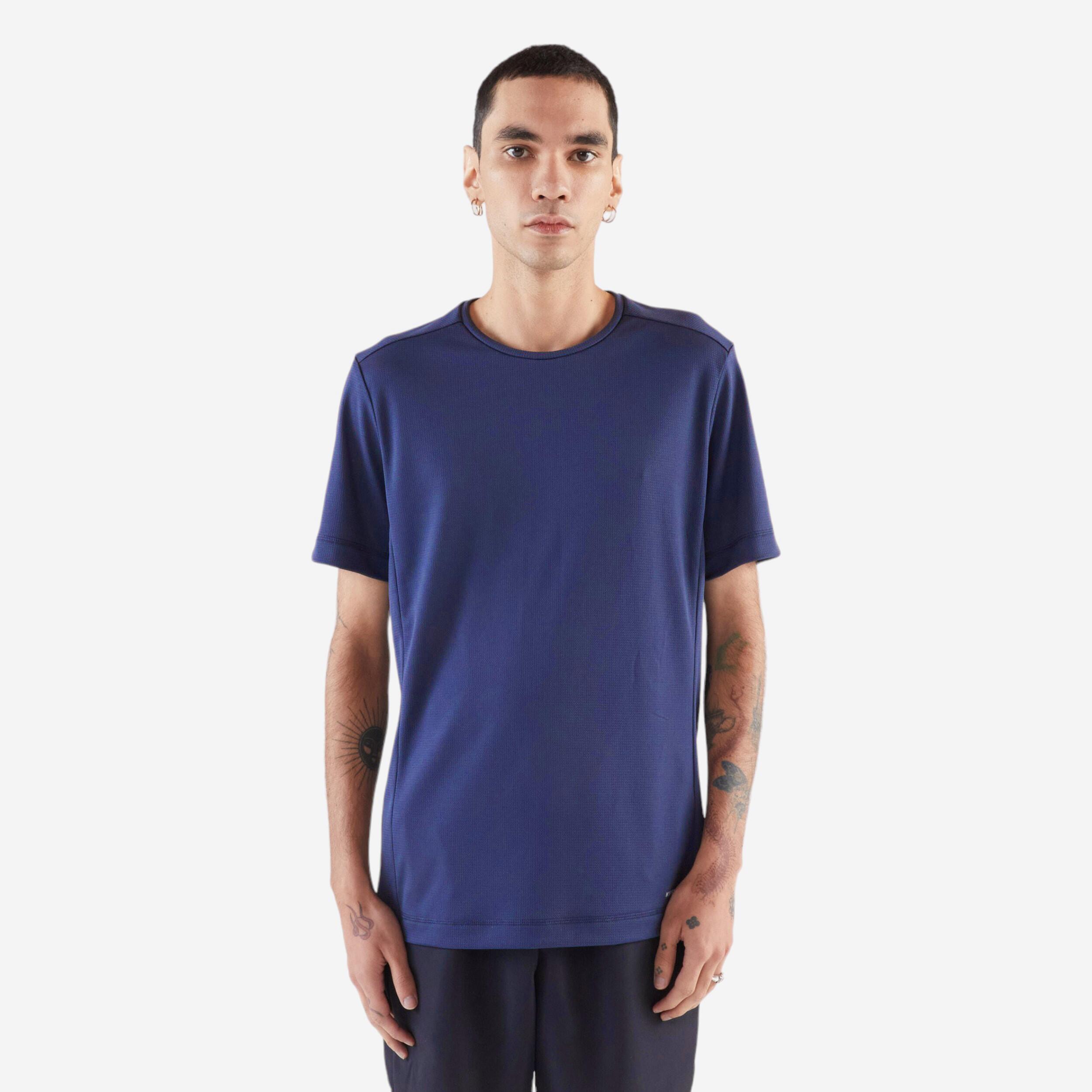
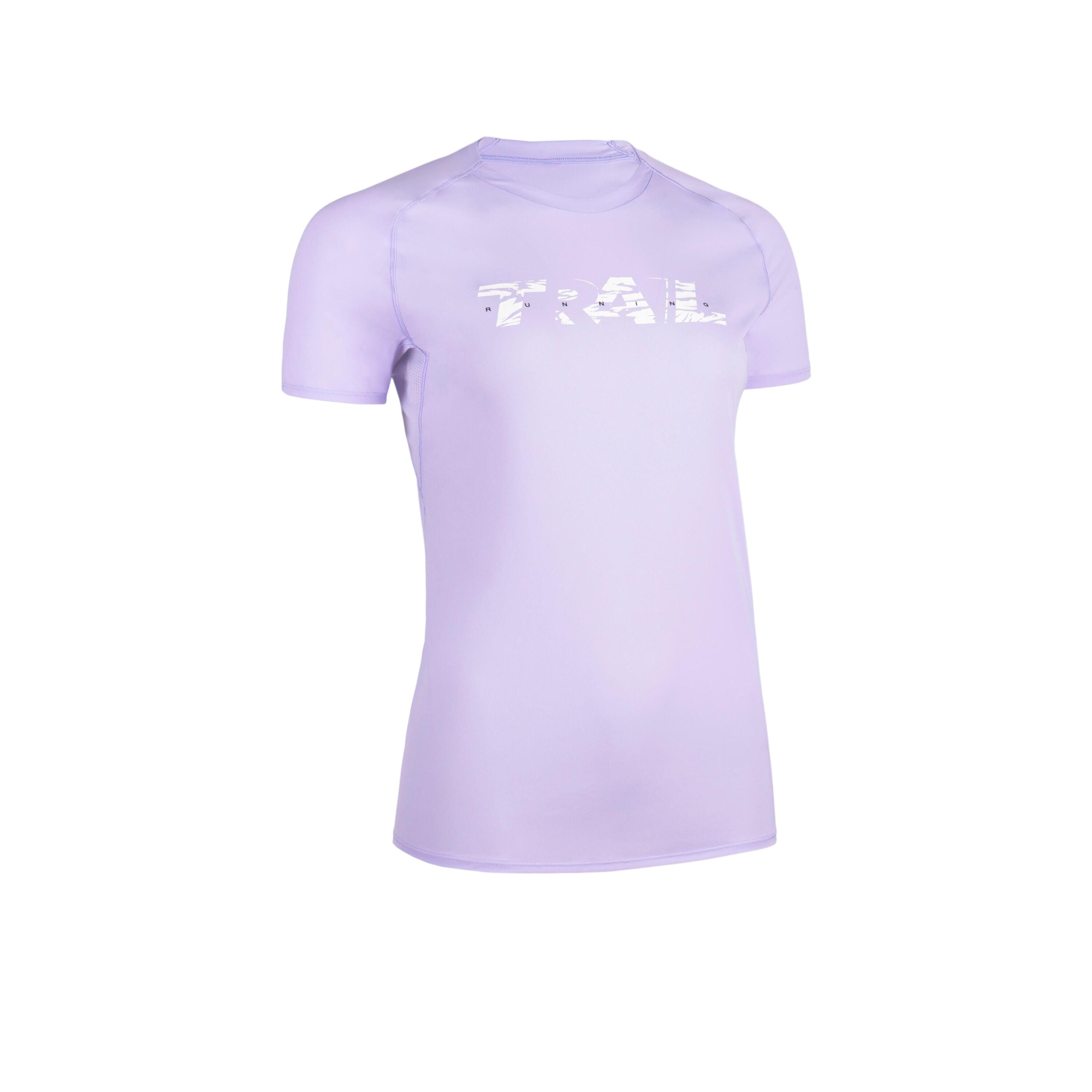
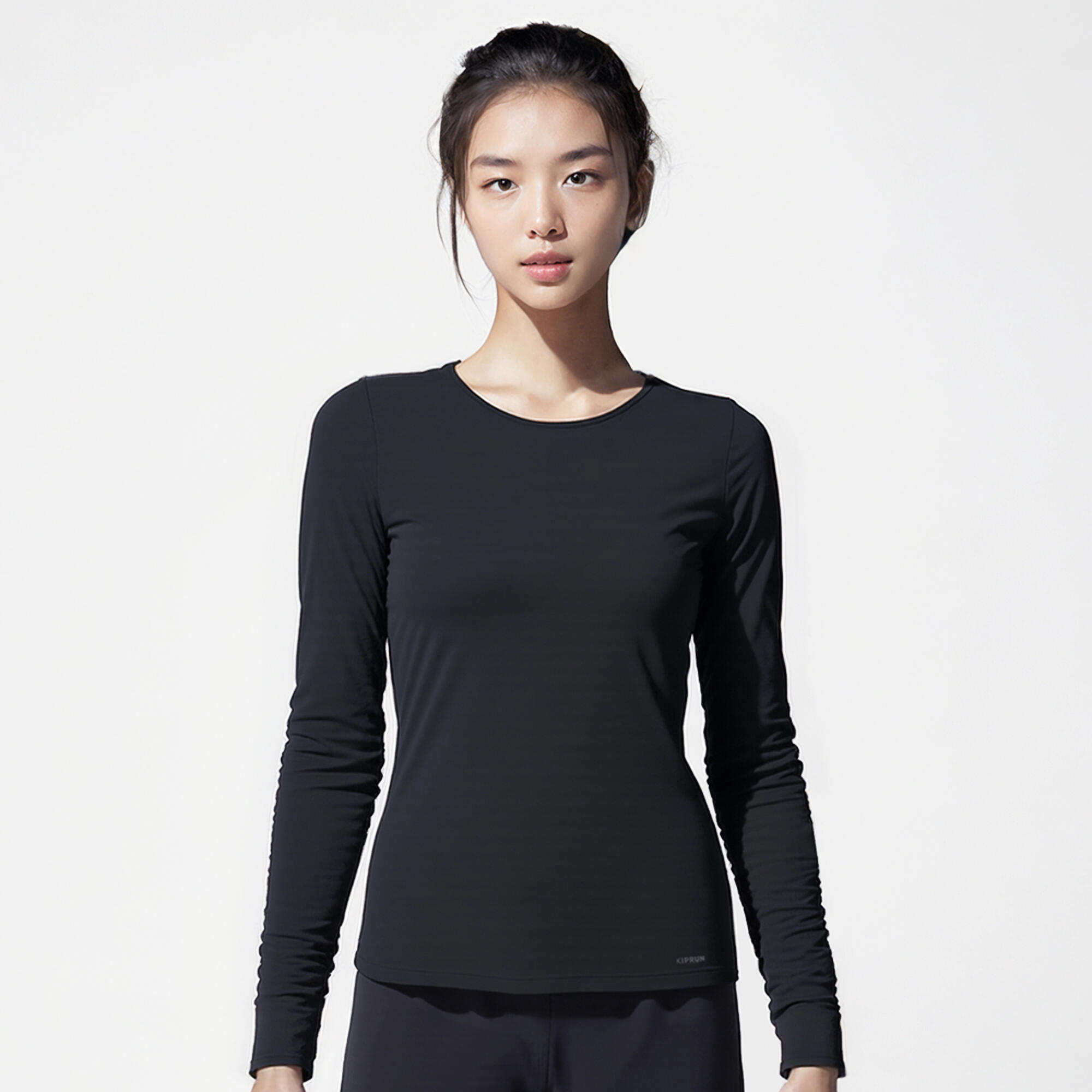
Wear fast-drying technical fabric that allows free movement and does not remain heavy when damp. Lightweight KIPRUN tops use synthetic materials to transfer perspiration, while ventilated back panels help warm air escape during climbs. Two-in-one shorts can reduce skin-on-skin rubbing by placing fitted fabric between the thighs, and silicone grippers help stop inner shorts riding upwards. Clothing pockets may also hold a phone, key or small flask without requiring a separate belt. Choose short trail outfits based on the temperature, forecast and your storage needs. Carry a light outer layer when exposed sections could become windy or wet, even if conditions feel mild at the start.

Do you need nutrition for a short trail run?

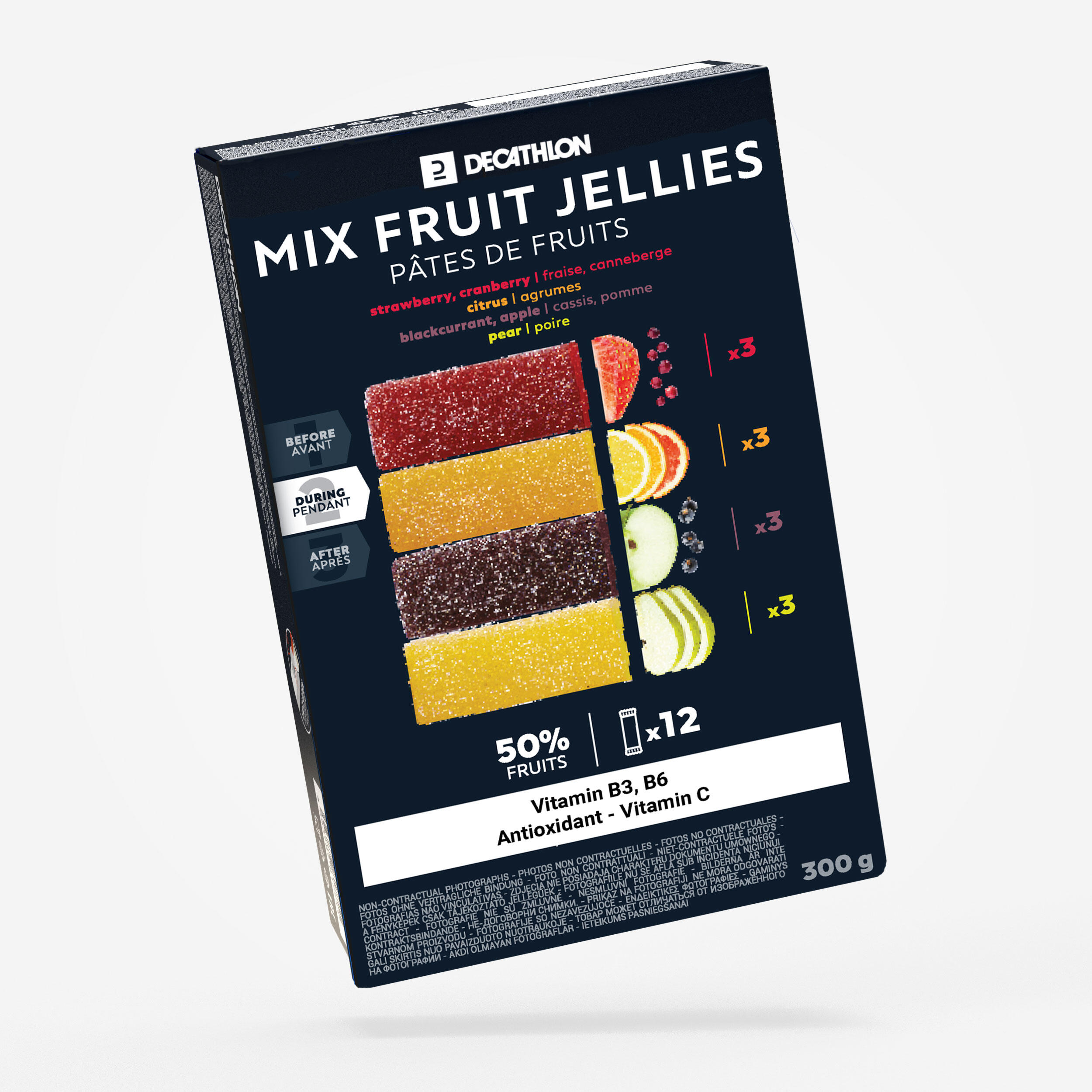
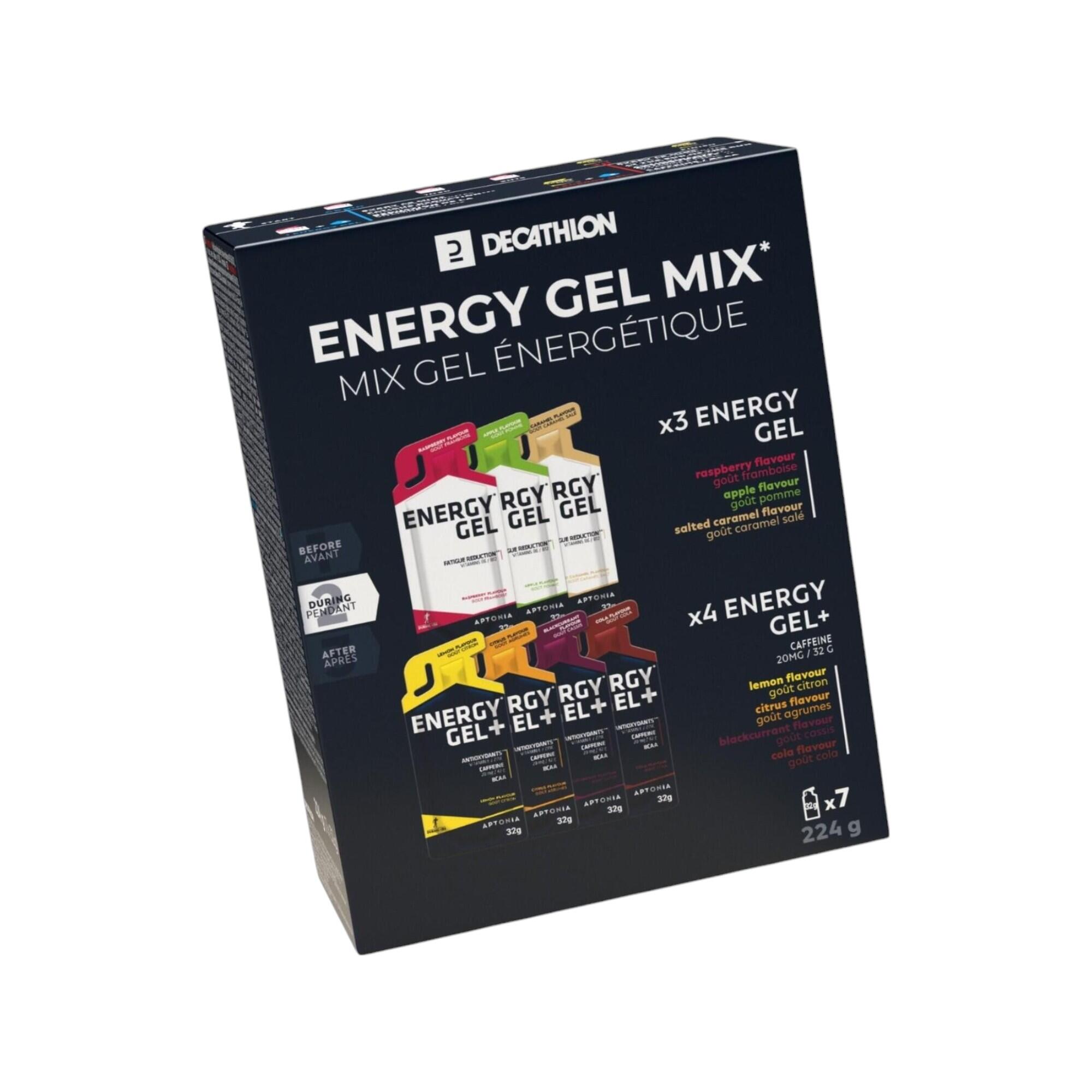
Nutrition depends on your running time and intensity rather than distance alone. A comfortable 10K completed after a normal meal may need only water, while a demanding 20K route with sustained climbing can require an accessible carbohydrate source. Fruit jellies, gels and compact bars are easier to carry than ordinary food, but their texture and sweetness should be tested during training. Build your plan using suitable short trail nutrition and check the carbohydrate provided by each serving. Eat on a smoother section where you can maintain control, and avoid waiting until your energy has already dropped. Carry one spare portion in case technical ground extends your expected running time.

Which accessories are useful on a short trail?

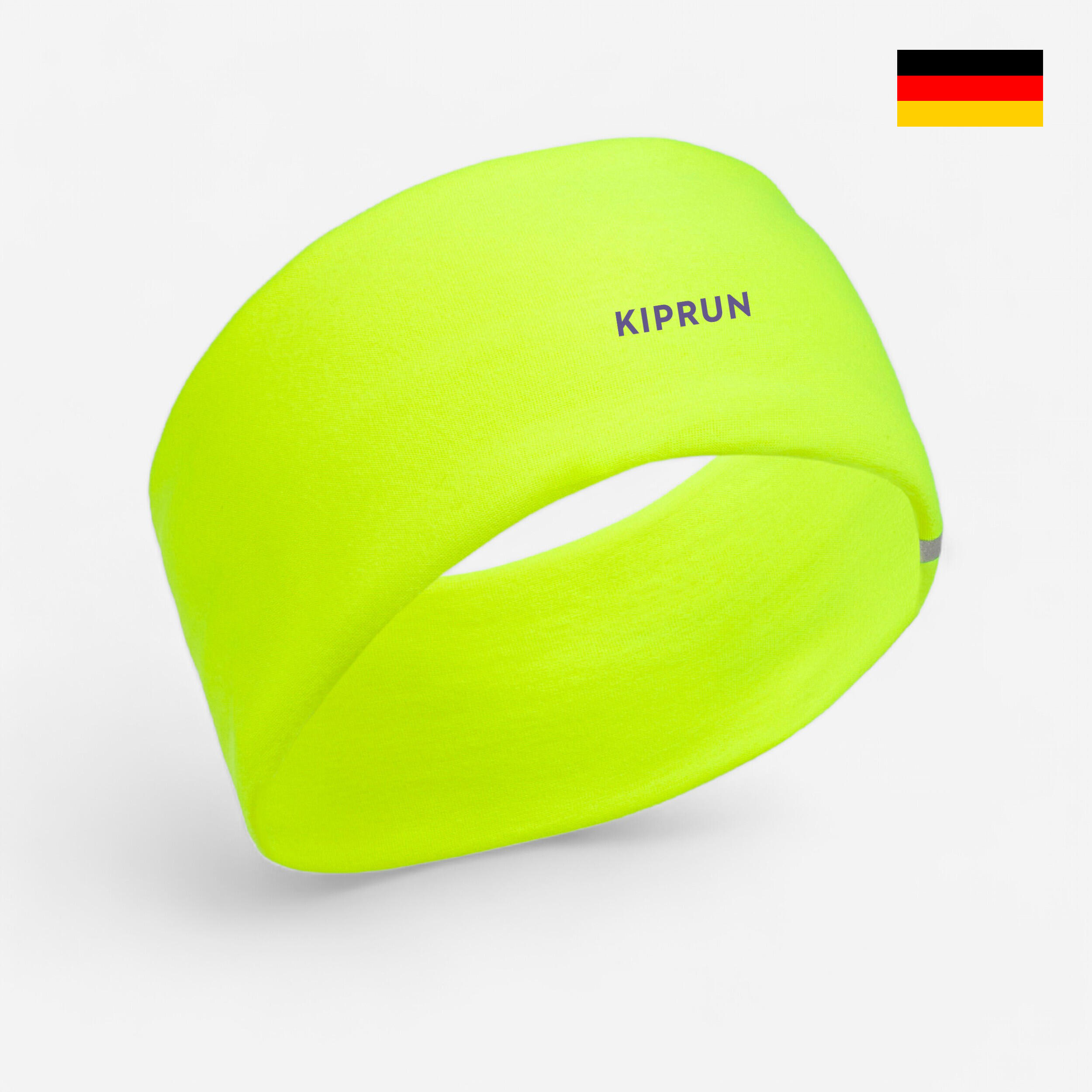
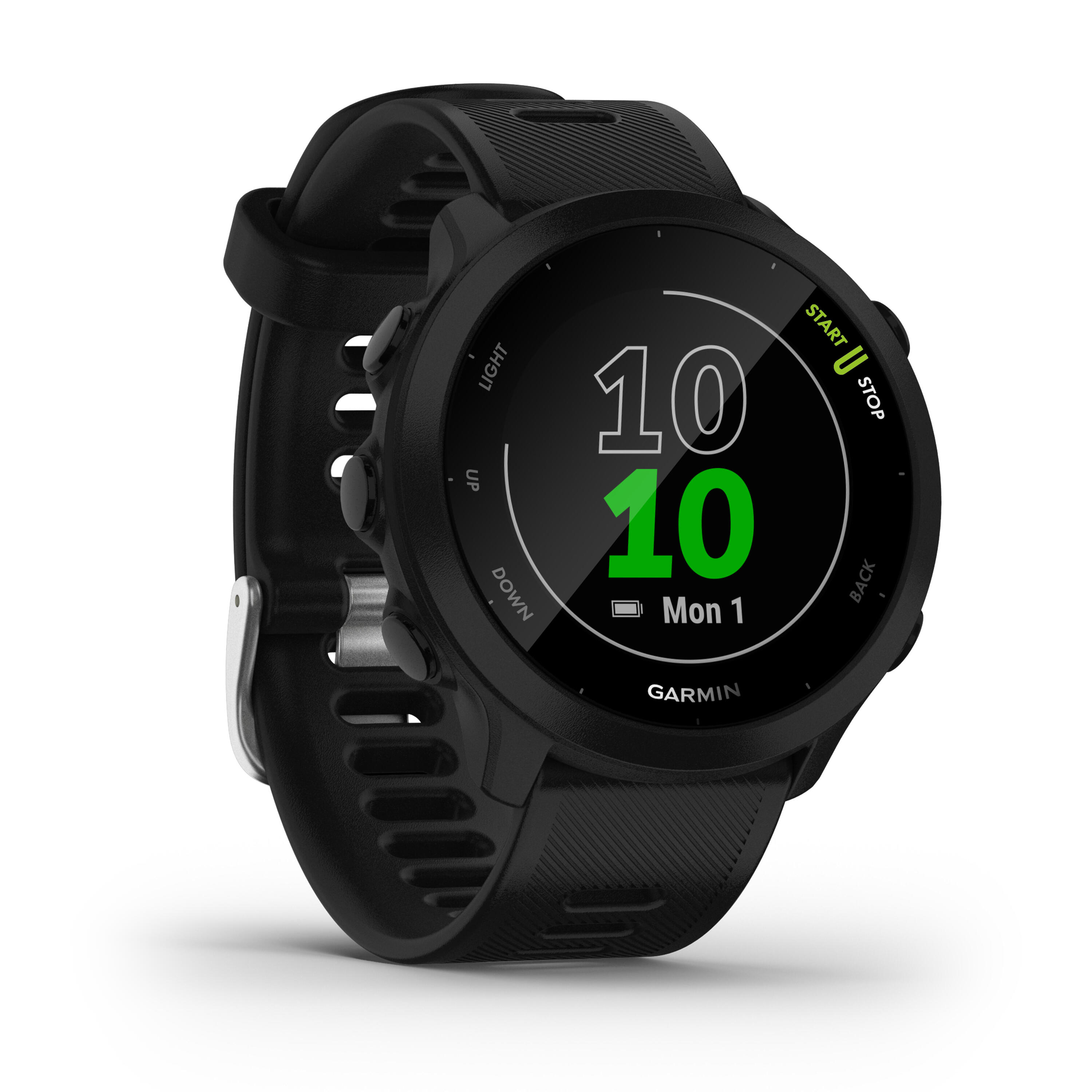
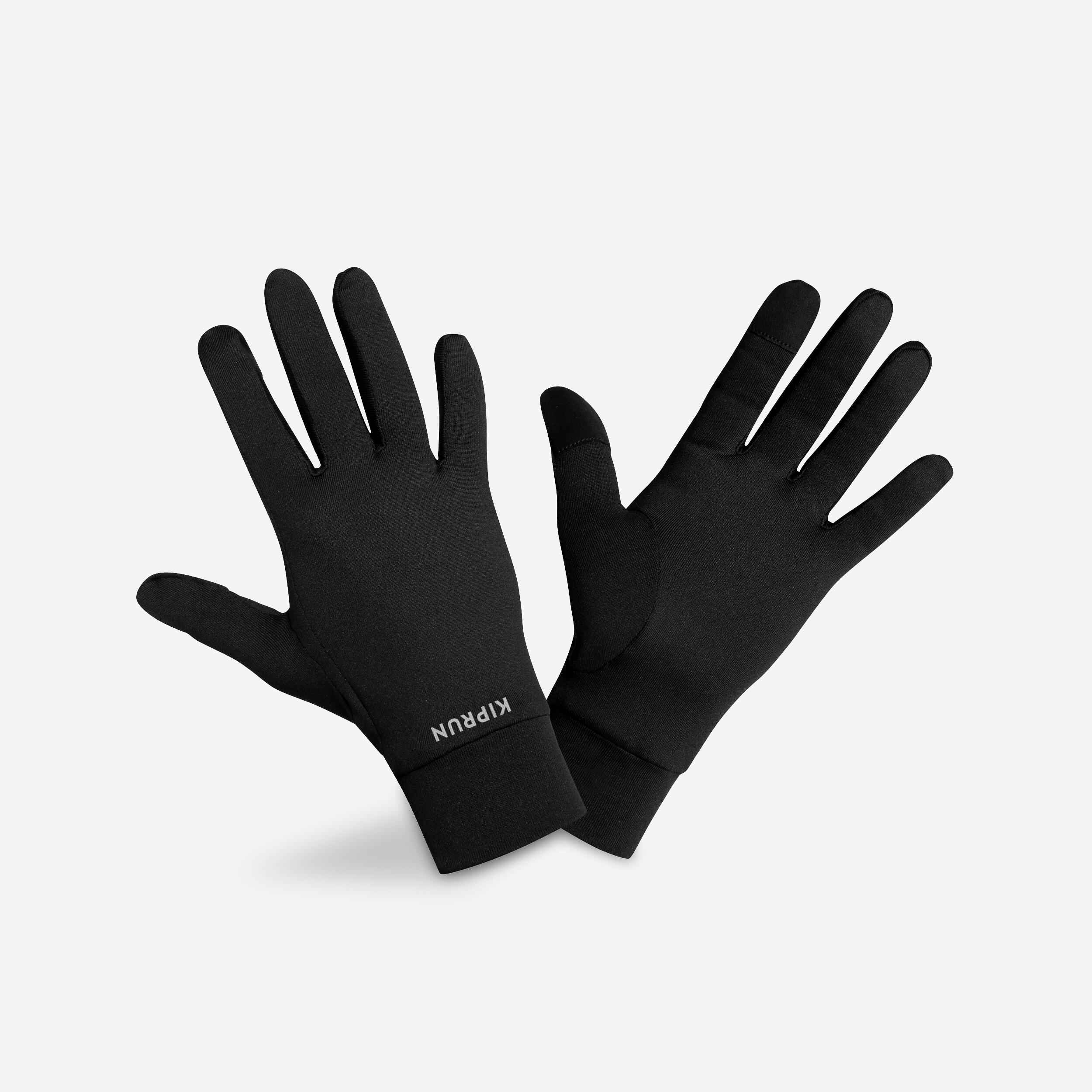
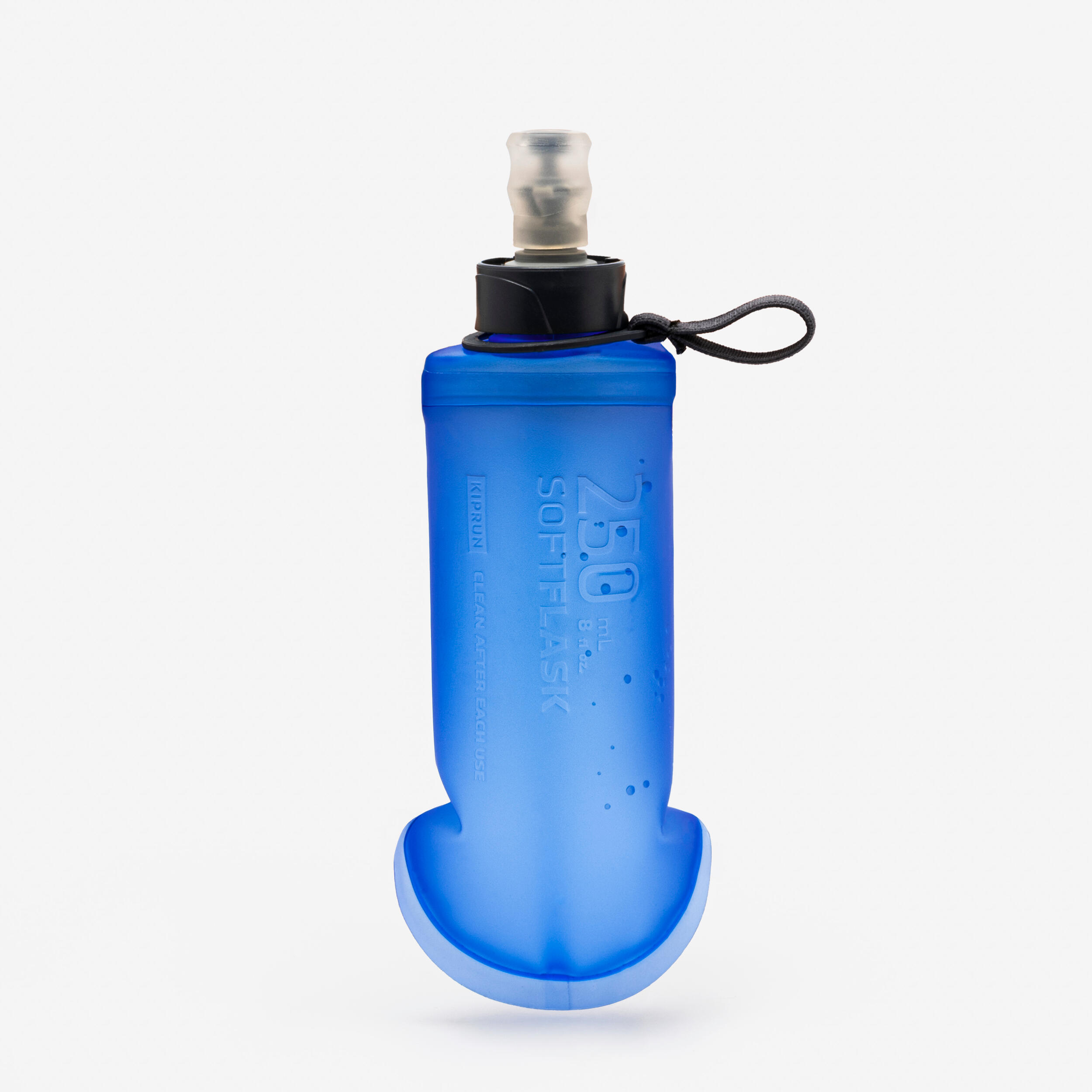
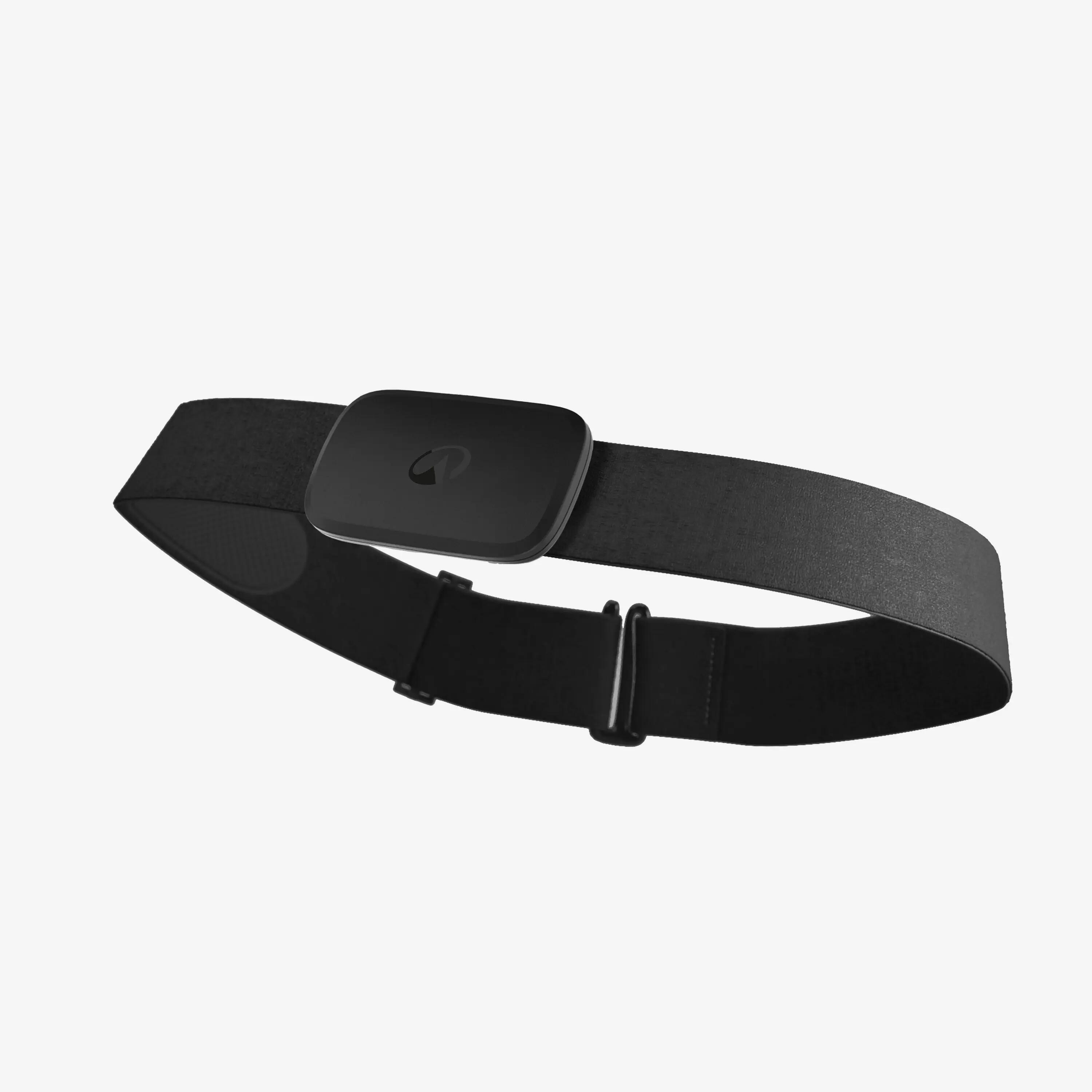
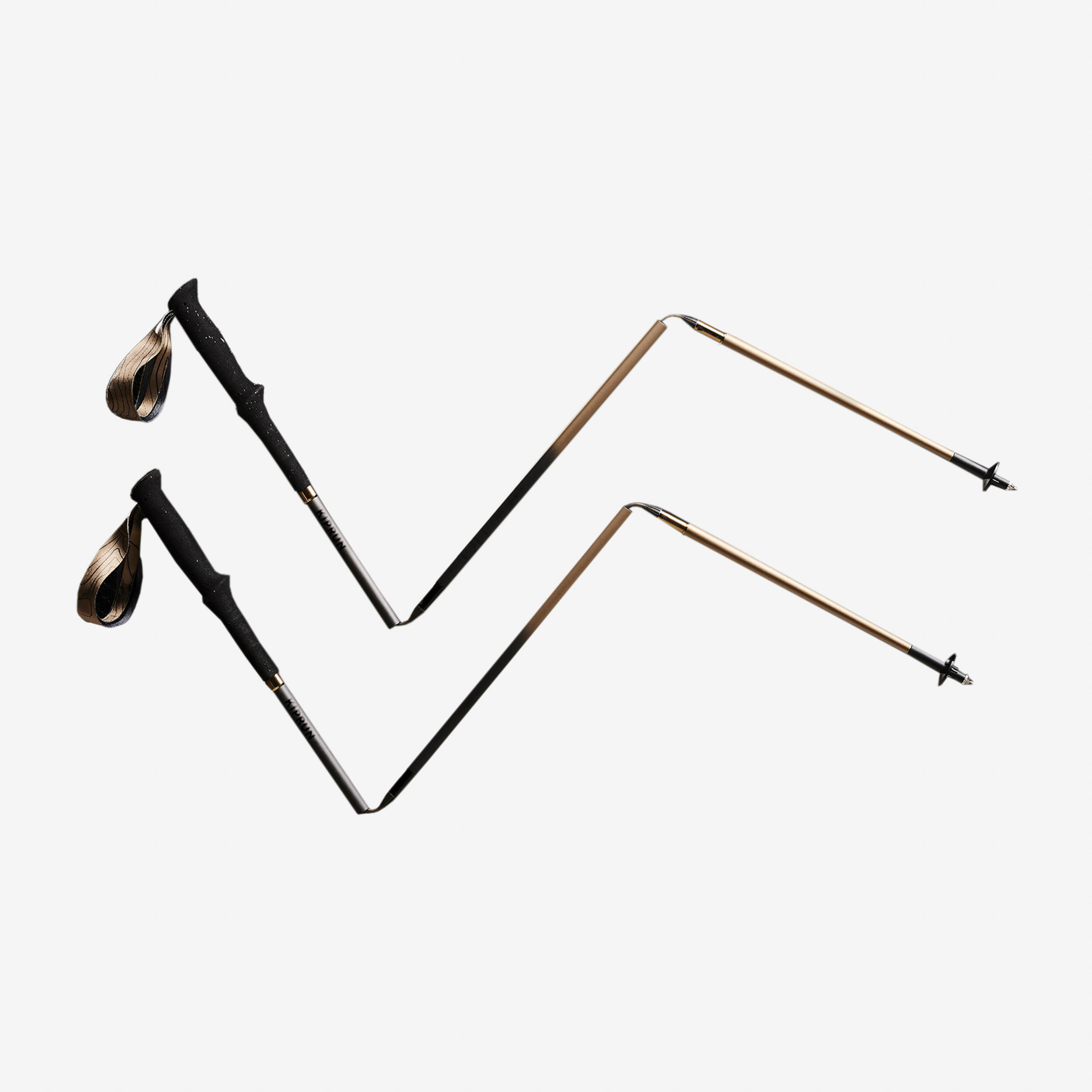
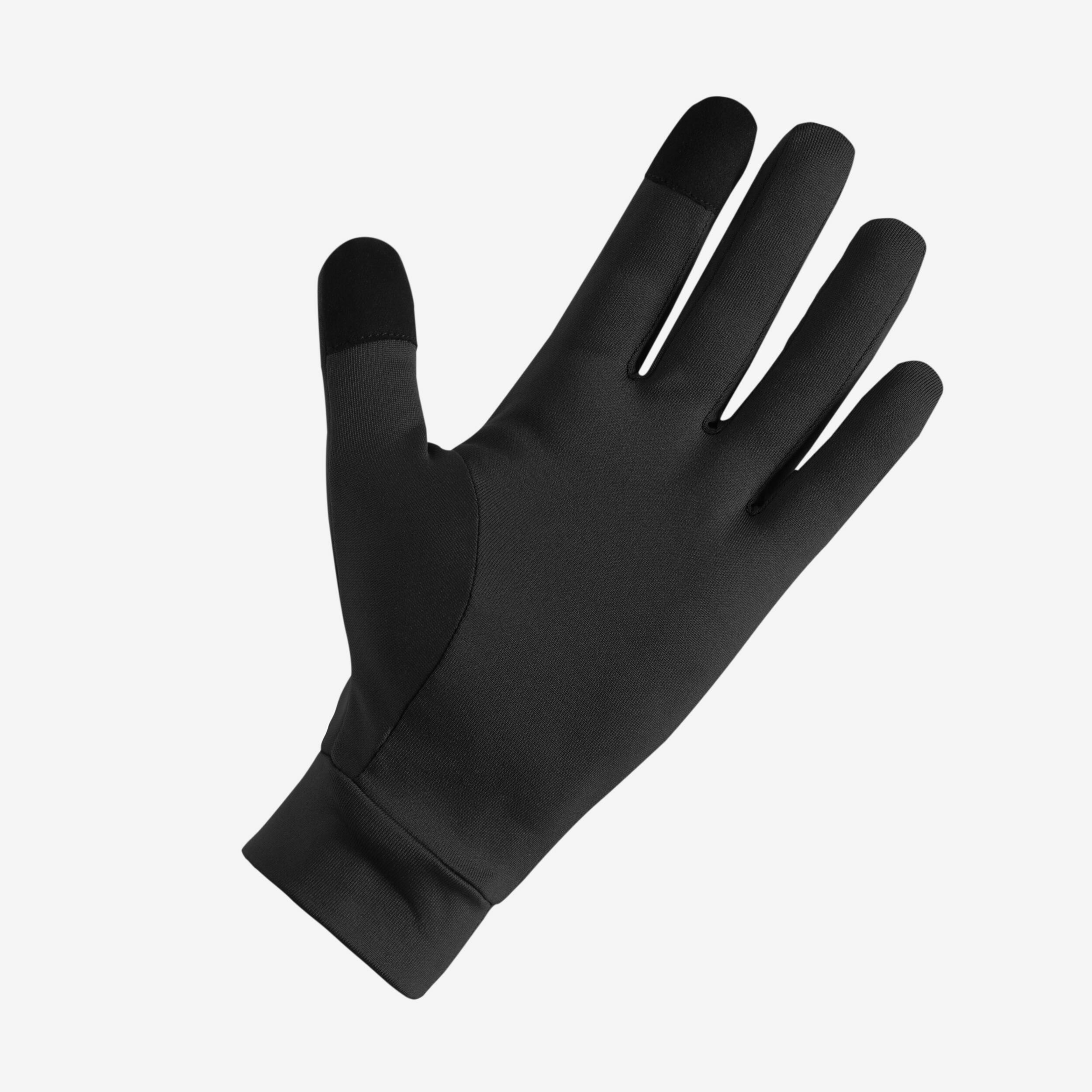
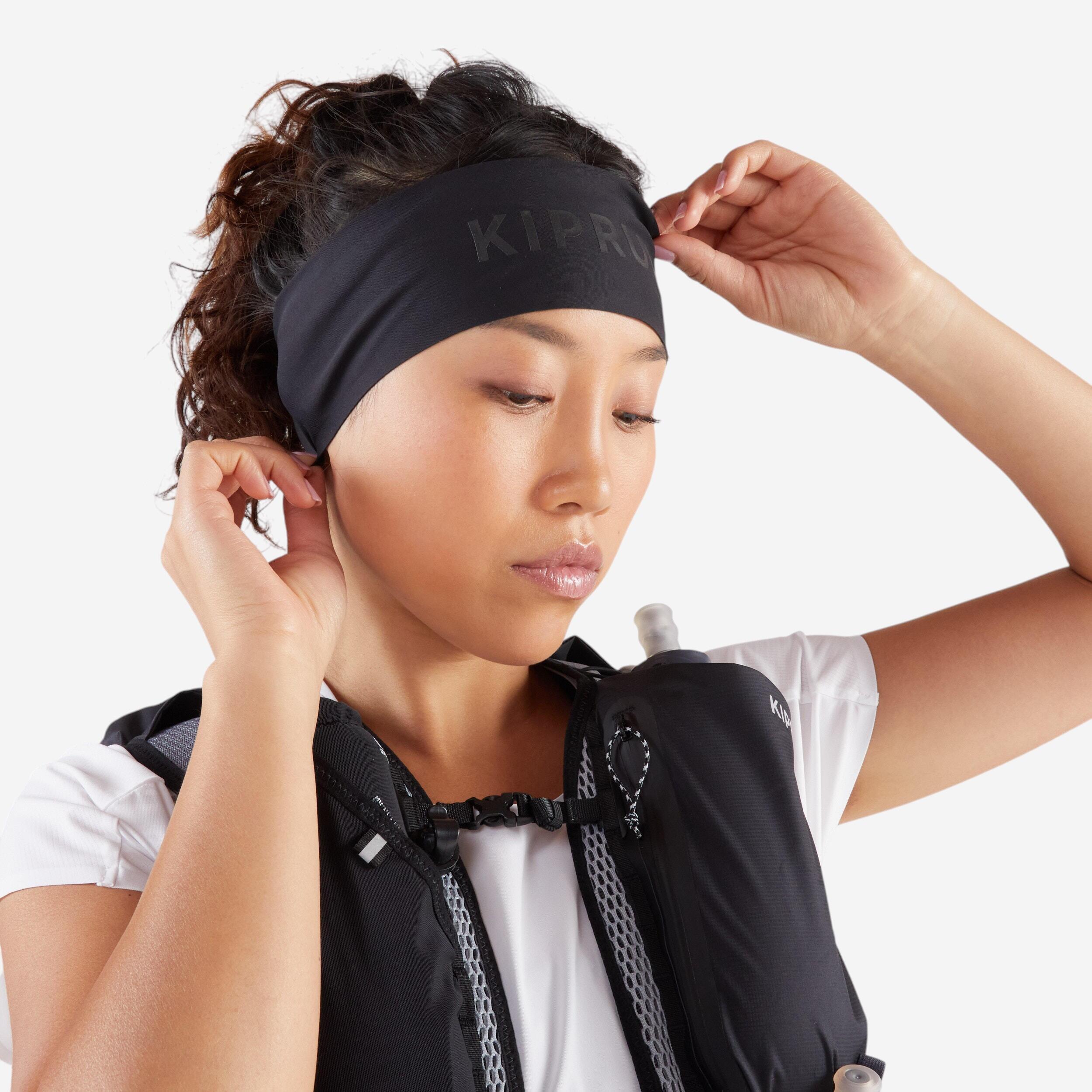
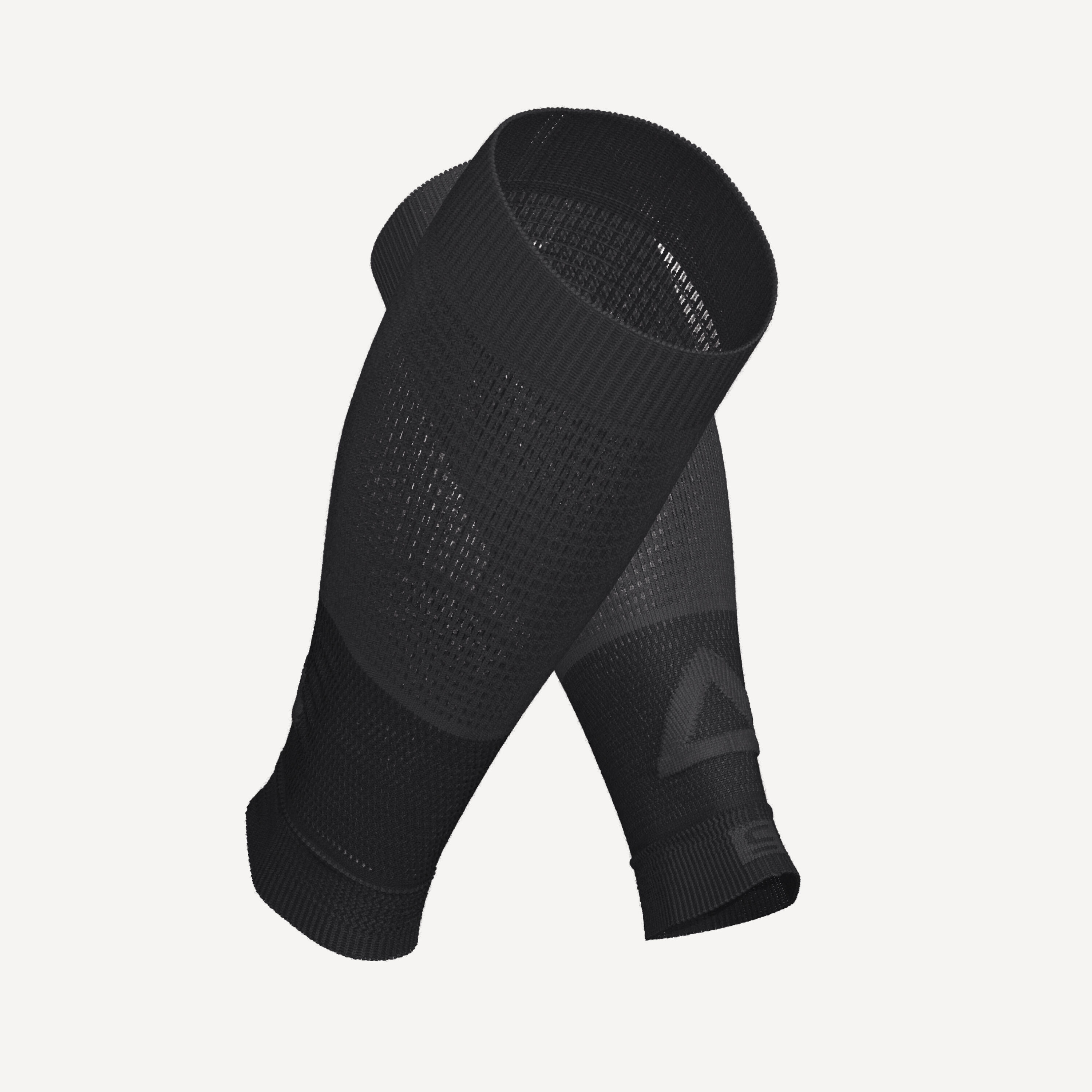
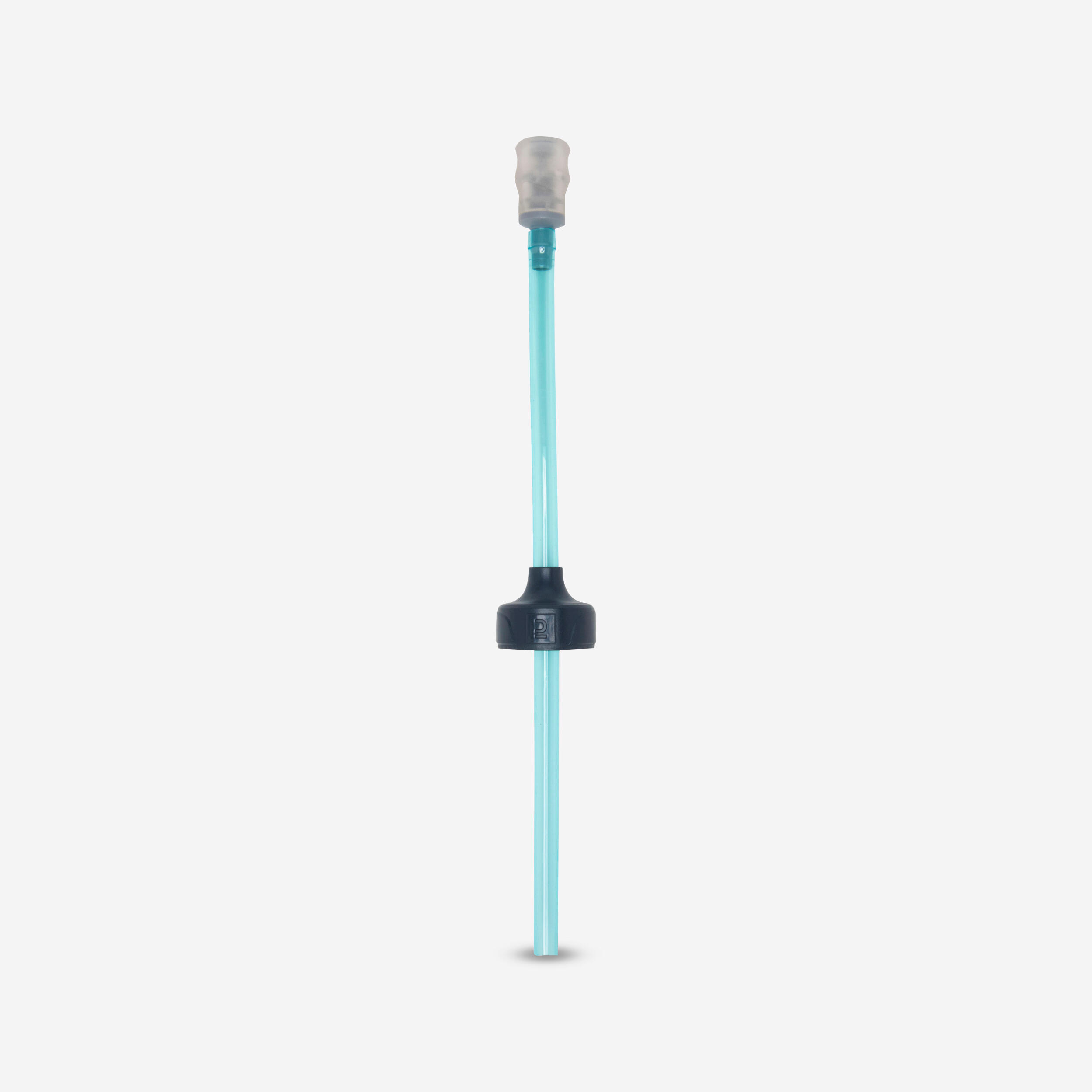
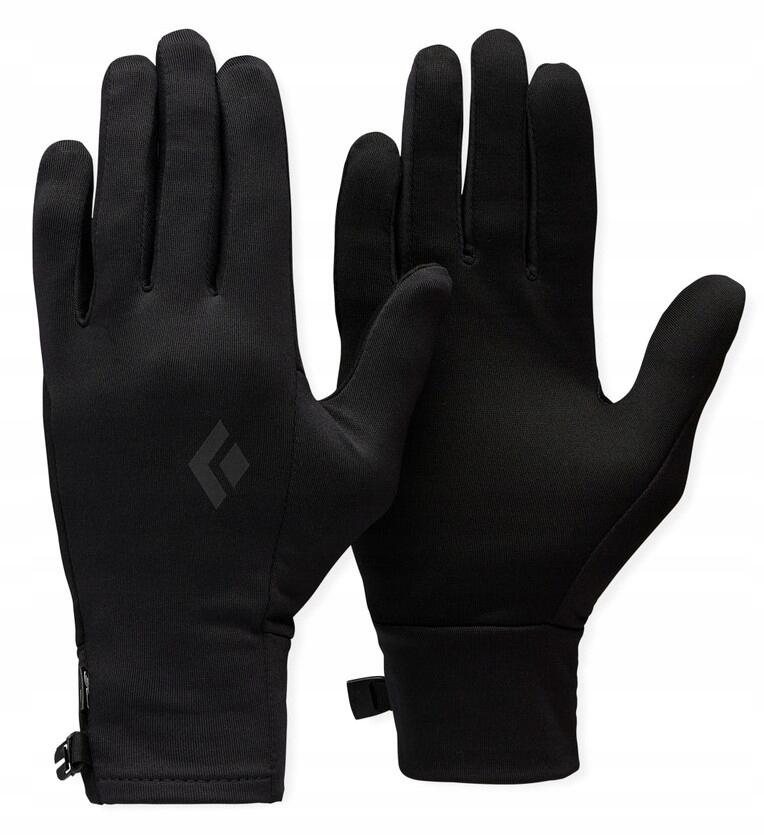
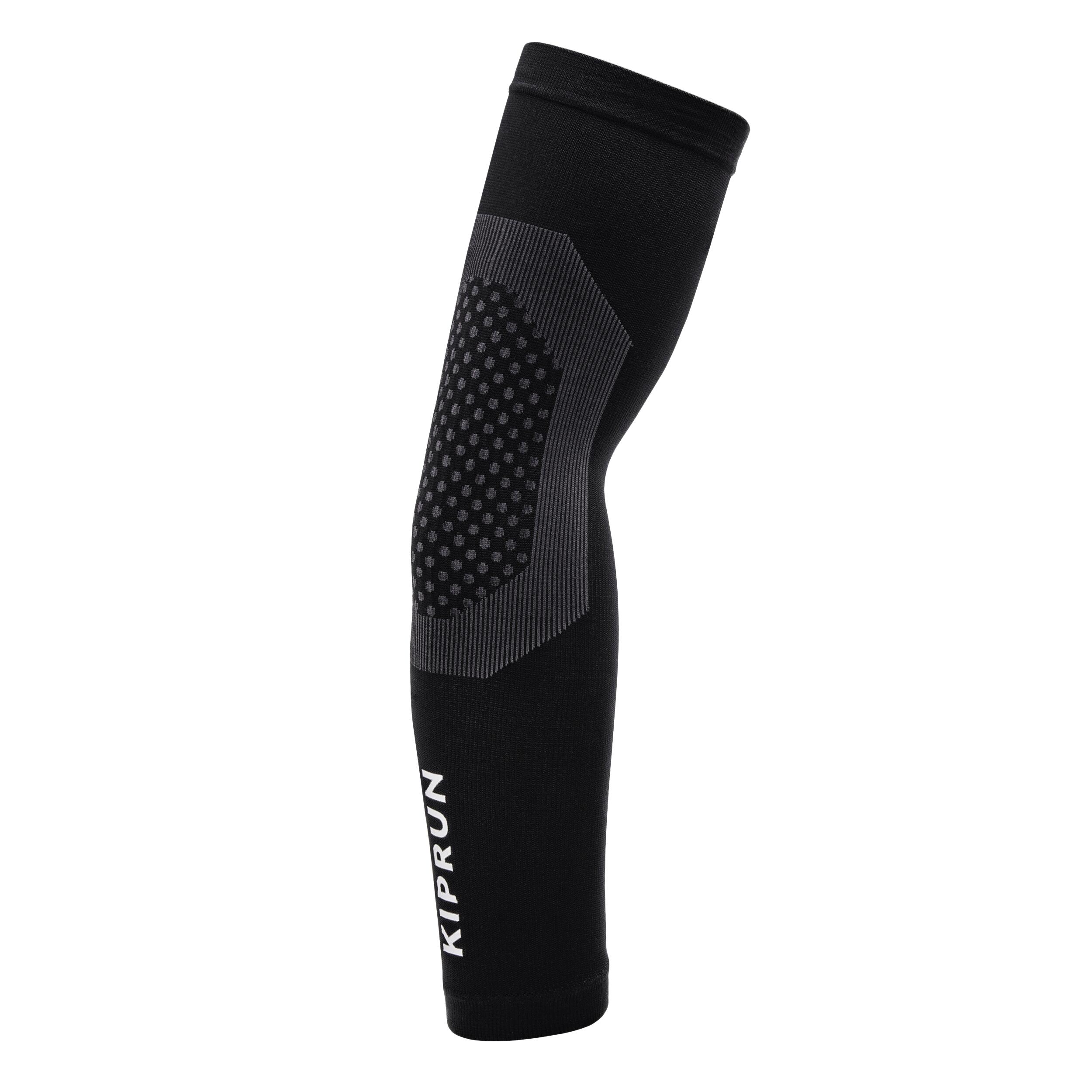
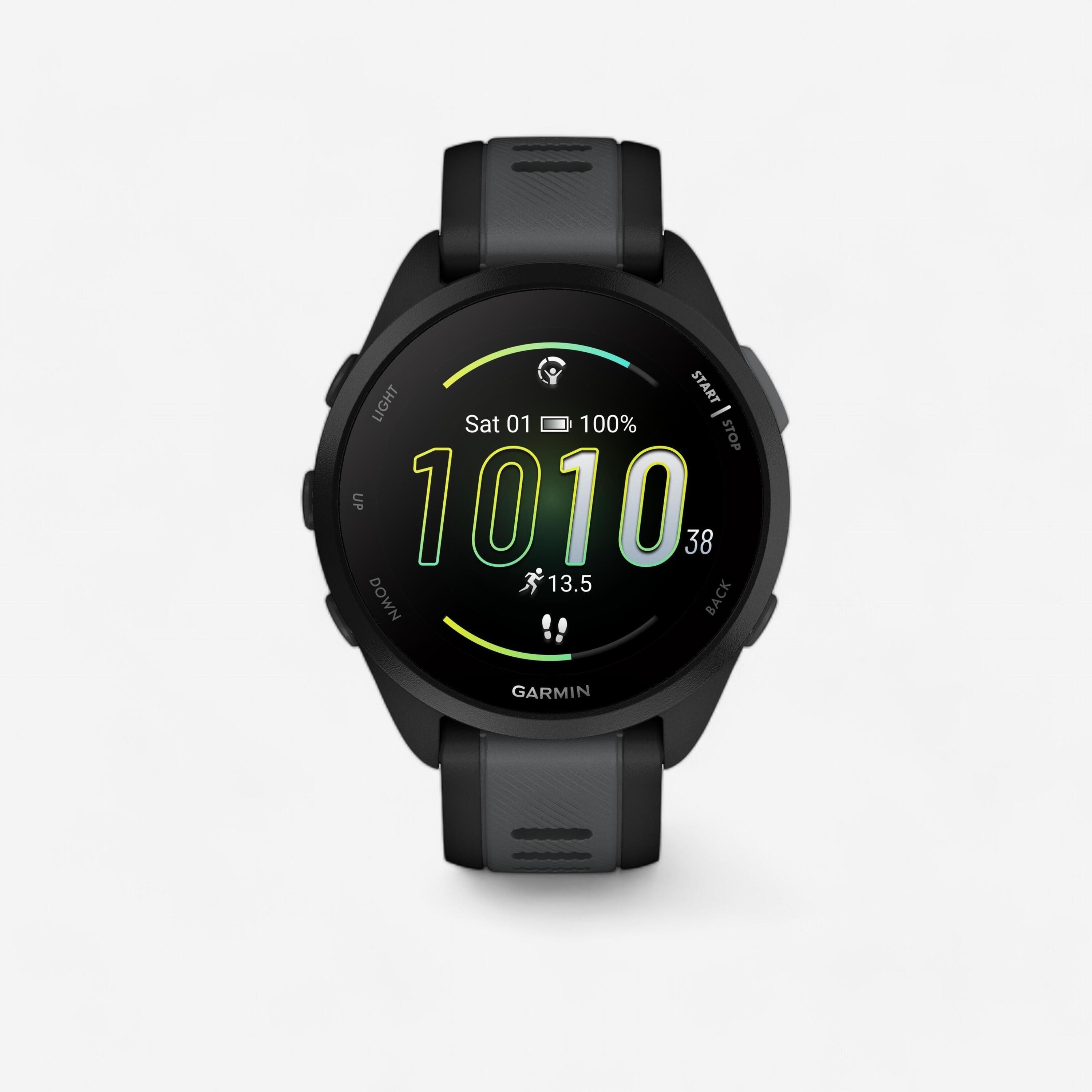
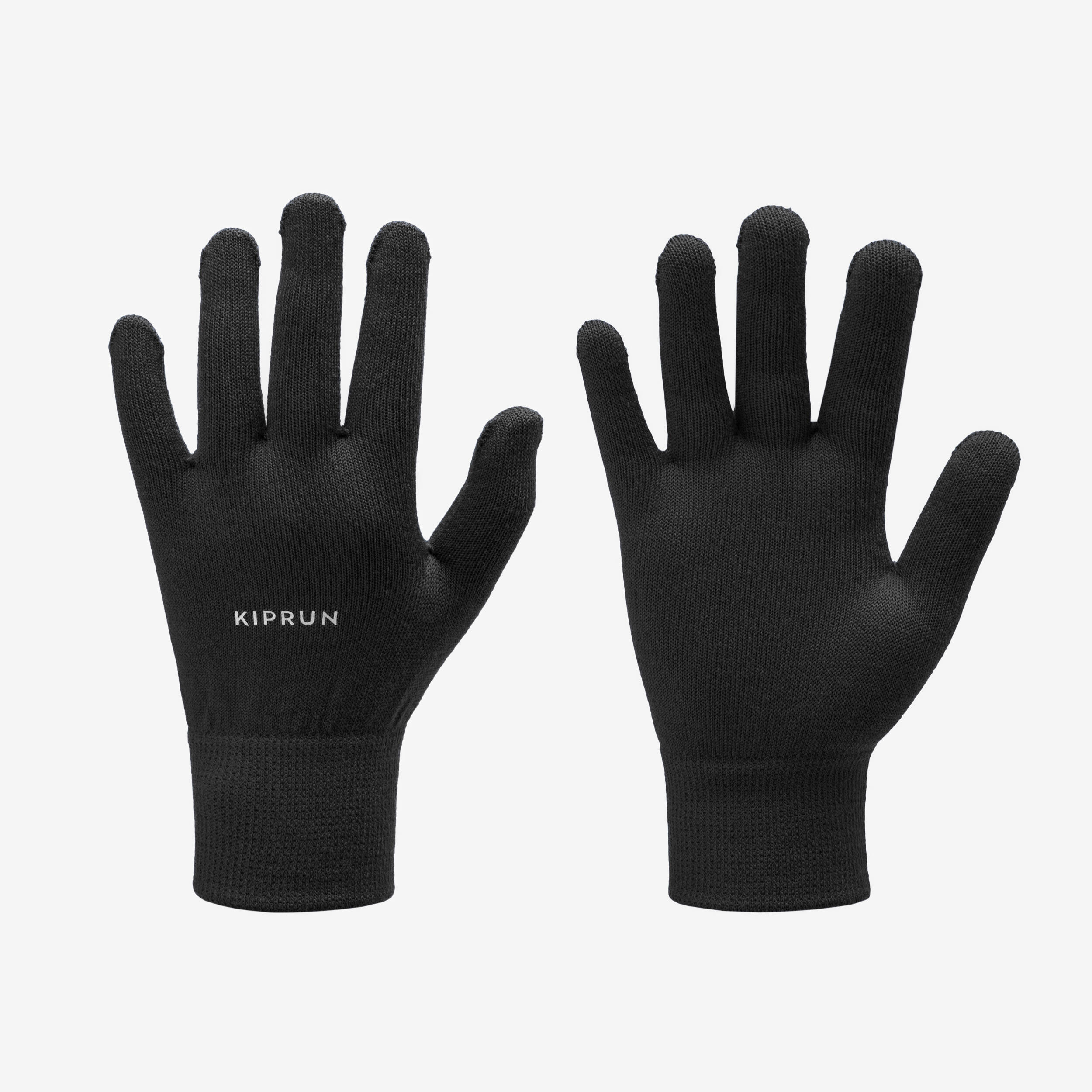
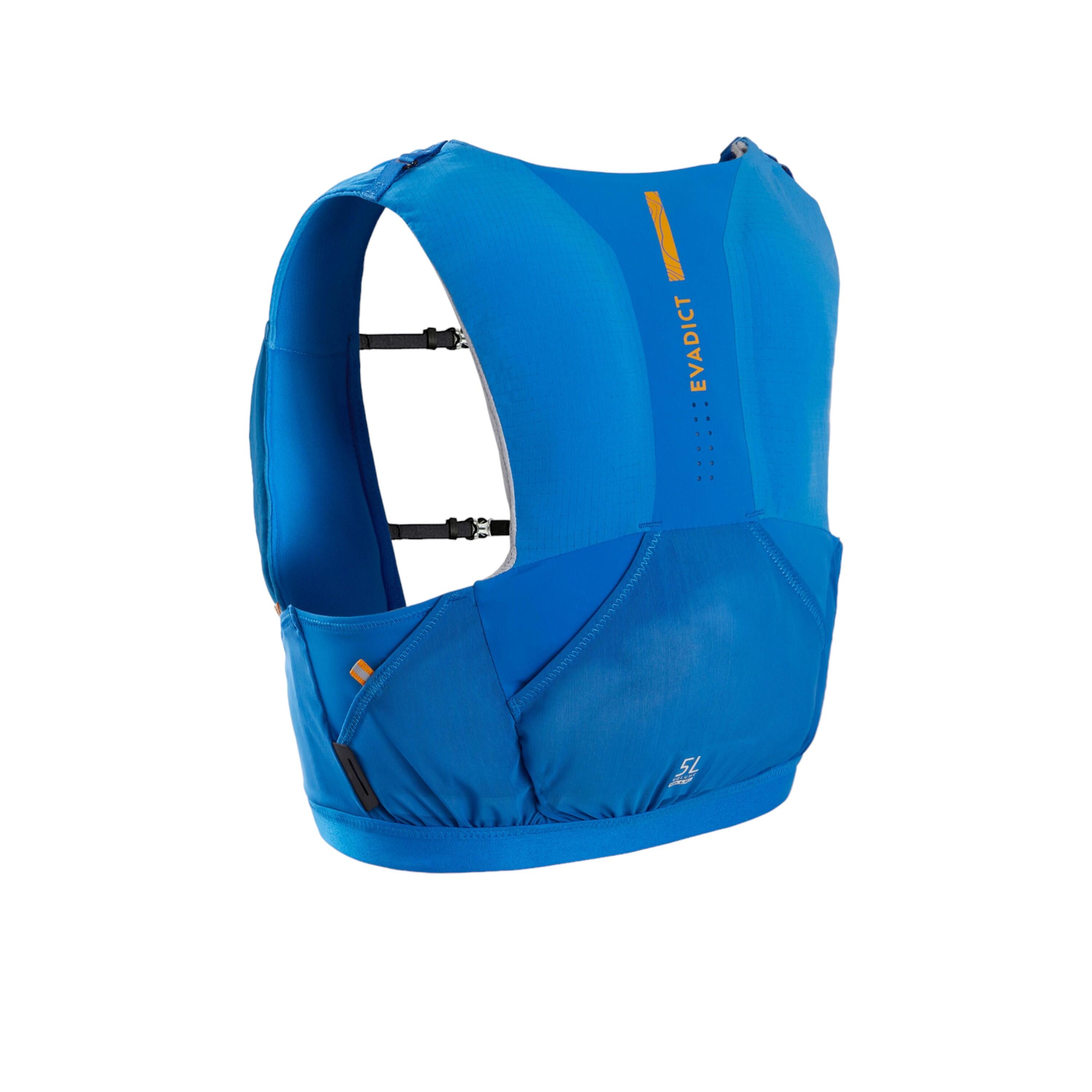
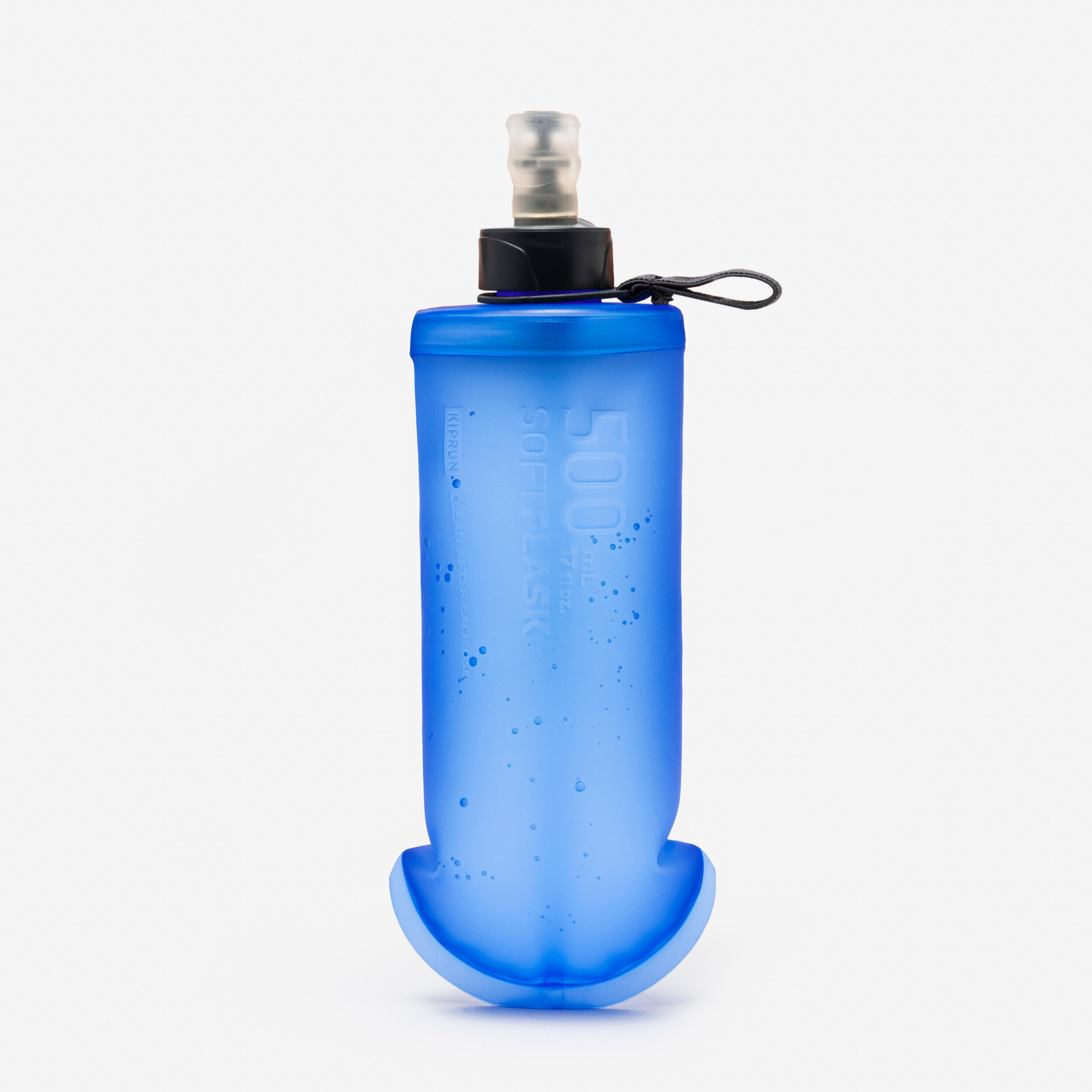
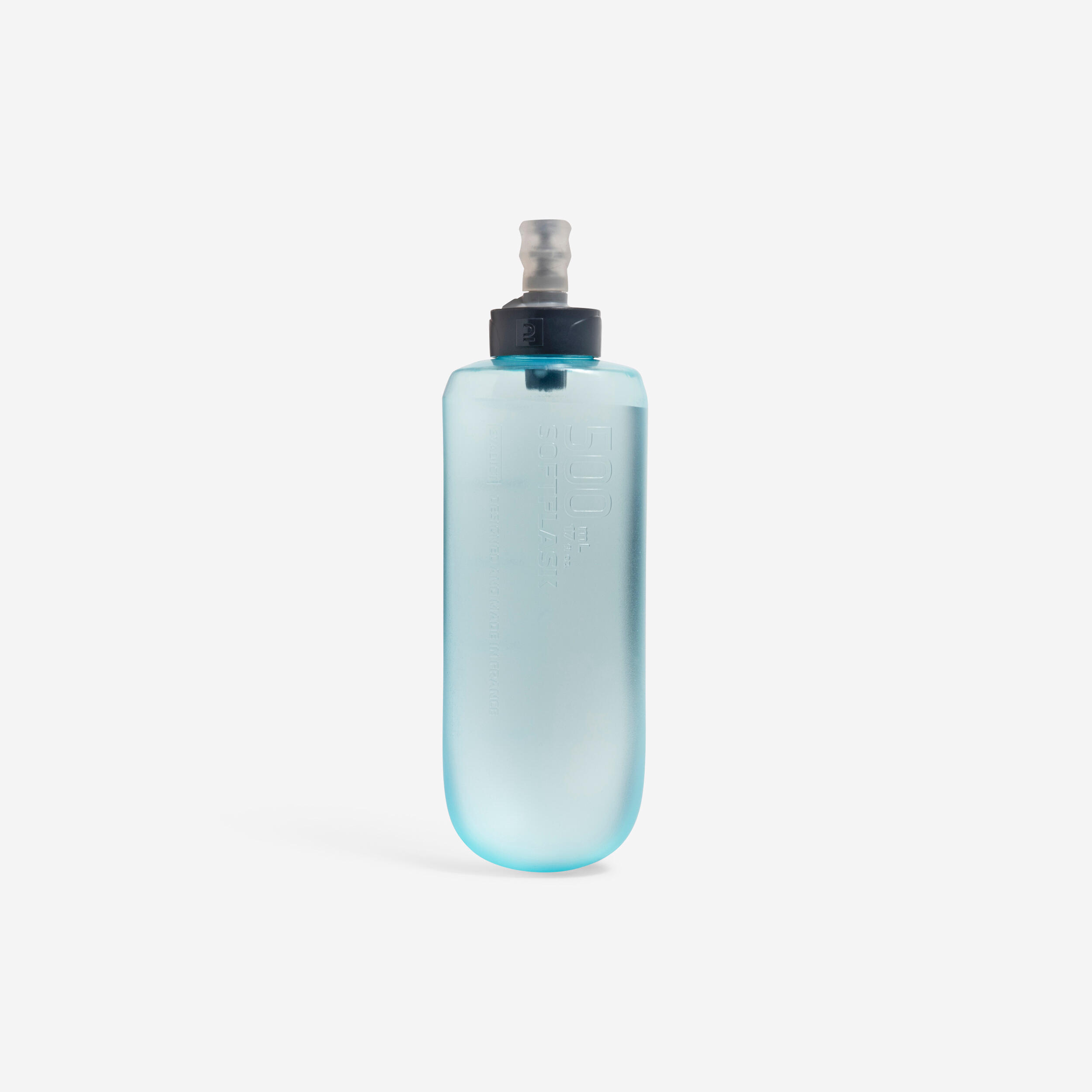
Carry only equipment that solves a clear route or safety need. A running belt or secure clothing pocket can hold your phone, keys, nutrition and a compact flask, while a GPS watch or heart-rate belt may help you monitor duration and effort. Gloves, sunglasses or a lightweight cap can be useful when the weather calls for them, but unnecessary items add movement and distraction. Review short trail accessories by capacity, fit and ease of access rather than trying to carry a fixed list of 10 trail running accessories. Pro tip: shake, bend and jog with loaded pockets before leaving home to identify anything that moves, presses into the body or interferes with your stride.
How should you prepare for your first short trail?

Study the route profile, surface and weather before choosing your short trail running gear. Hills, mud and technical descents can make a 10-20K trail feel much harder than the same distance on a road. Train on similar ground, practise controlled downhill steps and avoid starting too quickly on the first climb. Check your shoelaces, pocket fastenings, flask valve and phone charge before setting off. The wider selection of trail running accessories can support changing needs as routes become longer or more remote. Tell someone your planned route, carry emergency contact details and turn back when weather, visibility or footing becomes unsafe. Familiar, stable equipment is more valuable than adding untested kit at the last moment.