96 items
4.7/5 based on 29263 reviews collected online and in stores

Short Trail Nutrition FAQs

Do you need nutrition during a short trail run?

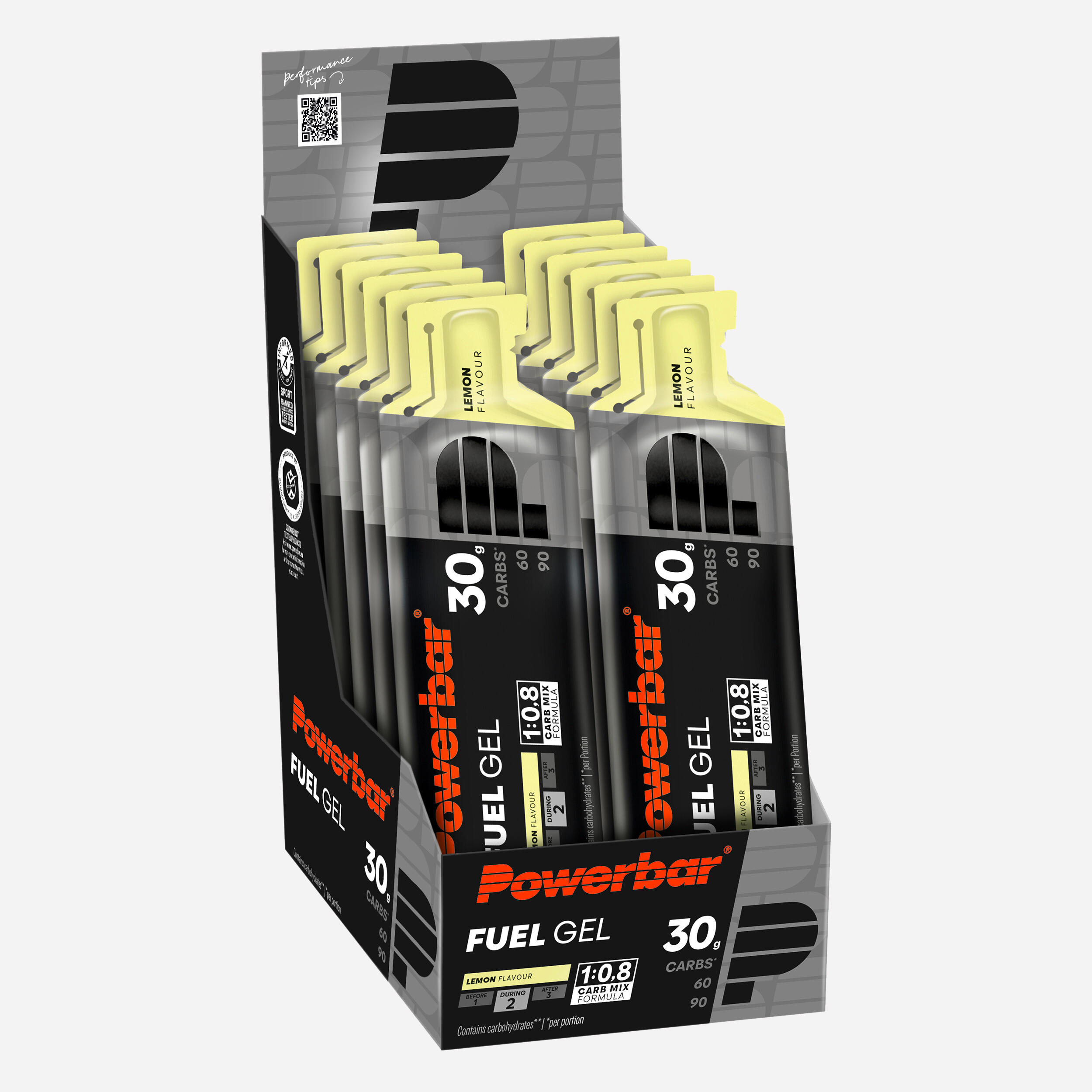
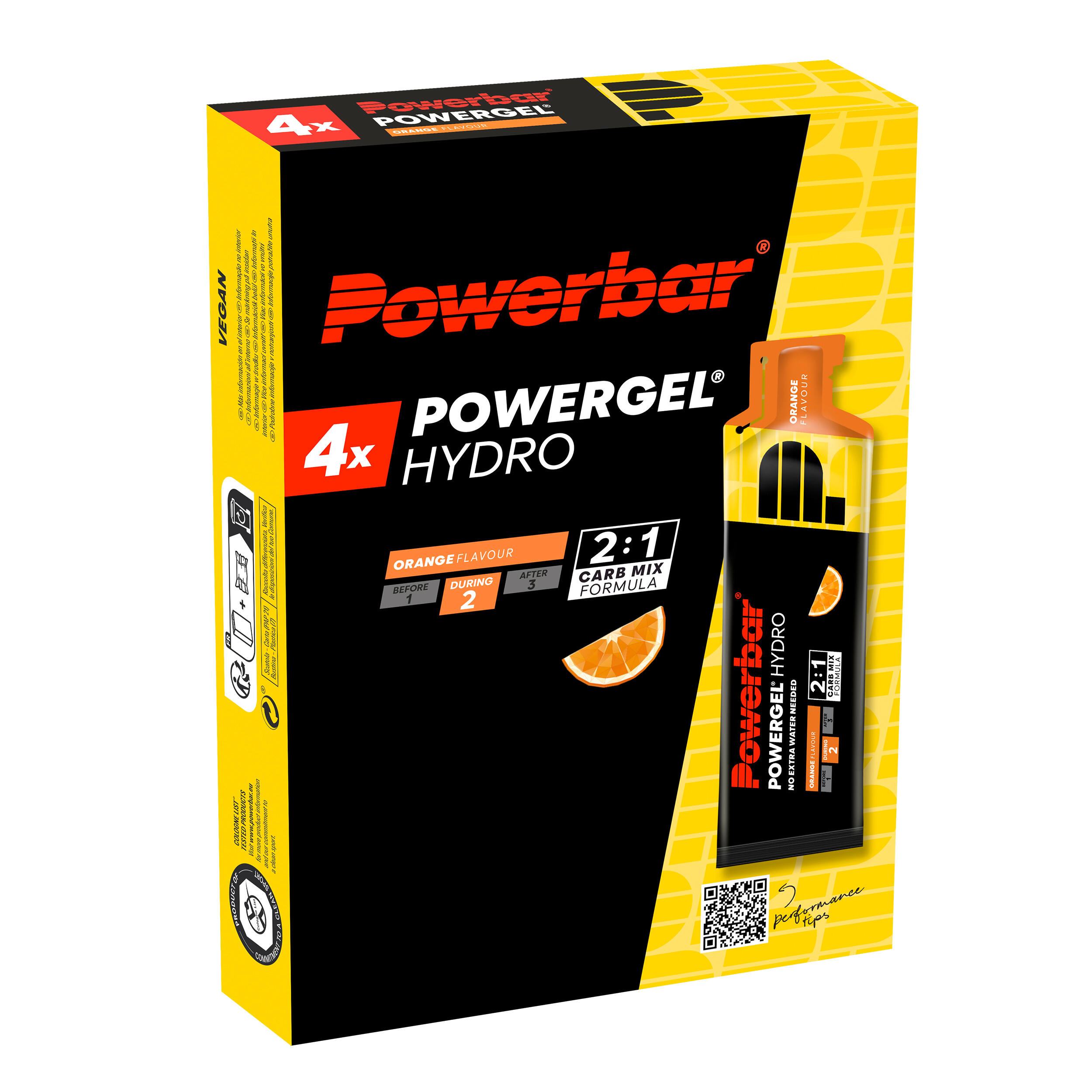
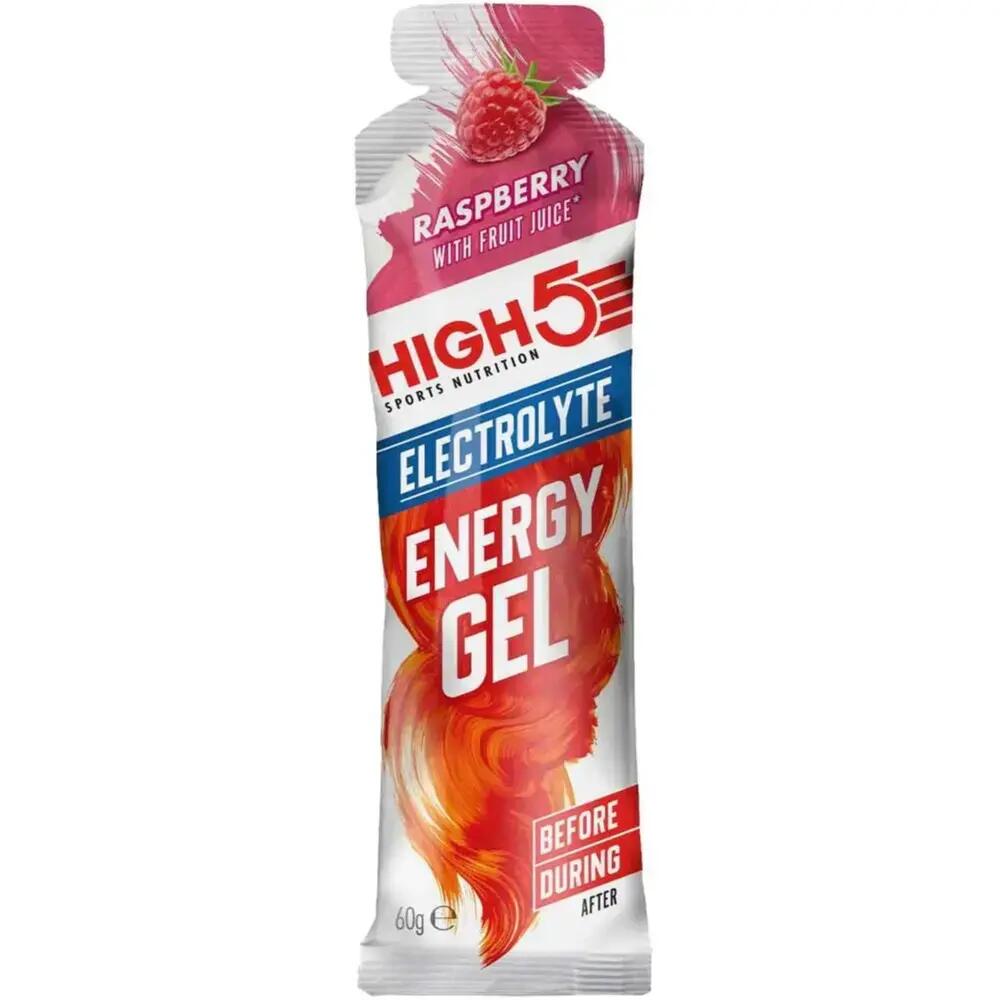
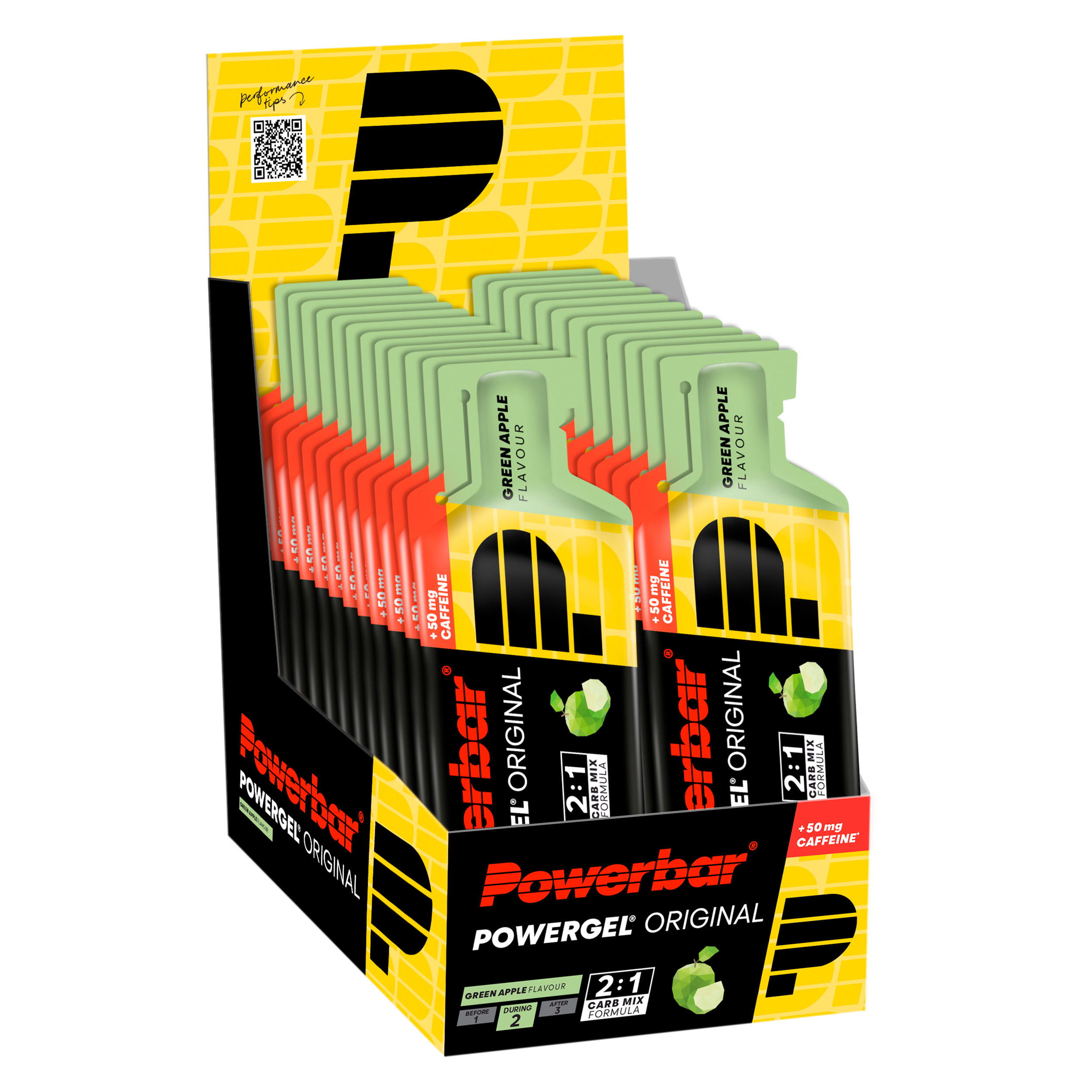
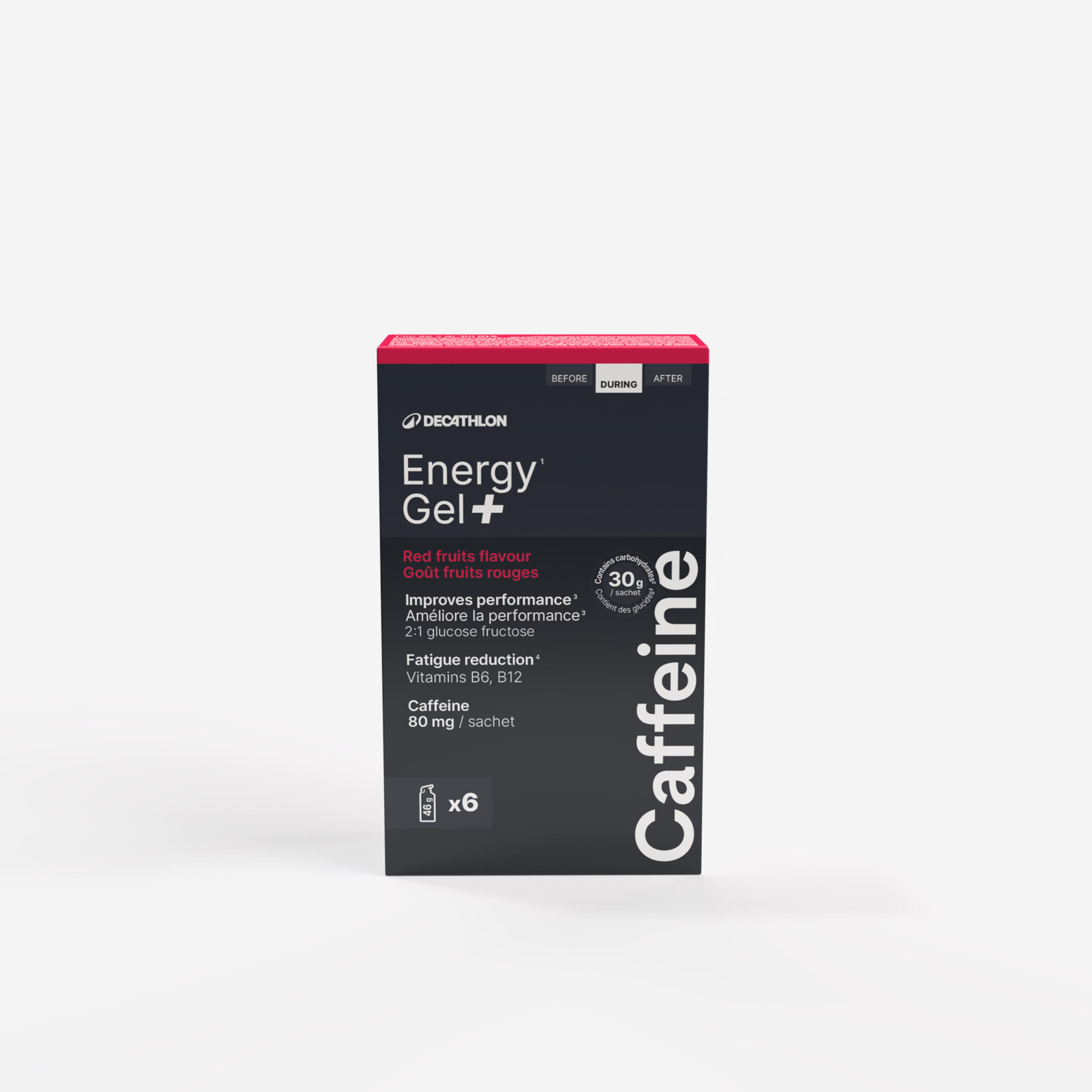
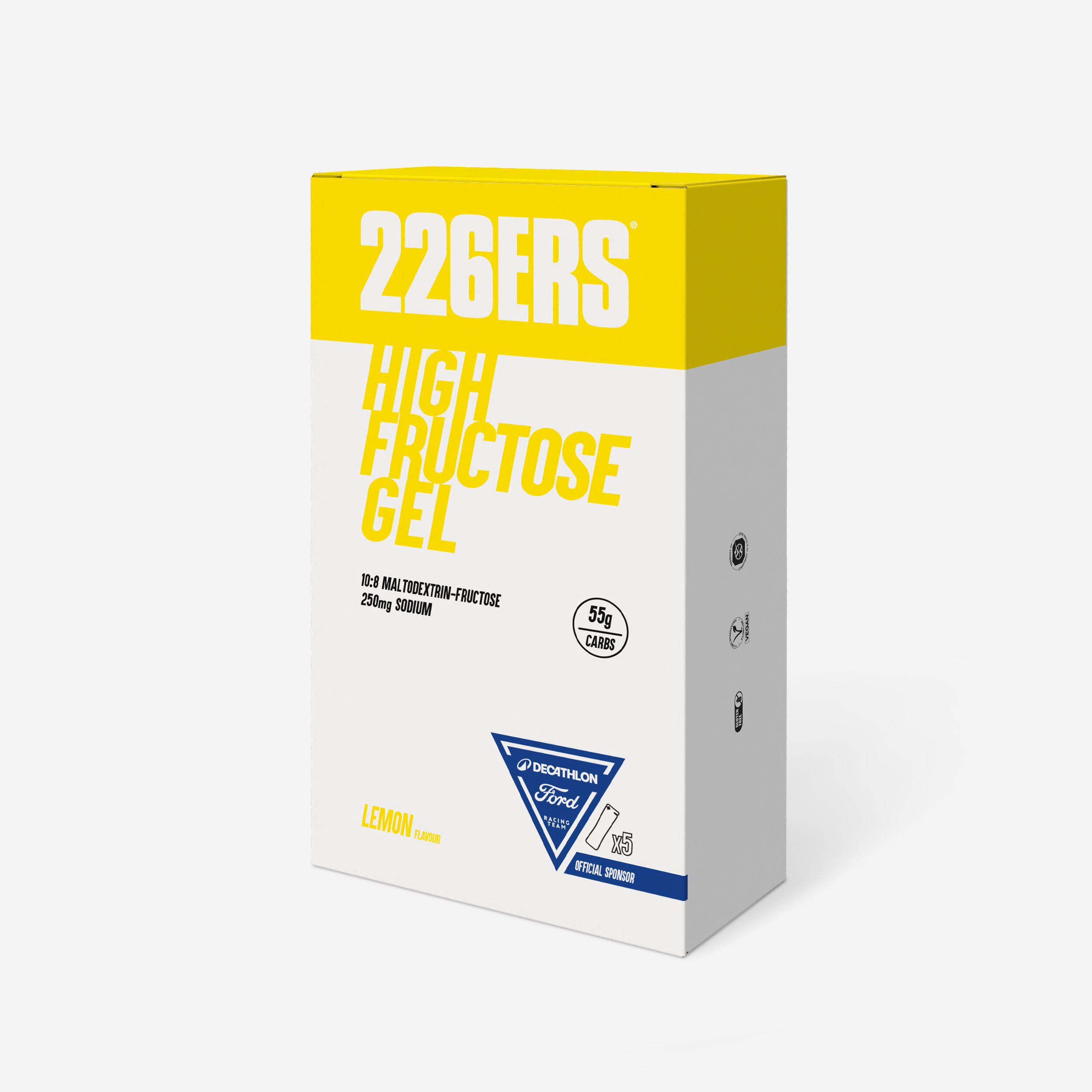
Your need for fuel depends more on running time and intensity than the route distance alone. A short, easy trail completed after a normal meal may require only water, while a harder or longer outing can benefit from an accessible carbohydrate source. Climbing, technical ground and changing pace can increase energy use even when the distance is modest. Fruit jellies, gels and compact bars are easier to carry than ordinary snacks, but you should only take what you have already tolerated in training. Build your wider plan around trail running nutrition and hydration, considering the weather, available water and expected time on the route. Pro tip: carry one spare portion in case difficult terrain makes the run take longer than planned.

Are fruit jellies or gels better for a short trail?

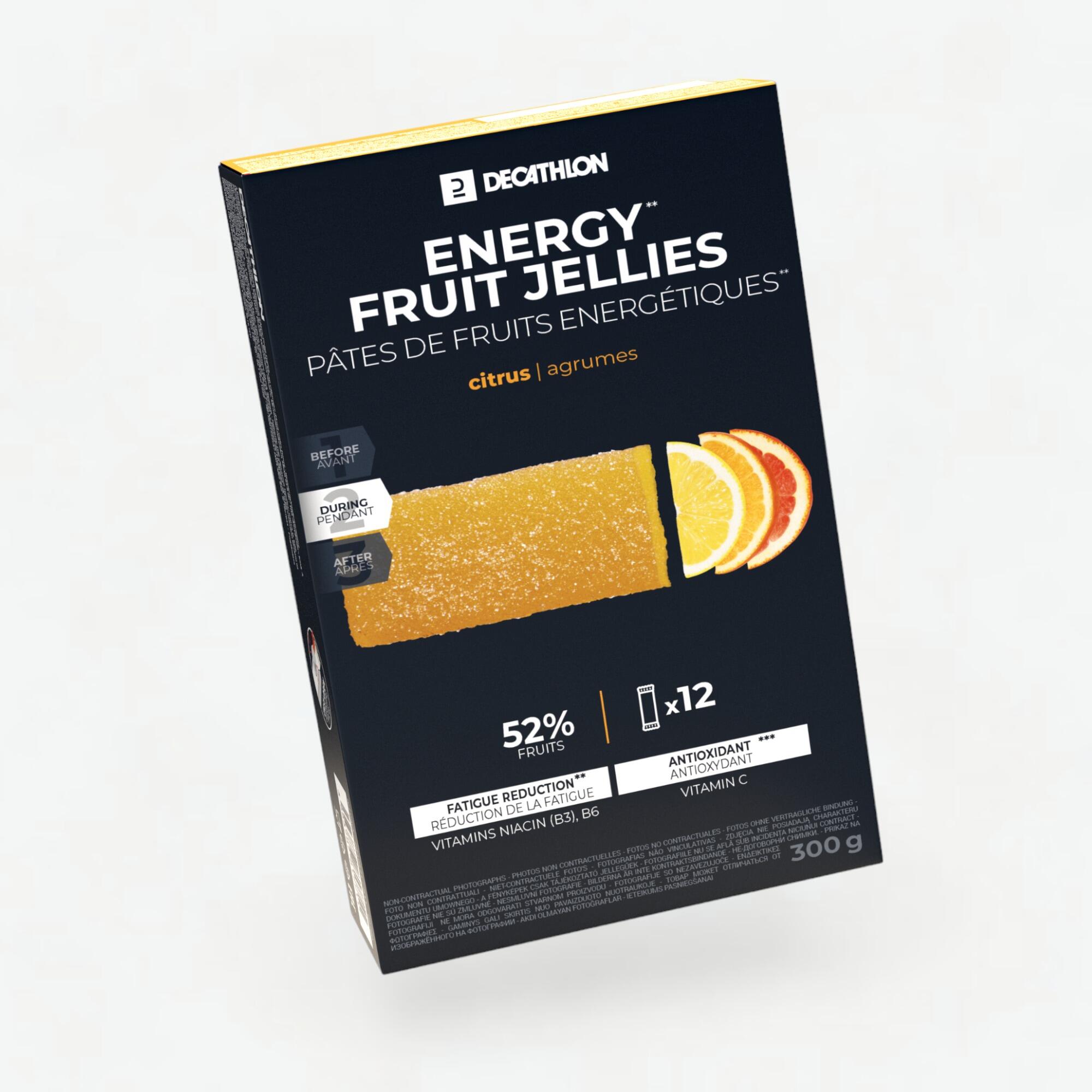
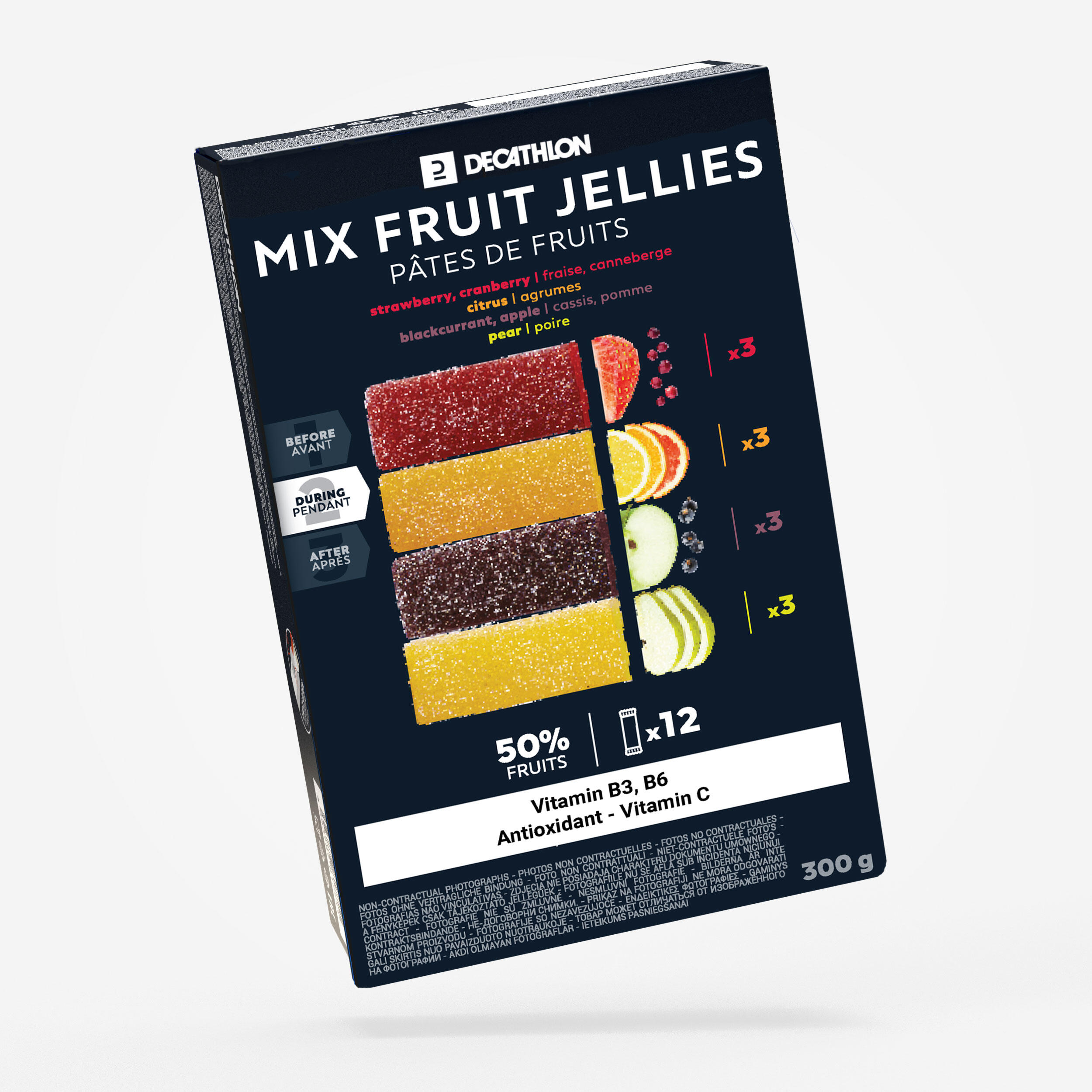
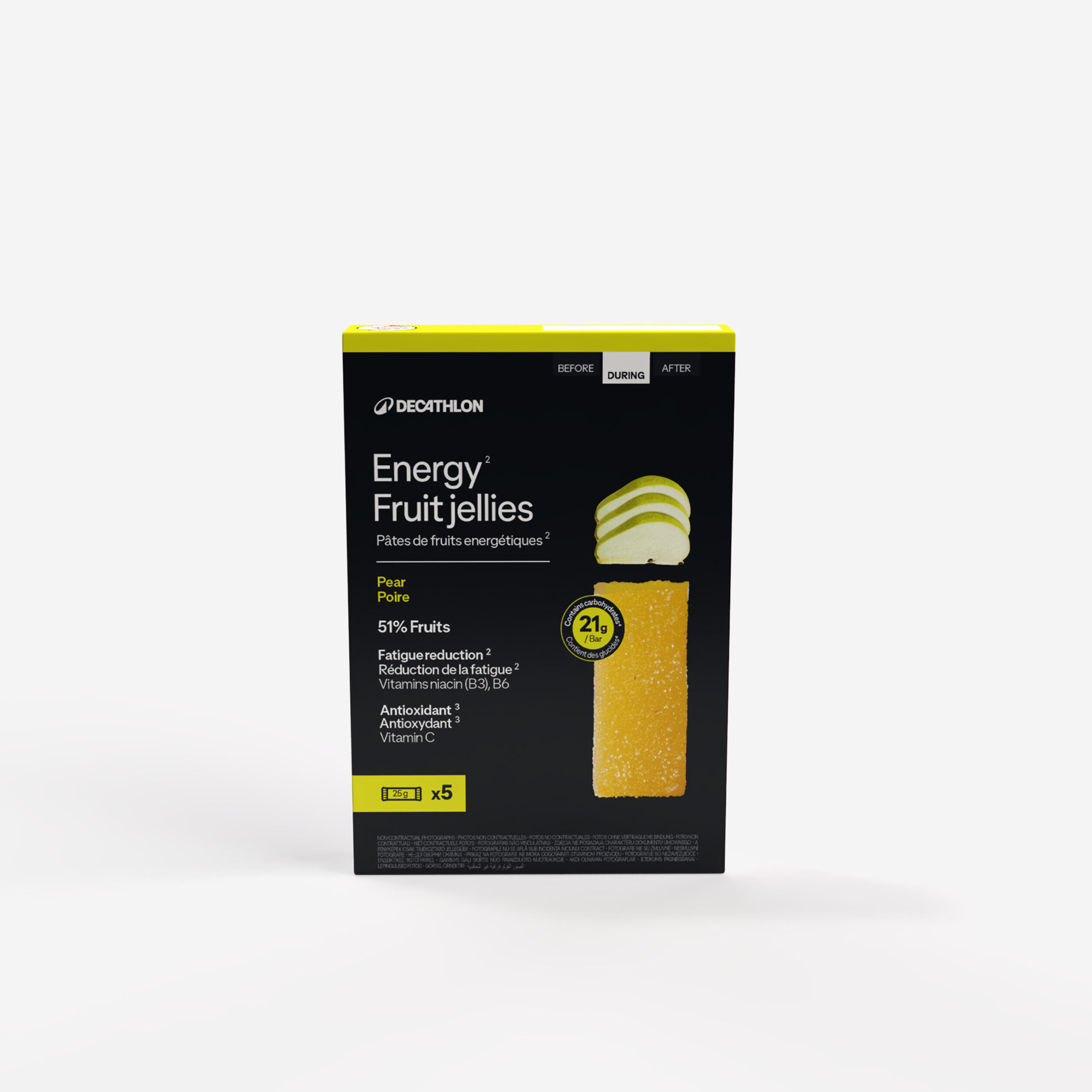
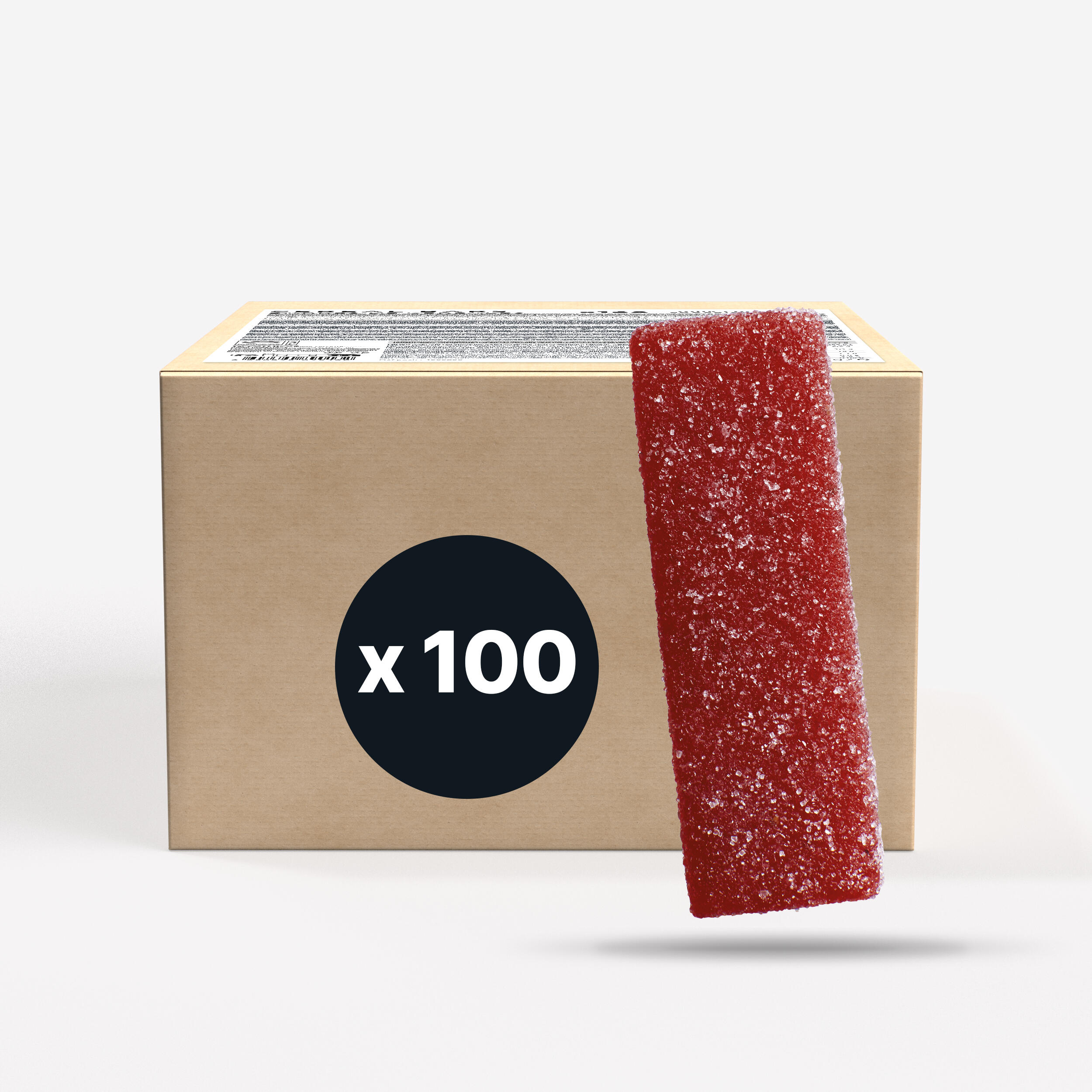
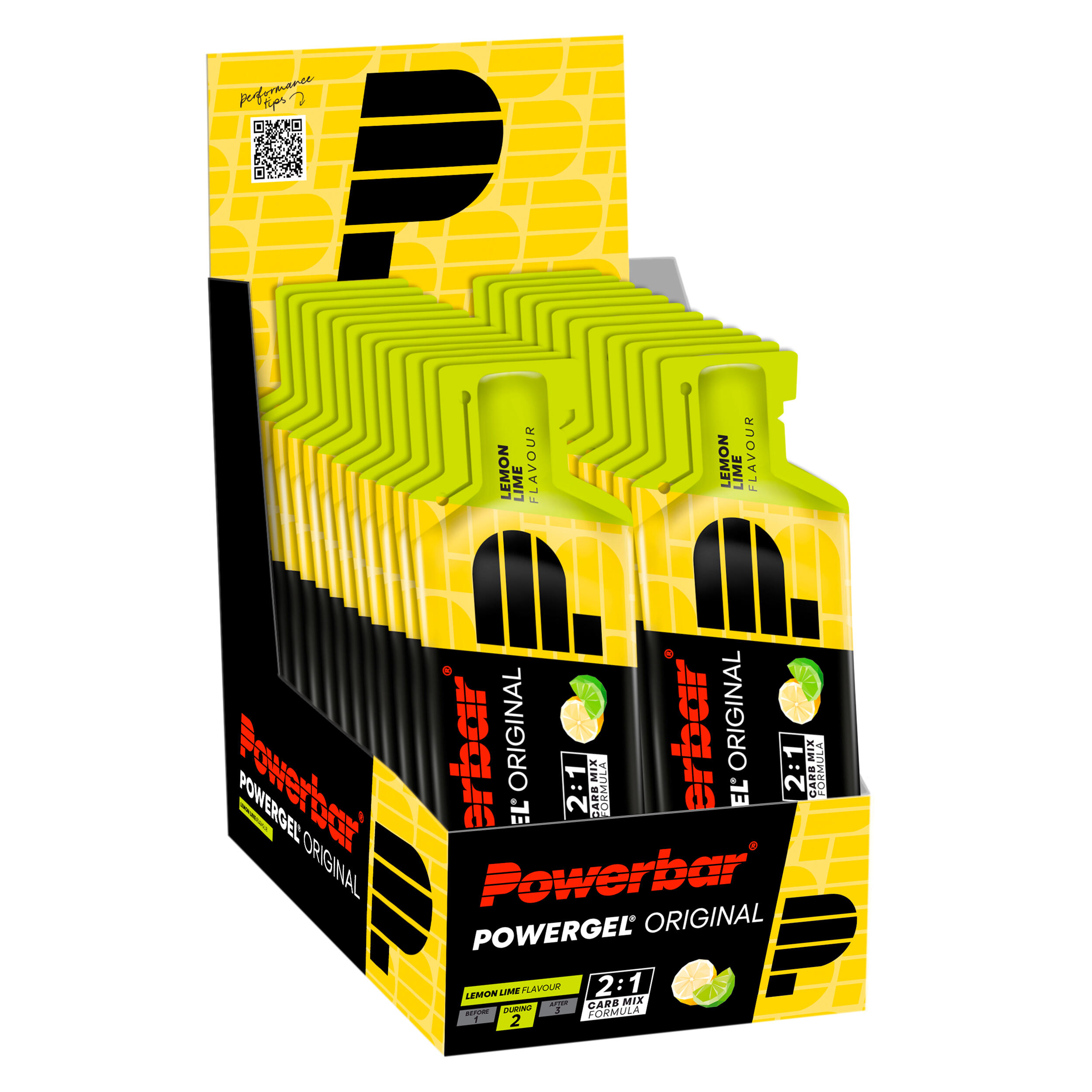
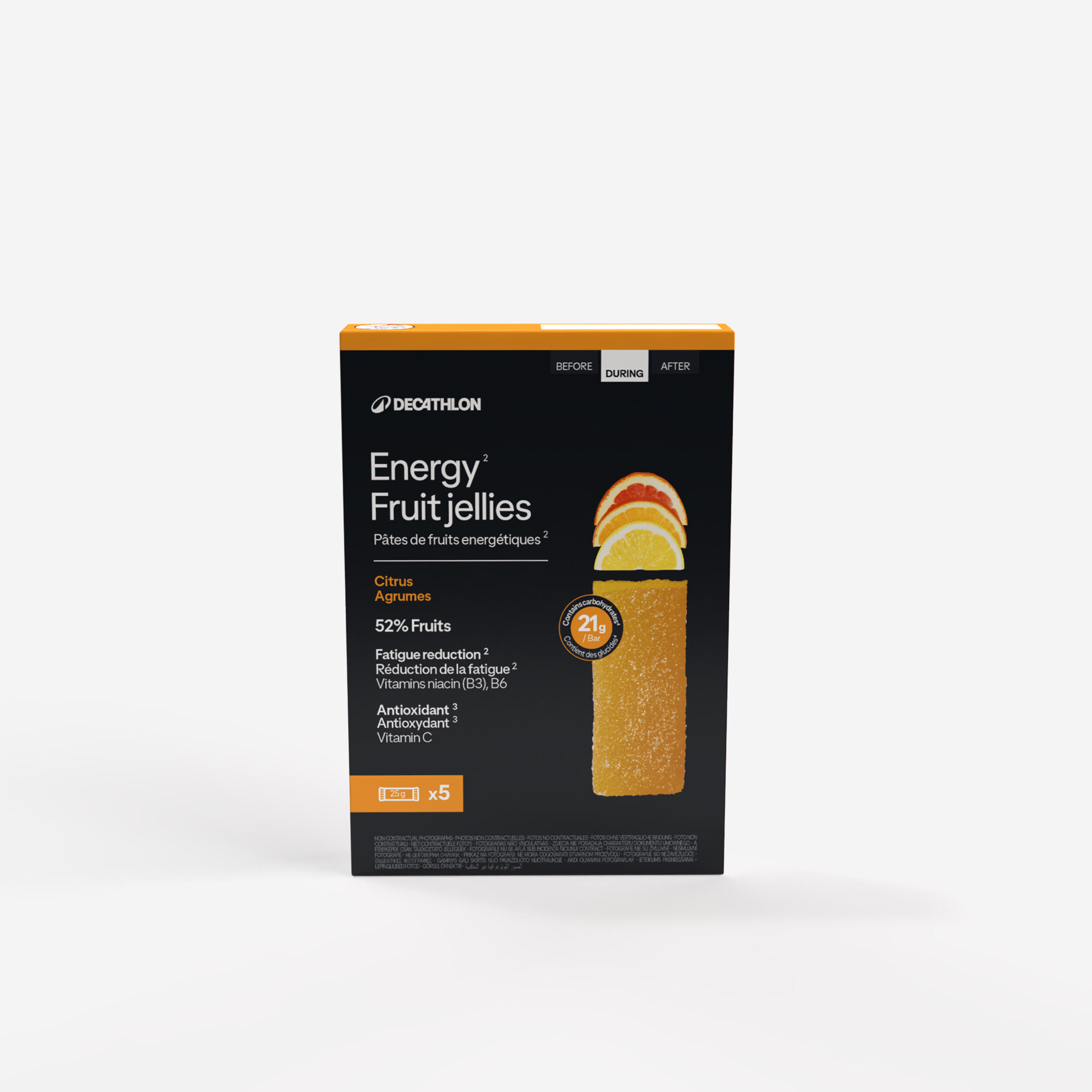
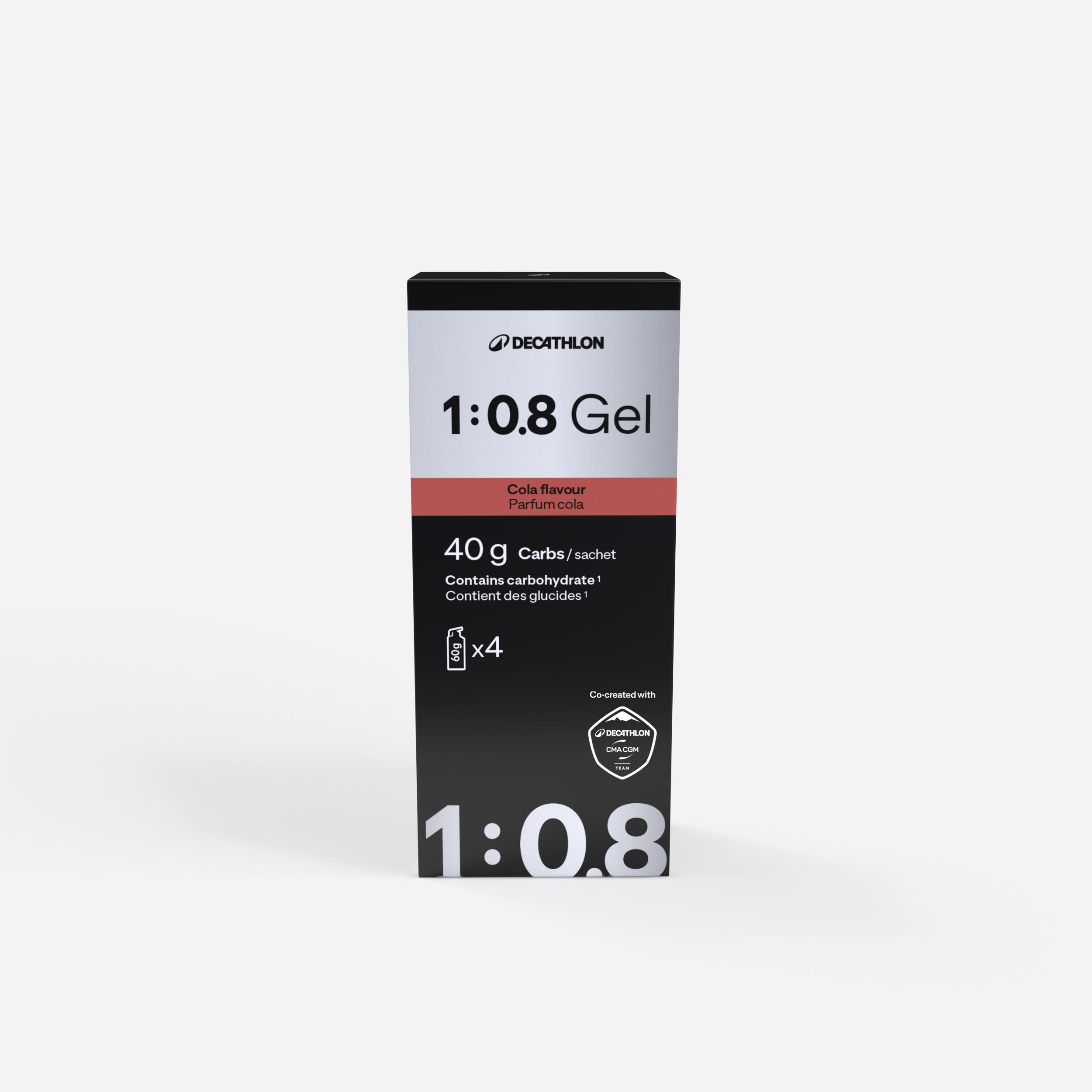
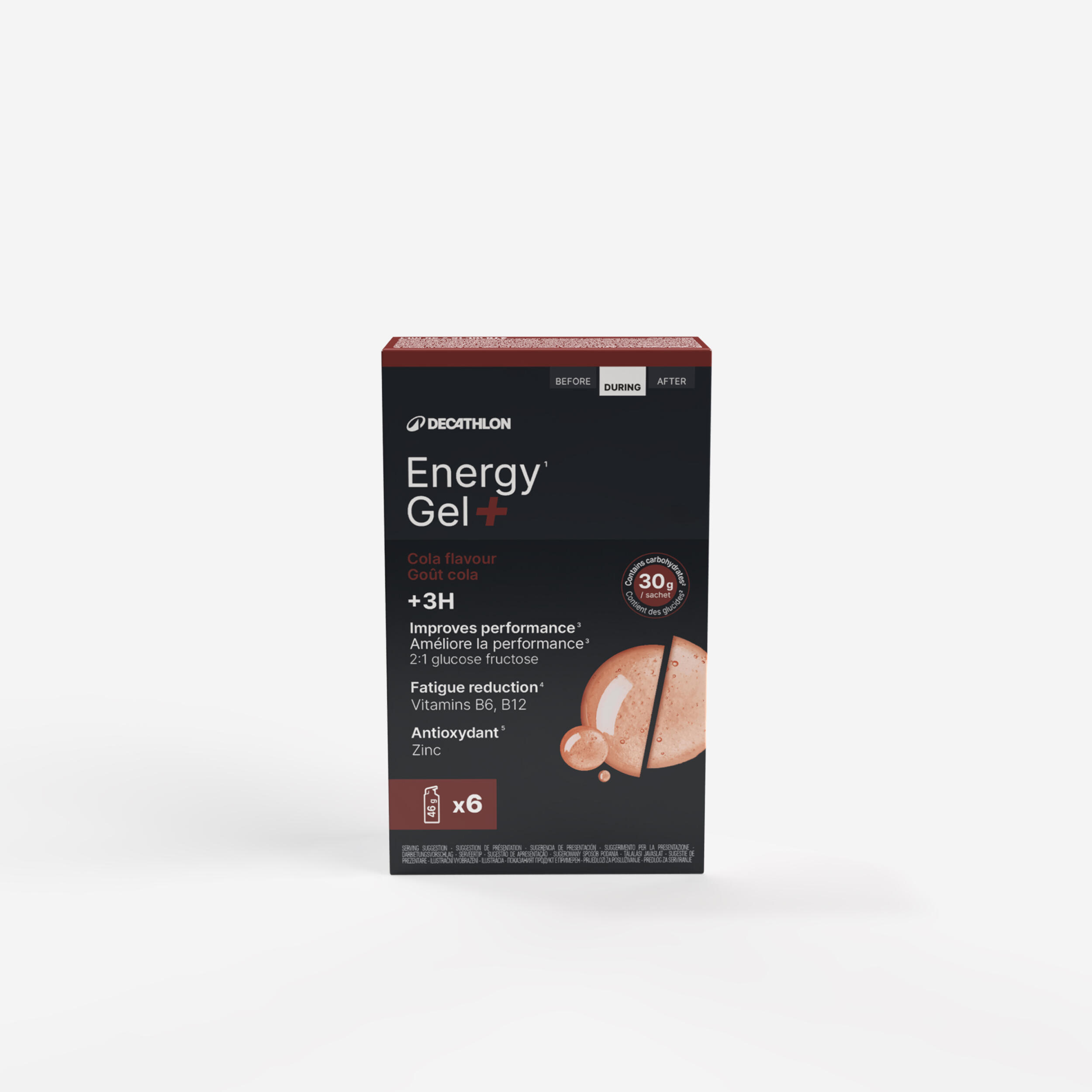
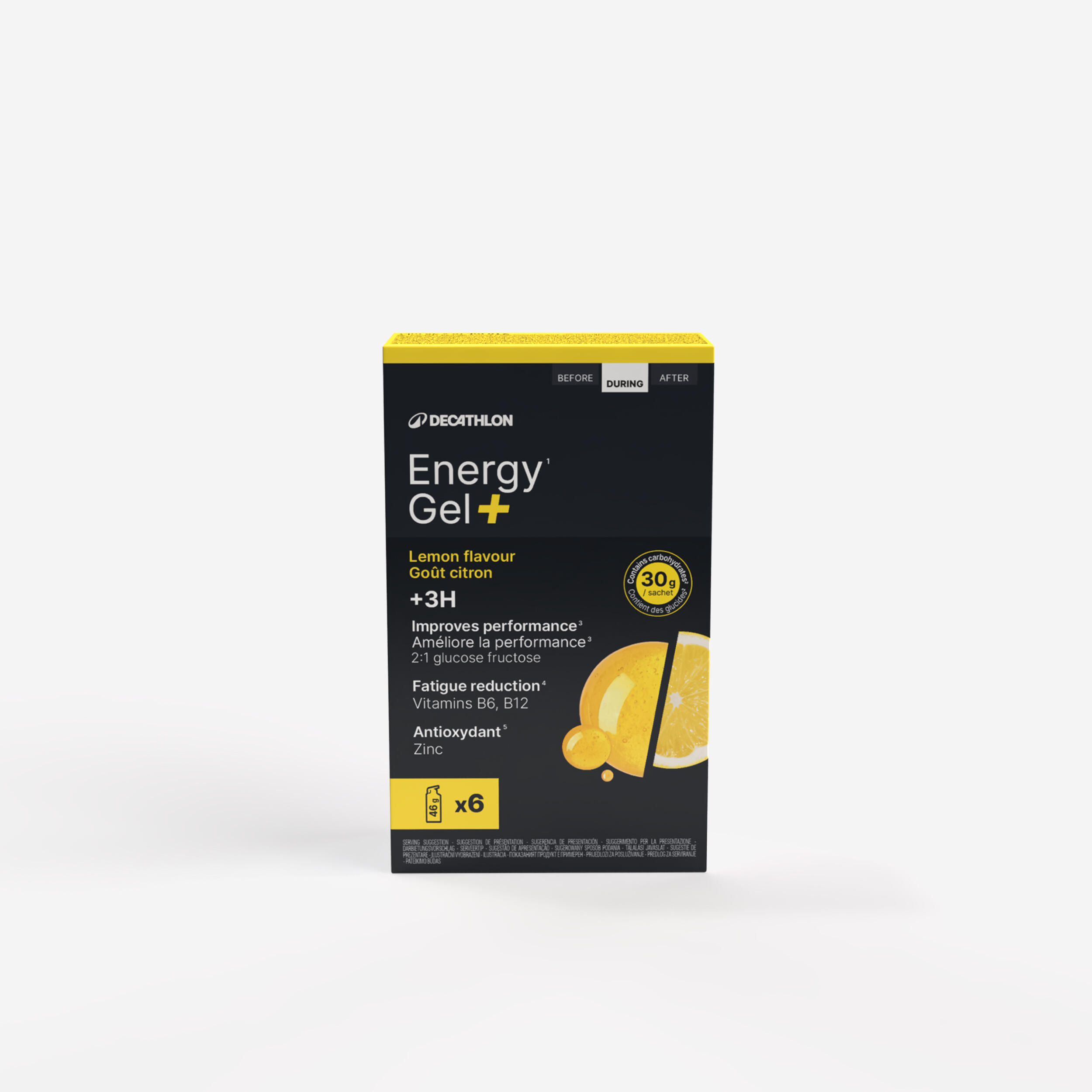
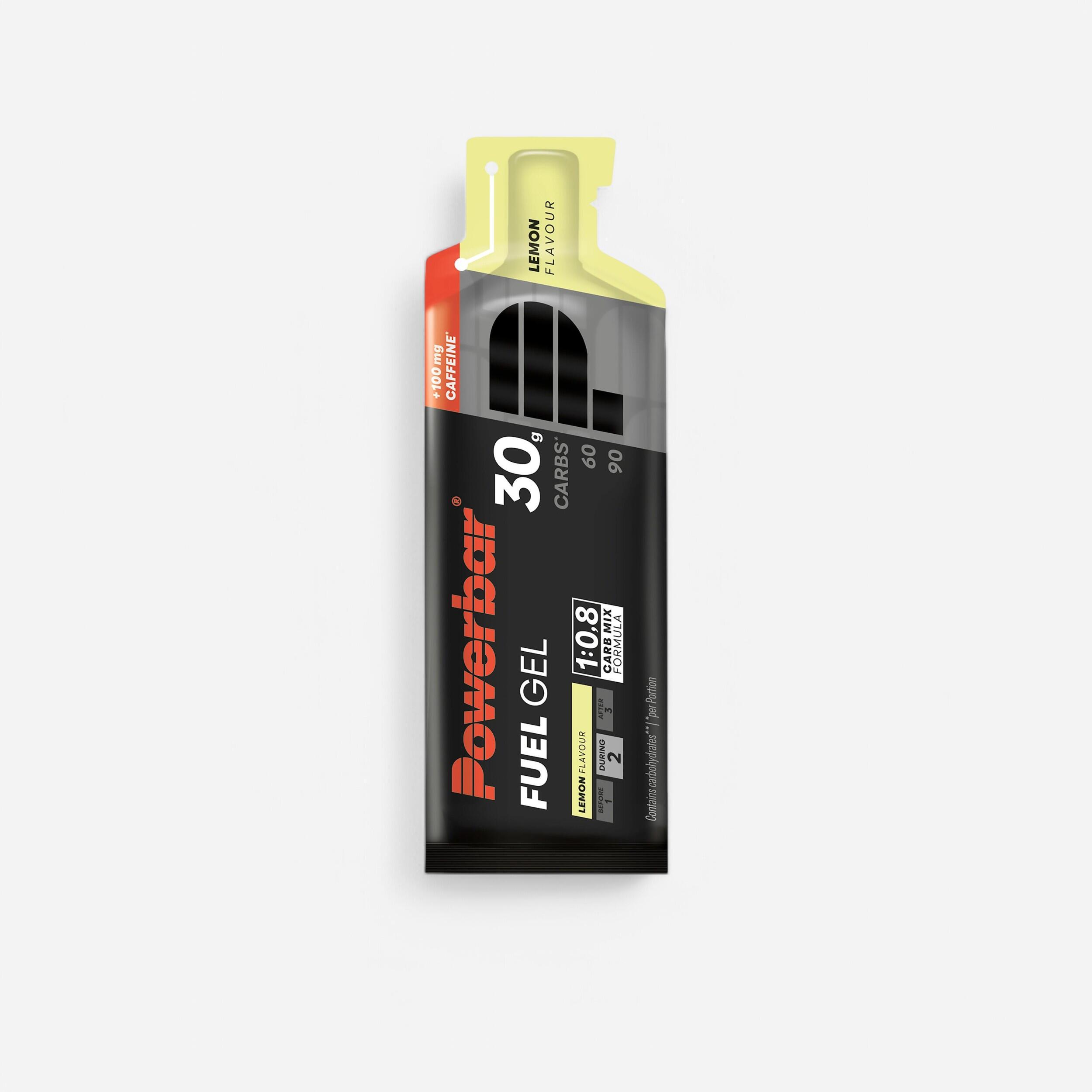
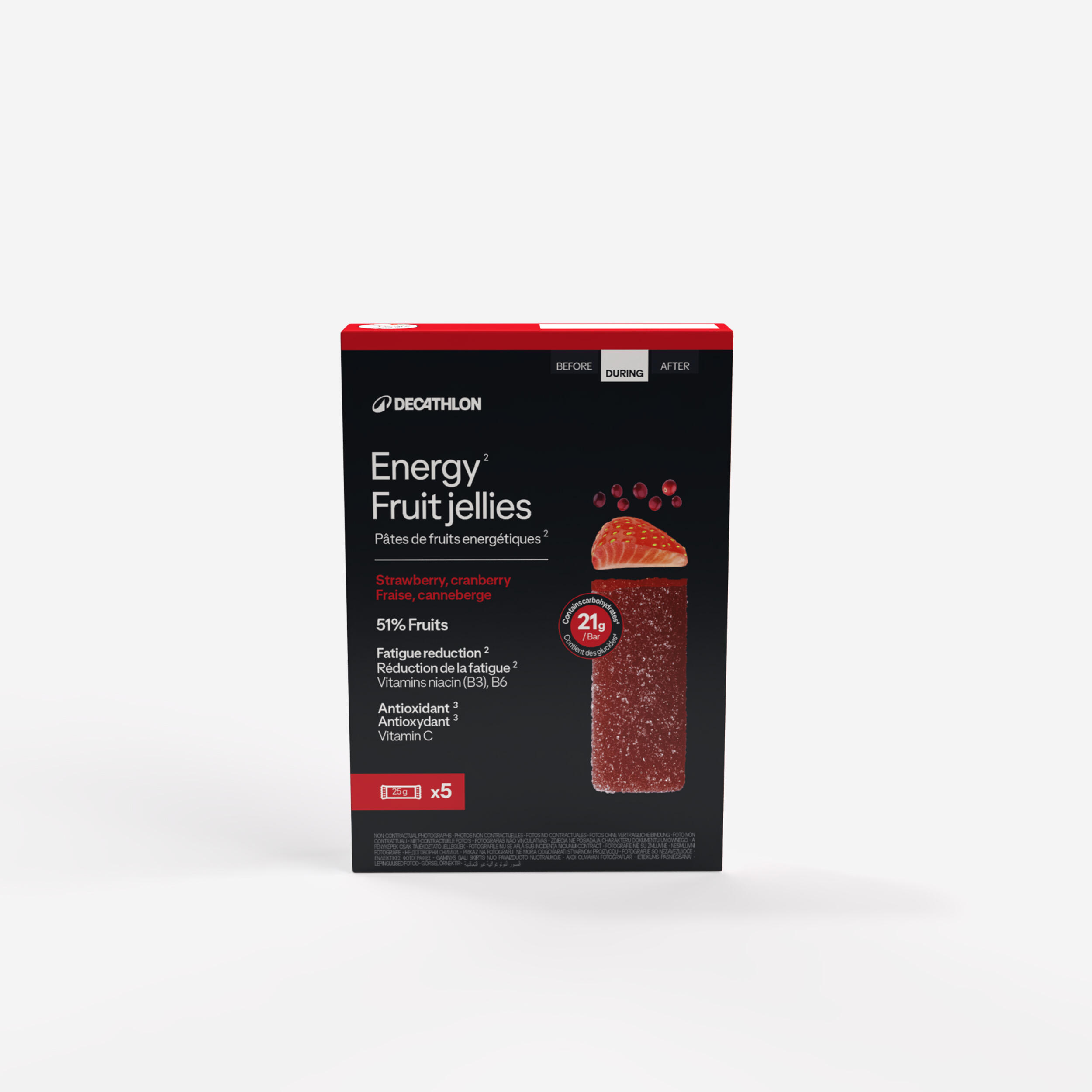
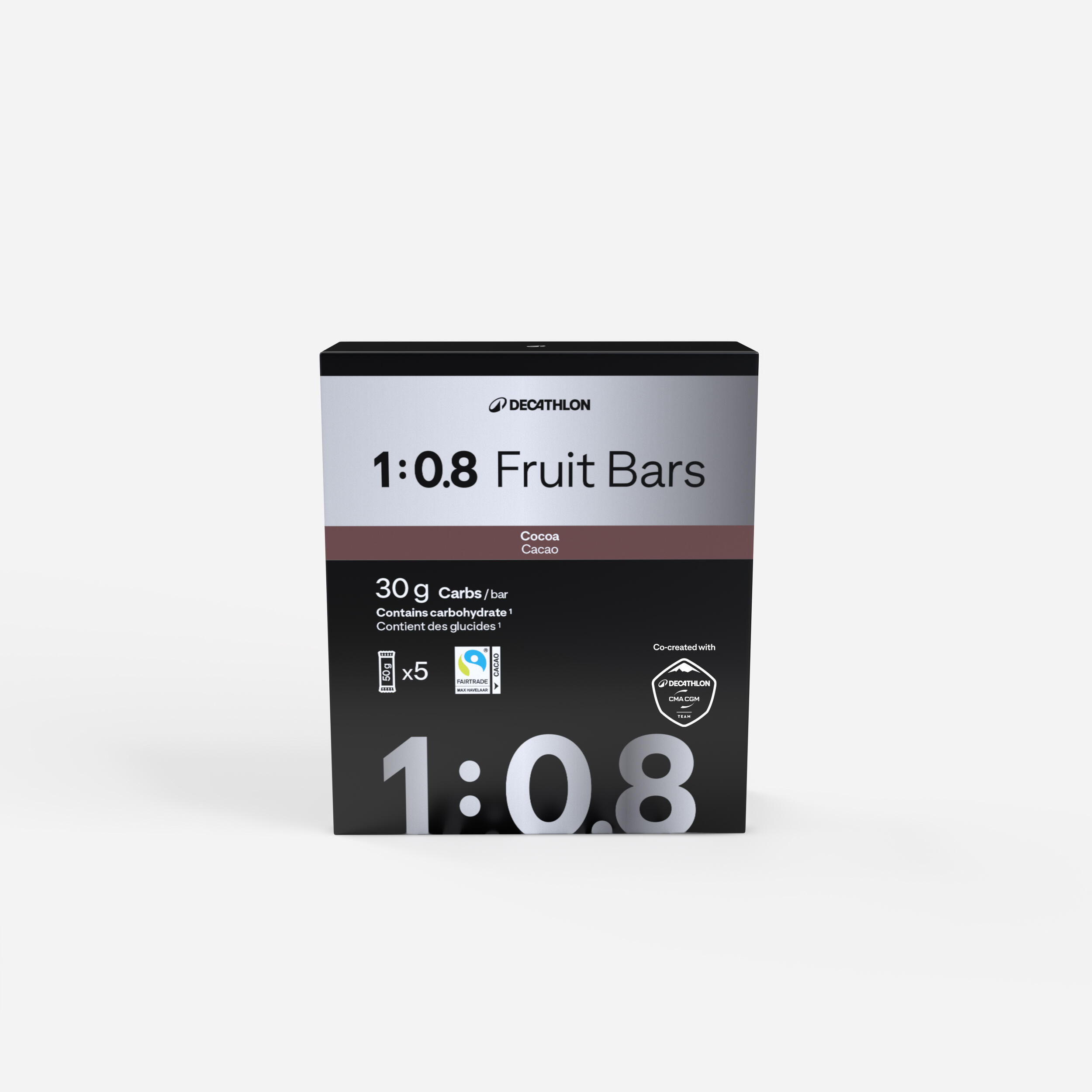
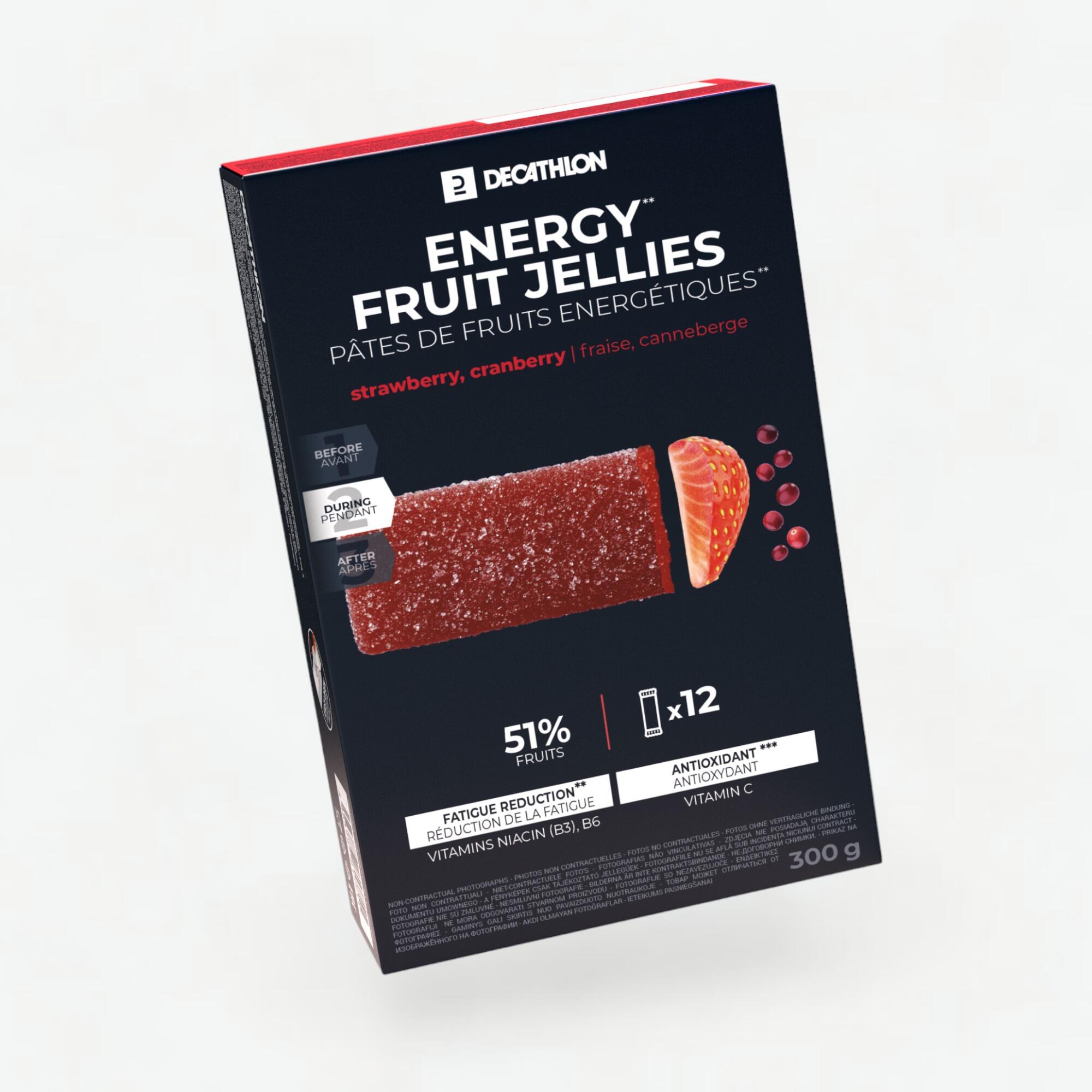
Both formats provide carbohydrate, but their textures and packaging create different running experiences. A gel can be swallowed quickly when chewing feels difficult, while a soft fruit jelly gives you a more food-like texture and greater control over how quickly you eat it. Decathlon fruit jellies provide a measured portion of carbohydrates and use resealable packaging, helping prevent sticky residue inside your pocket when you only eat part of one. Try a citrus energy fruit jelly during training before relying on it in an event. Take small amounts with suitable fluid where the product instructions recommend it, particularly when effort is high.
When should you eat an energy bar on a short trail?

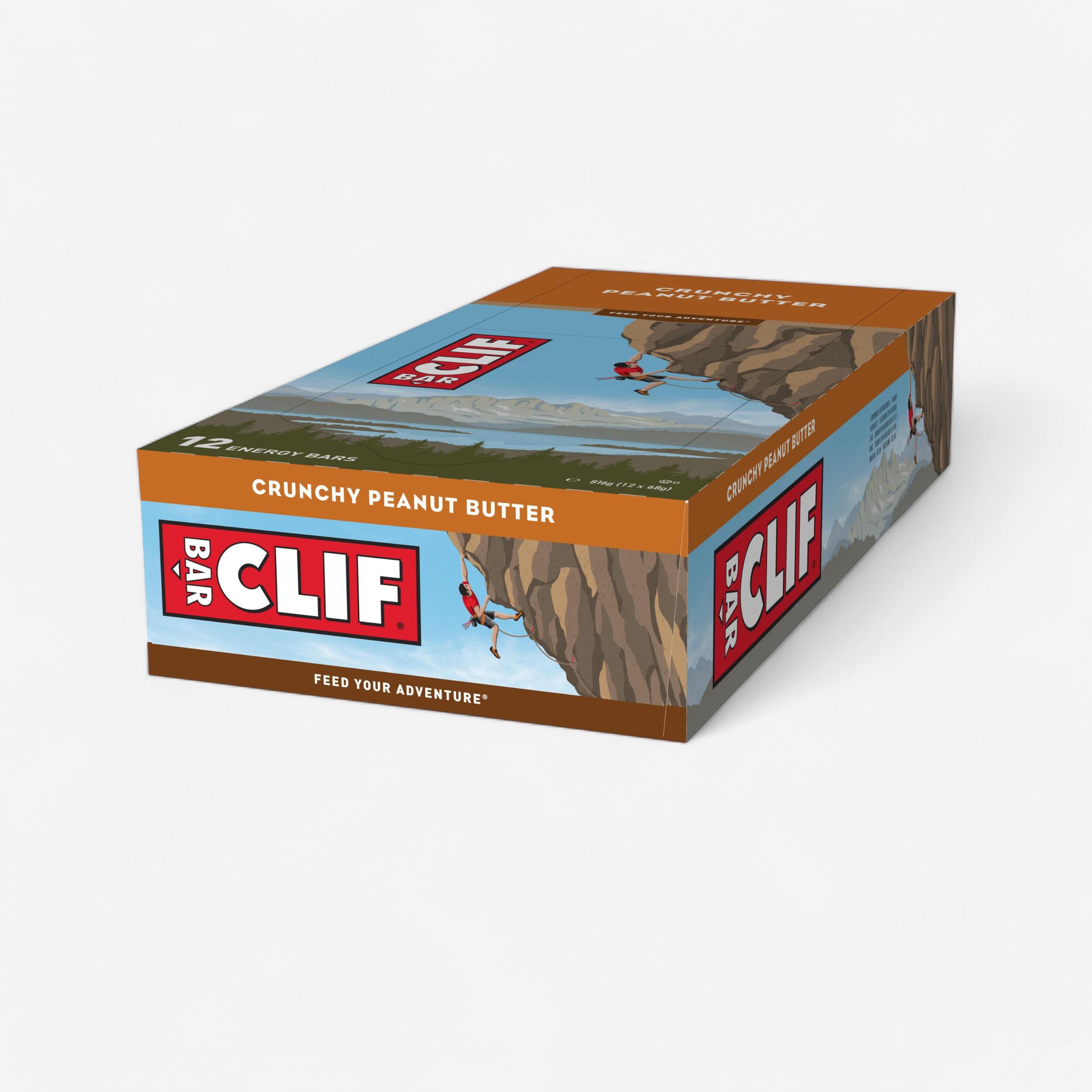
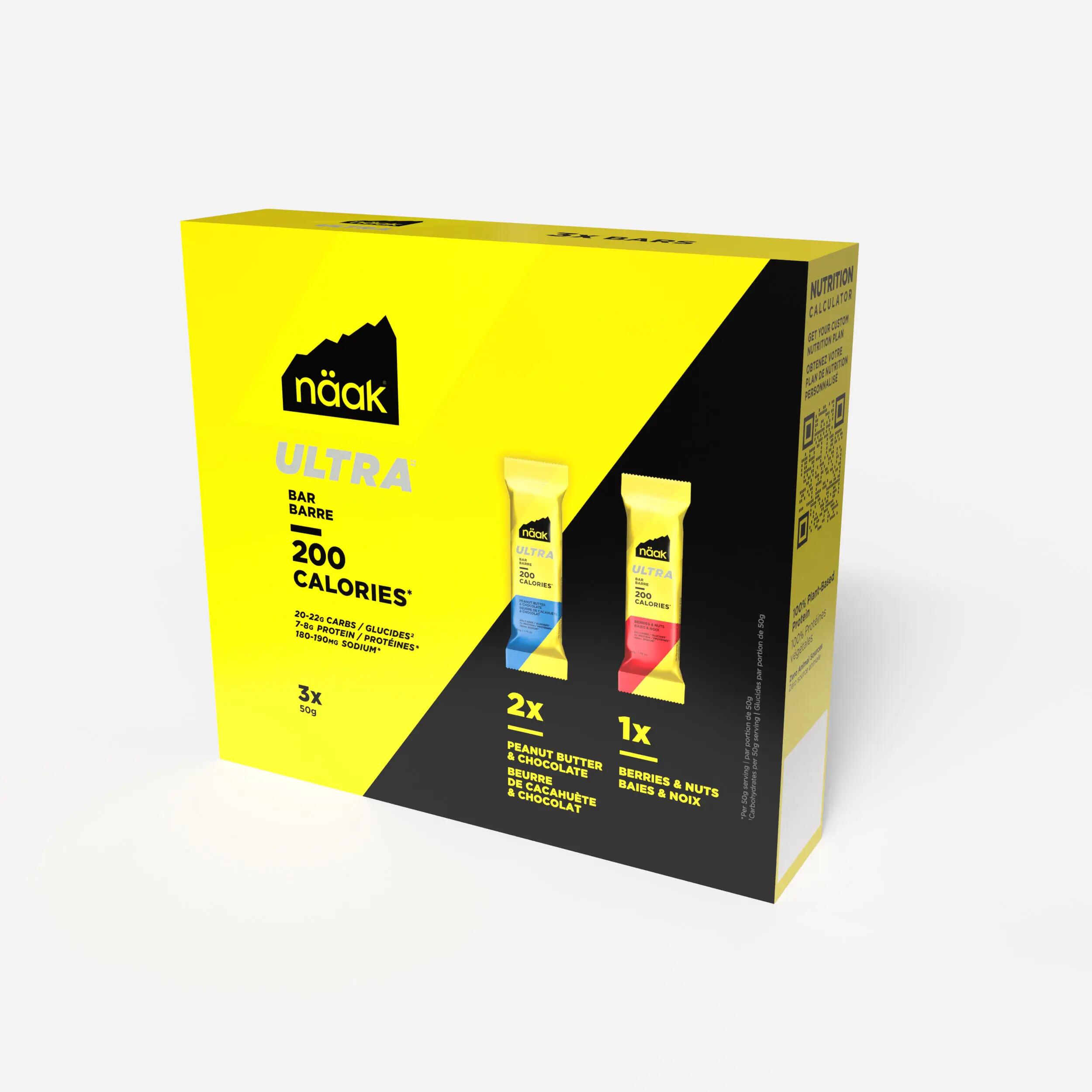
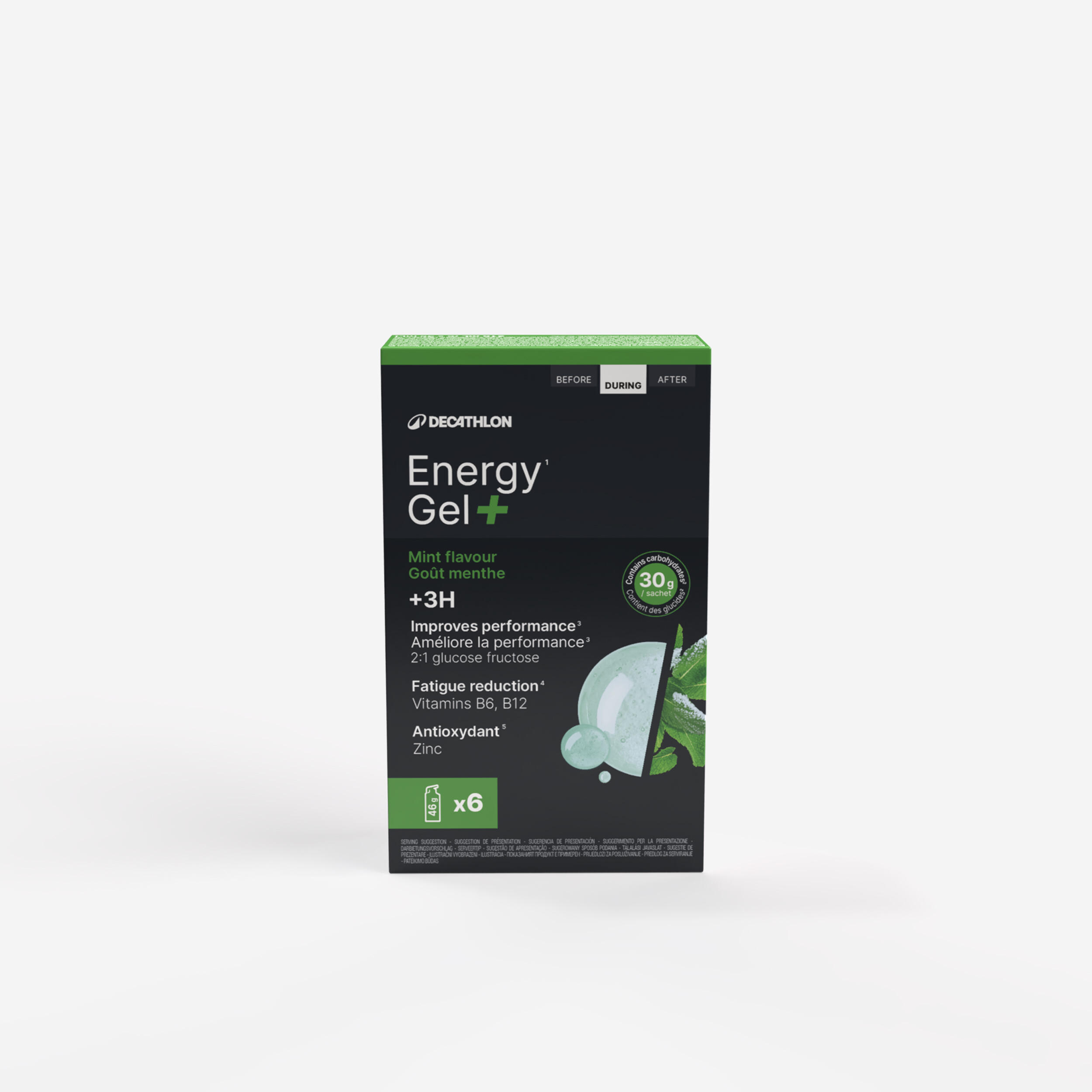
An energy bar can suit a steady outing when you have enough time to chew and digest a firmer texture. It may be less practical during steep climbs or fast technical sections, where breathing and foot placement need more attention. Eat it on an easier section or during a brief stop, and divide the bar into smaller portions when the full serving feels too heavy. Products such as crunchy peanut butter energy bars may contain more fat, fibre or protein than a fast-acting jelly, so check the nutrition label and test digestion carefully. Pro tip: open difficult packaging before setting off while keeping the food protected from sweat and dirt.

Should short trail nutrition include electrolyte drinks?

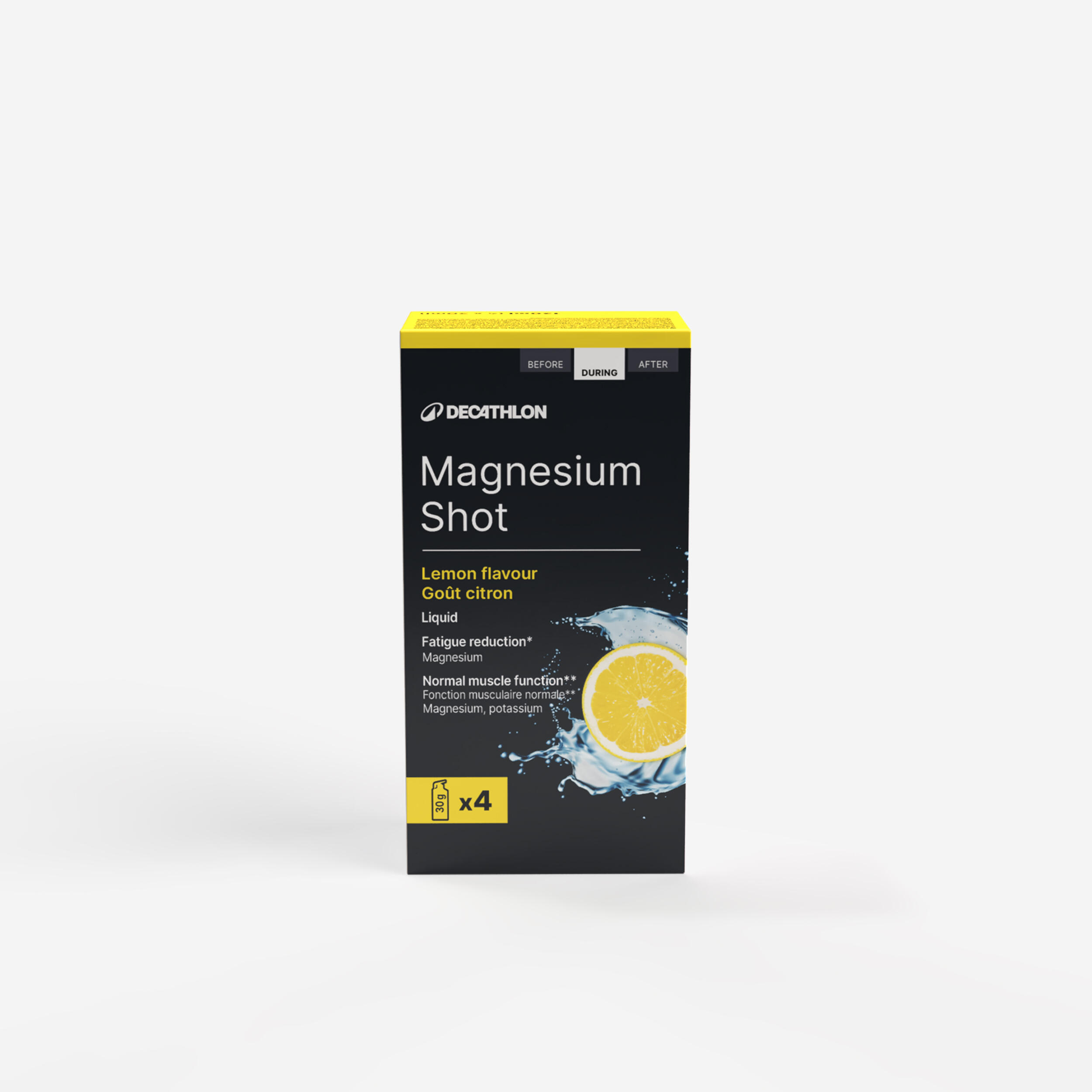
Plain water may be enough for a brief run in mild conditions, while warm weather, heavy perspiration or a longer finishing time can increase the value of fluid containing electrolytes. Sodium is the main mineral lost through sweat, although some products also contain magnesium and potassium. These minerals do not replace the carbohydrate needed for energy, so check whether a drink is intended for hydration, fuelling or supplementation. A product such as magnesium and potassium lemon liquid should be used according to its label rather than added automatically to every run. Avoid making sports drinks stronger than instructed because concentrated mixtures may feel uncomfortable during exercise.

How do you choose and carry short trail nutrition?

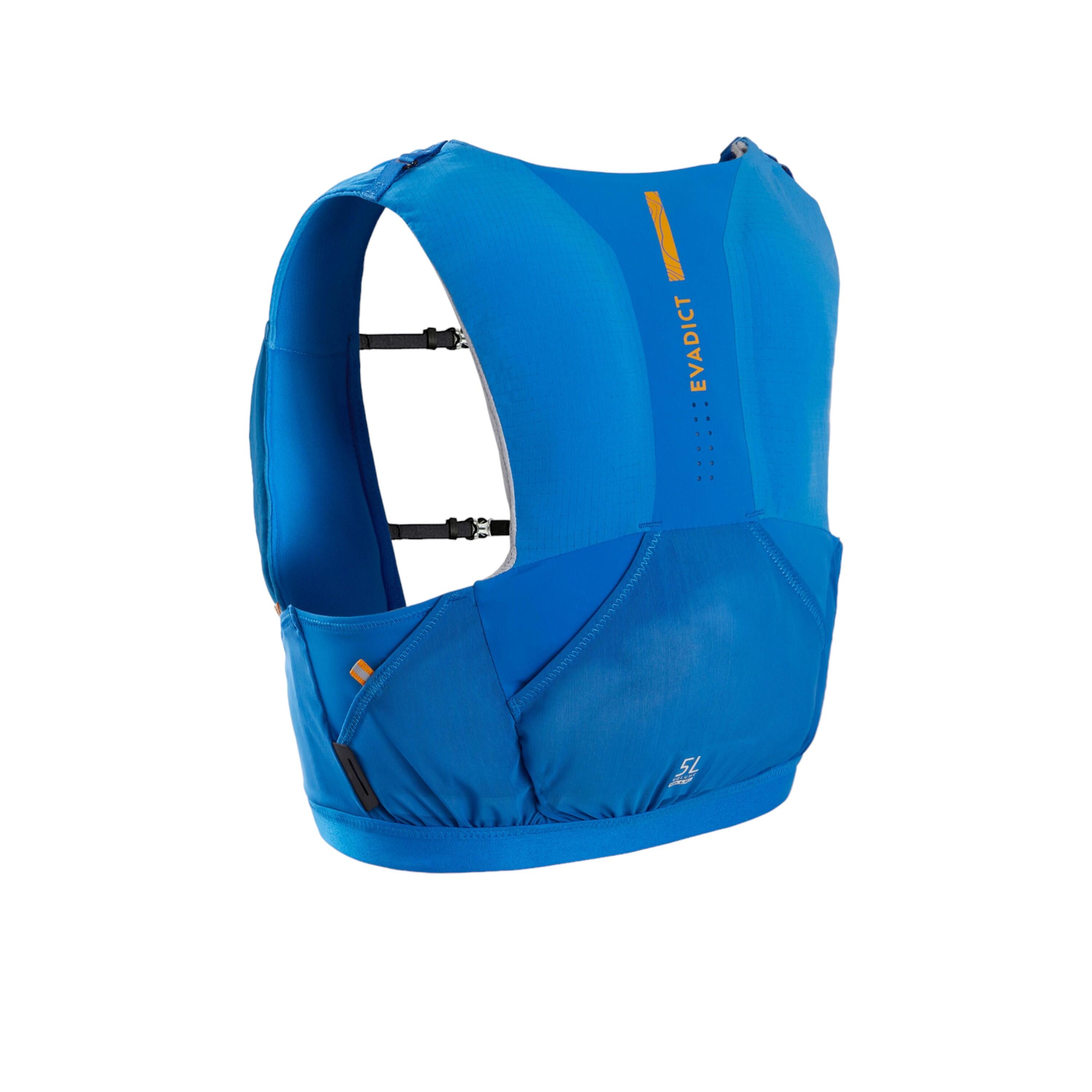
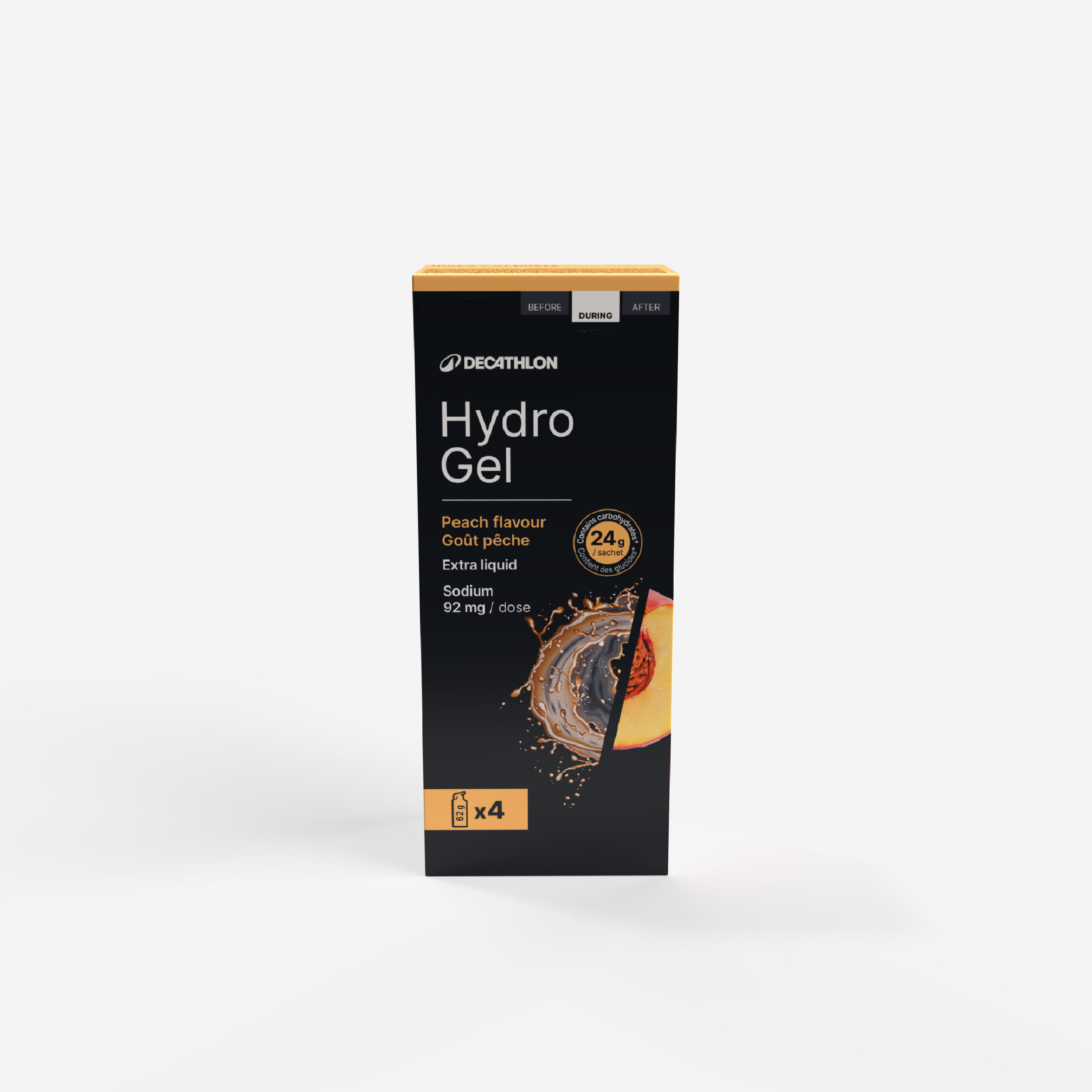
Choose short trail nutrition that is compact, easy to open and familiar from training. Gels, jellies and small energy bars can fit into shorts pockets, running belts or trail vests, where they should remain secure without bouncing. Place each item within easy reach so you can eat without removing your pack or twisting on uneven ground. Keep opened food separate from your phone and clothing, and carry empty wrappers until you reach a bin. Base the amount on the route length, intensity and access to water rather than filling every pocket. The short trail accessories category can help you compare belts, storage and other equipment for carrying nutrition. Test the full setup during training, including when you will eat, how you will open each packet and where you will place the wrapper afterwards.