87 items
4/5 based on 1535 reviews collected online and in stores

Lure Fishing Lines FAQs

What is the difference between 4-strand and 8-strand braid?

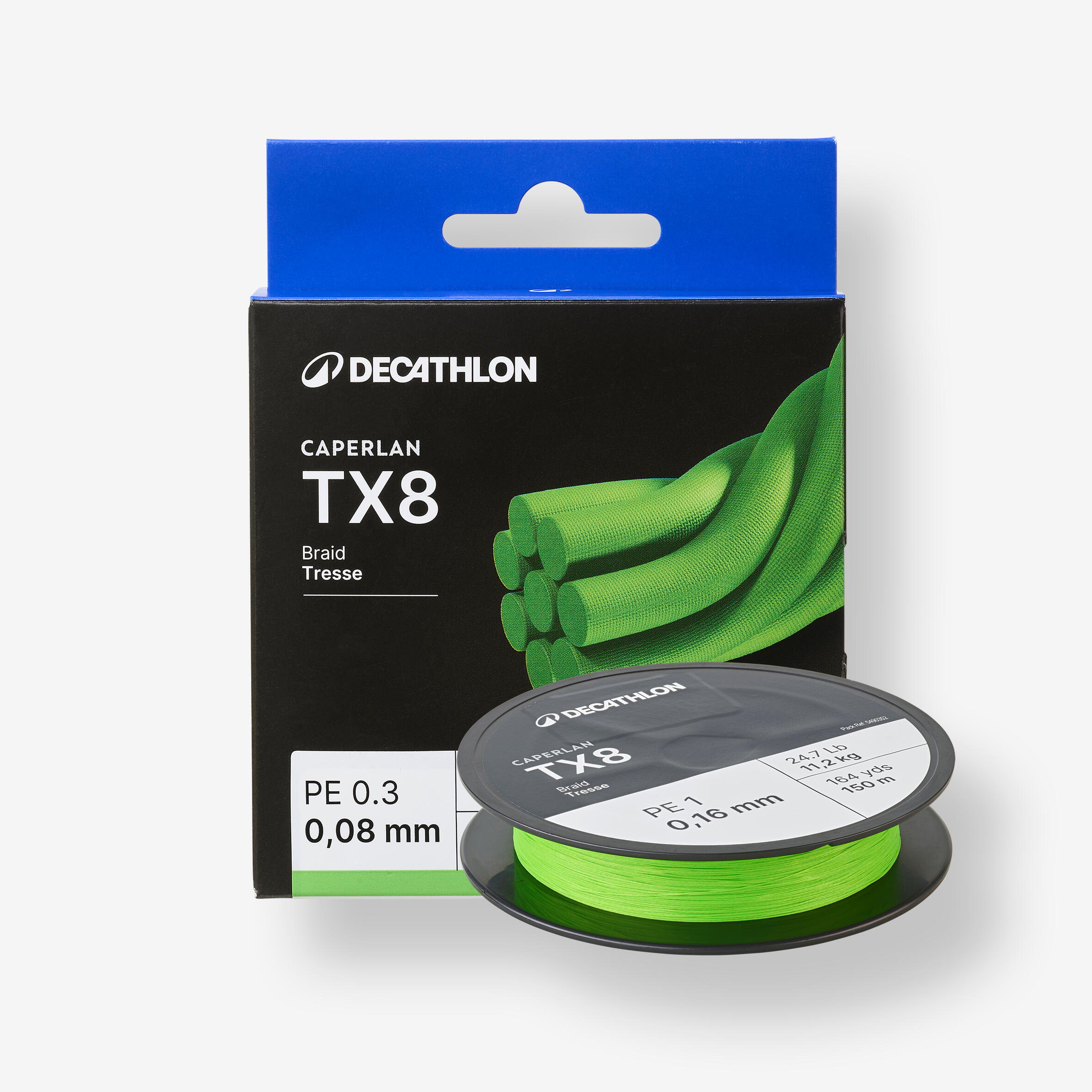
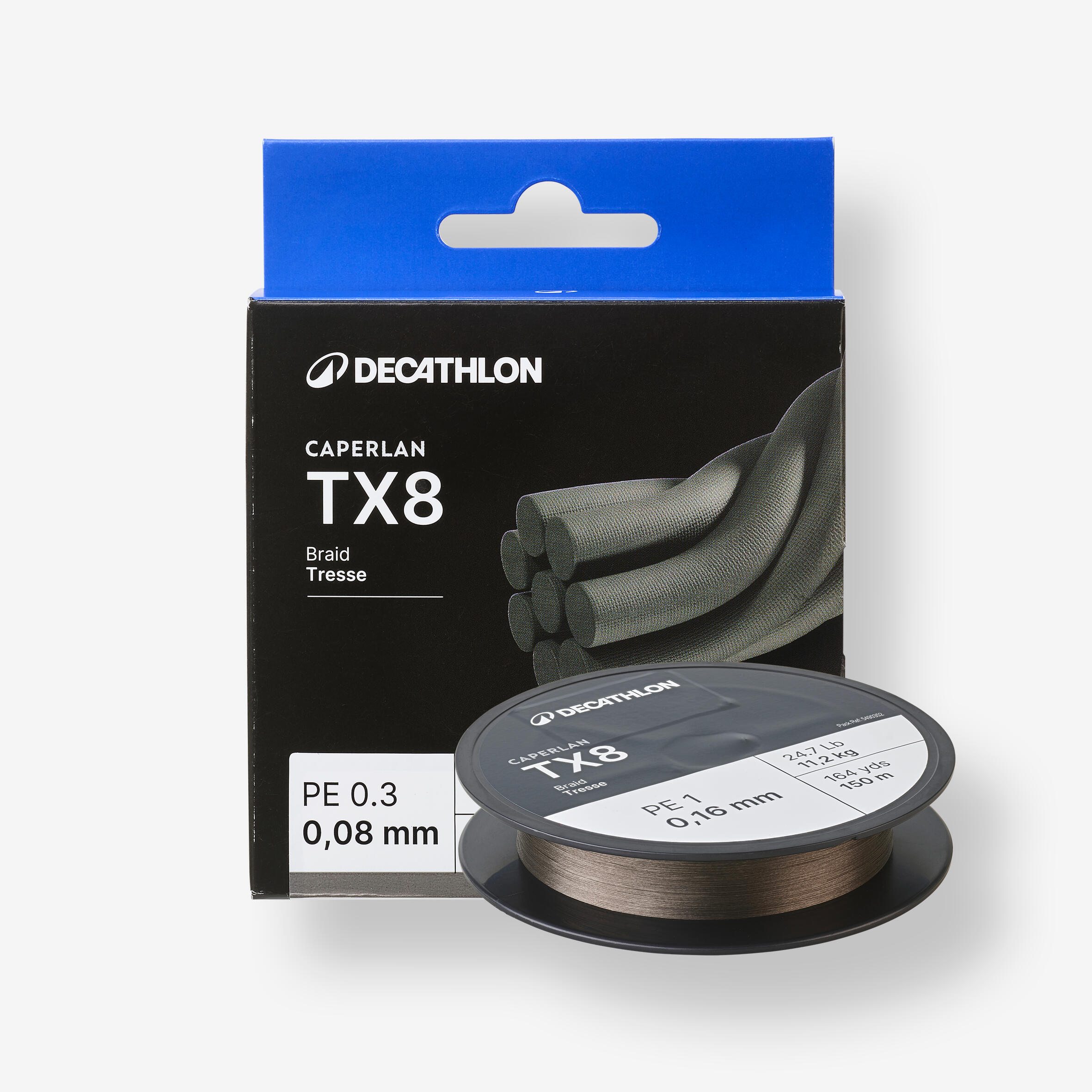
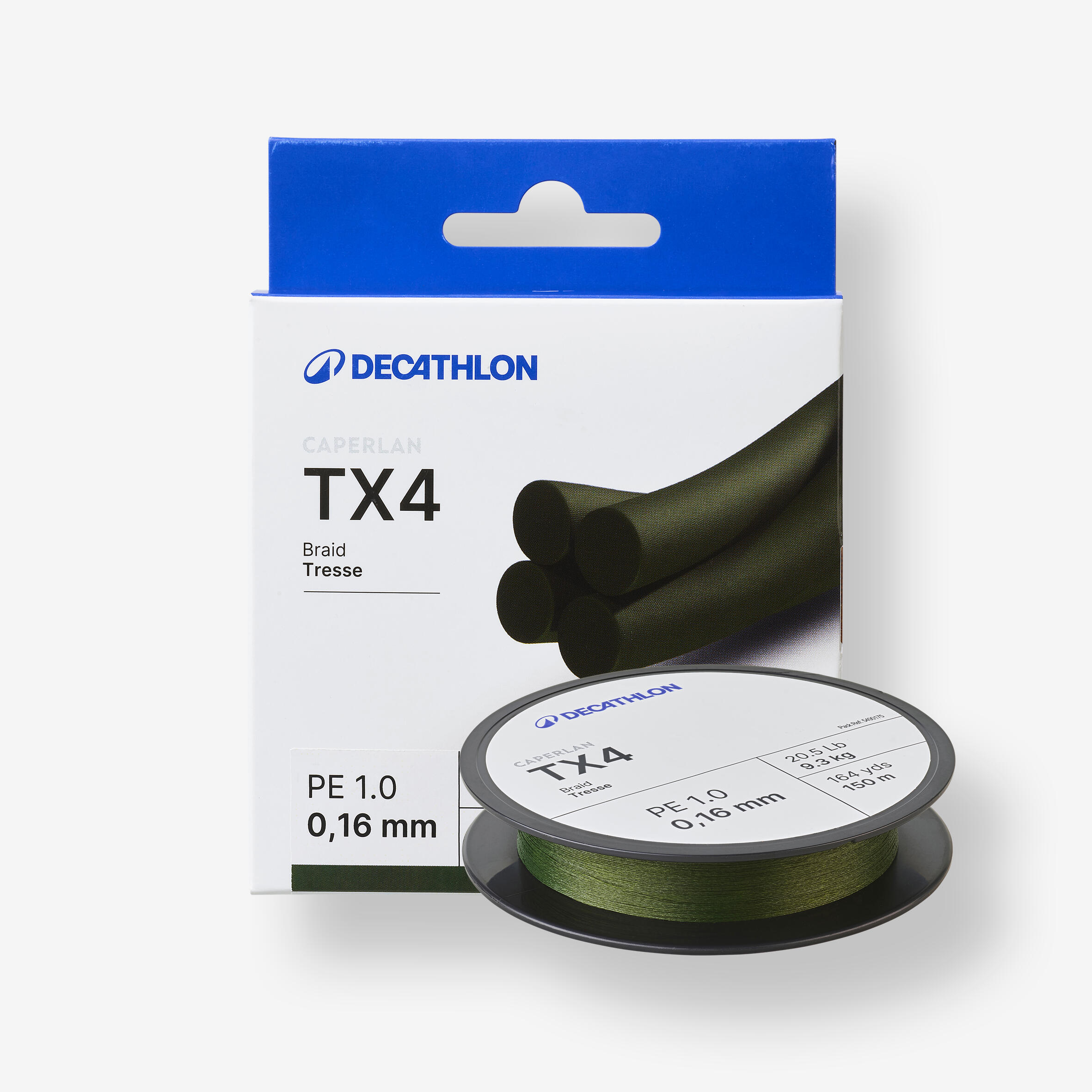
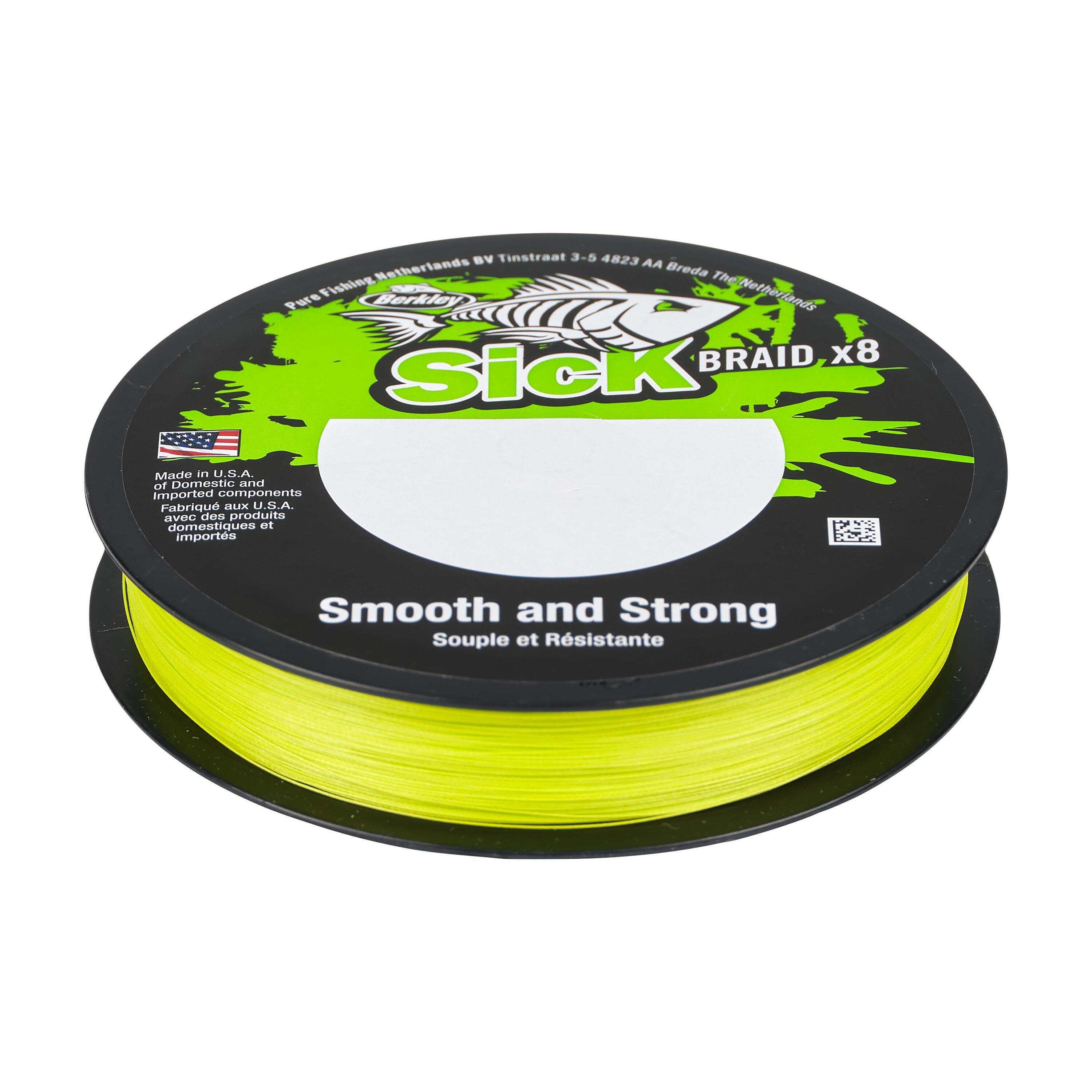
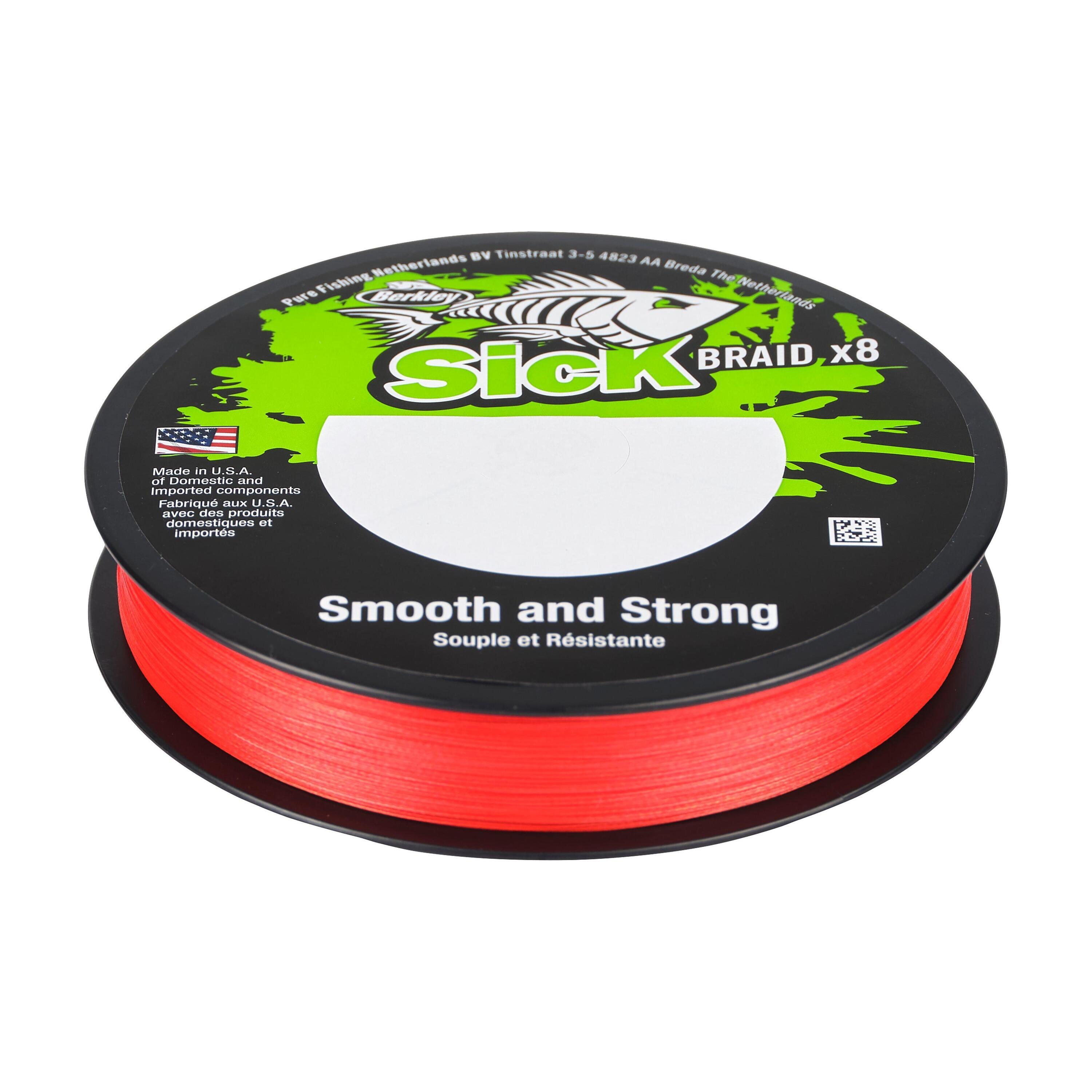
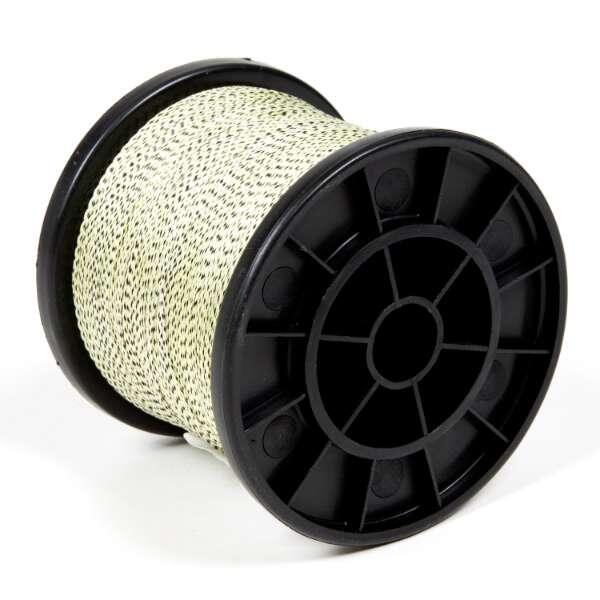
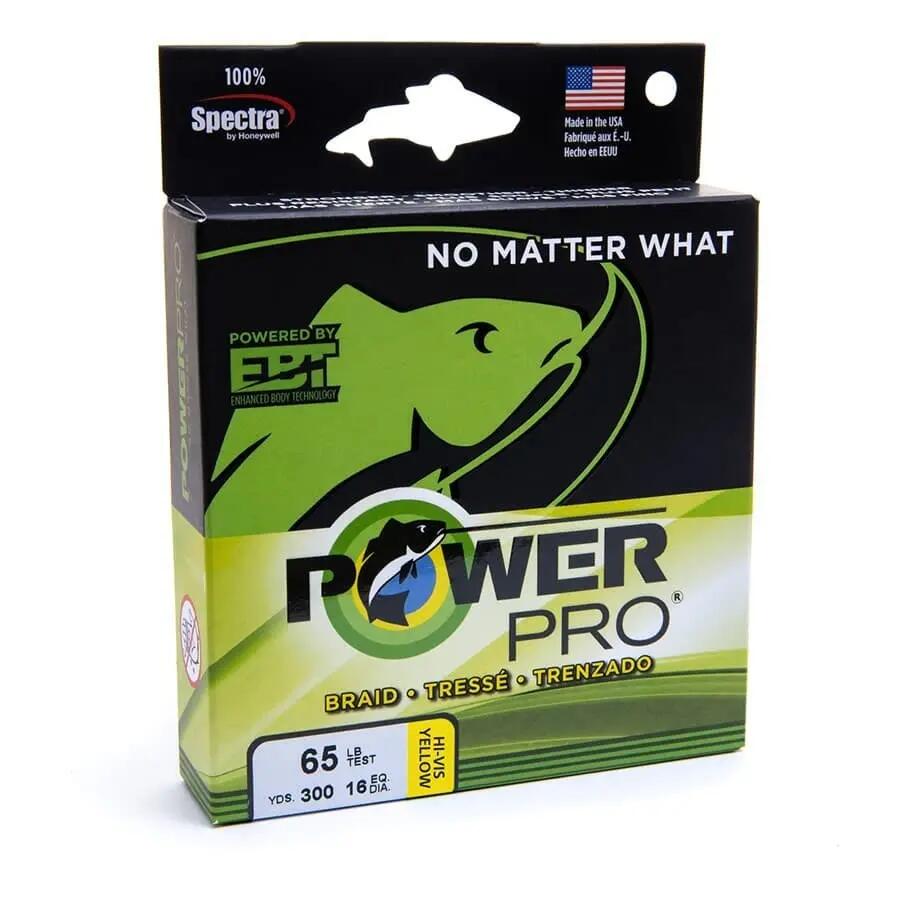
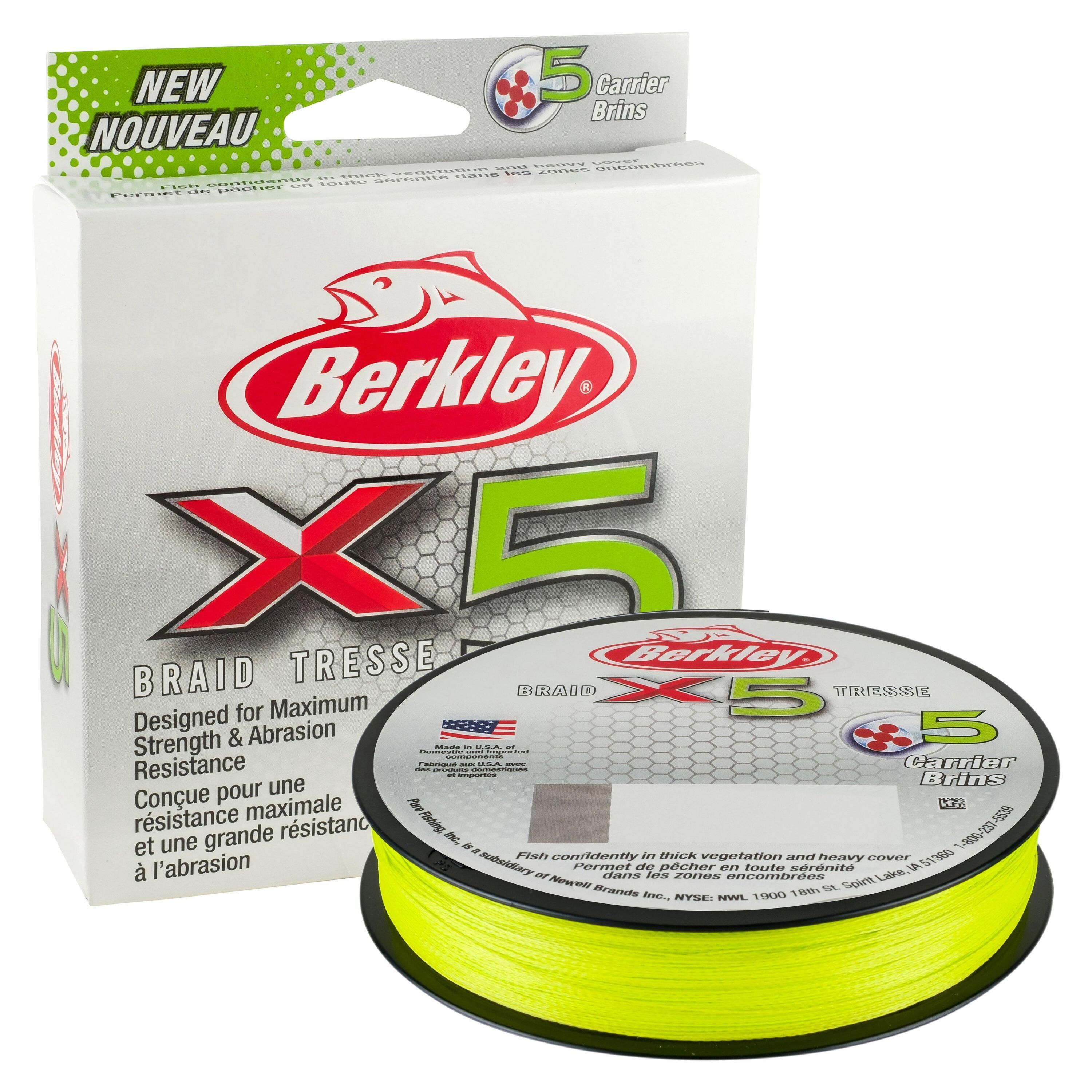
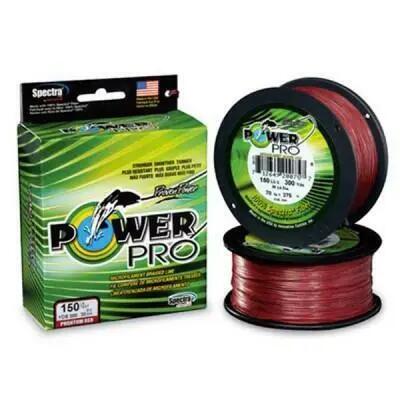
The number of braided fibres changes how the line feels and performs, so consider the water and presentation rather than treating every braid as interchangeable. Caperlan's TX4 uses four polyethylene fibres and places more emphasis on abrasion resistance, which can help when fishing near vegetation or structure. Its dope-dyed fibres also improve colour fastness. Published strengths run from 5.8 kg at 12/100 to 27.5 kg at 33/100. Eight-strand TX8 uses a smoother construction that Caperlan links with sensitivity and longer, more accurate casting. A 4-strand braided lure fishing line can therefore make sense when durability around abrasive areas matters more than maximum smoothness through the guides.

When does hard fluorocarbon work better for a leader?

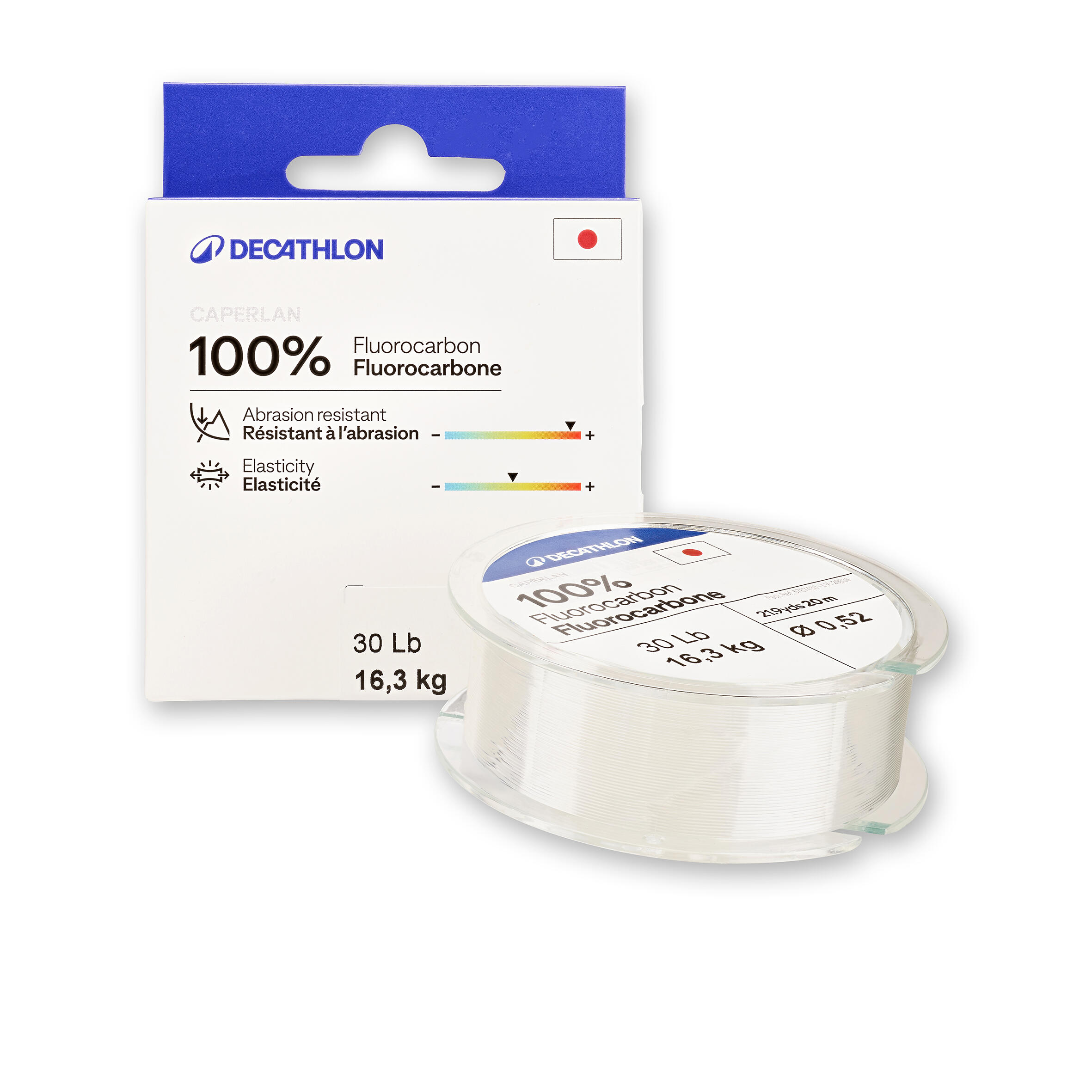
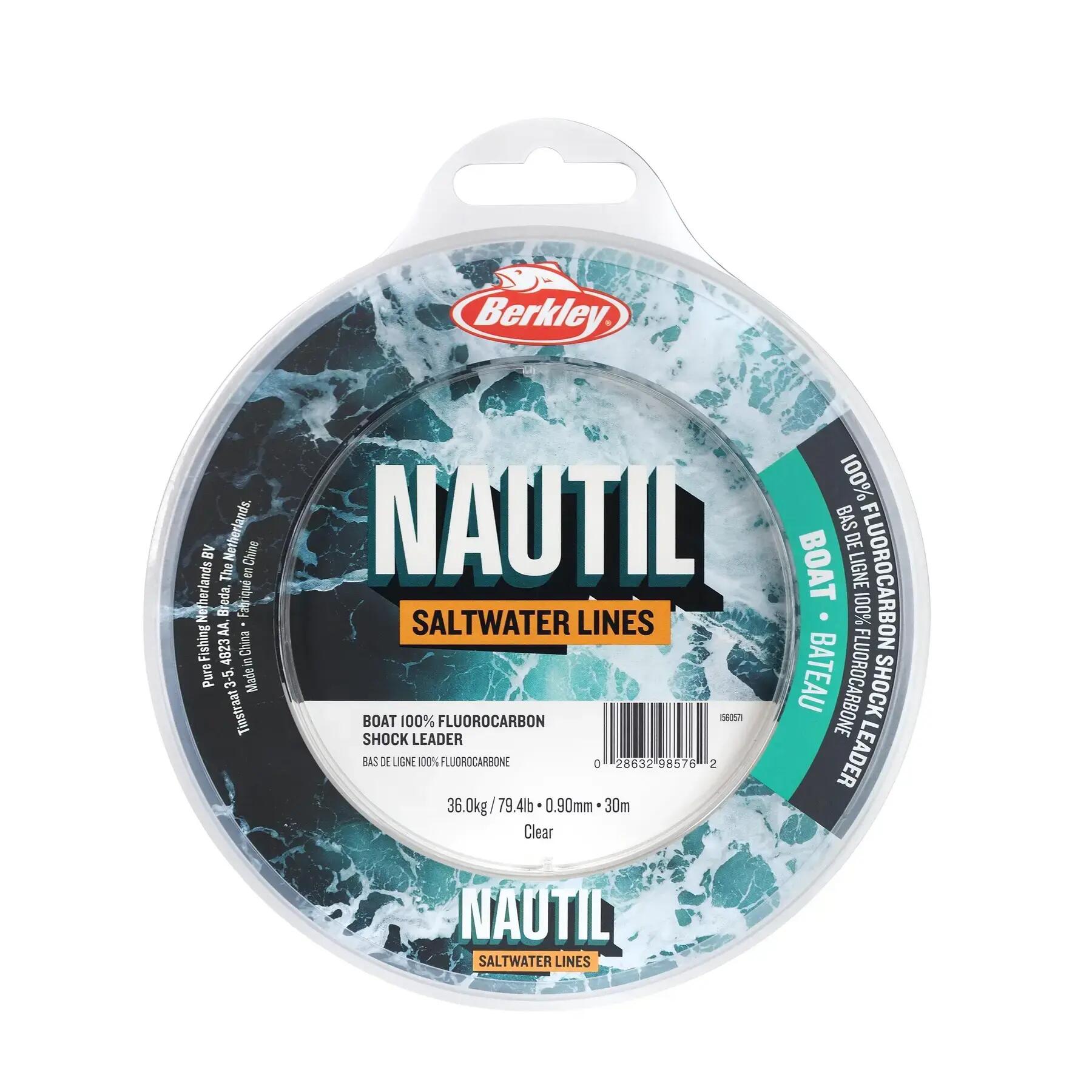
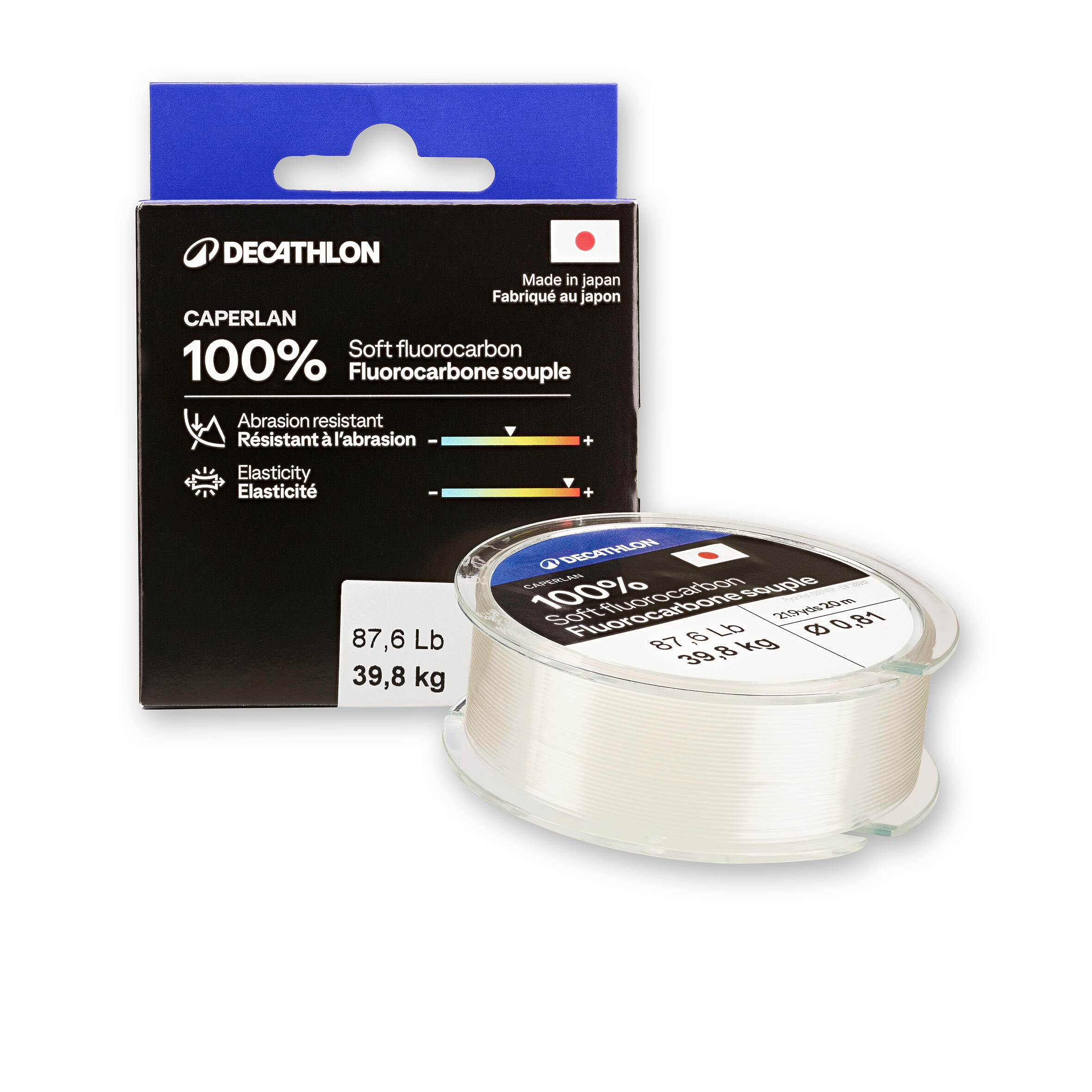
Hard fluorocarbon suits situations where the leader may rub against rocks, shells, dead wood or other abrasive structure. Caperlan's 100% Hard Fluorocarbon is made in Japan and uses a stiffer construction to increase resistance to abrasion and predator teeth. The rigidity also helps keep the leader aligned and can reduce tangling when casting heavier lures. Larger diameters reach published breaking strains of 27.5 kg at 70/100, 35.6 kg at 81/100 and 48.9 kg at 91/100. The trade-off is reduced flexibility, which can restrict the movement of some smaller or more delicate lures. Use fluorocarbon lure fishing line where protection from teeth and abrasion matters more than maximum leader suppleness.

How do you match line diameter to a lure fishing system?

Start with the lure, target fish and fishing environment, then match the line to the rod and reel rather than selecting diameter by strength alone. Fine braid can keep a lightweight lure responsive and help casting, while larger predators, heavy lures and snag-filled water may call for higher breaking resistance. Reel capacity also changes as line diameter increases, so unnecessarily thick line can reduce how much fits on the spool. Caperlan publishes both diameter and breaking strain across its TX4 and TX8 families, making these trade-offs easier to judge. The wider lure fishing category helps you consider the line alongside lure weight, reel size and rod power. A balanced combination gives you enough strength without making the complete rig heavier or less responsive than necessary.

Which line arrangement works around pike and abrasive cover?

Pike and snag-filled swims place different demands on the main line and leader. A strong braid can provide direct contact with the lure, while a tougher leader protects the final section against teeth and rubbing. Caperlan positions hard fluorocarbon for demanding cover and sharp-toothed predators, while its four-strand TX4 braid prioritises abrasion resistance in both freshwater and saltwater predator fishing. Avoid selecting every component at its highest available strength because the rod, reel, knots, snap and leader still need to work as one system. When preparing for predator fishing, inspect the final section of braid and leader after contact with rocks, wood or vegetation. Replace visibly frayed or damaged line before the next cast rather than relying only on its original breaking-strain figure.

How do you connect braid and fluorocarbon securely?

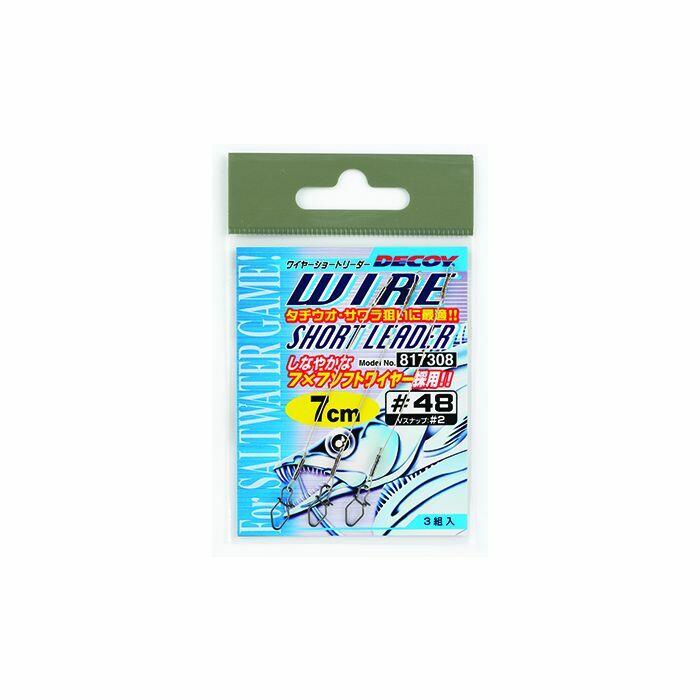
The difference between the two line diameters affects which connection works well. Caperlan recommends a Double Grinner when braid and fluorocarbon have relatively similar diameters, while FG or Albright knots suit connections where the diameters differ considerably. Moistening fluorocarbon before tightening the knot also matters because friction generates heat that can reduce its resistance. Pull the completed knot firmly before fishing and trim the tag ends neatly so the connection passes through the guides without catching. Related lure fishing terminal tackles such as leaders, swivels and snaps need compatible resistance as well, since a strong line cannot compensate for a weaker connection farther down the rig. Store fluorocarbon away from heat and sunlight to help preserve its technical properties between sessions.