1,432 items
4.7/5 based on 86022 reviews collected online and in stores

Predator Fishing FAQs

Which predator fishing setup suits a beginner?

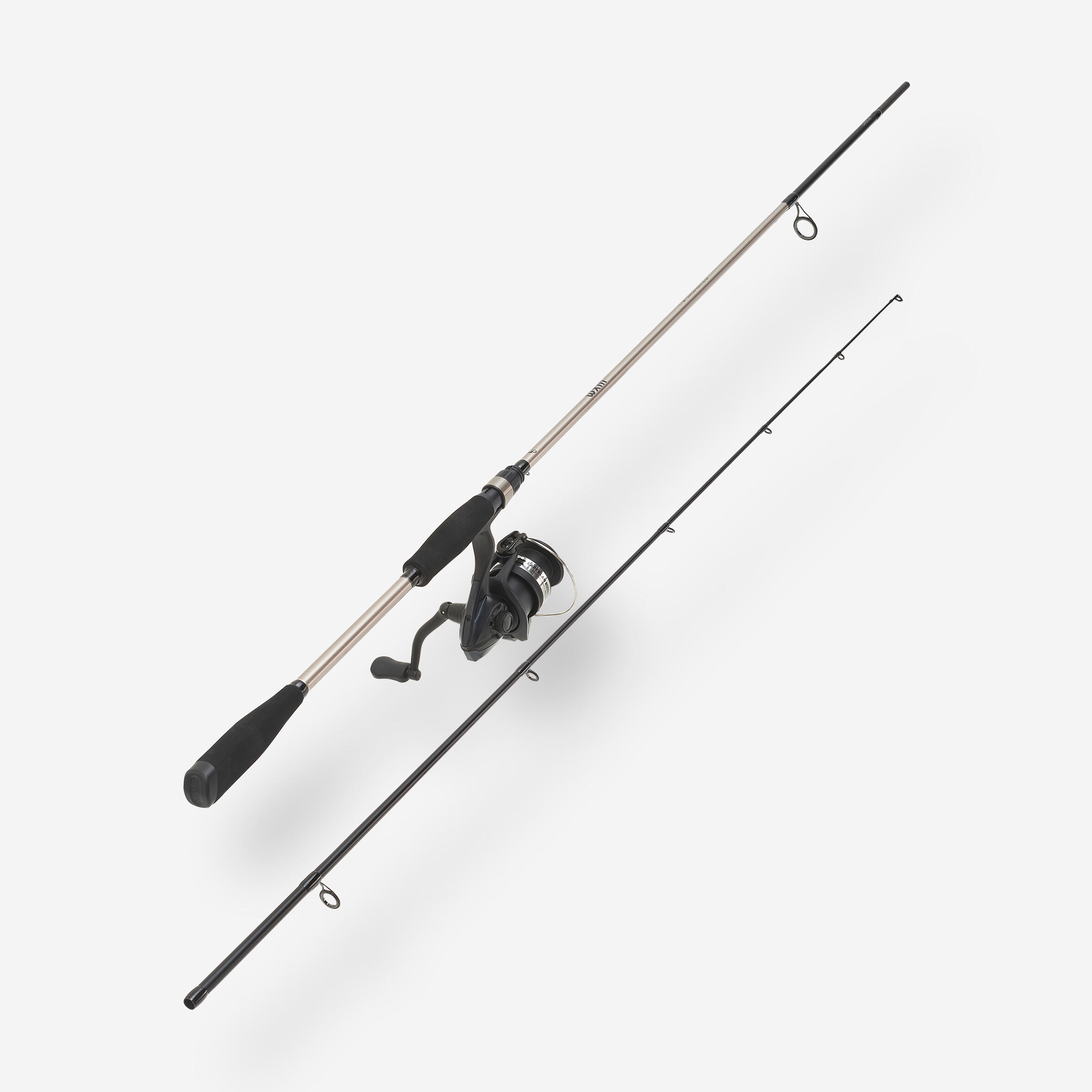
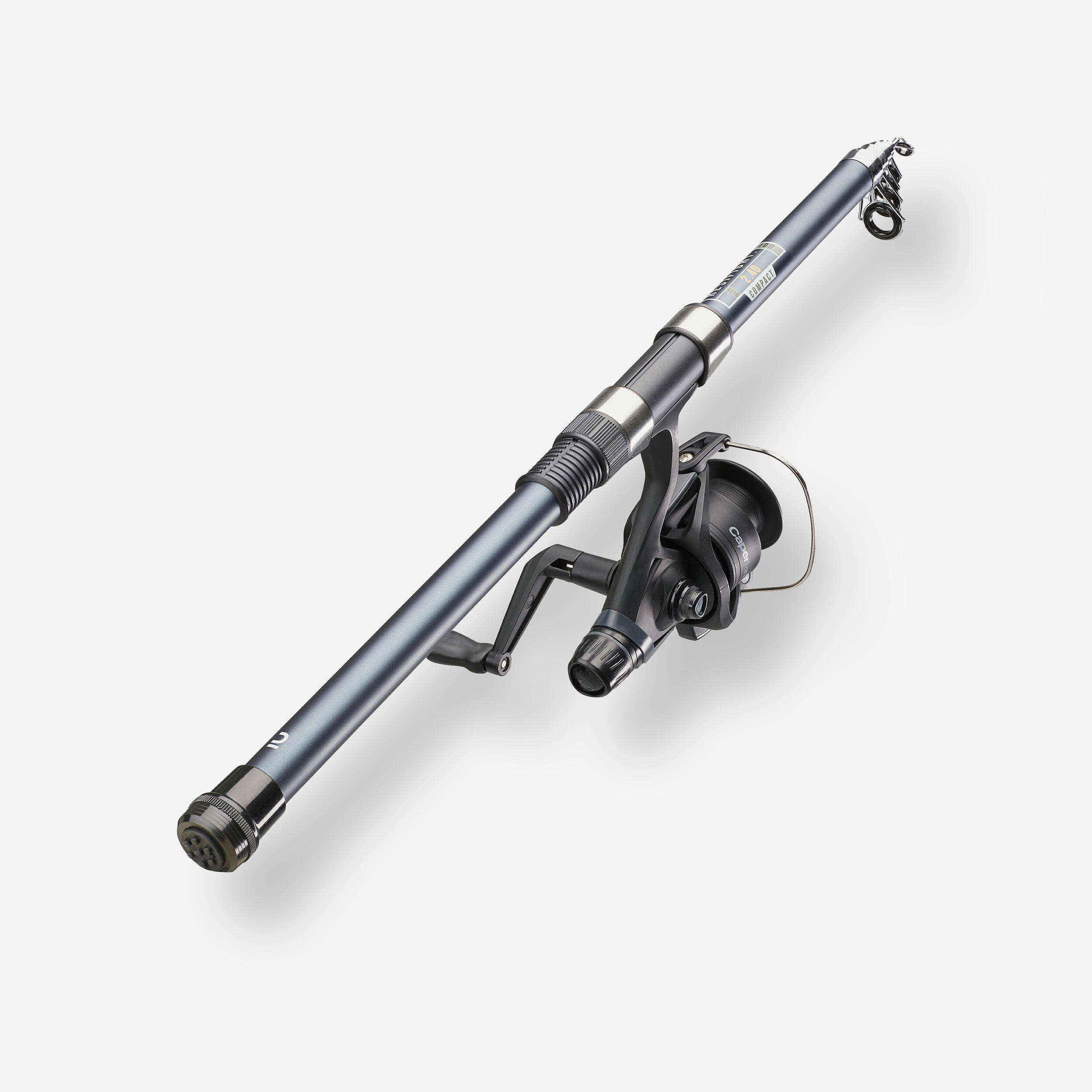
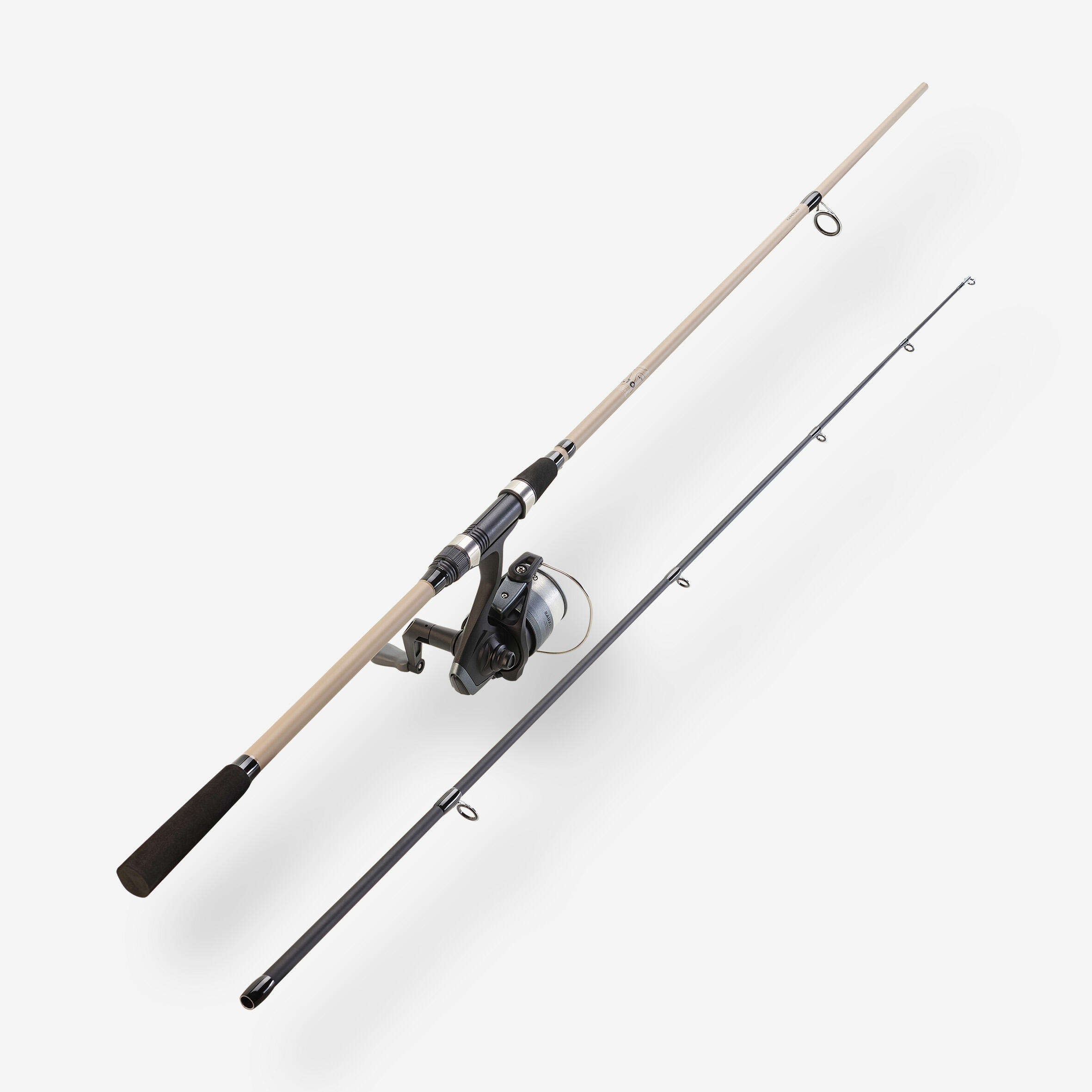
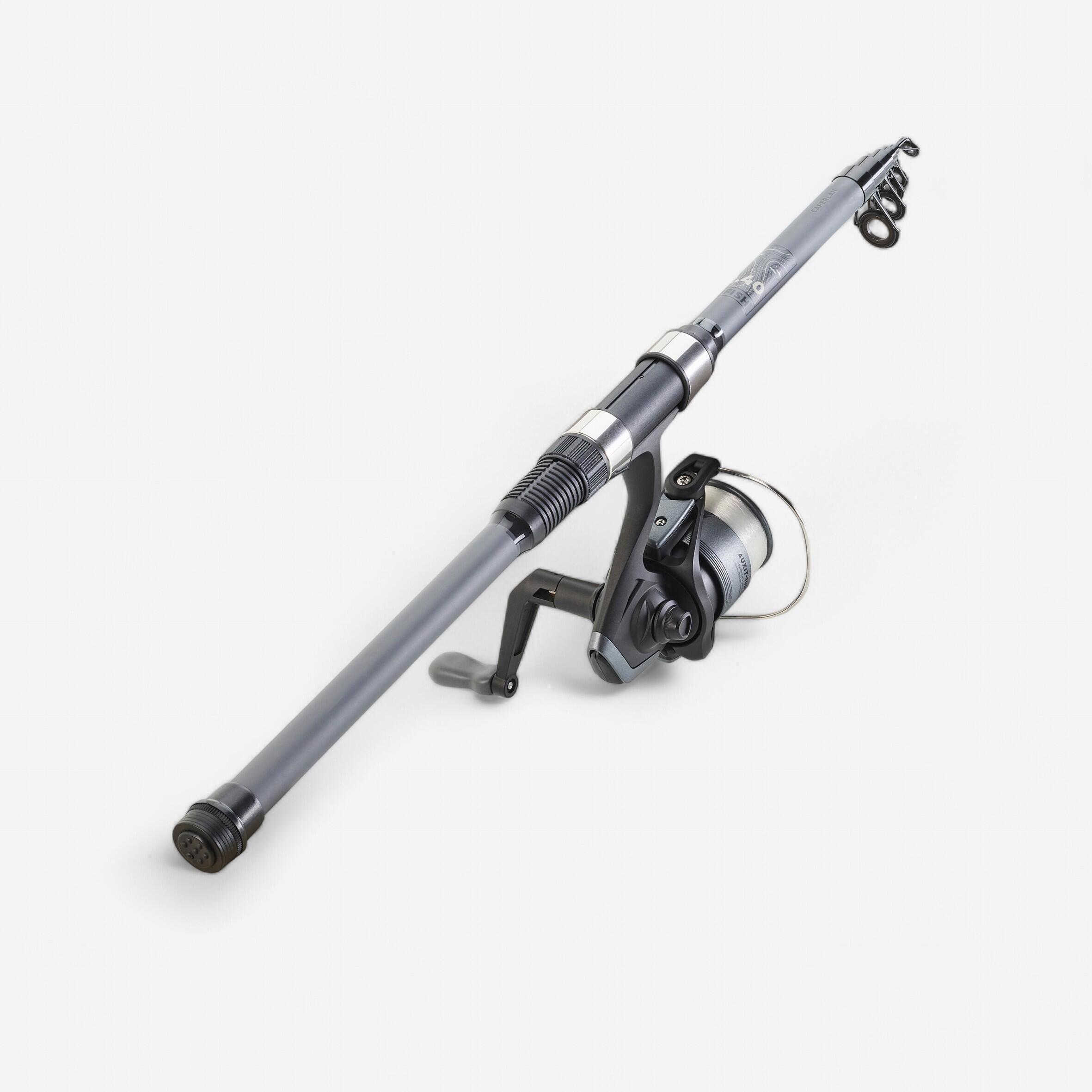
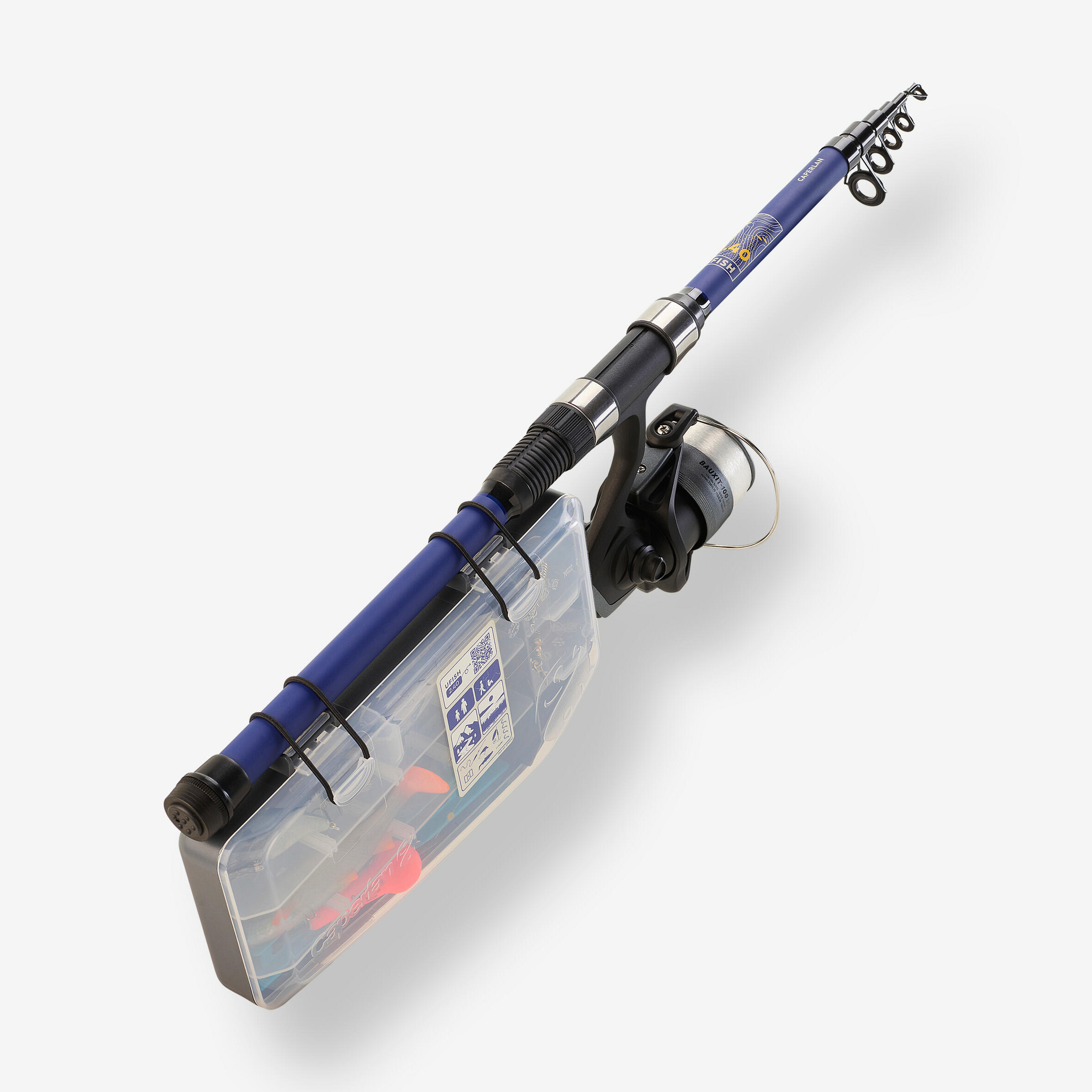
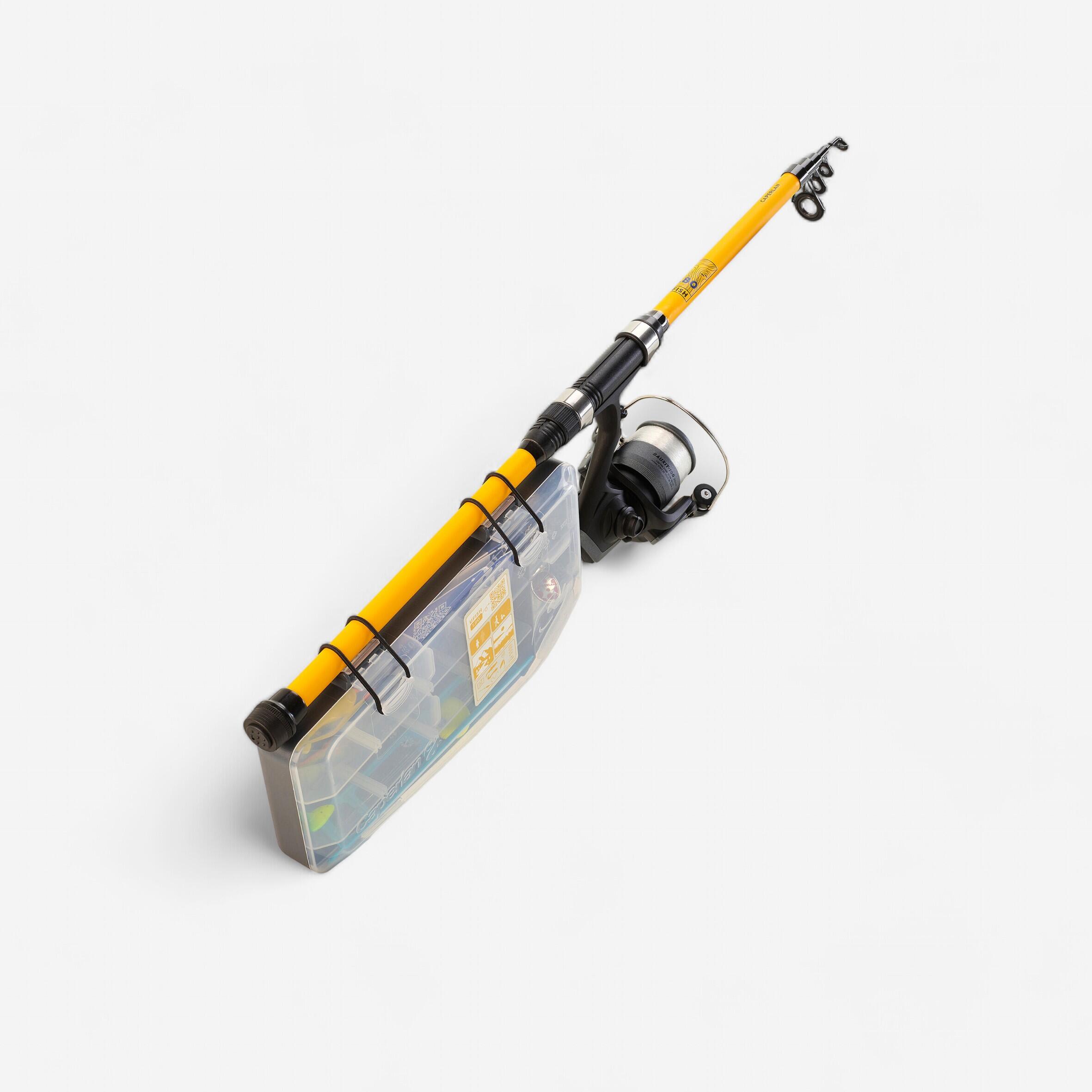
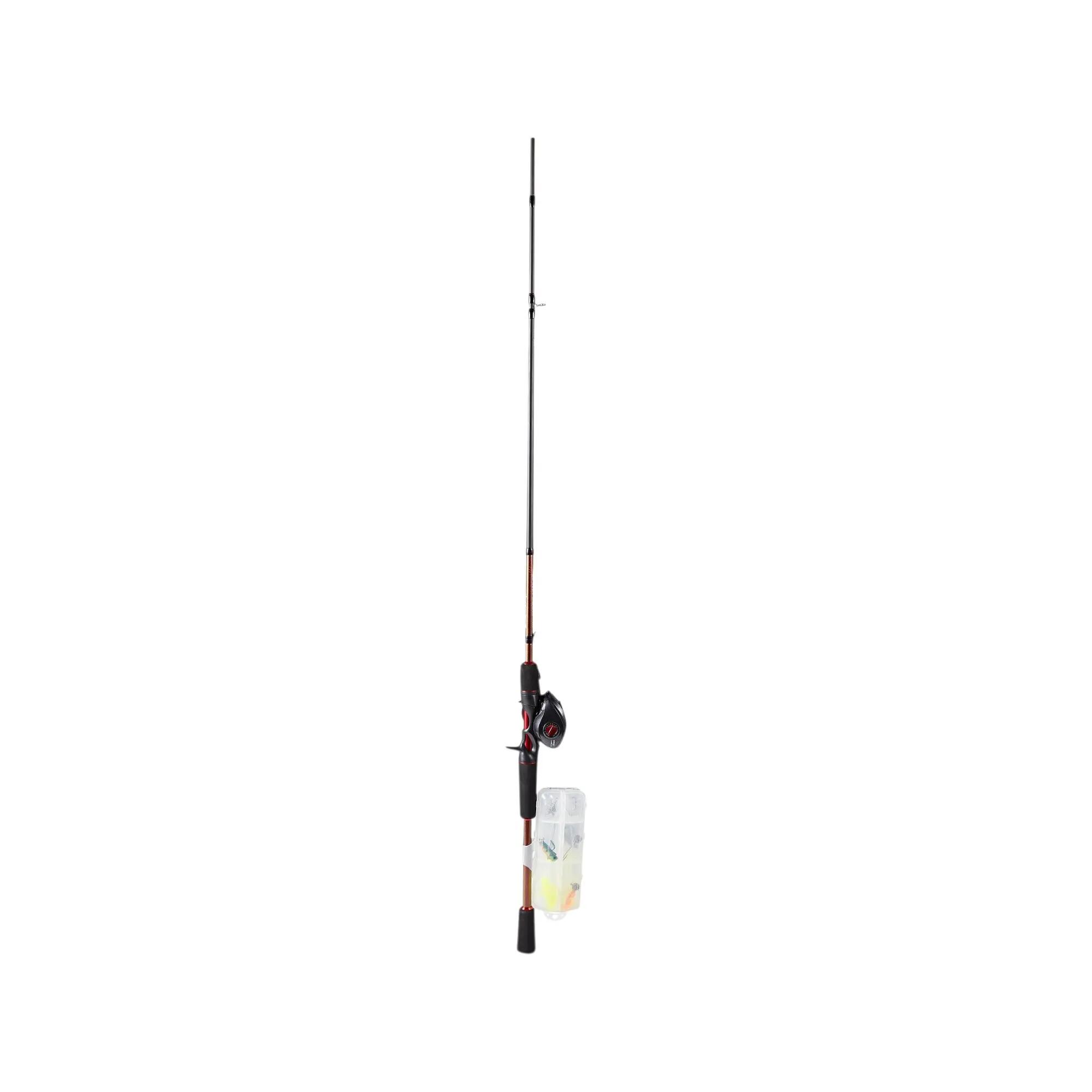
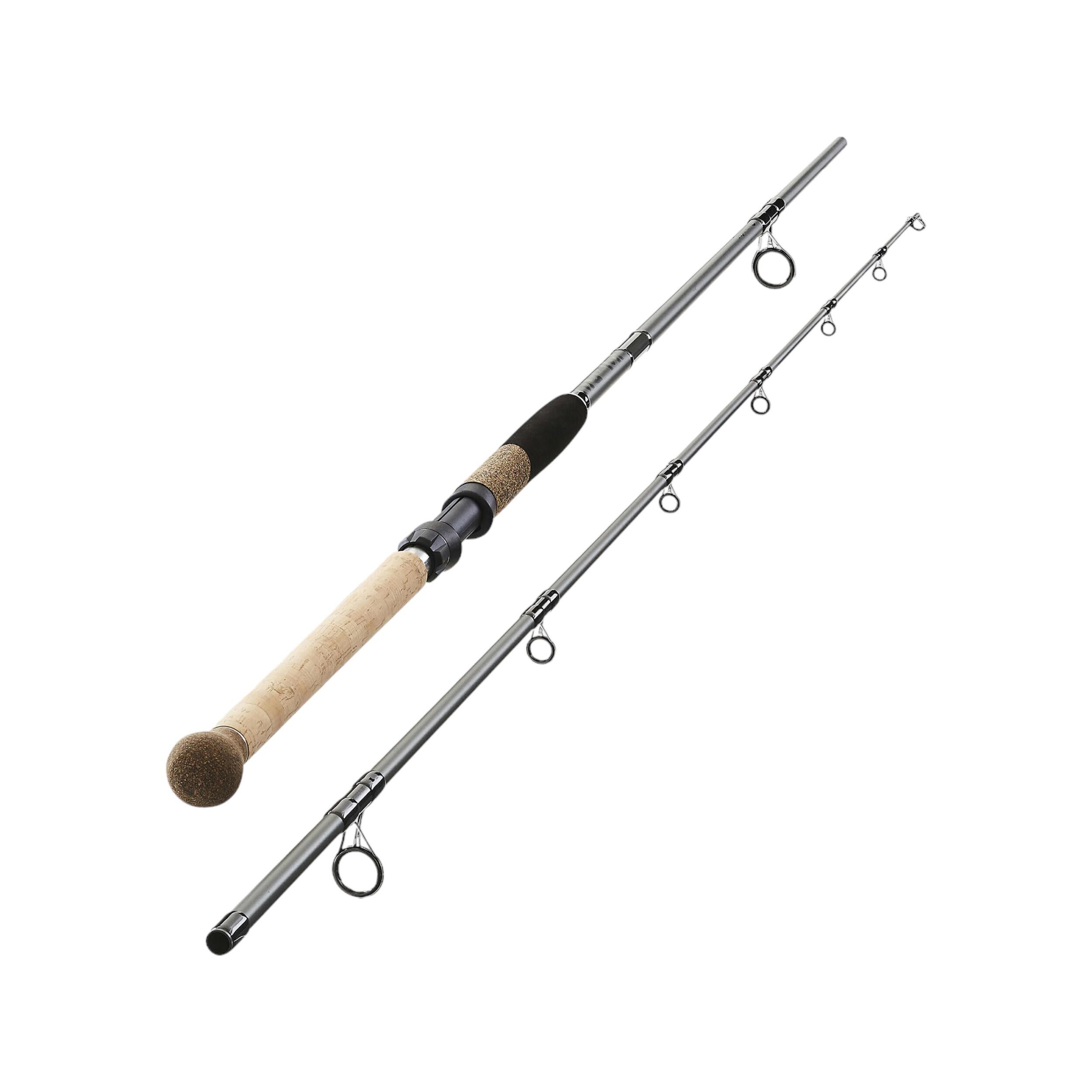
Start with the species, water and method you expect to use most often. A ready-to-fish combination can reduce uncertainty because the rod, reel and line are already matched, while some compact Caperlan models collapse to about 55 or 60 cm for easier transport. Look at the casting weight before buying: a lighter 10-30 g setup suits smaller lures, while a 20-60 g rod handles heavier presentations. Complete kits may also include rigs, swivels, artificial baits and guidance. If you are still deciding between several methods, the wider fishing category helps you compare supporting tackle without treating every rod as interchangeable.
How do you match a predator rod to the lure?

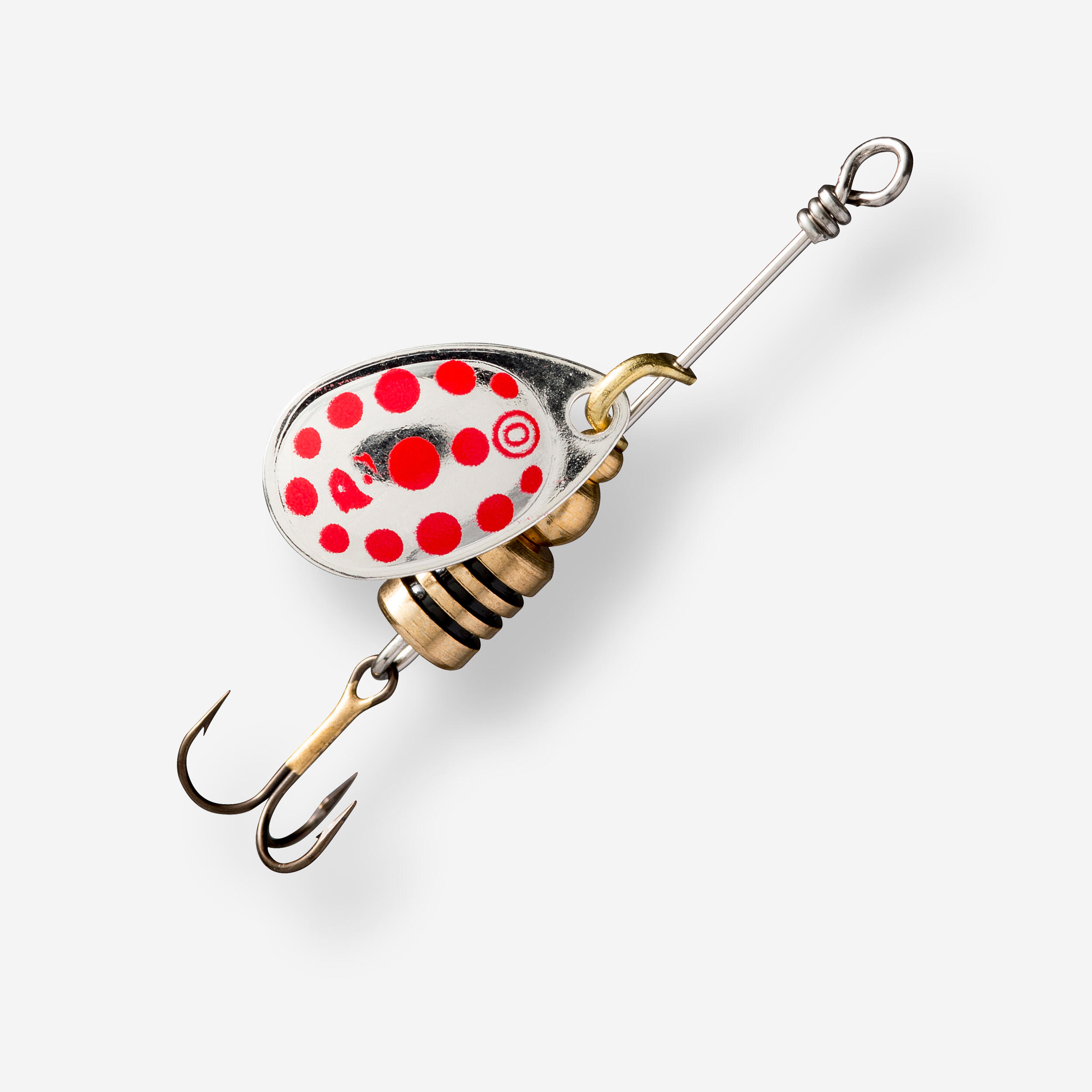
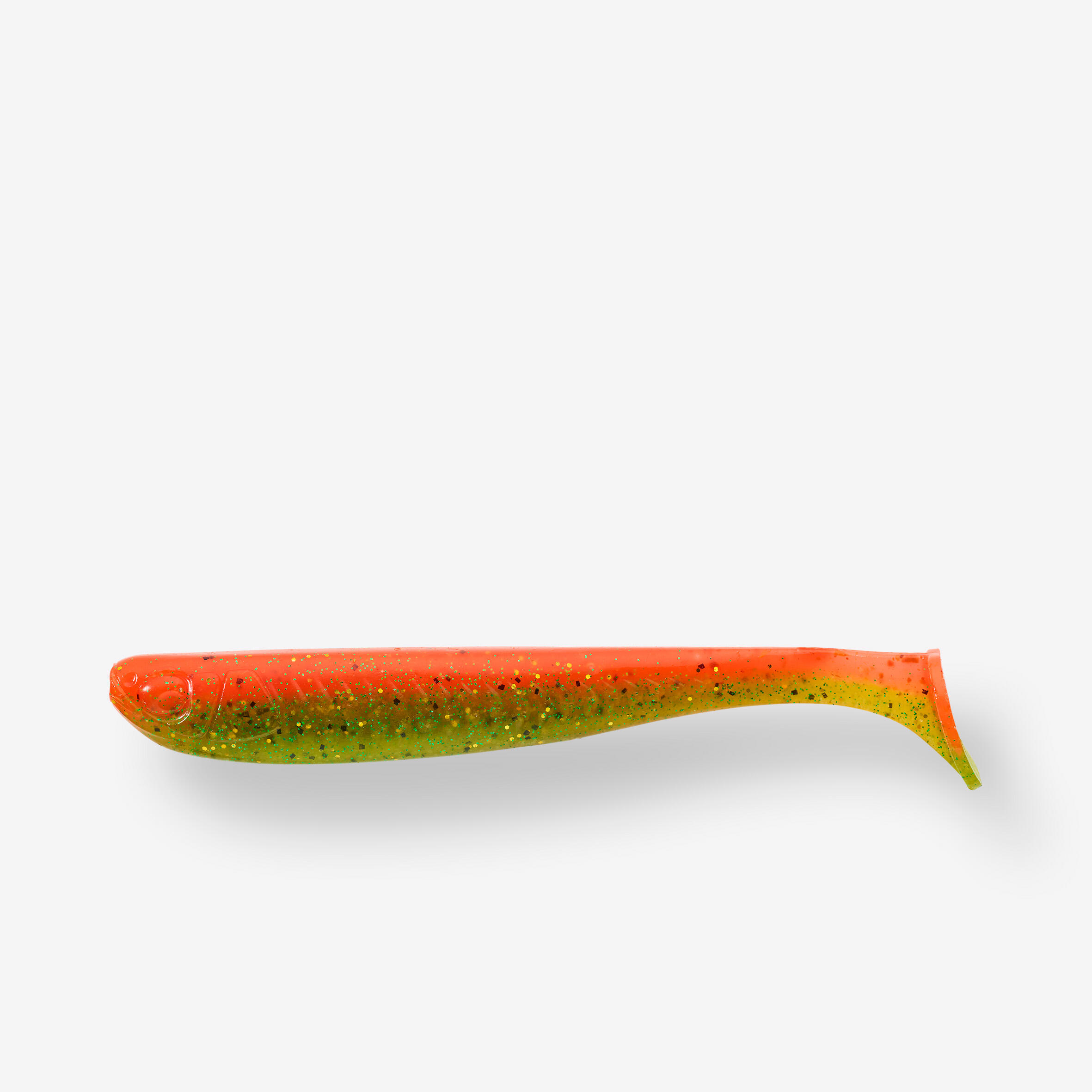
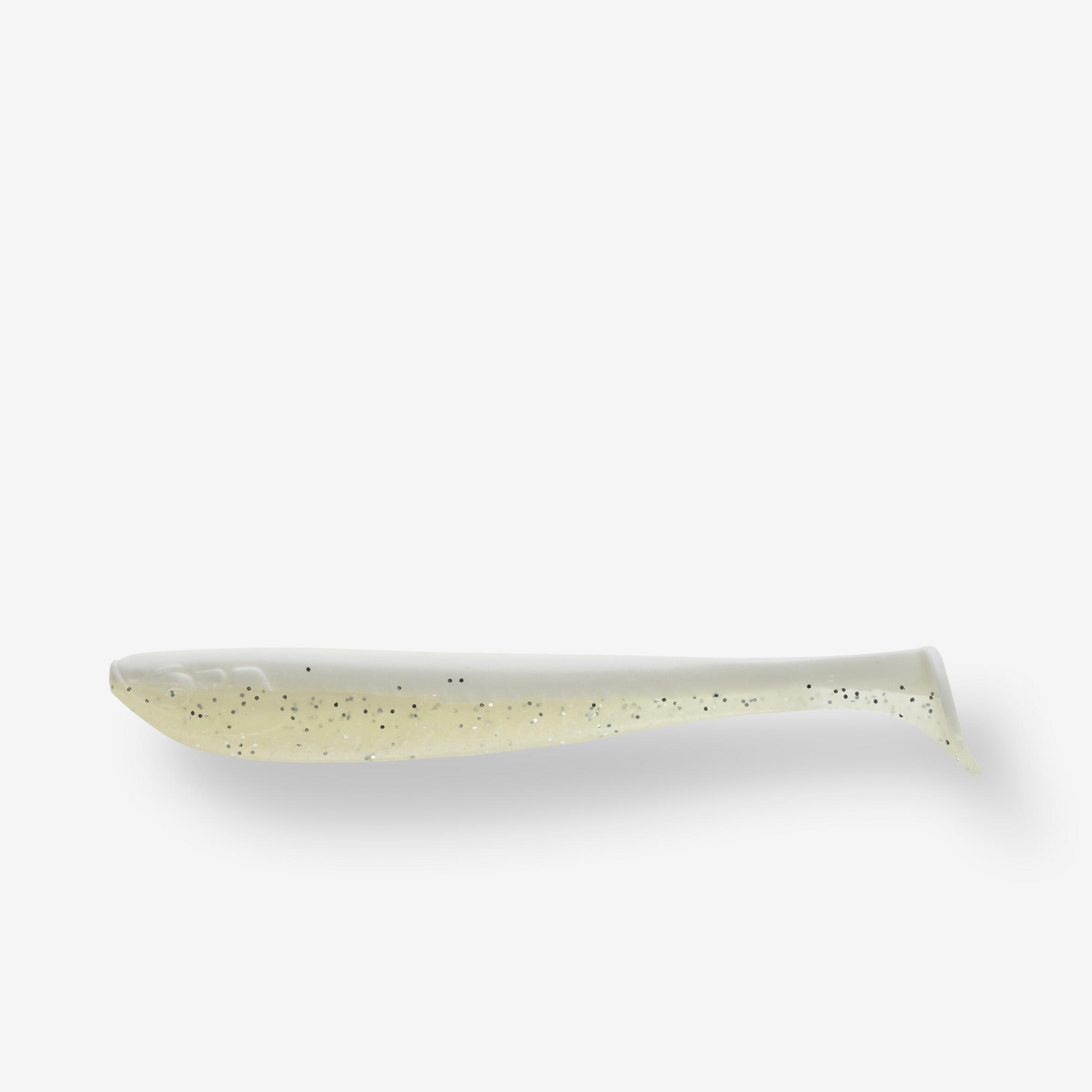
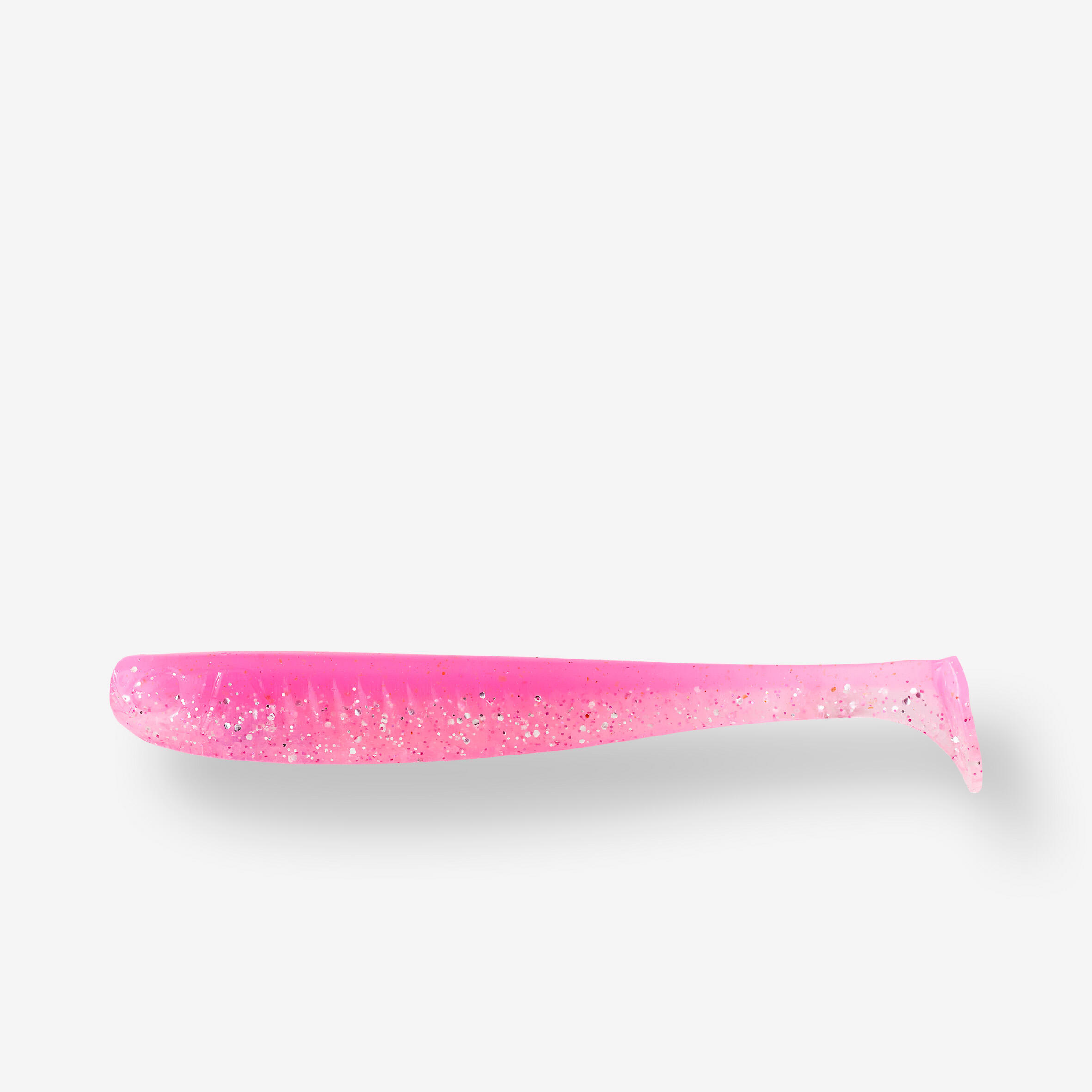
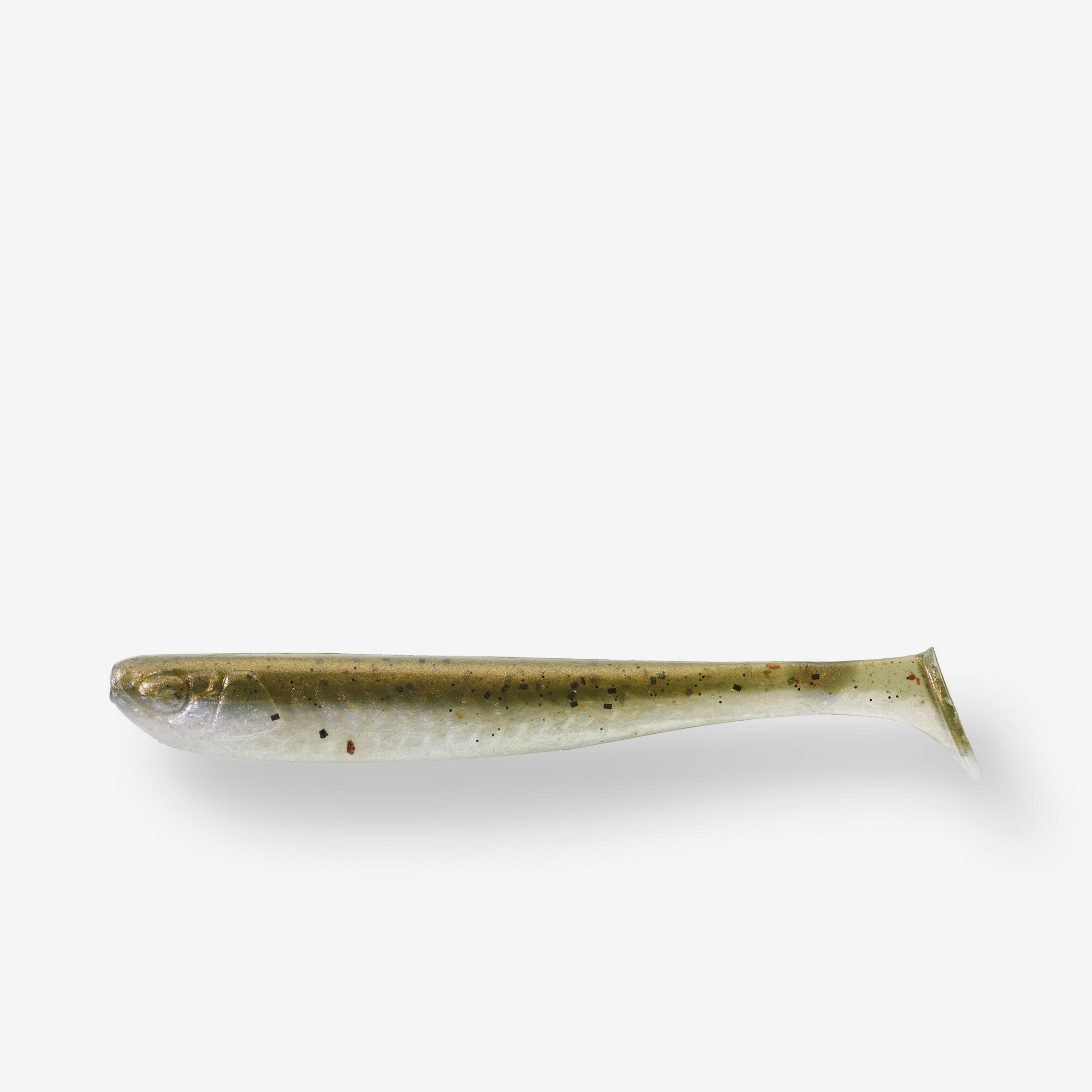
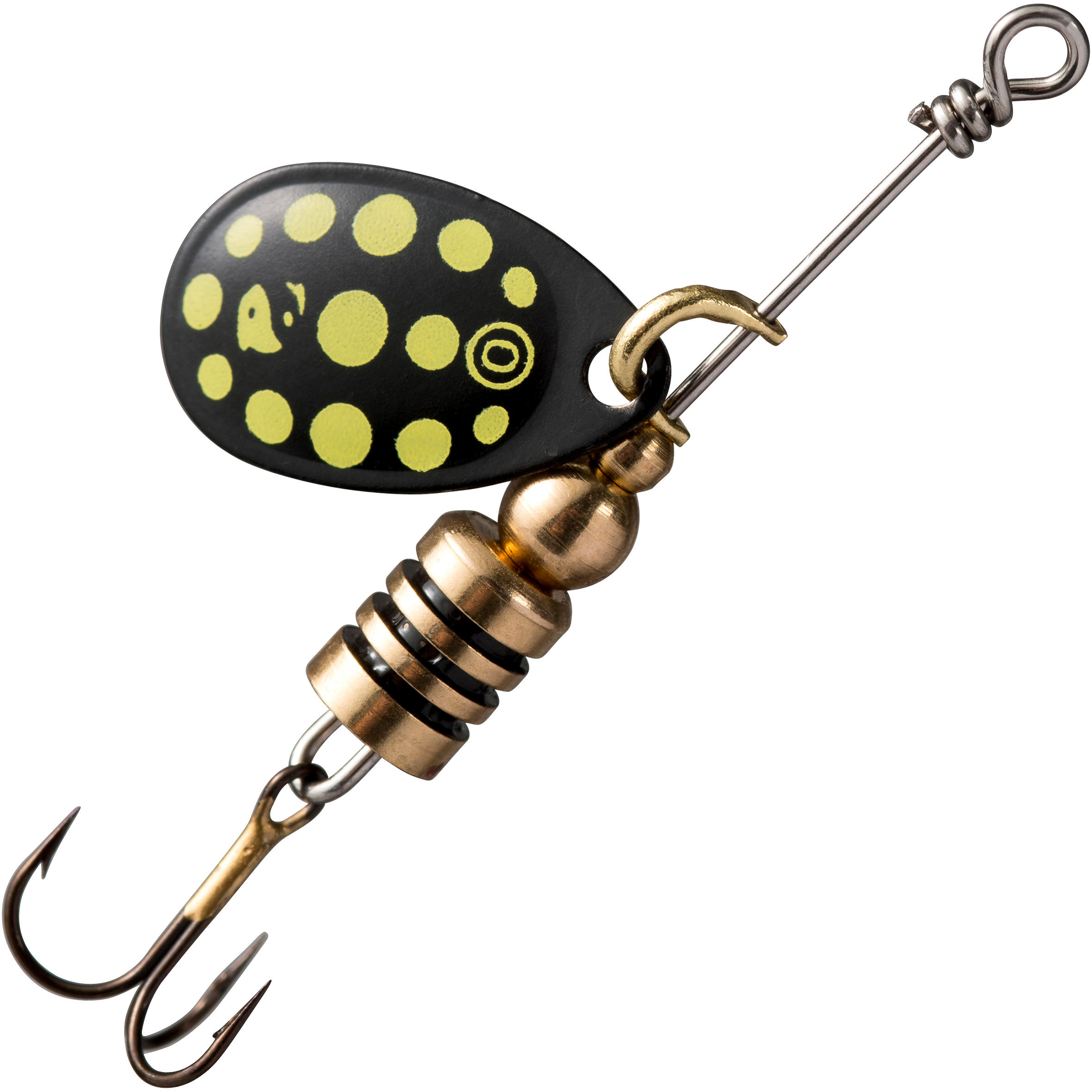
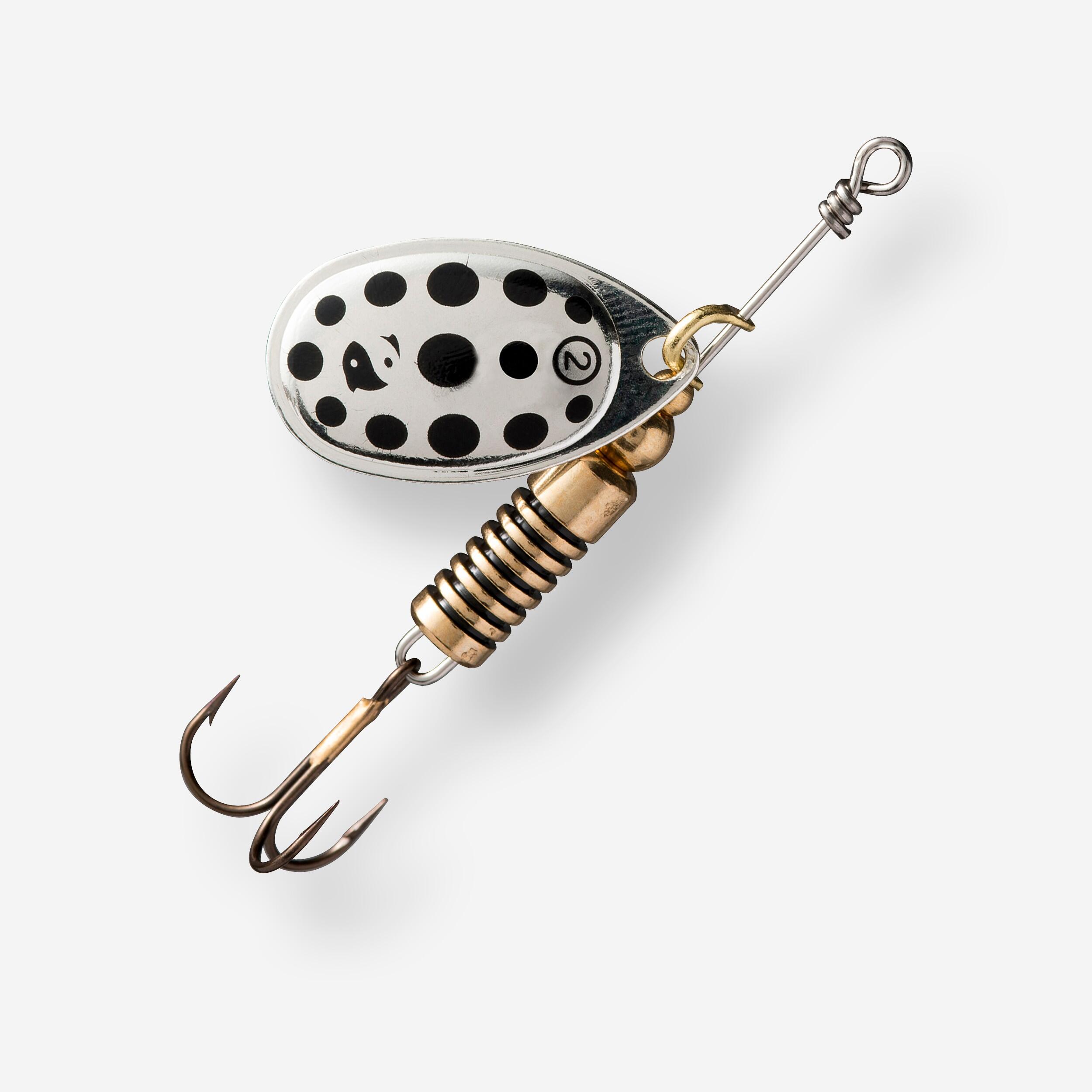
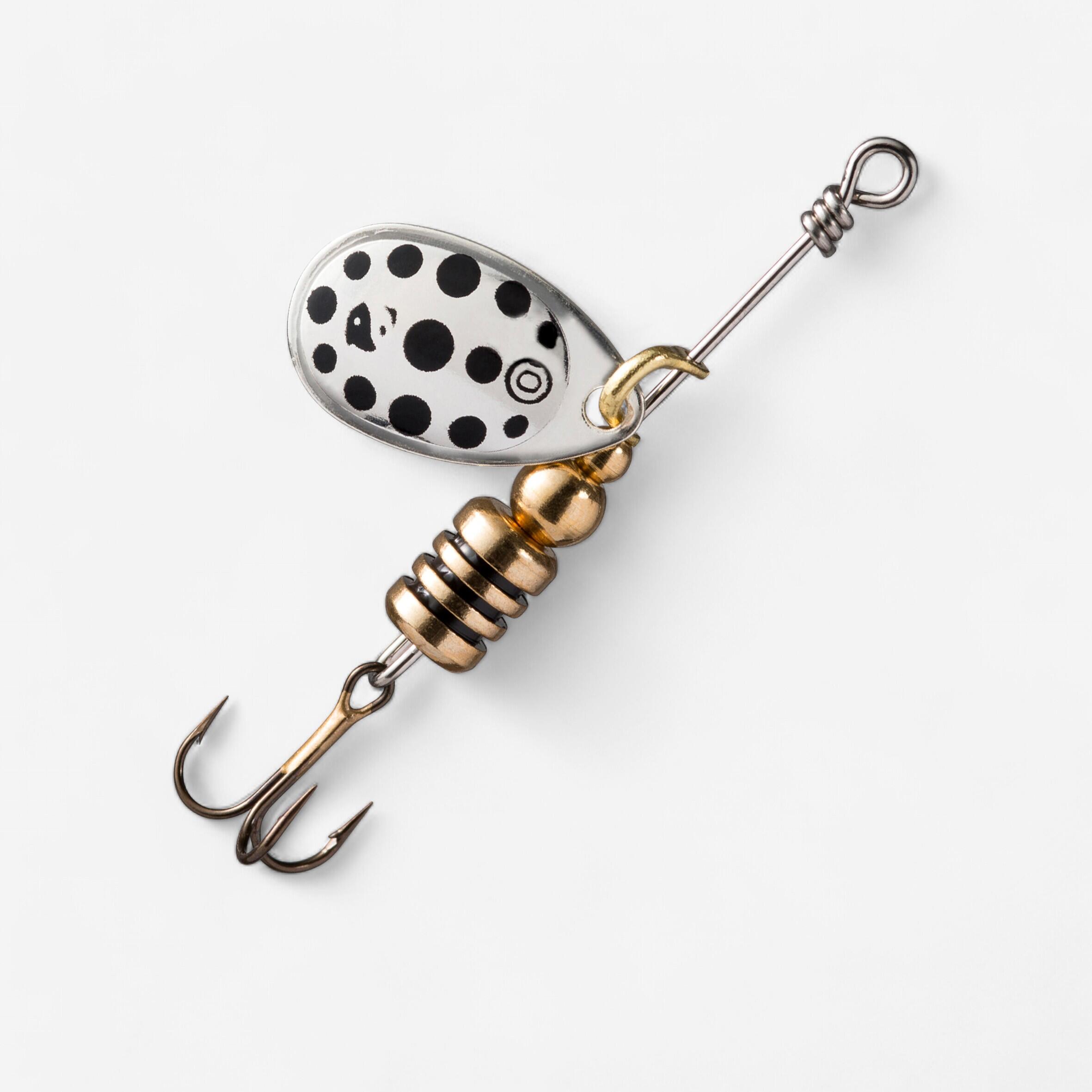
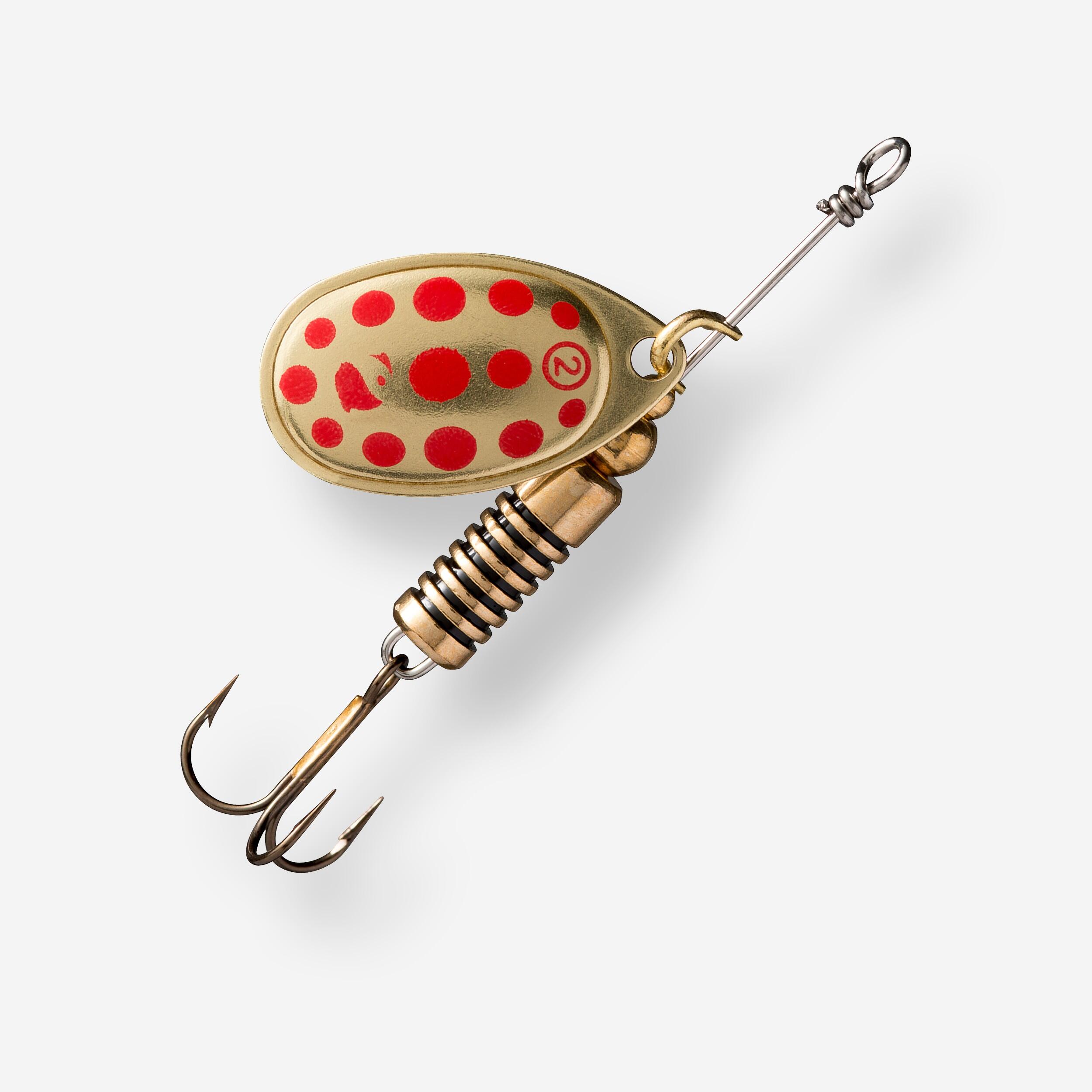
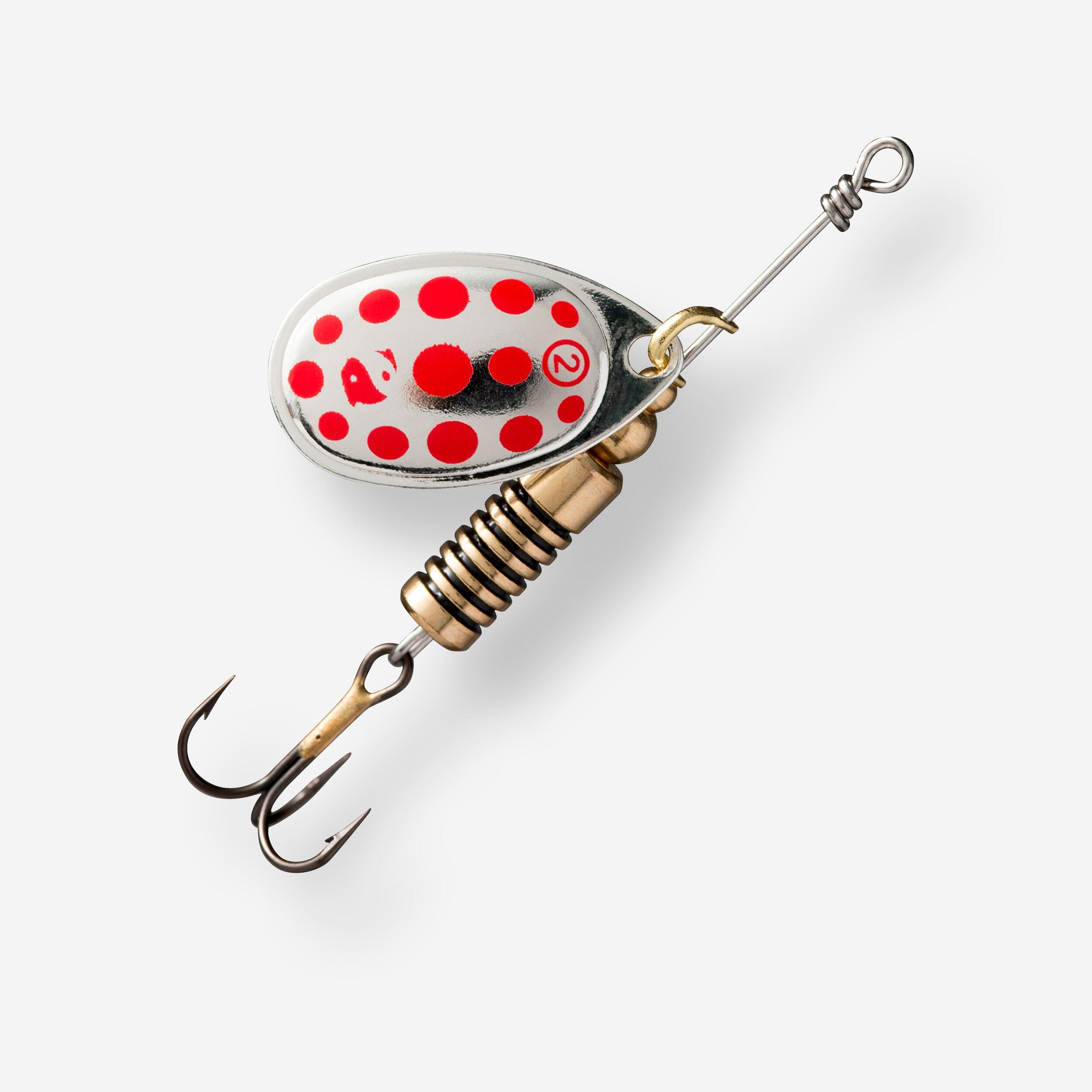
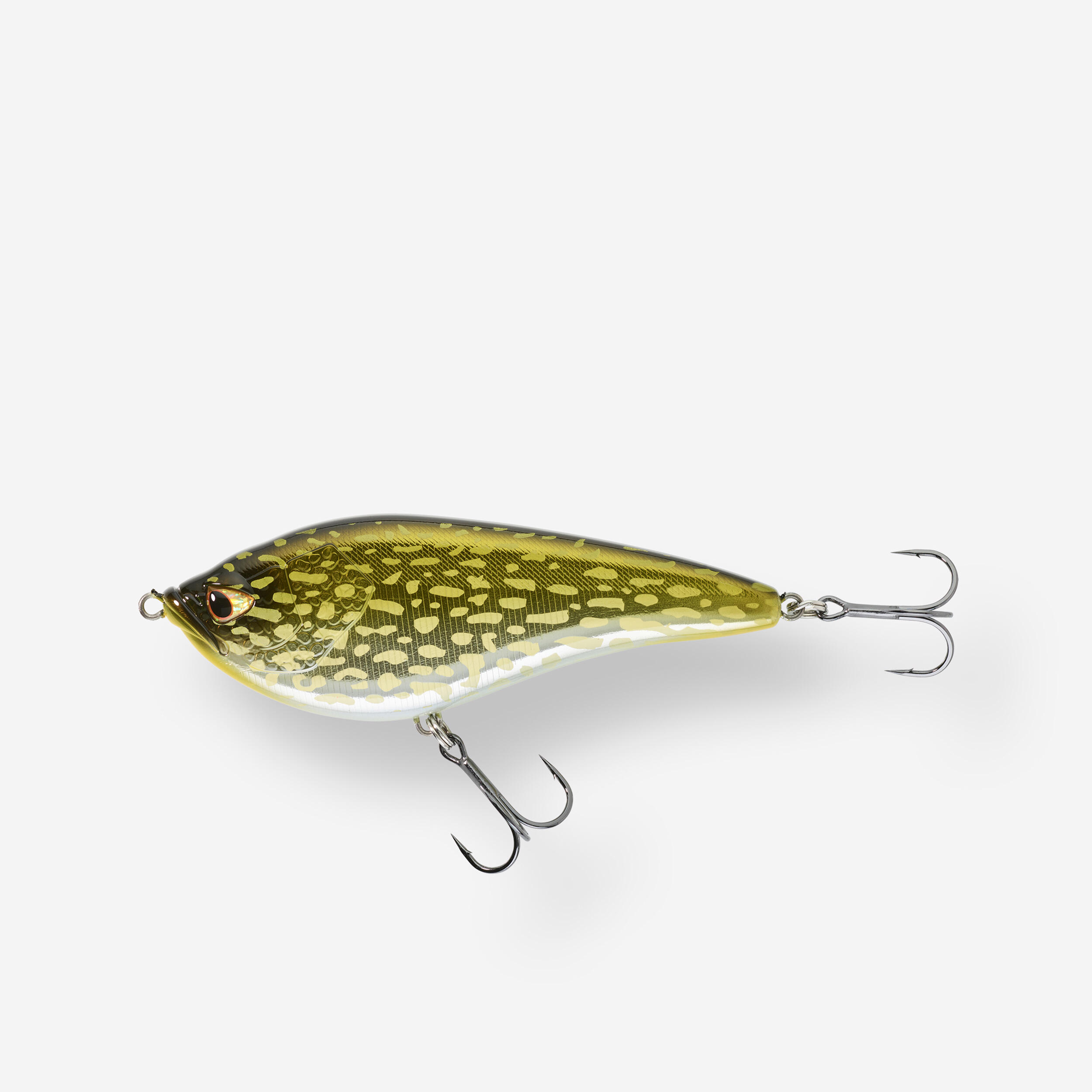
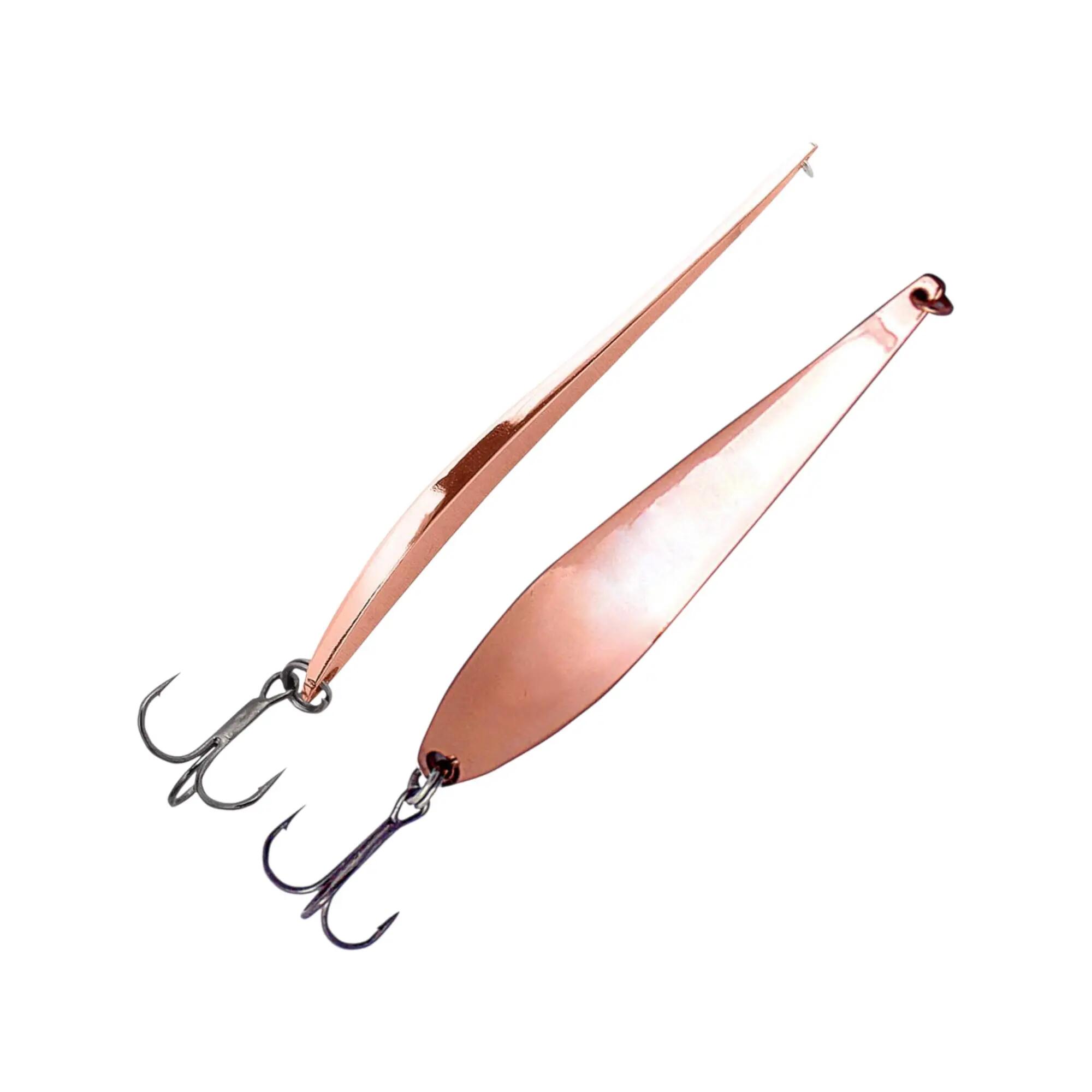
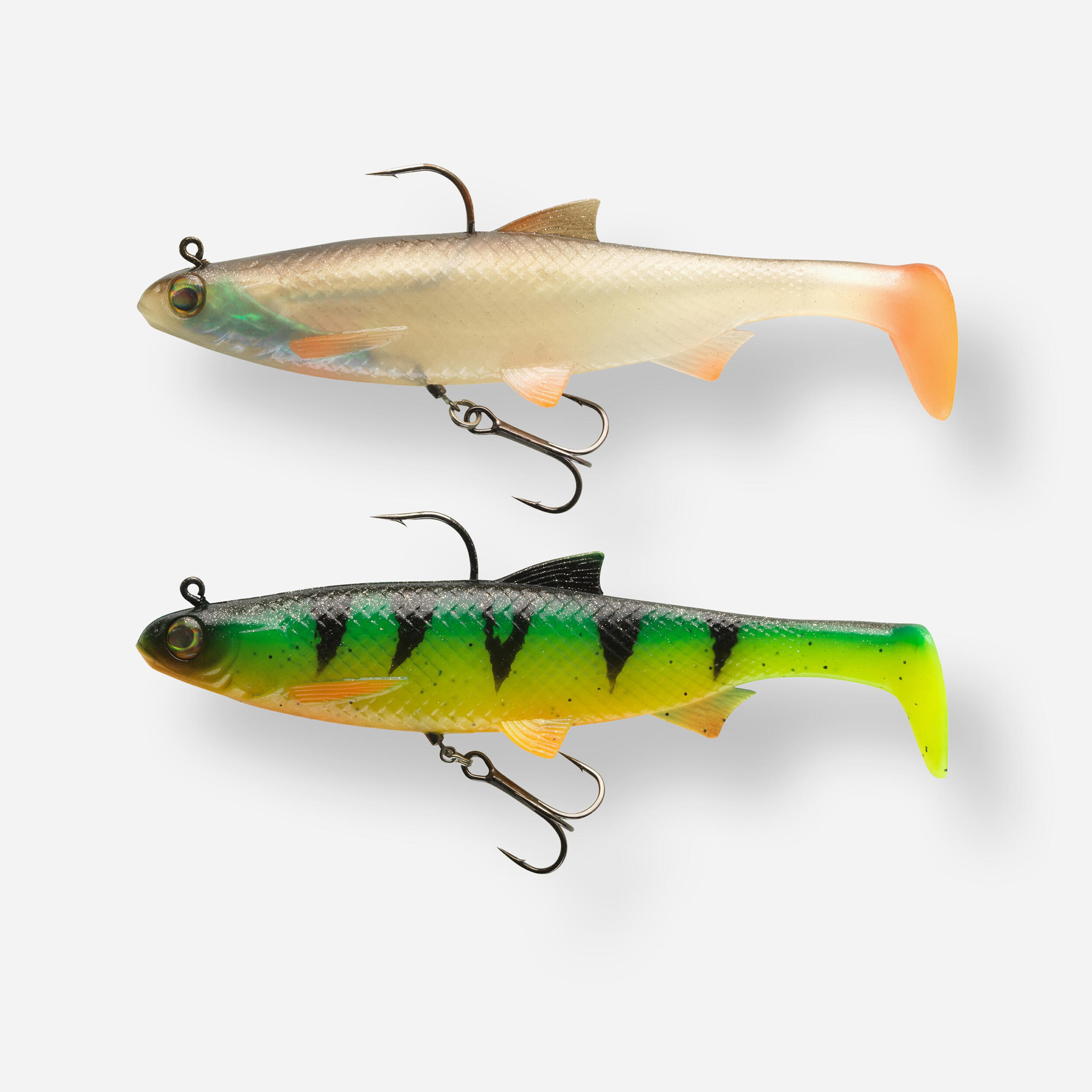
Use the lure's total working weight, including the head, hook and added trailer, rather than judging the body alone. Keep that figure inside the rod's stated casting weight so the blank loads properly during the cast and remains controlled on retrieval. Spinner blades create vibration and resistance in the water, while larger shads and weighted rigs can feel heavier once moving. Caperlan spinner sets provide different blade shapes, metallic finishes and coloured details for changing visibility. Some also use replaceable hooks, allowing a worn hook or barbless single hook to be fitted without discarding the spinner. The lures fishing category helps you organise options by presentation and intended fish.

When does ledgering work better than active lure fishing?

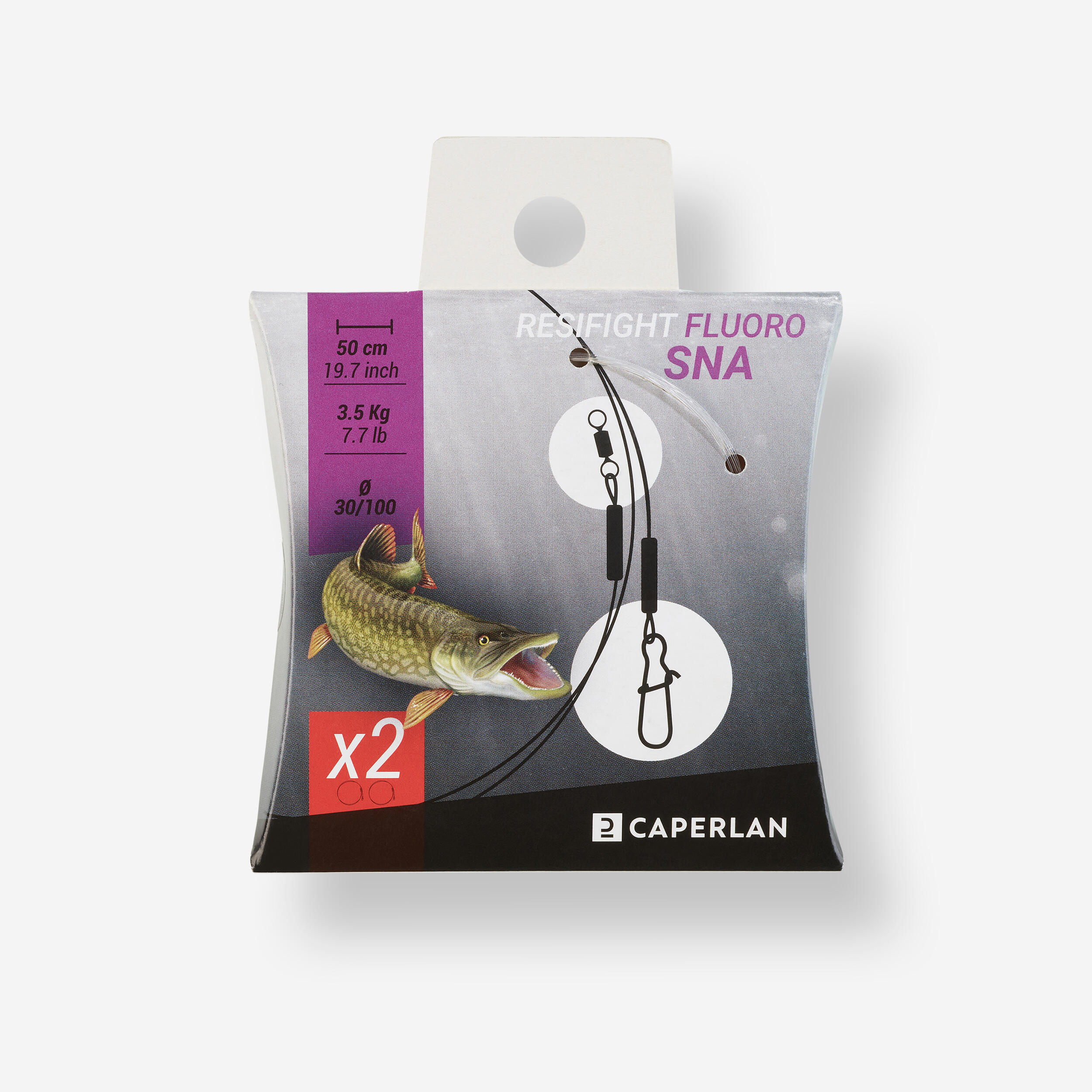
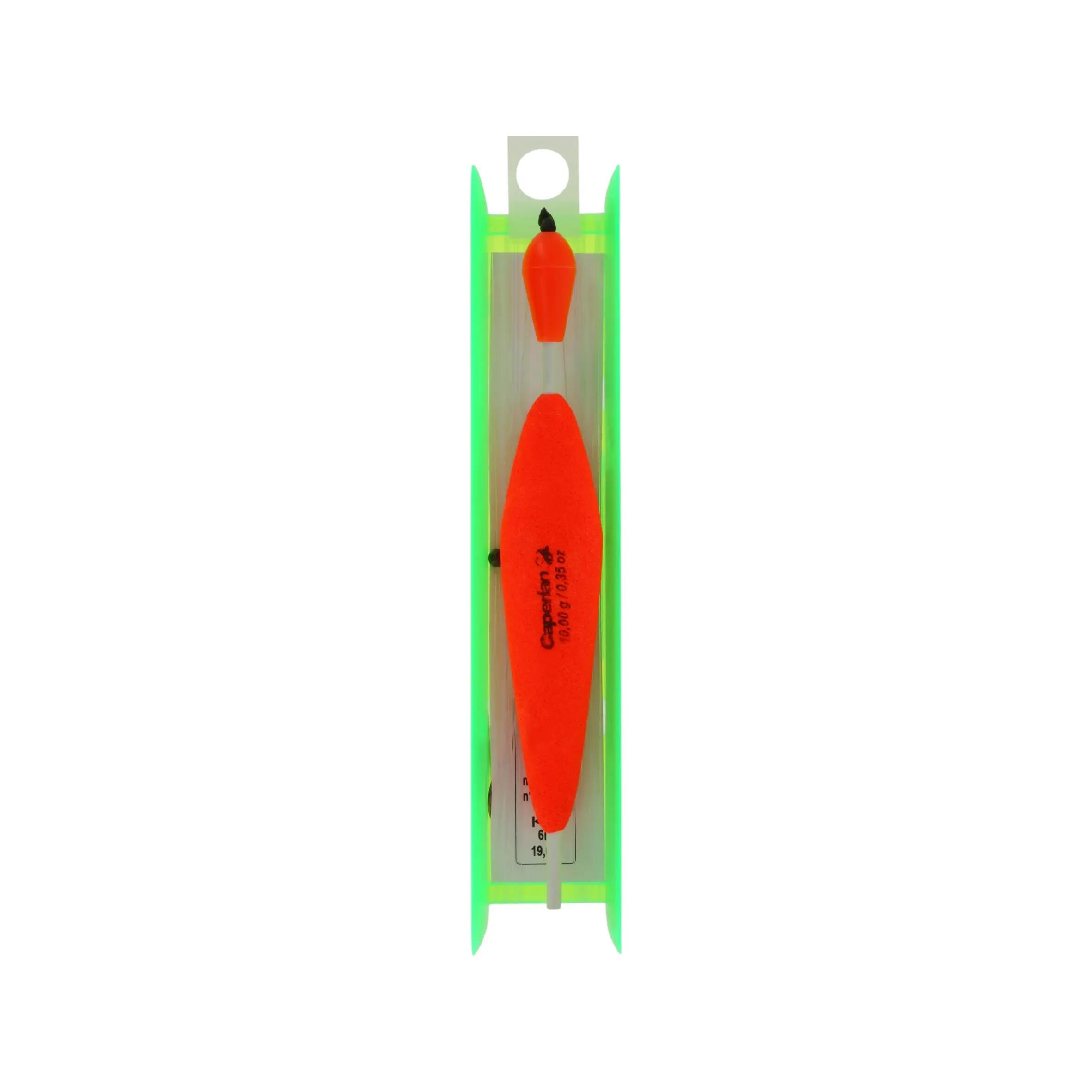
Ledgering suits sessions where you want to hold bait near the bottom and wait for a predator to feed, rather than covering water through repeated casts. It can work well from a fixed bank position, in colder conditions or where fish remain close to a known feature. Match the rod and line to the sinker, bait and expected fish size, then use a swivel to limit line twist. Black-nickel swivels add corrosion resistance, but they still need freshwater rinsing after saltwater use. Keep the line under control and place the rod securely while waiting. Dedicated predator ledgering fishing tackle groups the rods, rigs and terminal components needed for this method.

Does catfish fishing need heavier predator tackle?

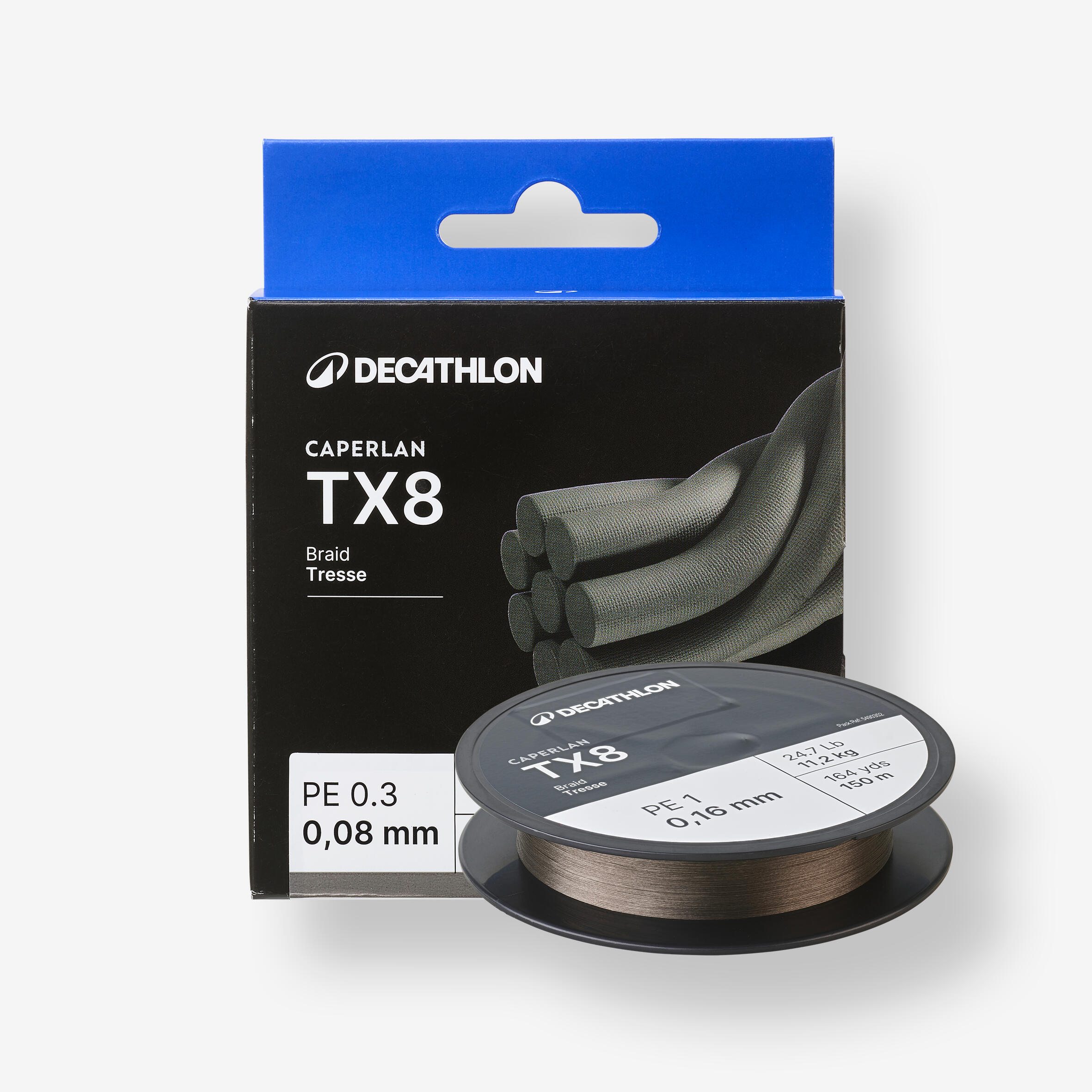
Catfish can place much greater strain on the rod, reel, line and terminal tackle than smaller perch or pike, so ordinary light lure equipment may not provide enough control. Base the setup on the likely fish size, venue rules and whether you are casting bait, ledgering or fishing from a boat. Check the stated resistance of swivels, leaders and hooks instead of relying on their appearance. A strong reel drag also needs to release line smoothly, as locking it completely can overload the rod or knot. The separate catfish category is useful when you need tackle built around heavier loads rather than adapting a light predator combination beyond its intended use.

Which accessories make predator fishing easier to manage?

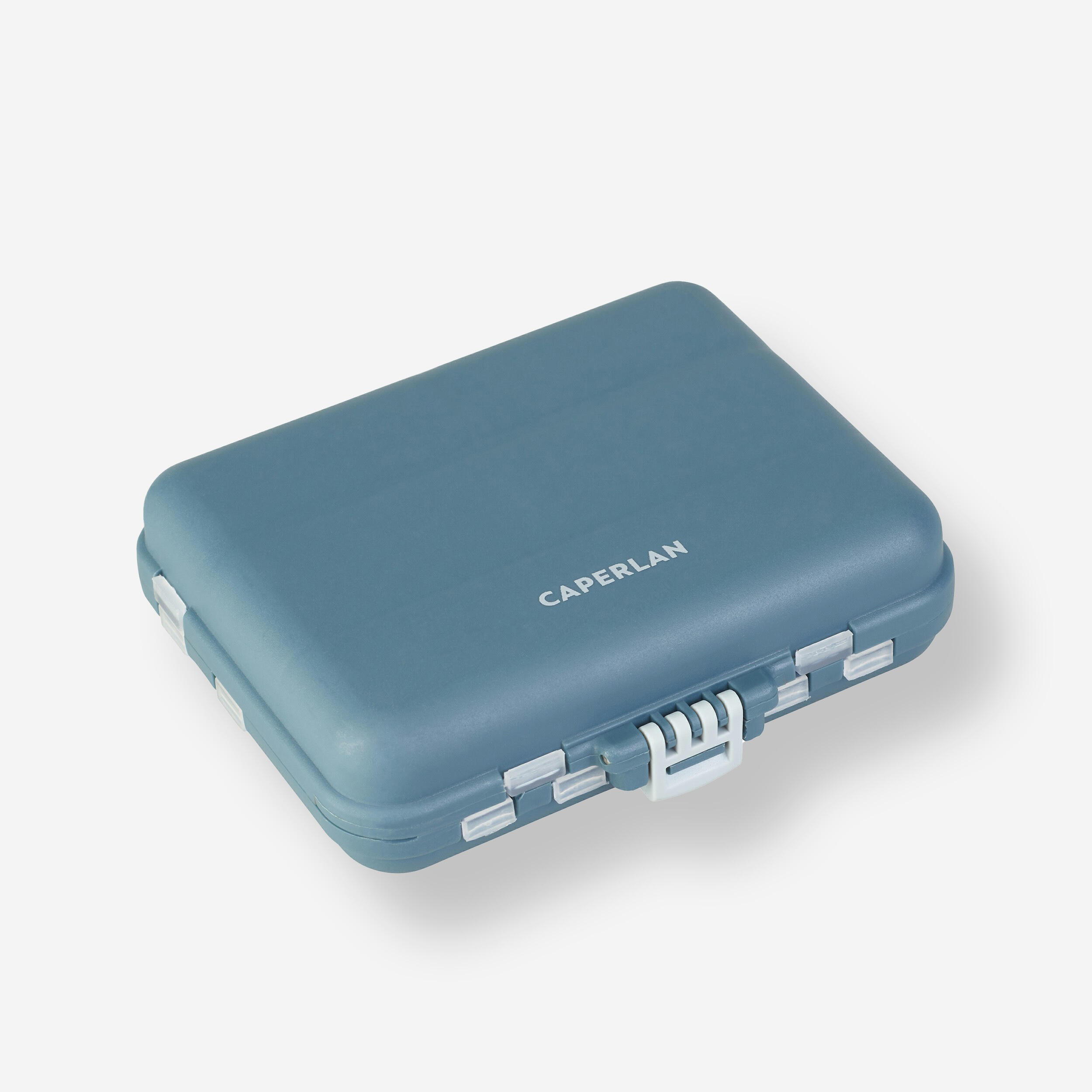
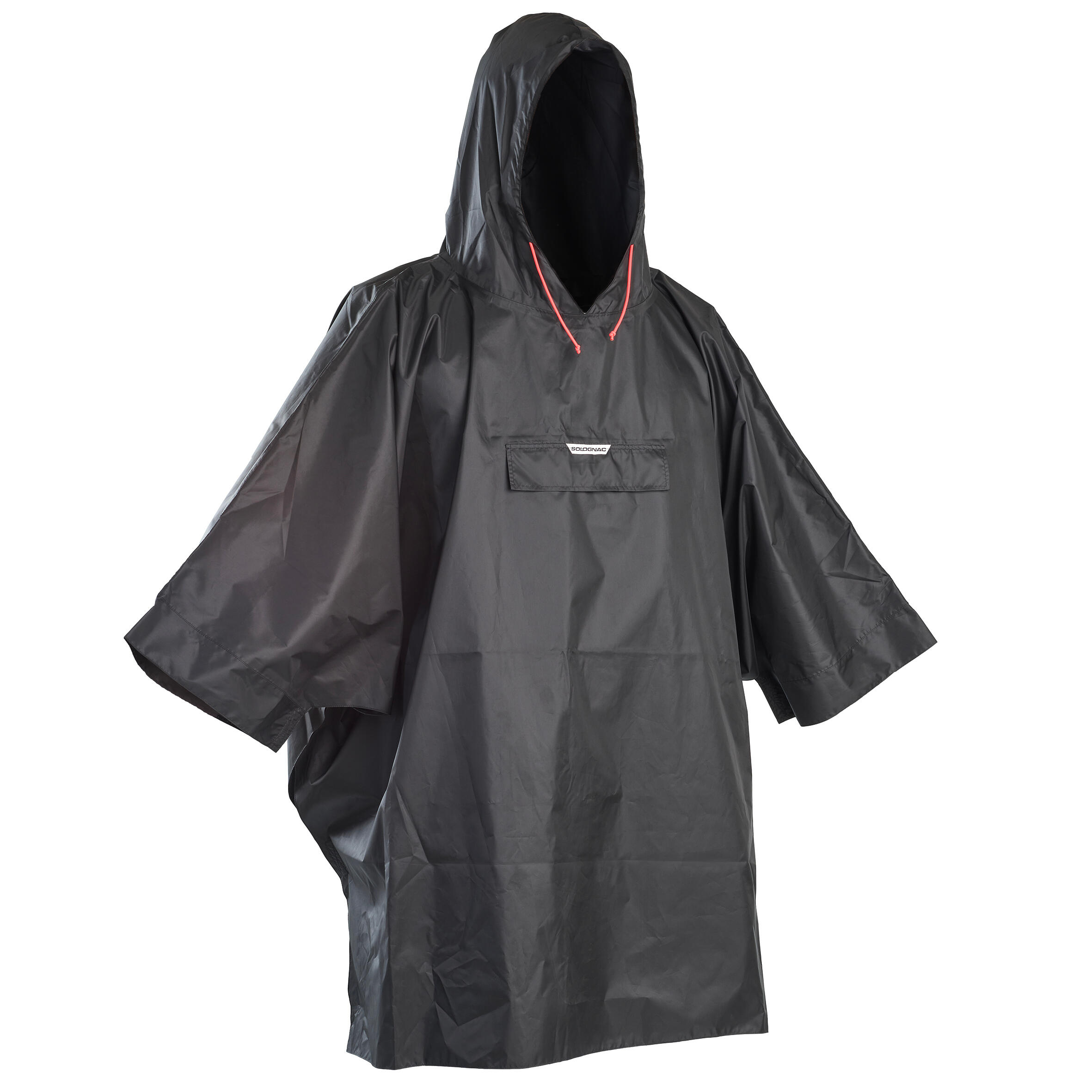
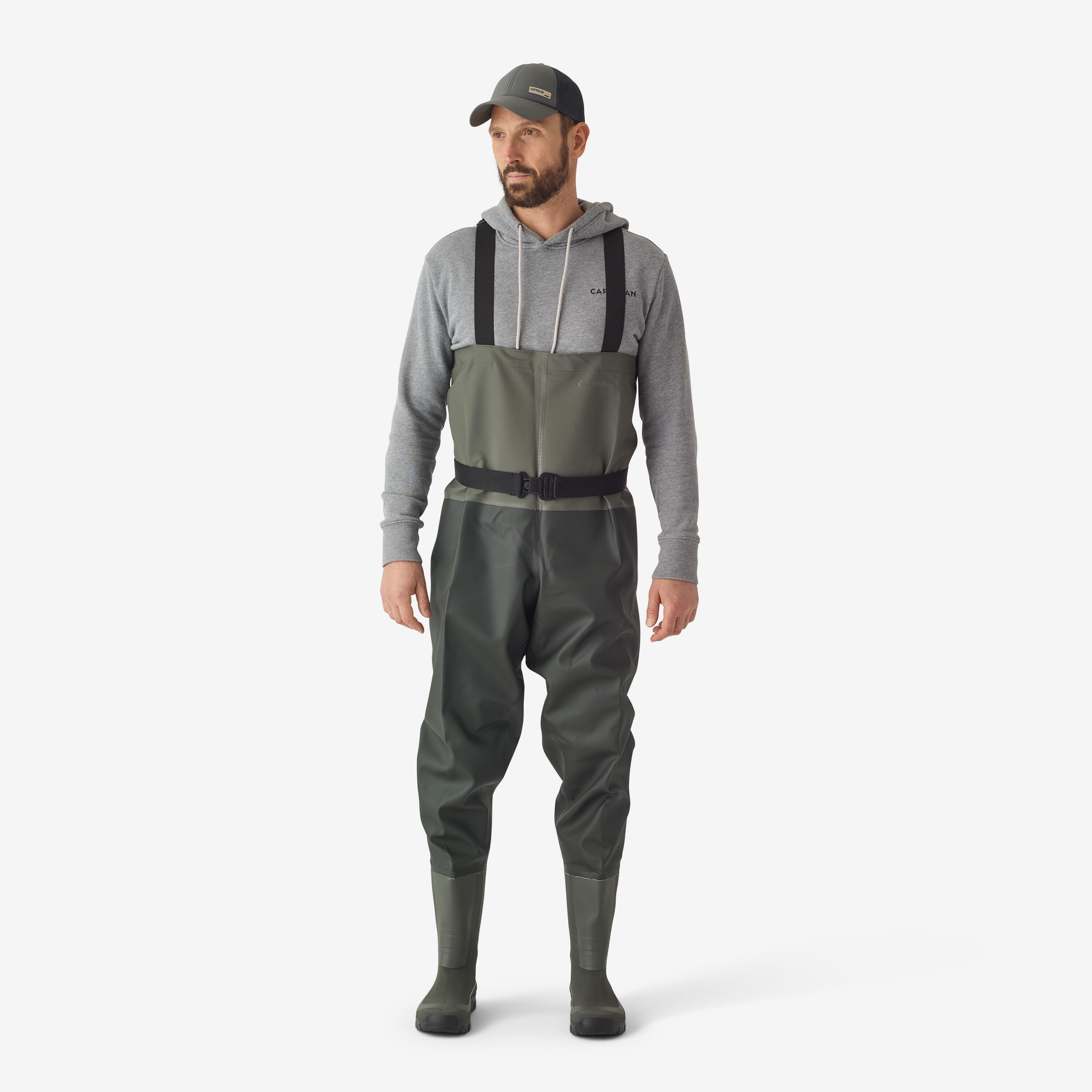
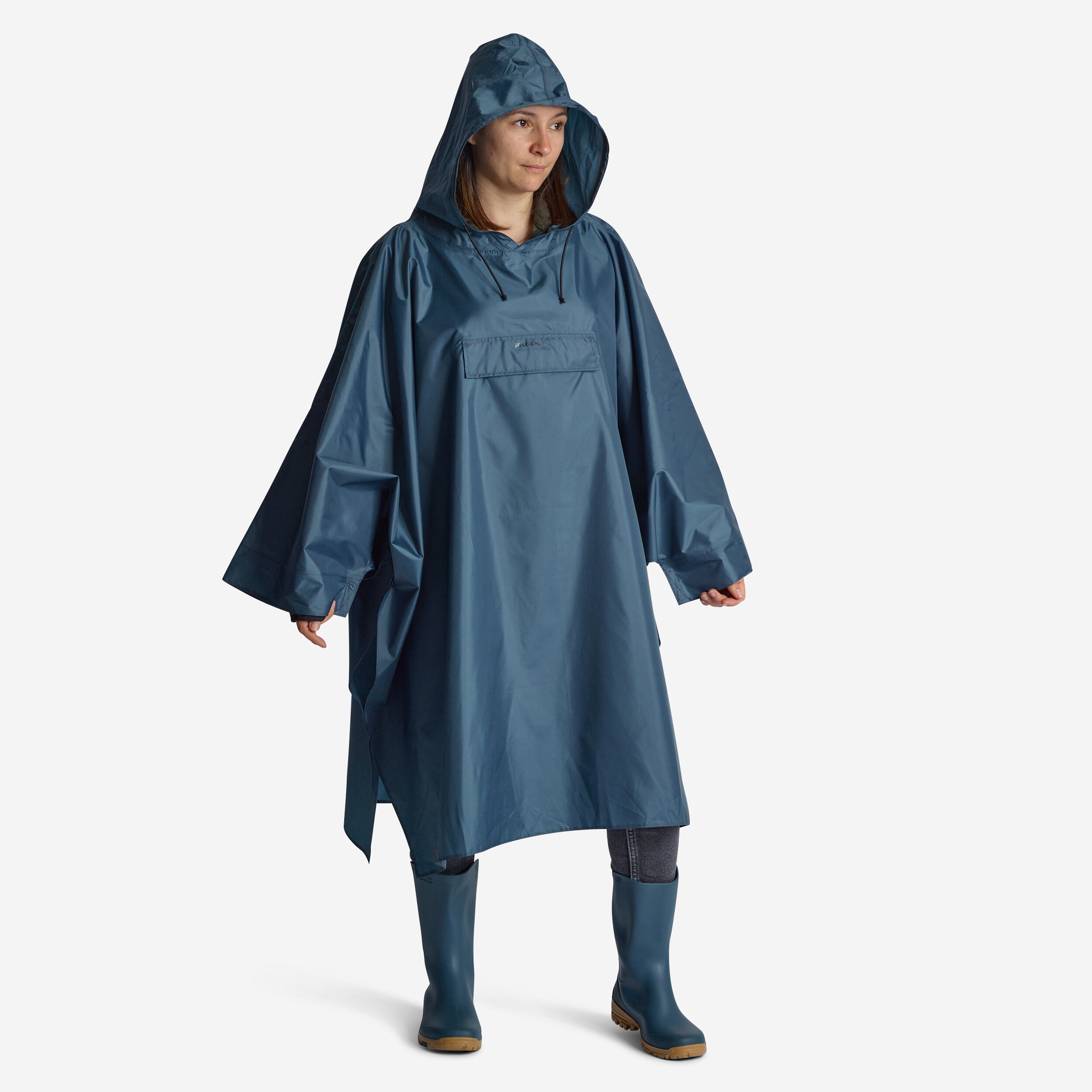
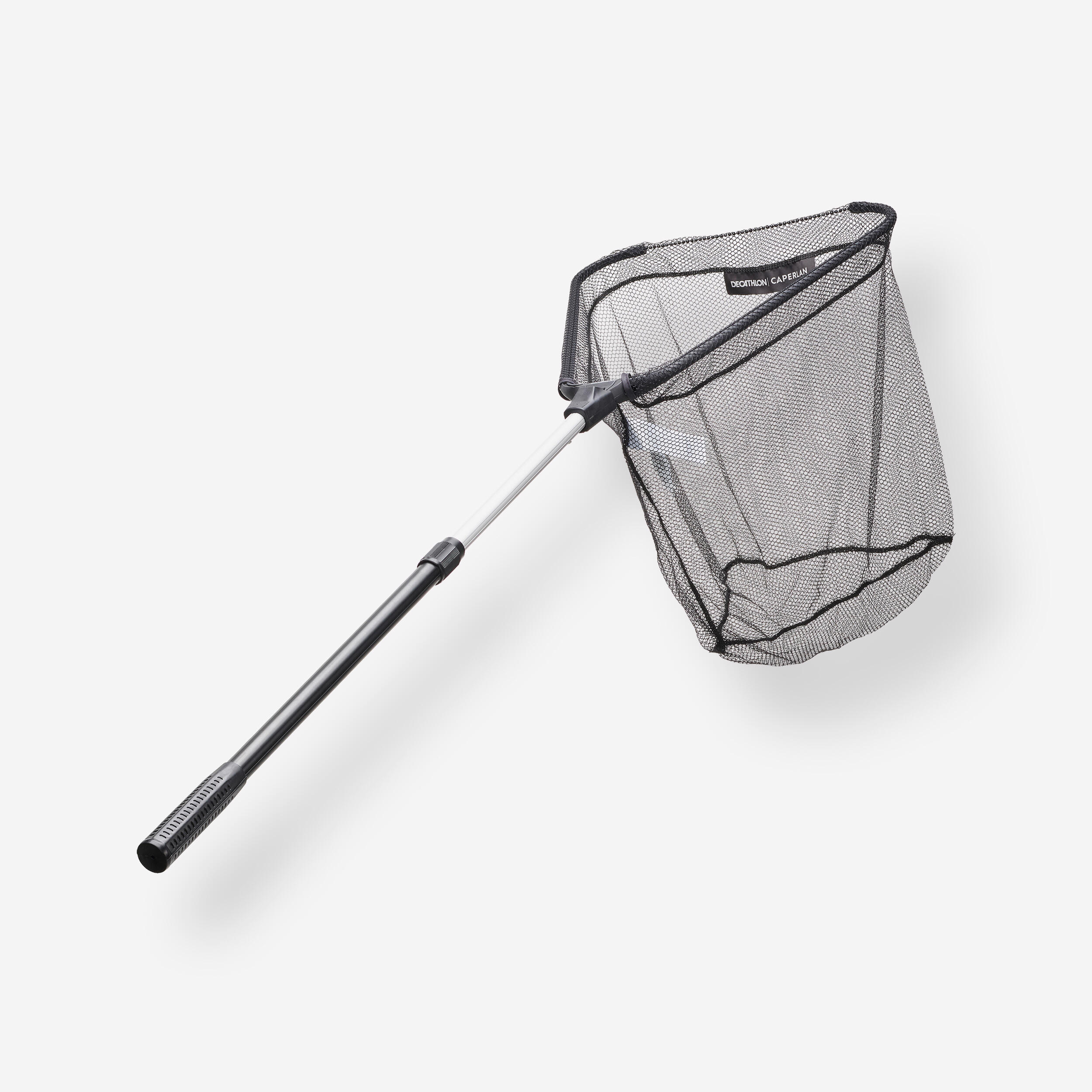
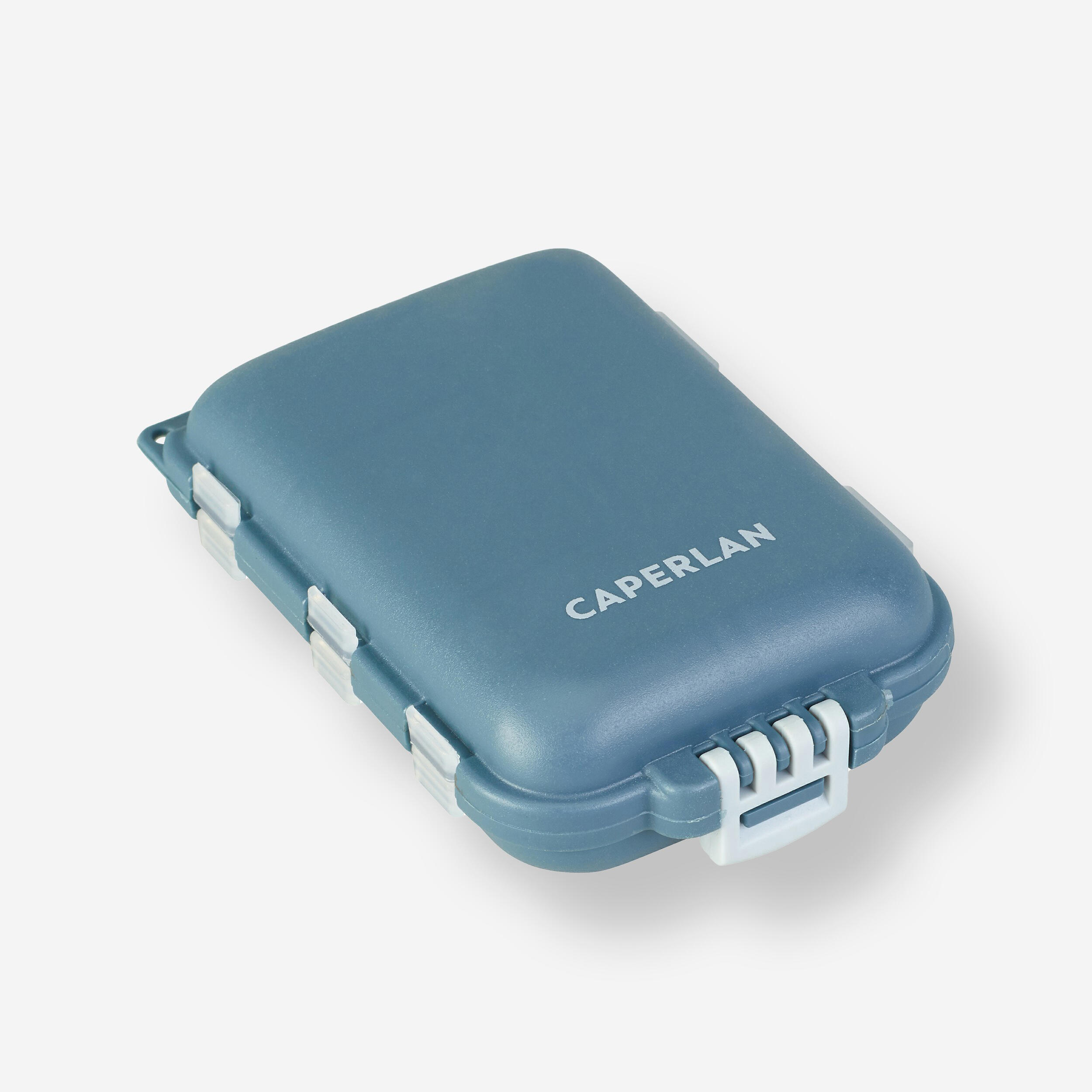
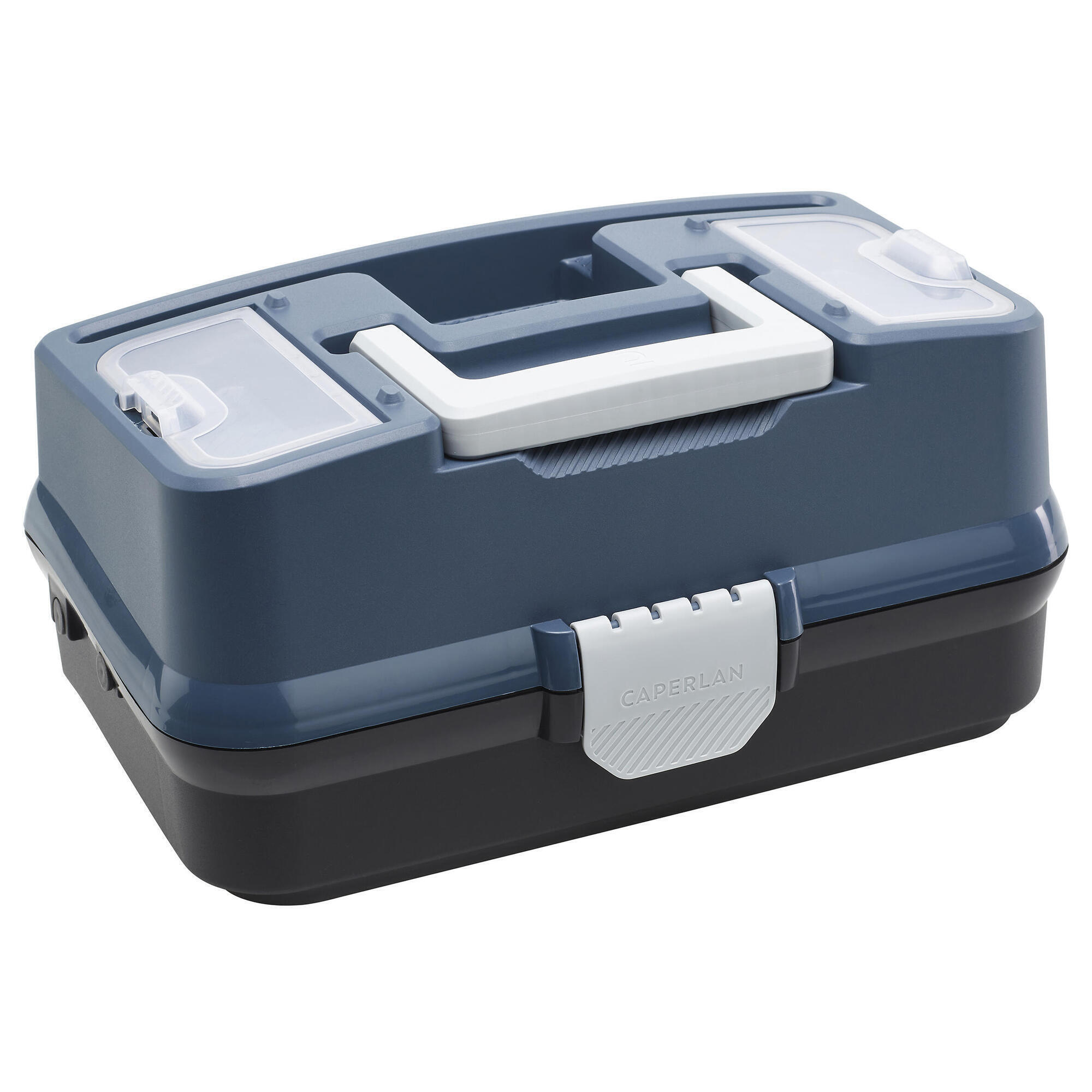
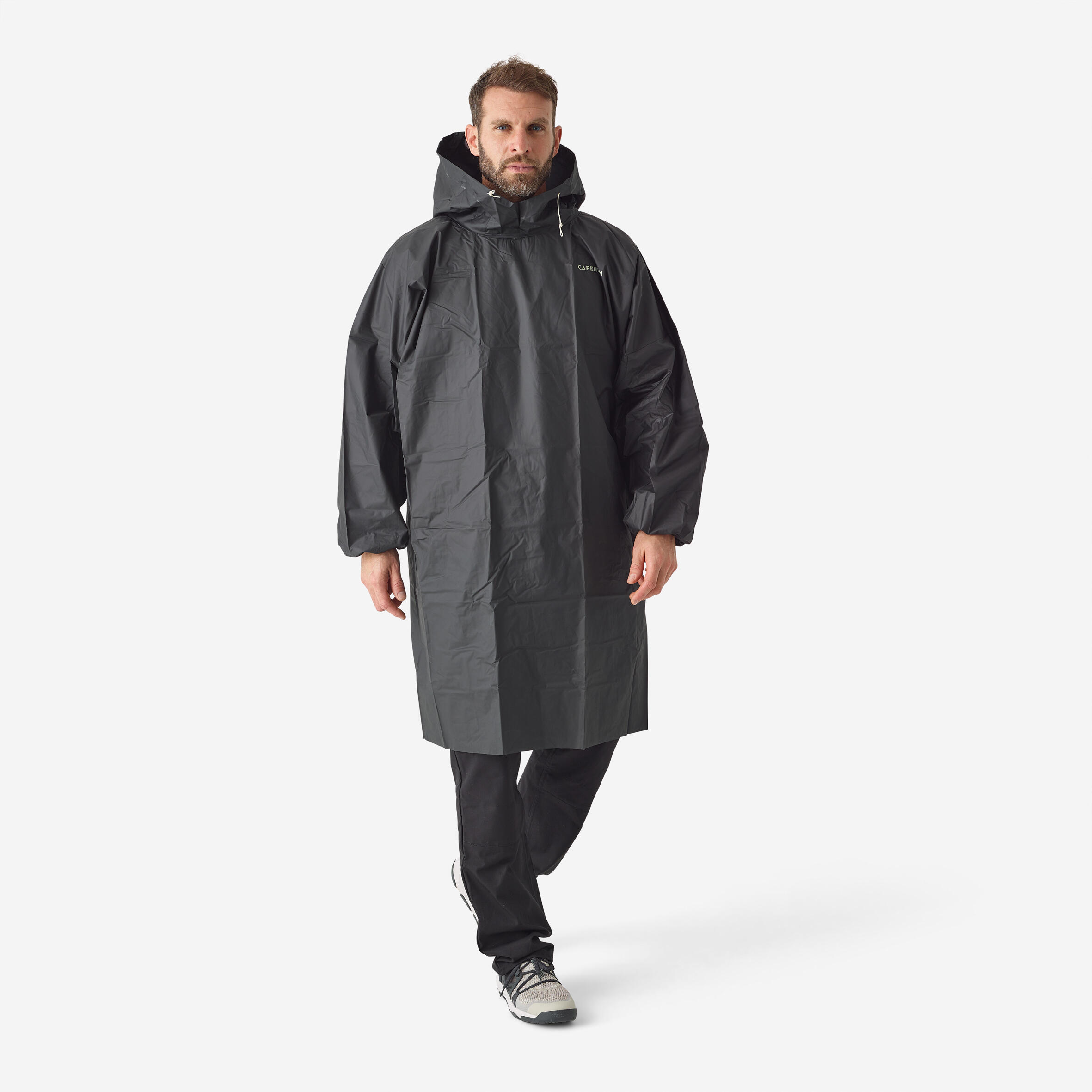
Separate lures, hooks and swivels so sharp points do not damage soft baits or tangle with line. A compartmented box keeps small terminal tackle above larger items, while a waterproof pouch protects a phone and keys from rain, spray or wading. Close any roll-top pouch exactly as instructed before trusting its water resistance. Waders can improve access, but rinse them with fresh water, dry them fully by the boots and keep away from thorns or barbed wire. Packable ponchos also need air-drying before storage. Useful predator fishing equipment includes storage, protection and handling items that support the session without changing the main technique. Keep every rod clear of overhead power lines and stop fishing during thunderstorms.