968 items
4.7/5 based on 54002 reviews collected online and in stores

Lure Fishing FAQs

How do you match a lure to your fishing conditions?

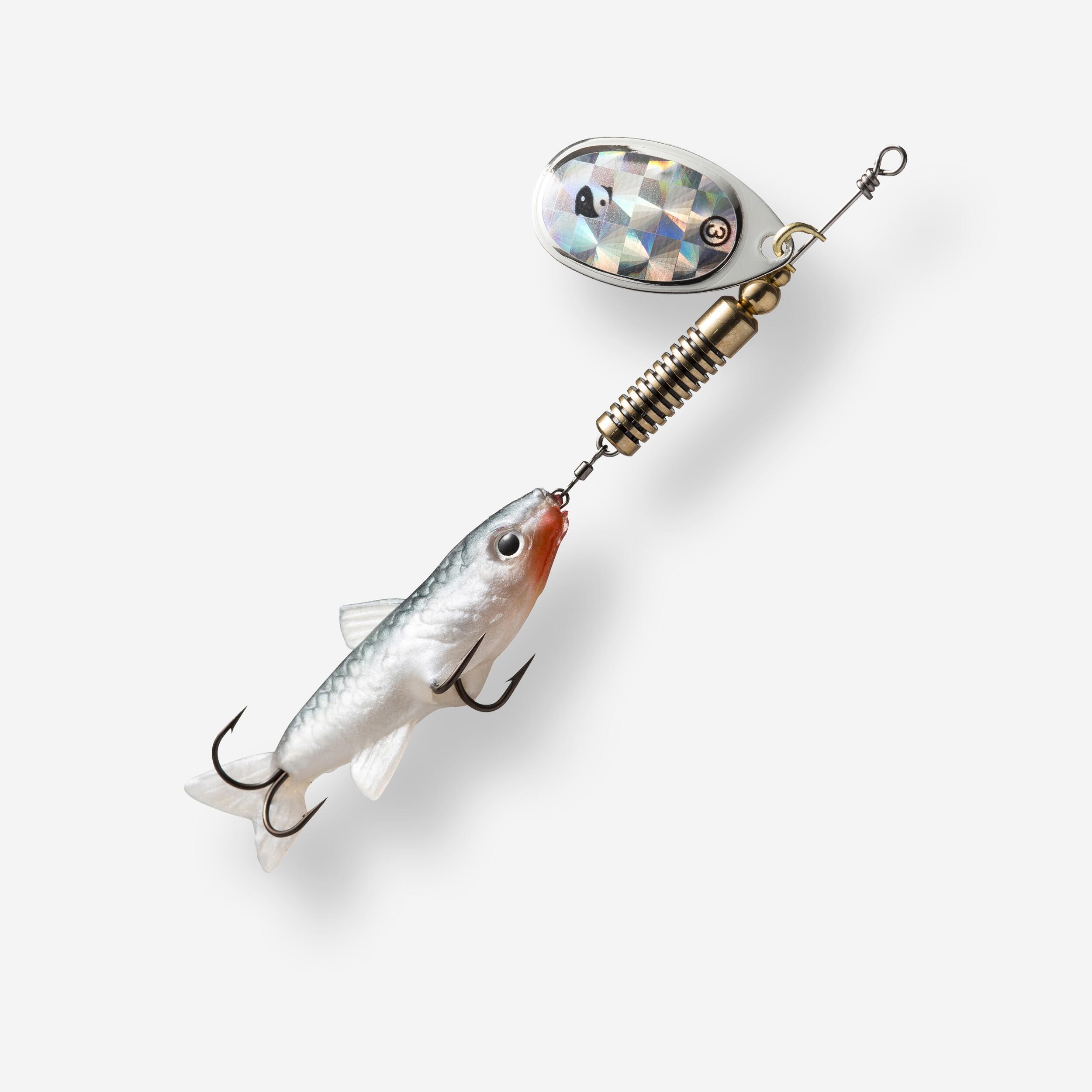
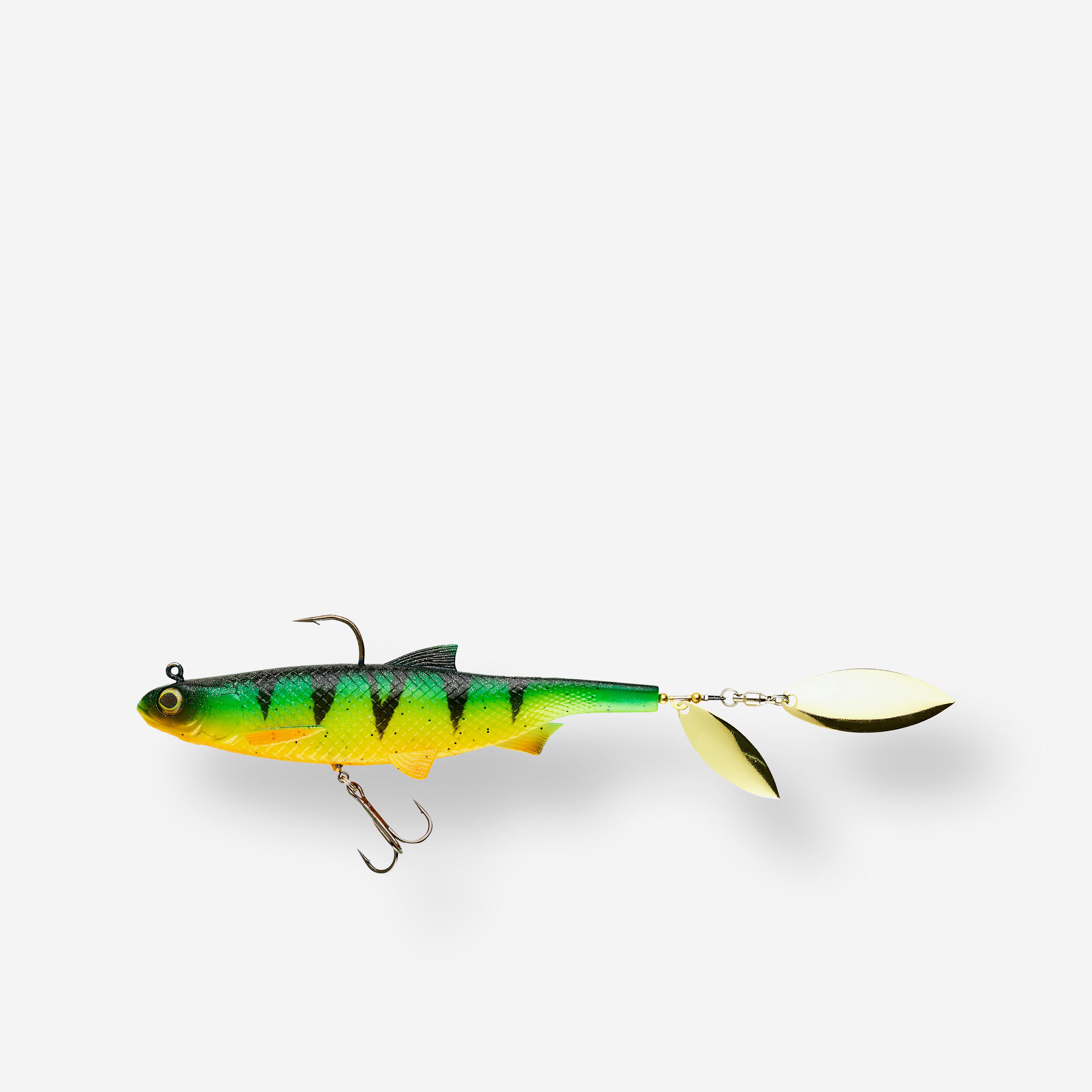
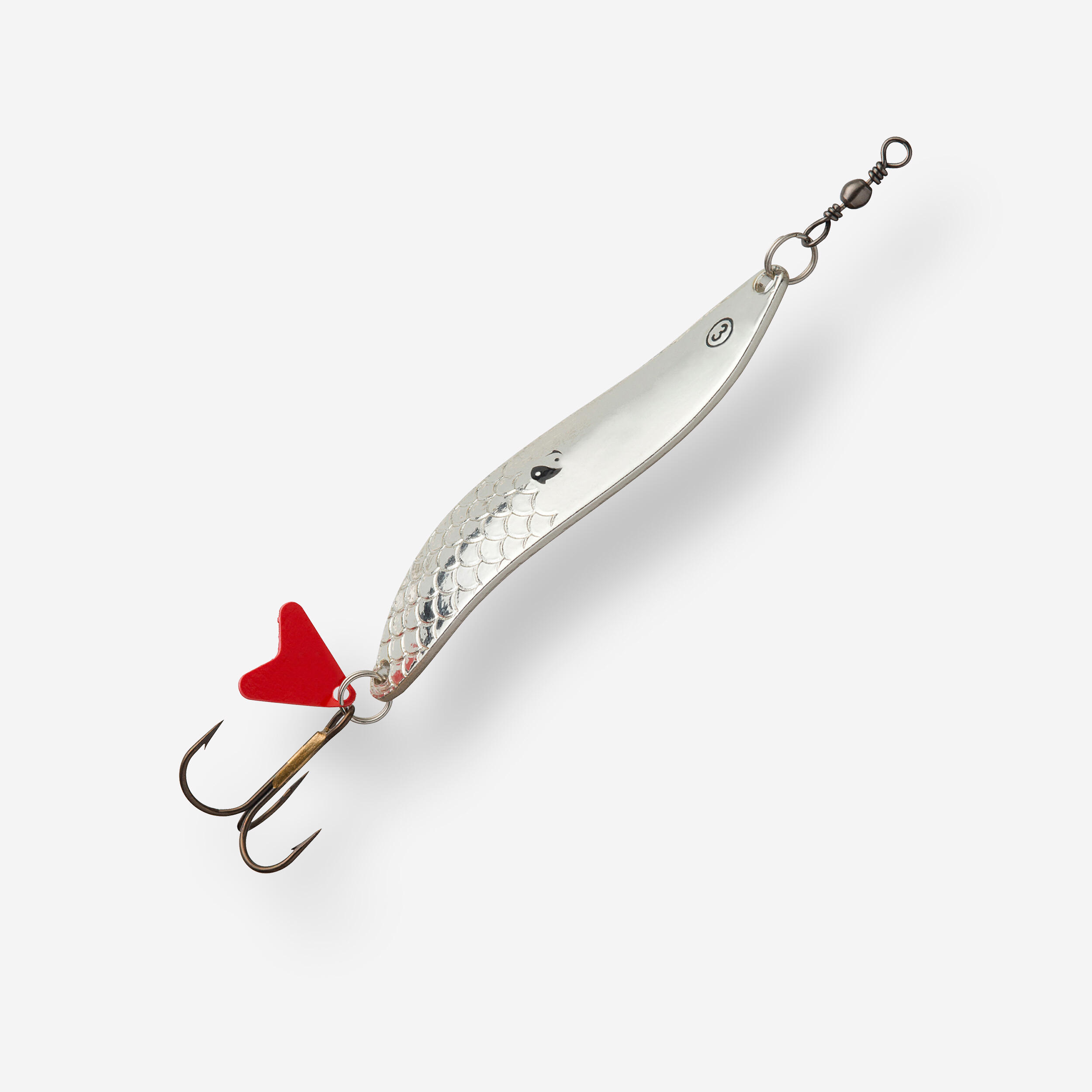
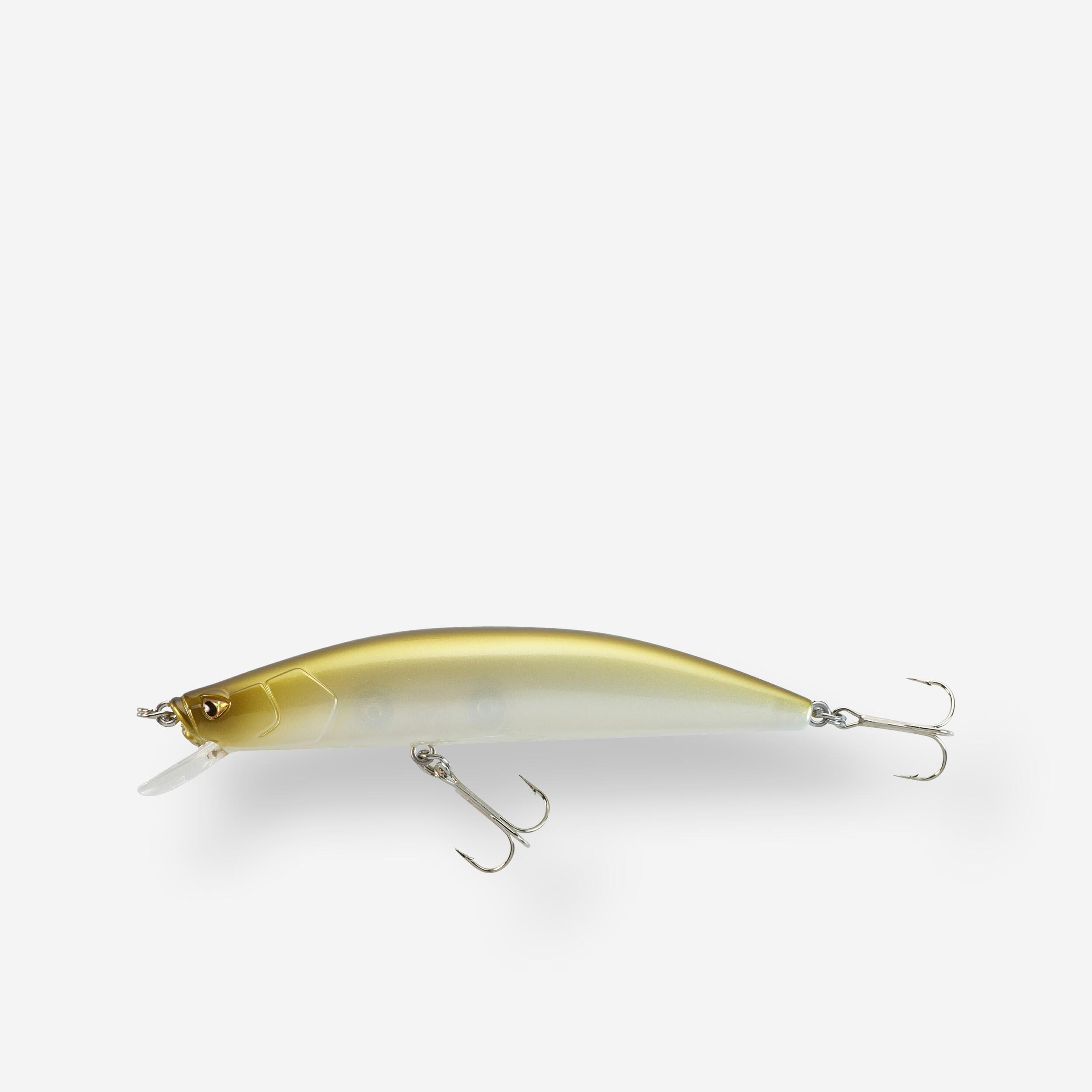
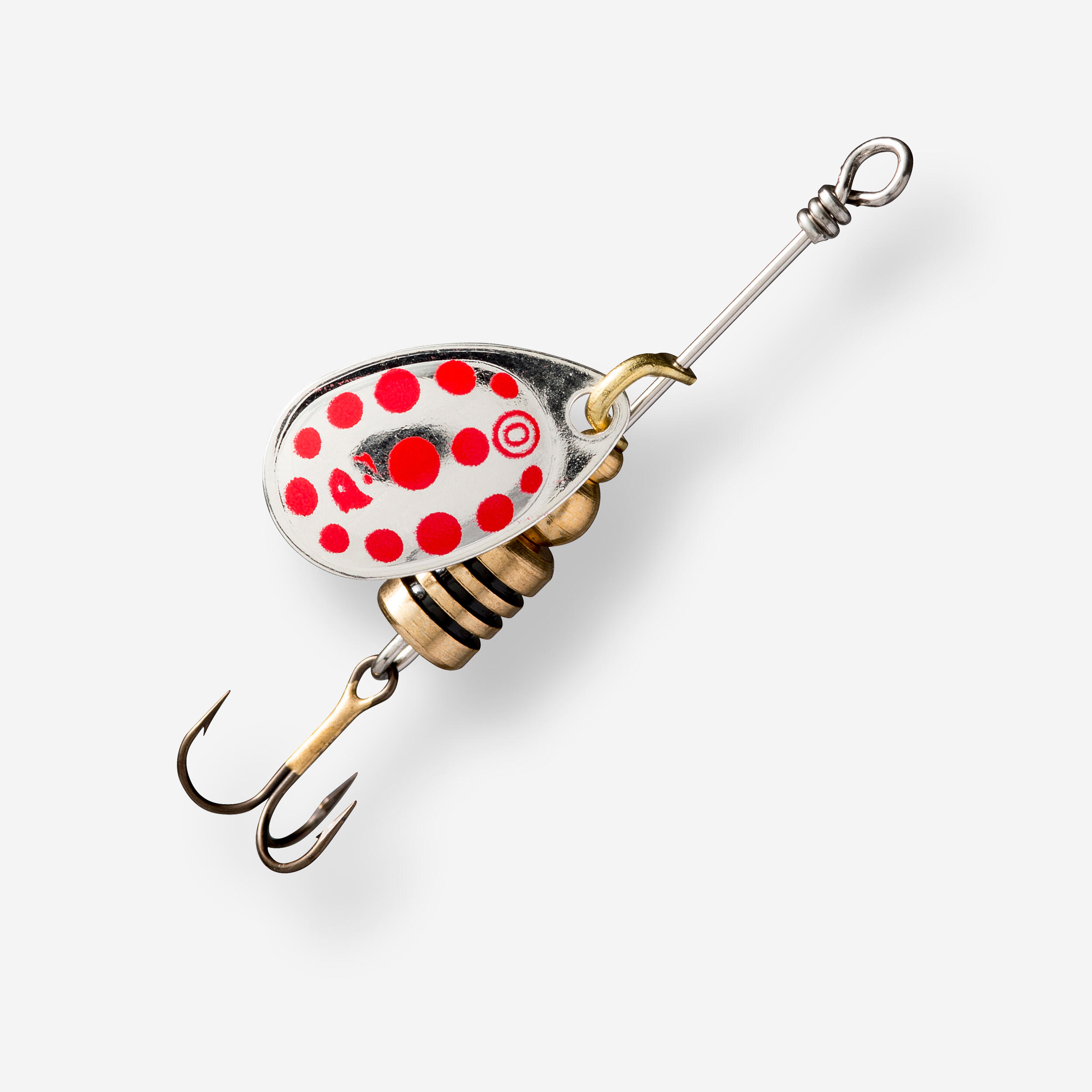
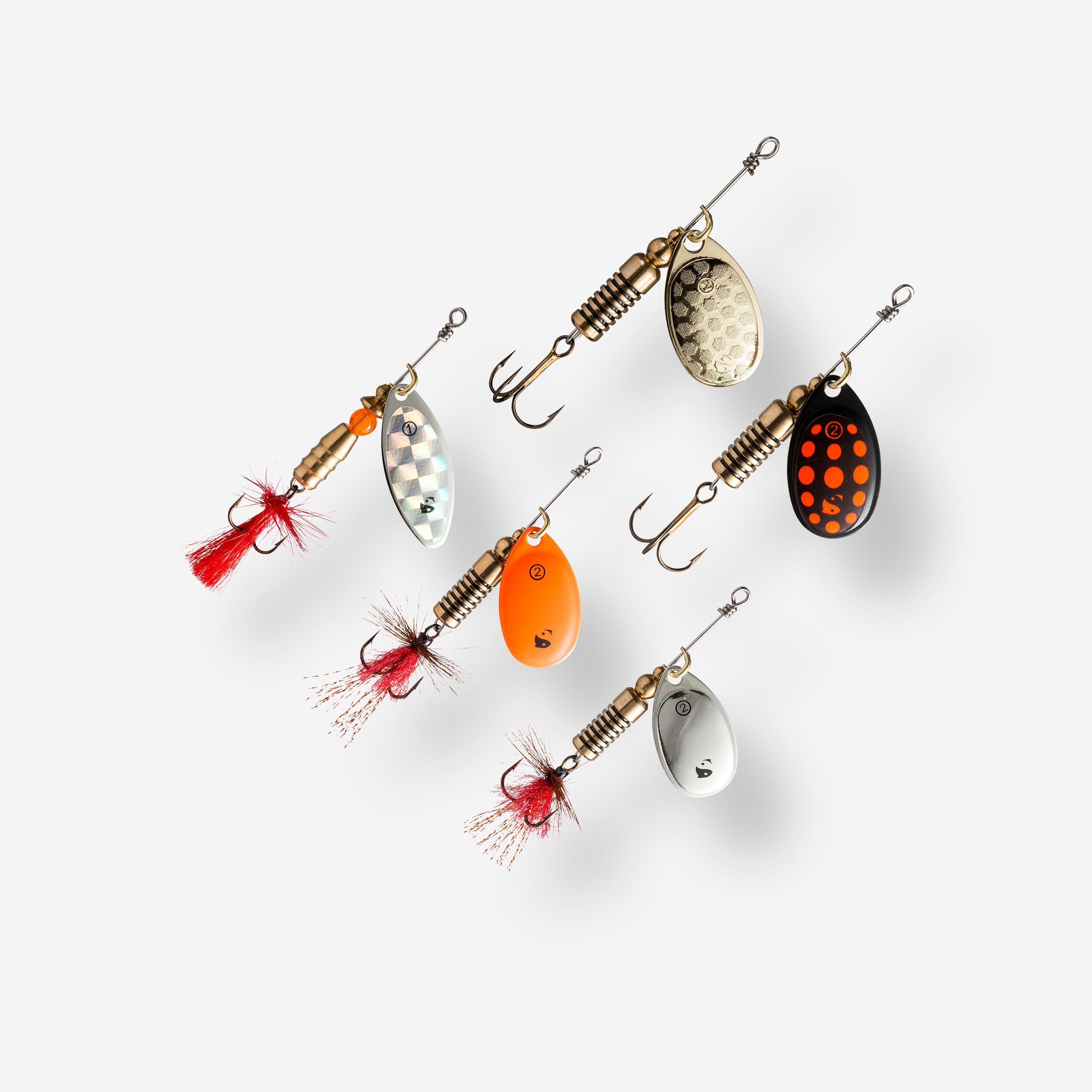
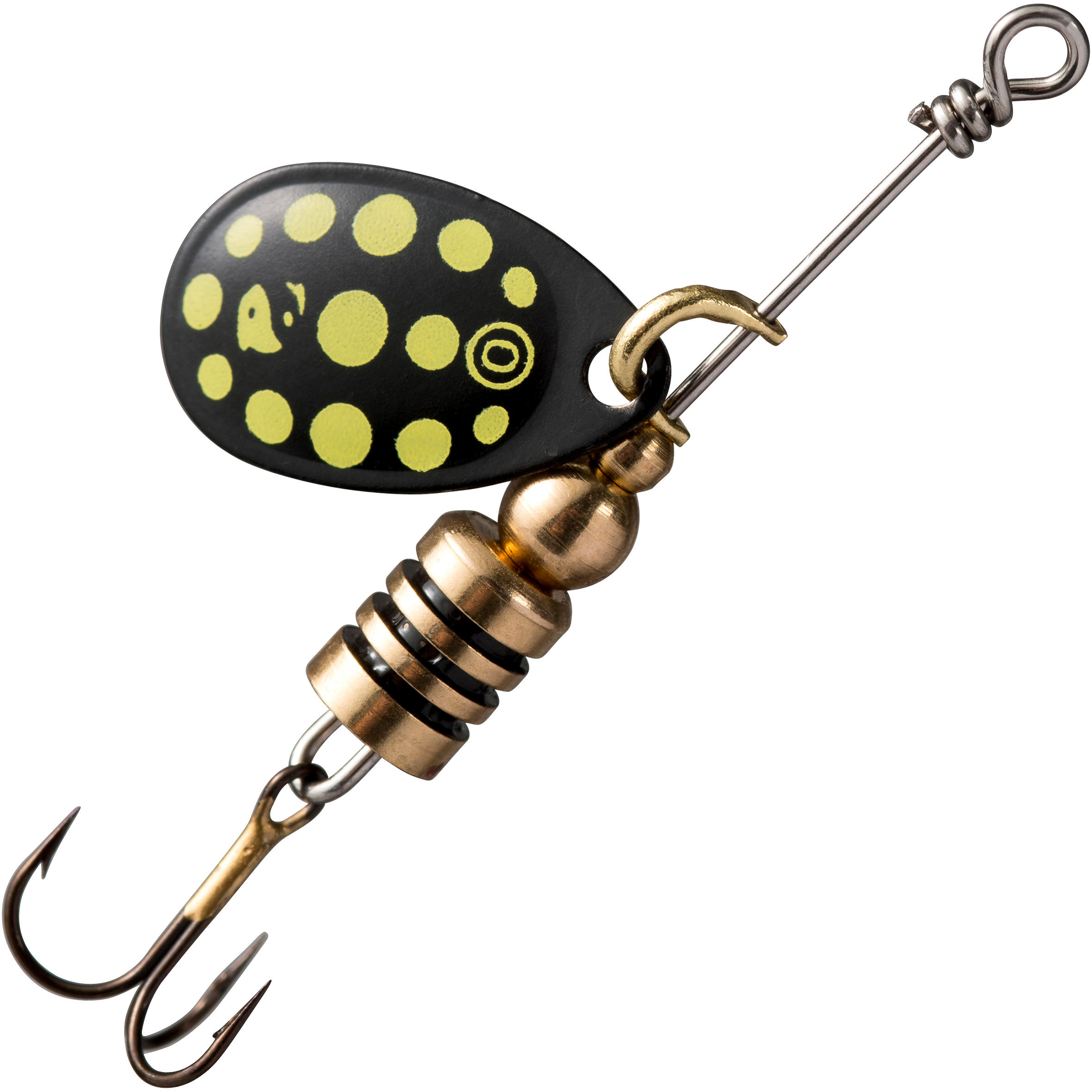
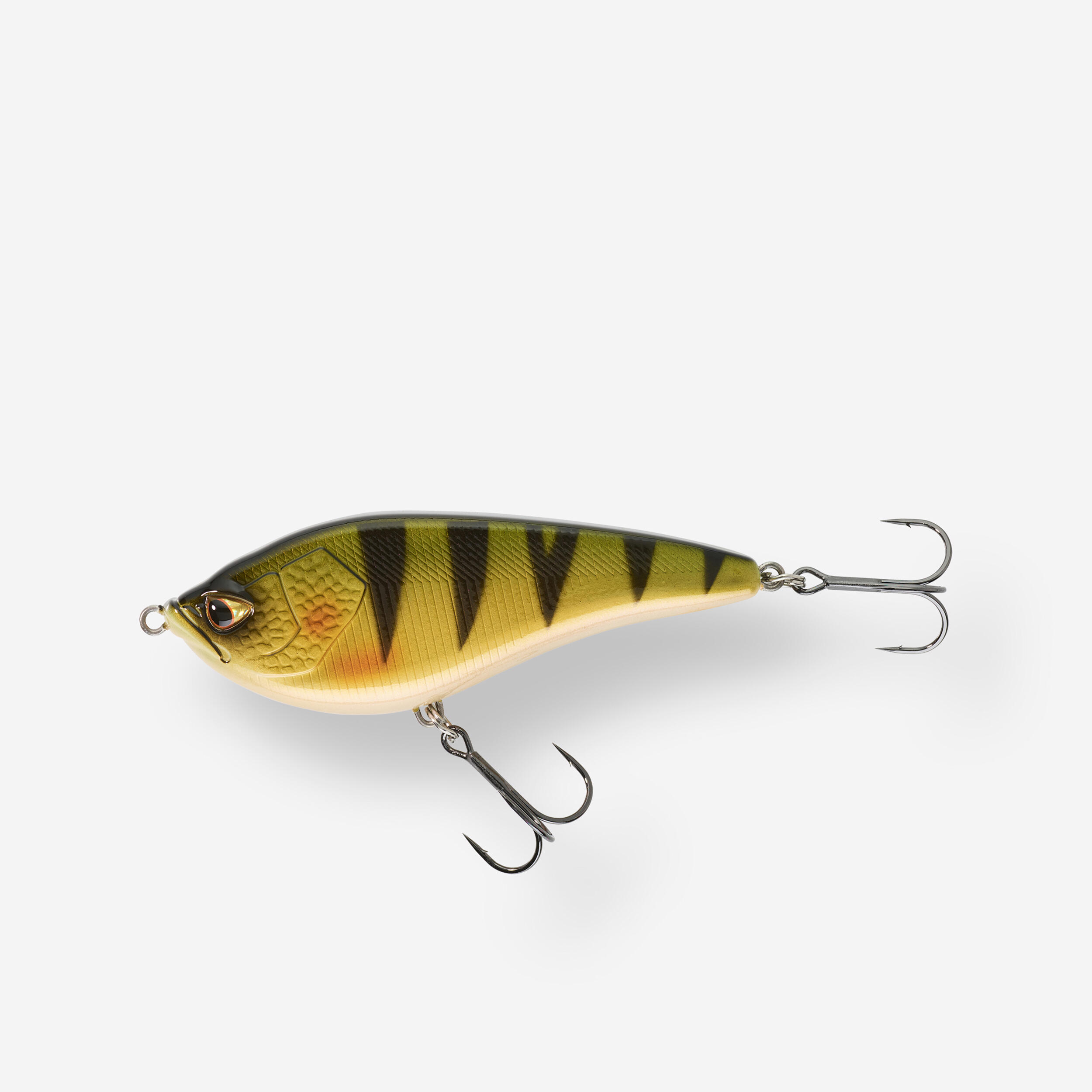
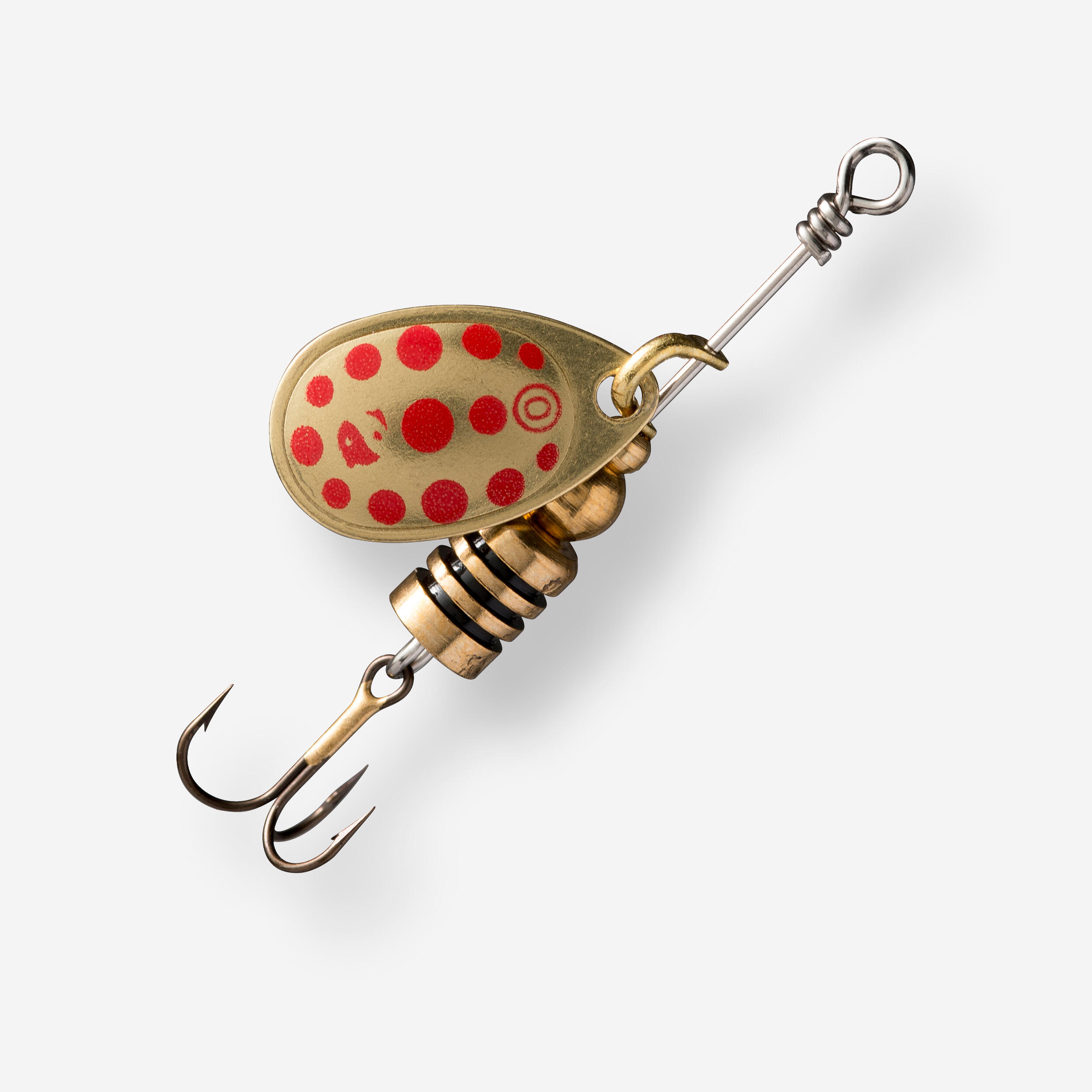
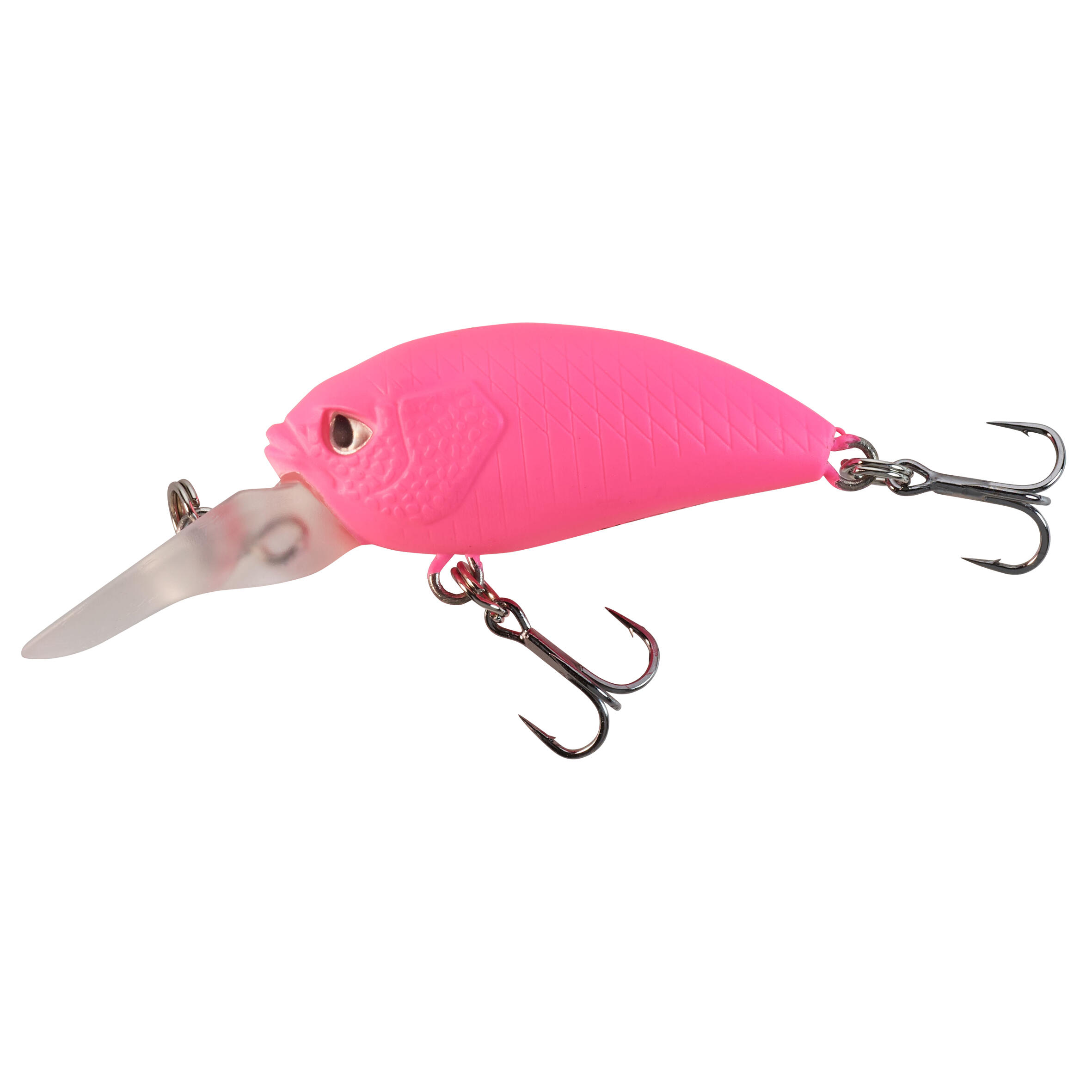
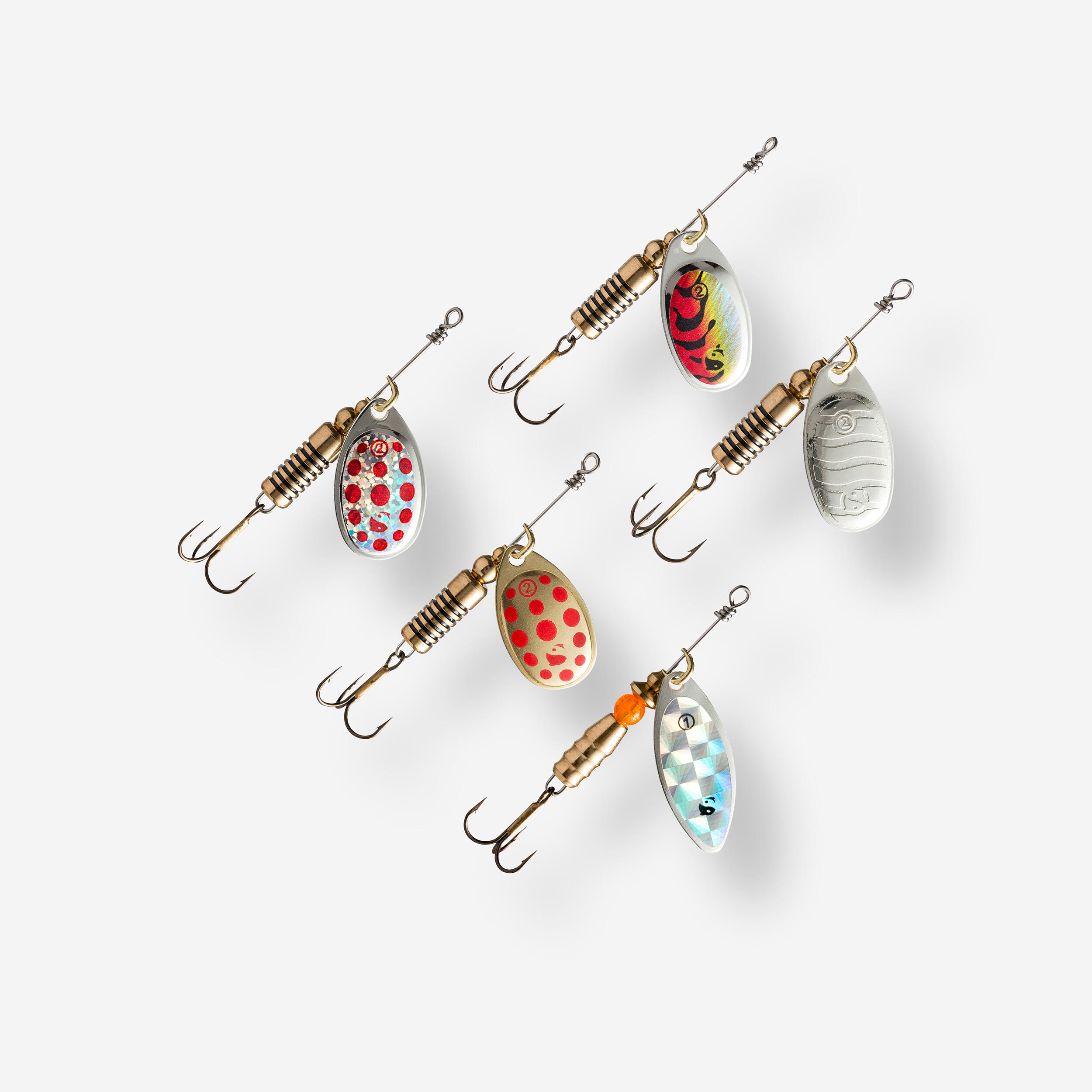
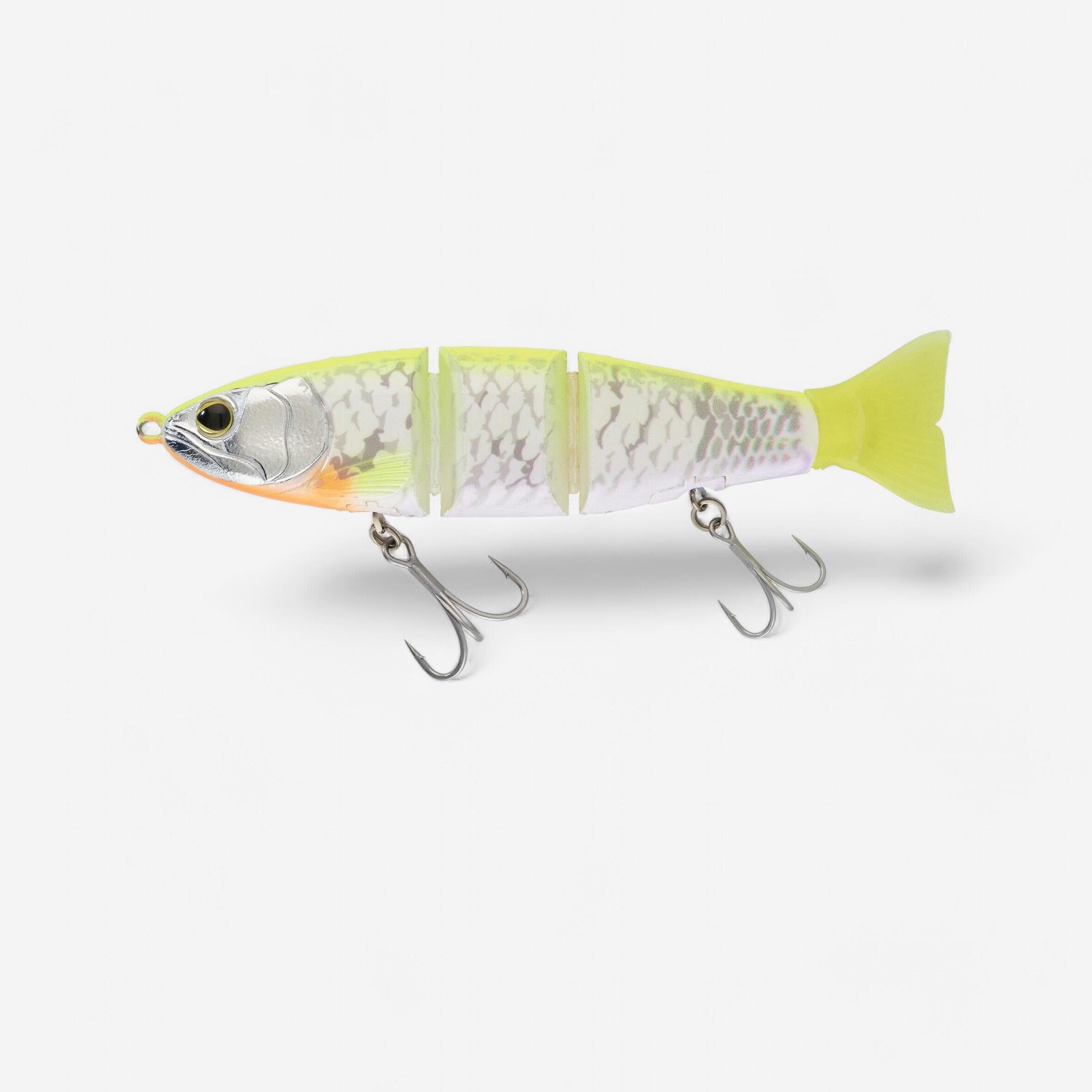
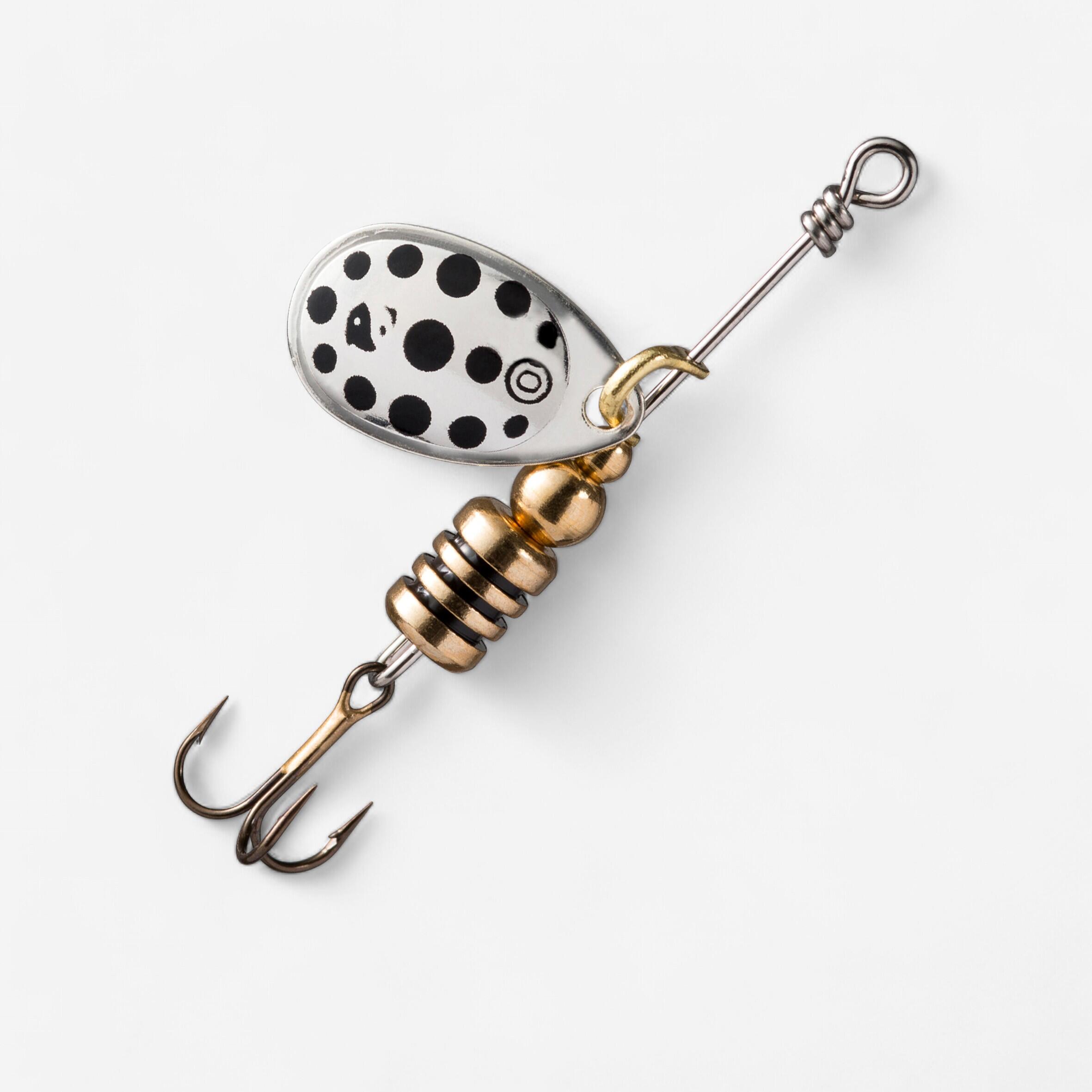
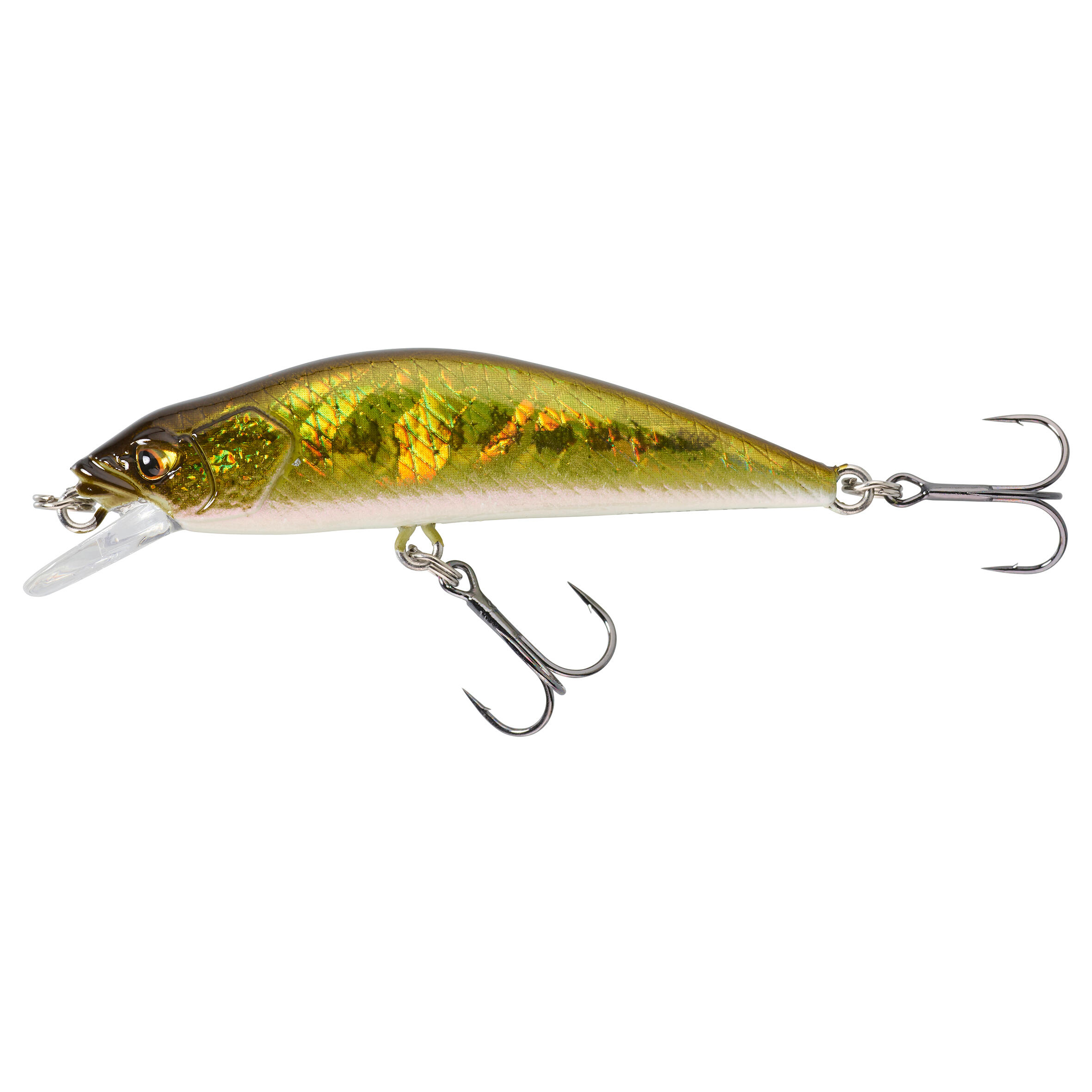
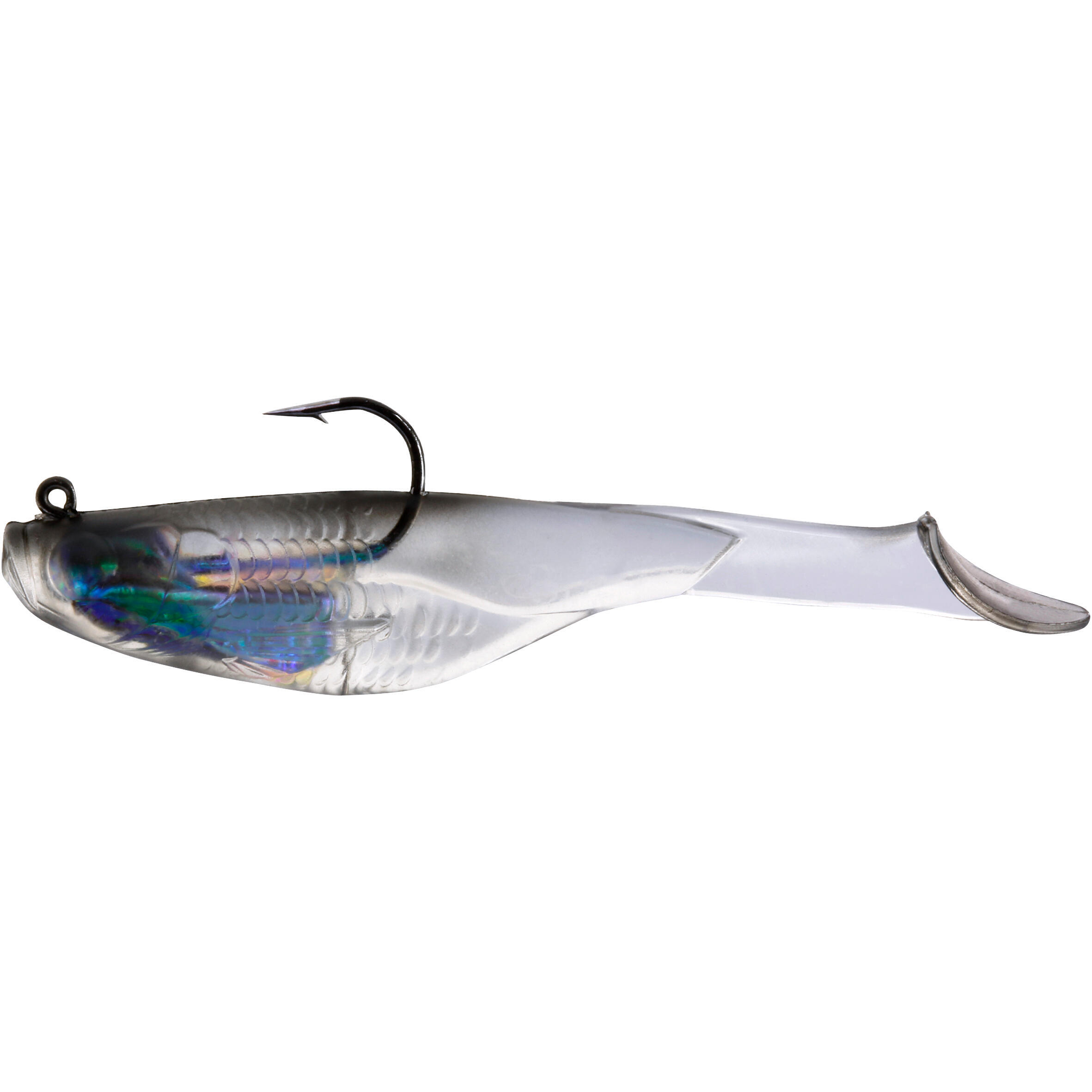
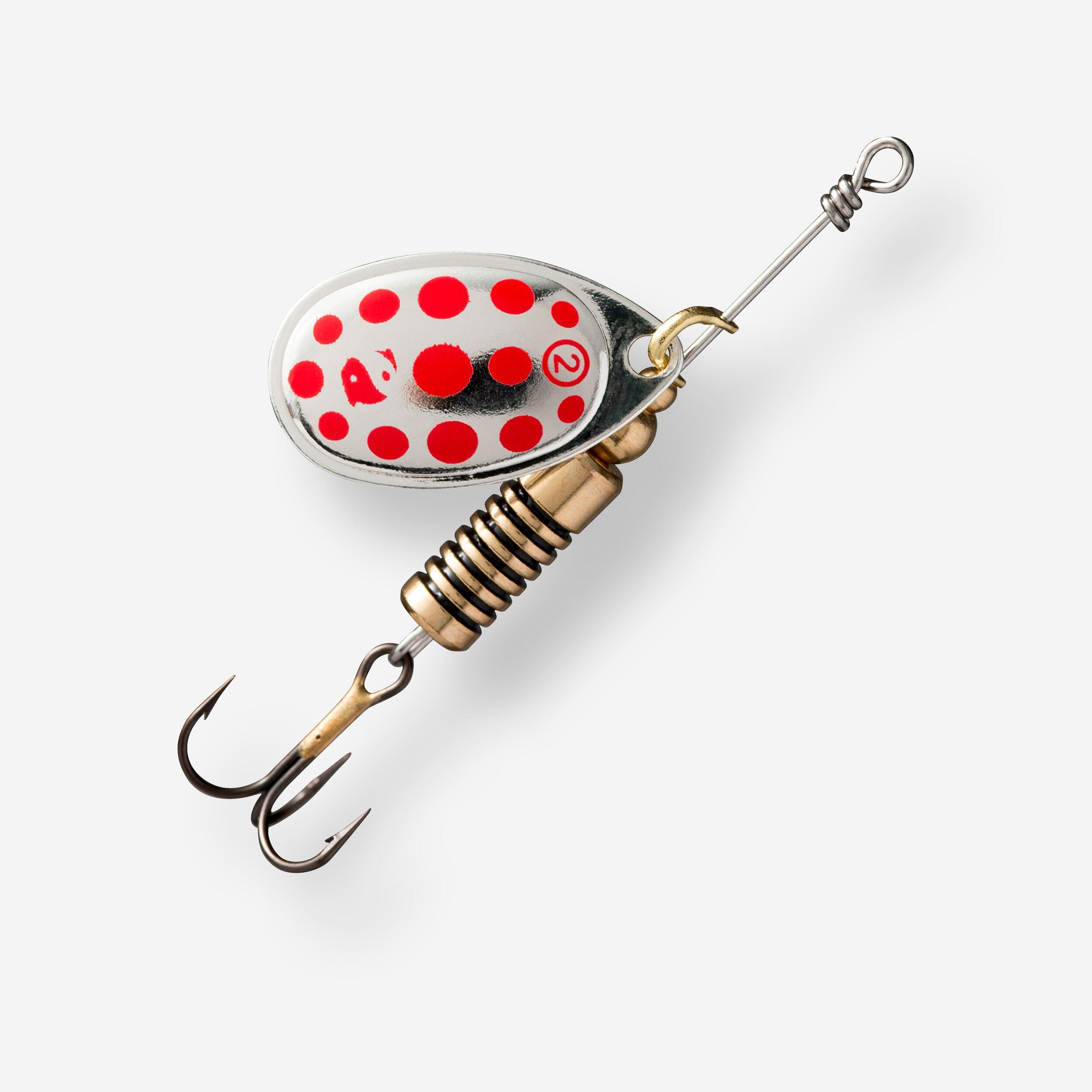
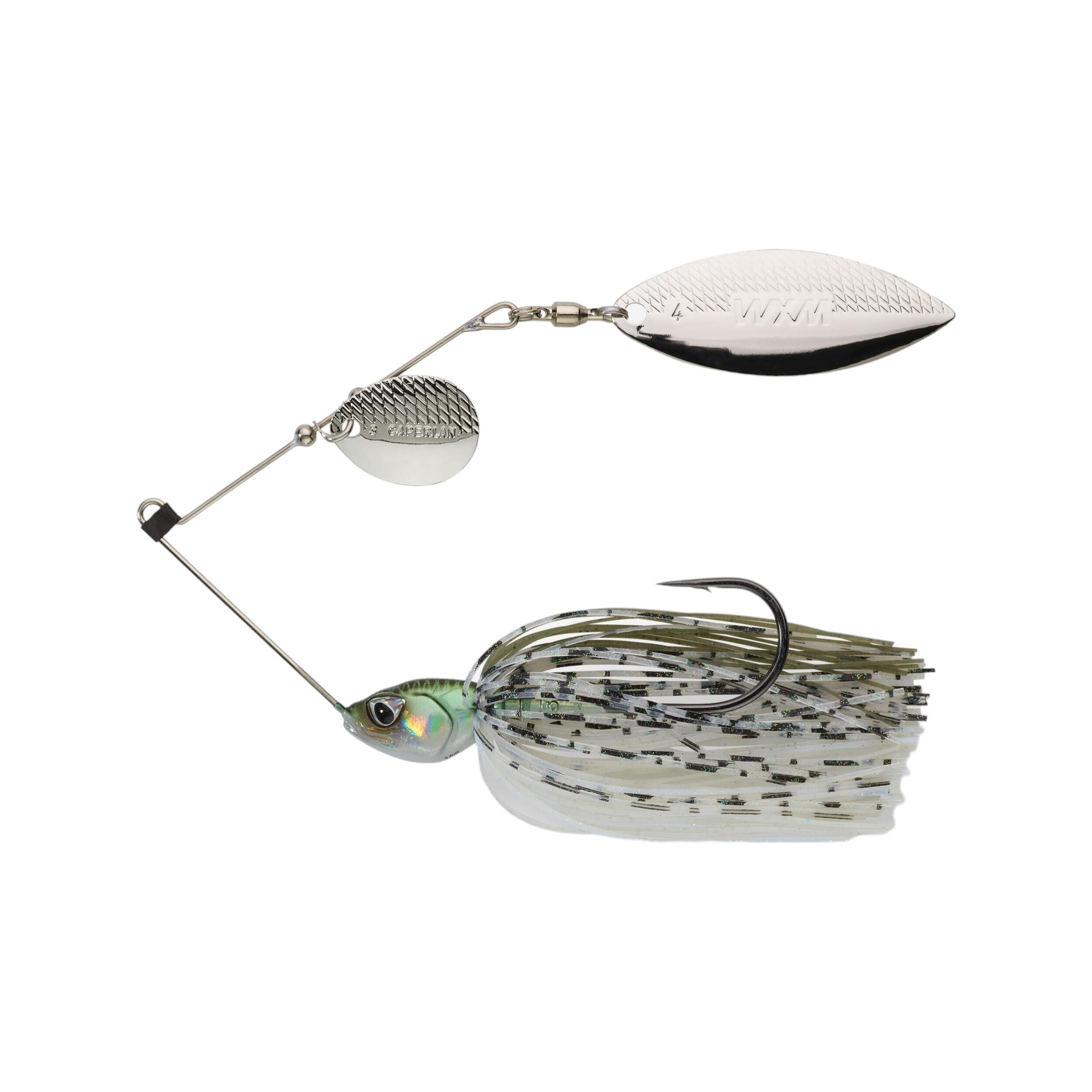
Start with the depth, target fish and amount of water you need to cover. A spoon can provide flash and vibration during a steady retrieve, while other lure styles allow you to work different depths, speeds and structures. Caperlan KEA spoons combine a nickel-plated body, 3D scale details and a contrasting red tail element, while an integrated swivel helps reduce line twist as the lure moves. Spinnerbaits can offer another option around vegetation or murkier water because their rotating blades create both movement and visual attraction. The lure fishing spinnerbait category can help you adapt your presentation when straightforward spoons or soft lures are not producing interest.

How does lure weight affect the rod you use?

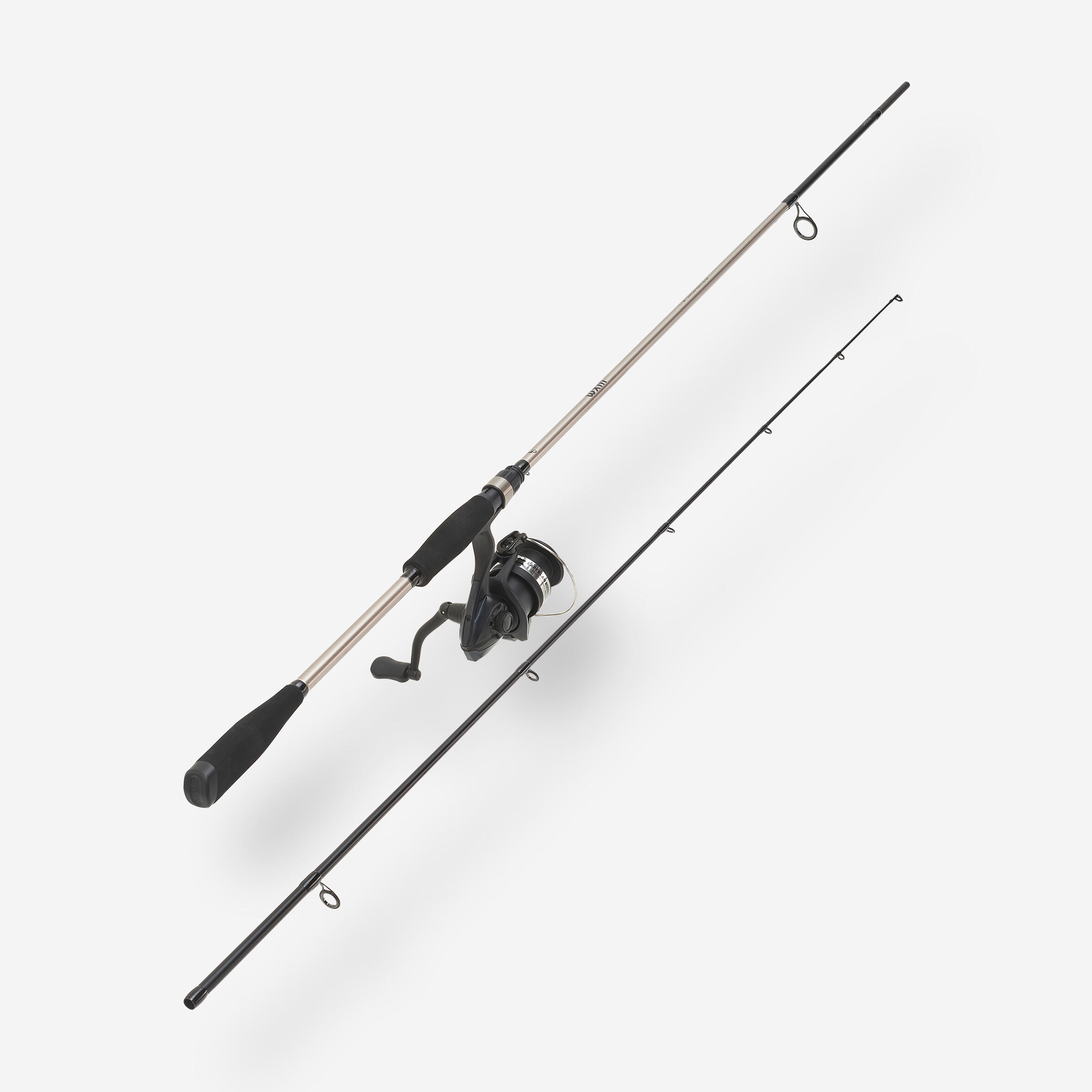
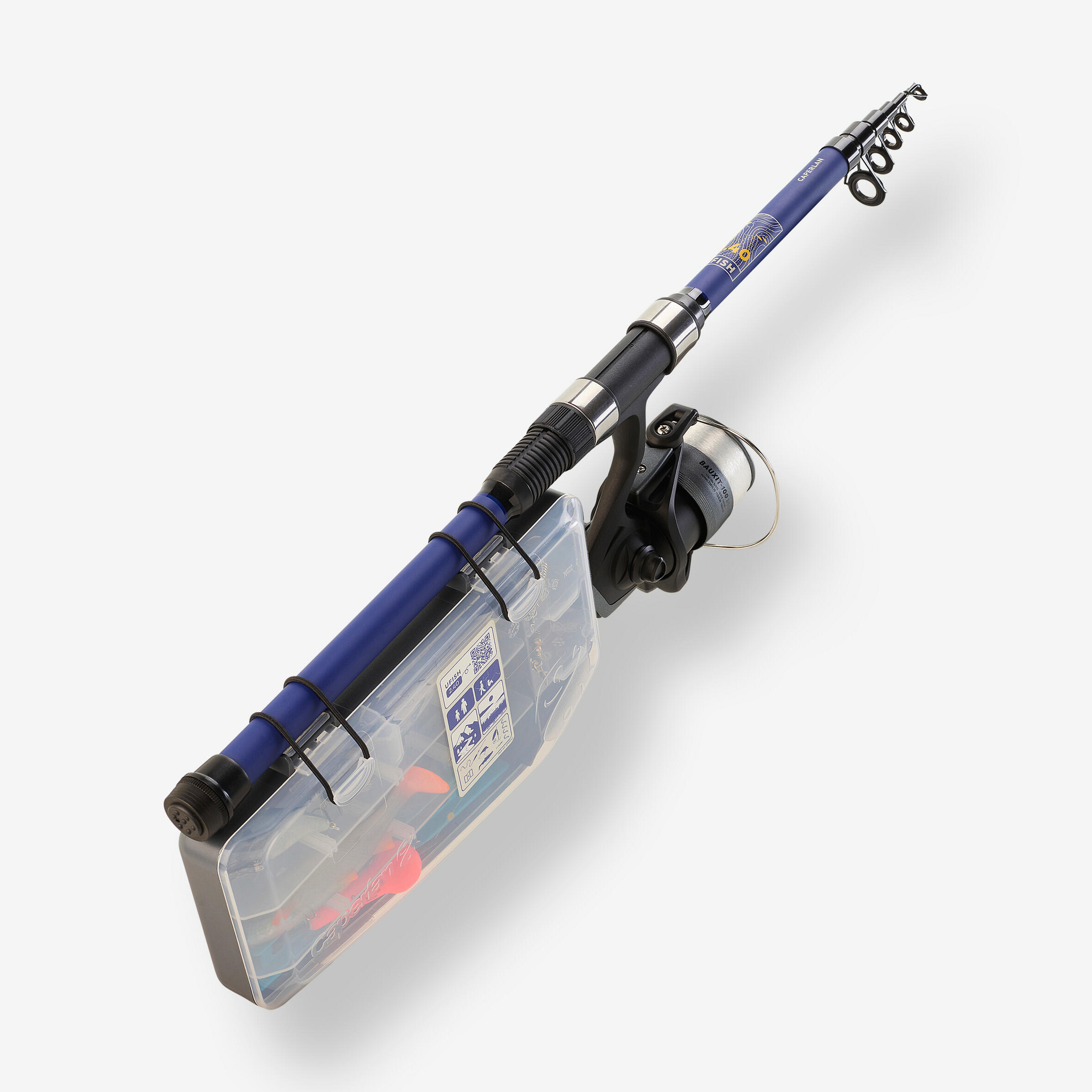
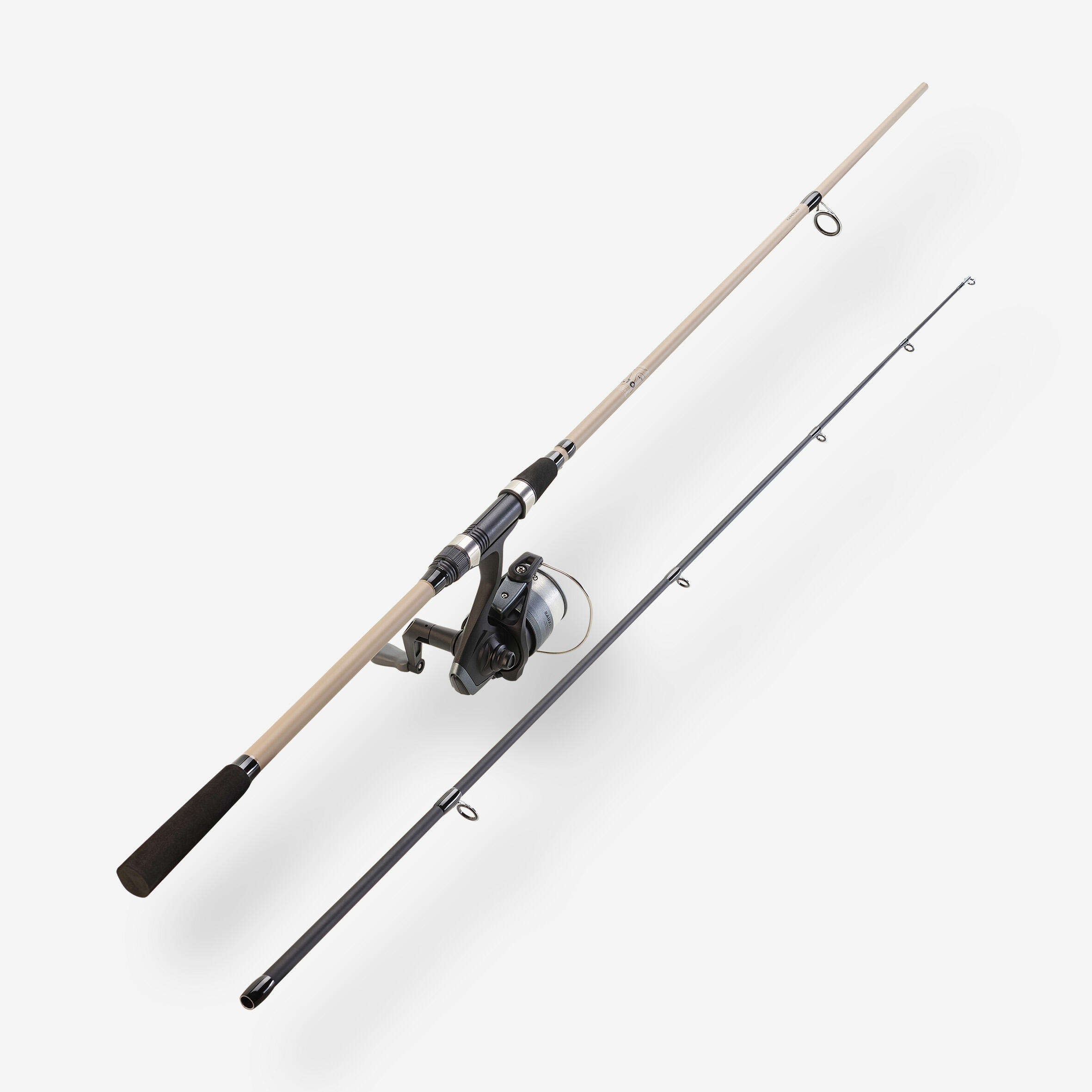
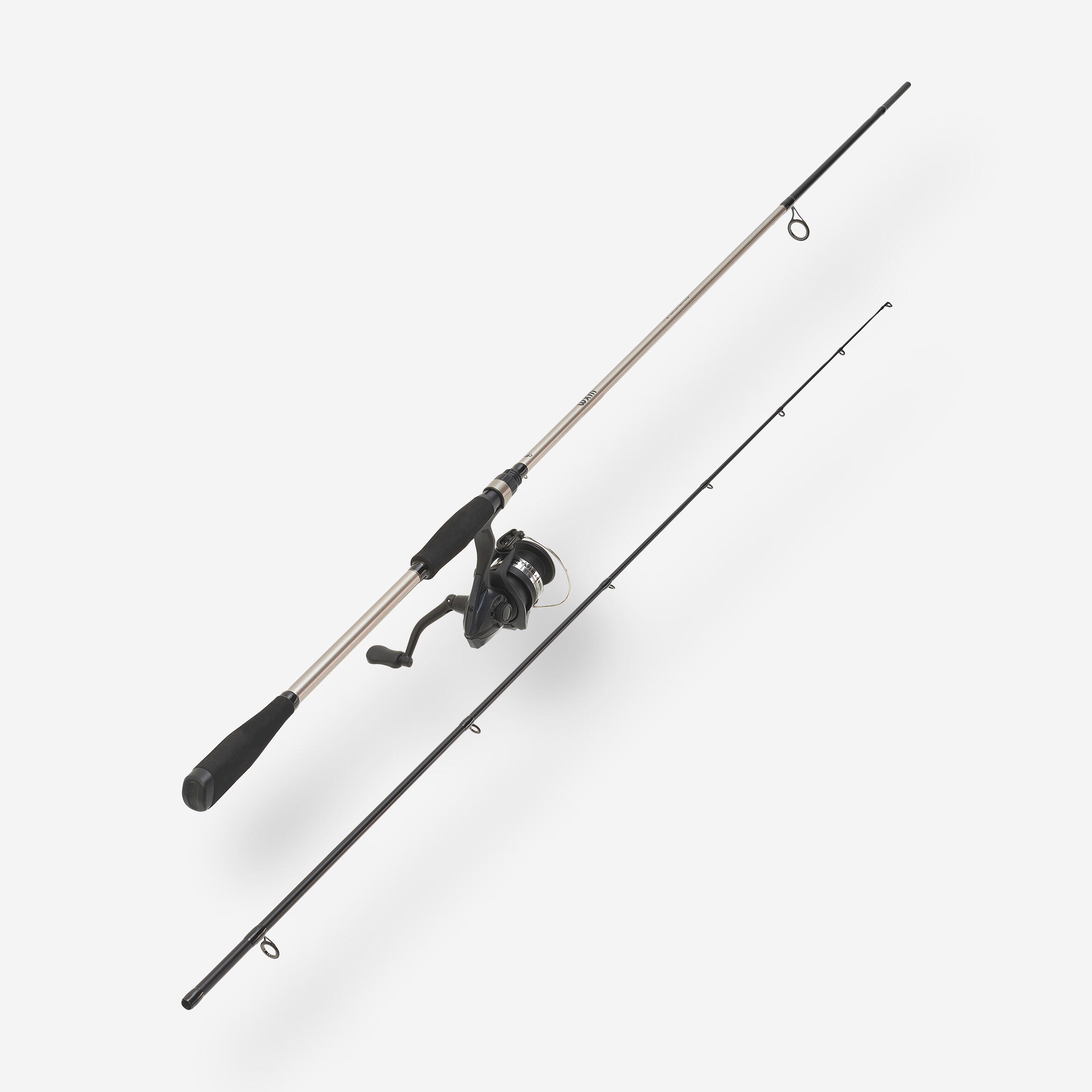
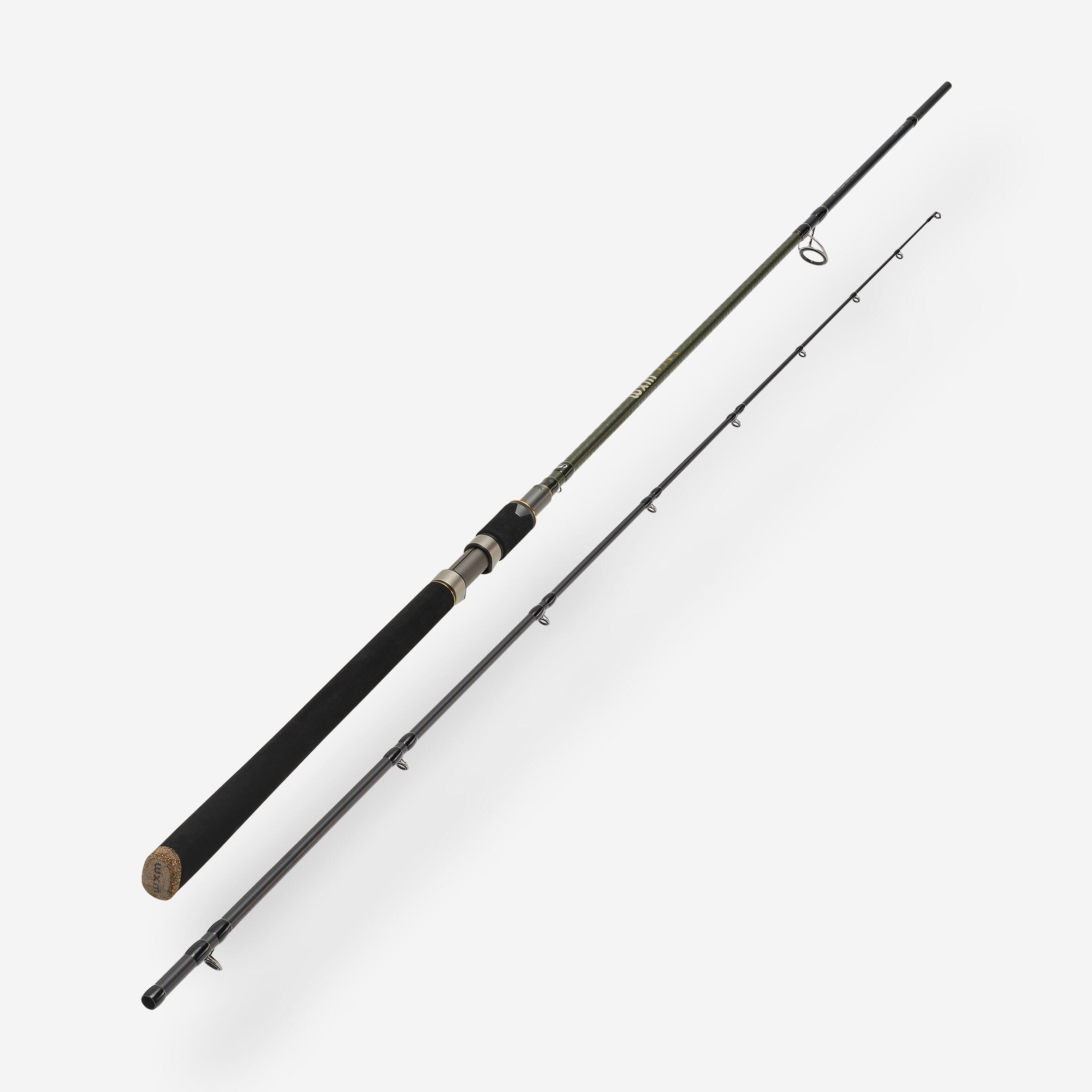
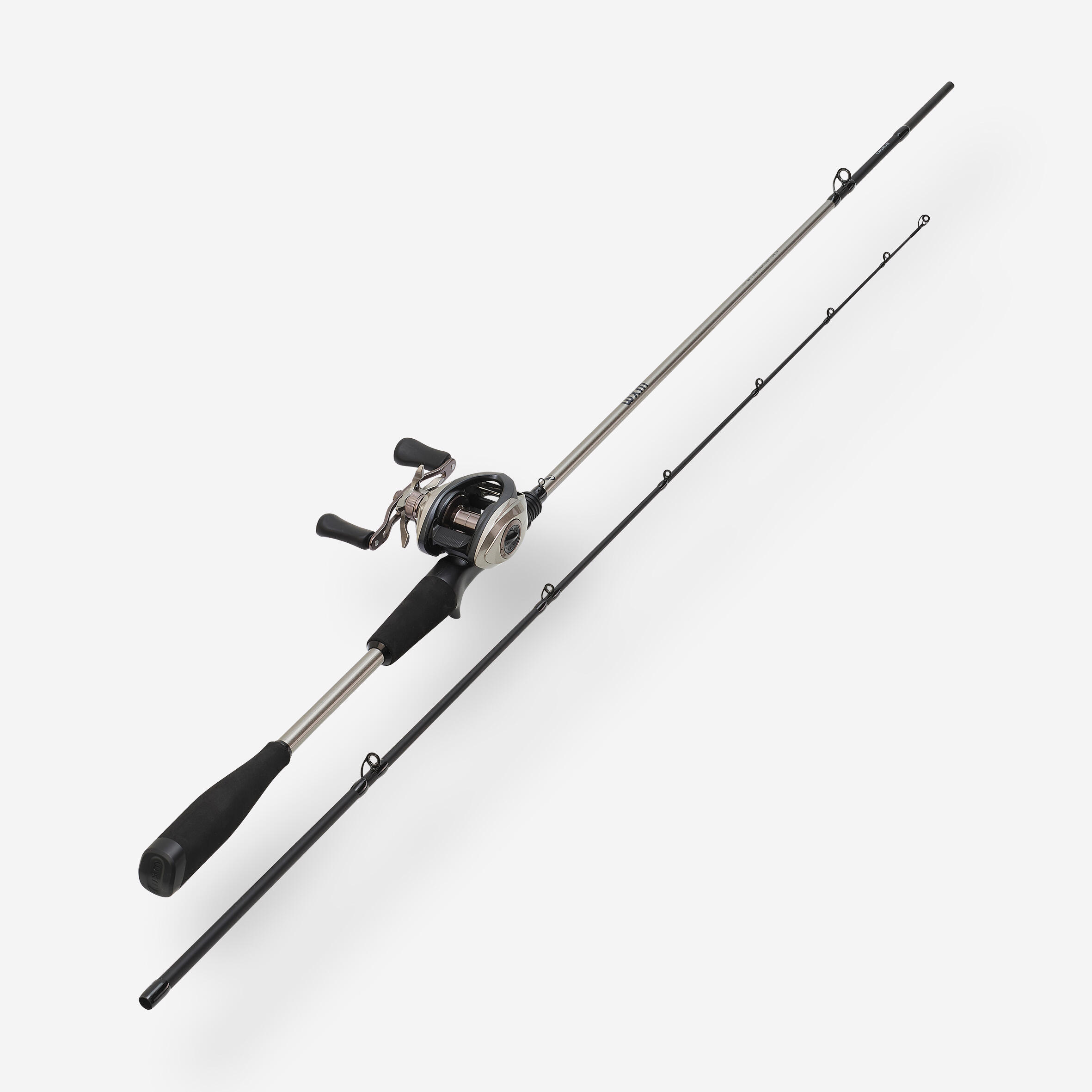
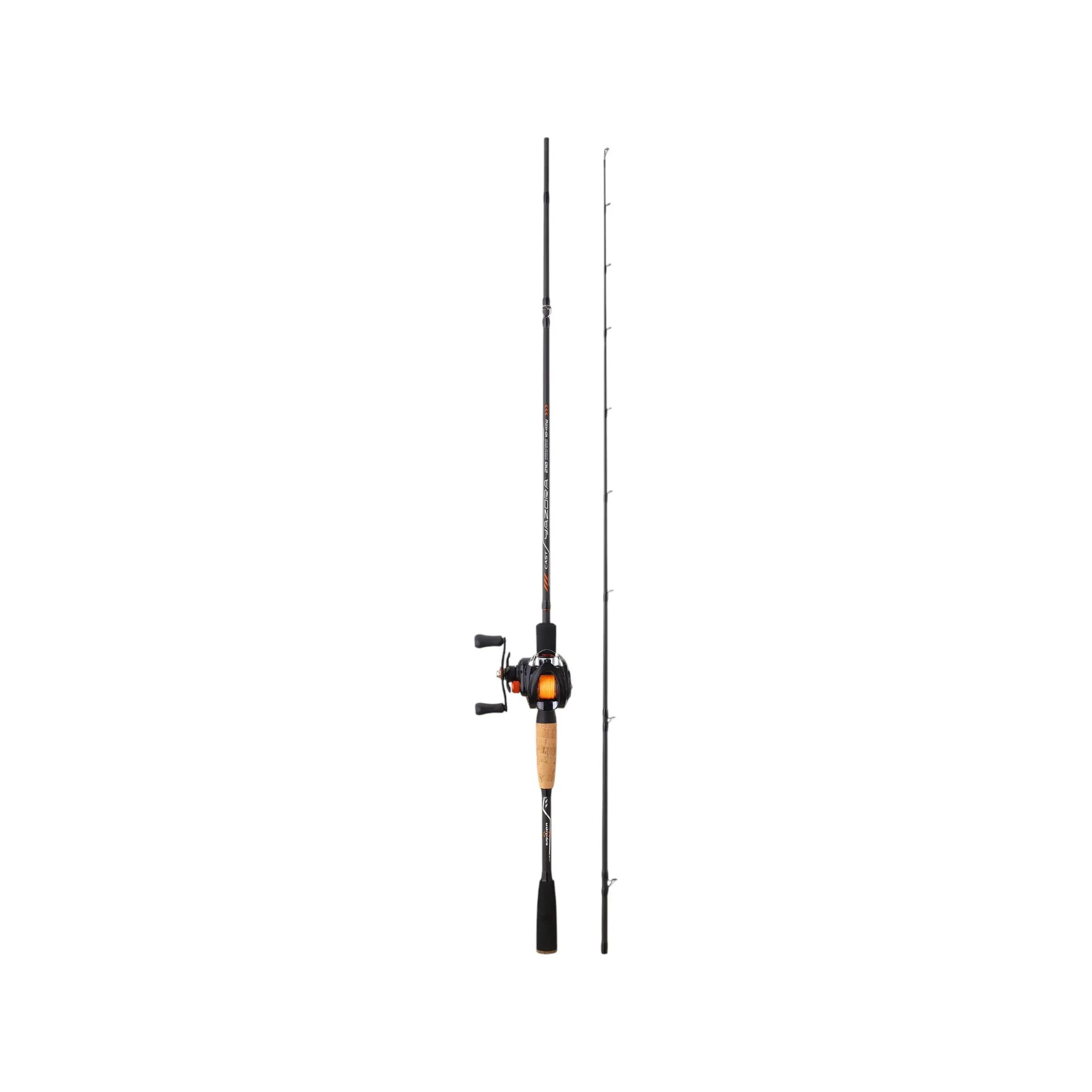
Keep the lure inside the rod's stated casting range so the blank can load and release properly during the cast. Caperlan WXM setups cover different weights, including lighter 5-14 g rods, 7-21 g options and more versatile 10-30 g combinations. A rod that is too heavy for a small lure can reduce feedback and make accurate casting harder, while exceeding the upper rating places unnecessary strain on the blank. Progressive action on selected WXM 100 rods also helps absorb sudden head movements when playing predatory fish. The lure fishing rods and combos category lets you match rod length and casting weight to the lures you plan to use most often.

What matters when pairing a reel with a lure rod?

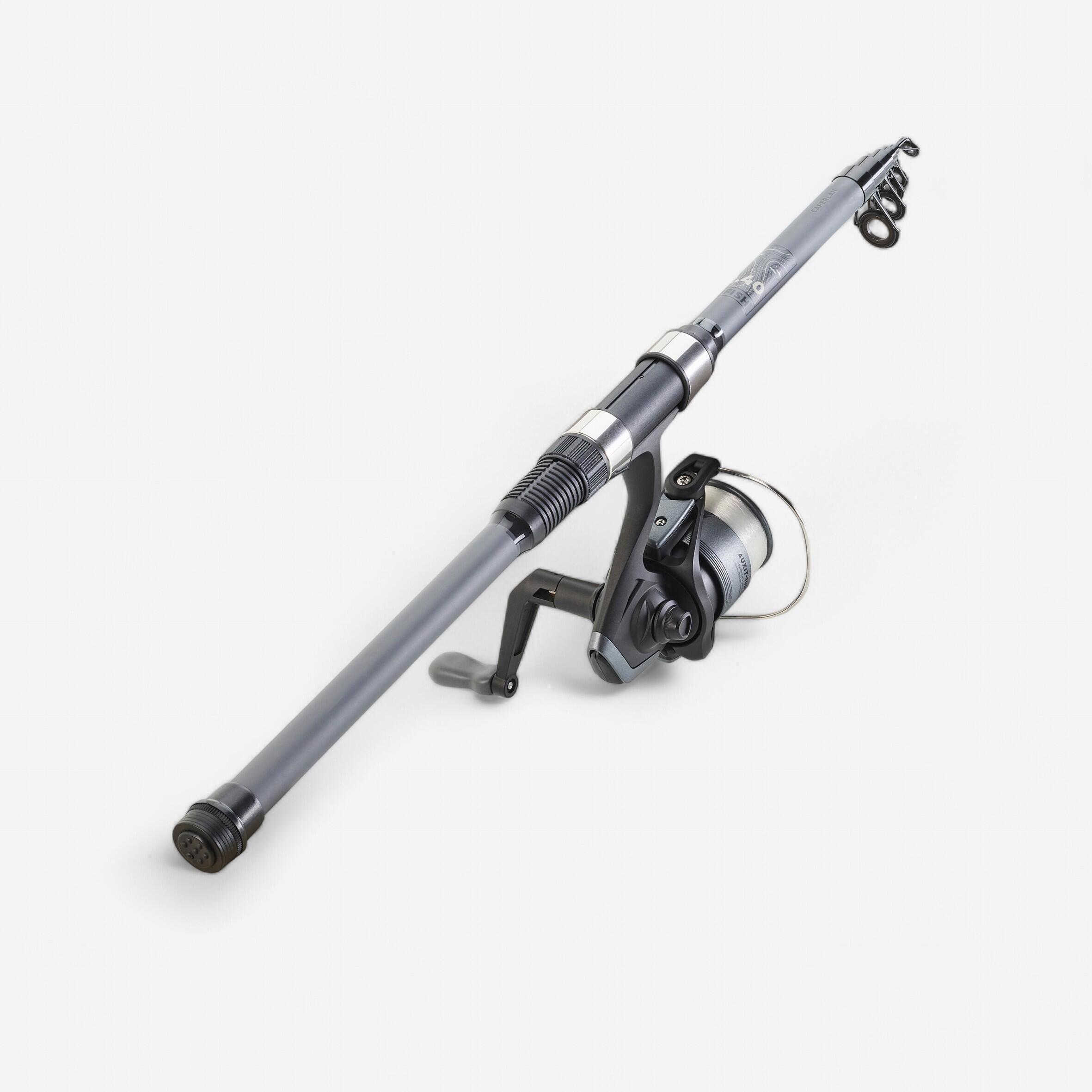
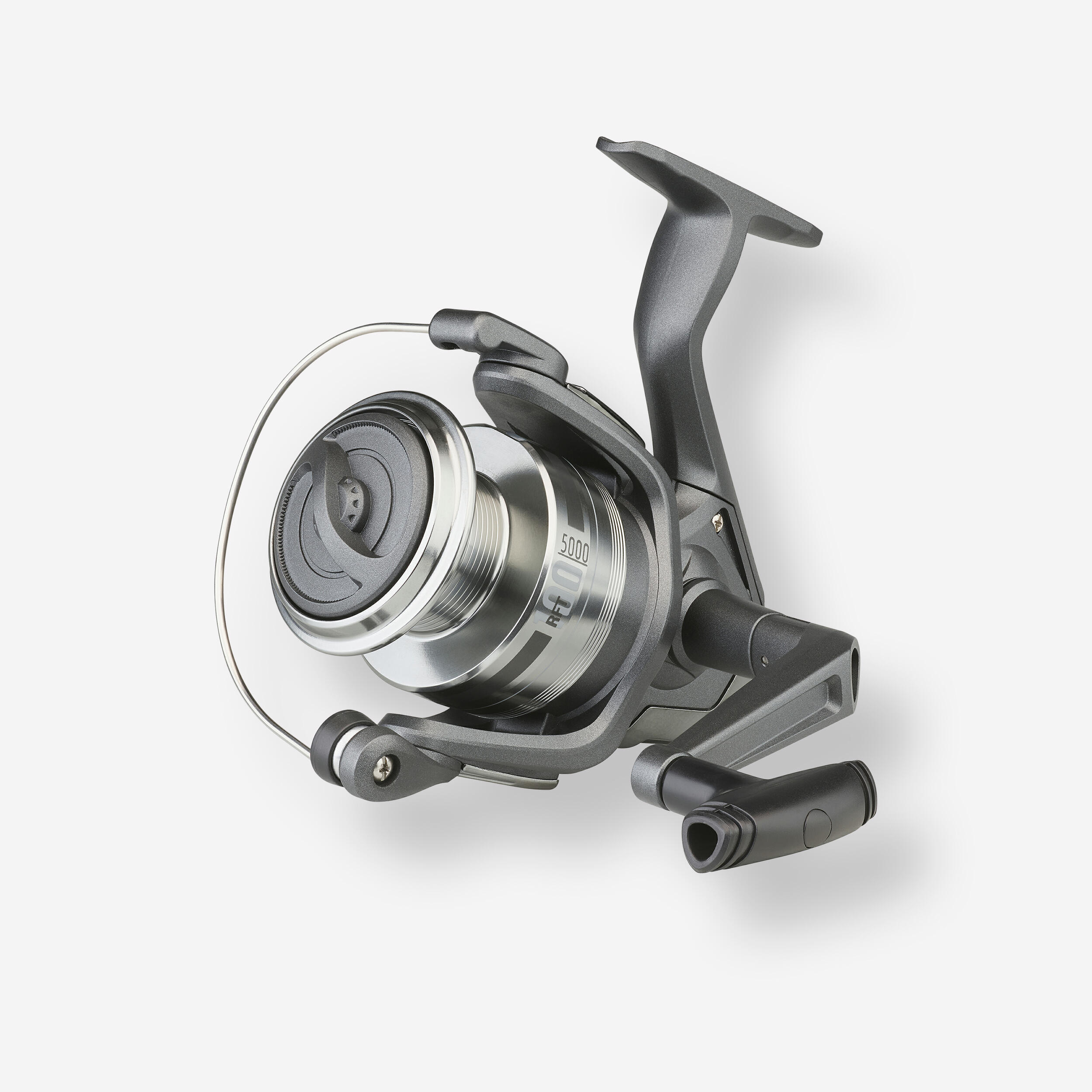
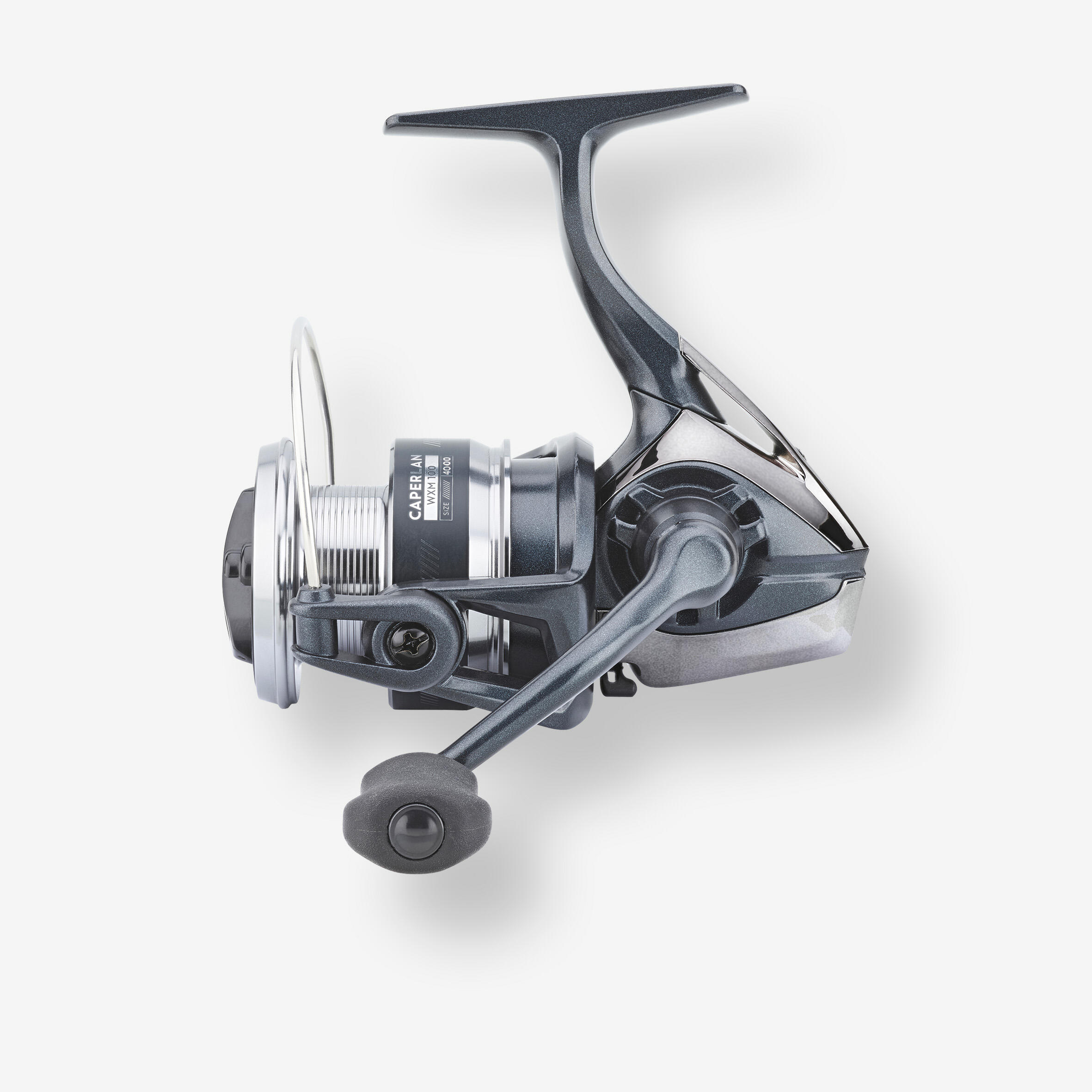
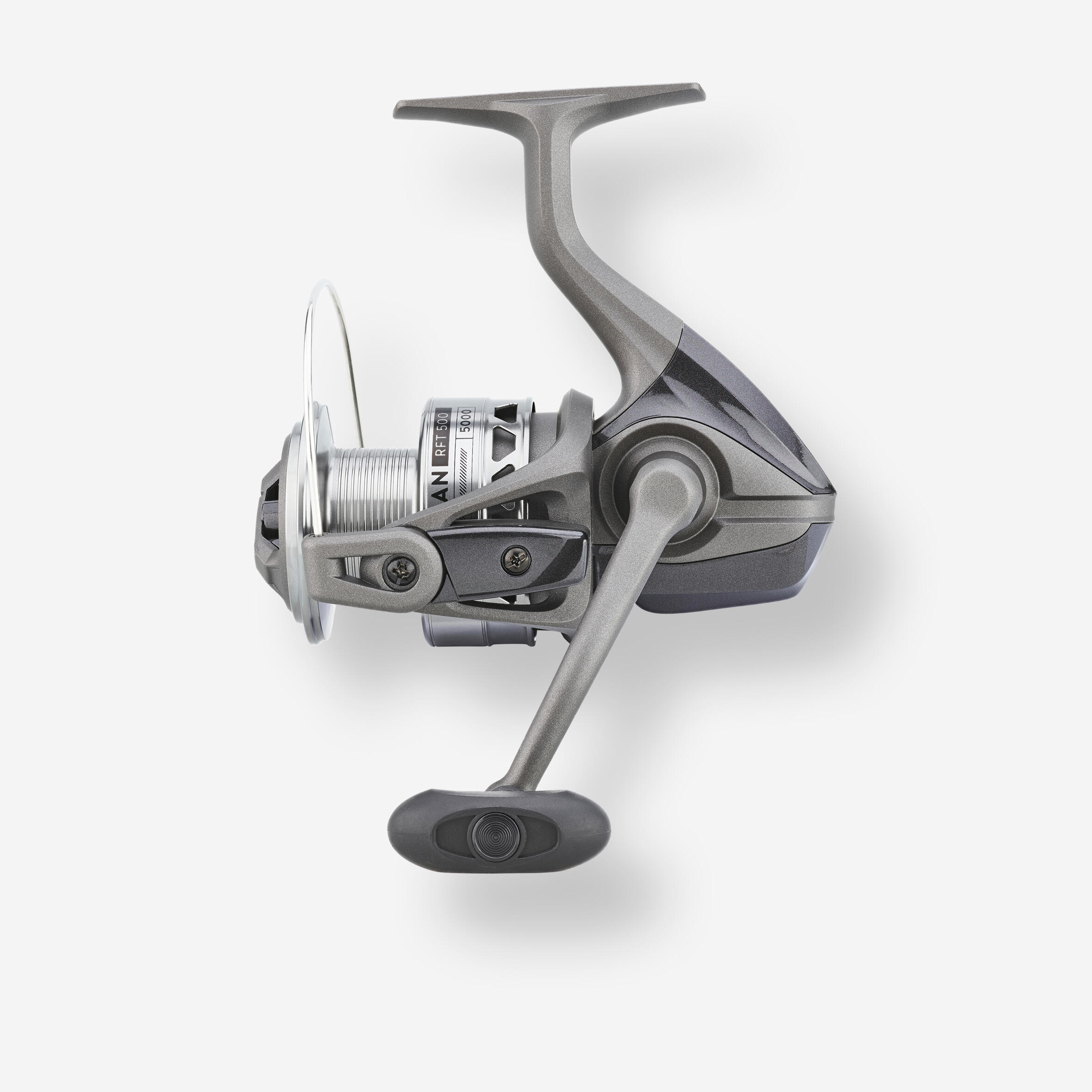
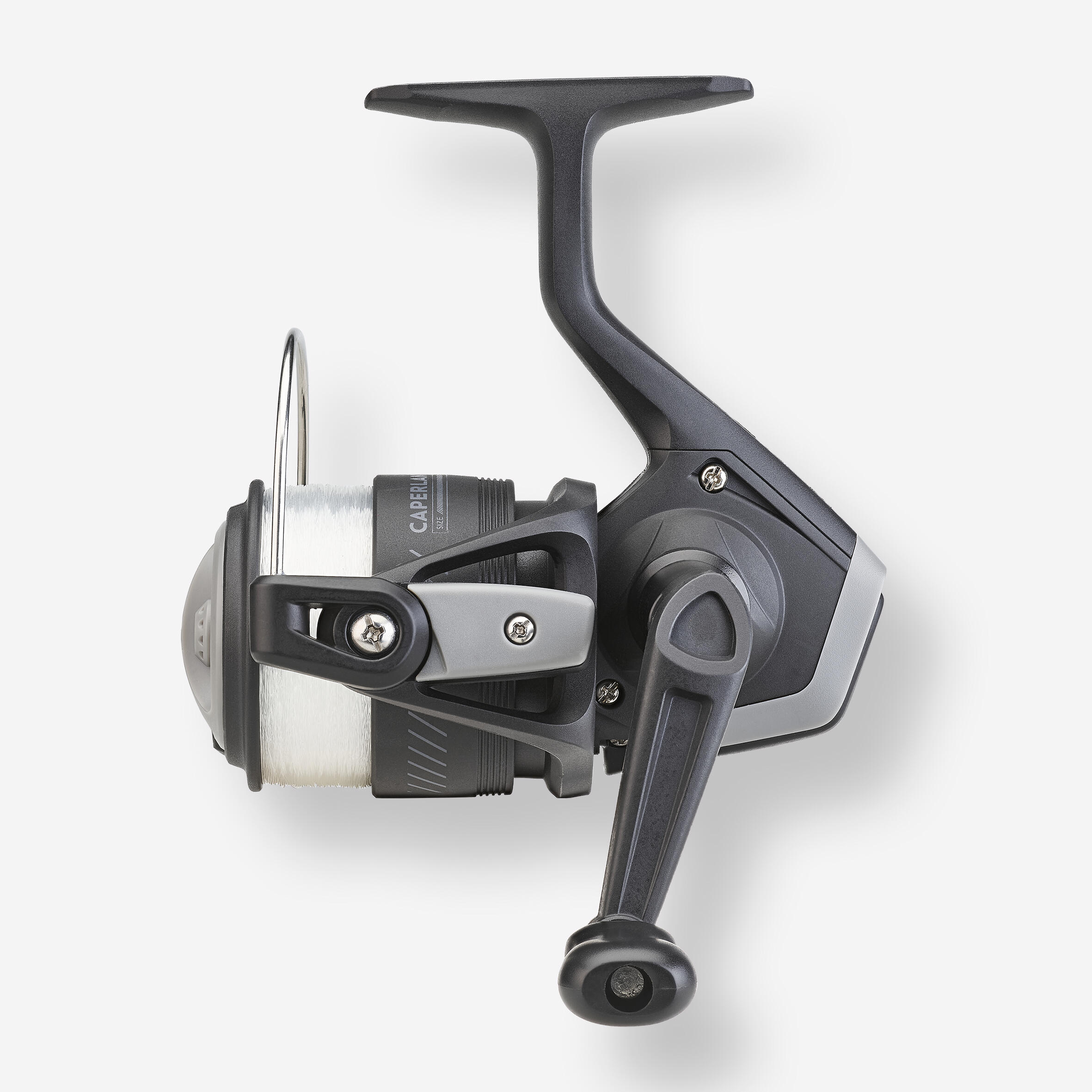
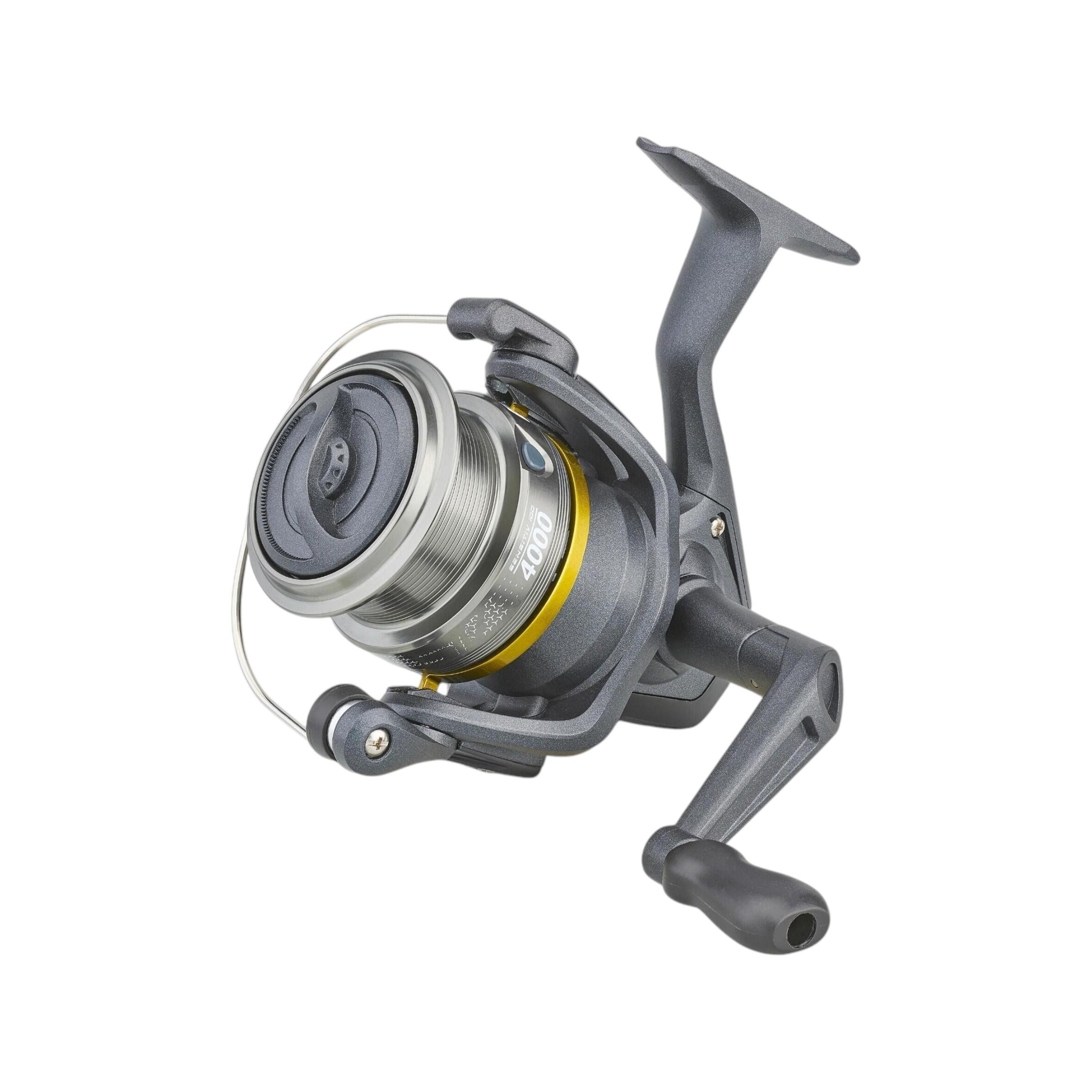
Balance matters more than simply fitting the largest reel your rod can hold. A reel that suits the rod's length and power keeps the setup comfortable during repeated casting and provides enough line capacity for the fishing distance. Caperlan matches selected WXM combinations with specific reel sizes rather than treating the two parts independently. A 2.40 m, 10-30 g setup, for example, can use a size-4000 reel with micrometric front drag, infinite anti-reverse and strong drag capacity. Smooth drag matters when a fish surges because it releases line progressively instead of placing all the force on the rod or knot. Suitable lure fishing reels can then be matched to your rod, line and target species.

When does braided line help with lure fishing?

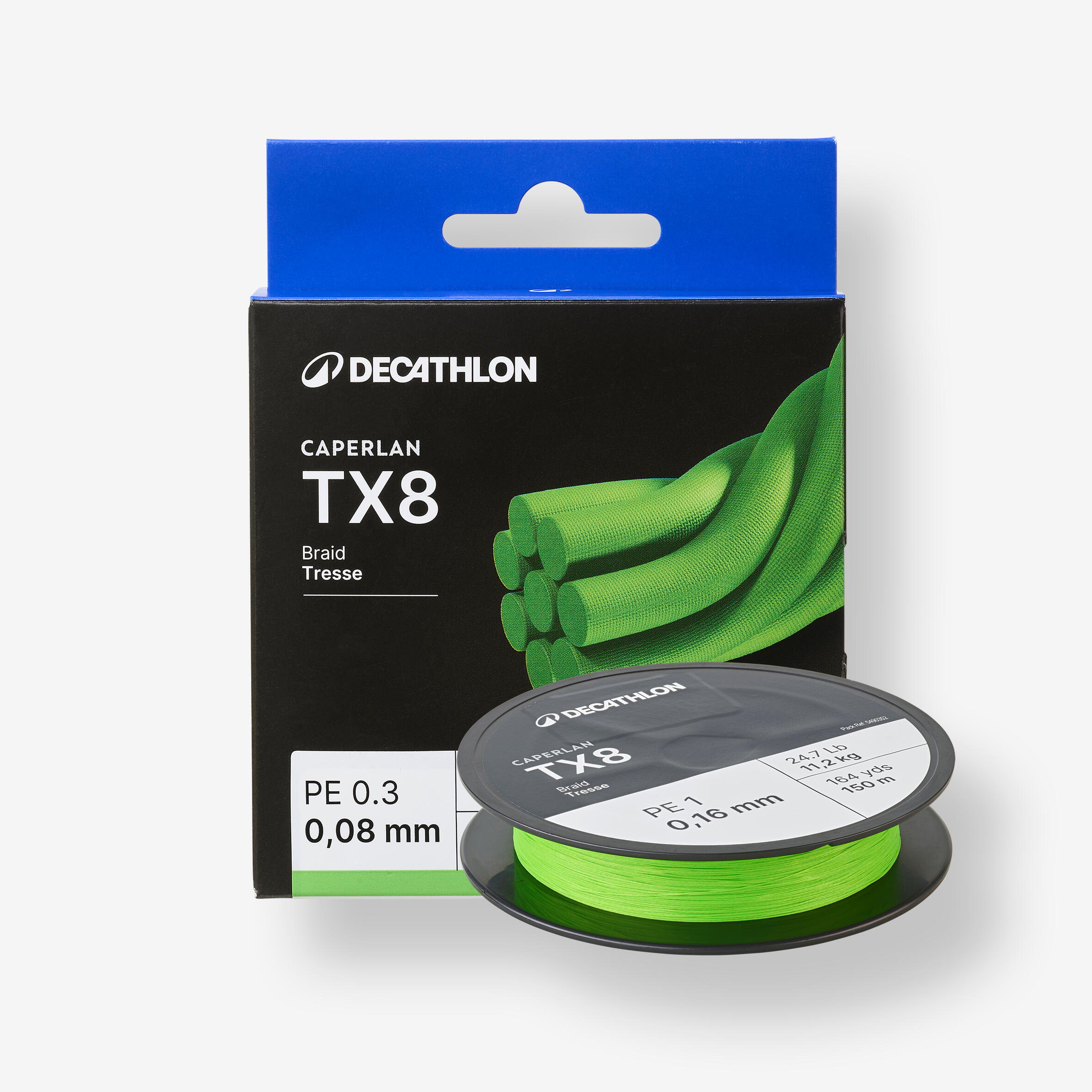
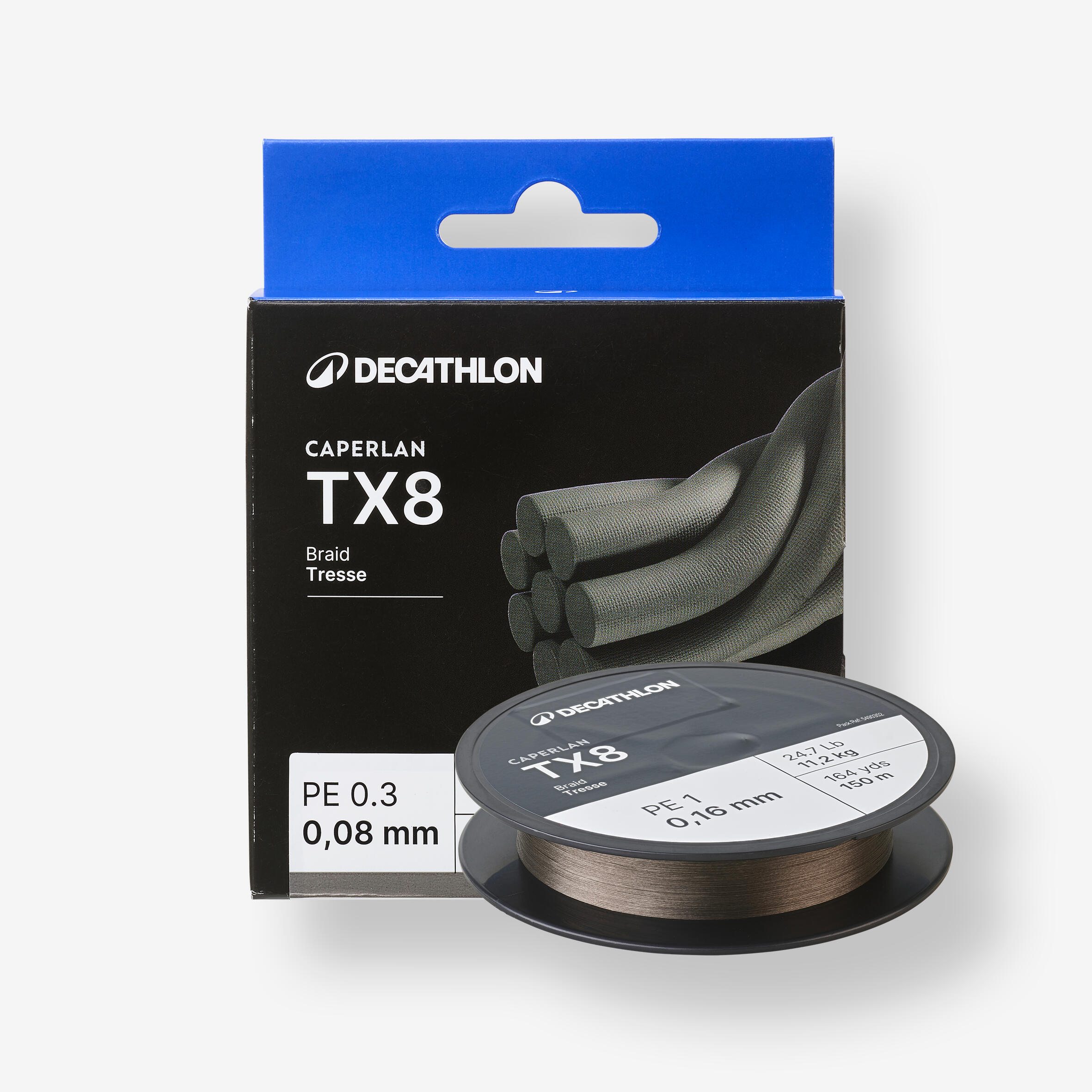
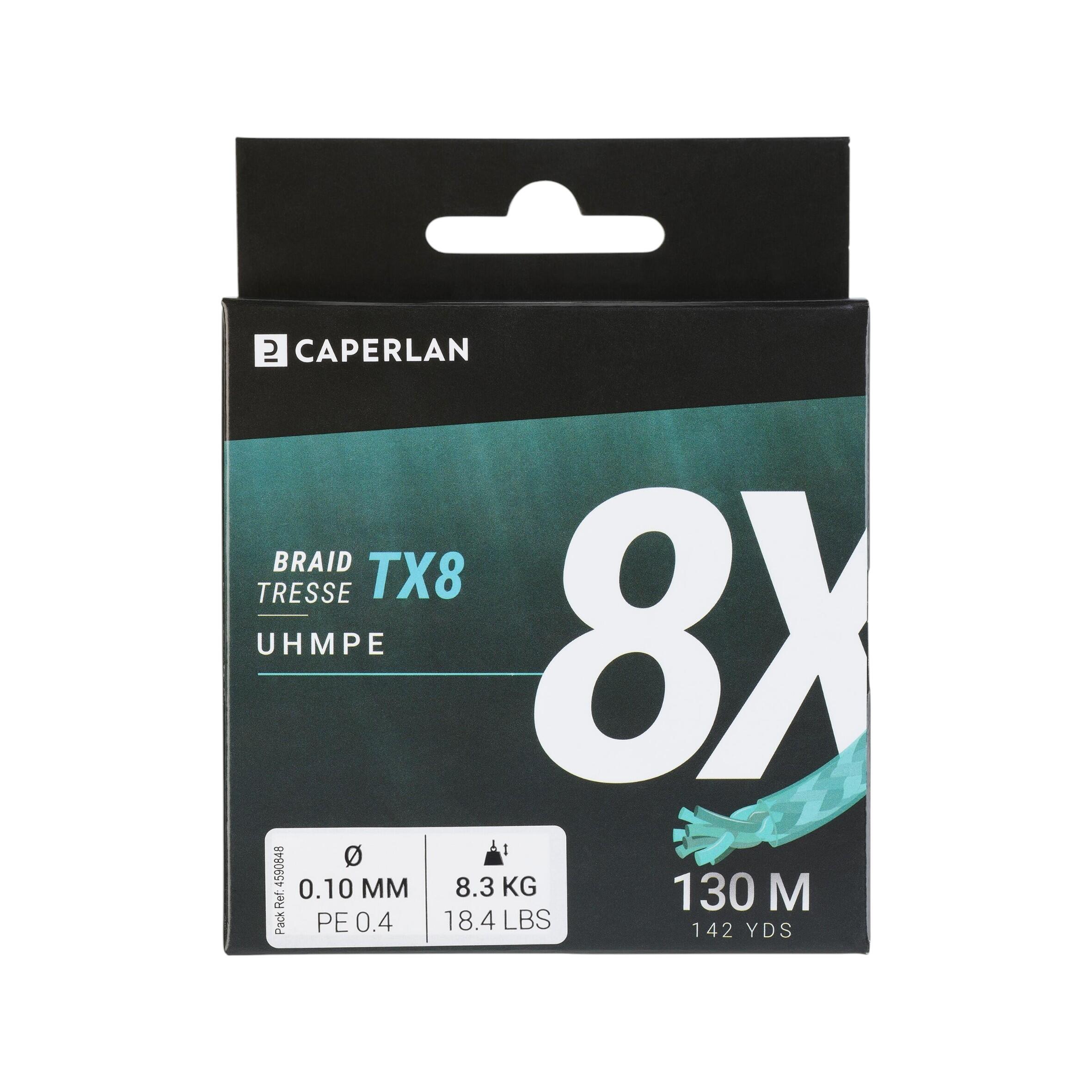
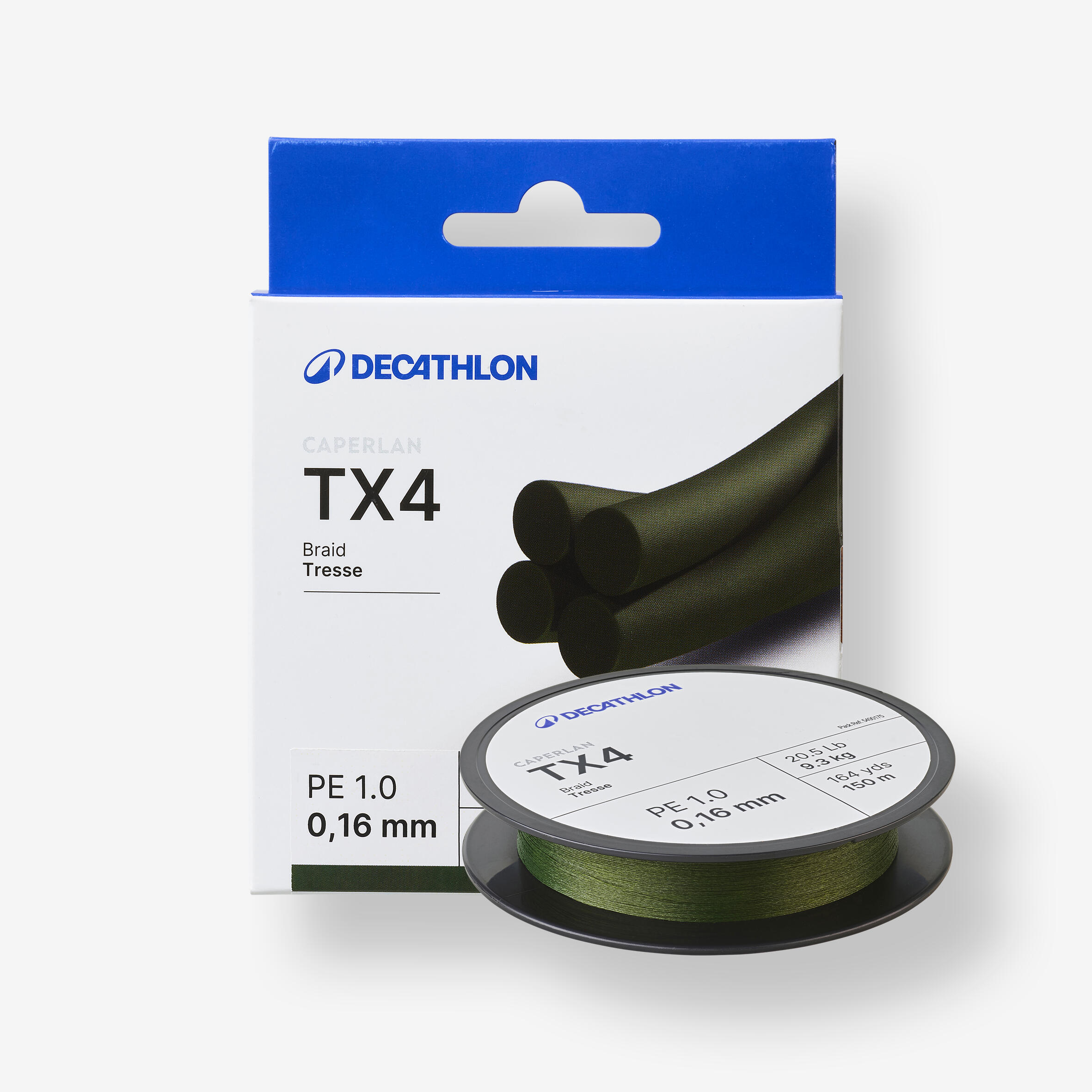
Braid can improve feedback because it transfers more of the lure's movement through the line. Caperlan TX4 uses four braided fibres, while TX8 uses eight polyethylene strands for a smoother profile that supports accurate casting and longer distances. Bright chartreuse versions also make the main line easier to follow above the water. Match diameter and breaking strain to the fish and fishing environment rather than selecting the strongest option automatically. When adding a fluorocarbon leader, the connection knot also matters. Caperlan recommends different knots depending on the difference between braid and leader diameters. The lure fishing lines category covers braid and other line options for building a balanced rig.

When can a float tube change your lure fishing approach?

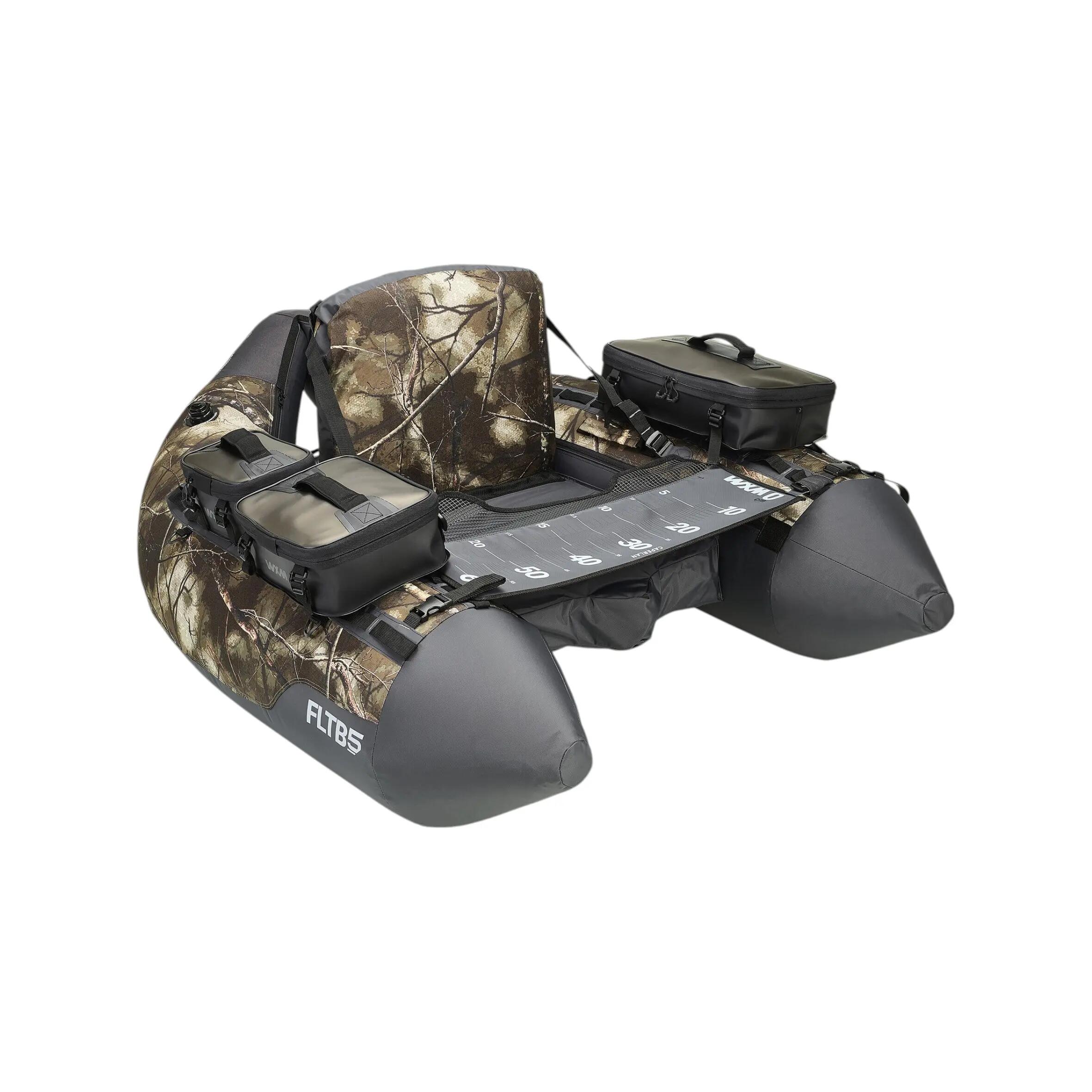
A float tube can give you access to water that is difficult to cover effectively from the bank, helping you present lures around features, weed lines and areas beyond normal casting reach. Keep the tackle configuration compact because everything needs to remain organised and accessible while you are on the water. Shorter rods can feel easier to manage in a seated position, while visible braid can help you monitor line direction during the retrieve. Take only the lures and terminal tackle needed for the session rather than carrying a full bank setup. The lure fishing float tubes category includes equipment intended for this mobile style of fishing. Follow local water rules, assess weather conditions and use appropriate personal safety equipment before entering the water.