49 items
4.6/5 based on 736 reviews collected online and in stores

Carp Rod Pods FAQs

What defines a modular rod pod useful for different carp swims?

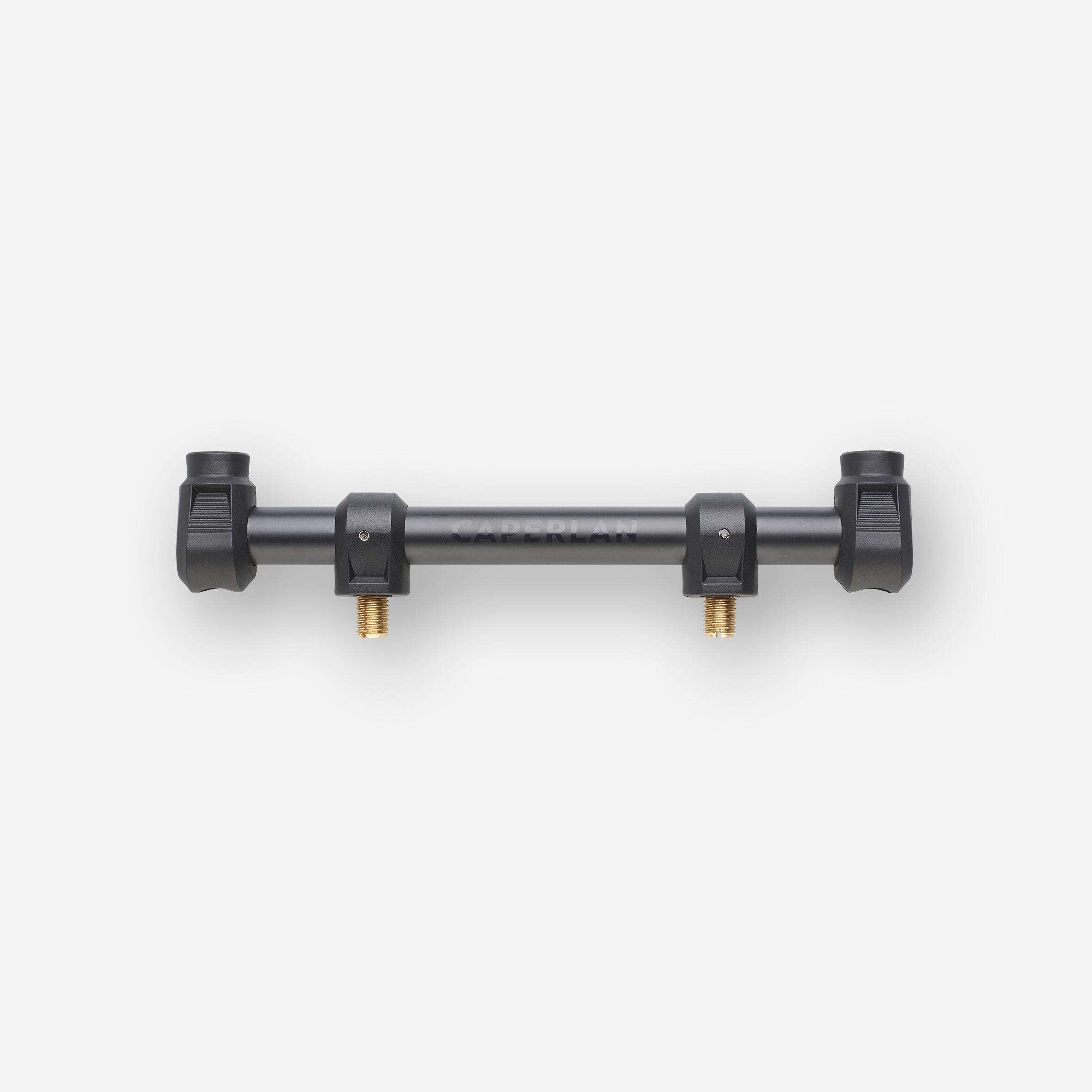
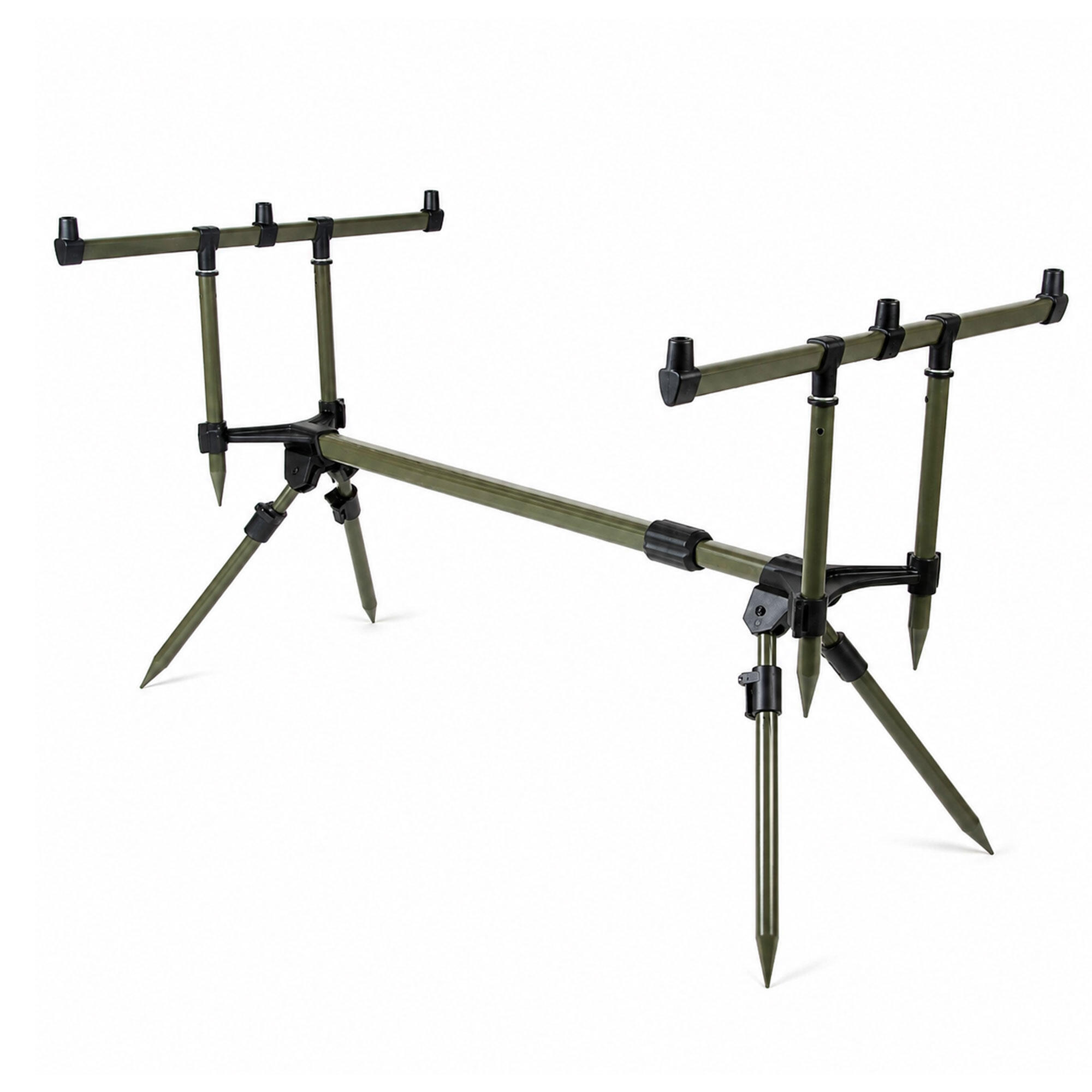
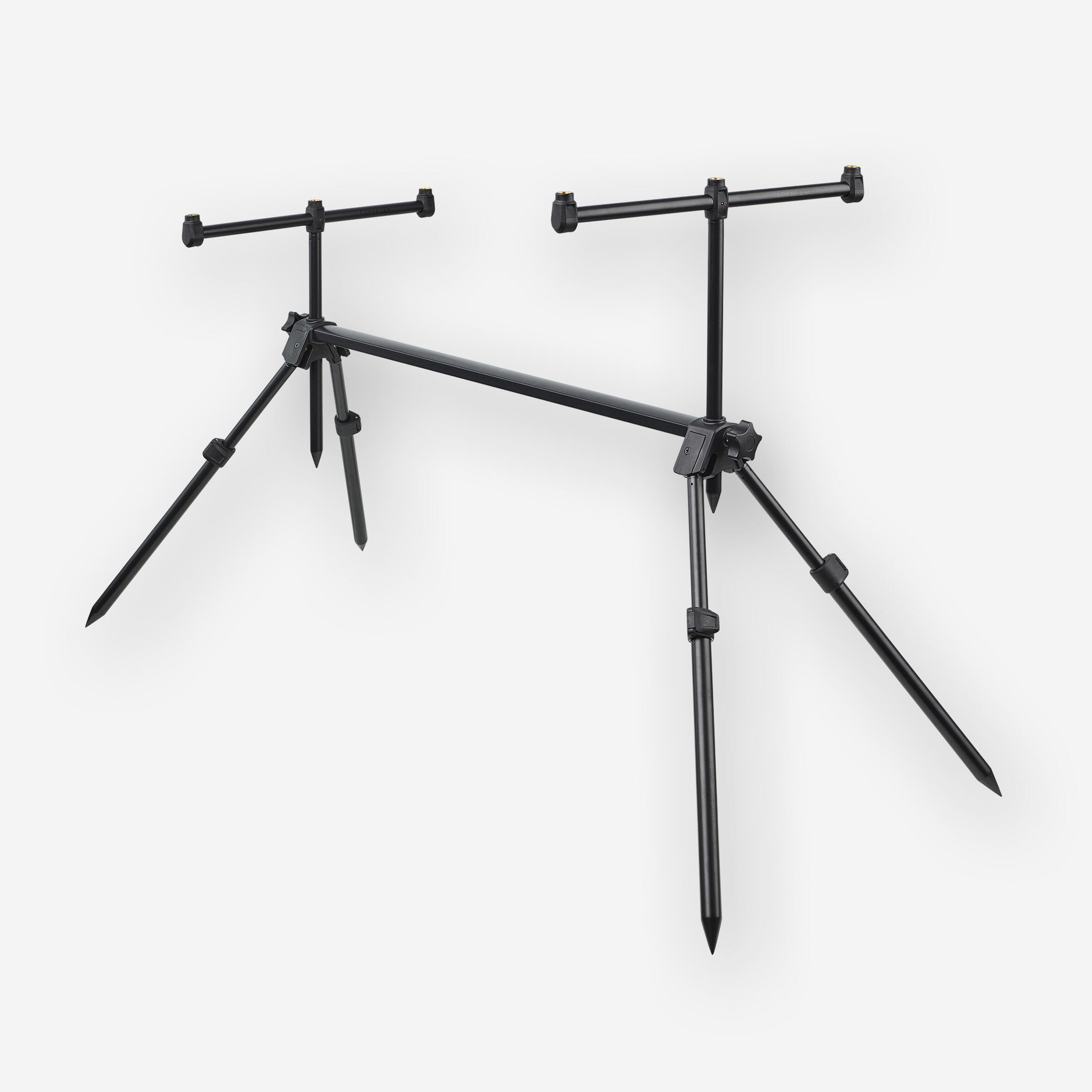
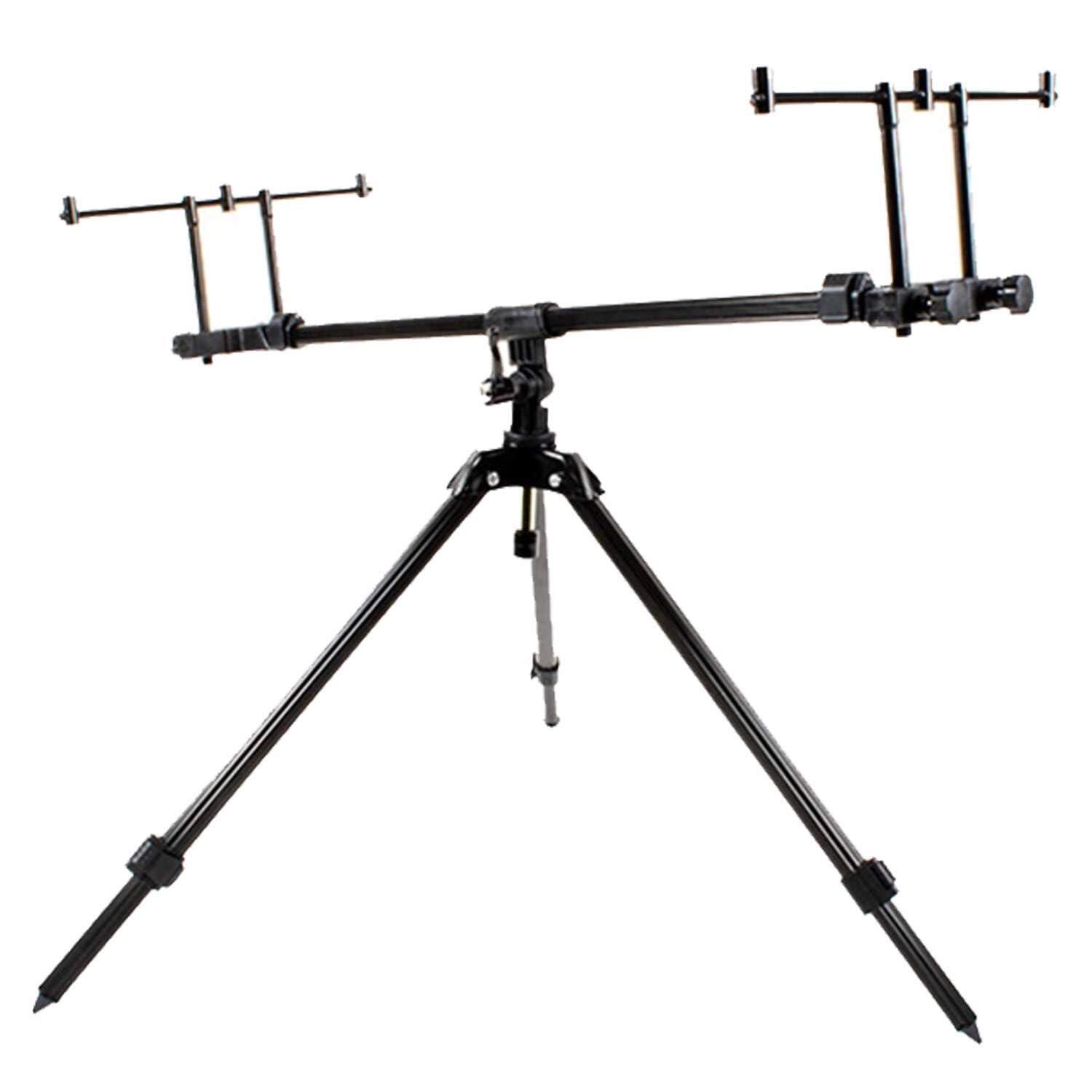
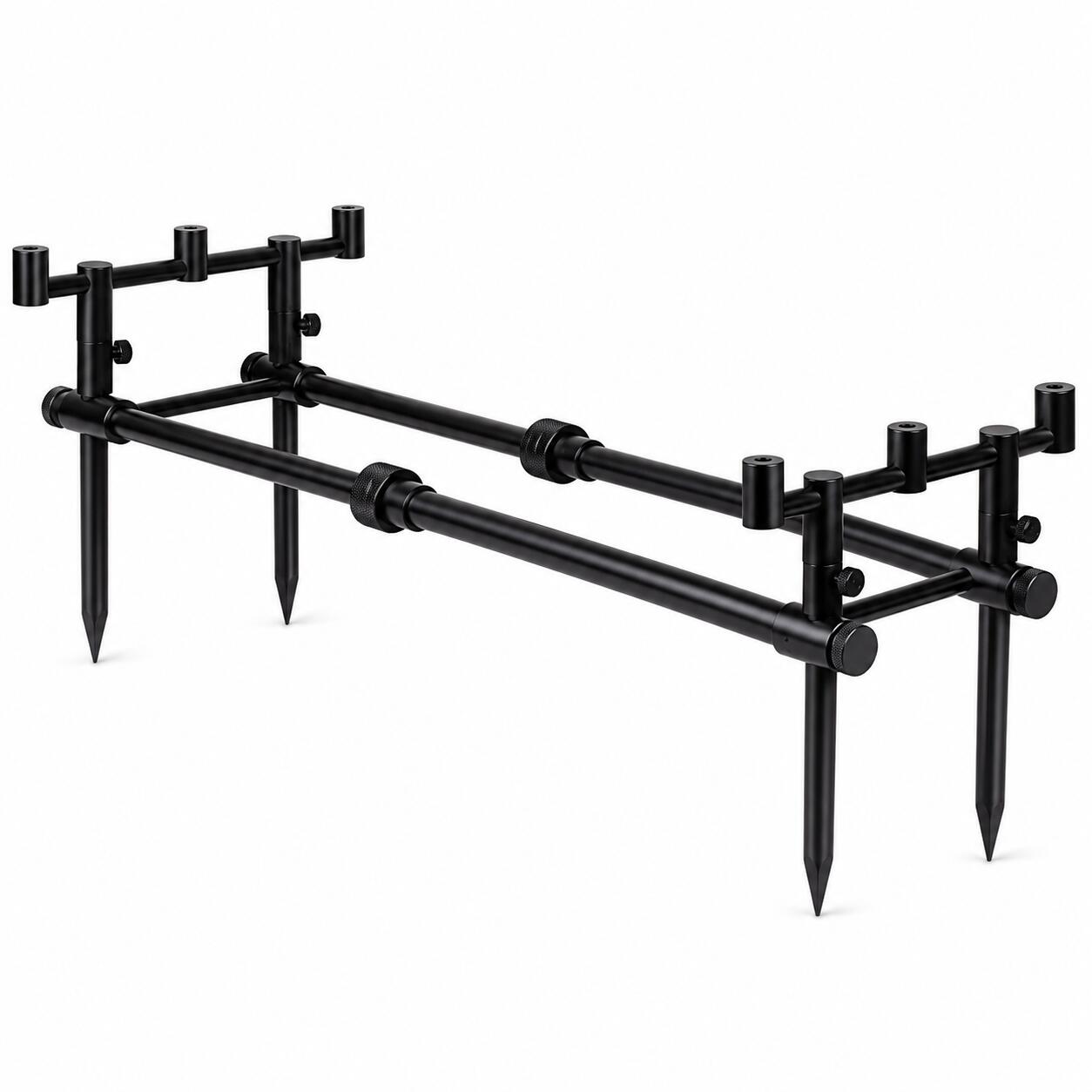
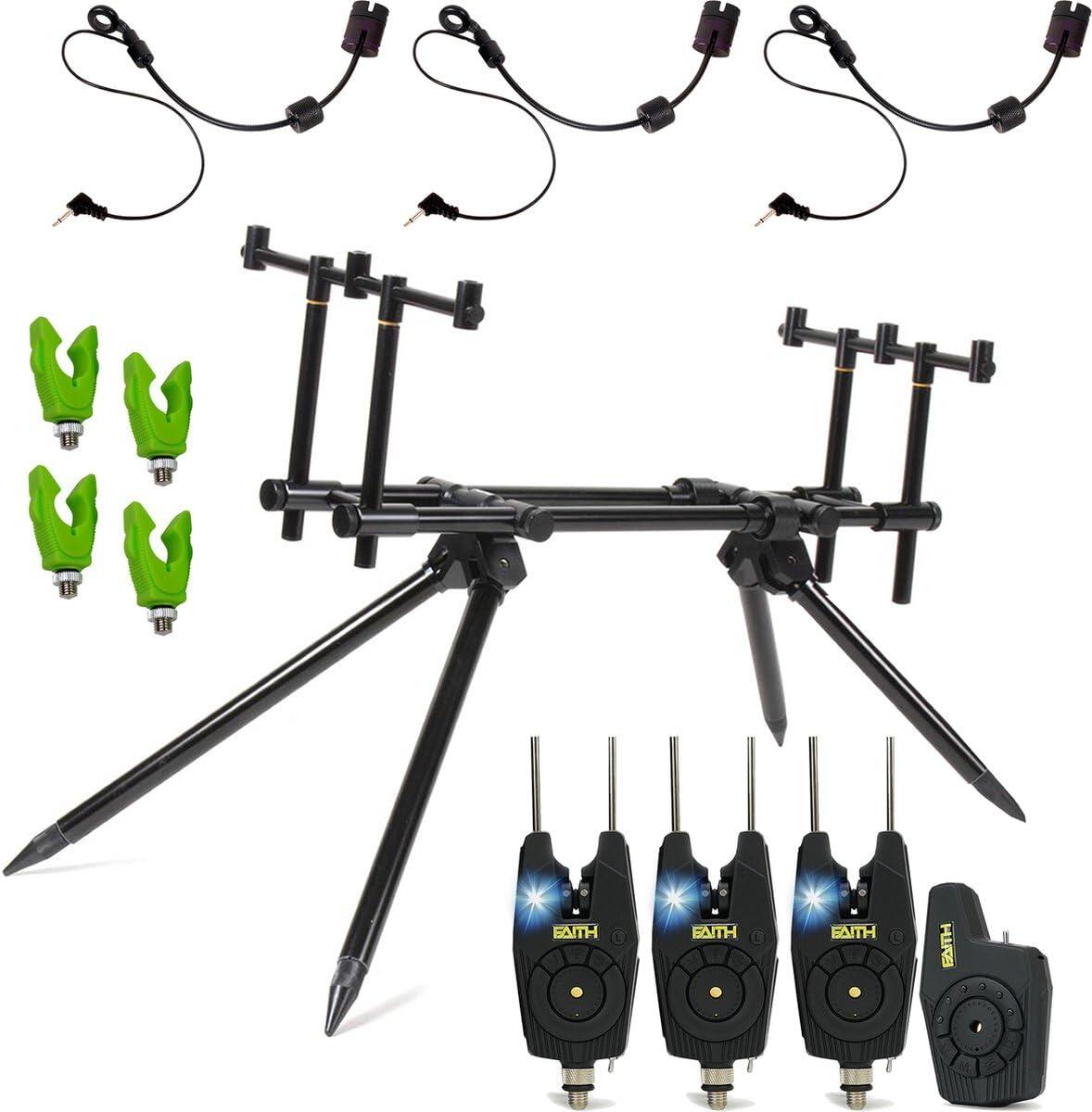
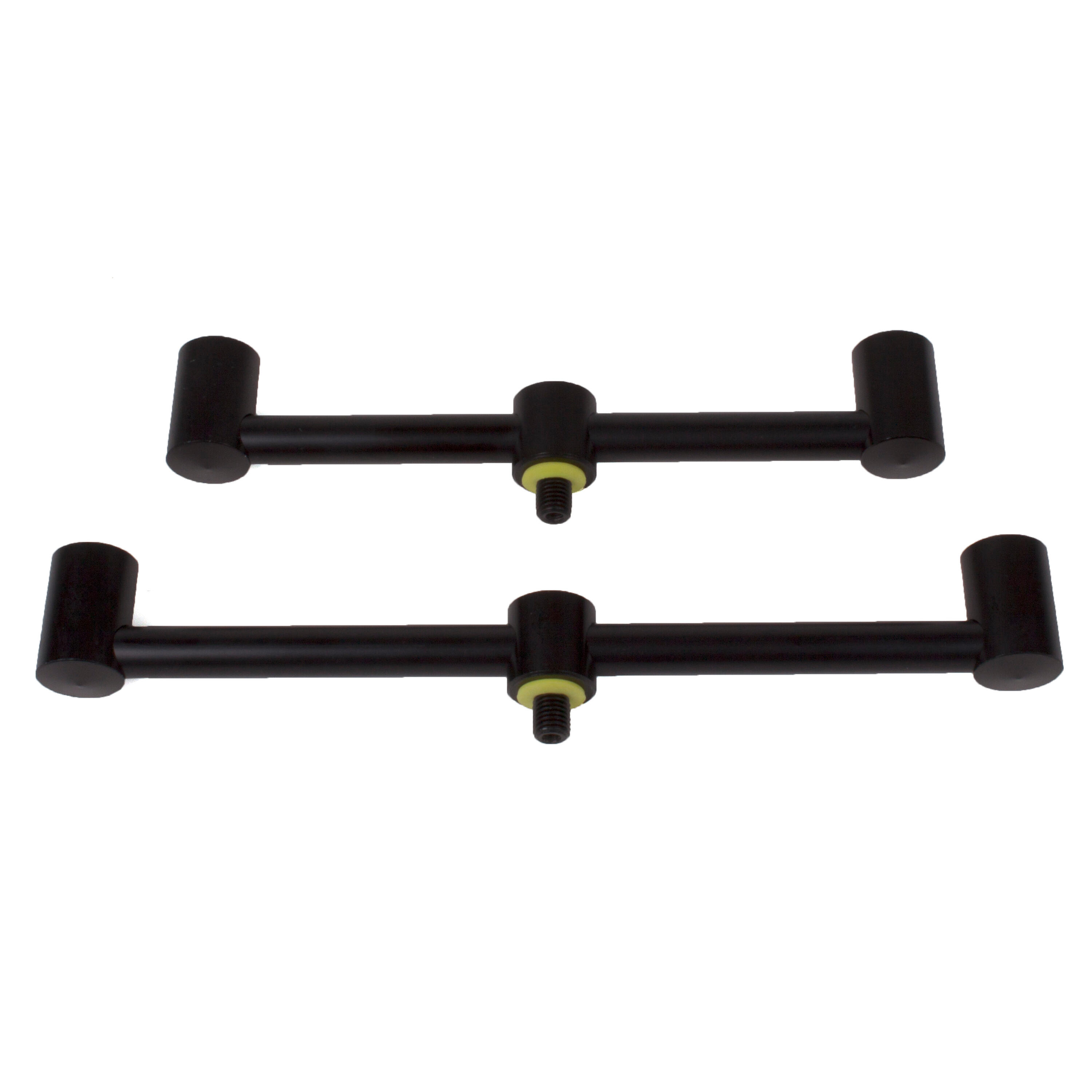
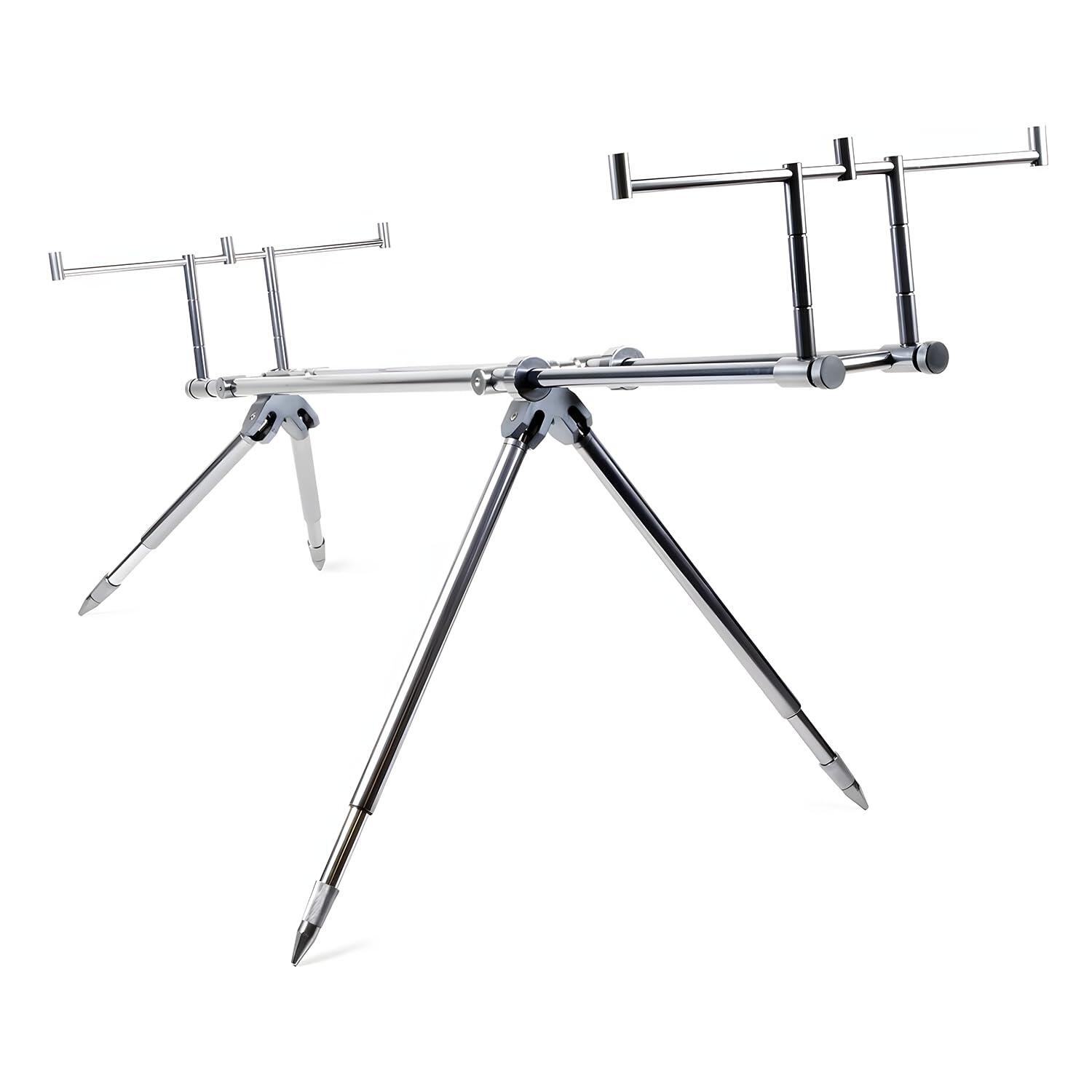
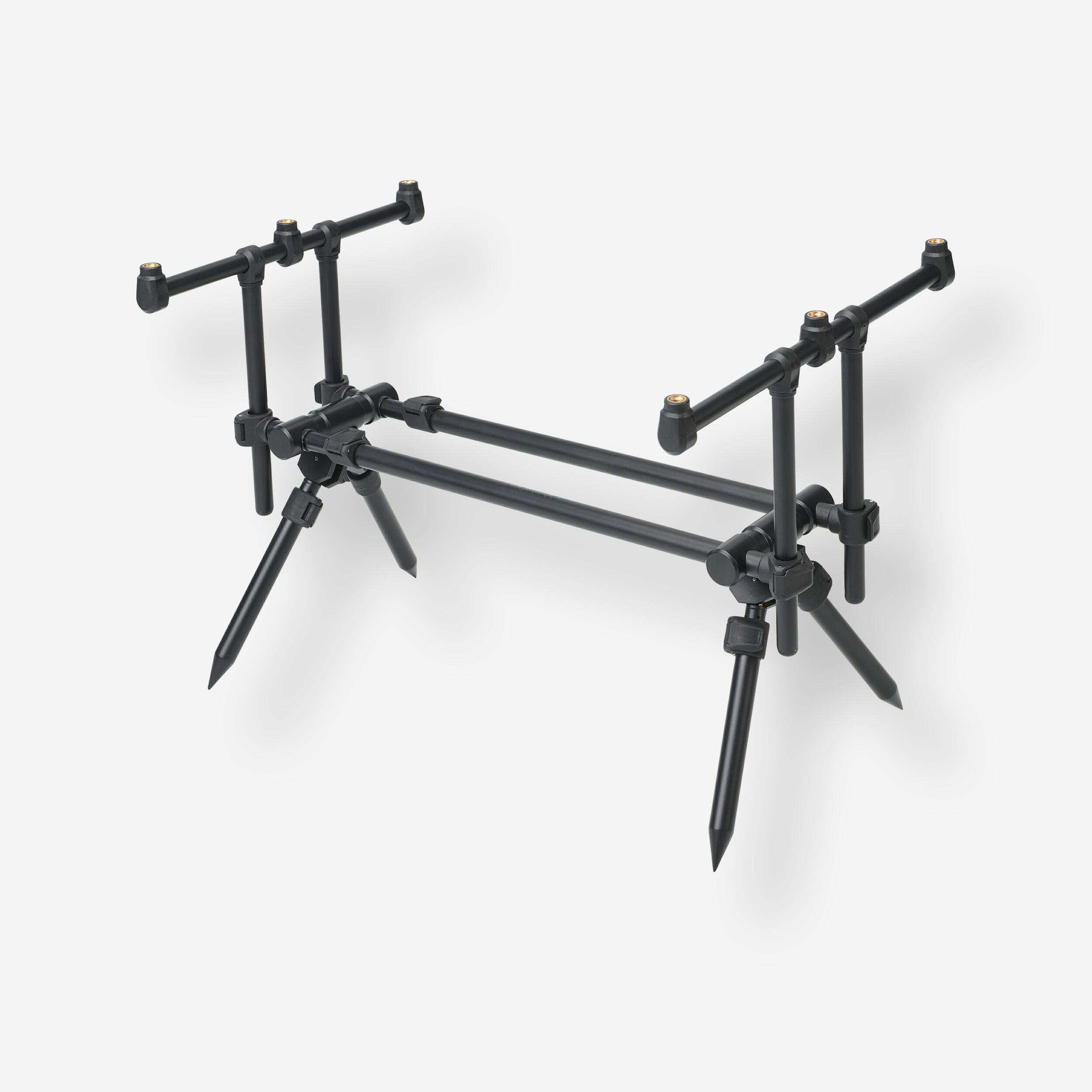
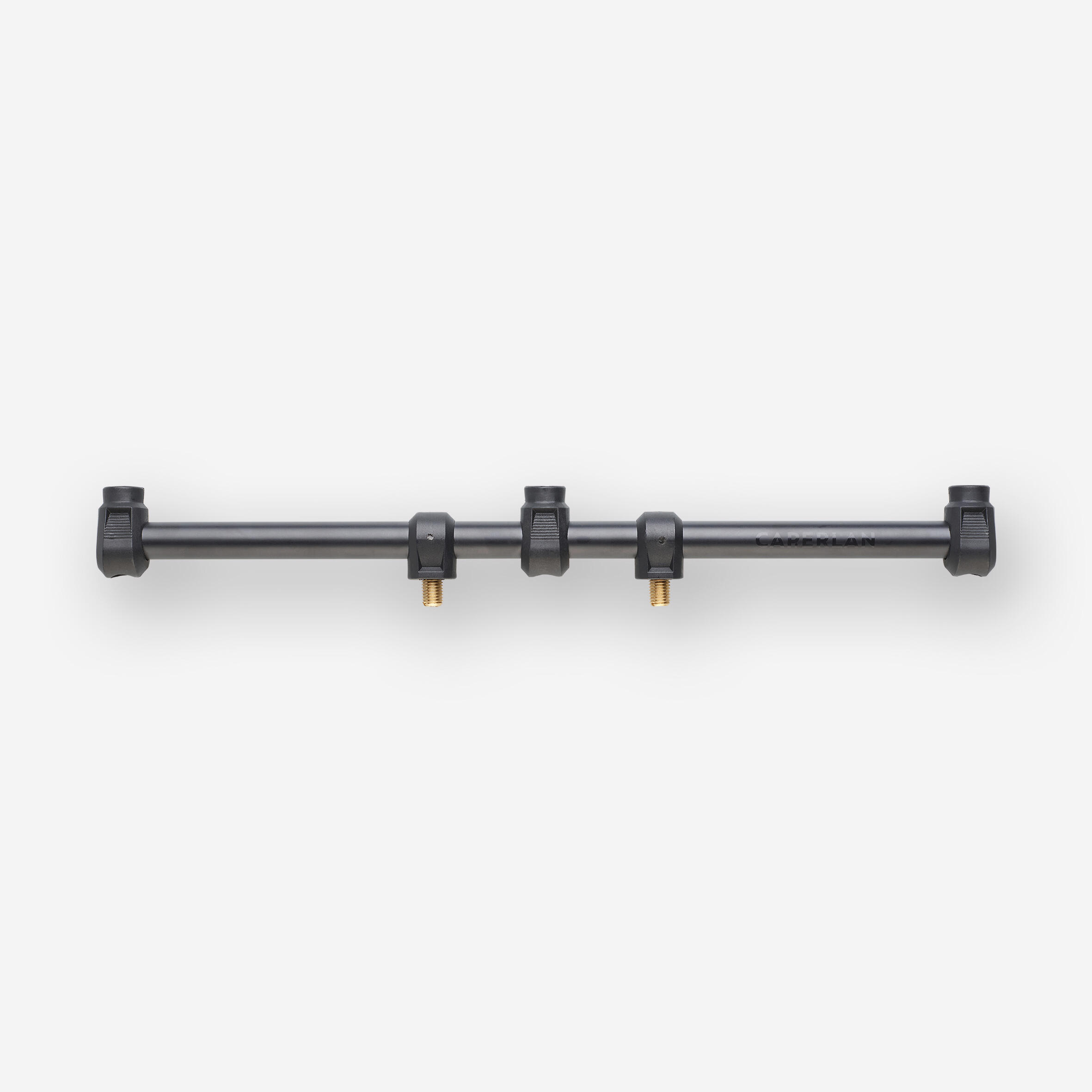
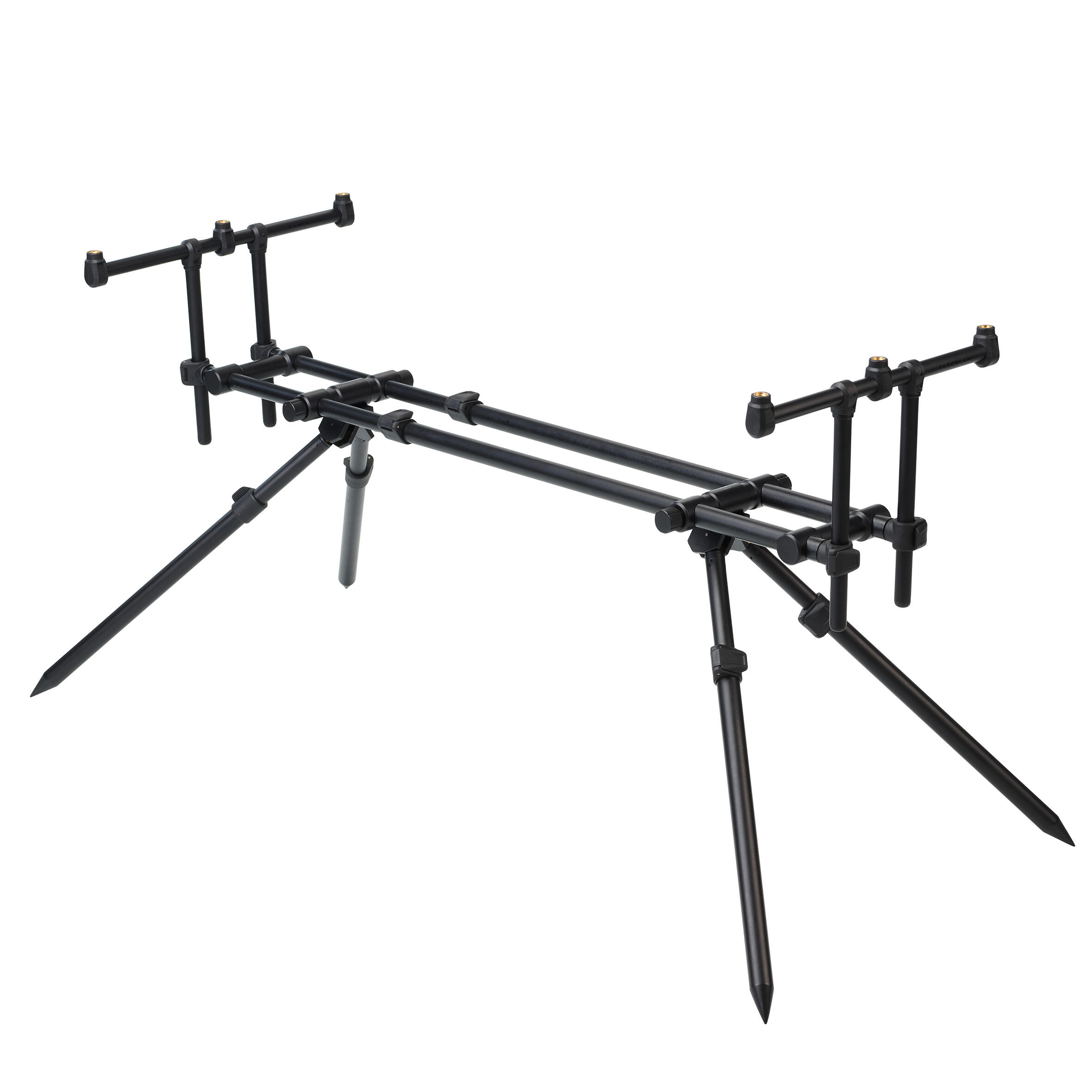
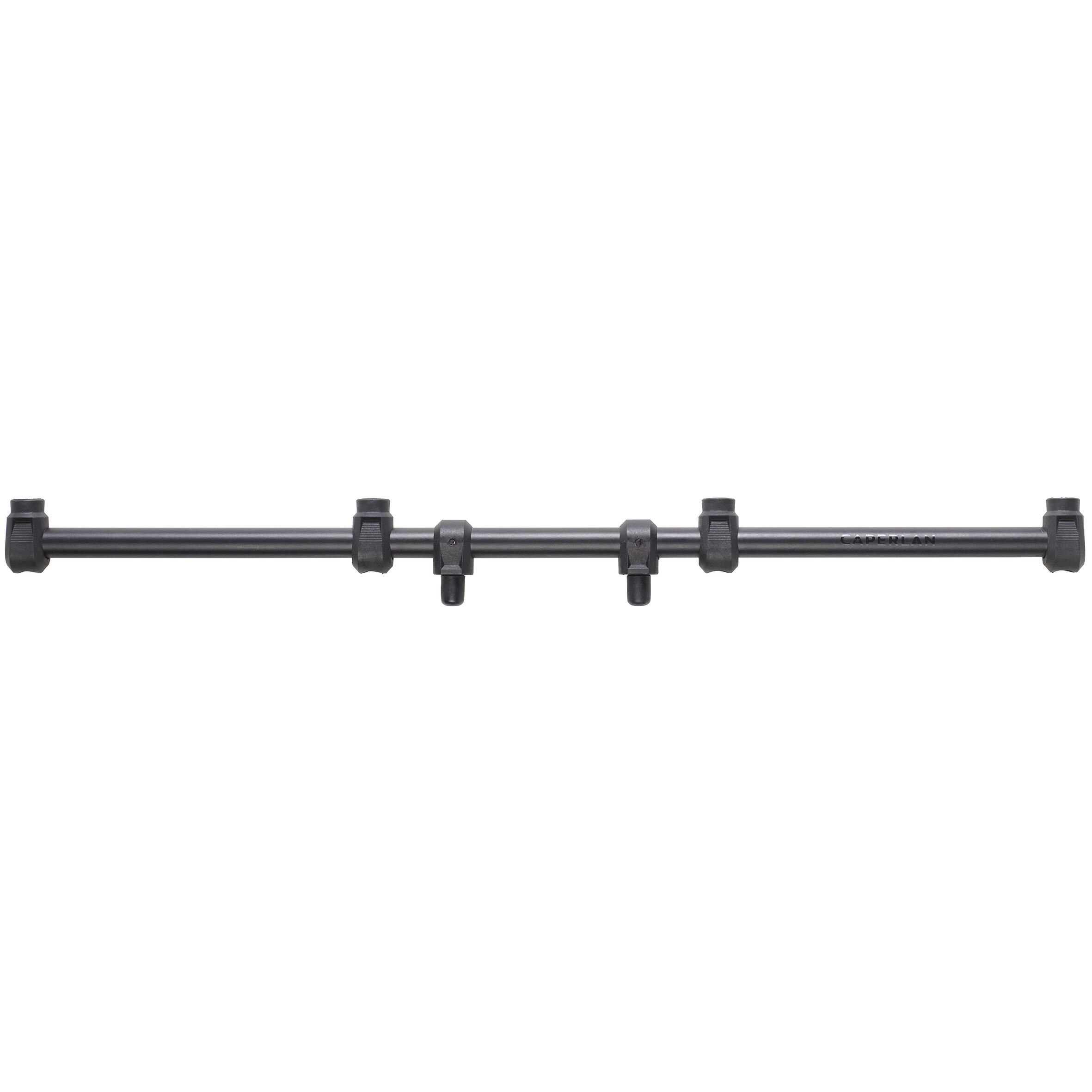
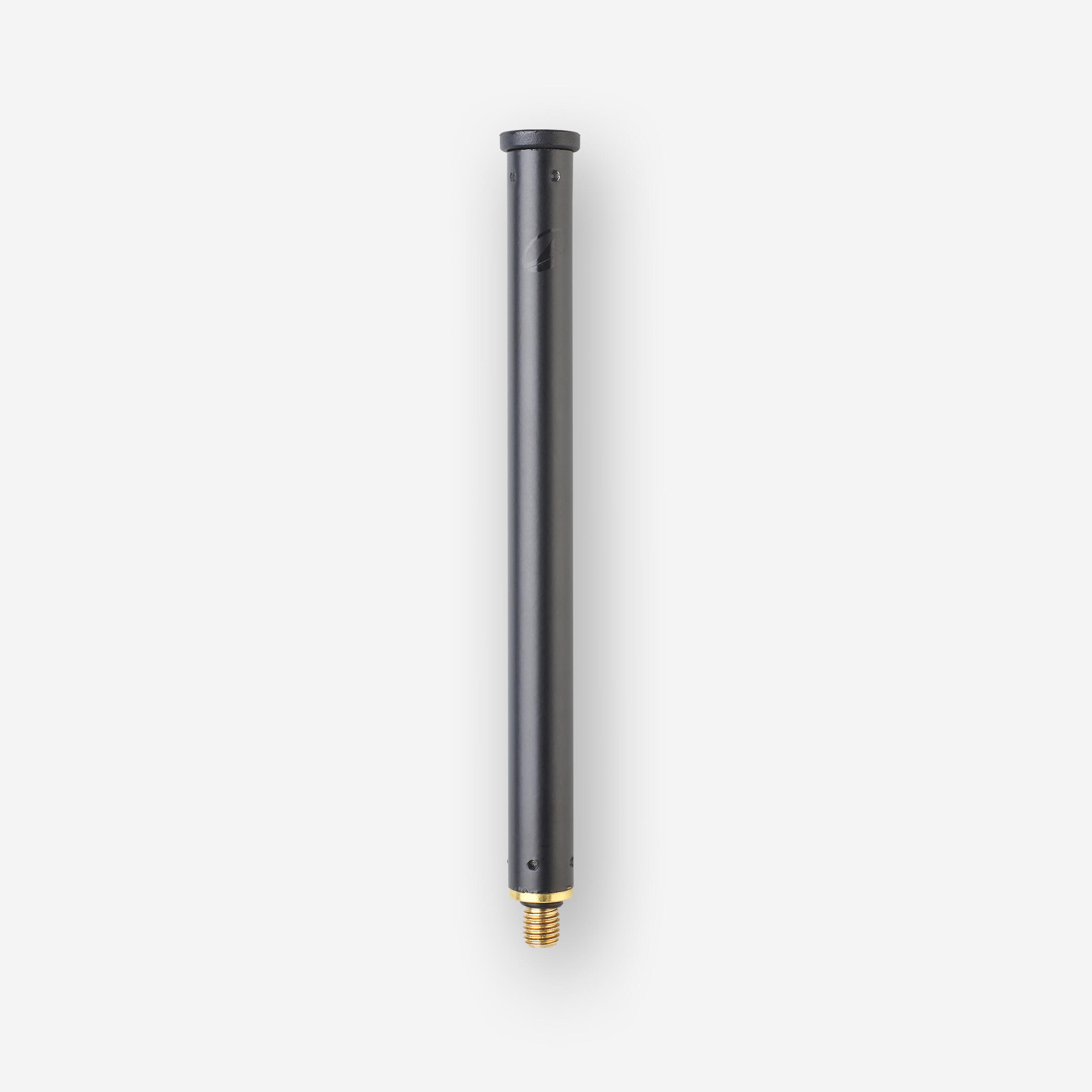
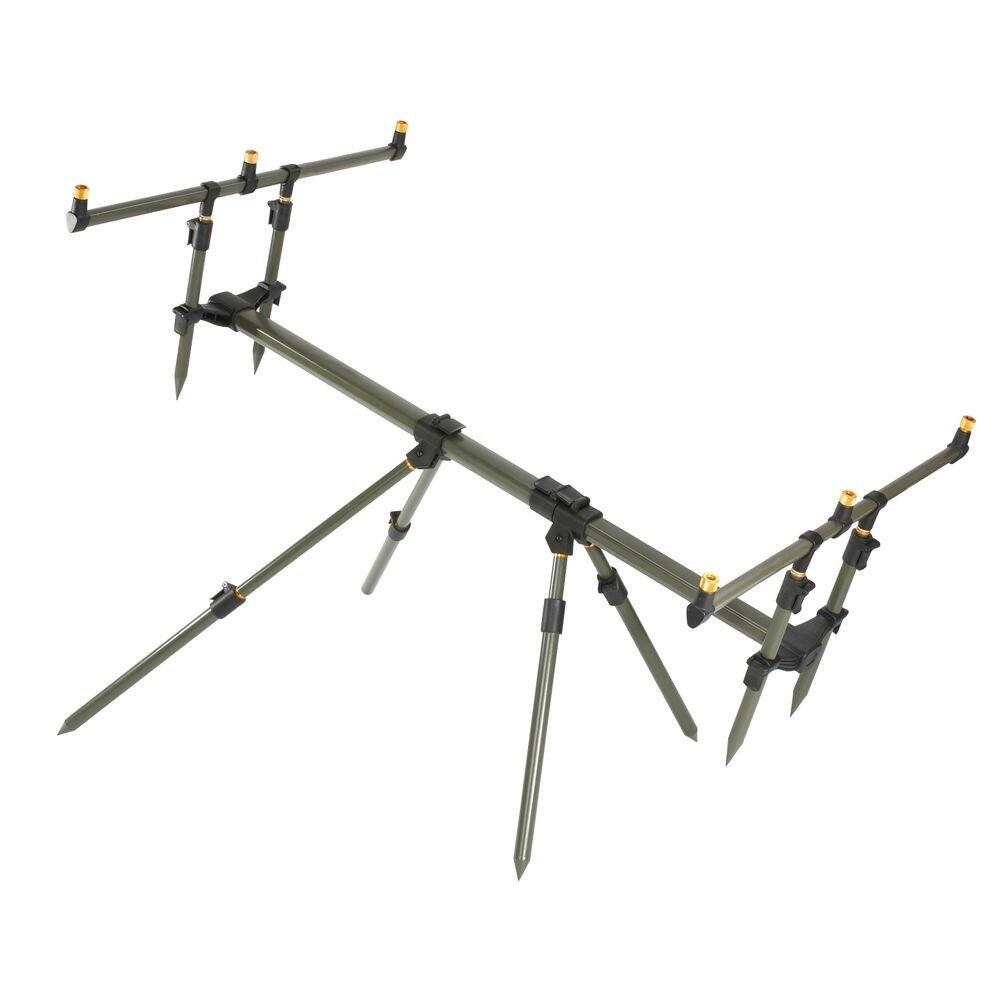
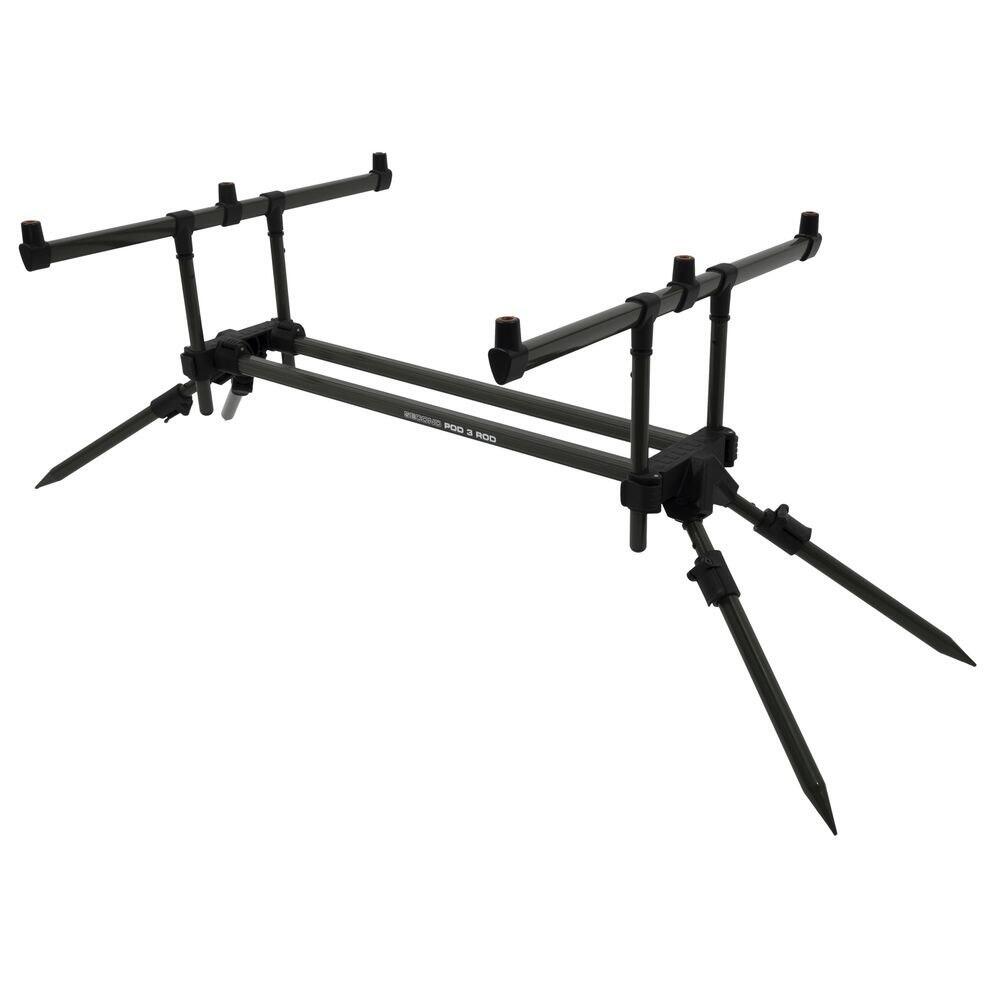
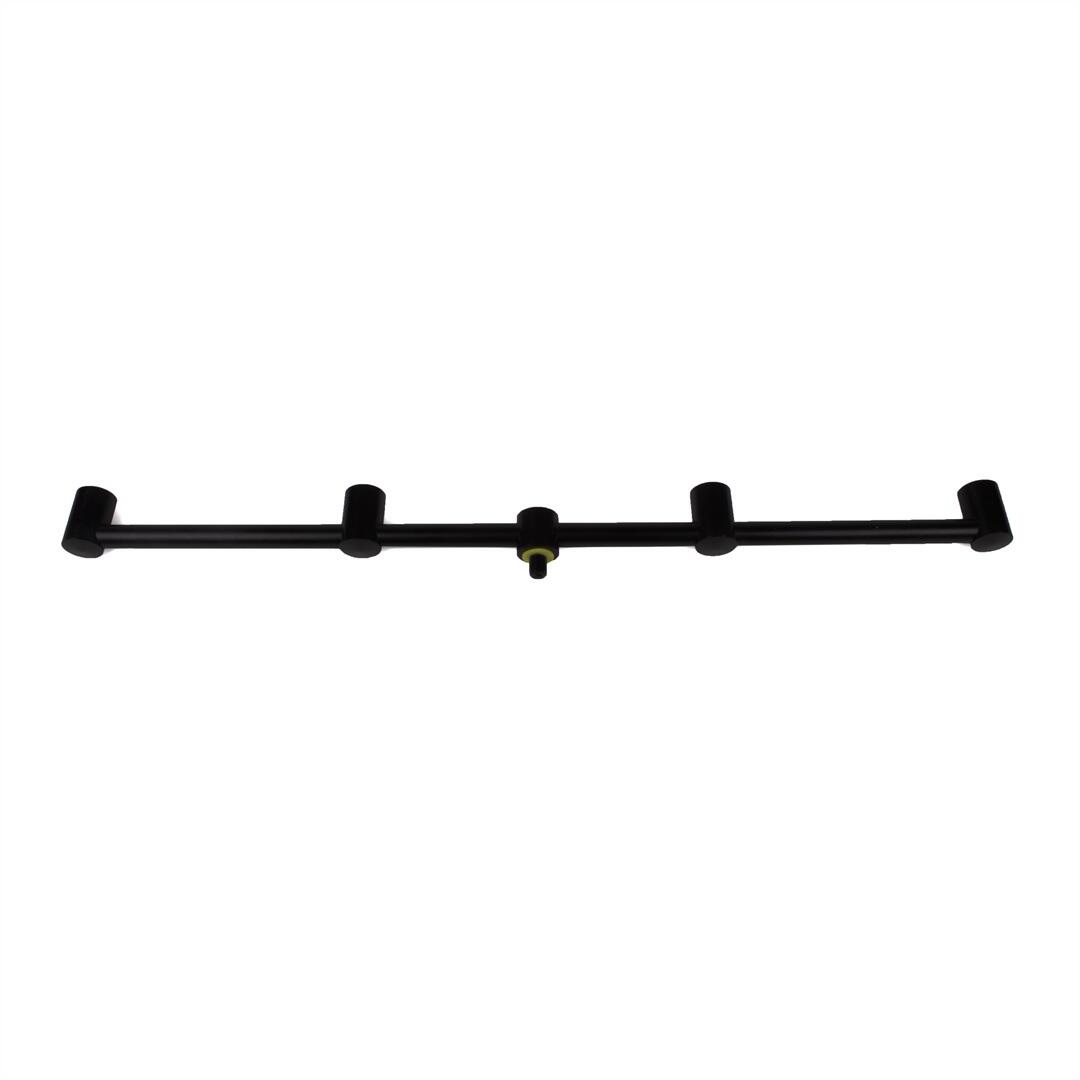
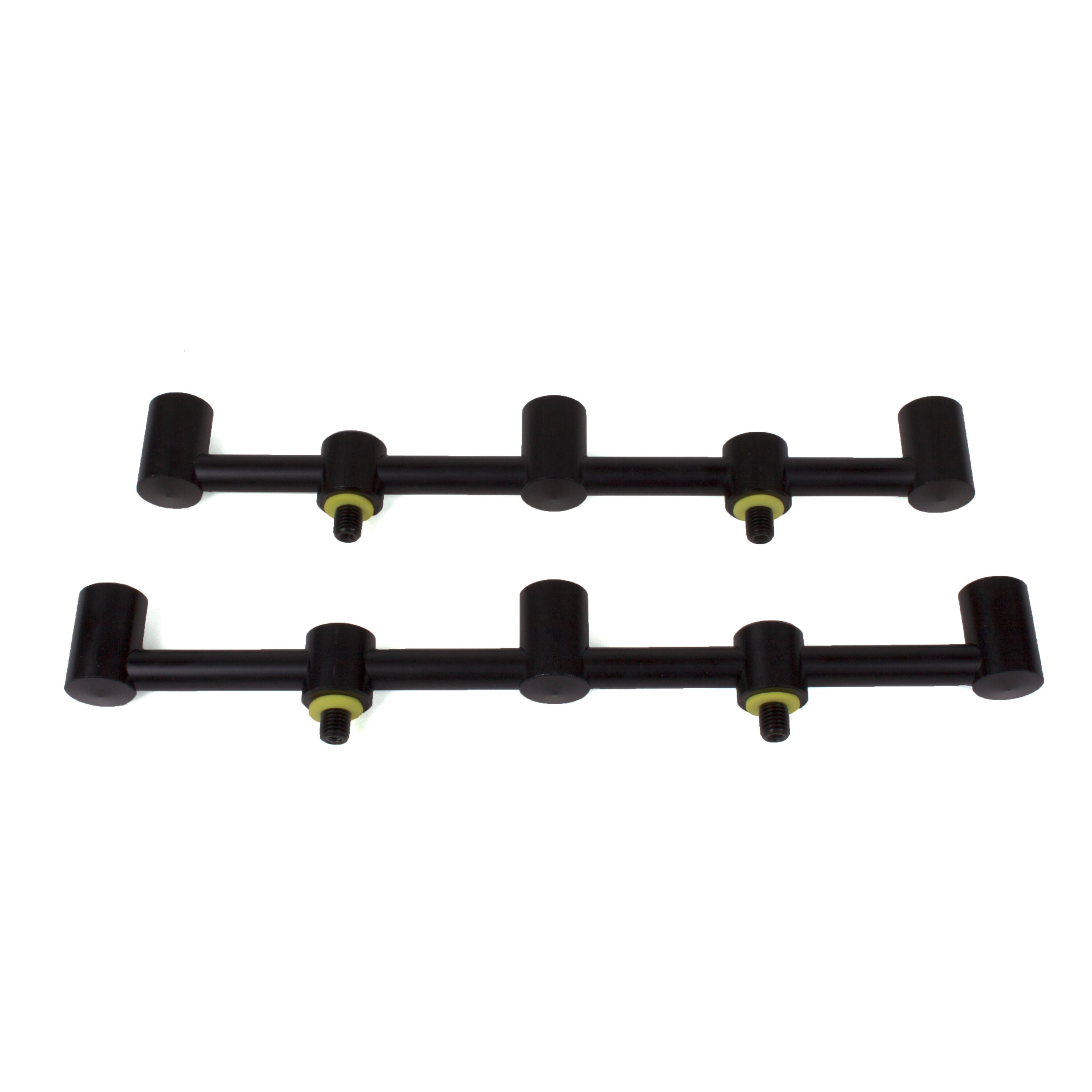
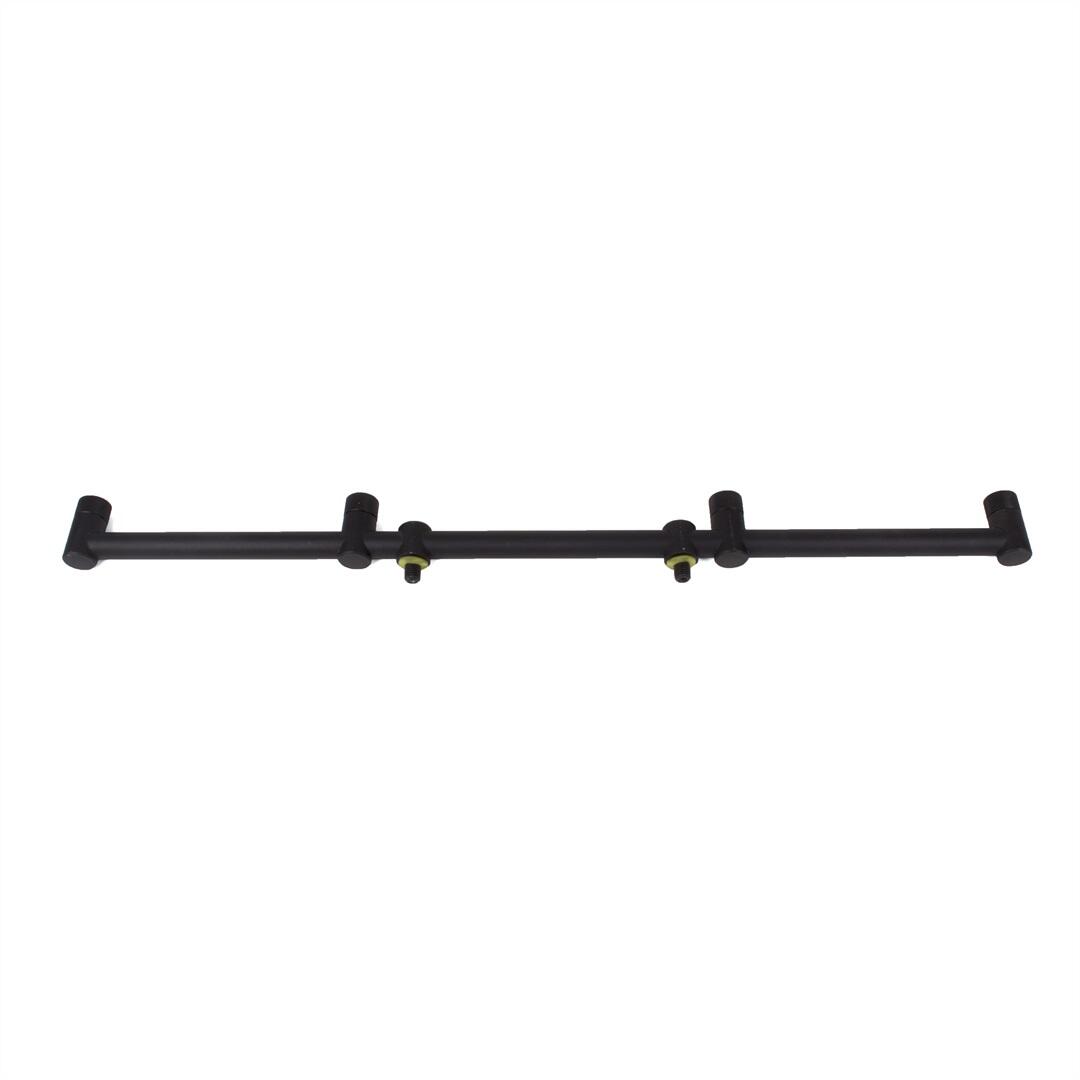
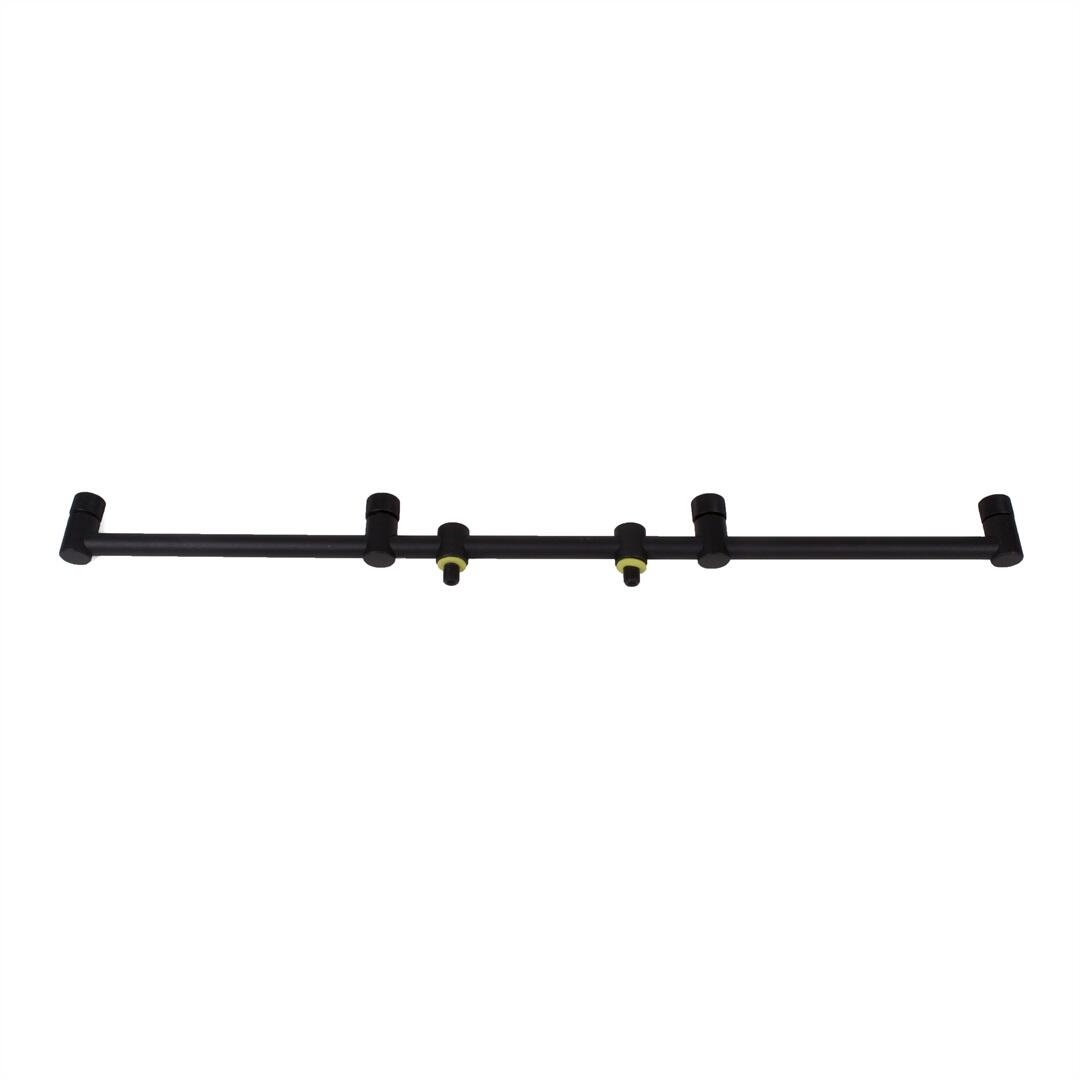
Bank conditions and rod numbers can change from one session to another, so a fixed support layout may not always suit the way you fish. Caperlan builds its rod pods around interchangeable supports, adjustable feet and compatible threaded fittings. A carp fishing rod buzz bar can form part of this system when you want several rods positioned together, with two-, three- and four-rod formats available across compatible Caperlan supports. The 500 Compact can even switch between a three-rod buzz-bar layout and a simpler two-rod setup using supplied stakes. This modular approach lets you alter rod spacing or quantity without replacing the complete bank-support system.
How does the Rod Pod 500 Compact make setup quicker?

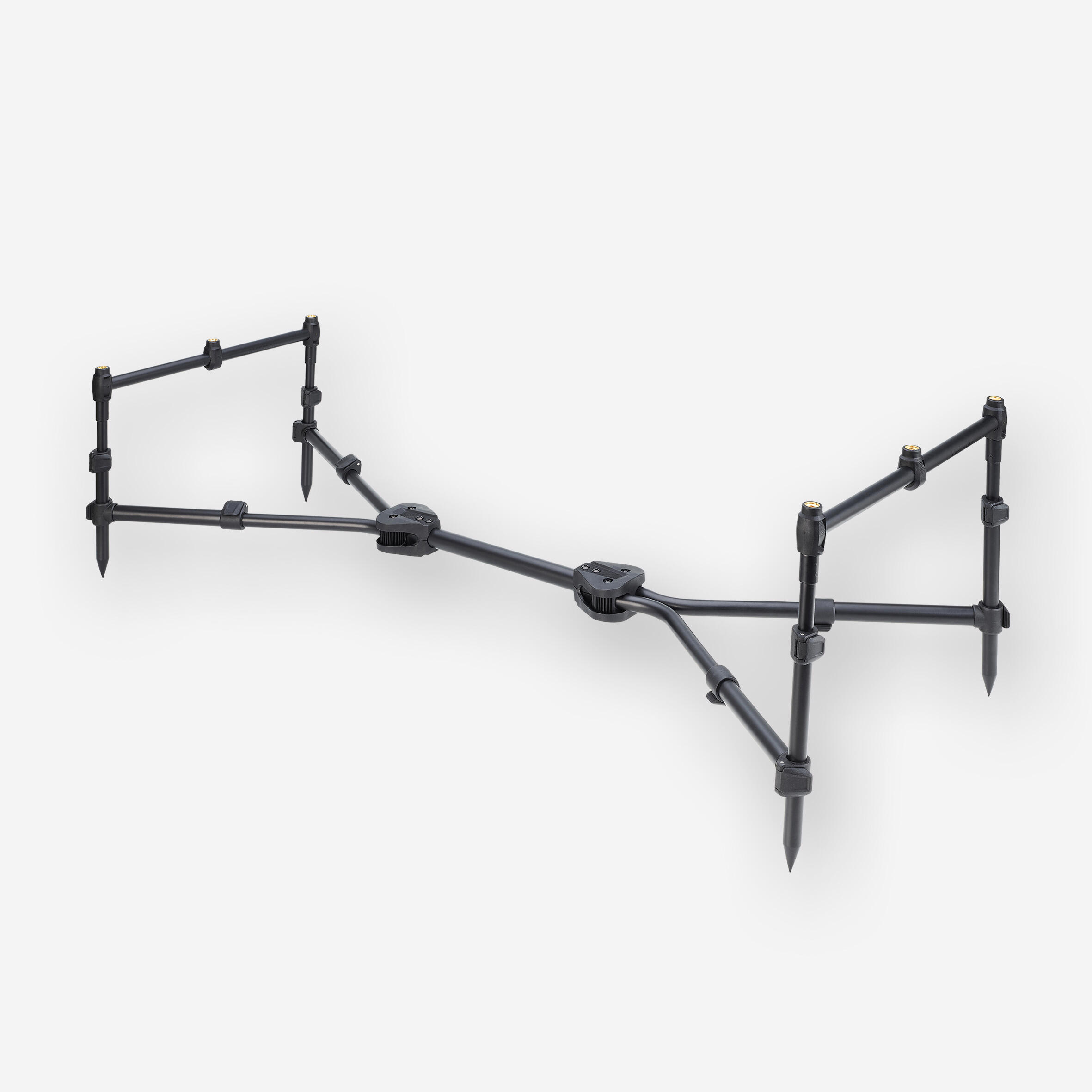
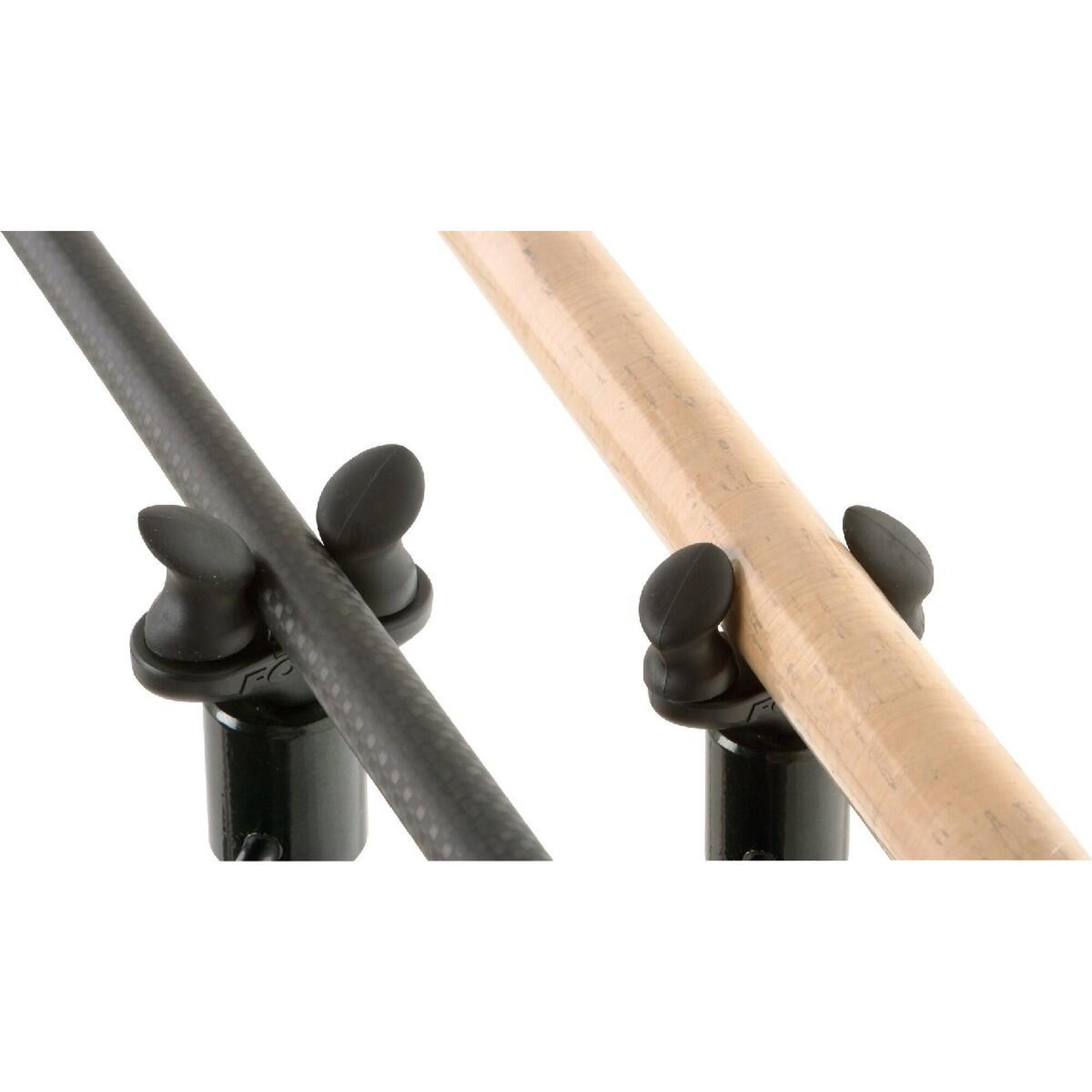
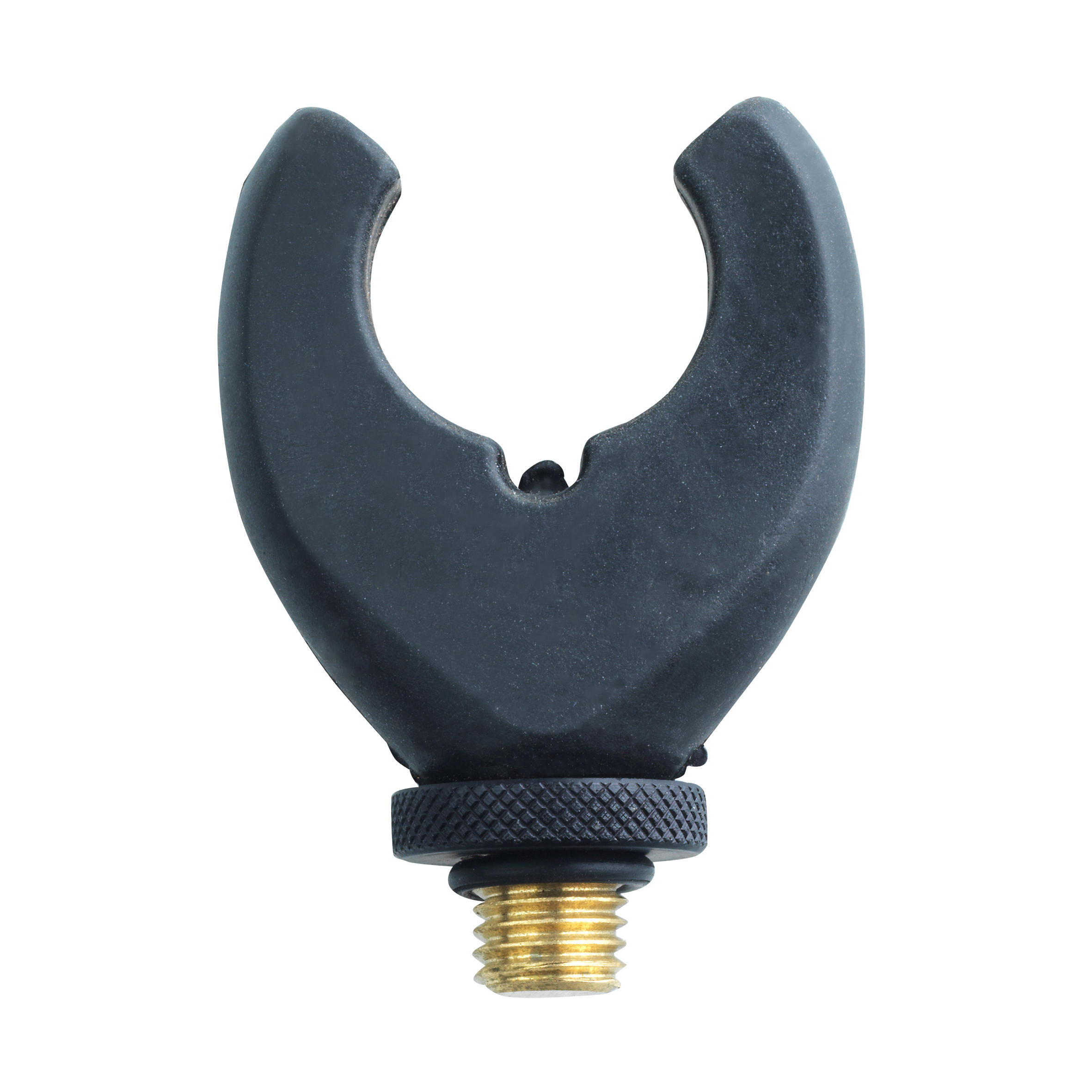
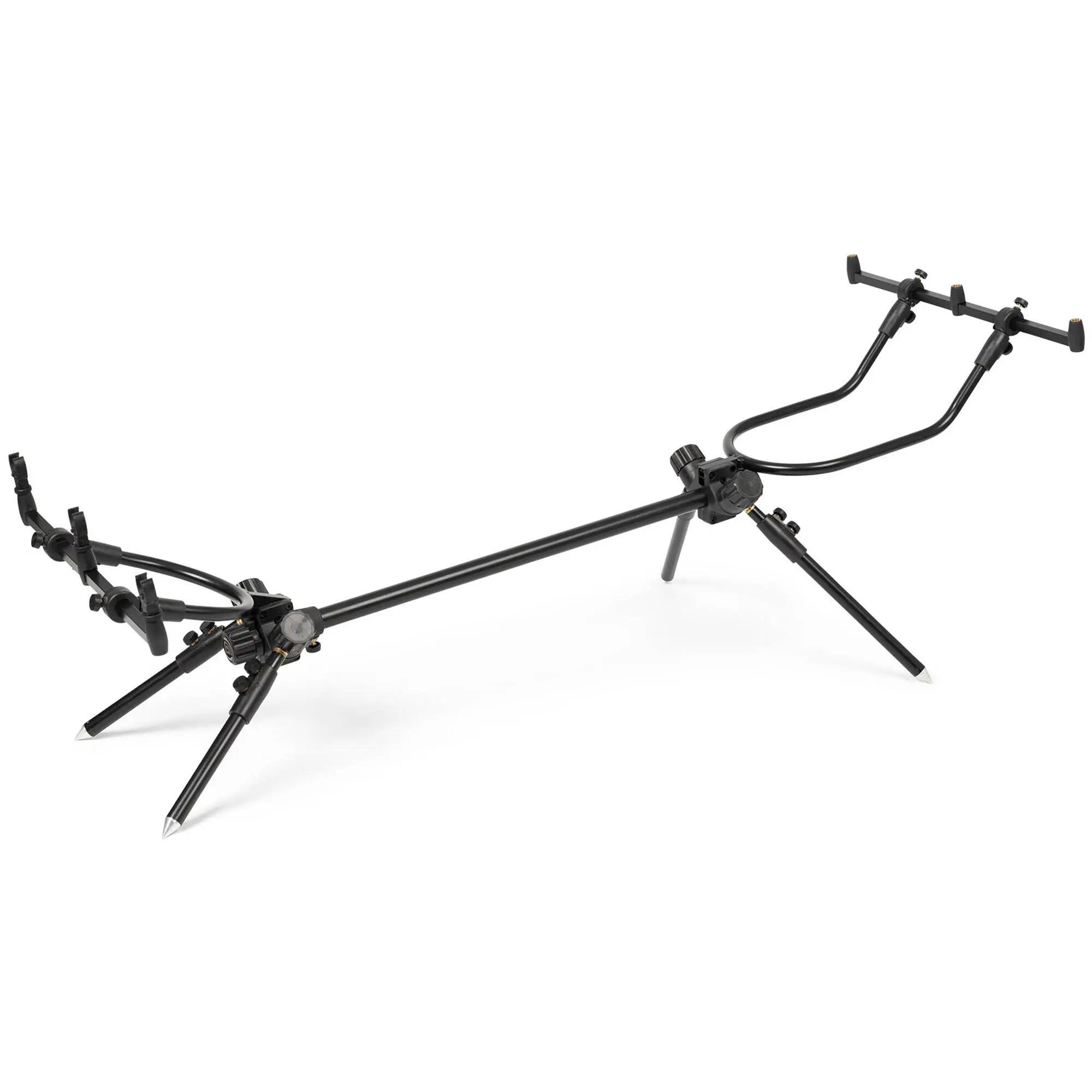
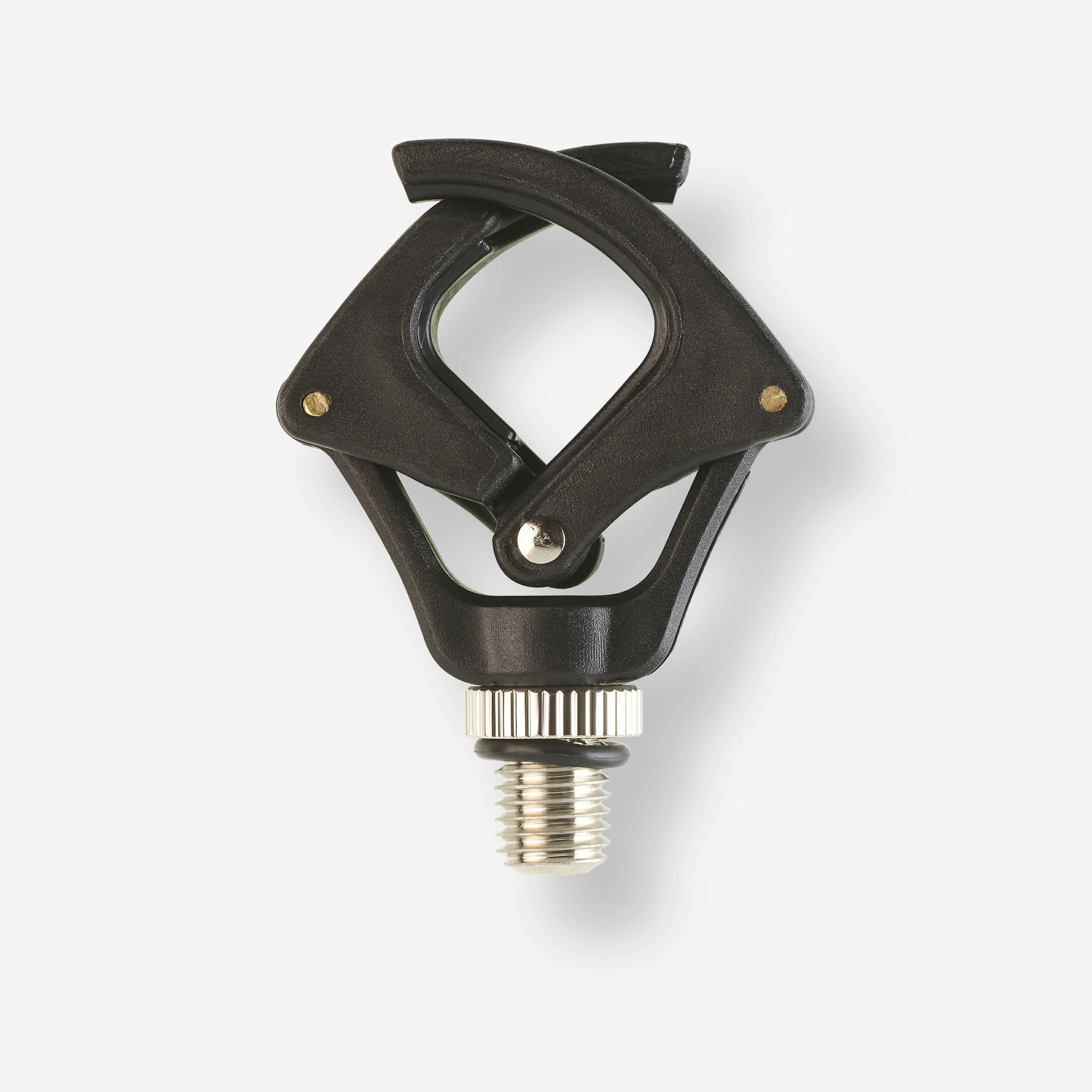
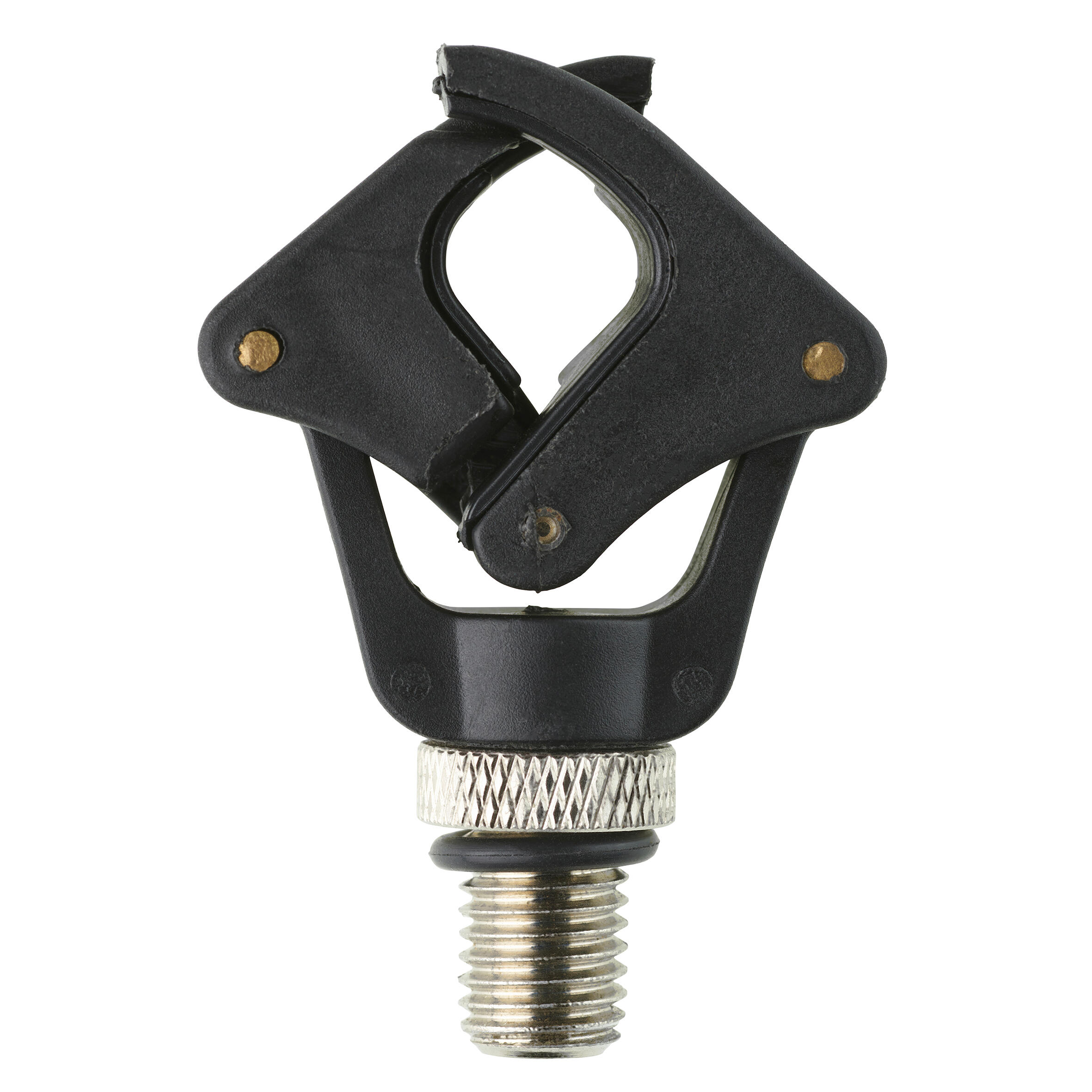
The opening mechanism on the 500 Compact automatically brings its arms into a symmetrical position as the pod unfolds, reducing the amount of manual alignment needed before placing the rods. At about 1.26 kg, it is also Caperlan's lightest rod pod and uses an aluminium structure with four adjustable feet. Front legs adjust from roughly 20 to 35 cm and rear legs from about 18 to 26 cm, giving the pod useful control on uneven ground. Rod-butt support remains important once the frame is level, and a carp fishing rear rod rest gives most conventional carp rods a cushioned support point without relying on a locking mechanism.
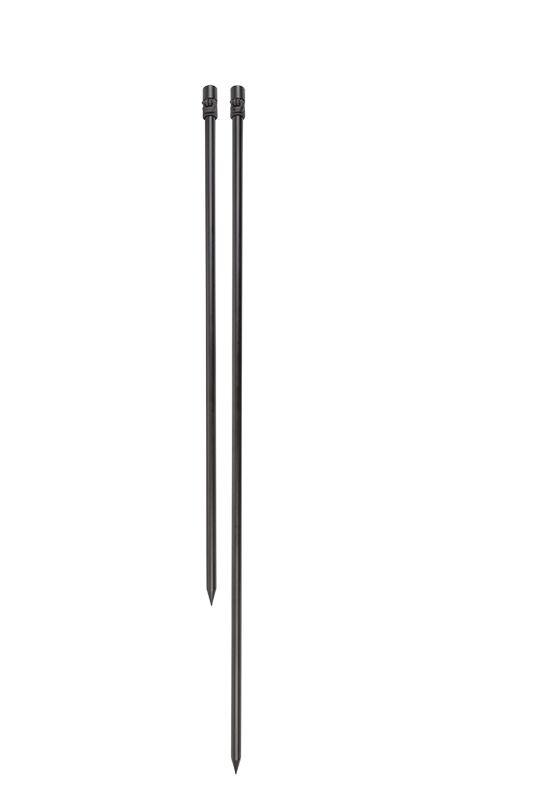
When do distance sticks help with accurate recasting?

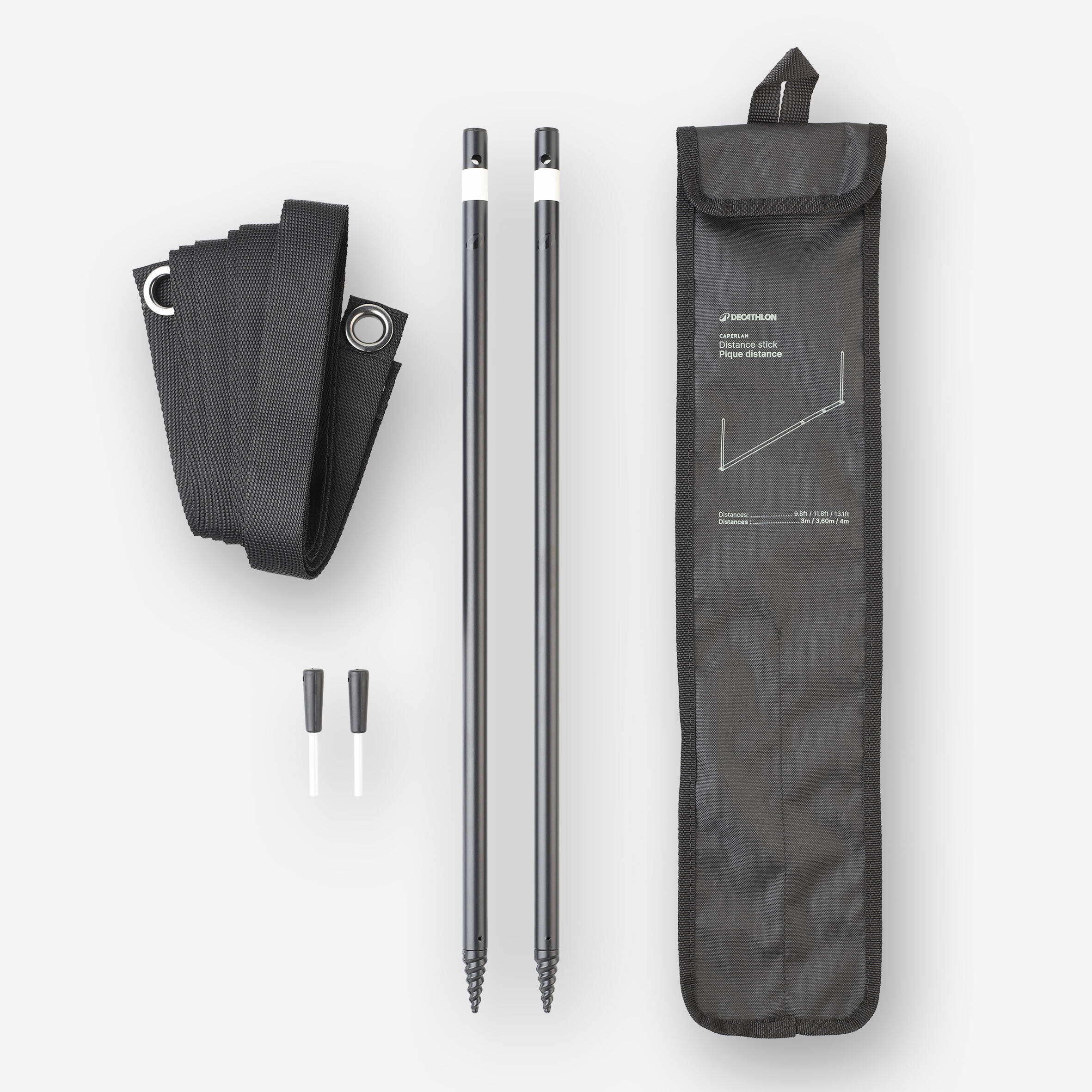
Returning a rig to a known fishing spot becomes easier when you can reproduce the same line distance rather than estimating every cast. Using carp fishing distance sticks lets you measure line in repeatable wraps before clipping up, which can be useful after landing a fish, changing rigs or recasting after baiting. Keep the sticks spaced consistently and record the number of wraps for each rod so you do not need to measure the swim again from the beginning. This method complements an organised rod-pod setup because several rods can be assigned different distances while remaining clearly positioned on the bank. Take wind direction and casting angle into account as well, since distance alone does not guarantee the rig lands on the same spot.

Why use banksticks instead of keeping every rod on one pod?

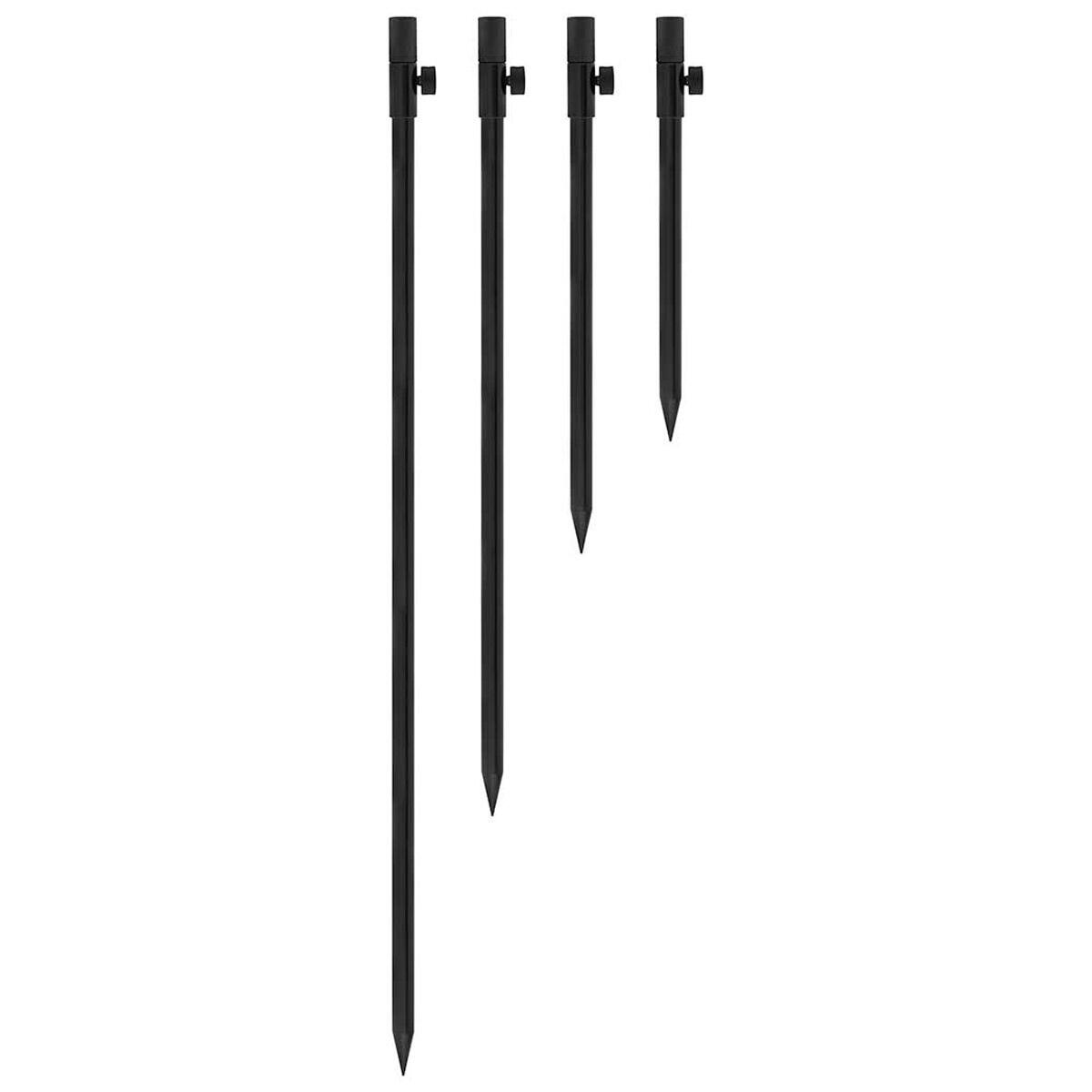
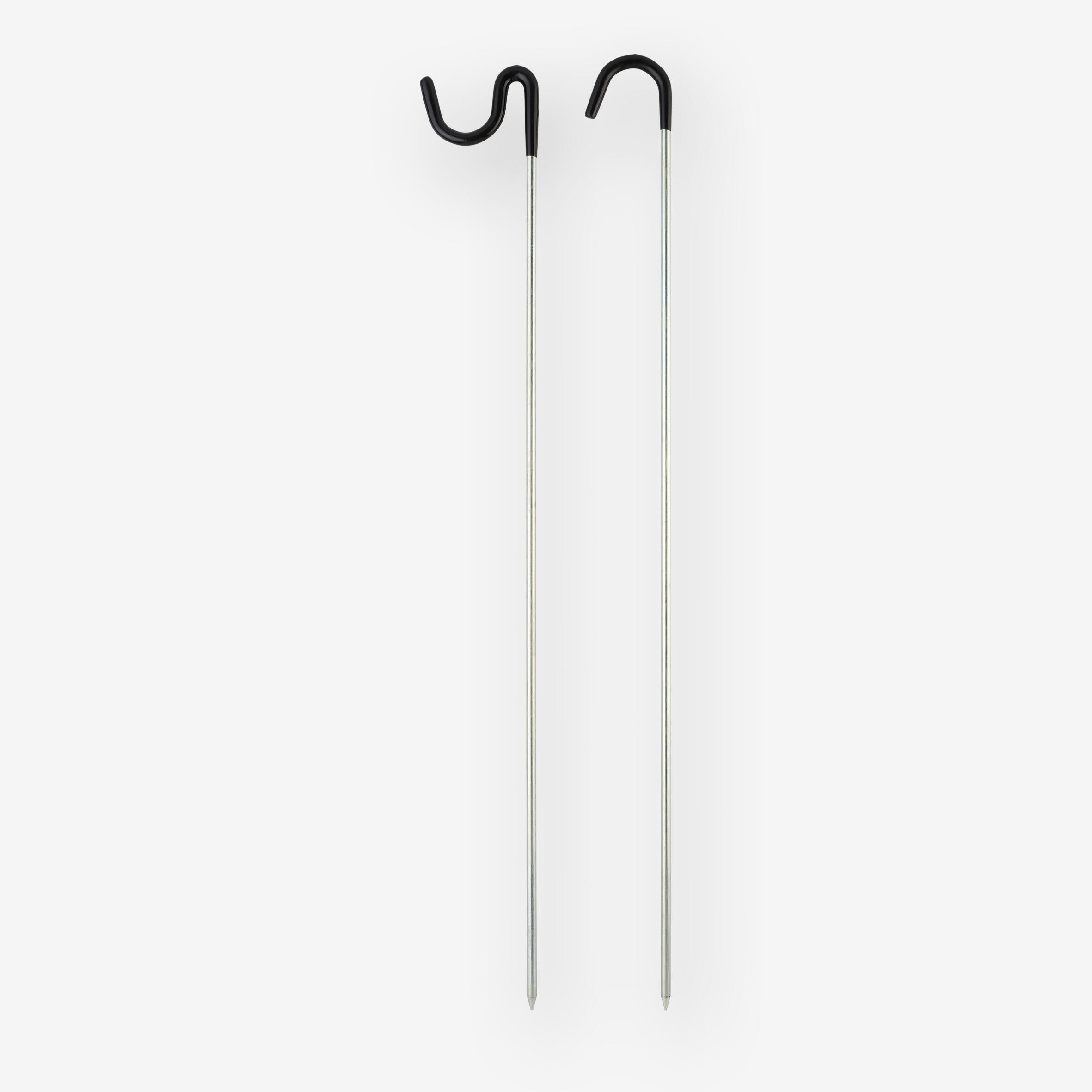
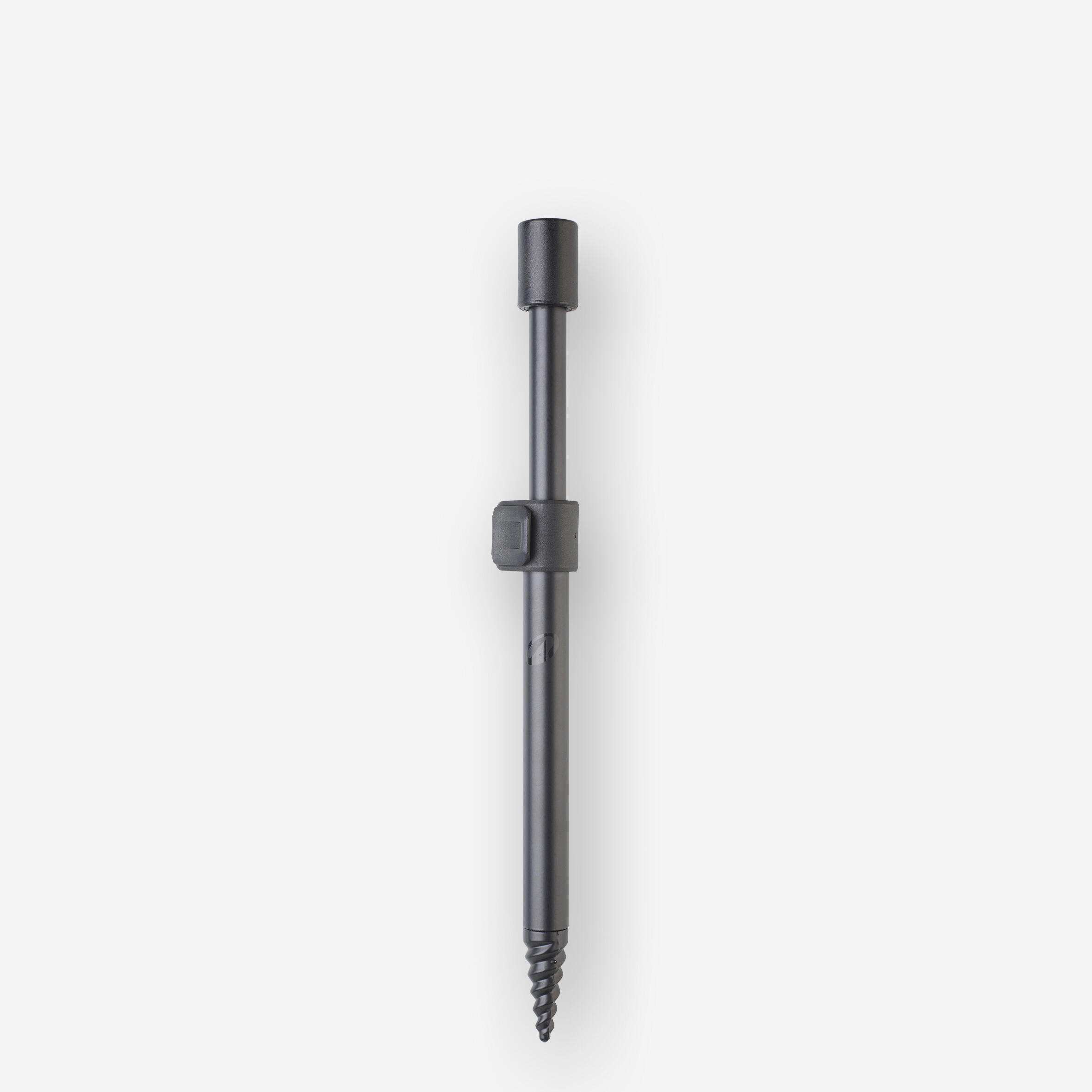
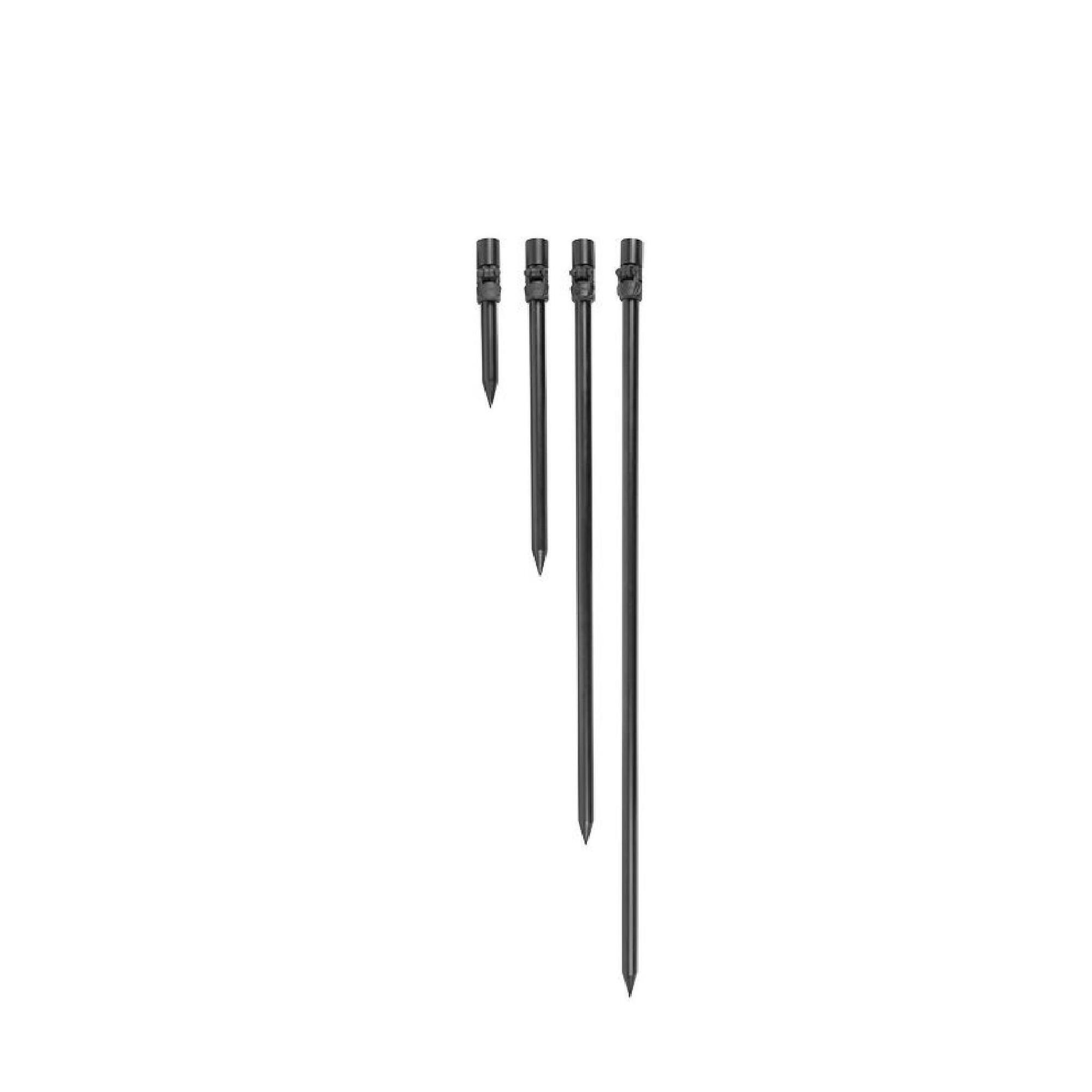
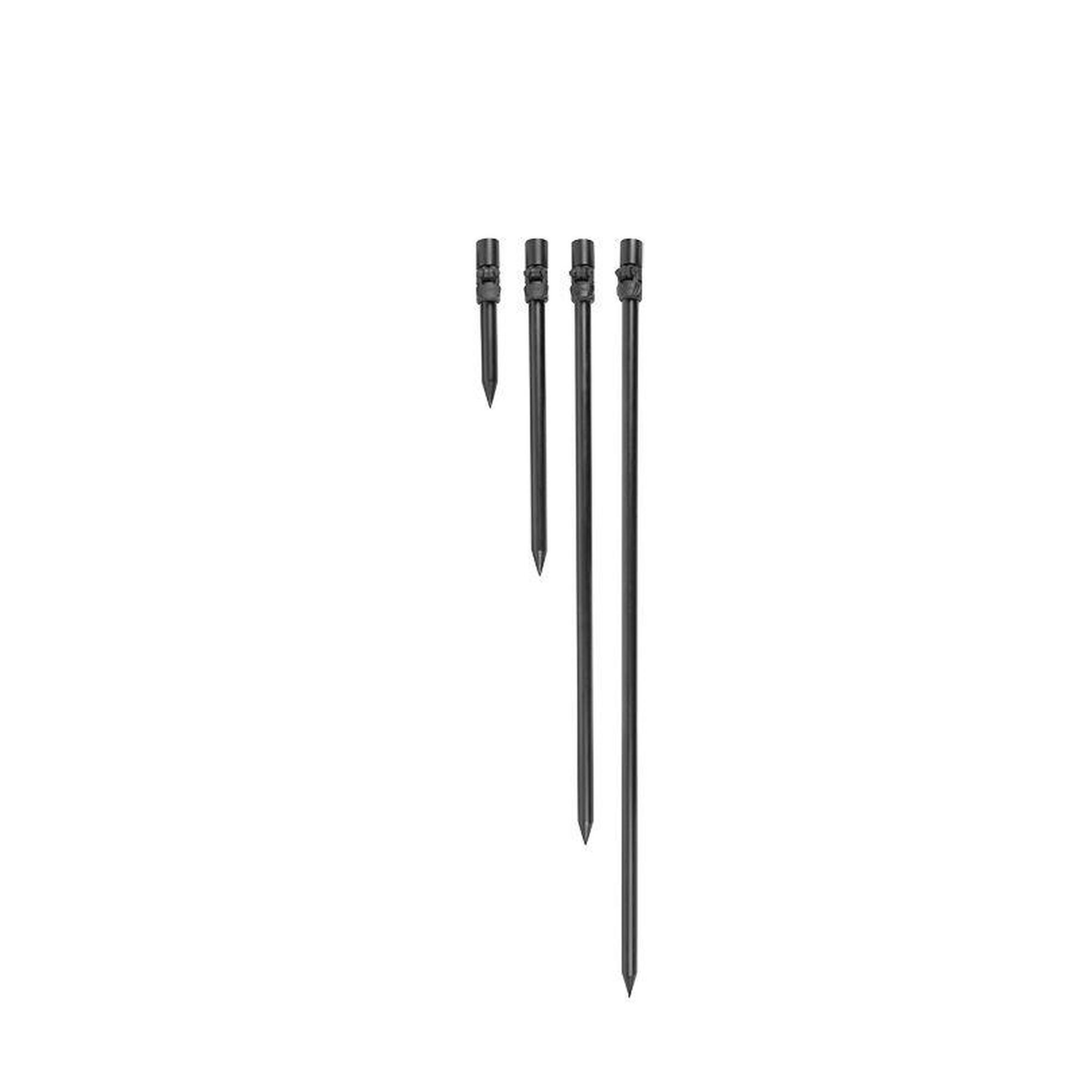
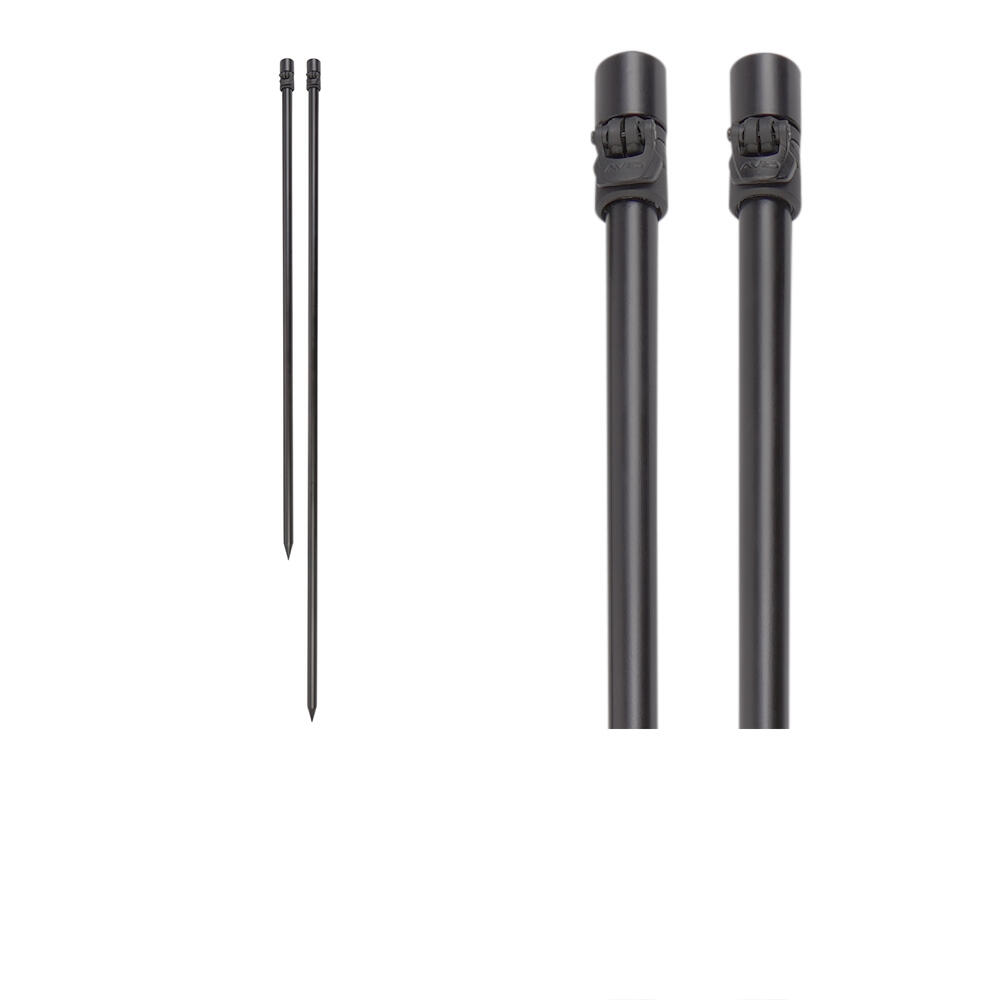
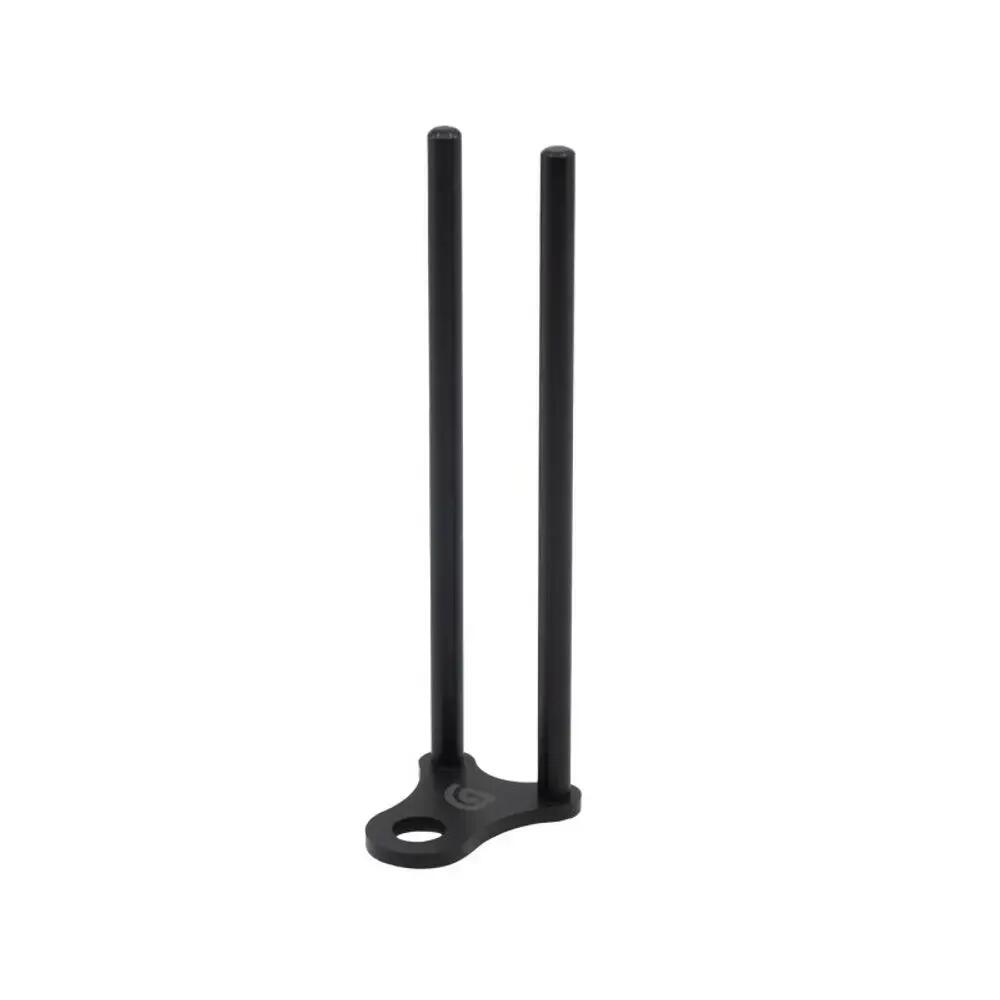
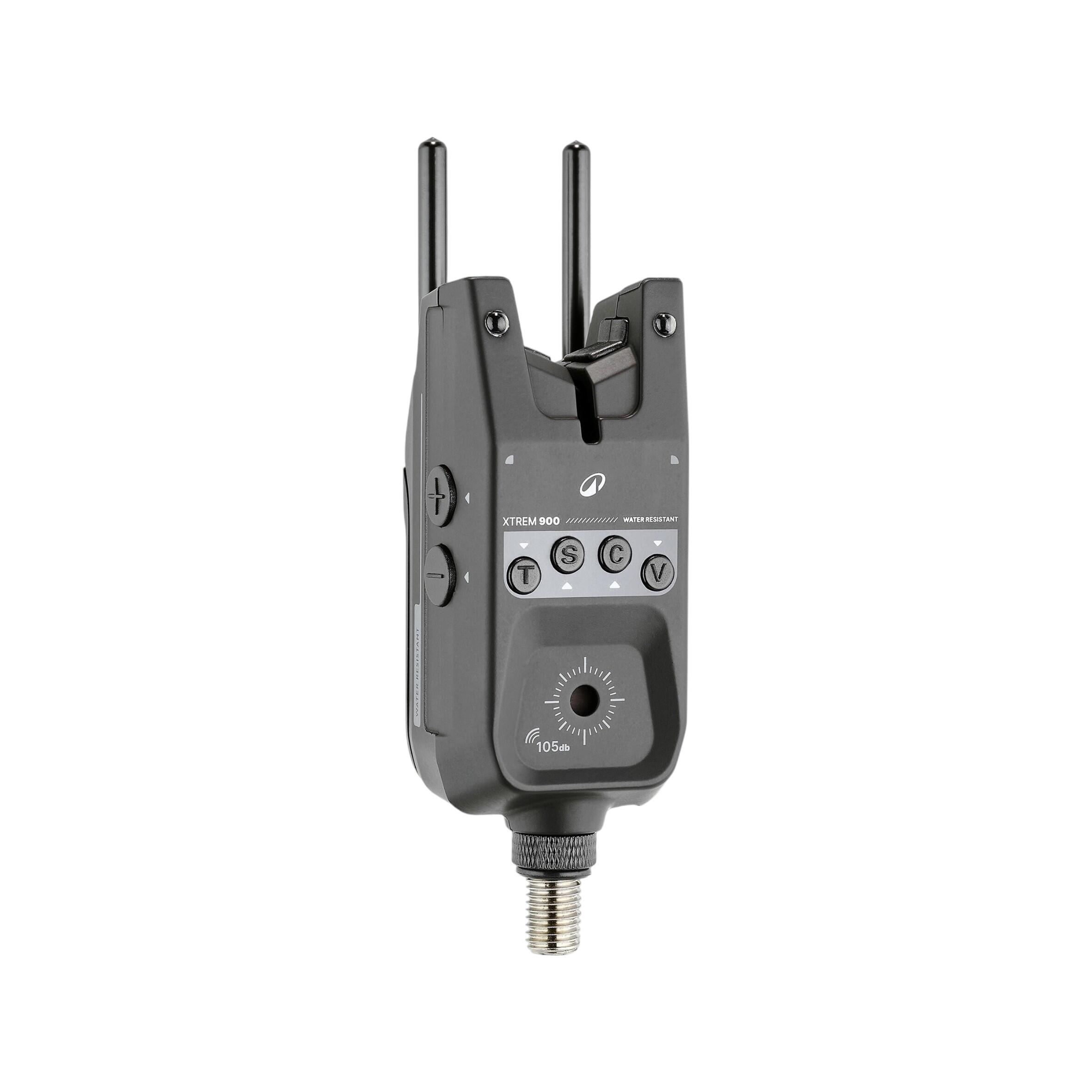
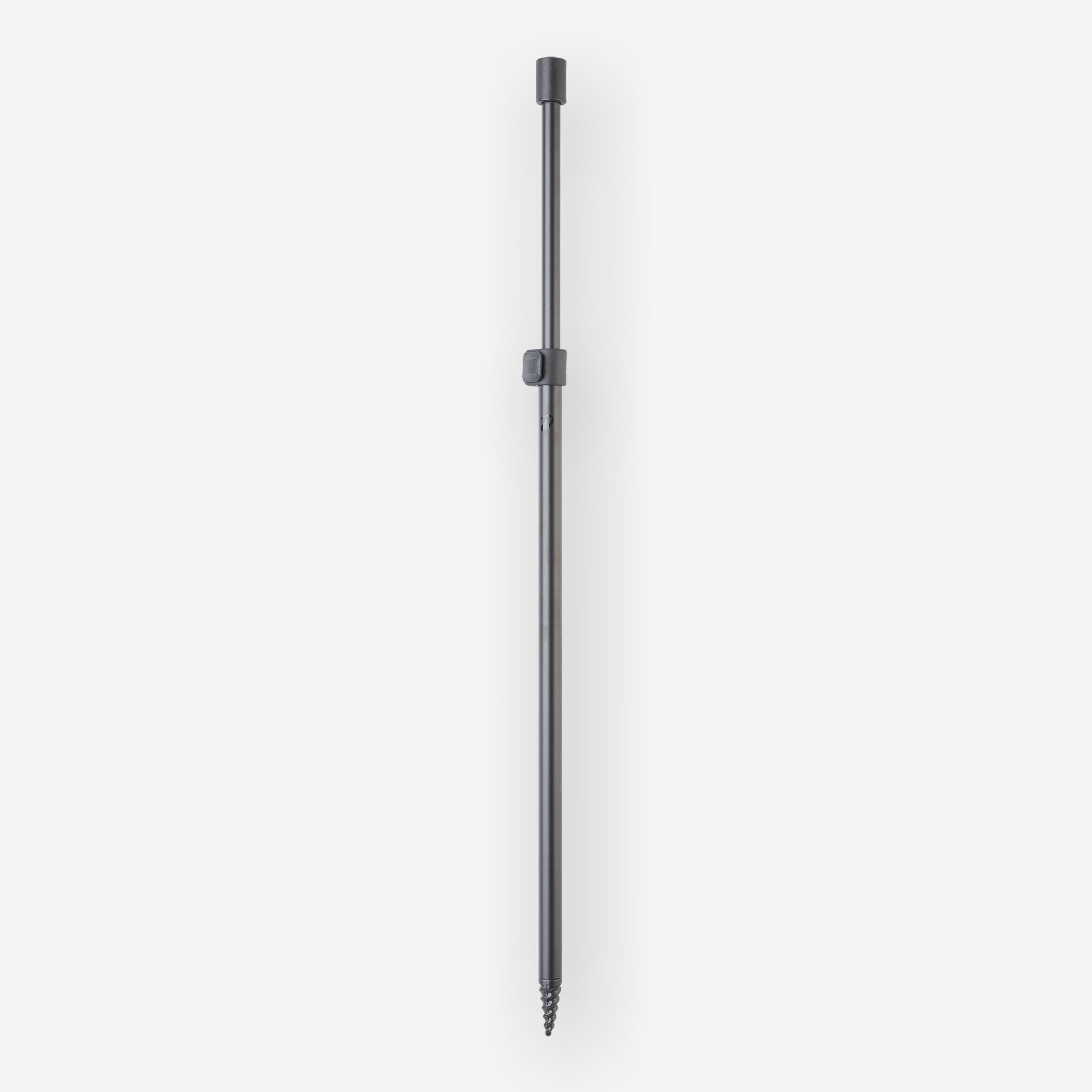
Separate banksticks let you position rods independently when the ground accepts a pointed support, which can be useful across wide swims or where vegetation makes one central pod awkward. Caperlan offers telescopic stakes in several lengths, from compact 20/30 cm formats to much taller 120/200 cm versions, with spiral points on selected models for better grip. Rod pods remain useful on harder surfaces or when you prefer several rods aligned on one frame. Both approaches sit within the broader carp rod pods and bite detection setup, where compatible buzz bars, extensions, alarms and rear rests let you adapt support height and spacing without changing every component at once.

Which checks help keep a rod pod secure and ready to use?

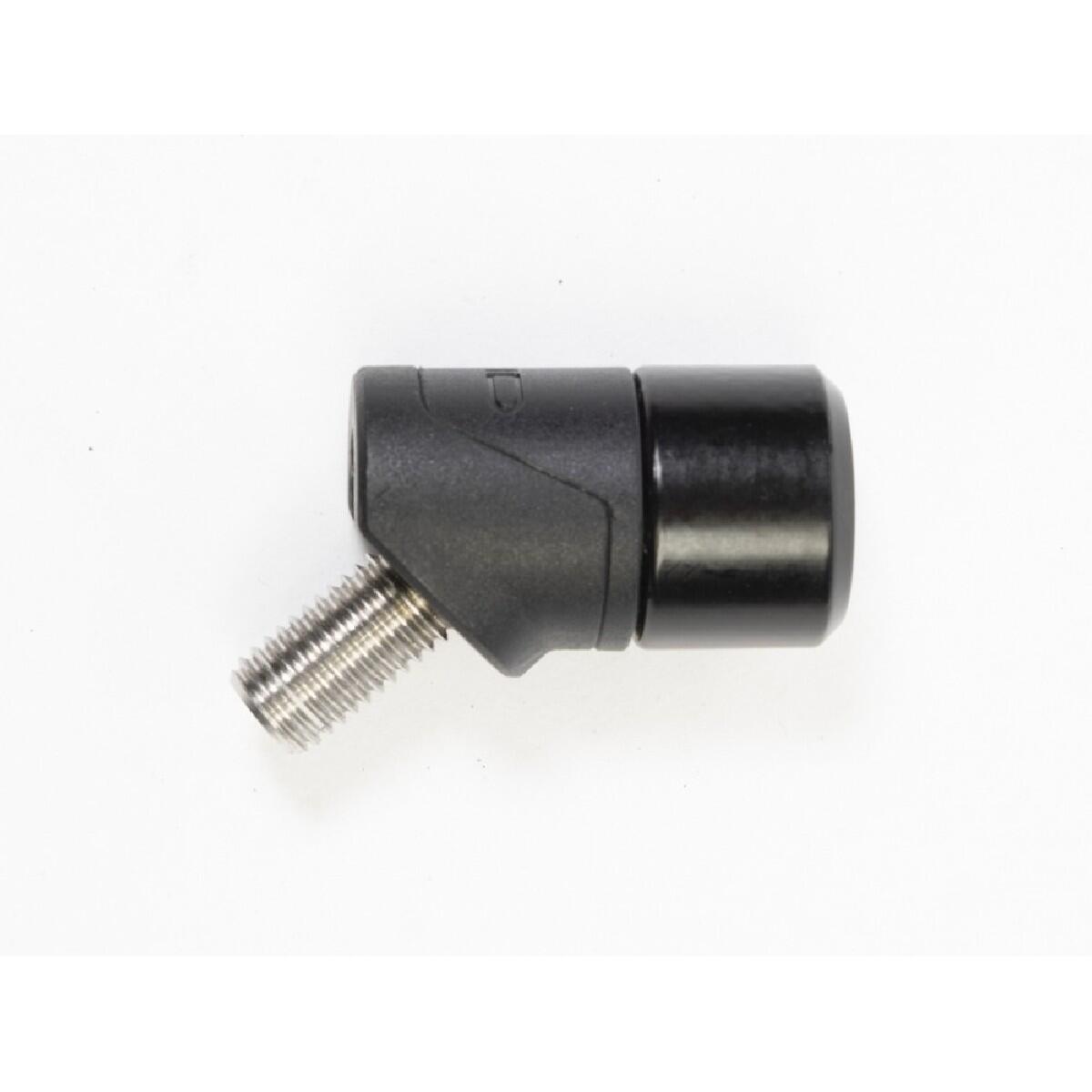
Before placing rods on the support, tighten threaded fittings and check that each adjustable leg locks securely. Mud around telescopic sections can make height changes less predictable, so wipe the legs clean before folding the pod into its carry case. Aluminium frames benefit from dry storage, and rear rests need checking for wear where the rod butt sits repeatedly. A well-maintained support becomes easier to integrate into your wider carp fishing setup because alarms, buzz bars and extensions can be fitted without fighting dirt or damaged threads. Keep the transport case dry as well, particularly on models using water-repellent fabric, and inspect hinges or opening mechanisms before the next trip so the pod unfolds and levels correctly.