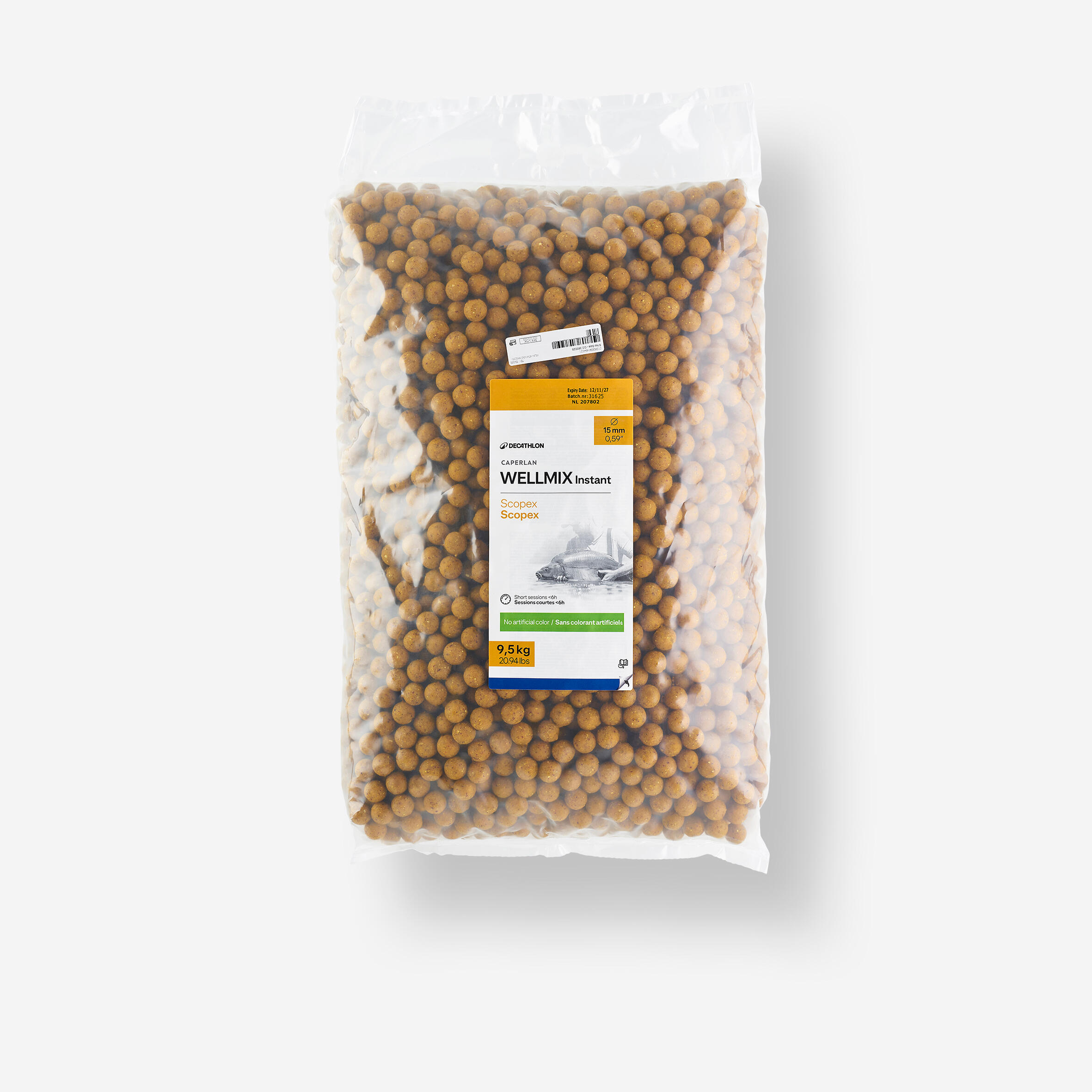
675 items
4.6/5 based on 21573 reviews collected online and in stores

Carp Fishing FAQs

What carp fishing technique suits your first sessions?

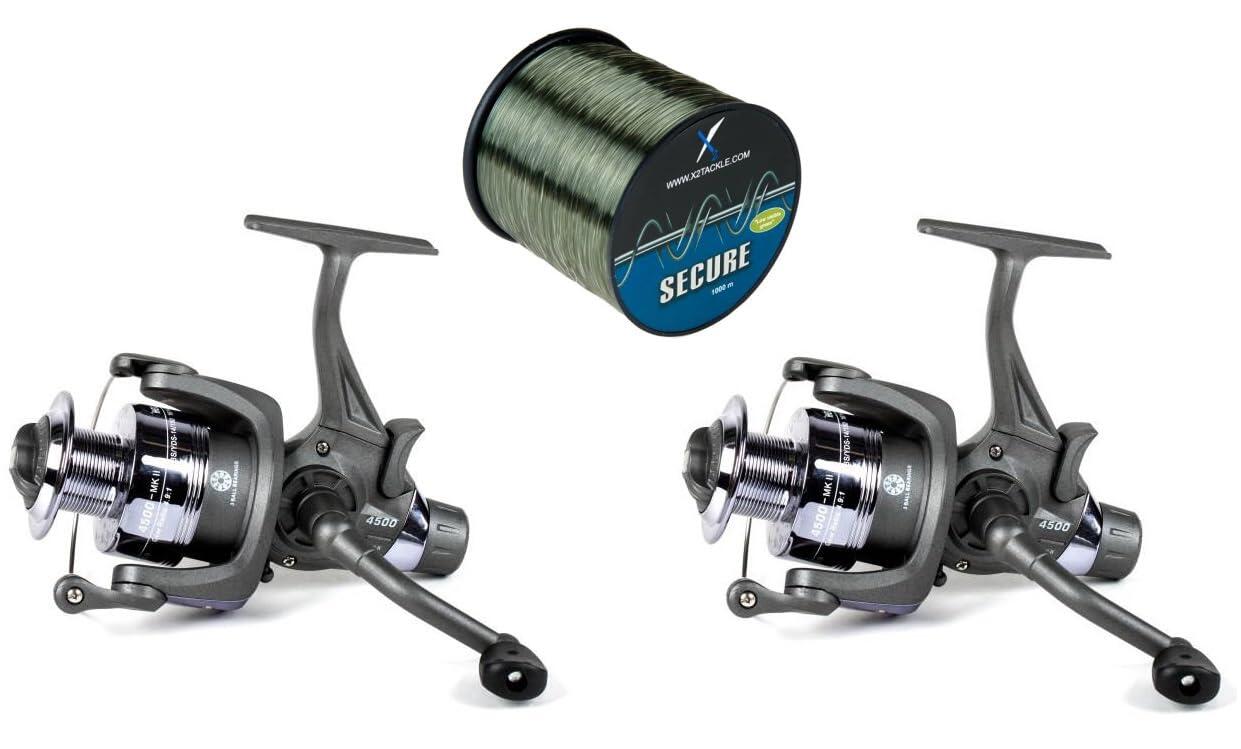
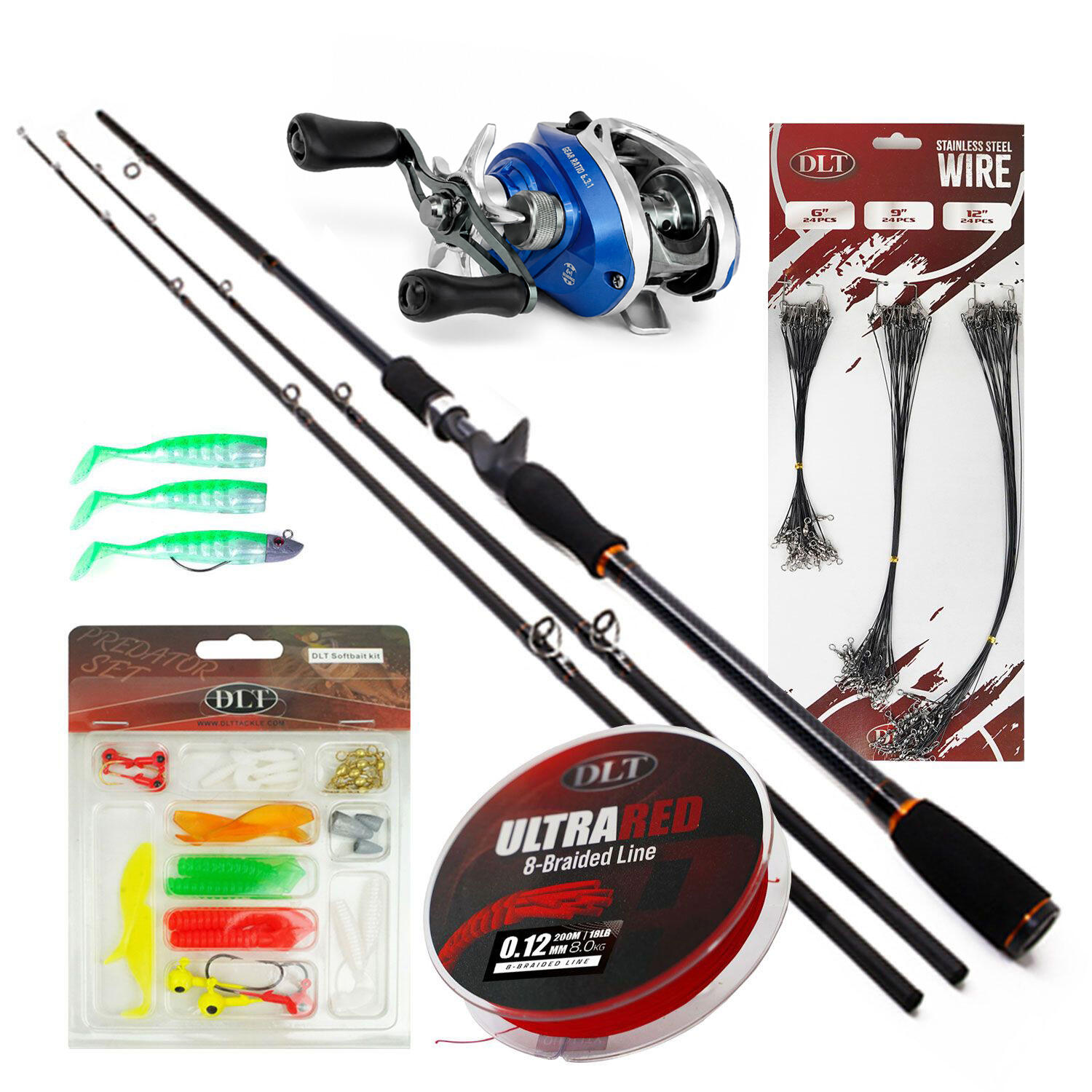
Start with a rod and reel combination that matches the water, casting distance and size of fish you expect to encounter. Longer casts place more demand on the rod, reel and line, while smaller venues may let you fish effectively with a simpler rig. Look at rod length, test curve, reel capacity and line strength together rather than treating each part separately. A balanced arrangement feels easier to cast and gives you more control when a carp changes direction close to the bank. The carp fishing rods, combos and reels category brings these core components together, helping you build your system around the type of carp fishing you actually plan to do.
How can you organise bait for a carp fishing session?

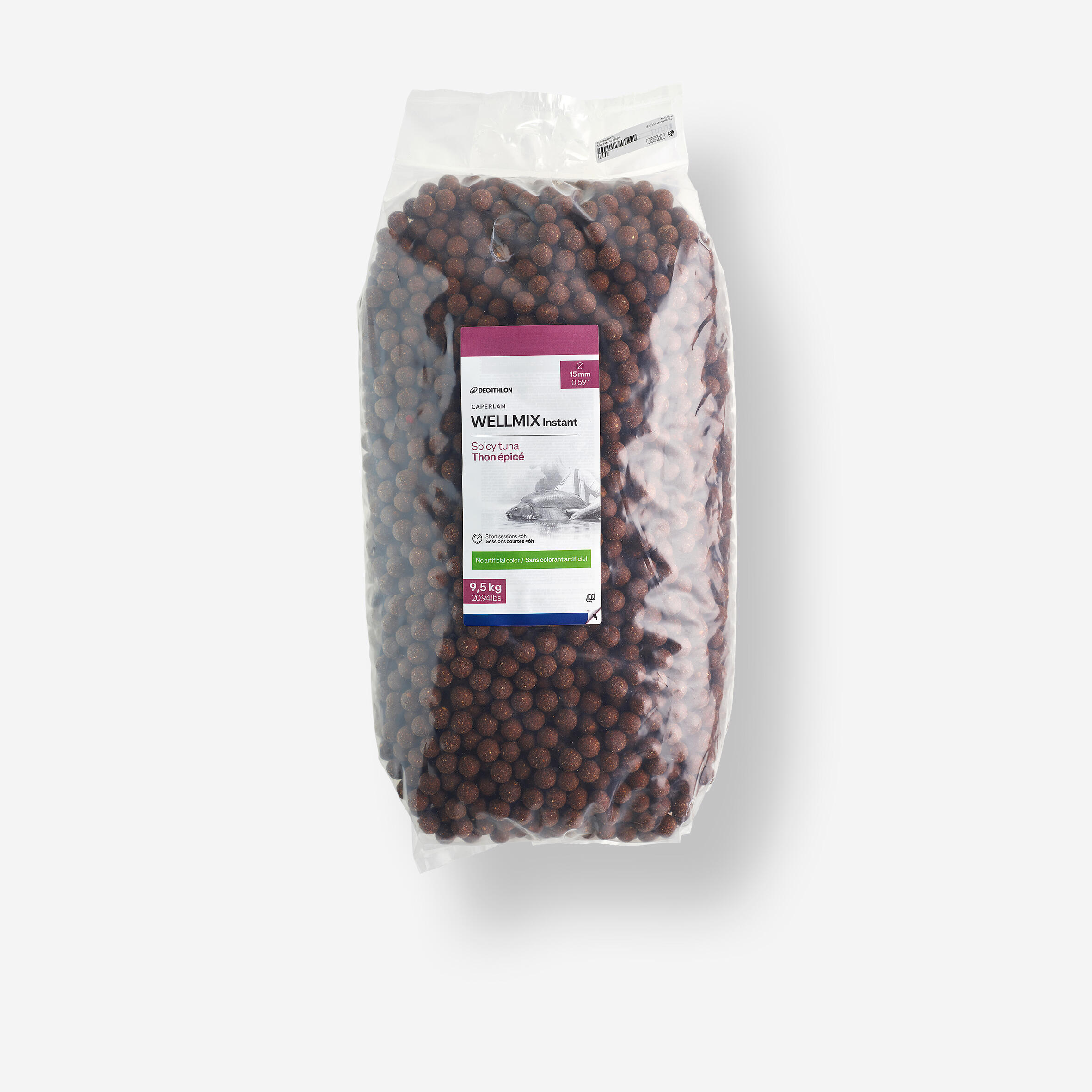
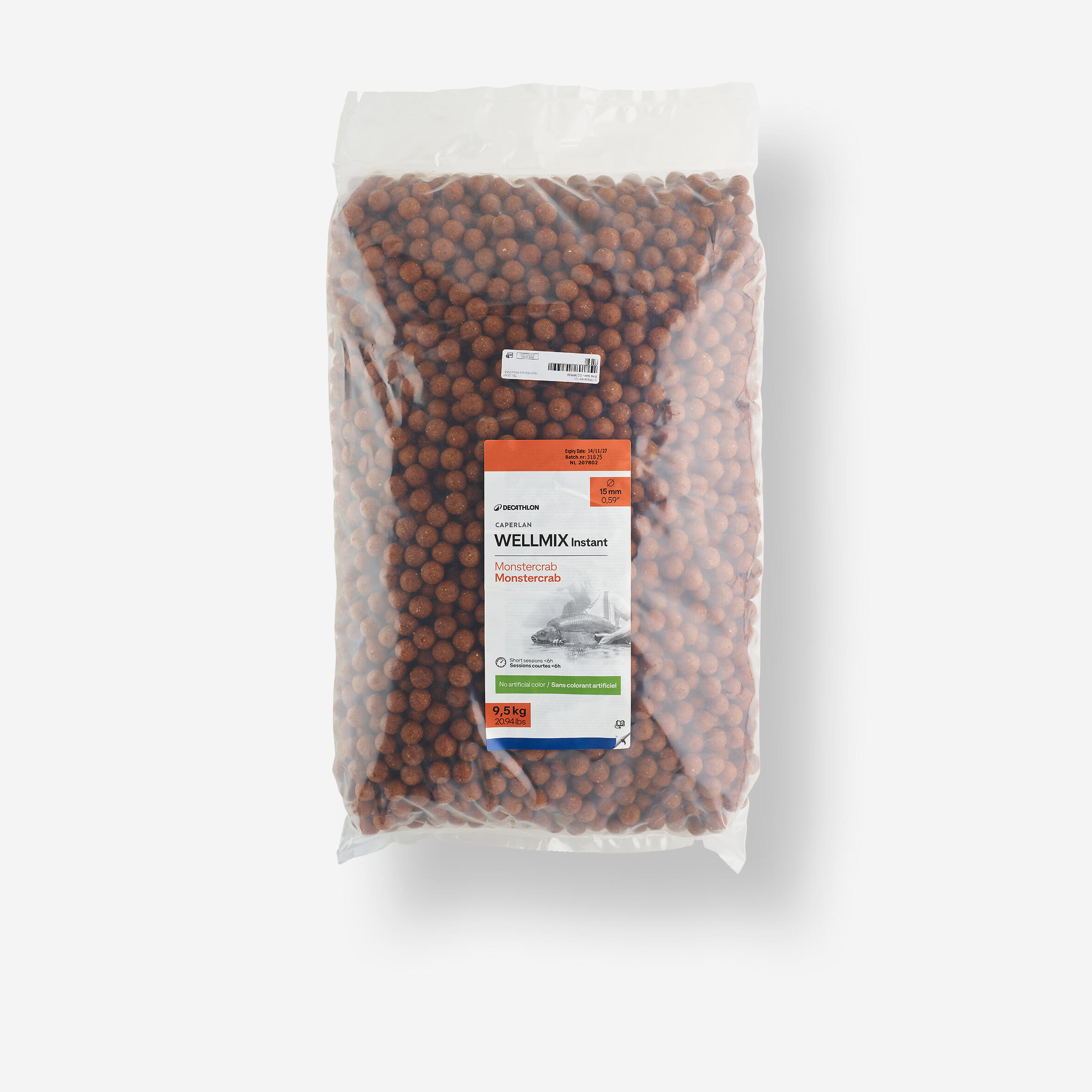
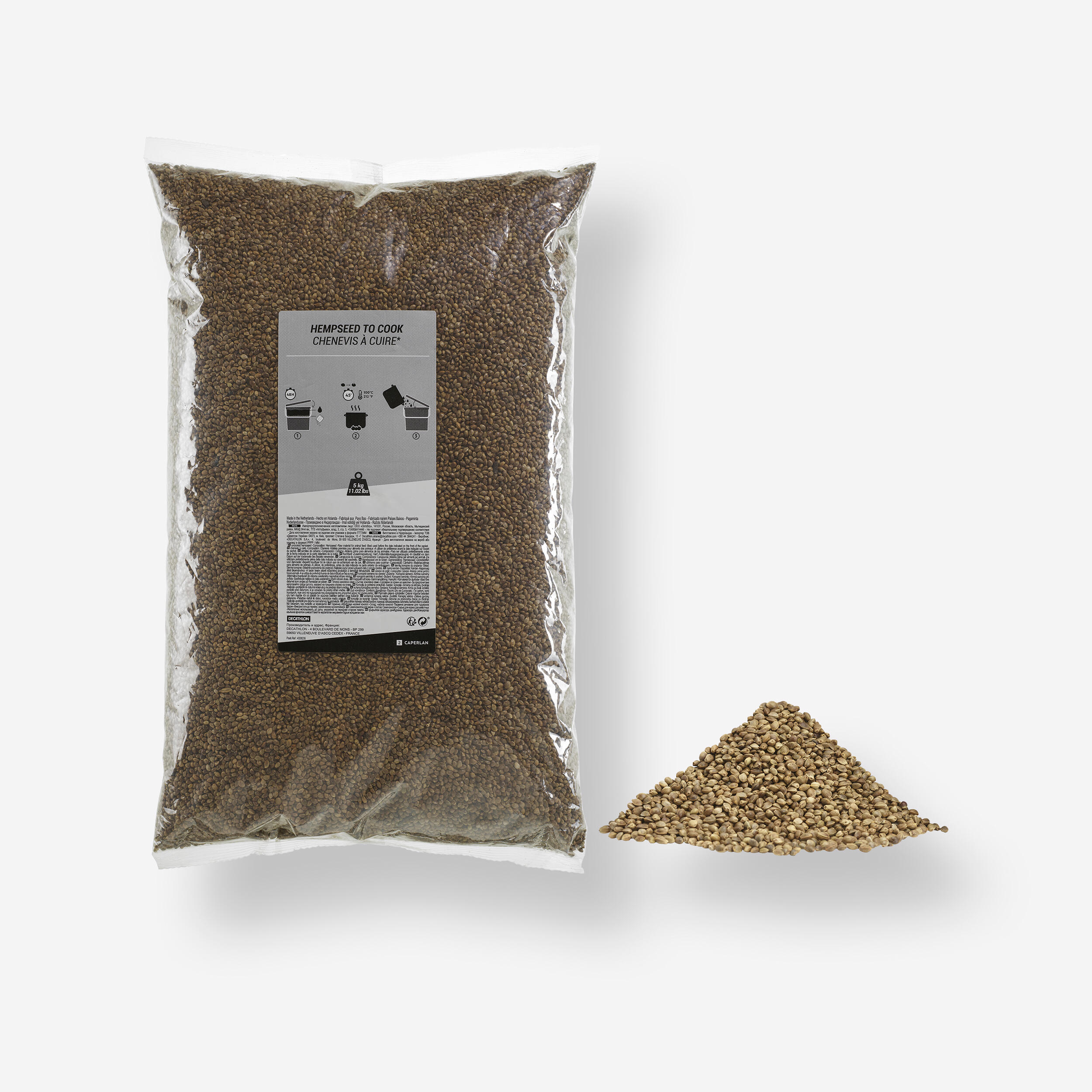
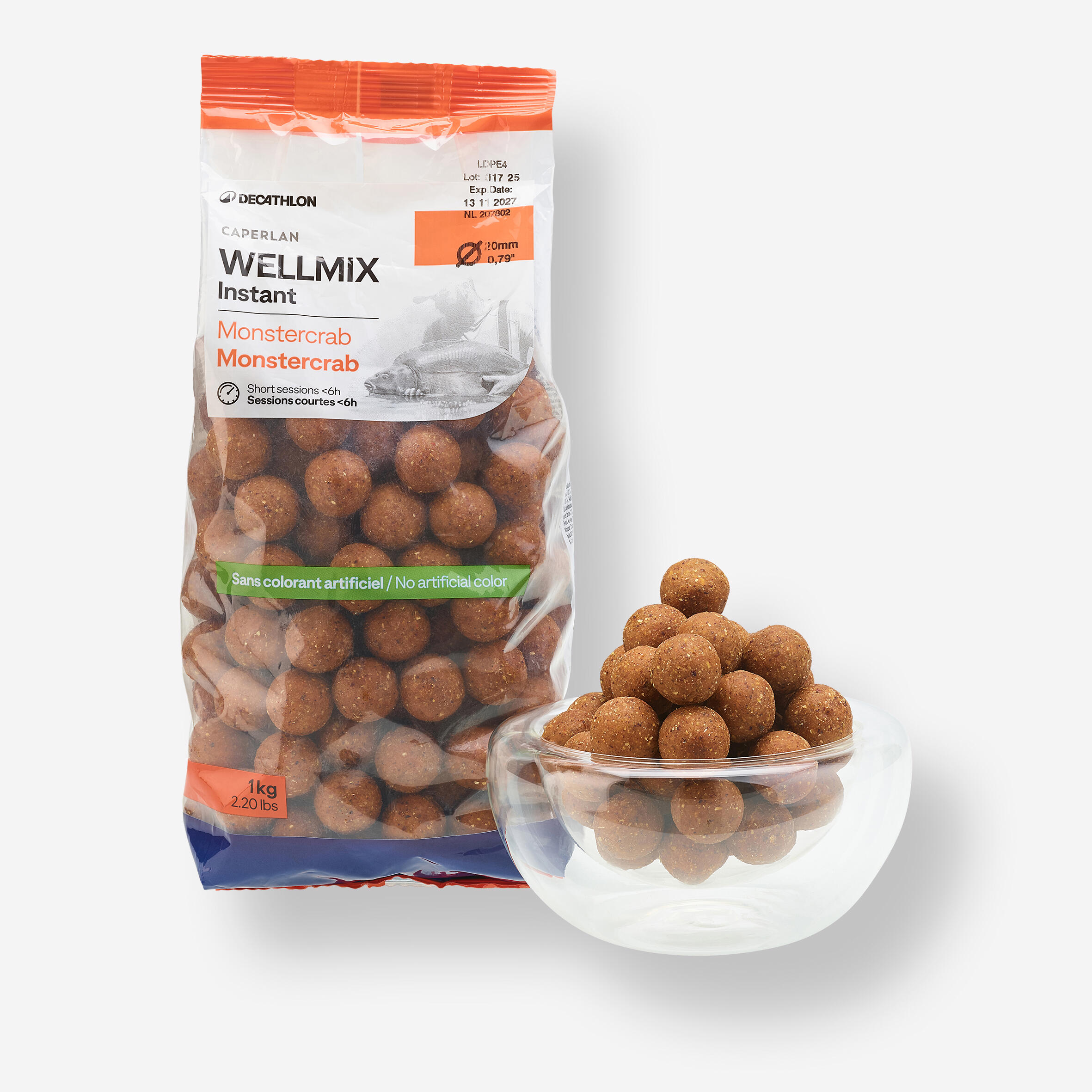
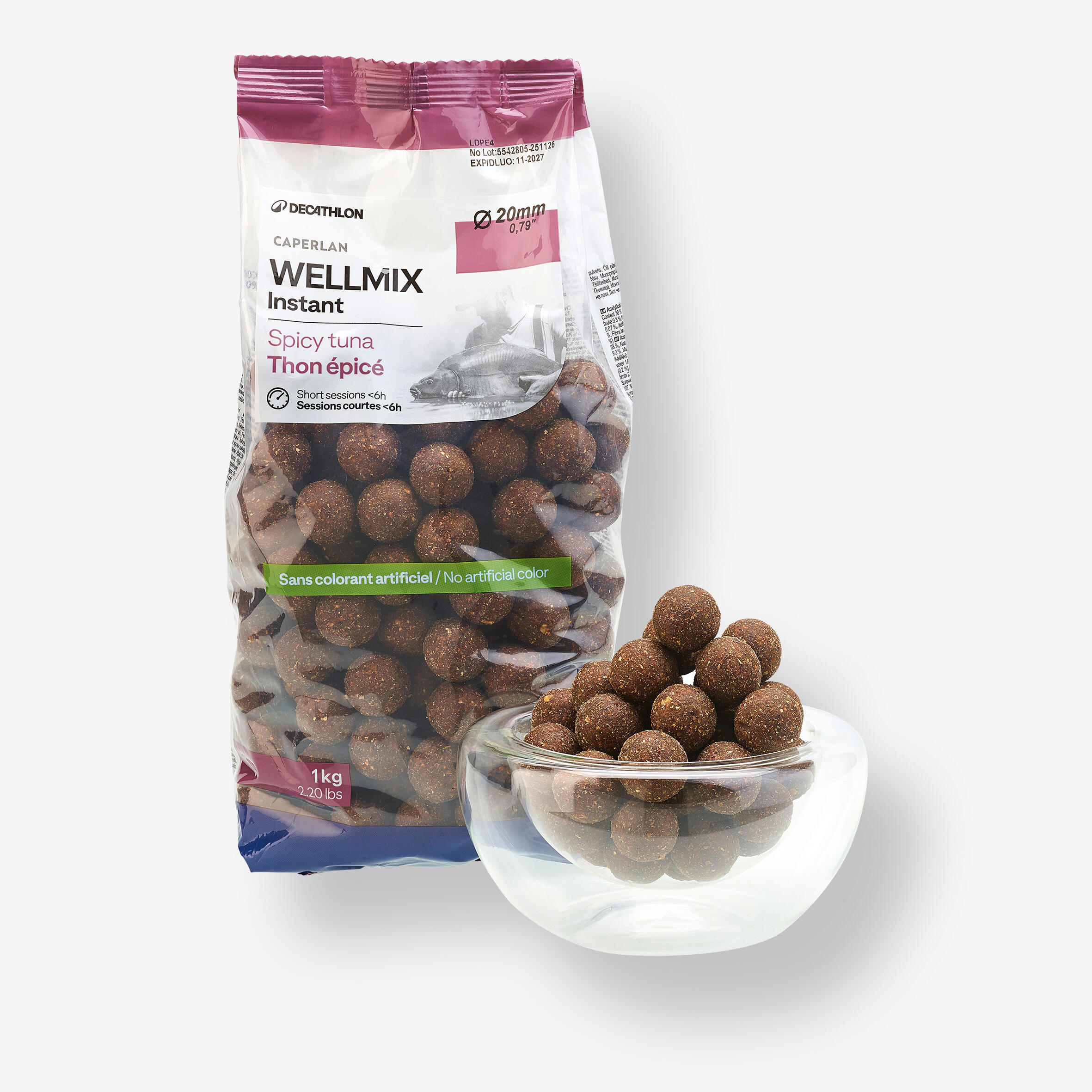
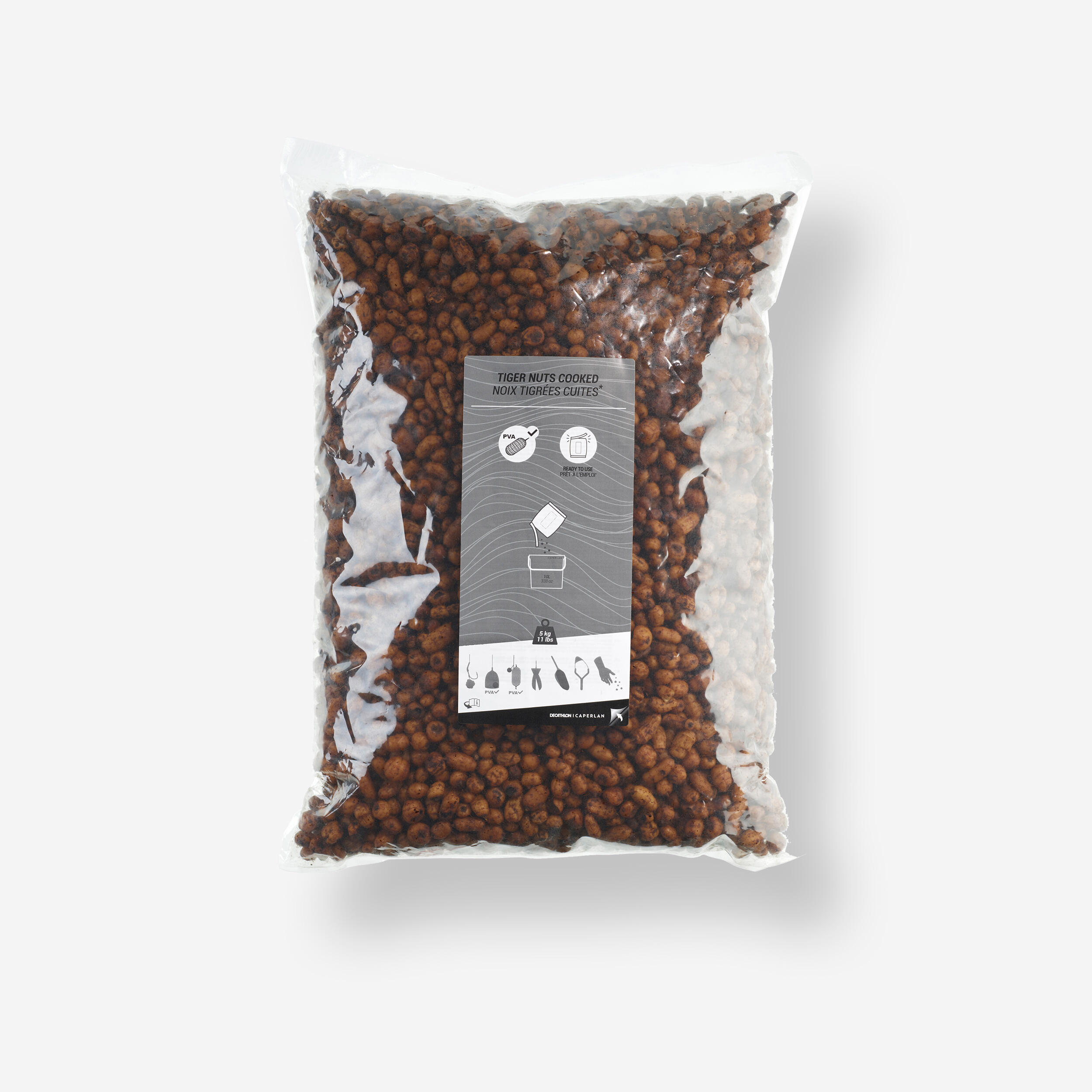
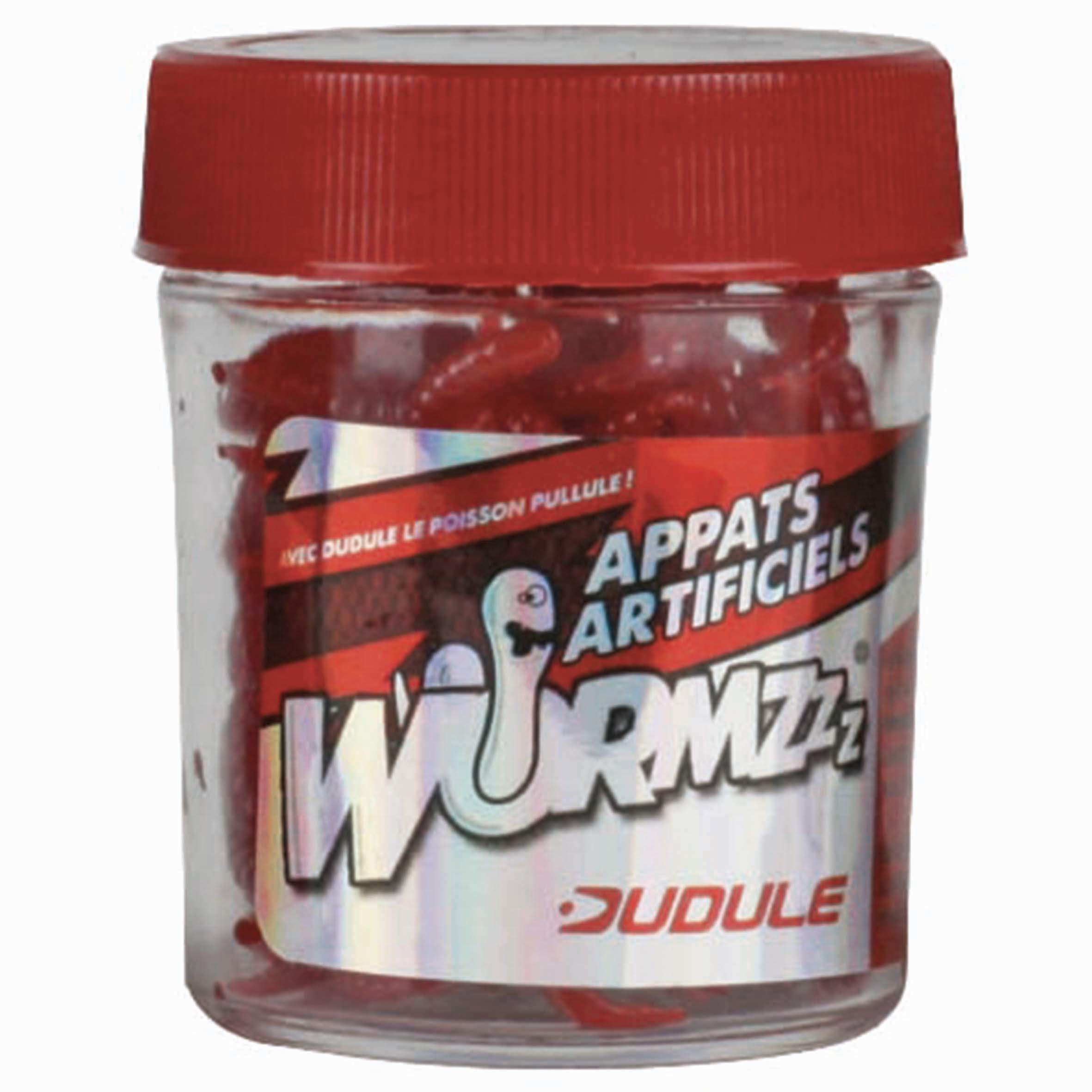
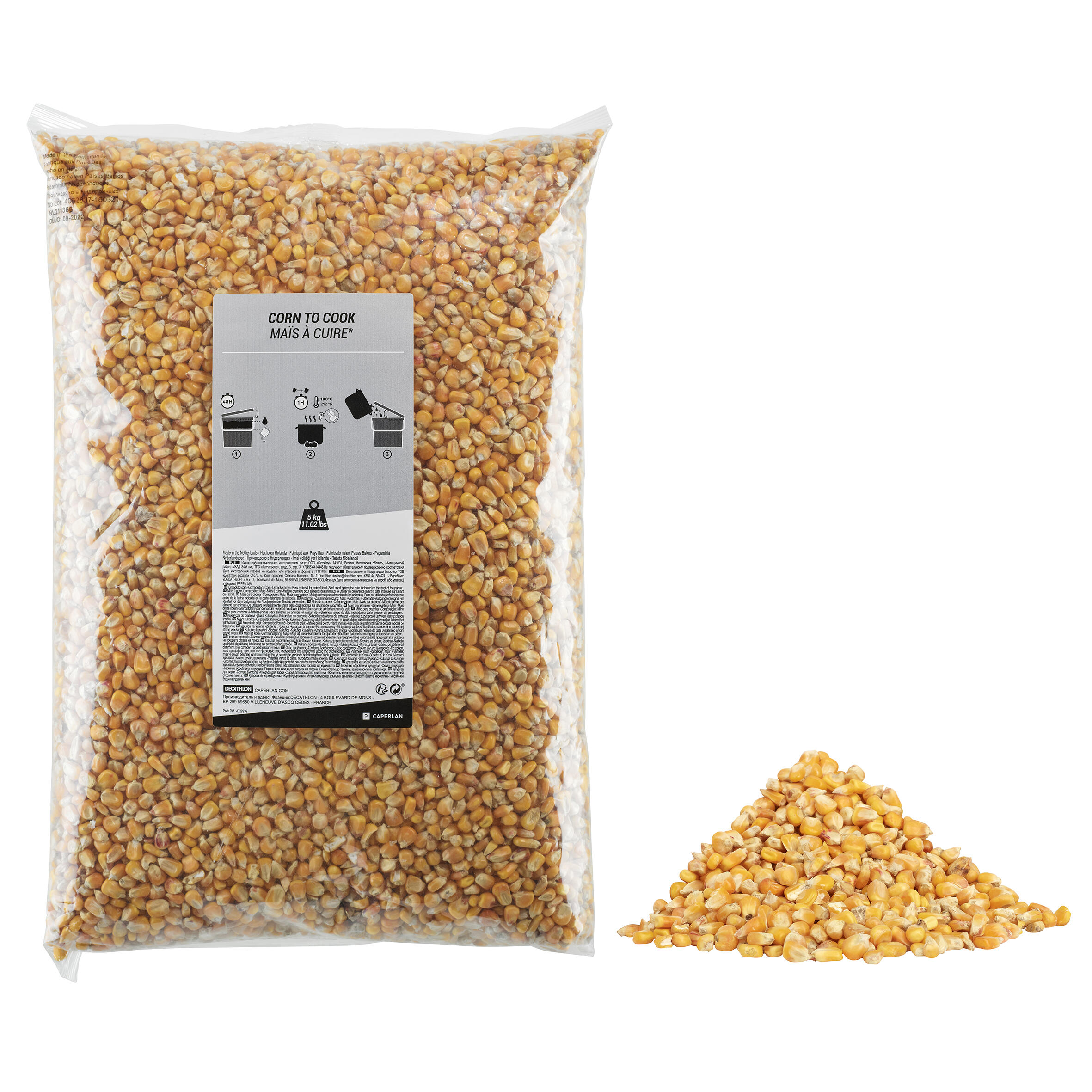
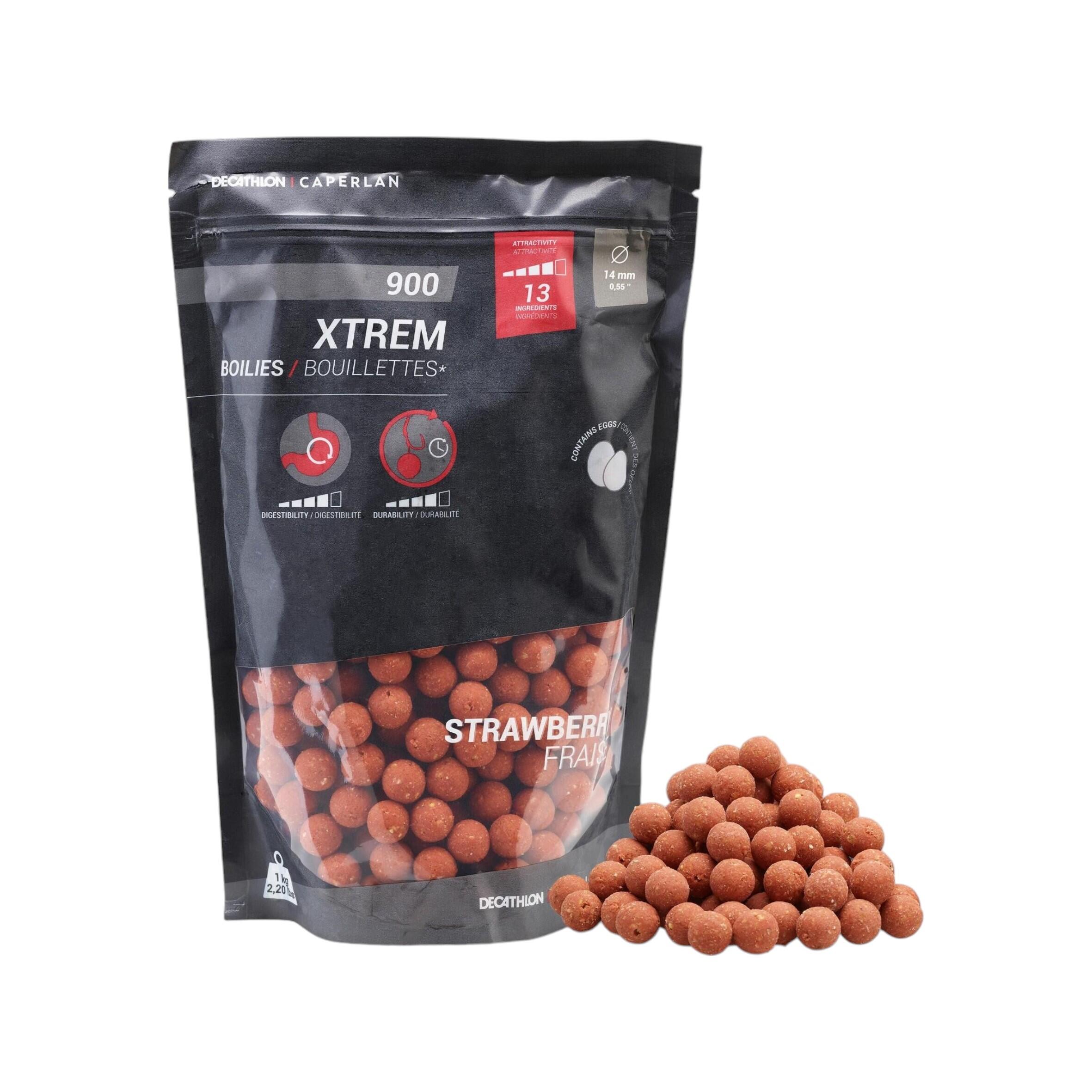
Plan the amount and type of bait around session length, fish activity and fishery rules. Carrying far more than you need adds weight, while feeding too heavily at the start can make it harder to judge how carp are responding. Keep hook baits separate from loose feed so you can change presentation without disturbing the rest of your setup. Baiting tools also help place feed more accurately when your swim sits beyond comfortable hand-throwing distance. Suitable carp baits and baiting equipment can support anything from a short evening session to longer stays where you need to adjust the feeding pattern gradually as conditions change.

Which small tackle items help keep carp rigs organised?

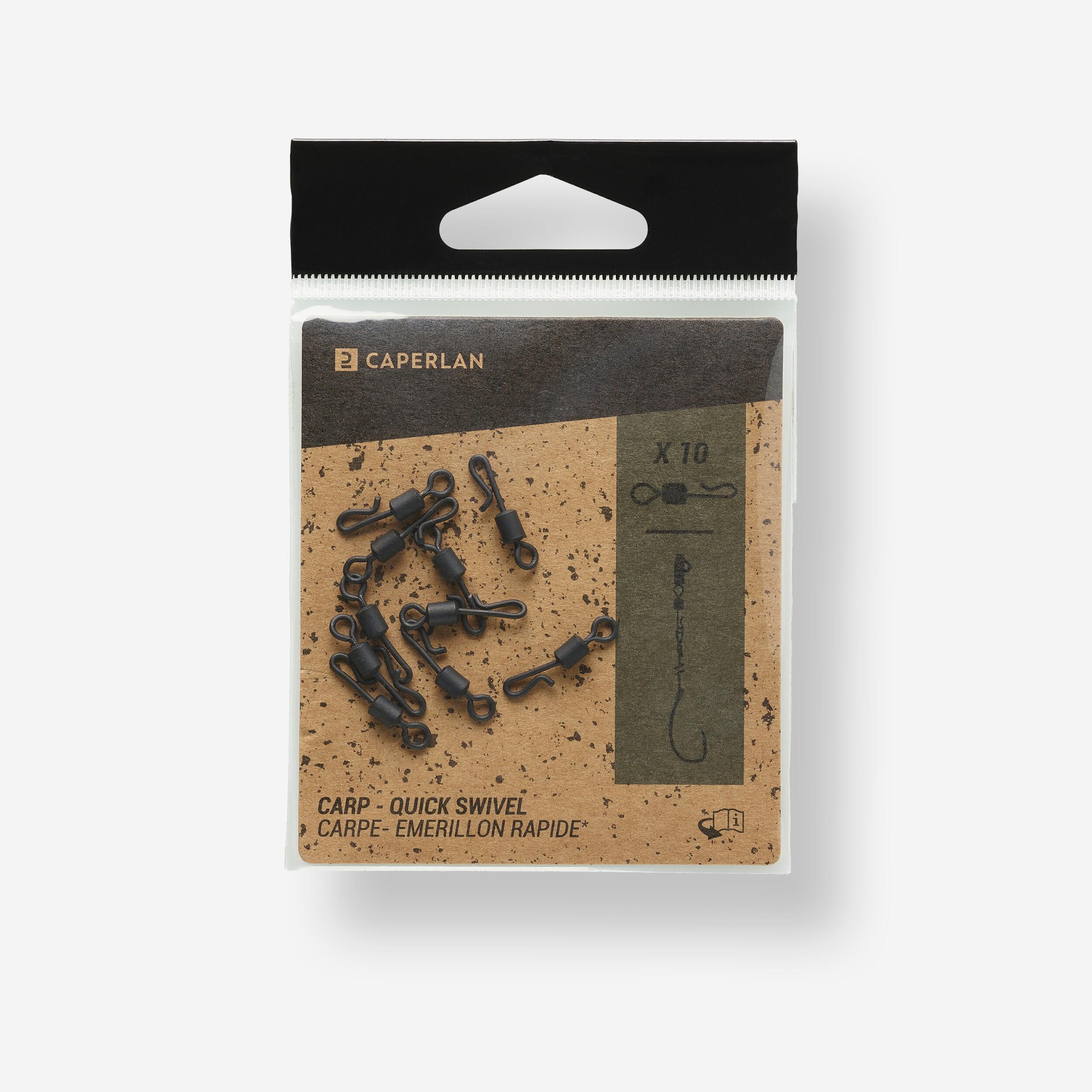
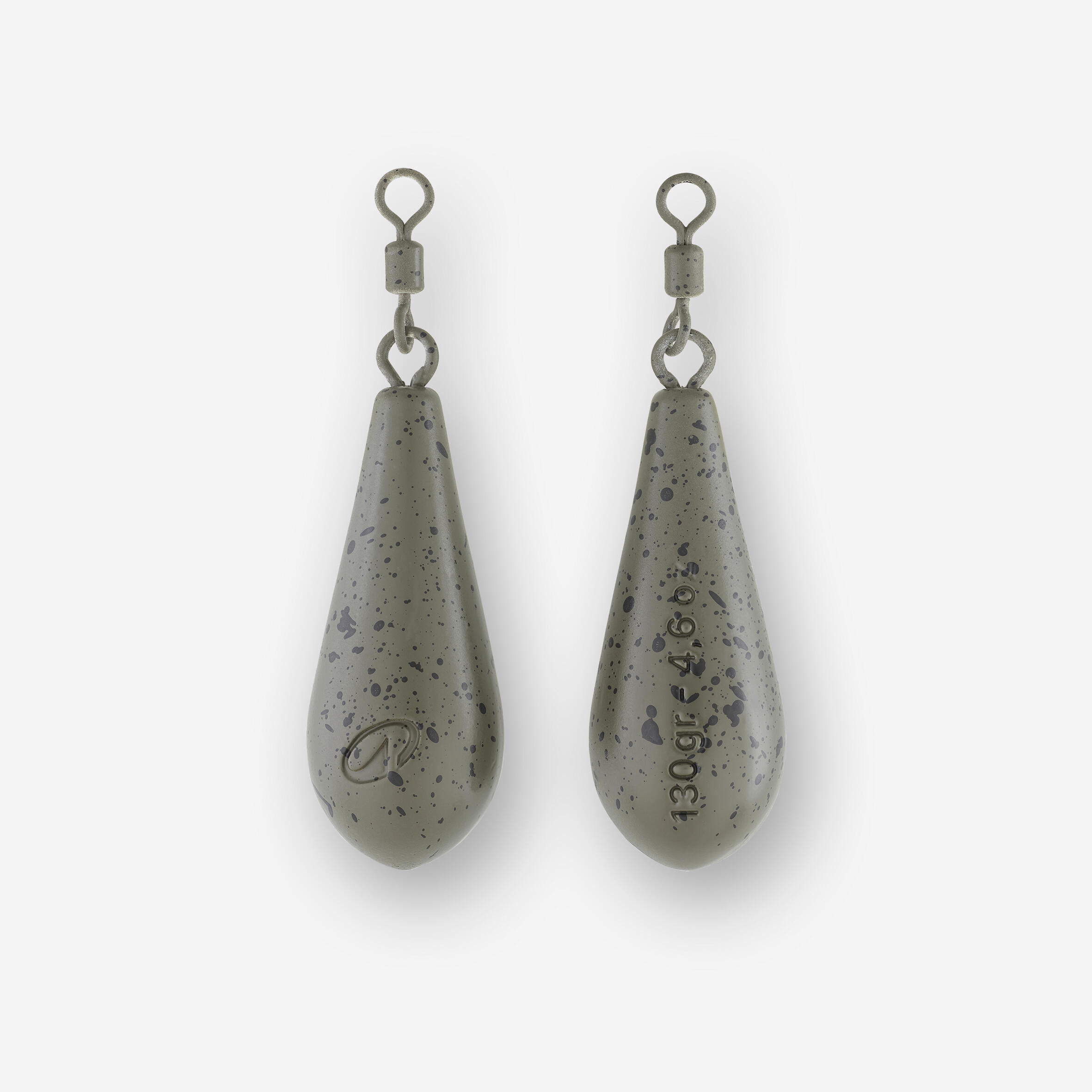
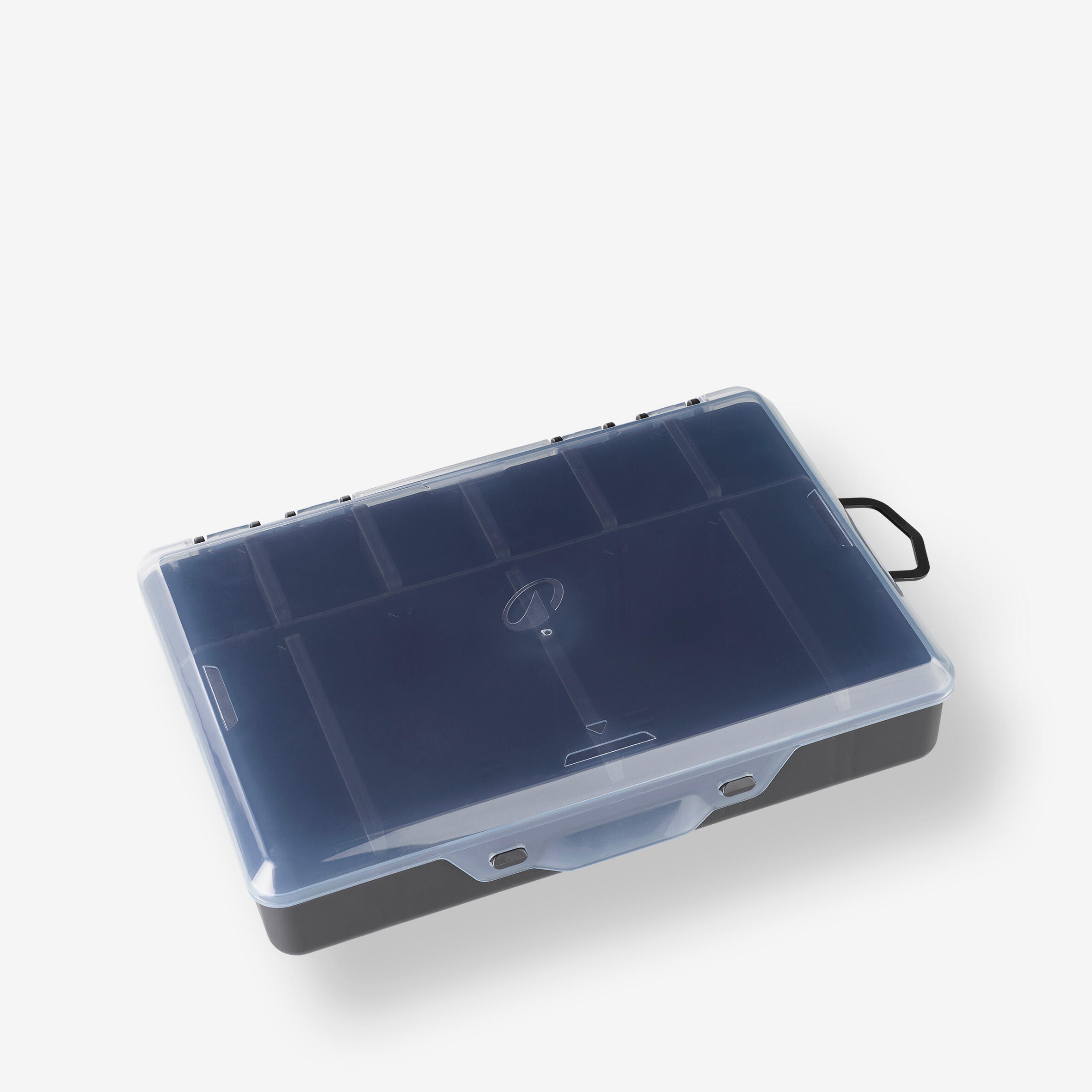
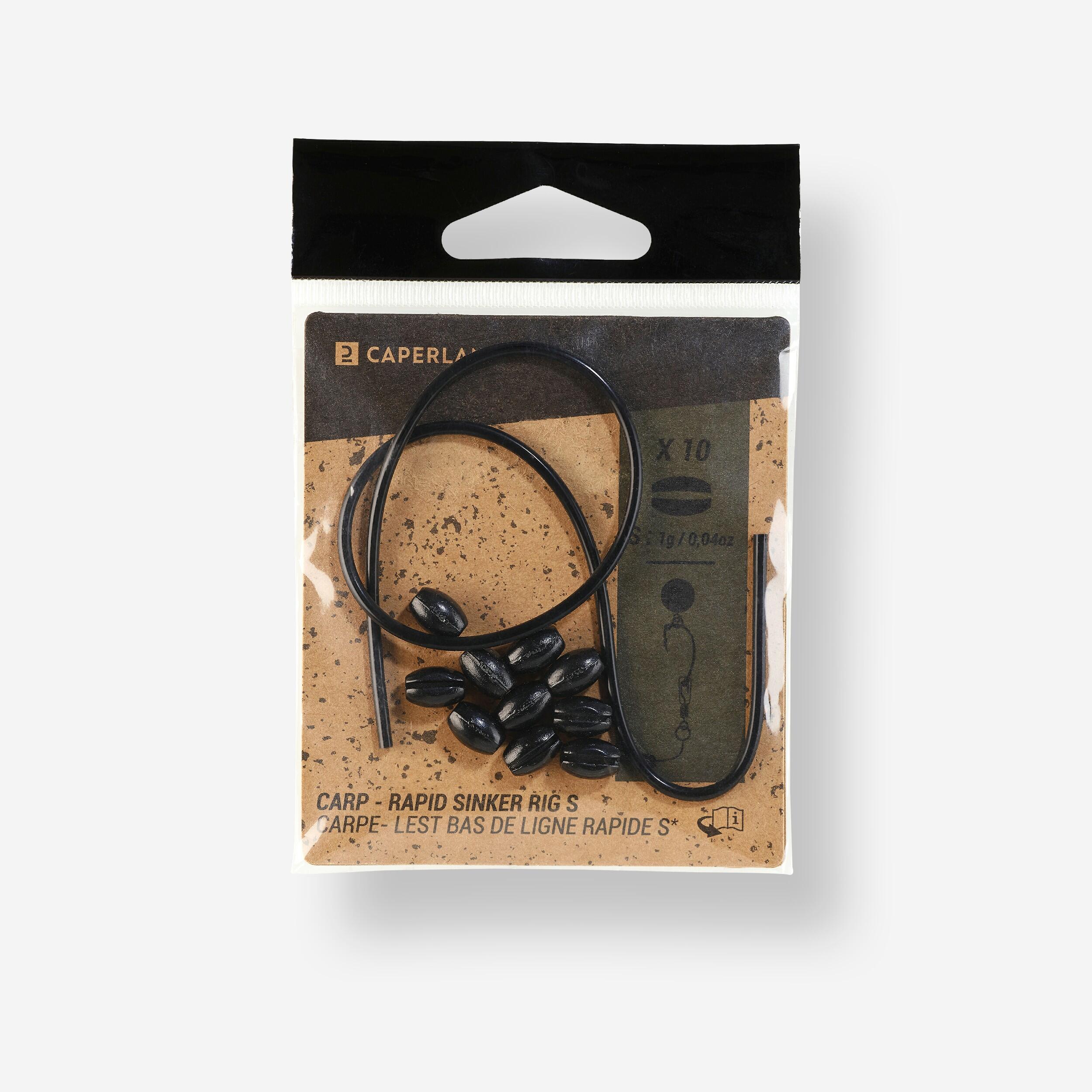
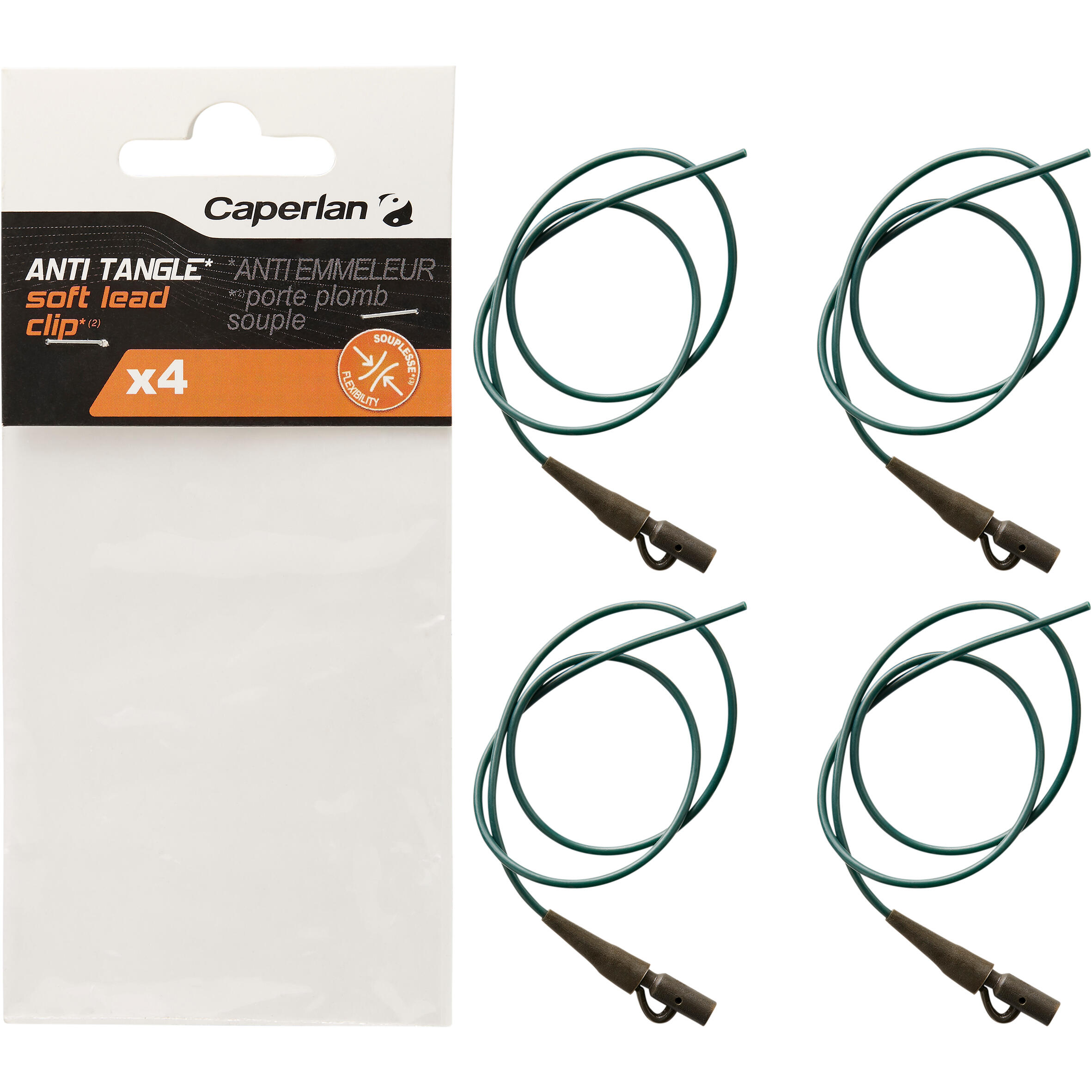
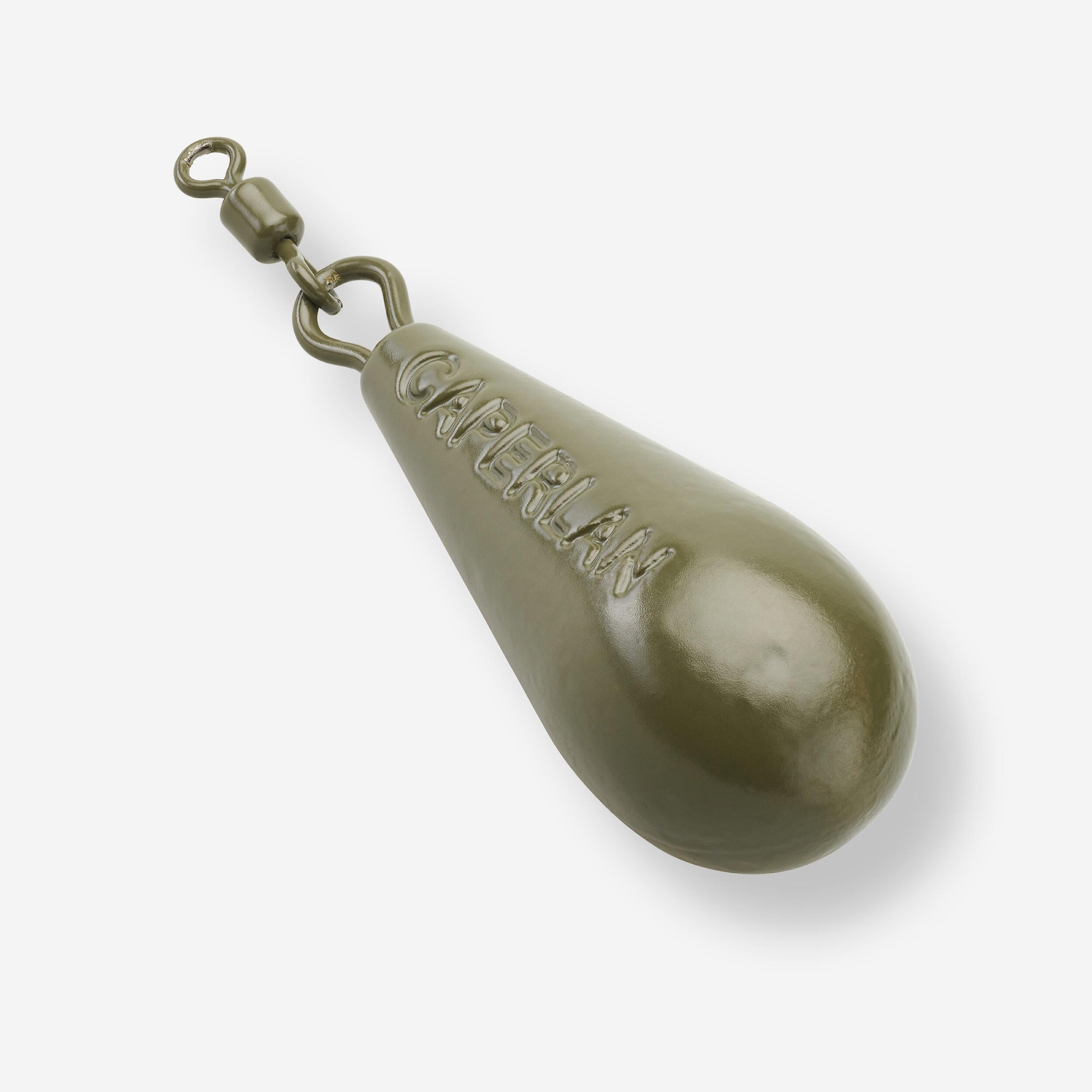
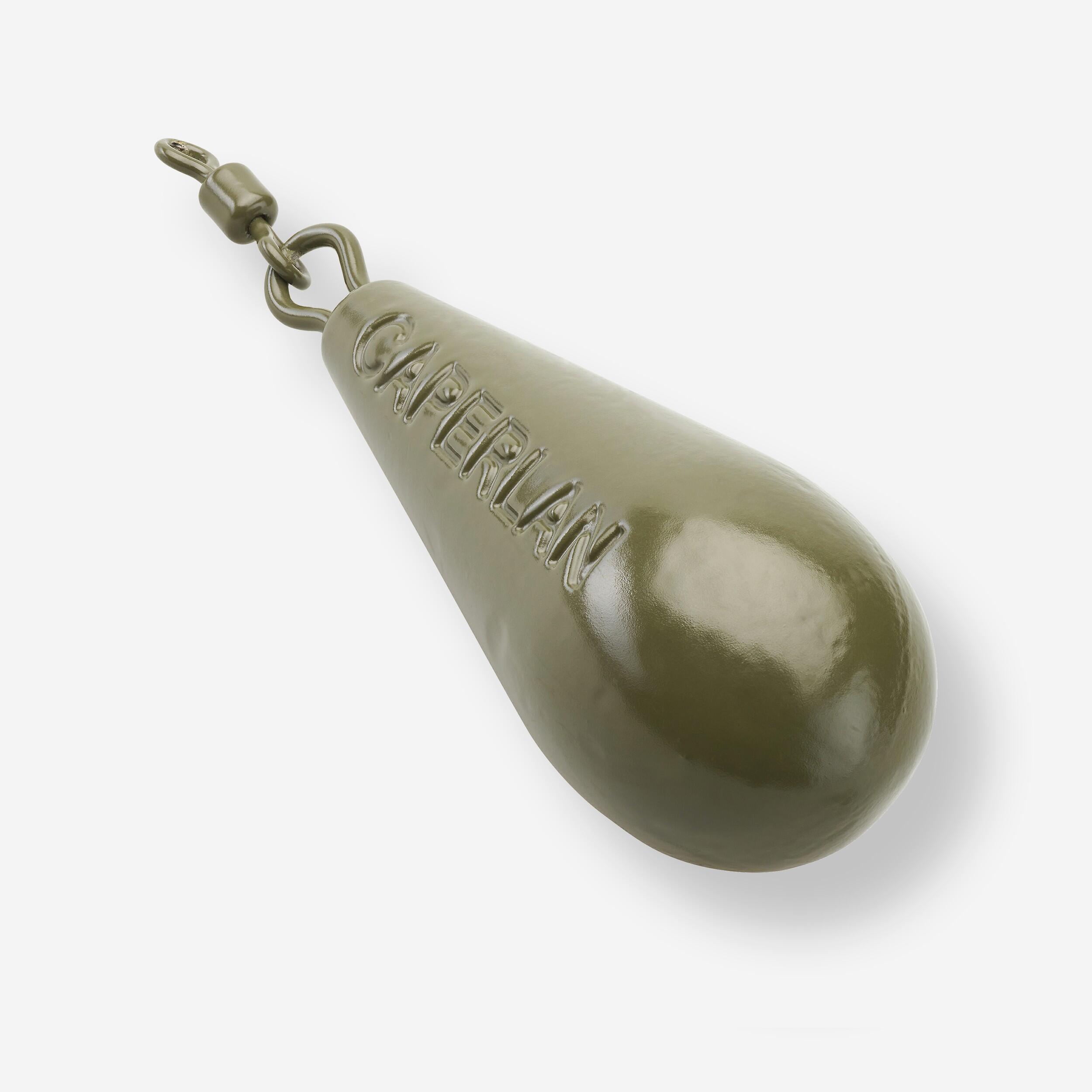
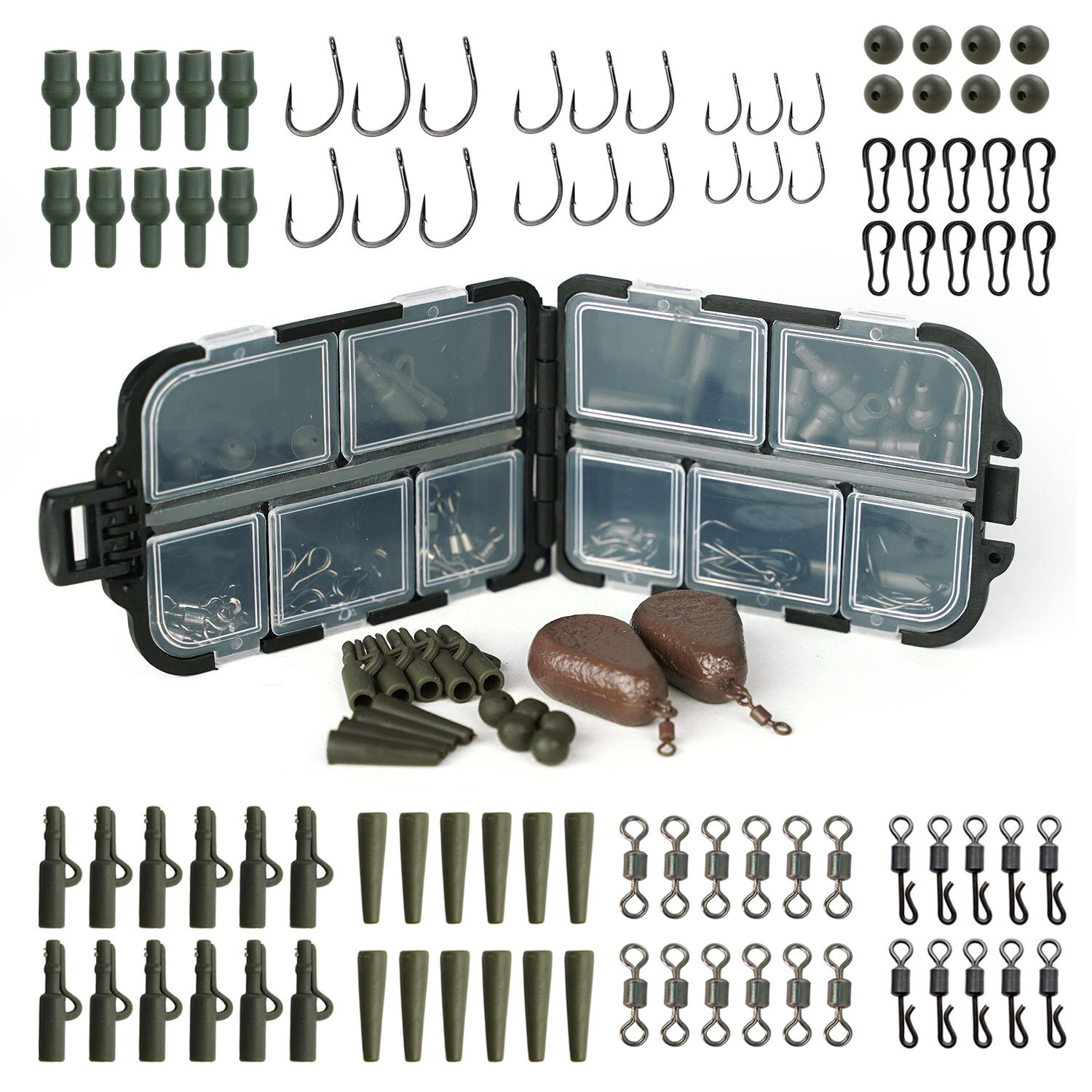
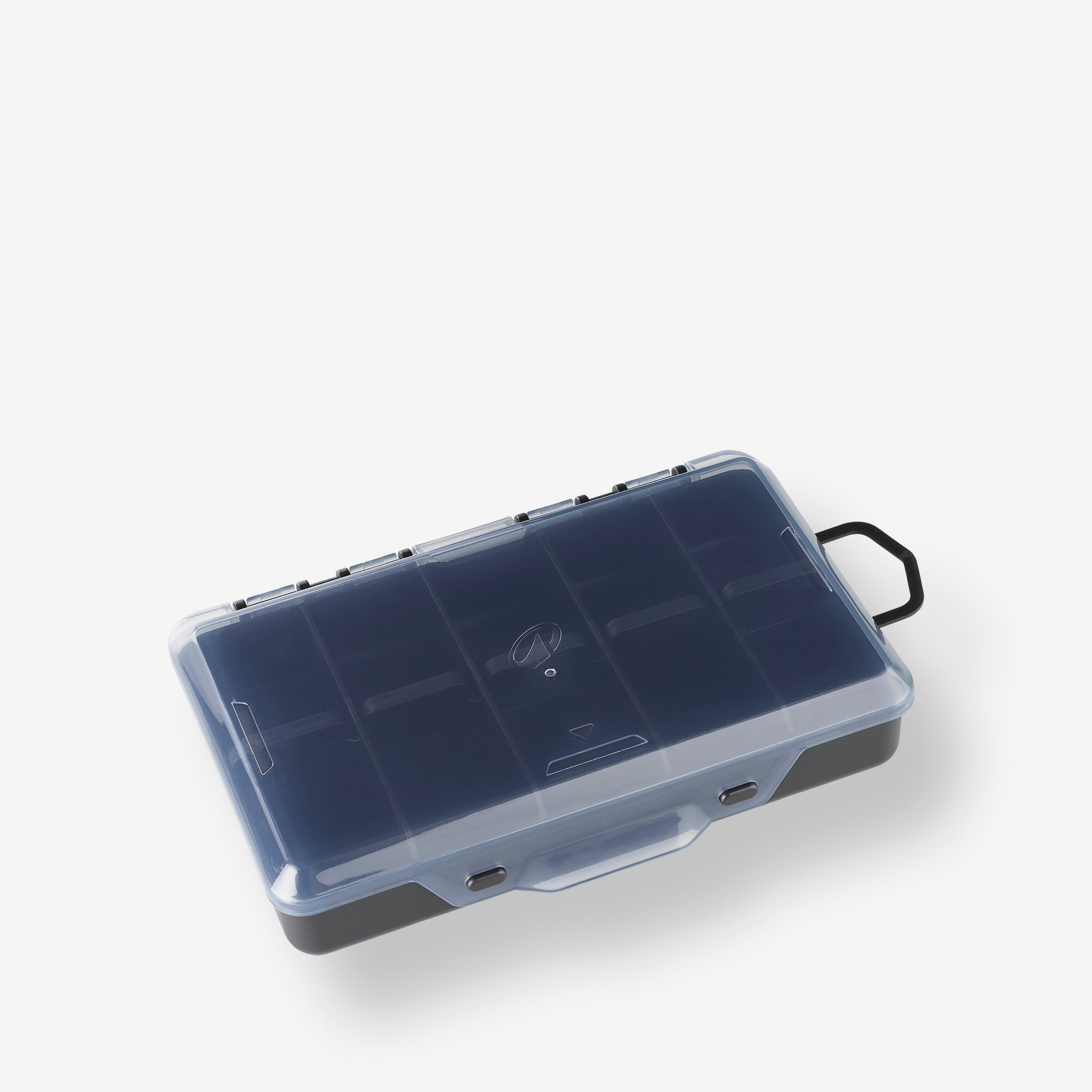
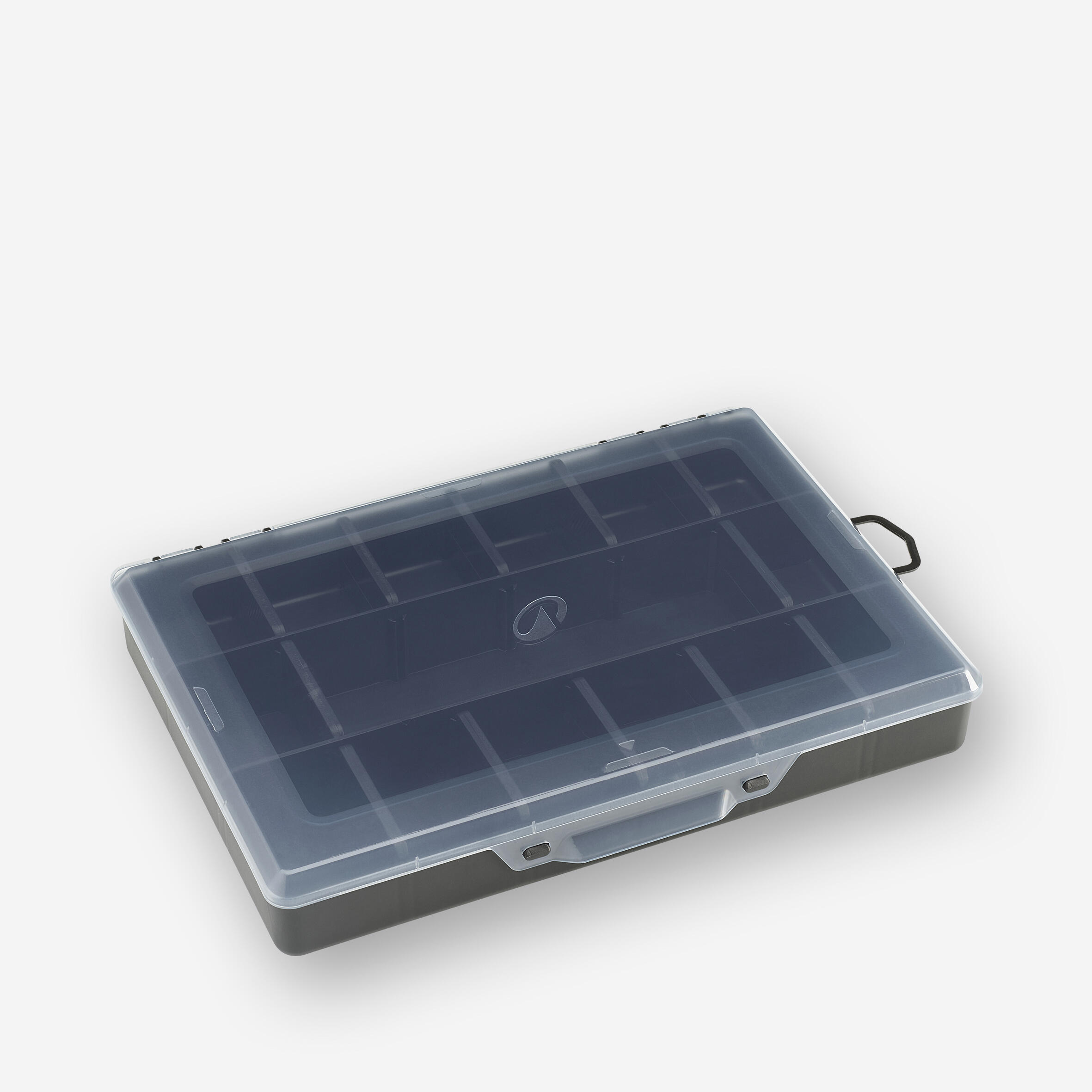
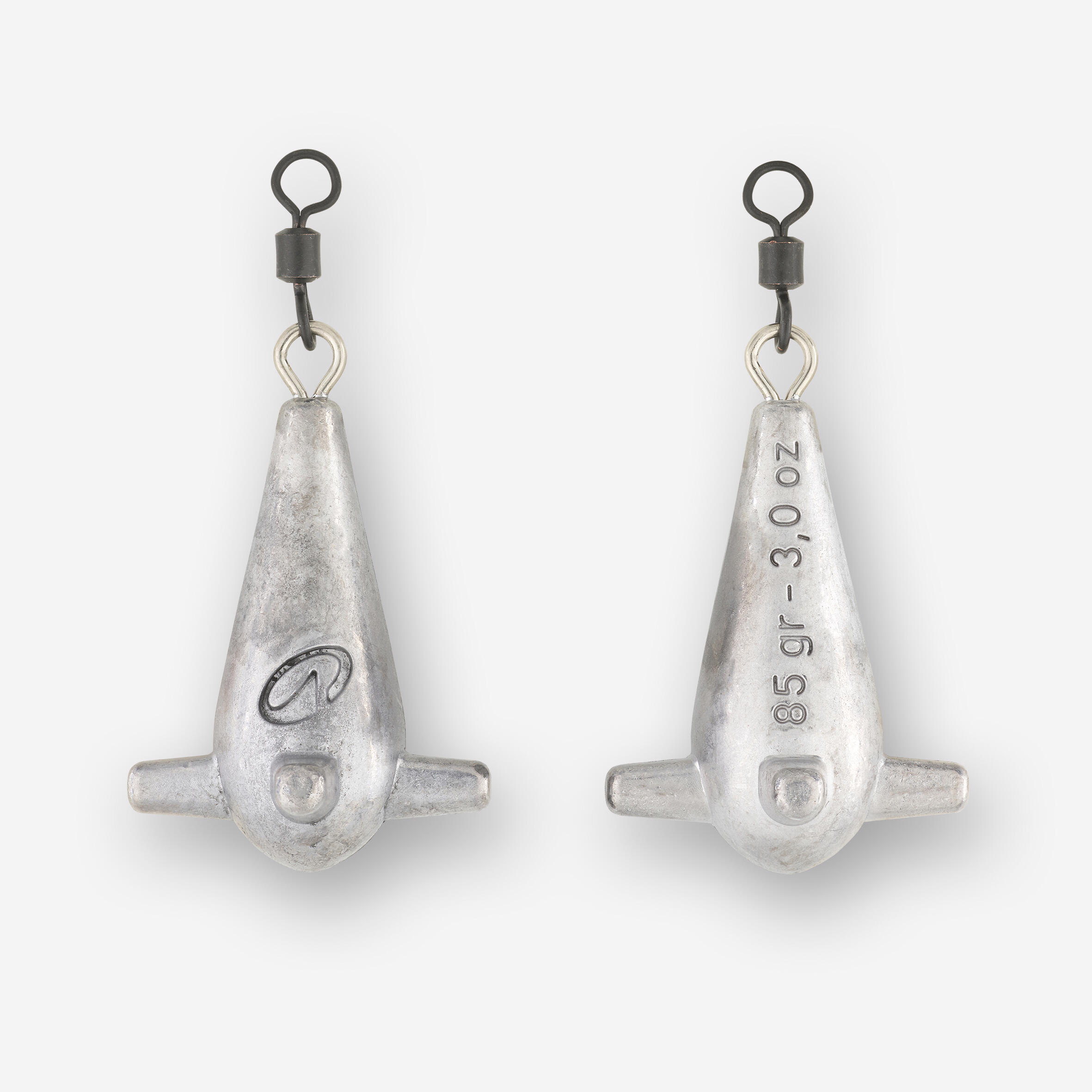
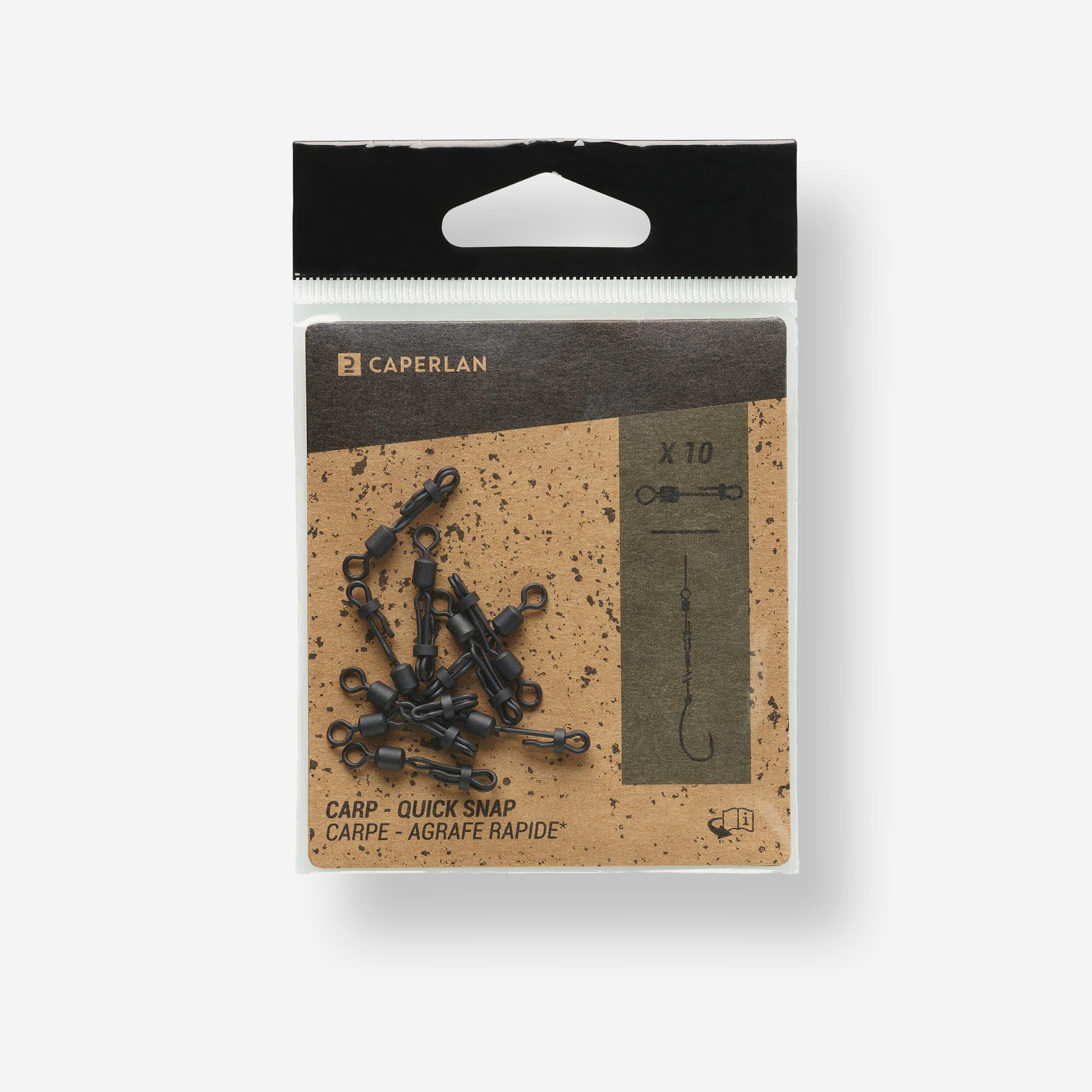
Hooks, swivels, sinkers and rig components become much easier to manage when every item has a dedicated compartment. Caperlan tackle boxes use removable dividers, with some layouts changing from just a few large sections to as many as 18 or 24 smaller compartments. Decathlon also tests selected boxes through repeated lid opening and one-metre drops onto concrete. For rig presentation, Caperlan carp hooks include discreet PTFE finishes, while distance sinkers use camouflaged coatings across the body and connection components. Keeping these carp fishing accessories separated also reduces tangles and makes it easier to replace a hook, swivel or weight without unpacking your entire bag.

What bank-side equipment helps during longer carp sessions?

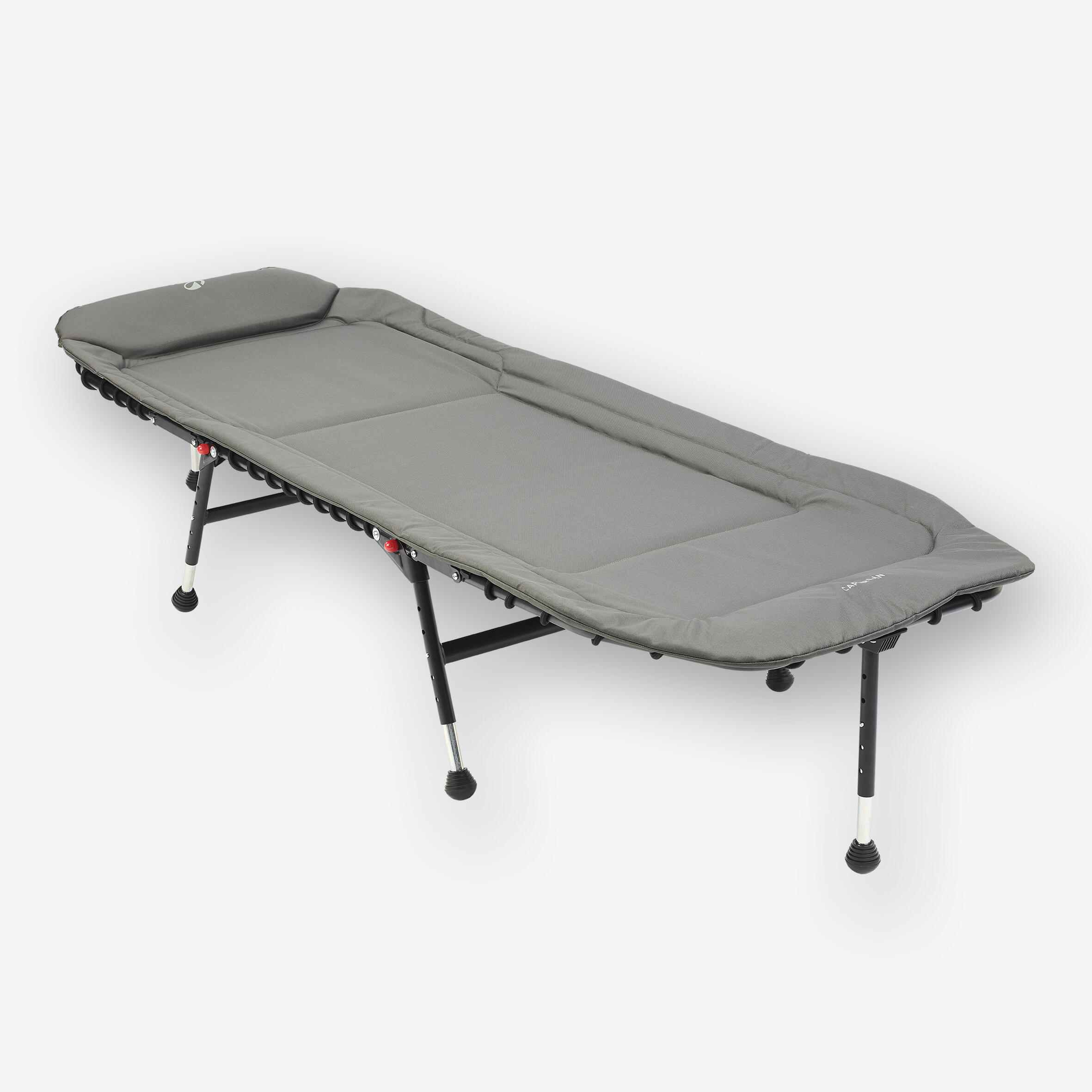
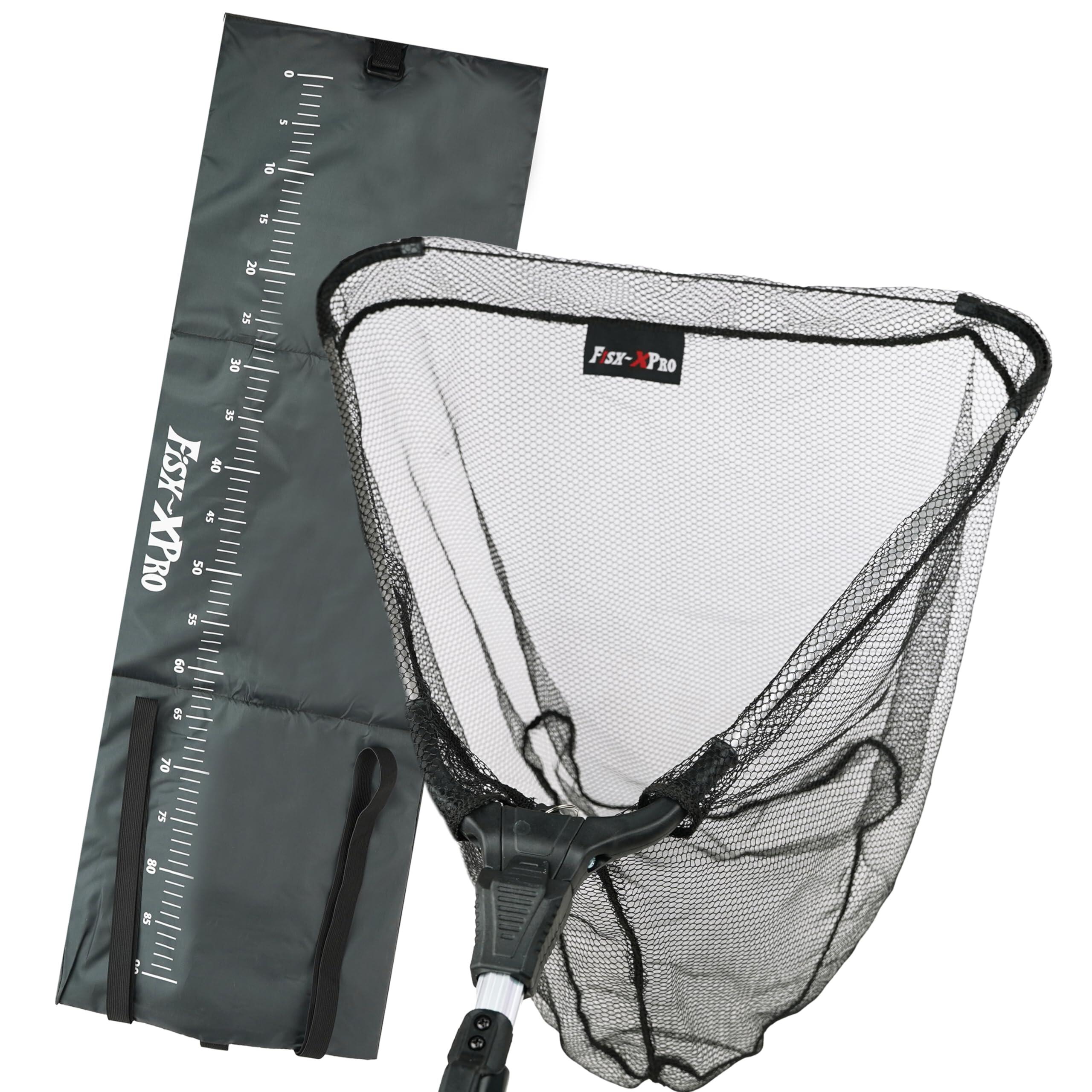
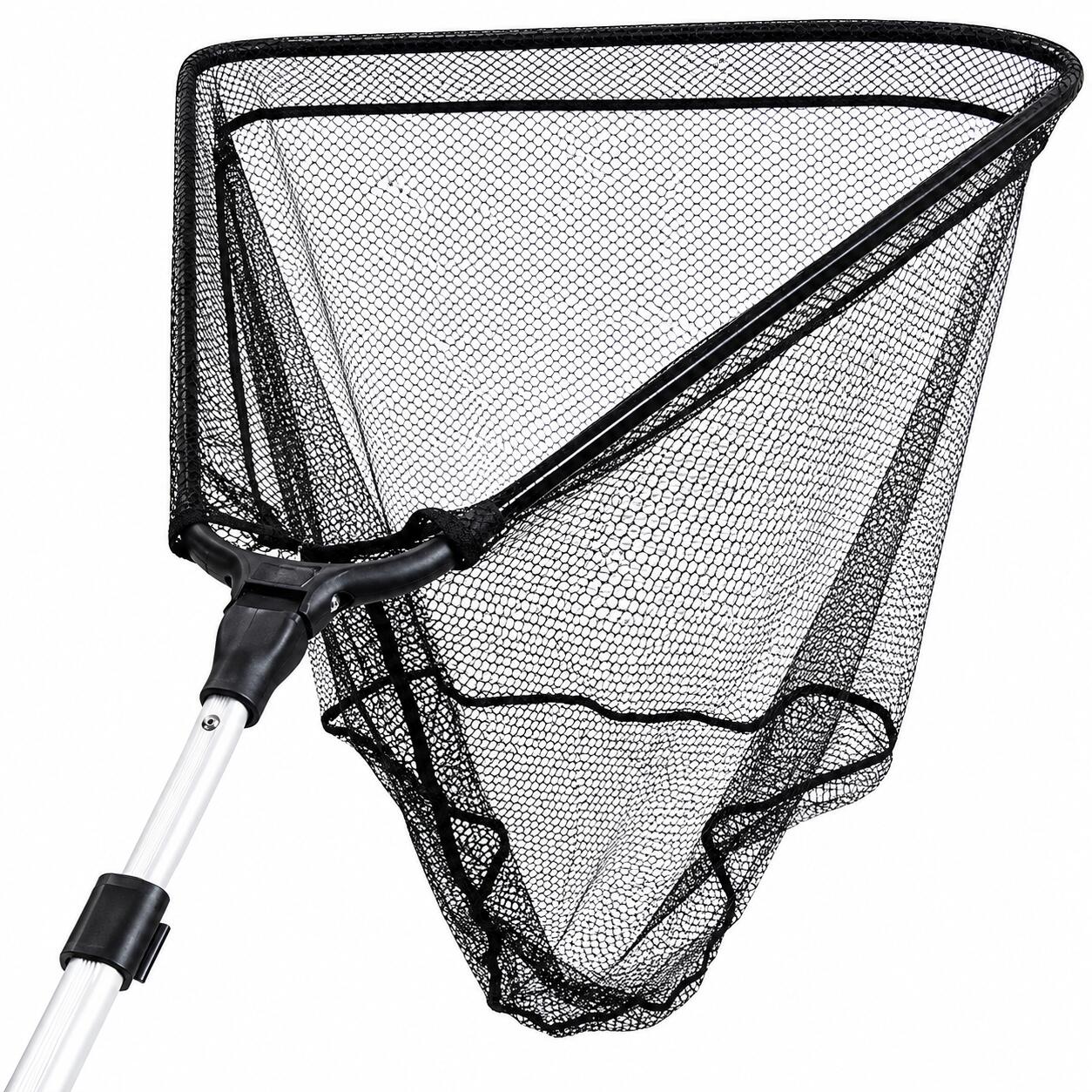
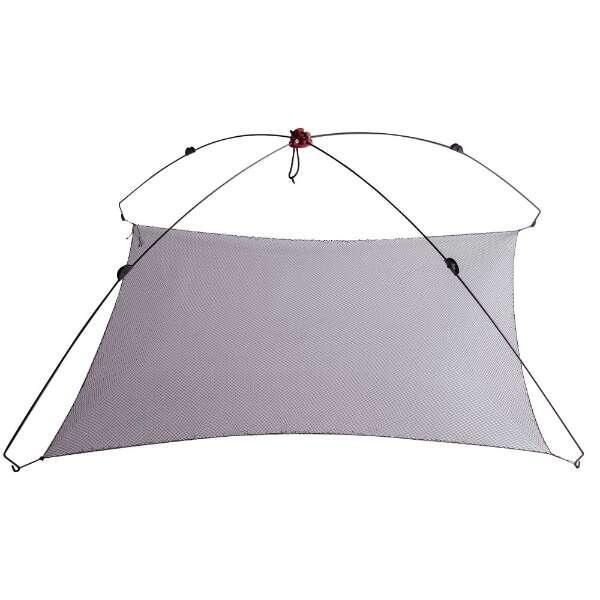
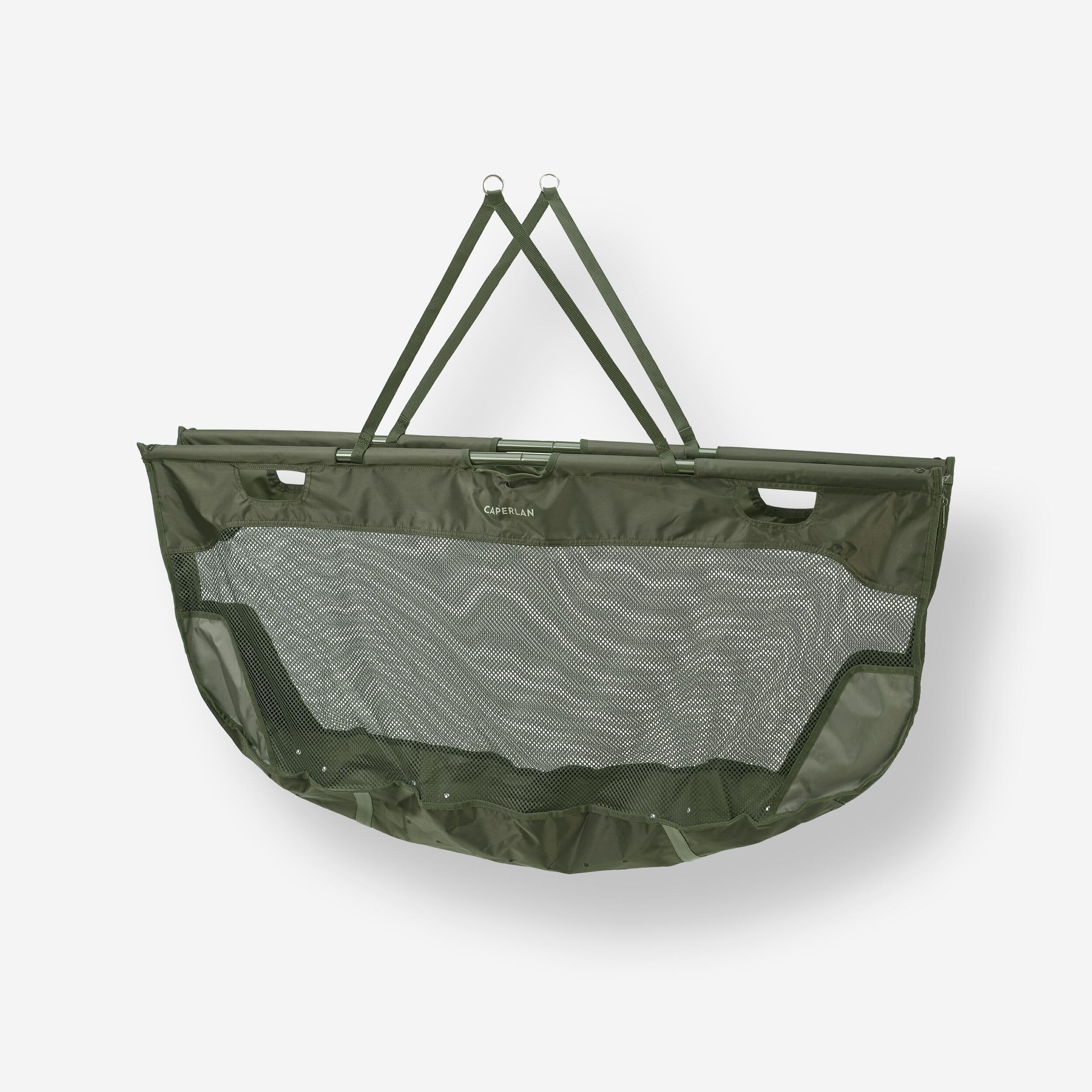
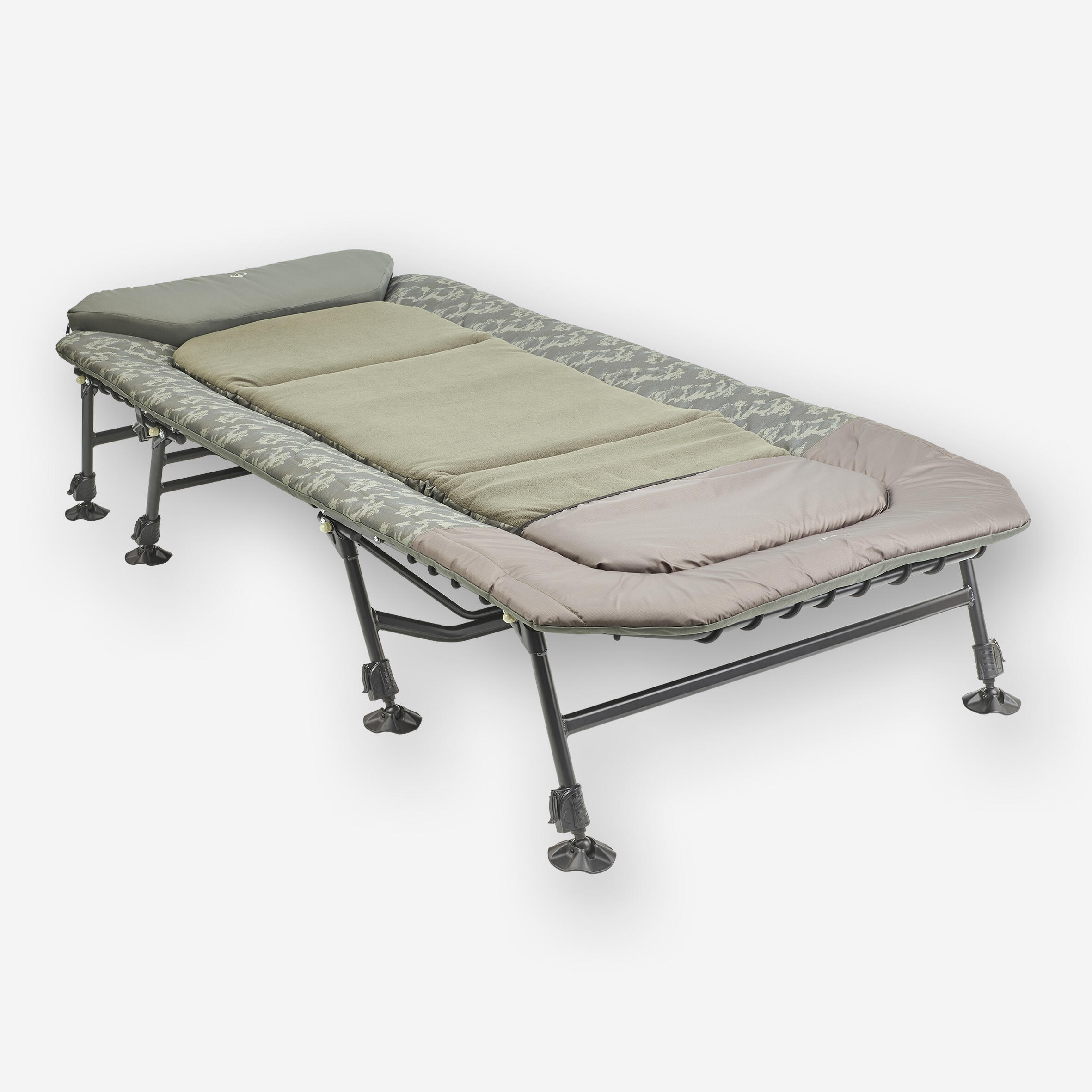
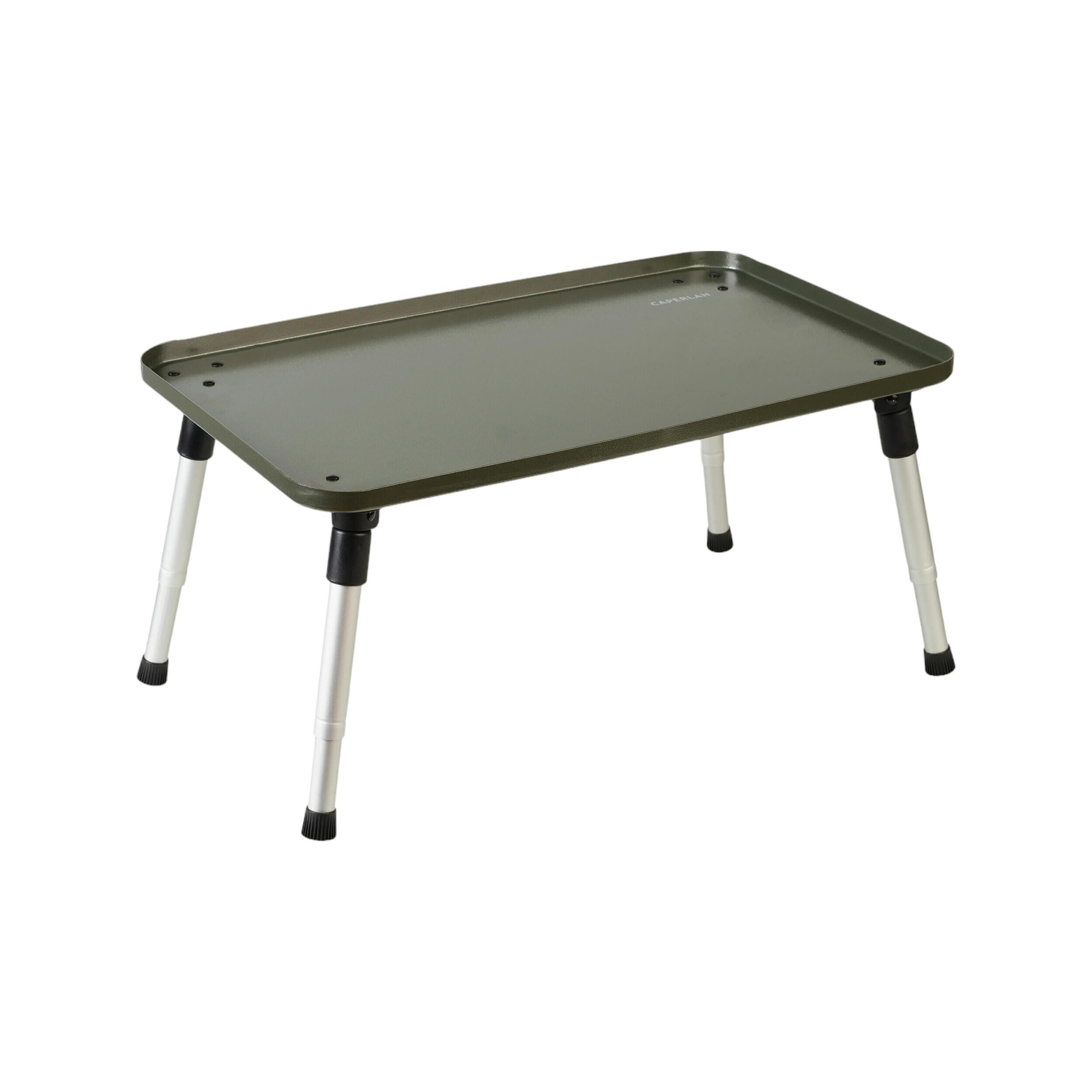
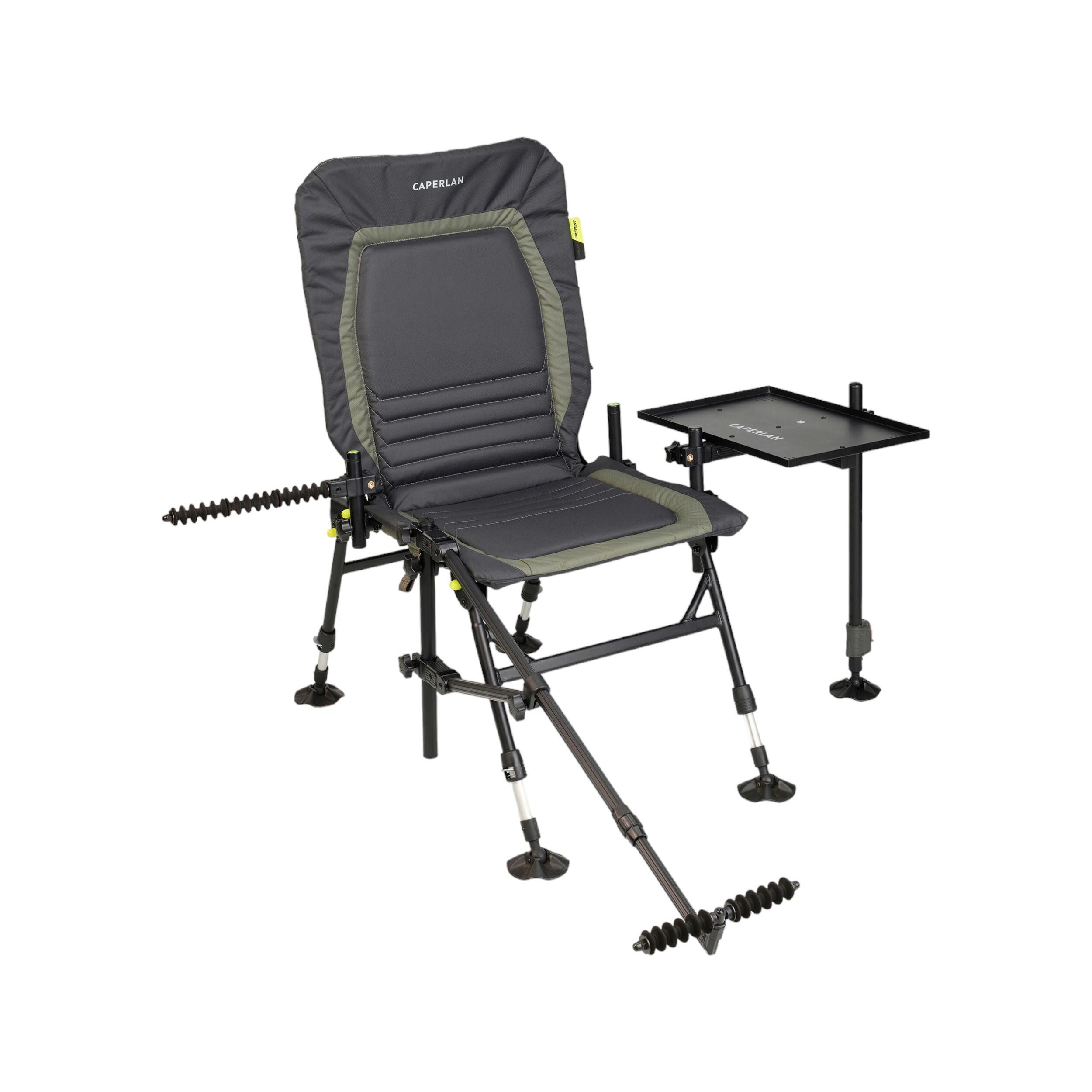
Comfort and fish handling both become more important when you remain at one swim for several hours. Caperlan Levelchairs use adjustable feet to improve stability on uneven banks, while selected models meet EN 581-1 and EN 581-2 requirements and carry a stated maximum load of 110 kg. When you land a carp, fine mesh can help support careful handling. The Caperlan 900 landing net uses 3 x 3 mm mesh and reinforced carbon arms, but lift the fish using the supported net rather than raising it with the handle alone. Other carp fishing equipment can help organise seating, landing, unhooking and storage around your swim.

How do rod pods and bite detection improve your standard rig?

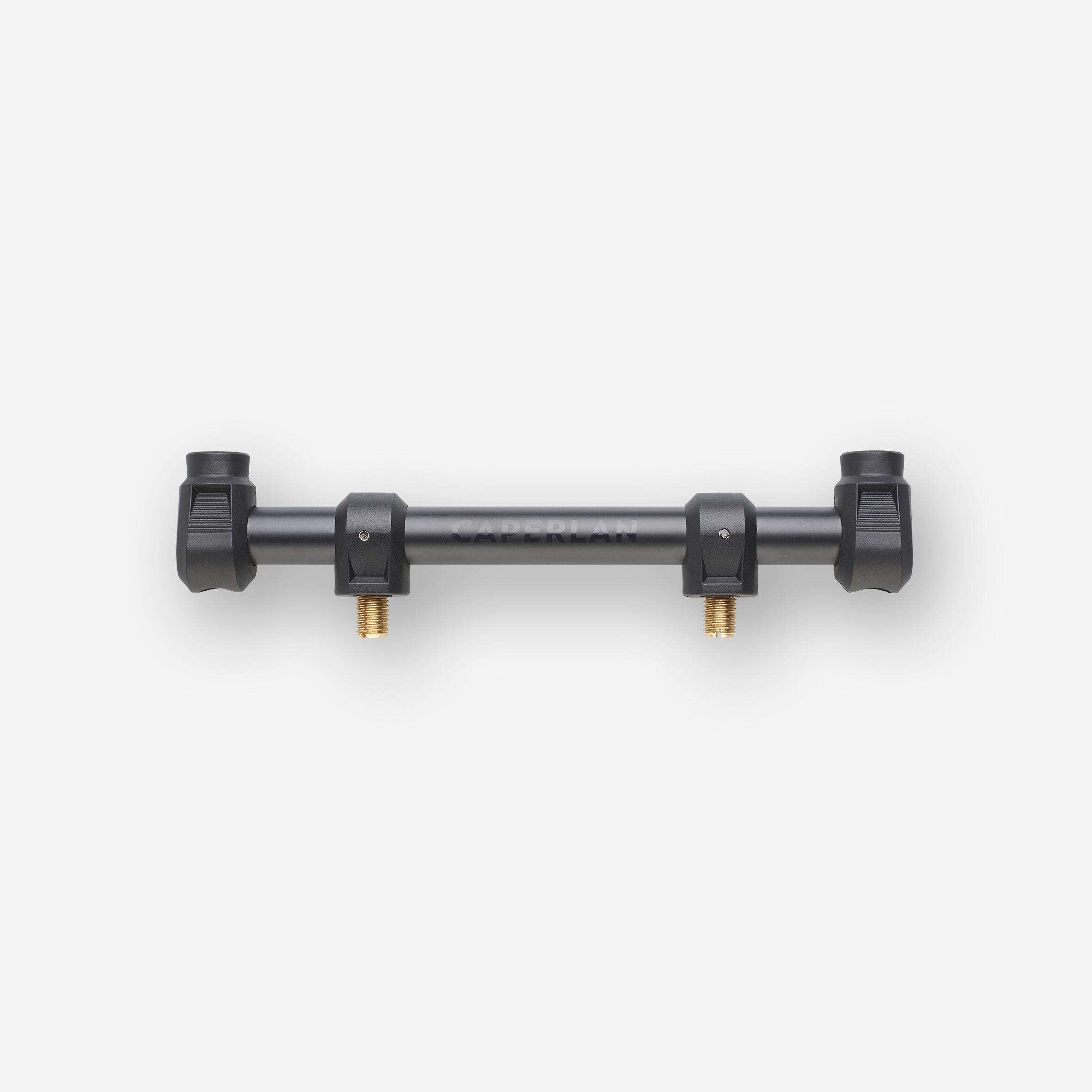
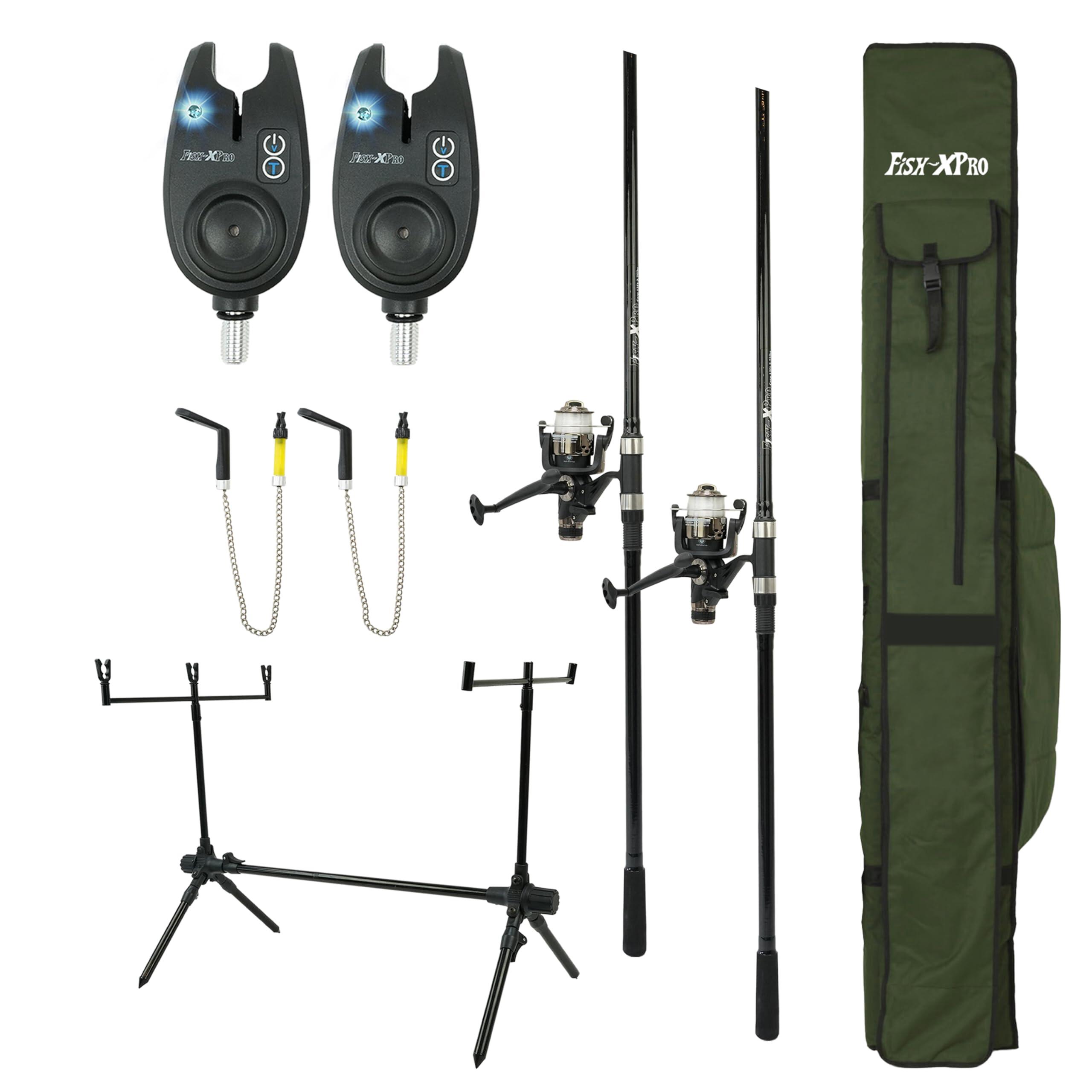
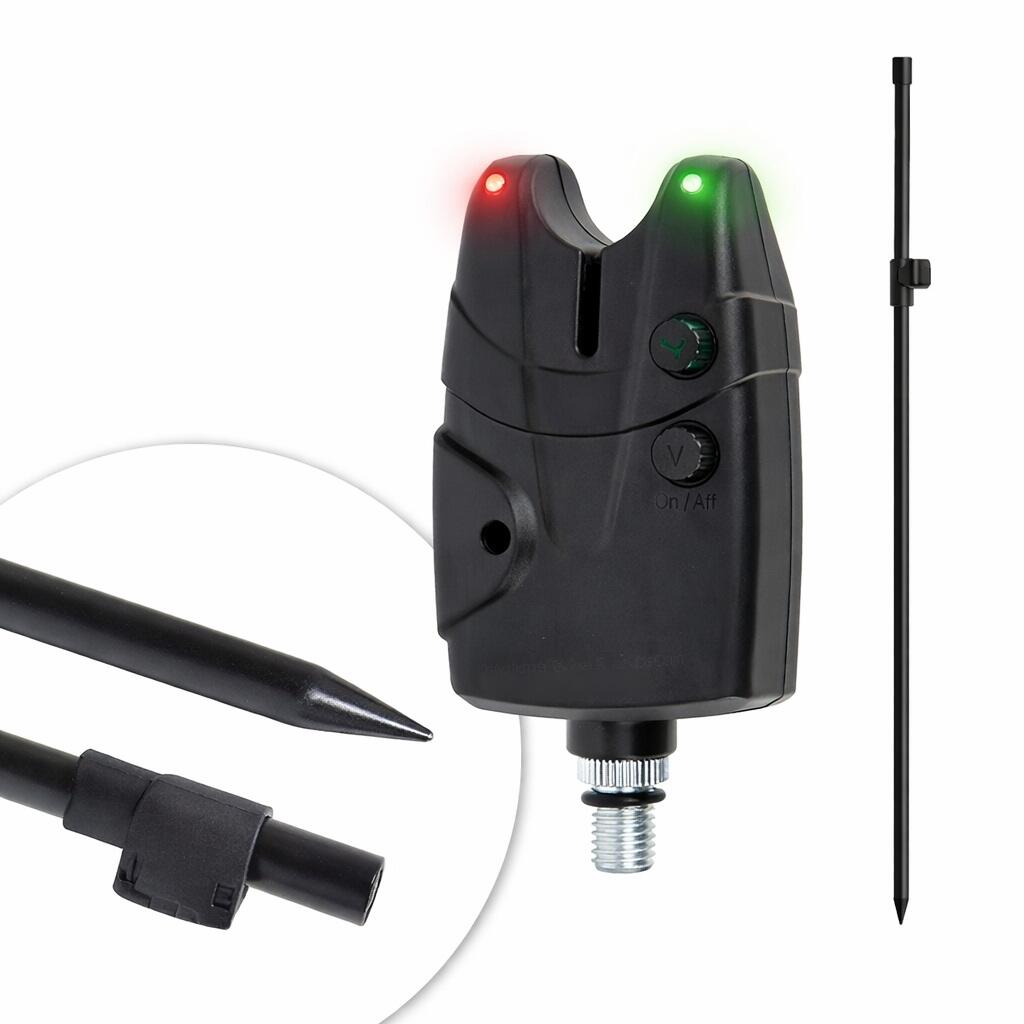
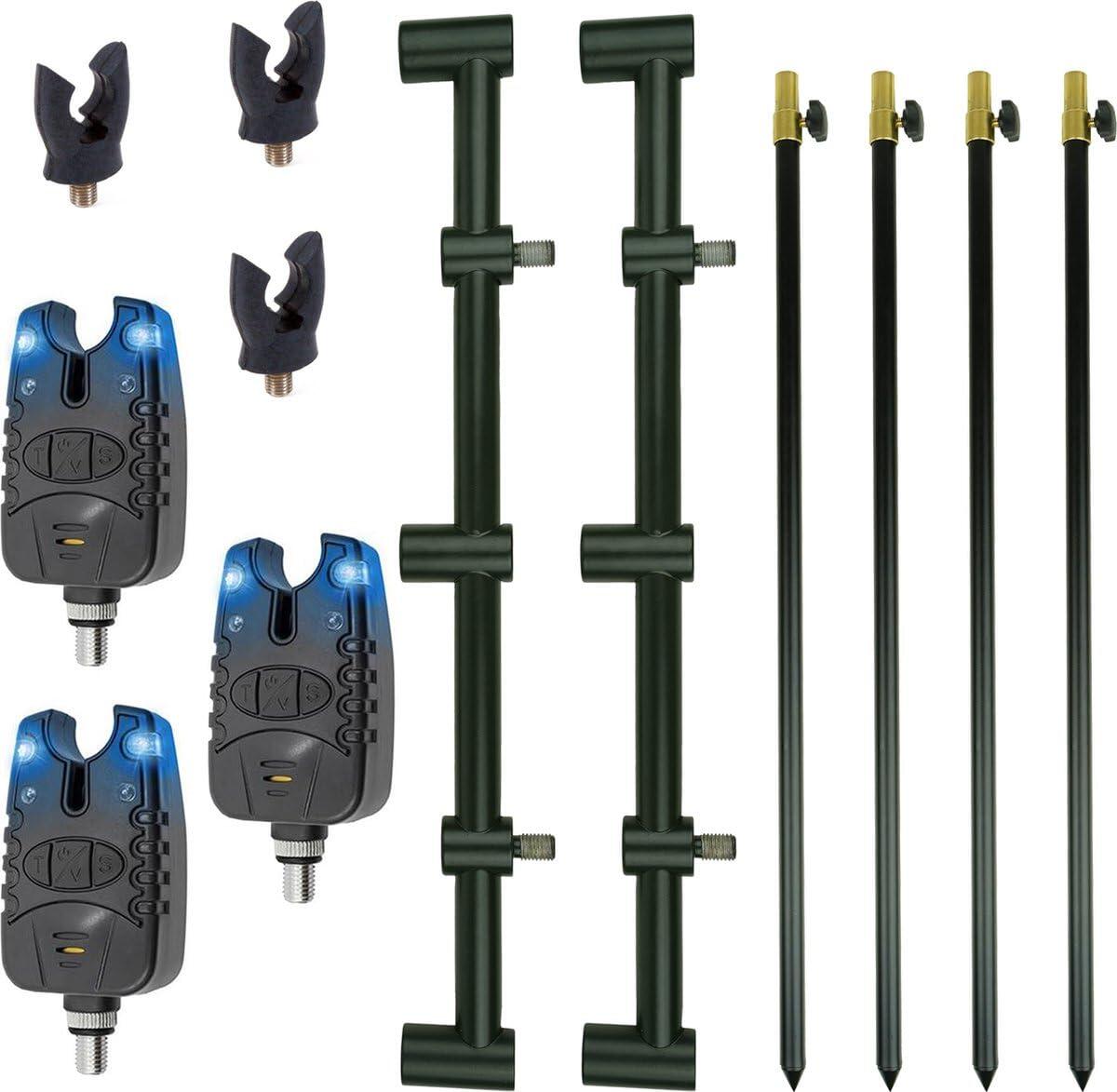
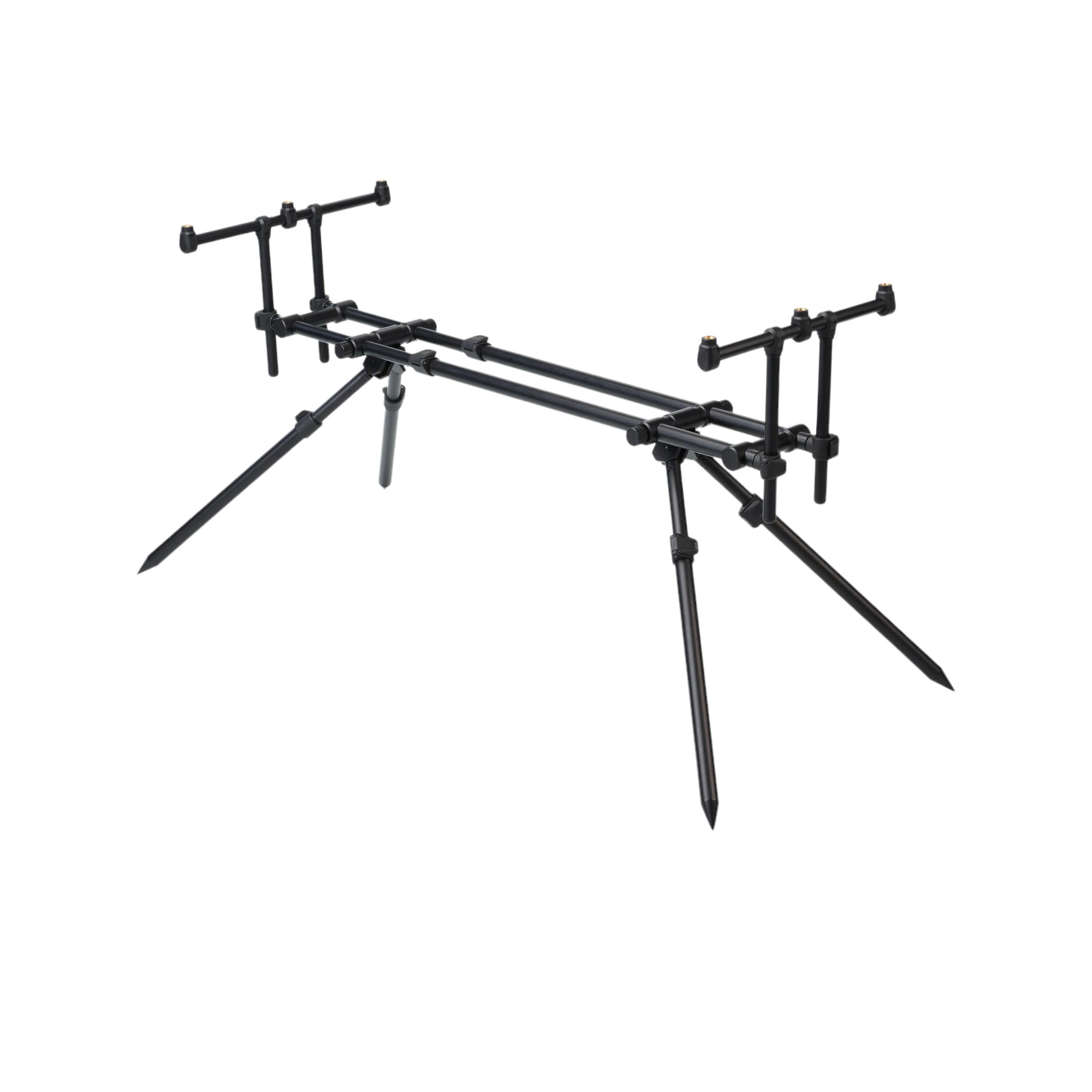
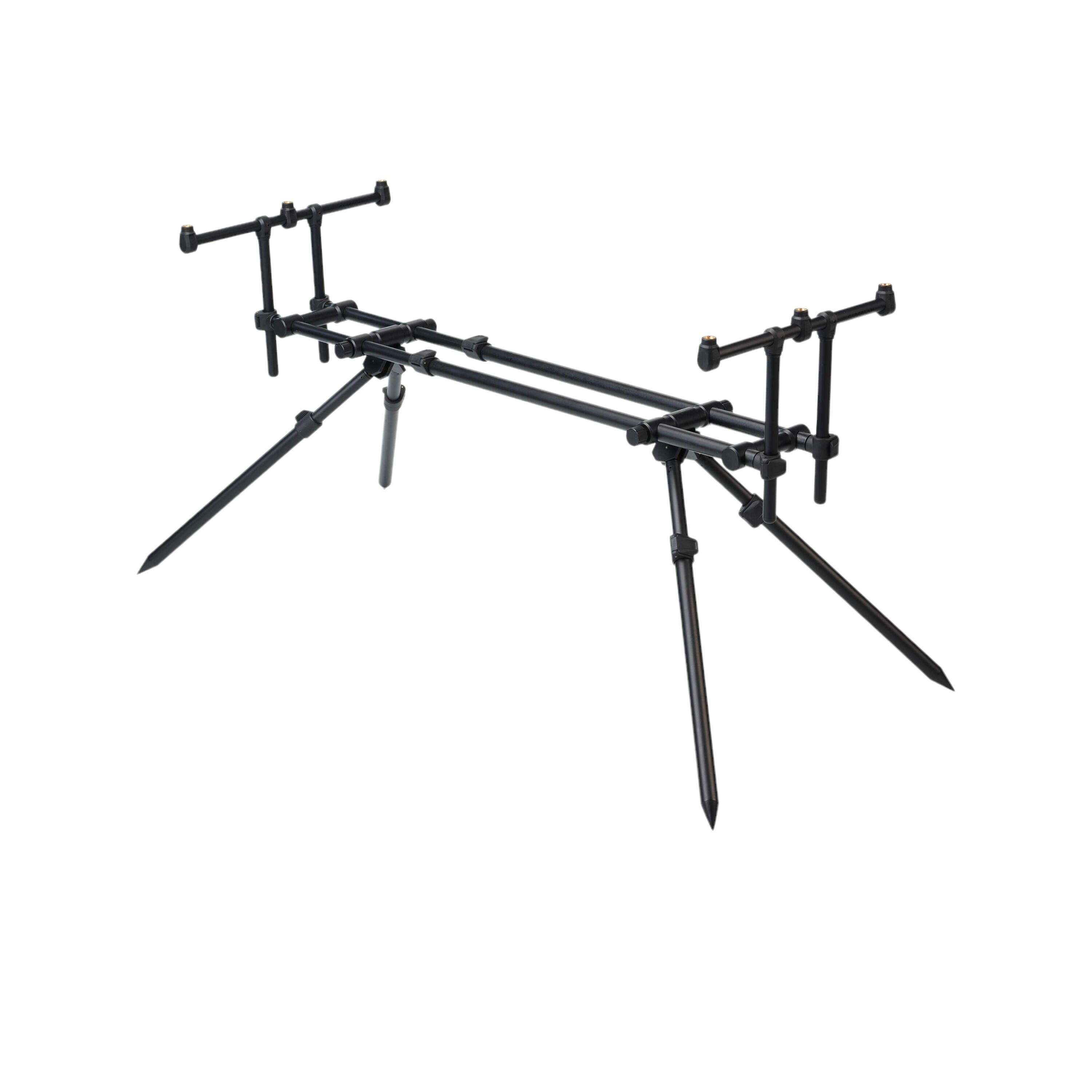
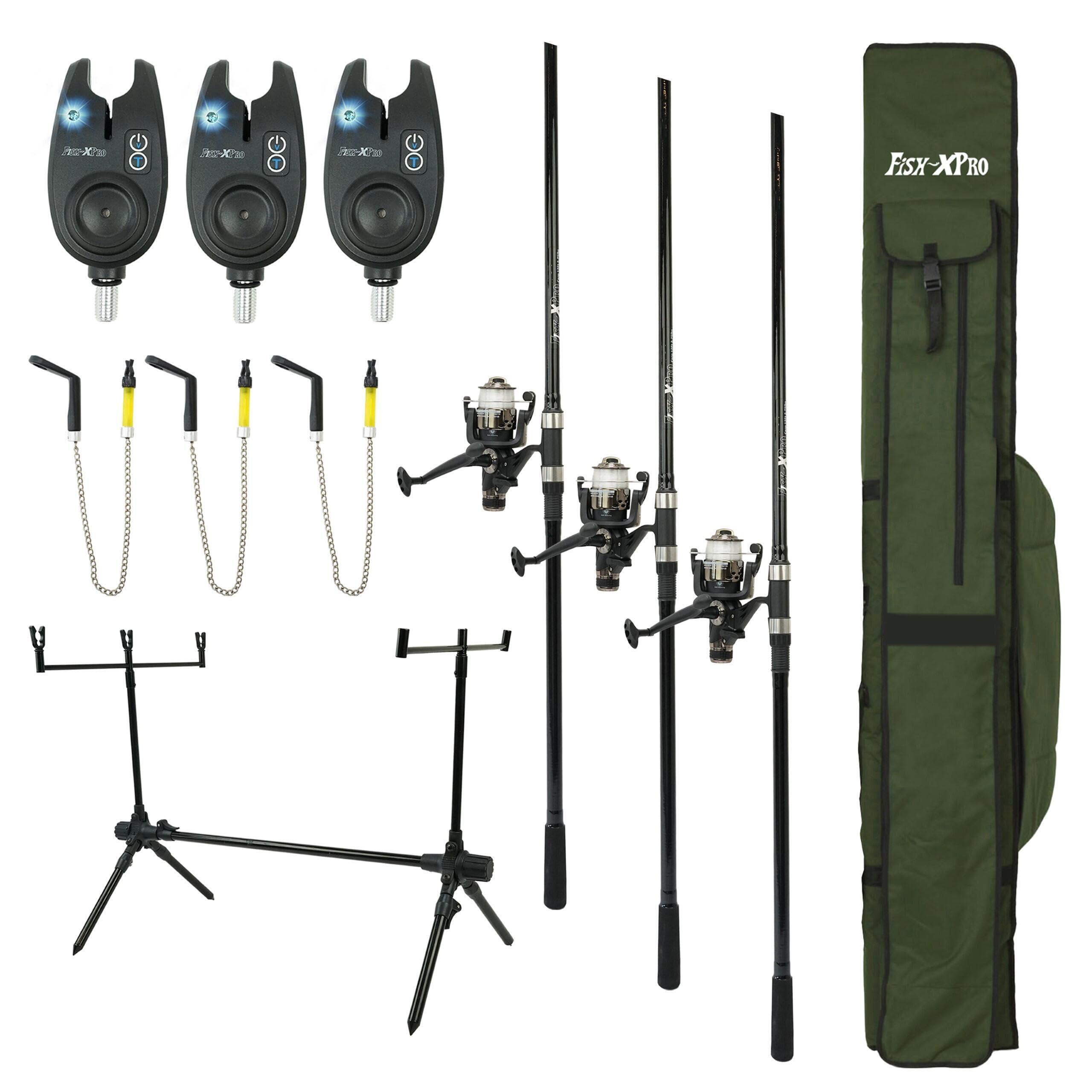
A rod pod keeps several rods organised at consistent angles while bite alarms help you notice line movement when you are not watching every rod tip continuously. The Caperlan Rod Pod 500 Compact weighs approximately 1.26 kg and can support two-rod or three-rod arrangements. Its opening system positions the arms symmetrically, while four independently adjustable feet help level the setup on uneven ground. Universal screw threads also allow compatible alarms and rod rests to be fitted. Within carp fishing rod pods and bite detection, match the standard rig to the number of rods you use and the bank conditions. Secure every rod properly before leaving the immediate swim area.