25 items
4.7/5 based on 196 reviews collected online and in stores

Bite Detection FAQs

When does a lightweight hanger help with bite detection?

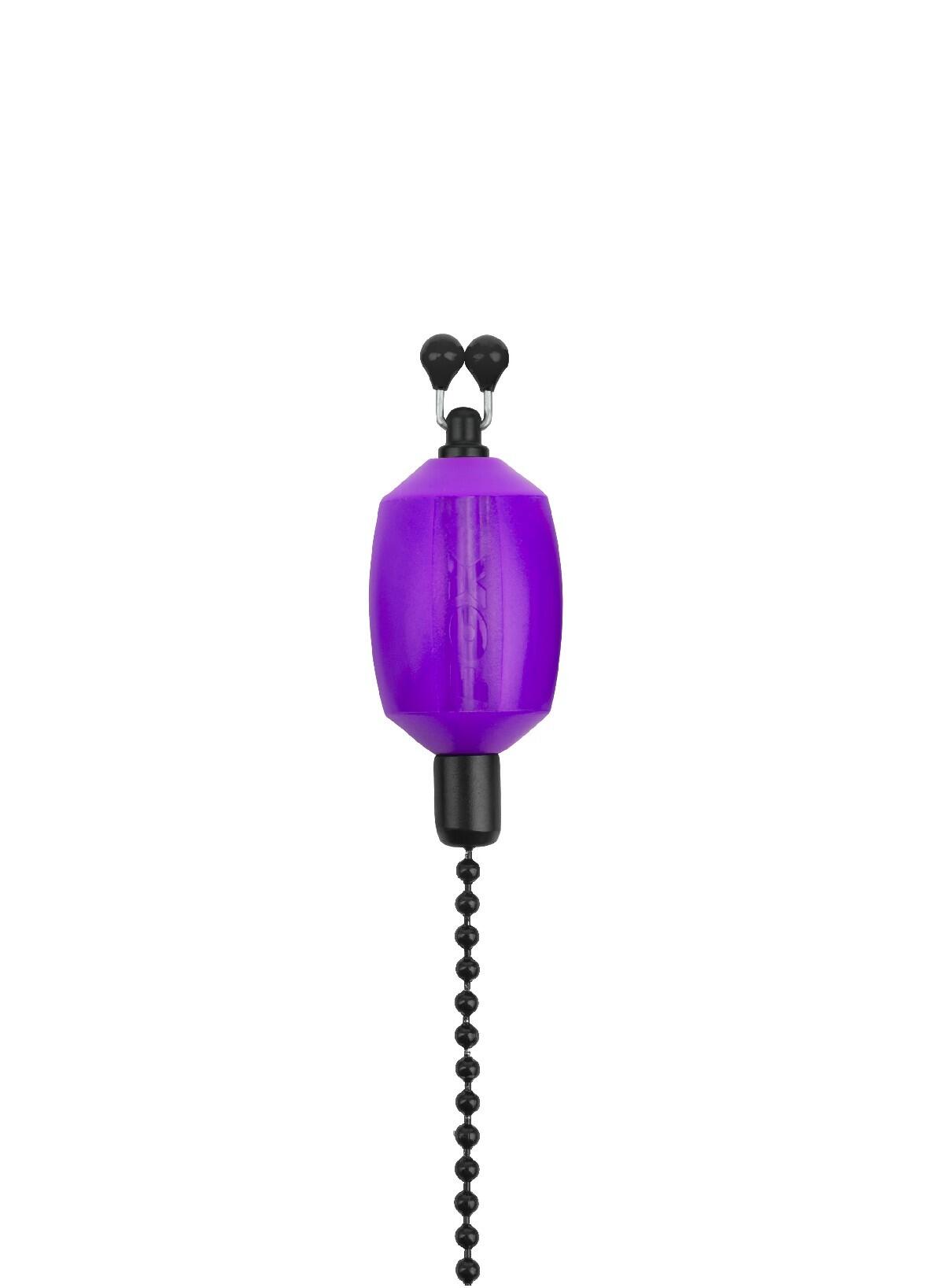
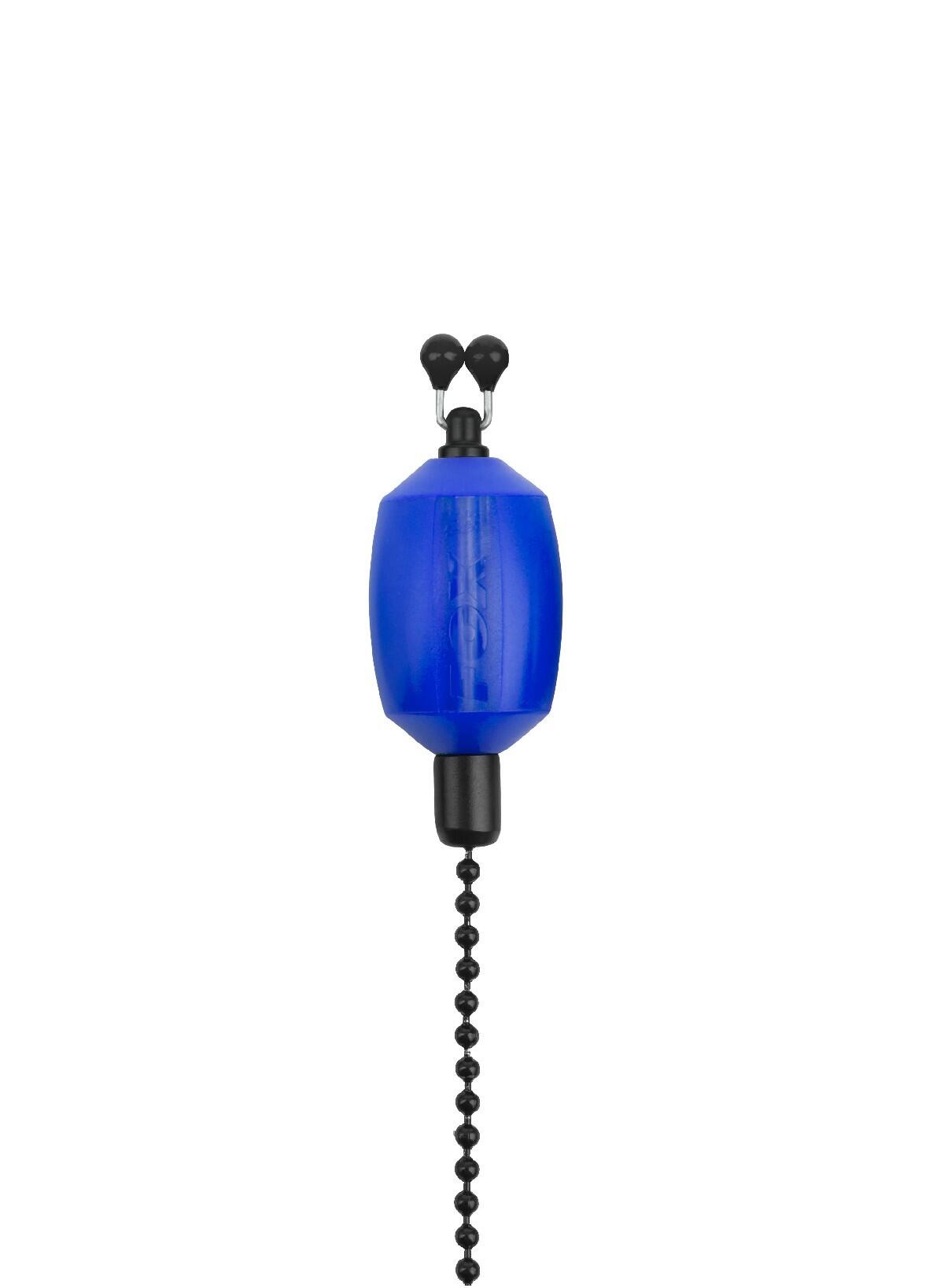
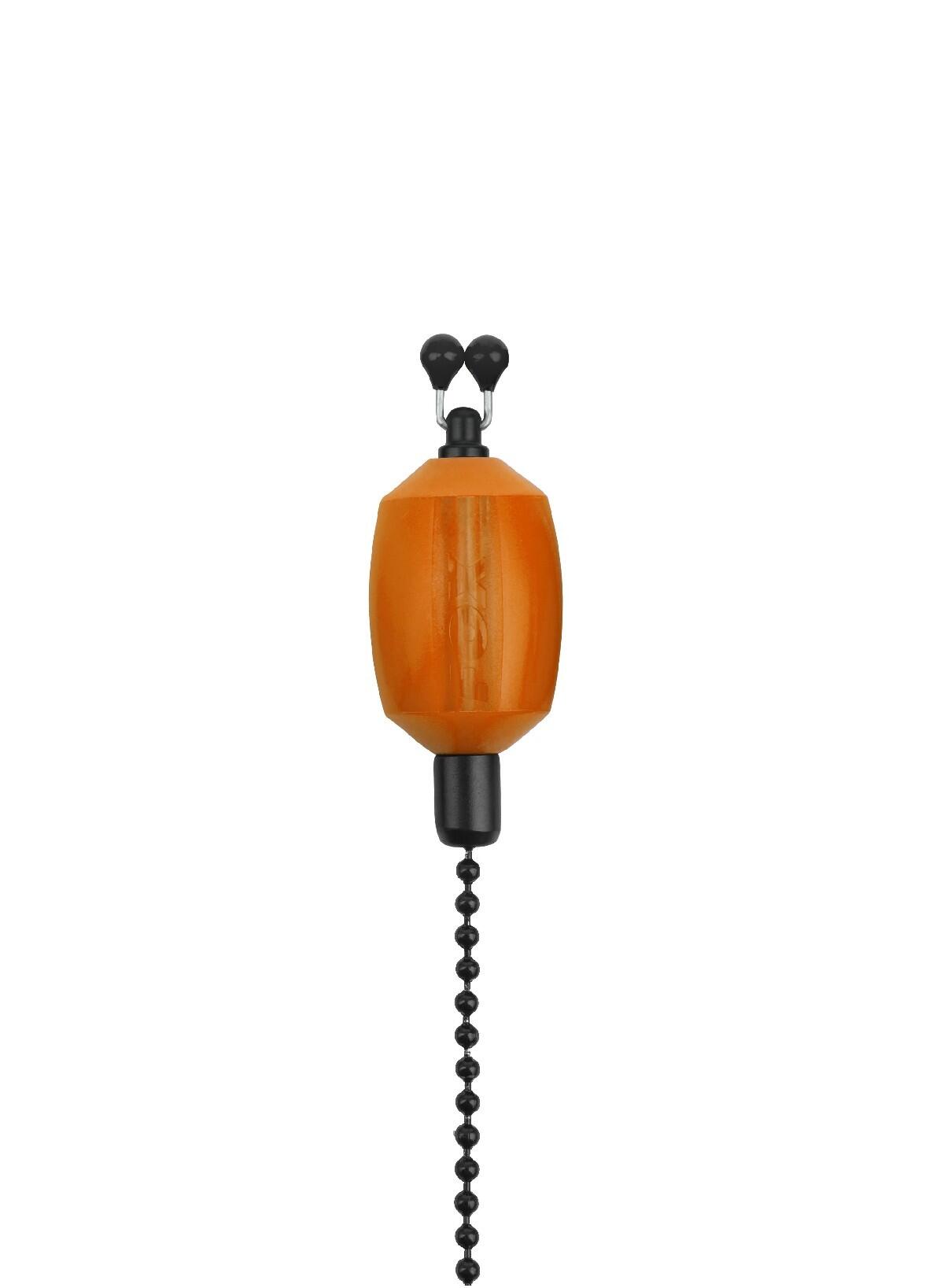
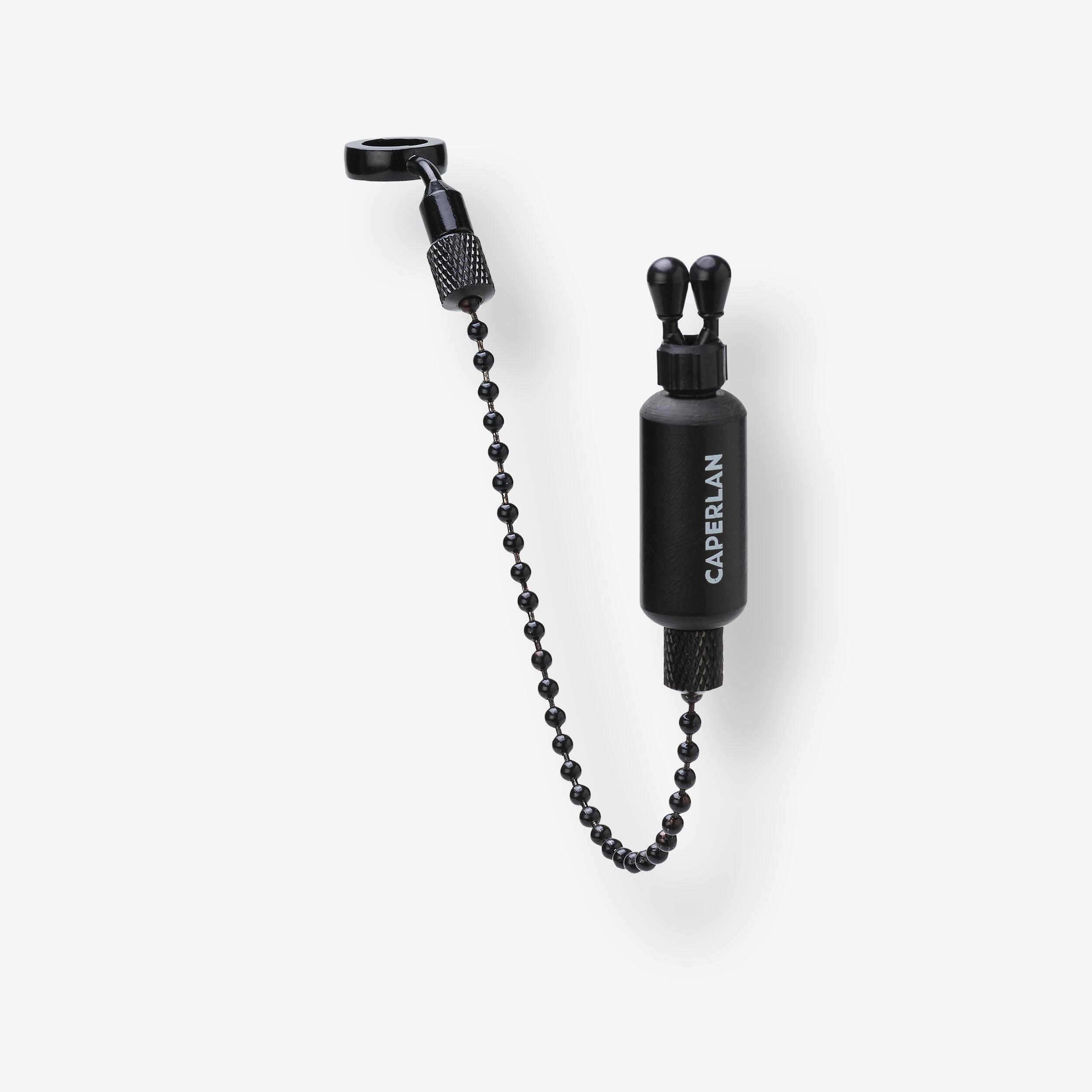
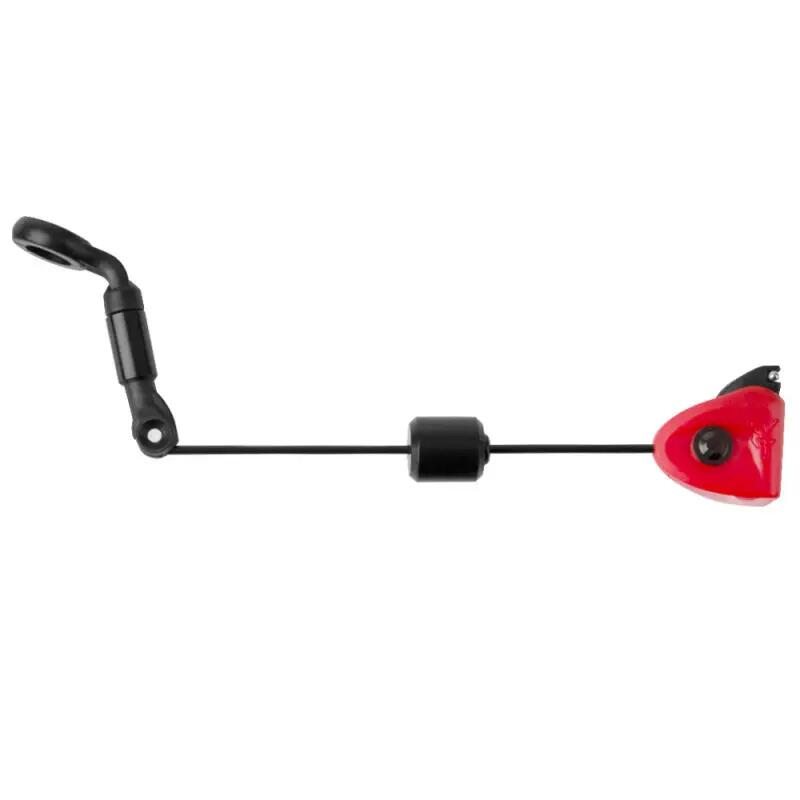
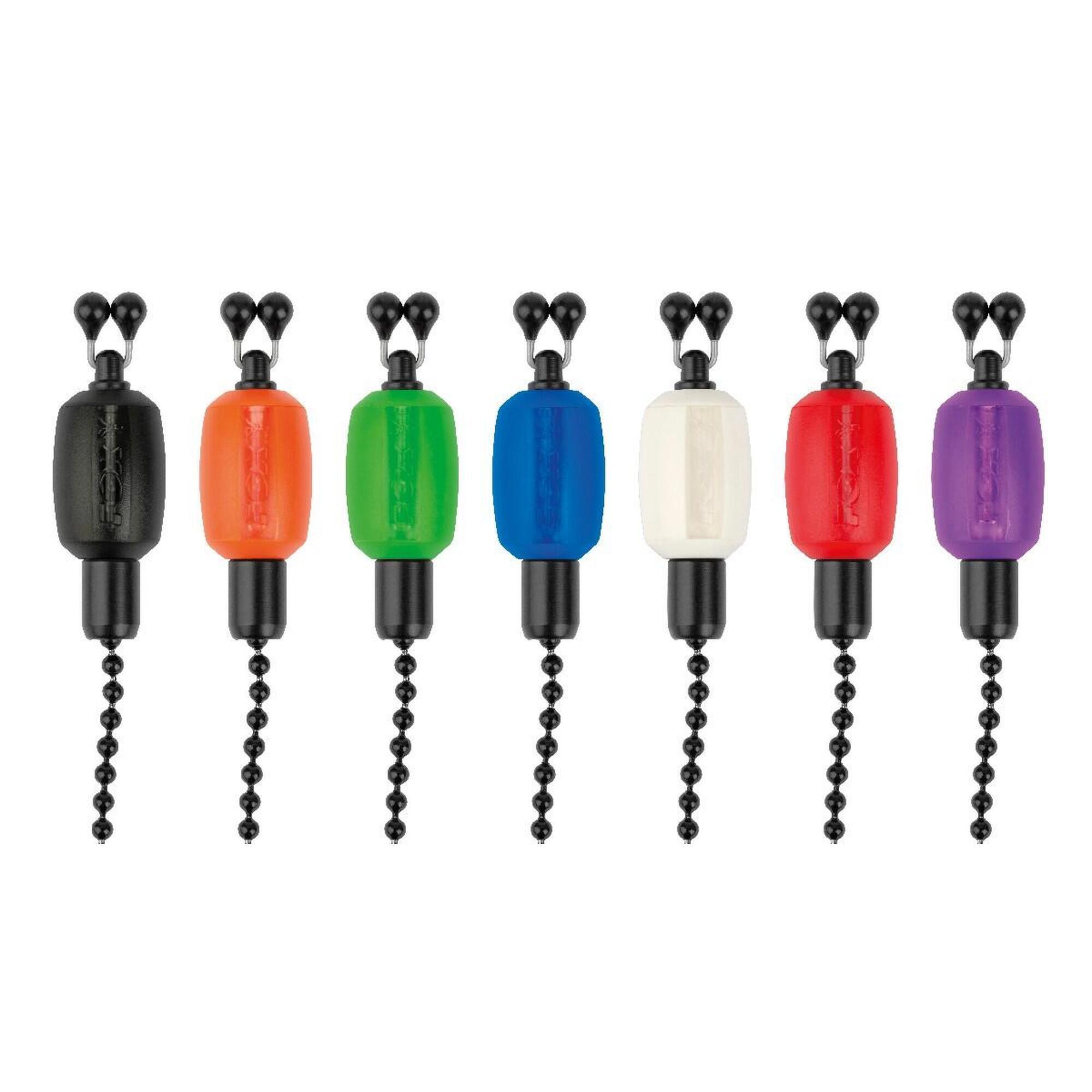
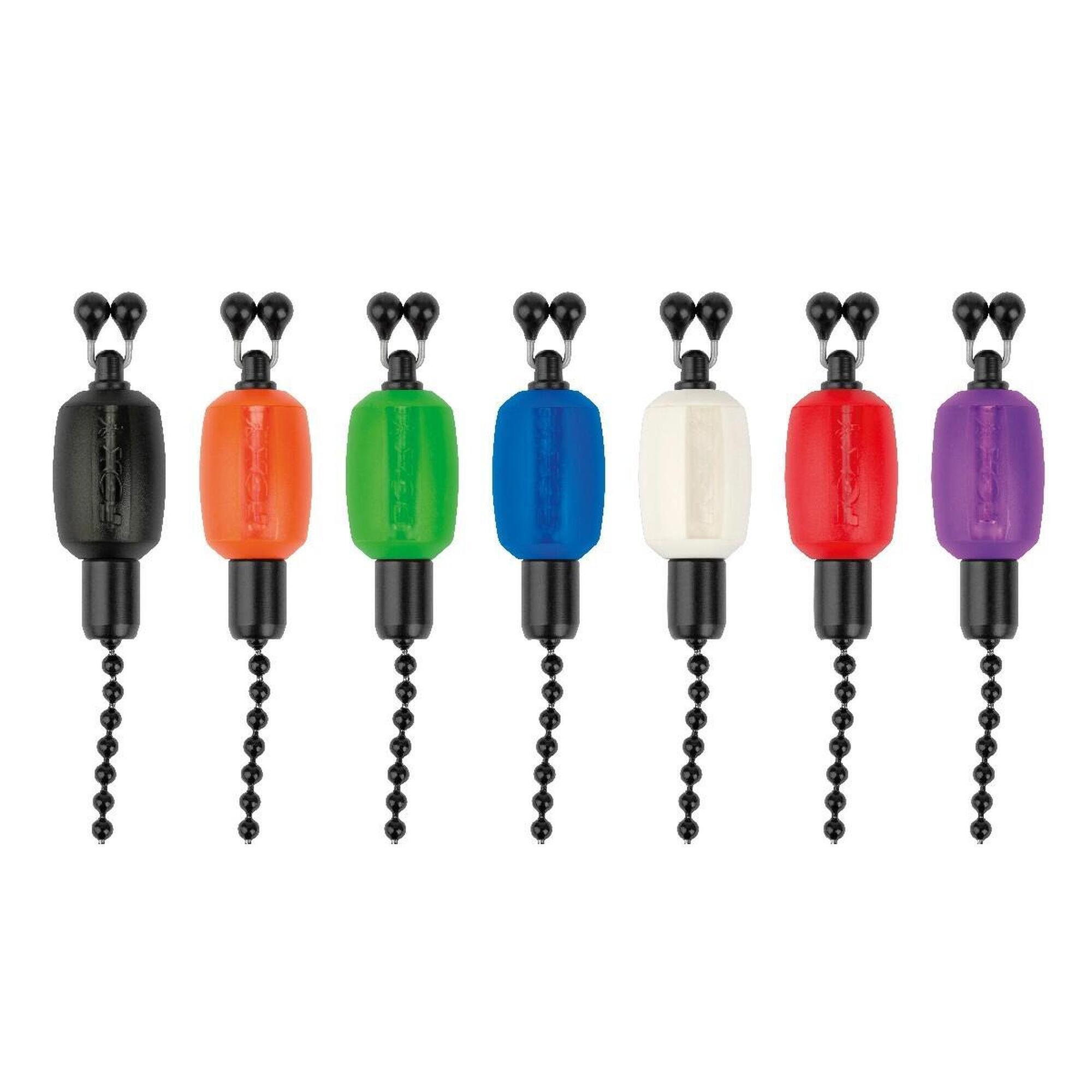
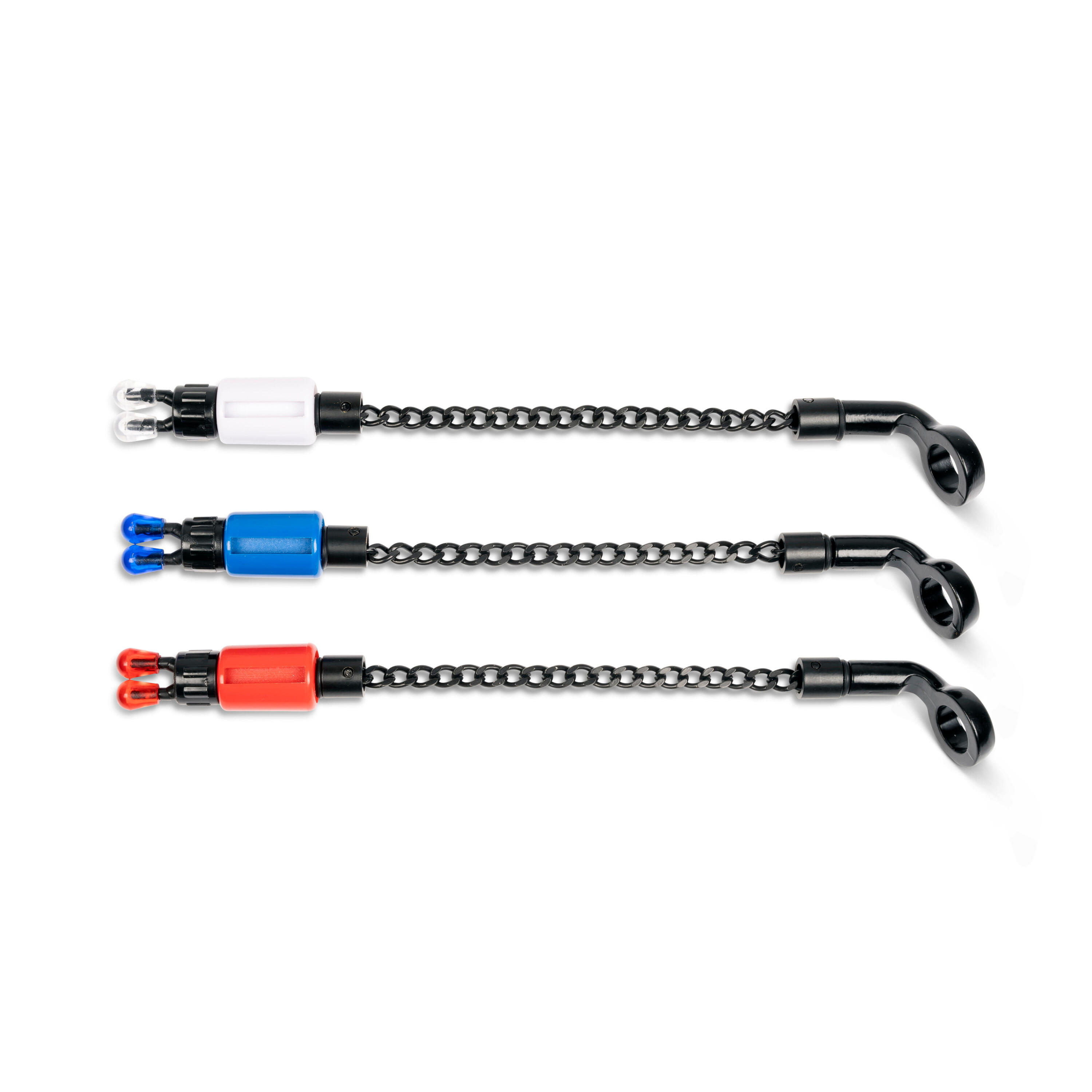
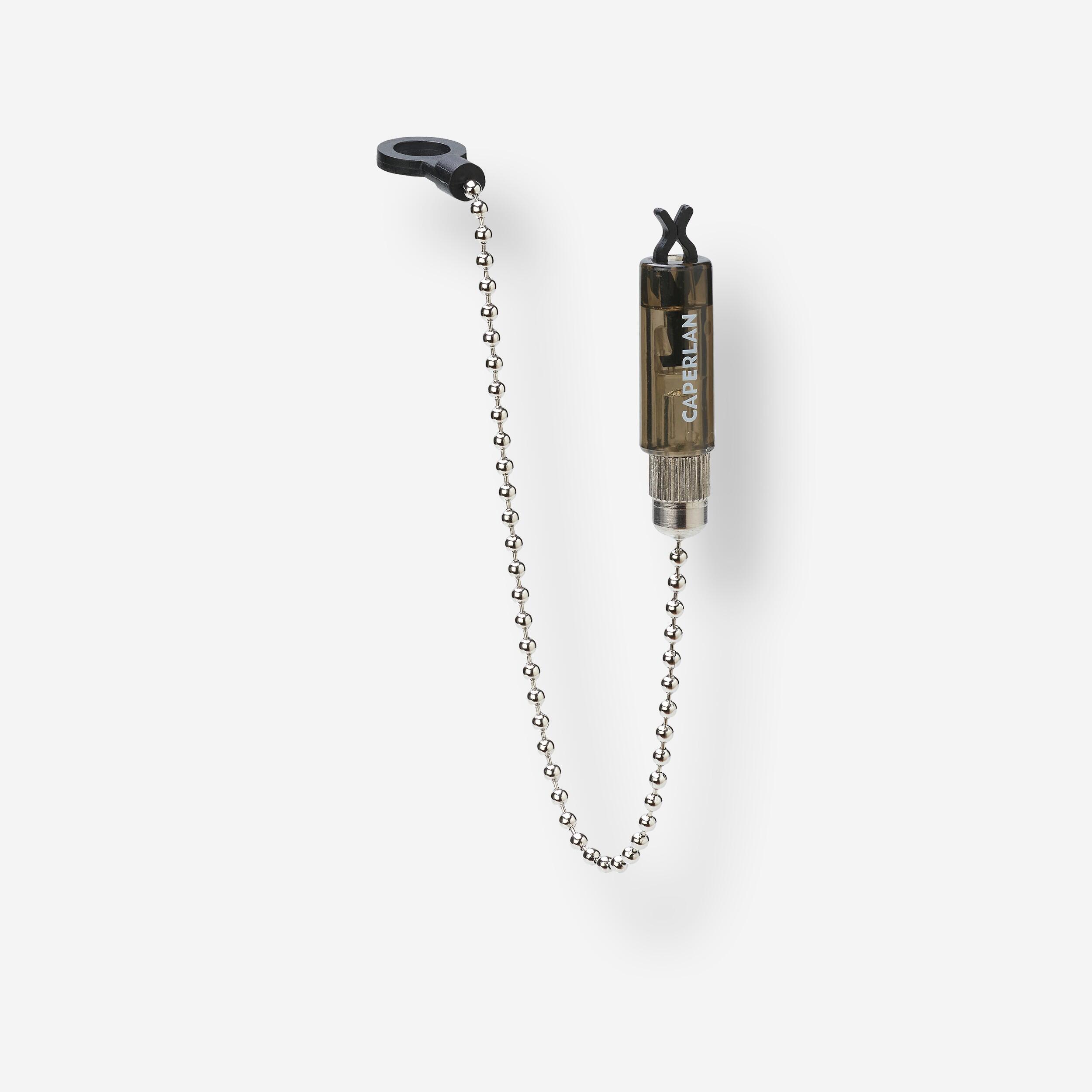
Very light visual indicators place less extra tension on the line, which can make small movements easier to notice in more sensitive setups. The carp fishing visual indicator hanger 100 weighs about 13 g overall, including a 9 g indicator head, giving it a deliberately lightweight construction. Its freely moving chain lets the indicator respond as line tension changes instead of holding the line against a rigid arm. This type of setup can suit situations where you want clear visual movement without adding much mechanical resistance. Position it so the chain can move freely and is not obstructed by the rod pod, bank vegetation or other tackle.

How does a swinger change the amount of tension on the line?

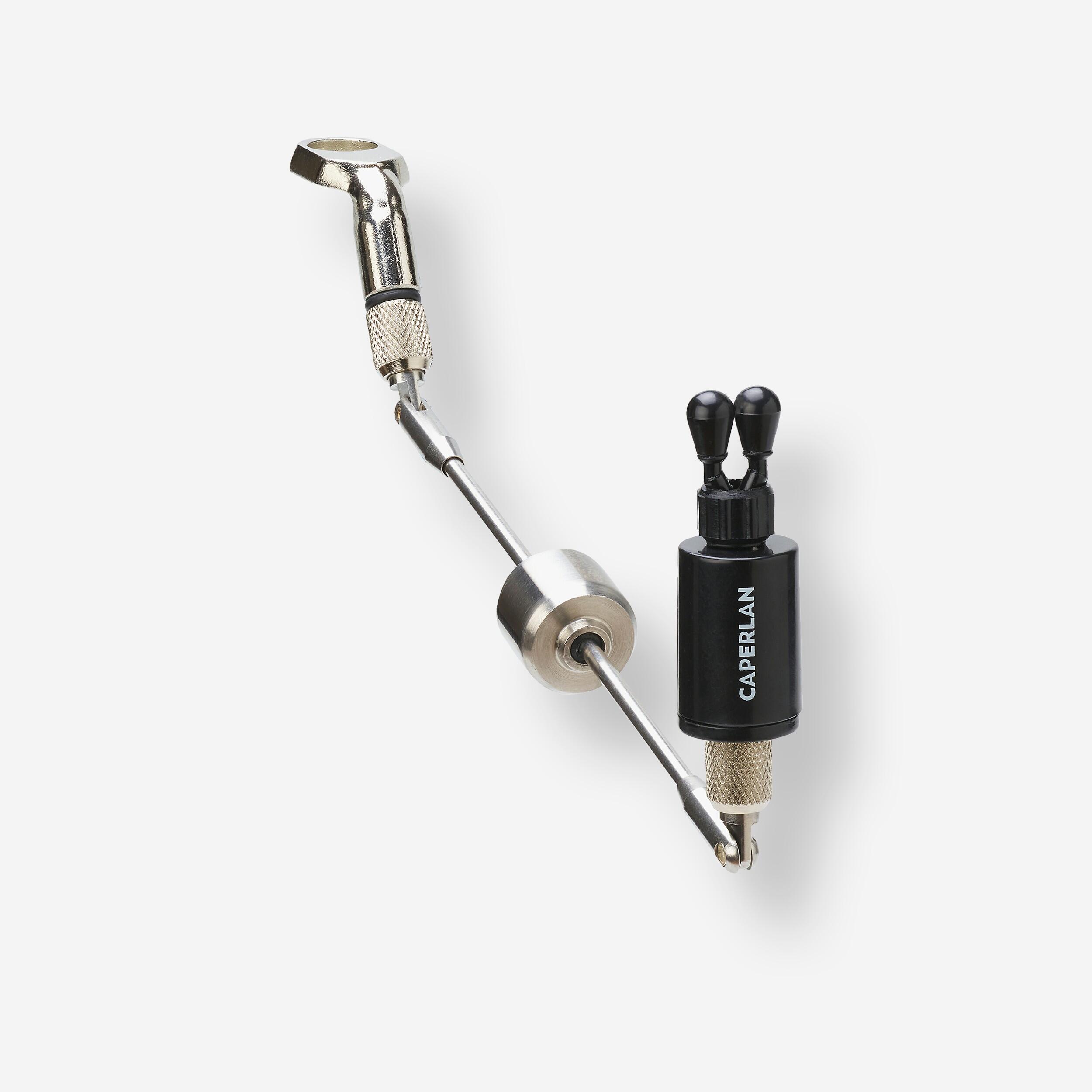
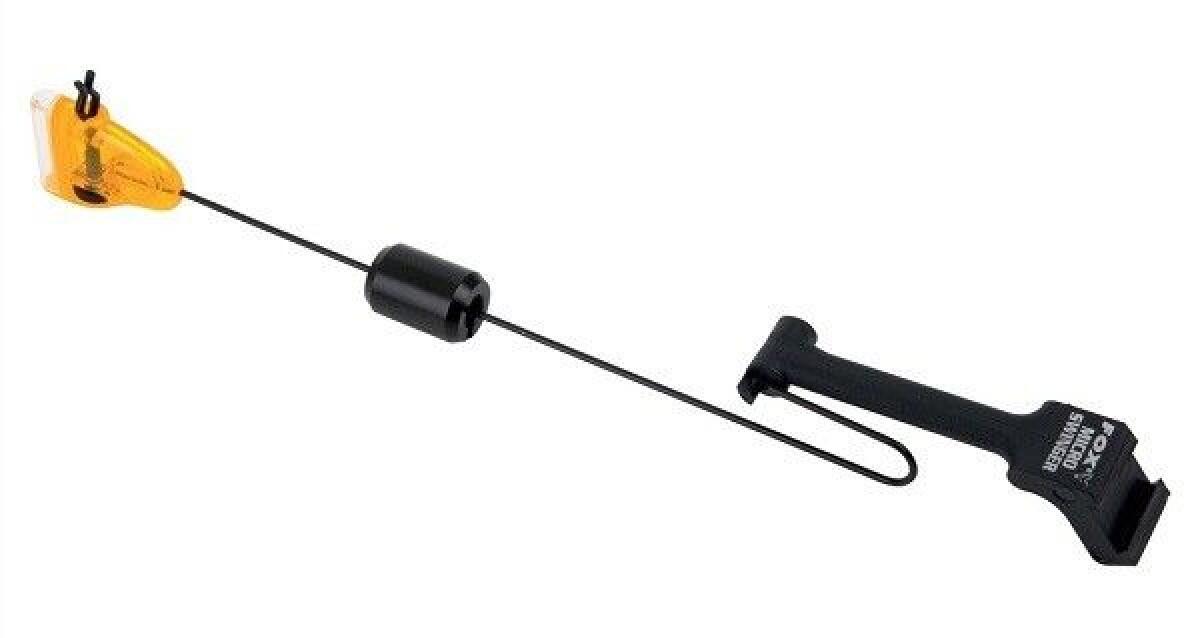
A rigid-arm indicator gives you more control over resistance than a simple hanging chain. Caperlan's carp fishing visual indicator swinger 500 uses a stainless-steel arm and a sliding 20 g weight that can be repositioned along it. Moving that weight lets you alter the mechanical load according to wind, fishing distance or the amount of line tension already in the setup. This makes the same indicator adaptable rather than fixing you to one resistance level. Keep the adjustment moderate enough for the line to move clearly during a take, and make sure the sliding weight remains secure after transport or repositioning.

What is the practical difference between a hanger and a swinger?

The main distinction lies in how each indicator reacts to line movement. A hanger hangs freely from a chain, so it suits situations where low resistance and easy movement matter. The Swinger 500 uses a rigid arm and adjustable weight, giving more controlled tension when wind or longer distances make a very light indicator less stable. Caperlan therefore separates its bite detection into mechanically different formats rather than simply changing the indicator colour or body shape. Both rely on visible movement rather than electronic alarm distance or wireless features. Match the format to the conditions, then check that the indicator can rise and fall freely without catching on the rod support or line.

How can visual indicators work with a multi-rod setup?

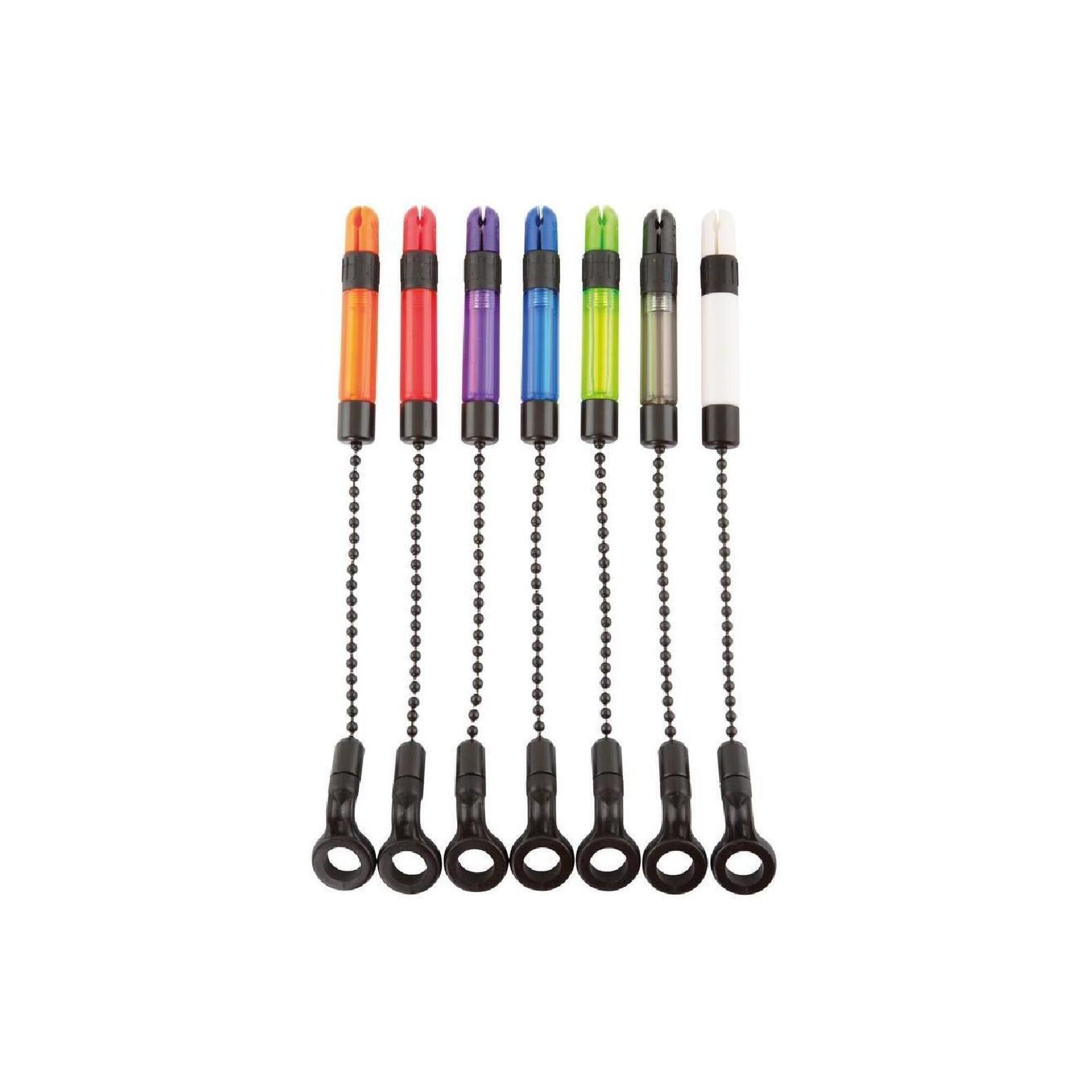
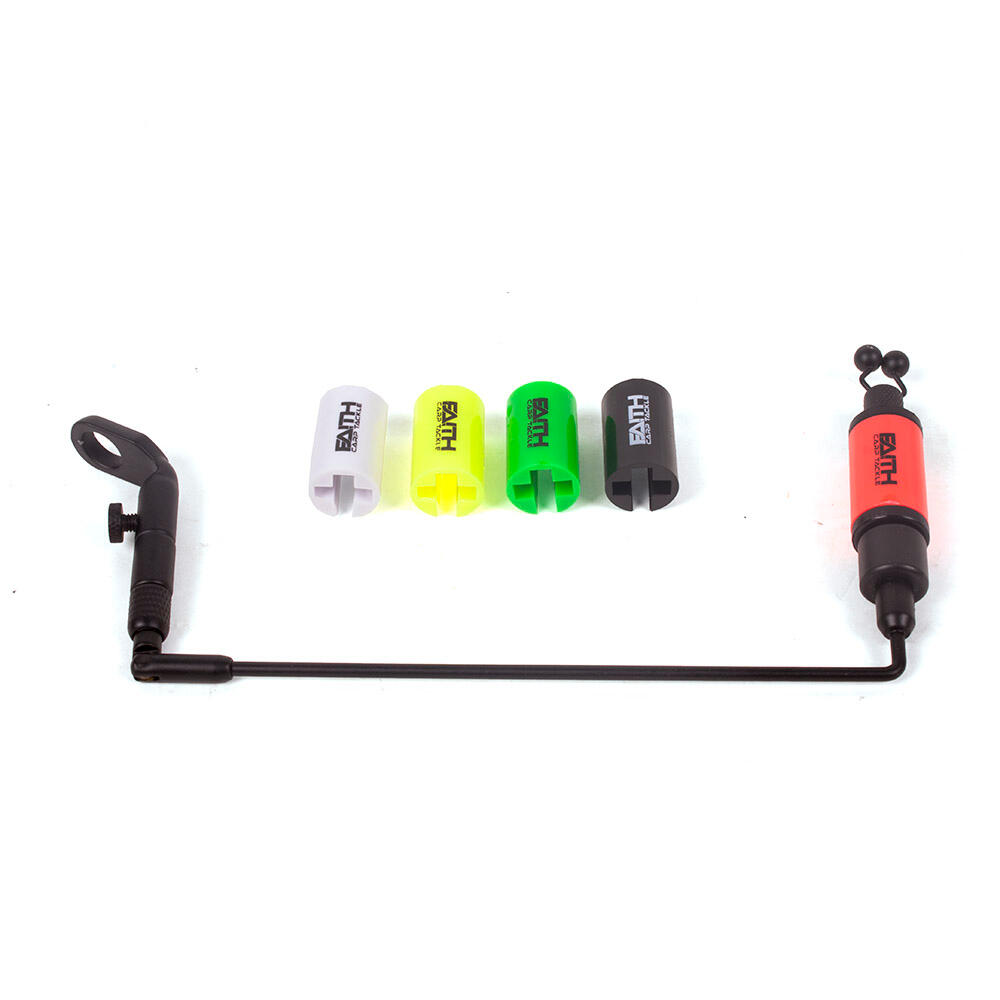
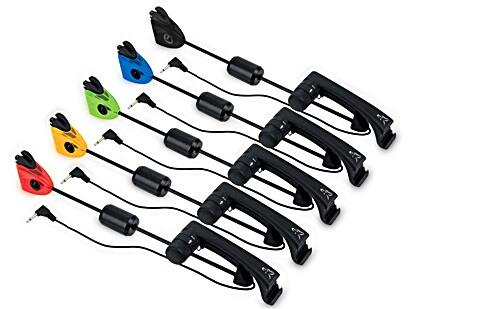
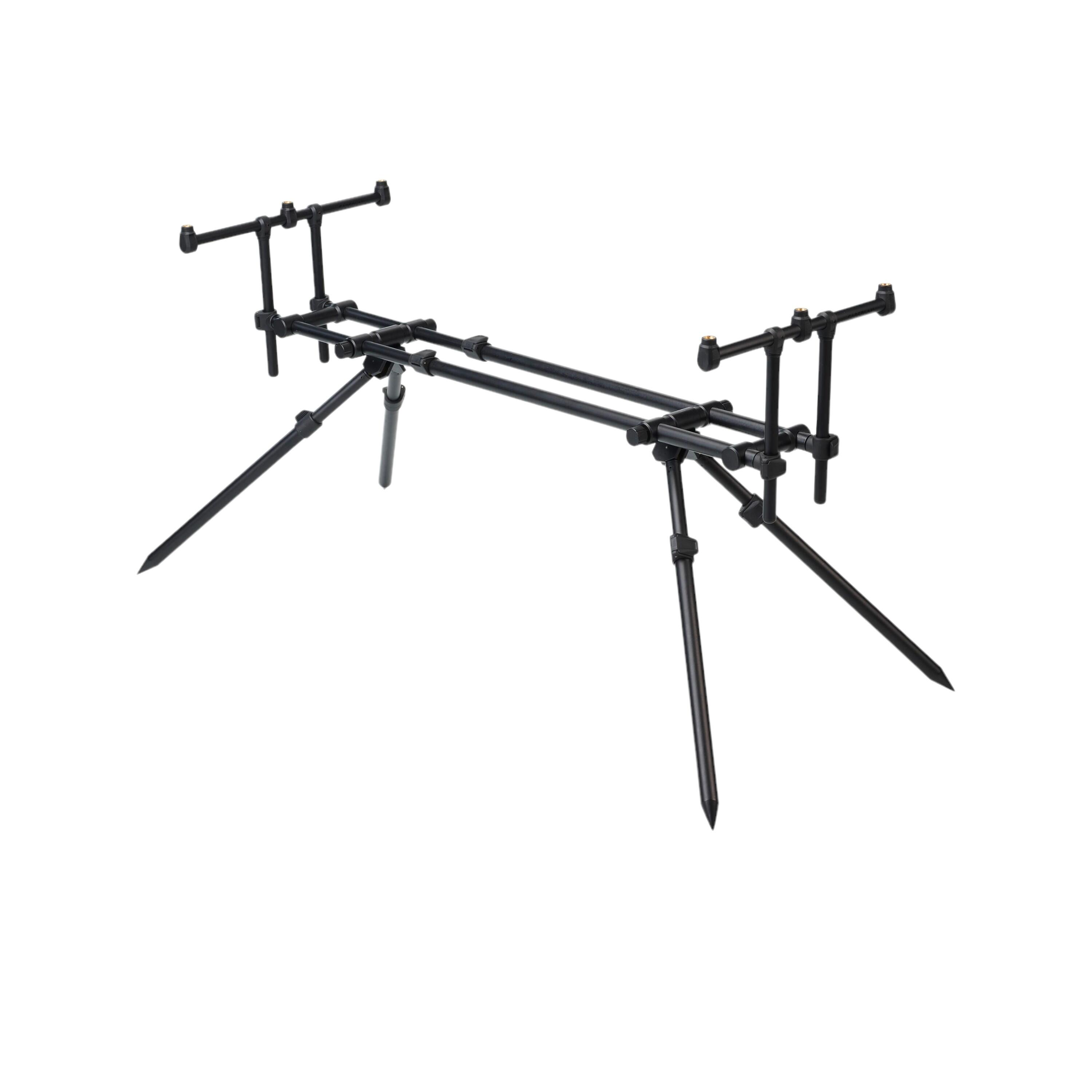
Several rods fishing at once can make quick identification useful, especially when each line covers a different distance or direction. Higher-level Caperlan indicators can accept interchangeable coloured frames in yellow, orange, purple and green, allowing individual rod positions to be visually separated. This fits naturally alongside carp rod pods and bite detection equipment where rods, alarms and indicators are arranged together on one support system. The same colour-frame kit works across the Hanger 500, Swinger 500 and All-in-one 900, so colours are not permanently tied to one indicator. Keep the colour arrangement consistent through the session so each visual cue remains easy to associate with the correct rod.

What helps keep visual bite indicators working smoothly?

Indicator movement depends on small mechanical parts staying free from mud, grit and tangled line. Wipe stainless-steel chains and swinger arms after wet sessions, then check clips, joints and sliding weights before storing them. Avoid packing the indicators under heavier tackle where a rigid arm or lightweight body could be bent. During carp fishing, also inspect the line connection each time you reset a rod so the indicator releases and moves correctly during a take. Caperlan's current visual bite-detection products focus on mechanical sensitivity, adjustable resistance and clear visibility, so straightforward cleaning and careful storage help preserve the very features that make line movement easier to read.