102 items
4.7/5 based on 2881 reviews collected online and in stores

Camping Hammocks FAQs

Should I choose a 1-person or 2-person camping hammock?

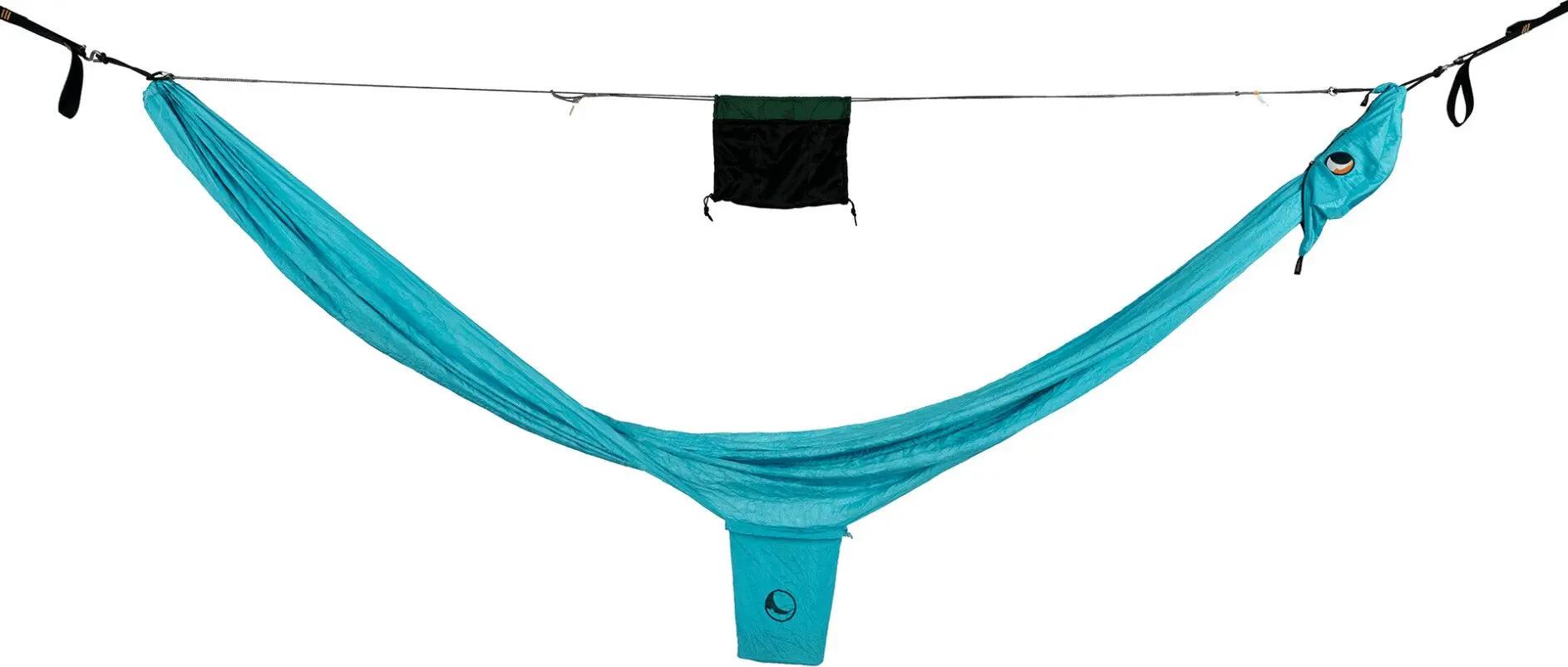
The right choice comes down to how you plan to use it and who you are going with. A 1-person hammock is the go-to for solo campers, hikers, and anyone counting grams in their pack. Most single hammocks pack down to around the size of a water bottle and weigh under 500 g, making them easy to clip onto a daypack without adding noticeable bulk. The narrower width also makes rigging simpler between trees, as you need less spread between anchor points. For those heading out with a partner or wanting a more spacious lay, a 2-man hammock offers dimensions up to 350 x 175 cm, which gives both people room to stretch out comfortably without feeling cramped. The larger width allows both users to shift into a diagonal position, which flattens the natural curve of the hammock and significantly reduces pressure on the lower back. The trade-off is added weight and a longer setup time, so it suits base camp use or car camping more than a fast-and-light overnight trip. Consider where you plan to hang it and what tree spacing is available before committing to a size.

What is the weight capacity and size to look for in a solo camping hammock?

Weight rating and hammock length are two of the most practical specs to check before purchasing. Most 1-man hammock options are rated to carry between 100 kg and 120 kg and measure roughly 2.70 m in length, which comfortably fits users up to 2 m tall. The weight rating accounts for dynamic load, meaning it factors in the movement and shifting that happens when you settle in, not just your static body weight. For taller users, the key figure to check is the lay-flat length rather than the overall hammock length, as suspension straps eat into the usable space. A longer body panel reduces the angle at which you lie, which in turn lowers the amount of side sag pulling at your hips and shoulders. Practical advice: always hang your hammock with a 30-degree angle on the straps rather than pulling it tight. A slight smile shape in the sag gives you a far more ergonomic and restful position than a taut hang.

What accessories do I need to pack alongside a camping hammock?

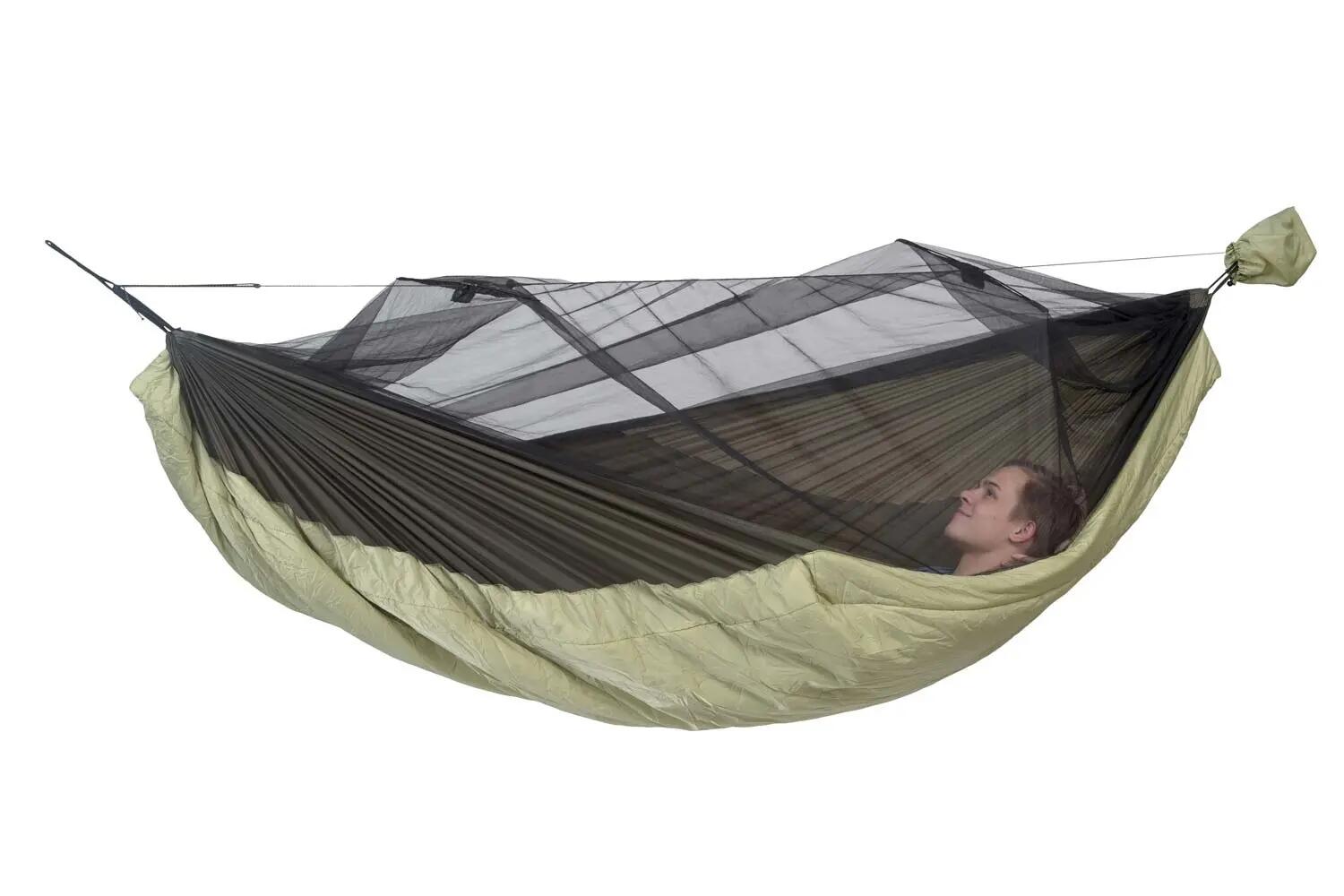
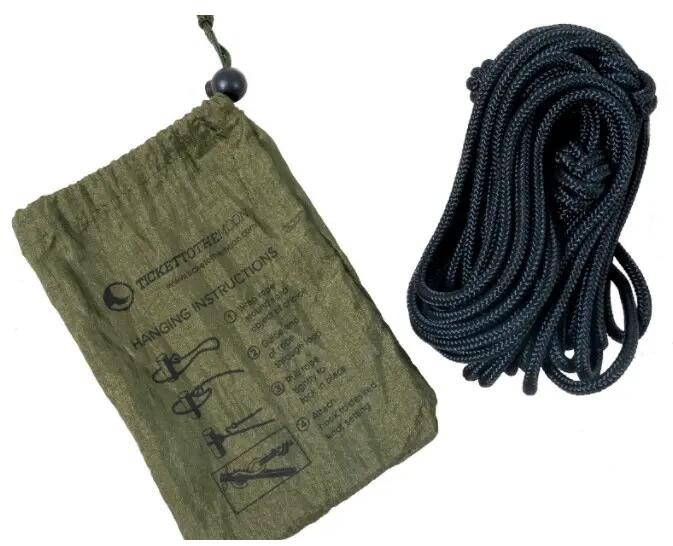
A hammock on its own is just one part of the overnight setup. Straps and carabiners are usually the first add-on, and while many hammocks include them in the box, it is worth checking strap length before you head out. Tree spacing between 3 m and 6 m is standard in most woodland, but longer straps give you more flexibility on site. Beyond the hanging system, a tarp or rain cover is critical for overnight use to keep weather off the open top of the hammock. Packing your tarp, spare dry layers, and cooking kit into compact camping storage bags keeps your gear sorted at the base of the tree and off the damp ground. A mosquito net is another worthwhile addition, particularly during summer months when insects are active at dusk and dawn. For hammock camping with a mosquito net, look for models where the netting is integrated or sleeved over the top, as clip-on nets can shift during the night and leave gaps.

How does hammock camping compare to sleeping on a camping bed?

Both options serve different campers depending on terrain, group setup, and personal comfort preference. A hammock suspends you off the ground entirely, which is a practical advantage on wet, rocky, or uneven ground where laying out a flat sleep surface is not possible. The suspended position also improves airflow around the body, which can make warm nights more comfortable. That said, hammock camping requires two suitable anchor points at the right distance apart, which limits where you can pitch. For campsite use or group trips where tent space is available, a camping bed provides a flat, consistent surface that suits a wider range of sleepers, particularly those who find the curved hammock position uncomfortable for their back or hips. Camping beds are also easier to pair with a sleeping bag, as standard mummy-cut bags work as intended on a flat surface but bunch and restrict movement in a hammock. If you are a side sleeper, a camping bed is typically the more comfortable long-term option.

What is the role of insulation under a camping hammock?

One of the most overlooked factors in hammock camping is under-insulation. When you lie in a hammock, your sleeping bag compresses beneath your body weight and loses most of its loft, which is the very mechanism that traps warm air and keeps you insulated. This means that even with a high-rated sleeping bag, you can lose a significant amount of body heat through the base of the hammock, a problem known as cold back. The practical fix is to use an under-quilt that hangs below the hammock body, or to place a sleeping pad inside the hammock. A compact camping mattress placed inside the hammock can serve this purpose and adds a degree of stability for sleepers who shift during the night. The main reason why foam and self-inflating pads work better in this role than air-only pads is that they retain some structure under compression rather than flattening completely. Choosing the right combination of hammock and insulation is what separates a restless cold night from a genuinely comfortable outdoor sleep.