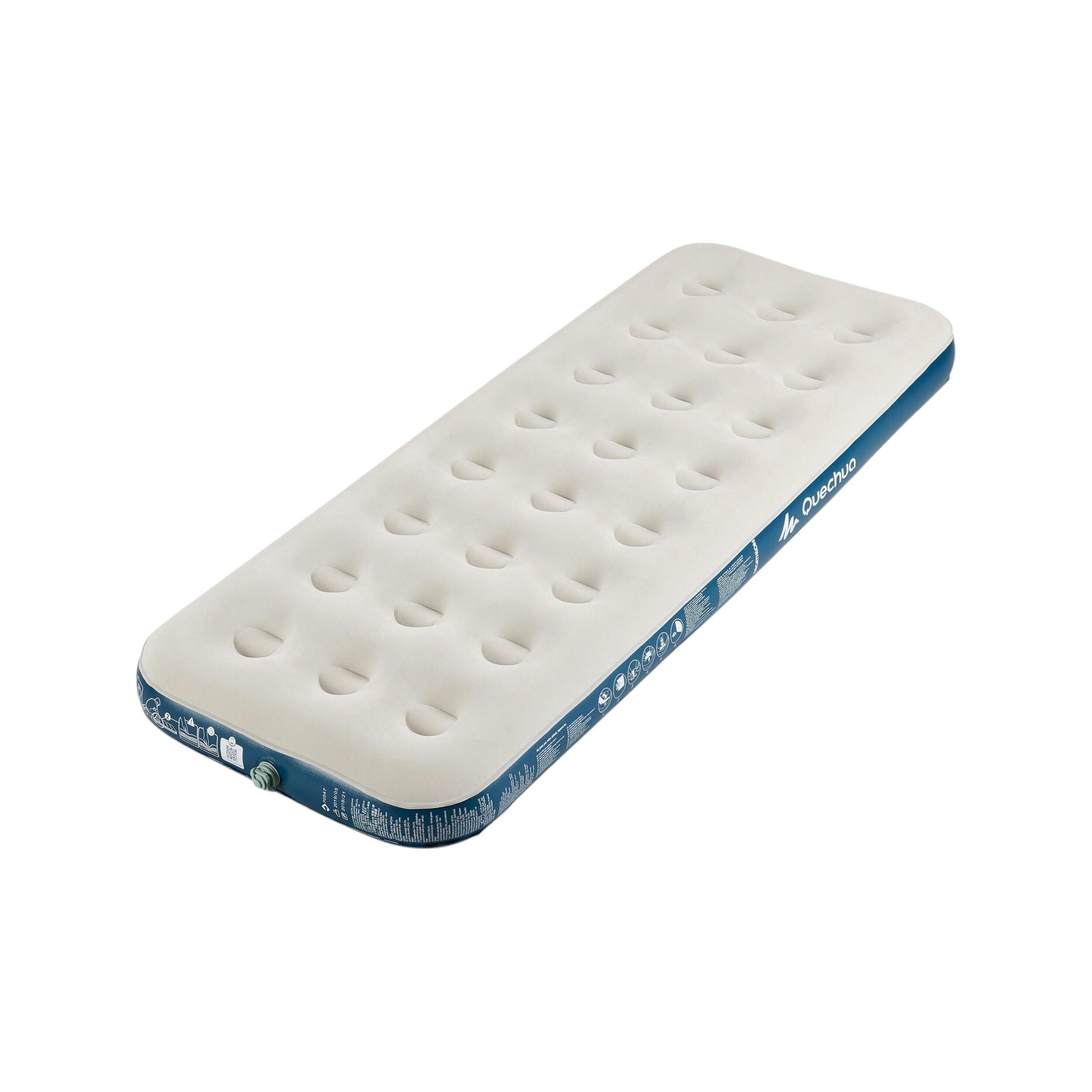
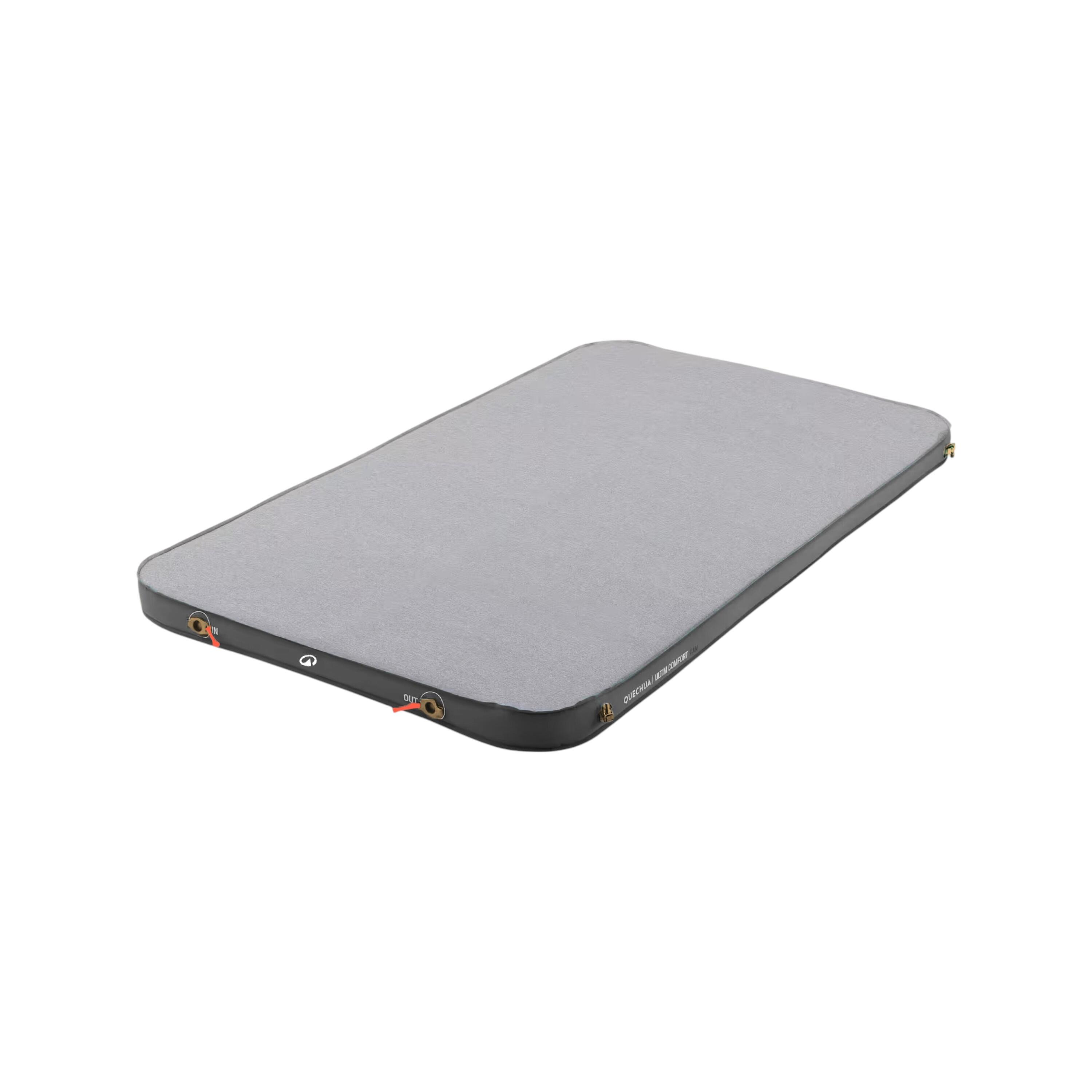
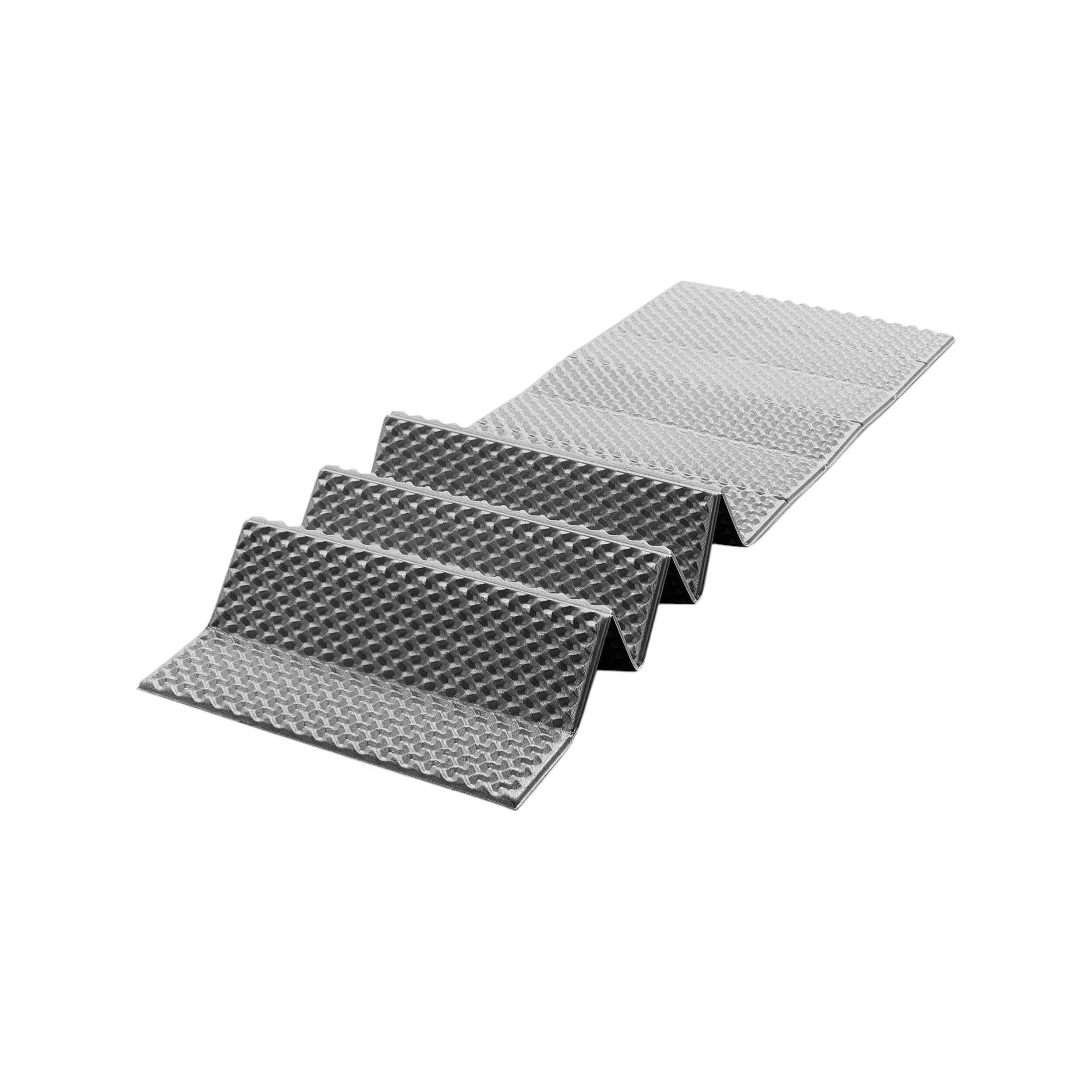
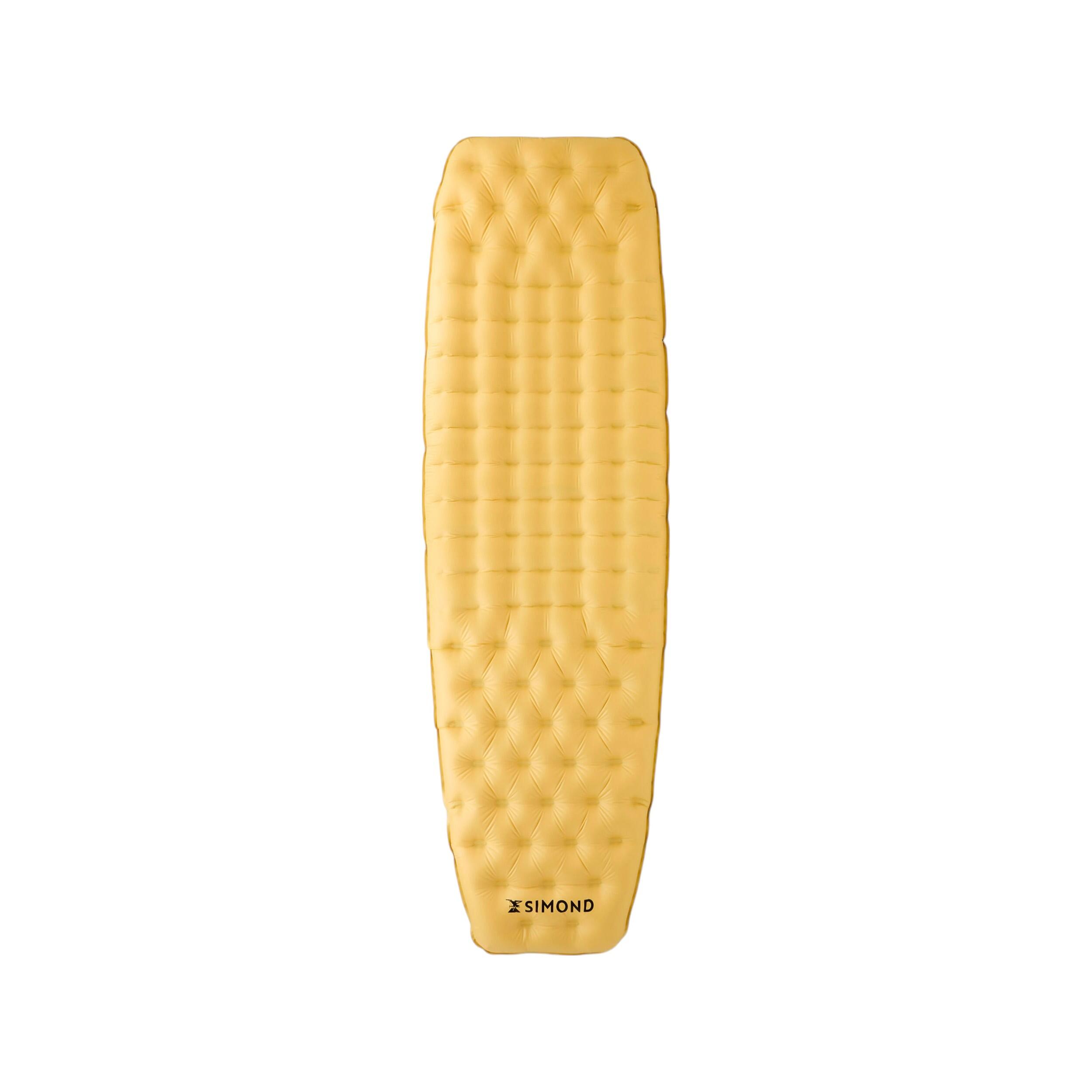
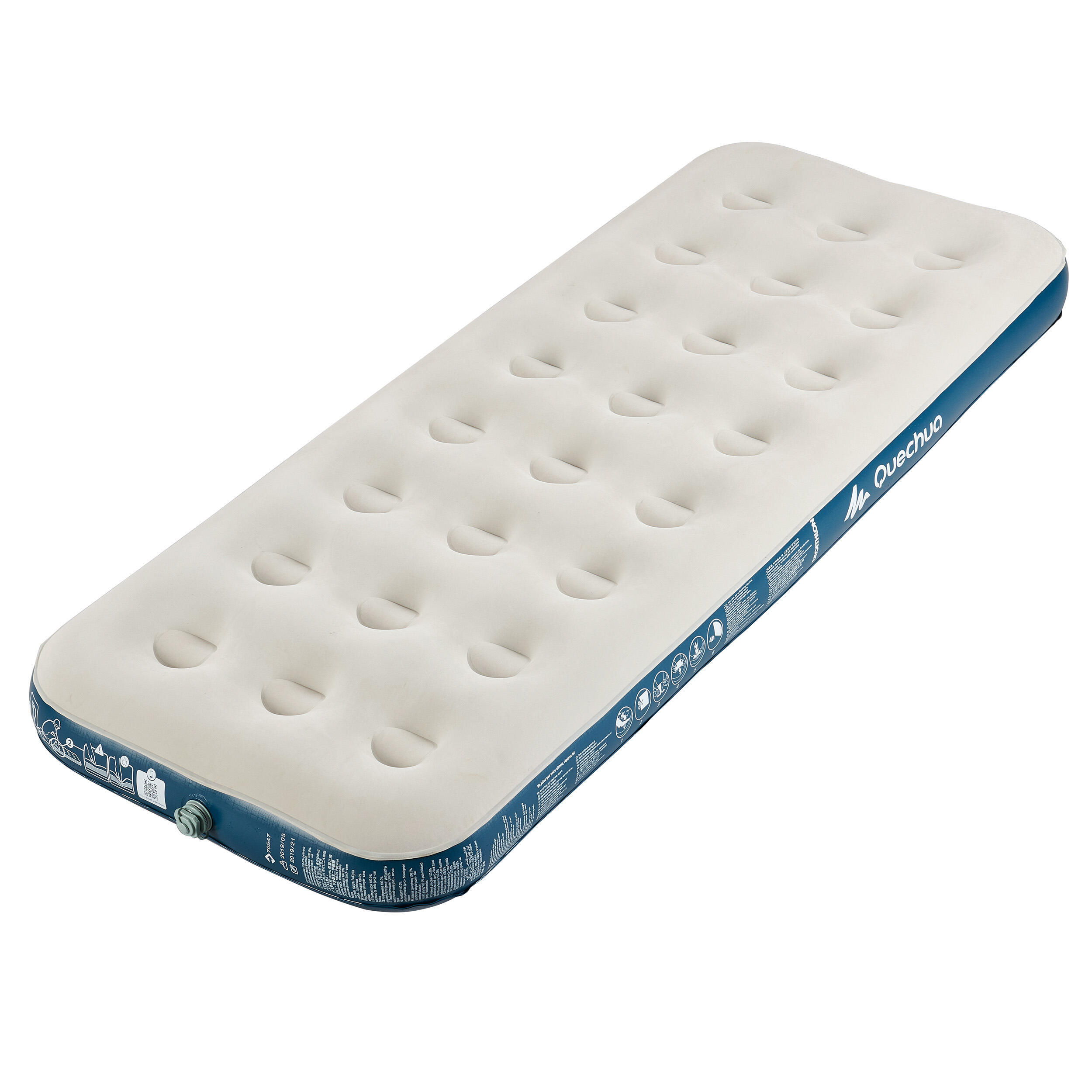
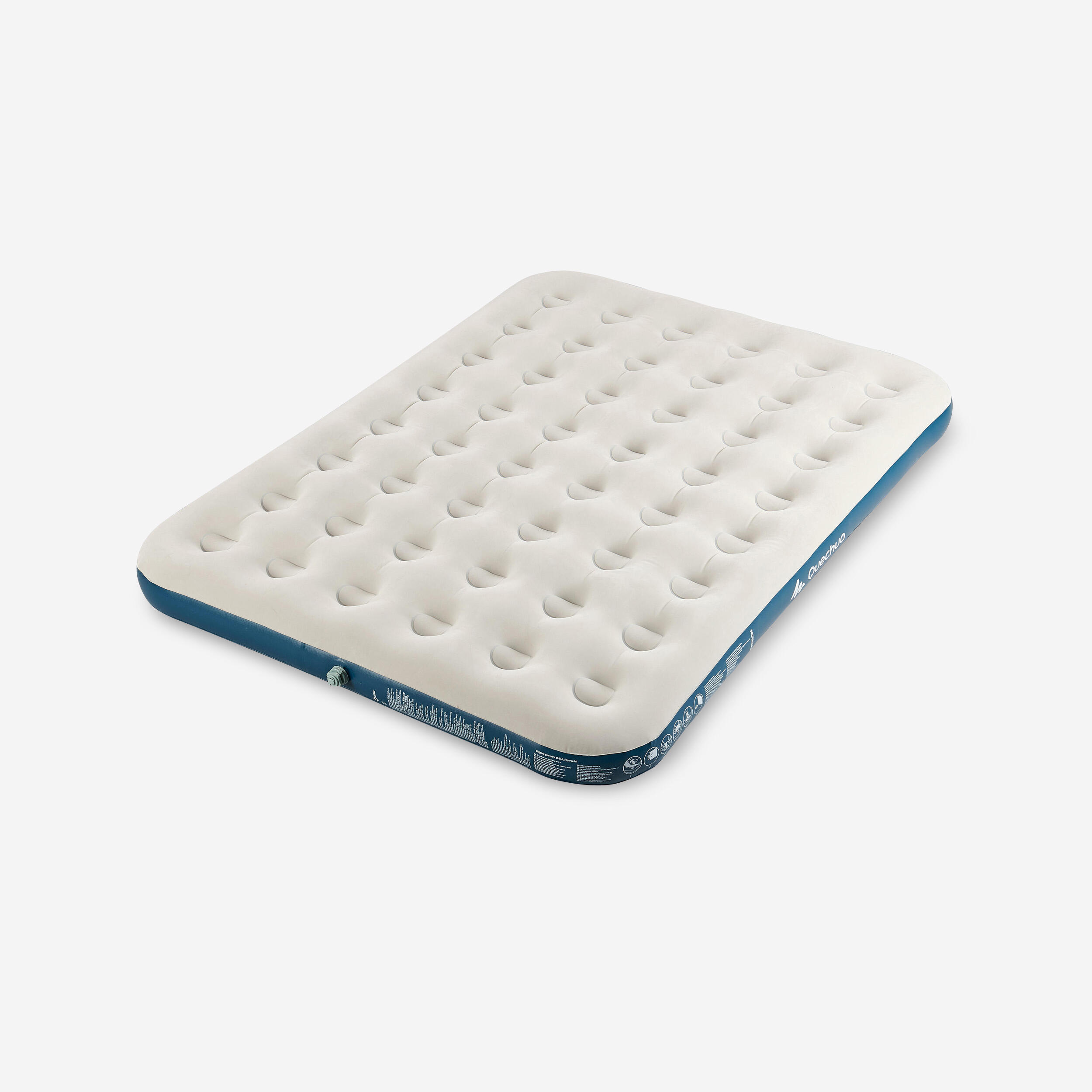
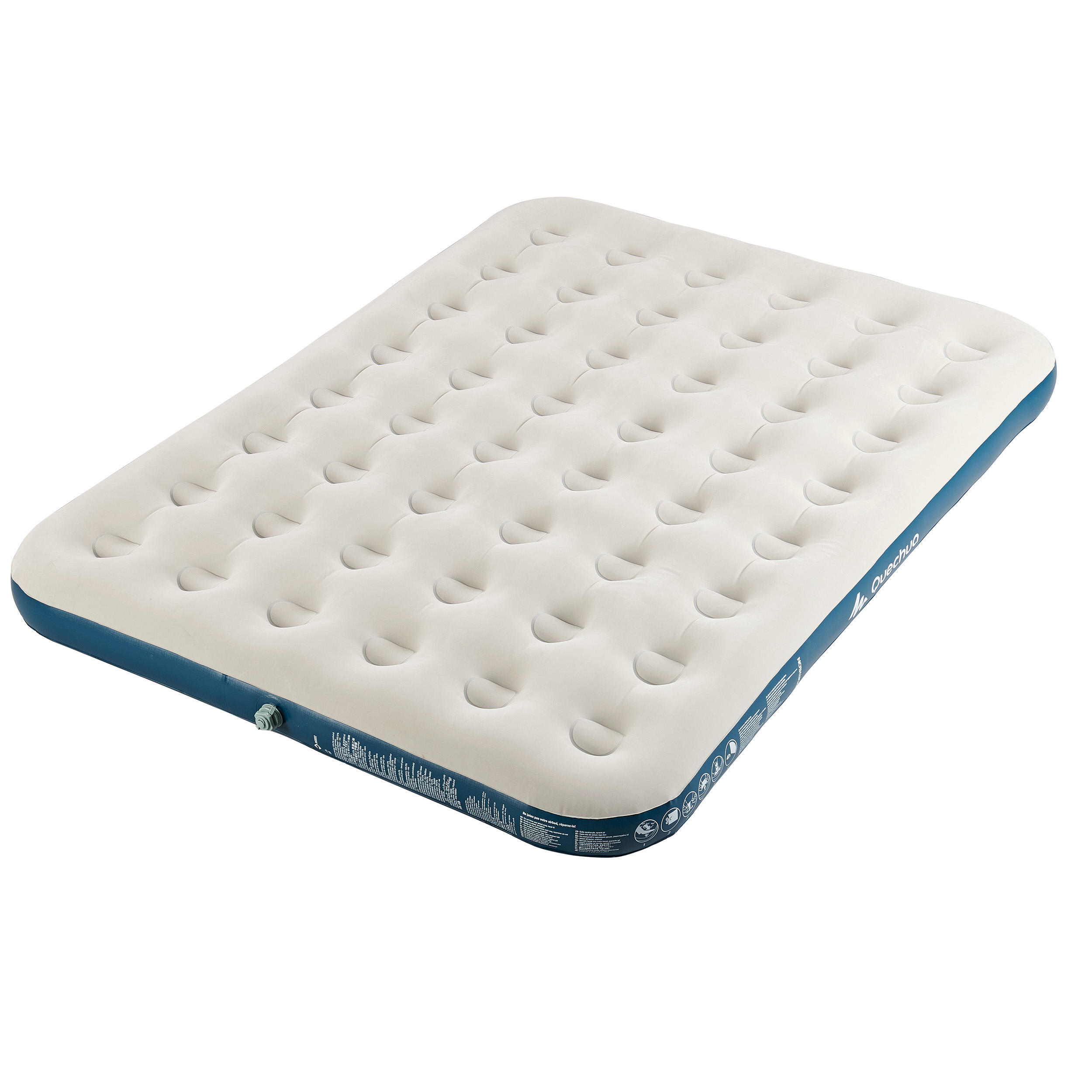
2 coloursQUECHUA Inflatable, 1-person camping mattress, 190 x 70 cm, Air basic4.5(4,097)Reviews.votesAria2 coloursCurrent price {{currentPrice}} €14.00
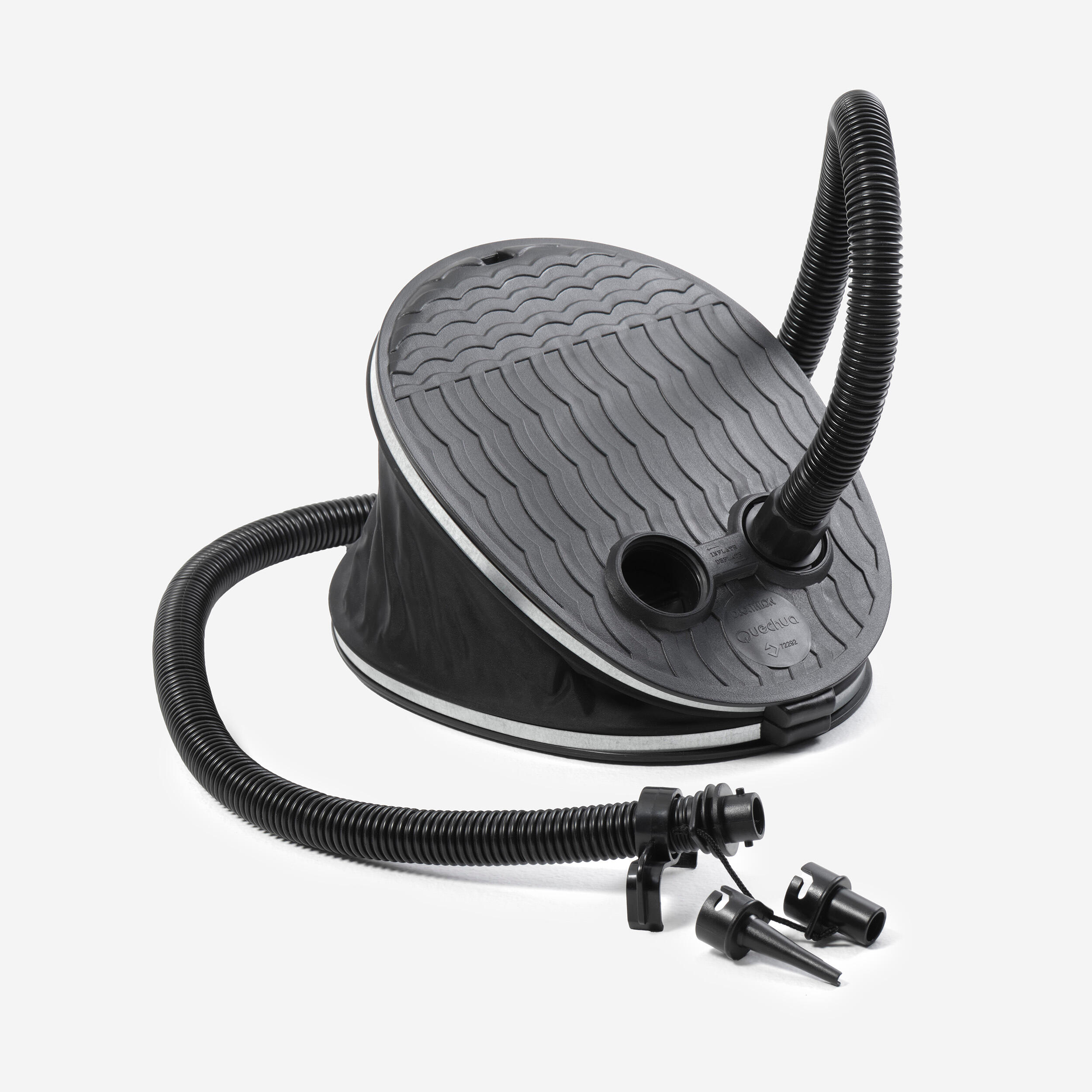
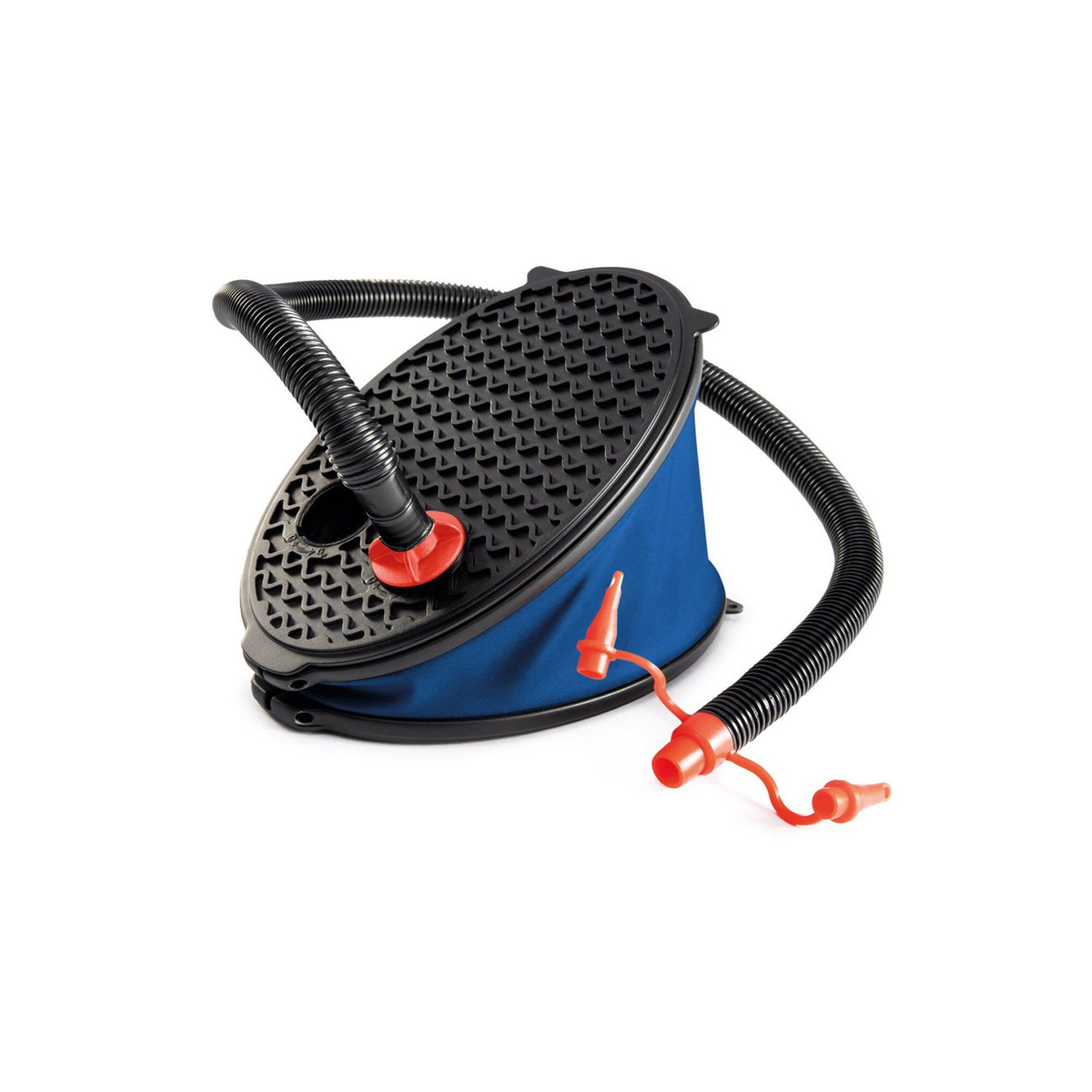
QUECHUA CAMPING FOOT PUMP - RECOMMENDED FOR INFLATABLE MATRESSES4.7(3,065)Reviews.votesAriaCurrent price {{currentPrice}} €10.00
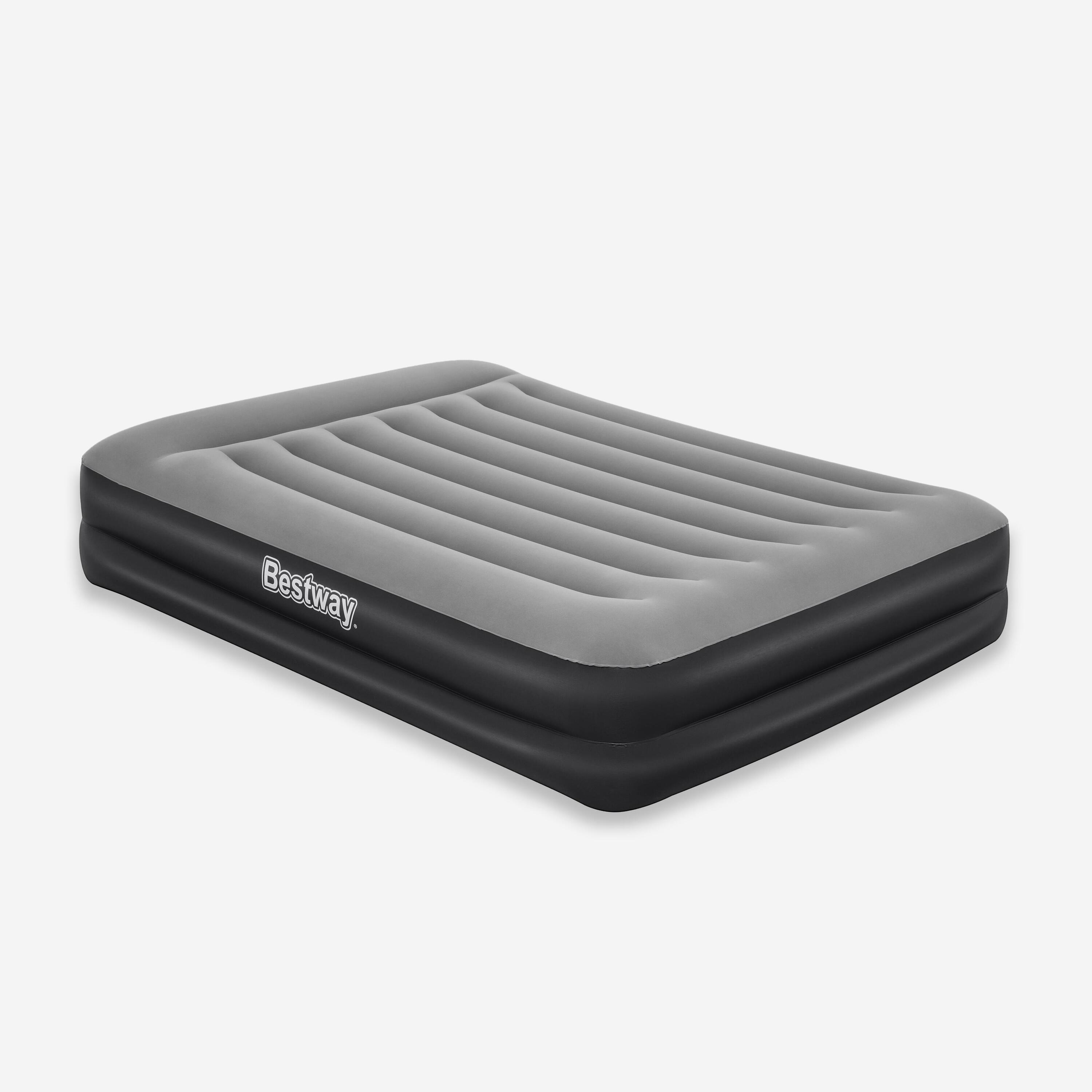
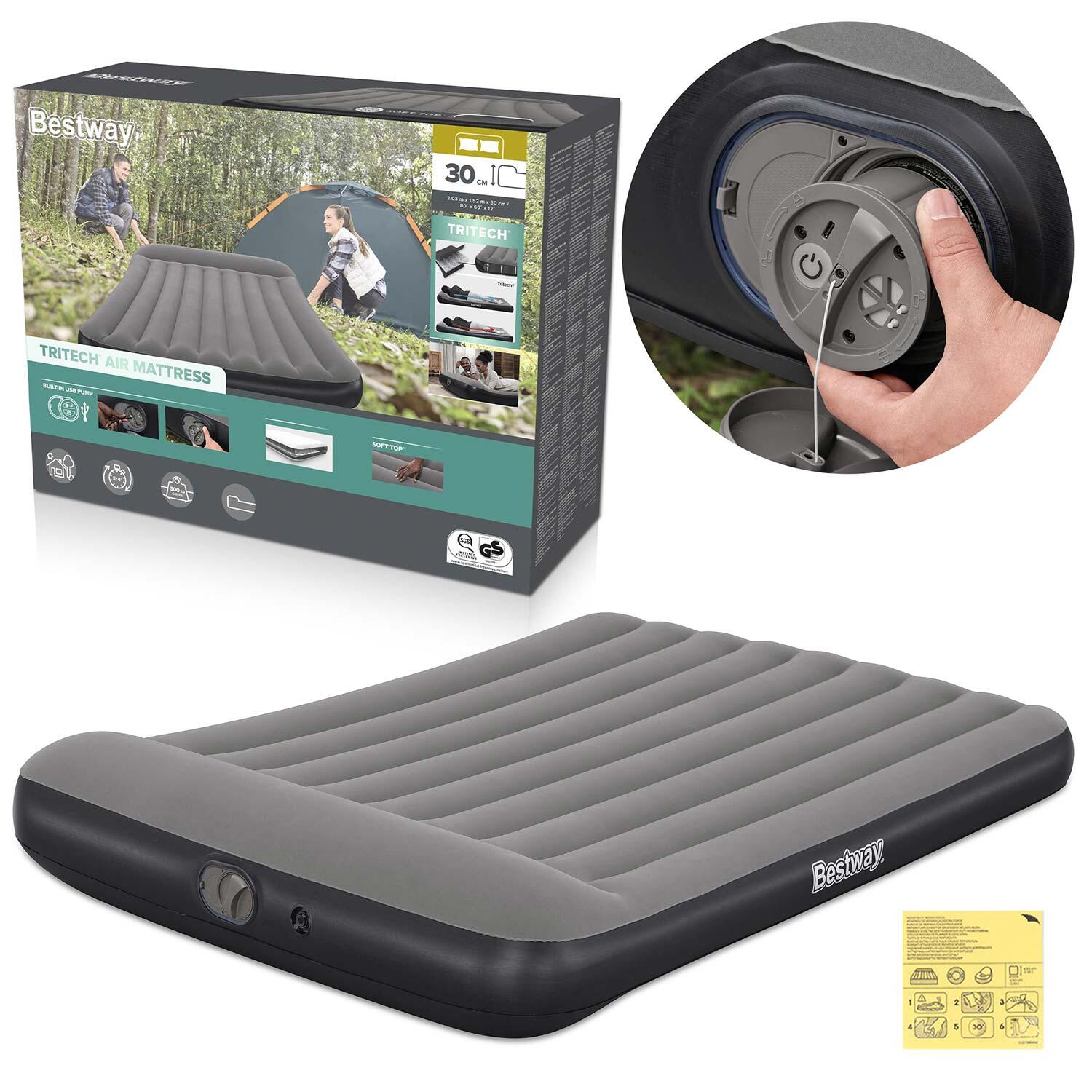
BESTWAY High inflatable mattress for two people, with built-in electric pump4.1(153)Reviews.votesAriaCurrent price {{currentPrice}} €44.00
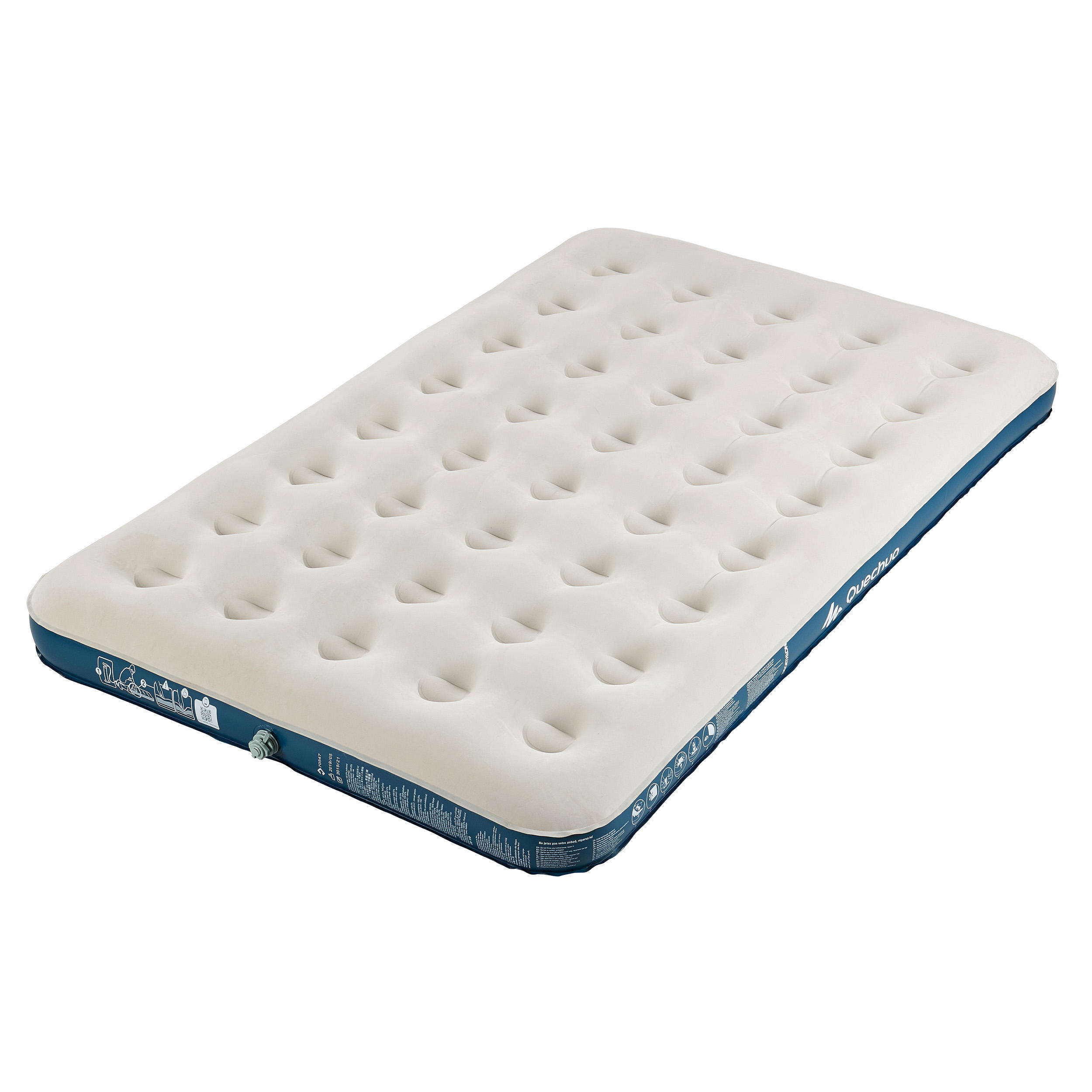
QUECHUA Inflatable, 2-person camping mattress, 190 x 120 cm, Air basic4.5(2,931)Reviews.votesAriaCurrent price {{currentPrice}} €24.00
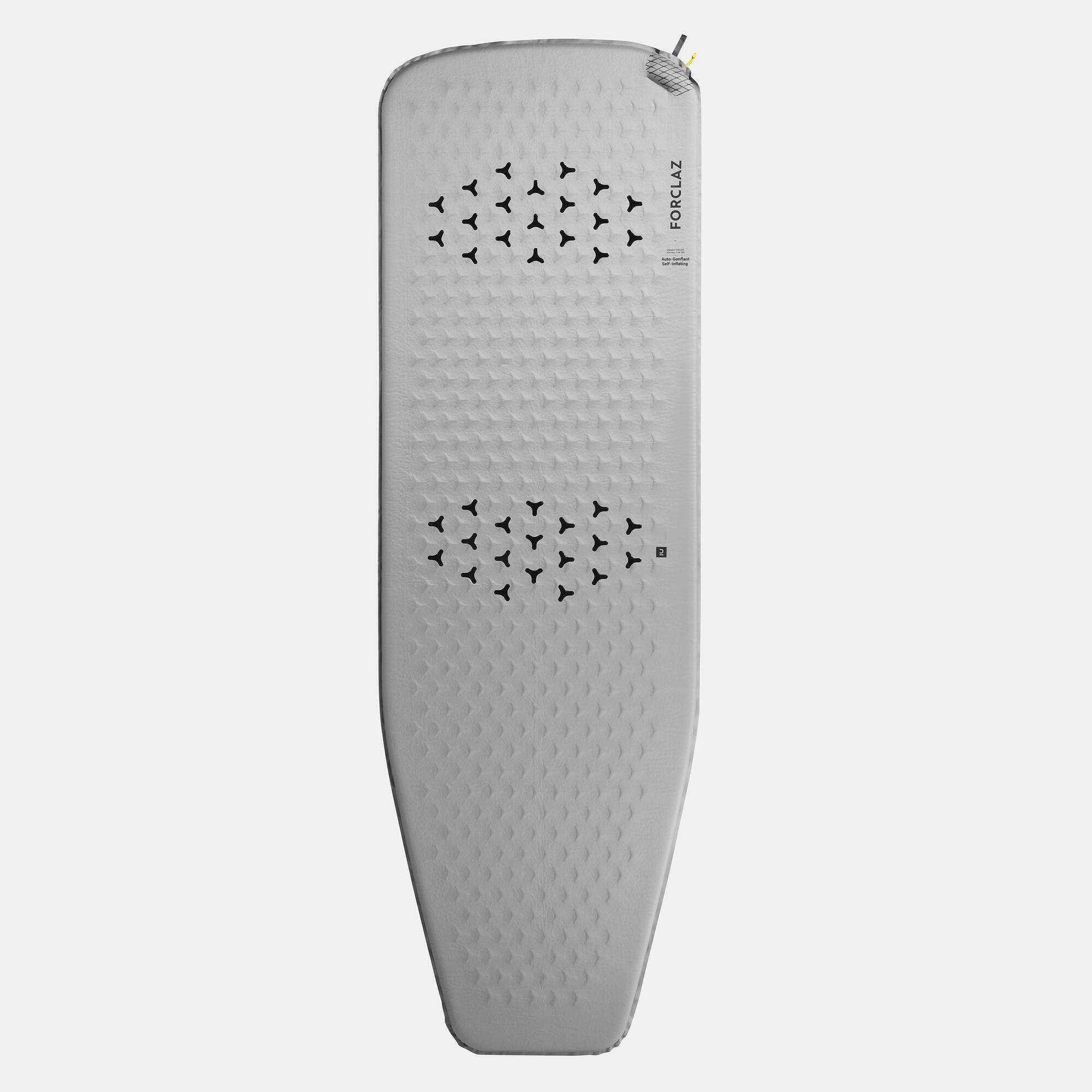
FORCLAZ Lightweight, inflatable trekking mattress, size XL - MT100 XL - 193 x 60 cm4(125)Reviews.votesAriaCurrent price {{currentPrice}} €46.00
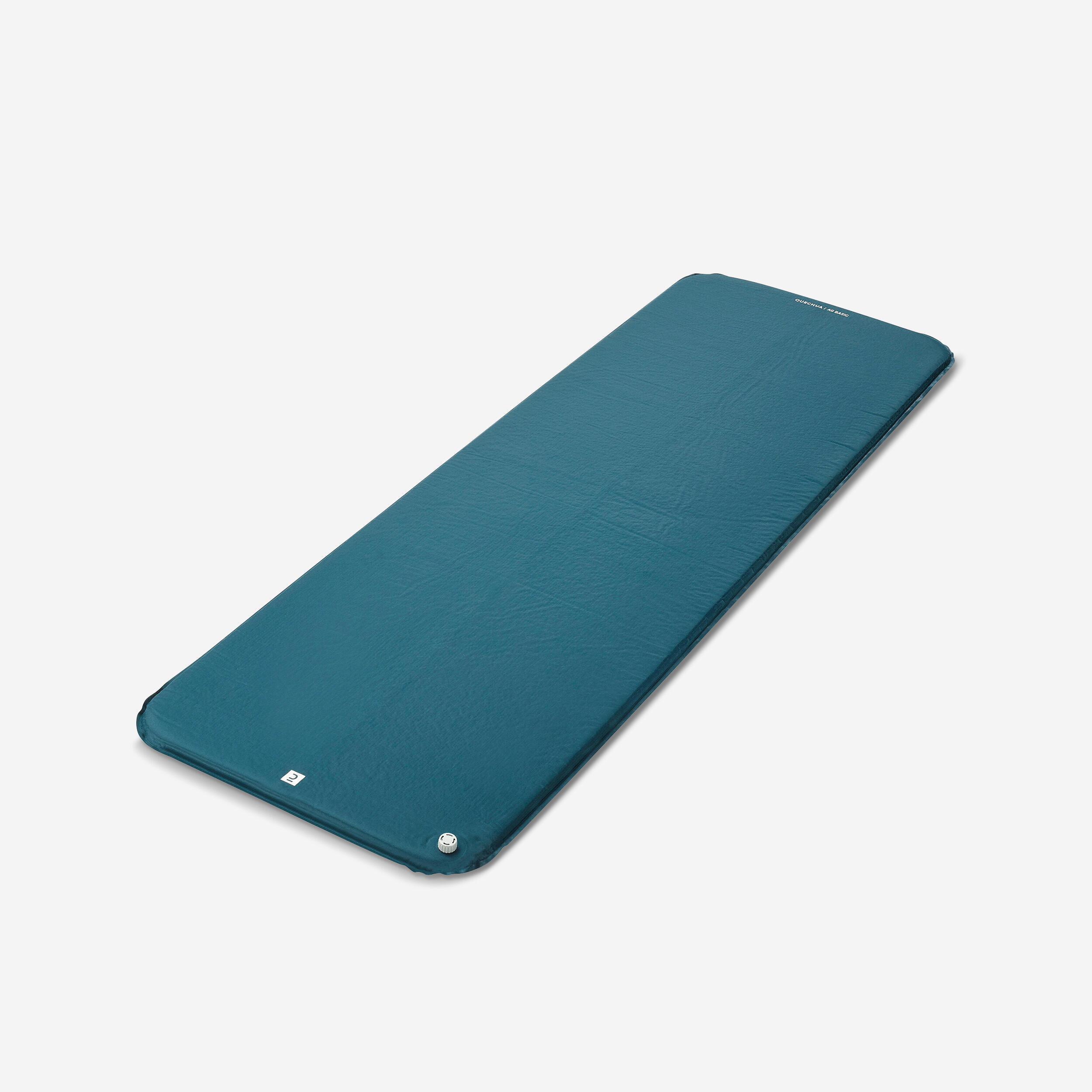
QUECHUA Self-inflating, 1-person camping mattress - Basic, 185 x 60 cm4.4(1,734)Reviews.votesAriaCurrent price {{currentPrice}} €26.00
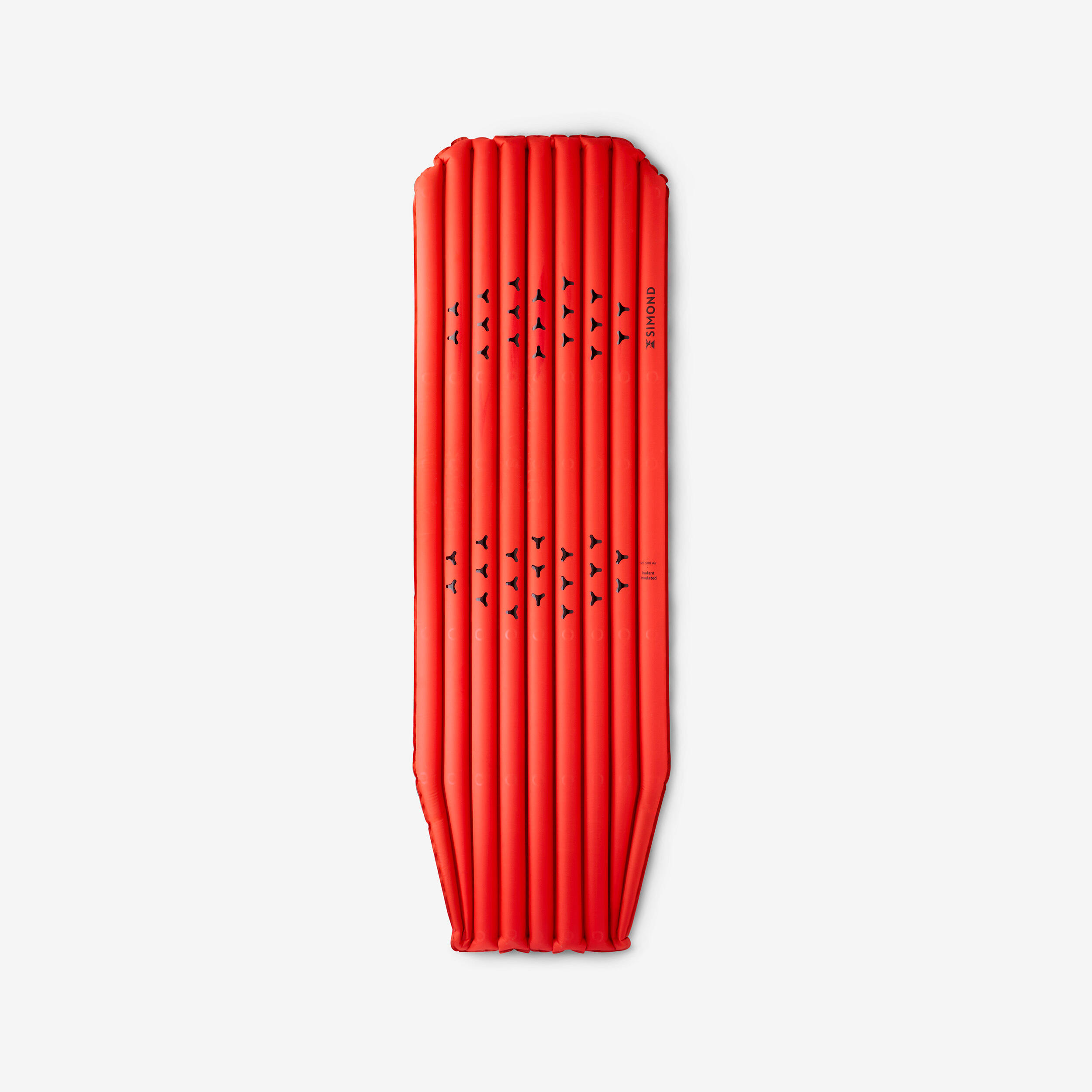
SIMOND Trekking insulating foam mattress, 195 x 55cm, MT5004.8(1,214)Reviews.votesAriaCurrent price {{currentPrice}} €23.00
Marketplace -Online Only Marketplace -Online OnlyMarketplace -Online OnlyINTEX Foot pump Intex5(1)Reviews.votesAriaCurrent price {{currentPrice}} €12.55€20.92/kgSold and shipped by Sports Lab IE
QUECHUA One-person trekking foam mattress, 180 x 50cm, MT1004.7(1,712)Reviews.votesAriaCurrent price {{currentPrice}} €8.00
New Lower Price New Lower Price2 coloursNew Lower PriceQUECHUA 2-person inflatable camping mattress, 190 x 140 cm, Air basic4.5(3,567)Reviews.votesAria2 coloursCurrent price {{currentPrice}} €26.00 Former price Was €27.00Lowest price: €27.00
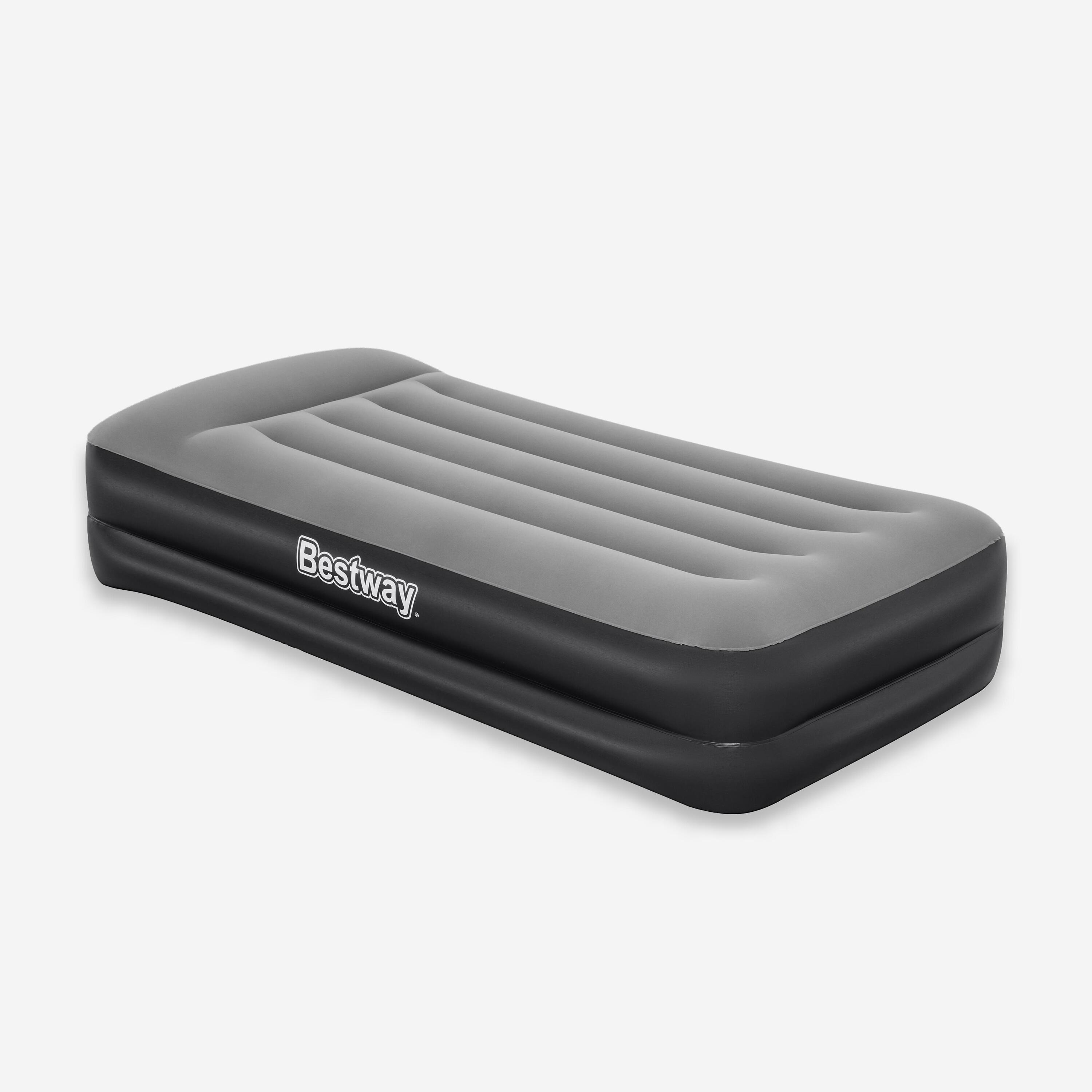
BESTWAY Inflatable upper mattress for 1 person, with built-in electric pump4.5(119)Reviews.votesAriaCurrent price {{currentPrice}} €36.00
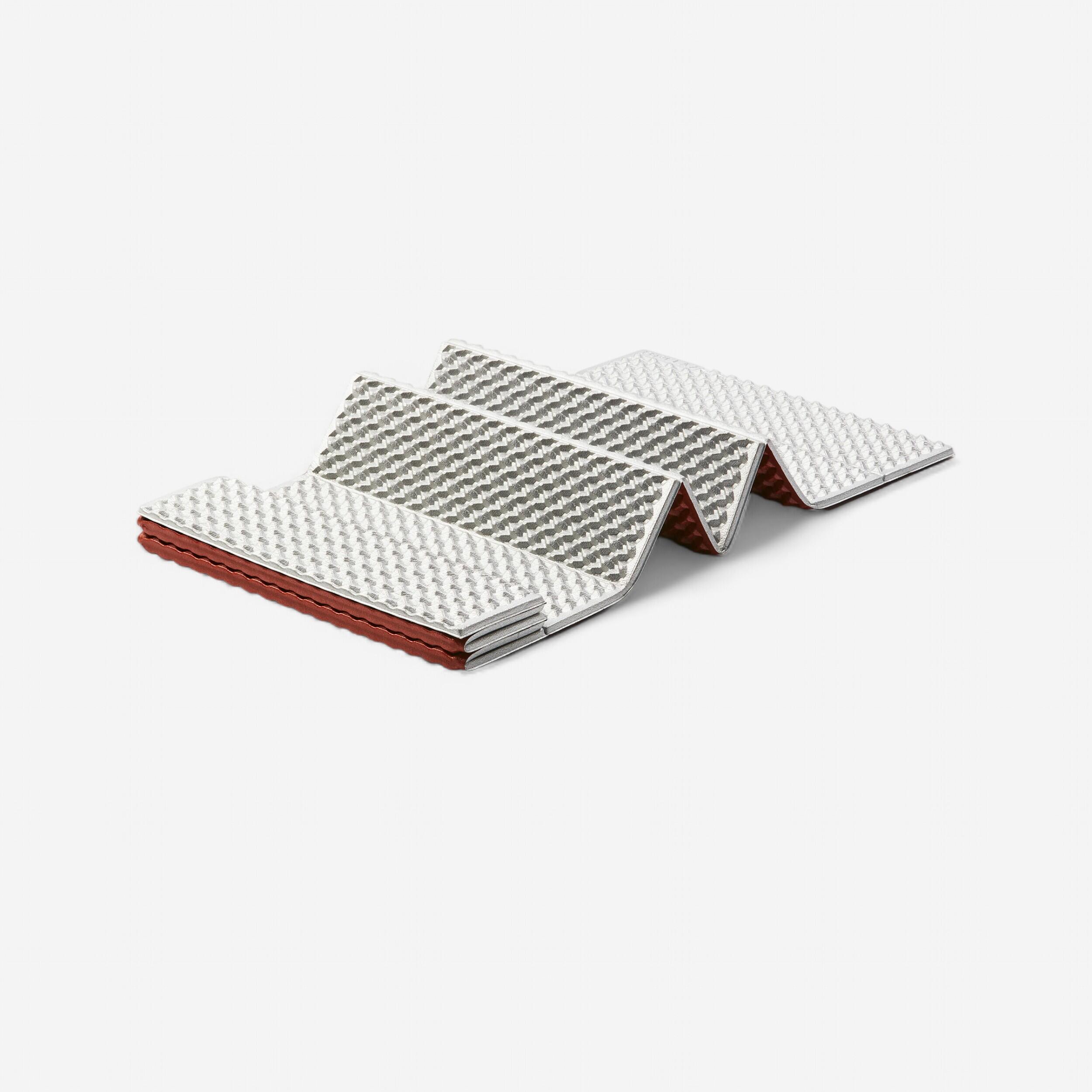
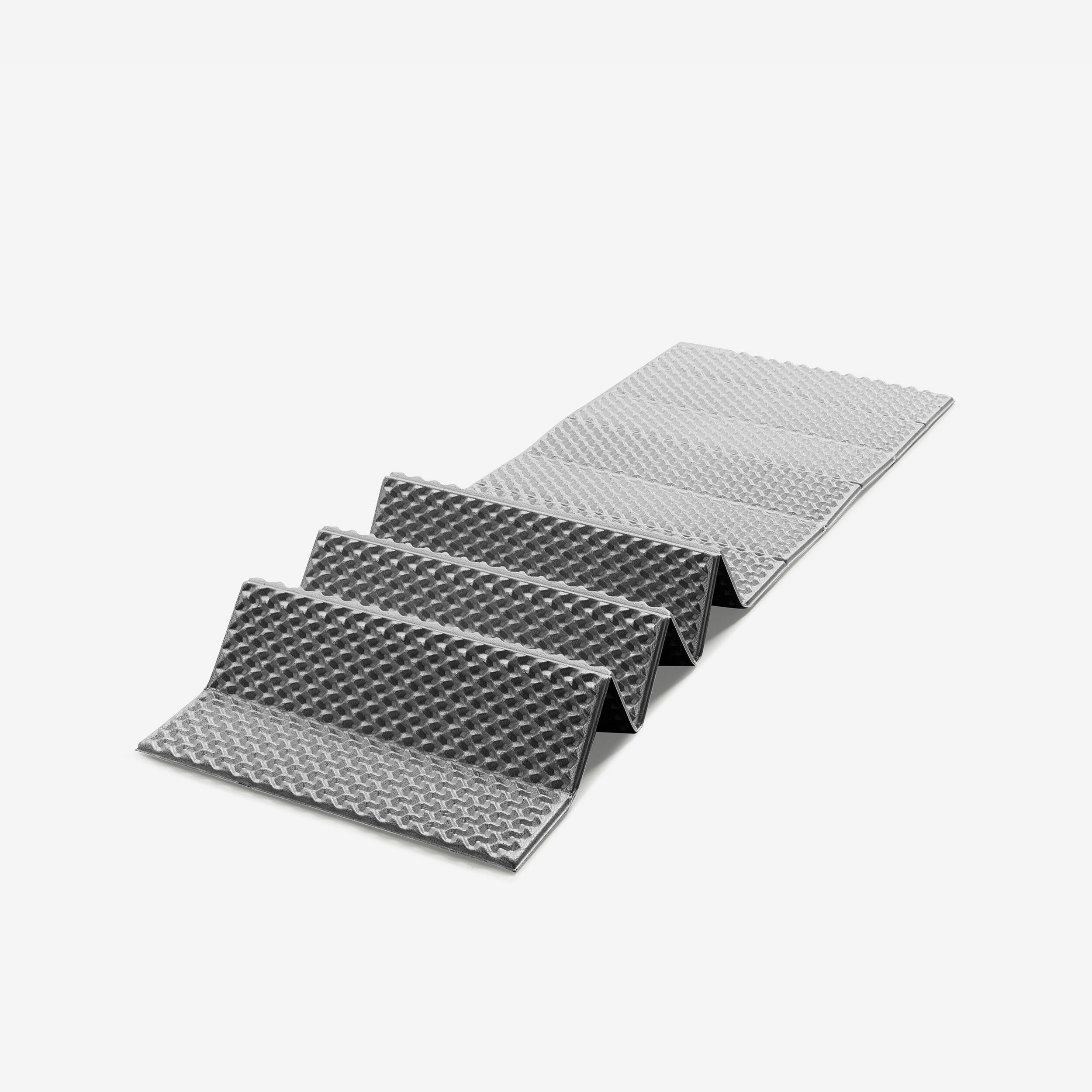
SIMOND Trekking folding foam mattress, 180 x 55cm, MT5004.7(915)Reviews.votesAriaCurrent price {{currentPrice}} €19.00
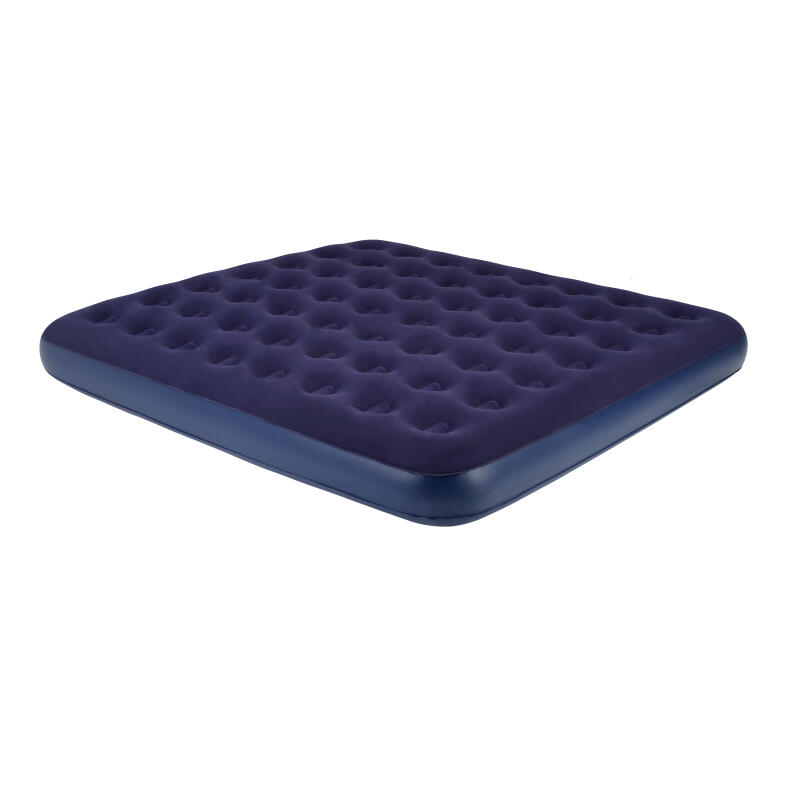
2 coloursQUECHUA Inflatable, 2-person camping mattress, 190 x 140 cm, Air basic4.5(3,567)Reviews.votesAria2 coloursCurrent price {{currentPrice}} €26.00
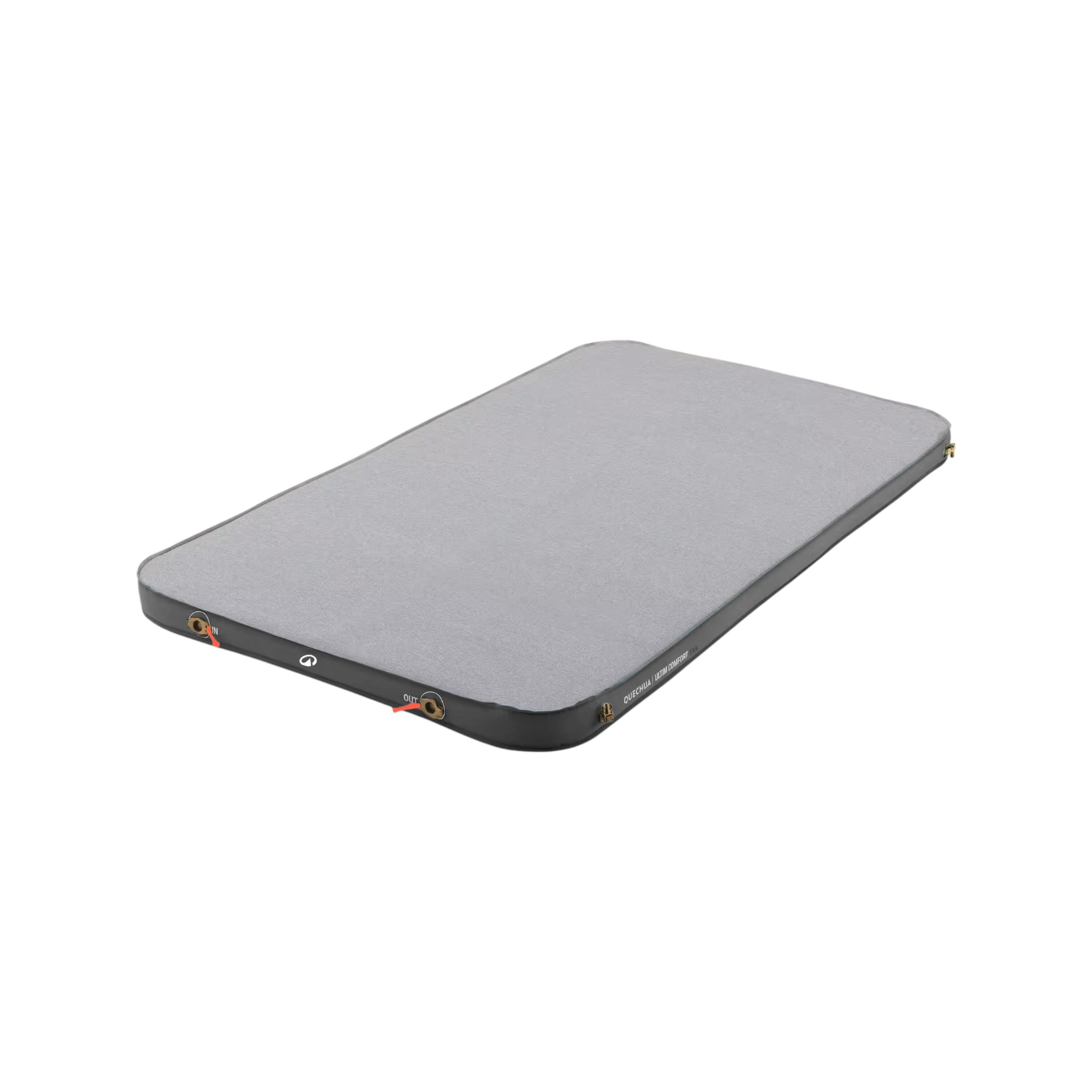
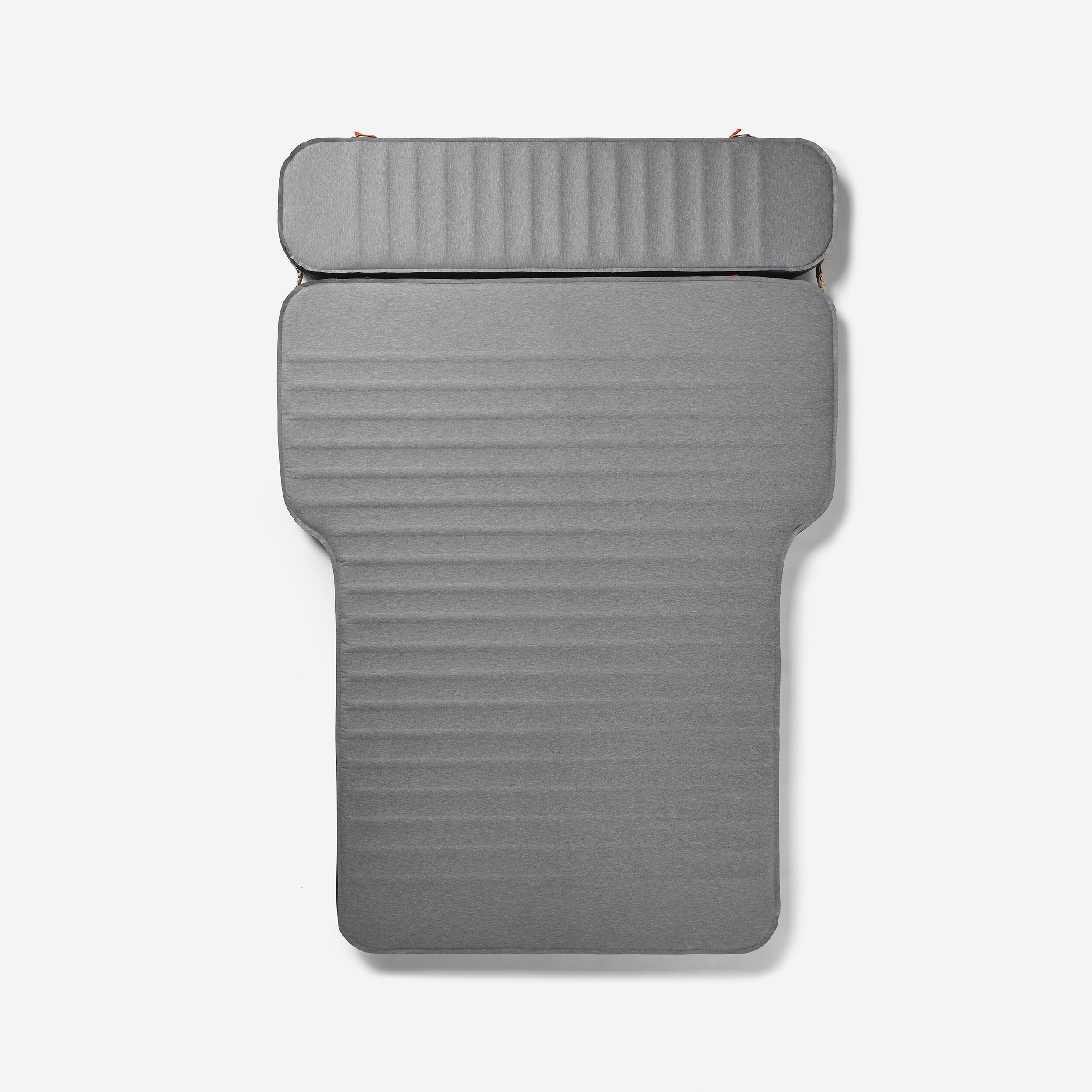
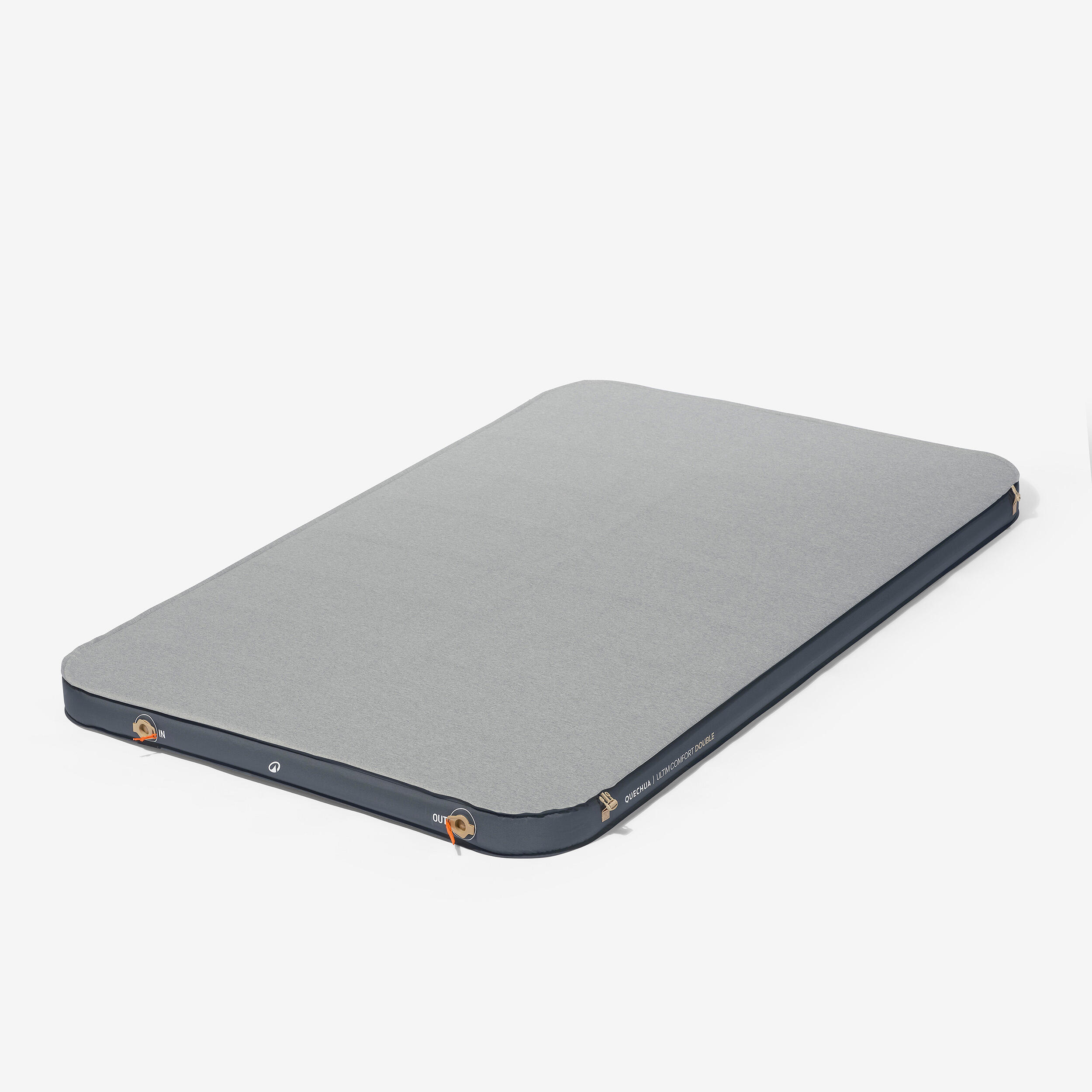
QUECHUA 2-person self-inflating car mattress, adjustable length, Ultim Comfort4.8(252)Reviews.votesAriaCurrent price {{currentPrice}} €150.00
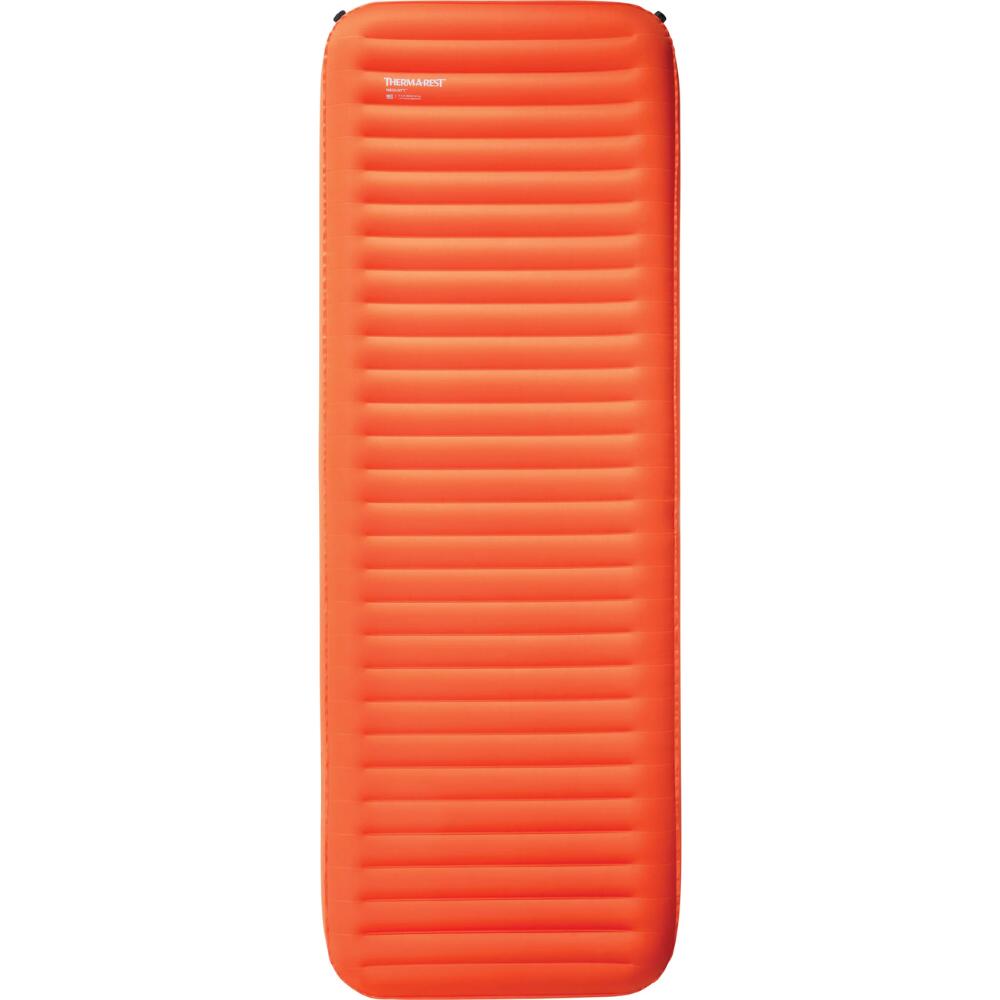
Marketplace -Online Only Marketplace -Online OnlyMarketplace -Online OnlyTHERMAREST Therm-a-Rest NeoLoft L Sleeping Pad - OrangeCurrent price {{currentPrice}} €304.99Sold and shipped by Outdoor Food
Marketplace -Online Only Marketplace -Online OnlyMarketplace -Online OnlyINTEX Inflatable mattress 203x152x42 cm with built-in electric pump INTEX 641245(1)Reviews.votesAriaCurrent price {{currentPrice}} €65.43Sold and shipped by Super Merchant EUR
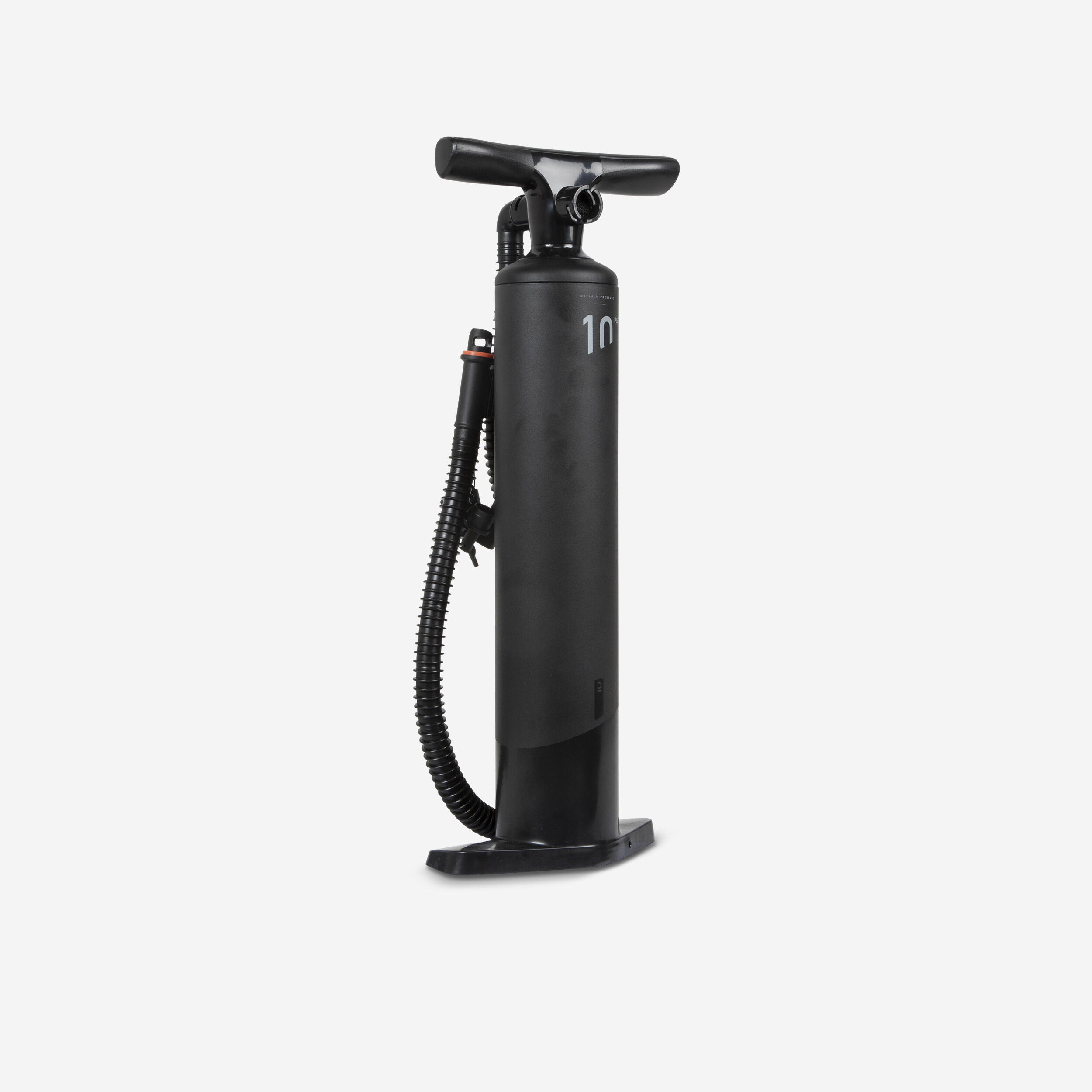
QUECHUA CAMPING HAND PUMP - ULTIM COMFORT 10 PSI - RECOMMENDED FOR INFLATABLE TENT4.7(1,347)Reviews.votesAriaCurrent price {{currentPrice}} €26.00
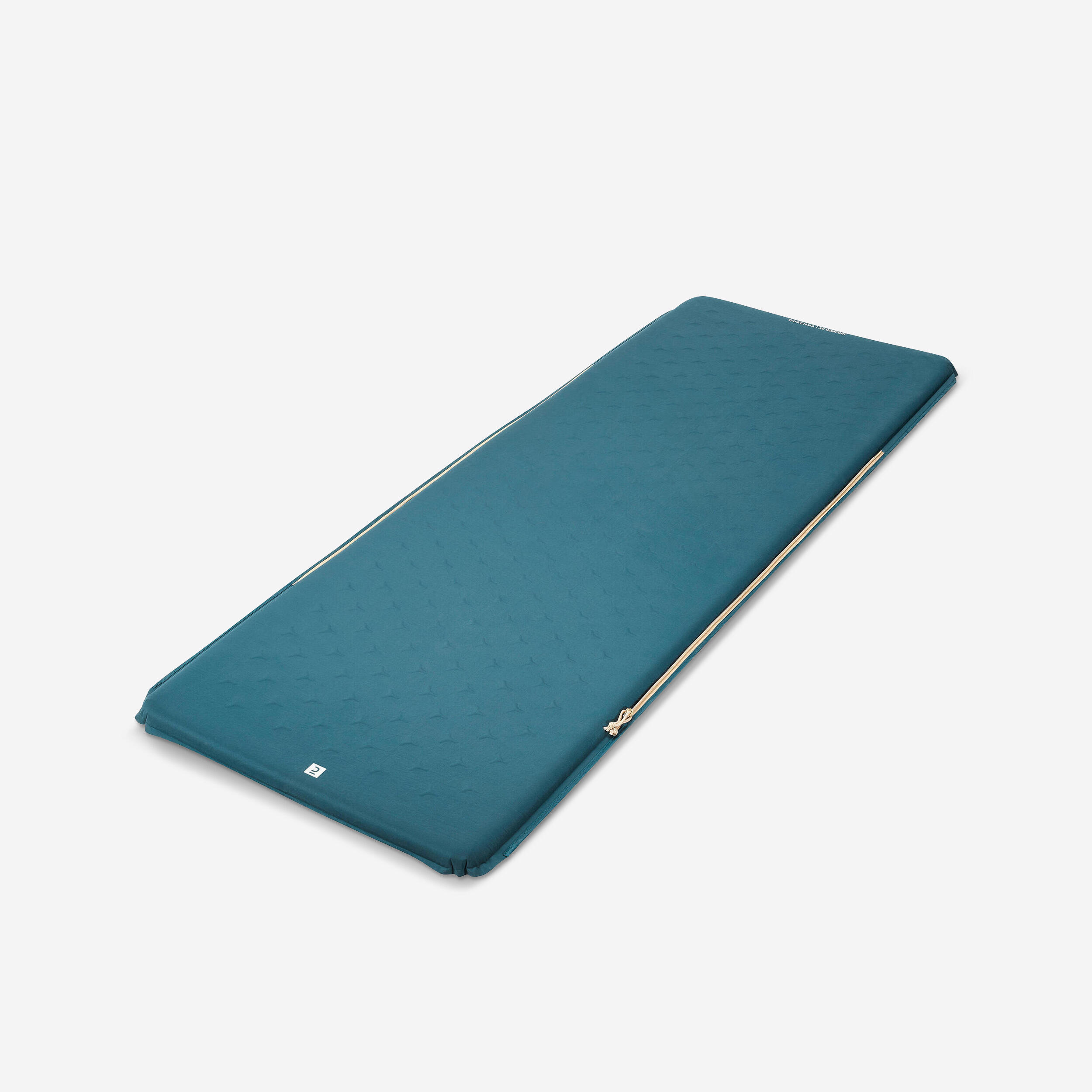
New Lower Price New Lower Price2 coloursNew Lower PriceQUECHUA Self-inflating, 1-person camping mattress - Comfort, 190 x 65 cm - Blue4.5(2,180)Reviews.votesAria2 coloursCurrent price {{currentPrice}} €46.00 Former price Was €50.00Lowest price: €50.00
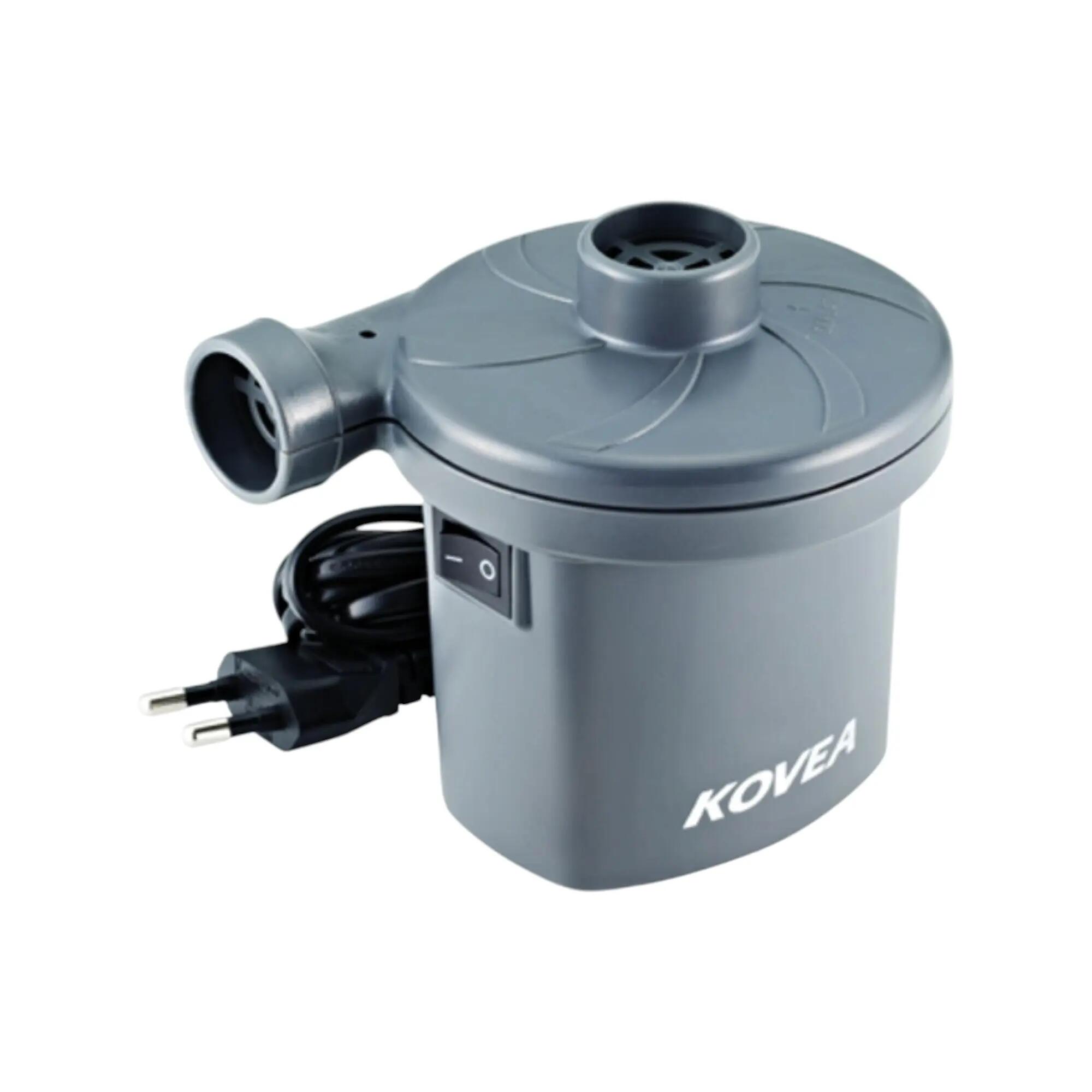
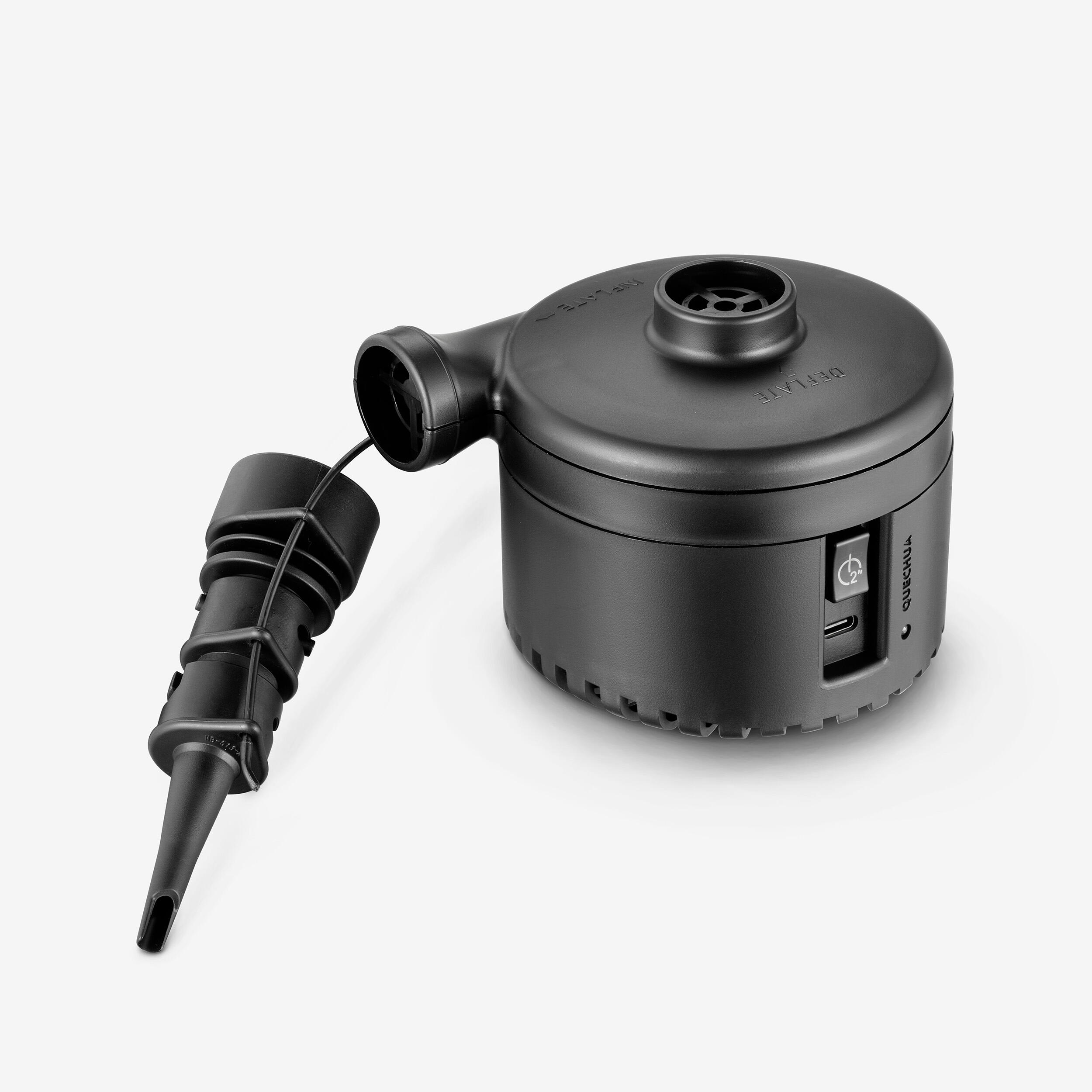
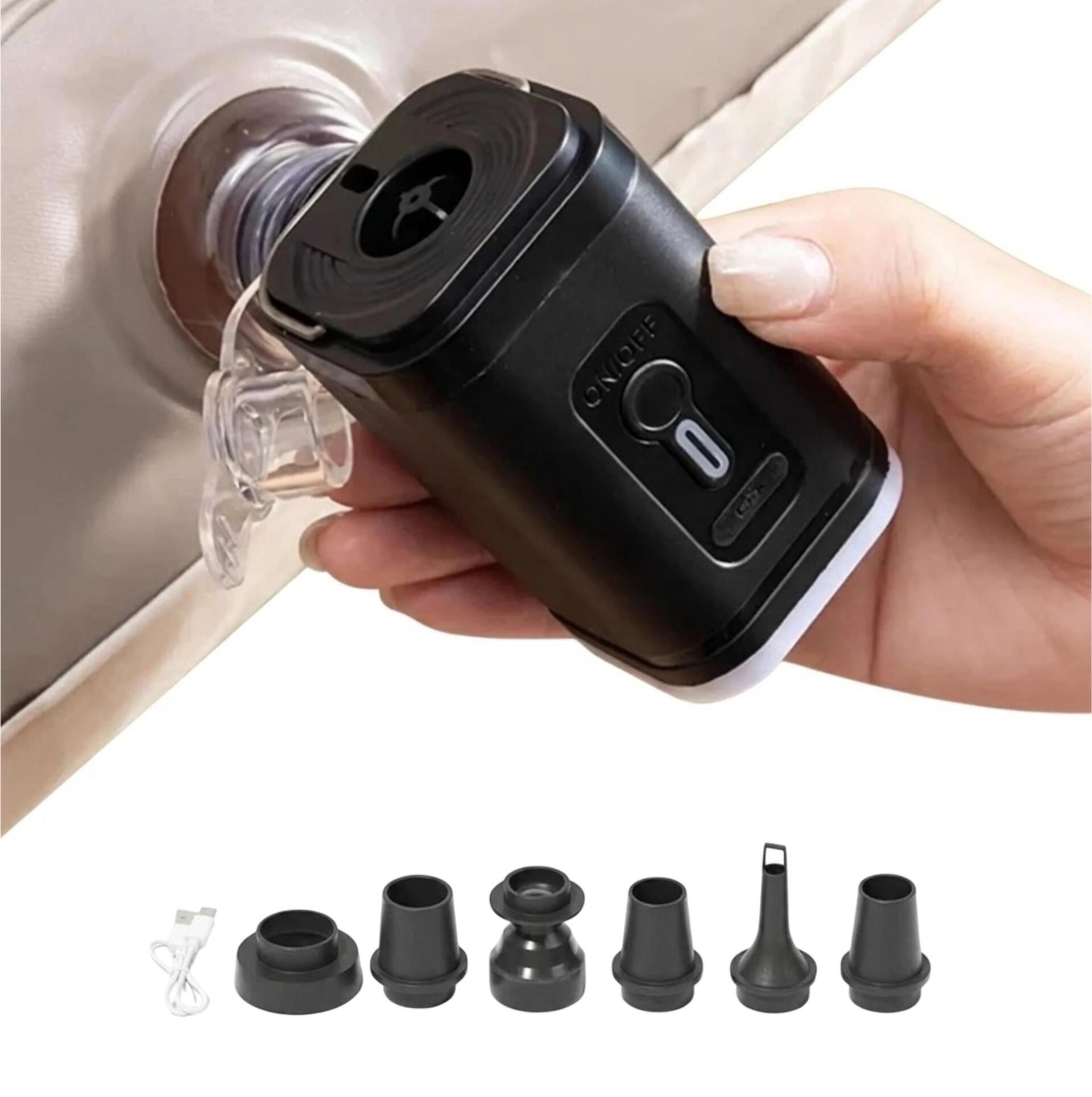
QUECHUA Electric pump for camping mattresses, on a battery, rechargeable via USB-C4.7(503)Reviews.votesAriaCurrent price {{currentPrice}} €30.00
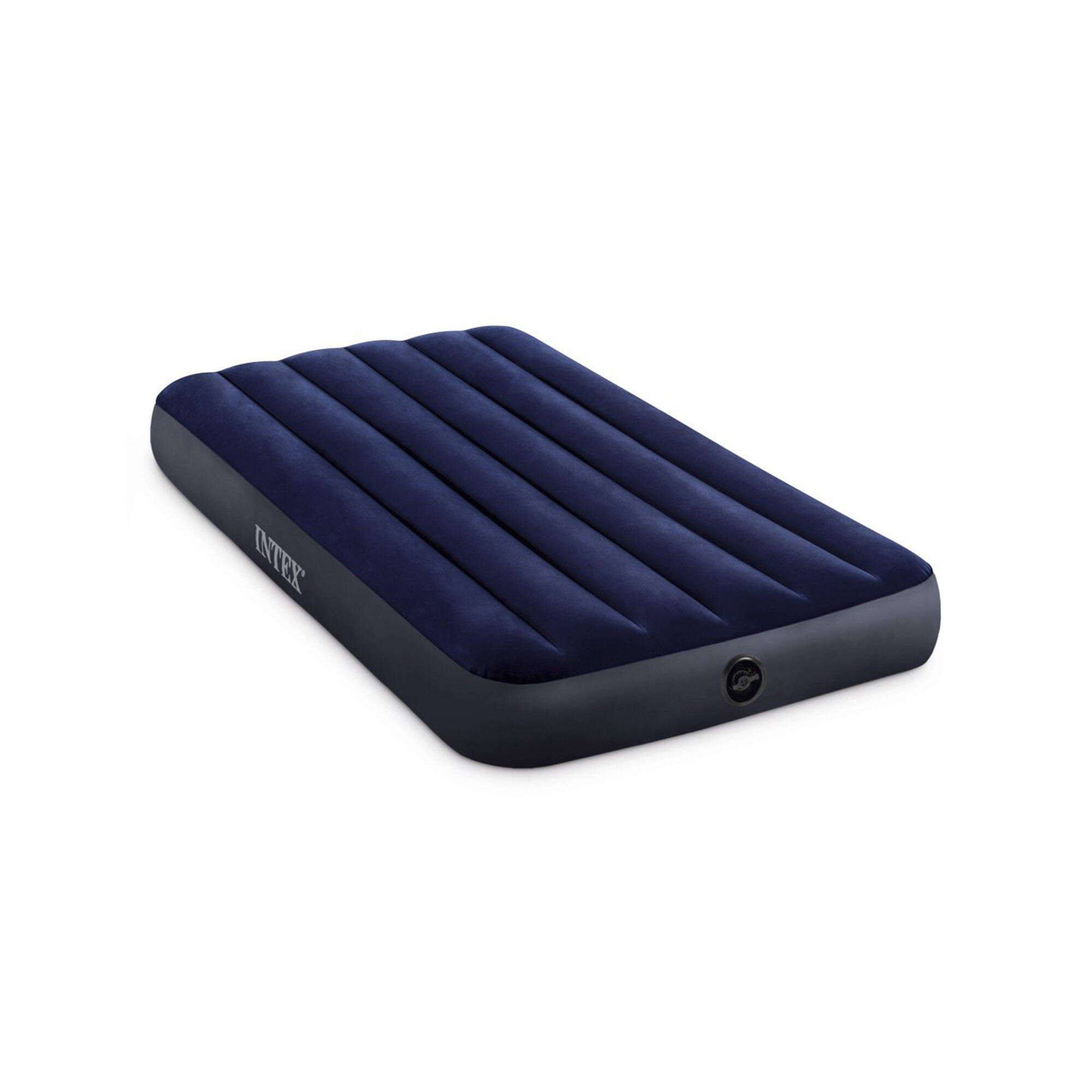
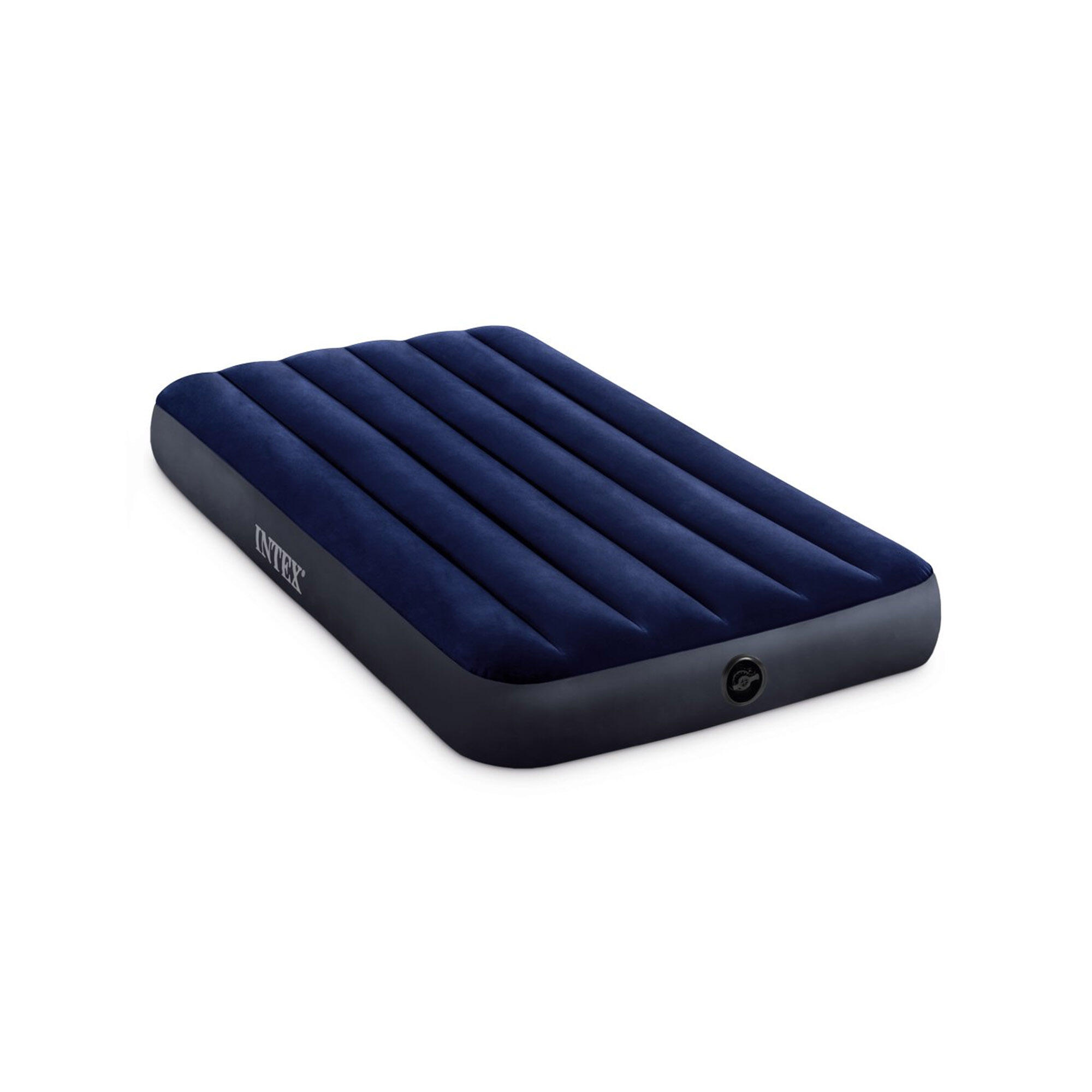
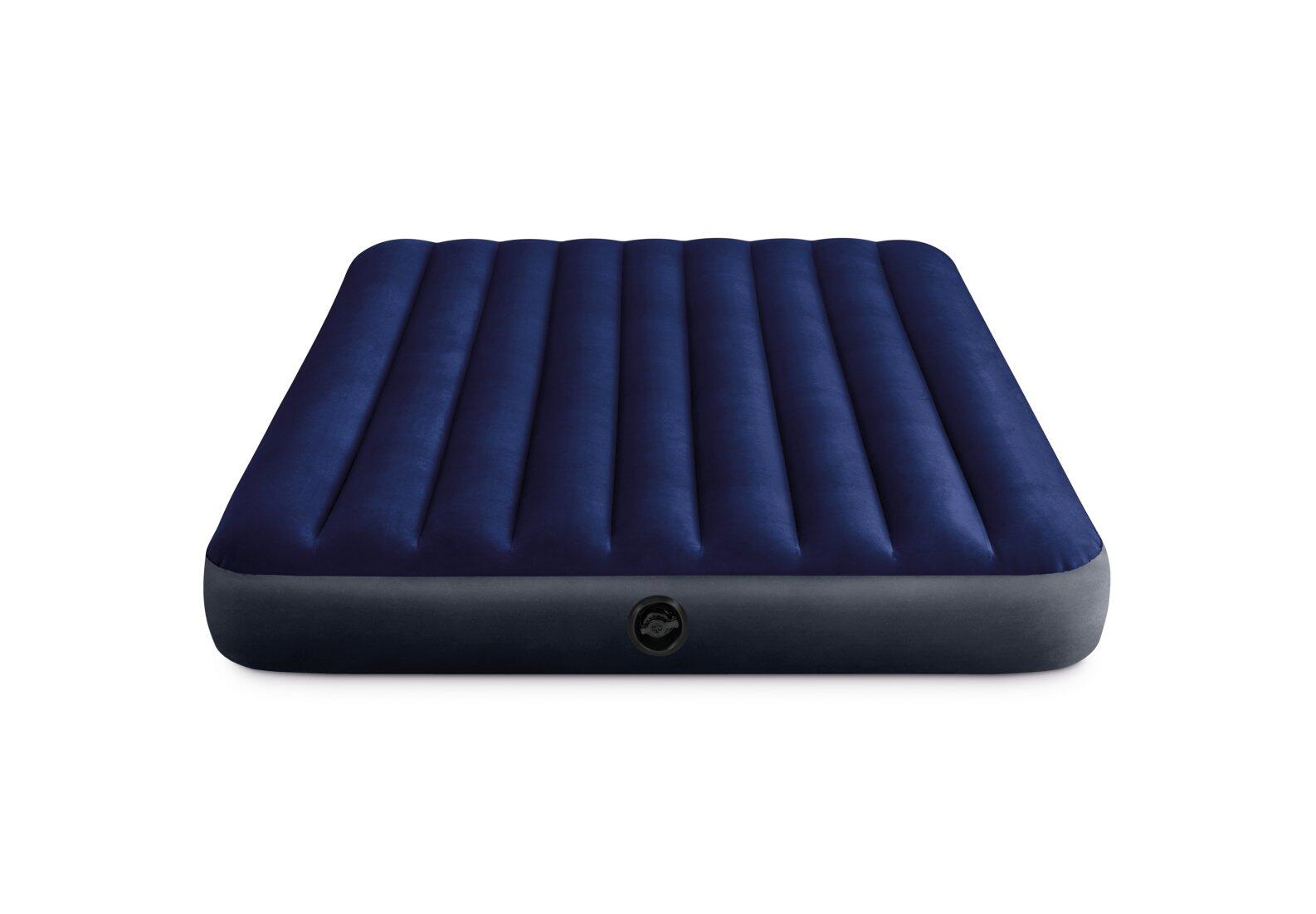
Marketplace -Online Only Marketplace -Online OnlyMarketplace -Online OnlyINTEX Intex Classic Downy Air Bed Blue5(2)Reviews.votesAriaCurrent price {{currentPrice}} €26.34Sold and shipped by Super Merchant EUR
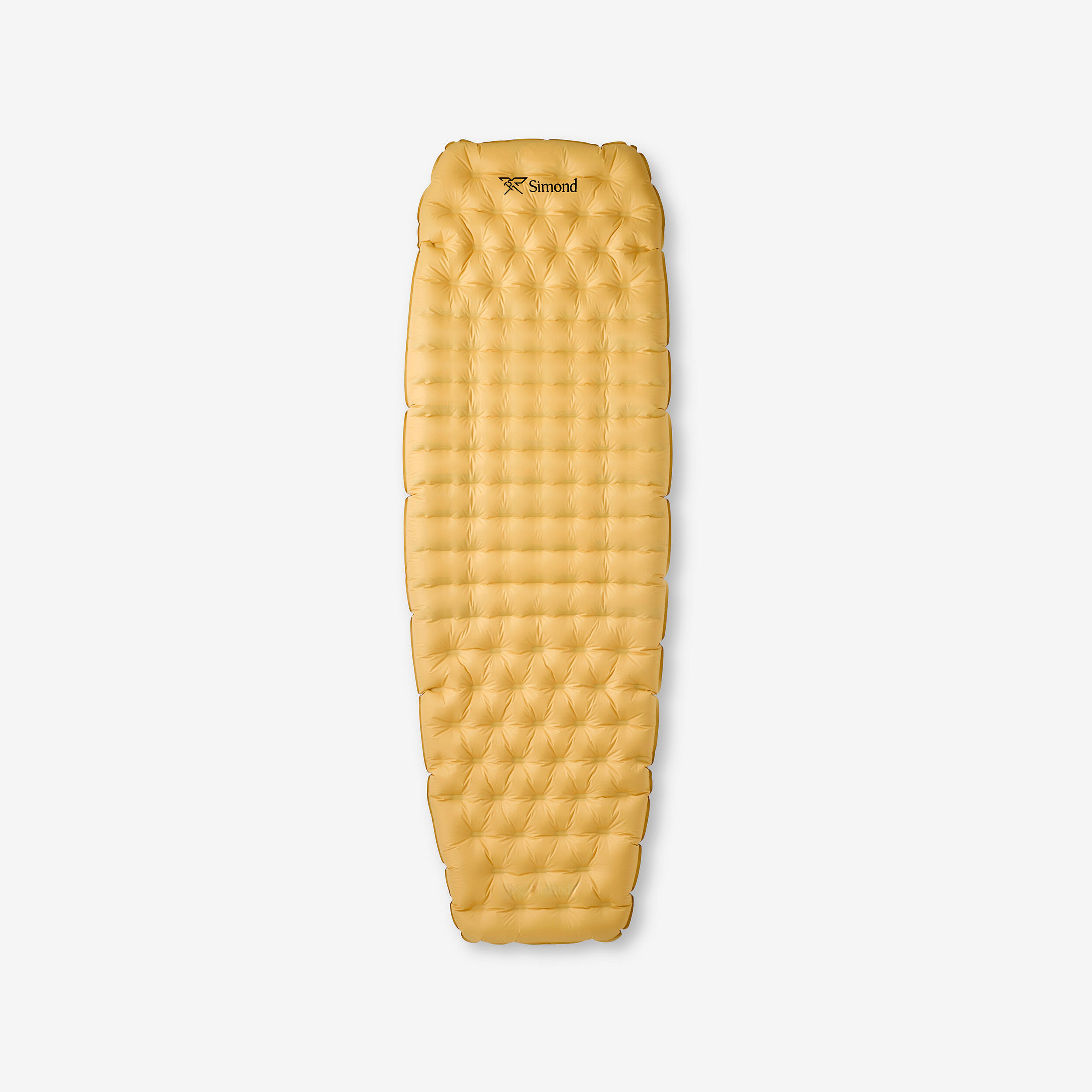
SIMOND Inflatable, insulating trekking mattress, size L, MT900 - 183 x 54 cm4.6(239)Reviews.votesAriaCurrent price {{currentPrice}} €135.00
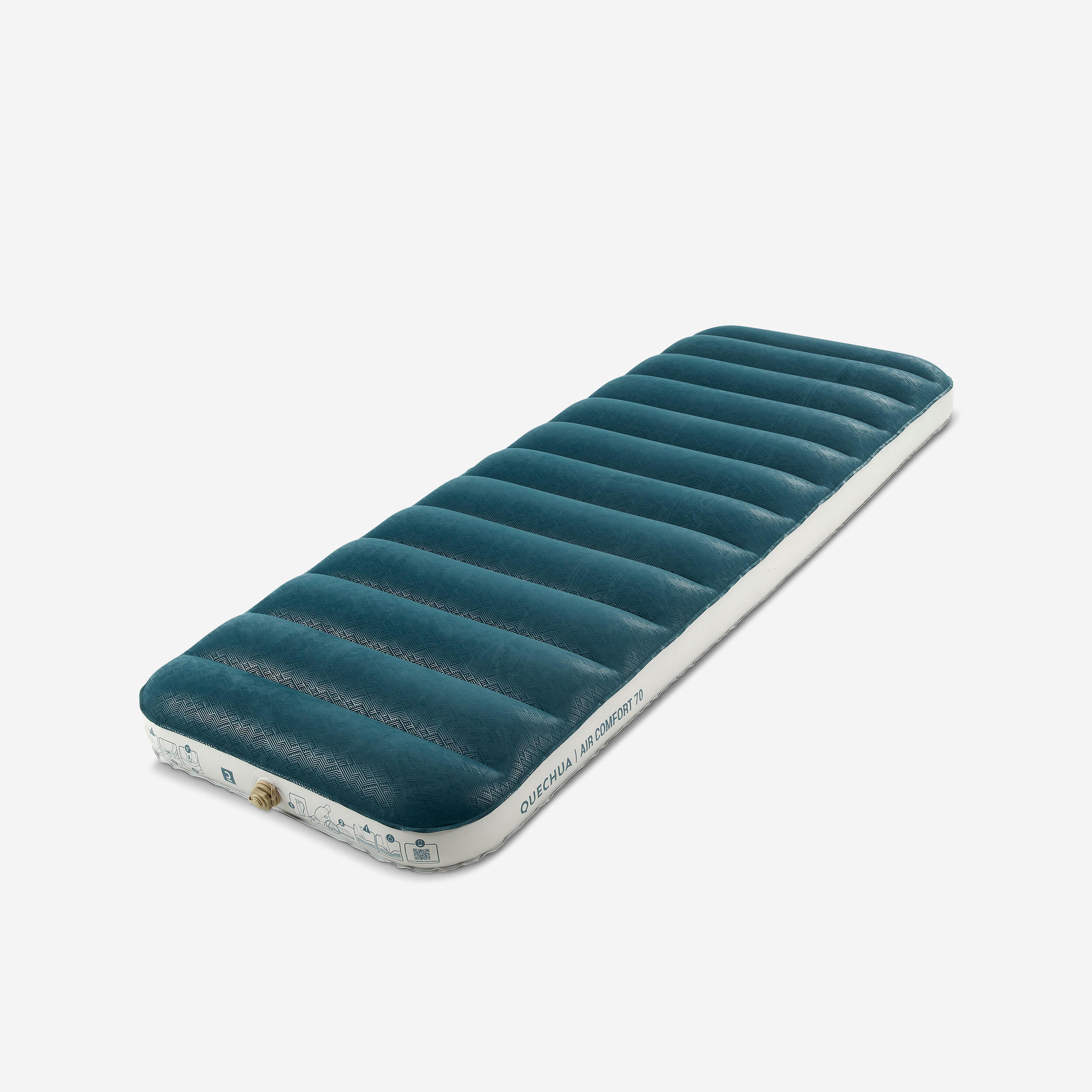
New Lower Price New Lower PriceNew Lower PriceQUECHUA 1-person Inflatable Camping Mattress, Air Comfort 200 x 70 cm4.4(935)Reviews.votesAriaCurrent price {{currentPrice}} €29.00 Former price Was €36.00Lowest price: €36.00
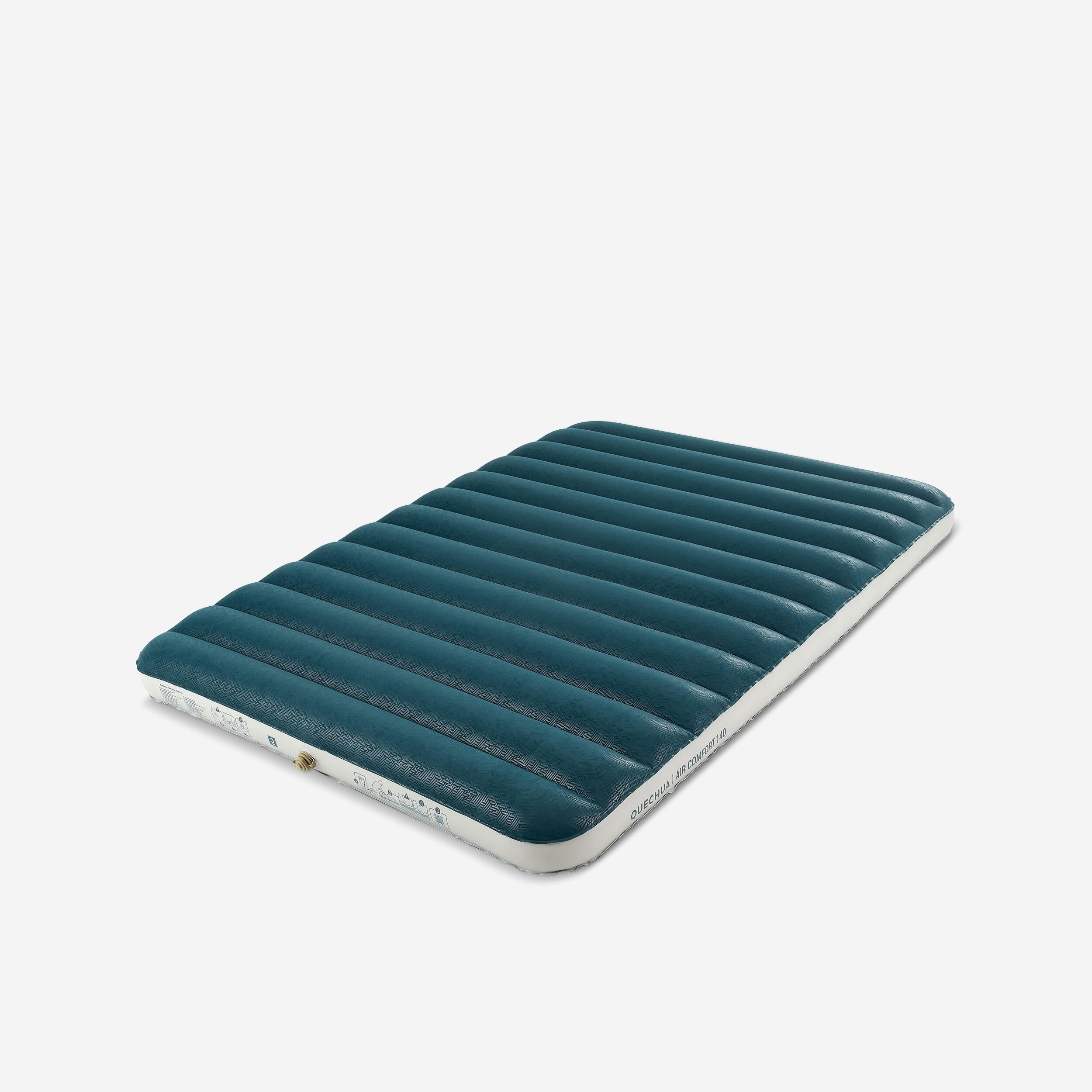
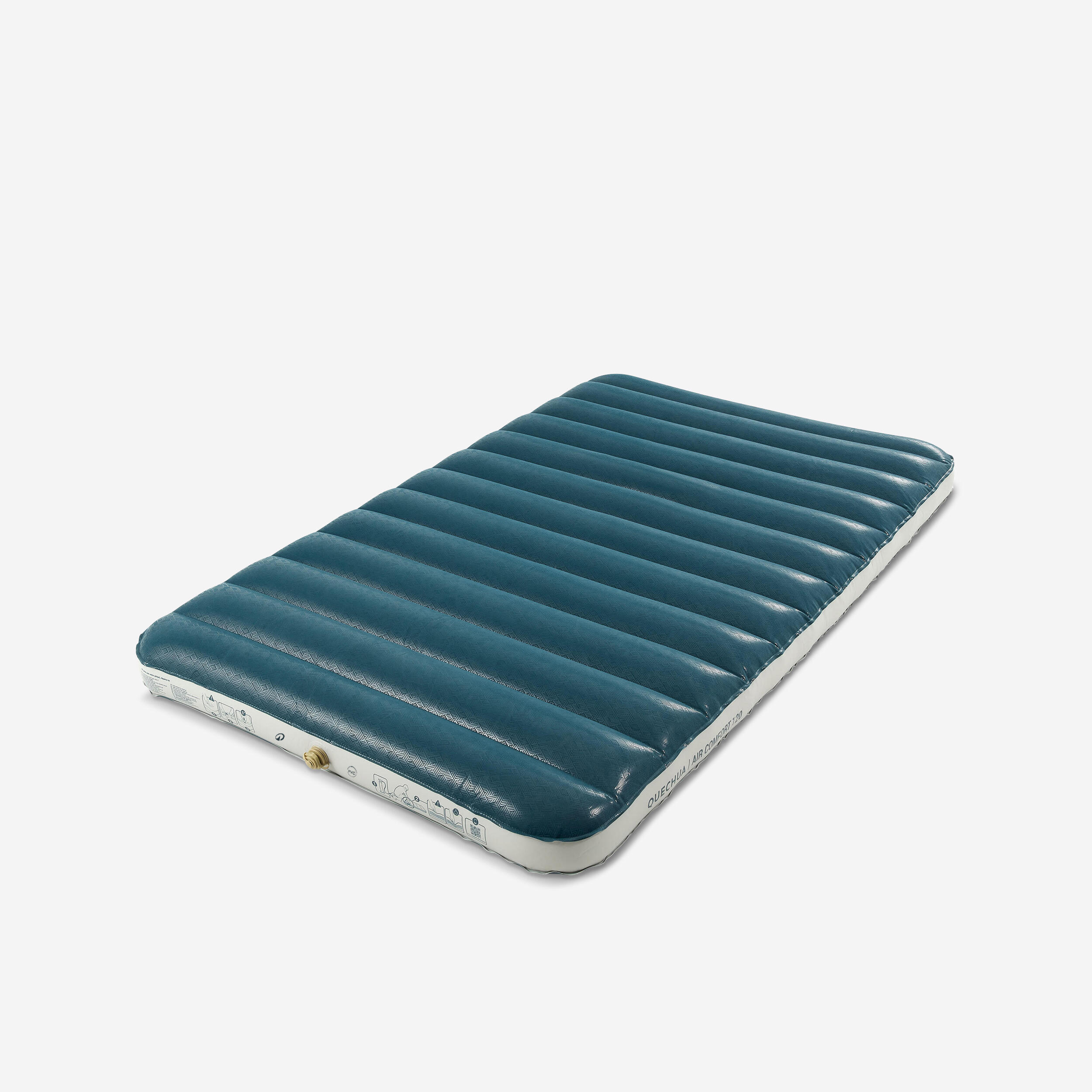
New Lower Price New Lower Price2 coloursNew Lower PriceQUECHUA Inflatable, 2-person camping mattress - Air Comfort, 200 x 140 cm4.5(1,986)Reviews.votesAria2 coloursCurrent price {{currentPrice}} €39.00 Former price Was €46.00Lowest price: €46.00
Marketplace -Online Only Marketplace -Online OnlyMarketplace -Online OnlyINTEX Intex Dura-Beam Classic Downy Airbed4.8(6)Reviews.votesAriaCurrent price {{currentPrice}} €87.95Sold and shipped by Tormino IE
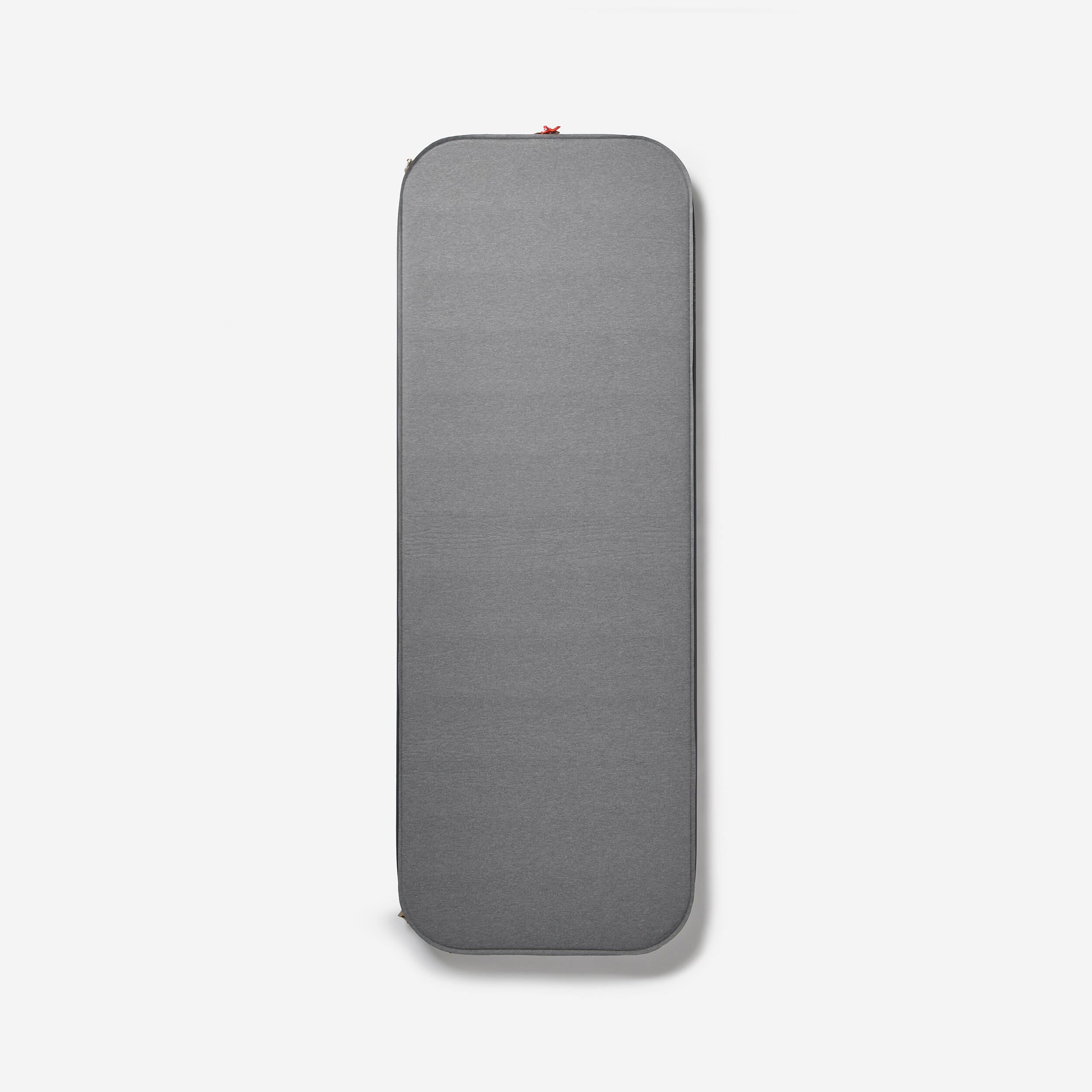
2 coloursQUECHUA Self-inflating, 1-person camping mattress - Ultim Comfort, 200 x 70 cm - Grey4.6(1,888)Reviews.votesAria2 coloursCurrent price {{currentPrice}} €105.00
Marketplace -Online Only Marketplace -Online OnlyMarketplace -Online OnlySPORTENZIA portable mini electric air pump inflate deflate led 1200 mah5(1)Reviews.votesAriaCurrent price {{currentPrice}} €34.99Sold and shipped by Sportenzia
SIMOND Trekking insulating inflatable mattress, XL size, 195 x 63cm, MT9004.5(230)Reviews.votesAriaCurrent price {{currentPrice}} €145.00
Marketplace -Online Only Marketplace -Online OnlyMarketplace -Online OnlyINTEX INTEX double inflatable tourist mattress4.7(9)Reviews.votesAriaCurrent price {{currentPrice}} €28.99Sold and shipped by Sport-Centrum EU
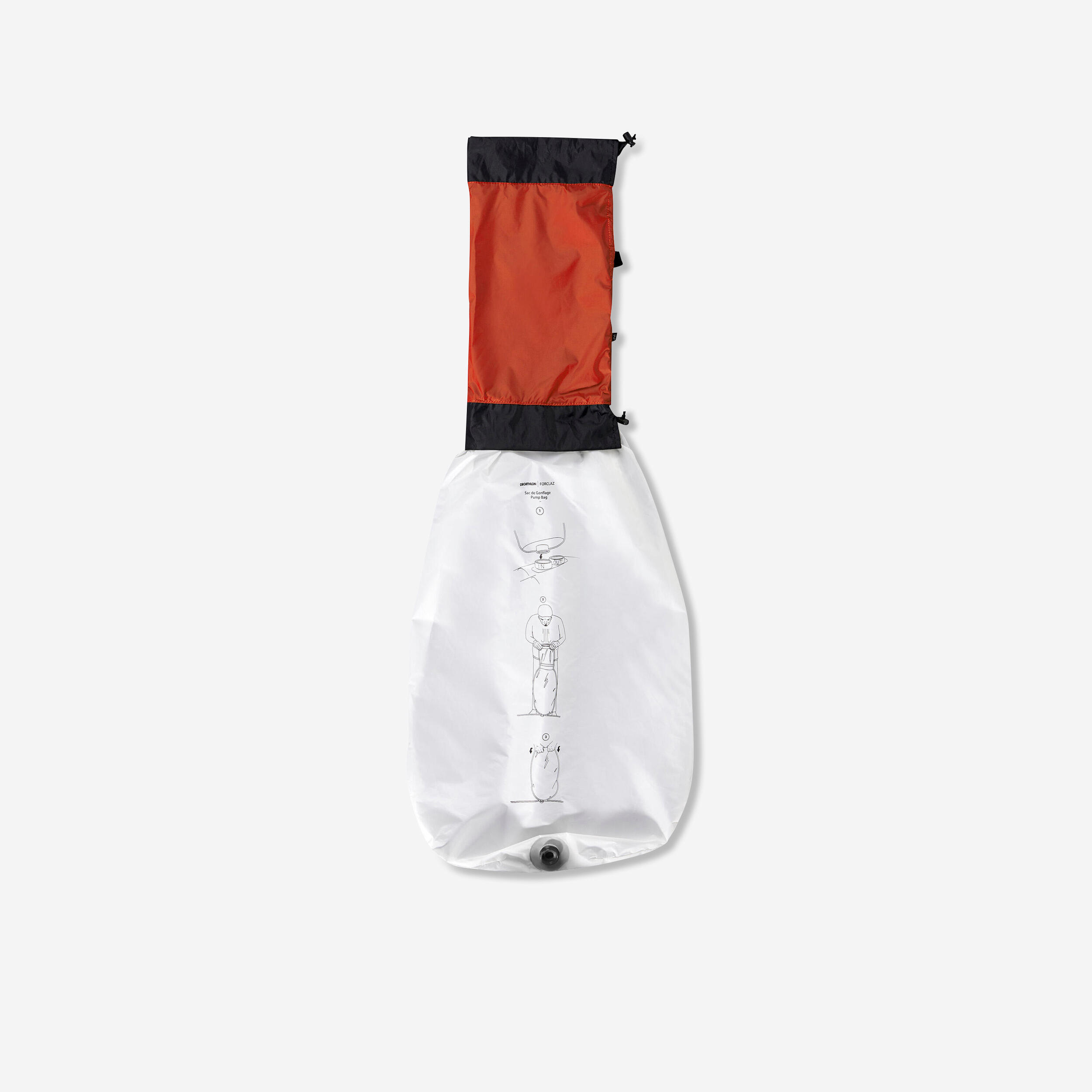
SIMOND Inflation bag cover for inflatable mattress4.7(106)Reviews.votesAriaCurrent price {{currentPrice}} €15.00
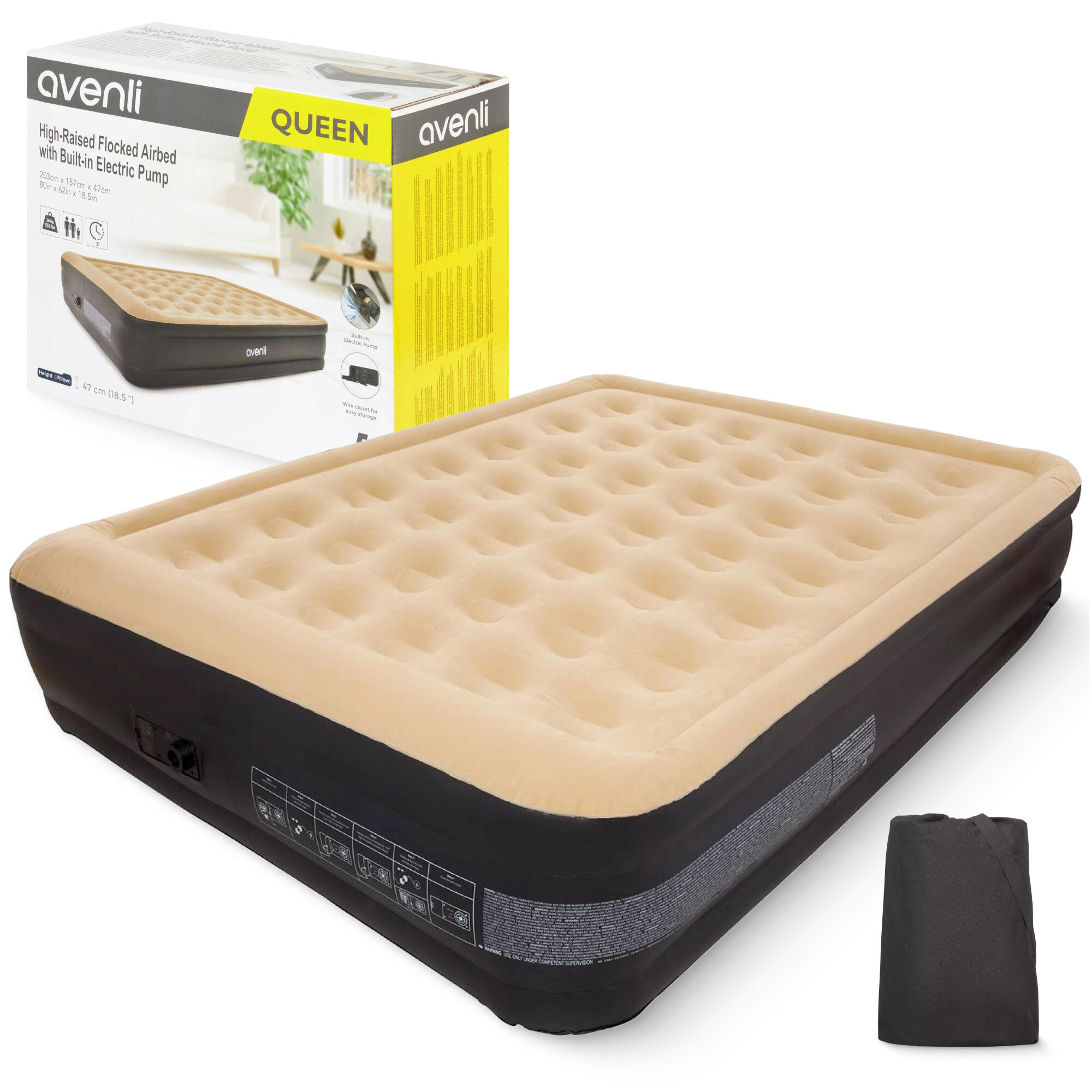
Marketplace -Online Only Marketplace -Online OnlyMarketplace -Online OnlyAVENLI Queen Raised Air MattressCurrent price {{currentPrice}} €86.80€86.80/unitSold and shipped by Super Merchant EUR
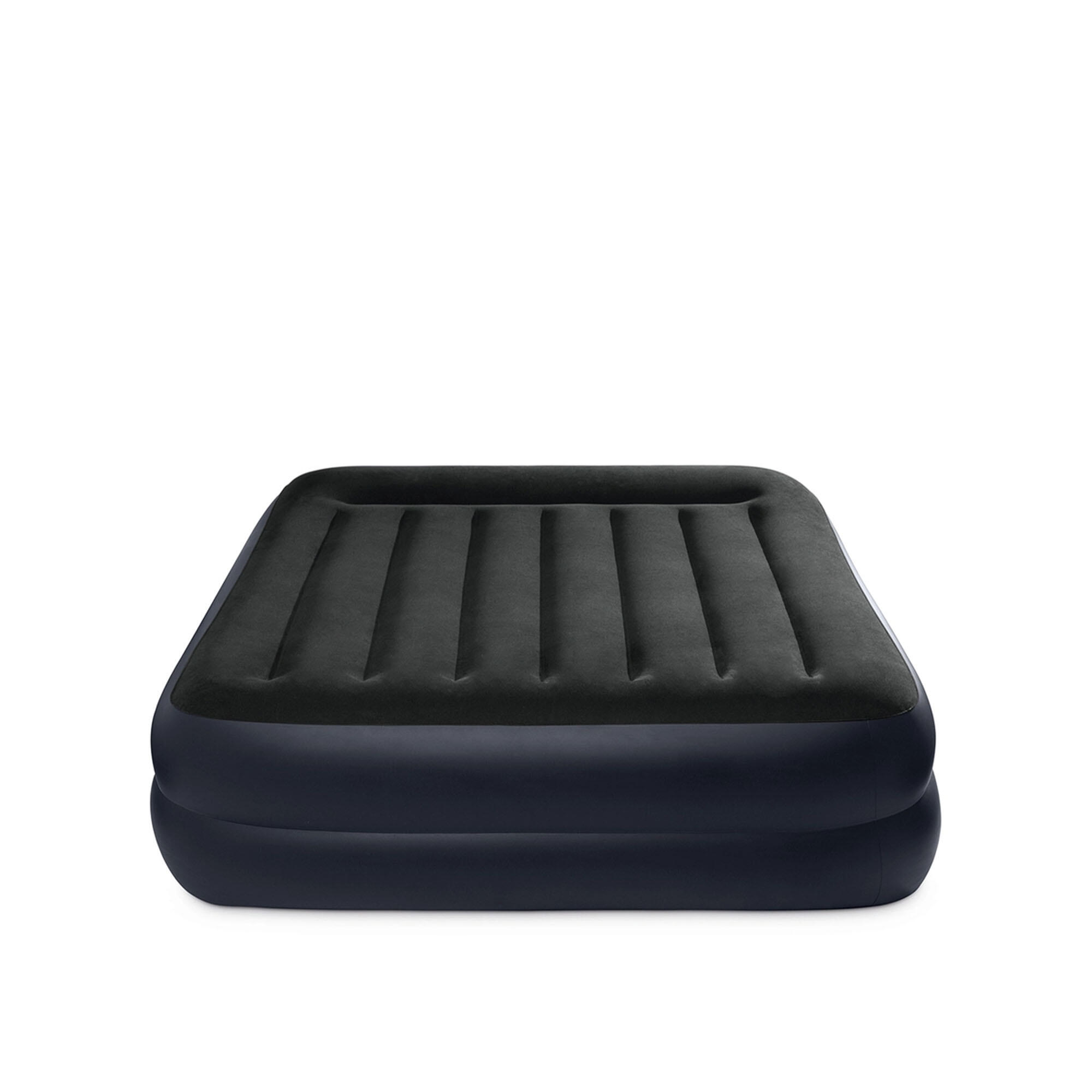
Marketplace -Online Only Marketplace -Online OnlyMarketplace -Online OnlyINTEX Bed Intex Queen Comfort Elevated Airbed4(1)Reviews.votesAriaCurrent price {{currentPrice}} €114.03Sold and shipped by Super Merchant EUR
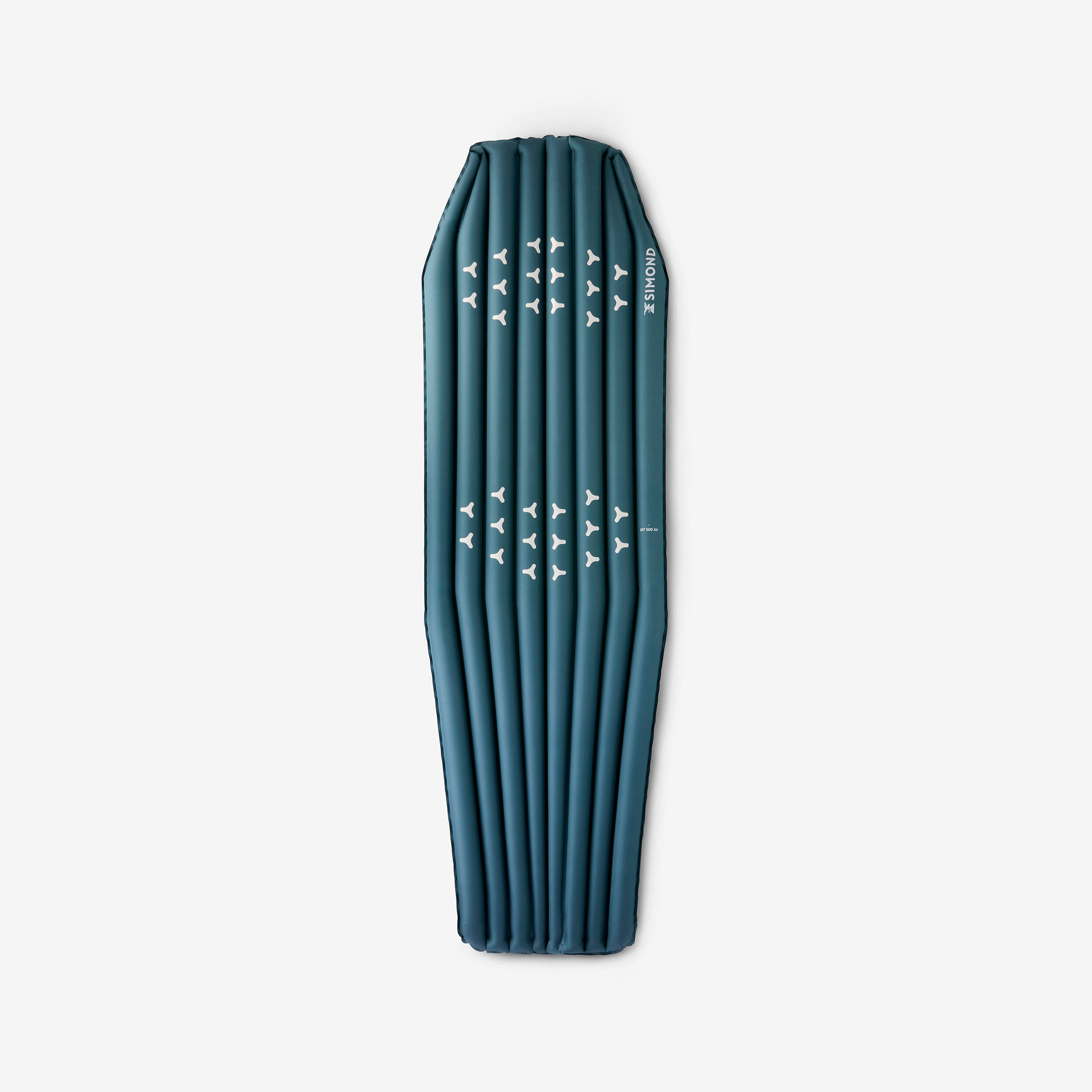
SIMOND Inflatable trekking mattress, size L - MT500 - 180 x 52 cm4.5(1,589)Reviews.votesAriaCurrent price {{currentPrice}} €50.00
SIMOND Lightweight, inflatable trekking mattress, size L - MT500 L - 180 x 52 cm4.5(344)Reviews.votesAriaCurrent price {{currentPrice}} €75.00
New Lower Price New Lower PriceNew Lower PriceQUECHUA 2-person Inflatable Camping Mattress, Air Comfort 200 x 120 cm4.5(979)Reviews.votesAriaCurrent price {{currentPrice}} €35.00 Former price Was €42.00Lowest price: €42.00
Marketplace -Online Only Marketplace -Online OnlyMarketplace -Online OnlyBESTWAY Air Bed Bestway 671BS Tritech Queen Grey5(1)Reviews.votesAriaCurrent price {{currentPrice}} €114.59€114.59/unitSold and shipped by Solution 4YOU
2 coloursQUECHUA Self-inflating, 2-person camping mattress - Ultim Double Comfort, 200 x 136 cm4.5(1,238)Reviews.votesAria2 coloursCurrent price {{currentPrice}} €170.00
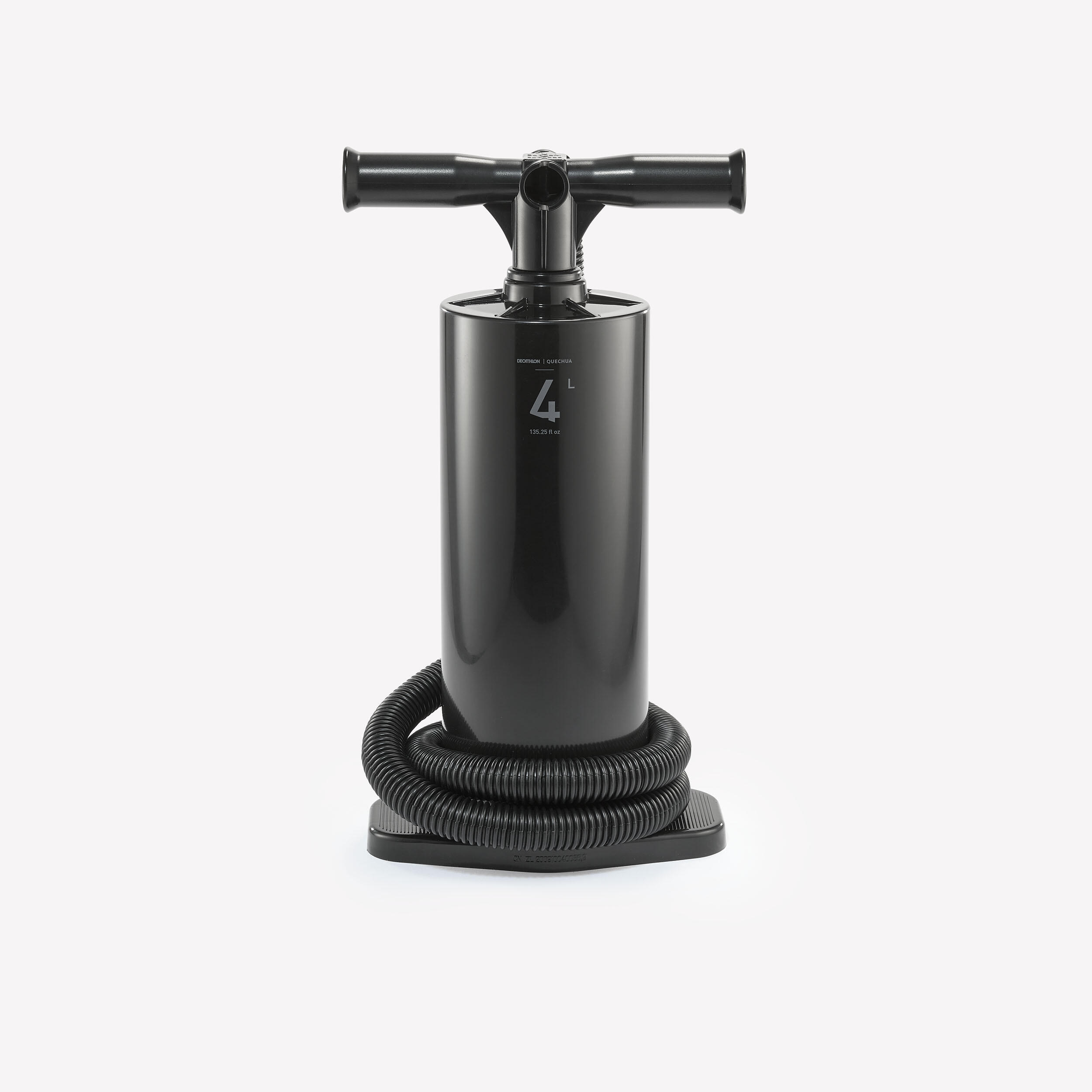
QUECHUA COMFORT DOUBLE ACTION 4 L HAND PUMP | RECOMMENDED FOR INFLATABLE MATTRESSES4.6(402)Reviews.votesAriaCurrent price {{currentPrice}} €12.00
Marketplace -Online Only Marketplace -Online OnlyMarketplace -Online OnlyAVENLI Jilong Avenli Double AirbedCurrent price {{currentPrice}} €52.12€52.12/unitSold and shipped by Super Merchant EUR
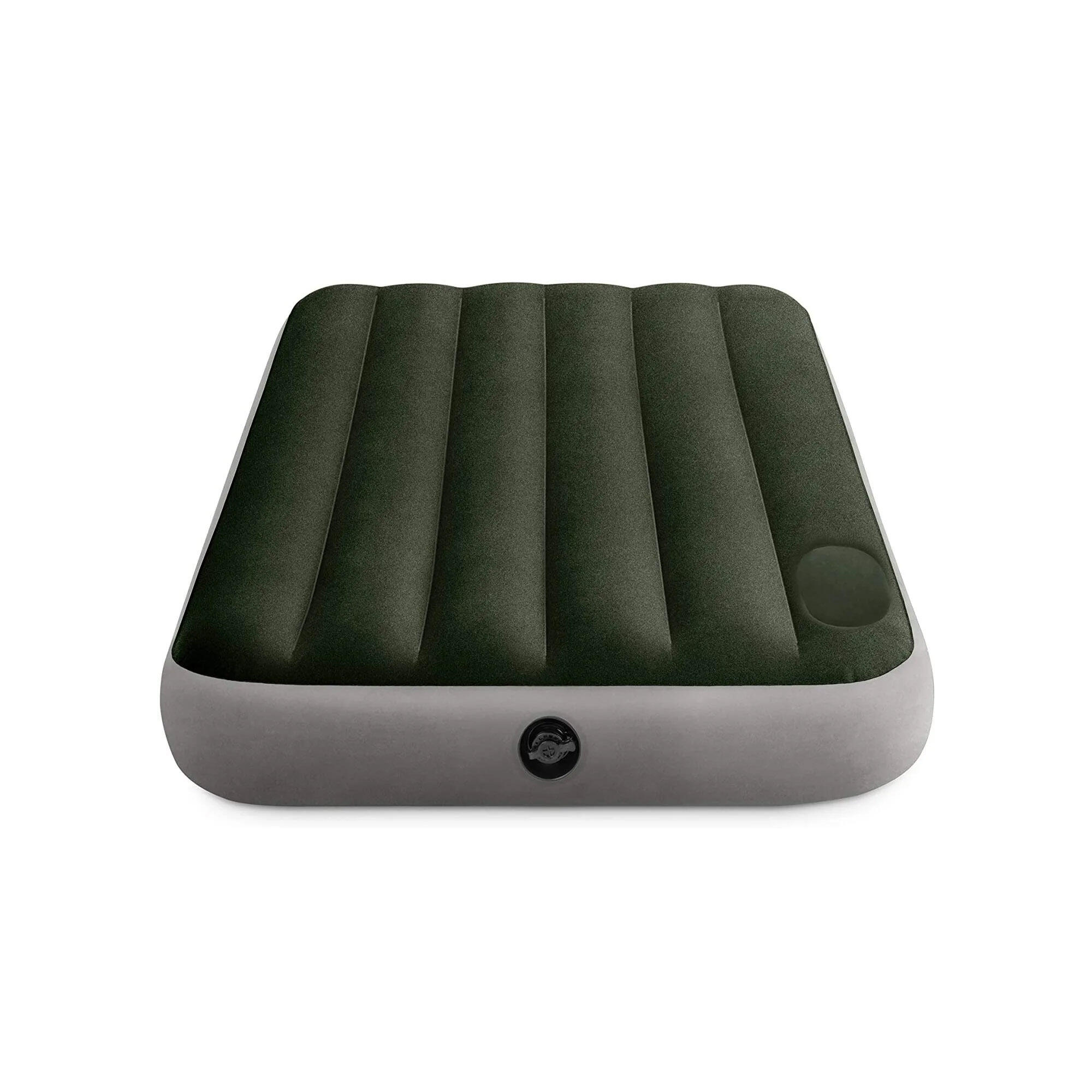
Marketplace -Online Only Marketplace -Online OnlyMarketplace -Online OnlyINTEX Intex Dura-Beam Standard Downy Air BedCurrent price {{currentPrice}} €29.99Sold and shipped by Sport-Centrum EU
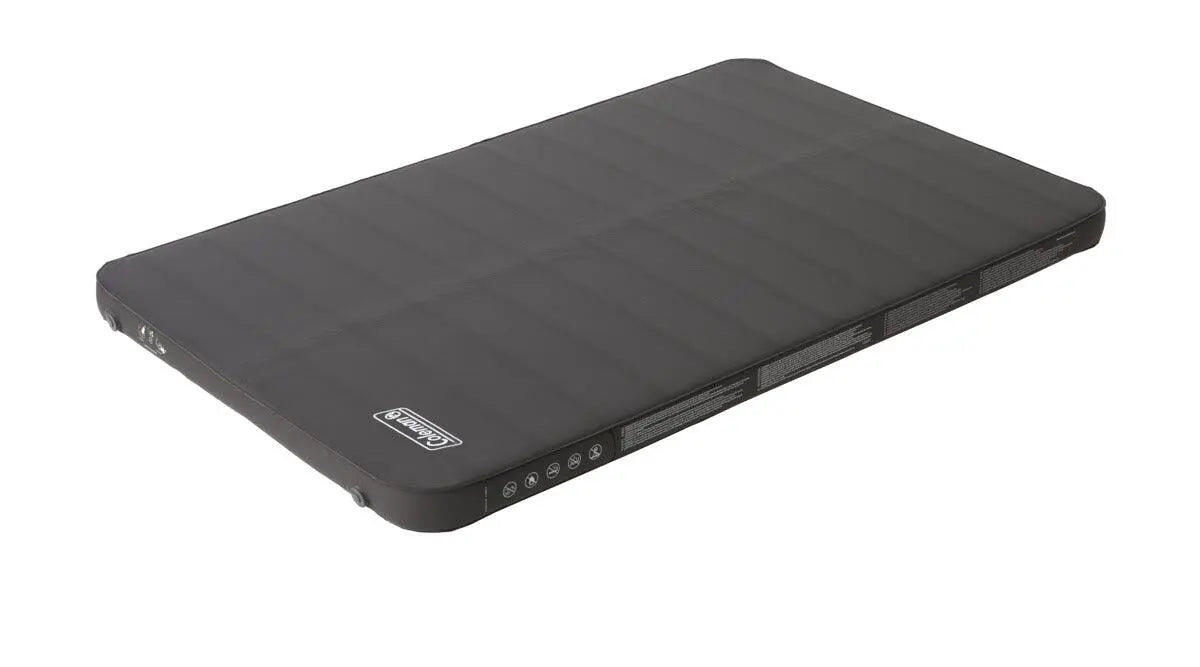
Marketplace -Online Only Marketplace -Online OnlyMarketplace -Online OnlyCOLEMAN Coleman Supercomfort Sleeping Mat Double 7.5Current price {{currentPrice}} €220.00Sold and shipped by Sports Lab IE