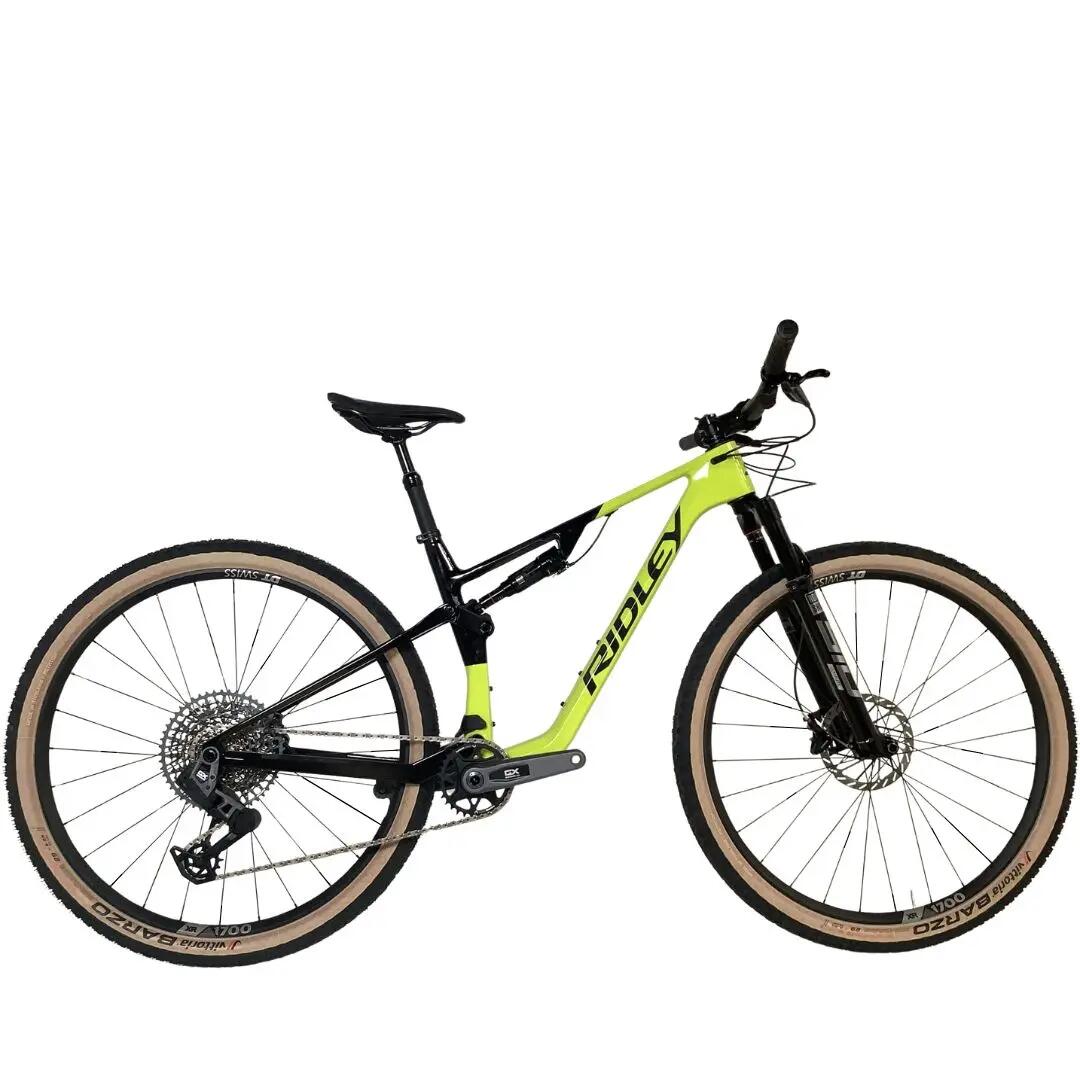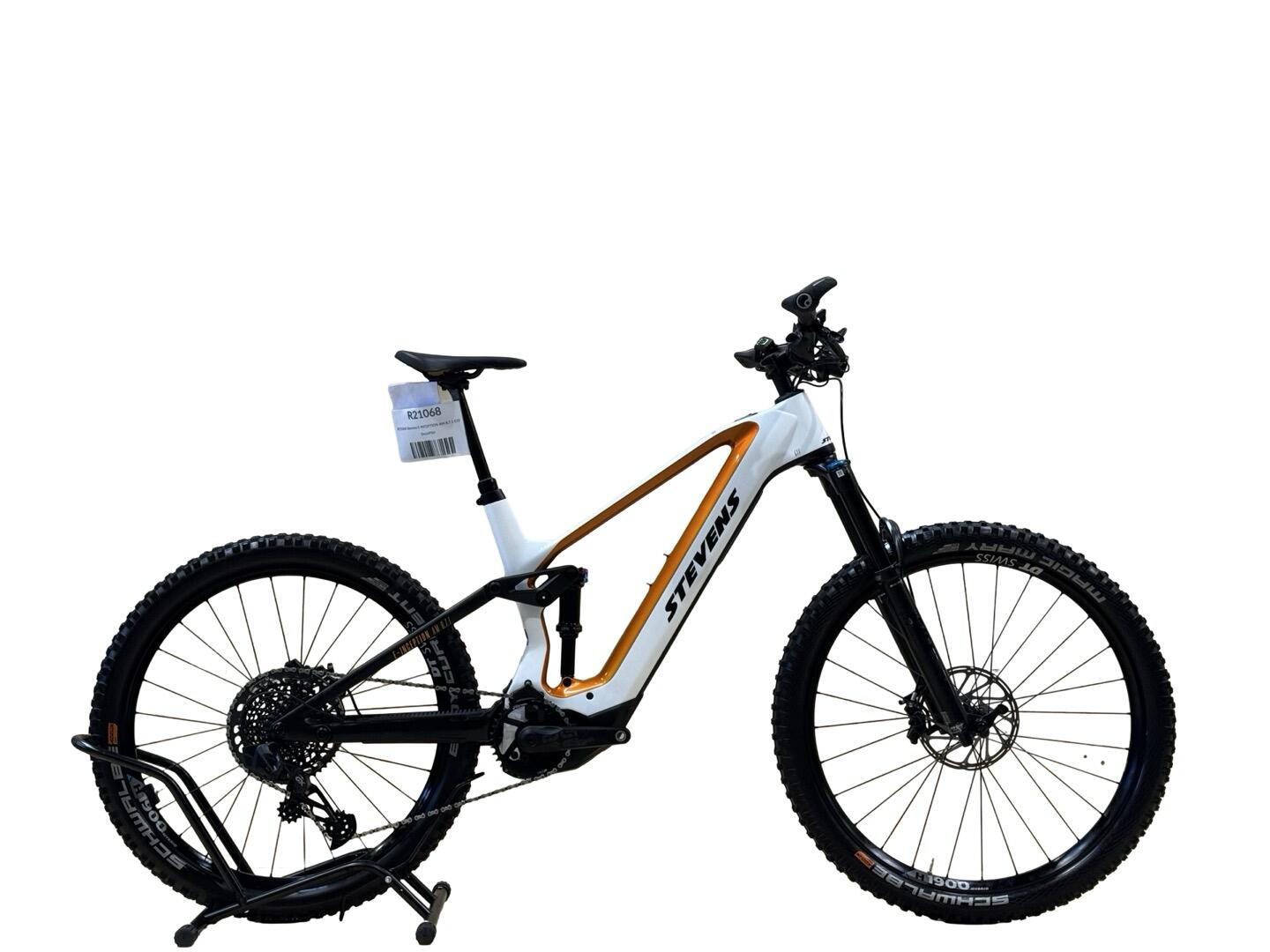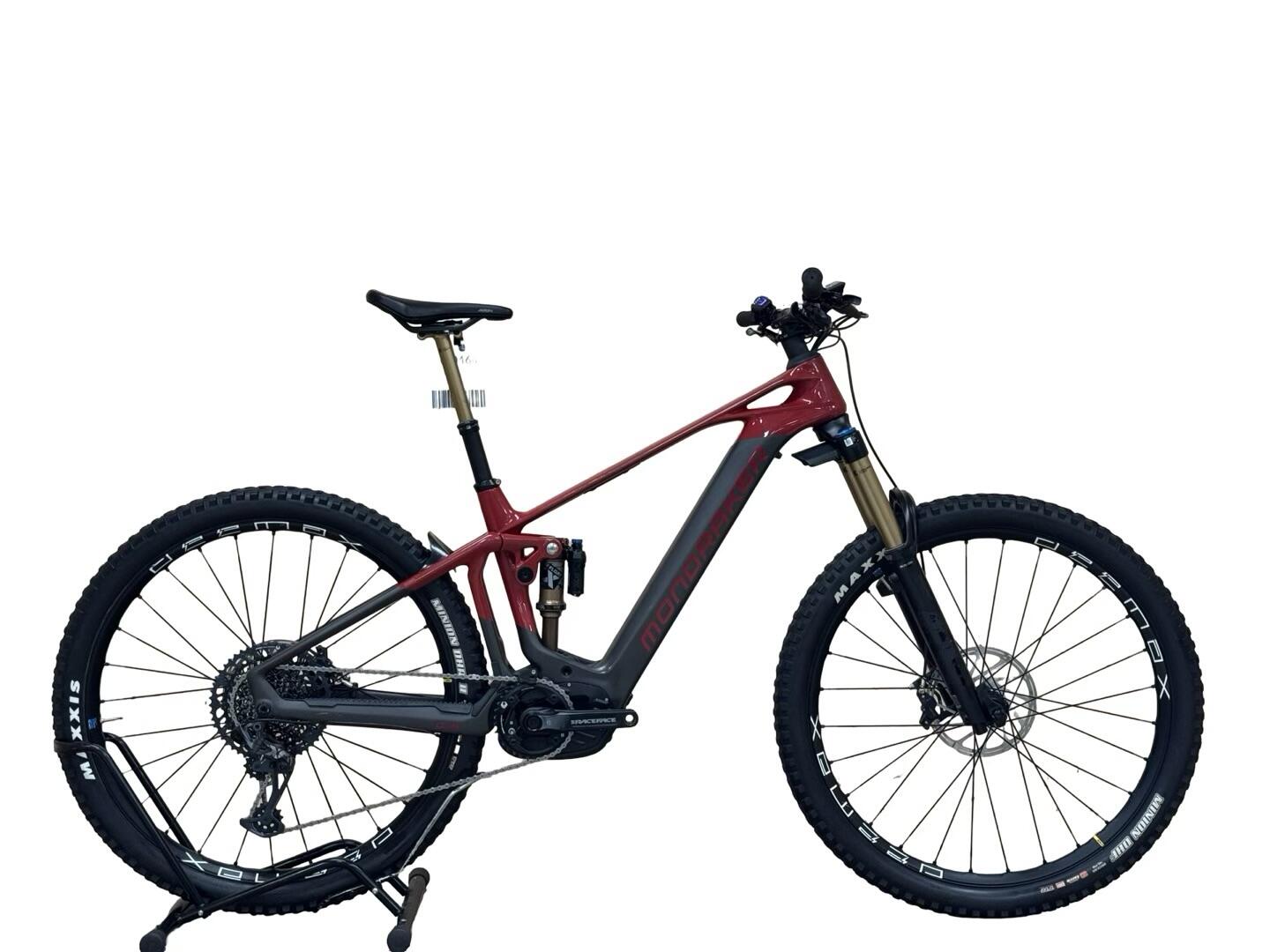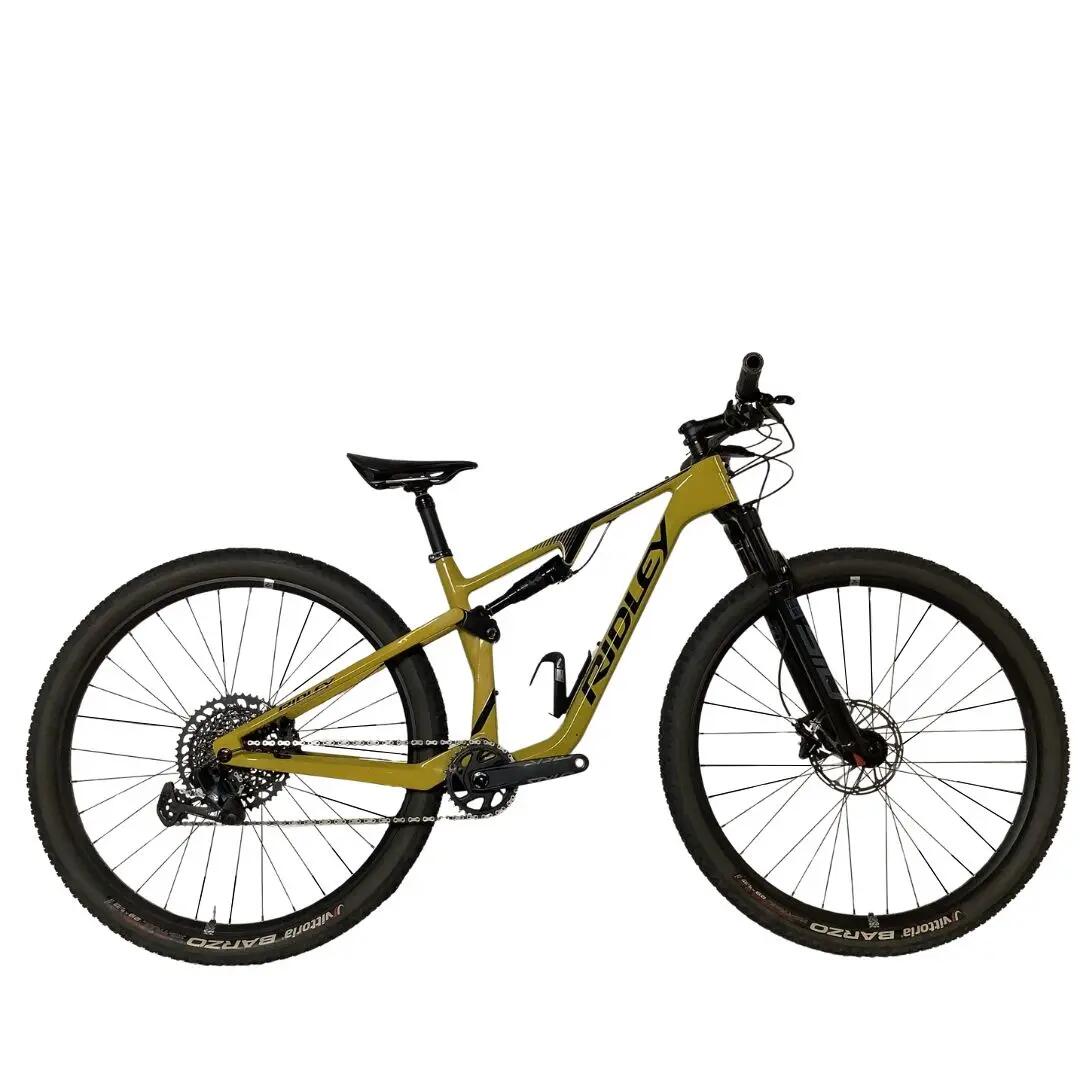
93 items
4.7/5 based on 609 reviews collected online and in stores

Carbon Mountain Bikes FAQs

Why choose a carbon mountain bike for cross-country riding?

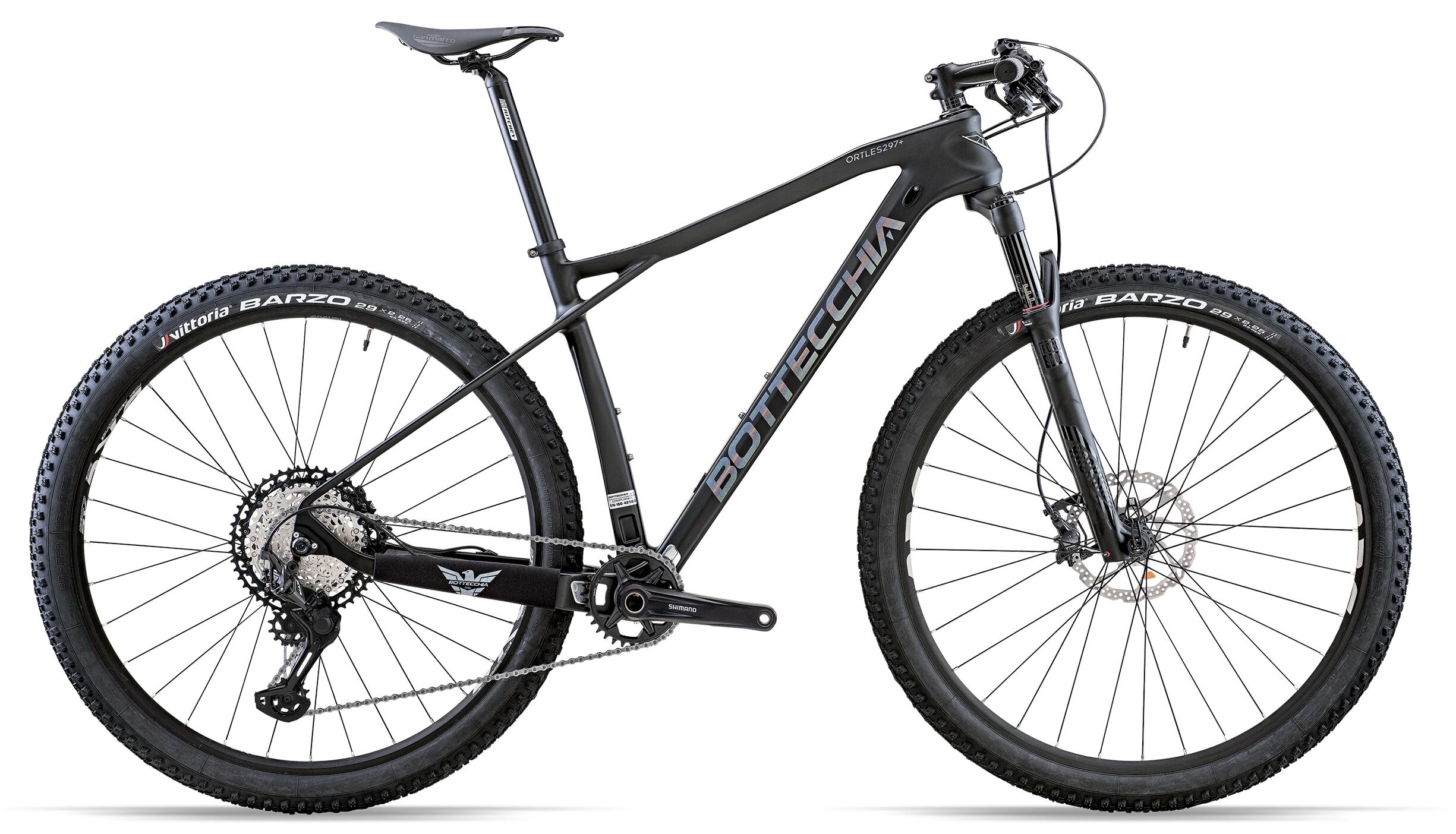
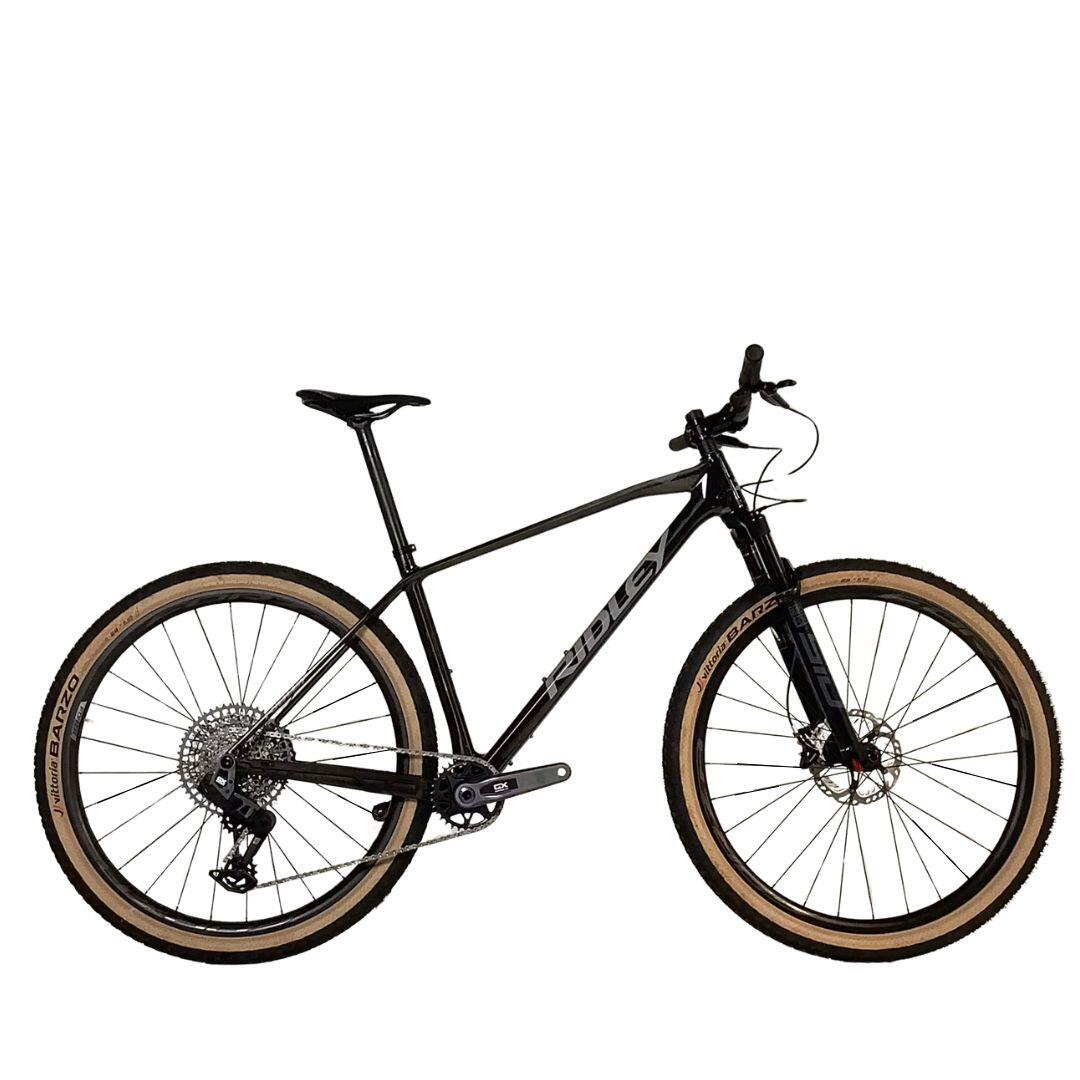
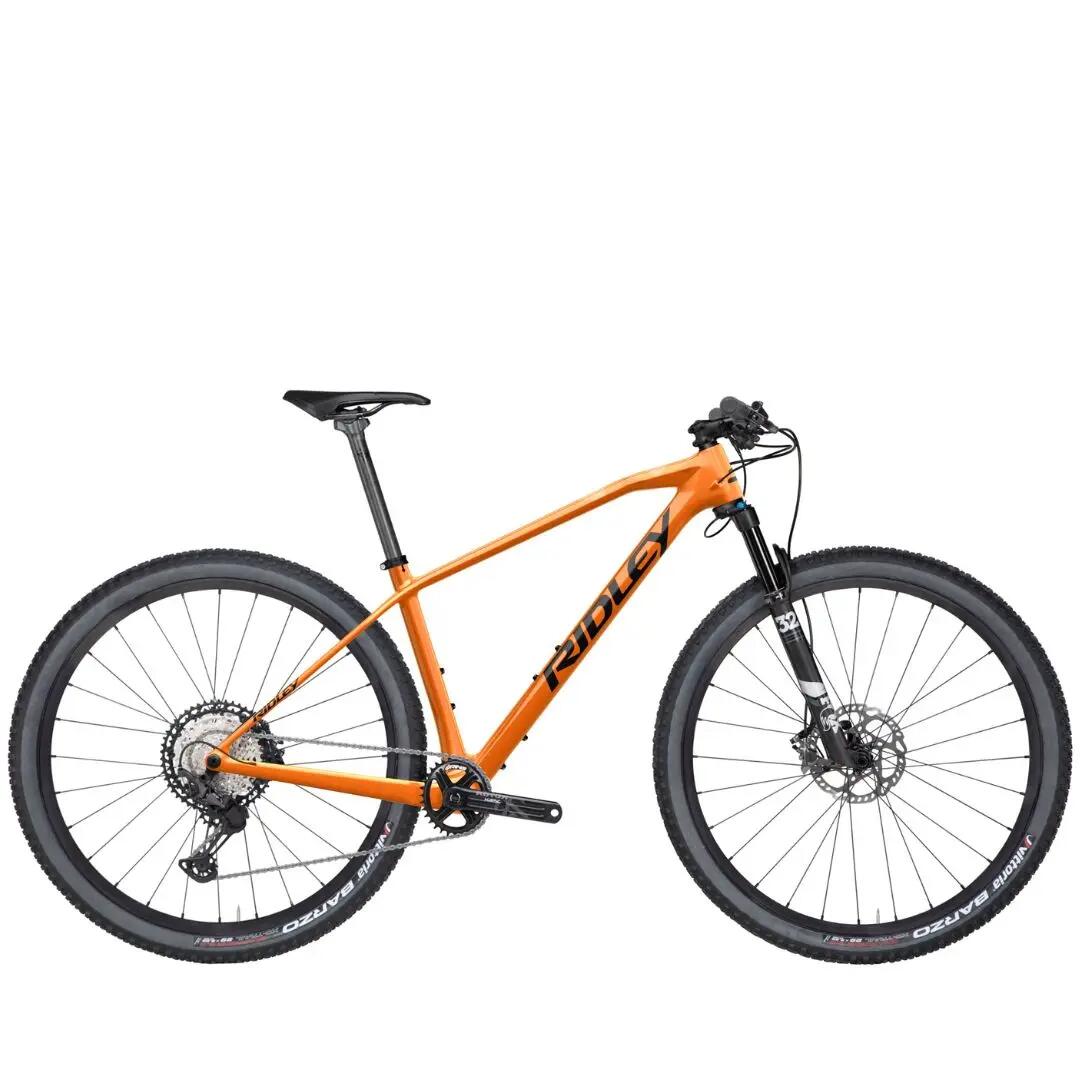
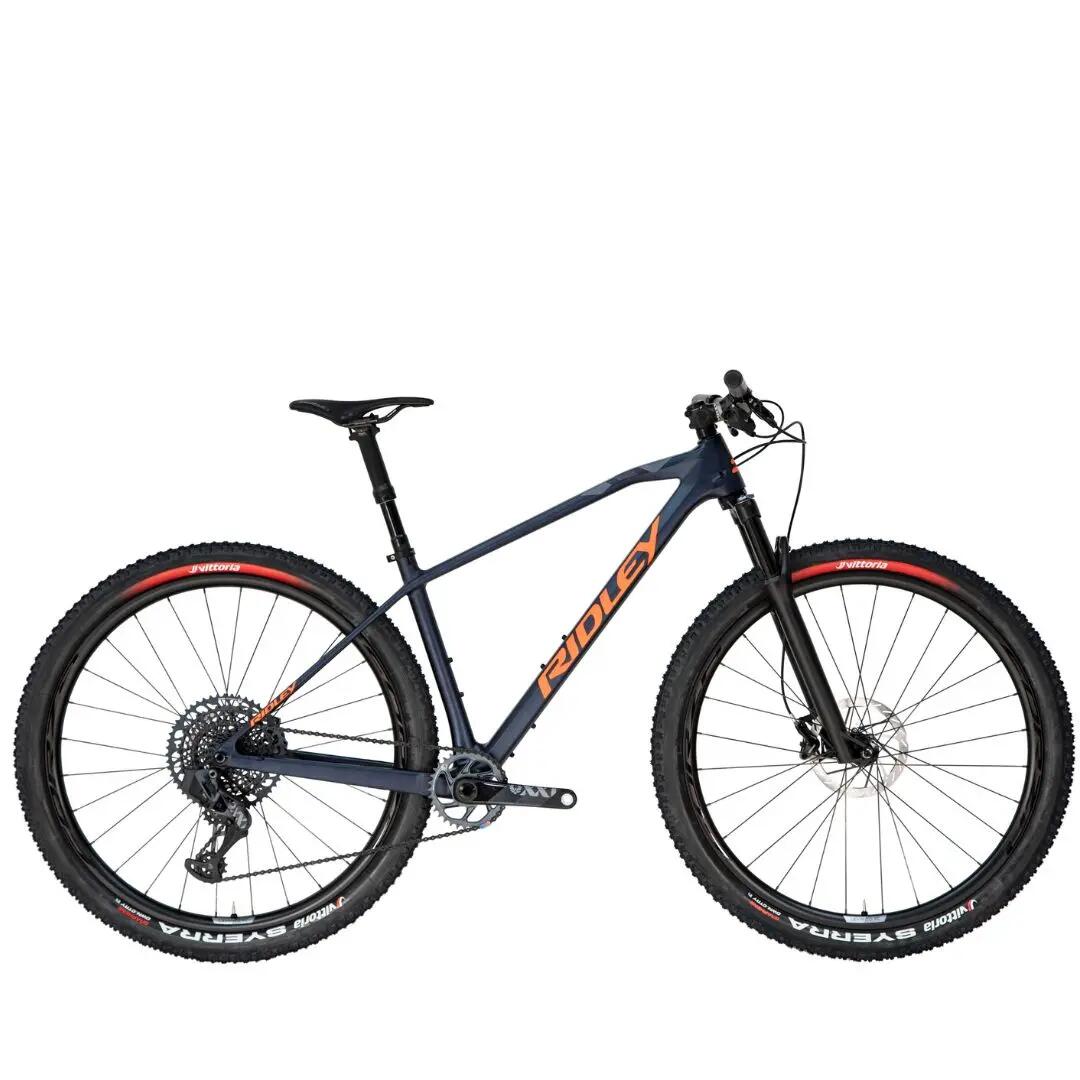
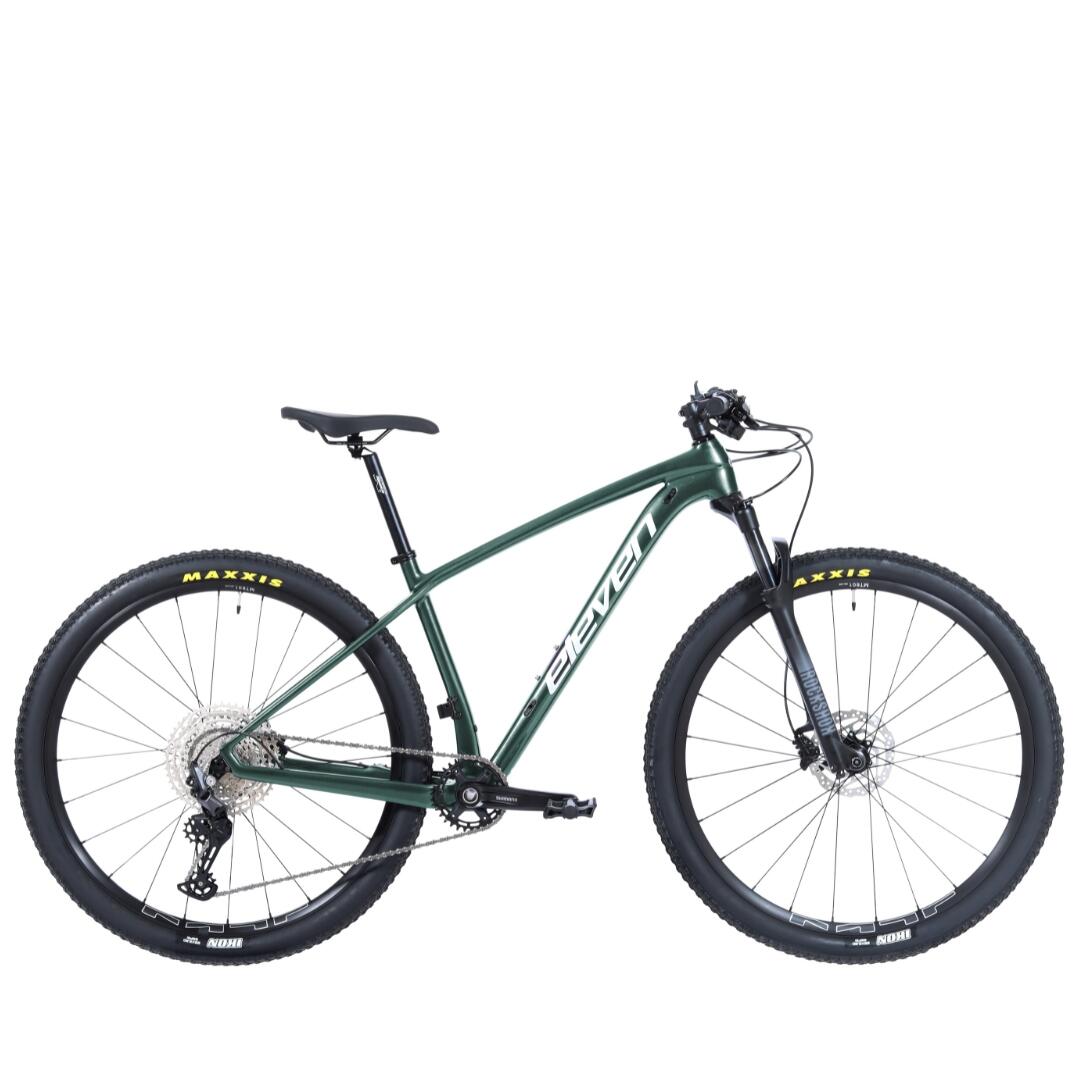
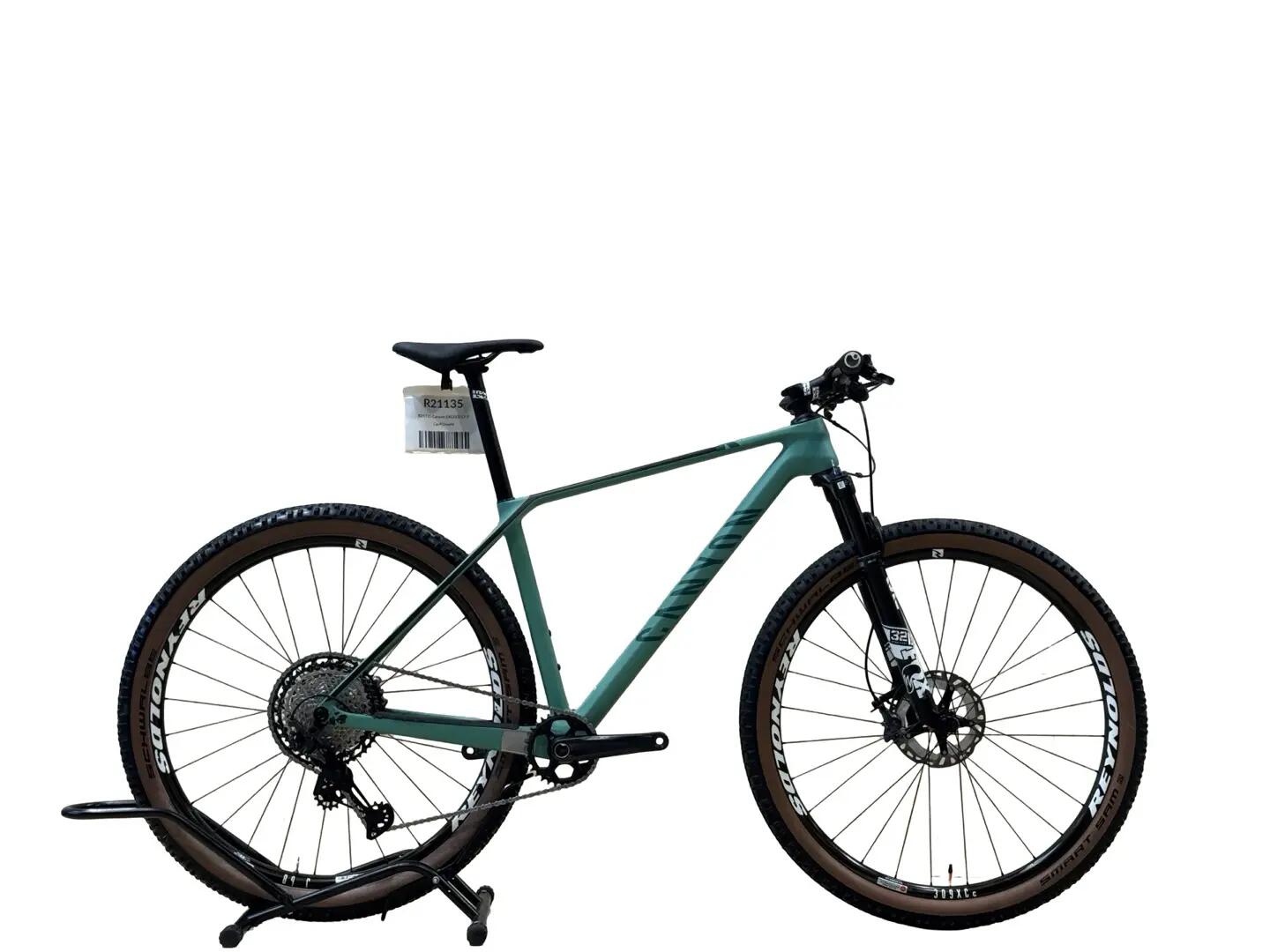
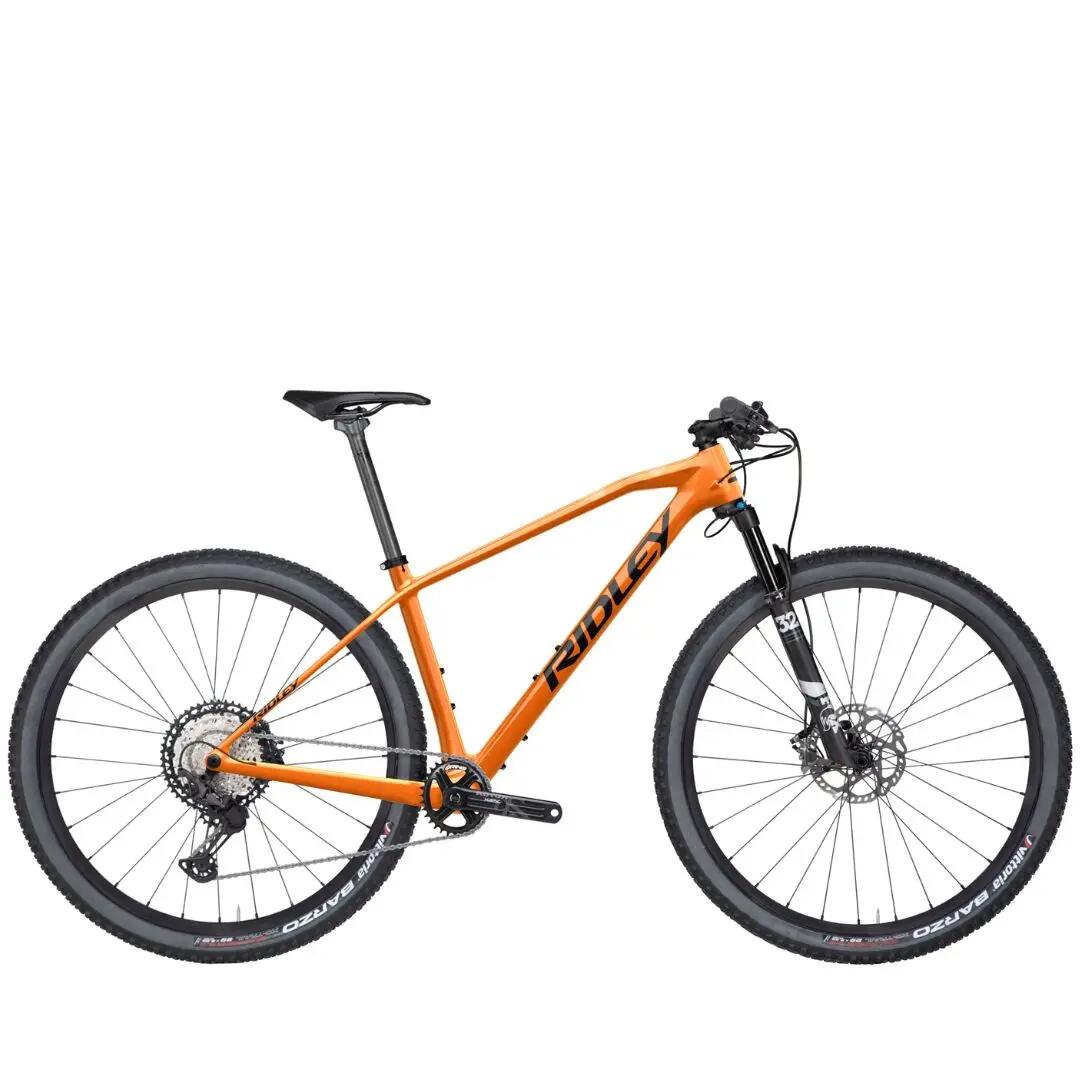
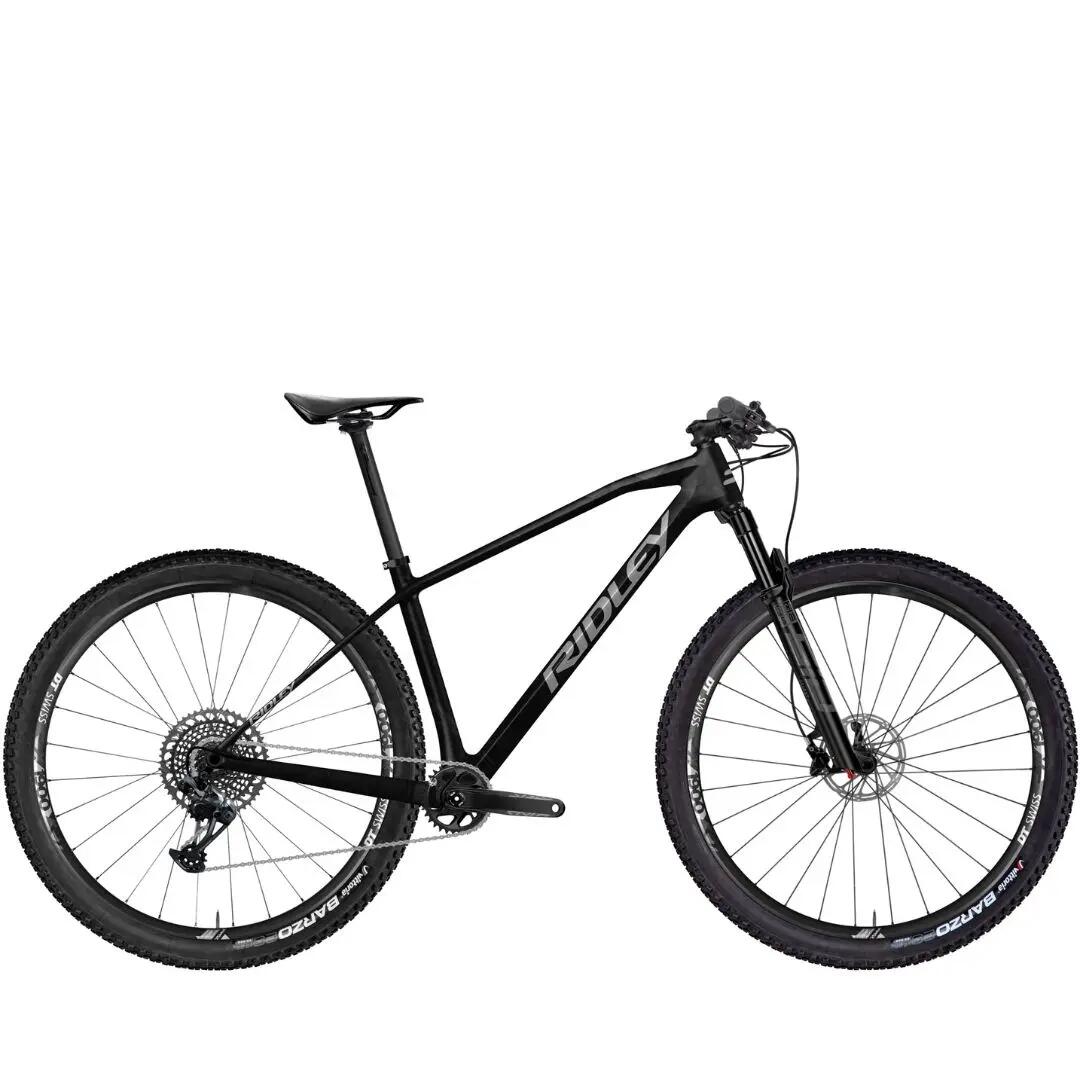
Carbon frames are commonly chosen when low weight, stiffness and efficient power transfer matter on climbs and faster cross-country trails. Rockrider carbon frames are developed around specific MTB disciplines rather than simply replacing aluminium with a lighter material. A hardtail carbon mountain bike can suit riders who prioritise efficient climbing, quick acceleration and a direct feel on smoother XC terrain. High-modulus carbon lets engineers place material where it matters most while keeping overall frame mass down. Race-oriented geometry also tends to place you in a more forward position for efficient pedalling. Pro tip: carbon is light but still needs careful setup. Use the specified tightening torque for stems, seatposts and other clamped components, as overtightening can damage carbon parts even when they appear secure.

What makes a carbon cross-country mountain bike different from a trail MTB?

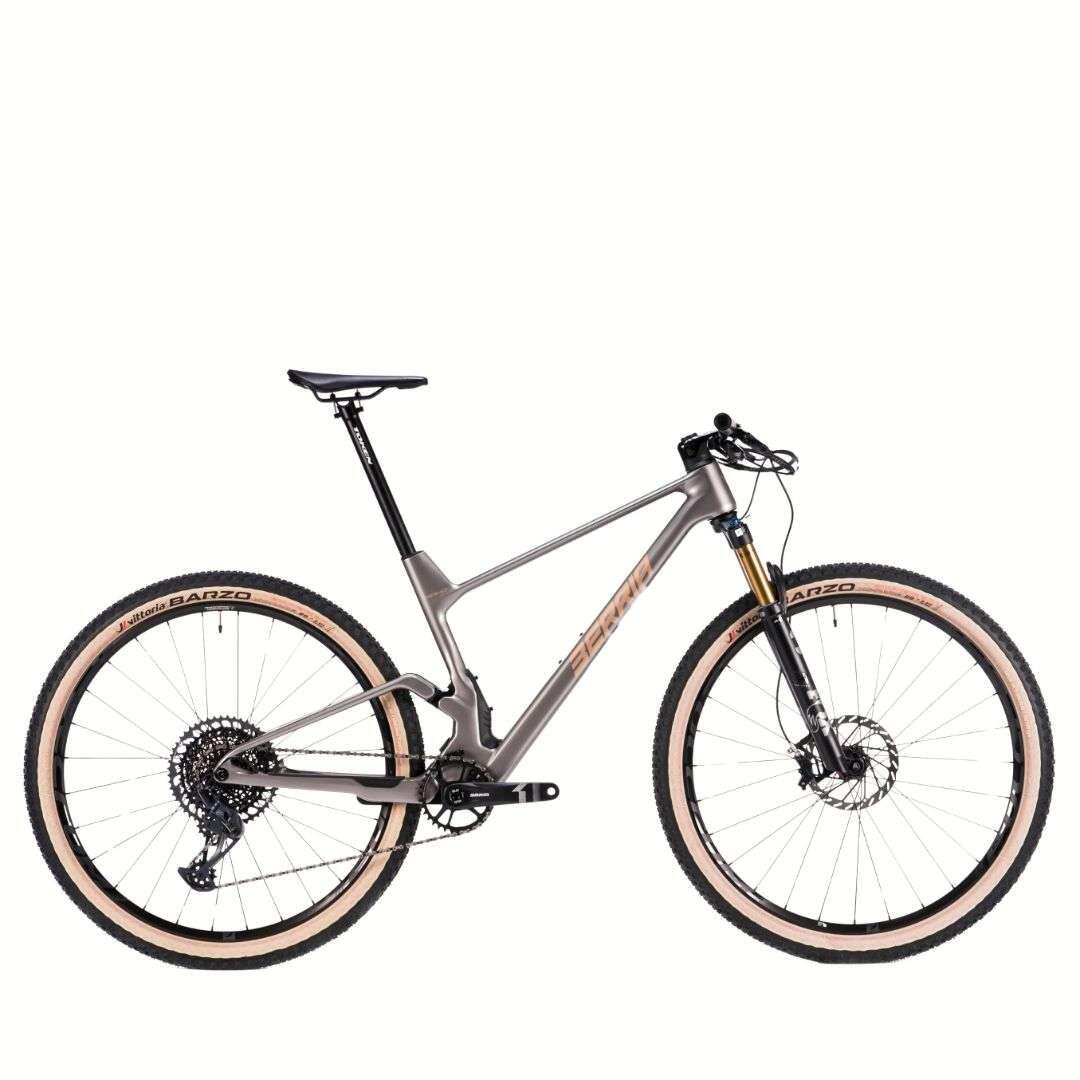
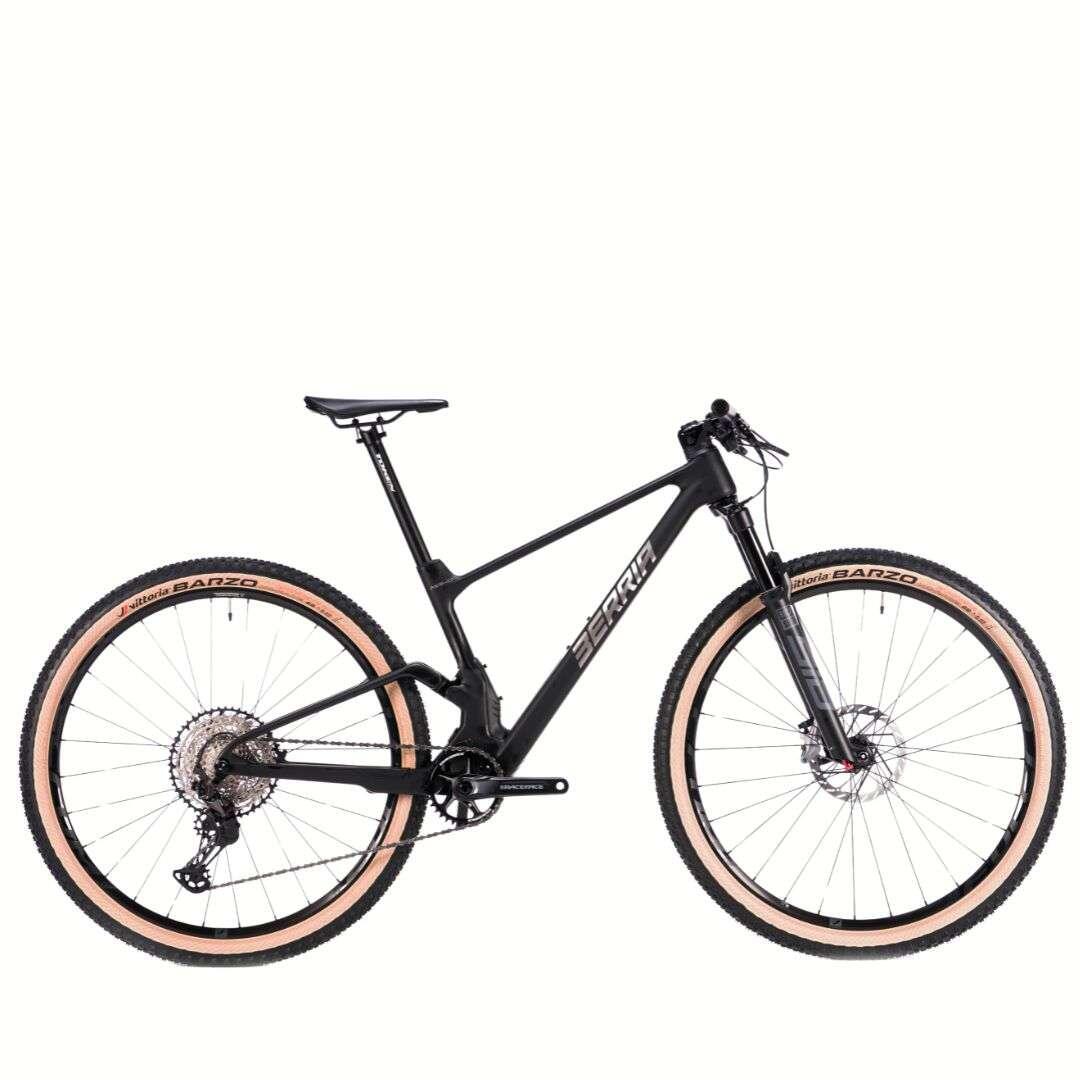
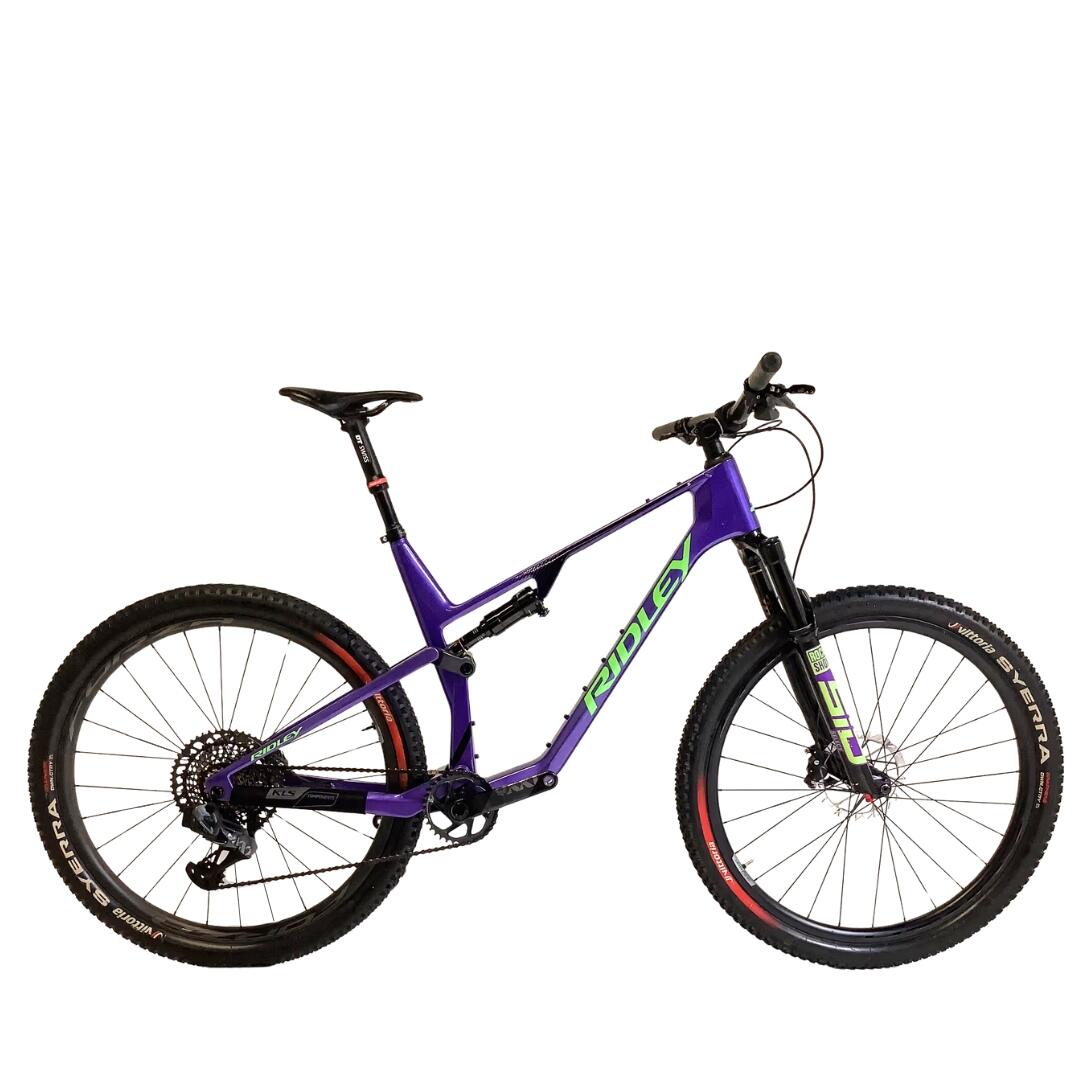
A cross-country bike is generally tuned around speed, climbing efficiency and rapid changes in pace rather than maximum suspension travel. When comparing a cross-country carbon mountain bike, look closely at frame geometry, bike weight, suspension travel and tyre choice. Rockrider XC models use race-focused positions and around 120 mm of travel on full-suspension platforms, while more trail-oriented bikes usually add travel and descending stability. Front and rear tyres may even use different tread patterns so the front favours grip while the rear supports faster rolling. Pro tip: match the bike to your usual terrain. A lighter XC setup can feel quick on climbs and flowing trails, but longer-travel equipment may give more control if steep, rough descents make up a large part of your riding.

When might you choose a full suspension carbon mountain bike?

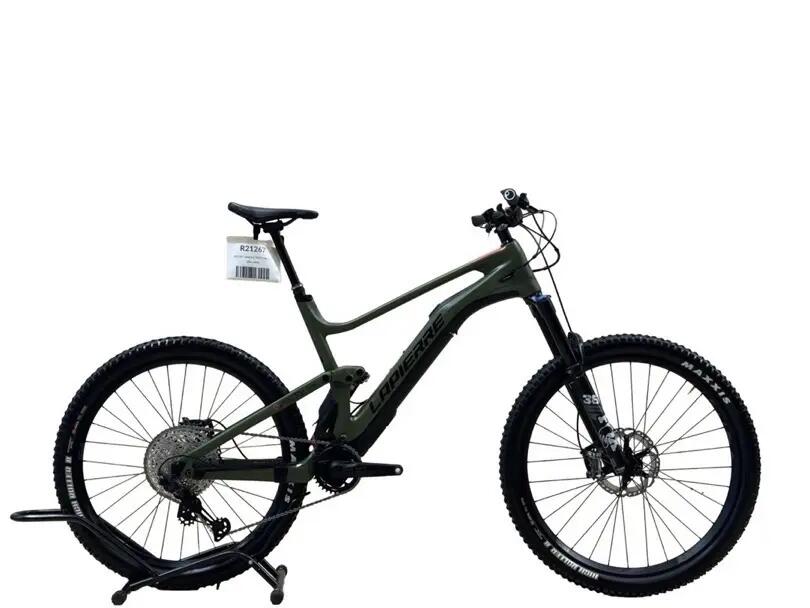
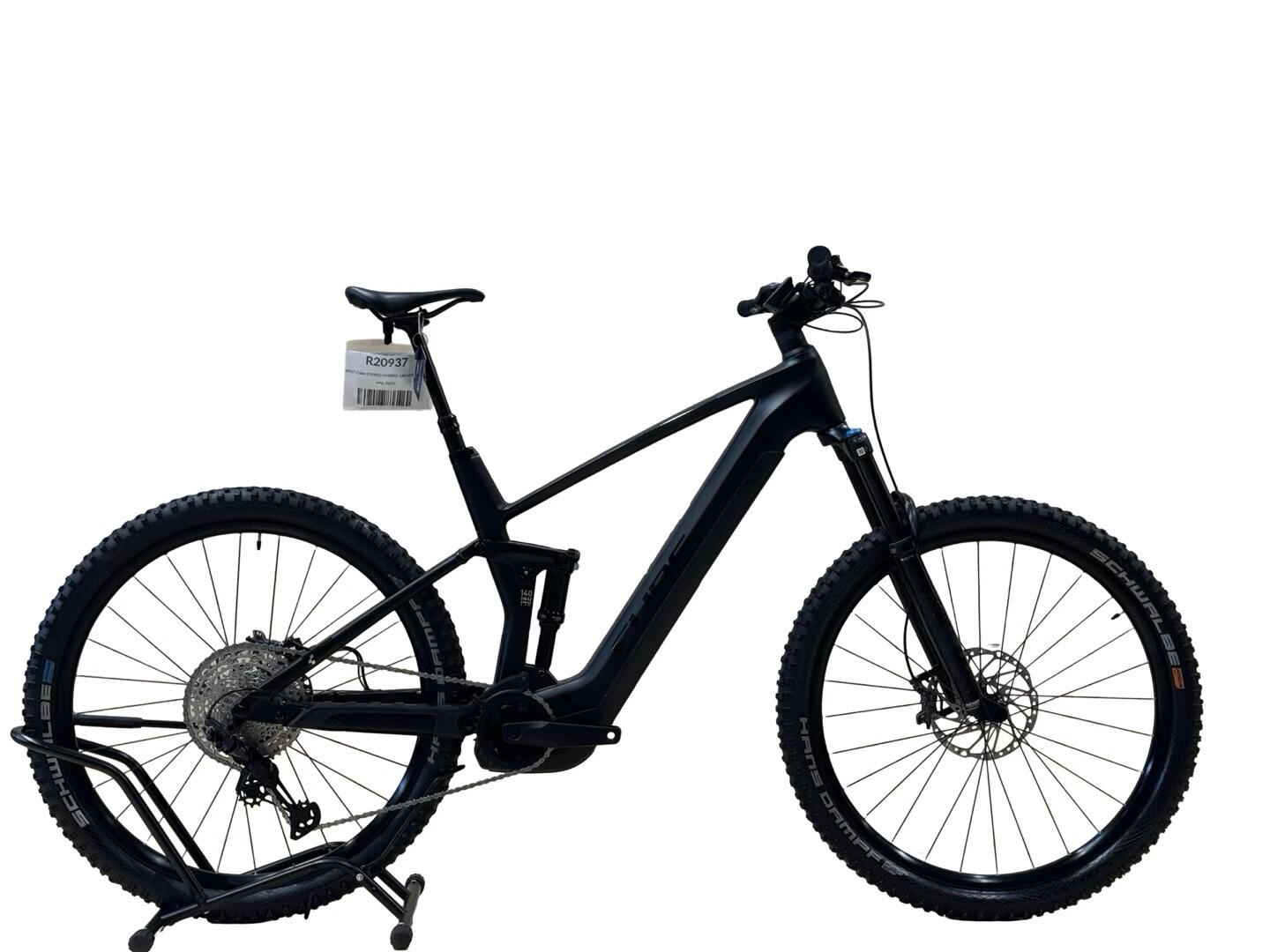
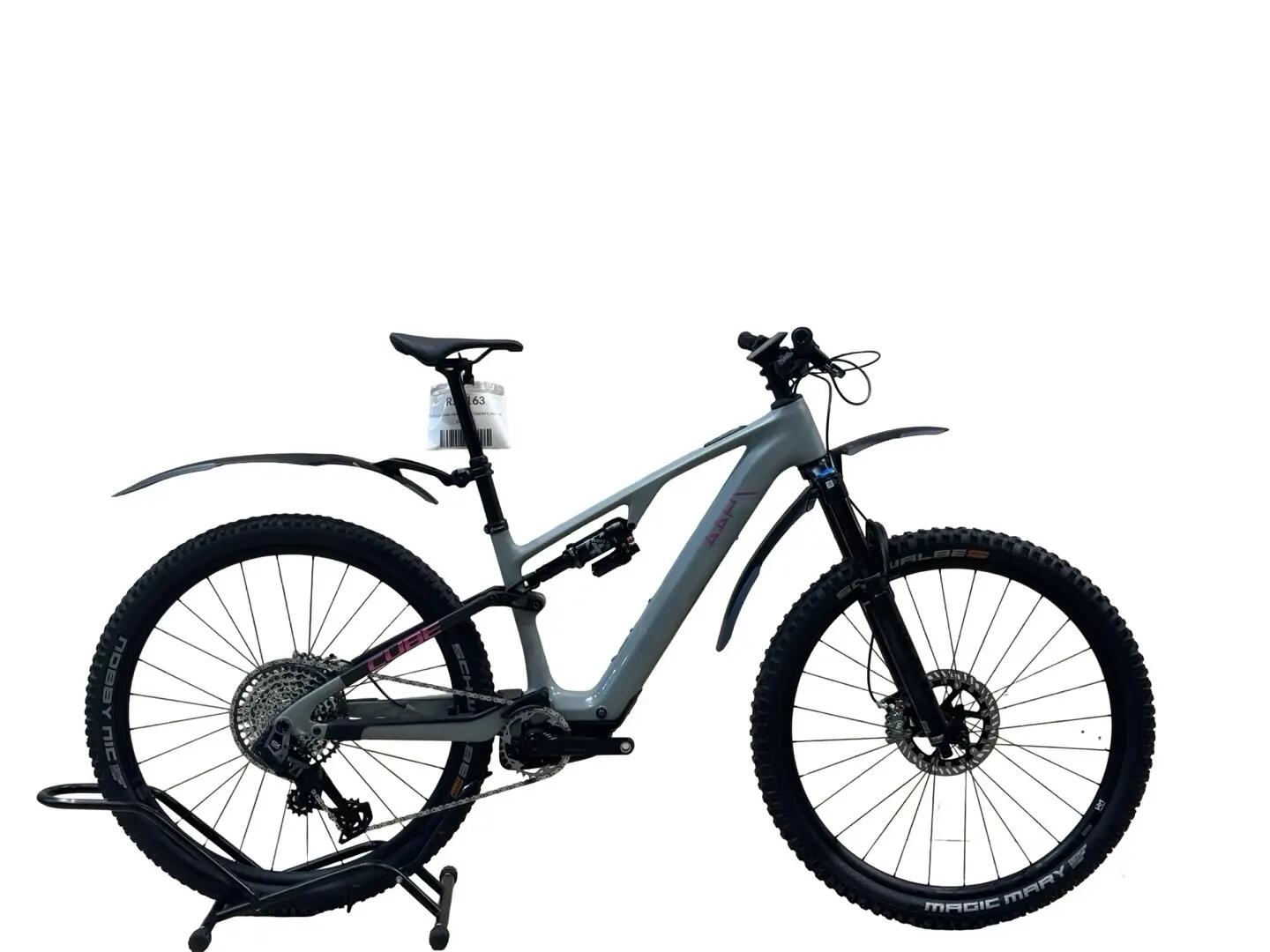
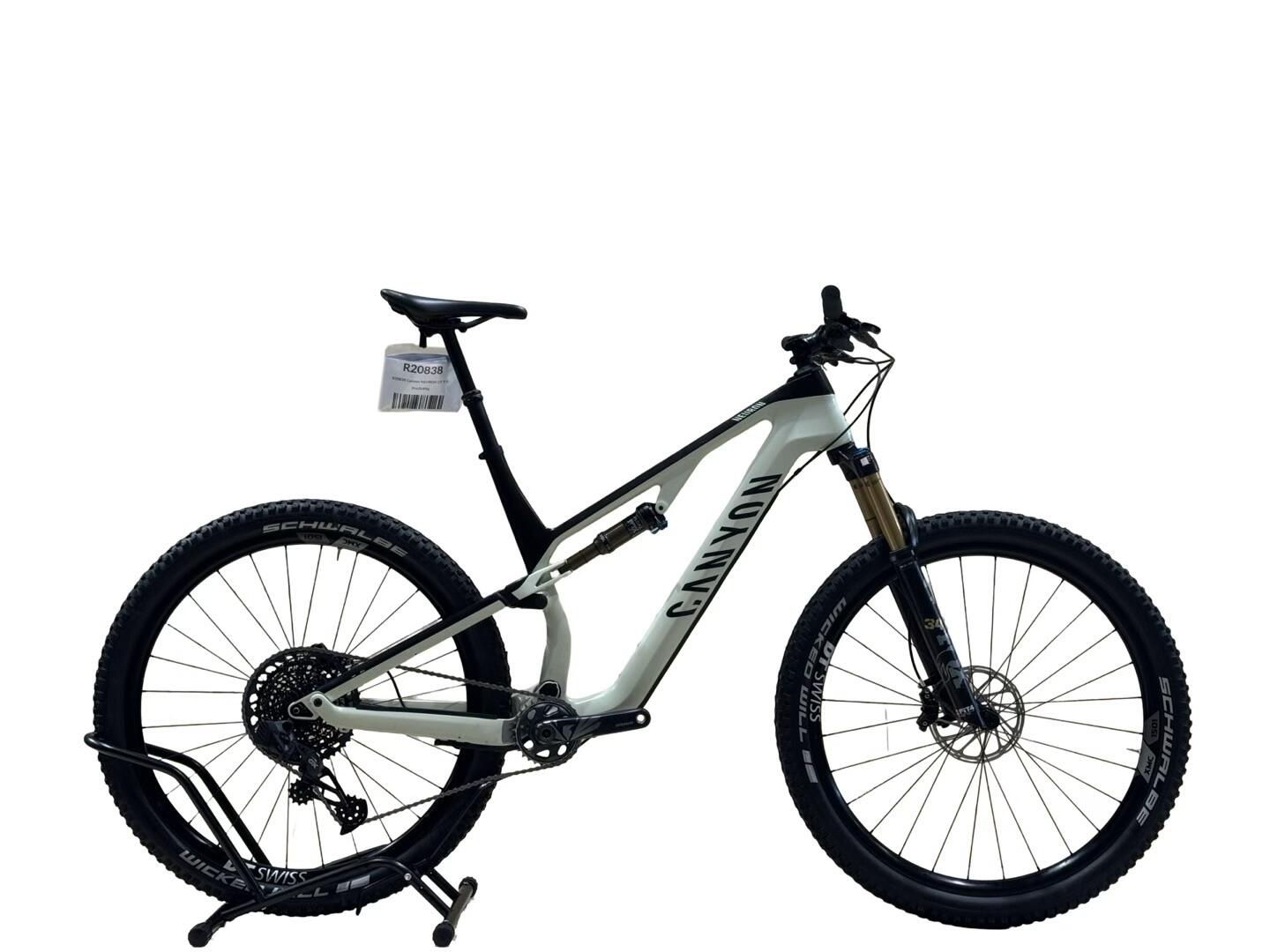
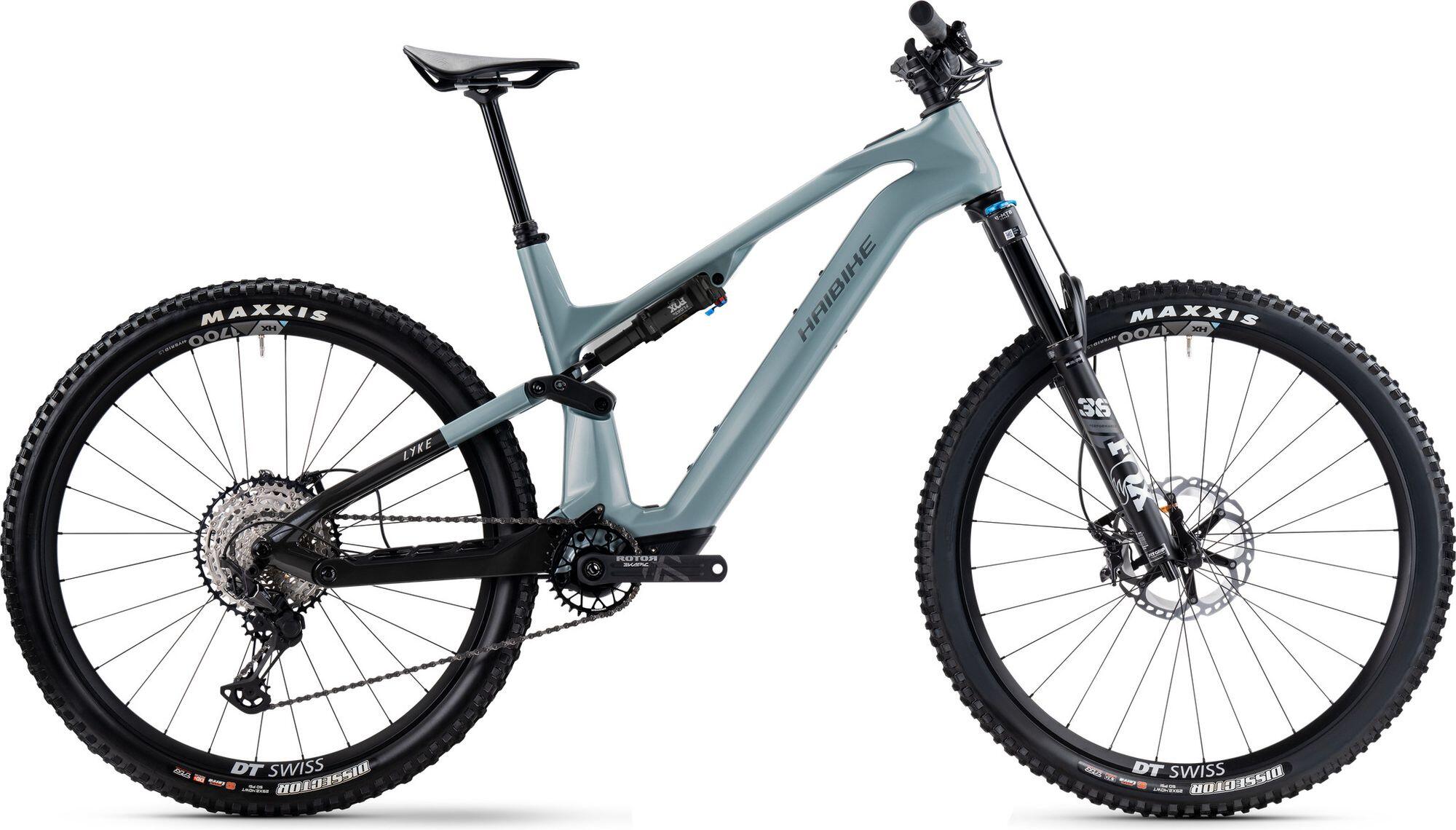
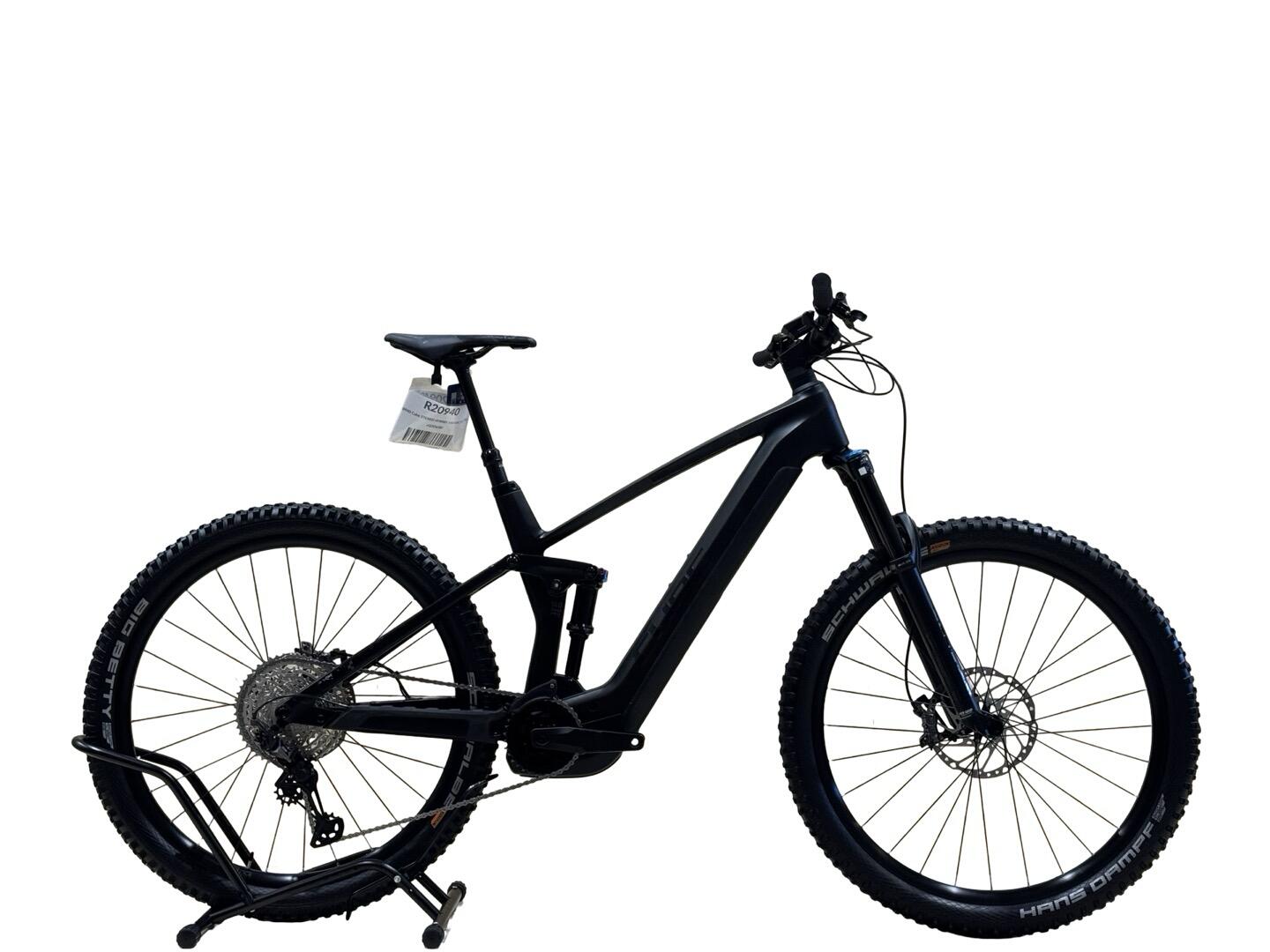
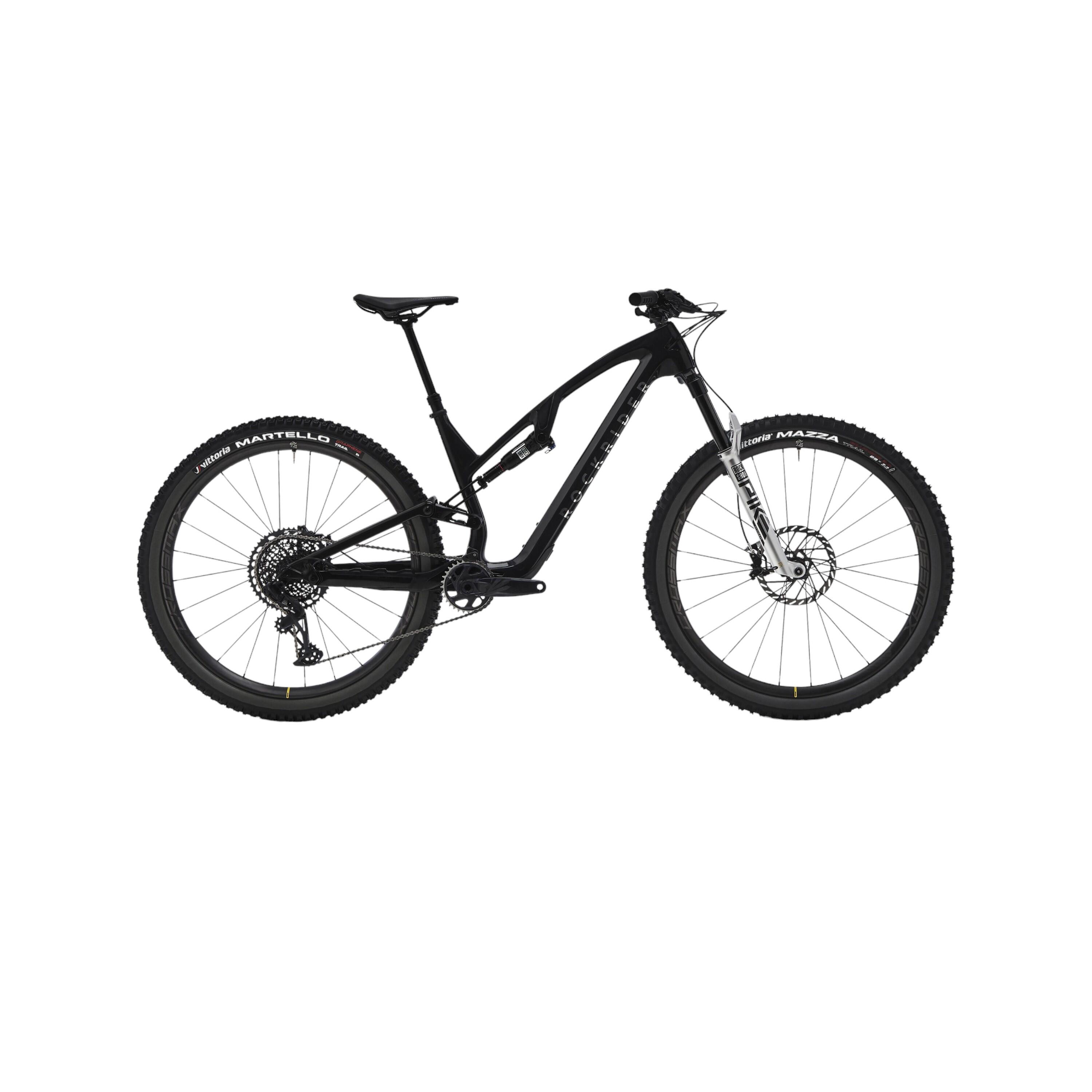
If roots, rocks and repeated impacts are common on your routes, rear suspension can help the back wheel maintain contact with uneven ground while reducing the amount of shock transmitted through the bike. A full suspension carbon mountain bike combines this traction advantage with a lightweight performance-focused frame. Suspension setup still matters as much as frame material: air pressure, rebound and available travel should suit rider weight and terrain. Some higher Rockrider models also use electronically managed suspension to adjust behaviour during racing. Pro tip: set suspension sag before changing rebound or other settings. Too little sag can make the bike feel harsh and reduce grip, while too much can use valuable suspension travel before you encounter larger impacts.

How does a carbon mountain bike compare in weight, stiffness and ride feel?

Carbon is not automatically the right choice for every rider. Aluminium models can offer strong trail performance at a lower cost, while carbon becomes more relevant when saving weight, tuning stiffness or building a race-focused setup matters. Comparing the full mountain bikes range can help you judge whether your priorities point towards a lightweight XC hardtail, full suspension XC bike, recreational touring MTB or longer-travel trail model. Suspension, brakes, geometry and tyres often affect trail behaviour more than frame material alone. Pro tip: choose the discipline first, then the frame material. A correctly specified aluminium trail bike will usually suit rough terrain better than an ultra-light carbon XC bike that was developed for a different type of riding.

How may you care for and transport a carbon mountain bike?

Use extra care around clamping points, impacts and transport because carbon can be damaged differently from metal. Before comparing carbon models with other bikes, remember that maintenance includes inspecting the frame after crashes and keeping the drivetrain and suspension working correctly. Avoid clamping a carbon frame directly in a workshop stand unless the manufacturer specifically allows it; using an appropriate seatpost or approved contact area is safer. During car transport, separate frames and components so pedals or handlebars cannot repeatedly strike the carbon surface. Pro tip: after washing, dry the bike thoroughly and lubricate the drivetrain, then inspect the frame around the head tube, bottom bracket, suspension pivots and other high-load areas. If you notice cracking, unusual movement or impact damage, stop riding and have the frame assessed before returning to the trail.