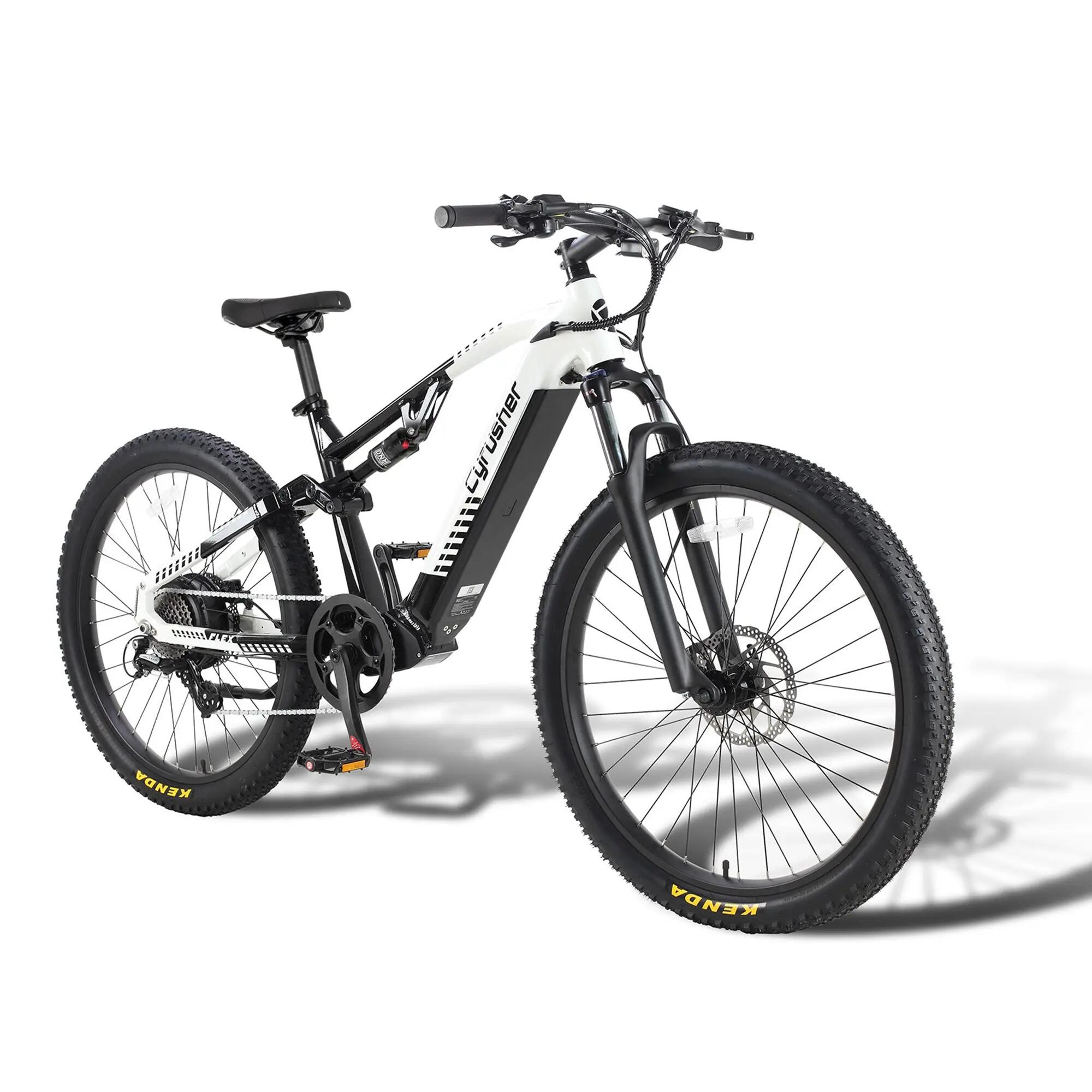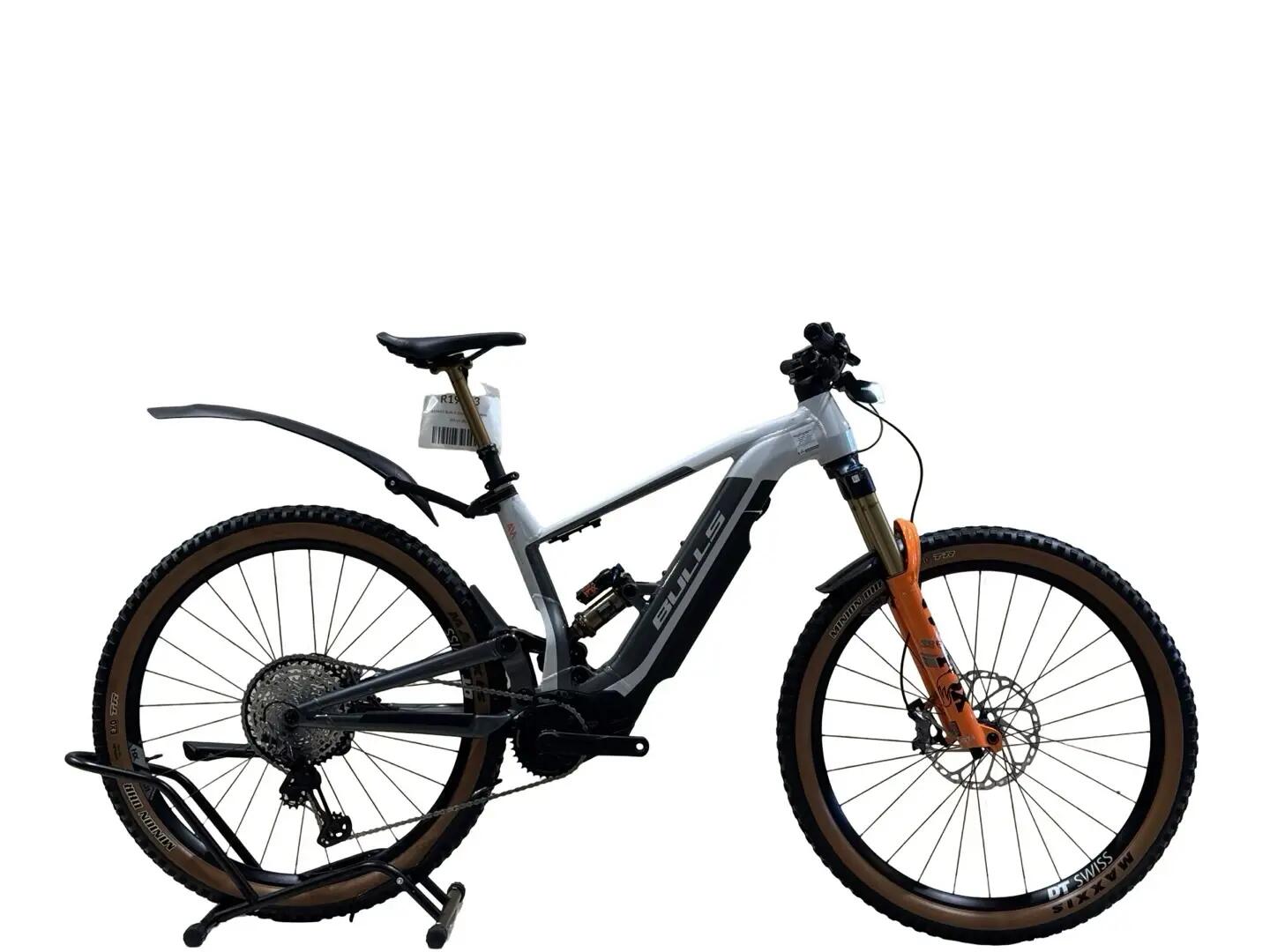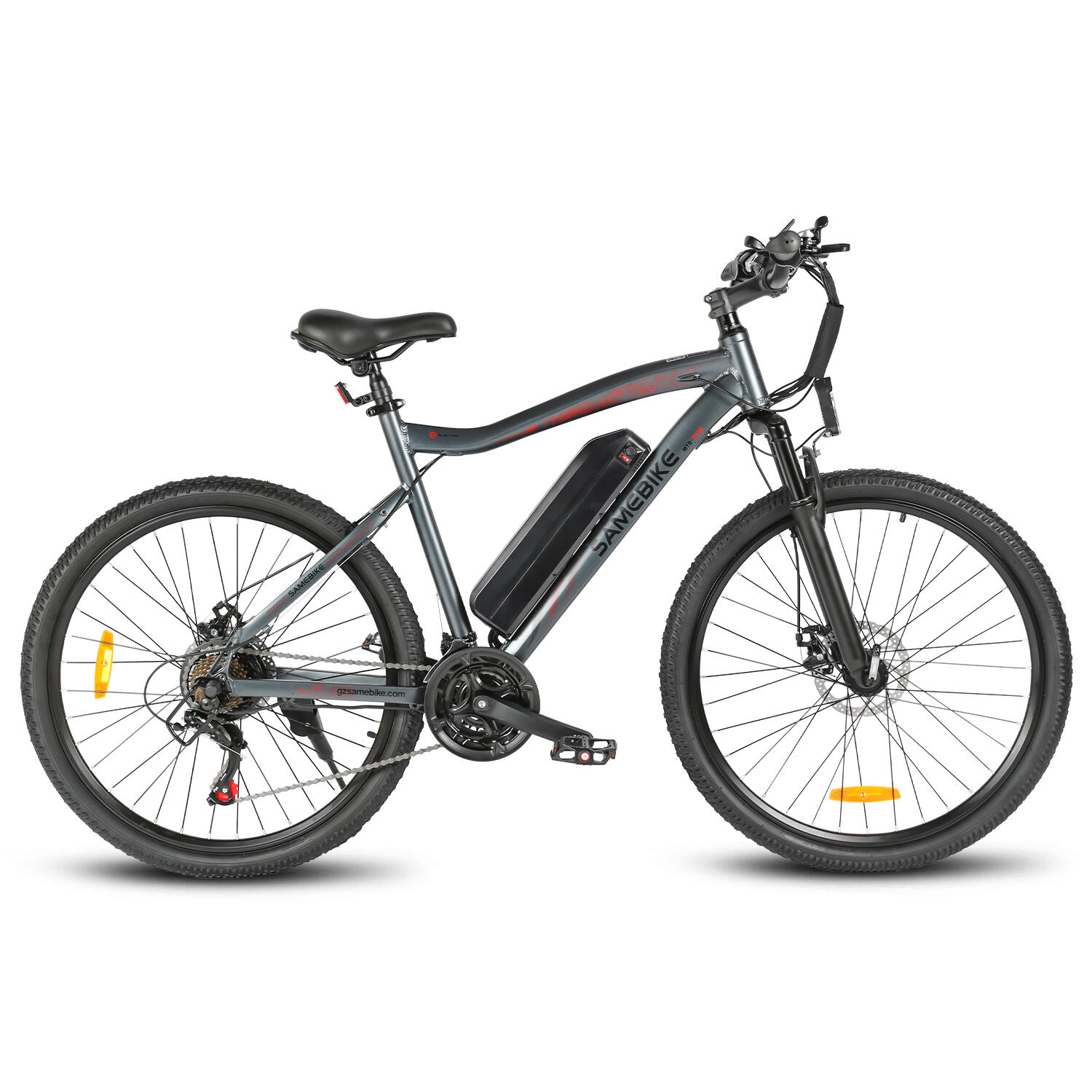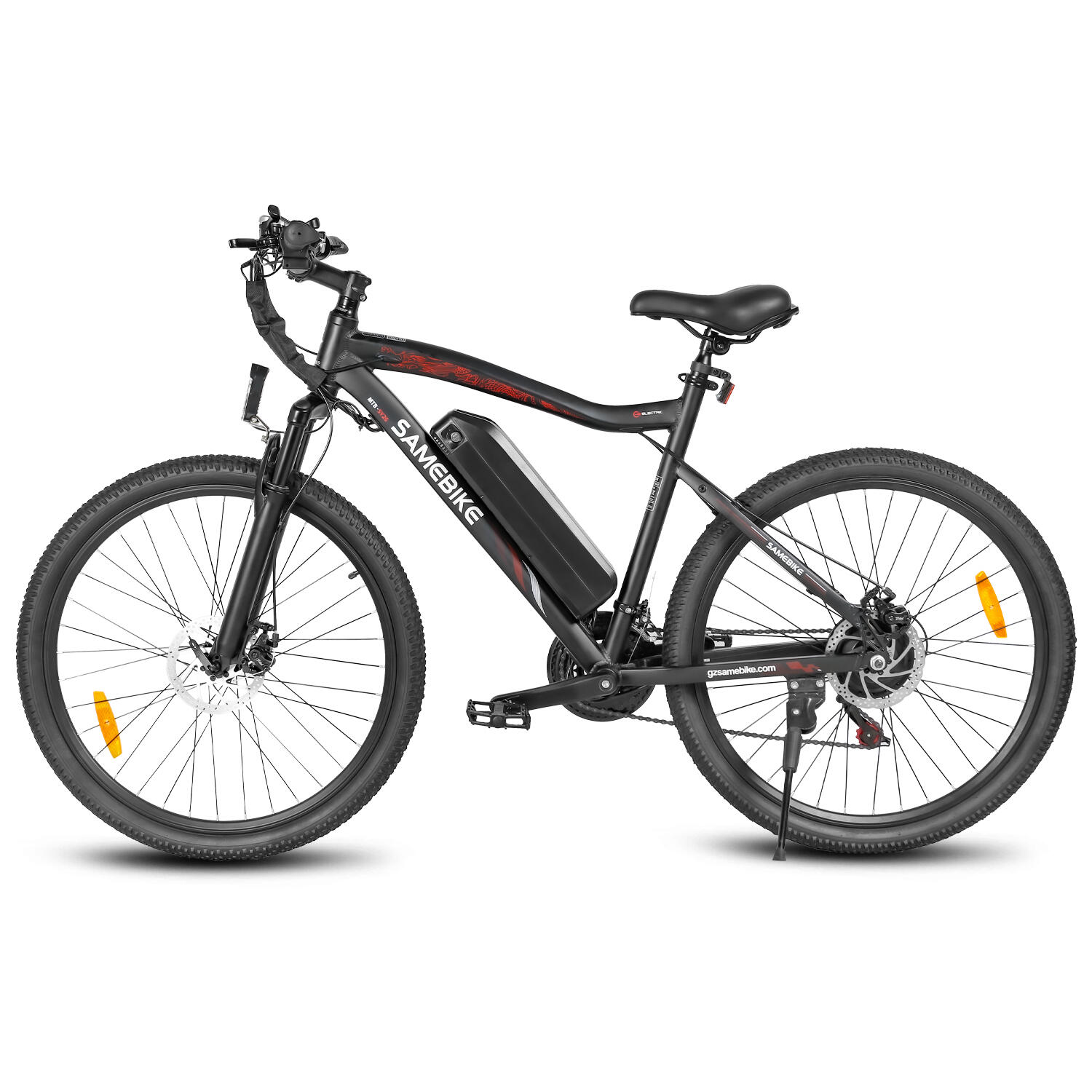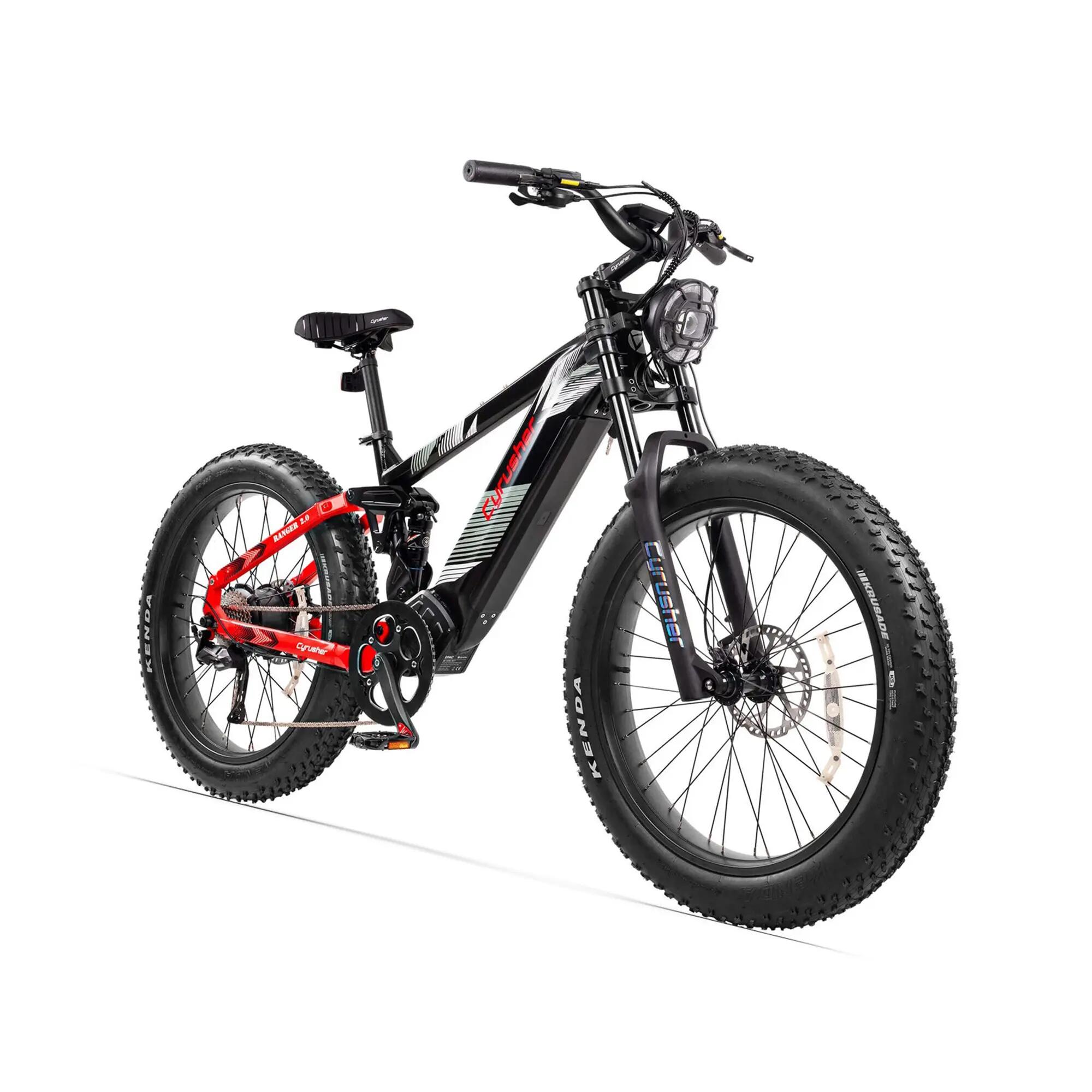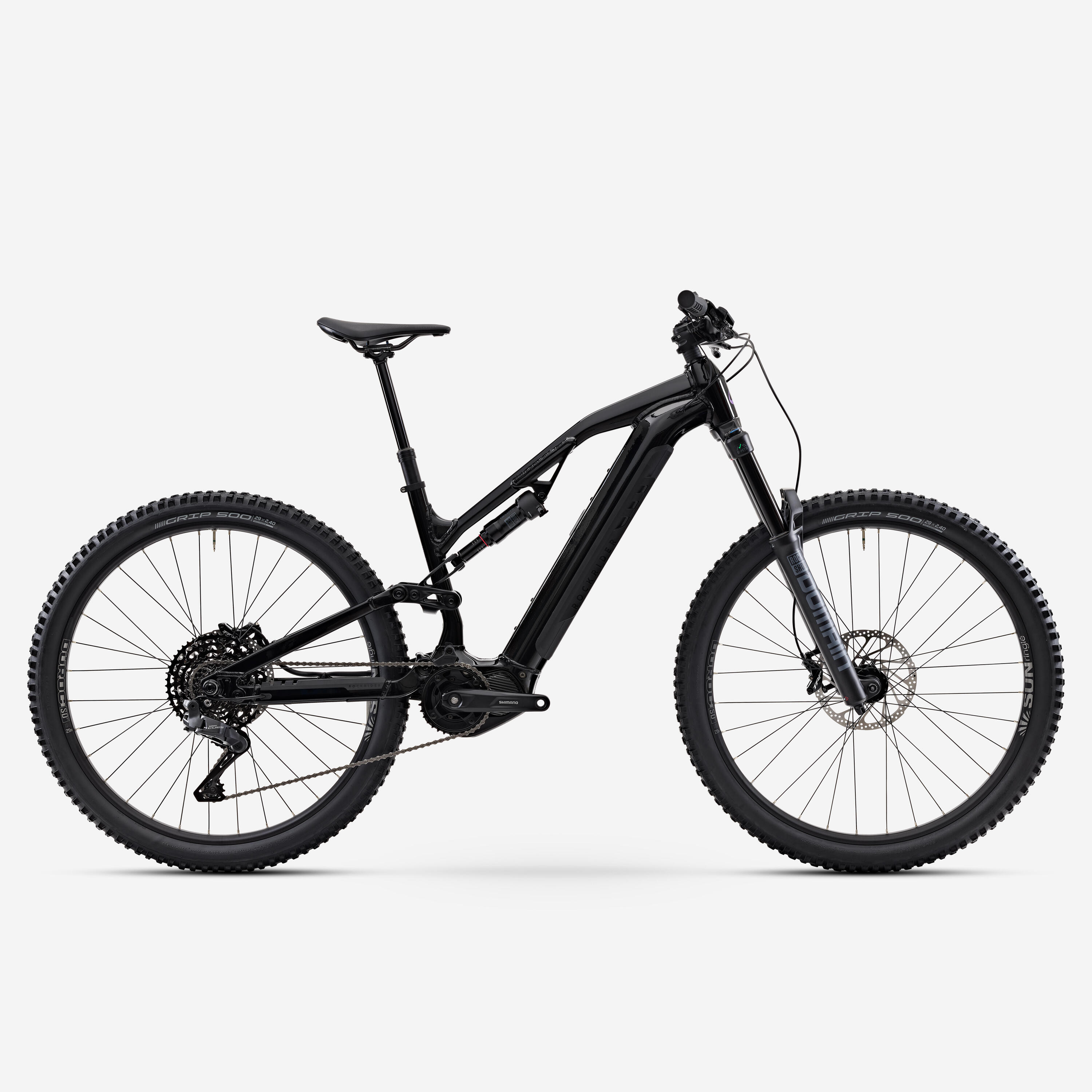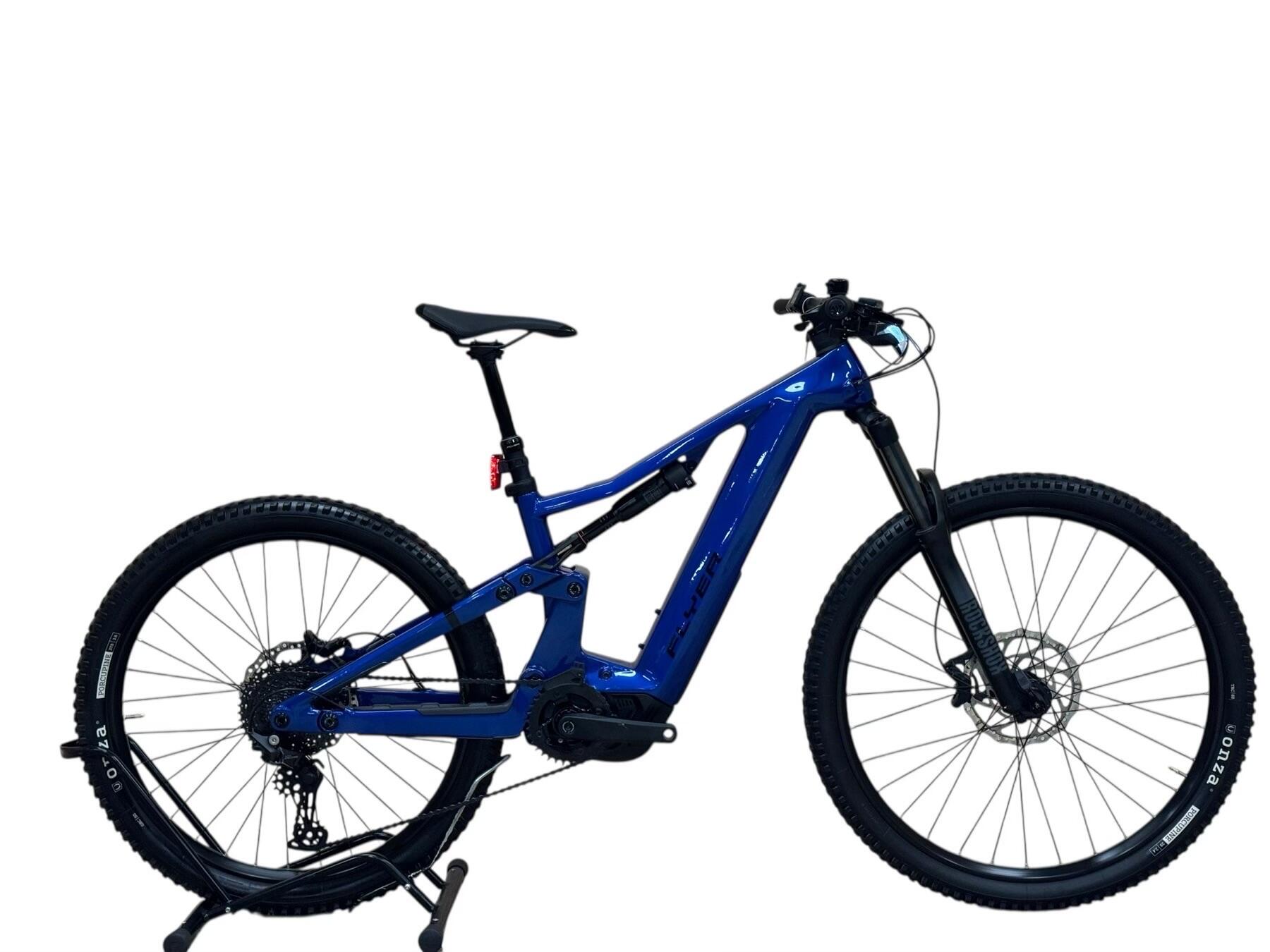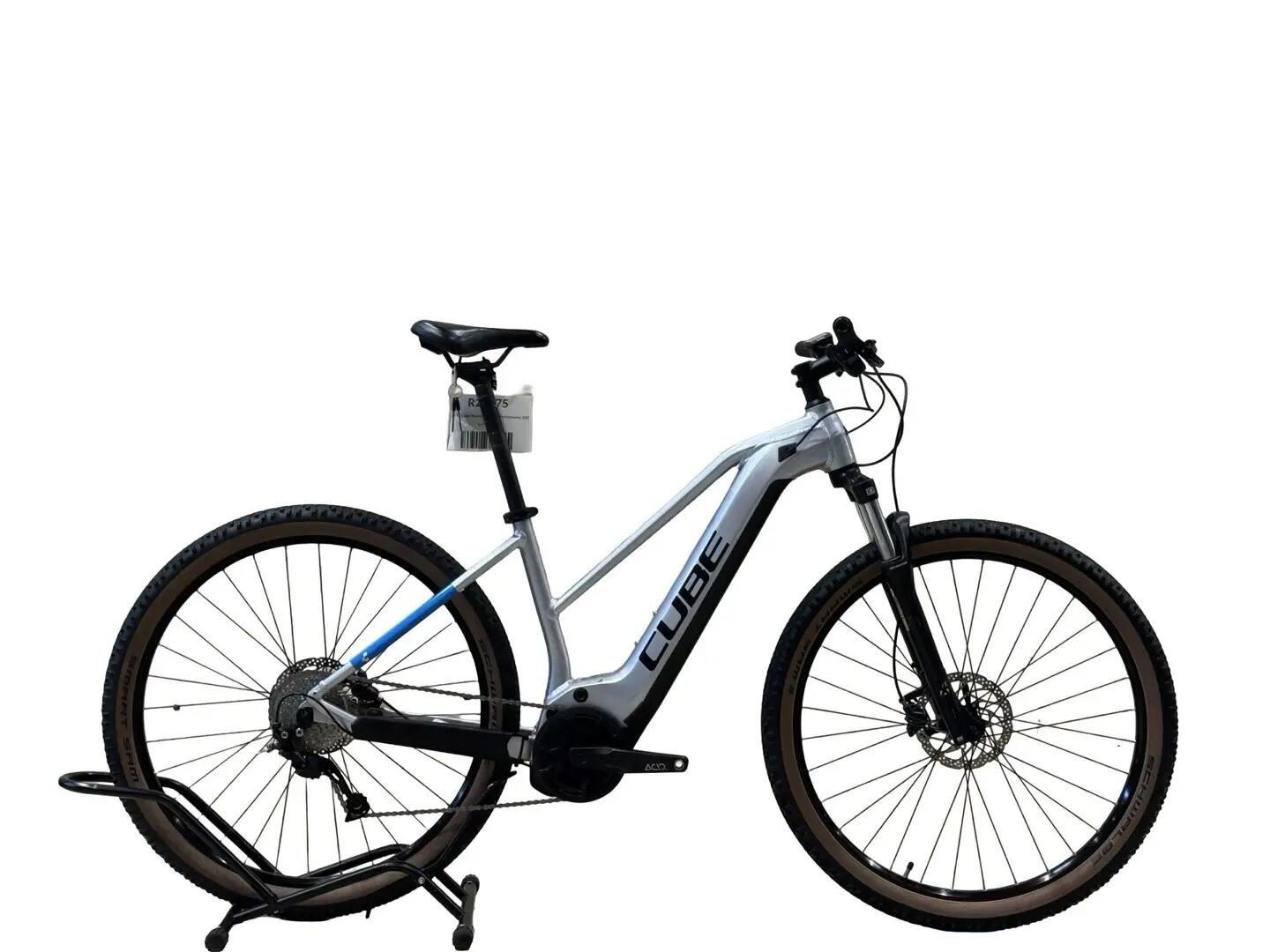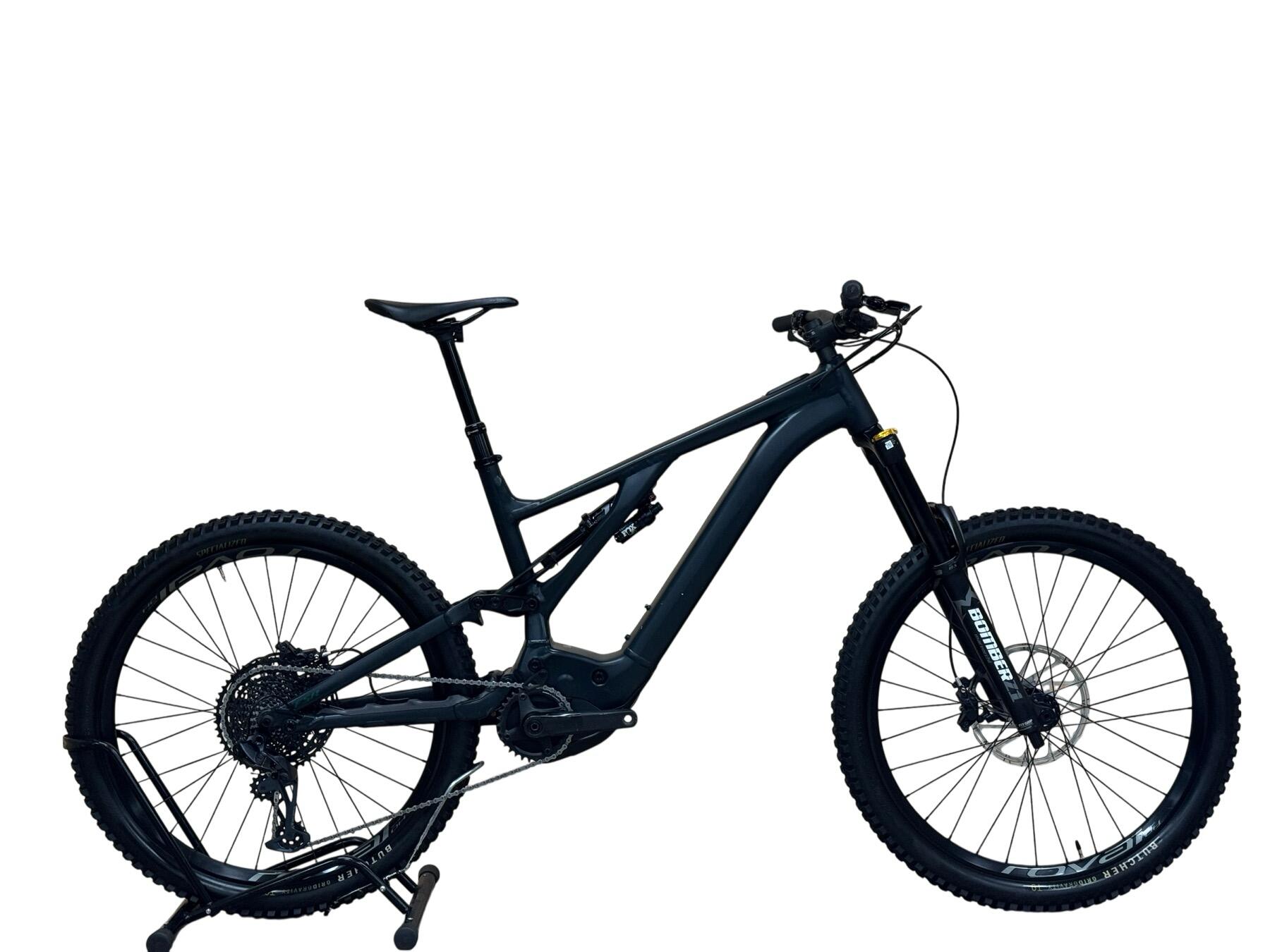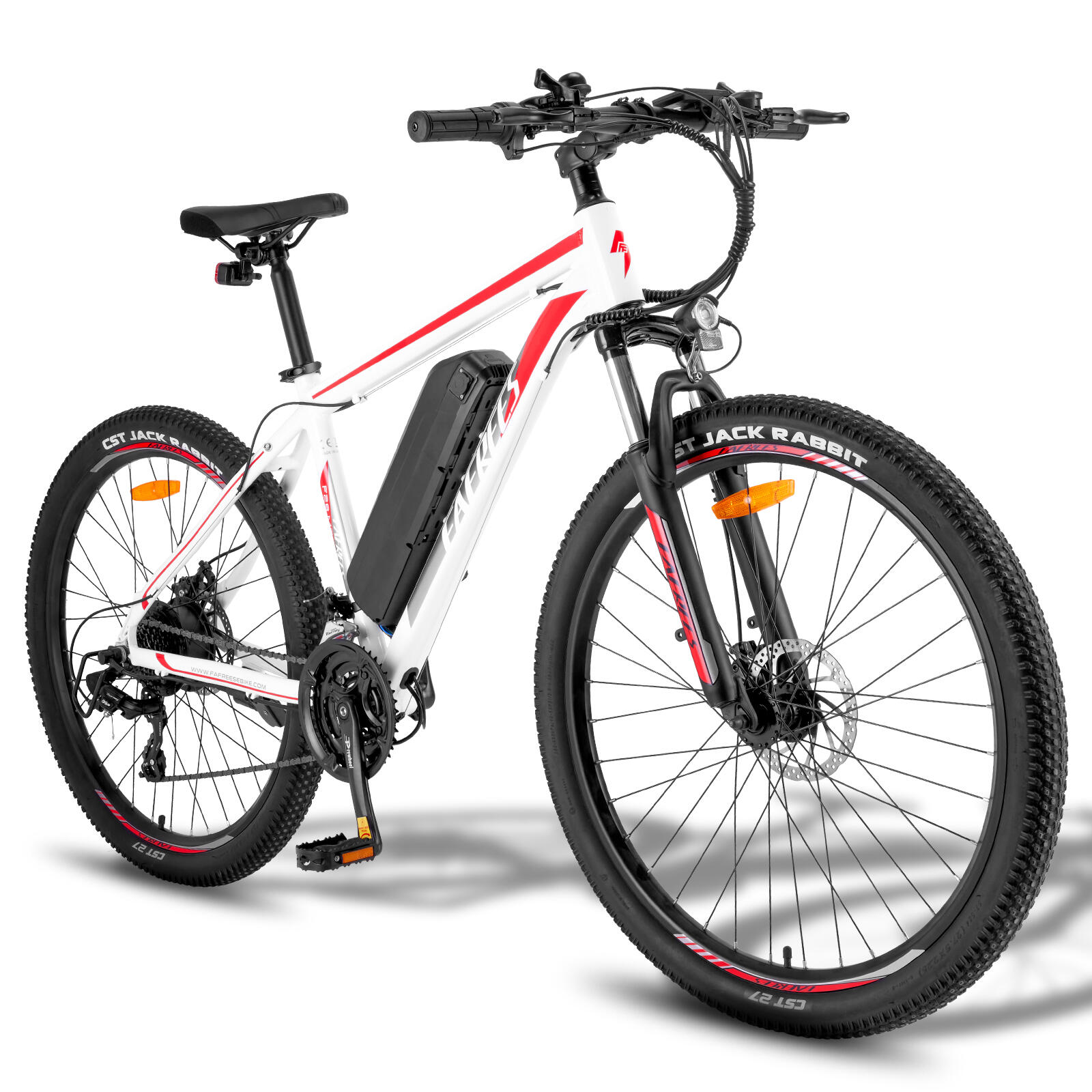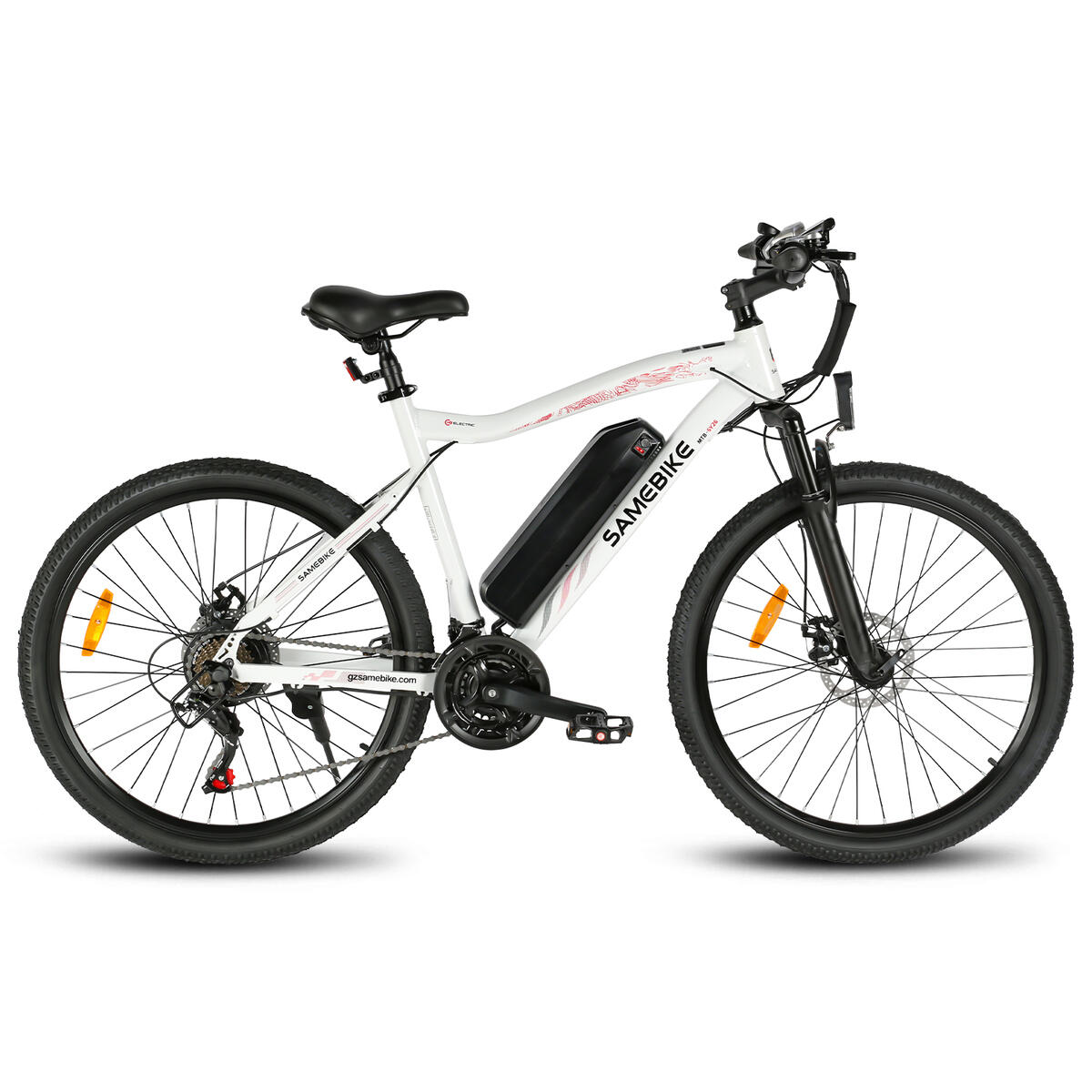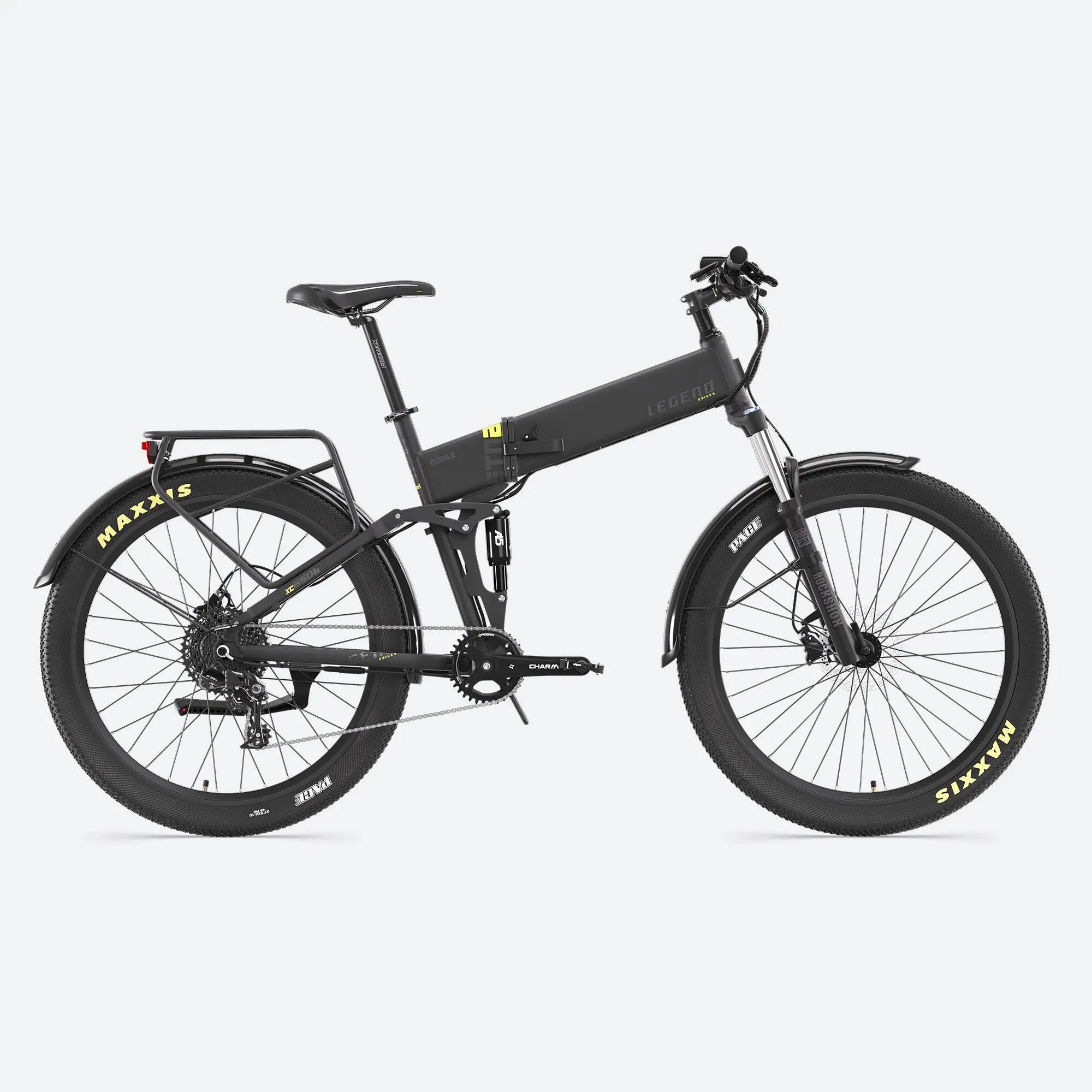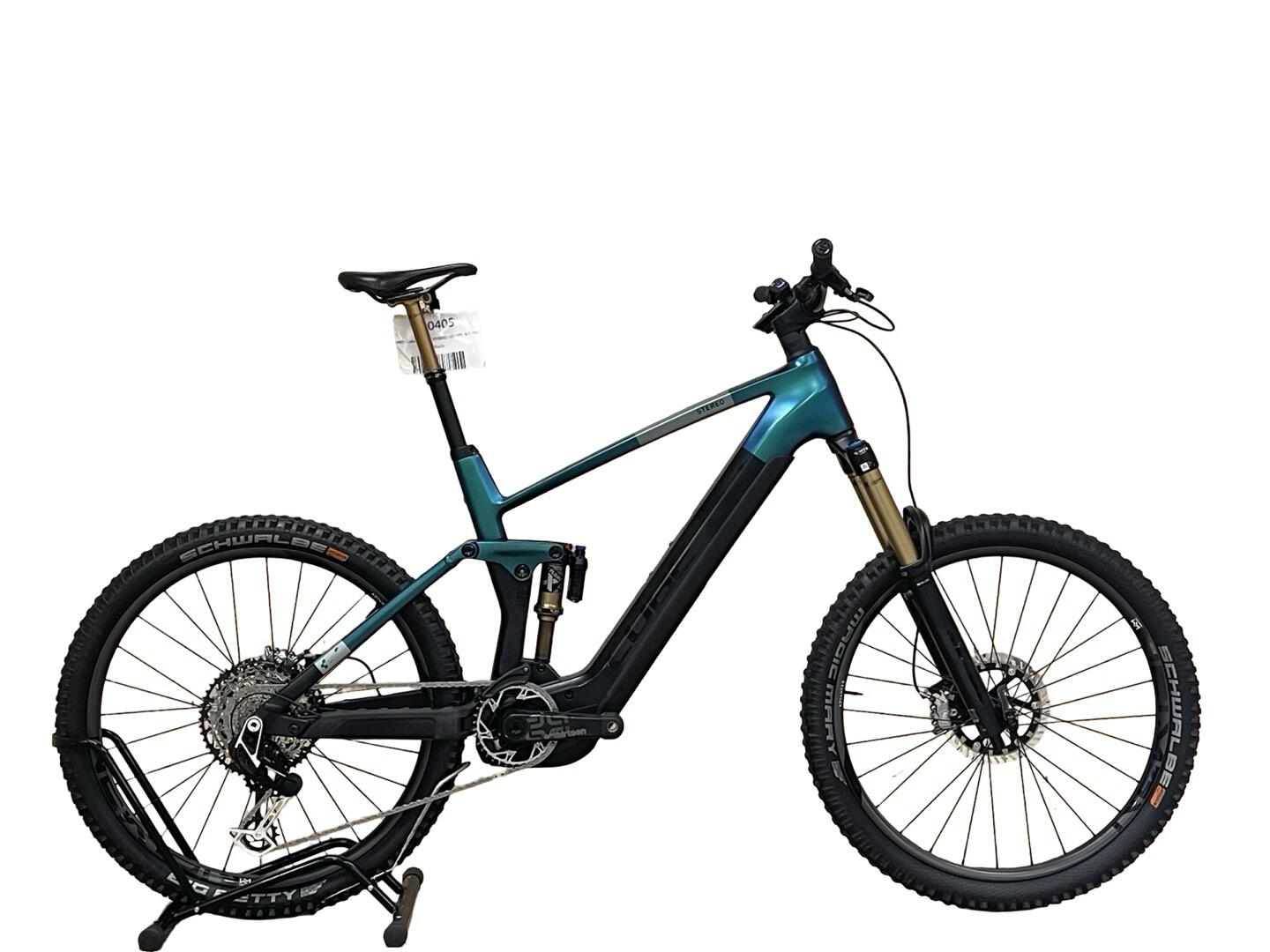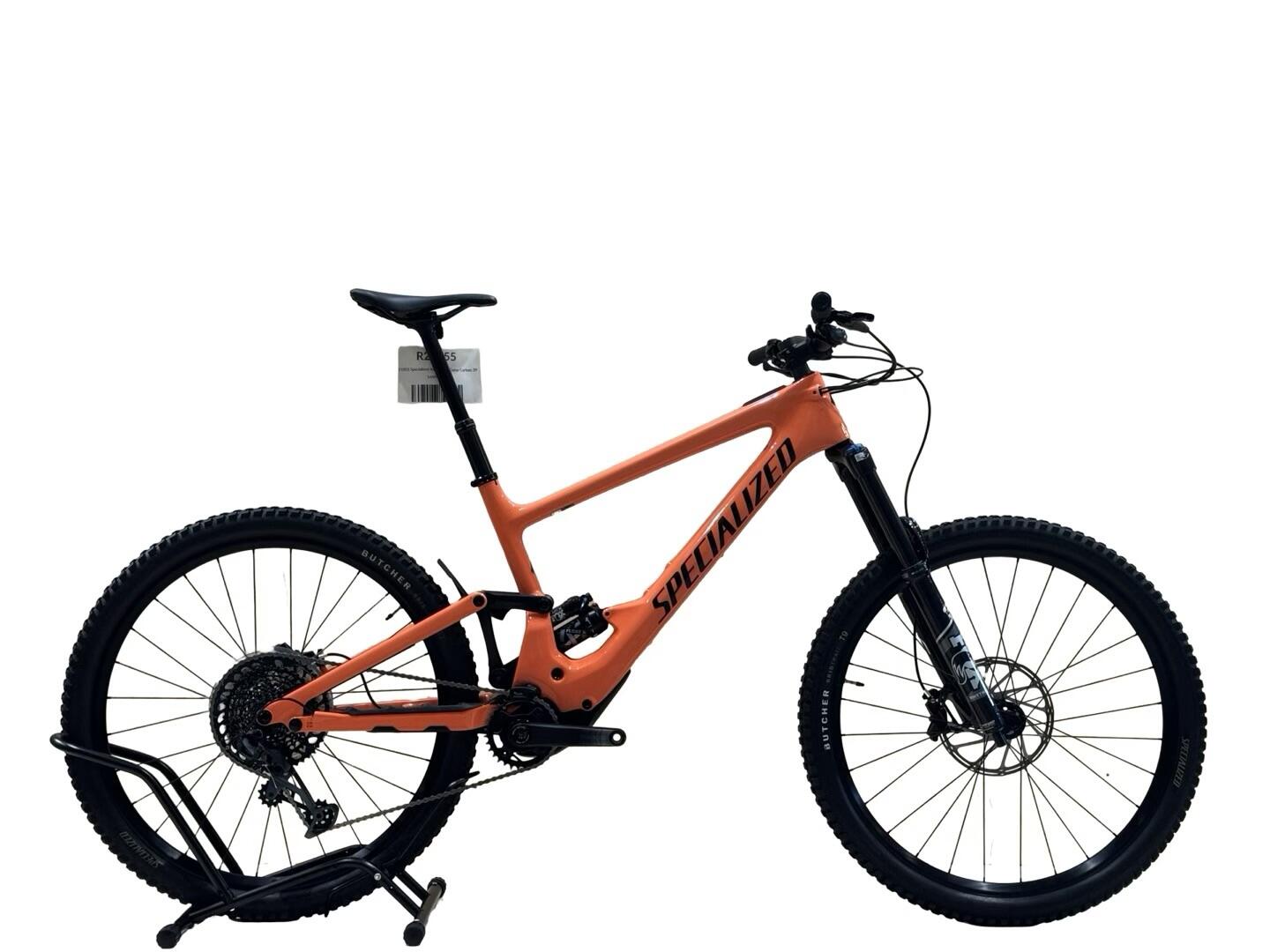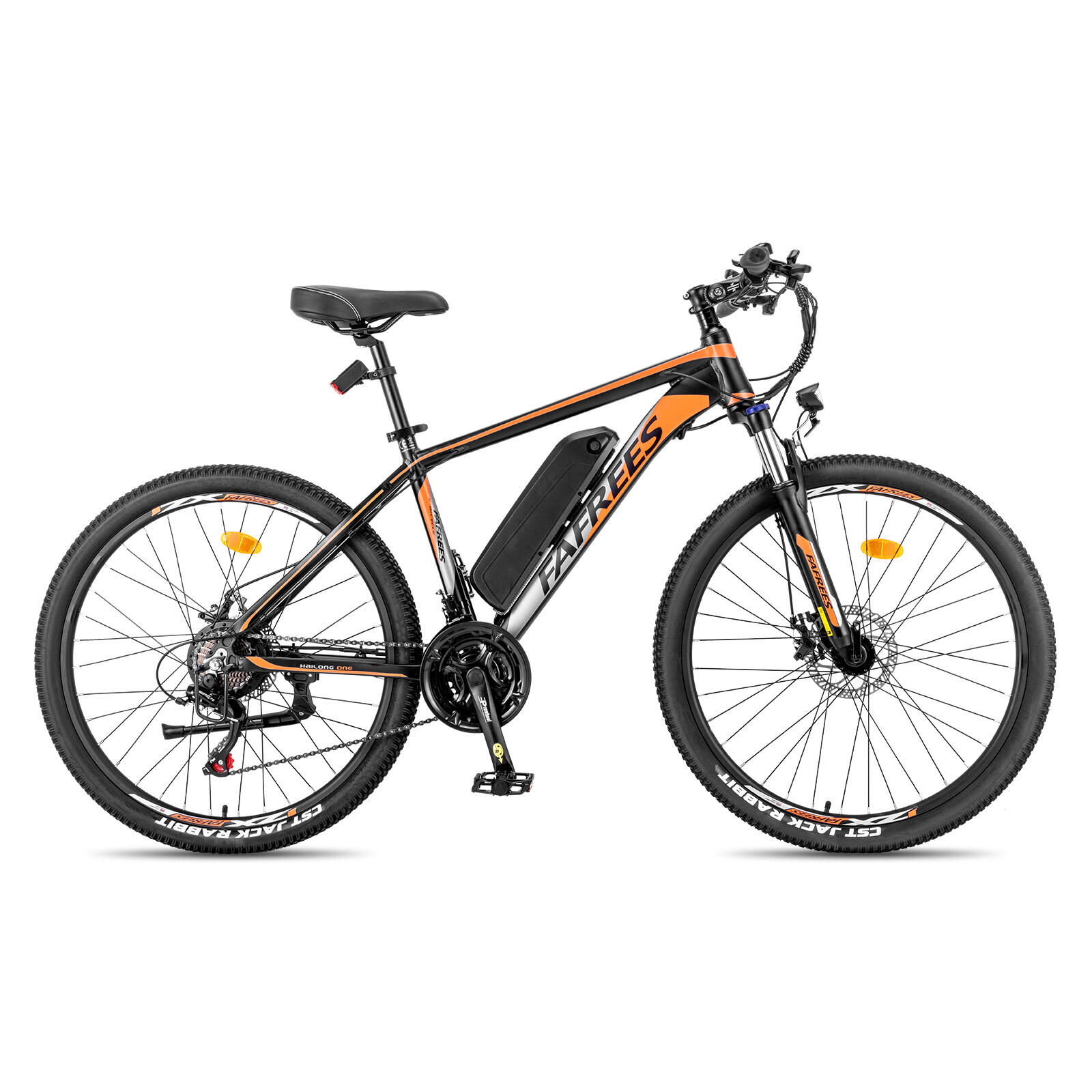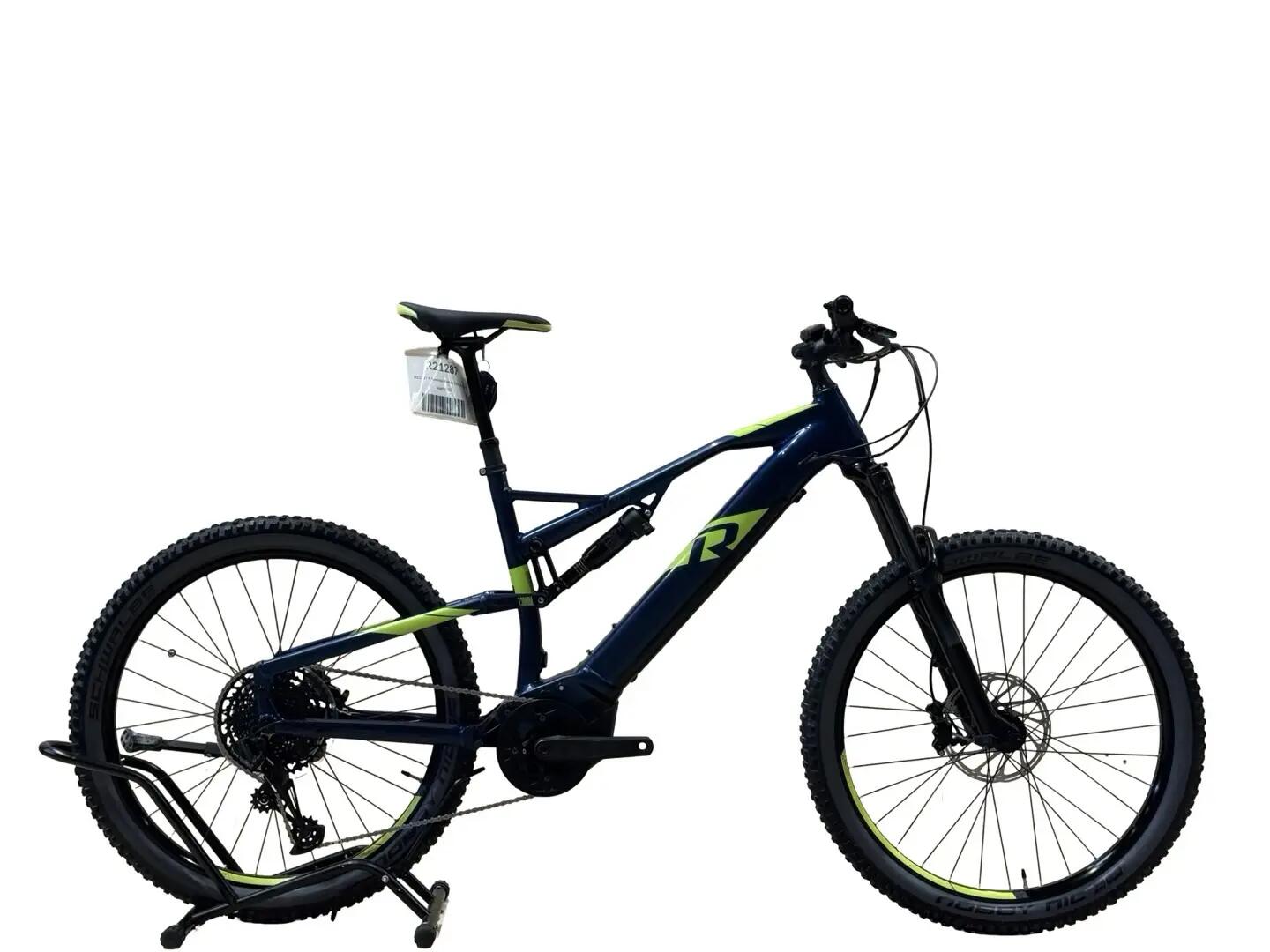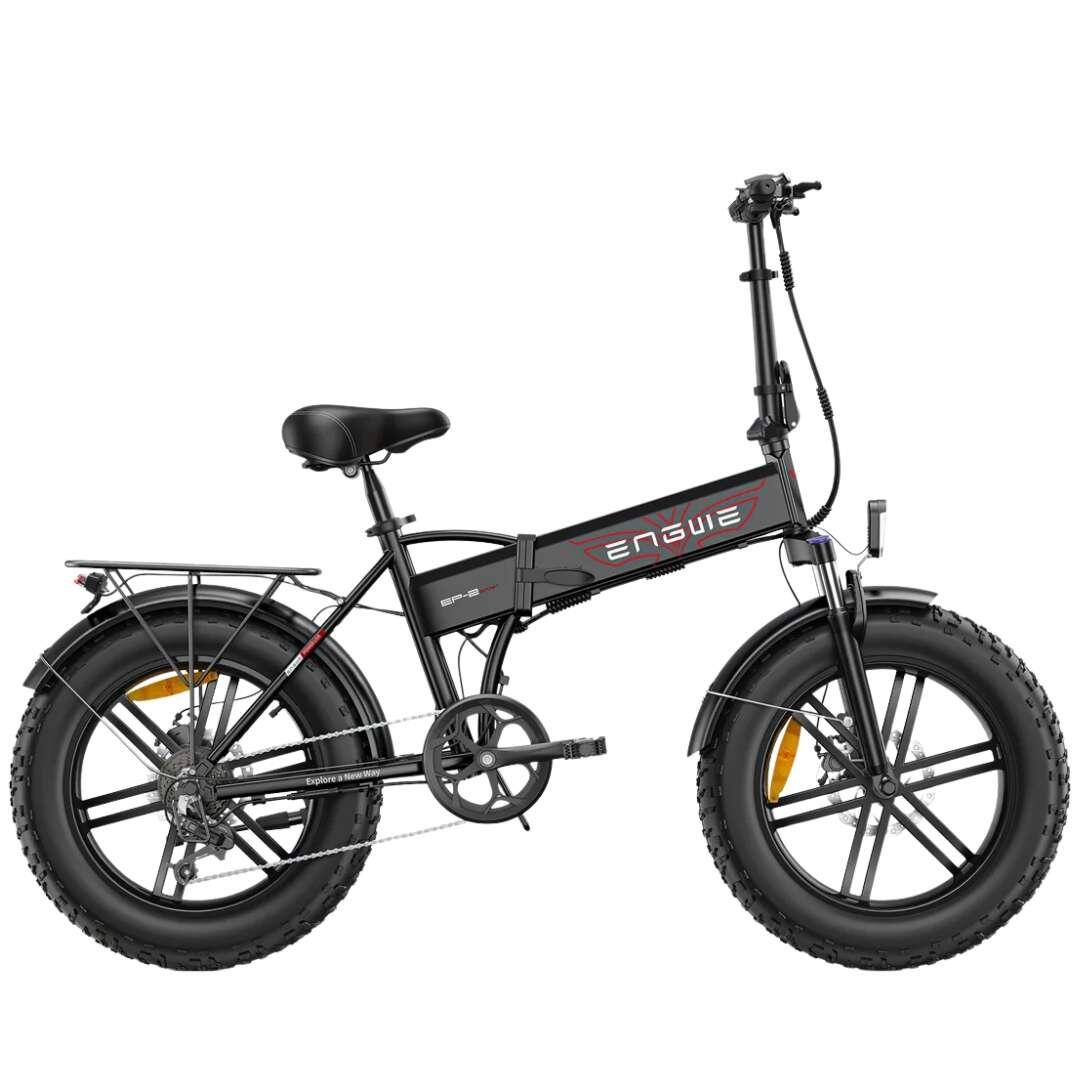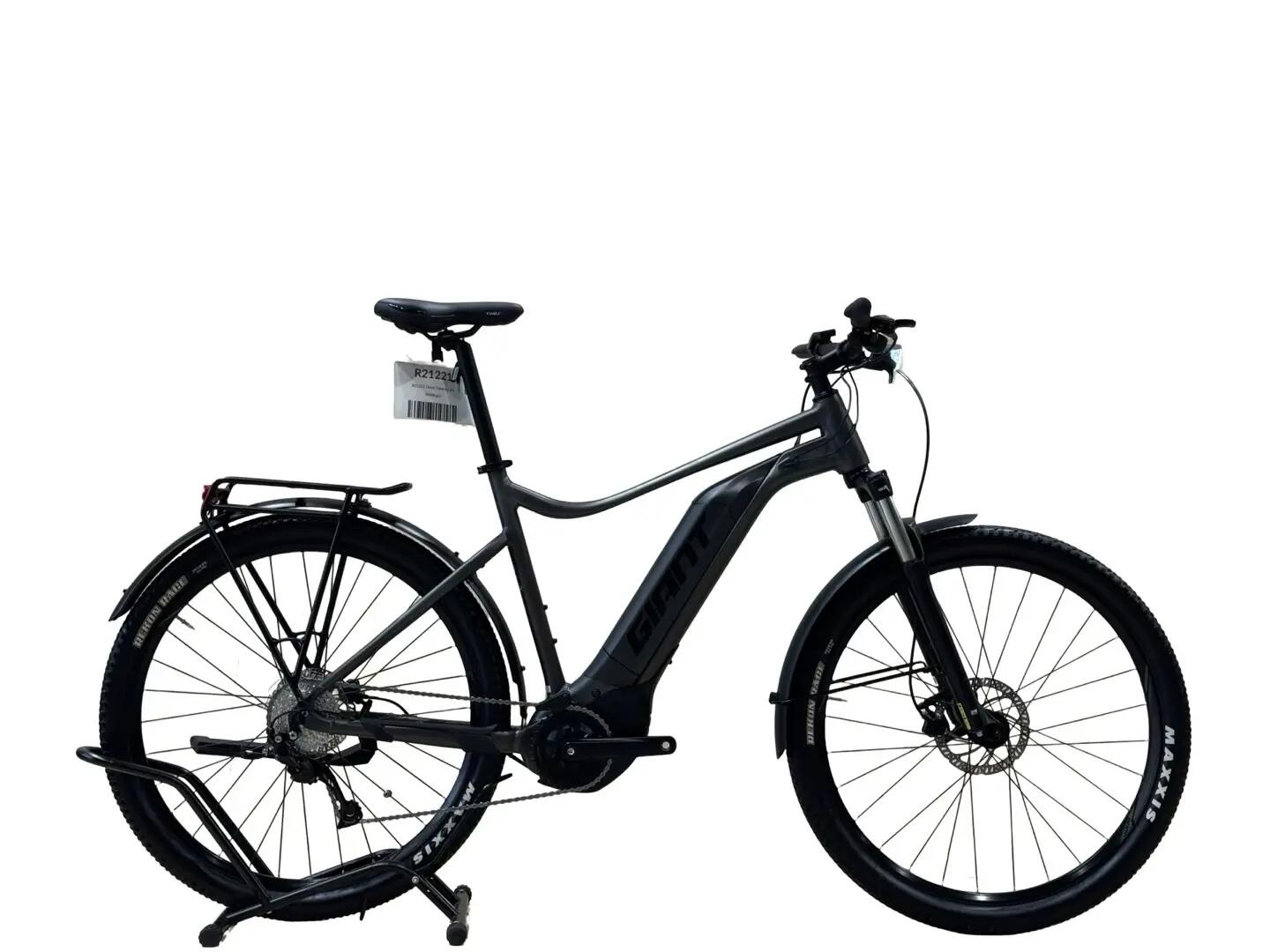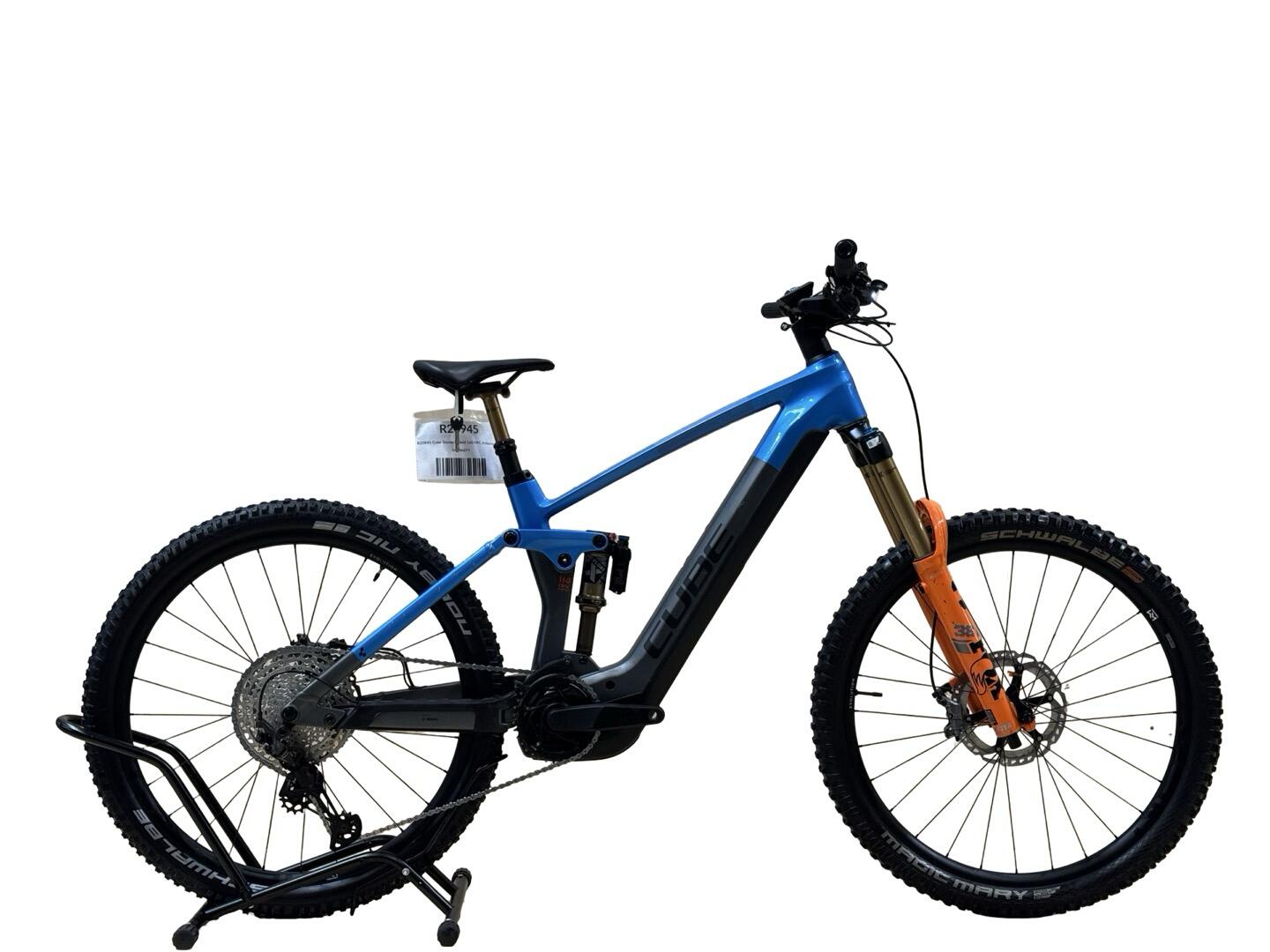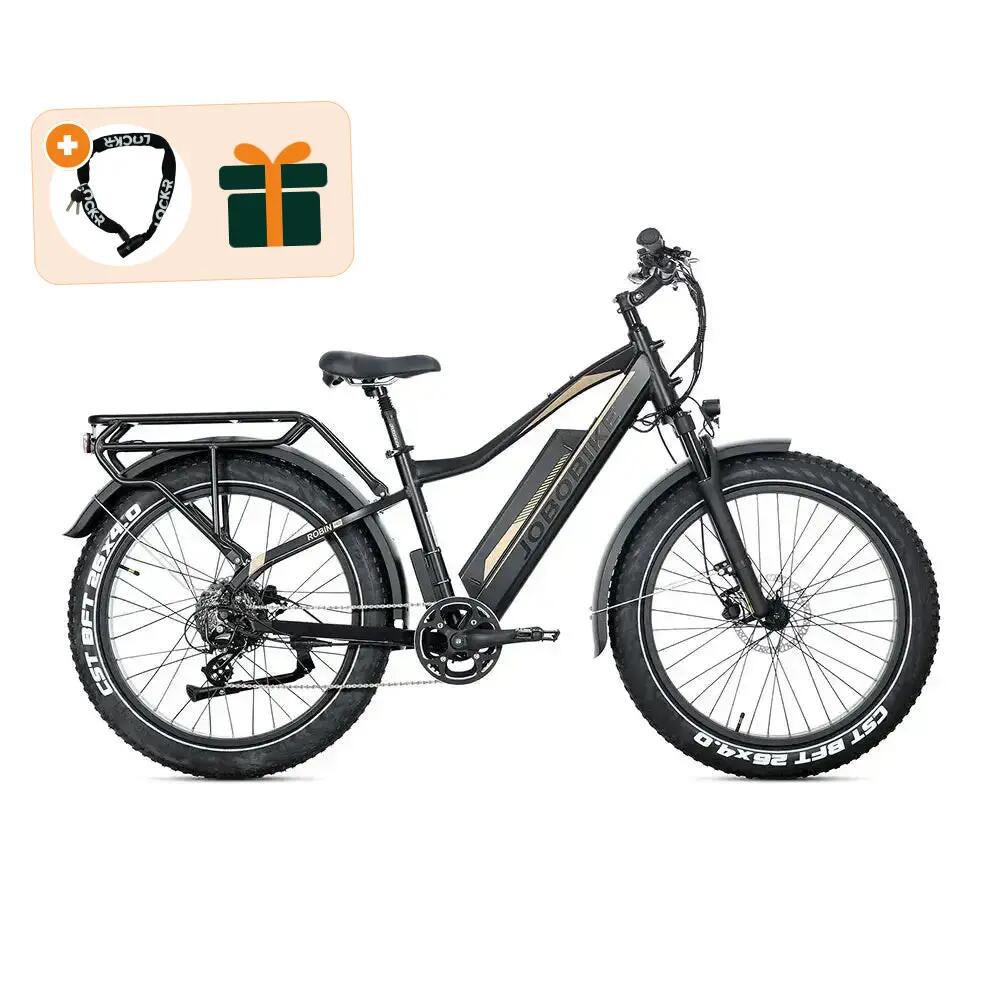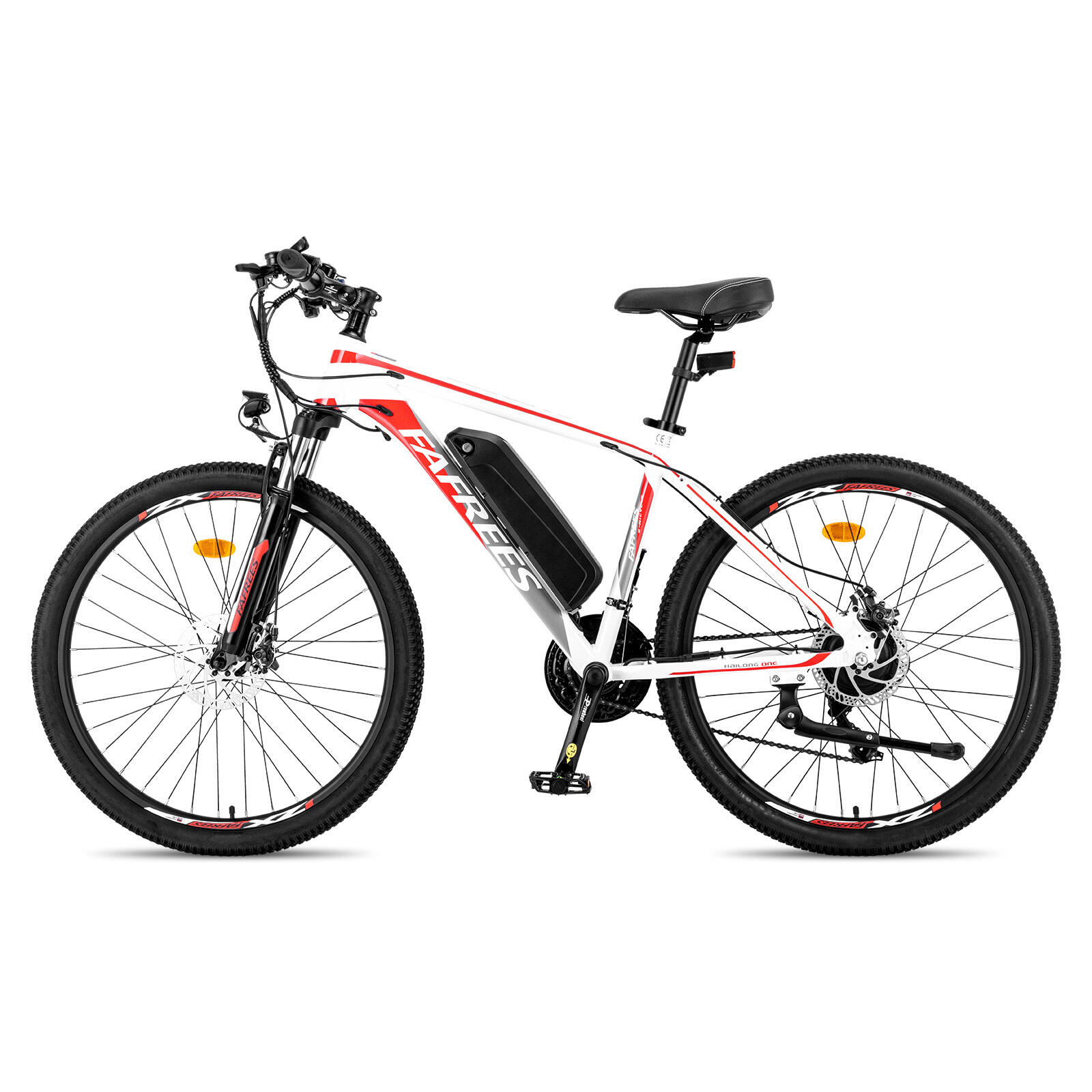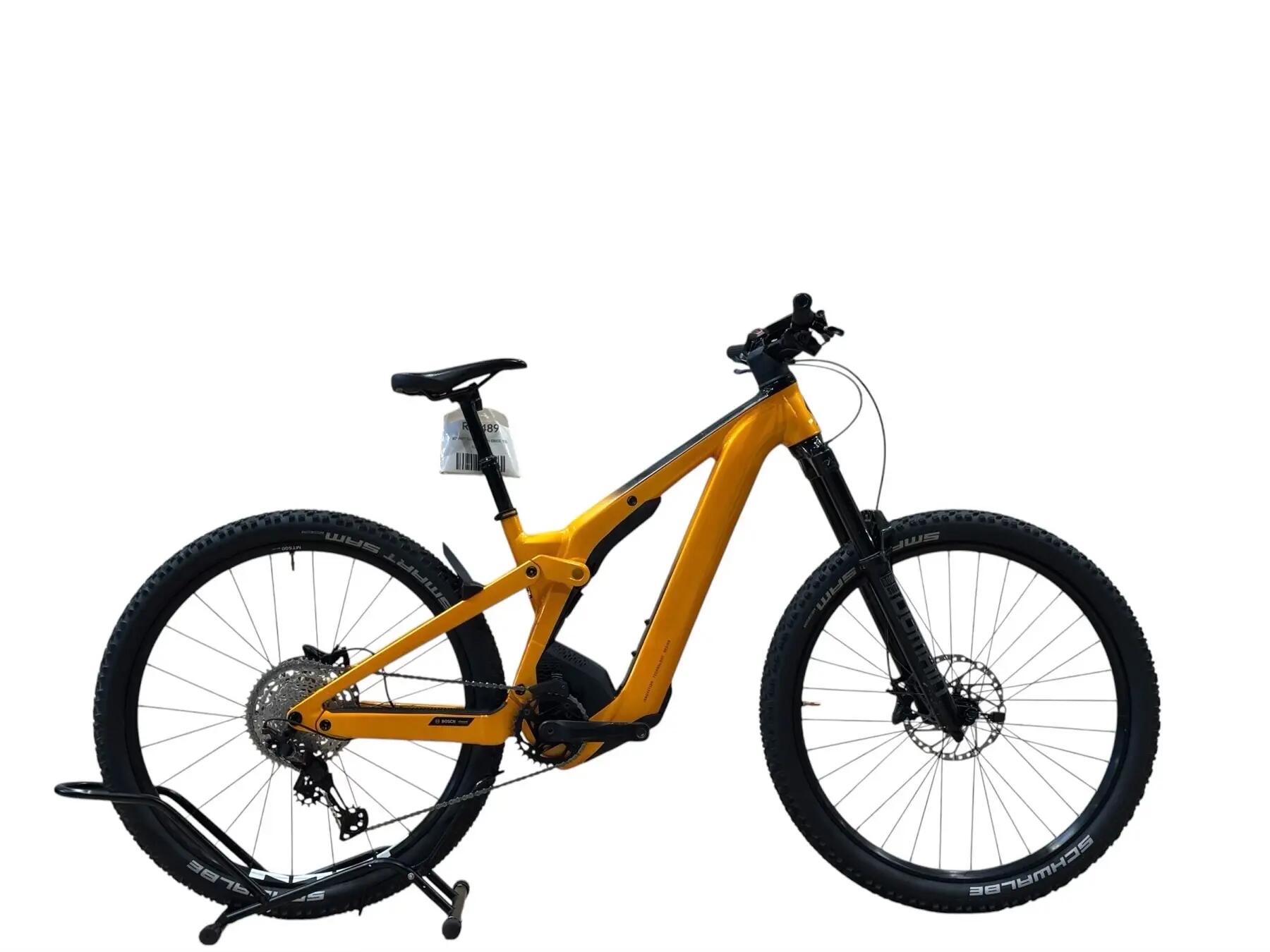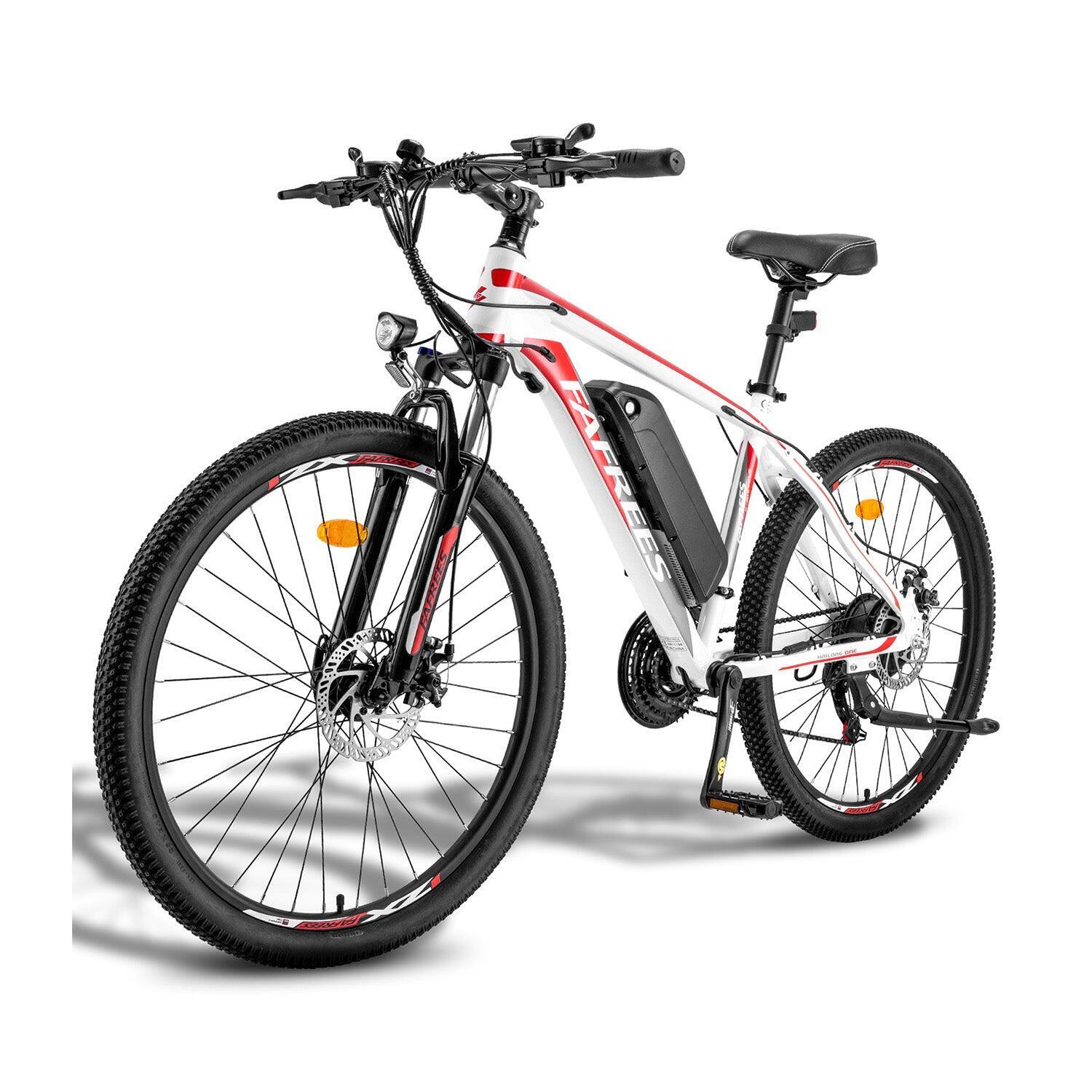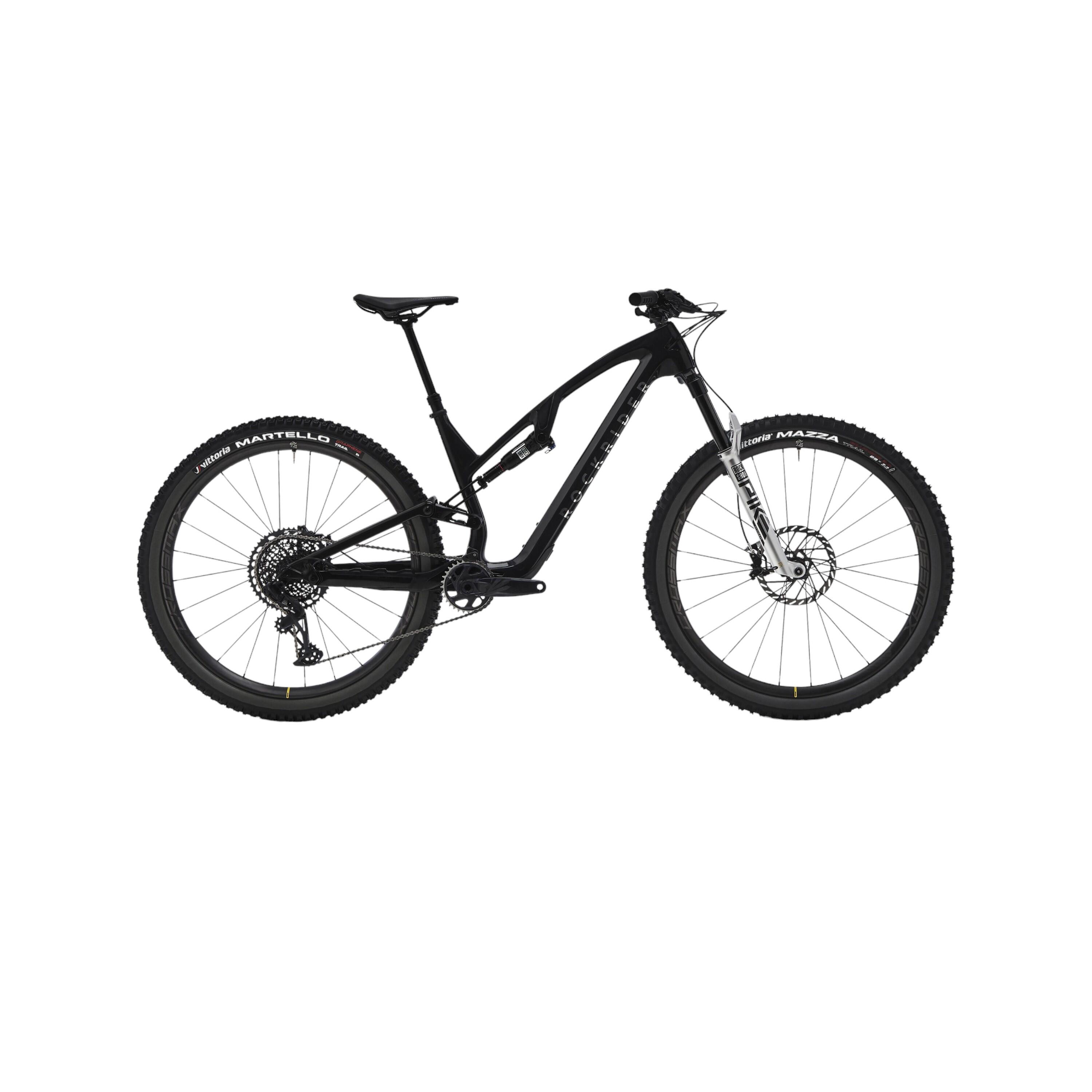
265 items
4.5/5 based on 2967 reviews collected online and in stores

Electric MTB FAQs

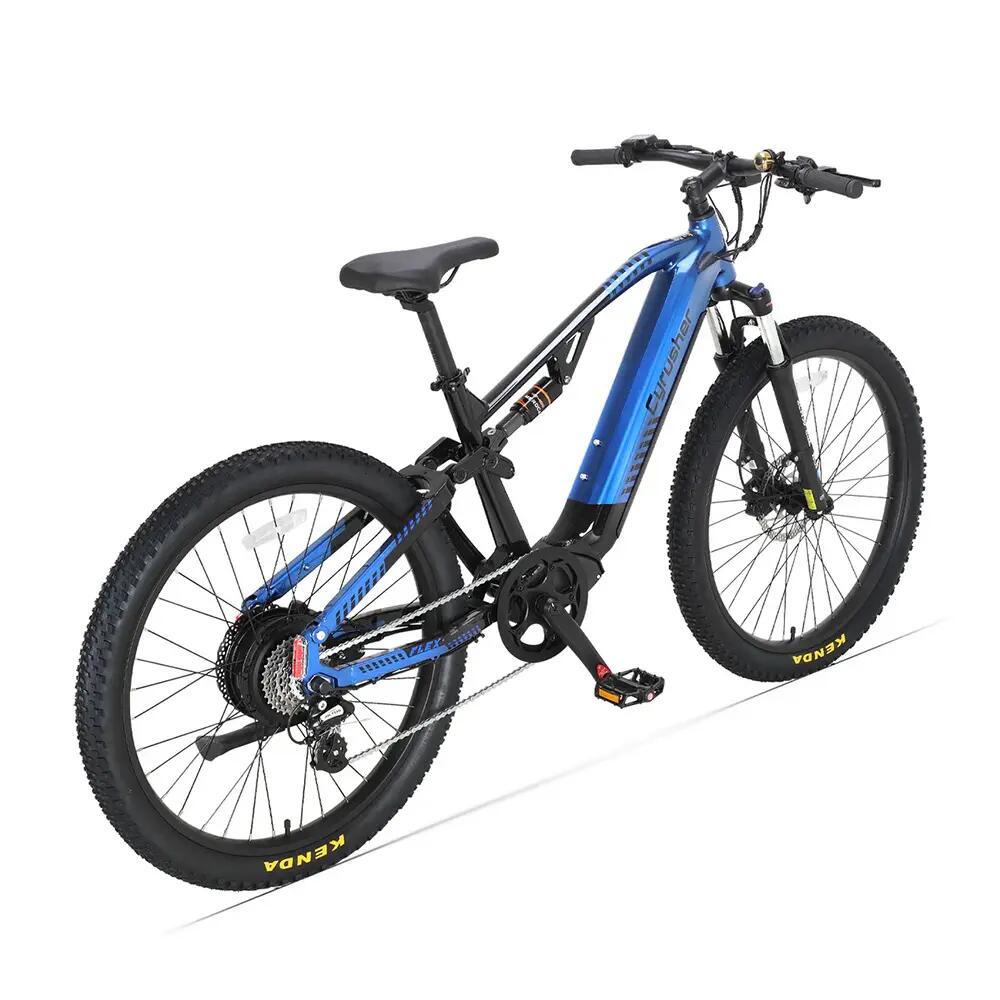
How do you choose between hardtail and full suspension electric mountain bikes?

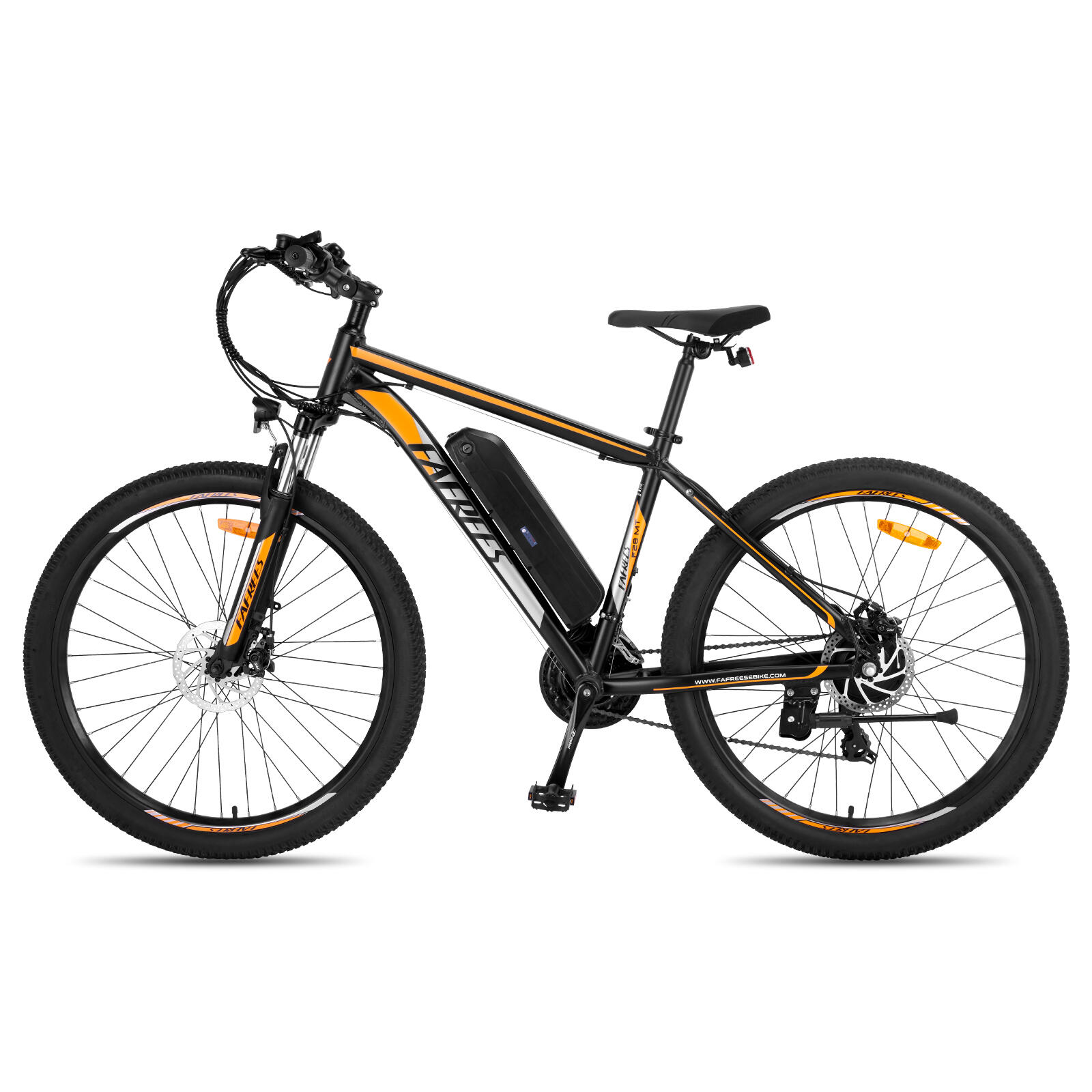
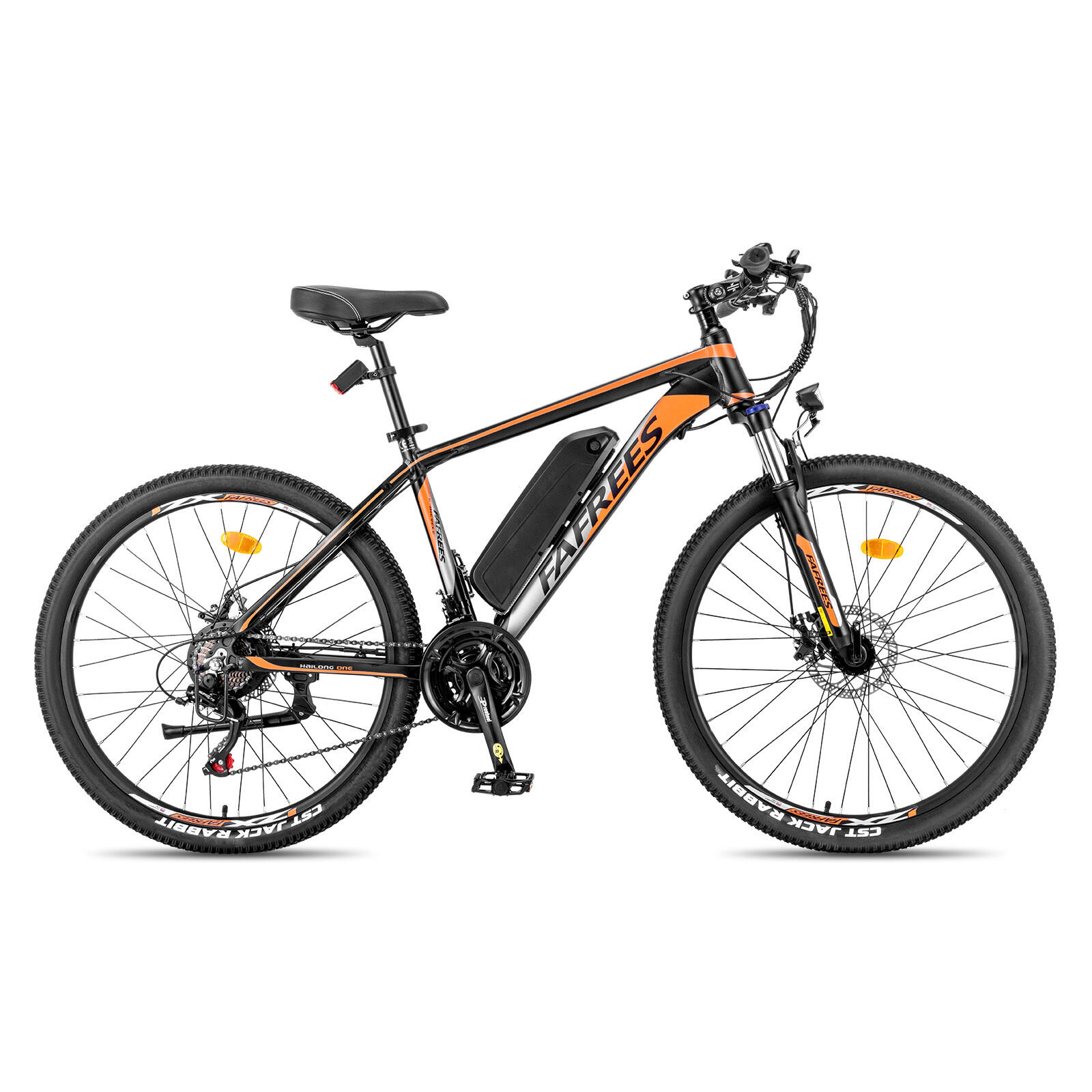
Start with the terrain you ride and how much suspension support you actually need. A hardtail electric mountain bike uses front suspension without a rear shock, which can suit mixed trails, climbing and riders who want a simpler setup. Full suspension adds rear-wheel movement, helping the tyre stay in contact with rough ground and reducing repeated impacts through the bike on more demanding trails. Motor type matters too. Torque-sensing mid-drive systems respond to how firmly you pedal, so assistance increases more naturally as the trail gets steeper. Pro tip: do not pay for extra suspension unless your routes regularly justify it. A capable hardtail can feel efficient on smoother trails, while full suspension becomes more useful when roots, rocks and rough descents are a normal part of your riding.
What should you look for in an electric touring mountain bike?

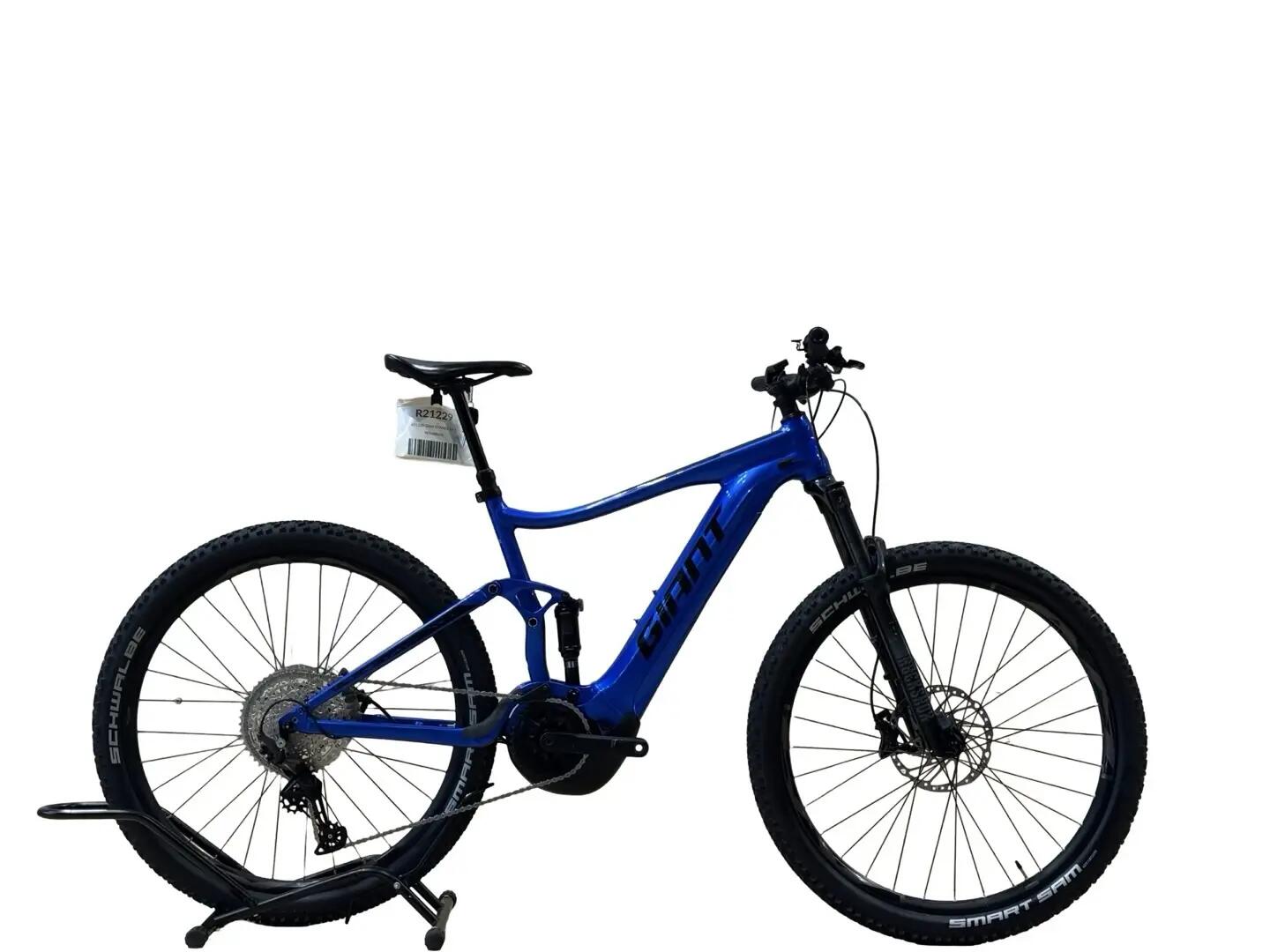
On longer recreational rides, an electric touring mountain bike should balance battery capacity, riding comfort, suspension and manageable handling. Look at the motor torque and assistance modes as well as the headline battery size. Higher assistance helps on climbs but uses energy faster, while lower modes can extend range on easier sections. Trail surface, rider weight, temperature and elevation will also affect how far you can ride between charges. Some Rockrider electric MTBs add walking assistance, which can be useful when pushing the heavier bike up a steep or unrideable section. Pro tip: plan longer rides using a realistic range rather than the maximum figure, and leave enough battery reserve for unexpected climbs or route changes on the return journey.
When is a full suspension electric mountain bike worth choosing?

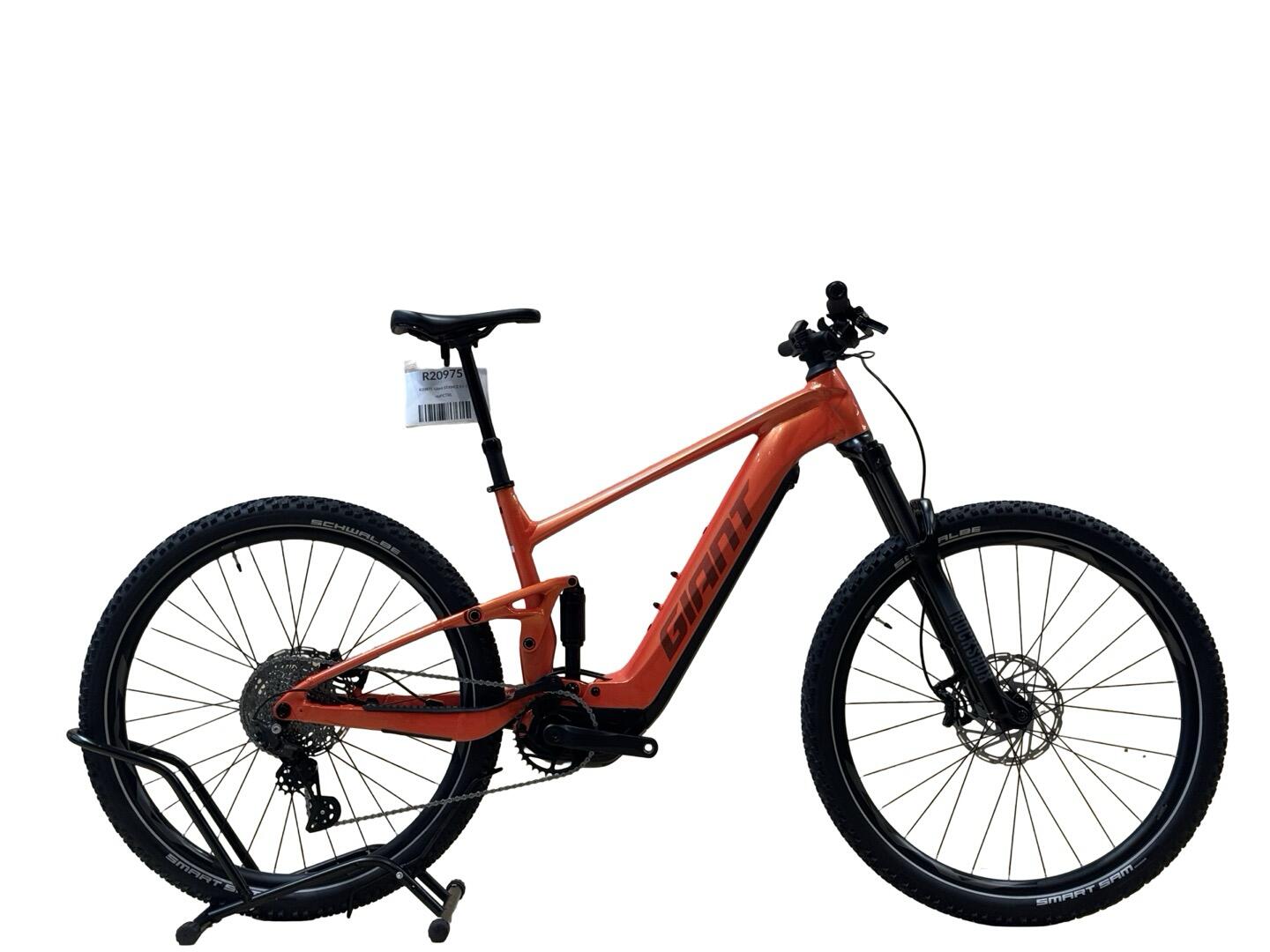
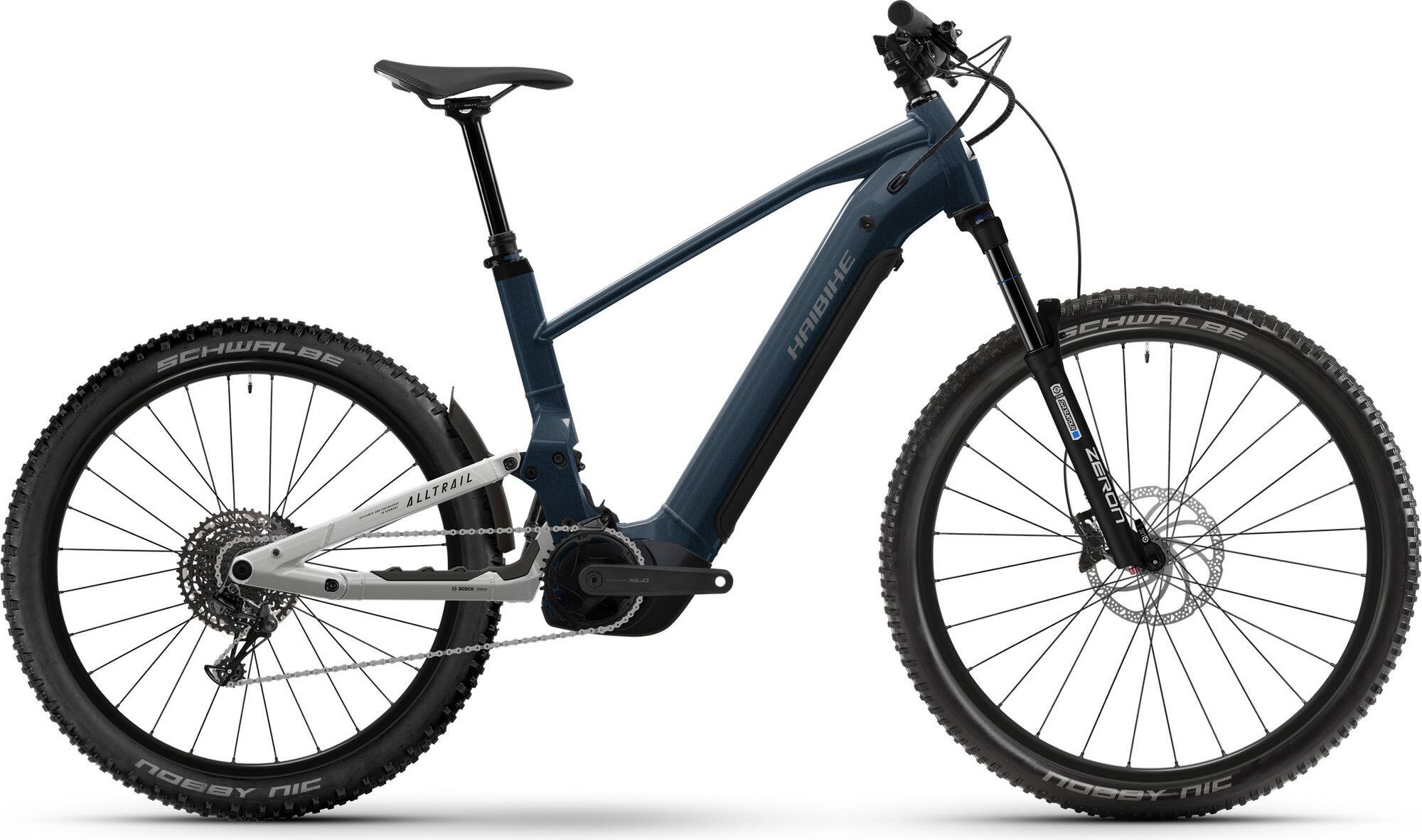
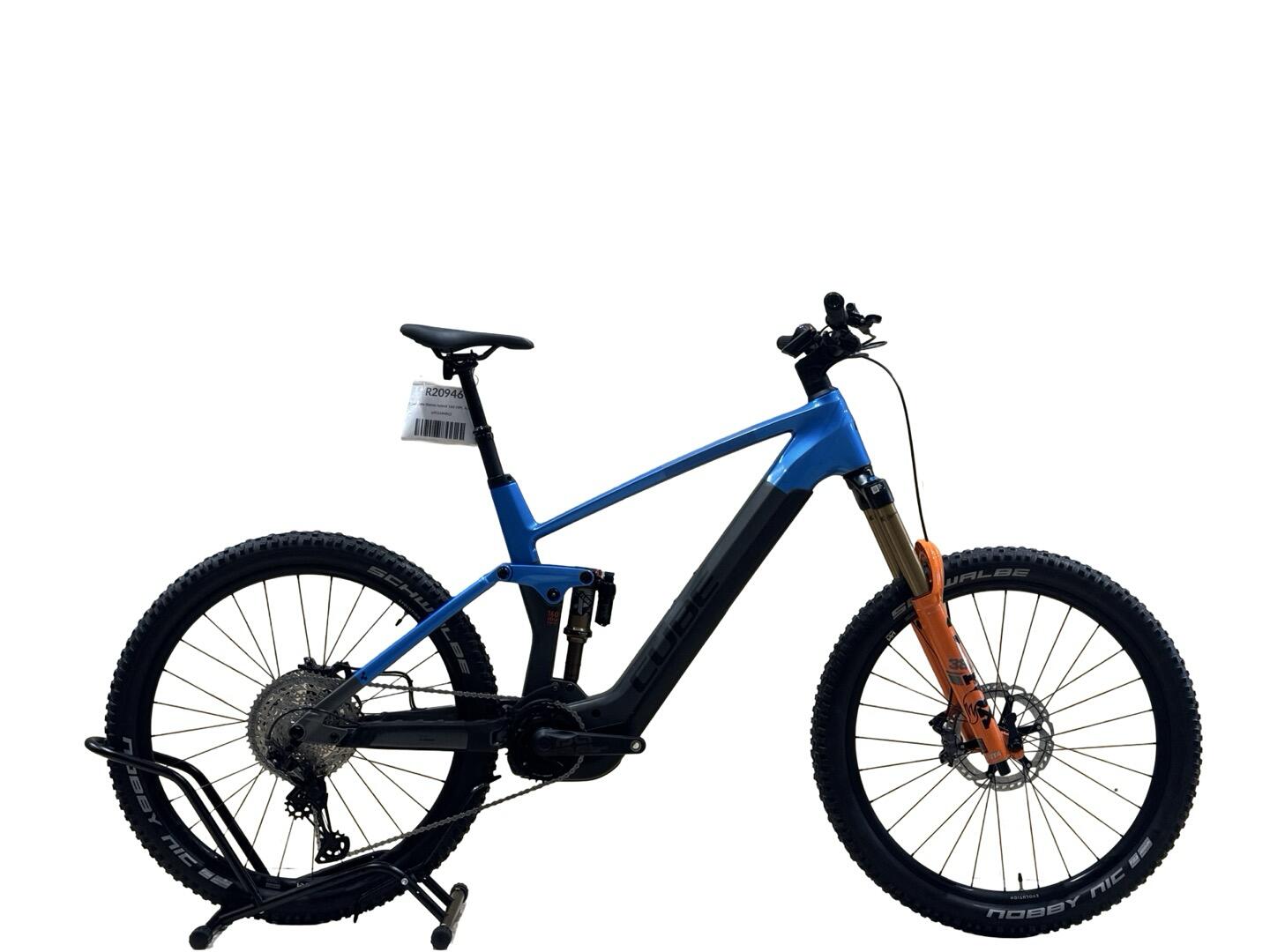
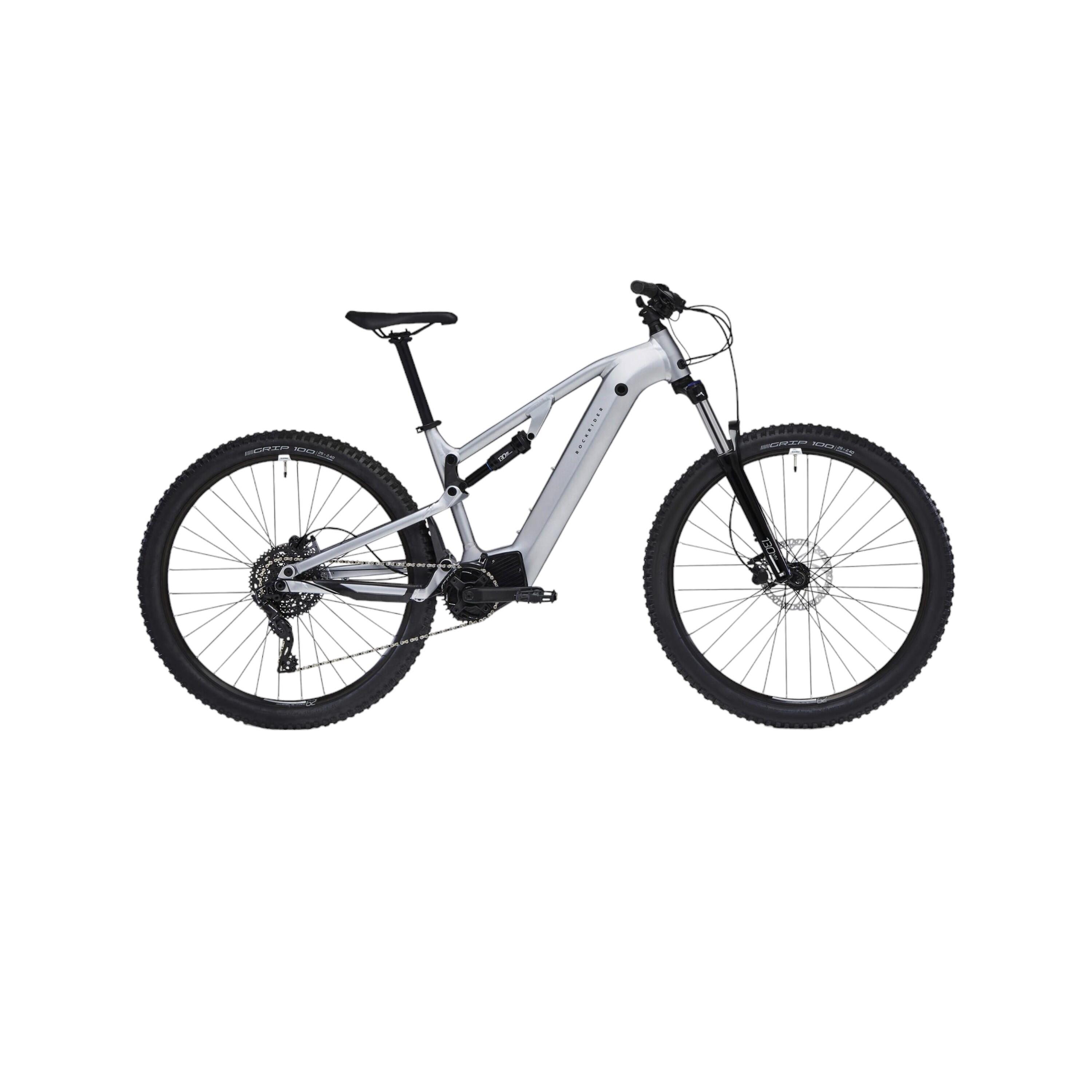
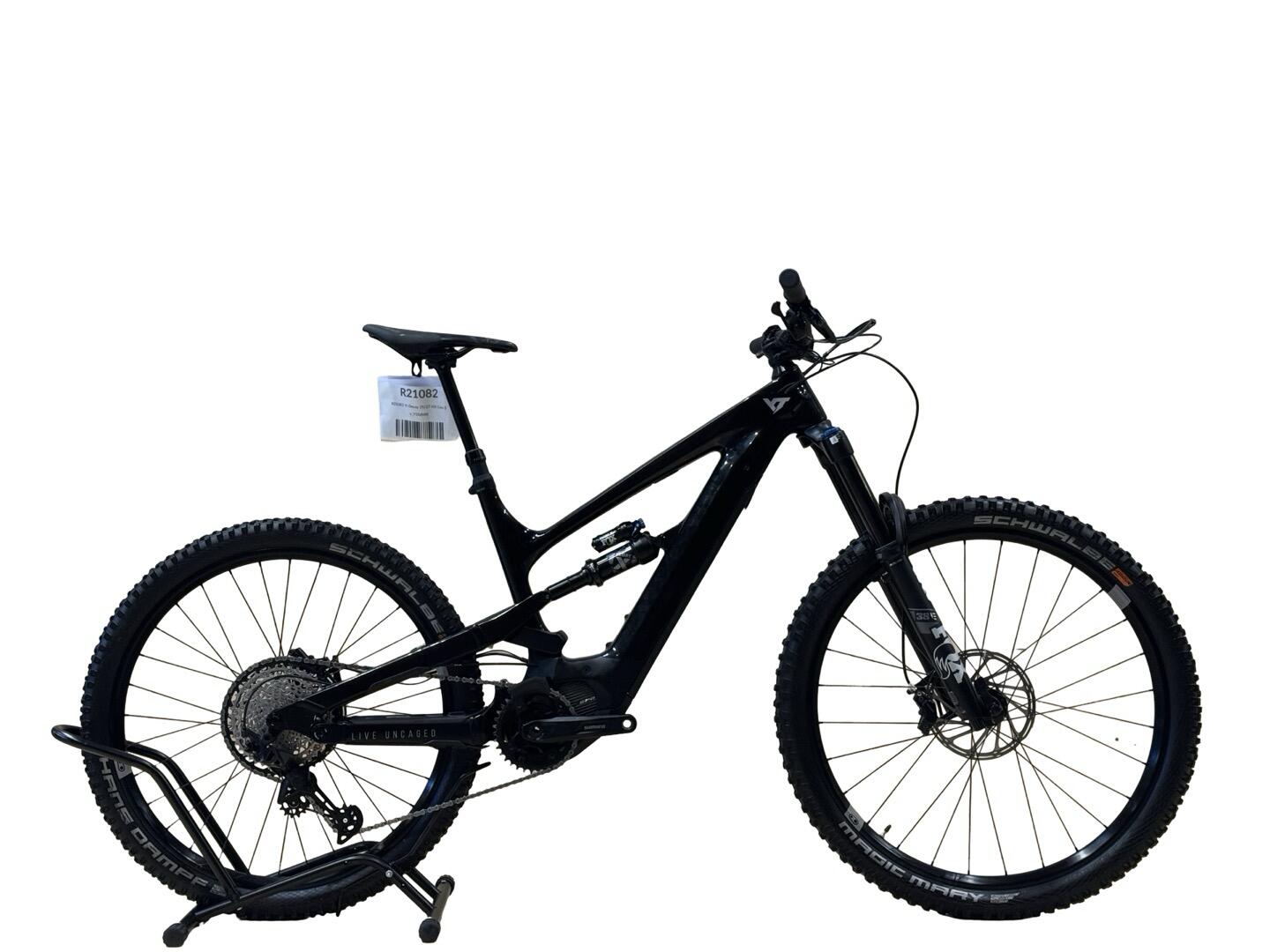
Considering that your routes regularly include rough descents, repeated impacts and technical trail sections, consider how full suspension electric mountain bikes manage both traction and rider comfort. Front and rear suspension allow both wheels to move over uneven ground, helping maintain tyre contact when the surface changes quickly. More capable Rockrider models can also combine longer suspension travel with hydraulic braking, dropper seatposts and tubeless-ready wheels. These features add control, but they also increase complexity and require correct setup. Pro tip: suspension works best when adjusted for rider weight and trail conditions. Too firm can reduce comfort and grip, while excessively soft suspension can use too much travel and make the bike feel less controlled under braking or through corners.

How does an electric MTB differ from a standard mountain bike?

The main difference is the addition of a motor, battery, controller and assistance system, which increases both support and overall bike weight. Comparing an electric model with conventional mountain bikes can help you decide whether motor assistance is useful for your routes. Electric support can make longer climbs more manageable and help riders cover more distance, but the bike still needs suitable tyres, brakes, suspension and geometry for the terrain. You also need to manage charging and battery storage alongside normal drivetrain care. Pro tip: electric assistance does not turn a recreational touring MTB into a downhill bike. Respect the stated discipline limits and choose suspension travel, brakes and frame construction according to the trails you actually ride rather than motor power alone.

How must you maintain and store an electric mountain bike?

Electric MTBs need normal bike maintenance plus additional care around the battery and electrical components. After muddy riding, clean the drivetrain and frame without directing high-pressure water at bearings, seals, electrical connections or the motor area. Dry the bike before storage and lubricate the chain once it is clean. An e-MTB requires the same attention as other bikes, and battery condition is also part of long-term ownership. Avoid storing an electric bike with a completely flat battery and follow the model's charging guidance during long periods without use. Pro tip: store the bike somewhere cool and dry, away from salty air or corrosive products and periodically check tyre pressure, brake wear, suspension condition and battery charge before returning to the trails.