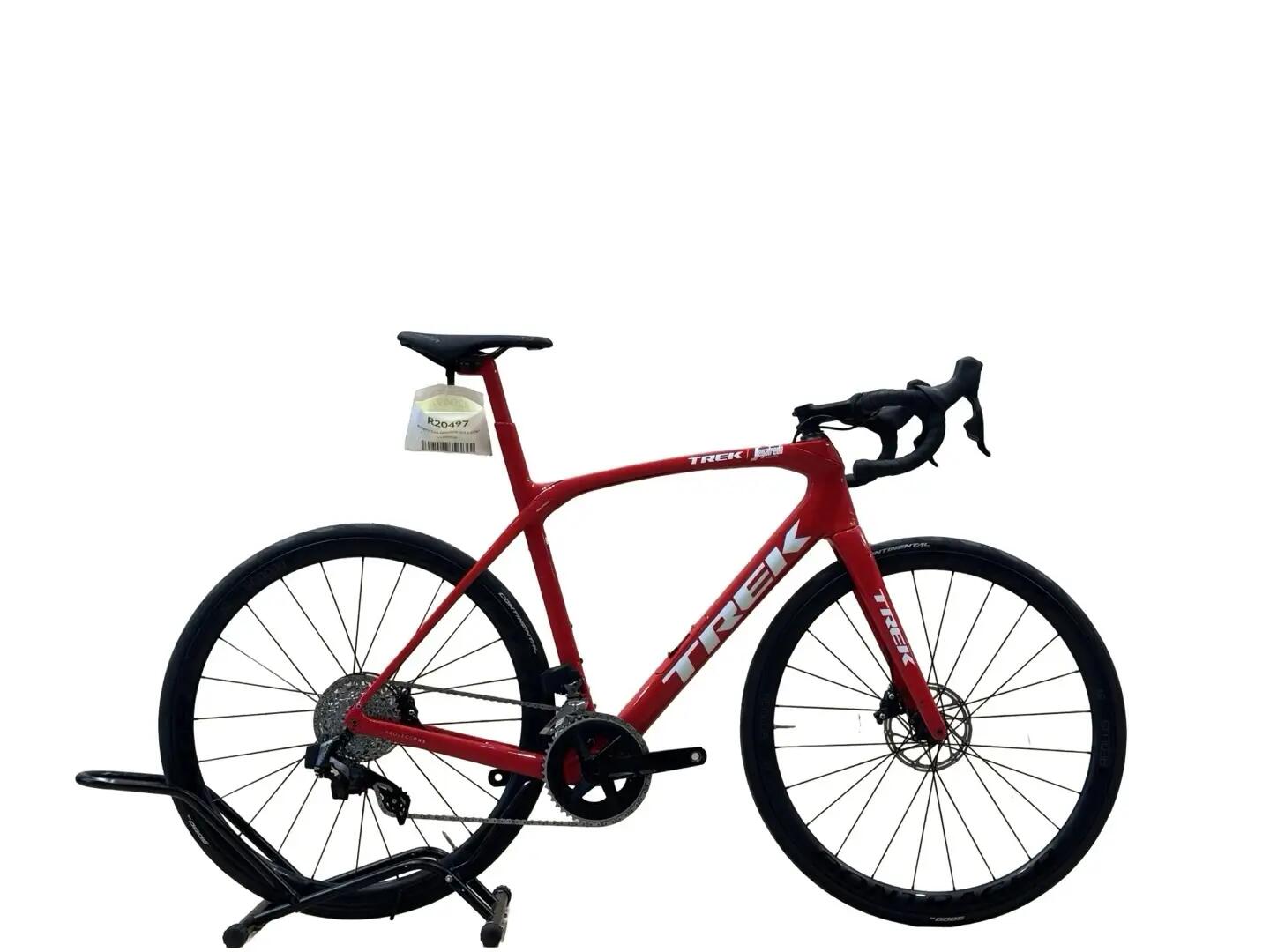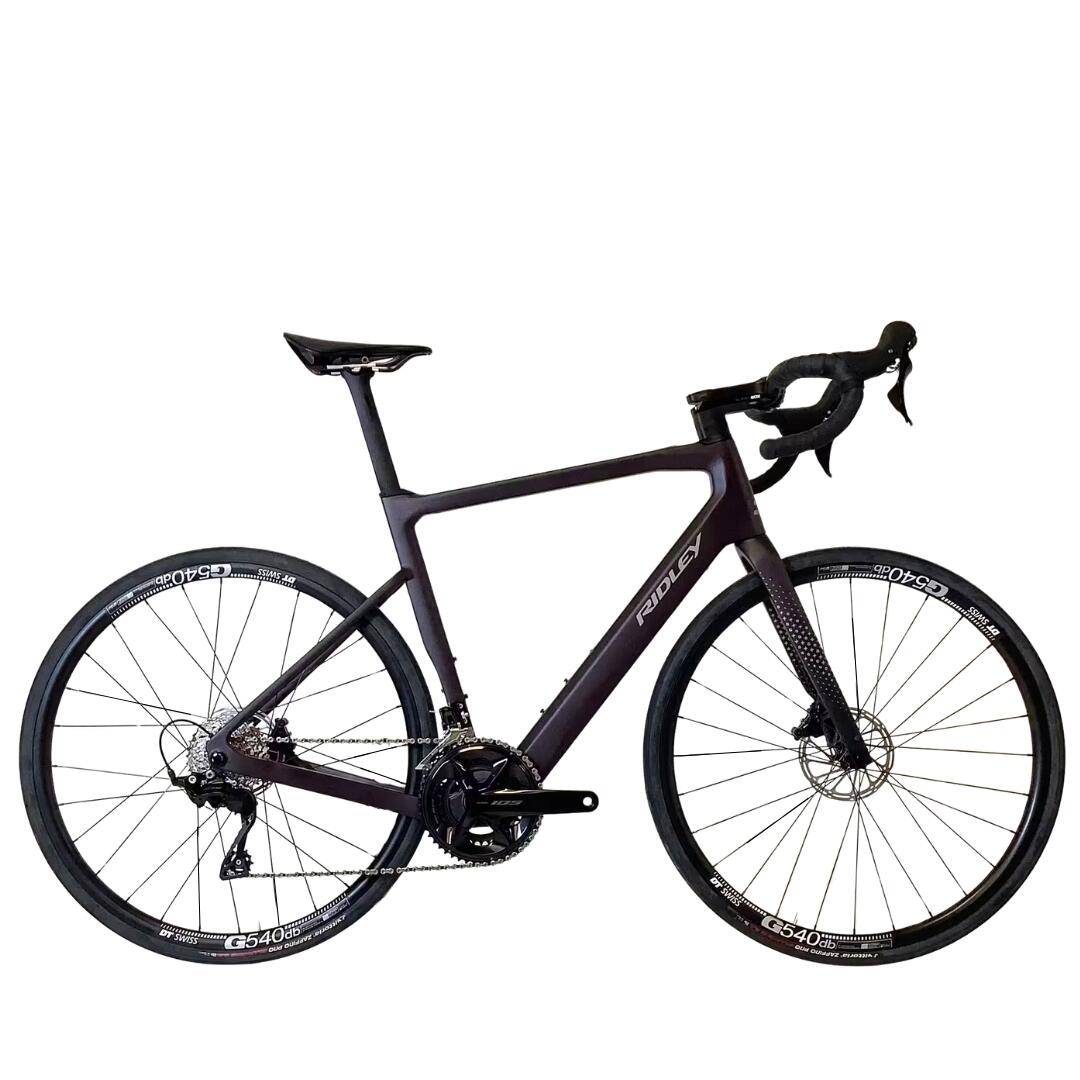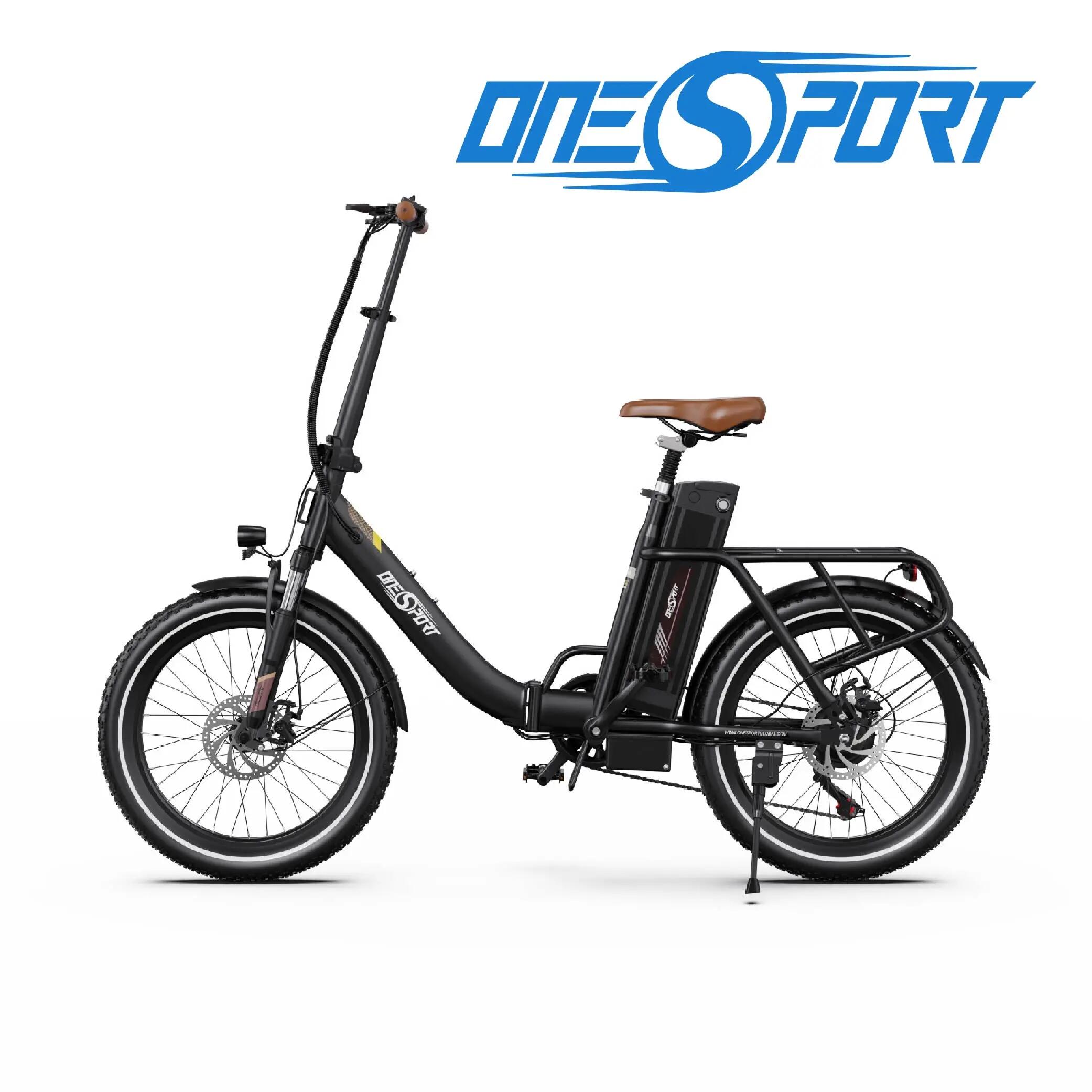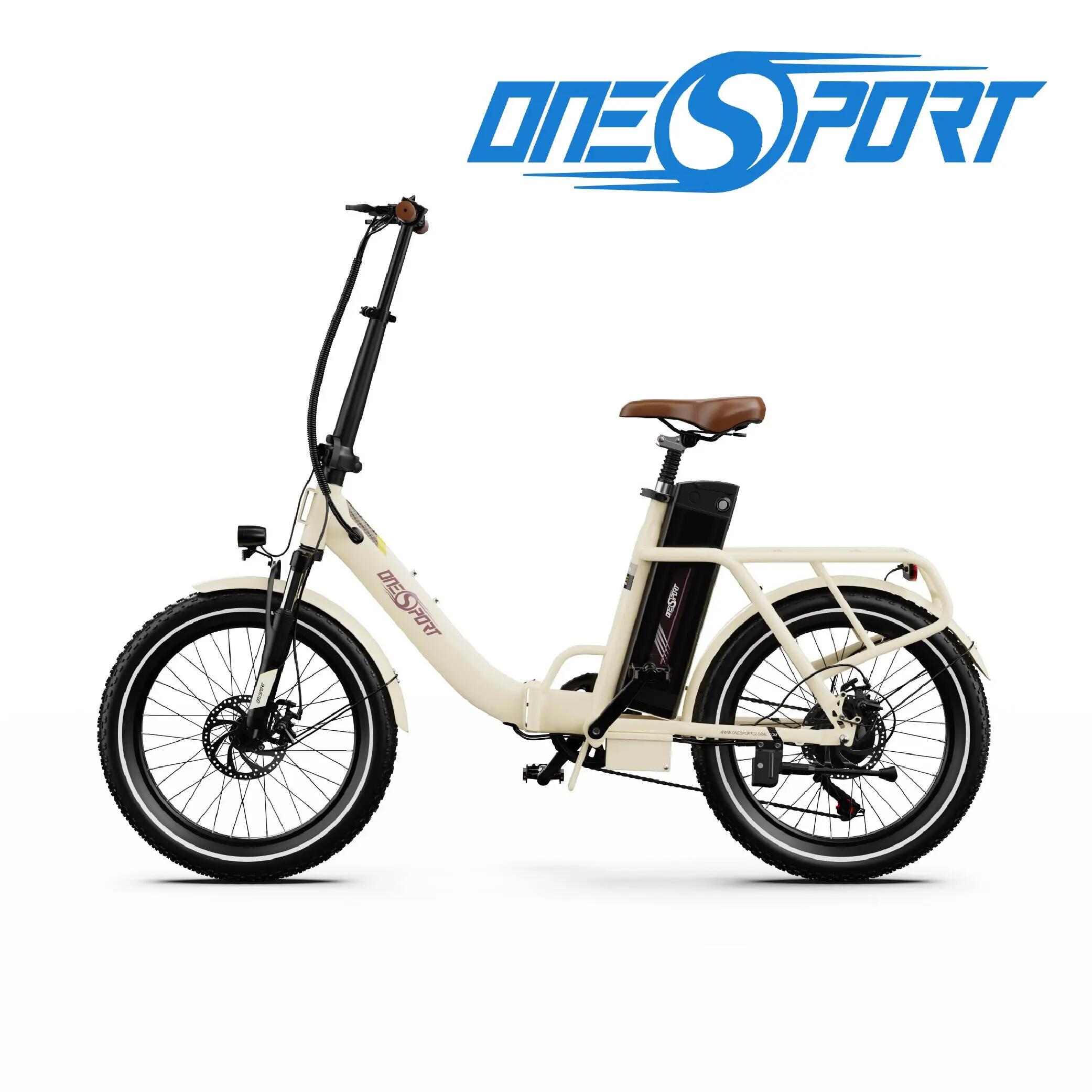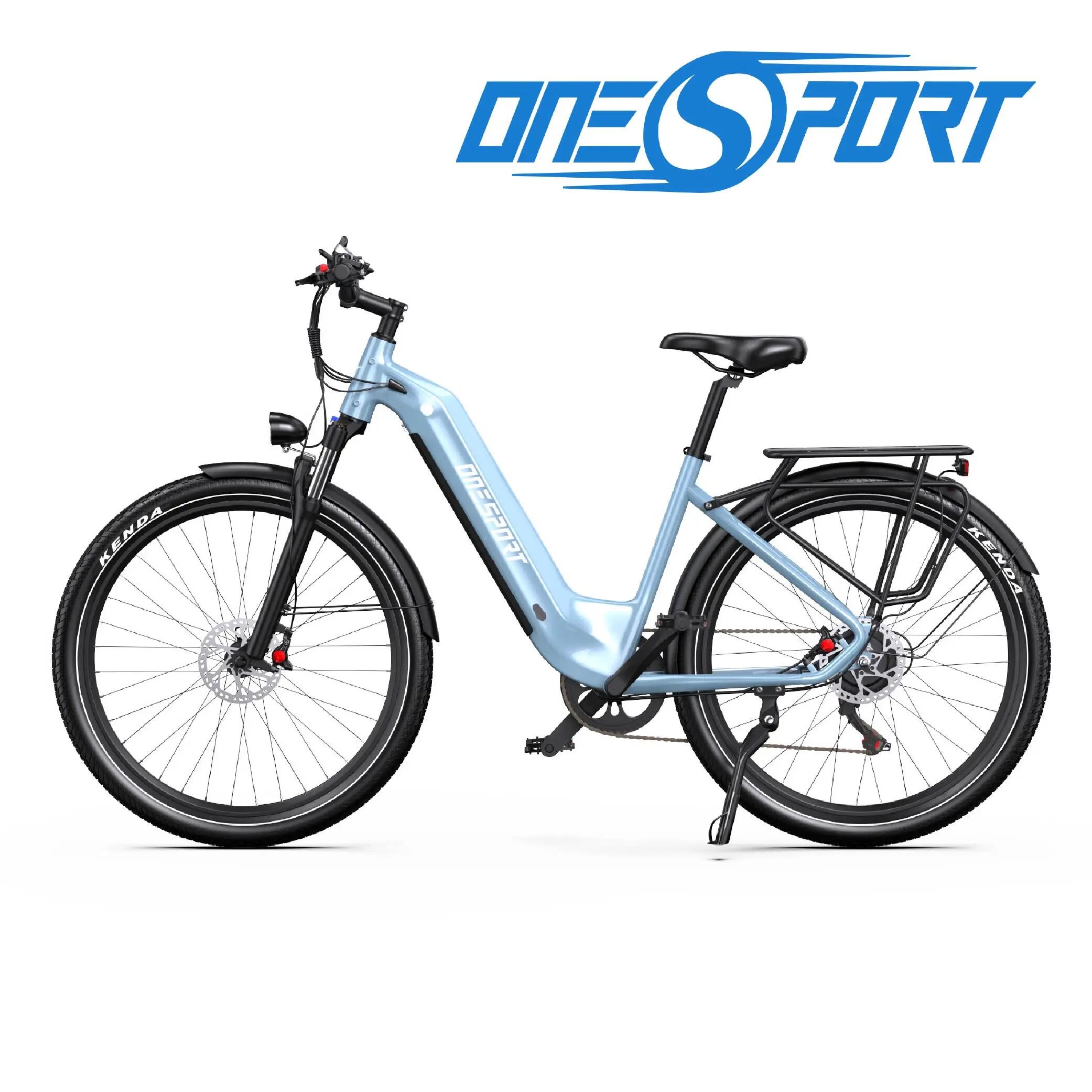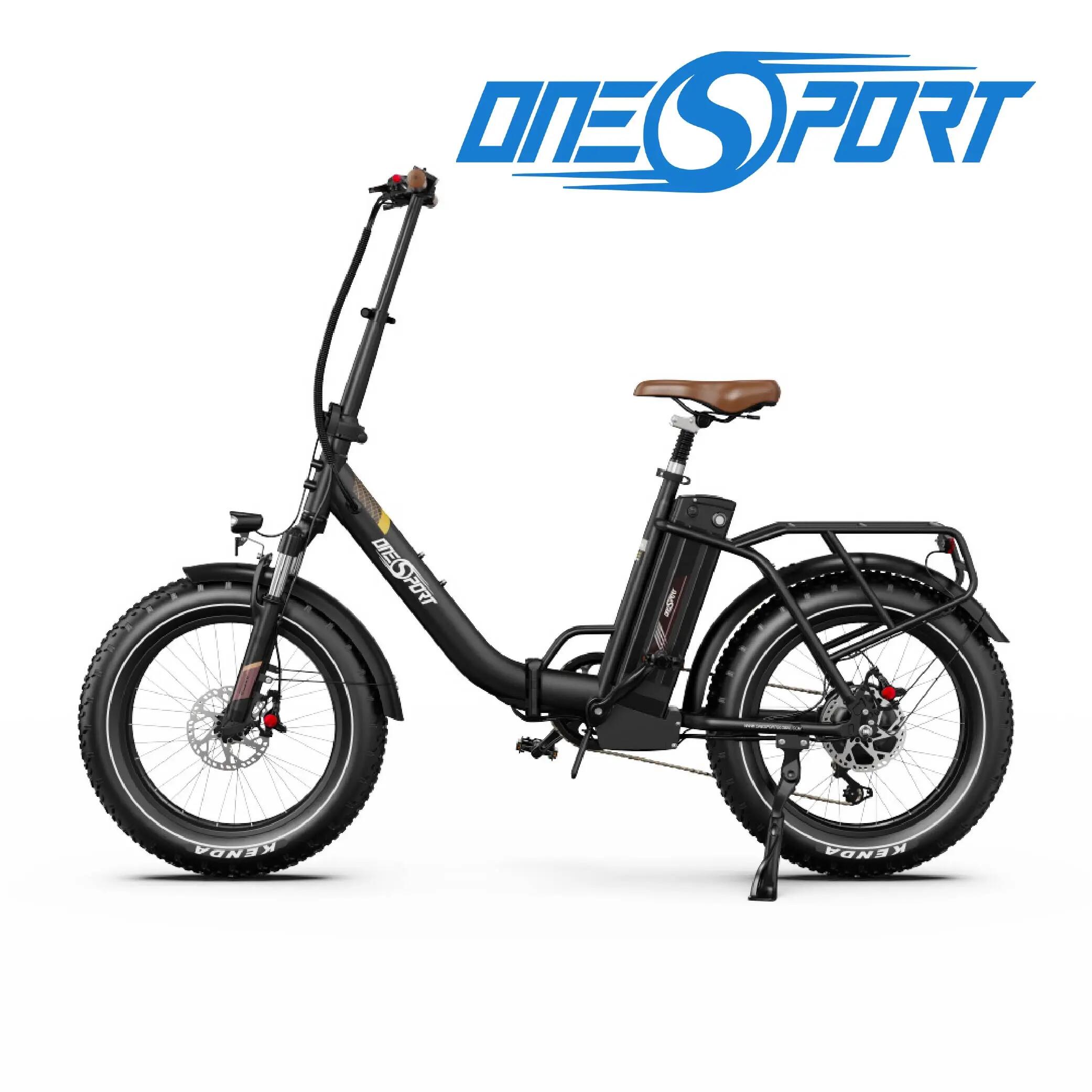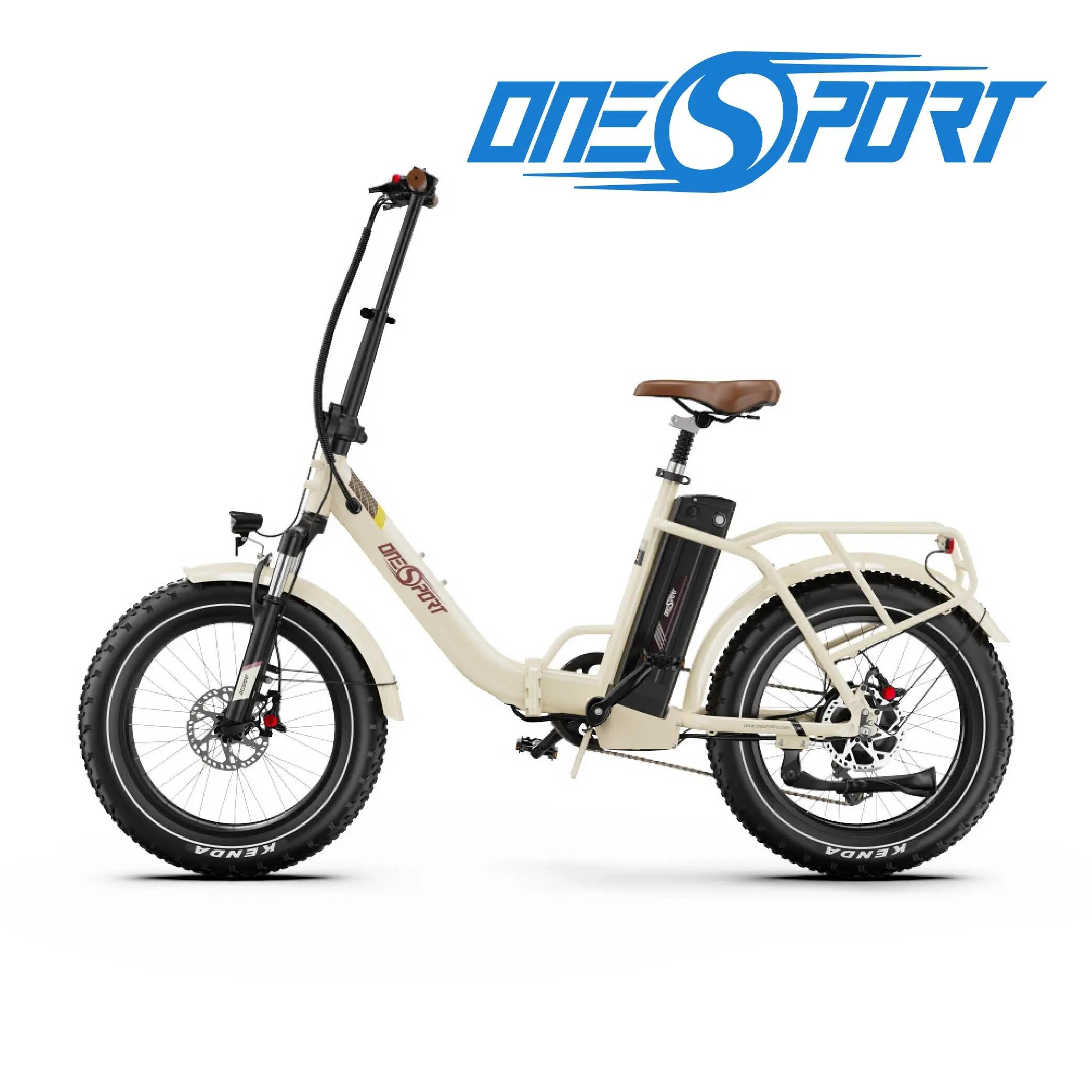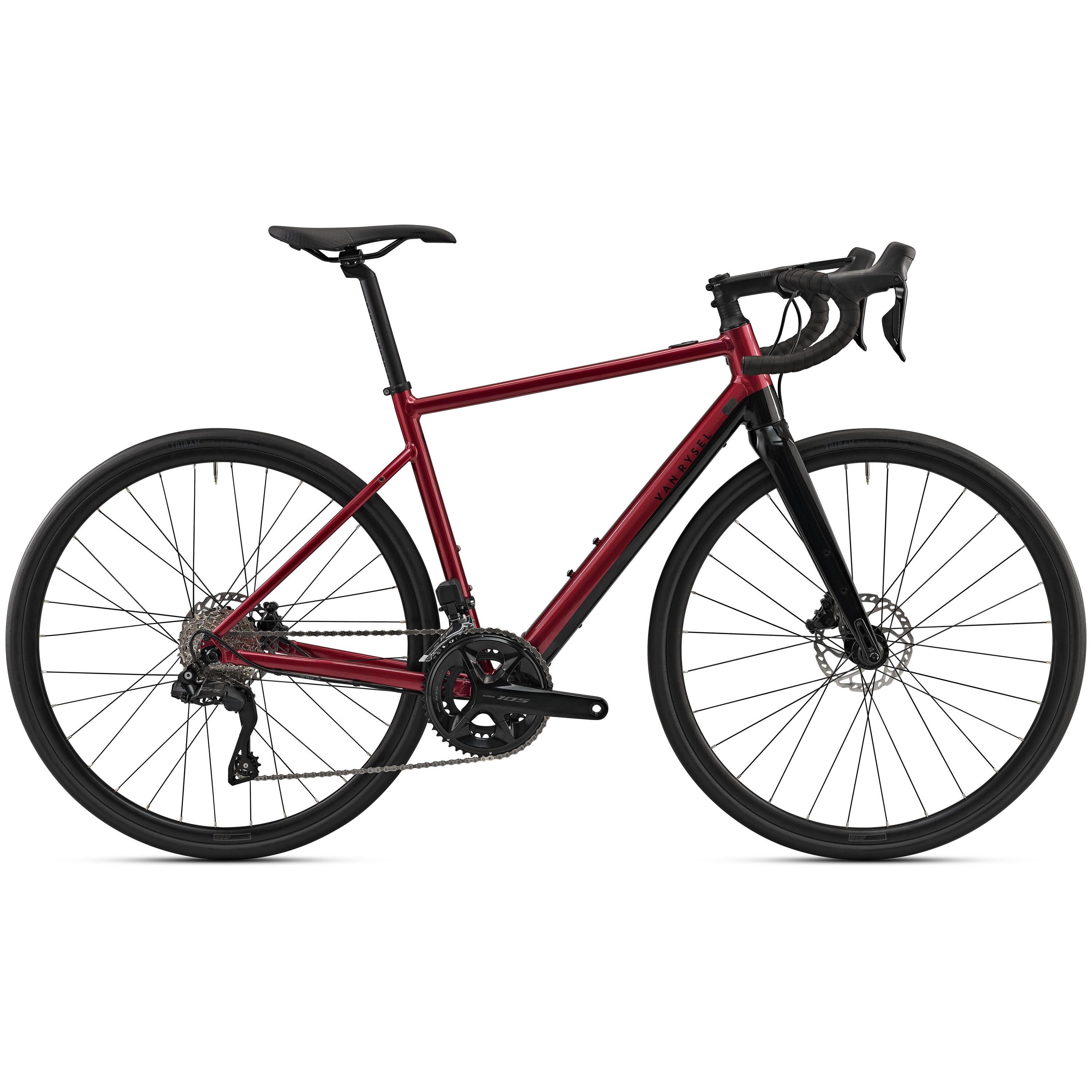
26 items
4.5/5 based on 308 reviews collected online and in stores

Electric Road Bikes FAQs

What must you consider before choosing an electric road bike?

Think first about how far you normally ride, how hilly your routes are and the road position you prefer. Electric road bikes add pedal assistance to a road-focused setup, which can make longer distances and repeated climbs more manageable. Alongside the electrical system, compare battery capacity, motor support, gearing, tyre width, overall weight and frame fit. It can also help to compare them with the broader road bikes range so you can decide whether assistance genuinely suits your riding. Pro tip: judge the bike by the toughest part of the route you ride regularly, not by an easy flat section. Motor support can reduce effort on climbs, but it cannot compensate for poor sizing or an uncomfortable riding position.

Why can electric road bike range change from one ride to another?

The distance you can cover depends on more than battery capacity. Hills, headwinds, rider weight, luggage, temperature, tyre pressure and the amount of assistance used all influence energy consumption. Stronger support normally reduces available range more quickly, while lower assistance can help preserve battery charge. For longer rides, suitable bike cycling gear and accessories such as hydration, a pump and a compact repair kit can help you prepare without carrying unnecessary weight. Pro tip: leave a battery reserve rather than planning around the maximum stated distance. Correct tyre pressure also matters because softer tyres increase rolling resistance and make both rider and motor work harder.

What is the difference between a lightweight electric road bike and a carbon road bike?

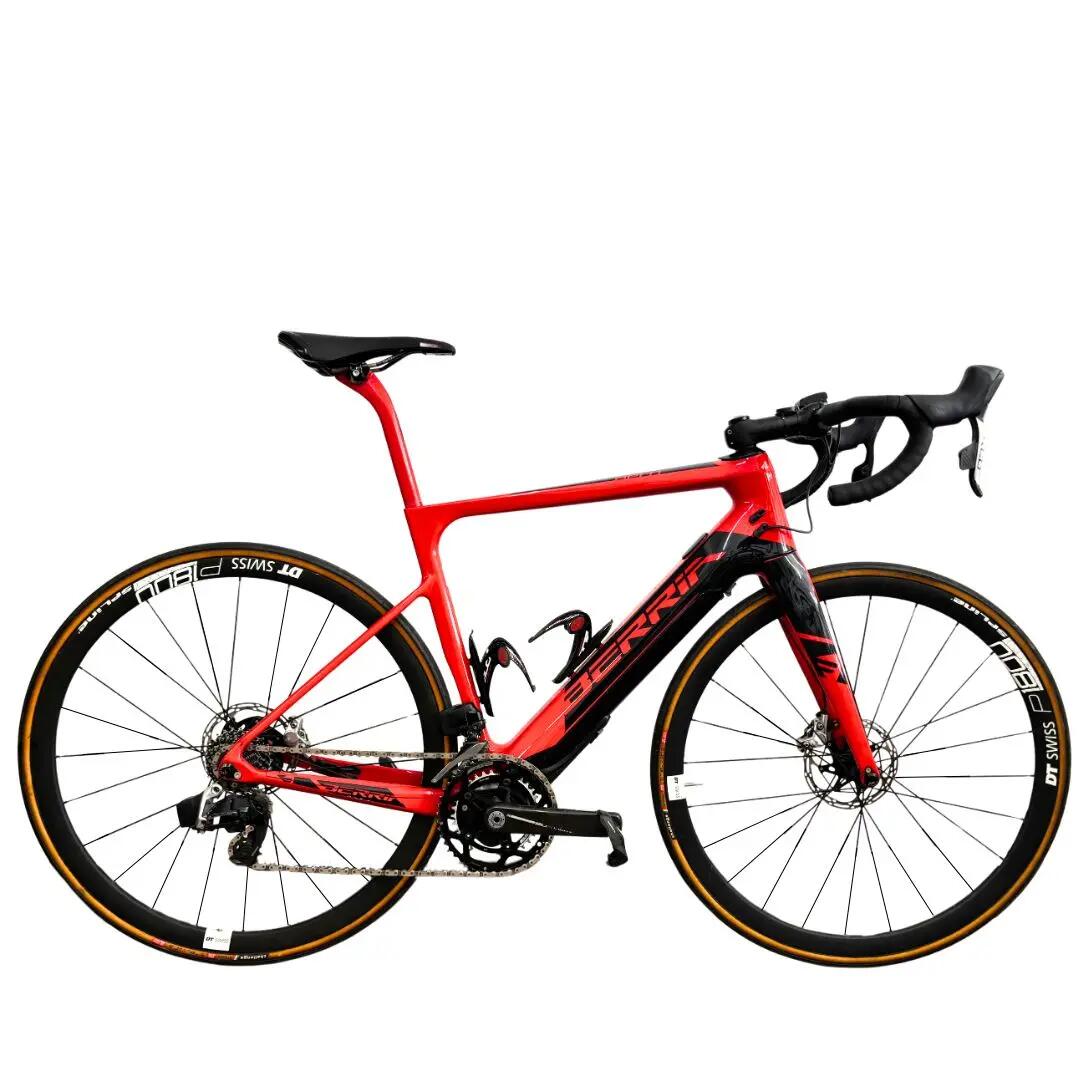
Even a lightweight electric road bike includes a battery and motor, so it will generally weigh more than a similar unassisted performance bike. In return, you gain support for climbing, acceleration and longer journeys. By contrast, carbon road bikes focus on lowering frame weight, managing stiffness and improving pedalling efficiency without electrical assistance. The better option depends on whether reduced bike weight or motor support matters more to you. Pro tip: consider situations where you may need to lift or carry the bike, such as stairs, storage or vehicle transport. Gearing also matters because a well-chosen ratio can help you keep riding efficiently when assistance drops or is switched off.

Who can benefit from an electric road bike for men's road cycling?

Electrical assistance can be useful if your regular rides include long climbs, extended commuting distances or mixed-ability group riding. While you compare options within men's road bikes, weigh the value of motor support against the lower weight and simpler setup of a conventional endurance or performance model. Correct frame fit should still lead the decision because a motor cannot solve poor reach, unsuitable saddle height or difficult access to the controls. Pro tip: think about how often assistance will actually be needed. On mainly flat, shorter routes, an unassisted road bike may be simpler, while frequent hills can make electrical support more useful across the full ride.

How are electric road bikes different from other types of electric bikes?

Road-focused electric models usually use efficient tyres, a position suited to paved riding and a setup aimed at covering distance rather than carrying heavy loads or handling technical trails. Other bikes may use wider tyres, suspension, more upright geometry or greater luggage capacity depending on whether they are built for city, trekking or mountain use. Pro tip: choose according to the surface that makes up most of your route. Electric road bicycles suit tarmac and longer paved journeys, while a hybrid or mountain format may provide more control if rough tracks are a normal part of your riding. Before longer rides, check your brakes, tyres and battery charge, and follow the individual bike's charging and storage guidance.