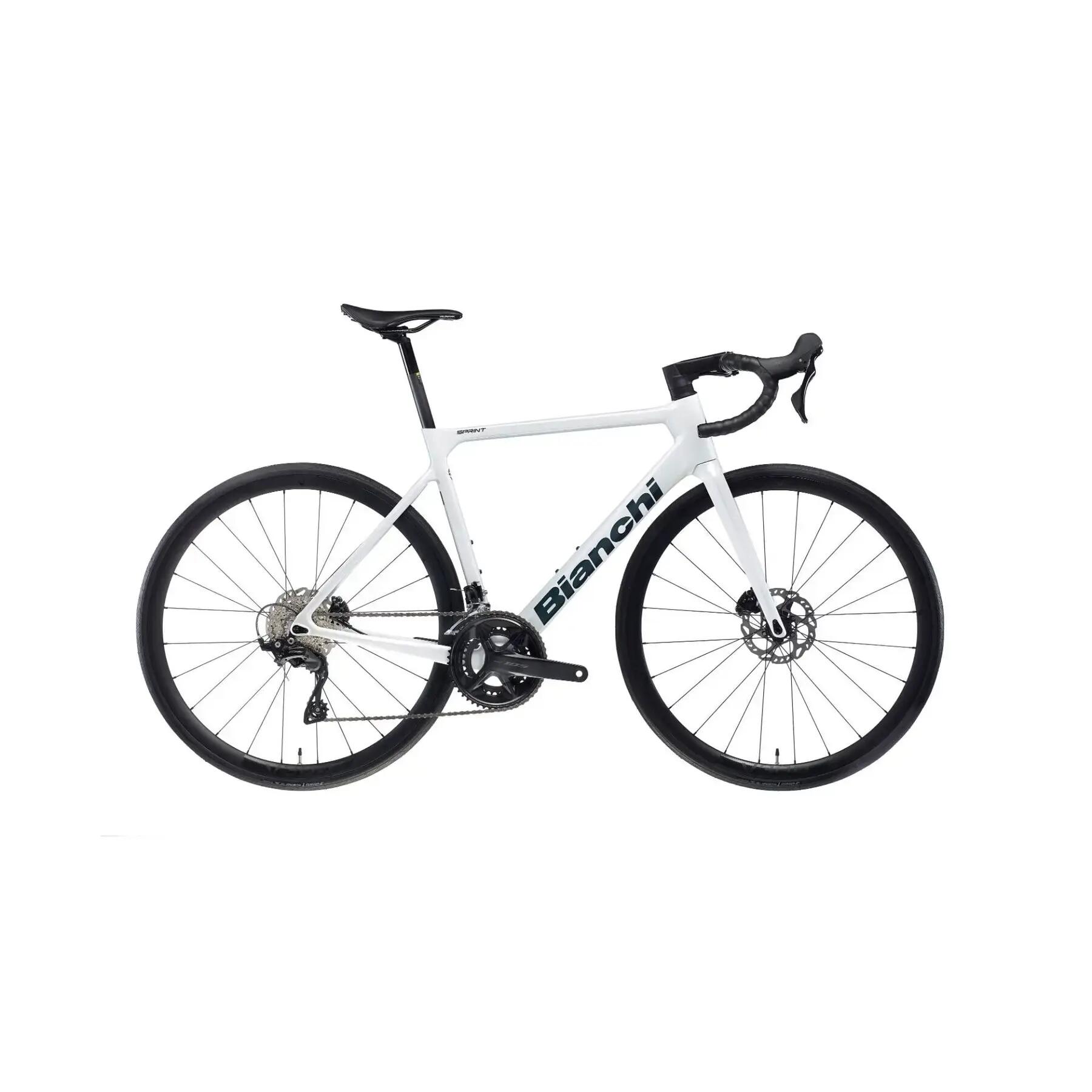
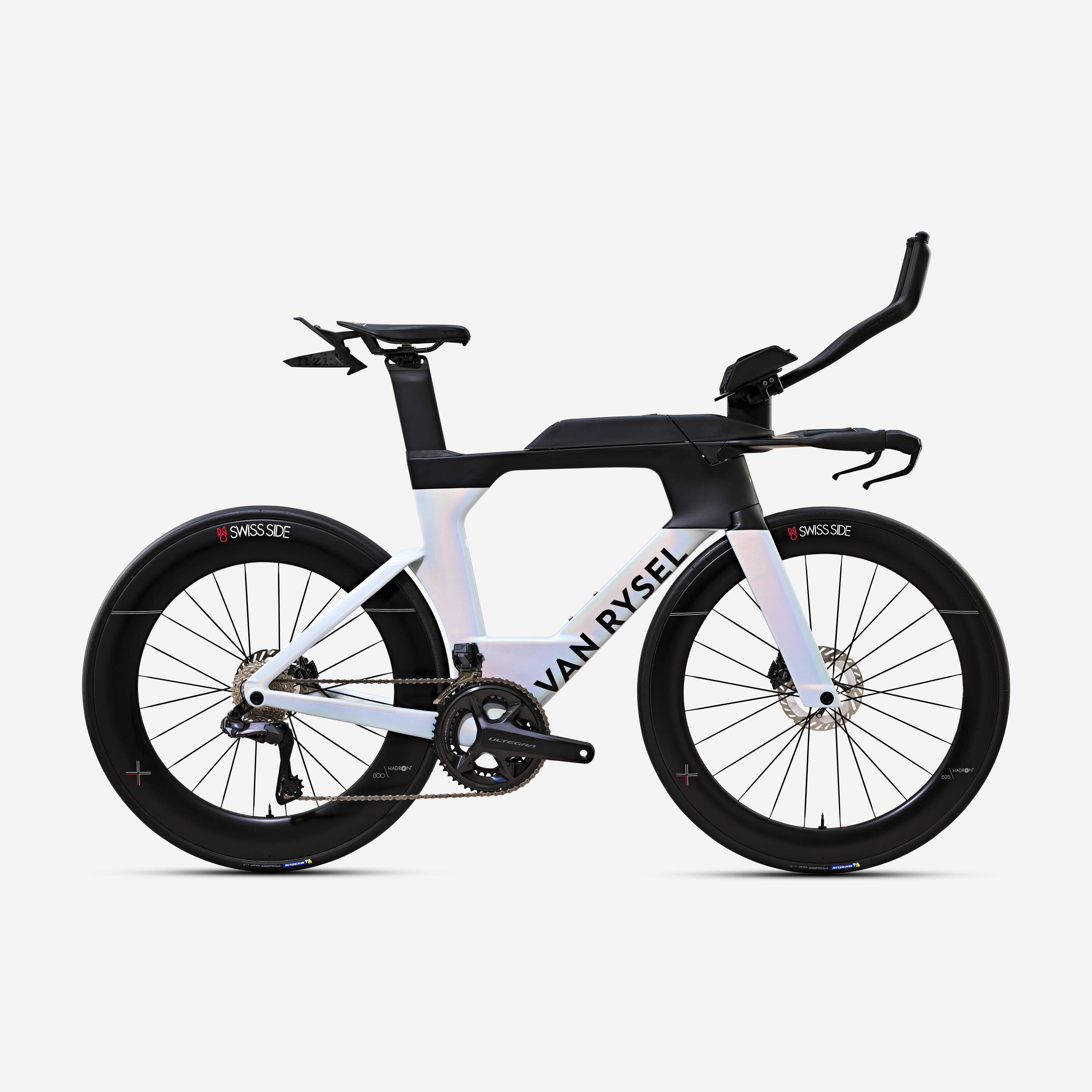
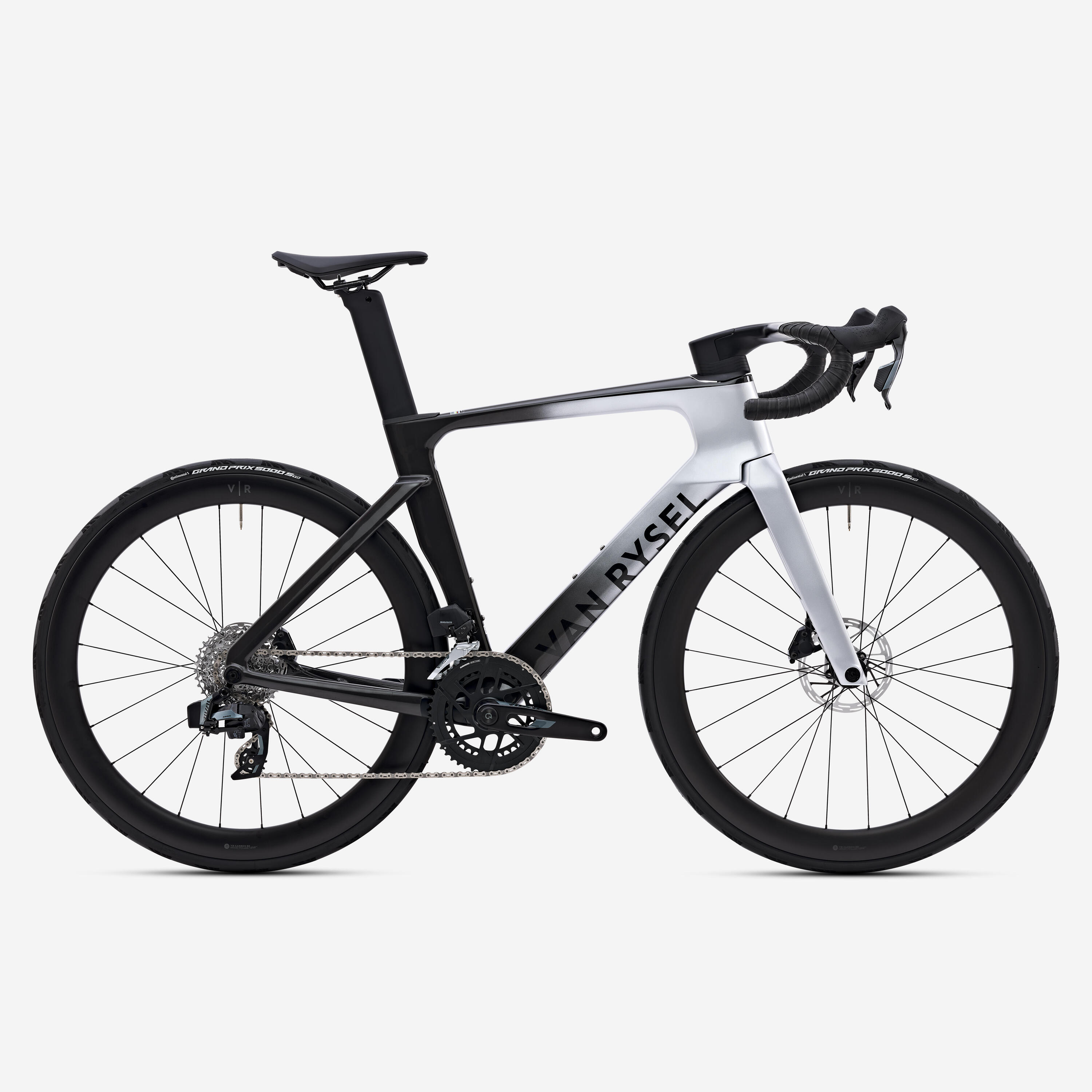
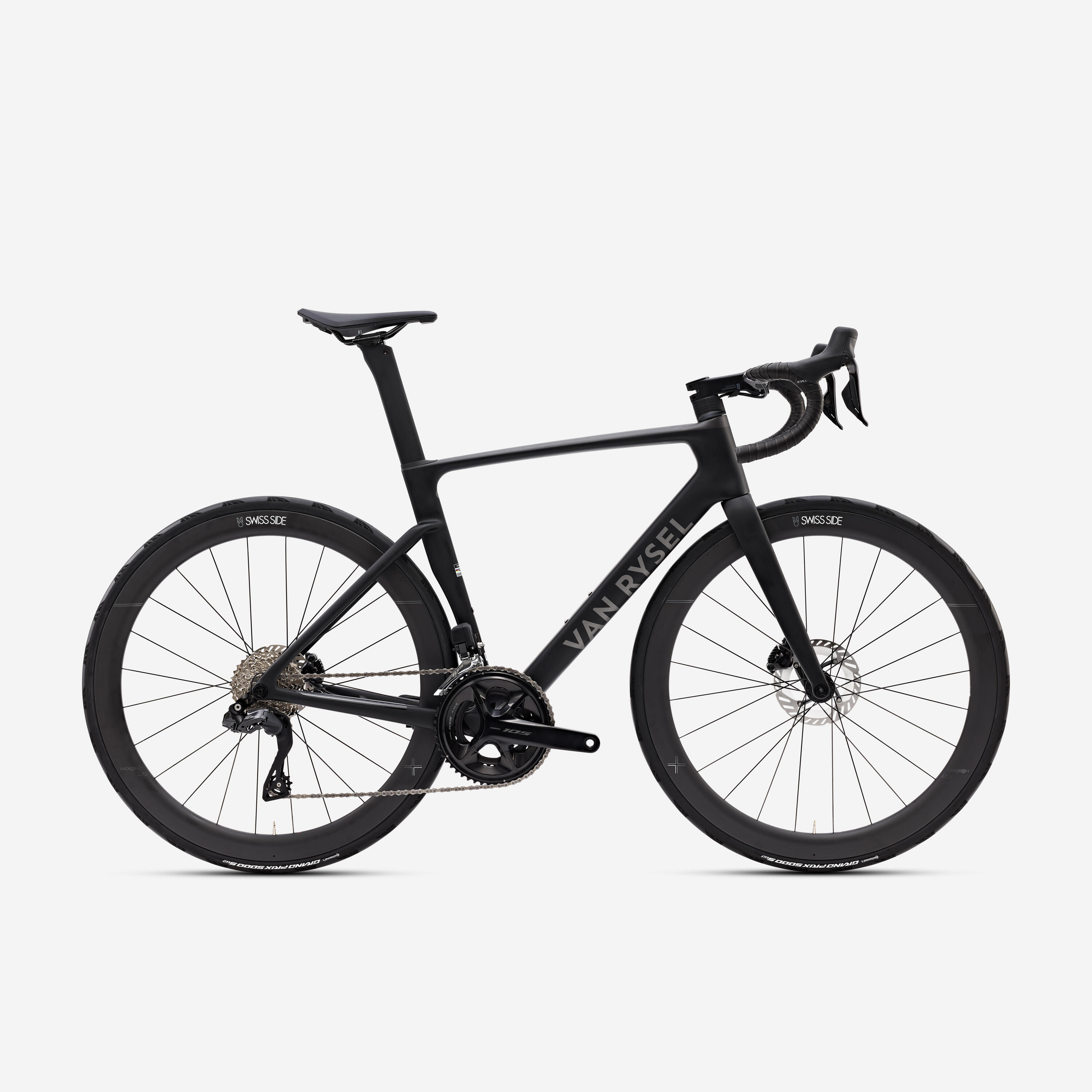
98 items
4.6/5 based on 1703 reviews collected online and in stores

Women's Road Bikes FAQs

What type of women's road bike best matches your riding goals?

Start with your usual distance, terrain and preferred riding position before comparing frame materials or component levels. Endurance bikes tend to favour a less aggressive position for longer rides, while race-focused models emphasise low weight, stiffness and aerodynamics. The broader road bikes range also shows why correct sizing matters more than a women's label alone. Stem length, handlebar width, crank length and saddle position all influence how comfortably you reach the controls and produce power. Pro tip: if you are between sizes, think about posture as well as height. A compact setup can feel easier to control, while a longer reach generally creates a more stretched position. Set saddle height first, then make smaller changes to reach and handlebar position rather than adjusting everything at once.
Why might you choose a women's carbon road bike over other options?

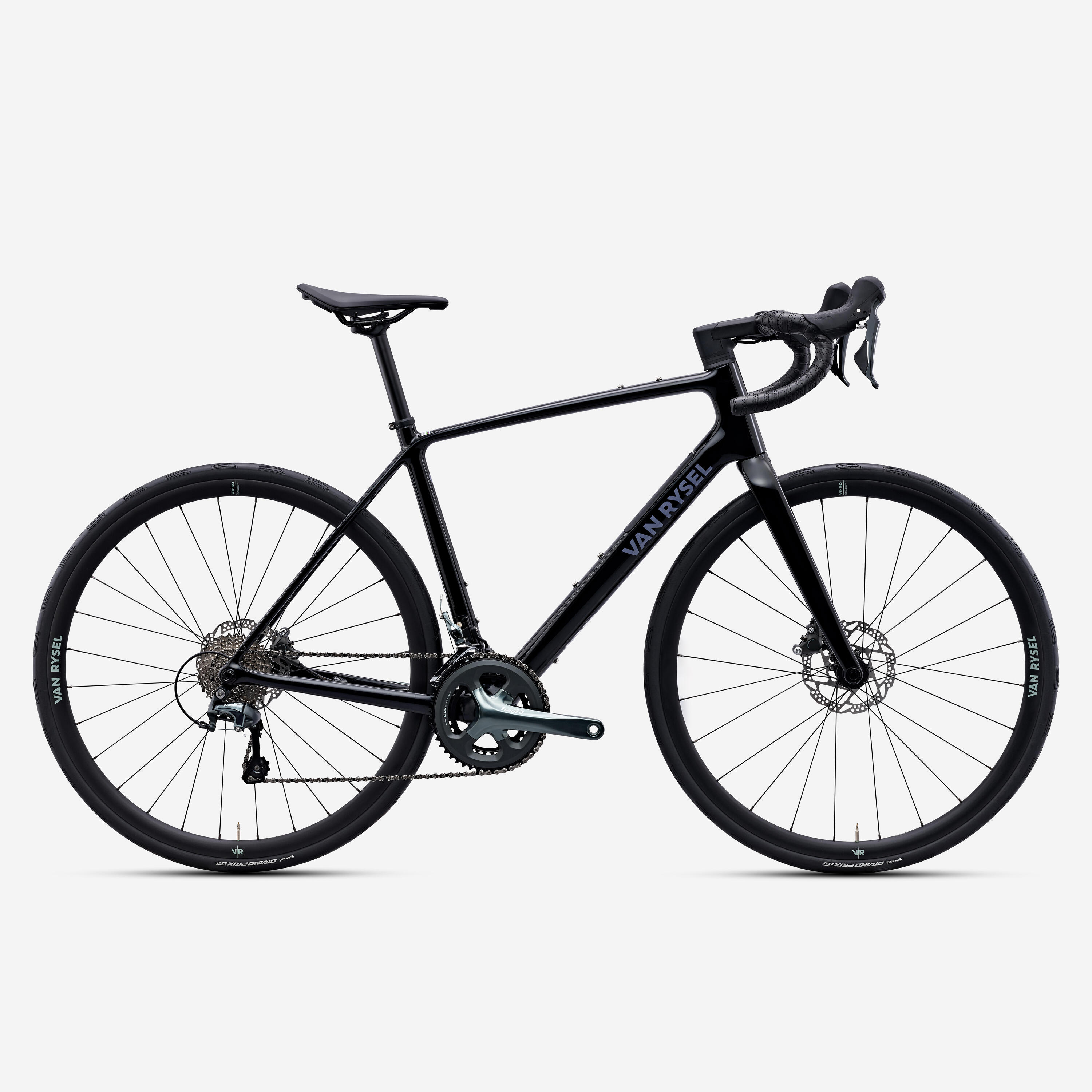
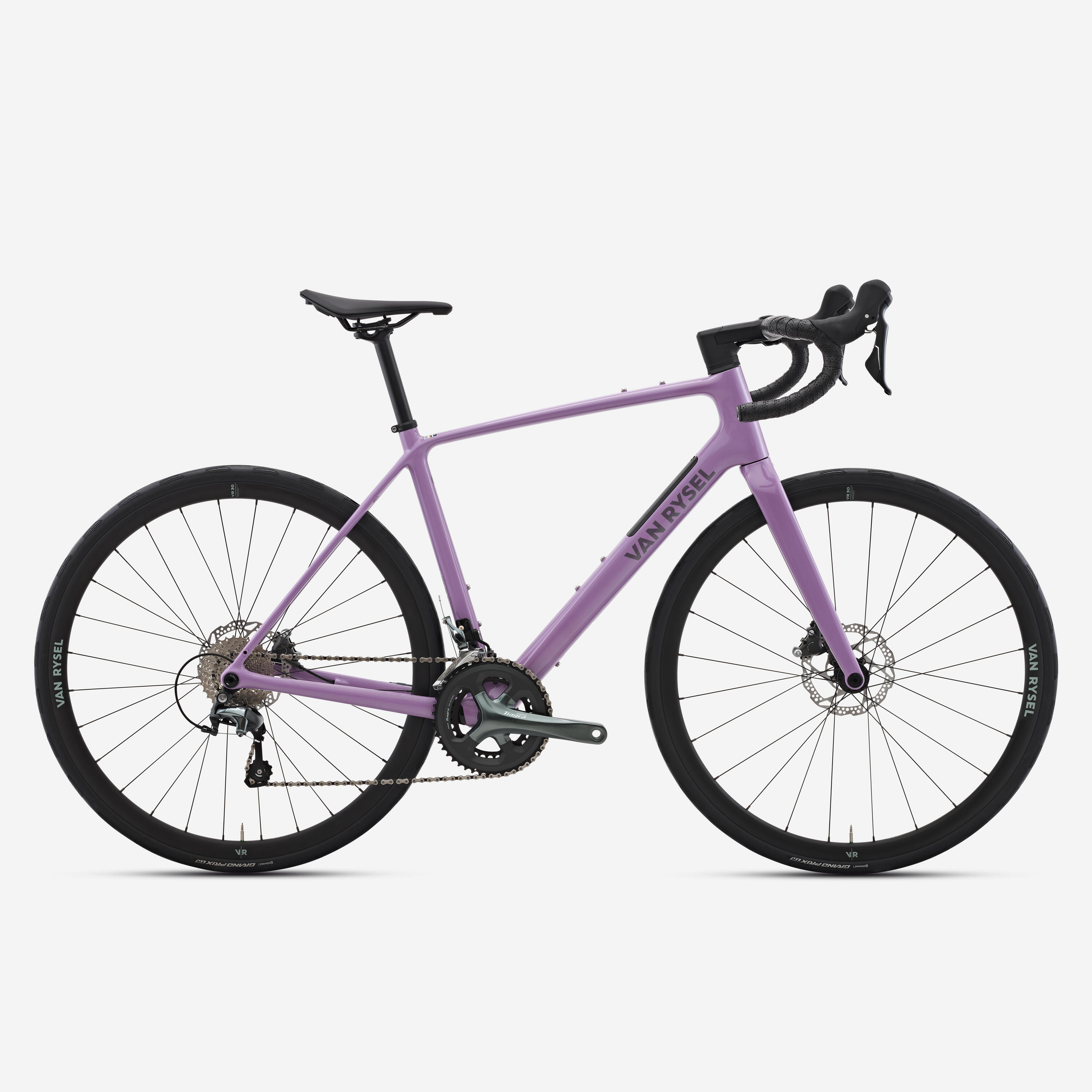
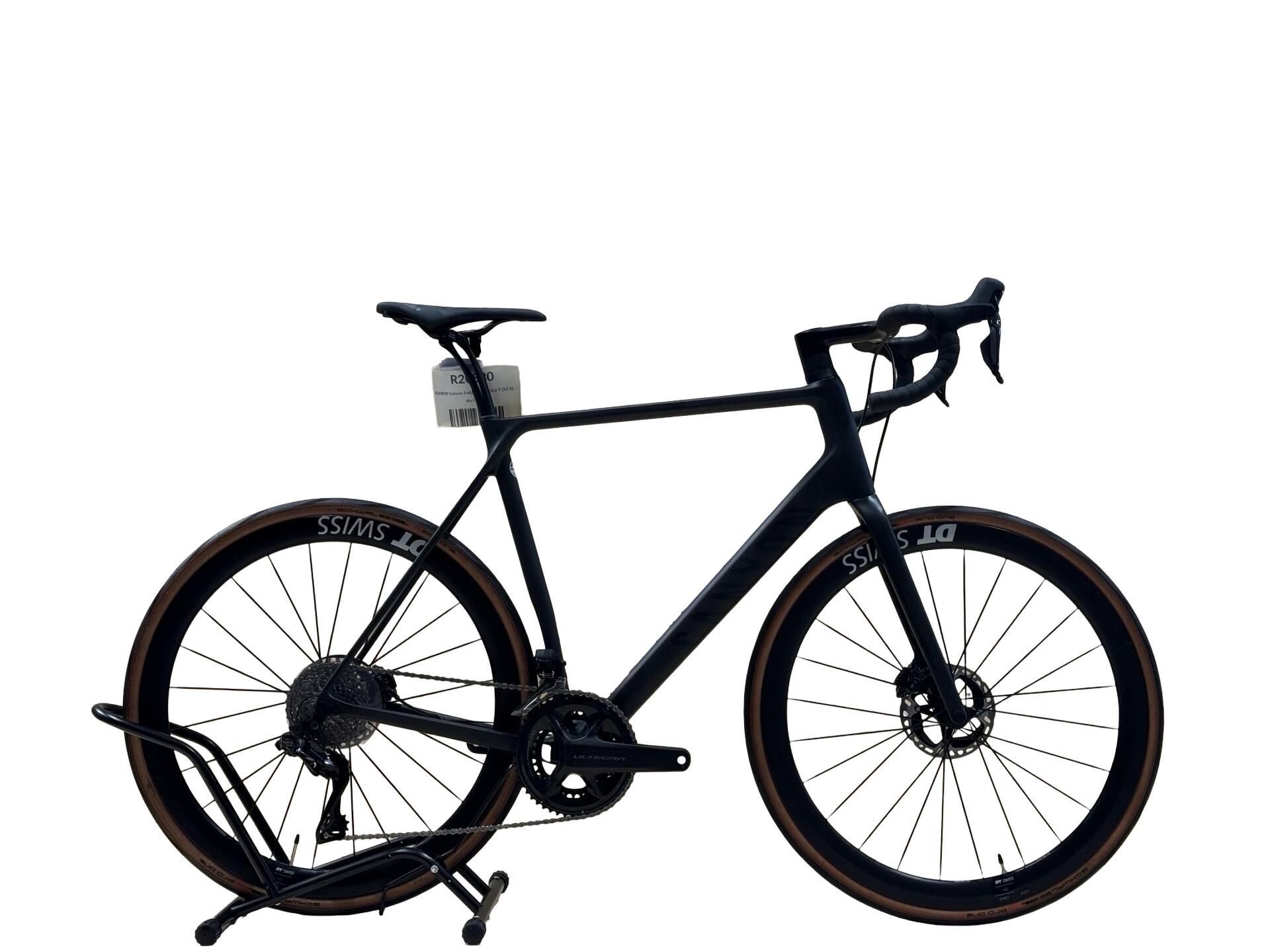
A women's carbon road bike can make sense when you want lower frame weight and responsive road handling without necessarily moving to an aggressive racing position. Carbon endurance frames can still provide a more relaxed posture for longer rides, while features such as wider tyre clearance can help on rougher tarmac. Look at gearing, brake type, tyre width and fit alongside the frame material. Lightweight women's road bikes may feel quicker when climbing or accelerating, but weight savings won't compensate for an unsuitable riding position. Pro tip: use the stated tightening torque when adjusting parts around a carbon frame or seatpost. Carbon components can be damaged by excessive clamping force, so a torque wrench is particularly useful for routine fit adjustments.

What is essential that you consider before choosing a women's pro road bike?

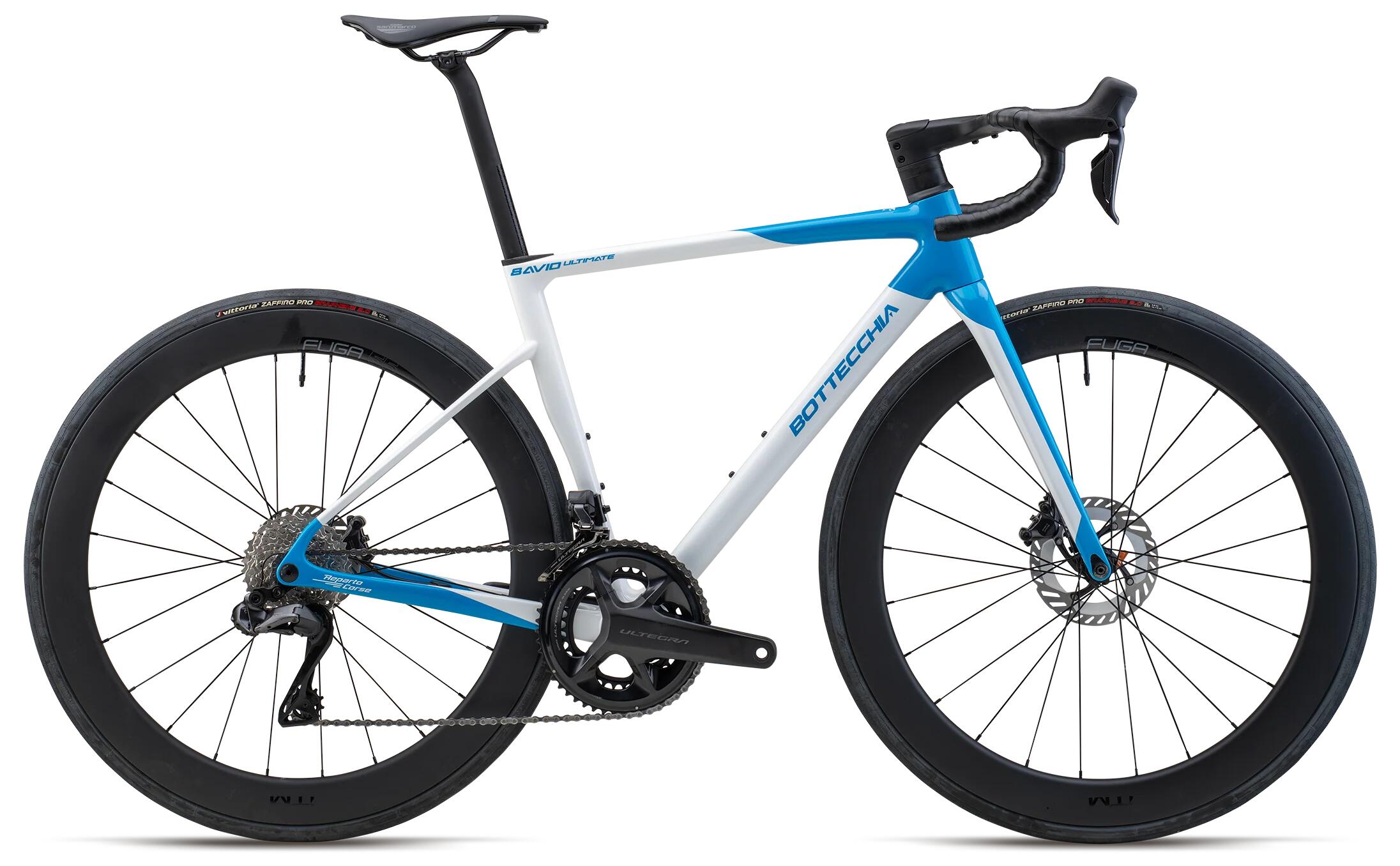
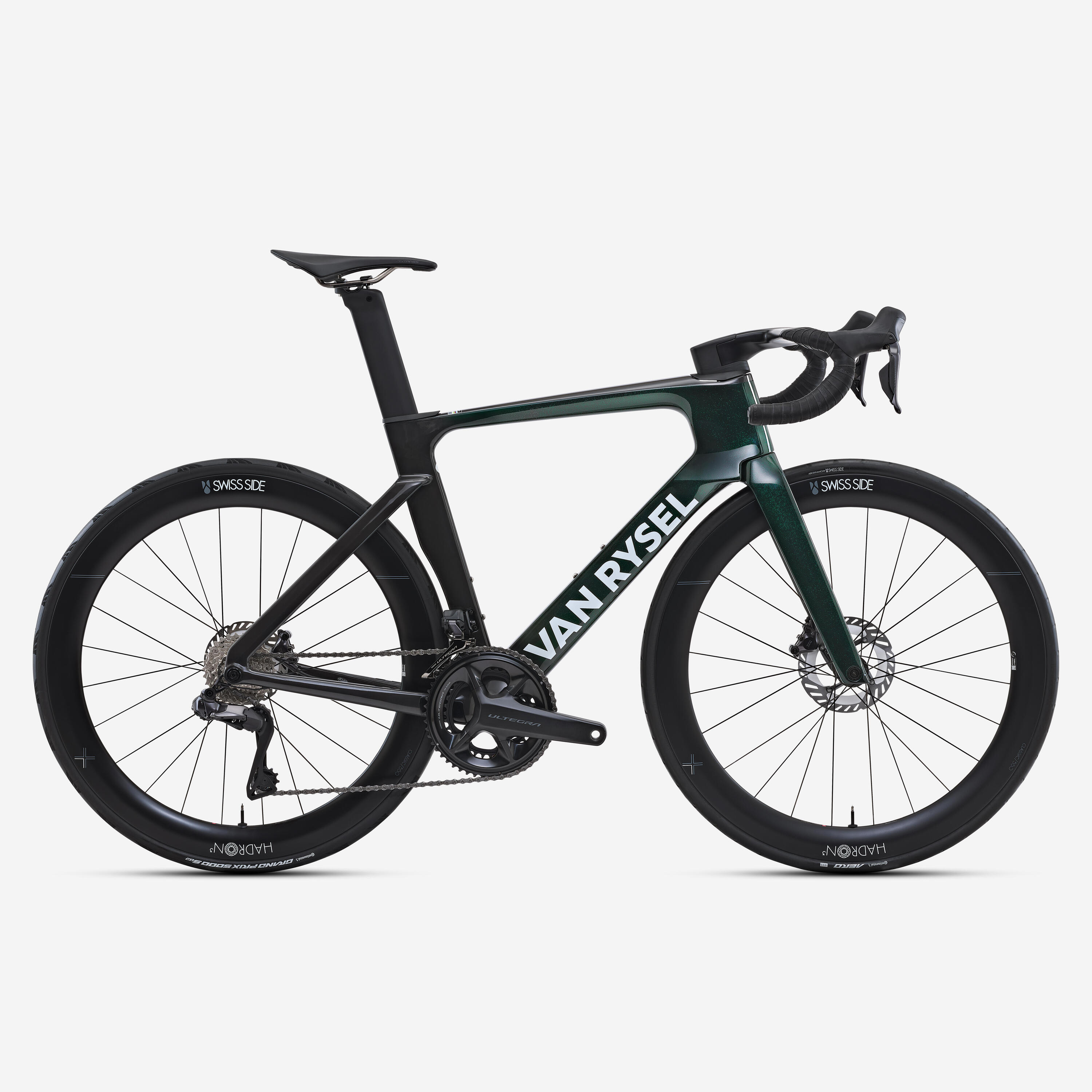
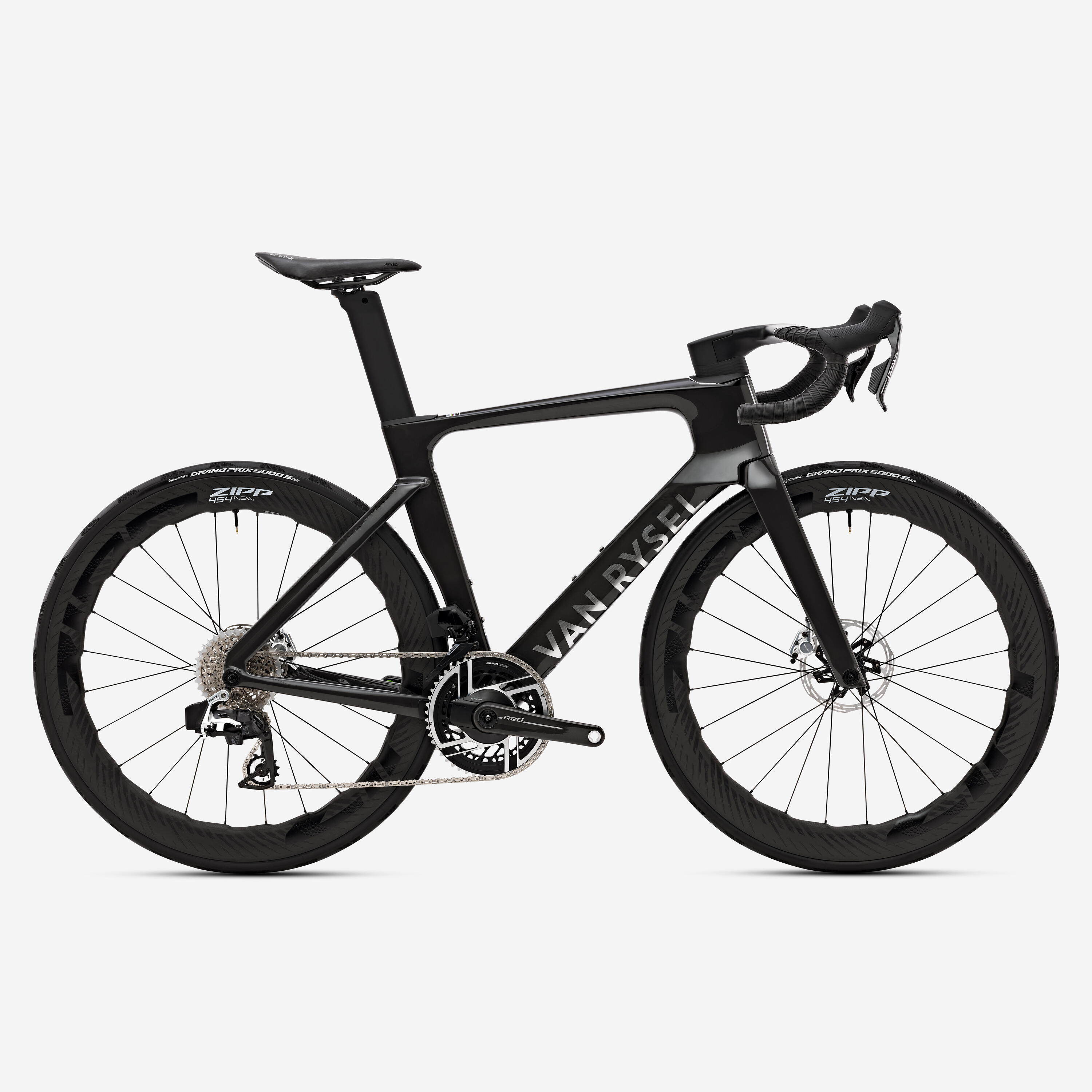
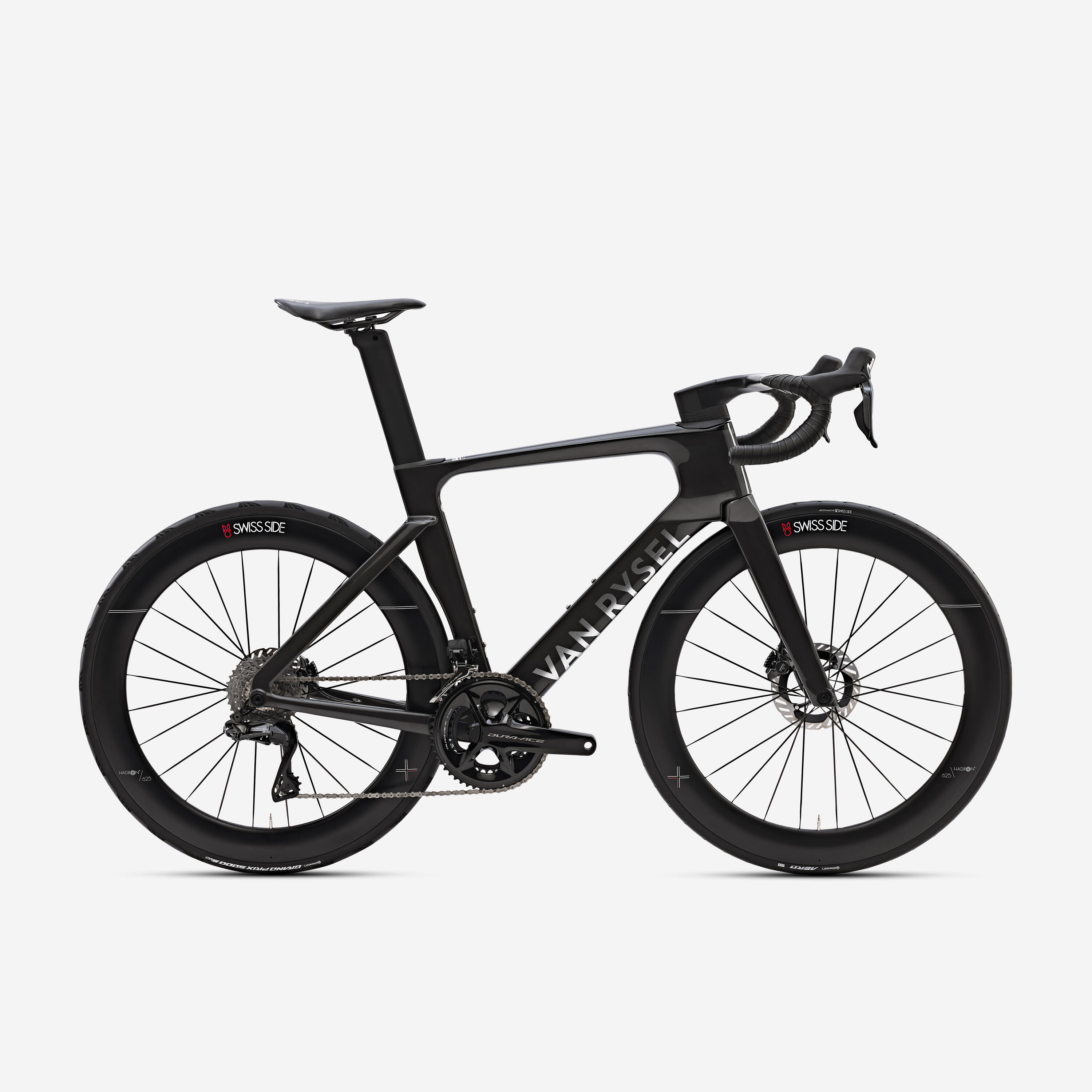
Race-level road bikes use more aggressive geometry and performance-focused components, so consider whether your riding actually benefits from that setup. Aerodynamic frames, electronic shifting and stiffer cockpits can support fast group rides and racing, but correct fit remains essential for maintaining control over longer distances. A model within the women's pro road bikes category may also use size-specific cockpit dimensions and crank lengths to keep the bike proportional across different rider heights. Pro tip: choose according to terrain as well as speed. A more aerodynamic bike can suit fast rolling and hilly routes, while a lighter climbing-focused setup may feel more appropriate when long gradients make up a large part of your riding.

Who can benefit from an RCR Pro Combo road bike?

Riders training for racing or riding consistently at higher speeds may value the integrated approach of a women's RCR Pro Combo road bike. Race-focused carbon construction, an integrated cockpit, electronic gearing and training technology can reduce the need to upgrade individual parts later. These features are most useful when you already have a stable riding position and understand how changes in reach, saddle position and handlebar height affect comfort and power. Pro tip: don't copy a professional rider's position just because the bike supports it. Your mobility, riding time and flexibility determine how low or extended you can comfortably ride. Small adjustments are generally easier to assess than large changes, particularly when moving from endurance geometry to a more race-oriented setup.

How do women's road bikes compare with other bike types?

Road bikes prioritise efficient tarmac riding, multiple hand positions and a relatively narrow profile for covering distance at speed. Given that your regular journeys involve rough trails, heavy luggage, frequent kerbs or very short stop-start trips, comparing other bikes can help you judge whether a hybrid, gravel, city or mountain bike suits those conditions more closely. Wider tyres and more upright geometry may add control on broken surfaces, while a road bike usually feels more efficient when most of your route stays on paved roads. Pro tip: base your decision on the surface you ride most often, not occasional routes. Whichever format you choose, check tyre pressure and braking before rides, keep the drivetrain clean, and dry the bike properly after wet or salty conditions.