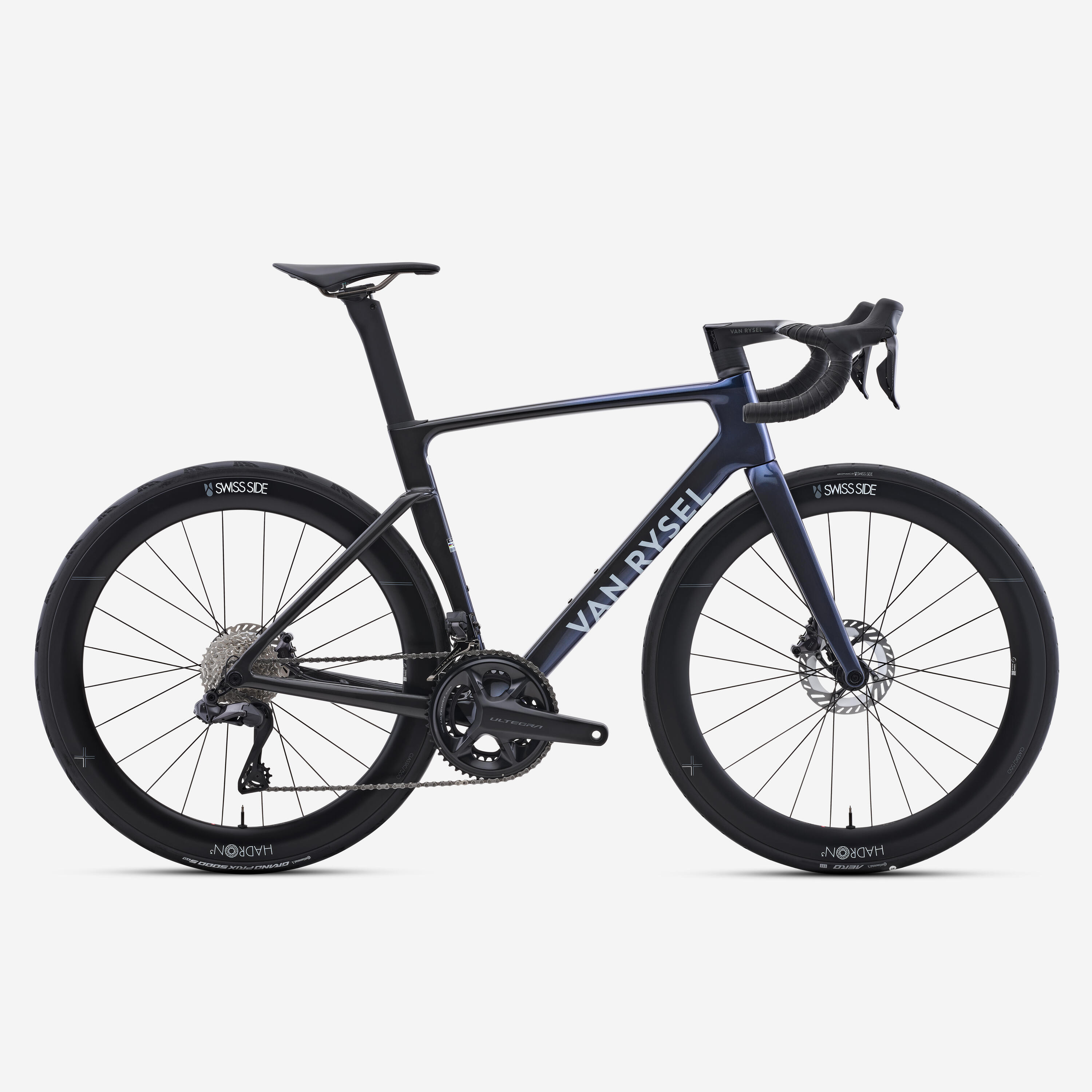
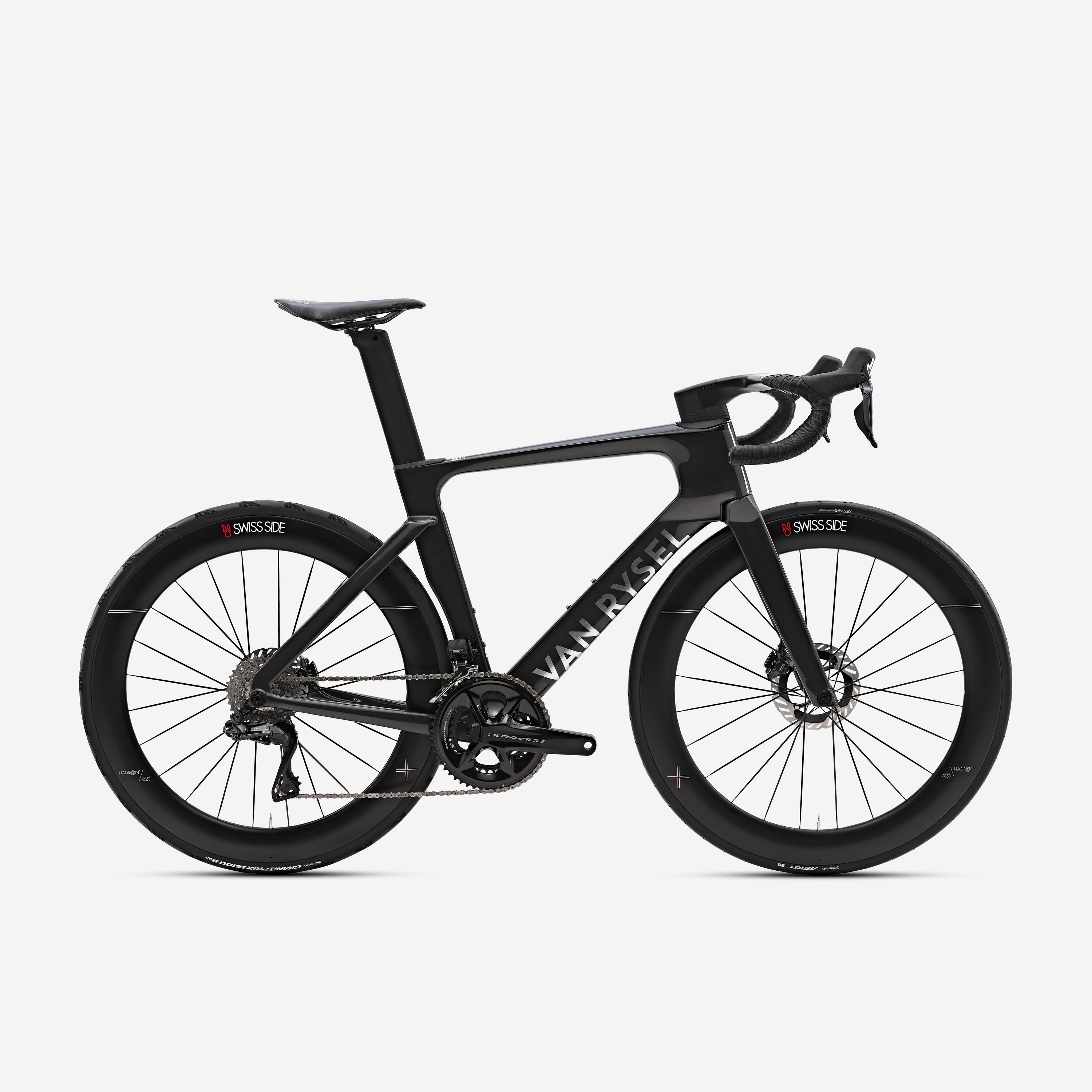
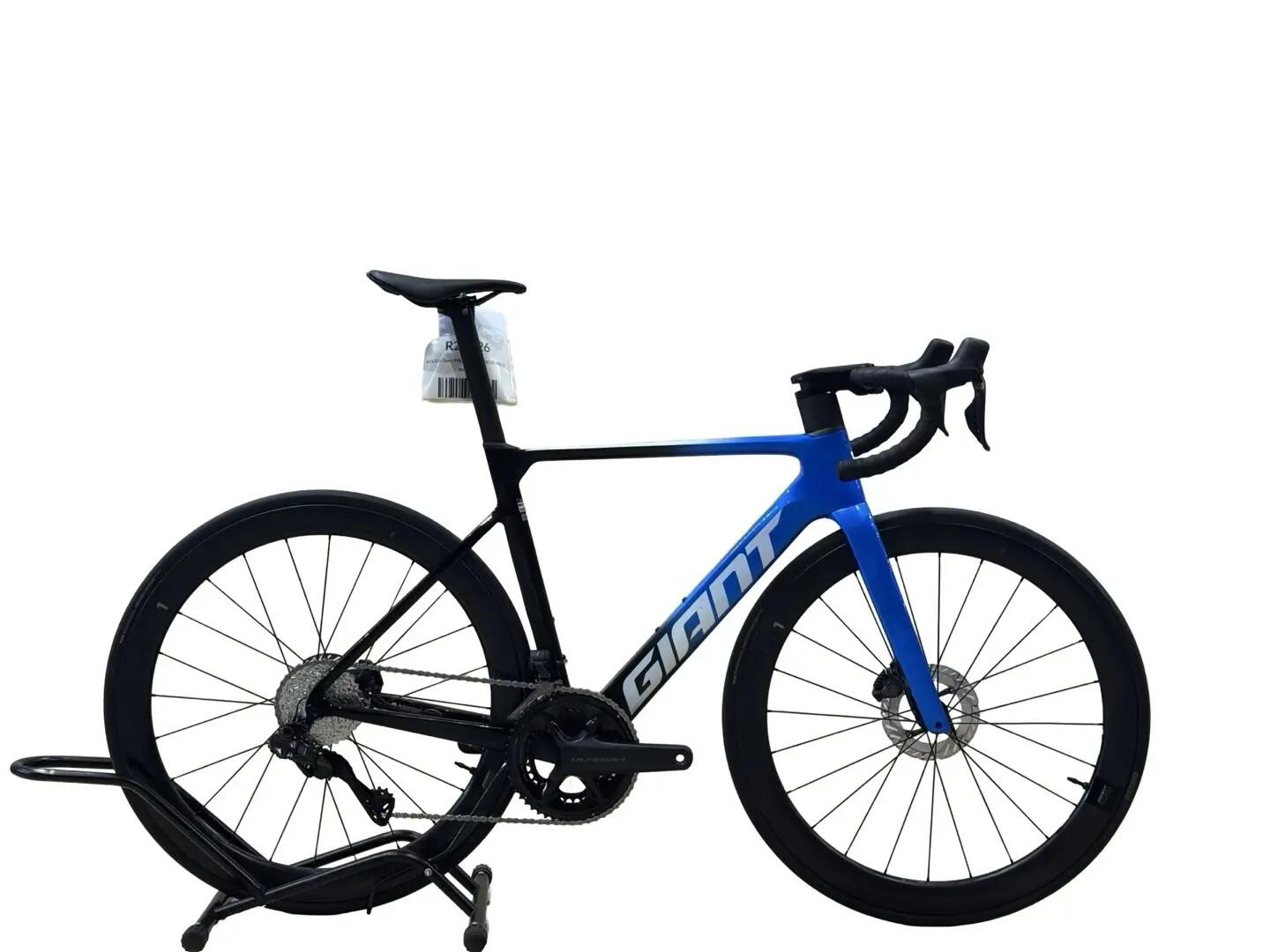
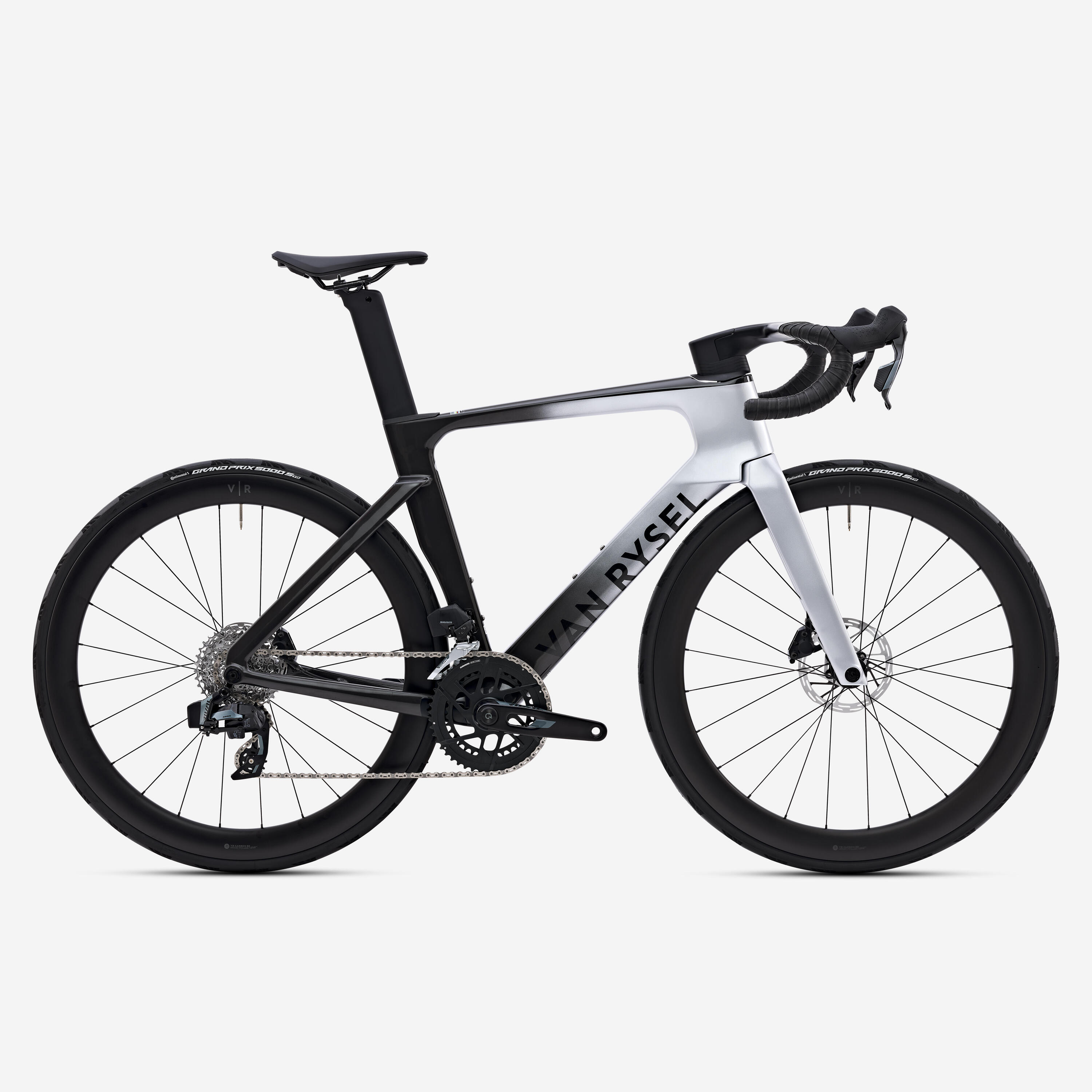
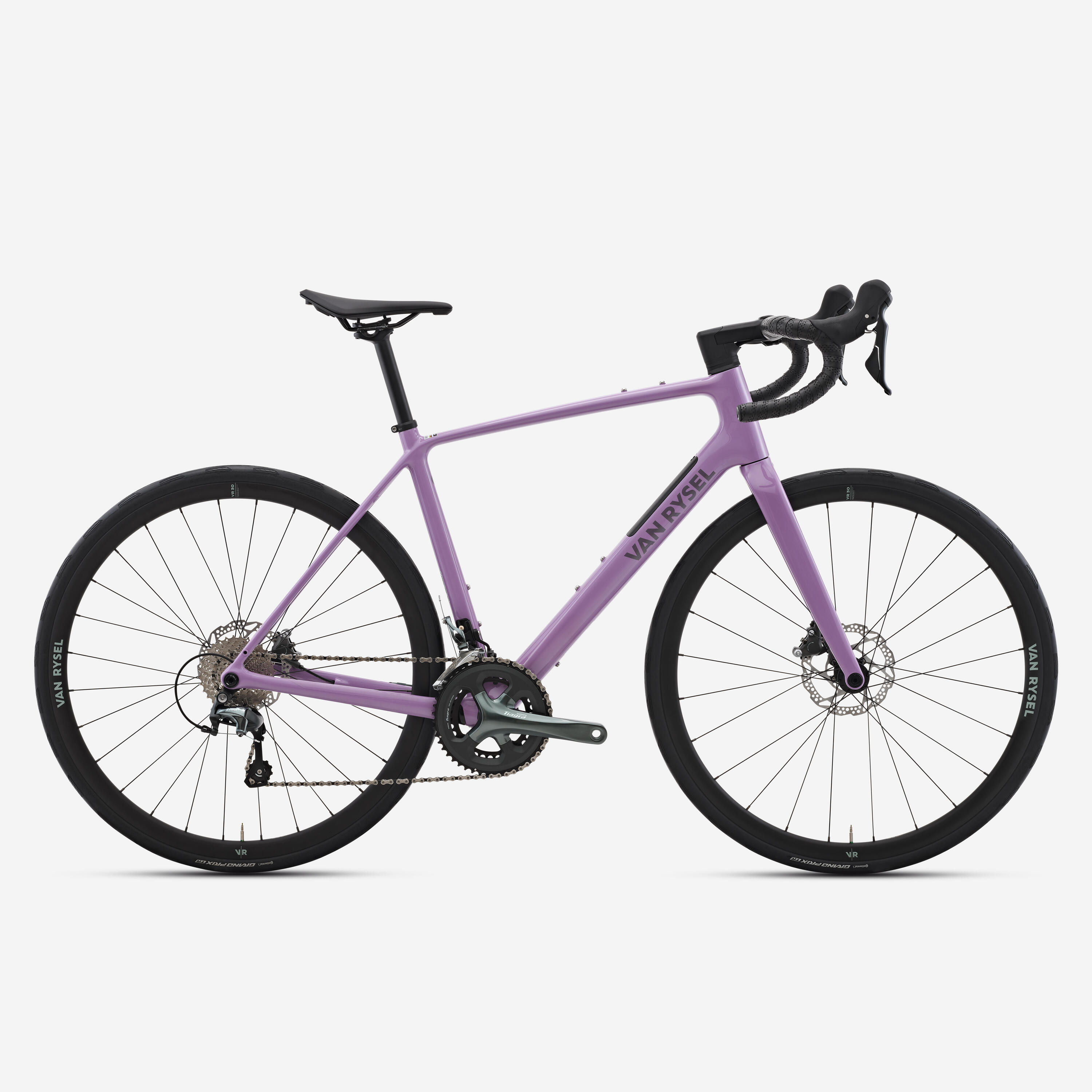
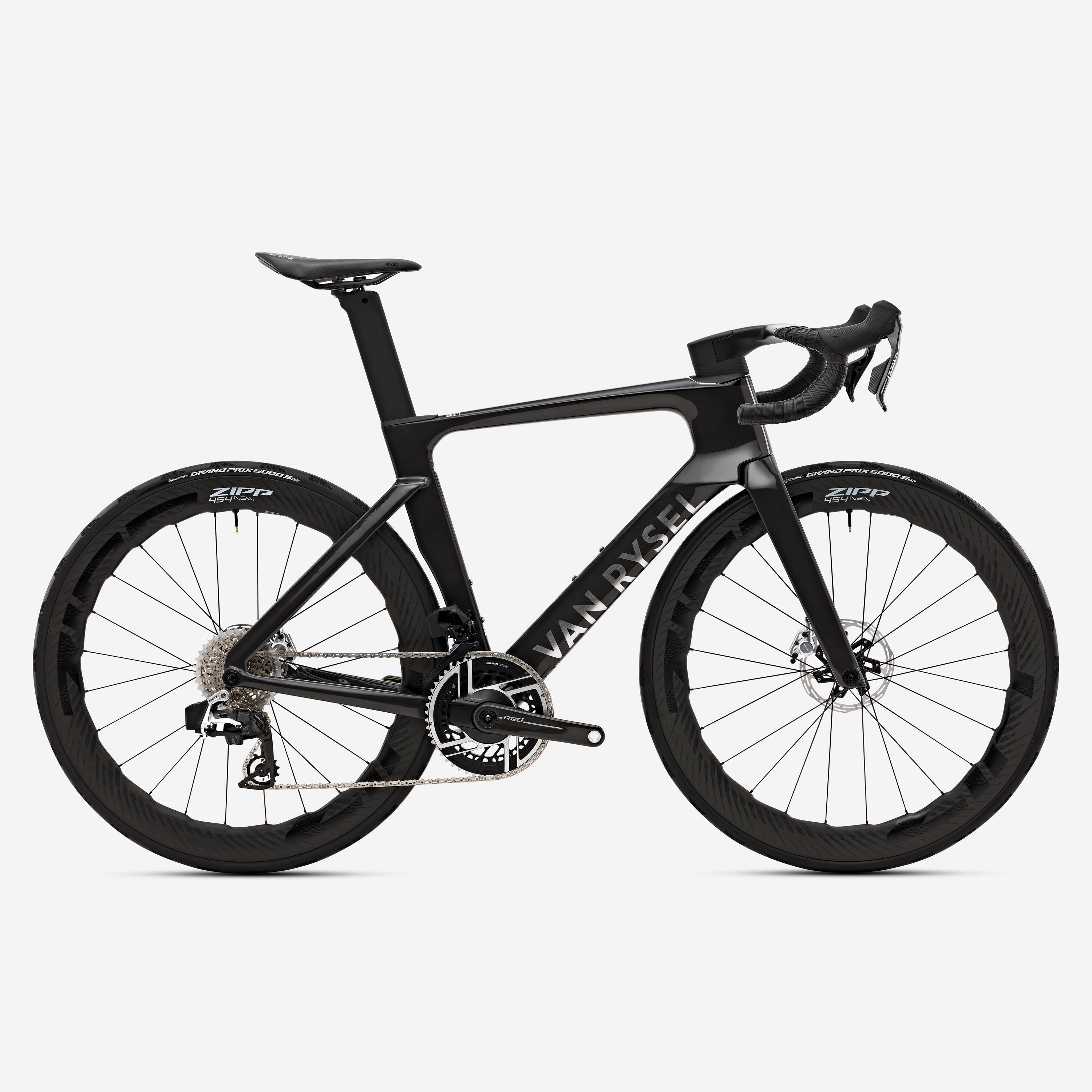
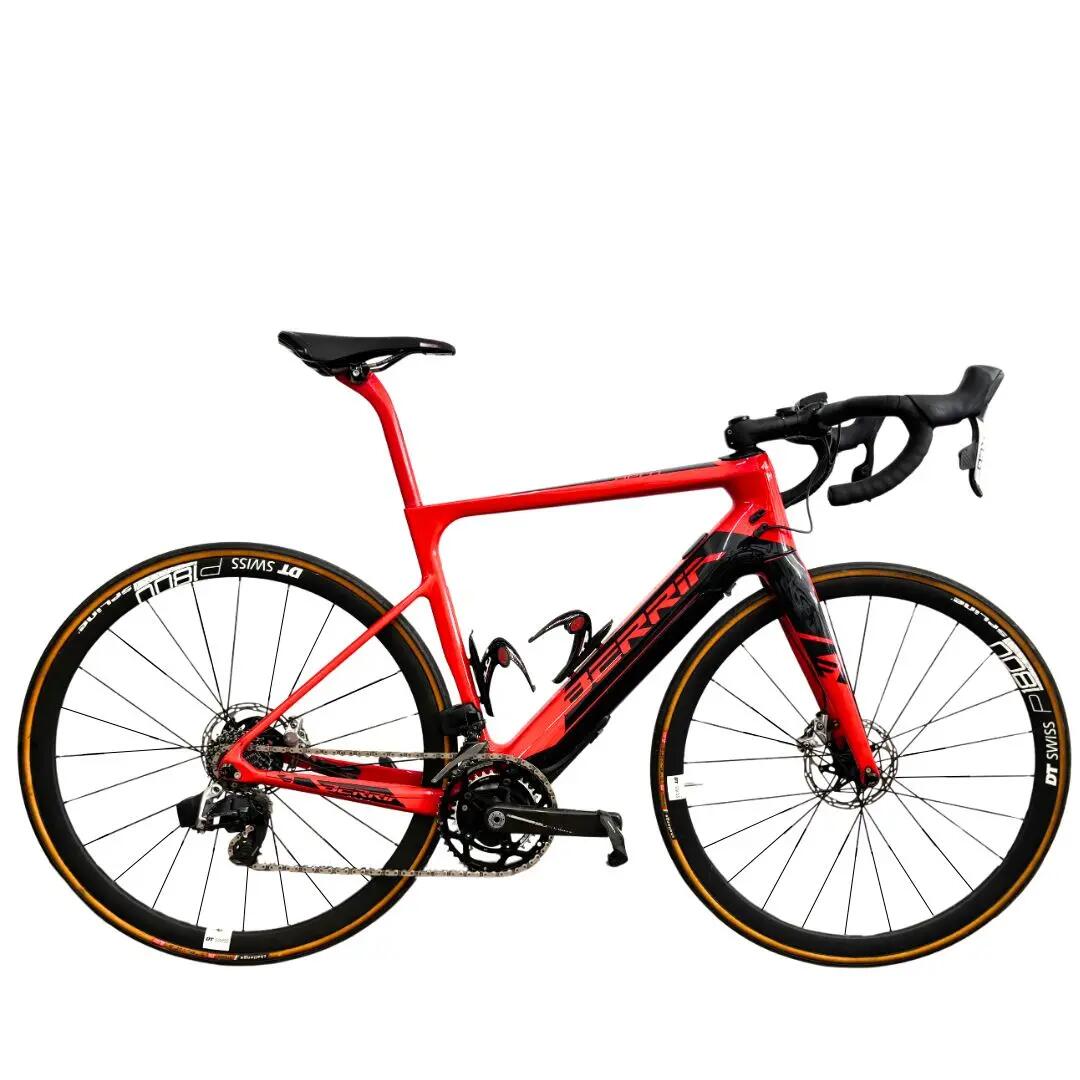
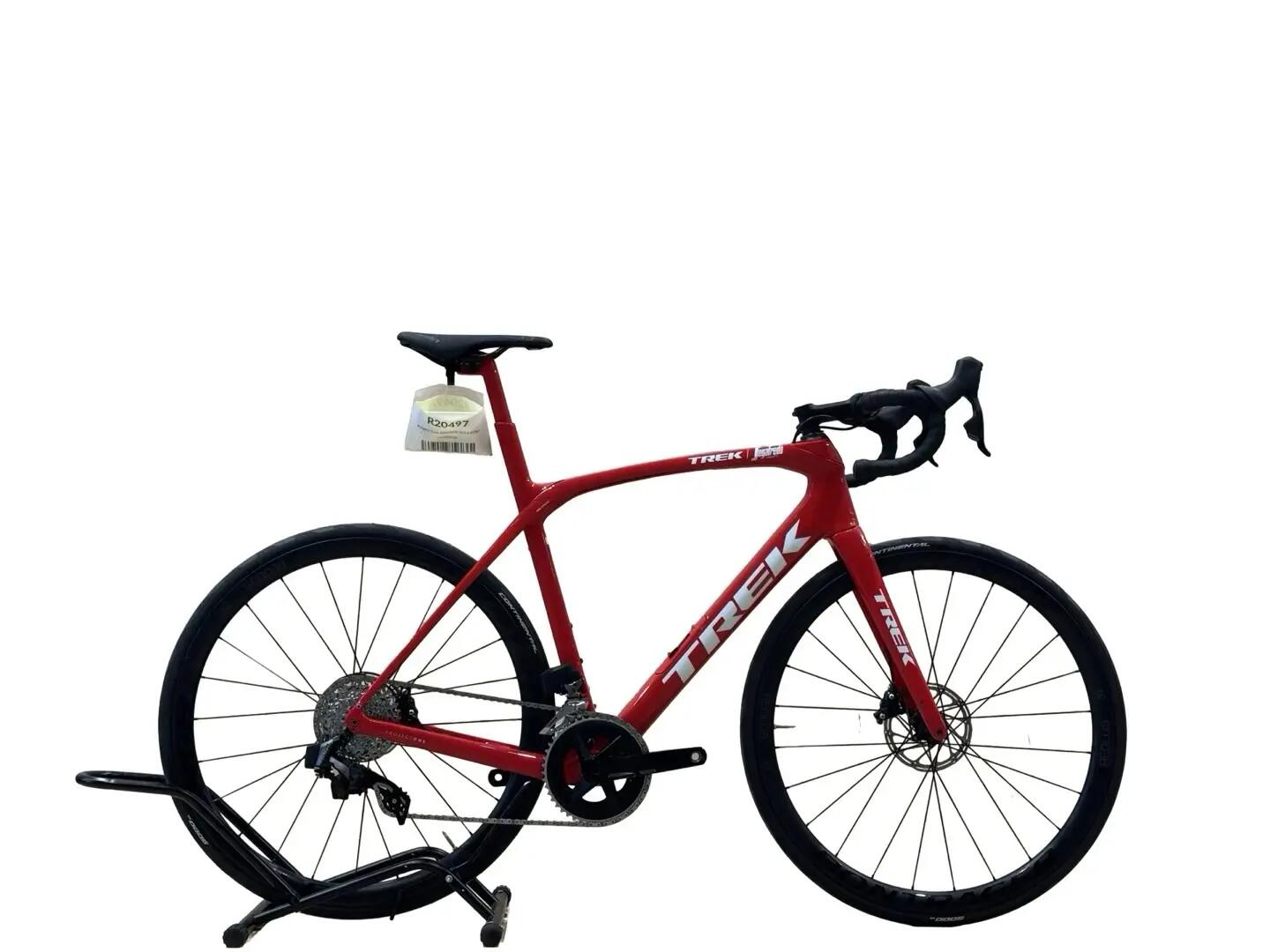
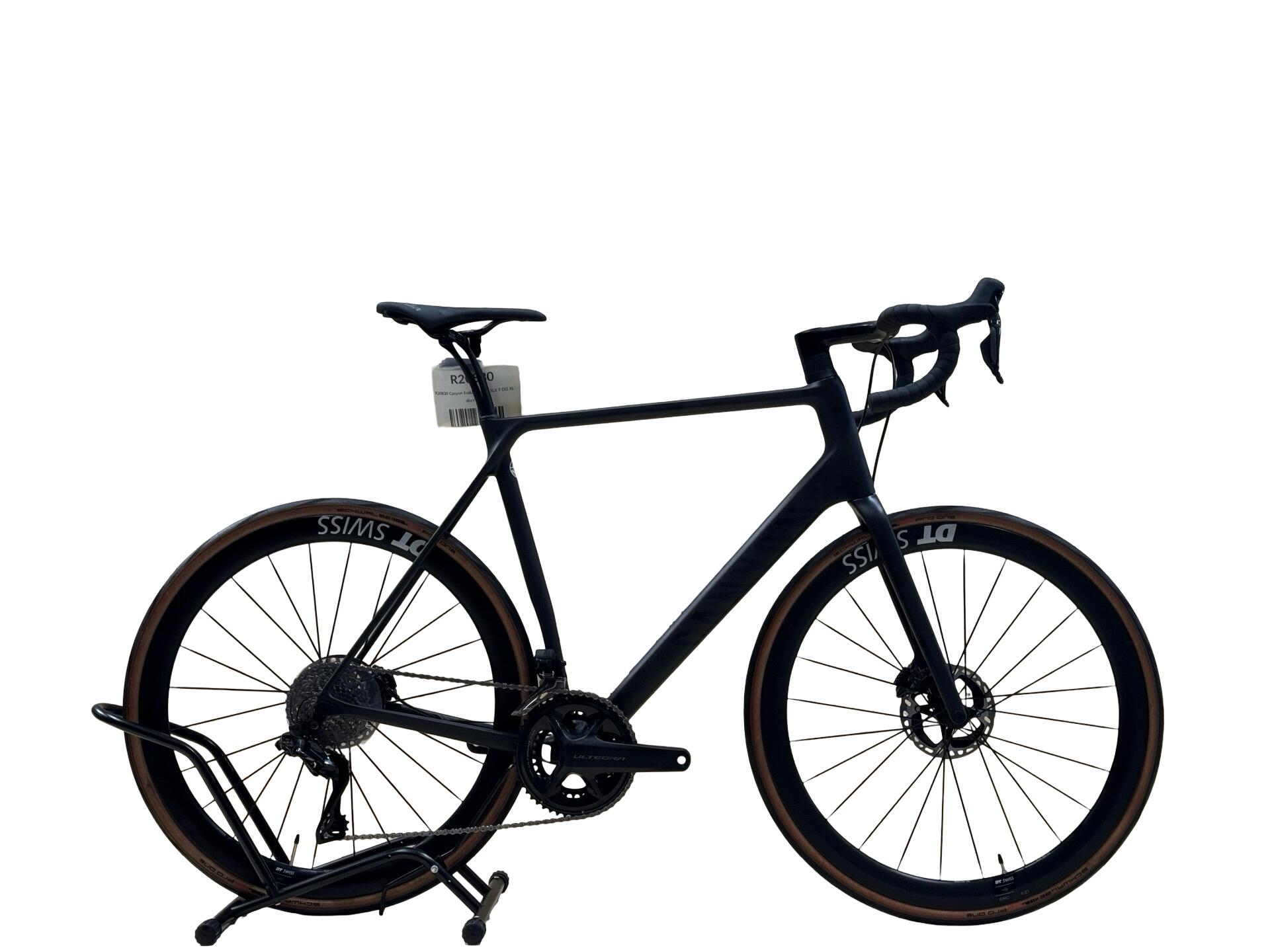
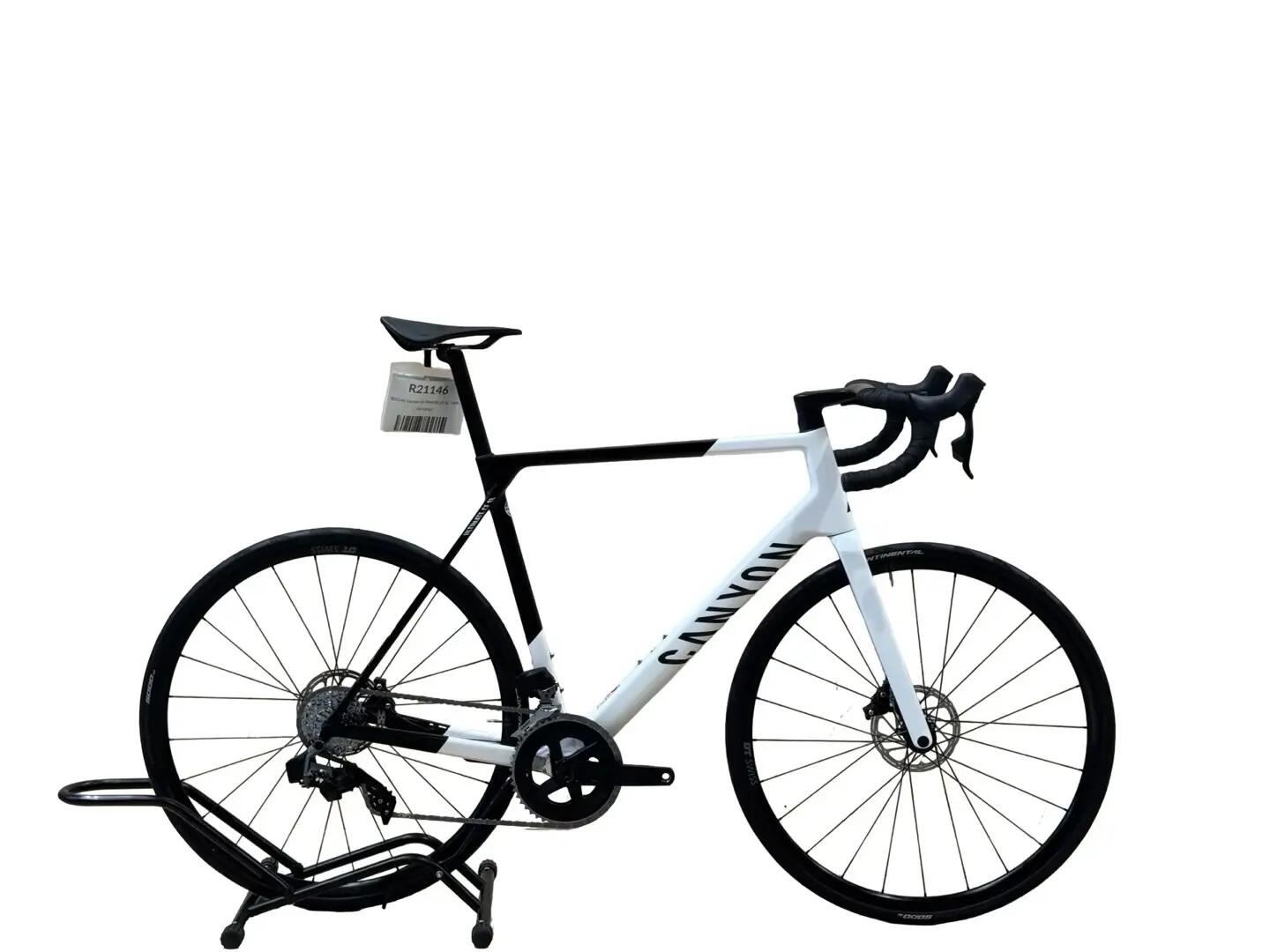
92 items
4.6/5 based on 1256 reviews collected online and in stores

Carbon Road Bikes FAQs

Which carbon road bike is best for long-distance or speed-focused rides?

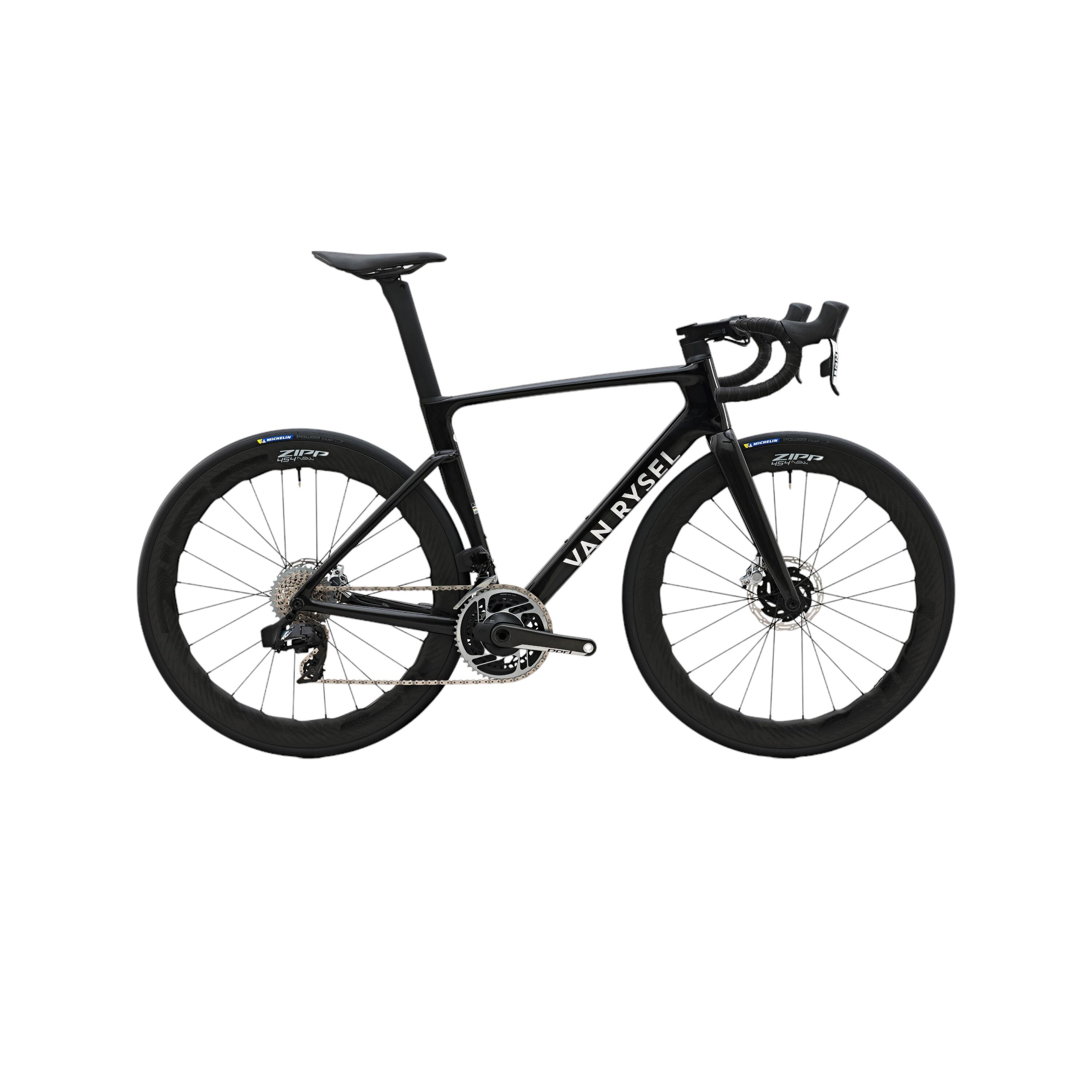
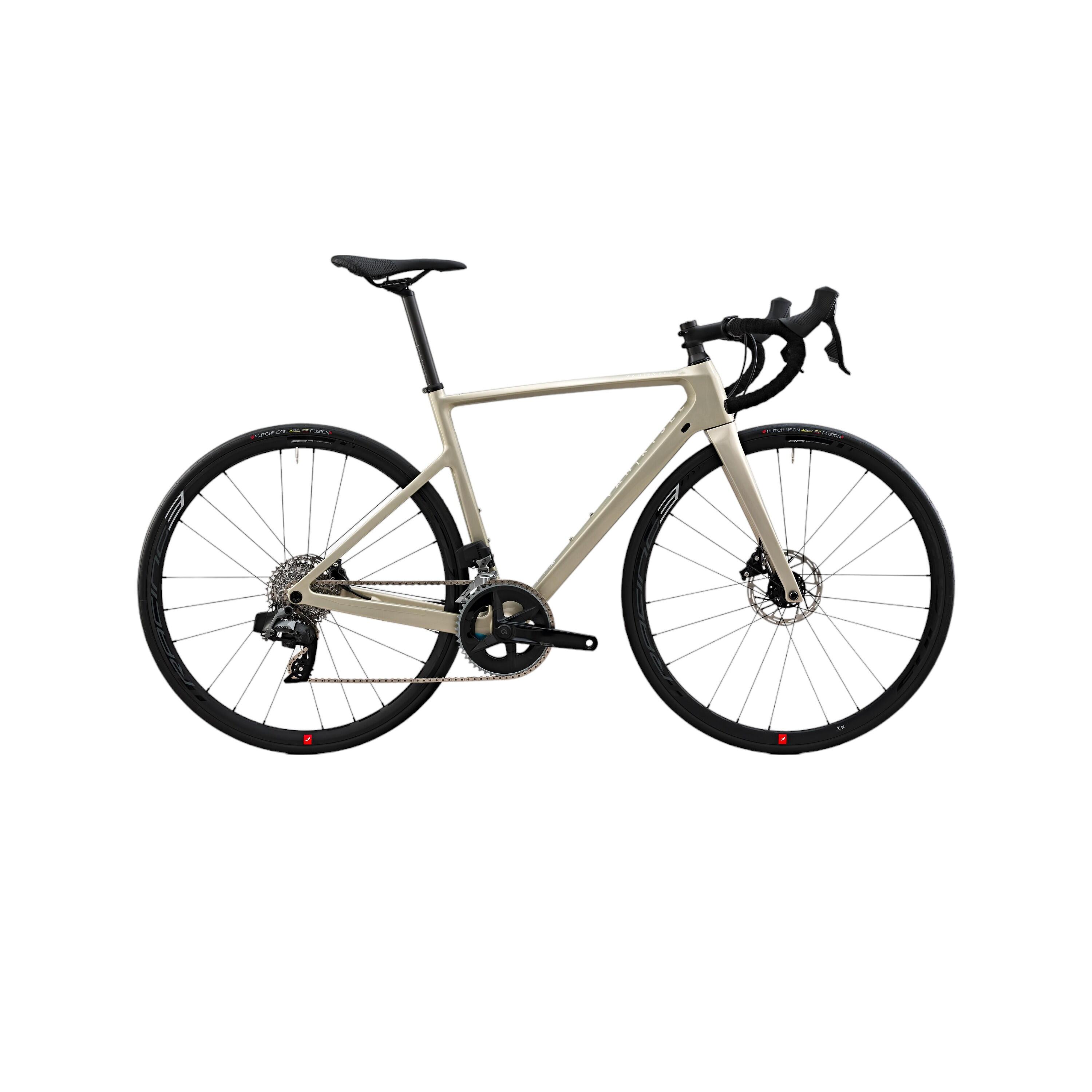
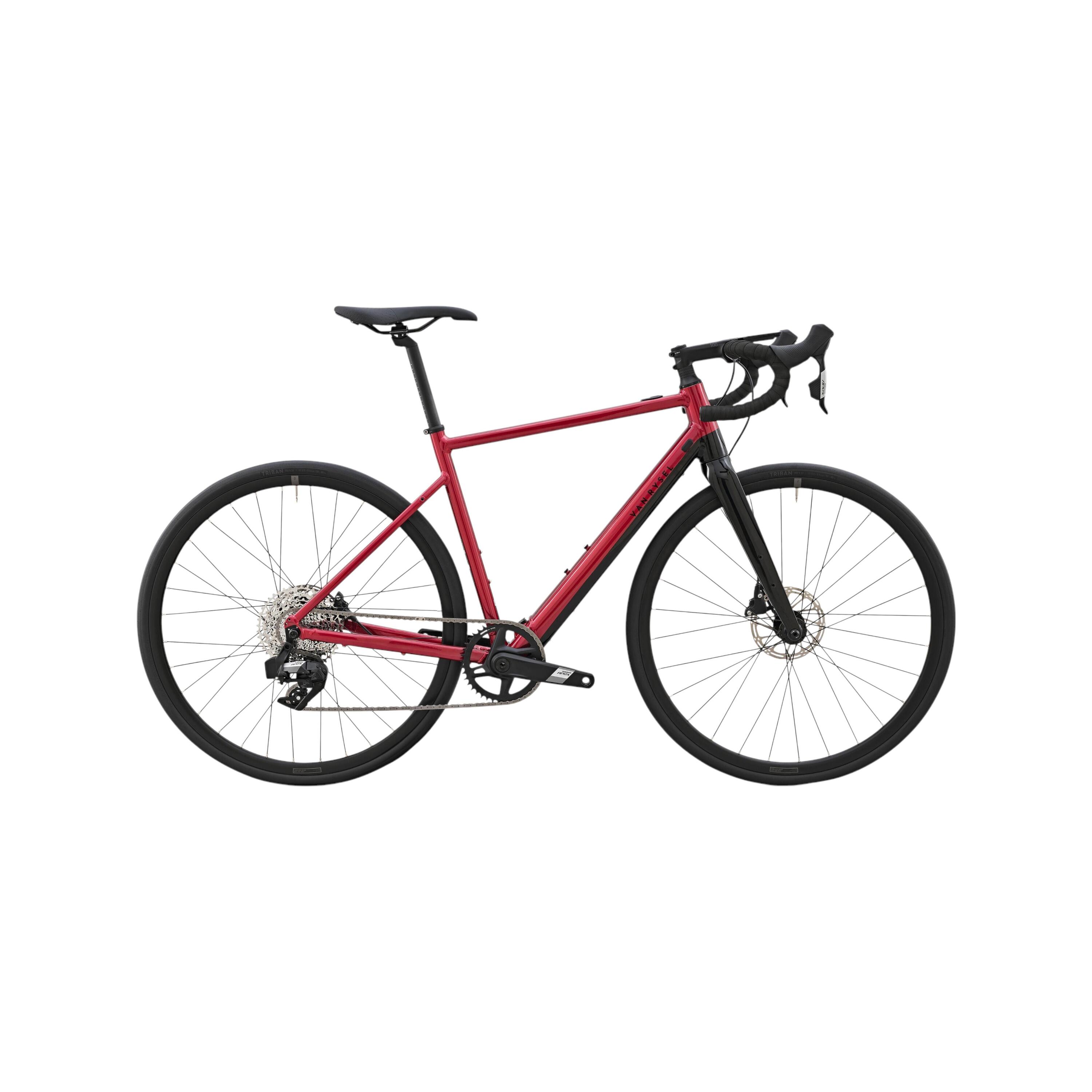
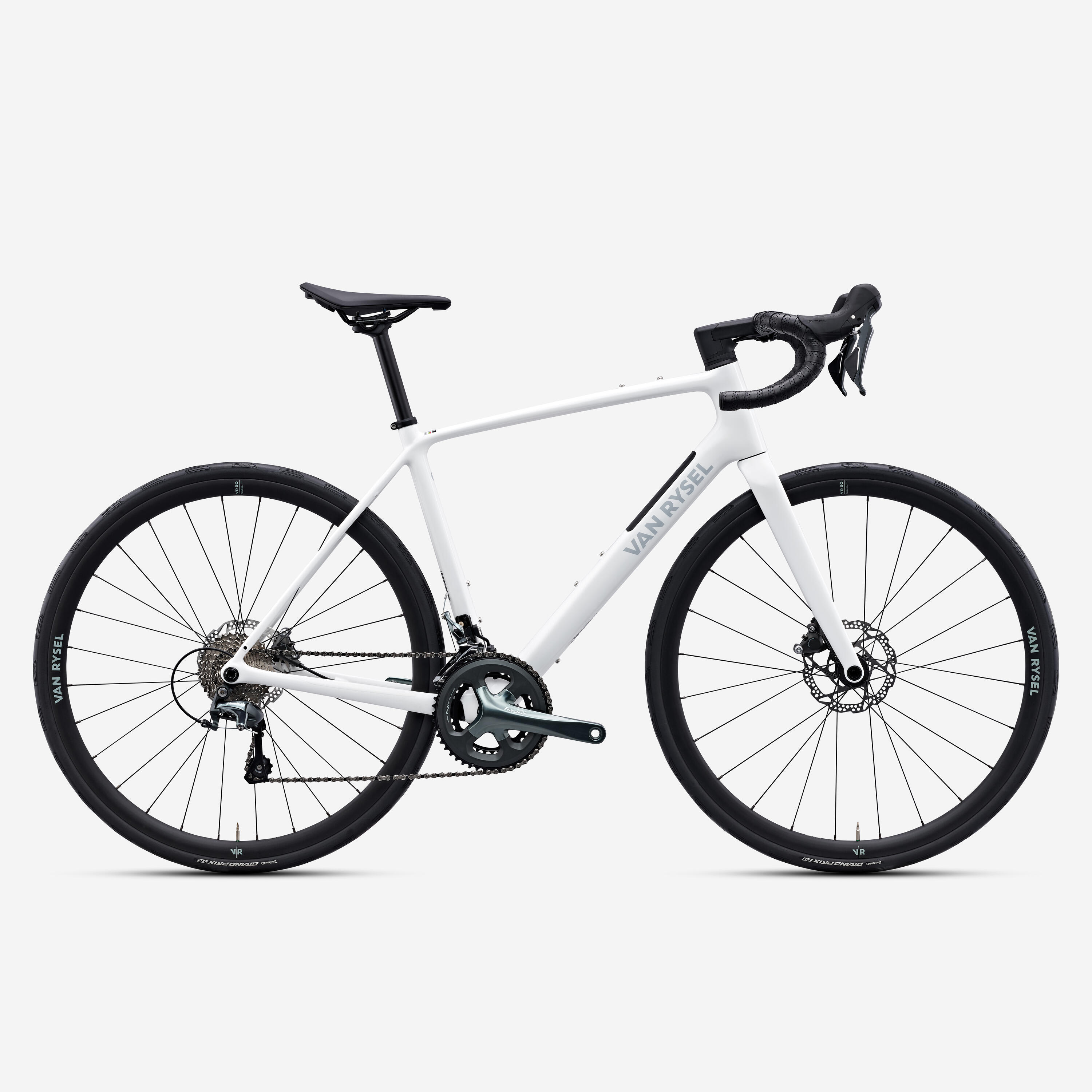
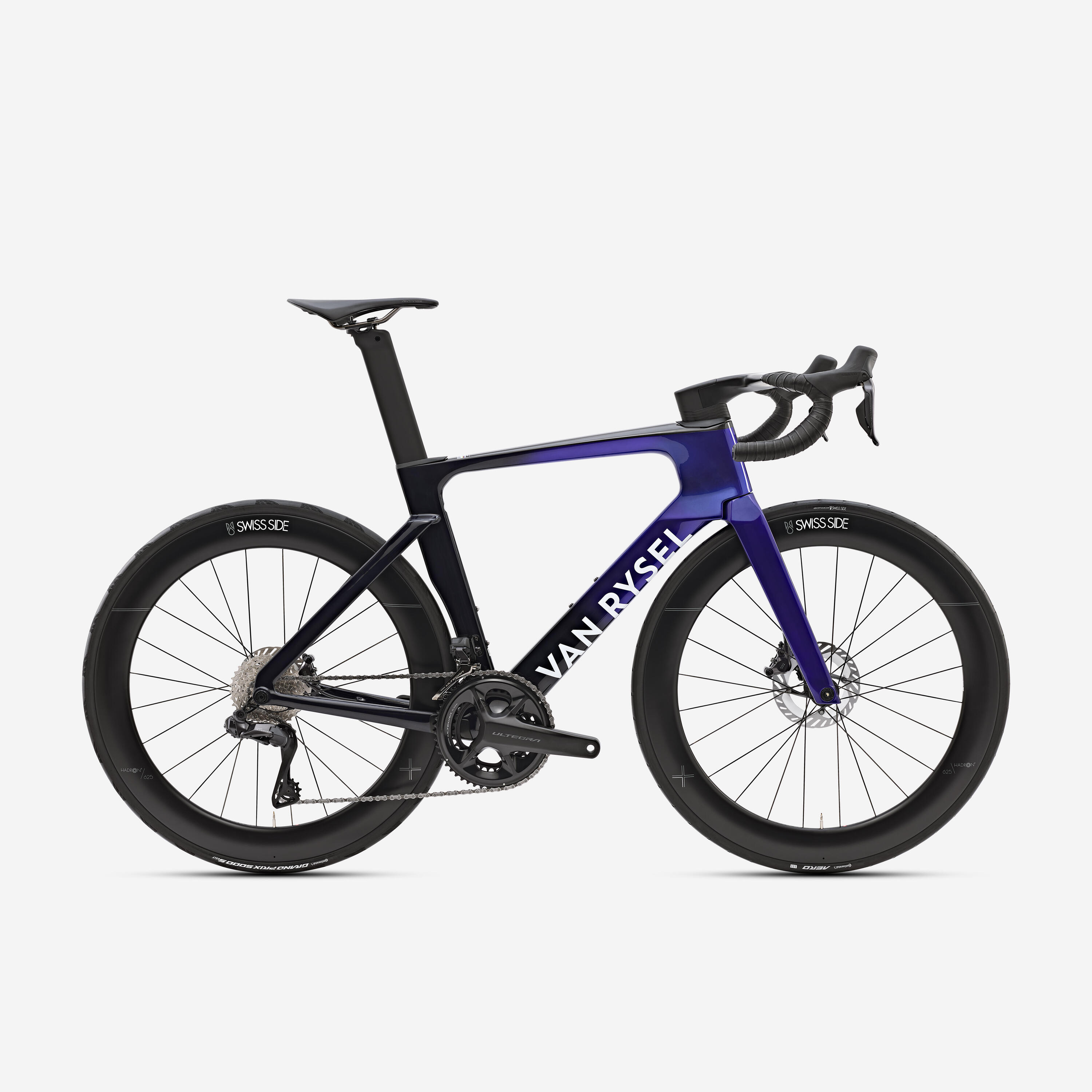
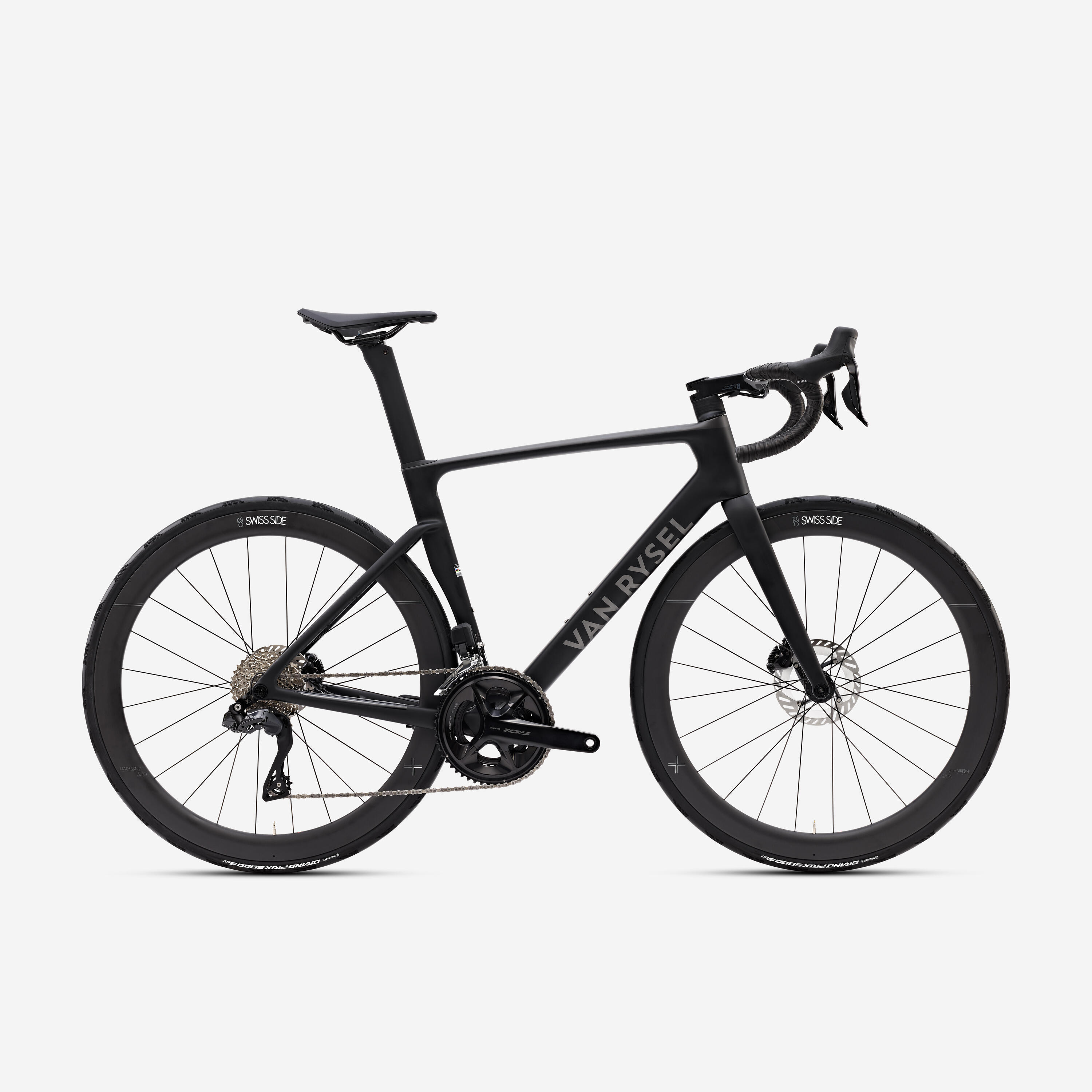
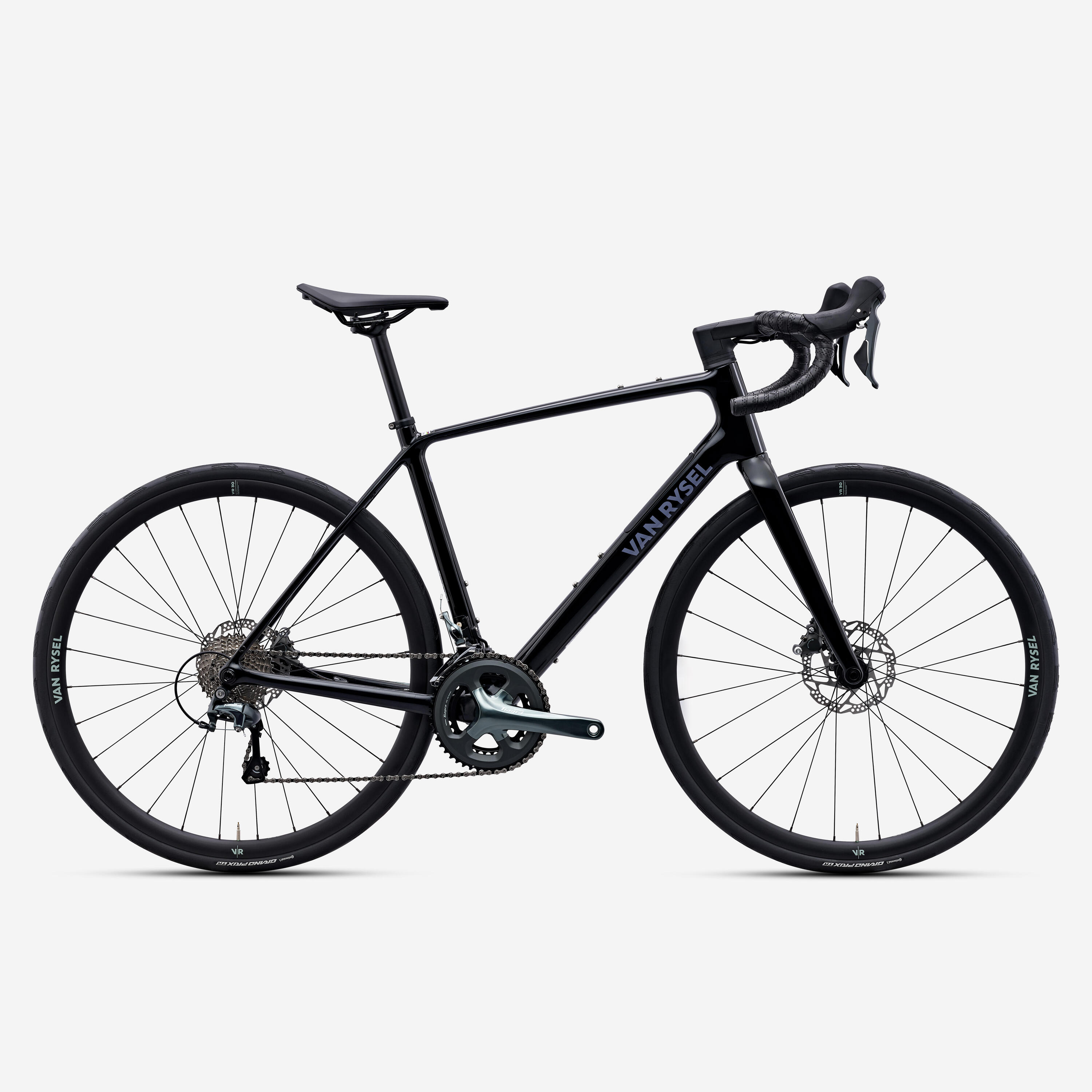
Start with the riding position and terrain you prefer rather than assuming every carbon frame is built for racing. Van Rysel endurance frames use a more relaxed position and generous tyre clearance to balance efficiency with comfort over longer distances, while race-focused carbon bikes use lower, more aerodynamic geometry for higher-speed riding. Comparing the wider road bikes range can help you see how endurance and race platforms differ in reach, tyre width, gearing and cockpit position. Lightweight carbon road bikes can feel responsive on climbs and accelerations, but correct fit remains more important than saving a small amount of weight. Pro tip: choose your frame size first, then adjust saddle height and reach gradually. A bike that lets you maintain a stable position for the full ride will usually serve you better than an aggressive setup you cannot hold comfortably.
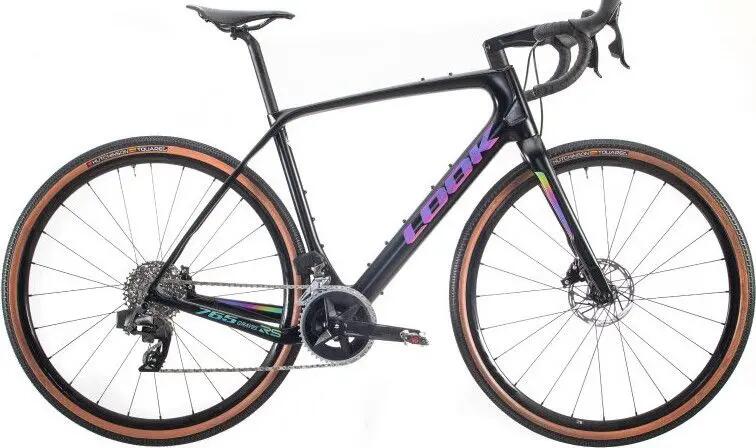
What will you look for in a 2x12-speed carbon road bike?

A 2x12-speed carbon road bike gives you two front chainrings and a broad selection of rear gears, which can make it easier to maintain a comfortable cadence across flat roads, rolling terrain and longer climbs. The extra gear steps are most useful when matched with ratios that suit your routes, so check the chainring and cassette sizes rather than looking only at the total number of gears. Endurance carbon platforms may also combine the drivetrain with wider tyre clearance, accessory mounting points and tubeless-ready wheels. Pro tip: use the smaller front chainring before a climb becomes steep rather than shifting under maximum pedal pressure. Reducing drivetrain load during the shift can make gear changes smoother and help limit unnecessary chain and cassette wear.

How should men choose between endurance and lightweight carbon road bikes?

Rider height is only one part of road-bike fit. Reach, flexibility, preferred posture and average ride length should also guide the choice. Within men's road bikes, carbon endurance models can suit longer weekend rides where comfort and versatility matter, while lighter race platforms place greater emphasis on climbing response, stiffness and speed. Van Rysel changes dimensions such as stem length, handlebar width and crank length through the size range, helping keep contact points proportional rather than fitting the same cockpit to every frame. Pro tip: avoid automatically choosing the most aggressive geometry available. If your shoulders, neck or lower back become uncomfortable early in a ride, a slightly more relaxed position may help you stay efficient for longer.

What should women check when choosing a carbon road bike?

Good fit should come from geometry and correctly sized contact points rather than relying on a women-specific label alone. A rider comparing women's road bikes should check frame reach, handlebar width, crank length, saddle position and access to the brake controls. Van Rysel carbon endurance bikes vary several of these dimensions by frame size, which can help smaller and taller riders maintain more proportional positions. Wider tyre compatibility can also be useful if your routes include coarse or broken tarmac, as larger tyres can run at lower pressures for added cushioning. Pro tip: make one fit adjustment at a time and test it over a familiar route. Changing saddle height, reach and handlebar position together makes it much harder to identify which adjustment improved or reduced comfort.

How do you care for a carbon road bike and protect the frame?

Carbon frames handle normal riding loads well but need care around clamping, transport and tightening points. Evaluating carbon models with other bikes should also account for the extra care carbon frames need around work stands and carriers. Avoid clamping the frame tubes unless the manufacturer specifically permits it, and use the stated torque values when tightening stems, seatposts and other components. After wet rides, clean the drivetrain, dry the bike and check chain wear regularly because neglected drivetrain parts can increase wear elsewhere. Pro tip: inspect the frame after a significant crash or impact, particularly around the head tube, bottom bracket and seat cluster. If you notice cracking, unusual movement or visible impact damage, stop riding and have the bike assessed before using it again.