24 items
4.6/5 based on 607 reviews collected online and in stores

Freediving Accessories FAQs

Which diving weights offer stable weight distribution for freediving?

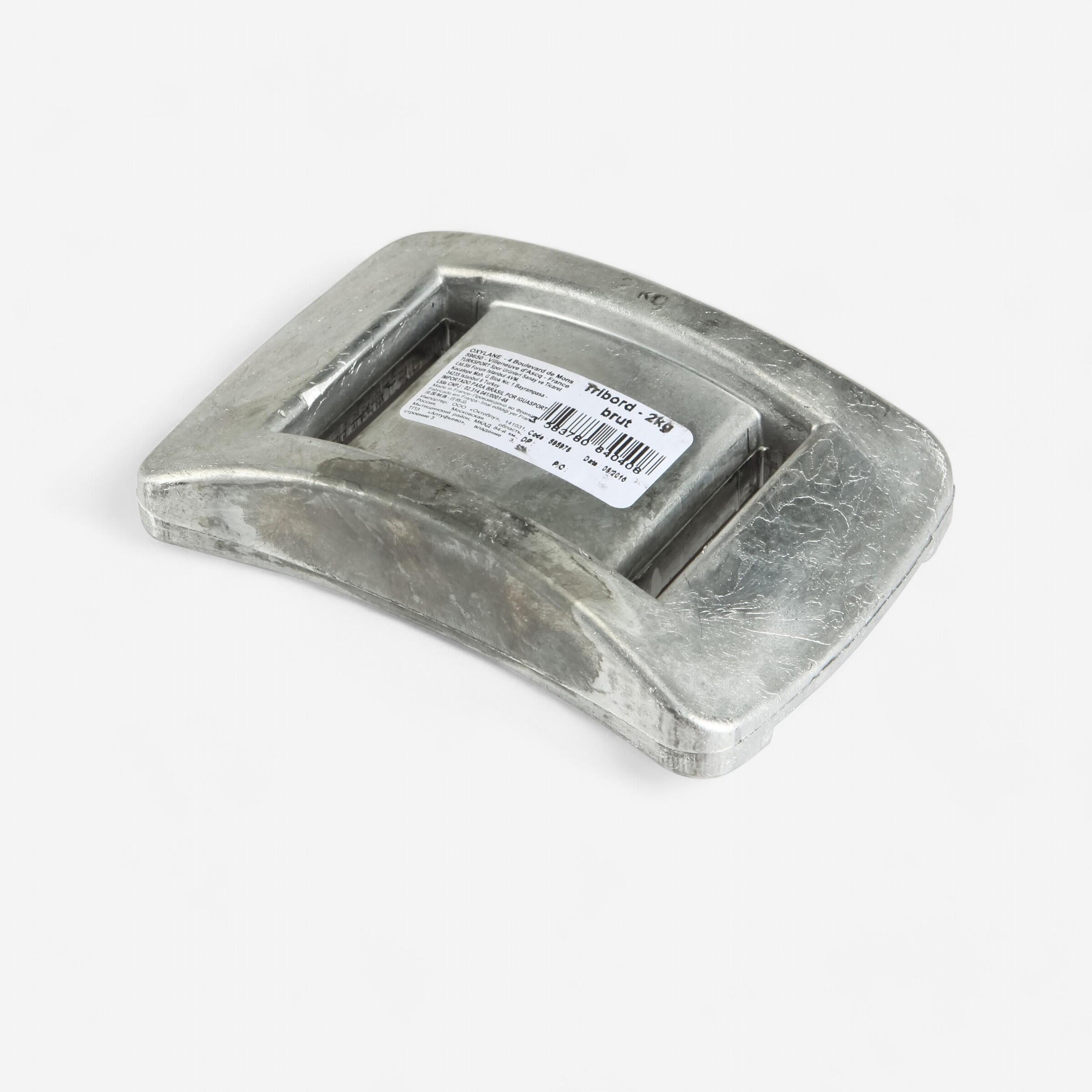
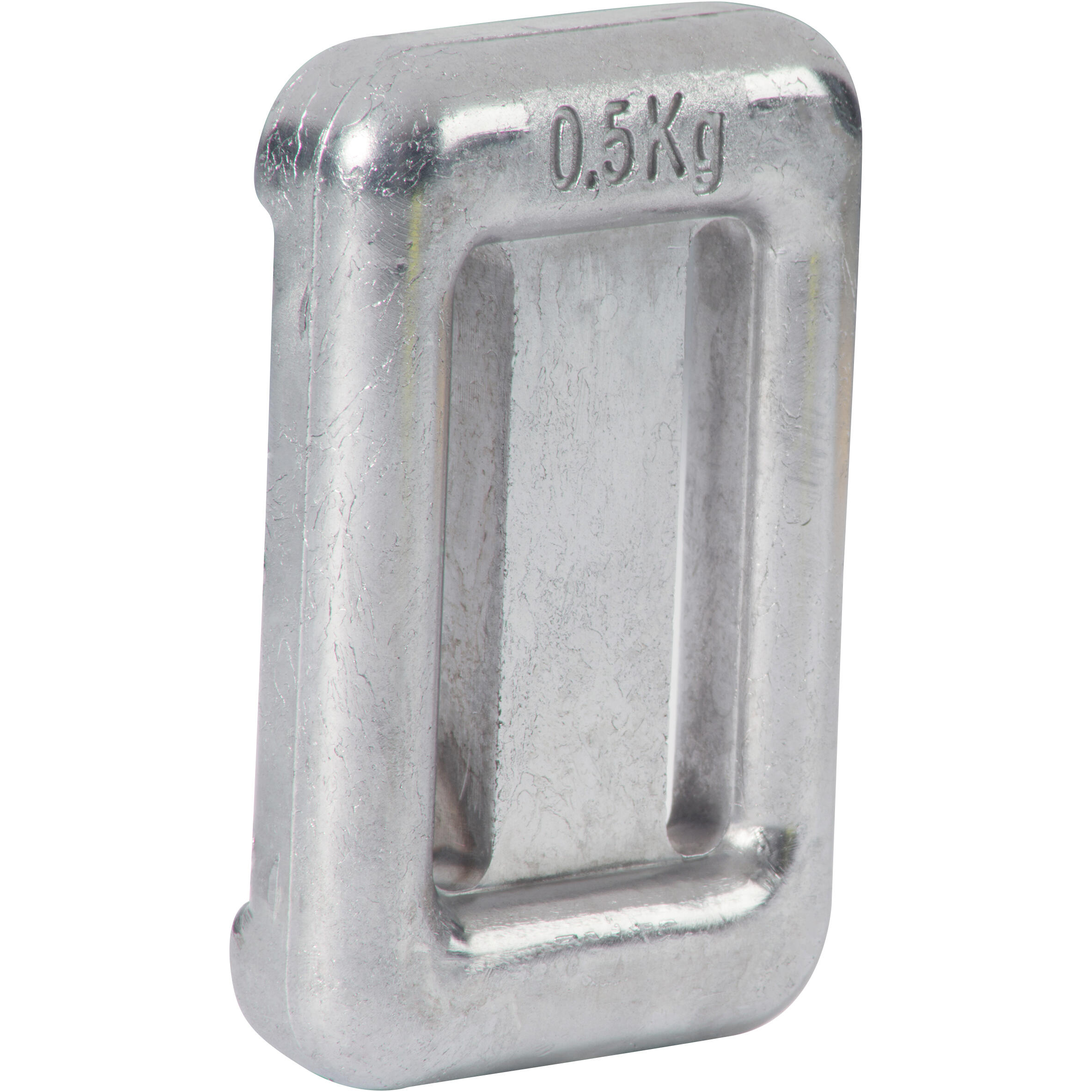
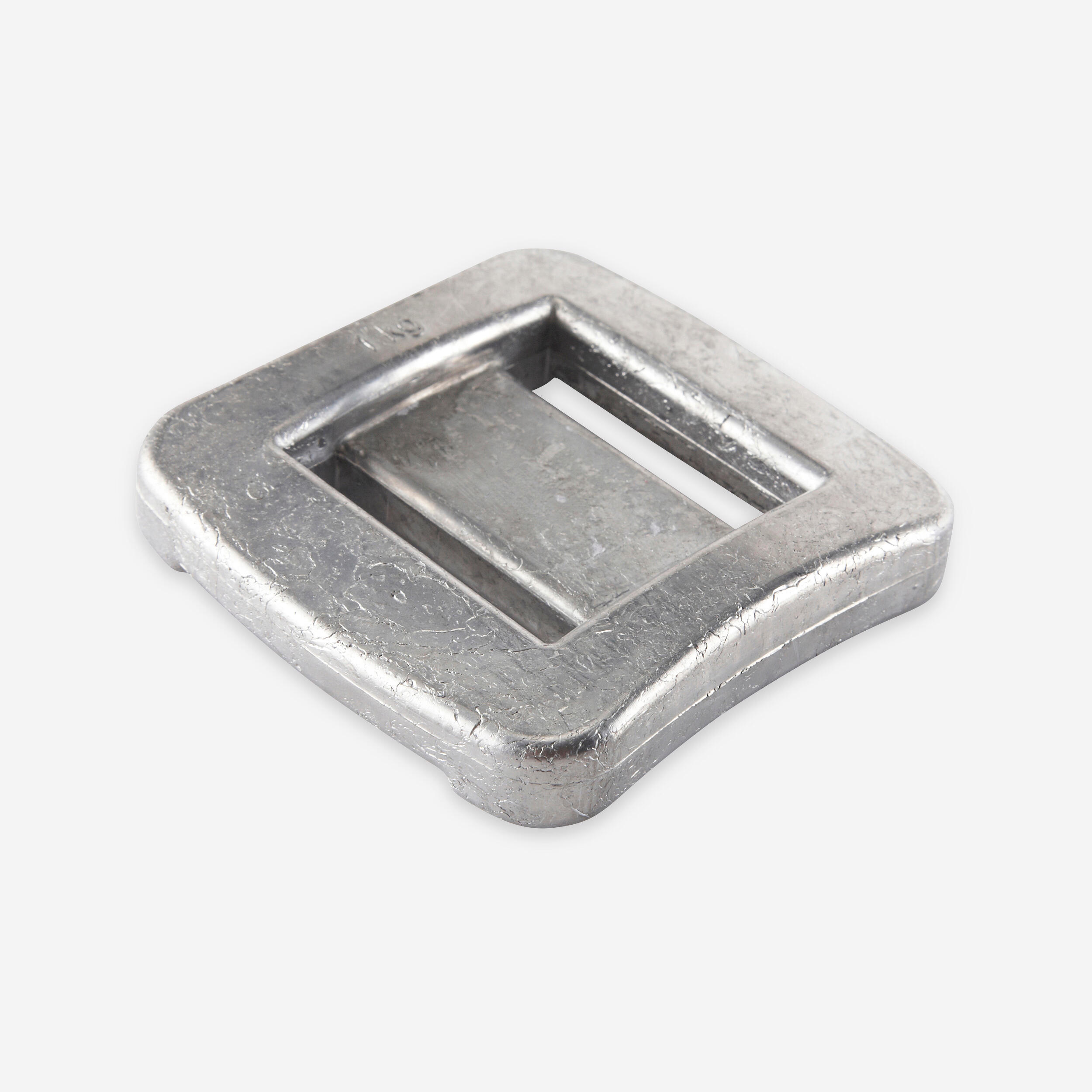
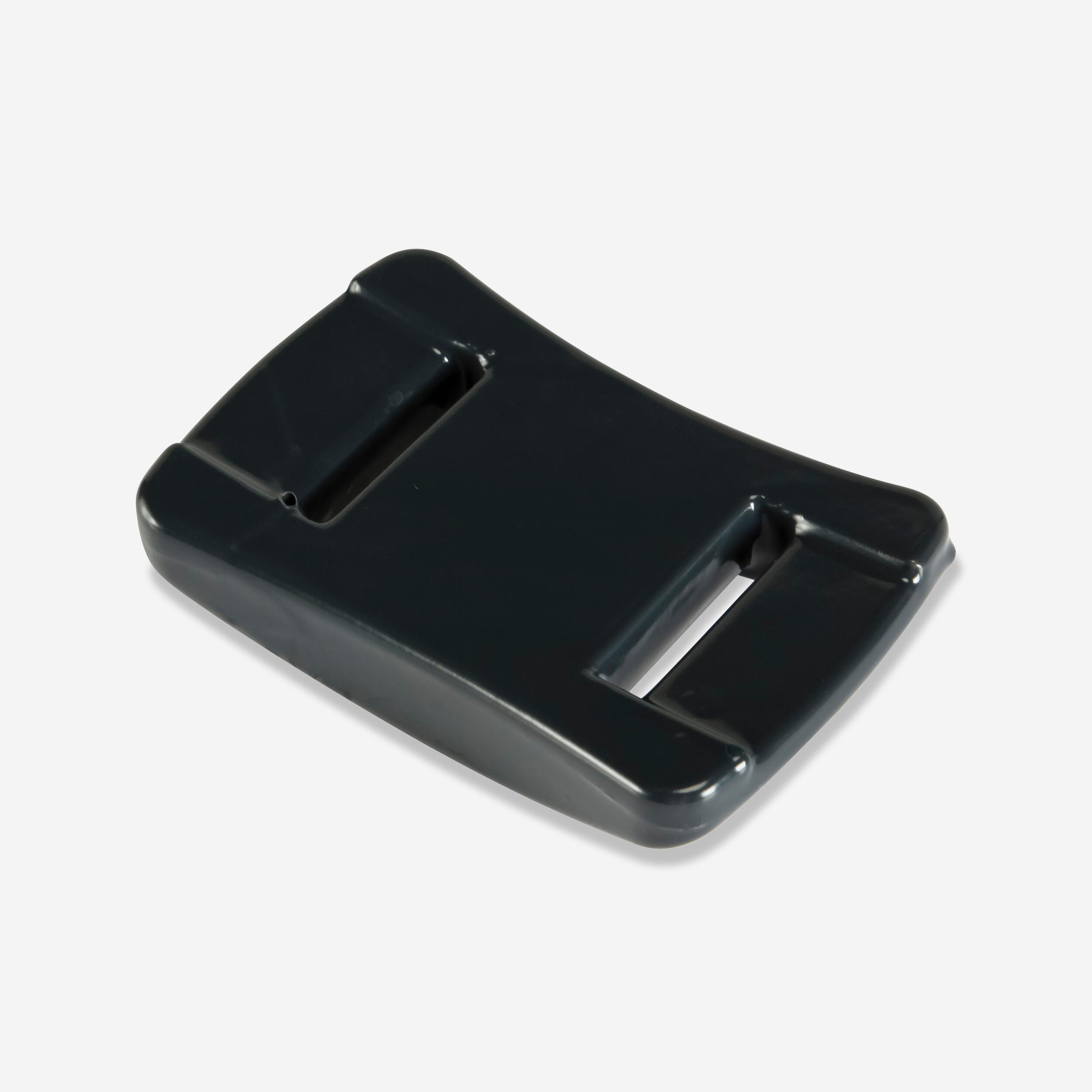
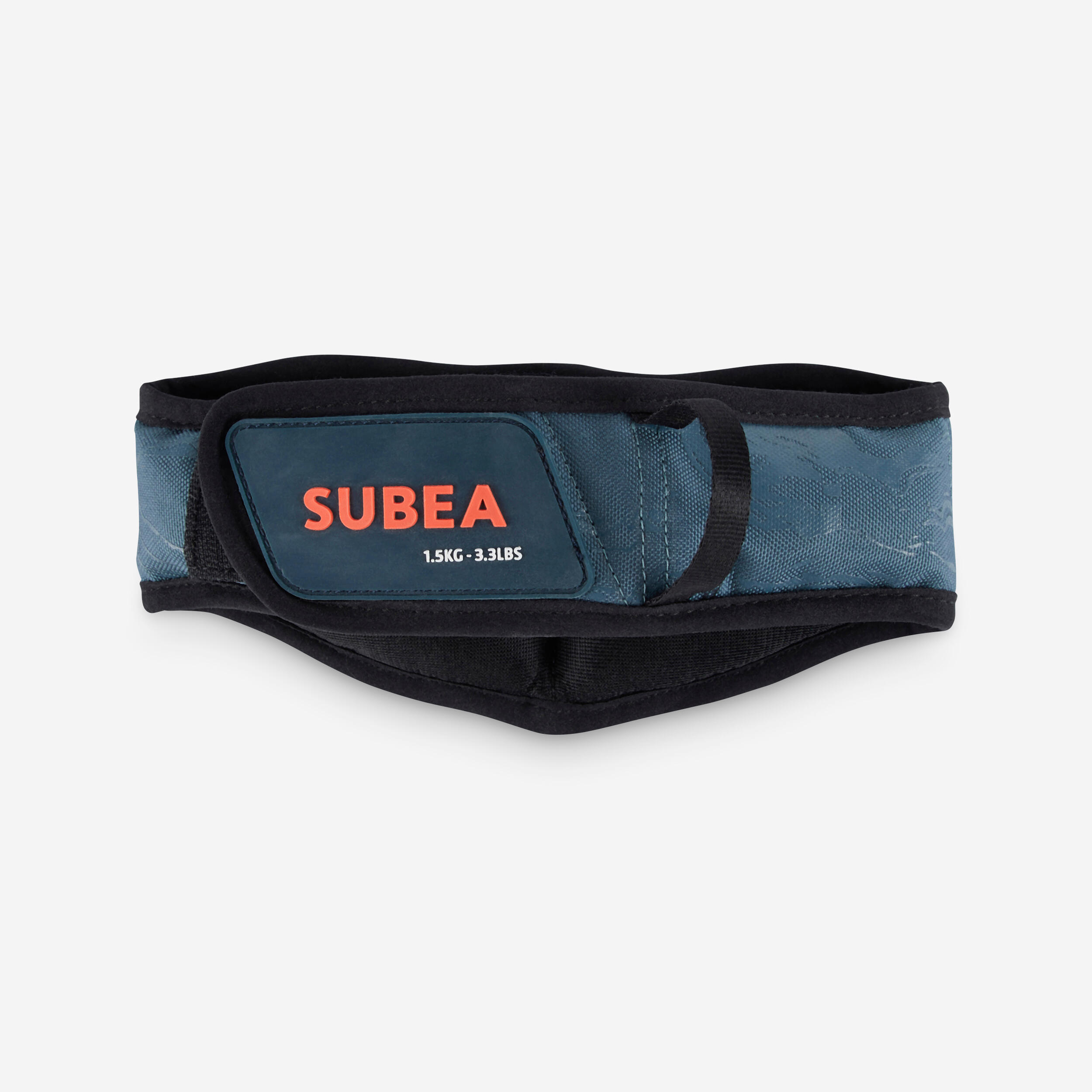
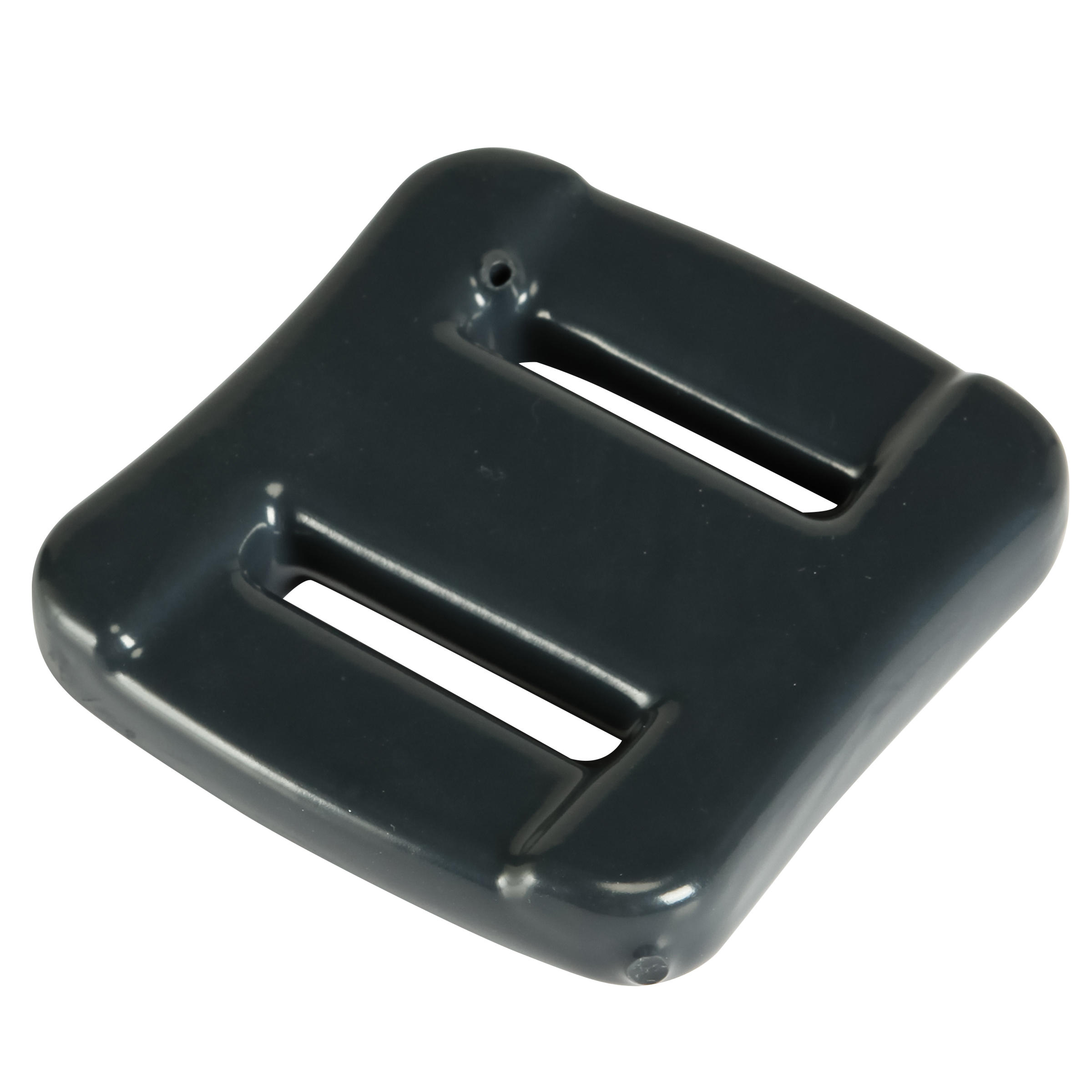
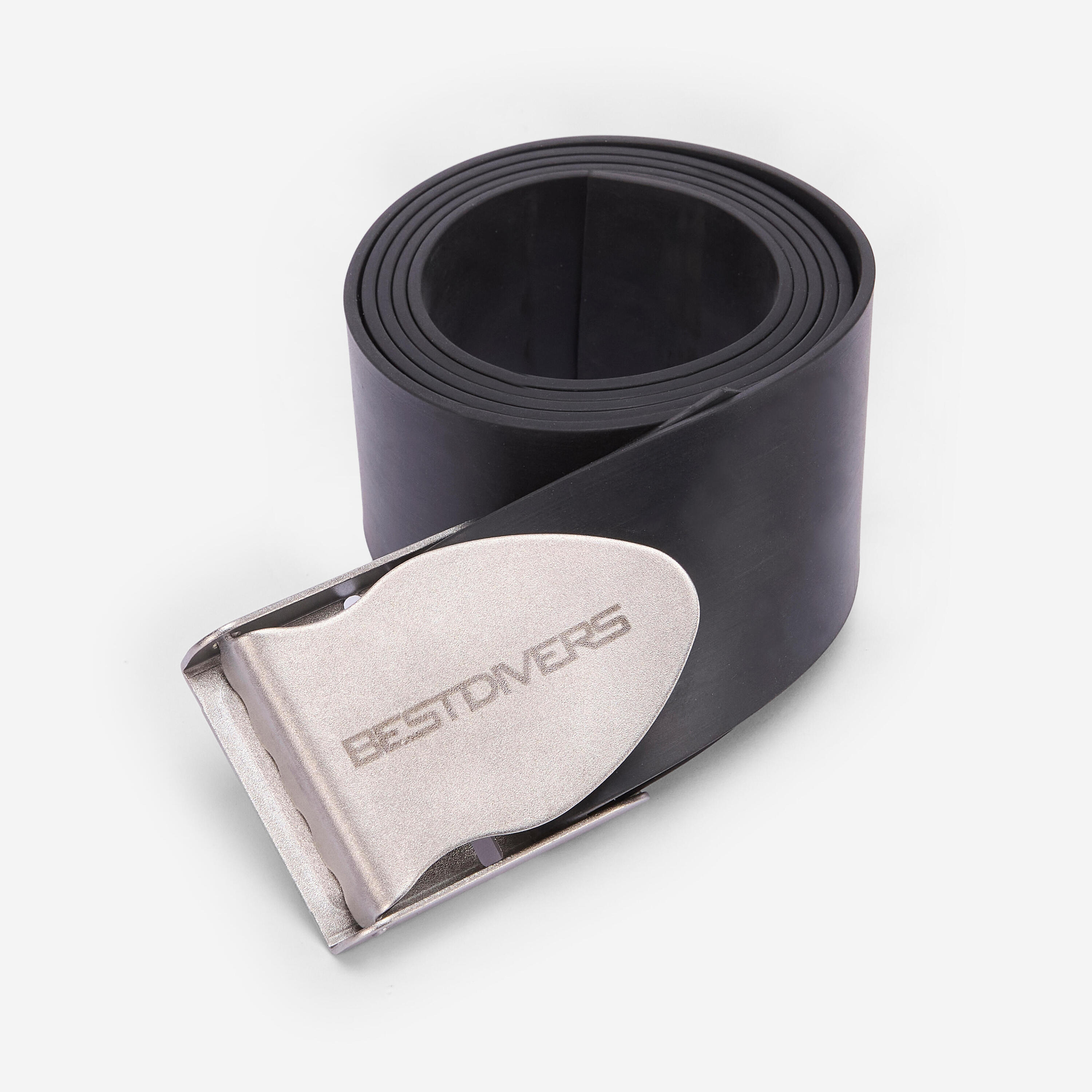
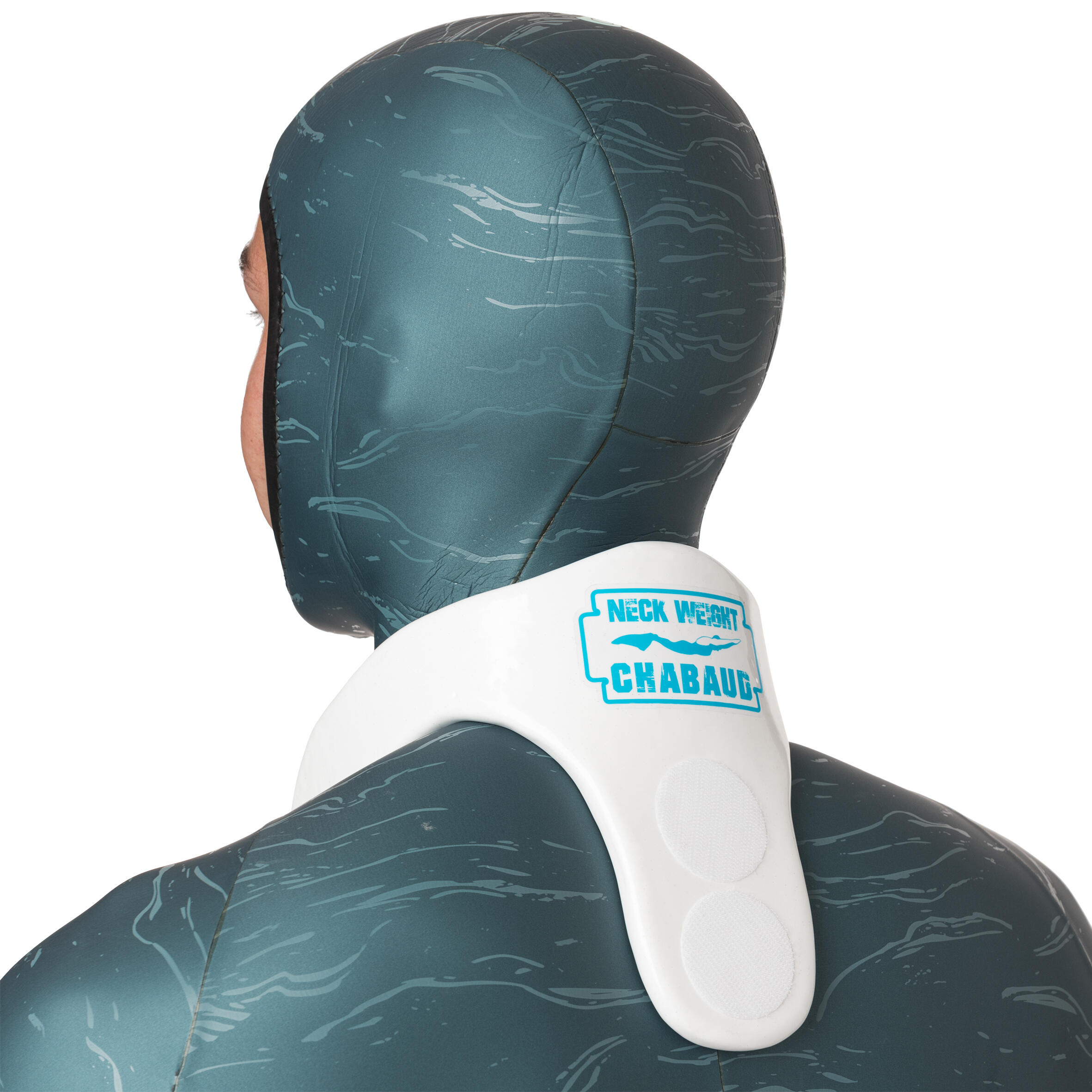
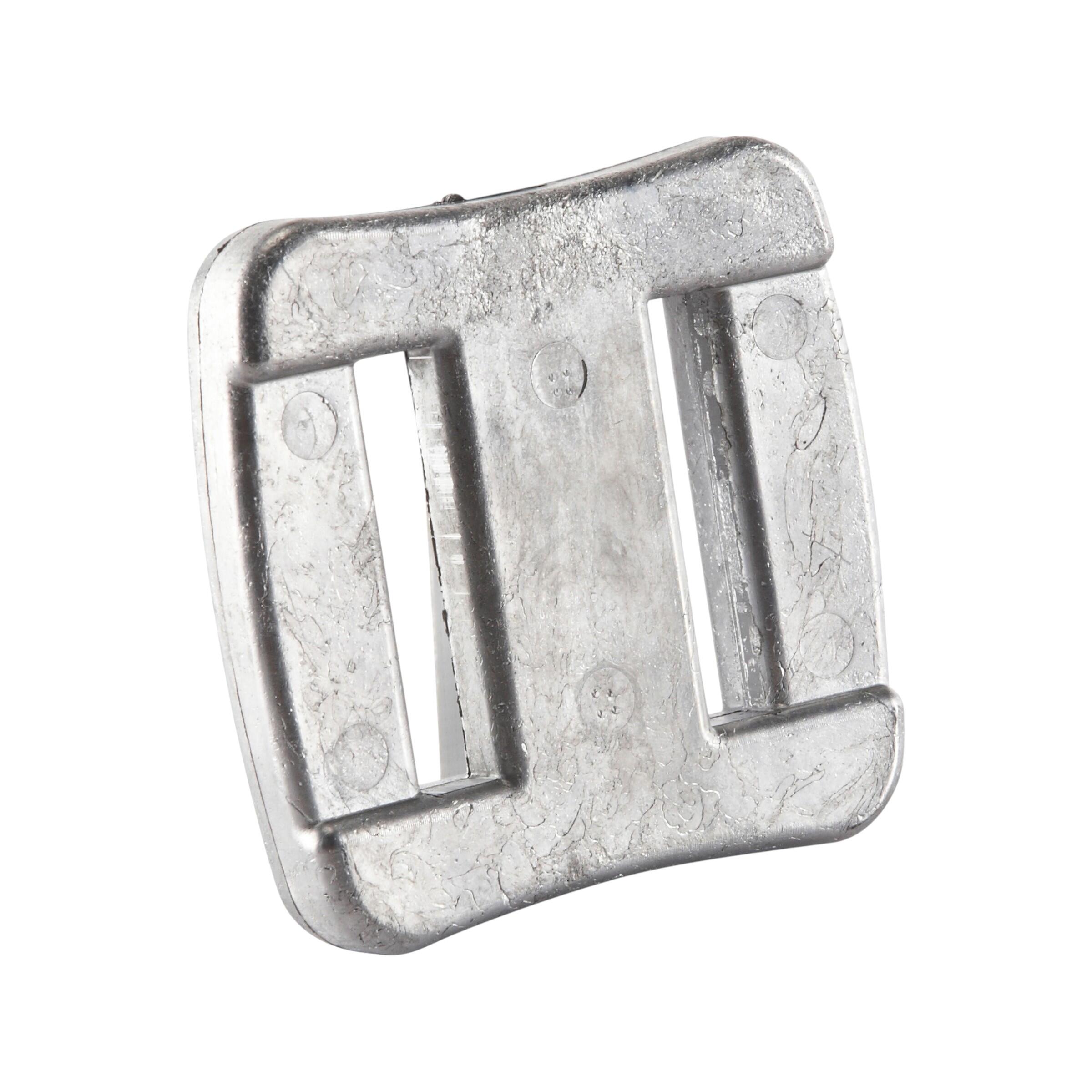
Selecting proper ballast components depends on matching your neoprene thickness with your specific depth targets. Traditional block options made from lead securely lace onto a rubber Marseillaise belt to prevent slipping during the inversion phase of your duck dive. Standard raw metal blocks work effectively for basic configurations, but using ballasts with protective exterior coverings prevents marks on your gear and reduces operational noise underwater. Correct weight distribution keeps your hips properly aligned, ensuring your body maintains a hydrodynamic position throughout the constant-weight discipline.

How do dive watches support freediving training?

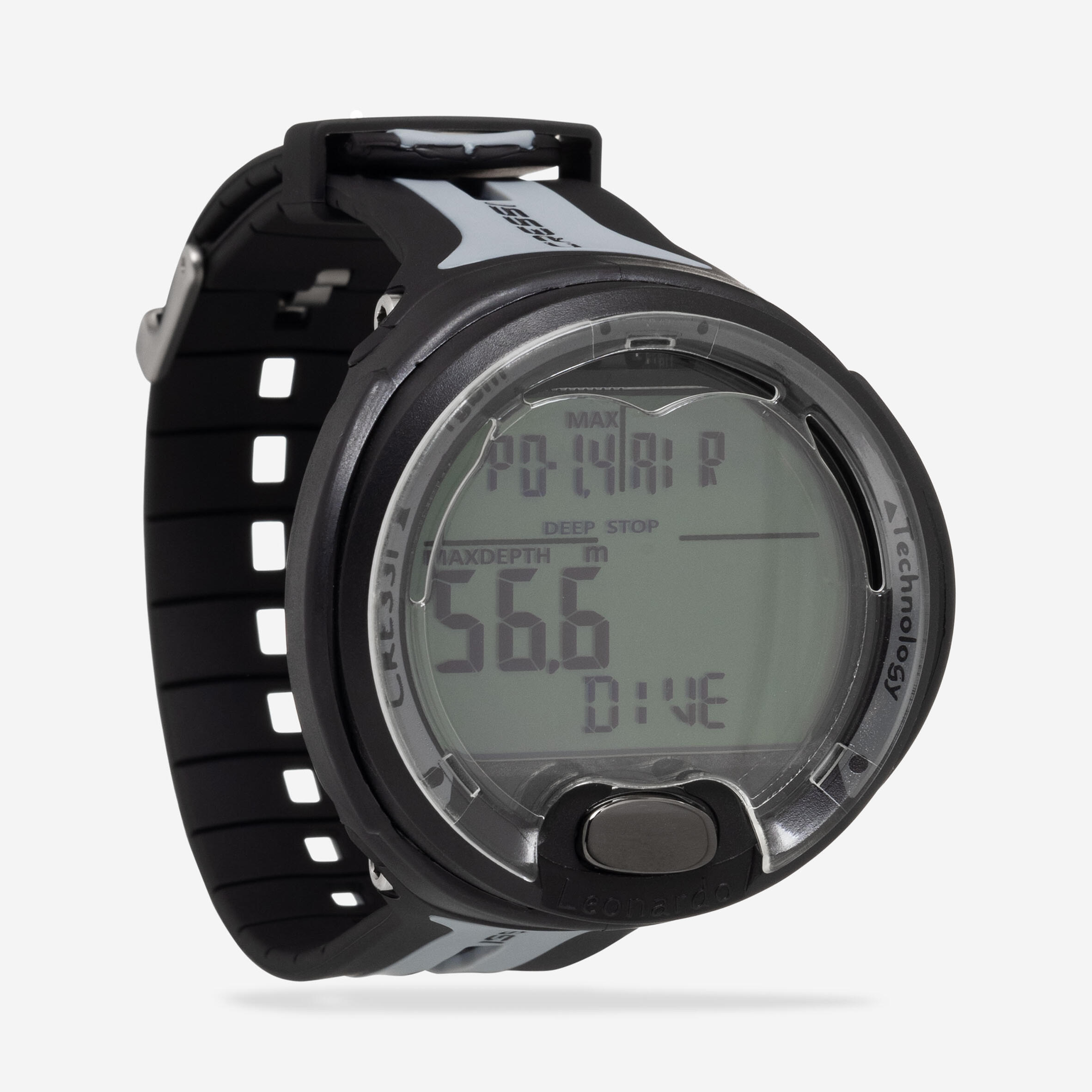
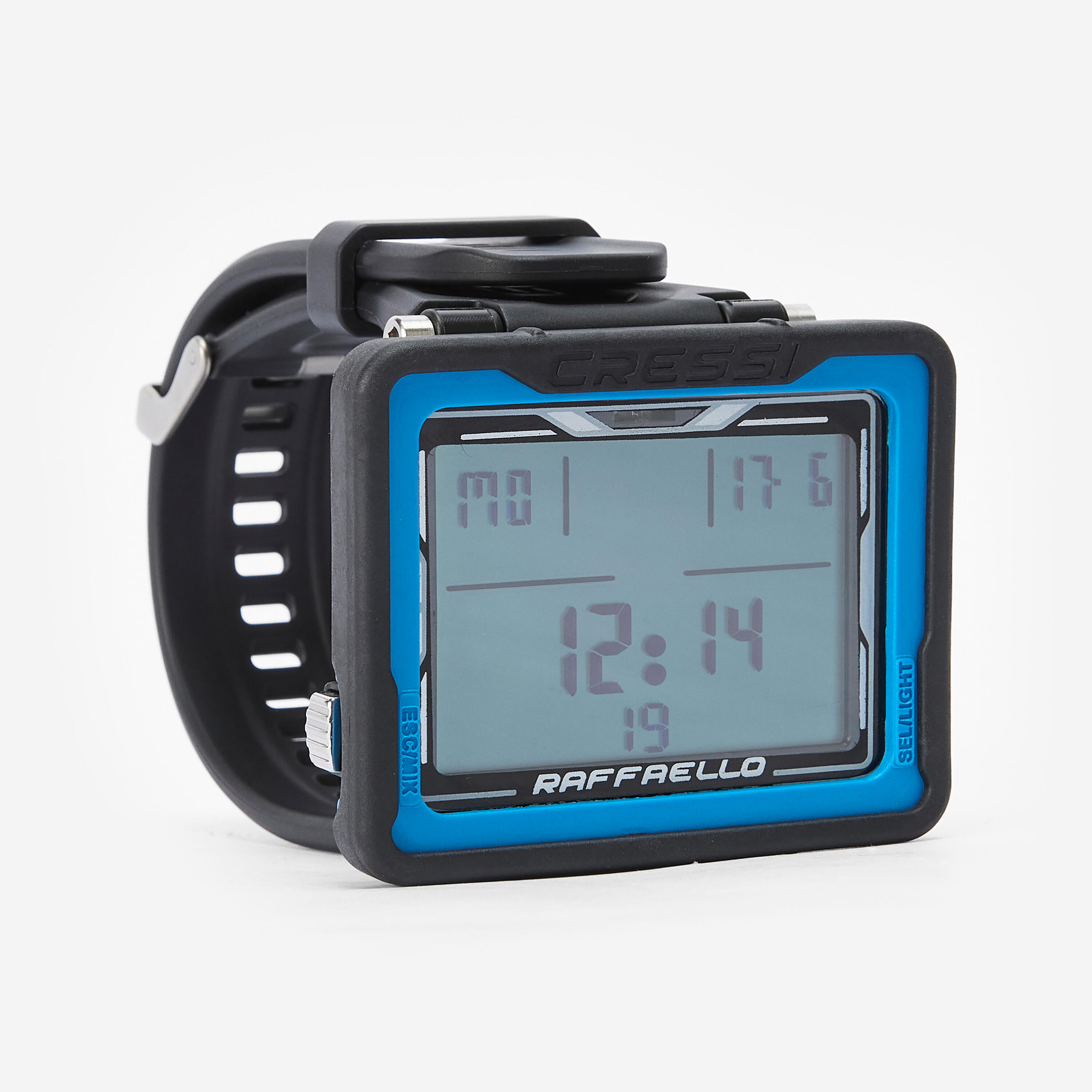
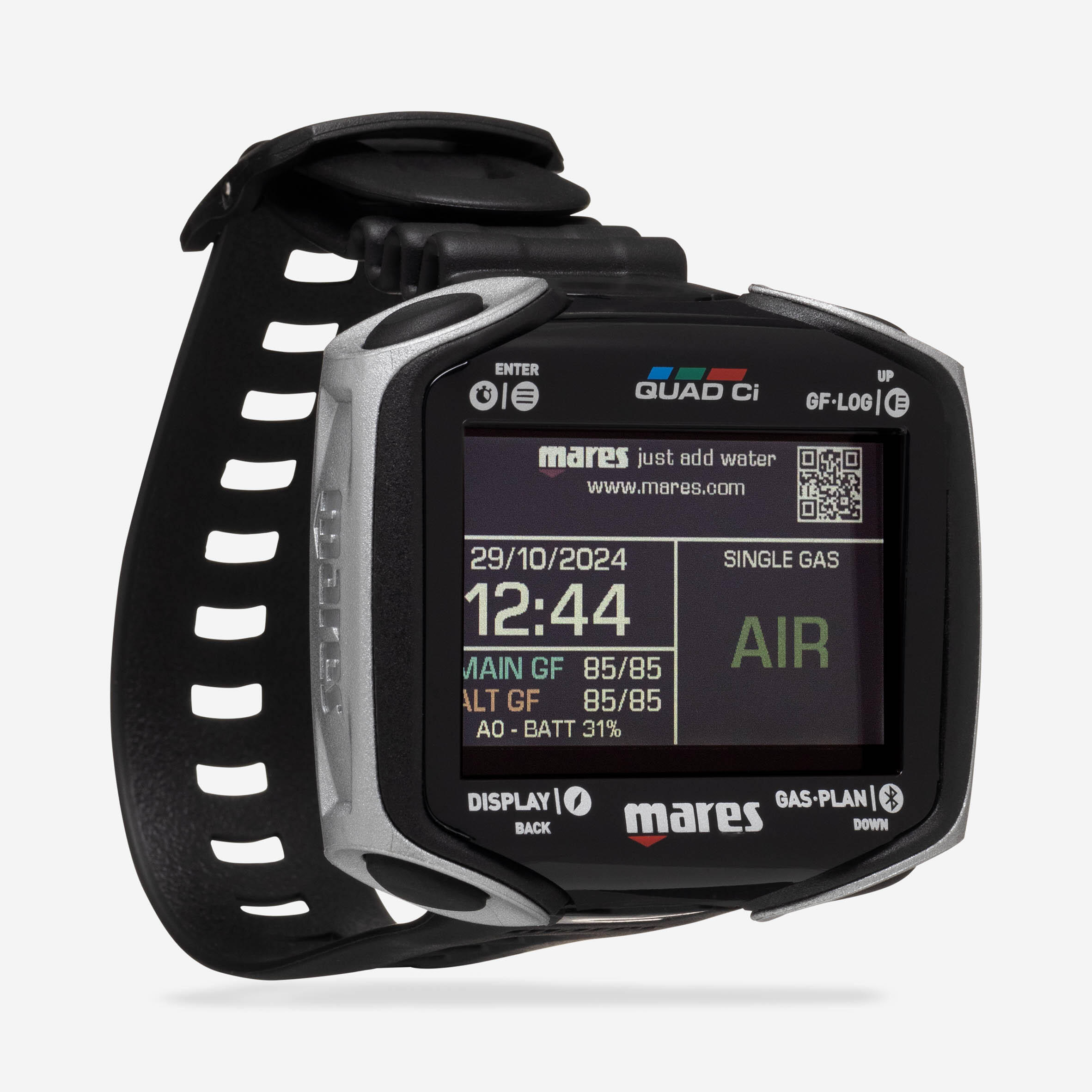
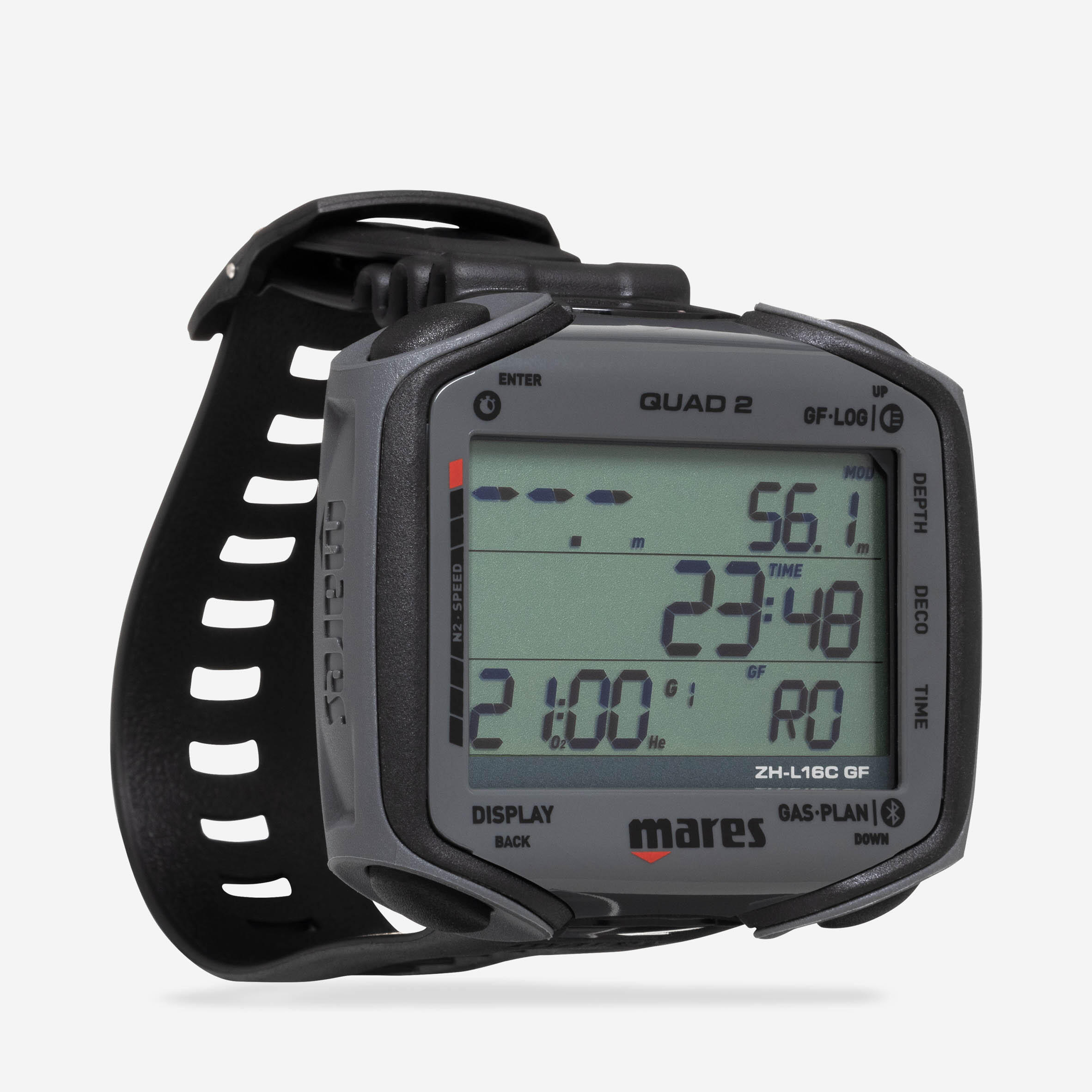
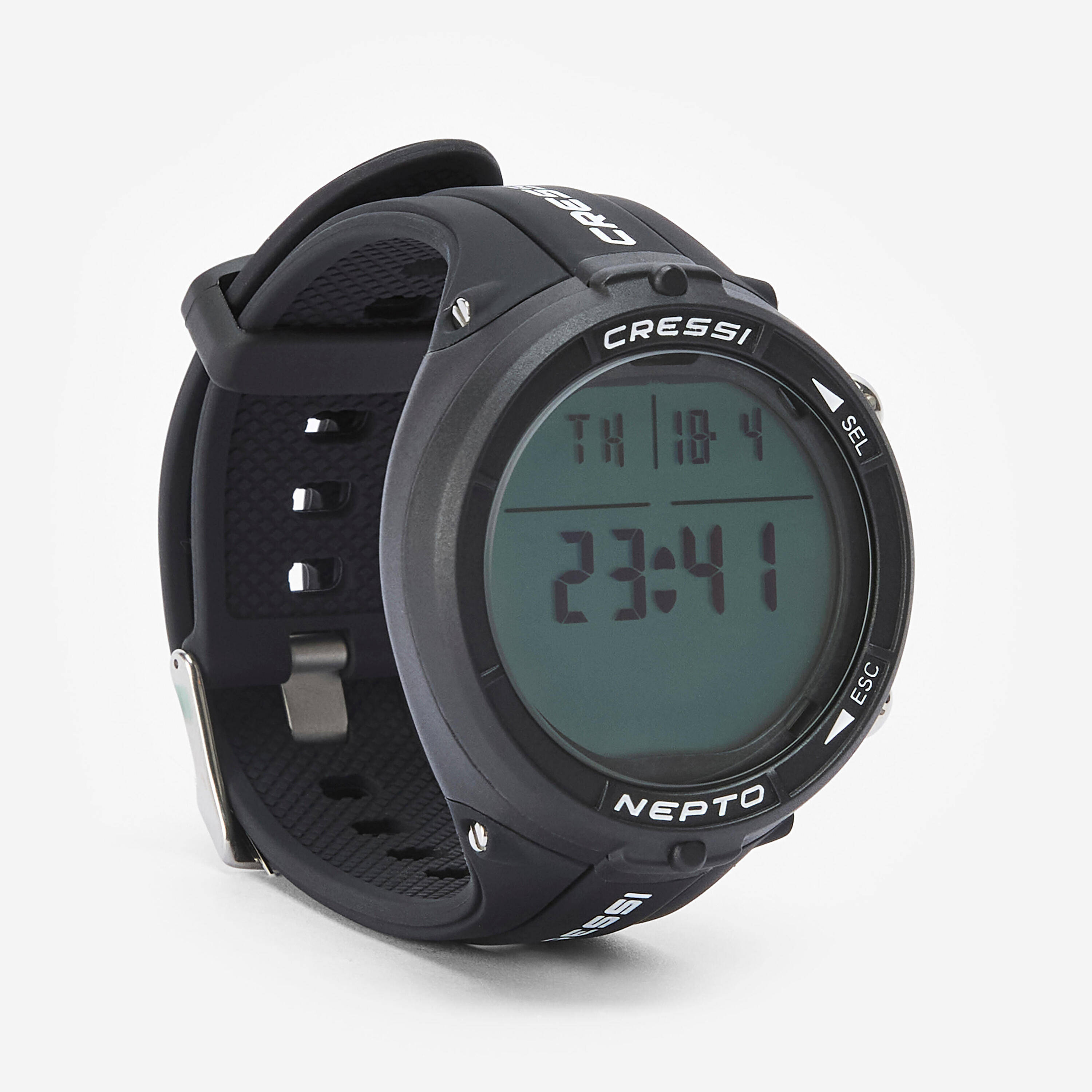
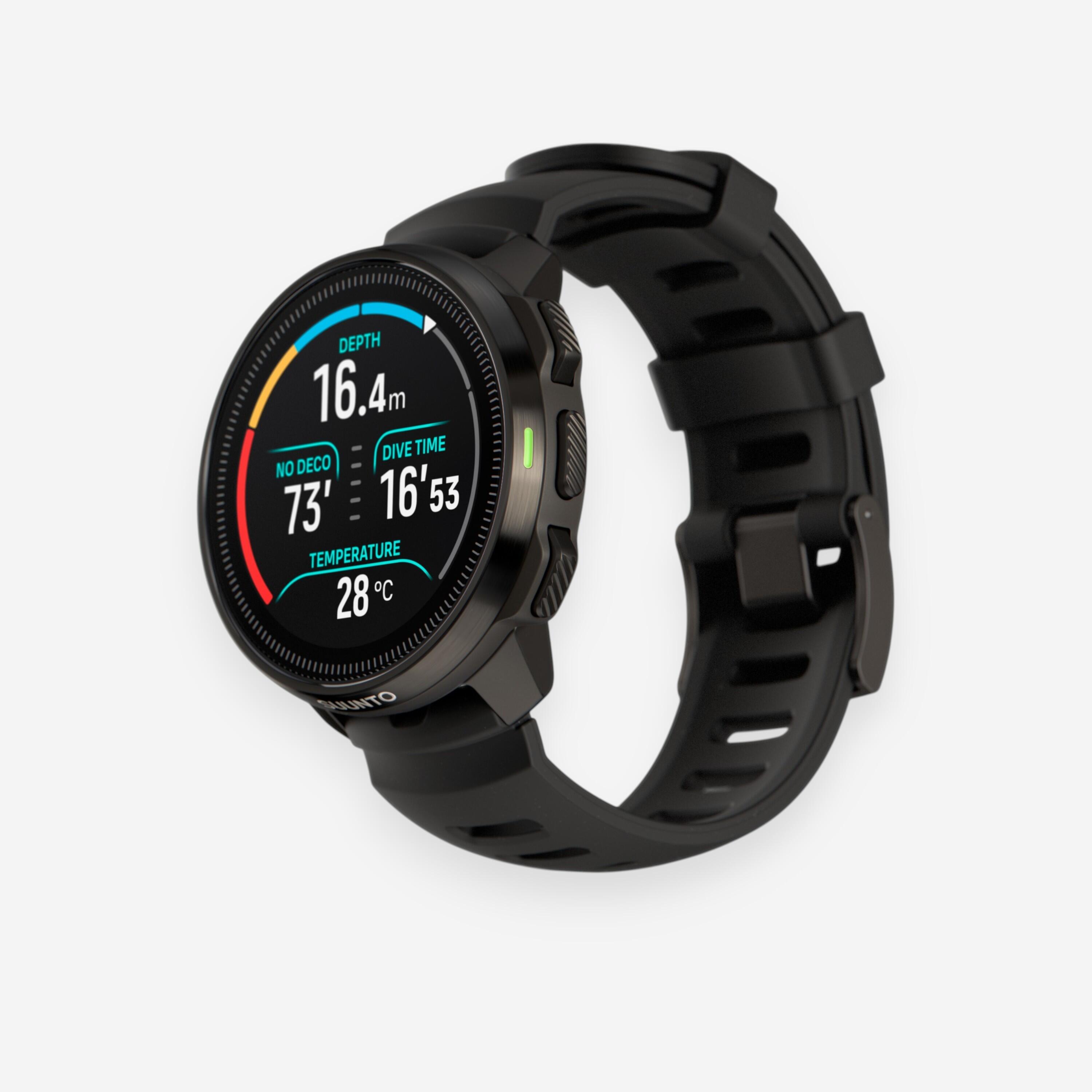
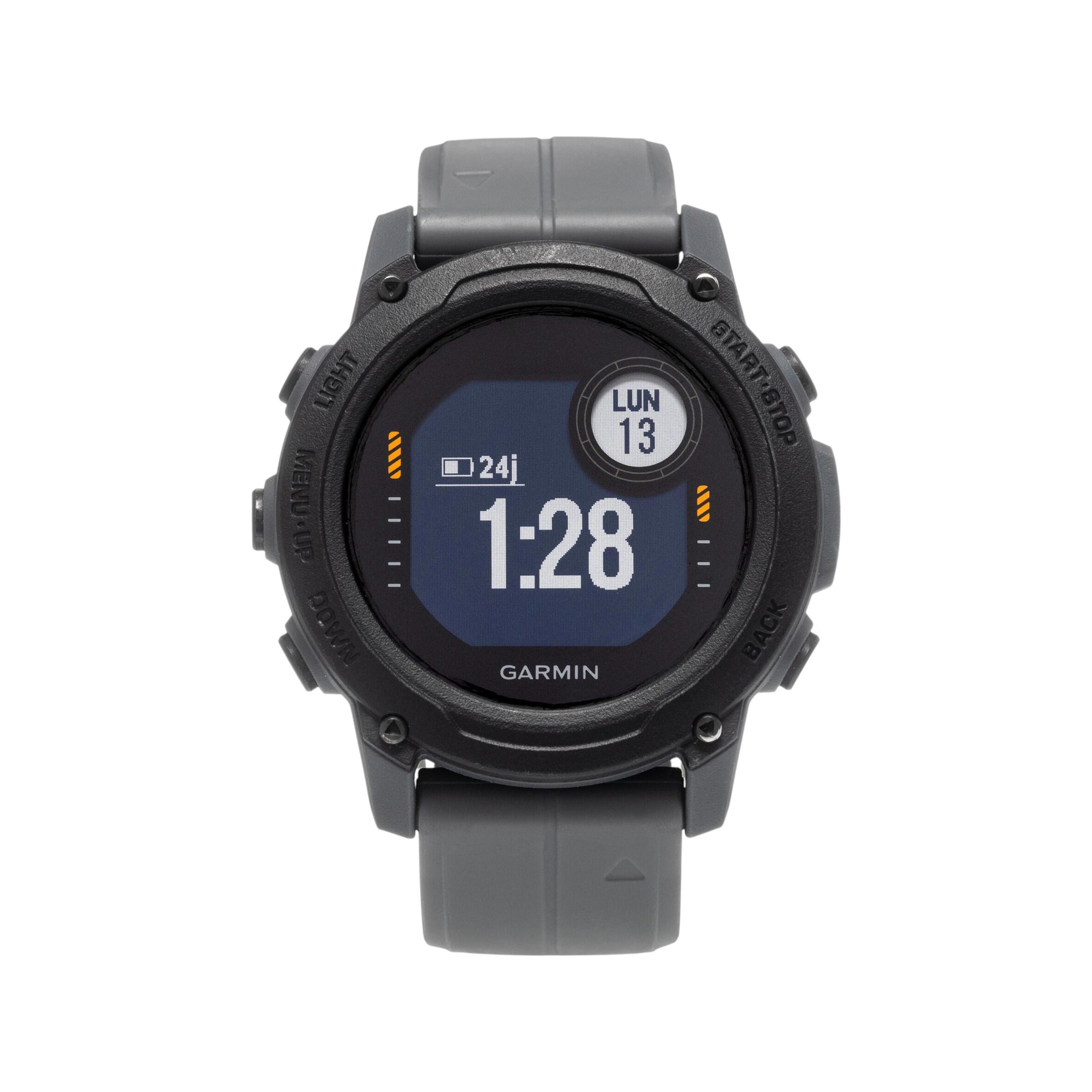
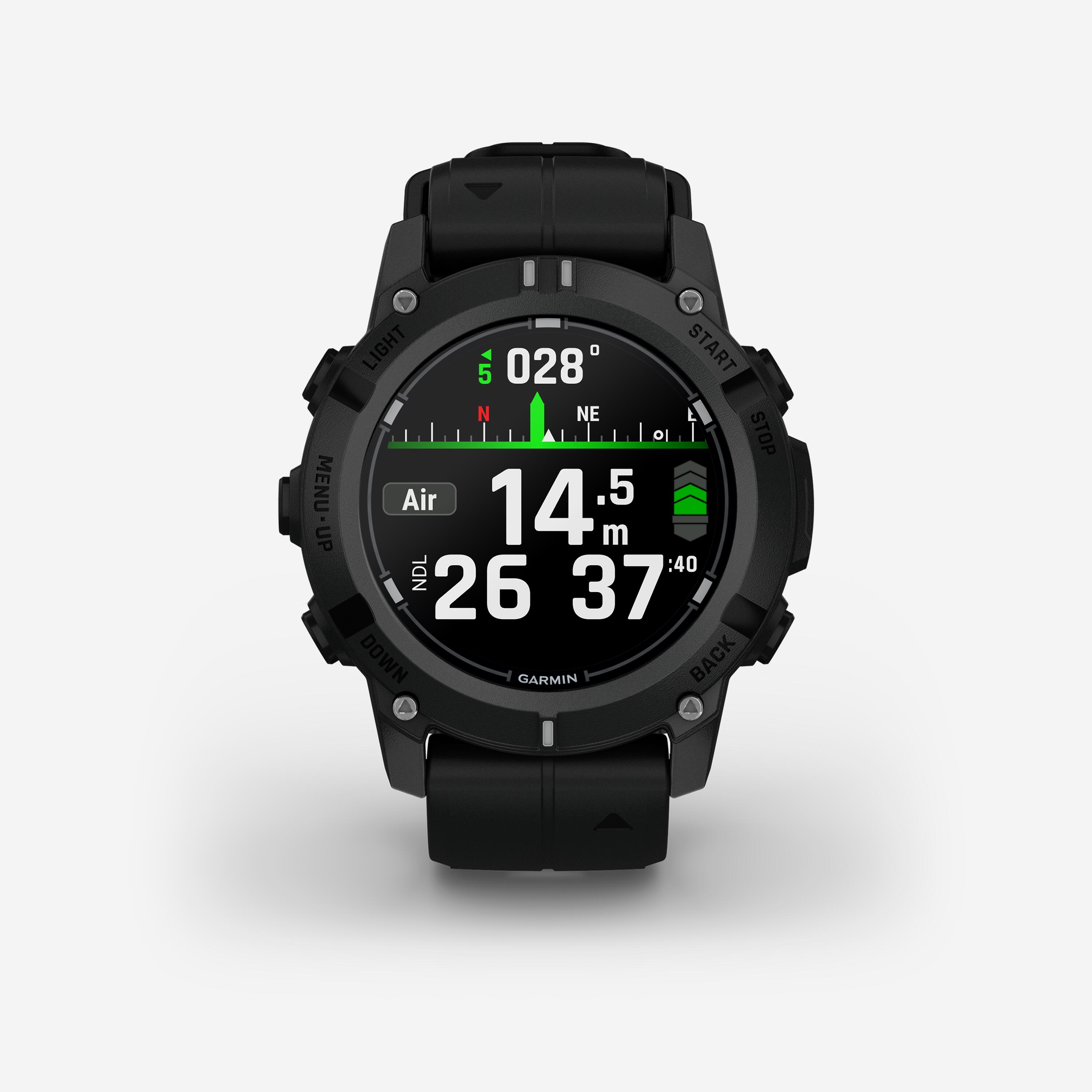
Standard breathing gas devices calculate real-time nitrogen loading across extended time scales and enforce multi-stage decompression stops for open-circuit setups. Apnoea specialists require high-speed sampling sensors that record rapid depth shifts and provide acoustic surface interval countdown alarms to prevent depth-induced barotrauma. Tracking underwater metrics through dive watches allows you to monitor descent velocity and overall dive time precisely. These dedicated instruments record water temperature profiles and detailed logbook summaries to help analyse relaxation phases and track recovery intervals consistently across multiple deep training sessions.

Why should freediving soft lead weights be paired with a flexible rubber belt?

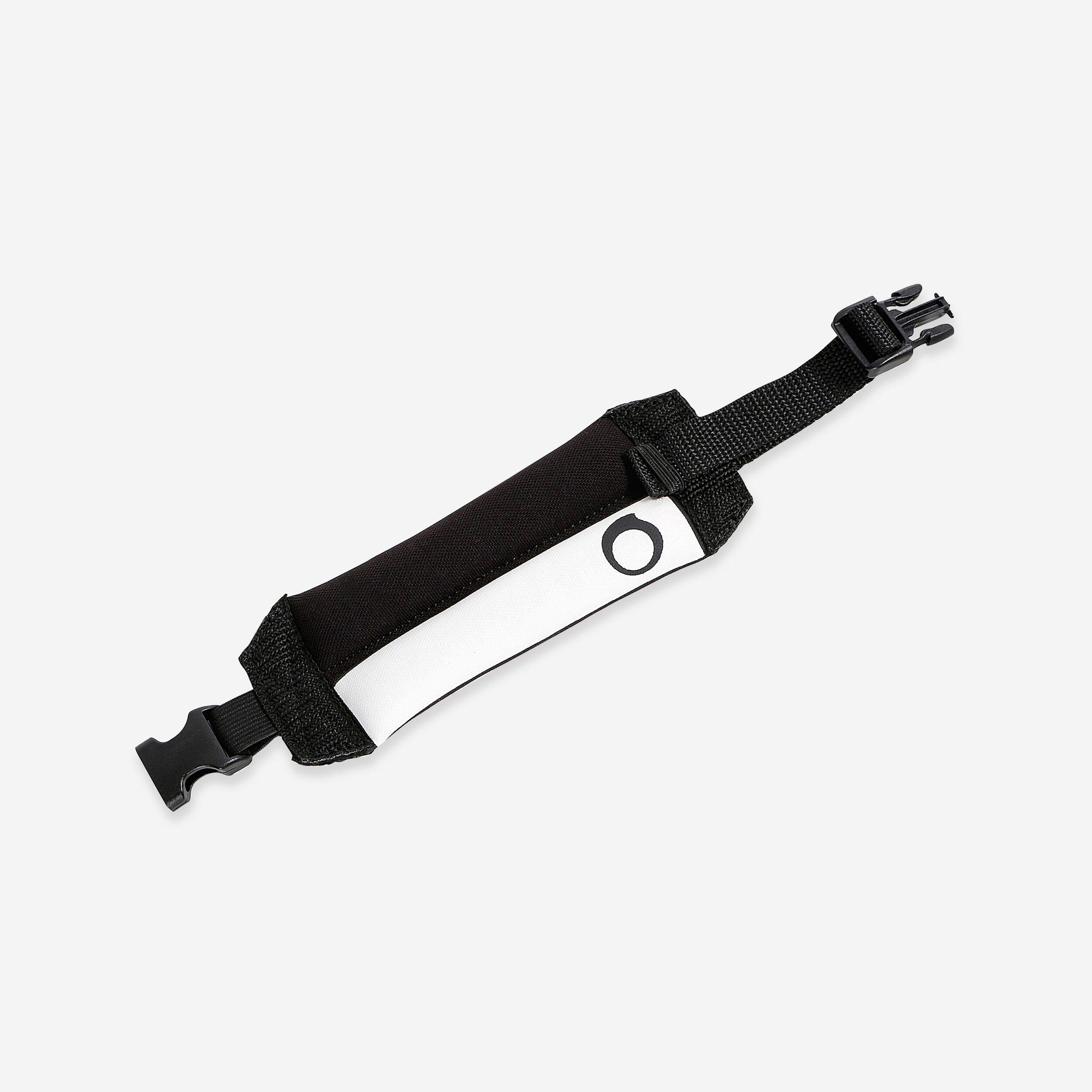
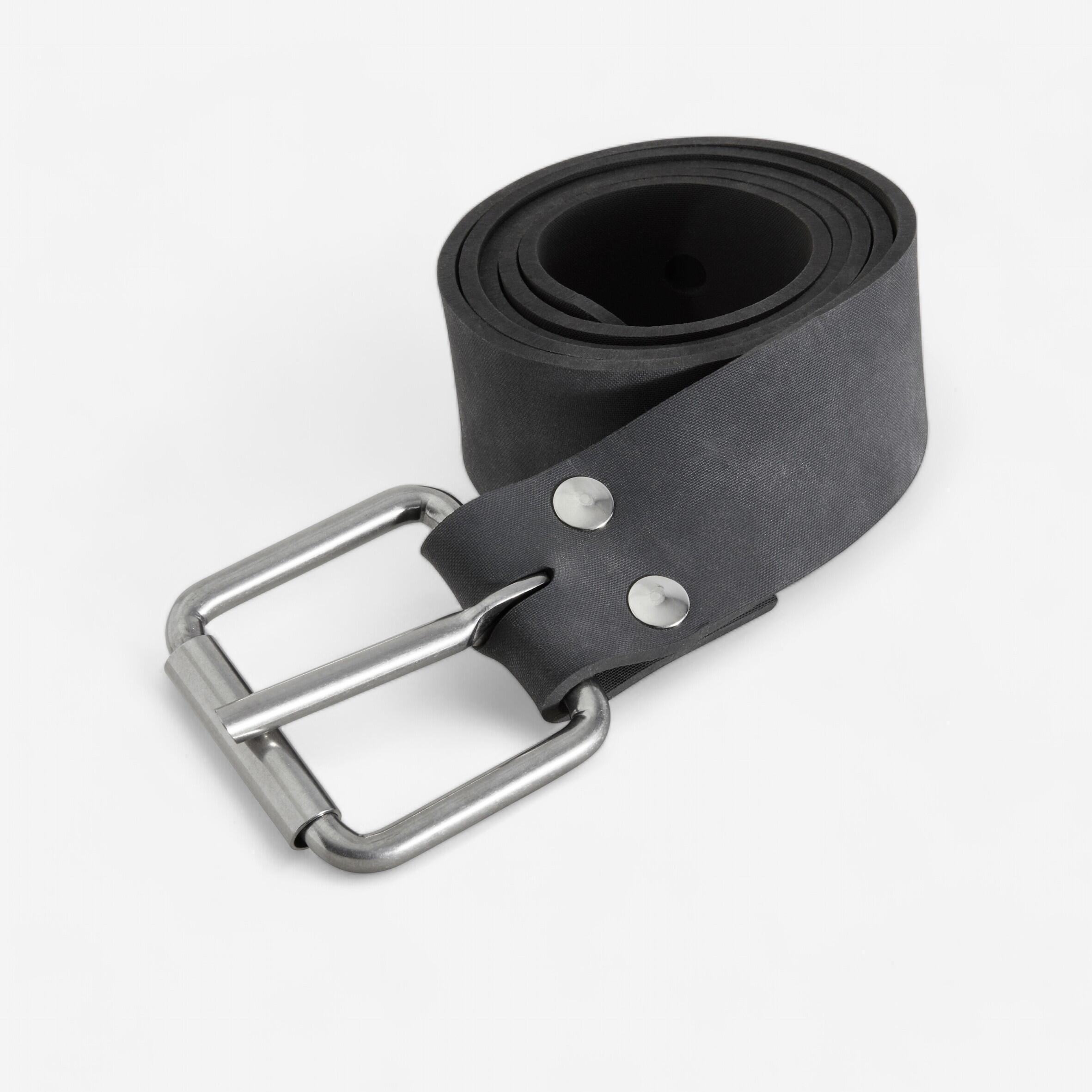
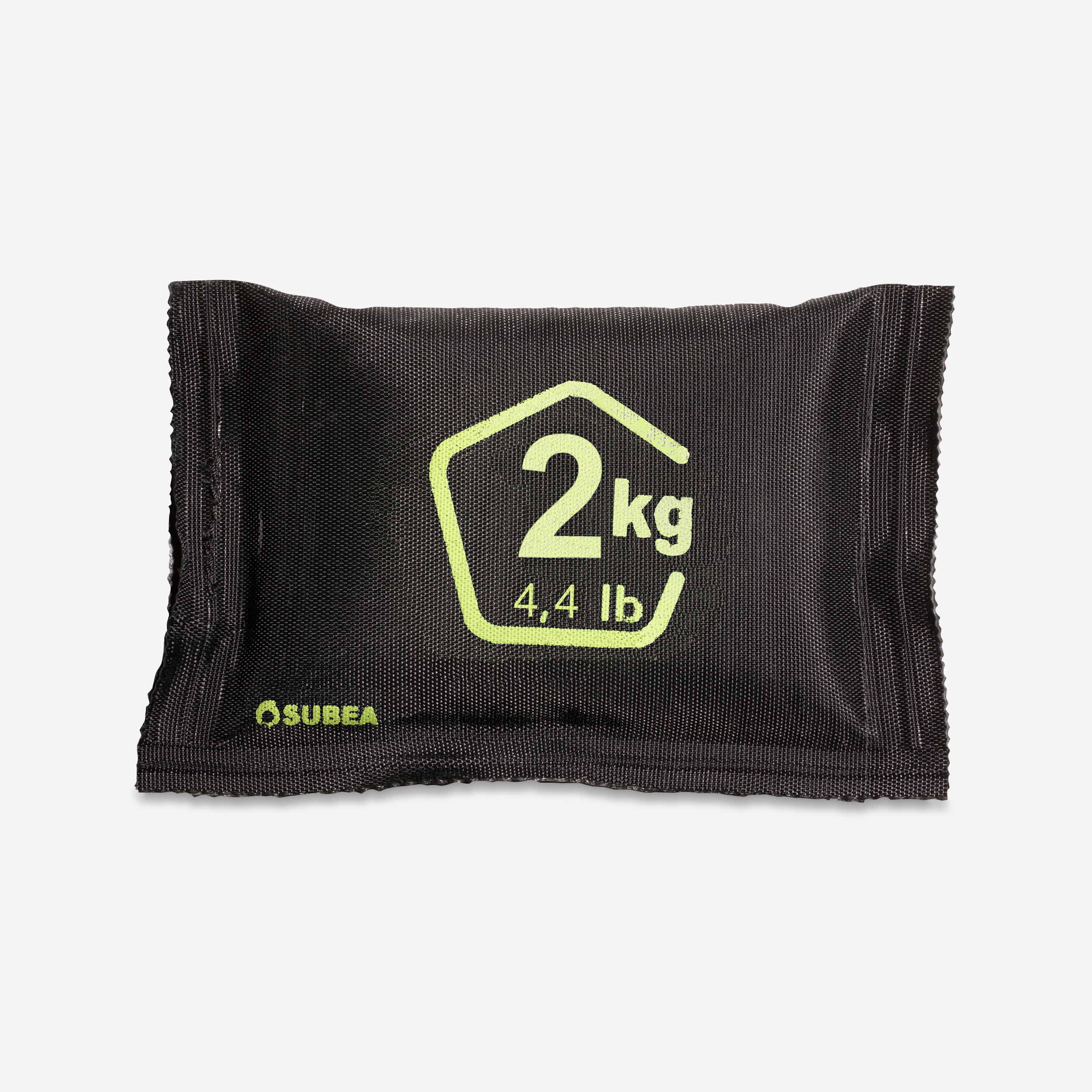
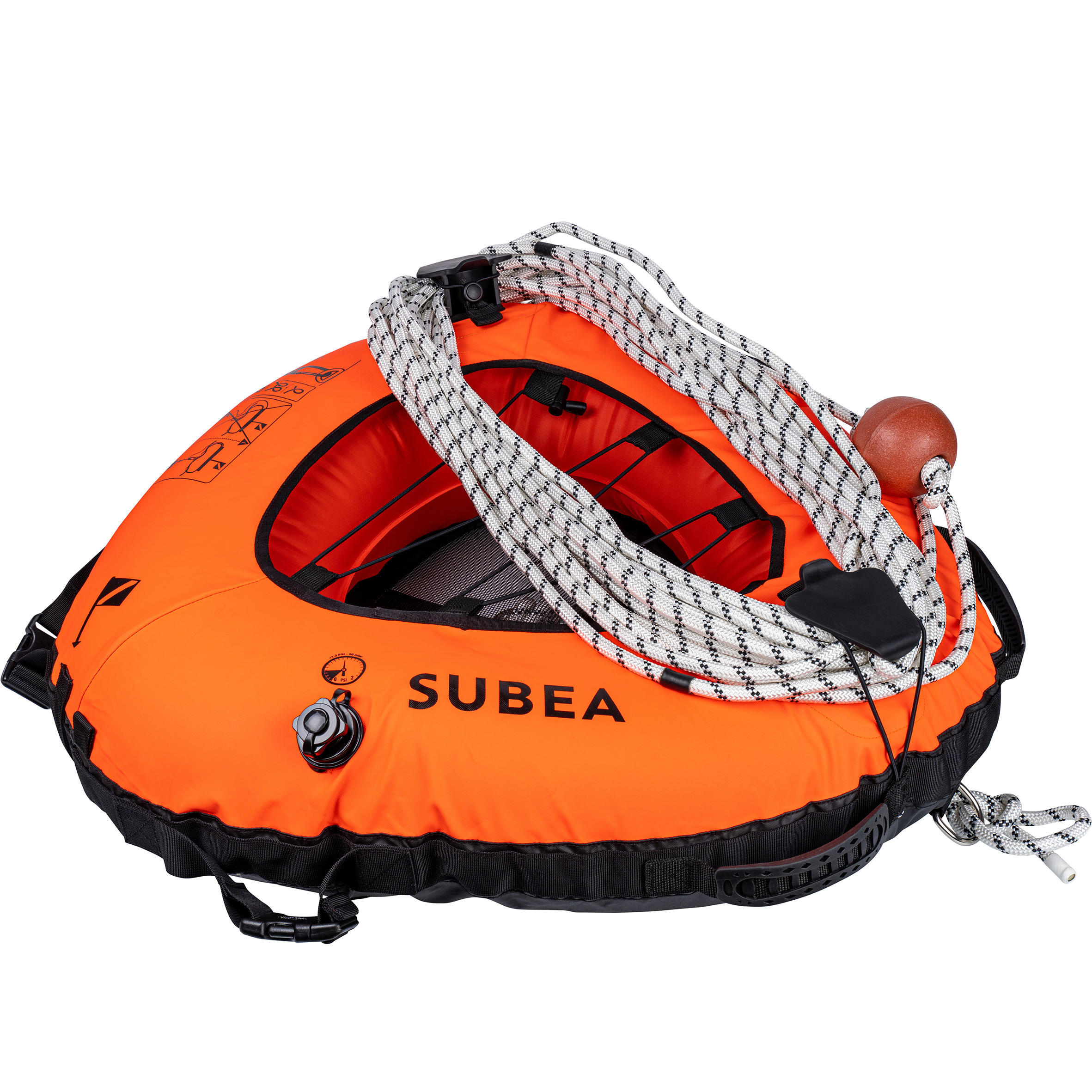
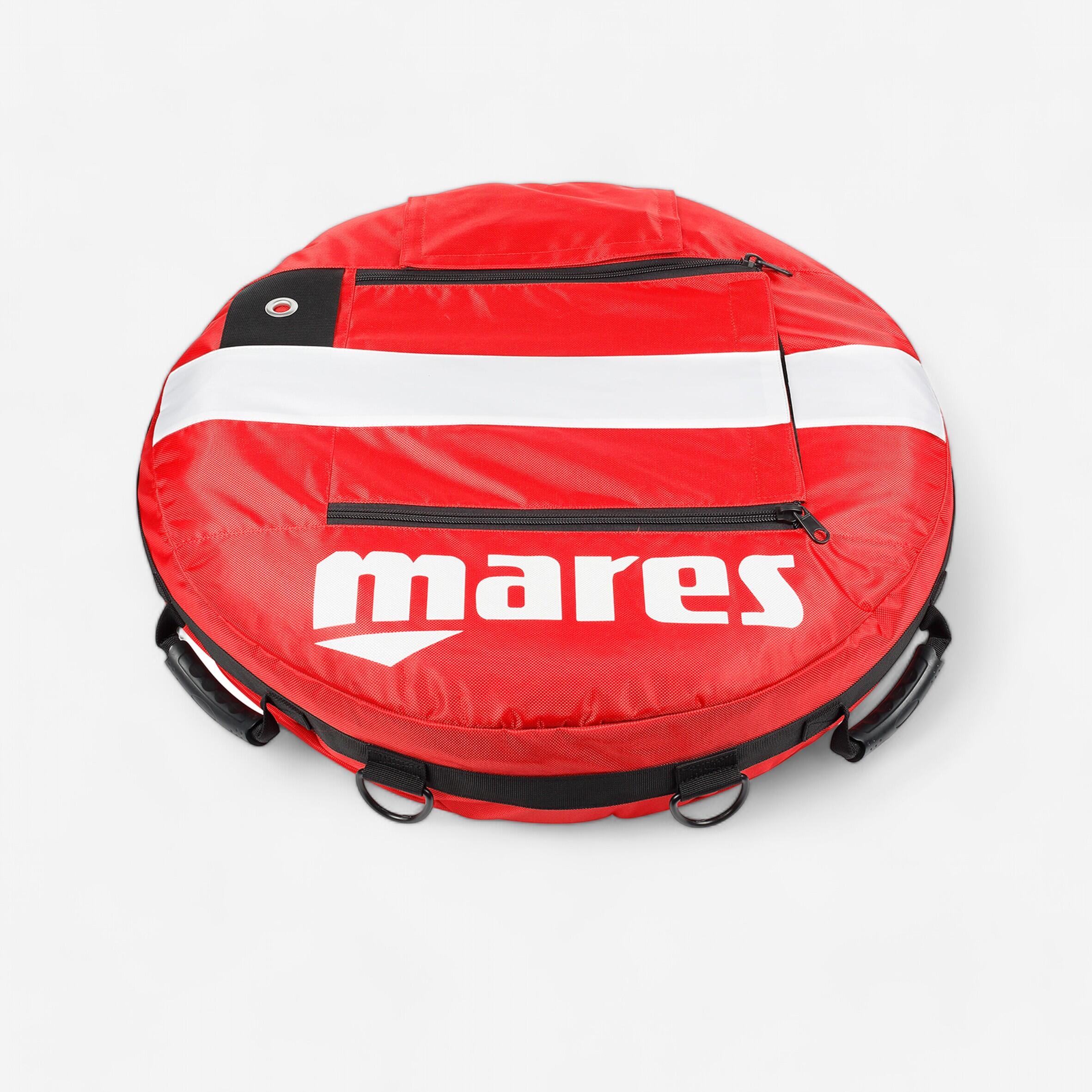
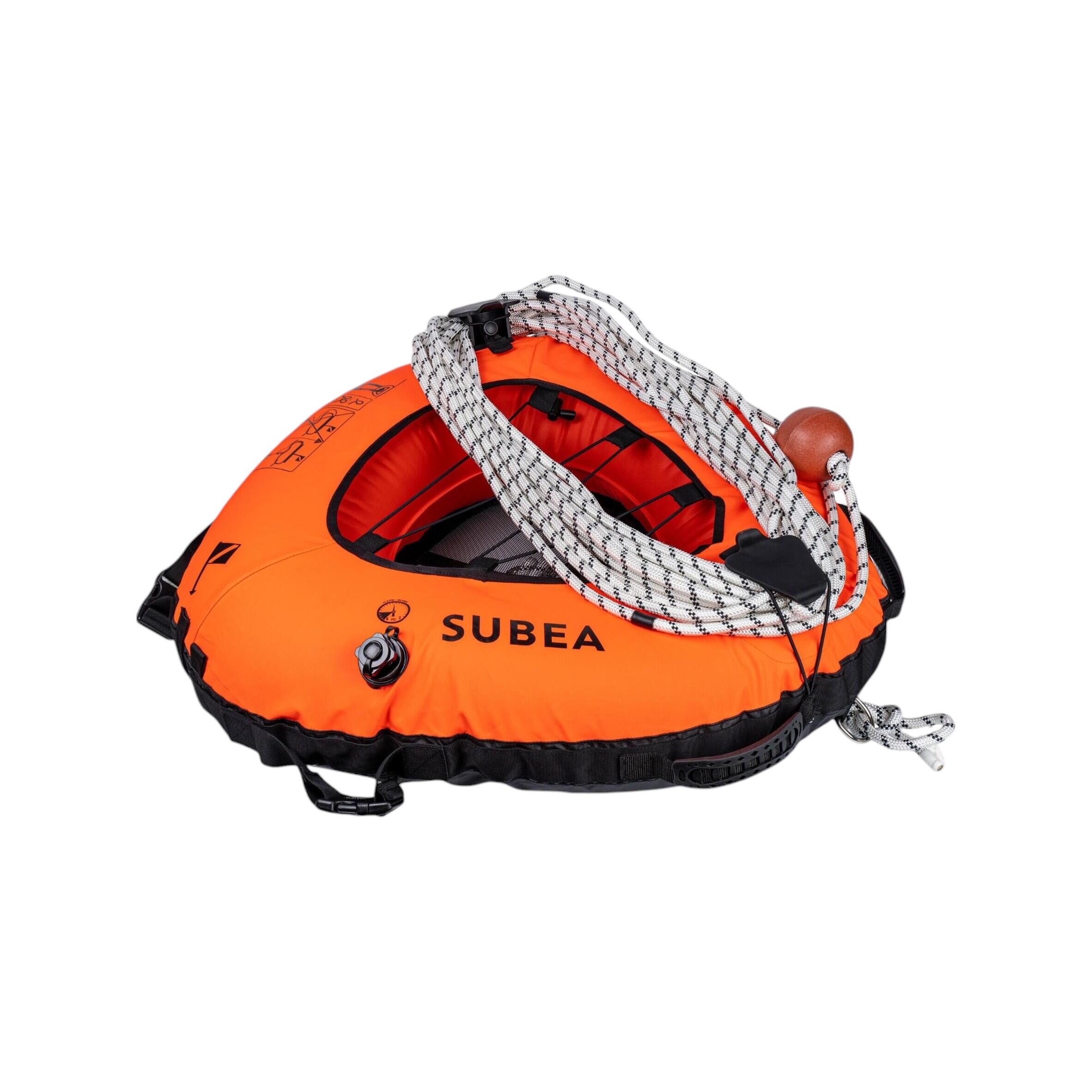
Standard heavy webbing strips remain static under pressure, causing the ballast pack to shift towards the chest as hydrostatic force compresses your torso and neoprene suit during descent. Pliable granulated mesh packs conform smoothly to body contours, distributing the mass evenly without restricting maximum inhalation. Securing your kit with dynamic elastic bands keeps the load tracking reliably on your hips throughout changing pressure. Adding buoys and ropes creates a dependable setup for vertical tracking, line recovery and surface safety during intensive depth sessions.

How do freediving accessories help improve underwater efficiency?

Minimising profile drag remains essential for conserving oxygen reserves and achieving long, relaxed glide phases on a single breath. Specialised low-volume gear options cut through the water column smoothly, reducing the physical effort needed during each kick. Pairing hydrodynamic tracking gear with freediving fins helps minimise upward thrust and improves energy efficiency over long training sessions, allowing breath-hold divers to complete smooth vertical ascents with less muscle fatigue.

What equipment helps with deep-water pressure equalisation?

As external pressure increases during descent, the air spaces inside your equipment compress significantly, requiring careful volume compensation to avoid internal squeeze. Managing equalisation smoothly is easier with flexible freediving masks and snorkels, which reduce internal air movement while maintaining a streamlined profile during deep descents. This approach helps direct more oxygen towards relaxation and efficient movement instead of overcoming poorly fitting equipment.