393 items
4.5/5 based on 38885 reviews collected online and in stores

SCUBA DIVING FAQS

What thickness is recommended for scuba diving wetsuits in cold coastal waters?

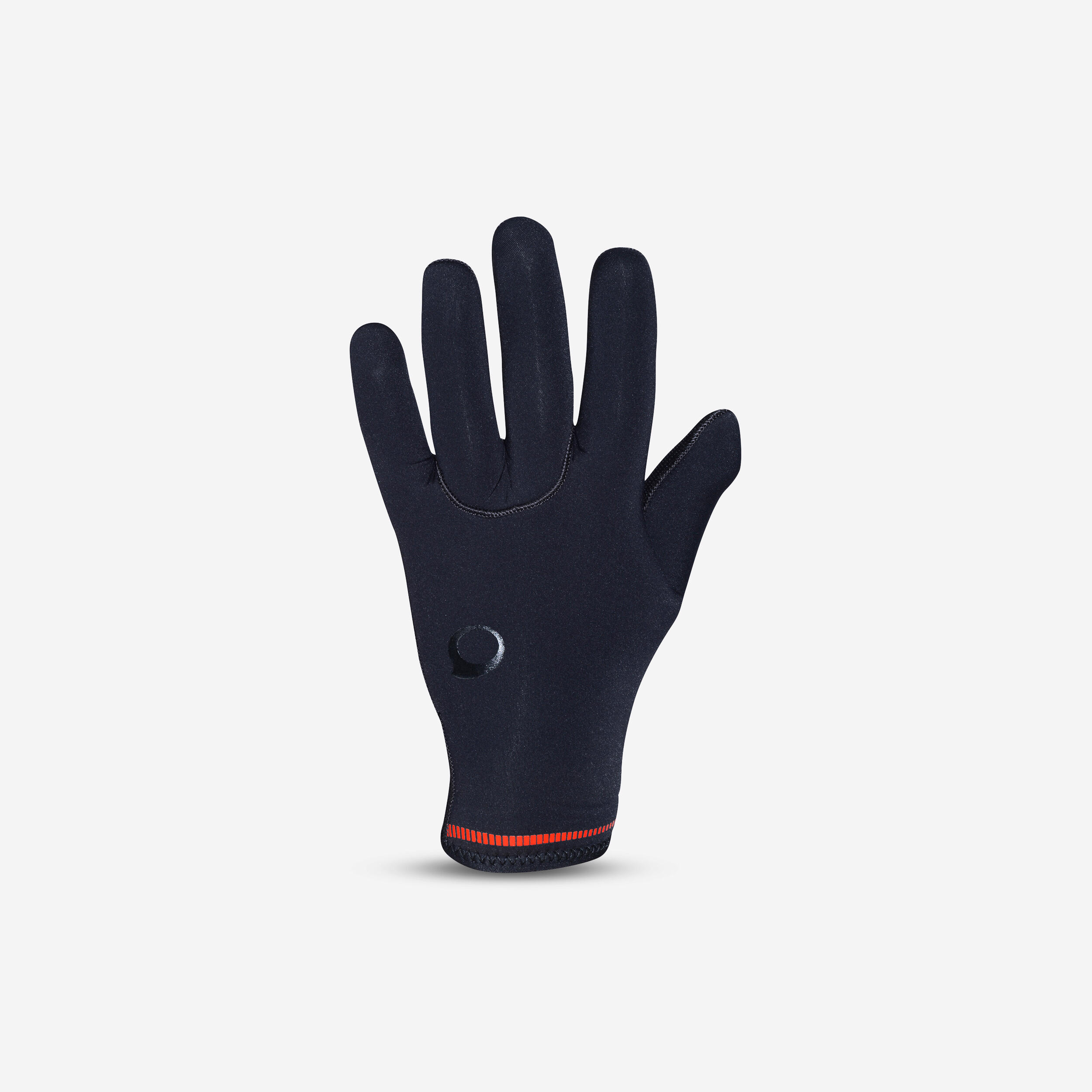
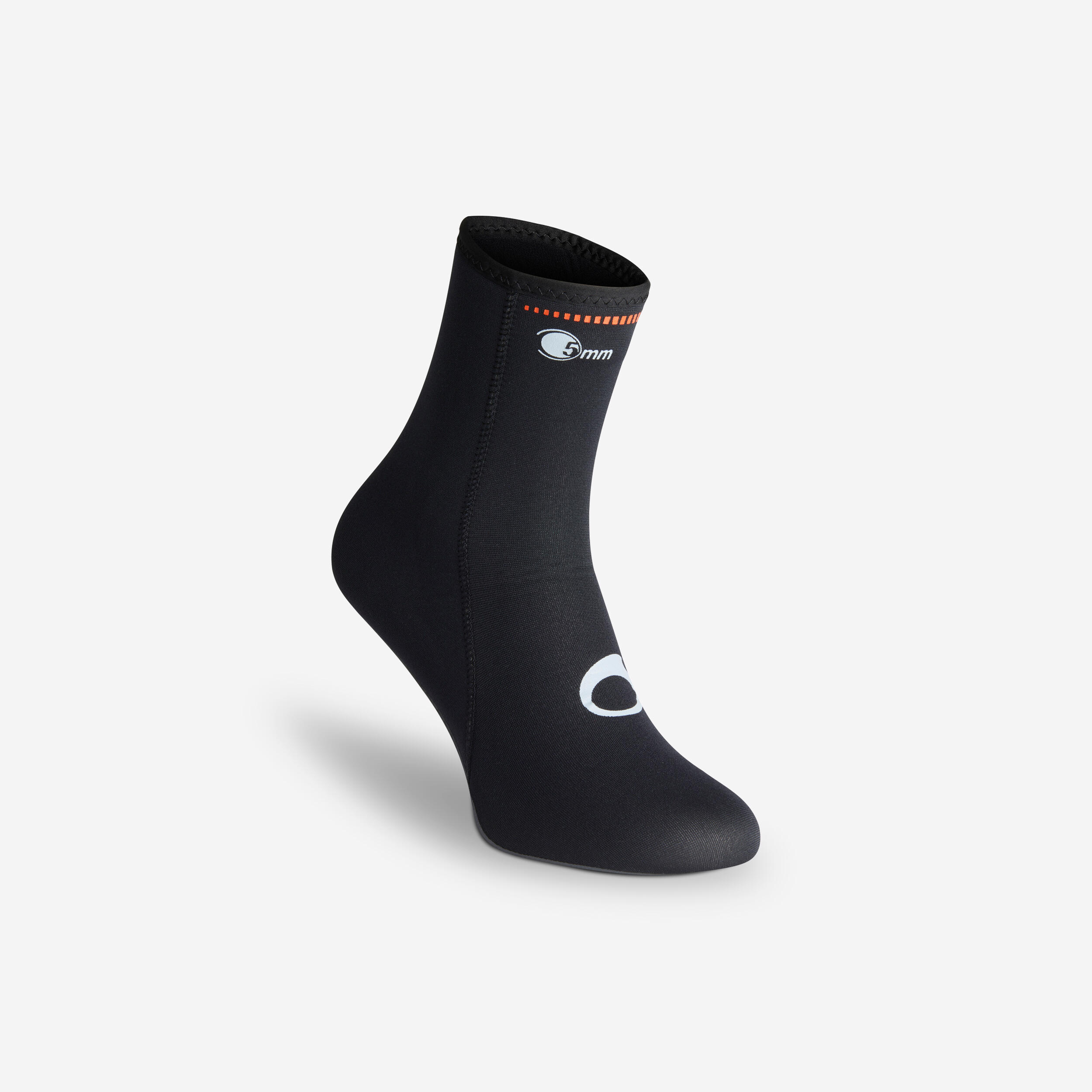
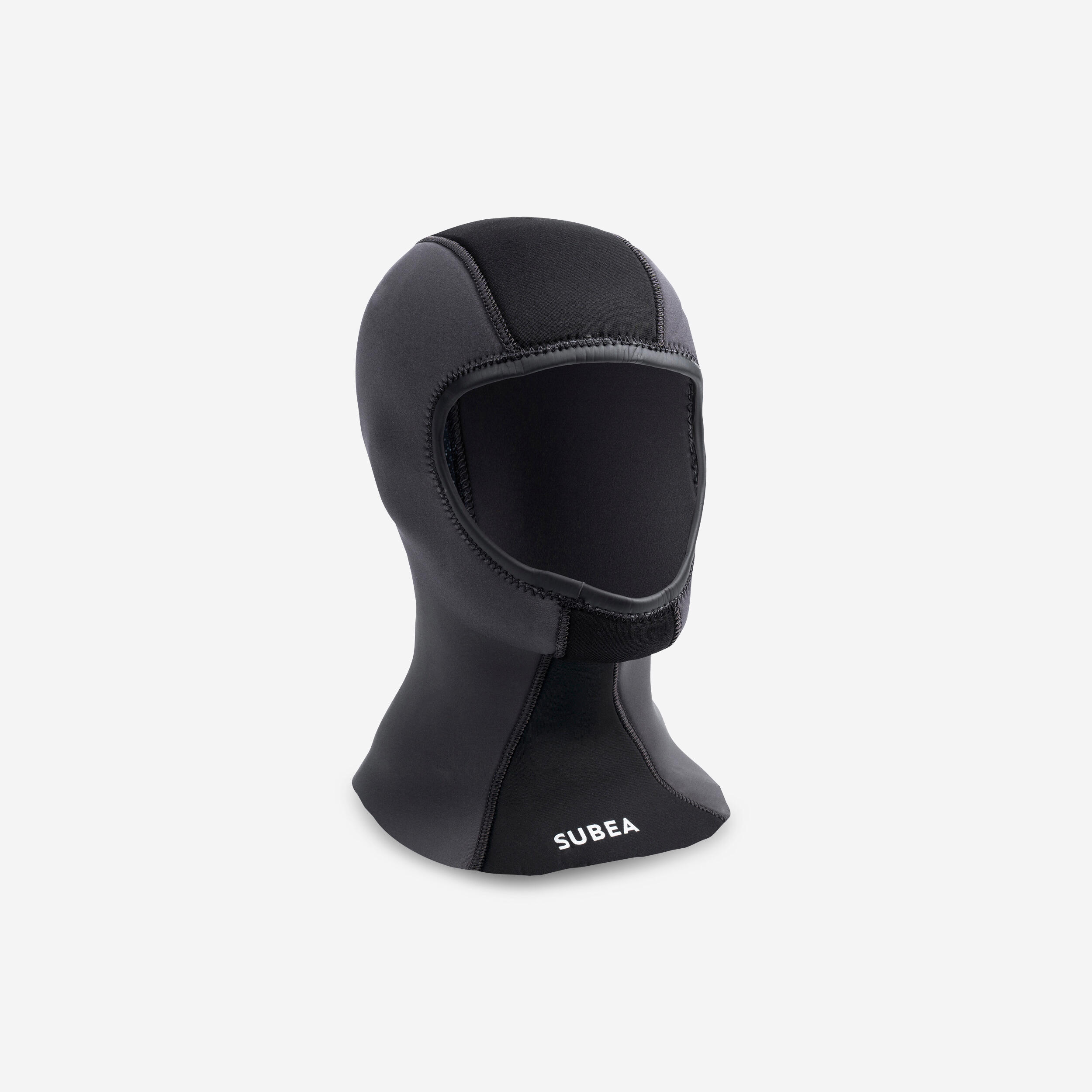
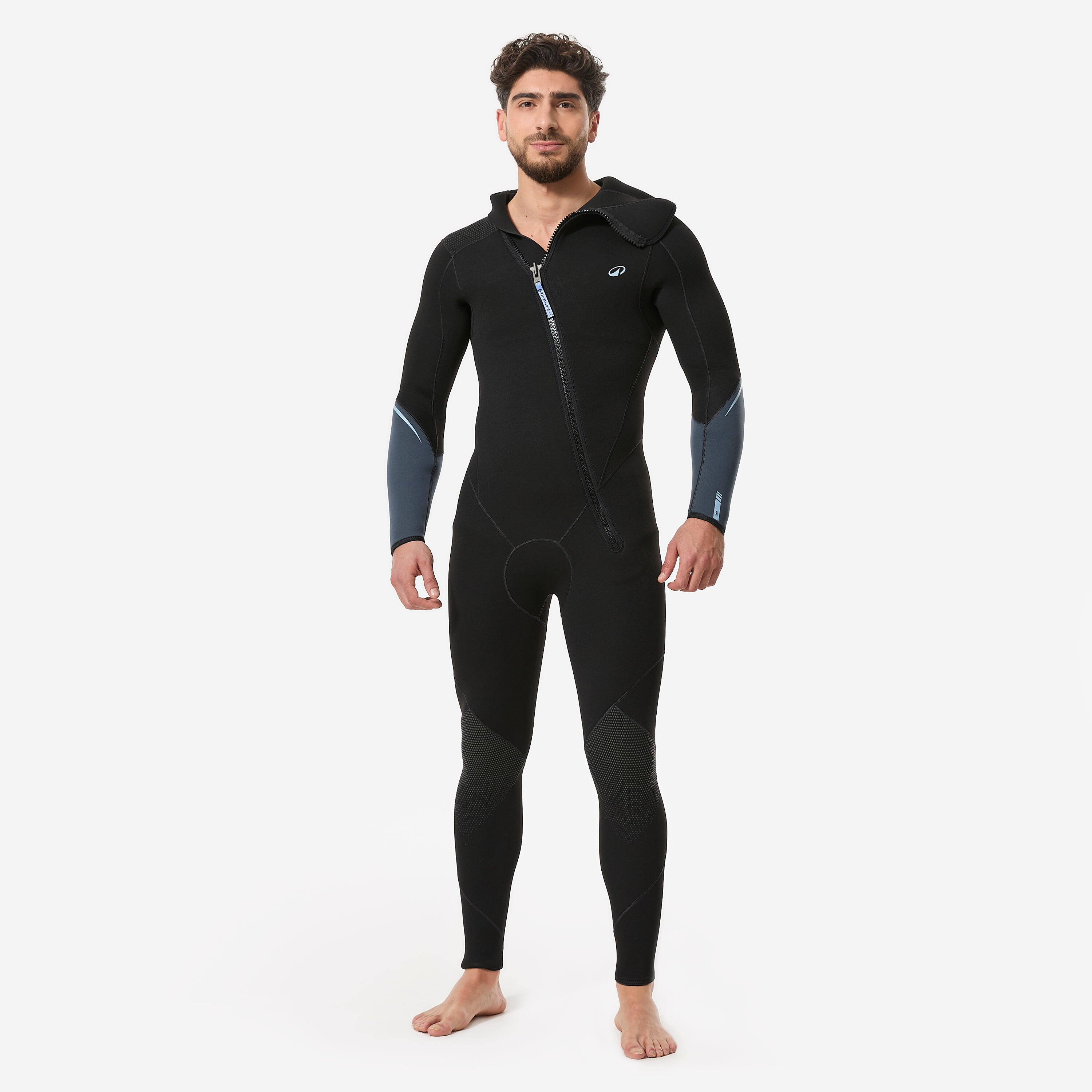
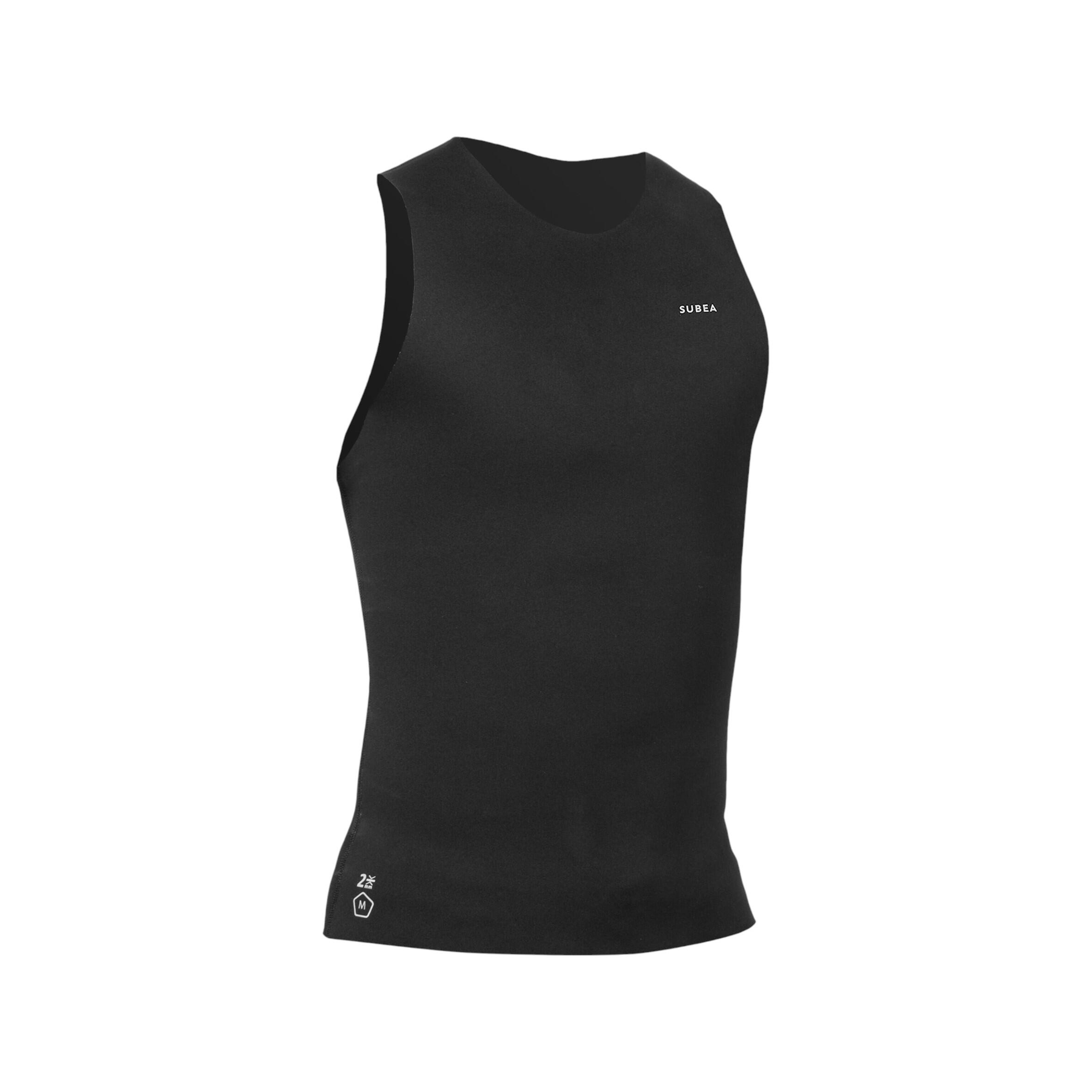
Selecting the appropriate thermal protection depends entirely on water temperature drops and individual cold sensitivity. For year-round underwater excursions, opting for heavy-duty 7mm or semi-dry scuba diving wetsuits ensures proper core temperature retention. High-density insulation cells slow down internal heat loss by minimising cold water movement inside the suit structure. Investing in reliable scuba diving neoprene configurations like hooded jackets and under-vests allows divers to extend bottom times comfortably without experiencing muscle fatigue. The technical reason behind choosing pre-compressed material formulations is that they resist crushing under heavy ambient pressures, keeping the insulating barrier intact during deep descents.
How do I choose robust scuba diving shoes for rocky shore entries?

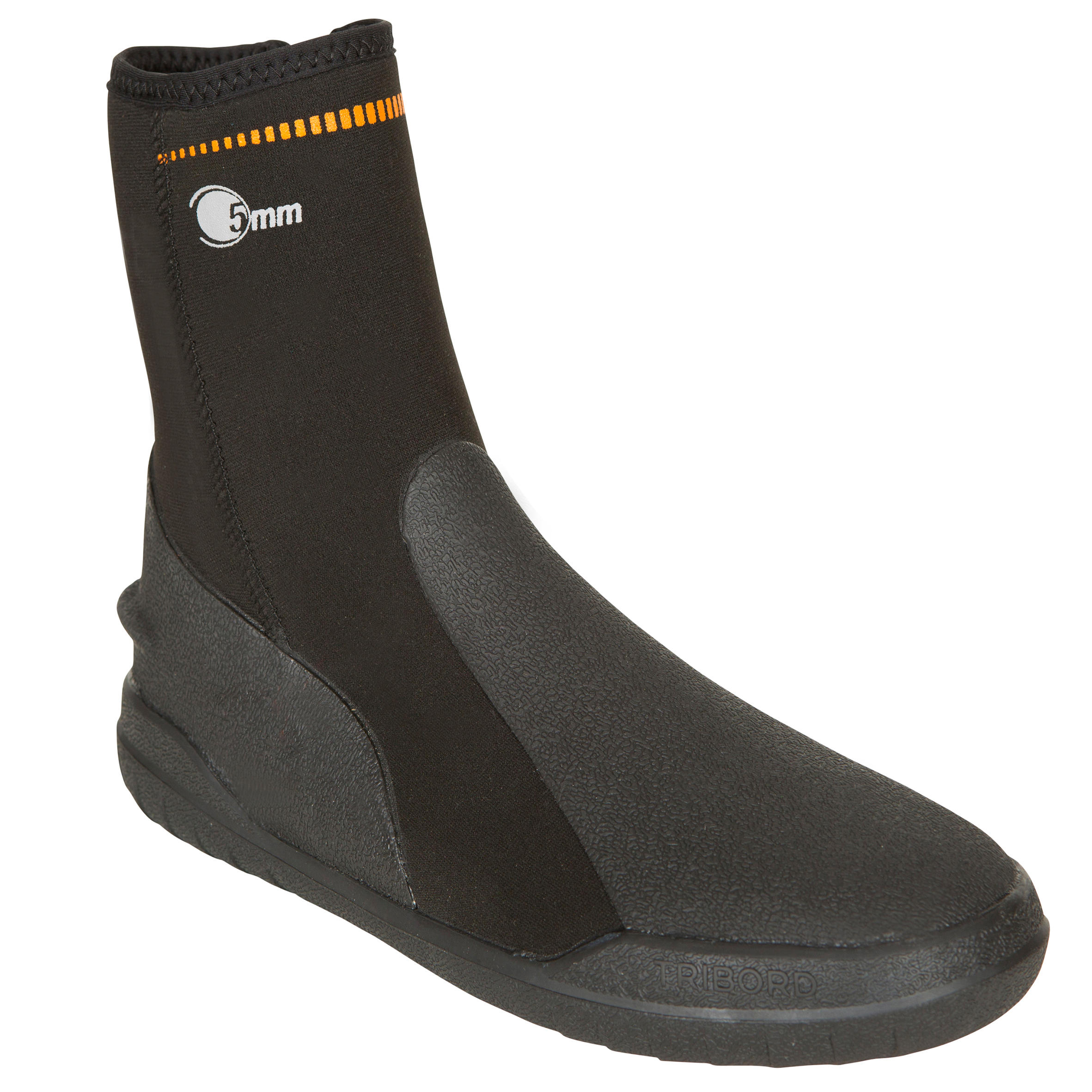
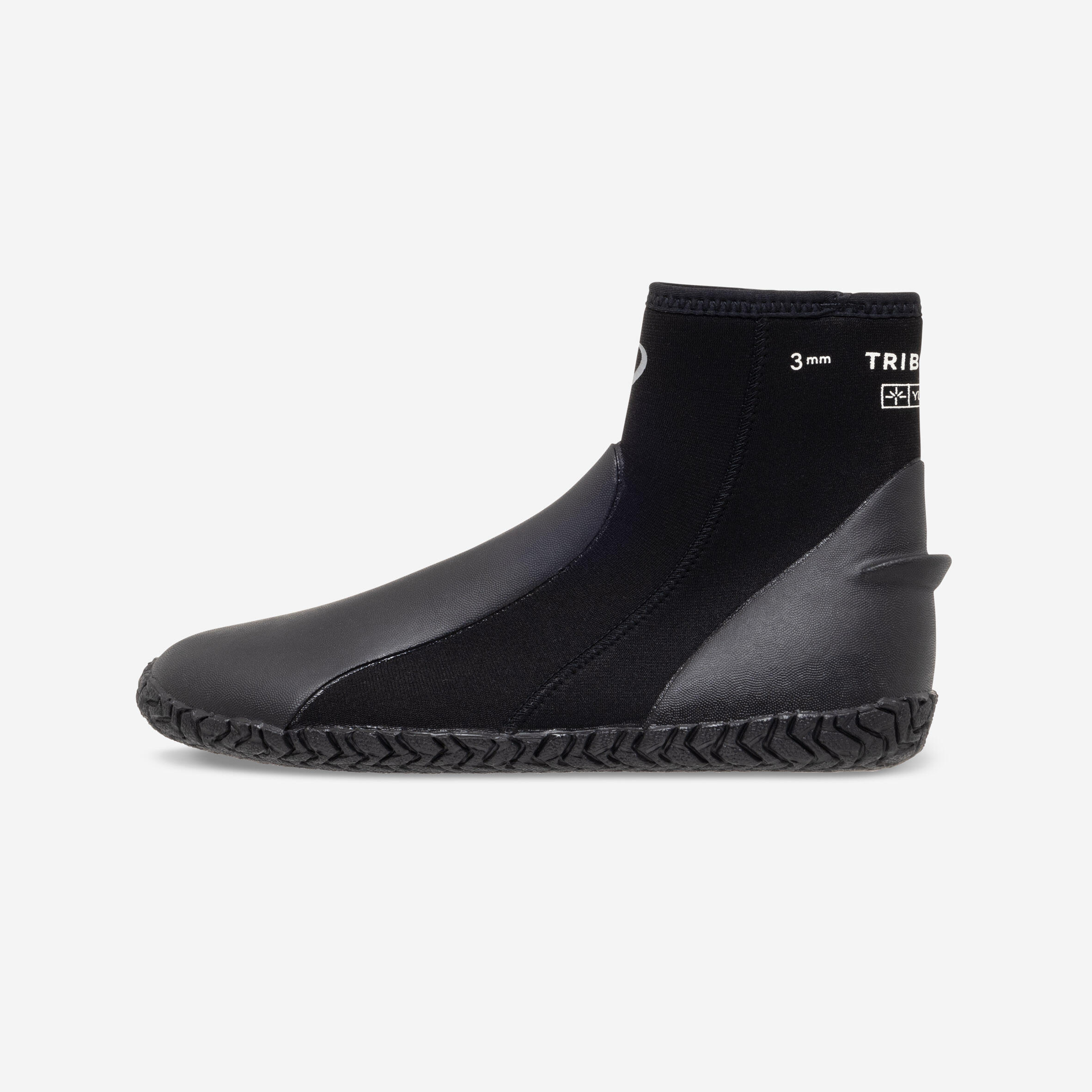
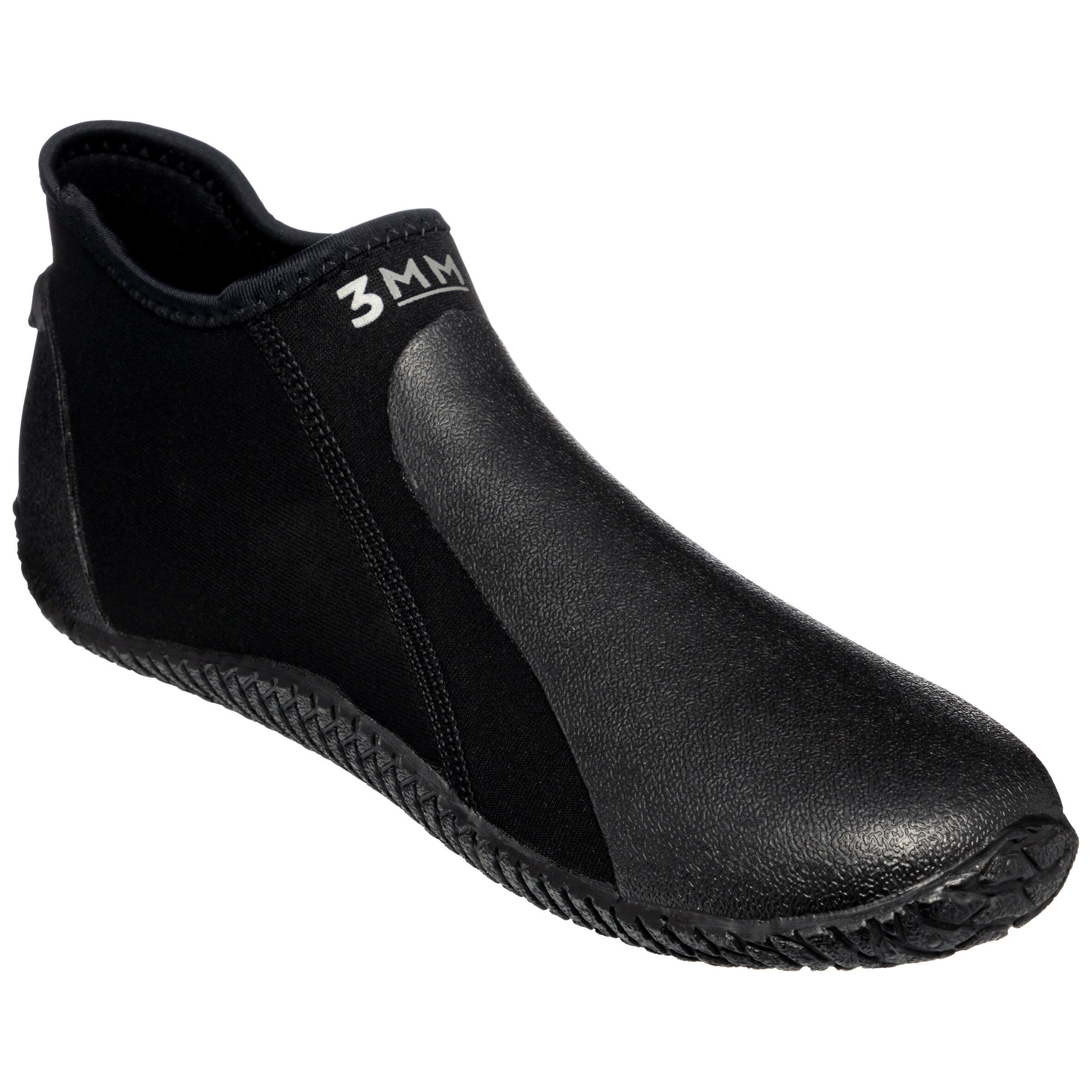
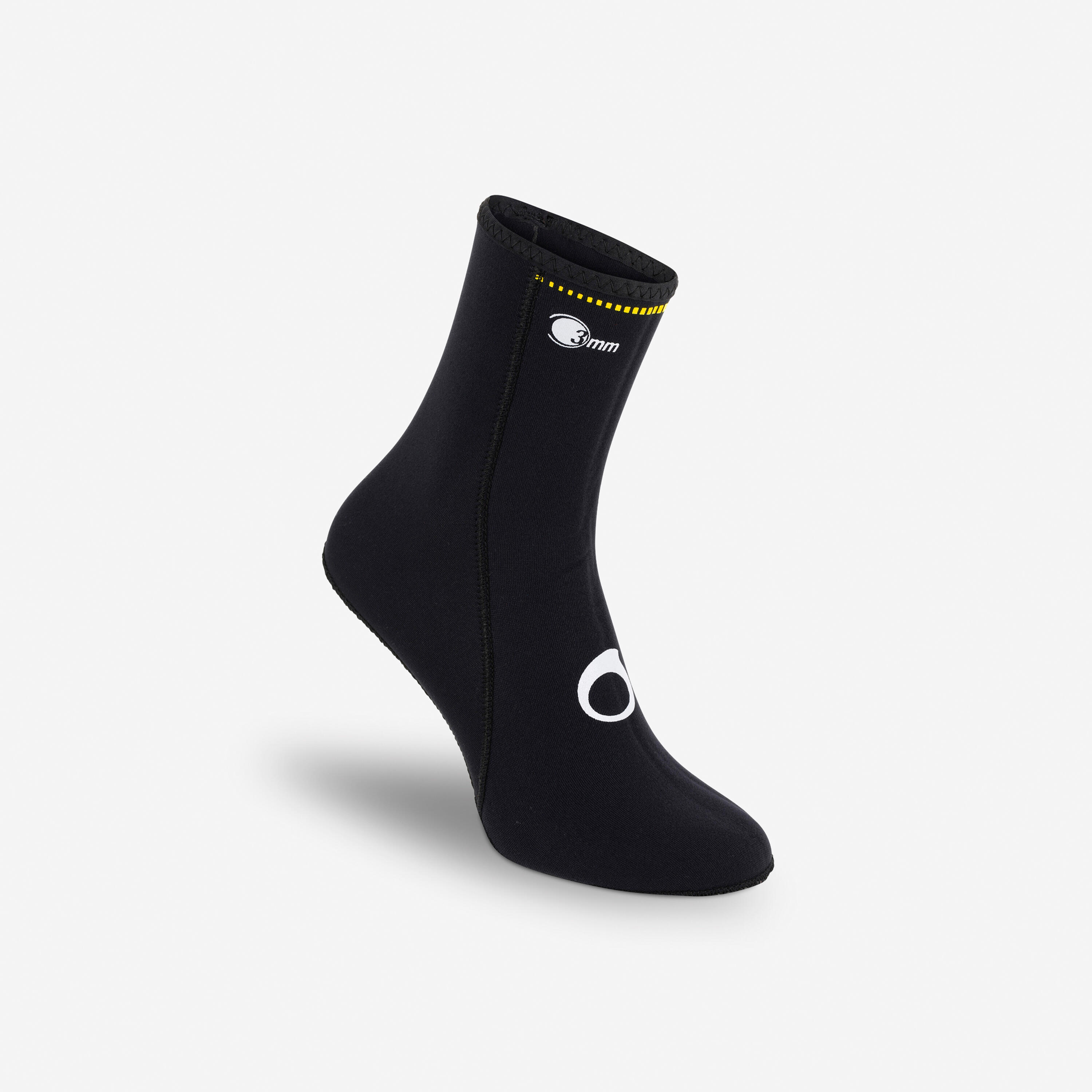
Navigating rough coastal slipways or jagged reef formations requires sturdy footwear with reinforced vulcanised soles. Heavy-duty scuba diving shoes feature semi-rigid treading that prevents slips on seaweed-covered surfaces while protecting feet from sharp barnacles. These boots should feature wide heel blocks to secure your fin straps comfortably without causing friction blisters during prolonged kicking cycles. Incorporating a comprehensive scuba diving mask, fins, snorkel setup allows seamless transitions from walking into deep-water entries. Stiff sole patterns also help distribute open-heel pocket pressure evenly across the instep.

What structural features are essential when evaluating heavy scuba diving bags?

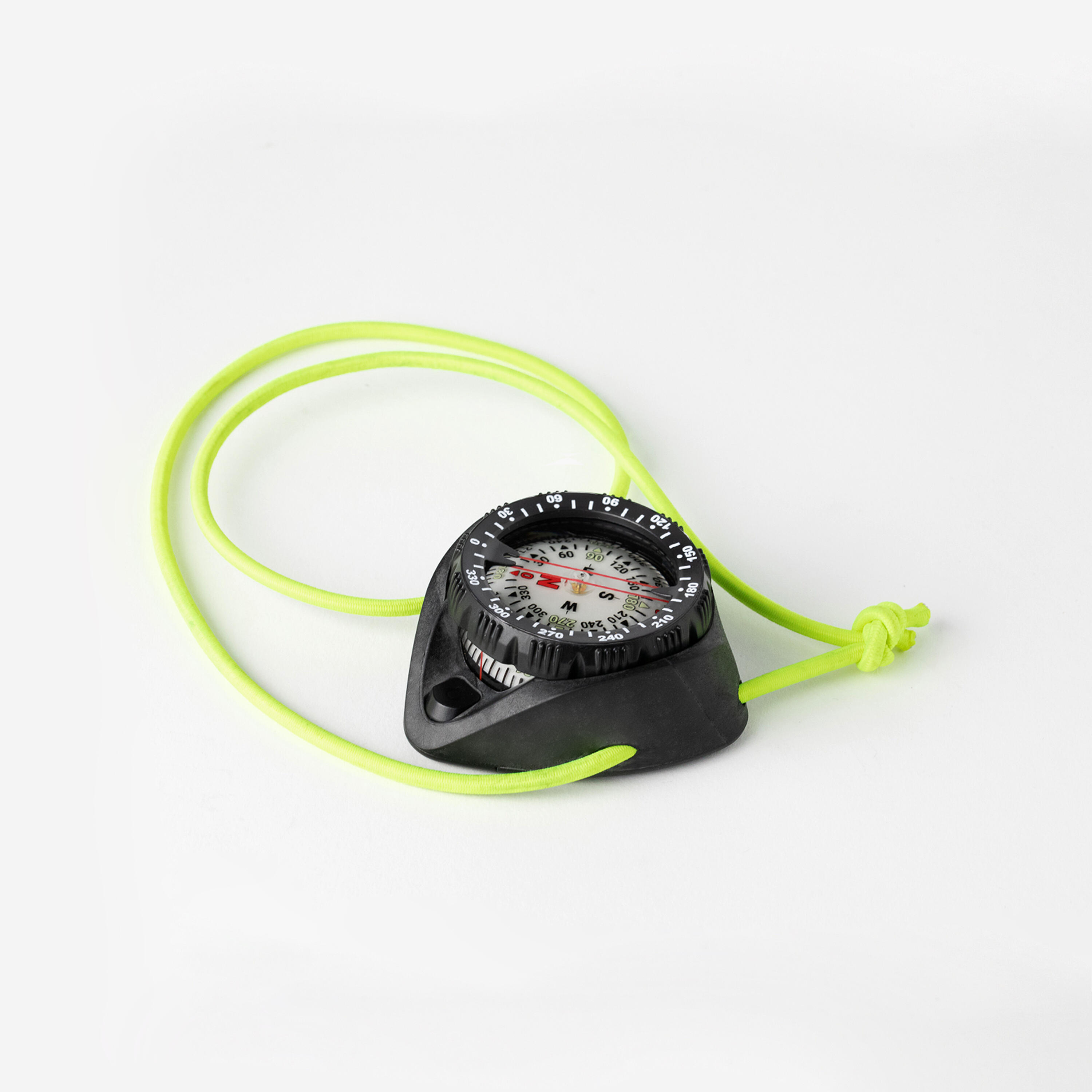
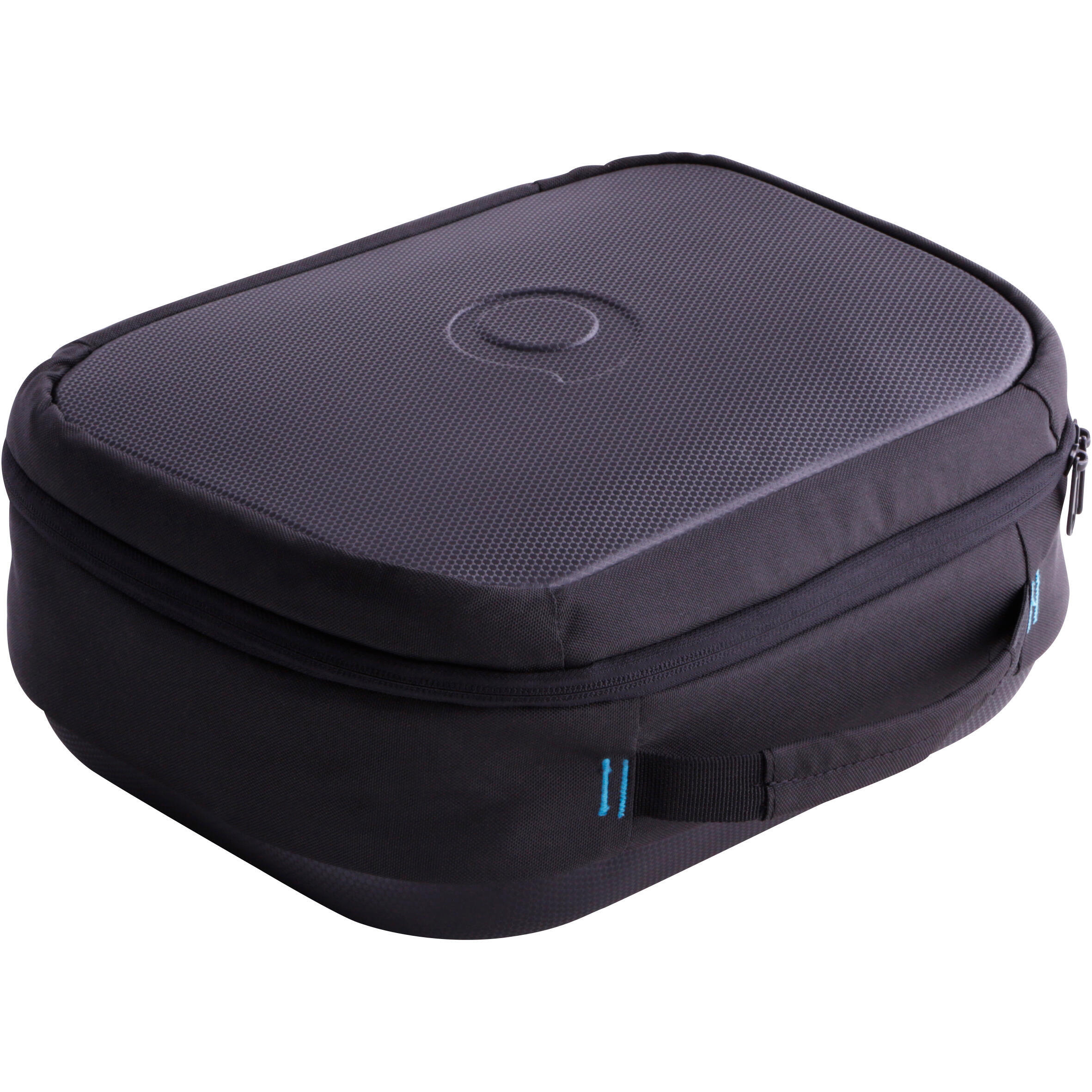
Transporting wet, heavy gear across harbours requires rugged storage options engineered with corrosion-resistant plastic fasteners and reinforced mesh drainage panels. Spacious scuba diving bags utilise water-repellent PVC coatings to prevent salt residue from leaking into car boots post-dive. Choosing ventilation ports allows air circulation, which prevents mildew buildup during quick transit intervals between sites. Stashing delicate measuring tools or backup regulators inside separate padded compartments alongside scuba diving accessories preserves critical instruments from impact damage. Heavy-duty wrap-around straps provide dependable weight distribution when lifting wet equipment.

Why do low-volume scuba diving masks minimise squeeze during deeper descents?

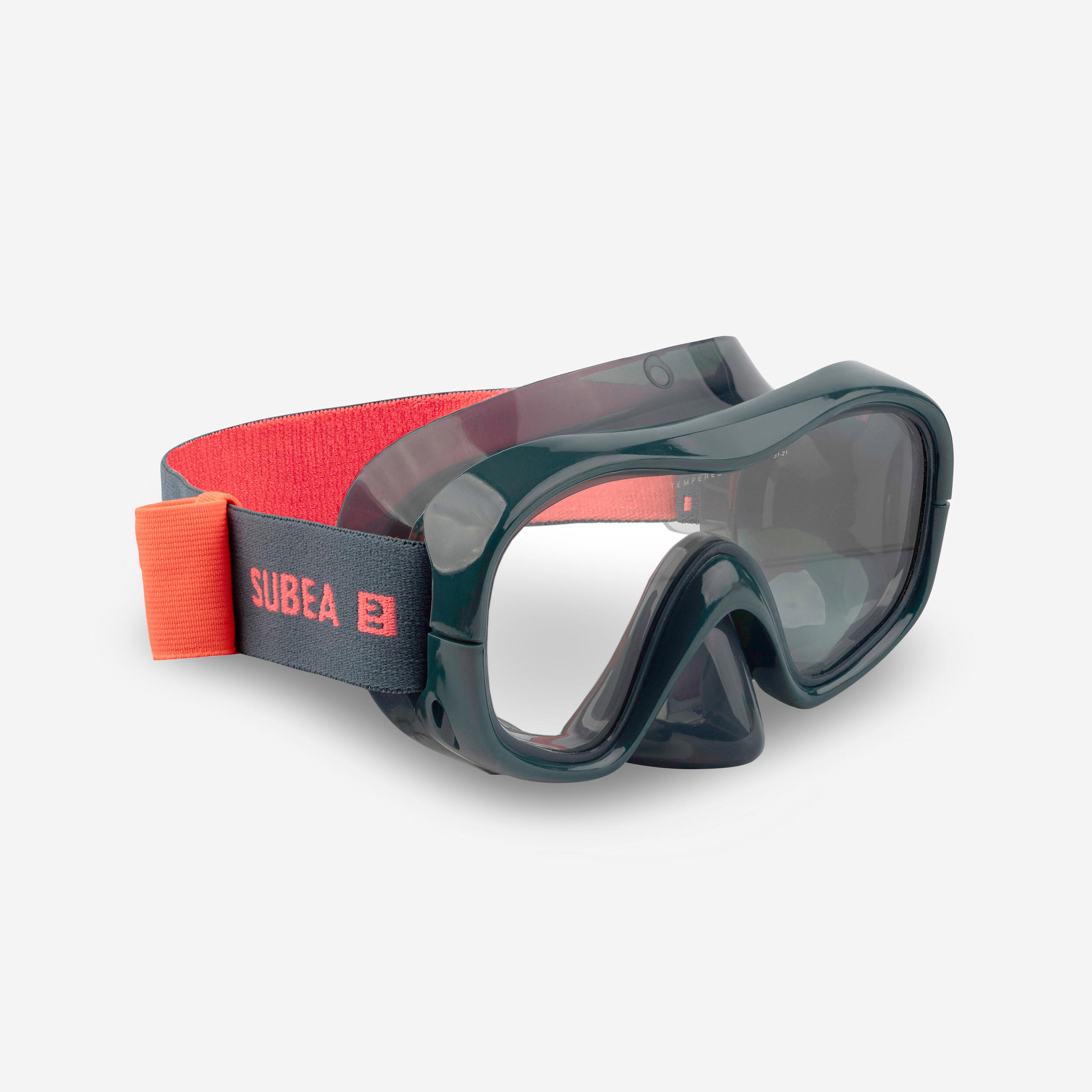
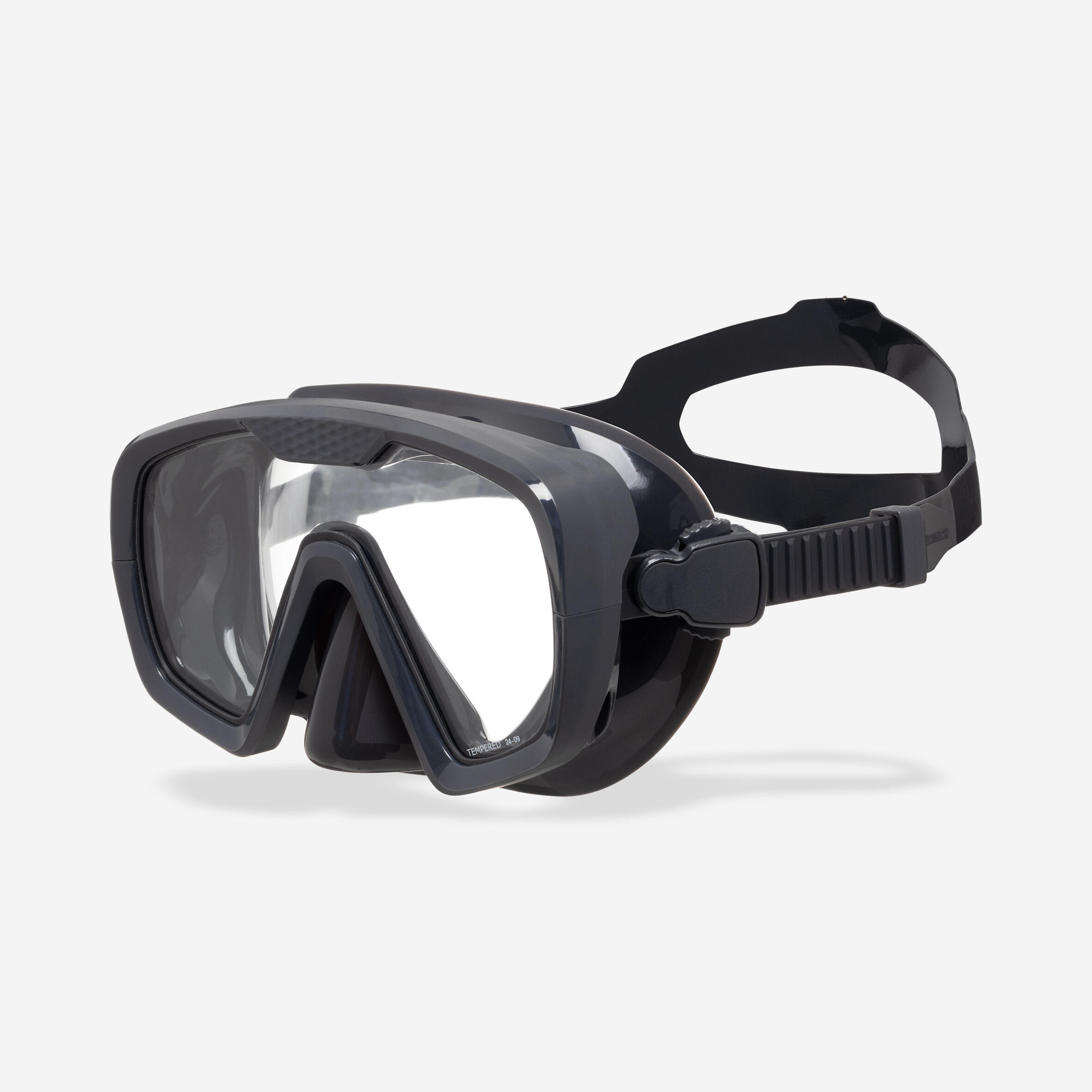
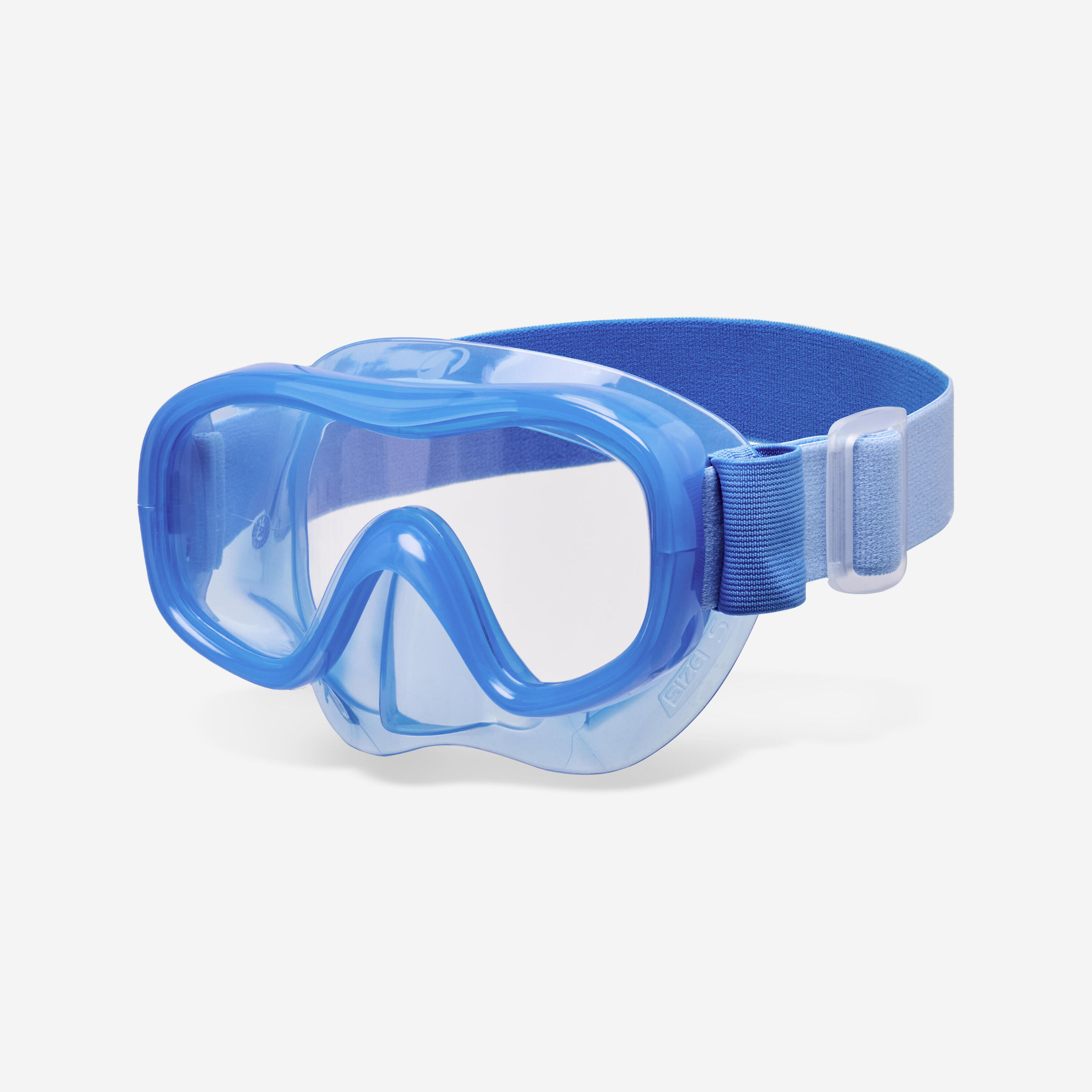
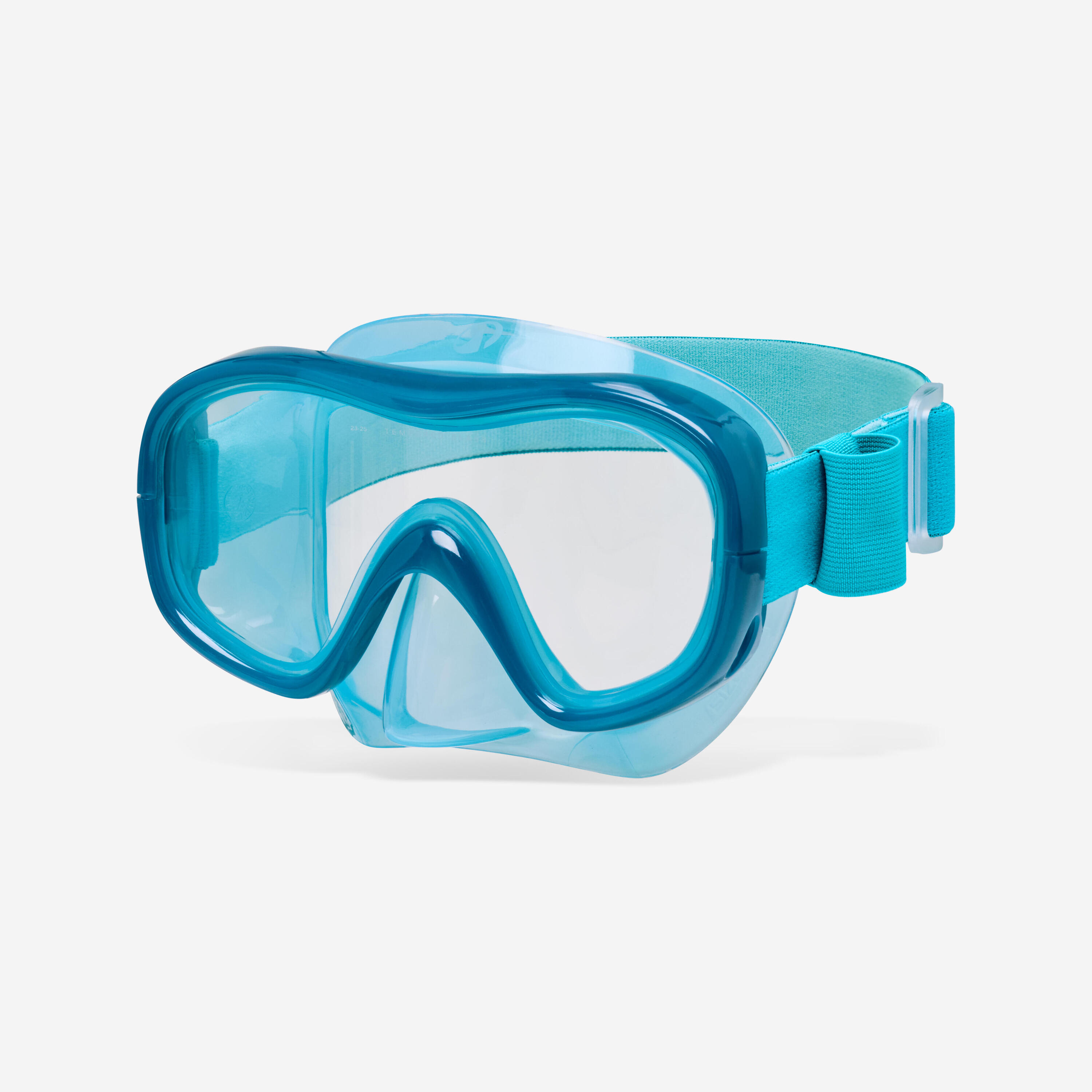
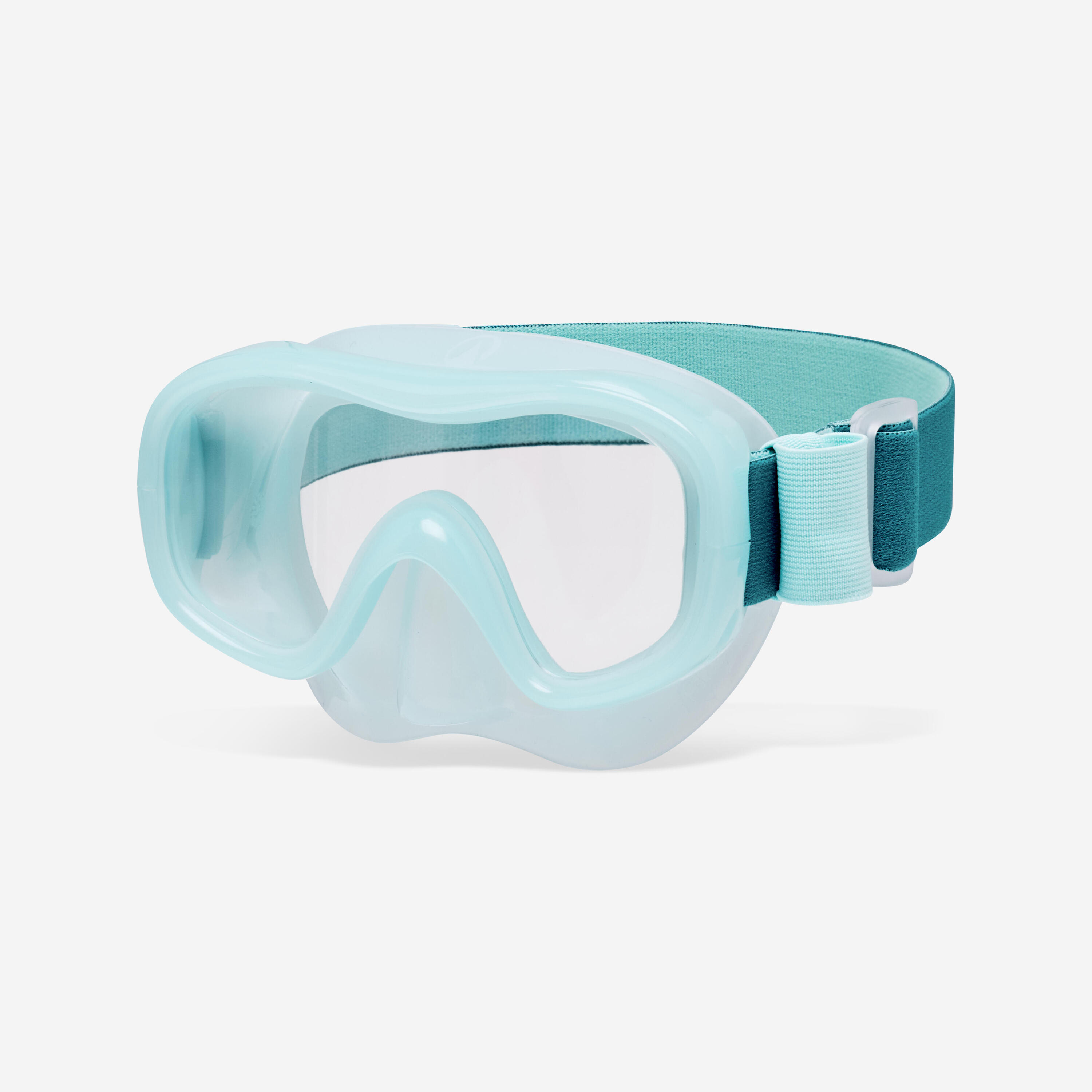
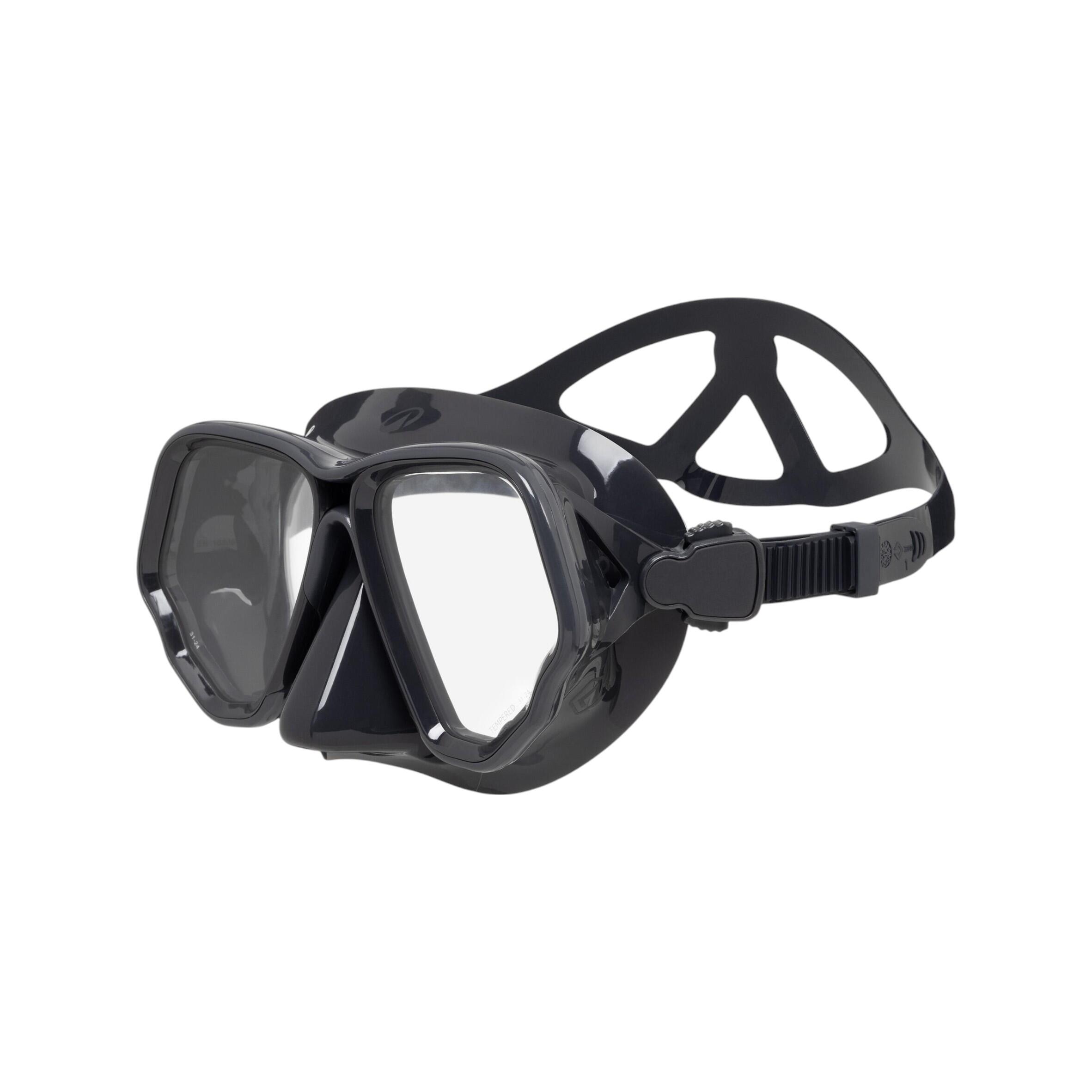
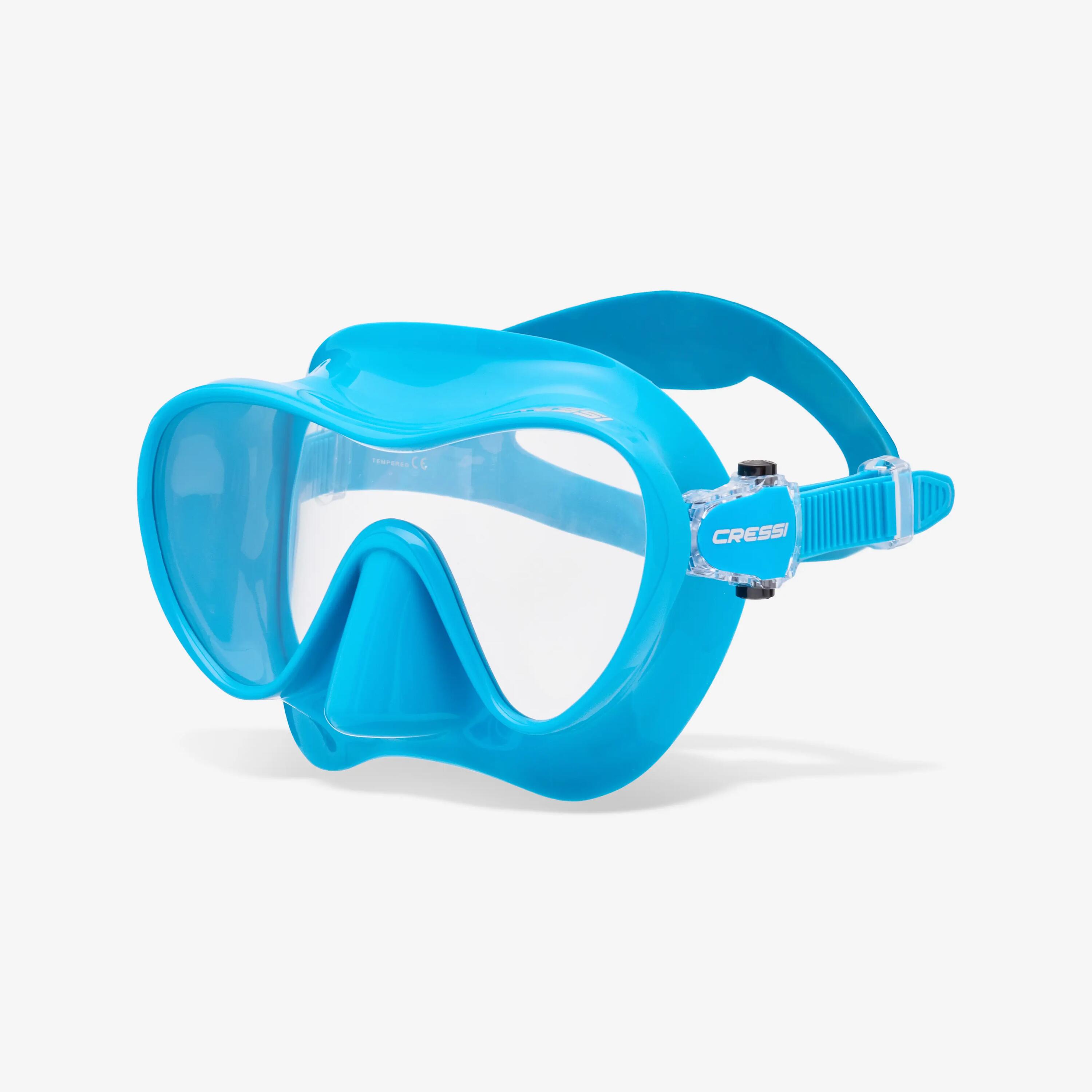
Low-volume configurations sit closer to the face, reducing the internal air space that needs equalising during descents. Standard scuba diving masks feature supple silicone skirts that seal comfortably against facial contours, preventing cold water trickles from disrupting vision. Using single-lens tempered glass frames maximises peripheral views, helping you monitor depth gauges and dive buddies effortlessly. Combine high-performance scuba diving gear, such as balanced regulators, to ensure stable gas delivery. The reduced internal volume requires minimal exhalation through the nose to balance pressure differentials perfectly.

How does breathing gas management work in scuba diving?

Mechanical open-circuit configurations supply compressed gas continuously at ambient pressure matching your current depth profile, allowing constant respiration. Unlike freediving, where a single breath must sustain the entire dive, scuba equipment delivers breathing gas throughout the descent and ascent. Selecting specialised Beuchat scuba diving essentials ensures your delivery valves adjust precisely to fluctuating pressure changes, helping prevent lung barotrauma. Understanding these physiological differences also supports safe buoyancy control, as scuba systems rely on adjusting jacket air volumes rather than lung inflation to remain neutral.