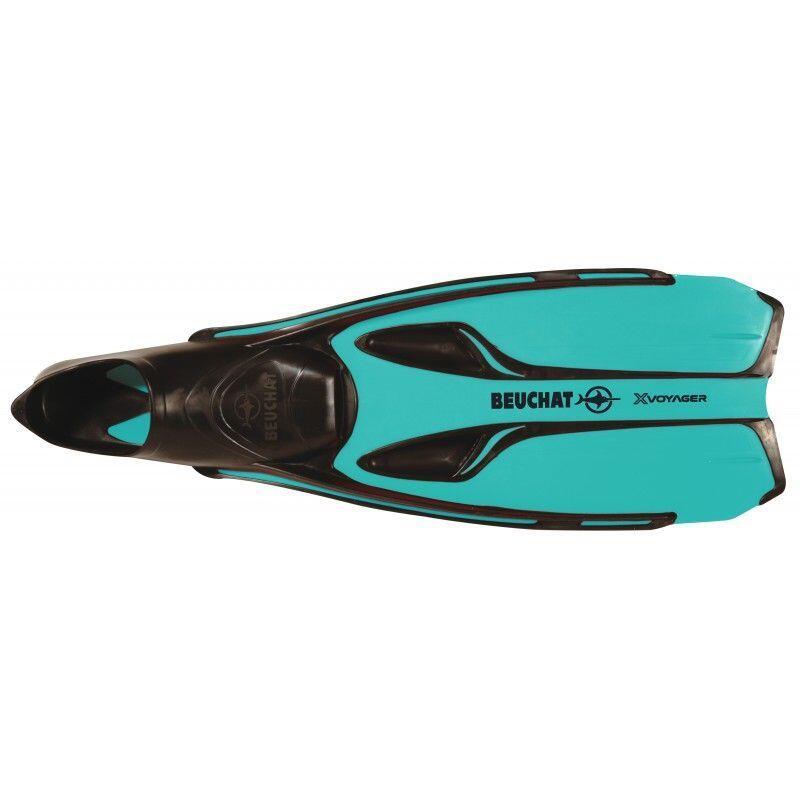
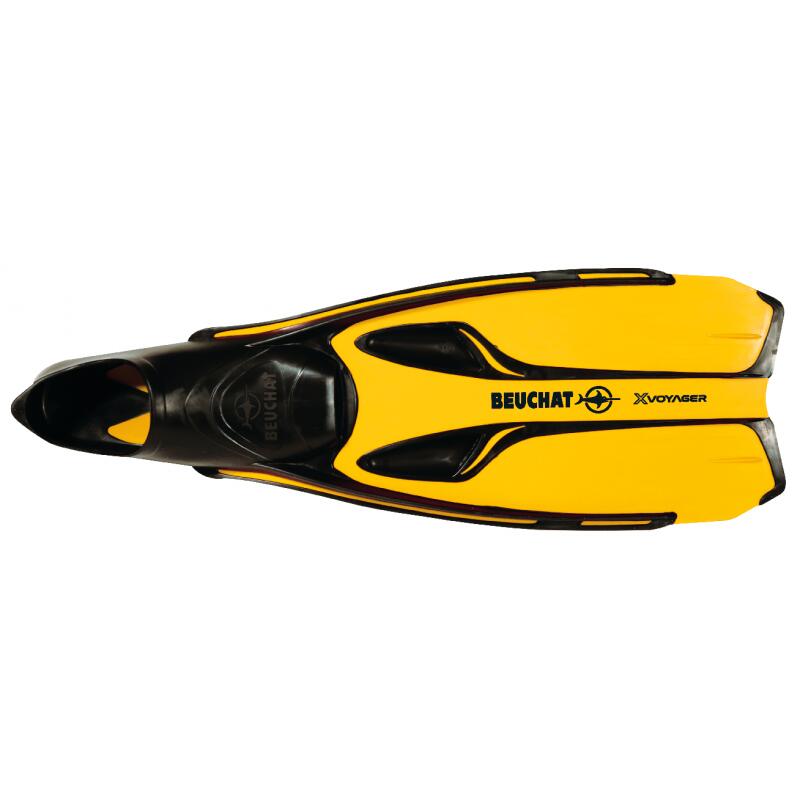
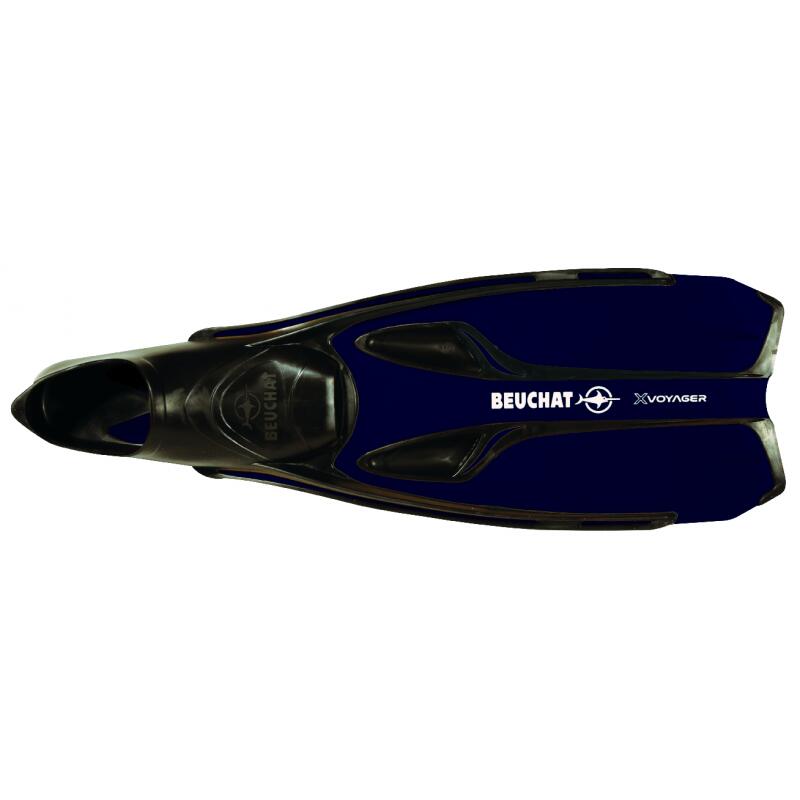
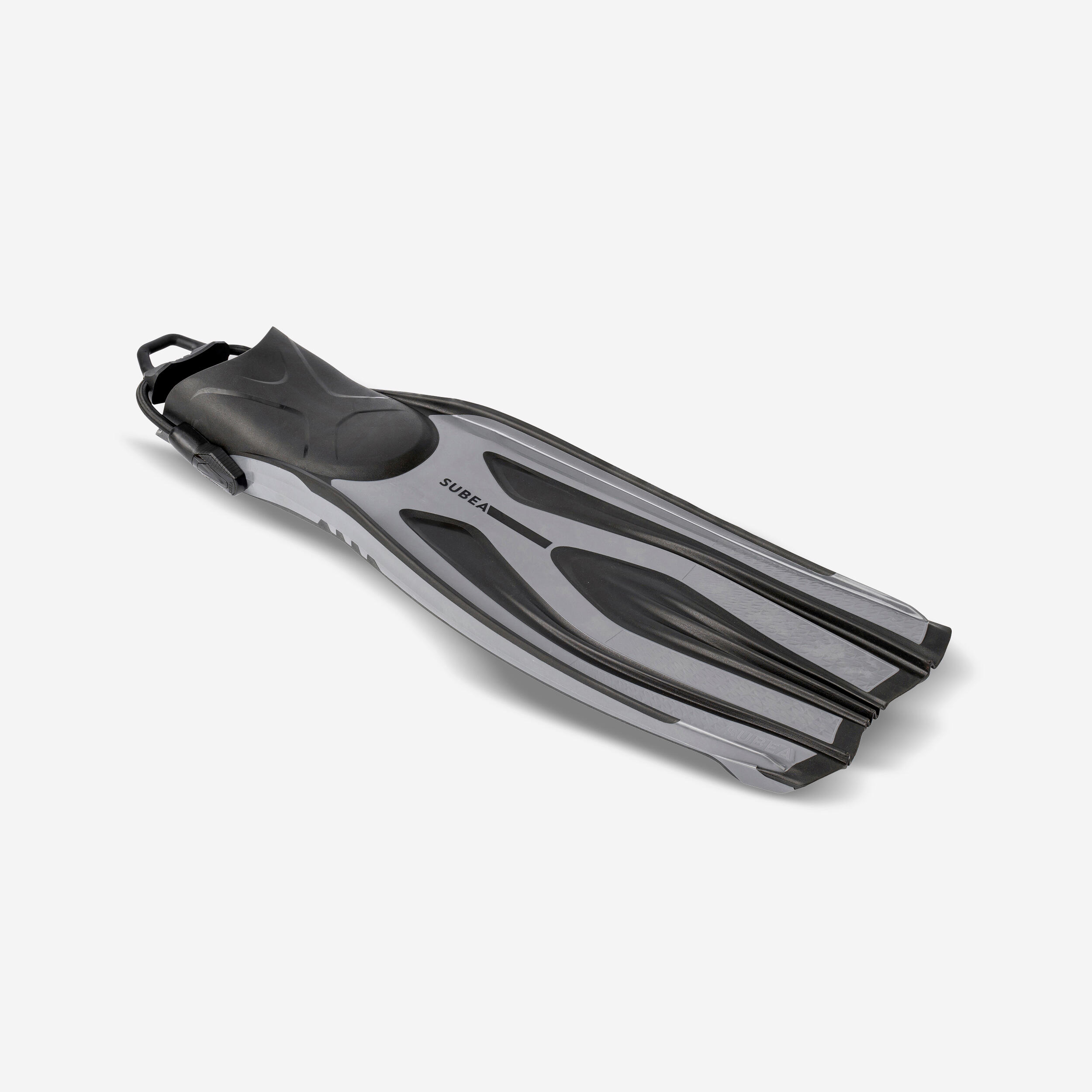
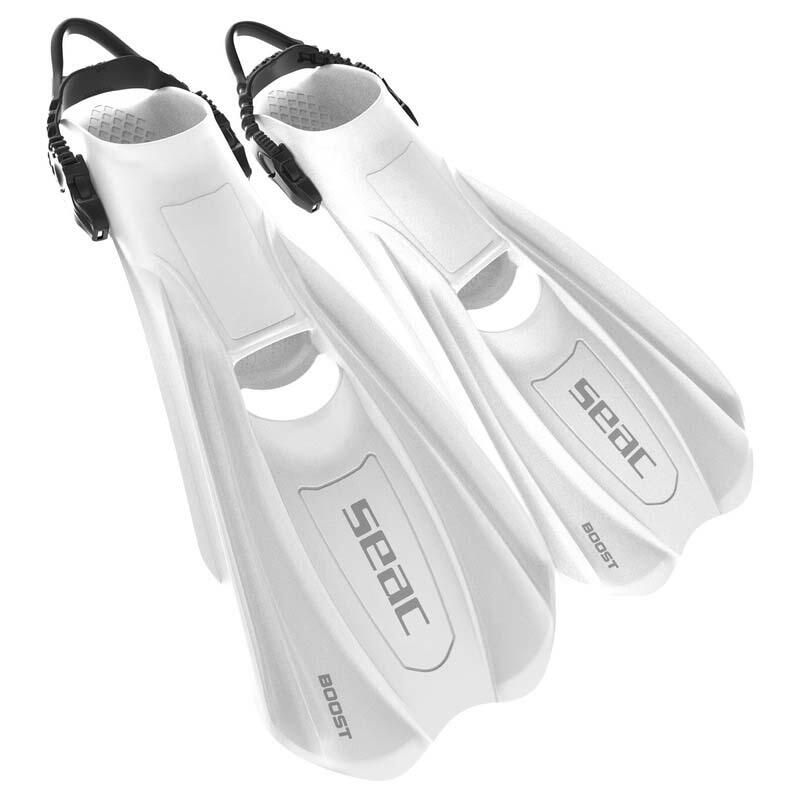
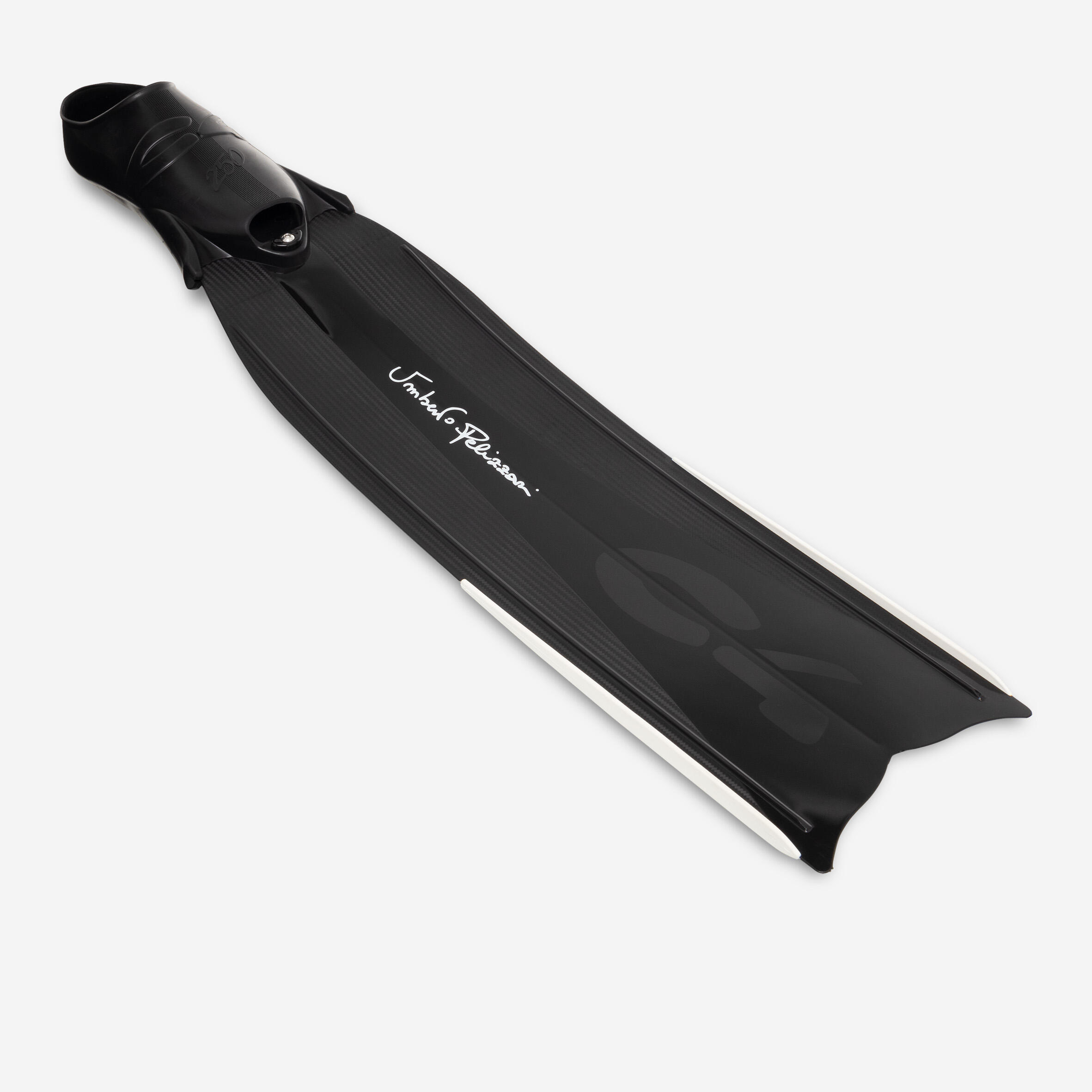
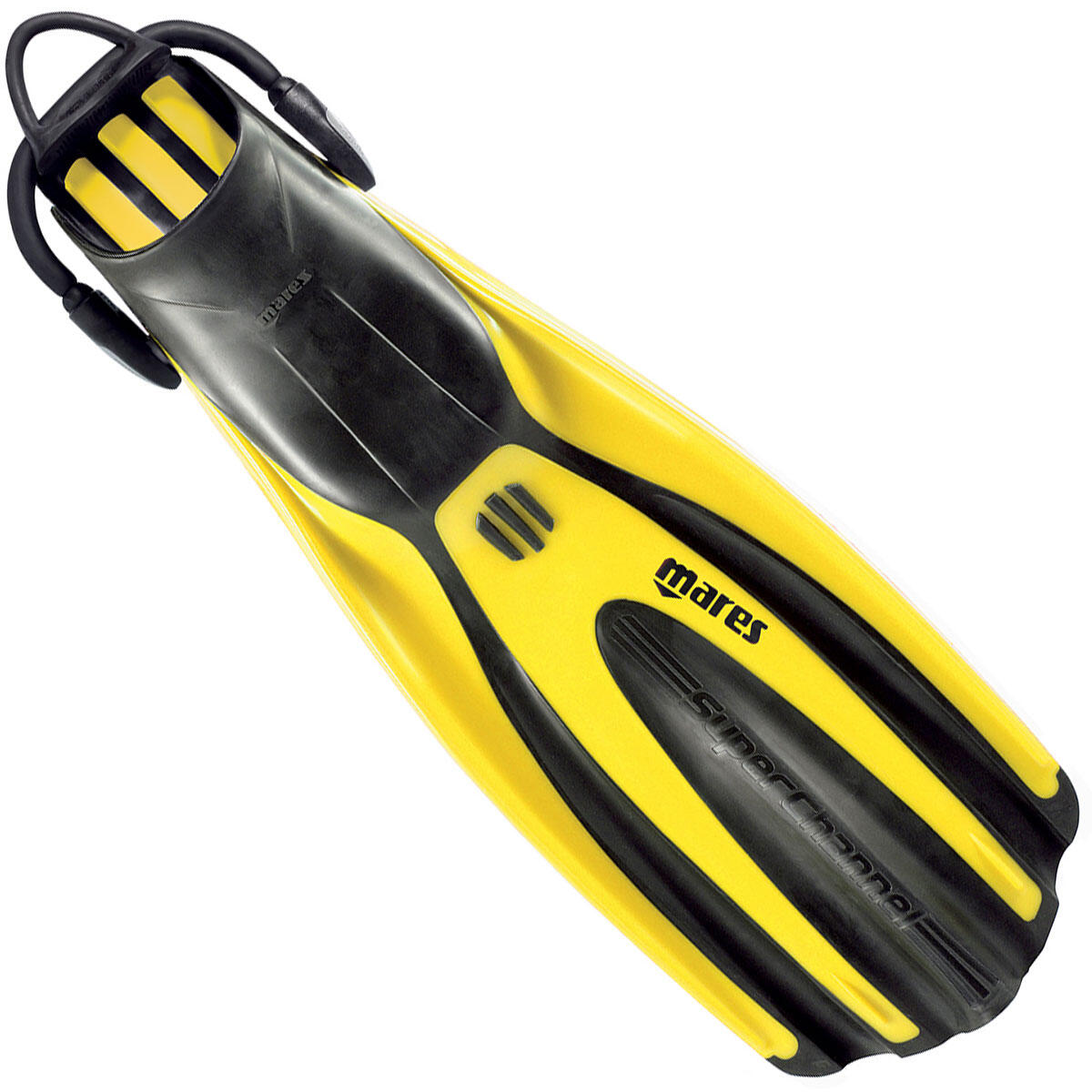
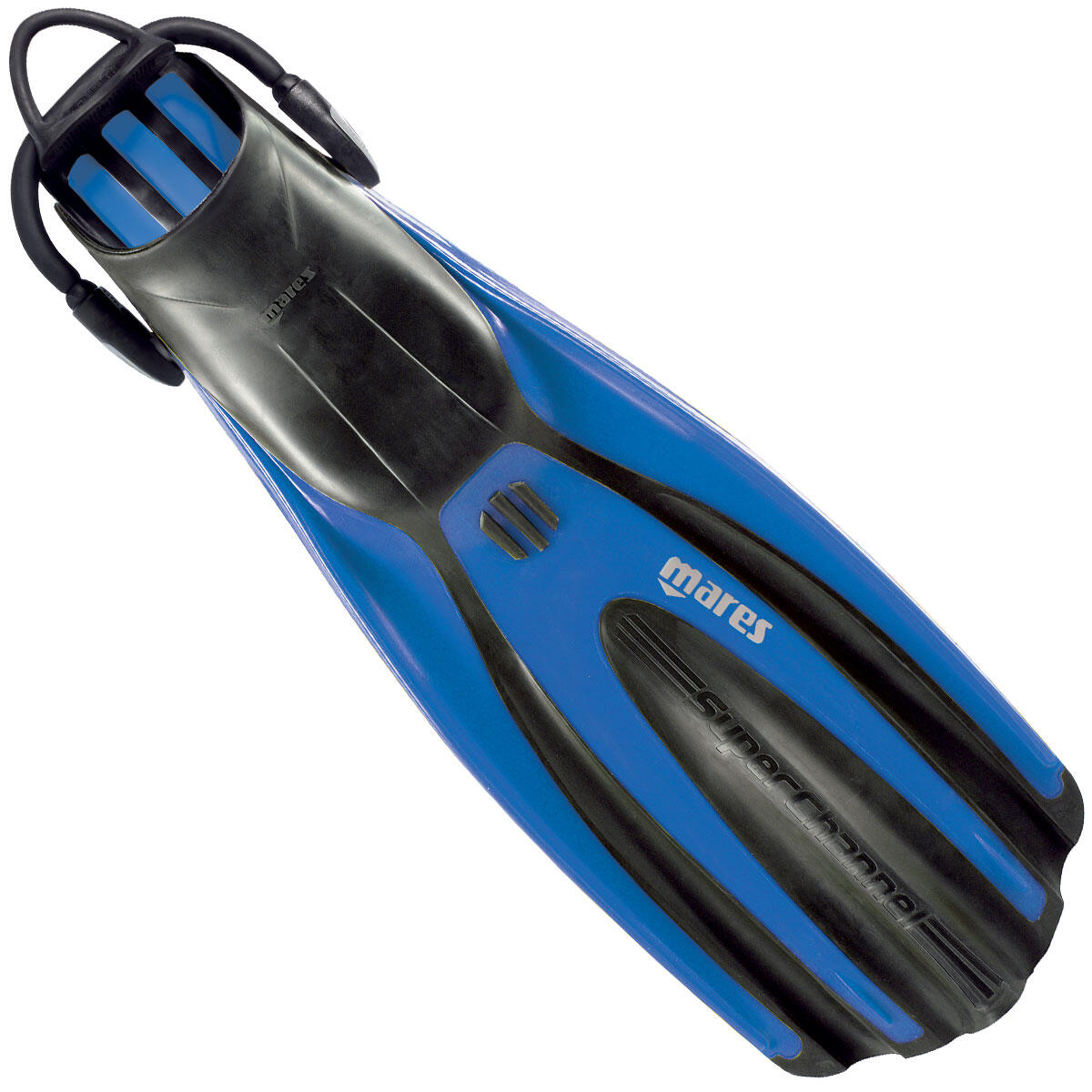
38 items
4.6/5 based on 1751 reviews collected online and in stores

SCUBA DIVING FINS FAQS

How do blade channels modify propulsion efficiency in open water environments?

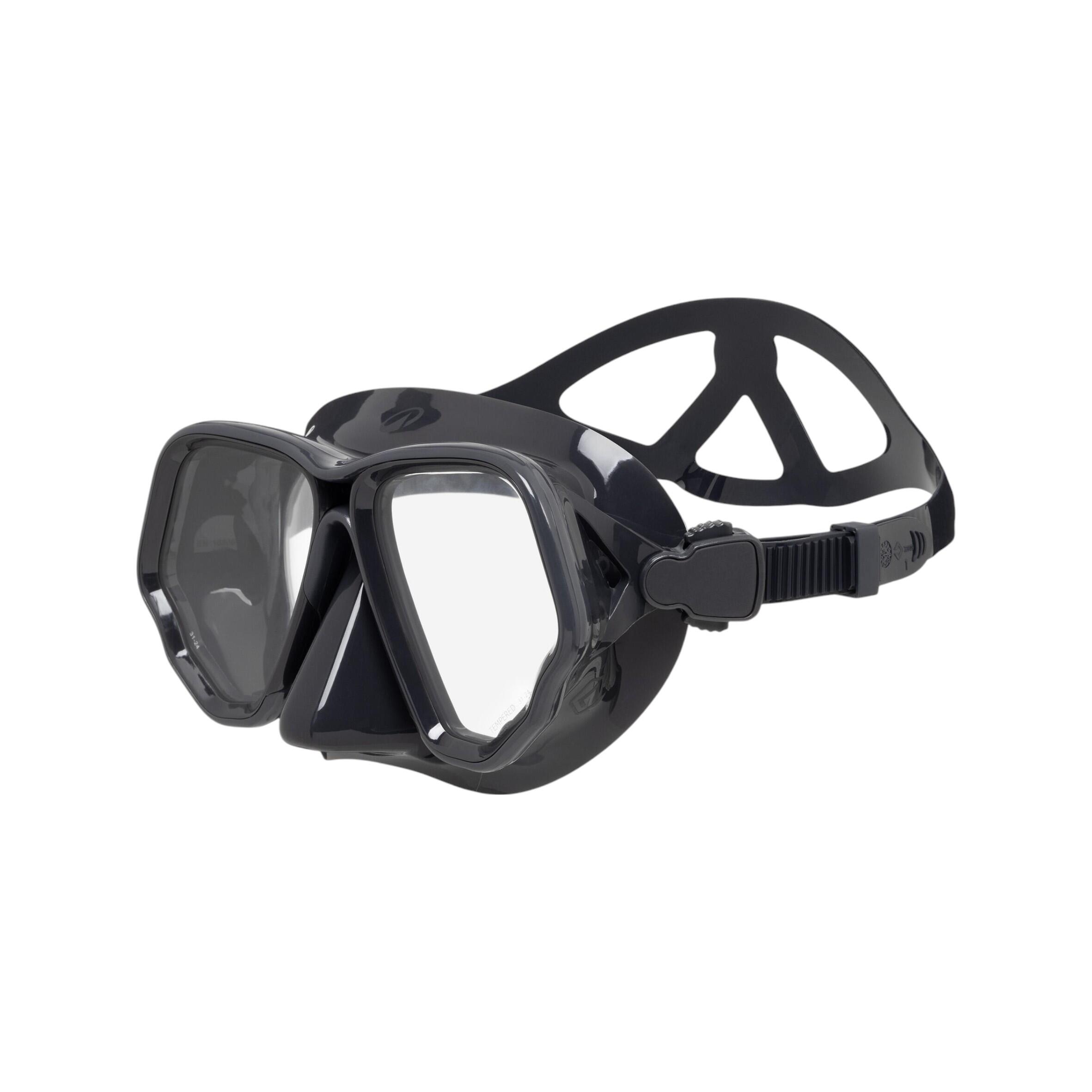
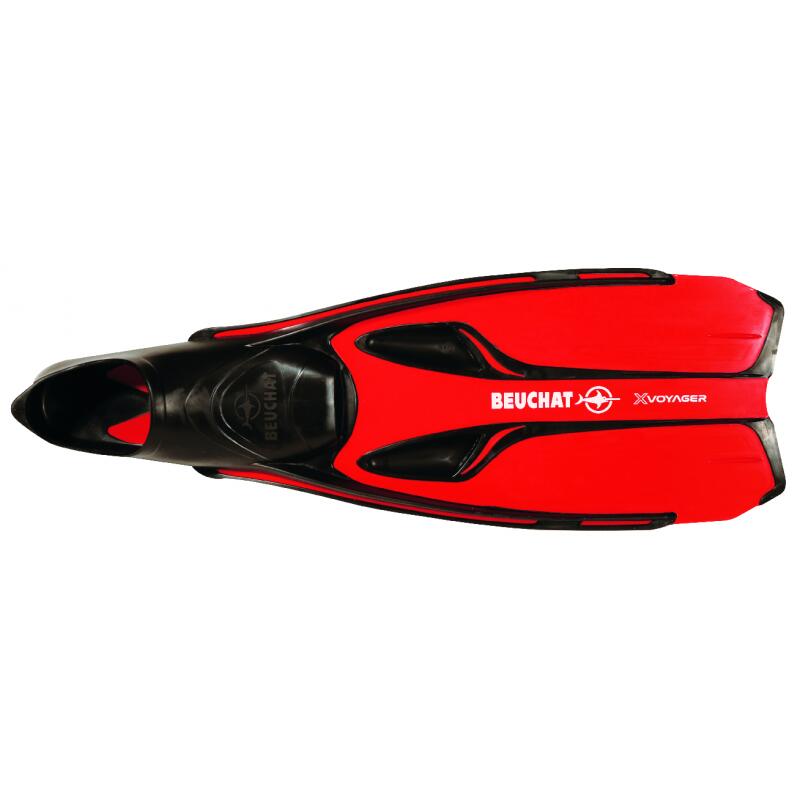
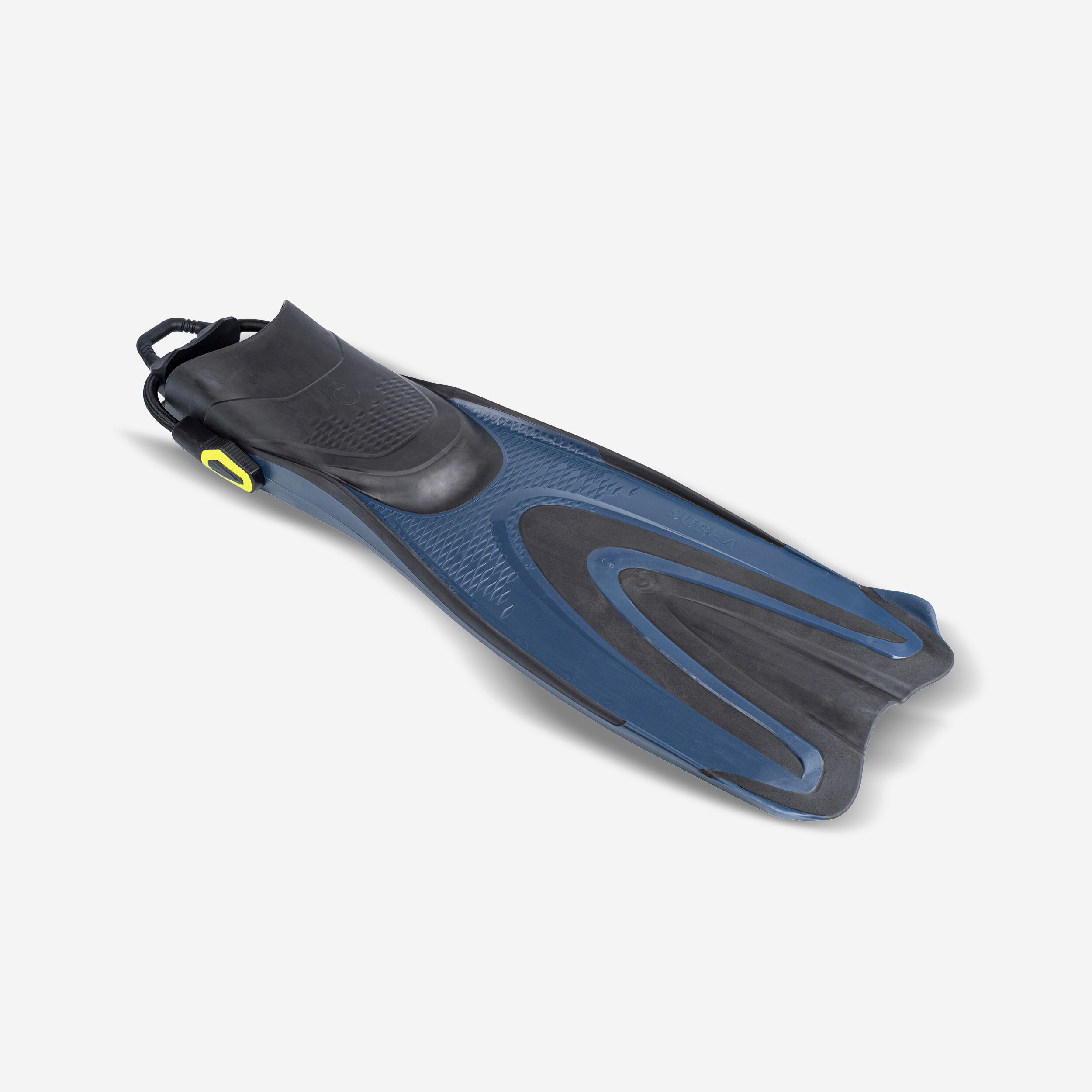
Hydrodynamic performance relies on controlling spill along the blade perimeter during both the upward and downward strokes. Standard flat-surface options permit excessive water loss over the lateral edges, whereas multi-channel designs actively cup and direct the liquid column backwards. When assembling configuration setups, coordinating these components with low-volume scuba diving masks helps reduce drag by reducing global drag profiles during subsurface transitions. The physical reason for choosing advanced polymer channel configurations is that they distort dynamically under resistance, generating a tighter jet stream that accelerates movement. This specific geometric deformation reduces hip fatigue, letting individuals maintain stable propulsion when working against strong tidal currents.
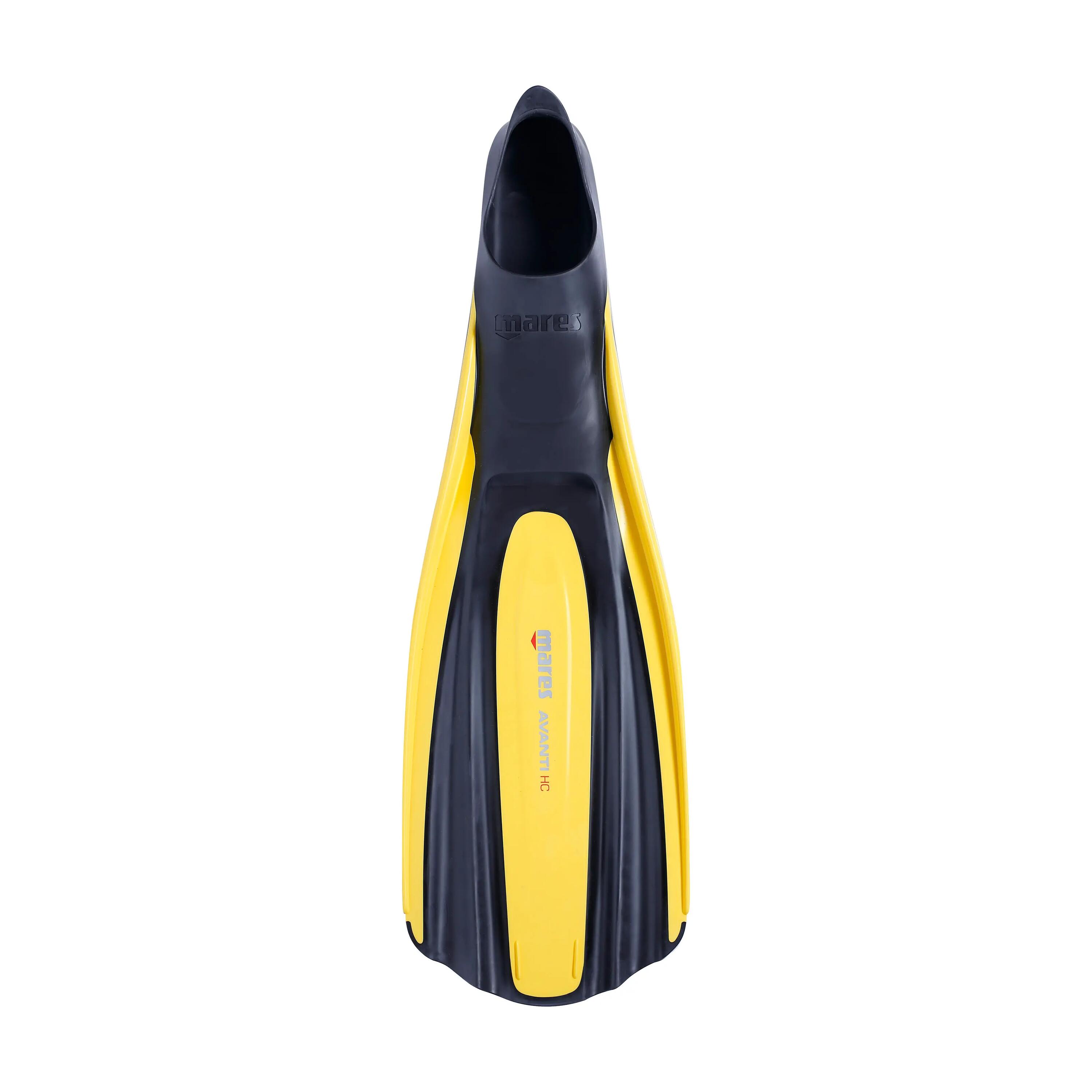
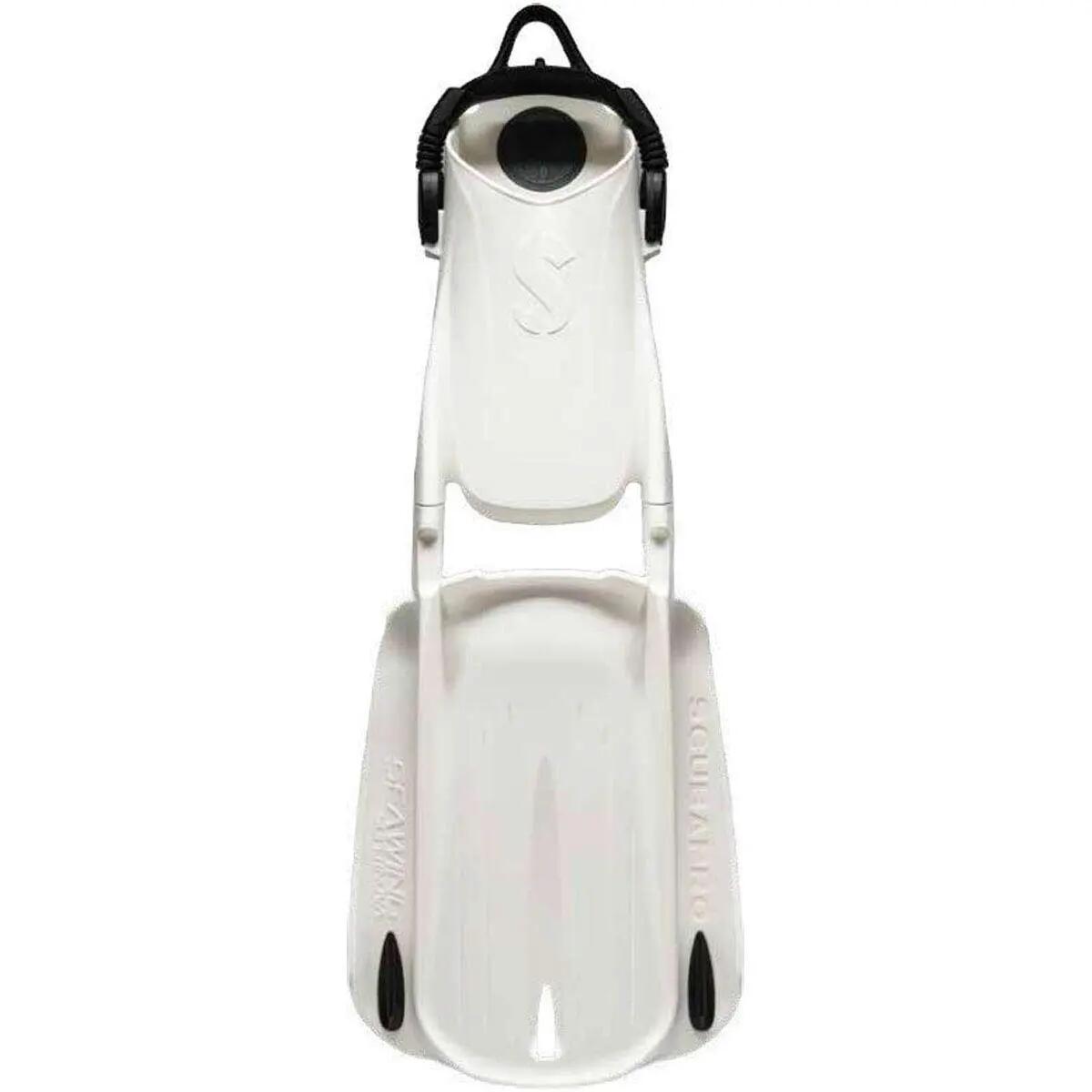
Why are open-heel options preferred over full-foot models for technical profiles?

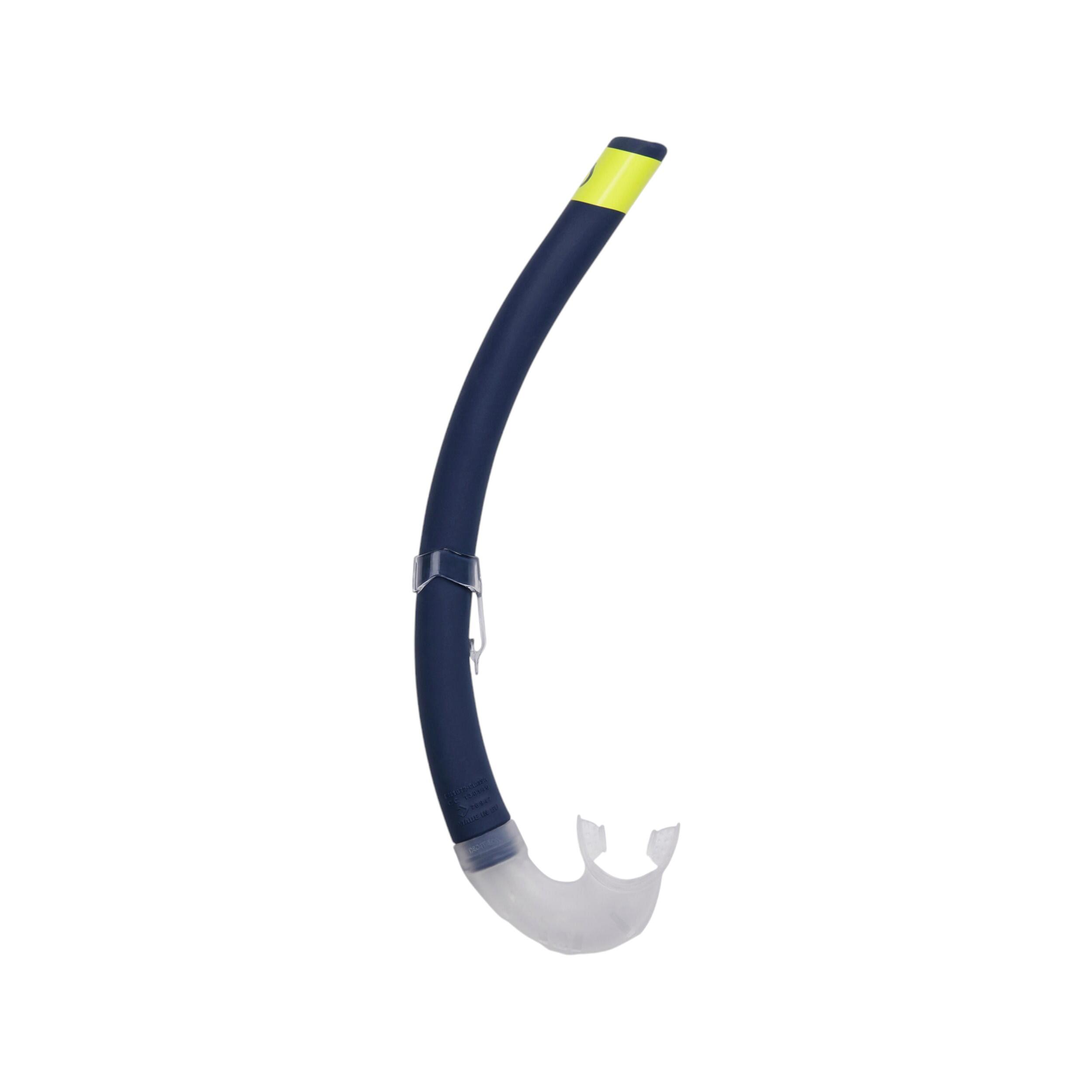
Adapting setups to variable water temperatures requires accommodating thick insulation layers around the lower extremities. Open-heel designs allow the use of thick neoprene boots with heavy vulcanised soles, which are necessary for safely crossing sharp rocky shorelines. Integrating reliable scuba diving snorkels onto the side positioning straps ensures simple breathing comfort during long surface swims back to the entry zone. The open pocket geometry features wide drainage vents to prevent heavy suction from trapping the boot during quick removals.

What are the benefits of upgrading to pre-tensioned bungee attachment kits?

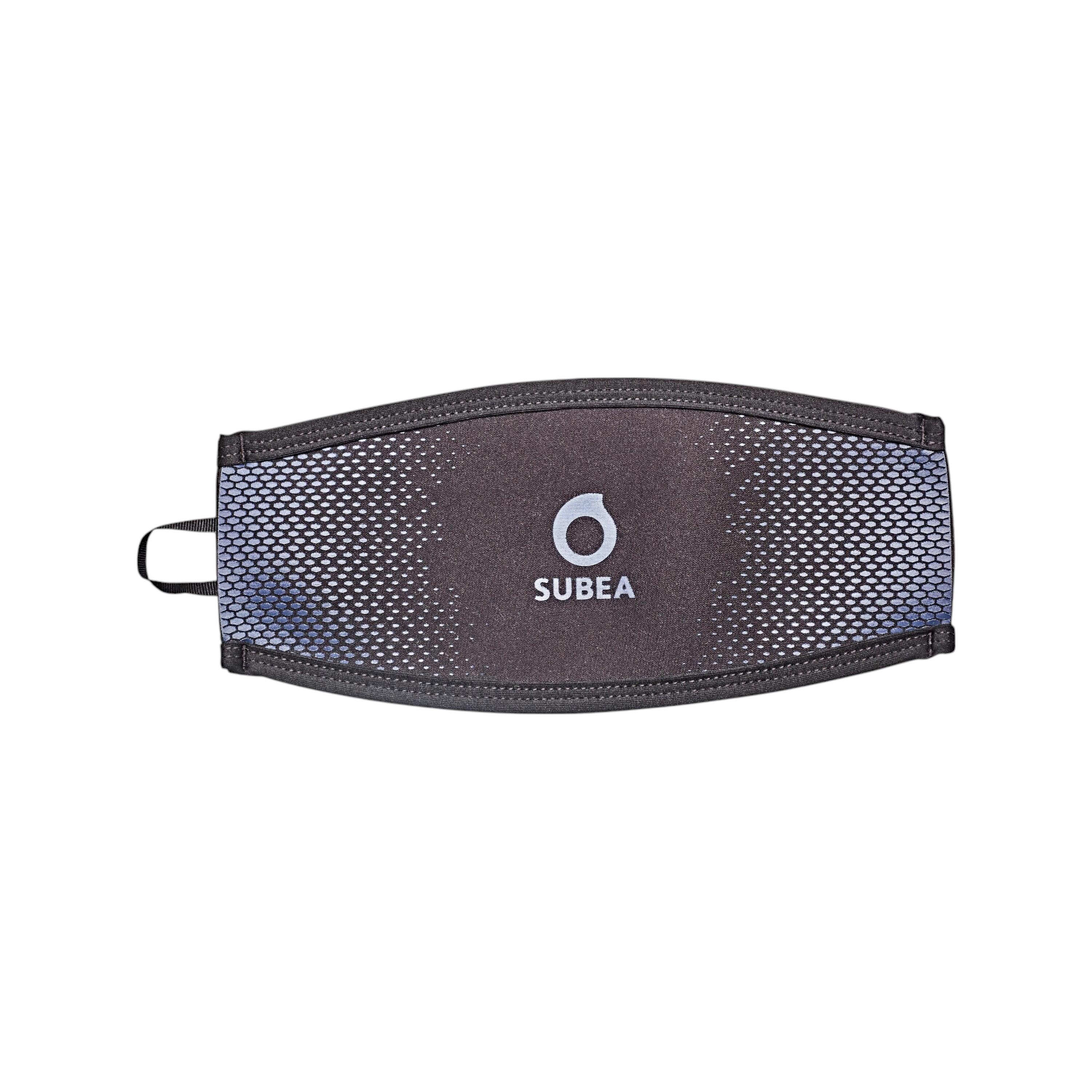
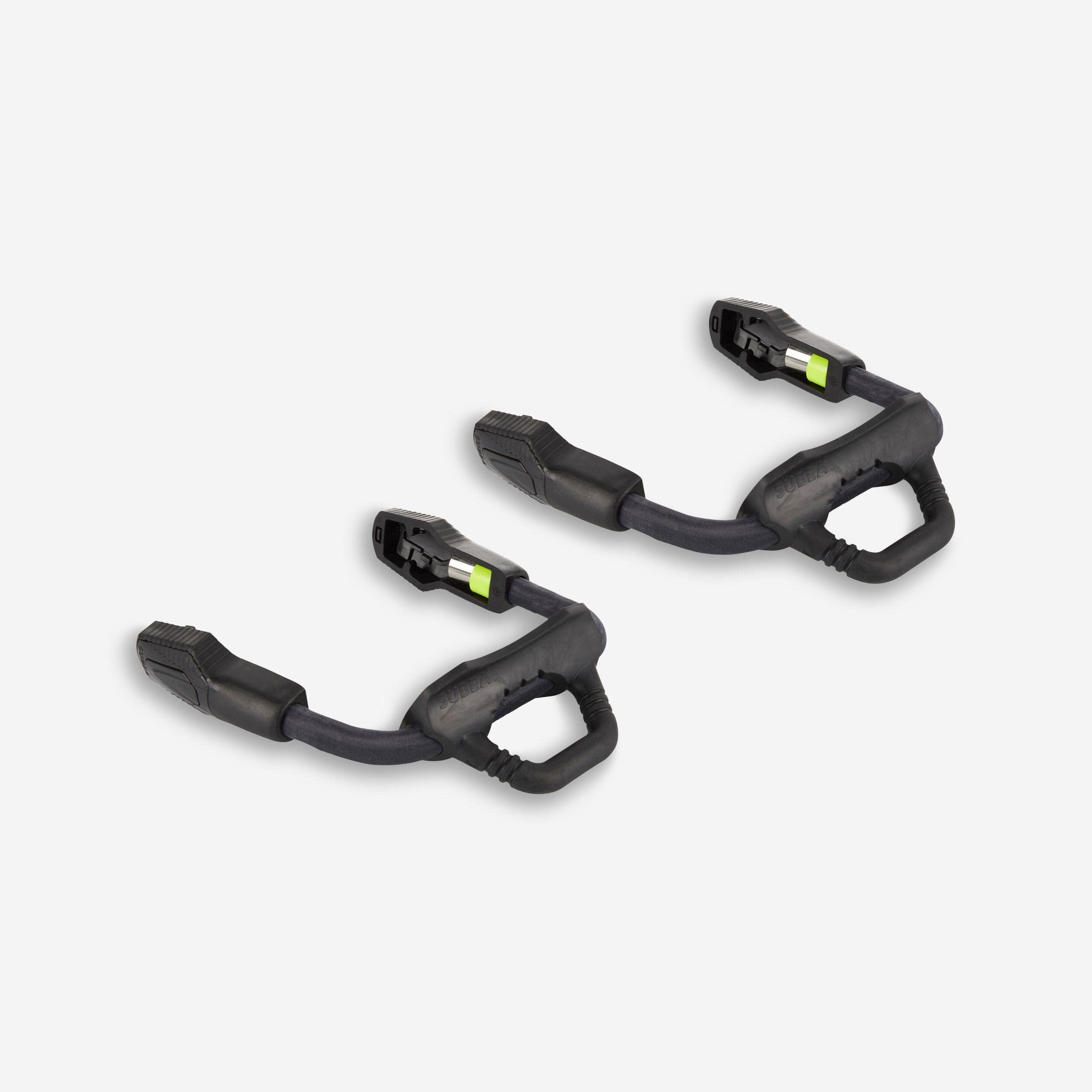
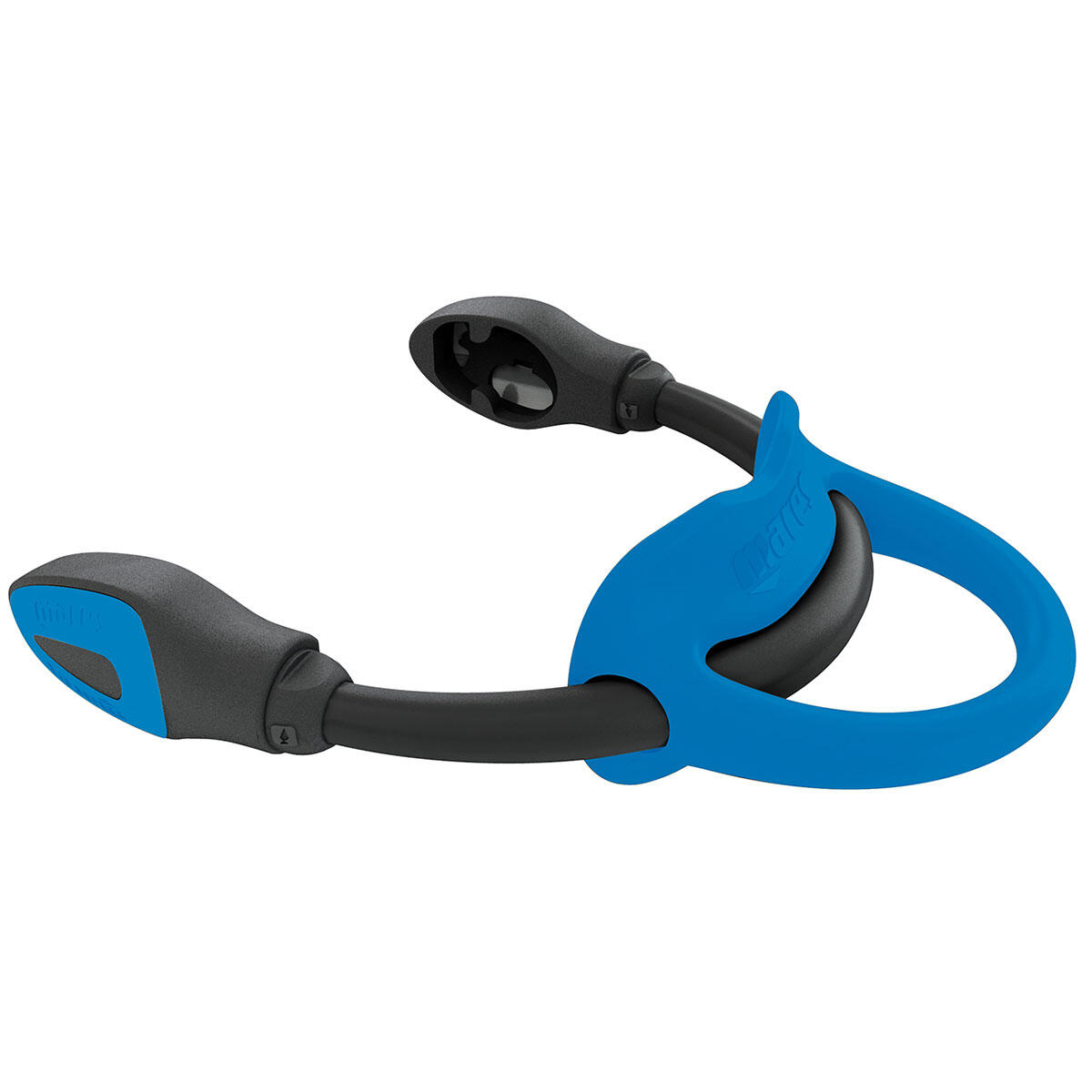
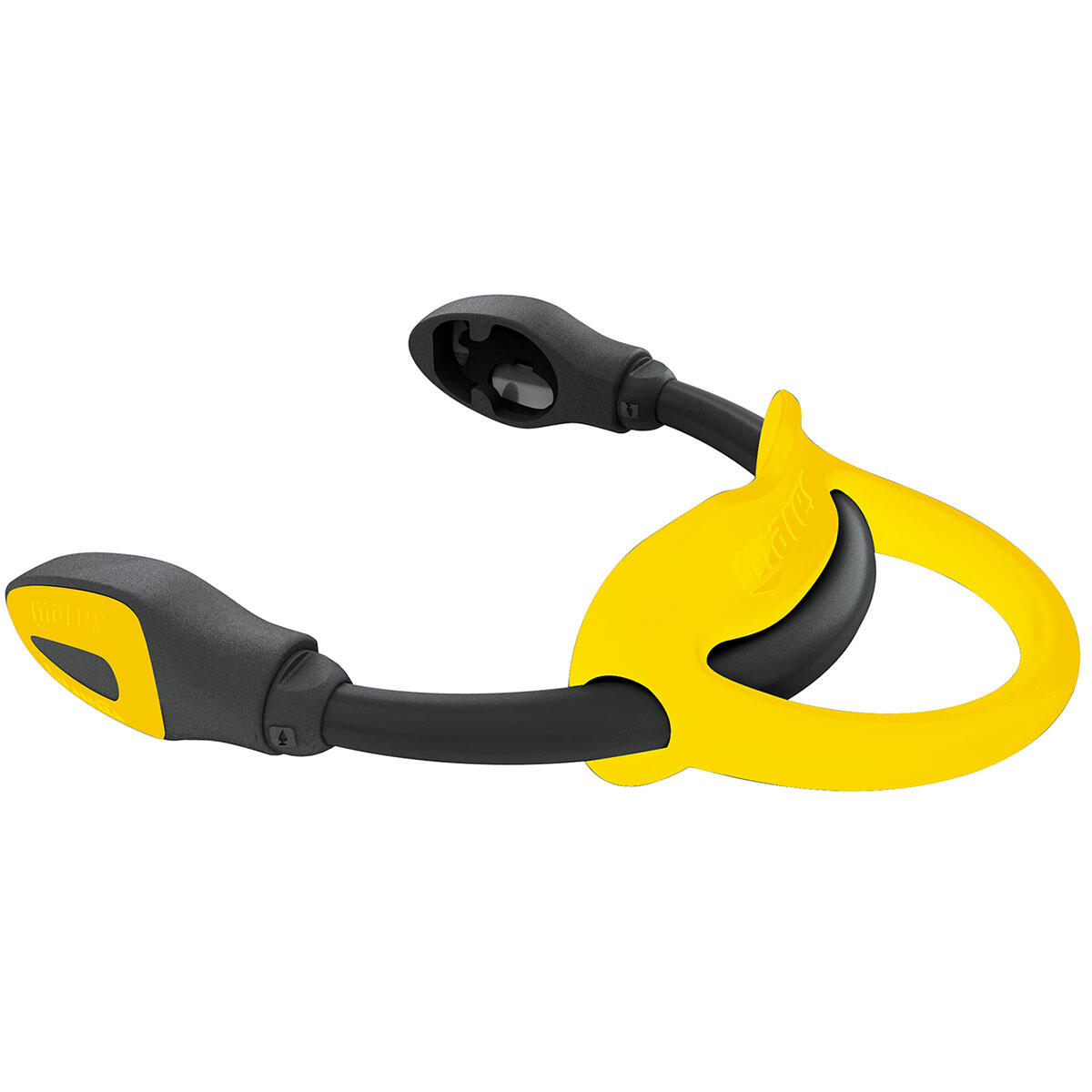
Traditional adjustable plastic buckles are prone to snapping under stress and require manual tensioning adjustments whenever deep water pressure compresses neoprene boots. Retrofitting heavy-duty rubber heel loops alongside modern scuba diving mask straps ensures a secure fit that stays snug throughout entire profiles. High-grade elastomer components stretch effortlessly over drysuit heel blocks, eliminating standard buckles that can catch on loose seaweed or discarded monofilament lines. This upgrade guarantees consistent tension even at extreme depths where fabric compression occurs.

Which design features differentiate heavy technical rubber options from flexible entry-level styles?

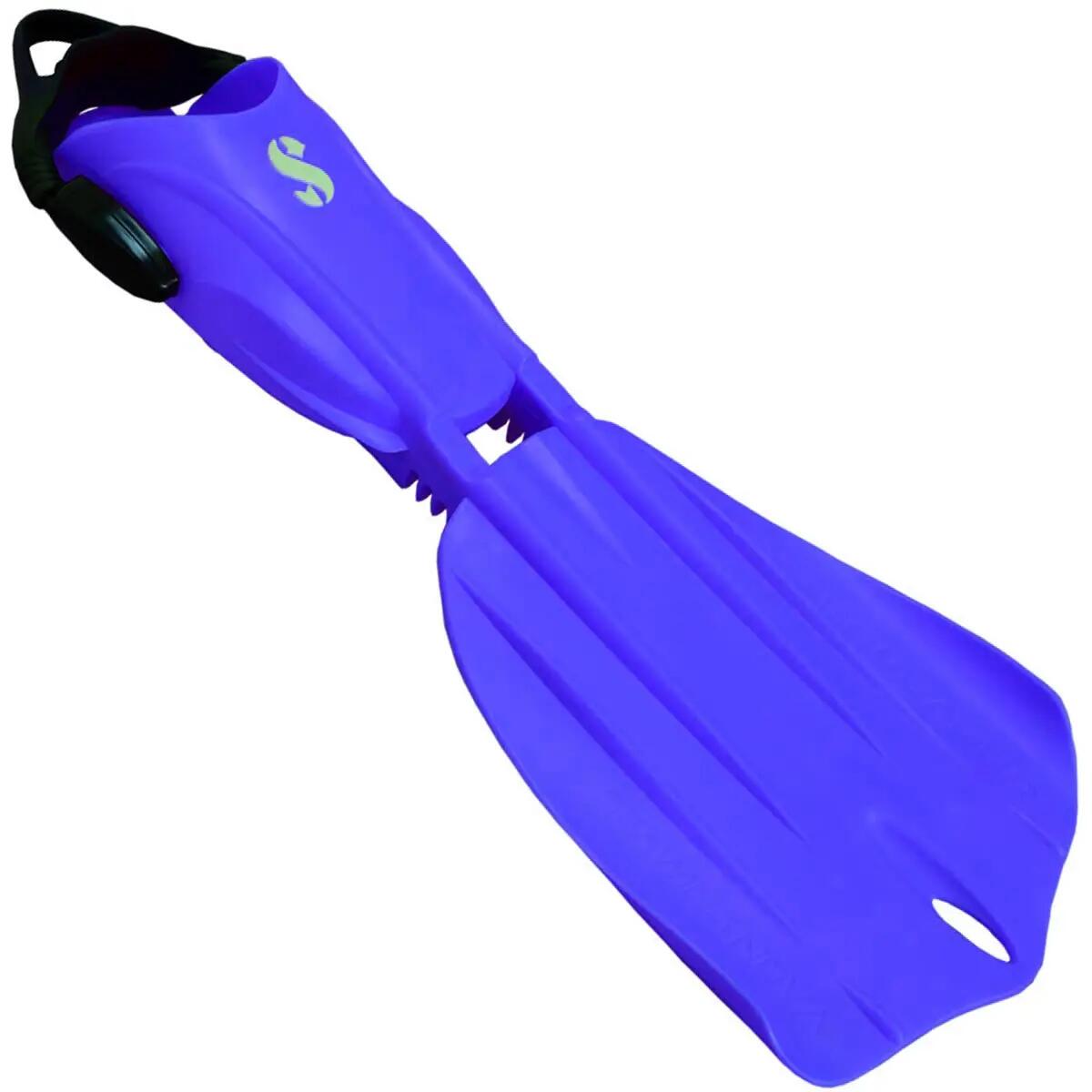
Advanced underwater navigation demands precise manoeuvring capabilities, including the ability to perform backward kicks and helicopter turns near silt-covered bottoms. Stiff composite models provide the structural rigidity necessary to handle heavy twinset cylinders without bowing under the extra load. Stowing essential scuba diving accessories inside secure pocket locations maintains a streamlined profile, allowing the rigid blades to deliver maximum torque with short strokes. This rigid construction prevents cosy blade flattening that diminishes propulsion when wearing bulky equipment configurations.

How does blade length influence gas consumption rates during extended underwater durations?

Moving through liquid resistance requires a careful balance between muscle exertion and displacement volume to keep oxygen consumption minimal. Shorter, stiffer variations require high-frequency leg movements that elevate heart rates, while oversized technical options provide significant forward movement from single, slow extensions. Equipping balanced scuba diving gear helps maintain neutral buoyancy, letting the blade surface work efficiently parallel to the seabed. This systematic efficiency lowers air consumption, allowing for longer bottom times and safer decompression profiles.